PCB manufacturing PCB manufacturing
Home > Blog

pcb fabrication

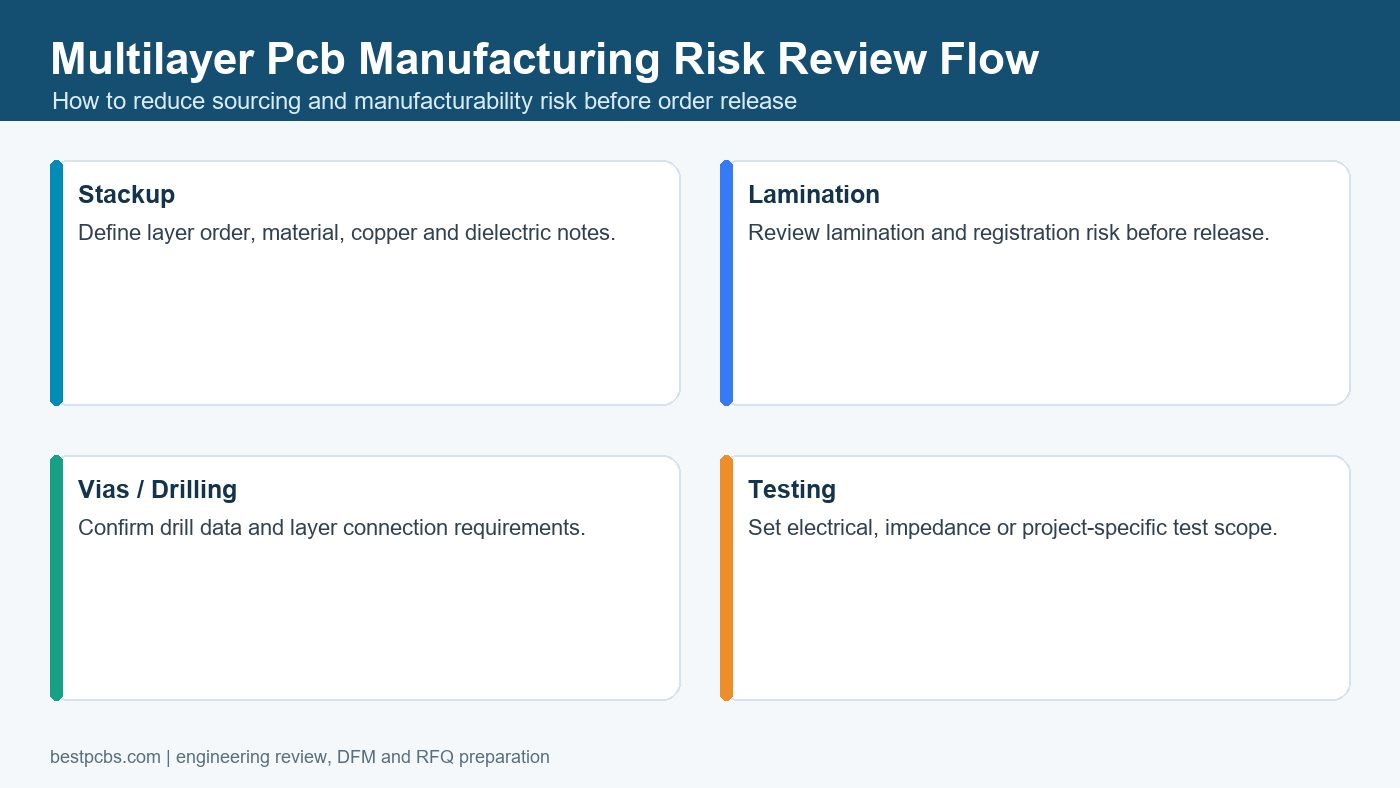
Copper Clad Circuit Board | Custom Fabrication & PCBA
Monday, May 25th, 2026

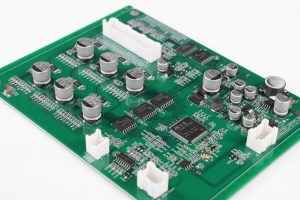
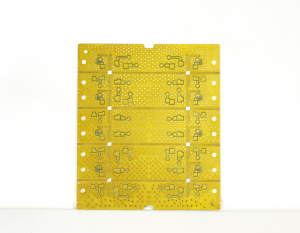
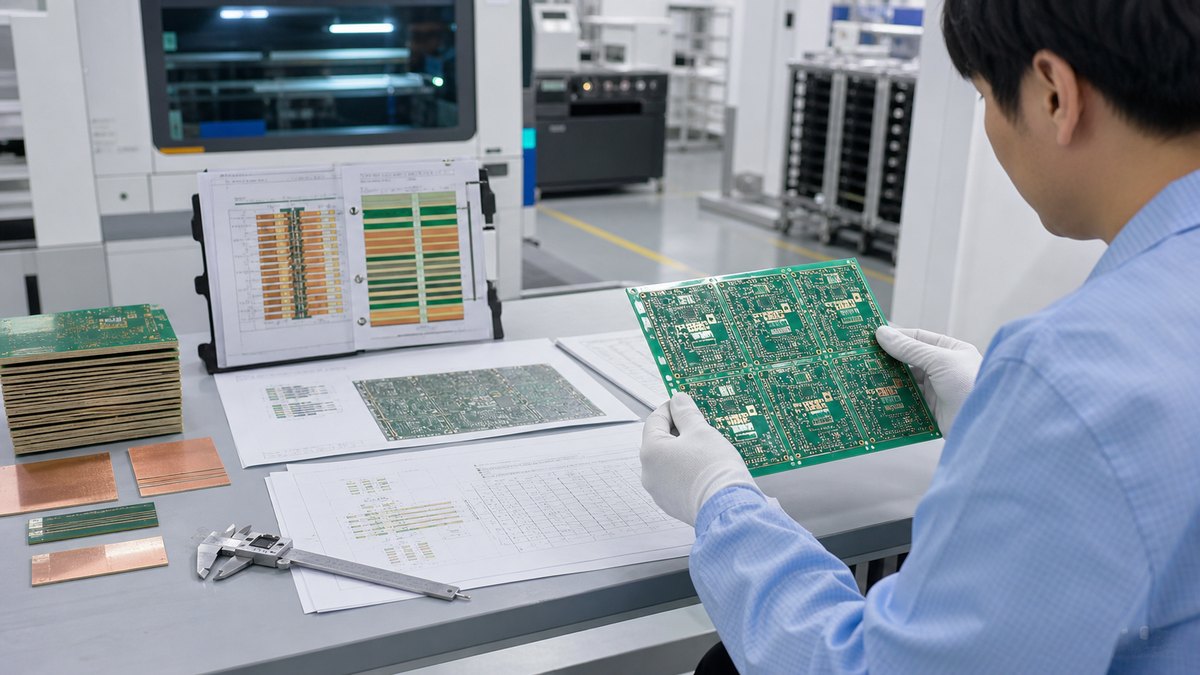
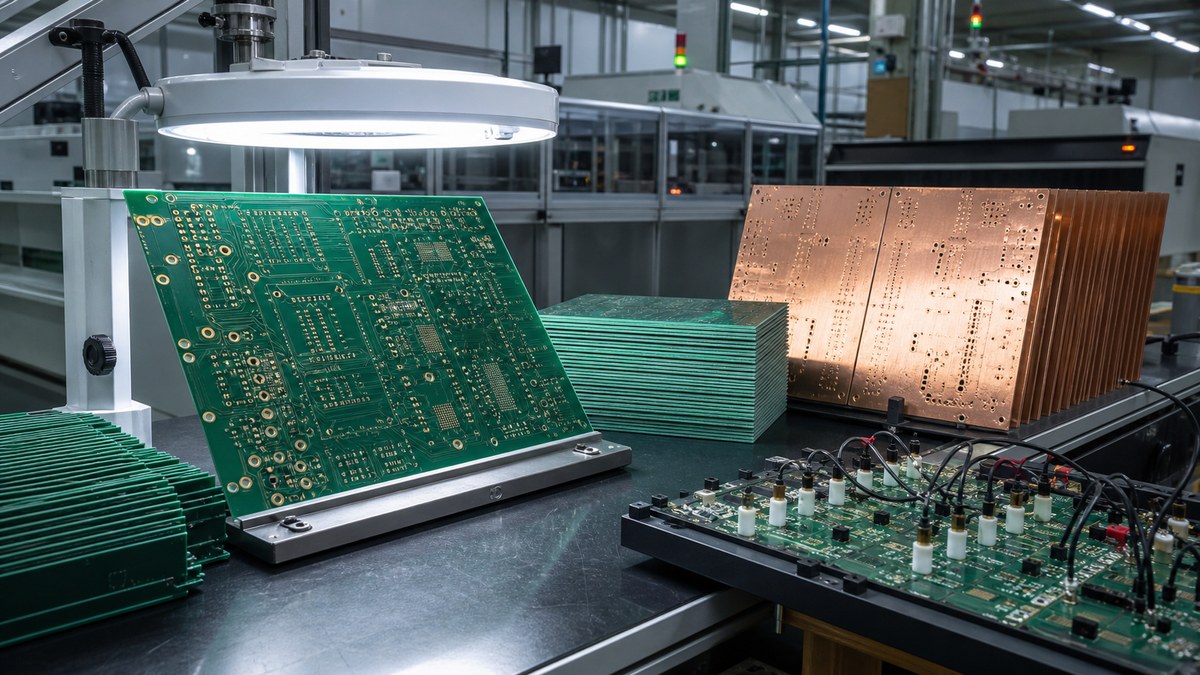
A copper clad circuit board is the base material used to make many printed circuit boards. It has an insulating board with copper foil on one or both sides. During PCB fabrication, the extra copper is removed. As a result, the needed circuit pattern is left on the board.

This guide explains the basic meaning, common materials, board types, and supplier selection points. In addition, it shows how EBest can support customers from PCB fabrication to PCBA assembly.

EBest provides custom copper clad PCB fabrication and PCBA assembly for prototypes, medium-volume, and high-volume production orders. Our team can review your material choice, copper thickness, board structure, surface finish, and assembly needs before production, helping you reduce design risk and move faster from bare PCB to finished PCBA. For material review or a quotation, send your Gerber files, BOM, drawings, or project requirements to sales@bestpcbs.com.

Copper Clad Circuit Board

What Is a Copper Clad Circuit Board?

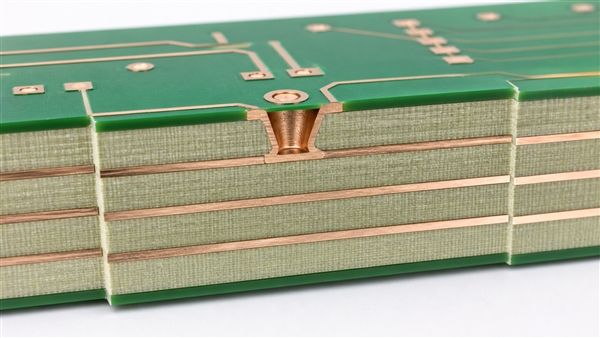
A copper clad circuit board is made by bonding copper foil to an insulating base material. The base material can be FR4, paper based material, CEM material, polyimide, metal base material, or another special laminate.

The copper layer is used to form the circuit. The base material supports the board and provides insulation. Therefore, both copper and substrate quality matter.

A simple copper clad board usually includes two main parts:

PartFunction
Copper FoilForms traces, pads, and circuit patterns
Base MaterialProvides support, insulation, heat resistance, and board strength

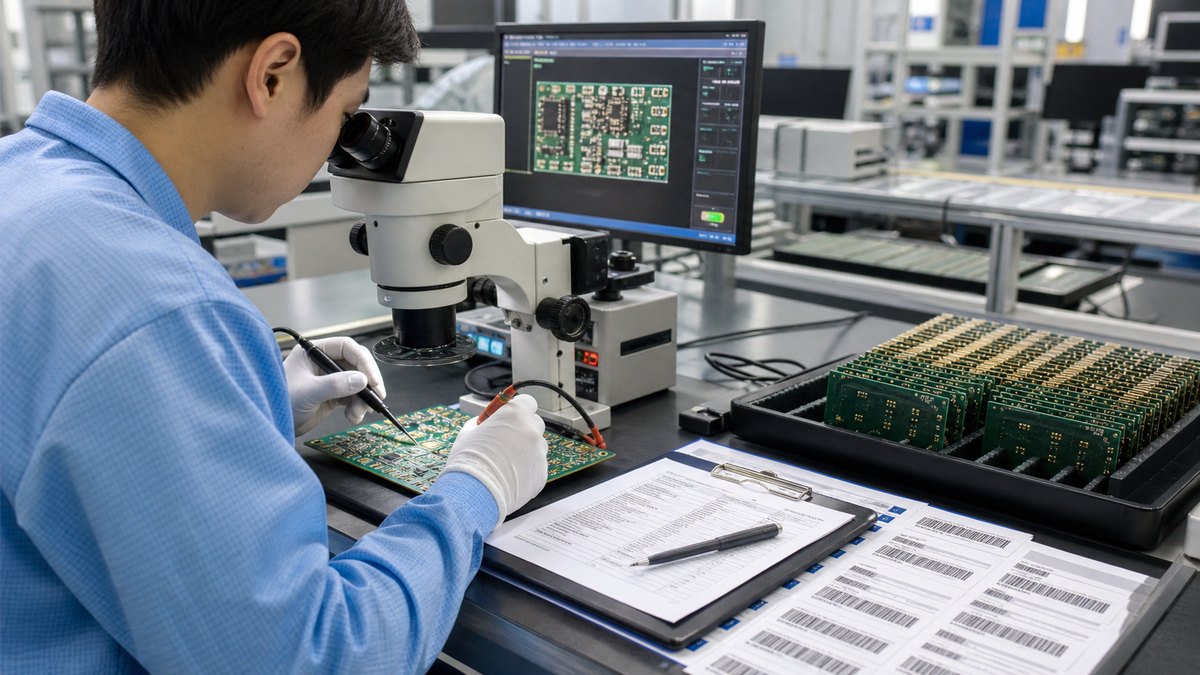
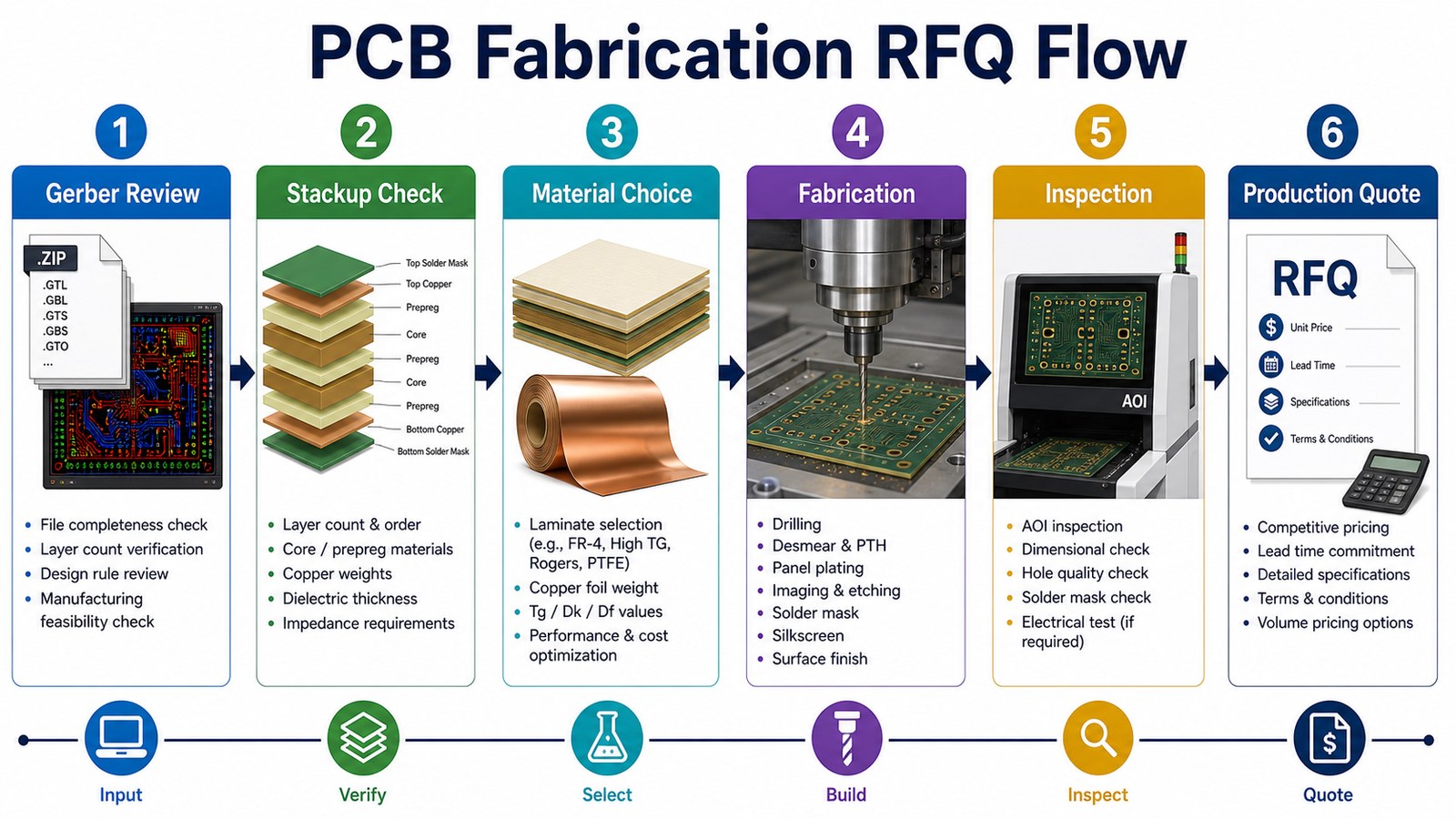
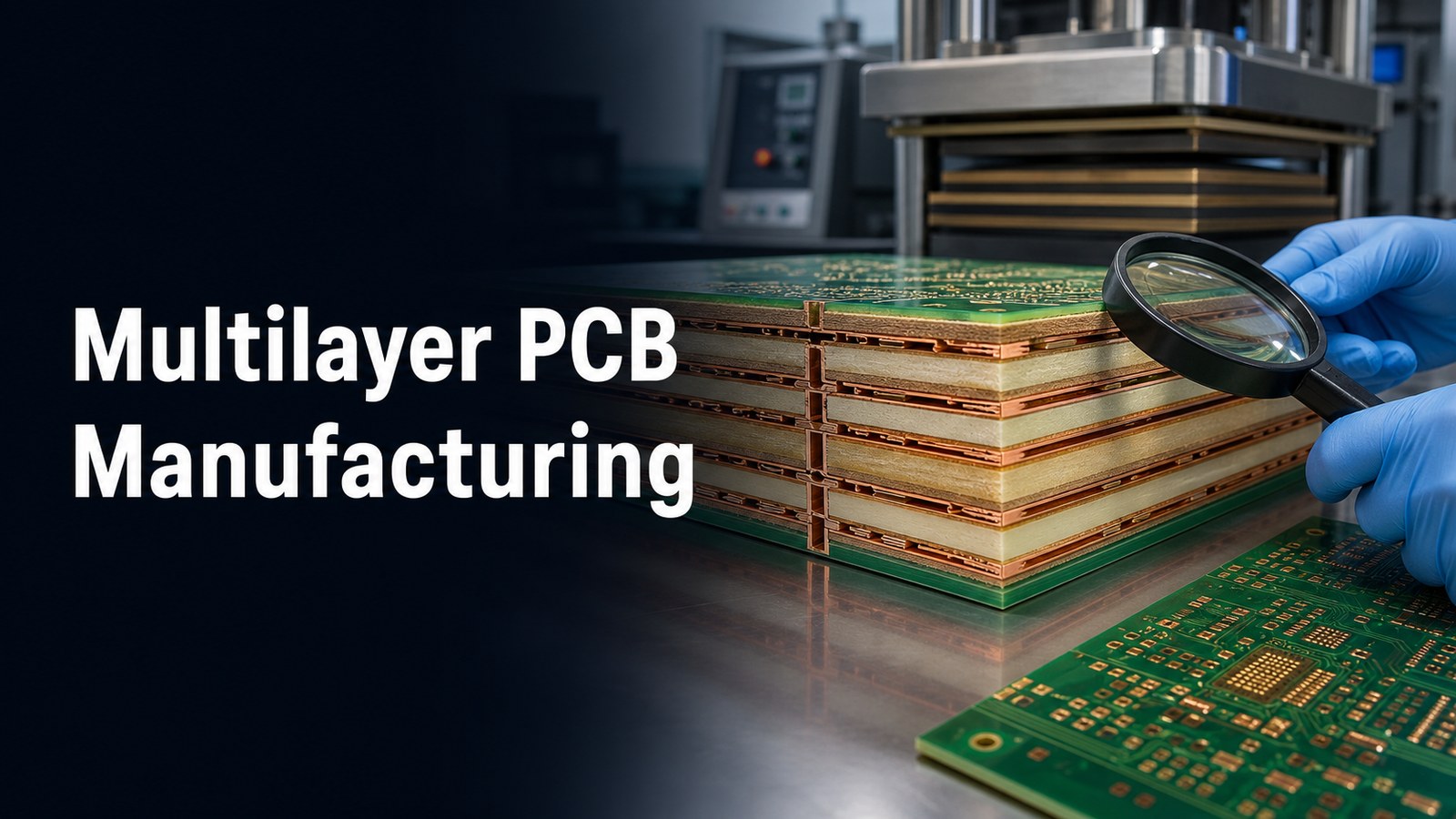
In PCB production, the board goes through several steps. For example, it may need drilling, imaging, etching, plating, solder mask, surface finish, and inspection. After these processes, the copper clad material becomes a finished printed circuit board.

Copper Clad Circuit Board

What Is a Copper Clad Printed Circuit Board Used For?

A copper clad printed circuit board is used in many electronic products. It provides the base for electrical connection and component mounting. Also, it helps carry signals or current between components.

Common applications include:

  • Consumer electronics
  • Industrial control boards
  • LED lighting products
  • Communication devices
  • Automotive electronics
  • Power supply modules
  • Medical electronics
  • Test instruments
  • IoT devices

For simple products, a single sided board may be enough. However, more complex products often need double sided or multilayer PCB structures. This is because they need more routing space and better layout flexibility.

Therefore, the best board type depends on the circuit design. It also depends on current load, signal speed, working temperature, product size, and cost target.

Copper Clad Laminate Circuit Boards: What Material Options Are Available?

Copper clad laminate circuit boards can be made with different materials. Each material has its own purpose. So, buyers should not choose only by price or appearance.

Here are some common material options:

Material TypeCommon Use
Paper Based CCLSimple and low cost electronics
FR4 Glass Fiber CCLGeneral PCB manufacturing
CEM Material CCLCost sensitive products with better strength than paper material
High Tg FR4 CCLBoards that need better heat resistance
Low Loss CCLHigh speed or high frequency circuits
Metal Based CCLLED, power, and heat dissipation applications
Flexible CCLFlexible PCB and compact electronic products

Among these options, FR4 is one of the most common choices. It offers good strength, insulation, process stability, and cost balance. Because of this, it is widely used in standard PCB production.

However, some projects need special materials. For example, LED boards may need better heat transfer. High speed boards may need lower signal loss. In these cases, material selection should be reviewed before production.

What Copper Clad Circuit Board Material Should You Choose?

The right copper clad circuit board material should match the product’s real working conditions. Before choosing the material, engineers should first check heat, current, signal speed, soldering temperature, board thickness, and final use environment.

A simple selection logic is:

Design NeedSuggested Material DirectionKey Reason
General control circuitStandard FR4 copper clad boardBalanced cost, strength, and insulation
Lead free soldering or higher heatHigh Tg FR4Better thermal stability
LED or power productMetal core PCB or copper core PCBBetter heat transfer
High current circuitHeavy copper PCBBetter current carrying capacity
High speed or RF signalLow loss laminateLower signal loss and stable impedance
Compact multilayer designStable FR4 or special laminateBetter layer alignment and process control

For heat sensitive products, material selection should not rely on guesswork.

Engineers can use a simple thermal estimate:

ΔT = P × Rθ

  • In this formula, ΔT is temperature rise, P is power loss, and Rθ is thermal resistance. If power loss is high, the board needs a better thermal path.

Thermal resistance can also be estimated by:

Rθ = t / (k × A)

  • Here, t is dielectric thickness, k is thermal conductivity, and A is heat transfer area. So, a thinner dielectric layer, higher thermal conductivity, or larger heat spreading area can help reduce temperature rise.
  • This is why standard FR4 is suitable for many control boards, but it may not be the best choice for LED lighting, automotive lighting, power modules, or high current products. In those cases, metal core PCB, copper core PCB, or heavy copper PCB may be more suitable.
  • For high speed or RF designs, the key points are different. Engineers should focus on Dk, Df, impedance control, copper roughness, stackup thickness, and material stability. These factors can affect signal loss and transmission quality.

At EBest, we review copper clad circuit board material together with the actual PCB design. Our engineering team can check copper thickness, board thickness, Tg value, thermal path, dielectric layer, surface finish, and assembly process before production. This helps customers choose a material that fits both performance and manufacturing needs.

Instead of only producing boards according to files, EBest can provide DFM review, material suggestions, PCB fabrication, component sourcing, PCBA assembly, and testing. This is especially useful when customers are not sure whether to use FR4, high Tg FR4, metal core PCB, copper core PCB, heavy copper PCB, or low loss laminate.

FR4 Copper Clad Circuit Board: When Is It the Right Choice?

An FR4 copper clad circuit board is suitable for many standard PCB projects. FR4 is made from glass fiber cloth and epoxy resin. It offers good strength and electrical insulation.

FR4 is commonly used in:

  • Industrial control PCB
  • Consumer electronics PCB
  • Communication device PCB
  • Power supply PCB
  • Automotive auxiliary electronics
  • Instrument control boards
  • General multilayer PCB designs

FR4 is a good choice when the project needs stable quality and reasonable cost. Also, it has mature manufacturing support. Therefore, it is often the first option for many PCB designs.

However, not all FR4 materials are the same. Standard FR4, high Tg FR4, halogen free FR4, and low loss FR4 have different properties. So, the material grade should be confirmed before production.

This is especially important for boards with high temperature, dense components, controlled impedance, or strict reliability needs.

Single Sided Copper Clad Circuit Board vs Double Sided Copper Clad Circuit Board

Single sided and double sided boards are two common choices. The difference is simple. However, it can strongly affect layout, cost, and production.

TypeStructureBest For
Single Sided Copper Clad Circuit BoardCopper on one side onlySimple circuits, low cost products, LED boards, basic control boards
Double Sided Copper Clad Circuit BoardCopper on both sidesDenser layouts, more routing space, plated holes, compact products

A single sided copper clad circuit board is easier to make. Also, it usually costs less. It works well when the circuit is simple and all routing can be done on one side.

A double sided copper clad circuit board gives more design space. It allows traces on both sides of the board. In addition, plated through holes can connect the two copper layers. As a result, the layout can be smaller and cleaner.

Therefore, the choice depends on layout density, current needs, assembly method, board size, and target cost.

Copper Clad Circuit Board

Copper Clad Circuit Board vs Copper Core PCB: What Is the Difference?

A copper clad circuit board and a copper core PCB both use copper. However, they are not the same product.

A copper clad circuit board usually means an insulating laminate with copper foil on the surface. The copper is etched to form circuit traces.

A copper core PCB has a copper core or copper base inside the board structure. The copper core is mainly used for heat spreading. Therefore, it is often used in high power and high heat products.

ItemCopper Clad Circuit BoardCopper Core PCB
Main PurposeForm circuit tracesImprove heat dissipation
Copper PositionCopper foil on laminate surfaceCopper core or copper base
Common UseGeneral PCB fabricationHigh power LED, automotive lighting, power modules
Design FocusCircuit routing and insulationThermal path and heat transfer
Cost LevelUsually more flexibleUsually higher due to special structure

If your product needs normal signal routing, a standard copper clad PCB may be enough. However, if heat is the main concern, copper core PCB or metal core PCB may be a better choice.

How to Choose a Copper Clad Circuit Board Manufacturer or Supplier?

Choosing a manufacturer is not only about price. The supplier should understand PCB materials, copper thickness, board tolerance, surface finish, and assembly needs.

Before ordering, buyers should check these points:

  • Can the supplier support the required material?
  • Can they make single sided, double sided, and multilayer PCBs?
  • Can they control copper thickness and line spacing?
  • Can they provide DFM review before production?
  • Can they support prototypes and mass production?
  • Can they also provide PCB assembly?
  • Can they source components if needed?
  • Do they have testing and quality control?

DFM review is very useful. It means Design for Manufacturing review. In this step, engineers check whether the board can be produced smoothly.

For example, they may check trace spacing, hole size, copper weight, solder mask clearance, and board stackup. As a result, many hidden risks can be found before production.

A good supplier should help you avoid production issues early. Also, they should support both quality and delivery control.

What Copper Clad Circuit Board Services Does EBest Provide?

EBest provides custom copper clad circuit board manufacturing support. In addition, we can support the full process from PCB fabrication to PCBA assembly.

Our services include:

  • Custom PCB fabrication
  • FR4 PCB manufacturing
  • Single sided PCB production
  • Double sided PCB production
  • Multilayer PCB fabrication
  • Metal core PCB support
  • Copper core PCB support
  • High Tg PCB manufacturing
  • DFM pre review
  • BOM optimization
  • Component sourcing
  • SMT assembly
  • Through hole assembly
  • Functional testing
  • Quality inspection
  • Prototype and small batch production

For copper clad PCB projects, EBest can review the material, copper thickness, board structure, surface finish, and assembly needs before production. Therefore, customers can reduce material mismatch and process risks.

Also, EBest can support different industries. These include industrial control, medical electronics, automotive electronics, communication products, LED lighting, and other electronic devices. Our factory operates under certified quality systems, including ISO 9001, ISO 13485, IATF 16949, and AS9100D. Our products are also manufactured in compliance with UL, REACH, and RoHS requirements.

If you need bare PCB fabrication, assembled PCBA, or turnkey electronics manufacturing, EBest can help from prototype to production.

FAQs About Copper Clad Circuit Board

Q1: What is a copper clad circuit board?
A1: A copper clad circuit board is an insulating board with copper foil on one or both sides. During PCB fabrication, the copper is etched to form the circuit pattern.

Q2: Is copper clad laminate the same as PCB?
A2: Not exactly. Copper clad laminate is the base material. After drilling, etching, plating, solder mask, surface finish, and testing, it becomes a finished PCB.

Q3: What is the most common copper clad circuit board material?
A3: FR4 is one of the most common materials. It offers good insulation, board strength, heat resistance, and cost balance.

Q4: What is the difference between single sided and double sided copper clad boards?
A4: A single sided board has copper on one side. A double sided board has copper on both sides. Therefore, a double sided board offers more routing space.

Q5: Can copper clad circuit boards be used for high power products?
A5: Yes, but the material must be selected carefully. For better heat transfer, metal core PCB or copper core PCB may be more suitable.

Q6: Where can I get copper clad boards for printed circuit boards?
A6: You can source them from a PCB manufacturer that supports material selection, PCB fabrication, copper thickness control, surface finish, and assembly service.

Q7: Can EBest provide both copper clad PCB fabrication and assembly?
A7: Yes. EBest can support PCB fabrication, component sourcing, SMT assembly, through hole assembly, testing, and quality control.

In a nutshell, a copper clad circuit board is the foundation of many PCB products. It affects circuit quality, heat resistance, assembly results, and product reliability.

For standard projects, FR4 is often a practical choice. However, high heat, high speed, or special products may need other materials. Therefore, material review is important before production.

Need help with your copper clad PCB project? Send your Gerber files, BOM, drawings, or project requirements to sales@bestpcbs.com. EBest can support material review, PCB fabrication, component sourcing, PCBA assembly, testing, and production follow up.

You may also like

RF Microwave PCB: Design, Materials, Fabrication, and Manufacturer Guide
Thursday, May 21st, 2026

How can an RF microwave PCB keep high-frequency signals stable when small design and fabrication changes may affect the final result? This guide explains how RF microwave PCB boards work, how to choose suitable materials, how to control impedance and signal loss, and how to select the right manufacturer for prototype and production projects.

EBest Circuit (Best Technology) is an engineering-driven PCB and PCBA manufacturer with over 20 years of experience supporting high-frequency, RF, microwave, automotive, medical, industrial, communication, and aerospace/UAV projects. With self-owned PCB and PCBA factories, EBest provides DFM review, material selection support, controlled impedance PCB fabrication, component sourcing, assembly, testing, and production-quality support from prototype to mass production.

If you are evaluating an RF microwave PCB project and need practical manufacturing feedback, you can send your Gerber files, stackup, material requirements, and quantity to sales@bestpcbs.com for a technical review and quotation.

RF Microwave PCB

What Is an RF Microwave PCB Board?

An RF microwave PCB board is a printed circuit board made for radio frequency and microwave signals. It is a high-frequency circuit board designed for RF and microwave signal transmission, usually covering applications from MHz-level RF circuits to GHz and millimeter-wave systems.

In simple terms, RF board PCB is a broader category for radio-frequency circuits, microwave PCB usually refers to higher-frequency GHz-range circuits, and RF microwave PCB board is often used to describe a low-loss, impedance-controlled PCB built for both RF and microwave performance.

Unlike a standard FR4 PCB, an RF microwave PCB is part of the signal path. Therefore, the board does more than connect components. It also affects signal speed, loss, phase, reflection, and radiation.

In many low-speed PCB designs, small material changes may not create serious issues. However, RF and microwave circuits are more sensitive. A small shift in dielectric thickness, copper roughness, or trace width can change the final electrical behavior.

RF microwave PCB boards are commonly used in:

  • 5G communication modules
  • RF antennas
  • Radar systems
  • Satellite communication equipment
  • Aerospace and UAV electronics
  • Industrial RF systems
  • Medical RF devices
  • Automotive radar and sensing modules
  • High-frequency test instruments
RF Microwave PCB

As a result, RF microwave PCB design must start with clear electrical goals. These goals may include low insertion loss, stable impedance, low return loss, strong grounding, and repeatable batch performance.

A well-built RF microwave PCB helps engineers reduce signal loss and improve circuit stability. It also makes the product easier to move from prototype to mass production.

How Does an RF Microwave High-Frequency PCB Work?

An RF microwave high-frequency PCB works by guiding electromagnetic energy through controlled signal paths. These paths may include microstrip lines, stripline traces, coplanar waveguides, grounded coplanar waveguides, and antenna feed lines.

At high frequencies, a copper trace is not just a simple wire. Instead, it works as a transmission line. The signal travels through both the copper and the surrounding dielectric field. Because of this, the material, trace width, spacing, ground plane, and via structure all affect performance.

Several factors matter most.

  • Impedance control is one of the first concerns. Many RF circuits use 50 ohm impedance, although some designs use other values. The final impedance depends on trace width, copper thickness, dielectric thickness, and dielectric constant.
  • Insertion loss is also important. It shows how much signal power is lost as the signal moves through the board. Loss can come from the dielectric material, copper surface, radiation, and poor transitions.
  • Return loss shows how much signal reflects back. Poor layout, sudden trace width changes, bad via design, or weak connector launch design may increase reflection.
  • Phase stability matters in radar, antenna, and communication systems. If the material or process changes too much, phase behavior may shift. This can affect signal timing and accuracy.
  • Ground return path is another key factor. RF current needs a clean return path. Therefore, a continuous ground plane and proper via stitching can help reduce noise, coupling, and radiation.

In short, an RF microwave PCB works well when the signal sees a stable path from the source to the load. Good design creates that path. Good fabrication keeps it consistent.

Where Are RF Microwave PCB Boards Used in 24GHz, 5G, and High-Power Applications?

RF microwave PCB boards are used in products where frequency, bandwidth, signal loss, and stability matter. Some boards are small antenna modules. Others are complex multilayer boards for communication systems.

Application AreaTypical RequirementPCB Focus
24GHz radarStable detection and low signal driftLow-loss laminate, precise impedance, antenna accuracy
5G RF modulesHigh bandwidth and stable transferStable Dk/Df, fine-line control, hybrid stackup
RF antennasGood radiation efficiencyAntenna geometry, copper tolerance, surface finish
Base stationsLong-term signal reliabilityThermal control, material consistency, multilayer control
Aerospace and UAVLightweight and stable RF performanceTraceability, process control, vibration resistance
Industrial RF equipmentReliable field operationStrong structure, thermal reliability, test control
High-power RF modulesHeat control and signal stabilityMetal-backed structure, thermal path, copper control
  • For a 24GHz RF microwave PCB, material choice and layout precision are already important. As the frequency rises, small geometry changes become more visible in actual RF performance.
  • For 5G-ready RF microwave high-frequency PCB fabrication, engineers often need low transmission loss, stable dielectric properties, and repeatable production. In many cases, they also need hybrid stackups. These stackups combine RF materials with FR4 or other support layers.
  • Meanwhile, high-power RF applications add another challenge: heat. These boards may need metal-backed structures, thermal vias, heavy copper areas, or a dedicated heat path.

Therefore, the best RF microwave PCB is not always the most complex board. It is the board that fits the signal, thermal, mechanical, and production needs of the product.

How to Do PCB Material Selection for RF Microwave Millimeter-Wave Design?

Material selection is one of the most important steps in RF microwave PCB design. The laminate affects signal loss, impedance, phase stability, heat control, and long-term reliability.

For PCB material selection for RF microwave millimeter-wave design, engineers usually check several material properties.

Material FactorWhy It Matters
Dielectric constant, DkAffects trace width, impedance, wavelength, and phase speed
Dissipation factor, DfAffects dielectric loss, especially at high frequency
Copper roughnessAffects conductor loss and signal attenuation
Thermal conductivityHelps move heat away from RF power areas
CTEAffects dimensional stability and via reliability
Moisture absorptionAffects dielectric stability and long-term use
Process compatibilityAffects drilling, lamination, routing, and yield

Common RF microwave PCB materials include Rogers high-frequency laminates, PTFE-based laminates, ceramic-filled hydrocarbon materials, Taconic materials, and other low-loss substrates.

However, the lowest-loss material is not always the best choice. The project may also need cost control, easy sourcing, stable production, and strong mechanical performance. Therefore, engineers should choose the material based on frequency, loss target, thermal need, stackup, volume, and budget.

In some projects, a hybrid stackup is a practical choice. For example, the RF layer may use a low-loss material, while the support layers use FR4. This helps reduce cost while keeping the high-frequency path stable.

Before production, the material choice should be reviewed with the manufacturer. This can help avoid problems with drilling, lamination, copper control, and dimensional stability.

What Are the Main RF Microwave PCB Board Design and Layout Rules?

Good RF microwave PCB board design and layout starts with a clean signal path. The layout should reduce loss, avoid sudden impedance changes, and give RF signals a stable return path.

Here are the main design rules.

Keep RF traces short and direct.

  • Shorter traces reduce loss and lower the risk of unwanted coupling. Also, avoid unnecessary stubs, long detours, and sharp changes in direction.

Control impedance from the start.

  • The stackup, copper thickness, dielectric thickness, and trace width should be planned before layout. This helps avoid later redesign.

Use a continuous ground plane.

  • A broken ground plane can disturb the return path. As a result, it may increase radiation and impedance mismatch.

Add ground via stitching where needed.

  • Ground vias near RF traces can help control the electromagnetic field. They can also reduce coupling between nearby circuits.

Pay attention to via transitions.

  • At high frequency, a via can create unwanted inductance and capacitance. Therefore, via size, pad size, anti-pad size, and via depth should be reviewed.

Separate noisy circuits from RF areas.

  • Power converters, digital clocks, and fast switching signals should stay away from sensitive RF paths. In addition, proper shielding and layer planning can reduce noise.

Review solder mask over RF traces.

  • Solder mask can change impedance because it adds material above the copper. Some RF designs need solder mask clearance over controlled traces.

Design connector launches carefully.

  • A poor RF connector launch can create reflection and loss. Therefore, the launch area should match the connector type, stackup, and target impedance.

Overall, RF layout is not only about routing traces. It is about building a stable electrical environment around each signal path.

What Pain Points Come With RF Microwave PCB, and How Does EBest Solve Them?

RF microwave PCB projects often face issues that are not obvious at first. A board may look correct, but still fail RF testing. Therefore, early review and stable fabrication control are important.

Customer ChallengeWhat Usually HappensHow EBest Supports the Project
Material choice is unclearThe customer knows the frequency, but not the best laminateEBest reviews frequency, Dk/Df, stackup, heat, cost, and production volume before giving material suggestions
Impedance is hard to controlSmall trace or dielectric changes may cause reflectionEBest supports controlled impedance fabrication and checks stackup, trace width, copper thickness, and impedance targets before production
Prototype results are hard to repeatThe first sample may work, but later batches may shiftEBest helps control material batches, etching, lamination, inspection, and process records
Hybrid stackups create process riskRF material and FR4 may behave differently during laminationEBest reviews hybrid stackup feasibility and gives DFM suggestions before fabrication
RF designs need PCB and assembly supportCustomers may need bare boards, components, assembly, and testingEBest provides PCB fabrication, component sourcing, PCBA assembly, and testing support under one workflow
Design files are not production-readySmall layout issues may lead to delay or reworkEBest provides DFM pre-review to help customers find risks before the board enters production

This structure keeps the problem and solution clear. It also helps buyers quickly see whether the manufacturer can support real project risks.

For RF microwave PCB projects, EBest does not only build boards from files. Instead, the engineering team can help review the practical manufacturing side of the design. This includes material selection, stackup, impedance control, trace tolerance, via design, and assembly needs.

As a result, customers can reduce trial-and-error during prototyping. They can also move more smoothly from sample builds to volume production.

How Does RF Microwave PCB Fabrication Control Impedance, Loss, and Tolerance?

RF microwave PCB fabrication requires stable process control. The goal is to keep the finished board close to the original electrical design.

Several fabrication steps affect RF performance.

Material handling

  • High-frequency materials may need special storage, drilling, lamination, and routing control. Good handling helps keep the material stable.

Stackup control

  • Dielectric thickness affects impedance. Therefore, prepreg flow, lamination pressure, and material selection must stay consistent.

Etching control

  • Trace width affects impedance and signal loss. The manufacturer must understand copper thickness and etching behavior. Then, it can apply proper compensation.

Copper thickness control

  • Uneven copper can change impedance. It can also affect conductor loss. Stable plating helps improve consistency.

Drilling and via quality

  • Vias affect RF transitions and board reliability. Clean drilling, proper desmear, and stable copper plating are important.

Surface finish selection

  • ENIG, immersion silver, OSP, and other finishes may affect solderability and surface behavior. The right finish depends on RF needs, assembly process, storage time, and customer standards.

Impedance testing

  • TDR testing and impedance coupons help confirm whether the board meets the target. This is especially important for controlled impedance RF circuits.

AOI and electrical testing

  • AOI checks trace quality and pattern accuracy. Electrical testing checks opens and shorts before shipment.

Because of these factors, a low-loss material alone cannot ensure good RF performance. The fabrication process must also be stable. In addition, the manufacturer must understand how each process step affects the final signal path.

How to Choose the Right RF Microwave PCB Manufacturer?

Choosing the right RF microwave PCB manufacturer is both a purchasing decision and an engineering decision. The supplier’s skill can affect signal performance, production yield, and delivery stability.

A reliable RF microwave PCB supplier should provide:

  • Experience with high-frequency materials
  • Controlled impedance fabrication
  • DFM review before production
  • Stackup and material support
  • Stable material sourcing
  • Prototype and small-batch support
  • Repeatable production control
  • AOI, electrical testing, and impedance testing
  • Clear communication about tolerance and process limits
  • Support for overseas customers

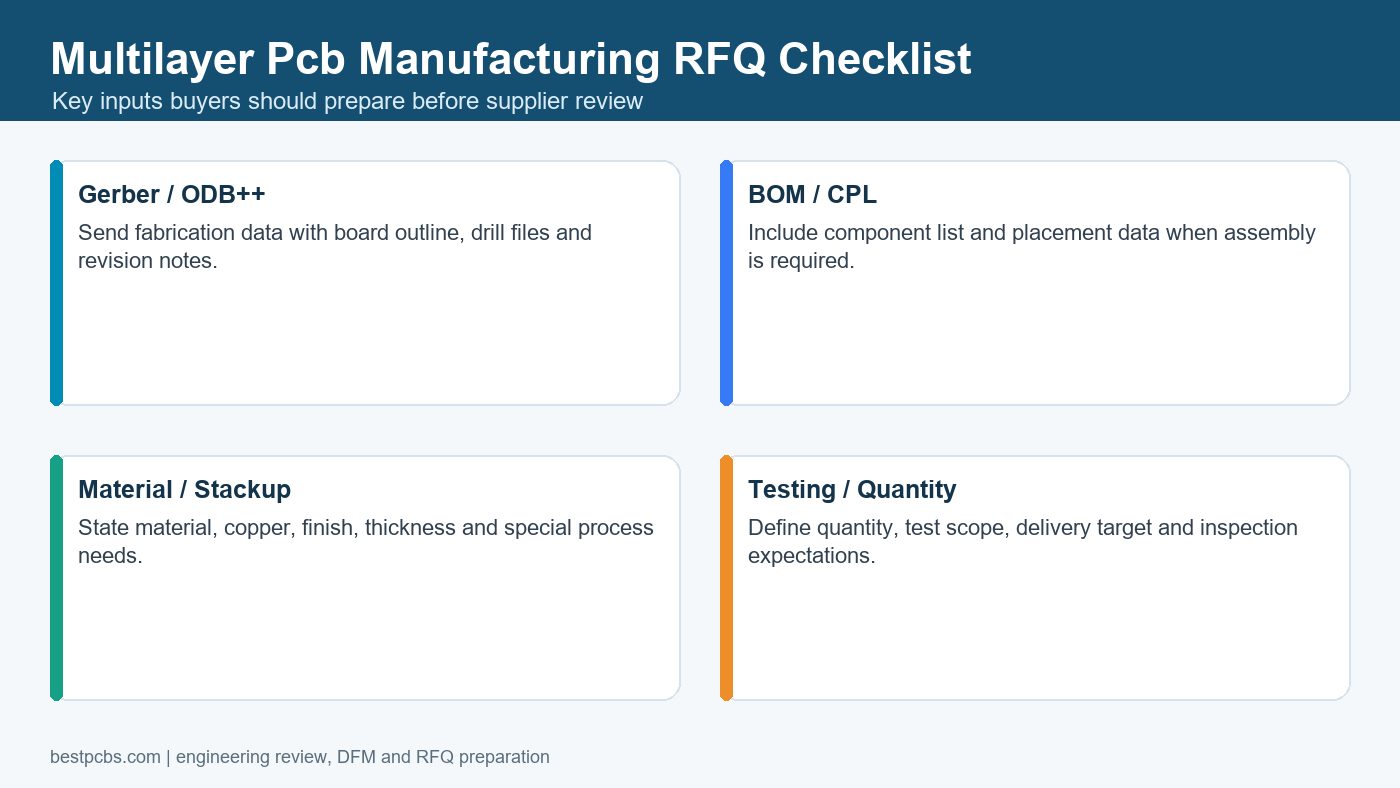
When requesting RF microwave PCB production quotes, customers should prepare clear data.

Required InformationWhy It Matters
Gerber filesAllows the manufacturer to review the board accurately
StackupHelps confirm impedance and lamination structure
Material typeAffects cost, lead time, and RF performance
Copper thicknessAffects impedance and current capacity
Board thicknessAffects mechanics and signal structure
Surface finishAffects assembly and solderability
Impedance targetSupports controlled impedance fabrication
QuantityAffects pricing and delivery plan
Testing needsHelps define inspection scope
Assembly needsHelps plan PCB and PCBA together

A good manufacturer should not only quote the lowest price. It should also find material, design, process, or assembly risks before production. For RF microwave projects, this early review can save time and reduce avoidable cost.

Why EBest Is the Trusted RF Microwave PCB Partner for Global Brands?

EBest Circuit (Best Technology) supports customers that need reliable RF microwave PCB manufacturing from prototype to production. The company provides PCB fabrication, component sourcing, PCBA assembly, testing, and turnkey electronics manufacturing.

For RF microwave PCB projects, EBest’s value is not only in board production. It also comes from engineering support before production starts.

Engineering-driven review

  • EBest provides DFM pre-review for material choice, stackup, impedance, copper thickness, trace width, via structure, and manufacturability.

High-frequency material experience

  • The team supports Rogers and other low-loss laminates. It can also support hybrid stackups when customers need a balance of RF performance and cost.

PCB and PCBA support

  • Many RF products need more than bare PCB fabrication. Therefore, EBest can support component sourcing, SMT assembly, testing, and final production coordination.

Quality system support

  • EBest works with quality systems suitable for demanding industries, including ISO9001, ISO13485, IATF16949, AS9100D, and UL-related PCB manufacturing support depending on project needs.

Prototype to mass production

  • RF products often move through several validation stages. EBest supports quick prototyping, small-batch builds, and production orders. This helps customers keep the same manufacturing logic across the project.

Industry experience

  • EBest serves communication, medical device, industrial control, automotive electronics, aerospace/UAV, lighting, robotics, new energy, and instrument applications.

For customers looking for a reliable RF microwave PCB manufacturer, EBest can review design files, support material selection, provide fabrication suggestions, and offer production quotes based on real project needs.

RF Microwave PCB

To discuss an RF microwave PCB project, customers can contact sales@bestpcbs.com with Gerber files, stackup, material requirements, quantity, and assembly needs.

FAQs About RF Microwave PCB

What is the difference between RF PCB and microwave PCB?
RF PCB is a broad term for boards that carry radio frequency signals. Microwave PCB usually refers to boards that work at higher frequencies. In many searches, the term RF microwave PCB covers both types.

What materials are commonly used for RF microwave PCB fabrication?
Common materials include Rogers laminates, PTFE-based laminates, ceramic-filled hydrocarbon materials, low-loss RF substrates, and hybrid RF plus FR4 stackups.

Can RF microwave PCB be used for 24GHz and 5G applications?
Yes. RF microwave PCB boards can be used in 24GHz radar, 5G RF modules, antennas, communication systems, and high-frequency sensing products. Here, 24GHz usually refers to radar applications, while 2.4GHz is more commonly used for WiFi, Bluetooth, Zigbee, and other ISM-band wireless devices.

Where can I get metal-backed RF microwave PCB boards?
You can get metal-backed RF microwave PCB boards from manufacturers with both RF material experience and thermal management capability.

EBest Circuit (Best Technology) can provide metal-backed RF microwave PCB boards using aluminum or copper base structures to support heat dissipation in high-power RF and microwave applications. For projects that need low-loss materials, controlled impedance, and stable thermal performance, EBest can also support DFM review, material selection, PCB fabrication, assembly, and testing.

Does RF microwave PCB require controlled impedance?
In most cases, yes. Controlled impedance helps reduce reflection and signal loss. Many RF traces use 50 ohm impedance, but the final value depends on the circuit design.

Can EBest support RF microwave PCB assembly?
Yes. EBest supports RF microwave PCB fabrication, component sourcing, SMT assembly, testing, and turnkey electronics manufacturing.

How do I request RF microwave PCB production quotes?
Prepare Gerber files, stackup, material type, copper thickness, board thickness, surface finish, impedance target, quantity, and assembly needs. Clear data helps the manufacturer quote faster and more accurately.

If you are not sure whether your RF microwave PCB design is ready for production, EBest Circuit (Best Technology) can review your files and provide practical manufacturing feedback. You can send your Gerber files and project requirements to sales@bestpcbs.com for a technical review and quotation.

You may also like

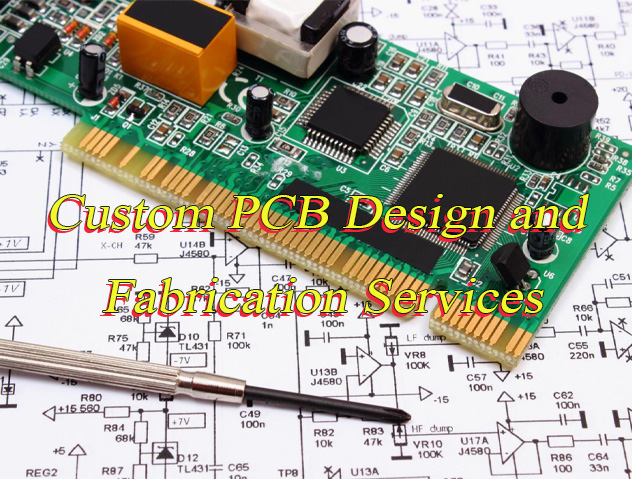
Custom PCB Design and Fabrication Services
Friday, February 20th, 2026

Looking for custom PCB design and fabrication services? This guide covers services, processes, DFM principles and quotes to help you find reliable custom solutions.

What Is PCB Designing and Fabrication?

PCB designing and fabrication transforms an electronic concept into a reliable, build-ready circuit board through a tightly connected engineering process. It begins with schematic design and layout planning, where signal paths, power flow, and component placement are carefully arranged. From there, the design is converted into precise manufacturing data that guides copper etching, layer lamination, drilling, and surface finishing. When design intent and fabrication capability are aligned early, the result is a board that performs as expected and moves smoothly into assembly.

At the same time, successful PCB designing and fabrication depends on practical decisions, not just electrical theory. Material selection, stack-up balance, and manufacturability checks all play a role in controlling cost and quality. Clear documentation and early DFM reviews help avoid rework and schedule delays. By treating design and fabrication as one continuous workflow, teams can achieve faster turnaround, higher yield, and more predictable production outcomes.

What Is PCB Designing and Fabrication, https://www.bestpcbs.com/blog/2026/01/custom-pcb-design-and-fabrication-services/

Types of Custom PCB Design and Fabrication Services

Custom PCB design and fabrication services cover diverse project needs, with specialized options for every stage. Prototype services handle low-volume orders (1-100 units) for design validation. They offer fast turnaround (24-72 hours) to speed up your testing cycles and allow quick iterations.

Small-batch fabrication (100-5,000 units) balances speed and cost. It suits niche products or pre-market launches, with flexible surface finishes and material choices. High-volume production (5,000+ units) uses automated workflows for consistency and efficiency, ideal for mass-market products.

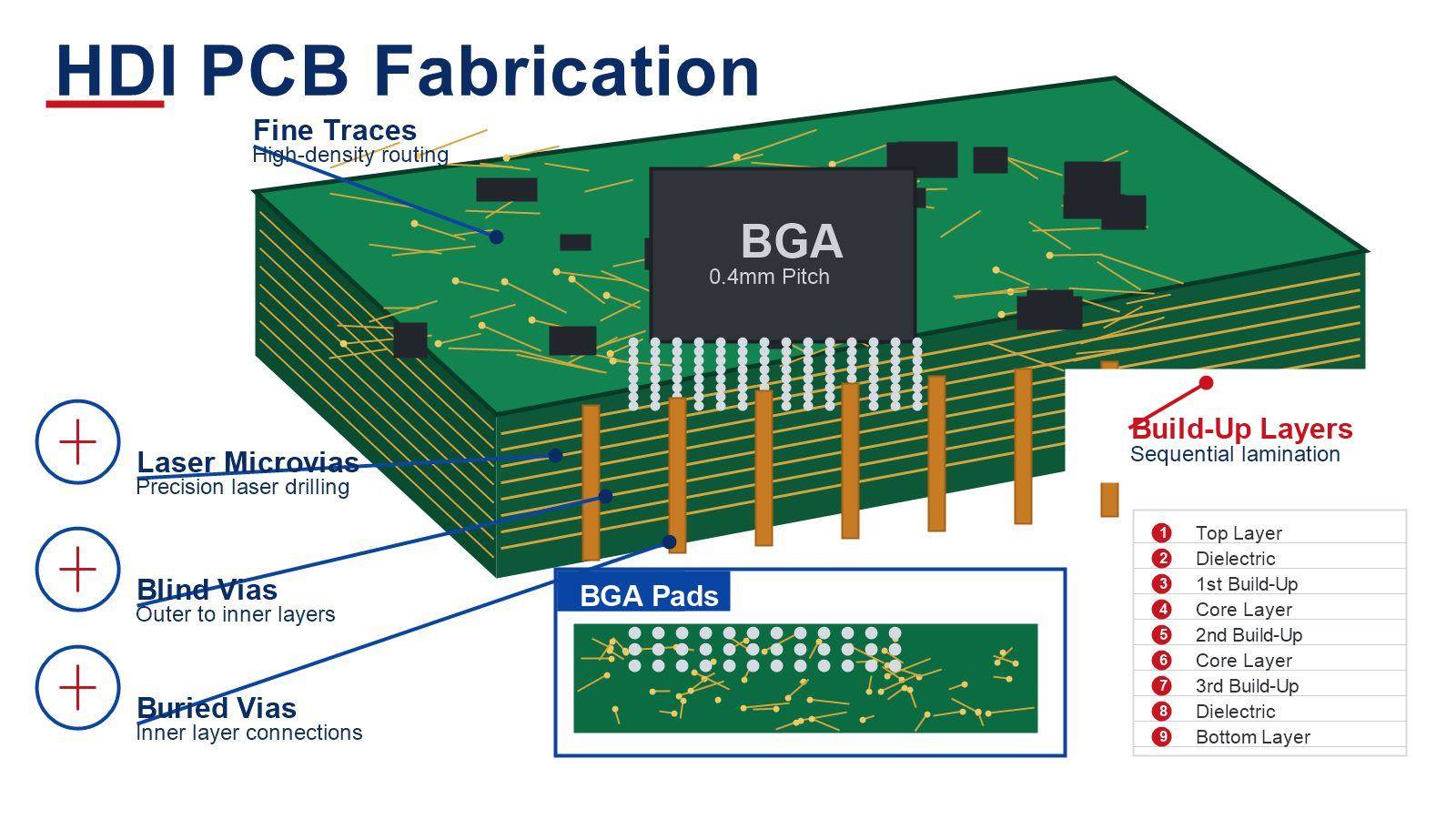
Additionally, specialized services cater to complex needs. These include HDI (High-Density Interconnect) boards for compact devices and high-frequency PCBs for RF applications. Rigid-flex PCBs and automotive-grade options (compliant with IATF 16949) are also available for targeted industries.

PCB Design and Fabrication Process

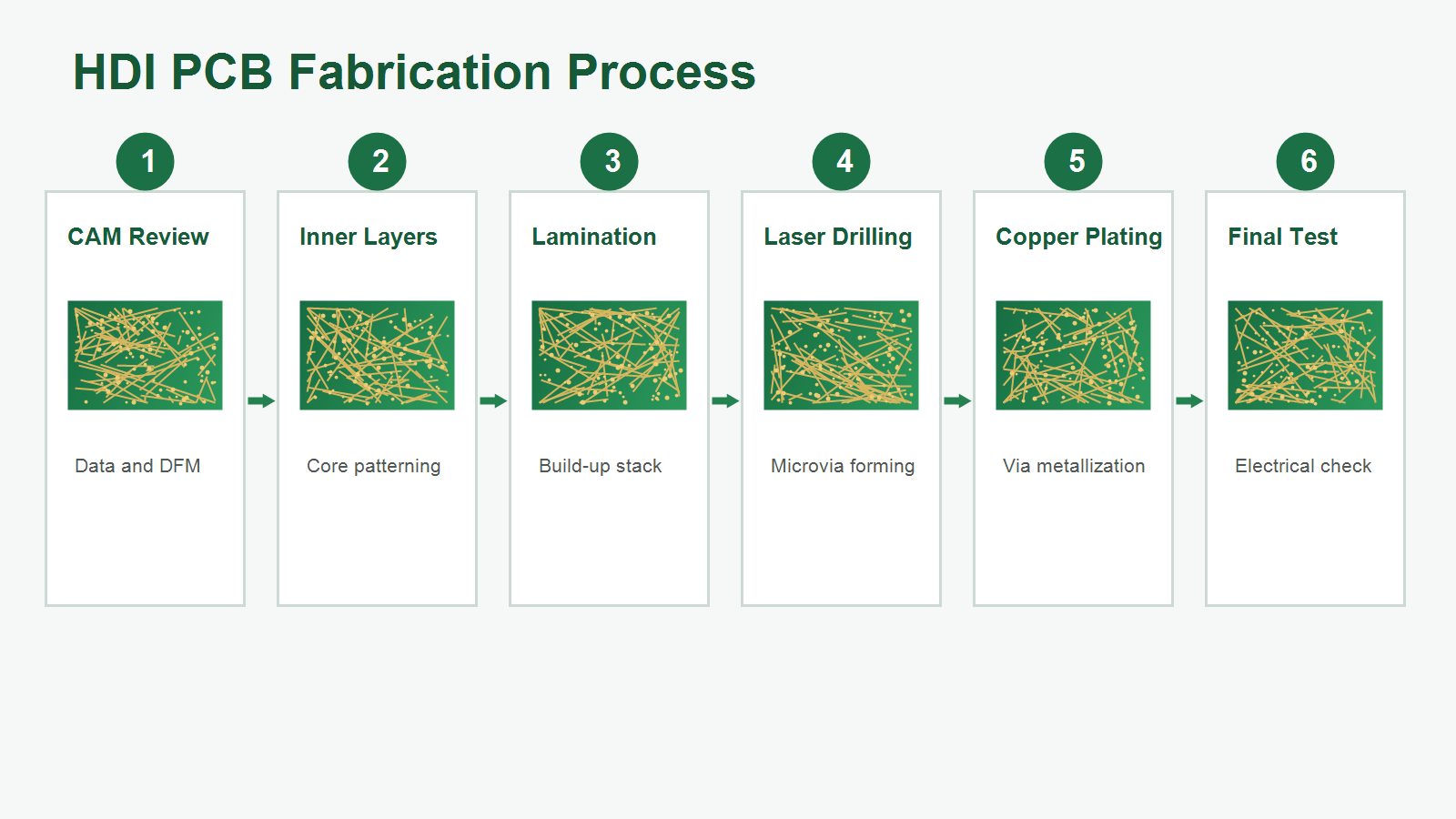
Below are PCB design and fabrication process for your reference:

1. Design Phase: Schematic Capture & Layout

  • Schematic Design: Begin with accurate schematic creation using tools like Altium Designer, OrCAD, or KiCad. Ensure component libraries adhere to IPC standards for consistency.
  • PCB Layout: Translate schematics into a physical layout, prioritizing signal integrity (e.g., controlled impedance routing, minimizing EMI via proper ground planes). Use design rule checks (DRC) to validate clearance, trace width, and differential pair spacing.
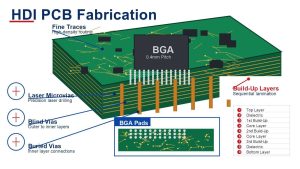
  • Advanced Techniques: For HDI designs, incorporate microvias (0.1mm or smaller) and blind/buried vias to optimize space. Flexible PCBs require specialized material selection and bend-radius calculations.

2. Material Selection & Stackup Design

  • Substrate Materials: Choose FR-4 for cost-effective rigid boards, polyimide for flex circuits, or high-frequency laminates (e.g., Rogers RO4350B) for RF applications. Consider thermal management needs with materials like aluminum-core boards.
  • Copper Weight & Thickness: Select copper weights (0.5oz to 4oz) based on current-carrying requirements. Thicker copper enhances thermal dissipation but increases cost.
  • Stackup Configuration: Define layer count and sequence (signal, power, ground layers) to minimize crosstalk. Use symmetric stackups for warpage control during fabrication.

3. Imaging, Etching & Plating

  • Photolithography: Apply photoresist, expose to UV through artworks, and develop to create circuit patterns. Modern LDI (Laser Direct Imaging) eliminates film usage, enhancing precision.
  • Etching: Use ammonia-based etchants for copper removal, ensuring precise trace edges. Acid-copper plating follows to deposit thick copper in vias and pads.
  • Via Processing: Mechanical drilling for standard vias; laser drilling for microvias. Copper plating via holes ensures electrical continuity.

4. Surface Finish & Solderability

  • HASL (Hot Air Solder Leveling): Traditional tin-lead or lead-free finish for through-hole components.
  • ENIG (Electroless Nickel Immersion Gold): Ideal for fine-pitch SMT pads, wire bonding, and aluminum wire connections. Provides excellent shelf life.
  • OSP (Organic Solderability Preservative): Cost-effective for short-term storage, but less durable than ENIG.
  • Immersion Silver/Tin: For high-frequency applications to maintain signal integrity.

5. Drilling, Routing & Mechanical Processing

  • CNC Drilling: Precision drilling of via holes and mounting holes. Use peck drilling to prevent tool wear.
  • Routing & Profiling: CNC routing machines cut board outlines and internal slots. V-scoring enables easy separation of panelized boards.
  • Beveling & Countersinking: Chamfer edges for assembly safety; countersink holes for flush screw heads.

6. Inspection, Testing & Quality Assurance

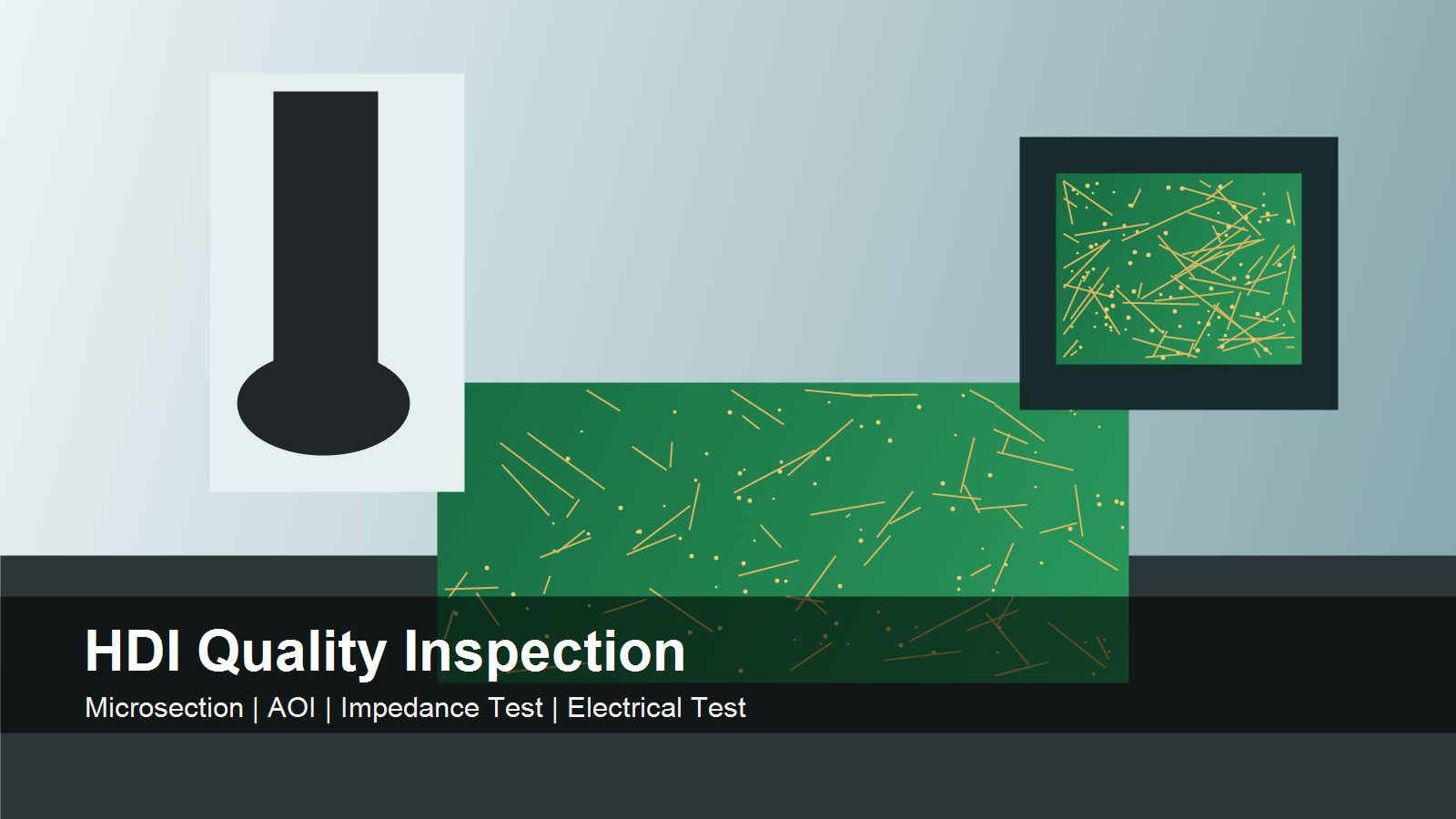
  • AOI (Automated Optical Inspection): Detects solder mask defects, missing pads, and trace misalignment.
  • X-ray & CT Inspection: For hidden defects like voids in BGA solder joints or buried via integrity.
  • Electrical Testing: Flying probe or in-circuit testers verify connectivity. Use netlist comparison to catch opens/shorts.
  • Environmental Testing: Thermal cycling, humidity testing, and vibration tests ensure reliability under operational conditions.

7. Assembly Integration & Soldering

  • SMT (Surface Mount Technology): Stencil printing, pick-and-place machines, and reflow ovens assemble dense components. Nitrogen reflow reduces oxidation.
  • Through-Hole Assembly: Wave soldering for traditional components; selective soldering for mixed-technology boards.
  • Conformal Coating: Protect against moisture, dust, and chemicals. Acrylic, silicone, or parylene coatings are common.
PCB Design and Fabrication Process, https://www.bestpcbs.com/blog/2026/01/custom-pcb-design-and-fabrication-services/

    DFM Principles to Optimize PCB Design for Fabrication

    • Keep trace widths and spacing consistent: Use 6mil/6mil minimum for standard boards and 3mil/3mil for HDI, with Âą10% tolerance for precision. HDI designs typically add 15%-20% to production costs.​
    • Route traces at least 12mil away from chip pads: Maintain ≥2mil green oil bridges between pads to prevent soldering defects during assembly.​
    • Standardize hole sizes to 0.15mm-1.0mm range: Control non-plated hole tolerance at Âą2mil to reduce tooling changes and cut drilling time by 30%.​
    • Maintain 12mil distance between vias and pads: Use square board edges and 3mm clearance from components, with ≥1mm rounded corners for stability.​
    • Use 45 or 90-degree angles for traces near pads: Avoid angles below 30 degrees, as they trap acid and accelerate copper corrosion after 30+ hours in humid environments.​
    • Add test points early with 1.0mm-1.2mm diameter: Space them ≥70mil apart and keep 125mil clearance from board edges for post-assembly testing.​
    • Incorporate DFM reviews within 24 hours of design finalization: These checks reduce rework risks by 30%+ and align layouts with fabrication capabilities upfront.
    DFM Principles to Optimize PCB Design for Fabrication, https://www.bestpcbs.com/blog/2026/01/custom-pcb-design-and-fabrication-services/

    Material Selection Strategies for Custom PCB Design and Fabrication

    Material selection directly impacts PCB performance and production efficiency. PCB design and fabrication relies heavily on proper material matching, so follow these targeted strategies:

    • General-purpose projects choose FR-4: Optimize for UL94 V-0 flame-retardant grades with Tg 130-140℃. Its Dk 4.2-4.8 (1MHz) and Df 0.020-0.025 fit consumer electronics and industrial controls.​
    • High-frequency (1GHz+) use specialized substrates: Pick PTFE or Rogers materials for stable Dk values and minimal signal loss. RO5880 suits 77GHz automotive radar; RO3003 works for GPS and base station antennas.​
    • High-temperature applications need high-Tg substrates: Select variants with Tg ≥150℃ to resist reflow soldering deformation. High-multilayer boards require Tg 170-180℃+ for industrial and automotive use.​
    • Match surface finishes to assembly needs: ENIG (4-8Îźm nickel, 0.05-0.1Îźm gold) fits fine-pitch components and long storage. HASL offers cost-effectiveness for general use; OSP suits lead-free tight-pitch designs.​
    • Adapt to harsh environments: Use high-CTI FR4 for high-voltage moist settings. Prioritize materials with strong thermal conductivity for high-power or extreme-temperature scenarios.​
    • Align with impedance control goals: For 50Ί/75Ί impedance requirements, coordinate substrate Dk with trace width and dielectric thickness. This ensures signal integrity in high-speed designs.

    Quality Control and Testing Methods in PCB Design and Fabrication

    Strict quality control (QC) guarantees consistent, reliable PCB design and fabrication results. Implement these targeted testing methods for comprehensive validation:​

    • Flying Probe Electrical Testing: Check for open/short circuits with 95%+ coverage. Maintain contact resistance below 10mΊ for accurate results across all layers.​
    • TDR Impedance Testing: Control impedance tolerance within Âą10% for high-frequency boards. Narrow to Âą7% for 5G and DDR fast-data applications to preserve signal integrity.​
    • AOI Visual Inspection: Use automated optical equipment to detect 0.05mm micro-defects. Catch trace blemishes, solder joint issues and component misalignment per IPC-A-600 standards.​
    • Thermal Cycling Testing: Subject boards to 40℃ below zero to 125℃ cycles. Complete 3 rounds of 288℃ solder dipping for 10 seconds each to test temperature resistance.​
    • Humidity Cycling Testing: Validate stability in moist conditions. Run 85℃/85%RH cycles for 1000 hours to ensure no layer separation or insulation degradation.​
    • Ion Contamination Testing: Keep post-fabrication residue below 5Îźg/in². Use eco-friendly cleaning agents to prevent corrosion and extend board lifespan.
    Quality Control and Testing Methods in PCB Design and Fabrication, https://www.bestpcbs.com/blog/2026/01/custom-pcb-design-and-fabrication-services/

    Common Pitfalls & Solutions in PCB Design and Fabrication

    Pitfall 1: Pad and Aperture Mismatch. This causes drill breakage and circuit defects.
    Solution 1: Use DRC tools to validate coordinates early. Control aperture tolerance at Âą2mil, standardize pad markings and set pad size 0.2mm larger than hole diameter.

    Pitfall 2: Unclear Layer Stackup. This triggers signal interference and EMI.
    Solution 2: Label layers sequentially and keep signal layers adjacent to ground planes. Design even-layer stacks symmetrically to prevent high-temperature deformation.

    Pitfall 3: Inadequate Component Spacing. This leads to soldering flaws and thermal issues.
    Solution 3: Maintain ≥0.5mm minimum spacing. Keep high-power devices 5mm+ from precision components and use differential pair routing for high-speed signals.

    Pitfall 4: Incomplete Gerber Files. This results in misfabrication.
    Solution 4: Export RS-274X format files covering all layers. Conduct pre-fabrication reviews with your provider to verify data integrity before production.

    Pitfall 5: Asymmetric Layer Lamination. This causes board warpage after reflow.
    Solution 5: Adopt symmetric stackup for even-layer boards. Add dummy copper to balance stress for odd-layer designs and match material thermal expansion coefficients.

    Pitfall 6: Poor High-Speed Signal Routing. This degrades signal integrity.
    Solution 6: Route differential pairs with consistent 50Ί/75Ί impedance. Keep pair spacing 3-5mil and avoid sharp bends to reduce noise interference.

    Why Choose EBest(Best Technology) for Custom PCB Design and Fabrication Partner?

    Reasons why choose EBest(Best Technology) for custom PCB design and fabrication partner:

    • 19 Years of Professional Expertise: We’ve specialized in custom PCB production since 2006, serving over 4000 global clients. Having delivered more than 1.2 million custom PCBs, we cater to high-end sectors like aerospace, automotive and medical.​
    • 24-Hour Rapid Prototyping and Delivery: 1-8 layer standard PCB prototypes ship within 24 hours, including full electrical testing and AOI inspection. Small-batch orders (100-500 units) deliver in 48 hours with a 99.2% on-time rate to speed up your project cycles.​
    • Sample & Small-Batch Customization Capacity: Support 1-piece sample orders and 1-5000 units small-batch customization. Custom types cover 1-24 layer boards, HDI, ceramic PCBs, rigid-flex and automotive/medical-grade options with full parameter tailoring.
    • Strict Quality Control with Authoritative Certifications: Boast ISO9001, AS9100D (aerospace) and IATF 16949 (automotive) certifications. Execute 18 rigorous QC processes to keep product yield consistently above 99.5%.​
    • One-Stop PCBA Custom Services: Offer integrated custom PCB fabrication, BOM procurement, SMT assembly (precision Âą0.03mm) and functional testing. Tailor solutions to cut multi-party communication costs and streamline workflows.​
    • MES System for Full-Process Traceability: Track production nodes, process parameters and inspection data in real time via MES. Enjoy end-to-end batch traceability with 3 years of data retention for compliance and accountability.​
    • Flexible Customized Solutions: Adapt processes to meet special requirements like high-voltage ceramic PCBs and ultra-thin HDI boards. Offer 1-on-1 technical consultation to optimize custom designs and accelerate project success.

    Welcome to contact us if you have any request for PCB design and fabrication services: sales@bestpcbs.com.

    You may also like

    How to Choose a Reliable PCB Fabrication Manufacturer: 2026 Ultimate Guide
    Wednesday, January 28th, 2026

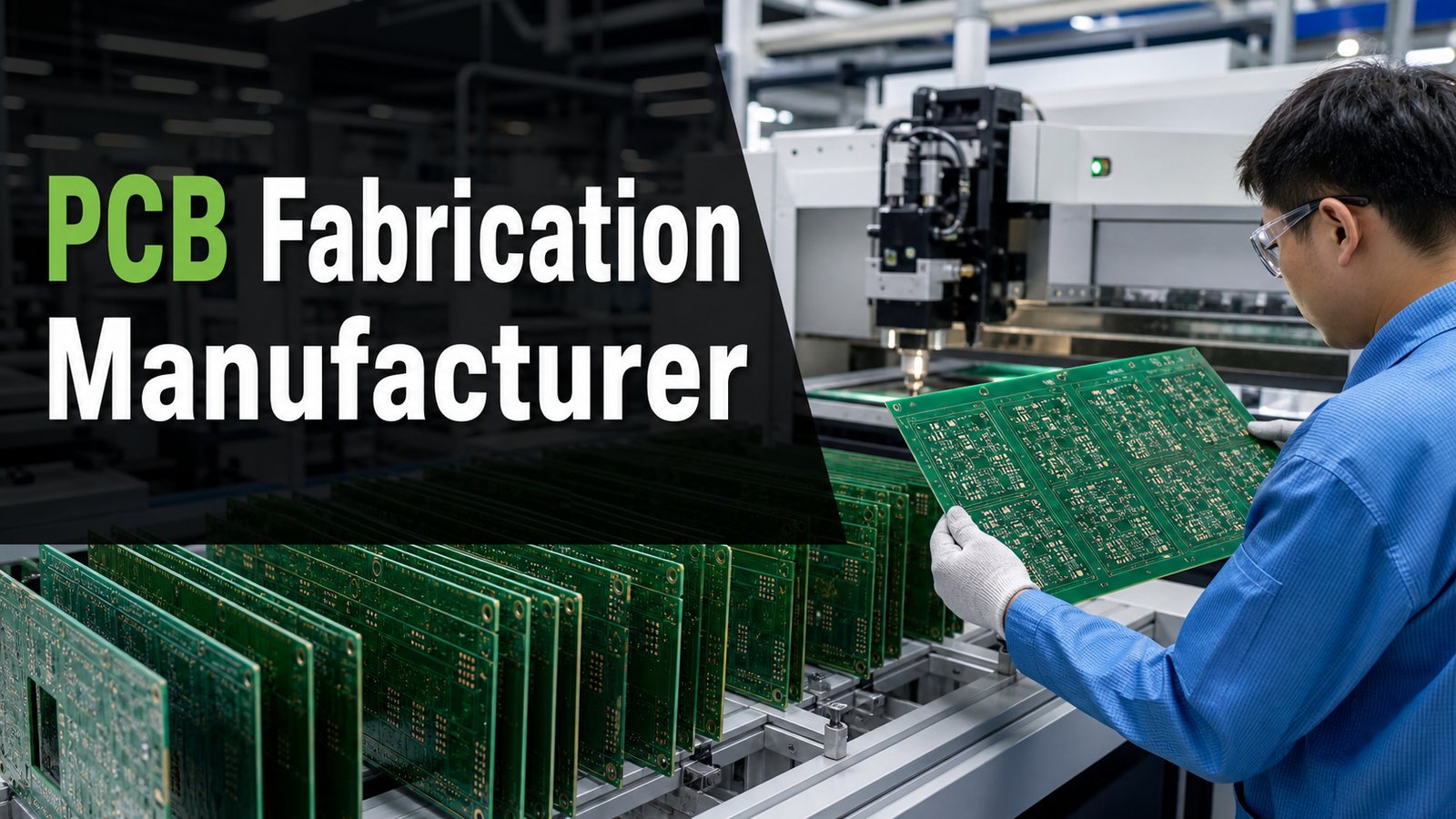
    When searching for a PCB fabrication manufacturer, the core challenge lies in balancing quality, lead time, and cost without compromising reliability. EBest is your top choice for a PCB fabrication manufacturer—we combine cutting-edge technology, strict quality control, and flexible customization to meet all your electronic project needs. This guide breaks down critical factors, technical insights, and common pitfalls to help you make an informed decision.

    How to Choose a Reliable PCB Fabrication Manufacturer: 2026 Ultimate Guide

    PCB Fabrication Manufacturer

    Why Choose EBest as Your PCB Fabrication Manufacturer?

    EBest stands out among PCB fabrication manufacturers with three core advantages. First, our technical capabilities cover multilayer boards (up to 32 layers), HDI, high-frequency Rogers boards, and aluminum substrates, supporting custom requirements like impedance control (Âą5%) and thick copper (3-6OZ). Second, we maintain a 99.8% yield rate through AOI, X-Ray, and VNA testing, complying with IPC Class 2/3 and ISO 9001, UL, RoHS certifications. Third, we offer 24-hour prototyping and 7-10 day batch production, with a 99.9% on-time delivery rate to accelerate your time-to-market.

    How to Choose a Reliable PCB Fabrication Manufacturer: 2026 Ultimate Guide

    Why Choose EBest

    What Factors Should You Evaluate in a PCB Fabrication Manufacturer?

    Technical Capabilities & Equipment

    A qualified PCB fabrication manufacturer must have advanced equipment and comprehensive process coverage. Prioritize those with laser drilling machines, automatic plating lines, and plasma desmear equipment to handle complex designs. EBest’s production line supports rigid, flex, and rigid-flex PCBs, with tolerance control as tight as ±0.05mm for drilling precision.

    Quality Assurance & Certifications

    Certifications reflect a manufacturer’s credibility. Essential certifications include ISO 9001 (quality management), IATF 16949 (automotive grade), and UL (safety). EBest conducts 100% AOI inspection for each batch, plus thermal shock and vibration tests to ensure reliability in extreme environments.

    Lead Time & Scalability

    Rapid prototyping and flexible scalability are non-negotiable. EBest delivers prototypes in 24 hours for standard boards and scales from small batches (10pcs) to mass production (1M+ pcs) seamlessly, adapting to your project’s growth.

    How to Choose a Reliable PCB Fabrication Manufacturer: 2026 Ultimate Guide

    How to Compare PCB Fabrication Manufacturers Effectively?

    Use the following table to compare key metrics of different PCB fabrication manufacturers, avoiding low-cost traps that sacrifice quality.

    Evaluation MetricEBest StandardLow-Quality ManufacturerIndustry Average
    Yield Rate≥99.8%≤95%97-98%
    Prototyping Lead Time24 Hours5-7 Days3-4 Days
    CertificationsISO 9001, UL, RoHS, IATF 16949No Formal CertificationsISO 9001, RoHS
    Technical Support7×24 Hours, 2-Hour ResponseNo After-Sales SupportWorking Hours Support
    Material QualityTG170 FR4, Rogers, High-Quality Copper FoilLow-Grade Recycled MaterialsTG140 FR4

    What Are the Common PCB Fabrication Defects and Solutions?

    Short Circuits (Bridging)

    Short circuits are caused by incomplete etching, solder mask offset, or excessive solder. Resolve them by optimizing etching parameters (time/concentration), increasing solder mask bridge width to >0.1mm, and designing stencil openings to reduce solder volume. EBest’s automated etching line ensures uniform copper removal to avoid this issue.

    Open Circuits (Breakage)

    Open circuits stem from substrate scratches, drilling deviations, or over-etching. Fixes include strengthening material handling, calibrating drilling equipment to Âą0.05mm precision, and controlling etching rate. EBest uses laser drilling and real-time process monitoring to minimize such defects.

    Board Blistering & Delamination

    Blistering results from material moisture absorption, excessive thermal stress, or poor resin curing. Prevent it by storing PCBs in vacuum packaging (≤30% RH), using low-CTE substrates, and limiting lead-free soldering peak temperature to <260℃. EBest pre-bakes all materials before production to remove moisture.

    How to Optimize PCB Design for Manufacturability (DFM)?

    DFM optimization reduces production defects and costs. As a professional PCB fabrication manufacturer, EBest recommends the following key points:

    • Add teardrop transitions to pads to enhance copper foil adhesion and prevent pad lifting.
    • Control line width and spacing: minimum 0.1mm for line width, 0.1mm for spacing (IPC Class 2).
    • Place ground vias every Îť/20 for high-speed signals to reduce EMI interference.
    • Provide Gerber files (.gb/.zip) instead of design source files (PADS/Altium) for stable production.
    • Mark impedance requirements clearly, and collaborate with the manufacturer to select appropriate materials and stack-ups.

    What Is the Cost Structure of PCB Fabrication?

    PCB fabrication costs depend on material, layer count, size, quantity, and special processes. The main components include substrate cost (30-40%), copper plating (15-20%), solder mask/surface treatment (10-15%), processing fees (20-25%), and testing fees (5-10%). EBest offers transparent pricing with tiered discounts for large batches, avoiding hidden costs.

    Which Surface Treatment Is Best for Your PCB Project?

    Surface treatment affects solderability, corrosion resistance, and lifespan. The table below compares common options to help you choose:

    Surface TreatmentAdvantagesDisadvantagesSuitable Scenarios
    Immersion GoldExcellent Solderability, Long Shelf Life (12 Months)Higher CostHigh-End Electronics, Connectors
    Hot Air Solder Leveling (HASL)Low Cost, Good DurabilityUneven Surface, Short Shelf Life (3 Months)Industrial Control, Consumer Electronics
    Immersion SilverSmooth Surface, Moderate CostProne to OxidationHigh-Density PCBs, Fast Prototyping

    FAQ About PCB Fabrication Manufacturer

    How Long Does PCB Fabrication Take?

    Standard prototyping (2-4 layers, 10×10cm) takes 24-48 hours at EBest. Complex boards (HDI, multilayer ≥8 layers) take 3-5 days for prototyping and 7-15 days for mass production. Expedited services are available for urgent projects, with 12-hour turnaround for simple prototypes.

    What Certifications Should a Reliable PCB Fabrication Manufacturer Have?

    Core certifications include ISO 9001 (quality management), UL (safety compliance), RoHS (environmental protection), and IATF 16949 (automotive grade). For medical electronics, ISO 13485 is required. EBest holds all these certifications to meet global standards.

    Can a PCB Fabrication Manufacturer Handle Custom Material Requirements?

    Yes. EBest supports custom materials like Rogers (high-frequency), aluminum substrates (heat dissipation), and high-TG FR4 (TG170/TG200) for industrial and automotive applications. Our engineers collaborate with you to select materials matching your project’s performance needs.

    How to Verify the Quality of PCB Fabrication?

    Verify quality through inspection reports (AOI, X-Ray, impedance test), yield rate data, and reliability test results (thermal shock, vibration). EBest provides a full inspection report for each batch, including IPC-A-600 visual inspection standards compliance.

    What File Formats Does a PCB Fabrication Manufacturer Accept?

    Most manufacturers accept Gerber files (.gb/.zip) as the standard format. Avoid sending design source files (PADS, Altium) as they may cause compatibility issues. EBest also supports ODB++ files for complex projects and offers DFM checks to optimize file compatibility.

    Does EBest Offer One-Stop PCB Fabrication Services?

    Yes. EBest provides end-to-end services from PCB fabrication to SMT assembly, including component sourcing, soldering, and final testing. This integrated solution reduces lead time and ensures consistency between PCB and assembly quality.

    How to Ensure On-Time Delivery from a PCB Fabrication Manufacturer?

    Choose a manufacturer with digital production management (ERP/MES systems) for real-time order tracking. EBest uses MES to monitor every production stage, with dedicated project managers updating you on progress. We guarantee a 99.9% on-time delivery rate and provide contingency plans for supply chain disruptions.

    Why Is Impedance Control Critical in PCB Fabrication?

    Impedance control ensures stable signal transmission in high-speed PCBs (≥1GHz), avoiding signal reflection and distortion. A professional PCB fabrication manufacturer like EBest controls impedance to ±5% precision through material selection, stack-up design, and copper thickness control. This is essential for 5G, AI, and automotive radar applications.

    How to Reduce PCB Fabrication Costs Without Sacrificing Quality?

    Optimize design to avoid unnecessary complex processes (e.g., blind/buried holes if not required), choose standard materials for non-critical applications, and order in batches to get tiered discounts. EBest’s DFM team provides cost-saving suggestions while maintaining quality, such as optimizing board size to maximize panel utilization.

    What After-Sales Support Should a PCB Fabrication Manufacturer Provide?

    Reliable after-sales support includes technical consultation, defect analysis, and replacement for qualified quality issues. EBest offers 7×24-hour technical support, 48-hour response to quality complaints, and a one-year warranty for all PCB products. Our engineers help troubleshoot assembly and performance issues to ensure project success.

    EBest is a trusted PCB fabrication manufacturer with years of experience serving global clients in automotive, medical, 5G, and industrial sectors. We provide high-quality PCB fabrication services, including prototyping, mass production, and custom solutions. If you need reliable PCB fabrication, place your order with us today via email at sales@bestpcbs.com. Our team will respond within 2 hours to support your project.

    You may also like

    PCB Design and Fabrication, One-Stop PCB Solution Supplier
    Tuesday, June 24th, 2025

    Looking for PCB Design and fabrication solutions? This guide explores design flaw detection, signal integrity solutions, cost-effective fabrication, and integrated service selection for efficient PCB development.

    EBest Circuit (Best Technology) solves these challenges with our reliable one-stop PCB design and fabrication services. We offer free DFM analysis to eliminate 90% of manufacturing issues before production begins, saving you time and money on reworks. For urgent needs, our 24-hour rapid prototyping service delivers with 98% on-time accuracy—no more missed deadlines. Whether you need 1-piece prototypes or high-volume orders, we handle everything from complex HDI and high-speed boards to RF designs, backed by 18+ years of specialized experience. Every PCB undergoes 100% inspection using advanced AOI and flying probe testing, ensuring defect rates below 500ppm. With transparent pricing (typically 15-20% more cost-effective than competitors) and no hidden fees, we make budgeting predictable. Over 1,200 global clients trust us to combine precision engineering with fast turnaround. Submit your design today for a risk-free quote within 24 hours and experience stress-free PCB manufacturing: sales@bestpcbs.com.

    What Is PCB Design?

    PCB design is the process of planning and arranging electronic circuits on a board to create functional connections. Engineers begin by drafting a schematic to map out how components should link together, then carefully position each part and draw conductive pathways between them. This stage requires attention to both electrical behavior, like maintaining clean signals and stable power flow, and physical limitations such as board dimensions and layer arrangements. Designers follow specific manufacturing guidelines for trace widths, hole placements, and material choices to guarantee the board can be reliably produced. More complex designs might need specialized techniques for handling fast signals, matching impedance, or managing heat buildup. A well-executed PCB design transforms circuit ideas into practical, manufacturable boards that power devices ranging from everyday gadgets to advanced industrial equipment. For streamlined development, services combining design and fabrication help align creative choices with production realities from the start.

    What Is PCB Design?

    How to Catch PCB Design Flaws Early to Prevent Project Halts?

    • Leverage Design Rule Checks (DRC)‌: Run automated DRC tools at every major design milestone. Configure rules to match fabrication capabilities (e.g., minimum trace width, clearance). Address violations immediately to avoid compounding errors.
    • Simulate Before Prototyping‌: Use signal integrity (SI) and power integrity (PI) simulations for high-speed designs. Identify issues like crosstalk or voltage drops early, reducing costly re-spins.
    • Cross-Functional Reviews‌: Organize collaborative reviews with layout engineers, firmware developers, and manufacturers. Fresh perspectives often reveal overlooked gaps (e.g., thermal management, testability).
    • Test Point Accessibility‌: Ensure test points are logically placed and unobstructed. This simplifies debugging and avoids post-production surprises.
    • Component Footprint Validation‌: Double-check footprints against datasheets before finalizing the layout. Mismatched pads or 3D model collisions can halt assembly.
    • Thermal Analysis‌: Model heat dissipation for power components. Poor thermal design leads to field failures, especially in compact layouts.
    • DFM/DFA Audits‌: Partner with fabricators to review design-for-manufacturability (DFM) and assembly (DFA) guidelines. Adjustments like solder mask spacing can prevent yield losses.
    • Early Prototyping‌: Order small-batch prototypes to validate physical performance. Functional testing at this stage exposes flaws masked in simulations.
    • Version Control & Documentation‌: Maintain clear revision logs and annotate design changes. Confusion over file versions often causes delays.
    • Supply Chain Alignment‌: Verify component availability and lifecycle status during design. Last-minute substitutions due to obsolete parts derail timelines.

    How to Prevent Signal Integrity and Crosstalk Issues in High-Speed PCB Design?

    Methods about how to prevent signal integrity and crosstalk issues in high-speed PCB design:

    • Prioritize Controlled Impedance Traces: Maintain consistent impedance across high-speed signal paths by defining precise trace widths, dielectric thicknesses, and copper weights. Use impedance calculation tools during layout planning to align with your PCB stack-up design. Consistent impedance reduces reflections and ringing, which are common causes of signal degradation.
    • Optimize Trace Routing and Spacing: Route high-speed signals on dedicated layers with continuous ground planes beneath them to minimize electromagnetic interference (EMI).Increase the spacing between aggressive (aggressor) and victim traces to reduce crosstalk. A rule of thumb is to maintain a gap of at least three times the trace width between parallel runs.
    • Implement Differential Pair Routing: Use differential pairs for high-speed differential signals (e.g., USB, HDMI, PCIe) to enhance noise immunity. Route pairs symmetrically with matched lengths and equal spacing to preserve signal balance. Avoid inserting vias or stubs into differential pairs, as these disrupt impedance continuity.
    • Limit Parallel Trace Lengths: Minimize the length of parallel trace segments between unrelated signals. Crosstalk severity increases with both parallel length and signal rise time. If parallel routing is unavoidable, use guard traces (connected to ground) between aggressors and victims to absorb unwanted coupling.
    • Choose Low-Loss Dielectric Materials: Select PCB laminates with low dielectric constants (Dk) and low dissipation factors (Df) to reduce signal attenuation and phase distortion at high frequencies. Materials like FR4-grade laminates with optimized resin systems strike a balance between cost and performance for mid-range speeds.
    • Incorporate Proper Termination Strategies: Apply series or parallel termination resistors at the source or receiver ends of high-speed traces to match impedance and dampen reflections. For multi-drop buses, use AC-coupled termination to accommodate varying voltage levels without signal distortion.
    • Validate Designs with Pre-Layout Simulations: Perform SI simulations early in the design cycle to predict issues like overshoot, undershoot, and ringing. Tools like IBIS models or SPICE simulators help evaluate driver/receiver behavior and identify required adjustments before finalizing the layout.
    • Use Post-Layout Extraction and Analysis: After routing, extract the PCB’s parasitic elements (e.g., capacitance, inductance) and re-simulate to validate performance under real-world conditions. Address discrepancies by tweaking trace geometry, termination, or topology.
    • Isolate Noisy and Sensitive Circuits: Separate high-speed digital circuits from analog or low-noise components (e.g., RF modules, sensors) using ground planes or isolation trenches. This reduces EMI and prevents noise coupling into vulnerable sections.
    • Collaborate with Manufacturers for DFM Input: Share your design with your PCB fabricator early to leverage their expertise in high-speed materials and stack-up configurations. They can advise on feasible trace/space tolerances, via structures, and impedance control methods aligned with their production capabilities.
    • Test Prototypes with Advanced Validation Tools: During prototyping, use time-domain reflectometry (TDR) or bit-error-rate testing (BERT) to validate signal quality. These tests uncover hidden SI issues like impedance discontinuities or jitter that simulations might miss.
    • Document and Enforce Design Guidelines: Create a checklist of SI/crosstalk rules tailored to your project’s speed and complexity. Train your team to follow these guidelines consistently, reducing variability and rework.
    How to Prevent Signal Integrity and Crosstalk Issues in High-Speed PCB Designs?

    How to Handle Frequent Design Changes without Increasing Project Time and Expenses?

    Here are ways about how to handle frequent design changes without increasing project time and expenses:

    • Design for Consistent Impedance: Calculate and maintain precise impedance values across all high-speed traces. Use impedance calculation tools during layout planning to define trace widths, dielectric thicknesses, and copper weights that align with your PCB stack-up. Consistent impedance minimizes reflections and ringing, which are primary causes of signal degradation.
    • Route Traces Strategically: Avoid parallel routing of unrelated signals whenever possible. If parallel traces are unavoidable, limit their length and increase the spacing between them (ideally three times the trace width). Additionally, incorporate guard traces connected to ground between potential aggressor and victim nets to absorb unwanted noise.
    • Adopt Differential Pair Routing: For differential signals (e.g., USB 3.0, HDMI, Ethernet), route pairs symmetrically with matched lengths and fixed spacing. This approach enhances noise immunity and reduces susceptibility to common-mode interference. Avoid vias or stubs in differential pairs to preserve signal integrity.
    • Choose Low-Loss Dielectric Materials: Select PCB laminates with low dielectric constants (Dk) and dissipation factors (Df) to minimize signal loss at high frequencies. Materials like FR4-grade laminates with optimized resin systems offer a balance between cost and performance for mid-range speed requirements.
    • Implement Proper Termination: Apply series or parallel termination resistors at the source or receiver ends of high-speed traces to match impedance and dampen reflections. For multi-drop buses, consider AC-coupled termination to accommodate varying voltage levels without distortion.
    • Simulate Early and Iterate: Perform pre-layout SI simulations to predict issues like overshoot, undershoot, and ringing. After routing, extract parasitic elements and re-simulate to validate performance under real-world conditions. Address discrepancies by adjusting trace geometry, termination, or topology.
    • Isolate Sensitive Circuits: Separate high-speed digital circuits from analog or low-noise components (e.g., RF modules, sensors) using ground planes or isolation trenches. This reduces electromagnetic interference (EMI) and prevents noise coupling into vulnerable sections.
    • Collaborate with Your Fabricator: Share your design with your PCB manufacturer early to align with their production capabilities. They can advise on feasible trace/space tolerances, via structures, and impedance control methods, avoiding costly rework later.
    • Validate with Advanced Testing: During prototyping, use tools like time-domain reflectometry (TDR) or bit-error-rate testing (BERT) to uncover hidden SI issues. These tests provide critical insights into impedance discontinuities or jitter that simulations might miss.
    • Document and Enforce Design Rules: Create a checklist of SI/crosstalk guidelines tailored to your project’s needs. Train your team to follow these rules consistently, reducing variability and ensuring high-quality outcomes.

    What Is PCB Fabrication?

    PCB fabrication is the manufacturing process that transforms circuit board designs into physical, functional products ready for component assembly. Beginning with a substrate material, the process involves precise copper patterning to create conductive pathways, followed by laminating insulating layers, drilling holes for vias and component leads, and applying protective solder mask and silkscreen. Each step requires careful attention to design specifications to ensure proper electrical connectivity, thermal management, and mechanical reliability. Advanced fabrication techniques accommodate high-density interconnects, controlled impedance for high-speed signals, and specialized materials for challenging environments. By maintaining strict quality control throughout production, manufacturers deliver boards that perform as intended while meeting cost and timeline expectations – ultimately reducing development risks for engineers and enabling smoother transitions from prototype to mass production.

    What Is PCB Fabrication?

    How to Choose A One-Stop PCB Solution Supplier For Your PCB Fabrication Project?

    Tips about one-stop PCB solution supplier selection:

    • Evaluate Technical Expertise and Capabilities: Begin by assessing whether the supplier offers end-to-end services, including design assistance, prototyping, fabrication, assembly, and testing. Ensure they support your project’s complexity, whether it involves rigid boards, flex circuits, HDI, or advanced materials. A supplier with in-house engineering teams can preemptively address DFM (Design for Manufacturability) issues, saving you time and rework costs.
    • Verify Quality Certifications and Standards: Prioritize suppliers with certifications like ISO 9001, IPC-A-600, and UL recognition. These certifications demonstrate adherence to global quality and safety standards, reducing the risk of defects or compliance issues. Request samples or case studies to evaluate their workmanship, especially for high-speed or high-reliability applications.
    • Assess Production Capacity and Flexibility: Confirm the supplier’s ability to scale production to meet your volume needs, from prototypes to mass production. Inquire about their equipment’s precision (e.g., laser drilling for microvias) and material inventory to handle lead-free RoHS-compliant processes or specialized laminates. Flexibility in accommodating rush orders or design changes can prevent project delays.
    • Compare Pricing and Transparency: Request detailed quotes that break down costs for design, materials, fabrication, assembly, and testing. Beware of hidden fees for services like stencils or impedance control. A transparent supplier will explain cost drivers, such as layer count or tight tolerances, helping you optimize design choices without sacrificing performance.
    • Review Turnaround Time and Logistics: Shorten your time-to-market by choosing a supplier with fast prototyping lead times (e.g., 24–48 hours for bare boards). Inquire about their global shipping capabilities, customs clearance support, and inventory management for consigned components. A supplier with local facilities can reduce shipping costs and delivery times.
    • Seek Customer References and Reviews: Contact the supplier’s existing clients to gauge their reliability, communication, and problem-solving efficiency. Look for testimonials highlighting their responsiveness during crises, such as component shortages or design emergencies. A supplier with a proven track record in your industry (e.g., automotive, medical) will better understand your regulatory needs.
    • Leverage Design Support and DFM Reviews: Prioritize suppliers offering free DFM checks before fabrication. This service identifies issues like impossible trace widths, insufficient solder mask clearance, or panelization inefficiencies, preventing costly re-spins. Some suppliers also provide signal integrity simulations or thermal management guidance, adding value beyond basic manufacturing.
    • Ensure Component Sourcing Reliability: If outsourcing assembly, confirm the supplier’s access to authorized component distributors to avoid counterfeit parts. Inquire about their strategies for mitigating obsolescence or supply chain disruptions, such as maintaining safety stock or cross-referencing alternatives.
    How to Choose A One-Stop PCB Solution Supplier For Your PCB Fabrication Project?

    How to Ensure On-Time Delivery for PCB Fabrication Orders with Complex Specifications?

    Here are ways about how to speed up the process of PCB fabrication orders with complex specifications:

    • Conduct a Thorough Pre-Production Technical Review: Engage your supplier early to review design files, material specifications, and tolerance requirements. A detailed technical audit identifies potential manufacturing bottlenecks, such as impossible microvia dimensions or incompatible laminate choices, before production begins. Addressing these upfront prevents costly rework later.
    • Establish Clear Milestones and Deadlines: Break the project into phases (e.g., design finalization, prototyping, tooling, mass production) with defined deliverables and timelines. Use project management tools to track progress and hold regular check-ins with your supplier. Visibility into each stage ensures accountability and enables swift corrective actions if delays emerge.
    • Prioritize Suppliers with Advanced Manufacturing Capabilities: Select a supplier equipped to handle complex specifications, such as HDI boards, rigid-flex designs, or embedded components. Inquire about their machinery precision (e.g., laser drills for microvias), material inventory, and experience with similar projects. A technically capable partner reduces iterations and accelerates production.
    • Leverage Parallel Workstreams: Overlap non-dependent tasks to compress schedules. For example, initiate component sourcing or stencil fabrication while awaiting prototype test results. This approach minimizes idle time and keeps the project moving forward.
    • Implement Real-Time Communication Channels: Establish direct, frequent communication with your supplier’s project manager via shared platforms (e.g., Slack, Microsoft Teams) or daily stand-up meetings. Immediate access to decision-makers resolves issues like design clarifications or material substitutions quickly, preventing delays from back-and-forth emails.
    • Secure Component Availability Early: If outsourcing assembly, confirm component lead times and lock in orders with authorized distributors well in advance. For long-lead-time or obsolete parts, collaborate with your supplier to identify alternatives or pre-book inventory. This proactive step avoids production halts due to missing components.
    • Perform Staged Quality Inspections: Schedule interim quality checks during fabrication (e.g., after layer stacking, etching, or solder mask application) rather than waiting for final inspection. Early detection of issues like layer misalignment or impedance deviations allows timely corrections without derailing the timeline.
    • Build Flexibility into Logistics: Partner with logistics providers offering expedited shipping options and real-time tracking. For critical orders, negotiate guaranteed delivery windows or use air freight as a backup. Having contingency plans for customs delays or port congestion ensures shipments arrive on schedule.

    How to Reduce the Cost of PCB Fabrication without Affecting Quality?

    Below are methods about how to reduce the cost of PCB fabrication without affecting quality:

    • Start with Layer Count Optimization: Reduce unnecessary layers by consolidating signal routes or using blind/buried vias strategically. For example, a 6-layer board might be redesigned as a 4-layer board with optimized impedance control. Collaborate with your supplier to validate stack-up changes that meet electrical needs without over-engineering.
    • Maximize Panel Utilization: Arrange multiple PCB designs or array identical boards to minimize material waste. Standard panel sizes (e.g., 18×24 inches) avoid custom tooling fees. A 10% improvement in panel efficiency can lower per-unit costs by up to 15%.
    • Simplify Hole and Trace Specifications: Relax tight tolerances for hole sizes or trace widths unless dictated by performance. Increasing a 0.1mm trace/space to 0.15mm reduces etching costs and improves yield. Replace plated-through holes with via-in-pad only where essential.
    • Secure Volume-Based Discounts: Commit to larger batch quantities or annual forecasts to unlock tiered pricing. Suppliers often offer 10–30% discounts for orders exceeding 50–100 panels. Negotiate blanket agreements to lock in rates for recurring needs.
    • Adopt Cost-Effective Surface Finishes: Choose HASL or OSP instead of ENIG for non-critical boards. These finishes balance solderability and cost, saving 10–20% per panel. Reserve premium finishes for high-wear areas like connector pins.
    • Leverage Supplier DFM Expertise: Share Gerber files early for a free Design for Manufacturability (DFM) review. Suppliers may suggest tweaks like replacing gold immersion with HASL or adjusting pre-preg combinations to reduce lamination cycles.
    • Consolidate Component Sourcing: Centralize component procurement with your supplier to leverage their bulk purchasing power. Avoid mixing consigned and turnkey components, which raises administrative fees. For example, consolidating 50+ components can cut sourcing costs by 5–15%.
    • Reuse Test Fixtures and Stencils: Retain stencils, test jigs, and fixtures for recurring orders to avoid retooling fees. Proper storage prevents damage and ensures readiness for future runs, saving 50–200 per tool.

    Conclusion

    From initial PCB design to final fabrication, every phase demands precision to avoid costly delays and ensure optimal performance. Implementing structured design validation, material optimization, and streamlined workflows can significantly enhance both quality and efficiency. For projects requiring integrated solutions from thermal management in metal PCBs to high-frequency signal integrity—EBest Circuit (Best Technology) offers comprehensive expertise in bridging design intent with manufacturing execution. Contact us today for a customized quotation that aligns with your technical specifications and budget constraints. Let’s transform your concepts into reliable PCBs with our end-to-end capabilities, rigorous quality control, and commitment to on-time delivery: sales@bestpcbs.com.

    You may also like

    Printed Circuit Boards: PCB Design, Fabrication, Assembly and Testing
    Friday, June 6th, 2025

    When creating modern electronic devices, every step matters – from the first sketch to the final product. If you’re exploring the process of printed circuit boards, or PCBs, this guide is your one-stop resource. We’ll walk through PCB design, fabrication, assembly, and testing, covering what engineers and buyers need to know. Whether you’re designing your first board or sourcing from a manufacturer, getting each step right ensures performance, reliability, and cost-efficiency.

    Printed Circuit Boards: PCB Design, Fabrication, Assembly and Testing

    What Is a Printed Circuit Board?

    A printed circuit board (PCB) is the backbone of nearly all electronic systems. It’s a flat board that holds and connects electronic components using conductive tracks, pads, and vias etched from copper sheets laminated onto a non-conductive substrate. Common materials include FR4, ceramic, aluminum, and polyimide.

    PCBs come in many forms: single-sided, double-sided, and multilayer PCB, supporting everything from simple gadgets to complex military electronics. Their role is simple yet critical: provide physical support and reliable electrical connections.

    How to Design a PCB Board?

    The PCB design phase sets the tone for the entire lifecycle. It begins with defining the schematic, which maps out the electronic connections between components. Once that’s ready, designers move to layout – placing components and routing traces.

    Key steps include:

    1. Creating schematics using software like Altium Designer, KiCAD, or Eagle.
    2. Assigning footprints to components for proper placement.
    3. Defining board dimensions, layer stack-up, and signal flow.
    4. Routing signals with attention to trace width, impedance, and clearance.
    5. Adding vias, copper pours, and power planes for optimal performance.
    6. Design Rule Check (DRC) to verify spacing, trace width, and other constraints.
    7. Generating Gerber files, which are the manufacturing blueprints.
    Printed Circuit Boards: PCB Design, Fabrication, Assembly and Testing

    Each design must balance space, power, heat, cost, and manufacturability. One overlooked detail could delay your entire project.

    Considerations During PCB Design Phase

    Designers must juggle multiple variables beyond schematic accuracy. Here are essential considerations to optimize performance and reduce failure risks:

    1. Component Placement: Keep analog, digital, and power circuits separate to reduce interference. Group related components logically to minimize trace lengths.

    2. Signal Integrity: For high-speed designs, impedance matching, differential pair routing, and minimizing crosstalk are vital.

    3. Thermal Management: Use thermal vias, copper pours, and heat sinks to handle heat dissipation—especially in power electronics.

    4. Design for Manufacturability (DFM): Ensure trace width, drill sizes, and clearances match manufacturer capabilities.

    5. EMC and EMI Compliance: Ground planes, shielding, and filtering components help meet regulatory standards.

    6. Mechanical Constraints: Don’t overlook mounting holes, connector alignment, or enclosure fit. These small details can turn into costly errors later.

    Good design minimizes rework, improves lifespan, and lowers costs across production.

    Full PCB Fabrication Process – Step by Step

    Once the design is complete, the PCB fabrication process turns digital files into a tangible board. Here’s how it happens:

    1. Material Selection

    The manufacturer selects base materials like FR4, aluminum, or ceramic depending on thermal, mechanical, and electrical requirements.

    2. Inner Layer Imaging (for Multilayer PCBs)

    Each inner copper layer is patterned with the circuit using photoresist, UV exposure, and etching techniques.

    3. Lamination

    The etched inner layers are stacked and laminated under heat and pressure, forming a solid multilayer structure.

    4. Drilling

    Holes are drilled to create vias for electrical connections between layers. Laser drilling is used for microvias.

    5. Plating and Copper Deposition

    Holes are plated with copper using electroplating to ensure conductivity across layers.

    6. Outer Layer Imaging

    Outer copper layers are patterned similar to the inner layers using photoresist and etching.

    7. Solder Mask Application

    A solder mask is applied to insulate the board and protect traces, leaving pads and holes exposed for soldering.

    8. Silkscreen Printing

    Component labels, logos, and reference indicators are printed on the board.

    9. Surface Finish

    A surface finish like HASL, ENIG, OSP, or Immersion Silver is applied to exposed copper pads to protect them and improve solderability.

    10. Electrical Testing

    Flying probe or bed-of-nails tests check for open circuits and shorts.

    Common PCB Assembly Issues During Manufacturing

    During PCB assembly, components are mounted and soldered onto the board. This phase can be manual or automated using SMT (surface-mount technology) and THT (through-hole technology).

    But several issues can disrupt this process:

    1. Tombstoning: A component lifts on one side during reflow, causing connectivity failure.

    2. Solder Bridges: Excess solder connects two pins unintentionally, leading to short circuits.

    3. Cold Joints: Poor soldering results in weak mechanical bonds and unreliable connections.

    4. Misaligned Components: Incorrect placement, often caused by poor paste application or pick-and-place calibration.

    5. PCB Warping: Thin or large boards may bend during reflow, affecting soldering and mechanical integrity.

    6. Component Damage: Excessive heat or mishandling can destroy delicate ICs or capacitors.

    Quality control, professional assembly lines, and well-prepared Gerber + BOM files help avoid these issues.

    How to Test Printed Circuit Boards?

    After assembly, PCB testing ensures the product works before final integration. There are several testing levels depending on the application and budget:

    Printed Circuit Boards: PCB Design, Fabrication, Assembly and Testing

    1. Visual Inspection

    The simplest method. Engineers check for physical defects like solder bridges, missing components, or alignment issues.

    2. Automated Optical Inspection (AOI)

    AOI uses cameras to scan boards for soldering quality, polarity, and presence of components.

    3. In-Circuit Testing (ICT)

    Tests each component’s electrical characteristics by probing specific test points. It’s fast and accurate for large-volume production.

    4. Flying Probe Testing

    Uses robotic probes to test low-to-medium volume PCBs without the need for custom fixtures.

    5. Functional Testing (FCT)

    Verifies the complete assembled PCB in real-world operating conditions. Essential for high-reliability applications.

    Testing isn’t optional—it’s critical. Faulty boards cost time, money, and customer trust.

    Why Consider EBest Circuit (Best Technology)’s Turnkey Service?

    If you’re tired of juggling multiple vendors for PCB design, fabrication, assembly, and testing, EBest Circuit (Best Technology) offers a full turnkey PCB service that simplifies the process.

    Here’s why clients worldwide trust us:

    ◎ Technical Support Before & After Sales

    ◎ Prototype & Small Volume Welcome

    ◎ Quick Turn-out, On-time Delivery

    ◎ High Quality, Special Request Available

    ◎ Strong R&D Team, Know How-To

    ◎ Rich Experience (>13 Years)

    ◎ Prompt Feedback (within 12H)

    ◎ One-stop Service (PCBA/Assembly)

    Conclusion

    Printed circuit boards are at the heart of modern electronics, and getting the design, fabrication, assembly, and testing right is non-negotiable. Each step has its role—and skipping or rushing any part can lead to costly failures.

    Whether you’re building a simple sensor or a complex industrial controller, choosing a partner like EBest Circuit (Best Technology) can make the journey smoother. We understand what engineers, startups, and procurement teams need: fast delivery, quality control, and transparent communication.

    FAQs

    1. What software is used to design PCBs?

    Tools like Altium Designer, Eagle, KiCAD, and OrCAD are commonly used for schematic and PCB layout.

    2. How long does PCB fabrication take?

    Standard fabrication takes 3–7 days. Express services can deliver in 24–48 hours depending on complexity.

    3. What is the difference between PCB and PCBA?

    PCB is the bare board. PCBA is the board after components are assembled and soldered.

    4. How much does PCB assembly cost?

    Costs vary based on quantity, complexity, part types, and whether parts are sourced by the manufacturer or supplied by the customer.

    5. Does EBest Circuit (Best Technology) support low-volume PCB manufacturing?

    Yes. We support both low and high-volume production and offer prototyping services for new designs.

    You may also like

    PCB Fabrication Manufacturer, Prototype, Design and Assembly
    Friday, April 11th, 2025

    EBest Circuit (Best Technology) is your trusted partner for comprehensive PCB solutions — from initial concept to final product. With over 18 years of experience, we offer one-stop services that cover the full PCB lifecycle, ensuring high quality, fast turnaround, and competitive pricing. Why customers prefer us:

    • Free DFM/DFA check
    • Free Design Guideline
    • 25,000m2 production capacity
    • 2 Hours quick response
    • Quote within 12 hours
    • Online support 24/7
    • Transparent order tracking from first day to final delivery
    • Military-grade quality boards with strict testing and IPC standards
    • One-stop services from layout to turnkey assembly
    • Engineering support to optimize your design for performance and cost
    • Global delivery and localized service teams
    • Reliable fabrication with IPC Class 2/3 standards
    • ISO13485, ISO9001, AS9100D, IATF16949 certificated

    Whether you’re a startup building your first prototype or a large OEM scaling up production, EBest Circuit (Best Technology) is your reliable PCB partner.

    PCB Fabrication Manufacturer, Prototype, Design and Assembly

    Our Core Services – From Design to Assembly

    We provide a wide range of services to support your project at every stage:

    • PCB Design & DFM Check – We don’t just manufacture—we help you build better boards. Send us your layout or concept, and our senior engineers will review your files for manufacturability, improving your design before it hits the production line.
    • PCB Fabrication – Single-layer, multi-layer, HDI, aluminum-based, or ceramic—we fabricate PCBs of all complexities. Our in-house plant supports quick turnarounds and strict quality control for every batch.
    • PCB Prototype – Need your prototype in 24–72 hours? We’ve got your back. Ideal for engineers in the development phase, we offer fast PCB prototyping with full traceability, fly-probe testing, and surface finish options.
    • PCB Assembly – Our turnkey PCB assembly service covers everything from component sourcing, SMT/DIP soldering, to functional testing. You send us your BOM and Gerber—we handle the rest.
    • Components Sourcing – Reliable sourcing of original, competitive prices, traceable electronic components.
    • IC Programming – Pre-programming and testing of integrated circuits to streamline your assembly process.

    What PCB Types Does EBest Circuit (Best Technology) Manufactured?

    We are capable of manufacturing a wide variety of PCB types, including but not limited to:

    • FR4 PCBs (high speed PCB, IC substrate, high TG PCB, extra thin PCB, our special semi-rigid flex PCB and so on.)
    • Metal Core MCPCBs (aluminum based PCB, copper clad PCB, sinkpad PCB, thermoelectric copper separate PCB)
    • Ceramic PCBs (AlN, BeO, Al₂O₃, Zro2)
    • Flexible and Rigid-Flex PCBs, FFC, Dual access PCB
    • HDI PCBs
    • High-Frequency PCBs
    • Heavy Copper PCBs
    • Busbar PCBs
    • Hybrid Substrate PCBs
    PCB Fabrication Manufacturer, Prototype, Design and Assembly

    Whether you need high-reliability boards for aerospace, thermally conductive boards for LEDs, or RF boards for communication devices, we have the capability to deliver.

    PCB Prototype Lead Time

    We understand how crucial speed is in product development. Our standard PCB prototype lead time is:

    • Single-layer & double-layer PCBs: as fast as 24 hours
    • 4-layer PCBs: typically 48–72 hours
    • 6-layer or above: around 3–5 working days, depending on complexity

    Below is a detailed prototype lead time sheet at EBest Circuit (Best Technology), the expedited options are available to meet urgent project deadlines.

    Prototype(<1m²) Layers   Normal Service   Expedited Service
          FR4 PCB1 Layer3-4 days24 hours
    2 Layers4-6 days24 hours
    4 Layers8-10 days48 hours
    6 Layers8-10 days72 hours
    8 Layers10~14 days72-96 hours
    10 Layers14-18 days72-96 hours
    HDI (1+N+1 2+N+2)2.5 – 3.5weeksTBD (depend on design)

    EBest Circuit (Best Technology)’s PCB Assembly Capabilities

    And as a one-stop service provider to customers, we offer PCB assembly service as well, such as:

    • SMT (Surface-Mount Technology)
    • DIP (Dual In-line Package)
    • Reflow Soldering (for SMD components)
    • Wave Soldering (for DIP components)
    • Hand Soldering (connectors, through hole components)
    • Mixed Assembly Technologies
    • Wire Harness Assembly
    • PCBA Testing
    • Box Building Assembly
    PCB Fabrication Manufacturer, Prototype, Design and Assembly

    How to Work with us – From File to Finished Board?

    Step 1: Upload Your Files

    Submit your Gerber, BOM, or PCB design files via our secure portal. We support various formats and guarantee file confidentiality.

    Step 2: Engineering Review & Instant Quote

    Our team performs a DFM check and confirms design compatibility. You’ll receive a quote and estimated lead time within 2 hours.

    Step 3: PCB Fabrication & Parts Procurement

    We begin board production and source parts simultaneously through authorized channels like Mouser, DigiKey, and Arrow.

    Step 4: SMT/DIP Assembly & Testing

    Boards are assembled in our SMT lines with 3D AOI, X-ray, and functional testing to ensure performance and soldering quality.

    Step 5: Secure Packaging & Global Shipping

    We pack your PCBs using anti-static materials and ship via DHL, FedEx, or your chosen method. Worldwide delivery in 3–5 days.

    Custom PCB Board Quote

    Not sure about all your PCB specs? No problem — we’re here to help.

    Request a custom PCB board quotation if your project includes any of the following advanced requirements:

    • Controlled Impedance
    • Via Filling or Plugging
    • Blind or Buried Vias
    • Heavy Copper (≥ 2oz)
    • Controlled Dielectric Thickness
    • Edge Plating
    • CPK Requirements

    Simply share what you do know — our engineering team will review your files and guide you through the rest.

    FAQs

    Q1: What file formats do you support?

    Gerber (RS-274X), BOM (Excel), Centroid files, Pick & Place, Altium, Eagle, and PDF for reference.

    Q2: Can I order just a few prototype boards?

    Yes, our minimum order starts from 1 piece for PCB prototypes.

    Q3: Do you provide components?

    Yes! We offer full turnkey assembly, including sourcing components from trusted suppliers.

    Q4: How do you ensure quality?

    Every board is electrically tested (flying probe/fixture), and assembly passes AOI and functional testing before shipment.

    Q5: Do you offer NDA for file protection?

    Absolutely. We provide NDA upon request and all files are kept confidential.

    You may also like