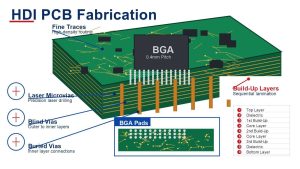
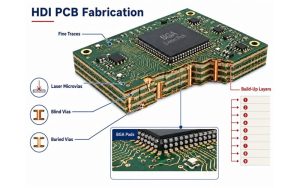
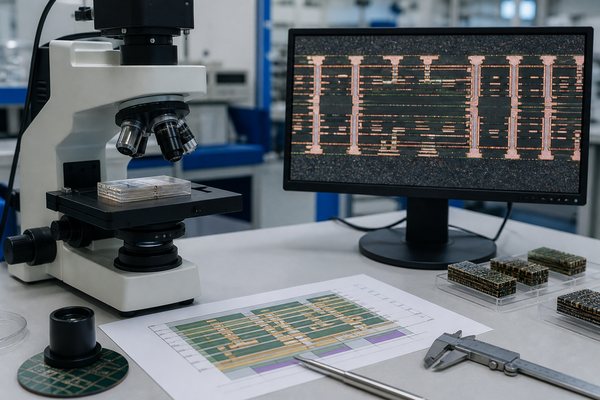
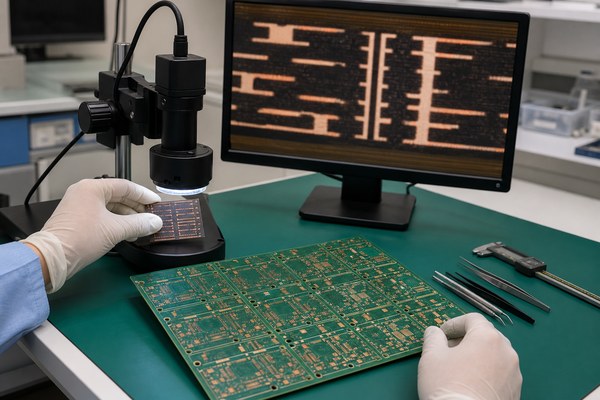
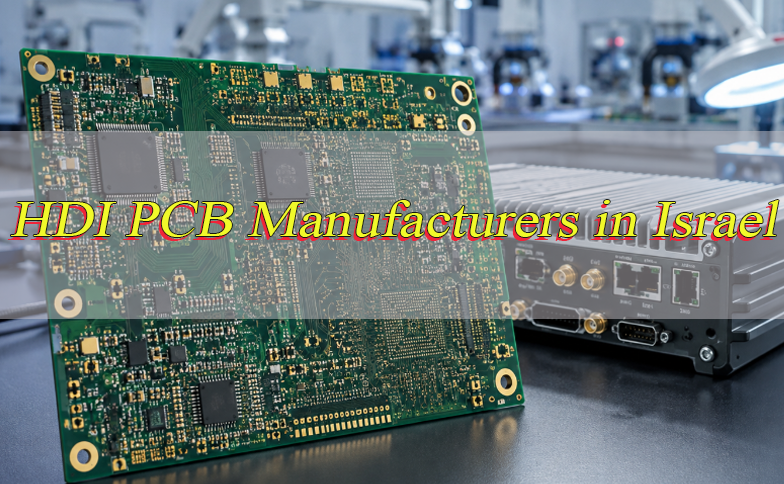
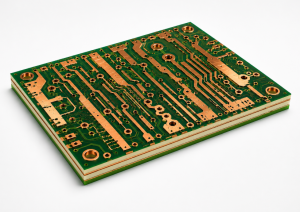
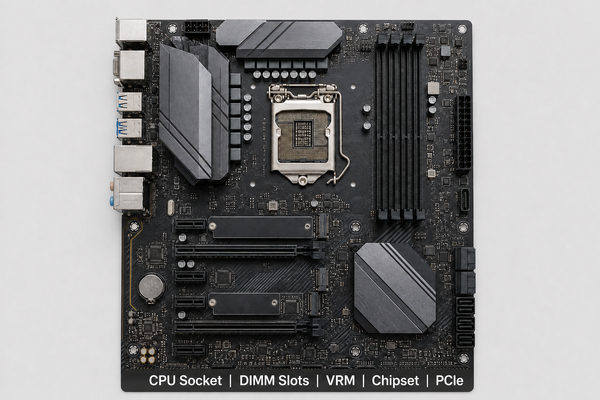
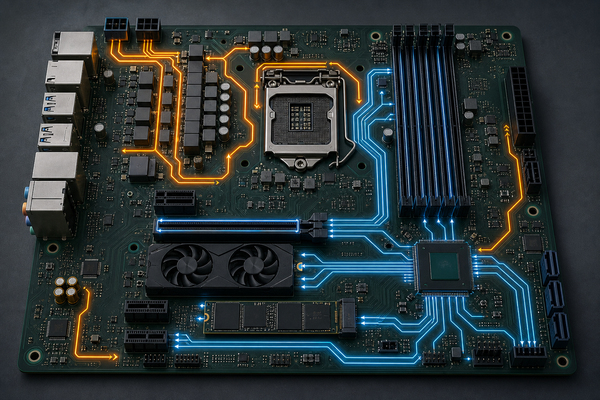
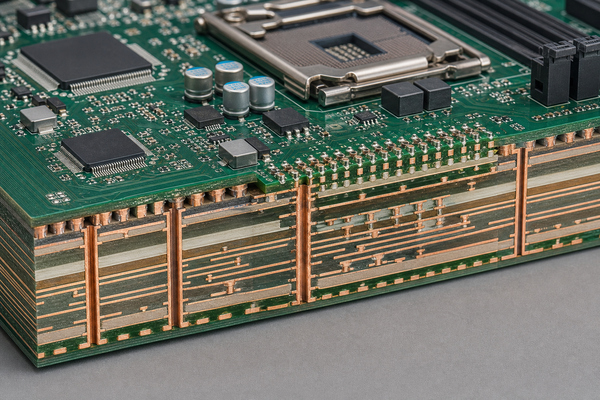
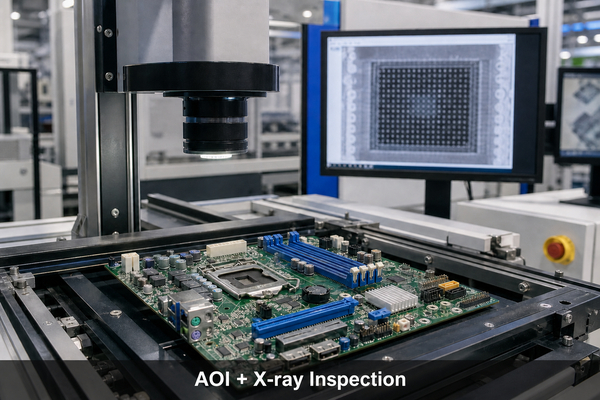
HDI PCB, or High Density Interconnect printed circuit board, is built for electronic products that demand more routing space, finer features, smaller vias, and higher circuit density in a limited footprint. Compared with conventional PCB structures, HDI boards support finer lines and spaces, smaller capture pads, and more interconnections per unit area, making them ideal for compact, lightweight, and high-speed devices.
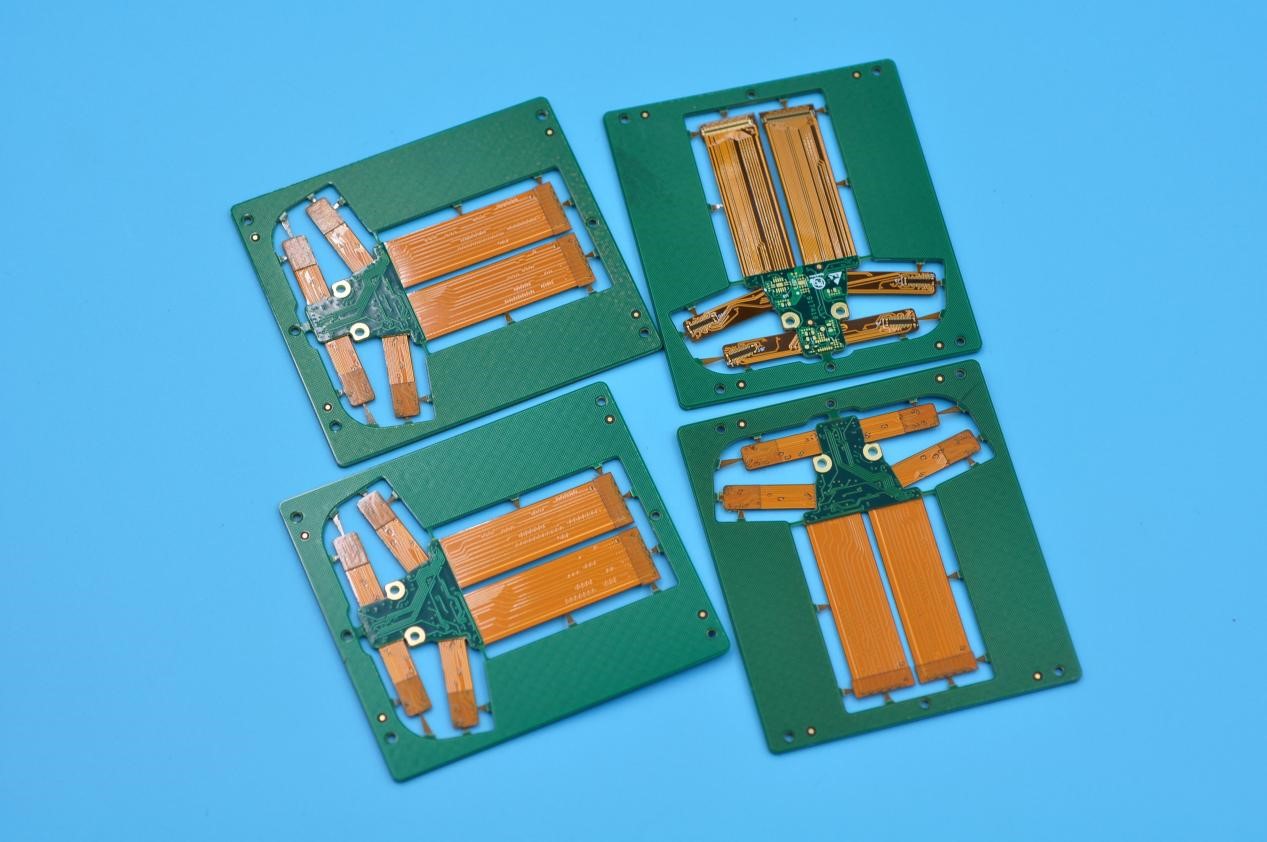
At Best Technology, we provide standard HDI PCB, HDI flex PCB, 2â16 layer HDI multilayer PCB, any-layer HDI PCB, rigid-flex PCB, and high-frequency PCB solutions for customers who need reliable performance, stable manufacturing, and fast turnaround. Our uploaded source also states a monthly production capacity of 260,000 square feet (28,900 square meters), with expedited service available for urgent projects.
What Is HDI PCB?
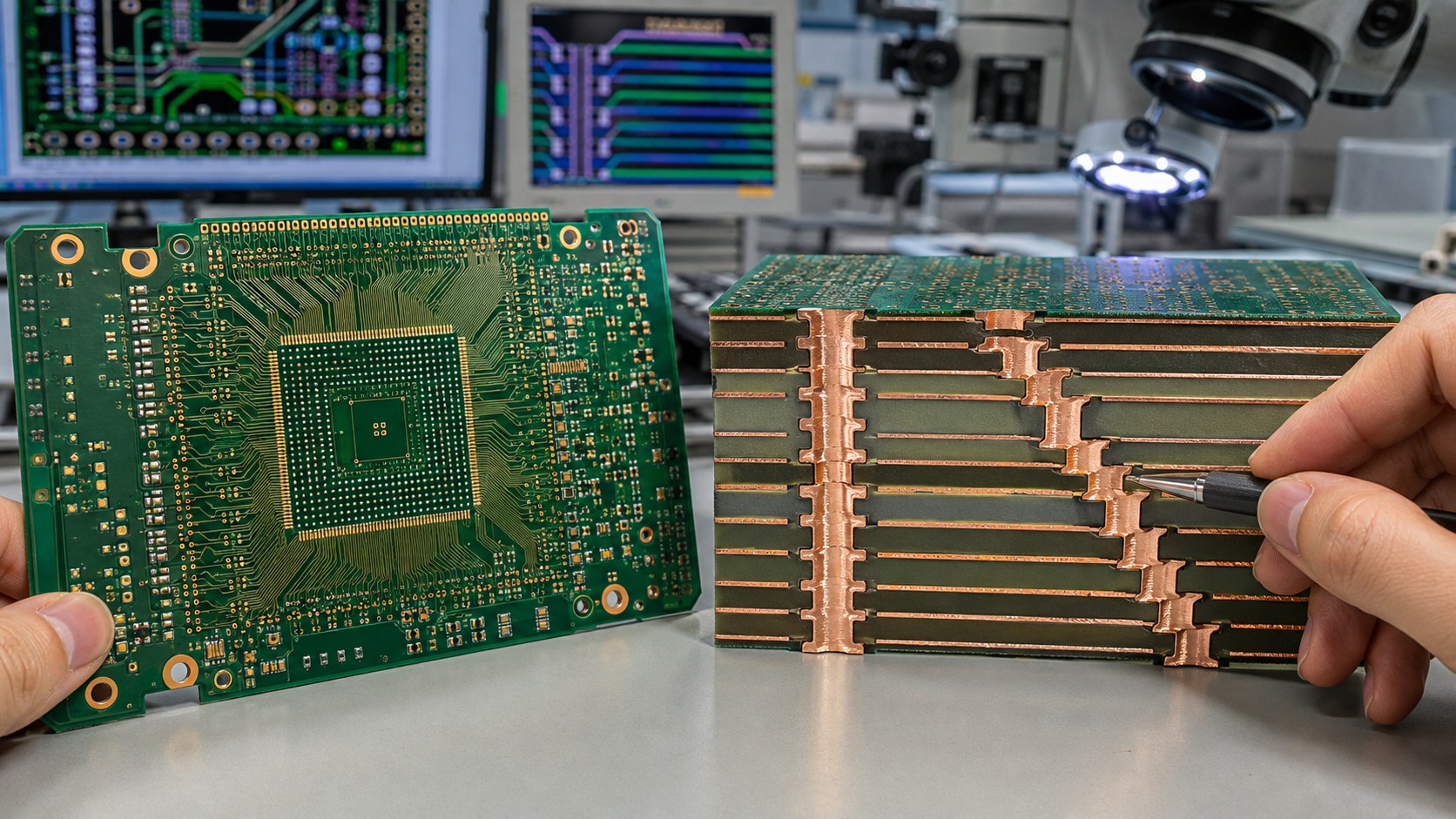
HDI PCB is the abbreviation of High Density Interconnect PCB. It is a printed circuit board designed with high integration, high precision, and miniaturized interconnection structures. HDI technology uses advanced processes such as microvia formation, via filling, and metallized interconnection to achieve reliable signal transmission and dense circuit routing.
In practical terms, HDI PCB helps designers place more functions into a smaller board area. This makes it a preferred solution for modern electronics that require smaller product size, lighter weight, faster data transfer, and improved electrical performance. The source material describes HDI boards as having finer lines and spaces below 100 ÎŒm, smaller vias below 150 ÎŒm, and smaller capture pads below 400 ÎŒm than conventional PCB technology.
Why Choose HDI PCB?
HDI PCB is widely used because it gives engineers more design freedom without sacrificing reliability.
Higher Circuit Density
HDI boards use tighter routing, smaller line width and spacing, and more advanced via structures. This allows more components and more functions to fit into the same board outline.
Better Signal Performance
Shorter signal paths and lower impedance help reduce signal delay and transmission loss. This is especially valuable in high-speed digital and high-frequency electronic applications.
Smaller and Lighter Product Design
HDI construction supports thinner, lighter, and more compact products. It is well suited to the ongoing trend toward portable and space-saving electronics.
Strong Reliability
With precise layer buildup, microvia structures, and better interlayer support, HDI boards can provide stable electrical performance and dependable mechanical structure in demanding assemblies.
Our HDI PCB Capabilities
We support a wide range of HDI PCB manufacturing solutions for both prototype and production requirements, including:
Item
Capability
Layer Count
2â16 Layers (HDI), Any-Layer HDI Available
Min Line Width / Space
3/3 mil (HDI)
Min Via Size
~4 mil (Laser Microvia)
Via Type
Blind, Buried, Microvia, Via-in-Pad
Copper Thickness
0.5 oz â 3 oz
Surface Finish
ENIG, ENEPIG, OSP, HASL, Immersion Silver
Board Thickness
0.2 mm â 3.2 mm
BGA Capability
Down to 0.3â0.4 mm pitch
Material Options
FR4, High-Tg, Low Dk/Df, Polyimide
Max Panel Size
Up to 1200 mm Ă 360 mm
Testing
AOI, X-Ray, Flying Probe, ICT
We also support fast-response manufacturing for urgent orders. According to the provided content, urgent boards can be shipped within 24 hours under suitable project conditions.
HDI PCB Types
According to layer up different, currently DHI board is divided into three basic types:
1) HDI PCB (1+N+1)
Features:
Suitable for BGA with lower I/O counts
Fine line, microvia and registration technologies capable of 0.4 mm ball pitch
Qualified material and surface treatment for Lead-free process
The substrate is the basis of HDI PCB. Commonly used organic insulating materials include thermosetting resins (such as phenolic resins and epoxy resins) and thermoplastic polyesters (such as polyimide and polytetrafluoroethylene). The choice of substrate depends on the needs of specific applications, such as rigid or flexible PCBs.
2. Copper foil
As a conductive material, the thickness of copper foil is generally between 0.3mil-3mil. The specific choice depends on the current carrying size and etching accuracy. The quality of copper foil directly affects the surface quality and electrical performance of the product.
3. PP (B-stage resin)
When making multi-layer PCBs, PP is an indispensable material as an interlayer adhesive.
4. Photosensitive materials
Including photoresists and photosensitive films, divided into wet films and dry films. These materials will undergo chemical changes under light of a specific wavelength, affecting their solubility in the developer, thereby achieving precise production of circuits.
5. Solder mask (ink)
As a solder mask, solder mask is used to prevent the adhesion of liquid solder, and its performance affects the welding quality and circuit protection of PCBs.
6. Film
Similar to the polyester film used for photography, the film is used to record image data and requires high contrast, sensitivity and resolution while ensuring fine lines and dimensional stability.
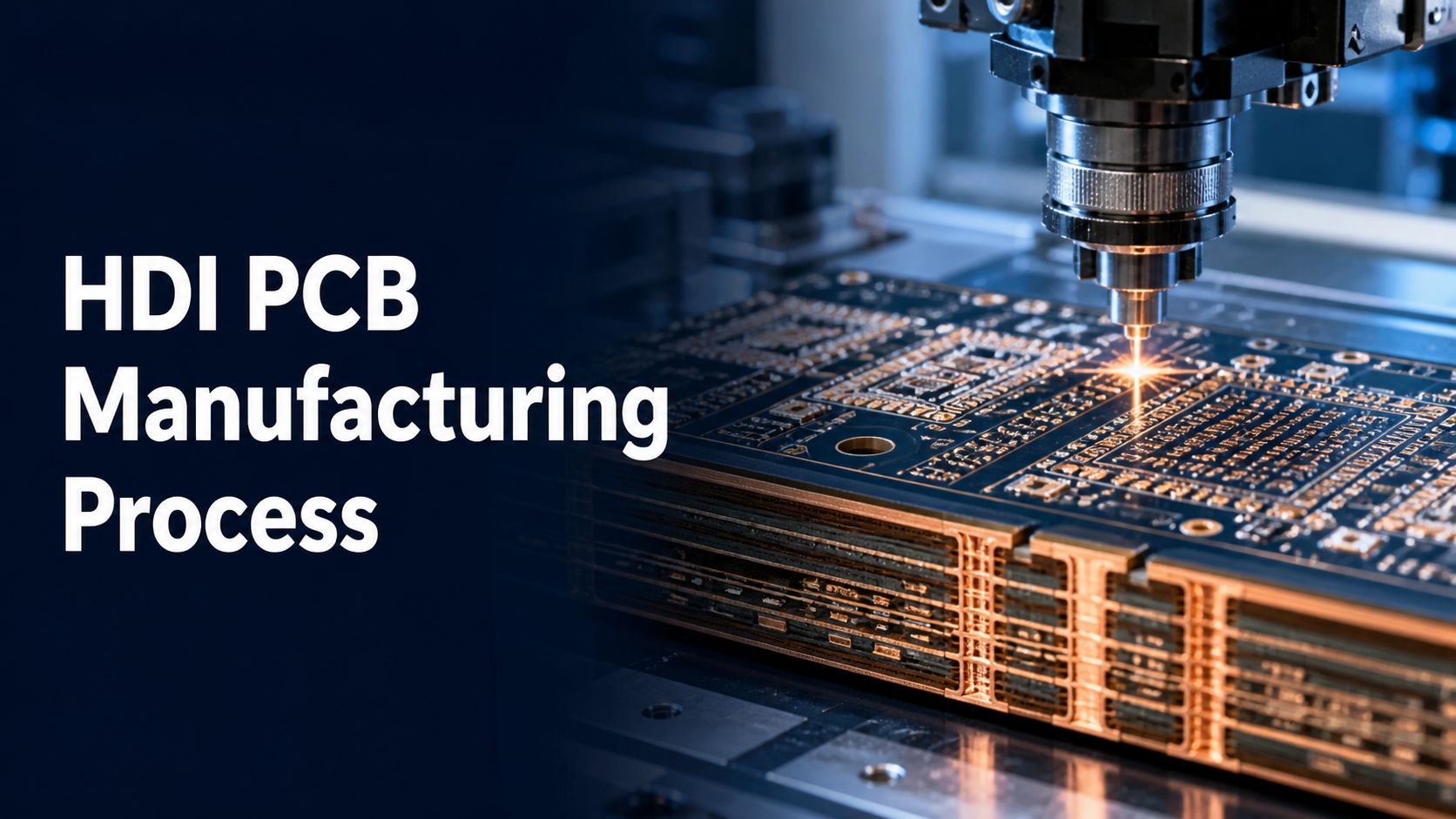
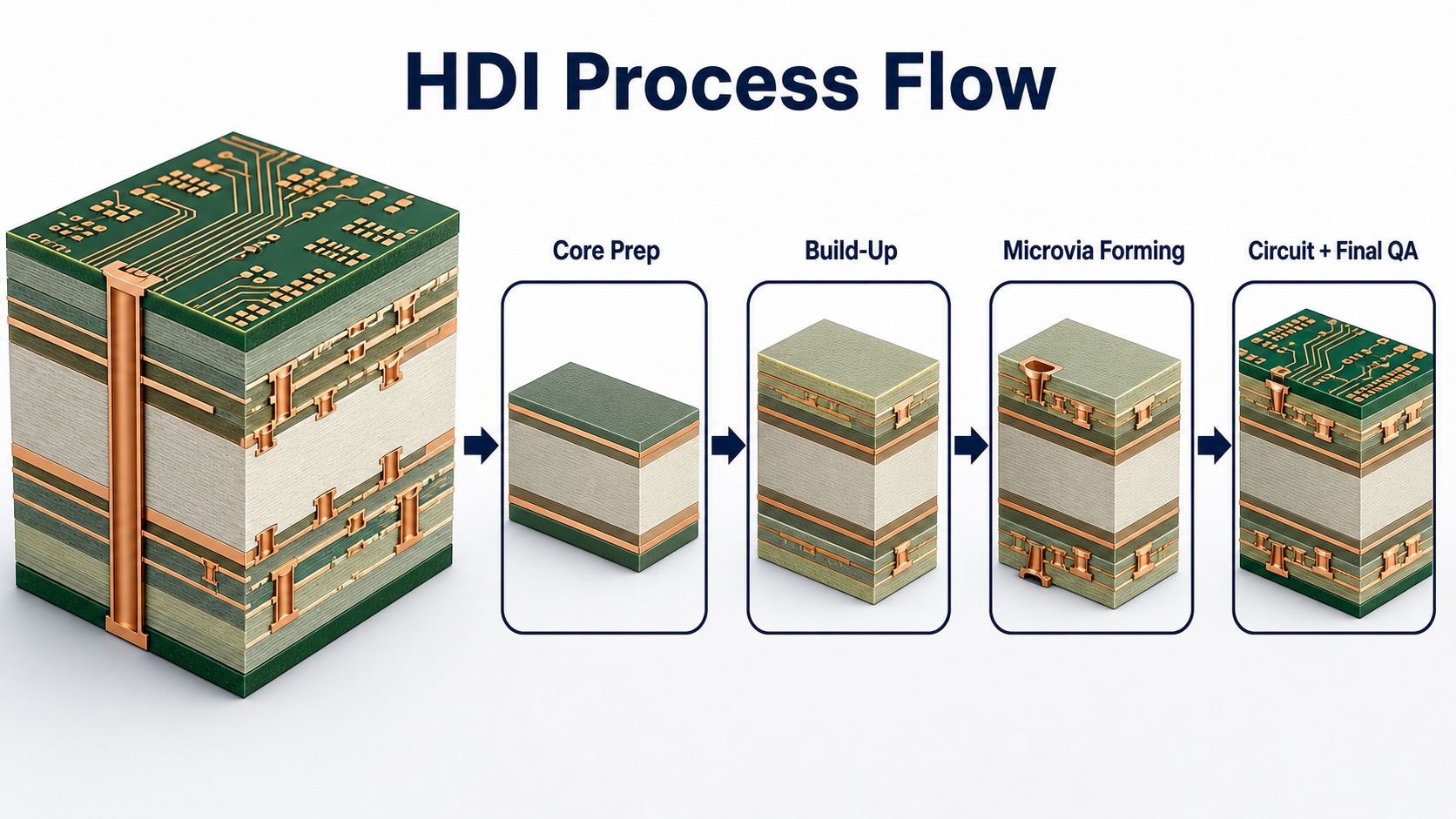
HDI PCB Manufacturing Process
The uploaded source outlines a typical HDI PCB manufacturing flow, covering the core steps from design to final inspection.
1. Design Review â define the circuit structure, layer count, and stackup
2. Material Preparation â prepare substrate, copper-clad material, covering layers, and inner layers
3. Laser Drilling â create small vias for interlayer electrical connection
4. Lamination â press the inner and outer layers into a stable structure
5. Etching â remove excess copper and keep the required conductive pattern
6. Plating â improve conductivity and oxidation resistance
7. Assembly â insert and solder components if assembly service is included
8. Testing and Inspection â verify quality and electrical performance
Typical Applications
HDI PCB is widely used in products that require compact design and high functional density. The original material lists applications such as:
Cell Phones
UMPC
PDA
GPS Devices
Memory Cards
Portable Game Consoles
Digital Cameras
Camcorders
Notebook Computers
Network Communication Equipment
Chip Carriers for Large-Scale IC Packaging
Why Work With EBest Circuit?
We position HDI PCB service around what engineering teams and sourcing teams actually need: broad process coverage, quick response, stable quality, and one-stop manufacturing support. The source content also highlights experience in high-end HDI, multilayer PCB, high-frequency PCB, high-speed PCB, FPC, rigid-flex PCB, SMT processing, and PCBA OEM service.
What You Can Expect
Wide HDI product range
Prototype to production support
Fast turnaround for urgent projects
One-stop PCB and PCBA service
Competitive pricing with manufacturing support
FAQs About HDI PCB
1. What is the difference between HDI PCB and standard PCB?
HDI PCB uses finer lines, smaller vias, and higher connection density, allowing more circuits in less space compared to standard PCB.
2. When should I use HDI PCB?
HDI is recommended when your design includes fine-pitch BGA, high-speed signals, or strict space constraints.
3. Is HDI PCB more expensive?
Yes, due to more complex processes and tighter tolerances. However, it can reduce overall system size and improve performance.
4. What is the minimum via size in HDI PCB?
Typically around 4 mil (laser drilled microvia), depending on manufacturer capability.
5. Can HDI PCB improve signal integrity?
Yes. Shorter routing paths and better layer control can improve signal performance in high-speed designs.
6. How long does HDI PCB manufacturing take?
Prototype lead time can be as fast as 24 hours, while standard production depends on complexity and volume.
Get a Quote for Your HDI PCB Project
If your project requires microvias, fine-pitch BGA routing, higher wiring density, or compact multilayer construction, HDI PCB may be the right solution. A well-designed HDI board can help reduce product size, improve routing efficiency, and support stronger electrical performance in advanced electronics.
Send us your Gerber files, stackup requirements, and project specifications. Our team can review your design and recommend a suitable HDI PCB manufacturing solution.
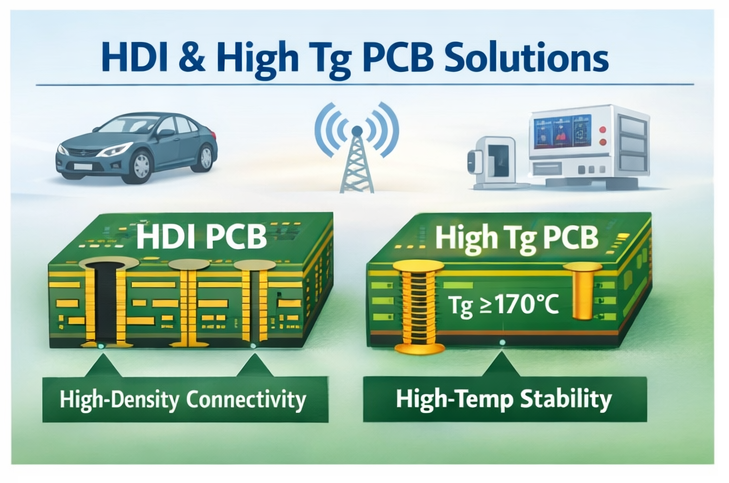
Why do HDI & high TG PCB solutions matter so much for high-reliability electronics? Because failures rarely come from a single âbigâ mistake. They often start from small issues: marginal solder joints, microcracks around vias, drift in impedance, or repeated thermal shock.
An HDI PCB helps by shortening trace length, controlling impedance, and reducing stubs. A high Tg PCB helps by raising the glass transition temperature, so the board structure stays stable under higher reflow and operating temperatures.
When you integrate both, you gain:
Better control of high-speed signals in dense layouts
Stronger resistance to repeated lead-free reflow cycles
Improved reliability in wide temperature ranges
Smaller, lighter boards that still carry complex circuits
For sectors like automotive ADAS, 5G equipment, and industry automation, this combination is often no longer ânice to haveâ. It becomes a base requirement.
What Are HDI & High Tg PCB Solutions?
HDI & High Tg PCB solutions refer to PCB designs that use high-density interconnection structures together with high-temperature glass transition materials. Rather than treating HDI PCB and high Tg PCB as separate topics, this concept views them as a design âtoolboxâ that works as a system.
A typical HDI & high Tg PCB stack-up may include:
High Tg FR4 or hybrid material core
One or more HDI buildup layers with microvias
Fine lines and spaces for dense routing
Controlled impedance structures for high-speed signals
Multiple lamination cycles using high Tg prepregs
These solutions focus on two goals at the same time: interconnection density and temperature endurance. The design approach covers layout rules, via strategy, material selection, and process limits from the start, not as late-stage fixes.
What Is an HDI PCB and Why Is It Used in Modern Electronics?
Sequential build-up (1+N+1, 2+N+2, 3+N+3, and so on)
Fine line/space (e.g., 75 ”m/75 ”m or better)
Via-in-pad for BGA breakout
Modern ICs such as high pin-count BGAs, fine-pitch QFNs, and SiP modules simply cannot be routed on old-style 1-via-per-pin layouts. HDI PCB structures shorten critical paths, reduce via stubs, and keep return paths tight.
Key advantages of hdi pcb in modern designs include:
Smaller board size with the same or higher function density
Better signal integrity for multi-gigabit links
Improved power distribution with dense stitching vias
Room for mechanical design freedom in slim devices
Because of this, HDI PCB technology is common in smartphones, tablets, communication modules, automotive radar, and compact industrial controllers.
What Is a High Tg PCB and How Does It Improve Reliability?
A high tg pcb uses laminate with a higher glass transition temperature than standard FR4. Tg is the point where the resin system changes from glassy to rubbery. Above this point, mechanical properties weaken quickly.
In a high Tg PCB, the Tg value might be 170â180°C or higher, instead of around 130â140°C for common materials. This increased Tg gives several benefits:
Better dimensional stability during lead-free reflow
Lower risk of pad lifting, delamination, or barrel cracks
Reduced mechanical stress during temperature cycling
Improved long-term reliability in high-temperature service
High Tg PCB materials also tend to have better thermal endurance over time, which helps in automotive under-hood zones, power supplies, motor drives, and LED lighting. They can handle more thermal stress without visible or hidden damage.
Differences Between HDI PCB and High Tg PCB
HDI and high Tg describe two different aspects of a PCB: one structural, one material. They often coexist, but they are not the same.
Aspect
HDI PCB
High Tg PCB
Main focus
Interconnect density and routing
Thermal and mechanical stability
Key features
Microvias, fine lines, via-in-pad
Tg â„ 170â180°C, better thermal endurance
Typical driver
Fine-pitch BGAs, compact form factor
Lead-free reflow, high operating temperature
Impact on layout
Strong effect on routing and stack-up
Moderate; affects stack-up and DFM margin
Impact on reliability
Better signal and via performance
Lower risk of warpage and delamination
Cost drivers
Laser drilling, lamination cycles, yield
Material price, process window, lamination setup
An HDI PCB can use standard Tg material when the thermal profile is mild. A high Tg PCB can have no HDI features at all if density remains low. When the project pushes both limits, you combine them.
When Should HDI PCB and High Tg PCB Be Combined?
Combining HDI PCB and high Tg PCB makes sense when a design faces both density and thermal stress at the same time. Typical cases include:
High-speed compute boards with large BGAs and multiple reflow passes
Automotive radar or camera modules near engines or outdoor zones
5G RF front-ends in compact housings with limited airflow
Industrial motion control or power electronics running at elevated temperature
You should consider an HDI & high Tg PCB solution if:
The layout requires microvias or sequential lamination to escape key components
The assembly line uses lead-free profiles with high peak temperature
The product will see frequent on-off cycling or wide ambient temperature swings
Field reliability and long service life carry high business value
In these scenarios, HDI brings routing freedom and signal quality, while high Tg materials protect the board structure against thermal and mechanical stress.
Medical devices: Imaging equipment, patient monitoring, compact diagnostic tools
Consumer and wearable devices: Smartphones, tablets, smartwatches, AR/VR devices
All these products share common requirements: compact size, strict reliability targets, and long-term stability under shifting loads. HDI PCB structures handle fine-pitch and high-speed paths, while high Tg PCB materials carry the thermal and mechanical burden.
What Are the Key Design Considerations for HDI & High Tg PCB?
Designing HDI & high Tg PCB solutions is not just about choosing a material with higher Tg and shrinking traces. It needs careful coordination between layout, stack-up, and process limits. Key points include:
1. Stack-up planning early
Decide the HDI level (1+N+1, 2+N+2, etc.), copper thickness, and layer count early. Include high Tg material data, Dk/Df values, and lamination constraints in the first draft.
2. Microvia and buried via strategy
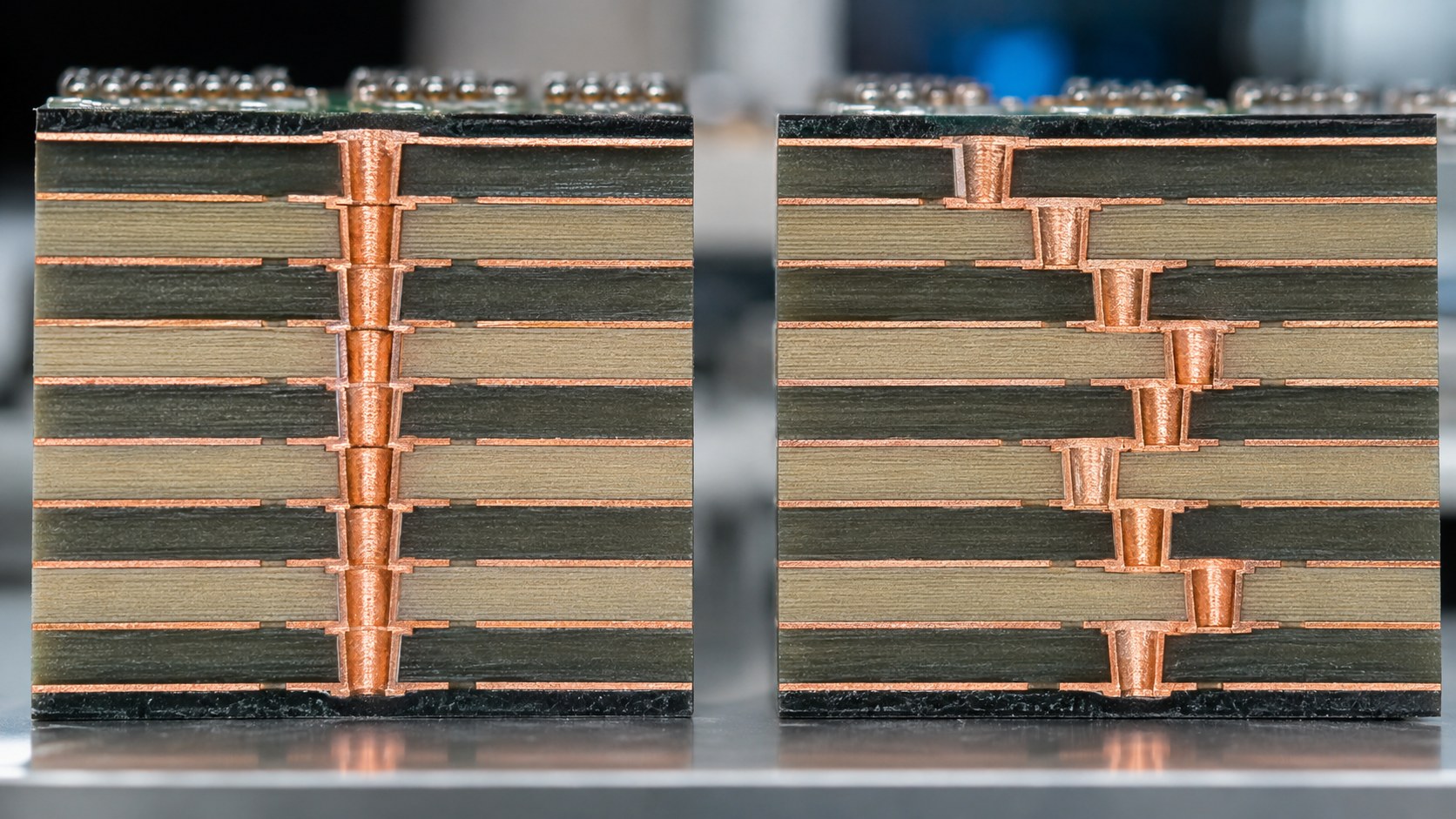
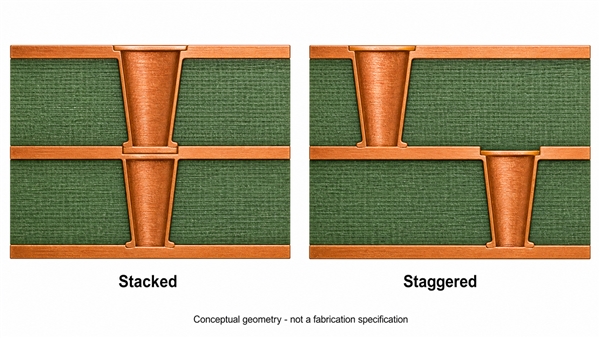
Keep microvia aspect ratios within the fabricatorâs safe range. Use staggered rather than stacked microvias when reliability priority is high, unless the project can support enhanced filling processes.
3. Impedance control with high-speed pairs
High-density routing often pushes traces close together. Work with the fabricator to set precise trace width and spacing for each impedance class, considering the actual dielectric constant of the high Tg material.
4. Thermal management and copper balance
High Tg PCB materials support higher temperature, but heat still needs paths. Balance copper areas across the panel to reduce warpage. Provide solid ground planes, thermal vias, and clear heat paths.
5. Solder mask and via-in-pad design
When using via-in-pad on HDI pads, confirm filling and capping processes. Poorly filled vias can trap flux or reduce solder joint strength.
6. Design for manufacturability (DFM)
Follow the manufacturerâs design rules for minimum line/space, annular ring, drill size, and pad shapes. Good DFM work reduces scrap and supports stable quality.
What Manufacturing Challenges Exist in HDI & High Tg PCB?
Manufacturing HDI PCB involves several engineering challenges because the process pushes the limits of micro-fabrication, interlayer reliability, material control, and inspection accuracy. Each stage demands strict tolerance management to keep performance stable in high-density layouts.
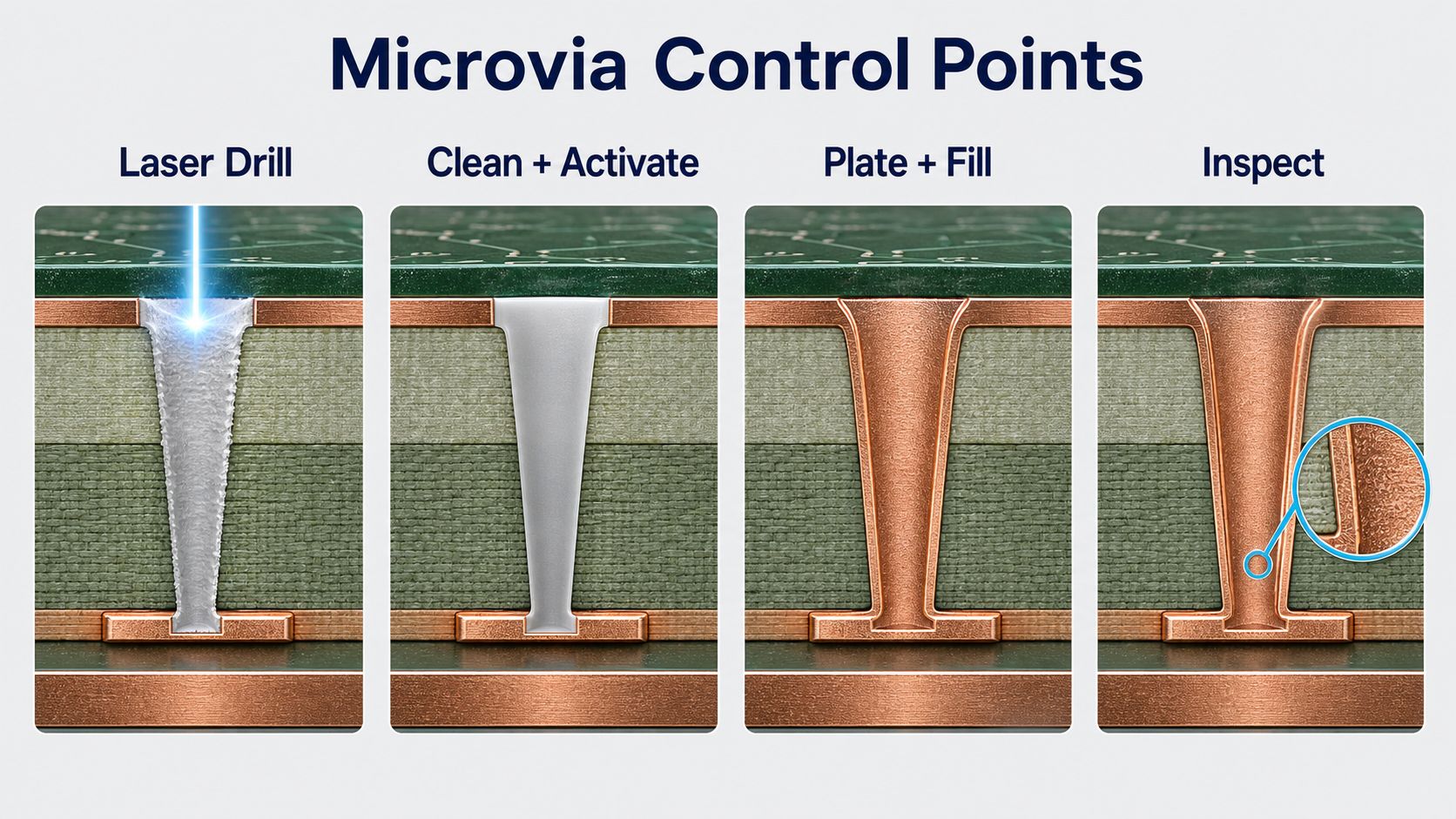
Microvia and blind-via drilling accuracy is difficult because HDI requires via diameters
below 0.15 mm. Laser drilling must stay stable and precise to avoid rough walls, incomplete holes, or weak plating that may cause electrical issues in stacked via structures.
Layer-to-layer registration and lamination control demand micron-level alignment.
High-order HDI needs multiple lamination cycles, and any shift in imaging, resin flow, or pressure can create opens, shorts, or signal loss.
Fine-line etching becomes harder as line width and spacing drop to 3 mil or less. Thin
traces are sensitive to under-etching or over-etching, and thicker copper (4â10 oz) makes precise control even more challenging.
Plating and via filling must deliver uniform copper to keep interconnections stable.
Voids, trapped gas, or uneven filling weaken microvias and reduce long-term reliability, especially when the design needs high breakdown voltage.
How EBest Circuit (Best Technology) Supports HDI & High Tg PCB Solutions?
EBest Circuit (Best Technology) supports HDI & High Tg PCB Solutions from early design review through mass production and assembly. Our team focuses on turning demanding ideas into stable, repeatable products.
Engineering and DFM for HDI and high Tg
Our engineers review your stack-up, HDI level, and component layout at the start. We suggest suitable high Tg materials, via strategies, and impedance structures based on your performance and cost targets.
HDI PCB manufacturing capability
We support fine line and space routing, laser-drilled microvias, via-in-pad, and multi-step lamination. Typical HDI builds such as 1+N+1, 2+N+2, and higher structures can be handled with controlled registration and repeatable yields.
High Tg and advanced materials
We work with well-known high Tg PCB laminates and can also support hybrid builds for projects that need both RF and digital performance. Material selection focuses on Tg, Td, Dk/Df, and reliability under your real reflow profile.
PCBA assembly with process control
EBest Circuit (Best Technology) provides SMT and through-hole assembly for HDI and high Tg boards in both China and Vietnam. Lead-free profiles, X-ray for BGA, and AOI help keep quality stable for dense layouts.
Quality systems and traceability
Our factories follow ISO9001, ISO13485 for medical, IATF16949 for automotive, and AS9100D for aerospace. We also run MES systems to track each lot from material incoming through final shipment. This supports clear traceability and faster root-cause analysis if any issue appears.
For buyers who need a long-term partner for HDI & high Tg PCB solutions, this combination of engineering support, HDI process capability, and certified quality systems reduces risk and saves internal effort.
FAQs about HDI & High Tg PCB Solutions
1. Is HDI PCB always more expensive than a standard multilayer board?
HDI PCB usually costs more per panel due to laser drilling, extra lamination, and tighter controls. However, the total product cost can drop because the board is smaller, the BOM can be simplified, and performance improves.
2. When do I really need a high Tg PCB instead of normal FR4?
You should consider a high Tg PCB when your design uses lead-free solder, has more than one reflow cycle, or runs in high ambient temperatures. Automotive, power, and industrial products are common cases where high Tg material significantly improves reliability.
3. Can I use HDI without high Tg material for consumer products?
Yes. Many consumer devices use hdi pcb structures on mid-range Tg materials because their operating temperature is moderate and lifetime targets are shorter. The decision depends on your thermal profile and reliability goals.
4. Are stacked microvias less reliable than staggered ones?
Stacked microvias can be reliable when the process is well controlled, but they need stricter plating and filling quality. For very harsh environments, many designers still prefer staggered microvias for extra margin, unless dense routing forces stacking.
5. How early should I involve EBest Circuit (Best Technology) in an HDI & high Tg PCB project?
The best time is before you freeze the stack-up and routing strategy. Early DFM and material discussion help avoid later redesign, reduce risk, and shorten the path from prototype to stable mass production.
If you are planning a new design that needs smaller size, higher speed, and stronger thermal performance, HDI & High Tg PCB Solutions may be the right direction. You can share your Gerber files, stack-up ideas, or even just a concept, and EBest Circuit (Best Technology) will help you evaluate practical options, costs, and timelines for your next project.
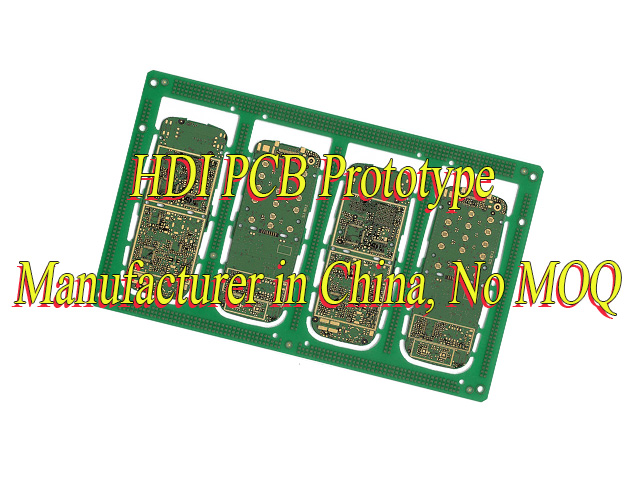
Why do HDI PCB prototype? Let’s discover definition, benefits, design technical parameter, manufacturing processes, cost and lead time for HDI PCB prototypes.
Are you troubled with these problems?
Are you struggling with yield fluctuations and soaring costs due to line width/spacing breaking the 30ÎŒm limit in HDI PCB production?
Have you encountered interlayer alignment deviations in multi-layer HDI PCBs, causing signal loss and unstable performance?
Are repeated product testing failures and extended time-to-market caused by high-frequency signal attenuation and crosstalk issues?
As a HDI PCB prototype manufacturer, EBest Circuit (Best Technology) can provide you service and solutions:
Line Width/Spacing Precision Control â Utilizing imported laser drilling equipment to achieve ±2ÎŒm line width/spacing accuracy, maintaining over 98% yield stability and optimizing costs by 15%. Extreme design no longer means cost nightmares.
Intelligent Interlayer Alignment Optimization â Leveraging AI-assisted design software for ±10ÎŒm interlayer alignment precision, reducing signal loss by 20% and improving performance stability by 30%. Multi-layer HDI alignment becomes precision-engineered.
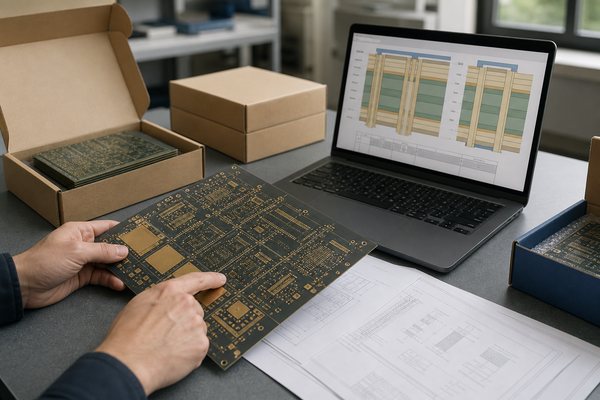
Full-Chain Signal Integrity Simulation â Providing end-to-end signal integrity simulation from design to testing, proactively identifying risks of high-frequency attenuation and crosstalk. This accelerates time-to-market by 30%, making ‘first-time success’ the industry standard.
Welcome to contact us if you have any inquiry for HDI PCB design, prototyping, mass production, assembly: sales@bestpcbs.com.
What Is HDI PCB Prototype?
HDI PCB Prototypesare small-batch functional samples produced before mass production to verify the feasibility of high-density interconnect technologies (such as microvias, buried and blind vias, fine line width/spacing, high connection density, and multilayer processes) in specific circuit designs. Their core purpose is to evaluate electrical performance, signal integrity, manufacturing process compatibility, and product reliability through practical testing, promptly identify design flaws, optimize solutions, and ultimately reduce mass production risks. This stage is a crucial step in achieving rapid iteration and risk control in the development of miniaturized, high-performance electronic devices such as smartphones, wearable devices, and high-end servers.
Smaller and Lighter: Utilizing microvia technology enables high-density layout, directly helping end products reduce size and weight, improving portability and aesthetics.
Superior and More Stable Performance: Shorter signal transmission paths and better impedance control significantly improve signal integrity and operational stability in high-speed products.
More Flexible Design: Provides engineers with greater freedom to place complex chips (such as multi-pin BGAs) within limited space, optimizing overall structural design.
More Powerful and Richer Functionality: More functional components can be integrated on the same or even smaller board area, enhancing the product’s market competitiveness.
More Robust and Reliable Connections: Advanced blind and buried via and via-filling processes enhance the board’s mechanical and thermal reliability, making it suitable for demanding application environments.
Better Overall Cost: While the cost per board may be slightly higher, cost optimization throughout the project lifecycle is achieved through size reduction, improved yield, and accelerated time-to-market.
Min 3mil (Through-hole), Min 5mil (Component Hole)
HDI PCB Prototype Manufacturing Processes
1. Design Optimization and Layout Planning
Use EDA software (such as Altium, Cadence) for circuit design, focusing on optimizing high-density routing. Verify signal integrity through 3D modeling to ensure line width/spacing is controlled within 3-4mil, hole diameter 3-5mil, and meet impedance matching requirements.
Adopt blind/buried via design to replace traditional through-holes, reducing interlayer signal paths and enhancing space utilization.
2. Material Selection and Pretreatment
Select low dielectric constant (Dk) and high-frequency performance materials (such as LCP liquid crystal polymer) to reduce signal loss. The substrate uses thin copper foil (typically 0.5-2oz) combined with prepreg for interlayer bonding.
The pretreatment stage requires chemical copper deposition to ensure uniform copper layer adhesion and enhance conductivity.
3. Inner Core Board Fabrication
The inner core board forms circuit patterns through photolithography-etching processes. Steps include: cleaning the copper-clad laminate â coating photosensitive dry film â UV exposure to transfer design patterns â developing to remove uncured dry film â alkaline etching to remove exposed copper â stripping and cleaning.
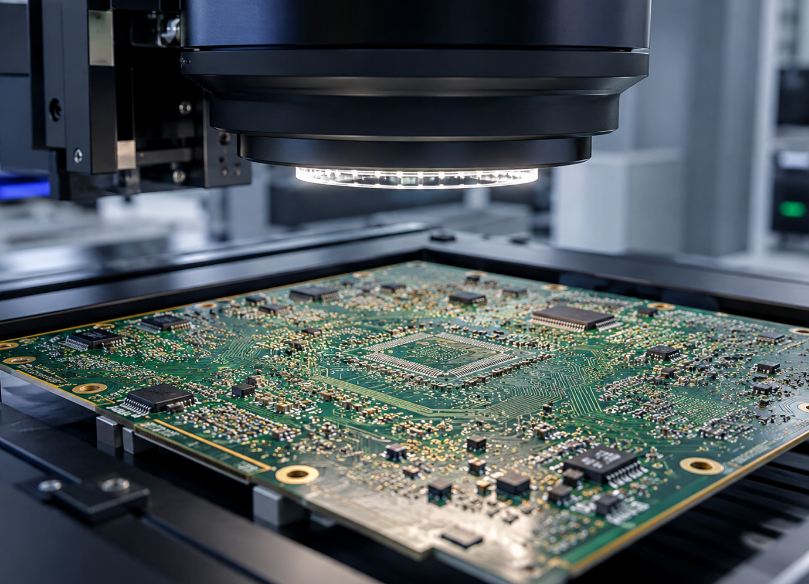
Use AOI (Automated Optical Inspection) to verify inner layer circuit accuracy, ensuring no short/open circuit defects.
4. Microvia Drilling and Plating
Employ laser drilling technology (COâ laser/UV laser) to fabricate micro blind/buried vias with hole diameters controlled within 50-150ÎŒm. Optimize laser parameters to minimize the heat-affected zone (HAZ) and avoid carbonization.
After drilling, perform plasma cleaning to remove residues, followed by chemical copper deposition + electroplating to form a 25ÎŒm thick copper layer, ensuring uniform via wall conductivity.
5. Lamination and Stack-up Structure Construction
Achieve multi-layer structures through sequential lamination processes. Steps include: core board positioning â stacking (core + prepreg + copper foil) â vacuum hot press curing under high temperature and pressure. Control lamination temperature (170-200°C) and pressure (300-500psi) to ensure no interlayer bubbles/cracks.
Adopt symmetric stack-up design to reduce board warpage and improve mechanical stability.
6. Outer Layer Circuit Formation
The outer copper foil forms circuit patterns through photolithography-etching processes, similar to inner layers but using positive film processes.
Steps include: coating photosensitive film â exposure and development â electroplating to thicken copper layer (to 25ÎŒm) â etching to remove excess copper â stripping tin to protect circuits. Use flying probe testing to verify outer layer electrical connections, ensuring no open/short circuits.
7. Surface Treatment and Impedance Control
Select surface treatment processes (such as ENIG, OSP, gold plating) based on application requirements to enhance soldering reliability. Perform impedance testing in critical areas to ensure signal integrity.
Adopt differential pair routing + ground plane optimization to control crosstalk and electromagnetic interference (EMI).
8. Reliability Testing and Quality Verification
Conduct thermal cycling tests (-55°C to 150°C), vibration tests, and X-ray inspections to verify microvia integrity. Analyze via wall filling quality through metallographic sectioning to avoid voids/delamination defects.
Perform electrical performance tests (such as flying probe testing) to ensure products meet design specifications.
9. Prototype Cutting and Packaging
Use CNC or laser cutting to segment large panels into individual PCB prototypes, with edge chamfering to prevent damage.
Clean to remove residual chemicals, and vacuum package to prevent moisture/dust. Attach quality inspection reports containing test data and process parameters for customer verification.
How Much Does HDI PCB Prototyping Cost?
The prototyping cost for HDI (High-Density Interconnect) PCBs typically spans $200 to $2,500+, contingent on complexity and specifications. For basic HDI (4â6 layers, standard FR4), 4-layer HDI PCB cost $200â$600 per panel, while 6-layer options range from $400â$900. Advanced HDI (8+ layers with microvias or high-frequency materials) starts at $800â$2,500+ per panel, with blind/buried vias adding $100â$300 and expedited turnaround (3â5 days) incurring a 30â50% premium.
How Long Does HDI PCB Prototyping Take?
The prototyping lead time for HDI PCBs (High Density Interconnect Printed Circuit Boards) is significantly influenced by factors such as complexity, layer count, via stages, manufacturer capacity, and current order backlog, typically ranging from 3 to 7 working days. For simple HDI designs (1-stage, 6-8 layers), mainstream fast-turn manufacturers can usually complete prototypes within 3-5 working days. Medium-complexity HDI (2-stage, 8-12 layers) extends this to approximately 5-7 working days. High-complexity HDI (3-stage or above, 12+ layers with microvias/fine lines) involves multiple process steps including sequential lamination, laser drilling, via filling/plating, and engineering preparation, requiring 7-15 working days or longer depending on specific technical requirements and factory scheduling. Pricing varies based on design specifications, material costs, and production volume.
19 Years of HDI Expertise: Proven track record with 20,000+ complex projects, including 3-stage HDI, 0.1mm microvias, and high-speed materials, achieving 98% first-pass success for intricate designs.
Zero-Risk Design Assurance: Complimentary DFM analysis intercepts 90% of design flaws upfront, slashing 3-5 design iterations and saving 2-4 weeks of development time, turning R&D budgets into tangible progress.
Global Compliance & Sustainability: RoHS/REACH-compliant manufacturing, UL certification, and ISO 14001 environmental management, ensuring seamless market access from EU to North America.
48-Hours Rapid Prototyping: Standard HDI prototypes shipped within 48 hoursâ50% faster than industry averages to accelerate your product launch and seize market opportunities.
Cost Optimization Mastery: Process innovation and vertical supply chain integration cut costs by 15-30% vs. market rates, saving clients up to $5,000+ per project on equivalent specifications.
Ultra-Reliable Quality Control: Triple-layer inspection (in-line AOI + offline X-ray + first-article validation) achieves â„99.2% yield rates, exceeding IPC Class 2 standards and minimizing field failure risks.
Full-Spectrum HDI Capability: From 1-stage to 5-stage HDI processes, supporting 2-32 layer stacks and specialized applications (medical/aerospace/5G) for perfect design-to-production alignment.
Material Versatility: 20+ material options from standard FR4 to high-speed substrates (e.g., Rogers 4350B) and high-Tg laminates, optimized for performance-cost balance.
24/7 Dedicated Engineering Support: 1:1 expert guidance from design consultation to mass production tracking, with 2-hour response, 4-hour solution delivery, and 24-hour issue resolution.
List of Required Documents for HDI PCB Prototype Quotation
Gerber Files: Include layer-wise graphics (top/bottom copper layers, solder mask, silkscreen, etc.) in RS-274X format. Must contain individual layer files (e.g., .GTL, .GBL) and drilling layer.
Drilling Files: Excellon format (.DRL), specifying hole coordinates, sizes, types (through-hole/blind/buried), and slot information.
Bill of Materials (BOM): List component models, specifications, quantities, and suppliers in formats like .xls/.csv for procurement and assembly.
PCB Design Source Files: Original design files (e.g., Altium Designer .brd, KiCad .kicad_pcb) as supplementary references to Gerber files.
Assembly Coordinate Files: Component position coordinates (X, Y) and orientation for SMT placement accuracy.
Process Specification Document: Details on substrate material (FR4/high-frequency/aluminum), board thickness, copper thickness, surface finish (OSP/HASL/ENIG), solder mask/silkscreen colors, minimum trace/space, impedance control requirements, etc.
Quantity & Lead Time: Clear production volume and delivery date, influencing quotation and scheduling.
Testing Requirements: Such as flying probe testing, fixture testing, impedance test reports, etc., to ensure product quality compliance.
Special Requirements: RoHS compliance, lead-free process, appearance standards, packaging methods, panelization design (e.g., V-cut/stamp holes), etc.
Welcome to contact us if you have any request for HDI PCB Prototype: sales@bestpcbs.com.
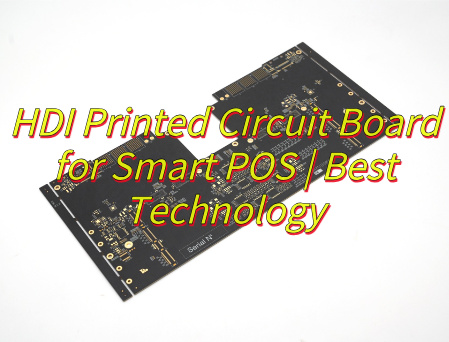
Why choose HDI printed circuit boardfor smart POS? Let’s discover its benefits, applications, technical parameter, how to balance cost and performance, signal integrity optimization solutions for HDI PCB through this blog.
Are you worried about these problems?
Does your POS mainboard freeze frequently in extreme environments?
Are traditional PCBs holding back your device’s slim design?
Poor circuit board reliability driving up after-sales costs?
As a HDI PCB manufacturer, EBest Circuit (Best Technology) can provide you service and solutions:
High-Stability HDI Stack-up: Materials resistant to low/high temps, reducing failure rates by 60%.
Ultimate Miniaturization: Adopts sub-0.1mm microvias, blind/buried via technology, and thin interlayer dielectric design, boosting wiring density by 30%-50% per unit area. Enables compact integration of multi-modules (processor, communication chip, security chip, etc.) and supports device slimming.
High-Frequency Signal Integrity: Short-path routing + low-impedance copper layer reduces signal transmission delay by 40% and crosstalk by 50%. Ensures zero data loss in high-frequency interactions (5G/4G, NFC payment) and error-free transaction processing.
Multi-Function Integration & Scalability: 8+ layer fine routing directly integrates processor, memory, biometrics, power management modules. Embedded capacitors/resistors cut external components by 30%. Reserved interfaces support AI algorithm/blockchain security module upgrades.
Efficient Thermal Management: High-Tg substrate + thermal via/layer design doubles thermal conductivity, rapidly dissipates heat from chips/power modules. Reduces thermal stress risk by 50% for 24/7 operation, extending device lifespan by 20%.
Cost-Benefit Optimization: Higher per-board cost offset by 15% reduction in overall materials (connectors, cables). Automated production (laser drilling, precision lamination) improves efficiency by 30%, shortens time-to-market by 20%, and lowers lifecycle cost by 10%.
Future-Proof Tech Compatibility: Naturally compatible with 5G high-frequency RF circuits (low-loss microstrip transmission), AI chip high-density computing needs, and biometric module fine routing. Maintains device adaptability to rapid payment scenario evolution.
Applications of HDI Printed Circuit Board in Smart POS
Integrate processor, communication module, security chip, touchscreen driver.
Optimize 5G/4G, NFC, Wi-Fi high-frequency signal transmission.
Integrate fingerprint recognition and facial recognition modules.
Carry financial-grade security chip and encryption module.
Dissipate heat from processor and power module.
Integrate power management module and reduce power impedance.
Reserve interfaces to support AI algorithms and blockchain module expansion.
Each point directly maps to the core application scenarios of HDI PCB in smart POS devices, ensuring technical accuracy and concise expression.
Technical Parameter for Smart POS HDI Printed Circuit Boards
Parameter
Specification
Substrate Material
High-frequency FR4 or polyimide materials; Tg value â„170°C; Low dielectric constant (Dk â€3.8)
Layer Count
4-12 layer HDI structure with blind/buried via design
Line Width/Spacing
Minimum line width: 50ÎŒm; Minimum line spacing: 50ÎŒm
Drilling Specifications
Mechanical drilling: â„0.15mm; Laser drilling: 0.05-0.1mm; Aspect ratio â€10:1
How HDI PCB Optimize High Frequency Signal Transmission Performance in Smart POS?
1. Precision Low-Loss Substrate Selection
Material Specifications: Utilize high-frequency low-loss substrates such as Rogers RO4350B (Dk=3.48, Df=0.0021) and Panasonic MEGTRON 6 (Dk=3.7, Df=0.002), ensuring Dk †3.5 and Df †0.0025.
Performance Enhancement: Achieves 70%+ reduction in 60GHz signal loss compared to FR-4, maintaining signal attenuation â€2.5dB/cm for 5G/Wi-Fi 6/4G modules.
Application Compatibility: Specifically designed to meet the high-frequency requirements of smart POS modules, ensuring robust anti-interference capabilities and stable communication links.
Noise Mitigation: Grid-like power plane design reduces power noise fluctuations to <50mV, while avoiding cross-split routing preserves signal integrity for DDR4/PCIe interfaces.
Structural Advantage: Maintains unbroken reference planes under high-speed traces, critical for minimizing electromagnetic interference (EMI) and crosstalk.
3. Hierarchical Blind/Buried Via Application
Via Type Selection: Deploy blind vias (1-2 layers) for fine-pitch BGA regions and buried vias (3-6 layers) for internal layer connections, optimizing routing density.
Innovative Structure: The “1+2+1” blind via stack (top-layer blind via + internal buried via + bottom-layer blind via) increases routing density by >30% while reducing signal path length and transmission delay.
Space Optimization: Minimizes through-hole space occupation, enabling compact layout design for high-density POS motherboards.
Verification Method: TDR (Time-Domain Reflectometry) simulations validate impedance continuity, ensuring 60GHz signal return loss †-28dB to minimize reflection losses.
Design Compliance: Adjusts dielectric thickness and copper weight to meet impedance targets, critical for maintaining signal integrity at high frequencies.
5. Differential Signal & Shielding Design
Differential Pair Routing: High-speed signals (USB3.0/HDMI) are routed as differential pairs with length matching error <5mil to reduce common-mode noise.
Shielding Implementation: Ground vias spaced <0.5mm alongside critical signal traces form electromagnetic shielding strips, suppressing crosstalk to <-70dB.
Anti-Interference Enhancement: Creates a protective barrier against EMI, ensuring signal purity and reliability in dense POS environments.
6. EMI/Thermal Co-Design
Electromagnetic Isolation: Ground planes segregate digital/analog domains with single-point grounding, while 0.01ÎŒF high-frequency decoupling capacitors suppress power noise.
Thermal Management: Densely arranged thermal vias (0.3mm diameter, 1mm pitch) under power devices (e.g., LDOs/MOSFETs) form heat pathways to bottom-layer thermal pads, reducing single-via thermal resistance by 40%.
Synergistic Effect: Prevents thermal concentration from degrading signal performance, ensuring system stability and longevity.
7. Simulation Verification & Process Control
Simulation Tools: HyperLynx/Allegro perform time/frequency domain simulations to validate eye diagram margin (>20%), crosstalk (<5%), and impedance matching.
Manufacturing Standards: Adheres to IPC-2221 specifications for minimum trace width/spacing (4mil/4mil), blind via diameter (â„0.1mm), and layer alignment tolerance (±50ÎŒm).
Quality Assurance: X-ray drilling inspection ensures blind via positioning accuracy, boosting first-pass yield to >95% and ensuring design manufacturability and reliability for volume production.
How to Balance the Performance and Cost of HDI Printed Circuit Boards in Smart POS?
Layer and Structure Refinement Design
Adopt symmetric stack-up structures from 1+N+1 to 3+N+3, achieve 0.1mm-level high-density wiring in the BGA region via laser microvia technology, and optimize signal path length.
PWR/GND pins penetrate 1-2 layers via microvias, freeing up inner layer wiring space, reducing layer count by 20% compared to original design, and minimizing material usage.
Wiring density increases by 40%, signal integrity improves by 12%, supports multi-layer any-layer interconnection design, and adapts to future functional expansion requirements.
Optimize interlayer coupling capacitance, reduce crosstalk, enhance high-frequency signal transmission quality, and ensure stable 5G/NFC communication.
Material Grading Selection Strategy
For high-frequency scenarios, select low Dk/Df materials (Dk †4.5, Df †0.005) such as PTFE substrate to reduce 5G signal loss by over 25%.
For conventional scenarios, use high-Tg FR-4 (Tg â„ 170â) to balance cost and heat resistance, preventing substrate deformation under high temperatures.
Hybrid outer-layer low-loss substrate with inner-layer conventional FR-4, achieving â€5% performance loss, significant cost optimization, and suitability for mid-range POS devices.
Select materials with low coefficient of thermal expansion (CTE) to reduce interlayer delamination risk caused by thermal stress and improve long-term reliability.
Manufacturing Process Adaptability Enhancement
Implement mSAP/MSAP process to achieve 2mil/2mil line width, increasing wiring density by 30% and adapting to high-density wiring requirements.
Control laser drilling precision to ±0.05mm, plating void ratio â€3%, ensuring no short/open defects in microvias.
Achieve 100% AOI inspection coverage, complemented by X-ray inspection, to identify interlayer alignment deviations and microvia filling quality.
Optimize plating uniformity to avoid excessive copper thickness variation in microvia inner walls, preventing reliability issues and extending product lifespan.
Thermal and Heat Management Co-Design
Metal substrate + buried copper block technology achieves thermal resistance â€1.5â/W, reducing processor area temperature by 20â and improving heat dissipation efficiency.
Thermal via array density â„20/cmÂČ, combined with thermal vias to form efficient heat conduction paths and reduce thermal hotspots.
Embed liquid cooling microchannels between layers to reduce thermal stress risk by 50%, extend device lifespan by 20%, and support 24/7 high-load operation.
Use high thermal conductivity (â„2W/m·K) thermal adhesive to enhance interfacial heat conduction efficiency and reduce thermal resistance.
Optimize power plane partitioning to reduce power plane resonance, enhance power integrity, and support high-speed signal transmission.
Extensibility and Maintainability Design
Reserve standardized interfaces (e.g., ZIF connectors) to support hot-swapping of AI algorithm modules and adapt to future functional upgrade requirements.
Modular stack-up structure facilitates maintenance and component replacement, reducing total lifecycle cost by 15% and improving maintainability.
Design DFT (Design for Testability) interfaces to support boundary scan and in-circuit testing, simplifying fault localization and repair processes.
Adopt removable connector design to reduce on-site repair difficulty and time, improving device availability.
19-Year Expertise for Risk Reduction: Leverage 19 years of HDI technology accumulation to provide expert consultation, reducing customer R&D trial costs by 30% and ensuring one-time certification approval for complex products like smart POS, minimizing rework expenses.
24-Hour Rapid Prototyping Service: Complete emergency order prototyping within 24 hours, accompanied by free DFM analysis reports to preemptively resolve 90% of potential production issues, accelerating product launch by 40% and securing market opportunities in emerging fields like 5G/mobile payments.
Custom Material & Process Optimization: Select high-frequency low-loss substrates + ENIG surface treatment combined with laser microvia forming (â€100ÎŒm aperture) to boost signal transmission speed by 15% and reduce power consumption by 20% for smart POS, meeting high-speed payment scenario requirements.
End-to-End Integrated Solutions: Cover full-process services from PCB design to SMT and PCBA assembly, reducing customer supply chain coordination efforts by 15%, expediting product commercialization, and supporting rapid iteration demands.
Cost Optimization Guarantee: Offer 10%-15% lower custom quotes than industry averages through scaled production and material supply chain integration, while maintaining premium material usage to enhance customer profit margins and product competitiveness.
Quick-Response Delivery Service: Ensure 7-day delivery for standard orders and 5-day expedited delivery for urgent orders, enabling customers to flexibly adapt to market fluctuations and avoid order loss or market share erosion due to delays.
Multi-Scenario Reliability Validation: Conduct customized wide-temperature (-40°C~125°C) and humidity (95% RH) tests to ensure stable operation of smart POS in extreme environments, reducing customer return rates and after-sales costs by 30%.
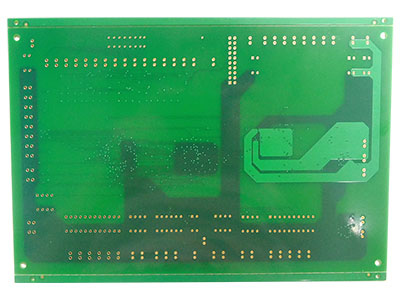
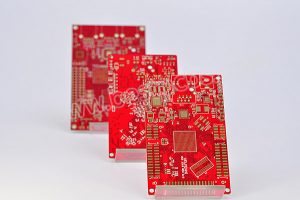
Below is a photo of HDI printed circuit board we did before:
As an HDI PCB manufacturer, EBest Circuit (Best Technology) understands the importance of reliable, high-quality HDI PCBs for modern electronics. The core content of this blog revolves around the definition, features of the HDI board, and the HDI PCB manufacturing process.
Some customers face the following issues when doing the HDI printed circuit boards project with their HDI PCB manufacturerâs. Are you also dealing with these frustrating problems?
Extended lead times and the delayed delivery time from a certain HDI PCB manufacturer?
High cost and its impact on some cost-sensitive projects?
Product defect due to poor manufacturing precision?
There are some difficulties in customizable design, size, material, and other aspects, so it is difficult to meet the specific needs of your orders?
Hereâs our game plan for dealing with those tricky problems.
Boost manufacturing process and shorten delivery schedule: The production efficiency can be improved by elevating the HDI PCB manufacturing process and using automatic devices. Finally, to shorten the entire fabrication lead time.
Optimize the cost structure and improve the cost efficiency: We can lower the unit cost by standard design, mass production, and material selection optimization.
Increase the manufacturing precision and improve product quality: Adopt high-precision equipment, such as a laser drilling machine, AOI inspection equipment, and a rigorous quality control process to ensure product consistency.
Boost customizable capability: provide the tailored manufacturing service according to customers’ Gerber files and needs.
As an ODM & OEM HDI circuit boards manufacturer, we have our own high density interconnect PCB factory in China, and we have been selling high-density PCBs in a perfectly competitive market for over 19 years. Our customer vary from countries to countries. Last year, our biggest selling volume is to the USA, Germany, and Israel, and others. We have abundant experience in solving different issues for customer’s projects. If you need to find a reliable manufacturers for HDI PCB fabrication services, just make contact with us via sales@bestpcbs.com.
What is HDI PCB?
The full name of HDI PCB is high-density interconnect PCB. Put it simply, it refers to a multilayer PCB produced using build-up techniques and microvias. In simple terms, it starts with a core boardâwith or without plated through holes (PTH)âmade by conventional methods. Fine circuits and microvias are then added to the outer layers to create build-up layers, ultimately forming a multilayer board.
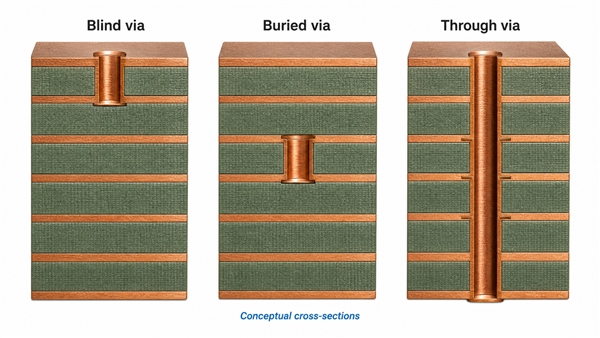
To better understand how HDI PCBs achieve high-density interconnections, itâs useful to first look at the different types of vias used in these boards.
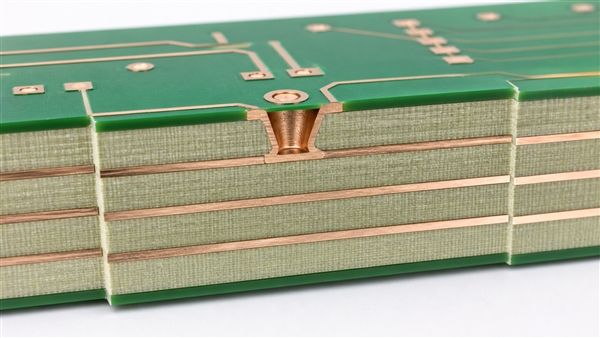
Via hole: It is a general term for all layer-to-layer holes, including Through Holes, Blind Vias, Buried Vias, and Microvias.
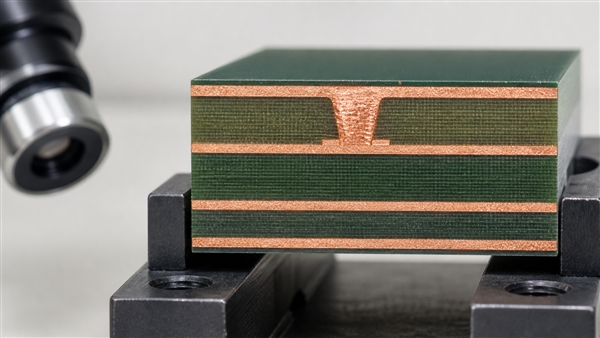
Microvia: In the PCB industry, any hole with a diameter smaller than 150 ”m (6 mil) is classified as a microvia. It is very small via for HDI PCBs, can be blind, buried, or through.
Buried via: A buried via is located within the inner layers and is typically invisible in the finished PCB. Compared with through-holes, its main advantage is that it does not occupy surface space, allowing more components to be placed on the PCBâs surface.
Blind via: A blind via is visible on the finished PCB but only from one side. Unlike through-holes, which are visible from both the top and bottom, blind vias allow routing underneath the via location while saving surface area for components.
Through Hole: A through hole is a type of via hole that passes through the entire PCB. In other words, all through holes are via holes, but not all via holes are through holes. Via holes can also include blind vias and buried vias, which only connect some layers of the PCB rather than the entire board, allowing for higher-density layouts. When a through hole is plated with copper, it is called a PTH and is used for electrical connections. If it is not plated, it is called an NPTH and serves mainly mechanical purposes.
Via Type
Typical Min. Diameter
Layer Connection
Common Use Case
Via Hole
N/A
Any layers
General layer-to-layer interconnection
Microvia
†150 ”m (6 mil)
Outer to inner (1 layer)
High-density routing
Blind Via
75â200 ”m
Outer to inner (partial)
Space-saving design
Buried Via
100â200 ”m
Inner to inner only
Inner layer connection
Through PTH
℠200 ”m
All layers
Signal & power transfer
Through NPTH
℠200 ”m
No electrical connection
Mechanical fixing
What is the Difference Between HDI PCB and Conventional PCB?
1. Layer Structure
HDI PCB: Uses multiple build-up layers with microvias, blind vias, and buried vias, allowing higher interconnect density in a compact design.
Conventional PCB: Relies on through-hole vias across the entire board with simpler stack-up, suitable for less dense layouts.
2. Fine Line Width and Spacing
HDI PCB: Supports ultra-fine lines and spaces, often down to 50â75 microns, enabling high-density routing.
Conventional PCB: Uses wider traces and spacing, which limits circuit miniaturization.
3. Process Technology
HDI PCB: Requires laser drilling, sequential lamination, and via-in-pad technology for advanced designs.
Conventional PCB: Uses mechanical drilling and traditional lamination, easier to fabricate for general applications.
4. Base Materials
HDI PCB: Employs high-performance laminates with low Dk/Df for better high-frequency performance and thermal stability.
Conventional PCB: Commonly made with standard FR4, good enough for most consumer and industrial electronics.
5. Manufacturing Cost
HDI PCB: Higher cost due to extra processes, fine features, and strict material requirements.
Conventional PCB: More cost-effective, especially for low-to-medium complexity products.
6. Application Scenarios
HDI PCB: Found in smartphones, tablets, medical devices, automotive electronics, and aerospace where size and performance are critical.
Conventional PCB: Used in home appliances, industrial controls, and products that donât need very high density.
Structural Characteristics of HDI Blind Vias
High-Density Interconnect (HDI) PCBs are characterized by their use of blind vias, which connect outer layers to one or more inner layers without passing through the entire board. The structural configuration of HDI boards is typically described using a notation like a+N+a or a+N+N+a, where each element represents a specific part of the board:
âaâ â Build-up Layer: These are the additional layers added on top of the core to achieve higher wiring density. Each build-up is considered a stage: a single build-up is first-order, two sequential build-ups are second-order, and three build-ups constitute third-order.
âNâ â Core Layer: This is the central layer of the PCB that provides mechanical support and basic circuitry.
Some common HDI structures include:
1+N+1: One build-up layer on each side of the core.
1+N+N+1: One build-up on each side with an additional core layer in the middle.
2+N+2: Two build-up layers on each side of the core.
2+N+N+2: Two build-up layers on each side with an extra core layer in between.
3+N+3: Three build-up layers on each side of the core.
3+N+N+3: Three build-up layers on each side with an extra core layer in the center.
These configurations allow for greater routing density, smaller via sizes, and more compact designs. The use of blind vias reduces signal loss, minimizes board thickness, and enables complex circuitry integration without increasing the overall PCB size. By carefully selecting the build-up and core combination, designers can optimize signal integrity and maintain mechanical stability in advanced electronic devices.
Where to Get HDI PCB Manufacturer in China for PCB Fabrication and Assembly?
China is renowned for its manufacturing capacity, offering a greater range of HDI PCB fabrication and assembly services. When looking for a reliable HDI PCB manufacturer, itâs important to understand the market landscape first.
HDI BoardsMarket Overview HDI PCB factories in China are concentrated in several key regions:
Other regions: Specialized factories exist in cities like Shanghai, Tianjin, and Beijing, focusing on niche or high-end HDI PCB fabrication.
Channels to Get Original China HDI PCB Manufacturer
Trade shows and electronics exhibitions â opportunities to see HDI PCB fabrication capabilities firsthand.
Online B2B platforms and directories – such as Alibaba and Global Sources, offer a large range of manufacturers that provide HDI PCB assembly manufacturing and other services.
Industry referrals and engineering networks â recommended by partners who have experience with hdi pcb electronics manufacturing.
Types of HDI PCB Manufacturers in China
Professional HDI factories: Focus solely on HDI boards, often equipped with blind buried vias HDI PCB manufacturing, laser drilling, microvia technology, and sequential lamination. Ideal for high quality HDI PCB for electronics circuit boards and HDI PCB prototype manufacturing.
General PCB manufacturers: Handle a variety of PCB types including HDI, but may have limitations on microvia precision or layer count. Suitable for medium-complexity designs and any PCB layer HDI manufacturers.
OEM/ODM factories: Offer full services from design to assembly, including 3 step HDI PCB manufacturers or smart robot rigid-flex PCB board HDI board manufacturing, often supporting volume production for global electronics brands.
EBest Circuit (Best Technology) Advantages When choosing HDI PCBs manufacturers, working with a PCB HDI company that addresses common customer pain points is key. EBest Circuit (Best Technology) stands out with:
Advanced Manufacturing Capabilities: Supports multi-layer HDI PCB boards, HDI via PCB manufacturing, rigid-flex HDI PCB boards, and high density PCB designs.
Original high density interconnect PCBs and SMT Factories: We have original HDI fabrication and SMT factories in China for PCB Fabrication and Assembly. And our ISO9001, IATF16949, ISO13485, and AS9100D certifications ensure strict process control and reliability in our own HDI PCB manufacturing and PCBA factories.
Professional Engineering Support: HDI PCB design for manufacturability guide, layout optimization, and rapid prototyping minimize rework and maximize performance.
Flexible Delivery: Solutions tailored for both small and large volume production, with reliable HDI PCB electronics manufacturing quality and reliable lead times.
In summary, finding the right China leading HDI PCB manufacturer for electronics industry involves understanding the regional landscape, knowing the types of factories available, and selecting a partner who can provide both technical expertise and dependable production. With advanced capabilities, rigorous quality control, and customer-focused service, EBest Circuit (Best Technology) ensures your high density interconnect PCB projects are executed efficiently, reliably, and with consistent high quality.
Step-by-Step HDI PCB Fabrication Process
EBest Circuit (Best Technology) follows a meticulous multi-stage approach to ensure the quality, reliability, and performance of every HDI board. Below is our 3 step HDI PCB fabrication process for your reference. As a 3 step HDI PCB manufacturer, EBest Circuit (Best Technology) leverages advanced laser drilling, sequential lamination, and microvia filling technologies to achieve high-density interconnects with exceptional precision.
Step 1: Material Preparation (Cutting)
Copper-clad laminates are cut into required panel sizes. Material properties such as thickness, CTE, and moisture absorption are carefully checked to ensure dimensional stability during subsequent processes. Pre-baking is often performed to remove absorbed moisture.
Step 2: Inner Layer Imaging
Photoresist is applied to the core, then exposed through a phototool to define fine circuit patterns. Strict control of exposure alignment and development ensures accurate line width and spacing.
Step 3: Automated Optical Inspection (AOI)
Inner layer circuits are inspected with AOI to detect defects such as opens, shorts, and over-etched lines. Any defects are repaired or flagged before proceeding to lamination.
Step 4: Lamination
The prepared inner layers are stacked with prepreg and copper foil, then laminated under high temperature and pressure. Vacuum lamination ensures strong bonding, minimal voids, and proper registration between layers.
Step 5: Copper Reduction (7â9 ÎŒm)
Controlled etching reduces copper thickness to the target range of 7â9 ÎŒm. This step is crucial for achieving fine line resolution and impedance stability in HDI structures.
Step 6: Laser Drilling (3â5 mil Holes)
Microvias are drilled using a COâ or UV laser. Hole diameters range from 3 mil to 5 mil depending on design requirements. Laser parameters are adjusted to ensure clean via walls and accurate depth control.
Step 7: Mechanical Drilling (Through-Holes, Aspect Ratio â€5:1)
Through-holes are drilled mechanically, with the aspect ratio controlled to be â€5:1. Drill bit wear and hole wall quality are closely monitored to avoid defects like burrs or smear.
Step 8: Electroless Copper Deposition
A thin conductive seed layer is deposited inside all drilled holes and via walls by electroless copper plating. This creates the foundation for subsequent electroplating.
Blind vias are filled with conductive copper plating. Copper growth is controlled to â€25 ÎŒm to maintain surface flatness, which is critical for further lamination and circuit imaging.
Step 10: Inner Layer Imaging (Repeated)
The next layer of circuitry is defined by repeating the photoresist coating, UV exposure, and development process. Alignment to buried features is precisely maintained.
Step 11: AOI
Each newly imaged layer undergoes AOI to confirm circuit accuracy before additional lamination steps.
Step 12: Lamination (Second Build-Up)
Another lamination cycle is carried out to stack additional layers. Temperature, pressure, and alignment are controlled to ensure reliability and dimensional stability.
Step 13: Copper Reduction
Etching is performed again to refine copper thickness to the design requirements, ensuring consistent trace definition.
Step 14: Laser Drilling
New microvias are laser-drilled to connect to the previously built-up layer. Registration accuracy is carefully monitored to avoid misaligned stacked vias.
Step 15: Electroless Copper Deposition
Copper seed layers are deposited again inside the new vias and on the panel surface to ensure complete metallization.
Step 16: Hole Filling
The newly created blind vias are filled and planarized, maintaining a smooth surface for further processing.
Step 17: Inner Layer Imaging (Third Build-Up)
The third sequence of inner layer circuit imaging is performed. High precision alignment is required as this is the final build-up before outer layer processing.
Step 18: AOI
AOI checks for defects such as misregistration, broken lines, and incomplete filling to guarantee layer reliability.
Step 19: Lamination (Final Build-Up)
All layers are consolidated in a final lamination cycle. Rigorous control of warpage and shrinkage is performed to meet high-density tolerances.
Step 20: Copper Reduction
The outer copper is reduced to the design thickness to prepare for outer layer circuit definition.
Step 21: Laser Drilling
Outer microvias are laser-drilled, connecting the final build-up layers to the outer copper surface. Alignment to internal features is verified.
Step 22: Mechanical Drilling
Final through-holes, tooling holes, and mounting holes are mechanically drilled with tight tolerance control.
Step 23: Electroless Copper Deposition
All newly drilled vias and holes receive electroless copper plating to establish a uniform conductive seed layer.
Step 24: Hole Filling
Any blind or buried vias requiring filling are processed and planarized to maintain surface flatness for solder mask application.
Step 25: Outer Layer Imaging
Outer layers are coated with photoresist and exposed with phototools to define final circuit traces and pads. Alignment is critical to match buried vias and inner layers.
Step 26: Etching
Unwanted copper is etched away, leaving the final outer layer circuitry with precise line width and spacing.
Step 27: AOI
Final AOI verifies the outer layer circuitry. Any defects are flagged, repaired, or scrapped based on quality requirements.
Step 28: Solder Mask Application
A solder mask layer is applied and imaged to protect circuits and define solderable pads. Adhesion, thickness, and registration are carefully checked.
Step 29: Silkscreen Printing
Component markings and reference designators are printed. Clarity, durability, and positioning are validated for assembly readability.
Step 30: Surface Finishing (ENIG / Gold Plating)
Surface finishes such as ENIG (Electroless Nickel Immersion Gold) are applied to exposed copper pads to improve solderability and oxidation resistance.
Step 31: Board Profiling
The panels are routed or V-scored into final board shapes. Dimensional accuracy and edge quality are inspected.
Step 32: Electrical Testing
Every PCB undergoes electrical testing to confirm there are no shorts, opens, or resistance anomalies. Test results are documented for traceability.
Step 33: Final Inspection
The finished boards are inspected for surface quality, dimensional accuracy, and compliance with customer specifications. Only fully qualified boards proceed to packaging.
In a nutshell, step-by-step HDI PCB fabrication process relies on precise layer build-up and meticulous interconnection control to ensure performance and reliability. Strict attention to line width and spacing, via aspect ratio, stacked via alignment, and substrate dimensional stability is essential throughout the above fabrication process.
Best Practices of Selecting the Right HDI PCB Supplier
Selecting the right HDI PCB supplier directly impacts your product development timeline, cost, and overall project success. HDI PCBs involve complex processes such as microvias, buried vias, high-layer stacking, and fine-line routing. A supplier lacking experience may lead to rework, delayed delivery, or substandard performance. A reliable supplier not only delivers high-quality boards but also provides technical support during design and manufacturing, helping you reduce risk and bring your product to market on time. But how to choose a supplier and manage Risk?
Evaluating HDI PCB suppliers should focus on four key areas.
Technical Capability
Number of layers and minimum line/space they can handle.
Microvia and buried via manufacturing experience.
Experience with complex designs and HDI stackups.
Suppliers with strong technical skills can anticipate design issues and offer solutions.
Delivery Reliability
Production capacity and ability to handle urgent orders.
Historical on-time delivery records.
Clear timelines and buffers to minimize project delays.
Quality Control
Certifications such as ISO9001, IPC standards, IATF16949 (automotive), ISO13485 (medical).
Process control and testing methods like AOI, flying probe, and electrical testing.
Consistent quality reduces rework and overall project costs.
Service and Support
Responsiveness to technical questions and project updates.
Engineering support for DFM reviews, material selection, and design feedback.
Smooth communication helps resolve issues quickly and efficiently.
How to quickly determine if a supplier matches your project requirements? Hereâs a practical approach.
Initial Screening
Gather technical data, certifications, and case studies.
Check if the supplier can handle your layer count, microvia technology, and fine-line designs.
Prototype Testing
Place a sample order to test manufacturing accuracy, dimensional tolerances, and electrical performance.
Sample results are a key reference for supplier reliability.
Factory Audit (Optional)
Inspect production environment, equipment, quality management, and process workflow.
Meet engineering team to discuss technical and production details.
Formal Partnership
Select suppliers verified through prototyping and/or audits.
Establish a clear contract outlining quality, delivery, and technical support requirements.
Here are the actionable steps for your review.
Initial Screening: Collect supplier information, verify technical capabilities, certifications, and past projects.
Prototype Validation: Place sample orders and test manufacturing precision and functionality.
Factory Audit: Confirm production capacity, quality management, and engineering support.
Evaluation and Decision: Score suppliers based on technical capability, delivery, quality, and service.
Formal Agreement: Sign contracts that define responsibilities, standards, and service expectations.
To sum up, by following these steps, users can systematically select the right HDI PCB supplier, minimize risk, and improve the likelihood of project success.
Case About HDI PCB Fabrication in EBest Circuit (Best Technology)
As one of any PCB layer HDI manufacturers in China, EBest Circuit (Best Technology) provides high quality HDI PCB electronics manufacturing and PCBA service. Here are some of our HDI printed circuit boards’ parameters and pictures for your reference.
6 Layers HDI (1+4+1) 4G Module PCB Parameters
HDI (1+4+1)
4G module PCB
6 layers FR4 PCBDrill depth control (0.8mm: L1-L3, L6-L3)
All in all, choosing the right HDI PCB manufacturer is critical for modern electronics projects. EBest Circuit (Best Technology) combines robust HDI PCB fabrication processes, global sourcing, and comprehensive design support to eliminate common customer challenges. Our commitment to precise manufacturing, responsive support, and practical solutions builds trust and drives successful project outcomes for our customers worldwide. If you are finding China leading HDI PCB manufacturer for electronics industry, just contact EBest Circuit (Best Technology) at sales@bestpcbs.com. We are always here to give you practical solutions.
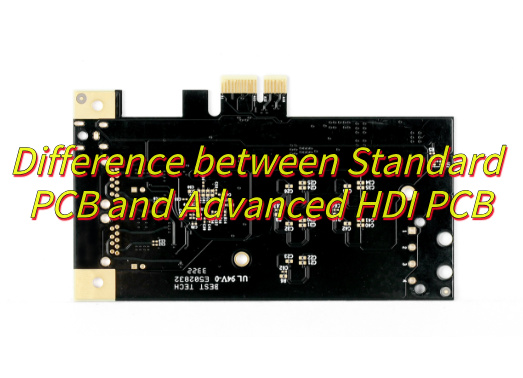
What is advanced HDI PCB? This blog covers structural differences, thermal performance, applications, and selection strategies between standard PCBs and advanced HDI PCBs.
Are you worried about these questions?
BGA pitch at 0.4mm: yield stuck at 85%?
Why 8-layer board costs 20% more than competitors?
Design rework consumes 30% of R&D cycle?
As a HDI PCB manufacturer, EBest Circuit (Best Technology) can provide you service and solution:
30ÎŒm laser drilling: BGA yield at 0.35mm pitch improves to 93%
Free DFM report: blocks 80% of manufacturability issues upfront.
Feel free to contact us if you have any inquiry for HDI PCB fabrication: sales@bestpcbs.com.
What Is Advanced HDI PCB?
Advanced HDI PCB (High-Density Interconnect Printed Circuit Board) is a multilayer circuit board technology characterized by ultra-fine wiring (under 100ÎŒm), microvias (blind/buried types), and high-density component placement. It achieves miniaturization through sequential lamination and laser-drilled microvias, enabling complex interconnections in compact spaces. This technology can supports high-speed signal transmission with controlled impedance and reduced parasitic effects.
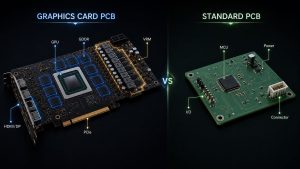
What Is Standard PCB?
Standard PCB refers to a conventional printed circuit board constructed with 1-16 conductive copper layers laminated with FR-4 epoxy substrate. Characterized by trace widths exceeding 0.15mm and through-hole interconnections, it accommodates components via surface-mount (SMT) or through-hole (THT) assembly methods. This cost-efficient design prioritizes manufacturability over high-density integration, serving as the baseline solution for mainstream electronics requiring reliable electrical connectivity without advanced miniaturization.
Difference Between Standard PCB and Advanced HDI PCB
1. Size and Weight
Advanced HDI PCB: Typical thickness reduced to 0.4mm (e.g., smartphone motherboards), with weight reduction exceeding 30%. For example: Apple Watch S6 uses HDI technology, reducing motherboard area by 20% compared to previous models.
Standard PCB: Conventional thickness â„1.0mm, 10-layer board weight â 120g/mÂČ (e.g., power management boards in industrial control cabinets).
2. Component Density
Advanced HDI PCB: Supports 20+ components/cmÂČ (line width/spacing â€40ÎŒm). For example, iPhone 17 Pro motherboard integrates over 1,000 components.
Standard PCB: Density typically â€5 components/cmÂČ (line width/spacing â„100ÎŒm), e.g., Arduino development boards accommodate only dozens of components.
3. Drilling Technology and Layer Count
Advanced HDI PCB: Laser microvia diameter 50-100ÎŒm (mechanical drilling limit 200ÎŒm), with blind/buried vias accounting for >60%. Case: Huawei 5G base station RF module uses 8-layer HDI with 3-stage stacked vias, replacing traditional 16-layer designs.
Standard PCB: Mechanical through-hole diameter â„0.2mm, 6-layer through-hole boards cost 15% more than equivalent HDI boards (due to higher layer count requirements).
4. Manufacturing Cost
HDI PCB: Unit price 30-50% higher, but system-level savings: Dell XPS laptops reduce PCB layers by 2 using HDI, cutting total costs by 12%.
Standard PCB: 4-layer bulk price $0.5-2/sheet, but high-density needs require layer increases (each additional 2 layers raise costs by 35%).
Standard PCB: Through-hole plating yield >98% (mature process),
6. High-Frequency and Thermal Management
HDI PCB: Dielectric constant Dk â€3.5 (high-frequency materials like Megtron 6), supporting 28GHz millimeter-wave. Case: Tesla autopilot modules reduce thermal resistance by 15â/W using HDI embedded resistors.
Standard PCB: FR-4 material Dk â„4.5, with significant losses above 10GHz, relying on external metal layers for heat dissipation.
7. Reliability Data
HDI PCB: Microvia thermal cycling test (-55â~125â) passes 3,000 cycles (JEDEC standard), but copper thickness inconsistencies cause 15% early failures.
Standard PCB: Through-hole structures pass 1,500 thermal cycles, with typical failure mode being hole wall cracking (0.5% incidence).
Applications: Standard PCBs vs Advanced HDI PCBs
Standard PCB Applications
Industrial Controls & Power Systems: Used in PLCs, motor drives, and power distribution units Automotive Electronics: Dashboards, engine control units (ECUs), and basic infotainment systems where space is less constrained.
Consumer Appliances: Washing machines, refrigerators, and HVAC systems requiring simple circuit layouts.
Low-Speed IoT Devices: Smart home sensors, basic monitors, and peripheral devices with minimal signal complexity.
Advanced HDI PCB Applications
Mobile & Wearable Tech: Smartphones, smartwatches, and AR/VR devices demanding micro-sized components and high-speed connectivity.
Medical Electronics: Implantable devices, portable ultrasound machines, and lab-on-a-chip systems requiring precision and miniaturization.
5G & Telecom Infrastructure: Base stations, mm Wave antennas, and data center interconnects for ultra-fast signal transmission.
AI & High-Performance Computing: Servers, GPUs, and neural processors requiring dense interconnects for efficient power delivery and thermal management.
Which Has Better Heat Dissipation: Standard PCB and Advanced HDI PCB?
Substrate Thermal Conductivity
Standard PCB: Uses FR-4 substrate (0.3 W/m·K), relying on copper thickness (35â70ÎŒm) for heat dissipation.
Advanced HDI PCB: Adopts high-thermal-conductivity resins/ceramic-filled substrates (1.0â2.0 W/m·K), though fine lines (<0.1mm) reduce copper cross-section.
Structural Heat Dissipation Efficiency
Standard PCB: Thick copper layers enable horizontal heat spreading, suitable for <15W applications.
Advanced HDI PCB: Microvia copper filling creates vertical thermal channels, reducing thermal resistance by 15â20% and cutting high-frequency temperature rise by 30% (ÎT 18°C vs. 22°C).
Thermal Accumulation Risk
Standard PCB: Direct thermal paths in low-layer designs; multi-layer setups risk localized overheating.
Advanced HDI PCB: 12+ layer stacks require rigorous thermal simulation, using embedded heat pipes/thermal via arrays to suppress interlayer thermal coupling.
Scenario Adaptability
Standard PCB: Cost-effective, excels in <15W natural convection scenarios (7â10°C lower temp rise).
Advanced HDI PCB: Optimizes high-density zones (e.g., 5G RF/GPU areas) via material + structural tweaks, limiting hotspot temp rise to <15°C.
Performance and Reliability: Standard PCB vs Advanced HDI PCB
Electrical Performance Differences
Signal Integrity: Advanced HDI PCBs reduce signal path length by 30-50% through microvia/blind via technology, minimizing crosstalk and latency for 5G/high-frequency applications. Standard PCBs are better suited for low-frequency, simple circuits.
Impedance Control: HDI’s laser-drilled microvias achieve ±3% precision (vs. ±10% for mechanical drilling in standard PCBs), ensuring stable high-frequency signal transmission.
Reliability Comparison
Interlayer Connection: HDI’s Every Layer Interconnect (ELIC) technology reduces failure rates to 0.02% (vs. 0.1% for standard PCBs), doubling product lifespan.
Thermal Stability: HDI uses high-Tg materials (â„180°C) and uniform copper thickness, reducing failure rates by 40% in high-temperature environments compared to standard PCBs.
Space & Cost Efficiency
Miniaturization: HDI enables 60% higher component density for wearables/smartphones. Standard PCBs require larger board sizes (increasing costs by 15-20%).
Long-Term Cost: HDI’s 30% higher upfront cost is offset by reduced layer counts (e.g., 8-layer HDI replacing 12-layer standard) and lower repair rates, achieving ROI within 2 years.
Production Flexibility
Design Iteration: HDI supports 0.1mm line/space (vs. 0.15mm for standard), accelerating complex design iterations and cutting time-to-market by 1-2 months.
Supply Chain Compatibility: Standard PCBs fit traditional equipment upgrades; HDI requires supplier capability assessment (only 12% of Chinese PCB factories excel in advanced HDI).
Environmental Compliance
Material Standards: HDI commonly uses halogen-free substrates (IPC-4101E compliant), aiding EU RoHS 3.0 certification. Standard PCBs may require additional compliance costs.
How to Choose between Standard PCB and Advanced HDI PCB?
Design Complexity and Layer Count
Standard PCB: Suitable for linear circuits with â€10 layers and line width â„100ÎŒm (e.g., industrial control boards). FR-4 substrate with traditional through-hole technology ensures short design cycles and controllable costs.
HDI PCB: Ideal for high-density routing with â„12 layers and line width â€150ÎŒm (e.g., smartphone motherboards). Laser microvias and blind/buried via technology support high-pin-density BGA packaging.
Signal Performance
High-frequency/high-speed scenarios (â„1GHz): HDI reduces parasitic capacitance/inductance by ~40%, enhancing signal integrity. Example: 28GHz mmWave module eye diagram margin improves from 0.3UI to 0.6UI.
Low-frequency circuits (e.g., LED driver boards): Standard PCBâs through-hole technology meets requirements, with EMI issues optimized via ground layers.
Space & Component Density
Space-constrained scenarios: HDI achieves 50ÎŒm line width/spacing, supporting BGA packages with >1500 pins, reducing area by 60% and thickness by 40%.
Space-relaxed scenarios: Standard PCBâs 150ÎŒm line width/spacing lowers manufacturing difficulty and reserves space for heat sinks.
Cost & Lead Time
Standard PCB: Unit cost ~$110-160/mÂČ, lead time 3-5 days. Bulk production (100k units) reduces total cost by ~40% compared to HDI.
HDI PCB: Laser drilling and sequential lamination increase unit price, but reducing total layers (e.g., 8-layer HDI vs. 12-layer standard) cuts costs by ~15% while boosting signal speed by 50%. Lead time requires an additional 2-3 weeks.
Manufacturing & Design
HDI Design: Adheres to “3-layer sequential lamination” limits; requires 3D simulation for via fill rate validation.
Standard PCB Design: Supports relaxed DRC rules (line width tolerance ±20%), suitable for rapid prototyping.
19 Years HDI Expertise: Specialized in high-complexity HDI manufacturing for 19 years, with 100,000+ batches delivered for 5G, medical, and automotive sectors, mastering microvia filling and layer alignment.
48-Hours Rapid Prototyping: Fast-track line ensures samples ship within 48 hours from design approval, speeding up validation for consumer electronics and automotive projects.
Stringent Quality Certifications (ISO9001, ISO13485, and IATF16949): Ensures product consistency and compliance with global standards.
Competitive Pricing: Affordable pricing without compromising quality, ideal for cost-sensitive projects.
Six Layer Quality Inspection: Strict AOI, X-ray, and impedance testing reduce defects to <1%, meeting IPC-6012 Class 3 and ISO 9001:2015 standards.
Free DFM Analysis: Complimentary design checks identify trace compliance, blind via feasibility, and thermal risks upfront to boost yields.
Expert Technical Support: Senior engineers provide end-to-end guidance on HDI challenges like signal loss and thermal stress.
Eco-Compliant Manufacturing: RoHS compliant processes and ISO certification support global environmental standards.
Custom Application Solutions: Tailored designs address aerospace heat resistance, medical biocompatibility, and automotive vibration needs for precise performance.
Welcome to contact us if you have need any help for advanced HDI PCB board: sales@bestpcbs.com.
Why choose HDI PCB for AI server motherboards? This guide explores HDI PCB technology from design to manufacturing, addressing signal integrity, reliability, and cost optimization for AI applications.
As a HDI PCB manufacturer, EBest Circuit (Best Technology) delivers superiorHDI PCB solutions for AI server motherboards through advanced manufacturing capabilities, rapid turnaround, and uncompromising quality. Our state-of-the-art facilities support ultra-fine 25/25ÎŒm trace/spacing and microvias with 50ÎŒm laser drilling precision, ensuring optimal signal integrity for high-speed AI workloads. We maintain a 98% first-pass yield rate through stringent process controls including automated optical inspection and impedance testing. Clients benefit from our optimized production flow achieving 15 to 20 percent faster lead times versus industry standards without sacrificing reliability. All boards undergo 100 percent electrical testing and thermal cycle validation. With dedicated engineering support from design to delivery, we help AI hardware developers accelerate time-to-market while meeting stringent IPC Class 3 standards. Our competitive pricing structure scales efficiently from prototyping to mass production. Contact our team today for a customized quotation tailored to your AI server PCB requirements: sales@bestpcbs.com.
What Is HDI PCB?
HDI PCB, short for High-Density Interconnect Printed Circuit Board, is a specialized type of circuit board designed to accommodate complex electronic designs with densely packed components and fine-line circuitry. HDI PCB achieves this through advanced manufacturing techniques like microvias, sequential lamination, and laser drilling, enabling higher signal integrity and reduced size compared to traditional PCBs. In AI server motherboards, HDI PCB technology becomes essential for handling high-speed data transmission and thermal management while maintaining compact form factors. The precision and reliability of HDI PCB make it ideal for applications requiring miniaturization without sacrificing performance, particularly in cutting-edge fields like artificial intelligence infrastructure. By integrating finer traces and tighter spacing, HDI PCB boards effectively address the escalating demands of modern AI server designs.
What Are Technical Parameters of HDI PCBs?
Technical parameters of HDI PCBs for AI server motherboards:
Minimum Aperture and Drilling Technology: HDI PCBs utilize laser-drilled microvias with diameters typically â€150ÎŒm, enabling precise layer interconnections in compact spaces. Traditional PCBs rely on mechanical drilling for â„200ÎŒm holes, limiting routing density.
Trace Width and Spacing: HDI PCBs achieve ultra-fine line widths and spacings of â€75ÎŒm, allowing for tighter circuit routing and improved signal integrity. Traditional PCBs use â„100ÎŒm traces, which occupy more surface area and restrict component density.
Pad Density and Component Integration: With pad densities exceeding 20 pads per cmÂČ, HDI PCBs accommodate high-pin-count components like BGAs and fine-pitch connectors. Traditional PCBs, with densities below 10 pads per cmÂČ, struggle to support modern AI hardware requiring dense I/O interfaces.
Interlayer Connection Methods: HDI PCBs employ advanced interlayer connections, including blind vias, buried vias, and stacked microvias, to optimize space and reduce signal path lengths. Traditional PCBs primarily use through-hole vias, which consume more board real estate and limit routing flexibility.
Material and Thermal Performance: HDI PCBs for AI servers incorporate high-Tg laminates and low-loss dielectric materials to withstand thermal stresses from high-power components. Traditional PCBs often use standard FR-4 materials with lower thermal stability, risking deformation under prolonged operation.
Signal Integrity and High-Speed Design: HDI PCBs are engineered for controlled impedance and low dielectric loss, critical for supporting multi-gigabit data rates in AI servers. Traditional PCBs, with their looser tolerances, may struggle with signal degradation at high frequencies.
How to Achieve 25Gbps Signal Integrity in Your HDI PCB Design?
Below are methods about how to achieve 25 Gbps signal integrity in your HDI PCB design:
Material Selection for Low-Loss Performance: Prioritize high-frequency laminates with low dielectric constants (DK) and dissipation factors (DF), such as Megtron 6 or Panasonic R5775. These materials minimize signal attenuation and skew at 25Gbps, ensuring cleaner data transmission across long traces. Avoid standard FR-4 for high-speed layers to prevent excessive insertion loss.
Layer Stack-Up Optimization: Design a symmetric layer stack-up with tightly coupled power and ground planes to reduce electromagnetic interference (EMI). Dedicate specific layers for high-speed differential pairs, isolating them from noisy power domains. Use sequential lamination to embed microvias close to signal layers, shortening return paths and improving impedance control.
Via Design for Minimal Stub Effects: Employ blind vias or backdrilled through-hole vias to eliminate via stubs, which cause reflections at high frequencies. Laser-drilled microvias (â€150ÎŒm diameter) reduce parasitics and enable denser routing. Avoid excess via counts in high-speed channels to prevent impedance discontinuities.
Differential Pair Routing: Route 25Gbps differential pairs with matched lengths (â€5mil mismatch) and consistent spacing (â„3x trace width) to minimize skew and crosstalk. Avoid sharp bends (use 45° angles) and maintain isolation from adjacent signals by â„5x trace width. Implement length tuning with serpentine patterns only when necessary, keeping amplitudes minimal to preserve signal quality.
Power Integrity and Decoupling: Place low-ESL decoupling capacitors (0402 or 0201 packages) close to high-speed IC power pins. Use stitched ground planes and isolated power islands to reduce noise coupling. For AI server motherboards, distribute power via multiple low-inductance planes to handle transient currents from AI accelerators.
Thermal Management: Integrate thermal vias beneath high-power components (e.g., SerDes chips) to conduct heat to inner or outer layers. Use heavy copper planes (â„2oz) for power-hungry regions and ensure adequate airflow around the HDI PCB. Excessive heat can degrade signal integrity by altering dielectric properties.
Pre-Layout Simulation and Post-Layout Verification: Perform SI/PI simulations using tools like Ansys SIwave or Keysight ADS to model channel loss, reflections, and EMI. Validate designs with eye diagram analysis and compliance testing for standards like IEEE 802.3bj or CEI-25G-LR. Iterate on layouts based on simulation results to mitigate risks before prototyping.
Fabrication Tolerances and Documentation: Specify tight manufacturing tolerances (e.g., ±10% for impedance, ±2mil for trace/space) in your fab notes. Collaborate with PCB vendors experienced in HDI processes to ensure laser drilling accuracy and lamination consistency. Provide clear documentation on stack-up, via types, and controlled impedance requirements to avoid misinterpretation.
How to Optimize HDI Blind and Buried Design For High Precision Interconnects?
Here are methods about how to optimize HDI blind and buried design for high precision interconnects:
Prioritize Layer Stack-Up Symmetry: Design your HDI PCB with balanced layer counts above and below the core to minimize warpage and improve signal integrity. Symmetric stack-ups reduce residual stress during lamination, ensuring consistent via registration and reliability for blind and buried vias.
Optimize Blind Via Placement: Position blind vias near high-speed components to shorten signal paths and reduce parasitic capacitance. Avoid clustering blind vias in dense regions to prevent etching or drilling inaccuracies. Use staggered arrangements to maintain adequate spacing between adjacent vias.
Leverage Buried Vias for Density: Integrate buried vias to connect inner layers without occupying surface space, freeing up routing channels for critical signals. This approach is particularly effective for AI server motherboards requiring dense power distribution networks and high-speed interconnects.
Control Aspect Ratios: Limit blind via aspect ratios (depth-to-diameter) to â€1:1 to ensure reliable plating and avoid voids. For buried vias, maintain aspect ratios â€0.8:1 to prevent misregistration during sequential lamination cycles.
Use Laser Drilling for Precision: Employ UV or CO2 laser drilling for blind vias to achieve diameters as small as 50ÎŒm. This enhances routing flexibility in high-density BGA and fine-pitch connector areas. Verify laser drilling accuracy with microsection analysis before mass production.
Implement Backdrilling for Stub Reduction: Apply controlled-depth backdrilling to remove via stubs from through-hole vias used in high-speed channels. This technique reduces signal reflections and improves impedance continuity at 25Gbps and beyond.
Isolate Power and Ground Planes: Dedicate specific layers to power and ground planes near blind via regions to minimize noise coupling. Use stitched connections between planes to create low-impedance return paths for high-frequency signals.
Validate with Thermal Simulation: Simulate heat dissipation around blind and buried via areas using thermal analysis tools. Ensure copper fill and thermal vias are strategically placed to prevent hotspots near high-power components like AI accelerators.
Collaborate with Fabricators Early: Engage HDI PCB manufacturers during the design phase to align on capabilities such as laser drilling accuracy, lamination cycles, and plating uniformity. Provide detailed documentation on via types, stack-up requirements, and impedance targets.
Test for Signal Integrity: Perform time-domain reflectometry (TDR) and eye diagram testing on prototype boards to validate via performance. Focus on blind via transitions and buried via interconnections to identify potential impedance discontinuities.
Why Choose HDI PCB Board for AI Server Motherboard?
Reasons for why choose HDI PCB board for AI server motherboard:
Maximize Component Density: HDI PCBs enable tighter placement of high-pin-count components like BGAs and AI accelerators, freeing space for additional memory modules or cooling solutions. This density reduces the board footprint while supporting cutting-edge silicon.
Ensure Signal Integrity at High Speeds: With controlled impedance traces and low-loss materials, HDI PCBs minimize signal degradation in 25Gbps+ channels. This prevents data errors in AI workloads, where split-second precision drives real-time inference and training.
Reduce Power Consumption: Shorter signal paths and optimized via structures lower switching losses in high-frequency circuits. For AI servers operating 24/7, this efficiency translates to measurable savings in energy costs and thermal management expenses.
Improve Thermal Performance: HDI PCBs integrate thermal vias and heavy copper layers to dissipate heat from power-hungry AI chips. This prevents thermal throttling, ensuring consistent performance during peak computation periods like model training or large-scale simulations.
Enhance Reliability in Harsh Environments: Advanced HDI manufacturing processes, including laser drilling and sequential lamination, improve via reliability and reduce solder joint fatigue. For data centers with strict uptime requirements, this means fewer maintenance cycles and longer service life.
Support Future-Proof Scalability: HDI PCBs accommodate emerging interface standards like PCIe 5.0 and CXL without redesigns. Their modular layer stack-ups allow easy integration of next-gen AI accelerators, protecting your investment as technology evolves.
Streamline Supply Chain Efficiency: Partnering with HDI PCB specialists ensures access to advanced capabilities like microvia filling and embedded capacitance. This reduces reliance on multiple vendors, simplifying procurement and accelerating time-to-market for AI server products.
How to Improve HDI PCB Reliability for AI servers under Heavy Loads?
Here are tips about how to improve HDI PCB reliability for AI servers under heavy loads:
Select High-Performance Materials: Use laminates with high glass transition temperatures (TG ℠170°C) and low dielectric loss to resist thermal degradation during prolonged AI workloads. Incorporate ceramic-filled prepregs to enhance thermal conductivity and reduce z-axis expansion.
Optimize Layer Stack-Up for Thermal Management: Design symmetric layer stacks with embedded ground/power planes near high-speed layers to dissipate heat efficiently. Dedicate inner layers to heavy copper fills (â„2oz) for power distribution, minimizing voltage drop and heat buildup.
Implement Robust Via Structures: Strengthen via reliability with laser-drilled microvias filled with conductive paste or copper plating. Use staggered blind via arrays to reduce stress concentrations and prevent barrel cracking under thermal cycling.
Enhance Solder Joint Fatigue Resistance: Apply ENEPIG (Electroless Nickel Electroless Palladium Immersion Gold) surface finish to improve solderability and resist corrosion in high-temperature environments. Optimize BGA pad designs with non-solder mask defined (NSMD) geometries for better stress relief.
Control Impedance and Crosstalk: Maintain tight impedance tolerance (±5%) across differential pairs using coupled stripline geometries. Isolate high-speed channels from noisy domains with guard traces and stitched ground planes, reducing crosstalk in dense AI accelerator regions.
Incorporate Thermal Vias and Heat Slugs: Place arrays of thermal vias (â„0.2mm diameter) under power-hungry components like GPUs or HBM modules. Integrate copper heat slugs directly into the PCB stack-up to conduct heat to external heat sinks or liquid cooling systems.
Validate with Accelerated Stress Testing: Subject prototypes to thermal cycling (-55°C to +125°C, 1,000 cycles) and power temperature cycling (PTC) to simulate years of AI server operation. Use scanning acoustic microscopy (SAM) to detect delamination in hidden via structures.
Leverage Advanced Manufacturing Techniques: Partner with fabricators using plasma etching for via desmear, ensuring clean sidewalls for reliable plating. Require automated optical inspection (AOI) and X-ray systems to validate microvia integrity and layer registration.
Design for Manufacturability (DFM): Provide clear DFM guidelines to fabricators, including minimum annular ring (â„50ÎŒm for blind vias) and solder mask dam specifications (â„75ÎŒm). Avoid hairline traces (â€50ÎŒm) in high-stress areas to prevent etching undercut.
Monitor In-Field Performance: Implement built-in temperature sensors and current monitors on the PCB to track hotspots during AI training sessions. Use edge computing platforms to analyze real-time thermal data and trigger predictive maintenance alerts.
How to Improve Manufacturing Yield and Reduce Costs for AI Server Motherboard?
Below are methods about how to improve manufacturing yield and reduce costs for AI server motherboard:
Simplify Layer Stack-Up Design: Reduce unnecessary layers by consolidating power/ground planes and using buried vias to route inner signals. Fewer layers lower lamination cycles and material costs while simplifying impedance control for consistent yields.
Standardize Component Placement: Reuse proven BGA footprints and connector positions across AI server motherboard revisions. Standardization minimizes custom stencil and fixture costs while accelerating assembly line setup.
Optimize Panel Utilization: Maximize PCB panel space by arranging multiple motherboard designs with common outlines. Use edge-to-edge routing and shared coupons to reduce wasted material during etching and drilling.
Implement Design for Manufacturing (DFM) Rules: Enforce minimum trace/space (â„50ÎŒm) and annular ring (â„60ÎŒm) rules compatible with standard HDI processes. Avoid hairline features that require costly specialty equipment or yield-sapping etch compensation.
Adopt Plated-Through-Hole (PTH) Alternatives: Replace through-hole connectors with press-fit pins or surface-mount alternatives to eliminate costly PTH drilling and plating steps. This reduces cycle time and improves hole wall quality.
Leverage Automated Optical Inspection (AOI): Deploy AOI systems post-etch and post-soldermask to detect defects like under-etching or mask misalignment. Early detection prevents costly rework at later stages like assembly.
Negotiate Volume Contracts with Suppliers: Secure discounts on laminates, copper foil, and dry film by committing to annual usage volumes. Bundle orders for AI server motherboards with other products to leverage economies of scale.
Outsource Non-Core Processes: Partner with specialists for laser drilling, sequential lamination, and heavy copper plating instead of investing in in-house capacity. Focus internal resources on high-value design and testing.
Reduce Prototype Iterations: Use virtual prototyping tools to simulate via reliability, thermal performance, and signal integrity before fabrication. Fewer physical prototypes lower engineering costs and speed time-to-market.
Implement Lean Inventory Practices: Adopt just-in-time (JIT) delivery for raw materials and finished PCBs to minimize warehousing costs. Use kanban systems to align production with AI server assembly schedules.
Train Engineering Teams on Yield Fundamentals: Invest in training programs to teach designers about HDI process limitations, such as aspect ratio constraints or microvia plating challenges. Better-informed designs reduce scrap rates.
Recycle Scrap Material: Partner with recyclers to reclaim copper from etched-off panels and rejected boards. Revenue from recycled materials offsets raw material costs over time.
How to Solve Micro-Via and Fine-Line Production Challenges in HDI PCBs for AI servers?
Use Advanced Laser Drilling Systems: Invest in UV or CO2 laser drilling machines with high pulse frequency and beam steering capabilities. These systems achieve â€25ÎŒm microvia diameters with minimal taper, ensuring precision for fine-pitch AI components.
Optimize Electroless Copper Plating: Implement direct metallization processes to eliminate traditional drill debris and improve via wall adhesion. This reduces voids in blind microvias, a common failure point in high-density AI server boards.
Control Etching Uniformity: Use alternating spray etchers with precise nozzle spacing and chemical concentration monitoring. This maintains consistent trace profiles (â„40ÎŒm lines/spaces) across large AI motherboard panels, preventing over-etching in fine-line regions.
Adopt Semi-Additive Process (SAP) for Fine Lines: Replace subtractive etching with SAP to build 35ÎŒm traces using pattern plating and flash etching. This method reduces sidewall undercut and improves yield in dense BGA breakout areas.
Improve Laminate Registration: Select laminates with low coefficient of thermal expansion (CTE â€12ppm/°C) to minimize layer misalignment during sequential lamination. This ensures microvia-to-trace alignment within 25ÎŒm tolerance for AI accelerator interfaces.
Implement Automated Optical Shaping (AOS): Deploy AOS systems post-etch to repair neckdowns and open circuits in fine-line areas. This reduces scrap rates by addressing defects before layer stacking in complex HDI builds.
Partner with Process-Specialized Fabricators: Select PCB manufacturers with expertise in via-in-pad plating and laser ablation for buried microvias. Their experience reduces trial-and-error cycles, accelerating time-to-market for AI server motherboards.
Conclusion
In summary, HDI PCB technology is revolutionizing AI server motherboards with its high-density interconnects, superior signal integrity, and enhanced thermal management capabilities. From advanced micro-via designs to optimized blind/buried vias, these boards deliver the performance and reliability required for heavy AI workloads. For manufacturers seeking cutting-edge HDI solutions with cost-efficient production, EBest Circuit (Best Technology) offers industry-leading expertise in ultra-fine 25/25ÎŒm trace designs and high-yield fabrication. Contact our team today for customized HDI PCB solutions that power your AI infrastructure with uncompromising quality and accelerated delivery: sales@bestpcbs.com.
In the ever-evolving landscape of modern electronics, High Density Interconnect (HDI) PCBs have emerged as the cornerstone of advanced technological devices. From 5G communication hubs and artificial intelligence servers to intricate Internet of Things (IoT) devices, HDI PCBs play an indispensable role. As a seasoned HDI PCB manufacturer with two decades of industry experience, we take pride in offering end-to-end professional services, spanning from meticulous design to rapid prototyping, enabling our clients to gain a competitive edge in the market.
What is HDI PCB?
What is HDI PCB?The term “HDI PCB” stands for High Density Interconnect Printed Circuit Board, which succinctly captures its essence. When exploring the HDI PCB meaning and HDI PCB definition, we find that it represents a revolutionary advancement in printed circuit board technology. Unlike traditional PCBs, an HDI PCB board is engineered to achieve a significantly higher density of circuit connections within a limited space.â
At the heart of an HDI PCB lies the High Density Interconnect technology. This technology leverages advanced manufacturing techniques such as laser drilling to create micro blind vias and buried vias. Micro blind vias connect the outer layers of the PCB to internal layers, while buried vias link internal layers without reaching the surface. These precise via structures enable a much denser routing of electrical traces, allowing for the integration of more components onto a single board.â For instance, in modern smartphones, where space is at an absolute premium, HDI PCBs play a crucial role. They allow manufacturers to pack components like processors, cameras, and wireless communication modules into a compact device while ensuring high – speed signal transmission between them. This is made possible by the high – density nature of HDI PCBs, which can handle complex electrical pathways with ease.â The full form of HDI PCB, High Density Interconnect Printed Circuit Board, emphasizes its dual focus on high – density interconnections and its role as a printed circuit board. By enabling more components to be placed in a smaller area, HDI PCBs not only contribute to the miniaturization of electronic devices but also enhance their performance. Faster signal speeds and reduced interference are additional benefits that come with the optimized design of HDI PCBs, making them indispensable in high – tech applications such as 5G base stations, high – performance computing servers, and advanced medical imaging equipment.â In summary, an HDI PCB is a cutting – edge printed circuit board solution that, through its high – density interconnect technology, meets the growing demands of modern electronics for smaller size, higher integration, and superior performance.
HDI PCB Manufacturer in China
HDI PCB Manufacturer in China, a global hub for electronics manufacturing, we have established ourselves as a leading HDI PCB manufacturer over the past 20 years. Our comprehensive service portfolio covers every aspect of the HDI PCB lifecycle.
Design Our team consists of over 20 highly experienced engineers, each boasting nearly two decades of expertise in the field. Leveraging state-of-the-art EDA (Electronic Design Automation) tools, we conduct in-depth High-Speed Signal Integrity (SI) analysis and Power Integrity (PI) optimization. We offer free Design for Manufacturability (DFM) checks, ensuring that every design we create is not only innovative but also practical for production. Whether it’s planning the intricate stackup structure or precisely laying out blind and buried vias, we tailor high-precision and high-density PCB design solutions to meet the unique and complex functional requirements of our clients. Prototyping Recognizing the importance of speed in the product development cycle, we have set up a dedicated rapid prototyping production line. Employing advanced processes like laser drilling, mechanical drilling, and electroplating via filling, we can fulfill urgent prototyping requests within as little as 24 hours. Our stringent quality control measures include AOI (Automated Optical Inspection) and X-Ray non-destructive testing, guaranteeing that every prototype PCB adheres to the highest quality standards and is consistent with the design specifications. Mass Production Our 8,000-square-meter factory is equipped with fully automated production equipment and intelligent management systems, enabling us to achieve a monthly production capacity of up to 260,000 square feet (approx. 24,155 square meters) of HDI PCBs. From the procurement of high-quality raw materials to the delivery of finished products, we strictly comply with international quality system standards such as ISO 9001, IATF 16949, AS9100D, RoHS, Reach, and UL, ensuring the stability and efficiency of mass production. Assembly We provide one-stop PCB assembly services, covering a wide range of processes including SMT (Surface Mount Technology) pasting, through-hole soldering, and BGA (Ball Grid Array) packaging. With more than 10 SMT production lines, we offer free passive components and conduct comprehensive inspections, including DFM/DFA (Design for Assembly) checks, functional/ICT (In-Circuit Test) testing, X-Ray inspection, and online double AOI. Regardless of the order size, we offer turnkey PCB assembly services, delivering finished components that are fully functional and highly reliable.
Why Choose Us?
Advanced Design Capabilities We utilize industry-leading EDA tools, which support any-order HDI design, making it possible for us to handle even the most complex wiring requirements. Our engineers stay updated with the latest industry trends and technologies, ensuring that our designs are always at the forefront of innovation. Fast Prototyping Response Our rapid prototyping service is designed to accelerate your product research and development cycle. With the shortest turnaround time of just 3 working days from design confirmation to sample delivery, you can quickly test and refine your product concepts. Strict Quality Control Quality is our top priority. With multiple international certifications, we have a comprehensive quality control system in place that monitors every stage of the manufacturing process, from raw materials to the final product. This ensures that every HDI PCB we produce meets the highest quality standards.
HDI Technology in PCB
The HDI technology in PCB is the key to unlocking their superior performance. Laser drilling, for instance, allows for the creation of extremely small and precise blind and buried vias. This not only reduces the number of board layers and overall size but also improves signal integrity and power integrity. As a result, HDI PCBs are the go-to choice for high-speed, high-frequency applications, such as 5G base stations, data centers, and high-performance computing servers.
HDI Flex PCB
HDI Flex PCB combine the best of both worlds â the high-density interconnection capabilities of HDI technology and the flexibility of traditional flex circuits. This makes them ideal for applications where space is at a premium and flexibility is required, such as in wearable devices (like smartwatches and fitness trackers), foldable smartphones, and medical devices with complex geometries.
HDI PCB Stackup
The stackup design of an HDI PCB is a critical aspect that significantly impacts its performance. When designing the stackup, our engineers carefully consider factors such as signal frequency, current magnitude, and heat dissipation requirements. For high-frequency signals, precise interlayer spacing and selection of appropriate dielectric materials are essential to minimize signal loss. In cases where high current flows, increasing the copper foil thickness of the power and ground layers ensures efficient power delivery. By carefully coordinating these factors, we can design stackups that enable HDI PCBs to operate stably and efficiently under various conditions.
Advantages and Disadvantages of HDI PCB
Core Advantages High Integration: HDI PCBs can pack a large number of components into a small footprint, enabling the creation of thin and lightweight electronic devices, which are highly sought after by consumers. High-Speed Transmission: Thanks to their optimized layout and shorter traces, HDI PCBs significantly reduce signal delay and interference, making them suitable for high-speed data transfer applications. Reliability: With our mature manufacturing processes and strict quality control measures, the HDI PCBs we produce are highly reliable and can withstand the rigors of long-term use. Existing Challenges High Cost: The complex manufacturing processes, along with the need for specialized equipment and advanced technologies, contribute to a higher production cost compared to traditional PCBs. Difficult Maintenance: In the event of a malfunction, repairing HDI PCBs requires specialized equipment and experienced technicians due to their intricate design and small component size.
HDI vs PCB
When compared to traditional PCBs, HDI PCBs offer several distinct advantages. In terms of physical structure, HDI PCBs have a much higher wiring density and can be up to 50% thinner than double-sided traditional PCBs. Electrically, they exhibit lower signal loss and can support high-speed interfaces like 5G and PCIe 5.0. However, traditional PCBs still have their place in the market. For products with lower performance requirements, traditional PCBs are preferred due to their lower cost and faster delivery times.
HDI PCB Manufacturing Process
Step 1: Raw Material Preparation We carefully select high-quality copper-clad laminates and other essential raw materials. Each batch undergoes rigorous inspection to ensure that it meets our strict quality standards before being used in production. Step 2: Laser Drilling Using high-precision laser equipment, we create micro blind vias and buried vias, which are crucial for achieving the high-density interconnections characteristic of HDI PCBs. Step 3: Electroplating Process A uniform conductive layer is applied to the via walls and traces through an electroplating process, ensuring reliable electrical connectivity throughout the PCB. Step 4: Pattern Transfer The designed circuit pattern is transferred onto the PCB with high precision using advanced imaging techniques. Step 5: Etching Unnecessary copper layers are removed through an etching process, leaving behind the desired circuit traces. Step 6: Solder Mask Application A solder mask layer is applied to areas where soldering is not required, protecting the PCB from short circuits and environmental damage. Step 7: Legend Printing Various markings and characters are printed on the PCB to facilitate assembly, installation, and maintenance. Step 8: Surface Treatment The PCB surface undergoes treatment to enhance its solderability and resistance to oxidation, ensuring a reliable connection during the assembly process.
HDI PCB Design Guide
Designing an HDI PCB requires careful consideration of several key factors. Firstly, meticulous circuit layout planning is essential. Signal flow and component placement should be carefully arranged to minimize signal interference. Secondly, when designing blind and buried vias, the appropriate via diameter and depth must be determined based on the specific signal and current requirements of the project. Thirdly, power and ground design play a crucial role in ensuring the stability of the PCB. A well-designed power and ground plane can reduce noise and improve overall performance. Finally, it is vital to integrate the design with the manufacturing process, taking into account both performance requirements and manufacturing feasibility and cost.
HDI PCB Application
HDI PCBs have found widespread applications across various industries. In the consumer electronics sector, they are used in smartphones, tablets, smartwatches, and other portable devices, enabling manufacturers to create sleek and powerful products. In the communication industry, HDI PCBs are integral to 5G base stations, routers, and other network equipment, facilitating high-speed data transmission. In the medical field, HDI PCBs are used in precision medical instruments such as electrocardiographs, CT scanners, and surgical robots, where reliability and accuracy are of utmost importance.
If you’re in the market for high-quality HDI PCBs, look no further. Whether you need custom design services, rapid prototyping, or mass production, we have the expertise and capabilities to meet your requirements. For inquiries or to discuss your project, please feel free to email us at sales@bestpcbs.com. We are eager to collaborate with you and bring your innovative electronic products to life!
What is pcb sbu technology? SBU technology in PCB refers to “Sequential Build Up”, which is a technology used to manufacture high-density interconnect (HDI) multi-layer PCBs. It achieves higher wiring density and smaller board size by stacking additional conductive and insulating layers layer by layer on the basis of traditional multi-layer boards and using micro-vias (blind or buried vias) to achieve inter-layer connections.
What is pcb sbu technology?
PCB SBU technology stands for Sequential Build Up technology. It is an advanced process used in the manufacturing of high-density interconnect (HDI) PCBs.
This technique involves building up multiple layers of a PCB in a sequential manner, typically starting from the inner layer and adding layers progressively.
Each layer is added using specialized processes that make it possible to create smaller vias, more complex routing, and finer features compared to traditional PCB manufacturing.
SBU technology is essential in HDI PCB production, which is commonly used in devices that require high performance in a compact form factor, such as smartphones, medical devices, automotive electronics, and other modern electronic systems.
By using SBU technology, multiple layers can be stacked with precision while maintaining the electrical performance and signal integrity required by these applications.
HDI PCBs are designed to handle fine-pitch components, high-frequency signals, and miniaturized electronic devices. They use advanced manufacturing techniques such as microvias, blind vias, and buried vias, making them the preferred choice for high-performance applications.
HDI boards are typically characterized by:
Smaller and finer traces â Supporting higher component density.
Microvias â Very small holes used to connect different layers in the PCB.
Blind and buried vias â Vias that only connect specific layers, improving space utilization.
Stacked or staggered via construction â For reducing board size and increasing routing flexibility.
By leveraging HDI technology, manufacturers can create more compact and efficient PCBs that perform exceptionally well in the most demanding electronic applications.
What is a buried hole?
A buried hole is a via that connects two inner layers of a PCB but does not go through the entire thickness of the board. These vias are entirely enclosed within the PCB layers and are not visible on the outer surfaces.
Buried holes are commonly used in HDI designs to enable multi-layer connections while optimizing the space on the outer layers for components and routing.
How Buried Holes Benefit PCB Design:
Maximized board space â Since they don’t take up space on the outer layers.
Reduced signal interference â By isolating inner-layer connections from the external surface.
Improved electrical performance â Essential for high-speed, high-frequency designs.
Buried holes are particularly beneficial in high-performance electronic devices that require dense component placement without compromising the integrity of the signal paths.
What is a blind hole?
A blind hole is a via that connects an outer layer to one or more inner layers of the PCB, but does not extend all the way through the board.
It is “blind” because it doesnât go all the way through the PCB like a through-hole. These types of vias are often used when connections need to be made between surface components and inner layers without occupying precious outer-layer space.
Benefits of Blind Holes:
Space-saving â No need for holes that go all the way through the board.
Enhanced routing flexibility â Allows for more efficient use of the boardâs surface.
Reduced component size â Perfect for designs with high-density components that need a compact form.
Blind vias help ensure that HDI boards can be designed with multiple layers, allowing for more complex circuits without increasing board size. They are ideal for devices with multi-functional, high-density circuit layouts.
What is a microvia?
A microvia is a very small via used in HDI PCB designs to create electrical connections between the layers. Microvias are typically laser-drilled, allowing for precise and tiny holes that are ideal for high-density applications.
They generally have a diameter of less than 150 microns, making them perfect for high-frequency, high-speed circuits that need to minimize space without sacrificing performance.
Key Advantages of Microvias:
Reduced board size â Enables more compact designs without compromising performance.
Improved electrical performance â Allows for shorter signal paths and fewer signal losses.
Better signal integrity â Minimizes the risk of signal interference and distortion.
Enhanced routing flexibility â Provides designers with more options for creating high-density, complex circuits.
Microvias are indispensable for modern PCB designs that demand high performance, miniaturization, and advanced electrical features.
What are the advantages of Sbu technology?
Sequential Build-Up (SBU) technology offers several key advantages, especially in the production of HDI PCBs.
By allowing for the precise construction of multi-layered boards with intricate features, SBU technology helps manufacturers achieve designs that would be impossible with traditional PCB technologies.
Key Benefits of SBU Technology:
Enhanced Performance in Smaller Footprints â By using fine-pitch components, microvias, and blind or buried vias, SBU technology enables the creation of small, highly efficient circuits.
Faster Production Cycle â The sequential build-up process reduces the overall time required to produce multi-layer boards compared to conventional methods.
Cost-Effective for Prototyping â Ideal for low to medium-volume runs, where modifications can be made quickly without the need for large-scale tooling changes.
Better Signal Integrity â The small via sizes and precise routing make SBU technology particularly effective for high-speed, high-frequency designs.
Flexibility in Layer Design â SBU allows for a more flexible design process, offering greater options in terms of layer stack-ups and via types.
Overall, SBU technology empowers PCB designers to achieve advanced, high-performance circuits while maintaining cost-effectiveness and design flexibility.
What is the difference between PCB substrate and laminate?
The terms substrate and laminate are often used interchangeably in the context of PCB manufacturing, but they refer to different parts of the PCB construction process.
Substrate â The substrate is the core material of the PCB. It is typically made of fiberglass (FR4) or ceramic and provides the foundational structure on which the circuit layers are built.
Laminate â A laminate refers to the outer layer material that is bonded to the substrate. It is often a combination of resins and copper foil.
Key Differences:
Substrate is the primary base material, while laminate is used to build up the layers on top of the substrate.
Substrate provides mechanical support, whereas laminate contributes to the boardâs electrical properties.
Both are crucial components in the production of HDI PCBs and other advanced circuit boards, ensuring strength, reliability, and functionality.
What is the difference between PCB and package substrate?
The main difference between a PCB substrate and a package substrate lies in their intended function and design:
PCB Substrate â Primarily used for circuit boards, these substrates provide structural support for the PCB’s electrical connections.
Package Substrate â This is used in chip packaging and provides connections between the chip and the external circuit.
The PCB substrate is mainly concerned with signal routing and electrical connections, while the package substrate focuses more on chip integration and interfacing with external systems.
Conclusion:
PCB SBU technology has revolutionized the way high-density interconnect (HDI) PCBs are designed and manufactured.
At EBest Circuit (Best Technology), we leverage our extensive expertise and advanced manufacturing capabilities to produce top-tier HDI PCBs with SBU technology. For inquiries, contact us at: sales@bestpcbs.com
In the field of modern electronic manufacturing, high-density interconnect (HDI) technology has become a key factor driving the development of electronic products towards miniaturization and higher performance. The core of HDI technology lies in its unique stacked design, which not only greatly improves the space utilization of circuit boards, but also significantly enhances electrical performance and signal integrity.
The stacked-up design of HDI PCB allows multiple circuit layers to be connected through precisely controlled blind and buried holes, which have much smaller diameters than traditional PCB through holes. This connect method not only reduces the volume of the circuit board, but also increases the trace density, so that more and more electronic components can be integrated into a limited space.
In addition, the stacked design of HDI also optimizes the path of signal transmission. Due to the shorter signal transmission distance and the avoidance of unnecessary bends and corners, signal delay and loss have been effectively controlled. This is crucial for high-speed electronic devices as they require fast and accurate processing of large amounts of data.
In the manufacturing process, the stacked design of HDI also brings many challenges. In order to achieve high-precision buried/blind hole machining and interlayer registration, manufacturers must adopt advanced laser drilling technology and precision etching equipment. At the same time, in order to ensure the reliability and stability of the circuit board, strictly testing and verification of materials and processes are also required.
So what are the HDI stacking structures? This article will take you into an incredibly wonderful worldâŠ
1+N+1 Stack Up
1. Here, “1” (including the following “1”) refers to the layer number of blind holes (Blind via/ micro-via). And one layer blind hole always called a first step.
N refers to the number of non-blind hole layers in the inner layer (not necessarily just the Core), such as 4 layers, combined with 1, which is a 1-4-1 stacked structure. At the same time, if the N-layer is laminated, then this 1-4-1 laminated structure is called first-step-second-lamination (1 times N-layer lamination + 1 times outer layer lamination = 2 times, so it is called second lamination).
Does it make sense? If you have any questions, feel freely to leave a message or contact us at sales@bestpcbs.com.
2. Typical 1+N+1 stack-up
This kind of stack up shown as following is made by laminate a CCL sheet into 4 layers firstly and then laminate into 6 layers. It is also a common product on the market at present.
2+N+2 Stack Up
1. Here, 2 and N have the same meaning as 1-N-1, it will not be repeated again.
2. Typical 2+N+2 stack-up:
There are two types of second-step stack-up: stacked via and staggered via, which have different levels in difficulty, cost, and process.
2.1 Staggered via
Here is a stack-up of a staggered vias, this kind of structure has relatively lower cost and good reliability.
2.2 Stacked via
From the stack-up, it is not difficult to see the difference with staggered vias. This stacking structure requires drilling another blind hole on top of the blind hole, and the previous blind hole needs to be filled with copper or a material that can conduct electricity and resist laser drilling. This gives a rise to another technology, we will introduce in the later HDI electroplating process.
N+N Stack Up
1. Here, the âNâ and the âNâ in 1-N-1 or 2-N-2 have the same meaning.
2. Typical N+N stack-up
Although N+N stacking may not have blind holes, due to the special process and strict registration requirements, the actual production difficulty is no less than HDI technology.
Anylayer for Any Interconnection
1. The Any-layer means it can conduct at any layer, so how to achieve it?
2. Typical stack-up of Any-layer
From the section of the PCB as following, it can also be seen that how to stack each layer together to form a straight line is also a challenge, so the Anylayer process good or not depends on the registration ability of the manufacturer. Of course, the circuit uses this technology will definitely be very dense and fine, which gives rise to an advanced PCB process called MSAP.
So in summary, despite facing many challenges, HDI’s stacked design has become a key part of high-end electronic products. From smartphones to wearable devices, from high-performance computers to advanced communication systems, HDI technology is playing a crucial role. With the continuous advancement of technology and the increasing demand from consumers, we have reason to believe that HDI’s stacking will continue to lead the innovation trend in the field of electronic manufacturing.