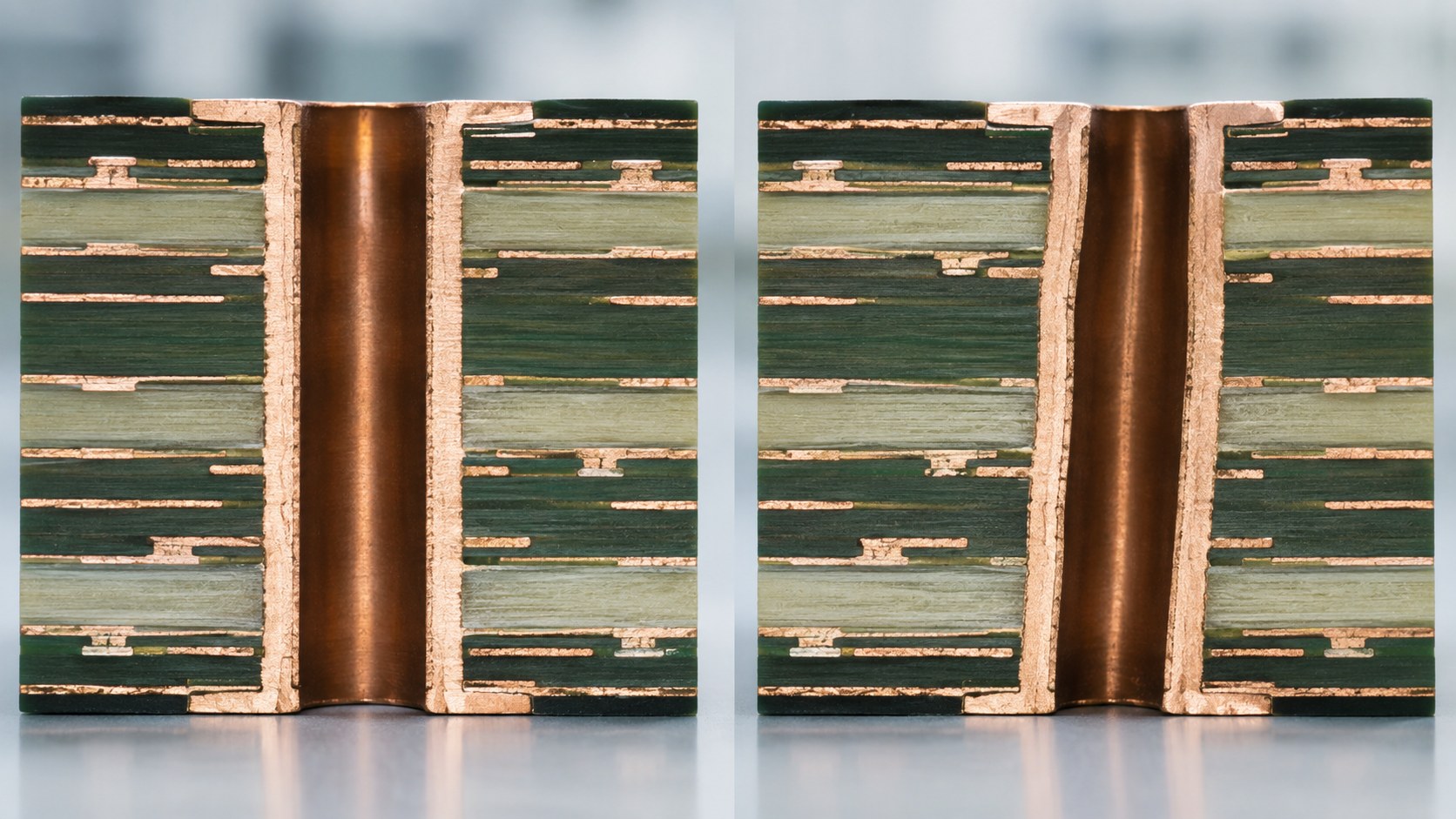
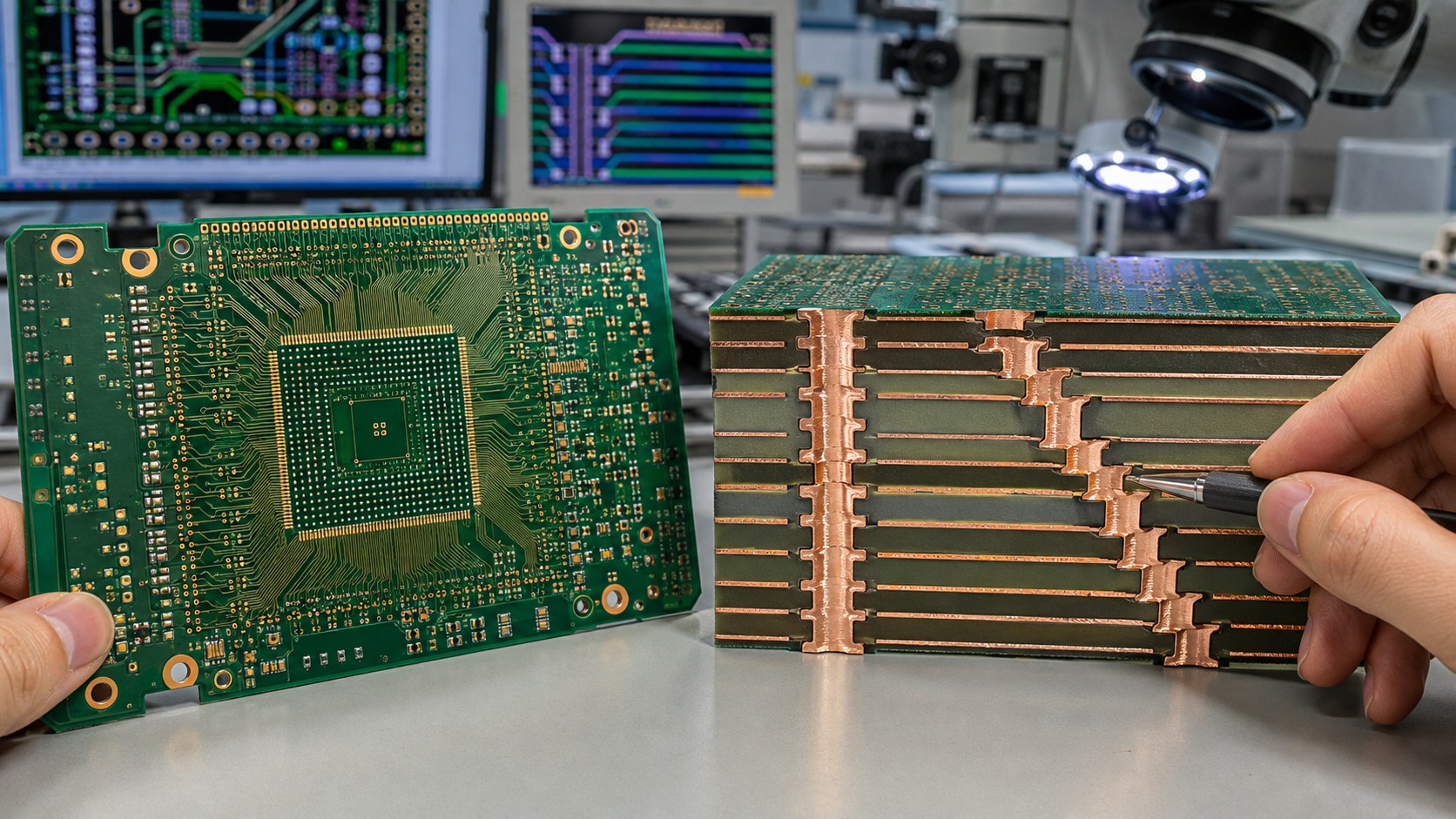
PCB manufacturing PCB manufacturing
Home > Blog

IPC-2223 Standard for Flex PCB Design and Bend Radius

June 3rd, 2026

Is IPC-2223 affecting flex PCB bend reliability, production approval, and long-term product performance? Flexible and rigid-flex boards are widely used in compact electronic products, but small design errors can cause cracking, delamination, conductor fatigue, and costly project delays.

For this reason, IPC-2223 provides a structured reference for flex PCB design, bend radius control, material selection, and production documentation. When applied correctly, IPC 2223 helps improve reliability, reduce redesign, and support smoother project communication from quotation to delivery.

IPC-2223, https://www.bestpcbs.com/blog/2026/06/ipc-2223/

What is IPC 2223?

IPC 2223 is a sectional design standard for flexible and rigid-flexible printed boards. It works together with IPC-2221, which provides the general printed board design foundation, while IPC 2223 focuses on the special design requirements of flexible circuit structures.

Unlike rigid PCB guidance, this standard pays close attention to bend areas, flexible dielectric materials, conductor routing, coverlay openings, stiffeners, and rigid-to-flex transition zones. These details directly affect whether a flex PCB can survive assembly, installation, and long-term use.

In actual flex PCB projects, IPC 2223 works as a shared technical reference between the project side and the PCB manufacturer. It helps clarify stack-up, bend zones, hole placement, material structure, and reliability expectations before production starts.

What is the Latest Version of IPC-2223?

The current English version is IPC-2223E, released in January 2020. This revision is widely used for flexible and rigid-flex printed board design, especially where bend radius, manufacturing drawings, hole spacing, and flex-area conductor layout must be reviewed carefully.

Older versions such as IPC-2223A and IPC-2223D may still appear in legacy drawings, archived specifications, or old project documents. However, for new flex PCB projects, the active revision should be confirmed before quotation, design review, and production release.

A clear drawing note should state the applicable revision, such as IPC-2223E, together with other related standards. This avoids confusion when different teams refer to old internal files, outdated PDF copies, or supplier-side default requirements.

What is Difference between IPC 2223 Class 1, Class 2, Class 3?

IPC 2223 Class 1, Class 2, and Class 3 define different reliability levels for flexible and rigid-flex PCB projects. The higher the class, the stricter the requirement for material control, manufacturing consistency, inspection, and long-term product performance.

ClassProduct PositioningReliability LevelTypical ApplicationsDesign FocusQuality Control Focus
Class 1General electronic productsBasic reliabilityToys, simple consumer products, low-cost electronic modulesBasic electrical function, simple flex structure, cost-sensitive layoutVisual quality, basic continuity, general dimensional control
Class 2Commercial and industrial productsStable reliabilityIndustrial controls, communication devices, automotive accessories, medical support devicesBalanced bend radius, controlled stack-up, stable conductor routing, clear drawing notesElectrical test, material consistency, plating quality, bend area inspection
Class 3High-reliability productsHighest reliabilityAerospace electronics, critical medical devices, military electronics, high-end industrial systemsConservative bend radius, strict material selection, reinforced transition zones, optimized copper routingTight inspection, full documentation, strict acceptance criteria, higher process traceability
Cost LevelLowestMediumHighestCost rises with tighter requirementsMore testing and review increase total project cost
Production RiskLower requirement but less design marginModerate risk if data is clearHigher control requirement but better long-term reliabilityClass choice affects manufacturabilityClear class definition prevents later disputes
Best FitShort-life or simple-use productsMost commercial flex PCB projectsProducts where failure may cause serious lossMatch class to product useAvoid over-specifying or under-specifying

Class selection should match the actual use environment, expected service life, and risk level. For many flexible PCB projects, Class 2 offers a practical balance between cost, reliability, and production control, while Class 3 is more suitable for critical applications with strict reliability targets.

IPC-2221 Class 1 vs Class 2 vs Class 3, https://www.bestpcbs.com/blog/2026/06/ipc-2223/

What Does IPC-2223 Cover in Flex PCB Design?

IPC-2223 covers the design details that make flexible and rigid-flex boards manufacturable, bendable, and reliable. Its scope includes flex board types, material structures, component mounting forms, interconnection design, and mechanical reliability control.

The standard addresses single-sided, double-sided, multilayer, and rigid-flex constructions. It also considers adhesive and adhesiveless materials, insulating films, metallic conductors, reinforced or non-reinforced dielectric layers, and different flex circuit structures.

In real projects, IPC 2223 is useful for reviewing bend regions, conductor width, spacing, coverlay access, stiffener placement, via location, and transition areas between rigid and flexible sections. These design points directly affect yield, assembly stability, and field reliability.

Why is IPC-2223 Important for Flexible PCB Reliability?

IPC-2223 is important because flexible PCBs fail in different ways from rigid boards. A rigid PCB mainly faces thermal, electrical, and assembly stress, while a flex PCB also faces bending, folding, vibration, and mechanical movement.

If a bend area is designed with sharp corners, poor copper routing, unsuitable material thickness, or vias placed too close to the flex zone, the board can crack during installation or operation. Therefore, bend reliability must be treated as a core design target, not a final inspection item.

IPC 2223 helps reduce these risks by guiding how materials, conductor paths, and mechanical structures should be arranged. As a result, the project can gain better production yield, fewer quality disputes, and more stable performance after assembly.

What Materials and Structures Are Defined in IPC-2223 Flex PCB Design?

IPC-2223 defines flex PCB structures around insulating films, dielectric layers, adhesives, metallic conductors, coverlay, and stiffeners. These materials work together to provide both electrical connection and mechanical flexibility.

Common flex circuit materials include polyimide films, copper foil, adhesive systems, adhesiveless laminate, and protective coverlay. For rigid-flex boards, the structure also includes rigid laminate sections, plated through holes, and transition areas between rigid and flexible zones.

The material decision affects bend radius, thickness, heat resistance, dimensional stability, and cost. For example, thinner flexible layers usually support better bending performance, while added stiffeners can improve component mounting strength in selected areas.

IPC-2223 Specification for Flex PCB Design and Bend Radius

IPC-2223 specification focuses on the structure, bendability, material control, and reliability of flexible and rigid-flex printed boards. The following table summarizes key design areas that should be reviewed before production.

Specification AreaKey RequirementDesign PurposeProject Review Point
Flex MaterialPolyimide, copper foil, adhesive or adhesiveless laminateSupport flexibility, heat resistance, and dimensional stabilityConfirm material type, thickness, copper weight, and Tg requirement
Bend RadiusRadius must match total flex thickness and bend typeReduce copper fatigue, cracking, and delaminationDefine static bend or dynamic bend clearly on the drawing
Copper RoutingTraces should avoid sharp corners in bend areasImprove stress distribution during bendingUse smooth routing and avoid sudden width changes
Via PlacementVias should not be placed in active bend zonesPrevent barrel cracking and open circuitsKeep vias away from repeated bending areas
Coverlay DesignOpenings must match pads and access areasProtect conductors while keeping solderable areas exposedCheck coverlay registration and opening clearance
Stiffener AreaStiffeners should support connectors or mounted partsImprove mechanical strength where flexibility is not requiredDefine stiffener material, thickness, and location
Rigid-Flex TransitionTransition zones must avoid stress concentrationProtect copper and dielectric layers from crackingKeep copper routing smooth near rigid-to-flex boundaries
Layer Stack-UpLayer count and thickness must support the bend requirementBalance circuit density and flexibilityAvoid excessive thickness in tight bend areas
Hole-to-Edge SpacingHoles require safe spacing from board edge and bend zonesReduce cracking and production defectsReview drilled holes, slots, and edge clearance
Drawing NotesIPC class, material, bend radius, and surface finish should be definedReduce communication errors before productionAdd clear notes for class level and special flex requirements

This section is most valuable when used before quotation and production release. Clear IPC-2223 design data helps reduce redesign, sample failure, delivery delay, and quality disagreement.

IPC-2223 Bend Radius, https://www.bestpcbs.com/blog/2026/06/ipc-2223/

How to Calculate Bend Radius for IPC-2223 Flex PCB?

Bend radius calculation should start from flex thickness, bend type, copper structure, and product movement conditions. A smaller product space does not automatically mean the flex circuit can accept a smaller radius.

Step 1: Confirm the total flex thickness.
Calculate the full flexible area thickness, including copper, dielectric film, adhesive, coverlay, and any additional protective layer. Thicker flex sections normally require a larger bend radius because the material stack is less flexible.

Step 2: Define the bending condition.
Confirm whether the flex PCB is bent once during installation or moves repeatedly during product operation. A static bend usually allows more design freedom, while dynamic bending requires more conservative structure and larger safety margin.

Step 3: Check copper layer count and copper weight.
More copper layers and heavier copper reduce flexibility. For tight bend areas, the structure should avoid unnecessary copper thickness, excessive layer count, and dense copper features that increase mechanical stress.

Step 4: Review the trace direction in the bend area.
Traces should pass through the bend area smoothly and should avoid sharp corners. Curved routing and gradual transitions help reduce stress concentration, especially in flexible circuits exposed to repeated movement.

Step 5: Keep vias, pads, and solder joints away from the bend zone.
These features are mechanically sensitive and may crack under bending stress. The bend area should remain as clean and simple as possible to improve long-term reliability.

Step 6: Match the bend radius with the manufacturing capability.
Before final release, the selected bend radius should be reviewed together with the PCB manufacturer. Material type, stack-up, production tolerance, and final assembly shape all affect whether the design is practical.

Step 7: Mark the bend radius clearly on the drawing.
The drawing should show bend direction, bend area, bend radius, stiffener location, and whether the bend is static or dynamic. Clear documentation helps prevent misinterpretation before sample production.

What Are Common Design Mistakes in IPC-2223 Flex PCB Projects?

Common IPC-2223 flex PCB mistakes usually come from ignoring mechanical stress in bend areas. Flexible circuits are not simply thin rigid boards, so the layout must consider bending, folding, installation pressure, and repeated movement.

  • Placing vias inside the bend area
    Vias are weak points under repeated bending. Placing them in active flex zones may cause barrel cracks, open circuits, or unstable electrical performance.
  • Using sharp trace corners in flexible regions
    Sharp corners concentrate stress and increase the risk of copper fatigue. Smooth curves and gradual direction changes are better for bend reliability.
  • Choosing an overly thick stack-up
    Too many layers, heavy copper, or thick dielectric materials make the flex area harder to bend. This can cause delamination, cracking, or poor installation fit.
  • Ignoring rigid-to-flex transition stress
    The transition between rigid and flexible sections is a high-risk area. Poor copper routing or stiffener placement near this zone may create early failure.
  • Placing components too close to bend zones
    Components, pads, and solder joints should stay away from flexible bending areas. Mechanical movement can damage solder joints or lift pads over time.
  • Leaving bend radius unclear on drawings
    If the bend radius, bend direction, or bend type is not marked clearly, production review becomes unreliable. Ambiguous drawings often lead to sample delays or redesign.
  • Using unsuitable stiffener design
    Stiffeners improve local strength, but poor placement can create stress at the edge. The stiffener boundary should be reviewed carefully in relation to the bend area.
  • Only checking electrical function
    A flex PCB may pass electrical testing but still fail after bending. Mechanical reliability must be reviewed together with electrical performance.

How Does IPC-2223 Differ from IPC-2221 and IPC-6013?

IPC-2223, IPC-2221, and IPC-6013 are related PCB standards, but they are used for different purposes in a flex PCB project. IPC-2221 gives the general design foundation, IPC-2223 focuses on flexible and rigid-flex PCB design, while IPC-6013 is mainly used for performance and qualification control.

StandardMain FunctionScopeFlex PCB FocusUse StagePractical Value
IPC-2221General PCB design standardCovers common printed board design principles for different PCB typesProvides basic design guidance, but does not deeply address bend radius, flex stack-up, or dynamic bendingEarly design planningHelps build a general design framework before applying flex-specific rules
IPC-2223Flexible and rigid-flex PCB design standardCovers flex PCB structures, bend areas, coverlay, stiffeners, conductor routing, and rigid-flex transitionsDirectly focuses on flex PCB design, bend radius control, material structure, and mechanical reliabilityFlex PCB layout, stack-up review, and design releaseHelps reduce cracking, copper fatigue, delamination, and bend-area failure
IPC-6013Flexible printed board performance standardCovers qualification, acceptance, testing, and performance requirements for finished flexible boardsFocuses on whether the completed flex PCB meets quality and reliability requirementsProduction inspection and final acceptanceHelps confirm finished board quality through measurable acceptance criteria

In simple terms, IPC-2221 is the general design base, IPC-2223 is the flex PCB design guide, and IPC-6013 is the finished board performance reference. They should not be treated as interchangeable standards.

For a reliable flex PCB project, IPC-2223 is especially important during design review. IPC-6013 becomes more important after production, when the finished board must be checked against performance and acceptance requirements.

IPC-2223 vs IPC-2221 vs IPC-6013, https://www.bestpcbs.com/blog/2026/06/ipc-2223/

Where Can I Download IPC 2223 PDF?

IPC 2223 PDF should be obtained from official or authorized IPC channels. Since IPC standards are copyrighted documents, downloading free unofficial PDF copies can create version risk, compliance problems, and inaccurate technical references.

The safest method is to purchase or access the standard through the IPC store or authorized standards platforms. This helps ensure that the project uses the correct revision, correct language, and complete technical content.

For quotation or production review, sharing clear project requirements is usually better than sending an unclear downloaded file. A clear drawing note such as “Design reference: IPC-2223E” can help the PCB manufacturer understand the expected design basis. Attached is IPC 2223 PDF for your reference:

FAQs About IPC-2223 Standard

Q1: Is IPC-2223 only for flexible PCB projects?
A1: IPC-2223 is mainly used for flexible and rigid-flexible printed board design. It is especially valuable when the board includes bend areas, flexible material layers, coverlay, stiffeners, or rigid-to-flex transition zones.

Q2: Can IPC-2223 help reduce flex PCB cracking?
A2: Yes. IPC 2223 can help reduce cracking risk by guiding bend radius, conductor routing, material structure, and transition design. However, final reliability also depends on material choice, manufacturing control, assembly handling, and actual use conditions.

Q3: Is IPC-2223 enough for final product acceptance?
A3: IPC-2223 is a design standard, so it should not be used alone for final acceptance. For performance and qualification, projects often reference IPC-6013 together with the design requirements.

Q4: Should every flex PCB project use the same bend radius?
A4: No. Bend radius depends on flex thickness, copper weight, layer count, bend type, and movement frequency. A static bend can usually accept a different design margin than a dynamic flexing application.

Q5: Why do old drawings still mention IPC-2223A or IPC-2223D?
A5: Many legacy projects continue using old revision notes because the original product was approved years ago. For new projects, the revision should be reviewed and updated before design release or production transfer.

Q6: Does IPC-2223 apply to rigid-flex PCB stack-up review?
A6: Yes. IPC-2223 is highly relevant to rigid-flex stack-up review, especially where flexible layers pass through rigid sections, bend regions, plated holes, and transition areas.

Q7: What information should be confirmed before requesting a flex PCB quote?
A7: A quote request should include board type, layer count, material preference, copper thickness, bend radius, stiffener details, surface finish, class level, drawing notes, and expected annual quantity.

Get a Reliable Flex PCB Quote Based on IPC-2223 Requirements

A successful flex PCB project starts with clear design rules, reliable manufacturing control, and fast technical alignment. If your project involves bend radius limits, rigid-flex stack-up, tight assembly space, or high-reliability use, choosing a capable PCB partner can reduce risk before production begins.

EBest provides customized flex PCB and rigid-flex PCB manufacturing support with professional review, stable quality control, and responsive project communication. Send your Gerber files, drawings, stack-up, and IPC-2223 requirements to sales@bestpcbs.com to get a practical solution and fast quotation for your next flex PCB project.

You may also like

Automotive PCB Fabrication | 20-Year Engineering-Driven PCB Manufacturer

June 2nd, 2026

Automotive PCB fabrication is more than producing a circuit board for a vehicle. It is about building a reliable electrical foundation for control modules, lighting systems, sensors, power electronics, battery systems, and connected automotive devices where heat, vibration, current load, impedance stability, and long service life all matter. This article explains how automotive PCB projects should be approached from materials, certifications, manufacturing control, case experience, and supplier selection.

EBest Circuit (Best Technology) provides automotive PCB fabrication with 20 years of engineering-driven manufacturing experience. We support PCB fabrication, DFM review, material selection, impedance control, surface finish control, testing reports, traceability, and PCBA assembly as an extended service when customers need a complete build. For automotive PCB projects, pls feel free to send Gerber files, stack-up, specifications, and testing requirements to sales@bestpcbs.com for engineering review.

Automotive PCB Fabrication

Automotive PCB Fabrication Services by EBest Circuit (Best Technology)

Automotive PCB fabrication requires stable production, controlled materials, accurate stack-up, and reliable inspection. For automotive electronics, the board is not just a carrier for components; it directly affects electrical safety, thermal behavior, signal quality, and long-term reliability.

EBest Circuit (Best Technology) supports automotive PCB fabrication for different vehicle electronic applications, including:

  • Automotive lighting PCBs
    Used in LED headlights, tail lights, daytime running lights, interior lighting, and signal lamps. These boards often need metal core, heavy copper, or high-thermal materials to manage heat.
  • Control module PCBs
    Used in body control modules, motor control units, sensor controllers, and power control boards. These projects often require multilayer FR4, impedance control, and stable copper thickness.
  • Battery and power electronics PCBs
    Used in battery management systems, charging units, power conversion, and high-current circuits. Heavy copper, high-Tg FR4, copper substrate, or ceramic PCB may be required depending on current and temperature.
  • Sensor and communication PCBs
    Used in radar support boards, camera modules, signal processing boards, and communication-related vehicle electronics. These boards often require controlled impedance, stable dielectric performance, and precise fabrication tolerance.
  • Rigid-flex automotive PCBs
    Used where space is limited and connector reduction is important. Rigid-flex structures help improve mechanical integration and reduce assembly complexity.

Our automotive PCB fabrication service can support prototype builds, engineering validation, small-batch production, and volume manufacturing. When required, EBest Circuit (Best Technology) can also extend support to PCBA assembly, including SMT assembly, through-hole assembly, X-ray inspection, AOI, functional testing, and box-build support. The main focus remains PCB fabrication, while assembly is available as a project extension.

Automotive PCB Fabrication

PCB Material Solutions for Automotive Electronics

Material selection is one of the first decisions in automotive PCB fabrication. The right board material helps the PCB handle heat, current, vibration, soldering cycles, and long operating time.

EBest Circuit (Best Technology) helps customers choose PCB materials based on the actual electrical, mechanical, and thermal requirements of the automotive product.

Common material options include:

  • High-Tg FR4 PCB
    High-Tg FR4 is suitable for multilayer automotive control boards, BMS boards, sensor boards, and power management circuits. It provides better thermal stability than standard FR4 and is often selected for products exposed to higher operating temperatures.
  • Heavy copper PCB
    Heavy copper is used for high-current automotive circuits, power conversion boards, relay control boards, and battery-related electronics. It improves current-carrying capacity and supports better heat spreading.
  • Metal core PCB
    Aluminum PCB and copper substrate PCB are widely used in automotive LED lighting and heat-dissipation applications. These boards help move heat away from power components and LED chips.
  • Ceramic PCB
    Ceramic PCB is used where high thermal conductivity, dimensional stability, and electrical insulation are important. It can be considered for high-power modules, LED systems, sensors, and advanced automotive electronics.
  • AMB ceramic PCB
    AMB ceramic PCB is suitable for high-power automotive applications such as power modules, IGBT modules, SiC devices, MOSFET circuits, and EV-related power electronics. It offers strong bonding and excellent heat transfer performance.
  • Rigid-flex PCB
    Rigid-flex boards are useful for compact automotive systems, camera modules, sensors, lighting assemblies, and space-limited electronic units. They can reduce connectors and improve mechanical reliability.
  • HDI PCB
    HDI PCB is suitable for dense automotive electronics that require fine lines, microvias, and compact routing. It is often used in modules where board space is limited but circuit density is high.

A simple material selection view:

PCB MaterialTypical Automotive Use
High-Tg FR4Control modules, BMS, sensors
Heavy CopperHigh-current and power circuits
Aluminum PCBLED lighting and thermal boards
Copper Substrate PCBHigh-power heat dissipation
Ceramic PCBHigh-thermal and stable circuits
AMB Ceramic PCBEV power modules and power devices
Rigid-Flex PCBCompact automotive modules
HDI PCBDense signal and control boards

For automotive PCB fabrication, EBest Circuit (Best Technology) does not recommend materials only by name. We review the stack-up, copper weight, thermal load, dielectric requirement, soldering process, and end-use environment before suggesting the most suitable material direction.

Automotive PCB Certifications and Compliance Support

Automotive PCB customers usually care about more than price and lead time. They also need production consistency, documentation, traceability, and compliance support. This is especially important when the PCB will be used in vehicle lighting, control systems, power electronics, or regulated electronic modules.

EBest Circuit (Best Technology) supports automotive PCB projects with quality systems and documentation practices that help customers manage project risk.

Key compliance and quality support may include:

  • IATF16949 support
    Important for automotive-related production management, process control, and continuous improvement.
  • ISO9001 quality management
    Supports stable manufacturing processes, documented procedures, and consistent product quality.
  • ISO13485 support
    Useful when customers also need medical-grade documentation discipline or cross-industry reliability control.
  • AS9100D support
    Relevant for high-reliability projects that need strong traceability and controlled production management.
  • UL support
    Important for material recognition, production flow control, and PCB safety-related requirements.
  • RoHS compliance
    Supports environmental compliance for electronic products sold into international markets.
  • IPC standard manufacturing
    Automotive PCB projects commonly reference IPC standards such as IPC-6012 for rigid PCB fabrication requirements and IPC-A-600 for board acceptance criteria.

For documentation, automotive PCB buyers may request:

  • Certificate of Conformance
  • Electrical test report
  • Microsection report
  • Copper thickness report
  • Impedance test report
  • Solderability test report
  • Material compliance document
  • First Article Inspection report when needed
  • Production traceability record
  • Packaging and shipment inspection record

For automotive PCB fabrication, documentation should not be treated as an afterthought. EBest Circuit (Best Technology) can provide controlled production records and inspection reports based on the customer’s project requirements, helping engineering and purchasing teams verify that the boards match the approved specification.

Automotive PCB Fabrication Case Studies

A real automotive PCB fabrication case is often more useful than a long capability list. It shows how the manufacturer controls material, impedance, documentation, and final testing in an actual automotive electronics project.

The following case is based on a multilayer automotive control PCB. The customer background is generalized, while the key board requirements are kept to show the manufacturing focus.

Project Overview

  • The project required a 12-layer FR4 PCB for an automotive electronic control application. The board used high-Tg ISOLA 408HR material and needed controlled impedance, ENIG surface finish, RoHS-compliant material, and complete outgoing quality reports.
  • For this automotive PCB fabrication project, the customer cared most about stable stack-up, electrical performance, production discipline, and shipment verification.

Customer Requirements

The main requirements included:

  • 12-layer FR4 multi-layer PCB
  • ISOLA 408HR High-Tg 170 material
  • Single-ended and differential impedance control
  • ENIG surface finish with controlled nickel and gold thickness
  • IPC-6012 Class 2 fabrication standard
  • RoHS-compliant PCB material
  • UL-compliant production flow
  • 100% continuity test before shipment
  • COC, microsection, E-test, solderability, copper thickness, and impedance reports

Manufacturing Focus

This automotive PCB fabrication case required careful control in several key areas:

  • Material and stack-up control
    The 12-layer structure needed stable lamination, controlled dielectric thickness, and verified high-Tg material selection.
  • Impedance control
    The board included both single-ended and differential impedance. Trace geometry, dielectric thickness, and copper thickness had to stay within the approved tolerance.
  • Surface finish control
    ENIG thickness was controlled to support solderability, surface stability, and assembly reliability.
  • Fabrication note control
    The project did not allow additional copper stealing. All unspecified holes followed N.C. drill data, and all slots were plated unless clearly marked as unplated.
  • Final verification
    Each board required 100% continuity testing before shipment, with outgoing reports prepared for customer review.

EBest Circuit (Best Technology)’s Support

EBest Circuit (Best Technology) reviewed the Gerber files, stack-up, fabrication notes, impedance requirements, and report requirements before production.

Our engineering and production team supported the project through:

  • DFM review before fabrication
  • Material and stack-up confirmation
  • Controlled impedance manufacturing
  • ENIG thickness control
  • Drill and slot requirement review
  • 100% electrical continuity testing
  • Outgoing quality report preparation
  • Shipment inspection and traceability control

Project Result

  • The automotive PCB fabrication project was completed with controlled material, impedance, surface finish, and final testing. The customer received boards with the required outgoing reports, helping their engineering team move forward with internal validation.

Case Board Specifications

ItemKey Specification
Board Type12-layer FR4 multilayer PCB
Board Thickness2.3 mm ±10%
MaterialISOLA 408HR High-Tg 170
Electrical PerformanceDk max. 3.7 @ 2GHz, Df max. 0.01 @ 10GHz
Copper Thickness1 oz on selected layers, 0.5 oz on other layers
Surface FinishENIG with controlled nickel and gold thickness
Impedance ControlSingle-ended and differential impedance, ±10% tolerance
ComplianceRoHS material, UL production flow
Fabrication StandardIPC-6012 Class 2
Testing100% continuity test before shipment
Outgoing ReportsCOC, microsection, E-test, solderability, copper thickness, and impedance reports

This case shows how EBest Circuit (Best Technology) supports automotive PCB fabrication projects that require more than basic board production. For automotive electronics, the value is not only making the PCB, but controlling the material, process, testing, and documentation behind it.

How EBest Circuit (Best Technology) Supports Automotive PCB Projects from Prototype to Production

Automotive PCB projects usually move through several stages before stable production. A good PCB fabrication supplier should support the customer from early design review to production delivery, not only quote the board after the files are finished.

EBest Circuit (Best Technology) supports automotive PCB customers through each project stage.

1. Design and DFM Review

Before production, our engineering team reviews key PCB fabrication details:

  • Layer stack-up
  • Copper weight
  • Minimum trace and spacing
  • Drill size and aspect ratio
  • Annular ring
  • Controlled impedance
  • Material selection
  • Surface finish
  • Slot and routing requirements
  • Warpage risk
  • Panelization
  • Test point and inspection requirements

This helps reduce manufacturing risk before the board enters production.

2. Prototype Fabrication

Prototype fabrication helps customers verify electrical design, mechanical fit, thermal performance, and assembly compatibility.

For automotive PCB prototypes, common review points include:

  • Whether the selected material can support the operating temperature
  • Whether the copper weight matches the current requirement
  • Whether impedance can be held within tolerance
  • Whether the solder mask, finish, and hole design match assembly needs
  • Whether the board structure can be scaled to small-batch or volume production

3. Small-Batch Validation

Small-batch production is useful before mass production. It gives the customer a practical view of process stability, yield, and test performance.

EBest Circuit (Best Technology) can support small-batch automotive PCB fabrication for:

  • Engineering validation
  • Pilot production
  • Pre-production builds
  • Customer sample approval
  • Assembly trial runs
  • Reliability test preparation

4. Volume Manufacturing

When the project moves into volume production, process consistency becomes more important than speed alone.

Key production controls include:

  • Confirmed material source
  • Stable stack-up
  • Controlled lamination
  • Copper thickness verification
  • Impedance testing
  • Electrical testing
  • Lot traceability
  • Outgoing quality reports
  • Packaging and shipment control

5. Optional PCBA Extension

Some automotive customers need more than bare PCB fabrication. In that case, EBest Circuit (Best Technology) can also support PCBA assembly for FR4 PCB, high-Tg PCB, metal core PCB, rigid-flex PCB, heavy copper PCB, ceramic PCB, and HDI PCB projects.

PCBA support may include:

  • SMT assembly
  • Through-hole assembly
  • Component sourcing
  • AOI inspection
  • X-ray inspection
  • Functional testing
  • Conformal coating when required
  • Box-build assembly for selected projects

The core value remains clear: customers can start with automotive PCB fabrication and extend to assembly and testing when the project requires a more complete manufacturing route.

Quality Control for Automotive PCB Fabrication

Quality control in automotive PCB fabrication must be built into the process, not only checked at the end. A board may look acceptable visually but still fail because of impedance drift, weak solderability, insufficient copper thickness, plating issues, or hidden manufacturing defects.

EBest Circuit (Best Technology) applies quality control across the full PCB manufacturing process.

Important quality control points include:

  • Incoming material inspection
    PCB laminate, copper foil, solder mask, and process materials are checked according to project requirements.
  • DFM and engineering review
    Manufacturing risks are reviewed before production, especially for multilayer boards, controlled impedance boards, heavy copper boards, and special material boards.
  • Inner layer inspection
    Inner layers are checked before lamination to reduce the risk of hidden defects in multilayer PCBs.
  • Lamination control
    Lamination parameters are controlled to maintain board thickness, dielectric structure, and layer alignment.
  • Drilling and plating control
    Hole quality, copper plating, via reliability, and slot requirements are monitored during fabrication.
  • Impedance control
    Controlled impedance coupons or test methods are used when required by the customer specification.
  • Solder mask and surface finish inspection
    Solder mask coverage, legend quality, ENIG thickness, HASL, OSP, or other finishes are inspected based on the approved requirement.
  • Electrical testing
    100% electrical testing can be performed to check open and short circuits before shipment.
  • Final inspection and reporting
    Outgoing quality control verifies appearance, dimensions, reports, packing, and customer-specific requirements.

Common inspection and test methods include:

Quality ItemPurpose
AOIChecks circuit pattern defects
Electrical TestConfirms continuity and isolation
MicrosectionVerifies plating and internal structure
Impedance TestConfirms signal control
Copper Thickness TestChecks copper build-up
Solderability TestConfirms surface finish performance
Visual InspectionChecks appearance and workmanship
Final QCConfirms shipment readiness

EBest Circuit (Best Technology) also uses MES traceability to support production tracking. This helps customers trace key production information, batch status, process flow, and inspection records more efficiently. For automotive PCB fabrication, this type of traceability is important because buyers need confidence not only in one shipment, but also in repeat production consistency.

Why Choose EBest Circuit (Best Technology) for Automotive PCB Fabrication?

Choosing an automotive PCB fabrication supplier is not only about finding a board factory. The better question is whether the supplier can understand the project requirement, prevent avoidable manufacturing problems, and support the customer from engineering review to stable delivery.

EBest Circuit (Best Technology) is suitable for automotive PCB customers who need more than a basic PCB quotation.

Key reasons to work with us include:

  • 20 years of PCB manufacturing experience
    We have long-term experience with PCB fabrication for industrial, automotive, medical, communication, lighting, power, and high-reliability electronics.
  • Engineering-driven project support
    Our team can review Gerber files, stack-up, materials, impedance requirements, copper thickness, fabrication notes, and assembly needs before production.
  • Wide PCB material capability
    We support FR4, high-Tg FR4, heavy copper, aluminum PCB, copper substrate PCB, ceramic PCB, AMB ceramic PCB, rigid-flex PCB, HDI PCB, and high-frequency PCB projects.
  • Automotive-related quality system support
    We can support automotive PCB projects with IATF16949, ISO9001, UL, and related quality documentation requirements.
  • DFM support before production
    DFM review helps customers avoid problems related to hole design, spacing, stack-up, impedance, solder mask, edge clearance, panelization, and manufacturability.
  • Controlled testing and reporting
    We can provide electrical test reports, microsection reports, impedance reports, copper thickness reports, solderability reports, COC, and other outgoing documents based on customer requirements.
  • MES traceability
    Production traceability helps customers track manufacturing status and batch information more clearly.
  • Prototype to production capability
    We support engineering samples, small-batch production, and mass production, helping customers move through the project lifecycle with one manufacturing partner.
  • Optional PCBA assembly support
    When customers need assembly after bare board fabrication, we can support component sourcing, SMT assembly, through-hole assembly, AOI, X-ray, functional testing, and box-build service.

For automotive PCB fabrication, EBest Circuit (Best Technology) combines board manufacturing, engineering review, quality control, reporting, and delivery support. Customers who need a reliable PCB partner can send project files and requirements to sales@bestpcbs.com for review.

Automotive PCB Fabrication

FAQs About Automotive PCB Fabrication

What is automotive PCB fabrication?

  • Automotive PCB fabrication is the manufacturing process for printed circuit boards used in vehicle electronic systems. These boards may be used in lighting, power control, sensors, battery systems, control modules, radar support circuits, and other automotive electronics.

How is automotive PCB fabrication different from standard PCB fabrication?

  • Automotive PCB fabrication usually requires stronger control over materials, heat resistance, copper thickness, dimensional tolerance, impedance, testing, documentation, and traceability. The board must support stable performance in demanding vehicle environments.

What materials are commonly used for automotive PCB fabrication?

  • Common materials include high-Tg FR4, heavy copper, aluminum substrate, copper substrate, ceramic, AMB ceramic, rigid-flex materials, and HDI structures. The right choice depends on thermal load, current, signal speed, space, and reliability requirements.

Is High-Tg FR4 suitable for automotive PCBs?

  • Yes. High-Tg FR4 is commonly used for automotive control boards, BMS boards, sensor boards, and multilayer electronics where better thermal stability is required. It is often a practical choice when the project does not require metal core or ceramic material.

When should metal core PCB be used in automotive electronics?

  • Metal core PCB is suitable when heat dissipation is a major concern. It is commonly used in automotive LED lighting, power LED modules, and some high-thermal control applications.

When is ceramic PCB used in automotive PCB fabrication?

  • Ceramic PCB is used when high thermal conductivity, stable insulation, and dimensional stability are important. It may be selected for power modules, LED systems, sensors, and advanced automotive electronics.

What is AMB ceramic PCB used for in automotive applications?

  • AMB ceramic PCB is often used in high-power applications such as EV power modules, IGBT modules, SiC devices, MOSFET circuits, and other power electronics that require strong thermal performance and reliable copper bonding.

Do automotive PCBs require controlled impedance?

  • Many automotive PCBs require controlled impedance, especially boards used for communication, sensors, signal processing, radar support, and high-speed control circuits. The impedance tolerance should be confirmed during stack-up design and fabrication review.

What documents can be provided for automotive PCB fabrication?

  • Depending on the project requirement, EBest Circuit (Best Technology) can provide COC, electrical test report, microsection report, solderability report, copper thickness report, impedance report, material compliance document, and other outgoing quality records.

Can EBest Circuit (Best Technology) support automotive PCB assembly after fabrication?

  • Yes. Although automotive PCB fabrication is the main focus, we can also support PCBA assembly when customers need a complete manufacturing solution. This may include component sourcing, SMT assembly, through-hole assembly, AOI, X-ray inspection, functional testing, and box-build support.

How do I choose an automotive PCB fabrication manufacturer?

  • Look for a supplier with automotive project experience, material selection capability, DFM support, controlled testing, quality documentation, traceability, and stable production capacity. Price is important, but engineering support and repeatable quality are more important for automotive electronics.

How can I request a quotation for automotive PCB fabrication?

  • You can send Gerber files, stack-up, BOM, assembly drawing, material requirements, impedance requirements, testing requirements, and expected quantity to sales@bestpcbs.com. EBest Circuit (Best Technology) will review the files and provide feedback for your automotive PCB fabrication project.

You may also like

Rigid-Flex PCB Materials

June 2nd, 2026


Need reliable Rigid-Flex PCB Materials for compact electronics? Learn material types, stack-up choices, bend reliability, cost factors and supplier selection.

What Are Rigid-Flex PCB Materials?

Rigid-Flex PCB Materials are the combined material systems used to build circuit boards with both rigid sections and flexible bending sections. These materials usually include rigid laminate, flexible polyimide film, copper foil, adhesive or adhesiveless flexible copper-clad laminate, prepreg, coverlay, bonding film and surface finish.

A rigid-flex PCB is not simply a rigid board connected to a flex cable. It is an integrated circuit structure where the flexible layers usually pass through or connect between rigid areas. This design helps reduce connectors, save internal space and improve long-term reliability in compact electronic products.

The material choice directly affects bending life, signal stability, heat resistance, copper adhesion, layer bonding and final assembly yield. If the wrong material is selected, the board may crack, delaminate, lose impedance control or fail during repeated bending.

Rigid-Flex PCB Materials, https://www.bestpcbs.com/blog/2026/06/rigid-flex-pcb-materials/

Why Are Rigid-Flex PCB Materials Important?

Rigid-flex PCB materials are important because they decide whether the board can survive both mechanical movement and electrical operation. A rigid-flex design often appears in devices where space is limited, wiring must bend and long-term reliability is required.

Common applications include medical devices, aerospace electronics, automotive modules, cameras, wearables, industrial sensors and portable electronics. These products often need smaller size, lighter weight and fewer connector points.

Industry guidance commonly refers to IPC-2223 for flexible and rigid-flex board design. IPC-2223 is a sectional design standard for flexible and rigid-flex printed boards, and it is often used together with qualification and performance standards for flex circuits.

For buyers, the material choice affects not only board price but also field reliability. A low-cost material stack-up may look acceptable at the quotation stage, but it can create hidden risks during bending, assembly or long-term thermal cycling.

How Do Rigid-Flex PCB Materials Work?

Rigid-flex PCB materials work by combining stable rigid areas with bendable flexible areas in one continuous circuit structure. The rigid parts support components, solder joints and mechanical assembly. The flexible parts allow folding, bending or connection between product sections.

The flexible section usually uses polyimide film because it offers strong heat resistance, dimensional stability and bending performance. Copper traces are laminated or bonded to the polyimide, then protected by coverlay or flexible solder mask.

The rigid section usually uses FR4, high-Tg FR4, halogen-free laminate, polyimide rigid laminate or high-frequency laminate, depending on electrical, thermal and reliability needs. Prepreg or bonding film connects the rigid and flexible structures during lamination.

What Are the Main Materials Used in Rigid-Flex PCB?

The main rigid-flex PCB materials include polyimide film, copper foil, FR4 laminate, high-Tg laminate, prepreg, adhesive, coverlay, stiffener and surface finish materials. Each material has a different function in the final board.

MaterialFunctionCommon Selection Point
Polyimide FilmFlexible dielectric baseHeat resistance and bending life
Copper FoilConductive circuit layerRolled annealed or electrodeposited copper
FR4 LaminateRigid area supportCost, Tg, mechanical strength
High-Tg FR4Rigid area for thermal stressBetter heat resistance
Polyimide LaminateHigh-reliability rigid sectionAerospace and harsh environments
PrepregLayer bonding in rigid areaLamination compatibility
AdhesiveBonds copper and dielectricFlexibility and delamination risk
CoverlayProtects flex copper tracesBend durability and insulation
Flexible Solder MaskFine pattern protectionDetailed geometry
StiffenerReinforces connector or assembly areaPI, FR4 or stainless steel

The best material system should be selected based on bend type, assembly method, thermal condition, electrical requirement and product lifetime.

What Flexible Core Materials Are Used in Rigid-Flex PCB?

The most common flexible core material is polyimide, often called PI. Polyimide is widely used because it can tolerate high soldering temperatures, repeated bending and harsh operating environments.

Flexible copper-clad laminate can be adhesive-based or adhesiveless. Adhesive-based material uses an adhesive layer between copper and polyimide. Adhesiveless material bonds copper directly to the film without a separate adhesive interface.

Adhesiveless construction can reduce total thickness and remove one interface where fatigue or delamination may start. This makes it useful for thin, high-reliability or dynamic-flex designs.

For most rigid-flex projects, the flexible material must be chosen early because it affects bend radius, copper fatigue, stack-up thickness and final reliability testing.

What Rigid Materials Are Used in Rigid-Flex PCB?

The rigid area of a rigid-flex PCB usually uses FR4, high-Tg FR4, halogen-free FR4, polyimide laminate or high-frequency laminate. The choice depends on cost, temperature, signal speed and mechanical requirements.

Standard FR4 is suitable for many commercial products where cost control is important. High-Tg FR4 is better for products that face higher soldering temperature, thermal cycling or long-term heat exposure.

Polyimide rigid laminate is often used in aerospace, defense, medical and high-reliability products. It costs more than FR4 but offers stronger thermal stability and better reliability under demanding conditions.

For RF or high-speed designs, engineers may choose special low-loss laminates in the rigid section. In this case, material matching between rigid and flexible areas becomes more important because impedance and dimensional stability must be controlled.

What Is Coverlay in Rigid-Flex PCB Materials?

Coverlay is a protective layer used over flexible copper traces. It is usually made from polyimide film with adhesive, and it protects the circuit from moisture, abrasion, handling damage and electrical shorting.

Coverlay is different from standard rigid PCB solder mask. It is more flexible and better suited for bending areas. Common coverlay structures may use 12.5–50 μm polyimide film with 12.5–25 μm adhesive, depending on design needs.

Coverlay is usually preferred in high-flex or harsh-use areas. Flexible solder mask may be used when the design needs finer openings or more detailed geometry, but it may not provide the same mechanical protection in repeated bending areas.

What Copper Foil Is Best for Rigid-Flex PCB Materials?

Copper foil is one of the most important rigid-flex PCB materials because it carries current and also survives bending stress. The two common choices are rolled annealed copper and electrodeposited copper.

Rolled annealed copper is often preferred for dynamic bending because its grain structure supports better flex life. Electrodeposited copper is widely used in standard PCB production and can be suitable for static bending or bend-to-install applications.

For high-reliability flexible sections, copper thickness should not be selected only by current capacity. Thicker copper can carry more current, but it also increases bending stress. Engineers must balance current load, bend radius, flex cycle requirement and trace width.

What Is the Difference Between Adhesive and Adhesiveless Rigid-Flex Materials?

Adhesive rigid-flex materials use an adhesive layer to bond copper to polyimide. This structure is common, cost-effective and widely available. It is suitable for many static-flex and commercial rigid-flex products.

Adhesiveless rigid-flex materials do not use a separate adhesive layer between copper and polyimide. This creates a thinner structure and may improve bending reliability because there is one less interface that can fail.

Material TypeMain AdvantageMain LimitationBest Use
Adhesive-Based Flex MaterialLower cost and wide availabilityThicker structure, more delamination riskStatic flex, general electronics
Adhesiveless Flex MaterialThinner, better reliability, improved bend lifeHigher costDynamic flex, compact and high-reliability designs

If the product only bends during assembly, adhesive-based material may be enough. If the product bends repeatedly during use, adhesiveless material is often a better choice.

Adhesive and Adhesiveless Rigid-Flex Materials, https://www.bestpcbs.com/blog/2026/06/rigid-flex-pcb-materials/

How Should Rigid-Flex PCB Materials Be Selected for Bend Reliability?

Rigid-flex PCB materials should be selected according to whether the bend is static, dynamic or bend-to-install. Static bending means the board is bent once or rarely moved. Dynamic bending means the board bends repeatedly during product use.

For dynamic bending, engineers should prioritize thin polyimide, rolled annealed copper, adhesiveless construction, proper coverlay and controlled copper layout. The flex area should avoid sharp corners, plated holes, sudden width changes and unnecessary copper density.

For better bend reliability, flex layers are often kept to one or two layers when possible. This helps reduce material thickness, lower bending stress and improve mechanical flexibility.

Material selection and layout must work together. Even excellent material can fail if the bend radius is too small, copper traces cross the bend incorrectly or the transition area is poorly designed.

Rigid-Flex PCB Materials, https://www.bestpcbs.com/blog/2026/06/rigid-flex-pcb-materials/

How Do Rigid-Flex PCB Materials Affect Signal Integrity?

Rigid-flex PCB materials affect signal integrity through dielectric constant, dielectric thickness, copper roughness, trace geometry and layer transition design. For high-speed signals, uncontrolled material changes between rigid and flex areas can create impedance mismatch.

Polyimide usually has different electrical properties from FR4 or high-frequency rigid laminates. This means the stack-up must be reviewed carefully when controlled impedance is required.

For RF, antenna, camera module, high-speed data or medical signal applications, engineers should confirm Dk, Df, copper type, trace width, spacing, reference plane continuity and bend area routing. Material datasheets alone are not enough; the actual stack-up must be calculated and verified.

What Are Common Rigid-Flex PCB Material Failures?

Common material-related failures include copper cracking, coverlay separation, delamination, resin recession, rigid-flex transition cracking, solder joint fatigue, insulation failure and impedance drift. Many of these failures start from poor material matching or weak stack-up design.

Copper cracking often happens when copper is too thick, bend radius is too tight or trace direction is poorly arranged. Delamination may occur when adhesive systems, lamination settings or thermal cycling conditions are not properly controlled.

The rigid-flex transition area is especially important. This area connects a stiff rigid structure to a flexible structure, so stress can concentrate there. Material thickness, coverlay extension, copper layout and mechanical support must be designed carefully.

What Standards Apply to Rigid-Flex PCB Materials?

The most commonly referenced design standard is IPC-2223, which covers flexible and rigid-flex printed board design. Manufacturers and engineers may also refer to related IPC performance and qualification standards for flexible printed circuits.

IPC-related rigid-flex guidance is important because it helps define material use, stack-up design, bend reliability, coverlay rules and testing expectations. These standards help reduce design ambiguity between customers, PCB engineers and manufacturers.

For commercial projects, buyers may also request RoHS, REACH, UL, ISO quality management, halogen-free material or automotive reliability documentation depending on the final market.

Where Are Rigid-Flex PCB Materials Used?

Rigid-flex PCB materials are used in electronic products that require compact assembly, folding structure, lightweight design and reliable interconnection. Common industries include medical electronics, aerospace, automotive, industrial control, robotics, consumer electronics, wearables and communication devices.

Typical applications include camera modules, surgical tools, hearing aids, wearable sensors, automotive control modules, UAV electronics, display modules, foldable devices, test equipment and compact power systems.

Rigid-flex boards are especially useful when connectors and wire harnesses create space, weight or reliability problems. By replacing separate cables and connectors, rigid-flex PCB materials can help simplify assembly and reduce failure points.

Rigid-Flex PCB Materials Application, https://www.bestpcbs.com/blog/2026/06/rigid-flex-pcb-materials/

How Do Rigid-Flex PCB Materials Affect Cost?

Rigid-flex PCB materials affect cost through material grade, layer count, flex layer number, copper thickness, coverlay type, adhesive type, rigid laminate type, controlled impedance needs and testing requirements.

Adhesiveless materials, high-Tg laminates, polyimide rigid laminates, low-loss materials and dynamic-flex structures usually cost more. However, they may reduce connector cost, assembly labor, field failure and product size.

Cost should be evaluated at the product level. A rigid-flex PCB may have a higher board price than a separate rigid PCB and flex cable, but it can reduce assembly steps, connector quantity, internal space and long-term reliability risk.

How Can Buyers Choose a Rigid-Flex PCB Materials Supplier?

Buyers should choose a supplier that understands both rigid PCB manufacturing and flexible circuit behavior. Rigid-flex production requires control of lamination, coverlay alignment, bend area stress, copper adhesion and dimensional stability.

A good supplier should provide material stack-up review, DFM feedback, impedance support, prototype validation, quality inspection and mass production control. The supplier should also help confirm bend radius, copper type, coverlay design and rigid-flex transition structure before production.

For OEM and ODM projects, buyers should not only compare price. They should ask whether the factory has experience with similar products, similar layer counts and similar reliability requirements.

What Should You Confirm Before Ordering Rigid-Flex PCB Materials?

Before ordering rigid-flex PCB materials, confirm the rigid laminate, flexible core material, copper type, copper thickness, adhesive or adhesiveless structure, coverlay thickness, stack-up, bend radius and surface finish.

You should also confirm whether the board is static-flex or dynamic-flex. This single detail can change the material recommendation, copper choice and bend design rules.

For production preparation, provide Gerber files, stack-up requirements, assembly drawing, bend direction, bend radius, component height limits, impedance needs and final application environment. This helps the manufacturer identify risks before tooling and lamination.

FAQs About Rigid-Flex PCB Materials

Q1: What are the most common Rigid-Flex PCB Materials?
A1: The most common Rigid-Flex PCB Materials include polyimide film, copper foil, FR4 laminate, high-Tg FR4, prepreg, adhesive, coverlay, flexible solder mask and stiffener materials. Polyimide is used in the flexible area, while FR4 or high-Tg laminate is often used in the rigid area.

Q2: Why is polyimide used in rigid-flex PCB materials?
A2: Polyimide is used because it provides strong heat resistance, flexibility and dimensional stability. It can survive soldering temperature and repeated bending better than many organic materials. This makes it suitable for flexible sections in medical devices, automotive modules, aerospace products and compact electronics.

Q3: Is adhesiveless material better for rigid-flex PCB?
A3: Adhesiveless material is often better for thin, high-reliability or dynamic-flex designs because it removes one adhesive interface and can improve bending performance. However, it costs more than adhesive-based material. For static flex or bend-to-install products, adhesive-based materials may still be practical and cost-effective.

Q4: What copper is best for flexible areas?
A4: Rolled annealed copper is usually preferred for flexible areas that need repeated bending because it has better fatigue resistance. Electrodeposited copper can be suitable for static bend or standard applications. The best choice depends on flex cycle requirement, copper thickness, bend radius and current load.

Q5: What is coverlay in rigid-flex PCB materials?
A5: Coverlay is a protective polyimide-based layer used over copper traces in the flexible area. Common coverlay materials may use 12.5–50 μm polyimide film and 12.5–25 μm adhesive. It protects the circuit from abrasion, moisture and electrical shorting, especially in bend areas.

Q6: Can rigid-flex PCB materials support controlled impedance?
A6: Yes, rigid-flex PCB materials can support controlled impedance, but the stack-up must be carefully designed. Engineers should control Dk, Df, trace width, dielectric thickness, copper roughness and reference plane continuity. This is especially important for RF, camera, antenna and high-speed data applications.

Q7: What causes rigid-flex PCB material failure?
A7: Common causes include tight bend radius, thick copper in bend areas, poor coverlay design, weak lamination, incorrect adhesive selection and stress concentration at the rigid-flex transition. Failures may appear as copper cracking, delamination, coverlay lifting, insulation problems or solder joint fatigue.

Q8: Are rigid-flex PCB materials expensive?
A8: Rigid-flex PCB materials are usually more expensive than standard rigid PCB materials because they combine rigid and flexible structures. Cost increases with layer count, flex layer number, adhesiveless material, controlled impedance and reliability testing. However, they can reduce connectors, labor and field failure risk.

Q9: What standards are used for rigid-flex PCB design?
A9: IPC-2223 is commonly referenced for flexible and rigid-flex printed board design. Depending on the product, buyers may also request IPC performance standards, RoHS, REACH, UL, ISO quality control or automotive reliability documentation. Standards help improve design consistency and production quality.

Q10: How do I choose materials for dynamic-flex applications?
A10: For dynamic-flex applications, choose thin polyimide, rolled annealed copper, suitable coverlay and preferably adhesiveless flexible copper-clad laminate. Keep the flex layer count low, often one or two layers when possible, avoid vias in bend areas and maintain a proper bend radius.

Q11: Can FR4 be used in rigid-flex PCB materials?
A11: Yes, FR4 is commonly used in the rigid sections of rigid-flex PCBs. For higher temperature or reliability needs, high-Tg FR4 or polyimide laminate may be selected. The flexible section usually uses polyimide, so the full stack-up must be reviewed for lamination compatibility and reliability.

Q12: What should buyers ask before ordering rigid-flex PCB materials?
A12: Buyers should ask about stack-up, flexible core material, copper type, coverlay thickness, bend radius, adhesive or adhesiveless construction, surface finish and testing plan. They should also confirm whether the supplier has experience with similar rigid-flex structures and can provide DFM support before production.

Conclusion

Rigid-Flex PCB Materials should be selected by matching the product’s mechanical movement, thermal condition, electrical requirement and assembly structure. Polyimide, copper foil, coverlay, adhesive system, rigid laminate and prepreg all affect the final reliability of the board.

For stable projects, focus on bend type, copper selection, stack-up balance, coverlay design, rigid-flex transition control and supplier capability. For procurement, the best choice is not always the lowest quote, but the material system that can support prototype validation, mass production and long-term product reliability.

You may also like

100k Ohm Resistor Color Code: How to Read and Verify It?

June 2nd, 2026

The 100k ohm resistor color code is one of the most common resistor markings used in electronics, PCB assembly, repair work, prototyping, and circuit learning. For a standard 4-band resistor, the color code is Brown, Black, Yellow, and Gold. This represents 100,000 ohms with a tolerance of plus or minus 5%.

For engineers, technicians, students, and buyers, knowing how to read this value correctly helps prevent wrong component placement, unstable circuit behavior, and unnecessary troubleshooting. A 100k resistor may look simple, but the wrong tolerance, package, power rating, or SMD code can still affect the final product.

100k Ohm Resistor Color Code

What Is the 100k Ohm Resistor Color Code?

The 100k ohm resistor color code is the color-band marking used to identify a resistor with a resistance value of 100,000 ohms, also written as 100 kΩ. For the most common 4-band resistor, the color code is:

Brown – Black – Yellow – Gold

BandColorMeaning
1st BandBrownFirst digit: 1
2nd BandBlackSecond digit: 0
3rd BandYellowMultiplier: ×10,000
4th BandGoldTolerance: ±5%

The calculation is:

10 × 10,000 = 100,000 ohms = 100kΩ

The gold band means the actual resistance may vary by ±5%. In real use, a 100kΩ resistor with gold tolerance can measure between 95kΩ and 105kΩ and still be acceptable.

Why Is the 100kΩ Resistor Color Code Important?

A 100kΩ resistor is widely used in bias circuits, pull-up and pull-down networks, voltage dividers, sensor inputs, feedback circuits, RC timing circuits, and low-current signal paths. Because it is a common value, it is also easy to confuse with nearby values such as 10kΩ, 120kΩ, 150kΩ, or 1MΩ.

Reading the color bands correctly helps engineers, technicians, students, and buyers avoid wrong-value placement during prototyping, repair, PCB assembly, and incoming material inspection.

Small axial resistors are commonly marked by color bands under the international resistor color-code system. Depending on the precision level, a resistor may use 3-band, 4-band, 5-band, or 6-band markings. The reading direction usually starts from the band closest to one end of the resistor body.

How Do You Read a 4-Band 100k Ohm Resistor?

A 4-band resistor uses two significant digits, one multiplier, and one tolerance band. For a standard 100kΩ ±5% resistor, the color bands are:

Brown – Black – Yellow – Gold

PositionColorValue
First digitBrown1
Second digitBlack0
MultiplierYellow×10,000
ToleranceGold±5%

The first two bands form the number 10. The third band, yellow, adds the multiplier ×10,000. The final result is:

10 × 10,000 = 100,000Ω

The fourth band shows tolerance. Gold represents ±5%, brown represents ±1%, red represents ±2%, green represents ±0.5%, and silver represents ±10%.

What Is the 5-Band 100k Resistor Color Code?

A 5-band resistor gives three significant digits instead of two. This format is common on precision resistors. For a 100kΩ 5-band resistor, the first four bands are usually:

Brown – Black – Black – Orange

The fifth band shows tolerance.

BandColorMeaning
1st BandBrownFirst digit: 1
2nd BandBlackSecond digit: 0
3rd BandBlackThird digit: 0
4th BandOrangeMultiplier: ×1,000
5th BandBrown / Red / Green / GoldTolerance

The calculation is:

100 × 1,000 = 100,000Ω

ResistanceTolerance5-Band Color Code
100kΩ±1%Brown – Black – Black – Orange – Brown
100kΩ±2%Brown – Black – Black – Orange – Red
100kΩ±0.5%Brown – Black – Black – Orange – Green
100kΩ±5%Brown – Black – Black – Orange – Gold

If the resistor has six bands, the sixth band usually indicates temperature coefficient, often shown in ppm/°C. This matters in precision analog circuits, measurement devices, automotive electronics, and temperature-sensitive designs.

100k Ohm Resistor Color Code Chart

Resistor TypeColor CodeResistanceTolerance
4-band 100kΩBrown – Black – Yellow – Gold100kΩ±5%
4-band 100kΩBrown – Black – Yellow – Brown100kΩ±1%
5-band 100kΩBrown – Black – Black – Orange – Brown100kΩ±1%
5-band 100kΩBrown – Black – Black – Orange – Red100kΩ±2%
5-band 100kΩBrown – Black – Black – Orange – Green100kΩ±0.5%
5-band 100kΩBrown – Black – Black – Orange – Gold100kΩ±5%

For quick checking, remember this:

4-band 100kΩ = Brown Black Yellow + tolerance

5-band 100kΩ = Brown Black Black Orange + tolerance

How Is a 100kΩ Resistor Different from 10kΩ, 1kΩ, and 1MΩ?

Many mistakes happen because similar resistor values use similar-looking color bands. The multiplier band is often the key difference.

how to reading resistor color codes
Resistance4-Band Color CodeCalculation
1kΩBrown – Black – Red – Gold10 × 100
10kΩBrown – Black – Orange – Gold10 × 1,000
100kΩBrown – Black – Yellow – Gold10 × 10,000
1MΩBrown – Black – Green – Gold10 × 100,000

The first two colors may stay the same, while the multiplier changes. That is why the third band is critical when reading 4-band resistors.

For 100kΩ, the multiplier band must be yellow in a standard 4-band code. If the third band is orange, the part is 10kΩ. If it is green, the part is 1MΩ.

Where Are 100kΩ Resistors Commonly Used?

A 100kΩ resistor is useful when a circuit needs a high resistance value with low current flow. It is not usually selected for power-heavy circuits. Instead, it is common in signal control, biasing, logic-level management, and sensing applications.

ApplicationHow 100kΩ Is Used
Pull-up / pull-down circuitsSets a default logic state with low current consumption
Voltage dividersHelps scale voltage for ADC, MCU, or sensing circuits
Transistor biasingSets base or gate bias in low-current circuits
RC timing circuitsWorks with capacitors to create delay or filtering behavior
Sensor circuitsSupports signal conditioning and input impedance control
Feedback networksHelps define gain, reference level, or response behavior
Battery-powered devicesReduces standby current in low-power designs

In PCB design, 100kΩ resistors often appear around microcontrollers, op-amps, MOSFET gates, reset pins, feedback loops, and analog input circuits.

What Materials Are Used for 100kΩ Resistors?

A 100kΩ resistor can be made with different resistor technologies. The right type depends on tolerance, stability, noise, cost, package size, and operating environment.

Resistor TypeTypical StrengthCommon Use
Carbon FilmEconomical and widely availableGeneral-purpose circuits
Metal FilmBetter tolerance and lower noiseAnalog and precision circuits
Thick Film Chip ResistorCost-effective for SMT assemblyConsumer, industrial, and control boards
Thin Film Chip ResistorHigh precision and stable performanceMeasurement, medical, instrumentation
High-Voltage ResistorBetter voltage handlingPower supplies, sensing, industrial equipment

For most PCBA projects, a 100kΩ resistor is selected as a through-hole axial resistor or an SMD chip resistor. Through-hole parts often use color bands. SMD resistors usually use printed numeric codes, reel labels, or manufacturer part numbers.

How Do You Identify a 100kΩ SMD Resistor?

SMD resistors usually do not use color bands. Instead, they often use numeric markings. Common SMD markings for 100kΩ include:

MarkingMeaningResistance
10410 + 4 zeros100,000Ω
1003100 × 1,000100,000Ω
1002100 × 10010,000Ω
10510 + 5 zeros1,000,000Ω

For a 3-digit code, the first two digits are significant figures, and the third digit is the multiplier. So 104 means 10 × 10,000 = 100kΩ.

For a 4-digit code, the first three digits are significant figures, and the fourth digit is the multiplier. So 1003 means 100 × 1,000 = 100kΩ.

On modern small packages such as 0402 or 0201, markings may be absent. In that case, the BOM, reel label, manufacturer datasheet, and measurement process become more important.

How Do You Test a 100kΩ Resistor?

The simplest way to verify a 100kΩ resistor is to use a digital multimeter in resistance mode.

  1. Set the multimeter to resistance mode.
  2. Touch the probes to both resistor leads or pads.
  3. Read the measured value.
  4. Compare the result with the tolerance range.

For a 100kΩ ±5% resistor, the acceptable range is:

95kΩ to 105kΩ

For a 100kΩ ±1% resistor, the acceptable range is:

99kΩ to 101kΩ

When the resistor is already soldered onto a PCB, the reading may be affected by parallel circuit paths. If the measured value looks lower than expected, it does not always mean the resistor is defective. For accurate confirmation, remove one leg from the circuit or check the schematic first.

How Do You Test a 100kΩ Resistor?

What Common Mistakes Happen When Reading a 100kΩ Resistor?

The most common mistake is reading the resistor from the wrong direction. The tolerance band is usually separated from the other bands by a slightly larger gap or positioned closer to one end. If the resistor is read backward, the value can be misidentified.

MistakeResult
Confusing yellow and orange100kΩ may be mistaken for 10kΩ
Confusing brown and red tolerance±1% may be mistaken for ±2%
Reading a 5-band resistor as 4-bandPrecision value may be decoded incorrectly
Measuring in-circuitParallel components may lower the reading
Ignoring power ratingThe resistor may overheat in operation
Using only color bands for procurementPackage, tolerance, and voltage rating may be missed

A good engineering habit is to confirm the resistor value from three sources when possible: color code, BOM, and measurement.

What Failure Problems Can Happen with 100kΩ Resistors?

A 100kΩ resistor usually carries low current, but failures can still occur in real products. In PCB assembly and field operation, the issue is often not the nominal value itself. It is usually wrong placement, wrong tolerance, environmental stress, contamination, or circuit-level overstress.

Failure ModePossible CausePractical Check
Wrong resistance valueMixed reels, wrong BOM, manual placement errorCheck BOM, reel label, AOI, and DMM reading
Open circuitMechanical crack, thermal stress, poor solder jointInspect solder joints and measure continuity
Resistance driftHeat, humidity, aging, material instabilityCompare with tolerance and datasheet limits
Noise in analog signalLow-grade resistor technologyUse metal film or thin film type
OverheatingPower or voltage rating exceededRecalculate power dissipation
Leakage or unstable readingFlux residue or contaminationClean PCB and inspect surface insulation

For mass production, the best control method is not only checking the color bands. It is to lock the approved part number, verify reel labels, use first-article inspection, and apply electrical testing when the circuit is value-sensitive.

How Should Engineers Choose a 100kΩ Resistor?

Selecting a 100kΩ resistor should not stop at resistance value. The circuit requirement decides the final specification.

ParameterWhat to Confirm
Resistance100kΩ / 100,000Ω
Tolerance±5%, ±1%, ±0.5%, or ±0.1%, depending on circuit need
Power Rating1/8W, 1/4W, 1/2W, or SMD package power rating
PackageAxial, 1206, 0805, 0603, 0402, 0201
Temperature CoefficientImportant for precision and temperature-sensitive circuits
Voltage RatingImportant in high-voltage dividers and industrial circuits
Resistor TechnologyCarbon film, metal film, thick film, thin film
ComplianceRoHS, REACH, AEC-Q200 when required
Operating EnvironmentTemperature, humidity, vibration, coating, and lifespan

For a simple pull-up resistor, ±5% may be enough. For analog feedback, sensing, medical electronics, or industrial measurement circuits, ±1% or better is often more suitable.

What Should Buyers Check Before Ordering 100kΩ Resistors?

For purchasing teams, the color code is useful for identification, but it is not enough for sourcing. A purchase specification should include the complete electrical and mechanical requirement.

  • Exact resistance value: 100kΩ
  • Tolerance requirement
  • Package size or through-hole body size
  • Power rating
  • Temperature coefficient
  • Voltage rating
  • Resistor technology
  • Manufacturer part number
  • Approved alternative brands
  • RoHS / REACH compliance
  • AEC-Q200 requirement for automotive projects
  • Packaging format: tape and reel, cut tape, bulk, ammo pack
  • MOQ, lead time, and lot traceability
  • Required test report or CoC if needed

In OEM and ODM production, resistor substitution should be controlled. A 100kΩ part from another brand may look equivalent, but tolerance, TCR, voltage rating, noise, and reliability grade can still affect performance.

FAQs

What is the color code for a 100k ohm resistor?

The standard 4-band 100k ohm resistor color code is Brown – Black – Yellow – Gold. Brown means 1, black means 0, yellow means multiply by 10,000, and gold means ±5% tolerance. The final value is 100,000 ohms, or 100kΩ.

What is the 5-band color code for a 100kΩ resistor?

A common 5-band 100kΩ resistor uses Brown – Black – Black – Orange – Brown for ±1% tolerance. The first three bands form 100, the orange band means ×1,000, and the final brown band means ±1%. Other tolerance colors may be used depending on the part.

Is 100kΩ the same as 100,000 ohms?

Yes. 100kΩ means 100 kilo-ohms, and one kilo-ohm equals 1,000 ohms. So 100kΩ equals 100,000 ohms. In schematics and BOMs, it may also appear as 100K, 100 k, 100kR, or 100,000Ω.

What does the gold band mean on a 100k resistor?

The gold band usually means the resistor has ±5% tolerance. For a 100kΩ resistor, ±5% means the real measured value can range from 95kΩ to 105kΩ. This is acceptable for many general-purpose circuits, but precision circuits may need tighter tolerance.

How can I tell the reading direction of a resistor?

Start from the band closest to one end of the resistor body. The tolerance band is often slightly separated from the other bands and may be gold or silver. If the resistor has five or six bands, check the spacing carefully before decoding the value.

Can I measure a 100kΩ resistor while it is still on the PCB?

You can measure it, but the result may not be accurate because other components may be connected in parallel. If the measured value is lower than expected, check the schematic first. For reliable confirmation, lift one resistor lead or remove the part from the board.

What is the SMD code for a 100kΩ resistor?

A common 3-digit SMD marking for 100kΩ is 104. This means 10 followed by four zeros, or 100,000 ohms. A common 4-digit marking is 1003, meaning 100 × 1,000. Very small SMD resistors may have no visible marking.

Is a 100kΩ resistor suitable for pull-up circuits?

Yes, 100kΩ can be used as a pull-up or pull-down resistor when low current consumption is important. However, it may be too weak for noisy environments or fast signal transitions. Engineers should check the input leakage current, signal speed, and circuit noise margin.

Does resistor color code show power rating?

No. The color bands show resistance value and tolerance, and sometimes temperature coefficient on 6-band resistors. Power rating is determined by the resistor size, construction, package, and datasheet. A 100kΩ resistor must still be checked for power and voltage stress.

Why does my 100kΩ resistor measure 98kΩ?

A 98kΩ reading can be normal if the resistor tolerance allows it. For a ±5% 100kΩ resistor, any value from 95kΩ to 105kΩ is acceptable. For a ±1% resistor, 98kΩ would be outside the normal range and should be checked further.

What resistor type is best for precision 100kΩ circuits?

For precision analog, sensing, or feedback circuits, metal film or thin film resistors are usually better choices. They offer tighter tolerance, lower noise, and better stability than many general-purpose carbon film or thick film parts. Always confirm TCR and long-term drift in the datasheet.

Can a wrong 100kΩ resistor cause a PCB assembly failure?

Yes. A wrong value can affect timing, bias voltage, feedback ratio, signal level, and standby current. In mass production, even a small value mistake may create unstable startup, inaccurate sensing, or functional test failure. BOM control and first-article inspection help reduce this risk.

Conclusion

The 100k ohm resistor color code is simple once the band logic is clear. For a common 4-band resistor, Brown – Black – Yellow – Gold means 100kΩ ±5%. For a 5-band precision resistor, Brown – Black – Black – Orange gives the 100kΩ value, while the final band defines tolerance.

For engineering use, do not judge the part only by color. Confirm tolerance, package, power rating, voltage rating, temperature coefficient, resistor technology, and compliance requirements. For purchasing and production, use the BOM, approved manufacturer list, reel label, inspection process, and electrical testing together to reduce wrong-value risks.

If you are working on OEM manufacturing, ODM production, sample development, mass production, or custom engineering projects, resistor selection should be tied to the circuit function, product reliability target, and assembly quality plan.

You may also like

Ceramic PCB Materials

June 2nd, 2026

What are ceramic PCB materials and how do they affect heat, insulation and reliability? Learn Al2O3, AlN, BeO, Si3N4 selection, applications and buying tips.

What Are Ceramic PCB Materials?

Ceramic PCB materials are inorganic ceramic substrates used as the base of printed circuit boards instead of traditional organic materials such as FR4. They are selected when a circuit must handle high heat, high voltage, high frequency, or harsh operating environments.

Common ceramic PCB materials include alumina (Al2O3), aluminum nitride (AlN), beryllium oxide (BeO), silicon nitride (Si3N4), and sometimes silicon carbide (SiC). These materials provide strong electrical insulation while allowing heat to move away from power devices, LEDs, RF modules, and semiconductor components.

Unlike FR4, ceramic substrates do not mainly rely on glass fiber and epoxy resin. Their performance comes from the ceramic body itself, which offers better thermal conductivity, lower thermal expansion, stronger dimensional stability, and better resistance to high-temperature operation.

For engineers and buyers, the key point is simple: ceramic PCB material is not chosen only by price. It must match heat load, circuit voltage, mechanical stress, copper thickness, assembly process, and long-term reliability requirements.

Ceramic PCB Materials, https://www.bestpcbs.com/blog/2026/06/ceramic-pcb-materials/

Why Are Ceramic PCB Materials Important?

Ceramic PCB materials are important because modern electronic products generate more heat in smaller spaces. Power modules, high-brightness LEDs, EV electronics, RF amplifiers, laser devices, and semiconductor packages all need stable heat dissipation.

FR4 is suitable for many standard electronics, but its thermal conductivity is much lower than ceramic materials. Ceramic substrates can conduct heat far more effectively while still maintaining electrical insulation, which makes them valuable in circuits where heat cannot be allowed to accumulate around chips or solder joints.

Material choice also affects reliability. If the coefficient of thermal expansion does not match the component or copper layer, repeated heating and cooling may cause cracks, delamination, solder fatigue, or broken traces. In high-power products, this is often more serious than the initial material cost.

For procurement teams, ceramic PCB materials directly influence cost, lead time, processing difficulty, and supplier capability. A low-cost ceramic material may be enough for LED lighting, while an EV power module or high-frequency device may require AlN or another advanced ceramic substrate.

How Do Ceramic PCB Materials Work?

Ceramic PCB materials work by combining electrical insulation with thermal conduction. Most metals conduct heat well but also conduct electricity. Ceramics are different because they can transfer heat while resisting electrical current, allowing circuits to stay electrically isolated.

When a chip, LED, MOSFET, IGBT, or RF component generates heat, the ceramic substrate spreads that heat away from the component area. The heat can then move into copper layers, metal bases, housings, heat sinks, or cooling systems. This reduces hot spots and helps the device maintain stable performance.

The material structure also supports dimensional stability. Ceramic substrates usually have lower expansion than many organic PCB materials. This helps reduce mechanical stress in applications where devices repeatedly heat up and cool down.

In practical manufacturing, ceramic PCB performance depends not only on the ceramic base. It also depends on metallization, copper bonding, surface finish, drilling quality, laser processing, conductor adhesion, and assembly control.

What Are the Main Types of Ceramic PCB Materials?

The main ceramic PCB materials include Al2O3, AlN, BeO, Si3N4, and SiC. Each material has a different balance of heat dissipation, insulation, strength, safety, cost, and manufacturability.

Ceramic PCB MaterialMain StrengthTypical UseSelection Note
Alumina (Al2O3)Cost-effective, stable, widely availableLEDs, sensors, power circuits, industrial electronicsGood general-purpose ceramic PCB material
Aluminum Nitride (AlN)High thermal conductivity, good insulationPower modules, semiconductor devices, RF, high-power LEDsBetter for demanding thermal management
Beryllium Oxide (BeO)Very high thermal conductivitySpecial high-power and RF applicationsRestricted by toxicity concerns during processing
Silicon Nitride (Si3N4)Strong mechanical toughness, thermal shock resistanceAutomotive, power modules, harsh environmentsUseful where mechanical reliability matters
Silicon Carbide (SiC)High-temperature capability, strong hardnessExtreme environment electronicsLess common for standard ceramic PCBs
Ceramic PCB Materials Types, https://www.bestpcbs.com/blog/2026/06/ceramic-pcb-materials/

Alumina and aluminum nitride are the most common choices in many commercial ceramic PCB projects. Alumina is often selected when cost and stability matter most. Aluminum nitride is selected when high heat dissipation is the main requirement.

BeO can offer excellent thermal performance, but it requires strict safety control because of toxicity risk during machining. Many projects now prefer AlN as a safer alternative when high thermal conductivity and electrical insulation are needed.

What Is Alumina Ceramic PCB Material?

Alumina ceramic PCB material, also called Al2O3 ceramic substrate, is one of the most widely used ceramic PCB materials. It offers good electrical insulation, stable mechanical performance, high-temperature resistance, and lower cost compared with many advanced ceramic substrates.

Common alumina purity levels include 96% alumina and 99.6% alumina. A 96% alumina substrate is often used for cost-sensitive ceramic PCB applications, while 99.6% alumina may be selected when better surface quality, insulation, or stability is required.

Alumina thermal conductivity is lower than AlN but still much higher than standard FR4. Many alumina ceramic substrates are commonly used in the 24–30 W/m·K thermal conductivity range, depending on purity, formulation, and processing.

Alumina ceramic PCBs are commonly used in LED modules, sensors, automotive electronics, industrial controllers, thick-film circuits, power resistors, and compact electronic modules. For many buyers, alumina is the best balance between performance, price, and production availability.

What Is Aluminum Nitride Ceramic PCB Material?

Aluminum nitride ceramic PCB material, also called AlN ceramic substrate, is selected for high thermal conductivity and electrical insulation. It is widely used in high-power electronics, semiconductor packaging, laser modules, RF devices, EV power systems, and high-brightness LED applications.

AlN is valuable because its thermal conductivity is much higher than alumina. Many commercial AlN ceramic substrates are commonly listed around 150–220 W/m·K, while actual values depend on material grade and processing quality.

Another advantage is its thermal expansion behavior. AlN has a coefficient of thermal expansion closer to silicon than many other materials, which can help reduce thermal mismatch in semiconductor-related assemblies.

The main limitation is cost. AlN is usually more expensive than alumina and may require more careful process control. However, when thermal failure risk is high, the higher material cost can be justified by better reliability and longer product life.

What Is Beryllium Oxide Ceramic PCB Material?

Beryllium oxide, or BeO, is a ceramic material known for very high thermal conductivity and good electrical insulation. It has been used in some RF, microwave, aerospace, and high-power electronic applications where heat dissipation is extremely important.

Some BeO materials can offer very strong thermal performance, which makes them attractive for demanding thermal designs. However, BeO has a major safety concern because toxic dust can be produced during machining or improper processing.

Because of this risk, many companies avoid BeO unless the application truly requires it and the supplier has proper safety systems. For many modern projects, AlN is often considered a safer alternative.

Buyers should confirm safety compliance, handling documentation, machining control, and processing capability before choosing BeO for any ceramic PCB project.

What Is Silicon Nitride Ceramic PCB Material?

Silicon nitride, or Si3N4, is a ceramic material known for high mechanical strength, fracture toughness, and thermal shock resistance. It is valuable in harsh applications where cracking risk is a major concern.

Si3N4 is often considered when the circuit must survive mechanical stress, vibration, impact, or rapid temperature cycling. This makes it attractive for automotive power modules, industrial systems, transportation electronics, and high-reliability environments.

Compared with AlN, silicon nitride may not always provide the same level of thermal conductivity. Its advantage is mechanical robustness rather than only heat dissipation.

The practical choice depends on the full design. If the biggest risk is heat, AlN may be better. If the biggest risk is mechanical stress and thermal cycling, Si3N4 may deserve serious evaluation.

How Do Alumina, AlN, BeO and Si3N4 Compare?

Different ceramic PCB materials should be compared by application needs, not by a single performance number. Thermal conductivity is important, but it is not the only selection factor.

ItemAlumina Al2O3Aluminum Nitride AlNBeryllium Oxide BeOSilicon Nitride Si3N4
Thermal conductivityMediumHighVery highMedium to high
Electrical insulationHighHighHighHigh
Mechanical toughnessMediumMediumMediumHigh
Thermal shock resistanceGoodGoodGoodExcellent
Cost levelLowerHigherHigherHigher
Processing safetyGoodGoodSpecial control neededGood
Common availabilityVery highHighLimitedMedium
Best fitGeneral ceramic PCBHigh-power thermal designSpecial high-thermal projectsHarsh mechanical environments

For most commercial projects, alumina is the practical starting point and AlN is the upgrade path for higher thermal demand. BeO is a special-case material, while Si3N4 is often chosen for strength and thermal cycling resistance.

A good supplier should not recommend the most expensive material first. The better approach is to review power density, operating temperature, copper thickness, board size, assembly method, and reliability target before confirming the substrate.

What Properties Should You Check Before Selecting Ceramic PCB Materials?

Before selecting ceramic PCB materials, engineers should check thermal, electrical, mechanical, and manufacturing parameters. These properties determine whether the substrate can survive real operating conditions.

ParameterWhy It MattersTypical Selection Focus
Thermal conductivityControls heat dissipationHigher for power modules, LEDs, RF power devices
Dielectric strengthPrevents electrical breakdownImportant for high-voltage circuits
Dielectric constantAffects signal behaviorImportant for RF and high-frequency designs
Dissipation factorAffects signal lossLower is better for RF and microwave use
Coefficient of thermal expansionControls thermal stressMust match chips, copper, and package materials
Flexural strengthAffects breakage riskImportant for handling and assembly
Surface roughnessAffects metallization and bondingImportant for fine circuits and thin film processes
Copper adhesionAffects reliabilityCritical for DBC, DPC, thick copper, and power cycling
Substrate thicknessAffects strength and thermal pathMust balance insulation, rigidity, and heat transfer
Manufacturing toleranceAffects assembly fitImportant for precision modules

For high-power applications, thermal conductivity and copper adhesion are often the first concerns. For RF applications, dielectric constant, loss tangent, and surface quality become more important.

For procurement, the most common mistake is comparing only unit price. A cheaper substrate can become expensive if it causes cracking, poor yield, solder defects, or field failure after mass production.

What Ceramic PCB Manufacturing Processes Use These Materials?

Ceramic PCB materials can be processed through several manufacturing methods, depending on circuit density, copper thickness, power level, and cost target.

Thick film ceramic PCB uses screen printing and firing to create conductive patterns. It is common for sensors, power resistors, hybrid circuits, and cost-sensitive ceramic electronics.

Thin film ceramic PCB uses deposition and photolithography to create fine, precise circuits. It is suitable for high-frequency, high-precision, and compact electronic modules.

DCB ceramic PCB means direct copper bonded. It bonds copper directly to ceramic substrates and is widely used in power modules because it supports high current and strong heat dissipation.

DPC ceramic PCB means direct plated copper. It uses metallization and electroplating to build copper on ceramic. It is useful for fine circuits, LEDs, sensors, and compact high-performance modules.

LTCC and HTCC are co-fired ceramic technologies used for multilayer ceramic circuits, RF modules, microwave components, and high-reliability electronics.

What Are the Advantages of Ceramic PCB Materials?

Ceramic PCB materials offer several advantages over many traditional PCB substrates. Their biggest value is the combination of heat dissipation and insulation.

Strong thermal management allows heat to move away from chips, LEDs, and power components. This helps reduce hot spots and supports longer component life.

High electrical insulation helps ceramic PCBs support high-voltage and high-power applications without short circuits between conductive paths.

Low thermal expansion improves dimensional stability and reduces stress between chips, copper, solder joints, and the substrate during temperature cycling.

Good chemical and corrosion resistance supports use in industrial, automotive, aerospace, medical, and outdoor-related environments.

High-frequency suitability makes some ceramic materials useful in RF, microwave, antenna, telecommunications, and radar-related applications.

Ceramic PCB Materials, https://www.bestpcbs.com/blog/2026/06/ceramic-pcb-materials/

What Are the Limitations of Ceramic PCB Materials?

Ceramic PCB materials also have limitations. They are not the best choice for every circuit board project.

The first limitation is cost. Ceramic substrates are usually more expensive than FR4, especially when using AlN, Si3N4, DBC, DPC, thin film, or multilayer ceramic processes.

The second limitation is brittleness. Ceramic materials can crack under mechanical stress, improper handling, poor panel design, or fast thermal shock.

The third limitation is manufacturing complexity. Ceramic drilling, laser processing, metallization, copper bonding, and surface finishing require controlled processes. Not every standard PCB factory can produce reliable ceramic PCBs.

The fourth limitation is design flexibility. Ceramic PCBs may have restrictions in board size, hole design, edge clearance, copper thickness, and panel utilization. These constraints should be reviewed before finalizing the design.

Where Are Ceramic PCB Materials Used?

Ceramic PCB materials are used in industries where heat, voltage, frequency, reliability, or harsh conditions are major design concerns.

IndustryCommon ApplicationsMaterial Focus
LED lightingHigh-power LED modules, COB LEDs, UV LEDsAlumina, AlN
Automotive electronicsEV power modules, sensors, battery systemsAlN, Si3N4, alumina
Power electronicsMOSFET, IGBT, rectifier, converter modulesAlN, DBC alumina, Si3N4
RF and microwaveRF amplifiers, antennas, microwave modulesAlumina, AlN, thin film ceramic
Medical devicesImaging systems, laser devices, precision electronicsAlumina, AlN
Aerospace and defenseHigh-reliability modules, radar, harsh environment circuitsAlN, alumina, Si3N4
TelecommunicationsRF modules, base station electronics, optical modulesAlumina, AlN
Industrial equipmentMotor drives, sensors, power control boardsAlumina, AlN

In LED projects, alumina may be enough when heat is moderate and cost control is important. In EV power modules or semiconductor devices, AlN or Si3N4 may be more suitable because thermal and reliability requirements are higher.

What Real Project Cases Show the Value of Ceramic PCB Materials?

Case 1: High-power LED module
A customer using a standard metal-core PCB may face high junction temperature in compact LED modules. By switching to an alumina or AlN ceramic substrate, heat can spread more efficiently from the LED chip area.

Case 2: EV power electronics
Power conversion circuits in EV systems face current load, heat, vibration, and repeated temperature cycling. AlN or Si3N4 ceramic substrates can help reduce thermal stress and improve module reliability.

Case 3: RF module
RF circuits require stable dielectric behavior and controlled signal loss. Alumina thin film ceramic substrates are often used where fine line accuracy and frequency stability matter.

Case 4: Industrial sensor
Industrial sensors often need compact size, stable insulation, and resistance to heat or chemicals. Alumina ceramic PCBs can provide a stable base for thick film circuits, heating elements, or sensing modules.

These cases show why material selection should start from the failure risk. If the risk is heat, choose for thermal conductivity. If the risk is cracking, choose for toughness. If the risk is signal loss, choose for dielectric performance.

What Design Factors Matter for Ceramic PCB Materials?

Designing with ceramic PCB materials requires different thinking from standard FR4 design. Ceramic substrates are strong under compression but can be fragile under bending, impact, or local stress.

Engineers should avoid sharp inside corners, weak narrow sections, and unsupported thin ceramic areas. Board outline, mounting holes, slots, and edge clearance should be designed to reduce stress concentration.

Copper thickness must also match the ceramic material and manufacturing method. Thick copper improves current capacity and heat spreading, but it can create more thermal expansion stress.

For RF circuits, trace geometry, dielectric constant, substrate thickness, surface finish, and conductor roughness must be controlled together. A ceramic material with good thermal performance may not automatically be the best RF material.

Assembly design is also important. Solder profile, component placement, thermal interface material, screw torque, and mechanical support can all affect ceramic PCB reliability after production.

What Manufacturing Issues Should Be Controlled?

Ceramic PCB manufacturing needs strict process control because the material is hard, brittle, and sensitive to stress.

Key manufacturing issues include substrate flatness, edge chipping, laser cutting quality, hole quality, conductor adhesion, copper thickness uniformity, metallization strength, surface finish stability, and dimensional tolerance.

For DBC ceramic PCBs, copper bonding strength is critical because power cycling can stress the copper-ceramic interface. For DPC ceramic PCBs, plating quality and via reliability are important.

For thick film ceramic PCBs, paste quality, screen printing accuracy, firing temperature, conductor resistance, and pattern definition must be controlled. For thin film ceramic PCBs, surface preparation and photolithography accuracy are more important.

Buyers should ask suppliers about process capability, inspection methods, copper peel strength, thermal cycling tests, dielectric tests, and sample validation before moving into mass production.

What Tests Are Needed for Ceramic PCB Materials?

Testing helps confirm whether ceramic PCB materials and manufacturing processes meet project requirements.

Test ItemPurpose
Visual inspectionChecks cracks, chips, stains, scratches, and surface defects
Dimensional inspectionConfirms size, hole position, thickness, and tolerance
Thermal conductivity reviewConfirms material grade and heat dissipation expectation
Dielectric withstand testChecks insulation under high voltage
Insulation resistance testConfirms electrical isolation
Copper adhesion testChecks bonding reliability between copper and ceramic
Thermal cycling testEvaluates stress resistance under temperature changes
Solderability testConfirms surface finish and assembly performance
Cross-section analysisReviews copper, plating, via, and interface quality
Functional testConfirms final circuit performance

For high-power products, thermal cycling and copper adhesion are especially important. For RF products, electrical performance and dimensional accuracy may be more important.

Quality control should not start after mass production. The best approach is to confirm material data, sample testing, process capability, and assembly reliability before volume orders.

What Common Failures Happen with Ceramic PCB Materials?

Common ceramic PCB failures include cracking, copper delamination, solder joint fatigue, insulation breakdown, hot spots, edge chipping, and poor conductor adhesion.

Cracking often happens when mechanical stress is not controlled. Causes may include poor panel design, excessive screw torque, improper handling, fast thermal shock, or unsupported mounting.

Copper delamination can happen when the bonding process is weak or when copper thickness, thermal cycling, and material expansion are not properly matched.

Solder fatigue may occur when ceramic, copper, component package, and solder joints expand at different rates during repeated heating and cooling.

Insulation breakdown may happen if voltage clearance, contamination control, dielectric strength, or surface cleanliness is not properly managed.

Hot spots usually come from poor thermal path design. Even a high-performance ceramic material cannot solve heat problems if component placement, copper area, thermal vias, or heat sink contact are poorly designed.

How Should You Choose the Right Ceramic PCB Material?

The right ceramic PCB material should be selected by matching the material to the project’s main risk.

Choose alumina if the project needs stable insulation, moderate thermal performance, good availability, and lower cost. It is suitable for many LED, sensor, industrial, and general ceramic circuit applications.

Choose AlN if the project has high heat density, power semiconductors, compact LED modules, laser devices, or semiconductor packages. It is better when thermal management is the main concern.

Choose Si3N4 if the project must survive vibration, mechanical stress, and repeated thermal shock. It is useful in automotive and harsh-environment power modules.

Choose BeO only when very high thermal conductivity is required and the supplier can properly manage safety, machining, and compliance risks.

The safest selection method is to provide your supplier with operating temperature, power load, voltage, current, copper thickness, board size, surface finish, assembly process, and reliability test requirements before final material confirmation.

What Affects the Cost of Ceramic PCB Materials?

Ceramic PCB cost is affected by substrate material, purity, thickness, copper thickness, circuit complexity, processing method, surface finish, tolerance, order quantity, and testing requirements.

Alumina is usually more cost-effective than AlN. AlN costs more because of material price and processing requirements, but it may reduce thermal failure risk in demanding applications.

DBC and DPC ceramic PCBs also differ in cost. DBC is often used for high-current and power modules, while DPC can support finer features but may require more processing steps.

Thin film ceramic PCBs are usually more expensive than thick film ceramic PCBs because they require higher precision and more controlled processes.

Testing and quality requirements also affect price. Thermal cycling, dielectric testing, cross-section analysis, and special reliability validation increase cost, but they are often necessary for automotive, medical, aerospace, and high-power applications.

How Can Buyers Evaluate a Ceramic PCB Material Supplier?

Buyers should evaluate a ceramic PCB supplier by material capability, process experience, engineering support, quality control, and mass production stability.

A qualified supplier should clearly explain the difference between alumina, AlN, BeO, Si3N4, DBC, DPC, thick film, and thin film ceramic PCB options. If the supplier only quotes price without reviewing application conditions, the project may face hidden reliability risks.

Important supplier questions include:

  • What ceramic materials can you process?
  • What substrate thickness and copper thickness can you support?
  • Can you provide DBC, DPC, thick film, or thin film options?
  • What are your standard tolerances?
  • How do you inspect cracks, edge chips, and copper adhesion?
  • Can you support prototype and mass production?
  • What reliability tests can you provide?
  • Can you review design risks before production?

For overseas buyers, the supplier should also support clear technical communication, stable lead time, export documentation, RoHS-related compliance, and practical packaging protection for brittle ceramic boards.

What Should You Confirm Before Ordering Ceramic PCB Materials?

Before ordering ceramic PCB materials, confirm both technical and commercial details. This reduces sample failure, quotation misunderstanding, and mass production delay.

Checklist ItemWhat to Confirm
Material typeAlumina, AlN, BeO, Si3N4, or other ceramic
Material gradePurity, thermal conductivity, dielectric properties
Board thicknessMechanical strength and insulation requirement
Copper thicknessCurrent capacity and thermal spreading
Manufacturing processDBC, DPC, thick film, thin film, LTCC, HTCC
Surface finishENIG, silver, nickel, gold, or project-specific finish
ToleranceOutline, holes, copper pattern, flatness
Assembly methodSMT, wire bonding, soldering, sintering, module assembly
TestingElectrical, thermal, adhesion, reliability, visual inspection
Quantity planPrototype, pilot run, mass production
PackagingAnti-crack protection during shipping
DocumentationDrawing, Gerber, stack-up, material data, inspection report
ceramic PCB material, https://www.bestpcbs.com/blog/2026/06/ceramic-pcb-materials/

For new projects, prototype validation is strongly recommended before mass production. Ceramic PCB mistakes are usually more expensive to correct after tooling, metallization, or assembly has already started.

FAQs About Ceramic PCB Materials

Q1: What are the most common ceramic PCB materials?
A1: The most common ceramic PCB materials are alumina and aluminum nitride. Alumina is widely used because it is stable, cost-effective, and available. Aluminum nitride is used when stronger heat dissipation is required. BeO, Si3N4, and SiC are used in more specialized applications.

Q2: Is alumina or aluminum nitride better for ceramic PCBs?
A2: Neither is always better. Alumina is better for cost-sensitive and general ceramic PCB applications. Aluminum nitride is better for high-power, high-heat, and semiconductor-related designs. The right choice depends on thermal load, budget, circuit structure, and reliability targets.

Q3: Why are ceramic PCB materials better than FR4 for heat dissipation?
A3: Ceramic materials conduct heat much better than FR4 while keeping electrical insulation. This helps move heat away from power devices, LEDs, RF components, and semiconductor chips. For high-power circuits, this can reduce hot spots and improve long-term stability.

Q4: What is the thermal conductivity of alumina ceramic PCB material?
A4: Alumina ceramic PCB material is often listed around 24–30 W/m·K, depending on purity and formulation. It is lower than AlN but much higher than standard FR4, making it suitable for LEDs, sensors, industrial electronics, and general thermal applications.

Q5: What is the thermal conductivity of AlN ceramic PCB material?
A5: Commercial AlN ceramic substrates are often listed around 150–220 W/m·K, with values depending on material grade and processing quality. AlN is commonly selected for power electronics, semiconductor modules, laser devices, and high-brightness LED systems.

Q6: Are ceramic PCB materials electrically conductive?
A6: Most ceramic PCB substrates are electrical insulators. Their value comes from conducting heat while resisting electrical current, allowing ceramic PCBs to support high-power circuits safely. This makes them useful for power modules, LEDs, RF devices, and high-voltage electronics.

Q7: Can ceramic PCB materials crack easily?
A7: Ceramic materials can crack if they are exposed to bending, impact, excessive screw pressure, sharp design corners, or fast thermal shock. Good design, proper handling, controlled assembly, and protective packaging can help reduce cracking risk.

Q8: What is DBC ceramic PCB material used for?
A8: DBC ceramic PCB is commonly used in high-current and high-power modules. It bonds copper directly to ceramic substrates, creating strong heat dissipation and current-carrying capability. It is often used in EV electronics, converters, power modules, and industrial control systems.

Q9: What is DPC ceramic PCB material used for?
A9: DPC ceramic PCB is useful when finer circuits, good thermal performance, and compact design are needed. It is often used in LED modules, sensors, power devices, and precision electronic products where circuit accuracy and thermal control are both important.

Q10: Are ceramic PCB materials suitable for RF applications?
A10: Yes, some ceramic PCB materials are suitable for RF and microwave applications. For RF design, engineers must check dielectric constant, loss, surface quality, and conductor accuracy. Alumina and AlN are common choices for many high-frequency ceramic circuit designs.

Q11: Why is AlN often used in power electronics?
A11: AlN is used in power electronics because it provides high thermal conductivity and good electrical insulation. It helps move heat away from power chips and reduces thermal stress when matched with suitable copper thickness, package structure, and assembly process.

Q12: Is BeO still used in ceramic PCBs?
A12: BeO is still used in some special high-thermal applications, but it requires strict safety control. Many companies prefer AlN when they need strong thermal performance with fewer safety concerns. Buyers should confirm safety documentation before choosing BeO.

Q13: How do I choose ceramic PCB material for LED applications?
A13: For standard LED applications, alumina may be enough. For high-power LEDs, UV LEDs, COB modules, or compact lighting systems with higher heat density, AlN may be a better choice. The final selection should match power, heat, size, and cost requirements.

Q14: What files are needed for a ceramic PCB quotation?
A14: A supplier usually needs Gerber files, drawings, material requirements, board thickness, copper thickness, surface finish, quantity, tolerance, assembly requirements, and testing needs. If the material is uncertain, provide operating temperature, voltage, current, and application details.

Q15: Can ceramic PCBs be customized for OEM or ODM projects?
A15: Yes, ceramic PCBs can be customized for OEM and ODM projects. Custom options may include substrate material, thickness, copper thickness, surface finish, outline, hole structure, metallization method, testing standard, and packaging method. This helps match the board to real product requirements.

Summary

Ceramic PCB materials are selected when a circuit needs better heat dissipation, electrical insulation, high-temperature stability, and long-term reliability than standard organic PCB materials can provide. Alumina is often the practical choice for cost-effective ceramic PCB projects, while aluminum nitride is preferred for high-power and high-thermal applications. BeO, Si3N4, and SiC are more specialized materials for demanding environments.

For material selection, engineers should not compare only thermal conductivity or price. The better decision comes from reviewing power density, voltage, copper thickness, thermal cycling, mechanical stress, manufacturing process, assembly method, and reliability testing. Buyers should also confirm supplier experience with ceramic processing, copper adhesion, crack control, inspection, packaging, and mass production support.

You may also like

What Is Semi Additive Process? Semi-Additive Process vs Subtractive Etching

June 2nd, 2026

The semi additive process is an advanced PCB fabrication method used to create fine copper traces for HDI boards, ultra-HDI boards, IC substrates, RF modules, and compact electronic devices.

Unlike subtractive etching, which removes unwanted copper from copper foil, this method builds copper only where the circuit pattern is needed. This supports finer line width, tighter spacing, cleaner trace profiles, and better dimensional control.

This guide explains what is semi additive process, how SAP works, where it is used, and how the semi-additive process vs subtractive etching comparison helps select the right circuit formation method for fine-line PCB projects.

Semi Additive Process, https://www.bestpcbs.com/blog/2026/06/semi-additive-process/

What Is Semi Additive Process?

The semi additive process, often called SAP, is a PCB circuit formation method that combines copper plating with limited copper removal. It does not rely mainly on heavy copper etching.

SAP uses a thin seed copper layer as the base. Copper is then selectively plated onto the areas that will become traces, pads, and circuit features.

It is called “semi additive” because copper is added to the required circuit pattern, while only a thin seed layer is removed later. Compared with subtractive etching, this method can produce straighter trace walls, finer spacing, and better dimensional accuracy.

In PCB production, SAP is commonly used for HDI boards, ultra-HDI boards, advanced IC substrates, flexible circuits, and miniaturized electronics. It helps overcome the routing limits of conventional copper foil etching.

What Are the Main Steps of Semi Additive Process?

SAP forms PCB circuits by first creating a thin conductive seed layer. Copper is then selectively plated only where the circuit pattern is required. Compared with subtractive etching, this process removes much less copper. As a result, it can produce finer traces, cleaner line edges, and more stable spacing for advanced fine-line PCB manufacturing.

Step 1: Prepare the dielectric surface
The PCB substrate surface is cleaned and treated to improve copper bonding. This step removes contamination and prepares the surface for seed layer formation.

Step 2: Form a thin seed copper layer
A very thin conductive copper layer is applied to the surface. This seed layer provides the base for later electroplating.

Step 3: Apply photoresist
Photoresist is laminated or coated onto the panel. It works as a temporary mask during circuit pattern formation.

Step 4: Expose and develop the circuit pattern
The required circuit image is exposed onto the photoresist. After development, only the areas that need copper plating remain open.

Step 5: Electroplate copper traces
Copper is plated into the open pattern areas. These plated areas become the final traces, pads, and circuit features.

Step 6: Strip the photoresist
After copper plating, the remaining photoresist is removed from the panel. The plated copper circuit pattern is now exposed.

Step 7: Remove the exposed seed layer
The thin seed copper between traces is removed by flash etching. Because the seed layer is very thin, undercutting is much lower than in subtractive etching.

Step 8: Inspect the finished circuit layer
AOI, copper thickness measurement, adhesion testing, and microsection inspection are used to confirm line width, spacing, copper quality, and process stability.

Semi Additive Process Steps, https://www.bestpcbs.com/blog/2026/06/semi-additive-process/

What Is Modified Semi Additive Process?

The modified semi additive process, or mSAP, is a variation of SAP used in advanced PCB production. It is suitable when a circuit needs finer line width and spacing than standard subtractive etching can support.

In mSAP, production usually begins with thin copper foil or an ultra-thin copper layer. Copper is selectively plated to form the circuit pattern, and the exposed base copper is then removed.

This method reduces the amount of copper that needs to be etched. It helps create finer traces and more vertical trace profiles than traditional subtractive fabrication.

mSAP is widely used in smartphones, wearable devices, advanced modules, communication equipment, and compact PCB designs. It offers a balance between fine-line capability, production scalability, cost, and manufacturability.

What Is the Difference Between SAP and mSAP?

SAP and mSAP both use selective copper plating to form fine circuit patterns. The main difference is the starting copper layer, fine-line capability, cost, and production suitability.

ItemSAPmSAP
Full nameSemi Additive ProcessModified Semi Additive Process
Starting copper layerExtremely thin seed copper layerThin copper foil or modified base copper
Main process logicBuild copper traces mainly by platingPlate copper first, then remove thin base copper
Copper removal amountVery lowLower than subtractive etching, but higher than SAP
Fine-line capabilityBetter for ultra-fine linesSuitable for many HDI fine-line designs
Typical line/space useUltra-HDI, IC substrate, advanced packagingHDI PCB, compact modules, smartphones, RF boards
Trace profileMore rectangular and verticalNear-vertical, depending on process control
Etching impactVery small because seed copper is thinControlled, but still affected by base copper removal
Impedance stabilityStronger for very fine high-speed tracesGood for most HDI and high-density designs
Manufacturing difficultyHigherMedium to high
Cost levelHigherMore cost-effective for volume PCB projects
Production scalabilityMore demandingEasier to scale in PCB production
Best applicationIC substrates, ultra-HDI PCB, advanced miniaturized circuitsHDI PCB, RF modules, wearable devices, compact electronics
Selection pointUse when extreme line accuracy is requiredUse when fine lines and cost control must be balanced

For extremely fine traces and advanced packaging, SAP is usually stronger. For many HDI projects, mSAP provides a practical balance between performance, cost, and production efficiency.

How Is Semi Additive Process Different from Subtractive Etching?

SAP builds copper only where the circuit is needed. Subtractive etching removes unwanted copper from full copper foil. This difference directly affects trace accuracy, cost, and fine-line capability.

FactorSubtractive EtchingSemi Additive Process
Circuit formation methodRemoves unwanted copperAdds copper where traces are needed
Starting materialStandard copper-clad laminateDielectric surface with thin seed copper
Copper removal amountHighVery low
Etching methodMain circuit formation stepOnly used for seed layer removal
Trace edge controlEasier to form undercutCleaner and more controlled
Trace shapeMore trapezoidal at fine pitchMore vertical and rectangular
Fine-line capabilityLimited by etching accuracyBetter for fine-line and high-density circuits
Line width stabilityMore affected by etch factorMore stable after plating
Spacing controlHarder at very small gapsBetter for narrow spacing
Impedance consistencyCan vary due to trace profileMore stable for high-speed designs
Copper wasteHigherLower
Process costLower for standard PCBHigher for fine-line PCB
Design flexibilitySuitable for common PCB layoutsBetter for dense routing and miniaturized designs
Typical PCB typeStandard PCB, conventional multilayer PCBHDI PCB, ultra-HDI PCB, IC substrate, RF module
Best use caseStandard line width, cost-sensitive projectsFine lines, tight spacing, dense BGA routing
Semi-Additive Process vs Subtractive Etching, https://www.bestpcbs.com/blog/2026/06/semi-additive-process/

Why Does Semi-Additive Process Matter in Fine-Line PCB Manufacturing?

Fine-line PCB manufacturing needs stable trace width, tight spacing, controlled copper thickness, and reliable insulation between conductors. These factors directly affect yield, signal quality, and product reliability.

As electronic products become smaller and more powerful, more signals must be routed in limited board space. Standard subtractive etching may reach its process limit when trace geometry becomes too narrow.

SAP solves this issue by plating copper only in the required areas. This reduces lateral etching and keeps conductor dimensions more accurate.

This is important for HDI PCB, IC substrates, RF circuits, high-speed modules, medical electronics, and compact electronic systems.

Where Is Semi-Additive Process Used?

SAP is mainly used in fine-line, high-density, and miniaturized PCB applications where standard subtractive etching cannot provide enough routing space or trace accuracy.

Common applications include:

  • HDI PCB
    Used for dense routing, microvias, fine-pitch BGA breakout, and compact multilayer structures.
  • Ultra-HDI PCB
    Suitable for extremely narrow line width and spacing, especially in advanced miniaturized electronics.
  • IC substrates
    Used for high-density interconnection between chips, packages, and PCB systems.
  • RF and high-speed modules
    Helps maintain stable trace geometry, impedance control, and signal performance.
  • Flexible and rigid-flex circuits
    Supports compact interconnects in wearable devices, sensors, camera modules, and medical electronics.
  • Automotive electronics
    Used in compact control modules, radar-related boards, sensor systems, and high-reliability electronic units.
  • Medical electronics
    Suitable for small, precise, and reliable circuit boards used in monitoring, diagnostic, and portable medical devices.
  • Communication equipment
    Applied in antenna modules, high-speed data modules, optical communication devices, and compact RF systems.
  • Consumer electronics
    Common in smartphones, tablets, wearables, cameras, and other products requiring thin, dense, and lightweight PCB structures.

What Are the Advantages of Semi Additive Process?

The main value of SAP is better control over fine copper traces. It is especially useful when PCB layouts require narrow lines, tight spacing, and stable electrical performance.

Key advantages include:

  • Finer line width and spacing
    SAP can support fine-line circuits that are difficult to achieve with standard subtractive etching.
  • Cleaner trace profile
    Since copper is plated where needed, the final trace shape is more vertical and consistent.
  • Lower undercut risk
    Only the thin seed copper is removed during flash etching, so side etching is much lower.
  • Higher routing density
    More traces can pass through limited PCB space, which helps reduce layout congestion.
  • Better impedance consistency
    More stable trace width and profile help improve impedance control for high-speed and RF circuits.
  • Improved BGA breakout capability
    This method helps route signals from fine-pitch BGA packages where standard etching may not provide enough space.
  • Lower copper waste
    Less copper is removed compared with traditional subtractive etching.
  • Better support for HDI and ultra-HDI PCB
    SAP is suitable for compact, dense, and high-performance circuit structures.

What Are the Limitations of Semi Additive Process?

SAP is powerful, but it is not necessary for every PCB project. It should be selected when fine-line capability, trace accuracy, and high-density routing justify the added process cost.

Main limitations include:

  • Higher manufacturing cost
    This process usually requires advanced equipment, tighter process control, and more inspection steps.
  • Stricter material requirements
    The dielectric surface must support stable copper adhesion, dimensional stability, and reliable lamination.
  • Higher process sensitivity
    Surface preparation, seed layer quality, imaging, plating, and flash etching must be tightly controlled.
  • More difficult plating control
    Uneven copper plating can affect trace height, impedance, and fine-line yield.
  • Greater contamination risk
    Small residues, particles, or resist scum can cause shorts, opens, or adhesion problems.
  • Not ideal for simple PCB layouts
    Standard subtractive etching is usually more economical for normal line width and spacing.
  • Not always suitable for heavy copper designs
    Wide power traces and thick copper layers may not benefit from SAP.
  • Requires early DFM review
    Line width, spacing, copper thickness, stackup, solder mask, and inspection standards should be confirmed before production.

How Is Semi Additive Process Used in PCB Fabrication?

In PCB production, SAP is usually applied to layers that need very fine routing. A project does not always need this process on every layer.

Many advanced designs use a mixed manufacturing strategy. SAP or mSAP can be used for dense signal layers, while subtractive etching can remain on power layers, ground layers, or less dense routing areas.

This hybrid approach balances cost and performance. Dense layers benefit from fine-line capability, while standard layers remain more economical.

Before production, the stackup, dielectric thickness, copper thickness, target line width and spacing, via structure, impedance tolerance, and surface finish must be confirmed.

The manufacturer also needs to evaluate lamination, drilling, plating, solder mask registration, and final reliability testing.

SAP should be considered early in the project. If the layout is finished using ordinary subtractive assumptions, later conversion to SAP may require redesign.

What DFM Principles Change in Semi-Additive PCB Fabrication?

Semi-additive PCB fabrication needs tighter DFM control than standard subtractive etching. The key is to design according to real process capability, not only layout software limits.

  • Minimum line width and spacing
    Confirm the manufacturer’s stable production range before layout. Do not use the theoretical minimum as the mass production rule.
  • Copper thickness
    Match copper thickness with trace width, impedance, and current requirement. Very narrow traces with excessive plated copper can reduce yield.
  • Trace profile
    SAP traces are usually more vertical than etched traces. Use the manufacturer’s actual trace profile for impedance calculation.
  • Dielectric material
    Confirm copper adhesion, dimensional stability, dielectric constant, and thermal performance. This is important for HDI, RF, and high-speed PCB projects.
  • Microvia structure
    Check microvia diameter, depth, capture pad size, and registration tolerance. Poor microvia design can cause interconnection failure.
  • Solder mask clearance
    Fine spacing requires tighter solder mask control. Review mask opening, bridge width, and registration tolerance before production.
  • Copper distribution
    Uneven copper density can affect plating thickness. Balance copper distribution to improve plating uniformity across the panel.
  • Test coupons
    Add impedance coupons, microsection coupons, and adhesion coupons. They help verify actual production quality.
  • Inspection standard
    Define AOI, electrical test, copper thickness measurement, impedance test, and microsection requirements before fabrication.
  • Prototype validation
    Validate fine lines, microvias, impedance, adhesion, and reliability before mass production.

What Quality Controls Are Needed for Semi Additive Process PCB?

Quality control for SAP boards should focus on trace accuracy, copper adhesion, plating quality, seed layer removal, and reliability.

AOI checks line width, spacing, trace edge quality, shorts, opens, nicks, and residual copper. Microsection analysis checks copper profile, via plating, and bonding quality.

For high-speed boards, impedance testing should be performed with controlled coupons. This confirms whether the actual process matches the design requirement.

Plating quality must be monitored closely. Uneven plating can cause trace height variation, rough edges, or local weak points.

Recommended quality controls include:

  • AOI inspection for trace width, spacing, opens, and shorts.
  • Microsection analysis for copper profile and via quality.
  • Copper thickness measurement for plated trace consistency.
  • Adhesion testing to verify copper-to-dielectric bonding.
  • Impedance testing for high-speed and RF designs.
  • Ionic contamination testing for reliability-sensitive products.
  • Thermal stress testing for multilayer and HDI reliability.
  • Solder mask alignment inspection for fine-pitch pads.
  • Electrical testing for continuity and isolation.
  • Process capability tracking for batch-to-batch stability.

Inspection standards, acceptance criteria, test coupons, and reliability requirements should be confirmed before mass production.

What Common Defects Should Be Avoided in Semi Additive Process PCB?

SAP defects usually come from poor surface treatment, unstable imaging, uneven plating, incomplete seed layer removal, or contamination.

  • Open circuits
    Caused by plating voids, resist defects, or over-etching. Control imaging, plating thickness, and AOI inspection.
  • Short circuits
    Caused by residual seed copper, resist scum, or poor cleaning between fine traces. Control development and flash etching.
  • Poor copper adhesion
    Caused by weak surface treatment or contamination. Improve cleaning, activation, material baking, and adhesion testing.
  • Trace width variation
    Caused by uneven plating, exposure deviation, or poor process compensation. Monitor copper thickness and line width stability.
  • Residual seed copper
    Caused by incomplete flash etching. It may lead to leakage or shorts between narrow traces.
  • Over-etching
    Excessive flash etching can narrow traces and change impedance. Set a strict etching window.
  • Copper nodules
    Usually caused by plating bath contamination or unstable chemistry. Use bath filtration and regular chemistry control.
  • Plating voids
    Caused by poor activation, contamination, or unstable plating parameters. Use microsection inspection to verify plating quality.
  • Impedance drift
    Caused by trace width variation, copper thickness change, or dielectric inconsistency. Use impedance coupons for verification.
  • Blistering or delamination
    Caused by moisture, contamination, or poor bonding. Control material storage, baking, cleaning, and lamination.
  • Solder mask bridge failure
    Caused by tight spacing and poor registration. Review solder mask clearance during DFM.
  • Microvia failure
    Caused by weak via plating, poor capture pad design, or unreliable HDI stackup. Check microvia structure with microsection testing.

What Should You Confirm Before Starting a Semi Additive Process PCB Project?

Before starting a SAP project, confirm whether this process is truly required. If the design can be manufactured reliably with standard subtractive etching, SAP may add cost without enough value.

If the project requires ultra-fine routing, dense BGA breakout, or tight impedance control, SAP may be the better choice. The decision should be made before layout rules are finalized.

The first item to confirm is the target line width and spacing. The manufacturer should provide proven production capability, not only sample capability.

The second item is stackup feasibility. This includes dielectric thickness, copper thickness, via structure, lamination sequence, and impedance requirement.

Before releasing the project, confirm:

  • Target line width and spacing.
  • Copper thickness and trace height.
  • Stackup and dielectric material.
  • HDI structure and microvia design.
  • Impedance requirements and tolerance.
  • Surface finish, solder mask, and assembly needs.
  • Prototype and mass production volume.
  • Inspection standards and reliability tests.
  • Cost target and acceptable process risk.
  • File review and DFM feedback.
  • Delivery schedule and quality documentation.

A successful SAP project depends on early technical alignment. Gerber files alone are not enough for advanced fine-line PCB manufacturing.

How to Choose a Reliable Semi Additive Process PCB Manufacturer?

Choosing a reliable SAP PCB manufacturer is not only about price. SAP and mSAP projects require fine-line capability, stable plating control, accurate inspection, and strong technical support.

  • Check proven SAP or mSAP capability
    Ask for the manufacturer’s stable line width and spacing range, not only the theoretical minimum. A reliable factory should know its real mass production limits for HDI PCB, ultra-HDI PCB, RF boards, and fine-line circuit layers.
  • Review fine-line production experience
    The manufacturer should have experience with narrow traces, dense BGA breakout, microvias, impedance control, and advanced stackups. SAP defects often come from small process changes.
  • Confirm material and stackup support
    A qualified supplier should help review dielectric material, copper thickness, resin system, build-up layers, via structure, and surface finish. Material compatibility affects copper adhesion, signal performance, and reliability.
  • Evaluate DFM support
    The factory should provide DFM feedback before production. It should check line width, spacing, annular ring, solder mask clearance, microvia design, impedance structure, and manufacturing risk.
  • Check plating and flash etching control
    SAP quality depends on copper plating uniformity and seed layer removal. Confirm control of plating thickness, bath chemistry, copper distribution, and flash etching window.
  • Confirm inspection and testing methods
    Reliable SAP PCB production should include AOI, electrical testing, copper thickness measurement, microsection inspection, adhesion testing, and impedance testing when required.
  • Review prototype and mass production transition
    The same process window, inspection standard, and material system should be controlled when moving from samples to batch orders.
  • Check quality documentation
    Useful documents include inspection reports, impedance test results, microsection photos, copper thickness records, material certificates, and process traceability records.
  • Confirm technical communication efficiency
    SAP projects often need discussion before production. Choose a supplier that can answer questions about stackup, tolerance, cost, lead time, risk points, and production feasibility.
  • Choose real manufacturing capability
    A China-based source factory can be a practical option when it offers DFM review, OEM/ODM production, prototype support, mass production, strict quality control, and global delivery without false local claims.
 Semi Additive Process PCB, https://www.bestpcbs.com/blog/2026/06/semi-additive-process/

FAQs About Semi-Additive Process

Q1: When should a PCB project consider SAP?
A1: SAP should be considered when standard etching cannot support the required line width, spacing, BGA breakout, or impedance stability. It is often used for HDI PCB, ultra-HDI PCB, IC substrates, RF modules, and compact electronic products with dense routing needs.

Q2: Can this process help reduce PCB layer count?
A2: In some designs, yes. Finer traces can provide more routing channels in limited space, which may reduce extra signal layers. This depends on component density, via structure, impedance rules, and stable production capability.

Q3: Is SAP suitable for prototype PCB orders?
A3: Yes, but prototype projects need detailed DFM review before production. Line width, spacing, copper thickness, material, microvias, impedance targets, and inspection requirements should be checked before cost and feasibility are confirmed.

Q4: What information is needed before requesting a quote?
A4: Gerber files, drill files, stackup, line width and spacing, copper thickness, material preference, impedance requirements, surface finish, quantity, delivery target, and inspection requirements are usually needed. For complex HDI projects, assembly files and reliability requirements are also useful.

Q5: Does SAP always mean higher PCB performance?
A5: Not always. SAP improves fine-line capability and trace geometry, but final PCB performance also depends on laminate material, stackup, copper thickness, impedance control, via reliability, surface finish, and assembly quality.

Q6: How does SAP affect high-speed signal design?
A6: SAP can improve conductor geometry and reduce trace width variation, which helps impedance consistency. For high-speed PCB designs, dielectric material, Dk/Df values, copper roughness, stackup thickness, and impedance coupon results should still be verified.

Q7: What makes SAP manufacturing harder than standard PCB fabrication?
A7: SAP requires tighter control of surface preparation, seed layer uniformity, imaging, copper plating, flash etching, and contamination. Small process changes can affect trace width, adhesion, impedance, and insulation between fine conductors.

Q8: How can real SAP capability be checked?
A8: Check proven line and spacing capability, sample records, process flow, inspection methods, microsection support, impedance testing, and mass production experience. A capable factory should provide DFM feedback before production.

Q9: Can SAP be used together with standard PCB processes?
A9: Yes. Some PCB designs use SAP or mSAP only on dense signal layers, while standard subtractive etching is used on power, ground, or less dense layers. This helps balance fine-line performance and manufacturing cost.

Q10: What risks appear when SAP design rules are too aggressive?
A10: Aggressive rules may cause low yield, trace width variation, short circuits, open circuits, impedance drift, poor adhesion, or higher scrap rate. Designs should use the factory’s stable production window, not only the minimum value shown in capability charts.

Summary

Choosing the right PCB fabrication process matters when a project requires fine lines, dense routing, stable impedance, and reliable long-term performance. If the design has reached the limits of traditional subtractive etching, SAP can provide better trace control, cleaner circuit geometry, and stronger support for HDI PCB, ultra-HDI PCB, RF modules, IC substrates, and compact electronic products.

If you are planning a fine-line PCB project, our team can help review stackup, line width and spacing, material selection, impedance requirements, prototype plan, and mass production feasibility. For OEM manufacturing, ODM production, sample development, mass production, or custom PCB solutions, contact us at sales@bestpcbs.com to get technical support and a quotation.

You may also like

Certified Medical Electronics PCB Supplier with DFM Support

June 2nd, 2026

Medical electronics PCB supplier selection affects the reliability, manufacturability, documentation, and long-term stability of medical device electronics. This blog explains how to evaluate a qualified PCB supplier for medical projects, what PCB manufacturing capabilities matter, and why DFM support should be checked before prototype or batch production.

As a medical electronics PCB supplier, EBest Circuit (Best Technology) supports medical PCB fabrication, PCBA assembly, component sourcing, DFM review, testing, and traceability-focused production. Our engineering team helps customers review PCB structure, materials, panelization, assembly risks, and documentation needs before manufacturing. For a professional project review, please send your Gerber files, BOM, and requirements to sales@bestpcbs.com.
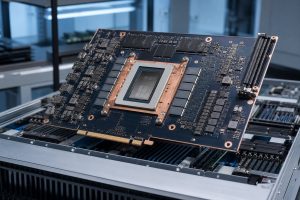
Medical Electronics PCB Supplier

Top 10 Medical Electronics PCB Suppliers in China

The following list is for supplier reference, not an official ranking. Each company has its own market focus, so buyers should compare PCB fabrication capability, DFM support, PCBA experience, quality control, testing, traceability, and communication efficiency before choosing a medical electronics PCB supplier.

No.CompanyCompany Positioning
1EBest Circuit (Best Technology)Engineer-oriented one-stop PCBA service provider
2Venture ElectronicsDesign-to-turnkey PCB solution provider
3Grandtop GroupCustomized medical PCBA manufacturer
4ChinaPCBACompliance-focused medical PCB assembly supplier
5GNS PCBAMedical-grade EMS manufacturing partner
6JHYPCBQuick-turn PCB prototype and assembly supplier
7ViasionLow-to-medium volume custom PCB manufacturer
8Rich Full JoyPCB design and manufacturing integration provider
9KKPCBShenzhen-based medical PCB prototyping supplier
10WellPCBOnline one-stop PCB and PCBA service provider

For medical electronics buyers, the best supplier is not always the largest factory. A stronger choice is often the supplier that can understand the PCB design, review manufacturability risks early, control production records, and support repeatable quality from prototype to batch production.

Medical Electronics PCB Supplier

Why Are Medical PCB Assemblies Critical in Modern Medical Devices?

Medical PCB assemblies are critical because they carry the electronic functions inside medical devices. A PCB or PCBA may support sensing, power management, signal processing, communication, display control, battery charging, or safety-related monitoring.

For customers, the key points are:

  • They affect device accuracy.
    In diagnostic and monitoring equipment, signal quality depends on PCB layout, grounding, routing, material choice, and assembly stability.
  • They support long-term reliability.
    Medical devices often need stable performance over repeated use. Solder joints, vias, copper layers, surface finish, and component quality all matter.
  • They influence production consistency.
    A medical PCB should be designed and manufactured for repeatable production, not only one successful prototype build.
  • They require stronger documentation.
    Medical customers may need COC, inspection records, test data, material information, and production traceability.
  • They connect design quality with real manufacturing.
    A good design still needs correct stack-up, copper balance, panelization, solderability, and inspection planning.

In short, medical PCB assemblies are not ordinary circuit boards. They are controlled electronic modules that need engineering review, stable PCB manufacturing, reliable assembly, quality inspection, and traceability.

Why Is DFM Important for Medical PCB Assemblies?

DFM, or Design for Manufacturing, helps find manufacturing risks before the PCB enters fabrication or assembly. For medical PCB assemblies, this step is valuable because late design changes can delay validation, increase cost, and affect delivery plans.

The main value of DFM is simple:

  • Find risks before production starts.
  • Improve PCB manufacturability.
  • Reduce assembly defects.
  • Improve yield and consistency.
  • Support smoother prototype-to-production transfer.
  • Help customers avoid unnecessary manufacturing cost.

For medical PCB projects, a useful DFM review should check:

  • Trace width and spacing.
  • Via size and annular ring.
  • Layer stack-up and copper balance.
  • Board thickness and warpage risk.
  • Solder mask clearance.
  • Pad design for fine-pitch components.
  • BGA and IC assembly risk.
  • Fiducial marks and tooling holes.
  • Panelization and process edge design.
  • Test point accessibility.
  • Surface finish suitability.
  • Component spacing and polarity marking.

For example, if a medical PCB uses fine-pitch ICs or BGA packages, pad design and solder paste control become very important. If the panel lacks proper fiducial marks, SMT placement accuracy may be affected. If the copper balance is poor, the board may have higher warpage risk during reflow.

That is why a medical device PCB assembly manufacturer should not only quote the board. It should also review the files and give practical engineering feedback before production.

What Specialized PCB Technologies Are Used in Medical Applications?

Different medical devices need different PCB technologies. A reliable medical electronics PCB supplier should recommend the board structure based on application, signal requirement, thermal load, size limit, reliability target, and assembly complexity.

Common PCB technologies used in medical electronics include:

  • Multilayer FR4 PCB
    • Used in control boards, diagnostic equipment, monitoring systems, and communication modules.
    • Supports compact routing, stable power planes, and better signal separation.
  • High-Tg FR4 PCB
    • Suitable for medical boards that need better thermal stability.
    • Tg170 FR4 is often selected for multilayer boards that go through SMT reflow and long-term operation.
  • HDI PCB
    • Used in compact medical devices, handheld instruments, wearable electronics, and dense BGA layouts.
    • Supports microvias, fine lines, and higher routing density.
  • Flexible PCB
    • Used in wearable sensors, portable medical products, and lightweight electronic modules.
    • Helps reduce space and improve mechanical flexibility.
  • Rigid-Flex PCB
    • Used when the product has limited internal space or moving sections.
    • Reduces connectors and cable assembly, which can improve internal reliability.
  • Metal Core PCB
    • Used in medical lighting, power modules, and thermal management applications.
    • Helps transfer heat away from power components or LEDs.
  • Ceramic PCB
    • Used in high-power, high-thermal, laser-related, or special sensor applications.
    • Offers excellent thermal conductivity and dimensional stability.
  • High-Frequency PCB
    • Used in wireless medical devices, RF modules, antenna boards, and communication-related medical equipment.
    • Helps control signal loss and impedance stability.
  • ENIG Surface Finish
    • Common in medical PCB assemblies with fine-pitch components or BGA packages.
    • Provides a flat pad surface and stable solderability.

The right technology is not always the most expensive one. The best choice is the PCB structure that matches the device’s electrical, mechanical, thermal, and quality requirements.

As a medical electronics PCB supplier, EBest Circuit (Best Technology) supports a wide range of medical circuit board technologies, including multilayer boards, High-Tg FR4 boards, HDI circuits, flexible circuits, rigid-flex boards, metal-based boards, ceramic substrates, RF circuit boards, and ENIG-finished PCBs. Our engineering team helps customers select the right board structure based on thermal demand, signal performance, assembly complexity, and production reliability. This allows medical electronics projects to move from design review to stable manufacturing with better technical control.

What Certifications Should a Medical Device PCB Assembly Manufacturer Have?

A medical device PCB assembly manufacturer should have a quality system that supports controlled production, traceability, documentation, and stable process management. For medical electronics, certifications are useful because they show whether the supplier has a structured way to manage quality, production records, and customer requirements.

A buyer should not only ask, “Do you have certificates?”
A better question is, “How do you apply these standards during real production?”

Certification / StandardWhat Buyers Should Check
ISO 13485Medical quality system and documentation control
ISO 9001General quality management foundation
IPC-A-610Assembly workmanship acceptance standard
IPC Class 2 / Class 3Required reliability level for the product
ULMaterial or product safety recognition when required
RoHS / REACHEnvironmental compliance for restricted substances
IATF 16949Useful for automotive-grade quality systems
AS9100DUseful for aerospace or high-reliability projects

For medical PCB assemblies, certifications are only part of the evaluation. The supplier should also show:

  • Clear incoming material control.
  • Stable PCB fabrication process control.
  • SMT process control.
  • AOI and X-ray inspection capability.
  • Functional testing support when needed.
  • Batch traceability.
  • Documented quality records.
  • Engineering communication before production.

A certificate gives confidence. A controlled process gives real reliability. EBest Circuit (Best Technology) supports medical PCB and PCBA projects with ISO 13485, ISO 9001, IATF 16949, and AS9100D certified quality systems, along with UL recognition, RoHS, and REACH compliance support. Beyond certificates, our focus is controlled material sourcing, stable PCB fabrication, SMT inspection, testing support, traceability, and complete shipment records.

How Does a Medical PCB Manufacturer Control Quality and Traceability?

A medical PCB manufacturer should control quality from engineering review to final shipment. The process should be layered, not dependent on one final inspection.

Engineering Review

  • Check Gerber, drill, BOM, pick-and-place, assembly drawing, and special notes.
  • Review stack-up, copper thickness, board thickness, surface finish, and panel design.
  • Confirm DFM issues before fabrication and assembly.

Material Control

  • Verify base material, copper foil, solder mask, surface finish, and components.
  • Check approved sources for critical parts.
  • Confirm substitutions with the customer before use.
  • Keep batch and lot information when required.

PCB Fabrication Control

  • Inspect inner layers before lamination.
  • Control drilling, plating, imaging, etching, solder mask, and surface finish.
  • Use electrical testing to check open and short circuits.
  • Check dimensions, appearance, and finished thickness.

SMT Assembly Control

  • Control solder paste printing.
  • Use SPI to inspect solder paste volume and alignment.
  • Use AOI to check placement, polarity, solder joints, and missing parts.
  • Use X-ray for BGA, QFN, and hidden solder joints when needed.
  • Control reflow profile according to board and component requirements.

Testing Control

  • Support flying probe, ICT, functional testing, or custom test fixtures when required.
  • Confirm test method before production.
  • Record test results for quality review.

Traceability Control

  • Link finished boards to material batches, production records, inspection data, and shipment information.
  • Keep records available for repeat orders, quality audits, and failure analysis.
  • Provide documents such as COC, inspection reports, or test records when required.

For medical electronics, traceability is not just paperwork. It helps customers understand what was built, when it was built, which materials were used, and how the product was inspected.

At EBest Circuit (Best Technology), quality and traceability are supported by our ISO 13485 quality management system and MES-based production tracking. From material receiving, PCB fabrication, SMT assembly, inspection, testing, to final shipment, key production data can be recorded and traced through the manufacturing process. This helps medical electronics customers gain clearer control over batch records, process status, inspection results, and shipment documentation, making each medical PCB project more transparent and reliable.

What Types of Medical PCB Assemblies Can Be Manufactured?

Medical PCB assemblies can be simple, compact, high-density, power-related, signal-sensitive, or thermally demanding. The supplier should match the board type to the actual device requirement.

Common medical PCB assembly types include:

  • Medical Control Board Assembly
    • Used in equipment control systems, operation panels, and embedded control modules.
  • Sensor PCB Assembly
    • Used in monitoring devices, diagnostic instruments, and signal acquisition modules.
  • Power Management PCBA
    • Used in battery charging, power conversion, protection circuits, and portable medical devices.
  • Display and Interface PCBA
    • Used in screens, keypads, control panels, and user operation modules.
  • Communication PCB Assembly
    • Used in Bluetooth, Wi-Fi, RF, and data transmission modules for connected medical devices.
  • Wearable Medical PCBA
    • Used in health monitoring devices, portable sensors, and compact patient-care electronics.
  • Diagnostic Equipment PCBA
    • Used in analyzers, laboratory instruments, measurement systems, and test equipment.
  • Imaging-Related PCBA
    • Used in signal processing, power control, and communication boards for imaging systems.
  • Medical Lighting PCBA
    • Used in LED light source boards, control boards, and thermal management modules.
  • Rigid-Flex Medical PCBA
    • Used in compact devices where flexible interconnection can reduce connectors and save space.

The best solution depends on board size, component density, operating environment, signal type, production volume, and testing requirements.

EBest Circuit (Best Technology) supports a wide range of medical PCB and PCBA projects, including multilayer FR4 boards, rigid-flex PCBs, HDI boards, sensor PCB assemblies, control boards, power management PCBAs, and communication-related medical electronics. With PCB fabrication, component sourcing, PCBA assembly, DFM review, testing, and traceability support under one workflow, we help customers move from prototype verification to stable production with fewer manufacturing risks.

Case Study: How EBest Circuit (Best Technology) Supports a Medical Electronics PCB Project

This case is based on an 8-layer FR4 PCB used in a medical electronics project. To protect customer confidentiality, the device details are described in a general way. The board was designed for a compact medical electronic module that required stable multilayer PCB manufacturing, multilayer PCB assembly, good solderability, controlled panelization, and shipment documentation.

Project Overview

  • The customer needed a thin 8-layer medical PCB with Tg170 FR4 material, ENIG surface finish, and 1.0mm ±10% finished thickness. The board had limited layout space, so the stack-up, copper balance, surface finish, and panel design all needed careful review before production.

Customer Requirements

The main requirements included:

  • 8-layer FR4 PCB structure.
  • Tg170 high-Tg material.
  • 1.0mm ±10% finished thickness.
  • 0.5oz inner copper and 1oz outer copper.
  • ENIG surface finish with Au 2u”.
  • Green solder mask and white silkscreen.
  • Maximum panel size of 45 × 40cm.
  • Process edges and fiducial marks for production.
  • Electronic COC provided with shipment.

Manufacturing Focus

This project required attention to several key points:

  • Stack-up control: The 8-layer structure had to meet the 1.0mm thickness requirement.
  • Thermal stability: Tg170 FR4 helped improve dimensional stability during fabrication and later assembly.
  • Copper balance: 0.5oz inner copper and 1oz outer copper supported both routing and soldering reliability.
  • Solderability: ENIG with Au 2u” provided a flat surface for fine-pitch assembly.
  • Panelization: Process edges and fiducial marks helped support accurate SMT handling.
  • Documentation: Electronic COC supported the customer’s internal quality records.

EBest Circuit’s Support

  • EBest Circuit reviewed the project from both PCB manufacturing and assembly-readiness perspectives. Our engineering team checked the stack-up, copper balance, material selection, ENIG requirement, panel design, fiducial mark placement, and shipment documentation before production.

Project Result

  • The PCB was manufactured according to the customer’s technical requirements and delivered with the required electronic COC. The project showed how a medical electronics PCB supplier can help reduce manufacturing risk through early engineering review, controlled fabrication, panelization support, and documentation readiness.

Case Board Specifications

ItemSpecification
ApplicationMedical electronics PCB project
PCB TypeMultilayer FR4 PCB
Layer Count8 layers
Base MaterialFR4
Tg ValueTg170
Inner Copper Thickness0.5oz
Outer Copper Thickness1oz
Finished Board Thickness1.0mm ±10%
Surface FinishENIG
Gold ThicknessAu 2u”
Solder MaskGreen
SilkscreenWhite
Maximum Panel Size45 × 40cm
Panel RequirementProcess edge included with fiducial mark points
Shipment DocumentElectronic COC provided

How to Get a Quote from a Medical Electronics PCB Supplier?

To get an accurate quote from a medical electronics PCB supplier, customers should provide complete manufacturing and assembly information. A medical PCB quote is not only based on board size and quantity. It also depends on material, layer count, copper thickness, surface finish, tolerance, test requirements, component availability, assembly complexity, and documentation needs.

For bare PCB fabrication, the basic files and information should include:

  • Gerber files
  • Drill files
  • Stack-up requirement
  • Board thickness
  • Copper thickness
  • Surface finish
  • Solder mask color
  • Silkscreen color
  • Material requirement
  • Impedance requirement, if any
  • Finished copper or hole wall requirement, if any
  • Panelization requirement
  • Quantity and delivery schedule
  • Required certificates or reports
Medical Electronics PCB Supplier

For PCBA quotation, the customer should also provide:

  • BOM with manufacturer part numbers
  • Pick-and-place file
  • Assembly drawing
  • Testing method
  • Programming requirement, if any
  • Functional test instructions, if any
  • Special soldering or cleaning requirement
  • Conformal coating requirement, if any
  • Packaging requirement
  • Approved vendor list, if required
  • Substitute component rules

For medical projects, it is also helpful to share the end-use category. The supplier does not always need confidential product details, but basic application information helps engineering teams understand the reliability level. For example, a board used in a laboratory instrument may have different requirements from a wearable device, medical lighting board, or diagnostic control module.

Customers should also state documentation needs at the quotation stage. If the project requires COC, RoHS report, material declaration, first article inspection, test report, production photos, or traceability records, these should be confirmed before production. This avoids confusion near shipment.

When you request a quote from EBest Circuit (Best Technology), our team will not only calculate the PCB or PCBA cost. We will also review your Gerber files, BOM, stack-up, material requirements, panelization, test needs, and any potential manufacturing risks before production. This helps customers receive a more accurate quotation and practical engineering feedback at the same time. If you are working on a medical PCB or medical PCBA project, please send your files and requirements to sales@bestpcbs.com. Our engineering team will review your project and support you from quotation to manufacturing.

FAQs About Choosing a Medical Electronics PCB Supplier

What is a medical electronics PCB supplier?
A medical electronics PCB supplier provides PCB fabrication, PCBA assembly, component sourcing, testing, documentation, and manufacturing support for medical electronics projects.

Is a medical electronics PCB supplier different from a normal PCB factory?
Yes. A normal PCB factory may only focus on board fabrication. A medical electronics PCB supplier should also support DFM review, process control, inspection, traceability, and medical-grade documentation.

What files are needed for medical PCB assemblies?
For PCB fabrication, Gerber files, drill files, stack-up, and specifications are needed. For PCBA, the supplier also needs BOM, pick-and-place file, assembly drawing, and testing instructions.

Is ISO 13485 required for medical PCB assembly?
It depends on the product and customer requirement. However, ISO 13485 is highly relevant for medical device supply chains because it focuses on medical device quality management and documentation control.

What surface finish is suitable for medical PCB assemblies?
ENIG is commonly used because it provides good flatness and stable solderability. It is suitable for fine-pitch components, BGA packages, and many medical electronics boards.

Why is traceability important in medical PCB manufacturing?
Traceability connects the finished PCB or PCBA with material batches, production records, inspection data, and shipment documents. This helps with audits, repeat orders, and quality review.

Can medical PCBs use standard FR4 material?
Yes. Many medical PCBs use FR4. For higher thermal stability, High-Tg FR4 such as Tg170 may be selected.

What is the benefit of DFM for medical PCB assemblies?
DFM helps find design and manufacturing risks before production. It can reduce delays, improve yield, and make the board easier to manufacture consistently.

How should I compare medical electronics PCB suppliers?
Compare PCB fabrication capability, engineering support, certification status, PCBA experience, component sourcing, inspection process, testing support, documentation ability, and traceability system.

What should I provide when requesting a quote?
Please provide Gerber files, BOM, pick-and-place file, assembly drawing, quantity, delivery requirement, test method, and documentation needs. For medical PCB or PCBA projects, you can send your files to sales@bestpcbs.com. Our engineering team will review the project and provide practical feedback before quotation.
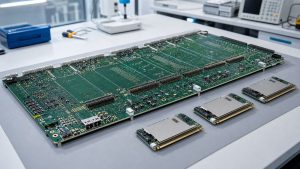
You may also like

IPC-TM-650 Test Methods for PCB Quality Control and Reliability

June 2nd, 2026

IPC-TM-650 is one of the most important test method references in PCB manufacturing, PCB inspection, and PCBA reliability evaluation. It is not a product certification by itself. It is a collection of standardized test methods used to evaluate printed boards, materials, solder masks, conductors, plated holes, surface cleanliness, insulation resistance, thermal stress, dimensional stability, and environmental durability.

For PCB engineers, IPC-TM-650 helps define how a test should be performed. For buyers, it helps verify whether a PCB supplier has a controlled and repeatable quality process. For manufacturers, it gives a shared technical language when discussing failure analysis, material qualification, process control, and customer acceptance.

What Is IPC-TM-650?

IPC-TM-650 is the IPC Test Methods Manual used for testing printed boards, electronic materials, and related interconnection products. It includes test methods related to reporting and measurement analysis, visual inspection, dimensional measurement, chemical performance, mechanical strength, electrical performance, environmental reliability, and connector evaluation.

What Is IPC-TM-650

In simple terms, IPC-TM-650 tells engineers how to test a PCB-related property. It does not replace a product performance specification. Instead, it supports standards, drawings, purchase specifications, and customer requirements by defining repeatable test procedures.

For example, if a customer wants to verify solder mask cure, peel strength, insulation resistance, copper thickness, thermal stress resistance, or dimensional stability, IPC-TM-650 may provide the test method that explains the sample preparation, equipment, test conditions, procedure, and reporting format.

Why Is IPC-TM-650 Important for PCB Manufacturing?

PCB quality cannot be judged only by appearance. A board may look acceptable but still have weak plated-through holes, poor solder mask cure, unstable insulation resistance, ionic contamination, or weak copper adhesion. IPC-TM-650 helps manufacturers and customers evaluate these hidden quality risks through defined test methods.

Why Is IPC-TM-650 Important for PCB Manufacturing

Its value is especially clear in high-reliability PCB projects, including medical electronics, automotive electronics, aerospace systems, industrial control, telecommunications, robotics, power electronics, and LED thermal management. These products often require more than basic electrical testing.

IPC-TM-650 helps answer practical production questions:

Production QuestionWhy IPC-TM-650 Helps
Is the solder mask properly cured?It supports chemical and physical verification.
Can plated holes survive thermal stress?It provides test methods for interconnection reliability.
Is the material dimensionally stable?It supports dimensional stability evaluation.
Is insulation resistance acceptable after humidity exposure?It supports electrical reliability testing.
Is copper adhesion strong enough?It helps evaluate peel strength and conductor bonding.
Is the board clean enough after processing?It supports contamination and cleanliness-related checks.

For buyers, this means quality becomes measurable rather than subjective. For suppliers, it helps reduce disputes by using recognized test procedures.

How Is IPC-TM-650 Organized?

IPC-TM-650 is organized by test method category. Each category focuses on a different type of PCB property or reliability concern. The methods are commonly grouped into visual, dimensional, chemical, mechanical, electrical, environmental, and connector test methods.

IPC-TM-650 SectionMain FocusTypical PCB Relevance
1.0 Reporting and Measurement AnalysisCalibration, reporting, measurement formatTest consistency and documentation
2.1 Visual Test MethodsMicrosectioning, surface examination, hole structureInternal and external visual evaluation
2.2 Dimensional Test MethodsHole size, copper thickness, dimensional stabilityBoard geometry and manufacturing tolerance
2.3 Chemical Test MethodsSolder mask cure, chemical resistance, material propertiesMaterial and surface process reliability
2.4 Mechanical Test MethodsPeel strength, flex endurance, adhesionMechanical durability
2.5 Electrical Test MethodsInsulation resistance, dielectric properties, conductor resistanceElectrical performance and insulation quality
2.6 Environmental Test MethodsThermal shock, temperature cycling, humidity-related testingLong-term reliability under stress
3.0 Connector Test MethodsConnector-related evaluationInterconnection and assembly reliability

This structure is useful because PCB failure can come from many directions. A board may fail mechanically, electrically, chemically, thermally, or dimensionally. IPC-TM-650 gives engineers a method-based way to investigate each risk.

What Tests Are Included in IPC-TM-650?

IPC-TM-650 contains many test methods covering printed boards and related interconnection materials. These test methods support chemical, mechanical, electrical, environmental, visual, and dimensional evaluation for PCB manufacturing and reliability control.

Common test areas include:

  • Microsection evaluation
  • Plated-through hole structure inspection
  • Hole size measurement
  • Copper thickness measurement
  • Solder mask cure testing
  • Chemical resistance testing
  • Peel strength testing
  • Folding endurance for flexible materials
  • Dielectric constant and loss tangent testing
  • Insulation resistance testing
  • Dielectric withstand voltage testing
  • Resistance testing of plated-through holes
  • Thermal shock testing
  • Temperature cycling
  • Environmental insulation resistance testing
  • Surface insulation resistance testing
  • CAF-related reliability evaluation
  • Cleanliness and contamination-related testing

Not every PCB project needs every IPC-TM-650 test. The correct test plan depends on board type, material, reliability class, customer specification, product environment, and production volume.

How Does IPC-TM-650 Relate to IPC-A-600, IPC-6012, and IPC-J-STD-001?

IPC-TM-650 is often used together with other IPC standards. The relationship is important because many people confuse test methods, workmanship standards, and performance specifications.

StandardMain RoleHow It Relates to IPC-TM-650
IPC-TM-650Defines test methodsExplains how to perform specific tests
IPC-A-600Acceptability of printed boardsHelps visually judge acceptable and nonconforming board conditions
IPC-6012Performance specification for rigid printed boardsDefines qualification and performance requirements for rigid PCBs
IPC-J-STD-001Requirements for soldered electrical and electronic assembliesDefines process and acceptance requirements for soldered assemblies
IPC-A-610Acceptability of electronic assembliesUsed for PCBA visual inspection and workmanship acceptance

A simple way to understand the relationship is this:

  • IPC-6012 defines what a rigid PCB must meet.
  • IPC-A-600 helps inspectors judge what the board looks like.
  • IPC-TM-650 explains how to test a property.
  • IPC-J-STD-001 focuses on soldered electronic assemblies.

For a serious PCB project, these documents are not competitors. They work together.

Which IPC-TM-650 Tests Matter Most for PCB Fabrication?

The most important IPC-TM-650 methods depend on the board type. A simple two-layer FR4 PCB and a 16-layer HDI PCB do not carry the same risk. A rigid-flex PCB, heavy copper PCB, ceramic PCB, and high-frequency PCB also need different verification points.

For standard rigid PCB fabrication, common focus areas include:

Test FocusWhy It Matters
MicrosectioningChecks hole wall plating, inner-layer connection, voids, cracks, and dielectric condition.
Copper thicknessConfirms conductor and hole plating meet requirements.
Hole size measurementVerifies drilling, plating, and finished hole tolerance.
Peel strengthEvaluates copper adhesion to the base material.
Solder mask cureConfirms solder mask has reached proper chemical and mechanical stability.
Insulation resistanceChecks electrical isolation between conductors.
Dielectric withstand voltageEvaluates insulation under high voltage stress.
Thermal stressChecks plated holes and laminate stability after heat exposure.
Dimensional stabilityVerifies material movement after processing or thermal exposure.

For high-density boards, microsection quality becomes especially important because small vias, stacked vias, via-in-pad structures, and fine-pitch layouts leave less process margin.

How Does IPC-TM-650 Help with Material Selection?

Material selection is not only about Tg, dielectric constant, or price. A PCB material must survive fabrication, soldering, operating temperature, humidity, voltage stress, and mechanical loading. IPC-TM-650 gives manufacturers and customers a way to test whether material behavior supports the application.

For example:

  • FR4 materials may be checked for thermal stress resistance, dimensional stability, dielectric performance, and insulation resistance.
  • High-Tg materials may be selected when boards face lead-free assembly, repeated thermal cycles, or elevated operating temperature.
  • Polyimide materials may be evaluated for flexible PCB durability, bending performance, and dimensional behavior.
  • High-frequency laminates may require dielectric constant and loss tangent verification.
  • Solder mask materials may need cure, adhesion, chemical resistance, and insulation testing.

Material selection should be based on the full application environment. A material that works well for a consumer device may not be suitable for automotive, medical, aerospace, or power electronics. IPC-TM-650 helps turn material choice into a testable decision.

How Does IPC-TM-650 Support PCB Reliability Testing?

Reliability testing is about finding weak points before boards fail in the field. IPC-TM-650 supports this by defining repeatable ways to expose PCB samples to electrical, thermal, mechanical, and environmental stress.

Typical reliability concerns include:

  • Plated-through hole cracking
  • Inner-layer separation
  • Delamination
  • CAF growth
  • Insulation breakdown
  • Moisture-related leakage
  • Copper adhesion loss
  • Solder mask degradation
  • Dimensional movement
  • Thermal fatigue
  • Conductor resistance change

In production, reliability testing may be performed during material qualification, first article approval, process validation, periodic quality control, customer audits, or failure analysis. For critical industries, test planning should be defined before manufacturing starts, not after a problem appears.

What Is the Role of Microsection Testing in IPC-TM-650?

Microsectioning is one of the most valuable PCB evaluation methods because it reveals internal structures that cannot be judged from the surface. A microsection can show hole wall copper thickness, plating voids, resin recession, inner-layer separation, glass fiber condition, dielectric thickness, annular ring condition, and cracks after thermal stress.

In real factory work, microsection testing is often used for:

  • First article inspection
  • New material qualification
  • High-layer-count PCB validation
  • HDI microvia evaluation
  • Heavy copper process confirmation
  • Thermal stress analysis
  • Plating defect investigation
  • Customer complaint analysis

For high-reliability PCBs, a microsection report is more valuable than a simple surface photo. It shows whether the internal manufacturing process is stable.

How Does IPC-TM-650 Apply to HDI, Rigid-Flex, and Heavy Copper PCBs?

Advanced PCB structures need stricter process control because they have less tolerance for variation.

HDI PCB

HDI boards may use microvias, blind vias, buried vias, fine lines, and via-in-pad structures. IPC-TM-650-related checks help evaluate plating quality, dielectric thickness, via reliability, and thermal stress performance. For stacked microvias, cross-section analysis is especially important.

Rigid-Flex PCB

Rigid-flex boards combine rigid sections and flexible circuits. Testing may focus on dimensional stability, bend endurance, copper adhesion, coverlay condition, and interconnection reliability between rigid and flexible zones.

Heavy Copper PCB

Heavy copper boards require strong etching control, copper plating control, thermal management, and solder mask coverage. IPC-TM-650-related tests can support copper thickness verification, peel strength evaluation, thermal stress checks, and microsection analysis.

High-Frequency PCB

High-frequency boards need stable dielectric performance and controlled impedance. IPC-TM-650 methods related to dielectric constant, loss tangent, copper quality, and dimensional stability may support material verification and production consistency.

What Are Common PCB Failures Found Through IPC-TM-650 Testing?

IPC-TM-650 testing helps identify defects that are easy to miss during routine inspection. These failures often affect long-term reliability rather than immediate board function.

Failure TypePossible CauseTest or Evaluation Direction
Plating voidsPoor desmear, weak activation, plating instabilityMicrosectioning and hole structure evaluation
Barrel cracksThermal fatigue, weak copper plating, CTE mismatchThermal stress and microsection analysis
DelaminationMaterial weakness, moisture, excessive thermal loadThermal stress and cross-section review
Low insulation resistanceContamination, moisture, spacing issueInsulation resistance and environmental testing
Solder mask liftingPoor surface preparation or cureSolder mask cure and adhesion evaluation
Copper peelWeak copper bonding or material mismatchPeel strength testing
Dimensional shiftMaterial instability or lamination stressDimensional stability testing
CAF riskGlass-resin interface weakness, moisture, voltage stressCAF-related environmental evaluation
High leakage currentIonic residue or insufficient cleaningCleanliness and electrical resistance testing
Poor solderabilitySurface finish degradation or contaminationSolderability-related evaluation

A useful failure analysis report should connect the defect to process history, material batch, design condition, and test evidence. The test result should not be treated as an isolated number.

How Should PCB Buyers Use IPC-TM-650 in Procurement?

Buyers do not need to request every IPC-TM-650 test for every PCB order. That can increase cost without adding meaningful value. A better approach is to define the test scope according to product risk.

For example:

Product TypeSuggested Test Attention
Consumer electronics PCBElectrical test, visual inspection, basic dimensional checks
Industrial control PCBCopper thickness, insulation resistance, thermal stress, microsection if needed
Medical PCBTraceability, cleanliness, insulation resistance, process validation, documentation
Automotive PCBThermal cycling, microsection, material stability, solderability, reliability records
Aerospace PCBIPC Class 3-level inspection, microsection, thermal stress, full documentation
High-frequency PCBDielectric properties, impedance, dimensional stability, material verification
Heavy copper PCBCopper thickness, microsection, thermal performance, solder mask coverage
Rigid-flex PCBFlex durability, bend area inspection, dimensional stability, interconnect reliability

A good purchase specification should not simply say “must meet IPC-TM-650.” It should specify which test methods, acceptance criteria, sample quantity, frequency, documentation format, and responsibility apply to the order.

What Should Be Included in an IPC-TM-650 Test Report?

A proper IPC-TM-650-related test report should be clear enough for engineering review, customer audit, and internal quality tracking.

A useful report should include:

  • Customer name or project number
  • PCB part number and revision
  • Lot number or batch number
  • Material type and thickness
  • Surface finish
  • Test method number
  • Sample quantity
  • Test equipment
  • Calibration status if applicable
  • Test conditions
  • Acceptance criteria
  • Test results
  • Photos or microsection images when needed
  • Operator and inspection date
  • Conclusion
  • Deviation notes, if any

For regulated industries, record control matters as much as the test itself. If a supplier cannot connect a test report to the correct production batch, the report has limited value.

How Does IPC-TM-650 Help with Supplier Evaluation?

IPC-TM-650 can reveal whether a PCB supplier has real process control or only basic production capability. A professional supplier should understand which tests are relevant, when to apply them, and how to interpret the results.

When evaluating a PCB manufacturer, buyers can ask:

  • Can you provide microsection reports for multilayer or HDI boards?
  • How do you verify copper thickness and plated hole quality?
  • Do you perform thermal stress testing for high-reliability boards?
  • Can you support insulation resistance or SIR testing when required?
  • How do you manage solder mask cure and adhesion issues?
  • Can you provide batch traceability for materials and process records?
  • Do you understand IPC-A-600 and IPC-6012 together with IPC-TM-650?
  • Can you support DFM review before production?
  • How do you handle customer-specific test requirements?
  • Can you keep test records for future audits?

The best supplier is not the one that claims every test is always necessary. The better supplier can recommend a practical test plan based on product risk, customer requirements, cost, and delivery schedule.

What Mistakes Should Engineers Avoid When Specifying IPC-TM-650?

A common mistake is using IPC-TM-650 as a general quality slogan instead of a defined test requirement. This creates confusion during quotation, production, inspection, and dispute resolution.

Avoid these mistakes:

  • Writing “IPC-TM-650 compliant” without naming test methods
  • Forgetting to define acceptance criteria
  • Requesting unnecessary tests for low-risk boards
  • Ignoring sample quantity and test frequency
  • Applying the wrong method to the wrong board type
  • Assuming IPC-TM-650 replaces IPC-6012 or IPC-A-600
  • Failing to provide test coupons when needed
  • Asking for reliability tests after boards are already produced
  • Comparing suppliers without matching the same test scope
  • Treating test results as pass/fail only without process analysis

A clear specification should say exactly what must be tested, how it should be tested, what result is acceptable, and what documentation is required.

What Affects the Cost of IPC-TM-650 Testing?

IPC-TM-650-related testing cost depends on test type, sample preparation, equipment, labor, report depth, and whether third-party laboratory testing is required.

Main cost factors include:

Cost FactorImpact
Test complexityEnvironmental and reliability tests usually cost more than dimensional checks.
Sample quantityMore samples increase labor and material cost.
Test durationTemperature cycling, humidity, and aging tests take longer.
Special equipmentX-section, SIR, thermal shock, and dielectric tests may need dedicated equipment.
Third-party labExternal testing adds lab fees and logistics time.
Reporting detailFormal reports with photos and traceability require more documentation work.
Board complexityHDI, rigid-flex, heavy copper, and high-frequency boards need more careful evaluation.
UrgencyExpedited testing may increase cost.

Testing should be treated as risk control, not only as an expense. The cost of one well-planned test can be much lower than the cost of field failure, delayed validation, or batch rejection.

Case Study: Using IPC-TM-650 Methods to Solve a Plated Hole Reliability Issue

A customer ordered a multilayer industrial control PCB with plated-through holes carrying both signal and power connections. The first prototype passed basic electrical testing, but after assembly and thermal exposure, several boards showed intermittent connections.

The issue was not visible from surface inspection. The engineering team selected representative coupons and performed microsection evaluation after thermal stress exposure. The cross-sections showed weak areas in plated hole copper and early signs of barrel cracking. Further review found that the plating process window and hole preparation needed adjustment.

The solution included tighter drilling control, improved desmear verification, plating process correction, and additional microsection checks during the next pilot batch. After the process update, the customer approved the board for small-batch production.

This case shows why IPC-TM-650-style testing matters. Electrical test confirms present connectivity, but reliability testing helps predict whether connectivity will remain stable after manufacturing and field stress.

FAQs About IPC-TM-650

What is IPC-TM-650 used for?

IPC-TM-650 is used to define test methods for printed boards, materials, connectors, and related electronic interconnection products. It helps engineers evaluate properties such as copper thickness, insulation resistance, solder mask cure, peel strength, thermal stress resistance, dimensional stability, and environmental durability.

Is IPC-TM-650 a certification?

No. IPC-TM-650 is not a product certification. It is a test methods manual. A PCB can be tested according to selected IPC-TM-650 methods, but the acceptance criteria usually come from customer specifications, IPC-6012, IPC-A-600, drawings, or project-specific quality requirements.

Does every PCB need IPC-TM-650 testing?

Not every board needs advanced IPC-TM-650 testing. Basic commercial PCBs may only require standard electrical test and visual inspection. High-reliability boards, HDI boards, automotive PCBs, medical PCBs, aerospace PCBs, and harsh-environment products often need deeper verification.

What is the difference between IPC-TM-650 and IPC-6012?

IPC-TM-650 explains how to perform tests. IPC-6012 defines qualification and performance requirements for rigid printed boards. In many projects, IPC-6012 may define what must be achieved, while IPC-TM-650 provides the method used to verify a specific property.

What is the difference between IPC-TM-650 and IPC-A-600?

IPC-A-600 is an illustrated acceptability guide for printed boards. It helps inspectors judge visible and microsectioned board conditions. IPC-TM-650 focuses on test methods. The two are often used together when evaluating PCB quality.

Which IPC-TM-650 tests are common for multilayer PCBs?

Common tests include microsectioning, copper thickness measurement, hole structure evaluation, thermal stress testing, insulation resistance testing, dimensional checks, and sometimes dielectric testing. The exact scope depends on the stack-up, via structure, reliability class, and customer specification.

Can IPC-TM-650 help with PCB failure analysis?

Yes. IPC-TM-650 methods can support failure analysis by providing structured ways to examine plating, insulation, thermal stress damage, dimensional movement, solder mask condition, material defects, and environmental reliability. The method helps turn a suspected defect into measurable evidence.

Should buyers request third-party IPC-TM-650 testing?

Third-party testing may be useful for qualification, customer audits, disputed defects, regulated industries, or high-risk products. For routine production, a capable PCB factory may perform many checks internally. The choice depends on risk level, customer requirement, and trust in the supplier’s lab capability.

Does IPC-TM-650 apply to PCBA assembly?

IPC-TM-650 mainly focuses on printed boards, materials, and related interconnection tests. PCBA assembly quality often involves IPC-J-STD-001 and IPC-A-610. However, some IPC-TM-650 methods can still support PCBA-related reliability concerns, such as cleanliness, insulation resistance, and environmental behavior.

What should a supplier provide with IPC-TM-650 test results?

A supplier should provide the test method number, sample information, lot number, test conditions, equipment details, acceptance criteria, measured results, photos where needed, inspector information, test date, and conclusion. The report should be traceable to the actual production batch.

Can IPC-TM-650 reduce PCB production risk?

Yes. It helps reduce risk by identifying weak materials, unstable processes, poor plating, insulation problems, solder mask issues, and thermal reliability concerns before boards enter critical use. It is most valuable when testing is planned before production, not added after failure.

How should IPC-TM-650 be written in a PCB drawing or purchase order?

The drawing or purchase order should name the specific IPC-TM-650 test method, acceptance criteria, sample quantity, test frequency, and reporting requirement. A vague note such as “meet IPC-TM-650” is not enough because the manual contains many different methods.

Conclusion

IPC-TM-650 is a practical test method foundation for PCB quality control, material qualification, reliability validation, and failure analysis. It helps engineers and buyers move from visual judgment to measurable evidence. The most important point is to use it correctly: select the right test method, define acceptance criteria, prepare suitable samples, and connect the result to the actual production batch.

For standard PCB projects, only a limited test scope may be needed. For HDI, rigid-flex, heavy copper, medical, automotive, aerospace, high-frequency, and industrial control boards, IPC-TM-650-related testing can provide stronger confidence before prototype approval and batch production.

A reliable PCB supplier should understand not only how to fabricate the board, but also how to verify it through controlled inspection, test reports, DFM review, traceable production records, and practical engineering support.

If you are looking for reliable OEM manufacturing, ODM production, prototype development, volume production, or custom engineering solutions, welcome to contact our engineering team for technical support and quotation service.

You may also like

What is the IPC-A-600? IPC A 600 vs IPC 6012

June 1st, 2026

Is IPC-A-600 the right standard to control PCB acceptance before batch production? For high-reliability printed boards, clear acceptance rules can reduce quality disputes, rework costs, and delivery uncertainty. This standard gives a practical visual basis for judging whether a bare PCB is acceptable before assembly or shipment.

For industrial electronics, automotive modules, medical devices, power control products, and high-density boards, IPC A 600 helps align quality expectations with actual fabrication results. It supports consistent inspection, clearer project communication, and smoother order handover from quotation to final delivery.

IPC-A-600, https://www.bestpcbs.com/blog/2026/06/ipc-a-600/

What is the IPC-A-600?

IPC-A-600, also called Acceptability of Printed Boards, is a widely used standard for judging the appearance and acceptability of bare printed circuit boards. It focuses on visible and measurable board conditions before components are assembled.

The standard uses pictures, illustrations, and acceptance descriptions to show target condition, acceptable condition, and nonconforming condition. This makes it easier to evaluate surface defects, plated holes, annular rings, conductor issues, solder mask quality, and internal board conditions.

In practical PCB production, IPC-A-600 works as a common quality language. It helps both sides avoid vague inspection terms such as good quality or minor defect. Instead, the finished board can be checked against a recognized standard.

IPC A 600 is especially useful when the project involves multilayer PCB, HDI PCB, impedance control boards, high-frequency boards, or long-term supply programs. These projects usually require stable inspection rules before batch approval.

Why is IPC-A-600 Important for PCB Quality Inspection?

IPC-A-600 is important because PCB quality problems are often discovered too late. Once bare boards enter assembly, hidden defects may cause soldering issues, open circuits, reliability problems, or field returns.

By applying IPC-A-600 during final inspection or incoming inspection, many risks can be controlled earlier. This helps reduce rework, production delay, and uncertainty during project delivery.

For high-value PCB projects, visual acceptability is not only about appearance. A small crack, insufficient plating, poor hole quality, or solder mask misregistration may affect product stability. IPC A 600 provides a clearer way to judge these conditions.

It also improves communication with the PCB manufacturer. When acceptance criteria are defined in advance, both quotation and production can follow the same quality expectation, which helps avoid disputes after shipment.

IPC-A-600, https://www.bestpcbs.com/blog/2026/06/ipc-a-600/

What Does IPC-A-600 Acceptability of Printed Boards Cover?

IPC-A-600 covers the acceptability requirements for bare printed boards. It focuses on visible and measurable board conditions before component assembly.

  • Board surface condition: Checks scratches, dents, stains, exposed fibers, foreign material, and other visible surface issues.
  • Conductors and circuit patterns: Covers conductor width, spacing, nicks, cuts, opens, shorts, and edge quality.
  • Annular rings and pads: Reviews pad registration, breakout, land condition, and hole-to-pad alignment.
  • Plated through holes: Checks plating voids, cracks, nodules, barrel quality, and hole wall condition.
  • Laminate quality: Covers delamination, measling, crazing, weave exposure, burns, and material separation.
  • Solder mask condition: Reviews solder mask coverage, registration, skips, lifting, bubbles, and exposure around pads.
  • Marking and legend quality: Checks whether markings are clear, readable, correctly positioned, and durable.
  • Board edge and routing quality: Covers edge burrs, chips, rough routing, edge plating, and board outline condition.
  • Internal board structure: Reviews layer registration, internal separation, voids, cracks, and copper-related defects.
  • Cleanliness and workmanship: Covers visible contamination, residues, stains, and overall board appearance before acceptance.

How is IPC-A-600 Used in PCB Inspection and Acceptance?

IPC-A-600 is usually used during final inspection at the PCB factory, incoming inspection after delivery, and quality review before assembly. It helps define whether a board can be accepted, reworked, or rejected.

A practical inspection process normally starts with the project class. The board should be assigned as Class 1, Class 2, or Class 3 according to use environment, reliability level, and product risk. After that, inspection criteria can be applied more accurately.

Then, the board is checked against the relevant visual and dimensional criteria. External features can be inspected directly, while internal conditions may require microsection analysis, X-ray inspection, or cross-section verification.

For stable cooperation, IPC A 600 should be mentioned clearly in quotation documents, fabrication notes, quality agreements, and inspection reports. This makes acceptance more transparent and reduces back-and-forth communication.

What is the Latest Revision of IPC A 600?

The latest revision is IPC-A-600M, released on May 1, 2025. It supersedes IPC-A-600K and is the current version for printed board acceptability reference.

IPC-A-600M provides updated photographs and illustrations for target, acceptable, and nonconforming conditions on bare printed boards. It also adds or updates coverage for items such as printed board edge plating, board cavities, edge burrs, conductor thickness, annular ring registration, copper penetration, and plating voids.

RevisionRelease DateStatusNotes
IPC-A-600MMay 1, 2025Current versionLatest revision for printed board acceptability
IPC-A-600KJuly 2020SupersededPrevious major revision
IPC-A-600JEarlier revisionSupersededUsed in older quality documents
IPC-A-600GEarlier revisionSupersededFound in legacy specifications

For new PCB projects, use IPC-A-600M unless the drawing, purchase document, or quality agreement clearly specifies another revision.

What is IPC-A-600 Class 1, Class 2, and Class 3?

IPC-A-600 divides printed boards into three quality classes. Each class reflects a different level of reliability, product lifetime, inspection strictness, and application risk. The correct class should be confirmed before quotation and production, because it directly affects manufacturing control, inspection cost, and delivery planning.

Class 1: General Electronic Products
Class 1 applies to products where basic function is the main requirement. These products usually have a short service life, simple working conditions, and lower reliability pressure. Minor cosmetic or workmanship variations may be acceptable if the board can still perform its basic function.

Class 2: Dedicated Service Electronic Products
Class 2 is widely used for commercial electronics, industrial control products, power devices, instruments, and standard electronic equipment. It requires stable performance, acceptable workmanship, and reliable operation during normal service life. For many PCB projects, Class 2 offers a practical balance between quality, cost, and delivery time.

Class 3: High-Reliability Electronic Products
Class 3 is used for products where failure may cause high cost, safety concerns, system shutdown, or serious performance risk. It has the strictest acceptance criteria among the three classes. Boards under this class usually require tighter control of plating, annular rings, laminate quality, solder mask, cleanliness, and internal structure.

What is the Difference between IPC-A-600 Class 2 and Class 3?

IPC-A-600 Class 2 and Class 3 are both used for reliable printed boards, but their inspection strictness is different. Class 2 is suitable for stable commercial and industrial use, while Class 3 is selected for critical applications where long-term reliability is more important than cost savings.

Comparison ItemIPC-A-600 Class 2IPC-A-600 Class 3
Reliability levelStandard reliable performanceHighest reliability requirement
Typical useCommercial electronics, industrial control, power products, instrumentsAerospace, medical devices, defense electronics, automotive safety modules
Acceptance strictnessModerateStrict
Service life expectationNormal product life cycleLong-term or mission-critical use
Failure impactMay affect function or maintenance costMay cause serious system, safety, or operational risk
Hole platingStandard acceptable plating qualityTighter plating integrity control
Annular ringStandard acceptance toleranceStricter breakout and registration control
Internal defectsSome limited conditions may be acceptableMuch lower tolerance for internal defects
Solder mask qualityStandard coverage and registrationStricter mask alignment and protection
Inspection costLowerHigher
Production difficultyEasier to manufacture and approveRequires tighter process control
Lead time impactUsually shorterMay require more inspection time
Best choiceBalanced cost and qualityCritical reliability and harsh environments

For most standard PCB projects, Class 2 is often practical and cost-effective. Class 3 should be selected when product failure is unacceptable, operating conditions are demanding, or the final equipment requires higher reliability control.

What is the Difference between IPC-A-600 and IPC 6012?

IPC-A-600 and IPC 6012 are often used together, but their functions are different. IPC-A-600 is mainly an acceptability guide, while IPC 6012 is a performance specification for rigid printed boards.

Comparison ItemIPC-A-600IPC 6012
Main roleAcceptability of printed boardsQualification and performance specification
Main purposeJudges whether the finished board is acceptableDefines how the rigid PCB should be built and tested
Inspection styleVisual guide with acceptance examplesTechnical requirement document
Focus areaAppearance, visible defects, board acceptabilityMaterial, construction, performance, testing
Board stageBare PCB inspectionPCB fabrication and qualification
Typical useFinal inspection and incoming inspectionDesign release, manufacturing control, quality agreement
Content typePictures, illustrations, acceptance levelsWritten requirements, test conditions, performance rules
Applies toBare printed boardsRigid printed boards
Helps answerIs this board acceptable?Does this board meet the required specification?
RelationshipSupports acceptance judgmentSets performance and qualification requirements
IPC-A-600 and IPC 6012, https://www.bestpcbs.com/blog/2026/06/ipc-a-600/

In simple terms, IPC 6012 defines the technical requirements, while IPC-A-600 helps judge the finished board condition. For controlled PCB production, IPC 6012 can be used as the specification basis, and IPC A 600 can be used as the acceptance reference.

What is the Difference between IPC-A-600 and IPC-A-610?

IPC-A-600 and IPC-A-610 are different because they inspect different production stages. IPC-A-600 applies to bare printed boards, while IPC-A-610 applies to assembled electronic boards after components are mounted.

Comparison ItemIPC-A-600IPC-A-610
Inspection objectBare PCBAssembled PCB
Components includedNo components mountedComponents already assembled
Main focusPCB fabrication qualityPCBA workmanship quality
Typical stageBefore SMT or through-hole assemblyAfter SMT or through-hole assembly
Common checksPlated holes, annular rings, laminate, solder mask, conductorsSolder joints, component placement, polarity, cleanliness
Quality concernBare board defectsAssembly defects
Used byPCB fabrication inspection teamPCBA inspection team
Helps answerIs the bare board acceptable?Is the assembled board acceptable?
Related defectsDelamination, plating voids, mask misalignment, conductor damageSolder bridge, insufficient solder, tombstoning, wrong polarity
Best usePCB manufacturing acceptancePCB assembly acceptance

If the issue is related to the bare board itself, IPC-A-600 is the right reference. If the issue is related to soldering, mounted components, placement accuracy, or assembly workmanship, IPC-A-610 should be used.

IPC-A-600 vs IPC-A-610

Where Can I Download the IPC A 600 PDF for Free?

IPC A 600 PDF is a copyrighted standard, so a complete legal copy should be obtained through official IPC channels or authorized standard distributors. Free downloads from unknown websites may be outdated, incomplete, or unauthorized.

Using an unofficial IPC A 600 PDF can create several risks. The file may contain old revision content, missing pages, poor image quality, or incorrect formatting. This may lead to wrong inspection decisions during PCB acceptance.

For professional PCB quality control, the safest choice is to purchase or access the standard through official sources. If training or certification is required, using the correct licensed version is also important.

If a supplier, assembler, or production partner mentions IPC-A-600, the exact revision should be confirmed in writing. This avoids confusion between IPC-A-600K, IPC-A-600M, and other older versions.

FAQs About IPC A 600 Standard

Q1: How do I know which IPC-A-600 class to use for my PCB order?
A1: The class should match the product use, working environment, service life, and reliability level. For most standard electronic products, Class 2 is commonly used. For safety-related or high-reliability products, Class 3 is usually more suitable.

Q2: Should IPC-A-600 be written on the PCB drawing?
A2: Yes, it is better to write the required standard, class, and revision clearly on the PCB drawing or purchase document. This helps the PCB manufacturer follow the same inspection basis from production to final approval.

Q3: Can a PCB pass electrical testing but still fail IPC-A-600 inspection?
A3: Yes. Electrical testing checks circuit continuity and isolation, while IPC-A-600 also reviews physical board conditions such as plating quality, solder mask, annular rings, laminate defects, and visible workmanship.

Q4: Does IPC-A-600 affect PCB price?
A4: It can affect price when stricter class requirements, additional inspection, microsection testing, or tighter production control are required. Class 3 boards usually cost more than Class 2 boards because the acceptance criteria are stricter.

Q5: Is IPC-A-600 useful for prototype PCB orders?
A5: Yes. Even for prototypes, IPC-A-600 can help confirm whether the bare board meets basic acceptance expectations before assembly or functional testing. This is especially useful for complex PCB, HDI PCB, and high-frequency PCB projects.

Q6: What information should be provided before production?
A6: It is helpful to provide Gerber files, stack-up, material requirements, copper thickness, surface finish, board thickness, impedance requirements, quantity, and the required class. Clear information helps reduce production uncertainty.

Q7: Can EBest manufacture PCBs according to IPC-A-600 requirements?
A7: Yes. EBest can support custom PCB manufacturing with controlled inspection requirements. You can send your PCB files and quality requirements for review before quotation.

Get IPC-A-600 Standard PCB Manufacturing from EBest

At EBest, our PCB boards are manufactured and inspected according to IPC-A-600 acceptability requirements. From material selection, hole plating, solder mask, conductor quality, board surface, to final inspection, we follow clear quality control steps to help ensure stable PCB performance and reliable delivery.

If your project requires custom PCB, HDI PCB, RF PCB, Metal Core PCB, Ceramic PCB, or turnkey PCBA service, send your Gerber files, stack-up, quantity, material requirements, and IPC-A-600 class to sales@bestpcbs.com. Our team will review your files and provide a fast quotation with a suitable manufacturing solution.
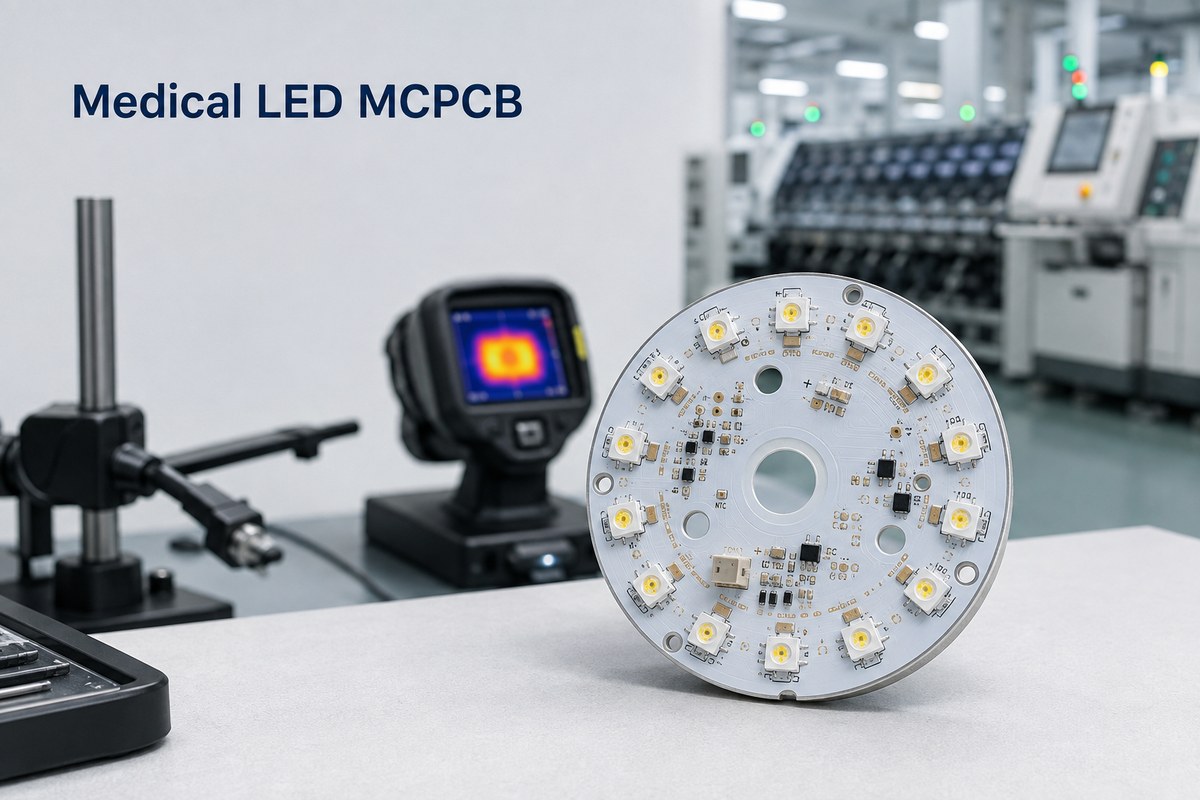
You may also like

Printed Circuit Board Inspection | 20-Year PCB & PCBA Manufacturing Quality Control

June 1st, 2026

Printed circuit board inspection is the process of checking PCB quality before, during, and after manufacturing or assembly. It helps confirm that the board matches the design files, IPC requirements, customer specifications, and the real operating needs of the final product.

At EBest Circuit (Best Technology), printed circuit board inspection is handled as part of the full manufacturing workflow. With 20 years of PCB and PCBA manufacturing experience, our team combines DFM review, fabrication control, AOI, X-ray inspection, electrical testing, and assembly quality checks to support reliable production from prototype to mass production. If you are looking for a PCB or PCBA manufacturing partner with reliable inspection and full-process quality support, please feel free to send your Gerber files, BOM, and assembly drawings to sales@bestpcbs.com. Our engineering team will be glad to review your project requirements and provide suitable manufacturing support.
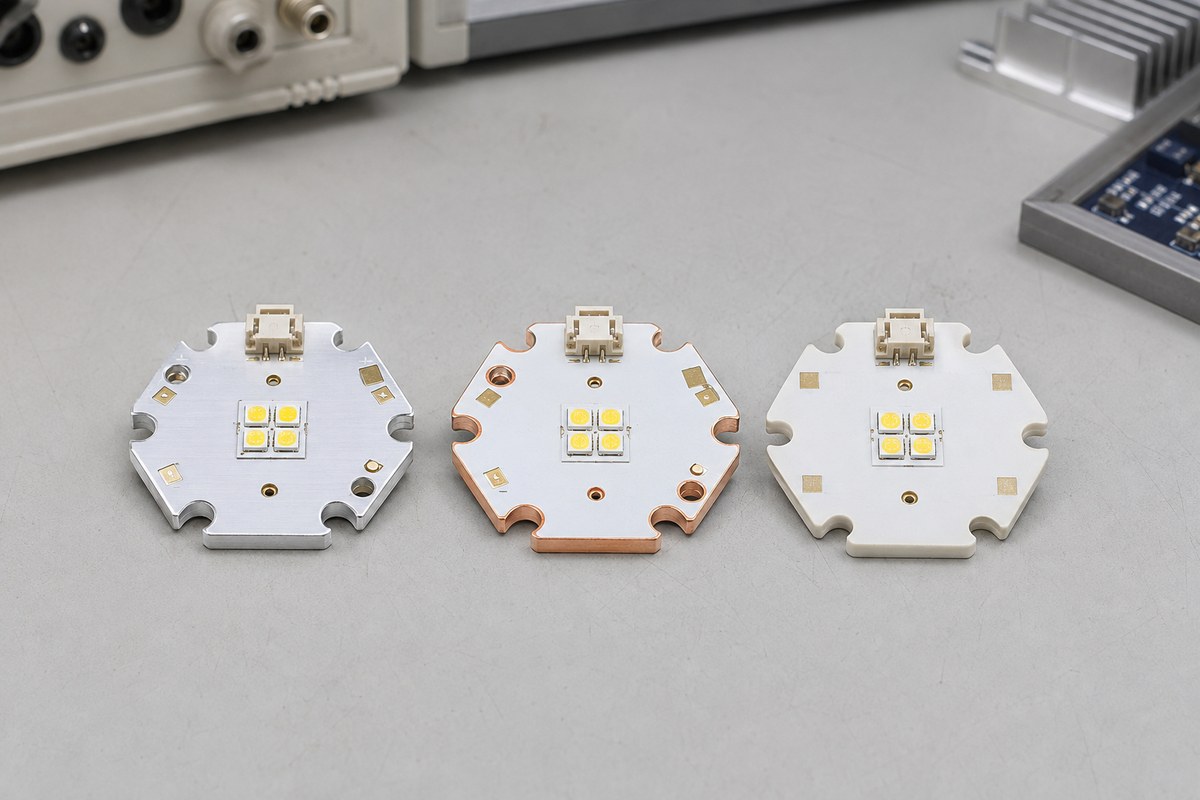
Printed Circuit Board Inspection

What Is Printed Circuit Board Inspection?

Printed circuit board inspection is a quality control process used to examine whether a PCB or PCBA meets the required design, manufacturing, and assembly standards. It may be applied to bare PCBs, assembled circuit boards, first article samples, incoming boards, or finished electronic modules.

For bare PCBs, inspection usually focuses on the board structure and fabrication quality. This includes board dimensions, layer count, copper thickness, hole size, solder mask alignment, surface finish, silkscreen clarity, routing accuracy, impedance requirements, and electrical continuity.

For PCB assembly, inspection becomes more component-focused. The factory checks whether each component is placed correctly, soldered properly, and free from visible or hidden defects. SMT placement, polarity, BGA soldering, through-hole solder joints, connector alignment, and cleanliness are all important checkpoints.

In simple terms, PCB inspection answers four important questions:

  • Does the board match the Gerber files, BOM, and assembly drawings?
  • Are there any visible or hidden defects?
  • Can the board pass electrical and functional requirements?
  • Is the product ready for shipment or the next production stage?

A good inspection process should not rely on only one method. Visual inspection, AOI, X-ray inspection, electrical testing, and functional testing all serve different purposes. When used together, they give a more complete view of board quality.

What Should Be Included in a Printed Circuit Board Inspection Checklist?

A printed circuit board inspection checklist should cover the most important items that affect PCB reliability, assembly yield, and final product performance. The checklist can vary depending on board type, industry, material, and application, but several core items are commonly used in professional PCB and PCBA production.

For bare PCB inspection, the checklist usually includes:

Inspection ItemWhat to Check
Board dimensionsLength, width, thickness, outline, tolerance
Layer structureLayer count, stack-up, dielectric thickness
Copper qualityCopper thickness, trace width, spacing, plating quality
Holes and viasHole size, via quality, annular ring, plugging, plating
Solder maskRegistration, color, coverage, opening accuracy
SilkscreenText clarity, polarity marks, component reference marks
Surface finishENIG, HASL, OSP, immersion silver, or other finish quality
Electrical performanceOpen circuit, short circuit, continuity, impedance where required
AppearanceScratches, stains, oxidation, delamination, warpage

For PCBA inspection, the checklist should also include:

Inspection ItemWhat to Check
Component placementCorrect part, correct position, correct orientation
Solder jointsSolder volume, wetting, bridging, insufficient solder
PolarityDiodes, LEDs, ICs, electrolytic capacitors, connectors
Fine-pitch partsLead alignment, solder bridging, tombstoning
BGA and QFN packagesHidden solder joints, voids, opens, shorts
Through-hole partsPin insertion, solder fillet, pin length
CleanlinessFlux residue, solder balls, foreign particles
LabelingBarcode, serial number, revision, traceability information
Functional resultWhether the assembled board performs as required

The checklist should be clear enough for operators, inspectors, and engineers to follow. It should also match the product’s risk level. A simple consumer control board may need standard checks, while a medical device PCBA or automotive control board may require stricter documentation, traceability, and testing control.

What Are the Key Printed Circuit Board Inspection Criteria?

Printed circuit board inspection criteria are the standards used to judge whether a PCB or PCBA is acceptable. In professional manufacturing, the inspection team should not make decisions based only on personal experience. They need defined acceptance criteria.

Common inspection criteria include IPC standards, customer drawings, Gerber files, assembly drawings, BOM, test procedures, approved samples, and internal quality documents.

For bare PCB fabrication, common criteria may include:

  • Correct board material and thickness
  • Correct copper weight
  • Accurate hole size and location
  • Proper plating thickness in through holes
  • Clean solder mask registration
  • No open circuits or shorts
  • Controlled impedance within tolerance when required
  • No delamination, blistering, serious scratches, or contamination
  • Board warpage within acceptable range

For PCB assembly, common criteria may include:

  • Correct component value and package
  • Correct component direction and polarity
  • Acceptable solder joint shape
  • No solder bridging between pads
  • No tombstoning, missing parts, or shifted components
  • No cracked ceramic capacitors or damaged ICs
  • Acceptable BGA void ratio based on product requirements
  • Clean board surface after soldering
  • Passed electrical or functional test

IPC-A-600 is often referenced for bare PCB acceptability, while IPC-A-610 is widely used for assembled board acceptability. For soldering workmanship, IPC J-STD-001 is also commonly used. In real production, these standards are often combined with customer-specific requirements.

The most important point is consistency. A good PCB manufacturer should apply the same inspection criteria across engineering review, production, quality control, and outgoing inspection. This helps avoid inconsistent judgment and reduces disputes after shipment.

How Is Incoming Inspection for Printed Circuit Boards Done?

Incoming inspection for printed circuit boards is the process of checking PCBs or components before they enter assembly or production. It is especially important when bare PCBs are produced in one facility and assembled in another, or when customers supply their own boards.

For PCB assembly projects, incoming PCB inspection helps confirm whether the bare boards are ready for SMT production. If board issues are found only after solder paste printing or reflow soldering, the cost of correction becomes higher.

A typical incoming inspection process may include:

  • Checking the packing condition
  • Confirming part number, revision, quantity, and date code
  • Reviewing the certificate of conformity or quality report
  • Checking PCB dimensions and thickness
  • Inspecting solder mask and surface finish
  • Checking warpage before SMT assembly
  • Confirming panel design and fiducial marks
  • Reviewing special requirements such as impedance, via plugging, or heavy copper
  • Performing sample electrical checks if needed

For components used in PCBA production, incoming inspection may include label verification, moisture sensitivity level control, package condition, quantity confirmation, and traceability record review. For high-risk or high-value components, X-ray inspection, decapsulation, or functional testing may be used when required.

At EBest Circuit (Best Technology), incoming inspection is not treated as an isolated receiving step. Because our PCB fabrication and PCBA assembly are coordinated within the same manufacturing workflow, our engineering and production teams can connect bare board quality, assembly requirements, and project documentation before SMT production begins.

Before assembly starts, our team reviews the PCB, BOM, Gerber files, pick-and-place files, and assembly drawings together. This helps us check whether the fabricated boards match the assembly requirements and identify potential mismatches early, such as pad design issues, unclear polarity marks, unsuitable footprints, panel design concerns, fiducial problems, or component availability risks.

Incoming inspection is the first quality gate before assembly. At EBest Circuit (Best Technology), it works together with DFM review, production preparation, and process control. This integrated approach helps prevent unsuitable boards or incorrect materials from entering the SMT line, improves assembly yield, and supports more stable PCB and PCBA manufacturing quality.

What Is First Article Inspection for Printed Circuit Boards?

First article inspection, often called FAI, is the detailed inspection of the first completed board or first production batch before full-scale production continues. It is an important step in PCB assembly because it confirms whether the manufacturing setup is correct.

In PCB assembly, first article inspection usually checks whether the first assembled PCBA matches the BOM, placement file, assembly drawing, polarity requirements, and customer specifications. This is especially useful for new products, engineering changes, new suppliers, or production line transfers.

A first article inspection may include:

  • BOM verification
  • Component value confirmation
  • Component orientation check
  • Reference designator check
  • Polarity confirmation
  • SMT placement accuracy
  • Solder joint inspection
  • AOI result review
  • X-ray inspection for BGA, QFN, LGA, or hidden solder joints
  • Electrical test or functional test
  • Label and revision confirmation

FAI is highly valuable because many assembly errors are setup-related. For example, a feeder may contain the wrong part, a component direction may be interpreted incorrectly, or a polarity mark may be unclear on the silkscreen. If this type of issue is not found during the first article stage, the same defect may repeat across the whole batch.

For high-reliability products, first article inspection also supports documentation and traceability. It provides a record that the first build was reviewed and approved before volume production moved forward.

EBest Circuit (Best Technology) uses first article inspection as part of PCBA quality control for prototype, small-batch, and production projects. For complex boards, especially those with BGA, fine-pitch ICs, mixed SMT and through-hole parts, or special materials, FAI helps engineers and customers confirm the build before scaling up.

Printed Circuit Board Inspection

How Do Visual Inspection, AOI, and X-Ray Inspection Work in PCB Assembly?

Different inspection methods are used at different stages of PCB assembly. Each method has its own role. A strong quality control process does not depend on only one inspection tool.

Visual inspection is usually performed by trained inspectors. It is useful for checking obvious assembly issues, solder joint appearance, component polarity, connector alignment, solder balls, contamination, broken parts, and board handling damage.

Visual inspection is flexible and practical, especially for prototypes and small-batch production. However, it depends on human judgment and cannot fully detect hidden solder defects under BGA, QFN, LGA, or bottom-terminated components.

Printed Circuit Board Inspection

AOI, or automatic optical inspection, uses cameras and image analysis to inspect assembled boards. It is commonly used after SMT placement and reflow soldering. AOI can detect missing components, wrong polarity, component shift, tombstoning, solder bridging, insufficient solder, and some solder joint defects.

AOI is faster and more consistent than manual inspection. It is very useful for repeated production because the inspection program can compare each board against the approved standard. For boards with many small SMT parts, AOI improves inspection speed and reduces human error.

Printed Circuit Board Inspection

X-ray inspection is used when solder joints are hidden under the component body. It is commonly applied to BGA, QFN, LGA, bottom-terminated components, power devices, and some high-density PCB assemblies.

X-ray inspection can help detect:

  • BGA solder voids
  • Hidden solder bridges
  • Open solder joints
  • Head-in-pillow defects
  • Insufficient solder under hidden pads
  • Misalignment of hidden solder balls
  • Internal connection problems
Printed Circuit Board Inspection

For advanced PCB assembly, AOI and X-ray often work together. AOI checks visible defects quickly, while X-ray checks areas that optical inspection cannot see. Electrical testing and functional testing can then verify whether the circuit works as intended.

EBest Circuit (Best Technology) applies suitable inspection methods based on product structure, component package, and customer requirements. A simple LED PCB may not require the same inspection plan as a medical PCBA or an automotive electronic control board. The inspection method should match the risk level of the product.

What Defects Can Be Found During Printed Circuit Board Defect Inspection?

Printed circuit board defect inspection helps identify problems that may affect assembly yield, electrical performance, or long-term reliability. These defects may come from PCB fabrication, component mounting, soldering, handling, or material storage.

For bare PCBs, common defects include:

Defect TypePossible Impact
Open circuitCircuit path cannot conduct properly
Short circuitUnwanted connection between traces or pads
Poor platingWeak via or through-hole reliability
Solder mask misalignmentSoldering difficulty or exposed copper
DelaminationReduced mechanical and thermal reliability
WarpageSMT placement and soldering issues
OxidationPoor solderability
Incorrect dimensionsAssembly fit problems
Impedance deviationSignal integrity issues in high-speed designs

For PCB assembly, common defects include:

Defect TypePossible Impact
Missing componentCircuit function failure
Wrong componentIncorrect electrical behavior
Reversed polarityComponent damage or board failure
Solder bridgeShort circuit
Insufficient solderWeak solder joint or intermittent failure
Tombstoning PCBOpen circuit on small passive components
Cold solder jointPoor electrical and mechanical connection
BGA voidingReduced thermal or electrical reliability
Component shiftPoor contact or assembly failure
Flux residueCleanliness or reliability concern in sensitive products

Some defects are easy to see. Others are difficult to detect without proper equipment. For example, a solder bridge between fine-pitch IC pins may be visible under magnification, but a head-in-pillow issue under a BGA may require X-ray inspection.

Defect inspection should also connect with root cause analysis. Finding a defect is only the first step. The factory should understand why the defect happened. Was the solder paste stencil opening unsuitable? Was the reflow profile incorrect? Was the PCB surface finish oxidized? Was the component moisture-sensitive and not stored properly?

A mature PCB manufacturer uses inspection results to improve the process. This is where manufacturing experience becomes important. The real value is not only detecting problems, but also preventing the same problems from repeating in the next batch.

FAQs About Printed Circuit Board Inspection

1. Why is printed circuit board inspection important?
Printed circuit board inspection helps detect fabrication and assembly defects before the product reaches the customer. It reduces rework, improves reliability, and supports stable production quality.

2. When should PCB inspection be performed?
PCB inspection should be performed during incoming material control, bare board fabrication, first article inspection, PCB SMT assembly, soldering, testing, and final outgoing quality control.

3. What is the difference between PCB inspection and PCBA inspection?
PCB inspection usually refers to checking the bare printed circuit board. PCBA inspection checks the assembled board after components have been mounted and soldered.

4. What is included in a PCB inspection checklist?
A PCB inspection checklist may include board dimensions, copper thickness, hole quality, solder mask alignment, surface finish, electrical testing, component placement, solder joints, polarity, cleanliness, and final test results.

5. What is AOI in PCB assembly?
AOI means automatic optical inspection. It uses camera-based image analysis to check component placement, polarity, solder bridges, missing parts, tombstoning, and other visible assembly defects.

6. When is X-ray inspection needed for printed circuit boards?
X-ray inspection is used when solder joints are hidden under components, such as BGA, QFN, LGA, or other bottom-terminated packages. It helps detect hidden bridges, voids, opens, and alignment issues.

7. What standards are used for printed circuit board inspection?
Common standards include IPC-A-600 for bare PCBs, IPC-A-610 for assembled boards, and IPC J-STD-001 for soldering workmanship. Customer specifications may also apply.

8. Can inspection find all PCB defects?
No single method can find every possible defect. A reliable inspection plan often combines visual inspection, AOI, X-ray inspection, electrical testing, functional testing, and process control.

9. How does first article inspection help PCB assembly?
First article inspection confirms that the first assembled board matches the BOM, drawings, placement files, and quality requirements before full production continues. It helps prevent batch-level mistakes.

10. How can I choose a reliable PCB inspection and assembly partner?
Choose a manufacturer with PCB fabrication, PCBA assembly, DFM review, incoming inspection, AOI, X-ray inspection, electrical testing, functional testing, and traceability control. Experience with medical, industrial, automotive, aerospace, and communication electronics is also valuable for high-reliability projects.

Overall, printed circuit board inspection is not a single checkpoint at the end of production. It is a complete quality control system that runs through PCB fabrication, incoming material review, SMT assembly, soldering, testing, and final shipment.

For standard boards, inspection helps maintain stable production quality. For high-reliability products, it becomes even more important because small defects may affect safety, service life, and field performance.

EBest Circuit (Best Technology) supports PCB manufacturing and PCBA assembly with engineering-driven quality control. Our team provides DFM review, PCB fabrication, component sourcing, SMT assembly, AOI, X-ray inspection, electrical testing, functional testing, and final quality inspection for customers in medical electronics, industrial control, automotive electronics, communication equipment, aerospace, UAV, lighting, and other demanding industries.

If you are working on a PCB or PCBA project that requires reliable inspection, stable manufacturing, and full-process quality support, please feel free to send your Gerber files, BOM, and assembly drawings to sales@bestpcbs.com. Our engineering team will be glad to review your requirements and provide professional support for your project.
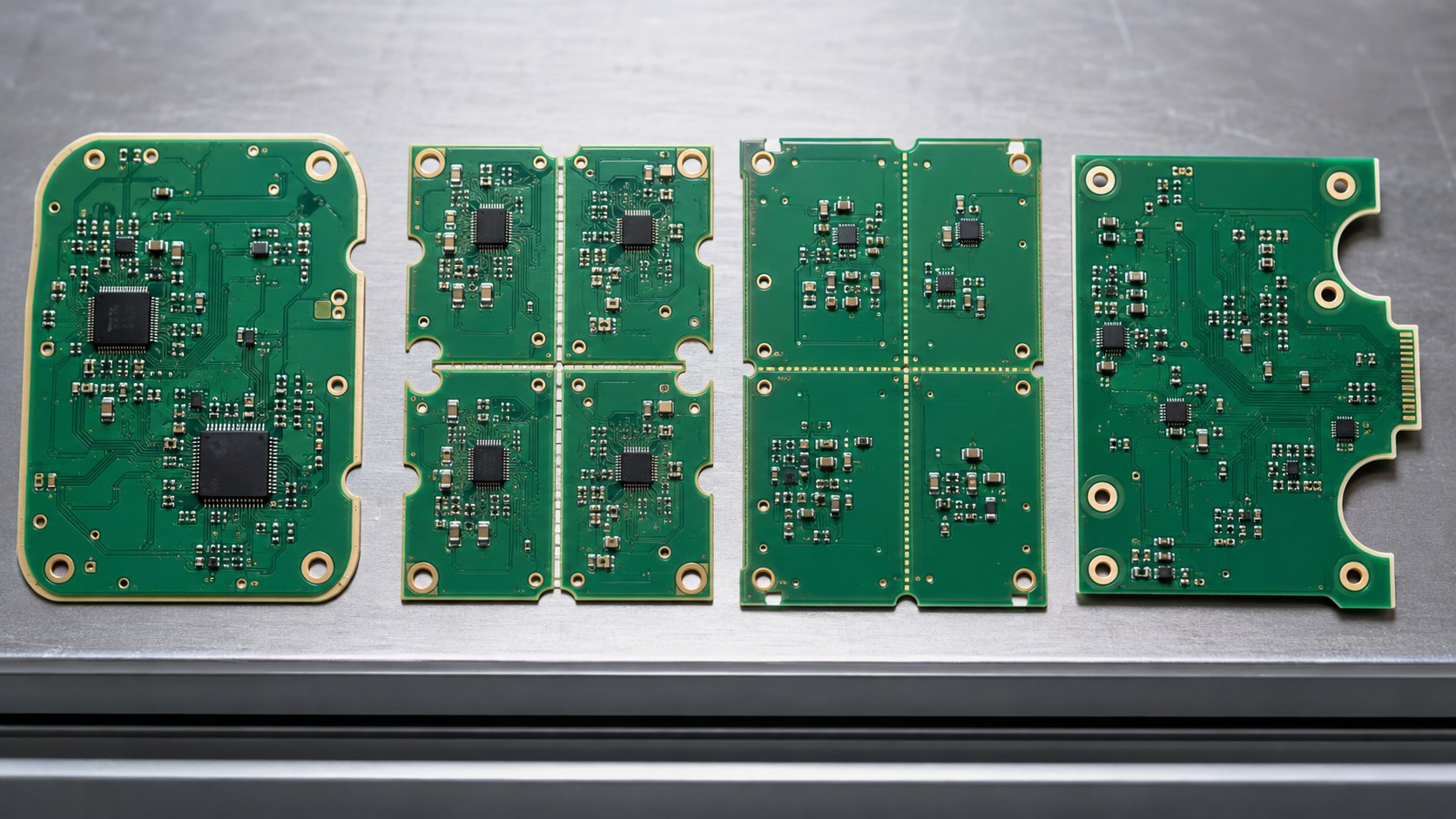
You may also like