PCB manufacturing PCB manufacturing
Home > Blog

component sourcing

Custom 5G IoT PCB Manufacturer in China with Turnkey Solutions
Friday, September 4th, 2026

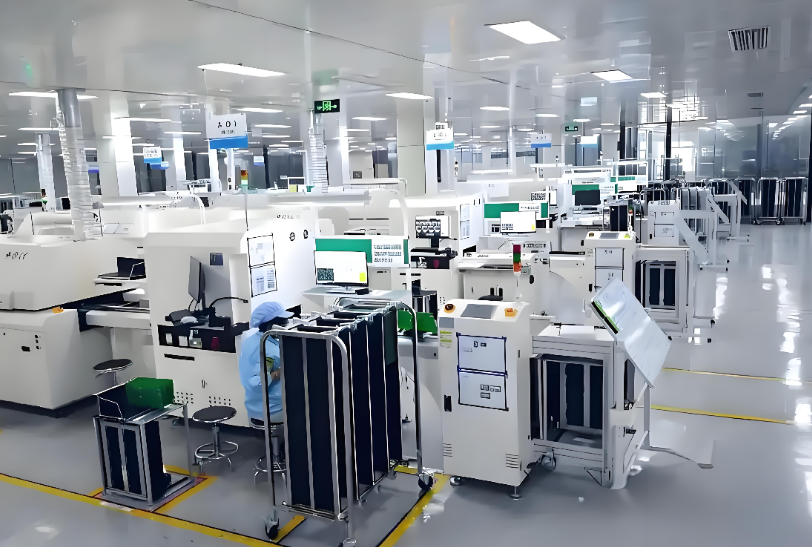
EBest Circuit is a custom 5G IoT PCB manufacturer in China offering PCB fabrication, component sourcing, assembly, programming and testing. From early prototypes to repeat production orders, you can purchase bare boards or combine the work in a turnkey order.

We support boards for industrial gateways, routers, edge devices and remote monitoring equipment. Whether you supply the 5G modules or ask us to source the complete BOM, we coordinate the board build and assembly around your design, quantities and delivery requirements.

Send your Gerber files and BOM for a free DFM review. We can check manufacturing details, identify sourcing questions and prepare a quotation for the services you need.
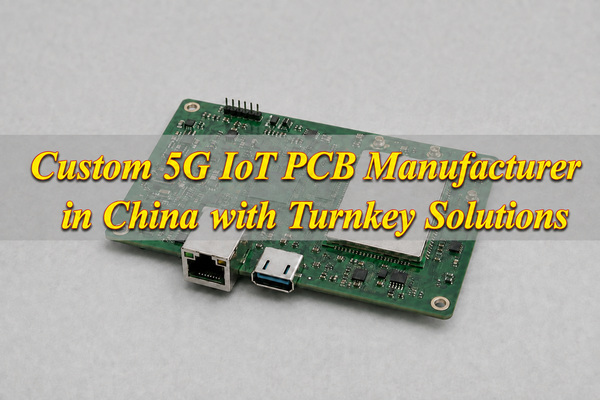
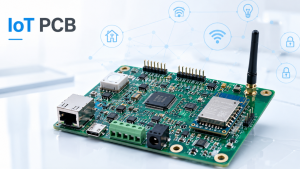
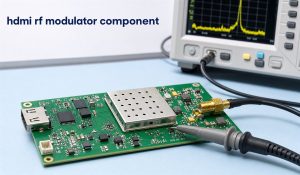
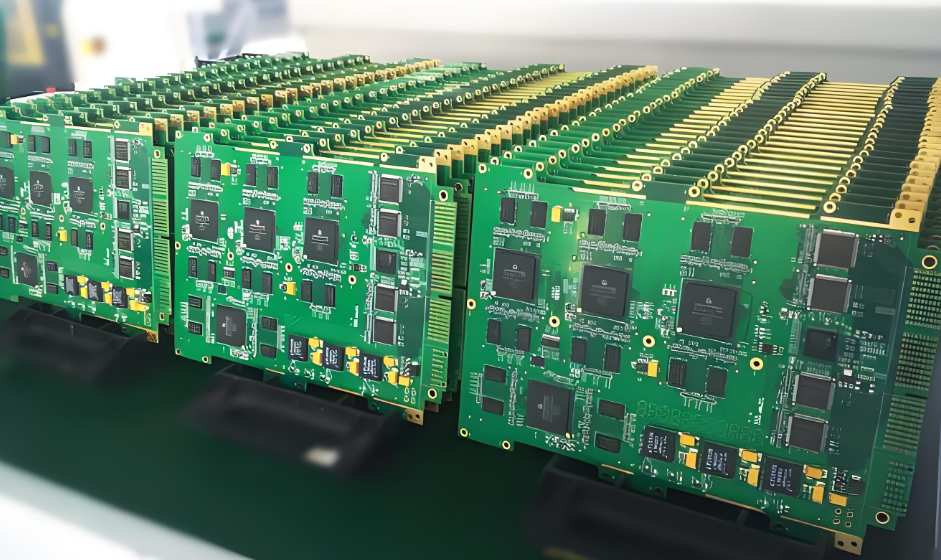
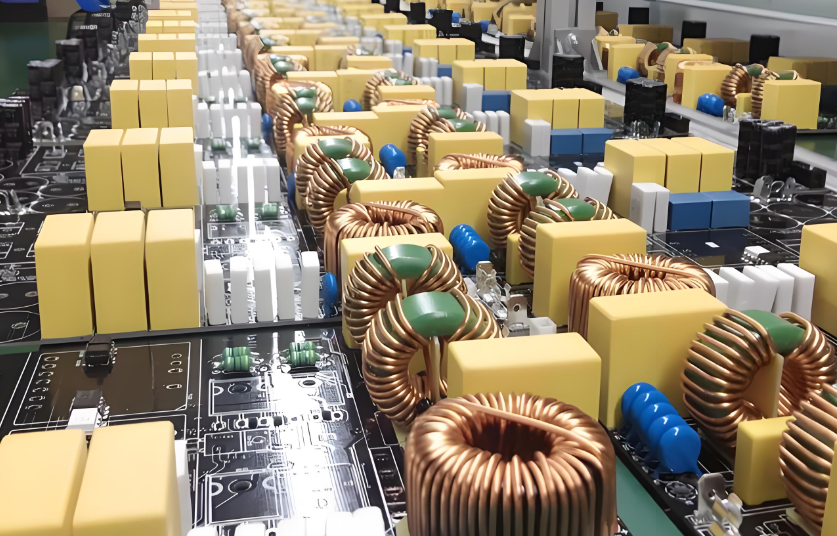
5g iot pcb manufacturer, conceptual unbranded gateway PCB assembly with a shielded module and edge connectors

What 5G IoT PCB Manufacturing and Assembly Services Do We Provide?

Our 5G IoT PCB manufacturing services cover bare boards, populated PCBs and box assembly. Choose the stages you need us to handle; you can retain your existing design or sourcing arrangements.

  • Custom PCB fabrication: Multilayer and HDI manufacturing support the routing and via requirements of compact boards. Provide the stackup, material, copper, finish and impedance specifications so we can review the complete construction.
  • Prototype and production builds: Start with samples for fit and functional evaluation, then order the accepted revision for small-batch or mass production. Changes found during testing should be incorporated before the next batch.
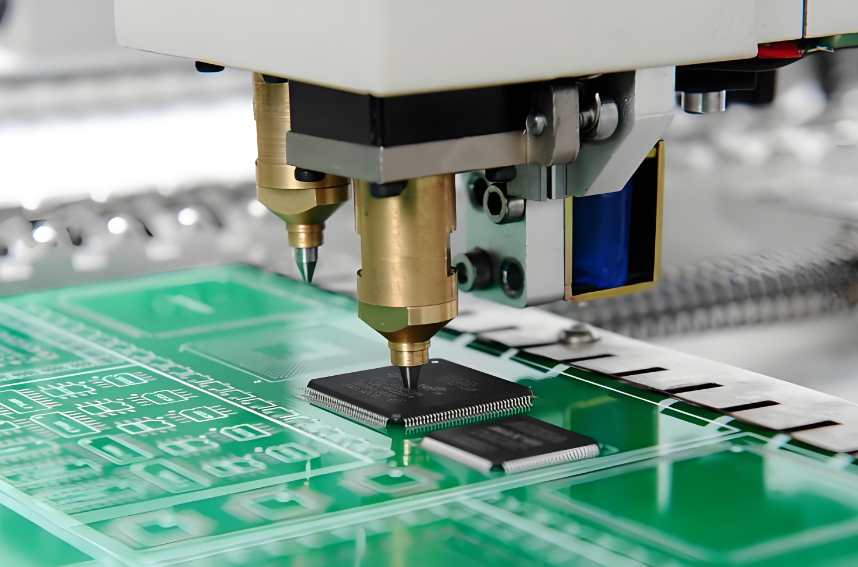
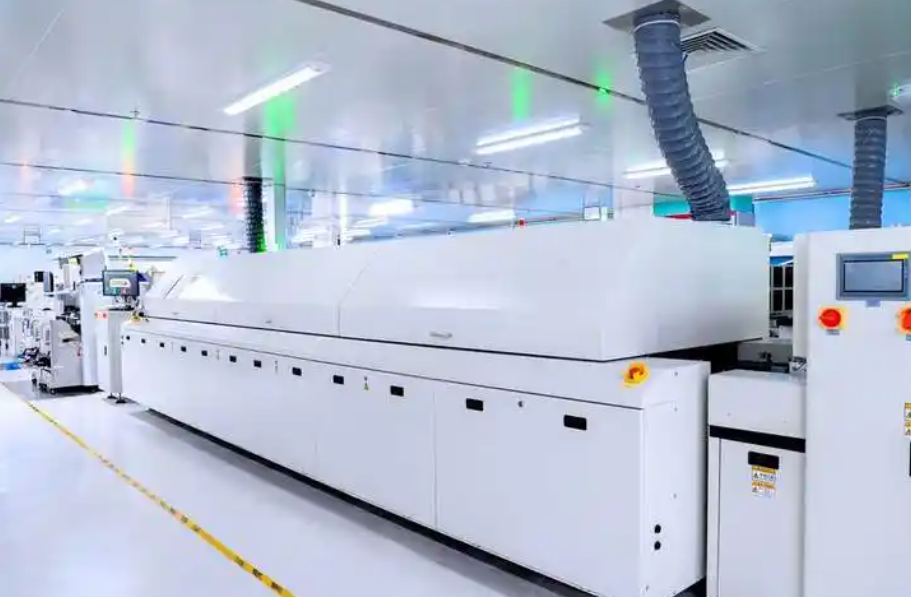
  • SMT and through-hole assembly: Assembly can combine dense IC packages and compact passives with through-hole connectors. Package pitch, board layout and joint access determine the soldering and inspection requirements.
  • Component sourcing: Full turnkey procurement covers the BOM; partial turnkey lets you supply selected modules or other parts. Exact part numbers and approved alternatives keep purchasing aligned with your design.
  • Programming, functional testing and box assembly: Add these services when the order requires programmed boards or assembled units. Supply firmware, test limits, fixture requirements and enclosure drawings so the deliverables are defined before production.

What 5G IoT PCB Manufacturing Capabilities Can We Support?

Our PCB fabrication capabilities include multilayer boards, HDI features and controlled impedance. The values below are process limits; the combination of features in your board needs engineering confirmation.

Manufacturing feature Capability
Standard trace / space 4 / 4 mil
HDI trace / space 2 / 2 mil
Standard minimum hole diameter 0.20 mm
HDI minimum hole diameter 0.10 mm
Impedance tolerance above 50 Ω ±10%
Impedance tolerance at or below 50 Ω ±5 Ω

What 5G IoT Applications Can We Support?

Our services support several types of 5G-connected equipment. Each puts different demands on the board layout, component selection and assembly:

  • Industrial gateways and routers: Module integration, multiple interfaces and external connectors can combine dense routing with mechanical constraints. Include the enclosure and connector positions in the fabrication and assembly review.
  • Edge computing devices: Processor and memory routing, power delivery and heat dissipation influence the board construction. Identify critical interfaces and cooling arrangements so the stackup and assembly access can be reviewed together.
  • Remote monitoring and tracking equipment: Compact packaging, antenna placement and power requirements can constrain component layout. Supply the operating conditions and mechanical drawings with the board files.
  • Connected meters and control equipment: Communication circuits share the board with sensing, power or field connections. Define the required clearances, connections and functional checks; the product’s electrical requirements remain part of the acceptance plan.

Can We Support 5G IoT PCB Prototypes and Mass Production?

We support PCB prototyping, small-batch production and mass production. You can evaluate a small batch before committing to a larger order, then carry the approved design and test requirements into repeat builds.

  • Prototype assembly: Use the first boards to check connector fit, programming access and product operation. Record any layout, component or firmware changes so the next batch incorporates what your team learned.
  • Small-batch production: Build a limited batch from the revised files to assess assembly consistency and the test procedure. Repeated rework or test failures need investigation before you increase the order quantity.
  • Sample approval: Your team reviews the samples and test records, then confirms the PCB revision, BOM, permitted alternatives and acceptance criteria. This approval gives production a clear specification to follow.
  • Mass production: We manufacture against the approved files. Agree on lot identification and delivery records so your receiving team can check each shipment and trace a problem to the relevant batch.

For repeat orders, tell us about changes to components, firmware or test limits before manufacturing starts. Even when the PCB layout stays the same, those changes can affect assembly or testing.

Can We Provide Component Sourcing and Turnkey 5G IoT PCB Assembly?

We can combine fabrication, BOM procurement and assembly in a turnkey order. The purchasing arrangement determines which parts EBest sources and which parts your team supplies.

  • Full turnkey: EBest sources the specified components and coordinates the PCB build and assembly. Send the full BOM and approved alternatives so availability can be reviewed before a delivery date is confirmed.
  • Partial turnkey: Supply selected items, such as modules or processors you already hold, and have EBest source the balance. Confirm quantities, packaging and arrival dates for your parts to avoid holding up assembly.
  • Consigned components: Your team provides the parts for assembly. Include exact part numbers, quantities and handling requirements so incoming checks can match them to the approved BOM.

For long-lead or obsolete parts, flag the affected BOM lines at quotation. We can review availability and proposed alternatives, but a substitute needs your engineering approval. Check the critical parts before committing to the production quantity.

How Do We Control Quality During 5G IoT PCB Manufacturing?

Our assembly quality checks cover incoming components, soldering and agreed functional tests. The inspection method depends on the defect being checked and whether the joint or circuit is accessible.

  • Incorrect or damaged incoming parts: Check identification and condition against the BOM before assembly. Resolve discrepancies before components enter the build.
  • Solder paste defects: SPI checks paste deposits before reflow, when a printing problem can still be addressed before soldering the components.
  • Placement and accessible solder defects: AOI supports inspection after assembly. Hidden BGA joints require a suitable method such as X-ray rather than an exterior visual check alone.
  • Board opens, shorts and impedance requirements: Specify the required electrical checks and impedance records with the fabrication order so results can be associated with the correct construction.
  • Product operation: Functional testing uses the agreed firmware, connections, test procedure and pass/fail limits. Specify any radio or network test separately, including its equipment and operating conditions.

Define the reports and lot or unit identification you need with delivery. Keep the accepted PCB revision, BOM and firmware connected to those records so a receiving or field issue can be investigated against the correct build.

How Do We Review 5G IoT PCB Designs Before Production?

A missing drill detail can hold up fabrication; a BOM mismatch can leave an assembly line waiting for the correct part. Our free DFM review, together with assembly checks, helps resolve these questions while the files can still be changed.

  • Check that the PCB files describe a buildable board. We review trace and space dimensions, hole sizes, via connections, copper clearances and the proposed stackup. For impedance-controlled nets, the drawing needs to identify the target and tolerance. If a fabrication note conflicts with the Gerber or drill data, we ask you to resolve the discrepancy before production. The output is a confirmed construction and a record of the changes you approved.
  • Match the components to the layout and assembly instructions. The BOM, placement data and assembly drawing should agree on reference designators, part numbers, orientation and unpopulated positions. A module variant with a similar name may have a different footprint or connector arrangement. We flag mismatches and review component spacing, solder-joint access and handling requirements so your team can correct the files before parts are fitted.
  • Keep programming and test connections accessible. A test point is of little use if a shield, connector or enclosure blocks it after assembly. Identify the programming interface and measurements needed for acceptance, then check probe access and fixture connections. Where access is restricted, agree on a layout change or an earlier test step. This gives the assembly team a usable test sequence and makes fixture preparation part of the schedule.

Send the latest revision of each file together and identify any unresolved design changes. We return manufacturing questions for your approval; RF performance, antenna operation and product compliance still require the appropriate design validation.

How Long Does 5G IoT PCB Manufacturing and Assembly Take?

For an initial schedule, allow about 10–12 days for qualifying 4–8-layer standard FR4 prototypes and about one week for PCBA. These are separate manufacturing references; the complete turnkey schedule also depends on component availability, test preparation and shipping.

Standard FR4 prototype fabrication is approximately 10 days for 4 or 6 layers and 12 days for 8 layers. These figures apply to orders below 1 mÂČ meeting our standard FR4 specifications. HDI, special laminates and other nonstandard constructions need a separate schedule. Assembly timing is confirmed against the quantity and test scope, with the required boards and components available.

The main factors that can move your delivery date are:

  • Board construction: Layer count, via structure, material, finish and quantity affect fabrication. Identify special laminates and HDI requirements at quotation so availability and processing time can be checked before you commit to a date.
  • Parts availability: PCB fabrication and purchasing can overlap, but assembly needs a complete kit. A missing module or connector can delay the batch even when the bare boards are ready. Send exact part numbers and flag customer-supplied items early.
  • Testing and design changes: Programming files, fixtures and pass/fail limits must be ready for assembly. A late component substitution or revised test procedure can require another review before work continues.
  • Capacity and transport: Production loading, holidays, shipping and customs clearance affect arrival. Give us the date you need the boards at your site; WIP updates let you follow progress during manufacturing.

Case Analysis: From 5G IoT PCB Prototypes to Mass Production

Project background: In this hypothetical project, a hardware team needs 10 assembled prototypes for evaluation. After sample approval, it plans to begin mass production with an initial 100-board production order. Each board uses one customer-supplied 5G module and two specified interface connectors. EBest would fabricate the PCBs, source the remaining BOM and assemble the boards.

Requirements and challenges: The prototype batch therefore needs 10 modules and 20 interface connectors; the first production order needs another 100 modules and 200 connectors. These are fitted quantities, excluding assembly spares. Purchasing the production components before prototype approval risks committing parts to a design that may change. The team also needs programming access after assembly and a way to identify each tested board.

Our proposed solution: Check the board files and BOM first, then confirm the prototype kit and any spare-parts allowance. Assemble the 10 prototypes using one approved PCB, BOM and firmware revision. Record the programmed version and the agreed power-up and interface-test results against each board identifier. After customer evaluation, incorporate approved changes and confirm the components for the first 100-board production order before procurement and assembly proceed.

Output and acceptance: The requested prototype delivery consists of 10 assembled boards and 10 individual test records, plus the list of approved manufacturing changes. With one module and two connectors per board, the first production order has a fitted-parts requirement of 100 modules and 200 connectors. Mass production begins after sample approval and confirmation of the revised BOM. For subsequent orders, the approved PCB files, BOM, firmware and test procedure provide the manufacturing specification; any changes need approval before the next batch. Actual yield, test performance and delivery time would come from the completed build records.

Why Choose EBest as Your 5G IoT PCB Manufacturer?

Choose EBest when you want PCB fabrication, sourcing and assembly managed together. You can keep control of the design and critical parts while we coordinate the manufacturing work.

  • Less supplier coordination: A turnkey order brings the bare boards, purchased components and assembly under one contact. When a layout or part changes, you can resolve its effect on the complete order without forwarding separate instructions to several suppliers.
  • Quality checks matched to your board: Incoming inspection, SPI, AOI, X-ray and functional testing address different defects. We agree on the relevant coverage and records with you, helping your team inspect deliveries and investigate problems against the correct batch.
  • Delivery planning that includes the parts: We review material and component availability alongside fabrication and assembly. WIP updates help you follow the order and coordinate your own testing or product integration around manufacturing progress.
  • Engineering support before you commit to production: Free DFM review identifies manufacturing conflicts in the submitted files. Resolving them before fabrication helps avoid building boards that need an immediate revision.
  • Flexibility as quantities grow: Start with samples and continue to small-batch or mass production orders using the approved design. Full turnkey, partial turnkey and consigned-parts options let you choose how much procurement you retain at each stage.

What Files Are Required for a 5G IoT PCB Quote?

Send the files and specify whether you need bare boards or assembled units. Include prototype and production quantities, the destination and your required arrival date.

  • PCB fabrication: Gerber or ODB++ data, drill files, fabrication drawing, stackup and PCB specifications. Identify material, copper, finish and impedance requirements so the quotation matches the construction.
  • PCB assembly: BOM, pick-and-place data, assembly drawing and approved alternatives. Mark customer-supplied components and their availability so the sourcing split is clear.
  • Programming and testing: Firmware, test procedure, fixture requirements and acceptance criteria. Specify reports, lot identification and any enclosure work required with delivery.

Send your Gerber files, BOM, quantities, testing requirements and delivery date to sales@bestpcbs.com for a quotation and free DFM review.

FAQs About 5G IoT PCB Manufacturing

Q1: What happens if a BOM component is obsolete or unavailable?

A1: We can review availability and suggest alternatives. Your engineering team must approve a substitute before purchase, including any effect on fit, electrical operation, firmware or compliance requirements.

Q2: Can we change components after approving the prototype?

A2: Yes, but submit the updated BOM before the next order. Review the effect on layout, programming and test limits, and decide whether the change needs another sample build.

Q3: What should accompany a customer-supplied test fixture?

A3: Include connection instructions, compatible firmware, the test procedure and pass/fail limits. Confirm when the fixture will arrive so testing can begin when the assembled boards are ready.

Q4: Can EBest quote while some design files are still being revised?

A4: Send the available files and mark the open items. We can begin a preliminary review; the final price and schedule depend on the confirmed specifications, quantities, BOM and testing requirements.

Q5: How should we handle firmware changes between batches?

A5: Identify the firmware version and programming method for each order. If the new version changes product behaviour, update the test procedure and pass/fail limits before that batch is programmed.

You may also like

Alternative Electronic Components for Safer PCBA Builds
Tuesday, August 4th, 2026

alternative electronic components are replacement parts considered when the original BOM item is unavailable, expensive, obsolete, long-lead, or unsuitable for production. For buyers, the real question is not only “Can we find another part?” The real question is “Can this alternative be approved, sourced, assembled, inspected, and tested without creating new PCBA risks?”

In PCB and PCBA projects, a substitute component can affect footprint fit, pinout, package height, soldering quality, electrical performance, lifecycle risk, certification requirements, and final product reliability. EBest Circuit (Best Technology) supports component sourcing, BOM review, PCB manufacturing, PCBA assembly, DFM review, and testing support for engineers and buyers who need practical help before production. For BOM review or PCBA project support, contact sales@bestpcbs.com.

alternative electronic components
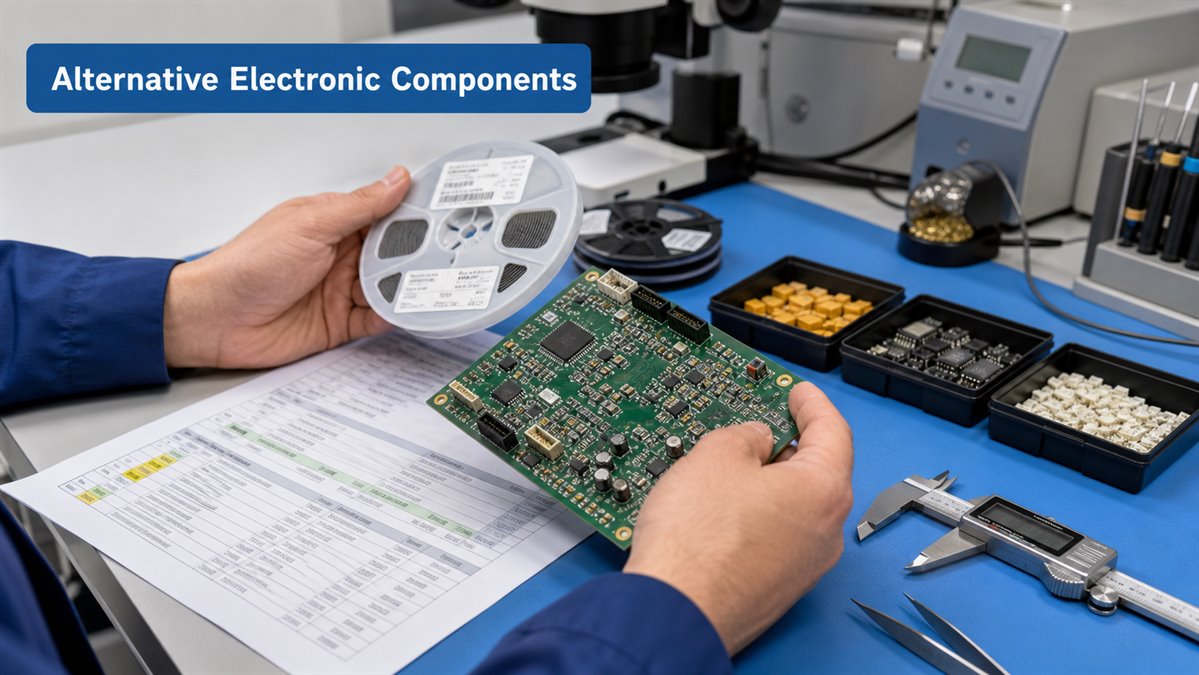
Alternative electronic components should be reviewed together with the BOM, PCB, sourcing, assembly, and testing plan.

What Are Alternative Electronic Components?

Alternative electronic components are parts that may replace the original component listed in a BOM after technical and sourcing review. They may come from another manufacturer, use a slightly different package, have a different tolerance, or offer similar electrical performance under the project’s required conditions.

They are often considered when the original part has one of these problems:

  • Long lead time
  • High price
  • End-of-life status
  • Low distributor stock
  • Minimum order quantity issue
  • Import or supply chain limitation
  • Unstable availability for mass production
  • Prototype BOM needing faster sourcing

For a PCBA buyer, an alternative part is not automatically safe just because it has the same value or similar function. A 10k resistor from another brand may be simple to approve, but an IC, connector, MOSFET, regulator, relay, transformer, sensor, or RF part may require much deeper review.

Buyer-focused rule:

A good alternative component should protect schedule and cost without creating assembly, testing, or field reliability problems.

Alternative Electronic Components vs Equivalent Parts

The terms alternative component, equivalent part, alternate part, and drop-in replacement are often used together, but they do not always mean the same thing.

Term Practical meaning Buyer risk level
Alternative component A possible replacement after review Medium to high
Equivalent part Similar function and specifications Medium
Drop-in replacement Same footprint, pinout, and usable function Lower, but still needs approval
Alternate part A second approved option in the BOM or AVL Lower when pre-approved
Substitute component Any replacement proposed for the original part Depends on review depth

A true drop-in replacement should match the original component closely enough that the PCB layout, footprint, assembly process, and product function do not need major changes. But even then, buyers should confirm datasheet details, tolerance, temperature range, package drawing, lifecycle status, and test results.

A part can be electrically similar but mechanically wrong. Another part can fit the footprint but fail under thermal, current, EMI, or endurance requirements. This is why component alternatives should be reviewed by both sourcing and engineering teams before procurement.

How to Find Alternative Electronic Components When Supply Is Limited?

When supply is limited, many buyers search for alternatives through distributor platforms, cross-reference tools, old BOM records, manufacturer recommendations, or supplier suggestions. These tools are useful, but they should be treated as the first step, not the final approval.

Key checks include:

  • Confirm the original MPN and manufacturer.
  • Check whether the part is active, NRND, EOL, or obsolete.
  • Compare authorized distributor stock and lead time.
  • Search for same-value and same-package options.
  • Review manufacturer cross-reference suggestions carefully.
  • Ask the PCBA supplier whether the alternative affects assembly.
  • Get customer approval before purchasing substituted parts.

For example, a buyer may find an alternative voltage regulator with the same output voltage and package name. That still does not confirm the pinout, thermal pad size, dropout voltage, output current, stability with existing capacitors, or layout requirements. If the board has already been designed, those details can decide whether the substitute is usable or dangerous.

A practical way to reduce risk is to divide the search into two stages:

Stage Goal What to avoid
Sourcing search Find available candidates Choosing only by price or stock
Engineering review Confirm fit for PCBA production Approving without datasheet comparison

When buyers send the BOM to EBest Circuit for review, our team can help check sourcing availability, identify possible supply risks, and coordinate review points before PCBA production.

When Should Buyers Consider Electronic Component Alternatives?

Buyers should consider electronic component alternatives when the original BOM creates a clear business or production risk. The goal is not to change parts casually. The goal is to keep the project moving while protecting quality.

Common situations include:

  • The original part has a lead time of several months.
  • A prototype needs to be built quickly for validation.
  • The quoted component cost is too high for production.
  • The original part is obsolete or close to EOL.
  • The distributor stock cannot support repeat orders.
  • The project needs a second source for supply stability.
  • The first PCBA batch finds a sourcing or soldering issue.

A low-risk case might be a passive component with matching value, tolerance, package size, voltage rating, and temperature range. A high-risk case might be an MCU, power IC, RF part, connector, display module, sensor, transformer, relay, or safety-related component.

A safer decision path is:

  • Use alternatives early during prototype review.
  • Keep approved alternates in the BOM or AVL.
  • Avoid last-minute substitution after PCB fabrication.
  • Confirm whether the substitute changes assembly or test requirements.
  • Record the approved MPN before purchasing parts.

This makes the BOM easier to quote, easier to source, and easier to repeat in later production.

What Should Be Checked Before Approving Alternative Electronic Components?

Before approving alternative electronic components, buyers should check more than the first line of the datasheet. The approval should connect sourcing, PCB layout, assembly, inspection, and product performance.

alternative electronic components
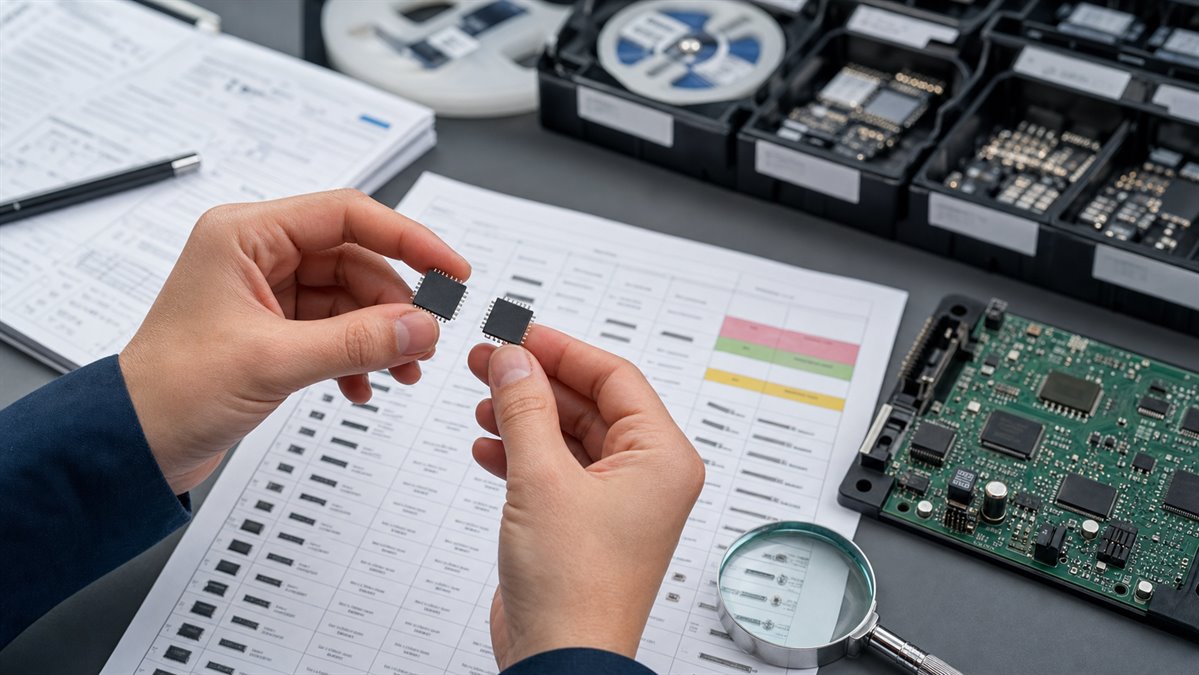
BOM substitute review should compare component package, footprint, pinout, datasheet limits, and sourcing reliability before approval.
Review item What to check Why buyers care
Electrical rating Voltage, current, power, tolerance Prevent overheating or wrong performance
Package Size, height, pin count, body shape Avoid assembly and enclosure mismatch
Footprint Pad size, pitch, thermal pad Prevent solder defects or non-fit
Pinout Pin order and function Avoid board failure or damage
Lifecycle Active, NRND, EOL, obsolete Support repeat production
Source Authorized supplier, traceability Reduce counterfeit risk
Assembly SMT/THT process, reflow limit Prevent soldering defects
Testing ICT, AOI, functional test Confirm board-level result

For PCBA buyers, the most dangerous replacements are not always the most expensive parts. Sometimes the risky part is a small connector, diode, capacitor, switch, or transistor that looks simple but has a different footprint, polarity, height, or derating requirement.

Approval documents should include:

  • Original BOM with MPN
  • Proposed alternative MPN
  • Datasheets for both parts
  • PCB footprint or package drawing
  • Customer approval record
  • Special assembly notes
  • Test requirements after substitution

Without these details, the supplier may be forced to pause the quote, ask repeated questions, or proceed with unclear risk. Clear approval saves time before production.

Alternative Components for BOM Review and PCBA Production

Alternative components should be reviewed before the BOM is released for procurement. If the buyer waits until after the PCB is already fabricated, the substitute may require a board revision, manual rework, or delayed assembly.

In PCBA production, BOM substitution usually affects five practical areas:

  1. Quotation accuracy
  2. PCB footprint fit
  3. Assembly process
  4. Inspection method
  5. Repeat production

If the BOM contains obsolete, unclear, or single-source parts, the quotation may look fine at first but fail during procurement. A BOM review can flag these items before the buyer commits to schedule.

A substitute may have the same function but a different pad layout. Even a small package difference can cause tombstoning, insufficient solder, bridging, or poor inspection access.

Some alternatives need different soldering temperatures, handling requirements, moisture sensitivity control, or manual assembly steps. AOI can check markings, orientation, and visible solder joints, but hidden pins, BGAs, bottom-terminated parts, or shielded areas may need X-ray or functional testing.

A one-time shortage fix is different from a stable second-source strategy. If the project will repeat, the approved alternative should be documented in the AVL or BOM notes.

EBest Circuit supports component sourcing together with PCB fabrication and PCB assembly, so buyers can review BOM risk before the project enters production.

Low-Cost Alternatives for High-Demand Electronic Components

Low-cost alternatives for high-demand electronic components can reduce project cost, but they should never be approved by price alone. A cheaper component is only useful if it still meets the electrical, mechanical, assembly, and reliability needs of the product.

A low-cost alternative may be reasonable when:

  • The part is passive and specifications match clearly.
  • The package and footprint are the same.
  • The part has stable supply from reliable channels.
  • The application is not safety-critical or high-stress.
  • The buyer has approved the datasheet comparison.
  • Functional testing confirms board-level performance.

A low-cost alternative is risky when:

  • The original part handles power, heat, signal integrity, or protection.
  • The substitute has a different tolerance or derating curve.
  • The package height affects enclosure fit.
  • The part marking or source is unclear.
  • The manufacturer has limited traceability.
  • The change may affect certification or customer approval.

For example, replacing a common resistor may be straightforward. Replacing a DC-DC converter, MOSFET, crystal, optocoupler, connector, or sensor needs more caution. The wrong choice can save a few cents on the BOM but create failed testing, rework, delayed shipment, or field failure.

Better buyer question:

Do not only ask “Is this cheaper?” Ask “Will this alternative still pass assembly, inspection, testing, and repeat production?”

Alternative Component Sourcing for Obsolete and Hard-to-Find Parts

Obsolete and hard-to-find electronic parts create a different kind of risk. The issue is not only finding stock. The issue is confirming whether the stock is reliable, traceable, and suitable for the PCBA build.

When a part is obsolete or EOL, buyers usually have three choices:

Option When it works Main risk
Buy remaining stock Short-term repair or small batch Counterfeit or aging inventory
Approve an alternative Prototype or production continuation Requires technical review
Redesign the circuit or PCB layout Long-term product lifecycle Higher engineering time and cost

For BestPCBS customers, the most practical route depends on the project stage. If the board is still in prototype, it may be easier to approve a better alternative before layout is locked. If the board is already in production, the team needs to protect footprint compatibility and testing reliability.

Important review points include:

  • Is the original part officially obsolete or only temporarily out of stock?
  • Can the current PCB footprint accept the proposed alternative?
  • Does the substitute require firmware, calibration, or circuit changes?
  • Is the source traceable enough for the product’s quality requirement?
  • Should the buyer approve more than one alternate part for future builds?

EBest Circuit can help buyers review BOM shortage issues and coordinate sourcing options, but the final approval should remain clear between the customer and the engineering requirements of the product.

PCBA assembly and testing checks after using alternative components:

alternative electronic components
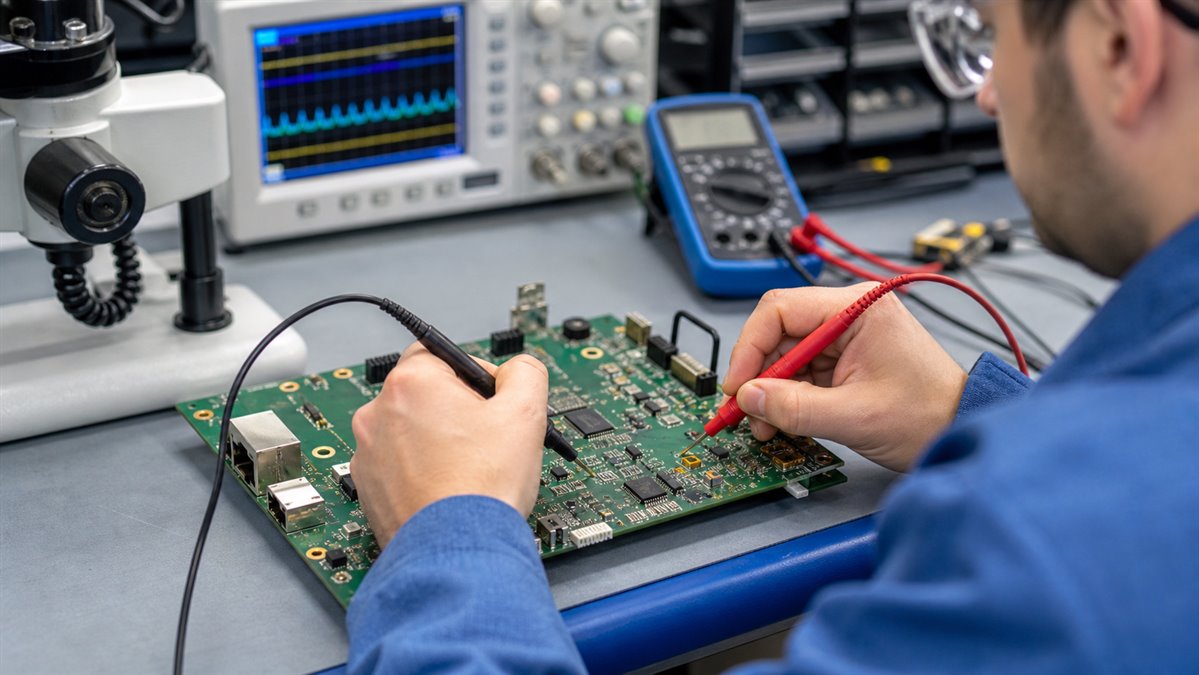
After a substitute component is approved, PCBA inspection and functional testing help confirm that the finished board still meets project requirements.

After an alternative component is approved, the PCBA process should still be checked. A substitute may pass BOM review but create assembly or testing differences on the production line.

PCBA checks should include:

  • Confirm the approved MPN is used in purchasing.
  • Check package size and feeder suitability.
  • Confirm polarity and pin 1 direction.
  • Review stencil opening if solder volume may change.
  • Check whether manual soldering is required.
  • Inspect part marking and lot traceability.
  • Run AOI, visual inspection, X-ray, or functional testing as needed.
  • Record the substitution in production documents.

A common production issue is that the buyer approves a new part but the BOM file, purchase order, assembly drawing, or test instruction still shows the old part. That mismatch can slow down procurement or create confusion during incoming inspection.

For prototype and small-batch PCBA, one practical solution is first-article confirmation. The supplier builds and checks the first board or first panel before continuing with the full batch. This can catch wrong orientation, wrong package height, poor solder joints, or unexpected functional behavior before more boards are assembled.

For production orders, the better approach is controlled documentation. The approved alternative should be clearly listed in the BOM, and any special test requirement should be included before assembly starts.

How EBest Circuit Supports Alternative Electronic Components for PCB and PCBA Projects

EBest Circuit (Best Technology) supports buyers who need alternative electronic components as part of PCB and PCBA projects. Our role is not to make unapproved design decisions for the customer. Our role is to help review manufacturability, sourcing, assembly, and test risks so the customer can approve the right choice with clearer information.

EBest Circuit supports PCB and PCBA projects with:

  • BOM review and component sourcing support
  • Alternative MPN comparison before procurement
  • DFM review for PCB manufacturability
  • PCB layout manufacturability review
  • PCB fabrication
  • SMT assembly
  • Through-hole and mixed PCBA assembly
  • Incoming material inspection
  • Functional testing support
  • Prototype, small-batch, and production support

For engineers, this can reduce back-and-forth during quotation. For buyers, it helps control sourcing risk before money is spent on the wrong parts. For project managers, it keeps BOM, PCB, assembly, and testing decisions connected instead of scattered across different suppliers.

Project example:

A North American industrial controller customer needed 120 PCBAs for a pilot build. The original BOM included a DC-DC converter with a 16-week lead time. A lower-cost alternative was available, but the first datasheet review showed a different recommended input capacitor range and a slightly different thermal performance curve.

Instead of approving the substitute only by output voltage, the review focused on the real PCBA risks:

  • Input voltage range under customer operating conditions
  • Output current and derating at expected enclosure temperature
  • Pin compatibility with the existing PCB footprint
  • Package height under the metal housing
  • Reflow profile and moisture sensitivity
  • Functional test points after assembly

The customer approved a different second-source part after reviewing the data. The pilot batch moved forward without changing the PCB layout, and the test plan added a load check for the power rail. For the buyer, the value was not just finding a cheaper part. The value was avoiding a late-stage PCBA failure caused by an incomplete substitution review.

If your project has shortage, EOL, long-lead, or BOM cost pressure, send your BOM, Gerber files, assembly drawing, and test requirements to sales@bestpcbs.com for review.

FAQs About Alternative Electronic Components

Are alternative electronic components always safe to use?

No. Alternative electronic components are only safe after technical review and customer approval. The buyer should confirm datasheet specifications, footprint, pinout, package size, lifecycle, sourcing channel, assembly process, and testing requirements before production.

What is the difference between an alternative component and an equivalent part?

An equivalent part usually means a component with very similar specifications and function. An alternative component is broader. It may be a possible replacement, but it still needs review before it can be used in a PCB or PCBA project.

Can a PCBA supplier choose substitute components directly?

A PCBA supplier can suggest possible substitutes and explain sourcing or assembly risks, but the final approval should be confirmed by the customer. This is especially important for ICs, power parts, connectors, sensors, RF parts, safety-related components, and certified products.

What files should I send for alternative component review?

Send the BOM, original MPN, proposed alternative MPN if available, Gerber files, pick-and-place file, assembly drawing, datasheets, special test requirements, and any enclosure or mechanical restrictions that may affect component height or placement.

How can EBest Circuit help with alternative component sourcing?

EBest Circuit can help review BOM availability, compare possible alternatives, check PCB and PCBA manufacturability risk, coordinate component sourcing, assemble PCBAs, and support inspection and functional testing. For project review, contact sales@bestpcbs.com.

In Conclusion, alternative electronic components can help buyers solve shortage, cost, and obsolete-part problems, but only when the substitute is reviewed before PCBA production. A good approval process checks more than price and stock. It confirms footprint, pinout, package, datasheet limits, sourcing reliability, assembly process, inspection, and functional testing. EBest Circuit (Best Technology) helps engineers and buyers connect BOM review, component sourcing, PCB manufacturing, PCBA assembly, and testing support so alternative parts can be used with better control and fewer production surprises.

You may also like

Component Sourcing
Thursday, March 19th, 2026

Component sourcing determines whether your PCB project moves forward smoothly or gets delayed by shortages, cost spikes, or quality risks. The right sourcing strategy ensures stable supply, controlled costs, and consistent product performance.

Why Smart Buyers Choose EBest Circuit for Component Sourcing?

Finding components is easy. Securing authentic, cost-effective, and on-time supply is the real challenge. At EBest Circuit, component sourcing is engineered as a controlled system rather than a purchasing task.

What You Get:

  • Verified supply chain only – no gray market risk
  • Fast quotation within 24–48 hours
  • Global sourcing coverage (Digi-Key, Mouser, Arrow, Avnet, etc.)
  • Free alternative component recommendations
  • Full traceability down to batch level
  • Incoming inspection + functional verification
  • Seamless integration with PCB assembly

Why It Matters:

  • Reduce procurement uncertainty
  • Avoid counterfeit components
  • Stabilize production timelines
  • Improve product reliability

If your current sourcing process involves chasing suppliers, comparing quotes manually, or dealing with delays, this is where a structured sourcing partner changes everything.

Component Sourcing

Component Sourcing

What Is Component Sourcing in Modern Electronics Manufacturing?

Component sourcing is no longer a simple purchasing activity. It is a multi-layer decision process involving engineering validation, supplier qualification, lifecycle analysis, and logistics coordination.

In practical terms, it includes:

  • Identifying exact or equivalent parts
  • Verifying availability and lifecycle status
  • Comparing global pricing
  • Ensuring compliance (RoHS, REACH)
  • Managing supplier reliability
  • Coordinating delivery schedules

For complex PCB assemblies, sourcing errors can lead to:

  • Assembly delays
  • Yield loss
  • Redesign costs
  • Field failures

This is why professional component sourcing directly impacts your product success rate.

Electronic Component Sourcing Services

A robust component sourcing service simplifies complex supply chain operations while improving procurement efficiency. Instead of dealing with multiple vendors, fluctuating prices, and uncertain lead times, manufacturers benefit from a centralized and controlled sourcing system.

At EBest Circuit, our sourcing service includes:

  • Multi-channel supplier verification
  • Real-time availability and lifecycle analysis
  • Cost comparison across global distributors
  • Substitute component engineering support
  • Logistics coordination and delivery tracking

This structured approach ensures consistency in quality, cost, and delivery performance across every project stage.

What Factors Influence Component Sourcing?

Effective component sourcing depends on several external and internal variables. Understanding these factors helps reduce risk and maintain stable production.

1. Market Supply and Demand

The semiconductor and passive component markets are highly volatile. Demand surges in sectors like automotive electronics or IoT can quickly lead to shortages, extended lead times, and pricing pressure.

2. Component Lifecycle Management

Every component follows a lifecycle, from introduction to obsolescence. Selecting parts close to EOL (End-of-Life) increases long-term risk and may force costly redesigns.

3. Supplier Credibility

Supplier selection directly affects product quality. Unverified vendors can introduce counterfeit or substandard parts. Working with ISO-certified and authorized distributors significantly reduces these risks.

4. Logistics and Lead Time Stability

Global transportation, customs clearance, and geopolitical changes can all impact delivery timelines. Strategic planning and buffer strategies are essential to maintain continuity.

5. Pricing Fluctuation

Component pricing can shift rapidly due to wafer supply constraints or raw material costs. Strategic sourcing agreements help stabilize procurement budgets.

6. Quality Assurance Systems

Even a minor component defect can lead to system failure. Reliable component sourcing includes incoming inspection, functional verification, and traceability control.

At EBest Circuit, these factors are integrated into a data-driven sourcing model, ensuring an optimal balance between cost, quality, and lead time.

How to Handle Component Shortages Effectively?

Component shortages remain one of the most critical challenges in electronics manufacturing. A proactive sourcing strategy can significantly reduce their impact.

1. Alternative Component Strategy

When original parts are unavailable, engineers evaluate compatible substitutes based on electrical, thermal, and mechanical parameters. This ensures functional consistency without redesign risks.

2. Demand Forecasting and Early Procurement

Sharing forecasts with suppliers allows capacity reservation in advance. This reduces exposure to sudden shortages.

3. Authorized Procurement Channels

Sourcing through authorized distributors ensures authenticity and traceability. This is especially critical in regulated industries such as medical and automotive electronics.

4. Global Supplier Network

Diversifying sourcing across regions reduces dependency on a single market. EBest Circuit works with leading distributors such as Digi-Key, Mouser, Arrow, and Avnet to ensure stable supply coverage.

5. Strategic Inventory Management

Maintaining buffer stock for long-lead or high-risk components improves flexibility and prevents production delays.

Our sourcing team continuously monitors global supply conditions and updates internal databases, enabling faster response and reduced downtime.

How to Get a Component Sourcing Quotation?

A clear and structured process ensures fast and accurate quotations for component sourcing.

Step 1: Prepare a Complete BOM

A well-defined BOM (Bill of Materials) should include:

  • Manufacturer Part Number (MPN)
  • Component type and description
  • Quantity per unit
  • Package type and specifications
  • Approved manufacturers or alternatives

Step 2: Submit Your BOM

Send your BOM via email or through our quotation system. Detailed information allows faster and more precise evaluation.

Step 3: Sourcing Evaluation and Quotation

Our team will:

  • Verify availability and lifecycle status
  • Compare pricing across authorized distributors
  • Recommend alternatives if necessary

You will receive a detailed quotation including pricing, lead time, and sourcing channels.

Step 4: Order Confirmation and Procurement

Once approved, orders are placed immediately to secure supply and pricing.

Step 5: Incoming Quality Inspection

All components undergo strict inspection, including:

  • Visual inspection
  • Functional testing
  • Authenticity verification

This ensures full compliance with design and performance requirements before production.

Why Choose EBest Circuit for Component Sourcing?

Component sourcing requires precision, experience, and a reliable network. At EBest Circuit, the focus is not only on procurement but on delivering certainty and consistency.

  • Strategic Location Advantage: Based in Shenzhen, close to Huaqiangbei, the largest electronic components market in China
  • Verified Supply Chain: Only authorized and certified suppliers are used
  • Strict Quality Control: Visual, functional, and X-ray inspections applied to all components
  • End-to-End Service: From sourcing to full turnkey PCB assembly
  • Global Procurement Network: Strong partnerships with leading distributors
  • Transparent Process: Full visibility of sourcing channels and delivery timelines

Our component sourcing service reduces procurement complexity, shortens lead time, and improves overall project efficiency.

FAQs About Component Sourcing

1. What is required for a component sourcing quotation?

A detailed BOM with MPNs, quantities, and specifications is sufficient. Our team handles the rest of the sourcing process.

2. Can you source obsolete or hard-to-find components?

Yes. We specialize in sourcing EOL and hard-to-find components through a global supplier network.

3. How fast can I receive a quotation?

Typically within 24–48 hours after BOM submission.

4. Are all components tested before use?

Yes. All sourced components undergo inspection and verification before entering production.

5. Do you provide turnkey services including component sourcing?

Yes. We offer full turnkey solutions including PCB fabrication, component sourcing, assembly, testing, and final delivery.

Ready to Simplify Your Component Sourcing?

If you are dealing with unstable supply, long lead times, or inconsistent quality, it is time to upgrade your sourcing strategy.

Best Technology provides reliable component sourcing with full traceability, fast quotation, and global supply support, ensuring your PCB projects move forward without delays.

Send your BOM today and get a fast, accurate quotation: 📧 sales@bestpcbs.com

You may also like