





SMT machine is a common search term, but buyers are often looking for more than the machine itself. They want to understand whether a PCB assembly supplier can print solder paste cleanly, place components accurately, control reflow, inspect solder joints, and deliver usable PCBA boards without avoidable assembly risk.
For EBest Circuit (Best Technology), SMT machines are part of a complete PCBA workflow: PCB fabrication, BOM sourcing, stencil review, solder paste printing, SPI, pick and place, reflow, AOI, X-Ray when needed, testing, cleaning, packing, and delivery. If your project needs SMT assembly, BGA inspection, fine-pitch placement, or prototype-to-small-batch PCBA support, please send your Gerber files, BOM, CPL, assembly drawing, and test notes to sales@bestpcbs.com. Our engineering team can review the manufacturing path before production starts.
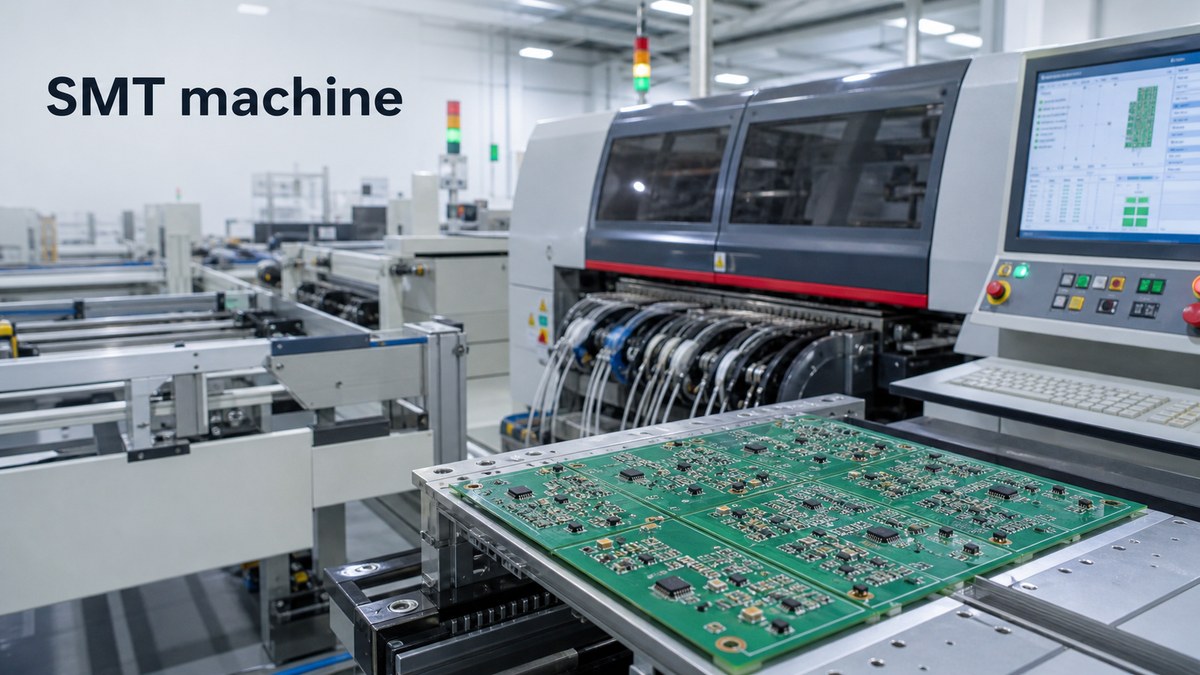
What Is an SMT Machine in PCB Assembly?
An SMT machine is equipment used in surface mount technology production. In PCB assembly, it helps mount electronic components directly onto PCB pads instead of using long through-hole leads.
In daily PCBA production, ?SMT machine? may refer to one machine or the whole SMT line. A buyer may use the term when asking about pick and place machines, solder paste printers, SPI, reflow ovens, AOI systems, X-Ray inspection, or the full production line.
For a PCBA buyer, the practical question is usually simple:
- Can the supplier place the selected components accurately?
- Can the process control solder paste, reflow, and inspection?
- Can the supplier handle fine-pitch ICs, BGAs, connectors, and small components?
- Can testing and packing requirements stay visible until shipment?
This is why an SMT machine article should not only explain equipment names. It should also explain how those machines affect PCBA quality.
SMT Machine Types in a PCBA Production Line
A complete SMT production line usually includes several machines. Each one controls a different risk in the assembly process.
| SMT Machine | Main Job |
| Solder paste printer | Applies solder paste through stencil openings |
| SPI machine | Checks paste height, area, and volume |
| Pick and place machine | Places SMD components on PCB pads |
| Reflow oven | Melts solder paste to form joints |
| AOI machine | Checks visible placement and solder defects |
| X-Ray machine | Checks hidden solder joints such as BGA |
These machines work as one process. A good pick and place machine cannot fully compensate for poor solder paste printing. AOI cannot fix a wrong component package. X-Ray can find hidden defects, but the BGA process must already be controlled before inspection.
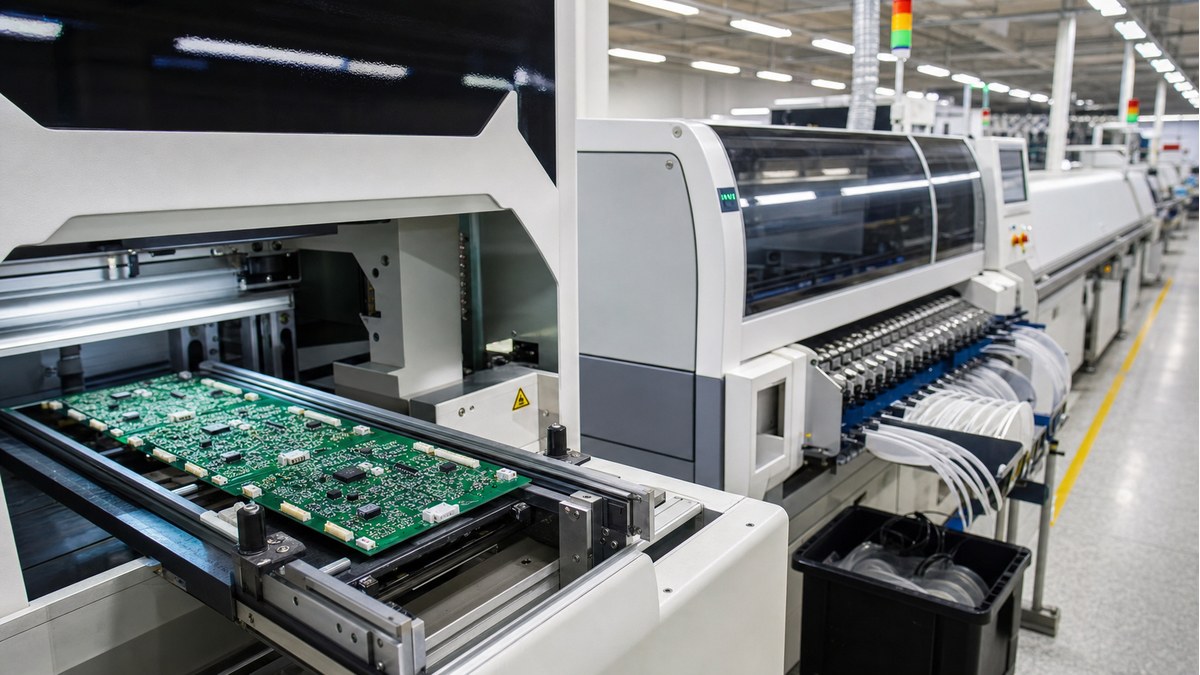
SMT Pick and Place Machine for Component Placement
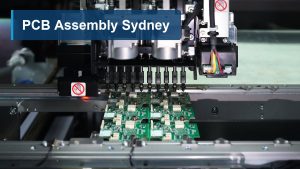
The SMT pick and place machine is often the most visible machine in the SMT line. It picks components from reels, trays, tubes, or cut tape and places them on the prepared PCB.
Placement quality depends on several details:
- component package accuracy
- feeder setup
- nozzle selection
- PCB panel support
- fiducial recognition
- CPL and centroid file accuracy
- component polarity and pin 1 direction
- placement pressure and speed
For buyers, the important point is not only whether the factory owns a pick and place machine. The stronger question is whether the supplier checks the BOM, footprint, CPL file, polarity marks, reference designators, and assembly drawing before production.
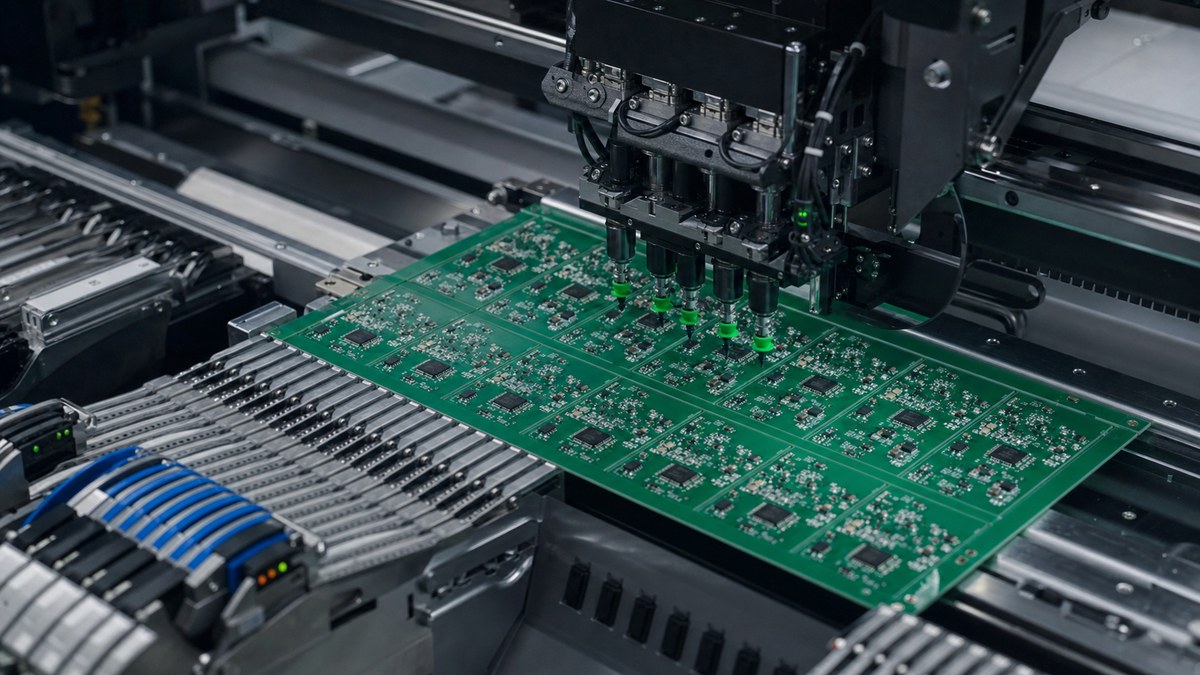
SMT Machine Setup for Complex PCB Assembly
Complex PCBA projects need stronger SMT machine setup than simple LED or resistor-capacitor boards. Fine-pitch ICs, BGA packages, 01005 parts, small connectors, modules, and double-sided assembly all increase process risk.
EBest Circuit supports small SMD components down to 01005 and BGA pitch down to 0.25 mm based on project review. The production path may include solder paste printing, SPI, high-speed placement, nitrogen reflow, AOI, X-Ray inspection, and functional test coordination.
Before SMT starts, the useful checks include:
- Are the BOM, Gerber, CPL, and assembly drawing consistent?
- Are BGA, QFN, connector, and polarity areas clearly marked?
- Does the panel design support stable machine handling?
- Does the stencil opening match paste volume needs?
- Are customer-supplied parts packaged in a production-friendly way?
- Are test points, programming pads, and packing notes defined?
This kind of review is more useful than a simple equipment list because it shows how machine capability is connected to assembly risk.
Solder Paste Printing, SPI, and Reflow in SMT Assembly
Solder paste printing is one of the earliest quality gates in SMT assembly. If paste volume is unstable, later machines may only expose the problem instead of solving it.
SPI checks solder paste before component placement. It can help detect insufficient paste, excess paste, misalignment, bridging risk, and stencil-related problems. Reflow then turns solder paste into solder joints under a controlled temperature profile.
This stage matters most when the board includes:
- fine-pitch ICs
- QFN or DFN packages
- BGA components
- small passive parts
- large thermal pads
- mixed component sizes
- double-sided SMT assembly
For readers who want a broader process view, this related SMT PCB assembly guide explains how the SMT workflow connects with PCB manufacturing and PCBA inspection.
SMT AOI Machine and X-Ray Inspection After Assembly
An SMT AOI machine checks visible assembly defects after placement and reflow. It can help detect missing parts, wrong polarity, component shift, tombstoning, solder bridging, insufficient solder, and visible solder joint problems.
X-Ray inspection is used when solder joints cannot be fully inspected from the surface. This is common for BGA, LGA, QFN, bottom-terminated components, and some hidden solder structures.
AOI and X-Ray are especially useful for:
- BGA solder joint review
- fine-pitch component inspection
- connector soldering review
- prototype failure analysis
- high-density PCBA projects
- customer inspection reports
For boards with BGA components, inspection planning should happen before SMT, not after defects appear. You may also refer to our guide on BGA soldering when reviewing BGA assembly risk.
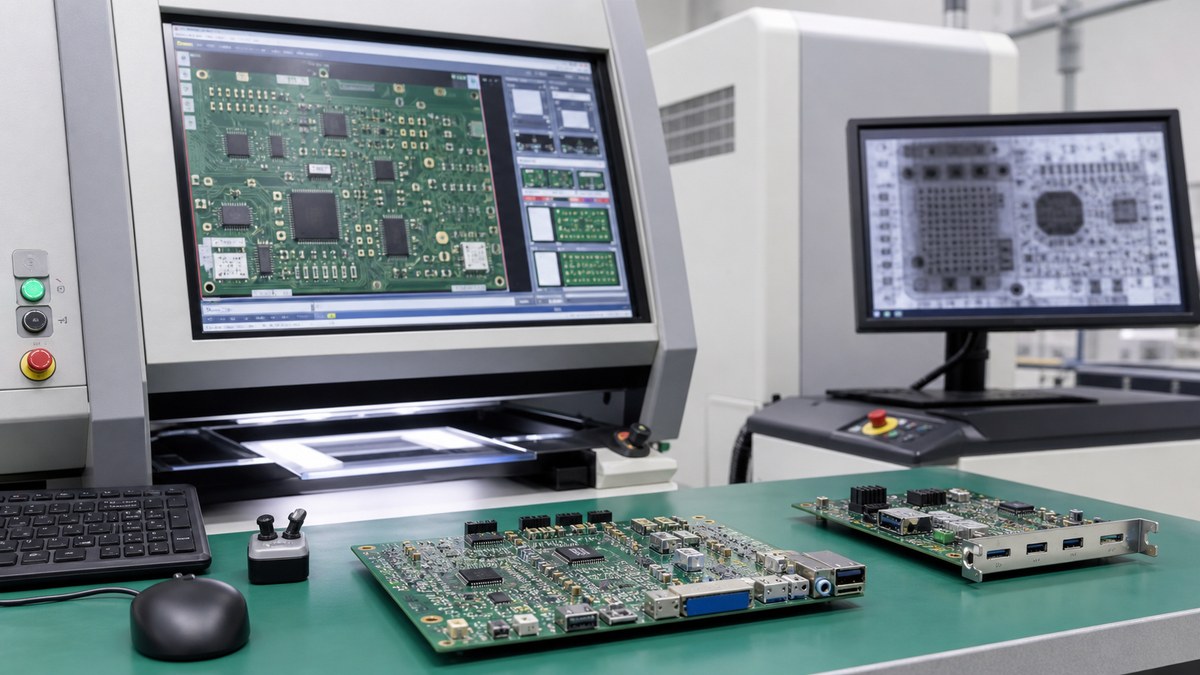
SMT Machine Capabilities at EBest Circuit
EBest Circuit uses SMT equipment as part of a one-stop PCB and PCBA manufacturing workflow. The value is not only machine ownership, but the way file review, component preparation, assembly, inspection, and delivery are connected.
| Area | EBest Circuit Support |
| Small SMD parts | Down to 01005, based on project review |
| BGA assembly | Down to 0.25 mm pitch, with X-Ray when needed |
| Placement capacity | High-volume placement capability up to 13.2M chips/day |
| Inspection | SPI, AOI, X-Ray, visual inspection, and test support |
| Input files | Gerber, BOM, CPL, drawing, test notes, packing notes |
| Service scope | PCB fabrication, sourcing, SMT, THT, testing, packing |
These details are most useful when a buyer needs more than bare PCB fabrication. A prototype or small-batch PCBA order may be small in quantity, but the risk can still be high if the BOM, placement file, inspection method, and test notes are not controlled together.
Small-Batch PCBA Case Study Using SMT Machines
A European customer needed a small-batch control board for an industrial monitoring device. The order quantity was not large, but the board included fine-pitch ICs, connectors, polarity-sensitive parts, and testing requirements before shipment.
Project snapshot
- Customer region: Europe
- Application: industrial monitoring control board
- Build type: PCB fabrication plus SMT assembly
- Quantity: 80 pcs small-batch PCBA
- PCB type: 4-layer FR4
- Assembly focus: fine-pitch ICs, connectors, polarity parts, test pads
- Inspection: SPI, AOI, and selective X-Ray review
- Delivery target: prototype-to-small-batch validation schedule
Manufacturing challenge
- The CPL file had to match the final PCB panel direction.
- Several polarized components needed clear orientation review.
- Connectors had to remain clean and mechanically stable after assembly.
- Test pads needed to remain accessible for functional checking.
- The customer needed the boards packed as individual assembled units.
EBest Circuit solution
- Reviewed Gerber, BOM, CPL, and assembly drawing before SMT.
- Checked polarity marks and connector orientation before placement.
- Used SPI to control solder paste before components were placed.
- Used AOI after reflow and X-Ray review for hidden solder-risk areas.
- Kept cleaning, test, and packing notes visible until shipment.
Result
The customer received assembled boards ready for engineering validation. The value was not only the SMT machine process itself. The value was keeping the file review, placement, inspection, testing, and packing details connected before the boards reached the customer?s bench.
How to Choose a PCBA Manufacturer With SMT Machine Capability
When comparing PCBA manufacturers, machine names alone are not enough. A factory may own SMT machines but still need strong engineering review, operator discipline, inspection planning, and component control.
A practical supplier review should include:
- Can the supplier review Gerber, BOM, CPL, and drawings together?
- Can they support the smallest parts and finest pitch in your project?
- Do they use SPI, AOI, and X-Ray where the risk requires it?
- Can they handle customer-supplied and manufacturer-sourced parts?
- Can they support both prototype and small-batch PCBA?
- Can they keep test, cleaning, packing, and report notes visible?
EBest Circuit has worked in PCB and PCBA manufacturing since 2006 and supports customers across more than 40 countries and regions. The team provides PCB fabrication, component sourcing, PCB assembly, inspection, testing coordination, and small-batch production support under one workflow.
If you are still comparing options, this older guide on what is SMT can help connect the basic meaning of SMT with real PCBA production decisions.
FAQs About SMT Machine and PCB Assembly
1. What is an SMT machine used for?
An SMT machine is used to support surface mount PCB assembly, including solder paste printing, component placement, reflow soldering, inspection, and testing-related production steps.
2. Is an SMT machine the same as a pick and place machine?
Not exactly. A pick and place machine is one important SMT machine, but a full SMT line may also include a printer, SPI, reflow oven, AOI, X-Ray, and conveyors.
3. What is an SMT pick and place machine?
It is the machine that picks SMD components from feeders or trays and places them onto solder-pasted PCB pads before reflow.
4. Why do SMT machines matter for PCBA quality?
They affect solder paste control, placement accuracy, reflow quality, inspection coverage, and final assembly reliability.
5. Can EBest Circuit support SMT assembly for prototypes and small batches?
Yes. EBest Circuit supports PCB fabrication, component sourcing, SMT assembly, inspection, testing coordination, and prototype-to-small-batch PCBA production.
All in all, an SMT machine is only one part of a reliable PCBA production path. If your project involves SMT assembly, fine-pitch components, BGA parts, connectors, customer-supplied materials, or testing requirements, please send your files and project notes to sales@bestpcbs.com. EBest Circuit can help review the assembly path before production starts, so your first build has fewer avoidable surprises.
You may also like
Tags: SMT machine, SMT PCB Assembly, SMT pick and place machine