PCB manufacturing PCB manufacturing
Home > Blog

A Guide to PCB Prototyping in Vietnam: Quality, Costs & Lead Time

March 17th, 2026

Are you looking for a reliable, cost-effective option for high-quality circuit board samples that aligns with your project timeline and budget? If so, PCB prototyping in Vietnam may be the perfect solution for your needs. Vietnam has built a mature manufacturing ecosystem paired with advanced assembly capabilities, making it a trusted choice for global clients who need rapid prototyping services. It combines competitive pricing, strict quality control and flexible lead times to meet the unique demands of projects in the medical, aerospace and industrial equipment sectors..

PCB Prototyping in Vietnam, https://www.bestpcbs.com/blog/2026/03/pcb-prototyping-in-vietnam/

Are You Facing these Pain Points of PCB Prototyping in Vietnam?

  • Do you struggle with inconsistent prototype quality that leads to repeated rework and project delays?
  • Is the promised lead time not met, disrupting your production schedule?
  • Are hidden fees inflating your project costs, especially when combining assembly and prototyping services?
  • Do communication gaps with manufacturing providers result in prototypes that don’t match your design specs?
  • Is it challenging to find prototyping services that meet strict medical or aerospace quality standards?
  • Do rigid minimum order quantities force you to overorder, wasting resources and increasing costs?

Our Targeted Solutions to These Pain Points

  • Adhere to ISO 9001 and IPC-A-600 quality standards, achieving a 99.8% prototype pass rate to eliminate costly rework. Advanced AOI and X-Ray testing for every batch ensures zero defects, critical for medical device prototypes that demand absolute reliability.
  • Guarantee on-time delivery with transparent scheduling and real-time order tracking. We prioritize urgent projects, even complex 16-layer HDI prototypes for aerospace use, so your production timeline stays on track without delays.
  • Offer all-inclusive pricing with no hidden fees: detailed upfront quotes cover assembly, materials, and testing. This lets you lock in budgets upfront, avoiding unexpected costs that inflate industrial equipment prototyping expenses.
  • Assign dedicated English-speaking project managers available 24/7 to clarify requirements and resolve issues quickly, ensuring your prototypes match design specs perfectly, first time around.
  • Hold ISO 13485 and AS9100 certifications, meeting strict medical and aerospace industry standards. This compliance eliminates regulatory risks for surgical generator and aerospace control panel prototypes.
  • Provide flexible MOQs starting at 1 piece, so you only order what you need, no excess prototypes, no wasted resources, and lower upfront costs for small-scale testing or R&D.

Why Choose EBest for PCB Prototyping in Vietnam?

Here are reasons why choose EBest for PCB prototyping in Vietnam:

  • We have nearly 20 years of experience in PCB prototyping and manufacturing in Vietnam, serving 1200+ global clients across medical, aerospace, and industrial sectors with a 99.6% client retention rate, ensuring you partner with a reliable, seasoned provider.
  • Our advanced production equipment includes 8 sets of HDI production lines, supporting up to 24-layer HDI boards and flexible PCB prototyping with a minimum line width/space of 0.1mm, perfectly accommodating complex designs for aerospace communication modules and high-precision medical devices.
  • We strictly comply with ISO 9001, ISO 13485, AS9100 international quality standards, with 100% of medical prototypes meeting FDA and CE regulatory requirements and 99.9% of aerospace prototypes passing AS9100 compliance audits, eliminating your regulatory risks.
  • We offer rapid lead times, with 24-72 hours for standard 1-4 layer prototypes and 5-7 days for complex 9-16 layer HDI boards, and we maintain a 99.7% on-time delivery rate, accelerating your project timeline and avoiding costly production delays.
  • Our one-stop service integrates PCB prototyping, assembly, and post-production testing, reducing your supply chain links by 60% and cutting coordination time by 40%, simplifying your workflow and lowering overall project management costs.
  • We have delivered 10,800+ medical PCB prototypes for surgical generators, achieving zero defects and 100% FDA compliance, and 3,200+ aerospace control panel prototypes that all meet AS9100 standards, proving our ability to deliver high-quality products for critical applications.
  • Our eco-friendly production processes meet Vietnam environmental regulations and RoHS standards, with 95% of production waste recycled and no hazardous substances used, ensuring your prototypes are compliant with global environmental requirements and avoiding export restrictions.
  • We provide flexible customization options, including 12+ special materials such as Rogers and Teflon, and 5 surface treatments including ENIG and HASL, with a 48-hour response time for custom requests, adapting perfectly to your unique project needs.
  • Our transparent order management system updates order status every 4 hours, allowing you to track every stage of prototyping in real time, with 24/7 access to production logs and test reports, eliminating uncertainty and improving project visibility.
Why Choose EBest for PCB Prototyping in Vietnam, https://www.bestpcbs.com/blog/2026/03/pcb-prototyping-in-vietnam/

Top 10 PCB Prototyping Factories in Vietnam in 2026

Factory NameAdvantagesProcess CapabilitiesLead Time
EBest20+ years of experience, medical/aerospace certifications, one-stop service, 99.8% pass rate1-24 layers, HDI, flexible PCB, rigid-flex, surface treatments (ENIG, HASL), AOI/X-Ray testing24-72 hours (standard), 5-7 days (complex), 24-hour urgent service
Meiko Electronics VietnamJapanese-owned, high-precision HDI, Apple supplier, advanced production lines1-16 layers, HDI (16-layer), FPC, PTH/B/U boards, 99.2% yield rate3-5 days (standard), 7-10 days (complex)
Hongban Technology VietnamChinese-invested, large-scale production, eco-friendly processes, competitive pricing1-12 layers, rigid PCB, surface mount technology, 600,000㎡ annual capacity4-6 days (standard), 8-10 days (complex)
Tripod Vietnam (Chauduc) ElectronicTaiwanese-owned, server/NB board expertise, large capacity, strict quality control1-18 layers, HDI, server boards, 372,000㎡ annual capacity5-7 days (standard), 10-12 days (complex)
Vietnam FICT Co., LtdMature production lines, cost-effective, quick response, reliable delivery1-10 layers, rigid PCB, through-hole technology, basic surface treatments3-7 days (standard), 8-10 days (complex)
Vina PCB ManufacturingLocal Vietnamese factory, small-batch expertise, flexible MOQ, personalized service1-8 layers, rigid PCB, simple HDI, ENIG/HASL surface treatments4-8 days (standard), 9-11 days (complex)
Hanoi PCB SolutionsHanoi-based, quick turnaround, industrial PCB focus, competitive pricing1-10 layers, rigid PCB, industrial-grade materials, basic testing3-6 days (standard), 7-9 days (complex)
Saigon Electronics PCBHo Chi Minh-based, large-scale capacity, export-oriented, RoHS compliant1-12 layers, rigid/flexible PCB, Vietnam PCB assembly, mass prototyping5-7 days (standard), 10-13 days (complex)
Danang PCB TechCentral Vietnam location, specialized in medical PCB, ISO 13485 certified1-14 layers, medical-grade PCB, HDI, strict sterility control6-8 days (standard), 10-12 days (complex)
Hai Phong PCB WorksNorthern Vietnam base, automotive PCB specialization, IATF 16949 certified, 24/7 production1-10 layers, automotive-grade PCB, high-temperature materials, in-circuit testing4-6 days (standard), 8-11 days (complex)

What’s the Minimum Order for PCB Prototypes in Vietnam Factories?

The minimum order quantity (MOQ) for PCB prototyping in Vietnam varies by factory, process complexity, and board type. There is no universal MOQ, but most factories offer flexible options to meet different project needs.

For standard rigid PCB prototypes (1-4 layers, simple design), MOQs start at 1 piece. This is ideal for small-scale testing or single-unit validation, common in medical device R&D (e.g., portable surgical tool prototypes).

For complex prototypes (8+ layers, HDI, flexible PCB, or special materials like Rogers), MOQs typically range from 5-10 pieces. These require more advanced production processes, so factories set a minimum to cover material and setup costs, such as aerospace control panel prototypes.

Some factories offer MOQ waivers for urgent projects or long-term clients, but this may result in slightly higher unit costs. Always confirm MOQ with your PCB manufacturing in Vietnam provider before placing an order to avoid unexpected costs.

What Quality Certifications Should PCB Manufacturing in Vietnam Have?

Below are quality certifications should PCB manufacturing companies in Vietnam have:

  • ISO 9001: The basic quality management system certification, required for all reputable PCB manufacturing in Vietnam providers. It ensures consistent production processes and product quality.
  • ISO 13485: Mandatory for PCB prototyping in Vietnam serving the medical industry. It covers quality management for medical devices, ensuring prototypes meet FDA and CE medical standards (e.g., surgical generator PCBs).
  • AS9100D: Required for aerospace PCB prototyping in Vietnam. It aligns with aerospace industry standards, ensuring prototypes meet strict reliability and performance requirements for aircraft components.
  • IPC-A-600: A critical standard for PCB quality, specifying acceptability criteria for printed circuit boards. All PCB prototyping in Vietnam services should adhere to this to ensure consistent board quality.
  • QC080000: A hazardous substance process management certification, ensuring PCB manufacturing in Vietnam complies with RoHS, WEEE, and Vietnam environmental regulations, avoiding harmful materials.
  • UL Certification: Optional but recommended for PCB prototypes used in electrical equipment, ensuring compliance with safety standards for global markets.

What Is Quality Control Process of Vietnam PCB Prototyping Services?

Quality Control Process of Vietnam PCB Prototyping Services:

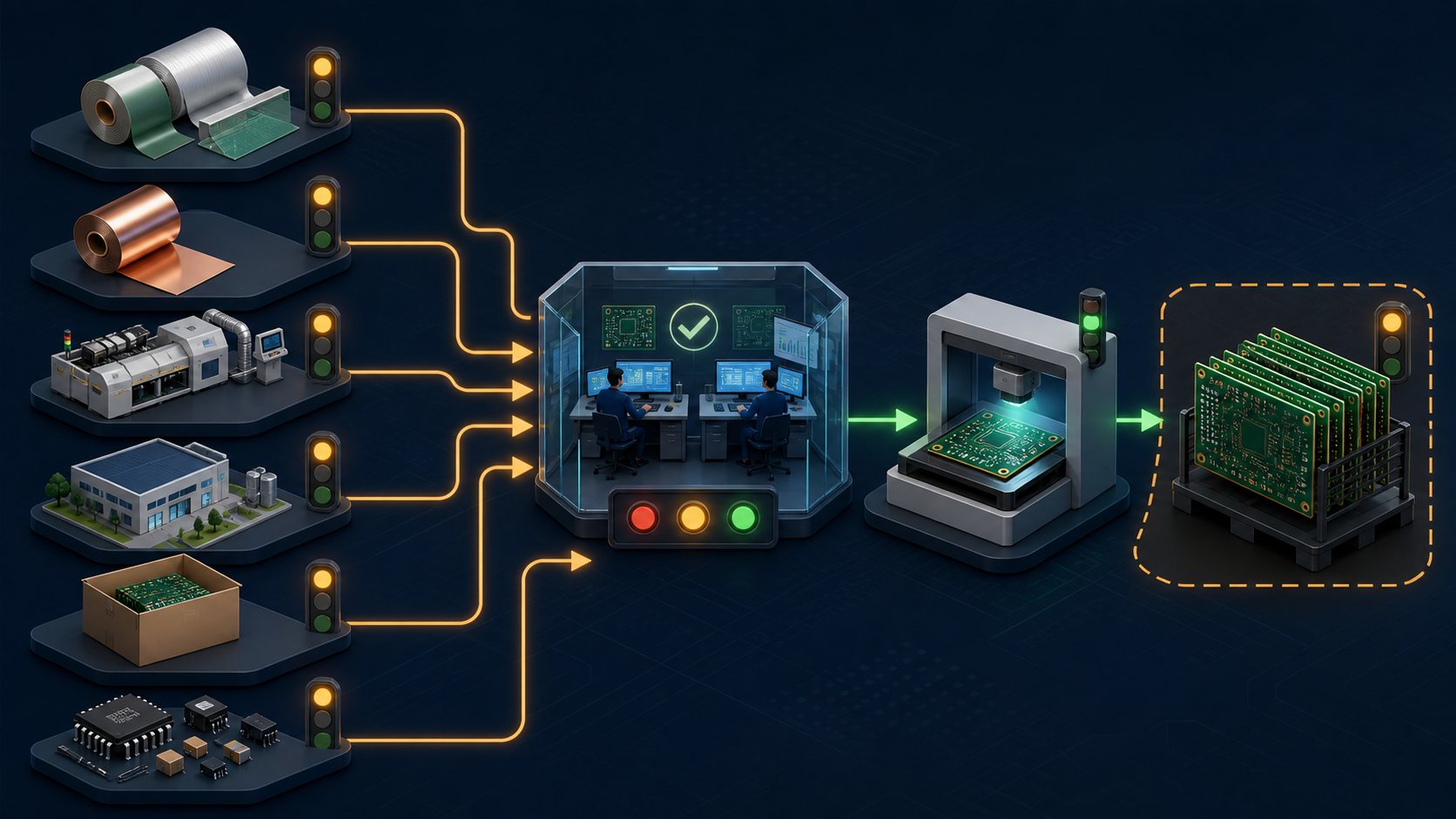
  • Pre-production QC: Conduct Incoming Quality Control (IQC) on raw materials such as copper, substrate and solder mask. Verify material certificates and perform sample tests to ensure all materials meet project requirements, including medical-grade FR-4 substrate for medical prototypes.
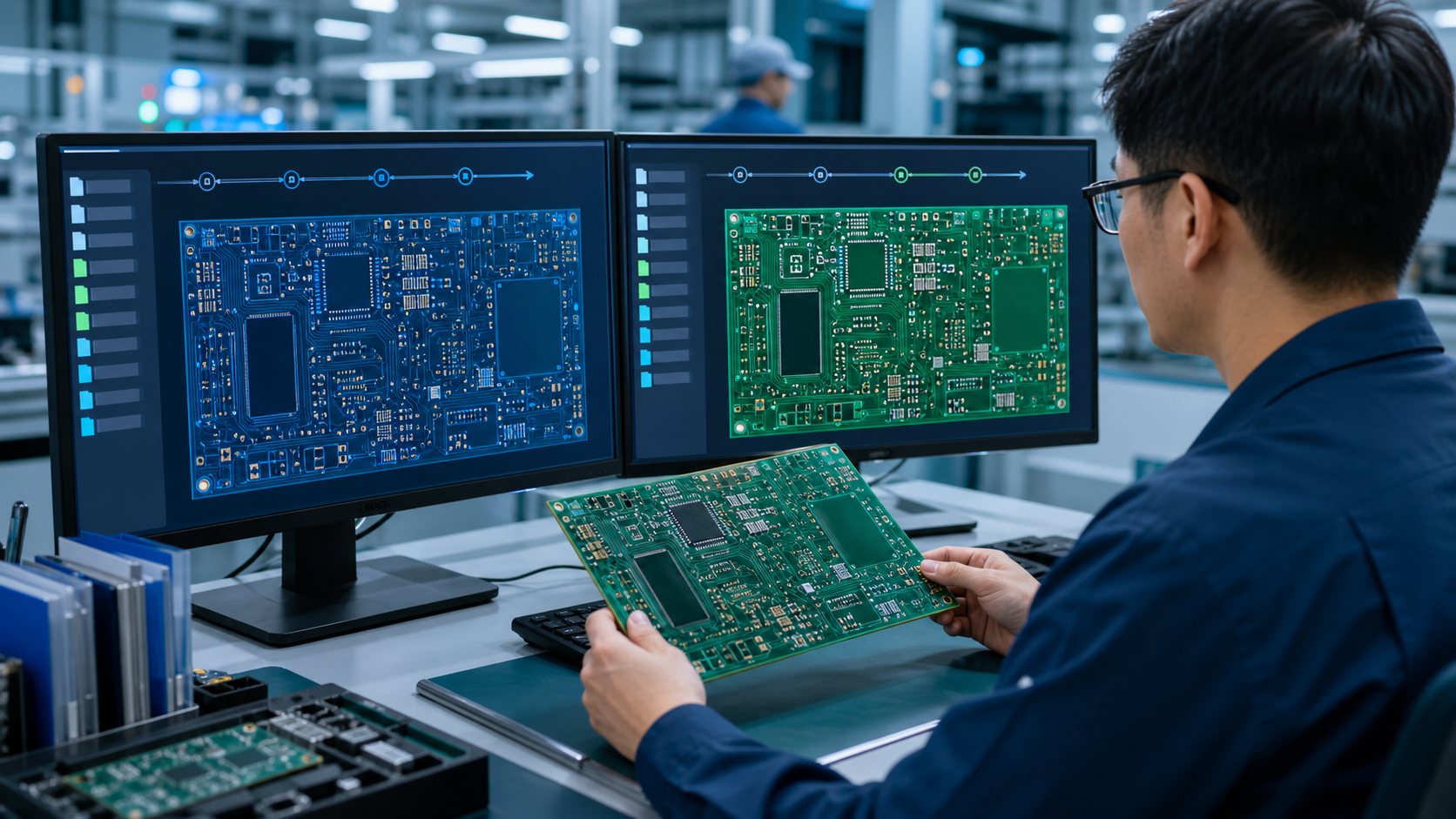
  • In-production QC: Monitor every production step closely, with drilling accuracy controlled to ±0.05mm and copper plating thickness no less than 25ÎŒm. Use Automatic Optical Inspection (AOI) to identify surface defects like short circuits and missing pads in real time.
  • Post-production QC: Perform X-Ray testing to detect hidden defects, such as issues with BGA solder joints in aerospace prototypes. Conduct electrical tests for continuity and insulation resistance, along with visual inspections per IPC-A-600 standards. Add sterility and biocompatibility tests for medical prototypes.
  • Final validation: Compile a detailed QC report with all test results to ensure full traceability for each prototype batch, supporting medical and aerospace clients in meeting relevant regulatory requirements.
What Is Quality Control Process of Vietnam PCB Prototyping Services, https://www.bestpcbs.com/blog/2026/03/pcb-prototyping-in-vietnam/

What Are Production Capabilities of PCB Prototyping in Vietnam?

PCB prototyping in Vietnam has advanced production capabilities to meet diverse industry needs, with most factories offering comprehensive services for medical, aerospace, and industrial equipment.

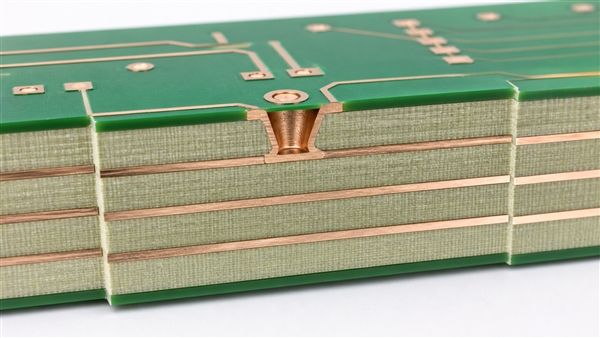
  • Board Layers: 1-24 layers, including HDI (High-Density Interconnect) boards up to 16 layers (used in aerospace communication modules) and rigid-flex boards for portable medical devices.
  • Board Size: 0.8cm × 0.8cm to 100cm × 100cm, supporting both small precision prototypes (e.g., medical sensors) and large industrial PCB prototypes (e.g., industrial control panels).
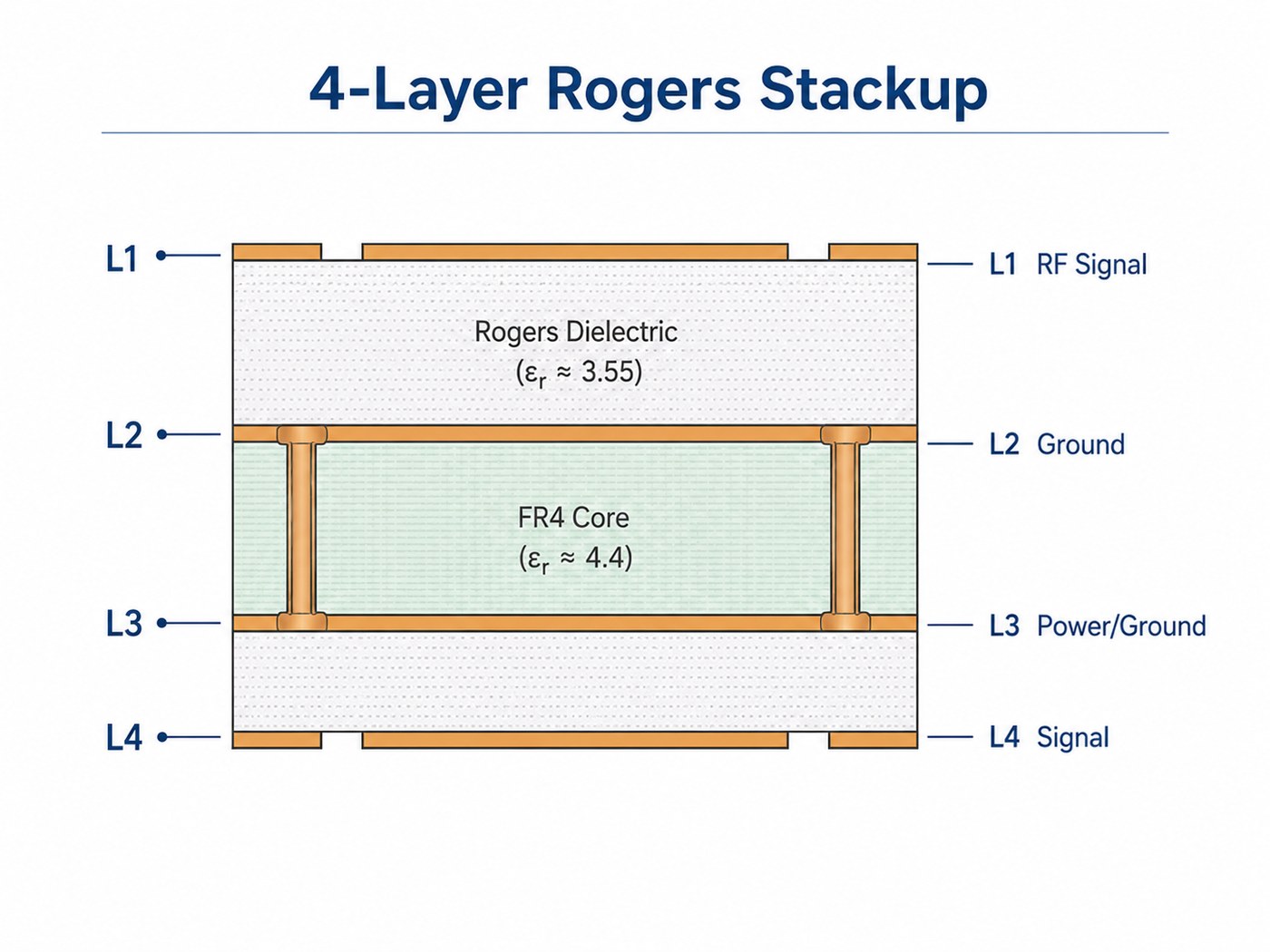
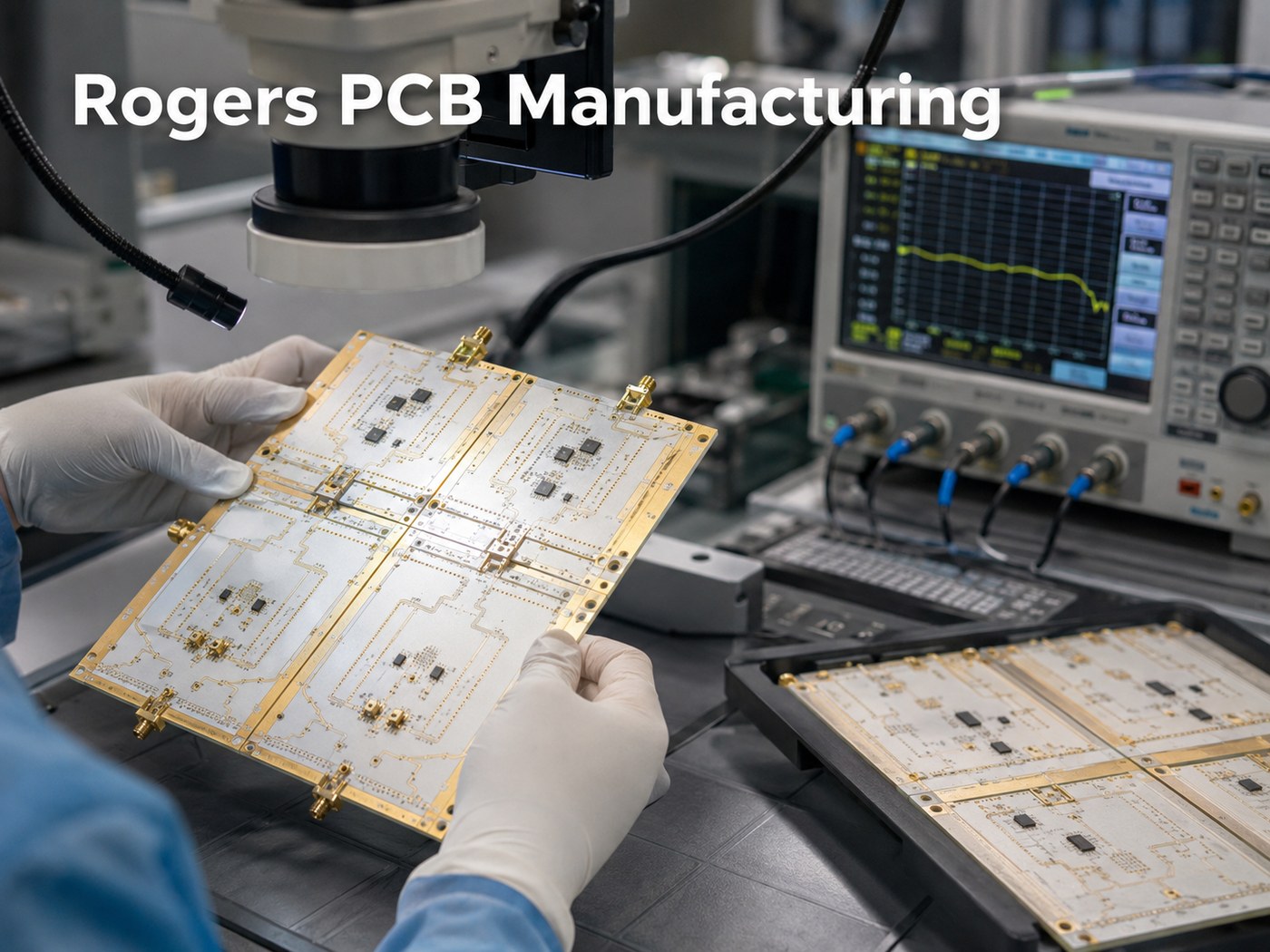
  • Materials: FR-4 (standard), Rogers (high-frequency, aerospace), Teflon (high-temperature), aluminum substrate (heat-dissipating, industrial equipment), and medical-grade materials (biocompatible, non-toxic).
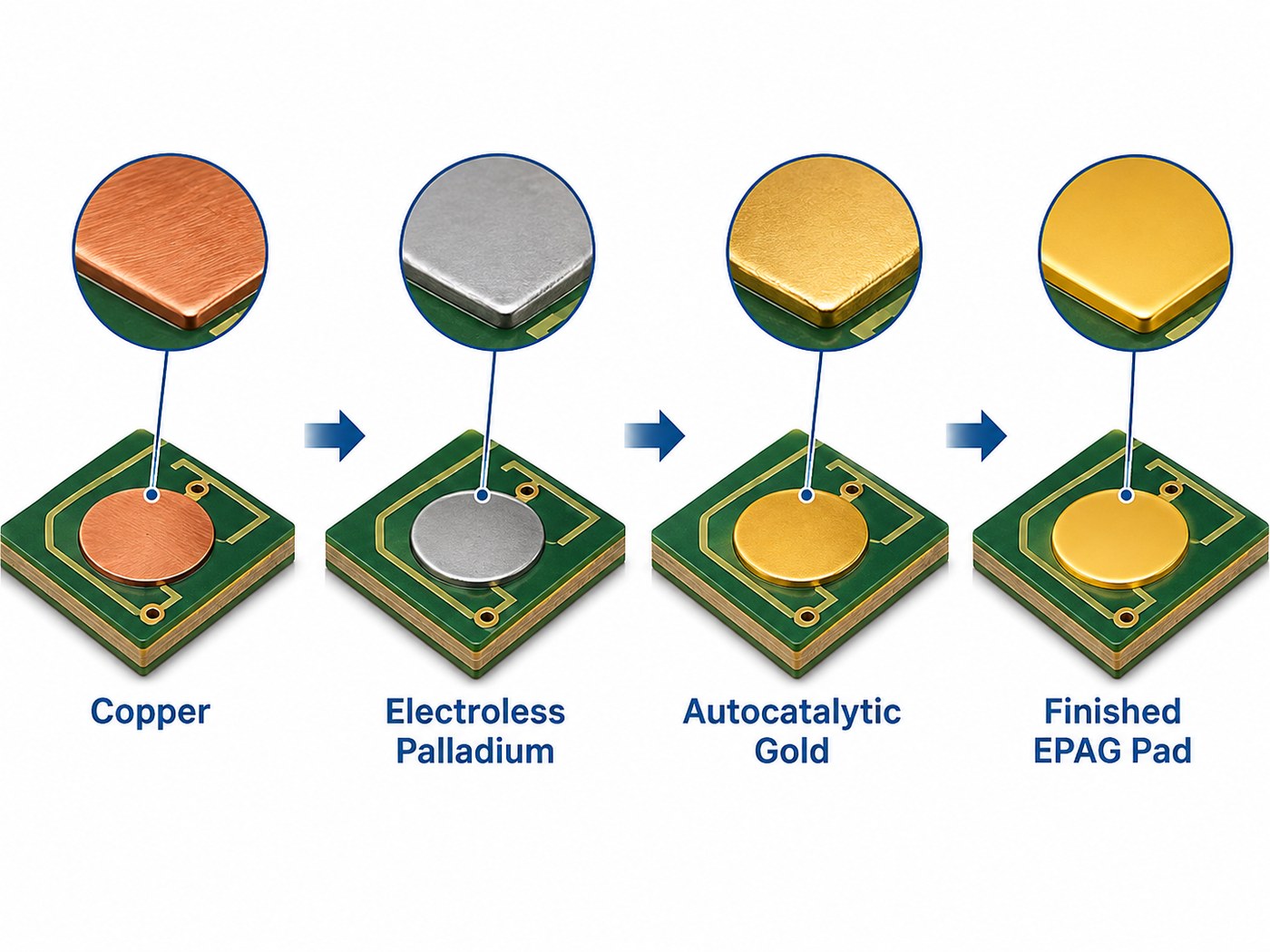
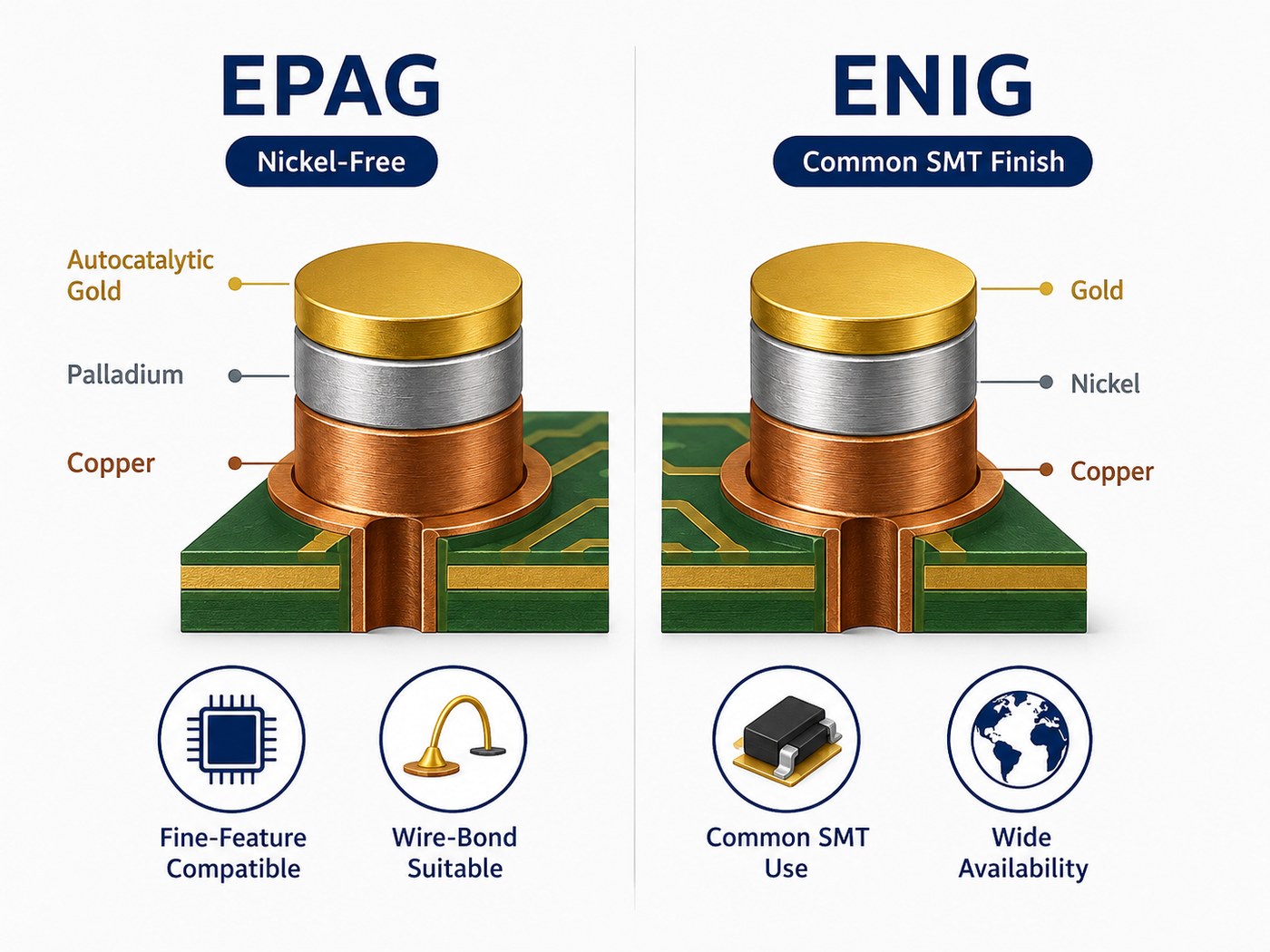
  • Surface Treatments: ENIG (Electroless Nickel Immersion Gold), HASL (Hot Air Solder Leveling), OSP (Organic Solderability Preservative), and immersion silver, suitable for different soldering and reliability requirements.
  • Special Processes: Blind/buried vias, microvias (HDI), solder mask printing, silkscreen printing, and conformal coating (for harsh industrial environments). Annual capacities range from 540,000㎡ (FPC) to 2.16 million㎡ (PTH boards) for top factories.
What Are Production Capabilities of PCB Prototyping in Vietnam, https://www.bestpcbs.com/blog/2026/03/pcb-prototyping-in-vietnam/

What Is the Typical Lead Time of PCB Prototyping in Vietnam?

PCB Prototype TypeStandard Lead TimeUrgent Lead Time (Additional Fee)
1-4 Layers (Standard Rigid PCB)24-72 Hours12-24 Hours (+50%)
5-8 Layers (Mid-Range Rigid PCB)4-5 Days2-3 Days (+30%)
9-16 Layers (HDI/Complex PCB)5-7 Days3-4 Days (+40%)
Flexible/Rigid-Flex PCB7-10 Days5-6 Days (+35%)
Special Materials (Rogers/Teflon)8-12 Days6-7 Days (+45%)
PCB + Vietnam PCB Assembly10-14 Days7-8 Days (+30%)

How Much Does PCB Prototyping in Vietnam Cost?

The cost of PCB prototyping in Vietnam depends on board layers, size, materials, surface treatment, and quantity. Below are accurate price ranges for 2026, excluding Vietnam PCB assembly:

  • 2 Layers (Standard FR-4, 10×10cm, 10 pieces): $20-$50.
  • 4 Layers (Standard FR-4, 10×10cm, 10 pieces): $50-$120.
  • 8 Layers (Standard FR-4, 10×10cm, 10 pieces): $120-$250.
  • 16 Layers (HDI, FR-4, 10×10cm, 10 pieces): $250-$500.
  • Flexible PCB (2-4 layers, 5×5cm, 10 pieces): $80-$180.
  • Special Materials (Rogers/Teflon, 1-4 layers, 10×10cm, 10 pieces): $150-$350.
  • Surface Treatment Add-Ons: ENIG (+$30-$80 per batch), HASL (+$10-$30 per batch), OSP (no additional cost).
  • Urgent Service: +30%-50% of the total prototyping cost.

For Vietnam PCB assembly, add $0.01-$0.05 per solder joint for standard components, or $0.05-$0.10 per joint for precision components (e.g., 01005 size for medical devices).

FAQs About PCB Prototyping Services in Vietnam

Q1: Can PCB prototyping services in Vietnam handle custom material requests for high-frequency or high-temperature aerospace prototypes?
A1: Yes, most reputable PCB prototyping services in Vietnam can accommodate custom material requests for aerospace and other high-demand applications. They offer a range of specialized materials, including Rogers for high-frequency needs and Teflon for high-temperature resistance, which are essential for aerospace communication modules. Top factories maintain partnerships with global material suppliers, ensuring timely access to these specialized materials, and can provide material certificates to verify compliance with aerospace industry standards.

Q2: If my PCB prototype fails quality testing, what is the process for rework or replacement with Vietnam prototyping services?
A2: Reputable PCB prototyping services in Vietnam have a clear rework and replacement policy to protect client interests. If a prototype fails quality testing (e.g., electrical continuity issues or surface defects), the factory will first conduct a detailed root cause analysis within 24 hours. For defects caused by production errors, they will provide free rework or replacement, with the rework lead time typically 20%-30% shorter than the original prototyping time. For medical and aerospace prototypes, they also offer additional testing after rework to ensure compliance with all specs.
Q3: Do PCB prototyping services in Vietnam offer component sourcing support for prototypes that require assembly?
A3: Yes, most PCB prototyping services in Vietnam provide component sourcing support as part of their one-stop service. They source components from trusted global suppliers such as TI and ADI, ensuring genuine parts that meet project specifications. For hard-to-find or specialized components (e.g., precision parts for medical device prototypes), they have a dedicated sourcing team that can locate components within 48 hours, and they provide component quality verification before assembly to avoid compatibility issues.

Q4: How do PCB prototyping services in Vietnam ensure design confidentiality for my proprietary PCB prototypes?
A4: Confidentiality is a top priority for PCB prototyping services in Vietnam, especially for clients with proprietary designs. All reputable factories require non-disclosure agreements (NDAs) to protect client intellectual property. They also implement strict internal data security measures, including encrypted design file storage, restricted access to design data, and secure disposal of unused prototype materials and design documents. Additionally, they do not share client design details or prototype samples with third parties without explicit permission.

Q5: Can PCB prototyping services in Vietnam accommodate design modifications after the prototyping process has started?
A5: Most PCB prototyping services in Vietnam can accommodate design modifications, but the feasibility depends on the stage of production. If modifications are requested before the production of core layers (e.g., drilling or copper plating), the process is straightforward, with minimal additional cost and a short delay of 12-24 hours. If modifications are requested after core production, there may be additional material and labor costs, but the factory will provide a detailed cost and timeline estimate before proceeding. For urgent projects, they prioritize modification requests to minimize delays to the overall project timeline.
You may also like

GPS Antenna PCB Manufacturer | Fast Prototyping, Design and Assembly

March 17th, 2026

GPS Antenna PCB is a specialized printed circuit structure designed to receive satellite signals and convert them into stable positioning data for devices such as trackers, automotive systems, IoT modules, and industrial equipment. This article explains how GPS antenna PCB design, material selection, frequency planning, assembly control, and testing work together when choosing a reliable manufacturer for fast prototyping, design, and assembly.

Are you struggling with unstable signal performance, repeated antenna tuning, or unclear supplier capabilities when sourcing a gps antenna pcb manufacturer?

  • The prototype performs well in lab conditions but fails in the final product
  • Antenna matching shifts after PCB fabrication
  • GPS signal becomes weak after enclosure integration
  • Supplier lacks RF understanding beyond PCB fabrication
  • Quotation and engineering response are slow

These issues often come from a disconnect between design, material selection, and manufacturing execution.

  • Align antenna design with real product structure from the beginning
  • Select materials based on RF behavior, not just cost
  • Control PCB fabrication tolerances for RF consistency
  • Integrate layout, assembly, and testing as one process
  • Provide fast engineering feedback and prototyping support

EBest Circuit (Best Technology) is a professional PCB and PCBA manufacturer with strong experience in RF-related products. We support gps antenna pcb design, gps antenna pcb layout, and full assembly services, helping customers move efficiently from concept to mass production. Ready to move your GPS antenna PCB project forward? Contact our team at sales@bestpcbs.com for fast engineering support and manufacturing solutions.

GPS Antenna PCB

What Is a GPS Antenna PCB?

A GPS antenna PCB is not simply a circuit board carrying a GNSS module. In many modern designs, the antenna itself is implemented directly on the PCB or integrated into it as part of the RF structure.

From an engineering perspective, a gps antenna on pcb must handle extremely weak satellite signals while operating inside complex electronic environments. This includes interference from processors, power circuits, shielding, and enclosure materials.

Key structural elements

  • Radiating element (patch or trace)
  • RF feed line
  • Ground plane
  • Matching network
  • Optional LNA (for active designs)
ElementRole
AntennaReceives satellite signal
Feed lineTransfers RF signal
Ground planeStabilizes performance
Matching networkEnsures impedance matching
LNAAmplifies weak signals

In essence, a GPS antenna PCB behaves more like an RF component than a conventional PCB, which is why manufacturing precision directly impacts performance.

GPS Antenna PCB

What Are the Main Types of GPS PCB Antennas? (Patch vs Trace vs Active)

When selecting a gps pcb antenna, engineers are not just choosing a structure—they are defining how the antenna interacts with the entire system.

Main antenna types

  1. Patch antenna
    Provides stable performance and is widely used in navigation systems.
  2. PCB trace antenna
    A gps PCB trace antenna is etched directly on the board, reducing cost but increasing sensitivity to layout conditions.
  3. Active antenna
    An active gps antenna pcb includes an amplifier to improve signal strength in weak environments.
  4. Flexible antenna
    A flexible pcb gps antenna allows placement flexibility in compact devices.
  5. GPS + Cellular antenna
    A gsm gps pcb antenna integrates positioning and communication but requires careful isolation.
TypeAdvantageLimitation
PatchStable performanceNeeds ground plane
TraceLow costEasily detuned
ActiveHigh sensitivityMore complex
FlexFlexible placementSensitive to structure
ComboSpace savingRF interference risk

The choice depends on product size, signal requirements, and integration complexity.

GPS Antenna PCB

What Materials Are Used in Flexible PCB GPS Antennas?

Flexible GPS antennas typically use polyimide substrates, allowing the antenna to be positioned away from interference sources.

However, material selection is not just about flexibility. It directly affects signal stability, loss, and repeatability.

Material comparison

MaterialUse CaseAdvantageLimitation
FR4Standard designsLow costHigher RF loss
RF materialsHigh-performance designsStable dielectricHigher cost
Flex (Polyimide)Compact devicesFlexible placementHarder tuning

In real-world projects:

  • FR4 is widely used for cost-sensitive designs
  • RF materials are chosen for performance-critical applications
  • Flex is selected when mechanical constraints dominate

The best material is always determined by system-level requirements, not just electrical specifications.

How to Design a GPS Patch Antenna PCB?

A gps patch antenna pcb design begins with frequency selection, ground plane definition, and system constraints.

Design process

  • Define operating frequency
  • Select antenna structure
  • Estimate dimensions based on wavelength
  • Ensure continuous ground plane
  • Control RF feed impedance
  • Reserve matching network area
  • Validate through testing

Key layout rules

  • Keep RF area isolated from digital noise
  • Avoid ground discontinuities
  • Minimize feed length
  • Maintain symmetry
  • Allow tuning flexibility

A well-designed antenna depends more on layout discipline than theoretical complexity.

What Frequency Bands Do GPS PCB Antennas Operate In? (L1 / L2 / L5)

GPS antenna PCB design is based on L-band frequencies, but different applications may require different frequency combinations.

Main frequency bands

BandFrequencyTypical Use
L11575.42 MHzStandard GPS
L21227.60 MHzDual-frequency
L51176.45 MHzHigh reliability

In most commercial designs, L1 remains the primary target. However, advanced applications may use multiple bands to improve positioning accuracy.

For gps glonass pcb antenna or multi-constellation systems, bandwidth requirements increase, making design more complex.

The key point is that frequency selection defines antenna size, material choice, and matching strategy.

How to Calculate GPS Antenna Wavelength and Patch Size?

A fundamental step in antenna design is calculating wavelength.

GPS Antenna PCB

For L1 frequency:

GPS Antenna PCB

However, real antenna size depends on the effective dielectric constant:

GPS Antenna PCB

Practical design steps

  • Calculate free-space wavelength
  • Adjust for substrate properties
  • Determine initial patch size
  • Optimize through testing

Actual dimensions are influenced by:

  • Substrate thickness
  • Ground plane size
  • Feed position
  • Enclosure effects

So calculations provide a starting point, but tuning is always required.

What Are the Challenges in GPS Antenna PCB Assembly?

Assembly plays a critical role in antenna performance.

Common challenges

  • Placement misalignment
  • Solder thickness variation
  • Board warpage
  • Shield interference
  • Cable coupling

For active pcb gps antenna, these issues become more critical due to amplification effects.

FactorImpact
PlacementFrequency shift
SolderImpedance change
GroundSignal instability
ShieldingRadiation distortion

Assembly must be treated as part of RF design, not a separate process.

Top 10 GPS PCB Antenna Design Factories in China

Below is a practical reference list of companies active in GPS antenna and RF PCB manufacturing:

CompanyPositioning
EBest CircuitPCB + PCBA + RF support
C&T RF AntennasCustom antenna design
JC AntennaGNSS antenna specialist
Tengxiang ElectronicsRF components manufacturer
Signal PlusGPS antenna supplier
NHAITCustom FPC antenna
Keesun TechnologyEmbedded antenna provider
Chang HongGNSS antenna supplier
Leheng ElectronicsGPS antenna solutions
Bynav ecosystemGNSS system providers

Choosing a supplier should focus on engineering capability, not just production capacity.

What Are the Applications of GSM GPS PCB Antennas?

A gsm gps pcb antenna is widely used in connected devices.

Typical applications

  • Vehicle tracking
  • Fleet management
  • IoT devices
  • Smart meters
  • Security systems
  • Wearables

These applications require both positioning and communication, making integrated antenna solutions essential. Pls feel free to reach out to our engineering team at sales@bestpcbs.com for fast support and reliable solutions.

How to Test GPS Antenna PCB Performance? (Gain / Return Loss)

Testing ensures real-world performance.

Key parameters

  • Return loss (S11)
  • Gain

Practical validation steps

  1. Measure return loss
  2. Verify frequency alignment
  3. Test signal reception
  4. Evaluate in final enclosure
  5. Compare multiple samples

A common mistake is testing only on a bare PCB. Final product testing is essential.

How to Get GPS PCB Antenna Quotes from EBest Circuit (Best Technology)?

To get accurate gps pcb antenna quotes, prepare:

  • Gerber files
  • Frequency requirements
  • Material preference
  • Board dimensions
  • Assembly requirements
  • Quantity
GPS Antenna PCB

To summarize‌, GPS Antenna PCB is a critical RF structure that determines positioning accuracy and signal reliability in modern electronic devices. This article covered antenna types, materials, design methods, frequency bands, calculations, assembly challenges, and testing processes.

EBest Circuit (Best Technology) provides complete support from design review to PCB fabrication and PCBA assembly, ensuring faster development and more reliable RF performance. Pls feel free to send your files to sales@bestpcbs.com for fast evaluation and quotation.

FAQs About GPS Antenna PCBs

1. What is the most common GPS antenna type?
Patch antennas are widely used due to stable performance.

2. Can FR4 be used?
Yes, but performance may vary compared to RF materials.

3. Why does performance change after assembly?
Because enclosure and components affect RF behavior.

4. What is an active antenna?
An antenna with an integrated amplifier.

5. Can GPS and cellular share one PCB?
Yes, but requires careful RF design.

You may also like

5G Antenna PCB Manufacturer | Design, Prototyping & Assembly

March 17th, 2026

5G antenna PCB is a printed circuit board engineered to support high-frequency antenna structures, stable RF transmission, and compact wireless integration in modern 5G devices. This article explains what a 5G antenna PCB is, how it is designed, which materials and structures are used, and how to choose a reliable manufacturer for design, prototyping, and assembly.

Common customer pain points:

  • Simulation results look good, but real testing fails.
  • FR-4 is used to reduce cost, yet signal loss becomes unacceptable.
  • PCB suppliers lack RF design understanding.
  • Prototyping cycles are too slow for fast product iteration.
  • PCB and assembly are handled by different vendors, causing misalignment.

Corresponding solutions:

  • Co-design antenna layout, stack-up, and matching networks early.
  • Select low-loss materials based on frequency and efficiency targets.
  • Conduct DFM reviews focused on RF-critical structures.
  • Provide rapid prototyping with stable process control.
  • Offer one-stop PCB fabrication and assembly services.

EBest Circuit (Best Technology) is an engineering-driven PCB and PCBA manufacturer specializing in RF and antenna PCB solutions. With integrated capabilities from design review to assembly, we help customers reduce iteration risk and accelerate product development. For inquiries, please contact sales@bestpcbs.com.

5G Antenna PCB

What Is a 5G Antenna PCB?

A 5G antenna PCB is not simply a circuit board with an antenna pattern. In reality, it is a highly integrated RF platform where antenna geometry, dielectric material, copper structure, and layout all directly influence signal behavior.

Key characteristics:

  • Integrates antenna directly into PCB structure
  • Supports sub-6 GHz and mmWave frequency bands
  • Requires precise impedance and loss control
  • Often used in MIMO or multi-antenna systems
  • Sensitive to layout, grounding, and surrounding components

5G communication typically operates across two major frequency domains: sub-6 GHz and mmWave, and each range places very different demands on antenna size, material selection, and layout precision. In practical engineering, sub-6 GHz designs prioritize coverage and stability, while mmWave solutions focus more on bandwidth, beam control, and array integration.

In essence, a 5g pcb antenna is both a structural and electrical component that defines wireless performance.

What Are the Types of 5G Antenna PCBs?

Different applications require different antenna structures, and selecting the right type is critical for performance.

Common types:

  • Patch antenna PCB
  • PIFA / IFA antenna PCB
  • Slot antenna PCB
  • Dipole / monopole PCB antenna
  • Array antenna PCB
  • Flexible PCB antenna

Comparison:

TypeAdvantageApplication
PatchDirectional gainBase stations
PIFACompactMobile devices
SlotFlexible layoutShielded systems
DipoleSimple designExternal antennas
ArrayBeamformingmmWave systems
FlexibleSpace-savingWearables

Each type must align with enclosure design, ground reference, and frequency band.

What Materials Are Used in 5G Antenna PCBs?

Material selection is one of the most critical factors in 5g antenna pcb manufacturing.

Common materials:

  • FR-4
  • Rogers
  • PTFE-based laminates
  • LCP
  • Hybrid stack-ups

Material comparison:

MaterialCostRF PerformanceUsage
FR-4LowLimitedEntry-level
RogersMediumHighRF boards
PTFEHighExcellentMicrowave
LCPMediumStrongCompact antennas
HybridMediumBalancedCost-performance

In high-frequency PCB design, material selection is not just about dielectric constant, but also about loss tangent stability, copper surface profile, and thickness consistency. As operating frequency increases, even small variations in these parameters can significantly impact signal integrity and antenna efficiency.

Therefore, choosing the right material is a balance between performance requirements and cost constraints.

What Are the Applications of 5G PCB Antennas?

The adoption of 5g pcb antenna supplier solutions is rapidly expanding across industries.

Key applications:

  • 5G routers and CPE
  • Industrial IoT devices
  • Automotive communication systems
  • Telecom infrastructure
  • Smart healthcare devices
  • Wireless modules

Why they matter:

  • Higher data rates require efficient antennas
  • Compact devices need integrated designs
  • Multi-antenna systems require isolation control

These applications demand not only manufacturing capability but also strong RF understanding.

Top 10 5G PCB Antenna Factories in China

This list focuses on companies with strong RF, telecom, or antenna PCB capabilities.

  • EBest Circuit (Best Technology)
  • Shennan Circuits
  • Kinwong
  • Suntak
  • Founder PCB
  • Victory Giant Technology
  • WUS Printed Circuit
  • C&T RF Antennas
  • Asian Creation Communication
  • Victory PCB

Different manufacturers specialize in different areas, such as high-volume production, RF expertise, or rapid prototyping.

How to Design a Reliable 5G Antenna PCB?

A reliable 5g antenna pcb manufacturing process starts with proper design decisions.

Key design practices:

  • Define operating frequency early
  • Choose appropriate materials
  • Maintain antenna clearance zones
  • Optimize feed and matching network
  • Control grounding and shielding
  • Validate with simulation and testing

Designing a reliable 5G antenna PCB requires more than following standard PCB rules. Engineers must consider antenna placement, ground continuity, and interaction with nearby components early in the design stage.

For advanced 5G systems, antenna arrays and beamforming structures are often used, which require tighter layout symmetry and manufacturing precision.

Although simulation tools are essential, real-world testing remains critical because enclosure effects and manufacturing variations can impact performance.

What Are the Pros and Cons of 5G Antenna PCBs?

Advantages:

  • Compact integration
  • Reduced assembly complexity
  • Better repeatability
  • Suitable for MIMO systems

Limitations:

  • Sensitive to layout changes
  • Higher material requirements
  • Requires multiple iterations
  • More complex manufacturing

Summary table:

AspectAdvantageLimitation
IntegrationCompactHard to modify
CostReduced BOMMaterial cost
PerformanceHigh efficiencySensitive
ScalabilityProduction-readyRequires control

Working with an experienced 5g pcb antenna factory helps minimize these challenges.

How to Select a Reliable 5G PCB Antenna Manufacturer?

Choosing the right 5g pcb antenna supplier is essential.

Key criteria:

  • RF design understanding
  • Material expertise
  • Prototyping capability
  • DFM support
  • One-stop service
  • Industry experience
  • Communication efficiency

Evaluation table:

CriteriaRequirement
RF knowledgeUnderstand antenna behavior
MaterialsRecommend based on frequency
PrototypingFast and reliable
ProcessStable and traceable
ServicePCB + Assembly

A good manufacturer should act as a technical partner, not just a supplier.

5G Antenna PCB

In conclusion, 5G antenna PCB is a critical platform that enables efficient wireless communication by integrating antenna performance with PCB design and manufacturing. This article covered its types, materials, applications, design strategies, and supplier selection considerations. EBest Circuit (Best Technology) provides complete solutions from RF design support to PCB fabrication and PCBA assembly, helping customers accelerate development and reduce risks. If you are looking for a reliable 5g pcb antenna manufacturer, feel free to contact us at sales@bestpcbs.com.

FAQs About 5G Antenna PCBs

1. Can FR-4 be used for 5G antenna PCB?
Yes, for some sub-6 GHz designs, but not ideal for higher frequencies.

2. Is 5G antenna PCB always high-frequency PCB?
Yes, due to RF requirements.

3. Why is prototyping important?
Because real performance differs from simulation.

4. What affects antenna performance most?
Material, layout, grounding, and environment.

5. What is one-stop service?
Design, PCB fabrication, and assembly in one workflow.

You may also like

Embedded PCB Antennas | RF Antenna PCB Design, Prototyping & Assembly

March 17th, 2026

Embedded PCB Antennas are antenna structures directly integrated into the copper layers of a printed circuit board, enabling wireless communication without the need for external antenna components. This article explains how embedded PCB antennas work, their design principles, common structures such as 2.4 GHz embedded PCB antenna designs, and how manufacturers optimize antenna performance for wireless products.

Wireless connectivity has become fundamental in modern electronics. From IoT sensors and smart home devices to wearable technology and industrial control systems, engineers increasingly prefer antenna solutions that reduce product size, simplify assembly, and lower cost. Embedded antennas meet these goals by integrating RF functionality directly into the PCB itself. EBest Circuit specializes in RF antenna PCB design, prototyping, and full PCBA assembly. With over 20 years of experience in RF PCB manufacturing, we help engineers bring wireless products to market faster and more reliably. For inquiries or factory visits, please contact us at sales@bestpcbs.com.

Why Embedded PCB Antennas Are Popular in Modern Electronics?

Electronic devices are becoming smaller while requiring more connectivity options. This trend makes traditional external antennas less practical in many applications.

Embedded antennas provide several advantages.

Space Saving Design

An embedded antenna PCB eliminates the need for external antennas or connectors. This is especially useful in compact products such as smart sensors, wearables, and IoT modules.

Lower Manufacturing Cost

Because the antenna is etched directly into the PCB copper layer, there is no need for additional antenna components, coaxial connectors, or cables.

Improved Mechanical Reliability

External antennas can break, loosen, or suffer from connector wear. An embedded PCB antenna removes these potential failure points.

Simplified Product Design

Industrial designers often prefer products without visible antennas. Embedded antennas allow sleek product designs without compromising wireless functionality.

Because of these benefits, embedded antenna technology is widely used across modern electronics.

What Is an Embedded PCB Antenna?

An embedded PCB antenna is an antenna structure created using copper traces on the PCB. Instead of installing a discrete antenna module, engineers design a specific copper pattern that radiates RF signals.

These antennas operate using electromagnetic radiation generated by alternating current flowing through the copper trace.

Typical characteristics include:

  • Copper trace acting as the radiating element
  • Integration into PCB layers or surface traces
  • Connection to RF transceivers via a 50-ohm impedance line
  • Use of tuning components for impedance matching

Embedded antennas are commonly used in frequencies such as:

FrequencyTypical Application
433 MHzRemote controls
868 / 915 MHzLoRa communication
2.4 GHzWiFi / Bluetooth
5 GHzHigh-speed WiFi
13.56 MHzNFC systems

Among these, the 2.4 GHz embedded PCB antenna is the most widely used due to the popularity of WiFi and Bluetooth devices.

Types of Embedded PCB Antennas

Different antenna structures are used depending on frequency, PCB size, and product design constraints.

Inverted-F Antenna (IFA)

The inverted-F antenna is one of the most common pcb embedded antenna designs.

Key characteristics include:

  • Compact layout
  • Good impedance matching
  • Suitable for 2.4 GHz communication

This antenna structure is widely used in:

  • WiFi modules
  • Bluetooth devices
  • IoT communication modules

Meandered PCB Antenna

A meandered antenna uses a serpentine copper trace that increases electrical length without increasing physical size.

Advantages include:

  • Compact footprint
  • Efficient low-frequency operation
  • Suitable for small devices

It is commonly used in:

  • IoT sensors
  • LoRa devices
  • wireless control modules

Loop Antenna

A loop antenna consists of a closed copper loop that radiates electromagnetic energy.

Typical uses include:

  • RFID systems
  • wireless communication devices
  • NFC systems

In many smartphones and access control systems, an embedded pcb nfc antenna is implemented as a loop antenna around the PCB.

Patch Antenna

Patch antennas are flat metal patches placed above a ground plane.

Embedded PCB Antennas

They provide:

  • directional radiation
  • higher gain
  • stable performance

Applications include:

  • GPS receivers
  • satellite communication systems
  • automotive radar

How Embedded PCB Antennas Work?

Embedded antennas convert electrical signals into electromagnetic waves. When RF current flows through the antenna trace, it generates an oscillating electromagnetic field that radiates into space.

The efficiency of radiation depends on several design factors.

Antenna Length

A key rule in antenna design is the quarter-wavelength principle.

The approximate antenna length is:

FrequencyQuarter Wavelength
433 MHz~17 cm
915 MHz~8 cm
2.4 GHz~3.1 cm

Because space is limited on PCBs, engineers often use meander structures to compress antenna length.

Impedance Matching

Most RF systems use 50-ohm impedance. If the antenna impedance does not match the RF circuit, signal reflections occur.

Matching networks are commonly used.

Typical structures include:

  • Pi matching network
  • T matching network
  • LC matching circuits

These components help optimize antenna efficiency and radiation performance.

Ground Plane Influence

The ground plane strongly affects antenna performance.

Key considerations include:

  • sufficient ground clearance around the antenna
  • avoiding large metal components nearby
  • controlling return current paths

Improper ground design can significantly reduce antenna efficiency.

Embedded PCB Antennas vs External Antennas

Engineers often choose between embedded antennas and external antennas depending on product requirements.

FeatureEmbedded PCB AntennaExternal Antenna
SizeVery compactLarger
CostLowerHigher
RF performanceModerateUsually stronger
IntegrationHighLow
Mechanical reliabilityHighConnector dependent

External antennas are often preferred when:

  • maximum transmission distance is required
  • RF performance is critical
  • PCB size is extremely small

Embedded antennas are preferred when:

  • product size is limited
  • cost must be minimized
  • industrial design requires hidden antennas

Design Factors That Affect Embedded PCB Antenna Performance

Designing a reliable embedded antenna PCB requires careful consideration of multiple parameters.

PCB Material

The dielectric constant of the PCB affects signal propagation.

Common materials include:

MaterialTypical Use
FR4Standard IoT devices
RogersHigh-frequency applications
PTFEAdvanced RF designs

For most consumer devices, FR4 is sufficient for 2.4 GHz embedded PCB antenna designs.

PCB Stackup

Stackup influences antenna impedance and radiation pattern.

Key parameters include:

  • dielectric thickness
  • copper thickness
  • ground plane position

Proper stackup planning is critical for RF performance.

Component Placement

Components near the antenna can interfere with signal radiation.

Engineers typically avoid placing these near antennas:

  • batteries
  • shielding cans
  • large metal connectors

Maintaining a dedicated antenna clearance area is essential.

Antenna Tuning

Even well-designed antennas often require tuning during prototyping.

Common RF testing tools include:

  • Vector Network Analyzer (VNA)
  • RF simulation software
  • spectrum analyzers

These tools help optimize antenna performance before mass production.

Applications of Embedded PCB Antennas

Embedded antennas are widely used across many industries.

IndustryApplication
IoTsmart sensors
Smart homeWiFi devices
Medicalwireless monitoring
Automotivetelematics
Industrialwireless automation
Consumer electronicswearable devices

For example, smart home devices often use 2.4 GHz embedded PCB antennas to support WiFi or Bluetooth connectivity.

Similarly, access control systems rely on embedded PCB NFC antennas for contactless communication.

Why Choose EBest Circuit for Embedded PCB Antennas?

Designing and manufacturing embedded antennas requires expertise in both RF engineering and PCB fabrication.

EBest Circuit (Best Technology) provides complete support for antenna PCB development, including design consultation, prototyping, and mass production.

Key advantages include:

  • Professional engineering support team for full-process technical assistance
  • Free DFM review and BOM optimization by experienced engineers
  • Complete PCB + component sourcing + PCBA assembly services
  • Support for prototypes and small-batch production
  • Certifications including ISO9001, ISO13485, IATF16949, and AS9100D
  • Digital manufacturing system with full traceability

With more than 20 years of PCB and PCBA manufacturing experience, EBest Circuit helps customers successfully develop high-performance wireless products.

Embedded PCB Antennas

In summary‌, embedded PCB antennas have become an essential technology in modern wireless electronics. By integrating antenna structures directly into the PCB, designers can reduce product size, lower manufacturing cost, and improve reliability.

From 2.4 GHz embedded PCB antennas used in WiFi devices to embedded PCB NFC antennas used in contactless systems, this antenna technology enables compact and efficient wireless products across many industries.

As wireless devices continue to expand across IoT, medical, automotive, and industrial markets, embedded antenna design will remain a critical element of PCB engineering.

Ready to integrate an embedded PCB antenna into your next product? EBest Circuit provides professional antenna PCB design support, rapid prototyping, and complete PCBA manufacturing services. Pls feel free to contact us at sales@bestpcbs.com.

FAQs About Embedded PCB Antennas

What is an embedded PCB antenna?

An embedded PCB antenna is a wireless antenna created directly from copper traces on a printed circuit board instead of using an external antenna component.

What frequency is commonly used for embedded PCB antennas?

The most common frequency is 2.4 GHz, which supports WiFi and Bluetooth communication.

Can FR4 be used for embedded antennas?

Yes. FR4 is widely used for most consumer electronics and works well for 2.4 GHz embedded PCB antenna designs.

What is an embedded PCB NFC antenna?

An embedded PCB NFC antenna is typically a loop antenna designed on the PCB to enable near-field communication at 13.56 MHz.

How do engineers tune PCB antennas?

Engineers use RF test equipment such as vector network analyzers to measure antenna impedance and adjust matching components.

You may also like

Difference Between Turnkey and Consigned PCB Assembly

March 17th, 2026

Struggling to understand how consigned PCB assembly differs from turnkey and which one saves you money? This guide compares definitions, costs, service scopes, lead times, risks, and supplier choices to help you optimize your PCB decisions efficiently.

Difference Between Turnkey and Consigned PCB Assembly, https://www.bestpcbs.com/blog/2026/03/consigned-pcb-assembly/

What is Consigned PCB Assembly?

Consigned PCB assembly refers to a service where the client provides all necessary components (such as resistors, capacitors, ICs, and PCBs), and the manufacturer is responsible for assembling these components into finished PCBs according to the client’s specifications. This model puts the client in control of component sourcing, while the manufacturer handles the assembly process, quality testing, and packaging.

A reputable consignment PCB assembly supplier will verify component quality upon receipt, ensure proper storage to prevent damage, and follow strict assembly protocols to meet the client’s requirements. This model is ideal for clients who have established component supply chains or need to use specific, high-quality components for their products.

What is Turnkey PCB Assembly?

Turnkey PCB assembly is a full-service solution where the manufacturer takes complete responsibility for the entire PCB production process. This includes component sourcing, procurement, assembly, testing and delivery. Clients only need to provide the design files (Gerber files, BOM list) and specifications, and the manufacturer handles the rest.

This model eliminates the need for clients to manage component sourcing. It reduces administrative burdens and potential supply chain risks, making turnkey solutions popular among businesses that want to streamline their production process and focus on core operations instead of component management.

Difference Between Turnkey and Consigned PCB Assembly

Comparison AspectTurnkey PCB AssemblyConsigned PCB Assembly
Material ProcurementManufacturer handles all component sourcingClient supplies components
Cost StructureHigher upfront cost but lower total cost (bulk buying, logistics savings)Lower material costs but higher management/labor costs
Lead TimeTypically shorter (manufacturer controls supply chain)Varies based on client’s supply chain efficiency
Risk AllocationManufacturer bears sourcing/quality risksClient bears component quality/supply risks
Quality ControlManufacturer-managed (integrated process)Shared responsibility (client controls part quality)
Flexibility & CustomizationLimited (predefined specs)High (client can modify materials/processes)
Volume EfficiencyOptimal for large-scale productionBetter for small batches/specialty items
Client Expertise RequiredMinimal (relies on manufacturer)High (requires sourcing/inventory management skills)
Supply Chain ControlManufacturer-managedClient-controlled
Total Cost of OwnershipOften lower (logistics/bulk savings offset fees)Potentially higher (inventory/management costs)

Cost Analysis: Is Consigned PCB Assembly More Economical for Small Businesses?

For international small businesses, cost control directly affects operational sustainability. Unlike turnkey solutions, consigned PCB assembly eliminates manufacturer sourcing markups, cutting direct costs significantly. This is a game-changer for budget-conscious small businesses, especially those leveraging regional trade agreements, as sourcing components locally or from preferential regions can slash tariff costs by up to 60% in some cases, and you retain full control over component pricing to negotiate bulk discounts with trusted suppliers, critical for reducing per-unit costs on small to medium production runs.

However, hidden costs can erode savings if you lack an established component supply chain. These include international shipping fees, customs delays, and rework costs from low-quality components; for example, urgent component shipping or rework for defective parts can add 15-30% to your total costs, negating initial assembly savings from consigned services, especially when navigating complex global trade rules and supply chain gaps.

The key to cost efficiency lies in your component supply chain: if you have reliable local or regional component suppliers, consigned PCB assembly is almost always more economical, as it avoids turnkey markup and lets you optimize tariffs and component costs. Without trusted suppliers, turnkey may be cheaper, as manufacturers leverage global networks to secure components at lower costs and avoid hidden supply chain expenses, including those associated with international shipping and compliance checks.

Is Consigned PCB Assembly More Economical for Small Businesses, https://www.bestpcbs.com/blog/2026/03/consigned-pcb-assembly/

Service Scope Comparison: Consigned vs. Turnkey PCB Solutions

Understanding the exact services included in each assembly model helps you choose the right fit for your global operations. Both options focus on quality and efficiency but differ significantly in the level of support provided, especially for international clients managing cross-border supply chains.​

Consigned PCB Assembly Services​

Consignment PCB assembly services are tailored for clients who want control without sacrificing quality. Key services include component inspection to verify your parts meet specifications, SMT and through-hole assembly, rigorous testing such as AOI, X-ray and functional testing, and packaging optimized for international shipping. Many suppliers also offer component storage so you can stage parts for ongoing production and avoid repeated international shipping costs.​

This model keeps you in charge of component sourcing while we handle the technical aspects of assembly. It is ideal for clients with established supplier relationships who want to maintain consistency across global production batches.​

Turnkey PCB Solutions​

Turnkey solutions are designed for international clients who want to simplify their supply chain. They include all consigned assembly services plus component sourcing with compliance checks for regional standards like EU RoHS and US FCC, DFM analysis to optimize designs for global production, inventory management, and global shipping with end-to-end tracking. This eliminates the need to coordinate with multiple suppliers and customs agents.​

Turnkey services leverage the manufacturer’s global supplier networks and logistics expertise to streamline your operations. They are perfect for clients new to global manufacturing or those looking to reduce administrative workload and supply chain complexity.

Lead Time Efficiency: Can Consigned PCB Assembly Beat Turnkey for Urgent Deadlines?

Yes, consigned PCB assembly is significantly more efficient for meeting urgent global deadlines, especially with same day consigned PCB assembly options. When you provide all necessary components, your manufacturer can begin assembly the moment those parts arrive. This cuts out the 3 to 7 days (or longer) typically needed for component sourcing in turnkey solutions, which is a critical benefit when you’re up against tight market launch timelines or need to quickly replace defective parts for global customers. Many international clients rely on this speed to avoid costly delays that could harm their brand reputation in competitive markets.

For international clients, partnering with a consignment PCB assembly supplier with proven global shipping experience is key to faster turnaround. We’re familiar with customs regulations across major markets from the EU and US to Asia, and use specialized packaging (like vacuum sealing for high-tech PCBs) to prevent damage during transit, which also helps streamline customs inspections and avoid hold-ups. We provide real-time tracking for every shipment, so you can monitor delivery progress at any time. Turnkey solutions, by contrast, often struggle with urgent deadlines because they’re dependent on global component sourcing, which can face delays from supply chain disruptions or customs issues.

 Can Consigned PCB Assembly Beat Turnkey for Urgent Deadlines, https://www.bestpcbs.com/blog/2026/03/consigned-pcb-assembly/

Risk Assessment: Consignment vs. Turnkey PCB Assembly

For international clients, understanding the risk differences between consigned and turnkey PCB assembly is critical to protecting your business, brand reputation, and bottom line. Each model shifts risk responsibility differently, and knowing these nuances helps you choose the option that aligns with your risk tolerance and operational capabilities.

Consigned PCB Assembly Risks

With consigned PCB assembly, the majority of supply chain risks fall on you, the client. This is a key tradeoff for the control you gain over component sourcing and quality.

The most common risks include component shortages caused by global supply chain disruptions, damage to parts during international shipping, and the threat of counterfeit components if your suppliers are not reputable. Counterfeit parts are particularly dangerous as they can fail unexpectedly, damage your products, and even harm your brand’s credibility in global markets.

You also bear the risk of non-compliant components. If the parts you source do not meet regional standards like EU RoHS or US FDA, your finished products may be rejected at customs, leading to costly delays and rework.

To mitigate these risks, partner with a consignment PCB assembly supplier that conducts thorough component inspections upon receipt, offers climate-controlled storage to prevent damage, and provides detailed quality reports. This ensures your components meet the standards required for your target markets and reduces the chance of costly errors.

Turnkey PCB Assembly Risks

In turnkey PCB assembly, most supply chain and quality risks shift to the manufacturer, relieving you of the administrative burden but requiring trust in your partner’s capabilities.

The primary risks the manufacturer bears include sourcing counterfeit or non-compliant components, unexpected component price fluctuations, and supply chain delays due to global events or part shortages. These issues can delay your order and impact your ability to meet market deadlines.

While the manufacturer takes on most risks, you still face potential setbacks if they fail to meet your quality or delivery requirements. Poor assembly quality or missed deadlines can disrupt your operations and damage relationships with your own customers.

To minimize these risks, choose a turnkey supplier with a proven track record of serving international clients, transparent sourcing processes, and strict compliance with global standards (IPC-610, RoHS, FCC). A reliable supplier will also offer DFM analysis to prevent design-related risks and ensure smooth production.

Volume Strategy: Why Choose Consigned PCB Assembly for High-Volume Production?

Consigned PCB assembly offers strategic advantages for high-volume production by prioritizing client control over costs, quality, and supply chain flexibility. Below is a structured breakdown of its benefits, tailored to client priorities:

  • Cost Efficiency Through Direct Component Sourcing: Clients avoid manufacturer markups (typically 5–20%) and inventory overhead by supplying components directly. This model is ideal for companies with pre-negotiated supplier contracts or access to bulk/specialized components. For example, projects leveraging long-term supplier deals can achieve 15–40% cost savings compared to turnkey solutions. High-volume runs benefit from bulk purchasing efficiencies, reducing per-unit costs significantly.
  • Enhanced Quality Control: Clients retain full oversight of component quality, ensuring adherence to standards like IPC-A-610. Automated inspection tools (SPI, AOI, X-ray) detect early-stage anomalies and soldering defects, ensuring consistent quality across thousands of boards. This is critical for reliability-driven industries (e.g., automotive, telecommunications), where field failures carry high costs.
  • Supply Chain Agility & Risk Mitigation: Consigned assembly shifts supply chain management to the client, avoiding delays from third-party logistics or supplier shortages. Clients with robust in-house supply chains can coordinate component deliveries directly, ensuring timely production starts. This model also mitigates risks like component obsolescence or price fluctuations, as clients proactively manage inventory lifecycles and source alternatives.
  • Customization for Specialized Components: For projects requiring niche, patented, or custom-designed components, consigned assembly allows direct integration without manufacturer constraints. This is particularly valuable for R&D-driven or niche products where component specifications must align precisely with design goals. Manufacturers focus on assembly expertise, while clients handle specialized sourcing.
  • Accelerated Time-to-Market: High-volume production demands rapid scaling. Consigned assembly reduces lead times by eliminating the need for manufacturer-led component procurement. Clients with pre-sourced components can initiate assembly immediately, leveraging contract manufacturers’ (CMs) high-speed SMT lines for quick-turn delivery (e.g., 2–4 days for QuickTurn services). This agility is crucial for meeting tight deadlines and capitalizing on market opportunities.
Why Choose Consigned PCB Assembly for High-Volume Production, https://www.bestpcbs.com/blog/2026/03/consigned-pcb-assembly/

Selection Criteria: Consignment vs. Turnkey PCB Assembly Supplier

When selecting a consignment PCB assembly supplier for global production, prioritize these factors:

  • Component Sourcing Control: For consigned PCB assembly, you provide all components, keeping full control over quality, sourcing channels, and regional compliance (e.g., EU RoHS, US FDA). For turnkey, the manufacturer sources all components via their global network, handling counterfeit risk and compliance checks.
  • Cost & Tariff Efficiency: Consigned has lower direct assembly fees (no sourcing markup) but requires you to manage component costs and optimize local tariffs. Turnkey includes a component markup but leverages bulk sourcing to lower total costs, with the manufacturer handling tariff optimization across regions.
  • Lead Time for Urgent Orders: Consigned delivers faster once components arrive, supporting same-day consigned PCB assembly for tight deadlines (cuts out 3–7 days of sourcing). Turnkey has longer lead times due to sourcing, making it harder to meet urgent deadlines.
  • Risk Distribution: In consigned, you bear supply chain risks (shortages, counterfeits, shipping damage). In turnkey, the manufacturer takes most sourcing risks, leaving you only at risk of delivery delays from the manufacturer.
  • Service Scope Fit: Consigned focuses on assembly, testing (AOI, X-ray, functional), packaging, and component storage, ideal if you already have trusted suppliers. Turnkey offers end-to-end support: sourcing, DFM analysis, inventory, and global shipping, perfect for simplifying your supply chain.
  • Volume Suitability: Consigned works best for high-volume production to leverage bulk component discounts and ensure stable global supply. Turnkey is cost-effective for low-to-medium volumes or small batches, avoiding the need for large component stockpiles.
  • Quality & Compliance Assurance: Consigned relies on your component compliance; the manufacturer ensures assembly meets IPC-610 standards. Turnkey covers component and assembly compliance, including DFM analysis to prevent design-related production issues.
  • Supplier Selection Criteria: For consigned, pick suppliers with strong component inspection, climate-controlled storage, and 24/7 English communication to handle global time zones. For turnkey, prioritize a large authorized supplier network, compliance expertise (ISO 9001, RoHS), and transparent pricing.

Conclusion

At the end of the day, the choice between consigned PCB assembly and turnkey PCB assembly boils down to your business’s unique needs, resources, and priorities, especially as the global PCB industry enters a new growth cycle driven by AI and automotive innovation. If you have trusted global component suppliers, prioritize control over quality and compliance, need fast turnaround for urgent orders, or handle high-volume production for global markets, consigned assembly is your ideal fit. For businesses seeking to simplify their supply chain, lacking established component sources, or working with low-to-medium volumes, turnkey assembly offers the convenience and peace of mind to focus on your core growth.

You may also like

Internal PCB Antenna Design, Prototyping, and Assembly

March 16th, 2026

Internal PCB Antenna is a critical component that enables compact wireless devices to achieve stable signal transmission while saving space and reducing assembly complexity. This article explains the design principles, prototyping process, and manufacturing considerations required to develop reliable Internal PCB Antenna solutions for modern electronic products.

EBest Circuit (Best Technology) is your trusted partner for end-to-end Internal PCB Antenna solutions. We design, prototype, and manufacture high-performance PCB antennas that are fully integrated into your circuit board, delivering excellent signal performance while saving valuable device space.

From early RF simulation to volume PCBA manufacturing, our engineering team supports the entire development process. As a result, your product can achieve stable wireless performance in demanding industries such as IoT devices, medical electronics, smart sensors, and telecommunications equipment. Pls feel free to contact us anytime at sales@bestpcbs.com to get expert support for design, prototyping, and PCBA manufacturing.

Internal PCB Antenna

What is an Internal PCB Antenna and Why Do You Need One?

An Internal PCB Antenna is an antenna structure etched directly on the PCB copper layer. It may appear as a trace antenna, loop antenna, or patch antenna integrated within the board layout.

Unlike external antennas, internal PCB antennas do not require additional hardware components. Therefore, they simplify product structure while reducing assembly cost.

This design approach is widely used in compact electronics such as:

  • IoT sensors
  • wearable medical devices
  • industrial monitoring equipment
  • wireless communication modules

However, designing an internal antenna is not simply drawing a copper trace. Nearby components, enclosure materials, and ground planes can all influence antenna performance.

Therefore, proper design and simulation are essential to ensure reliable wireless connectivity.

In short, an internal PCB antenna allows engineers to achieve compact design, lower cost, and improved product durability.

Key Considerations for Successful Internal PCB Antenna Design

Designing a reliable Internal PCB Antenna requires careful RF engineering. Based on common discussions in technical communities, engineers often encounter several challenges.

Typical issues include:

  • impedance mismatch
  • ground plane interference
  • signal detuning caused by nearby components
  • unexpected radiation pattern changes

As a result, antenna performance may degrade significantly after integration into the final product.

At EBest Circuit (Best Technology), we address these problems through a structured RF design process.

Pre-Layout Simulation

First, we perform electromagnetic simulation to evaluate antenna performance. The simulation includes PCB stack-up parameters, dielectric constant, and board thickness.

Ground Plane Optimization

Second, we optimize the ground plane design. The ground plane acts as the antenna’s counterpoise and strongly influences radiation efficiency.

Real-World Tuning

Finally, prototypes are tested inside the actual enclosure. This allows engineers to adjust the antenna structure for the real product environment.

Therefore, proper design methodology significantly improves antenna reliability and communication stability.

From Design to Reality: The Critical Prototyping Phase for PCB Antennas

Even the best antenna simulation can behave differently in the physical world. This difference is often called the integration gap.

In practice, many prototypes experience:

  • frequency shift
  • reduced radiation efficiency
  • lower signal range

These issues typically appear after the antenna is integrated with components and housing structures.

To eliminate this gap, EBest Circuit (Best Technology) uses an engineering-driven prototyping process.

Our prototype development includes:

  • functional PCB antenna test boards
  • vector network analyzer measurements
  • radiation pattern evaluation
  • iterative tuning adjustments

Through repeated testing and optimization, we ensure the antenna performs correctly in the final product environment.

As a result, the design moves from theoretical simulation to a reliable production-ready antenna.

Streamlining Internal PCB Antenna Assembly for Volume Production

Once the prototype is validated, the next challenge is large-scale production.

For Internal PCB Antenna assembly, manufacturing consistency is critical. Even small variations in PCB material, trace geometry, or soldering processes can influence RF performance.

Common production risks include:

  • variation in substrate properties
  • inconsistent trace dimensions
  • assembly interference near the antenna region

EBest Circuit (Best Technology) addresses these challenges with strict process control.

Our production capabilities include:

  • automated SMT assembly lines
  • controlled PCB fabrication processes
  • RF-safe component placement guidelines
  • selective conformal coating

As a result, every unit maintains the same antenna performance as the validated prototype.

Ultimately, this ensures stable wireless communication across large production volumes.

Why EBest Circuit (Best Technology) is the Preferred Choice for Your Internal PCB Antenna Project?

Choosing the right manufacturer is essential for any RF-based product.

Unlike traditional PCB suppliers, EBest Circuit (Best Technology) combines RF engineering expertise with advanced PCB manufacturing capability.

Our engineering team has experience designing various antenna structures, including:

  • PCB loop antennas
  • dipole antennas on PCB
  • inverted-F antennas
  • dual antennas for MIMO systems

Furthermore, we provide a complete service chain, including:

Therefore, customers can manage their entire antenna project through a single partner.

Ultimately, this integrated approach reduces development time and simplifies supply chain management.

How Do PCB Antennas Actually Work?

PCB antennas convert electrical signals into electromagnetic waves.

When RF current flows through the antenna trace, it creates oscillating electromagnetic fields. These fields radiate outward as wireless signals.

The antenna trace length is typically related to the signal wavelength. For example, many antennas are designed around a quarter-wavelength structure.

However, antenna performance is not determined by the trace alone. The PCB substrate, ground plane, and surrounding environment all influence the radiation characteristics.

Therefore, successful antenna design requires understanding the entire PCB structure rather than copying reference layouts.

In essence, a PCB antenna functions as a carefully tuned RF resonator integrated into the circuit board.

PCB Trace Antenna vs. Chip Antenna: Which is Better for My Design?

When designing a wireless product, engineers often choose between PCB trace antennas and chip antennas.

Below is a simplified comparison.

FeaturePCB Trace AntennaChip Antenna
CostLow (no extra component)Higher (additional BOM part)
PCB AreaLarger board spaceVery compact
CustomizationHighly customizableFixed specification
Design DifficultyRequires RF tuningEasier integration
Best UseCost-sensitive productsVery small devices

Therefore, PCB trace antennas are typically preferred for customized RF performance and lower production cost.

Chip antennas, however, are suitable when PCB area is extremely limited.

How to Design a Reliable PCB Trace Antenna: A Step-by-Step Guide

Designing a PCB trace antenna requires a systematic workflow.

Step 1 – Define Requirements

Determine frequency band, bandwidth, and radiation pattern requirements.

Step 2 – Select Antenna Type

Choose a suitable topology such as:

  • inverted-F antenna
  • meandered monopole
  • patch antenna

Step 3 – Perform RF Simulation

Use electromagnetic simulation tools with the exact PCB stack-up parameters.

Step 4 – Integrate With Full PCB Layout

Place the antenna inside the full circuit layout and evaluate interaction with components.

Step 5 – Prototype and Measure

Manufacture test boards and measure S-parameters and radiation patterns.

Step 6 – Tune the Antenna

Adjust trace length or geometry to reach optimal performance.

Ultimately, this iterative process ensures stable antenna behavior in the final product.

Optimizing Performance When Using Two Antennas on One PCB

Modern wireless systems often use dual antennas for diversity or MIMO communication.

However, placing two antennas on one PCB introduces mutual coupling, which can reduce signal efficiency.

To minimize interference, engineers typically apply several techniques.

Increase Antenna Separation

Whenever possible, antennas should be placed at least Œ to œ wavelength apart.

Use Orthogonal Polarization

Orient antennas at different angles to reduce electromagnetic interaction.

Apply Decoupling Techniques

Ground plane shaping and decoupling circuits can improve port isolation.

Optimize Ground Structure

Slots or segmented ground planes can help control RF current paths.

As a result, properly designed multi-antenna systems can significantly improve wireless communication reliability.

Common Pitfalls in Internal PCB Antenna Design and How to Avoid Them

Even experienced engineers occasionally encounter antenna design problems.

Some common mistakes include:

Ignoring the Enclosure

Plastic or metal housings can detune the antenna resonance.

Poor Ground Plane Design

An incorrect ground plane layout often leads to inefficient radiation.

Routing Signals Too Close

High-speed digital traces near the antenna may introduce noise.

Certification Oversight

Regulatory requirements such as FCC or CE testing must be considered early.

Therefore, early design review and RF testing are essential to prevent costly redesigns.

Real-World Application: Internal PCB Antennas in Medical and Aerospace Systems

Internal PCB antennas are widely used in mission-critical electronics.

Medical Devices

In wearable medical monitors, a compact PCB patch antenna ensures stable Bluetooth connectivity while maintaining a slim device profile.

Industrial and Aerospace Systems

For industrial IoT sensors installed inside metal enclosures, specialized ground plane slots allow RF signals to radiate effectively.

These examples demonstrate how customized antenna design enables reliable wireless communication even in challenging environments.

Internal PCB Antenna

Ready to integrate a high-performance Internal PCB Antenna into your product? EBest Circuit (Best Technology) provides complete Internal PCB Antenna solutions including design consultation, rapid prototyping, and volume PCBA manufacturing. Pls feel free to contact us anytime to turn your Internal PCB Antenna design into reliable production by reaching us at +86-755-2909-1601 or sales@bestpcbs.com.

Internal PCB Antenna FAQs

How much board space does a PCB antenna require?

For a 2.4 GHz antenna, the area may range from approximately 15 mm × 5 mm for a simple trace antenna to around 25 mm × 25 mm for a patch antenna.

Can I copy an antenna design from an IC datasheet?

Reference designs are useful starting points, but they must be tuned according to your PCB stack-up and layout.

Do I need an RF engineer to design a PCB antenna?

Yes. RF design expertise is usually required to ensure reliable performance and regulatory compliance.

What is the typical gain of a PCB trace antenna?

Most PCB antennas have gains between -5 dBi and +3 dBi, depending on size and efficiency.

How can an external antenna be connected to a PCB?

External antennas typically use connectors such as U.FL or SMA, connected through a controlled-impedance 50-ohm transmission line.

You may also like

Ethernet Connector PCB Design, Prototype & Assembly

March 16th, 2026

Ethernet connector PCB plays a critical role in enabling reliable network communication between electronic devices, ensuring stable data transmission in industrial, medical, and automation systems. This blog explains the design principles, prototype considerations, assembly challenges, and practical engineering guidelines for developing high-reliability Ethernet connector PCBs.

EBest Circuit (Best Technology) is a professional manufacturer specializing in ethernet connector PCB fabrication and PCBA services. With 20 years of experience serving more than 10,000 engineers and 1,800 global customers, our team provides full-process technical support. We offer free DFM analysis, custom ethernet connector PCB design, connector ethernet PCB manufacturing, components sourcing, and PCBA assembly under one roof, supported by certified quality systems including ISO9001, ISO13485, IATF16949, and AS9100D. Our digital MES production system enables fast traceability and stable quality, while flexible production supports prototypes and small-to-medium volume orders. If you are looking for a reliable ethernet connector PCB manufacturer, feel free to contact EBest for engineering support and production inquiries at sales@bestpcbs.com.

What Is an Ethernet Connector PCB?

An ethernet connector pcb is a printed circuit board that integrates Ethernet connectors directly onto the board to provide network communication interfaces.

These connectors enable devices to transmit data through Ethernet cables while maintaining electrical integrity and mechanical stability.

Common types include:

  • RJ45 PCB connectors
  • M12 Ethernet connectors
  • Waterproof Ethernet connectors
  • Industrial Ethernet connectors

Such PCBs are widely used in networking equipment and embedded systems.

Ethernet Connector PCB

What Are the Most Common Ethernet PCB Connectors?

Several connector types are commonly used in Ethernet PCB designs.

Connector TypeApplicationProtection Level
RJ45 PCB ConnectorStandard networking equipmentStandard
M12 Ethernet Connector PCBIndustrial automationIP67
Waterproof Ethernet PCB ConnectorOutdoor communication systemsIP67/IP68
PCB Mount Ethernet ConnectorEmbedded devicesStandard

Selecting the correct connector type depends on environmental requirements.

What Is the Difference Between RJ45 and M12 Ethernet PCB Connectors?

FeatureRJ45 ConnectorM12 Connector
EnvironmentIndoor networkingIndustrial environments
ProtectionStandardIP67 waterproof
Locking mechanismClip lockThreaded lock
DurabilityModerateHigh vibration resistance
Typical applicationsRouters, switchesFactory automation

Industrial environments often prefer m12 ethernet pcb connector designs due to their durability.

What Are the Key Design Challenges for Ethernet Connector PCB?

Ethernet connector PCB design requires careful electrical and mechanical planning. High-speed data transmission demands controlled impedance routing, connector footprint accuracy, EMI shielding, and reliable mechanical mounting. Without proper design rules, Ethernet PCBs may suffer from signal loss, noise interference, or unstable communication.

Signal Integrity in High-Speed Ethernet PCB Routing

Ethernet communication relies on differential signaling. For standard Ethernet interfaces such as 100BASE-TX or Gigabit Ethernet, differential impedance typically needs to be controlled at 100Ω ±10%.

Important routing considerations include:

  • Differential pair trace length matching
  • Controlled impedance routing
  • Proper ground reference planes
  • Minimizing stubs and discontinuities

Incorrect routing often leads to packet loss or unstable network performance.

RJ45 PCB Connector Ethernet Layout Guidelines

RJ45 connectors are the most widely used Ethernet connectors in networking equipment. When designing a pcb mount ethernet connector, engineers must follow layout guidelines to ensure reliable performance.

Key layout recommendations include:

  • Maintain short trace length between PHY and connector
  • Avoid crossing split planes
  • Place magnetics close to connector
  • Ensure proper shielding grounding

These layout strategies significantly reduce EMI noise.

M12 Ethernet PCB Connector Mechanical Constraints

In industrial environments, m12 ethernet connector pcb designs are widely used due to their rugged construction and IP-rated protection.

M12 connectors are typically used in:

  • Industrial automation
  • Robotics communication
  • Factory Ethernet networks
  • Outdoor communication equipment

Their threaded locking design ensures vibration resistance and mechanical stability.

EMI Shielding Requirements in Ethernet PCB Connectors

Ethernet interfaces can act as antennas if shielding is poorly implemented. Effective EMI mitigation includes:

  • Shielded connector housings
  • Ground stitching vias around connectors
  • Proper chassis grounding
  • Isolation transformers

These techniques improve EMC compliance in industrial devices.

How EBest Solves Ethernet Connector PCB Design Challenges

EBest engineering teams assist customers in solving Ethernet PCB design problems through:

  • Differential impedance calculation
  • Connector footprint verification
  • EMC design optimization
  • Professional DFM analysis

Our engineers collaborate directly with customers to ensure ethernet connector pcb design reliability before manufacturing begins.

If you need professional ethernet connector pcb design support, EBest engineers are ready to assist.

Why Is Ethernet Connector PCB Prototyping Critical for Hardware Development?

Ethernet connector PCB prototyping allows engineers to verify electrical performance, connector compatibility, and mechanical stability before mass production. Rapid prototyping significantly reduces development risks and accelerates product validation.

Why Engineers Prototype Ethernet PCB Connectors

Prototype testing helps engineers confirm:

  • Ethernet signal integrity
  • Connector fit accuracy
  • Mechanical mounting reliability
  • EMI performance

Without proper prototype validation, small layout errors may cause costly redesign cycles.

Common Prototype Issues With PCB Mount Ethernet Connectors

During early hardware development, engineers frequently encounter:

  • Connector pin alignment errors
  • Incorrect footprint dimensions
  • Signal integrity degradation
  • Mechanical interference with enclosure design

These problems are common when working with complex connectors like ethernet connector female pcb components.

Industrial Ethernet Prototype Requirements

Industrial Ethernet applications often require more rigorous validation.

Typical test items include:

  • Environmental stress testing
  • Vibration reliability
  • Signal transmission verification
  • Connector durability testing

These tests ensure the device performs reliably in harsh industrial environments.

How EBest Accelerates Ethernet Connector PCB Prototyping

EBest supports rapid hardware development with:

  • Fast PCB prototyping
  • Engineering review before production
  • Electrical testing verification
  • Mechanical connector validation

Our rapid manufacturing workflow helps engineers validate ethernet connector pcb prototypes quickly and reliably.

If you are developing a networking device and require ethernet connector pcb prototype services, EBest can provide fast engineering support.

What Are the Challenges in Ethernet Connector PCB Assembly?

Ethernet connector PCB assembly requires precise soldering, connector alignment, and electrical testing. Because connectors are mechanical components subjected to insertion forces, assembly reliability is extremely important.

RJ45 PCB Connector Assembly Issues

RJ45 connectors are usually through-hole components. Common assembly challenges include:

  • Poor solder wetting
  • Incomplete hole fill
  • Connector misalignment

These issues may lead to unstable Ethernet connections.

M12 Ethernet Connector PCB Mount Assembly Challenges

M12 connectors require robust mechanical fixation. During assembly, engineers must consider:

  • Connector torque resistance
  • Mechanical reinforcement
  • Waterproof sealing requirements

These connectors are commonly used in ip67 ethernet connector pcb mount applications.

Through-Hole vs SMT Ethernet Connector Assembly

Assembly TypeAdvantagesTypical Applications
Through-Hole ConnectorStrong mechanical reliabilityIndustrial devices
SMT Ethernet ConnectorCompact layoutConsumer electronics
Hybrid ConnectorCombined electrical + mechanical benefitsIndustrial networking

Selecting the correct assembly method improves product durability.

How EBest Ensures Reliable Ethernet PCB Connector Assembly

EBest implements strict quality control during connector assembly.

Key processes include:

  • Automated optical inspection (AOI)
  • X-ray inspection for solder joints
  • Functional Ethernet testing
  • Connector pull strength testing

These measures guarantee high reliability in ethernet connector pcb assembly projects.

Why Choose EBest for Ethernet Connector PCB Manufacturing?

Ethernet connector PCB technology plays a critical role in modern electronic communication systems. These PCBs integrate Ethernet connectors directly onto the board to enable reliable data transmission between devices, industrial equipment, and networking infrastructure. This article explains how Ethernet connector PCBs are designed, prototyped, assembled, and optimized for high-reliability applications.

In today’s hardware development environment, engineers frequently face challenges such as connector footprint mismatches, signal integrity problems, mechanical stress, and EMI interference. Solving these issues requires experienced engineering support and manufacturing expertise.

EBest specializes in ethernet connector pcb manufacturing, prototype services, and assembly solutions. Our engineering team supports industrial networking projects with fast delivery, robust design verification, and reliable PCB assembly processes.

Our advantages include:

1+3 engineering service model
One customer engineer works with three internal specialists to ensure full technical support.

Free DFM review and BOM optimization
Our engineers identify potential manufacturing issues early.

One-stop PCB and PCBA manufacturing
Services include PCB fabrication, component sourcing, assembly, and testing.

Fast PCBA delivery
Most orders are completed within 1.5 weeks.

Digital manufacturing system
Our MES system enables 5-second traceability for each production process.

Certified manufacturing quality

  • ISO9001
  • ISO13485
  • IATF16949
  • AS9100D

These certifications ensure reliable manufacturing for industrial and high-reliability electronics.

How Do You Route Differential Pairs for Ethernet Connector PCB?

Correct differential pair routing is essential for Ethernet performance.

Design rules include:

  • Maintain 100Ω differential impedance
  • Match trace lengths
  • Avoid sharp corners
  • Maintain consistent reference planes

These guidelines help maintain signal quality across the Ethernet interface.

What Is the Pinout of an Ethernet PCB Connector?

Typical ethernet pcb connector pinout follows the standard Ethernet wiring scheme.

For example, in RJ45 connectors:

PinSignal
1TX+
2TX-
3RX+
6RX-

Other pins are used for additional Ethernet functions depending on the interface standard.

What Are Industrial Applications for Ethernet Connector PCB?

Ethernet connector PCBs are widely used across multiple industries.

Medical Equipment

Medical diagnostic devices rely on Ethernet connectivity for secure data transfer between instruments and hospital systems.

Aerospace Systems

Aircraft communication modules often use rugged Ethernet connectors for reliable networking.

Industrial Automation

Factory equipment such as PLC controllers and robotic systems depend on industrial Ethernet networks.

Robotics Systems

Autonomous robots rely on Ethernet communication for high-speed data exchange.

Ethernet Connector PCB

EBest provides ethernet connector pcb manufacturing, prototype development, and assembly services for industrial networking applications. If you are looking for a professional ethernet connector pcb manufacturer, our engineering team is ready to support your project. Please contact us for technical assistance or order inquiries via sales@bestpcbs.com.

FAQs About Ethernet Connector PCB

What is the difference between ethernet pcb connector and RJ45 connector?

RJ45 is a specific connector type used in Ethernet systems, while ethernet pcb connector refers to any connector mounted on a PCB to provide Ethernet connectivity.

What is the typical ethernet pcb connector pinout?

Most Ethernet connectors follow the standard twisted-pair Ethernet pin assignments defined in networking standards.

Can M12 ethernet connector pcb support industrial environments?

Yes. M12 connectors are designed for industrial applications and provide high vibration resistance and waterproof protection.

What is the difference between pcb mount ethernet connector and cable connector?

A PCB mount connector is soldered directly onto the circuit board, while cable connectors terminate Ethernet cables externally.

How to design ethernet connector pcb routing correctly?

Proper design requires controlled impedance routing, differential pair matching, and EMI shielding techniques.

You may also like

Reliable Electronic OEMs PCBA Board Manufacturer with Certified Assembly Solutions

March 16th, 2026

Electronic OEMs PCBA board manufacturing plays a critical role in modern electronics, enabling reliable circuit integration for industries such as power electronics, communication systems, automotive technology, and industrial automation. This article explains how OEM PCBA manufacturing works, what services are included, and how to choose a reliable electronic OEM PCBA board manufacturer for high-reliability products.

EBest Circuit (Best Technology) is a professional manufacturer specializing in electronic OEMs PCBA board fabrication and assembly with two decades of experience in electronics manufacturing. The company provides integrated services including PCB fabrication, global component sourcing, SMT assembly, and functional testing, supported by advanced production equipment and internationally recognized certifications such as ISO9001, ISO13485, IATF16949, and AS9100D. With strong engineering support, stable supply chain management, and full production traceability systems, EBest Circuit helps customers efficiently move from prototype development to stable mass production across industries such as power electronics, communication equipment, industrial automation, and automotive electronics. For reliable electronic oems pcba board manufacturing and assembly solutions, please contact us at sales@bestpcbs.com to discuss your project requirements.

Why Leading Companies Choose EBest for Electronic OEMs PCBA Board Fabrication?

Electronic OEMs PCBA board fabrication requires more than simple assembly capability. Reliable manufacturing depends on stable processes, certified quality systems, efficient supply chains, and engineering support that ensures every design can move smoothly from prototype to production.

Many electronic OEMs PCBA board companies offer assembly services, but few provide a fully integrated solution that combines PCB fabrication, component sourcing, PCBA assembly, and testing under one coordinated workflow. EBest focuses on delivering consistent manufacturing performance while supporting complex electronic products across multiple industries.

Electronic OEMs PCBA Board Companies vs Professional Manufacturing Partners

Many suppliers focus only on assembly, leaving customers to coordinate PCB suppliers and component distributors themselves. This fragmented approach often introduces delays and quality risks.

A professional manufacturer provides integrated services that reduce communication gaps and streamline production cycles.

CapabilityBasic PCBA SuppliersProfessional OEM PCBA Manufacturer
PCB fabricationExternal vendorIntegrated manufacturing
Component sourcingCustomer managedGlobal supply chain support
Engineering reviewLimitedDFM and process optimization
TraceabilityPartialFull MES tracking
Testing capabilityBasic functional testingAOI, X-ray, ICT and reliability tests

Electronic OEMs PCBA Board — Why Choose EBest

  • Stable Quality Systems – Certified manufacturing with ISO9001, ISO13485, IATF16949 and AS9100 standards.
  • Fast Turnaround – Rapid prototype production and reliable batch manufacturing.
  • Integrated Supply Chain – Global component sourcing combined with PCB fabrication and assembly.
  • Engineering Support – DFM analysis and process optimization before production begins.
  • Full Traceability – MES systems ensure every board can be tracked throughout manufacturing.
Electronic OEMs PCBA Board

What Is an Electronic OEMs PCBA Board and How Does OEM Manufacturing Work?

An electronic OEMs PCBA board refers to a printed circuit board assembly manufactured by a specialized supplier for use in another company’s electronic product. The OEM provides design specifications while the manufacturer handles fabrication, assembly, and testing.

This model allows product companies to focus on design, software development, and product innovation while experienced manufacturing partners handle the production process.

Difference Between OEM and ODM PCBA

AspectOEM ManufacturingODM Manufacturing
Design ownershipCustomer owns designManufacturer provides design
Customization levelFully customizedModerate customization
Product controlClient controlledShared development
Typical usageAdvanced electronics productsStandard product platforms

Typical OEM PCBA Manufacturing Workflow

  • Design file review and DFM analysis
  • PCB fabrication
  • Component procurement
  • SMT and through-hole assembly
  • Testing and inspection
  • Functional validation
  • Final packaging and shipment
Electronic OEMs PCBA Board

What Services Are Included in Electronic OEMs PCBA Board Assembly?

A complete electronic OEMs PCBA board assembly service integrates multiple manufacturing stages to ensure reliability and efficiency. This approach simplifies production management and reduces coordination risks.

PCB Fabrication

PCB fabrication forms the foundation of every electronic assembly. Manufacturing accuracy determines electrical performance, mechanical stability, and long-term reliability.

Key fabrication capabilities include:

  • Multilayer PCB production
  • Impedance controlled stackups
  • High-current copper structures
  • High-frequency PCB materials
  • Surface finishes such as ENIG and ENEPIG

Component Sourcing

Reliable PCBA manufacturing depends heavily on component supply stability. Global sourcing networks ensure that components are available and traceable.

  • Authorized distributor sourcing
  • Component traceability management
  • BOM optimization
  • Supply chain risk mitigation

SMT Assembly

Surface mount technology is the core of modern electronics manufacturing. Automated assembly lines ensure consistent placement accuracy and production efficiency.

  • High-speed pick and place systems
  • Reflow soldering
  • Selective soldering
  • Automated optical inspection

Testing and Validation

Comprehensive testing ensures every electronic OEMs PCBA board meets performance expectations before shipment.

  • AOI inspection
  • X-ray analysis for BGA components
  • In-circuit testing
  • Functional verification

What Certifications Ensure Reliable Electronic OEMs PCBA Board Manufacturing?

Quality certifications ensure that PCBA manufacturing processes follow internationally recognized standards. These certifications demonstrate the manufacturer’s ability to produce high-reliability electronics.

ISO9001 Quality Management

This certification confirms that manufacturing processes follow strict quality management procedures and continuous improvement principles.

ISO13485 Medical Electronics Certification

Medical electronics require strict reliability and traceability. ISO13485 ensures controlled manufacturing processes suitable for healthcare devices.

IATF16949 Automotive Electronics Certification

Automotive electronics must operate reliably in demanding environments. This certification focuses on defect prevention and continuous quality improvement.

AS9100 Aerospace Certification

Aerospace electronics require extreme reliability and traceability. AS9100 ensures strict documentation and quality control across production processes.

What Challenges Do Companies Face When Sourcing Electronic OEMs PCBA Boards?

Electronic product development often encounters manufacturing challenges when transitioning from design to production. These issues can affect reliability, delivery stability, and product quality.

Design Manufacturability Challenges

PCB layouts that lack manufacturing optimization can lead to soldering defects or yield issues.

Supply Chain Instability

Electronic components may face availability fluctuations. Poor sourcing strategies can delay production.

Quality Inconsistency

Manufacturing variations across suppliers can lead to performance instability.

Communication Barriers

Working with multiple vendors increases coordination complexity and slows project execution.

How Does EBest Solve Electronic OEMs PCBA Board Manufacturing Challenges?

EBest addresses these challenges through an integrated engineering and manufacturing model that focuses on reliability and production stability.

Design for Manufacturing Analysis

Engineering teams perform detailed DFM analysis before production begins. This step ensures PCB layouts are optimized for manufacturing processes.

MES Traceability System

Every board produced within the factory is recorded within a manufacturing execution system. This allows complete production traceability.

Stable Supply Chain Network

Global component sourcing partners ensure stable supply while maintaining traceability for electronic components.

Efficient Production Workflow

Automated production lines combined with optimized scheduling support consistent manufacturing performance.

What Industries Use Electronic OEMs PCBA Boards?

Electronic OEMs PCBA boards are widely used across multiple technology sectors. These industries rely on reliable electronic assemblies to ensure product performance and durability.

Power Electronics and UPS Inverter Systems

Power conversion systems such as UPS equipment require high-current PCB designs and thermal management solutions.

Communication Equipment

Networking devices and communication infrastructure rely on high-density PCBA boards capable of handling high-speed signals.

Automotive Electronics

Modern vehicles integrate numerous electronic systems including driver assistance modules, infotainment units, and control systems.

Industrial Automation

Industrial equipment relies on robust electronic assemblies that operate reliably in demanding environments.

How Are China OEM UPS PCBA Inverter Electronic Circuit Board Assembly Services Built?

China OEM UPS PCBA inverter electronic circuit board assembly services focus on supporting power electronics products. These applications require specialized PCB designs capable of handling high current loads and thermal stresses.

High Current PCB Structures

Power inverter boards often use thick copper layers and reinforced traces to handle high current flows.

Thermal Management Design

Efficient heat dissipation ensures stable operation under continuous power loads.

Power Module Integration

Advanced PCBA designs integrate power components, control circuitry, and protection mechanisms.

Electronics Circuit Board PCBA PCB Custom OEM ODM — What Is the Difference?

Custom manufacturing models vary depending on design ownership and product development responsibility.

FeatureCustom OEMODM Manufacturing
Product designCustomer designManufacturer design
Customization flexibilityFull customizationModerate customization
Development controlCustomer controlledManufacturer led

How to Choose a Reliable Electronic OEMs PCBA Board Manufacturer?

Selecting the right manufacturing partner ensures stable product quality and reliable production cycles.

Engineering Capability

Experienced engineering teams can analyze PCB designs and optimize them for manufacturing efficiency.

Manufacturing Capacity

Production facilities must support both prototype development and volume manufacturing.

Traceability Systems

Modern factories implement MES systems that track every stage of manufacturing.

International Certifications

Quality certifications ensure compliance with industry requirements and manufacturing standards.

Electronic OEMs PCBA Board

If you are looking for reliable electronic oems pcba board manufacturing solutions, EBest provides integrated PCB fabrication, component sourcing, and PCBA assembly services. Our manufacturing systems support complex electronic products across multiple industries while maintaining consistent quality and traceability. For project inquiries or technical consultation, please contact us via sales@bestpcbs.com.

FAQ About Electronic OEMs PCBA Board

What is an electronic OEMs PCBA board?

An electronic OEMs PCBA board is a fully assembled printed circuit board manufactured for use in another company’s electronic product. The design is provided by the product developer while manufacturing is performed by a specialized PCBA supplier.

What is the difference between PCB and PCBA?

A PCB refers to the bare printed circuit board without electronic components. A PCBA refers to the assembled board where components have been soldered onto the PCB.

How long does OEM PCBA manufacturing take?

Production time depends on design complexity, material availability, and testing requirements. Efficient manufacturing systems allow rapid prototype and batch production.

What industries require OEM PCBA boards?

Electronic OEM PCBA boards are widely used in communication equipment, industrial control systems, power electronics, automotive electronics, and consumer devices.

What testing methods ensure PCBA reliability?

Common testing methods include automated optical inspection, X-ray analysis, in-circuit testing, and functional verification.

Can OEM PCBA support prototypes and production?

Yes. Professional PCBA manufacturers support both prototype validation and volume production while maintaining consistent manufacturing processes.

You may also like

High Thermal Conductivity MCPCB for LED Street Light: Complete Guide & Solutions

March 13th, 2026

Looking for High Thermal Conductivity MCPCB for LED Street Light? Choose EBest First for Premium Quality & Stable Performance

When selecting High Thermal Conductivity MCPCB for LED Street Light, core parameters directly determine the reliability and lifespan of your LED street lighting. EBest’s products are tailored to solve thermal management pain points in LED street lights, with industry-leading specifications.

Our High Thermal Conductivity MCPCB for LED Street Light features: Thermal conductivity ranging from 2.0W/(m·K) to 12W/(m·K), 6061-T6 aluminum alloy base, 50-100ÎŒm nano-ceramic dielectric layer, 2-4oz electrolytic copper foil, and operating temperature range of -40℃ to 125℃.

All products pass strict thermal cycle and insulation tests, ensuring stable performance in harsh outdoor environments. For your LED street light projects, choose EBest’s High Thermal Conductivity MCPCB—contact us to place your order today.

High Thermal Conductivity MCPCB for LED Street Light: Complete Guide & Solutions

MCPCB for LED Street Light

Why Choose EBest for High Thermal Conductivity MCPCB for LED Street Light?

Quality Assurance: We adopt automatic vacuum lamination and AOI detection, achieving a production yield of over 98.5%. All products comply with international standards and undergo rigorous reliability testing.

Fast Delivery: Our vertically integrated supply chain enables small-batch delivery in 7 days and mass production in 15–20 days, eliminating delays in your project timeline.

Stable Supply Chain: Long-term partnerships with top material suppliers ensure a steady supply of core raw materials, avoiding production interruptions caused by material shortages.

Professional Service: Our technical team provides one-on-one DFM (Design for Manufacturability) advice, optimizing designs for manufacturability and solving technical issues throughout the project cycle.

What Are the Core Pain Points of High Thermal Conductivity MCPCB for LED Street Light, and How Does EBest Solve Them?

Many users face challenges such as poor thermal dissipation, inconsistent production quality, and supply chain risks when using High Thermal Conductivity MCPCB for LED Street Light. EBest addresses these pain points with targeted solutions.

Pain Point 1: Overheating leads to LED light degradation and shortened lifespan. Solution: Our MCPCB uses high-quality thermally conductive dielectric layers, reducing thermal resistance to ≀5℃/W and keeping the LED junction temperature below 85℃.

Pain Point 2: Inconsistent batch production affects product reliability. Solution: We implement strict SPC (Statistical Process Control) and 100% AOI detection to ensure consistent quality across all batches.

Pain Point 3: Long delivery times delay project schedules. Solution: Our in-house production lines and optimized supply chain reduce delivery times by 30% compared to industry averages.

Pain Point 4: Poor insulation performance poses safety hazards. Solution: All our MCPCBs pass 25KV insulation withstand voltage tests, meeting outdoor safety standards. Choose EBest to solve all your High Thermal Conductivity MCPCB for LED Street Light pain points.

What Is High Thermal Conductivity MCPCB for LED Street Light, and Why Is It Essential?

High Thermal Conductivity MCPCB for LED Street Light is a specialized metal-core PCB designed for outdoor LED street lighting, consisting of a metal base, thermally conductive dielectric layer, and copper circuit layer.

LED street lights convert only 20–30% of electrical energy into light, with 70% or more converted into heat. Traditional FR-4 PCBs (with a thermal conductivity of 0.3–0.5W/(m·K)) cannot dissipate heat efficiently, leading to rapid light degradation.

High thermal conductivity MCPCBs solve this issue by transferring heat quickly from LED chips to heat sinks, extending the LED lifespan to over 50,000 hours and ensuring stable brightness.

High Thermal Conductivity MCPCB for LED Street Light: Complete Guide & Solutions

How to Choose the Right Thermal Conductivity for High Thermal Conductivity MCPCB for LED Street Light?

How to Choose the Right Thermal Conductivity for High Thermal Conductivity MCPCB for LED Street Light?

The right thermal conductivity depends on your LED street light’s power and operating environment. For most municipal street lights (30–50W), 2.0–4.0W/(m·K) MCPCBs are sufficient.

For high-power street lights (50–100W) or areas with high ambient temperatures, choose 4.0–8.0W/(m·K) products. For extreme outdoor environments, 8.0–12.0W/(m·K) high-grade MCPCBs are recommended.

EBest’s technical team can help you select the optimal thermal conductivity based on your specific project requirements, ensuring both cost-effectiveness and performance.

What Are the Key Materials for High Thermal Conductivity MCPCB for LED Street Light?

The performance of High Thermal Conductivity MCPCB for LED Street Light depends on three core materials: the metal base, dielectric layer, and copper foil.

Metal Base

We use 6061-T6 aluminum alloy (with a thermal conductivity of ≄200W/(m·K)) for most projects, balancing thermal performance and cost. For high-end applications, copper or copper-molybdenum alloy bases are available.

Dielectric Layer

Nano-ceramic dielectric layers (50–100ÎŒm) are used, offering high thermal conductivity and insulation. They reduce thermal resistance while ensuring electrical safety.

Copper Foil

2–4oz electrolytic copper foil is standard, supporting high current and reducing voltage drop. Heavy copper (4oz+) is available for high-power LED street lights.

How Does High Thermal Conductivity MCPCB Improve LED Street Light Lifespan?

It is an industry consensus that for every 10℃ increase in LED junction temperature, the lifespan decreases by 50%. High Thermal Conductivity MCPCB for LED Street Light directly reduces the junction temperature, significantly extending the lifespan.

Our MCPCB reduces thermal resistance by 40% compared to traditional FR-4 PCBs. In practical tests, LED street lights using our MCPCB maintained 95% light flux after 6,000 hours of continuous operation.

This not only reduces maintenance costs but also enhances the reliability of your LED street lighting projects.

What Are the Top 4 Industry Applications of High Thermal Conductivity MCPCB for LED Street Light?

High Thermal Conductivity MCPCB for LED Street Light is widely used in outdoor lighting and related fields. Below are four popular industry applications with real-world cases.

1. Municipal Road Lighting

Case: Singapore HDB street light project. Our 2.0W/(m·K) MCPCB was used, achieving 98.7% uptime and reducing maintenance frequency by 60%.

2. Highway Lighting

Case: European highway lighting project. High-power (80W) LED street lights used our 6.0W/(m·K) MCPCB, maintaining stable performance in environments ranging from -20℃ to 35℃.

3. Industrial Park Lighting

Case: American industrial park project. Our MCPCB solved overheating issues in high-humidity environments, ensuring a service life of 50,000+ hours.
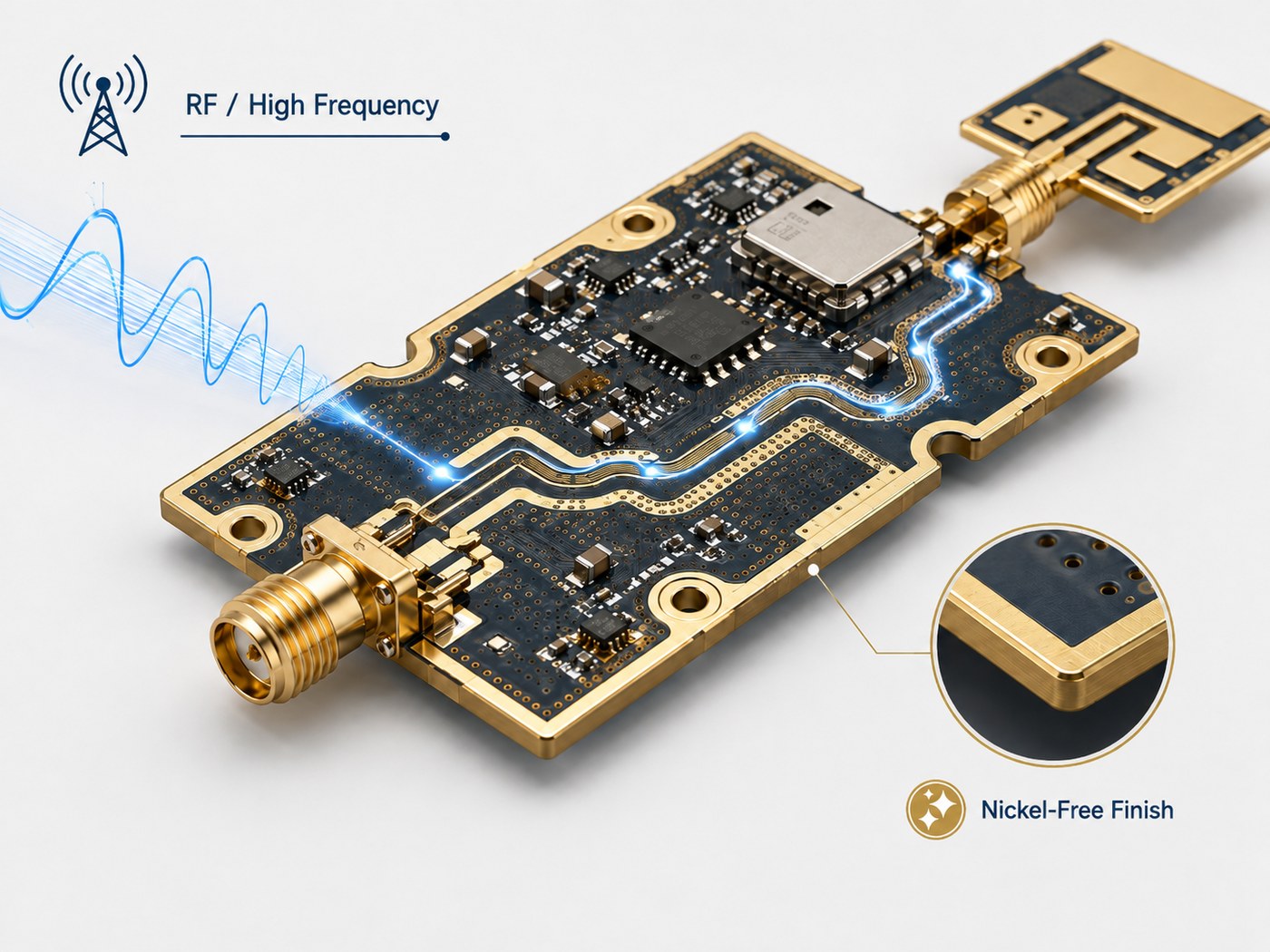
4. Residential Community Lighting

Case: Asian residential community project. A cost-effective 3.0W/(m·K) MCPCB was used, balancing performance and budget, with 96% customer satisfaction.

How to Compare High Thermal Conductivity MCPCB for LED Street Light with Traditional FR-4 PCBs?

The following table clearly compares High Thermal Conductivity MCPCB for LED Street Light with traditional FR-4 PCBs, helping you make informed decisions.

Comparison Item

High Thermal Conductivity MCPCB for LED Street Light

Traditional FR-4 PCB

Thermal Conductivity

2.0–12.0W/(m·K), 4–24 times higher

0.3–0.5W/(m·K), low

LED Junction Temperature

≀85℃, safe range

≄125℃, prone to overheating

LED Lifespan

50,000+ hours

20,000–30,000 hours

Outdoor Adaptability

Resistant to high/low temperatures and humidity; no deformation

Prone to deformation; poor insulation in harsh environments

Light Flux Maintenance

95% after 6,000 hours

82% after 6,000 hours

What Are the Production Processes of High Thermal Conductivity MCPCB for LED Street Light?

Stable production processes ensure consistent quality of High Thermal Conductivity MCPCB for LED Street Light. EBest adopts advanced processes to meet high standards.

  1. Material Cutting: Precision cutting of the metal base and copper foil, ensuring dimensional accuracy of ±0.1mm.
  2. Dielectric Layer Lamination: Automatic vacuum lamination at 180℃ and 8MPa pressure, eliminating interlayer bubbles.
  3. Circuit Etching: Precision etching with a line width accuracy of ≄0.2mm, ensuring signal integrity.
  4. Surface Treatment: Anodization + nano-hydrophobic coating, enhancing corrosion resistance for outdoor use.
  5. Quality Testing: 100% AOI detection + thermal conductivity testing + insulation testing, ensuring no defective products leave the factory.

What Certifications and Services Does EBest Offer for High Thermal Conductivity MCPCB for LED Street Light?

EBest holds multiple international certifications, ensuring our High Thermal Conductivity MCPCB for LED Street Light meets global quality standards. Our services cover the entire project cycle.

EBest Certifications

Certification Name

Certification Scope

Validity

UL 796

Electrical safety, flame resistance, thermal endurance

2024–2027

ISO 9001

Quality management system (design to delivery)

2023–2026

IPC-A-610 Class 3

High-reliability PCB acceptability

Permanent

IEC 60068-2-1

Environmental testing (high/low temperature)

2024–2027

RoHS

Environmental protection (lead-free, cadmium-free)

Permanent

EBest Core Services

  • DFM Design Advice: Free one-on-one optimization for design for manufacturability (DFM).
  • Sample Service: Fast sample production (3–5 days) for performance testing.
  • After-Sales Support: 24/7 technical support and problem-solving.
  • Full Traceability: Barcode management for complete production process tracking.

Why Is Thermal Management Critical for High Thermal Conductivity MCPCB for LED Street Light?

Poor thermal management of High Thermal Conductivity MCPCB for LED Street Light leads to multiple issues that impact project success.

Overheating causes LED chips to age faster, leading to light degradation, color drift, and premature failure. This increases maintenance costs and damages brand reputation.

Effective thermal management via high-quality MCPCB ensures stable LED performance, reduces downtime, and maximizes your return on investment.

How to Optimize the Design of High Thermal Conductivity MCPCB for LED Street Light?

Optimizing the design improves the performance and manufacturability of High Thermal Conductivity MCPCB for LED Street Light. Follow these key tips.

Thermal Via Design

Add thermal via arrays (8–12 per cmÂČ) under LED chips to transfer heat directly to the metal base, reducing thermal resistance.

Copper Foil Layout

Use wider copper traces for high-current areas to reduce voltage drop and local overheating.

Dielectric Layer Thickness

Choose 50–100ÎŒm dielectric layers—thicker layers reduce thermal conductivity, while thinner layers compromise insulation.

Heat Sink Integration

Design the MCPCB to fit seamlessly with heat sinks, ensuring tight contact for efficient heat transfer.

FAQ: Common Questions About High Thermal Conductivity MCPCB for LED Street Light

Below are the most common questions about High Thermal Conductivity MCPCB for LED Street Light, with direct, concise answers.

1. What is the maximum thermal conductivity of EBest’s High Thermal Conductivity MCPCB for LED Street Light?

The maximum thermal conductivity of our High Thermal Conductivity MCPCB for LED Street Light is 12W/(m·K), suitable for high-power LED street lights (100W+).

2. Can High Thermal Conductivity MCPCB for LED Street Light withstand outdoor harsh environments?

Yes. Our MCPCBs have an operating temperature range of -40℃ to 125℃, are waterproof, dustproof, and corrosion-resistant, making them ideal for outdoor use.

3. How long does it take to deliver High Thermal Conductivity MCPCB for LED Street Light in mass production?

Mass production delivery takes 15–20 days. For urgent projects, we offer expedited service with delivery in 10–12 days.

4. Does EBest provide custom High Thermal Conductivity MCPCB for LED Street Light?

Yes. We provide fully customized solutions, including thermal conductivity, size, copper thickness, and surface treatment, tailored to your project needs.

5. How to test the thermal performance of High Thermal Conductivity MCPCB for LED Street Light?

We use professional equipment to test thermal conductivity, thermal resistance, and junction temperature. We also provide test reports for your verification.

6. Are EBest’s High Thermal Conductivity MCPCB for LED Street Light lead-free?

Yes. All our MCPCBs comply with RoHS standards, are lead-free and cadmium-free, and meet global environmental requirements.

7. Can High Thermal Conductivity MCPCB for LED Street Light reduce LED light decay?

Yes. By reducing the LED junction temperature to ≀85℃, our MCPCB slows down light degradation, ensuring 95% light flux maintenance after 6,000 hours.
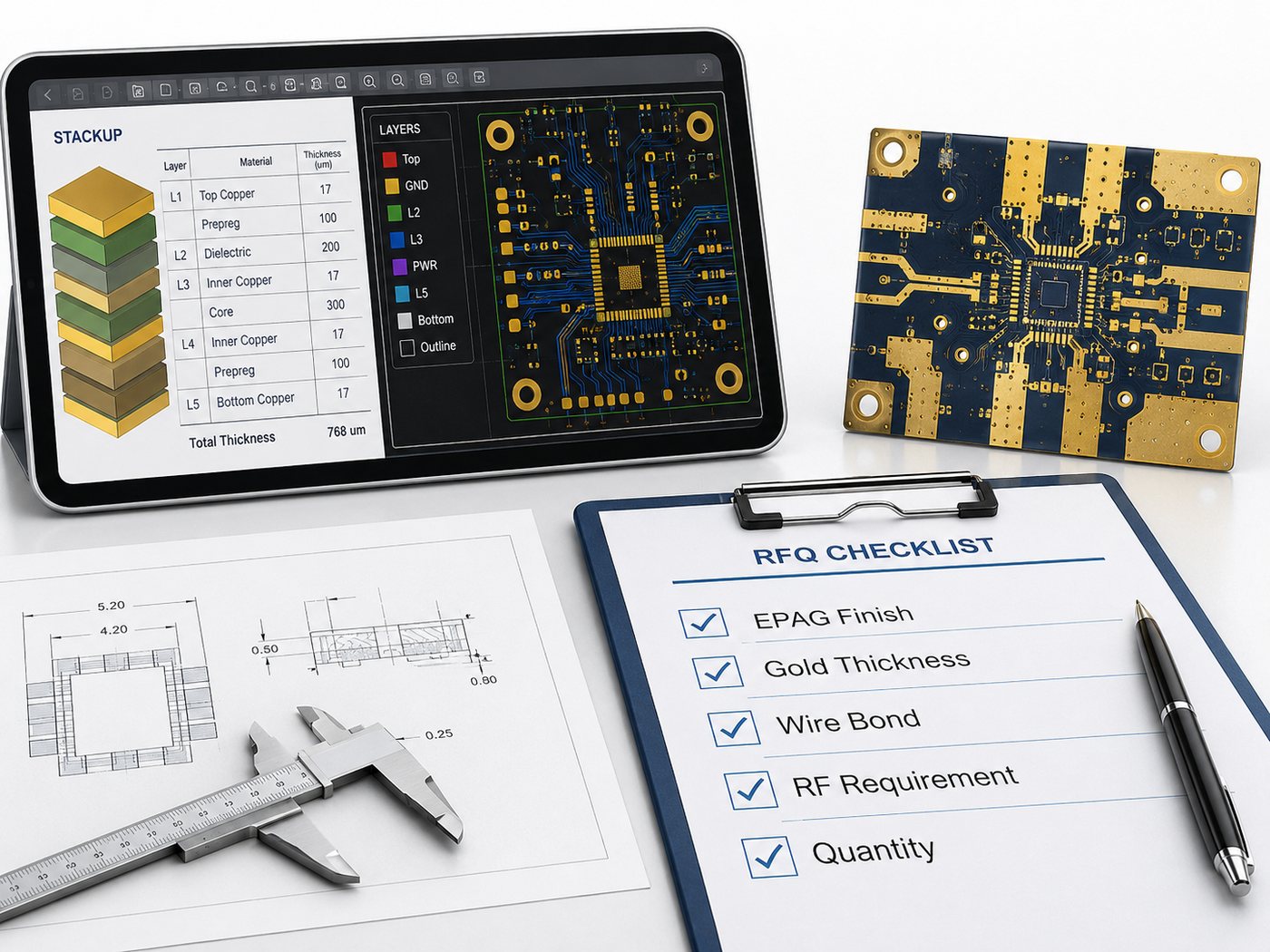
What Are the Latest Technical Innovations in High Thermal Conductivity MCPCB for LED Street Light?

The industry is constantly innovating, and EBest keeps pace with the latest trends to enhance the performance of High Thermal Conductivity MCPCB for LED Street Light.

Innovation 1: Nano-ceramic dielectric layer with improved thermal conductivity, reducing thermal resistance by 15% compared to traditional dielectric layers.
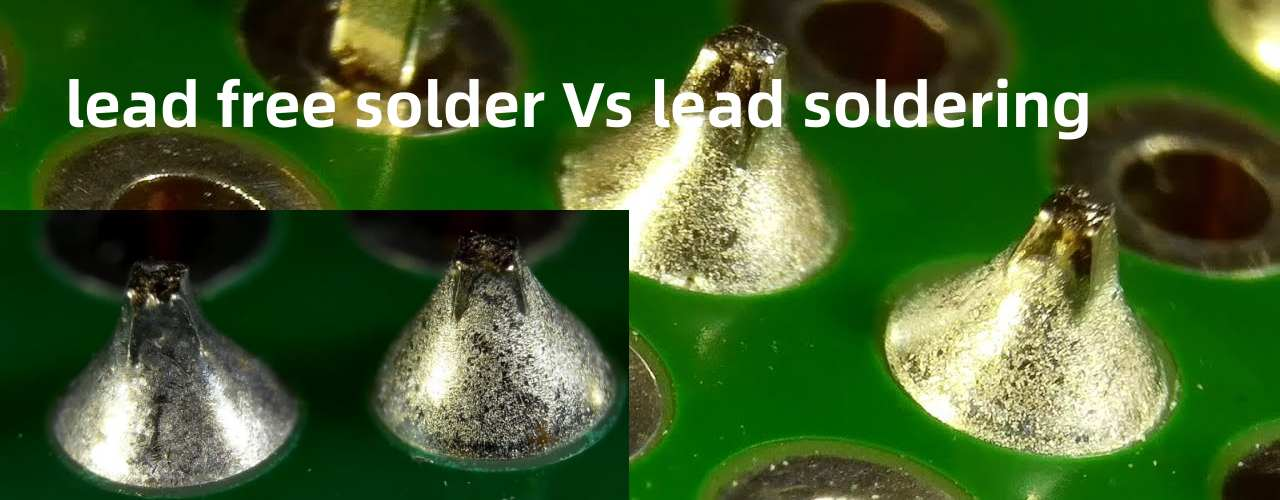
Innovation 2: Copper-molybdenum alloy base, balancing thermal conductivity and thermal expansion coefficient to reduce warping risk.

Innovation 3: Integrated heat pipe design, further improving heat dissipation efficiency for high-power LED street lights.

Choose EBest for High Thermal Conductivity MCPCB for LED Street Light – Your Trusted Partner

EBest specializes in High Thermal Conductivity MCPCB for LED Street Light, with 19 years of industry experience, strict quality control, and professional technical support.
We provide high-performance, reliable products that solve your thermal management and supply chain challenges. Whether you need standard or custom MCPCBs, we have you covered.

We provide High Thermal Conductivity MCPCB for LED Street Light products. If you have any needs, please place your order with us. Our email is sales@bestpcbs.com. EBest – your reliable partner for LED street light MCPCB solutions.

You may also like

High Speed PCB Design Radiocord Technologies​ | EBest Circuit

March 13th, 2026

High speed PCB design Radiocord technologies refers to advanced printed circuit board engineering techniques used to ensure stable signal transmission at high data rates and fast edge speeds. This article explains what defines a high-speed PCB, the frequencies that require high-speed design rules, suitable materials like FR-4, impedance control requirements, stack-up strategies, crosstalk mitigation, simulation tools, and practical design workflows.

What Is Considered a High Speed PCB?

A PCB is considered high speed when signal timing and electromagnetic behavior begin to affect circuit performance. At lower speeds, traces behave like simple conductors. As signal edges become faster, traces begin acting like transmission lines.

Many engineers evaluate this change using signal rise time. When the signal edge becomes very short, electromagnetic effects become more significant.

A common estimation formula is:

Bandwidth ≈ 0.35 / Rise Time

For example:

Rise TimeApproximate Frequency Content
5 ns~70 MHz
1 ns~350 MHz
500 ps~700 MHz
100 ps~3.5 GHz

Today, many electronic systems require high speed PCB design, including:

  • Data center servers
  • High-performance computing platforms
  • Networking switches and routers
  • Automotive radar electronics
  • Medical imaging equipment

Modern processors often communicate with memory at speeds exceeding 20–30 Gbps per lane, which requires strict signal integrity control in PCB layout.

High Speed PCB Design Radiocord Technologies​ | EBest Circuit

What Frequency Requires High Speed PCB Design?

There is no single frequency that defines a high speed PCB. However, many engineers begin applying high speed design rules when signal frequencies exceed 50 MHz to 100 MHz.

Above this range, several signal integrity challenges begin to appear:

  • Signal reflections
  • Crosstalk between traces
  • Timing distortion
  • Electromagnetic interference

Modern digital interfaces operate far beyond this range.

InterfaceData Rate
USB 3.05 Gbps
PCIe Gen416 GT/s
PCIe Gen532 GT/s
10 Gigabit Ethernet10 Gbps

These speeds introduce frequency components in the gigahertz range. According to industry research from Cisco’s Global Cloud Index, global data center traffic has exceeded 20 zettabytes annually, and modern network links commonly operate at 25 Gbps, 56 Gbps, and even 112 Gbps per channel.

Can FR4 Be Used for High Speed PCB?

FR4 remains the most commonly used PCB substrate in the electronics industry. It offers good mechanical strength, wide availability, and relatively low manufacturing cost.

Typical FR4 properties include:

  • Dielectric constant: 4.2 – 4.6
  • Loss tangent: ~0.015 at 1 GHz
  • Glass transition temperature: 130–170°C

FR4 works well for many digital systems, including:

  • Computer motherboards
  • Industrial control boards
  • Consumer electronics
  • Networking equipment

However, signal loss increases as operating frequency rises. When data rates exceed 10 Gbps, engineers sometimes choose lower-loss laminates to maintain signal quality.

Common high-speed materials include:

  • Rogers laminates
  • Megtron series materials
  • Nelco high-speed laminates

Even so, many systems still use FR4 successfully when trace lengths are controlled and stackup design is optimized.

Can FR4 Be Used for High Speed PCB?

What Impedance Is Used in High Speed PCB?

Controlled impedance is critical in high speed PCB design. It ensures that signals travel along traces without reflections.

When impedance changes along a signal path, part of the signal reflects back toward the source. This reflection can distort digital signals and create timing errors.

Common impedance targets include:

Signal TypeImpedance
Single-ended signals50 Ω
Differential pairs (Ethernet)100 Ω
USB differential pairs90 Ω
PCIe differential pairs85 Ω

Several factors determine trace impedance:

  • Trace width
  • Dielectric thickness
  • Copper thickness
  • Distance to the reference plane

Most high-speed designs require impedance tolerance within ±10%, while more sensitive systems may require ±5% control.

PCB manufacturers verify impedance using Time Domain Reflectometry (TDR) testing to ensure the finished board meets electrical specifications.

What Stackup Is Best for High Speed PCB?

Stackup design strongly influences signal integrity and electromagnetic compatibility. A well-designed stackup provides stable reference planes and controlled impedance for high-speed signals.

A typical 6-layer high-speed PCB stackup looks like this:

LayerFunction
Layer 1Signal
Layer 2Ground plane
Layer 3Signal
Layer 4Power plane
Layer 5Ground plane
Layer 6Signal

This configuration offers several advantages:

  • Stable return paths for high-speed signals
  • Reduced electromagnetic interference
  • Improved impedance consistency
  • Better power distribution stability

More complex digital systems often require 8 to 12 layers. High-performance computing boards sometimes exceed 20 layers to support dense routing and multiple signal channels.

How Do You Reduce Crosstalk in High Speed PCB?

Crosstalk occurs when electromagnetic energy from one signal trace couples into another nearby trace. This interference can introduce noise and reduce signal reliability. Crosstalk becomes stronger when traces run parallel over long distances.

Several layout techniques help reduce crosstalk:

  • Increase spacing between adjacent signal traces
  • Avoid long parallel routing segments
  • Route adjacent layers at 90-degree angles
  • Place signal layers close to ground planes
  • Use differential pair routing
How Do You Reduce Crosstalk in High Speed PCB?

A common design guideline recommends spacing of at least three times the trace width.

For example, if a trace is 5 mil wide, the spacing should ideally be 15 mil or greater. These layout strategies help maintain stable signal performance in dense PCB designs.

What Simulation Tools Are Used for High Speed PCB?

Simulation tools allow engineers to evaluate signal behavior before manufacturing begins. These tools model electromagnetic effects such as reflections, signal loss, and crosstalk.

Common high-speed simulation tools include:

  • Cadence Sigrity
  • ANSYS HFSS
  • Keysight ADS
  • Mentor HyperLynx
  • Altium Designer signal integrity tools

These platforms help engineers analyze several critical parameters:

  • Eye diagram quality
  • Signal reflections
  • Crosstalk levels
  • Power distribution noise

For example, a 10 Gbps communication channel must maintain a clear eye opening to ensure reliable data transmission. Early simulation helps identify potential problems before fabrication begins.

How to Design a High-Speed PCB?

Designing a high-speed PCB requires careful planning and a structured workflow. Each design step helps maintain signal integrity across the circuit board.

A typical design process includes:

  1. Define system speed and interface requirements
  2. Select appropriate PCB materials
  3. Plan the multilayer stackup
  4. Route critical high-speed signals first
  5. Maintain controlled impedance routing
  6. Minimize unnecessary vias
  7. Match differential pair lengths
  8. Perform signal integrity simulation
  9. Build prototypes for validation
  10. Prepare the design for production

Typical High-Speed PCB Design Parameters

ParameterTypical Value
Differential impedance85–100 Ω
Single-ended impedance50 Ω
Trace width (common)3–6 mil
Minimum spacing3× trace width
Via stub length< 10 mil
Signal rise time< 1 ns for high-speed systems

These parameters are widely used in high-speed digital systems such as Ethernet switches, GPU boards, and high-performance servers.

What Is the Difference Between High Speed and High-Frequency PCB?

The terms high speed PCB and high-frequency PCB are often used interchangeably, but they focus on different engineering challenges. High speed PCBs mainly deal with fast digital signals and timing accuracy, while high-frequency PCBs are designed for analog RF or microwave signals that operate at very high frequencies.

The comparison below highlights the key distinctions.

FeatureHigh Speed PCBHigh-Frequency PCB
Signal TypeDigital signals with fast switching edgesAnalog RF or microwave signals
Main Design FocusSignal integrity and timing controlElectromagnetic wave behavior
Typical Frequency RangeTens of MHz to several GHzUsually above 1 GHz
Key ChallengeReflections, crosstalk, and timing skewSignal loss, radiation, and impedance matching
Trace BehaviorTransmission line effects due to fast edgesFull RF transmission behavior
Material RequirementsFR4 often usable for many designsUsually requires low-loss RF materials
Typical MaterialsFR4, high-speed digital laminatesRogers, PTFE, ceramic-filled substrates
Impedance ControlImportant for digital interfacesCritical for RF signal matching
Common ApplicationsServers, networking hardware, computer motherboardsRadar systems, wireless communication, satellite electronics
Design ToolsSignal integrity simulatorsRF electromagnetic simulation tools
Layout ConsiderationsDifferential pairs, length matching, return pathsRF shielding, impedance matching networks

In high speed digital circuits, engineers mainly worry about signal edges and timing alignment. Even when the base frequency is moderate, the fast rise time of digital signals creates high-frequency components that require careful routing.

In contrast, high-frequency circuits operate directly in the RF or microwave domain. Engineers must consider wave propagation, radiation, antenna effects, and impedance matching across the entire signal path.

Why Choose Best Technology as Your High Speed PCB Manufacturer?

High-speed PCB fabrication requires precise manufacturing control. Even small variations in trace width or dielectric thickness can affect impedance and signal integrity.

Best Technology has developed extensive experience in multilayer PCB manufacturing for communication systems, computing hardware, and industrial electronics. Their fabrication processes support controlled impedance routing and complex stackup structures.

Key technical capabilities include:

  • Multilayer PCB production up to 30 layers
  • Controlled impedance tolerance within ±5%
  • Support for advanced high-speed laminates
  • Fine trace width and spacing down to 3 mil
  • Electrical verification using TDR impedance testing

Working with an experienced manufacturer during the design stage can help ensure the final PCB meets both electrical and manufacturing requirements.

For technical inquiries or PCB manufacturing support, please contact: sales@bestpcbs.com

You may also like