PCB manufacturing PCB manufacturing
Home > Blog

Posts Tagged ‘pcb prototype’

Custom PCB Prototyping in Toronto: A Complete Engineer’s Guide
Wednesday, January 7th, 2026

Custom PCB prototyping is the process of creating tailored printed circuit board prototypes designed to meet the unique needs of specific projects—whether for consumer electronics, industrial equipment, medical devices, or aerospace applications. In Toronto’s dynamic tech ecosystem, this service isn’t just about producing a basic board; it’s about translating complex design concepts into functional, testable prototypes that align with local industry standards and project timelines. Unlike off-the-shelf PCBs, custom PCB prototyping prioritizes flexibility: from choosing materials (FR4, metal-based PCBs, ceramic PCBs, or flexible PCBs) to optimizing layer counts, trace widths, and component placements. For Toronto-based engineers and startups, this means getting a prototype that fits their exact use case—whether it’s a compact board for a wearable device or a high-frequency PCB for communication equipment.

Custom PCB Prototyping in Toronto

Custom PCB Prototyping vs. Standard PCB Manufacturing: Key Differences

When deciding between custom PCB prototyping and standard PCB manufacturing, understanding the core differences is critical for Toronto tech teams. Standard manufacturing focuses on mass-produced, generic boards with fixed specifications, ideal for high-volume production where consistency and cost-efficiency are top priorities. Custom PCB prototyping, by contrast, is built for low-volume, project-specific needs—prioritizing design flexibility, rapid iteration, and precision over scale.

In Toronto’s fast-paced innovation scene, this distinction matters: startups testing a new product concept need a prototype that can be modified quickly if adjustments are needed, while established firms might use custom prototyping to validate a complex design before full-scale production. Custom prototyping also offers tighter quality control for specialized applications (e.g., medical devices requiring ISO 13485:2016 compliance or aerospace components needing AS9100D certification)—a must for Toronto industries operating in regulated sectors.

Top Applications of Custom PCB Prototyping in Toronto’s Tech Industry

Top Applications of Custom PCB Prototyping in Toronto’s Tech Industry

Toronto’s diverse tech landscape relies on custom PCB prototyping to drive innovation across key sectors. Here are the most common use cases:

  • Medical Devices: Prototypes for diagnostic tools, wearable health monitors, and implantable devices—requiring biocompatible materials and adherence to ISO 13485:2016 standards.
  • Aerospace & Defense: High-reliability PCBs for avionics systems, where resistance to extreme temperatures and vibration is non-negotiable (aligned with AS9100D requirements).
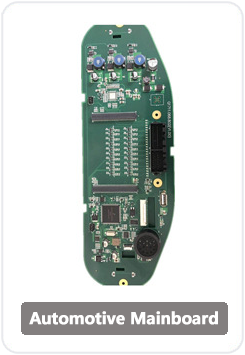
  • Consumer Electronics: Compact, high-performance prototypes for smartphones, IoT devices, and home automation products—prioritizing miniaturization and energy efficiency.
  • Industrial Automation: Robust PCBs for control systems, sensors, and manufacturing equipment, designed to withstand harsh factory environments.
  • Renewable Energy: Prototypes for solar inverters, battery management systems, and wind turbine controls—focused on durability and high-power handling.

For Toronto engineers, these applications demand prototypes that don’t just work—they work within the city’s regulatory frameworks and industry-specific needs.

How to Choose the Right Custom PCB Prototyping Partner in Toronto

Selecting a reliable custom PCB prototyping partner in Toronto can make or break your project. Here’s what to prioritize:

Industry Certifications

Look for partners with globally recognized certifications like IATF 16949, ISO 9001:2015, ISO 13485:2016, and AS9100D. These certifications prove adherence to strict quality and safety standards—critical for Toronto’s regulated industries. Additional compliance with REACH, RoHS, and UL standards ensures environmental and safety compliance.

Material & Technology Capabilities

Ensure the partner offers a range of substrates (FR4, metal-based PCBs (MCPCBs), ceramic PCBs, flexible and rigid-flexible PCBs) and can handle complex designs (multi-layer PCBs, high-frequency PCBs). Toronto projects often require specialized materials, so versatility is key.

Turnaround Time

Urgent projects need expedited service—look for partners that offer 24-hour shipping for critical prototypes. In Toronto’s competitive tech scene, fast iteration can mean the difference between leading the market and falling behind.

End-to-End Services

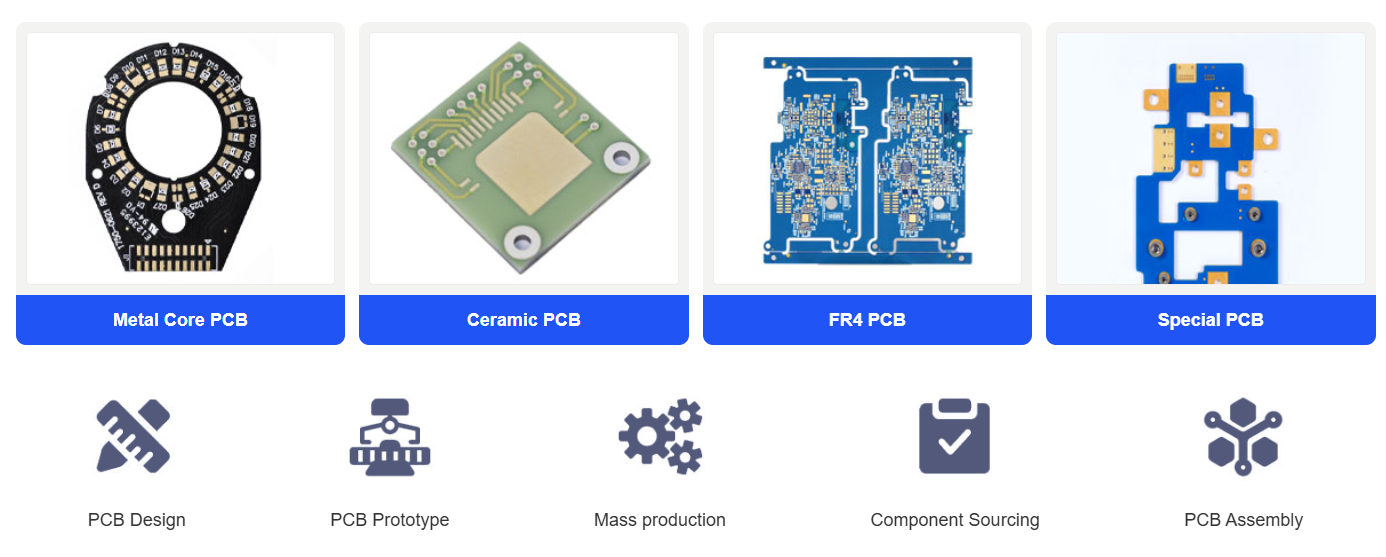
A full-service partner (offering PCB Design, PCB Prototype, Component Sourcing, PCB Assembly, and Box-Build-Assembly) streamlines the process, reducing communication gaps and ensuring consistency from concept to prototype.

Common Terms in Custom PCB Prototyping You Need to Know

Navigating custom PCB prototyping requires familiarity with key industry terms—essential for clear communication with your Toronto-based manufacturer:

  • FR4: The most common PCB substrate (glass-reinforced epoxy resin), ideal for general-purpose applications.
  • MCPCB (Metal-Core PCB): A substrate with a metal core (typically aluminum) for enhanced heat dissipation—used in LED lighting and power electronics.
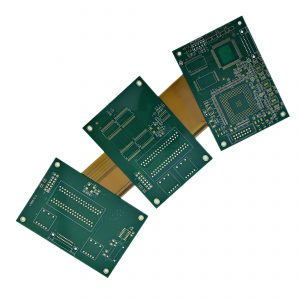
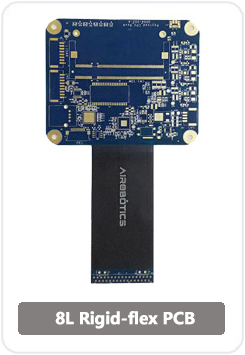
  • Rigid-Flex PCB: A hybrid board combining rigid and flexible sections, perfect for compact or foldable devices.
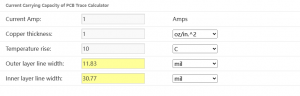
  • Trace Width: The width of the conductive pathways on the PCB, critical for carrying electrical current without overheating.
  • SMT (Surface Mount Technology): A method of mounting components directly onto the PCB surface, enabling miniaturization.
  • Through-Hole Technology: Components with leads inserted through holes in the PCB—used for high-reliability applications.
  • DFM (Design for Manufacturability): The process of optimizing PCB designs to ensure efficient, cost-effective production.
Understanding these terms ensures you can articulate your project needs and evaluate prototype quality effectively.

FAQ: Common Custom PCB Prototyping Questions for Toronto Engineers

How long does custom PCB prototyping take in Toronto?

Typical turnaround time is 3–7 business days for standard prototypes, but expedited service (24–48 hours) is available for urgent projects. Factors like design complexity, layer count, and material availability can affect lead time.

What materials are best for custom PCB prototypes in Toronto?

FR4 is ideal for general-purpose projects, while MCPCBs are best for heat-sensitive applications (e.g., LEDs). Ceramic PCBs offer high-temperature resistance (for aerospace/medical use), and flexible/rigid-flexible PCBs work for compact or wearable devices.

Do I need to provide a complete design file for prototyping?

Yes—most manufacturers require Gerber files (the standard PCB design format) or CAD files. Reputable partners may offer PCB Design support if you need help refining your design.

Can custom prototypes be scaled to mass production?

Absolutely. A quality custom PCB prototyping partner will ensure your prototype is designed for manufacturability (DFM), making the transition to Mass Production seamless—critical for Toronto startups looking to scale quickly.

Are custom PCB prototypes compliant with Toronto/Canadian regulations?

Yes—if you choose a certified partner. Look for compliance with RoHS (Restriction of Hazardous Substances), REACH (Registration, Evaluation, Authorization and Restriction of Chemicals), and industry-specific standards (ISO 13485:2016 for medical, AS9100D for aerospace).

How much does custom PCB prototyping cost in Toronto?

Cost varies based on layer count, material, size, and quantity. Prototypes typically range from $50–$500 for low-volume orders. Discussing your project details with a partner will get you a precise quote.

What if my prototype fails testing?

A reliable partner will offer design reviews and DFM checks upfront to minimize failures. If issues arise, they should work with you to iterate on the design and produce a revised prototype quickly.

Key Challenges in Custom PCB Prototyping (and How to Overcome Them)

Even with a great design, custom PCB prototyping can present challenges—here’s how to address them for Toronto projects:

Design Complexity

Complex layouts (e.g., multi-layer PCBs, high-frequency traces) can lead to signal interference or manufacturing errors. Solution: Work with a partner that offers DFM reviews to identify issues early and optimize your design for production.
Material Shortages

Global supply chain issues can delay prototype production. Solution: Choose a partner with established Component Sourcing networks—they can secure rare materials or suggest suitable alternatives without compromising quality.
Tight Timelines

Urgent projects (e.g., product launches, client demos) require fast turnaround. Solution: Prioritize partners with expedited services and efficient production capabilities—avoiding long shipping times from international manufacturers.

Regulatory Compliance

Meeting industry standards (e.g., ISO 13485:2016, AS9100D) can be daunting. Solution: Select a certified partner that understands Toronto’s regulatory landscape—they’ll ensure your prototype meets all necessary compliance requirements (including REACH, RoHS, and UL).

The Importance of DFM (Design for Manufacturability) in Custom PCB Prototyping

Design for Manufacturability (DFM) is a critical step in custom PCB prototyping—yet it’s often overlooked. DFM involves optimizing your design to ensure it can be manufactured efficiently, reliably, and cost-effectively. For Toronto engineers, this means reducing the risk of production delays, costly reworks, and prototype failures.

A strong DFM process includes checking for trace width consistency, component placement (to avoid soldering issues), and material compatibility. Reputable prototyping partners will conduct DFM reviews as part of their service, flagging potential issues (e.g., overly narrow traces, incompatible components) and suggesting adjustments. This proactive approach saves time and money—especially for Toronto startups and small teams with limited resources.

Custom PCB Prototyping for High-Frequency Applications in Toronto

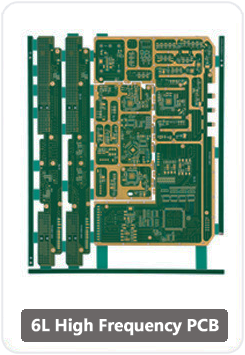
High-frequency PCBs (used in communication systems, radar, and IoT devices) require specialized custom PCB prototyping—and Toronto’s tech industry is increasingly demanding this expertise. High-frequency prototypes need substrates with low dielectric loss (e.g., PTFE) to minimize signal degradation, as well as precise trace spacing to avoid interference.

Manufacturers with experience in high-frequency prototyping understand the unique challenges: maintaining signal integrity, controlling impedance, and ensuring thermal management. Whether you’re developing a 5G device or a satellite communication system, a specialized partner will tailor the prototype to your frequency requirements (typically 1 GHz and above) and validate performance through testing.

How Custom PCB Prototyping Supports Toronto’s Startup Ecosystem

Toronto’s startup scene thrives on innovation—and custom PCB prototyping is a cornerstone of that success. Startups often have limited budgets and tight timelines, making prototyping a make-or-break step. Custom prototyping allows them to test ideas quickly, iterate on designs without committing to Mass Production, and validate product-market fit before scaling.

For example, a wearable tech startup can use a custom prototype to test a new sensor integration, while a cleantech startup can validate a battery management system design. Local prototyping partners offer the agility startups need: fast turnaround, flexible order quantities (even 1–10 boards), and personalized support. This accessibility levels the playing field, allowing Toronto startups to compete with larger firms and bring innovative products to market faster.
Quality Control in Custom PCB Prototyping: What Toronto Engineers Should Expect

Quality is non-negotiable in custom PCB prototyping—and Toronto engineers should demand rigorous quality control (QC) from their partner. A robust QC process includes:

  • Visual inspections to check for soldering defects, trace damage, or component misalignment.
  • Electrical testing (e.g., continuity testing, impedance testing) to ensure the prototype functions as intended.
  • Material verification to confirm substrates and components meet specified standards (e.g., RoHS compliance).
  • Environmental testing (for specialized applications) to validate performance in extreme temperatures, humidity, or vibration.

Certified partners (ISO 9001:2015, IATF 16949) follow standardized QC protocols, providing documentation to prove compliance. This transparency is critical for Toronto projects in regulated industries—ensuring your prototype is reliable, safe, and ready for testing.

Why Choose EBest Technology for Custom PCB Prototyping in Toronto

When it comes to custom PCB prototyping in Toronto, EBest Technology brings over 20 years of expertise, industry-leading certifications, and a customer-centric approach that sets us apart. Founded in 2006, we specialize in tailored solutions—from standard FR4 prototypes to complex multi-layer PCBs, high-frequency PCBs, metal-based PCBs (MCPCBs), ceramic PCBs, and flexible/rigid-flexible PCBs—all manufactured to meet IATF 16949, ISO 9001:2015, ISO 13485:2016, and AS9100D standards, with full compliance to REACH, RoHS, and UL. Our monthly production capacity of 260,000 square feet (28,900 square meters) means we can handle both small-batch prototypes and scale-up orders, while our 24-hour expedited service ensures your urgent projects stay on track.

We don’t just produce prototypes—we offer one-stop PCB solutions, partnering with you every step of the way: from PCB Design support and DFM reviews to Component Sourcing, PCB Assembly, and Box-Build-Assembly. Our team of engineers invests heavily in research and development to stay ahead of industry trends, focusing on product quality and customer satisfaction. We understand Toronto’s tech ecosystem and regulatory requirements, ensuring your prototype is not just functional, but optimized for your specific application. Whether you’re a startup testing a new concept or an established firm validating a complex design, we deliver reliable, high-quality prototypes that drive your project forward.

Don’t let prototyping delays or subpar quality hold you back. Contact EBest Technology today to discuss your custom PCB prototyping needs—we’ll provide a tailored quote, fast turnaround, and the expertise you need to turn your design into a successful product. With our personalized support and proven track record as a trusted global partner, we’re here to help you innovate with confidence. Let’s build something great together.

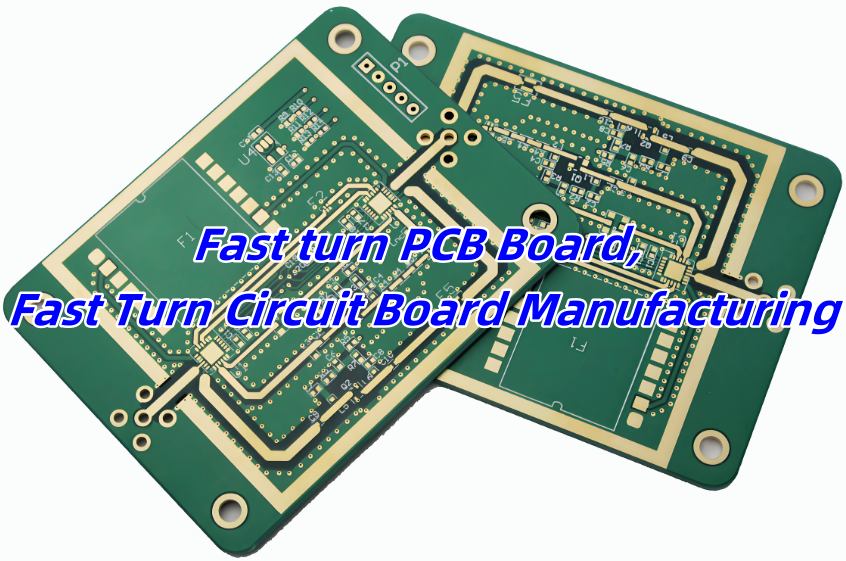
Fast turn PCB Board, Fast Turn Circuit Board Manufacturing
Monday, April 14th, 2025

What Is a Fast Turn PCB Board?

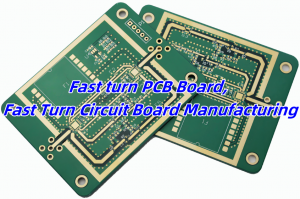
A fast turn PCB board is a printed circuit board manufactured and delivered in a short time, typically within 24 to 72 hours. These quick deliveries help speed up product development, especially during prototyping and pre-production stages. It’s a solution many engineers rely on when time is tight.

Engineers use fast turn PCBs for product validation. They want to see if a new circuit design performs well before moving to mass production. So, getting a board in days instead of weeks can make a huge difference.

Fast turn PCB Board, Fast Turn Circuit Board Manufacturing

What Are the Benefits of Fast Turn PCB Orders?

Ordering a fast turn PCB board brings several advantages to the table.

First, it speeds up your product timeline. You don’t need to wait weeks to test your circuit. If changes are needed, you can get a revised board quickly and keep things moving forward.

Second, it helps reduce project risks. The faster you test, the faster you detect potential design errors. Early detection saves money and prevents delays.

Third, it improves decision-making. With working samples in hand, your team can test real performance. It’s better than guessing or using simulation data only.

Lastly, fast turn options give your company a competitive edge. Getting to market faster often means better sales and stronger customer trust.

EBest Circuit (Best Technology)’s Typical Turnaround Time for Fast Turn PCBs

At EBest Circuit (Best Technology), we understand the value of time. That’s why we’ve optimized our process to support urgent PCB orders.

For standard 2-layer fast turn PCBs, we usually deliver in 24 to 48 hours. For 4-layer boards, it may take 48 to 72 hours depending on complexity. Our team works around the clock to meet those deadlines.

Even for more complex boards — such as HDI or metal-core PCBs — we still maintain one of the quickest turnaround times in the industry. And we don’t compromise on quality. Each board goes through full inspection and electrical testing before it reaches you. The detailed turnaround time is:

Prototype(<1mÂČ) Layers   Normal Service   Expedited Service
      FR4 PCB1 Layer3-4 days24 hours
2 Layers4-6 days24 hours
4 Layers8-10 days48 hours
6 Layers8-10 days72 hours
8 Layers10~14 days72-96 hours
10 Layers14-18 days72-96 hours
HDI (1+N+1 2+N+2)2.5 – 3.5weeksTBD (depend on design)

We don’t just print boards fast. We manage the process with strict planning, from materials to delivery. That’s why so many clients come back to us for every new project.

Factors That Affect the Turnaround Time of Prototypes

Even though we push for speed, several factors can influence how long a fast turn circuit board takes to produce. Knowing these helps avoid delays.

  • Circuit Board Design and Test Procedures

The design stage impacts everything. A simple, well-structured layout speeds up processing. Complex routing, fine-pitch components, or tight spacing can add extra review time.

Test procedures matter too. If a special test is needed, like impedance control or functional test setup, it adds to the schedule. Providing clear instructions in advance helps us prepare and avoid delays.

  • Lamination Cycles

For multilayer boards, each lamination cycle takes time. A 4-layer multi-layer board needs one cycle, while an 8-layer may need several. More layers mean longer pressing times and more careful control.

Quick builds still go through these steps. We just start immediately and plan shifts to manage it faster. That’s why sharing the full stack-up early is so important.

  • Via-in-Pad Plated Over

Via-in-pad designs are helpful for high-density layouts. But they add a few extra steps in production. We need to drill, plate, and fill those vias carefully. After that, we cap and flatten them before plating the surface.

This extra effort adds time compared to standard vias. If your board uses VIPPO, it’s best to let us know upfront so we can fast-track these processes.

  • Fabrication Drawing Specifications

Precise drawings help avoid back-and-forth communication. If drawings are unclear or missing details like dimensions, tolerances, or hole types, we’ll need to clarify before production.

Clear drawings lead to fast fabrication. They also reduce the risk of mistakes. That’s why we suggest using IPC-2581 or Gerber X2 format with notes included.

  • Surface Finish

Surface finish choice also plays a role. ENIG, OSP, HASL, or hard gold all have different process times. For example, ENIG takes longer than HASL because it involves two plating steps.

If speed matters most, we can recommend the best finish based on your needs. Some finishes can still meet performance goals while shaving off hours from the process.

  • Assembly Drawings and Notes

If you also need PCB assembly, complete documentation is key. Missing part placements, unclear polarity marks, or unreferenced BOM items slow everything down.

Providing all files in one go—BOM, pick and place, centroid file, and notes—helps avoid delays. When everything’s ready, our SMT line can move fast and precise.

Fast Turn Circuit Board Manufacturing

Manufacturing a fast turn circuit board isn’t about rushing. It’s about knowing how to work smart, reduce waste, and prevent rework.

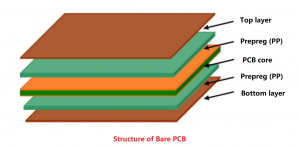
At EBest Circuit (Best Technology), we keep a reserve stock of core materials and prepreg. That way, we can start production immediately without waiting for supply.

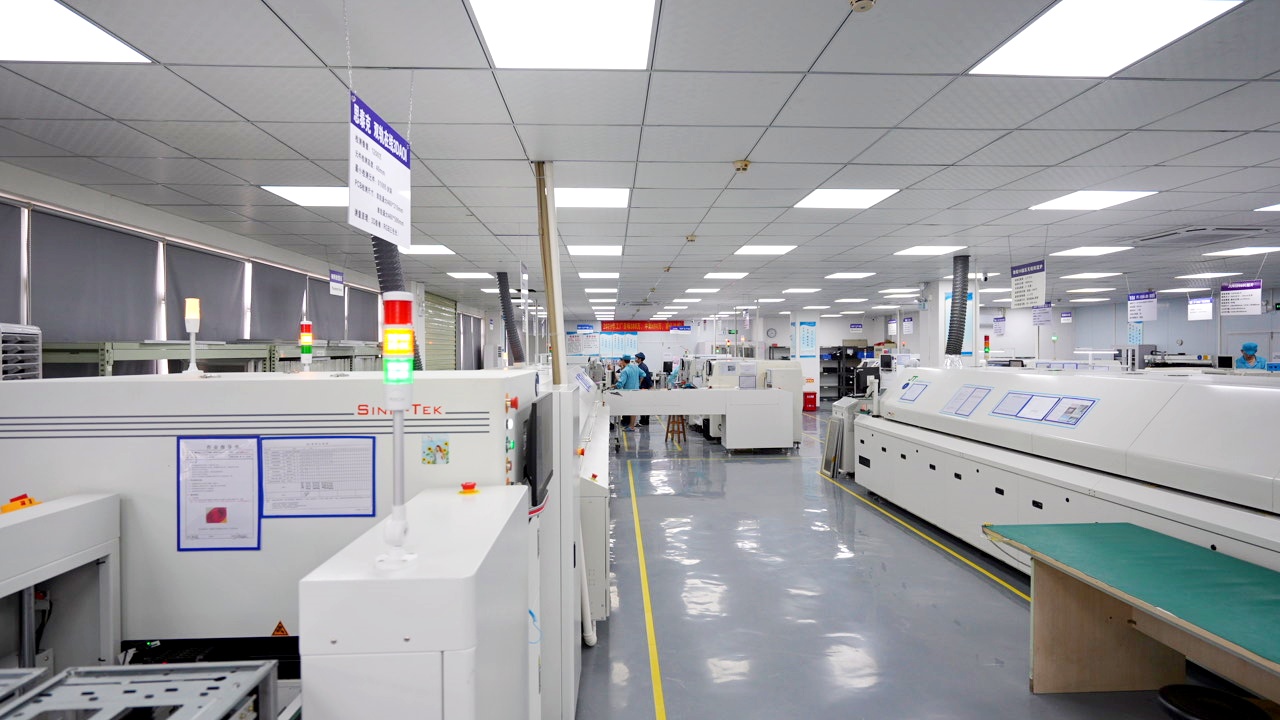
We also use automatic routing, inline AOI, and robotic drilling machines to keep operations smooth. Our teams work in shifts, so production doesn’t stop, even at night or on holidays.

Every department is synchronized. CAM engineers review your files fast, material control prepares the stack-up, and QA teams check every step. That’s how we manage fast output without losing accuracy.

We also run a parallel system for urgent jobs. These special jobs go into our “fast-lane” line, separated from standard orders. This ensures time-sensitive boards don’t get stuck behind large-volume orders.

Why Should You Choose EBest Circuit (Best Technology) as Your Preferred Partner?

Choosing a fast turn PCB partner isn’t just about delivery speed. It’s about trust, communication, and consistent results. EBest Circuit (Best Technology) stands out because we offer more than just fast service.

  • Experienced team: We’ve been in this field for over 18 years. Our engineers know what works and how to prevent problems early.
  • Clear communication: Our team responds quickly. We give you updates, clarify questions, and solve problems before they become delays.
  • Flexible production: Whether you need 1 board or 10,000, we scale easily. We also support special needs like rigid-flex, metal core, or ceramic boards with fast turn options.
  • Global shipping: We work with trusted logistics partners. Boards reach you safely and on time, even across borders.
  • Reliable quality: Every board goes through full inspection, AOI, flying probe, and E-test. Even fast jobs go through our strict quality checks.

When you work with EBest Circuit (Best Technology), you get speed, support, and security in every step. That’s why companies in medical, industrial, and automotive industries continue to rely on us.

PCB Fabrication Manufacturer, Prototype, Design and Assembly
Friday, April 11th, 2025

EBest Circuit (Best Technology) is your trusted partner for comprehensive PCB solutions — from initial concept to final product. With over 18 years of experience, we offer one-stop services that cover the full PCB lifecycle, ensuring high quality, fast turnaround, and competitive pricing. Why customers prefer us:

  • Free DFM/DFA check
  • Free Design Guideline
  • 25,000m2 production capacity
  • 2 Hours quick response
  • Quote within 12 hours
  • Online support 24/7
  • Transparent order tracking from first day to final delivery
  • Military-grade quality boards with strict testing and IPC standards
  • One-stop services from layout to turnkey assembly
  • Engineering support to optimize your design for performance and cost
  • Global delivery and localized service teams
  • Reliable fabrication with IPC Class 2/3 standards
  • ISO13485, ISO9001, AS9100D, IATF16949 certificated

Whether you’re a startup building your first prototype or a large OEM scaling up production, EBest Circuit (Best Technology) is your reliable PCB partner.

PCB Fabrication Manufacturer, Prototype, Design and Assembly

Our Core Services – From Design to Assembly

We provide a wide range of services to support your project at every stage:

  • PCB Design & DFM Check – We don’t just manufacture—we help you build better boards. Send us your layout or concept, and our senior engineers will review your files for manufacturability, improving your design before it hits the production line.
  • PCB Fabrication – Single-layer, multi-layer, HDI, aluminum-based, or ceramic—we fabricate PCBs of all complexities. Our in-house plant supports quick turnarounds and strict quality control for every batch.
  • PCB Prototype – Need your prototype in 24–72 hours? We’ve got your back. Ideal for engineers in the development phase, we offer fast PCB prototyping with full traceability, fly-probe testing, and surface finish options.
  • PCB Assembly – Our turnkey PCB assembly service covers everything from component sourcing, SMT/DIP soldering, to functional testing. You send us your BOM and Gerber—we handle the rest.
  • Components Sourcing – Reliable sourcing of original, competitive prices, traceable electronic components.
  • IC Programming – Pre-programming and testing of integrated circuits to streamline your assembly process.

What PCB Types Does EBest Circuit (Best Technology) Manufactured?

We are capable of manufacturing a wide variety of PCB types, including but not limited to:

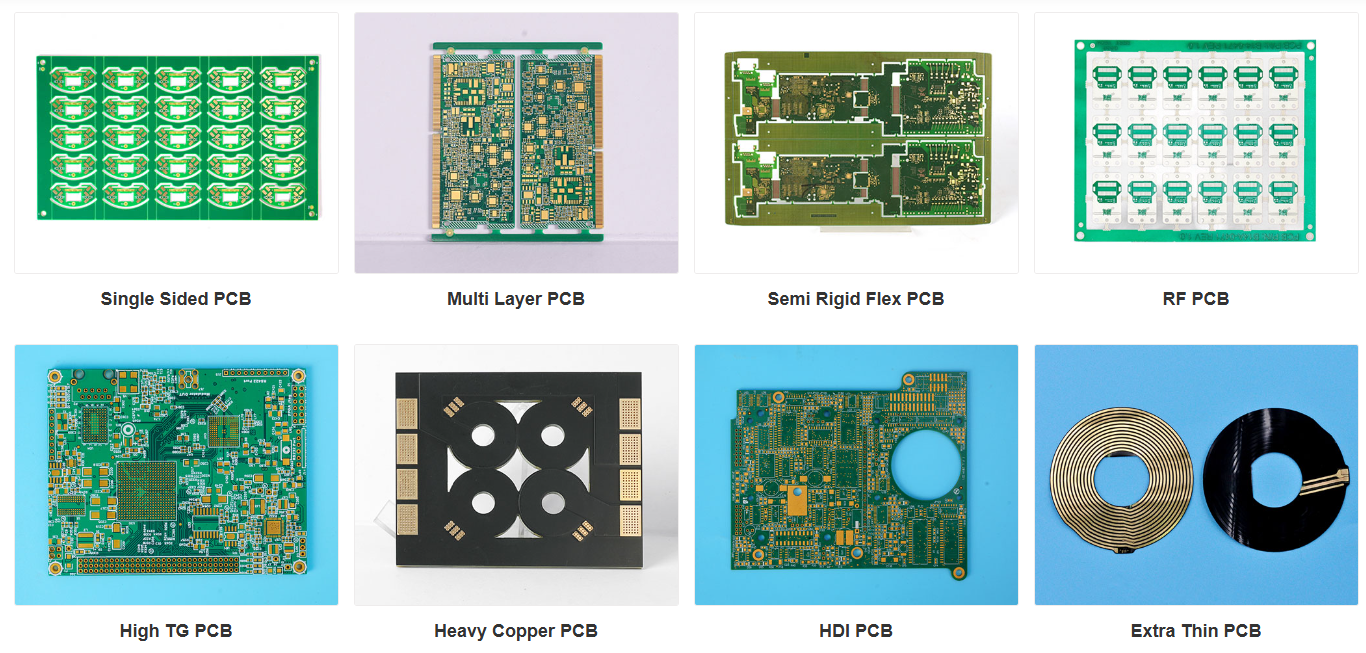
  • FR4 PCBs (high speed PCB, IC substrate, high TG PCB, extra thin PCB, our special semi-rigid flex PCB and so on.)
  • Metal Core MCPCBs (aluminum based PCB, copper clad PCB, sinkpad PCB, thermoelectric copper separate PCB)
  • Ceramic PCBs (AlN, BeO, Al₂O₃, Zro2)
  • Flexible and Rigid-Flex PCBs, FFC, Dual access PCB
  • HDI PCBs
  • High-Frequency PCBs
  • Heavy Copper PCBs
  • Busbar PCBs
  • Hybrid Substrate PCBs
PCB Fabrication Manufacturer, Prototype, Design and Assembly

Whether you need high-reliability boards for aerospace, thermally conductive boards for LEDs, or RF boards for communication devices, we have the capability to deliver.

PCB Prototype Lead Time

We understand how crucial speed is in product development. Our standard PCB prototype lead time is:

  • Single-layer & double-layer PCBs: as fast as 24 hours
  • 4-layer PCBs: typically 48–72 hours
  • 6-layer or above: around 3–5 working days, depending on complexity

Below is a detailed prototype lead time sheet at EBest Circuit (Best Technology), the expedited options are available to meet urgent project deadlines.

Prototype(<1mÂČ) Layers   Normal Service   Expedited Service
      FR4 PCB1 Layer3-4 days24 hours
2 Layers4-6 days24 hours
4 Layers8-10 days48 hours
6 Layers8-10 days72 hours
8 Layers10~14 days72-96 hours
10 Layers14-18 days72-96 hours
HDI (1+N+1 2+N+2)2.5 – 3.5weeksTBD (depend on design)

EBest Circuit (Best Technology)’s PCB Assembly Capabilities

And as a one-stop service provider to customers, we offer PCB assembly service as well, such as:

  • SMT (Surface-Mount Technology)
  • DIP (Dual In-line Package)
  • Reflow Soldering (for SMD components)
  • Wave Soldering (for DIP components)
  • Hand Soldering (connectors, through hole components)
  • Mixed Assembly Technologies
  • Wire Harness Assembly
  • PCBA Testing
  • Box Building Assembly
PCB Fabrication Manufacturer, Prototype, Design and Assembly

How to Work with us – From File to Finished Board?

Step 1: Upload Your Files

Submit your Gerber, BOM, or PCB design files via our secure portal. We support various formats and guarantee file confidentiality.

Step 2: Engineering Review & Instant Quote

Our team performs a DFM check and confirms design compatibility. You’ll receive a quote and estimated lead time within 2 hours.

Step 3: PCB Fabrication & Parts Procurement

We begin board production and source parts simultaneously through authorized channels like Mouser, DigiKey, and Arrow.

Step 4: SMT/DIP Assembly & Testing

Boards are assembled in our SMT lines with 3D AOI, X-ray, and functional testing to ensure performance and soldering quality.

Step 5: Secure Packaging & Global Shipping

We pack your PCBs using anti-static materials and ship via DHL, FedEx, or your chosen method. Worldwide delivery in 3–5 days.

Custom PCB Board Quote

Not sure about all your PCB specs? No problem — we’re here to help.

Request a custom PCB board quotation if your project includes any of the following advanced requirements:

  • Controlled Impedance
  • Via Filling or Plugging
  • Blind or Buried Vias
  • Heavy Copper (≄ 2oz)
  • Controlled Dielectric Thickness
  • Edge Plating
  • CPK Requirements

Simply share what you do know — our engineering team will review your files and guide you through the rest.

FAQs

Q1: What file formats do you support?

Gerber (RS-274X), BOM (Excel), Centroid files, Pick & Place, Altium, Eagle, and PDF for reference.

Q2: Can I order just a few prototype boards?

Yes, our minimum order starts from 1 piece for PCB prototypes.

Q3: Do you provide components?

Yes! We offer full turnkey assembly, including sourcing components from trusted suppliers.

Q4: How do you ensure quality?

Every board is electrically tested (flying probe/fixture), and assembly passes AOI and functional testing before shipment.

Q5: Do you offer NDA for file protection?

Absolutely. We provide NDA upon request and all files are kept confidential.

What is PCB prototyping? & PCB assembly Manufacturer
Tuesday, January 14th, 2025

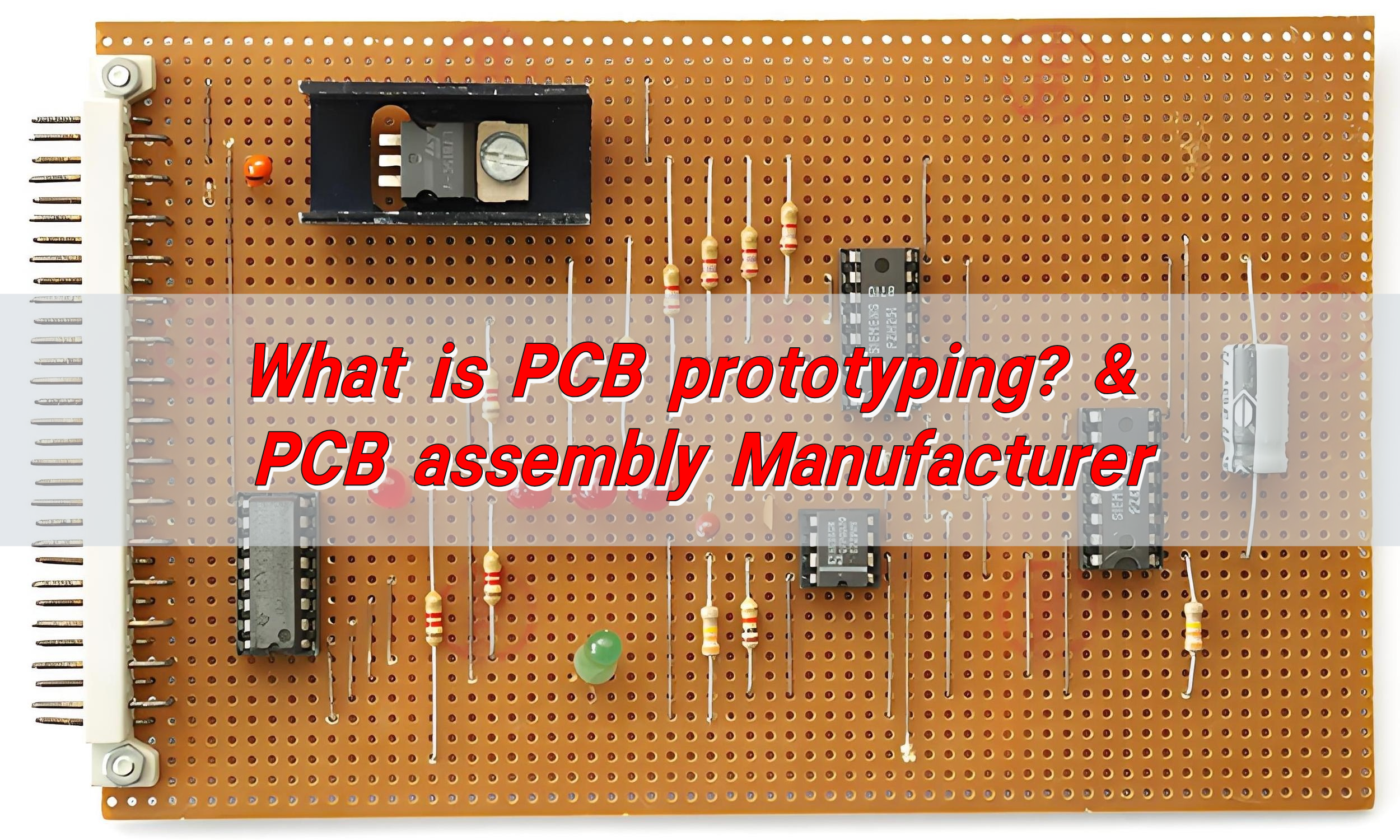
What is PCB prototyping? PCB prototype is a preliminary printed circuit board sample made according to the circuit design. It is used to realize the basic functions of the circuit and perform functional testing and verification. It usually adopts a rapid production method and has a relatively simple appearance and structure.

What is PCB prototyping? & PCB assembly Manufacturer

What is PCB Prototyping?

PCB prototyping is the process of creating a preliminary model of a PCB to test its functionality and design before mass production. This step is essential in electronics development, helping engineers and manufacturers identify and address design flaws early on.

Prototyping allows for the evaluation of components, circuits, and connections in a controlled setting. It ensures that the final PCB design performs as intended, saving time and reducing costs associated with errors.

What is the Point of Prototyping?

Prototyping serves as a safety net in the PCB manufacturing process. By creating a prototype:

  • Flaws are identified early: It prevents costly errors in large-scale production.
  • Design validation: Ensures that the circuit works as expected.
  • Component testing: Verifies compatibility and performance of components.
  • Cost efficiency: Saves resources by addressing issues before production.

This process bridges the gap between theoretical design and practical application, reducing risks.

Why Prototype Circuits Before Making a PCB?

Testing circuits before creating a PCB is vital. It allows:

  • Performance Evaluation: Determines how circuits function under real-world conditions.
  • Optimization: Refines layouts to improve performance and reliability.
What is PCB prototyping? & PCB assembly Manufacturer
  • Debugging: Identifies and fixes potential electrical issues.
  • Risk Mitigation: Ensures the design meets safety and compliance standards.

By prototyping, you ensure a smooth transition from design to final product.

How to Make PCB Prototyping?

The process of PCB prototyping includes several steps:

  • Design Creation: Use a PCB design tool like Altium Designer or KiCAD.
  • Material Selection: Choose materials suitable for your application.
  • Schematic Development: Draw circuit diagrams and plan connections.
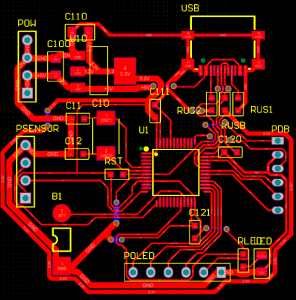
  • Layout Design: Arrange components on the PCB for optimal performance.
  • Fabrication: Manufacture the prototype using a reliable service.
  • Testing: Test the prototype to identify and resolve any issues.

Each step is crucial to ensure the prototype meets your requirements.

How to Use a PCB Prototype Board?

A PCB prototype board is a platform for testing and validating designs. To use it effectively:

  • Prepare the schematic: Transfer the design to the board.
  • Assemble components: Place components in the designated positions.
What is PCB prototyping? & PCB assembly Manufacturer
  • Connect traces: Solder the components and complete the circuit.
  • Test functionality: Verify the board’s performance.

Prototype boards simplify the testing process, allowing for quick adjustments.

How Do Prototype PCBs Work?

Prototype PCBs work as functional testbeds for new designs. They replicate the final product but are made with less expensive materials and simpler processes. Engineers use them to:

  • Test circuit connectivity.
  • Assess signal integrity.
  • Verify design specifications.

Successful prototypes pave the way for full-scale production.

What is the Best PCB Design Tool?

Choosing the right PCB design tool is key to successful prototyping. Popular options include:

  • Altium Designer: Comprehensive and professional.
  • KiCAD: Open-source and user-friendly.
  • Eagle: Widely used with extensive libraries.
  • OrCAD: Robust for complex designs.

Select a tool that matches your project’s complexity and budget.

How Much Does a PCB Prototype Cost?

The cost of a PCB prototype depends on several factors:

  • Size and complexity: Larger and more complex designs cost more.
  • Material choice: High-quality materials increase costs.
  • Turnaround time: Faster delivery options come at a premium.
  • Quantity: Small batches are often more expensive per unit.

On average, costs range from $50 to several hundred dollars per board.

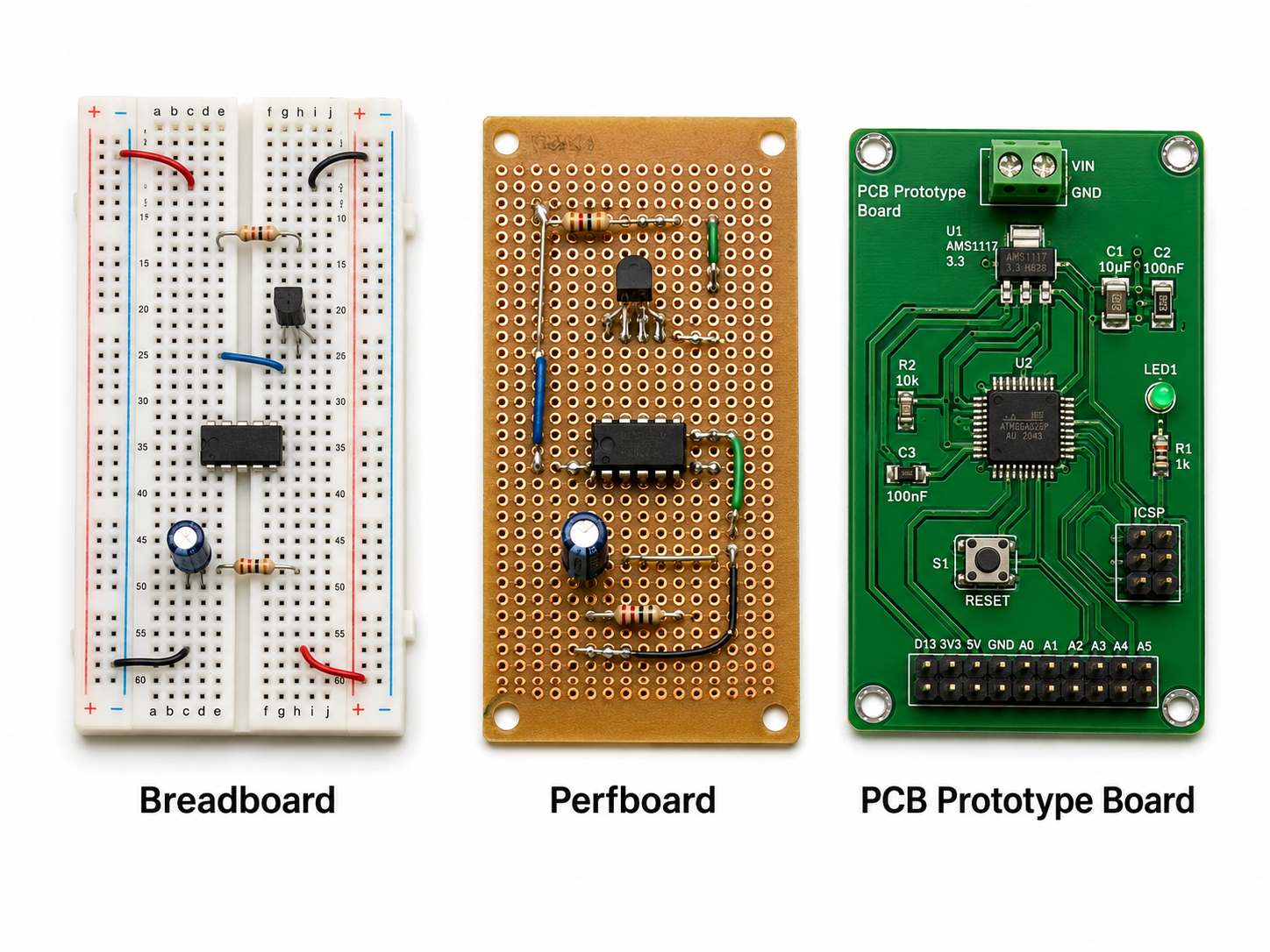
What is the difference between PCB prototype and breadboard?

FeaturePCB PrototypeBreadboard
DurabilityLong-lastingTemporary
PerformanceHigh performance, precise connectionsLimited to basic circuits
CustomizationFully customizableRestricted by design
ApplicationsSuitable for production testingIdeal for initial testing
What is PCB prototyping? & PCB assembly Manufacturer

While breadboards are ideal for early experiments, PCB prototypes are essential for final design validation.

Why Choose Us as Your PCB Manufacturer?

At EBest Circuit (Best Technology), we excel in providing comprehensive PCB prototyping and manufacturing solutions. With over 18 years of experience, we ensure:

  • High-quality fabrication: Advanced techniques for superior results.
  • Customization options: Tailored designs to meet your needs.
  • Quick turnaround: Rapid prototyping to keep your project on track.
  • Global presence: Facilities in China, Vietnam, and the US.

Our team is dedicated to turning your ideas into reality. For expert PCB prototype services, contact us at sales@bestpcbs.com

Conclusion:

PCB prototyping is a crucial step in electronics design. It ensures accuracy, performance, and reliability, saving time and costs. For top-tier PCB prototype fabrication services, reach out to sales@bestpcbs.com today. Let us help you bring your ideas to life.

How to use a pcb prototype board?
Friday, December 20th, 2024

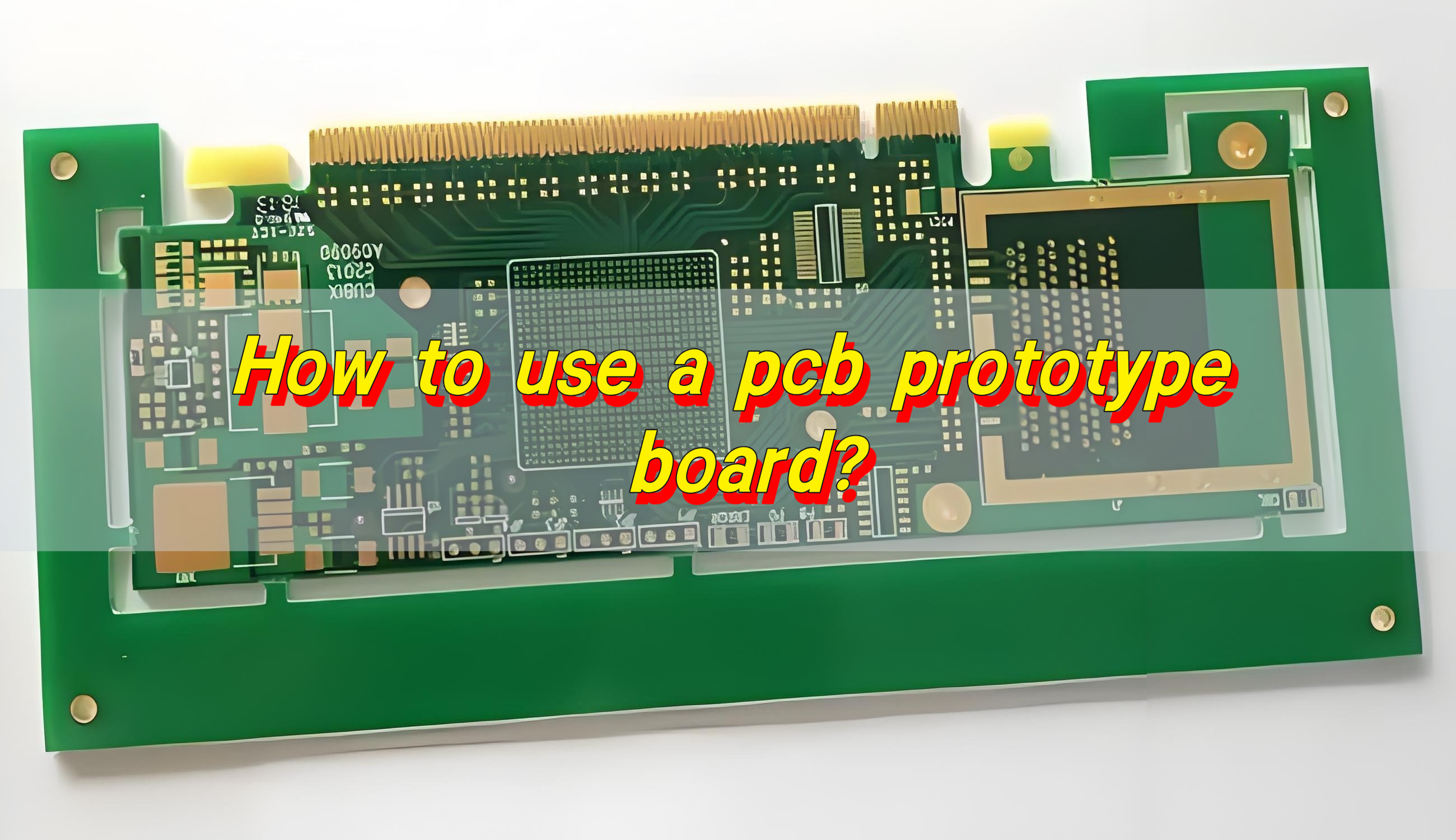
How to use a pcb prototype board? To use a PCB prototype board, you need to prepare components and tools according to the design, check the board, lay out the components reasonably and solder them. After soldering, first visually inspect, then power on and test each module with an oscilloscope, etc. If there is a problem, check the connection, change components, and adjust parameters to debug. Clean and store it after use.

What is a PCB prototype?

PCB prototypes are early samples of products, mainly used to test design concepts and verify the feasibility of designs. It not only tests basic user functions, but also needs to have certain functionality to ensure that the overall function of the design can operate normally. During the PCB prototype production process, engineers can test different PCB designs and manufacturing specifications to find the best solution.

How to use a pcb prototype board?

The role of PCB prototypes:

  • Shorten time: Through PCB prototypes, design engineers can quickly and accurately test design problems and reduce the number of design iterations, thereby shortening the design cycle and reducing costs.
  • Improve customer satisfaction: Customers can see product prototypes in advance, which can better communicate needs, reduce misunderstandings and rework during design and production, and ensure that the final product meets customer needs.
  • Ensure design feasibility: PCB prototypes can test circuit boards before production, discover and fix potential design defects, and avoid rework and cost waste after production.

How to make PCB prototyping?

The following are brief steps to make PCB prototypes:

  • Step 1: Design circuit schematics

Use the schematic capture tool to select components according to circuit functional requirements and connect them logically in the software. After drawing, check its logic and integrity, and use the electrical rule check function to troubleshoot errors to ensure that it meets the requirements.

  • Step 2: Plan PCB layout

Import components into the layout software, place them reasonably according to component characteristics, plan wiring at the same time, take into account power lines, ground lines and high-speed signal wiring requirements, and adjust components and wiring to meet rules and space restrictions.

  • Step 3: Generate production files

Generate Gerber files, make BOM materials list at the same time, and communicate with manufacturers to ensure that the files meet production requirements.

  • Step 4: Select the manufacturing method

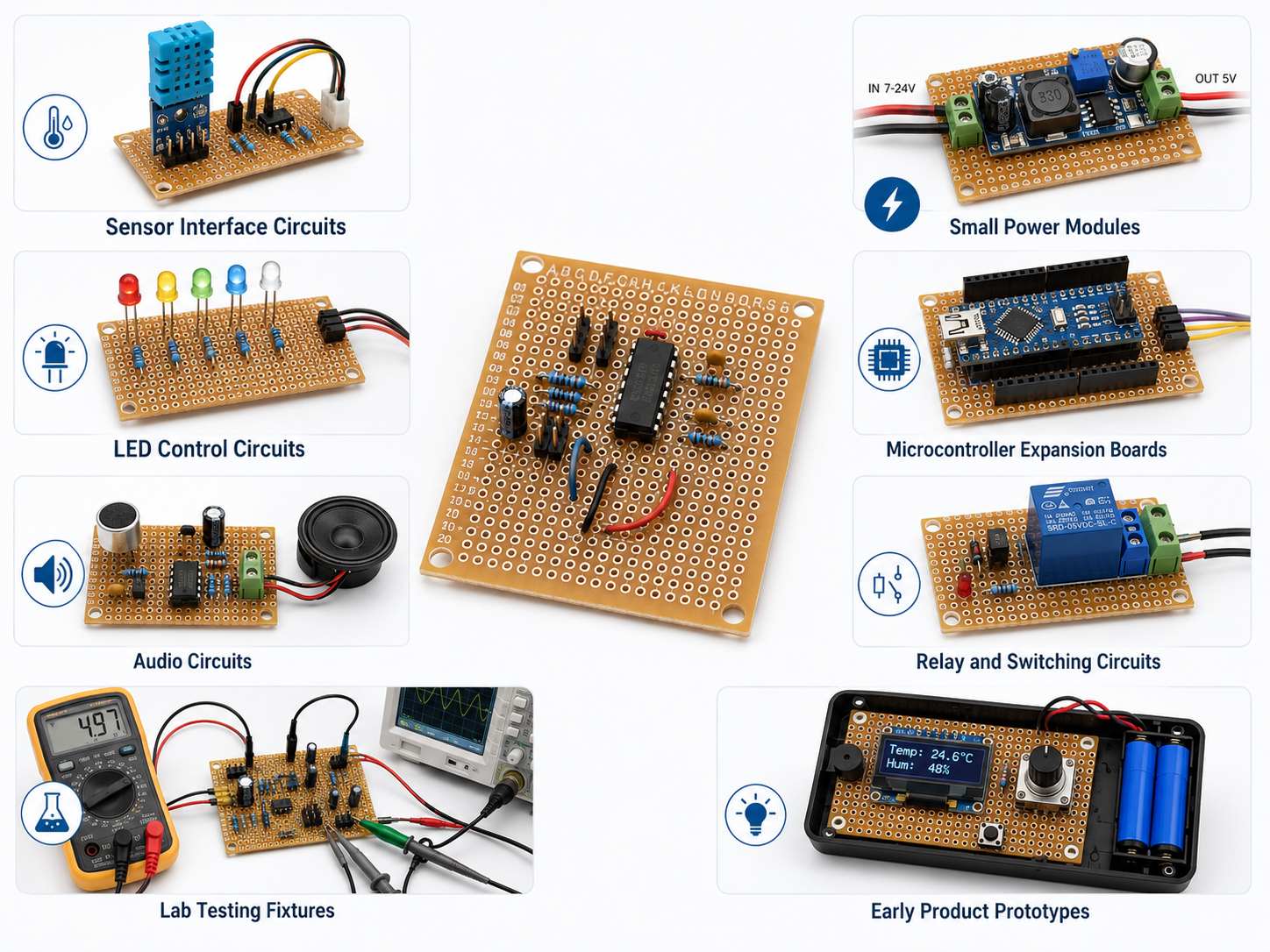
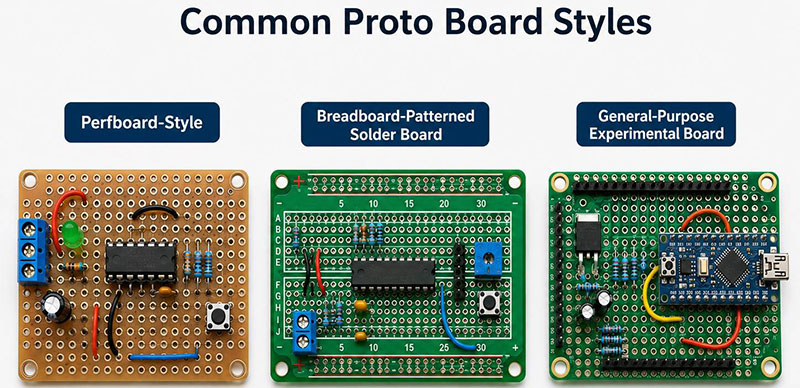
Choose breadboard (flexible but high contact resistance, etc.), perforated board (needs soldering, more stable but more complicated wiring) or PCB manufacturing (high quality but high cost, long cycle) according to the complexity, size and budget of the circuit.

  • Step 5: Manufacture PCB board

Breadboard directly plugs components and connects jumpers; perforated board needs to solder components; PCB manufacturing gives relevant documents to manufacturers for production according to the process, and maintains communication during the process to ensure quality and delivery.

  • Step 6: Drilling
How to use a pcb prototype board?

Choose a drill bit according to the size of the component pin, use a drilling machine to drill vertically, control the depth, especially for multi-layer boards, and clean up the debris in the hole after drilling.

  • Step 7: Soldering components

After cleaning the component pins, place them in the corresponding position of the PCB, use a soldering iron, solder wire (hot air gun for patch, etc.) to solder according to specifications, and check the quality of the solder joints after soldering to ensure that there are no problems such as false soldering and short circuits.

  • Step 8: Test the circuit board

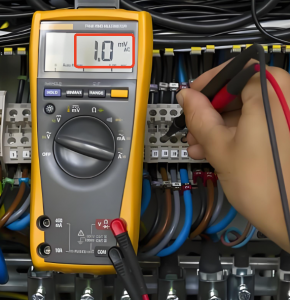
Perform visual inspection (look at the appearance, component installation, solder joints, etc.), functional testing (input signals according to the designed functions to see if the output meets expectations) and electrical testing (use instruments to measure whether the electrical parameters are normal) to promptly troubleshoot and repair problems.

How much does a PCB prototype cost?

The cost of a PCB prototype varies depending on many factors, mainly including circuit board size, number of layers, materials, process complexity, etc.

  • Circuit board size: The larger the circuit board, the higher the cost.
  • Number of layers: Multi-layer circuit boards are usually more expensive than single-layer or double-layer circuit boards because the manufacturing process is more complicated.
  • Material type: Different materials have different costs, and high-performance materials are usually more expensive.
  • Surface treatment: Surface treatment processes such as gold plating and immersion gold will affect the cost.
  • Minimum line width, line spacing, aperture: The higher the accuracy requirements of these parameters, the higher the cost.
  • Special requirements: Additional requirements such as impedance control and special markings will increase the cost.

What is the difference between prototype PCB and assembly?

The main difference between prototype PCB and assembly lies in their purpose, quantity, production cycle and cost.

1. Purpose and quantity

  • Prototype PCB: Mainly used to test and verify the design, ensure the feasibility and performance of the design in practical applications, and its quantity is usually large.
  • Assembly: Usually refers to mass production, the quantity is usually more than 500 pieces, or even thousands of pieces.

2. Production cycle and cost

  • Prototype PCB: The production cycle is short, usually no more than 10 days, suitable for rapid testing and adjustment of the design. Although the unit price is high, the total cost is low because problems can be discovered and solved in time to avoid losses during mass production.
  • Assembly: The production cycle is long, generally 20-25 days. The unit price is low, but the total cost is high because a large number of products need to be produced.

3. Design and production process

  • Flexibility: The prototype PCB production process is more flexible and can be adjusted and modified according to design requirements.
  • Quality control: The quality control standards of prototype PCB can be moderately relaxed to complete production faster. Mass production requires strict quality control to ensure that each board is defect-free.

Is a breadboard a protoboard?

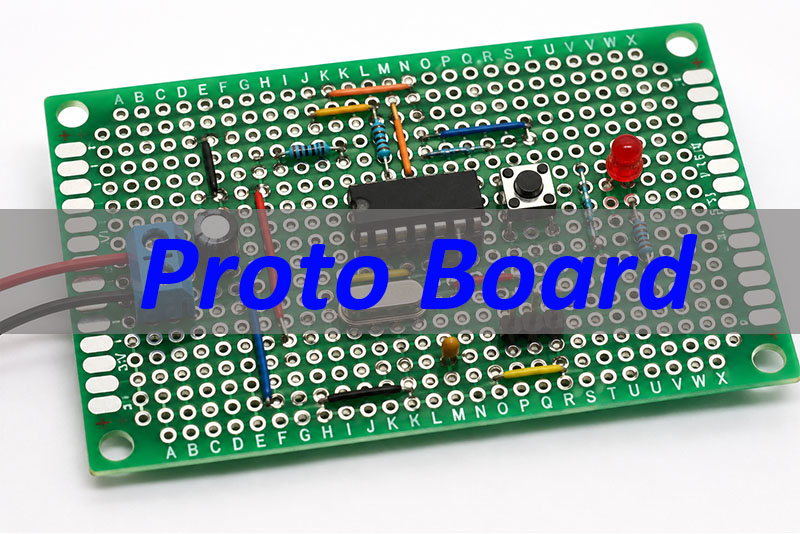
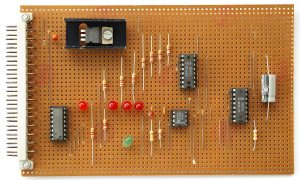
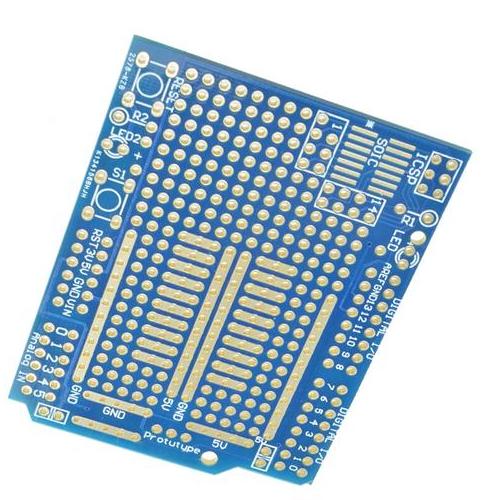
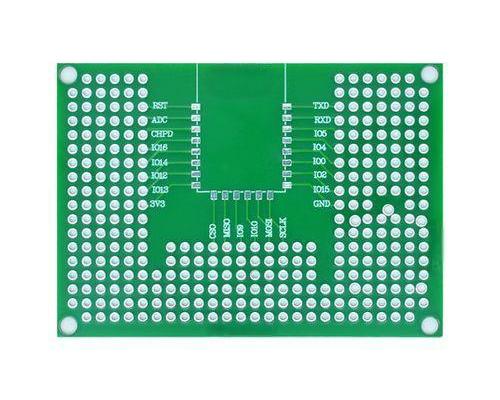
A breadboard is a prototype board, also known as a solderless breadboard or a universal circuit board. It is mainly used for prototyping and experimental verification of electronic circuits. It can quickly assemble and test circuits without soldering.

How to use a pcb prototype board?

The structure of a breadboard includes a conductive hard substrate, an insulating material layer, and an epoxy glass cloth board or a double-sided glass cloth board covered with a copper layer. There are many holes on the top for plugging electronic components, such as DIP (dual in-line package), SMD (surface mount device) and THT (through-hole technology).

The breadboard uses U-shaped metal contacts to hold component leads and wire segments inserted through holes, and uses spring tension to fix components, providing a flexible and convenient way to connect circuits.

The use scenarios of breadboards are very wide, suitable for prototyping and debugging of various electronic projects. Due to its characteristics of not requiring soldering, breadboards are particularly suitable for beginners and experimenters who need to frequently replace components.

What is the difference between PCB prototype and breadboard?

PCB prototype and breadboard have the following main differences in prototyping:

1. Usage:

  • Breadboard: When using breadboard for circuit construction, you only need to insert the component pins into the corresponding small holes, without soldering, which is very suitable for temporary circuit testing and small-scale prototyping.
  • PCB prototype: You need to use circuit design software to draw a circuit diagram first, and then convert the design into conductive lines and component layout on the PCB. The PCB is made through a series of processes, and finally the components are soldered to the PCB to complete the circuit construction.

2. Advantages and disadvantages:

Breadboard:

  • Advantages: easy to use, flexible, can quickly build and modify circuits; no professional tools and equipment are required, suitable for beginners and small-scale production.
  • Disadvantages: The circuit connection is not stable enough and is easily affected by vibration and temperature difference; it is not suitable for large-scale production and complex circuit design; after long-term use, the metal contact points are easily oxidized and cause poor contact.

PCB prototype:

  • Advantages: The circuit connection is stable and reliable, suitable for the design and production of various complex circuits; it can achieve high-density wiring and compact arrangement of components; it is easy to realize automated production and batch replication; it has good protection performance and can resist interference from the external environment.
  • Disadvantages: The design and production costs are relatively high, requiring professional knowledge and skills support; the production cycle is long, not suitable for rapid prototyping and temporary testing needs; once the production is completed, the circuit structure and component layout are not easy to modify.

3. Applicable scenarios:

  • Breadboard: suitable for beginners and small-scale prototyping, as well as temporary circuit testing.
  • PCB prototype: suitable for the design and production of complex circuits, as well as the needs of large-scale production and long-term stable operation.

What are the three types of breadboards?

Breadboards are mainly of the following three types: solderless breadboard, single breadboard and combination breadboard.

  • Solderless breadboard: This breadboard has no soldered power socket, is small in size, easy to carry, and is suitable for small circuit experiments. Its disadvantage is that the power connection is inconvenient and not suitable for large-scale circuit experiments.
How to use a pcb prototype board?
  • Single breadboard: Single breadboard is small in size, easy to carry, and can be easily turned on and off. But its disadvantage is that it is small in area and not suitable for large-scale circuit experiments.
  • Combination breadboard: Combination breadboard is to fix multiple solderless breadboards on the motherboard, and connect the power lines of each board together through the copper foil in the motherboard.

The use of PCB prototype board covers several key steps such as preparation, inspection, layout welding, testing and debugging, and maintenance and preservation. As a professional PCB manufacturer, BEST Technology has rich practical experience in the design and development of PCB prototypes. From the precise drawing of the schematic to the high-quality prototype production, every link is strictly controlled to ensure the provision of excellent performance, stable and reliable PCB prototypes.

Fast Turn PCB Prototype | PCB Design & PCB Manufacturer
Saturday, September 28th, 2024

What is Fast Turn PCB?

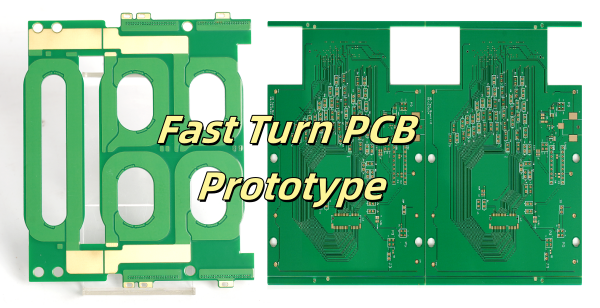
Fast turn PCB refers to a process where printed circuit boards are manufactured in a much shorter time frame compared to the standard process. This expedited service is often used during the prototyping phase, where companies need to validate designs quickly before moving on to mass production. The process is designed to keep pace with the rapidly changing demands of industries like consumer electronics, automotive, aerospace, and telecommunications. Fast turn PCB prototypes are not just a luxury; they are often necessary to meet tight deadlines and ensure product success.

Advantages of Fast Turn PCB Prototypes

The most obvious benefit of fast turn PCB prototypes is speed. However, the advantages extend far beyond just saving time:

Quicker Fabricate Cycles: When a design change is necessary, waiting weeks for a new PCB is no longer acceptable. Fast turn PCB allows you to make design tweaks and receive updated prototypes in a matter of days. This reduces downtime and lets your team stay productive.

Early Issue Detection: When you get your prototype faster, it means you can start testing sooner. This leads to earlier detection of potential issues, allowing you to resolve them before the design moves into mass production. Catching problems early minimizes the risk of costly errors.

Faster Time to Market: In industries where technology changes quickly, getting a product to market before your competitors is vital. Fast turn PCBs enable faster product development, giving you an edge in launching new and innovative products ahead of your competitors.

Design Flexibility: Quick prototyping means you’re free to experiment with different designs without losing valuable time. Whether you’re optimizing a layout or testing new materials, fast turn PCBs provide the flexibility you need to find the perfect solution.

Increased Customer Confidence: For those working with clients, the ability to quickly provide prototypes can enhance customer relationships. When you demonstrate speed and reliability, clients gain confidence in your ability to deliver high-quality final products.

Our Quick Turnaround PCB Services Include

  • PCB Prototype Assembly
  • Rigid-Flex PCBs
  • HDI PCB Fabrication
  • Flexible PCBs
  • PTFE Teflon PCBs
  • Heavy-copper PCBs & Busbar PCB
  • Metal Core PCBs
  • BGA Pad pitch down to 0.15mm
  • Cavity Process
  • Back drill Process
  • IC substrate
  • Extra thin PCBs
  • Ceramic PCBs
  • Drone PCB/Bluetooth PCB
  • High speed PCB
  • RF PCB
  • High Tg PCB
  • Impedance control PCB

EBest Circuit (Best Technology)’s Typical Turnaround Lead Time for Fast Turn PCB

Our commitment to speed is reflected in our turnaround times. For basic, single-layer PCBs, we can often deliver in as little as 24 hours. More complex designs, such as multi-layer boards or rigid-flex PCBs, may take 3 to 5 days. No matter the complexity of your design, we work diligently to meet your timeline without compromising quality. More details please see below chart:

Prototype (<m2)LayersNormal ServiceExpedited Service
FR4 PCB1 Layer1-2 Days24 Hours
2 Layers1-2 Days24 Hours
4 Layers2-3 Days48 Hours
6 Layers3-4 Days72 Hours
8 Layers6-8 Days72-96 Hours
10 Layers10-12 Days120-168 Hours
HDI (1+N+1, 2+N+2)2.5-3.5 WeeksTBD

This fast pace doesn’t mean we cut corners. Every PCB prototype undergoes rigorous testing to ensure it meets the highest quality standards. From initial design review to final inspection, we ensure that your prototype will perform exactly as expected.

Custom Quote for Fast Turn PCB Prototypes

If you have specific requirements or a tight deadline, we offer custom quotes tailored to your project. Simply provide us with your design files, including details like layer count, material type, and any specific finishing options, and we’ll give you a competitive quote with a guaranteed delivery date. Our team is ready to work with you to find the best solution for your project’s unique needs.

Factors That Affect Lead Time of PCB Prototypes

While we strive to meet tight deadlines, there are several factors that can influence the lead time for your PCB prototype:

  • Design Complexity

You must know, the more layers and components your PCB requires, the longer it may take to manufacture. Single-layer boards can be produced quickly, while multi-layer designs or HDI boards typically take more time.

  • Material Availability

Certain materials, like high-frequency laminates or specific copper weights, may not always be immediately available. If your design requires specialized materials, it’s best to check availability early with Best Team in the process to avoid delays.

  • Finishing Options

Different surface finishes require different processing times. For example, ENIG or immersion silver might take longer than standard HASL finishes. It’s important to choose a finish that fits both your timeline and your design needs.

  • Quality Assurance Testing

If your design requires additional testing or certifications, this can add time to the process. However, testing is critical to ensure that your prototype meets all necessary performance and safety standards. EBest Circuit (Best Technology) always perform strict testing to control the PCB quality.

Prototype PCB Assembly Services

Beyond manufacturing the PCB itself, we also offer prototype assembly services. This means that once your PCB is produced, we can quickly assemble all the necessary components, giving you a fully functional prototype in a short amount of time. Our assembly services include both surface-mount (SMT) and through-hole technology (THT) processes.

By combining fast turn PCB production with our assembly services, you save valuable time and resources, as you don’t need to coordinate between multiple vendors. We handle everything in-house, ensuring a smooth process from start to finish.

Choosing the Right Fast Turn PCB Prototype Manufacturer

When it comes to selecting a fast turn PCB manufacturer, you want to partner with a company that not only offers speed but also reliability and quality. Rushing a prototype through the production process without the proper quality checks can lead to poor performance and wasted time.

At EBest Circuit (Best Technology), we are proud of our reputation for delivering high-quality prototypes quickly. Our team of experienced engineers and technicians ensures that every prototype is carefully reviewed and tested before it leaves our facility. We use only the highest-quality materials and components, so you can trust that your prototype will perform as expected.

Additionally, our customer service team is always available to answer your questions, offer technical support, and provide updates on your project’s progress.

Why Should You Choose EBest Circuit (Best Technology) as Your Preferred Partner?

At EBest Circuit (Best Technology), we don’t just manufacture PCBs — we create solutions. Our fast turn PCB services are designed to help you move through the product development process faster, without compromising on quality. We offer:

1. With turnaround times as fast as 24 hours for simple designs, we help you meet even the most demanding deadlines.

2. Every prototype we produce undergoes strict quality control and it can meet your exact specifications.

3. We can accommodate a wide range of PCB types and materials, including flexible PCBs, HDI boards, and high-frequency designs.

4. Our team is dedicated to helping you one-time succeed. From design review to final delivery, we’re here to support you every step of the way.