PCB manufacturing PCB manufacturing
Home > Blog

PCB Board Manufacturer In China, Superior Quality

June 10th, 2025

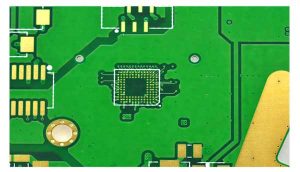
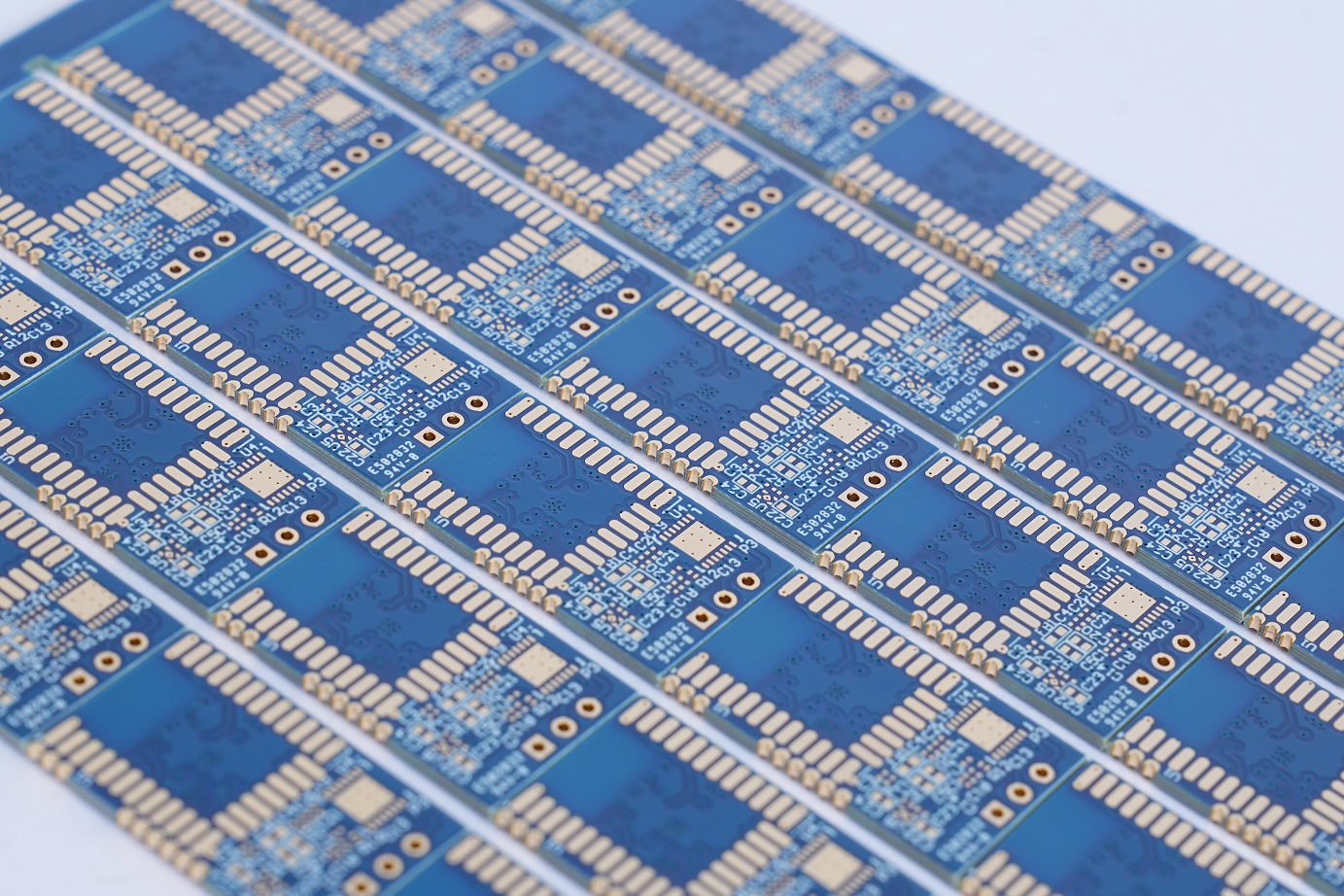
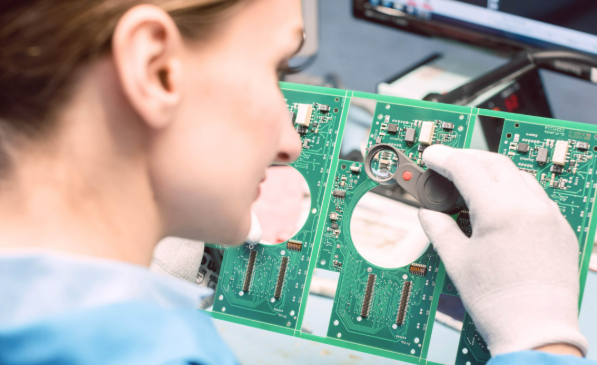
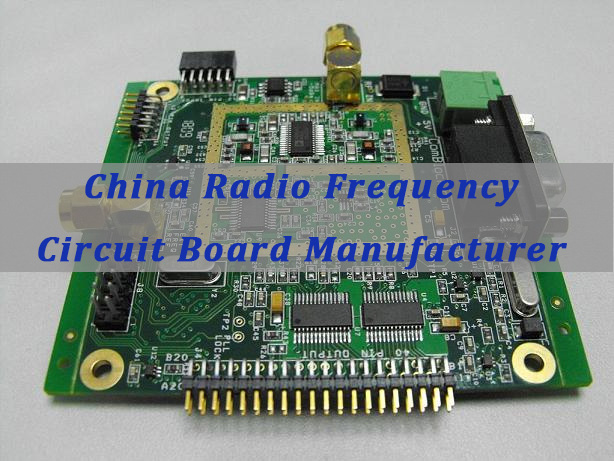
PCB board manufacturer in China is often the first choice for companies that value quality, speed, and efficiency. Whether you’re managing bulk orders or looking for custom solutions, Chinese PCB suppliers have set the bar high. Let’s explore why they’ve gained global trust, and how EBest Circuit (Best Technology) solves key customer needs to support your business.

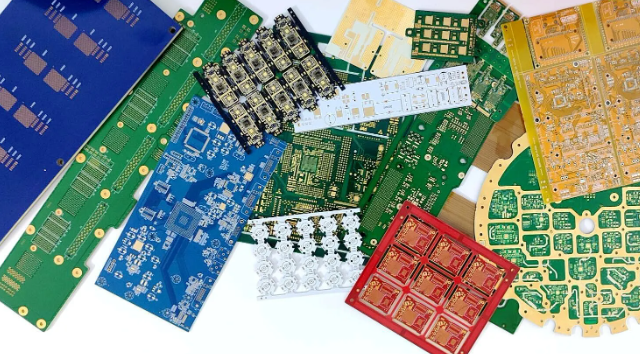
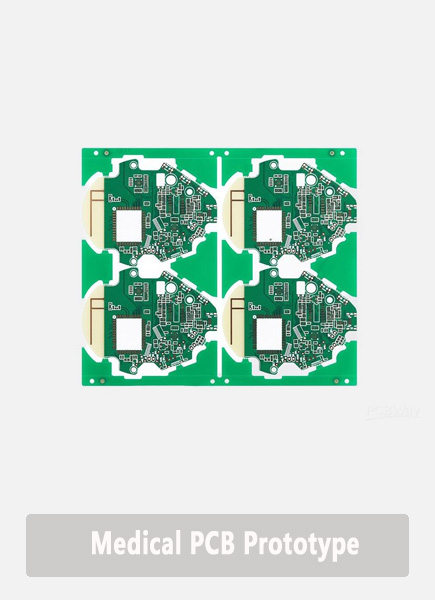
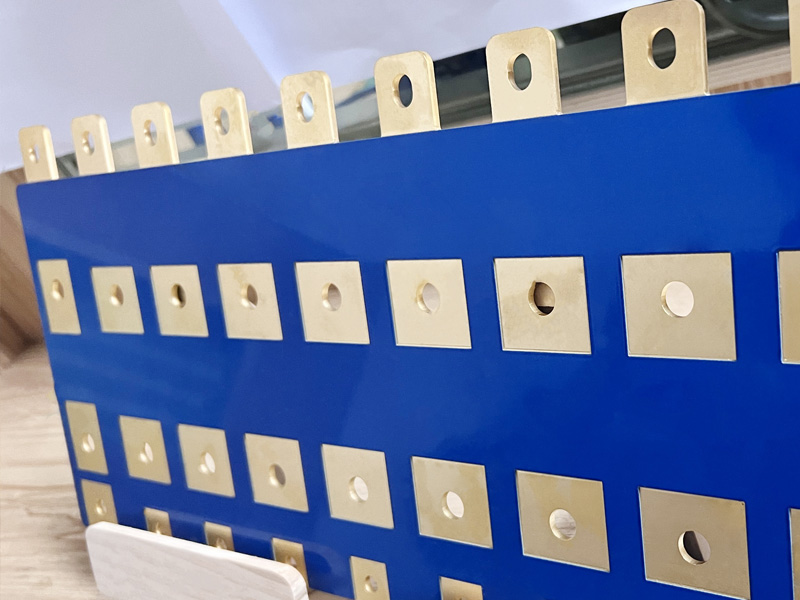
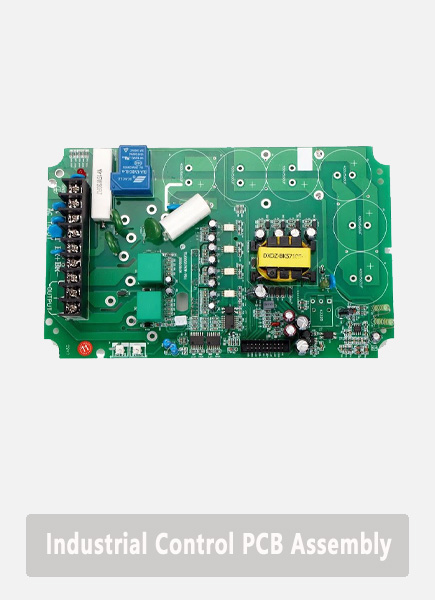
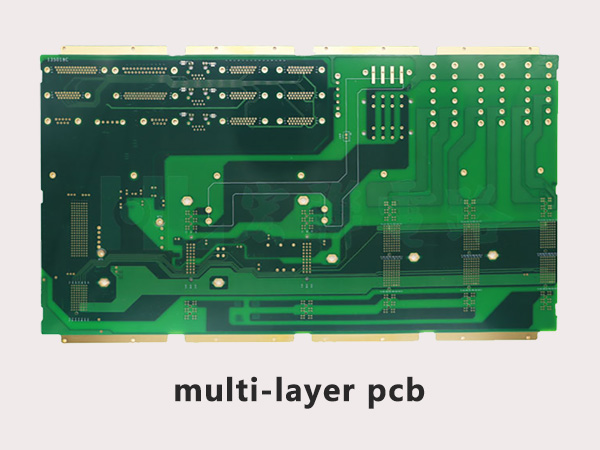
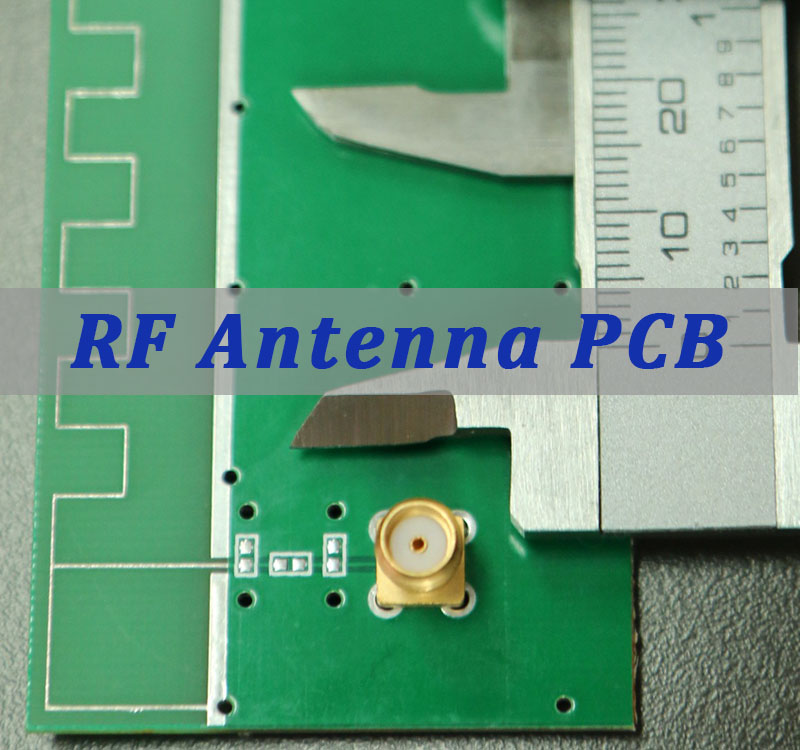
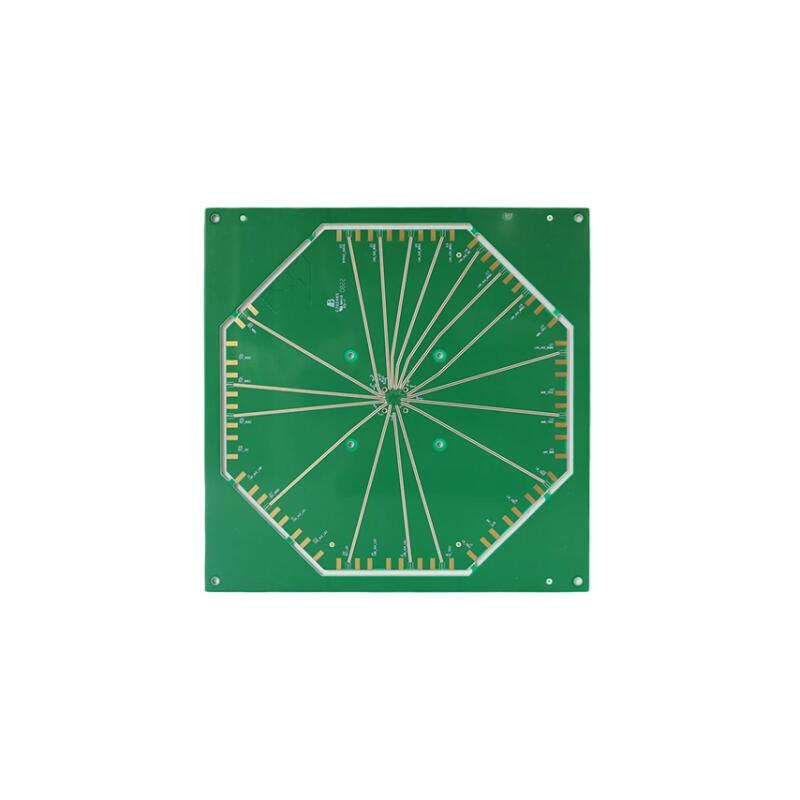
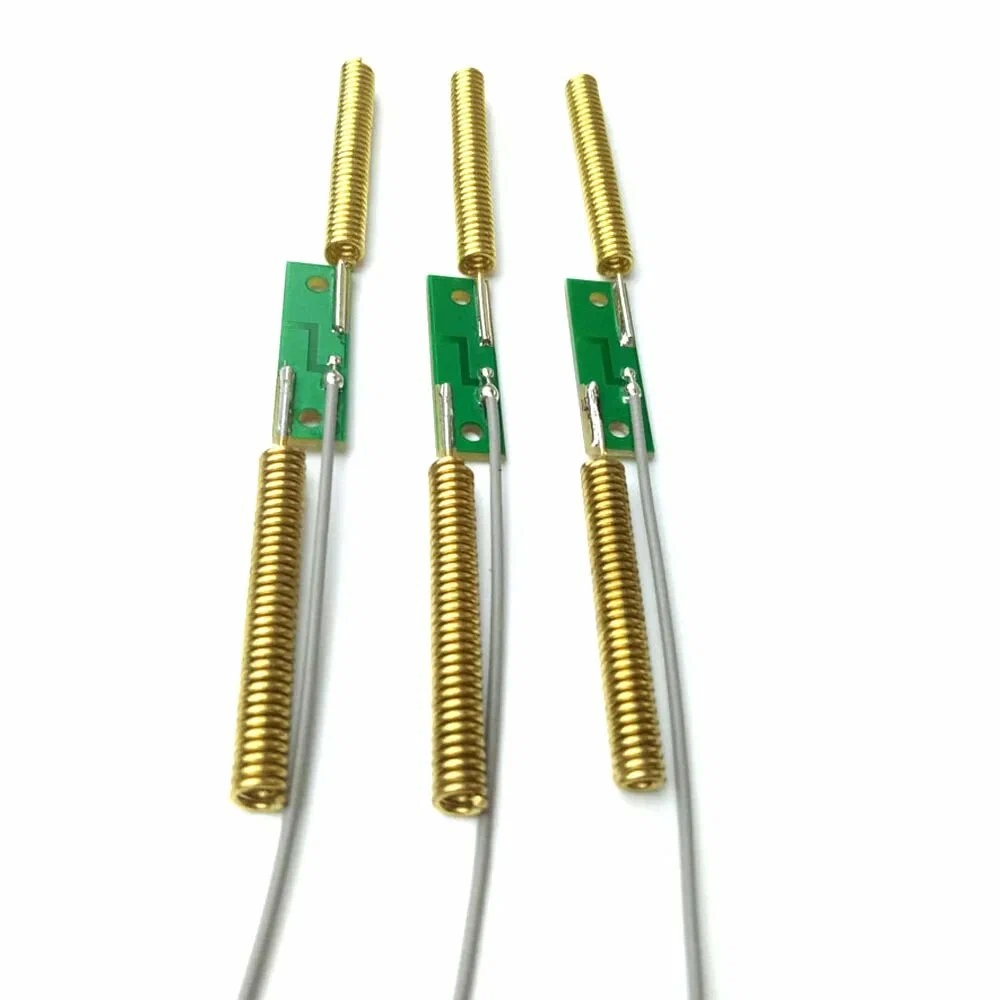
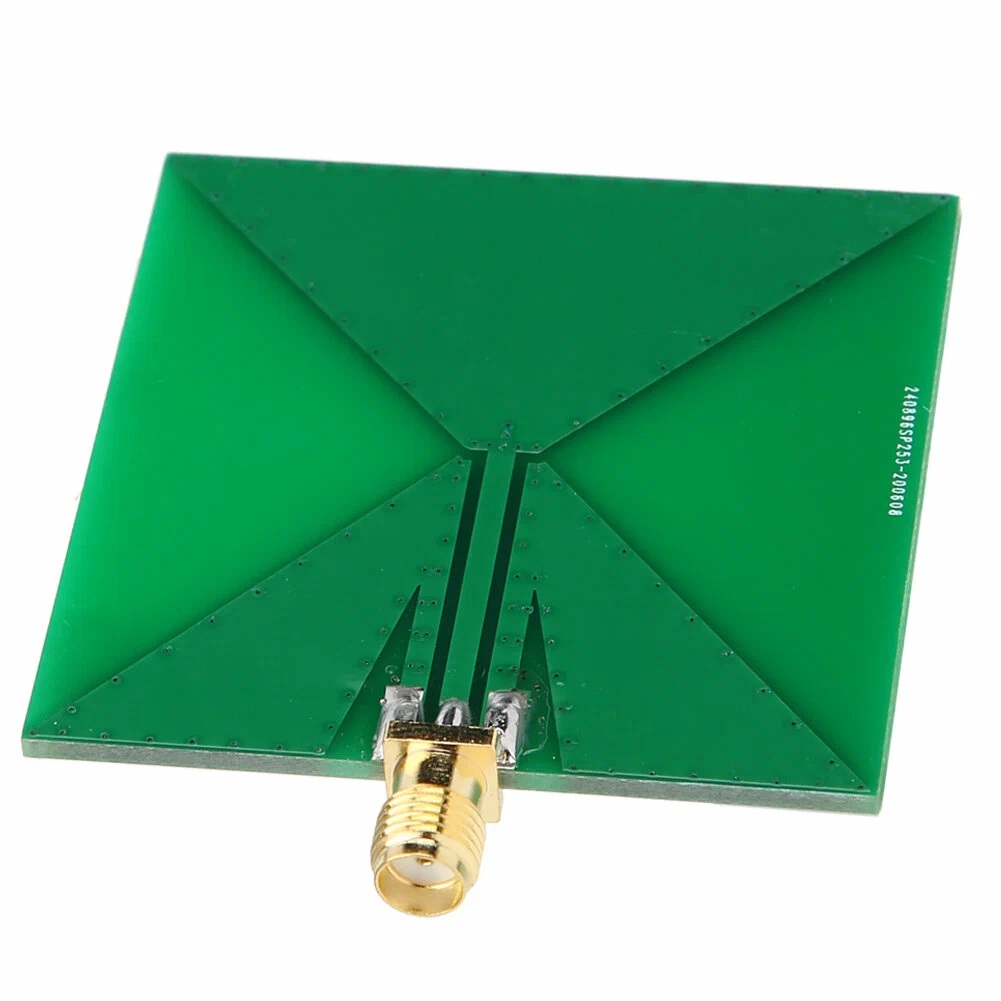
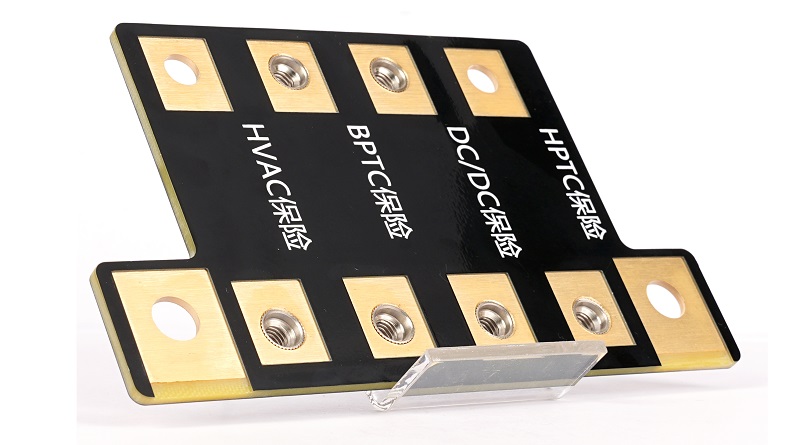
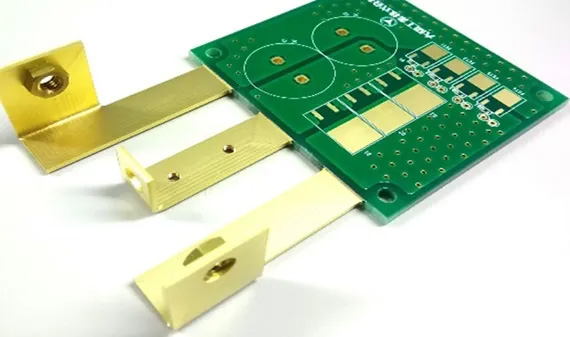
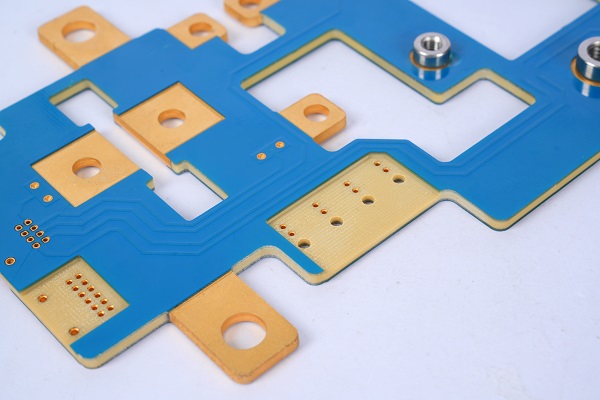
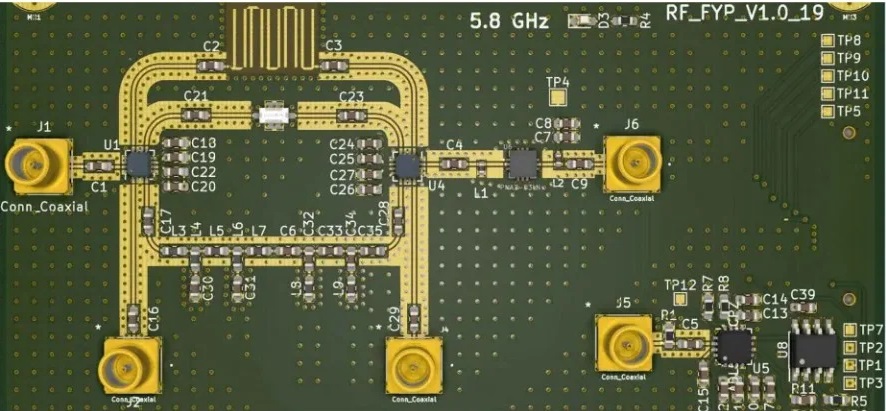
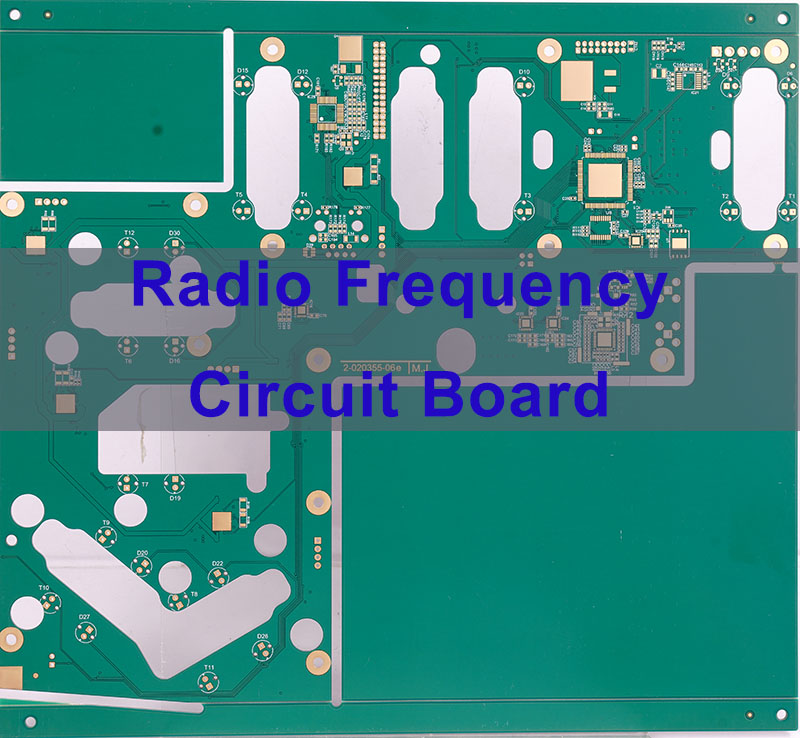
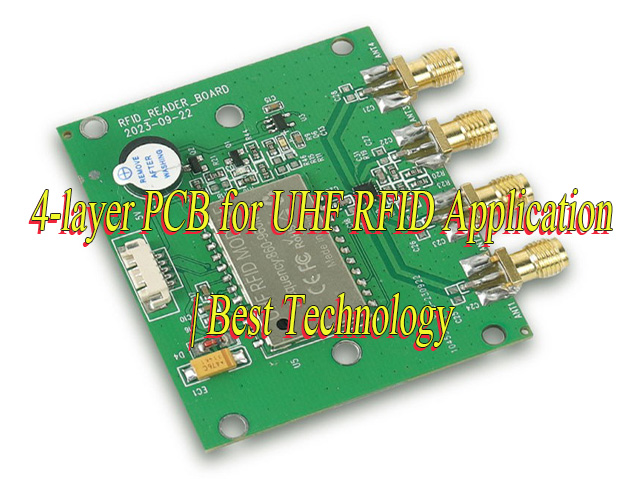
EBest Circuit (Best Technology) is a PCB board manufacturer in China. Providing superior quality PCB boards to global customers is our priority. Our PCB board ranges include single-sided PCB, multi-layer PCB, semi-rigid flex PCB, RF PCB, heavy copper PCB, high TG PCB, HDI PCB, and extra thin PCB. If you have any relevant projects that need to be supported, just feel free to let us know via sales@bestpcbs.com. We are looking forward to providing pre-sales support and 24/7 Tech Support‌.

PCB Board Manufacturer In China, Superior Quality

What is the Best PCB Board Manufacturer in China?

Finding the best PCB board manufacturer in China depends on more than just price. You should also look at quality consistency, delivery speed, technical support, and environmental standards. Among the top PCB manufacturers in China, EBest Circuit (Best Technology) stands out. The company balances all these aspects through a solid quality control system, lean production planning, and advanced communication mechanisms.

PCB Board Manufacturer In China

Who is the PCB Board Manufacturer in China?

China is home to hundreds of PCB suppliers, from large factories to niche makers. EBest Circuit (Best Technology) is one of the reliable Chinese PCB manufacturers that provide design, fabrication, and assembly under one roof. Located in Shenzhen, the heart of electronics manufacturing, we serve customers globally with steady performance and efficient services.

Who is the Largest PCB Board Manufacturer in China?

Companies like Wus Printed Circuits, DSBJ, and Shennan Circuits are ranked among the largest PCB makers in China. They have large-scale production facilities and serve clients in telecom, automotive, and aerospace sectors. However, if you seek personalized service, fast turnaround, and high flexibility, a mid-sized expert like EBest Circuit (Best Technology) offers better technical support and shorter lead times.

Who is the Largest PCB Board Manufacturer in the World?

Globally, Zhen Ding Tech Group and TTM Technologies lead the PCB manufacturing space. These giants focus on mass production. However, they may not be suitable for customers needing rapid prototyping or engineering support. In contrast, EBest Circuit (Best Technology) provides an agile model for clients with small or medium batch needs, ensuring quality and reliable communication.

PCB Board Manufacturer In China, Superior Quality

Shenzhen PCB Manufacturer

Shenzhen remains the key hub for electronics manufacturing. It brings together raw material supply, skilled engineers, logistics, and industrial clusters. A Shenzhen PCB manufacturer like EBest Circuit (Best Technology) benefits from this ecosystem, offering optimized pricing, rapid delivery, and easier supply chain coordination. Thanks to its strategic location, EBest Circuit (Best Technology) can shorten delivery cycles.

Is EBest Circuit (Best Technology) a Chinese Company?

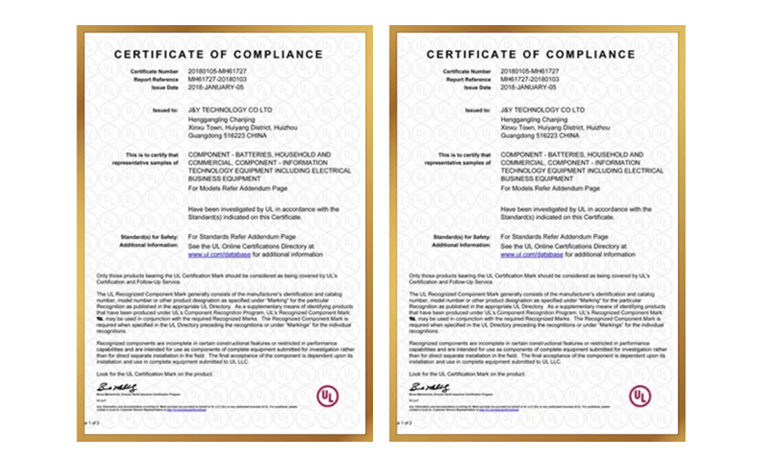
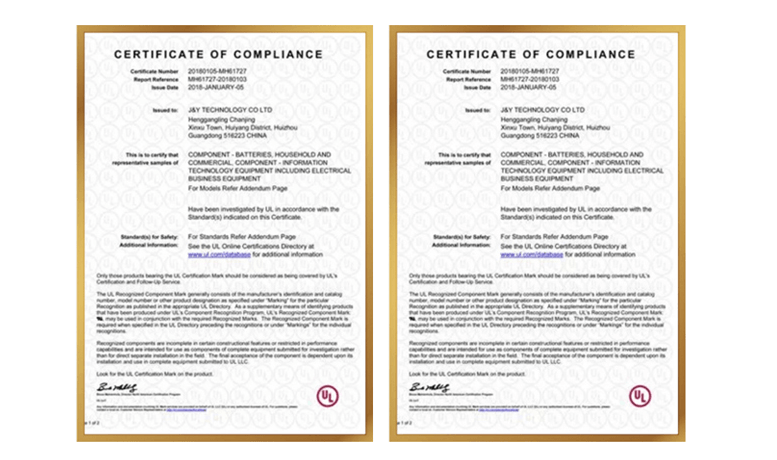
Yes. EBest Circuit (Best Technology) is a 100% Chinese PCB manufacturer located in Shenzhen. We are certified with ISO 9001, ISO 13485 for medical, IATF 16949 for automotive, and AS9100D for aerospace industries. Coupled with international standards, we blend efficiency with global compliance.

PCB Board Manufacturer In China, Superior Quality

Why Should You Choose EBest Circuit (Best Technology) as Your PCB Board Manufacturer in China?

Choosing the right PCB board manufacturer in China affects both your product quality and market timeline. EBest Circuit (Best Technology) has competitive advantages as follows:

1. Stable Quality and Precision Control

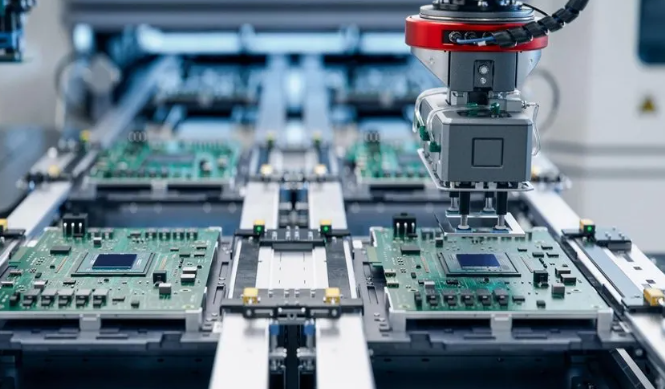
EBest Circuit (Best Technology) has a mature quality control system. We use AOI, X-ray, and functional testing to detect defects early. Our automated inspection tools ensure dimensional accuracy, electrical reliability, and soldering strength. We work only with stable raw material suppliers to avoid surprises in your final boards.

2. Faster Turnaround and Lead Time Management

We optimize our production planning to reduce delays. With a responsive engineering team and MES traceability, we react quickly to design changes. Our lean approach reduces testing bottlenecks and waste. Whether it’s prototypes or urgent mass production, we stick to delivery schedules.

3. Balanced Cost and High Quality

We understand cost matters, but not at the expense of reliability. By refining our workflows, selecting the right materials, and managing suppliers closely, we offer competitive pricing without cutting corners. This helps you stay within budget while keeping product quality high.

4. Strong Customization Capability

EBest Circuit (Best Technology) is not just a mass producer. We handle complex requests, special stack-ups, RF boards, and HDI projects. With advanced machines and skilled engineers, we support customized PCB fabrication for different applications. Whether it’s single-sided, double-layer, or multi-layer designs, we deliver as promised.

5. Full Commitment to Environmental Compliance

We follow ISO 14001 standards and use RoHS-compliant materials. Our production reduces hazardous waste. We invest in eco-friendly machines and recycling systems to lower emissions. These steps meet global regulations and show our responsibility to sustainability.

To put it simply, in today’s global market, choosing a PCB board manufacturer in China isn’t only about cost. You need a partner who delivers quality, speed, and support. EBest Circuit (Best Technology) solves your biggest concerns with a complete solution: steady product quality, fast delivery, smooth communication, and full compliance with global standards.

We don’t just manufacture boards — we provide comprehensive solutions to help your business advance. With smart planning, tested processes, and transparent teamwork, we make sure your ideas reach the market faster. Kindly contact us via sales@bestpcbs.com for any help.

You may also like

What is Through Hole Technology in PCB? Through Hole Technology vs. SMT

June 9th, 2025

At EBest Circuit (Best Technology), we offer both SMT and through-hole assembly for various PCB types. With ISO certifications, our team guarantees precise quality and traceability. Whether you’re working on PCB prototypes or large-volume orders, we can handle the complete process—from PCB fabrication to full assembly—with competitive pricing and professional engineering support.

What Is Through-Hole Technology?

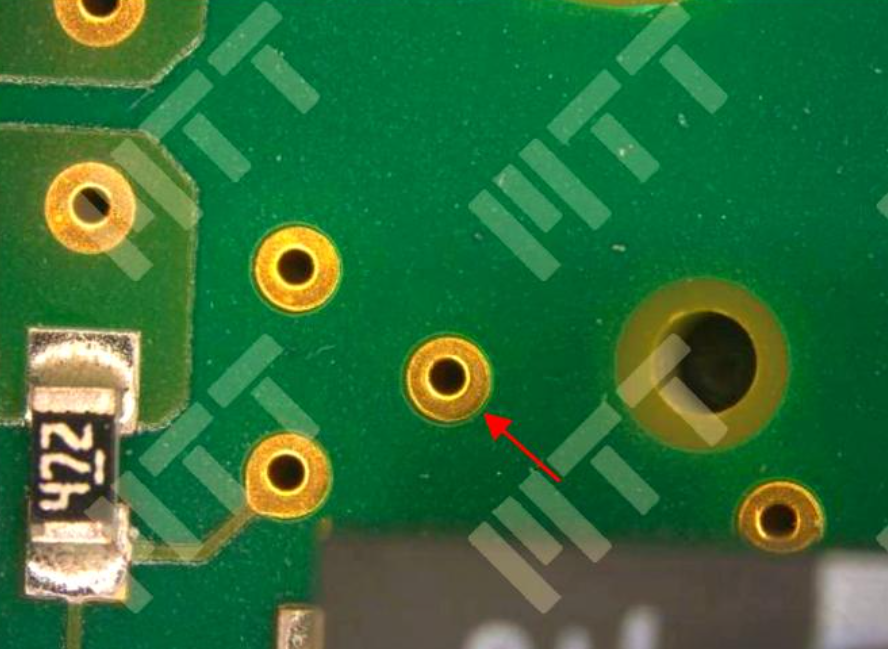
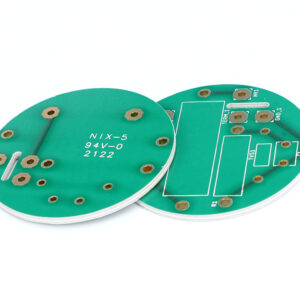
Through hole technology is a method used to mount electronic components on a printed circuit board (PCB). It involves drilling holes in the PCB where component leads are inserted and soldered to pads on the opposite side. This process creates a strong mechanical bond, which is especially useful for components that handle higher currents or need more stability.

The term PCB through hole refers to those drilled spaces where leads pass through and connect circuits on different layers. Although newer surface-mount technology (SMT) is now more common, through-hole is still widely used in specific applications such as aerospace, military, and testing environments.

What is Through Hole Technology in PCB? Through Hole Technology vs. SMT

What Are the Characteristics of Through-Hole Technology?

Through-hole technology has a few defining features that separate it from SMT. First, it requires precise drilling into the PCB, which can add time and cost to production. Second, it uses leaded components, meaning parts have metal wires that must be placed through the holes. Third, the soldering can be done manually or by wave soldering, depending on the complexity and quantity of the assembly.

Another key trait is the mechanical strength of the joint. Unlike SMT components, through-hole parts have deeper anchoring, making them more reliable under stress, vibration, or high temperature.

What is Through Hole Technology in PCB? Through Hole Technology vs. SMT

Different Types of Through Holes

There are several types of PCB through holes, each serving different purposes in the assembly process:

1. Plated Through Holes (PTH)

These are the most common. They have conductive copper plating inside the hole walls, creating electrical connections between layers of the PCB. PTHs are used for both signal routing and mounting components.

2. Non-Plated Through Holes (NPTH)

These holes have no copper inside and are used purely for mechanical reasons—such as mounting screws or hardware. They don’t connect circuits or carry current.

3. Via Holes

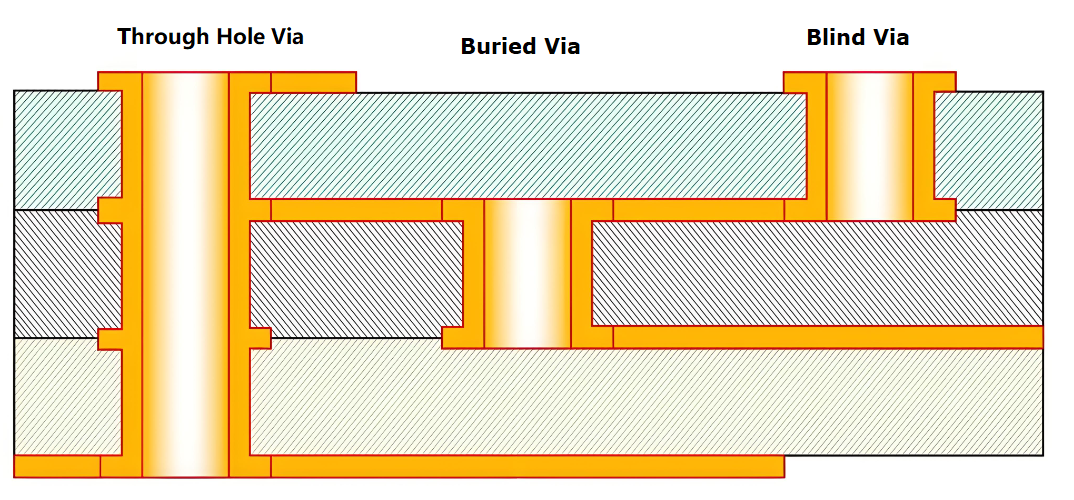
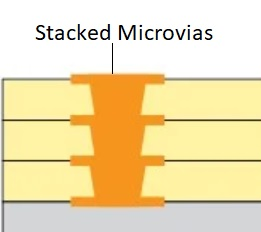
Though often grouped separately, vias are also a type of through hole. They connect one PCB layer to another electrically but are not used for inserting components. Vias can be through vias, blind vias, or buried vias depending on the layers they connect.

4. Component Holes

These are drilled specifically for component leads like resistors, capacitors, and connectors. They’re usually PTHs because they need both electrical connectivity and physical anchoring.

What Is the Difference Between SMT and Through-Hole Technology?

The key difference lies in how components are mounted onto the PCB:

FeatureThrough-Hole TechnologySurface Mount Technology (SMT)
Component PlacementLeads inserted through drilled holesMounted directly on PCB surface
Board Sides UsedBoth sides (top for components, bottom for solder)Mostly one side
Assembly TypeManual or wave solderingAutomated solder reflow
Mechanical StrengthHighModerate
Suitable ForHigh-stress environmentsHigh-density, lightweight electronics
CostHigher due to drilling and manual laborLower with automated production

In short, through-hole technology vs SMT often comes down to reliability vs efficiency. SMT is ideal for modern, compact devices, while through-hole is preferred for heavy-duty or high-reliability circuits.

What Are the Advantages of Through-Hole?

  • ‌Strong mechanical connection: Through-holes provide a strong mechanical connection by welding the pins of components onto the PCB, suitable for withstanding large mechanical stress.
  • ‌Mature manufacturing process: The manufacturing process of through-holes is relatively mature, with low cost, and suitable for large-scale production.
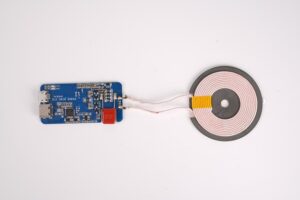
  • ‌High compatibility: Through-hole PCBs have good compatibility with the packaging forms of components, suitable for traditional through-hole packaging and larger-sized, special-shaped components.
  • For manual soldering and maintenance: Through-hole PCBs are convenient for manual soldering and maintenance, and can be completed with ordinary soldering irons and other tools.
  • Higher Current Capacity: Larger leads and deeper solder joints handle more power.
  • Reliable for Prototyping: Easier to work with manually, which helps in R&D.

Disadvantages of Through-Hole Technology

While useful in many cases, through-hole also comes with limitations:

  • More Expensive: Drilling adds manufacturing time and cost.
  • Lower Component Density: Takes more space on the PCB compared to SMT.
  • Slower Assembly: Manual or wave soldering is not as fast as automated SMT.
  • Double-Sided Processing: Components on one side, solder on the other, complicating rework or inspection.
  • Affects Signal Integrity: In high-speed signal transmission, through-holes will generate parasitic capacitance and inductance, which may cause signal delay and crosstalk, affecting signal integrity.

These drawbacks make through-hole less suitable for modern high-volume or miniaturized electronics.

What Materials Are Used in Through Hole Technology?

The materials involved in through-hole assembly include:

  • PCB Substrate: Usually FR-4, a flame-retardant fiberglass material.
  • Copper Foil: Used for plating the walls of the hole to make electrical connections.
  • Solder: Commonly a tin-lead alloy or lead-free alternatives for RoHS compliance.
  • Flux: Helps the solder flow and bond to the metal surfaces.
  • Leaded Components: With metal leads or wires that go through the board.
  • Masking Ink: Protects areas not intended for soldering.

These materials work together to create strong, conductive joints that last over time.

What is Through Hole Technology in PCB? Through Hole Technology vs. SMT

Considerations During Solder Through Hole Components

When soldering through-hole components, keeping the following factors in mind helps ensure a reliable and high-quality connection:

1. Hole and Lead Size Matching

    The drilled hole must closely match the component lead diameter. Too loose causes weak joints; too tight restricts solder flow.

    2. Proper Soldering Method

    • Manual soldering is ideal for prototypes or low-volume assemblies.
    • Wave soldering suits larger batches with consistent quality and speed.

    3. Controlled Flux Application

    Apply just enough flux to clean surfaces and improve solder flow. Excess flux may leave residues or cause corrosion.

    4. Accurate Component Placement

    Leads should be inserted straight and fully into the hole to avoid stress during soldering or later use.

    5. Correct Soldering Temperature and Time

    Maintain proper heat levels and dwell time to prevent cold solder joints or overheating.

    6. Avoiding Solder Bridges

    Ensure solder doesn’t accidentally connect two adjacent pads or leads, especially in tight areas.

    7. Mechanical Stability

    For connectors or large components, use support fixtures during soldering to keep parts from shifting.

    8. Inspection After Soldering

    Visually check for smooth, shiny solder joints. Use magnification or x-ray for dense or complex boards.

    9. Post-Solder Cleaning

    Remove any leftover flux residues with appropriate solvents or cleaning processes to prevent long-term damage.

    10. ESD Safety Measures

      Handle components with ESD precautions to protect sensitive devices from electrostatic discharge during assembly.

      What Is a Through-Hole Used For?

      Through-holes are used in many areas of PCB manufacturing and assembly. Their main function is to:

      • Mount Large Components: Like capacitors, connectors, or inductors.
      • Transfer Signals or Power: Across multiple layers of the PCB.
      • Anchor Parts: Where strong mechanical support is necessary.
      • Support Prototyping: Breadboards and experimental PCBs often use through-hole components because they’re easier to insert and replace.
      • Handle Harsh Conditions: Ideal for products exposed to motion, heat, or heavy-duty usage.

      In short, PCB through hole designs are a practical solution when strength, reliability, and repairability are key.

      FAQs

      1. Is through-hole technology still used today?

      Yes, especially in aerospace, automotive, and high-power applications where strength and reliability are crucial.

      2. Can through-hole and SMT be used on the same PCB?

      Yes. Mixed technology boards combine both methods to meet different design requirements.

      3. Why is through-hole better for testing?

      Leaded components are easier to probe and replace, which helps during R&D or repair.

      4. Is through-hole more expensive than SMT?

      Generally, yes—due to manual labor, hole drilling, and larger component size.

      5. Which is better: SMT or through-hole?

      It depends. SMT is better for compact, automated designs. Through-hole is better for strength and harsh environments.

      You may also like

      Custom PCB Manufacturers In China, Custom PCB Manufacturing In China

      June 9th, 2025

      Custom PCB manufacturing in China is growing fast due to rising demands from telecom, medical, automotive, and consumer electronics industries. When accuracy, speed, and adaptability matter most, companies seek reliable partners who understand their challenges. That’s where EBest Circuit (Best Technology) stands out.

      EBest Circuit (Best Technology) is one of the custom PCB manufacturers in China. We primarily specialize in FR4, MCPCB, ceramic PCBs, and PCB assembly. Our customer divisiveness is country to country. We have got good reviews from 1700 customers across 40 countries. If you are interested in custom PCB manufacturing in China, feel free to let us know via sales@bestpcbs.com. We’re happy to share our profile and the quote with you.

      Custom PCB Manufacturers In China, Custom PCB Manufacturing In China

      What is the Best Custom PCB Manufacturing in China?

      When choosing a partner, buyers want stable quality, fast lead times, and strong engineering support. Many manufacturers in China offer standard PCBs, but only a few excel in customization. Among them, EBest Circuit (Best Technology) is known for delivering reliable, tailored solutions for clients in aerospace, medical, 5G, and electric vehicle industries.

      Custom PCB Manufacturers In China

      Who Builds Custom PCB Manufacturing in China?

      Custom PCB manufacturing requires advanced equipment and a flexible approach. EBest Circuit (Best Technology) fits that profile perfectly. Based in Shenzhen, our company specializes in high-precision and special-material PCBs. We offer solutions for HDI, ceramic, aluminum, and flexible PCBs. With ISO 9001, IATF 16949, and AS9100D certifications, our process is built for consistency and trust. Our team also responds within 12 hours, solving design or production issues quickly. That speed reduces rework and ensures timelines are met. So, if you need a dependable Chinese partner, EBest Circuit (Best Technology) is your go-to source.

      Is EBest Circuit (Best Technology) Co., Ltd. Based in China?

      Yes. EBest Circuit (Best Technology) Co., Ltd. is based in Shenzhen, Guangdong Province, China. Our facility is well-equipped to produce a wide range of PCBs from prototypes to volume production. We also integrate full traceability with MES systems, which is critical for automotive and aerospace clients. This boosts confidence in our ability to meet strict standards.
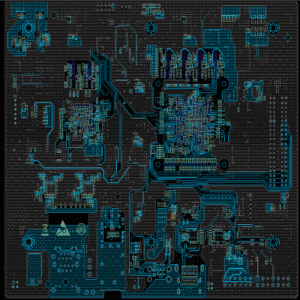
      Who is the Largest Custom PCB Manufacturing in China?

      There are many big players in China, but here are three notable names:

      • Shennan Circuits: A top-tier manufacturer offering complex multilayer and HDI PCBs. They’re known for high-end telecom and server applications.
      • Suntak Technology: Their scale and automation capacity are massive. They support mass production and have strong OEM/ODM partnerships.
      • EBest Circuit (Best Technology): While not the largest by volume, EBest Circuit (Best Technology) focuses on precision, reliability, and responsive service. That makes us the top choice for high-mix, low-volume, or specialized projects.

      Each of these companies serves different needs. But for complex, customized projects that require close collaboration, EBest Circuit (Best Technology) leads the way.

      How Much Does It Cost to Make a Custom PCB Manufacturing in China?

      Costs vary depending on material, layer count, trace width, via types, and finishing. For a 4-layer FR4 board, the starting price could be under $50 for prototypes. For high-frequency ceramic PCBs or heavy copper boards, costs rise. EBest Circuit (Best Technology) helps customers lower cost by optimizing design for manufacturability (DFM), suggesting alternate materials, and offering flexible quoting. Customers also appreciate no hidden fees, fast response, and professional BOM checking before production starts.

      Custom PCB Manufacturing In China

      How Long Does It Take to Do Custom PCB Manufacturing in China?

      Lead time depends on board complexity. Standard FR4 prototypes can be ready in 2–4 days. Complex multilayer boards or ceramic PCBs may take 7–12 days. EBest Circuit (Best Technology) offers quick-turn service, backed by strong supplier networks and in-house process control. They reduce delays from material shortages, making them ideal for urgent projects.

      Why Should You Choose EBest Circuit (Best Technology) as Your Custom PCB Manufacturing in China?

      Here’s why many global clients trust EBest Circuit (Best Technology):

      • Responsive Service: Get answers within 12 hours. Engineers and sales teams are always reachable.
      • Fast Prototypes: 48-hour turnaround for standard boards. Custom boards get priority handling too.
      • Certified & Compliant: ISO 9001, IATF 16949, ISO 13485, AS9100D certified. Meets strict quality and traceability needs.
      • One-Stop Service: PCB layout, manufacturing, component sourcing, and full PCBA—all under one roof.
      • Flexible Solutions: From low to high volume. From standard to special materials.
      • Strict Quality Control: AOI, X-ray, flying probe, and FQC included. Each board meets IPC Class 2 or Class 3 standards.
      • Problem-Solving Culture: Whether it’s a file error or via design issue, the team solves it fast and clearly.

      EBest Circuit (Best Technology) is trusted by brands from Europe, North America, and Asia. We deliver consistent quality, especially in projects where performance and timing are both critical. Our team also speaks fluent English, so communication is clear, reducing risk.

      Custom PCB Manufacturers In China

      To sum up, choosing a reliable supplier for custom PCB manufacturing in China can be challenging. With so many options, it’s important to find a partner that aligns with your technical needs and communication style. EBest Circuit (Best Technology) stands out because we listen, adapt, and act fast. We’re not the biggest, but we are one of the most responsive and quality-focused. Whether you’re an engineer developing 5G devices or a buyer sourcing medical PCBs, EBest Circuit (Best Technology) helps you stay on schedule, stay compliant, and stay ahead. Feel free to contact us‌ at sales@bestpcbs.com or follow our trade show updates on our official website on the off-chance‌ that we ‌could‌ discuss your ‌needs/requirements‌ face-to-face.

      You may also like

      Electronic PCB Manufacturers In China, PCB Factory China

      June 9th, 2025

      Electronic PCB manufacturers in China have become key partners for companies worldwide. Their cost advantage, flexible service, and large-scale capability offer a competitive edge in today’s electronics industry.

      EBest Circuit (Best Technology) is one of the electronic PCB manufacturers in China. Our factory China is in line with ISO 9001, ISO 13485, IATF 16949, and AS9100D. And our every manufacturing process adheres to the above strict standard. We believe that ensuring consistent quality will pay dividends in the end and achieve a win-win situation between us. A warm welcome to contact us via sales@bestpcbs.com to visit our PCB factory China.

      Electronic PCB Manufacturers In China, PCB Factory China

      What Is the Best Electronic PCB Manufacturers in China?

      Finding the best electronic PCB manufacturers in China depends on many factors. Top choices usually combine strong technical strength, strict quality systems, and fast turnaround. They also meet global compliance standards like ISO 9001, IATF 16949, and more. Among the many, EBest Circuit (Best Technology) stands out with its advanced facilities, clear traceability, and excellent client support.

      Electronic PCB Manufacturers In China

      Electronic PCB Manufacturers in China

      China is home to thousands of electronic PCB factories. Many are in Shenzhen, Jiangsu, and Guangdong regions. These manufacturers can handle everything from single-layer PCBs to complex HDI, rigid-flex, and ceramic boards. They also support prototyping, small-batch orders, and mass production.

      Chinese PCB manufacturers like EBest Circuit (Best Technology) go beyond standard production. We provide electronic PCB solutions directly—solving design flaws, offering detailed DFM checks, and ensuring stable material sources. Our use of MES systems helps achieve material traceability.
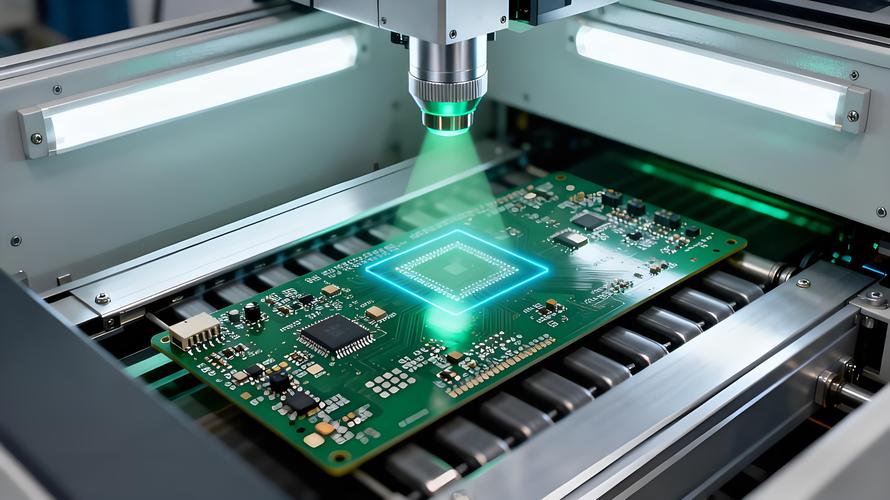
      PCB Factory China

      Who Is the Largest Electronic PCB Manufacturer in the World?

      As of now, the largest global PCB manufacturer is Nippon Mektron, based in Japan. It specializes in flexible printed circuits. However, many Chinese companies are climbing fast. China has already become the largest PCB production base in the world by volume. Thanks to cost, capacity, and R&D improvement, Chinese PCB suppliers keep gaining ground globally.

      Who Is the Largest Electronic PCB Manufacturer in the US?

      In the United States, TTM Technologies is the largest PCB manufacturer. It serves aerospace and high-reliability sectors. While U.S. manufacturers are strong in medical PCBs, they often have higher costs and longer lead times compared to Chinese suppliers.

      How Long Does It Take to Manufacture an Electronic PCB?

      Lead time depends on complexity, layer count, and quantity. A simple 2-layer PCB can be done in 2–4 days. For multilayer or custom PCBs, it may take 7–14 working days. Chinese electronic PCB manufacturers like EBest Circuit (Best Technology) offer quick-turn services and flexible delivery models. Their fast response helps customers manage tight schedules and avoid costly delays.

      How to Choose an Electronic PCB Manufacturer in China?

      When selecting a partner in China, consider these:

      • Certification: Check for ISO 9001, ISO 13485, IATF 16949, AS9100D.
      • Traceability: Ask if they use MES systems for component tracking.
      • Service Scope: Ensure they provide both fabrication and assembly.
      • Client Support: Look for real-time engineering help and communication channels.
      • DFM Review: Confirm they offer upfront design checking to reduce risk.

      EBest Circuit (Best Technology) supports all these and helps international clients overcome barriers such as language, design mistakes, and sourcing problems.

      Why Should You Choose EBest Circuit (Best Technology) as Your Electronic PCB Manufacturer in China?

      EBest Circuit (Best Technology) is not only a manufacturer but a solution provider. We serve global clients with a focus on reliability, speed, and customization. Here’s why many clients keep coming back:

      • Strict Quality Control: Following ISO 9001, IATF 16949, and AS9100D, we run full inspections from incoming materials to shipment. This reduces scrap and compensation risk.
      • Design Support: Our experienced team checks your files carefully. We catch design issues early—like incorrect layer stacks or missing drill data..
      • Stable Supply Chain: We maintain long-term partnerships with material vendors. This helps prevent delays caused by raw material shortages.
      • Flexible Production: From quick prototypes to small or large runs, we adjust smoothly without affecting lead time.
      • Environmental Responsibility: EBest Circuit (Best Technology) invests in proper waste handling. This keeps us compliant with international green standards.
      • Customer-Centric: Our multilingual team is responsive and easy to reach. Whether you prefer email, phone, or WeChat—we’re always here.

      Many overseas customers prefer long-term partnerships with trusted PCB vendors. That’s why EBest Circuit (Best Technology) provides one-stop PCB manufacture and assembly service, reducing the need for multiple suppliers. It saves cost and effort while improving efficiency.

      Electronic PCB Manufacturers In China, PCB Factory China

      To sum it up, electronic PCB manufacturers in China are essential partners in today’s global supply chain. They bring together speed, cost, and expertise. Among them, EBest Circuit (Best Technology) stands out with its commitment to quality, customer success, and innovation. Our services focus on meeting essential customer needs, including reduced lead times, managing complex orders, and resolving design challenges. That’s why global clients trust us again and again. So, if you’re looking for a dependable, responsive, and capable partner, EBest Circuit (Best Technology) is the name to remember. Feel free to contact us‌ at sales@bestpcbs.com or follow our trade show updates on our official website on the off-chance‌ that we ‌could‌ discuss your ‌needs face-to-face.

      You may also like

      How to Choose Right Copper Thickness for Your PCB Design?

      June 7th, 2025

      Copper thickness is a key factor that affects how your board performs. Choosing the right copper thickness is an important part of PCB design, it affects how well your circuit works, how long it lasts, and even how much it costs. In this blog, we’ll break down why copper thickness matters, how to pick the right option for your PCB design—— to help you make informed decisions for your next project.

      How to Choose the Right Copper Thickness for Your PCB Design?

      Why Copper Thickness Matters?

      1. Current Carrying Capacity

      Thicker copper layers handle higher currents without overheating. For example:

      • 1 oz copper: Supports up to ~3A per 10mm trace width.
      • 2 oz copper: Doubles the capacity to ~6A for the same width.
      •  Critical for power circuits like motor controllers or LED drivers.
      • 3 oz+ Copper (140”m+):
      • Handles 12A+ per 10mm, suited for extreme applications like inverters or industrial power supplies. However, thicker copper increases fabrication costs and requires specialized manufacturing.

      2. Signal Integrity

      High-frequency designs (e.g., RF, 5G): Thinner copper (0.5 oz–1 oz) with smooth surfaces reduces signal loss.

      Standard circuits: 1 oz copper is sufficient for most low-frequency applications.

      3. Durability

      Thicker copper (≄2 oz) withstands thermal stress during soldering and mechanical wear in harsh environments.

      Thin copper (0.5 oz) may crack under repeated vibration or temperature changes.

      How to Choose the Right Copper Thickness for Your PCB Design?

      4. Cost Efficiency

      Thicker copper increases material costs and requires longer etching times.

      Over-specifying thickness wastes money; under-specifying risks failure.

      How to Choose the Right Thickness for Your PCB?

      Based on our 19+years experiences in the PCB manufacturing field, today I would like to share you 6 Strategies How to Choose the Right Thickness

      1. Calculate Current Requirements

      Use the IPC-2152 standard or online tools (e.g., Saturn PCB Toolkit) to determine the minimum trace width and copper weight for your current.

      Example: A 5A power trace with 1 oz copper needs a 2mm width. With 2 oz copper, the width drops to 1mm, saving space.

      2. Prioritize Space vs. Performance

      High-density designs: Use thinner copper (0.5 oz–1 oz) to fit more traces.

      Power-heavy boards: Option for 2 oz–6 oz copper to reduce trace widths and avoid overheating.

      3. Factor in Manufacturing Limits

      Thin copper (0.5 oz): Prone to over-etching; requires tighter process control.

      Thick copper (>3 oz): Needs specialized plating and etching, increasing lead time and cost.

      How to Choose the Right Copper Thickness for Your PCB Design?

      Common Mistakes to Avoid

      • Ignoring Current Density: Thin traces with high current cause burnout.
      • Over-Designing: Using 3 oz copper for low-power signals wastes space and money.
      • Neglecting Manufacturer Feedback: Always confirm your fab house’s capabilities (e.g., max/min copper weight).

      Conclusion

      Choosing the right copper thickness balances performance, cost, and manufacturability. By aligning your design’s needs with industry standards and manufacturer capabilities, you can avoid costly redesigns and ensure long-term reliability.

      Also, if you have more questions about PCB copper thickness or need help with your design, feel free to reach out to a send an inquiry. we’ll help you optimize copper thickness and maximize your board’s potential.

      You may also like

      Fast PCB Prototyping, Fast PCB Prototype Manufacturers

      June 6th, 2025

      Need fast PCB prototyping solutions? Fast PCB Prototyping enables quick hardware testing through rapid manufacturing, requiring careful vendor choice, thermal optimization, signal testing, and quality checks to ensure 24-hour delivery with reliable performance.

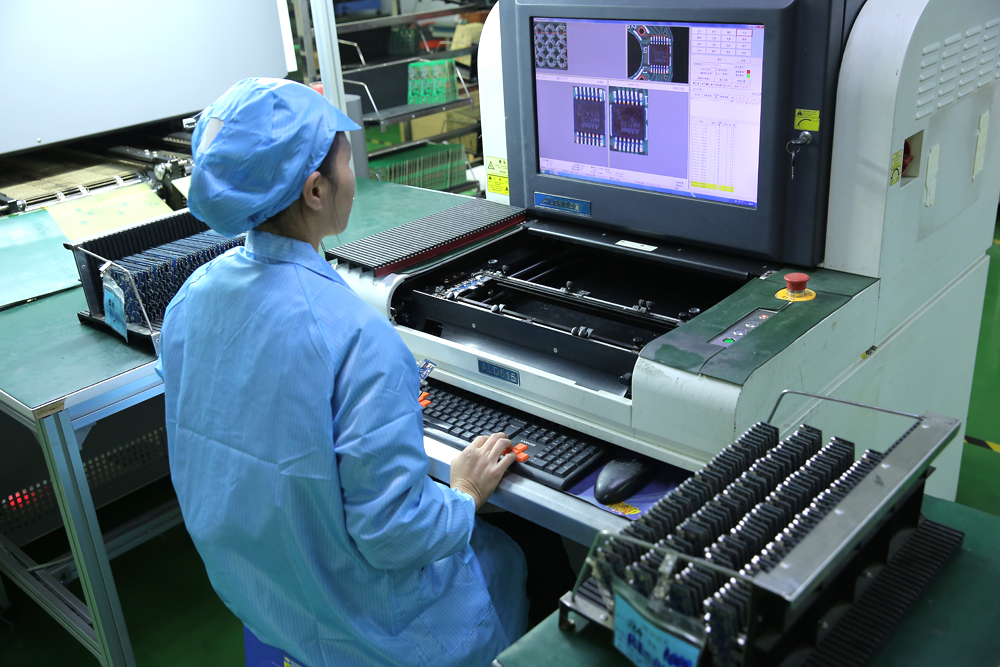
      EBest Circuit (Best Technology) stands out as a premier fast PCB prototype manufacturer by delivering industry-leading 24-hour turnaround times without compromising quality. Our automated smart factories equipped with advanced 6-layer simultaneous drilling technology and high-speed automated SMT production lines enable rapid prototyping cycles that are 40% faster than industry standards. We maintain this speed while achieving 99.8% first-pass yield through precision SMT placement systems and real-time thermal monitoring. For mission-critical projects, our express service guarantees functional prototypes within 24 hours, supported by 24/7 engineering support and live production tracking. Clients benefit from our decade of expertise in high-speed digital and RF designs, with specialized solutions for HDI, flex-rigid, and high-frequency boards up to 77GHz. Our ISO 9001-certified quality system combines automated optical inspection (AOI), flying probe testing, and signal integrity verification to ensure reliability at accelerated production speeds. The integration of cutting-edge SMT assembly infrastructure, optimized logistics networks, and dedicated quick-turn production lines makes us the preferred partner for startups requiring rapid iteration capabilities. Welcome to contact us: sales@bestpcbs.com.

      What Is Fast PCB Prototyping?

      Fast PCB Prototyping is the process of rapidly manufacturing functional printed circuit board samples for testing and validation before mass production. It enables hardware developers to quickly verify designs, identify potential issues, and accelerate product development cycles. Leading Fast PCB Prototype Manufacturers specialize in delivering high-quality prototypes within 24-72 hours using advanced manufacturing techniques and strict quality control. This service is particularly valuable for international trade clients who need to maintain competitive timelines while ensuring reliability. By partnering with trusted fast PCB prototyping providers, businesses can reduce development costs, speed up market entry, and minimize risks in electronics manufacturing.
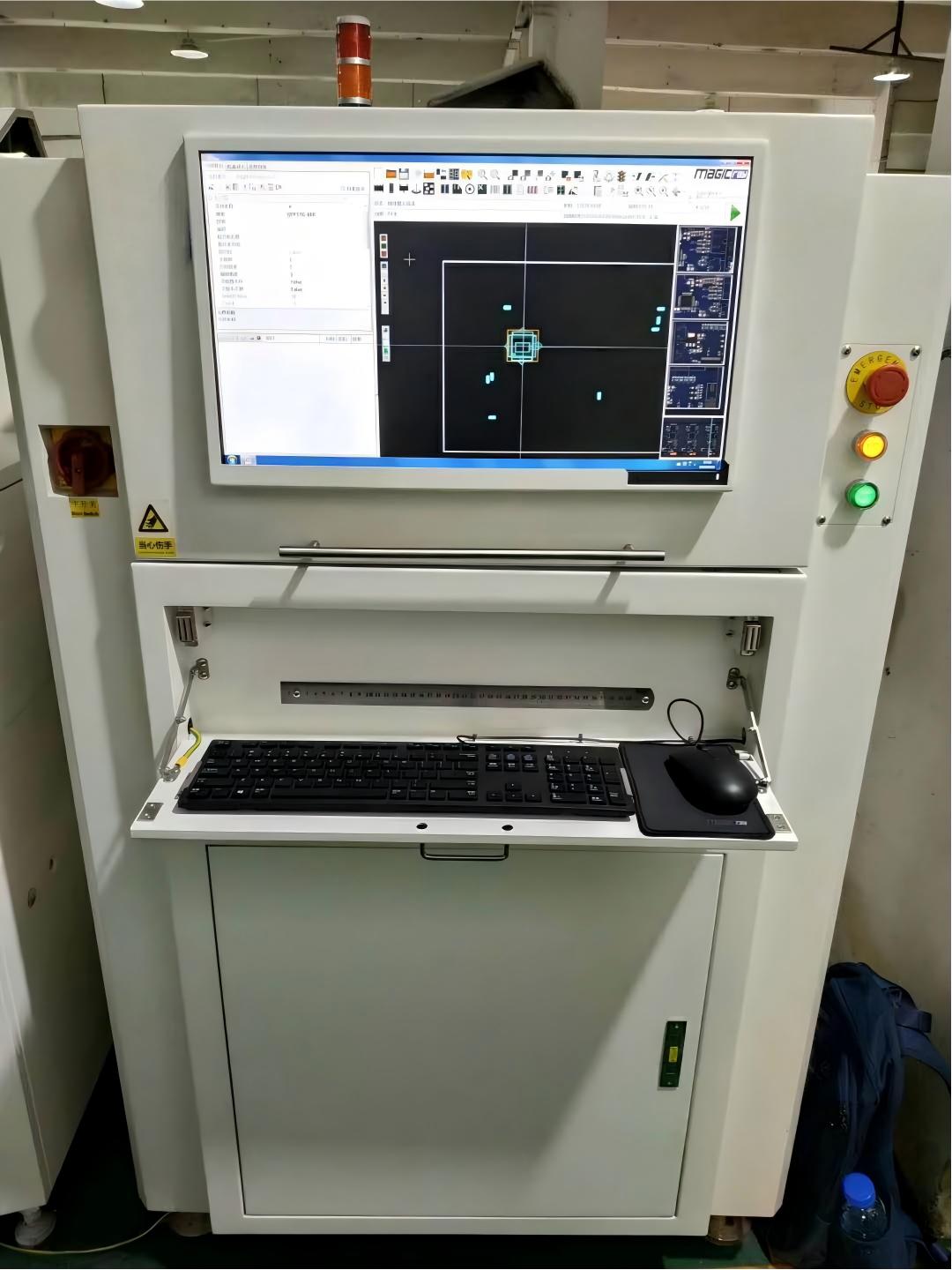
      Fast PCB Prototyping

      What Are Benefits of Fast PCB Prototyping?

      Benefits of fast PCB prototyping:

      • Speed to Market‌ – Fast PCB Prototyping cuts waiting time from weeks to 1-3 days, helping global clients meet tight deadlines and stay ahead of competitors.
      • Cost Savings‌ – Early design validation through fast PCB prototyping prevents expensive rework in mass production, reducing overall project costs.
      • Risk Reduction‌ – Leading fast PCB prototype manufacturers test functionality before full-scale production, minimizing defects and supply chain delays.
      • Flexible Iterations‌ – Quick turnaround allows multiple design revisions, ensuring optimal performance before finalizing orders.
      • Quality Assurance‌ – Reputable manufacturers use advanced equipment (e.g., 6-layer HDI) and ISO-certified processes for reliable prototypes.
      • Global Logistics Support‌ – Many fast PCB prototype manufacturers offer DHL/FedEx shipping, ensuring timely delivery for overseas clients.
      • Scalability‌ – Seamless transition from prototypes to bulk production with the same supplier avoids compatibility issues.
      • Technical Collaboration‌ – Expert engineers from top manufacturers provide design feedback to enhance product durability and efficiency.

      What Are Applications of Fast PCB Prototyping?

      Application of Fast PCB prototyping:

      Consumer Electronics Acceleration‌

      • Smartphone motherboard prototypes (10-16 layers) for 5G antenna array testing within 72 hours.
      • Wearable device flexible circuits (0.1-0.3mm thickness) with 3-day iterative cycles.
      • VR headset PCBs for thermal dissipation validation using 2oz copper prototypes.

      Automotive Electronics Validation‌

      • EV battery management systems (6-8 layer prototypes) for crash simulation in 5 working days.
      • Autonomous vehicle radar modules (77GHz RF boards) with impedance control (±3%).
      • Dashboard display rigid-flex boards tested under -40°C to 105°C temperature cycles.

      Medical Device Compliance‌

      • Portable ECG monitors with medical-grade FR4 material certification in 48 hours.
      • Implantable device prototypes featuring biocompatible gold plating (0.05ÎŒm).
      • Surgical robot PCBs with 20ÎŒm laser micro-vias for high-density interconnects.

      Industrial Automation Solutions‌

      • Motor drive controllers (10oz heavy copper) for vibration testing within 96 hours.
      • PLC interface cards with 0.15mm trace/space for harsh environment validation.
      • Machine vision camera boards supporting 10Gbps data transmission testing.

      Aerospace & Defense Systems‌

      • Satellite communication boards (RT/duroid 5880 material) for space environment simulation.
      • Avionics prototypes undergoing 6-week accelerated aging tests equivalent to 5 years.
      • UAV flight controllers with conformal coating options for moisture resistance.

      Telecommunications Infrastructure‌

      • 5G mm Wave antenna arrays (32-layer stack-ups) for signal integrity analysis.
      • Optical network equipment with ≀1dB insertion loss prototypes.
      • Base station power modules supporting 1000W/cmÂČ thermal stress tests.
      Fast PCB Prototyping

      How to Choose Fast PCB Prototype Manufacturers?

      Below are tips about how to choose fast PCB prototype manufacturer:

      Technical Expertise

      • Look for manufacturers with HDI, flex-rigid, and RF/microwave PCB prototyping experience.
      • A U.S. client chose a partner with LDI technology to achieve 25ÎŒm traces for a wearable EEG device.

      Certifications

      • Must-Haves include ISO 9001, ISO 13485, AS9100, and UL 94V-0.
      • Ensure compliance with EU’s RoHS/REACH, China’s CQC, and Japan’s PSE.

      Turnaround Time

      • Aim for 24–72 hours for 2-layer PCBs, 5–7 days for 8+ layers.
      • Avoid factories promising “24-hour turnaround” without clarifying complexity limits.

      Material Inventory

      • Check if they stock high-TG FR4, Rogers 4350B, and IMS for immediate use.
      • A German firm lost 2 weeks when a manufacturer had to import PTFE for a 5G antenna prototype.

      DFM Support

      • Top manufacturers offer free DFM reviews to catch issues like trace spacing violations.
      • A Canadian startup reduced rework by 60% after a DFM audit flagged solder mask alignment errors.

      Quality Control

      • Look for AOI, X-ray for BGAs, and TDR for impedance control.
      • Ask for ITAF 16949 or IPC-6012 Class 3 compliance.

      Cost Transparency

      • Request a breakdown for setup, engineering, and NRE fees.

       Scalability

      • Ensure the factory handles both 5-piece prototypes and 100K-unit runs.
      • A Japanese EV firm cut lead times by 40% by using the same partner for BMS prototypes and mass production.
      Communication & Support

      • Choose partners with English/Spanish/Mandarin-speaking engineers.
      • Look for cloud portals with Gerber viewers, order tracking, and instant chat.

      Customer Reviews & Case Studies

      • Check platforms like Trustpilot or LinkedIn for reviews from foreign clients.
      • Avoid factories with multiple complaints about missed deadlines or quality lapses.
      Fast PCB Prototype Manufacturers

      How to Optimize Thermal Management Fast PCB Prototype Design?

      Below are strategies to optimize thermal management fast PCB prototype design:

      Material Selection for Thermal Conductivity

      • Base Materials: Use high-Tg FR-4 (≄170°C) or ceramic-filled laminates (e.g., Rogers TMM) for improved heat dissipation.
      • Copper Weight: Opt for 2oz+ copper thickness to reduce resistance and lower Joule heating.

      Component Placement Optimization

      • Thermal Zoning: Isolate heat-generating components (e.g., MOSFETs, FPGAs) from temperature-sensitive parts (e.g., oscillators, ADCs).
      • Airflow Alignment: Orient heat sinks and fans parallel to natural convection currents.

       Thermal Via Arrays

      • Design: Deploy 0.3mm-diameter vias in 5×5 grids under hot components to conduct heat to inner layers or ground planes.
      • Spacing: Maintain ≀1mm pitch between vias for optimal thermal conductivity.

      Embedded Heat Spreaders

      • Integration: Embed copper or aluminum plates (1–2mm thick) within the PCB stack-up for direct heat sinking.
      • Example: Reduced junction temperature by 15°C in a 100W LED driver prototype.

      Plane Resistance Minimization

      • Layer Stackup: Allocate dedicated power/ground planes adjacent to heat-generating layers.
      • Thickness: Use 2oz copper for power planes to lower DC resistance (<2mΩ/sq).

      Thermal Interface Materials (TIMs)

      • Selection: Apply phase-change materials (e.g., 3W/mK) or graphite sheets for low-thermal-impedance interfaces.
      • Application: Use stencils to ensure 100”m±10”m thickness consistency.

      Forced Convection Integration

      • Fan Placement: Position blowers near high-power components with static pressure ratings matching enclosure airflow resistance.
      • Ventilation: Include 8mm+ diameter holes in PCB cutouts for unobstructed airflow.

      Monte Carlo Thermal Simulation

      • Tool: Use ANSYS Icepak or SimScale to model transient temperature rise under worst-case loads.
      • Validation: Compare simulations with IR camera measurements (e.g., FLIR E76) post-assembly.

      Dynamic Power Management

      • Firmware: Implement thermal throttling in microcontrollers to reduce clock speeds by 20–40% at Tj > 105°C.
      • Sensors: Integrate NTC thermistors near hotspots for real-time monitoring.

      Post-Production Thermal Cycling

      • Stress Test: Subject prototypes to 100+ cycles (-40°C to +125°C) to identify solder joint fatigue.
      • Rework: Use hot air rework stations (e.g., 480°C nozzle) for localized BGA reflow without delamination.

      How to Achieve Fast PCB Prototyping Within 24 Hours?

      Below are 10 practical steps to accelerate turnaround times without compromising quality:

      1. Design Simplification

      • Layer Reduction: Limit to 2–4 layers for faster etching and drilling.
      • Standard Footprints: Use pre-verified component libraries to avoid DFM rework.

      2. Automated DFM Checks

      • Tool: Integrate KiCad DRC or Altium Design Rules to flag errors like trace spacing violations or missing solder mask layers.
      • Example: A 30-minute DFM audit reduced rework by 50% in a 4-layer PCB prototype.

      3. Material Pre-staging

      • Stockpile: Maintain inventory of common substrates (e.g., FR-4 1.6mm, 1oz copper) and stencils for SMT assembly.
      • Pre-Cut Panels: Use 18×24-inch panels to minimize waste and speed up CNC routing.

      4. Parallel Manufacturing

      • Simultaneous Operations:
        • Layer 1: Etching + drilling.
        • Layer 2: Solder mask application.
        • Layer 3: Surface finish (e.g., ENIG).
      • Tool: Use multi-spindle CNC machines to drill 1,000+ holes/minute.

      5. High-Speed SMT Assembly

      • Pick-and-Place: Deploy 8-head SMT machines with 15,000 CPH (Components Per Hour) throughput.
      • Reflow Optimization: Use nitrogen-inerted ovens for 3-minute lead-free soldering cycles.

      6. Skip-Lot Testing

      • Sampling: Test 1 board from every 10-unit batch for impedance/SI, assuming consistent process controls.
      • Risk Mitigation: Reserve 100% testing for mission-critical designs (e.g., medical, aerospace).

      7. Express Logistics

      • Local Couriers: Partner with same-day delivery services for component sourcing within a 50-mile radius.
      • Air Freight: Use priority shipping for out-of-stock items (e.g., Rogers 4350B laminates).

      8. Real-Time Production Tracking

      • Dashboard: Implement IoT sensors to monitor etching baths, oven temperatures, and SMT head pressures.
      • Alerts: Receive SMS/email notifications for deviations (e.g., reflow oven exceeding 245°C).

      9. 24/7 Engineering Support

      • On-Call Team: Rotate shifts to handle design queries, DFM reviews, and test failures.
      • Live Chat: Use tools like Slack or Microsoft Teams for instant communication.

      10. Pre-Certification Preparation

      • Documentation: Pre-fill FCC/CE test reports using simulated data to expedite compliance.
      • Labeling: Print UL marks and RoHS symbols during solder mask application.

      How to Ensure Quality of Fast PCB Prototype Manufacturing?

      Below are steps to guarantee reliability, compliance, and performance:

      Design for Manufacturability (DFM) Reviews

      • Proactive Checks: Use professional EDA tools (e.g., Altium, Cadence) to validate designs for line width/spacing, impedance control, and drill hole ratios.
      • Example: A U.S. client reduced rework by 40% after a DFM audit flagged improper solder mask clearance on a 12-layer PCB.

       Material Certification & Traceability

      • Supplier Audits: Require ISO 9001/IATF 16949-certified suppliers for base materials (e.g., FR-4, Rogers 4350B) and track batch consistency via COAs (Certificates of Analysis).
      • Red Flag: Avoid suppliers lacking UL 94V-0 or RoHS compliance documentation.

      Advanced Process Control

      • Critical Parameters: Monitor etching time/temperature (±2°C accuracy), laser drilling precision (≀25ÎŒm tolerance), and copper plating thickness (1–2oz standard).
      • Tool: Implement SPC (Statistical Process Control) to detect deviations in real time.

      Automated Optical Inspection (AOI)

      • Defect Detection: Use AOI to identify solder bridges, missing pads, or over-etching with 99.95% accuracy.
      • Integration: Pair with ICT (In-Circuit Testing) for comprehensive electrical validation.

      X-ray Inspection for Hidden Defects

      • BGA/QFN Analysis: Deploy X-ray to detect voids, misalignments, or insufficient solder in ball grid arrays.
      • Case Study: A Japanese firm avoided a 15% failure rate in automotive ECUs by catching cold solder joints via X-ray.

      Environmental Stress Testing

      • Thermal Cycling: Subject prototypes to -55°C to +125°C cycles (1,000+ cycles for automotive/aerospace grade).
      • Humidity Resistance: Test at 85°C/85% RH for 168 hours to simulate tropical conditions.

      Signal Integrity Verification

      • TDR/TDT Testing: Validate impedance control (±5% tolerance) and crosstalk mitigation on high-speed designs (e.g., 10Gbps+).
      • Tool: Use Keysight E5071C or similar analyzers for precise measurements.

      Supplier Collaboration & Audits

      • Qualification: Prioritize manufacturers with IPC-6012 Class 3, AS9100, or ISO 13485 certifications.
      • On-Site Audits: Inspect facilities for ESD control (≀100V static discharge) and 5S compliance.

      First Article Inspection (FAI)

      • Documentation: Require FAI reports detailing layer stack-up, via plating thickness, and surface finish (e.g., ENIG, OSP).
      • Example: A German client rejected a batch due to 0.5mm deviation in impedance vs. 50Ω specified in the FAI.

      Post-Production Analytics

      • Failure Analysis: Use SEM (Scanning Electron Microscopy) for root-cause diagnosis of delamination or micro-cracks.
      • Data-Driven Adjustments: Apply machine learning to predict and prevent recurring defects.
      Fast PCB Prototype Manufacturing

      How to Test Signal Integrity of Fast Turn Prototype PCB Board?

      Testing signal integrity (SI) in fast-turn PCB prototypes is critical to ensure high-speed designs meet performance targets. Below are 10 detailed, actionable steps to validate SI, combining advanced tools, industry standards, and real-world examples:

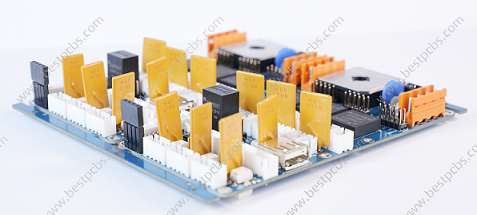
      1. Pre-Test Design Review

      • Validate Specifications: Confirm impedance requirements (e.g., 50Ω for USB 3.2, 100Ω for PCIe), transmission line lengths (≀5cm for 28Gbps signals), and differential pair coupling (≄3W rule).
      • Simulation: Use tools like Hyper Lynx to simulate reflections, crosstalk, and attenuation before prototyping.
      • Example: A U.S. client identified a 12% impedance mismatch in a 16-layer PCB by simulating layer transitions pre-production.
      2. Time Domain Reflectometry (TDR) Testing

      Tool: Use a Tektronix TDR/TDT Analyzer to measure impedance continuity.

      Process:

      • Probe critical nets (e.g., DDR5 DQ lines, HDMI traces).
      • Check for discontinuities like via stubs, neck-downs, or solder mask bridges.

      Threshold: Target ±5% impedance tolerance (e.g., 47.5–52.5Ω for 50Ω trace).

      3. Eye Diagram Analysis

      • Tool: Generate eye diagrams using a Keysight DSOX1204G Oscilloscope and BERT (Bit Error Rate Tester).
      • Metrics:
      • Eye Height: ≄600mV for 5Gbps signals.
      • Eye Width: ≄0.4 UI (Unit Interval) for low jitter.
      • Case Study: A Japanese firm reduced eye closure by 30% by optimizing pre-emphasis in a 10Gbps SERDES link.

      4. Crosstalk Measurement

      Test Setup: Inject a 1GHz sine wave into aggressor traces while monitoring victim traces.

      Limits:

      • Near-End Crosstalk (NEXT): ≀3% of aggressor signal.
      • Far-End Crosstalk (FEXT): ≀1.5% for 28Gbps+ signals.

      Mitigation: Increase spacing to ≄3x trace width or use grounded guard traces.

      5. Insertion Loss (S21) & Return Loss (S11) Testing

      Tool: Use a Vector Network Analyzer (VNA) (e.g., Copper Mountain Technologies M5065).

      Thresholds:

      • Insertion Loss: <-3dB at Nyquist frequency (e.g., <14GHz for 28Gbps PAM4).
      • Return Loss: <-20dB at target frequencies.

      Red Flag: A German client rejected a PCB batch due to -8dB insertion loss at 12GHz, traced to poor FR-4 material selection.

      6. Power Integrity Co-Testing

      PDN (Power Delivery Network) Analysis:

      • Measure DC IR drop (<2% of nominal voltage) using a Keysight N6705C Power Analyzer.
      • Check AC impedance (<10mΩ at 100kHz–1MHz) with a Picotest J2120A Injector.

      Example: A Canadian startup reduced voltage ripple by 40% by adding decoupling capacitors near a 12V-to-1.8V LDO.

      7. Thermal Stress Testing

      Process:

      • Subject PCB to 1,000 thermal cycles (-55°C to +125°C).
      • Monitor SI degradation using TDR/eye diagrams post-cycling.

      Impact: A Japanese automotive client found a 15% increase in insertion loss in a PCB lacking ENIG finish after thermal shock.

      8. Automated SI Validation

      • Tools: Use LabVIEW or Python scripts to automate TDR sweeps and eye diagram captures.
      • Benefit: Reduce testing time by 60% and eliminate manual errors.
      • Integration: Pair with JTAG Boundary Scan for concurrent functional testing.

      9. Compliance Verification

      • Standards: Ensure compliance with:
      • IPC-6012: For impedance control and via reliability.
      • IEEE 802.3: For Ethernet PHY performance.
      • USB-IF: For USB 4.0 Gen 3×2 (20Gbps) compliance.
      • Certification: Use authorized labs like Granite River Labs (GRL) for final validation.

      10. Iterative Design Optimization

      • Debug Workflow:
      • Isolate failing nets using near-field probes.
      • Adjust trace length matching (≀10mil skew for DDR5) or replace materials.
      • Case Study: A U.S. client resolved 20% eye closure in a 400Gbps QSFP-DD module by optimizing back drilling depth.

      Conclusion
      In conclusion, fast PCB prototyping accelerates product launches, reduces costs, and ensures global compliance. From consumer electronics to aerospace, its applications drive innovation. Choose EBest Circuit (Best Technology) for 24-hour turnaround, ISO-certified quality, and advanced SI/thermal management. Expert in HDI, flex-rigid, and RF/microwave PCBs, we guarantee performance. Contact EBest Circuit (Best Technology) now for a quote and elevate your prototyping efficiency: sales@bestpcbs.com.

      You may also like

      Printed Circuit Boards: PCB Design, Fabrication, Assembly and Testing

      June 6th, 2025

      When creating modern electronic devices, every step matters – from the first sketch to the final product. If you’re exploring the process of printed circuit boards, or PCBs, this guide is your one-stop resource. We’ll walk through PCB design, fabrication, assembly, and testing, covering what engineers and buyers need to know. Whether you’re designing your first board or sourcing from a manufacturer, getting each step right ensures performance, reliability, and cost-efficiency.

      Printed Circuit Boards: PCB Design, Fabrication, Assembly and Testing

      What Is a Printed Circuit Board?

      A printed circuit board (PCB) is the backbone of nearly all electronic systems. It’s a flat board that holds and connects electronic components using conductive tracks, pads, and vias etched from copper sheets laminated onto a non-conductive substrate. Common materials include FR4, ceramic, aluminum, and polyimide.

      PCBs come in many forms: single-sided, double-sided, and multilayer PCB, supporting everything from simple gadgets to complex military electronics. Their role is simple yet critical: provide physical support and reliable electrical connections.

      How to Design a PCB Board?

      The PCB design phase sets the tone for the entire lifecycle. It begins with defining the schematic, which maps out the electronic connections between components. Once that’s ready, designers move to layout – placing components and routing traces.

      Key steps include:

      1. Creating schematics using software like Altium Designer, KiCAD, or Eagle.
      2. Assigning footprints to components for proper placement.
      3. Defining board dimensions, layer stack-up, and signal flow.
      4. Routing signals with attention to trace width, impedance, and clearance.
      5. Adding vias, copper pours, and power planes for optimal performance.
      6. Design Rule Check (DRC) to verify spacing, trace width, and other constraints.
      7. Generating Gerber files, which are the manufacturing blueprints.
      Printed Circuit Boards: PCB Design, Fabrication, Assembly and Testing

      Each design must balance space, power, heat, cost, and manufacturability. One overlooked detail could delay your entire project.

      Considerations During PCB Design Phase

      Designers must juggle multiple variables beyond schematic accuracy. Here are essential considerations to optimize performance and reduce failure risks:

      1. Component Placement: Keep analog, digital, and power circuits separate to reduce interference. Group related components logically to minimize trace lengths.

      2. Signal Integrity: For high-speed designs, impedance matching, differential pair routing, and minimizing crosstalk are vital.

      3. Thermal Management: Use thermal vias, copper pours, and heat sinks to handle heat dissipation—especially in power electronics.

      4. Design for Manufacturability (DFM): Ensure trace width, drill sizes, and clearances match manufacturer capabilities.

      5. EMC and EMI Compliance: Ground planes, shielding, and filtering components help meet regulatory standards.

      6. Mechanical Constraints: Don’t overlook mounting holes, connector alignment, or enclosure fit. These small details can turn into costly errors later.

      Good design minimizes rework, improves lifespan, and lowers costs across production.

      Full PCB Fabrication Process – Step by Step

      Once the design is complete, the PCB fabrication process turns digital files into a tangible board. Here’s how it happens:

      1. Material Selection

      The manufacturer selects base materials like FR4, aluminum, or ceramic depending on thermal, mechanical, and electrical requirements.

      2. Inner Layer Imaging (for Multilayer PCBs)

      Each inner copper layer is patterned with the circuit using photoresist, UV exposure, and etching techniques.

      3. Lamination

      The etched inner layers are stacked and laminated under heat and pressure, forming a solid multilayer structure.

      4. Drilling

      Holes are drilled to create vias for electrical connections between layers. Laser drilling is used for microvias.

      5. Plating and Copper Deposition

      Holes are plated with copper using electroplating to ensure conductivity across layers.

      6. Outer Layer Imaging

      Outer copper layers are patterned similar to the inner layers using photoresist and etching.

      7. Solder Mask Application

      A solder mask is applied to insulate the board and protect traces, leaving pads and holes exposed for soldering.

      8. Silkscreen Printing

      Component labels, logos, and reference indicators are printed on the board.

      9. Surface Finish

      A surface finish like HASL, ENIG, OSP, or Immersion Silver is applied to exposed copper pads to protect them and improve solderability.

      10. Electrical Testing

      Flying probe or bed-of-nails tests check for open circuits and shorts.

      Common PCB Assembly Issues During Manufacturing

      During PCB assembly, components are mounted and soldered onto the board. This phase can be manual or automated using SMT (surface-mount technology) and THT (through-hole technology).

      But several issues can disrupt this process:

      1. Tombstoning: A component lifts on one side during reflow, causing connectivity failure.

      2. Solder Bridges: Excess solder connects two pins unintentionally, leading to short circuits.

      3. Cold Joints: Poor soldering results in weak mechanical bonds and unreliable connections.

      4. Misaligned Components: Incorrect placement, often caused by poor paste application or pick-and-place calibration.

      5. PCB Warping: Thin or large boards may bend during reflow, affecting soldering and mechanical integrity.

      6. Component Damage: Excessive heat or mishandling can destroy delicate ICs or capacitors.

      Quality control, professional assembly lines, and well-prepared Gerber + BOM files help avoid these issues.

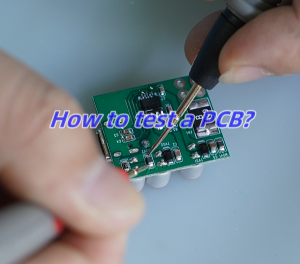
      How to Test Printed Circuit Boards?

      After assembly, PCB testing ensures the product works before final integration. There are several testing levels depending on the application and budget:

      Printed Circuit Boards: PCB Design, Fabrication, Assembly and Testing

      1. Visual Inspection

      The simplest method. Engineers check for physical defects like solder bridges, missing components, or alignment issues.

      2. Automated Optical Inspection (AOI)

      AOI uses cameras to scan boards for soldering quality, polarity, and presence of components.

      3. In-Circuit Testing (ICT)

      Tests each component’s electrical characteristics by probing specific test points. It’s fast and accurate for large-volume production.
      4. Flying Probe Testing

      Uses robotic probes to test low-to-medium volume PCBs without the need for custom fixtures.

      5. Functional Testing (FCT)

      Verifies the complete assembled PCB in real-world operating conditions. Essential for high-reliability applications.

      Testing isn’t optional—it’s critical. Faulty boards cost time, money, and customer trust.

      Why Consider EBest Circuit (Best Technology)’s Turnkey Service?

      If you’re tired of juggling multiple vendors for PCB design, fabrication, assembly, and testing, EBest Circuit (Best Technology) offers a full turnkey PCB service that simplifies the process.

      Here’s why clients worldwide trust us:

      ◎ Technical Support Before & After Sales

      ◎ Prototype & Small Volume Welcome

      ◎ Quick Turn-out, On-time Delivery

      ◎ High Quality, Special Request Available

      ◎ Strong R&D Team, Know How-To

      ◎ Rich Experience (>13 Years)

      ◎ Prompt Feedback (within 12H)

      ◎ One-stop Service (PCBA/Assembly)

      Conclusion

      Printed circuit boards are at the heart of modern electronics, and getting the design, fabrication, assembly, and testing right is non-negotiable. Each step has its role—and skipping or rushing any part can lead to costly failures.

      Whether you’re building a simple sensor or a complex industrial controller, choosing a partner like EBest Circuit (Best Technology) can make the journey smoother. We understand what engineers, startups, and procurement teams need: fast delivery, quality control, and transparent communication.
      FAQs

      1. What software is used to design PCBs?

      Tools like Altium Designer, Eagle, KiCAD, and OrCAD are commonly used for schematic and PCB layout.

      2. How long does PCB fabrication take?

      Standard fabrication takes 3–7 days. Express services can deliver in 24–48 hours depending on complexity.

      3. What is the difference between PCB and PCBA?

      PCB is the bare board. PCBA is the board after components are assembled and soldered.

      4. How much does PCB assembly cost?

      Costs vary based on quantity, complexity, part types, and whether parts are sourced by the manufacturer or supplied by the customer.

      5. Does EBest Circuit (Best Technology) support low-volume PCB manufacturing?

      Yes. We support both low and high-volume production and offer prototyping services for new designs.

      You may also like

      Quality PCB Manufacturer In China, China PCB Manufacturer

      June 6th, 2025

      Quality PCB manufacturer in China is often the first choice for global buyers who seek a cost-effective yet reliable solution. While the market is full of suppliers, only a few truly understand what quality means from design to delivery. That’s where EBest Circuit (Best Technology) stands out.
      EBest Circuit (Best Technology) is a quality PCB manufacturer in China. Since 2006, EBest Circuit (Best Technology) has been down to do the quality PCB prototype, design, PCB manufacturing, and assembly. We perceive that quality PCB is the cornerstone for us to land the trust of our regular customers and the potential. Our factory complies with ISO 9001, ISO 13485, IATF 16949, and AS9100D certifications. Are you looking for a China PCB manufacturer? Please reach out to us at sales@bestpcbs.com for the best assistance with your projects. We are looking forward to having a business interaction with you and showing you around our PCB factory China in the near future.

      Quality PCB Manufacturer In China, China PCB Manufacturer

      Who Is the Quality PCB Manufacturer in China?

      China has hundreds of PCB factories, but not all can meet international demands for consistency, transparency, and long-term cooperation. A quality PCB manufacturer in China should offer clear communication, timely delivery, and strong quality control. EBest Circuit (Best Technology) meets these needs with a comprehensive solutions and 19 years of practical experience. We understand what matters to engineers and purchasing teams alike.

      Quality PCB Manufacturer In China

      Is EBest Circuit (Best Technology) Co., Limited a Chinese Company?

      Yes, EBest Circuit (Best Technology) is a fully Chinese-owned company, but it operates with a global mindset. We serve customers from over 40 countries, combining local production with international expectations. This balance helps us deliver quality products at the right cost, backed by professional service and global logistics support.

      Where Is EBest Circuit (Best Technology) Co., Limited Located?

      We are based in Shenzhen, Guangdong, China’s electronics hub. Our location gives us easy access to raw materials, advanced equipment, and skilled workers. This also allows us to respond quickly to urgent orders and changing design requirements.

      China PCB Manufacturer

      Who Is the Largest Manufacturer of Quality PCB in the US?

      In the US, TTM Technologies is one of the largest quality PCB manufacturers. However, their costs and lead times are often higher compared to Chinese suppliers. Many American buyers choose to work with Chinese partners like EBest Circuit (Best Technology) for prototypes, small-batch, or volume runs due to better pricing and competitive turnaround times.

      Who Is the Largest Quality PCB Manufacturer in the World?

      Globally, companies like Zhen Ding Tech and Nippon Mektron lead the PCB industry by volume and technology. However, they mainly focus on massive production and are less flexible with small or custom orders. EBest Circuit (Best Technology) fills this gap by supporting both low-volume and high-mix projects while maintaining world-class standards.

      Quality PCB Manufacturer In China

      How to Choose a Quality PCB Manufacturer in China?

      When selecting a quality PCB manufacturer in China, consider the following:

      1. Design file support: The manufacturer must help review and correct design files, especially if layers or materials need optimization.
      2. Traceability system: Ensure they use MES or similar systems to track material.
      3. On-time delivery: Ask about their average lead time and strategies to avoid delays.
      4. Supplier chain strength: A strong network of verified material vendors can prevent shortages.
      5. Cost and stability: Pricing should be transparent, but also stable despite fluctuations in raw material costs.
      6. Post-sale support: A team that responds quickly to issues builds long-term trust.

      Why Should You Choose EBest Circuit (Best Technology) as Your Quality PCB Manufacturer in China?

      EBest Circuit (Best Technology) doesn’t just manufacture PCBs—we provide full quality PCB Solutions. Here’s what makes us different:

      1. Verified Design File Support

      Many clients face errors in Gerber files or unclear stack-ups. Our engineering team checks every file, gives advice, and prevents avoidable failures before they happen. We work with customers from the design stage, not just during production.

      2. Transparent Communication

      We keep everything clear and updated. Our engineers, sales, and project managers speak fluent English and stay available across multiple time zones. You won’t feel left in the dark when production starts.

      3. Flexible Scheduling and Reliable Delivery

      Rush orders? Changing designs? No problem. We adjust schedules flexibly without compromising quality. Our smart planning tools and supplier reserves let us respond faster and deliver as promised.

      4. Full Traceability and Quality Control

      EBest Circuit (Best Technology) uses MES tracking and barcode labeling from raw materials to finished PCBs. Each board is fully traceable. We also apply AOI, X-ray, flying probe, and in-circuit testing for tight quality management.

      5. Strong Supply Chain

      Thanks to long-term partnerships with certified suppliers, we rarely suffer from material shortages. Even in times of high demand or logistics disruptions, we maintain stable production lines.

      6. Cost Management Without Sacrificing Quality

      We help you reduce costs by offering design-for-manufacturing advice and offering alternatives when materials are unavailable or too costly. Automation also helps us control labor costs and reduce waste.

      7. Enhanced After-Sales and Localized Support

      Our after-sales team follows up on every delivery. Whether it’s rework, replacement, or simply feedback—we respond within hours, not days.

      Quality PCB Manufacturer In China, China PCB Manufacturer

      To wrap things up, the demand for a quality PCB manufacturer in China is growing—but customers also demand better service, stronger quality control, and faster turnaround. EBest Circuit (Best Technology) understands these expectations. Our solutions address your project needs, ensuring you have no worries about design file errors, production delays, logistics issues, and poor traceability.

      We combine clear communication, advanced technology, and human-centered service to give you a better experience from start to finish. For companies looking for dependable results, EBest Circuit (Best Technology) offers more than just a product—we offer a turnkey quality PCB solution. Feel free to contact us at sales@bestpcbs.com for our quick quote and professionalism.

      You may also like

      In House PCB Prototyping, In House PCB Manufacturing

      June 6th, 2025

      Seeking for in house PCB prototyping solutions? Discover how in-house PCB prototyping accelerates your design cycle while ensuring quality control. This guide covers prototyping benefits, manufacturing processes, and smart selection criteria.

      EBest Circuit (Best Technology) delivers fast, reliable PCB manufacturing to keep your projects on track. When time is critical, our ‌24-hour rapid prototyping‌ (including 4-6 layers boards) helps you meet tight deadlines without compromising quality. We provide ‌transparent pricing‌ and no hidden fees for tooling, shipping, or design changes, so you can budget with confidence. Our free design reviews identify potential issues early, preventing costly delays, while real-time production tracking keeps you informed at every step. For growing businesses, we offer ‌bulk-order savings‌ and a proven ‌99.2% on-time delivery rate‌ since 2020. Startups benefit from reduced engineering costs (up to 40%) thanks to our on-site material inventory (FR-4 to Rogers 4350B) and secure IP protection. Whether you need ‌1-10 prototypes or 10,000+ units‌, we maintain consistent quality with triple inspections (AOI, flying probe, impedance testing). Partner with us to simplify PCB manufacturing now: sales@bestpcbs.com.

      What Is In House PCB Prototyping?

      In house PCB prototyping describes the practice of developing and producing printed circuit board samples entirely within a company’s own manufacturing facility. This self-contained approach enables engineers to execute the complete PCB prototyping process from design validation and material selection to etching, drilling, and assembly without relying on external partners. In house PCB prototyping provides immediate access to production equipment like solder paste printers and pick-and-place machines, allowing for rapid design iterations and real-time process adjustments. The method proves particularly effective when handling proprietary designs, urgent project timelines, or experimental technologies that require controlled development environments. Organizations implementing in house PCB prototyping typically maintain dedicated cleanrooms, testing stations, and skilled personnel to ensure prototype accuracy while preserving intellectual property throughout the development cycle.

      In House PCB Prototyping

      Why In House PCB Prototyping?

      Here are reasons why choose in house PCB prototyping:

      • Eliminate Vendor Delays‌ – External PCB shops often take days or weeks for prototype delivery. With ‌In House PCB Prototyping‌, you cut waiting times from weeks to hours, accelerating product development.
      • Avoid Costly Design Revisions‌ – When outsourcing, small errors require resubmitting files and paying again. ‌In House PCB Prototyping‌ lets you tweak designs instantly, saving both time and money.
      • Protect Confidential Designs‌ – Third-party vendors pose IP risks. ‌In House PCB Prototyping‌ keeps sensitive circuit layouts secure within your facility.
      • Solve Problems in Real Time‌ – If a prototype fails, engineers can inspect, adjust, and rerun production immediately instead of waiting for external feedback.
      • Test Unconventional Materials‌ – External shops may reject experimental substrates. ‌In House PCB Prototyping‌ allows testing specialized materials without restrictions.
      • Reduce Small Batch Costs‌ – Outsourcing low-volume prototypes is expensive. ‌In House PCB Prototyping‌ makes small runs economical by eliminating vendor markups.
      • Maintain Supply Chain Stability‌ – External shortages won’t disrupt your schedule when you control production internally.
      • Customize Assembly Processes‌ – Some designs need unique soldering or stacking methods. ‌In House PCB Prototyping‌ enables process adjustments without vendor limitations.
      • Accelerate Debugging‌ – On-site prototyping means faster signal testing, thermal validation, and mechanical fit checks.
      • Scale Faster to Mass Production‌ – Well-optimized ‌In House PCB Prototypes‌ transition smoothly to volume manufacturing with fewer surprises.
      In House PCB Prototyping

      What Are Applications of In House PCB Prototyping?

      Here are the practical applications of ‌In House PCB Prototyping‌, addressing real industry needs and customer challenges:

      • R&D Labs & Universities‌ – Research teams use ‌in house PCB prototyping‌ to test experimental circuit designs quickly, avoiding long vendor lead times that slow down innovation.
      • Medical Device Development‌ – Medical prototypes often require strict compliance checks. In house PCB prototyping‌ allows iterative testing to meet regulatory standards faster.
      • Aerospace & Defense‌ – Sensitive military-grade electronics demand confidentiality. In house PCB prototyping‌ prevents external exposure of classified designs.
      • Automotive Electronics‌ – EV and ADAS systems need rapid hardware validation. ‌In house PCB prototyping‌ enables quick iterations for thermal and signal integrity testing.
      • Industrial Automation‌ – Custom control boards for machinery need robustness testing. ‌In house PCB prototyping‌ accelerates failure analysis and improvements.
      • Consumer Electronics‌ – Startups use ‌In House PCB Prototyping‌ to refine product features without waiting for external suppliers, speeding time-to-market.
      • High-Frequency RF Designs‌ – 5G and radar systems require precise impedance control. In house PCB prototyping‌ allows immediate adjustments to meet performance targets.
      • Low-Volume Custom Orders‌ – Niche products with small batches benefit from ‌in house PCB prototyping‌, avoiding high external prototyping costs.

      How to Achieve In House Rapid PCB Prototyping?

      • Equip with Agile Hardware: Use compact CNC machines, laser imagers, and auto-solder printers for fast setup between projects. Self-calibrating tools reduce human error.
      • Automate Design Handoff: Link EDA tools to in-house CAM software for instant Gerber validation and toolpath generation. Engineers submit designs directly to production queues.
      • Stock Essential Materials: Maintain FR-4, solder masks, and finishes (HASL/ENIG) on-site. Smart inventory systems track usage and partner with local suppliers for 24-hour replenishment.
      • Cross-Train Teams: Certify staff to operate multiple machines and enforce DFM rules during design. Weekly sessions resolve recurring issues (e.g., trace spacing errors).
      • Accelerate Testing: Use flying probe testers and AOI for immediate electrical/solder checks. Share digital results to cut revision cycles by 50%.
      • Adopt Cloud Collaboration: Secure platforms enable real-time design reviews and version control, preventing outdated files from entering production.
      • Run 24/7 with Energy Efficiency: IoT-monitored machines and UPS systems allow overnight production. Night shifts cut lead times without overtime costs.
      • Offer Tiered Service Levels: Charge by material/machine hours for “Express” (24hrs) or “Priority” (48hrs) options. Clients balance speed and budget transparently.
      • Reuse Proven Templates: Build a searchable library of past projects (stack-ups, impedance controls). AI tools help engineers retrieve data faster.
      • Highlight Cost Metrics: Report 40–60% savings vs. outsourcing (lower per-unit costs, no expedited fees) and 50% faster time-to-market.

      What Is In House PCB Manufacturing?

      In house PCB manufacturing means making circuit boards entirely within a company’s own facility instead of using outside suppliers. This gives engineers full control over the entire process – from design and fabrication to assembly and testing. By keeping production on-site, companies can make boards faster (often in days instead of weeks), protect sensitive designs, and easily make changes during development. The process uses specialized equipment like milling machines, etching systems, and testing tools all located in the company’s workspace. While setting up requires investment in equipment and training, it helps avoid supply chain problems, lowers costs for prototypes, and allows work on special board designs that outside manufacturers might not handle. This approach works well for research projects, small production runs, and designs that need frequent changes, as engineers can quickly test and adjust boards as they’re being made.

      In House PCB Manufacturing

      How to Identify An In House PCB Manufacturer?

      Below are methods about how to identify an in house PCB manufacturer:

      • Ask for a Facility Walkthrough‌: Request a video or live tour showing their production floor. ‌In House PCB Manufacturers‌ will display etching lines, drilling machines, and assembly stations operating under one roof, eliminating outsourcing delays.
      • Test Their Response Speed‌: Submit a minor design change and track revision time. True ‌In House PCB Manufacturers‌ often deliver updated prototypes within 24–48 hours since production is managed internally.
      • Request Internal Testing Reports‌: Ask for inspection records (e.g., impedance tests, thermal imaging). ‌In House PCB Manufacturers‌ provide detailed logs from their own labs instead of third-party certifications.
      • Evaluate Material Transparency‌: Inquire about laminate suppliers or copper sourcing. Manufacturers handling raw materials directly (e.g., stocking FR4 or ceramic substrates) typically offer better cost control and traceability.
      • Propose a Custom Requirement‌: Submit an unconventional request (e.g., odd board shapes or mixed materials). ‌In House PCB Manufacturers‌ adapt quickly because their engineers work alongside production teams.
      • Verify Data Security Practices‌: Check how design files are stored. Look for on-premises servers or isolated networks—common in ‌In House PCB Manufacturers‌ to prevent external data leaks.
      • Demand Live Production Evidence‌: Request real-time footage of their production line in action. Authentic ‌In House PCB Manufacturers‌ can showcase raw material handling → etching → drilling → testing processes without cutaway transitions.
      • ‌Challenge With Tight Deadlines‌: Place a small test order with aggressive timelines (e.g., 3-day prototype). ‌In House PCB Manufacturers‌ typically meet urgent requests more consistently since they control the entire workflow.
      In House PCB Manufacturing

      What Are Processes of In House PCB Manufacturing?

      Here’s a detailed breakdown of ‌In House PCB Manufacturing‌ processes, written with practical clarity from a customer’s perspective:

      1. Design File Review and Engineering Feedback‌: Your PCB design files (Gerber, drill files) are analyzed by manufacturing engineers working in the same facility. ‌In House PCB Manufacturing‌ allows direct communication between designers and production teams to resolve issues before fabrication begins.

        2. Material Selection and Preparation‌: Copper-clad laminates are cut to required sizes from bulk sheets stored in the facility’s material warehouse. ‌In House PCB Manufacturing‌ maintains material inventory under controlled conditions to prevent moisture absorption or contamination.

        3. Inner Layer Processing‌: Dry film resist is laminated onto copper layers, exposed with your circuit pattern using laser direct imaging (LDI), then developed and etched. ‌In House PCB Manufacturing‌ performs this process in cleanroom conditions with automated optical inspection (AOI) after etching.

        4. Oxide Treatment and Layer Stack-up‌: Inner layers undergo chemical oxidation to improve bonding. Layers are precisely aligned using optical targets and stacked with prepreg bonding sheets. ‌In House PCB Manufacturing‌ uses hydraulic presses with temperature profiling for consistent lamination.

        5. Mechanical Drilling‌: CNC drilling machines create holes for vias and component leads based on your drill files. ‌In House PCB Manufacturing‌ performs drill bit changes and diameter verification in-house, maintaining tight hole position tolerances.

        6. Electroless Copper Deposition‌: Drilled panels go through desmear and electroless copper plating to make hole walls conductive. ‌In House PCB Manufacturing‌ controls plating bath chemistry and temperature continuously for uniform copper thickness.

        7. Outer Layer Imaging and Pattern Plating‌: Outer layers receive photoresist application, exposure, and development similar to inner layers. Additional copper is electroplated onto traces, followed by tin plating as etch resist. ‌In House PCB Manufacturing‌ adjusts plating currents for different board areas.

        8. Etching and Strip Processes‌: Unwanted copper is chemically removed, leaving only tin-protected circuit traces. The tin is then stripped away. ‌In House PCB Manufacturing‌ monitors etch rates and solution concentrations in real-time.

        9. Solder Mask Application‌: Liquid photo-imageable solder mask is applied, exposed through your solder mask artwork, and developed. ‌In House PCB Manufacturing‌ performs multiple curing stages with precise temperature control.

        10. Surface Finish Application‌: Your chosen surface finish (HASL, ENIG, OSP, etc.) is applied using dedicated equipment. ‌In House PCB Manufacturing‌ maintains separate lines for different finishes to prevent cross-contamination.

        11. Silkscreen Printing‌: Component markings and logos are printed using screen printing or inkjet methods. ‌In House PCB Manufacturing‌ verifies legibility and alignment against your documentation.

        12. Electrical Testing‌: Flying probe or fixture testing checks continuity and isolation according to your netlist. ‌In House PCB Manufacturing‌ can immediately retest and troubleshoot failing boards.

        13. Final Inspection and Packaging‌: AOI machines and manual inspectors verify dimensions, appearance, and functionality. ‌In House PCB Manufacturing‌ packages boards with appropriate anti-static materials and protective spacing.

        Differences Between In-House vs Out-House PCB Manufacturing

        Here’s a comprehensive comparison between ‌In-House‌ and ‌Out-House PCB Manufacturing‌, written from a customer’s perspective with detailed, practical distinctions:

        • Production Control & Adjustments‌
          In-House‌: Immediate adjustments possible during manufacturing. Engineers can modify processes in real time if issues occur.
          Out-House‌: Changes require communication with external vendors, often causing delays in implementation.
        • Lead Time & Delivery Speed‌
          In-House‌: Shorter turnaround since all processes occur in one location without shipping delays between stages.
          Out-House‌: Additional time needed for transport between different suppliers, extending delivery schedules.
        • Quality Assurance & Consistency‌
          In-House‌: Direct monitoring of each step ensures uniform quality. Defects are caught and corrected early.
          Out-House‌: Quality depends on the external manufacturer’s standards, which may vary between batches.
        • Communication Efficiency‌
          In-House‌: Designers and production teams collaborate directly, enabling quick problem-solving.
          Out-House‌: Miscommunication risks increase when multiple parties are involved, potentially delaying resolutions.
        • Cost & Pricing Structure‌
          In-House‌: Lower costs for high-volume production due to reduced outsourcing fees and bulk material purchasing.
          Out-House‌: May offer competitive pricing for large orders but often includes markup fees for smaller batches.
        • Customization & Flexibility‌
          In-House‌: Easier to accommodate last-minute changes, special materials, or unique design requests.
          Out-House‌: Limited flexibility once production begins, as external manufacturers follow fixed schedules.
        • Intellectual Property & Confidentiality‌
          In-House‌: Designs remain within one facility, reducing the risk of leaks or unauthorized sharing.
          Out-House‌: Requires sharing proprietary files with third parties, increasing security concerns.
        • Scalability & Production Capacity‌
          In-House‌: Best for stable, predictable production volumes with controlled capacity.
          Out-House‌: Can leverage multiple suppliers to handle sudden demand spikes more easily.

        Conclusion

        In conclusion, that’s all about prototyping benefits, manufacturing processes, and smart selection criteria. If you have any other issues about in house PCB prototyping and manufacturing, welcome to contact us at: sales@bestpcbs.com.

        You may also like

        PCB Assembly Manufacturer In China, PCB Assembly China

        June 6th, 2025

        PCB assembly manufacturer in China has become a major choice for global businesses due to China’s strong industrial foundation and rapid turnaround capabilities. Among many, EBest Circuit (Best Technology) stands out with a proven track record in quality, speed, and technical excellence.

        EBest Circuit (Best Technology) is a PCB assembly manufacturer in China. Our engineers have insight into PCB assembly. Our turnkey PCB assembly service has gone global, which generates good reviews from 1700 customers across 40 countries. If you are looking for PCB assembly China, kindly contact us at sales@bestpcbs.com for support.

        PCB Assembly Manufacturer In China, PCB Assembly China

        Who Builds PCB Assembly?

        EBest Circuit (Best Technology) specializes in PCB assembly and is based in Shenzhen, China. We focus on full turnkey services, from PCB manufacturing, sourcing components, to SMT and DIP assembly. What makes EBest Circuit (Best Technology) trustworthy is not just the quality output, but our deep understanding of design challenges and the need for fast, reliable communication. Our team supports customers across automotive, medical, consumer, and industrial electronics.

        PCB Assembly Manufacturer In China

        Best PCB Assembly Manufacturer in China

        China is home to thousands of PCBA factories. Yet only a few meet the quality standards that large brands demand. Below are three companies consistently recognized for excellence.

        EBest Circuit (Best Technology)

        Located in Shenzhen, EBest Circuit (Best Technology) delivers reliable PCB and PCBA solutions with certifications like ISO 13485, IATF 16949, and AS9100D. We have full in-house production and use MES systems to ensure traceability, which greatly reduces quality issues caused by poor supply chain management.

        PCB Assembly China

        Shenzhen Hitech Circuits Co., Ltd.

        Hitech Circuits is a manufacturer with global outreach, known for rigid PCBs, flexible PCBs, and multilayer boards. They focus on medium to high-volume orders and have a strong foothold in telecom and industrial sectors.

        Sun & Lynn Circuits

        This manufacturer offers a wide variety of PCBs and is known for high-density interconnect boards. They serve clients in North America and Europe, with a strong focus on quality consistency and timely delivery.

        These manufacturers are pushing the industry forward. They bring a mix of cost-efficiency, production control, and reliability — qualities that global companies seek in today’s competitive electronics landscape.

        Who Is the Largest PCB Assembly Manufacturer in the World?

        The largest PCB assembly manufacturers globally have massive production lines and serve tech giants. Here are three top names:

        Foxconn

        As the assembly partner for brands like Apple, Foxconn offers unmatched scale. Their capacity and speed set global benchmarks. But their services are often limited to large-volume OEMs.

        Jabil

        Headquartered in the US with global facilities, Jabil combines strong engineering with advanced automation. Their wide capabilities serve industries from aerospace to healthcare.

        Flex Ltd.

        Flex operates in over 30 countries and supports full product lifecycle services. They have deep expertise in product design, prototyping, and supply chain management, making them suitable for Fortune 500 clients.

        While these giants dominate high-volume orders, they might not be flexible enough for small or medium production runs — where Chinese companies often shine.

        Who Is the Largest PCB Assembly Manufacturer in the US?

        The U.S. is also home to capable PCBA manufacturers. Here are three leading players in the region:

        TTM Technologies

        One of the top names in North America, TTM focuses on advanced technologies for aerospace and communications. Their emphasis is on high-reliability applications.

        Sanmina

        Sanmina offers end-to-end services including design, assembly, and box-build. They maintain strict quality systems and are favored by companies with sensitive applications like medical.

        Benchmark Electronics

        Benchmark combines manufacturing and engineering support. They help customers shorten product lifecycles with prototyping, NPI (New Product Introduction), and quick-turn production.
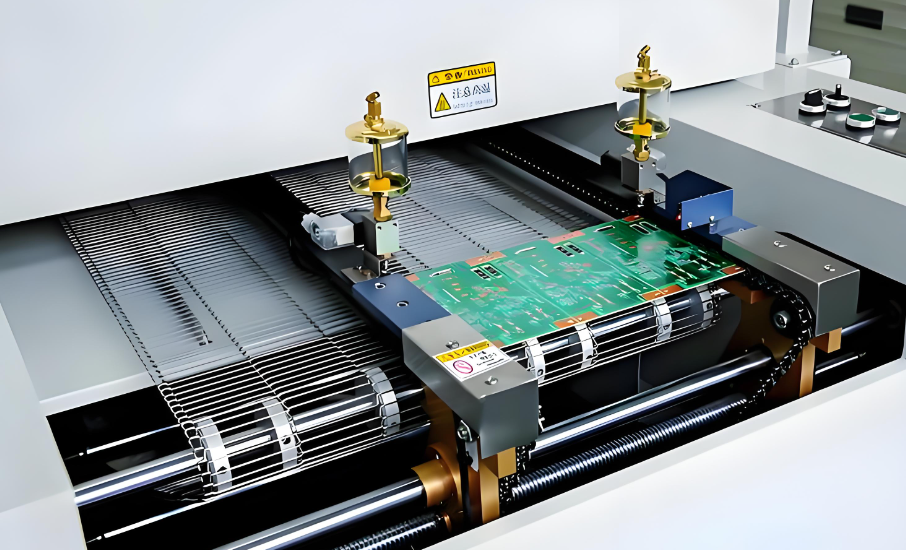
        These manufacturers are ideal for clients who require high precision, especially in aerospace and medical fields. However, their costs and lead times may be less competitive than those in Asia.

        PCB Assembly Manufacturer In China

        What Is the Best PCB Assembly Manufacturer?

        The best PCB assembly manufacturer doesn’t just offer a PCB assembly service — they offer comprehensive PCB assembly solutions. EBest Circuit (Best Technology) earns that trust through:

        • Strict quality certifications for various industries
        • Excellent engineering support to align with complex PCB designs
        • Fast delivery, even on small or urgent orders
        • Transparent communication and reliable BOM handling
        • Cost-effective solutions without sacrificing quality

        We help customers avoid typical issues like design mismatches, production delays, or costly rework.

        How to Find the PCB Assembly Manufacturer in China?

        Finding a reliable PCB assembly manufacturer in China means looking beyond pricing. Here’s what to check:

        1. Certifications: Ask for IATF16949, ISO13485, or AS9100D if your product is used in automotive, medical, or aerospace fields.
        2. Factory Scale: Can they handle large and small batch runs?
        3. Engineering Support: Do they help improve your design before mass production?
        4. Lead Time: Are they fast enough for your launch schedules?
        5. Communication: Do they respond fast, provide DFM feedback, and update you clearly?

        Working with an experienced team like EBest Circuit (Best Technology) removes guesswork. You won’t face delays from poor coordination or rework due to missed BOM items.

        Why Should You Choose EBest Circuit (Best Technology) as Your PCB Assembly Manufacturer in China?

        EBest Circuit (Best Technology) goes far beyond basic PCB services. Here’s why we’re different:

        • Quality Comes First: We are certified for medical, automotive, and aerospace manufacturing. Every PCB assembly process adheres to the strict standards.
        • Cost & Quality Balance: We offer pricing that’s fair, without cutting corners. You don’t have to trade reliability for cost.
        • Smart Engineering: Our team works closely with your design files. We suggest improvements before production starts.
        • Fast Delivery: We are equipped for quick-turn orders and small batches. Perfect for startups and urgent runs.
        • Complete Traceability: With MES systems, we can track every component of the assembly.
        • Strong Supply Chain: Our trusted network of component suppliers and logistics partners keeps things moving.
        • Clear Communication: Our multilingual team offers fast responses and detailed documentation.
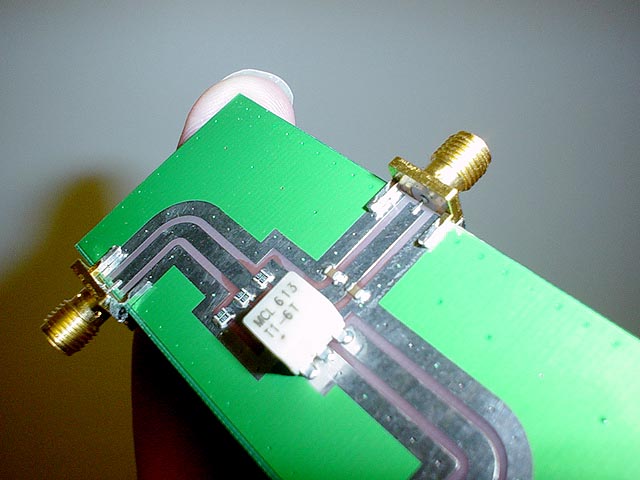
        We understand your demands — whether it’s managing tight schedules or handling complex layouts. We solve them, so you can grow your business without worries.

        PCB Assembly Manufacturer In China, PCB Assembly China

        To conclude, finding a PCB assembly manufacturer in China that truly supports your success can be hard. But with EBest Circuit (Best Technology), you don’t have to compromise. We deliver top-quality PCBA backed by full certifications, fast lead times, and professional engineering support. Our clients stay with us because we help reduce risk, save cost, and ship on time — every time. Kindly contact us at sales@bestpcbs.com for our best engagement.

        You may also like