PCB manufacturing PCB manufacturing
Home > Blog

What Is a South-Facing PCB? Complete Guide & Applications

February 3rd, 2026

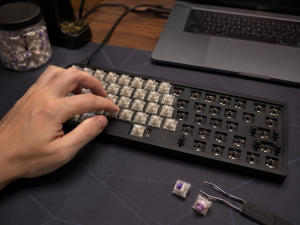
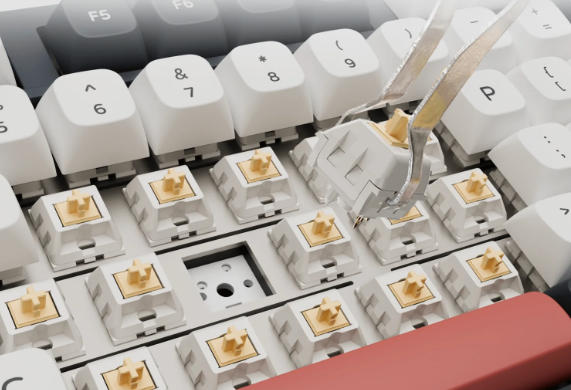
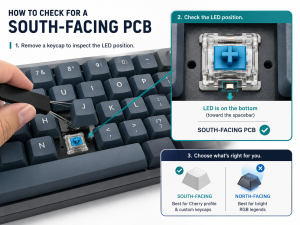
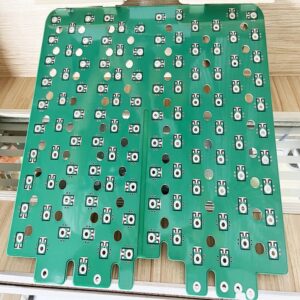
A south-facing PCB refers to a printed circuit board designed to accommodate south-facing switches, where the LED hole of each switch faces the bottom of the PCB (and toward the user when installed). This design is critical for keycap compatibility and lighting performance, making the south-facing PCB a top choice for custom mechanical keyboards and specialized electronic devices. Whether you’re building a custom keyboard or designing components for industrial equipment, understanding south-facing PCB nuances ensures optimal performance and user experience.

What Is a South-Facing PCB? Complete Guide & Applications

What Is a South-Facing PCB and How Does It Work?

A south-facing PCB is defined by its switch mounting orientation: the LED aperture on each switch socket faces the bottom edge of the PCB. When switches are soldered or hot-swapped onto the board, this orientation positions the LED below the keycap rather than above it. This setup avoids interference with Cherry-profile keycaps—one of the most popular keycap designs—preventing the keycap stem from colliding with the LED. The PCB’s trace routing and pad placement are optimized to support this orientation, ensuring stable electrical connections and compatibility with standard switch footprints.

South-Facing vs. North-Facing PCB: What’s the Difference?

FeatureSouth-Facing PCBNorth-Facing PCB
LED OrientationFaces bottom of PCB (toward user)Faces top of PCB (away from user)
Keycap CompatibilityWorks with all profiles (no Cherry profile interference)Cherry profile keycaps may collide with LEDs
RGB Lighting PerformanceDimmer legend backlighting; better side glowBrighter legend backlighting; direct LED alignment
Typical ApplicationsCustom keyboards, industrial control panelsGaming keyboards, RGB-focused devices
Switch CompatibilitySupports all standard MX-style switchesSame switch compatibility; LED position varies

What Are the Advantages of a South-Facing PCB?

Keycap Versatility

The primary advantage of a south-facing PCB is universal keycap compatibility. It eliminates interference with Cherry, OEM, and DSA profiles, allowing users to customize their devices without fit issues. This is critical for custom keyboard builders and industrial equipment designers who require specific keycap ergonomics.

Stable Typing Experience

By avoiding keycap-stem collisions, south-facing PCBs deliver a smoother typing feel with consistent switch actuation. This stability is essential for medical devices like diagnostic equipment, where precise input is non-negotiable.

Design Flexibility

South-facing PCBs support hot-swappable and soldered switch configurations, offering flexibility for prototyping and production. This adaptability makes them suitable for aerospace components, where design iterations and reliability are paramount.

What Industries Use South-Facing PCBs?

Medical Equipment

Medical devices like patient monitors and diagnostic keyboards rely on south-facing PCBs for reliable input and keycap compatibility. A leading medical equipment manufacturer integrated our south-facing PCB into their portable ultrasound machines, ensuring clinicians can use sterile, custom keycaps without performance issues.

Aerospace

Aerospace control panels use south-facing PCBs for their durability and design flexibility. Our south-facing PCB was adopted in a commercial aircraft’s in-flight entertainment system, supporting rugged keycaps and stable operation in extreme pressure and temperature conditions.

Industrial Equipment

Industrial control terminals and machinery interfaces benefit from south-facing PCBs’ keycap versatility. A manufacturing client used our PCBs in assembly line control panels, allowing workers to use wear-resistant keycaps without interfering with switch functionality.

How to Design a South-Facing PCB for Optimal Performance?

Start by selecting switch footprints compatible with south-facing orientation (MX-style is standard). Ensure LED pads are positioned at the bottom of each switch socket, with trace routing that avoids signal interference. Incorporate ground planes to enhance signal integrity, critical for high-speed industrial and aerospace applications. Conduct design rule checks (DRC) to verify pad spacing and prevent short circuits, and test with sample keycaps to confirm no interference.

  • Use 1oz-2oz copper for traces to support current demands
  • Position LEDs 0.5mm below switch stems to avoid contact
  • Integrate ESD protection for sensitive electronic environments

Common Issues with South-Facing PCBs and How to Fix Them?

Dim RGB Lighting

South-facing LEDs produce dimmer legend backlighting. Fix this by using high-brightness LEDs (3000mcd+) or dye-sublimated keycaps with translucent legends. For industrial devices, prioritize side glow over legend lighting if backlighting is non-essential.

Switch Installation Misalignment

Misaligned switches cause keycap wobble. Ensure PCB pads are precision-drilled (tolerance ±0.05mm) and use alignment jigs during assembly. This is critical for medical devices where input precision is critical.

Signal Interference

Poor trace routing leads to signal degradation. Use ground planes and separate analog/digital traces to minimize interference. For aerospace applications, conduct EMI testing to ensure compliance with industry standards.

FAQ About South-Facing PCBs

Can south-facing PCBs use north-facing switches? No—switches are orientation-agnostic, but the PCB’s LED pad position determines compatibility. South-facing PCBs work with standard MX-style switches; only the LED aperture direction differs.

Do south-facing PCBs support hot-swappable switches? Yes—many south-facing PCBs feature hot-swap sockets (e.g., Kailh) for tool-free switch replacement. This is ideal for custom keyboards and industrial prototyping.

Are south-facing PCBs more expensive than north-facing ones? No—cost is comparable, as the only difference is pad and LED placement. Pricing depends on materials (e.g., FR-4 vs. high-temperature substrates) and manufacturing complexity.

Can south-facing PCBs be used for gaming keyboards? Yes—though RGB performance is dimmer, gamers prioritizing keycap customization over bright backlighting prefer them. Some gaming keyboards use south-facing designs for Cherry profile compatibility.

How to test a south-facing PCB for LED functionality? Use a multimeter to check continuity between LED pads and traces. Power the PCB with a 5V source and verify LED illumination; dim legends are normal for south-facing orientations.

Are south-facing PCBs suitable for high-temperature environments? Yes—when manufactured with high-temperature substrates (e.g., polyimide), they perform reliably in aerospace and industrial settings with temperatures up to 150°C.

What Materials Are Best for South-Facing PCBs?

For most applications, FR-4 is the standard substrate due to its durability and cost-effectiveness. For medical and aerospace devices, use high-reliability materials like Rogers 4003C (for high-frequency signals) or polyimide (for flexibility and temperature resistance). Copper thickness (1oz-2oz) should match current demands, and solder mask in green or black ensures corrosion resistance.

How to Choose the Right South-Facing PCB for Your Project?

Consider your application’s needs: keycap compatibility (Cherry profile users need south-facing), lighting requirements (RGB vs. non-RGB), and environmental conditions (temperature, moisture). For industrial and medical projects, prioritize PCBs with ISO 13485 or IPC-6012 certification. Partner with a manufacturer that offers custom routing to match your switch layout and component placement.

What Are the Best Practices for Assembling South-Facing PCBs?

Use lead-free solder (Sn96.5/Ag3.0/Cu0.5) for compliance with industrial standards. Avoid overheating switches during soldering (temperature ≤350°C, time ≤3 seconds) to prevent LED damage. Test keycap fit before final assembly to ensure no interference, and conduct continuity checks for all traces and LEDs. For hot-swappable PCBs, verify socket alignment to prevent switch wobble.

How Does ESD Protection Impact South-Facing PCBs?

Electrostatic discharge (ESD) can damage LEDs and switches on south-facing PCBs. Integrate ESD diodes (e.g., TVS diodes) near LED pads and switch sockets. For medical and aerospace applications, ensure surface resistance between 10⁶-10⁹Ω to dissipate static. Use conductive packaging during storage and assembly to prevent ESD-related failures.

What Trends Are Shaping South-Facing PCB Design?

Increased demand for custom mechanical keyboards drives innovations in south-facing PCB design, including hot-swappable sockets and integrated RGB controllers. Medical and aerospace industries are adopting smaller, more durable south-facing PCBs for portable devices. Advances in LED technology (micro-LEDs) are improving backlighting performance, addressing the dimness issue associated with south-facing orientations.

At EBest, we specialize in high-quality south-facing PCB manufacturing for medical, aerospace, and industrial applications. Our south-facing PCB products meet strict E-E-A-T standards, with custom design support for south-facing pcb design and tailored solutions for aerospace south-facing pcb and medical device south-facing pcb requirements. We also provide expert guidance for south-facing pcb assembly best practices and high-performance options for south-facing pcb for industrial equipment. Whether you need prototype batches or mass production, we deliver reliable, compatible south-facing PCBs tailored to your unique project needs. Contact us at sales@bestpcbs.com to place your order today.

You may also like

Ceramic RF PCB: Materials, Metallization, and Applications

January 30th, 2026

What is a ceramic RF PCB, and why do RF engineers choose it?

A ceramic RF PCB is a radio-frequency circuit board built on a ceramic substrate (most commonly alumina Al₂O₃ or aluminum nitride AlN) instead of woven-glass epoxy. A ceramic RF PCB is chosen when you need stable dielectric behavior, low RF loss, excellent heat spreading, and mechanical stiffness in a compact footprint.

In practical RF terms, ceramic substrates help when your design is sensitive to temperature drift, phase stability, or localized heating near power devices. They also make sense when you want a rigid platform for precision RF transitions, high-power RF matching networks, or compact modules where thermal and electrical margins are tight.

Quick definition in one minute

  • Substrate: ceramic (Al₂O₃ or AlN) instead of FR-4 epoxy glass.
  • Metallization: copper bonded or plated on ceramic (common routes include DPC/DBC/AMB).
  • Typical goal: lower loss + better thermal control + more stable RF behavior.

Where ceramic RF boards outperform “ordinary” RF laminates

  • Thermal headroom: ceramics spread heat far better than FR-4, keeping junction temperatures calmer under RF power.
  • Parameter stability: Dk and mechanical dimensions tend to drift less with temperature and humidity than epoxy systems.
  • Harsh environments: strong electrical insulation and high-temperature capability suit industrial and aerospace-style constraints.
What is a ceramic RF PCB, and why do RF engineers choose it?

Why choose EBest as your ceramic RF PCB manufacturer for prototypes and production?

If you are selecting a ceramic RF PCB manufacturer, you are not just buying a board. You are buying process control: metallization consistency, dimensional tolerance, RF-friendly fabrication choices, and assembly guidance that prevents expensive iteration.

EBest is positioned as a One-stop PCBA service provider, better understanding the needs of engineers. That matters because RF and ceramic projects often fail for “coordination” reasons, not theory reasons. Layout intent gets lost, stack-up assumptions shift, and the first build doesn’t match the simulation.

What engineers usually worry about

  • RF loss and repeatability: controlled copper geometry, consistent process windows, and practical RF DFM checks.
  • Thermal + reliability: substrate selection guidance, copper options, and assembly recommendations to reduce stress.
  • Lead time risk: clear fabrication planning and rapid prototype-to-small-batch flow.
  • Traceability: process tracking so you can debug issues with evidence, not guesses.

EBest advantages

  • Free DFM, process adaptation suggestions
  • 20 years, serving 1800+ customers, 10,000+ engineers
  • One-Stop Service: PCB, Component, PCBA, Testing & Box-building
  • NO MOQ, personal service
  • ISO9001/13485, IATF16949, AS9100D
  • MES & traceability
  • 1.5-week rapid PCBA delivery (project-dependent)
  • Technical support before & after sales
  • Prototype & small volume welcome
  • Quick turn-out, on-time delivery
  • High quality, special request available
  • Strong R&D team, know how-to
  • Prompt feedback (within 12H)

When should you use a ceramic RF PCB instead of Rogers or FR-4?

Use ceramic when your RF design is being limited by temperature rise, phase drift, or tight spacing around hot devices. In contrast, use Rogers-like RF laminates when you need low loss in a standard PCB workflow and your thermal density is manageable. Use FR-4 when frequency is low enough and the design is tolerant to higher loss and wider variation.

Frequency, loss, and thermal triggers

  • Thermal trigger: RF power devices or dense modules where FR-4 becomes a thermal bottleneck.
  • Stability trigger: you care about phase stability across temperature or need consistent dielectric behavior.
  • Packaging trigger: RF module integration, chip attach, or tight mechanical constraints.

Rules of thumb that work in real projects

  • If your hotspot temperature is driving redesign, consider ceramic first.
  • If you need “RF + power” in a compact module, ceramic often simplifies thermal design.
  • If cost is the top constraint and frequency is modest, FR-4 can still be valid.

Ceramic RF PCB vs Rogers vs FR-4—what’s the real difference?

Here’s the practical comparison engineers use when deciding. Ceramic tends to win on thermal and stability. Rogers-type materials often win on mainstream RF PCB manufacturability. FR-4 wins on cost and availability.

FactorCeramic RF PCB (Al₂O₃ / AlN)Rogers-class RF laminatesFR-4
RF loss (typical)Low to very low (depends on ceramic + metallization)Low (designed for RF/microwave)Higher (loss rises quickly with frequency)
Thermal performanceExcellent (AlN especially strong)Moderate (improves with fillers/stack choices)Poor to moderate
Dielectric stabilityHigh stability across temperature and humidityGood stability (material-dependent)More variable
Manufacturing ecosystemMore specialized (process and handling matter)Mainstream RF PCB ecosystemMost mainstream
Typical use casesHigh-power RF modules, compact RF + thermal designs, harsh environmentsMicrowave/RF boards, antennas, RF front ends, 5G style designsLow-frequency digital, cost-sensitive electronics
Cost levelHigherMedium to highLowest

Which ceramic substrate is best for RF—Alumina (Al₂O₃) or Aluminum Nitride (AlN)?

Choose alumina when you want a well-established, cost-effective ceramic substrate with good RF insulation and solid mechanical properties. Choose AlN when thermal conductivity is a primary driver and you want better CTE matching to certain semiconductor devices. Both can support RF work. The “best” depends on your power density and thermal budget.

PropertyAlumina (Al₂O₃)Aluminum Nitride (AlN)What it means for RF design
Dielectric constant (typ.)~9–10 (varies by grade/frequency)~8.5–9 (varies by grade/frequency)Impacts line width for a target impedance and field confinement
Loss tangent (typ.)Low (grade and frequency dependent)Low (grade and frequency dependent)Lower loss helps insertion loss and Q of matching networks
Thermal conductivityLower than AlNHigh (commonly cited around 170 W/m·K for high-purity materials)Matters when RF power creates hotspots and drift
Typical positioningBalanced performance, broad use, cost-awareThermal-first, higher-end module designsPick based on power density and stability needs

What are the main ceramic RF PCB metallization methods (DPC, DBC, AMB)?

Metallization is where many ceramic projects succeed or fail. The copper-to-ceramic interface affects adhesion, thermal cycling reliability, and even RF loss through surface quality and geometry control. In sourcing terms, you should ask which metallization route is used and why.

MethodHow it’s builtStrengthsCommon RF + power use
DPC (Direct Plated Copper)Copper is plated onto a prepared ceramic surface (often via thin-film seed + plating)Fine features potential, good for density and pattern controlCompact RF modules, denser routing, controlled copper geometry
DBC (Direct Bonded Copper)Thicker copper is directly bonded to ceramic at elevated temperatureStrong copper bond, good heat spreading, robust power handlingPower RF, heat-spreading bases, high current + RF hybrids
AMB (Active Metal Brazing)Active braze layer bonds metal to ceramicStrong bond options, suited for demanding mechanical/thermal cyclingHarsh environment modules and high reliability builds

Which one should you pick?

  • If you need finer geometry and dense routing, ask for DPC capability and design rules.
  • If you need thick copper and strong heat spreading, DBC is a common go-to.
  • If the environment is severe and reliability is the priority, discuss AMB tradeoffs early.

How do you design impedance on a ceramic RF PCB without guesswork?

Start with the “three numbers” that decide impedance: dielectric constant, dielectric thickness, and copper geometry. Then lock down the reference plane strategy. In ceramic RF work, small dimensional shifts can move impedance and phase, so you want a controlled stack definition rather than assumptions.

What to give your manufacturer

  • Target impedance: 50 Ω, 75 Ω, or differential targets (state tolerance).
  • Transmission line type: microstrip, stripline, or CPWG.
  • Layer definition: dielectric thickness, copper thickness, and reference plane distance.
  • Surface finish: ENIG, immersion silver, etc., because it can affect RF loss and solderability choices.
  • Frequency band: so DFM can focus on what matters (loss vs geometry vs transitions).

Microstrip vs CPWG vs stripline on ceramic

  • Microstrip: simple, easy probing, but more exposed fields.
  • CPWG: excellent for grounding control and isolation when you add via fences.
  • Stripline: best shielding, but stack and via transitions become more critical.

What layout rules reduce loss and improve isolation on ceramic RF PCB designs?

RF layout on ceramic rewards discipline. Keep return paths short, keep discontinuities intentional, and treat every transition like a component. The good news is ceramic’s rigidity helps keep geometry stable, which supports repeatability.

Ground strategy and via fences

  • Put the ground plane close and continuous under RF traces.
  • Use via fences along CPWG edges to reduce radiation and coupling.
  • Maintain consistent via pitch near transitions and sensitive nodes.

Transitions (SMA, SMPM, chip-to-line)

  • Model connector launches, then match pad geometry to your line structure.
  • Keep component-to-line stubs short; use grounded coplanar transitions where possible.
  • Define solder fillet targets for repeatable connector grounding.

Solder mask and surface finish choices

  • For many RF structures, an exposed line (mask-open) can reduce dielectric variation.
  • Pick finishes for both RF and assembly needs. Discuss silver vs ENIG tradeoffs early.
What layout rules reduce loss and improve isolation on ceramic RF PCB designs?

How do you handle assembly on ceramic RF boards to avoid cracks and low yield?

Assembly is where beginners get surprised. Ceramic is stiff and strong, but it does not behave like FR-4 under stress. The approach is simple: reduce mechanical shock, manage thermal gradients, and keep CTE mismatch in mind when placing large parts.

Paste, reflow profile, and fixture strategy

  • Use fixtures that support the panel and reduce point loads.
  • Use a controlled reflow profile to reduce rapid gradients across the substrate.
  • For heavy parts, consider underfill or mechanical support if the use environment is harsh.

Component selection for ceramic (CTE + thermal cycling)

  • Large ceramic packages and metal bodies can stress joints during cycling.
  • Discuss critical components with your manufacturer so pad design supports reliability.

What tests prove a ceramic RF PCB is production-ready?

A good test plan covers both “board integrity” and “RF behavior.” You want to verify insulation, adhesion, and electrical continuity, then validate RF insertion loss and stability in the actual band that matters.

Electrical and physical verification

  • Continuity / opens / shorts: baseline electrical test.
  • Insulation resistance: supports high-reliability use.
  • Adhesion check: verifies copper-to-ceramic robustness for thermal cycling.

RF validation that engineers trust

  • S-parameters: insertion loss, return loss across band.
  • Phase stability: compare across temperature points if your application is sensitive.
  • Power test: verify heating, drift, and any arcing margins where applicable.

What affects ceramic RF PCB cost and lead time the most?

Cost and lead time are mainly driven by substrate choice, metallization route, feature density, and yield risk. If you want a faster, smoother first build, simplify what you can: keep via types practical, avoid unnecessary ultra-fine geometries, and design for panel efficiency.

The biggest cost drivers

  • Substrate: AlN is typically more premium than alumina.
  • Metallization: DPC/DBC/AMB choice changes process complexity.
  • Geometry: fine lines, tight spacing, and special edge launches increase process control demand.
  • Special requirements: thick copper, complex mechanical outlines, and custom tests add time.

How to cut cost without sacrificing RF performance

  • Ask for DFM edits that keep impedance but relax non-critical tolerances.
  • Use repeatable connector footprints and validated launch geometries.
  • Plan a prototype step with RF coupons so production tuning is minimal.

FAQs

1. What frequency range is a ceramic RF PCB good for?

Ceramic substrates are commonly used when RF loss and stability matter, including microwave bands. The real limit is rarely the ceramic itself. It’s usually transitions, connector launches, and layout discipline. If you share your band and power level, the stack-up and line style can be tailored to your needs.

2. Is ceramic always better than Rogers for RF?

No. Ceramic is often better when heat and stability dominate. Rogers-class laminates are often better when you want low loss with a standard RF PCB workflow and lower total manufacturing complexity. The “right” choice depends on thermal density, mechanical constraints, and cost targets.

3. Should I choose alumina RF PCB or aluminum nitride RF PCB?

Choose alumina when you want a balanced, widely used ceramic with strong insulation and a more cost-aware path. Choose AlN when heat spreading is the main constraint and you want extra thermal margin. If you tell us your hotspot power and size, we can recommend the more efficient option.

4. What metallization should I use: DPC, DBC, or AMB?

DPC is attractive for finer geometry and density. DBC is common when you want thicker copper and heat spreading. AMB is often selected for demanding mechanical and thermal cycling conditions. The best answer comes from your copper thickness need, feature density, and reliability profile.

5. How do I specify controlled impedance for ceramic RF PCB fabrication?

Provide target impedance, line type (microstrip/CPWG/stripline), dielectric thickness, copper thickness, and the frequency band. Avoid assumptions. A controlled stack definition and an RF coupon strategy usually deliver the fastest path to a first-pass success.

6. Can EBest support ceramic RF PCB prototype builds and small volume production?

Yes. We welcome prototypes and small batches, and we can scale with you. You will also get engineering-facing feedback like Free DFM and process adaptation suggestions, so your early builds teach you something useful, not just consume budget.

7. What files do you need to quote a ceramic RF PCB and assembly?

Gerbers (or ODB++), stack-up notes, impedance targets, BOM (if assembly is needed), and any special test requirements are the usual starting point. If you already have a reference design or measured results, sharing that speeds up the review.

8. How do I submit an RFQ to EBest for ceramic RF PCB manufacturing?

Email your fabrication and assembly files with the target quantities, delivery expectation, and your application notes. The more you tell us about frequency, power, and operating temperature, the more accurate the DFM feedback and quotation will be.

Ready to build your ceramic RF PCB with an engineer-first team?

If you need ceramic RF PCB fabrication, ceramic RF PCB prototype support, or a full one-stop flow including components, PCB assembly, testing, and box-building, EBest can help you move from concept to verified hardware with fewer spins. Send your RFQ to sales@bestpcbs.com and tell us your frequency band, power level, and impedance targets so we can respond with practical DFM guidance and a build plan.

You may also like

Your Trusted SMT Stencil Manufacturer – Precision & Reliability

January 27th, 2026

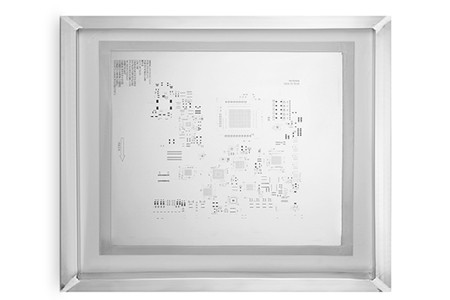
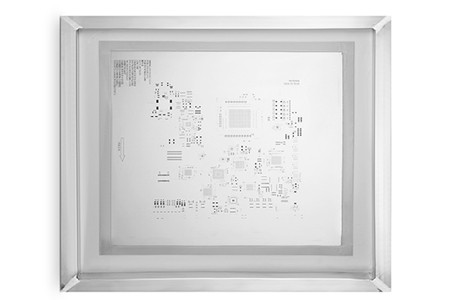
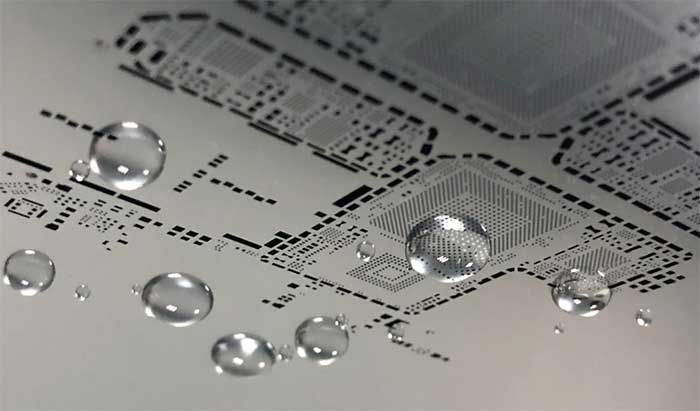
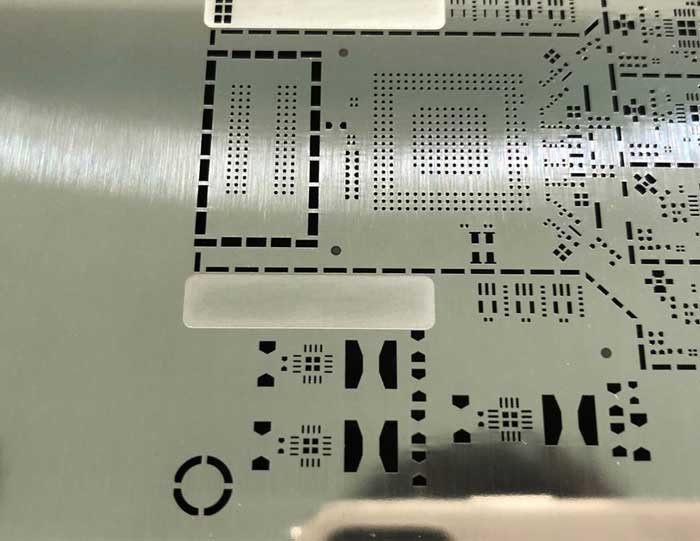
When searching for a professional SMT stencil manufacturer, BestPCBS stands out as the top choice for electronic manufacturers worldwide. Our decades of expertise in producing high-precision stencils make us the most reliable SMT stencil manufacturer for all your surface mount technology needs, from prototyping to mass production.

Why BestPCBS Is Your Top Choice for an SMT Stencil Manufacturer?

At BestPCBS, we combine advanced manufacturing technology with strict quality control to deliver SMT stencils that meet the highest industry standards. We offer 24/7 customer support, customizable solutions, and competitive pricing—factors that make us the preferred SMT stencil manufacturer for SMEs and large enterprises alike. Our on-time delivery rate exceeds 98%, ensuring your production lines never face delays.

Our Core Advantages

  • Precision: ±5μm aperture tolerance for fine-pitch components (01005, BGA, QFP)
  • Speed: 24-hour expedited service for urgent SMT stencil orders
  • Cost: 15% lower production costs compared to industry averages
  • Support: Dedicated engineering team for DFM reviews and technical guidance
SMT Stencil Manufacturer

What Defines a High-Quality SMT Stencil Manufacturer?

A high-quality SMT stencil manufacturer must master both technical precision and customer-centric service. At BestPCBS, we adhere to ISO 9001:2015 quality management standards, conducting 3 rounds of inspection before shipping any stencil. This commitment to quality ensures our stencils reduce solder defects by up to 70% for our clients.

4 Core Processes We Use for Custom SMT Stencil Manufacturing

Our custom SMT stencil manufacturing process is tailored to your specific PCB design requirements. We use four proven processes to cover all application scenarios, ensuring optimal solder paste transfer and long stencil lifespan:

ProcessPrecisionIdeal For
Laser Cutting≤5μmHigh-volume production
Electroforming≤3μmUltra-fine pitch components
Chemical Etching≤10μmLow-cost prototypes
Hybrid Process≤4μmMixed-technology PCBs

How We Ensure High-Precision SMT Stencil Production at BestPCBS

High-precision SMT stencil production starts with advanced equipment and skilled engineers. We use CNC laser cutters and 3D measuring systems to verify every aperture, ensuring positional accuracy within ±2μm. This level of precision directly improves PCB assembly yield by 10-15% for our customers.

Industrial-Grade Materials for Durable SMT Stencils

We only use industrial-grade SUS301 and SUS304 stainless steel for our SMT stencils, providing 400,000+ printing cycles per stencil—20% more than standard materials. For flexible PCB applications, we offer Kapton stencils with reinforced edges for added durability.

SMT Stencil Quality Inspection Standards at BestPCBS

Our SMT stencil quality inspection process includes three critical steps: dimensional verification, tension testing (35-50N/cm²), and surface finish inspection. Every stencil is tested on a dummy PCB to confirm solder paste transfer efficiency before delivery, eliminating post-shipping issues.

How to Reduce SMT Stencil Costs Without Compromising Quality

SMT stencil cost optimization is a key focus at BestPCBS. We offer bulk pricing discounts, design optimization suggestions to reduce material waste, and reusable stencil frames to lower long-term costs. Our engineering team reviews your PCB design for free to identify cost-saving opportunities without sacrificing performance.

Short Lead Time for SMT Stencils: Our Expedited Service

We understand the urgency of production deadlines, which is why our SMT stencil lead time starts at 24 hours for expedited orders and 3-5 business days for standard orders. We offer free express shipping on all expedited orders, ensuring your stencils arrive on time, every time.

FAQ: Common SMT Stencil Issues & BestPCBS’s Solutions

Q1: Why is my SMT stencil causing solder bridges?

A: Solder bridges are often caused by oversized apertures or poor surface finish. We calibrate aperture sizes based on your solder paste type and offer electro-polished stencils to reduce solder adhesion, eliminating bridge defects.

Q2: How can I extend the life of my SMT stencil?

A: Regular cleaning with ultrasonic cleaners and proper storage (23±3°C, 40-60% humidity) extends stencil life. We provide a free maintenance guide with every order to help you maximize stencil usage.

Q3: Can you modify an existing SMT stencil?

A: Yes, our engineering team can modify apertures or repair minor damage to existing stencils, saving you the cost of a full replacement. Modifications are completed within 12 hours for urgent requests.

Q4: Do you offer DFM reviews for SMT stencil designs?

A: Yes, we provide free SMT stencil design for manufacturability reviews to identify potential printing issues before production, reducing rework and delays.

Q5: What after-sales support do you provide?

A: We offer a 30-day warranty on all stencils and 24/7 technical support. Our team can assist with stencil installation, cleaning, and troubleshooting via video call or email.

SMT Stencil Design for Manufacturability (DFM) Guidelines

Our SMT stencil design for manufacturability guidelines help optimize your PCB design for efficient stencil production. We recommend aperture sizes 1.5x the stencil thickness, rounded aperture corners to reduce stress, and spacing guidelines for fine-pitch components to avoid printing defects.

After-Sales Support for Our SMT Stencil Customers

Our SMT stencil after-sales support doesn’t end with delivery. We offer free technical training for your production team, stencil repair services, and replacement parts for frames and gaskets. Our customer support team responds to all inquiries within 1 business hour.

Case Studies: Successful SMT Stencil Projects by BestPCBS

We’ve supplied SMT stencils to leading electronics manufacturers in automotive, medical, and consumer electronics industries. One medical device client saw a 25% reduction in solder defects after switching to our high-precision stencils, while an automotive client reduced production downtime by 30% with our short lead time service.

SMT stencil manufacturer

sales@bestpcbs.com

If you’re currently using an SMT stencil manufacturer that doesn’t meet your quality, speed, or cost requirements, it’s time to switch to BestPCBS. We offer a free sample stencil (up to 100x100mm) for new customers to test our quality firsthand. Contact us at sales@bestpcbs.com to place your order or request a quote—our team is ready to help you optimize your SMT stencil supply chain today.

You may also like

How to Choose Reliable Copper Busbar Manufacturers: A Complete Guide

January 23rd, 2026

Selecting the right copper busbar manufacturers is critical for ensuring electrical system reliability and performance. High-quality copper busbar manufacturers adhere to strict material and process standards, while poor suppliers may cause energy loss, equipment failure, or project delays. This guide breaks down key factors to evaluate manufacturers and addresses common pain points in sourcing.

How to Select Reliable Copper Busbar Manufacturers?

Prioritize manufacturers with proven material quality, advanced processes, and industry certifications. Start by verifying copper purity (≥99.9% is ideal), checking customization capabilities, and confirming compliance with global standards like ASTM B187 and UL. Partnering with such manufacturers avoids mismatched specs and delivery risks.

Key Evaluation Criteria

  • Raw material sourcing: Ensure use of high-purity copper (C11000 ETP or C10200 OF grade)
  • Manufacturing equipment: CNC machining, automated bending, and precision stamping capabilities
  • Quality control: In-house testing for conductivity, mechanical strength, and corrosion resistance
  • Customer cases: Track record in EV charging, data centers, or renewable energy sectors

What Are the Core Quality Standards for Copper Busbar Manufacturers?

What Are the Core Quality Standards for Copper Busbar Manufacturers?

Top copper busbar manufacturers follow strict standards to guarantee product performance. The primary benchmark is ASTM B187/B187M, which defines dimensional, mechanical, and chemical requirements for copper busbars. Additional standards include RoHS for environmental compliance and ISO 9001 for quality management systems.

Must-Meet Standards

StandardKey Requirements
ASTM B187Copper purity, tensile strength, and dimensional accuracy
ULElectrical safety and fire resistance for industrial use
RoHSRestriction of hazardous substances in surface treatments

Why Material Purity Matters for Copper Busbar Manufacturers?

Copper purity directly impacts conductivity and durability. copper busbar manufacturers using 99.9%+ pure copper minimize energy loss (resistivity ≤1.7241 μΩ·cm) and reduce overheating risks. Low-purity copper with impurities degrades performance over time, leading to costly system failures.

Common Copper Grades for Busbars

  • C11000 (ETP): 99.93% pure, ideal for general industrial applications
  • C10200 (OF): 99.95% pure, superior conductivity for high-current scenarios
  • C12200 (DHP): For general-purpose applications requiring corrosion resistance

Customization Capabilities: Key Competitiveness of Copper Busbar Manufacturers

Reliable copper busbar manufacturers offer tailored solutions for unique project needs. This includes custom dimensions, shapes, surface treatments, and insulation options. Advanced manufacturers handle complex designs (e.g., laminated busbars) and adapt to tight tolerances (±0.05mm) for seamless system integration.

Customization Options

  • Dimensions: Custom width, thickness, and length (up to 6m)
  • Shapes: Bending, punching, and CNC-machined complex profiles
  • Insulation: Epoxy coating, heat-shrink tubing, or powder coating

Surface Treatment Options from Top Copper Busbar Manufacturers

Surface treatments protect busbars from corrosion and enhance conductivity. Leading copper busbar manufacturers provide multiple finishing options to suit different environments, from humid industrial settings to clean data centers.

Popular Surface Treatments

  • Tin plating: Prevents oxidation, ideal for low-voltage applications
  • Nickel plating: Enhances wear resistance and solderability
  • Powder coating: Superior corrosion protection for outdoor use

How Do Copper Busbar Manufacturers Ensure Delivery Stability?

Delivery delays disrupt project timelines. Trusted copper busbar manufacturers maintain stable supply chains, keep inventory of standard specs, and offer clear lead-time commitments (7-15 days for standard orders, 2-4 weeks for custom). They also have backup production lines to handle unexpected demand.

Supply Chain Management Tips

  • Choose manufacturers with global raw material sourcing channels
  • Verify production capacity (minimum 100 tons/month for bulk orders)
  • Request clear delivery contracts with penalty clauses for delays

Industry Certifications to Verify Copper Busbar Manufacturers

Certifications are proof of a manufacturer’s expertise. Reputable copper busbar manufacturers hold ISO 9001 (quality management), IATF 16949 (automotive), and UL certifications. These credentials confirm compliance with global standards and reduce sourcing risks.

Differences in Manufacturing Processes Among Copper Busbar Manufacturers

Process gaps separate high-quality and low-grade copper busbar manufacturers. Advanced facilities use automated processes for consistency, while low-cost suppliers rely on manual labor (prone to errors). Precision machining ensures tight tolerances, avoiding fitment issues in assembly.

Process Comparison

  • Automated vs. manual: Automated processes reduce error rates to <0.5%
  • Heat treatment: Annealing (O60 temper) for flexibility or hardening (H04 temper) for strength
  • Testing: In-line conductivity testing vs. post-production sampling

Applications of Products from Copper Busbar Manufacturers

Copper busbar manufacturers supply components for diverse industries, where high conductivity and durability are critical. Key applications include EV charging stations, data center power distribution, renewable energy systems (solar/wind), and industrial machinery.

FAQ: Common Issues About Copper Busbar Manufacturers

Below are answers to frequent questions when sourcing from copper busbar manufacturers.

Q1: How to verify copper purity from manufacturers?

Request material test reports (MTRs) showing chemical composition. Reputable manufacturers provide MTRs compliant with ASTM standards, confirming copper purity ≥99.9%.

Q2: What is the typical lead time for custom busbars?

Most manufacturers deliver custom orders in 2-4 weeks. Rush orders (1 week) are available for urgent projects, often with a 10-15% premium.

Q3: Can manufacturers handle small-batch orders?

Yes, top manufacturers accept small batches (≥5 pieces) without compromising quality. Some offer discounted rates for repeat small orders.

Q4: How to resolve surface oxidation issues?

Choose manufacturers offering anti-oxidation treatments (tin/nickel plating). Post-delivery, store busbars in dry environments and avoid direct contact with corrosive substances.

Q5: Do manufacturers provide technical support for selection?

Reliable manufacturers assign engineers to assist with selection, based on current, voltage, and environmental requirements, ensuring optimal busbar design.

Q6: What certifications are mandatory for automotive busbars?

Automotive applications require IATF 16949 certification, along with RoHS compliance and UL 94 flammability ratings for insulation.

How to Evaluate the Cost-Effectiveness of Copper Busbar Manufacturers?

Cost-effectiveness goes beyond unit price. Evaluate total ownership cost, including quality (avoiding rework), delivery (preventing delays), and after-sales support. Cheap copper busbar manufacturers may cut corners on material or testing, leading to higher long-term costs.

Global Sourcing Guide for Copper Busbar Manufacturers

When sourcing globally, prioritize copper busbar manufacturers with local service centers to reduce logistics time and costs. US manufacturers excel in custom designs, while Asian suppliers offer competitive pricing for bulk orders. Always confirm import compliance with local standards.

We provide high-quality products from trusted copper busbar manufacturers, adhering to ASTM B187 and UL standards with customizable solutions for diverse industries. If you need reliable copper busbars, place your order with us via email at sales@bestpcbs.com.

You may also like

ICT Full Form: What It Means, Applications & Troubleshooting Tips

January 6th, 2026

If you’re in tech, you’ve probably seen “ICT” tossed around in reports, job descriptions, or project briefs—but do you know its full form and how it differs from related terms like IT or IoT? As a technical professional, understanding ICT (Information and Communication Technology) isn’t just about memorizing a definition—it’s about grasping how this broad technology category shapes operations, solves problems, and drives innovation across industries. Let’s break down the basics, real-world uses, and fixes for the most frustrating ICT pain points.

ICT Full Form: What It Means, Applications & Troubleshooting Tips

ICT Full Form & Core Definition

First things first: ICT stands for Information and Communication Technology. Unlike IT (Information Technology), which focuses solely on information processing and storage (think databases, software, and hardware), ICT expands to include communication tools that connect people, devices, and data. This means ICT encompasses everything from computers and cloud platforms to 5G networks, IoT devices, and video conferencing systems . At its core, ICT is about bridging information processing with communication to make data accessible, shareable, and actionable—whether you’re in manufacturing, healthcare, or education.

How ICT Differs From IT & IoT

It’s easy to mix up ICT with similar tech terms, but the distinctions matter for technical planning and problem-solving. Let’s clarify:

ICT vs. IT

IT is a subset of ICT. IT handles the “information” side—data storage, analysis, and processing (e.g., ERP systems, data centers). ICT adds the “communication” layer, enabling data to flow between users, devices, and locations (e.g., email, 5G, collaboration tools). Think of IT as building the data engine, and ICT as the roads that let that engine’s output reach where it’s needed .

ICT vs. IoT

IoT (Internet of Things) is a subset of ICT. IoT refers to physical devices connected to the internet that collect and share data (e.g., smart sensors, wearables). ICT includes IoT but also covers the broader infrastructure—networks, software, and protocols—that make IoT devices work together. Without ICT, IoT devices would be isolated, unable to transmit data or receive commands .

Key ICT Applications Across Industries

ICT isn’t a one-size-fits-all technology—it’s integrated into nearly every sector to boost efficiency and enable new capabilities. Here are the most impactful use cases for technical professionals:

Manufacturing: In-Circuit Testing (ICT) & Quality Control

In manufacturing, ICT (specifically In-Circuit Test systems) is critical for PCBA (Printed Circuit Board Assembly) quality checks. These systems detect shorts, open circuits, soldering defects, and component mismatches—ensuring products meet specs before shipment. The catch? ICT systems often suffer from false positives, which slow production and waste resources . We’ll dive into fixes later.

Healthcare & Education: Remote Access & Collaboration

ICT enables telemedicine (remote patient consultations via video) and e-learning (virtual classes, digital libraries). For technical teams, this means building secure, low-latency networks that handle sensitive data (patient records, student information) while ensuring accessibility—even in areas with limited infrastructure .

Enterprise: Cloud Integration & Data Sharing

Modern businesses rely on ICT to connect on-premises systems with cloud platforms (e.g., Google Drive, AWS). This integration lets teams share data globally, automate workflows, and scale operations— but it requires robust cybersecurity and network stability to avoid breaches or downtime .

Top ICT Challenges & Practical Solutions

Technical professionals face consistent pain points with ICT implementation and maintenance. These issues aren’t just annoying—they impact productivity, costs, and trust. Here’s how to tackle them:

1. ICT Test System False Positives (Manufacturing)

The biggest frustration with ICT testing is false failures—good boards flagged as defective. Seventy percent of these issues stem from poor probe contact (worn needles, oxidation, loose probe holders). Fixes include replacing probes every 10,000–20,000 cycles, cleaning probe tips regularly, and calibrating probe positions for perpendicularity . Also, optimize test point design (0.9–1.2mm diameter, no solder mask coverage) to improve signal stability.

2. Infrastructural Gaps & Network Instability

Spotty internet, inadequate power, and outdated hardware derail ICT performance—especially in remote areas. Solutions include investing in 5G or fiber networks, adding backup power supplies, and using modular infrastructure that scales with demand. For enterprise teams, segmenting networks (e.g., separating IoT devices from core systems) reduces congestion and risk .

3. Cybersecurity Threats

ICT connects more devices and data than ever, making it a target for hacks, viruses, and data leaks. Mitigate risks by enforcing end-to-end encryption, updating software regularly, and training teams on phishing prevention. For IoT-focused ICT setups, use secure protocols (e.g., MQTT-SN) and isolate devices to limit breach impact .

4. Skills Gaps & Tool Adoption

Even the best ICT tools fail if teams lack training. Address this by creating role-specific workshops (e.g., ICT test system maintenance, cloud security) and partnering with vendors for hands-on support. Document standard operating procedures (SOPs) for common tasks—like probe replacement or parameter optimization—to reduce errors .

How to Optimize ICT Systems for Maximum Reliability

ICT performance depends on a holistic approach—you can’t fix one component and ignore the rest. Follow these steps to build a stable, efficient ICT ecosystem:

Prioritize Design for Testability (DFT)

For manufacturing ICT, integrate DFT principles early in PCB design. Reserve test points for power and ground, space points at least 1.2mm apart, and avoid covering pads with solder mask. This reduces false positives and speeds up testing.

Schedule Regular Maintenance

ICT hardware (probes, fixtures, cables) wears out over time. Calibrate fixtures every 3 months, check for loose connections weekly, and replace aging components before they fail. For networks, run monthly speed and latency tests to identify bottlenecks .

Monitor & Analyze Performance Data

Use ICT analytics tools to track metrics like pass rate, false positive rate, and probe contact rate (aim for ≥99%). This data reveals patterns—like frequent false failures from a specific probe—and lets you address issues proactively instead of reactively .

ICT FAQ: Answers to Common Technical Questions

Q1: Why do ICT test systems have false positives?

Most false positives come from probe contact issues (wear, oxidation), poor test point design, or incorrect parameter settings (too narrow voltage windows, insufficient delay time). Fixes include regular probe maintenance, DFT optimization, and parameter tuning .

Q2: Is ICT the same as IT?

No. IT focuses on information processing (hardware, software, data storage), while ICT adds communication tools (networks, video conferencing, IoT) to connect data and users. ICT is a broader category that includes IT .

Q3: How can small businesses afford ICT upgrades?

Opt for cloud-based ICT solutions (pay-as-you-go models) to avoid upfront hardware costs. Prioritize upgrades that solve critical pain points (e.g., reliable internet for remote work) and leverage government grants for digital transformation.

Q4: What’s the biggest risk of IoT in ICT systems?

Unsecured IoT devices are a major risk—they can act as entry points for cyberattacks. Mitigate this by using secure devices, isolating IoT networks, and updating firmware regularly .

Q5: How do I measure ICT system effectiveness?

Key metrics include uptime (aim for 99.9%+), pass rate (for testing systems), latency, and user satisfaction. Track these over time to identify improvements and justify upgrades.

Q6: Can ICT help bridge the digital divide?

Yes—but it requires affordable infrastructure (low-cost internet, devices) and digital literacy training. Initiatives like community Wi-Fi and mobile ICT labs help make technology accessible in underserved areas .

Future Trends Shaping ICT

ICT is evolving rapidly, with emerging technologies like 6G, AI, and edge computing driving change. 6G will deliver faster, more reliable connectivity for ICT systems, while AI will automate predictive maintenance (e.g., alerting teams to failing probes before they cause downtime) . Edge computing will reduce latency by processing ICT data closer to devices—critical for real-time applications like industrial IoT and telemedicine.

Final Thoughts: ICT as a Foundation for Technical Success

Understanding ICT—from its full form to practical troubleshooting—isn’t just for tech leaders. For technical professionals, it’s about leveraging ICT to solve problems, reduce downtime, and deliver value. By focusing on maintenance, optimization, and security, you can turn ICT from a source of frustration into a competitive advantage. Remember: ICT success is systemic—every component (hardware, software, networks, training) works together to drive results.
Need help optimizing your ICT test systems or troubleshooting performance issues? Reach out to a specialized ICT solutions provider with experience in your industry—they can tailor strategies to your unique needs.

You may also like

Designing Electronics for High Vibration and Shock with Reliable PCBs

December 11th, 2025

Designing electronics for high vibration and shock is a critical engineering discipline focused on ensuring electronic systems maintain functionality and integrity in physically demanding environments. This article explores the core principles, design strategies, and manufacturing essentials for creating robust electronics that can withstand extreme mechanical stress.

Is your electronic product failing unexpectedly in the field? Vibration and shock are silent killers of electronics, leading to premature failures, costly recalls, and damaged reputations. Designers and engineers often face these core challenges:

  • Intermittent Failures & Broken Connections:​ Solder joints crack, connectors loosen, and traces fracture under cyclic stress, causing hard-to-diagnose, intermittent faults.
  • Component Damage & Detachment:​ Heavy or loosely mounted components like large capacitors, connectors, or unsecured ICs can physically break off or become damaged from impact.
  • Signal Integrity Degradation:​ In high-frequency circuits, vibration can alter parasitic capacitance and inductance, causing signal noise, timing errors, and EMI issues.
  • Structural Resonance & Fatigue:​ The PCB assembly itself can resonate at certain frequencies, amplifying stress and leading to rapid material fatigue and catastrophic failure.
  • Thermal Management Compromise:​ Necessary mechanical reinforcements like stiffeners or potting can impede airflow, leading to overheating of critical components.

Overcoming these challenges requires a holistic approach from design to manufacturing. The following solutions are fundamental to success:

  • Enhanced Mechanical Mounting & Support:​ Utilize strategic anchoring, conformal coatings, staking adhesives, and PCB stiffeners to secure components and dampen board resonance.
  • Advanced Soldering & Assembly Techniques:​ Implement robust processes like underfilling for BGAs, using high-strength solder alloys, and ensuring optimal fillet geometry to combat joint fatigue.
  • Strategic PCB Layout & Stackup Design:​ Adopt compact layouts, symmetric stacking, and avoid placing heavy parts in board centers. Use rounded corners and via-in-pad with caution to reduce stress concentration points.
  • Component Selection & Derating:​ Choose components rated for high mechanical stress (e.g., solid capacitors, ruggedized connectors) and apply significant derating to electrical and thermal parameters.
  • Integrated Thermal-Mechanical Design:​ Employ thermal vias and carefully selected potting compounds or heatsinks that manage heat without overly restricting the board’s natural flexibility or adding excessive mass.

At BEST Technology, we specialize in manufacturing and assembling high-reliability PCBs and PCBAs built to survive harsh environments. While many Chinese PCB manufacturers are caught up in a rat race of competing on cost alone, BEST Technology focuses on cultivating a unique, sharp competitive edge. Our great technological expertise lies in selecting the right materials, applying stringent process controls, and offering design for manufacturability (DFM) feedback tailored for high vibration and shock applications. For a partnership that prioritizes durability, pls feel free to contact us at sales@bestpcbs.com.

Designing Electronics for High Vibration and Shock, https://www.bestpcbs.com/blog/2025/12/designing-electronics-for-high-vibration-and-shock/

What Does Designing Electronics for High Vibration and Shock Require in Modern Engineering?

Modern engineering for high-vibration environments demands an interdisciplinary approach that merges electrical, mechanical, and materials science. It’s about proactively designing electronics that work not just on a bench, but under continuous duress.

  • Material Science:​ Selection of substrates with high glass transition temperature (Tg), strong flexural strength, and compatible CTE (e.g., FR-4 High Tg, Polyimide, or metal-core boards).
  • Mechanical Analysis:​ Use of Finite Element Analysis (FEA) to model and predict board resonances, stress points, and fatigue life under expected vibration profiles.
  • System-Level Integration:​ Considering how the PCB mounts within the enclosure, using appropriate damping materials, and ensuring connectors are strain-relieved.
  • Environmental Sealing:​ Application of conformal coatings, potting, or encapsulation to protect against contaminants while adding structural rigidity.
  • Validation & Testing:​ Adhering to stringent testing standards (e.g., MIL-STD-810, IEC 60068-2) for shock and vibration to validate design robustness.

In essence, it requires shifting from a purely electrical design mindset to a holistic electromechanical reliability mindset from the very first schematic.

How Do Core Principles of Designing Electronics That Work Improve Durability in Harsh Environments?

The core philosophy of designing electronics that work​ is about foresight and simplicity. In harsh environments, this translates to prioritizing reliability over unnecessary complexity and building in margins of safety.

  • Simplify the Circuit:​ Reduce component count where possible. Fewer parts mean fewer potential failure points from shock or vibration.
  • Derate Aggressively:​ Operate components well below their rated maximums for voltage, current, temperature, and power. A capacitor at 50% of its voltage rating is far less likely to fail from stress-induced micro-cracks.
  • Implement Protective Architectures:​ Use redundant circuits for critical functions and protective features like TVS diodes for transient suppression caused by sudden shocks.
  • Prioritize Proven, Ruggedized Components:​ Specify components with a proven track record in automotive, aerospace, or industrial applications, which often have higher mechanical endurance ratings.
  • Design for Testability (DVT):​ Include test points and functional blocks that allow for easy verification of performance after exposure to stress tests.

By adhering to these principles, engineers create a foundation of inherent durability, making the subsequent fight against PCB shock and vibration​ more manageable.

How Does PCB Shock and Vibration Impact Long-Term Performance of Mission-Critical Devices?

PCB shock and vibration​ are primary drivers of long-term performance degradation and field failures. Their impact is cumulative and often leads to sudden, catastrophic system breakdown.

Failure ModeCause (Vibration/Shock)Long-Term Effect
Solder Joint FatigueCyclic bending stresses the joint.Cracks propagate, increasing resistance until an open circuit occurs.
Trace CrackingBoard flexure concentrates stress.Intermittent or permanent opens, especially at trace bends or via holes.
Conductor DebondingRepetitive stress at copper-substrate interface.Lifted pads or broken traces, disrupting signals or power.
Connector FrettingMicromotion between mated contacts.Increased contact resistance, oxidation, and signal loss.
Component FractureHigh-G impact or resonance.Immediate and total failure of the component (e.g., ceramic capacitors).

The result is not just a failure, but a loss of trust in mission-critical systems in automotive, defense, or industrial automation, where downtime is unacceptable. This reality makes mastering pcb design for high vibration​ non-negotiable.

What Layout and Structural Methods Define Effective PCB Design for High Vibration?

Effective pcb design for high vibration​ employs specific layout and structural techniques to distribute and mitigate mechanical stress before manufacturing begins.

  • Balanced, Symmetric Stack-up:​ A symmetrical copper and dielectric layer stack around the central plane prevents warping and balances torsional forces.
  • Strategic Component Placement:
    • Place heavy, large, or tall components near board supports and away from the center or corners.
    • Orient similar components in the same direction to evenly distribute stress.
  • Reinforcement Structures:
    • Stiffeners:​ Aluminum or stainless-steel bars glued to areas prone to flex.
    • Potting/Conformal Coating:​ Epoxy or silicone materials that dampen vibration and protect components.
    • Standoffs & Metal Braces:​ Provide additional anchoring points between the PCB and chassis.
  • Trace and Via Layout:
    • Use curved traces instead of 90-degree angles to avoid stress concentrators.
    • Avoid placing vias in high-stress BGA pads; use filled vias if necessary.
    • Widen power/ground traces for added strength.
  • Enhanced Mounting:
    • Use multiple, strategically placed mounting holes with generous copper keep-outs.
    • Employ shoulder washers or nylon washers to allow for slight movement without transferring full chassis stress to the board.

This mechanical-focused layout is a cornerstone of successfully designing electronic circuits​ for harsh environments.

How Should Engineers Approach Designing Electronic Circuits to Reduce Failure Under Continuous Movement?

When designing electronic circuits​ for continuous movement, the approach must be defensive and conservative, focusing on minimizing the forces acting on electrical elements.

  • Component Form Factor Selection:​ Prefer smaller, lighter surface-mount devices (SMDs) over larger through-hole parts. Chip-scale packages and 0402/0201 resistors/capacitors withstand vibration better.
  • Circuit Simplification & Integration:​ Use a highly integrated ASIC or FPGA instead of dozens of discrete logic chips. Fewer solder joints directly increase reliability.
  • Secure Connection Strategies:​ Specify connectors with positive locking mechanisms and use wire harnessing/strain relief for all cable attachments to the PCB.
  • Redundancy for Critical Paths:​ For absolutely vital signals or power rails, consider parallel components or pathways so a single point of mechanical failure does not down the system.
  • Strain Relief on Board-Level Components:​ Apply epoxy staking or corner bonds to large components like transformers, connectors, and heatsinks to anchor them to the board.

This approach ensures the electrical design actively contributes to mechanical survival.

Why Is Designing for Stability in High Frequency Circuits Essential When Vibration Cannot Be Avoided?

Designing for stability in high frequency circuits​ is paramount because vibration can dynamically alter the physical geometry of the circuit, directly impacting its electrical performance in ways that can cause functional failure.

  • Variable Parasitics:​ Physical movement changes the distance between conductors, modulating parasitic capacitance and inductance, which can detune filters, oscillators, and impedance-matched lines.
  • Microphonic Effects:​ Certain components, like some inductors or crystals, can generate spurious electrical signals when vibrated, injecting noise.
  • Impedance Discontinuities:​ Flexing can cause minute cracks or delamination in transmission lines, creating impedance mismatches that cause signal reflections and loss in high-speed digital or RF circuits.
  • Mitigation Strategies:
    • Use rigid, high-Tg laminate materials with stable Dk (dielectric constant) over frequency and temperature.
    • Employ robust shielding cans over sensitive RF sections to minimize the influence of external field changes.
    • Implement differential signaling for critical high-speed data paths, as it is more immune to common-mode noise induced by vibration.

Without this focus on stability, a circuit can pass bench tests but fail in the field due to vibration-induced electrical instability.

Why High-Reliability PCB and PCBA Manufacturing Is Vital When Designing Electronics for High Vibration and Shock?

Electronics used in aerospace, automotive safety, and industrial automation must survive constant mechanical stress. Standard PCB builds often fail under these conditions, while high-reliability (Hi-Rel) manufacturing provides the structural strength and electrical stability needed for long-term performance.

1. Solder Joint Fatigue Prevention

High-frequency vibration causes repetitive micro-movement at solder joints, leading to metal fatigue.

Risks:

  • Cracked joints
  • Open circuits
  • Intermittent failures in safety-critical systems

Hi-Rel Solutions:

  • Enhanced reflow profiles
  • Reinforced solder joints
  • Underfill for heavy or vibration-prone components

2. Signal Integrity Protection Under Vibration

Mechanical stress can disrupt electrical behavior—not only structural stability.

Risks:

  • Impedance drift
  • Copper trace micro-cracking
  • RF and high-speed data distortion
  • Increased EMI issues

Hi-Rel Solutions:

  • Rigorous DFM/DFR reviews
  • Stable routing geometry
  • Controlled impedance stackups

3. Structural Reinforcement for Vibration Survival

Hi-Rel PCB builds integrate multiple protective mechanisms to withstand demanding environments:

  • Material Reinforcement:
    Thicker FR-4, polyimide, or rigid-flex substrates reduce bending and trace fractures.
  • Mechanical Stiffening:
    Brackets, staking, adhesives, and press-fit support minimize stress transfer to solder joints.
  • FEA Simulation:
    Predicts vibration modes, identifies stress concentrations, and optimizes layout to avoid resonance.

Standard PCB vs. High-Reliability PCB (Hi-Rel)

AspectStandard PCBHigh-Reliability PCB
Substrate1.6 mm FR-42.0 mm+ FR-4, Polyimide, or Rigid-Flex
SolderingBasic reflowEnhanced profile + underfill
TestingVisual check onlyESS, vibration, shock testing
DurabilityFails under ~50 m/s²Withstands rocket-level acceleration and long-term vibration

Sectors such as aerospace, autonomous driving, robotics, and heavy industrial machinery increasingly require PCBs that can survive harsh mechanical environments. Hi-Rel PCB and PCBA manufacturing is now an essential extension of engineering design—not an optional upgrade—when performance in vibration and shock conditions is mission-critical.

Designing Electronics for High Vibration and Shock, https://www.bestpcbs.com/blog/2025/12/designing-electronics-for-high-vibration-and-shock/

Why Choose EBest Circuit (Best Technology) to Manufacture PCBs and PCBA for Electronics Designed for High Vibration and Shock?

EBest Circuit (Best Technology) is engineered for reliability. We don’t just assemble boards; we build durable PCB and SMT assembly solutions designed to withstand the toughest conditions. Our specific process controls and capabilities directly address the challenges of high-vibration and shock environments.

  • Superior Materials for Extreme Conditions:
    • We utilize High-Tg (170-180°C) FR4 materials​ (e.g., IT180A, S1170) to prevent delamination and maintain structural integrity under high thermal and mechanical stress.
    • Our Metal Core PCBs (MCPCBs)​ feature a thermal conductivity of up to 12 W/m.k, efficiently dissipating heat to prevent thermal cycling failures that weaken solder joints.
    • Access to high-frequency materials (Rogers, Taconic) ensures signal integrity is maintained under stress.
  • Precision Manufacturing for Unshakable Integrity:
    • Exceptional layer-to-layer registration (±0.13mm)​ ensures a stable, robust multilayer structure, preventing internal fractures.
    • Advanced drilling capabilities allow for a high aspect ratio of 25:1, guaranteeing reliable plating integrity in every via, even in thick boards.
    • We support heavy copper up to 28oz (outer layer)​ and 20oz (inner layer), providing immense mechanical strength and current-carry capacity to resist flexing and vibration.
  • Rigorous Quality Control & Certifications:
    • Our assembly process is backed by state-of-the-art inspection: 3D SPI, AOI, and X-Ray​ systems eliminate defects like weak solder joints that are prone to failure.
    • We adhere to the most stringent industry standards, including IATF 16949 (Automotive)​ and ISO 13485 (Medical), which mandate rigorous process controls for reliability and traceability.
    • Our 97% on-time delivery rate​ is a testament to a controlled and reliable production flow.
  • Proven Experience and Turnkey Support:
    • With 19 years of technical expertise​ and a monthly capacity of 28,900 sq. meters, we have the scale and knowledge to handle complex, high-reliability projects from design (PCB layout) to full box-build assembly.

EBest Circuit (Best Technology) delivers the resilience your mission-critical applications require. With over 19 years of experience​ and a monthly capacity of over 28,900 square meters, we have the relevant expertise and scale to not only manufacture your PCB and SMT design but also provide the engineering solutions for the high vibration and shock–critical PCB and PCBA projects. Our 97% on-time delivery rate​ ensures your demanding schedule is met.

Designing Electronics for High Vibration and Shock, https://www.bestpcbs.com/blog/2025/12/designing-electronics-for-high-vibration-and-shock/

To sum up, designing electronics for high vibration and shock​ is a multifaceted challenge that demands expertise spanning design, material science, and precision manufacturing. This guide has outlined the essential strategies, from circuit design principles to PCB layout and the non-negotiable need for stable high-frequency performance. BEST Technology possesses the specialized knowledge and manufacturing rigor to transform your robust designs into reliable, durable products. Pls feel free to contact our engineering team at sales@bestpcbs.com​ to discuss your high-vibration PCB or assembly application.

You may also like

Top 10 PCB Manufacturers in Germany – pcb manufacturing company Germany

November 24th, 2025

When it comes to precision engineering and high-quality manufacturing, Germany stands at the forefront globally. The German PCB (Printed Circuit Board) industry is a shining example of this excellence, renowned for its commitment to innovation, reliability, and adherence to strict quality standards. Serving critical sectors such as automotive, industrial automation, medical technology, and aerospace, German PCB manufacturers are trusted partners for businesses worldwide seeking top-tier circuit solutions. In this comprehensive guide, we will delve into the landscape of the German PCB industry, highlighting the top 10 PCB manufacturers in Germany and providing expert insights to help you navigate the process of selecting the ideal German PCB manufacturer for your specific needs.

Top 10 PCB Manufacturers in Germany - pcb manufacturing company Germany
Component Installation on Circuit Board. Fully Automated Modern PCB Assembly Line Equipped with Advanced High Precision Robot Arms at Bright Electronics Factory. Electronic Devices Production Industry.

Top 10 PCB Manufacturers in Germany Detailed List

Below is an overview of ten leading PCB manufacturing companies in Germany, each excelling in technical capabilities, production scale, and market reputation.

Company NameCore Process CapabilitiesKey StrengthsHeadquarters Location
AT&S Austria Technologie & SystemtechnikHigh-end HDI PCBs, IC substrates, RF PCBs, embedded component technologyGlobal leader in semiconductor packaging substrates, expert in automotive electronicsLeoben, Austria (Group headquarters with significant operations in Germany)
TT Electronics (formerly Schweizer Electronic)High-layer count PCBs, thick copper PCBs, hybrid dielectric PCBs, flexible PCBsLeader in industrial and medical applications, strong R&D and customization capabilitiesHeppenheim
Zollner ElektronikComplex PCB assemblies, system integration, cable assembliesOne of Europe’s largest Electronic Manufacturing Services (EMS) providers, one-stop solutionsPfullingen
Elbe Holding (including Elbe Print GmbH)Double-sided and multi-layer PCBs, aluminum PCBs, high-frequency PCBs, rapid prototypingComprehensive technology portfolio, flexible service, deep customer base in automotive and industryHamburg
PCB Piezotronics Europe GmbH (German branch)Specialized PCBs for sensors and actuatorsUnique expertise in piezoelectric technology and sensor integrationSchweinfurt
Medico PCB GmbHMedical device-specific PCBs, high-reliability PCBs, small-batch customizationFocus on medical sector, strict adherence to ISO 13485 and other medical industry standardsBerlin
Circuit Systems GmbHMulti-layer PCBs, HDI, flexible and rigid-flex PCBs, rapid prototypingTechnologically advanced, innovation-driven, serving industrial, automotive, and communication sectorsMunich
Pro2 Electronics GmbHPCB manufacturing, electronic assembly, testing, and logistics servicesFull EMS services from prototype to production, high flexibilityDresden
Eurocircuits Deutschland GmbHPrototype and small-batch PCB manufacturing, standard and specialty materialsConvenient online quoting and ordering system, serving European engineers and startupsDortmund
Mitteldeutsche Leiterplatten GmbH (MLP)Double-sided and multi-layer PCBs, high Tg materials, metal-core PCBsBased in central Germany, serving local and regional industrial customersHalle

How to Select the Right PCB Manufacturer in Germany

Choosing an ideal PCB manufacturer is a critical step for the success of your product. With numerous excellent German manufacturers available, you can evaluate them based on the following core dimensions:

1. Clarify Your Requirements and Match Manufacturer’s Technical Capabilities

  • Board Type: Do you need standard FR-4 multi-layer boards, HDI boards, flexible PCBs (FPC), rigid-flex PCBs, aluminum substrates, or special PCBs made from high-frequency/high-speed materials?
  • Technical Parameters: Layer count, minimum line width/space, minimum via diameter, board thickness, surface finish, etc., must match the manufacturer’s process capabilities.
  • Application Field: Different sectors like automotive, medical, and industrial control have varying standards and requirements (e.g., UL certification, ISO 13485). Ensure the manufacturer has relevant experience and qualifications.

2. Evaluate Manufacturer’s Production Capacity and Quality System

  • Capacity and Lead Time: Can the manufacturer’s monthly production capacity meet your current and future order demands? What are the standard lead times and expedited service options?
  • Quality Certifications: Is the manufacturer ISO 9001 certified? Are industry-specific certifications (like IATF 16949 for automotive) available?
  • Testing Capabilities: Does the manufacturer have comprehensive incoming, in-process, and final inspection capabilities, such as AOI (Automated Optical Inspection), X-Ray inspection, and flying probe testing?

3. Consider Cost-Effectiveness and Supply Chain Stability

  • Quotation Transparency: Is the quotation clear and comprehensive, including all costs (e.g., engineering fees, testing fees, tooling costs)?
  • Payment Terms: Are there flexible payment options available?
  • Supply Chain Management: Does the manufacturer have stable raw material suppliers? In case of material shortages, are there alternative plans and risk mitigation strategies?

4. Value Communication and Service Support

  • Technical Support: Can the manufacturer provide DFM (Design for Manufacturability) advice during the design phase to optimize PCB design and improve yield?
  • Communication Efficiency: Are the sales and technical teams responsive and professional?
  • After-Sales Service: Is there a clear process and warranty for handling quality issues?

Core Pain Points Analysis of PCB Manufacturers in Germany

Despite their strong capabilities, German PCB manufacturers face several common challenges in the current global market environment.

  • High Operational Costs: Sustained high labor, energy, and land costs in Germany directly compress profit margins, making it difficult to compete on price with manufacturers from low-cost Asian countries.
  • Intense International Competition: PCB giants from China, South Korea, and Taiwan pose significant pressure on German manufacturers in the global mid-to-low-end and even some high-end markets, leveraging economies of scale and cost advantages.
  • Raw Material Price Volatility and Supply Risks: Prices of key raw materials like copper and copper-clad laminates are subject to fluctuations in the international commodity markets. Meanwhile, geopolitical tensions and global supply chain instability threaten the stable supply of raw materials.
  • Shortage of Technical Talent: The manufacturing industry, particularly the PCB sector requiring highly specialized skills, faces a shortage of skilled technicians and experienced engineers, limiting innovation and expansion.
  • Pressure from Rapid Technological Iteration: Electronic technology evolves rapidly, constantly raising performance requirements for PCBs (e.g., higher frequency, faster speed, smaller size). Manufacturers need continuous substantial investment in equipment upgrades and R&D to keep pace with technological advancements.
  • Stringent Environmental Regulations: Germany and the EU have some of the world’s strictest environmental regulations. PCB manufacturing involves various chemicals that can pollute the environment if not properly handled. Manufacturers must invest heavily in environmental protection facilities and operations to ensure compliance.
  • Challenges of Low-Volume, High-Mix Production: The European local market often demands low-volume, high-mix, and customized products, which contradicts large-scale, standardized production models. This places higher requirements on production line flexibility and rapid changeover capabilities, increasing production complexity.

How to Evaluate the Production Capacity of German PCB Manufacturers

Accurately assessing the true production capacity of a PCB manufacturer is crucial to ensuring high-quality, on-time delivery of your orders.

  • Assess Factory Scale and Equipment Advancement: Understand the size and layout of production facilities, as well as the brand, model, and quantity of key production equipment (e.g., drilling machines, exposure machines, etching machines, plating lines, AOI equipment). Advanced equipment is the foundation for ensuring process precision and stability.
  • Audit Quality System Certifications: Request to see ISO 9001, IATF 16949, and other quality system certificates. Further investigate internal quality control processes and key performance indicators (KPIs) such as yield rates and customer complaint rates.
  • Evaluate R&D Investment and Technological Innovation Capabilities: Understand the annual R&D investment ratio, the presence of an in-house R&D team, and the number of patents or successful cases in new technologies and processes. This reflects the enterprise’s long-term competitiveness.
  • Verify Capacity Data and Delivery Records: Request data on monthly production capacity and maximum single-batch production capacity. More importantly, reference past delivery records and customer reviews to judge actual delivery capability and reliability.
  • Examine Supply Chain Management Capabilities: Inquire about the list of major raw material suppliers, procurement processes, inventory management strategies, and emergency plans for material shortages. A stable supply chain is essential for continuous production.
  • Conduct Sample Testing and Small-Batch Trial Production: Before formal mass production, prototype and small-batch trial production can directly verify the manufacturer’s process level, quality control capabilities, and production collaboration.
  • Understand Customer Structure: Observe the main customer groups. Serving well-known, quality-demanding large companies (especially in automotive or medical fields) indirectly confirms production capacity and quality standards.

How to Evaluate the Lead Time of German PCB Manufacturers

On-time delivery is critical for many projects. Evaluating the reliability of lead times from German PCB manufacturers can be approached from the following aspects:

  • Clarify Standard Delivery Cycles: Consult the manufacturer on standard production and delivery cycles for different types and batches of PCB products. This serves as a baseline reference.
  • Inquire About Expedited Service Possibilities and Conditions: Understand if expedited production services are available in emergencies, the expedited cycle time, and the calculation of expedited fees.
  • Analyze Production Planning and Scheduling Systems: Advanced Advanced Planning and Scheduling (APS) systems help manufacturers arrange production more efficiently, reduce waiting times, and improve on-time delivery rates.
  • Assess Order Processing Workflow: Efficiency in each link, from order confirmation and engineering file review to material procurement and formal production, affects the final delivery date. Understand if internal processes are smooth and efficient.
  • Evaluate Capacity Utilization Rate: Factories operating at long-term full capacity are likely to have extended lead times for new orders. Gauge current production busyness through communication and industry insights.
  • Understand Logistics Partners and Solutions: PCB products typically require safe and fast logistics. Assess the reliability of logistics partners and the existence of comprehensive packaging and transportation plans to ensure timely and intact delivery.
  • Reference Historical Customer Reviews: Request customer references or research industry forums and social media to understand past customer experiences with delivery reliability.
  • Specify Delivery Terms in Contracts: Clearly define delivery dates and liability for delayed delivery in contracts to constrain manufacturers and protect your interests.

Major Challenges Facing the German PCB Industry

From a macro perspective, the German and broader European PCB industries face several structural challenges.

  • Global Industrial Chain Restructuring and Regionalization Trends: Geopolitical conflicts, trade frictions, and post-pandemic reflections on supply chain security are driving the global industrial chain toward regionalization and localization. This presents opportunities for German PCB manufacturers to serve the local market while requiring enhanced integration capabilities within the regional supply chain.
  • Persistent Cost Pressures: As mentioned earlier, high labor, energy, and raw material costs are long-term challenges for the German PCB industry. Continuously addressing these costs through technological innovation and lean production is an ongoing task.
  • Talent Drain and Skills Shortages: Manufacturing’s appeal to younger generations is declining due to factors like salary levels and working environments. Simultaneously, experienced technicians and managers are approaching retirement, challenging the industry’s overall skill level.
  • Increasingly Stringent Environmental Protection and Sustainability Requirements: EU policies like the “Green Deal” impose higher demands on manufacturing carbon footprints, resource recycling, and chemical usage. As a potentially polluting industry, the PCB sector needs increased investment in green transformation to achieve sustainable development.
  • Competitive Pressure from Asian Manufacturers: Asian PCB manufacturers hold significant advantages in capacity, cost, and rapid response, dominating the global market. German and European manufacturers must find core competitiveness in technological differentiation, high quality, customized services, and local support.
  • Mismatch Between Technological Innovation Speed and Market Demand: While Germany leads in high-end manufacturing technology, rapidly changing market demands and emerging applications (e.g., AI, IoT, new energy vehicles) require quick industry response and adaptation to avoid technological leadership without market relevance.
  • Uncertainty in Geopolitics and International Trade Policies: Changes in trade policies such as tariff barriers and export controls may impact the international business expansion and supply chain stability of German PCB manufacturers, increasing operational risks.

Conclusion

With its profound technical accumulation, rigorous quality control, and innovative spirit, the German PCB manufacturing industry occupies a unique and important position in the global market, particularly excelling in high-end sectors like automotive electronics, industrial control, and medical devices. Choosing the right German PCB manufacturer means securing high-quality products and professional service guarantees. We hope this list of the top 10 PCB manufacturers in Germany and the accompanying analysis provide valuable references for your procurement decisions. In practice, we recommend conducting a comprehensive, detailed evaluation based on your specific needs to establish a stable, long-term partnership.

You may also like

What Is an LED Anode Cathode? Which Is the Anode and Cathode in LED?

November 21st, 2025

LED anode cathode describes the two terminals that control how an LED works. The anode is the positive side, and the cathode is the negative side. An LED only lights when current flows from anode to cathode, so this polarity decides whether the LED glows or stays dark.

What Is an LED Anode Cathode? Which Is the Anode and Cathode in LED?

How to Identify LED Anode and Cathode?

Every LED has two sides: the anode and the cathode. The anode is the positive side. The cathode is the negative side. Without knowing which is which, the LED will not turn on. So the first step is to identify them.

For through-hole LEDs, this is easy. One leg is longer. One leg is shorter. The longer leg is the anode. The shorter leg is the cathode.

There is also a second clue. If you look inside the clear LED body, the two metal parts are not the same. One of them is bigger and shaped like a small “cup.” This internal cup is the cathode. The smaller internal part is the anode.

For surface-mount LEDs, you will not see long legs or cups. You may see a small notch, a line, or a dot printed near the cathode. The board footprint often has a shape to guide placement as well.

Which Side Is Cathode and Anode on LED?

The rule stays the same for every LED type. The anode connects to the positive side of your power source. The cathode connects to the negative or ground.

If you hold an LED in your hand and check the legs, the longer one is always the anode. The shorter one is always the cathode.

When the LED is mounted in a circuit, the PCB often includes a silkscreen mark. A small triangle or flat edge on the LED outline usually points toward the cathode.

In RGB LEDs, the pattern may change slightly. You might find a “common anode” or a “common cathode.” But the idea is still the same. There is always one shared pin and three separate pins for red, green, and blue.

Do LED Lights Need Correct Polarity?

Yes. LED lights always need correct polarity.  LEDs are diodes. A diode only conducts current in one direction. That means power flows from the anode to the cathode.

If you reverse the polarity, the LED will not light. It does not glow halfway. It does not flicker. It simply stays off. But in most cases, the issue is just reversed polarity.

Correct polarity keeps the LED bright, stable, and long-lasting. When you supply current in the right direction, the LED performs at its best.

How to Connect LED Cathode and Anode?

You place the anode toward the positive voltage. You place the cathode toward ground. Between the LED and the power source, you add a current-limiting resistor. This protects the LED from getting too much current.

For example, if you power a standard 5 mm LED from a 5V source, a resistor of around 220 Ω to 330 Ω is common. This keeps the brightness stable and extends the LED’s life.

If you place multiple LEDs in series, the polarity of each LED must line up in the same direction. All anodes face the same way. All cathodes face the same way. The flow of current becomes steady.

What Is an LED Anode Cathode? Which Is the Anode and Cathode in LED?

If the LEDs are connected in parallel, each LED still needs its own resistor. This keeps brightness even. It also prevents one LED from drawing more current than the others.

Which Leg of LED Is to Ground?

The cathode leg goes to ground. The short leg. The inner metal cup. The side marked with a flat edge on the LED housing.

Ground provides a safe return path for current. When the cathode is tied to ground, the LED behaves predictably. Your brightness level remains stable. The circuit stays safe and balanced.

When you see “GND” or a ground symbol on a schematic, that line always connects to the LED’s cathode.

What Are the Pins of a Common Anode RGB LED?

A common anode RGB LED contains four pins:

  • A shared anode
  • A red cathode
  • A green cathode
  • A blue cathode

The shared anode connects to the positive voltage. Each individual color channel is controlled by pulling its cathode toward ground through a resistor. When you energize one channel, you get a single color. When you energize two or three, you blend colors to create new ones.

What Is an LED Anode Cathode? Which Is the Anode and Cathode in LED?

Because the shared anode handles all three diodes inside the LED, wiring stays clean. You can create calm pastels, bright neon tones, or smooth gradients. You can pulse the colors slowly. You can flash them fast.

What Happens If LED Polarity Is Wrong?

If you reverse the LED anode and cathode, the LED will not light up. This behavior protects the LED in many cases. However, in more powerful circuits, reverse polarity may stress the LED.  At high voltage or high reverse current, the LED may face damage.

Most of the time, the LED simply stays dark. You correct the polarity. It lights up again.

What Are Common LED Polarity Mistakes?

These mistakes are simple. Here are the most common ones:

  • 1. Cutting the LED legs too short

The longer leg marks the anode. When both legs become equal after trimming, it becomes harder to tell which is which.

  • 2. Ignoring the LED flat edge

Most round LEDs have a small flat spot on the cathode side. If you overlook this sign, you may place the LED backward on the board.

  • 3. Rushing during placement

When you wire many LEDs at once, small polarity mistakes stack up fast.

  • 4. Mixing LED types

Through-hole LEDs and SMD LEDs use different marking systems. If you switch back and forth without checking the datasheet, you may align them the wrong way.

  • 5. Misreading PCB silk marks

Some boards use a triangle, dot, or line to mark polarity. A quick double-check prevents mistakes.

If you require guidance, support, or high-quality PCB solutions for electronic products, please feel free to contact us at sales@bestpcbs.com

You may also like

What is Active Metal Brazing​ AMB Ceramic PCB?

November 6th, 2025

Active metal brazing (AMB) has become a cornerstone technology for bonding ceramics to metals in high-demand industries. From power electronics and aerospace to automotive applications, this process delivers strong, hermetic joints that conventional methods can’t match. Unlike typical soldering or standard brazing, AMB uses filler alloys containing active elements that directly react with ceramics, creating a chemical bond rather than relying only on mechanical adhesion.

As design engineers pursue lighter, stronger, and more thermally stable components, active metal brazing substrate technology offers unmatched reliability. Let’s explore how this process works, what materials are commonly used, and the recent advances that continue to refine its performance.

What is Active Metal Brazing​ AMB Ceramic PCB?

What Is Active Metal Brazing (AMB) and How Does It Work?

At its core, active metal brazing is a joining method that bonds ceramics to metals using a special filler alloy that contains “active” elements such as titanium, zirconium, or hafnium. These elements react chemically with the ceramic surface when heated, creating an ultra-strong bond.

The process usually happens inside a vacuum or inert atmosphere, at temperatures between 850°C and 1000°C. As the alloy melts, it wets the ceramic surface, and the active element forms reaction layers—like titanium oxide or titanium nitride—right at the interface. This reaction is what gives AMB its exceptional strength.

For example, a typical active metal brazing ceramic substrate might use aluminum nitride (AlN) or aluminum oxide (Al₂O₃) bonded with copper. This combination provides high thermal conductivity, electrical insulation, and strong adhesion—perfect for applications like power inverters and IGBT modules.

What Are the Main Materials Used in Active Metal Brazing Substrate?

The performance of active metal brazing amb depends heavily on material selection. Both the filler metal and the base materials (ceramic and metal) must be carefully chosen to ensure thermal expansion compatibility and chemical stability.

Common Ceramic Materials

  • Aluminum Oxide (Al₂O₃):

Known for its mechanical strength and cost-effectiveness, Al₂O₃ is often paired with copper or molybdenum. It’s widely used in power devices and insulators.

  • Aluminum Nitride (AlN):

Offers higher thermal conductivity than alumina and lower dielectric loss, ideal for high-power applications such as IGBT modules and power inverters.

  • Silicon Nitride (Si₃N₄):

Exhibits excellent thermal shock resistance and mechanical strength, often used in automotive and aerospace applications.

Common Metal Materials

  • Copper (Cu): Excellent thermal and electrical conductor, widely used for substrates.
  • Molybdenum (Mo): Offers better thermal expansion match with ceramics.
  • Tungsten (W): Used where high-temperature resistance is crucial.

Active Brazing Alloys (ABA)

Filler alloys used in AMB typically consist of silver (Ag), copper (Cu), or nickel (Ni) base combined with active elements. For example:

  • Ag–Cu–Ti alloy is one of the most popular systems.
  • Cu–Sn–Ti or Ni–Ti alloys are used for high-temperature applications.

Each alloy composition determines the wetting behavior and joint reliability. Choosing the right system depends on the ceramic’s chemistry and the operational environment.

What Are the Main Materials Used in Active Metal Brazing Substrate?

Why Are Active Metal Brazing Ceramic Substrates So Popular?

If you look at how active metal brazing ceramic substrates perform compared to other joining methods, it’s easy to see why they’re so widely used.

1. Exceptional Bond Strength

The bond isn’t just surface-level—it’s chemical. This means the ceramic and metal essentially become one unit, able to handle mechanical and thermal stress for years without failure.

2. Great Heat Management

AMB substrates are made for high-power environments. They conduct heat quickly and efficiently, preventing hot spots that could damage components.

3. Natural Electrical Insulation

Ceramics act as built-in insulators, allowing for compact layouts without risking electrical short circuits.

4. Hermetic Sealing

Because AMB joints are dense and void-free, they perform well in vacuum or pressurized systems where leaks can’t be tolerated.

5. Custom Design Flexibility

AMB supports a wide range of materials and geometries, so engineers can design modules that perfectly fit their thermal and electrical needs.

Simply put, AMB substrates make devices stronger, cooler, and more dependable.

AMB Ceramic Substrate vs. DBC Ceramic Substrate

Both AMB and DBC ceramic PCBs combine excellent heat dissipation with strong electrical insulation, making them ideal for automotive, industrial, and power module applications. However, the difference lies in how the copper layer bonds to the ceramic substrate and how each method performs under thermal, mechanical, and environmental stress. Below is a detailed comparison that highlights how these two technologies stack up in performance, reliability, and cost.

ParameterAMB Ceramic PCBDBC Ceramic PCB
Full NameActive Metal Brazed Ceramic PCBDirect Bonded Copper Ceramic PCB
Bonding MethodCopper is bonded to ceramic using active metal brazing (usually Ti or Zr-based alloys)Copper is bonded directly to ceramic through an oxidation and diffusion process
Bonding Temperature~850–1000°C~1065°C
Bonding StrengthVery high (strong metallurgical bond due to active elements)High, but slightly lower than AMB
Ceramic Material OptionsAlN, Si₃N₄, Al₂O₃Al₂O₃, AlN
Thermal ConductivityExcellent, especially with AlN or Si₃N₄ substratesGood, depends on ceramic type (AlN > Al₂O₃)
Electrical InsulationHighHigh
Thermal Expansion (CTE Match)Better matched with power devices due to flexible alloy layerSlightly less matched, may stress under thermal cycling
Copper Thickness Range0.2–1.0 mm0.3–0.8 mm
Surface FlatnessVery smooth, suitable for high-precision mountingSmooth, but not as ideal for thin layers
Typical ApplicationsHigh-power automotive, EV inverters, power modules, IGBT substratesPower modules, LEDs, RF devices, industrial control
Reliability Under Thermal CyclingExcellent (superior resistance to cracking)Good, but can degrade under repeated cycling
Manufacturing CostHigher due to complex brazing processLower, mature and cost-effective
Main AdvantageExceptional reliability and thermal performance for demanding environmentsCost-effective and widely available
Main LimitationHigher cost and more complex fabricationLimited in high-stress or high-current conditions

AMB Substrate Applications

  • Power Modules: Used in EVs, renewable energy, and industrial drives. They keep heat under control and extend lifespan.
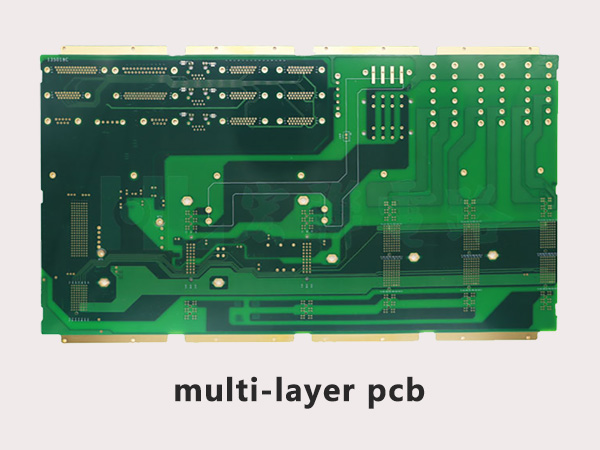
  • LED Lighting: High-power LEDs need strong heat dissipation, and AMB substrates handle that with ease.
  • Automotive Inverters: As electric vehicles evolve, AMB provides thermal stability and vibration resistance.
  • Aerospace Components: Critical systems require joints that won’t fail under pressure or temperature extremes.
  • Medical Devices and RF Equipment: Their hermetic sealing and precision bonding support sensitive, high-frequency electronics.
AMB Substrate Applications

What Are the Challenges in Active Metal Brazing?

Even with its many benefits, active metal brazing does come with challenges. The biggest one is managing the thermal expansion difference between metal and ceramic. If not balanced properly, it can create internal stress that leads to cracking.

The process also demands an extremely clean and controlled environment. Even a small trace of oxygen or moisture can interfere with the reaction between the active metal and ceramic surface.

Another consideration is the thickness of the interfacial reaction layer. If it becomes too thick, it may reduce ductility and make the joint brittle. That’s why tight temperature control and precise timing are so important.

Still, with the right design and quality control, these issues can be easily managed.

Recent Advances in Active Metal Brazing of Ceramics and Process

The field of active metal brazing has seen big improvements in recent years. Researchers and manufacturers are constantly exploring ways to make joints even stronger, cleaner, and more consistent. Some of the latest developments include:

1. Nano-Enhanced Alloys

Adding nanoparticles like TiC or TiB₂ to the brazing filler improves how the molten alloy wets the ceramic. It also reduces voids and creates smoother interfaces, boosting long-term reliability.

2. Improved Surface Treatments

Using plasma or ion cleaning before brazing makes the ceramic surface more reactive. This promotes better wetting and stronger chemical bonding without damaging the base material.

3. Low-Temperature Brazing Alloys

New filler compositions allow brazing at lower temperatures, which minimizes residual stress from thermal expansion differences. This is a huge advantage for thinner or more fragile components.

4. Process Simulation Tools

Finite element analysis (FEA) now helps predict how the interface will behave under stress and temperature changes, reducing the need for trial runs.

5. Greener Manufacturing

Modern AMB techniques favor lead-free, flux-free systems that are safer for the environment and easier to manage in clean production lines.

Together, these recent advances in active metal brazing of ceramics and process design have helped manufacturers produce cleaner, stronger, and more stable joints—supporting the next generation of high-performance electronics.

Why Partner with EBest Circuit (Best Technology) for Active Metal Brazing Substrates?

At EBest Circuit (Best Technology), we take pride in producing reliable active metal brazing ceramic substrates tailored for the most demanding applications. Our AMB products are used in automotive power modules, aerospace equipment, medical systems, and industrial electronics worldwide.

From selecting the right ceramic-to-metal pair to optimizing brazing parameters, we help clients achieve designs that balance performance, reliability, and cost. Whether it’s aluminum oxide or aluminum nitride with copper, molybdenum, or tungsten, our active metal brazing amb technology delivers long-term stability and consistent quality.

We’re certified under ISO9001, ISO13485, IATF16949, and AS9100D, ensuring every process meets strict global standards. Our vacuum brazing systems and MES-controlled production lines guarantee full traceability from raw material to finished substrate. If you’re seeking dependable substrates for your high-power projects, EBest Circuit (Best Technology) can be your trusted partner.

FAQs

1. What temperature does active metal brazing use?

Typically between 850°C and 1000°C, depending on the alloy and materials used.

2. Why is titanium important in AMB?

Titanium is the “active” element that reacts with ceramics, creating a strong chemical bond.

3. Can AMB join both aluminum oxide and aluminum nitride?

Yes, both are popular choices for AMB substrates due to their strength and insulation.
4. How is AMB different from DBC substrates?
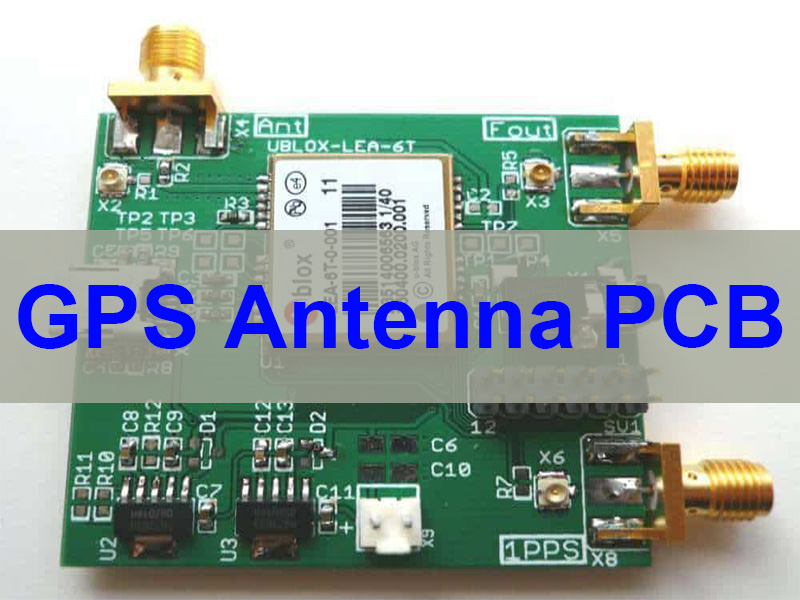
DBC (Direct Bonded Copper) relies on oxidation bonding, while AMB uses a reactive alloy for a stronger chemical interface.

5. How does EBest Circuit (Best Technology) ensure AMB quality?

Through vacuum brazing, 100% inspection, full MES traceability, and globally recognized quality certifications.

You may also like

Your Go To PCB Italy Partner for Custom PCB Projects

November 5th, 2025

PCB Italy refers to printed circuit board manufacturing, assembly, and supply services provided for clients or projects based in Italy. This blog explores PCB Italy solutions, highlighting reliable suppliers, pricing insights, project considerations, and how EBest Circuit (Best Technology) supports Italian PCB manufacturing needs.

Are you struggling to find a reliable ​PCB Italian​ partner who can balance quality, cost, and timely delivery? Below are common pain points:

  • Unclear or inflated ​PCB Italy price​ structures with hidden costs.
  • Long lead times and logistical delays from international suppliers.
  • Difficulty in sourcing specialized boards like ​flexible PCB cable PCB Italy​ or ​PCB HDI Italia.
  • Lack of local technical support and poor communication.
  • Inconsistent quality and compliance issues with non-specialized manufacturers.

These challenges can derail projects and increase costs—but they are avoidable with the right partner. As a professional PCB manufacturer, EBest Circuit (Best Technology) provides targeted solutions:

  • Transparent and competitive ​PCB Italy price​ models with no hidden fees.
  • Optimized production and logistics to ensure on-time delivery.
  • Extensive capabilities in specialized boards, including ​flexible PCB cable PCB Italy​ and ​PCB HDI Italia.
  • Dedicated local support and clear communication throughout the project.
  • Strict quality control and compliance with international standards.

EBest Circuit (Best Technology) is a trusted PCB manufacturer with a strong focus on innovation and customer-centric service. We specialize in custom PCB solutions, including high-density interconnect (HDI), flexible PCBs, and rigid-flex boards, ensuring high performance and reliability for diverse applications. Contact us at ​sales@bestpcbs.com​ to discuss your project needs.

PCB Italy

What Are the Advantages of PCB Supplier Italy?

Working with a ​PCB supplier Italy​ offers several benefits for electronics manufacturers looking for reliability, quality, and localized service. Italian PCB suppliers are known for their technical expertise, adherence to international standards, and ability to support both prototype and volume production.

Key advantages include:

  • Proximity to European Markets: Local suppliers reduce shipping times and costs for companies within Europe, enabling faster turnaround.
  • High Manufacturing Standards: Italian PCB producers often comply with strict quality certifications (e.g., ISO, UL), ensuring reliable and durable boards.
  • Technical Expertise: Many Italian suppliers have strong engineering support for complex designs, including ​PCB HDI Italia​ and ​flexible PCB cable PCB Italy.
  • Customization Capabilities: Suppliers offer tailored solutions, from material selection to finishes, meeting specific project requirements.
  • Supply Chain Stability: Sourcing locally minimizes risks related to global logistics disruptions.

In summary, partnering with a ​PCB supplier Italy​ enhances supply chain resilience, provides access to skilled engineering support, and ensures consistent quality—critical for success in competitive markets.

Who Makes PCB in Italy?

Italy hosts a significant and specialized electronics manufacturing sector within the European Union. While not competing with high-volume mass production in Asia, the Italian PCB industry is renowned for its focus on ​high-quality, precision-engineered, and specialized circuit boards. Key strengths include serving demanding fields such as ​industrial automation, automotive, aerospace, defense, and medical technology. This outline will introduce the landscape of PCB manufacturing in Italy and highlight three prominent manufacturers that exemplify the sector’s capabilities.

Cirmaker

  • Cirmaker is one of Italy’s most well-known and established PCB manufacturers, operating since 1973. They have built a strong reputation for reliability and technical expertise, offering services from prototype to medium-volume production.
  • They specialize in a wide range of PCB technologies, including multilayer, HDI (High-Density Interconnect), and flexible/rigid-flex boards. They serve a diverse clientele across industrial, telecommunications, and automotive sectors.

R.G.V. Elettronica

  • Based in the Marche region, R.G.V. is a highly specialized manufacturer focused on high-reliability and complex PCBs. They are particularly strong in the aerospace, defense, and transportation industries.
  • The company is known for its advanced manufacturing capabilities, including PCBs for high-frequency applications, heavy copper boards for power electronics, and products that must meet stringent international quality standards (e.g., ISO, ATEX, IRIS).

RIMA Group

  • RIMA Group presents a comprehensive “one-stop-shop” solution, offering integrated services from PCB design and fabrication to full box-build assembly. This vertical integration makes them a valuable partner for complex projects.
  • Their ability to manage the entire production process in-house—from the bare board to the fully assembled and tested electronic unit—provides significant advantages in quality control, supply chain management, and time-to-market for their customers in industrial automation and professional electronics.

​The Italian PCB manufacturing landscape is characterized by its emphasis on ​quality, specialization, and technological sophistication​ rather than low-cost, high-volume output. Companies like Cirmaker, R.G.V. Elettronica, and RIMA Group demonstrate the sector’s capacity to produce advanced, reliable circuit boards for the most demanding global markets. For businesses seeking high-performance PCBs supported by engineering expertise and a commitment to standards, Italy remains a compelling and competitive manufacturing destination within Europe.

How is the PCB Italy Price?

The ​PCB Italy price​ varies based on design complexity, layer count, materials, quantity, and turnaround time. Generally, Italian PCB suppliers offer competitive pricing within the European market, balancing cost and quality.

Factors influencing price include:

  • Design Complexity: Boards with ​PCB HDI Italia​ features (microvias, fine lines) cost more due to advanced processes.
  • Materials: High-frequency or flexible materials increase costs compared to standard FR-4.
  • Quantity: Unit prices drop significantly with higher volumes.
  • Lead Time: Expedited services incur premium charges.

While initial quotes from ​PCB Italian​ suppliers may be higher than those from Asia, the total cost of ownership often proves lower thanks to reduced shipping, fewer quality issues, and better supply chain stability.

What Are Considerations When Supporting PCB Italian Projects?

Supporting ​PCB Italian​ projects requires attention to technical, logistical, and regulatory aspects to ensure smooth execution and customer satisfaction.

Key considerations:

  • Clear Specifications: Provide detailed design files, material requirements, and compliance standards.
  • Communication: Maintain regular updates and have Italian-speaking support if needed.
  • Testing and Validation: Plan for rigorous prototyping and testing phases, especially for ​PCB HDI Italia​ or high-frequency boards.
  • Logistics: Factor in shipping and customs for international collaborations.
  • Regulatory Compliance: Ensure boards meet EU regulations (e.g., RoHS, REACH).

By addressing these areas, manufacturers can build strong partnerships and successfully deliver ​Italian PCB​ projects on time and within budget.

How Flexible PCB Cable PCB Italy Impacts Project Costs?

Flexible PCB cable PCB Italy​ solutions impact project costs in several ways. While initial costs may be higher than rigid PCBs due to specialized materials and processes, they often reduce overall expenses by simplifying assembly, saving space, and improving reliability.

Cost factors include:

  • Material Costs: Flexible substrates like polyimide are more expensive than FR-4.
  • Design Complexity: More layers and bends increase manufacturing difficulty and cost.
  • Volume: Economies of scale apply; per-unit costs decrease in large production runs.

Despite higher upfront costs, ​flexible PCB cable PCB Italy​ can lower total project expenses by minimizing connectors, reducing weight, and enhancing durability—especially in compact or dynamic applications.

Case Study: Delivering the Custom PCB HDI Italia Project at EBest Circuit (Best Technology)​

This high-specification 4-layer FR4 PCB is engineered for applications where thermal resilience, power handling, and signal integrity are critical. The combination of a ​1.6mm standard thickness, high Tg material (170°C), heavy 53µm copper, and controlled 90-ohm impedance​ makes it suitable for demanding environments across various industries.

Diversified Application Scenarios

  1. Industrial Motor Drives and PLCs:​
    • This board is ideal for the main control unit of servo drives or Programmable Logic Controllers (PLCs). The high Tg value ensures stability in the high-temperature environments typical of industrial settings. The thick 53µm copper layers are capable of handling the high currents required by motors, while the controlled 90-ohm impedance guarantees the integrity of critical control signals.
  2. Automotive Power Electronics:​
    • Well-suited for under-the-hood applications such as Engine Control Units (ECUs), Transmission Control Modules, or Battery Management Systems (BMS) for electric vehicles. The board’s construction can withstand automotive temperature fluctuations and vibrations. The ENIG surface finish provides excellent solderability and flatness for reliable connections.
  3. High-Speed Networking Equipment:​
    • This PCB can serve as an interface card or a signal processing board in high-end routers and switches. The strict ​90Ω +/-10%​​ impedance control is essential for maintaining the integrity of high-speed differential signals (e.g., PCIe, SATA), minimizing signal loss and reflection in data transmission systems.
  4. Medical Device Main Control Boards:​
    • Applicable for the mainboard of portable diagnostic equipment or patient monitoring systems. The ENIG finish offers superior oxidation resistance and reliability for long-term use. The comprehensive test reports, including impedance data, provide critical documentation for meeting stringent medical safety standards.

PCB Specification

  • Layer Count:​​ 4L
  • Base Material:​​ FR4
  • Board Thickness:​​ 1.723mm +/-10%
  • Tg Value:​​ 170°C
  • Copper Thickness (Inner/Outer):​​ 53µm (≈1.5 oz)
  • Surface Finish:​​ ENIG (Au ≥ 1µm, Ni ~3-5µm)
  • Plated Through Hole Copper:​​ ≥ 20µm
  • Impedance Control:​​ 90 ohms +/-10%
  • Solder Mask Color:​​ Green
  • Silkscreen Color:​​ White
  • NPTH Hole Tolerance:​​ +2mils / -1mils
  • Via Hole Tolerance:​​ +0mils / -FHS (Finished Hole Size)
  • Other PTH Hole Tolerance:​​ +/- 3mils
  • Electrical Test:​​ 100% Flying Probe / Fixture Test
  • Deliverables:​​ Impedance test coupon and a comprehensive test report including impedance results.

Why Choose EBest Circuit (Best Technology) for Italian PCB?

EBest Circuit (Best Technology) stands out as your ideal partner for ​Italian PCB​ needs thanks to our expertise, flexibility, and customer-first approach. We offer:

  • Wide range of capabilities: From ​PCB semi flex in Italia​ to ​PCB HDI Italia.
  • Competitive ​PCB Italy price​ without compromising quality.
  • Quick turnaround and dependable logistics.
  • Dedicated support team for seamless collaboration.

Choose us for reliable, high-performance PCBs tailored to your specifications.

​To conclude, PCB Italy​ encompasses the dynamic and skilled PCB manufacturing ecosystem within Italy, vital for electronics innovation and production. This article has outlined the benefits, key players, pricing, and best practices for successful PCB projects in Italy. From design to delivery, EBest Circuit (Best Technology) stands by your side. Pls feel free to reach us at sales@bestpcbs.com to begin your project.

You may also like