MRI machines require low-resistance copper busbars (100x10mm) with 1850A ampacity and 1.85 A/mm² density.
Bolted joints use silver plating to maintain contact integrity and avoid interference with magnetic fields.
Aerospace (Satellite Power Systems)
Satellites use flexible copper busbars with a 50x6mm size, 680A ampacity, and a short-circuit withstand capacity of 50kA/3s.
Lightweight design prioritizes current density (2.3 A/mm²) and corrosion resistance for space environments.
Industrial Equipment (High-Voltage Switchgear)
Industrial high-voltage switchgear uses 100x10mm copper busbars (1850A ampacity) for a 3000A rated current.
Double-layer busbars boost ampacity to 2923A, meeting industrial power demands.
Copper Busbar Weight Calculation Formula
Copper busbar weight is calculated using: Weight (kg) = Cross-Sectional Area (mm²) à Length (m) à 0.00896.
Example: A 100x10mm copper busbar, 1m long: 1000 Ă 1 Ă 0.00896 = 8.96 kg.
This formula aids in material planning and load-bearing design for electrical enclosures.
Bolted Copper Busbar Joints: Torque Specs & Contact Density
Bolt Torque Specifications
M10 bolts require 17.7â22.6 N¡m of torque; M16 bolts require 78.5â98.1 N¡m for secure joints.
A torque deviation exceeding 20% causes uneven pressure and increased contact resistance.
Contact Surface Current Density
Bolted joint contact surfaces must not exceed 1.0 A/mm² to prevent overheating and oxidation.
Apply conductive antioxidant to reduce contact resistance by 30â50% and protect against corrosion.
Busbar Ampacity Calculator: How to Use & Key Inputs
Essential Inputs for Busbar Ampacity Calculators
Busbar material (copper/aluminum), size (mm), and mounting orientation (vertical/horizontal)
Ambient temperature and installation type (open air/natural convection)
Rated current (A) and short-circuit duration (s) for thermal stability
How to Verify Calculator Results
Cross-check calculator outputs with DIN43671 or NEC standards to ensure accuracy.
For critical applications, validate results with thermal testing to confirm temperature rise limits.
FAQ: Common Busbar Ampacity & Sizing Questions
1. How to calculate copper busbar current carrying capacity?
Use the formula I = S Ă k, where S = cross-sectional area and k = current density for copper.
Adjust for ambient temperature and mounting orientation using correction factors.
2. What is the typical current density for copper busbar in natural convection?
The typical current density for copper busbars in natural convection is 1.5â2.0 A/mm² for continuous operation.
Exceeding this value will cause excessive temperature rise and reduce busbar reliability.
3. How does busbar size affect ampacity?
A larger busbar size (greater cross-sectional area) increases ampacity by improving heat dissipation.
A 50x6mm copper busbar (300 mm²) has 680A ampacity, while a 100x10mm busbar (1000 mm²) has 1850A.
4. What is the short circuit withstand capacity of a 50×6 mm copper busbar?
A 50x6mm copper busbar typically has a short-circuit withstand capacity of 50kA for 3 seconds.
This meets industrial standards for most medium-voltage applications.
5. How do I derate busbar ampacity for multiple busbars?
For double-layer busbars, derate by 1.5x; for triple-layer busbars, derate by 2.0x the single-layer ampacity.
Ensure a 3mm gap between busbars to maintain proper heat dissipation.
6. What is the difference between copper and aluminum busbar ampacity?
Copper busbars have 25â30% higher ampacity than aluminum busbars of the same size.
Aluminum requires a 1.27x larger cross-section to match copperâs current-carrying capacity.
Conclusion: Choose the Right Busbar Solution for Your Project
Proper busbar sizing, ampacity calculation, and material selection are critical for safe, efficient electrical systems.
Whether you need copper busbars for lithium batteries, aerospace, medical, or industrial equipment, we have you covered.
If you require high-quality copper or aluminum busbars, custom sizing, or technical support, we deliver reliable, compliant solutions tailored to your needs.
For architectural lighting projects demanding precision, durability, and optimal thermal performance, EBest is your top source for LED outline light aluminum PCB. Our core specifications include thermal conductivity of 2.0 W/m¡K, IP65-rated waterproof design, and ultra-thin profiles down to 0.8mm. We deliver custom sizes, flexible shapes, and fast turnarounds to match your architectural outline requirements. Place your order with EBest today for reliable, high-quality LED outline light aluminum PCB that elevates your building’s exterior lighting.
Why Choose EBest for LED Outline Light Aluminum PCB?
Uniform Thermal Distribution: Minimizes hotspots; stable brightness for years.
Slim & Thermally Efficient: Thin profiles with high conductivity for tight contours.
Weatherproof Construction: IP67, anti-UV, anti-corrosion for harsh outdoor use.
Stable Mass Production: Consistent quality, on-time delivery for large-scale projects.
How Does LED Outline Light Aluminum PCB Improve Thermal Performance?
Here are methods for enhancing the heat dissipation performance of aluminum-based PCBs for LED contour lights:
Boasts ultra-high thermal conductivity: The 6061/5052 aluminum base offers 180â200 W/(m¡K) conductivity, which is 900x higher than standard FR-4 PCBs (0.2 W/(m¡K)), ensuring rapid heat transfer away from LED chips.
Features low thermal resistance (0.8â1.5 â/W): This minimizes heat buildup at the LED junction, preventing overheating that leads to light decay and component failure.
Utilizes the full aluminum surface as a passive heat sink: Unlike FR-4 PCBs, the aluminum base spreads heat evenly across the entire board, eliminating hotspots that degrade LED performance.
Matches CTE (Coefficient of Thermal Expansion) with LED chips: This reduces thermal stress on solder joints and components, preventing cracks and ensuring long-term reliability in temperature-fluctuating outdoor environments.
Optimizes copper layout for vertical heat flow: Thermal vias (0.3 mm) and wide copper paths (2â3 oz) enhance heat transfer from the LED pad to the aluminum base, further improving thermal efficiency.
Delivers measurable temperature reduction: Lowers LED junction temperature by 40â50â compared to FR-4 PCBs, keeping LEDs within their ideal operating range (<70â).
Extends LED lifespan significantly: By controlling heat, the LED Outline Light Aluminum PCB extends LED service life by 3â5x, with light decay kept below 5% at 5,000 hours.
Ensures consistent brightness: Even thermal distribution across the board eliminates uneven light output, critical for architectural outline lighting that requires uniform illumination.
How to Select the Right LED Outline Light Aluminum PCB for Your Project?
Choose dielectric conductivity based on power density: For low-power indoor outlines (<12 W/m), select 1.0 W/(m¡K) dielectric; for standard outdoor (12â24 W/m), choose 2.0 W/(m¡K); for high-power facade lighting (>24 W/m), opt for 3.0 W/(m¡K) to ensure efficient heat transfer.
Determine PCB thickness according to outline complexity: Slim 0.8â1.0 mm thickness is suitable for complex curved or sharp contours, while 1.2â1.5 mm is standard for most outdoor applications, and 1.5â2.0 mm is ideal for high-power dense outlines.
Select copper foil thickness based on outline length: For outlines shorter than 5m, 1 oz copper foil is sufficient; for lengths 5â10m, use 2 oz copper; for runs longer than 10m, choose 3 oz copper to minimize voltage drop (â¤5% voltage loss is recommended).
Match waterproof grade to the installation environment: Outdoor projects require IP65âIP67 waterproof rating (compliant with IEC 60529 standard) to resist moisture and dust, while indoor projects can use standard non-waterproof PCBs to reduce cost.
Choose flexible or rigid PCB based on mounting method: Flexible aluminum PCBs are suitable for irregular contours (e.g., curved building corners) with a bending radius of âĽ5mm, while rigid PCBs work for straight outlines (e.g., building edges) for better structural stability.
Prioritize aluminum base material with high thermal conductivity: Select 6061 or 5052 aluminum alloy with 180â200 W/(m¡K) thermal conductivity, which is 900x higher than FR-4 PCBs, to avoid LED junction overheating.
Ensure thermal resistance meets project needs: The PCBâs thermal resistance should be 0.8â1.5 â/W; this ensures LED junction temperature stays below 70â, reducing light decay to <5% at 5,000 hours.
Consider CTE matching for temperature-fluctuating environments: Choose PCBs with CTE (Coefficient of Thermal Expansion) matching LED chips (6â8 ppm/â), which reduces solder joint stress and prevents component failure in outdoor temperature cycles (-40â to 85â).
Verify voltage withstand capacity: For outdoor or high-voltage applications, select PCBs with 2,000â4,500 VAC voltage withstand to ensure safe operation and avoid electrical breakdown.
What Are the Design Best Practices for LED Outline Light Aluminum PCB?
The best practices for designing aluminum-based PCBs for LED contour lights are as follows:
Optimize LED spacing: Keep LEDs 10â15 mm apart to avoid thermal coupling, which prevents localized overheating and ensures uniform heat distribution across the entire outline.
Enhance copper layout: Use 3x the pad area under each LED and maintain âĽ85% copper fill; for pads on large copper pour areas, adopt âthermal reliefâ (daisy-shaped) pads to prevent cold solder joints.
Design proper thermal vias: Use 0.3 mm thermal vias with a 1 mm pitch under high-power components to facilitate vertical heat transfer from the LED pad to the aluminum base, improving thermal efficiency.
Separate heat sources: Place LED drivers away from LED strips and other heat-generating components to avoid heat accumulation, which helps maintain a stable operating temperature for all parts.
Match PCB contour to building design: Customize the PCB shape to fit the buildingâs outline, and avoid tight bends near LEDs, ensure a minimum bending radius of âĽ5mm to prevent damage to the dielectric layer.
Control voltage drop: Use 24V power supply for outline lengths over 5m, and adopt dual-end power supply for runs longer than 10m to keep voltage loss â¤5% and ensure consistent brightness.
Strengthen waterproof design: Apply full edge sealing to the PCB and use IP67-rated connectors for outdoor applications, preventing moisture intrusion that can cause short circuits and component failure.
Ensure proper mounting compatibility: Design the PCB to work with thermal adhesive (1â3 W/(m¡K)) or mounting clips, ensuring good thermal contact between the PCB and the mounting surface for efficient heat dissipation.
Account for thermal expansion: Allow 0.5â1% thermal movement in long PCB runs to accommodate temperature fluctuations (-40â to 85â), preventing warping or damage over time.
Follow pad design standards: Ensure LED pads have a minimum single-side dimension of no less than 0.25 mm, and maintain a spacing of over 0.4 mm between adjacent pad edges to avoid solder bridging.
LED Outline Light Aluminum PCB vs. FR-4: Which Is Better?
Parameter
LED Outline Light Aluminum PCB
Standard FR-4 PCB
Thermal Conductivity
180â200 W/(m¡K)
0.2 W/(m¡K)
Thermal Resistance
0.8â1.5 °C/W
10â20 °C/W
LED Junction Temperature
<70°C
>110°C
Lifespan
50,000+ hours
10,000â20,000 hours
Light Decay
<5% at 5,000 hours
20â40% at 2,000 hours
Outline Flexibility
Slim, bendable
Bulky, limited
Outdoor Durability
IP67, weatherproof
Poor, short life
Architectural Fit
Perfect contour matching
Limited shaping
What Are the Top 4 Industry Applications for LED Outline Light Aluminum PCB?
1. Building Facade & Architectural Lighting
Use: Outline windows, roofs, corners, and decorative structures.
Benefits: Even heat, stable brightness, long life; withstands weather.
Case: 50,000m² commercial facadeâ3+ years maintenance-free.
Case: Commercial vehicle lightingâ4x longer service life.
How Does LED Outline Light Aluminum PCBs Extend Service Life?
LED outline light aluminum PCBs extends service life through comprehensive thermal control, environmental protection, and material optimization, addressing the core factors that cause LED outline light failure, ensuring long-term stable operation and reducing maintenance costs. Its multi-faceted design works together to prolong lifespan 3â5x compared to standard FR-4 PCBs.
Controls LED junction temperature within the ideal range: Maintains LED junction temperature below 70â (the optimal operating temperature for LEDs) by leveraging the aluminum baseâs high thermal conductivity (180â200 W/(m¡K)), preventing overheating that accelerates component aging and failure.
Minimizes thermal stress on components: Matches the CTE (Coefficient of Thermal Expansion) of LED chips (6â8 ppm/â), reducing fatigue and cracks in solder joints and the dielectric layer caused by temperature fluctuations (-40â to 85â) in outdoor environments.
Slows down LED light decay significantly: Keeps light decay below 5% at 5,000 hours of continuous use and maintains 80% brightness at 50,000 hours, far outperforming FR-4 PCBs (20â40% light decay at 2,000 hours).
Provides robust outdoor environmental protection: Features IP65âIP67 waterproofing, anti-UV coating, and corrosion-resistant materials, effectively resisting moisture, dust, and UV radiation that degrade PCB performance and shorten service life.
Ensures high material stability: Adopts high-quality 6061/5052 aluminum alloy and ceramic-filled epoxy dielectric layer, which resist material degradation and warping even under long-term use and harsh environmental conditions.
Reduces voltage-related damage: Optimized 1â3 oz copper layout minimizes voltage drop (â¤5% for long runs), avoiding overcurrent or voltage instability that can damage LEDs and shorten their lifespan.
Eliminates thermal hotspots: Uniform heat distribution across the aluminum base prevents localized overheating, which is a major cause of premature LED failure in outline lighting systems.
Enhances structural durability: The rigid yet flexible aluminum base design resists vibration and physical damage, ensuring the PCB maintains its integrity and performance over years of use, especially in architectural and outdoor applications.
How to Ensure Reliable Installation of LED Outline Light Aluminum PCB?
Reliable installation of LED outline light aluminum PCBis crucial to its thermal performance, lifespan and stability, especially for outdoor architectural use. Proper installation ensures good thermal contact, prevents moisture intrusion and structural damage, and impacts the lighting systemâs performance and maintenance costs. Below is a step-by-step guide for correct installation.
Prepare the mounting surface: Ensure the mounting surface is clean, flat, and thermally conductive. Remove any dust, oil, or debris using a lint-free cloth and alcohol, as contaminants can reduce thermal contact and lead to hotspots. For uneven surfaces, use a leveling compound to create a smooth base.
Apply thermal interface material: Use a high-quality thermal adhesive (1â3 W/(m¡K)) or thermal pad between the aluminum PCB and the mounting surface. Apply a uniform layer (0.1â0.3 mm thick) to fill gaps, ensuring maximum heat transfer from the PCB to the mounting structure.
Position and fix the PCB: Align the PCB with the buildingâs outline, ensuring it fits tightly without tension. Fix the PCB using mounting clips or by pressing it firmly onto the thermal adhesive, with a fixing spacing of 15â20 cm. Avoid tight bending near LEDs, maintain a minimum bending radius of âĽ5mm to prevent damage to the dielectric layer.
Wire the PCB correctly: Use a 24V power supply for outline lengths over 5m to minimize voltage drop; for runs longer than 10m, adopt dual-end power supply to ensure consistent brightness (voltage loss â¤5%). Use waterproof connectors for outdoor applications and ensure wiring is secured to avoid tension on solder joints.
Seal the PCB for outdoor use: Apply full edge sealing using waterproof silicone sealant to the PCB edges, covering all gaps and exposed areas. Use IP67-rated connectors to prevent moisture and dust intrusion, which can cause short circuits and component failure.
Leave expansion gaps: Allow a 3â5 mm expansion gap per 10m of PCB length to accommodate thermal expansion and contraction (-40â to 85â), preventing warping, cracking, or detachment from the mounting surface over time.
Test before final installation: After wiring and sealing, conduct a power test to check for uneven brightness, overheating, or electrical issues. Use an infrared thermometer to verify that the LED junction temperature stays below 70â during operation, ensuring the installation meets thermal performance requirements.
FAQs About LED Outline Light Aluminum PCB
Q1: What thickness is best for LED outline light aluminum PCB? A1: Standard: 1.2â1.5 mm for most outdoor applications; Slim Contours: 0.8â1.0 mm for complex curves; High-Power: 1.5â2.0 mm for dense, high-power outlines.
Q2: Can LED outline light aluminum PCB be used outdoors? A2: Yes, our boards feature IP65âIP67 waterproofing, anti-UV coating, and corrosion-resistant materials, making them ideal for long-term outdoor architectural use.
Q3: What is the typical lifespan of LED outline light aluminum PCB? A3: 50,000â70,000 hours (5â8 years) of continuous use, with light decay <5% at 5,000 hours, 3â5x longer than FR-4 PCBs.
Q4: Can you customize LED outline light aluminum PCB for specific contours? A4: Yes. We provide custom shapes, bends, cutouts, and lengths to match any building outline, with free DFM and thermal simulation for your project.
Q5: What is the lead time for LED outline light aluminum PCB? A5: Standard: 5â7 days; Expedited: 3â5 days for prototypes and small batches; Mass production: 2â3 weeks for large-scale projects.
LED Explosion-Proof Light Aluminum PCB is specialized circuit board designed to provide reliable electrical functionality and superior heat dissipation in hazardous environments where flammable gases, vapors, or dust may be present. This article delves into the critical role of these high-thermal-performance Aluminum PCBs, explores common design and manufacturing challenges, and outlines the comprehensive solutions offered by a professional manufacturer.
Are you struggling to balance thermal management, reliability, and performance in hazardous area lighting design?
Rapid LED Failure: High operating temperatures shorten LED life and accelerate lumen decay.
Poor Reliability in Harsh Environments: Vibration, thermal cycling, and corrosive conditions can damage solder joints and circuits.
Signal Integrity Problems: EMI and poor layout can affect driver and control stability.
High Power Density: Compact fixtures with high-power LEDs create concentrated heat that is difficult to release.
Complex Supply Chain: Managing PCB fabrication, component sourcing, assembly, and quality across multiple vendors increases risk and delays.
Targeted Solutions
Better Thermal Management: Aluminum-based MCPCB with high thermal conductivity helps transfer heat away from LEDs quickly.
Stronger Reliability:Heavy copper, precise processing, and durable finishes such as ENIG or ENEPIG improve resistance to heat and corrosion.
Stable Electrical Performance: Controlled impedance and optimized stack-up reduce noise and support stable circuit operation.
High-Current Capability: Heavy copper PCBs support power LED current demands without trace overheating.
One-Stop Manufacturing: Integrated service covering PCB fabrication, parts sourcing, assembly, and testing simplifies the whole project.
At EBest Circuit (Best Technology), we specialize in overcoming these exact challenges. With over 19 years of experience as a full turnkey PCB and PCBA manufacturer, we have the expertise to produce reliable, high-performance Aluminum PCBs for demanding applications like explosion-proof lighting. Our in-house capabilities span design, fabrication of specialized PCBs (including MCPCBs up to 10 layers), precision SMT assembly (handling 01005 components and 0.25mm BGA pitch), and comprehensive testing. We are committed to quality, holding certifications like ISO 9001:2015 and IATF 16949, and guarantee on-time delivery. For your next hazardous area lighting project, pls feel free to contact our experts at sales@bestpcbs.com.
Understanding Aluminum PCB: The Thermal Backbone of LED Explosion-Proof Lights
An Aluminum PCB, or Metal Core PCB (MCPCB), is the foundation for managing heat in high-power LED systems. Its unique structure features a dielectric thermally conductive layer bonded to an aluminum substrate, creating an efficient path for heat transfer from the LED chips to the housing and external environment. This is non-negotiable in explosion-proof lights, where maintaining a low junction temperature is critical for LED longevity, color stability, and, most importantly, preventing any surface from exceeding safe temperature limits in a hazardous atmosphere.
Key Advantages of Aluminum PCB for Hazardous Area Lighting:
Excellent Heat Dissipation:â Far superior to standard FR4, it prevents thermal throttling and failure.
Enhanced Durability:â The aluminum base provides mechanical strength and resistance to vibration.
Space Efficiency:â Allows for more compact designs by replacing bulky external heatsinks in some cases.
Simplified Assembly:â Often integrates the mounting surface for LEDs and drivers into a single, robust structure.
Capability Snapshot for Aluminum PCB (MCPCB):
Parameter
Capability
Max Layersâ
Up to 10 Layers
Base Materialâ
Aluminum, Copper core
Max Board Sizeâ
610mm x 1625mm
Max Conductor (Copper) Thicknessâ
Up to 10 oz
Dielectric Strengthâ
>1.5 KV/mm (L/S>1.5mm)
Thermal Conductivityâ
Standard: 0.8-1.0 W/m¡K; High: up to 2.0, 3.0 W/m¡K
In summary, the Aluminum PCB for LED Explosion-Proof Lightsâ is not just a circuit carrier but an active thermal management component. Its ability to efficiently transfer heat is the first line of defense in ensuring the light’s reliability and safety, making the choice of a capable High Thermal Aluminum PCB for Hazardous Areasâ manufacturer paramount.
Why Aluminum PCBs are Critical for Hazardous Area Compliance?
Explosion-proof certifications (like ATEX, IECEx, UL) mandate strict limits on surface temperatures. The primary role of the Aluminum PCB in Explosion-Proof Lightsâ is to ensure the LED junction temperature, and consequently the exposed surface temperature of the fixture, remains below the auto-ignition point of the specific gas or dust present. Failure to do so can compromise the intrinsic safety of the entire assembly. Therefore, the PCB’s thermal performance is directly tied to certification success and operational safety.
How a High-Performance Aluminum PCB Ensures Compliance:
Temperature Control:â Efficiently moves heat from LEDs to the fixture’s heatsink, maintaining safe surface temps.
Material Suitability:â Uses high-Tg materials and stable dielectrics that can withstand long-term thermal cycling without degradation.
Reliable Connections:â Employs surface finishes like Immersion Gold (ENIG) or ENEPIG, which offer excellent shelf life and solderability for robust, failure-resistant joints.
Robust Construction:â Supports heavy copper designs (e.g., 4-6 oz) for power traces, reducing resistive heating within the board itself.
Precision Manufacturing:â Adheres to tight tolerances (e.g., Âą3mil for PTH holes) to ensure consistent electrical and thermal performance across all units.
Ultimately, using a purpose-built Explosion-Proof Light PCBâ is a critical design decision for compliance. It transforms the design challenge from merely “making it work” to “guaranteeing it works safely under specified conditions,” providing the necessary evidence for certification bodies.
Manufacturing Capabilities for High-Reliability Aluminum PCBs
Producing an Aluminum PCB that meets the stringent demands of hazardous locations requires specialized manufacturing capabilities. It goes beyond standard PCB fabrication to include precise thermal material handling, controlled lamination processes, and rigorous testing. At EBest Circuit, our factory is equipped to handle the entire spectrum, from simple single-layer boards to complex multi-layer Aluminum PCB for High-Power LEDâ designs.
Our Core Manufacturing Capabilities for Your Project:
Capability Category
Specific Parameters
Board Constructionâ
Layers: 1-10L. Types: Standard Aluminum, Copper Core, COB, SinkPAD.
Thermal & Electricalâ
Copper Thickness: 0.5oz – 10oz. Dielectric Strength: >1.5 KV/mm. Min Trace/Space: 6/6 mil.
Precision & Reliabilityâ
Min Hole Diameter: 12 mil. PTH Wall Thickness: 0.59 mil. Aspect Ratio: Up to 10:1. Surface Finish: HASL, ENIG, OSP, Immersion Silver/Tin.
We leverage state-of-the-art equipment, such as CNC drill machines, automatic plating lines, and X-Ray copper thickness testers, to ensure every High Thermal Aluminum PCB for Hazardous Areasâ meets precise specifications. Our expertise in thermal management materials and processes ensures your board will perform reliably, making us a trusted partner for your Explosion-Proof Light Aluminum PCBâ needs.
Quality Control and Testing: Ensuring Reliability in Every Board
For explosion-proof applications, quality cannot be an afterthought; it must be built into every stage. Our quality control protocol is designed to catch potential failures before they happen, ensuring that every High Thermal Aluminum PCBâ shipped is capable of performing in the field. We adhere to IPC standards and employ a multi-step inspection regimen.
Our Multi-Stage Quality Assurance Process:
Incoming Material Inspection:â Verification of aluminum substrate, dielectric layer, and copper foil quality.
In-Process Control (IPC):â Real-time monitoring during drilling, etching, and lamination.
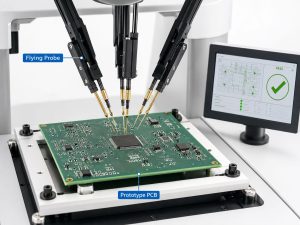
Electrical Testing:â 100% electrical test for opens and shorts using Flying Probe or Universal E-Testers.
Thermal Reliability Testing:â Thermal stress tests (e.g., 3x 10 sec @ 280°C) to simulate soldering and operational cycling.
Final Audit:â Dimensional check, visual inspection under AOI, and verification of surface finish.
This rigorous approach, backed by certifications like ISO 9001:2015 and IATF 16949, guarantees that the Aluminum PCB for LED Explosion-Proof Lightsâ you receive is not just functional, but exceptionally reliable and built to last in demanding environments.
Design Guidelines and Best Practices
A successful Explosion-Proof Light PCBâ design harmonizes electrical, thermal, and mechanical requirements. Following best practices from the outset can prevent costly redesigns and ensure manufacturability. Collaboration with your PCB manufacturer early in the design phase is highly recommended.
Key Design Considerations for Optimized Aluminum PCBs:
Thermal Via Arrays:â Place a grid of vias under high-power LED pads to enhance heat transfer to the aluminum base. For MCPCBs, this often involves non-plated holes filled with thermal paste.
Copper Weight:â Use heavier copper (2oz or more) for high-current traces to reduce resistance and self-heating. We can support up to 10oz copper on Aluminum PCBs.
Component Placement:â Keep thermally sensitive components, like drivers, away from the hottest areas of the board. Consider using the aluminum base as a physical heatsink.
Solder Mask & Finishes:â Specify a thermally stable solder mask. For the best solderability and shelf life in critical applications, choose ENIG or ENEPIG.
DFM (Design for Manufacturability) Check:â Submit your design for a DFM analysis. We can review specifics like trace/space (min 6/6 mil for MCPCB), annular rings, and pad sizes to ensure a smooth production process.
By integrating these guidelines, you create a design that is not only electrically sound but also optimized for thermal performance and reliable manufacturing, resulting in a robust Aluminum PCB for High-Power LEDâ systems.
Where Does the Heat Really Go in an Aluminum PCB Structure?
In an explosion-proof LED fixture, heat does not simply âdissipateââit follows a defined thermal path. Understanding this path is critical to controlling junction temperature and ensuring long-term stability.
The heat generated at the LED junction first transfers into the copper pad, then passes through the dielectric layer, and finally spreads across the aluminum base before being released into the housing and ambient environment.
However, not all layers contribute equally:
Copper Layer: Acts as the initial heat spreader. Thicker copper (2ozâ4oz) helps distribute localized heat more evenly, reducing hotspots.
Dielectric Layer (Critical Bottleneck): This is often the weakest link in the thermal chain. Even with aluminum underneath, poor dielectric conductivity can trap heat. For hazardous lighting, materials with âĽ2.0 W/m¡K are commonly preferred.
Aluminum Base: Serves as the main heat sink, rapidly spreading heat laterally. Thickness (typically 1.0â2.0mm) directly affects thermal capacity.
In high-power designs, standard MCPCB may not be sufficient. Direct Thermal Path (DTP / SinkPAD) structures are often introduced to eliminate dielectric resistance under the LED, creating a near-direct heat channel to the aluminum core.
The key takeaway: Thermal performance is not defined by aluminum alone, but by how efficiently each layer transfers heat in sequence.
What Makes a PCB Truly Reliable in Sealed, Hazardous Enclosures?
Reliability in hazardous environments is not just about material strengthâit is about how the PCB behaves under continuous stress inside a sealed system.
Unlike open-air designs, explosion-proof fixtures trap heat, moisture, and pressure variations. This creates compounded stress on both materials and interconnections.
Several factors define true reliability:
Thermal Cycling Resistance: Repeated heating and cooling cause expansion mismatch between copper, dielectric, and aluminum. A well-matched CTE structure reduces solder joint fatigue and layer separation.
Dielectric Stability Over Time: Low-quality dielectric materials degrade under high temperature, leading to insulation failure. High Tg and stable thermal conductivity are essential for long service life.
Surface Finish Durability: Finishes like ENIG or ENEPIG provide better resistance against oxidation and corrosion, especially in humid or chemically aggressive environments.
Mechanical Integrity: Vibration and installation stress require strong adhesion between layers and robust pad design to prevent cracking or delamination.
Electrical Stability: Controlled impedance and proper grounding help avoid EMI-related instability, especially in driver circuits within compact enclosures.
In practice, reliability is achieved when thermal, mechanical, and electrical designs are alignedânot treated separately.
To wrap up, LED Explosion-Proof Light Aluminum PCBsâ are indispensable components that ensure safety, longevity, and performance in volatile environments by mastering the critical challenge of heat dissipation. This article has explored their vital role, addressed key design and manufacturing pain points, and presented targeted solutions.
When your project demands uncompromising quality and reliability, partnering with an experienced manufacturer is essential. EBest Circuit (Best Technology) offers a full turnkey solutionâfrom design support and advanced Aluminum PCB in Explosion-Proof Lightsâ fabrication to component sourcing, precise assembly, and rigorous testing. We combine two decades of expertise with a commitment to competitive pricing and on-time delivery. Pls feel free to contact us anytime at sales@bestpcbs.comâ for a quote or consultation.
FAQs About LED Explosion-Proof Light Aluminum PCB
1. Why are aluminum PCBs preferred in explosion-proof LED lighting? They provide efficient heat dissipation, which is essential in sealed enclosures where heat cannot escape easily. This helps maintain LED performance and prevents thermal-related failures.
2. What thermal conductivity should the dielectric layer have? For most hazardous lighting applications, 1.5â3.0 W/m¡K is typical, with higher values recommended for high-power or dense LED layouts.
3. Is standard MCPCB enough for high-power explosion-proof lights? Not always. For higher power densities, DTP (Direct Thermal Path) designs are often required to reduce thermal resistance and improve heat transfer efficiency.
4. How thick should the aluminum base be? Common thickness ranges from 1.0mm to 2.0mm, depending on mechanical strength and thermal requirements. Thicker bases improve heat spreading but increase weight.
5. What surface finish is best for harsh environments? ENIG and ENEPIG are widely used due to their corrosion resistance and stable solderability over time.
6. Can aluminum PCBs handle high current? Yes, especially when combined with heavy copper (2ozâ4oz or more). Proper trace design is still required to avoid overheating.
Surface Mount Technology has reshaped how modern electronics are built. From compact consumer devices to high-reliability industrial systems, the SMT line is the backbone that enables consistent, scalable, and precise assembly. If you are evaluating manufacturing partners or planning your own production setup, understanding how an SMT line works is not optionalâit is essential.
What is SMT Production Line?
An SMT production line is an integrated sequence of automated machines designed to assemble electronic components directly onto the surface of a printed circuit board. Instead of inserting components through holes, SMT places them on pads and solders them using controlled thermal processes.
At its core, an SMT line is not just a group of machines. It is a synchronized system where material handling, placement accuracy, and thermal profiles are tightly controlled to ensure yield and reliability.
In practical terms, an SMT production line performs three main functions:
Applies solder paste onto PCB pads
Places components with high precision
Reflows solder to create permanent electrical and mechanical connections
This entire process is optimized for speed, repeatability, and traceability.
A typical SMT assembly line includes conveyors, printers, pick-and-place machines, ovens, and inspection systems. Each unit communicates with the others to maintain throughput and minimize downtime.
From a manufacturing perspective, SMT lines are preferred because they:
Support high-density designs such as HDI and fine-pitch BGA
Enable miniaturization of electronic products
Reduce manual labor and human error
Improve production consistency across batches
At EBest Circuit (Best Technology), SMT production lines are configured to support both prototype runs and high-mix, low-volume manufacturing. This flexibility allows engineers to validate designs quickly while maintaining production-level quality.
What is SMT Line Process?
The SMT line process is a structured flow that transforms a bare PCB into a fully assembled board. Each step is engineered to maintain alignment, solder integrity, and component accuracy.
Below is a simplified overview of the SMT line process flow:
PCB loading
Solder paste printing
Solder paste inspection (SPI)
Component placement
Reflow soldering
Automated optical inspection (AOI)
Optional testing and rework
Each stage plays a specific role in ensuring final product quality.
Step-by-Step SMT Line Process Flow
1. PCB Loading Bare PCBs are loaded onto the conveyor system. Automated loaders ensure consistent positioning and prevent handling damage.
2. Solder Paste Printing A stencil printer deposits solder paste onto PCB pads. The volume and alignment of paste are critical for proper solder joints.
3. SPI (Solder Paste Inspection) SPI systems measure paste volume, height, and alignment. Early detection here prevents downstream defects.
4. Pick-and-Place Process High-speed placement machines mount components onto the PCB. These machines use vision systems to achieve micrometer-level accuracy.
5. Reflow Soldering Boards pass through a reflow oven where solder paste melts and solidifies, forming reliable joints. Temperature profiles are carefully controlled.
6. AOI (Automated Optical Inspection) AOI systems inspect component placement, polarity, and solder quality. This step ensures defects are identified before further processing.
7. Functional Testing (Optional) Depending on the application, boards may undergo ICT or functional testing to validate electrical performance.
Why Process Control Mattersďź
Even small variations in solder paste or temperature can affect yield. That is why advanced SMT lines rely on:
Closed-loop feedback systems
MES (Manufacturing Execution Systems) for traceability
Real-time monitoring of process parameters
At EBest Circuit (Best Technology), SMT lines are integrated with MES systems that allow traceability within seconds. This is especially important for industries such as automotive and medical electronics.
What is a SMT Line Operator?
An SMT line operator is responsible for managing, monitoring, and maintaining the production line. While automation handles most of the physical work, human expertise ensures stability and efficiency.
The role is more technical than it may appear. Operators must understand machine behavior, process parameters, and quality standards.
Key Responsibilities
Setting up machines for new production runs
Loading components and feeders
Monitoring machine performance
Adjusting process parameters when needed
Identifying and resolving minor issues
Coordinating with engineers for process optimization
Skill Requirements
A capable SMT operator typically has:
Basic understanding of electronics and PCB assembly
Familiarity with SMT equipment interfaces
Attention to detail and process discipline
Ability to interpret inspection results
In advanced facilities, operators often work alongside process engineers. This collaboration ensures that production remains stable while continuously improving yield.
Can a Solitary Operator Run SMT Line Efficiently?
In theory, a single operator can run a small SMT line. In practice, efficiency depends on the complexity of the line and production volume.
When One Operator Can Workďź
A solitary operator may manage the line effectively if:
The line is compact and semi-automated
Production volume is low
Product complexity is limited
Machines are well-maintained and stable
Limitations of Single-Operator Setup
However, there are constraints:
Limited ability to handle multiple issues simultaneously
Slower response to machine alarms
Reduced throughput
Increased risk of production delays
Recommended Approach
For most professional environments, a small team is preferred:
One operator for printing and placement
One technician for inspection and troubleshooting
One engineer for process oversight
This structure ensures balance between efficiency and quality.
At EBest Circuit (Best Technology), SMT lines are staffed based on project complexity. This ensures consistent output without compromising quality or delivery timelines.
How Do You Add Serialization to an SMT Line?
Serialization is essential for traceability. It allows each PCB to be uniquely identified and tracked throughout its lifecycle.
Why Serialization Mattersďź
Enables product traceability for compliance
Supports quality analysis and failure tracking
Helps with warranty and recall management
Provides full production history
Methods to Add Serialization
Serialization can be integrated into an SMT line using several methods:
Laser marking systems
Inkjet printing
Barcode or QR code labeling
Integration Steps
Assign a unique ID to each PCB
Print or mark the ID before or after SMT process
Capture data at each stage (SPI, AOI, testing)
Store data in MES system
Practical Implementation
In a modern SMT line, scanners are installed at key points. Each board is scanned, and data is logged automatically.
At EBest Circuit (Best Technology), serialization is integrated into the MES system. This allows customers to trace materials, processes, and inspection results within seconds.
How to Setup a Small SMT Production Line?
Setting up a small SMT line requires balancing cost, capability, and scalability. The goal is to create a system that meets current needs while allowing future expansion.
Key Considerations
Production volume
Product complexity
Available space
Budget constraints
Basic Setup for Small SMT Line
A minimal configuration includes:
PCB loader or manual feeding system
Stencil printer
Pick-and-place machine
Reflow oven
AOI system
Layout Strategy
A linear layout is often preferred for small setups:
Improves workflow
Reduces handling time
Simplifies operator management
Example Setup
Equipment
Function
Priority
Stencil Printer
Solder paste application
Essential
Pick-and-Place
Component mounting
Essential
Reflow Oven
Soldering
Essential
AOI
Inspection
Recommended
SPI
Paste inspection
Optional but valuable
Practical Advice
Start with essential equipment and upgrade as production grows. Avoid over-investing in capacity that is not yet required.
EBest Circuit (Best Technology) supports customers in early-stage production by offering quick-turn SMT assembly services. This allows design validation before committing to full-scale production.
What Equipment is Included in an SMT Line?
An SMT line consists of multiple specialized machines. Each one contributes to a specific stage of the process.
Core Equipment List
PCB Loader/Unloader
Stencil Printer
SPI Machine
Pick-and-Place Machine
Reflow Oven
AOI System
Conveyor System
Detailed Equipment Breakdown
Equipment
Function
Key Feature
PCB Loader
Feeds boards into line
Automation
Stencil Printer
Applies solder paste
High precision alignment
SPI
Inspects paste quality
3D measurement
Pick-and-Place
Mounts components
High speed & accuracy
Reflow Oven
Solders components
Controlled thermal profile
AOI
Inspects assembly
Defect detection
Conveyor
Transfers boards
Smooth flow
Advanced Equipment
For high-reliability applications, additional systems may be included:
X-ray inspection for BGA
ICT (In-Circuit Testing)
Functional testing stations
At EBest Circuit (Best Technology), SMT lines are equipped with advanced inspection tools such as AOI and X-ray systems to meet stringent quality standards.
How Much Does an SMT Line Cost?
The cost of an SMT line varies widely depending on scale, automation level, and equipment brand.
Cost Breakdown
Setup Type
Estimated Cost Range
Entry-Level Line
$50,000 â $150,000
Mid-Range Line
$200,000 â $500,000
High-End Fully Automated Line
$800,000 â $2,000,000+
Key Cost Drivers
Pick-and-place machine capability
Inspection systems (AOI, X-ray)
Automation level
Production speed requirements
Brand selection (e.g., Panasonic, Yamaha, Fuji)
Brand Comparison (Simplified)
Brand
Strength
Typical Use
Panasonic
High precision
Automotive, medical
Yamaha
Cost-effective
General electronics
Fuji
High speed
Mass production
Strategic Insight
Instead of investing heavily upfront, many companies outsource SMT assembly during early stages. This approach reduces risk and allows faster market entry.
EBest Circuit (Best Technology) offers flexible SMT services with no minimum order requirement. This makes it easier for engineers and startups to move from prototype to production without large capital investment.
Summary:
The SMT line is the core of modern electronics manufacturing. It combines precision machinery, controlled processes, and data-driven systems to deliver reliable PCB assemblies at scale.
If you are exploring SMT production or looking for a reliable manufacturing partner, feel free to reach out: Contact: sales@bestpcbs.com
Looking for reliable PCB assembly company in Armenia? When searching for reliable PCB assembly company in Armenia, EBest stands as your premier partner for high-quality PCB assembly in Armenia. We deliver end-to-end PCB assembly services tailored to industrial, medical, aerospace, and automotive needs. With nearly 20 years of expertise, we support prototyping to mass production with strict quality control and fast turnaround. For any PCB assembly companies in Armenia, trust EBest for stable supply chains, precision assembly, and full certifications.
Common Pain Points in PCB Assembly Company in Armenia & How We Solve Them
Many teams face delayed lead times, unstable component supply, inconsistent quality, and limited high-mix capabilities when working with PCB assembly manufacturer in Armenia. Local providers often lack advanced equipment for fine-pitch components, strict certifications for medical and aerospace projects, and transparent quality control systems. These issues lead to project delays, higher rework costs, and compliance risks that threaten product launches and market competitiveness.
EBest solves all these pain points with a global component network, automated production lines, 100% full inspection, and flexible quick-turn services. We provide free DFM reviews, dedicated technical support, full traceability, and complete certifications to ensure on-time delivery, zero-defect assembly, and full regulatory compliance for every project. If you need a stable PCB assembly manufacturer in Armenia, EBest is your solution.
Why Select EBest as Your PCB Assembly Company in Armenia?
Choosing EBest as your PCB assembly company in Armenia brings direct, measurable benefits to your project timeline, product reliability, compliance safety, and long-term business value. We align every capability with your success, backed by real data and industry-proven performance.
19+ Years of One-Stop PCB Assembly Expertise: Established in 2006, we focus on end-to-end PCB assembly solutions for medical, aerospace, industrial, and automotive applications. Our long-term experience lowers risks in prototype validation, mass production, and quality stability.
Industry-Leading Production & Precision Capacity: We run a high-efficiency SMT system with a placement speed of 13,200,000 chips per day. Our monthly capacity reaches 260,000 square feet of PCB area, supporting more than 1,000 unique board types monthly. We handle 01005 micro components and 0.25mm fine-pitch BGA with consistent high yield.
Ultra-High Quality Control & Low Defect Rate: We implement 100% full inspection including AOI, X-ray, ICT, FCT, and environmental testing. Our quality level reaches below 50 DPMO, greatly reducing field failures and rework costs for your products.
Full Certifications for Global Compliance: We hold IATF 16949, ISO 9001, ISO 13485, AS9100D, RoHS, REACH, UL certifications. This ensures your PCB assembly in Armenia fully meets regional and international regulatory requirements.
Fast & Flexible Lead Time: Standard lead time is 1â5 days, with 24-hour rush service available. This speeds up your R&D cycle and helps you launch products faster to capture market opportunities.
Stable Global Component Supply Chain: Our professional sourcing team guarantees stable supply for SMD, BGA, QFN, QFP, and other components. We eliminate shortages and delays to keep your production on track.
Full-Traceability & Customer-Focused Support: We provide complete material and production traceability, plus dedicated technical support and customized solutions. We act as your reliable long-term partner rather than just a supplier.
Our PCB Assembly Services & Certifications for Armenia Clients
We provide a full range of professional PCB assembly services to support customers in Armenia, covering prototype development, mass production, and finished product delivery. All services are designed to improve efficiency, ensure quality, and simplify your supply chain management.
SMT assembly, through-hole assembly, and mixed assembly to support all types of printed circuit board designs.
BGA assembly, flex PCB assembly, and ceramic PCB assembly for high-precision and high-reliability electronic products.
Prototype PCB assembly and quick turn PCB assembly to speed up product R&D and verification cycles.
Full turnkey PCB assembly including PCB fabrication, components sourcing, programming, assembly, and functional testing.
Components sourcing for all package types such as reels, cut tape, tubes, trays, and loose parts with full traceability.
Value-added services including box assembly, injection molding, CNC machining, and sheet metal for one-stop finished product manufacturing.
What Certifications Do We Hold for PCB Assembly in Armenia?
EBest holds a complete set of international authoritative certifications to ensure that PCB assembly in Armenia fully meets global quality, safety, and industry regulatory requirements. All certifications are regularly audited and updated to maintain validity.
IATF 16949: Strict quality management system for automotive electronics PCB assembly.
ISO 9001:2015: International standard for comprehensive quality management in all production processes.
ISO 13485:2016: Professional certification for medical device PCB assembly to ensure safety and compliance.
AS9100D: Aerospace industry certification for high-reliability PCB assembly in aviation and satellite fields.
RoHS: Environmental certification to restrict hazardous substances in electronic assembly.
REACH: EU environmental compliance certification for safe and green production.
UL: International safety certification ensuring product safety and market access.
What Are EBest’s Assembly Capabilities of Armenia PCBA Orders?
We provide industry-leading technical capabilities for PCB assembly in Armenia to support high-precision, high-complexity, and fast-turn projects. Below are EBest’s assembly capabilities of Armenia PCBA orders:
Item
Specification
Placer Speed
13,200,000 chips/day
Bare Board Size
0.2Ă0.2 inch â 22Ă47.5 inch
Minimum SMD Component
01005
Minimum BGA Pitch
0.25 mm
Maximum Component Area
50Ă150 mm
Assembly Type
SMT, Through-Hole, Mixed
Component Package
Reels, Cut Tape, Tube, Tray, Loose Parts
Standard Lead Time
1â5 days
How to Ensure Quality for Medical PCB Assembly in Armenia?
Medical PCB assembly requires zero defects, long-term reliability, and full regulatory compliance. EBest implements a closed-loop quality system based on ISO 13485 to protect patient safety and product compliance.
Strict Incoming Material Control (IQC): All components and PCB substrates are inspected for authenticity, specification, and reliability. Only qualified materials enter production.
Controlled Production Process (SPC): Real-time monitoring of temperature, pressure, placement accuracy, and soldering parameters ensures stability and consistency.
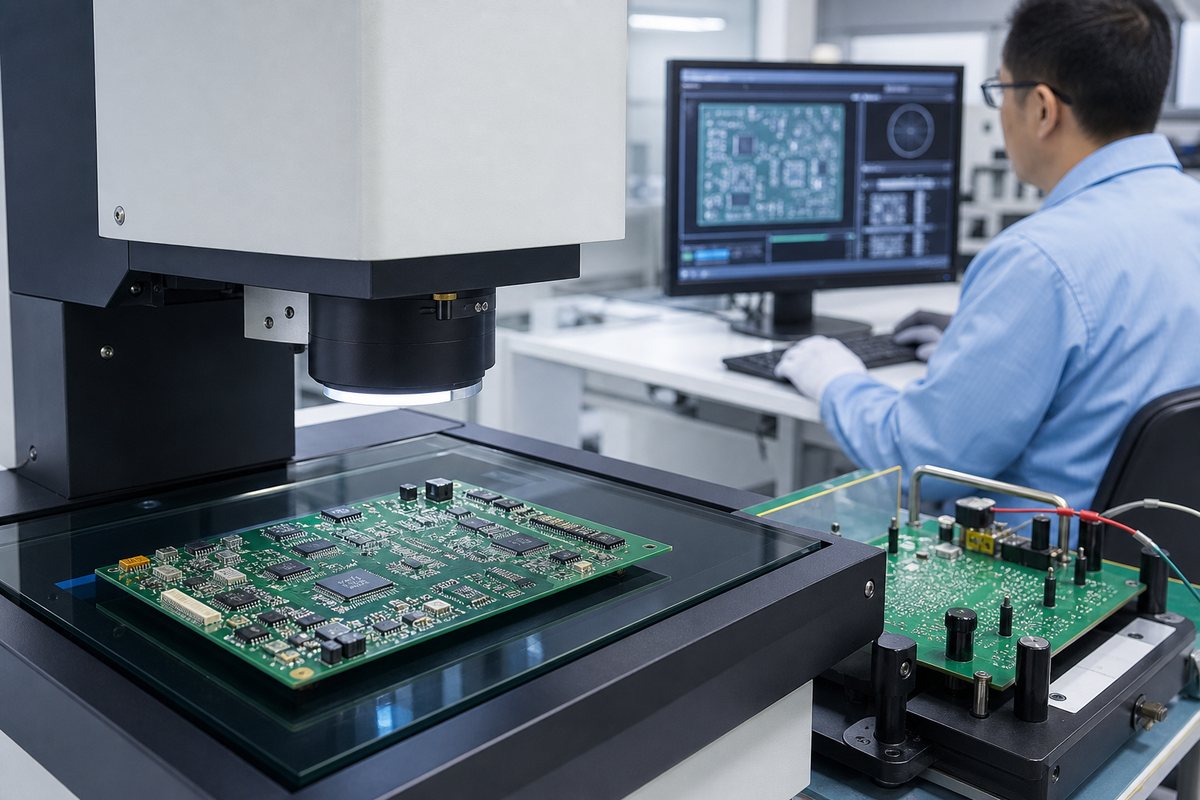
Advanced Defect Detection: AOI checks for missing components, tombstones, and wrong polarity. X-ray inspection verifies BGA/QFN solder joints for voids, cold joints, and bridges.
Full Functional Testing: ICT and FCT verify electrical performance under working conditions. Aging testing and temperature cycling simulate long-term use to eliminate early failures.
Complete Traceability System: Full batch tracking from materials, production, testing to shipment supports medical device audit and recall requirements.
Clean Production Environment: ESD protection and dust-free workshops prevent electrostatic damage and contamination, critical for high-reliability medical devices.
How to Guarantee Reliability for Aerospace PCB Assembly in Armenia?
Aerospace PCB assembly demands extreme durability, stability, and full traceability under harsh environments. EBest follows AS9100D standards to deliver zero-failure performance.
High-Grade Material Selection: We use high-temperature, anti-vibration, and low-outgassing materials suitable for vacuum, high-low temperature cycling, and strong vibration.
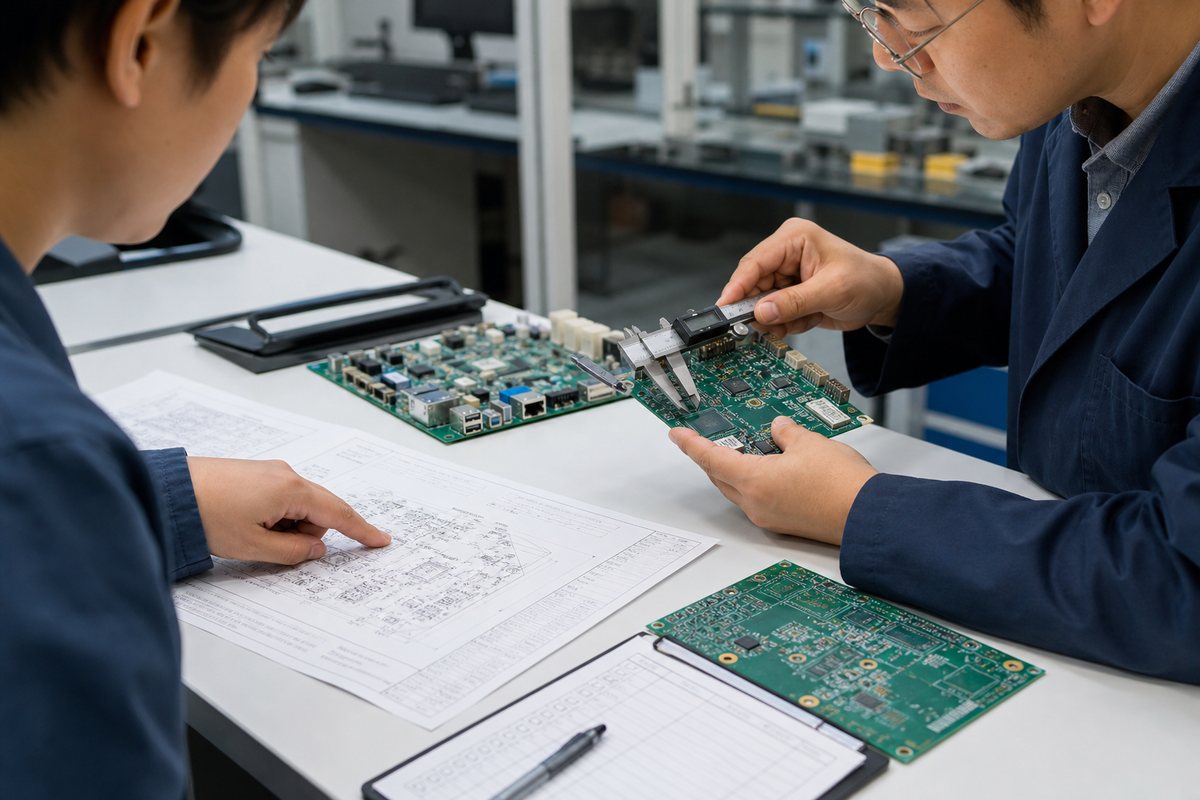
Precision Thermal Profile Control: Optimized reflow and wave soldering profiles ensure uniform solder joints and avoid thermal stress on components and boards.
100% X-Ray Inspection for High-Risk Components: BGA, QFN, and fine-pitch devices are fully inspected to ensure zero soldering defects.
Stringent Environmental Testing: Thermal shock, high-low temperature storage, humidity, and vibration testing validate performance in extreme aerospace conditions.
Full Chain Traceability: Materials, operators, equipment, parameters, and test results are fully recorded and archived to meet aerospace audit requirements.
Continuous Quality Improvement: We use FMEA, 8D, and statistical analysis to reduce risks and maintain stable high quality for long-term programs.
What Solutions for Industrial Equipment PCB Assembly in Armenia?
Industrial equipment PCB assembly operates 24/7 under high temperature, humidity, dust, and vibration. EBest provides robust, long-life solutions to improve stability and reduce downtime. Our industrial solutions focus on reinforced design, reliable assembly, and protective processes to ensure continuous operation.
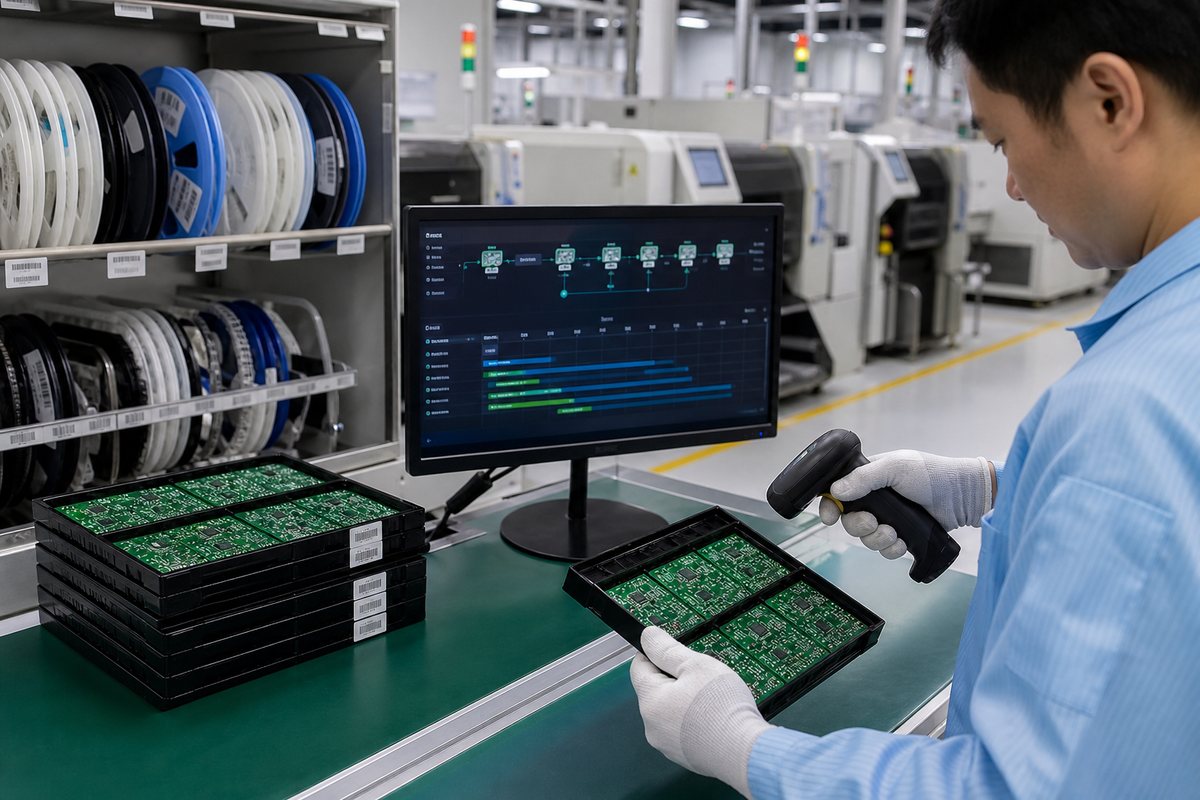
We support heavy copper circuits for high power applications. Thick copper layers improve current carrying capacity and heat dissipation for drives and power supplies. We apply reinforced substrate and structural design to resist vibration and shock in factory automation and machinery control systems.
Conformal coating and potting protect circuits from moisture, dust, and chemical corrosion, extending service life in harsh environments. Wide-temperature components and assembly processes ensure stable performance from -40°C to +85°C for outdoor and industrial indoor use.
We offer flexible production for low-volume high-mix projects and high-speed lines for mass production, matching your industrial equipment lifecycle. Full testing including load testing, long-duration aging, and EMC testing ensures compliance with industrial standards and stable on-site operation.

How Fast Is Quick Turn PCB Assembly in Armenia?
Item
Specification
Placer Speed
13,200,000 chips/day
Bare Board Size
0.2Ă0.2 inch â 22Ă47.5 inch
Minimum SMD Component
01005
Minimum BGA Pitch
0.25 mm
Maximum Component Area
50Ă150 mm
Assembly Type
SMT, Through-Hole, Mixed
Component Package
Reels, Cut Tape, Tube, Tray, Loose Parts
Standard Lead Time
1â5 days
FAQs About PCB Assembly Company in Armenia
Q1: What industries do you support for PCB assembly in Armenia? A1: We serve medical, aerospace, industrial, automotive, telecom, and consumer electronics with certified processes for each sector.
Q2: Can you provide full turnkey PCB assembly in Armenia? A2: Yes, we offer full turnkey: PCB fabrication, components sourcing, assembly, testing, and box build.
Q3: Do you support smallâbatch PCB prototype assembly? A3: Yes, we specialize in prototype PCB assembly with the same quality as mass production.

Q4: What testing do you provide for PCB assembly? A4: IQC, IPQC, FQC, AOI, Xâray, ICT, FCT, thermal cycling, and aging test.
Q5: Do you have required certifications for PCB assembly manufacturer in Armenia? A5: We hold IATF 16949, ISO 9001, ISO 13485, AS9100D, RoHS, REACH, UL.
Q5: Can you handle BGA and fine-pitch components? A5: Yes, we support 0.25mm BGA pitch and advanced packages with X-ray inspection.
Q6: What is your typical lead time for PCB assembly? A6: Standard 1â5 days; 24-hour rush available.
Q7: Do you provide DFM analysis? A7: Yes, free DFM review to optimize design for yield and reliability.
LED Garden Light Aluminum PCB is specialized printed circuit board designed to manage heat in outdoor lighting systems effectively. This article will explore the benefits, design, and selection of these PCBs, positioning your project for success.
In real projects, many engineers and buyers encounter similar LED Garden Light PCB Design challenges.
Common Challenges
Short LED lifespan: Poor heat dissipation accelerates lumen decay and reduces service life
High thermal management cost: Extra heatsinks and cooling structures increase BOM and assembly complexity
Outdoor design difficulty: Compact layouts must handle moisture, temperature variation, and mechanical stress
Unstable supplier quality: Inconsistent materials and processes lead to performance and delivery risks
Limited validation support: Lack of engineering input for thermal and reliability verification
Our Solutions
Efficient heat dissipation: Aluminum PCB quickly transfers heat away from LEDs, improving lifespan and stability
Cost-effective structure: Reduces the need for additional heatsinks, lowering total system cost
Optimized for outdoor use: DFM support and material guidance ensure durability in harsh environments
Strict quality control: AOI, X-ray, and controlled production ensure high reliability for outdoor lighting
At Best Technology, we are a professional PCB and PCBAâ manufacturer with a deep specialization in Aluminum PCB (MCPCB)â solutions. With two decades of experience, we offer full turnkey servicesâfrom design and prototyping to mass production and assembly. We understand the critical role of thermal management in LED garden lightingâ and are committed to providing high-performance, reliable Aluminum PCB LED garden lightingâ solutions. We are happy to assist with your LED garden light PCB projects. Please contact us at sales@bestpcbs.com for expert support and fast quotations.
Benefits of LED Garden Light Aluminum PCB
In the demanding environment of garden and yard lighting, Aluminum PCBs offer distinct advantages over traditional FR4 boards. Their core benefit stems from a thermally conductive dielectric layer and a metal baseplate (usually aluminum), which efficiently draws heat away from the LED components.
Excellent Thermal Management:â The primary advantage. Aluminum substrates have a much higher thermal conductivity (typically 0.8-3.0 W/m.K) compared to FR4 (~0.3 W/m.K), effectively preventing LED overheating and luminous decay.
Enhanced Longevity and Reliability:â By maintaining lower junction temperatures, Aluminum PCBs significantly extend the lifespan of LEDs and drivers, reducing failure rates and maintenance needs for yard lighting.
Improved Durability:â The aluminum base adds structural rigidity and robustness, making the entire lighting fixture more resistant to vibration and physical stress in outdoor settings.
Design Flexibility and Space Saving:â They allow for higher power density and more compact designs by integrating the heatsink function into the PCB itself, eliminating separate bulky components.
Environmental Suitability:â Aluminum is resistant to corrosion and can be easily treated for additional weatherproofing, making it ideal for outdoor applications like garden light PCBs.
What Makes Aluminum PCB Ideal for LED Garden Lights?
Aluminum PCB for outdoor lighting is more than a standard circuit board. It is a thermal management solution designed for LED applications that need stable performance, long service life, and reliable operation in outdoor conditions.
The reason lies in its structure. A typical aluminum PCB consists of a copper circuit layer, a thermally conductive dielectric layer, and an aluminum base. This combination allows the board to handle both electrical routing and heat dissipation in one compact structure. When LEDs are operating, heat generated at the junction can quickly move through the copper layer, pass the insulating dielectric, and spread into the aluminum base. From there, the heat is released much more efficiently than with ordinary FR4 boards.
This matters because heat is one of the main factors that affects LED performance. If thermal buildup is not controlled, the LED may suffer from faster lumen depreciation, color shift, reduced efficiency, and shorter operating life. In outdoor garden lights, this challenge becomes even more important because fixtures are often enclosed, exposed to sunlight, and required to work for long periods at night. A poor thermal path can quickly turn an attractive lighting design into a maintenance problem.
Aluminum PCB helps solve this issue by providing a direct and efficient heat dissipation path. Compared with traditional FR4, it offers several practical advantages for garden light design:
Better heat transfer: The aluminum base spreads heat quickly, helping reduce LED junction temperature
Longer LED lifespan: Lower operating temperature supports more stable light output over time
More compact structure: In many cases, the board itself contributes to heat management, reducing the need for bulky extra heatsinks
Stable outdoor performance: Aluminum PCB is well suited for enclosed lighting modules used in yards, pathways, and landscape fixtures
Another reason aluminum PCB is ideal for LED garden lights is design efficiency. Outdoor lighting products often need to be slim, durable, and visually clean. Engineers do not want to add unnecessary thermal parts if the board itself can already manage heat effectively. By combining electrical performance and heat dissipation in one platform, aluminum PCB makes the overall fixture design simpler and more practical.
It also supports a wide range of garden lighting applications, including:
Pathway lights
Lawn lights
Spike lights
Wall-mounted garden fixtures
Decorative landscape lighting
Solar-integrated LED garden lights
For these products, consistent brightness and long-term durability are important selling points. End users expect outdoor lights to perform season after season without frequent replacement. Aluminum PCB helps manufacturers meet that expectation by improving thermal performance at the source.
In short, aluminum PCB is ideal for LED garden lights because it offers a more effective thermal path, supports longer product life, and makes outdoor lighting designs more reliable. For applications where heat, space, and durability all matter, it is often the most practical and cost-effective choice.
Key Design Considerations for Aluminum PCB in Garden Lights
Designing an effective aluminum PCB for LED garden lights requires a careful balance of thermal, electrical, and mechanical requirements. A well-planned design helps improve heat dissipation, product reliability, and production efficiency.
Thermal conductivity: Choose a dielectric material with the right thermal conductivity, such as 1.0, 1.5, 2.0, or 3.0 W/m¡K, based on LED power density and heat output. We offer multiple material options to match different thermal budgets.
Copper thickness: Thicker copper improves current carrying capacity and heat spreading. Common choices are 1oz to 2oz, while higher-current designs may require thicker copper. We support standard copper weights and can provide up to 10oz for special applications.
Dielectric layer insulation: The dielectric thickness affects both thermal resistance and electrical insulation. A thinner layer improves heat transfer, but it must also meet voltage isolation needs. We help optimize this balance according to your application.
Board outline and mounting design: Garden light PCBs often require secure mounting and compatibility with outdoor housings. Tooling holes, mounting holes, slots, and special outlines should be considered early in the design stage. We support routing, V-cut, and custom mechanical structures.
Surface finish selection: Outdoor lighting boards need finishes that perform well in humid environments. ENIG and lead-free HASL are common choices for stable solderability and corrosion resistance. We also offer OSP, immersion silver, and immersion tin based on project needs.
Solder mask and legend: White solder mask is often selected for higher light reflectivity, while black is preferred for premium appearance. UV resistance and flame-retardant properties are also important for outdoor applications. We provide multiple solder mask colors with UL94V-0 compliant materials.
Aluminum PCB vs FR4 PCB: Which is Better for Your Garden Light Project?
Choosing the right substrate is pivotal. The table below contrasts the two for garden light PCBs:
Feature
Aluminum PCB (MCPCB)â
Standard FR4 PCBâ
Core Materialâ
Aluminum Alloy (e.g., 6061)
Woven Glass Fiber & Epoxy Resin
Thermal Conductivityâ
High (0.8 – 3.0 W/m.K)â
Low (~0.3 W/m.K)
Primary Functionâ
Power & Heat Dissipationâ
Electrical Interconnection Only
Heat Managementâ
Excellent, integrated solution
Poor, requires external heatsink
Mechanical Strengthâ
Very High, rigid
Moderate, can be flexible
Typical Applicationâ
High-power LED lighting, power converters
Consumer electronics, digital circuits
Cost (Board Level)â
Higher
Lower
System Costâ
Often lowerâ (no added heatsink)
Can be higher (requires heatsink)
Ideal for Garden Lights?â
YES – for high brightness, longevity, and reliability.â
Only for very low-power, non-critical indicator lights.
For any garden light where brightness, longevity, and reliability are priorities, Aluminum PCBs for outdoor lightingâ are the unequivocally better choice.
Best Technologyâs Aluminum PCB Manufacturing Capabilities
Our expertise ensures your High thermal conductivity Aluminum PCBâ is built to the highest standards. Hereâs a snapshot of our key capabilities relevant to LED garden lightâ production:
Layers & Materials:â Up to 10-layer MCPCBs. Standard Aluminum (6061) and Copper core substrates.
Thermal Conductivity Options:â Standard (0.8-1.0 W/m.K), Medium (1.5 W/m.K), and High (2.0, 3.0 W/m.K) dielectric layers.
Board Size & Thickness:
Max Dimension:â Up to 24″ x 64″ (610 x 1625mm).
Thickness Range:â 0.3mm to 4.0mm.
Copper Weight:â 0.5 oz to 10 oz.
Minimum Trace/Space:â 6/6 mil (0.15/0.15mm).
Surface Finishes:â ENIG, HASL (Lead-Free), Immersion Silver/Tin, OSP, and more for reliable solderability outdoors.
Fast Prototype Lead Time:â As quick as 24 hoursâ for 1-layer standard specs.
Quality & Testing:â Full suite including Flying Probe Test, AOI, and rigorous thermal stress testing (3x at 280°C) to ensure durability.
Full Turnkey Service:â From PCB designâ and manufacturing to component sourcing, PCB Assembly (PCBA), and final box build assembly.
How Does Aluminum PCB Improve LED Garden Light Lifespan and Reliability?
Aluminum PCB plays a decisive role in extending the service life of LED garden lights, especially in outdoor environments where thermal stress and humidity are persistent challenges.
The core advantage lies in its superior thermal management capability. Compared to conventional FR4 boards, aluminum PCBs use a metal base layer that efficiently dissipates heat away from LEDs. This reduces junction temperature, which is one of the primary factors affecting LED degradation.
In practical terms, every 10°C reduction in junction temperature can significantly increase LED lifespan, often doubling the operating hours under stable conditions.
Key mechanisms include:
Direct heat conduction path Heat flows from the LED chip â dielectric layer â aluminum base, minimizing thermal resistance.
Uniform heat spreading Prevents localized hot spots that can cause premature failure or color shift.
Reduced thermal cycling stress Stable temperature minimizes expansion and contraction, protecting solder joints.
Improved driver stability Lower operating temperature enhances performance of nearby electronic components.
For outdoor garden lighting, this translates into:
Longer maintenance intervals
Consistent brightness and color output
Lower failure rates in high-humidity or high-temperature environments
In high-power LED applications such as landscape lighting, aluminum PCB is not just an optionâit is a reliability requirement.
What Materials and Stackups Are Used in LED Garden Light Aluminum PCB?
The performance of an aluminum PCB is largely determined by its material composition and stackup structure. A typical LED garden light aluminum PCB uses a 3-layer structure designed for both electrical insulation and thermal conduction.
Typical Aluminum PCB Stackup
Layer
Material
Function
Top Layer
Copper (1ozâ3oz)
Circuit routing and LED mounting
Dielectric Layer
Thermally conductive insulating material (1â5 W/m¡K)
Electrical insulation + heat transfer
Base Layer
Aluminum (1.0â2.0 mm)
Heat dissipation and mechanical support
Key Material Options
1. Copper Layer
Standard: 1ozâ2oz
High-power designs: up to 3oz
Thicker copper supports higher current and improves thermal spreading
2. Dielectric Layer
Critical for thermal performance
Typical thermal conductivity:
Standard: 1â2 W/m¡K
High-performance: 3â5 W/m¡K
Must balance insulation strength and heat transfer efficiency
3. Aluminum Base
Common alloy: 5052 / 6061
Thickness: 1.0mmâ2.0mm (can be customized)
Acts as both heat sink and structural backbone
Optional Enhancements
Surface Finish: ENIG, HASL, OSP for corrosion resistance
Solder Mask: White mask improves light reflectivity
Thermal Via Design (in hybrid structures)
SinkPAD / Direct Thermal Path for ultra-high power LEDs
For outdoor applications, material selection must also consider:
Moisture resistance
Corrosion protection
UV stability
A well-optimized stackup ensures stable performance across temperature cycles and long-term exposure.
How to Choose a Reliable Aluminum PCB Manufacturer for Outdoor Lighting Projects?
Selecting the right aluminum PCB manufacturer directly impacts product quality, cost control, and project timelines. For outdoor LED lighting, the requirements are stricter due to environmental exposure and long lifecycle expectations.
Here are the key evaluation criteria:
1. Thermal Design Expertise
A qualified manufacturer should not only fabricate PCBs but also provide:
Thermal simulation support
Stackup optimization suggestions
LED heat dissipation design guidance
This is especially important for high-power garden lighting systems.
2. Material Sourcing and Verification
Reliable suppliers use:
Certified aluminum substrates
Stable dielectric materials with consistent thermal conductivity
RoHS / REACH compliant materials
Material inconsistency is a hidden risk in long-term outdoor use.
3. Manufacturing Capability
Look for capabilities such as:
Copper thickness up to 3oz or higher
Tight tolerance control (Âą10%)
Large panel size support for lighting modules
SMT assembly integration if needed
An integrated PCB + PCBA provider reduces communication cost and lead time.
4. Quality Control and Testing
Outdoor lighting requires high reliability. Ensure the manufacturer provides:
AOI (Automated Optical Inspection)
X-ray inspection for critical joints
Thermal cycling tests
Functional testing for LED boards
Traceability systems (MES) are a strong indicator of process control maturity.
5. Experience in Lighting Applications
A manufacturer with real project experience can:
Recommend optimal copper thickness
Suggest cost-effective stackups
Avoid common design pitfalls in LED layouts
This shortens development cycles and reduces rework risk.
6. Responsiveness and Engineering Support
Fast response matters in B2B projects. A reliable partner should offer:
DFM feedback within 12â24 hours
Dedicated project engineer
Clear communication during production
In summary, the best supplier is not the cheapestâbut the one who ensures consistent quality, thermal reliability, and predictable delivery.
In brief, LED Garden Light Aluminum PCBsâ are the engineering cornerstone for durable, bright, and efficient outdoor lighting, directly solving the critical challenge of heat management. This article has detailed their benefits, ideal properties, key design factors, and superiority over FR4 for this application. For a successful project, partnering with an experienced manufacturer is key.
Best Technology (EBest Circuit)â specializes in providing high-performance, reliable Aluminum PCBsâ and full turnkey PCBA solutions. With 20 years of expertise, advanced capabilities, and a commitment to quality, we are your ideal partner for bringing high-quality LED garden lightingâ products to market. Pls feel free to contact us anytime for your PCB needs via sales@bestpcbs.com.
FAQs About LED Garden Light Aluminum PCB
What thickness is recommended for aluminum PCB in garden lights?
Typically, the aluminum base thickness ranges from 1.0mm to 1.6mm. For higher power applications, 2.0mm may be used to improve heat dissipation.
Why is white solder mask commonly used in LED PCBs?
White solder mask enhances light reflectivity, improving luminous efficiency and overall brightness output in lighting applications.
Can aluminum PCB be used for waterproof outdoor lighting?
Yes. Aluminum PCBs are suitable for outdoor use when combined with:
Waterproof housing (IP65/IP67)
Conformal coating or sealing
Corrosion-resistant surface finishes
What is the difference between standard aluminum PCB and SinkPAD?
SinkPAD (Direct Thermal Path) removes the dielectric layer under the LED, allowing heat to transfer directly to the aluminum base, resulting in much lower thermal resistance.
How long does an aluminum PCB LED board typically last?
With proper thermal design, LED garden light PCBs can achieve 50,000+ hours lifespan, depending on operating conditions and material quality.
Is aluminum PCB more expensive than FR4?
Yes, initial cost is higher. However, aluminum PCB reduces failure rates and maintenance costs, making it more cost-effective over the product lifecycle.
A Bluetooth headset PCB is a compact printed circuit board that integrates wireless communication, audio processing, power management, and peripheral control circuits to enable stable Bluetooth connectivity and high-quality sound transmission in headset devices. This blog delves into the critical role of Bluetooth headset PCBs, exploring design considerations, manufacturing challenges, and how to choose the right partner for fast, reliable prototyping and production.
What are the most common pain points when developing a Bluetooth headset PCB?
Design Complexity:â Integrating RF (Bluetooth), audio codec, power management, and often flexible circuits into a tiny form factor is overwhelmingly complex.
Slow Prototyping Cycles:â Lengthy lead times for PCB prototypes delay testing, iteration, and ultimately, your time-to-market.
Component Sourcing Hassles:â Procuring genuine, miniaturized components (like 01005 packages) and dealing with supply chain instability.
Assembly Precision Challenges:â Achieving flawless soldering on high-density, rigid-flex designs with fine-pitch components (e.g., 0.25mm BGA).
Reliability & Compliance Anxiety:â Ensuring the final product is durable, delivers consistent audio quality, and meets necessary quality and safety standards.
The solution lies in partnering with a manufacturer that transforms these challenges into streamlined processes.
Expert ODM Design Support:â Leverage a team that provides end-to-end design services, optimizing your schematic and layout for performance, manufacturability, and cost.
Accelerated Prototyping Pipeline:â Access services that guarantee quick-turn FPC prototyping, with the capability to deliver initial samples within days, not weeks.
Reliable Supply Chain Access:â Benefit from established partnerships with authorized distributors (e.g., Digikey, Mouser) to source authentic components and manage your BOM effectively.
High-Precision Assembly Lines:â Utilize state-of-the-art SMT lines equipped with advanced printers, SPI, and precision placers capable of handling 01005 components to ensure flawless PCBA.
Rigorous Quality Assurance:â Implement a full suite of inspections (AOI, X-Ray, functional testing) adhering to IPC standards, guaranteeing the reliability and performance of every board.
At EBest Circuit (Best Technology), we are a specialized flexible PCB and PCBA manufacturer with 20 years of experience. We bridge the gap between complex design and reliable mass production. Our one-stop service covers everything from FPC/rigid-flex design and rapid prototyping to component procurement and turnkey PCBA assembly. With a 3,000㥠factory equipped with advanced machinery like Yamaha SMT lines and comprehensive testing equipment, we are built to handle your project from the initial quote for flex PCBâ prototypes to full-scale production. Pls feel free tocontact our team anytime at sales@bestpcbs.com for a consultation.
Key Considerations for Bluetooth Headset PCB Design
Designing the PCB for a Bluetooth headset is a multidisciplinary challenge. It requires a harmonious balance between RF performance, audio fidelity, power efficiency, and mechanical constraints, especially when using flexible circuits to fit ergonomic forms.
RF Layout Optimization:â The Bluetooth antenna and RF trace layout are paramount. Impedance must be tightly controlled (typically 50Ί), and the RF section needs isolation from digital noise sources to ensure stable connectivity and range.
Audio Signal Integrity:â Separate analog and digital ground planes, use proper filtering, and shield audio lines to minimize noise, crosstalk, and distortion for clear sound output.
Power Management Design:â Implement efficient DC-DC converters and LDOs to minimize quiescent current drain. Careful PCB layout for the battery management system (BMS) is crucial for safety and longevity.
Miniaturization Strategies:â Employing HDI (High-Density Interconnect) techniques, micro-vias, and finer trace/space (down to 3/3mil) is often necessary to shrink the board size without sacrificing functionality.
Thermal Management:â Even in small devices, heat from the Bluetooth SoC or audio amplifier must be dissipated via thermal vias and careful copper pours to prevent throttling or discomfort.
Mechanical Durability:â For designs incorporating flexible circuits, bend radius, stiffener placement (using PI or FR4), and material selection (Polyimide) must be engineered to withstand repeated flexing during use.
In summary, a successful Bluetooth headset PCB design is a feat of integration, demanding expertise in RF, analog, digital, and mechanical domains to create a reliable, high-performance, and compact board.
Material Selection for Flexible PCBs in Headsets
The choice of materials directly impacts the performance, durability, and cost of the bluetooth headset PCB. Flexible circuits enable the sleek, comfortable designs modern users expect.
Base Substrate:â Polyimide (PI) is the industry standard (e.g., DuPontâs Kapton), offering excellent thermal stability (>500°C), chemical resistance, and flexibility. Polyester (PET) is a lower-cost alternative for less demanding applications.
Copper Foil:â Rolled annealed copper is preferred for dynamic flex applications due to its superior fatigue resistance. Thickness options range from 1/3 OZ (12Âľm) to 2 OZ (70Âľm) to balance current carrying capacity and flexibility.
Coverlay/Stiffener:â Photo-imageable coverlay or polyimide film protects the circuits. Strategic stiffeners (made of PI, FR4, or even stainless steel) are added at connector areas or where components are mounted to provide rigidity for soldering.
Adhesives:â Acrylic or epoxy-based adhesives bond layers. Adhesiveless constructions (e.g., 2-layer FCCL) offer better thermal performance and thinner, more reliable profiles for high-end applications.
Surface Finish:â Choices like ENIG (Electroless Nickel Immersion Gold) provide a flat, solderable, and wire-bondable surface. Hard gold is used for edge connectors (gold fingers) that withstand repeated insertion wear.
The table below summarizes common flexible PCB material capabilities relevant to headset manufacturing:
Parameter
Polyimide (PI)
PET
Laminate Thicknessâ
0.025 / 0.050 / 0.125 / 0.175 mm
0.025 / 0.050 / 0.075 mm
Copper Foilâ
0.012, 0.018, 0.035, 0.070 mm
0.035, 0.070 mm
Min Trace/Spaceâ
0.075 mm (3 mil)
0.075 mm (3 mil)
Solder Heat Resistanceâ
280°C for 10 secs
280°C for 10 secs
Selecting the right material stack-up is a critical decision that influences the board’s electrical performance, bend life, and overall reliability in the final product.
Fast-Turn Prototyping and Assembly Process
Speed is critical in the fast-paced consumer electronics market. A streamlined prototyping and assembly process allows for rapid iteration and validation of your bluetooth speaker headset PCB module.
Design Review & DFM Analysis:â Our engineers perform a thorough design for manufacturability (DFM) check upon receiving your Gerber files, identifying potential issues before production begins.
Rapid Fabrication:â Leveraging in-house manufacturing of flexible, rigid-flex, and FR4 PCBs, we can produce prototype boards quickly. For standard FR4 prototypes, lead times can be as fast as 24 hours for 1-2 layer boards.
Component Kitting:â For turnkey projects, we source all components from authorized distributors. Every part undergoes incoming inspection to verify authenticity and specification against the BOM.
Precision Assembly:â The process follows strict IPC standards:
Solder Paste Printing:â Using laser-cut stencils and 3D SPI (Solder Paste Inspection) to ensure precise deposition.
Component Placement:â High-speed chip shooters and precision placers accurately mount components, down to 01005 size.
Through-Hole Assembly:â For any THT components, selective or wave soldering is employed.
Comprehensive Testing:â Every assembled board goes through AOI (Automated Optical Inspection) and X-Ray inspection (for BGA). Functional testing validates the Bluetooth pairing, audio playback, and all key features.
This integrated, quality-focused process ensures that you receive fully functional, reliable PCBA prototypes in the shortest possible timeframe, accelerating your development cycle.
Quality Control and Testing Standards
Quality cannot be an afterthought. For a bluetooth headset PCB, rigorous testing is essential to ensure audio clarity, connection stability, and long-term user satisfaction.
In-Process Inspection (IPQC):â Quality checks are embedded at every stageâfrom raw material (copper clad laminate) inspection to etching, lamination, and plating processes.
Automated Optical Inspection (AOI):â 2D and 3D AOI machines scan the assembled board to detect soldering defects, component misplacement, or missing parts.
X-Ray Inspection:â Critical for examining hidden solder joints under BGA, QFN, or inside rigid-flex constructions, ensuring there are no voids or bridges.
Flying Probe & Electrical Test:â Verifies circuit connectivity (open/short) and basic electrical functionality of the bare PCB and the final assembly.
Functional Testing (FCT):â The most critical step. Custom test jigs and software simulate real-world operationâtesting Bluetooth connectivity range, audio input/output quality, battery charging, button response, and firmware performance.
Reliability Testing:â Depending on requirements, boards may undergo stress testing like thermal cycling, bend testing for flex circuits, and drop testing to validate durability.
We adhere to international quality management systems (ISO 9001:2015, ISO 13485:2016) and IPC standards, building quality into the process rather than just inspecting it out at the end. This systematic approach is what delivers the reliable bluetooth speaker headset PCB moduleâ that your product deserves.
Cost Optimization Strategies
While quality is paramount, managing costs is essential for maintaining product viability. Smart decisions during the design and manufacturing phases can significantly optimize the cost of your bluetooth headset PCB.
Design for Cost (DFC):â Work with your manufacturer’s engineers early. Simplifying the layer count, standardizing hole sizes, and optimizing the panel layout to maximize yield can lead to substantial savings.
Material Selection Balance:â Choose material grades and copper weights that meet but do not exceed the electrical and mechanical requirements. For instance, using 1/2 OZ copper instead of 1 OZ where current allows reduces cost.
Standardize Processes:â Where possible, opt for standard surface finishes (like ENIG over ENEPIG), common drill sizes, and standard solder mask colors to avoid special process charges.
Panelization Efficiency:â Designing your board in a shape that nests efficiently with others on a production panel minimizes material waste. Our engineers can advise on the most efficient panelization strategy.
Volume Forecasting:â While prototyping costs are higher per unit, providing realistic volume forecasts allows the manufacturer to plan material procurement and production scheduling for better long-term pricing.
Component Alternatives:â For long-lead or expensive components, our sourcing team can suggest form-fit-function alternatives that maintain performance at a lower cost.
Effective cost optimization is a collaborative effort between your design team and a manufacturing partner with deep supply chain knowledge and production expertise.
Applications and Use Cases for Bluetooth Headset PCBs
Bluetooth headset PCBs are widely used across consumer and professional audio devices.
Typical applications include:
True Wireless Stereo (TWS) earbuds
Over-ear wireless headphones
Sports and waterproof headsets
Gaming headsets with low-latency requirements
Call center and business communication headsets
Each application has different priorities, such as battery life, RF stability, or mechanical durability.
How to Choose a Reliable Bluetooth Headset PCB Manufacturer?
Selecting the right manufacturer directly impacts product quality, cost, and delivery time.
Overall, bluetooth headset PCBâ is the unsung hero that determines the performance, reliability, and user experience of modern wireless audio devices. This article has explored the critical aspects of its design, material selection, fast prototyping, stringent quality control, and cost management.
With 20 years of dedicated experience in flexible and rigid-flex PCB manufacturing, a full turnkey PCBA assembly service, and a commitment to rapid prototyping, EBest Circuit (Best Technology) is equipped to guide your project from concept to mass production efficiently and reliably. Ready to discuss your Bluetooth headset project? Pls feel free to contact us at sales@bestpcbs.com for a quote or consultation.
How do you select a trusted and qualified flexible PCB manufacturer in India for your critical electronic projects? This guide shares key information about certifications, capabilities, services, industry applications and supplier comparisons to help you evaluate a reliable flexible PCB manufacturer in India. We invite you to choose EBest as your professional partner for high quality flexible PCB solutions.
Why Choose EBest as Your Top Flexible PCB Manufacturer in India?
When you partner with a professional flexible PCB manufacturer in India, you need consistent quality, speed, compliance, and engineering support to keep your projects on track. EBest Circuit has served global electronics clients for more than 20 years, delivering stable, high-performance flex circuits that reduce risk and speed up time-to-market. Below are reasons why choose EBest as your flexible PCB manufacturer in India:
On-time delivery rate above 98% for both prototype and mass production orders.
24-hour expedited shipping available for urgent flexible PCB requests.
Zero-defect target maintained across automotive, medical, and industrial production runs.
Full material traceability for every batch to meet strict industry compliance.
IATF 16949, ISO 9001, ISO 13485, AS9100D, UL, RoHS, and REACH certifications for global market access.
Free DFM analysis to improve production yield and reduce failure rates.
Low minimum order quantities for flexible PCB prototypes to support R&D teams.
Dedicated engineering support within 2 hours for design and production questions.
Full customization for rigid-flex, HDI, high-speed, and impedance-controlled flex boards.
Stable monthly capacity of 260,000 square feet to handle small batches and large-volume orders.
Long-term material partnerships to ensure consistent quality and supply stability.
In-line automated testing to catch issues early and lower your total project cost.
What One-Stop Services Does EBest Offer as a Flex Manufacturing Company in India?
As a leading flex manufacturing company in India, EBest provides fullâcycle solutions from design to mass production. We cover every stage to simplify your supply chain and improve project efficiency.
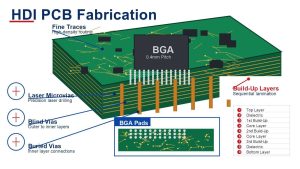
PCB Design: Professional flex, rigidâflex, and highâdensity circuit design.
Flex PCB Prototype: Fast turnaround with low minimum order quantity.
Mass Production: Stable largeâscale manufacturing for flexible circuits.
Component Sourcing: Genuine components with full traceability.
PCB Assembly: SMT and throughâhole assembly for flex and rigidâflex boards.
What Quality Certifications Does EBest Hold for Indian Flexible PCB Production?
EBest holds internationally recognized certifications to support compliant, reliable flexible PCB production for India markets.
IATF 16949: Strict quality management for automotive electronics, supporting EVs, ADAS, lighting, and battery management systems. Ensures zero-defect expectations, process stability, and full traceability for vehicle-grade applications.
ISO 9001:2015: Global baseline for consistent quality management across design, production, and delivery. Standardizes workflows, reduces waste, improves yield, and ensures every batch performs reliably.
ISO 13485:2016: Dedicated medical device quality system for diagnostic, monitoring, and portable healthcare equipment. Enforces full traceability, process validation, risk control, and biocompatibility requirements.
AS9100D: Aerospace-grade quality standard for mission-critical avionics, communications, and control systems. Requires rigorous documentation, full lifecycle traceability, and extreme reliability under harsh conditions.
REACH: European chemical compliance that restricts hazardous substances in materials and production. Ensures your flex PCBs meet EU market access rules and support sustainable supply chains.

RoHS: Restricts lead, mercury, cadmium, and other harmful materials for global environmental compliance. Critical for consumer, industrial, and medical products sold in Europe, North America, and beyond.
UL: Safety certification verifying thermal resistance, flammability, and electrical performance. Builds customer confidence and simplifies certification for end products in global markets.
These certifications let you enter major global markets with confidence, reduce compliance risks, and meet the strictest customer requirements.
What Are EBest’s Flexible PCB Manufacturing Capabilities?
Our advanced production line supports highâprecision flexible and rigidâflex circuits for diverse industries. Below is our standardized capability table for clear reference.
IATF 16949, ISO 9001, ISO 13485, AS9100D, REACH, RoHS, UL
What Common Challenges Do Flexible PCB Projects Encounter & How Does EBest Solve Them?
Flexible PCB projects often face repeated failures, delays, and compliance risks that slow down product launches. These pain points directly increase development costs and reduce product reliability.
Inconsistent flex life and early bending fatigue: Many flex circuits crack or break after repeated bending due to poor material or process control. EBest uses highâperformance polyimide substrates and reinforced circuit structures to extend flex life. We perform bending reliability tests to ensure longâterm performance.
Long lead times delaying product launches: Slow prototypes and mass production disrupt R&D schedules and timeâtoâmarket goals. EBest provides 24âhour expedited prototype service and 7â10 day mass production lead time. We maintain stable production lines to avoid delays.
Lack of professional DFM guidance leading to low yield: Poor designâforâmanufacturing causes high scrap rates and assembly failures. EBest provides free DFM analysis to optimize line width, spacing, bend areas, and stiffener placement. This improves yield and reduces redesign cycles.
Failure to meet industry certifications and compliance: Missing IATF 16949, ISO 13485, UL, RoHS, or REACH blocks market access. EBest holds full global certifications and full material traceability. We ensure every flex PCB meets regional and industry requirements.
Unstable quality in mass production: Inconsistent etching, plating, or bonding causes performance variation. EBest uses automated optical inspection (AOI), electrical testing, and inâline quality control. We deliver consistent quality from prototype to mass production.
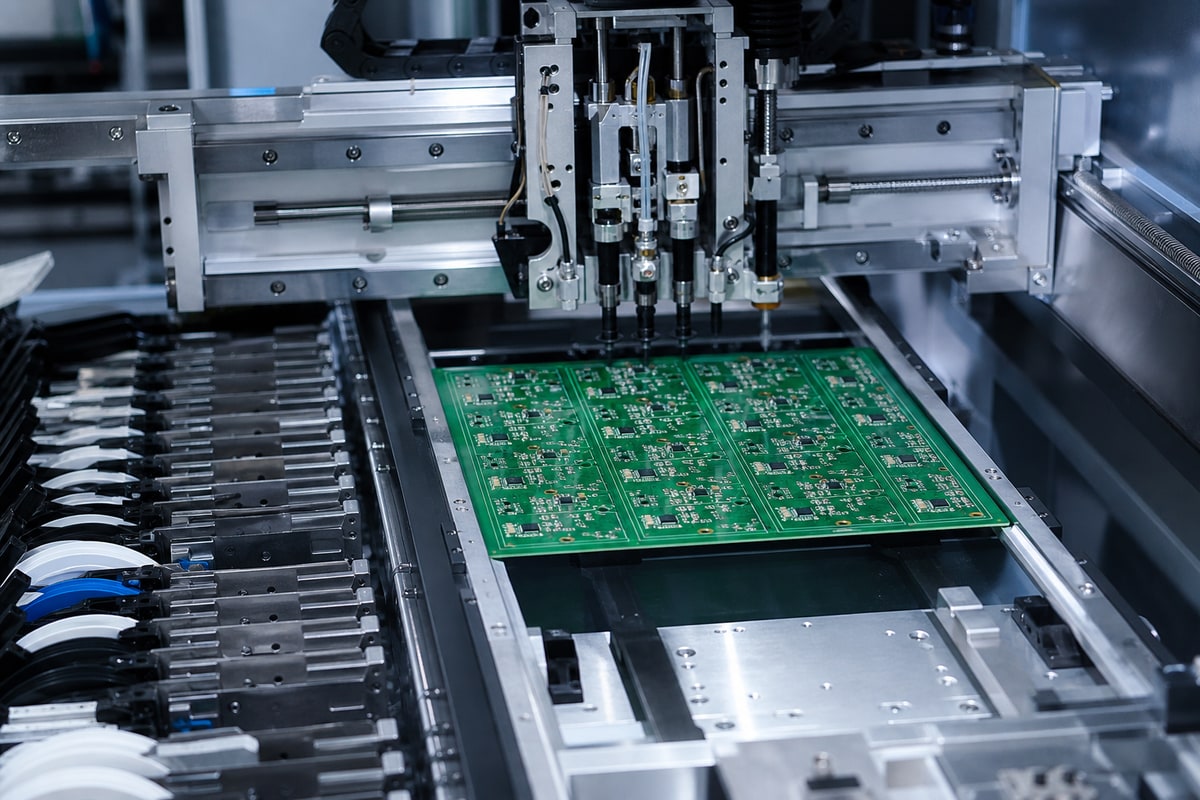
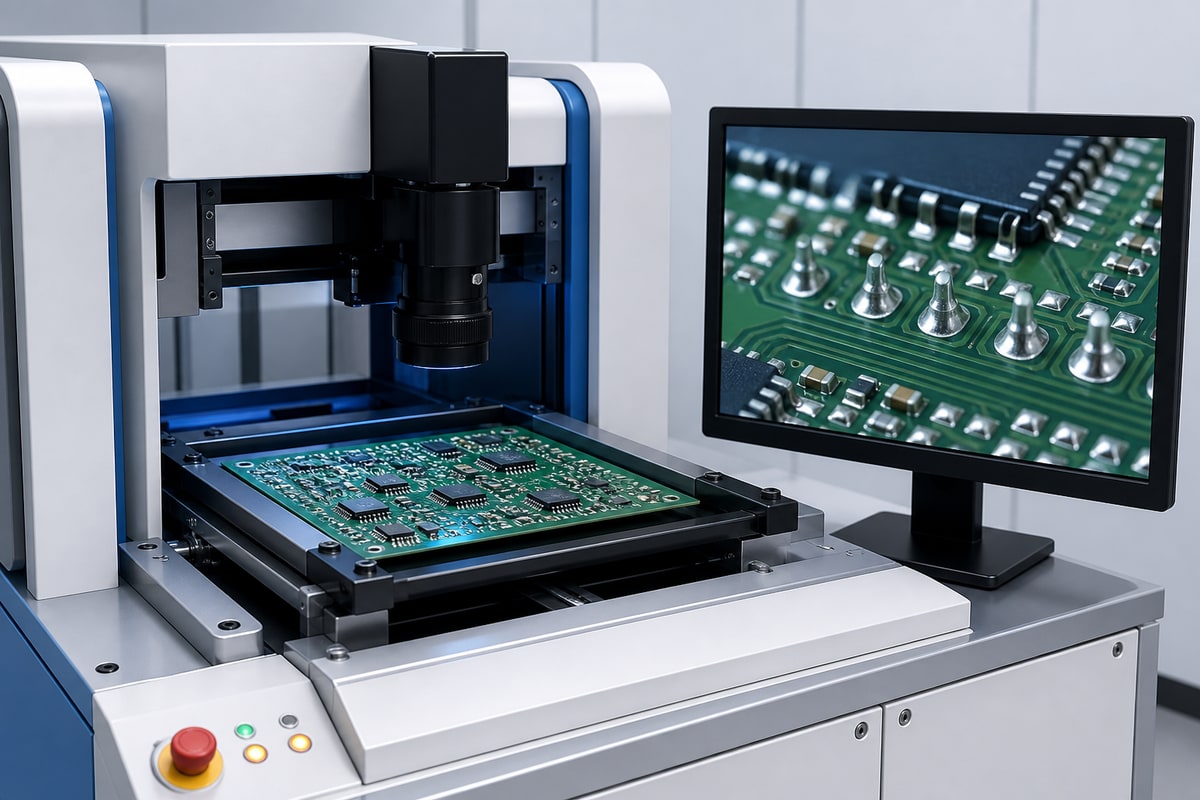
Limited customization for special designs: Standard flex circuits cannot fit unique shape, thickness, or performance needs. EBest supports full custom flex PCB design, including special shapes, ultraâthin boards, and heavy copper flex. We tailor solutions to match product requirements.
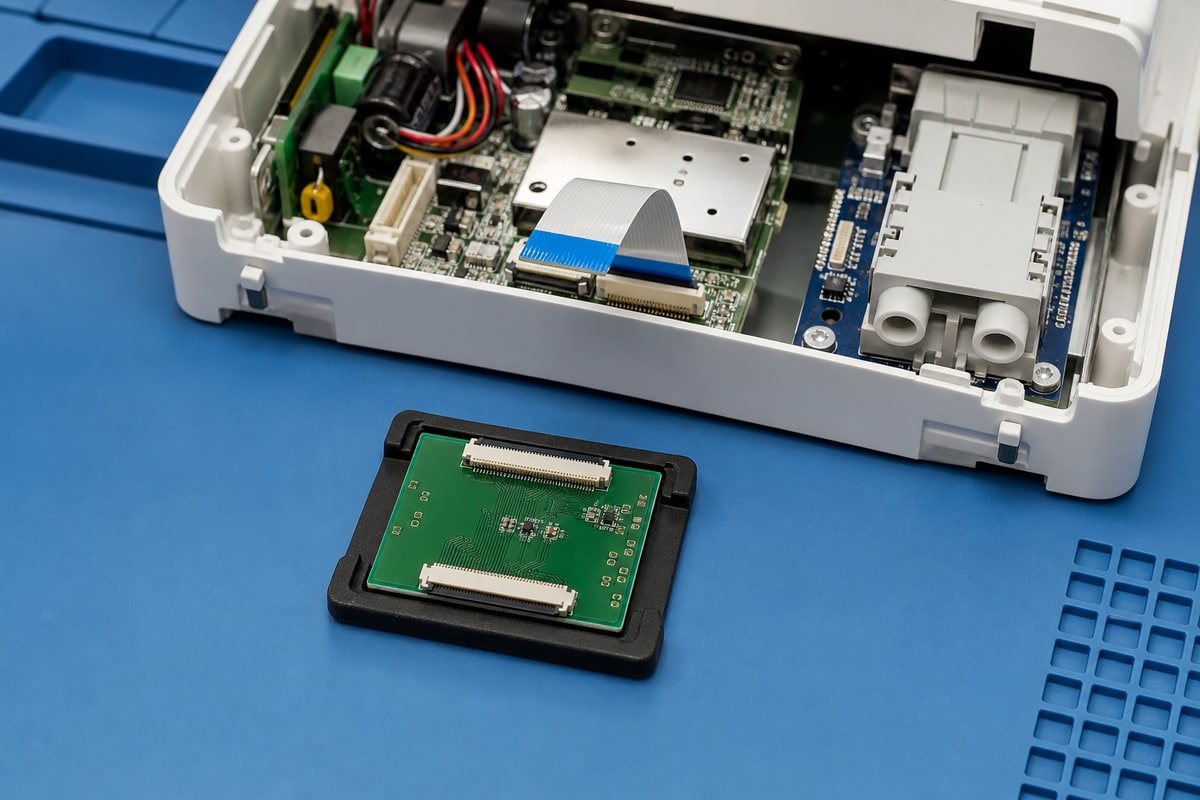
Incomplete oneâstop service increasing supply chain hassle: Separated design, fabrication, assembly, and sourcing add management burden. EBest provides endâtoâend solutions: design, prototype, production, assembly, and component sourcing. This simplifies your supply chain and saves time.
Choose EBest as your trusted flexible PCB manufacturer in India to eliminate these challenges and ensure project success.
Which Is the Top 10 Flexible PCB Manufacturer in India?
Company Name
Main Services
Flex PCB Capabilities
Lead Time (Prototype)
Lead Time (Mass)
EBest Circuit
Flex PCB, rigid-flex, PCB assembly, expedited production
Review quality control systems: AOI, electrical testing, reliability testing, traceability.
Confirm scalability from lowâMOQ prototypes to highâvolume mass production.
Check industry experience matching your target application (automotive, medical, consumer, industrial).
Evaluate technical support speed and afterâsales service.
Review real customer cases and references for similar flexible PCB projects.
What Materials Are Used in Professional Flexible PCB Manufacturing?
Highâquality flex PCB performance depends on carefully selected materials. Each material serves a specific function to ensure flexibility, reliability, and durability.
Polyimide (PI) Substrate: High temperature resistance, excellent mechanical flexibility, and chemical stability. Used in automotive, medical, industrial, and highâreliability applications.
Polyester (PET) Substrate: Costâeffective flexibility for lowâheat consumer electronics and generalâpurpose devices.
Coverlay / Covercoat: Protects circuits from moisture, dust, and physical damage. Improves insulation and extends bending life.
Bonding Adhesives: Securely bonds substrate layers while maintaining flexibility. Ensures stability under thermal and mechanical stress.
Stiffeners (FR4 / Metal / PI): Add rigidity for component mounting and connector areas. Prevents damage during assembly and use.
Conductive Copper Foil: Highâpurity rolled or electrodeposited copper for stable signal transmission. Supports fine lines and high current carrying capacity.
Surface Finish Materials: ENIG, immersion silver, immersion tin, and OSP, Protect copper pads and improve solderability for assembly.
What Key Industries Use Flexible PCB Manufacturers in India?
Flexible PCB manufacturer in India partners serve highâgrowth industries that need compact, dynamic, and reliable circuits. These sectors drive consistent demand for custom flex and rigidâflex solutions.
Automotive Electronics
The largest and fastestâgrowing segment for flex PCBs in India. Used in EV battery management, ADAS sensors, automotive lighting, infotainment, and inâvehicle wiring. Flex circuits withstand vibration, high temperature, and limited space. EBest’s IATF 16949 certification ensures automotiveâgrade quality.
Consumer Electronics
Wearables, foldable phones, tablets, cameras, and compact smart devices. Flex PCBs enable thin, lightweight, and durable designs. Custom flex solutions support unique form factors and high integration.
Industrial Automation & Control
Robotic arms, motion controls, sensors, and factory automation equipment. Flex circuits handle continuous dynamic bending and harsh industrial environments. High reliability reduces downtime and maintenance costs.
Medical Devices
Diagnostic equipment, patient monitors, portable medical tools, and wearable healthcare devices. ISO 13485âcertified flex PCBs ensure safety, stability, and biocompatibility. Miniaturized design supports portable and precision medical products.
Aerospace & Aviation
Highâreliability flex circuits for control systems, communication equipment, and onâboard devices.AS9100Dâcertified processes meet strict aerospace quality standards.
LED & Lighting
Flex LED strips, automotive lighting, and commercial lighting modules. Flex PCBs support curved surfaces and efficient heat dissipation.
Power & Electronics
Power supplies, inverters, and battery management systems. Heavy copper flex circuits handle high current and thermal stress.
FAQs About Flexible PCB Manufacturing in India
Q1: What is the typical lead time for flexible PCB prototypes? A1: Standard prototypes take 2â3 days; urgent orders ship within 24 hours.
Q2: Do you provide rigidâflex PCB manufacturing? A2: Yes, we produce highâquality rigidâflex boards for rugged applications.
Q3: Are your flexible PCBs RoHS and REACH compliant? A3: Yes, we fully comply with global environmental and safety standards.
Q4: Can you support both small batches and mass production? A4: Yes, we cover from lowâMOQ prototypes to largeâvolume mass production.
Q5: Do you offer free DFM analysis for flexible PCB designs? A5: Yes, we provide free DFM reports to optimize yield and reliability.
Q6: What surface finishes are available for flex PCBs? A6: ENIG, immersion silver, immersion tin, OSP, and customized finishes.
Q7: What certifications do you hold? A7: IATF 16949, ISO 9001, ISO 13485, AS9100D, REACH, RoHS, UL.
Q8: Can you make customâshaped flexible circuits? A8: Yes, we support full customization for special product designs.
How to Get Custom Flexible PCB Solutions from EBest?
EBest is a trusted flexible PCB manufacturer in India and flex manufacturing company in India. We provide professional custom flexible PCB solutions with free DFM analysis, fast delivery, and full certifications. We support on-demand customization to match your design and application needs. If you need highâquality flexible PCBs, contact us to place your order: sales@bestpcbs.com.
Why Choose EBest for Your LED Machine Tool Light Aluminum PCB?
When sourcing LED Machine Tool Light Aluminum PCB, EBest is your most reliable partnerâoffering high-performance, durable, and precision-engineered products tailored to your needs. Our core parameters ensure optimal performance for machine tool lighting applications.
Core parameters of our LED Machine Tool Light Aluminum PCB: Thermal conductivity 1.0-4.0 W/(m¡K), aluminum base thickness 0.8-3.0mm, copper foil thickness 35-200Îźm, operating temperature range -50â to 100â, insulation voltage âĽ2.5kV, and dimensional tolerance Âą0.1mm. Order from EBest today for consistent quality and tailored solutions.
Why Choose EBest for LED Machine Tool Light Aluminum PCB?
Quality: We use A-grade 6061/5052 aluminum substrates and high-quality insulation layers, with 100% full inspection before delivery to eliminate defects. Our products pass strict aging tests (85°C/85%RH for 1000 hours) to guarantee long-term reliability.
Lead Time: With a monthly production capacity of 260,000 square feet (28,900 square meters), we deliver standard orders in 3-5 business days and urgent orders within 24 hoursâguaranteeing zero delays.
Supply Chain: Our stable, integrated supply chain covers all electronic components (SMD, BGA, QFN, QFP) and aluminum substrates, ensuring consistent material supply and preventing production interruptions.
Service: We offer one-stop solutions, including custom design, prototype production, and after-sales support. Our team provides personalized guidance to resolve your specific application challenges.
What Are the Key Pain Points of LED Machine Tool Light Aluminum PCB, and How Does EBest Solve?
Many users face common issues with LED Machine Tool Light Aluminum PCB, including poor heat dissipation, unstable performance, short service life, and inconsistent supply. EBest addresses each pain point with targeted, practical solutions.
Poor Heat Dissipation: Our aluminum PCBs feature high-thermal-conductivity insulation layers (1.0-10.0 W/(m¡K)) and optimized circuit layout, reducing LED junction temperature by 15-20°C and preventing overheating damage.
Unstable Performance: We implement strict manufacturing process controlsâusing rigid alloy drills for precision drilling (15,000-30,000rpm) and laser engraving for accurate circuit patterning, ensuring signal integrity and steady operation.
Short Service Life: Our products undergo rigorous quality control, with anti-oxidation surface treatment (OSP/chemical nickel-gold) and 100% full inspection, extending their service life to over 100,000 hours.
Inconsistent Supply: With 19+ years of industry experience and a robust, stable supply chain, we guarantee on-time delivery even for large bulk orders. Choose EBest to eliminate supply chain risks and keep your production on track.
What Is LED Machine Tool Light Aluminum PCB, and Why Is It Essential?
LED Machine Tool Light Aluminum PCB is a specialized metal-core PCB designed for machine tool lighting systems, combining aluminumâs excellent thermal conductivity with the electrical functionality of standard PCBs. It is indispensable for reliable, long-lasting machine tool lighting.
Unlike traditional FR4 PCBs (0.3-0.5 W/(m¡K)), aluminum PCBs boast far higher thermal conductivity (1.0-4.0 W/(m¡K)), which quickly dissipates heat from high-power LEDsâcritical for machine tools running 24/7.
Its rigid aluminum base also delivers superior mechanical strength, resisting vibration and impact in harsh machine shop environments, and ensuring stable performance even in extreme working conditions.
How to Design LED Machine Tool Light Aluminum PCB for Optimal Performance?
Designing LED Machine Tool Light Aluminum PCB for peak performance requires careful focus on thermal management, circuit layout, and material selectionâfollow this step-by-step guide for best results.
1. Choose the Right Aluminum Substrate
For high-power LED machine tool lights (>3W per chip), use a 1.5mm+ aluminum base with an insulation layer thermal resistance of <1.0°C¡in²/W. For medium-power lights (0.5-3W per chip), a 1.0-1.5mm aluminum base is sufficient.
2. Optimize Layout & Wiring
Add thermal via arrays in high-heat zones, maintain at least 3mm spacing between LEDs for effective heat diffusion, and use grid-shaped ground layers to improve uniform heat distribution. Avoid routing precision signal lines directly over the aluminum base.
3. Select Appropriate Copper Foil Thickness
Use 1oz (35Îźm) copper foil for 0.5-1W LEDs and 2oz (70Îźm) copper foil for 1-3W LEDs. Calculate copper foil width based on current load (1A requires 0.5-1mm width) to avoid current loss and uneven brightness.
What Are the Differences Between LED Machine Tool Light Aluminum PCB and FR4 PCB?
Choosing between LED Machine Tool Light Aluminum PCB and FR4 PCB depends on your specific application needsâbelow is a detailed comparison to help you make the right choice.
Comparison Factor
LED Machine Tool Light Aluminum PCB
FR4 PCB
Thermal Conductivity
1.0-4.0 W/(m¡K), excellent heat dissipation
0.3-0.5 W/(m¡K), poor heat dissipation
Mechanical Strength
High, rigid aluminum base resists vibration and impact
Low, brittle and prone to damage in harsh environments
Operating Temperature Range
-50â to 100â, suitable for harsh machine shop conditions
-20â to 80â, only for mild working environments
LED Service Life Impact
Extends LED lifespan by 30-50% via efficient thermal management
Shortens LED lifespan due to heat buildup, especially for high-power LEDs
Application Suitability
Ideal for 24/7 machine tool lighting and high-power LED setups
Only suitable for low-power, intermittent-use machine lights
Which Industries Rely on LED Machine Tool Light Aluminum PCB?
LED Machine Tool Light Aluminum PCB is widely used in industries that demand high-performance, durable machine tool lighting. Below are four proven industry cases from EBestâs clients.
1. Automotive Manufacturing
A leading automotive parts manufacturer required LED machine tool lights for CNC lathes. EBestâs aluminum PCBs lowered LED junction temperature by 18°C, ensuring uninterrupted 24/7 operation for over 2 years without failures.
2. Aerospace Component Production
An aerospace client needed precision machine tool lighting with strict reliability standards. Our AS9100D-certified aluminum PCBs met their rigorous high-temperature and vibration resistance requirements.
3. Medical Equipment Manufacturing
A medical device manufacturer needed sterile, stable machine tool lighting. EBestâs ISO 13485-certified aluminum PCBs delivered consistent performance and easy cleaning, fully complying with medical industry standards.
4. Heavy Machinery Repair
A heavy machinery repair company needed rugged machine tool lights for outdoor field use. Our IP65-protected aluminum PCBs with -50â cold resistance performed reliably in harsh outdoor working conditions.
How to Test the Quality of LED Machine Tool Light Aluminum PCB?
Testing LED Machine Tool Light Aluminum PCB is critical to verify performance and long-term reliabilityâfollow these key steps to ensure quality compliance.
1. Thermal Conductivity Test
Use a professional thermal conductivity meter to measure the substrateâs thermal conductivity. Confirm it falls within the 1.0-4.0 W/(m¡K) range for machine tool applications.
2. Insulation Voltage Test
Test the insulation voltage between the circuit layer and aluminum baseâit must measure âĽ2.5kV to prevent electrical leakage in industrial machine shop environments.
3. Mechanical Strength Test
Check vibration resistance (10-500Hz) and impact resistance (10J) to ensure the PCB can withstand constant mechanical vibrations from operating machinery.
4. Aging Test
Conduct an 85°C/85%RH aging test for 1000 hours. The PCB should show no signs of delamination, discoloration, or performance degradation after testing.
What Are the Latest Trends in LED Machine Tool Light Aluminum PCB Technology?
The LED Machine Tool Light Aluminum PCB industry is continuously evolving to meet higher performance demandsâhere are the top trends shaping the market.
High Thermal Conductivity Materials: Nanofilled insulation layers (thermal conductivity >3W/m¡K) are growing in popularity, further boosting heat dissipation for high-power LED modules.
Thin-Film Design: 0.3mm ultra-thin aluminum PCBs are gaining traction for compact machine tool light designs, reducing overall product size without compromising performance.
Integration: Aluminum PCBs are being integrated with built-in heat sinks, eliminating the need for separate cooling components and simplifying machine light assembly.
How to Choose the Right Thickness for LED Machine Tool Light Aluminum PCB?
The thickness of LED Machine Tool Light Aluminum PCB directly affects its performanceâselect the right thickness based on LED power rating, application environment, and mechanical demands.
Low-Power LED Machine Tool Lights (â¤0.5W)
Use a 0.8-1.0mm aluminum base. This thickness balances heat dissipation and cost efficiency, perfect for low-intensity, intermittent-use machine lights.
Medium-Power LED Machine Tool Lights (0.5-3W)
Use a 1.0-1.5mm aluminum base. It delivers sufficient heat dissipation and mechanical strength for most standard machine tool lighting setups.
High-Power LED Machine Tool Lights (>3W)
Use a 1.5-3.0mm aluminum base. The thicker substrate enhances heat dissipation and vibration resistance, ideal for 24/7 high-intensity industrial operation.
What Surface Treatments Are Best for LED Machine Tool Light Aluminum PCB?
Surface treatments for LED Machine Tool Light Aluminum PCB improve solderability, corrosion resistance, and durabilityâthese are the top options for industrial machine tool applications.
OSP (Organic Solderability Preservative)
Cost-effective and ideal for most general machine tool applications. It provides reliable solderability and protects copper circuits from oxidation.
Chemical Nickel-Gold
Offers superior corrosion resistance and consistent solderability, perfect for machine tool lights used in humid or harsh industrial environments (e.g., heavy machinery repair).
Immersion Tin
Provides a flat, uniform surface for SMT assembly, ensuring stable and consistent LED soldering. Suitable for high-precision machine tool light designs.
What Services & Quality Certifications Does EBest Offer for LED Machine Tool Light Aluminum PCB?
EBest provides comprehensive one-stop services and holds industry-leading certifications to deliver premium-quality LED Machine Tool Light Aluminum PCB for your needs.
Our Core Services
PCB Fabrication: Custom LED Machine Tool Light Aluminum PCB prototypes and low-to-high volume production, with specialized substrate and material customization.
Component Supply: Stable, reliable sourcing of all electronic components (SMD, BGA, QFN, QFP) for seamless PCB assembly.
Full Turnkey PCB Assembly: End-to-end solutions covering design, prototyping, assembly, and final delivery.
Value-Added Services: Injection molding, CNC machining, and sheet metal fabrication to support complete machine tool light assembly.
Quick Turn Service: Expedited LED Machine Tool Light Aluminum PCB orders shipped within 24 hours for urgent production needs.
Our Quality Certifications
Certification Name
Relevance to LED Machine Tool Light Aluminum PCB
IATF 16949
Meets automotive industry standards for reliability and strict quality control
ISO 9001:2015
Ensures standardized production processes and consistent product quality
ISO 13485:2016
Complies with medical industry requirements for sterile, high-reliability components
AS9100D
Meets aerospace industry standards for high-precision, ultra-reliable components
REACH
Ensures full compliance with EU environmental and safety regulations
RoHS
Free of hazardous substances, suitable for global market distribution
UL
Meets strict safety standards for electrical components in industrial machinery
FAQ: Common Questions About LED Machine Tool Light Aluminum PCB (Answered)
1. How long does LED Machine Tool Light Aluminum PCB last?
LED Machine Tool Light Aluminum PCB from EBest has a service life of over 100,000 hours. This exceptional lifespan comes from our premium raw materials, strict quality control, and efficient thermal management design that prevents overheating and component wear.
2. Can EBest customize LED Machine Tool Light Aluminum PCB for my specific needs?
Yes, EBest offers full customization for LED Machine Tool Light Aluminum PCB. We can adjust aluminum base thickness, copper foil thickness, thermal conductivity rating, and physical dimensions to match your machine tool lightâs unique specifications.
3. What is the lead time for LED Machine Tool Light Aluminum PCB orders?
Standard orders for LED Machine Tool Light Aluminum PCB ship in 3-5 business days. We also offer dedicated expedited services, with urgent orders processed and shipped within 24 hours to meet tight production schedules.
4. Does LED Machine Tool Light Aluminum PCB require special maintenance?
No, our LED Machine Tool Light Aluminum PCB requires minimal maintenance. The anti-oxidation surface treatment and heavy-duty industrial materials resist corrosion and abrasion, ensuring stable performance with no routine upkeep.
5. Can LED Machine Tool Light Aluminum PCB withstand harsh machine shop environments?
Yes. Our aluminum PCBs are engineered to withstand vibration (10-500Hz), impact (10J), and extreme temperatures (-50â to 100â), making them fully suitable for harsh industrial machine shop conditions.
6. How does EBest ensure the quality of LED Machine Tool Light Aluminum PCB?
EBest guarantees quality through 100% full inspection before shipment, strict raw material testing, and compliance with top industry certifications (IATF 16949, ISO 9001:2015, etc.). We also perform mandatory aging and thermal performance tests to verify product reliability.
7. Is LED Machine Tool Light Aluminum PCB compatible with SMT assembly?
Yes, our LED Machine Tool Light Aluminum PCB is fully compatible with standard SMT assembly. We use professional surface treatments (OSP, chemical nickel-gold) that enhance solderability, ensuring seamless integration with LED components.
How to Ensure Consistent Performance of LED Machine Tool Light Aluminum PCB?
Consistent performance of LED Machine Tool Light Aluminum PCB depends on quality material selection, precise manufacturing processes, and strict quality controlâfollow these tips to maintain reliable operation.
Choose high-grade 6061/5052 aluminum alloy substrates and premium insulation layers to avoid thermal degradation over time. Partner with a manufacturer that uses precision processes like laser drilling and rigid alloy machining to ensure uniform dimensions and circuit quality.
Work with a trusted supplier like EBest, backed by a stable supply chain and rigorous quality checks, to avoid material inconsistencies. Regular performance testing (thermal, insulation, aging) also helps catch potential issues early before they impact operation.
Why Is Thermal Management Critical for LED Machine Tool Light Aluminum PCB?
Thermal management is critical for LED Machine Tool Light Aluminum PCB because LED chips convert 75-85% of electrical energy into heatâpoor heat dissipation directly leads to degraded performance and shortened service life.
Excessive heat raises LED junction temperature, causing brightness decay (up to 40% for high-power LEDs) and premature component failure. Efficient thermal management via high-conductivity aluminum PCBs cuts junction temperature by 15-20°C, extending LED lifespan by 30-50%.
For 24/7 operating machine tools, reliable thermal management ensures steady lighting output, reduces unplanned downtime, and lowers long-term maintenance costs.
Choose EBest for Your LED Machine Tool Light Aluminum PCB Needs
EBest offers premium, custom LED Machine Tool Light Aluminum PCB solutions tailored to your industry and application requirements. With 19+ years of industry expertise, industry-leading certifications, and a stable global supply chain, we are your trusted partner for reliable, high-performance products.
We provide end-to-end one-stop solutions, from custom design and prototyping to full assembly and delivery, with fast lead times and personalized technical support. For all your LED Machine Tool Light Aluminum PCB needs, place your order today by emailing us at sales@bestpcbs.com
LED PAR Can Light Copper Core PCB is a specialized thermal-management circuit board designed to handle the intense heat generated in high-power stage lighting systems. This article explains how copper core PCB technology improves reliability, brightness stability, and lifespan in LED PAR can lights, and how to select the right design and manufacturer.
EBest Circuit (Best Technology) is a professional LED PAR Can Light Copper Core PCB manufacturer with strong experience in thermal PCB design and production for demanding lighting applications. Whether you are a production engineer concerned about uneven heat dissipation and color inconsistency, a hardware designer looking for better thermal efficiency for fast color switching, a sourcing team balancing cost and lead time, or a technical researcher evaluating materials under repeated thermal cycling, our team can provide dependable copper core PCB solutions that match real stage lighting requirements. For project support or immediate assistance, pls feel free to call us at +86-755-2909-1601.
Unlike standard boards, it offers a highly efficient thermal path from the LED chips to the heat sink. This helps stage lighting products maintain stable brightness and color output during long operating periods.
Typical Structure
Layer
Material
Function
Top Layer
Copper Circuit 1 oz to 3 oz
Electrical routing and LED mounting
Dielectric Layer
High thermal conductivity insulation
Electrical isolation and heat transfer
Base Layer
Copper core 1.0 mm to 2.0 mm
Heat spreading and structural support
This structure is especially useful in PAR can fixtures, where power density is high and thermal buildup can quickly affect performance.
Why Do LED PAR Can Lights Overheat Easily?
LED PAR can lights often work in compact housings with limited airflow. At the same time, they are expected to deliver strong output, precise color mixing, and stable performance during long shows.
This creates several thermal challenges:
High power LED arrays in a small space
Continuous operation during live events
Frequent color switching and changing thermal load
Dense component placement around the light source
When the PCB cannot dissipate heat evenly, several issues may appear:
Brightness drops during operation
Color output becomes less stable
Solder joints age faster
LED lifespan becomes shorter
Product consistency becomes harder to control
For stage lighting, thermal design affects much more than temperature. It also affects color quality, reliability, and long-term maintenance cost.
Why Choose Copper Core PCB for LED PAR Can Lighting?
Copper core PCB is often selected for premium PAR can designs because it gives stronger thermal performance than conventional board options.
Superior Heat Dissipation
Copper has very high thermal conductivity, so it can spread heat faster across the board. This helps reduce local hotspots under high-power LEDs.
Better Color Stability
In stage lighting, color consistency matters. Uneven heat distribution can shift the working condition of LEDs, especially in multi-color designs. A copper core structure helps keep thermal conditions more balanced, which supports more stable color output.
Improved Reliability
Repeated heating and cooling cycles put stress on solder joints and LED packages. Copper core PCBs help reduce thermal stress and improve product durability.
Support for Higher Power Density
For compact PAR can fixtures, designers often need more output from less space. Copper core PCB makes that easier by improving thermal transfer and supporting tighter, high-power layouts.
How Does Copper Core PCB Compare to Aluminum PCB in PAR Lights?
Copper performs better under repeated thermal stress
For standard lighting products, aluminum PCB may be enough. For high-power PAR can lights with stricter thermal and color stability requirements, copper core PCB is usually the better engineering choice.
What Are the Key Layout Rules for LED PAR Can Copper Core PCB?
Good material selection helps, but layout design has an equally large influence on final thermal performance.
Keep Thermal Paths Short and Direct
Place LEDs in positions that allow heat to move quickly into the copper base. Avoid unnecessary thermal barriers in the structure.
Distribute Heat Evenly
Arrange LEDs symmetrically when possible. This helps prevent one area of the board from running much hotter than the rest.
Match Trace Width to Current Demand
High-power lighting circuits need proper copper width to carry current safely and reduce voltage drop. This is especially important in PAR can boards with multiple LED channels.
Consider Color Channel Balance
For RGB or RGBW stage lighting, different channels may generate different heat loads. The layout should consider this to maintain balanced color switching and stable output.
Use Suitable Dielectric Materials
The dielectric layer should provide both electrical insulation and efficient heat transfer. Selecting the right thermal conductivity level is essential for reliable board behavior.
Leave Room for Mechanical Integration
PAR can fixtures often have compact housings, reflectors, screws, heat sinks, and optical parts nearby. PCB layout should support easy integration into the full lighting structure.
What Materials and Stackups Are Used in LED PAR Can Copper Core PCB?
The exact stackup depends on power level, LED density, and target fixture design, but several configurations are common.
Common Stackup Example
Parameter
Typical Range
Circuit Copper Thickness
1 oz to 3 oz
Dielectric Thermal Conductivity
3 W/m¡K to 8 W/m¡K
Copper Core Thickness
1.0 mm to 2.0 mm
Surface Finish
ENIG, OSP
For Higher Power Designs
High-end PAR can boards may use:
Thicker copper circuits for higher current
Thinner dielectric layers for faster heat transfer
Optimized pad structures for direct thermal flow
More robust material combinations for repeated thermal cycling
The right stackup should match both electrical demand and lighting application conditions.
When Should You Use Copper Core PCB Instead of Aluminum?
Copper core PCB is especially suitable when the project includes one or more of the following conditions:
High power LED output
Compact fixture size
Frequent color switching
Strict color consistency requirements
Continuous operation in professional lighting environments
Demand for longer service life
If the product is lower power and more cost-sensitive, aluminum PCB may still be a practical option. But for premium stage lighting performance, copper core is often worth the investment.
How to Choose a Reliable Manufacturer for Copper Core PCB?
Choosing the right supplier is not only about price. For stage lighting projects, a reliable manufacturer should understand both thermal PCB fabrication and practical lighting requirements.
Look for Real Copper Core PCB Experience
Not every PCB factory handles copper core boards well. Processing copper core materials requires more control in machining, routing, and thermal structure design.
Check Engineering Support
A good manufacturer should help with:
Stackup recommendation
Thermal design review
Manufacturability optimization
Material selection advice
Review Quality Control Capability
Important controls include:
Incoming material inspection
AOI and process inspection
Thermal structure consistency checks
Reliability validation for long operating cycles
Evaluate Delivery and Supply Stability
For purchasing teams, lead time matters just as much as quality. A dependable supplier should provide reasonable production planning and stable batch delivery.
Why Work With EBest for LED PAR Can Light Copper Core PCB?
EBest Circuit (Best Technology) provides custom copper core PCB manufacturing and assembly support for high-demand LED lighting applications.
Our team understands the challenges behind stage lighting products, including thermal balance, color switching stability, structural integration, and delivery efficiency. We support customers from prototype evaluation to mass production with engineering-focused service.
What We Offer
Copper core PCB fabrication for lighting applications
Design for manufacturability support
Material and stackup recommendations
PCB assembly support when required
Stable production capacity for prototype and volume orders
Engineering communication that helps solve real product issues
Responsive service for both development and sourcing teams
To conclude, for stage lighting products, overheating is not only a thermal issue. It also affects color quality, service life, and product consistency. That is why many higher-end PAR can designs move toward copper core PCB instead of standard alternatives.
If your fixture needs stronger thermal control, better color stability, and more dependable long-term performance, LED PAR Can Light Copper Core PCB is a very practical solution.
If you are developing a new stage lighting product or improving an existing PAR can design, EBest Circuit (Best Technology) can support you with professional copper core PCB solutions. Pls feel free to contact us at sales@bestpcbs.com or call +86-755-2909-1601 to discuss your project.
FAQs About LED PAR Can Light Copper Core PCB
What is the main benefit of copper core PCB in LED PAR can lights?
The main benefit is faster and more uniform heat dissipation. This improves reliability, brightness stability, and color consistency.
Is copper core PCB always better than aluminum PCB?
Not always. It depends on the product target. For high-power, compact, or color-sensitive PAR can designs, copper core PCB usually provides better performance.
Does copper core PCB help color switching stability?
Yes. Better thermal control helps reduce temperature-related variation, which supports more stable color behavior during operation.
Is copper core PCB more expensive?
Yes, the material and processing cost are generally higher than aluminum PCB. However, it can offer better long-term value in demanding stage lighting products.
What files are needed for a quotation?
A complete quote usually requires Gerber files, PCB specifications, quantity, and any special thermal or assembly requirements.