PCB manufacturing PCB manufacturing
Home > Blog

Turnkey PCB Assembly

Custom 5G IoT PCB Manufacturer in China with Turnkey Solutions
Friday, September 4th, 2026

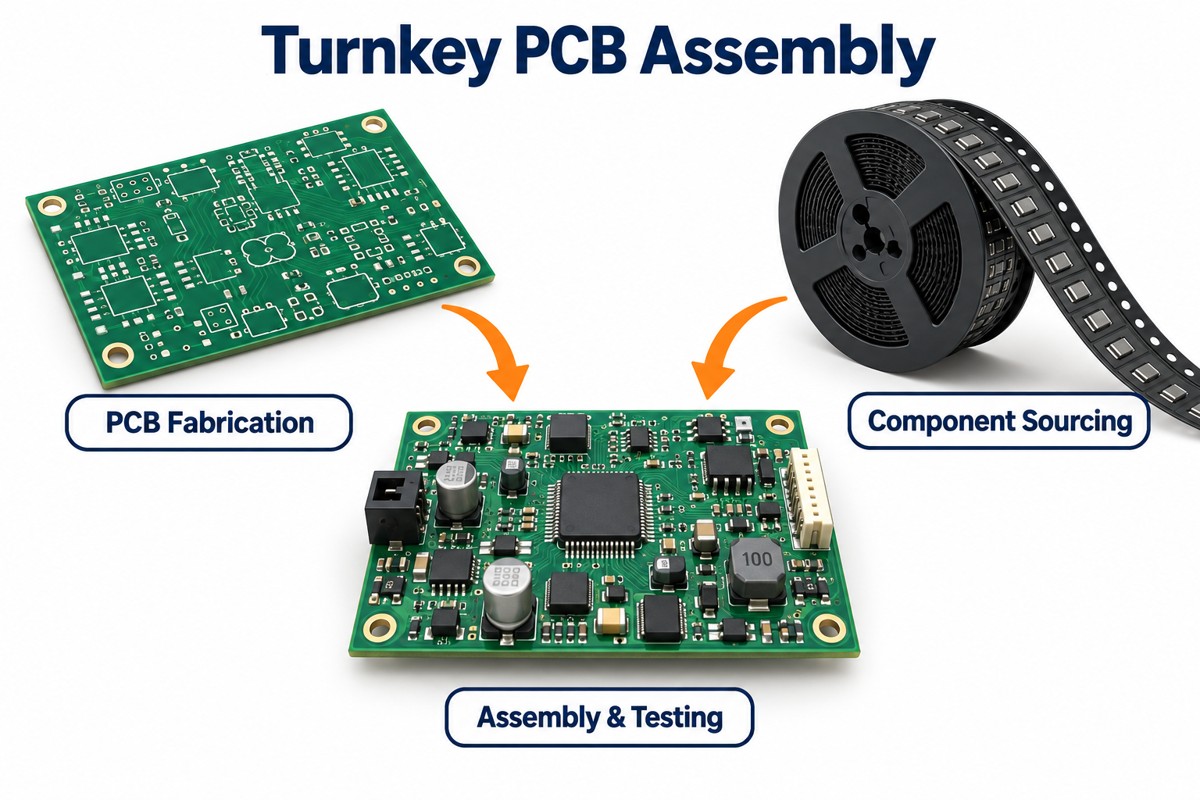
EBest Circuit is a custom 5G IoT PCB manufacturer in China offering PCB fabrication, component sourcing, assembly, programming and testing. From early prototypes to repeat production orders, you can purchase bare boards or combine the work in a turnkey order.

We support boards for industrial gateways, routers, edge devices and remote monitoring equipment. Whether you supply the 5G modules or ask us to source the complete BOM, we coordinate the board build and assembly around your design, quantities and delivery requirements.

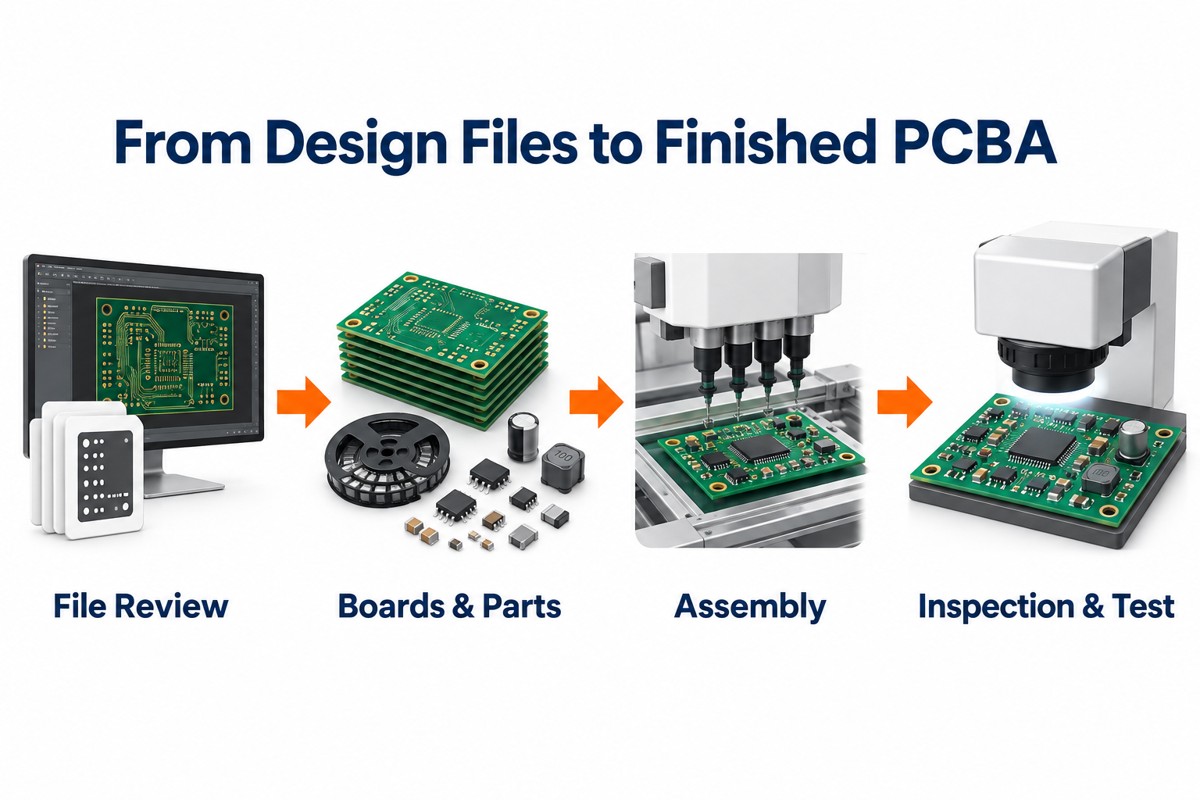
Send your Gerber files and BOM for a free DFM review. We can check manufacturing details, identify sourcing questions and prepare a quotation for the services you need.

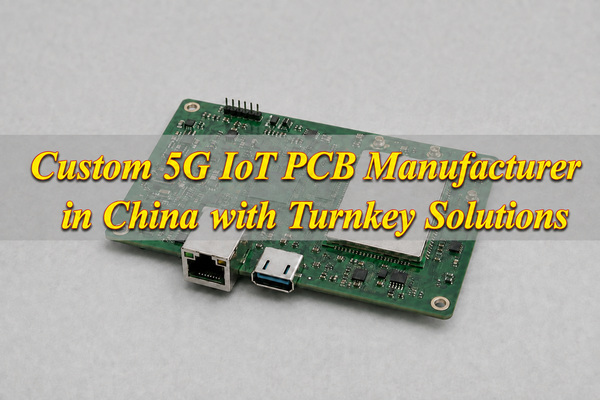
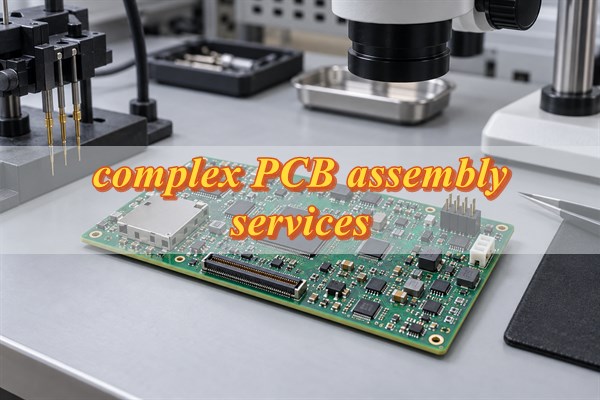
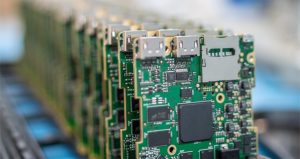
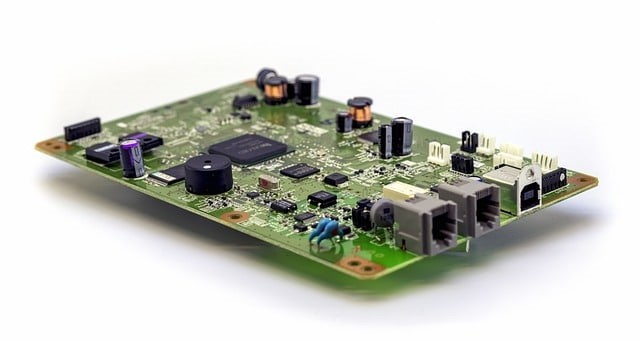
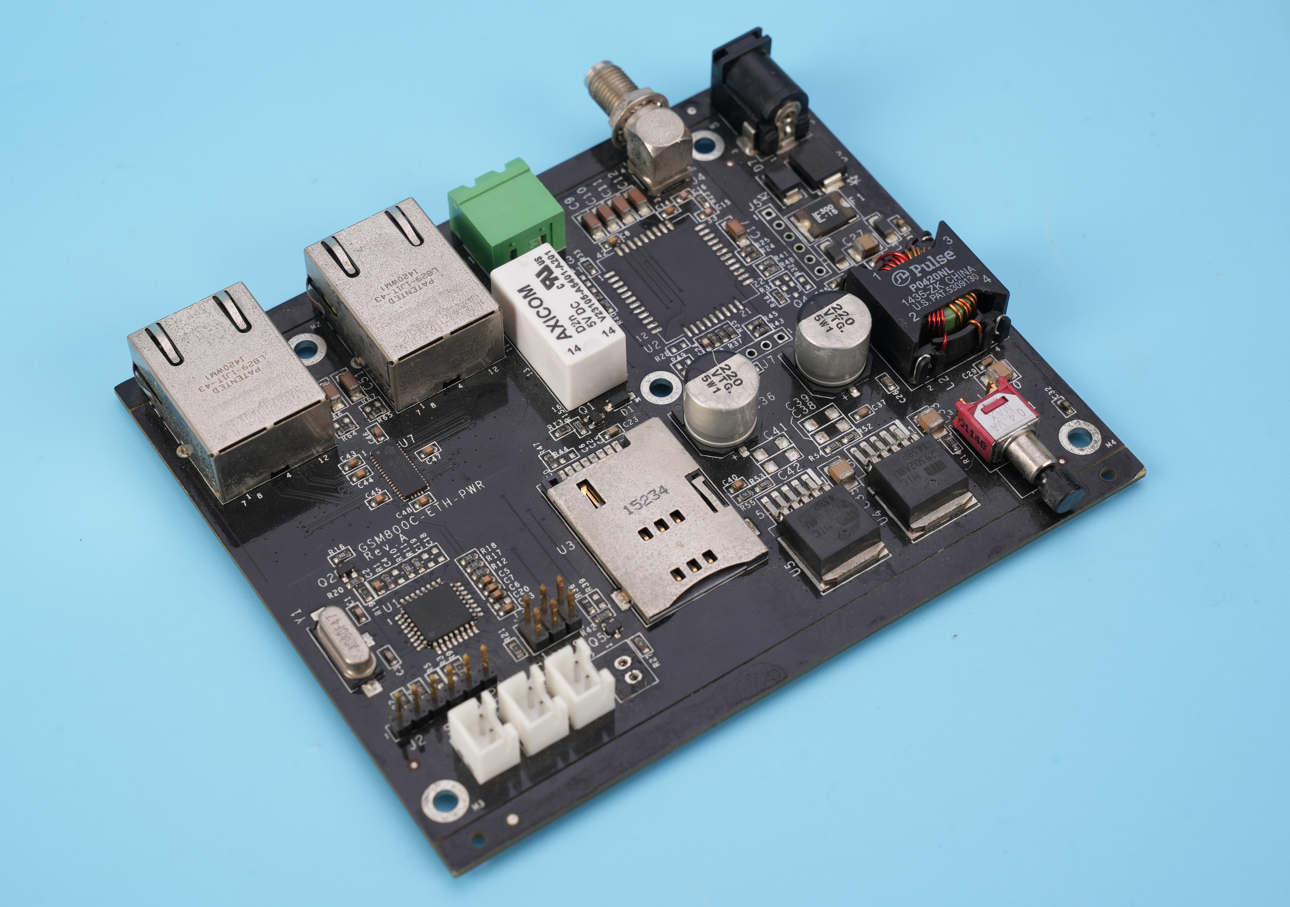
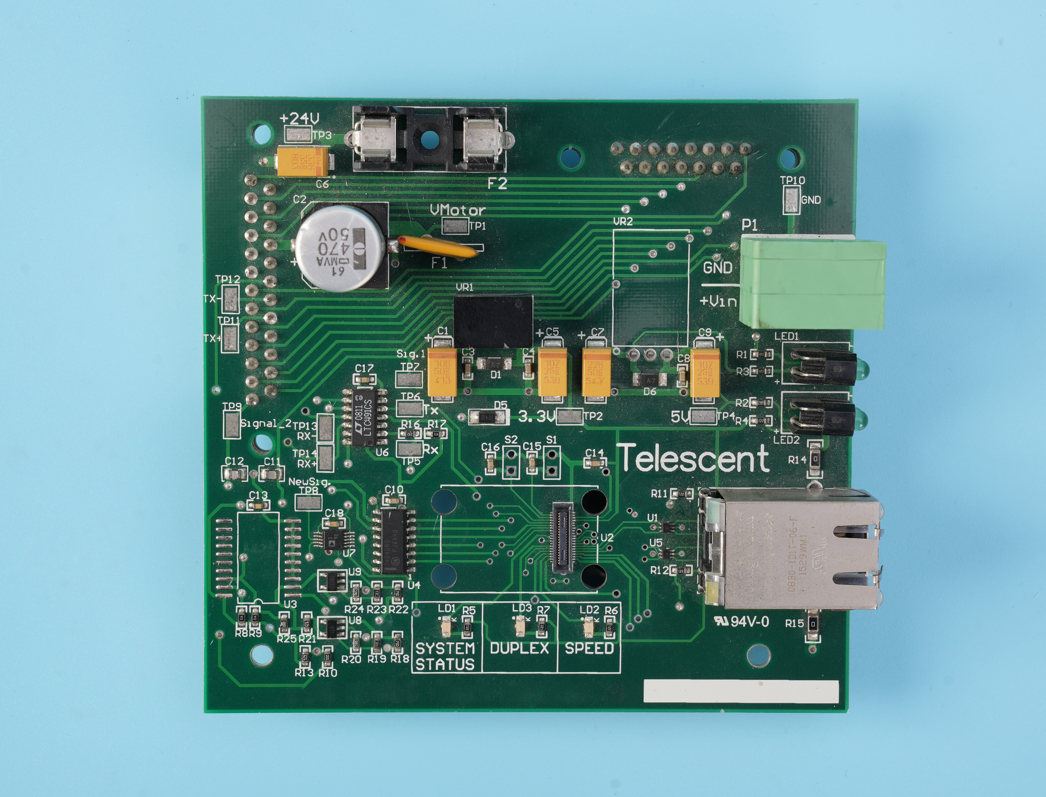
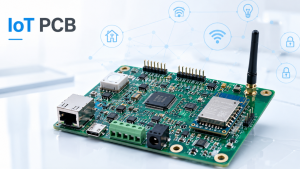
5g iot pcb manufacturer, conceptual unbranded gateway PCB assembly with a shielded module and edge connectors

What 5G IoT PCB Manufacturing and Assembly Services Do We Provide?

Our 5G IoT PCB manufacturing services cover bare boards, populated PCBs and box assembly. Choose the stages you need us to handle; you can retain your existing design or sourcing arrangements.

  • Custom PCB fabrication: Multilayer and HDI manufacturing support the routing and via requirements of compact boards. Provide the stackup, material, copper, finish and impedance specifications so we can review the complete construction.
  • Prototype and production builds: Start with samples for fit and functional evaluation, then order the accepted revision for small-batch or mass production. Changes found during testing should be incorporated before the next batch.
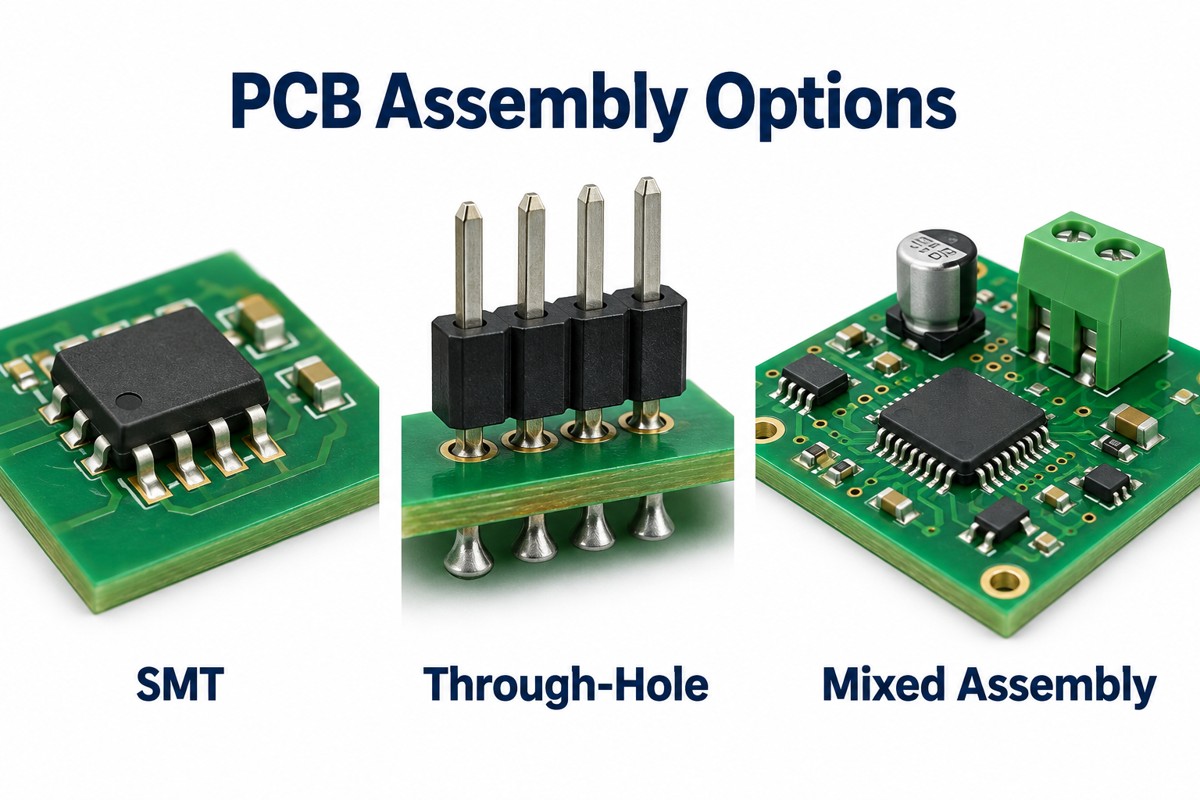
  • SMT and through-hole assembly: Assembly can combine dense IC packages and compact passives with through-hole connectors. Package pitch, board layout and joint access determine the soldering and inspection requirements.
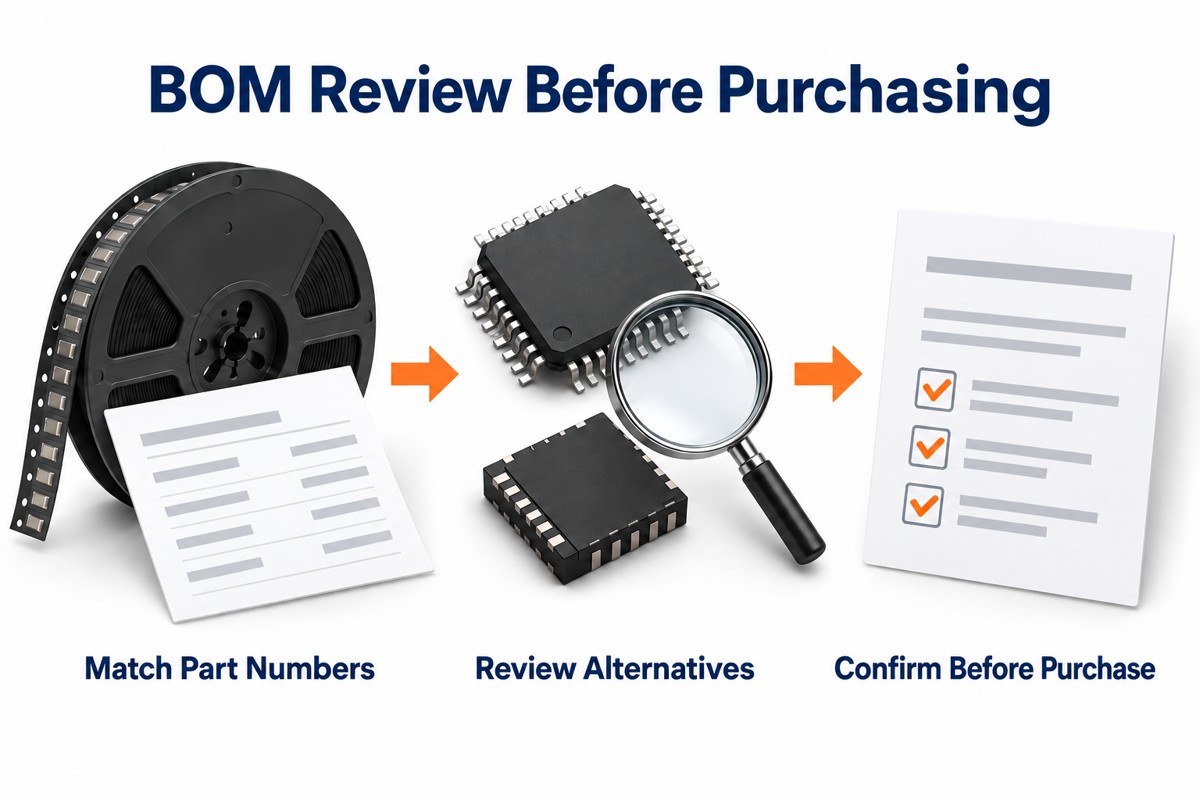
  • Component sourcing: Full turnkey procurement covers the BOM; partial turnkey lets you supply selected modules or other parts. Exact part numbers and approved alternatives keep purchasing aligned with your design.
  • Programming, functional testing and box assembly: Add these services when the order requires programmed boards or assembled units. Supply firmware, test limits, fixture requirements and enclosure drawings so the deliverables are defined before production.

What 5G IoT PCB Manufacturing Capabilities Can We Support?

Our PCB fabrication capabilities include multilayer boards, HDI features and controlled impedance. The values below are process limits; the combination of features in your board needs engineering confirmation.

Manufacturing feature Capability
Standard trace / space 4 / 4 mil
HDI trace / space 2 / 2 mil
Standard minimum hole diameter 0.20 mm
HDI minimum hole diameter 0.10 mm
Impedance tolerance above 50 Ω ±10%
Impedance tolerance at or below 50 Ω ±5 Ω

What 5G IoT Applications Can We Support?

Our services support several types of 5G-connected equipment. Each puts different demands on the board layout, component selection and assembly:

  • Industrial gateways and routers: Module integration, multiple interfaces and external connectors can combine dense routing with mechanical constraints. Include the enclosure and connector positions in the fabrication and assembly review.
  • Edge computing devices: Processor and memory routing, power delivery and heat dissipation influence the board construction. Identify critical interfaces and cooling arrangements so the stackup and assembly access can be reviewed together.
  • Remote monitoring and tracking equipment: Compact packaging, antenna placement and power requirements can constrain component layout. Supply the operating conditions and mechanical drawings with the board files.
  • Connected meters and control equipment: Communication circuits share the board with sensing, power or field connections. Define the required clearances, connections and functional checks; the product’s electrical requirements remain part of the acceptance plan.

Can We Support 5G IoT PCB Prototypes and Mass Production?

We support PCB prototyping, small-batch production and mass production. You can evaluate a small batch before committing to a larger order, then carry the approved design and test requirements into repeat builds.

  • Prototype assembly: Use the first boards to check connector fit, programming access and product operation. Record any layout, component or firmware changes so the next batch incorporates what your team learned.
  • Small-batch production: Build a limited batch from the revised files to assess assembly consistency and the test procedure. Repeated rework or test failures need investigation before you increase the order quantity.
  • Sample approval: Your team reviews the samples and test records, then confirms the PCB revision, BOM, permitted alternatives and acceptance criteria. This approval gives production a clear specification to follow.
  • Mass production: We manufacture against the approved files. Agree on lot identification and delivery records so your receiving team can check each shipment and trace a problem to the relevant batch.

For repeat orders, tell us about changes to components, firmware or test limits before manufacturing starts. Even when the PCB layout stays the same, those changes can affect assembly or testing.

Can We Provide Component Sourcing and Turnkey 5G IoT PCB Assembly?

We can combine fabrication, BOM procurement and assembly in a turnkey order. The purchasing arrangement determines which parts EBest sources and which parts your team supplies.

  • Full turnkey: EBest sources the specified components and coordinates the PCB build and assembly. Send the full BOM and approved alternatives so availability can be reviewed before a delivery date is confirmed.
  • Partial turnkey: Supply selected items, such as modules or processors you already hold, and have EBest source the balance. Confirm quantities, packaging and arrival dates for your parts to avoid holding up assembly.
  • Consigned components: Your team provides the parts for assembly. Include exact part numbers, quantities and handling requirements so incoming checks can match them to the approved BOM.

For long-lead or obsolete parts, flag the affected BOM lines at quotation. We can review availability and proposed alternatives, but a substitute needs your engineering approval. Check the critical parts before committing to the production quantity.
How Do We Control Quality During 5G IoT PCB Manufacturing?

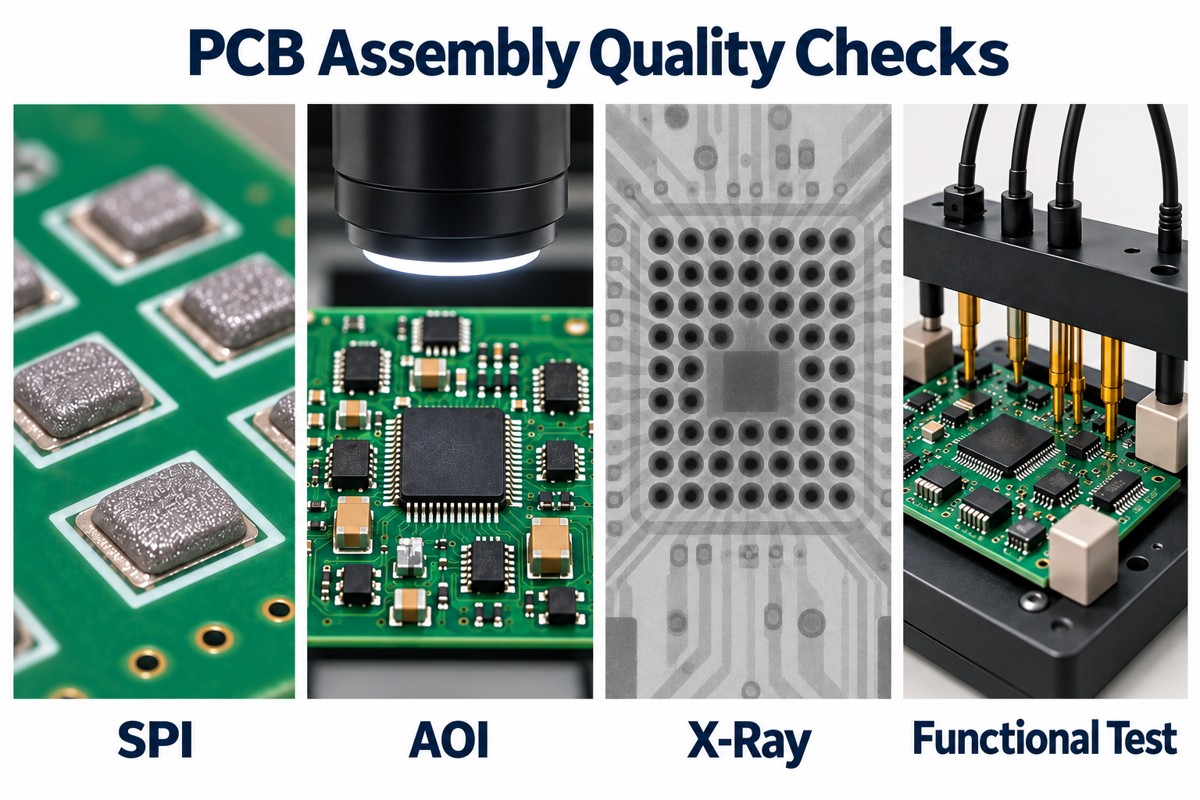
Our assembly quality checks cover incoming components, soldering and agreed functional tests. The inspection method depends on the defect being checked and whether the joint or circuit is accessible.

  • Incorrect or damaged incoming parts: Check identification and condition against the BOM before assembly. Resolve discrepancies before components enter the build.
  • Solder paste defects: SPI checks paste deposits before reflow, when a printing problem can still be addressed before soldering the components.
  • Placement and accessible solder defects: AOI supports inspection after assembly. Hidden BGA joints require a suitable method such as X-ray rather than an exterior visual check alone.
  • Board opens, shorts and impedance requirements: Specify the required electrical checks and impedance records with the fabrication order so results can be associated with the correct construction.
  • Product operation: Functional testing uses the agreed firmware, connections, test procedure and pass/fail limits. Specify any radio or network test separately, including its equipment and operating conditions.

Define the reports and lot or unit identification you need with delivery. Keep the accepted PCB revision, BOM and firmware connected to those records so a receiving or field issue can be investigated against the correct build.

How Do We Review 5G IoT PCB Designs Before Production?

A missing drill detail can hold up fabrication; a BOM mismatch can leave an assembly line waiting for the correct part. Our free DFM review, together with assembly checks, helps resolve these questions while the files can still be changed.

  • Check that the PCB files describe a buildable board. We review trace and space dimensions, hole sizes, via connections, copper clearances and the proposed stackup. For impedance-controlled nets, the drawing needs to identify the target and tolerance. If a fabrication note conflicts with the Gerber or drill data, we ask you to resolve the discrepancy before production. The output is a confirmed construction and a record of the changes you approved.
  • Match the components to the layout and assembly instructions. The BOM, placement data and assembly drawing should agree on reference designators, part numbers, orientation and unpopulated positions. A module variant with a similar name may have a different footprint or connector arrangement. We flag mismatches and review component spacing, solder-joint access and handling requirements so your team can correct the files before parts are fitted.
  • Keep programming and test connections accessible. A test point is of little use if a shield, connector or enclosure blocks it after assembly. Identify the programming interface and measurements needed for acceptance, then check probe access and fixture connections. Where access is restricted, agree on a layout change or an earlier test step. This gives the assembly team a usable test sequence and makes fixture preparation part of the schedule.

Send the latest revision of each file together and identify any unresolved design changes. We return manufacturing questions for your approval; RF performance, antenna operation and product compliance still require the appropriate design validation.

How Long Does 5G IoT PCB Manufacturing and Assembly Take?

For an initial schedule, allow about 10–12 days for qualifying 4–8-layer standard FR4 prototypes and about one week for PCBA. These are separate manufacturing references; the complete turnkey schedule also depends on component availability, test preparation and shipping.

Standard FR4 prototype fabrication is approximately 10 days for 4 or 6 layers and 12 days for 8 layers. These figures apply to orders below 1 m² meeting our standard FR4 specifications. HDI, special laminates and other nonstandard constructions need a separate schedule. Assembly timing is confirmed against the quantity and test scope, with the required boards and components available.

The main factors that can move your delivery date are:

  • Board construction: Layer count, via structure, material, finish and quantity affect fabrication. Identify special laminates and HDI requirements at quotation so availability and processing time can be checked before you commit to a date.
  • Parts availability: PCB fabrication and purchasing can overlap, but assembly needs a complete kit. A missing module or connector can delay the batch even when the bare boards are ready. Send exact part numbers and flag customer-supplied items early.
  • Testing and design changes: Programming files, fixtures and pass/fail limits must be ready for assembly. A late component substitution or revised test procedure can require another review before work continues.
  • Capacity and transport: Production loading, holidays, shipping and customs clearance affect arrival. Give us the date you need the boards at your site; WIP updates let you follow progress during manufacturing.

Case Analysis: From 5G IoT PCB Prototypes to Mass Production

Project background: In this hypothetical project, a hardware team needs 10 assembled prototypes for evaluation. After sample approval, it plans to begin mass production with an initial 100-board production order. Each board uses one customer-supplied 5G module and two specified interface connectors. EBest would fabricate the PCBs, source the remaining BOM and assemble the boards.

Requirements and challenges: The prototype batch therefore needs 10 modules and 20 interface connectors; the first production order needs another 100 modules and 200 connectors. These are fitted quantities, excluding assembly spares. Purchasing the production components before prototype approval risks committing parts to a design that may change. The team also needs programming access after assembly and a way to identify each tested board.

Our proposed solution: Check the board files and BOM first, then confirm the prototype kit and any spare-parts allowance. Assemble the 10 prototypes using one approved PCB, BOM and firmware revision. Record the programmed version and the agreed power-up and interface-test results against each board identifier. After customer evaluation, incorporate approved changes and confirm the components for the first 100-board production order before procurement and assembly proceed.

Output and acceptance: The requested prototype delivery consists of 10 assembled boards and 10 individual test records, plus the list of approved manufacturing changes. With one module and two connectors per board, the first production order has a fitted-parts requirement of 100 modules and 200 connectors. Mass production begins after sample approval and confirmation of the revised BOM. For subsequent orders, the approved PCB files, BOM, firmware and test procedure provide the manufacturing specification; any changes need approval before the next batch. Actual yield, test performance and delivery time would come from the completed build records.

Why Choose EBest as Your 5G IoT PCB Manufacturer?

Choose EBest when you want PCB fabrication, sourcing and assembly managed together. You can keep control of the design and critical parts while we coordinate the manufacturing work.

  • Less supplier coordination: A turnkey order brings the bare boards, purchased components and assembly under one contact. When a layout or part changes, you can resolve its effect on the complete order without forwarding separate instructions to several suppliers.
  • Quality checks matched to your board: Incoming inspection, SPI, AOI, X-ray and functional testing address different defects. We agree on the relevant coverage and records with you, helping your team inspect deliveries and investigate problems against the correct batch.
  • Delivery planning that includes the parts: We review material and component availability alongside fabrication and assembly. WIP updates help you follow the order and coordinate your own testing or product integration around manufacturing progress.
  • Engineering support before you commit to production: Free DFM review identifies manufacturing conflicts in the submitted files. Resolving them before fabrication helps avoid building boards that need an immediate revision.
  • Flexibility as quantities grow: Start with samples and continue to small-batch or mass production orders using the approved design. Full turnkey, partial turnkey and consigned-parts options let you choose how much procurement you retain at each stage.

What Files Are Required for a 5G IoT PCB Quote?

Send the files and specify whether you need bare boards or assembled units. Include prototype and production quantities, the destination and your required arrival date.

  • PCB fabrication: Gerber or ODB++ data, drill files, fabrication drawing, stackup and PCB specifications. Identify material, copper, finish and impedance requirements so the quotation matches the construction.
  • PCB assembly: BOM, pick-and-place data, assembly drawing and approved alternatives. Mark customer-supplied components and their availability so the sourcing split is clear.
  • Programming and testing: Firmware, test procedure, fixture requirements and acceptance criteria. Specify reports, lot identification and any enclosure work required with delivery.

Send your Gerber files, BOM, quantities, testing requirements and delivery date to sales@bestpcbs.com for a quotation and free DFM review.

FAQs About 5G IoT PCB Manufacturing

Q1: What happens if a BOM component is obsolete or unavailable?

A1: We can review availability and suggest alternatives. Your engineering team must approve a substitute before purchase, including any effect on fit, electrical operation, firmware or compliance requirements.

Q2: Can we change components after approving the prototype?

A2: Yes, but submit the updated BOM before the next order. Review the effect on layout, programming and test limits, and decide whether the change needs another sample build.

Q3: What should accompany a customer-supplied test fixture?

A3: Include connection instructions, compatible firmware, the test procedure and pass/fail limits. Confirm when the fixture will arrive so testing can begin when the assembled boards are ready.

Q4: Can EBest quote while some design files are still being revised?

A4: Send the available files and mark the open items. We can begin a preliminary review; the final price and schedule depend on the confirmed specifications, quantities, BOM and testing requirements.

Q5: How should we handle firmware changes between batches?

A5: Identify the firmware version and programming method for each order. If the new version changes product behaviour, update the test procedure and pass/fail limits before that batch is programmed.

You may also like

PCB PCBA China Manufacturer for Turnkey Assembly
Thursday, July 30th, 2026

pcb pcba china is a search used by buyers who need more than a bare circuit board supplier. Usually, they are looking for one manufacturer in China that can handle PCB fabrication, component sourcing, SMT assembly, through-hole assembly, inspection, testing support, and shipment without forcing the customer to manage several vendors.

EBest Circuit (Best Technology) supports overseas engineers, purchasing teams, OEMs, and hardware companies with turnkey PCB and PCBA manufacturing services in China. If your project needs PCB fabrication, BOM sourcing, SMT/THT assembly, DFM review, inspection, testing support, sample builds, or prototype PCBA support, send your files to sales@bestpcbs.com for engineering review.

pcb pcba china
PCB PCBA China manufacturing support connects PCB fabrication, assembly, inspection, and delivery.

Quick buyer match:

If you need EBest Circuit supports
PCB fabrication FR4, MCPCB, ceramic, flex, rigid-flex
PCBA assembly SMT, THT, mixed assembly
Turnkey service PCB, sourcing, assembly, test support
Engineering review DFM, BOM risk, layout manufacturability
Quantity Prototype, small batch, repeat orders
Quality systems ISO9001, ISO13485, IATF16949, AS9100D
Contact sales@bestpcbs.com

What Can a PCB PCBA China Manufacturer Do for Your Project?

A PCB PCBA China manufacturer should help customers reduce production risk across the full build process.

For many buyers, the real question is not only, “Can you make this board?” The more important questions are:

  • Can the PCB be fabricated reliably?
  • Can the BOM be sourced without hidden delays?
  • Can the component package match the PCB footprint?
  • Can SMT and THT assembly be sequenced correctly?
  • Can inspection find defects before shipment?
  • Can prototype feedback be carried into the next batch?

A complete PCB/PCBA workflow usually includes PCB fabrication, component sourcing, stencil preparation, SMT placement, reflow soldering, through-hole assembly, AOI inspection, X-ray inspection when needed, functional testing support, packing, and shipment.

When these steps are split across several suppliers, responsibility can become unclear. A board factory may say the bare PCB is correct. An assembly house may say the footprint is wrong. A component supplier may say the part is unavailable. The customer is left coordinating the problem.

That is why overseas buyers often prefer one PCB/PCBA manufacturer that can review the whole production package before the order moves forward.

Why Choose EBest Circuit for PCB PCBA China Production?

EBest Circuit (Best Technology) is suitable for customers who need PCB manufacturing and PCBA assembly handled together.

For overseas buyers, the value is not only “China price.” The real value is faster technical communication, early risk review, and one team responsible for moving the order from files to assembled boards.

EBest Circuit supports PCB PCBA China projects with:

  • PCB fabrication for FR4 PCB, metal core PCB, ceramic PCB, flexible PCB, rigid-flex PCB, high frequency PCB, heavy copper PCB, and special PCB requirements.
  • SMT, THT, and mixed PCBA assembly.
  • Component sourcing support from practical supply channels.
  • DFM review before fabrication.
  • PCB layout manufacturability review.
  • BOM optimization suggestions when parts may affect cost, lead time, or assembly risk.
  • Sample and small-batch support for engineering validation.
  • Inspection and testing support based on customer requirements.
  • Quality systems including ISO9001, ISO13485, IATF16949, AS9100D, REACH, RoHS, and UL.

For customers comparing PCB PCBA China suppliers, these details matter because one wrong connector, one long-lead IC, or one unclear polarity mark can delay the full project.

China PCBA PCB Assembly Services: From PCB Fabrication to Testing

China PCBA PCB Assembly should be treated as one production chain, not as separate tasks. For buyers who need a complete service model, full turnkey PCB assembly is often more practical than managing separate PCB, component, assembly, and test suppliers.

Typical turnkey PCBA flow:

  1. Engineering files received
  2. DFM and BOM review
  3. PCB fabrication
  4. Component sourcing
  5. SMT stencil preparation
  6. SMT placement and reflow
  7. THT or mixed assembly
  8. AOI, X-ray, or visual inspection
  9. Functional testing support
  10. Packing and shipment

The risk often appears before production starts. For example, the Gerber may be ready, but the BOM may include unavailable components. The CPL file may not match the assembly drawing. The connector direction may be unclear. The test method may not be defined.

Common pre-production issues include:

  • Missing CPL file for SMT placement.
  • BOM without manufacturer part numbers.
  • Footprint mismatch between PCB and component datasheet.
  • Unclear polarity for LEDs, diodes, capacitors, or ICs.
  • Connector direction not shown in the assembly drawing.
  • Functional test expected but no test procedure provided.
  • Special packing or labeling requirement missing.

EBest Circuit helps customers check these details before fabrication, sourcing, and assembly begin, so avoidable mistakes can be corrected earlier.

What Files Should You Send for a PCB PCBA China Quote?

A complete quote package helps a PCB PCBA China manufacturer estimate cost, lead time, sourcing difficulty, and assembly risk more accurately. If delivery speed is critical, a quick turn PCBA review should also confirm whether materials, assembly complexity, and test requirements fit the requested schedule.

pcb pcba china
Gerber, BOM, CPL, and assembly drawing review helps reduce PCB/PCBA quote and production risk.

For PCB fabrication, send:

  • Gerber files
  • Drill files
  • Board thickness
  • Copper thickness
  • Surface finish
  • Solder mask and silkscreen requirements
  • Stackup or impedance requirements if needed
  • Quantity
  • Delivery target

For PCBA assembly, also send:

  • BOM with manufacturer part numbers
  • CPL or pick-and-place file
  • Assembly drawing
  • Polarity notes
  • Connector direction notes
  • Test procedure if testing is required
  • Firmware or programming notes if applicable
  • Packing and labeling requirements

File package comparison:

File package Quote clarity Production risk
Gerber only PCB only High for PCBA
Gerber + BOM Basic estimate Medium
Gerber + BOM + CPL Clearer Lower
Full files + test method Best Lowest

If the BOM only says “10k resistor” without package, tolerance, voltage rating, or manufacturer part number, sourcing becomes uncertain. If the CPL does not match the assembly drawing, placement risk increases. If functional testing is needed but no test method is provided, testing responsibility becomes unclear.

A better file package makes the quote faster and the production plan more reliable.

How Does a China PCB PCBA Supplier Review DFM and BOM Risk?

A China PCB PCBA supplier should review two types of risk before production: manufacturability risk and sourcing risk.

DFM review focuses on the PCB:

  • Trace and spacing
  • Drill size
  • Annular ring
  • Copper balance
  • Solder mask bridge
  • Via design
  • Board thickness
  • Surface finish
  • Panelization
  • Special process notes

BOM review focuses on the components:

  • Manufacturer part number accuracy
  • Package and footprint match
  • Lifecycle status
  • MOQ and lead time
  • Approved alternates
  • Polarity and orientation
  • Moisture sensitivity
  • Special handling requirements

Small file issues can create large production consequences. A wrong connector footprint can cause rework or scrap. An unavailable IC can delay SMT assembly. A missing polarity mark can make the board fail during power-on testing. A narrow solder mask bridge can increase solder bridging risk.

EBest Circuit can support DFM review, PCB layout manufacturability review, and BOM optimization suggestions within the PCB/PCBA production scope. The customer remains responsible for the product design, but our team helps identify risks that may affect manufacturing, sourcing, assembly, and delivery.

SMT, THT, Mixed Assembly, and Testing for China PCB PCBA Projects

Different PCB PCBA China projects need different assembly processes.

SMT assembly is suitable for ICs, resistors, capacitors, LEDs, modules, fine-pitch devices, and compact electronic products. The key risks are solder paste control, placement accuracy, reflow profile, missing parts, tombstoning, and wrong orientation.
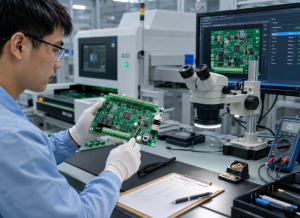
THT assembly is often used for connectors, terminals, switches, relays, transformers, and parts that need stronger mechanical support. The key risks are hole size, solder filling, component height, direction, and mechanical stability.

Mixed assembly needs more process planning because SMT and THT steps must be sequenced correctly. Tall components, heat-sensitive parts, heavy connectors, or manual soldering points should be reviewed before production.

BGA, QFN, and hidden solder joint packages may need X-ray inspection because AOI cannot see every solder joint. For projects that require functional confirmation, the customer should provide the test procedure, fixture requirements, firmware, or acceptance criteria.

The important point is simple: testing should be defined before the order starts, not after the boards are assembled.

How to Compare PCB PCBA China Manufacturers Beyond Unit Price?

The lowest quote is not always the lowest project cost.

A cheap quote may hide missing services, weak BOM review, unclear testing responsibility, poor inspection, or slow communication. These problems may not appear on the quotation sheet, but they can become expensive during production.
Weak supplier signals:

  • Quotes only from Gerber and quantity.
  • Does not ask for BOM, CPL, or assembly notes.
  • Does not flag long-lead components.
  • Gives no DFM feedback.
  • Uses vague wording such as “QC passed.”
  • Cannot explain inspection or testing scope.
  • Slow response when technical questions appear.

Strong supplier signals:

  • Reviews Gerber, BOM, CPL, and assembly drawing.
  • Confirms component availability before purchasing.
  • Asks about polarity, connector direction, and testing.
  • Supports SMT, THT, and mixed assembly.
  • Provides inspection and testing options.
  • Supports prototype and small-batch orders.
  • Can track production status and batch information.
  • Communicates clearly before production starts.

For overseas buyers, communication speed can save real money. A supplier who finds a BOM issue before purchasing may prevent weeks of delay.

How Does a PCB PCBA China Manufacturer Control Quality?

A reliable PCB PCBA China manufacturer should not wait until final inspection to find problems. Quality control should start before PCB fabrication and continue through sourcing, assembly, testing, packing, and shipment.

pcb pcba china
PCBA inspection and testing support helps buyers confirm soldering, assembly, and quality before shipment.

Key quality control points include:

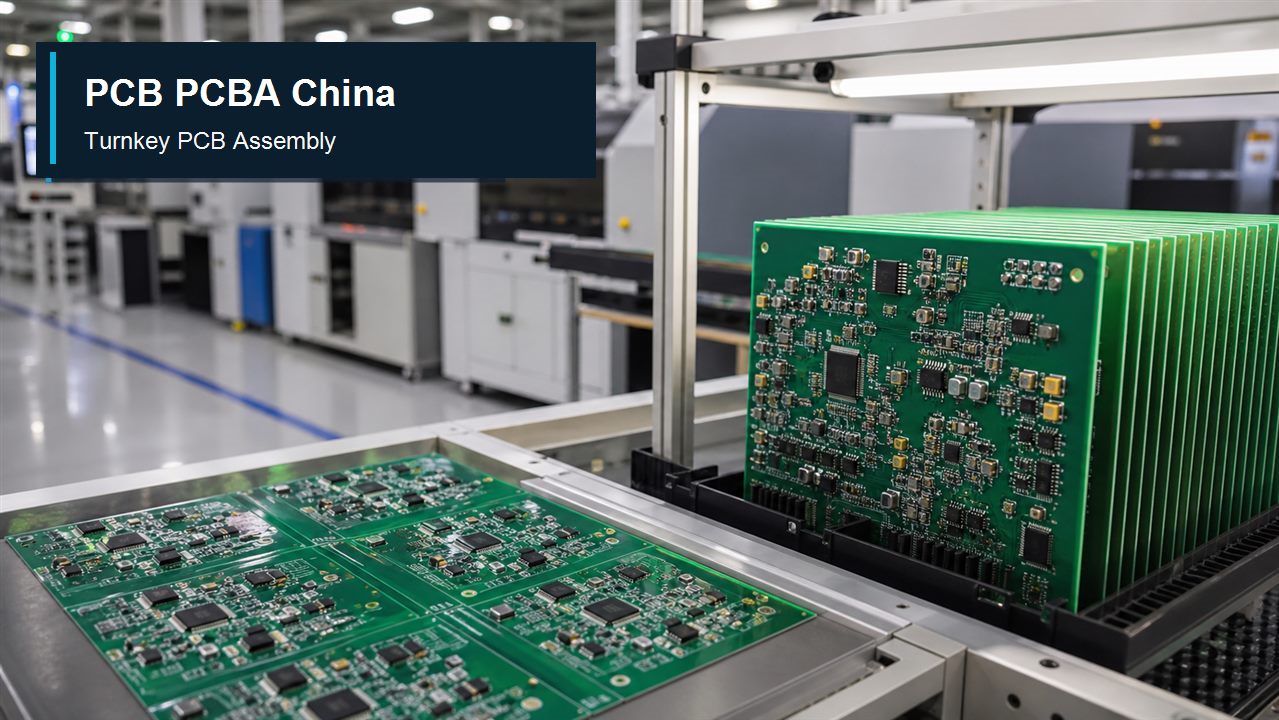
  • Material and component checks: PCB laminate, copper thickness, surface finish, component MPN, package, date code, and BOM consistency should be reviewed before production.
  • PCB fabrication control: Drilling, plating, solder mask, silkscreen, surface finish, and electrical testing help prevent bare board defects before assembly.
  • SMT process control: Solder paste printing, placement accuracy, reflow profile, first article inspection, and AOI help reduce solder bridges, tombstoning, missing parts, and wrong orientation.
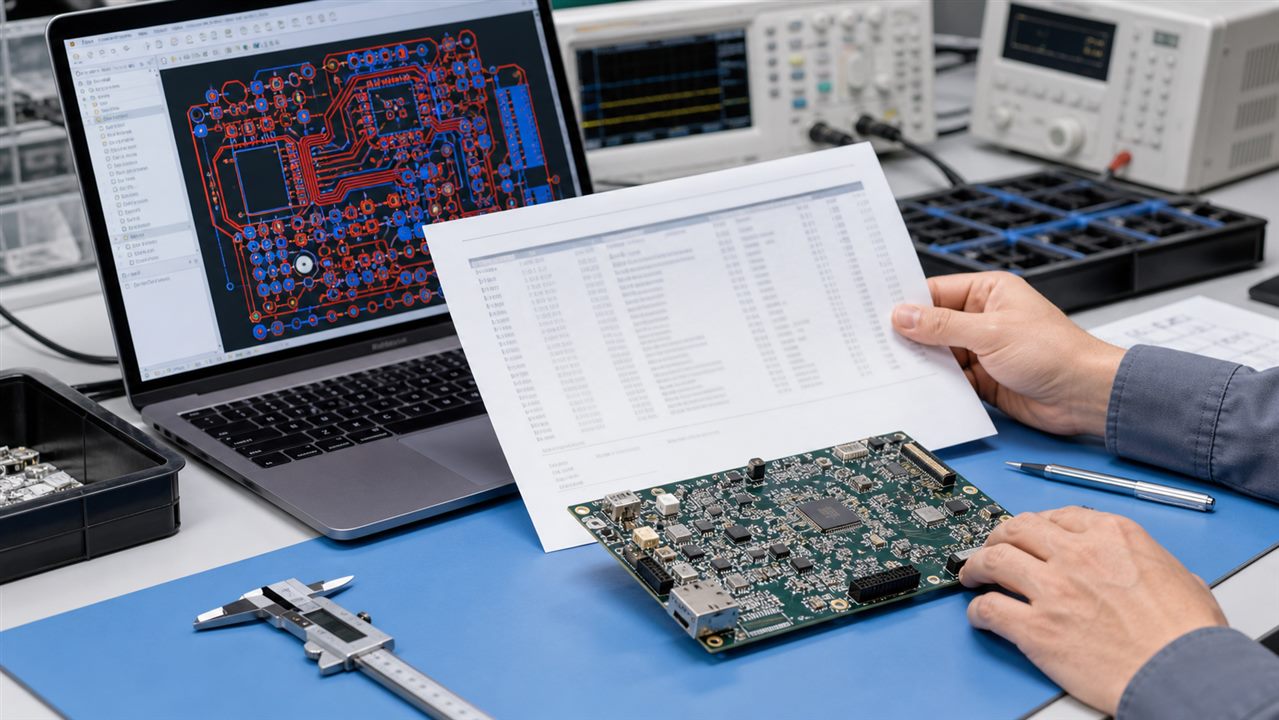
  • THT and mixed assembly checks: Connectors, terminals, relays, switches, and high-current parts need correct direction, solder filling, and mechanical strength.
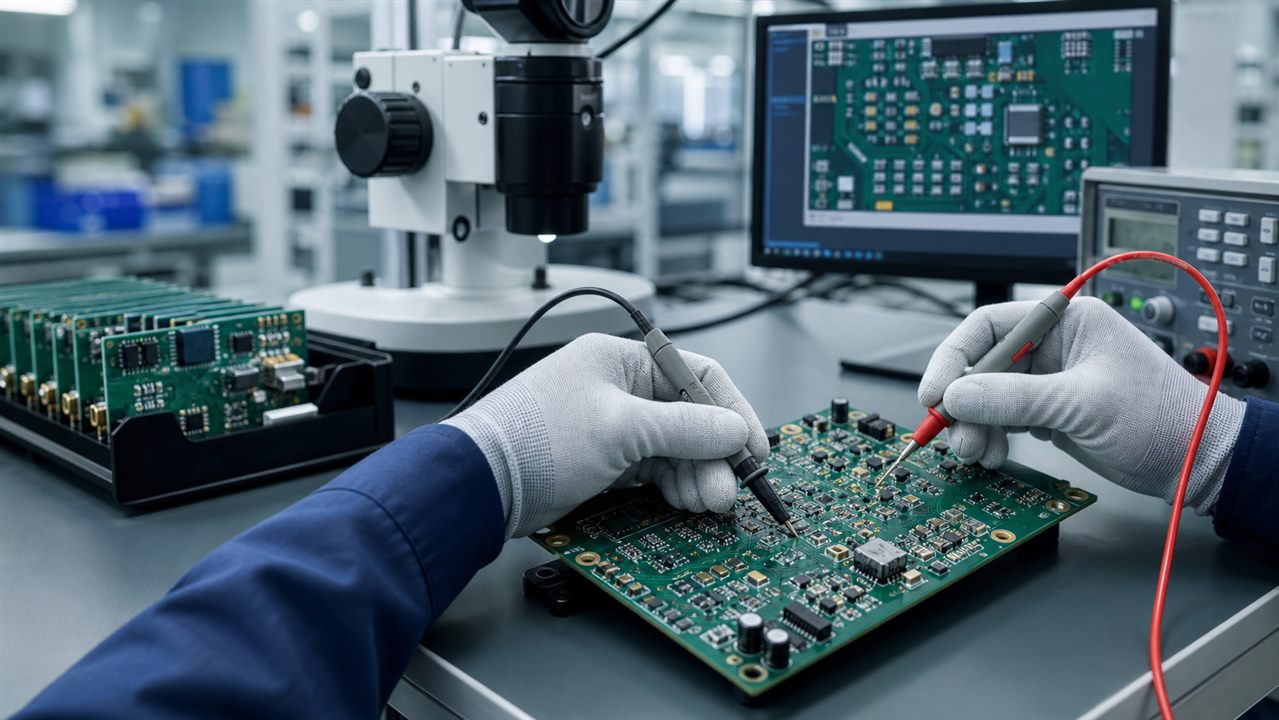
  • Inspection and testing: AOI, X-ray, visual inspection, electrical checks, and customer-defined functional testing help confirm the board before shipment.
  • Traceability: Material batch, component batch, production status, and order history should be traceable when customers need repeat production or quality review.

For overseas buyers, this is important because they may not be able to visit the factory in person. Certifications, inspection equipment, batch tracking, and clear engineering communication become the evidence that the supplier can control real production risk.

Project Example: Prototype to Small-Batch PCB PCBA China Assembly

A German industrial equipment customer needed 120 PCBAs for a monitoring controller used inside a compact control box. The board was not extremely complex, but it had several production risks: SMT ICs, through-hole terminals, a display connector, and a sensor interface all had to match the enclosure and cable direction.

Project requirements:

  • Country: Germany
  • Quantity: 120 PCBAs
  • Application: industrial monitoring controller
  • PCB: 4-layer FR4 PCB
  • Assembly: SMT + THT mixed assembly
  • Main concern: avoid assembly mistakes before small-batch validation

Before production, EBest Circuit reviewed the Gerber files, BOM, CPL file, and assembly drawing. The team found two long-lead ICs, one connector footprint that needed datasheet confirmation, and one display cable direction that was not clearly marked.

EBest Circuit solution:

  • Suggested component alternatives for customer approval.
  • Confirmed the connector datasheet before PCB fabrication.
  • Marked the cable insertion direction before assembly.
  • Coordinated PCB fabrication, component sourcing, SMT assembly, THT assembly, AOI, visual inspection, and functional test support.

The value for the customer was not only assembly. The real value was that production risks were found before purchasing and manufacturing started.

This is the kind of support overseas buyers should look for when choosing a PCB PCBA China manufacturer.

FAQs About PCB PCBA China

What does PCB PCBA China mean?

PCB PCBA China usually means PCB fabrication and printed circuit board assembly services provided by a manufacturer or supplier in China. Buyers often use this phrase when they need bare PCB production, component sourcing, SMT/THT assembly, inspection, and testing from one supplier.

Is EBest Circuit a PCB PCBA China manufacturer?

Yes. EBest Circuit (Best Technology) supports customized PCB and PCBA solutions in China, including PCB manufacturing, component sourcing, PCBA assembly, DFM review, inspection, and testing support for prototype, small-batch, and production projects.

What files are needed for a PCB PCBA quote?

For PCB fabrication, send Gerber files, drill files, board specifications, quantity, and delivery needs. For PCBA, also send BOM, CPL or pick-and-place file, assembly drawing, test requirements, and special process notes.

Can a PCB PCBA China supplier source components?

Yes, many turnkey PCB/PCBA suppliers can support component sourcing. To reduce sourcing delays, customers should provide accurate manufacturer part numbers, package information, quantities, lifecycle requirements, and approved alternate parts where possible.

How do I reduce risk before PCB PCBA production in China?

Send complete files, confirm critical components, review DFM and BOM feedback, define testing requirements, approve any substitute parts, and choose a supplier that can coordinate PCB fabrication, sourcing, assembly, inspection, and delivery.

In Conclusion, choosing a pcb pcba china manufacturer should not be based only on the lowest unit price. The stronger choice is a supplier that can review your files, control BOM and assembly risk, manufacture the PCB, assemble the PCBA, inspect the order, support testing, and communicate clearly before production issues become expensive delays. EBest Circuit (Best Technology) supports turnkey PCB and PCBA projects from prototype to small-batch and production orders. To review your next PCB/PCBA project, contact sales@bestpcbs.com.

You may also like

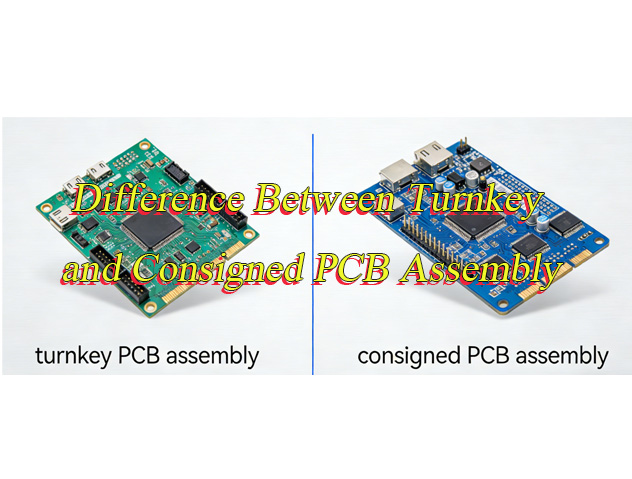
Difference Between Turnkey and Consigned PCB Assembly
Tuesday, March 17th, 2026

Struggling to understand how consigned PCB assembly differs from turnkey and which one saves you money? This guide compares definitions, costs, service scopes, lead times, risks, and supplier choices to help you optimize your PCB decisions efficiently.

Difference Between Turnkey and Consigned PCB Assembly, https://www.bestpcbs.com/blog/2026/03/consigned-pcb-assembly/

What is Consigned PCB Assembly?

Consigned PCB assembly refers to a service where the client provides all necessary components (such as resistors, capacitors, ICs, and PCBs), and the manufacturer is responsible for assembling these components into finished PCBs according to the client’s specifications. This model puts the client in control of component sourcing, while the manufacturer handles the assembly process, quality testing, and packaging.

A reputable consignment PCB assembly supplier will verify component quality upon receipt, ensure proper storage to prevent damage, and follow strict assembly protocols to meet the client’s requirements. This model is ideal for clients who have established component supply chains or need to use specific, high-quality components for their products.

What is Turnkey PCB Assembly?

Turnkey PCB assembly is a full-service solution where the manufacturer takes complete responsibility for the entire PCB production process. This includes component sourcing, procurement, assembly, testing and delivery. Clients only need to provide the design files (Gerber files, BOM list) and specifications, and the manufacturer handles the rest.

This model eliminates the need for clients to manage component sourcing. It reduces administrative burdens and potential supply chain risks, making turnkey solutions popular among businesses that want to streamline their production process and focus on core operations instead of component management.

Difference Between Turnkey and Consigned PCB Assembly

Comparison AspectTurnkey PCB AssemblyConsigned PCB Assembly
Material ProcurementManufacturer handles all component sourcingClient supplies components
Cost StructureHigher upfront cost but lower total cost (bulk buying, logistics savings)Lower material costs but higher management/labor costs
Lead TimeTypically shorter (manufacturer controls supply chain)Varies based on client’s supply chain efficiency
Risk AllocationManufacturer bears sourcing/quality risksClient bears component quality/supply risks
Quality ControlManufacturer-managed (integrated process)Shared responsibility (client controls part quality)
Flexibility & CustomizationLimited (predefined specs)High (client can modify materials/processes)
Volume EfficiencyOptimal for large-scale productionBetter for small batches/specialty items
Client Expertise RequiredMinimal (relies on manufacturer)High (requires sourcing/inventory management skills)
Supply Chain ControlManufacturer-managedClient-controlled
Total Cost of OwnershipOften lower (logistics/bulk savings offset fees)Potentially higher (inventory/management costs)

Cost Analysis: Is Consigned PCB Assembly More Economical for Small Businesses?

For international small businesses, cost control directly affects operational sustainability. Unlike turnkey solutions, consigned PCB assembly eliminates manufacturer sourcing markups, cutting direct costs significantly. This is a game-changer for budget-conscious small businesses, especially those leveraging regional trade agreements, as sourcing components locally or from preferential regions can slash tariff costs by up to 60% in some cases, and you retain full control over component pricing to negotiate bulk discounts with trusted suppliers, critical for reducing per-unit costs on small to medium production runs.

However, hidden costs can erode savings if you lack an established component supply chain. These include international shipping fees, customs delays, and rework costs from low-quality components; for example, urgent component shipping or rework for defective parts can add 15-30% to your total costs, negating initial assembly savings from consigned services, especially when navigating complex global trade rules and supply chain gaps.

The key to cost efficiency lies in your component supply chain: if you have reliable local or regional component suppliers, consigned PCB assembly is almost always more economical, as it avoids turnkey markup and lets you optimize tariffs and component costs. Without trusted suppliers, turnkey may be cheaper, as manufacturers leverage global networks to secure components at lower costs and avoid hidden supply chain expenses, including those associated with international shipping and compliance checks.

Is Consigned PCB Assembly More Economical for Small Businesses, https://www.bestpcbs.com/blog/2026/03/consigned-pcb-assembly/

Service Scope Comparison: Consigned vs. Turnkey PCB Solutions

Understanding the exact services included in each assembly model helps you choose the right fit for your global operations. Both options focus on quality and efficiency but differ significantly in the level of support provided, especially for international clients managing cross-border supply chains.​

Consigned PCB Assembly Services​

Consignment PCB assembly services are tailored for clients who want control without sacrificing quality. Key services include component inspection to verify your parts meet specifications, SMT and through-hole assembly, rigorous testing such as AOI, X-ray and functional testing, and packaging optimized for international shipping. Many suppliers also offer component storage so you can stage parts for ongoing production and avoid repeated international shipping costs.​

This model keeps you in charge of component sourcing while we handle the technical aspects of assembly. It is ideal for clients with established supplier relationships who want to maintain consistency across global production batches.​

Turnkey PCB Solutions​

Turnkey solutions are designed for international clients who want to simplify their supply chain. They include all consigned assembly services plus component sourcing with compliance checks for regional standards like EU RoHS and US FCC, DFM analysis to optimize designs for global production, inventory management, and global shipping with end-to-end tracking. This eliminates the need to coordinate with multiple suppliers and customs agents.​

Turnkey services leverage the manufacturer’s global supplier networks and logistics expertise to streamline your operations. They are perfect for clients new to global manufacturing or those looking to reduce administrative workload and supply chain complexity.

Lead Time Efficiency: Can Consigned PCB Assembly Beat Turnkey for Urgent Deadlines?

Yes, consigned PCB assembly is significantly more efficient for meeting urgent global deadlines, especially with same day consigned PCB assembly options. When you provide all necessary components, your manufacturer can begin assembly the moment those parts arrive. This cuts out the 3 to 7 days (or longer) typically needed for component sourcing in turnkey solutions, which is a critical benefit when you’re up against tight market launch timelines or need to quickly replace defective parts for global customers. Many international clients rely on this speed to avoid costly delays that could harm their brand reputation in competitive markets.

For international clients, partnering with a consignment PCB assembly supplier with proven global shipping experience is key to faster turnaround. We’re familiar with customs regulations across major markets from the EU and US to Asia, and use specialized packaging (like vacuum sealing for high-tech PCBs) to prevent damage during transit, which also helps streamline customs inspections and avoid hold-ups. We provide real-time tracking for every shipment, so you can monitor delivery progress at any time. Turnkey solutions, by contrast, often struggle with urgent deadlines because they’re dependent on global component sourcing, which can face delays from supply chain disruptions or customs issues.

 Can Consigned PCB Assembly Beat Turnkey for Urgent Deadlines, https://www.bestpcbs.com/blog/2026/03/consigned-pcb-assembly/

Risk Assessment: Consignment vs. Turnkey PCB Assembly

For international clients, understanding the risk differences between consigned and turnkey PCB assembly is critical to protecting your business, brand reputation, and bottom line. Each model shifts risk responsibility differently, and knowing these nuances helps you choose the option that aligns with your risk tolerance and operational capabilities.

Consigned PCB Assembly Risks

With consigned PCB assembly, the majority of supply chain risks fall on you, the client. This is a key tradeoff for the control you gain over component sourcing and quality.

The most common risks include component shortages caused by global supply chain disruptions, damage to parts during international shipping, and the threat of counterfeit components if your suppliers are not reputable. Counterfeit parts are particularly dangerous as they can fail unexpectedly, damage your products, and even harm your brand’s credibility in global markets.

You also bear the risk of non-compliant components. If the parts you source do not meet regional standards like EU RoHS or US FDA, your finished products may be rejected at customs, leading to costly delays and rework.

To mitigate these risks, partner with a consignment PCB assembly supplier that conducts thorough component inspections upon receipt, offers climate-controlled storage to prevent damage, and provides detailed quality reports. This ensures your components meet the standards required for your target markets and reduces the chance of costly errors.

Turnkey PCB Assembly Risks

In turnkey PCB assembly, most supply chain and quality risks shift to the manufacturer, relieving you of the administrative burden but requiring trust in your partner’s capabilities.

The primary risks the manufacturer bears include sourcing counterfeit or non-compliant components, unexpected component price fluctuations, and supply chain delays due to global events or part shortages. These issues can delay your order and impact your ability to meet market deadlines.

While the manufacturer takes on most risks, you still face potential setbacks if they fail to meet your quality or delivery requirements. Poor assembly quality or missed deadlines can disrupt your operations and damage relationships with your own customers.

To minimize these risks, choose a turnkey supplier with a proven track record of serving international clients, transparent sourcing processes, and strict compliance with global standards (IPC-610, RoHS, FCC). A reliable supplier will also offer DFM analysis to prevent design-related risks and ensure smooth production.

Volume Strategy: Why Choose Consigned PCB Assembly for High-Volume Production?

Consigned PCB assembly offers strategic advantages for high-volume production by prioritizing client control over costs, quality, and supply chain flexibility. Below is a structured breakdown of its benefits, tailored to client priorities:

  • Cost Efficiency Through Direct Component Sourcing: Clients avoid manufacturer markups (typically 5–20%) and inventory overhead by supplying components directly. This model is ideal for companies with pre-negotiated supplier contracts or access to bulk/specialized components. For example, projects leveraging long-term supplier deals can achieve 15–40% cost savings compared to turnkey solutions. High-volume runs benefit from bulk purchasing efficiencies, reducing per-unit costs significantly.
  • Enhanced Quality Control: Clients retain full oversight of component quality, ensuring adherence to standards like IPC-A-610. Automated inspection tools (SPI, AOI, X-ray) detect early-stage anomalies and soldering defects, ensuring consistent quality across thousands of boards. This is critical for reliability-driven industries (e.g., automotive, telecommunications), where field failures carry high costs.
  • Supply Chain Agility & Risk Mitigation: Consigned assembly shifts supply chain management to the client, avoiding delays from third-party logistics or supplier shortages. Clients with robust in-house supply chains can coordinate component deliveries directly, ensuring timely production starts. This model also mitigates risks like component obsolescence or price fluctuations, as clients proactively manage inventory lifecycles and source alternatives.
  • Customization for Specialized Components: For projects requiring niche, patented, or custom-designed components, consigned assembly allows direct integration without manufacturer constraints. This is particularly valuable for R&D-driven or niche products where component specifications must align precisely with design goals. Manufacturers focus on assembly expertise, while clients handle specialized sourcing.
  • Accelerated Time-to-Market: High-volume production demands rapid scaling. Consigned assembly reduces lead times by eliminating the need for manufacturer-led component procurement. Clients with pre-sourced components can initiate assembly immediately, leveraging contract manufacturers’ (CMs) high-speed SMT lines for quick-turn delivery (e.g., 2–4 days for QuickTurn services). This agility is crucial for meeting tight deadlines and capitalizing on market opportunities.
Why Choose Consigned PCB Assembly for High-Volume Production, https://www.bestpcbs.com/blog/2026/03/consigned-pcb-assembly/

Selection Criteria: Consignment vs. Turnkey PCB Assembly Supplier

When selecting a consignment PCB assembly supplier for global production, prioritize these factors:

  • Component Sourcing Control: For consigned PCB assembly, you provide all components, keeping full control over quality, sourcing channels, and regional compliance (e.g., EU RoHS, US FDA). For turnkey, the manufacturer sources all components via their global network, handling counterfeit risk and compliance checks.
  • Cost & Tariff Efficiency: Consigned has lower direct assembly fees (no sourcing markup) but requires you to manage component costs and optimize local tariffs. Turnkey includes a component markup but leverages bulk sourcing to lower total costs, with the manufacturer handling tariff optimization across regions.
  • Lead Time for Urgent Orders: Consigned delivers faster once components arrive, supporting same-day consigned PCB assembly for tight deadlines (cuts out 3–7 days of sourcing). Turnkey has longer lead times due to sourcing, making it harder to meet urgent deadlines.
  • Risk Distribution: In consigned, you bear supply chain risks (shortages, counterfeits, shipping damage). In turnkey, the manufacturer takes most sourcing risks, leaving you only at risk of delivery delays from the manufacturer.
  • Service Scope Fit: Consigned focuses on assembly, testing (AOI, X-ray, functional), packaging, and component storage, ideal if you already have trusted suppliers. Turnkey offers end-to-end support: sourcing, DFM analysis, inventory, and global shipping, perfect for simplifying your supply chain.
  • Volume Suitability: Consigned works best for high-volume production to leverage bulk component discounts and ensure stable global supply. Turnkey is cost-effective for low-to-medium volumes or small batches, avoiding the need for large component stockpiles.
  • Quality & Compliance Assurance: Consigned relies on your component compliance; the manufacturer ensures assembly meets IPC-610 standards. Turnkey covers component and assembly compliance, including DFM analysis to prevent design-related production issues.
  • Supplier Selection Criteria: For consigned, pick suppliers with strong component inspection, climate-controlled storage, and 24/7 English communication to handle global time zones. For turnkey, prioritize a large authorized supplier network, compliance expertise (ISO 9001, RoHS), and transparent pricing.

Conclusion

At the end of the day, the choice between consigned PCB assembly and turnkey PCB assembly boils down to your business’s unique needs, resources, and priorities, especially as the global PCB industry enters a new growth cycle driven by AI and automotive innovation. If you have trusted global component suppliers, prioritize control over quality and compliance, need fast turnaround for urgent orders, or handle high-volume production for global markets, consigned assembly is your ideal fit. For businesses seeking to simplify their supply chain, lacking established component sources, or working with low-to-medium volumes, turnkey assembly offers the convenience and peace of mind to focus on your core growth.

You may also like

Turnkey PCB Assembly Supplier, Fast Turnaround
Tuesday, July 15th, 2025
  • Are you still disrupting your production plan because of the unstable delivery time of PCB suppliers?
  • The high cost and long cycle of BOM procurement slow down your product launch speed?
  • During small-batch trial production, have you encountered repeated design modifications caused by process mismatch?

EBest Circuit (Best Technology) Can Provide:

  • On-time delivery guarantee: intelligent production scheduling system + safety inventory, on-time delivery rate of 99.2%, daily compensation for breach of contract.
  • Supply chain integration: 200+ global component strategic cooperation, 48-hour ultra-fast procurement of commonly used materials, and 15% cost reduction.
  • Free DFM optimization: 24-hour manufacturability report is provided to avoid repeated proofing caused by design defects.

Welcome to contact EBest Circuit (Best Technology) if you have any request for turnkey PCB assembly or PCBA: sales@bestpcbs.com.

Why Choose EBest Circuit (Best Technology) as Your Turnkey PCB Assembly Supplier?

Here are the reasons to choose EBest Circuit (Best Technology) as your turnkey PCB assembly supplier:

  • Fastest Turnaround‌ – Industry-leading production cycles (prototypes in 24-48 hours, volume orders in 5-10 days)
  • Reliable Quality‌ – Certified IPC-A-610 Class 3 standards with 99.98% first-pass yield rate
  • Competitive Pricing‌ – Cost-optimized solutions without compromising quality (15-30% savings vs. industry averages)
  • Stable Supply Chain‌ – Long-term partnerships with component manufacturers ensuring material availability
  • Rapid Response‌ – Dedicated engineering support with 1-hour initial response times
  • Flexible Scaling‌ – Seamless transition from prototypes to mass production
  • Comprehensive Testing‌ – Automated optical inspection (AOI), functional testing, and full traceability
  • Technical Expertise‌ – 15+ years of experience handling complex designs (HDI, flex, RF, etc.)
  • Transparent Communication‌ – Real-time production updates through client portal
  • Risk Mitigation‌ – Dual-source procurement and buffer inventory for critical components
Why Choose EBest Circuit (Best Technology) as Your Turnkey PCB Assembly Supplier?

Our PCB Assembly Capacities

ItemCapabilities
Placer Speed13,200,000 chips/day
Bare Board Size0.2 x 0.2 inches – 20 x 20 inches/ 22*47.5 inches
Minimum SMD Component01005
Minimum BGA Pitch0.25mm
Maximum Components50*150mm
Assembly TypeSMT, THT, Mixed assembly
Component PackageReels, Cut Tape, Tube, Tray, Loose Parts
Lead Time1 – 5 days

Our Quality Inspection & Certifications

  • Certified & Compliant Standards: ISO 9001, ISO 13485, IATF 16949, AS9100D Certified, and UL, REACH, RoHS Compliant.
  • AOI (Automated Optical Inspection): Detects surface defects like open/short circuits, missing components, and soldering issues. X-Ray Inspection (Internal Defect Screening): Checks solder joint voids, cracks, and BGA/QFN hidden defects.
  • Aging Test (Environmental Stress Screening): Includes thermal cycling (-40℃~85℃) and humidity exposure to validate long-term reliability.
  • Salt Spray Test (Corrosion Resistance): Evaluates coating durability under 5% NaCl solution (≥72 hours).Dimensional Verification (CMM/Profilometer): Measures thickness (±0.1mm), flatness, and hole alignment accuracy.
  • Peel Strength Test (Adhesion Assessment): Quantifies copper-clad laminate bonding force (ASTM D903).

Our Turnkey PCB Assembly Service Options

Here are our turnkey PCB assembly service options:

  • One-Stop Solution‌ – Includes PCB manufacturing, component sourcing, assembly, and testing in a single integrated service.
  • Quick-Turn Prototyping‌ – Accelerated production of assembled PCB prototypes to reduce time-to-market.
  • SMT Assembly‌ – High-precision surface mount technology for accurate placement of miniature components.
  • Component Procurement‌ – Global supply chain management with access to 100,000+ in-stock parts and risk-mitigated sourcing.
  • Design Support‌ – Professional engineering assistance from design (DFM/DFX) to manufacturing.
  • Quality Assurance‌ – Full production monitoring with advanced testing and QMS protocols.
How to Get a Quote for Turnkey PCB Assembly Service?

What Is Turnkey PCB Assembly?

Turnkey PCB assembly(PCBA) is a complete manufacturing service where a provider handles every step of printed circuit board production, from initial design review to final delivery. This integrated approach includes component sourcing, PCB fabrication, assembly, testing, and quality control, allowing clients to receive fully functional boards without managing multiple vendors.

The process begins with design verification to ensure manufacturability, followed by procurement of all necessary materials. Advanced pick-and-place machines then populate the board, with thorough inspection at each stage. Automated testing procedures validate electrical performance before shipment.

This service model reduces logistical complexity, minimizes supply chain risks, and accelerates time-to-market. It eliminates the need for clients to maintain inventory or coordinate between separate fabrication and assembly facilities, providing a streamlined solution for prototypes or production-scale orders.

What Is Turnkey PCB Assembly?

The Benefits of Turnkey PCB Assembly

End-to-End Process Control‌

  • Single-point responsibility for design verification, component procurement, assembly, and testing.
  • Eliminates coordination gaps between multiple vendors.

Cost Efficiency‌

  • Bulk purchasing power reduces material costs by 15-30%.
  • Automated assembly minimizes labor expenses.

Faster Time-to-Market‌

  • Concurrent engineering processes shorten development cycles.
  • Typical lead times reduced by 40% compared to fragmented sourcing.

Quality Assurance‌

  • Integrated testing protocols (ICT, flying probe, functional testing).
  • Traceability systems track every component from sourcing to final assembly.

Technical Expertise‌

  • DFM analysis prevents 80% of common manufacturing issues.
  • Support for advanced packaging (01005, 0.2mm pitch BGA).

Supply Chain Reliability‌

  • Managed inventory buffers against component shortages.
  • Alternative sourcing plans for obsolete parts.

Scalability‌

  • Seamless transition from prototype (10 units) to mass production (100k+).
  • No requalification needed between phases.
The Benefits of Turnkey PCB Assembly

What Is the Difference Between Consigned and Turnkey?

‌Operational AspectConsigned AssemblyTurnkey (Full-Service) Assembly
Component ProvisionClient manages sourcing of all parts

Manufacturer handles all material procurement
‌Material AccountabilityClient retains ownership of parts inventoryManufacturer assumes material ownership
‌Supply Chain ManagementClient controls entire component logistics chainSingle-point supplier coordination
‌Cost StructurePayment limited to assembly labor/servicesComprehensive pricing (components + assembly)
‌Component VerificationClient performs authenticity/certification checksManufacturer verifies all materials
‌Production InitiationRequires client-delivered components for startManufacturer initiates without client materials
‌Quality Dispute ResolutionShared responsibility between partiesUnified supplier accountability

How to Get a Quote for Turnkey PCB Assembly Service?

Here’s a practical guide to obtaining accurate quotes for turnkey PCB assembly services:

1. Prepare Essential Documentation‌

  • Complete PCB design files (Gerber/ODB++, BOM, centroid/pick-and-place).
  • Technical specifications (PCB material, thickness, surface finish).
  • Quantity requirements (prototype, small-batch, or mass production).
  • Testing/QC requirements (ICT, flying probe, functional testing).

2. Information to Specify‌

  • Board complexity (layer count, component density).
  • Component types (standard, high-temperature, fine-pitch).
  • Special requirements (conformal coating, potting, box-build).
  • Certifications needed (ISO, UL, IPC standards).

3. Submission Process‌

  • Upload files to supplier’s secure portal (preferred method).
  • Email packages with clear subject line (“RFQ for 6-layer medical PCB assembly”).
  • Complete online quote request forms with dropdown selections.

4. Timeline Expectations‌

  • Standard quotes: 24-48 hour turnaround.
  • Complex projects: 3-5 business days.
  • Expedited quotes: Available for urgent projects (typically +15-20% fee).

5. Quote Evaluation Factors‌

  • Breakdown of material/labor costs.
  • MOQ (minimum order quantity) pricing tiers.
  • Lead time commitments.
  • Warranty terms (typically 1-2 years).
  • ECO (engineering change order) policies.

Conclusion

Turnkey PCB assembly provides a streamlined solution from design to finished product, eliminating supply chain complexities while ensuring quality and faster time-to-market. For reliable production with certified standards, competitive pricing, and rapid turnaround (prototypes in 24-48 hours), contact EBest Circuit (Best Technology) for a detailed quote today. Submit your Gerber files and BOM via our instant quote system to start your project. Ready to proceed? Request your quote now: sales@bestpcbs.com.

You may also like

BGA PCB Assembly Manufacturer, Turnkey PCB Assembly
Friday, April 18th, 2025

BGA PCB assembly manufacturer is a key player when it comes to building reliable and compact electronic devices. Whether you’re creating smartphones or industrial systems, finding the right partner is critical. BGA, or Ball Grid Array, is known for its performance and space-saving design. But not every manufacturer can handle the complexity. That’s why this blog will help you understand what to expect, what to look for, and how to choose the best.

EBest Circuit (Best Technology) focuses on high-mix, low-volume BGA PCB assembly, and turnkey PCB assembly service. We can handle complex BGA PCB Assembly projects without delay. Our SMT factories are AS9100D/IATF 16949/ISO9001/ISO13485 compliant, which is important for your defense or aerospace BGA PCB assembly projects. The delivery time policy in EBest Circuit (Best Technology) is 2-3 weeks, with an on-time delivery rate is up to 97%. EBest Circuit (Best Technology) is committed to offering shorter lead times and better communication. If you need full BGA PCB assembly services, just don’t hesitate to contact EBest Circuit (Best Technology) at sales@bestpcbs.com. Our strengths lie in professional engineering support, quick BGA PCB prototypes, full turn-key BGA PCB assembly, and tight quality control.

BGA PCB Assembly Manufacturer, Turnkey PCB Assembly

What is BGA PCB assembly?

BGA PCB assembly is a process where BGA components are mounted onto a printed circuit board. These components have small solder balls on the underside. During assembly, the balls are heated and melted to connect with the board. The result is a strong and stable connection. BGAs are popular because they support high-density connections in a small area. They also improve electrical performance. However, BGA assembly is not easy. It requires skilled technicians, advanced tools, and a solid understanding of thermal profiles.

Who is the manufacturer of BGA PCB assembly in China?

China has many companies that specialize in BGA PCB assembly. Some focus on low-cost services, while others aim for high precision and full service. Among the top names, you will find EBest Circuit (Best Technology).

As a leading BGA PCB assembly manufacturer in China, EBest Circuit (Best Technology) stands out with over 18 years of experience. We offer full turnkey PCB assembly solutions, from BGA PCB design to BGA PCB assembly to final testing. Our team understands the needs of different industries like medical, aerospace, and automotive. Our SMT factories in China and Vietnam are ISO9001, ISO13485, IATF16949, and AS9100D certified. All material is compliant with UL, REACH, and RoHS. Plus, Our factories use advanced inspection tools such as X-ray and AOI to ensure every BGA joint is solid.

A warm welcome to contact us via sales@bestpcbs.com to schedule a factory tour. You’ll find EBest Circuit (Best Technology) equipped with cleanroom facilities, military-grade production processes, advanced inspection equipment, and experienced engineers. If you need fast delivery and face-to-face meetings, EBest Circuit (Best Technology) is a strong choice. 

BGA PCB assembly manufacturers USA

The United States hosts a diverse array of BGA PCB assembly manufacturers renowned for their advanced technologies, stringent quality standards, and comprehensive services. These manufacturers cater to various industries, including aerospace, medical, automotive, and telecommunications, offering solutions ranging from prototyping to full-scale production. Below is the list of BGA PCB assembly manufacturers in the USA for your reference.

Flex 

  • Flex provides a wide range of design, engineering, and manufacturing services, with a strong emphasis on advanced PCB assembly technologies and scalable production solutions.

Summit Interconnect

  • Specializing in high-reliability PCB manufacturing, Summit Interconnect serves industries such as aerospace and defense, offering comprehensive assembly services across various board types.

E-TekNet Inc.

  • E-TekNet provides top-quality, reliable, and competitively priced PCB assembly services, with capabilities in flexible, HDI, hybrid, rigid, and rigid-flex boards, catering to a broad range of industries.

OnBoard Circuits, Inc.

  • Offering a mix of technical proficiency and cost-effective production, OnBoard Circuits delivers PCB assembly services with a focus on quality and customer satisfaction across various sectors.

Selecting a BGA PCB assembly manufacturer in the USA involves considering factors such as technological capabilities, industry certifications, and service offerings. The BGA PCB assembly manufacturers listed above exemplify the quality and diversity available within the U.S. market, providing reliable solutions for various electronic assembly needs.

BGA PCB Assembly Manufacturer

BGA PCB assembly manufacturer Los Angeles

Los Angeles is home to many high-tech companies. To serve them, several BGA PCB assembly manufacturers have set up shop in the city. These manufacturers offer quick-turn services and local support. Some focus on aerospace and medical markets due to the area’s industry presence. If you are looking for a BGA PCB assembly manufacturer in Los Angeles, below the related BGA PCB assembly manufacturers list gives you some reference.

Sierra Assembly

  • With over 30 years of experience, Sierra Assembly provides high-quality PCB assembly services, including custom design, prototyping, and fabrication of various complex configurations.

Green Circuits

  • Operating a 60,000 sq. ft. facility, Green Circuits specializes in high-density PCB assembly, BGA rework, and turnkey system builds, utilizing advanced equipment to ensure reliability in mission-critical applications.

AlteraFlex Circuits

  • AlteraFlex offers quick-turn PCB prototype manufacturing and assembly services, including BGA reballing, catering to various industries with a commitment to quality and on-time delivery.

ACME PCB Assembly

  • Providing electronic manufacturing services since 1993, ACME PCB Assembly specializes in BGA assembly, offering a complete suite of PCB services, including rework, modification, and prototype assembly.

Surface Mount Solutions (SMS)

  • SMS delivers high-reliability PCB assemblies, supporting innovation in LA’s aerospace, defense, and entertainment tech sectors, with a focus on quality and customer satisfaction.

Los Angeles offers a robust selection of BGA PCB assembly manufacturers equipped to meet diverse industry requirements. By leveraging the expertise and specialized services of these local companies, businesses can achieve efficient and high-quality electronic assembly solutions.

Turnkey PCB Assembly

How to Choose a Reliable BGA PCB Assembly Manufacturer?

Choosing the right BGA PCB assembly manufacturer takes more than just comparing prices. You want a partner who understands your design, meets your standards, and delivers on time. Here are a few key points to consider:

  • Experience: Look for a company that has worked with BGA components for years.
  • Equipment: Make sure they use reflow ovens, X-ray machines, and inspection tools.
  • Certifications: ISO, RoHS, and UL are good signs of quality.
  • Support: They should help with design reviews and offer engineering advice.
  • Delivery: Can they handle your timeline?

A reliable partner adds value to your entire project.

What Are the Top Features to Look for in a BGA PCB Assembly Manufacturer?

Top features define whether a BGA PCB assembly manufacturer can meet your goals. Let’s break it down:

  • Technical Know-How: They should understand reflow profiles, thermal expansion, and void control.
  • Advanced Testing: Tools like 3D X-ray and functional testing matter.
  • Clean Facility: A clean room reduces defects.
  • Flexibility: Can they handle both prototypes and large orders?
  • Full Service: From PCB fabrication to final assembly and test.

When these features align, your risk drops and quality improves.

How BGA PCB Assembly Manufacturers Ensure Quality and Precision in Their Products?

Quality and precision come from strict processes and the right tools. Here’s how top manufacturers do it:

  • X-ray Inspection: They check each solder joint without damaging the board.
  • AOI (Automated Optical Inspection): It finds alignment issues and missing parts.
  • Profile Control: They adjust heat flow to match each board’s needs.
  • Skilled Operators: Human oversight matters. Trained staff spot issues machines miss.
  • Continuous Improvement: Good manufacturers track defects and improve steps.

With these actions, they reduce errors and raise the bar for performance.

BGA PCB Assembly Manufacturer

In conclusion, a professional BGA PCB assembly manufacturer is more than just a supplier. They’re a key part of your production team. They help you avoid delays, improve product quality, and meet your customers’ expectations. EBest Circuit (Best Technology) is a trusted name with global reach, reliable service, and strong technical support. Whether you’re looking for high-precision BGA assembly or full turnkey service, they have the skills and tools to deliver.

If you’re searching for a dependable BGA PCB assembly manufacturer, reach out to EBest Circuit (Best Technology) at sales@bestpcbs.com. With nearly two decades of experience and a clear focus on quality, we can take your product from BGA PCB design to BGA PCB assembly with high quality.

You may also like