PCB manufacturing PCB manufacturing
Home > Blog

PCB Assembly in Mexico With Turnkey Solution

January 22nd, 2026

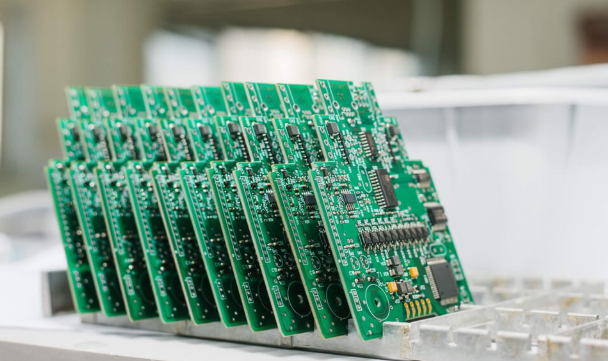
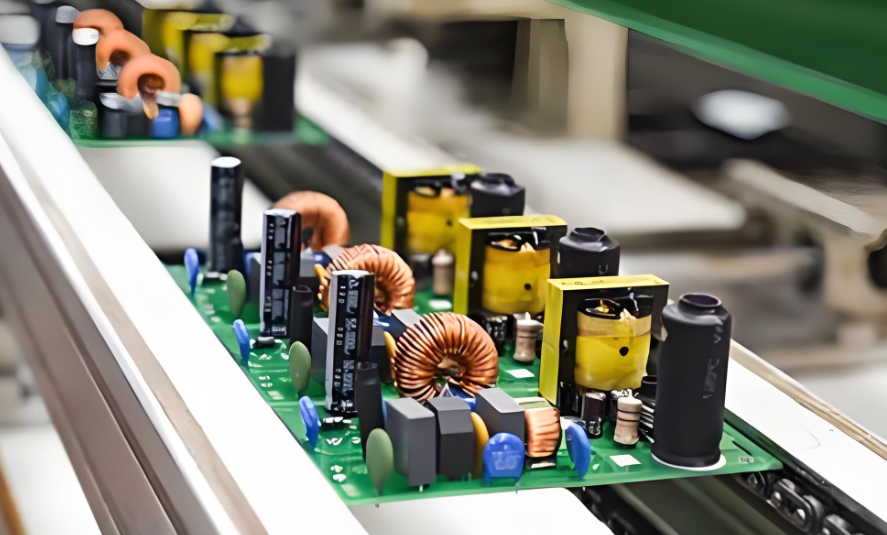
PCB assembly in Mexico has become a preferred choice for North American electronics projects, leveraging nearshore advantages to reduce logistics costs and shorten lead times. Rooted in the region’s booming nearshore outsourcing trend, local operations uphold RoHS/ISO certifications and align closely with North American market requirements to maximize these perks. For labor-intensive projects with over 20% manual assembly, PCB assembly in Mexico optimizes cost structures by minimizing cross-border risks and strengthening supply chain resilience, balancing precision craftsmanship with rapid response to meet the agile demands of industrial and consumer electronics sectors.

PCB Assembly in Mexico With Turnkey Solution, https://www.bestpcbs.com/blog/2026/01/pcb-assembly-in-mexico/

Top 10 PCB Assembly Manufacturer in Mexico

Company NameMain BusinessCore AdvantagesPCBA CapabilitiesLead Time
EBest Circuit Co., Limited (Best Technology Circuit Co., Limited)PCB assembly, EMS services, component procurementNearshore location, RoHS/ISO certified, North American market focusSMT/THT assembly, X-ray inspection, high-density board assembly24-48 hours for prototypes, 5-7 days for mass production
Jabil Mexico S.A. de C.V.Automotive/medical PCBA, full-service EMSIATF 16949/ISO 13485 certified, border facility layoutHigh-volume SMT/THT, rigid-flex assembly, functional testing48 hours for prototypes, 3-7 days for mass production
Flex Mexico (Flextronics)Aerospace/industrial PCBA, turnkey EMS solutionsAS9100 certified, rapid prototyping, supply chain integrationHDI PCB assembly, X-ray inspection, thermal cycle testing24-72 hours for prototypes, 5-10 days for mass production
Sanmina Mexico S.A. de C.V.Medical/aerospace PCBA, custom EMS servicesISO 13485/AS9100D certified, ITAR compliantComplex PCBA, wire bonding, cleanroom assembly72 hours for prototypes, 7-12 days for mass production
Benchmark Electronics MexicoIndustrial/automotive PCBA, engineering servicesISO 9001/IATF 16949 certified, DFM supportMedium-to-high volume assembly, ESD protection, in-circuit testing48-72 hours for prototypes, 6-9 days for mass production
Plexus Corp. MexicoMedical/industrial PCBA, product realization servicesISO 13485 certified, regulatory compliance expertiseHigh-reliability PCBA, environmental stress testing, traceability systems3 days for prototypes, 8-14 days for mass production
Celestica Mexico S.A. de C.V.Automotive/telecom PCBA, end-to-end EMSIATF 16949 certified, nearshore logistics optimizationSMT/THT assembly, BGA rework, functional validation48 hours for prototypes, 4-8 days for mass production
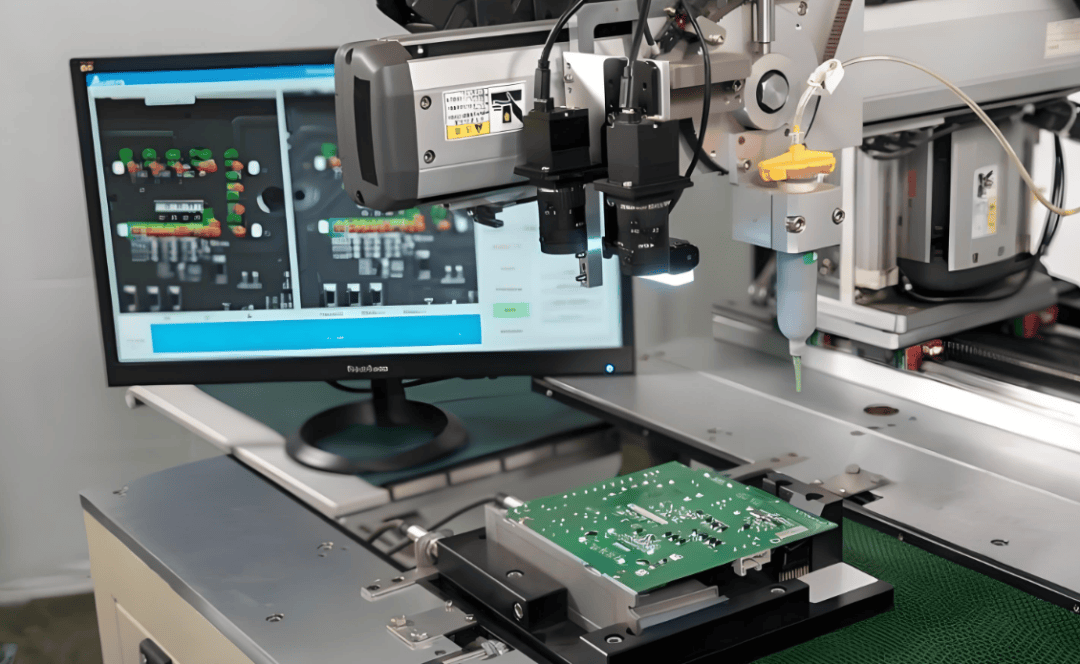
Elcoteq Mexico (now part of DB Schenker Electronics)Consumer/industrial PCBA, low-to-medium volume productionRoHS/ISO 9001 certified, cost-effective solutionsStandard SMT assembly, visual inspection, electrical testing72 hours for prototypes, 5-10 days for mass production
Kimball Electronics MexicoMedical/automotive PCBA, contract manufacturingISO 13485/IATF 16949 certified, continuous improvement systemsPrecision PCBA, conformal coating, reliability testing3 days for prototypes, 7-11 days for mass production
TTM Technologies MexicoAerospace/defense PCBA, high-density interconnect boardsAS9100/ITAR certified, advanced testing capabilitiesHDI PCBA assembly, X-ray inspection, BGA/CSP handling5 days for prototypes, 10-15 days for mass production

Quality Standards for PCB Assembly in Mexico

  • IPC-A-610 (PCBA Acceptability Standard): Serves as the core standard, defining three acceptance levels based on application scenarios. Level 1 applies to consumer electronics, Level 2 to commercial/industrial products, and Level 3 to high-performance devices like medical and aerospace equipment.
  • IPC-A-620 (Wire Harness Assembly Standard): Governs wire harness and cable assembly processes, ensuring consistency in connection reliability, insulation protection and mechanical durability for Mexico PCBA projects.
  • IPC-A-600 (PCB Board Quality Standard): Specifies requirements for bare PCB board quality, covering material integrity, pad condition, trace accuracy and surface finish to lay a solid foundation for assembly.
  • RoHS Compliance: Mandatory for all PCB assembly service in Mexico, restricting the use of hazardous substances (e.g., lead, mercury) to meet global environmental and market access requirements.
  • ISO 9001 Certification: Supports continuous quality improvement by establishing systematic processes for production control, inspection and corrective actions, ensuring consistent performance across batches.

Pain Points of PCB Assembly in Mexico

  • Cost & Efficiency Imbalance: Labor-intensive projects (over 20% manual assembly) face labor cost-productivity conflicts. Tariff fluctuations and logistics issues erode the cost advantage of PCB assembly in Mexico.​
  • Quality Compliance Pressure: Meeting IPC-A-610/620 standards, BGA X-ray inspection and RoHS/ISO 9001 compliance adds high costs to Mexico PCBA operations.​
  • Supply Chain & Response Gaps: Inadequate local components rely on imports, risking Asian disruptions. 24-48-hour prototype targets are hard to meet for North American agility.​
  • Precision & Environmental Risks: Strict SMT/THT parameters (±0.1mm alignment, ≤3°C/sec reflow) and unstable humidity/ESD protection cause process failures.​
  • High Testing Costs: IPC-A-610 tests and -40°C~85°C thermal cycling demand heavy equipment/time, conflicting with production timelines.​
  • Policy & Localization Barriers: Complex USMCA clauses and poor non-border infrastructure hinder scaled PCB assembly service in Mexico expansion.
Pain Points of PCB Assembly in Mexico

Why Choose EBest( Best Technology) for Mexico PCB Assembly?

Reasons why choose EBest(Best Technology) for Mexico PCB assembly:

  • 19 Years of Localized Expertise: With a track record of successful Mexico PCB assembly projects, we deeply understand local market demands, regulatory nuances and supply chain dynamics, ensuring seamless alignment with regional operations.​
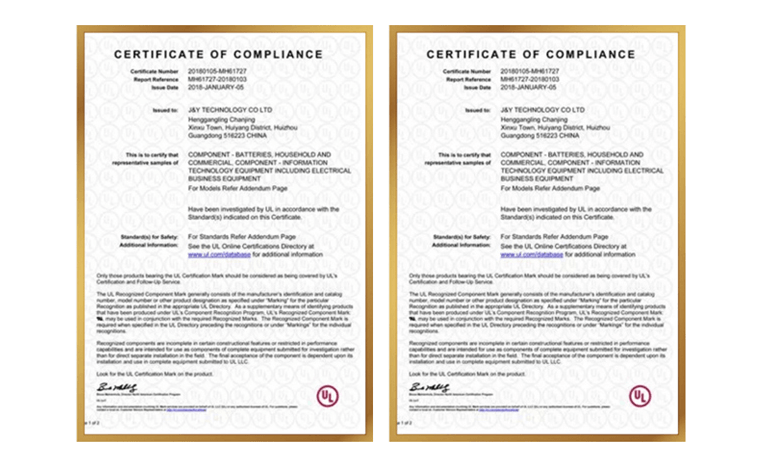
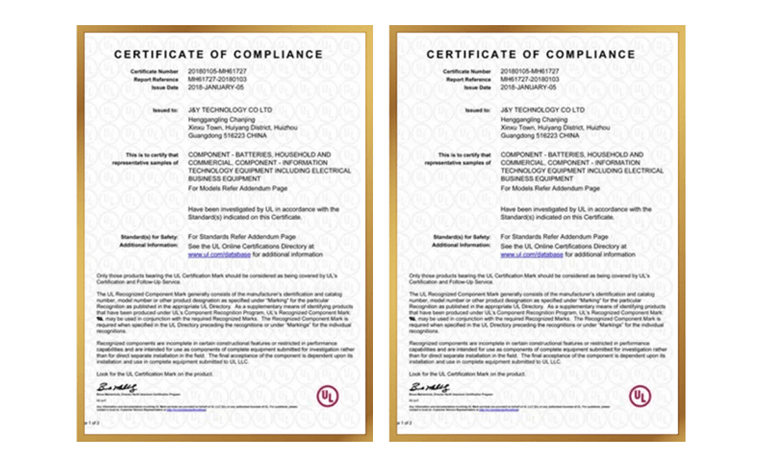
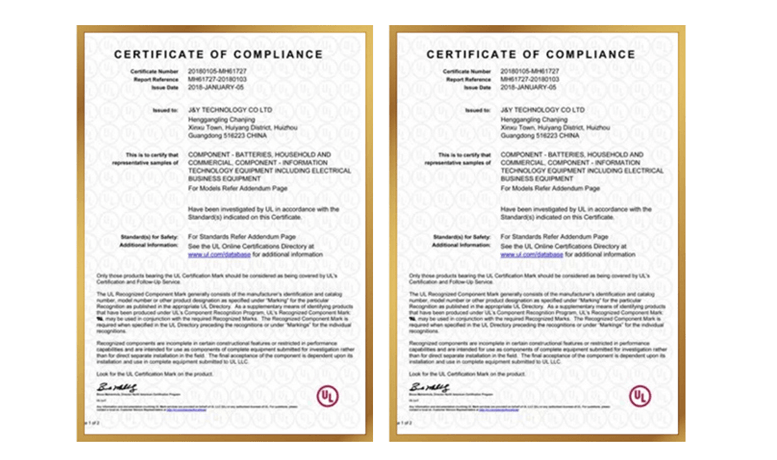
  • Comprehensive Compliance Certifications: Hold authoritative certifications including IATF 16949 (automotive), ISO 9001:2015, ISO 13485:2016 (medical), AS9100D (aerospace), REACH, RoHS and UL. This portfolio guarantees full compliance for cross-industry Mexico PCBA projects.​
  • Rapid Turnaround Capabilities: Deliver prototypes in 24 hours and accelerate mass production lead times, directly addressing the response speed gaps of local manufacturers and aligning with North American agile production needs.​
  • Free DFM Analysis Service: Leverage design-for-manufacturability expertise to optimize layouts, pre-empt rework risks at the design stage and control costs for labor-intensive projects.
  • Full-Process Traceability via MES System: Implement MES-driven traceability to record component batches, production details and test results, resolving quality consistency concerns and enabling rapid issue localization.​
  • Stable Environmental & ESD Control: Maintain a 40%-60% RH controlled environment and professional ESD protection measures, eliminating component damage risks from static or humidity fluctuations during precision assembly.​
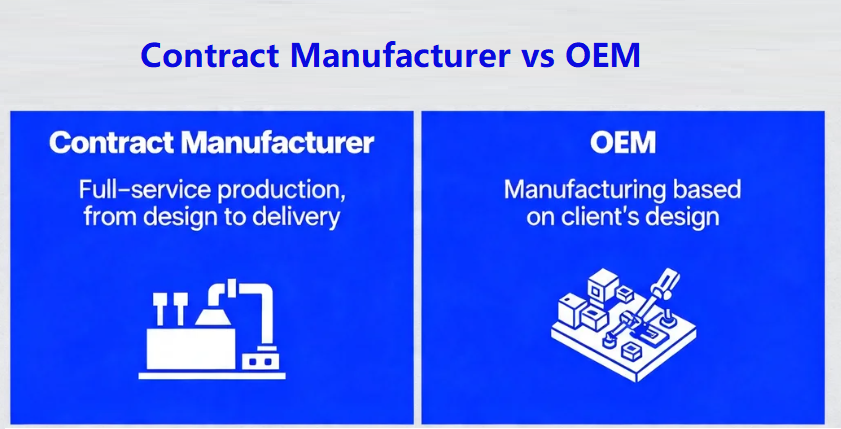
  • One-Stop Mexico PCB Assembly Service: Integrate component sourcing, precision assembly, comprehensive testing and on-time delivery into a streamlined workflow, reducing coordination costs and supply chain friction.​
  • Advanced Reliability Testing Capabilities: Equipped with X-ray inspection and -40°C~85°C thermal cycle testing, meeting the high-reliability standards required for medical, automotive and aerospace PCB assembly service in Mexico.

Our Mexico PCB Assembly Service With Turnkey Solution

  • Component procurement: Reliable supply chain with alternative component solutions to avoid shortages.
  • Design optimization: Free DFM analysis to improve assembly feasibility and reduce production costs.
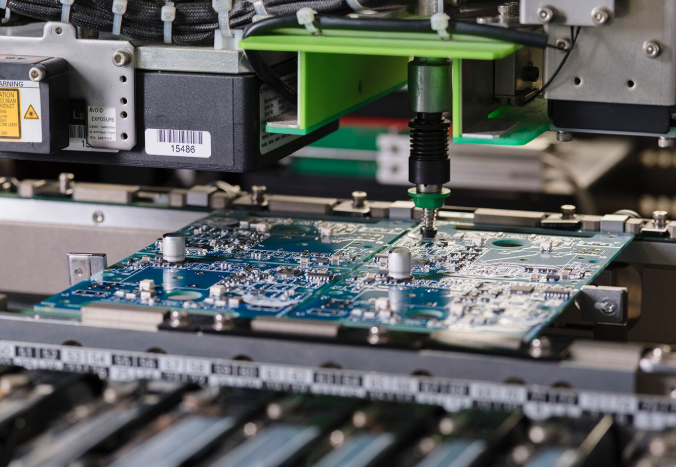
  • SMT/THT assembly: Precision processes with ±0.1mm stencil alignment and ≤3°C/sec reflow slope control.
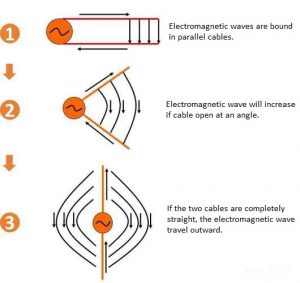
  • Comprehensive testing: Including electrical testing, X-ray inspection and environmental stress testing.
  • Packaging & delivery: Customized packaging for safe transportation, with nearshore delivery advantages.
  • After-sales support: Technical consultation and problem-solving throughout the product lifecycle.

Our PCB Assembly Capabilities

ItemCapabilities
Placer Speed13,200,000 chips/day
Bare Board Size0.2 x 0.2 inches – 20 x 20 inches/ 22*47.5 inches
Minimum SMD Component01005
Minimum BGA Pitch0.25mm
Maximum Components50*150mm
Assembly TypeSMT, THT, Mixed assembly
Component PackageReels, Cut Tape, Tube, Tray, Loose Parts
Lead Time1 – 5 days

Our Quality Control Process for Mexico PCB Assembly

  • Incoming Material Inspection (IMI): We inspect all incoming materials for source defects. Components are verified for authenticity, solderability and specification compliance. PCB boards undergo pad integrity, oxidation and impedance checks, with all materials cross-checked against BOM lists to ensure no defective parts enter production and support stable Mexico PCBA processes.​
  • First Article Inspection (FAI): We inspect the first unit of each batch before mass production. Aligned with IPC-A-610 standards, we verify solder quality, component placement and process parameters. All data is documented to confirm design consistency and avoid batch errors for efficient PCB assembly in Mexico.​
  • In-Process Inspection (IPQC): We implement real-time monitoring and random sampling during production. For SMT, we control stencil alignment (±0.1mm) and reflow slope (≤3°C/sec); for THT, we check soldering time (≤3s) and fill rate (≥95%). Humidity (40%-60% RH) and ESD protection (≤100V) are checked regularly to detect deviations early.​
  • Finished Product Testing (FQT): We perform visual, electrical and reliability tests to qualify products. IPC-A-610 Level 2/3 visual inspection, ICT and FCT are conducted. Medical and automotive products get additional -40°C~85°C thermal cycle and vibration tests to meet high-reliability demands of PCB assembly service in Mexico.​
  • Rework & Re-inspection: Unqualified products are marked and isolated immediately. Our certified technicians analyze causes and execute targeted rework. Post-rework products undergo FQT again, with data recorded to ensure only qualified products move forward and complete the quality loop.​
  • Full-Lifecycle Traceability: We use MES systems to record component batches, production details and test results. Each Mexico PCBA product gets a unique code for rapid issue localization, full tracking and continuous improvement support, aligning with ISO 9001 and industry compliance.
Our Quality Control Process for Mexico PCB Assembly, https://www.bestpcbs.com/blog/2026/01/pcb-assembly-in-mexico/

Case Studies of Our Mexico Medical PCB Assembly

Project Background​: We partnered with a Mexico-based medical device maker focused on portable diagnostic equipment. The client aimed to launch a new product for the North American market, relying on PCB assembly in Mexico to leverage nearshore advantages, shorten supply chain cycles, and meet regional regulatory access requirements.

Project Requirements​:

  • Compliance: Strict adherence to ISO 13485 medical standards and IPC-A-610 Level 3 (medical-aerospace grade) requirements, with full compliance to RoHS and REACH.​
  • Precision: Assemble 12-layer HDI PCBs with 01005 micro-components and BGA devices, controlling BGA void rate ≤3%.​
  • Delivery: 500 prototypes delivered within 24 hours for clinical validation, and 10,000-unit mass production completed in 7 days.​
  • Traceability: Full-process data tracking for each unit, supporting end-to-end lifecycle traceability required for medical devices.​

Project Challenges​:

  • Micro-assembly Difficulty: 01005 components require solder paste volume control at 0.002mg/point, posing high demands on printing precision.​
  • Thermal Stress Risk: 12-layer HDI PCBs are prone to warpage during reflow soldering, with warpage tolerance limited to ≤0.3mm.​
  • Component Shortage: A key medical-grade BGA component was out of stock globally, requiring urgent alternative sourcing with technical verification.​

Our Solutions​

  • Precision Process Optimization: Adopted laser-aligned stencil printing (precision ±0.02mm) and optimized reflow curve (120℃→150℃→180℃ gradient heating) to control PCB warpage and micro-component soldering quality.​
  • Component Sourcing Support: Leveraged localized supply chain resources for Mexico PCBA, identified a RoHS-certified alternative BGA component, and completed thermal compatibility and reliability tests within 8 hours.​
  • Strict Quality Control: Used 3D X-ray inspection for BGA void detection, matched with cleanroom assembly (Class 1000) to meet cleanliness standards, and implemented MES system for full-process data recording.​

Project Results:

  • Yield & Quality: Prototype and mass production yield reached 99.85%, BGA void rate stabilized at 1.8%-2.5%, and all units passed -40℃~85℃ thermal cycle testing (500 cycles) with no functional failures.​
  • Delivery Performance: 500 prototypes were delivered in 22 hours, 10,000 units completed mass production in 6.5 days, supporting the client’s clinical validation schedule.​
  • Compliance & Traceability: All products passed ISO 13485 audit, with each unit’s traceability code covering component batches, production parameters, and test results.​

Customer Feedback​: “The team’s professional PCB assembly service in Mexico solved our core pain points of compliance, precision and delivery. The stable yield and strict traceability system helped us pass FDA pre-market inspection smoothly, reducing product launch cycle by 30%. The alternative component solution also avoided supply chain disruptions, and we have expanded cooperation to 8 product lines, relying on their localized expertise for long-term medical device production.”

Case Studies of Our Mexico Medical PCB Assembly, https://www.bestpcbs.com/blog/2026/01/pcb-assembly-in-mexico/

FAQs of PCB Assembly in Mexico

Q1: Do your Mexico PCB assembly services meet industry-specific compliance and certification requirements?​
A1: Yes. We hold a full suite of authoritative certifications to support cross-industry projects, including IATF 16949 (automotive), ISO 13485:2016 (medical), AS9100D (aerospace), ISO 9001:2015, REACH, RoHS and UL. All PCB assembly in Mexico processes align with IPC-A-610/620 standards, ensuring compliance with North American and global market access requirements, especially for high-reliability sectors.​

Q2: How do you protect customer intellectual property (IP) for Mexico PCBA projects?​
A2: IP protection is a top priority. We sign a customized Non-Disclosure Agreement (NDA) with every customer before project initiation. Internally, we implement strict data access controls, only authorized personnel can access design files, BOM lists and project details. All electronic data is encrypted, and physical documents are securely stored. We never share or reuse customer intellectual property for any purpose beyond the contracted project.​

Q3: What after-sales support do you provide for Mexico PCB assembly services?​
A3: We offer a 12-month warranty for all PCBA products. For quality issues, our technical team provides 24-hour response support. Localized service teams in Mexico are available for on-site troubleshooting and guidance if needed. We also maintain full-process traceability via MES systems, enabling rapid localization of any issues and efficient resolution to minimize project disruptions.​

Q4: Is there a minimum order quantity (MOQ) for your Mexico PCBA services?​
A4: No mandatory MOQ. We support flexible order volumes to meet diverse needs, from prototype orders (1-10 pieces) for new product development to small-batch (100-500 pieces) and large-scale mass production. This flexibility helps reduce upfront costs for R&D projects while ensuring stable supply for mass production, perfectly matching North American agile production demands.​

Q5: How do you handle component shortages for Mexico PCB assembly projects?​
A5: Our professional sourcing team leverages localized supply chain resources for PCB assembly service in Mexico to identify certified, compatible alternative components quickly. We conduct strict technical verification (including thermal compatibility, reliability testing) and provide detailed cost comparison reports for customer approval. This process typically takes 8-24 hours, avoiding supply chain disruptions and keeping projects on schedule.

How to Get A Quote for Your PCBA Project?

Steps to get a quote for your PCBA project:

  1. Prepare Your Project Details: Outline your PCBA requirements: layer count, material preferences (e.g., FR-4, polyimide), component specs, and any special features like high-frequency substrates or thermal management needs. Include volume expectations and timeline goals for clarity.
  2. Identify Specialized Assembly Partners: Research PCBA providers with expertise in your industry—whether aerospace, automotive, medical, or IoT. Prioritize those offering North American-based support, quick-turn prototypes, and certifications like ISO 9001 or AS9100 for reliability.
  3. Submit a Non-Binding Inquiry: Reach out via email or online form with your project outline. Include key details but avoid overcomplicating—most suppliers can refine estimates with brief initial specs. Mention any urgency (e.g., 24-hour prototype needs) to gauge feasibility.
  4. Expect Transparent Communication: Reputable partners will ask clarifying questions to refine your quote. Be prepared to discuss DFM (Design for Manufacturing) feedback, material alternatives, or process adjustments to optimize cost and performance.
  5. bEvaluate quotes based on total value: lead times, quality guarantees, and technical support. Look for partners who balance speed, precision, and cost without hidden fees or compromises on certifications.

Ready to Start? Submit your PCBA specs today to get a free quote and DFM analysis: sales@bestpcbs.com.

You may also like

Premium Heavy Copper PCB Manufacturer: Meet IPC-A-610 Standard for Your Projects

January 22nd, 2026

In power-dense electronics, standard PCB construction often becomes the limiting factor rather than the circuit design itself. Excessive temperature rise, copper fatigue, and current bottlenecks are common failure modes once current levels move beyond conventional ranges. This is where a reliable heavy copper PCB manufacturer stands out. Heavy copper PCBs are engineered specifically to handle high current, elevated thermal loads, and demanding mechanical stress while maintaining long-term reliability.

At Best Technology, we specialize in manufacturing premium heavy copper PCBs that meet and exceed IPC-A-610 requirements, tailored to the unique needs of high-power electronics. In this blog, we’ll break down everything you need to know about heavy copper PCBs—from what defines them to how to choose the right manufacturer, plus real-world case studies and answers to your most pressing questions.

What Makes a PCB “Heavy Copper”?

A PCB is typically classified as heavy copper when the finished copper thickness on one or more layers exceeds 3 oz/ft² (≈105 µm). Many industrial designs extend well beyond this threshold, reaching 6 oz, 10 oz, or even 20 oz copper, depending on current and thermal requirements.

Unlike standard boards, heavy copper PCBs are not simply “thicker copper versions” of conventional designs. They require dedicated imaging, etching, plating, and lamination strategies to maintain conductor geometry, dielectric integrity, and layer-to-layer registration.

What Makes a PCB “Heavy Copper”?

Why Heavy Copper Matters in High-Power Electronics?

As power electronics continue to shrink in size, current density inevitably increases. Heavy copper construction directly addresses this challenge by offering:

  • Higher current-carrying capacity without excessive temperature rise
  • Lower conductor resistance, improving energy efficiency
  • Improved thermal spreading, reducing hot spots
  • Enhanced mechanical strength, especially around plated through holes and power vias

In applications such as EV power modules, industrial motor drives, and renewable energy converters, heavy copper is often the difference between theoretical performance and field reliability.

Technical Specifications: Copper Weight & Conductivity

Copper thickness is usually specified in ounces per square foot, but its real impact is seen in electrical and thermal performance.

Typical heavy copper parameters include:

  • Copper thickness: 3 oz to 20+ oz (105 µm to >700 µm)
  • Trace current capacity: Several times higher than 1-oz copper at equivalent temperature rise
  • Lower voltage drop: Especially critical for low-voltage, high-current systems
  • Thermal conductivity: Copper’s intrinsic conductivity enables efficient heat spreading across planes and embedded power structures

A qualified heavy copper PCB manufacturer will validate these parameters against IPC guidelines rather than relying on theoretical calculations alone.

Heavy Copper PCB Manufacturing Challenges

Manufacturing heavy copper PCBs is more complex than standard ones, requiring specialized equipment and strict quality control. Key challenges we address at Best Technology:

  • Etching Uniformity: Thicker copper is hard to etch evenly, causing uneven traces or undercutting. We use controlled depth etching and precision equipment for consistent, clean traces.
  • Plating Consistency: Multilayer PCBs need thick, uniform via plating. Our optimized electroplating ensures reliable via connections, avoiding high resistance or thermal failure.
  • Thermal Stress: Copper and substrates (e.g., FR-4) expand differently under heat, causing warping or delamination. We use temperature-controlled lamination to minimize stress.
  • IPC-A-610 Compliance: Meeting this standard (trace geometry, plating, solder joints) requires rigorous quality control at every manufacturing stage.
Heavy Copper PCB Manufacturing Challenges

Design Guidelines for Heavy Copper PCB

Heavy copper PCB design should follow one core principle: current-driven, precisely matched copper. Simply increasing copper thickness often raises cost and introduces new risks, including uneven heat dissipation, soldering difficulty, and mechanical stress. Effective heavy copper design balances electrical demand with manufacturability.

1. Copper Thickness Selection

Choose copper thickness based on actual current, not excessive margin.

Formula (ambient ≤ 40 °C):

Allowable current (A) ≈ Copper thickness (oz) × Trace width (mm) × 0.8

For example:

3 oz copper × 3 mm trace ≈ 7.2 A, suitable for most industrial power designs.

Recommendations:

  • Prefer 3–6 oz, which covers most applications
  • Above 10 oz increases risks of warpage and drilling difficulty
  • Avoid overdesign unless required by aerospace or defense systems

2. Trace Design for High Current

Trace geometry must support smooth current flow.

  • 3 oz copper: minimum trace width ≥ 0.3 mm
  • 6 oz copper at 10 A: recommended width ≥ 5 mm

Avoid sudden width changes. Use gradual tapers (length ≥ 3× width difference) to prevent current crowding and localized heating.

For thermal control, use copper pours under power devices combined with thermal vias (Ø 0.8–1.2 mm, pitch 2–3 mm) to transfer heat into internal planes.

3. Via Design Considerations

Vias are a critical limitation point in heavy copper PCBs.

  • Minimum finished hole ≥ 0.8 mm (3 oz copper)
  • Via wall copper ≥ 20 µm

Do not rely on a single via for high current. A 5 A path on 3 oz copper typically requires 2–3 parallel vias, as one via carries only 2–3 A reliably.

Ensure adequate solder mask opening (hole + 0.2–0.3 mm) to prevent solder blockage.

4. Stack-Up and Material Selection

Place heavy copper layers on outer or near-outer layers and keep copper distribution symmetrical to prevent warpage.

Select high-Tg materials (Tg ≥ 170 °C), such as FR-4 Tg170 or polyimide, to withstand higher thermal load during assembly and operation.

5. Assembly Adaptation

Heavy copper absorbs more heat during soldering.

  • Use large power packages (e.g., TO-220, D2PAK)
  • Enlarge pads by 0.2–0.3 mm compared to standard designs
  • Increase reflow peak temperature by 5–10 °C and extend soak time by 10–15 s to avoid cold solder joints

Top Industries Using Heavy Copper PCBs

Heavy copper PCBs are widely used in industries that demand power, durability, and reliability:

  • Power supplies & converters
  • Electric vehicles (EV) & charging systems
  • Industrial motor drives
  • Renewable energy (solar, wind, inverters)
  • Aerospace & defense electronics
  • Medical imaging and power modules

These industries rely on certified heavy copper PCB manufacturers to meet strict quality standards.

How to Choose a Heavy Copper PCB Manufacturer?

Choosing the right heavy copper PCB manufacturer is a strategic decision that directly affects product quality and lifecycle cost.

Important evaluation criteria include:

  • Proven experience with multi-ounce copper designs
  • Clear alignment with IPC-A-610 and IPC-6012 standards
  • Robust process control and inspection capability
  • Engineering support for DFM and design optimization
  • Ability to scale from prototype to volume production

Manufacturers that lack dedicated heavy copper expertise often struggle with yield, consistency, and long-term reliability.

Why Choose Best Technology as Your Heavy Copper PCB Manufacturer?

With over 20 years of experience in heavy copper PCB manufacturing, Best Technology has the expertise to handle even the most complex projects—from standard heavy copper (3 oz – 5 oz) to extra-thick copper (up to 20 oz). Our team of engineers specializes in solving the unique challenges of heavy copper PCB design and manufacturing.

We offer fully customized heavy copper PCBs to meet your project’s unique requirements. Whether you need a specific copper weight, substrate, surface finish, or board size, we can tailor our solutions to fit your needs.

We deeply know the importance of quality for every product, so we ensure the full traceability from design, manufacturing to shipment. We strictly adhere to IPC-A-610 standards (Class 2 and Class 3) for every heavy copper PCB we manufacture. In addition to this, due to heavy copper PCB always used in electric vehicles, our facility obtained the IATF16949 and AS9100D certifications to ensure each process are under rigorous control.

Heavy Copper PCB Case Studies in Best Technology

Case Study 1: EV Battery Management System (BMS) PCB

Customer: A leading global automotive manufacturer specializing in electric vehicles.

Challenge: The customer needed a heavy copper PCB for their EV BMS that could handle high currents (up to 200A), dissipate heat efficiently, and meet IPC-A-610 Class 3 standards. The PCB also needed to be compact to fit within the EV’s battery pack.

Solution: We designed and manufactured a 6 oz heavy copper PCB using high-temperature FR-4 substrate and ENIG surface finish. We integrated copper pours and thermal vias to improve thermal management, and optimized the trace width and spacing to handle the high current load. We also used blind vias to save space, ensuring the PCB fit within the customer’s compact design.

Result: The PCB met all IPC-A-610 Class 3 requirements, handled the 200A current load without overheating, and reduced the BMS’s overall size by 15%. The customer has since expanded their partnership with us for all their EV BMS PCB needs.

Heavy Copper PCB Case Studies in Best Technology

Case Study 2: Solar Inverter PCB

Customer: A renewable energy company specializing in solar inverters.

Challenge: The customer needed a heavy copper PCB for their 50kW solar inverter that could handle high voltages (up to 1000V) and dissipate heat in outdoor environments. The PCB also needed to be durable enough to withstand extreme temperature fluctuations (-40°C to 85°C).

Solution: We manufactured a 10 oz heavy copper PCB using polyimide substrate (for high-temperature resistance) and immersion silver surface finish (for excellent conductivity). We designed the PCB with wide traces (0.030 inches) to handle the high voltage and current, and integrated large copper pours to dissipate heat. We also used a conformal coating to protect the PCB from outdoor elements.

Result: The PCB operated reliably in extreme temperature conditions, handled the 1000V voltage load without failure, and reduced the inverter’s heat-related downtime by 80%. The customer reported a 20% increase in inverter efficiency due to the PCB’s superior thermal management.

Heavy Copper PCB Case Studies in Best Technology

Our Heavy Copper PCB Manufacturing Capabilities

At Best Technology, we have the capabilities to handle all your heavy copper PCB needs—from prototype to production. Here’s a breakdown of our key manufacturing capabilities:

  • Base Material: FR4/Aluminum
  • Copper Weight: 3 oz – 20 oz (105 μm – 700 μm) for single-sided, double-sided, and multilayer PCBs.
  • Extreme Heavy Copper: 20-200OZ
  • Outline: Routing, punching, V-cut
  • Layer Count: 1 layer – 40 layers (multilayer heavy copper PCBs with blind/buried vias available).
  • Surface Finishes: HASL, ENIG, OSP, Immersion gold
  • Solder Mask: White, Black, Blue, Green, Red
  • Tolerances: Trace width tolerance ±0.001 inches, copper thickness tolerance ±10%, board thickness tolerance ±0.005 inches.
  • Board Size: Up to 24 inches x 36 inches (609.6 mm x 914.4 mm), with custom sizes available.
  • Quality Control: X-ray inspection, optical inspection (AOI), flying probe testing, thermal cycling testing, and IPC-A-610 compliance testing.
  • Production Capacity: Prototype runs (1 – 100 units), small batch production (100 – 1000 units), and large-scale production (1000+ units) with lead times as short as 3 days for prototypes.
  • Support for prototypes, small batches, and stable mass production

FAQs About Heavy Copper PCBs

1. When should I choose a heavy copper PCB over a standard PCB?

    Choose a heavy copper PCB if your project requires:

    • High current carrying capacity (more than 10A).
    • Enhanced thermal management (e.g., applications operating at high temperatures or generating significant heat).
    • Greater mechanical strength (e.g., rugged industrial or automotive applications).
    • Reduced component count (replacing discrete heat sinks or bus bars).

    Standard PCBs are sufficient for low-power applications (e.g., consumer electronics with low current demands).

    2. How is heavy copper PCB manufacturing different from standard PCB manufacturing?

    Heavy copper PCB manufacturing requires specialized processes to handle the thicker copper layers, including:

    • Controlled depth etching to ensure uniform trace widths and clean edges.
    • Optimized electroplating processes to ensure consistent via plating thickness.
    • Temperature-controlled lamination to minimize thermal stress and prevent warping/delamination.
    • Rigorous quality control to meet IPC-A-610 standards, including X-ray inspection for via integrity.

    Standard PCB manufacturing uses simpler etching and plating processes, as the thinner copper layers are easier to handle.

    3. Are heavy copper PCBs more expensive?

    Yes, heavy copper PCBs are typically more expensive than standard PCBs. The higher cost is due to:

    • More copper material (thicker layers require more copper).
    • Specialized manufacturing processes (e.g., controlled etching, optimized plating).
    • Rigorous quality control (e.g., X-ray inspection, thermal testing).

    However, the extra cost is often offset by the benefits: reduced component count, longer lifespan, improved reliability, and lower maintenance costs. For high-power applications, heavy copper PCBs are a cost-effective long-term investment.

    4. How does copper thickness influence current carrying capacity?

    Copper thickness has a direct impact on current carrying capacity: thicker copper layers have lower electrical resistance, allowing them to carry more current without overheating. As a general rule, the current carrying capacity of a copper trace increases linearly with copper thickness. For example:

    • 1 oz copper trace (35 μm): ~5A current carrying capacity (at 25°C temperature rise).
    • 3 oz copper trace (105 μm): ~15A current carrying capacity (at 25°C temperature rise).
    • 10 oz copper trace (350 μm): ~50A current carrying capacity (at 25°C temperature rise).

    A reputable heavy copper PCB manufacturer will help you select the right copper thickness based on your project’s current requirements and thermal constraints.

    5. Can heavy copper PCBs be multilayered?

    Yes, heavy copper PCBs can be multilayered. Multilayer heavy copper PCBs are used in high-power applications that require both high current carrying capacity and complex circuitry (e.g., EV BMS, solar inverters, aerospace systems). We specialize in manufacturing multilayer heavy copper PCBs with up to 40 layers, including blind and buried vias to save space and improve signal integrity.

    6. How to avoid heat-related failures in heavy copper PCBs?

    To avoid heat-related failures, follow these best practices:

    • Use thick copper layers (3 oz or more) to dissipate heat efficiently.
    • Integrate thermal management features like copper pours, thermal vias, and heat sinks.
    • Choose a high-temperature substrate (e.g., polyimide) for applications operating at extreme temperatures.
    • Optimize trace design (wider traces) to reduce resistance and heat generation.
    • Work with a heavy copper PCB manufacturer that adheres to IPC-A-610 standards, ensuring proper plating and trace integrity.

    Ready to Start Your Heavy Copper PCB Project?

    If you’re working on a high-power electronics project that requires premium heavy copper PCBs—ones that meet IPC-A-610 standards, deliver superior performance, and fit your budget—look no further than Best Technology. As a trusted heavy copper PCB manufacturer with over 20 years of experience, we have the expertise, equipment, and dedication to bring your project to life.

    Here’s how to get started:

    1. Share Your Requirements: Send us your PCB design files, copper weight needs, substrate preferences, and application details.

    2. Get a Custom Quote: Our team will review your requirements and provide a competitive, no-obligation quote within 24 hours.

    3. Design Support (If Needed): Our engineers will work with you to optimize your design for performance, manufacturability, and cost.

    4. Manufacturing & Delivery: We’ll manufacture your heavy copper PCBs to IPC-A-610 standards, conduct rigorous quality control, and deliver them on time—whether you need prototypes or large-scale production.

    Don’t settle for subpar heavy copper PCBs that put your project at risk. Choose Best Technology—the premium heavy copper PCB manufacturer that delivers reliability, performance, and peace of mind. Contact us today to discuss your heavy copper PCB project!

    You may also like

    Top PCB Assembly Israel With ISO-Certified Production

    January 21st, 2026

    Looking for reliable PCB assembly Israel? This guide covers top manufacturers, services, capabilities and case studies to help you choose the best Israel PCB assembly partner.

    Top PCB Assembly Israel With ISO-Certified Production, https://www.bestpcbs.com/blog/2026/01/top-pcb-assembly-israel/

    Top 10 PCB Assembly Manufacturer in Israel

    Company NameMain BusinessCore AdvantagePCBA CapabilityLead Time
    EBest Circuit Co., Limited(Best Technology Circuit Co., Limited)One-stop PCBA, prototyping to mass productionMulti-industry certifications, 19-year experienceHDI, flex-rigid, automotive/medical PCBA24h sampling, 5-12 days mass production
    Orbotech Ltd.PCB testing, inspection and production solutionsAdvanced AOI and laser imaging technologyHigh-precision PCB testing and repair3-7 days for standard testing services
    Eltek Ltd.Custom flex-rigid PCB and assemblyLow-to-medium volume high-end productsFlex-rigid PCB assembly, prototype production5-10 days for prototypes, 10-15 days mass production
    Amitec Ltd.IC packaging substrates and PCB technologiesCopper pillar method for high-density substratesSemiconductor-grade PCB assembly7-14 days for custom orders
    BSP Medical TechnologiesMedical device PCBA and componentsISO 13485 certification, medical complianceBiomedical device PCBA assembly10-18 days for medical-grade products
    Nicast Ltd.Precision electronic assembly for healthcareClinical device compliance, sterile productionDisposable medical device PCBA8-15 days, emergency 48h rush service
    Rmdy Medical DevicesRemote monitoring device PCBAIoT-integrated PCB assemblySensor-embedded PCBA for medical use7-12 days, including functional testing
    EarlySense TechnologiesMedical monitoring system PCBAPatient data sensor integrationHigh-reliability PCBA for healthcare monitoring12-20 days for certified medical products
    IDE Technologies ElectronicsIndustrial and water treatment PCBAHarsh environment resistanceIndustrial control PCBA, corrosion-resistant10-16 days for industrial orders
    Fluence Electronic SystemsRenewable energy and industrial PCBAHigh-power PCB assemblyEnergy storage system PCBA14-21 days for high-volume orders

    Why Choose EBest(Best Technology) for PCB Assembly Israel?

    Reasons why choose EBest(Best Technology) for PCB assembly Israel:

    • Local Expertise & Compliance: 19 years of experience in Israel PCBA, mastering local standards like SI 62368 and EU MDR for seamless project alignment.​
    • Authoritative Certifications: Key credentials including IATF 16949 and ISO 13485:2016, ensuring 99.8% yield for medical PCB assembly Israel.​
    • Rapid Prototype Turnaround: 24-hour urgent sampling with 100% on-time rate, accelerating pre-production validation.​
    • One-Stop Israel PCB Assembly: Integrates sourcing, assembly and testing to streamline supply chains and shorten lead times.​
    • Free DFM Optimization: Reduces production costs and design errors, controlling impedance deviation for reliable PCBA Israel outcomes.​
    • Full Batch Traceability: MES-driven tracking for each PCBA Israel batch, supporting efficient audit compliance.​
    • Israeli-Focused Support: 7×24-hour dedicated team, achieving 100% local standard compliance for all deliveries.
    Why Choose EBest(Best Technology) for PCB Assembly Israel, https://www.bestpcbs.com/blog/2026/01/top-pcb-assembly-israel/

    Our One-Stop PCB Assembly Israel Service

    • Rapid Prototyping: 24-hour on-time delivery, supports HDI, flex-rigid boards, and matches PCB prototype Europe standards, paired with free DFM analysis to fix impedance mismatches and soldering flaws for Israel PCBA.​
    • Small-batch trial production: 5-100 units with flexible process adjustment, component alternative validation, and pre-mass production reliability testing, tailored for Israel PCBA prototype verification.​
    • Mass production: Stable monthly capacity for 1M+ units, consistent quality control via MES system, compliant with ISO 9001 and IATF 16949, ensuring uniform PCB assembly Israel output.​
    • ICT/FCT testing: ICT detects solder joints and conductivity defects; FCT simulates real working conditions, covering automotive and medical grade requirements to eliminate 99.9% of faulty PCBA Israel products.​
    • Integrated assembly: One-stop service from global component sourcing (2000+ brand partners) to SMT/THT assembly, finished product testing and packaging, streamlining Israel PCB assembly supply chains.

    Our Israel PCB Assembly Capabilities

    ItemCapability
    Mounting Speed13,200,000 chips/day
    Panel Dimension0.2 x 0.2 inches – 20 x 20 inches/ 22*47.5 inches
    Min. SMD Components01005
    Min. BGA Pitch0.25mm
    Max. PCB DimensionL50*50mm-L510*460mm
    Assembly TypeSMT, THT, Mixed assembly, Wire harness
    Components PackageRoll, cut tape, tubes, trays, separate parts
    Lead Time1-5 days

    Israel PCB Assembly Quality Control: ISO-Certified Production

    • Incoming Inspection: X-ray and component authentication for all parts, complying with RoHS 3.0/REACH. Medical components meet ISO 10993 biocompatibility; automotive parts align with AEC-Q200; industrial components pass anti-interference pre-test to fit Israel’s harsh industrial environments.
    • Process Patrol Inspection: MES-driven real-time monitoring with 100% AOI soldering inspection. Automotive Israel PCBA uses high-Tg materials and double-fixed solder joints; medical PCBA is assembled in sterile environments; industrial PCBA undergoes coating thickness checks for corrosion resistance.
    • Finished Product Testing: ICT/FCT dual tests cover functional validation. Medical PCBA passes IEC 60601-1 low-leakage tests; automotive PCBA endures -40℃~150℃ temperature cycling and 10-2000Hz vibration; industrial PCBA meets IEC 61000-6-2 EMC standards for Israel’s industrial workshops.
    • Traceability System: MES-enabled batch-level full-chain tracking, from component lot numbers to delivery records. Meets ISO 13485 medical requirements and ISO 26262 automotive functional safety demands, supporting seamless SII audit for PCBA Israel projects.
    Israel PCB Assembly Quality Control ISO-Certified Production, https://www.bestpcbs.com/blog/2026/01/top-pcb-assembly-israel/

    How We Ensure On-Time Delivery for Israel PCBA Orders?

    Methods about how we ensure on-time delivery for Israel PCB assembly orders:

    • MES-Driven Priority Scheduling: Dynamic production planning prioritizes Israel PCBA orders, with 85%+ capacity utilization and real-time progress updates. The system links with our traceability module to avoid bottlenecks for automotive, medical and industrial control projects.
    • Europe-Based Strategic Warehousing: Stock core components (passive elements, common connectors) in German and Turkish hubs, cutting material lead time by 3-5 days for PCB assembly Israel orders and mitigating supply chain disruptions.
    • Customs-Cleared Logistics Partnerships: Exclusive FedEx/DHL dedicated lines for PCBA Israel, ensuring 3-5 days door-to-door delivery. We pre-prepare SII certification and COC documents to streamline customs checks, eliminating delays from spot inspections.
    • Critical Order Emergency Reserve: 15% reserved capacity for medical/automotive Israel PCBA orders, enabling 48-hour rush sampling and mass production. Local logistics backup plans ensure urgent shipments bypass regional transit delays.
    • Proactive Supply Chain Forecasting: For long-term PCB assembly Israel projects, we provide demand forecasting and component stock planning, aligning with Israel’s import reform regulations to maintain stable lead times.
    How We Ensure On-Time Delivery for Israel PCBA Orders, https://www.bestpcbs.com/blog/2026/01/top-pcb-assembly-israel/

    Case Studies of Our Israel Medical PCB Assembly

    Project Background

    Israel’s medical device sector demands ultra-reliable PCB assemblies (PCBA) to support life-critical equipment. A leading European medical tech firm required ISO 13485-compliant PCBA for a next-gen surgical robotics platform, requiring zero failure tolerance and miniaturized design.

    Project Requirements

    • IPC Class 3 standards compliance with full lot traceability.
    • 98%+ first-pass yield (FPY) target.
    • 15-day prototype-to-production cycle.
    • EMC/EMI shielding for real-time signal processing.
    • FDA UDI compliance and CE Marking readiness.

    Challenges

    • Balancing miniaturization (0.3mm pitch components) with thermal management.
    • Ensuring 100% X-ray inspection pass rates for BGA packages.
    • Navigating evolving EU MDR and FDA UDI regulations.
    • Achieving 7-layer HDI routing in 35x45mm form factor.

    Our Solution

    • Implemented DFM-driven stack-up optimization using SH260 polyimide laminates.
    • Deployed AOI/AXI inspection systems with 5μm accuracy.
    • Integrated laser-cut stencils for 01005 component placement.
    • Established dual-sourcing for critical components with lot-level traceability.
    • Created automated test jigs for 100% functional verification.

    Results

    • Achieved 99.2% FPY across 12,000 units (exceeding 98% target).
    • Reduced lead time to 14 days (vs. 21-day industry benchmark).
    • Passed 500-hour accelerated life testing at 65°C/85% RH.
    • Client feedback: “Device reliability improved 40% with zero field failures in 18 months”.
    • Compliance verified for ISO 13485, IEC 60601-1, and FDA 510(k) clearance.

    This case demonstrates how precision engineering, advanced material science, and rigorous quality control can solve medical PCBA challenges while exceeding global regulatory and performance standards.

    Get Your Custom PCBA Quote for Israel Projects Today

    Steps to get your custom PCBA quote for Israel projects today:

    1. Define precise project requirements including component specifications, PCB dimensions, layer count, and tolerance standards. Clear technical inputs ensure accurate cost estimation.

    2. Research suppliers with proven expertise in Israeli market compliance, certifications like CE/FCC, and experience with local logistics. Prioritize partners offering end-to-end support.

    3. Submit detailed BOM (Bill of Materials) and Gerber files for instant preliminary quoting. Include preferred surface finish, solder mask color, and testing criteria.

    4. Engage in direct communication to discuss DFM (Design for Manufacturing) feedback, prototype timelines, and volume-based pricing tiers. Transparent dialogue reduces hidden costs.

    5. Finalize quotes by confirming payment terms, warranty policies, and after-sales support. Request sample units before bulk production for quality validation.

    6. Act now to secure competitive pricing and prioritize your Israel project in the production schedule. Reach out today for a tailored quote aligned with your technical and budgetary needs.

    Welcome to contact us if you have any request for custom Israel PCBA project: sales@bestpcbs.com.

    You may also like

    EMS PCB Assembly Manufacturer | EBest Circuit (Best Technology)

    January 20th, 2026

    EMS PCB assembly refers to Electronics Manufacturing Services that cover more than just assembling a printed circuit board. In a true EMS model, the provider manages the full scope of manufacturing activities required to turn a design into a production-ready product.

    Typical EMS PCB assembly services include:

    • Coordination of PCB fabrication
    • Component sourcing and lifecycle management
    • SMT and through-hole assembly
    • Inspection, testing, and quality documentation
    • Ongoing production and engineering support

    For companies moving beyond simple prototypes, EMS PCB assembly offers a structured approach to manufacturing that reduces internal workload and improves consistency.

    EMS PCB Assembly Manufacturer | EBest Circuit (Best Technology)

    EMS PCB Assembly vs Standard PCB Assembly Service

    The difference between EMS PCB assembly and standard PCB assembly becomes apparent as project complexity increases.

    A standard PCB assembly service usually focuses on:

    • Build-to-print assembly
    • Limited responsibility beyond soldering and inspection
    • Customer-managed materials and logistics

    An EMS PCB assembly service, by contrast, takes responsibility for:

    • Design-for-manufacturing feedback
    • Component sourcing and approved substitutions
    • Coordinated planning across fabrication, assembly, and testing
    • Quality control and traceability

    In practical terms, standard PCB assembly executes instructions, while EMS PCB assembly manages the manufacturing outcome.

    Why Choose EMS PCB Assembly Service?

    Companies choose EMS PCB assembly when they need more control and fewer surprises during production.

    Common reasons include:

    • Smoother transition from prototype to production
    • Reduced supply-chain risk through managed sourcing
    • More predictable quality and yield
    • Lower total cost over time, even if unit prices are higher

    For products with long lifecycles, compliance requirements, or complex BOMs, EMS PCB assembly provides a level of stability that transactional assembly services cannot.

    What Are the Most Common Risks in EMS PCB Assembly?

    EMS PCB assembly is not risk-free. When poorly managed, it can introduce new challenges instead of solving existing ones.

    The most common risks include:

    • Prototype success that does not translate into production yield
    • Unapproved component substitutions due to shortages
    • Insufficient testing coverage for real-world use
    • Communication gaps between engineering, sourcing, and production

    Our approach prevents these issues through:

    • Early DFM / DFT engineering review
    • BOM-level lifecycle and sourcing analysis
    • Defined process controls across all build stages
    • Formal change management and traceability

    Risk is not eliminated—but it is controlled before it affects delivery or reliability.

    What Are the Most Common Risks in EMS PCB Assembly?

    Factors That Affect EMS PCB Assembly Cost

    EMS PCB assembly cost is influenced by far more than assembly labor.

    Key cost factors include:

    • PCB material selection and layer count
    • Component availability and sourcing channels
    • Assembly complexity and package density
    • Inspection, testing, and documentation requirements

    We focus on total cost of ownership, helping customers avoid hidden expenses caused by rework, delays, or redesigns later in production.

    Top 7 EMS PCB Assembly Service Providers

    The EMS market includes providers with very different strengths and target customers. Below are seven well-known EMS PCB assembly service providers, each serving distinct needs:

    EMS ProviderPrimary Market FocusCore EMS PCB Assembly StrengthsBest Fit For
    Best TechnologyPrototype to low / mid-volume, high-mix projectsEngineering-driven EMS PCB assembly, strong DFM/DFT support, transparent component sourcing, flexible volumesStartups, SMEs, industrial & medical projects needing flexibility and close engineering support
    JabilGlobal, high-volume manufacturingMassive global footprint, advanced supply-chain management, automation at scaleLarge OEMs with stable, high-volume, multinational programs
    FlexHigh-volume, complex supply chainsEnd-to-end EMS, strong logistics and digital manufacturing capabilitiesEnterprises requiring global production and supply-chain resilience
    SanminaHigh-reliability & regulated industriesComplex PCB assembly, strong compliance systems, aerospace & industrial focusAerospace, defense, medical, and mission-critical electronics
    CelesticaAdvanced manufacturing & cloud infrastructureAutomation-heavy EMS, digital manufacturing processesData-center, networking, and advanced industrial electronics
    PlexusEngineering-intensive EMS projectsStrong NPI support, lifecycle management, regulated-market expertiseProducts with long lifecycles and frequent engineering changes
    Benchmark ElectronicsIndustrial, medical, aerospaceBalanced EMS offering with emphasis on quality and complianceMedium-to-high complexity products in regulated sectors

    Why Companies Choose Best Technology?

    Not every project needs a global EMS giant. Many require engineering depth, flexibility, and accountability.

    Best Technology is selected by customers who need:

    • Early engineering involvement, not post-design execution
    • Transparent, traceable component sourcing
    • Support for prototype, low-volume, and ongoing production
    • Stable quality systems suitable for demanding applications

    We approach EMS PCB assembly as a long-term manufacturing partnership, not a transactional service.

    Our EMS PCB Assembly Capabilities

    Our facilities and processes support EMS PCB assembly projects across a wide range of complexity levels:

    • SMT, through-hole, DIP PCB & box building assembly
    • Various PCB types including HDI, RF, MCPCB, ceramic PCB, rigid flex PCB and so on
    • Mixed-technology and fine-pitch designs
    • BGA, QFN, QFP small chips
    • Prototype, low-volume, and medium-volume production
    • AOI, X-ray, and functional testing
    • Full documentation and traceability

    All capabilities operate within a unified EMS framework to ensure consistency as production scales.

    Is Our EMS PCB Assembly Right for Your Project?

    Our EMS PCB assembly services are a strong fit if you:

    • Plan to scale beyond prototypes
    • Need sourcing stability and lifecycle management
    • Require predictable quality and delivery
    • Want engineering support, not just assembly capacity

    If your priority is lowest unit price alone, a basic assembly vendor may be a better match.
    If your priority is manufacturing confidence, EMS is the right model.

    Common FAQs

    1. What does EMS mean in PCB assembly?

      EMS stands for Electronics Manufacturing Services, covering sourcing, assembly, testing, and production coordination.

      2. Is EMS PCB assembly suitable for startups?

      Yes. Many startups use EMS partners to avoid redesigns and supply-chain issues as they scale.

      3. What is the typical MOQ for EMS PCB assembly?

      MOQ depends on project complexity. We support prototype and low-volume builds as well as ongoing production.

      4. How long does EMS PCB assembly usually take?

      Lead time varies by materials and complexity, typically ranging from several weeks to a few months.

      5. Can you manage component shortages?

      Yes. Component risk is addressed through sourcing strategy, approved alternates, and lifecycle analysis.

      6. What files are required to start?

      Gerbers, BOM, pick-and-place data, assembly drawings, and test requirements.

      Start Your EMS PCB Assembly Project

      If you are evaluating EMS PCB assembly and want to understand whether our approach fits your product, the next step is a technical discussion—not a sales pitch.

      Share your design files or project requirements, and our engineering team will review manufacturability, sourcing risk, and production readiness.

      👉 Request an EMS PCB Assembly Review

      You may also like

      14-Layer HDI PCB Design & Manufacturer, Free DFM

      January 20th, 2026

      14-Layer HDI PCB solutions are increasingly chosen for designs that demand extreme routing density, stable signal integrity, and compact form factors. As electronic systems move toward higher speeds and smaller footprints, traditional multilayer boards often reach their physical limits. At this point, HDI architecture becomes not an upgrade, but a necessity.

      In this article, we will walk through what defines a 14-layer HDI board, how it is structured, how it is manufactured, and how design and fabrication teams can work together to reduce risk. Along the way, we will also discuss real production considerations and explain how an experienced manufacturer can support complex HDI projects from concept to delivery.

      14-Layer HDI PCB Design & Manufacturer, https://www.bestpcbs.com/blog/2026/01/14-layer-hdi-pcb-design-amp-manufacturer/

      What Is A 14-Layer HDI PCB?

      A 14-layer HDI PCB is a high-density interconnect circuit board that combines a multilayer structure with advanced interconnection techniques. These techniques mainly include microvias, blind vias, buried vias, and sequential lamination. Unlike conventional 14-layer boards, HDI versions reduce via size and pad dimensions. This creates more usable routing space on each layer. As a result, designers can place finer-pitch components, such as large BGAs and high-pin-count processors, without increasing board size.

      In most cases, a 14-layer HDI PCB adopts a multi-step lamination process. Microvias are stacked or staggered to connect adjacent layers. Laser drilling replaces mechanical drilling for these vias, allowing diameters as small as 75–100 µm. Because of this structure, HDI boards are widely used in applications such as networking equipment, medical imaging systems, industrial controllers, and advanced computing platforms

      Design Technical Parameters of 14 Layer HDI PCB

      Typical specifications for a 14 layer HDI PCB include the following:

      Parameter CategoryTypical SpecificationDesign Consideration
      Layer count14 layersOften arranged symmetrically
      Board thickness1.6–2.4 mmDepends on stack-up and materials
      Minimum line/spacing3/3 mil or finerImpacts routing density
      Microvia diameter75–100 µmLaser drilled
      Via typesBlind, buried, stacked, staggeredChosen by reliability needs
      Copper thickness0.5–1 oz signal, up to 2 oz planesBalance etching and current
      Dielectric materialHigh-Tg FR-4 or low-loss laminateSelected by signal speed
      Surface finishENIG, ENEPIG, Immersion SilverMatch assembly process
      Impedance tolerance±10% or tighterControlled by stack-up
      InspectionAOI, X-ray, electrical testEnsures consistency

      How to Design the Stack-Up for 14-Layer HDI PCB?​

      14-Layer HDI PCB’s performance hinges heavily on stack-up design. Start with a symmetric structure, as it minimizes board warpage effectively. The 2+10+2 second-order structure is most common here. Outer layers (L1-L2, L13-L14) use laser blind holes, while middle layers (L3-L12) rely on buried holes for interconnection.

      Also, divide power and ground layers properly. Allocate 2-3 power layers and 2-4 ground layers for your design. Alternate signal, power, and ground layers to block interference. This layout provides a low-impedance return path and stabilizes high-frequency signals.

      Control board thickness within a reasonable range. It usually falls between 0.8-3.2mm, with 1.6mm as the standard option. Stick to this range to keep manufacturing smooth. For inner layers, use RCC (Resin-Coated Copper) material to boost layer adhesion.

      Finally, verify the design with simulation tools. Check layer coupling and signal paths beforehand. This step cuts down rework risks and ensures the stack-up fits your actual application needs.

      How to Design the Stack-Up for 14-Layer HDI PCB, https://www.bestpcbs.com/blog/2026/01/14-layer-hdi-pcb-design-amp-manufacturer/

      Design Challenges & Solutions for 14 Layers HDI PCB

      Below are 5 typical issues and their practical solutions for 14 layers HDI PCB:

      • Laser drilling misalignment. It leads to poor layer connectivity and signal loss. Use high-precision exposure machines with ±3mil positioning accuracy. Add alignment marks between layers to correct deviations in real time.
      • Uneven micro-hole electroplating. Thin or uneven copper affects conductivity and durability. Adopt ultrasonic stirring during electroplating. Control plating solution parameters to ensure hole copper thickness ≥20μm uniformly.
      • Electromagnetic Interference (EMI). Dense wiring raises interference risks for high-frequency signals. Use equal-length differential pair routing (error ≤5mil). Add shielding copper areas around sensitive signal lines to reduce radiation.
      • Solder pad peeling in fine-pitch areas. Improper design causes poor adhesion. Optimize pad chamfers and adopt non-linear cutting technology. Clean pad surfaces to avoid oil or impurity residues before processing.
      • Board warpage due to unbalanced stress. Asymmetric design or copper distribution triggers deformation. Adopt symmetric stack-up and fill blank areas with grid dummy copper. Keep copper coverage difference between layers <15%.

      What Are the Manufacturing Processes of 14-Layer HDI PCB?

      Below are manufacturing processes of 14-layer HDI PCB:

      ​1. Material Preparation: Select specialized substrates like modified epoxy resin or polyimide for low dielectric constant (Dk~3.0) and high thermal conductivity (0.8W/m·K), paired with ultra-thin copper foil and resin-coated copper (RCC).

      2. Inner Layer Fabrication: Coat core laminates with photoresist, expose using laser direct imaging (LDI), develop, and etch to form circuitry. Automated optical inspection (AOI) with 2μm resolution verifies line integrity and detects defects like opens/shorts.

      3. Surface Oxidation & Lamination: Treat copper surfaces with oxidation (browning/blackening) to enhance adhesion. Stack cores and prepregs, then apply high-pressure vacuum lamination—repeated 3+ times for 14-layer structures to form sub-composites.

      4. Laser Microvia Drilling: Use UV lasers (355nm wavelength) to drill blind microvias (50–100μm diameter) with 5μm spot precision. Depth control ensures connections only between adjacent layers.

      5. Via Metallization: Deposit electroless copper (0.3–1μm) on via walls, followed by electroplating to fill vias completely, copper paste filling may be used for thermal-critical designs (8–10W/m·K conductivity).

      6. Outer Layer Patterning: Apply semi-additive process (SAP): deposit thin copper, pattern with photoresist/LDI, electroplate traces (5–10μm), then etch excess copper to achieve ultra-fine lines (≤0.05mm).

      7. Through-Hole (PTH) Drilling & Plating: Mechanically drill plated through-holes (PTHs) for inter-layer connectivity. Desmear holes, then perform electroless copper deposition and panel electroplating for conductivity.

      8. Solder Mask & Surface Finish: Apply liquid photoimageable solder mask (LPI), expose/develop to expose pads, then add surface treatment (e.g., ENIG, OSP) for solderability and corrosion resistance.

      9. Electrical & Reliability Testing: Conduct AOI for outer layers, X-ray inspection for microvia fill quality, flying probe/ICT for electrical continuity, and thermal stress tests to validate reliability.

      10. Routing & Final QA: CNC-rout board outlines, perform microsection analysis for process validation, and conduct final dimensional/visual inspection before packaging.

      What Are the Manufacturing Processes of 14-Layer HDI PCB, https://www.bestpcbs.com/blog/2026/01/14-layer-hdi-pcb-design-amp-manufacturer/

      Why Choose EBest(Best Technology) for 14-Layer HDI PCB Manufacturer?

      Reasons why choose EBest(Best Technology) for 14-layer HDI PCB manufacturer:

      • Free DFM Analysis: We conduct full-dimensional design reviews upfront. Identify compatibility issues between design and production early, optimize routing and stack-up, cut rework times and project cycles, and ensure smooth mass production.​
      • 19 Years of HDI PCB Experience: We deeply understand process pain points across diverse application scenarios. Respond quickly to special requirements with mature solutions, ensuring stable project progress without repeated adjustments.​
      • Strong Process Capabilities: We specialize in high-layer count HDI PCB production. Combined with advanced processes like mSAP, it fits high-density and high-frequency demands, offering sufficient space for complex designs.​
      • Strict Quality Control & Certified Assurance: We hold ISO9001, AS9100D and IATF 16949 certifications. These cover consumer, aerospace and automotive electronics standards. Every batch goes through 19 strict inspections for traceable quality.​
      • Expedited Production & 24-Hour Prototyping: Get 14-Layer HDI PCB prototypes in 24 hours. Urgent mass production delivers in 3 days at the earliest, accelerating R&D iterations and product launch schedules.​
      • One-Stop PCBA Services: Integrate PCB manufacturing, component sourcing, SMT assembly and function testing. Reduce multi-supplier communication costs for seamless connection from design to finished products.​
      • Traceable Production Data with MES System: Our MES system monitors the entire production process. Track every detail from raw materials to finished products, ensuring full transparency and quality accountability.
      Why Choose EBest(Best Technology) for 14-Layer HDI PCB Manufacturer, https://www.bestpcbs.com/blog/2026/01/14-layer-hdi-pcb-design-amp-manufacturer/

        Our HDI PCB Manufacturing Capabilities

        ItemCapabilities
        Layer Count1 – 32 Layers
        Max Board Dimension2424″ (610610mm)
        Min Board Thickness0.15mm
        Max Board Thickness6.0mm – 8.0mm
        Copper ThicknessOuter Layer: 1oz~30oz, Inner Layer: 0.5oz~30oz
        Min Line Width/Line SpaceNormal: 4/4mil (0.10mm); HDI: 3/3mil (0.076mm)
        Min Hole DiameterNormal: 8mil (0.20mm); HDI: 4mil (0.10mm)
        Min Punch Hole Dia0.1″ (2.5mm)
        Min Hole Spacing12mil (0.3mm)
        Min PAD Ring(Single)3mil (0.075mm)
        PTH Wall ThicknessNormal: 0.59mil (15um); HDI: 0.48mil (12um)
        Min Solder PAD DiaNormal: 14mil (0.35mm); HDI: 10mil (0.25mm)
        Min Soldermask BridgeNormal: 8mil (0.2mm); HDI: 6mil (0.15mm)
        Min BAG PAD Margin5mil (0.125mm)
        PTH/NPTH Dia TolerancePTH: ±3mil (0.075mm); NPTH: ±2mil (0.05mm)
        Hole Position Deviation±2mil (0.05mm)
        Outline ToleranceCNC: ±6mil (0.15mm); Die Punch: ±4mil (0.1mm); Precision Die: ±2mil (0.05mm)
        Impedance ControlledValue>50ohm: ±10%; Value≤50ohm: ±5ohm
        Max Aspect Ratio0.334027778
        Surface TreatmentENIG, Flash Gold, Hard Gold Finger, Gold Plating(50mil), Gold finger, Selected Gold plating, ENEPIG, ENIPIG; HAL, HASL(LF), OSP, Silver Immersion, Tin Immersion
        Soldermask ColorGreen/White/Black/Yellow/Blue/Red

        Case Studies of Our 14 Layers HDI PCB Board

        Project Background: The client needed a solution for AI servers used in large-scale data training. A compact PCB with high-speed signal transmission and efficient heat dissipation was required, which traditional PCBs couldn’t fulfill. They chose our 14-Layer HDI PCB with mSAP process.

        Project Requirements: Support 40GHz+ signal transmission (insertion loss ≤0.5dB/inch), ±5% impedance precision (for 50Ω/75Ω differential signals), 105℃ long-term working temperature resistance, and over 99% mass production yield.

        Core Challenges:

        • High-frequency signal attenuation and crosstalk from 14-layer dense wiring.
        • Board deformation due to uneven GPU cluster heat distribution.
        • 3. ±3mil alignment accuracy for 0.076mm micro blind holes.

        Our Solutions:

        • Optimized 2+10+2 symmetric stack-up via free DFM, with 3 ground layers and equal-length differential routing (≤5mil error) to reduce crosstalk.
        • Adopted FR-4 high Tg (180℃) material, embedded copper layers and 40 thermal vias/cm² for heat dissipation.
        • Used LPKF laser drills and MES system to ensure blind hole precision.

        Output Results: The 14-Layer HDI PCB achieved 40GHz transmission with 0.45dB/inch insertion loss, boosting signal stability by 30%. Working temperature dropped to 78℃ under full GPU load. Mass production yield hit 99.2%, and the product was batch-deployed in global AI data centers.

        How to Get A Quote for Your HDI PCB Project?

        Steps to Get A Quote for Your HDI PCB Project:

        1. Prepare Complete Design Files: Submit Gerber files, BOM (Bill of Materials), layer stack-up details, and any specific requirements (e.g., impedance control, via types) to ensure accurate cost estimation.

        2. Specify Material & Surface Finish: Clearly state dielectric material (e.g., high-Tg FR-4, low-loss laminate), copper thickness, and surface finish (e.g., ENIG, Immersion Silver) to match signal integrity and assembly needs.

        3. Define Technical Parameters: Include minimum line/space width (e.g., 3/3 mil), microvia diameter (75–100 µm), board thickness (1.6–2.4 mm), and impedance tolerance (±10% or tighter) for precise manufacturing planning.

        4. Select PCB Suppliers: Shortlist suppliers with HDI expertise, check their capabilities (e.g., laser drilling for microvias, stack-up optimization), and verify quality certifications (e.g., ISO, ITAR).

        5. Request Detailed Quotes: Contact suppliers with your specifications, ask for itemized quotes (material, labor, tooling, testing), and clarify turnaround time (prototype vs. mass production).

        6. Compare Quotes & Validate: Evaluate quotes based on cost, lead time, and supplier reputation; request samples or case studies for verification; ensure compliance with inspection standards (AOI, X-ray, electrical test).

        Welcome to contact us if you have any request for HDI PCB design, prototyping, mass production and assembly: sales@bestpcbs.com.

        You may also like

        What’s on a Circuit Board? A Clear, Practical Breakdown

        January 19th, 2026

        If you have ever opened an electronic device and looked at the green board inside, you may have wondered what all those tiny parts actually do. From smartphones and medical equipment to industrial controllers and home appliances, every electronic product relies on a circuit board to function properly.

        Understanding what’s on a circuit board helps you better grasp how electronics work, why certain designs are more reliable than others, and how problems are diagnosed when something fails.

        What is a Circuit Board?

        Before examining the mounted parts, it is important to recognize that the board itself is an engineered component.

        A PCB typically consists of an insulating substrate, most commonly FR-4 glass-reinforced epoxy, laminated with copper layers. These copper layers are patterned into traces that route signals and power between components. Additional features such as solder mask, silkscreen, and surface finish complete the structure.

        Key PCB elements include:

        • Copper traces for signal and power routing
        • Pads and vias to connect components and layers
        • Vias that connect different copper layers, especially for multilayer PCBs
        • Solder mask to prevent short circuits and protect copper
        • Silkscreen for reference designators, polarity marks, and assembly guidance

        The PCB defines how components are electrically connected and how heat and mechanical stress are managed.

        What is a Circuit Board?

        What’s on a Circuit Board and Why It Matters in Electronics?

        So, what’s on a circuit board? From an engineered perspective, a printed circuit board with electronics parts like LEDs, fuses, connectors, resistors, capacitors, ICs are considered as PCBA (PCB assembly product), while a PCB without any soldered components called bare PCB. And between them, PCB is one of a part of PCBA.

        There are two kinds of components used on a circuit board, passive components and active components. Passive components do not amplify signals or require control logic, but they shape voltage, current, timing, and stability. While active components control current flow and perform computation, amplification, or switching.

        The components are not placed randomly on a PCBA. Each one plays a specific role in controlling power, processing signals, storing data, or enabling communication with other systems.

        What’s on a Circuit Board and Why It Matters in Electronics?

        What’s on a Circuit Board?

        Passive Components on a Circuit Board

        Passive components form the electrical foundation of a circuit. Their main function is to shape and condition electrical energy by controlling current flow, stabilizing voltage, defining timing characteristics, filtering noise, and providing basic protection.

        The most common passive components on a circuit board include resistors, capacitors, inductors, transformers and so on. These components are typically small, highly reliable, and present in large quantities on most PCBs.

        ComponentReference DesignatorPrimary FunctionTypical PCB FormsCommon Schematic Symbol
        ResistorRLimits current, divides voltage, sets biasSMD, axial THT
        Capacitor (non-polarized)CCharge storage, decoupling, noise filteringCeramic SMD
        Capacitor (polarized)CBulk energy storage, smoothingElectrolytic, tantalum
        InductorLCurrent filtering, energy storagePower inductor, ferrite
        TransformerTVoltage conversion, isolationPower, signal transformer
        FuseFOver-current protectionSMD fuse, cartridge
        Thermistor (NTC / PTC)RT / THTemperature sensing, inrush limitingDisc, bead
        Varistor (MOV)RVSurge voltage suppressionDisc MOV

        Active Components on a Circuit Board

        Active components control current flow and can amplify, switch, regulate, or process signals. They require power to operate. The most common active components on a circuit board including ICs, diodes, transistors, amplifiers… ICs are the most complex parts on a circuit board. They include microcontrollers, processors, memory devices, analog front ends, and power management ICs. Their package types—such as QFN, QFP, or BGA—directly influence PCB layout density and assembly complexity.

        ComponentReference DesignatorPrimary FunctionTypical PCB FormsCommon Schematic Symbol
        DiodeDOne-way current flow, protectionSMD, axial
        Zener DiodeZDVoltage regulation, over-voltage clampSMD
        BJT Transistor (NPN/PNP)QAmplification, switchingSOT-23, TO-92
        MOSFET (N / P channel)QPower switching, controlSOT-23, TO-220
        Operational AmplifierU / ICSignal amplification, filteringSOIC, TSSOP
        Integrated Circuit (IC)U / ICLogic, processing, controlQFN, QFP, BGA
        Voltage RegulatorUStable voltage outputSOT-223, QFN
        OptocouplerU / OKSignal isolationSOP, DIP

        What Do Resistors Do on a Circuit Board?

        Resistors are among the most common components on a circuit board. Their primary role is to control the flow of electrical current. By limiting current, resistors protect sensitive components and help set correct operating conditions within a circuit.

        On most boards, resistors are used to:

        • Reduce voltage levels
        • Control current flowing into LEDs or IC pins
        • Create timing and biasing networks

        Resistors come in many values and sizes, especially in surface-mount designs. Although they are simple parts, incorrect resistor selection can cause overheating, unstable signals, or component damage.

        What Is the Role of Capacitors on a Circuit Board?

        Capacitors store and release electrical energy. On a circuit board, they are essential for maintaining stable voltage levels and reducing unwanted electrical noise.

        Capacitors are commonly used for:

        • Smoothing power supply fluctuations
        • Filtering high-frequency noise
        • Providing short bursts of energy when current demand suddenly increases

        You will often find capacitors placed very close to integrated circuits. This placement helps stabilize power delivery and prevents voltage dips that could cause malfunction or data errors.

        What Are Inductors and Coils Used for on a PCB?

        Inductors store energy in a magnetic field and resist changes in current. On a circuit board, they are mainly used in power management and signal filtering applications.

        Typical uses include:

        • DC-DC converters and voltage regulators
        • EMI suppression in power and signal lines
        • Filtering noise in radio-frequency circuits

        Inductors are especially important in designs where power efficiency and electromagnetic compatibility are critical, such as industrial controllers and communication equipment.

        What Are Integrated Circuits (ICs) on a Circuit Board?

        Integrated circuits, often called ICs or chips, are the most complex components on a circuit board. An IC can contain thousands or even millions of transistors inside a single package.

        ICs perform functions such as:

        • Processing data and executing software
        • Managing power distribution
        • Storing memory
        • Handling communication protocols

        The type of IC used determines much of the board’s functionality. Microcontrollers control system logic, memory chips store data, and power ICs regulate voltage and current. Because ICs are sensitive to heat and electrical stress, their placement and soldering quality are critical.

        What Are Integrated Circuits (ICs) on a Circuit Board?

        What Are Diodes, LEDs, and Transistors on a Circuit Board?

        Diodes allow current to flow in only one direction. They are commonly used for protection, rectification, and voltage regulation. LEDs are a special type of diode that emits light and is often used for status indication.

        Transistors act as electronic switches or amplifiers. They control large currents using small input signals and are fundamental to digital and analog circuits.

        Together, these components enable:

        • Signal switching and amplification
        • Protection against reverse polarity
        • Visual feedback through indicator lights

        Although small, these parts often determine how safely and efficiently a circuit operates.

        What Is the Bare Circuit Board Made Of?

        The circuit board itself is made from layered materials designed to provide mechanical strength and electrical insulation. The most common base material is FR-4, a fiberglass-reinforced epoxy laminate.

        A typical circuit board includes:

        • Copper layers for electrical connections
        • A solder mask to protect copper traces
        • Silkscreen markings for component identification

        Material selection affects heat resistance, signal integrity, and long-term reliability. High-performance applications may require specialized materials to handle higher temperatures or faster signal speeds.

        What’s the Difference Between PCB and PCBA?

        A PCB refers to the bare board without components installed. PCBA describes a board after all components have been mounted and soldered.

        This distinction is important because:

        • A PCB is only a foundation
        • A PCBA is a functional electronic assembly

        Many people use these terms interchangeably, but in manufacturing and sourcing, the difference affects cost, lead time, and quality control requirements.

        What’s the Difference Between PCB and PCBA?

        How Do All Circuit Board Components Work Together as a System?

        A circuit board functions as a coordinated system rather than a collection of isolated parts. Power enters the board through connectors, flows through regulators and filters, and reaches active components in a controlled manner. Signals move along copper traces, passing through resistors, capacitors, and ICs to perform specific tasks.

        Good circuit board design ensures:

        • Stable power distribution
        • Clean signal paths
        • Effective heat dissipation

        Poor design choices can lead to noise, overheating, or intermittent failures, even when high-quality components are used.

        FAQs

        1. What components are found on most circuit boards?

          Most circuit boards include resistors, capacitors, integrated circuits, diodes, connectors, and the board substrate itself. The exact mix depends on the application.

          2. Can you identify circuit board components by looking at them?

          Many components can be visually identified by shape and markings, but precise identification often requires a schematic or part number reference.

          3. What is the most important component on a circuit board?

          There is no single most important component. The board functions as a system, and each part contributes to overall performance and reliability.

          4. Are all circuit boards made of the same materials?

          No. While FR-4 is common, specialized boards use materials designed for high temperatures, high frequencies, or harsh environments.

          5. Why do some circuit boards have very few components?

          Highly integrated ICs can replace many discrete parts, allowing compact designs with fewer visible components.

          6. What’s the difference between through-hole and surface-mount components?

          Through-hole components use leads inserted into holes, while surface-mount components are soldered directly onto the board surface. Surface-mount designs allow higher component density and automated assembly.

          You may also like

          PCB Prototyping South Africa, PCB Factory in South Africa

          January 19th, 2026

          PCB prototyping South Africa serves as a critical link in the nation’s electronics industry, supporting sectors from automotive to renewable energy with tailored circuit board solutions. Local providers combine regional market insights with technical capabilities to deliver prototypes that align with specific application needs. PCB prototyping South Africa also benefits from government re-industrialization initiatives, fostering closer collaboration between service providers and end-users for faster design iterations and reduced supply chain risks.

          PCB Prototyping South Africa, PCB Factory in South Africa, https://www.bestpcbs.com/blog/2026/01/pcb-prototyping-south-africa/

          Why Choose PCB prototyping South Africa?

          • Proximity-driven collaboration enables real-time communication, reducing design revision delays by 30% compared to offshore services.​
          • Compliance with local industrial policies supports preferential procurement for automotive and aerospace sectors.​
          • Faster shipping within the region, with domestic delivery taking 1-3 business days versus 7-14 days for international prototypes.​
          • Access to industry-specific expertise, particularly for renewable energy and industrial automation applications.​
          • Flexible small-batch prototyping options, catering to low-volume needs without excessive minimum order requirements.​
          • Alignment with regional quality standards and certifications relevant to African markets.​
          • Reduced import duties and logistics costs, lowering overall prototype investment by 15-20%.​
          • Local technical support for post-prototyping adjustments, minimizing downtime in product development cycles.

          Quality Certifications of PCB Prototyping South Africa

          • RoHS 2.0 (2011/65/EU) Certification: Ensures compliance with restricted hazardous substances limits, including 0.1% maximum for lead, mercury, hexavalent chromium, PBB and PBDE, and 0.01% for cadmium.
          • UL Certification for Laminates: Covers standard FR-4, high-Tg FR-4, and PTFE materials, validating flame retardancy and safety performance for PCB prototyping in South Africa.
          • ISO 9001:2000 Quality Management System Certification: Adopted by leading local manufacturers to standardize production processes and quality control.
          • IPC Certification: Compliant with IPC-2221 standards, providing formal validation for PCB design and manufacturing consistency in South Africa PCB prototype production.
          • NPS RoHS Certification: Issued by European NPS environmental certification body, facilitating market access for PCB prototype South Africa products exported to the EU.

          Top PCB Factory in South Africa for Prototyping

          Company NameMain BusinessCore AdvantagesProcess CapabilitiesLead Time
          EBest Circuit Co., Limited(Best Technology Circuit Co., Limited)PCB prototyping, mass production, SMT assemblyAdvanced HDI technology, 1-32 layer capability, global supply chainBlind/buried vias, impedance control, 30oz heavy copper, 0.15mm ultra-thin boards24hrs for 2-layer prototype, 3-5 days for multilayer
          ICAPE TraxRigid PCB prototyping, small to medium runsFirst SA PCB manufacturer with ISO 9001:2000, Cape Town-based1-18 layer FR4, ENIG/HASL finish, RF PCB capability3 days (PTH), 5 days (4-layer), 7 days (6-layer)
          Pro CircuitPCB fabrication, SMT assembly, turnkey solutions33 years of local experience, cross-industry expertise1-16 layer rigid PCBs, functional testing14-20 workdays, 10-14 workdays for rush orders
          Master CircuitsRigid/flexible/rigid-flex PCB manufacturingDurban-based, high-layer count capabilityUp to 60 layers, FR4/aluminum substrates10-15 workdays for prototypes
          Cirtech Electronics (Pty) LtdPCB prototyping, high-volume productionLocal market expertise, versatile production scalesSmall-run to large-scale, precision manufacturing8-12 workdays for prototypes
          Expando Works (Pty) LtdFlexible/rigid PCB prototyping, industrial supplyAerospace and defense certification, aluminum/copper substratesUp to 20 layers, flexible circuits, FR4/aluminum materials7-10 workdays for prototypes

          How to Choose the Best PCB Prototype Service South Africa?

          A Selection Guide to Best PCB Prototype Service South Africa:

          • Start with data intake rigor: A capable PCB factory in South Africa will review Gerber, drill, stackup, and fabrication notes before releasing the job to production. Early CAM questions signal process control. Silence usually means assumptions.
          • Confirm electrical test coverage: Ask whether flying probe testing is standard for prototypes and what percentage of nets are covered. Full netlist verification reduces the chance of chasing faults that originate in fabrication, not the circuit.
          • Evaluate tolerance transparency: Reliable PCB prototyping in South Africa suppliers publish or clearly state achievable limits for trace width, spacing, annular ring, solder mask alignment, and finished thickness.
          • Verify material and finish availability: Check which laminates are stocked locally and which finishes are routine. ENIG, lead free HASL, and controlled Tg materials should be standard, not special requests that extend lead time.
          • Assess communication speed and clarity: The best PCB prototype South Africa experience is defined by fast, specific feedback. Look for annotated screenshots, marked up stackups, and direct recommendations rather than generic comments.
          • Compare lead time by board complexity: Strong suppliers differentiate turnaround by layer count and technology. Published prototype timelines for two, four, and six layer boards indicate mature planning and realistic capacity control.
          • Review inspection and acceptance criteria: Confirm alignment to IPC A 600 for visual quality and IPC 6012 intent for performance. This avoids disputes where boards pass electrical test but fail cosmetic or reliability expectations.
          • Consider iteration efficiency, not single build cost: In PCB prototyping South Africa, the lowest quote is rarely the lowest total cost. Faster clarification, fewer re spins, and predictable delivery usually outweigh small price differences.
          • Check scalability beyond the prototype: Even for early builds, confirm whether the same South Africa PCB factory can support pilot and volume runs. Consistency across stages reduces risk when designs stabilize.
          How to Choose the Best PCB Prototype Service South Africa, https://www.bestpcbs.com/blog/2026/01/pcb-prototyping-south-africa/

          Production Capabilities of PCB Prototyping South Africa

          Capability CategoryTechnical Specifications
          Layer Count CapacityRigid PCBs: 1-60 layers; Flexible/Rigid-Flex: 1-20 layers; HDI: 3+C+3 structure (limited providers)
          Line Width & SpacingMinimum line width/space: 3.0mil (0.076mm); Tolerance: ±10% for lines ≤0.2mm
          Drilling CapabilityMechanical drill: ≥4mil (0.1mm), tolerance ±0.05mm; Laser drill: ≥4mil, tolerance ±0.02mm; Max aspect ratio 40:1
          Copper Thickness & PlatingCopper thickness: 0.25-30oz; Hole wall coverage ≥98%; Heavy copper plating up to 30oz for power boards
          Substrate & Impedance ControlSubstrates: FR-4, high-Tg FR-4, PTFE, aluminum; Impedance tolerance: ±5% (RF boards), ±10% (general boards)
          Surface FinishingENIG (0.05-0.1μm gold), HASL (leaded/lead-free), Immersion Tin, Immersion Silver, Gold Finger Plating

          Lead Time for PCB Prototyping South Africa

          Prototype TypeStandard Lead TimeRush Lead Time
          1-2 Layer Rigid (PTH)3-5 workdays24-48hrs
          4-6 Layer Rigid5-7 workdays3-4 workdays
          8-18 Layer Rigid7-10 workdays5-6 workdays
          Flexible/Rigid-Flex10-15 workdays7-8 workdays

          How Much Does Prototype PCB South Africa Cost?

          Origination fees form the base cost for PCB prototyping South Africa, varying by board type. Single-sided prototypes have origination fees of $30-$60, while double-sided options range from $50-$150. These fees cover tooling, setup, and design file verification.

          Per-unit costs depend on quantity and complexity. For 1-10 units of 2-layer FR4 prototypes (100x100mm), per-unit pricing is $8-$15. For 4-layer prototypes of the same size, per-unit costs increase to $12-$22. High-layer count (10+ layers) or specialty materials (PTFE, aluminum) add $5-$15 per unit.

          Rush service premiums typically add 30-50% to the total cost. For example, a 2-layer prototype with standard lead time of $100 becomes $130-$150 for 24hr turnaround. Domestic shipping costs $5-$15, with overnight delivery adding $10-$20.

          How Much Does Prototype PCB South Africa Cost, https://www.bestpcbs.com/blog/2026/01/pcb-prototyping-south-africa/

          Future Challenges for PCB Prototyping in South Africa

          • Limited advanced technology adoption, with few local manufacturers offering HDI and microvia capabilities for high-density designs.​
          • Higher material costs compared to global hubs, driven by import dependencies for specialty laminates like Rogers.​
          • Skilled labor shortages, particularly in precision plating and impedance control calibration.​
          • Capacity constraints for high-volume prototyping, as most South Africa PCB factory focus on small to medium runs.​
          • Global competition from low-cost offshore providers, pressuring local pricing while maintaining quality standards.​
          • Slow adoption of Industry 4.0 technologies, leading to lower process efficiency than international counterparts.​
          • Volatility in import duties for equipment and materials, increasing cost unpredictability.

          FAQs of PCB prototyping South Africa

          Q1: Why do prototype quotes vary so much between local and overseas options for the same Gerbers?
          A1: The main difference is pooling versus dedicated processing. Local PCB prototyping in South Africa is often priced as a custom job with higher fixed handling cost, while pooling services amortize setup across many orders. Buyers in South Africa have reported local per board quotes far above pooled overseas pricing for small runs.

          Q2: Why does delivery feel slow even when the factory time looks fast?
          A2: The hidden variable is logistics. Overseas options can show fast factory time, but the delivery clock is dominated by shipping legs and customs timing. When you choose PCB prototyping South Africa, the goal is to reduce this variability by keeping the critical path domestic.

          Q3: What causes the most prototype re spins after the first build?
          A3: Missing fabrication notes and unclear constraints. When stackup intent, impedance needs, or hole tolerances are not explicit, the factory will default to standard rules that may not match your electrical or mechanical expectation. Community discussions about prototype confidence often emphasize iterating with better preparation and verification rather than hoping the first build is perfect.

          Q4: Why do boards sometimes come back functional but still fail inspection expectations?
          A4: Electrical function does not guarantee workmanship acceptability. Align on inspection criteria early, usually with IPC A 600 visuals plus performance expectations such as IPC 6012 class intent.

          Q5: How can you shorten turnaround without increasing the risk of defects?
          A5: Reduce avoidable complexity before you pay for speed. The cleanest path is a strong DFM pass, minimized drill counts where possible, realistic trace and space, and clear acceptance criteria. Fast turnaround conversations repeatedly highlight that data quality and manufacturability are what unlock speed without gambling on yield.

          You may also like

          Common BGA Type Packages in PCB Electronics

          January 19th, 2026

          Ball Grid Array (BGA) packaging has become the backbone of modern electronics. From smartphones and laptops to automotive systems and medical devices, BGA packages enable higher performance, smaller form factors, and greater reliability. Understanding bga type packages, bga package sizes, and BGA package cross section is essential for PCB designers, hardware engineers, and sourcing teams who want to optimize performance while minimizing risk in manufacturing.

          In this guide, we break down everything you need to know about BGA packages—from structure and types to design challenges, assembly considerations, and real-world applications.

          What Is a BGA Package?

          A BGA package is a surface-mount integrated circuit package that uses an array of solder balls on the bottom side to form electrical and mechanical connections to the PCB. Instead of gull-wing or J-leads extending from the package edges, all interconnections are distributed underneath the device in a grid pattern.

          This bottom-side interconnection approach allows a much higher number of I/O connections within a smaller footprint, making the BGA type package particularly suitable for advanced digital, RF, and mixed-signal designs.

          What Is a BGA Package?

          Why Use BGA Chips on PCB?

          BGA packages are adopted not only for size reduction but also for performance and manufacturability reasons.

          Key advantages include:

          • Higher I/O density without increasing package outline.
          • Shorter signal paths, improving signal integrity at high speeds.
          • Lower inductance and resistance compared with leaded packages.
          • Improved thermal dissipation, especially for large silicon dies.
          • Better coplanarity control during reflow soldering.

          For multilayer PCBs with controlled impedance, dense routing, and fine-pitch BGAs, these benefits translate directly into higher electrical reliability and better long-term stability.

          Common BGA Type Packages in PCB electronics

          BGA Package Sizes Chart: Standard & Popular Sizes

          BGA package sizes are usually defined by three core parameters: package body size (in mm × mm), ball count and ball pitch (distance between centers of adjacent balls). Unlike QFP or SOP packages, pin count alone does not fully describe a BGA.

          Common BGA Package Body Sizes

          Package SizeTypical Applications
          5 × 5 mmSmall MCUs, IoT devices
          7 × 7 mmMobile peripherals
          10 × 10 mmConsumer electronics
          12 × 12 mmCommunication ICs
          15 × 15 mmSoCs, processors
          17 × 17 mmNetworking ICs
          23 × 23 mmHigh-end processors
          27 × 27 mm+GPUs, FPGAs, CPUs

          Typical Ball Pitch Options

          Ball PitchUsage
          1.27 mmLegacy BGAs, industrial
          1.0 mmStandard industrial BGAs
          0.8 mmConsumer electronics
          0.65 mmCompact designs
          0.5 mmSmartphones, tablets
          0.4 mm / 0.35 mmUltra-fine pitch, high-density

          Important:

          As ball pitch decreases, routing complexity, PCB cost, and assembly difficulty increase. Designs with 0.5 mm pitch and below usually require HDI PCB technology, microvias, and tighter process control.

          BGA Package Cross Section

          Understanding the BGA package cross section helps explain both electrical behavior and assembly challenges. Typical bga package cross section layers including:

          1. Silicon Die – The actual integrated circuit
          2. Die Attach Material – Bonds the die to the substrate
          3. Substrate (BT resin, ABF, etc.) – Routes signals from die to solder balls
          4. Bond Wires or Flip-Chip Bumps – Electrical connection between die and substrate
          5. Solder Mask Layer – Defines pad openings
          6. Solder Balls – External connections to PCB
          BGA Package Cross Section

          In a typical cross-section:

          • The silicon die is mounted on a substrate.
          • Wire bonds or flip-chip bumps connect the die to the substrate.
          • The organic substrate redistributes signals to the solder balls.
          • Solder balls form the interface between package and PCB pads.

          This layered structure supports high signal density while isolating mechanical stress between silicon and PCB materials.

          What Are the Different Types of BGA?

          Ball Grid Array (BGA) is not a single package format but a family of package structures optimized for different electrical, thermal, mechanical, and cost requirements. Understanding the different BGA type package variants is critical for PCB layout, stack-up planning, assembly process selection, and long-term reliability control. Common BGA type package families include:

          What Are the Different Types of BGA?

          1. PBGA (Plastic Ball Grid Array)

          PBGA uses an organic substrate with a wire-bonded die and plastic encapsulation. Typical ball pitch ranges from 1.27 mm to 0.65 mm, with ball counts commonly between 100 and 900 I/Os. It is the most widely adopted BGA package in high-volume electronics.

          Advantages

          • Low cost and mature supply chain
          • Compatible with standard SMT processes
          • Good balance of performance and manufacturability

          2. CBGA (Ceramic Ball Grid Array)

          CBGA is built on a multilayer ceramic substrate, offering higher thermal conductivity than organic materials. Ball pitch is usually 1.27 mm or larger, and package sizes often exceed 20 × 20 mm. It is designed for long-term reliability under thermal stress.

          Advantages

          • Excellent thermal stability
          • Minimal warpage across temperature cycles
          • Suitable for high-reliability applications

          3. FBGA (Fine-Pitch Ball Grid Array)

          FBGA is a compact BGA variant with reduced ball pitch, typically 0.8 mm, 0.65 mm, or 0.5 mm. It enables higher I/O density within a smaller footprint while maintaining acceptable electrical performance.

          Advantages

          • Smaller package size
          • Higher routing density
          • Well suited for HDI PCB designs

          4. FCBGA (Flip-Chip Ball Grid Array)

          In FCBGA, the silicon die is mounted face-down and connected to the substrate using micro bumps. This structure supports very high I/O counts (1,000+ balls) and excellent thermal paths from die to PCB.

          Advantages

          • Superior high-speed signal performance
          • Excellent heat dissipation
          • Ideal for high-power and high-frequency devices

          5. TBGA (Tape Ball Grid Array)

          TBGA uses a flexible polyimide tape as the substrate, resulting in a thinner and lighter package. Ball pitch typically ranges from 0.8 mm to 1.27 mm, with moderate I/O density.

          Advantages

          • Thin and lightweight structure
          • Reduced mechanical stress
          • Suitable for space-limited designs

          6. PoP BGA (Package on Package)

          PoP integrates two BGA packages stacked vertically, commonly logic on the bottom and memory on top. It reduces PCB area while maintaining short interconnect lengths between stacked components.

          Advantages

          • Significant PCB space savings
          • Improved signal integrity between logic and memory
          • Flexible memory configuration

          7. Micro BGA (µBGA)

          Micro BGA refers to ultra-small BGAs with ball pitch typically ≤0.5 mm and very compact outlines. These packages are optimized for extreme miniaturization and high-density interconnections.

          Advantages

          • Maximum size reduction
          • High electrical performance in small form factors
          • Ideal for advanced HDI and microvia PCBs

          Each type places different demands on PCB stack-up design, solder mask strategy, and assembly process control.

          How Does BGA Compare to Other Packages?

          When compared with QFP, SOP, or QFN packages, BGAs offer a clear advantage in I/O scalability and signal performance.

          FeatureBGAQFPQFNLGA
          I/O DensityVery highMediumMediumHigh
          FootprintSmallLargeSmallSmall
          Routing ComplexityHighLowMediumHigh
          Assembly DifficultyHighLowMediumMedium
          ReworkabilityDifficultEasyMediumMedium

          However, BGAs require more advanced PCB fabrication and assembly capabilities, particularly for inspection, rework, and thermal profiling.

          What Is the Difference Between LGA and BGA Packaging?

          The key distinction lies in how the electrical connection is formed.

          • BGA: Uses solder balls attached to the package; soldering occurs during PCB assembly.
          • LGA: Uses flat pads on the package; solder or contact springs are on the PCB side.

          BGA packages generally offer stronger mechanical joints after reflow, while LGA packaging can simplify rework and reduce package height in some applications.

          Is BGA Used in Mobile Phones?

          Yes. BGA and its derivatives are extensively used in smartphones and mobile devices.

          Typical mobile BGA applications include:

          • Application processors
          • Memory devices (eMMC, LPDDR)
          • RF baseband and connectivity chips

          Ultra-fine pitch BGAs and PoP structures are especially common, supporting compact layouts while maintaining high data throughput.

          Common Uses of BGA Package

          The bga type package is found across a wide range of industries and applications, including:

          • Consumer electronics and smart devices
          • Networking and data communication equipment
          • Industrial control systems
          • Automotive electronics
          • Medical and diagnostic equipment
          • High-performance computing and servers

          As PCB designs continue to push toward higher speed, smaller size, and greater integration, BGA packaging remains one of the most adaptable and future-proof interconnection solutions.

          Why BGA Expertise Matters in PCB Assembly?

          Not all PCBA manufacturers are equal when it comes to BGA. Fine-pitch BGA, microBGA, and flip-chip BGA require advanced capability, experience, and strict process control.

          Our BGA Assembly Capabilities Include:

          • 0.4 mm / 0.5 mm fine-pitch BGA assembly
          • HDI PCB manufacturing with microvias & via-in-pad
          • Advanced X-ray inspection for 100% BGA verification
          • Precise reflow profile control
          • BGA rework and repair services
          • DFM analysis to reduce risk and cost
          • IPC Class 2 & Class 3 assembly support

          Why Choose Us for BGA PCB Assembly?

          With years of experience in high-density and high-reliability electronics, we support customers across consumer, industrial, automotive, and medical sectors.

          We provide:

          • One-stop PCB fabrication + assembly
          • Dedicated engineering support
          • Strict quality control and traceability
          • Competitive pricing with no compromise on reliability
          • Fast turnaround for prototypes and volume production

          Looking for a reliable partner experienced in all BGA type packages?
          Contact us today for a free DFM review and professional support on your next BGA PCB project.

          FAQ

          1. Are BGA packages hard to repair?

          Yes. BGA rework requires specialized equipment and skilled technicians.

          2. What is the smallest BGA package size?

          microBGA and WLCSP packages can be under 3 × 3 mm.

          3. Can BGA be hand-soldered?

          No. BGA packages require reflow soldering.

          4. Is BGA more reliable than QFN?

          For high pin count and high-speed applications, yes—when properly designed and assembled.

          You may also like

          Custom PCB Prototype India, PCB Factory in India

          January 16th, 2026

          PCB prototype India has emerged as a reliable option for global electronics projects, fueled by policy support and advancing manufacturing capabilities. The country’s PCB prototype India services balance cost-effectiveness with adherence to international standards, catering to diverse sectors from automotive to consumer electronics. With growing local demand and global supply chain shifts, PCB prototyping in India is expanding its footprint, offering versatile solutions for small-batch and custom requirements.

          Custom PCB Prototype India, https://www.bestpcbs.com/blog/2026/01/custom-pcb-prototype-india/

          Why Choose PCB Prototype India?

          • Cost competitiveness: Labor costs are 20% lower than major Asian manufacturing hubs, supported by government PLI schemes offering up to 5% sales subsidies.
          • Policy backing: “Make in India” initiative simplifies local sourcing and reduces import dependencies for PCB prototyping service in India.
          • Skilled workforce: A growing pool of technically trained personnel proficient in modern fabrication techniques.
          • Diverse capabilities: From single-layer boards to advanced HDI and rigid-flex prototypes, covering 90% of electronics applications.
          • Strategic geography: Proximity to Middle East, Africa, and Europe reduces shipping time by 3-5 days compared to East Asian suppliers.
          • Quality compliance: Increasing adoption of global certifications ensures alignment with international project requirements.
          • Flexible production: Quick turnaround for small-batch prototypes, ideal for iterative testing and development cycles.
          • Evolving infrastructure: Three major industrial clusters in Bangalore, Chennai, and Hyderabad enhance service accessibility.

          Quality Standards for PCB Prototyping India

          • IPC Standards: Compliance with IPC-A-600 (printed board suitability) and IPC-6012 (rigid PCB performance) as industry benchmarks.
          • ISO Certifications: ISO 9001:2015 for quality management systems and ISO 13485 for medical device-specific prototypes.
          • RoHS Conformity: Environmentally safe production with restricted use of hazardous substances.
          • Automotive Grade: IATF 16949 certification for prototypes used in automotive electronics.
          • AOI Testing: 100% automated optical inspection to detect soldering defects and trace errors.
          • ESD-Safe Protocols: Dust-free and electrostatic discharge-controlled environments for precision fabrication.

          Delivery Time for PCB Prototype India

          Prototype TypeStandard Lead TimeExpress Lead TimeVolume Range
          Single/Double-Layer PCB5-7 Days3-4 Days1-50 Units
          Multilayer PCB (4-8 Layers)8-10 Days5-6 Days1-30 Units
          HDI/Rigid-Flex PCB12-15 Days8-10 Days1-20 Units
          Bus Bar PCB13-15 Days10-12 Days1-10 Units

          Top PCB Factory in India for Prototyping

          Company NameMain BusinessCore AdvantagesProcess CapabilitiesLead Time
          EBest Circuit Co., LimitedBus bar PCB, custom PCB prototyping & mass production18+ years experience, ISO/UL certified, one-stop service3-4 layer bus bar PCB, 1.0-3.0mm copper thickness, ENIG/gold plating13-15 days (standard), 10-12 days (express)
          AT&S India Pvt. Ltd.HDI, multilayer, microvia PCB prototypes & productionAustrian parentage, advanced facilities, automotive/aerospace certificationUp to 20-layer HDI, microvia technology, IATF 16949 compliant8-12 days (standard), 5-7 days (express)
          PCB Power (CSIL)Prototype PCB India, HDI, RF & multilayer PCBsOnline order platform, UL certified, express deliverySingle to 16-layer PCBs, RF PCB fabrication, AOI testing4-7 days (standard), 2-3 days (rush service)
          Ascent Circuits Pvt. Ltd.Rigid, flexible, rigid-flex PCB prototypesAerospace-grade quality, AS9100D certification, global exportsRigid-flex PCBs, up to 12 layers, aerospace-grade materials10-14 days (standard), 7-9 days (express)
          Shogini Techno Arts Pvt. Ltd.LED, metal-core, single/multilayer PCB prototypesLighting industry expertise, IATF 16949, cost-effectiveMetal-core PCBs, LED PCBs, up to 10-layer fabrication6-9 days (standard), 4-5 days (express)

          How to Choose the Right India PCB Factory for Prototyping?

          A Selection Guide to PCB Factory in India for Prototyping:

          • Verify certification coverage: Prioritize manufacturers with ISO 9001:2015 (quality management)、IATF 16949 (automotive) and ISO 13485 (medical) certifications, plus UL certification for substrate safety . These credentials ensure 99.5%+ yield and compliance with global market requirements for PCB prototype India.
          • Assess process capabilities: Confirm layer range (4-16 layers for complex projects, up to 20 layers for HDI), minimum line width/space (0.1mm/0.1mm), and availability of AOI (surface defects) and X-ray (inner-layer/interconnect) testing to match prototype precision needs.
          • Evaluate lead time reliability: Check the past 6-month on-time delivery rate (target ≥95%) and align express service timelines with the PCB prototyping in India standard (3-6 days for urgent orders), ensuring clear penalty clauses for delays.
          • Review material sourcing: Ensure access to UL-certified substrates (FR-4 for general use, Rogers for RF applications) with 94V0 flame-retardant grade . Partner with factories having dual-supplier channels to keep import delay risk below 5%.
          • Check after-sales support: Optimize for providers offering 24-hour DFM feedback with written reports, covering trace width, via placement and stackup optimization . Free iterative consultation for 1-2 design adjustments reduces rework costs.
          • Compare cost structure: Request itemized quotes covering substrates, testing, packaging and shipping. Standard double-layer prototypes (100x100mm) start at $160/unit; clarify hidden charges (rush fees, design revisions) upfront to avoid budget overruns.
          How to Choose the Right India PCB Factory for Prototyping, https://www.bestpcbs.com/blog/2026/01/custom-pcb-prototype-india/

          What Custom Options Does PCB Prototype in India Provide?

          • Layer stackup customization: Tailored 2-20 layer configurations for specific signal integrity requirements.
          • Surface finishing options: ENIG, immersion silver, gold plating, and lead-free solder finishes.
          • Material customization: FR-4, polyimide, metal-core, and PTFE substrates for high-frequency/high-temperature applications.
          • Bus bar PCB customization: 1.0-3.0mm copper thickness, bent configurations, and current capacity up to 300A.
          • Design for Manufacturing (DFM) support: Feedback on trace width, clearance, and via placement to optimize yield.
          • Panelization services: Custom panel designs for efficient assembly and reduced material waste.
          • Specialized testing: X-ray inspection for BGA components, thermal testing for high-power prototypes.
          What Custom Options Does PCB Prototype in India Provide, https://www.bestpcbs.com/blog/2026/01/custom-pcb-prototype-india/

          Core Pain Points of PCB Prototyping Service India

          • Raw Material Dependence: 70% of copper-clad laminates are imported, leading to price fluctuations and supply delays.
          • Equipment Limitations: 90% of critical equipment (LDI, X-ray equipment) is imported, increasing maintenance costs and downtime risks.
          • Insufficient Cleanroom Facilities: Most factories lack complete cleanroom standards, resulting in dust-induced defects in precision prototype products.
          • Unstable Power Supply: Frequent voltage fluctuations disrupt production, affecting the consistency of prototype products even with backup systems.
          • Shortage of Skilled Technicians: There is a 40% shortage of experienced technicians in advanced PCB manufacturing technology.
          • Inconsistent Quality Control: Reliance on manual inspection leads to a 2-3% higher defect rate in small-batch prototype products.
          • Inefficient Logistics: Domestic transportation delays result in 1-2 day longer delivery times for areas outside industrial clusters.

          Future Trends of PCB Prototype India

          • Policy-driven capacity expansion: Backed by a $46.4 billion electronic component manufacturing incentive plan , local PCB factory in India will accelerate HDI and flexible PCB R&D. Global firms like Samsung and Tata Electronics are already investing, boosting advanced prototype production capabilities.​
          • Supply chain localization deepening: India’s $6.26 billion PCB-focused subsidy projects will reduce 70% raw material import dependency. Local production of laminates and copper clad laminates will stabilize costs for PCB prototype India services.​
          • Green manufacturing mainstreaming: Stricter environmental regulations will drive 80% of factories to adopt low-waste processes. Wastewater treatment tech upgrades, supported by government grants, will cut operational costs while meeting global green standards.​
          • Domestic demand-driven specialization: With Xiaomi and Foxconn launching local PCB assembly plants , PCB prototyping service in India will focus on smartphone, automotive, and telecom sectors, forming niche competitive advantages against global players.​
          • Talent ecosystem construction: Public-private partnerships will address the 40% skilled labor gap. Training programs tailored for HDI fabrication and AOI testing will supply 34,000+ professionals annually , improving prototype quality consistency.​
          • Infrastructure integration across clusters: Government-backed projects will upgrade power grids and logistics in 8 states . Intra-country delivery delays will be cut by 1-2 days, aligning PCB prototyping in India with global delivery benchmarks.​
          • Digital transformation of production: To offset cost inflation, 60% of mid-to-large factories will adopt MES systems and AI-driven quality control. This reduces manual inspection defects by 2%+ and optimizes pricing for PCB prototype India services.​
          Future Trends of PCB Prototype India, https://www.bestpcbs.com/blog/2026/01/custom-pcb-prototype-india/

          FAQs of PCB Prototype in India

          Q1: Why do prototype PCBs from India have inconsistent solder mask application?
          A1: This stems from manual process reliance and humidity fluctuations. The solution is to choose manufacturers with UV-curable solder mask and temperature/humidity-controlled SMT rooms, specifying 10-25µm mask thickness and 0.05-0.1mm expansion beyond pads.

          Q2: How to avoid via plating defects in multilayer PCB prototypes from India?
          A2: Defects occur due to incomplete plating and micro voids. The solution is to require tented vias, 1oz+ copper thickness, and X-ray inspection post-plating to ensure hole wall thickness ≥25µm.

          Q3: Why do India PCB prototypes have thermal warping issues?
          A3: Root cause is material selection mismatch and thermal expansion inconsistency. The solution is to specify substrates with appropriate Tg (≥170°C for industrial use) and match CTE values between layers, using polyimide for high-temperature applications.

          Q4: How to ensure traceability for prototype PCBs from India?
          A4: Traceability gaps exist in mid-tier facilities. The solution is to partner with manufacturers using MES systems and board-level traceability, requiring batch-specific documentation for raw materials and testing.

          Q5: What causes signal integrity issues in RF PCB prototypes from India?
          A5: Issues arise from incorrect material selection and poor trace design. The solution is to use Rogers/PTFE substrates for RF prototypes, ensure 50Ω impedance control, and request signal integrity simulation before fabrication.

          You may also like

          NPN vs PNP Transistor​: What’s the Difference?

          January 16th, 2026

          The comparison npn vs pnp transistor is fundamental to understanding how bipolar junction transistors (BJTs) behave in real electronic circuits. Although NPN and PNP transistors serve the same basic function—using a small control current to regulate a larger current—their internal structure, biasing logic, current direction, and application scenarios differ in important ways.

          These differences directly affect schematic design, component selection, PCB layout, grounding strategy, and even system-level safety behavior. Engineers who clearly understand npn vs pnp can make cleaner designs, avoid common wiring mistakes, and improve long-term reliability in both analog and digital systems.

          NPN vs PNP Transistor​: What’s the Difference?

          What Is an NPN Transistor?

          An NPN transistor is a type of bipolar junction transistor made from three semiconductor regions arranged as N-type emitter, P-type base, and N-type collector. The name “NPN” reflects this physical structure.

          In an NPN transistor:

          • Electrons are the majority charge carriers
          • The emitter is heavily doped to inject electrons
          • The base is thin and lightly doped
          • The collector collects electrons flowing through the device

          Because electrons move faster than holes, NPN transistors generally offer better switching speed and higher gain compared to PNP devices. This is one key reason NPN transistors dominate modern electronic designs.

          How Does a NPN Transistor Work?

          An NPN transistor operates by forward-biasing the base–emitter junction. When the base voltage is raised approximately 0.7 V above the emitter (for silicon devices), electrons begin to flow from the emitter into the base.

          Most of these electrons do not recombine in the base. Instead, they are pulled into the collector by the collector–base electric field. As a result:

          • A small base current controls
          • A much larger collector current

          This behavior allows the NPN transistor to function as:

          • A current amplifier
          • A digital switch

          In PCB applications, NPN transistors are most commonly used as low-side switches, where the load connects to the supply voltage and the transistor completes the path to ground.

          How Does a NPN Transistor Work?

          Advantages and Limitations of NPN

          Advantages of NPN Transistors

          • Faster switching due to electron mobility
          • Simple biasing with ground-referenced logic
          • Excellent compatibility with microcontrollers and digital ICs
          • Wide availability in signal, power, and RF variants
          • Lower cost in most voltage and current ratings

          Limitations of NPN Transistors

          • Not ideal for high-side switching without level shifting
          • Ground noise can affect sensitive analog stages
          • Load remains connected to supply when transistor is off

          What Is a PNP Transistor?

          A PNP transistor is also a bipolar junction transistor, but its internal structure is reversed: P-type emitter, N-type base, and P-type collector.

          In a PNP transistor:

          • Holes are the majority charge carriers
          • Current flows from emitter to collector
          • Control logic is inverted compared to NPN

          PNP transistors are commonly used when the design requires switching or controlling current on the positive side of the power supply.

          How Does a PNP Transistor Work?

          A PNP transistor turns on when the base voltage is lower than the emitter voltage by about 0.7 V. This forward-biases the base–emitter junction and allows holes to move from the emitter into the base.

          Once active:

          • Holes continue into the collector
          • Current flows from emitter → collector → load

          Because of this current direction, PNP transistors are well suited for high-side switching, where the transistor supplies current from the power rail to the load.

          How Does a PNP Transistor Work?

          Advantages and Limitations of PNP

          Advantages of PNP Transistors

          • Natural solution for high-side switching
          • Useful in power distribution and sourcing circuits
          • Allows loads to be fully disconnected from supply
          • Common in automotive and industrial controls

          Limitations of PNP Transistors

          • Slower switching due to hole mobility
          • Less intuitive control logic for beginners
          • Harder to interface directly with low-voltage logic
          • Often requires pull-down or level-shifting circuits

          NPN vs PNP Symbol: How to Identify Them?

          The transistor symbol provides a clear visual clue:

          • NPN transistor: emitter arrow points outward
          • PNP transistor: emitter arrow points inward

          A commonly used memory aid is:

          “NPN: Not Pointing iN.”

          NPN vs PNP Symbol: How to Identify Them?

          Correctly identifying transistor symbols is critical during schematic review and PCB footprint validation, especially when layouts are shared across teams.

          Why Would You Use a PNP Transistor?

          You would choose a PNP transistor when the design requires:

          • Switching on the positive supply rail
          • A default-off load when control signal is inactive
          • Current sourcing rather than sinking
          • Simplified high-side power control

          PNP transistors are frequently used in:

          • Automotive electronics
          • Industrial automation
          • Power monitoring circuits
          • Sensor supply control

          Key Differences Between NPN and PNP Transistors

          AspectNPN TransistorPNP Transistor
          Semiconductor structureN-P-NP-N-P
          Majority carriersElectronsHoles
          Turn-on conditionBase higher than emitterBase lower than emitter
          Current flowCollector → EmitterEmitter → Collector
          Typical roleLow-side switchHigh-side switch
          Logic compatibilityExcellentMore complex

          When to Use NPN vs PNP Transistors?

          Choosing npn vs pnp depends on system architecture and control logic:

          • Use NPN when working with microcontrollers, logic ICs, or ground-referenced signals
          • Use PNP when switching loads from the positive rail
          • Consider PCB grounding, noise paths, and return currents
          • Evaluate system behavior during power-up and fault conditions

          In advanced designs, NPN and PNP transistors are often paired in complementary stages to achieve push-pull outputs, level shifting, or bidirectional drive.

          FAQs

          1. Is an NPN transistor better than a PNP transistor?

          Neither is universally better. NPN is more common, while PNP excels in high-side control.

          2. Can NPN and PNP transistors be used together?

          Yes. Many amplifiers and drivers rely on complementary NPN/PNP pairs.

          3. Why are NPN transistors used more often?

          They switch faster, cost less, and interface easily with logic circuits.

          4. How do I identify NPN vs PNP on a PCB?

          Check the schematic symbol, component marking, or datasheet pinout.

          5. Can I directly replace a PNP with an NPN transistor?

          No. Their biasing and current directions differ and require redesign.

          You may also like