PCB manufacturing PCB manufacturing
Home > Blog

PCB Prototyping in Philippines, Philippines PCB Factory

January 15th, 2026

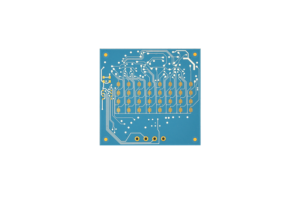
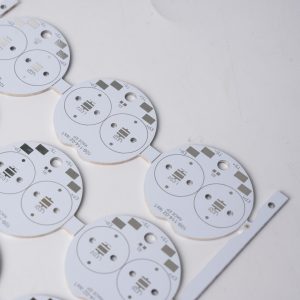
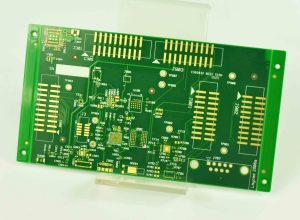
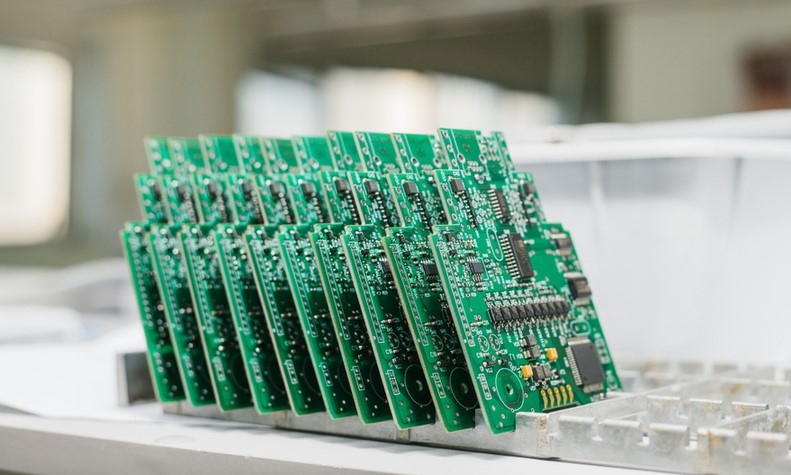
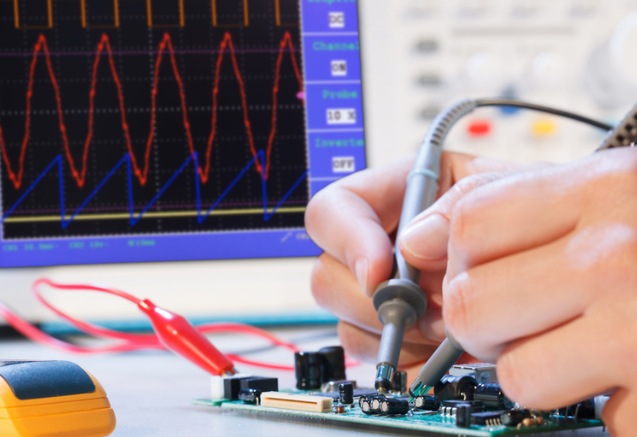
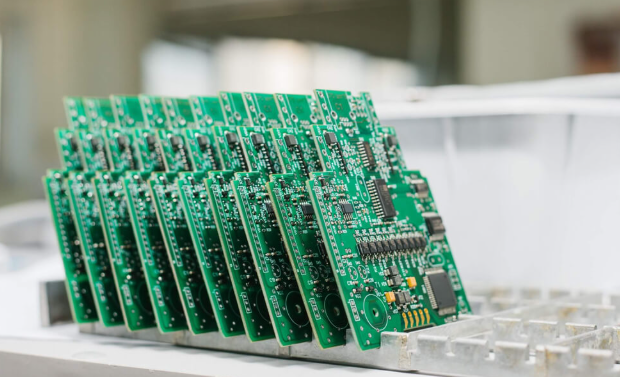
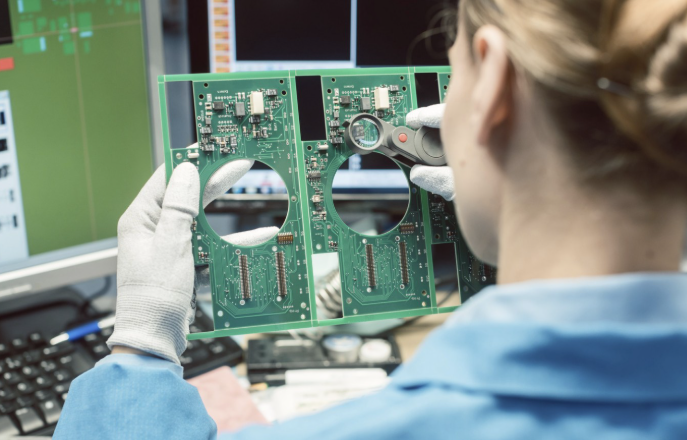
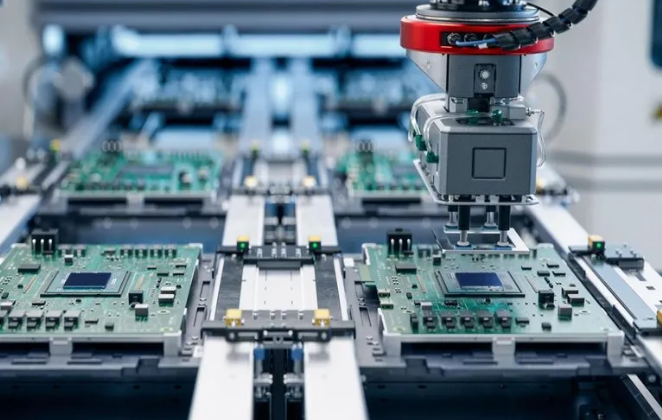
The demand for high-quality PCB Prototyping in Philippines continues to grow with the expansion of the local electronics manufacturing sector. Businesses and projects rely on precise prototyping to validate designs and accelerate production cycles, making PCB prototyping in Philippines a critical link in the supply chain. Our 20-year expertise enables us to deliver tailored PCB prototyping service Philippines, addressing local market needs with rigorous quality control and technical proficiency that outperforms many regional providers. We integrate seamlessly with Philippines PCB prototype requirements, ensuring each project meets international standards while adapting to local production conditions.

PCB Prototyping in Philippines, https://www.bestpcbs.com/blog/2026/01/pcb-prototyping-in-philippines/

Top 10 PCB Prototype Manufacturer in Philippines

Company NameMain BusinessCore AdvantagesProcess CapabilityLead Time
EBest Circuit Co., Limited (Best Technology Circuit Co., Limited)PCB prototyping, mass production, bus bar PCB, one-stop PCB assemblyISO 9001/13485/IATF 16949 certified, 18+ years experience, global supply chain, lifetime warrantyCopper thickness 1.0-3.0mm, line width 0.8-1.0mm, ENIG/immersion silver/gold plating, rigid/flexible PCBs4-7 working days for prototypes, 10-15 days for mass production
Antech-EnviroPCB design, fabrication, repair, thermal monitoring tools supplyPrecision surface preparation, high-end electronics testing, local technical supportRigid PCBs, up to 54 layers, FR-4 material, precision etching5-8 working days for prototypes, 12-18 days for custom orders
Global Circuits Sourcing Solutions (GCSS)PCB fabrication/assembly, quick-turn probe boards for semiconductorsHigh-mix low-volume production, global manufacturer partnerships, cost-effective solutionsRigid/flexible/rigid-flex HDI PCBs, up to 32 layers, FR-4/Al/Cu materials3-6 working days for quick-turn prototypes, 8-14 days for standard orders
MDS Circuit TechnologyPCB/PWB design, fast-delivery prototyping, small-batch productionDesign optimization, responsive service, industrial electronics focusRigid/flexible/rigid-flex PCBs, up to 10 layers, FR-4 material4-7 working days for prototypes, 9-16 days for mass production
Pythos Technology Philippines IncorporatedMedical-grade PCB fabrication, custom prototype developmentMedical industry compliance, strict quality control, cleanroom productionRigid PCBs, FR-4 material, biocompatible surface treatment6-9 working days for prototypes, 14-20 days for medical orders
Thermozone Philippines CorporationSpecialty PCB fabrication, high-temperature resistant boardsPolyimide/copper material expertise, thermal management solutionsRigid PCBs, FR-4/polyimide materials, high-temperature soldermask5-8 working days for prototypes, 11-17 days for specialty orders
A1 Printed Circuit BoardsTurn-key PCB solutions, design/fabrication/assembly/maintenanceAutomotive/commercial industry focus, local logistics, preventive maintenanceRigid/flexible/rigid-flex PCBs, burn-in testing capability, FR-4 material4-7 working days for prototypes, 10-15 days for automotive orders
Asian ProviderMulti-layer PCB prototyping, custom rigid-flex boardsHigh-layer count expertise, material versatility, competitive pricingRigid/flexible/rigid-flex PCBs, up to 60 layers, FR-4/Kapton materials7-10 working days for high-layer prototypes, 13-19 days for complex orders
Electronics Product Development CenterLow-volume PCB prototyping, R&D support, small-batch productionR&D collaboration, quick design iterations, local testing facilitiesRigid PCBs, up to 4 layers, FR-4 material, basic surface treatment3-5 working days for simple prototypes, 8-12 days for R&D orders
Mass Power Philippines Electronics IncorporatedPower electronics PCB prototyping, high-current board fabricationHigh-current handling expertise, power industry compliance, durable designsRigid PCBs, thick copper traces, FR-4 material, anti-corrosion treatment5-8 working days for prototypes, 12-18 days for power boards

Pain Points of PCB Prototyping in Philippines

  • High raw material costs due to over-reliance on imports from China, Japan and Thailand, affecting PCB prototyping Philippines profitability.​
  • Limited advanced equipment access leading to inability to meet high-precision requirements for Philippines PCB prototype with line width below 0.1mm.​
  • Small-batch order inefficiency causes higher per-unit costs for PCB prototype service Philippines compared to large-scale production.​
  • Inconsistent process control results in unstable product quality, with defect rates averaging 3-5% for local prototyping.​
  • Environmental regulation compliance pressure increases production costs, especially for chemical treatment in PCB factory in Philippines.​
  • Skilled labor shortage slows down production speed and extends lead time for complex PCB prototype in Philippines.​
  • Weak local supply chain leads to delays in material replenishment, affecting on-time delivery of prototype PCB Philippines.

How to Choose a PCB Prototyping Service in Philippines?

Selection Guide to PCB Prototype Service in Philippines:

  • Start by verifying core certifications such as ISO9001 and UL: Go beyond mere certificate checks to review internal audit records and CAPA (Corrective and Preventive Action) cases, ensuring compliance with IPC-A-600 standards. These standards cover 95% of high-quality PCB Prototype in Philippines requirements, so confirming their effective implementation is key to quality assurance.​
  • Focus on verifiable process capabilities: including layer count (1-32 layers for most applications) and minimum line width. Prioritize manufacturers that stably achieve 0.1mm line width/spacing for complex designs, and request process verification reports (IQ/OQ/PQ) for key procedures like lamination to validate their technical reliability.​
  • Don’t rely solely on delivery commitments: review historical data instead. Reliable providers maintain a 98%+ on-time delivery rate for PCB prototype service Philippines, with separate records for regular and urgent orders over the past six months to reflect real performance.​
  • Assess full-process quality control systems: Confirm 100% AOI inspection for all boards, cross-check defect rates (target below 1% for precision prototyping) with actual inspection reports, and verify supporting equipment like SPI and X-Ray to ensure comprehensive defect detection.​
  • Evaluate material sourcing stability for Philippines PCB prototype: Prioritize partners with global supplier networks, check that common materials have 30%+ safety stock, and confirm they have alternative material plans to avoid delays caused by supply chain disruptions.​
  • Compare transparent cost structures when evaluating options: Reasonable PCB prototyping Philippines pricing balances quality and speed, with detailed quotes covering design optimization, testing and surface treatment, no hidden fees should be included.
How to Choose a PCB Prototype Manufacturer in Philippines, https://www.bestpcbs.com/blog/2026/01/pcb-prototyping-in-philippines/

How to Evaluate the Technical Capabilities of PCB Factory in Philippines?

Evaluation Guide to the Technical Capabilities of PCB Factory in Philippines:

  • Check factory experience and project track record in the PCB prototype manufacturer Philippines sector. Prioritize manufacturers with over 10 years of operation, and verify their delivery cases for complex boards to confirm mature technical capabilities.​
  • Inspect production equipment brands and calibration records. Focus on automated etching and drilling machines, ensuring monthly calibration of key equipment with Z-axis pressure fluctuation ≤±5% and reflow oven temperature difference ≤±1℃ for precision control.​
  • Evaluate material testing capabilities for PCB Prototype in Philippines. Confirm they conduct thermal stability tests (-40℃ to 125℃) and electrical performance verification, with ICT testing to detect circuit continuity and voltage fluctuations.​
  • Verify compliance with international standards. Ensure alignment with IPC-A-610 for assembly (requiring solder joint tin penetration rate ≥75%) and IPC-6012 for PCB qualification to guarantee consistent product quality.​
  • Assess R&D capacity by reviewing past custom prototype PCB Philippines projects. Focus on their ability to handle HDI and rigid-flex designs, and whether they provide DFM optimization suggestions to avoid production defects.​
  • Check quality control documentation. Request batch-specific inspection reports and defect analysis, confirming AOI/X-Ray inspection records and defect root-cause improvement measures for full-process traceability.​
  • Evaluate surface treatment technologies. Confirm they offer HASL, ENIG, and OSP options, and match the technology to application scenarios—ENIG for high-reliability needs, OSP for cost-sensitive PCB prototyping Philippines orders.​
  • Inquire about environmental management systems. Ensure compliance with Philippine PCB-free standards (≤2 ppm) and verify waste treatment processes, avoiding production delays due to non-compliance.

How to Evaluate the Delivery Capabilities of PCB Factory in Philippines?

Evaluation Guide to the Delivery Capabilities of PCB Factory in Philippines:

  • Request lead time data of the past 6 months, categorized by prototype layers (1-6/8-12/12+ layers) and processes. Confirm average delivery days and maximum delay cases for PCB Prototype in Philippines, and cross-verify with order contracts and delivery receipts to ensure data authenticity.​
  • Assess order processing efficiency. Ensure standard projects complete initial design review within 24 hours, including DFM compliance check and process feasibility confirmation, to avoid subsequent adjustments that extend the cycle.​
  • Evaluate raw material inventory management. Focus on safety stock of common materials like FR-4 and Polyimide, factories with over 30% safety stock can shorten production cycles by 2-3 days through on-demand material allocation, reducing import wait time.​
  • Verify production scheduling flexibility for PCB prototype service Philippines. Confirm the capacity to handle urgent orders, such as 24-48 hour quick-turn prototypes, and whether there is a dedicated production line to avoid queueing with regular orders.​
  • Review quality rework rates. Target monthly rework rate below 2% for single batches, and require analysis of rework causes (etching errors, solder joint defects, etc.) to ensure rework does not unnecessarily extend the production cycle.​
  • Inquire about local logistics partnerships. Confirm cooperation with reliable couriers to cover major cities like Manila and Cebu, ensuring 24-72 hour delivery after prototype completion, with overseas warehouse support for faster local distribution.​
  • Assess production progress communication efficiency. Require daily synchronous updates via professional systems, with instant notifications for key nodes (material arrival, etching completion, final inspection), to avoid information lag affecting cycle control.
How to Evaluate the Delivery Capabilities of PCB Factory in Philippines, https://www.bestpcbs.com/blog/2026/01/pcb-prototyping-in-philippines/

Future Challenges of PCB Prototyping in Philippines

  • Escalating global material prices will further squeeze profit margins for PCB Prototype in Philippines manufacturers.
  • Rising environmental regulations require upgrades to waste treatment systems, increasing operational costs for PCB Factory in Philippines.
  • Technological upgrades demand investment in HDI and flexible PCB equipment to compete in PCB prototyping Philippines market.
  • Geopolitical tensions may disrupt supply chains, affecting material imports for Philippines PCB prototype.
  • Talent gap expansion as advanced technologies require more skilled workers for precision prototyping.
  • Increasing competition from neighboring countries like Vietnam and Thailand for PCB prototype manufacturer Philippines market share.
  • Demand for faster turnarounds (under 24 hours) pushes factories to optimize production workflows.
  • Strict quality requirements from automotive and medical sectors raise entry barriers for local prototyping services.

FAQs of PCB Prototyping in Philippines

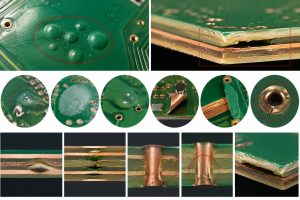
Q1: What causes delamination in Philippine PCB prototype boards? How can it be solved?
A1: Delamination is caused by low-quality materials, incorrect lamination temperature, or moisture in the substrate. We use high-quality FR-4 material and conduct 100% pre-inspection, pre-baking the substrate at 120℃ for 2 hours, and controlling the lamination temperature within ±2℃. This reduces the delamination rate of our Philippine PCB prototype boards to below 0.5%.

Q2: Why do solder joints on Philippine local PCB prototype boards turn golden yellow?
A2: Excessive soldering temperature or unstable solder bath conditions can cause this problem. Our automatic reflow soldering furnace has real-time temperature monitoring to maintain the soldering temperature at 245±5℃. Pre-production design checks and regular solder bath maintenance further optimize the solder joint quality of Philippine PCB prototype boards.

Q3: How to avoid short circuits in high-density Philippine PCB prototype boards?
A3: Short circuits are caused by insufficient trace spacing, poor pad design, or solder mask failure. We conduct strict DRC checks before production to ensure a minimum trace spacing of 0.1mm, use oval pads for high-density designs, and perform 100% AOI inspection to eliminate the risk of short circuits in Philippine PCB prototype boards.

Q4: What causes uneven plating thickness in Philippine local PCB factories?
A4: Uneven current distribution, plating solution contamination, or insufficient stirring can lead to unevenness. We use automated plating equipment with ±0.1A current regulation, test solution purity every 4 hours, and optimize stirring parameters. This controls the plating thickness variation of our Philippine prototype PCBs to within ±0.005mm.

Q5: How to solve open circuit problems in the production of Philippine PCB prototype board manufacturers?
A5: Open circuits are caused by broken traces, poor solder adhesion, or surface contamination. We implement double-layer etching inspection, ultrasonic cleaning before soldering, and X-ray inspection of hidden solder joints. This ensures 100% connectivity of complex Philippine PCB prototype boards.

You may also like

Best PCB Prototyping USA, PCB Factory in USA

January 15th, 2026

PCB Prototyping USA delivers precise, rapid-turnaround solutions for diverse electronic projects, catering to small-batch trials and custom specifications. Our PCB Prototyping USA service integrates advanced processes and strict quality control to meet the region’s rigorous industry standards, supporting seamless transition from design to mass production.

PCB Prototyping USA, https://www.bestpcbs.com/blog/2026/01/best-pcb-prototyping-usa/

Are You Facing these Problems of PCB Prototyping USA?

  • Long lead times for urgent projects, delaying product launch timelines even for small-batch prototype PCB USA.
  • Hidden costs from design mismatches and rework due to lack of pre-production analysis for PCB prototyping USA.
  • Inconsistent quality across samples, failing to meet industry standards for high-precision applications.
  • Limited capability for specialized boards like HDI or RF prototypes, restricting project innovation.
  • Poor technical support response, leaving project bottlenecks unresolved for days.

One-Stop Service From Requirements to Delivery

We deliver a one stop PCB prototype service USA, covering demand confirmation to final delivery with a 98%+ end-to-end risk interception rate. Backed by 20 years in PCB prototyping USA, we’ve handled 100,000+ custom projects, enabling us to pre-empt 95% of potential process issues upfront. Our production line integrates MES intelligent management systems and 3D AOI detectors (with 99.9% defect coverage) , aligning production with your timeline and achieving a 98.5% on-time delivery rate . We guarantee your USA PCB prototype meets specifications with ±0.003mm/m dimensional precision , stays within a ±3% budget deviation, and arrives as scheduled. Choose us for a partnership that turns design concepts into tangible products efficiently, with proven cost and time savings.

Why Choose EBest Technology(Best Technology) for PCB Prototyping?

  • 1-piece minimum order with 24-hour rapid prototyping and shipping for urgent projects, helping you seize market opportunities faster than competitors in PCB prototyping USA.
  • Strict quality assurance backed by ISO9001:2015, ISO13485:2016, REACH, RoHS, and IATF16949 certifications. Every prototype PCB USA undergoes 12+ quality inspections, achieving a 99.8% pass rate.
  • Free DFM analysis that reduces rework costs by up to 40%, identifying design flaws before PCB prototyping USA production starts.
  • Cost-sensitive design solutions, optimizing material selection and processes to cut production costs by 15-25% without compromising quality.
  • One-stop service covering design optimization, prototyping, assembly, and testing, streamlining your PCB prototype service USA workflow.
  • 20 years of production experience, enabling flexible handling of custom orders and adapting quickly to design adjustments for PCB prototyping USA.
  • Diverse prototyping options including rigid boards, flexible boards, rigid-flex boards, metal core boards, and ceramic boards, meeting multi-scenario needs.
  • Strong process capability, specializing in best manufacturers high-density PCB prototypes USA and RF boards with precision line width/space as low as 3/3mil.
  • Free technical support with 2-hour online response and one-on-one service, resolving project issues promptly during PCB prototyping USA.
Why Choose EBest Technology(Best Technology) for PCB Prototyping, https://www.bestpcbs.com/blog/2026/01/best-pcb-prototyping-usa/

Top 10 PCB Prototype Manufacturer USA

Company NamePrototyping ServiceCore AdvantagesProcess CapabilityPrototyping Lead Time
EBest Circuit Co., Limited (Best Technology Circuit Co., Limited)1-piece custom prototyping, free DFM analysis, 24-hour urgent service, one-stop assembly & testing, technical consulting20-year experience, multi-certification (ISO9001/IATF16949), 98.5% on-time delivery rateHDI/RF boards, rigid-flex, ceramic boards, 3/3mil line width/space, ±0.003mm/m dimensional precision24hrs (urgent), 3-5 days (regular)
Advanced Circuits Free DFM audit, high-layer prototyping, RF/microwave board sampling, rework support, online progress trackingUSA’s 3rd largest PCB manufacturer, aerospace-grade quality, laser drilling technology1-40 layer boards, 20oz heavy copper, impedance control ±5%, laser-drilled microvias48hrs (urgent), 4-6 days (regular)
Murrietta Circuits Military/aerospace-grade prototyping, design optimization, full-process testing, small-batch sampling40+ years of experience, one-stop design-manufacturing-testing, military certificationRigid-flex boards, high-reliability military boards, environmental testing compliance72hrs (urgent), 5-7 days (regular)
AP CircuitsQuick-turn prototyping, standard & custom material sampling, basic assembly matching, electrical testingCost-effective, 40+ years of local service, stable supply chain for common materials1-16 layer rigid boards, 4/4mil line width/space, standard surface finishes (HASL/ENIG)24hrs (simple boards), 3-4 days (complex boards)
IEC ElectronicsMedical/aerospace prototyping, counterfeit part detection, failure analysis, small-batch validationISO13485 certified, medical/aerospace expertise, strict quality traceabilityHigh-reliability boards, precision assembly, advanced fault analysis capability5-8 days (regular), 72hrs (medical urgent orders)
Benchmark ElectronicsHigh-precision prototyping, cleanroom assembly, system integration testing, custom material matchingGlobal certification system, high-reliability electronics focus, large-scale production transition supportHDI boards, 1-24 layer boards, microwave/RF boards, impedance control ±3%4-6 days (regular), 96hrs (urgent)
SigmaTron InternationalAutomotive/consumer electronics prototyping, cost-optimized sampling, SMT assembly matchingIATF16949 certified, cross-border supply chain, prototype-to-mass production seamless transitionRigid boards, flexible boards, 1-12 layer boards, automotive-grade environmental resistance3-5 days (regular), 48hrs (automotive urgent orders)
Eltek Ltd.Advanced PCB prototyping, high-frequency material sampling, defense-grade testing, design consultationUS State Department licensed, defense/aerospace focus, advanced high-frequency technologyPTFE/LCP high-frequency boards, HDI, 1-32 layer boards, strict signal integrity control6-9 days (regular), 5 days (defense urgent orders)
Sunstone CircuitsOnline instant quoting, 1-piece prototyping, free DFM analysis, fast turnaround samplingDigitalized operation, 24/7 customer service, high efficiency for R&D projects1-20 layer boards, rigid-flex, 3/3mil line width/space, standard & lead-free finishes24hrs (express), 2-3 days (standard)
Bay Area CircuitsCustom prototyping, high-density sampling, RF/microwave board testing, material customizationSilicon Valley-based, high-tech industry expertise, fast technical responseHDI boards, RF/microwave boards, 1-24 layer boards, 2/2mil line width/space72hrs (urgent), 4-5 days (regular)

How to Choose the Right PCB Prototype Manufacturer USA?

Selection Guide to PCB Prototype Manufacturer USA:

  • Verify certification completeness, ensuring compliance with ISO9001:2015 (general quality management), IATF16949 (automotive-grade requirements), and industry-specific standards like ISO13485 for medical applications. Certifications should cover the entire PCB prototyping USA process, not just mass production, to guarantee batch consistency.?
  • Check urgent service capability, confirming 24-hour delivery for single-piece USA PCB prototype with a 95%+ success rate. Focus on whether the service includes essential testing (e.g., open/short circuit detection) and dedicated production lines to avoid quality compromises for speed.?
  • Evaluate DFM service quality, prioritizing manufacturers that cut rework rates to below 5% via pre-analysis. The service should cover line width/space verification, aperture matching, and impedance pre-calculation, with 30-minute rapid feedback that marks optimization points clearly for PCB prototyping USA.?
  • Assess process range and precision, ensuring support for required board types (HDI, RF, rigid-flex) and core parameters like 3/3mil line width/space. For high-density or high-frequency projects, confirm laser drilling capability and layer alignment accuracy (≤5μm deviation) for PCB prototyping USA.?
  • Review technical support efficiency, requiring 2-hour online response and 7×24-hour availability. The one-on-one service should address not only operational issues but also provide guidance on material selection and process optimization for USA PCB prototype projects.?
  • Confirm material quality & supply stability, ensuring core materials (e.g., HVLP copper foil, PTFE for high-frequency boards) meet RoHS/REACH standards. Verify 30% safety stock for key materials and the ability to provide alternative equivalents to mitigate shortages in PCB prototyping USA.?
  • Check quality control system, prioritizing manufacturers with IQC/IPQC/OQC full-process inspection and 99%+ prototype yield rate. IQC should test material dielectric properties; IPQC monitor lamination temperature curves; OQC conduct 100% AOI and X-Ray testing for PCB prototyping USA.
How to Choose the Right PCB Prototype Manufacturer USA, https://www.bestpcbs.com/blog/2026/01/best-pcb-prototyping-usa/

How to Evaluate the Technical Capability of USA PCB Factory?

Evaluation Guide to the Technical Capability for PCB Factory in USA:

  • Check minimum line width/space capability: Aim for 2/2mil precision (verified by laser interferometer) for high-end high-density projects, with 3/3mil as the baseline for regular high-density boards. This parameter directly impacts signal transmission efficiency, particularly for 12+ layer boards.​
  • Verify impedance control accuracy: General high-frequency PCB prototyping USA requires ±5% tolerance, while automotive radar and satellite communication (≥10GHz) scenarios need ±3% precision. Calibrate via TDR testing equipment to keep signal delay at microsecond level.​
  • Assess material compatibility: Confirm support for PTFE (dielectric constant 2.1-2.3, for ≥50GHz projects) and LCP (heat resistance ≥280℃, for high-temperature environments). All materials must pass UL certification and meet 94V0 flame-retardant standard, with verifiable material test reports.​
  • Review quality inspection processes: Ensure 100% AOI testing (detection precision ≤0.02mm, defect recognition rate ≥99.5%) and X-Ray inspection. X-Ray must fully penetrate blind/buried vias to cover 100% of internal layer connections, avoiding hidden soldering defects.​
  • Evaluate HDI/RF board experience: Prioritize manufacturers with 5000+ HDI/RF project cases, where 12+ layer HDI boards account for over 40%. RF board capabilities should support up to 60GHz frequency for satellite communication and radar applications.​
  • Check certification coverage: Confirm certifications match industry needs. IATF16949 applies to automotive (compliant with PPAP process), ISO13485 for medical (full traceability), and aerospace-grade quality authentication. Certifications must cover all prototyping production lines.​
  • Assess design optimization capabilities: DFM analysis should cut rework rates by 30%-40%, covering pad matching, impedance pre-calculation and layer stackup optimization. Cost-saving schemes need to reduce material costs by 15%-25% without sacrificing performance.

How to Evaluate the Delivery Time for PCB Factory in USA?

Evaluation Guide to the Delivery Time for PCB Factory in USA:

  • Confirm urgent order lead time: Ensure 24-hour delivery for single-piece simple prototype PCB USA; for complex boards (HDI/RF, 8+ layers), verify 48-72 hour expedited capability, with an urgent order success rate ≥95%.​
  • Review regular order cycle stability: Require a 98%+ on-time delivery rate over the past 12 months, and confirm clear compensation plans (e.g., freight waiver, priority rework) for delays caused by the manufacturer.​
  • Assess material inventory capacity: Focus on core materials (HVLp copper foil, PTFE for high-frequency boards) with a safety stock ≥30%, and confirm the ability to provide equivalent alternatives within 24 hours when shortages occur.​
  • Check production line automation level: Ensure automated equipment accounts for over 70%, covering core processes like cutting, drilling, and AOI testing, which can improve PCB prototyping USA efficiency by 20%+.​
  • Evaluate order scheduling flexibility: Confirm 24-hour response to design adjustments; minor tweaks (line width/space fine-tuning) should not extend lead time, while major changes have clear timeline extension standards.​
  • Review logistics cooperation: Verify partnerships with reliable local logistics providers for next-day/2-day delivery, offer real-time logistics tracking, and control PCB prototyping USA transportation damage rate ≤0.1% with replacement guarantees.
How to Evaluate the Delivery Time for PCB Factory in USA, https://www.bestpcbs.com/blog/2026/01/best-pcb-prototyping-usa/

FAQs of PCB Prototyping USA

Q1: How to avoid signal integrity issues in high-frequency PCB prototyping in the US?
A1: We use an impedance matching optimization scheme with a tolerance of ±5% and utilize high-frequency materials such as PTFE. Our pre-production simulation and DFM analysis can identify potential signal integrity issues, ensuring stable signal transmission.

Q2: Why do rework issues frequently occur during PCB prototyping in the US? How to avoid them?
A2: Rework mainly stems from mismatches between design and manufacturing processes. We provide free DFM analysis to check pad dimensions, component layout, and process compatibility, reducing the rework rate to below 5%.

Q3: How to address material shortages in custom PCB prototyping projects in the US?
A3: We have global supply chain resources and maintain a 30% safety stock of core materials. For scarce materials, we provide equivalent alternative solutions to ensure production continuity.

Q4: How to ensure quality consistency between PCB prototyping and mass production in the US?
A4: We apply the same quality standards and processes to both prototypes and mass production, conducting full-process traceability and over 12 inspection steps to achieve 99.8% quality consistency.

Q5: Can urgent PCB prototype orders in the US meet quality standards?
A5: Yes, our 24-hour emergency service strictly adheres to quality checks, including AOI, X-ray, and electrical testing, ensuring that accuracy and reliability are not compromised.

You may also like

Analog Circuit vs Digital Circuit in PCB Manufacturing

January 14th, 2026

From a PCB manufacturing perspective, analog circuit vs digital circuit is not just a theoretical discussion about signal types. It directly affects stack-up design, component placement, grounding strategy, impedance control, EMI performance, and yield stability during fabrication and assembly.

Most modern PCBs are mixed-signal boards, where analog and digital circuits coexist. Understanding how these two circuit types behave on a physical PCB is critical to achieving stable performance and high manufacturing reliability.

Analog Circuit vs Digital Circuit in PCB Manufacturing

What Is an Analog Circuit?

An analog circuit handles continuously varying electrical signals, which makes it inherently sensitive to layout parasitics, copper geometry, and material properties.

From a PCB standpoint, analog circuits are strongly influenced by:

  • Trace impedance and length
  • Parasitic capacitance and inductance
  • Ground noise and return paths
  • Dielectric consistency

Even small layout deviations can introduce offset, distortion, or noise coupling. As a result, analog PCB design places heavy emphasis on short signal paths, controlled grounding, and clean reference planes.

Analog Circuit Diagram and Typical PCB Layout

In analog PCB layouts, signal flow is often linear and localized. Components are placed close together to minimize loop area and external interference.

Analog Circuit Diagram and Typical PCB Layout

Key layout characteristics include:

  • Compact placement of passive components
  • Dedicated analog ground regions
  • Minimal via usage in sensitive signal paths

For PCB manufacturers, tight analog layouts also demand accurate drilling, consistent copper thickness, and stable dielectric properties, especially for low-noise or high-gain designs.

What Is a Digital Circuit?

A digital circuit processes signals in discrete logic states, which makes it more tolerant of voltage variation but highly sensitive to timing, impedance, and reference integrity.

On a PCB, digital performance is driven by:

  • Signal rise and fall times
  • Controlled impedance routing
  • Return current continuity
  • Power distribution network stability

High-speed digital circuits can fail not because of logic errors, but because of poor PCB layout.

Digital Circuit Diagram and PCB Routing Rules

Digital PCB layouts emphasize structured routing and plane continuity rather than compact clustering.

Typical digital PCB features include:

  • Wide, continuous ground planes
  • Matched-length signal routing
  • Decoupling capacitors placed at power pins
  • Clear separation of clock and data paths

For fabrication, this often requires tight impedance control, consistent layer registration, and precise etching tolerances.

Digital Circuit Diagram and PCB Routing Rules

Analog and Digital Circuits Examples in PCB Manufacturing

Analog-dominant PCB examples:

  • Sensor interface boards
  • Audio processing PCBs
  • Power feedback and control loops
  • RF front-end circuits

Digital-dominant PCB examples:

  • Microcontroller control boards
  • FPGA and CPU modules
  • Data acquisition systems
  • Communication processing boards

In manufacturing reality, most products combine both. This mixed-signal nature creates layout and DFM challenges that must be addressed early.

What Is the Difference Between Analog and Digital Circuits on a PCB?

The fundamental difference appears in how signals interact with the PCB itself.

Analog circuits are affected by:

  • Copper geometry
  • Dielectric loss and consistency
  • Crosstalk and EMI

Digital circuits are affected by:

  • Impedance discontinuities
  • Ground reference breaks
  • Timing skew and reflection

Because of this, PCB manufacturers often recommend different layout rules, spacing, and plane strategies for analog and digital sections on the same board.

Analog Circuit vs Digital Circuit: Pros and Cons for PCB Manufacturing

Analog PCB advantages:

  • Lower routing density
  • Fewer high-speed constraints
  • Simpler impedance requirements

Analog PCB challenges:

  • High sensitivity to noise
  • Performance variation due to material tolerances
  • Greater dependence on layout discipline

Digital PCB advantages:

  • Predictable logic behavior
  • Easier functional testing
  • Scalable designs

Digital PCB challenges:

  • Tight impedance and stack-up control
  • EMI and signal integrity risks
  • Higher layer count requirements

These tradeoffs directly influence PCB cost, lead time, and yield stability.

Mixed-Signal PCB Layout: Key DFM Considerations

When analog and digital circuits share the same PCB, DFM becomes critical.

Best practices include:

  • Physical separation of analog and digital sections
  • Single-point ground connection strategy
  • Separate power planes or filtered power domains
  • Controlled return current paths
Mixed-Signal PCB Layout: Key DFM Considerations

From a manufacturing view, mixed-signal boards benefit from:

  • Clear net labeling
  • Defined impedance rules
  • Early DFM review to avoid late-stage redesign

Is HDMI Analog or Digital? Implications for PCB Design

HDMI is a fully digital interface, operating at high data rates with differential signaling.

For PCB fabrication, HDMI designs require:

  • Tight differential impedance control
  • Low-loss materials for longer traces
  • Precise length matching

Even though HDMI is digital, poor PCB layout can quickly degrade signal integrity, reinforcing the importance of manufacturing expertise.

When Should PCB Designers Use Analog vs Digital Circuits?

From a PCB manufacturer’s perspective:

Use analog circuits when:

  • Interfacing directly with sensors or transducers
  • Precision signal conditioning is required
  • Low latency is critical

Use digital circuits when:

  • Data processing and control dominate
  • Noise immunity is essential
  • System scalability is required

In practice, successful products rely on well-partitioned mixed-signal PCB designs, supported by fabrication processes that can meet both analog stability and digital integrity requirements.

FAQs

1. Can analog and digital circuits be placed on the same PCB?

Yes. Most modern PCBs are mixed-signal designs. However, proper partitioning, controlled grounding, filtered power domains, and careful routing are required to prevent digital switching noise from degrading analog performance.

2. Do digital circuits really need impedance-controlled traces?

For low-speed digital circuits, impedance control may not be critical. For high-speed digital interfaces such as HDMI, USB, Ethernet, or DDR, controlled impedance is essential to prevent signal reflections, eye closure, and EMI issues.

3. What PCB materials are commonly used for analog and digital boards?

Standard FR-4 is widely used for both. However:

  • Precision analog or RF designs may require tighter Dk/Df control
  • High-speed digital designs may benefit from low-loss laminates

4. Why do digital systems still need analog circuits?

All digital systems interact with the real world through analog signals. Sensors, power regulation, clock generation, and signal inputs are inherently analog, making analog circuitry unavoidable even in fully digital products.

5. When should DFM review be done for mixed-signal PCBs?

DFM review should be done before layout finalization, ideally during stack-up planning. Early DFM feedback helps avoid impedance mismatches, grounding conflicts, via limitations, and fabrication constraints that are costly to correct later.

You may also like

Analog Circuit vs Digital Circuit: Key Differences, Examples, Diagram

January 14th, 2026

Understanding analog circuit vs digital circuit fundamentals is essential in modern electronics, especially as products increasingly combine both domains on the same printed circuit board. While the terms are often used interchangeably in casual discussions, analog and digital circuits differ fundamentally in how they process signals, how they are designed, and where they are best applied.

This guide explains analog and digital circuits from a practical engineering perspective, using real examples and clear comparisons to help you make the right design decisions.

Analog Circuit vs Digital Circuit: Key Differences, Examples, Diagram

What Is an Analog Circuit?

An analog circuit processes continuous signals. Voltage or current varies smoothly over time, directly representing real-world physical quantities such as sound, temperature, pressure, or light intensity.

In an analog circuit, small changes at the input create proportional changes at the output. There are no discrete steps or fixed logic states. This continuous behavior allows analog circuits to preserve subtle signal details.

Typical characteristics of analog circuits include:

  • Continuously varying voltage or current
  • Sensitivity to noise and interference
  • Direct interaction with real-world signals

Common components found in analog circuits include resistors, capacitors, inductors, operational amplifiers, and transistors operating in their linear regions.

Analog Circuit Diagram

An analog circuit diagram usually shows smooth signal paths and linear amplification stages. The schematic emphasizes component values, biasing networks, and signal integrity.

Analog Circuit Diagram

Examples include audio amplifiers, sensor conditioning circuits, and voltage regulators, where signal accuracy is more important than discrete logic states.

What Is a Digital Circuit?

A digital circuit processes discrete signals, typically represented as binary values: logic “0” and logic “1”. These values correspond to defined voltage thresholds rather than continuous variations.

Digital circuits operate on the principle of decision making. Instead of preserving every nuance of a signal, they determine whether the input is above or below a threshold.

Key characteristics of digital circuits include:

  • Discrete logic levels
  • Strong noise immunity
  • Predictable and repeatable behavior

Digital circuits rely on logic gates, flip-flops, microcontrollers, memory devices, and processors.

Digital Circuit Diagram

A digital circuit diagram focuses on logic relationships rather than continuous waveforms. Schematics highlight logic gates, clock signals, data buses, and power integrity.

Digital Circuit Diagram

Digital designs prioritize timing, synchronization, and reliable logic transitions rather than exact voltage values.

Analog and Digital Circuits Examples

Analog circuits work with continuous signals, where voltage or current changes smoothly over time, similar to a dimmer switch. These circuits directly process real-world physical signals and are typically built using components such as operational amplifiers, resistors, capacitors, and inductors. Analog circuit examples:

  • Audio amplifiers
  • Microphone preamplifiers
  • Temperature and pressure sensor interfaces
  • RF front-end circuits

Digital circuits operate using discrete binary signals, represented as logic 0 and logic 1. They process data through defined logic states and require analog-to-digital (ADC) and digital-to-analog (DAC) conversion when interacting with real-world signals. Digital circuit examples:

  • Microcontroller systems
  • Computers and smartphones
  • Digital clocks and counters
  • Communication processors

In many real products, analog and digital circuits coexist. A sensor may produce an analog signal, which is then converted into digital data for processing.

What Is the Difference Between Analog and Digital Circuits?

The core difference between analog and digital circuits lies in signal representation. Analog circuits represent information using continuously varying electrical quantities. Digital circuits represent information using discrete logic states.

Other practical differences include:

  • Analog circuits emphasize signal fidelity
  • Digital circuits emphasize robustness and repeatability
  • Analog performance depends heavily on component tolerances
  • Digital performance depends on timing and logic thresholds

Understanding these differences helps avoid common design mistakes, especially in mixed-signal PCB layouts.

What Is the Difference Between Analog and Digital Circuits?

Analog Circuit vs Digital Circuit Pros and Cons

Analog circuit advantages:

  • High signal resolution
  • Natural interface with physical sensors
  • Low latency signal response

Analog circuit limitations:

  • Susceptible to noise
  • Harder to scale and reproduce consistently
  • Component drift over temperature and time

Digital circuit advantages:

  • Strong noise immunity
  • Easy data storage and processing
  • Scalable and programmable

Digital circuit limitations:

  • Requires conversion from analog sources
  • Quantization errors
  • Clock and timing constraints

Neither approach is universally superior. The best choice depends on the application.

How to Tell If a Circuit Is Analog or Digital?

You can usually identify a circuit type by observing:

  • Signal behavior on an oscilloscope
  • Component types used
  • Presence of clock signals

If voltage changes smoothly and continuously, the circuit is analog. If voltage jumps between defined levels, the circuit is digital.

Schematics also provide clues. Analog circuits show amplifiers and filters, digital circuits show logic symbols and data paths.

How Do I Know If My TV Is Analog or Digital?

Modern televisions are digital devices. They process digital video signals internally, even if they accept analog inputs.

If a TV supports HDMI, digital broadcasting standards, or internal digital signal processing, it operates digitally. Older CRT televisions relied more heavily on analog signal paths.

Most consumer electronics today convert any analog input into digital form for processing.

Why Is Digital Better Than Analog?

Digital is often considered better because it offers:

  • Better noise resistance
  • Easier data compression and storage
  • Consistent signal quality over distance

However, digital systems still rely on analog circuits at their inputs and outputs. Power regulation, signal sensing, and RF reception remain analog challenges. Digital is not a replacement for analog, it is a complement.

When Would You Use Analog vs Digital in Circuits?

Use analog circuits when:

  • Interfacing directly with sensors
  • Preserving signal detail is critical
  • Latency must be minimal

Use digital circuits when:

  • Data processing and storage are required
  • System complexity is high
  • Noise immunity is essential

Most modern systems are mixed-signal designs. The analog section captures real-world signals, while the digital section processes and controls them.

Understanding analog circuit vs digital circuit behavior is the foundation of reliable electronic design, especially in applications such as medical devices, industrial control, and communication systems where accuracy and stability are equally important.

You may also like

Top 10 PCB Manufacturer in UK, PCB Manufacturing Company UK

January 14th, 2026

The UK is home to leading PCB manufacturing companies in UK, grounded in strict quality standards and advanced technical capabilities. A top PCB Manufacturer in UK stands out for precision production and adherence to local regulations, including UKCA and RoHS compliance, to serve automotive, medical and telecommunications sectors. Demand for high-performance PCBs grows with AI computing and automotive electronics expansion, making a reliable PCB Manufacturer in UK critical to project success. This guide breaks down core aspects of UK PCB manufacturing to help you navigate the market and choose the right partner.

Top 10 PCB Manufacturer in UK, https://www.bestpcbs.com/blog/2026/01/top-10-pcb-manufacturer-in-uk/

Top 10 PCB Manufacturer in UK List in 2026

Company NameMain BusinessCore AdvantagesProcess CapabilitiesLead Time
EBest Circuit Co., Limited (Best Technology Circuit Co., Limited)Custom PCB fabrication, PCB assembly, high-precision PCB production20-year industry experience, global supply chain, 24/7 technical support, ISO & UKCA certified1-32 layers PCB, HDI boards, minimum track/gap 0.05mm, blind/buried vias <0.12mmPrototype: 24-48 hours, mass production: 3-7 days
PW Circuits Ltd (UK)PCB fabrication, surface finishing, small-batch industrial PCB productionUK-based factory in Hampshire, ISO 9001 certified, strict industrial quality control1-32 layers PCB, max board thickness 10mm, immersion gold/silver/OSP finishesPrototype: 3-5 days, mass production: 7-10 days
Exception Group Ltd (UK)High-reliability PCB, military & aerospace-grade PCB manufacturingDefense industry certification, UKAS-accredited testing, low-volume high-mix capacity1-20 layers PCB, metal core boards, RoHS/REACH compliant finishesPrototype: 5-7 days, mass production: 10-14 days
Fineline Global Ltd (UK)Flexible PCB, rigid-flex PCB, custom flexible circuit productionSpecialized in flexible circuits, UK design team, quick iteration supportFlexible/rigid-flex boards, 1-12 layers, minimum hole 0.1mm, polyimide materialsPrototype: 4-6 days, mass production: 8-12 days
Circuitwise UK LtdQuick-turn PCB prototypes, small-batch commercial PCB fabricationUK-owned factory, online order tracking, competitive pricing for small runs1-8 layers PCB, standard HASL/OSP finishes, minimum track 0.1mmPrototype: 2-3 days, mass production: 6-9 days
Elvia PCB Group UK (Local Factory)Medical PCB, high-precision PCB assembly for healthcare devicesISO 13485 certified, Class 8 cleanroom assembly, medical regulatory compliance1-24 layers PCB, HDI boards, biocompatible surface finishesPrototype: 5-7 days, mass production: 9-13 days
PCB Technology Ltd (UK)RF PCB, high-frequency PCB manufacturing for telecom & industrial useHigh-frequency material expertise (Rogers/Arlon), EMI shielding solutions, UK technical team1-16 layers PCB, RF boards, impedance control ±5%, high-frequency laminatesPrototype: 7-10 days, mass production: 14-20 days
Premier Circuits Ltd (UK)Industrial PCB, ruggedized PCB for harsh environmentsEnvironmental testing capabilities, UK-based production, durable design optimization1-18 layers PCB, thick copper boards up to 15oz, corrosion-resistant finishesPrototype: 6-8 days, mass production: 10-16 days
Rapid Circuits UKPCB fabrication, turnkey SMT/through-hole assembly servicesOne-stop UK solution, global component sourcing with local stock, on-time delivery guarantee1-12 layers PCB, through-hole & SMT assembly, functional testingPrototype: 3-4 days, mass production: 7-11 days
Ellington Electronics Technology Group (UK)Printed circuit boards, custom PCB fabrication for automotiveIATF 16949 certified, automotive industry expertise, UK quality audit1-16 layers PCB, heat-resistant materials, lead-free HASL finishesPrototype: 6-8 days, mass production: 12-15 days
PFC Flexible Circuits Limited (UK)Flexible PCB, FPC assembly, custom flexible circuit packagingUK flexible circuit specialist, ISO 9001 certified, small-to-medium batch capacity1-8 layers flexible PCB, minimum track 0.1mm, adhesive bonding solutionsPrototype: 5-7 days, mass production: 9-14 days

Types of PCB Manufacturing Services in UK

  • Custom PCB Fabrication: Tailored to specific dimensions, layer counts and material requirements, covering rigid, flexible and rigid-flex PCBs for diverse industries.
  • Quick-Turn Prototyping: Fast prototype production with 24-48 hour lead times for urgent projects, supporting design validation and iteration.
  • PCB Assembly Services: Comprehensive SMT and through-hole assembly, including component sourcing, soldering and functional testing.
  • High-Precision PCB Production: Specialized in HDI boards, RF boards and high-frequency PCBs with tight tolerance control for advanced applications.
  • Turnkey Solutions: End-to-end services from design review, fabrication and assembly to final testing and packaging, simplifying project management.

What Quality Certifications Should PCB Manufacturer in UK Hold?

  • UKCA Certification: Mandatory for placing PCBs on the UK market, covering EMC and LVD compliance with technical documentation and conformity declaration.​
  • ISO 9001: Quality management system certification, ensuring consistent production processes and product reliability.​
  • RoHS Compliance: Restricts hazardous substances in PCBs, mandatory for electronic products sold in the UK and EU.​
  • IATF 16949: Required for automotive PCB manufacturers, aligning with automotive industry quality standards.​
  • ISO 13485: Mandatory for medical PCB production, ensuring compliance with medical device regulations.

How to Evaluate the Technical Capability of PCB Manufacturer in UK?

Evaluated Methods to Technical Capability of PCB Manufacturer in UK:

  • Verify maximum layer count: up to 32 layers for mainstream, 40 layers for high-end and minimum track/gap, standard precision reaches 0.05mm, while advanced processes achieve 0.038mm (1.5mil) for high-end AI and server PCBs.​
  • Assess surface finishes (immersion gold, OSP, HASL) and material range: high-frequency applications require materials with Dk≤0.02 and Df≤0.004, such as Rogers and Arlon laminates, for stable signal transmission.​
  • Review impedance control accuracy: 5% tolerance for general RF PCBs, and ±3% for high-speed PCBs (≥10Gbps), verified by TDR impedance testers for consistency.​
  • Check blind/buried via capabilities: laser-drilled micro blind hole down to 0.05mm, mechanical drilling minimum 0.1mm, supporting up to 4-layer HDI boards for dense packaging needs.​
  • Evaluate quality control processes: 100% AOI testing coverage, X-Ray for inner layers, and CPK≥1.33 (corresponding to 63PPM defect rate) to meet automotive and medical industry standards.​
  • Inquire about R&D investment: (3%-5% of revenue is industry benchmark) and patent portfolio, 5+ core process patents indicate strong innovation capacity in advanced manufacturing.​
  • Request sample testing per IPC-A-600J standards: verifying dimensional accuracy (±0.02mm) and thermal stability (-40℃ to 125℃ cyclic testing for 500 times).
How to Evaluate the Technical Capability of PCB Manufacturer in UK, https://www.bestpcbs.com/blog/2026/01/top-10-pcb-manufacturer-in-uk/

How to Evaluate the Lead Time of PCB Manufacturing Companies in UK?

Evaluated Methods to Lead Time of PCB Manufacturing Companies in UK:

  • Verify prototype lead time differentiation: The fastest PCB manufacturer in UK delivers standard prototypes in 24-48 hours, while local mainstream factories take 3-7 days for specialized prototypes (e.g., flexible or high-frequency boards).​
  • Validate mass production cycle matching: 1-8 layer PCBs should have a 3-7 day turnaround, 10-20 layer complex boards 7-14 days, and confirm if layer count or surface finish (e.g., immersion gold) extends cycles by 1-2 days.​
  • Check order tracking efficiency: Confirm availability of real-time digital tracking systems, with automatic notifications for key nodes (material in-stock, production start/finish) and delay alerts sent within 4 hours of identification.​
  • Clarify rush order terms: Ask about 24-hour expedited service scope, additional costs (usually 15%-30% of standard pricing), and whether quality inspections remain uncompromised for urgent batches.​
  • Assess supply chain resilience: Verify backup material suppliers (minimum 2 local/ European alternatives for core laminates) and average response time to component shortages (target ≤2 days).​
  • Audit historical on-time delivery rate: Require data from the past 6 months, with a benchmark of ≥95% for reliable scheduling, top PCB manufacturers in UK typically maintain this or higher.

How to Choose the Right UK PCB Manufacturer?

Selection Guide to UK PCB Manufacturer:

  • Prioritize UK PCB manufacturers with an on-time delivery rate of ≥98%: Verified through actual delivery data over the past six months, not just customer recommendations. Each day of delay increases project costs by an average of 3%, so choose suppliers with delay warning mechanisms for proactive risk control.
  • Select suppliers with a defect rate ≤100 PPM (equivalent to 0.01%): And require 100% AOI + X-ray dual inspection. Ensure a process capability index Cmk ≥ 1.33, corresponding to a 4σ process level, to minimize rework losses.
  • Choose UK PCB manufacturers holding industry-specific mandatory certifications: Automotive projects require IATF 16949 certification, medical applications require ISO 13485 + Class 8 cleanroom certification, and all products must comply with UKCA + RoHS standards and provide complete traceability documentation.
  • Evaluate technical compatibility: Aim for a match of ≥95% with core parameters (number of layers, line width/spacing, impedance tolerance). Confirm compliance with IPC standards and support for special materials (e.g., Rogers laminates for high-frequency applications).
  • Select manufacturers offering 24/7 technical support: Require an initial response within 1 hour and a solution within 4 hours. This can reduce troubleshooting time by an average of 30%, avoiding production bottlenecks.
  • Compare total cost of ownership (TCO) rather than unit price: Hidden costs (testing, rework, material waste) account for 5%-8% of TCO; prioritize suppliers with transparent pricing, including a detailed breakdown of copper clad laminate (accounting for 27.31% of PCB cost) and copper foil costs.
How to Choose the Right UK PCB Manufacturer, https://www.bestpcbs.com/blog/2026/01/top-10-pcb-manufacturer-in-uk/

Pain Points of PCB Manufacturing Companies in UK

  • Small-batch prototype costs are 3-5 times higher than mass production, and quick-turn prototyping trades speed for precision, raising defect rates and disrupting validation.​
  • 10-15% delivery delays from copper-clad laminate shortages; 20% YoY copper foil price hikes force budget changes, with PCB manufacturers in UK struggling to maintain stable pricing.​
  • Design-manufacturing mismatch causes repeated revisions and delays; few UK PCB manufacturer have capabilities to adapt to advanced technologies.
  • Component lead times exceed 50 weeks in some cases; high-density assemblies have 2-3% rework rates due to inconsistent soldering, adding costs and delays.​
  • Lack of real-time design-manufacturing data sync leads to last-minute adjustments, common with in experienced PCB manufacturing companies in UK.

Future Challenges for UK PCB Manufacturer

  • Escalating raw material costs and supply chain volatility: London Metal Exchange (LME) copper prices have surged nearly 40% since early 2025, while copper foil makers raised prices by 5%-10% and copper-clad laminate manufacturers by 8%-10% in late 2025, squeezing profit margins of PCB manufacturers in UK.​
  • Adapting to advanced packaging technologies: Requires new laser drilling and inspection equipment, with single-unit equipment investment accounting for 15%-20% of annual revenue, and technical thresholds such as line width tolerance tightened from 0.05mm to 0.03mm.​
  • Stricter environmental regulations: The UK’s Industrial Decarbonization Strategy mandates a minimum 2/3 reduction in industrial emissions by 2035 and 90% by 2050, alongside PAS 2050 carbon footprint standards, forcing UK PCB manufacturer to upgrade low-carbon processes.​
  • Intense global competition from Asian manufacturers: Asian firms hold over 85% of the global PCB market share, with production costs 18%-25% lower than UK counterparts, pressuring local PCB manufacturing companies in UK to cut prices and compressing profit margins by 5%-8%.​
  • Skill shortages in high-precision manufacturing: The UK high-precision PCB sector faces a 12% job vacancy rate, with specialized technical roles taking 3-6 months to fill, limiting annual production capacity expansion to less than 4%.​
  • Rapidly evolving industry standards: IPC standards undergo at least 1 major update annually, requiring PCB manufacturers in UK to invest 2%-3% of revenue in certification updates and process adjustments to maintain compliance.
Future Challenges for UK PCB Manufacturer, https://www.bestpcbs.com/blog/2026/01/top-10-pcb-manufacturer-in-uk/

FAQs of UK PCB Manufacturing

Q1: How to resolve solder joint discoloration and weakness during production?
A1: Caused by contaminated solder or excessive temperature. We use 99.99% high-purity tin solder and ±2℃ precision temperature control, reducing discoloration rate to <0.5% with FMEA-optimized preheating parameters.​

Q2: Why do open circuits occur in multi-layer PCBs and how to prevent them? ​
A2: Result from poor layer alignment or trace damage. Our ±0.01mm laser alignment and 100% post-lamination AOI testing achieve 99.99% alignment success, eliminating open circuit risks.​

Q3: How to handle impedance mismatch in high-frequency UK PCB manufacturing? ​
A3: Arises from material/trace issues. We adopt Rogers 4350 laminates and impedance simulation, controlling trace width/spacing for ±3% accuracy, meeting high-frequency application needs.​

Q4: What causes copper bubbles in electroplating and how to solve it? ​
A4: Triggered by contamination or improper pretreatment. Our closed-loop plating and 3-stage pretreatment (cleaning, micro-etching, activation) reduce defects to near zero, with 100% post-plating inspection.​

Q5: How to shorten prototype lead times without compromising quality? ​
A5: As the fastest PCB manufacturer in UK, we use automated lines and stock 80% common materials. Our 24-hour service cuts lead times by 50% via parallel testing, maintaining ISO standards.

You may also like

What is Wave Soldering? Wave soldering vs Reflow Soldering

January 13th, 2026

Wave soldering is one of the most established and reliable PCB assembly methods used in electronics manufacturing. Although surface mount technology (SMT) and reflow soldering dominate modern production, wave soldering PCB processes remain essential for through-hole components, mixed-technology boards, and high-reliability applications.

In this guide, we’ll explain what wave soldering is, how it works, its benefits and requirements, and clearly compare wave soldering vs reflow to help you choose the right process for your project.

What Is Wave Soldering?

Wave soldering is a mass soldering process in which the underside of a populated printed circuit board passes over one or more controlled waves of molten solder. The solder wets the exposed pads and component leads, forming metallurgical bonds in a single pass.

This process is primarily used for:

  • Through-hole components
  • Large connectors and terminals
  • Power components
  • Mixed-technology (SMT + THT) assemblies

Wave soldering PCB assembly is widely applied in industrial electronics, automotive systems, power supplies, aerospace hardware, and medical equipment, where joint integrity and mechanical strength are critical.

What is Wave Soldering? Wave soldering vs Reflow Soldering

What is Wave Soldering? Wave soldering vs Reflow Soldering

Benefits of Wave Soldering

Although newer soldering technologies exist, wave soldering continues to offer clear advantages for specific applications.

  • High Throughput for Through-Hole Assembly
  • Superior Mechanical Strength
  • Process Stability and Repeatability
  • Cost Efficiency in Volume Production
  • Compatibility with Mixed-Technology Designs

How Does Wave Soldering Work?

The wave soldering process is a tightly controlled sequence of thermal and chemical stages. Each stage must be optimized to ensure solder joint integrity and prevent defects.

1. Flux Application

Flux is applied to the bottom side of the PCB by spray, foam, or jet fluxing. Its function is to:

  • Remove oxides from pads and leads
  • Improve solder wetting
  • Prevent oxidation during heating

Proper flux selection and coverage are critical to avoiding non-wetting and bridging defects.

2. Preheating

The PCB is gradually heated using infrared or convection heaters. Preheating:

  • Activates the flux
  • Drives off solvents
  • Reduces thermal shock to components
  • Improves solder flow and hole fill

Inadequate preheat is a common root cause of soldering defects.

3. Solder Wave Contact

The board passes over one or more solder waves:

  • Turbulent wave for penetration around component leads
  • Laminar wave for smoothing and joint shaping

The molten solder wets the pads and leads through capillary action, forming intermetallic bonds.

4. Cooling and Solidification

After leaving the wave, the assembly is cooled in a controlled manner to solidify the solder joints and stabilize the microstructure.

Is Wave Soldering the Most Common Soldering Method?

No. Reflow soldering is the dominant process in modern electronics manufacturing due to the prevalence of SMT components and high-density designs.

However, wave soldering remains:

  • The primary method for through-hole assembly
  • Essential for power electronics and connector-heavy designs
  • Common in automotive, industrial control, and infrastructure equipment

In many products, both processes are used in sequence: reflow for SMT components, followed by wave soldering for through-hole parts.

What Temperature Is Wave Soldering?

Wave soldering temperature depends on the solder alloy:

  • Lead-free solder (SAC alloys): 245°C – 260°C
  • Leaded solder (SnPb): 230°C – 250°C

Temperature control is critical:

  • Excessive temperature can cause delamination, pad lifting, and component damage
  • Insufficient temperature leads to poor wetting, cold joints, and incomplete hole fill

A properly developed thermal profile is mandatory for high-reliability wave soldering PCB assembly.

What Is the Minimum Pitch for Wave Soldering?

Wave soldering is not suitable for fine-pitch components. Typical design limits are:

  • Recommended minimum pitch: 2.5 mm (0.1”)
  • Below 2.0 mm, it will occur potential risk like:
  • Solder bridging
  • Incomplete solder fill
  • Shorts between adjacent pins

For fine-pitch or high-density layouts, reflow soldering or selective soldering is the preferred solution.

Wave Soldering Requirements

Successful wave soldering depends on coordinated control of design, materials, and process parameters.

PCB Design Requirements

  • Adequate pad size and annular ring
  • Proper hole-to-lead diameter ratio
  • Solder mask dams to control solder flow
  • Component orientation aligned with solder wave direction

Component Requirements

  • Leads compatible with wave soldering temperatures
  • Suitable lead finishes (Sn, SnCu, NiAu)
  • Proper lead protrusion for reliable hole fill

Process Control Requirements

  • Stable solder pot temperature
  • Controlled conveyor speed and immersion time
  • Consistent flux density and application
  • Clean solder alloy with minimal dross

Ignoring any of these requirements significantly increases defect risk.

What Is the Difference Between Reflow and Wave Soldering?

ParameterWave SolderingReflow Soldering
Primary ApplicationThrough-hole componentsSurface mount components
Solder ApplicationMolten solder waveSolder paste + thermal reflow
Component DensityLow to mediumHigh to ultra-high
Pitch Capability≥ 2.5 mmDown to 0.3 mm
Mechanical StrengthVery highModerate
Design FlexibilityLimitedExcellent
Typical UseConnectors, power partsICs, BGAs, QFNs, passives

Key Engineering Differences

  • Wave soldering PCB assembly excels in mechanical robustness and hole fill quality
  • Reflow soldering supports miniaturization, fine pitch, and high component density
  • Many assemblies require both processes to meet functional and mechanical requirements

The decision between wave soldering vs reflow should be made during the DFM stage, not after layout completion.

What Is the Alternative to Wave Soldering?

When wave soldering is not suitable, alternatives include:

Selective Soldering

  • Computer-controlled mini-wave solders specific joints only
  • Ideal for mixed-technology assemblies
  • Reduces risk to nearby SMT components

Pin-in-Paste (Intrusive Reflow)

  • Through-hole leads are inserted into solder paste and reflowed
  • Suitable for low-profile connectors and moderate volumes

Hand Soldering

  • Used for prototypes, rework, and very low volumes
  • Highly flexible but labor intensive and variable

Each alternative has trade-offs in cost, throughput, and reliability.

What Is the Alternative to Wave Soldering?

When Should You Use Wave Soldering PCB Assembly?

Wave soldering is the correct choice when:

  • Your design includes large through-hole connectors or terminals
  • Mechanical strength and vibration resistance are critical
  • You are producing medium to high volumes
  • Long-term reliability outweighs miniaturization

For power electronics, industrial controllers, and infrastructure equipment, wave soldering remains the industry standard.

Why Choose EBest Circuit (Best Technology) for Wave Soldering PCB Assembly?

At EBest Circuit (Best Technology), wave soldering is treated as a controlled engineering process—not a commodity operation. We apply strict process discipline, DFM analysis, and IPC-compliant inspection to every project.

Our Capabilities Include:

  • Leaded and lead-free wave soldering
  • Mixed technology (SMT + THT) assemblies
  • Selective soldering for complex designs
  • IPC-A-610 compliant inspection
  • Full DFM review before production

Our manufacturing system operates under ISO 13485 quality management controls, ensuring traceability, documentation, and process consistency—even without a fully isolated medical production line. Contact EBest Circuit (Best Technology) today to request a free DFM review and quote for your wave soldering PCB assembly project.

You may also like

San Marino PCB Manufacturing, PCB Factory in San Marino

January 13th, 2026

San Marino’s industrial sector relies heavily on small and medium-sized enterprises, with electronics being a key component. San Marino PCB manufacturing plays a vital role in supporting local electronic device production, from traditional machinery to emerging tech products. As a trusted San Marino PCB manufacturer, we understand the unique demands of the region’s market, delivering tailored services that align with local industrial characteristics. San Marino PCB manufacturing is not just about producing circuit boards; it’s about providing reliable support to keep local businesses competitive in the global electronics landscape.

San Marino PCB Manufacturing, https://www.bestpcbs.com/blog/2026/01/san-marino-pcb-manufacturing/

Are You Facing These Problems of San Marino PCB Manufacturing?

  • Do you struggle with hidden design flaws that only emerge during production, leading to costly rework and delayed timelines for your San Marino PCB projects?
  • Is it challenging to find a PCB Factory in San Marino that offers fast prototyping without compromising on precision for urgent orders?
  • Are you dealing with inconsistent quality control in mass production, resulting in high defect rates for your PCB San Marino products?
  • Do you lack access to cost-effective solutions for complex designs, making your San Marino PCB manufacturing projects financially unsustainable?
  • Is coordinating the entire process from design validation to final delivery a hassle due to fragmented service providers in the San Marino PCB market?

Turnkey Solution from Requirement to Delivery

  • Free DFM Analysis: We conduct thorough design for manufacturing checks to identify and resolve potential flaws upfront, eliminating rework risks for your San Marino PCB projects.​
  • Flexible Prototyping & Production: Our San Marino PCB plant offers 24-hour rapid prototyping and scalable mass production, balancing speed and precision for all order sizes.​
  • Strict Quality Oversight: Full inspection for mass production and standardized quality control processes ensure consistent performance of every PCB San Marino product we deliver.​
  • Cost-Optimized Solutions: We tailor cost-sensitive plans for complex designs, helping reduce overall expenses of your San Marino PCB manufacturing projects without quality trade-offs.​
  • End-to-End Coordination: Our dedicated team manages the entire process, from design validation to logistics, simplifying your San Marino PCB project execution.

Why Choose EBest(Best Technology) for PCB Manufacturer in San Marino?

  • 24-Hour Rapid Prototyping: Emergency orders are prioritized, with 24-hour turnaround for prototyping at our San Marino PCB factory.​
  • 19 Years of Expertise: Decades of experience in San Marino PCB manufacturing enable us to streamline processes and cut unnecessary costs.​
  • Free DFM Analysis: Complimentary design validation to avoid production issues and optimize manufacturability of your San Marino PCB.​
  • Global Certifications: Adherence to ISO9001:2015, ISO13485:2016, IATF16949, REACH and RoHS standards for compliant San Marino PCB products.​
  • Competitive Pricing: We offer transparent, market-leading prices for San Marino PCB manufacturing with no hidden costs.​
  • Cost-Sensitive Design Support: Our team optimizes designs to reduce material and production costs for your San Marino PCB projects.​
  • Fast & Reliable Delivery: 99.2% order on-time delivery rate, ensuring your PCB San Marino projects stay on schedule.​
  • Premium Quality Control: 100% full inspection for mass production and strict multi-stage QC processes to achieve ultra-low defect rates.​
  • Customized Solutions: Tailored services for diverse industry needs, from standard to high-precision San Marino PCB manufacturing.​
Why Choose EBest(Best Technology) for PCB Manufacturer in San Marino, https://www.bestpcbs.com/blog/2026/01/san-marino-pcb-manufacturing/

Types of San Marino PCB Manufacturing Services We Offer

We provide a full range of San Marino PCB manufacturing services, covering rapid prototyping, mass production, and specialized product lines. Our offerings include HDI PCBs for precision devices, multi-layer PCBs for complex circuit demands, rigid-flex PCBs for flexible installation scenarios, and high-frequency PCBs tailored for 5G and communication equipment. As a professional San Marino PCB company, we align our services with diverse industry application needs.​

Our San Marino PCB manufacturing capabilities extend to handling intricate designs and strict performance standards across sectors. Every service integrates our core strengths of quality, speed and cost-efficiency, ensuring that both small-batch prototyping and large-scale production projects meet the highest reliability and compliance requirements for PCB San Marino clients.

Types of San Marino PCB Manufacturing Services We Offer, https://www.bestpcbs.com/blog/2026/01/san-marino-pcb-manufacturing/

Quality Certifications for San Marino PCB Manufacturing

  • ISO9001:2015: This quality management system standard integrates PDCA cycle and risk-based thinking, establishing a rigorous quality control framework for our San Marino PCB manufacturing processes to enhance customer satisfaction.​
  • ISO13485:2016: Specifically designed for the medical device industry, it emphasizes regulatory compliance and full-life-cycle traceability, meeting the high safety requirements of medical-grade PCB San Marino products.​
  • IATF16949: The automotive industry’s quality standard, ensuring our automotive-related San Marino PCB products can withstand extreme temperature cycles and mechanical vibrations with zero critical defects.​
  • AS9100D: The top global quality standard for aerospace, exceeding general quality requirements to meet the high-reliability demands of aerospace-grade San Marino PCB manufacturing.​
  • REACH: Complies with EU environmental regulations, restricting the use of hazardous substances in San Marino PCB products to ensure ecological safety.​
  • RoHS: Prohibits harmful substances such as lead and mercury, ensuring our San Marino PCB products are environmentally friendly and compliant with global green production trends.

Our PCB Manufacturing Capabilities

ItemCapabilities
Layer Count1 – 32 Layers
Max Board Dimension2424″ (610610mm)
Min Board Thickness0.15mm
Max Board Thickness6.0mm – 8.0mm
Copper ThicknessOuter Layer: 1oz~30oz, Inner Layer: 0.5oz~30oz
Min Line Width/Line SpaceNormal: 4/4mil (0.10mm); HDI: 3/3mil (0.076mm)
Min Hole DiameterNormal: 8mil (0.20mm); HDI: 4mil (0.10mm)
Min Punch Hole Dia0.1″ (2.5mm)
Min Hole Spacing12mil (0.3mm)
Min PAD Ring(Single)3mil (0.075mm)
PTH Wall ThicknessNormal: 0.59mil (15um); HDI: 0.48mil (12um)
Min Solder PAD DiaNormal: 14mil (0.35mm); HDI: 10mil (0.25mm)
Min Soldermask BridgeNormal: 8mil (0.2mm); HDI: 6mil (0.15mm)
Min BAG PAD Margin5mil (0.125mm)
PTH/NPTH Dia TolerancePTH: ±3mil (0.075mm); NPTH: ±2mil (0.05mm)
Hole Position Deviation±2mil (0.05mm)
Outline ToleranceCNC: ±6mil (0.15mm); Die Punch: ±4mil (0.1mm); Precision Die: ±2mil (0.05mm)
Impedance ControlledValue>50ohm: ±10%; Value≤50ohm: ±5ohm
Max Aspect Ratio0.334027778
Surface TreatmentENIG, Flash Gold, Hard Gold Finger, Gold Plating(50mil), Gold finger, Selected Gold plating, ENEPIG, ENIPIG; HAL, HASL(LF), OSP, Silver Immersion, Tin Immersion
Soldermask ColorGreen/White/Black/Yellow/Blue/Red

Case Studies of San Marino PCB Manufacturing

Project Background: An electronics company located in San Marino required high-precision multilayer PCBs for automotive-grade industrial control equipment. They had strict delivery time requirements and needed the PCBs to comply with the IATF16949 quality standard, which was a critical step in upgrading their production line.

Project Requirements: 12-layer PCBs, with a line width/spacing of 5mil (close to the industry limit of 4mil/4mil), 200 prototype samples + 5000 units for mass production, a total turnaround time of 15 days (including validation), and full compliance with the IATF16949 automotive quality system standard.

Project Challenges

  • The 5mil line width/spacing requirement demanded laser drilling accuracy of ±25μm, exceeding traditional PCB manufacturing capabilities.
  • The 15-day turnaround time was 40% shorter than the industry standard of 25 days for similar projects.
  • IATF16949 requires a CPK ≥ 1.33 (corresponding to a defect rate of 63 PPM), requiring zero critical defects.

    Solution

    • We activated our 24-hour emergency prototype production line at our San Marino PCB factory, reducing prototype delivery time by 50%.
    • We employed UV laser drilling technology (accuracy ±10μm) to achieve stable 5mil line width/spacing.
    • We implemented a three-stage AI-driven inspection process (AOI + X-ray + electrical testing), achieving a defect detection rate of 99.8%.
    • We conducted free DFM analysis, optimizing 8 design points and improving manufacturability by 32%.

    Results

    Prototype samples were delivered within 22 hours (12% ahead of the promised 24 hours); mass production was completed 2 days ahead of schedule, shortening the total cycle by 13%. The final defect rate was 0.03% (300 PPM), far below the IATF16949 requirement of 63 PPM. The customer’s equipment successfully passed 500 hours of high-temperature cycle testing, and we secured a three-year long-term contract for the customer’s San Marino PCB manufacturing needs.

    Case Studies of San Marino PCB Manufacturing, https://www.bestpcbs.com/blog/2026/01/san-marino-pcb-manufacturing/

    How to Get A Quote for Your San Marino PCB Manufacturing?

    To obtain a PCB production quote, follow these structured steps:

    • Compile essential design files including Gerber, Bill of Materials (BOM), and mechanical drawings. Ensure files are in universal formats compatible with manufacturing standards.
    • Define physical parameters: board dimensions, layer count, and copper weight. These directly influence material usage and production complexity.
    • Select material specifications: choose between standard FR-4 or specialized substrates like high-frequency laminates. Specify surface finishes such as ENIG, HASL, or immersion silver based on application needs.
    • Confirm order quantity and delivery urgency. Higher volumes often reduce per-unit costs, while expedited timelines may require premium pricing.
    • Submit all specifications through an online quoting platform or interface. Provide detailed parameters without omitting critical data to ensure accurate pricing.
    • Compare quotes from multiple sources by evaluating turnaround time, quality certifications, and cost breakdowns. Prioritize suppliers with transparent communication and technical compliance.

    Welcome to contact us if you have any request for San Marino PCB manufacturing: sales@bestpcbs.com.

    You may also like

    What Are Circuit Boards Made Of? PCB Substrate Types Overview

    January 13th, 2026

    What are circuit boards made of? Are mainly made of a fiberglass epoxy substrate (FR-4) that provides strength and insulation. For special applications, flexible plastic or metal-core materials may also be used.

    A thin layer of copper is bonded to the surface and etched into traces to carry electrical signals between components. On top, a solder mask (often green) protects the copper from damage and short circuits, while a silkscreen layer adds labels for assembly and testing.

    What Are Printed Circuit Boards Made Of?

    Printed circuit boards are made of multiple bonded layers rather than a single material. These layers work together to support electrical connections, protect conductors, and keep the board stable during manufacturing and operation.

    At the core of most boards is an insulating substrate. This substrate provides the mechanical foundation of the PCB and prevents unwanted electrical conduction between copper layers. Copper foil is laminated onto this substrate to form traces, pads, and planes that carry signals and power.

    Between and around these layers are resin systems that bind everything together. On the outer surfaces, protective coatings such as solder mask are applied to shield copper from oxidation and contamination. Surface finishes are then added to ensure reliable soldering during assembly.

    The exact materials vary by application, but the principle remains the same. A PCB is a controlled stack of insulating, conductive, and protective materials designed to work as a single structure.

    What Material Are Circuit Boards Made Of?

    Circuit boards are made from a combination of insulating materials and conductive metals. No single material can meet all electrical, thermal, and mechanical requirements on its own, so PCBs rely on carefully matched material systems.

    The most important insulating materials include fiberglass-reinforced epoxy, polyimide films, ceramic substrates, and metal-backed laminates. These materials prevent electrical shorts while supporting the physical structure of the board.

    Copper is the primary conductive material used in circuit boards. It forms the signal traces, power planes, and ground planes that connect electronic components. Copper thickness can vary depending on current requirements and thermal needs.

    Resins are used to bond layers together and control properties such as heat resistance and moisture absorption. Protective coatings, including solder mask, protect exposed copper and improve assembly reliability.

    What Is the Most Common PCB Material?

    The most common PCB material used worldwide is FR4. It is the default choice for a wide range of electronic products, from consumer devices to industrial equipment and many medical systems.

    FR4 is widely adopted because it offers a reliable balance between performance and cost. It provides good electrical insulation, strong mechanical stability, and sufficient heat resistance for standard lead-free soldering processes.

    Another reason FR4 is so common is consistency. Supply chains for FR4 laminates are mature, making it easy to source in large volumes.

    PCB Substrate FR4 Explained

    FR4 is a fiberglass-reinforced epoxy laminate. The structure consists of woven glass fiber cloth impregnated with epoxy resin and cured under heat and pressure. This creates a rigid, electrically insulating material with good dimensional stability.

    The fiberglass provides strength and resistance to warping. The epoxy resin binds the fibers together and provides insulation. Together, they form a substrate that can withstand mechanical stress and repeated thermal cycles.

    FR4 has stable electrical properties for low to moderate frequency applications. Its dielectric constant remains relatively consistent across typical operating temperatures, which supports predictable signal behavior.

    There are different grades of FR4. High-Tg FR4 offers improved heat resistance for demanding assemblies. Low-loss FR4 reduces signal attenuation in higher-speed designs. Halogen-free FR4 meets environmental compliance requirements.

    Despite these variations, the core concept of PCB substrate FR4 remains the same. It is designed to be reliable, manufacturable, and cost-effective across a wide range of applications.

    What Are the Different Types of Circuit Boards?

    Circuit boards can be classified by their structure and substrate material. Each PCB type reflects a different material strategy.

    • Rigid circuit boards are the most common type and are typically made with FR4 substrates. They provide strength and stability for fixed installations.
    • Flexible circuit boards use thin, bendable substrates such as polyimide. These boards can flex and fold, making them ideal for compact devices and moving assemblies.
    • Rigid-flex boards combine rigid FR4 sections with flexible interconnects. This design reduces the need for connectors and improves reliability in vibration-sensitive environments.
    • Metal core circuit boards replace traditional fiberglass substrates with aluminum or copper bases. These boards improve heat dissipation and are widely used in LED lighting and power electronics.
    • Ceramic circuit boards use materials such as alumina or aluminum nitride. They handle high temperatures and harsh environments, making them suitable for aerospace and industrial applications.

    Why Are Circuit Boards Green?

    Most circuit boards are green because of the solder mask applied during fabrication. The green color is not chosen for appearance alone. It provides practical benefits during manufacturing and inspection.

    Green solder mask offers high contrast against copper traces and silkscreen markings. This makes visual inspection easier for operators and improves accuracy for automated optical inspection systems.

    Green solder mask also has stable curing characteristics and consistent performance under heat. It has been refined over decades, making it reliable and widely available.

    Although other colors are used for branding or special purposes, green remains the industry standard.

    What Are Green Circuit Boards Made Of?

    Green circuit boards are made of the same materials as other printed circuit boards. The green color comes solely from the solder mask layer applied to the outer surfaces.

    Beneath the green solder mask, the board typically consists of an FR4 or similar insulating substrate, copper conductors, and resin systems that bond the layers together. The solder mask covers copper areas that should not be soldered and leaves openings where components are attached.

    The green pigment does not change electrical or thermal performance. Its function is protective and visual rather than structural.

    So when asking what are green circuit boards made of, the correct explanation is that they are standard PCBs with a green protective coating on top.

    What Is the Purpose of the Solder Mask on a Circuit Board?

    The solder mask serves several critical functions on a printed circuit board. Its primary purpose is to prevent solder from flowing onto unwanted areas during assembly.

    By insulating exposed copper traces, the solder mask reduces the risk of solder bridges, especially in dense layouts with fine-pitch components. This directly improves assembly yield and reduces rework.

    The solder mask also protects copper from oxidation, moisture, and chemical exposure. This protection extends the life of the PCB and improves long-term reliability.

    In addition, solder mask openings define where solder paste should be applied. This helps control solder joint shape and consistency, which is important for mechanical strength and electrical performance.

    Without solder mask, circuit boards would be far more vulnerable to defects and environmental damage. Its role is essential in modern PCB manufacturing.

    Conclusion:

    So, what are circuit boards made of? They are built from layered materials that include insulating substrates, copper conductors, resin systems, and protective coatings. Green circuit boards owe their color to solder mask, a layer that protects copper and improves assembly quality.

    If you need support selecting PCB substrate material or evaluating PCB substrate types for your project, professional guidance can make a meaningful difference.

    For technical inquiries or manufacturing support, please contact: sales@bestpcbs.com

    You may also like

    What are QFN Packages? QFN vs QFP​ Difference

    January 12th, 2026

    A QFN package, short for Quad Flat No-Lead, is a surface-mount integrated circuit package designed for compact layouts and efficient electrical performance. The term QFN meaning refers to a square or rectangular IC package that uses exposed copper pads instead of protruding leads for electrical connection.

    Because of its low profile and short signal paths, QFN has become a preferred choice in modern electronics where space efficiency and signal integrity are critical.

    What Does QFN Stand For?

    A QFN package (Quad Flat No-Lead) is a surface-mount IC package with exposed pads on the underside instead of protruding leads. Electrical connections are made through metallized terminations located on the package bottom perimeter, often combined with a central exposed thermal pad.

    From a manufacturing perspective, QFN packages reduce parasitic inductance and resistance while enabling compact PCB layouts. This is why they are widely used in RF devices, power management ICs, microcontrollers, and high-speed digital components.

    Key structural characteristics include:

    • Flat, leadless body profile
    • Bottom-side copper pads for electrical connection
    • Optional exposed pad for thermal and ground connection
    • Compatibility with standard SMT reflow processes
    What are QFN Packages? QFN vs QFP​ Difference

    Types of QFN Packages

    QFN packages are available in several structural variations to address different thermal, mechanical, and manufacturing requirements.

    Common types include:

    • Standard QFN – Flat, no-lead design with perimeter pads and optional exposed thermal pad
    • Wettable Flank QFN – Modified sidewalls that allow visible solder fillets for AOI inspection
    • Dual-Row QFN – Two rows of pads to support higher pin counts
    • Air-Cavity QFN – Used in RF and microwave designs to reduce dielectric loss
    • Pull-Back QFN – Pads recessed slightly inward to improve solder joint reliability

    Each QFN package type balances solderability, inspection capability, and electrical performance differently, which directly impacts PCB assembly strategy.

    Advantages of QFN Packages

    The popularity of the QFN package is driven by several clear technical advantages.

    Key benefits include:

    • Smaller footprint compared to QFP and other leaded packages
    • Excellent thermal performance via exposed center pad
    • Low electrical parasitics, improving signal integrity
    • Improved mechanical stability due to large solder contact area
    • Reduced EMI, particularly in high-frequency designs

    For dense layouts and performance-critical circuits, QFN often delivers measurable gains over traditional packages.

    Disadvantages of QFN Packages

    Despite its strengths, the QFN package also introduces specific manufacturing challenges that must be addressed during design and assembly.

    Limitations include:

    • Difficult visual inspection since joints are hidden underneath
    • Higher assembly sensitivity to stencil design and reflow profile
    • Rework complexity, especially for center thermal pads
    • Less forgiving to PCB flatness issues

    These drawbacks do not make QFN inferior, but they do demand tighter process control compared to leaded alternatives.

    QFN Package Sizes

    QFN package sizes are standardized by body dimensions, pin count, and pad pitch, allowing designers to balance I/O density, thermal performance, and routing complexity. While QFN packages are often described simply as “small” or “compact,” the available size range is far broader than many engineers expect.

    Common Standard QFN Body Sizes

    The following QFN package sizes are widely used across consumer, industrial, and automotive electronics:

    • 2 × 2 mm – Ultra-compact sensors, low-power analog ICs
    • 3 × 3 mm – LDOs, small MCUs, interface ICs
    • 4 × 4 mm – Mixed-signal ICs, power management devices
    • 5 × 5 mm – MCUs, RF transceivers, motor drivers
    • 6 × 6 mm – Connectivity chips, signal processors
    • 7 × 7 mm – High-pin-count controllers, automotive ICs
    • 8 × 8 mm – Power ICs with enhanced thermal needs
    • 10 × 10 mm – High-density logic, networking ICs
    • 12 × 12 mm and larger – RF front ends, industrial control ICs

    These sizes are typically specified as body size × body size, not including solder fillets.

    QFN Package Sizes

    QFN Package Sizes by Pin Count

    Pin count scales with package size and pad pitch. Typical configurations include:

    • 8–16 pins – 2 × 2 mm to 3 × 3 mm
    • 20–32 pins – 4 × 4 mm to 5 × 5 mm
    • 40–64 pins – 6 × 6 mm to 7 × 7 mm
    • 64–100+ pins – 8 × 8 mm to 10 × 10 mm and above

    Higher pin counts often use dual-row QFN designs to maintain reasonable pad pitch while increasing I/O density.

    Typical QFN Pad Pitch Options

    Pad pitch directly affects PCB routing and soldering tolerance:

    • 0.4 mm – Ultra-fine pitch, HDI recommended
    • 0.5 mm – Common for compact QFN packages
    • 0.65 mm – Easier routing and assembly
    • 0.8 mm – Larger QFN formats with higher power handling

    Pad pitch usually ranges from 0.4 mm to 0.65 mm, which directly affects stencil thickness, solder paste selection, and placement accuracy.

    How to Solder a QFN Package on PCB?

    Soldering a QFN package requires controlled SMT processes rather than manual techniques.

    A standard workflow includes:

    1. Solder paste printing using a precisely designed stencil

    2. Accurate pick-and-place alignment with vision correction

    3. Reflow soldering using a controlled temperature profile

    4. Post-reflow inspection, typically X-ray rather than AOI

    Hand soldering is generally impractical for QFN due to the hidden pads and thermal mass of the exposed center pad.

    Key Considerations in QFN Package Soldering

    • Pad design should match QFN pitches, with the exposed pad extended 0–0.15 mm and 40–60% via opening to balance solder volume and heat dissipation.
    • Moisture control requires pre-baking QFN components (e.g., 125 °C for 4 hours) to avoid popcorn defects during reflow.
    • Stencil thickness and aperture design should be optimized (≤0.12 mm, segmented thermal pad openings) to improve paste release and reduce voiding.
    • Reflow profiling must tightly control ramp rate, soak time, and peak temperature to achieve complete solder activation without component floating.
    • Manual soldering, if necessary, should use flux-assisted hot-air heating with uniform thermal distribution to avoid localized damage.
    • Inspection methods should combine edge wetting checks with X-ray analysis to identify hidden solder defects under the package.

    How Are QFN Packages Made?

    The manufacturing process of a QFN package differs from leaded packages such as QFP.

    Typical steps include:

    • Leadframe stamping or etching
    • Die attach to exposed thermal pad
    • Wire bonding to perimeter pads
    • Mold encapsulation
    • Singulation into individual packages

    Because the package relies on a leadframe rather than formed leads, the result is a compact, mechanically robust IC with excellent thermal conduction paths.

    QFN Package Applications

    QFN packages are widely adopted across industries that demand compact form factors and stable electrical behavior.

    Typical applications include:

    • Consumer electronics and wearables
    • RF and wireless communication modules
    • Automotive control units
    • Power management ICs
    • Industrial sensors and embedded controllers

    In many of these applications, QFN replaces QFP specifically to reduce board area and improve performance margins.

    QFN Package Applications

    What Is a QFP Package and How Does It Differ Structurally?

    A QFP (Quad Flat Package) uses gull-wing leads extending outward from all four sides of the package body. These visible leads make inspection easier but introduce longer electrical paths and larger footprints.

    While QFP packages were once dominant in microcontrollers and ASICs, their size and lead geometry limit their usefulness in modern compact designs.

    Structurally, a QFP package features:

    • External leads visible around the perimeter
    • Larger pad spacing on the PCB
    • Easier manual soldering and optical inspection
    • Increased susceptibility to lead damage during handling

    What Is the Difference Between QFN and QFP?

    The QFN vs QFP comparison is one of the most common questions during IC selection.

    Key differences include:

    AspectQFNQFP
    LeadsNo external leadsGull-wing leads
    FootprintSmallerLarger
    Thermal performanceExcellentModerate
    InspectionX-ray requiredVisual AOI possible
    Assembly toleranceTighterMore forgiving

    QFP remains attractive for prototypes and low-complexity designs, while QFN is favored in production-level, space-constrained electronics.

    How to Choose the Right IC for Your PCB?

    Selecting between a QFN package and a QFP package depends on practical design priorities rather than preference alone.

    Consider QFN if:

    • PCB space is limited
    • Thermal dissipation is critical
    • High-speed or RF signals are involved

    Consider QFP if:

    • Easy inspection and rework are required
    • Assembly capability is limited
    • The design is still in early prototyping

    Matching the package type to your manufacturing maturity is often more important than theoretical performance advantages.

    FAQ

    1. What does QFN mean in electronics?

    QFN means Quad Flat No-Lead, referring to an IC package with bottom-side pads and no protruding leads.

    2. Is QFN better than QFP?

    QFN is not universally better, but it offers superior size efficiency and thermal performance compared to QFP.

    3. Can QFN be hand-soldered?

    In most cases, no. QFN requires reflow soldering for reliable results.

    4. Why does QFN need X-ray inspection?

    Because solder joints are hidden beneath the package, visual inspection is not possible.

    5. What surface finish works best for QFN?

    ENIG and OSP are commonly used due to their flatness and solderability.

    You may also like

    PCB Manufacturer in Liechtenstein, PCB Prototyping Service

    January 12th, 2026

    Liechtenstein’s electronic manufacturing sector, focused on industrial control and medical devices, depends on trusted PCB manufacturer in Liechtenstein for high-precision support. Its emphasis on precision drives demand for specialized services, yet balancing speed, cost and EU compliance poses a core challenge. A reliable PCB manufacturer in Liechtenstein must meet strict local standards and tight timelines, making it vital to identify trusted Liechtenstein PCB manufacturers, their capabilities, and pain points.

    PCB Manufacturer in Liechtenstein, https://www.bestpcbs.com/blog/2026/01/pcb-manufacturer-in-liechtenstein/

    Top PCB Manufacturer in Liechtenstein

    Company NameCore BusinessKey AdvantagesProcess CapabilitiesLead Time
    EBest Circuit Co., LimitedSingle/double/multi-layer PCBs for industrial/medicalLocalized service, strict QC, EU complianceHDI, impedance control, ENIG/HASL7-10d (std), 3-5 day
    Triesen Quick-Proto PCB GmbHPrototypes/low-volume for R&D/startupsR&D-friendly pricing, fast iteration2-12 layer, laser drilling1-3d (proto), 4-7day
    Liechtenstein Auto-Elec Circuits GmbHAutomotive-grade PCBs for control modulesIATF16949, high-temp resistanceImpedance matching, lead-free finish9-13d (std), 5-8 day
    Balzers IoT PCB Technologie GmbHIoT sensor PCBs for smart devicesCost-effective, IoT-focused design4-8 layer, SMT integration5-9d (std), 2-4 day
    Gamprin Precision PCB GmbHMulti-layer PCBs for high-end industrial/medical16-layer capability, strict QAHDI, blind/buried vias10-15d (std), 14-20 day

    Pain Points of PCB Manufacturer in Liechtenstein

    • Prototyping delays often occur due to limited local production capacity, failing to meet rapid iteration needs of projects.​
    • High material costs and small order volumes lead to uncompetitive pricing for Liechtenstein PCB prototyping services.​
    • Design inconsistencies with manufacturing capabilities result in rework, as local suppliers lack proactive analysis support.​
    • Strict EU environmental regulations increase production costs, which are often passed on to customers by Liechtenstein PCB factory.​
    • Limited technical support for high-frequency and HDI PCBs, restricting the development of high-end electronic products.​
    • Unstable lead times for bulk orders due to reliance on imported raw materials and components.​
    • Inadequate quality inspection for small-batch orders, leading to potential performance risks in final products.

    Full-Process Guarantee from Requirement to Delivery

    • Pre-production Design Optimization: Provide free DFM analysis to resolve design-manufacturing inconsistencies, reducing rework rates and saving project time for PCB Liechtenstein projects.​
    • Flexible Production Scheduling: Dedicated production lines for prototyping and small batches, eliminating delays caused by capacity constraints and ensuring rapid response.​
    • Cost Control System: Bulk material procurement and optimized production processes to offer competitive pricing without compromising quality for Liechtenstein PCB manufacturing.​
    • Compliance-Oriented Production: Integrate EU environmental standards into every process, ensuring products meet REACH and RoHS requirements without additional costs.​
    • High-End Technical Support: Professional team specialized in high-frequency and HDI PCBs, providing customized solutions for complex Liechtenstein PCB needs.​
    • Stable Supply Chain: Global strategic partnerships with raw material suppliers to avoid lead time fluctuations for bulk orders.​
    • Full-Process Quality Inspection: Implement AOI automatic detection and manual full inspection for all orders, regardless of batch size, to ensure zero defective products delivery.​
    • Real-Time Order Tracking: Digital management system allows customers to monitor production progress anytime, enhancing transparency for PCB manufacturer in Liechtenstein services.
    Full-Process Guarantee from Requirement to Delivery, https://www.bestpcbs.com/blog/2026/01/pcb-manufacturer-in-liechtenstein/

    Why Choose EBest(Best Technology) for PCB Manufacturer in Liechtenstein?

    Reasons Why Choose EBest(Best Technology) for PCB Manufacturer in Liechtenstein:

    • Competitive Pricing: Optimize cost structure via bulk material procurement, average reducing Liechtenstein PCB project budgets by 15%-20%, with transparent pricing no hidden costs.​
    • 24-Hour Rapid Prototyping: Dedicated emergency lines, finish prototyping in 24 hours for 6-layer and below standard specs, matching urgent iteration needs.​
    • High On-Time Delivery Rate: 99.2% on-time delivery for all orders, supported by global supplier partnerships and intelligent production scheduling.​
    • Strict Quality Control: 18-process full inspection (AOI/X-ray/electrical testing), product yield stable above 99.5%, zero defective delivery guaranteed.​
    • 19 Years of Industry Experience: Deep expertise in Liechtenstein PCB manufacturing, serving 500+ local clients, optimizing processes to cut 10% unnecessary costs.​
    • Free DFM Analysis: Proactive pre-production optimization, reducing design rework rate by 40%+, shortening project cycles by 72 hours on average.​
    • Comprehensive Certifications: Hold ISO9001:2015, ISO13485:2016, IATF16949, AS9100D, REACH & RoHS, covering 100% local high-end industry requirements.​
    • Localized Service: Nearby service center with ≤4-hour response, 200+ annual on-site support for Liechtenstein PCB company partners.​
    • Customized Solutions: Support 2-32 layer PCB customization, 60%+ order volume for small batches, adapting to diverse technical demands.
    Why Choose EBest(Best Technology) for PCB Manufacturer in Liechtenstein, https://www.bestpcbs.com/blog/2026/01/pcb-manufacturer-in-liechtenstein/

    Liechtenstein PCB Prototyping Service We Can Offer

    Our rapid prototyping service is tailored for Liechtenstein PCB projects, addressing the core pain points of local quick-turn needs with technical strength and efficient delivery. Equipped with 3 dedicated emergency production lines and mature precision manufacturing capabilities, we balance speed and accuracy to support rapid project iteration. We cover 2-24 layer prototyping, with minimum line width/spacing of 3mil/3mil and warpage controlled at ≤0.3%, ensuring compatibility with complex designs.

    Unlike local services plagued by capacity constraints, our one-stop prototyping supports diverse processes (ENIG, HASL, OSP) and materials (FR-4, aluminum substrate), with impedance deviation controlled within ±10% for high-frequency demands. This combination of speed, precision and flexibility cuts local prototyping cycles by 40%+, making us the trusted partner for urgent, high-quality PCB Liechtenstein prototyping needs.

    Liechtenstein PCB Prototyping Service We Can Offer, https://www.bestpcbs.com/blog/2026/01/pcb-manufacturer-in-liechtenstein/

    Lead Time of Our PCB Prototyping

    LayersNormal ServiceFastest Service
    17 Days24 H
    28 Days24 H
    410 Days48 H
    610 Days72 H
    812 Days72 H
    ≥10TBDTBD

    Our PCB Manufacturing Capabilities

    ItemCapabilities
    Layer Count1 – 32 Layers
    Max Board Dimension2424″ (610610mm)
    Min Board Thickness0.15mm
    Max Board Thickness6.0mm – 8.0mm
    Copper ThicknessOuter Layer: 1oz~30oz, Inner Layer: 0.5oz~30oz
    Min Line Width/Line SpaceNormal: 4/4mil (0.10mm); HDI: 3/3mil (0.076mm)
    Min Hole DiameterNormal: 8mil (0.20mm); HDI: 4mil (0.10mm)
    Min Punch Hole Dia0.1″ (2.5mm)
    Min Hole Spacing12mil (0.3mm)
    Min PAD Ring(Single)3mil (0.075mm)
    PTH Wall ThicknessNormal: 0.59mil (15um); HDI: 0.48mil (12um)
    Min Solder PAD DiaNormal: 14mil (0.35mm); HDI: 10mil (0.25mm)
    Min Soldermask BridgeNormal: 8mil (0.2mm); HDI: 6mil (0.15mm)
    Min BAG PAD Margin5mil (0.125mm)
    PTH/NPTH Dia TolerancePTH: ±3mil (0.075mm); NPTH: ±2mil (0.05mm)
    Hole Position Deviation±2mil (0.05mm)
    Outline ToleranceCNC: ±6mil (0.15mm); Die Punch: ±4mil (0.1mm); Precision Die: ±2mil (0.05mm)
    Impedance ControlledValue>50ohm: ±10%; Value≤50ohm: ±5ohm
    Max Aspect Ratio0.334027778
    Surface TreatmentENIG, Flash Gold, Hard Gold Finger, Gold Plating(50mil), Gold finger, Selected Gold plating, ENEPIG, ENIPIG; HAL, HASL(LF), OSP, Silver Immersion, Tin Immersion
    Soldermask ColorGreen/White/Black/Yellow/Blue/Red

    Our Quality Certifications for PCB Manufacturing

    • ISO9001:2015: Full-process quality control for Liechtenstein PCB production, ensuring consistency and 99.5%+ stable yield.​
    • ISO13485:2016: Meets medical device requirements, enables full traceability, and guarantees compliance for medical Liechtenstein PCB.​
    • IATF16949: Automotive-specific certification with APQP/FMEA tools, satisfying high standards for in-vehicle PCB Liechtenstein.​
    • AS9100D: Aerospace-grade certification, recognized by Boeing/Airbus, qualifying for aviation Liechtenstein PCB supply.​
    • REACH & RoHS: EU environmental compliance for Liechtenstein PCB manufacturing, no extra cost, avoiding market access risks.

    How to Get A Quote for PCB Prototyping Service?

    Steps to Get A Quote for PCB Prototyping Service:

    1. Submit Clear Requirements: Send standardized design files (Gerber, DXF) along with specific demands — material type (e.g., FR-4, aluminum substrate), layer count, surface finishing (ENIG/HASL/OSP), and order quantity. Files can be submitted via email or our official platform, with a recommended naming format for quick sorting.​

    2. Free Professional Evaluation: For standard Liechtenstein PCB prototyping requests, our team completes DFM analysis (to pre-check manufacturability and optimize designs) and cost assessment within 2 hours, reducing potential rework risks upfront.​

    3. Transparent Quotation Confirmation: Receive a detailed quotation with itemized costs, clear lead time commitment, and corresponding quality standards. No hidden fees — all expenses (processing, material, testing) are fully disclosed.​

    4. Simplified Order Placement: Confirm the quotation and pay the deposit (30% of total amount as standard). We immediately issue an order confirmation with detailed production milestones, including pre-production check and delivery cutoff times.​

    5. Real-Time Progress Tracking: Monitor Liechtenstein PCB manufacturing progress via our digital system anytime. Automatic notifications are sent for key nodes (production start, quality inspection, shipment), ensuring full process transparency.

    Welcome to contact us if you have any request for PCB prototyping: sales@bestpcbs.com.

    You may also like