PCB manufacturing PCB manufacturing
Home > Blog

Multi-Layer PCB

Multi-Layer PCB
Friday, April 24th, 2026

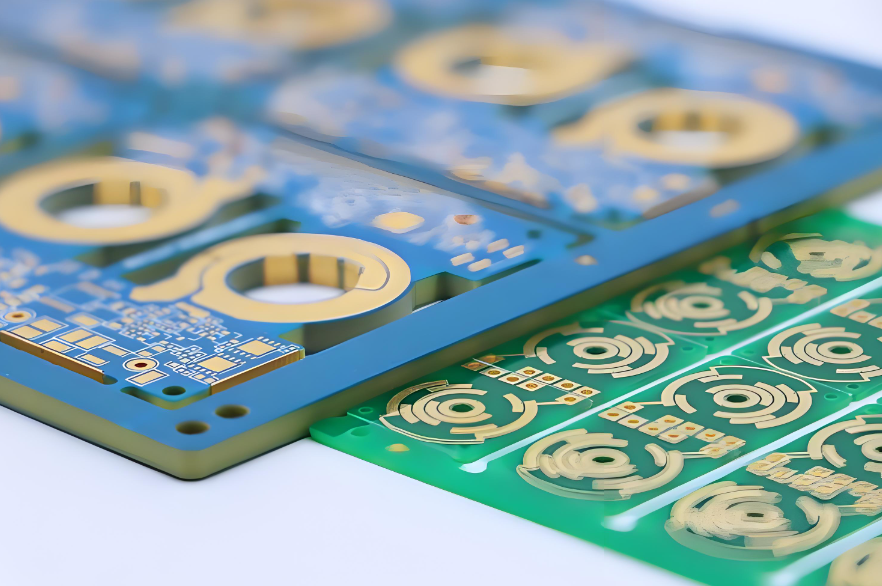
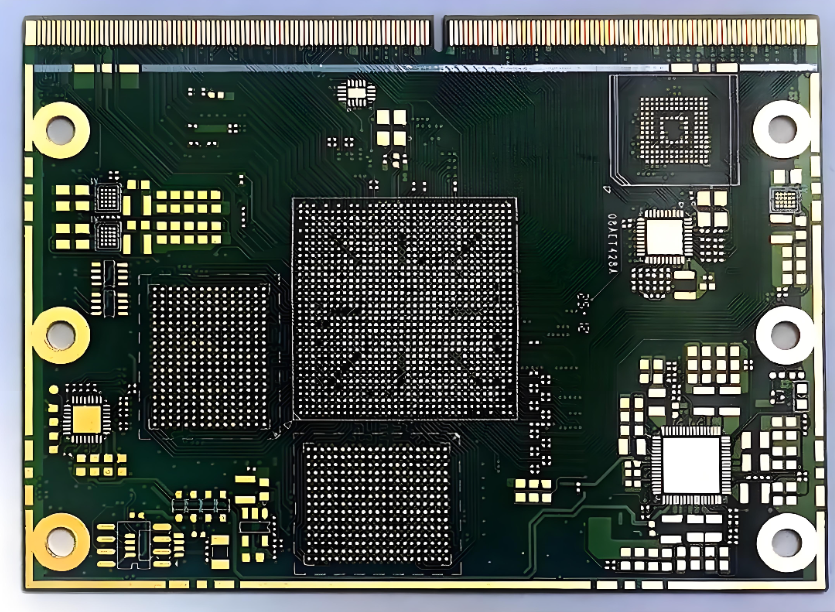
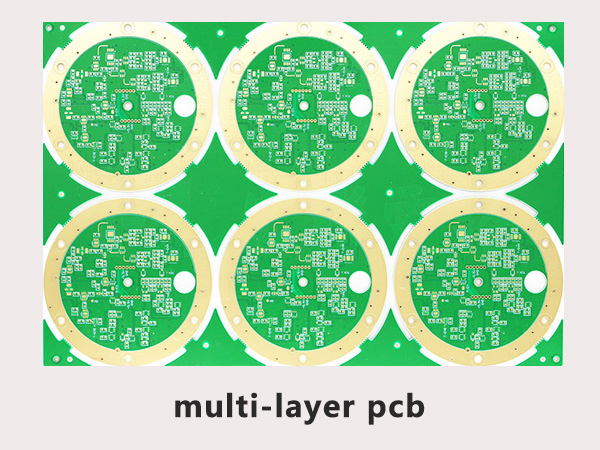
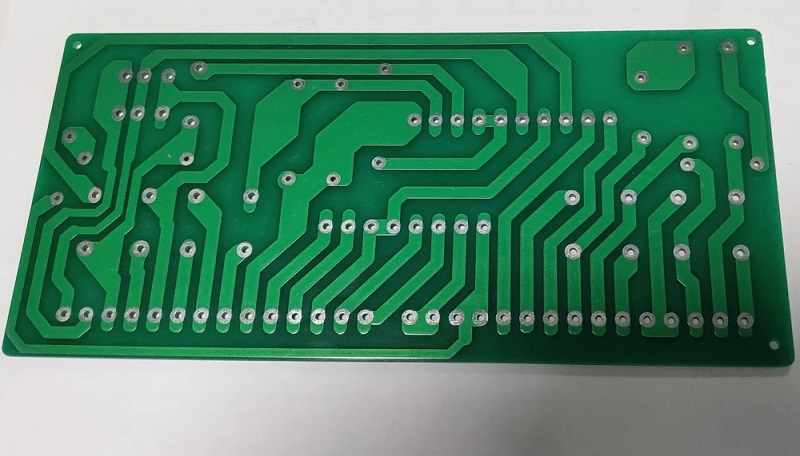
A multi-layer PCB is a printed circuit board with more than two copper layers, designed to support complex circuits, high-speed signals, and compact electronic systems. Compared with single-sided or double-sided boards, a multi-layer printed circuit board offers higher routing density, improved EMI control, and better electrical performance.

As modern electronics become smaller and more powerful, engineers increasingly rely on high-density multi-layer PCB design to meet performance and space requirements. In this guide, you will learn how multi-layer PCBs work, their structure, manufacturing process, and how to choose the right multi-layer PCB manufacturer.

What Is a Multi-Layer PCB?

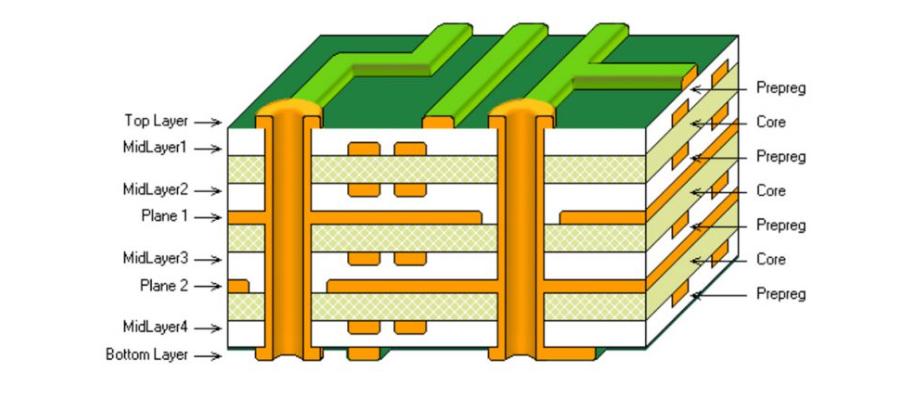
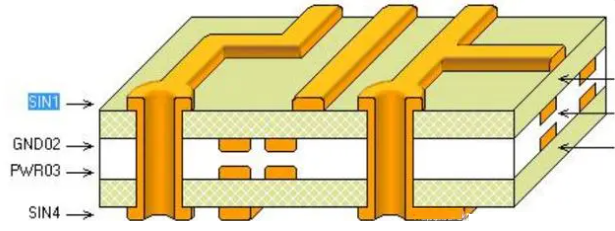
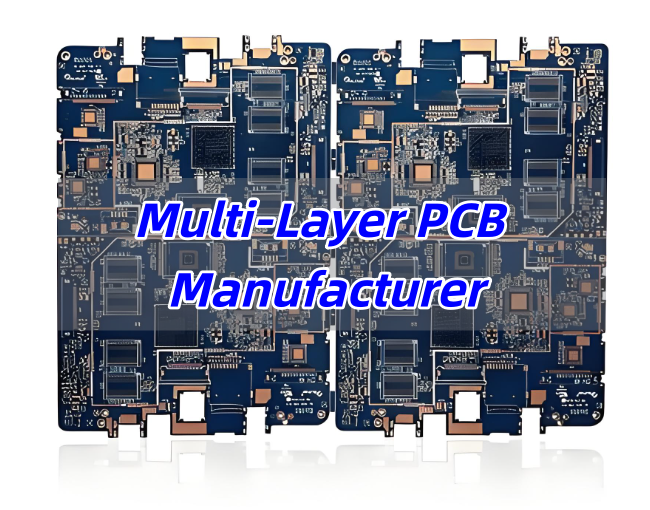
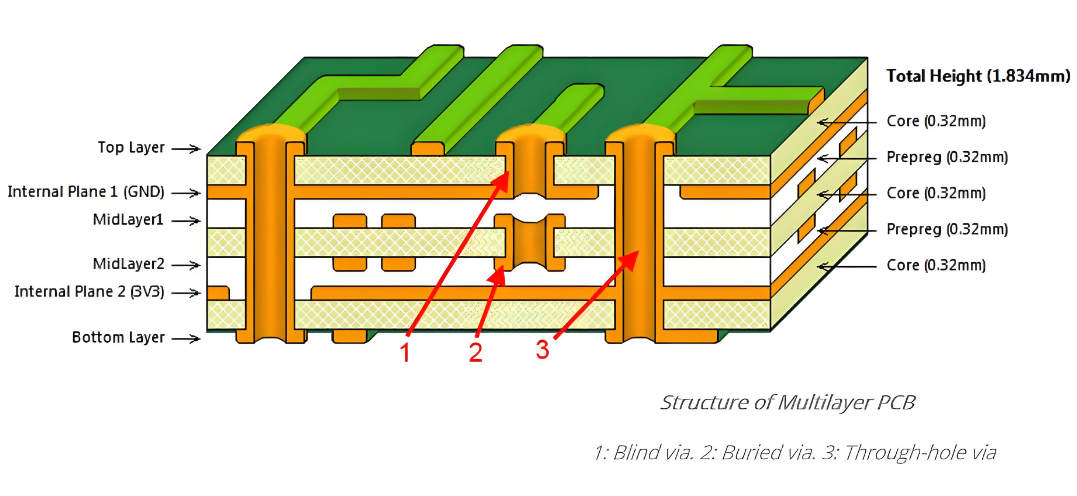
A multi-layer PCB is constructed by laminating multiple copper layers together using insulating materials such as FR4 cores and prepreg (PP). These layers are electrically connected through plated vias, including through holes, blind vias, and buried vias.

Common configurations include:

  • 4 layer PCB – Entry-level for signal and power separation
  • 6 layer PCB – Improved EMI control and routing flexibility
  • 8 layer PCB – Suitable for high-speed digital circuits
  • 10 layer PCB and 12 layer PCB – Used in industrial and embedded systems
  • 20 layer PCB and 32 layer PCB – Advanced applications such as aerospace, servers, and high-performance electronics

This layered structure allows engineers to allocate different functions to different layers, such as signal routing, power distribution, grounding, and shielding.
What Is a Multi-Layer PCB?

Why Use Multi-Layer Printed Circuit Boards?

A multi-layer printed circuit board is essential when circuit complexity increases or when performance requirements exceed what a double-sided PCB can handle.

Key advantages include:

  • Higher circuit density in limited board space
  • Better signal integrity for high-speed applications
  • Improved EMI shielding through dedicated ground planes
  • Stable power distribution with internal power layers
  • Support for HDI structures such as blind and buried vias
  • Reduced product size and weight

Multi-layer PCBs are widely used in communication equipment, automotive electronics, medical devices, industrial control systems, aerospace electronics, and consumer electronics.

What Is the Structure of a Multi-Layer PCB?

A typical multi-layer PCB stack-up consists of alternating conductive and insulating layers. Each layer serves a specific function to ensure electrical performance and mechanical stability.

LayerFunction
Top Silkscreen / LegendMarks component labels, polarity, part numbers, date codes, and assembly information.
Top Surface FinishProtects exposed copper from oxidation and improves solderability.
Top Solder MaskProtects copper traces and prevents unwanted solder bridging during SMT assembly.
Top Copper LayerCarries signals, power, or ground according to the PCB design.
Core MaterialProvides mechanical support and electrical insulation, commonly using FR4 or FR5.
Prepreg / PPBonds copper layers and core materials during lamination.
Inner Copper LayersUsed for signal routing, power planes, ground planes, EMI shielding, or controlled impedance design.
Bottom Copper LayerProvides additional routing and connection functions.
Bottom Solder MaskProtects bottom-side copper and improves assembly reliability.
Bottom Surface FinishProtects exposed copper pads and supports soldering.
Bottom Silkscreen / LegendMarks bottom-side components, polarity, test points, and production information.

A well-designed multi-layer PCB stack-up directly impacts impedance control, thermal performance, and signal quality.

How Do Blind and Buried Vias Improve Multi-Layer PCB Design?

In high-density designs, engineers often use blind and buried vias PCB technology to optimize routing and reduce board size.

  • Blind vias connect outer layers to one or more inner layers without passing through the entire board.
  • Buried vias connect internal layers only and are not visible from the outside of the PCB.
What Is the Structure of a Multi-Layer PCB?

These via structures help increase routing space, improve signal performance, and support BGA, fine-pitch components, and compact HDI layouts. They are especially useful in high-density multi-layer PCB and advanced electronic designs.

What Materials Are Used in Multi-Layer PCB Fabrication?

Material selection plays a critical role in multi-layer PCB fabrication, especially for thermal stability, dimensional control, and long-term reliability.

Material TypeTypical Use
FR4Standard material for most FR4 multi-layer PCB applications.
High Tg FR4Recommended for high Tg multi-layer PCB designs, especially boards above 8 layers.
FR5Used where better thermal and electrical performance is required.
Rogers / PTFEUsed for high-frequency and RF applications.

For boards above 8 layers, high Tg material is often preferred because it provides better heat resistance, improved dimensional stability, and stronger reliability during PCB assembly.

What Is the Multi-Layer PCB Manufacturing Process?

The multi-layer PCB manufacturing process involves several precise steps to ensure layer alignment, electrical conductivity, mechanical strength, and long-term reliability.

1. Inner layer imaging and etching

2. Oxide treatment for better bonding

3. Lamination with prepreg and core materials

4. Drilling for through holes, blind vias, or buried vias

5. Copper plating

6. Outer layer patterning

7. Solder mask application

8. Surface finishing, such as ENIG, HASL, OSP, immersion silver, or immersion tin

9. Silkscreen printing

10. Electrical testing, AOI inspection, and other quality checks when required

Each step requires tight process control, especially for custom multi-layer PCB fabrication with high layer counts, fine traces, impedance control, or advanced via structures. For whole multi-layer PCB manufacturing process, please view our video:

How Much Does a Multi-Layer PCB Cost?

The multi-layer PCB cost depends on multiple engineering and manufacturing factors. A 4 layer PCB is usually more cost-effective than a 12 layer PCB or 32 layer PCB, while advanced via structures and tighter tolerances will also affect pricing.

Major cost factors include:

  • Layer count
  • Material type
  • Board thickness
  • Copper thickness
  • Blind via or buried via design
  • Surface finish
  • Controlled impedance requirements
  • Production quantity
  • Testing and inspection standards

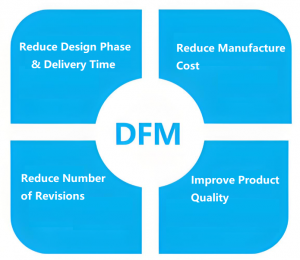
Early DFM review can help optimize the stack-up, reduce production risk, and control the total cost of multi-layer PCB fabrication.

What Is the Lead Time for Multi-Layer PCB?

The multi-layer PCB lead time varies based on layer count, material availability, production volume, and manufacturing complexity.

PCB TypeTypical Lead Time
4 layer PCB prototypeAbout 3–5 working days
6 layer PCB or 8 layer PCBAbout 5–8 working days
10 layer PCB or 12 layer PCBAbout 7–12 working days
16 layer PCB and aboveDepends on design complexity and material requirements

For quick turn multi-layer PCB projects, expeited production may be available after engineering review. For an exact lead time, it is best to send Gerber files, stack-up requirements, and technical specifications to the manufacturer.

How to Choose a Reliable Multi-Layer PCB Manufacturer?

Choosing the right multi-layer PCB supplier directly affects product quality, assembly reliability, and delivery performance. A professional supplier should offer more than basic board production. Engineering support is equally important.

When selecting a multi-layer PCB manufacturer, consider the following points:

  • Experience in multi-layer PCB manufacturing
  • Capability for 4L to 32L boards
  • Support for blind vias, buried vias, and HDI structures
  • DFM review and stack-up support
  • Stable material sourcing
  • Strict quality inspection and electrical testing
  • Capability for both PCB fabrication and multi-layer PCB assembly

A reliable manufacturer can help engineers improve manufacturability, reduce design risk, and move faster from prototype to production.

Why Choose EBest Circuit for Multi-Layer PCB Fabrication?

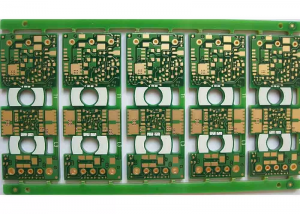
EBest Circuit is a professional multi-layer PCB manufacturer offering custom multi-layer PCB fabrication from 4 layer PCB to 32 layer PCB. We support prototypes, small-batch production, and mass production for customers in industrial, medical, automotive, communication, aerospace, and consumer electronics markets.

Our engineering team provides support for multi-layer PCB design, stack-up review, DFM analysis, impedance control, material selection, and assembly requirements. Whether you need an FR4 multi-layer PCB, a high Tg multi-layer PCB, or a high-density board with blind and buried vias, we can help evaluate manufacturability before production.

Our advantages include:

  • 4L–32L multi-layer PCB fabrication capability
  • Support for custom multi-layer PCB stack-up design
  • Experience with high Tg FR4 and HDI structures
  • Blind via and buried via manufacturing capability
  • Fast turnaround for multi-layer PCB prototype projects
  • One-stop multi-layer PCB assembly service
  • Strict quality control and electrical testing
  • Engineering support from prototype to mass production

If you are developing a complex electronic product and need a reliable multi-layer PCB supplier, EBest Circuit can provide professional support from design review to finished board delivery.

FAQs About Multi-Layer PCB

1. What is the difference between a multi-layer PCB and a double-sided PCB?

A double-sided PCB has two copper layers, while a multi-layer PCB has more than two copper layers. Multi-layer boards provide more routing space, better EMI control, and stronger electrical performance for complex circuits.

2. How many layers can a PCB have?

PCB layer count depends on design requirements and manufacturing capability. Common designs include 4 layer PCB, 6 layer PCB, 8 layer PCB, 10 layer PCB, and 12 layer PCB. Advanced applications may require 20 layer PCB or 32 layer PCB.

3. When should I use a high Tg multi-layer PCB?

A high Tg multi-layer PCB is recommended when the board has a high layer count, high assembly temperature, or strict reliability requirements. It is especially useful for boards above 8 layers and products used in demanding environments.

4. Are blind vias and buried vias necessary for all multi-layer PCBs?

No. Standard through holes are enough for many designs. Blind vias and buried vias are mainly used when the PCB requires high routing density, smaller size, BGA fan-out, or HDI performance.

5. What files are needed for multi-layer PCB fabrication?

For quotation and production, manufacturers usually need Gerber files, drill files, stack-up information, material requirements, copper thickness, surface finish, solder mask color, silkscreen color, and any special impedance or testing requirements.

6. Can EBest Circuit provide multi-layer PCB assembly?

Yes. EBest Circuit provides both multi-layer PCB fabrication and multi-layer PCB assembly. This one-stop service helps reduce communication time, improve production consistency, and support faster project delivery.

Final Thoughts

A multi-layer PCB is an essential solution for modern electronic products that require high density, compact size, stable power distribution, and reliable signal performance. From 4 layer PCB prototypes to 32 layer high-density boards, every detail matters, including material selection, stack-up design, via structure, fabrication control, and assembly process.

If you are looking for a reliable multi-layer PCB manufacturer for custom multi-layer PCB fabrication or multi-layer PCB assembly, EBest Circuit is ready to support your project from engineering review to production.

Contact us today for multi-layer PCB quotation and technical support:

Email: sales@bestpcbs.com

Email: sales@bestpcb.vn
You may also like

Multi-layer PCB manufacturer Design & Prototype| Fast Delivery, Custom Solutions
Tuesday, March 10th, 2026

When searching for a reliable multi-layer PCB manufacturer, EBest is your first and best choice. We prioritize your project success with industry-leading delivery speed, uncompromising quality, authoritative certifications, free value-added services, and dedicated support—all designed to streamline your multi-layer PCB design, prototype, and production process.

  • Delivery Speed: We offer fast turnaround times for both prototypes and mass production, ensuring your multi-layer PCB projects stay on schedule—no unnecessary delays, even for complex 4-16 layer designs.
  • Unmatched Quality: Our multi-layer PCB production adheres to strict quality control standards, with precision layer alignment (±25ÎŒm tolerance), uniform copper etching, and bubble-free lamination to guarantee signal integrity and long-term reliability.
  • Authoritative Certifications: EBest holds ISO 9001, IPC-6012, and RoHS certifications, ensuring our multi-layer PCB products meet global industry standards for automotive, medical, and industrial applications.
  • Cost-Saving Support: We provide free DFM (Design for Manufacturability) analysis for all multi-layer PCB designs, helping you avoid costly reworks, and offer flexible prototype MOQ to support small-batch and startup projects.
  • Dedicated Service: Our team of PCB engineers offers 24/7 technical support, guiding you through multi-layer PCB design, material selection, and production—ensuring your project runs smoothly from concept to delivery.

What is a Multi-layer PCB?

A multi-layer PCB is a printed circuit board composed of three or more conductive copper layers separated by insulating prepreg and core materials, bonded together through high-temperature and high-pressure lamination. Unlike single or double-layer PCBs, multi-layer PCBs use vias (through-holes, blind holes, buried holes) to connect layers, enabling higher component density, better signal integrity, and smaller board size—critical for modern electronic devices.

Most multi-layer PCBs range from 4 to 16 layers (high-layer PCBs have 20+ layers), with a typical thickness of 1.6mm for 4-layer designs. Their core advantage is balancing compactness with performance, making them ideal for devices requiring complex circuitry without sacrificing reliability.

Multi-layer PCB Stackup: A Complete Guide (Table Format)

The multi-layer PCB stackup design—the arrangement of copper layers, prepreg, and core materials—directly impacts signal integrity, power distribution, and thermal performance. Below is a detailed comparison of common stackup configurations for 4, 6, 8, and 10-layer PCBs, tailored to different application needs.

Number of LayersStackup ConfigurationCore/Prepreg ThicknessCopper ThicknessKey ApplicationSignal Integrity Focus
4-LayerTop (Signal) → Prepreg → GND → Core → POWER → Prepreg → Bottom (Signal)Core: 0.8mm; Prepreg: 0.1mmOuter: 1oz (35ÎŒm); Inner: 0.5oz (18ÎŒm)Consumer Electronics, LED LightingBasic impedance control (50Ω)
6-LayerTop (Signal) → Prepreg → Signal → Prepreg → GND → Core → POWER → Prepreg → Signal → Prepreg → Bottom (Signal)Core: 0.6mm; Prepreg: 0.1mmOuter: 1oz; Inner: 0.5ozIndustrial Control, Power ElectronicsReduced crosstalk, improved power distribution
8-LayerTop (Signal) → Prepreg → Signal → Prepreg → GND → Prepreg → Signal → Core → Signal → Prepreg → GND → Prepreg → Bottom (Signal)Core: 0.4mm; Prepreg: 0.08mmOuter: 1oz; Inner: 0.5-1ozAutomotive Electronics, Communication DevicesStrict impedance control, EMC compliance
10-LayerTop (Signal) → Prepreg → Signal → Prepreg → GND → Prepreg → POWER → Core → POWER → Prepreg → GND → Prepreg → Signal → Prepreg → Bottom (Signal)Core: 0.3mm; Prepreg: 0.08mmOuter: 1oz; Inner: 1ozMedical Electronics, ServersHigh-speed signal integrity (DDR, PCIe), low noise

Multi-layer PCB Manufacturing Process: Step-by-Step

The multi-layer PCB manufacturing process requires precision and strict quality control to ensure layer alignment, conductivity, and reliability. Below is a detailed, step-by-step breakdown of the process, as executed by EBest’s expert team.

Step 1: Design Transfer & Panelization

Start with a completed multi-layer PCB design (Gerber/ODB++ files) from your design software. We review the files for manufacturability, then combine individual PCB designs into a panel for efficient production. Fiducial marks and tooling holes are added to ensure precise alignment in subsequent steps.

Step 2: Inner Layer Processing

Cut copper-clad laminate sheets to size, clean the copper surfaces, and apply a photosensitive photoresist. Expose the inner layers to UV light through a photomask to transfer the circuit pattern, then develop and etch the layers to remove unwanted copper. Each inner layer is inspected for defects using AOI (Automated Optical Inspection).

Step 3: Layer Stackup & Lamination

Stack the inner layers, prepreg, and outer copper-clad laminates according to the predetermined multi-layer PCB stackup design. The stack is placed in a lamination press, where heat (up to 180°C) and pressure (≄6kg/cmÂČ) bond the layers together, melting the prepreg to form a solid board. We use low-flow prepreg to prevent layer shifting and bubble formation.

Step 4: Drilling

Use computer-controlled drilling machines to create vias (through-holes, blind holes, buried holes) for layer interconnection. For high-aspect-ratio holes (up to 8:1 in 8-layer PCBs), we use step drills to prevent breakage. The drilled board is cleaned to remove debris and residues.

Step 5: Plating

Electroplating is used to coat the hole walls and copper traces, ensuring electrical conductivity. We use pulse plating to achieve uniform copper thickness (20-35ÎŒm) and improve hole wall quality. A final copper plating layer is applied to meet the required thickness for signal and power layers.

Step 6: Outer Layer Processing & Solder Mask Application

Repeat the photoresist, exposure, and etching process for the outer layers to form the final circuit pattern. A solder mask (green, black, or custom color) is applied to protect the copper traces from oxidation and short circuits. Silkscreen printing adds component labels for assembly.

Step 7: Surface Finish & Final Inspection

Apply the appropriate surface finish (ENIG, HASL, OSP) based on your application. We perform final inspections, including AOI, X-ray (for inner layer defects), and electrical testing (continuity, insulation resistance) to ensure the multi-layer PCB meets all specifications.

Multi-layer PCB Design Guide: Solve Pain Points & Optimize Performance

Designing a multi-layer PCB comes with unique challenges that can derail projects if not addressed properly. Below are the most common design pain points, their impacts, and EBest’s proven solutions—plus why you should trust us for your multi-layer PCB design needs.

Common Multi-layer PCB Design Pain Points & EBest’s Solutions

  • Pain Point 1: Signal Integrity Issues (Crosstalk, Reflection, Delay)

    High-speed signals (≄100MHz) on multi-layer PCBs often suffer from crosstalk, reflection, or delay, leading to signal distortion and circuit failure. This is especially common in dense designs with closely spaced traces.


    Solution: EBest’s engineers optimize your multi-layer PCB signal integrity optimization by placing signal layers adjacent to ground planes, using differential pair routing (equal length, 3x line width spacing), and adding appropriate termination resistors (50Ω/75Ω). We also use 3D electromagnetic simulation to predict and resolve signal integrity issues before production.


  • Pain Point 2: Power Integrity Problems (Voltage Noise, Fluctuations)

    Voltage noise and fluctuations on power planes can cause chips to reset or malfunction, especially in multi-layer PCBs with multiple power domains.


    Solution: We design multi-layer PCBs with adjacent power and ground planes to form a natural capacitor, reducing noise. We also place decoupling capacitors (0.1ÎŒF + 10nF) near chip power pins and split power planes (with proper isolation) for different voltage domains.


  • Pain Point 3: Layer Alignment Errors

    Poor layer alignment (beyond ±25ÎŒm) causes via misalignment, short circuits, or open circuits—especially in 8+ layer multi-layer PCBs.


    Solution: EBest uses precision alignment tools during lamination and adds fiducial marks to every panel. We also implement thermal expansion compensation to minimize alignment errors caused by material temperature changes.


  • Pain Point 4: Heat Dissipation Challenges (Overheating Components)

    High-power components on multi-layer PCBs can overheat, reducing component lifespan and performance—critical in automotive and industrial applications.


    Solution: We integrate heat dissipation vias, large copper heat dissipation pads, and (if needed) metal core layers into your multi-layer PCB design. We also optimize component placement to avoid heat concentration and ensure airflow.


Don’t let multi-layer PCB design challenges slow down your project. EBest’s team of design engineers will guide you from concept to final design, ensuring your multi-layer PCB is optimized for performance, manufacturability, and reliability. Choose EBest for your multi-layer PCB design needs—we turn complex designs into actionable solutions.

High-Precision Multi-layer PCB Prototype: Fast, Reliable, and Customizable

A high-quality high-precision multi-layer PCB prototype is critical to validating your design, identifying issues early, and accelerating time-to-market. However, many engineers face frustrating pain points when sourcing multi-layer PCB prototypes—here’s how EBest solves them, and why you should choose us for your prototype needs.

Common Multi-layer PCB Prototype Pain Points & EBest’s Solutions

  • Pain Point 1: Slow Turnaround Times

    Many manufacturers take 7-10 days to deliver high-precision multi-layer PCB prototype, delaying design validation and project timelines.


    Solution: EBest offers fast prototype turnaround—48-72 hours for 4-6 layer multi-layer PCB prototypes, and 5-7 days for 8-10 layer designs. We prioritize prototype orders to ensure you get your boards quickly.


  • Pain Point 2: Poor Prototype Quality (Misalignment, Defects)

    Low-quality multi-layer PCB prototypes (with layer misalignment, etch errors, or poor soldering) lead to incorrect design validation and costly reworks.


    Solution: EBest applies the same strict quality control standards to prototypes as mass production. We use LDI (Laser Direct Imaging) for precise circuit patterns, AOI inspection, and X-ray testing to ensure your high-precision multi-layer PCB prototype is defect-free.


  • Pain Point 3: Inflexible Customization

    Many manufacturers limit customization options for multi-layer PCB prototypes, making it hard to test unique design requirements (e.g., high-frequency materials, custom stackups).


    Solution: EBest offers fully customizable high-precision multi-layer PCB prototype—choose layer count (4-16 layers), materials (FR-4, PTFE, high-TG), surface finish, and thickness. We also provide free DFM analysis to ensure your custom prototype is manufacturable.


  • Pain Point 4: Lack of Technical Support

    When issues arise with your multi-layer PCB prototype, many manufacturers offer little to no technical support, leaving you stuck.


    Solution: EBest’s engineers are available 24/7 to answer your multi-layer PCB prototype questions, help troubleshoot design issues, and provide guidance on optimizing your prototype for mass production.


For high-precision, fast, and reliable high-precision multi-layer PCB prototype, choose EBest. Our prototypes are built to the same standards as production boards, ensuring accurate design validation and a smooth transition to mass production. Contact us today to start your multi-layer PCB prototype project.

How to Choose Multi-layer PCB Raw Materials? (Table Comparison)

The choice of raw materials directly impacts the performance, reliability, and cost of your multi-layer PCB. Below is a detailed comparison of common multi-layer PCB material selection, their properties, and ideal applications—helping you make the right choice for your project.

Material TypeDielectric Constant (Dk)Loss Factor (Df)Thermal ConductivityKey PropertiesIdeal Application
FR-4 (Standard)4.2-4.8 (1GHz)0.020-0.0250.3 W/mKCost-effective, good mechanical strength, widely availableConsumer Electronics, LED Lighting, Basic Industrial Control
FR-4 (High-TG)4.0-4.5 (1GHz)0.018-0.0220.35 W/mKHigh heat resistance (TG >180°C), improved reliabilityAutomotive Electronics, Servers, Industrial Control
PTFE (High-Frequency)2.2-3.5 (1GHz)<0.0040.6-1.2 W/mKLow loss, excellent high-frequency performanceCommunication Devices (5G), Aerospace, Radar
Metal Core (Aluminum/Copper)4.5-5.0 (1GHz)0.030-0.0501-10 W/mKHigh thermal conductivity, good heat dissipationPower Electronics, LED Lighting, High-Power Industrial Devices
Copper Foil (ED)N/AN/A401 W/mKCost-effective, rough surface (good adhesion)Inner Layers of Standard Multi-layer PCBs
Copper Foil (RA)N/AN/A401 W/mKSmooth surface, low high-frequency lossHigh-Speed Multi-layer PCBs (DDR, PCIe)

EBest’s engineers will help you select the optimal multi-layer PCB material selection for your multi-layer PCB, based on your application, performance requirements, and design constraints. We source high-quality materials from trusted suppliers to ensure consistent quality across all your multi-layer PCB projects.

Multi-layer PCB Applications: Industry Use Cases & Common Issues

Multi-layer PCBs are essential in modern electronic devices, especially in industries requiring compact, high-performance, and reliable circuitry. Below are four popular industries for multi-layer PCBs, real-world case studies, and common application issues with solutions.

1. Consumer Electronics

Case Study: EBest designed and manufactured 4-layer multi-layer PCBs for a smartwatch brand. The PCBs needed to be compact (30x30mm) with high component density, supporting Bluetooth, heart rate monitoring, and battery management.

Common Issue: Signal interference between Bluetooth and heart rate sensor circuits. Solution: We used a 4-layer stackup with separate signal and ground layers, optimized trace routing, and added shielding to minimize interference. The final multi-layer PCBs met all performance requirements and passed FCC testing.

2. Automotive Electronics

Case Study: EBest supplied 8-layer automotive multi-layer PCB manufacturing for an electric vehicle (EV) battery management system (BMS). The PCBs needed to withstand high temperatures (-40°C to 125°C) and support high-current (20A) power distribution.

Common Issue: Thermal degradation and voltage noise. Solution: We used high-TG FR-4 material, integrated heat dissipation vias and large copper pads, and designed adjacent power/ground planes to reduce noise. The automotive multi-layer PCB manufacturing passed automotive qualification (AEC-Q200) and are now in mass production.

3. Medical Electronics

Case Study: EBest developed 10-layer medical multi-layer PCB solutions for a portable ultrasound device. The PCBs needed to support high-speed data transfer (1Gbps) and meet strict medical standards (ISO 13485).

Common Issue: Signal integrity and biocompatibility. Solution: We used low-Df materials, differential pair routing for high-speed signals, and ENIG surface finish (biocompatible). The medical multi-layer PCB solutions met all medical certifications and enabled the device to deliver clear ultrasound images.

4. Industrial Control

Case Study: EBest manufactured 6-layer multi-layer PCBs for a programmable logic controller (PLC). The PCBs needed to resist electromagnetic interference (EMI) and support multiple I/O channels.

Common Issue: EMI interference from industrial equipment. Solution: We designed a 6-layer stackup with full ground planes for shielding, added EMI filters to input/output ports, and optimized trace spacing. The multi-layer PCBs operate reliably in harsh industrial environments.

What Are the Most Common Multi-layer PCB Problems?

Even with careful design and manufacturing, multi-layer PCBs can face common issues that impact performance. Below are the most frequent problems, their causes, and quick solutions—helping you avoid costly reworks and delays.

  • Issue: Layer Delamination

    Cause: Poor lamination (insufficient heat/pressure), low-quality prepreg, or moisture in materials. Solution: Use high-quality prepreg, ensure proper lamination parameters, and store materials in a dry environment. EBest uses vacuum lamination to prevent delamination.


  • Issue: Via Open Circuits

    Cause: Drilling errors, poor plating, or debris in holes. Solution: Use precision drilling machines, clean holes thoroughly before plating, and perform electrical testing. EBest uses X-ray testing to detect via defects early.


  • Issue: Impedance Mismatch

    Cause: Incorrect trace width, spacing, or material Dk. Solution: Calculate trace dimensions based on impedance requirements, use consistent materials, and simulate impedance before production. EBest’s DFM service includes impedance checking.


  • Issue: Copper Etching Errors

    Cause: Over-etching/under-etching, poor photomask alignment. Solution: Use LDI for precise photomask alignment, control etching time/temperature, and perform AOI inspection. EBest uses automated etching equipment for consistent results.


Multi-layer PCB FAQ: Answers to Common Questions

Below are the most frequently asked questions about multi-layer PCBs, with clear, concise answers—designed to address your most pressing concerns and help you make informed decisions.

1. What is the maximum number of layers for a multi-layer PCB?

EBest can manufacture multi-layer PCBs with up to 24 layers, though the most common range is 4-16 layers. The maximum layer count depends on your design requirements (component density, signal speed) and application. High-layer multi-layer PCBs (20+ layers) are typically used in aerospace and high-end server applications.

2. How long does it take to manufacture a multi-layer PCB?

Turnaround time varies by layer count: 4-6 layer multi-layer PCBs take 5-7 days for mass production, 8-10 layer PCBs take 7-10 days, and 12+ layer PCBs take 10-14 days. Prototypes are faster—48-72 hours for 4-6 layers and 5-7 days for 8+ layers.

3. Can multi-layer PCBs be used for high-frequency applications?

Yes, multi-layer PCBs are ideal for high-frequency applications (≄1GHz) when using low-Df materials (e.g., PTFE, hydrocarbon resin) and optimized stackup. EBest designs high-frequency multi-layer PCBs with controlled impedance, minimal crosstalk, and low signal loss for 5G, radar, and satellite communication devices.

4. How to test the quality of a multi-layer PCB?

Quality testing for multi-layer PCBs includes AOI (for surface defects), X-ray (for inner layer defects and via alignment), electrical testing (continuity, insulation resistance, impedance), and thermal testing (for heat resistance). EBest performs 100% testing on all multi-layer PCBs to ensure compliance with industry standards.

5. What is the difference between blind holes and buried holes in multi-layer PCBs?

Blind holes connect the outer layer to one or more inner layers (but not all layers), while buried holes connect two or more inner layers (not the outer layers). Both are used in multi-layer PCBs to save space and improve signal integrity, especially in dense designs. EBest can manufacture both blind and buried holes with high precision.

6. Are multi-layer PCBs more reliable than single/double-layer PCBs?

Yes, multi-layer PCBs are more reliable than single/double-layer PCBs for complex applications. They offer better signal integrity, reduced crosstalk, improved power distribution, and higher component density—all of which reduce the risk of circuit failure. They also withstand harsh environments (temperature, humidity, EMI) better than single/double-layer PCBs.

7. How to reduce crosstalk in multi-layer PCB designs?

To reduce crosstalk in multi-layer PCBs, place signal layers adjacent to ground planes, use differential pair routing (equal length, 3x line width spacing), minimize parallel trace length, and increase trace spacing. EBest’s design team uses these techniques and 3D simulation to minimize crosstalk in all multi-layer PCB signal integrity optimization designs.

Choose EBest for Your Multi-layer PCB Needs

At EBest, we specialize in multi-layer PCB design, prototype, and manufacturing—delivering high-quality, reliable, and cost-effective solutions for consumer electronics, automotive, medical, and industrial applications. Our team of expert engineers is dedicated to solving your multi-layer PCB challenges, from design to delivery, and our strict quality control ensures every board meets your specifications.

We provide multi-layer PCB products with fast delivery, free DFM analysis, flexible customization, and 24/7 technical support. Whether you need a high-precision prototype or mass production, EBest is your trusted partner for all multi-layer PCB needs. Contact us today to place your order—send an email to sales@bestpcbs.com and let’s bring your project to life.

You may also like

What Makes FR4 4 Layer PCB Ideal for Modern Electronics?
Wednesday, January 8th, 2025

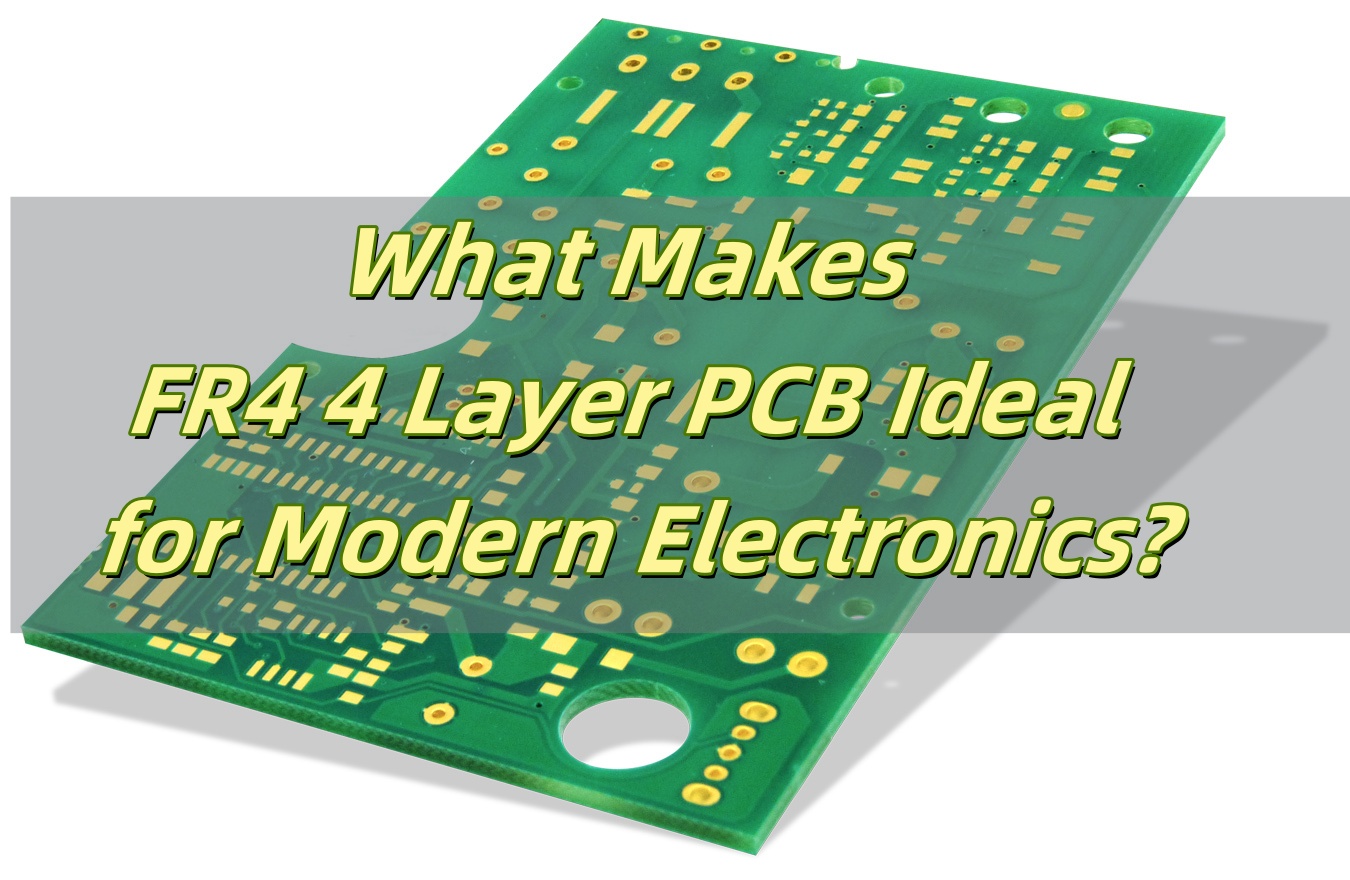
FR4 4 layer PCB is a crucial component in modern electronics, offering a blend of durability, reliability, and efficiency. Built using flame-retardant FR4 material, these multilayer boards are designed to handle complex circuits while maintaining excellent performance. Their unique structure, with multiple conductive and insulating layers, supports advanced applications in high-speed and high-density designs. This blog explores the features, structure, and benefits of FR4 4-layer PCBs, answering key questions to provide a clear understanding of their role in electronic manufacturing.

What is FR4 PCB?

FR4 PCB refers to a printed circuit board made from a material called FR4. This material is a type of fiberglass-reinforced epoxy laminate that is widely used in the electronics industry. Its name, FR4, stands for “Flame Retardant 4,” which indicates its excellent fire-resistant properties. FR4 is highly valued for its strength, lightweight nature, and ability to withstand high temperatures. These qualities make it ideal for manufacturing PCBs, which serve as the backbone of electronic devices.

FR4 is not just a material; it is the standard for most PCB substrates. Its insulating properties help protect circuits from electrical interference, while its rigidity provides stability to the board. In the world of electronics, FR4 has become synonymous with reliability and performance.

Is FR4 Electrically Conductive?

No, FR4 is not electrically conductive. It is an insulating material, which is one of its most critical features. This non-conductive nature allows it to act as a barrier between different layers of a PCB, ensuring that electrical signals remain confined to their intended paths. This property is essential for preventing short circuits and signal interference.

The non-conductive nature of FR4 ensures that it can be used in multilayer PCBs without compromising performance. Manufacturers rely on its insulating capabilities to create intricate designs that support complex electronic systems. Its ability to maintain electrical isolation while providing mechanical support makes it indispensable in the industry.

What is a 4-Layer PCB?

A 4-layer PCB is a type of multilayer printed circuit board that consists of four distinct layers of conductive material. These layers are separated by insulating materials like FR4 and are laminated together to form a single board. The typical structure includes two outer layers and two inner layers, each serving specific purposes such as signal transmission, grounding, or power distribution.

4-layer PCBs are commonly used in devices that require compact designs and advanced functionality. They provide enhanced performance compared to single-layer or double-layer PCBs, making them suitable for high-speed circuits and applications with stringent space constraints. Their structure allows for efficient routing, reduced electromagnetic interference, and improved overall performance.

What is a 4-Layer PCB Structure?

The structure of a 4-layer PCB is carefully designed to optimize performance and functionality. Typically, the layers are arranged as follows:

Top Layer (Signal Layer): This is where most of the components are mounted, and primary signal routing occurs.

Inner Layer 1 (Ground Plane): Dedicated to grounding, this layer helps reduce noise and electromagnetic interference.

Inner Layer 2 (Power Plane): This layer is used for power distribution, ensuring consistent voltage levels across the board.

Bottom Layer (Signal Layer): Similar to the top layer, this is used for additional signal routing and component placement.

The separation of power and ground layers helps in maintaining signal integrity and minimizing interference. The insulating layers, often made of FR4, ensure electrical isolation between the conductive layers, enabling reliable and stable operation.

How Thick is 4 Layers of PCB?

The thickness of a 4-layer PCB can vary depending on its design and application. Generally, the total thickness ranges from 0.4mm to 3.2mm. The most common thickness for standard 4-layer PCBs is around 1.6mm, which balances durability and flexibility.

The choice of thickness depends on factors such as the number of components, the complexity of the circuit, and the intended use of the board. Thicker boards offer more mechanical strength, while thinner boards are suitable for compact devices. The use of FR4 as the core material ensures that even thin boards maintain their rigidity and reliability.

What is the Standard Thickness of a Copper Layer on a PCB?

The standard thickness of a copper layer on a PCB is typically measured in ounces per square foot. For most 4-layer PCBs, the standard copper thickness is 1 ounce per square foot, which translates to approximately 35 microns. However, depending on the application, this thickness can be increased to 2 ounces or more for high-current designs.

Copper thickness plays a crucial role in determining the current-carrying capacity and thermal management of the PCB. Thicker copper layers are often used in power distribution layers to handle higher currents, while thinner layers are sufficient for signal transmission.

How to Route a 4-Layer PCB?

Routing a 4-layer PCB requires careful planning and adherence to design principles. The process typically involves the following steps:

Define Layer Functions: Assign specific roles to each layer, such as signal routing, grounding, or power distribution.

Use Ground and Power Planes: Dedicate inner layers to ground and power planes to reduce noise and improve signal integrity.

Minimize Crosstalk: Maintain adequate spacing between traces to prevent signal interference.

Optimize Trace Widths: Ensure trace widths are appropriate for the current-carrying requirements.

Follow Design Rules: Adhere to industry standards and guidelines to ensure manufacturability and performance.

Software tools like PCB design software can assist in creating efficient layouts. By carefully considering the layer stackup and routing strategy, designers can achieve optimal performance and reliability.

Why is FR4 Used in PCBs?

FR4 is widely used in PCBs because of its exceptional properties. It offers high mechanical strength, excellent thermal stability, and reliable electrical insulation. These qualities make it suitable for a wide range of applications, from consumer electronics to industrial machinery.

Its lightweight nature and ease of fabrication further contribute to its popularity. FR4 can withstand high temperatures and resist moisture, ensuring durability in harsh environments. Moreover, its cost-effectiveness makes it an attractive choice for manufacturers, enabling them to produce high-quality PCBs without significantly increasing costs.

In conclusion, FR4 remains a cornerstone material in PCB manufacturing due to its unmatched combination of performance, reliability, and affordability. Its versatility ensures that it will continue to play a pivotal role in the advancement of electronic technologies. At EBest Circuit (Best Technology), we pride ourselves on delivering multiple types of FR4 4 layer PCB products that meet your high-quality standards while maintaining fast delivery times. For more information or any inquiry, warm welcome to reach out to us at sales@bestpcbs.com.

You may also like