PCB manufacturing PCB manufacturing
Home > Blog

Which Lead Free Solder Material is Best for PCB Assembly?

December 31st, 2025

As global electronics manufacturing moves away from hazardous substances, lead free solder material has become the industry standard for PCB assembly. Driven by regulations such as RoHS and REACH, lead-free solder is now used in consumer electronics, automotive PCBs, industrial control boards, and medical devices.

However, not all lead-free solder materials are the same. Their composition, melting temperature, mechanical strength, and reliability vary significantly—making material selection critical for high-quality PCB assembly.

This guide explains what lead-free solder is, its composition, properties, types, melting temperatures, common soldering issues, and finally answers the key question: “Which lead free solder material is best for PCB assembly?”

What Is Lead Free Solder Material?

Lead free solder material is a metallic alloy used to join components to a PCB without the use of lead. Traditional solder contained 40% lead (Sn60/Pb40) or 37% lead (Sn63/Pb37). These alloys were easy to use but posed environmental and health concerns. Today, electronics manufacturers worldwide use lead-free formulations based on tin, silver, copper, bismuth, nickel, or small alloying elements.

From a customer’s perspective, lead free solder material is important because it directly affects:

  • Solder joint strength
  • Heat tolerance
  • Long-term reliability
  • Appearance of solder joints
  • Compatibility with high-density SMT packages
  • Product compliance with RoHS, REACH, and WEEE regulations

Lead-free solder also withstands higher temperatures, which is critical for modern high-density PCBs.

Which Lead Free Solder Material is Best for PCB Assembly?

Is Lead-Free Solder Still Toxic?

Lead-free solder eliminates lead—a major toxic substance—but that does not mean every alloy is completely risk-free. For normal PCB manufacturing environments, lead-free solder is considered safe and non-toxic when handled properly.

From a customer standpoint:

  • Lead-free solder is significantly safer than leaded solder
  • It does not release toxic lead fumes during reflow
  • Flux fumes—not the solder—are usually the irritation source
  • Lead-free waste requires less strict disposal procedures

Most concerns come from misunderstanding. Lead-free alloys like SAC305 (Sn96.5 Ag3.0 Cu0.5) are not harmful under standard handling and reflow conditions. With adequate ventilation and proper gloves, operators face minimal exposure risks.

Lead Free Solder Material Composition

Lead-free solder material compositions vary depending on cost targets, performance needs, and thermal sensitivity of the PCB. Below is a customer-friendly comparison of common alloys:

Common lead-free soldering compositions

Alloy TypeCompositionCharacteristicsBest Use
SAC305Sn96.5 / Ag3.0 / Cu0.5Most popular global alloy; balanced cost and performanceSMT reflow, general assembly
SAC405Sn95.5 / Ag4.0 / Cu0.5Higher silver for stronger joints and better wettingAutomotive, medical, mission-critical devices
SAC0307Sn99 / Ag0.3 / Cu0.7Cost-effective low-silver alternativeConsumer electronics, cost-controlled projects
Sn99.3Cu0.7Tin/copper mixSlightly higher melting point; durable in wave solderingWave solder baths
Sn-Bi alloysTin + Bismuth blendsLow melting point; ideal for heat-sensitive substratesLED boards, flex circuits, thin PCBs
Sn-Ag alloysTin + SilverGood wetting and moderate melting rangeFine-pitch soldering
Ni-doped SACSAC + NiImproved grain refinementAutomotive, aerospace

For most consumer and industrial applications, SAC305 is the ideal balance of performance and cost. Customers requiring high-temperature reliability (automotive, aerospace, telecom) may consider doped SAC alloys.

Lead Free Solder Material Properties

Lead-free solder is a low-lead soldering material based mainly on tin-based alloys such as Sn-Ag-Cu, Sn-Cu, and Sn-Bi. It is designed to replace traditional Sn-Pb solder and meet environmental regulations such as RoHS while reducing heavy-metal pollution. It’s properties can be explained from different aspects:

1. Physical & Process Characteristics

  • Melting Range: Wide, typically 138°C–250°C depending on alloy. SAC305 melts around 217°C. Most alloys have a narrow solid–liquid range for stable soldering.
  • Wetting: Good wetting behavior during reflow (30–90 seconds above liquidus) and wave soldering (≈4 seconds contact), forming reliable joints.
  • Conductivity: Electrical conductivity around ≥9.5×10⁶ S/m and thermal conductivity near 66 W/m·K, similar to Sn-Pb alloys.
  • Oxidation & Flow: Strong anti-oxidation and smooth flow with low dross generation, reducing defects such as bridging and solder spikes.

2. Mechanical Performance

  • Strength & Fatigue: Mechanical strength and fatigue life can be optimized through alloy design. Sn-Ag-Cu systems (e.g., 95.4Sn/3.1Ag/1.5Cu) offer strength comparable to or better than Sn-Pb.
  • Brittleness: Higher Ag or Cu content may reduce ductility, so alloy balance is important.
  • Reliability: Lead-free joints maintain stability under vibration and thermal cycling, suitable for harsh applications like automotive electronics.

3. Environmental & Cost Characteristics

  • Compliance: Lead content is typically below 1000 ppm, fully RoHS-compliant and safer for workers and the environment.
  • Cost: Generally 2–3× higher than traditional solder due to tin and silver pricing, but the impact on total product cost is usually limited.

4. Application & Compatibility

Lead-free solder is widely used in consumer electronics, automotive systems, medical devices, and new-energy applications. It works with standard fluxes and existing equipment such as 8-zone reflow ovens, though reflow profiles and process parameters may require adjustment to accommodate higher melting temperatures.

Types of Lead Free Soldering Method

Lead-free soldering involves several manufacturing methods designed around different processes, temperature profiles, and assembly requirements. When customers review PCB assembly quotes, the type of soldering used has a major impact on product durability, electrical integrity, and cost. Below are the core types of lead free soldering used in modern electronics production.

1. Lead-Free Reflow Soldering (SMT Reflow)

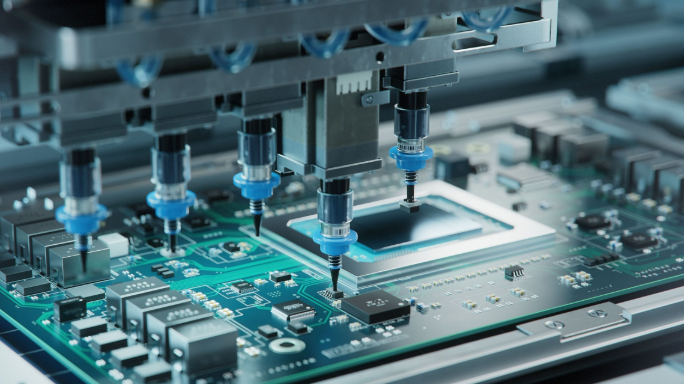
This is the most common method for mounting surface-mount components (SMDs). Manufacturers print lead-free solder paste onto pads, place components via pick-and-place machines, and heat the PCB in a controlled reflow oven. Reflow soldering has many advantages:

  • Suitable for nearly all SMT components
  • Works with SAC305, SAC405, SAC0307, and Sn-Bi pastes
  • Ensures consistent joint quality in mass production
  • Supports fine-pitch ICs, BGA, QFN, 0201/01005 components

Typical reflow peak temperature

  • 235–250°C, depending on the alloy and PCB materials

Reflow soldering is the backbone of every modern SMT line and the main reason SAC305 is widely used.

Types of Lead Free Soldering Method

2. Lead-Free Wave Soldering

Wave soldering is used primarily for through-hole components and mixed-technology assemblies.

During lead-free wave soldering, the PCB passes over a molten solder “wave” typically made of Sn99.3Cu0.7 or other tin-rich alloys.

Why customers care:

  • Ideal for high-volume assemblies with many through-hole connectors
  • Faster than hand soldering
  • Strong, uniform joints across large PCBs
  • But requires strict temperature control due to higher melting points

Common lead-free wave solder alloy

  • Sn99.3/Cu0.7, with optional micro-alloying (Ni, Ge) to reduce copper dissolution

Typical pot temperature

  • 255–265°C, depending on alloy
Lead-Free Wave Soldering

3. Lead-Free Selective Soldering

Selective soldering is used when only certain through-hole components must be soldered without exposing the entire PCB to a wave. A programmable nozzle creates localized molten solder “mini waves.”

Why customers care:

  • Protects heat-sensitive components
  • Reduces overall thermal stress
  • Useful for complex PCBs with dense SMT areas
  • Generates precise and stable joints

Common alloys

  • Sn99.3Cu0.7
  • SAC variants for specialized cases

Selective soldering is popular in industrial controllers, automotive electronics, and telecom boards.

Lead-Free Selective Soldering

4. Lead-Free Hand Soldering

Used for repair, prototyping, or small-batch assembly. Technicians use solder wire (typically SAC305 or SAC0307) and temperature-controlled irons.

Why customers care:

  • Required for last-minute rework
  • Used in prototype and engineering samples
  • Easy way to repair or modify boards
  • Quality depends heavily on operator skill and iron temperature

Hand soldering temperature

  • 350–380°C for SAC alloys
  • 280–310°C for Sn-Bi low-temp solder
Lead-Free Hand Soldering

Here is a quick comparison between these lead-free solder material methods:

Soldering TypeMain FeaturesTypical AlloysCustomer Use Case
Reflow SolderingStandard SMT processSAC305, SAC0307Consumer & industrial electronics
Wave SolderingHigh-volume through-holeSn99.3Cu0.7Power boards, large PCBs
Selective SolderingLocalized solderingSn-Cu, SACMixed-technology PCBs
Hand SolderingRework / prototypingSAC305 wireEngineering builds, repairs

Does 60/40 Solder Contain Lead?

Yes, 60/40 solder (Sn60/Pb40) contains 40% lead, so it is not RoHS compliant and must not be used in modern commercial electronics.

Lead-free solder materials replace this alloy entirely in global manufacturing unless exemptions apply (e.g., military or aerospace exceptions).

Lead-Free Solder Melting Temperature Chart

Below is a melting temperature chart customers can use as a reference during material selection or reflow profile planning:

Lead-Free AlloyMelting Temperature (°C)Notes
SAC305217–220°CMost common for SMT
SAC405217–225°CHigher Ag content improves strength
SAC0307~227°CBudget option; slightly higher melting point
Sn99.3Cu0.7227°CIdeal for wave soldering
Sn-Bi138–170°CBest for low-temp applications
Sn63/Pb37 (leaded)183°CFor comparison only

Customers should always verify that their components can tolerate the peak reflow temperature required by the alloy.

What Are the Main Issues With Lead-Free Soldering?

Lead-free soldering is reliable, but it requires proper process control. Common challenges include:

  • Higher melting point that stresses components
  • Slower wetting that demands optimized flux
  • Sometimes duller appearance of joints
  • Increased copper dissolution in wave soldering
  • Sensitivity to reflow temperature deviations

Why Is My Lead-Free Solder Not Melting?

Typical causes include:

  1. Iron or reflow temperature not high enough.
  2. Insufficient heat transfer due to oxidation or contamination.
  3. Using a low-power soldering iron unable to maintain temperature.
  4. Weak flux activity preventing proper heat flow.
  5. Applying the solder to a large thermal pad without preheating.

Lead-free solder requires around 30–40°C higher heat than leaded solder.

Which Lead Free Solder Material Is Best for PCB Assembly?

For most customers, SAC305 (Sn96.5/Ag3.0/Cu0.5) is the best lead-free solder material for PCB assembly.

Why SAC305 Is Ideal for Most Applications?

  • Widely used across global SMT factories
  • Excellent wetting on FR4, HDI, flexible, and ceramic substrates
  • Strong mechanical performance
  • Good thermal cycling reliability
  • Low voiding rate with proper reflow control
  • Compatible with nearly all flux chemistries
  • Proven in millions of consumer and industrial electronics

When Other Alloys Might Be Better?

  • SAC0307 – When cost is the priority
  • Sn-Bi – For low-temperature PCBs and LED products
  • SAC405 – For high-reliability automotive or medical electronics
  • Sn99.3Cu0.7 – For wave soldering to reduce cost

Customer Recommendation

If you are unsure which alloy to choose, start with SAC305 for standard SMT reflow because it aligns with:

  • Reliability expectations
  • Cost targets
  • Compatibility with modern assembly lines
  • Strong field performance

FAQs

1. What is the most common lead-free solder in SMT assembly?

SAC305 is the industry standard for most SMT production lines.

2. Is lead-free solder as strong as leaded solder?

Yes. Lead-free joints are typically stronger in mechanical strength and thermal fatigue resistance.

3. Why is lead-free solder harder to work with manually?

It melts at a higher temperature and wets more slowly, requiring better temperature control.

4. What flux should be used with lead-free solder?

Most solder pastes use no-clean or water-soluble fluxes optimized for SAC alloys.

5. Can lead-free solder be used with ENIG finish?

Yes, ENIG is one of the best surface finishes for consistent wetting.

You may also like

Cetak PCB Indonesia, Pabrik PCB Di Indonesia

December 31st, 2025

Looking for cetak PCB Indonesia service? This blog is mainly about pain points and solutions of cetak PCB Indonesia, and how to evaluate the production capacity and lead time of pabrik PCB di Indonesia.

Amid Indonesia’s fast-growing electronics sector which is particularly driven by the expanding electric vehicle (EV) and battery manufacturing ecosystem cetak PCB Indonesia serves as a cornerstone for supporting local production and fostering innovation. Securing a reliable partner for cetak PCB Indonesia is essential to safeguarding product quality and keeping project timelines on track with a market landscape that includes a wide range of production entities from small-scale production units to large-scale manufacturing hubs. This guide focuses on addressing core needs tied to PCB manufacturing Indonesia, pabrik PCB di Indonesia, and PCB assembly Indonesia offering practical insights to navigate Indonesia’s PCB sector effectively and make confident decisions for your projects.

Cetak PCB Indonesia, https://www.bestpcbs.com/blog/2025/12/cetak-pcb-indonesia-pabrik/

Are You Facing These Problems?

  • Do you struggle with inconsistent quality in cetak PCB Indonesia, such as solder defects or uneven copper cladding that affects product performance?​
  • Is the long lead time for custom PCB Indonesia causing delays in your project timeline, especially for urgent prototype needs?​
  • Have you encountered hidden costs with pabrik PCB di Indonesia that were not disclosed in the initial quote, increasing overall project expenses?​
  • Do you lack professional technical support during the design phase, leading to rework and additional costs in cetak PCB Indonesia?​
  • Is the reliability of delivery a concern, with frequent missed deadlines from pabrik PCB di Indonesia affecting your production schedule?

End-to-End Guarantee from Requirement to Delivery

  • Pre-production Technical Consultation: Free DFM analysis proactively identifying manufacturability risks upfront, reducing rework rates by up to 30% and ensuring smooth execution of your cetak PCB Indonesia projects.​
  • Transparent Pricing System: Itemized quotes for your PCB manufacturing Indonesia-related needs with no hidden fees, covering production, international logistics and customs clearance costs. This helps you accurately forecast budgets and avoid cost overruns common with many local or regional suppliers.​
  • Smart Production Scheduling: Advanced MES for real-time monitoring and dynamic scheduling, ensuring stable lead times (±1 day) for custom PCB Indonesia orders. A 15% capacity buffer handles urgent orders efficiently, with optimized international shipping routes to shorten cross-border delivery cycles.​
  • Strict Quality Control: Three-stage inspection (IMI, IPI, FI) with AOI and flying probe testing, 8+ quality checkpoints, and defective rate below 0.05%. This ensures we deliver consistent quality that meets your cetak PCB Indonesia requirements before cross-border shipment.​
  • Real-Time Progress Tracking: 24/7 online portal for your PCB assembly Indonesia orders, covering the entire cross-border production and delivery process. Automatic milestone notifications (production completion, shipment, customs clearance, arrival) eliminate repeated follow-ups.​
  • After-Sales Support: 24-hour response for your cetak PCB Indonesia orders. For quality issues, root cause analysis and solutions like replacement are provided within 48 hours, plus a 1-year warranty for mass production. We also offer dedicated international after-sales coordination to resolve cross-border issues efficiently.

Why Choose EBest Circuit (Best Technology) for Cetak PCB Indonesia?

Reasons Why Choose EBest Circuit( Best Technology) for cetak PCB Indonesia:

  • Competitive Pricing & Cost-Sensitive Solutions: Tailor cost optimization plans based on your project requirements, achieving 15%-22% cost reduction for PCB manufacturing Indonesia projects. We leverage bulk material procurement and optimized cross-border logistics to balance quality and cost, with an average of 300+ cross-border cost optimization consultations processed daily.
  • 24-Hour Rapid Prototyping: Support urgent prototype orders with 24-hour turnaround time for cetak PCB Indonesia, with a daily processing capacity of 200+ urgent prototype orders. This accelerates your project iteration speed by 40% compared to industry average, and the prototype delivery on-time rate reaches 99.8%.
  • High On-Time Delivery Rate: Maintain a 99.2% on-time delivery rate for cross-border shipments through efficient production management and optimized international logistics routes. For your pabrik PCB Indonesia-related orders, we ensure cross-border customs clearance efficiency is improved by 40%, and the annual delay rate for cross-border deliveries is less than 0.8%.
  • Superior Quality Assurance: Implement strict quality control processes with AOI optical inspection coverage of 100% for mass production. The defective rate of bulk products is controlled below 0.05% (industry average is 0.5%), and all products comply with international standards to ensure reliable cetak PCB Indonesia products. We also pass 100% of high and low temperature stability tests (-40℃~+85℃) to meet harsh application environments.
  • 19 Years of Industry Experience: With nearly two decades of experience in the PCB industry, we have served 8000+ global customers and completed 45000+ cross-border PCB projects. Our mature technologies and rich experience help customers reduce overall project costs by an average of 18%, and shorten the project cycle by 25%.
  • Free DFM Analysis: Provide professional DFM analysis services free of charge, with an analysis accuracy rate of 98.5%. This optimizes design schemes for custom PCB Indonesia, reduces design rework costs by 30%, and improves production efficiency by 28%, with an average of 12 days shortened in the design verification cycle.
  • Authoritative Certifications: Hold multiple international certifications including ISO9001:2015, ISO13485:2016, REACH, RoHS, and IATF16949. Our annual third-party quality audit pass rate is 100%, and all products exported to Indonesia meet local quality and environmental standards, ensuring compliance with global trade requirements.
  • One-Stop Service Capability: Cover the entire process from design optimization, prototyping, mass production to assembly, offering integrated PCB assembly Indonesia solutions. This simplifies your supply chain management, reduces the number of cooperative suppliers by 60%, lowers supply chain management costs by 30%, and shortens the overall project cycle by 40% with SMT placement accuracy up to ±0.03mm.
Why Choose EBest Circuit (Best Technology) for Cetak PCB Indonesia, https://www.bestpcbs.com/blog/2025/12/cetak-pcb-indonesia-pabrik/

Top Pabrik PCB Di Indonesia List

Company NameMain BusinessCore AdvantagesProcess Capability & Lead Time
Best Technology Circuit Co., Limited (EBest Circuit Co., Limited)Cetak PCB Indonesia, custom pcb indonesia, pcb assembly Indonesia, high-precision PCB manufacturing19 years of experience, free DFM analysis, 24-hour rapid prototyping, multiple international certificationsProcess capability: 2-32 layers PCB, minimum line width/space 3mil/3mil; Lead time: 24h for urgent prototypes, 5-7 days for mass production
PT. Intertech Circuit IndonesiaPCB manufacturing, SMT assembly, electronic component distributionLocal production base, quick response to local needs, competitive pricing for small and medium batchesProcess capability: 2-16 layers PCB; Lead time: 7-10 days for prototypes, 10-15 days for mass production
PT. Electronic Circuit IndonesiaDouble-sided and multi-layer PCB manufacturing, PCB assembly servicesStrict quality control system, long-term cooperation with local electronics enterprisesProcess capability: 2-20 layers PCB; Lead time: 5-8 days for prototypes, 12-18 days for mass production
PT. Prima Circuit NusantaraCustom PCB manufacturing, high-frequency PCB production, PCB testing servicesSpecialized in high-precision products, professional testing equipment, technical support teamProcess capability: 2-24 layers PCB, high-frequency material processing; Lead time: 8-12 days for prototypes, 15-20 days for mass production

Types of Cetak PCB Indonesia Services

  • Prototype PCB Printing: Rapid prototyping for small-batch trial production, supporting quick design verification for custom PCB Indonesia.​
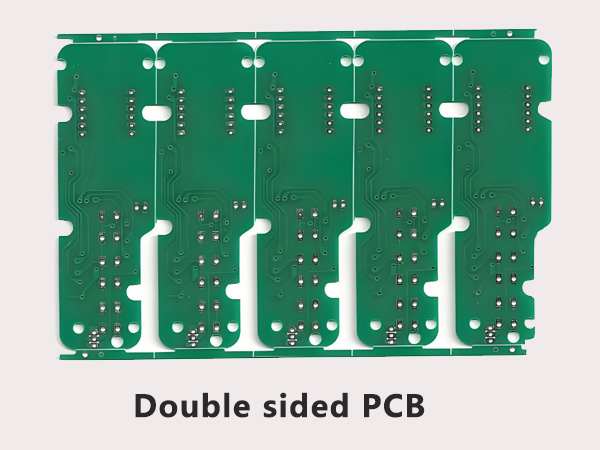
  • Mass Production of Double-Sided PCB: Cost-effective manufacturing solutions for standard double-sided PCB products, suitable for various electronic devices.​
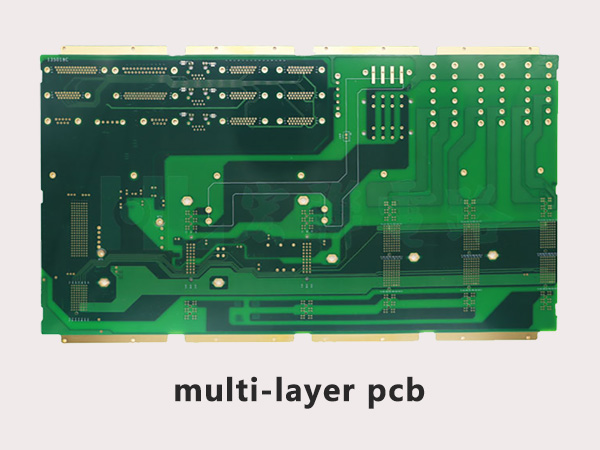
  • Multi-Layer PCB Manufacturing: Production of 4-32 layers high-precision multi-layer PCBs, meeting the needs of complex electronic products.​
  • High-Frequency PCB Printing: Specialized manufacturing for high-frequency PCBs using advanced materials, suitable for communication and radar equipment.​
  • Flexible PCB Production: Flexible and rigid-flex PCB manufacturing, adapting to special installation environments.​
  • PCB Assembly Services: One-stop assembly services including SMT, DIP, and testing, completing the transformation from PCB to finished products.​
  • Custom PCB Design and Manufacturing: Tailored solutions based on specific project requirements, covering design optimization and production.​
  • PCB Testing and Inspection Services: Including electrical performance testing, visual inspection, and reliability testing to ensure product quality.

How to Evaluate the Production Capability of Pabrik PCB Di Indonesia?

Evaluation Guide to Production Capability of Pabrik PCB Di Indonesia:

  • Check Core Process Parameters: Verify minimum line width/space (reliable standard ≥4mil/4mil), minimum hole diameter (mechanical drilling ≥0.2mm) and maximum layers (mainstream factories support 2-24 layers, high-end products ≥18 layers). These parameters directly reflect process precision.
  • Inspect Key Production Equipment: Focus on advanced equipment indicators, such as exposure machine alignment accuracy (≤5μm for high-precision models) and electroplating line performance (hole copper thickness ≥20μm). Equipment aged within 5 years ensures more stable process quality.
  • Review Quality Control System: Confirm the number of quality inspection procedures (full-process ≥18 checks is preferred) and pass rate data (finished product yield ≥99.5% indicates reliable control). Prioritize factories with three-stage inspection (incoming, in-process, final).
  • Verify Certifications: Check for ISO9001, IATF16949 certifications, and third-party audit pass rate (100% pass rate is a basic requirement). Certifications ensure compliance with global quality standards for cetak PCB Indonesia projects.
  • Request Sample Testing: Evaluate sample indicators such as surface flatness (warpage ≤0.75mm/m), solder joint qualification rate (≥99.8%) and dimensional tolerance (±0.05mm). Samples directly reflect actual production capacity.
  • Inquire About Material Sources: Confirm raw material standards, such as copper clad laminate grade (FR-4 for general use, high-frequency materials for special needs) and copper foil thickness (≥1oz for standard products). High-quality materials are the basis of reliable processes.
  • Assess Technical Support: Evaluate DFM analysis capability and problem-solving response time (≤24 hours is ideal). Professional technical support reduces rework risks in custom PCB Indonesia projects.
  • Review Project Cases: Check cooperation experience in similar industries and the success rate of complex projects (≥95%). Rich cases prove adaptability to specific process requirements.
How to Evaluate the Production Capability of Pabrik PCB Di Indonesia, https://www.bestpcbs.com/blog/2025/12/cetak-pcb-indonesia-pabrik/

How to Evaluate the Lead Time of Perusahaan PCB Di Indonesia?

Evaluation Guide to Lead Time of Perusahaan PCB Di Indonesia:

  • Confirm Standard Lead Time: Clarify standard cycles by product type – prototypes (5-10 days), small batches (10-15 days), mass production (15-25 days) – to match your project timeline.​
  • Inquire About Urgent Order Capability: Confirm if 24-hour rapid prototyping for Cetak PCB Indonesia is available, with urgent order on-time delivery rate ≥99% as a reliable benchmark.​
  • Evaluate Production Scheduling System: Prioritize plants with intelligent systems that reduce delivery commitment deviation by ≥36% and cut scheduling cycle from 12h to 1.5h.​
  • Review On-Time Delivery Rate Data: Request historical data – reliable factories have on-time rate ≥99%, with annual delay rate ≤1% (industry average 3%).​
  • Understand Capacity Reserve: Inquire about production capacity and reserve (≥15% reserve capacity preferred) to meet peak-season order demands without delays.​
  • Check Logistics Cooperation: Confirm cooperative logistics providers offer Indonesia-focused solutions, with cross-border clearance time ≤3 days and transportation damage rate ≤0.1%.​
  • Clarify Delivery Delay Policies: Understand compensation terms – e.g., 3% order value compensation for 1-3 days delay, 5% for over 3 days – to mitigate project risks.​
  • Request Progress Tracking Mechanism: Confirm real-time tracking services with updates every 4 hours and abnormal situation response time ≤2 hours.
How to Evaluate the Lead Time of Perusahaan PCB Di Indonesia, https://www.bestpcbs.com/blog/2025/12/cetak-pcb-indonesia-pabrik/

FAQs of PCB Manufacturing Indonesia

Q1: How to solve serious solder joint defects (e.g., cold soldering, bridging) in PCB prototypes?​
A1: Optimize reflow soldering parameters, strictly control solder paste quality, and implement in-process inspection for timely rework. Provide pre-production DFM analysis for custom PCB Indonesia to optimize pad design and reduce defect risks.​

Q2: What to do if mass production delivery delays affect subsequent schedules?​
A2: Adopt intelligent MES scheduling system, maintain 99.2% on-time delivery rate, and reserve capacity for unexpected orders. Provide real-time progress tracking to keep you updated on production status.​

Q3: How to prevent and solve PCB warpage affecting assembly accuracy?​
A3: Use high-quality low-warpage copper clad laminates, optimize heat treatment process, and conduct strict flatness testing. Provide professional leveling for slight warpage and custom fixtures for high-precision projects.​

Q4: How to avoid hidden costs (e.g., additional testing/material fees) in orders?​
A4: Offer transparent itemized quotes covering production, logistics and customs clearance. Confirm requirements in detail before production and provide cost breakdown sheets for PCB manufacturing Indonesia projects.​

Q5: How to solve design schemes unsuitable for mass production causing rework?​
A5: Provide free professional DFM analysis (98.5% accuracy) to optimize design parameters. Communicate production constraints in advance for custom PCB Indonesia, reducing rework rates and costs.

You may also like

PCB Venezuela Manufacturer, PCB Manufacturing Company Venezuela

December 30th, 2025

When searching for reliable PCB Venezuela manufacturer options, understanding the local market and key players is crucial. The Venezuela top 10 PCB manufacturers list serves as a valuable reference for those seeking high-quality PCB manufacturing services in the region. This guide delves into the core pain points of PCB production in Venezuela, practical solutions, and detailed evaluations of manufacturers, helping you make informed decisions. Whether you are looking for prototype or mass production services, the insights into Venezuela top 10 PCB manufacturers and industry best practices will streamline your sourcing process.

PCB Venezuela Manufacturer, https://www.bestpcbs.com/blog/2025/12/pcb-venezuela-manufacturer/

Are You Facing These PCB-Related Challenges?

  • Is it difficult to find a PCB Manufacturer in Venezuela that can deliver high-quality prototypes within a short timeframe?
  • Do your designs often encounter production bottlenecks due to inadequate technical support from local PCB Manufacturing Company Venezuela?
  • Are you troubled by inconsistent product quality and frequent rework when cooperating with some PCB Venezuela Manufacturer?
  • Does the long and unstable delivery time of local PCB Manufacturing Company Venezuela affect your project progress?
  • Is it hard to get cost-effective solutions that match your budget from existing PCB Manufacturer in Venezuela?

Full-Process Guarantee from Requirement to Delivery

  • Rapid Prototyping Support: We provide 24-hour fast prototyping service to solve the problem of long prototype lead time of local PCB Venezuela manufacturer, ensuring your project starts on time.
  • Professional Technical Collaboration: Our team offers full-process technical support, from design review to production optimization, eliminating production bottlenecks caused by inadequate technical support.
  • Strict Quality Control System: Implement full inspection for mass production and strict quality control processes, ensuring stable product quality and reducing rework rates, which solves the quality inconsistency problem of some local manufacturers.
  • Efficient and Stable Delivery: With an on-time delivery rate of 99.2%, we adopt an intelligent scheduling system to ensure delivery stability and avoid project delays caused by uncertain delivery times.
  • Cost-Optimized Solutions: Combined with 19 years of production experience, we provide cost-sensitive solutions tailored to your needs, helping you obtain high-cost-performance services that are difficult to get from ordinary PCB Manufacturing Company Venezuela.

Why Choose EBest Circuit (Best Technology) as Your PCB Manufacturer?

  • Competitive Pricing & Cost-Sensitive Solutions: We offer competitive prices and tailor cost-sensitive solutions according to your design, helping you reduce production costs significantly.​
  • 24-Hour Fast Prototyping: Our urgent order handling capacity ensures 24-hour fast prototyping, meeting your tight project schedules.​
  • High On-Time Delivery Rate: With a 99.2% on-time delivery rate, we guarantee that your orders are delivered as scheduled, avoiding project delays caused by late shipments.​
  • Superior Quality Assurance: We implement full inspection for batch production and adopt strict quality control processes, ensuring stable and reliable PCB quality.​
  • 19 Years of Production Experience: With 19 years in the PCB manufacturing industry, we have rich experience in solving various production challenges and can help you optimize costs effectively.​
  • Free DFM Analysis: We provide free Design for Manufacturability (DFM) analysis to optimize your design, improve production efficiency, and reduce unnecessary costs.​
  • Complete International Certifications: We hold ISO9001:2015, ISO13485:2016, REACH, RoHS, and IATF16949 certifications, ensuring our products comply with international quality and environmental standards.​
  • Customer-Centric Service: Our team is committed to providing attentive and professional services, responding to your inquiries and needs promptly throughout the cooperation process.
Why Choose EBest Circuit (Best Technology) as Your PCB Manufacturer, https://www.bestpcbs.com/blog/2025/12/pcb-venezuela-manufacturer/

Top PCB Manufacturers in Venezuela

Company NameMain BusinessCore AdvantagesProcess Capability & Delivery Time
Best Technology Circuit Co., Limited (EBest Circuit Co., Limited)PCB prototype, mass production, HDI board, rigid-flex board, custom PCB manufacturing19 years of experience, 24-hour fast prototyping, 99.2% on-time delivery rate, multiple international certifications, free DFM analysisProcess capability: 1-64 layers PCB, HDI, blind/buried vias, impedance control; Delivery time: Prototype 24h-3days, mass production 5-12days
Electrónica C.A.Single-sided and double-sided PCB manufacturing, simple PCB assemblyLocalized service, fast response to small orders, compliance with COVENIN standardsProcess capability: 1-2 layers PCB, FR-4 material; Delivery time: 7-15days
Tecnología de Circuitos Imprimidos, C.A. (TECI)Double-sided and 4-layer PCB manufacturing, industrial control PCB productionRich experience in industrial PCB, strict local quality inspection, stable supply capacityProcess capability: 2-4 layers PCB, impedance control optional; Delivery time: 10-20days
Componentes Electrónicos Venezuela, C.A. (CEV)PCB prototype, small-batch PCB production, electronic component matchingOne-stop service of PCB and components, flexible order acceptance, localized after-sales serviceProcess capability: 1-4 layers PCB; Delivery time: 5-12days for prototype, 12-20days for small batch

How to Evaluate the Production Capacity of PCB Venezuela Manufacturer?

Evaluation Guide to Production Capacity of PCB Venezuela manufacturer:

  • Comprehensive process coverage evaluation: Confirm the maximum stably producible PCB layers and maturity of special processes (HDI, blind/buried vias). Request process parameter sheets or samples to verify line width/line spacing, via diameter meet design requirements.​
  • Detailed equipment inspection: Focus on core production and testing equipment configuration. Confirm 3D AOI (for 01005 component deviation detection) and X-Ray (for internal defect inspection) for testing; check high-precision CNC drilling machines and automatic electroplating lines for production stability.​
  • Quality management system verification: On the basis of ISO9001:2015, ISO13485:2016 and COVENIN certifications, review quality manuals, internal audit records and non-conforming product handling processes to ensure the system is effectively implemented.​
  • Production scale and mass production capacity assessment: Request recent 3-month production capacity reports (daily output, production lines, utilization rate). Conduct on-site inspections for mass production orders to confirm site, personnel and raw material inventory meet continuous supply needs.​
  • Technical team capability evaluation: Test pre-production DFM analysis capability with design drawings; understand the team’s response speed and solution professionalism to technical problems during cooperation.​
  • Industry service experience investigation: Request detailed successful cases in your field; contact 1-2 reference customers to verify quality control, delivery timeliness and after-sales support.
How to Evaluate the Production Capacity of PCB Venezuela Manufacturer, https://www.bestpcbs.com/blog/2025/12/pcb-venezuela-manufacturer/

How to Evaluate the Delivery Time of PCB Manufacturing Company Venezuela?

Evaluation Guide to Delivery Time of PCB Manufacturing Company Venezuela:

  • Confirm the standard delivery cycle for different types of orders (prototype, small batch, mass production) and whether it matches your project schedule.
  • Investigate the on-time delivery rate of the manufacturer in the past 12 months and check relevant customer feedback.
  • Understand the emergency response capability, including whether it can provide fast delivery services for urgent orders.
  • Verify the stability of the supply chain, such as the supply capacity of raw materials and the risk resistance of the production line.
  • Check whether there is a perfect order tracking system to realize real-time monitoring of the production progress.
  • Understand the handling mechanism for delayed delivery to ensure that your rights and interests are protected.

FAQs of Venezuela PCB Manufacturing

Q1: Why is it so hard to find reliable PCB manufacturing services inside Venezuela?
A1: Local fabrication capacity is limited, and many shops cannot offer multilayer, HDI, or advanced material options. Most engineers solve this by partnering with overseas manufacturers that provide stable lead times, consistent quality, and DDP shipping. Best Technology supports Venezuelan buyers with FR4, aluminum, flex, rigid-flex, and ceramic PCBs, and we manage customs clearance so customers receive boards directly without logistics uncertainty.

Q2: How long does it usually take to get PCBs delivered to Venezuela from a global supplier?
A2: Standard delivery runs between 7–12 days for prototypes and 10–18 days for small-batch production. The timeline depends on board complexity, surface finish, and selected shipping method. To streamline delivery, we recommend planning stack-up early, confirming Gerber accuracy, and using Express shipping for urgent R&D projects. Best Technology provides 24-hour and 48-hour fast-turn fabrication for simple FR4 and flex boards to help reduce project delays.


Q3: Are multilayer or high-frequency PCBs expensive to import into Venezuela?
A3: Costs increase with layer count, material grade (Rogers, PTFE, Megtron), and controlled impedance requirements. However, many engineers optimize cost by consolidating orders, simplifying stack-ups, or selecting equivalent RF laminates when possible. We provide engineering suggestions before production, propose cost-efficient materials, and share real-time quotes so buyers can avoid unexpected expenses.


Q4: How do Venezuelan engineers handle customs or tax issues when ordering PCBs from abroad?
A4: Most rely on DDP or door-to-door logistics to bypass paperwork. This avoids delays caused by documentation errors or local customs backlog. Best Technology can ship under DDP terms, handle HS codes, prepare commercial invoices, and manage all export documents. Customers only need to confirm their address, and we ensure boards arrive smoothly.

Q5: Can Venezuelan companies get PCBA services, not only bare PCBs?
A5: Yes. Many global suppliers provide full PCBA, including component sourcing, SMT/THT assembly, and functional testing. This is especially helpful in Venezuela where component availability is inconsistent. Our team sources global components (Digikey, Mouser, Arrow, local Asian markets), performs SMT/THT assembly, runs AOI/X-ray/ICT, and ships finished boards ready for installation.

You may also like

PCB Via Filling Process & Design Consideration

December 30th, 2025

PCB via filling plays a significant role in modern circuit manufacturing as devices continue to shrink and performance demands rise. Today’s designs rely on tighter spacing, finer pitches, and denser multilayer structures. Because of this trend, many teams are searching for practical guidance on PCB via filling, via filling in PCB, via fill PCB, and the overall PCB via hole filling process. As more circuits require stable pads, improved thermal transfer, and reliable current paths, filled via PCB structures have become a vital part of HDI and advanced board fabrication.

This guide explains what filled vias are, why they matter, how the materials differ, and how to select the right method for your application. It also provides a complete overview of the PCB via filling process, a comparison between via plug and via fill, design considerations, typical cost ranges, and the questions users ask most often.

PCB Via Filling Process & Design Consideration, https://www.bestpcbs.com/blog/2025/12/pcb-via-filling-process-design-consideration/

What Is Via Filling in PCB?

Via filling in PCB refers to the process of depositing conductive or non-conductive material into a drilled hole so the entire via barrel becomes a solid structure. The goal is to create a stable foundation for surface plating, improve mechanical strength, and prevent solder from flowing into the via during assembly. Because advanced designs frequently place vias directly under BGA pads or inside high-speed routes, a smooth and solid surface is essential to support soldering, routing, and long-term reliability.

As manufacturing continues to evolve, PCB via filling now appears in smartphones, automotive modules, industrial controls, medical devices, RF boards, and many other high-performance applications. Instead of leaving the via hollow, the fill material enhances thermal transfer, reduces voids, strengthens the structure, and ensures a consistent surface throughout production.

Why Do PCB Via Filling?

Advantages of PCB Via Filling:

  • Enhanced Soldering Quality: Filled vias eliminate the risk of solder wicking into a via barrel. This creates a stable pad surface, especially for fine-pitch BGA or QFN packages where even small voids can cause long-term instability.
  • Improved Thermal Path: Conductive via fills assist heat transfer from power devices to internal or external copper layers. This is valuable in power management modules, LED boards, and RF power amplifiers.
  • Higher Mechanical Strength: Filled vias support the surrounding copper pad during thermal cycling, bending stress, or reflow heating. This is vital in thin multilayer constructions.
  • Increased Routing Flexibility: With filled vias PCB structures, routing can pass through pad-in-via areas without compromising solder joints. This allows compact layouts and shorter trace lengths.
  • More Reliable Multilayer Connectivity: A filled via barrel has improved consistency because it removes air pockets and reduces plating defects. This directly improves reliability in high-frequency, automotive, and aerospace circuits.

What Material Is Used for PCB Via Filling?

Filling Material TypeAdvantagesApplicationsCost
Non-Conductive EpoxyStable performance, cost-effective, smooth via-in-pad surfaceHDI boards, smartphones, tablets, consumer electronics, BGA via-in-padLow
Conductive EpoxyEnhanced thermal/electrical conductivityPower modules, LED drivers, thermal pads, high-power compact circuitsMedium–High
Copper Filling (Electroplated)Optimal electrical/thermal performance, high reliabilityRF boards, automotive circuits, aerospace PCBs, high-speed digital designsHigh
Resin/Polymer BlendMechanical stability, low dielectric loss, thin stack-up compatibilityFlexible circuits, rigid-flex designs, hybrid materials, ultra-thin layersMedium
Solder Mask PlugLow-cost moisture barrier, prevents solder wickingGeneral PCBs, non-HDI boards, low-to-mid density layoutsVery Low

What is the Difference between Via Plug and Via Fill?

CategoryVia PlugVia Fill
StructurePartially blocks via, leaving hollow spaceFully fills via barrel, no hollow space
MaterialResin or solder maskEpoxy, conductive material, or copper plating
Surface AppearanceMay have slight depressionsCreates flat pad, suitable for via-in-pad
PurposePrevents solder flow, protects barrelSupports fine-pitch routing, enhances reliability
Thermal PerformanceLimited heat transferImproved heat transfer (especially with conductive/copper fill)
Cost LevelLower costHigher cost (varies by fill method)
Common Use CaseGeneral PCB, low-to-mid density designsHDI, BGA pads, RF boards, power modules

Design Consideration for PCB Via Filling

Below Are PCB Via Filling Design Consideration:

1. Clarify Filling Purpose

  • Determine the requirement first: whether it is to enhance thermal conductivity (e.g., power device heat dissipation), improve signal integrity (reduce impedance discontinuity), strengthen mechanical structure (prevent vibration cracking), or be compatible with subsequent processes (e.g., embedded capacitance). Different objectives correspond to different material and process selections to avoid ineffective costs.

2. Prioritize Conductive Filling

  • For high-frequency/high-speed signals, conductive filling (e.g., silver paste, copper paste) can reduce via impedance to below 1Ω, minimizing signal reflection and crosstalk. Resin filling is only suitable for non-critical signals or mechanical reinforcement to avoid abnormal parasitic parameters caused by insulation.

3. Control Aperture and Aspect Ratio

  • For small apertures (≤0.2mm), evaluate filling capability: aspect ratios >6:1 may cause voids, recommend vacuum filling or special processes (e.g., capillary plating). For large apertures, control filling layer thickness to avoid delamination due to mismatched thermal expansion coefficients.

4. Validate Material Compatibility

  • Filling materials must be compatible with substrates (e.g., FR4, high-frequency materials) and surface finishes (e.g., ENIG, OSP). For instance, epoxy resin filling requires thermal matching testing with solder to prevent thermal cycle cracking. Conductive pastes need verification for electromigration risks with adjacent conductors.

5. Design Thermal Dissipation Path

  • For devices with thermal power >1W, via arrays must directly connect to thermal pads/copper planes. Filling material thermal conductivity should exceed 2W/(m·K) (e.g., modified epoxy + thermal fillers). Avoid isolated via groups causing local hot spots.

6. Define Process Window

  • Require PCB manufacturers to provide filling process parameters: filling pressure (0.3-0.5MPa), curing temperature (150-180°C), and time (30-60 minutes). Critical parameters should be included in design specifications to prevent quality variations across batches.

7. Void Detection Standards

  • Use X-ray/CT to inspect filling rate, requiring <5% void ratio. Critical signal vias need cross-section validation for filling continuity. Detection criteria must be mutually agreed upon with PCB manufacturers to avoid disputes.

8. Optimize Impedance Continuity

  • Post-filling via impedance must match transmission lines (e.g., 50Ω microstrip requires via impedance ≤55Ω). Simulate to verify filling impact on S-parameters, preventing signal degradation due to impedance discontinuity.

9. Balance Cost and Reliability

  • Conductive filling costs 3-5 times more than resin filling. Select based on product positioning: consumer products may partially fill critical vias, while industrial/automotive products require full filling in high-reliability areas. Avoid over-designing to prevent cost escalation.

10. Document Design Rules

  • Specify in PCB design specifications: filling area marking (e.g., Via-in-Pad requires full filling), minimum spacing (filling area ≥0.2mm from pads), and test point reservation (avoid filling covering test pads). Ensure consistent information across design and manufacturing stages.
Design Consideration for PCB Via Filling, https://www.bestpcbs.com/blog/2025/12/pcb-via-filling-process-design-consideration/

How to Fill in Via PCB?

Below Are Steps to PCB Via Filling Process:

  1. Select Filling Material Based on Application Needs: Use conductive materials (e.g., copper paste, silver-loaded epoxy) for high thermal/electrical conductivity in power-heavy designs; opt for non-conductive resins (e.g., epoxy) to prevent solder wicking in via-in-pad structures or improve surface flatness.
  2. Drill and Clean Vias: Ensure precise drilling with appropriate aspect ratios (hole diameter vs. thickness) to avoid filling defects. Clean via walls via plasma treatment or brushing to remove contaminants and promote material adhesion.
  3. Electroplate Hole Walls: Apply a thin copper layer to via walls using acidic copper plating solutions with organic additives to ensure robust electrical connections and prepare for filling material anchoring.
  4. Fill Vias with Specialized Material: Inject conductive/non-conductive pastes (e.g., TAIYO THP-100 DX1 for resin) using automated equipment to achieve complete filling without voids. For via-in-pad, use liquid photo-imageable solder mask (LPI) cured via UV exposure to create solid plugs.
  5. Planarize and Cure: Grind filled vias to achieve surface roughness <0.3μm via mechanical polishing. Cure filling materials at controlled temperatures (e.g., 150°C for 1.5 hours) to solidify and ensure structural integrity.
  6. Surface Finishing: Apply capping plating (e.g., nickel-gold) over filled vias to protect against oxidation and enable reliable soldering. Use solder mask tenting or plugging to prevent contamination and electrical shorts.
  7. Perform Quality Verification: Conduct electrical testing (e.g., continuity checks) and visual inspection to verify filling integrity, absence of voids, and proper surface finish. Ensure compliance with IPC-4761 standards for via protection types (e.g., VII-type for filled/capped vias).
How to Fill in Via PCB, https://www.bestpcbs.com/blog/2025/12/pcb-via-filling-process-design-consideration/

    How Much Does it Cost to Fill a Via?

    The cost of PCB via filling varies according to material, hole size, density, and HDI level. Below is a price range for per via filling:

    • Non-conductive epoxy fill: $0.008 – $0.03 per via.
    • Conductive epoxy fill: $0.03 – $0.10 per via.
    • Copper-filled via: $0.08 – $0.25 per via.

    Depending on your design, filled vias may increase board cost by 10% to 30%. Projects with hundreds of via-in-pad locations require tighter process control, which can raise the price further.

    FAQs of PCB Via Filling

    Q1: Should via-in-pad always use filling instead of tenting?
    A1: For fine-pitch BGAs or QFNs, filling is strongly recommended. It prevents solder voids and ensures a flat pad. Larger pad sizes may use tenting.

    Q2: Why do some filled vias still show small dimples?
    A2: Dimples appear when plating thickness or resin expansion is not perfectly balanced. High-precision factories use controlled planarization to avoid these marks.

    Q3: Is filled via PCB helpful for high-speed signals?
    A3: Yes. Filled vias remove air gaps and improve impedance uniformity. This helps maintain signal stability in high-speed routing.

    Q4: Can filled vias improve heat dissipation in compact boards?
    A4: Yes. Conductive and copper-filled vias move heat more efficiently from hot components to inner layers or copper planes.

    Q5: Does filled via PCB increase production time?
    A5: Usually it adds 1–3 days for non-conductive epoxy and 3–5 days for copper filling. The added time supports reliability and stability.

    You may also like

    PCB Via Tenting Design Rules & Production Process

    December 30th, 2025

    PCB via tenting improves reliability, protects vias from contamination, and enhances routing freedom. This guide explains tented vias, design rules, cost, production steps, and how to choose between tenting and plugged vias.

    PCB via tenting is a practical method to cover vias with solder mask so they stay protected during assembly and long-term use. It is widely applied in compact circuits, RF layouts, medical electronics, industrial controls, and many modern consumer devices. Today, more teams look for stable fabrication methods to control surface cleanliness, improve solderability, and maintain predictable performance. This article explains how via tenting works, why it matters, and how to design it properly so your PCB stays robust and manufacturable.
    What is Tented Via in PCB?

    A tented via is a copper-plated hole fully covered by solder mask. The mask forms a thin “film” over the opening, preventing direct exposure during SMT processing. The via is still electrically functional, but its hole is closed on at least one side by solder mask.

    There are three typical variations:

    • Fully tented vias – solder mask covers both sides.
    • Partially tented vias – solder mask covers one side.
    • Tented + filled vias – not fully plugged, but mask covers the top after partial filler.
    What is Tented Via in PCB, https://www.bestpcbs.com/blog/2025/12/pcb-via-tenting-design-rules-amp-production-process/

    Because the solder mask closes the hole, the via is protected from unintended solder flow, debris, oxidation, and moisture. This makes the design cleaner and more consistent. Even more, tenting brings visual benefits for silkscreen and component placement, especially when space is tight.

    What Are Advantages and Disadvantages of PCB Via Tenting?

    • Improved cleanliness: Tented vias block solder from wicking into holes during reflow. This prevents weak joints or missing solder volume on pads nearby.
    • Lower risk of bridging: Small vias very close to pads no longer “steal” solder during reflow, which improves yield.
    • Smoother assembly: A fully tented surface offers a more even solder mask topography, ideal for high-density layouts.
    • Enhanced durability: Mask-covered vias resist oxidation and environmental moisture better than exposed copper.
    • Better silkscreen printing: Mask-covered holes allow labels, indicators, or polarity marks to be printed nearby without artwork breaks.

    Why Use Tented Vias?

    • Prevent solder wicking: Tiny vias near pads can siphon solder away during reflow. Tenting stops that.
    • Improve reliability: A covered via has fewer chances of oxidation or contamination.
    • Reduce shorts: Vias between dense components often need coverage to prevent unexpected bridging.
    • Support miniaturization: Modern PCBs pack many vias under BGAs, modules, and connectors. Tenting keeps these areas stable and clean.
    • Enhance solder mask performance: A smoother surface improves automated assembly and reduces defects.

    When to Use PCB Via Tenting in PCB Layout?

    1. Vias are placed close to SMT pads: This stops solder loss and protects pad stability.
    2. Under a BGA or LGA: Small vias often hide beneath packages to save space. Tenting avoids unintended wicking during reflow.
    3. The circuit uses fine-pitch components: Dense circuits benefit from a clean, mask-covered surface.
    4. Via-in-pad is not required: If you do not need filled and plated vias, tenting provides a cost-friendly alternative.
    5. The PCB requires better environmental protection: Outdoor devices, sensors, or medical equipment benefit from enclosed vias.
    6. Silkscreen location is limited: Covering vias smooths the area and allows printing over the region.
    When to Use PCB Via Tenting in PCB Layout, https://www.bestpcbs.com/blog/2025/12/pcb-via-tenting-design-rules-amp-production-process/

    Tenting Vias vs Plugged Vias: How to Choose?

    CriteriaTented ViasPlugged Vias
    Protection levelGood for general applicationsExcellent sealing and higher reliability
    Solder wicking controlVery effectiveCompletely eliminated
    Thermal performanceStandardBetter for high-power or thermal vias
    Surface smoothnessSmooth, acceptable for most designsVery smooth; ideal under BGA pads
    CostLowHigher (due to filler material and extra steps)
    Recommended via size0.2–0.5 mm0.1–0.3 mm common
    Ideal application scenariosConsumer electronics, IoT devices, general SMTHigh-density BGAs, HDI, thermal paths, advanced RF
    Manufacturing complexityLowMedium to high
    Mask reliabilityDepends on registrationVery stable after plugging
    Best choice whenYou need low-cost protection and stable SMTYou need high reliability or via-in-pad

    What Are Design Rules for PCB Via Tenting?

    Below Are 12 PCB Via Tenting Design Rules for Your Reference:

    1. Solder Mask Expansion: 0 to −2 mil (−0.05 mm)

    • The solder mask opening should match the copper pad (0 mil expansion) or shrink slightly (negative expansion). Negative values (−1 to −2 mil) enhance coverage and reduce pinholes, especially for vias <0.35 mm.

    2. Recommended Via Hole Diameter

      • Optimal finished hole size: 0.2–0.4 mm (preferred: 0.25–0.35 mm) with annular ring 0.1–0.15 mm. Smaller vias tent more easily as mask spans less unsupported area.

      3. Avoid Tenting Vias >0.5 mm

        • Large vias (>0.5 mm) risk mask cracking or air bubbles. For larger holes, use plugging/filling.

        4. Solder Mask Thickness: 15–35 μm

          • Standard: 15–25 μm. Critical layers/high-density zones use 25–35 μm for enhanced sealing. Thicker masks require precise curing to prevent lifting.

          5. Use LPI Solder Mask

            • LPI (Liquid Photoimageable) offers superior adhesion, resolution, and strength vs. dry-film. Ideal for micro-contour tenting.

            6. Maintain Clean Spacing Around Vias

              • Avoid routing <4 mil from vias. Mask-to-copper clearance ≥3–4 mil prevents fracturing/uneven coverage.

              7. Account for Mask Registration Tolerance

                • Fabrication shifts (±3 mil) require comfortable spacing to avoid unintended copper exposure.

                8. Avoid Tenting Test-Point Vias

                  • Vias for ICT/testing must remain open. Tented vias cannot ensure reliable probe contact.

                  9. Add Clear Fab Notes: Specify in drawings

                    • “Tented vias on both sides” or “Negative mask expansion for vias <0.35 mm” to avoid misinterpretation.

                    10. Avoid Tenting Vias on Large Copper Planes

                      • Thermal reliefs prevent uneven curing/voids due to copper heat absorption differences.

                      11. Control Via-Pad Spacing

                        • For SMT pads near vias: Pad-to-via spacing >4–6 mil with defined mask fillet prevents solder bridging.

                        12. Verify via CAM Review

                          • Pre-production CAM checks confirm correct mask expansion, via size norms, alignment tolerance, and no exposed copper, reducing re-spins and ensuring stable yield.
                          What Are Design Rules for PCB Via Tenting, https://www.bestpcbs.com/blog/2025/12/pcb-via-tenting-design-rules-amp-production-process/

                          How to Make Vias Tented?

                          Below Are Steps to PCB Vias Tented Production Process:

                          1. Gerber File Output and Verification

                          • Solder Mask Gerber: When generating Top/Bottom Solder Mask layer Gerber files, confirm no “Thermal Pad” design on via pads to ensure continuous solder mask coverage over via openings.
                          • Design Rule Verification: Use CAM350 or GC-PowerView tools to perform DRC checks, validating parameters like solder mask-to-copper spacing (≥0.1mm) and solder mask bridge width (≥0.1mm).
                          • Optical Point Handling: Adjust solder mask opening size for vias near test points or optical alignment marks to ensure automated equipment recognition.

                          2. Production Preparation: Material and Process Selection

                          • Solder Mask Material: Use liquid photoimageable solder mask (LPI) with thickness 0.8-1.2mil for coverage and solder resistance. For high-reliability applications (e.g., automotive), UV-curable solder mask may be selected.
                          • Pre-treatment Process: Conduct micro-etching, acid cleaning, or other pre-treatments to enhance solder mask adhesion. Ensure via surfaces are clean, free of oxide or contaminants.
                          • Stencil Design: For screen printing, customize stencils to fully cover via areas; for inkjet printing, adjust ink drop spacing and layer height.

                          3. Solder Mask Application and Curing

                          • Solder Mask Coating: Apply solder mask uniformly via screen printing, inkjet, or photosensitive coating. Ensure complete ink filling in via areas without bubbles or pinholes.
                          • Exposure and Development: Use UV exposure machine for pattern exposure, then remove unexposed solder mask with alkaline developer to retain covered vias.
                          • Curing Treatment: Perform thermal curing (e.g., 150℃×60min) or UV curing in high-temperature ovens to achieve solder mask hardness ≥3H and thermal shock resistance per IPC-SM-840.

                          4. Quality Control and Inspection

                          • AOI Inspection: Use automated optical inspection (AOI) to scan solder mask for defects (e.g., exposed copper, thin ink, broken bridges) with accuracy ±0.05mm.
                          • Cross-section Analysis: Perform metallographic cross-sectioning on critical vias to verify solder mask thickness, coverage integrity, and adhesion strength (e.g., pull test ≥1.5kgf).
                          • Electrical Testing: Conduct flying probe or ICT testing to confirm no shorts/opens post-tenting, with insulation resistance ≥100MΩ (500V DC).

                          5. Special Scenario Handling

                          • High-Density Designs: For microvias (<0.2mm), recommend resin plugging + tenting when using “Via-in-Pad” to avoid solder mask collapse.
                          • Thermal Management: For vias under high-power devices, evaluate thermal needs—use HASL pads if heat dissipation is required, otherwise maintain tenting.
                          • Traceability: Batch PCBs must include solder mask lot numbers, curing parameters, and inspection records per ISO 13485/IATF 16949 requirements.
                          How to Make Vias Tented, https://www.bestpcbs.com/blog/2025/12/pcb-via-tenting-design-rules-amp-production-process/

                            How Much Does PCB Via Tenting Cost?

                            The cost of PCB via tenting depends on board size, count of vias, solder mask type, and manufacturing class. Fortunately, tenting adds very little cost because it is part of the standard mask process.

                            Project TypeAdditional Cost for Via Tenting
                            Prototype / small batch$0 – $15 per order
                            Mid-volume production$10 – $40 per batch
                            High-volume mass production$0 – $0.002 per via

                            FAQs of PCB Via Tenting

                            Q1. Should I tent all vias on my board?
                            A1: Not always. It depends on the purpose of each via. Small vias near pads benefit from tenting, while test-point vias or thermal vias should stay open or be plugged. We help analyze your layout to determine where tenting adds value.

                            Q2. Is it safe to tent vias under a BGA?
                            A2: Yes. This is a very common practice when via-in-pad is not needed. Tenting prevents solder from draining into small holes. We ensure the via size and mask alignment support reliable sealing.

                            Q3. Will solder mask always fully cover small vias?
                            A3: Most of the time, yes. Vias between 0.2–0.35 mm tent very well. Larger vias may not close completely. We advise optimal via sizes to ensure stable production.

                            Q4: Do tented vias affect signal integrity?
                            A4: Only minimally. The thin mask has negligible impact on impedance. If your board needs strict RF performance, we simulate trace and via behavior during stack-up review.

                            Q5: Is tenting enough for HDI boards?
                            A5: For many HDI designs, tenting is sufficient. If you have dense BGA packages or need heat dissipation, plugged or plated-over vias may be better. We offer both options and help compare costs and performance.
                            You may also like

                            PCB Manufacturer in Libya, Libya PCB Manufacturing Company

                            December 29th, 2025

                            Are you searching for a PCB Manufacturer in Libya? This guide explores challenges, solutions, top manufacturers like EBest Circuit(EBest Circuit (Best Technology)), and key tips for production evaluation and quality inspection.

                            The PCB manufacturing industry in Libya is evolving, with growing demand for reliable PCB fabrication, quick-turn prototyping, and high-quality mass production services. For those seeking trustworthy partners, exploring the top 10 PCB manufacturer in Libya is a crucial step to ensure project success. Understanding the strengths and capabilities of the top 10 PCB manufacturers in Libya helps in filtering out unqualified suppliers and reducing risks in the production process. This blog aims to address core challenges in Libya’s PCB manufacturing sector, provide actionable solutions, and offer a comprehensive guide to evaluating manufacturers and solving common problems.

                            PCB Manufacturer in Libya, https://www.bestpcbs.com/blog/2025/12/pcb-manufacturer-in-libya/

                            Are You Facing These Challenges of Libya PCB Manufacturing?

                            • Do you struggle with delayed delivery of PCB prototypes that hinder your project progress?​
                            • Is the quality of mass-produced PCBs inconsistent, leading to frequent rework and cost overruns?​
                            • Have you encountered difficulties in getting professional design feedback to optimize PCB manufacturability?​
                            • Do you find it hard to secure cost-effective solutions for small-batch PCB production?​
                            • Is the lack of strict quality inspection processes from local manufacturers causing product reliability issues?​
                            • Do you face challenges in meeting international environmental and industry standards for your PCBs?

                            Our PCB Solutions to These Challenges

                            • 24-Hour Quick-Turn Prototyping: Dedicated urgent lines and intelligent scheduling ensure 1-16 layer prototypes delivered within 24 hours, 99.8% on-time shipment to keep projects on track.​
                            • Strict Mass Production Quality Control: ISO 9001:2015-based 100% full inspection with three-stage testing (incoming, in-process, finished), defect rate <0.03% to avoid rework costs.​
                            • Professional Design Support: Free DFM analysis with pre-production collaboration; optimize routing/via/solder mask to avoid common issues, signal integrity simulation for high-speed PCBs.​
                            • Cost-Optimized Solutions: Custom cost plans via material optimization, process simplification and small-batch merging, reducing costs by 10-25% without quality compromise.​
                            • Comprehensive Quality Inspection System: Advanced testing equipment (3D AOI, X-Ray, impedance tester) and full-process traceability; 100% incoming sampling, 5% mass production random inspection.​
                            • International Standard Compliance: Fully compliant with ISO 9001:2015, ISO 13485:2016, REACH, RoHS, IATF 16949; heavy metal content <0.1%, with compliance reports for global market access.

                            Why Choose EBest Circuit (EBest Circuit (Best Technology)) for PCB Manufacturer?

                            • Competitive Pricing with Cost-Sensitive Solutions: We offer transparent and competitive pricing, and customize cost optimization plans according to your design and production needs to help reduce overall project costs.​
                            • 24-Hour Quick-Turn Prototyping for Urgent Orders: Our dedicated urgent order team and advanced production lines enable us to complete prototyping within 24 hours, meeting your tight project schedules.​
                            • High On-Time Delivery Rate: Boasting a 99.2% on-time delivery rate, we use an intelligent production scheduling system to ensure timely delivery of both prototypes and mass production orders.​
                            • Superior Quality with Full Inspection: Implement 100% full inspection for mass production, supported by strict quality control processes covering raw material selection, production processes and finished product testing to ensure stable product quality.​
                            • 19 Years of Production Experience: With 19 years in the PCB manufacturing industry, we have accumulated rich experience and established a production error database to help avoid common pitfalls and reduce costs.​
                            • Free DFM Analysis: Provide free Design for Manufacturability analysis before production, identifying potential design issues and offering optimization suggestions to improve production efficiency and product reliability.​
                            • Complete International Certifications: Hold ISO9001:2015, ISO13485:2016, REACH, RoHS, IATF16949 and other authoritative certifications, ensuring products comply with global industry and environmental standards.​
                            • One-Stop Service Support: Offer a full range of services from PCB design consultation, prototyping, mass production to assembly, providing convenient one-stop solutions to meet diverse needs.
                            Why Choose EBest Circuit (EBest Circuit (Best Technology)) for PCB Manufacturer, https://www.bestpcbs.com/blog/2025/12/pcb-manufacturer-in-libya/

                            Top 10 PCB Manufacturer in Libya

                            Company NameMain BusinessCore AdvantagesProcess CapabilitiesDelivery Time
                            EBest Circuit (Best Technology) Co., LtdOne-stop PCB solutions including design, manufacturing, and assembly18+ years of experience, multiple certifications, defect rate <0.09%Single-sided to 40-layer PCBs, HDI, flexible, and metal-core PCBsPrototypes: 24-72 hours; Mass production: 3-20 days
                            Afaq Al Ghad (HEI)Telecom equipment and oil industry PCB assemblyLocal market leader, government partnerships, citywide after-sales networkSMT/DIP assembly, component testing, custom solutionsStandard: 15-20 days; Rush: 7-10 days
                            Al Ishara Al ElectroniaSecurity monitoring equipment PCB assemblyEstablished 1989, security electronics specialization, local technical supportDouble-sided PCB assembly, system integration, PCB repairAssembly: 10-15 days; Repair: 3-7 days
                            Tawasul Libya for ElectronicsCommunication device PCB assemblyInternational telecom partnerships, desert communication experience, technical training2G/3G/4G device assembly, outdoor PCB weatherproofingTelecom orders: 10-18 days; Spare parts: 5-7 days
                            Al Masa Electronic IndustriesInverter and voltage regulator PCB assemblyRenewable energy focus, local manufacturing, grid customizationSingle/double-sided PCB assembly, power circuit production, efficiency testingRenewable: 12-16 days; Standard: 8-12 days
                            Libya Electronics Manufacturing Co.Consumer electronics PCB prototyping and repairFlexible small-batch production, local design support, affordable pricing1-2 layer prototyping, low-volume assembly, basic testingPrototypes: 5-7 days; Small batch: 10-15 days
                            Benghazi Electronics CenterIndustrial automation PCB assemblyBenghazi base, eastern Libya coverage, industrial control expertiseDouble-sided PCB assembly, automation integration, troubleshootingAssembly: 12-18 days; Maintenance: 3-5 days
                            Al Motawaset For Oil ServicesOilfield control equipment PCB assemblyOil sector specialization, remote operation capability, safety complianceHarsh environment assembly, control system integration, drilling equipment repairIndustrial: 14-21 days; Emergency: 48-72 hours
                            Link Electronics Co. (Tripoli)LED power supply PCB assemblyEnergy-efficient electronics focus, local market pricing advantage, rapid responseSingle/double-sided PCB assembly, LED driver production, consumer-grade quality controlSmall batch: 7-12 days; Large batch: 15-25 days
                            Baida Co.Oilfield equipment PCB assembly and component supplyGlobal brand authorized distributor, critical component supply chain, oil application expertise1-4 layer assembly, component kitting, industrial testingStandard: 12-18 days; Express: 5-8 days

                            Core Pain Points of PCB Manufacturer in Libya

                            • Insufficient advanced production equipment, unable to meet high-precision requirements.​
                            • Lack of strict quality control, leading to unstable quality and high defect rates.​
                            • Limited technical capabilities, unable to provide professional design support and DFM analysis.​
                            • Unreliable supply chains, frequent raw material shortages causing delivery delays.​
                            • Inadequate staff training, low operational proficiency and production efficiency.​
                            • Failure to meet international standards, restricting export capabilities.​
                            • Poor emergency response, unable to handle urgent orders timely.

                            How to Evaluate the Production Capability of PCB Manufacturer in Libya?

                            Evaluation Guide to the Production Capability of PCB Manufacturer in Libya:

                            • Verify the performance of advanced production equipment: Etching machines should achieve a line width/spacing control accuracy of 3/3 mil; drilling machines should have a positioning accuracy of ±1 mil; SMT placement machines should have a placement accuracy of ±0.03 mm.
                            • Evaluate process capabilities using quantifiable metrics: Maximum PCB layers ≥ 18 layers; minimum line width/spacing ≤ 3/3 mil; minimum hole diameter ≤ 8 mil (0.2 mm), with a tolerance of ±2 mil.
                            • Check monthly production capacity: Ensure it matches your order volume; small to medium-sized manufacturers typically have a monthly capacity of 5,000-20,000 square meters.
                            • Assess experience with special processes: HDI should support 3/3 mil line width/spacing; rigid-flex PCBs should support up to 12 layers; thick copper PCBs should have a copper thickness of up to 30 ounces.
                            • Review production planning and emergency response capabilities: Confirm that urgent prototype orders can be started within 24 hours; bulk orders should have a clear schedule with a buffer of ≤ 3 days to account for potential delays.
                            • Investigate the raw material supply chain: Ensure that critical materials (FR-4, copper foil) have ≥ 30 days of inventory; verify ≥ 3 qualified long-term material suppliers.
                            • Evaluate the technical team’s capabilities: Require a response time of ≤ 24 hours for production technical issues; confirm a historical problem resolution rate of ≥ 90%.
                            • Check historical on-time delivery rate: Reliable manufacturers should maintain an on-time delivery rate of ≥ 95% for bulk orders and ≥ 99% for prototype orders.
                            How to Evaluate the Production Capability of PCB Manufacturer in Libya, https://www.bestpcbs.com/blog/2025/12/pcb-manufacturer-in-libya/

                            How to Check the Quality Inspection of Libya PCB Manufacturing Company?

                            Evaluation Guide to the Quality Inspection of Libya PCB Manufacturing Company:

                            • Verify quality inspection equipment performance: AOI with ≥99.5% defect detection rate; X-Ray supporting 0.1mm microvia inspection; impedance tester with ±1% measurement accuracy.
                            • Check valid quality management certifications (ISO9001:2015 mandatory) with at least 1 annual internal audit to ensure implementation effectiveness.
                            • Confirm full-process inspection procedures: Incoming material sampling rate ≥30% (key materials 100%); in-process inspection every 2 hours per production line; finished product full inspection for mass production.
                            • Investigate defect rate data: Acceptable batch defect rate ≤0.05%; non-conforming products must be handled (rework/scrap) within 24 hours with traceable records.
                            • Request sample testing reports: Must include impedance (tolerance ±10%), insulation resistance (≥100MΩ) and solderability test results; sample size ≥3 pcs per batch.
                            • Check product traceability system: Able to trace raw material batches, production shifts and inspection records; data retention ≥3 years for future inquiry.
                            • Review quality inspection team qualifications: ≥90% of inspectors hold professional certificates; annual skill training ≥40 hours to ensure proficiency.
                            • Investigate customer quality feedback: Target customer complaint rate ≤1% for quality issues; problem resolution rate ≥95% with documented follow-up records.
                            How to Check the Quality Inspection of Libya PCB Manufacturing Company, https://www.bestpcbs.com/blog/2025/12/pcb-manufacturer-in-libya/

                            FAQs of PCB Manufacturer in Libya

                            Q1: What if the received PCB prototype doesn’t match the design?
                            A1: Provide design docs and prototype photos for confirmation. We offer pre-production design review and 24-hour technical response; free DFM analysis upfront reduces mismatches. Discrepancies will be resolved with rework or compensation.

                            Q2: How to ensure consistent quality between mass production and prototypes?
                            A2: Confirm unified quality standards and same raw materials/equipment. We implement 100% full inspection for mass production and provide batch quality tracking reports to guarantee consistency.

                            Q3: Is quick-turn small-batch PCB production available in Libya?
                            A3: Most local manufacturers have limitations. We offer 24-hour small-batch prototyping and 5-7 working days for small-batch production via dedicated lines, ensuring timely delivery and quality.

                            Q4: How to confirm PCB compliance with RoHS and other environmental standards?
                            A4: Request RoHS certification and raw material test reports. Our products meet RoHS/REACH standards, with complete certification docs and raw material traceability available on demand.

                            Q5: What affects PCB delivery time and how to avoid delays?
                            A5: Key factors: raw material supply, production scheduling, quality inspection. Clarify delivery terms in the contract and choose suppliers with stable supply chains. Our 99.2% on-time delivery is guaranteed by intelligent scheduling, raw material inventory, and real-time progress tracking.

                            You may also like

                            Direct Current to Alternating Current Inverter: A Complete Detailed Guide

                            December 29th, 2025

                            What Is Direct Current to Alternating Current Inverter?

                            A direct current to alternating current inverter is a sophisticated electronic device that transforms the stable, unidirectional flow of direct current (DC) into the oscillating waveform of alternating current (AC). Since most household appliances, industrial equipment, communication devices, and commercial systems are designed to operate on AC power, an inverter becomes essential whenever the primary energy source produces DC—such as a battery bank, solar photovoltaic array, fuel cell system, or automotive electrical system.

                            A direct current to alternating current inverter not only changes the type of current but may also adjust voltage levels, regulate frequency, stabilize output under varying load conditions, and provide protection against overload, short circuits, and reverse polarity. Modern inverters are used in renewable energy systems, emergency backup installations, portable power stations, RVs, boats, telecom sites, medical support equipment, and mobile power environments where AC power is required but unavailable.

                            Direct Current to Alternating Current Inverter: A Complete Detailed Guide

                            Types of DC-AC Inverters

                            DC-AC inverters differ significantly in waveform purity, output stability, conversion efficiency, and suitability for specific applications. The main categories include:

                            1. Pure Sine Wave Inverters

                            These inverters generate an AC waveform that closely replicates grid-quality electricity. The output features smooth, continuous voltage oscillation with minimal harmonic distortion, making it compatible with all AC-powered devices. Sensitive electronics—such as medical monitors, refrigeration compressors, audio devices, laser printers, and precision measurement instruments—operate best on pure sine wave power. These inverters typically offer high efficiency, low noise, and stable operation under both linear and non-linear loads.

                            2. Modified Sine Wave Inverters

                            A modified sine wave inverter uses a stepped waveform that approximates AC power. Although not as clean as pure sine wave output, this type performs adequately for many non-sensitive devices, including power tools, lighting equipment, small appliances, and general-purpose electronics. Modified sine wave inverters are more cost-effective but may cause increased heat, lower efficiency in some motors, or buzzing noise in audio equipment.

                            3. Square Wave Inverters

                            Once common in small or low-cost electrical systems, square wave inverters produce a simple on/off AC waveform. This waveform is harsh for most modern electronics and is primarily compatible with resistive loads like heaters or incandescent bulbs. Because of poor performance with inductive and capacitive loads, square wave inverters are rarely used in contemporary systems.

                            4. Hybrid Inverters

                            Hybrid inverters integrate battery charging, solar input control, grid synchronization, and energy management in a single platform. These inverters can automatically switch between solar energy, battery storage, and utility grid power, optimizing system efficiency. Hybrid inverters are the backbone of modern off-grid and grid-tied solar systems, providing seamless power transition during outages and offering advanced monitoring functions.

                            How Does a DC-AC Inverter Work?

                            A DC-AC inverter performs conversion through multiple coordinated electrical stages, each responsible for shaping and regulating the characteristics of AC output.

                            How Does a DC-AC Inverter Work?

                            1. Input Filtering and Conditioning

                            The inverter receives DC power from a battery or solar module. Input filters remove noise and voltage spikes that may cause output instability.

                            2. High-Frequency Switching Stage

                            At the core of the conversion process are semiconductor switches (MOSFETs or IGBTs). These switches operate at high frequency—often tens of kilohertz—to chop the DC into rapid pulses. The switching frequency and modulation pattern determine the waveform shape and voltage regulation.

                            3. Pulse-Width Modulation (PWM)

                            PWM is used to control the effective voltage delivered to the load. By adjusting the width of each pulse in the switching pattern, the inverter can simulate the smooth rise and fall of AC voltage.

                            4. Step-Up or Step-Down Conversion

                            Some inverters use transformers or boost converters to raise or lower DC voltage before waveform synthesis. This allows 12V, 24V, or 48V DC inputs to generate 120V or 230V AC output.

                            5. Waveform Smoothing and Filtering

                            Inductors and capacitors smooth the PWM output, reducing harmonic content and producing a stable AC sine wave.

                            6. Output Regulation and Protection

                            Advanced inverters constantly monitor output voltage, frequency, temperature, load level, and internal current flow. Protection features prevent damage from overload, overheating, short circuits, polarity reversal, or low input voltage.

                            DC to AC Conversion Formula

                            The dc to ac conversion formula is essential for determining how much usable AC power an inverter can produce from a DC source:

                            AC Output Power = DC Input Power × Inverter Efficiency

                            Where:
                            DC Input Power = DC Voltage × DC Current
                            Inverter efficiency typically ranges from 85% to 96%.

                            To estimate how much AC load an inverter can safely support, users should consider cable loss, temperature effects, continuous versus surge power, and battery voltage drop under load. For converting DC voltage levels into AC voltage, inverters use a combination of high-frequency switching and transformer-based or transformerless boost stages.

                            How to Convert DC to AC without Inverter?

                            Although not recommended for most modern applications, DC can be converted to AC without a conventional inverter through alternative methods.

                            1. Motor-Generator System

                            A DC motor mechanically drives an AC generator. As the generator rotates, it produces an alternating voltage waveform. This method is robust but extremely inefficient, noisy, and heavy, making it unsuitable for portable or energy-sensitive environments.

                            2. Rotary Converters

                            Rotary converters were historically used in railways and heavy industry to convert DC to AC. They consist of rotating machinery and commutators that mechanically modulate current. Today they are rarely used due to high maintenance requirements and poor energy efficiency.

                            3. Electronic Oscillator + Transformer Method

                            A custom-built oscillator circuit can generate AC-like waveforms, which are then amplified and stepped up through a transformer. While feasible in theory, this method requires advanced electronics knowledge and cannot match the stability or safety of a commercial inverter.

                            All alternative methods produce unstable or noisy AC output, reinforcing that a modern inverter remains the safest and most reliable solution.

                            DC Current to AC Current Calculator

                            A dc current to ac current calculator helps users determine the AC current available after conversion losses. The calculation is:

                            AC Current = (DC Voltage × DC Current × Efficiency) ÷ AC Voltage

                            Example:

                            • DC voltage: 12V
                            • DC current: 50A
                            • Efficiency: 90%
                            • AC output voltage: 120V

                            AC Current = (12 × 50 × 0.9) ÷ 120 = 4.5A AC

                            Key considerations include battery voltage level, load characteristics, wire length, and conductor size. Low battery voltage reduces AC output, and long cable runs may cause voltage drops. This calculation is widely used in solar power engineering, RV system design, and battery-power planning.

                            Applications of DC-AC Inverters

                            DC-AC inverters are indispensable across a wide range of industries and environments. By enabling DC sources to run AC loads, they open up deployment possibilities for many types of power systems.

                            • Solar PV systems converting sunlight into usable home or commercial AC power
                            • RVs, campers, and vans powering home-style appliances on the road
                            • Marine systems supporting onboard AC circuits on yachts and boats
                            • Industrial field tools used in remote or temporary work sites
                            • Emergency and backup systems providing reliable power during grid failure
                            • Portable power stations used in camping, travel, or disaster relief
                            • Telecom towers powering AC-based equipment in remote locations
                            • Medical support devices requiring stable AC power from mobile batteries

                            The ability to transform DC energy into AC makes inverters one of the most versatile electrical devices in modern power systems.

                            Applications of DC-AC Inverters

                            Safety Guidelines for Using a DC-AC Inverter

                            Proper installation ensures reliability, safety, and long operational life. Following good engineering practice reduces risk and prevents avoidable failures.

                            • Use appropriate cable gauge to prevent overheating and voltage drop.
                            • Maintain reliable grounding to minimize shock hazards and noise issues.
                            • Ensure ventilation so that heat can dissipate and components stay within safe temperature.
                            • Avoid overloading by keeping AC load within rated continuous and surge capacities.
                            • Install circuit breakers and fuses in both DC input and AC output as required for system protection.
                            • Keep inverter away from moisture and dust to prevent corrosion and tracking.
                            • Check connection tightness regularly to avoid arcing and unwanted resistance.
                            • Monitor battery condition because weak or damaged batteries can cause unstable operation.

                            How to Test a DC-AC Inverter?

                            Thorough testing evaluates the health, efficiency, and reliability of the inverter. A structured test process helps identify potential issues before they lead to downtime.

                            1. DC Input Voltage Check

                            Verify that the battery or DC source is supplying stable voltage. Under-voltage conditions may trigger protective shutdown, while over-voltage can damage components.

                            2. AC Output Voltage Measurement

                            Use a digital multimeter to confirm that the inverter is producing the correct AC voltage according to its rating (such as 110V, 120V, or 230V).

                            3. Load Test

                            Connect a resistive load or a group of appliances with known power ratings. Observe whether the inverter maintains consistent voltage and frequency under load without overheating or shutting down.

                            4. Waveform Quality Inspection

                            An oscilloscope can reveal waveform type, distortion, spikes, and harmonic content. This is particularly important when powering sensitive electronics or motors.

                            5. Temperature Monitoring

                            During extended operation, monitor the inverter casing and internal components for excessive heat. High temperature can indicate insufficient ventilation or overloading.

                            6. Safety Feature Validation

                            Test overload protection, low-voltage shutdown, over-temperature shutdown, and short-circuit response. Confirm that the inverter behaves safely during fault conditions.

                            Why Do DC-AC Inverters Fail? Common Problems

                            Inverters may fail due to a variety of electrical, mechanical, and environmental factors. Understanding these reasons helps designers and users prevent downtime.

                            • Overloading that pushes components beyond their power and thermal limits.
                            • Poor ventilation leading to heat buildup and thermal stress on semiconductors.
                            • Low-quality components that degrade faster under high-frequency switching.
                            • Incorrect wiring causing hot spots, arcing, or repeated fuse failures.
                            • Battery instability with large voltage swings affecting DC input.
                            • Moisture and dust causing corrosion, short circuits, or insulation breakdown.
                            • Harmonic distortion and noise stressing internal power stages over long periods.

                            Routine inspections, correct system sizing, proper cooling, and adherence to installation guidelines significantly reduce the risk of inverter failure and extend service life.

                            FAQs

                            1. What size inverter should I choose?
                            Choose an inverter with a continuous rating 20–30% higher than your total load, and ensure the surge rating can handle motor or compressor startup currents.

                            2. Are pure sine wave inverters worth the investment?
                            Yes. They provide grid-quality output, protect sensitive electronics, reduce noise, and improve motor efficiency and lifespan compared with modified or square wave inverters.

                            3. Can an inverter run from a car or RV battery?
                            Yes, but verify that the battery has sufficient capacity and that cables are correctly sized. Avoid draining the battery below recommended voltage levels to preserve battery health.

                            4. Do inverters waste energy?
                            Inverters lose approximately 5–12% of energy as heat. High-efficiency models reduce this loss and are preferable in solar and off-grid systems where every watt counts.

                            5. How long can an inverter operate continuously?
                            A high-quality inverter can run continuously as long as it has proper ventilation, a stable DC supply, and operates within its rated load and temperature limits.

                            6. Can solar panels connect directly to an inverter?
                            Most systems require a solar charge controller and battery buffer to manage voltage and protect both panels and inverter. Only specialized inverters are designed to accept direct PV input.

                            7. How often should an inverter be inspected or tested?
                            For general use, inspection every few months is recommended. Off-grid, telecom, medical, or mission-critical systems may require more frequent testing and monitoring.

                            You may also like

                            OEM vs ODM in PCB Manufacturing & How to Choose?

                            December 27th, 2025

                            Choosing the right manufacturing model is one of the most important strategic decisions for electronics companies. In the PCB and PCBA sector, product lifecycles are shorter, technical requirements are higher, and global competition is stronger than ever. In this environment, two models, OEM and ODM, shape how your boards move from idea to mass production.

                            This guide explains both models in clear terms, compares them using real PCB scenarios, and provides a practical decision framework that engineers, buyers, and founders can use when planning their next PCB or PCBA project.

                            OEM vs ODM in PCB Manufacturing & How to Choose?

                            What Is OEM Manufacturing in the PCB Industry?

                            OEM manufacturing refers to a model where the customer owns the product design, controls the technical specifications, and provides the documentation needed for production. In the PCB field, an OEM project usually includes:

                            • Complete Gerber files and drill files
                            • Stack-up information and layer count definition
                            • Bill of materials (BOM) with approved vendor list
                            • Assembly drawings and mechanical constraints
                            • Testing procedures and acceptance criteria
                            • Quality and reliability requirements

                            Under the OEM model, the PCB manufacturer acts as a specialist executor. The factory fabricates boards,
                            assembles components, and runs tests in strict alignment with the customer’s design and documentation.

                            The engineering ownership remains on the customer side, while the manufacturer delivers robust production, process control, and supply chain support.

                            In the PCB industry, OEM manufacturing is common in fields where design control and traceability matter:

                            • Medical instrumentation and life-support electronics
                            • Automotive electronics and ADAS-related boards
                            • Aerospace and defense control modules
                            • High-frequency RF and microwave PCBs
                            • Industrial automation controllers
                            • Robotics and motion control systems

                            These applications often involve tight regulations, proprietary algorithms, and long-term maintenance. Companies choose the OEM path because it allows them to keep full control of their PCB design while relying on an experienced manufacturing partner for fabrication, assembly, and testing.

                            What Is ODM Manufacturing in the PCB Industry?

                            ODM manufacturing goes beyond production and includes design and development. Instead of providing a finished design, the customer shares functional requirements, performance targets, and budget expectations. The ODM manufacturer then handles engineering and turns the requirements into a manufacturable PCB or PCBA solution.

                            Typical ODM services in the PCB domain include:

                            • Circuit concept and schematic design
                            • PCB layout and stack-up planning
                            • Component selection and alternative sourcing
                            • Design for manufacturability (DFM) and design for assembly (DFA)
                            • Prototype build and design iterations
                            • Compliance support and basic certification guidance
                            • Full-scale production and functional testing

                            Many growing electronics brands, start-ups, and non-technical founders choose ODM when they need a finished PCB solution but do not have sufficient internal engineering resources. The manufacturer becomes both a design partner and a production partner.

                            In the PCB and PCBA world, ODM is frequently used for:

                            • IoT sensor nodes and gateways
                            • Smart home and building automation devices
                            • Wearable electronics and fitness trackers
                            • LED lighting drivers and control boards
                            • Consumer electronics modules and controller boards
                            • Low-power wireless communication boards

                            These market segments evolve quickly and demand frequent updates. A capable ODM PCB partner can speed up development and help clients get new boards into the market much faster.

                            OEM vs ODM: Core Differences for PCB and PCBA Projects

                            Both OEM and ODM are valuable, but they solve different problems. Understanding how they
                            differ helps you select the model that fits your product, budget, and timeline.

                            AreaOEMODM
                            Design OwnershipCustomer owns design, files, and IPManufacturer often owns design unless transferred by contract
                            Development CostLower upfront design cost, higher internal engineering investmentHigher upfront design charge, reduced internal engineering load
                            Time to MarketDepends on customer’s design speedShorter due to in-house design resources and templates
                            Engineering SupportFocused on DFM, DFA, and production adviceFull design plus optimization support
                            MOQ FlexibilityOften higher for mature productsCan be lower for pilot and first launches
                            Customization LevelUnlimited customization within process capabilityOften based on existing platforms or reference designs
                            IP ProtectionVery strong, assuming secure data handlingContract-dependent; must be clearly defined
                            Risk ProfileLower in production, higher in internal design qualityLower design risk, but higher IP and dependency risk

                            Engineers often pick the OEM route when they need tight control over design, especially for high-end or
                            regulated PCBs. Teams that prioritize speed, flexibility, and reduced internal workload tend to lean toward ODM.

                            When Should a PCB Company Choose OEM?

                            The OEM manufacturing model is ideal when technical control, long-term stability, and full customization
                            are your highest priorities.

                            You should prefer OEM when:

                            • You already have a PCB design or a strong internal R&D and layout team.
                            • Your product must comply with strict standards such as ISO 13485, IATF 16949, or specific medical or automotive norms.
                            • You handle sensitive RF front-ends, custom impedance structures, or advanced HDI designs.
                            • You plan to maintain and update your product over many years.
                            • You want full freedom to switch manufacturers while keeping the same design.

                            In these situations, working with an experienced OEM PCB partner gives you manufacturing stability while you retain all core design decisions. This model suits companies that treat their PCB design as a central asset in their business.

                            When Should a PCB Company Choose OEM?

                            When Is ODM the Better Option for PCB Projects?

                            The ODM model is a better fit when you care most about speed, simplified development, and reduced engineering overhead.

                            Consider ODM when:

                            • You have a clear product idea but no detailed PCB design.
                            • Your team lacks time or skills to manage schematics and layout.
                            • You want to test a new market quickly and validate demand with a working prototype.
                            • Your project falls into categories with fast refresh cycles, such as IoT or consumer electronics.
                            • You prefer a one-stop solution from concept through production and assembly.

                            An experienced ODM PCB partner can turn functional requirements into a board design, prototype it, optimize for manufacturing, and ramp into production. This is especially valuable for start-ups and smaller brands that want to focus more on marketing and sales while outsourcing technical development.

                            When Is ODM the Better Option for PCB Projects?

                            OEM and ODM Pricing Models and Cost Drivers in PCB Manufacturing

                            Both OEM and ODM projects are influenced by similar manufacturing cost factors, but their
                            structures differ at the development stage.

                            Key Cost Drivers for OEM PCB Projects

                            • Base material type (standard FR4, high-Tg, Rogers, ceramic, metal-core)
                            • Layer count, board thickness, and stack-up complexity
                            • Trace width and spacing, especially in HDI designs
                            • Via types (through-hole, buried, blind, microvias)
                            • Surface finish (HASL, ENIG, immersion silver, OSP, ENEPIG)
                            • Component mix, package density, and assembly complexity
                            • Testing coverage (ICT, flying probe, functional test)
                            • Yield targets and reliability expectations
                            • Logistics, packaging, and shipping requirements

                            In OEM projects, design work is already complete, so development cost is mainly related to DFM review and minor adjustments. The main financial focus is on fabrication, assembly, materials, and testing.

                            Key Cost Drivers for ODM PCB Projects

                            • Concept definition and hardware architecture
                            • Schematic capture and simulation if required
                            • PCB layout and optimization cycles
                            • Prototype iterations and validation builds
                            • Component selection, sourcing, and second-source planning
                            • Compliance support and pre-certification testing where needed

                            In ODM projects, you pay for additional engineering work in exchange for a much lighter internal workload and a faster path to a finished board. The overall cost can be very competitive when you consider the time saved and the opportunity to reach the market earlier.

                            How to Protect Your IP with OEM and ODM PCB Partners

                            Intellectual property protection is one of the most sensitive topics when companies decide between OEM and ODM. While no model is completely risk-free, there are practical steps that significantly reduce exposure.

                            • Formal NDAs and Manufacturing Agreements: Clearly define confidentiality around schematics, Gerber files, BOM, firmware, and test tools.
                            • Contractual IP Ownership: In ODM projects, specify whether IP will be transferred, shared, or licensed.
                            • Controlled File Sharing: Limit sensitive design information to dedicated engineering contacts.
                            • Firmware Protection: Use secure bootloaders, encryption, and lock bits for microcontrollers when needed.
                            • Selection of Certified Partners: Choose factories with ISO and industry-specific certifications that follow disciplined processes.

                            With a solid legal framework and careful partner selection, both OEM and ODM collaborations
                            can support long-term, secure PCB programs.

                            Quality Control Strategies for OEM and ODM PCB Production

                            Reliable PCB performance comes from consistent process control, not only from design quality. A professional PCB supplier, whether working under an OEM or ODM model, should implement a systematic quality strategy.

                            • Incoming quality control (IQC) for copper clad laminates, solder paste, and components
                            • In-process checks (IPQC) at critical stages such as etching, drilling, plating, and soldering
                            • Automated optical inspection (AOI) for bare boards and assembled boards
                            • Solder paste inspection (SPI) for SMT process control
                            • X-ray inspection for BGA, QFN, and hidden joints
                            • Electrical tests (flying probe or ICT) for open and short detection
                            • Functional tests and burn-in for mission-critical products

                            In ODM projects, additional validation is often required at the prototype stage, because the design is fresh. In OEM projects, focus is more on maintaining stable yields and repeatability once the design is frozen.

                            How to Evaluate and Select a Reliable OEM or ODM PCB Supplier

                            Selecting your manufacturing partner is a decision that affects product quality, lead time, cost, and even brand reputation. Whether you prefer OEM or ODM, certain evaluation points remain essential.

                            • Engineering Capability: Can the supplier handle HDI, RF, flex, rigid-flex, ceramic, or heavy copper boards?
                            • DFM and DFA Support: Do they proactively optimize your design for yield and manufacturability?
                            • In-house SMT and Assembly: One-stop fabrication and PCBA in locations such as China and Vietnam improves coordination.
                            • Certifications: Look for ISO 9001, ISO 13485, IATF 16949, and UL where relevant.
                            • Equipment Level: Advanced drilling, imaging, solder mask, SPI, AOI, and reflow lines reflect process strength.
                            • Prototype and Low-volume Capability: This is vital for early-stage ODM projects and design validation.
                            • Communication and Project Management: Clear, responsive communication reduces delays and misunderstandings.

                            A strong PCB partner is more than a factory. It should be a technical advisor that helps you reduce risk and increase reliability.

                            OEM and ODM Examples Across PCB-Intensive Industries

                            Both OEM and ODM models are widely used across industries that rely heavily on PCBs and
                            assembled boards.

                            Typical OEM PCB Applications

                            • Medical diagnostics and laboratory equipment PCBs
                            • Industrial motion control and PLC boards
                            • Automotive control modules and sensor interfaces
                            • High-speed communication backbone boards
                            • Ceramic-based power modules for power electronics

                            Typical ODM PCB Applications

                            • Smart home controllers and gateways
                            • IoT sensor nodes and tracking devices
                            • Wearable health monitors
                            • LED lighting drivers and control PCBs
                            • Compact consumer product controller boards

                            These examples show that both models are valid tools. The choice is not about which one is absolutely better, but about which
                            one matches your product and business goals.

                            FAQs: OEM and ODM for PCB and PCBA

                            Below are some of the most common questions engineers, buyers, and founders ask when comparing OEM and ODM in the PCB domain.

                            Q1. Is OEM always more expensive than ODM?

                            Not always. OEM projects can be cost-effective when you already have a mature design and stable volume. ODM includes engineering fees, but it saves internal R&D cost and time. The better option depends on how much design work you can handle in-house.

                            Q2. Do I keep my IP if I work with an ODM supplier?

                            IP ownership in ODM projects depends on the contract. Some suppliers transfer full design ownership to you, while others retain partial rights. Make sure ownership, licensing, and future use of the design are clearly described in your agreement.

                            Q3. What is the typical MOQ difference between OEM and ODM?

                            OEM projects often have higher MOQs because they support stable, long-term products. ODM suppliers sometimes offer lower MOQs for pilot runs or market testing, especially in consumer and IoT sectors.

                            Q4. Can I start with an ODM design and later move to an OEM model?

                            Yes. Many companies use ODM to launch fast, then move to an OEM model with a custom design once
                            the market is proven. Carefully plan IP and file access from the start to keep this option open.

                            Q5. Which model is better for highly specialized or high-reliability PCBs?

                            For complex HDI, RF, high-speed, or safety-critical boards, OEM is usually the stronger choice. You maintain full design control and can work with a manufacturer that focuses on process excellence and reliability.

                            Q6. Which model helps us launch faster?

                            ODM typically shortens launch time because design, layout, and prototyping are handled by the manufacturer. If speed and reduced internal workload are top priorities, this model offers a practical shortcut.

                            How to Decide Between OEM and ODM for Your Next PCB Project?

                            Deciding between OEM and ODM is easier when you look at your situation through three lenses:
                            technical control, available resources, and time to market.

                            Choose OEM if you:

                            • Have or plan to build internal PCB design expertise.
                            • Need strict IP control for competitive or regulated products.
                            • Expect long product lifecycles and multiple future revisions.
                            • Work in medical, automotive, aerospace, or other high-reliability areas.

                            Choose ODM if you:

                            • Want to turn a product concept into a ready PCB quickly.
                            • Prefer to outsource heavy engineering work.
                            • Operate in fast-changing consumer or IoT markets.
                            • Need a one-stop partner for design, fabrication, assembly, and testing.

                            In practice, many companies use both models at different stages. They may rely on ODM partners for early concepts and market tests, then shift to an OEM model once volumes grow and the product stabilizes. By matching the model to each development phase, you can control cost, manage risk, and keep your roadmap flexible.


                            You may also like

                            0402 Resistor Guide: Size, Specifications, Applications, and PCB Design Tips

                            December 27th, 2025

                            As electronic devices continue to shrink while performance expectations rise, component miniaturization has become a critical factor in modern PCB design. Among the most commonly used ultra-small passive components, the 0402 surface-mount resistor plays a key role in enabling high-density layouts, low parasitic effects, and cost-effective mass production.

                            Despite its tiny footprint, the 0402 resistor supports a wide range of resistance values and electrical characteristics, making it suitable for everything from consumer electronics and IoT devices to automotive and medical applications. However, its small size also introduces design, assembly, and reliability challenges that engineers must understand to avoid failures such as tombstoning, cracking, or power derating issues.

                            What Is a 0402 Resistor?

                            A 0402 resistor is a surface-mount chip resistor defined by its imperial package size of 0.04 × 0.02 inches, corresponding to 1.0 × 0.5 mm in metric dimensions. It belongs to the small-outline SMD resistor family and is optimized for automated SMT assembly.

                            Compared with larger packages such as 0603 or 0805, the 0402 resistor enables:

                            • Higher routing density
                            • Shorter signal paths
                            • Reduced parasitic inductance and capacitance

                            Typical circuit roles include pull-up and pull-down resistors, current limiting, signal termination, and voltage division in low-power electronics.

                            0402 Resistor Guide: Size, Specifications, Applications, and PCB Design Tips

                            Standard Electrical Specifications of 0402 Resistors

                            Although exact ratings vary by manufacturer, most commercial 0402 resistors follow similar electrical limits.

                            ParameterTypical Specification
                            Resistance range0 Ω to 10 MΩ
                            Tolerance±1%, ±5% (±0.1% optional)
                            Rated power1/16 W (0.0625 W)
                            Max working voltage25–50 V
                            TCR±100 to ±200 ppm/°C
                            Operating temperature−55 °C to +155 °C

                            Power Derating Considerations

                            Power ratings are specified at 70 °C ambient temperature. Above this point, power must be linearly derated to zero at the maximum rated temperature. Exceeding power limits may result in resistance drift or catastrophic failure.

                            Materials and Construction of 0402 Resistors

                            Thick-Film Construction (Most Common)

                            Thick-film 0402 resistors are manufactured by screen-printing a resistive paste onto an alumina ceramic substrate. They offer:

                            • Low cost
                            • Broad resistance range
                            • Good long-term stability for general applications

                            Thin-Film Construction (Precision Applications)

                            Thin-film resistors use vacuum-deposited metal films and laser trimming, providing:

                            • Tighter tolerance
                            • Lower noise
                            • Improved temperature stability

                            Internal Layer Structure

                            1. High-purity ceramic substrate
                            2. Resistive layer
                            3. Glass passivation coating
                            4. Multilayer terminations (Ag / Ni barrier / Sn)

                            Nickel barrier terminations improve solderability and prevent silver migration.

                            0402 Resistor Footprint and Land Pattern Design

                            Package Dimensions

                            ParameterTypical Value
                            Length1.0 mm
                            Width0.5 mm
                            Height0.35–0.45 mm

                            Recommended Land Pattern (IPC-7351)

                            FeatureDimension
                            Pad length0.6–0.7 mm
                            Pad width0.4–0.5 mm
                            Pad gap~0.3 mm

                            PCB Design Best Practices

                            • Use non-solder mask defined (NSMD) pads
                            • Maintain symmetrical copper areas on both pads
                            • Avoid via-in-pad designs unless filled and capped
                            • Keep trace widths consistent to reduce thermal imbalance

                            Advantages of Using 0402 Resistors

                            • Enables compact, high-density PCB layouts
                            • Lower parasitic effects than larger packages
                            • Widely available from multiple suppliers
                            • Compatible with high-speed pick-and-place machines
                            • Cost-efficient in large-volume manufacturing

                            Limitations and Challenges of 0402 Resistors

                            • Limited power dissipation capability
                            • Higher risk of assembly defects
                            • Difficult manual rework
                            • Sensitive to mechanical stress and PCB flexing

                            For designs requiring higher power margins or easier assembly, 0603 or 0805 packages may be more suitable.

                            0402 Resistor Soldering & Assembly Guidelines

                            SMT Assembly Recommendations

                            • Reflow soldering with controlled thermal profiles
                            • Type 4 or Type 5 solder paste
                            • Stencil thickness of 80–100 µm
                            • Avoid excessive solder paste volume

                            Tombstoning Prevention

                            • Equalize pad copper area
                            • Optimize paste aperture design
                            • Use slow, uniform preheat ramps
                            0402 Resistor Soldering & Assembly Guidelines

                            Applications of 0402 Resistors

                            0402 resistors are widely used in:

                            • Mobile phones and tablets
                            • Wearables and smart sensors
                            • IoT and wireless modules
                            • Laptop and ultrabook PCBs
                            • Medical diagnostic equipment
                            • Automotive infotainment and ADAS systems

                            How 0402 Resistors Compare with Other Sizes (0201, 0603, 0805)?

                            PackageSize (mm)Power RatingAssembly Difficulty
                            02010.6 × 0.31/20 WVery high
                            04021.0 × 0.51/16 WHigh
                            06031.6 × 0.81/10 WMedium
                            08052.0 × 1.251/8 WLow

                            Testing Methods for 0402 Resistors

                            • In-circuit testing (ICT)
                            • Four-wire resistance measurement
                            • Thermal cycling tests
                            • Automated optical inspection (AOI)

                            Common Failures in 0402 Resistors and How to Avoid Them

                            FailureRoot CauseMitigation
                            TombstoningUneven solder wettingBalanced pad design
                            CracksPCB bendingPanel support
                            Resistance driftOverpowerApply derating
                            Cold jointsInsufficient pasteStencil optimization

                            How to Choose the Right 0402 Resistor for Your Project?

                            When selecting a 0402 resistor, evaluate:

                            1. Required resistance and tolerance
                            2. Power dissipation with margin
                            3. Voltage rating
                            4. Temperature coefficient
                            5. Thick-film vs thin-film technology
                            6. Environmental and reliability certifications
                            7. Long-term supply availability

                            FAQs About 0402 Resistors

                            1. What does “0402” mean in a resistor?

                            The “0402” designation refers to the package size of the surface-mount resistor: 0.04 × 0.02 inches, or 1.0 × 0.5 mm in metric units. It indicates the physical dimensions, not electrical characteristics like resistance or power.

                            2. What is the power rating of a 0402 resistor?

                            A standard 0402 resistor has a power rating of 1/16 W (0.0625 W) at 70 °C ambient. This rating must be derated at higher temperatures. Using it above the rated power can lead to resistance drift or failure.

                            3. What resistance values are available for 0402 resistors?

                            0402 resistors are available in a wide resistance range from 0 Ω (jumper) to 10 MΩ, with common tolerances of ±1% or ±5%. Precision thin-film types may offer ±0.1% tolerance.

                            4. Can I hand-solder a 0402 resistor?

                            Hand-soldering 0402 resistors is very challenging due to their tiny size. It requires a fine-tip soldering iron, magnification, and precise control. Automated reflow assembly is strongly recommended for production or high-volume use.

                            5. Are 0402 resistors suitable for high-frequency circuits?

                            Yes. Due to their small size and low parasitic inductance/capacitance, 0402 resistors are suitable for RF, high-speed digital, and precision analog circuits. However, ensure the power rating meets the application requirements.

                            6. Can 0402 resistors handle automotive or harsh environments?

                            Standard 0402 resistors are typically rated −55 °C to +155 °C. For automotive applications, use AEC-Q200 qualified 0402 resistors, which are designed for vibration, thermal cycling, and humidity resistance.

                            7. What is the difference between 0402 and 0201 resistors?

                            • 0402: 1.0 × 0.5 mm, 1/16 W, easier to handle, suitable for most compact circuits
                            • 0201: 0.6 × 0.3 mm, 1/20 W, very challenging to assemble, typically for ultra-high-density applications.

                            You may also like

                            PCB Manufacturer in Zimbabwe, PCB Manufacturing Companies Zimbabwe

                            December 26th, 2025

                            Looking for PCB manufacturer in Zimbabwe? This guide covers top 10 manufacturers, pain points, selection criteria, capacity evaluation, lead time analysis, 2026 challenges, and FAQs to help you navigate Zimbabwe’s PCB market confidently.

                            When looking for reliable PCB manufacturing solutions in Zimbabwe, understanding the local market landscape and identifying reputable providers is crucial. The top 10 PCB manufacturer in Zimbabwe represent the core strength of the regional PCB industry, offering a range of services tailored to different project requirements. Whether it’s prototype development or mass production, these top 10 PCB manufacturer in Zimbabwe cover various technical specifications and delivery needs, making them the primary choice for businesses seeking PCB manufacturer in Zimbabwe.

                            PCB manufacturer in Zimbabwe, https://www.bestpcbs.com/blog/2025/12/pcb-manufacturer-in-zimbabwe/

                            Top 10 PCB Manufacturer in Zimbabwe

                            Company NameCore BusinessProcess CapabilityLead Time
                            EBest Circuit (Best Technology) Co.,Ltd.Multilayer PCB fabrication, PCB assembly, prototype developmentSupports 1-24 layer PCBs; line width/spacing 3/3 mil; LDI exposure (±1.5μm accuracy); RoHS/UL compliantPrototypes: 3-5 days; Mass production: 7-12 days
                            KAISHENG PCB ZimbabweTurnkey PCB assembly, SMT & Thru-hole mixed assembly, PCB fabrication1-8 layer PCBs; order volume 1-500,000 pcs; AOI & X-Ray testing; DFM analysisPrototypes: 3 days; Mass production: 3-4 weeks (free shipping for bulk orders)
                            Trend Systems (Pvt) LtdIndustrial control PCB manufacturing, custom PCB fabrication, component sourcing1-12 layer PCBs; FR-4 substrate; copper thickness 1oz-3oz; solder mask: green/blackPrototypes: 5-7 days; Mass production: 10-15 days
                            Arachnid Design ZimbabweHigh-frequency PCB fabrication, PCB design support, small-batch production1-6 layer PCBs; line width/spacing 4/4 mil; Rogers substrate available; impedance controlPrototypes: 4-6 days; Mass production: 8-12 days
                            Tech24 GroupConsumer electronics PCB manufacturing, PCB assembly, testing services1-10 layer PCBs; SMT assembly (0402 component size); yield rate ≥98%Prototypes: 3-5 days; Mass production: 7-10 days
                            Net Byte Technologies Pvt LtdCommunication PCB fabrication, prototype sampling, medium-batch production1-8 layer PCBs; FR-4 & aluminum-based substrates; interlayer alignment tolerance ≤25μmPrototypes: 5-8 days; Mass production: 12-16 days
                            Craft Solutions ZimbabweMedical equipment PCB manufacturing, high-reliability PCB assembly1-16 layer PCBs; IPC Class 6012B compliant; lead-free soldering; temperature resistance TG 180°CPrototypes: 6-8 days; Mass production: 14-20 days
                            Novea Tech ZimbabweAutomotive PCB fabrication, custom prototype development, PCB testing1-12 layer PCBs; line width/spacing 3/3 mil; vacuum etching; AOI testingPrototypes: 4-6 days; Mass production: 9-13 days
                            Scan Top IT SolutionsDigital device PCB manufacturing, small-batch PCB assembly, DFM consultation1-6 layer PCBs; FR-4 substrate; copper thickness 1oz-2oz; solder mask customizationPrototypes: 5-7 days; Mass production: 10-14 days
                            Micro Man ZimbabweLegacy electronic PCB manufacturing, replacement PCB fabrication, low-volume production1-4 layer PCBs; traditional thru-hole assembly; compatibility with old electronic systemsPrototypes: 7-10 days; Mass production: 15-20 days

                            Pain Points of PCB Manufacturer in Zimbabwe

                            • The lack of localized DFM (Design for Manufacturability) support leads to a 15-20% increase in design modification rates for PCB projects in Zimbabwe.​
                            • Given that only 35% of local manufacturers have 24-hour rapid prototyping capabilities, the prolonged prototype lead time (average 5-8 days) hinders project progress.​
                            • Due to the high cost of imported high-end materials (accounting for 40-50% of production costs), PCB manufacturers in Zimbabwe struggle to meet the demand for high-temperature and high-frequency substrates.​
                            • With the defect rate of small-batch production averaging 0.8-1.2% locally, the insufficient precision of etching equipment (vacuum etching lines coverage rate <60%) is the main contributing factor.​
                            • The unstable supply of key raw materials (such as copper clad laminates) due to import tariff fluctuations leads to production delays of 3-7 days for 60% of manufacturers.​
                            • The lack of professional technical personnel in high-layer PCB manufacturing (16+ layers) restricts the ability of local PCB manufacturers in Zimbabwe to undertake complex projects.​
                            • Due to the low penetration rate of advanced testing equipment (X-Ray testing available in only 40% of manufacturers), PCB products face higher quality risks in terms of internal soldering defects.

                            How to Choose A Reliable PCB Manufacturer in Zimbabwe?

                            Selection Guide to PCB Manufacturer in Zimbabwe:

                            • Prioritize manufacturers with IPC Class 6012B, UL and RoHS certifications. These certifications cut non-conforming product risks by 70% compared to uncertified ones.
                            • Match process capability to your project needs. For high-precision projects, choose manufacturers with LDI exposure (±1.5μm accuracy) and line width/spacing ≤3/3 mil, this ensures over 98% pass rate for complex circuits.
                            • Check raw material supply stability. Ask for supply chain records; manufacturers with long-term partnerships with global suppliers (e.g., Rogers, FR-4) have 35% fewer material shortage delays.
                            • Compare lead times against local benchmarks. Optimize for 3-5 day prototype lead times (Zimbabwe’s optimal standard); avoid manufacturers with lead times over 8 days, as this can extend project cycles by 20-30%.
                            • Assess after-sales support. Choose manufacturers offering 72-hour technical responses, timely resolution of post-delivery issues can reduce rework costs by up to 45%.
                            • Review historical performance. Prioritize manufacturers with ≥98% mass production yield and <0.5% defect rate for high-volume orders (1000+ units), which meets global advanced standards.
                            How to Choose A Reliable PCB Manufacturer in Zimbabwe, https://www.bestpcbs.com/blog/2025/12/pcb-manufacturer-in-zimbabwe/

                            How to Evaluate Production Capacity of PCB Manufacturer in Zimbabwe?

                            Evaluation Guide to Production Capacity of PCB Manufacturer in Zimbabwe:

                            • Inspect production facility scale, including workshop area and equipment configuration; manufacturers with a production area of ≥5000 m² and automated production lines (e.g., automatic lamination machines) have stronger large-batch production capacity.​
                            • Verify monthly production capacity data, such as monthly output of square meters of PCBs and component assembly volume; a monthly capacity of ≥10,000 square meters indicates the ability to undertake medium to large projects.​
                            • Evaluate technical team strength, including the proportion of technical personnel (preferably ≥35%) and their years of industry experience; teams with more than 10 years of experience have a 50% higher efficiency in solving production technical problems.​
                            • Test sample production capability by requesting a prototype of the target product; assess whether the sample meets design specifications, including circuit accuracy, solder mask uniformity, and hole position precision.​
                            • Review certification and compliance credentials, such as IPC, UL, RoHS, and ISO certifications; the number of authoritative certifications reflects the manufacturer’s standardized production level and quality control capabilities.​
                            • Investigate the ability to handle special processes, such as high-frequency PCB fabrication, impedance control, and lead-free soldering; this determines whether the manufacturer can meet customized project requirements.​
                            • Analyze historical order completion data, including on-time delivery rate for large-batch orders (preferably ≥95%) and customer feedback on product stability; this reflects the manufacturer’s actual production reliability.
                            How to Evaluate Production Capacity of PCB Manufacturer in Zimbabwe, https://www.bestpcbs.com/blog/2025/12/pcb-manufacturer-in-zimbabwe/

                            How to Evaluate Lead Time of PCB Manufacturer in Zimbabwe?

                            Evaluation Guide to Lead Time of PCB Manufacturer in Zimbabwe:

                            • Request a detailed lead time breakdown, including material procurement time, production process time, testing time, and shipping time; a transparent breakdown indicates effective production schedule management.​
                            • Verify the manufacturer’s historical on-time delivery rate; prioritize those with an on-time delivery rate of ≥95% for orders of the same type and volume as the target project.​
                            • Evaluate the flexibility of production scheduling, such as whether expedited services are available for urgent orders and the additional cost ratio (preferably ≤20% of the total order value) for expediting.​
                            • Investigate the stability of the supply chain for key raw materials; manufacturers with safety stock of core materials (≥15 days of production demand) have lower risk of material shortage delays.​
                            • Assess the efficiency of the testing process, including the number of testing equipment and testing personnel; manufacturers with automated testing equipment (e.g., AOI, X-Ray) can reduce testing time by 30-40%.​
                            • Confirm the clarity of delivery commitment clauses in the contract, including penalty provisions for delayed delivery; formal penalty terms (e.g., 1-2% of the order value per day of delay) ensure the manufacturer’s responsibility for lead time.​
                            • Collect customer feedback on lead time reliability, such as whether there have been frequent unforeseen delays and the manufacturer’s response measures for delays; this reflects the actual lead time performance in practice.

                            Challenges Faced by the PCB Industry in Zimbabwe in 2026

                            • Sustained inflation and rising labor costs could increase overall production costs by 15-20%, squeezing profit margins for Zimbabwean PCB manufacturers.
                            • The proposed VAT increase in Zimbabwe’s 2026 national budget may suppress market demand for electronic products, leading to reduced order volumes for local PCB manufacturers.
                            • Inadequate rural infrastructure, particularly unreliable power supply and poor internet connectivity, may limit PCB manufacturers’ capacity expansion and remote technical support capabilities.
                            • Global supply chain fluctuations driven by the inventory build-up for Nvidia’s Rubin platform in 2026 could lead to shortages and price increases of key electronic components, affecting the production stability of PCB manufacturers.
                            • Stringent global environmental regulations (e.g., EU RoHS and WEEE directives) require local manufacturers to switch to environmentally friendly materials and processes, increasing initial investment costs by 25-30%.
                            • Limited access to credit for small and medium-sized PCB manufacturers may hinder technological upgrades and equipment modernization, impacting their competitiveness in the global market.
                            • Low PCB e-waste recycling rates (only 20-30% globally) may lead to stricter regulatory scrutiny, requiring manufacturers to invest in additional waste treatment facilities.
                            • A shortage of skilled personnel in advanced PCB manufacturing areas (e.g., HDI boards, IC substrates) may limit the industry’s ability to upgrade to high-end product markets.

                            FAQ about PCB Manufacturing in Zimbabwe

                            Q1: What should I pay attention to when designing PCBs for manufacturing by PCB Manufacturer in Zimbabwe?
                            A1: Prioritize DFM compliance; avoid line width/spacing ≤3/3 mil if not necessary (only 60% of local manufacturers support this precision). Confirm substrate availability (FR-4 is widely available, while high-frequency substrates need advance booking) and provide clear impedance control requirements if applicable.

                            Q2: How to ensure the quality of PCB prototypes from manufacturers in Zimbabwe?
                            A2: Request pre-production sample testing reports (AOI or X-Ray). Choose manufacturers with a prototype defect rate <0.8% and confirm that they offer rework services for non-conforming prototypes within the lead time without additional costs.

                            Q3: What is the average lead time for mass production of PCBs in Zimbabwe, and how to shorten it?
                            A3: Average lead time is 7-15 days. To shorten it, place orders during the manufacturer’s off-peak season, provide complete design files in advance, and choose manufacturers with safety stock of raw materials and automated production lines.

                            Q4: Are PCB manufacturers in Zimbabwe capable of producing high-temperature resistant PCBs for automotive use?
                            A4: Yes, but select manufacturers compliant with IPC Class 6012B and using TG 180°C-220°C substrates. Verify their automotive PCB production experience (e.g., historical order cases) and temperature resistance test reports.

                            Q5: How to resolve disputes with PCB Manufacturer in Zimbabwe regarding product quality or delivery delays?
                            A5: Sign a formal contract with clear quality standards and delivery penalty clauses in advance. Preserve all communication records and test reports. Seek third-party industry testing institutions for verification if there are quality disputes, and enforce penalty provisions for delays as per the contract.
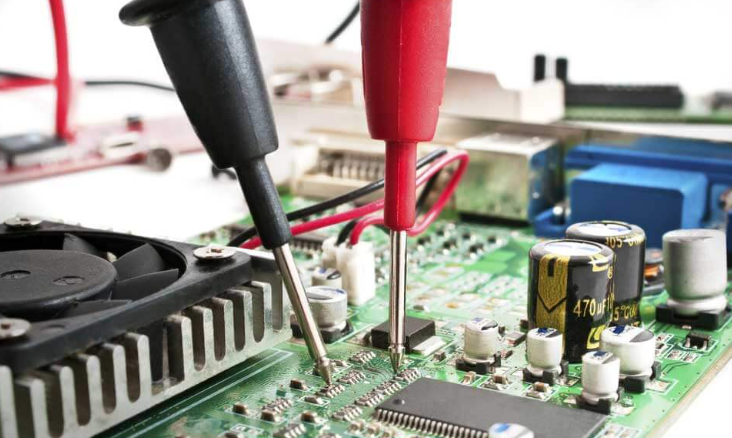
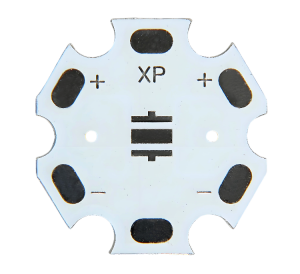
                            You may also like