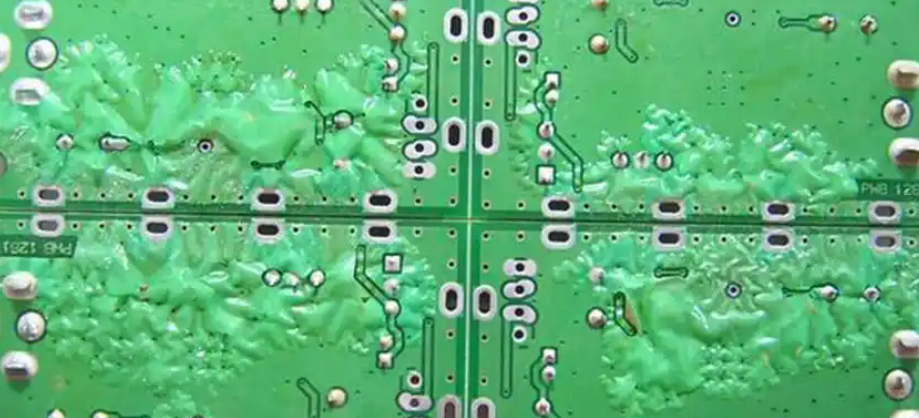
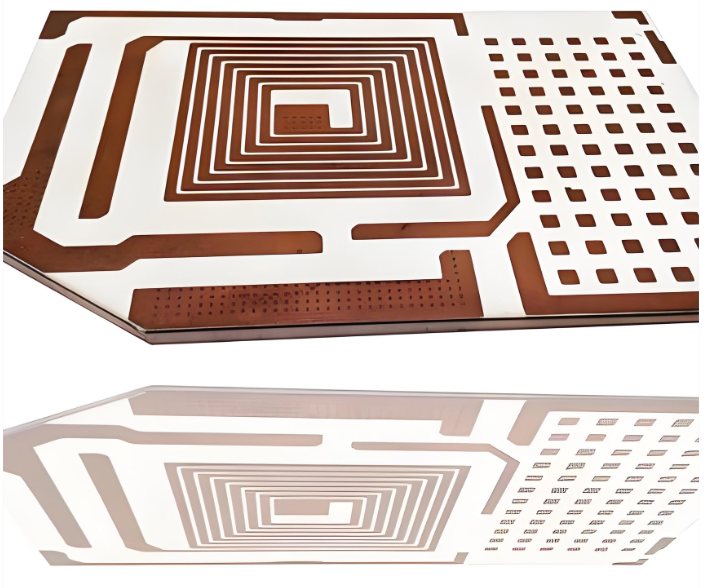
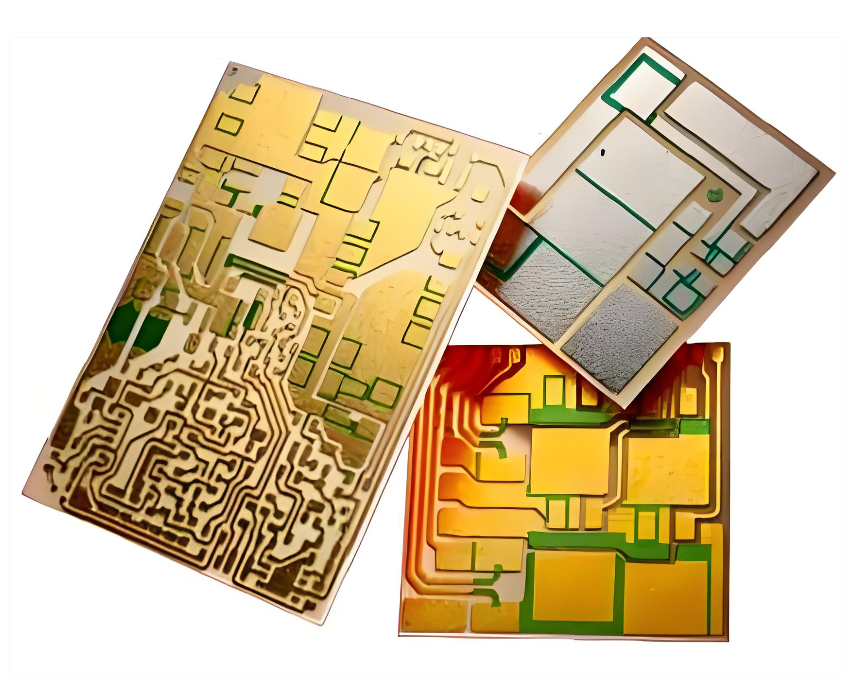
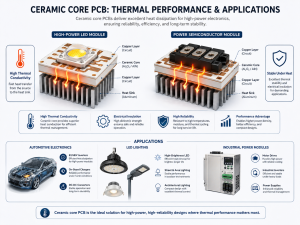
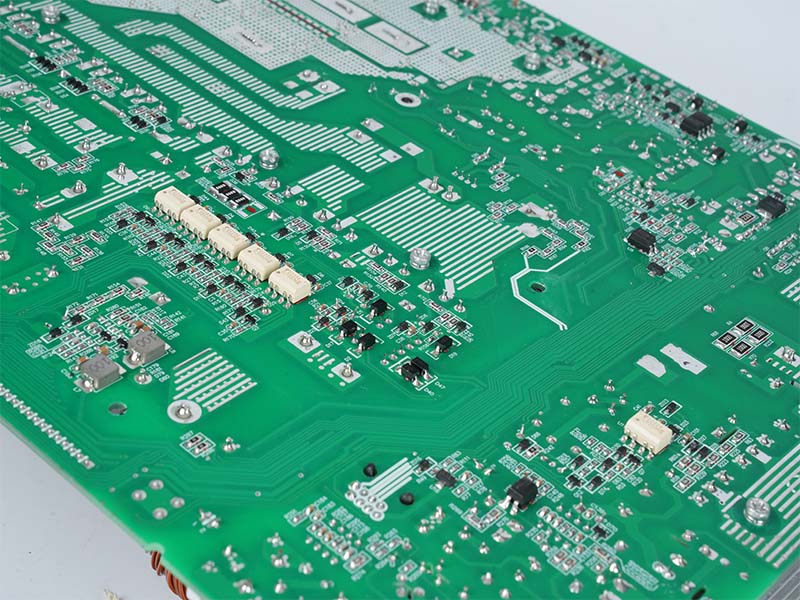
If you design or manufacture high-power electronics—such as LED modules, automotive electronics, or power supplies—you have likely encountered a costly issue: solder mask ink blistering or peeling on thermally conductive, copper-based PCBs.
This defect is far more than cosmetic. Once the ink detaches, insulation is compromised, copper is exposed, and the risk of corrosion, short circuits, and field failures increases sharply. The question is not if it can happen, but why it happens so often on thermally conductive PCBs—and how to prevent it in a controlled, repeatable way.
This guide explains the real root causes and provides a practical, engineering-driven prevention strategy.
Why Do Thermally Conductive PCBs Suffer from Ink Blistering?
Thermally conductive PCBs are designed to dissipate heat efficiently, often using thick copper layers, metal cores, or high-performance dielectric materials. These features make them excellent thermal performers—but also introduce mechanical stress.
The core issue is CTE mismatch. Copper, dielectric layers, substrates, and solder mask ink all expand and contract at different rates when exposed to heat. During soldering and thermal cycling, this mismatch generates strong shear forces at the ink-to-copper interface.
When stress exceeds adhesion strength, failure occurs. The ink does not fail randomly—the bond fails at its weakest point.
What Actually Fails When Ink Blisters or Peels Off?
The final failure mode is always the same: loss of adhesion between the solder mask ink and the copper surface.
Once this bond weakens:
Heat causes localized lifting
Trapped moisture expands into vapor
Flux chemicals penetrate the interface
The ink blisters, cracks, or peels away
Understanding why adhesion weakens is the key to long-term prevention.
Why Does Ink Adhesion Fail on Thermally Conductive PCBs?
Ink adhesion failure is rarely caused by a single factor. In most cases, it is the result of multiple small weaknesses stacking together.
1. Poor Surface Preparation
This is the most common root cause. Any contamination—oxide layers, oils from handling, dust, or residual plating chemicals—prevents proper bonding. Even a surface that is too smooth can be a problem, as the ink has nothing to mechanically anchor to.
Moisture trapped in vias or micro-voids becomes steam during soldering, pushing the ink away from underneath.
2. Using the Wrong Type of Ink
Standard solder masks developed for FR-4 are not designed for metal-core or high-thermal-conductivity boards. Their mechanical flexibility and thermal resistance are insufficient for the stress environment.
Expired ink or ink stored outside recommended conditions further degrades adhesion performance.
3. Incomplete or Incorrect Curing
Ink that is not fully cured remains chemically weak. Fast ramp rates, uneven oven temperatures, or insufficient soak time prevent full polymer cross-linking.
Visually, the ink may look acceptable—but internally, it lacks structural strength.
4. Chemical Attack During Assembly
Highly active fluxes can migrate under poorly bonded ink edges. Under reflow temperatures, these chemicals aggressively attack the interface, triggering sudden blistering or peeling after assembly.
5. Design-Driven Thermal Stress
Large copper pours and thick copper planes act as stress concentrators. Repeated thermal cycling during soldering, testing, and operation gradually fatigues the ink bond in these high-stress zones.
How Can Surface Preparation Be Optimized for Ink Adhesion?
The goal of surface preparation is simple: clean, micro-roughened, and moisture-free copper.
Key actions include:
Using controlled acidic cleaning followed by high-pressure DI water rinsing
Applying chemical micro-etch or plasma treatment to achieve Ra 0.4–0.8 µm
Enforcing a strict “print within 2 hours” window after surface treatment
Avoiding manual handling after preparation
Surface preparation sets the foundation. If this step fails, no ink can compensate.
How Should Ink Be Selected and Handled for These Boards?
Ink selection must match the application environment.
Best practices include:
Using solder mask inks specifically qualified for metal-core or high-thermal PCBs
Reviewing technical data sheets and Certificates of Analysis
Storing ink at controlled temperature and humidity
Enforcing FIFO inventory and never using expired material
Ink should be treated as a critical chemical, not a consumable.
What Printing and Curing Controls Prevent Ink Failures?
Printing and curing are where most hidden failures originate.
Communicating ink and assembly risks early in design reviews
Design collaboration prevents problems that manufacturing alone cannot fix.
Why Is Pre-Bake Important Before Assembly?
Moisture is a silent contributor to blistering.
Pre-baking boards at 125°C for 1–2 hours before assembly removes absorbed moisture from substrates and vias. This simple step dramatically reduces steam-induced ink lifting during reflow.
How Should Ink Blistering Be Troubleshot Systematically?
When failures occur, follow a structured approach:
Observe the blistering pattern
Large, uniform blistering usually points to curing or ink issues
Localized blistering often indicates contamination or handling problems
Failures only after soldering suggest incomplete cure or flux attack
Systematic analysis saves time and prevents repeated mistakes.
What Is the Key to Preventing Ink Blistering Long Term?
Ink blistering on thermally conductive PCBs is not random. It is the result of unmanaged stress and weak process control.
Prevention comes from:
Proper material selection
Controlled surface preparation
Verified curing processes
Design collaboration
Assembly compatibility planning
When these elements are managed together, ink blistering becomes a rare exception rather than a recurring problem.
Ready to Eliminate Ink Blistering on Thermally Conductive PCBs?
Ink blistering and solder mask peeling are not inevitable problems—they are signals that something in material selection, process control, or design collaboration needs to be improved.
If you are working with thermally conductive, copper-based, or metal-core PCBs and want to prevent ink failures before they reach assembly or the field, working with an experienced manufacturing partner makes a measurable difference.
Why is choosing the right Ceramic RF PCB manufacturer more important than “just picking a material”?
If you only remember one thing: the manufacturer’s process window can matter as much as the substrate choice. A perfect material spec won’t save you if copper adhesion, line definition, or ceramic handling is inconsistent. In ceramic boards, yield and reliability are heavily influenced by metallization method, copper thickness control, micro-pattern capability, and how the factory manages thermal stress during fabrication and assembly.
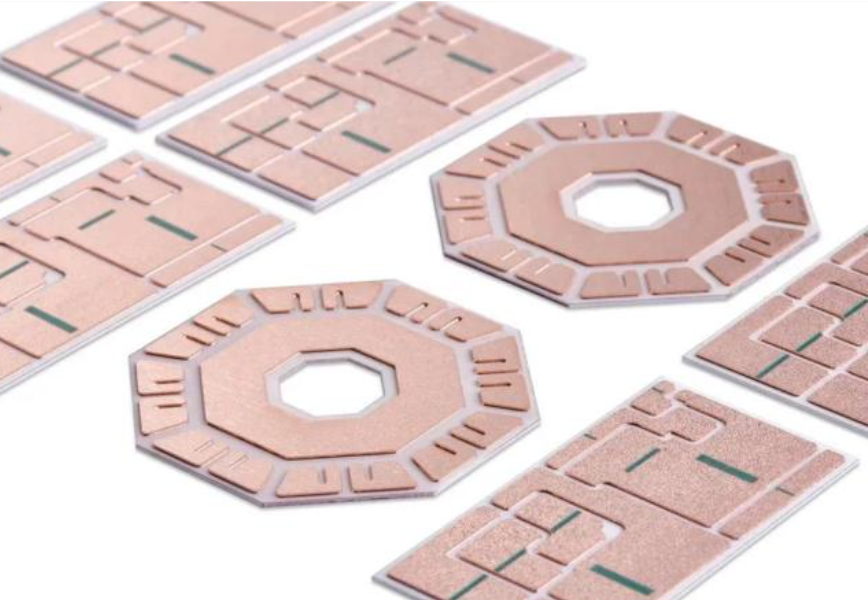
That’s why many engineering teams start by shortlisting a manufacturer that can do proper DFM, tolerance control, and traceability—then pick the final ceramic + copper system that fits the factory’s proven process. Ceramic PCB capability is commonly delivered through processes like DPC, DBC, AMB, thick film, LTCC/HTCC, each suited to different applications and costs.
Why pick EBest first when you need a Ceramic RF PCB manufacturer?
Free DFM and process adaptation suggestions before you commit.
20 years experience, serving 1800+ customers and 10,000+ engineers (engineering-friendly communication cadence).
One-stop service: PCB, components, PCBA, testing, and box-building.
No MOQ, personal service, prototype & small volume welcome.
Quality system coverage: ISO9001 / ISO13485, IATF16949, AS9100D.
MES & Traceability for process accountability.
1.5-week rapid PCBA delivery (project-dependent) with quick-turn discipline.
Technical support before & after sales, prompt feedback within 12 hours.
What is Ceramic RF PCB? Why to use it?
Ceramic RF PCB is a high-frequency circuit board built on ceramic substrates (commonly alumina Al2O3, aluminum nitride AlN, or beryllium oxide BeO) where copper is bonded or plated onto ceramic for RF signal stability and superior heat spreading. In plain terms: it’s chosen when you want RF to stay consistent at higher frequencies and power density without “temperature drift” turning your tuning into guesswork.
In RF builds, the board is not just a carrier. It becomes part of your circuit: it affects impedance, loss, phase, and even long-term drift. Ceramics stand out because they are electrically stable and mechanically rigid, while also handling harsh temperature environments better than typical organic laminates in many use cases. Ceramic substrates are widely recognized for RF and microwave suitability due to low dielectric loss and stable properties under operating conditions, and they’re also used in 5G, aerospace, automotive, and power modules in real production environments.
Where is Ceramic RF PCB most worth it in real RF/microwave products?
Ceramic RF PCBs are typically most “worth the cost” when your RF performance and thermal load rise together. In other words, you either run higher frequency where loss and drift matter more, or you run higher power where junction temperature threatens RF stability. Typical use cases include compact RF power amplifiers, antenna feed networks in tight space, RF front-end modules with hot components, and applications that need stable performance across wide temperature swings.
RF and microwave modules where low dielectric loss and stability are valuable.
High-power RF sections where heat must leave fast (reducing frequency drift and protecting components).
Harsh environments: automotive, aerospace, industrial, and outdoor telecom enclosures.
Miniaturized layouts where mechanical stiffness and dimensional stability help consistency.
Many ceramic PCB resources describe ceramics as suitable for RF/microwave due to low dielectric loss, stable permittivity, and robustness in demanding environments, alongside high-power and high-temperature use cases.
Alumina vs AlN vs BeO: how do beginners choose the right ceramic substrate?
Pick the substrate by answering four questions first:
(1) How much heat must move through the board?
(2) How sensitive is your RF response to temperature drift?
(3) Do you need fine lines and tight impedance control?
(4) Are there safety/compliance constraints?
Alumina is the common “balanced” option; AlN is usually chosen when thermal performance is critical; BeO can provide very high thermal conductivity but comes with safety handling constraints in many organizations.
Often cited around 20–30 W/m·K class in many industry references
Commonly cited ranges vary by grade; many sources cite ~140–200 W/m·K or broader ranges depending on grade
Often cited around 250–300 W/m·K class in industry references
RF stability
Good stability; widely used and well-understood
Very good, especially when temperature is a major variable
Good, but selection is often driven by thermal rather than RF-only reasons
Manufacturing maturity
Very mature supply chain
Mature, but cost and process control matter more
More restricted handling; fewer suppliers in many regions
Notes for beginners
Start here if your RF is sensitive but heat is moderate
Move here when your PA/LNA module runs hot or you need lower thermal resistance
Only choose if your organization allows BeO handling and you truly need it
Quick selection rule
If your RF module is “warm but not hot”: start with Alumina.
If your hotspot is driving drift or reliability risk: shortlist AlN.
If your design is extreme heat flux and policies allow: evaluate BeO carefully.
Which ceramic properties actually matter for RF engineers: Dk, Df, CTE, and thermal conductivity?
For RF, you care about how parameters interact: Dk affects impedance and electrical length; Df affects insertion loss; CTE mismatch drives solder and interface stress; thermal conductivity affects junction temperature and drift. A ceramic substrate is attractive because its dielectric behavior is stable, and it can survive harsh environments while helping heat move away efficiently.
How Dk affects impedance and phase
Higher Dk generally allows smaller transmission line geometry for the same impedance, which can be good for miniaturization.
But tighter geometry can increase sensitivity to etch tolerance and copper edge definition.
How Df affects loss at higher frequency
Df (loss tangent) is a key driver of dielectric loss, which becomes more visible as frequency increases.
For long RF traces, filters, and distributed elements, Df can be a performance limiter.
Why CTE matters more than many beginners expect
CTE mismatch between ceramic, copper, and components can create stress during reflow or thermal cycling.
This is one reason ceramic builds need a manufacturer who understands ceramic handling and metallization adhesion.
DPC vs DBC vs AMB: what’s the difference, and which metallization is best for Ceramic RF PCB?
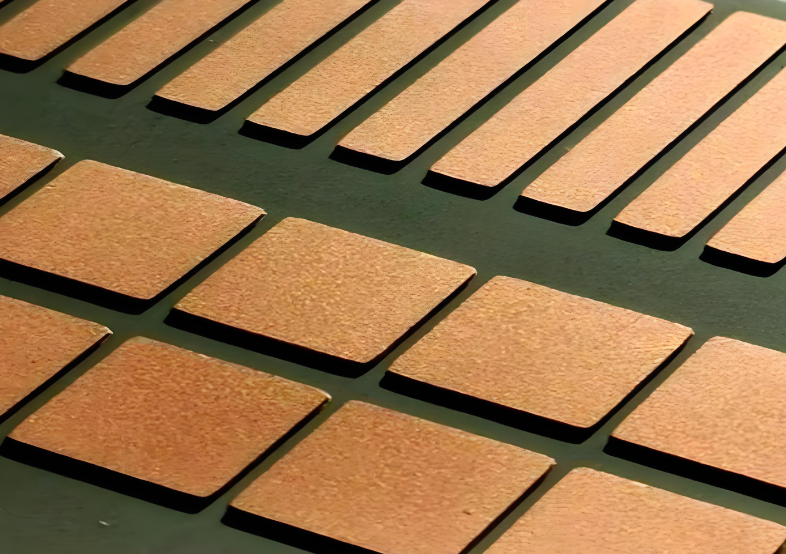
Metallization is how copper “becomes one” with ceramic. The right choice depends on line/space needs, copper thickness, thermal cycling expectations, and cost. If you need fine features and smoother copper for precision RF patterns, DPC is often discussed as a strong option. If you need thick copper for heat spreading or power handling, DBC is common. AMB is often selected for robust bonding in demanding power modules and harsh cycling cases. Many ceramic PCB process references list DPC, DBC, AMB alongside thick film/thin film/LTCC/HTCC as core approaches.
Metallization
How it’s formed (concept)
Strengths for RF
Common reasons to choose
Typical trade-offs
DPC (Direct Plated Copper)
Copper is plated onto prepared ceramic surface
Often enables finer lines and smoother copper for accurate RF patterning
Fine pitch RF, compact RF modules, controlled geometry
Process control critical; cost can be higher than basic thick film
DBC (Direct Bonded Copper)
Thick copper is bonded to ceramic under controlled conditions
Strong thermal spreading; stable copper thickness
Power + RF, heat spreaders, high current sections
Feature size can be less “fine” than DPC in some builds; heavier copper handling
AMB (Active Metal Brazing)
Active brazing alloy bonds copper to ceramic
Robust interface in demanding environments
High reliability modules, harsh thermal cycling
Cost and vendor availability may be higher; design must respect process limits
Beginner mapping
Need tight RF geometry and fine patterns? Start with DPC.
Need thick copper and strong heat spreading? Look at DBC.
Need very robust bonding for harsh cycling? Evaluate AMB.
How do you design controlled impedance on Ceramic RF PCB so it stays stable in production?
For beginners: controlled impedance is not “a calculator result,” it’s a manufacturing agreement. The most practical approach is to define your target impedance (50Ω single-ended, 100Ω differential), specify the stack and copper thickness, then let the manufacturer confirm geometry with their process capability and coupons. Ceramic RF builds benefit from stiffness and stability, but they also demand tight control of etching and copper definition because RF lines can be small and sensitive.
What to define for 50Ω / 100Ω before you route
Substrate type and thickness (Al2O3 / AlN / etc.).
Copper thickness (and whether copper is thick like DBC).
Reference plane strategy (continuous ground return is non-negotiable in most RF layouts).
Surface finish and solder mask strategy (some ceramic builds may differ from FR-4 norms).
Layout habits that reduce RF surprises
Keep return paths short and continuous; avoid broken reference planes under RF traces.
Use via fences where isolation matters, and keep via inductance in mind for transitions.
For matching networks: place components tight, minimize interconnect length, and keep ground inductance low.
Ask for impedance coupons and test reports as part of the build, not after a failure.
What are the most common production “failure modes” for ceramic RF boards, and how do you prevent them?
The fastest way to avoid headaches is to treat ceramic as its own manufacturing category. Common problems are not “RF math” problems—they’re thermo-mechanical and interface problems: cracking from thermal shock, copper-to-ceramic adhesion weakness, and assembly-induced stress. Ceramics are robust, but they can be unforgiving if the process ignores CTE mismatch and thermal profiles.
Typical risk points to watch
Thermal shock during reflow or rework (profile discipline matters).
Copper-ceramic interface stress (especially with thick copper systems).
Board handling and depaneling method (laser depaneling is commonly discussed for clean ceramic edges).
Component layout that concentrates stress near corners or cutouts.
Prevention checklist (beginner-friendly)
Confirm assembly profile recommendations with your manufacturer early.
Use appropriate pad and solder volume strategy to reduce stress.
Request traceability for materials and key process steps when reliability matters.
What DFM information should you confirm before ordering a Ceramic RF PCB?
Good DFM prevents most expensive RF mistakes. Before you order, align on manufacturable line/space, minimum feature sizes, hole and slot rules (if any), copper thickness tolerances, and how the metallization method impacts RF geometry. You also want a clear agreement on what will be tested and reported. Many ceramic PCB manufacturers highlight that different metallization processes fit different applications, so DFM is where you lock the right process for your design.
RF-focused DFM items
Target impedance and coupon plan (what gets measured, where, and how reported).
Allowed etch tolerance and copper edge definition for critical RF traces.
Grounding strategy review (planes, stitching vias, via fences).
Surface finish recommendation based on frequency and assembly.
Files and data to send for accurate quoting
Gerbers or ODB++ plus drill files.
Stack-up requirements and target impedance notes.
BOM (if you want turnkey PCBA) and assembly drawings.
Special requirements: cleanliness, inspection criteria, reliability tests.
How do you test and accept a Ceramic RF PCB so the quality is measurable, not “subjective”?
Acceptance should be evidence-based: dimensional checks, visual inspection, metallization integrity checks, and RF-relevant measurements (impedance, insertion loss where applicable, and continuity/short). If your application is high reliability, add thermal and cycling validation appropriate to your product. Some ceramic PCB suppliers emphasize high-voltage and high-frequency readiness and highlight the value of stable properties—your test plan should verify the parts of that promise that matter to your design.
Electrical: continuity, isolation, and impedance coupon results (if controlled impedance).
RF-meaningful verification (project-dependent)
Impedance measurement reports tied to coupons.
Optional: S-parameter checks for representative structures if your program demands it.
Thermal verification for hotspots (simple thermography during bring-up can be very telling).
What drives Ceramic RF PCB cost and lead time, and how do you stay inside budget? (Comparison table)
Cost is usually driven by the ceramic type, metallization choice (DPC/DBC/AMB), copper thickness, feature density, and the inspection/reliability package you request. Lead time is driven by process steps, yield risk, and whether you need quick-turn capacity. If you want the most stable RF outcome within budget, you typically simplify geometry where possible, keep only truly critical RF lines tightly controlled, and work with a supplier who can do fast DFM and on-time scheduling.
Cost / Lead Driver
Why it matters
How to optimize without sacrificing RF
Ceramic substrate (Al2O3 vs AlN vs BeO)
Thermal performance and supply complexity affect pricing
Use Al2O3 unless heat flux or drift forces AlN/BeO
Metallization (DPC/DBC/AMB)
Defines copper interface, achievable feature size, and robustness
Choose DPC for fine RF; DBC/AMB when power/thermal dominates
Copper thickness
Thicker copper improves heat spreading but complicates fine patterning
Keep thick copper only where needed; use localized spreading if allowed
Feature density & tolerance
Tight lines increase yield risk and inspection time
Reserve tight tolerance for the critical RF path only
Testing & reliability package
More verification increases cost but reduces risk
Align tests to actual failure risk: impedance + visual + thermal focus
It’s used for RF/microwave circuits that need stable dielectric behavior and strong heat management—common in compact RF modules, high-power RF sections, and harsh environment electronics where temperature drift and heat buildup can degrade performance.
2. Is Ceramic RF PCB better than PTFE/Rogers for all high-frequency designs?
No. PTFE/Rogers-style laminates can be excellent for ultra-low loss transmission at high frequency, while ceramic shines when thermal handling, mechanical stability, and harsh-environment robustness are major constraints. The best choice depends on your loss budget, power density, and assembly environment.
3. Should I choose DPC, DBC, or AMB for a 50-ohm RF trace design?
If your design needs fine RF pattern control and stable geometry, DPC is often preferred. If your design is power-dense and needs thick copper heat spreading, DBC is common. If your module must survive demanding thermal cycling with robust bonding, AMB is worth evaluating.
4. Can Ceramic RF PCB support prototypes and small volume builds?
Yes—especially if you work with a supplier that supports no MOQ, fast DFM, and quick-turn scheduling for engineering iterations, because RF tuning often requires at least one or two build loops.
5. What files do I need to get an accurate Ceramic RF PCB quote?
Gerber/ODB++, drill files, stack-up notes, target impedance requirements, and any special acceptance/testing requirements. If you want turnkey PCBA, include BOM and assembly drawings so the supplier can check component compatibility and assembly profile risk.
6. Does EBest Circuit provide engineering assistance before production?
Yes. EBest Circuit supports Free DFM and process adaptation suggestions, plus technical support before and after sales, so RF boards are reviewed for manufacturability and risk before you spend money on the first build.
7. Do you welcome prototype and small-quantity orders?
Yes. EBest Circuit supports prototypes and small volume builds with no MOQ and personal service, which is practical for RF teams validating performance and tuning networks.
8. How fast can I get a build?
Lead time depends on substrate, metallization, and inspection scope. For many programs, EBest Circuit supports quick-turn discipline and can align PCB + PCBA schedules for a fast iteration cycle, including rapid PCBA delivery options where applicable.
Need a Ceramic RF PCB manufacturer who can quote fast and keep RF stable? Contact EBest
If you need Ceramic RF PCB prototyping, small-volume production, or a one-stop build (PCB + components + PCBA + testing + box-build), EBest Circuit is ready to help. Send your files for a free DFM review and a practical quote: sales@bestpcbs.com.
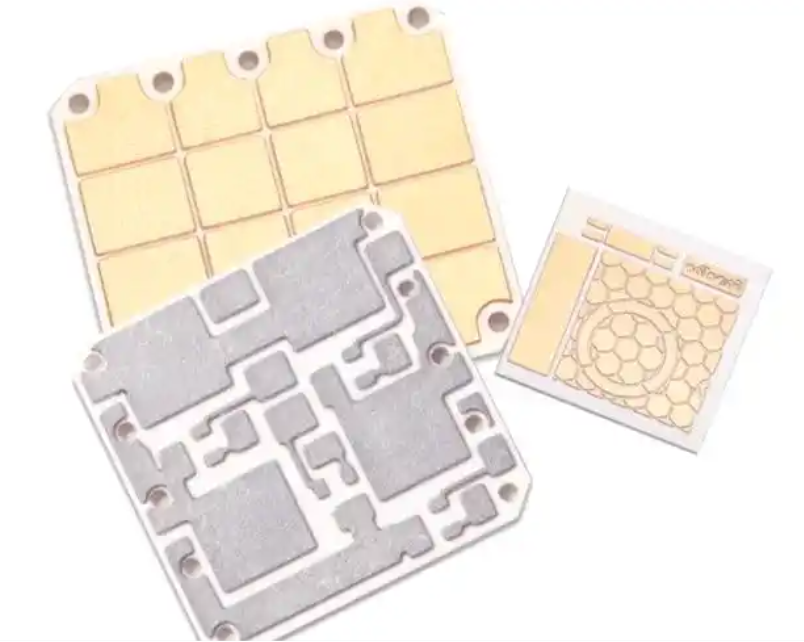
DBC/DCB ceramic substrates are copper-on-ceramic platforms used inside power semiconductor packages to carry high current, isolate high voltage, and move heat into a heatsink with low thermal resistance. If you work with IGBT modules, SiC MOSFET modules, inverters, or high-power converters, they are one of the most common “workhorse” substrate choices because they combine electrical insulation and thermal conduction in one compact layer stack.
A ceramic substrate provides dielectric isolation, while thick copper layers on one or both sides provide low-resistance current paths and a mounting surface for chips, sinter, or solder. That combination is hard to achieve with standard PCB materials at the same voltage and power density.
What problem do they solve in IGBT and SiC module packaging?
Power devices generate heat and also demand safe isolation. A power package must do four jobs at once: conduct current, withstand kilovolts, spread heat, and survive thermal cycling. A copper-on-ceramic substrate is purpose-built for this “four-in-one” requirement.
What does “DBC” vs “DCB” mean in real projects?
In most purchasing and engineering discussions, “DBC” and “DCB” are used interchangeably. You will see both terms on drawings, RFQs, and datasheets. Practically, what matters is the material stack (Al2O3/AlN/Si3N4), copper thickness, ceramic thickness, and the reliability target (thermal cycling, partial discharge margin, and mechanical robustness).
Why do power modules prefer DBC/DCB ceramic substrates over standard PCBs?
They win because they deliver high current + high voltage isolation + strong heat flow in a footprint that stays stable across temperature swings.
How do they handle high current, high voltage isolation, and heat together?
High current: Copper layers are much thicker than typical PCB copper, so I²R losses drop and temperature rise is easier to control.
High voltage: Ceramic provides strong dielectric isolation, supporting the separation between high-side and low-side copper patterns.
Heat removal: The ceramic layer conducts heat down to a baseplate or heatsink while copper spreads heat laterally.
What makes ceramic + copper “package-grade” compared to PCB-grade?
A standard FR-4 PCB can route signals nicely, but power packages are about controlled thermal paths and insulation integrity over years of cycling. Ceramic substrates are designed for harsh operating profiles, including repeated temperature swings and high junction temperatures.
How does the DBC/DCB process work (in simple steps)?
DBC/DCB uses a bonding method that creates a strong interface between copper foil and ceramic. Then the copper is patterned (etched) into circuits, and the finished substrate is plated or surface-finished as needed for die attach and wire bond.
Step-by-step (beginner-friendly)
Ceramic selection: Choose Al2O3, AlN, or Si3N4 based on cost, thermal needs, and mechanical strength targets.
Copper bonding: Copper foil is bonded to the ceramic at high temperature under controlled atmosphere to form a reliable copper–ceramic interface.
Circuit patterning: The copper is etched into traces, pads, and isolation gaps.
Surface finish: Common finishes include Ni/Au or other plating stacks depending on die attach, soldering, and bondability requirements.
Inspection: Flatness, copper thickness, etch quality, and dielectric integrity are checked to match the application risk level.
Single-sided vs double-sided copper
Single-sided is used for simpler thermal and circuit needs. Double-sided copper is common in modules because it can improve heat spreading, stiffness, and interconnect options. The “right” choice depends on your mechanical stack and how you mount the substrate to the baseplate or heatsink.
Which ceramic is better for DBC/DCB: Al2O3 vs AlN vs Si3N4?
If you need value and proven supply chains, start with alumina. If you are heat-limited, AlN usually moves the needle. If your priority is mechanical toughness and thermal shock resistance, Si3N4 often leads.
Material
Best for
Typical strengths
Trade-offs
Alumina (Al2O3)
Mainstream power modules
Cost-effective, mature, widely available
Lower thermal conductivity vs AlN; more brittle than Si3N4
Aluminum Nitride (AlN)
Thermal-limited designs
High thermal conductivity for lower thermal resistance
Higher cost; handling and processing needs more control
Silicon Nitride (Si3N4)
High reliability, cycling-heavy environments
High mechanical strength; strong thermal shock resistance
Premium material; availability may vary by spec
When is alumina the smartest choice?
Choose alumina when your thermal budget is reasonable and you want a robust, cost-controlled BOM. Many industrial inverters, motor drives, and general power conversion stacks land here because it balances performance and procurement stability.
When do AlN and Si3N4 justify the premium?
AlN DBC substrates are a common upgrade path when junction temperature margin is tight, or when you want lower thermal resistance without enlarging the package. Si3N4 DBC substrates often show up when reliability under cycling is the dominant KPI—such as traction inverters, automotive environments, and harsh duty profiles.
What copper thickness and ceramic thickness should you specify for DBC/DCB?
Pick copper thickness based on current density and heat spreading goals. Pick ceramic thickness based on voltage isolation margin and mechanical stack constraints. Avoid “one-size-fits-all” defaults, because the wrong thickness can quietly drive hotspot risk or isolation stress.
How do copper thickness and current capacity relate?
Thicker copper lowers resistance and reduces temperature rise for the same current. It also helps spread heat away from die attach regions. The trade is that thicker copper can increase etching difficulty and may change stress distribution during cycling.
Use-case clue: If your design has wide copper planes and high RMS current, thicker copper is usually the practical win.
Layout clue: If you need fine features, extremely thick copper can limit minimum line/space.
How do ceramic thickness and dielectric withstand relate?
Thicker ceramic generally increases dielectric withstand, but it can raise thermal resistance. Most power packages must balance insulation integrity with heat flow. The smarter move is to define the operating voltage, surge conditions, clearance/creepage targets, and partial discharge margin, then choose thickness accordingly.
DBC/DCB vs AMB: which substrate should you choose for your power package?
DBC/DCB is the mainstream choice for many power modules because it balances cost and performance. AMB substrates often become attractive when you need extra mechanical robustness and higher cycling tolerance in extreme environments.
Decision point
DBC/DCB ceramic substrates
AMB ceramic substrates
Bonding approach
Copper bonded directly to ceramic
Copper attached via active metal brazing layer
Typical positioning
High volume, strong cost/performance
Higher-end reliability and robustness
Common ceramics
Al2O3, AlN
AlN, Si3N4 (often chosen for toughness)
When it shines
Industrial/automotive power modules with balanced needs
Harsh cycling, high stress, mission-critical profiles
Selection shortcut
If you are pushing higher power density and expect aggressive cycling, talk about AMB early. If your program needs mature supply and predictable cost, DBC/DCB is usually the first substrate to validate.
DBC/DCB vs IMS (metal-core) vs thick-film ceramics: what’s the difference?
DBC/DCB is often chosen for high-voltage isolation + heat flow + thick copper. IMS is a strong fit for simpler assemblies and cost-driven thermal platforms. Thick-film ceramics can be useful for specific circuit styles, but DBC/DCB is typically the more common option in modern power modules.
Substrate type
Typical strengths
Typical use cases
Practical limits
DBC/DCB copper-on-ceramic
High insulation + strong thermal path + thick copper
IGBT modules, SiC MOSFET modules, inverters
More specialized manufacturing than standard PCB
IMS / metal-core PCB
Cost-effective thermal spreading for power electronics
Insulation system differs; not always ideal for kV-class isolation
Thick-film ceramic circuits
Good stability; suited to certain printed conductor schemes
Hybrid circuits, special sensor/power hybrids
Conductor style and current capability vary by build
What are the key design rules for DBC/DCB copper patterns (etching, clearance, corners)?
Use wide copper where current is high, avoid sharp corners, keep isolation gaps consistent, and design for manufacturability with realistic line/space. Your layout decisions have a direct impact on thermal uniformity and long-term cycling performance.
How to avoid hotspots and current crowding
Round internal corners: Sharp corners concentrate current and heat. Rounded corners improve current distribution.
Use copper pours and neck-down control: Avoid sudden reductions in trace width near die attach or bond areas.
Plan heat spreading: Add copper area under high-loss components when your mechanical stack allows it.
How to set creepage and clearance for high-voltage areas (practical approach)
Start with your working voltage, transient conditions, and contamination assumptions, then set conservative copper-to-copper gap targets. Use consistent gap geometry across the design so your partial discharge risk does not move around the substrate. If your environment is harsh, treat margin as a design feature, not a luxury.
What are common failure modes in DBC/DCB ceramic substrates, and how do you prevent them?
Most reliability issues trace back to stress concentration, thermal mismatch, or process choices that amplify cycling strain. You can prevent many problems with good geometry, controlled copper thickness choices, and stable assembly methods.
Why delamination happens (and how to reduce risk)
Stress from cycling: Repeated heating and cooling can load the interface.
Large copper islands: Very large copper areas can amplify stress in some stacks.
Prevention ideas: Smooth transitions, balanced copper on both sides when needed, and realistic copper thickness selection.
Why cracks start (and how layout choices help)
Corner stress: Sharp copper corners can focus stress.
Mechanical constraints: Overly rigid mounting or uneven torque can add bending.
Prevention ideas: Radius corners, avoid unnecessary cutouts near high-stress regions, and control mounting flatness.
How are DBC/DCB ceramic substrates used in real power semiconductor packages?
They sit between semiconductor chips and the heatsink/baseplate, acting as the insulated thermal highway and the copper circuit at the same time. That is why they are central to power module packaging.
IGBT modules: baseplate, solder, and heat path
In IGBT modules, a DBC/DCB substrate typically supports the die attach layer and wire bonds, then conducts heat through the ceramic down to the baseplate and into the cooling system. The copper pattern also routes phase currents and gate-related connections in a compact, low-inductance layout.
SiC MOSFET modules: faster switching, higher thermal stress
SiC switching can increase thermal and mechanical stress in the stack because designs often push higher power density. This is where ceramic choice, copper thickness strategy, and assembly control become even more important. A stable substrate can protect performance consistency across life-cycle operation.
What information should you send a manufacturer to quote DBC/DCB ceramic substrates fast?
If you want fast quoting and fewer back-and-forth emails, send a complete stack definition plus the copper pattern data and inspection expectations. Power substrates are not “generic PCB,” so clarity saves days.
Include these items in your RFQ package
2D drawing (PDF) + dimension tolerances
Copper pattern files (Gerber or DXF) for top and bottom
Ceramic type: Al2O3 / AlN / Si3N4
Ceramic thickness (target + tolerance)
Copper thickness (top/bottom), single- or double-sided
Surface finish requirement (example: Ni/Au for bondability)
Flatness target and any warpage limits
Reliability goal: thermal cycling expectations and inspection plan
Ask these questions early (they prevent surprises)
What minimum line/space is realistic for your copper thickness?
What is your typical etch tolerance window?
How do you control copper thickness uniformity?
What inspection data can you provide (thickness, flatness, dielectric checks)?
Why choose EBest as your DBC/DCB ceramic substrates manufacturer?
If you want a supplier that speaks the language of engineers, EBest is built around practical manufacturability, fast feedback, and reliable delivery. We position ourselves as a One-stop PCBA service provider with a strong understanding of power electronics build risks, so your substrate sourcing and downstream assembly stay aligned.
What EBest does differently (engineer-first advantages)
Free DFM and process adaptation suggestions for copper patterns, clearances, and manufacturable features
20 years of manufacturing depth, serving 1800+ customers and 10,000+ engineers
One-stop support: PCB, components, PCBA, testing, and box-building
NO MOQ and personal service for prototype and small-volume programs
Quality systems aligned to regulated and reliability-driven industries (ISO9001, ISO13485, IATF16949, AS9100D)
MES & Traceability to keep material and process records consistent
1.5-week rapid PCBA delivery capability for time-critical projects
Technical support before and after sales, with prompt feedback (within 12 hours)
Quick turn-out and on-time delivery mindset
High quality builds with special request support
What this means for your project
You get clearer manufacturability guidance upfront, fewer drawing revisions, and smoother integration from substrate to assembly. That reduces re-spin risk and keeps your schedule predictable.
FAQ about DBC/DCB ceramic substrates
What is the difference between DBC and DCB substrate?
In most real-world RFQs, they refer to the same copper-on-ceramic concept. Focus on the spec details that change performance: ceramic type, ceramic thickness, copper thickness, surface finish, and reliability requirements.
Which is better for power modules: AlN DBC substrate or Al2O3 DBC substrate?
If you are heat-limited, AlN usually offers a stronger thermal path and can reduce thermal resistance. If your design has enough thermal margin and cost control is critical, Al2O3 is often the best starting point.
Why do Si3N4 DBC substrates show up in automotive and cycling-heavy applications?
Because mechanical toughness and thermal shock resistance can become the limiting factor over long life cycles. When cycling is intense, Si3N4 is often chosen to protect reliability margins.
How do I choose copper thickness for DBC/DCB ceramic substrates?
Start with current level and allowable temperature rise, then choose copper thickness that keeps resistance and hotspots under control. If you also need finer copper features, confirm manufacturable line/space limits early so the copper thickness and pattern can coexist.
What surface finish is common for DBC/DCB ceramic substrates used in power packages?
Ni-based finishes with gold top layers are commonly specified when bondability and stable solderable surfaces matter. The best finish depends on your die attach method, wire bonding approach, and storage/handling needs.
What files do I need to get a fast quote for DBC/DCB ceramic substrates?
Send your 2D drawing, copper pattern data (top/bottom), stack definition (ceramic type + thickness, copper thickness), finish requirement, and any flatness or inspection expectations. Clear input leads to faster quoting and fewer revisions.
Does EBest support prototypes and small-quantity DBC/DCB substrate-related projects?
Yes. We welcome prototype and small-volume programs, and we support fast feedback with Free DFM so your design can move forward with confidence.
Ready to source DBC/DCB ceramic substrates for your power semiconductor packages?
If you need DBC/DCB ceramic substrates for power modules, inverters, IGBT packages, or SiC MOSFET packages, EBest can support your project with engineer-led DFM, responsive quoting, and one-stop manufacturing support. Email us at sales@bestpcbs.com and send your drawing + copper pattern files to start.
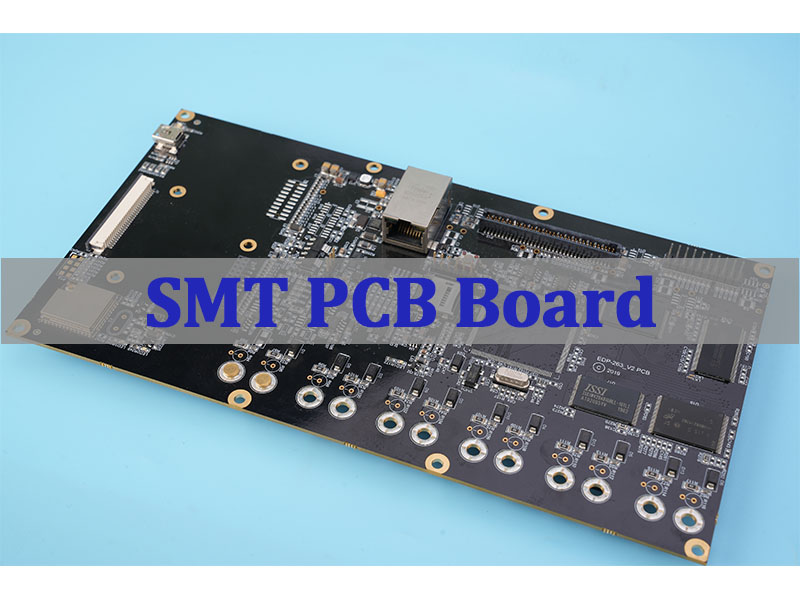
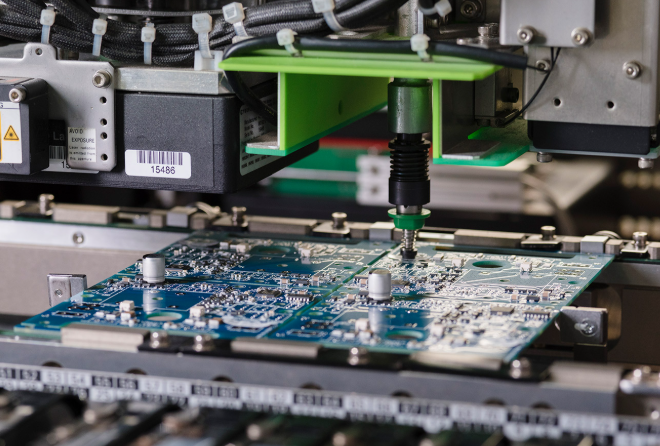
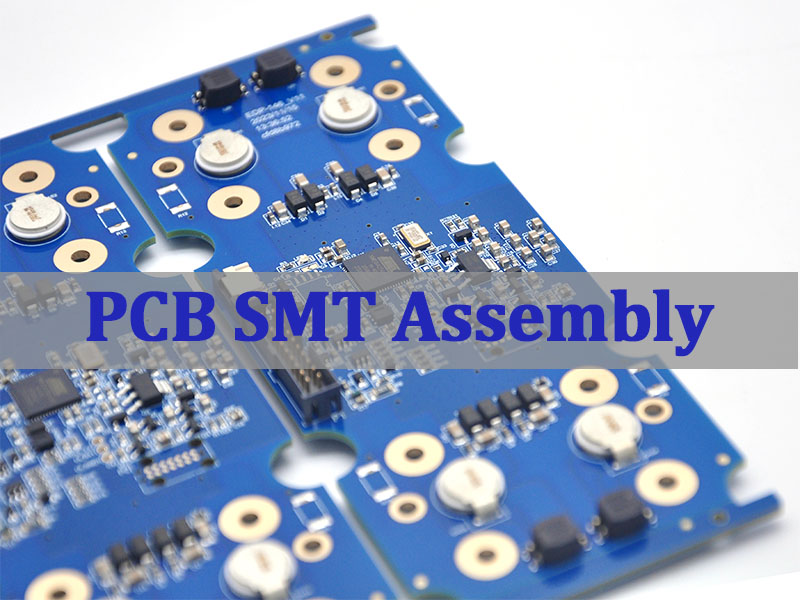
SMT PCB board manufacturing is the foundation of modern electronics production, enabling compact layouts, stable electrical performance, and scalable assembly across a wide range of applications. This article explains what an SMT PCB board is, how SMT differs from other assembly technologies, what processes and board types are involved, and how quality is controlled in real manufacturing environments.
Understanding how SMT PCB board manufacturing actually works is essential for engineers and procurement teams alike. As an established manufacturer with over 20 years of experience in the SMT PCB board industry, EBest Circuit (Best Technology) is committed to becoming a reliable one-stop PCBA service provider. Our engineering and sales teams possess strong, practical knowledge of SMT manufacturing processes and production workflows, enabling clear technical communication at every project stage. We also excel in providing free DFM review and process adaptation suggestions, helping engineers reduce risk and improve manufacturability early in the design phase.
To prepare accurate SMT placement programs, a complete BOM list, a clear silkscreen reference designator drawing, and a correct pick-and-place (centroid) file are all essential inputs for the assembly process. If you require any related consultancy services or technical support, please feel free to contact us at sales@bestpcbs.com and provide these files for review.
What Is a SMT PCB?
A SMT PCB is a printed circuit board designed and assembled using Surface Mount Technology, where electronic components are mounted directly onto the surface of the PCB rather than inserted through drilled holes. In SMT PCB manufacturing, components are placed with high precision and soldered through controlled reflow processes.
From a manufacturing perspective, SMT in PCB manufacturing is not just a placement method. It is a complete system that integrates PCB design rules, solder paste printing, component placement accuracy, thermal profiling, and inspection strategy. Each step affects yield, reliability, and repeatability.
In practice, SMT PCB boards allow higher component density, shorter signal paths, and better electrical consistency compared to older assembly methods, which is why SMT has become the dominant technology in electronics production today.
What Is the Difference Between SMD and SMT PCB?
SMD and SMT are closely related but refer to different aspects of the same process. SMD (Surface Mount Device) refers to the components themselves, while SMT PCB refers to the assembly process used to mount those components onto the PCB.
From an engineering standpoint, confusion between SMD and SMT often leads to incomplete specifications. Engineers must define not only the component package (SMD) but also the assembly capability, inspection method, and rework strategy associated with SMT PCB manufacturing.
In real builds, the distinction matters because component selection, pad design, and SMT stencil thickness must all align with the SMT process window. Treating SMT PCB assembly as interchangeable with component choice alone is a common source of early-stage defects.
Why Is SMT PCB Board Used?
The SMT PCB board is used because it supports the performance, size, and manufacturing efficiency requirements of modern electronics. SMT enables smaller footprints, lighter assemblies, and higher functional integration.
From a production perspective, SMT PCB boards allow consistent automation, improved solder joint quality, and faster assembly cycles when properly engineered. These benefits are not theoretical; they directly affect yield stability and cost control.
In real-world manufacturing, SMT PCB board usage is driven by the need to balance electrical performance, thermal behavior, and scalability. This is why SMT is used across consumer electronics, industrial control, automotive systems, medical devices, and communication equipment.
What Processes Are Involved in SMT PCB Board Assembly?
SMT PCB board assembly involves a tightly controlled sequence of processes, each of which must be executed consistently to achieve reliable results.
Key processes include:
Solder paste stencil printing with controlled volume and alignment
High-accuracy component placement using pick-and-place systems
Reflow soldering with defined thermal profiles
Automated Optical Inspection (AOI) and functional checks
Rework and verification when required
From an engineering perspective, none of these steps can be optimized in isolation. Paste formulation, placement accuracy, and reflow profile must work together as a system.
In real production, stable SMT PCB board assembly comes from process discipline, not equipment alone. Manufacturers that focus only on speed or cost often sacrifice long-term reliability.
How Does PCB Board SMT Differ From THT and DIP Assembly?
PCB board SMT differs fundamentally from through-hole technologies such as THT and DIP assembly in both structure and manufacturing behavior. SMT mounts components on the surface, while THT and DIP require drilled holes and manual or wave soldering processes.
THT and DIP provide stronger mechanical anchoring for large components
SMT is more sensitive to thermal control and paste consistency
In real assembly lines, board assembly SMT DIP PCB and board assembly SMT THT PCB processes are often combined on the same board. Managing these hybrid builds requires careful sequencing to avoid solder defects or component damage.
What Types of Boards Commonly Use SMT PCB Board Technology?
SMT PCB board technology is used across a wide range of board types, not just standard FR4 designs.
From an engineering standpoint, each board type introduces different thermal, mechanical, and inspection challenges. SMT PCB manufacturing must adapt process parameters accordingly.
In real manufacturing, suppliers with limited board experience often struggle when moving beyond standard FR4 SMT assemblies.
How Do SMT PCB Board Manufacturers Control Quality and Reliability?
Professional SMT PCB board manufacturers rely on process control rather than end-stage inspection alone. Quality must be built into each manufacturing step.
Effective control methods include:
Incoming material verification and traceability
First Article Inspection (FAI)
AOI at multiple stages
Controlled reflow profiling
MES-based lot and process tracking
From a reliability perspective, these controls ensure that each SMT PCB board performs consistently across production batches.
In practice, SMT PCB board factories with weak documentation or incomplete traceability often cannot support regulated or high-reliability applications.
Why Choose a China SMT PCB Board Manufacturer for Production?
A qualified China SMT PCB board manufacturer offers advantages beyond cost, including supply chain maturity, integrated PCB and PCBA capability, and flexible production scaling.
From an engineering and procurement viewpoint, China-based manufacturing supports:
Faster component sourcing and substitution handling
That said, not all SMT PCBA suppliers operate at the same level. Engineering involvement, documentation quality, and process transparency are what separate reliable circuit assembly manufacturers from purely price-driven ones.
Why Choose EBest Circuit for SMT PCB Board Manufacturing?
EBest Circuit (Best Technology) approaches SMT PCB board manufacturing as an engineering service rather than a transactional process. We focus on execution discipline, traceability, and long-term manufacturability.
Dedicated engineering involvement throughout the build
Clear process documentation and MES-based traceability
Support for complex, mixed-technology assemblies
Stable delivery backed by real production capability
We do not compete by cutting corners or racing to the lowest price. Instead, we deliver consistent SMT PCB board manufacturing that engineers and procurement teams can rely on. And we attach great importance to customer experience and believe that long-term success is driven by delivering real value through both before and after sales service. From initial technical discussions to post-delivery support, our goal is to ensure every customer enjoys a smooth, transparent, and dependable project experience. For technical discussions or project inquiries, please contact us at sales@bestpcbs.com.
FAQ: SMT PCB Board
What Are the Disadvantages of SMT? SMT requires tighter process control and is more sensitive to thermal and paste variations compared to through-hole assembly.
Is SMT the Same as SMD? No. SMD refers to the component, while SMT refers to the assembly process used to mount it.
Can SMT Components Be Repaired? Yes. With proper equipment and procedures, SMT components can be reworked or replaced.
How Do You Remove SMD Components? SMD components are typically removed using controlled hot air or rework stations to avoid PCB damage.
PCB assembly South Africaplays a vital role in the region’s electronics manufacturing ecosystem, catering to automotive, industrial, and telecom sectors. Local and international suppliers deliver tailored solutions, from prototype to mass production, ensuring compliance with global standards. PCB assembly South Africa integrates advanced technologies and localized support, making it a reliable choice for businesses seeking efficient production cycles and quality output. This guide breaks down key aspects of selecting suppliers, quality control, lead times, and costs to help navigate the market effectively.
Top 10 PCB Assembly South Africa Manufacturer
Company Name
Main Business
Core Advantage
PCBA Capability
Lead Time
Microtronix Manufacturing
Turnkey electronic manufacturing and PCB assembly
Johannesburg production facilities; component procurement
SMT and conventional assembly, pre-production runs and testing
Why Choose EBest Circuit for Outsourced PCB Assembly in South Africa?
When a South African OEM moves from hand-built samples to outsourced PCBAs, the purchasing task expands from buying a board to defining a repeatable assembled product. As a leading PCB manufacturer in China, we have factories in Shenzhen, China, and Vietnam. We can coordinate overseas PCB fabrication, component sourcing and assembly while your team retains product integration and final validation.
PCB Fabrication and Assembly Coordination: Our PCBA service can combine the bare board and assembly in one proposal. Send the approved fabrication files, BOM and placement data so the quotation describes the complete board you need to receive.
Component Sourcing with Clear Approval: We can review purchasing requirements for the assembly BOM. Identify customer-supplied parts, exact-match items and alternatives that require approval, allowing your engineers to assess substitutions before the build is released.
Small-Batch Assembly with an Agreed Test Plan: We support prototype and pilot quantities before repeat production. Include inspection criteria, programming instructions and functional-test requirements so we can confirm the available scope and identify checks your South African team will perform after receipt.
Multiple International Quality Certifications: Our quality credentials include ISO 9001, ISO 13485, IATF 16949 and AS9100D. During supplier qualification, we can confirm the applicable manufacturing entity and certification scope for your order. Agree the required inspection records and product-specific approvals with us before the build.
IPC-A-610: The global benchmark for electronic component acceptability, covering soldering, component placement, and cleanliness for PCB assembly South Africa.
IPC 6012: Specifies performance requirements for rigid PCBs, including layer count, copper thickness, and dielectric strength.
SABS Certification: South Africa’s mandatory safety standard (e.g., IEC 60950-1) for electrical products, ensuring market access.
ISO 9001: Quality management system requirement to guarantee consistent processes in PCB assembly manufacturing in South Africa.
IPC-2221: Governs design rules for clearance, creepage, and conductor width to maintain structural and electrical integrity.
How to Choose the Right South Africa PCB Assembly Manufacturer?
Verify core certifications: Prioritize suppliers with IPC-A-610 (Class 2/3, electronic component acceptability benchmark), SABS (SANS IEC 60950-1, South Africa’s mandatory electrical safety certification), and ISO 9001. These credentials directly guarantee PCB assembly South Africa meets local market access rules and global quality thresholds for high-reliability applications.
Assess process compatibility: Confirm the supplier handles your board type (rigid/flexible/rigid-flex) and component specs. For assembled PCB with relay South Africa, verify their proficiency in relay pin soldering (THT/SMT) and thermal control (240-260℃ for SMT relays) to avoid component damage during assembly.
Evaluate supply chain stability: Select partners with dual-sourcing for critical components (e.g., microcontrollers, capacitors) and incoming inspection protocols (IPC-A-600 for bare boards). Inspect for batch traceability to filter defective materials like “reduced-cloth” substrates, minimizing delays in PCB assembly manufacturing in South Africa.
Check testing capabilities: Ensure access to AOI (for SMT open/short circuits, component offset ≤0.1mm), X-ray inspection (The BGA void rate is controlled to be within 5%.), and functional testing. These steps eliminate 90%+ of defects before mass production, reducing rework costs.
Review customer feedback: Focus on industry-specific case studies (automotive/industrial), on-time delivery rate (≥95% is ideal), and post-assembly support (failure analysis turnaround ≤48 hours). Peer feedback from similar volume/tech projects reflects real operational reliability.
How to Evaluate the Assembly Capability of South Africa PCBA Supplier?
Evaluation Guide to Assembly Capability of South Africa PCBA Supplier:
Inspect equipment specifications: Verify modern MyData pick-and-place machines (component pitch down to 0.3mm)、X-ray inspection tools (for BGA/QFN hidden joints) and 8-12 zone solder reflow ovens. Check for precision drilling equipment with ±0.025mm accuracy to handle complex HDI or high-layer assemblies.
Review process limits with standards: Confirm maximum layer count (up to 60 layers for premium suppliers)、IPC-compliant component pitch (0.4mm BGA as baseline) and material compatibility. Ensure proficiency in FR-4, aluminium substrates and polyimide for flexible/rigid-flex boards, aligning with PCB assembly manufacturing in South Africa requirements.
Test prototype quality with metrics: Order 20-50pcs prototypes to assess soldering precision (≥99.9% pass rate per IPC-A-610 Class 2/3) and design spec adherence. Require a prototype test report detailing defects and optimizations for PCB assembly South Africa.
Evaluate production capacity scalability: Assess current equipment utilization (ideal ≤70% for flexibility) and availability of backup production lines. Confirm the supplier can double order volume within 10-15 workdays without extending lead times by more than 20%.
Assess technical support capability: Verify availability of DFM (Design for Manufacturability) services, with 24-hour response for engineering queries. Check if the team provides free design reviews to optimize for assembly efficiency and reduce production defects.
How to Ensure PCB Assembly Quality of South Africa PCBA Companies?
Evaluation Guide to PCB Assembly Quality of South Africa PCB Assembly Manufacturing Companies:
Implement incoming inspection: Follow IPC-A-600 standards to verify component authenticity through batch traceability and supplier Certificate of Conformance (COC) documents. Inspect solderability, package integrity and parameter consistency such as capacitor voltage rating to prevent faulty parts from entering PCB assembly South Africa processes.
Adopt in-process testing: Deploy automated optical inspection (AOI) post-SMT to detect open circuits, short circuits, component offset (≤0.1mm) and polarity errors. Use X-ray inspection for BGA and QFN components, controlling void rates to ≤5% per IPC-A-610 Class 2/3 to identify hidden soldering defects early.
Enforce final functional testing: Validate each assembly against design specifications including voltage, current and signal integrity using custom test fixtures. Conduct sample reliability tests like thermal cycling for industrial products to ensure consistent performance in real-world scenarios.
Maintain process documentation: Record production parameters such as reflow oven temperature curves and soldering parameters, along with equipment calibration logs and inspection results. Retain documents for at least 3 years per ISO 9001 to enable full traceability and root-cause analysis for defects.
Conduct regular audits: Schedule quarterly on-site audits to verify compliance with IPC-A-610 and SABS (SANS IEC 60950-1) standards for PCB assembly manufacturing in South Africa. Audit scope includes process consistency, cleanroom conditions and staff training certifications.
What Are the Typical Lead Time for PCB Assembly in South Africa?
Typical Lead Time for PCB Assembly Manufacturing in South Africa:
Board specifications: Layer count and substrate material are primary cost drivers for PCB assembly South Africa. 4-layer FR-4 boards range from $30-$80 per unit, while 10+ layer HDI boards cost $80-$400 per unit. Premium materials like Rogers or ceramic add 50-80% to base costs, and high-precision processes (e.g., microvia drilling with 50:1 aspect ratio) increase expenses due to specialized carbide drill bits that cost significantly more than standard tools.
Component complexity: Complex packages such as BGA, QFN, or micro-connectors raise labor and equipment costs by 15-30% compared to standard SMT components. These require X-ray inspection and precision placement, increasing process time and reducing throughput for PCB assembly manufacturing in South Africa.
Order volume: Economies of scale directly impact PCB assembly prices South Africa. Small batches (<100pcs) have higher unit costs due to setup fees, while orders of 500+ units unlock volume discounts (10-20% lower per unit). Suppliers often waive minimum order charges for batches exceeding 1,000 units.
Testing requirements: Basic AOI testing is usually included, but advanced inspections add $5-$20 per unit. X-ray inspection for BGA void detection costs $8-$12 per unit, while full functional testing with custom fixtures ranges from $15-$20 per unit, depending on test complexity.
Lead time premium: Rush orders for PCB assembly South Africa incur a 20-50% surcharge. Expediting production requires shifting resources from regular orders, overtime labor, and priority component sourcing, all of which contribute to higher costs. Standard lead times avoid these premiums and allow for optimized production scheduling.
FAQs of PCB Assembly Manufacturing in South Africa
Q1: Why do local PCB assemblies experience substrate delamination? A1: Delamination is caused by substrate moisture absorption or improper press parameters. Require suppliers to bake substrates at 120℃ for 2 hours pre-assembly, optimize press temperature-pressure curves, and use high-Tg FR-4 for PCB assembly South Africa to boost durability.
Q2: How to fix component footprint mismatches during assembly? A2: Cross-verify component datasheet dimensions with footprint designs. Utilize verified component libraries and test-fit prototypes before mass production. Collaborate with suppliers to adjust footprints promptly if mismatches occur.
Q3: What causes solder joint failures in South African PCBA? A3: Solder joint failures stem from incorrect reflow profiles or oxidized pads. Ensure suppliers calibrate reflow ovens regularly, use OSP-treated pads with nitrogen reflow, and conduct post-assembly X-ray inspections to detect hidden defects in PCB assembly.
Q4: How to meet SABS certification for exported PCBA? A4: Prepare English technical documents (circuit diagrams, BOM), submit samples to SABS-accredited labs for testing, and implement consistent factory quality controls. Retain test records for at least 3 years and partner with SABS-certified providers for PCB assembly manufacturing in South Africa.
Q5: Why are local PCB assembly lead times inconsistent? A5: Inconsistency arises from component shortages or production bottlenecks. Select suppliers with dual-sourcing for critical components, confirm production capacity scalability, and lock lead times in contracts with clear penalties for delays in PCB assembly.
Small volume PCB assembly refers to PCB assembly runs produced in limited quantities—typically ranging from a few boards to several hundred units—primarily used for prototyping, engineering validation, pilot runs, and early market introduction. Unlike mass production, the goal of small volume PCB assembly is not cost minimization, but risk control, design verification, and manufacturability validation.
Have you ever experienced early PCB builds that looked fine on paper but failed once assembled?
Common challenges engineers face in small volume PCB assembly include:
Assembly issues appearing only after the first physical build
Frequent BOM or design changes disrupting production flow
High per-unit cost without clear cost drivers
Long lead times caused by poor coordination
Difficulty transitioning prototypes into stable production
Corresponding manufacturing solutions include:
Engineering-led DFM review before assembly
Flexible process planning for frequent revisions
Transparent cost structure focused on setup and risk drivers
Dedicated project coordination for small batches
Scalable process design aligned with future volume builds
As an established PCB and PCBA manufacturer, EBest Circuit (Best Technology) supports customers from early prototypes to volume production. Our engineers, customer managers, and sales teams know the ropes, combining professional training with hands-on manufacturing expertise. Rather than getting caught up in a rat race of price competition, we prioritize engineering value and long-term collaboration. Our no-MOQ policy is designed to support small-volume PCBA builds, enabling faster validation and smoother scaling. Having partnered with leading brands across the United States, Germany, Israel, and Australia for nearly two decades, we bring proven, real-world PCBA solution experience to every project. For more information or to submit an inquiry, please use the contact form on our Contact page.
What Is Small Volume PCB Assembly and When Is It Required?
Small volume PCB assembly is typically applied during development stages where designs are still evolving and production risks must be identified early. Quantities usually range from single-digit prototypes to a few hundred boards, depending on project maturity.
From an engineering perspective, this phase is where most hidden issues surface. Footprint tolerances, solder joint behavior, component availability, and thermal performance often behave differently in real builds than in simulation.
In real manufacturing environments, small volume PCB assembly is commonly required for:
Engineering validation (EVT) to confirm circuit functionality
Design validation (DVT) to verify assembly feasibility
Process validation (PVT) to assess yield stability
Compliance and certification testing
Pilot runs before market launch
Project Stage
Why Small Volume Assembly Is Used
EVT
Detect schematic and layout flaws
DVT
Validate assembly consistency
PVT
Stabilize yield before scale
Pilot
Limit risk exposure
From an engineering standpoint, recognizing these stages early prevents costly redesigns later.
How Does PCB Assembly Small Volume Differ From Mass Production?
PCB assembly small volume differs fundamentally from mass production in both priorities and execution. While mass production focuses on throughput and unit cost, small volume assembly prioritizes flexibility, inspection depth, and engineering feedback.
In practice, small volume builds often involve manual or semi-automated steps, frequent setup changes, and closer human oversight. This allows engineers to observe problems directly instead of relying solely on statistical process control.
Key differences include:
Higher engineering involvement per build
Frequent BOM and design revisions
More intensive inspection and documentation
Lower automation dependency
Shorter feedback loops
In practice, treating small volume builds like mass production often leads to missed risks and rework.
Why Do Engineers Choose Small Volume PCB Assembly for Early Builds?
Engineers choose small volume PCB assembly because it allows them to validate assumptions before committing resources. Early builds act as a safety net, exposing real-world behavior that simulations cannot fully predict.
From a practical standpoint, early assembly reveals:
Component fit and orientation issues
Solderability and pad design problems
Thermal and power distribution behavior
Assembly accessibility for test and debug
These insights are difficult—if not impossible—to gain without physical boards.
With this in mind, small volume PCB assembly serves as a decision-making tool rather than a production shortcut.
How Does China PCB Assembly Small Volume Support Rapid Product Validation?
China PCB assembly small volume offers a mature ecosystem that balances speed, engineering expertise, and supply chain access. This makes it well suited for rapid product validation without excessive cost exposure.
In real manufacturing scenarios, advantages include:
Fast component sourcing through established suppliers
Skilled assembly labor experienced with complex designs
These factors allow engineering teams to test, adjust, and retest designs efficiently.
As a result, development timelines can be shortened without sacrificing build quality.
What Engineering Challenges Are Common in Small Volume PCB Assembly?
Despite its flexibility, small volume PCB assembly introduces unique challenges that must be actively managed. These challenges stem from frequent change and limited repetition.
Common issues include:
BOM instability and component substitutions
Incomplete or evolving documentation
Manual process variability
Higher sensitivity to operator skill
If unmanaged, these challenges can distort validation results and delay decision-making.
Under real manufacturing conditions, engineering oversight is essential to keep data meaningful.
How Does Small Volume PCB Assembly Cost Compare Across Build Stages?
Small volume PCB assembly cost is driven less by material quantity and more by setup effort, engineering time, and inspection intensity. Understanding this helps teams budget realistically.
Build Stage
Primary Cost Driver
Prototype
Setup and engineering
Pilot Run
Yield learning
Pre-production
Process optimization
Attempting to force mass-production pricing logic onto small volume builds often leads to hidden costs.
That said, transparent cost models allow smarter scaling decisions.
What Quality Controls Matter Most in Small Volume PCB Assembly?
Quality in small volume PCB assembly depends on discipline rather than automation. With fewer boards, each unit carries more informational value.
Critical quality controls include:
First article inspection (FAI)
AOI and functional testing
Documented rework procedures
Lot-level traceability
These controls ensure early builds generate reliable engineering feedback.
More importantly, consistent quality control protects downstream scalability.
How Can Small Volume PCB Assembly Scale Smoothly Into Production?
Scaling successfully requires aligning early builds with future production requirements. Decisions made during small volume assembly often determine whether scaling is smooth or painful.
Best practices include:
Using production-ready footprints early
Freezing process documentation progressively
Tracking yield trends from the first lot
Aligning supplier choices with volume needs
At this stage, small volume assembly becomes a strategic investment rather than a temporary step.
Why Choose EBest Circuit (Best Technology) for Small Volume PCB Assembly?
EBest Circuit (Best Technology) combines engineering discipline with execution capability to support small volume PCB assembly effectively.
Our strengths include:
A 1+3 technical support model, with three dedicated engineers assigned to each project
Ultimately, we help engineers move from concept to production with confidence.
What it ultimately boils down to is that small volume PCB assembly enables engineers to validate designs, manage risk, and prepare for scalable production. This article explored how small volume assembly works, how costs and quality are controlled, and how it supports product development. EBest Circuit (Best Technology) delivers engineering-led execution, digital traceability, and one-stop PCB/PCBA services to support every stage. A warm welcome to contact us at sales@bestpcbs.com to discuss your small volume PCB assembly project.
FAQ: Small Volume PCB Assembly
Q1: What quantity is considered small volume PCB assembly? Small volume PCB assembly typically ranges from a few units to several hundred boards, depending on complexity and project stage.
Q2: Is small volume PCB assembly suitable for production? Yes. It is often used for pilot runs and early market validation before scaling to mass production.
Q3: Why is DFM important in small volume PCB assembly? DFM identifies layout and assembly risks early, reducing rework and delays during later stages.
Q4: Can small volume PCB assembly transition into volume manufacturing? Yes, when processes and documentation are planned correctly from the start.
The demand for high-quality PCB assembly UAE services continues to grow with the region’s booming electronics, automotive and medical sectors. Local and international businesses seek reliable PCB assembly UAE solutions that balance precision, speed and compliance with global standards. This guide breaks down top providers, industry pain points, solutions and case studies to help navigate the UAE market effectively.
Our factories are located only in Shenzhen, China, and Vietnam. We serve customers in UAE as an overseas PCB supplier. Engineering support, production planning and shipment are coordinated with our manufacturing operations; this does not imply a local team, warehouse or service center in UAE.
Local PCB Assembly Manufacturers and Overseas Suppliers Serving UAE
Company Name
Main Business
Core Advantage
PCBA Capability
Lead Time
EBest Circuit — Overseas supplier; factories in Shenzhen, China, and Vietnam
Turnkey PCB & PCBA solutions, flexible/rigid-flex PCBs, metal core PCBs
19+ years of experience, ISO certifications, one-stop service, 97.2% on-time delivery
SMT, THT, mixed technology, BGA assembly, prototype to mass production (28,900㎡ monthly capacity)
Prototype: 3-5 working days; Mass production: 8-15 working days
Pain Points of PCB Assembly Company in UAE
Inefficient supply chain and fragmented supplier base lead to a 20% delay in average order response time.
High quality control costs due to manual inspection, resulting in a defect rate of up to 1.5% and lengthy rework processes.
Poor flexibility in handling small-batch, high-mix orders, with an on-time delivery rate of only 55% for urgent orders.
Lack of a real-time production tracking system; paper-based records result in data retrieval taking over 48 hours.
Risk of component shortages due to poor inventory management and global supply chain fluctuations.
High logistics costs, accounting for over 20% of total project costs in cross-border transactions.
Slow response time for customized orders, with an order rejection rate of up to 25% due to unclear requirements.
Difficulty in consistently meeting international quality standards in specialized fields such as medical and aerospace.
One-Stop PCBA Service From Demand to Requirement
Our PCB assembly service for UAE customers can coordinate board fabrication, component purchasing and assembly from Shenzhen, China, and Vietnam. We assess the released BOM and approved sourcing requirements before confirming component availability and the build schedule.
For quality control pain points, we replace manual inspection with AI-powered AOI equipment and X-ray detection, lowering the defect rate to 0.29% and eliminating rework costs associated with human error. Real-time data synchronization across production lines ensures traceability within 5 minutes, far exceeding the 48-hour industry average for paper records.
To handle flexible order demands, our intelligent scheduling system boosts urgent order on-time delivery to 97.2%. We offer “zero setup fee” for small-batch orders (50-3000 units) and reduce customization alignment time by 70% through standardized requirement assessment processes, cutting order rejection rate to 2%.
Component shortage risks are mitigated by our VMI (Vendor Managed Inventory) system with 3-month strategic stock for key materials. This ensures stable production even during global supply chain disruptions, supporting uninterrupted PCB assembly UAE operations for critical projects.
Why Choose EBest(Best Technology) for PCB Assembly UAE Company?
Proven Industry Expertise & Local Market Depth: With 19 years of deep expertise in PCBA manufacturing, we have delivered over 200 high-end PCBA projects in Mexico and focused on the UAE market for more than 8 years, serving 30+ local renowned enterprises. Our PCB assembly UAE projects maintain a stable delivery qualification rate of 99.8%, with practical experience covering core sectors including medical and automotive.
Comprehensive Global Certifications for Sector Compliance: We hold 8 global authoritative certifications, including IATF 16949, ISO 9001:2015, ISO 13485:2016, and AS9100D. The compliance pass rate in medical and automotive fields reaches 100%, enabling direct alignment with local UAE regulatory requirements. We maintain a zero-complaint record in terms of compliance, eliminating potential risks for clients.
Ultra-Fast Prototype Turnaround Advantage: We offer a 24-hour expedited prototype delivery cycle, which is 85%+ faster than the UAE industry average of 3-7 days. The prototype yield rate reaches 99.8%, supporting rapid prototyping of 1-16 layer boards to meet urgent R&D and replenishment needs, helping clients seize market opportunities.
Full-Link One-Stop Service Efficiency: Our full-link one-stop PCB assembly UAE service integrates five core modules: design, component sourcing, production, testing, and packaging, covering 12 key processes. It shortens fragmented supply chain cycles by 40% and reduces cross-process communication costs by 35%.
Free DFM Analysis for Defect Reduction: Free DFM analysis service is provided, with optimized solutions delivered within 24 hours. We have completed over 15,000 analysis cases, reducing design-related defect rates from the industry average of 2.3% to 0.15% and controlling customized order rejection rates within 2%, significantly cutting trial production losses.
MES-Enabled Real-Time Traceability: The MES intelligent traceability system provides full-process support, enabling production data retrieval within 30 seconds—99% more efficient than the 48-hour paper-based tracing common in the industry. Each batch of products can be traced to component batches, production stations, and test data, ensuring full transparency.
Coordinated Component Sourcing: We review component availability through our supply network for manufacture in Shenzhen, China, and Vietnam. Approved alternatives and purchasing arrangements should be confirmed before the order; our service does not rely on UAE warehouses.
Precision-Driven Quality Inspection System: Precision-driven full-process quality inspection, combined with X-ray detection equipment, strictly controls product defect rates at 0.29%—81% lower than the UAE industry average of 1.5%. It saves clients 30% annual rework costs and maintains an after-sales repair rate below 0.3%.
Flexible Production for Multi-Batch Orders: Flexible production lines are adaptable to multi-batch orders ranging from 10 to 10,000 units. We achieve a 97.2% on-time delivery rate for all orders, with a 95% on-time delivery rate for urgent orders (within 48 hours)—far exceeding the 55% industry average.
Types of Custom PCB Assembly UAE Service We Offered
SMT Assembly: Supports 01005 components, fine-pitch BGA and QFP packaging with high placement accuracy (±0.03mm).
Through-Hole Assembly: Handles standard and custom through-hole components for industrial and legacy equipment.
Mixed-Technology Assembly: Combines SMT and through-hole processes for complex boards with diverse component requirements.
Our PCB Assembly Capabilities
Item
Capabilities
Placer Speed
13,200,000 chips/day
Bare Board Size
0.2 x 0.2 inches – 20 x 20 inches/ 22*47.5 inches
Minimum SMD Component
01005
Minimum BGA Pitch
0.25mm
Maximum Components
50*150mm
Assembly Type
SMT, THT, Mixed assembly
Component Package
Reels, Cut Tape, Tube, Tray, Loose Parts
Lead Time
1 – 5 days
Our Quality Control Process for UAE PCB Assembly
Incoming Material Inspection: 100% automated verification of components against BOM, including lot number tracing, RoHS/REACH compliance testing, and dimensional checks to eliminate non-compliant parts upfront.
DFM Review: Free pre-production design analysis to identify manufacturability issues (e.g., trace width, clearance, component placement) and provide actionable optimization suggestions aligned with production capabilities.
In-Line AOI Testing: High-precision 3D AOI inspection post-SMT placement to detect soldering defects (solder bridges, missing components, tombstoning) in real time, ensuring process accuracy before subsequent steps.
X-Ray Inspection: Non-destructive high-resolution X-ray testing for BGA, QFN and hidden solder joints, with void rate strictly controlled below 5% to ensure reliable solder joint integrity for critical applications.
Functional Testing: Customized protocols simulating real-world operating conditions (temperature fluctuations, voltage variations) to verify board performance, functionality and signal integrity per IPC standards.
Environmental Testing: 1000-hour aging tests at 85℃/85%RH to validate long-term reliability, ensuring boards withstand harsh industrial and medical environments in the UAE market.
Final Inspection: Comprehensive visual inspection under magnification and electrical verification against customer specifications, cross-referencing with approved samples to confirm zero defects pre-packaging.
Documentation & Traceability: Detailed quality reports (test data, compliance certificates) and MES-enabled batch tracing, covering component sources to production timestamps for full regulatory compliance.
Case Studies of Our Medical PCB Assembly UAE
Project Background: A UAE-based medical device manufacturer specializing in clinical diagnostic tools sought reliable PCB assembly UAE for its new portable PCR detector. The device is designed for on-site pathogen testing in clinics and remote healthcare facilities, requiring PCBs that balance compactness, stability and low-power operation.
Project Requirements: Strict ISO 13485 compliance for medical devices, precision assembly of 0.3mm pitch BGA components, low-power optimization to extend battery life (target: 20% power reduction), and a 14-day turnaround for 500 units to meet market launch deadlines.
Project Challenges: Tight 2-week timeline conflicting with rigorous medical compliance audits; 0.3mm BGA assembly requiring sub-0.03mm placement accuracy; shortage of long-lead specialized low-power microcontrollers critical for portable functionality.
Solutions: Deployed MES system for real-time production tracking to streamline workflow and meet deadlines; sourced ISO 13485-compliant alternative microcontrollers via global network within 48 hours; applied high-resolution X-ray inspection (void rate <5%) for BGA joints; provided free DFM analysis to optimize trace routing and component placement, achieving targeted power reduction.
Output Results: Delivered 500 Medical PCBA units 1 day ahead of schedule with 0 defects (verified via AOI and functional testing); 18% cost reduction vs. prior supplier, driven by optimized sourcing and streamlined production; provided full compliance package (ISO 13485 certificates, batch traceability reports) to support FDA/CE certification, enabling timely market entry.
FAQs of PCB Assembly and Manufacturing in UAE
Q1: How to resolve impedance mismatch issues in high-frequency PCB assembly UAE? A1: We maintain impedance control within ±5% by combining precise material selection (high-TG FR4 or RF-specific substrates) and advanced routing practices. Our free DFM analysis proactively identifies potential mismatch risks before production, while LDI technology ensures 3/3 mil line width and spacing accuracy—critical for preserving signal integrity in high-frequency applications.
Q2: What is the typical lead time for PCB assembly UAE and how to expedite urgent orders? A2: Standard lead time for mass production is 7-12 days. For urgent needs, we offer 24-hour prototype delivery and 3-5 day expedited mass production. Urgent orders are prioritized via dedicated production lines and intelligent scheduling, maintaining our 97.2% on-time delivery rate without compromising quality standards.
Q3: How to ensure component traceability for PCB assembly UAE in medical applications? A3: Our MES system enables full-component traceability from incoming inspection to final assembly. We track batch numbers, production timestamps, and test data for every component, generating comprehensive reports that meet ISO 13485 requirements. This end-to-end transparency supports FDA/CE certification for Medical PCBA and ensures regulatory compliance.
Q4: What causes solder bridging in SMT assembly and how to prevent it? A4: Solder bridging typically stems from improper stencil design (oversized apertures) or inaccurate component placement. We prevent it by using laser-cut stencils with optimized aperture sizes and high-precision placement machines (±0.03mm accuracy). Post-assembly 3D AOI testing detects any bridging in real time, with controlled rework processes to resolve issues promptly.
Q5: How can component shortages be addressed for UAE PCB assembly orders? A5: Send the released BOM, approved manufacturers and substitution rules. We can review availability and potential alternatives before confirming purchasing and assembly at our factories in Shenzhen, China, and Vietnam. Shipment to the UAE is arranged for the confirmed destination.
When searching for a PCB fabrication manufacturer, the core challenge lies in balancing quality, lead time, and cost without compromising reliability. EBest is your top choice for a PCB fabrication manufacturer—we combine cutting-edge technology, strict quality control, and flexible customization to meet all your electronic project needs. This guide breaks down critical factors, technical insights, and common pitfalls to help you make an informed decision.
PCB Fabrication Manufacturer
Why Choose EBest as Your PCB Fabrication Manufacturer?
EBest stands out among PCB fabrication manufacturers with three core advantages. First, our technical capabilities cover multilayer boards (up to 32 layers), HDI, high-frequency Rogers boards, and aluminum substrates, supporting custom requirements like impedance control (±5%) and thick copper (3-6OZ). Second, we maintain a 99.8% yield rate through AOI, X-Ray, and VNA testing, complying with IPC Class 2/3 and ISO 9001, UL, RoHS certifications. Third, we offer 24-hour prototyping and 7-10 day batch production, with a 99.9% on-time delivery rate to accelerate your time-to-market.
Why Choose EBest
What Factors Should You Evaluate in a PCB Fabrication Manufacturer?
Technical Capabilities & Equipment
A qualified PCB fabrication manufacturer must have advanced equipment and comprehensive process coverage. Prioritize those with laser drilling machines, automatic plating lines, and plasma desmear equipment to handle complex designs. EBest’s production line supports rigid, flex, and rigid-flex PCBs, with tolerance control as tight as ±0.05mm for drilling precision.
Quality Assurance & Certifications
Certifications reflect a manufacturer’s credibility. Essential certifications include ISO 9001 (quality management), IATF 16949 (automotive grade), and UL (safety). EBest conducts 100% AOI inspection for each batch, plus thermal shock and vibration tests to ensure reliability in extreme environments.
Lead Time & Scalability
Rapid prototyping and flexible scalability are non-negotiable. EBest delivers prototypes in 24 hours for standard boards and scales from small batches (10pcs) to mass production (1M+ pcs) seamlessly, adapting to your project’s growth.
How to Compare PCB Fabrication Manufacturers Effectively?
Use the following table to compare key metrics of different PCB fabrication manufacturers, avoiding low-cost traps that sacrifice quality.
Evaluation Metric
EBest Standard
Low-Quality Manufacturer
Industry Average
Yield Rate
≥99.8%
≤95%
97-98%
Prototyping Lead Time
24 Hours
5-7 Days
3-4 Days
Certifications
ISO 9001, UL, RoHS, IATF 16949
No Formal Certifications
ISO 9001, RoHS
Technical Support
7×24 Hours, 2-Hour Response
No After-Sales Support
Working Hours Support
Material Quality
TG170 FR4, Rogers, High-Quality Copper Foil
Low-Grade Recycled Materials
TG140 FR4
What Are the Common PCB Fabrication Defects and Solutions?
Short Circuits (Bridging)
Short circuits are caused by incomplete etching, solder mask offset, or excessive solder. Resolve them by optimizing etching parameters (time/concentration), increasing solder mask bridge width to >0.1mm, and designing stencil openings to reduce solder volume. EBest’s automated etching line ensures uniform copper removal to avoid this issue.
Open Circuits (Breakage)
Open circuits stem from substrate scratches, drilling deviations, or over-etching. Fixes include strengthening material handling, calibrating drilling equipment to ±0.05mm precision, and controlling etching rate. EBest uses laser drilling and real-time process monitoring to minimize such defects.
Board Blistering & Delamination
Blistering results from material moisture absorption, excessive thermal stress, or poor resin curing. Prevent it by storing PCBs in vacuum packaging (≤30% RH), using low-CTE substrates, and limiting lead-free soldering peak temperature to <260℃. EBest pre-bakes all materials before production to remove moisture.
How to Optimize PCB Design for Manufacturability (DFM)?
DFM optimization reduces production defects and costs. As a professional PCB fabrication manufacturer, EBest recommends the following key points:
Add teardrop transitions to pads to enhance copper foil adhesion and prevent pad lifting.
Control line width and spacing: minimum 0.1mm for line width, 0.1mm for spacing (IPC Class 2).
Place ground vias every λ/20 for high-speed signals to reduce EMI interference.
Provide Gerber files (.gb/.zip) instead of design source files (PADS/Altium) for stable production.
Mark impedance requirements clearly, and collaborate with the manufacturer to select appropriate materials and stack-ups.
What Is the Cost Structure of PCB Fabrication?
PCB fabrication costs depend on material, layer count, size, quantity, and special processes. The main components include substrate cost (30-40%), copper plating (15-20%), solder mask/surface treatment (10-15%), processing fees (20-25%), and testing fees (5-10%). EBest offers transparent pricing with tiered discounts for large batches, avoiding hidden costs.
Which Surface Treatment Is Best for Your PCB Project?
Surface treatment affects solderability, corrosion resistance, and lifespan. The table below compares common options to help you choose:
Surface Treatment
Advantages
Disadvantages
Suitable Scenarios
Immersion Gold
Excellent Solderability, Long Shelf Life (12 Months)
Higher Cost
High-End Electronics, Connectors
Hot Air Solder Leveling (HASL)
Low Cost, Good Durability
Uneven Surface, Short Shelf Life (3 Months)
Industrial Control, Consumer Electronics
Immersion Silver
Smooth Surface, Moderate Cost
Prone to Oxidation
High-Density PCBs, Fast Prototyping
FAQ About PCB Fabrication Manufacturer
How Long Does PCB Fabrication Take?
Standard prototyping (2-4 layers, 10×10cm) takes 24-48 hours at EBest. Complex boards (HDI, multilayer ≥8 layers) take 3-5 days for prototyping and 7-15 days for mass production. Expedited services are available for urgent projects, with 12-hour turnaround for simple prototypes.
What Certifications Should a Reliable PCB Fabrication Manufacturer Have?
Core certifications include ISO 9001 (quality management), UL (safety compliance), RoHS (environmental protection), and IATF 16949 (automotive grade). For medical electronics, ISO 13485 is required. EBest holds all these certifications to meet global standards.
Can a PCB Fabrication Manufacturer Handle Custom Material Requirements?
Yes. EBest supports custom materials like Rogers (high-frequency), aluminum substrates (heat dissipation), and high-TG FR4 (TG170/TG200) for industrial and automotive applications. Our engineers collaborate with you to select materials matching your project’s performance needs.
How to Verify the Quality of PCB Fabrication?
Verify quality through inspection reports (AOI, X-Ray, impedance test), yield rate data, and reliability test results (thermal shock, vibration). EBest provides a full inspection report for each batch, including IPC-A-600 visual inspection standards compliance.
What File Formats Does a PCB Fabrication Manufacturer Accept?
Most manufacturers accept Gerber files (.gb/.zip) as the standard format. Avoid sending design source files (PADS, Altium) as they may cause compatibility issues. EBest also supports ODB++ files for complex projects and offers DFM checks to optimize file compatibility.
Does EBest Offer One-Stop PCB Fabrication Services?
Yes. EBest provides end-to-end services from PCB fabrication to SMT assembly, including component sourcing, soldering, and final testing. This integrated solution reduces lead time and ensures consistency between PCB and assembly quality.
How to Ensure On-Time Delivery from a PCB Fabrication Manufacturer?
Choose a manufacturer with digital production management (ERP/MES systems) for real-time order tracking. EBest uses MES to monitor every production stage, with dedicated project managers updating you on progress. We guarantee a 99.9% on-time delivery rate and provide contingency plans for supply chain disruptions.
Why Is Impedance Control Critical in PCB Fabrication?
Impedance control ensures stable signal transmission in high-speed PCBs (≥1GHz), avoiding signal reflection and distortion. A professional PCB fabrication manufacturer like EBest controls impedance to ±5% precision through material selection, stack-up design, and copper thickness control. This is essential for 5G, AI, and automotive radar applications.
How to Reduce PCB Fabrication Costs Without Sacrificing Quality?
Optimize design to avoid unnecessary complex processes (e.g., blind/buried holes if not required), choose standard materials for non-critical applications, and order in batches to get tiered discounts. EBest’s DFM team provides cost-saving suggestions while maintaining quality, such as optimizing board size to maximize panel utilization.
What After-Sales Support Should a PCB Fabrication Manufacturer Provide?
Reliable after-sales support includes technical consultation, defect analysis, and replacement for qualified quality issues. EBest offers 7×24-hour technical support, 48-hour response to quality complaints, and a one-year warranty for all PCB products. Our engineers help troubleshoot assembly and performance issues to ensure project success.
EBest is a trusted PCB fabrication manufacturer with years of experience serving global clients in automotive, medical, 5G, and industrial sectors. We provide high-quality PCB fabrication services, including prototyping, mass production, and custom solutions. If you need reliable PCB fabrication, place your order with us today via email at sales@bestpcbs.com. Our team will respond within 2 hours to support your project.
PCB SMT assembly is a highly automated manufacturing method in which surface-mount devices (SMDs) are accurately placed and soldered onto a printed circuit board through controlled reflow processes, enabling high-density circuit layouts, consistent electrical performance, and efficient mass production. This article explains what PCB SMT assembly is, how the process works, what equipment and quality controls are involved, and how engineers can select a reliable SMT assembly partner for prototypes and production.
EBest Circuit (Best Technology) places a high priority on engineering quality, process control, and long-term customer collaboration, supported by strong professional talents across PCB fabrication and SMT assembly. Our technical team includes multiple engineers with over 20 years of hands-on PCB and PCBA experience, and several senior engineers and customer managers who have worked at our company for more than 10 years, ensuring continuity and deep product understanding. As a self-owned factory, every project is supported by a dedicated project coordinator, so customers do not need to worry about production progress or delivery schedules—process visibility and lead-time control are built into our workflow. For project inquiries or technical discussions, pls feel free to contact us directly at sales@bestpcbs.com.
What Is PCB SMT Assembly?
PCB SMT assembly refers to the process of mounting surface-mount devices (SMDs) directly onto the surface of a printed circuit board using automated placement and reflow soldering. It is the backbone of modern electronics manufacturing, enabling compact layouts, higher signal integrity, and scalable production.
From prototype validation to wholesale electronics production, PCB SMT assembly allows engineers to balance performance, manufacturability, and cost. Compared with legacy through-hole methods, SMT supports finer pitch components, double-sided layouts, and high-speed signal routing without sacrificing reliability.
PCB SMT Assembly Process Explained Step by Step
The SMT PCB assembly process is a tightly controlled sequence. Each stage builds on the previous one, and small deviations compound quickly if not engineered upfront.
Prototype vs Wholesale PCB SMT Assembly: Cost and Risk Differences
Item
Prototype SMT PCB Assembly
Wholesale SMT PCB Assembly
Primary goal
Speed and validation
Cost and consistency
BOM flexibility
High
Low
Process tuning
Manual + adaptive
Locked and repeatable
Risk tolerance
Higher
Very low
Trying to apply wholesale pricing logic to prototype projects often leads to rework and schedule overruns.
Common SMT PCB Assembly Defects and How to Prevent Them
Typical SMT assembly defects
Defect Type
Root Cause
Prevention Method
Solder bridging
Excess paste
Stencil aperture tuning
Tombstoning
Thermal imbalance
Pad symmetry control
Insufficient solder
Low paste volume
Printer calibration
BGA voids
Flux entrapment
Profile optimization
Defect prevention always starts at PCB design and SMT assembly guidelines, not at inspection.
Lead-Free and High-Reliability PCB SMT Assembly Standards
Lead-free PCB SMT assembly places significantly higher demands on thermal control and process stability compared with traditional tin-lead soldering, as elevated reflow temperatures reduce the allowable process window and increase stress on both components and PCB materials.
Key engineering implications of lead-free SMT
Higher peak reflow temperatures Lead-free alloys typically require peak temperatures in the 235–250 °C range, increasing the risk of PCB warpage, component cracking, and solder joint fatigue if profiles are not precisely controlled.
Greater sensitivity to PCB material selection PCB laminate Tg, Td, and CTE become critical under lead-free conditions. Inadequate material choices can lead to delamination, pad lifting, or micro-cracking during reflow.
Stronger need for documented process control Lead-free SMT demands tightly defined reflow profiles, verified thermal uniformity, and repeatable machine settings, all supported by controlled work instructions and change management.
For high-reliability PCB SMT assembly, compliance extends beyond soldering itself. These applications require full material and process traceability, validated reflow profiles, and documented inspection criteria such as AOI and X-ray acceptance standards to ensure consistent quality across production batches.
Flex, Rigid-Flex, and Mixed SMT/THT PCB Assembly
Flex PCB SMT assembly
Requires dedicated support fixtures
Lower placement force to avoid deformation
Stress-aware reflow profiles
Mixed board assembly SMT THT PCB
SMT completed first
THT handled via selective soldering
Protects sensitive SMT joints
How to Choose a Reliable PCB SMT Assembly Manufacturer?
Engineers should evaluate capability beyond surface claims.
Transparent quotations clarify trade-offs and avoid surprises during production.
To sum up, PCB SMT assembly is a process-driven manufacturing discipline that directly determines product reliability, yield stability, and time-to-market.
Our strength lies in engineering-led SMT execution (technical team support and DFM pre-review), one-stop PCB manufacturing, component sourcing, and PCBA integration, and fast-turn PCBA delivery with digital traceability. If you need dependable PCB SMT assembly for prototypes or production, pls feel free to contact us via sales@bestpcbs.com.
FAQ: PCB SMT Assembly
Q1: What is SMT in PCB assembly?
SMT in PCB assembly refers to Surface Mount Technology, where electronic components are mounted directly onto the surface of a printed circuit board using automated placement and reflow soldering. This method supports higher component density, smaller board size, and efficient mass production.
Q2:Is SMT PCB assembly suitable for low-volume projects? Yes. Prototype SMT PCB assembly supports fast design verification.
Q3: How reliable is BGA SMT assembly? With X-ray inspection and controlled profiles, BGA reliability is very high.
Q4: What files are required for SMT PCB assembly? Gerbers, BOM, centroid file, assembly drawing, and test requirements.
Q5: Can SMT and THT be combined on one board? Yes. Mixed SMT/THT PCB assembly is common in industrial designs.
Q6: How long does PCB SMT assembly take? Typical lead time is 7–10 working days, depending on sourcing.
Q7: How much does PCB SMT assembly cost?
PCB SMT assembly cost depends on factors such as component count, board complexity, package types (BGA, fine-pitch), inspection requirements, and production volume. Prototype assemblies typically cost more per unit than volume production due to setup and sourcing overhead.
Q8: What equipment is used in SMT assembly?
SMT assembly uses solder paste printers, pick-and-place machines, reflow ovens, AOI systems, and X-ray inspection equipment. These machines work together to ensure placement accuracy, solder joint quality, and process consistency.
Q9: What is the difference between PCB fabrication and SMT assembly?
PCB fabrication focuses on manufacturing the bare circuit board, while SMT assembly involves mounting and soldering electronic components onto the finished PCB. Both processes are essential but occur at different stages of electronics production.
Q10: What are the limitations of SMT in PCB assembly?
SMT is less suitable for very large or high-power components that require strong mechanical support. It also demands tighter process control and higher upfront equipment investment compared to traditional through-hole assembly.
Memahami arti simbol huruf pada papan PCB adalah langkah fundamental untuk setiap profesional elektronik, dari perakitan hingga perbaikan. Setiap simbol huruf pada papan PCB memiliki makna spesifik yang mengidentifikasi jenis komponen, fungsinya, dan posisi, yang memastikan assembler dan teknisi bekerja akurat. Tanpa pengetahuan tentang simbol-simbol ini, Anda berisiko kesalahan assembler, kerusakan komponen, atau keterlambatan proyek. Mari kita bedah secara detail semua hal penting tentang arti simbol huruf pada papan PCB dan cara menggunakannya dengan benar.
Apa Itu Arti Simbol Huruf Pada Papan PCB?
Simbol huruf pada papan PCB, juga disebut identifikasi referensi (RefDes), adalah kode huruf+angka yang dicetak pada lapisan silkscreen papan PCB. Tujuan utamanya adalah mengidentifikasi jenis komponen elektronik secara cepat, memudahkan perakitan, testing, debugging, dan perbaikan. Simbol-simbol ini mengikuti konvensi industri (seperti standar IPC) meskipun ada variasi kecil antar desainer atau perusahaan. Setiap simbol terhubung dengan skema sirkuit dan daftar bahan (BOM) untuk memastikan konsistensi dalam produksi.
Arti Simbol Huruf Pada Papan PCB
100 Common Letter Symbols for Circuit Diagrams
The following symbols cover passive components, active components, power supplies, interfaces, and control signals, complying with general circuit diagram standards.
X, Y: Kristal (crystal). Untuk sumber sinyal clock. Contoh: X1 (16MHz crystal), Y2.
Bagaimana Membedakan Simbol Polaritas Pada Papan PCB?
Simbol polaritas pada papan PCB digunakan untuk komponen yang memiliki arah instalasi spesifik, seperti kapasitor elektrolit, dioda, dan IC. Kesalahan polaritas menyebabkan kerusakan permanen pada komponen atau papan PCB.
Simbol Polaritas Umum
+ / –: Digunakan untuk kapasitor elektrolit dan sumber daya. Tanda “+” menunjukkan kutub positif, “-” untuk negatif.
Solid Dot / Notch (Celah): Pada IC, solid dot atau celah menunjukkan pin 1. Selalu align dengan mark pada body IC.
Garis Vertikal: Pada dioda, garis vertikal menunjukkan kutub katoda (negative terminal).
Mengapa Simbol Huruf Pada Papan PCB Sering Berbeda Antar Desainer?
Simbol huruf pada papan PCB tidak diatur oleh standar wajib global yang mutlak, melainkan konvensi industri. Perbedaan muncul karena preferensi desainer, perangkat lunak EDA (seperti Altium, KiCad), atau kebutuhan spesifik perusahaan. Misalnya, beberapa desainer menggunakan “T” untuk transformer, sementara yang lain menggunakan “TR”. Beberapa juga menggunakan “K” untuk relay, sedangkan yang lain menggunakan “RL”.
Untuk mengatasi ini, selalu referensikan skema sirkuit dan BOM yang disediakan oleh tim desain. Dokumentasi ini adalah sumber informasi paling akurat dibandingkan hanya mengandalkan simbol huruf pada papan PCB.
Bagaimana Cara Membaca Simbol Huruf Pada Papan PCB dengan Benar?
Langkah-langkah Praktis
Identifikasi Huruf Awal: Huruf pertama menunjukkan jenis komponen (contoh: R = resistor, U = IC).
Perhatikan Nomor Urut: Nomor setelah huruf menunjukkan posisi komponen (contoh: R1 adalah resistor pertama, R2 adalah resistor kedua).
Hubungkan dengan Skema: Cocokkan simbol dengan skema sirkuit untuk mengetahui fungsi komponen dalam sirkuit.
Check BOM: Daftar bahan (BOM) memberikan detail spesifikasi komponen (nilai resistor, model IC) yang sesuai dengan simbol.
Apa Saja Kesalahan Umum dalam Memahami Simbol Huruf Pada Papan PCB?
Kesalahan yang Harus Dihindari
Mengabaikan Variasi Simbol: Anggap semua simbol mengikuti standar tunggal, menyebabkan kesalahan instalasi (misal: mengira “K” adalah sakelar padahal relay).
Ignor Polarity Mark: Tidak memperhatikan tanda polaritas pada kapasitor elektrolit atau IC, menyebabkan kerusakan.
Hanya Mengandalkan Simbol Tanpa Skema: Tanpa skema, sulit memastikan fungsi komponen, terutama pada papan PCB kompleks.
Kesalahan dalam Membaca Nomor Urut: Menukar R1 dengan R10, yang dapat mengubah karakteristik sirkuit.
FAQ Tentang Arti Simbol Huruf Pada Papan PCB
FAQ
Apa yang terjadi jika saya salah memasang komponen berdasarkan simbol huruf?
Kesalahan instalasi berdasarkan simbol huruf dapat menyebabkan berbagai masalah, dari sirkuit tidak berfungsi hingga kerusakan permanen pada komponen atau papan PCB. Misalnya, memasang dioda dengan polaritas terbalik akan mencegah arus mengalir dengan benar, sementara memasang IC dengan pin 1 salah dapat merusak chip secara permanen.
Apakah simbol huruf pada papan PCB sama untuk semua jenis papan?
Tidak sama secara mutlak, tetapi ada konvensi umum yang diikuti industri. Papan PCB untuk otomotif, medis, atau elektronik konsumen menggunakan simbol yang mirip, tetapi ada variasi kecil sesuai kebutuhan spesifik industri. Selalu periksa dokumentasi proyek untuk memastikan akurasi.
Bagaimana jika simbol huruf pada papan PCB hilang atau buram?
Jika simbol hilang atau buram, gunakan skema sirkuit dan BOM sebagai referensi utama. Anda juga bisa menggunakan alat pengukur (multimeter) untuk mengidentifikasi jenis komponen secara manual, meskipun ini membutuhkan pengetahuan teknis yang cukup. Untuk papan PCB massal, hubungi pabrikan untuk mendapatkan salinan skema.
Apakah ada standar resmi untuk simbol huruf pada papan PCB?
Standar yang paling umum diikuti adalah standar IPC (Association Connecting Electronics Industries), terutama IPC-2221 yang mengatur desain papan PCB. Selain itu, IEEE juga memiliki panduan untuk identifikasi komponen, tetapi kedua standar ini bersifat rekomendatif, bukan wajib. Perusahaan dapat membuat variasi sesuai kebutuhan internal.
Bagaimana cara memastikan simbol huruf pada papan PCB jelas dan terbaca?
Untuk memastikan simbol jelas, pastikan desain silkscreen menggunakan ukuran font yang cukup (minimal 1.0mm tinggi dan 0.15mm lebar garis), menghindari penutupan pads atau via, dan menggunakan warna ink yang kontras dengan warna papan PCB (putih pada papan hijau adalah kombinasi paling umum). Selalu test cetak prototipe sebelum produksi massal.
Bagaimana Desain Simbol Huruf Mempengaruhi Kualitas Papan PCB?
Desain simbol huruf yang baik meningkatkan efisiensi produksi dan mengurangi risiko kesalahan assembler. Simbol yang jelas dan teratur memungkinkan assembler bekerja lebih cepat, mengurangi waktu siklus produksi. Sebaliknya, simbol yang buram, tumpang tindih, atau tidak jelas meningkatkan biaya rework dan risiko cacat produk.
Selain itu, simbol yang sesuai standar juga memudahkan perbaikan dan maintenance di masa depan, yang meningkatkan nilai jangka panjang papan PCB.
Apa Perbedaan Antara Simbol Huruf dan Simbol Grafis Pada Papan PCB?
Simbol huruf adalah kode huruf+angka yang mengidentifikasi jenis komponen, sedangkan simbol grafis adalah gambar atau bentuk yang menunjukkan outline komponen atau arah instalasi. Misalnya, simbol grafis untuk IC adalah kotak dengan solid dot (pin 1), sedangkan simbol hurufnya adalah U1. Simbol grafis membantu assembler memposisikan komponen secara visual, sementara simbol huruf mengidentifikasi jenisnya.
Tips Memilih Papan PCB dengan Simbol Huruf yang Akurat
Saat memesan papan PCB, pastikan vendor menyediakan layanan silkscreen yang berkualitas. Periksa prototipe untuk memastikan simbol huruf jelas, tidak tumpang tindih, dan sesuai dengan desain Gerber. Jelaskan kebutuhan simbol polaritas dan identifikasi khusus jika proyek Anda membutuhkannya. Pilih vendor yang mematuhi standar IPC untuk memastikan konsistensi kualitas.
EBest menyediakan layanan produksi papan PCB dengan desain simbol huruf akurat dan berkualitas, sesuai standar industri. Kami memastikan setiap arti simbol huruf pada papan PCB dicetak dengan jelas, memudahkan perakitan dan maintenance proyek Anda. Jika Anda membutuhkan papan PCB dengan simbol huruf yang akurat dan andal, silakan kirimkan inquiry ke sales@bestpcbs.com untuk mendapatkan penawaran terbaik.
This website uses cookies to enhance your experience, remember your preferences, and help us understand how visitors use our site. You can accept all cookies, reject non-essential cookies, or manage your settings.
This website uses cookies to improve your experience while you navigate through the website. Out of these cookies, the cookies that are categorized as necessary are stored on your browser as they are essential for the working of basic functionalities of the website. We also use third-party cookies that help us analyze and understand how you use this website. These cookies will be stored in your browser only with your consent. You also have the option to opt-out of these cookies. But opting out of some of these cookies may have an effect on your browsing experience.
Necessary cookies are absolutely essential for the website to function properly. These cookies ensure basic functionalities and security features of the website, anonymously.
Cookie
Duration
Description
cookielawinfo-checkbox-analytics
11 months
This cookie is set by GDPR Cookie Consent plugin. The cookie is used to store the user consent for the cookies in the category "Analytics".
cookielawinfo-checkbox-functional
11 months
The cookie is set by GDPR cookie consent to record the user consent for the cookies in the category "Functional".
cookielawinfo-checkbox-necessary
11 months
This cookie is set by GDPR Cookie Consent plugin. The cookies is used to store the user consent for the cookies in the category "Necessary".
cookielawinfo-checkbox-others
11 months
This cookie is set by GDPR Cookie Consent plugin. The cookie is used to store the user consent for the cookies in the category "Other.
cookielawinfo-checkbox-performance
11 months
This cookie is set by GDPR Cookie Consent plugin. The cookie is used to store the user consent for the cookies in the category "Performance".
viewed_cookie_policy
11 months
The cookie is set by the GDPR Cookie Consent plugin and is used to store whether or not user has consented to the use of cookies. It does not store any personal data.
Functional cookies help to perform certain functionalities like sharing the content of the website on social media platforms, collect feedbacks, and other third-party features.
Performance cookies are used to understand and analyze the key performance indexes of the website which helps in delivering a better user experience for the visitors.
Analytical cookies are used to understand how visitors interact with the website. These cookies help provide information on metrics the number of visitors, bounce rate, traffic source, etc.
Advertisement cookies are used to provide visitors with relevant ads and marketing campaigns. These cookies track visitors across websites and collect information to provide customized ads.