PCB manufacturing PCB manufacturing
Home > Blog

conformal coating pcb

Waterproof PCB: How to Choose the Right Protection for Moisture, Splash, and Harsh Environments
Wednesday, July 8th, 2026

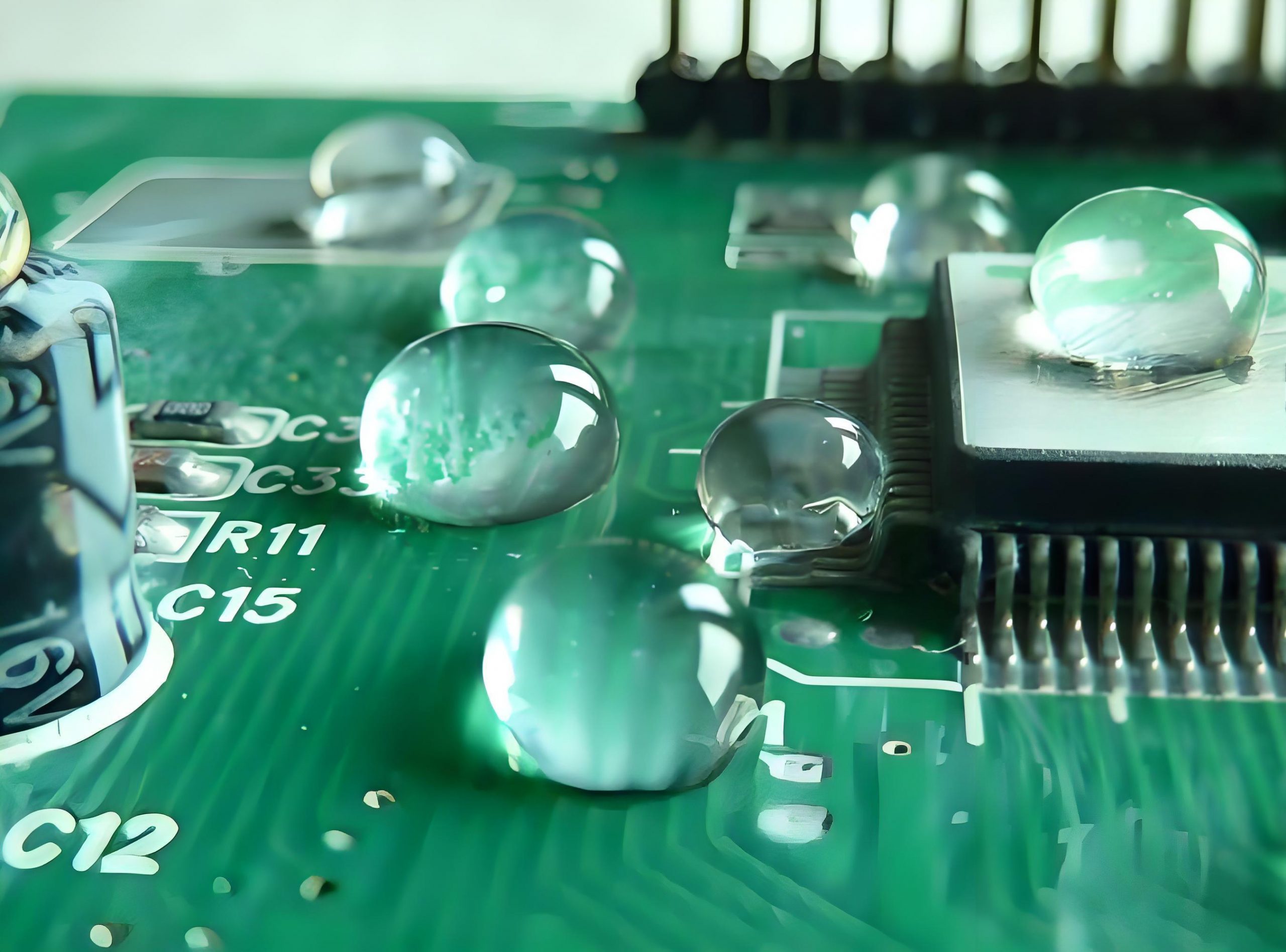
A waterproof PCB is a printed circuit board or PCB assembly designed to reduce failure risk caused by moisture, condensation, splash, humidity, chemicals, or water exposure. In real products, waterproofing is rarely achieved by the bare PCB alone. It usually requires the right combination of PCB material, layout spacing, surface finish, conformal coating, potting, enclosure sealing, connector selection, cleaning, and final testing.

For engineers and purchasing teams, the main question is not “Can this PCB be waterproof?” but “What level of moisture protection is necessary, and which method gives enough reliability without unnecessary cost or manufacturing risk?”
waterproof pcb

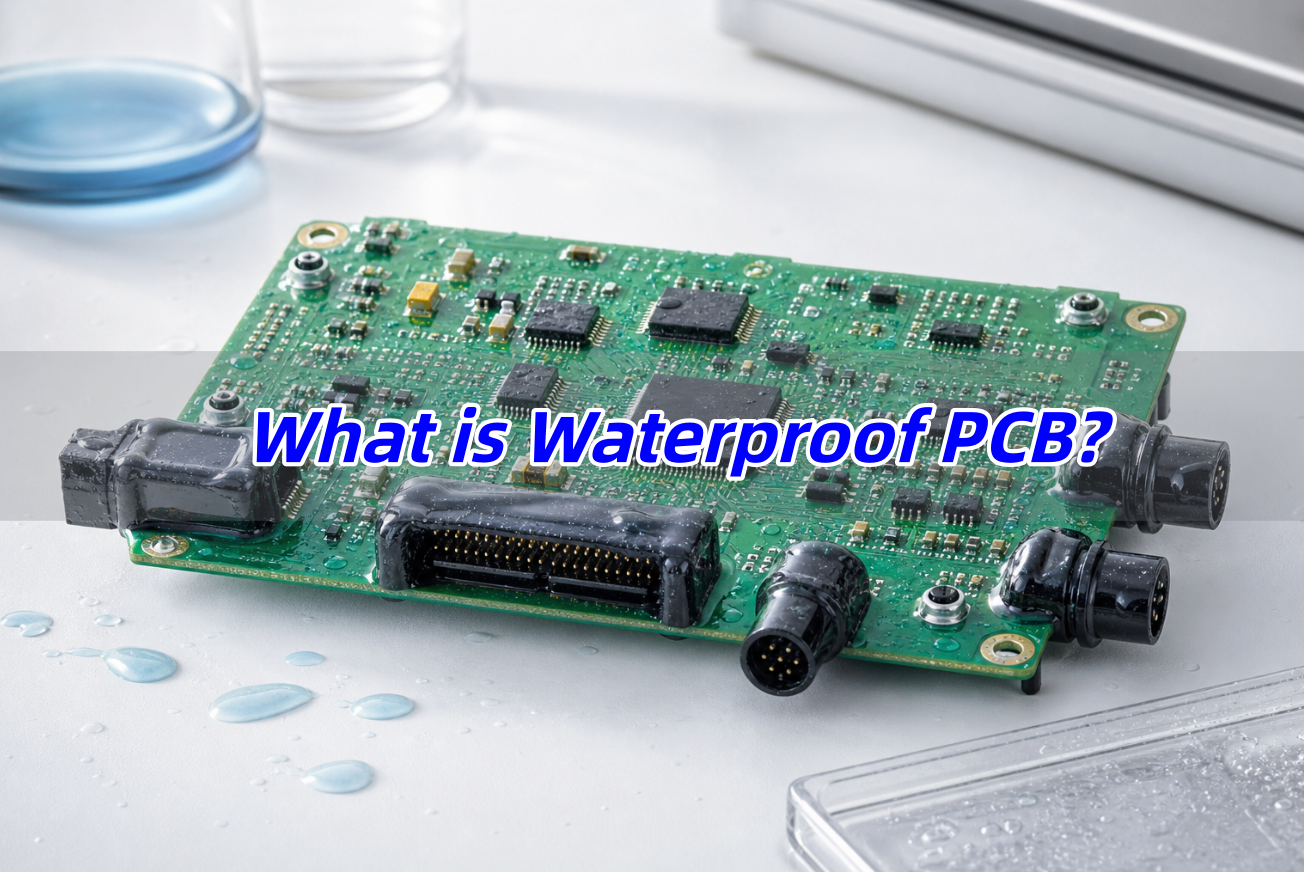
What Is a Waterproof PCB?

A waterproof PCB is a circuit board designed to operate reliably when exposed to moisture-related conditions. This may include high humidity, condensation inside an enclosure, outdoor rain splash, industrial washdown, or partial immersion, depending on the final product requirement.

The term is often used loosely. A PCB with conformal coating may resist humidity, but that does not mean the final device can survive immersion. A potted PCBA may block water effectively, but it may create thermal or repairability issues. A product with an IP67 enclosure may still fail if connectors, cable exits, or coating keep-out areas are not handled correctly.

For accurate specification, engineers should define the exposure level first:

Exposure ConditionPractical MeaningTypical Protection Method
High humidityMoisture in air, no direct waterCleaning, solder mask control, conformal coating
CondensationWater forms inside enclosureCoating, spacing review, drainage or venting
Splash or rainShort-term direct water contactCoating plus sealed enclosure
Water jetsPressurized water exposureIP-rated housing, sealed connectors, process validation
ImmersionSubmerged usePotting, encapsulation, sealed enclosure, full assembly testing
Salt fog or chemicalsCorrosive contaminationMaterial review, coating selection, corrosion testing

The practical takeaway: waterproof PCB design should be specified by operating environment, not by a general label.

Why Waterproof PCB Design Matters

Moisture can cause corrosion, leakage current, short circuits, dendritic growth, unstable sensor readings, insulation breakdown, and intermittent failures that are difficult to reproduce during standard bench testing.

The risk is higher when the PCB has fine-pitch components, high-impedance signals, exposed test pads, high voltage, dense connectors, or flux residues left after assembly. Even a small amount of ionic contamination can become conductive when humidity rises.

Waterproof PCB design is especially important for:

  • Outdoor LED lighting
  • Automotive electronics
  • EV charging equipment
  • Marine electronics
  • Industrial controllers
  • Agricultural sensors
  • Security cameras
  • Medical monitoring devices
  • Wearable electronics
  • Smart home devices installed in kitchens, bathrooms, or outdoor areas

For these applications, the cost of field failure is usually much higher than the cost of proper design review, cleaning, coating, or enclosure validation.

Waterproof PCB vs. Waterproof PCBA

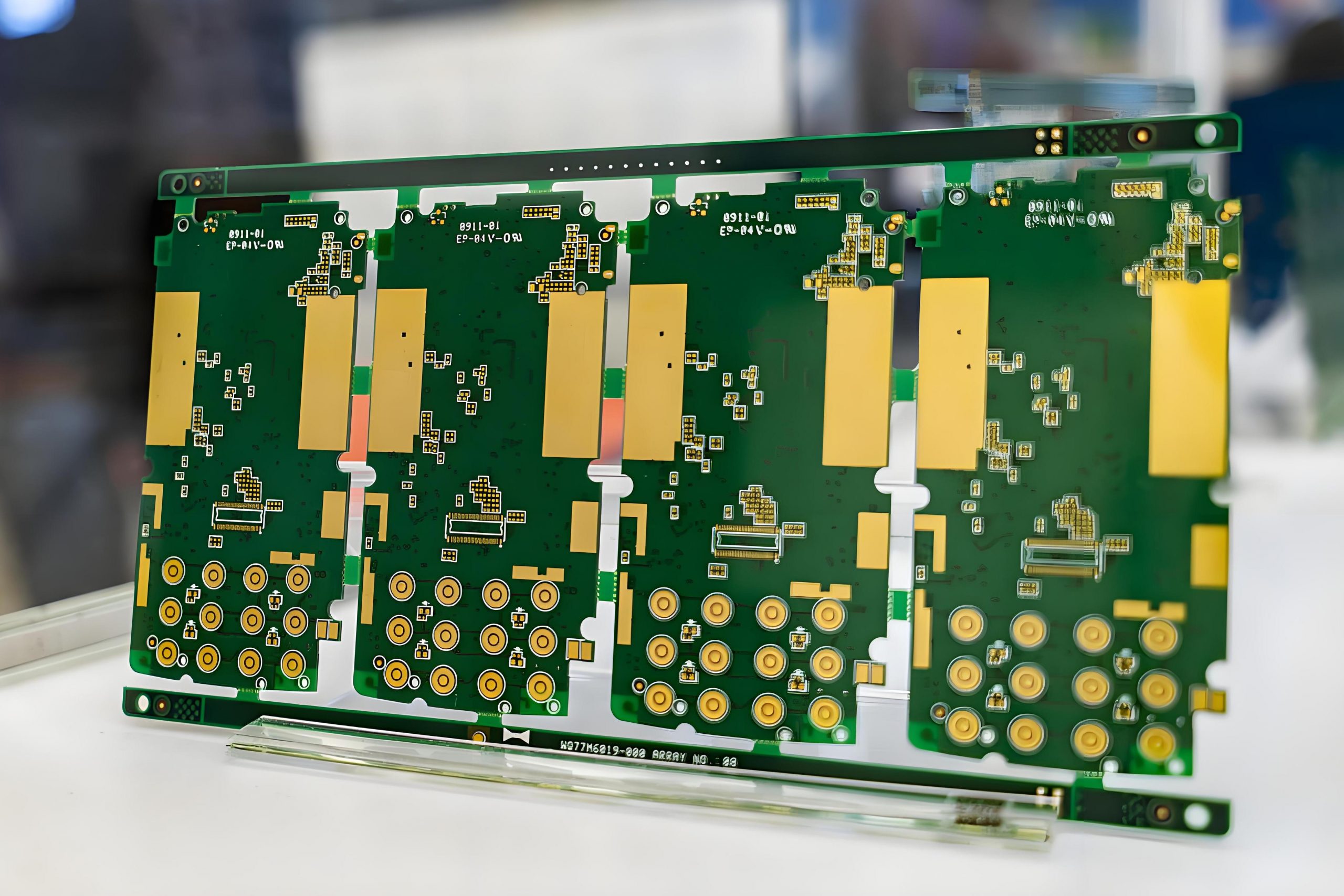
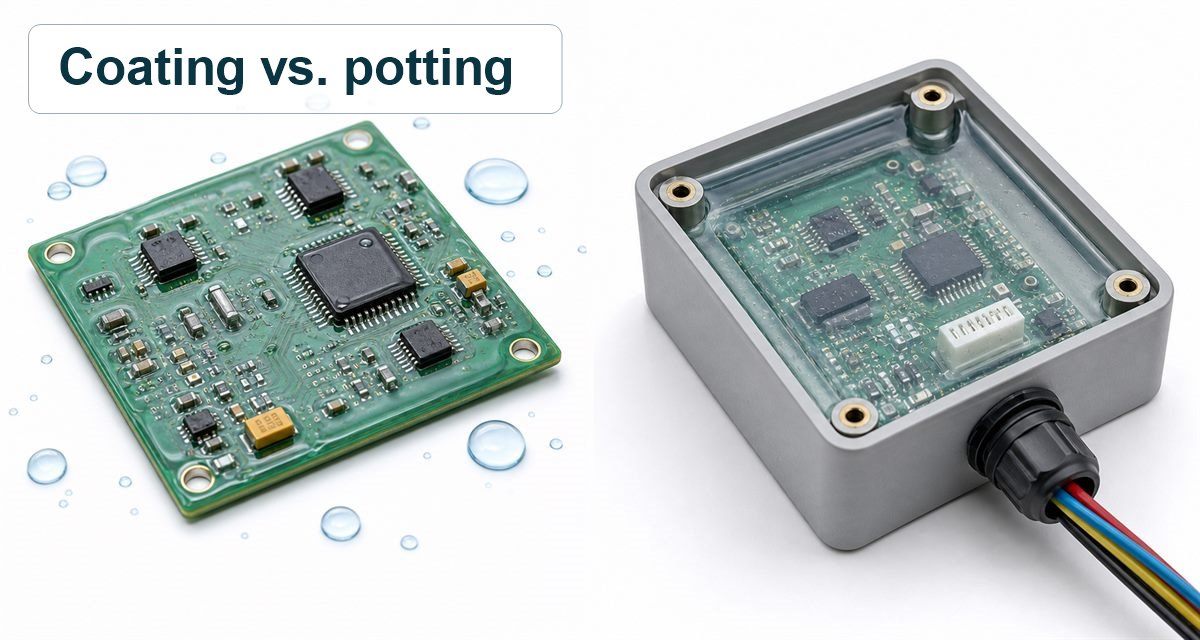
A waterproof PCB refers mainly to the fabricated circuit board. A waterproof PCBA refers to the complete assembled board, including components, solder joints, connectors, cables, coating, potting, testing, and sometimes box-build integration.
Waterproof PCB vs. Waterproof PCBA

This distinction matters because many moisture failures happen after assembly, not during bare board fabrication. Connectors, switches, relays, sensors, displays, unsealed cables, and exposed pads often create water entry points or leakage paths.

ItemWaterproof PCBWaterproof PCBA
ScopeBare board structureComplete assembled electronics
Main concernsMaterial, solder mask, copper exposure, spacingComponents, solder joints, connectors, coating, potting, testing
Typical buyer focusPCB fabrication qualityFunctional reliability in the final environment
Best used whenBoard-level moisture resistance is enoughProduct must survive real operating conditions

For most customer projects, waterproof PCBA is the more useful engineering target because it reflects how the product will actually be used.

Main Waterproof PCB Protection Methods

The right method depends on water exposure, repair requirements, production volume, thermal load, and cost target.

MethodBest ForAdvantagesLimits
Conformal coatingHumidity, condensation, light splashThin, cost-effective, inspectable, reworkable depending on materialNot ideal for immersion or poor enclosure sealing
PottingImmersion, vibration, harsh outdoor useStrong water and mechanical protectionHard to repair, adds weight, may trap heat
EncapsulationLocal protection for selected partsProtects sensitive areas without filling entire unitRequires precise process control
Sealed enclosureProducts needing IP ratingProtects full device, including mechanical openingsFailure risk remains at connectors, seams, buttons, vents
Combined approachOutdoor or high-reliability productsBalances board-level and system-level protectionRequires DFM review and testing plan

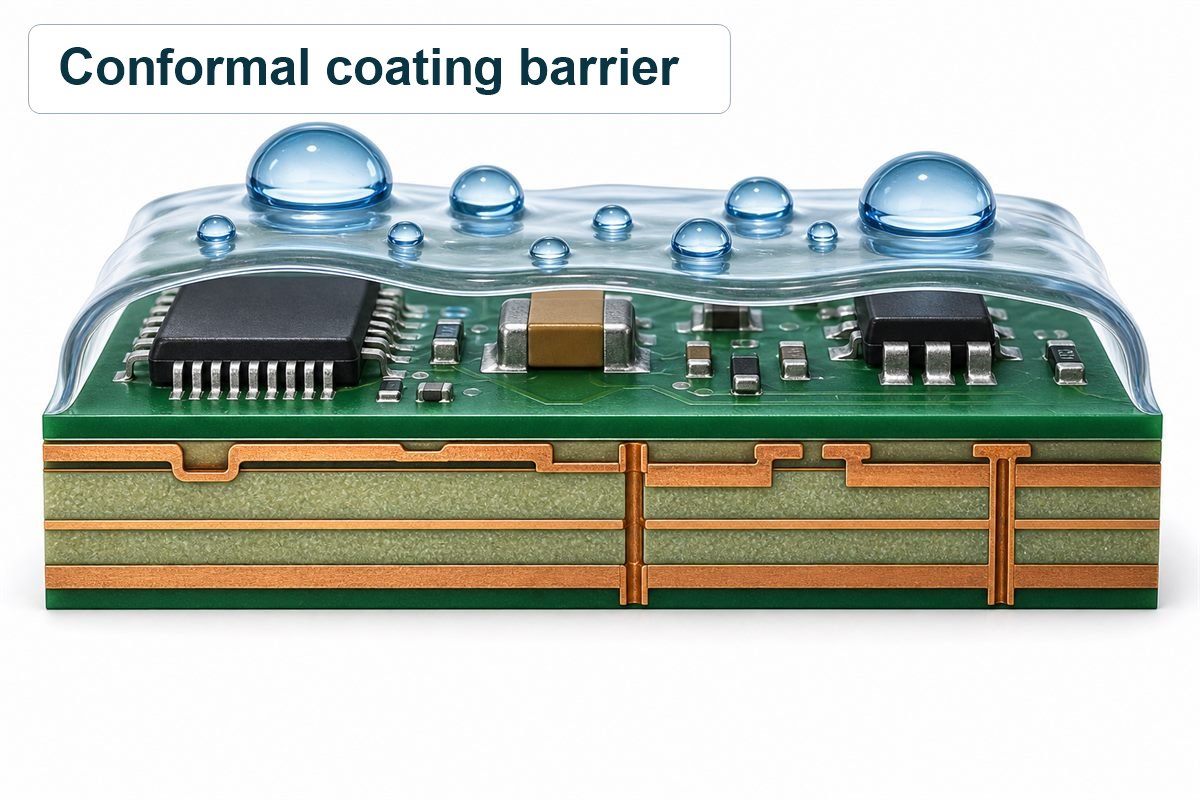
Conformal coating is often the first choice for moisture-resistant PCBAs. Potting is better when water exposure is severe, but it should not be selected automatically because it can create new thermal and serviceability problems.

How to Choose Waterproof PCB Coating?

Coating selection should be based on operating temperature, chemical exposure, rework needs, coating thickness, component geometry, curing method, and production process. A coating that works well for an indoor humidity problem may not be suitable for an outdoor product exposed to UV, vibration, salt fog, or cleaning chemicals.

Coating TypeSuitable WhenKey Trade-Off
AcrylicGeneral humidity protection and easy reworkLower chemical and solvent resistance than some alternatives
SiliconeOutdoor, vibration, and wide temperature conditionsSofter surface and may require careful adhesion control
PolyurethaneMoisture and chemical resistanceMore difficult to remove than acrylic
EpoxyStrong mechanical and chemical protectionHard to rework and may stress components
ParyleneThin, uniform, high-reliability protectionHigher cost and requires specialized deposition process

Before coating, the PCBA should be cleaned and dried properly. Coating over flux residue or contamination can seal the problem inside the assembly and increase leakage risk during humidity exposure.
How to Choose Waterproof PCB Coating?

When Potting Is Better Than Coating

Potting is suitable when the assembly must survive immersion, heavy vibration, shock, tampering, or aggressive contamination. It is common in outdoor sensors, LED drivers, power modules, automotive electronics, and marine devices.

The decision is usually practical rather than theoretical: choose potting when coating cannot provide enough environmental or mechanical protection, but avoid it when repairability, low weight, inspection access, or heat dissipation is a priority.

Decision FactorChoose CoatingChoose Potting
Water exposureHumidity, condensation, splashImmersion or severe splash
Repair requirementRework may be neededRepair is not expected
Thermal loadModerate heat, visible inspection neededThermal path can be designed through resin or housing
Mechanical stressNormal vibrationHigh shock or vibration
Cost sensitivityLower process costHigher protection justifies added cost
Production validationEasier inspectionRequires resin control, curing control, and thermal review

For power electronics, potting material must be checked carefully. Resin hardness, thermal conductivity, cure shrinkage, and coefficient of thermal expansion can affect solder joints and component life.

PCB Design Factors That Improve Moisture Resistance

Waterproofing is easier and more reliable when the PCB layout already supports moisture protection. Risk areas should be reviewed before fabrication and assembly, because coating or potting cannot always compensate for poor spacing, exposed conductors, or water paths created by the mechanical design.

Key design factors include:

  • Increase creepage and clearance for high-voltage nets
  • Avoid placing sensitive analog or high-impedance circuits near board edges
  • Reduce exposed copper and unnecessary test pads
  • Keep connectors away from likely water paths
  • Use solder mask dams where appropriate
  • Avoid dense via fields in wet-risk areas
  • Define coating keep-out zones clearly for connectors, switches, and contact pads
  • Consider drainage and board orientation inside the enclosure
  • Separate high-power, RF, analog, and moisture-sensitive areas when possible

A DFM review should also check whether coating can reach the required areas. Tall components, low-clearance connectors, and shadowed regions can create uneven coating coverage.

Materials Used for Waterproof PCB Applications

Material choice should match electrical load, thermal requirements, mechanical environment, and cost. Waterproofing does not automatically require an exotic laminate.

PCB MaterialSuitable ApplicationsPractical Notes
FR4General waterproof electronics, control boards, IoT devicesCost-effective and widely available
High-Tg FR4Automotive, industrial, higher temperature productsBetter thermal stability than standard FR4
Aluminum PCBOutdoor LED lighting, power modulesGood heat dissipation, usually single or limited layer structures
Copper base PCBHigh-power thermal applicationsHigher cost, strong thermal performance
Ceramic PCBLED, medical, power, high-reliability electronicsExcellent thermal stability, higher material and process cost
Flexible PCBWearables and compact sealed devicesRequires careful bend radius and sealing design
Rogers / RF laminateRF and communication productsUsed when signal performance matters more than cost

For many moisture-resistant products, FR4 plus proper coating is enough. Higher-performance materials become useful when heat, high power, RF stability, or reliability requirements justify the cost.

Testing and Inspection for Waterproof PCB Reliability

A waterproof PCB should be tested against the conditions it will actually face, because a board that passes room-temperature electrical testing can still fail after humidity exposure, thermal cycling, condensation, or contamination.
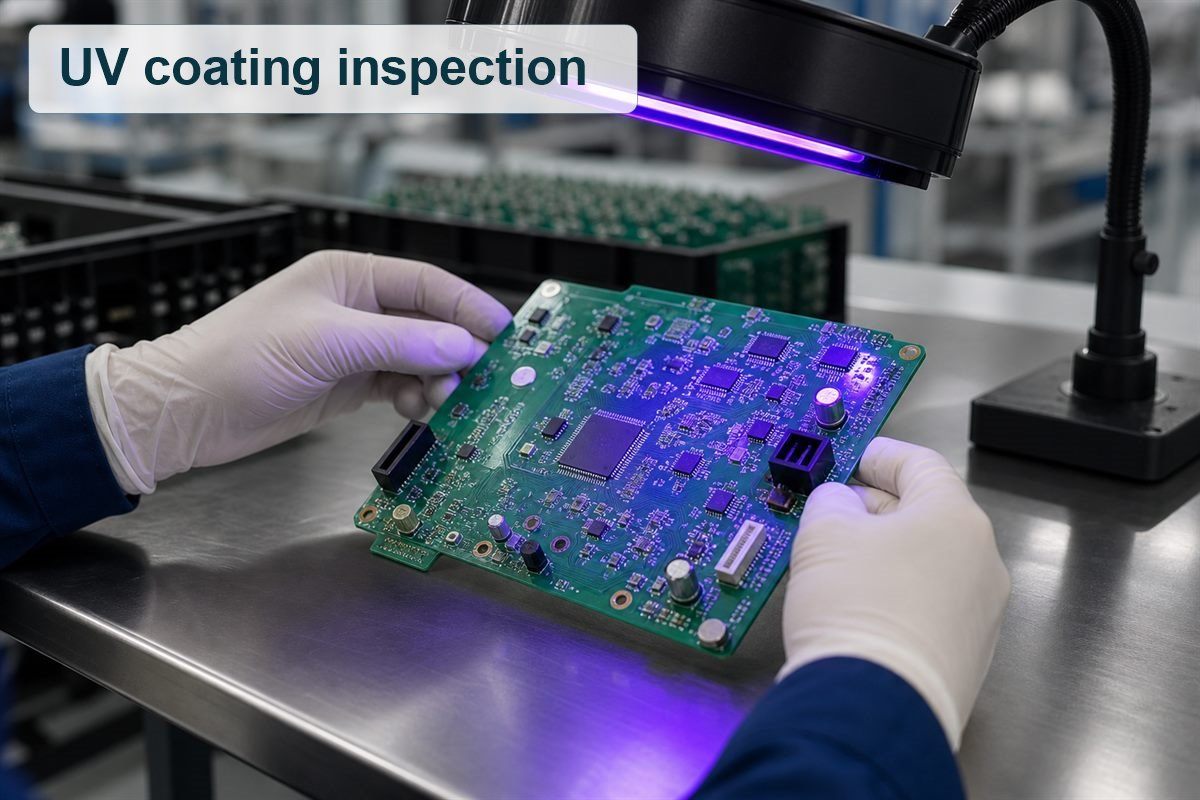
Common checks include:

Test or InspectionWhat It Helps Verify
Visual inspectionCoating gaps, bubbles, cracks, contamination
UV inspectionCoating coverage when fluorescent coating is used
Electrical testBasic circuit function after coating or potting
Functional testReal operating behavior of the PCBA
Insulation resistance testLeakage current risk under moisture conditions
Humidity testLong-term moisture reliability
Thermal cyclingCoating adhesion and material stress
Salt spray testCorrosion resistance for marine or coastal use
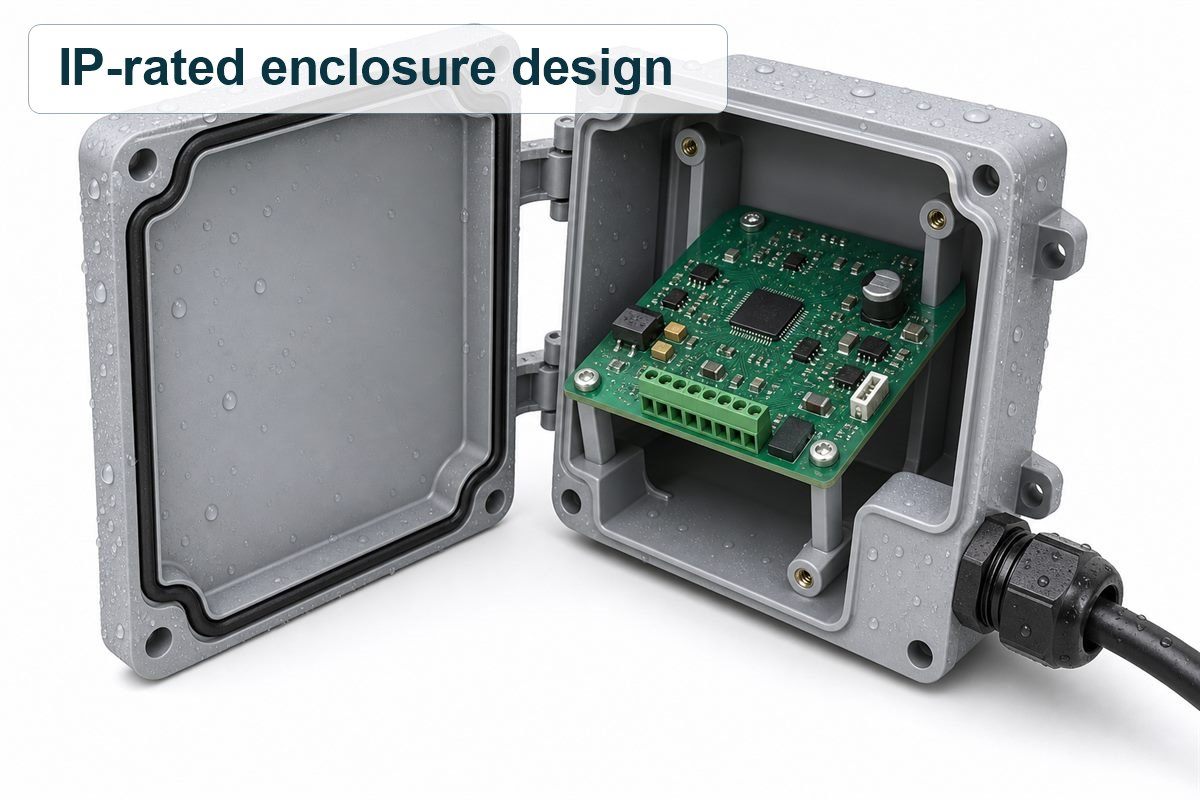
IP testingFull product enclosure protection level

IP ratings apply to the enclosure or complete product, not the bare PCB alone. If a customer needs IP65, IP67, or IP68 performance, the quotation and validation plan should include mechanical sealing, connectors, cables, and complete assembly testing.
What to Provide When Requesting a Waterproof PCB Quote

Gerber files are only the starting point for a waterproof PCB quotation. The manufacturer also needs to understand where the product will be used, how much moisture exposure it will face, and whether coating, potting, enclosure sealing, or functional testing is required.

Customers should provide:

  • Gerber files, BOM, and assembly drawings
  • Product application and installation environment
  • Expected exposure: humidity, rain, splash, immersion, salt fog, chemicals
  • Target IP rating, if required
  • Operating voltage, current, and temperature range
  • Required coating or potting preference, if known
  • Areas that must not be coated, such as connectors or contact pads
  • Prototype quantity, small-batch quantity, and expected production volume
  • Testing requirements and acceptance criteria
  • Enclosure, cable, or box-build requirements if included

This information helps avoid under-specifying protection or adding unnecessary cost where a simpler process would be enough.

How EBest Circuit Supports Waterproof PCB and PCBA Projects

EBest Circuit, also known as Best Technology, supports waterproof PCB and waterproof PCBA projects through PCB manufacturing, component sourcing, SMT assembly, testing, coating coordination, potting process support, and box-build assembly.

For engineering teams, the useful value is early review. EBest Circuit provides free DFM checks and BOM optimization support, with experienced PCB/PCBA engineers reviewing manufacturability, component availability, process compatibility, coating keep-out areas, and prototype-to-production risks.

The company supports prototypes and small batches with no MOQ, which is useful when engineers need to validate waterproofing before committing to mass production. EBest Circuit also operates its own PCB and PCBA manufacturing facilities, works with 1,000+ qualified supply chain partners, and holds ISO9001, ISO13485, IATF16949, and AS9100D certifications for projects that require stronger quality documentation.

For time-sensitive builds, the team can support rapid PCBA delivery in as fast as 1.5 weeks, depending on material availability, BOM risk, testing scope, and assembly complexity.

Conclusion

A reliable waterproof PCB is not just a coated circuit board. It is the result of practical decisions about exposure level, material, layout, coating, potting, enclosure sealing, connectors, cleaning, inspection, and testing.

For simple humidity protection, conformal coating may be enough. For immersion or harsh outdoor use, potting, sealed enclosures, and full PCBA validation may be required. The best purchasing decision starts with a clear description of the operating environment and a quotation package that includes Gerbers, BOM, drawings, coating requirements, test expectations, and production volume.

If you are evaluating a waterproof PCB or waterproof PCBA project, contact EBest Circuit at sales@bestpcbs.com for DFM review, BOM support, PCB manufacturing, assembly, testing, and prototype-to-production guidance.

You may also like

What Are Conformal Coating Printed Circuit Boards?
Friday, January 2nd, 2026

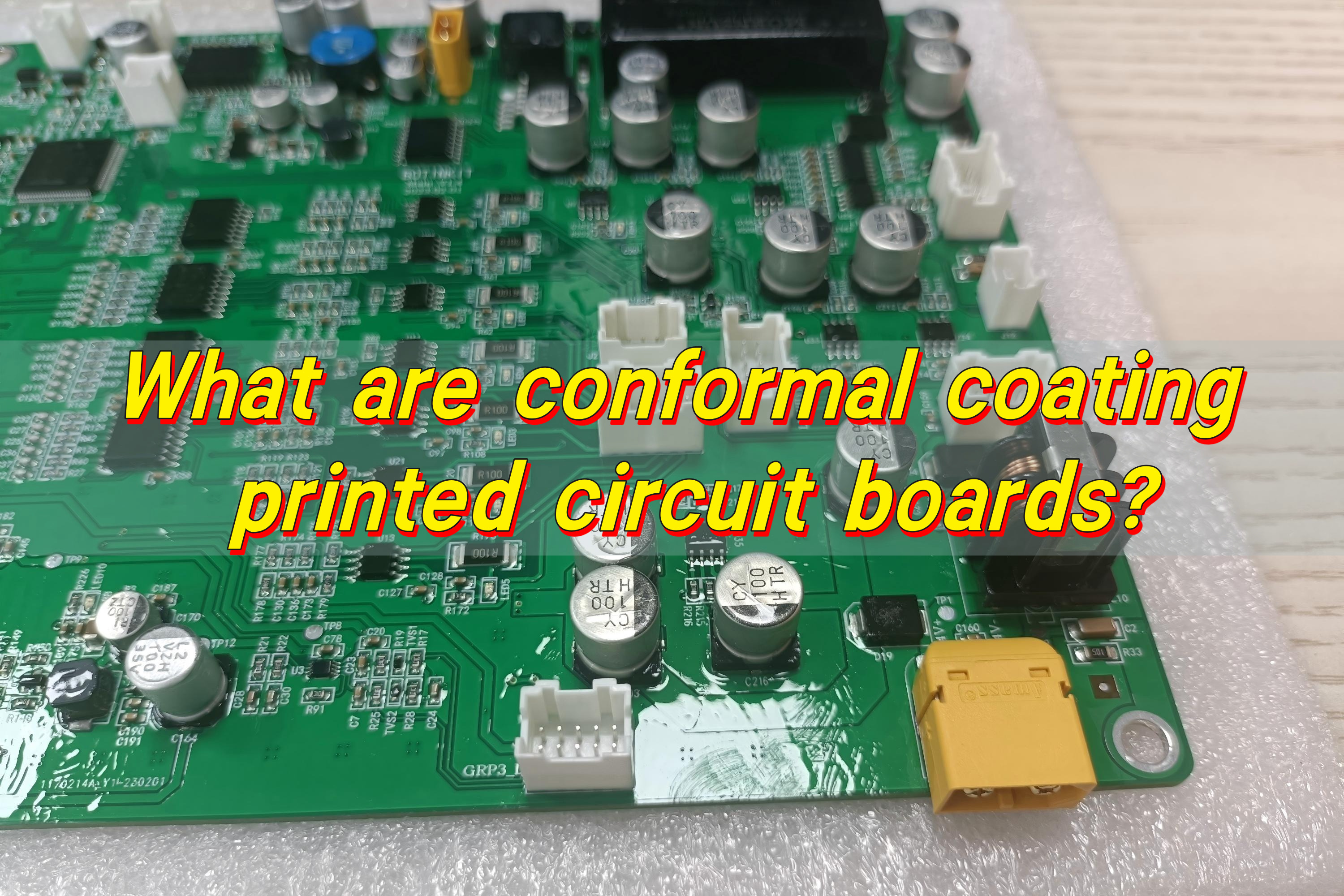
Conformal coating printed circuit boards are PCBs that receive a thin, transparent protective film designed to shield the circuitry from harsh environmental conditions. This film wraps closely around components, solder joints, and copper traces, creating a barrier that helps prevent moisture, dust, chemical vapors, and other contaminants from damaging the board.

What Are Conformal Coating Printed Circuit Boards?

What Is Conformal Coating on PCBs?

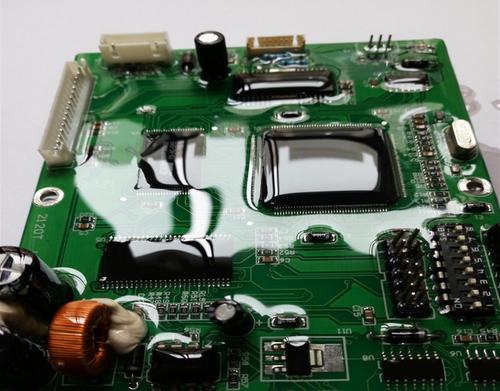
Conformal coating is a thin, transparent, and protective polymer film that covers the surface of a printed circuit board. It clings to the board’s contours, components, solder joints, and copper traces, forming a reliable defense layer. This layer helps guard against moisture, corrosion, dust, salt spray, chemicals, and other environmental hazards that could damage electronics.

The term “conformal” comes from the coating’s ability to fit the board’s topography. It does not form a rigid shell. Instead, it bends and flexes with the PCB, making it suitable for devices that experience vibration, shock, or temperature cycling.

Conformal coating prevents moisture from forming conductive pathways and slows down the oxidation process, thus ensuring the long-term operational stability of the device. More importantly, this coating protects printed circuit boards from environmental stresses without adding significant weight or thickness.

Typical use cases include:

  • Automotive engine systems
  • Medical devices exposed to sterilization
  • Outdoor communication equipment
  • Industrial controllers
  • Aerospace and defense electronics
  • Wearables and consumer devices
  • Marine electronics

What Is the Solvent for Conformal Coating?

Conformal coating materials can be solvent-based, water-based, or solvent-free. Common solvents used in solvent-based conformal coatings include:

  • Xylene
  • Toluene
  • Acetone
  • Methyl ethyl ketone (MEK)
  • Isopropyl alcohol (IPA)
  • Proprietary solvent blends

These solvents help regulate viscosity, drying speed, and coating uniformity. After the coating is applied, the solvent evaporates, leaving behind the protective polymer film.

Water-based coatings use water instead of traditional chemical solvents. They are eco-friendlier and can reduce operator exposure to fumes. UV-curable coatings often require little or no solvent, as they harden when exposed to ultraviolet light.

Conformal Coating Types

There are several widely used conformal coating types. Each offers unique protective and mechanical properties.

Below are the major types you will encounter:

  • 1. Acrylic Resin (AR)

Acrylic coatings are popular due to their ease of use and quick drying times. They offer solid resistance to moisture and provide a good balance of protection and affordability. They are simple to remove for rework and are commonly applied in consumer and commercial electronics.

  • 2. Silicone Resin (SR)

Silicone coatings excel in extreme temperature environments. They maintain flexibility at low temperatures and stability at high temperatures. They work well in automotive, aerospace, and outdoor devices where temperature cycling is common.

  • 3. Urethane Resin (UR)

Urethane coatings deliver superior resistance to chemicals and abrasion. They work particularly well in industrial environments exposed to oils, fuels, and solvents. However, urethane resins can be more difficult to remove during rework.

  • 4. Epoxy Resin (ER)

Epoxy coatings form a tough protective barrier. They resist humidity and mechanical wear. They are often used in high-stress applications, but they can be more challenging to repair or modify.

  • 5. Parylene (XY)

Parylene is applied using a specialized vacuum deposition process. It creates an exceptionally uniform, pinhole-free coating. This makes it ideal for medical implants, sensors, aerospace parts, and high-precision electronics. It delivers excellent moisture and chemical resistance but requires specialized equipment and a higher cost.

Selecting the right material depends on environmental hazards, board design, rework requirements, and industry standards.

What Is the Best Conformal Coating?

The “best” conformal coating varies depending on the performance expectations of your product. Each coating type brings different strengths.

  • For outstanding moisture protection: Parylene or high-grade urethane
  • For extreme temperature environments: Silicone resin
  • For consumer electronics that require fast, cost-effective processing: Acrylic resin
  • For medical devices that need ultra-thin precision coating: Parylene
  • For industrial environments with aggressive chemicals: Urethane or epoxy
  • For easy rework and debugging during development: Acrylic or silicone

There is no one “best” option for all situations. Instead, the optimal solution is the one that aligns with the product’s environmental exposure, performance expectations, and long-term reliability needs.

What Are Conformal Coating Printed Circuit Boards?

If you need help choosing the right coating for your specific PCB design, EBest Circuit (Best Technology) can provide expert guidance based on decades of manufacturing experience.

Does Conformal Coating Make PCB Waterproof?

Conformal coating does not make a PCB fully waterproof in the same way that a sealed enclosure would. However, it does make the PCB significantly more resistant to moisture and humidity.

The coating creates a thin hydrophobic layer. This layer helps repel water droplets and prevent moisture from reaching sensitive components.

Still, immersion in water or high-pressure spray requires additional protection, such as:

  • Encapsulation or potting
  • Waterproof housing
  • Gasket sealing around connectors
  • Conformal coating + selective potting

In other words, conformal coating increases water resistance but does not replace full waterproofing systems.

How to Conformal Coat a Circuit Board?

Conformal coating is applied through several methods. The choice depends on product volume, coating type, and board complexity.

Here are the most common application processes:

  • 1. Brushing

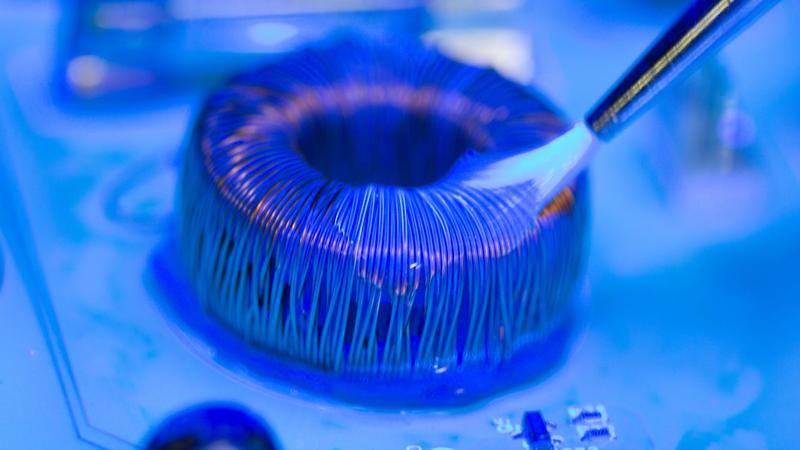
This is a manual method used for small batches, prototypes, or touch-ups. An operator applies the coating with a small brush. It is inexpensive but not ideal for uniform coverage on large volumes.

What Are Conformal Coating Printed Circuit Boards?
  • 2. Spraying

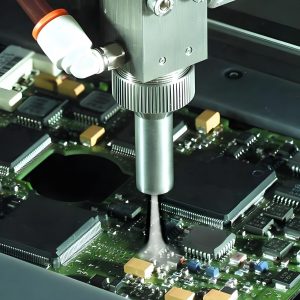
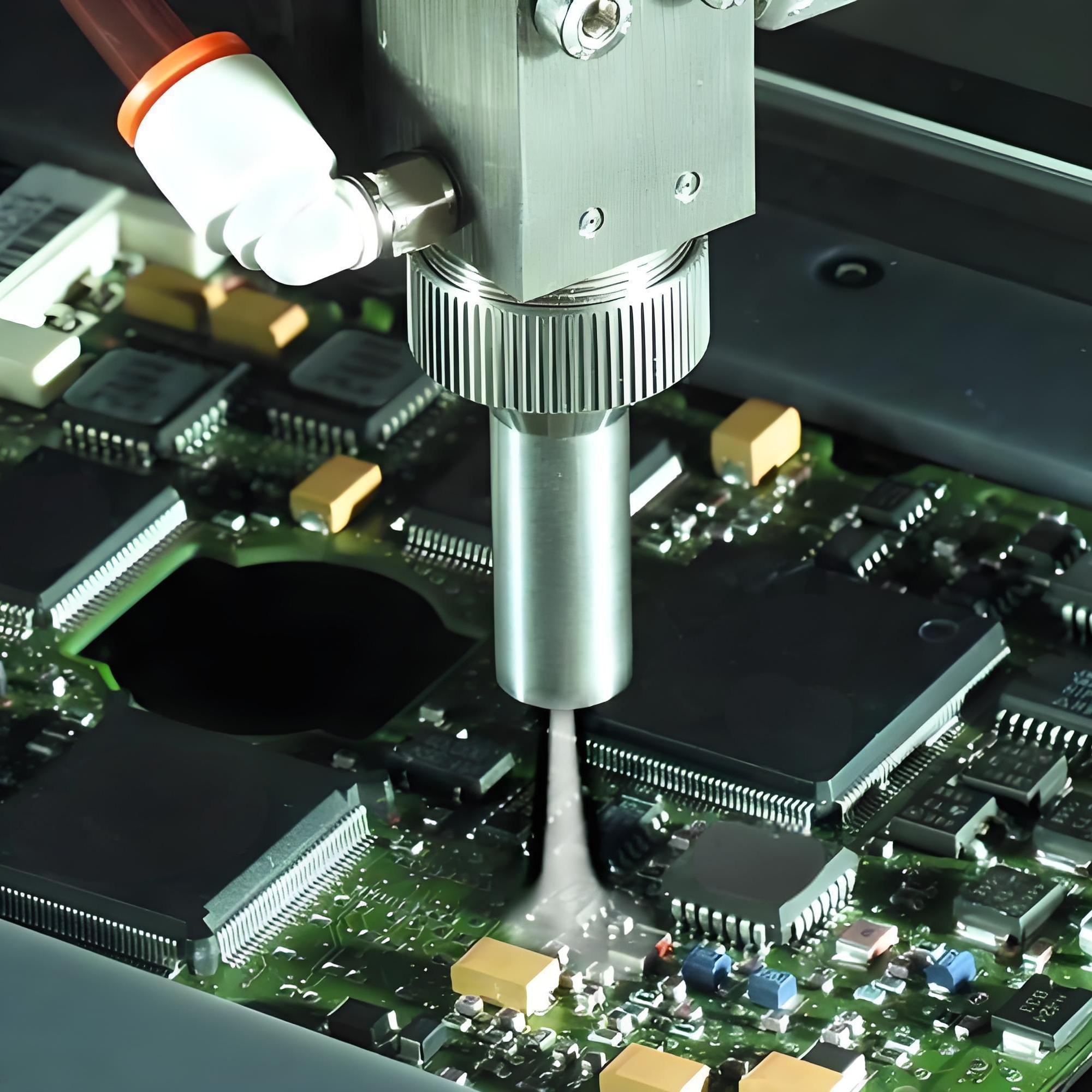
Spray coating provides better uniformity than brushing. It can be done manually with a spray gun or automatically using a selective coating machine. This method is efficient for mid-volume and high-volume production.

  • 3. Dip Coating

The entire PCB is submerged in a coating tank. This ensures consistent coverage on all surfaces. It works well for simple board layouts but may not be suitable for designs with connectors or open mechanical parts.

  • 4. Selective Coating Machines

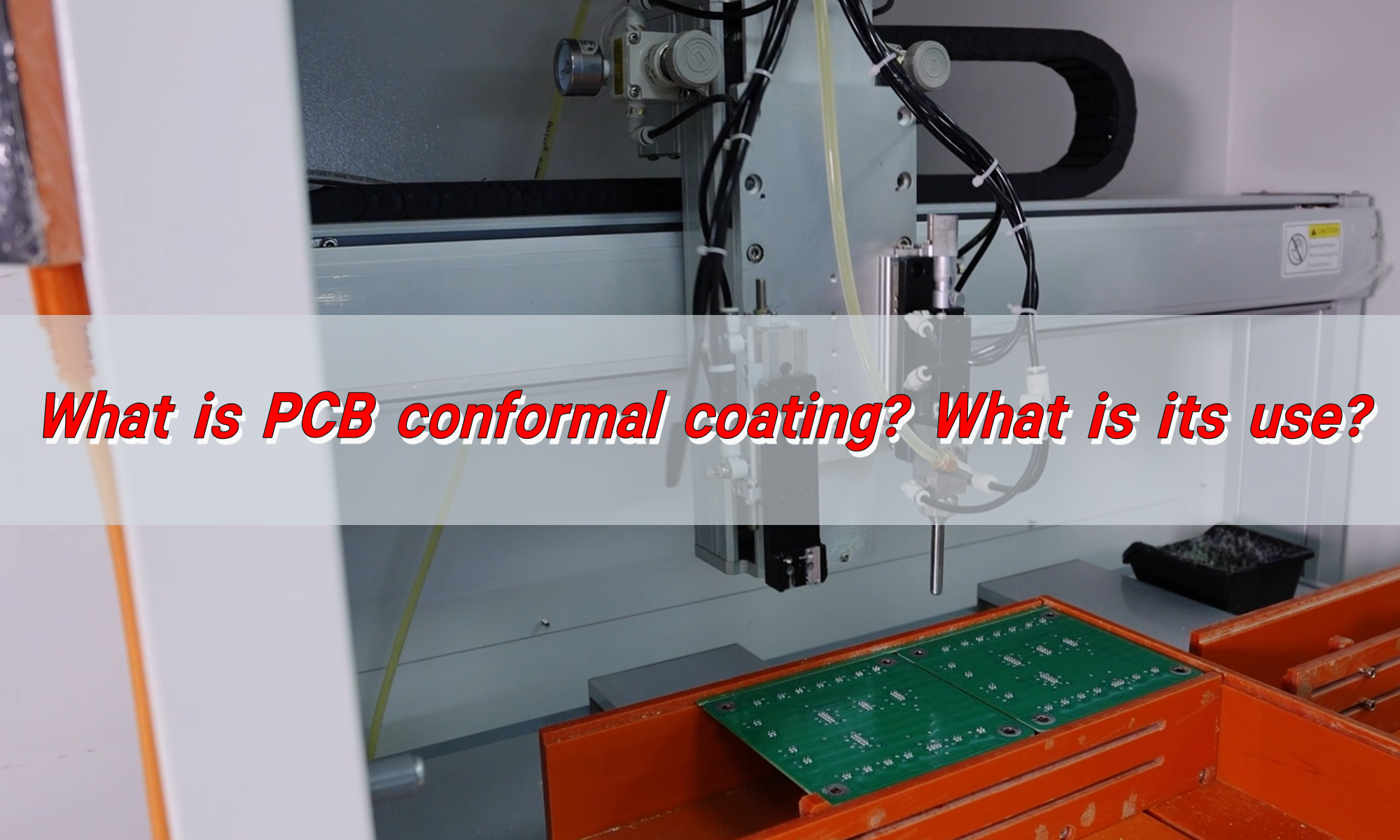
These automated systems apply coating precisely around components, connectors, and keep-out zones. They deliver the most accurate control and are widely used in large-scale production.

  • 5. Vapor Deposition (for Parylene)

Parylene coating uses a vacuum chamber. The coating material vaporizes and polymerizes during deposition. This produces a pinhole-free film with unmatched uniformity.

Regardless of the method, the process usually includes:

  • PCB cleaning
  • Masking of connectors and excluded areas
  • Controlled coating application
  • Curing or UV-hardening
  • Final inspection

A clean, dry PCB is essential for proper adhesion. Even small residues can weaken coverage, so high-quality cleaning processes are mandatory.

How Thick Should Conformal Coating Be?

Recommended thickness varies depending on the coating type:

Coating TypeTypical Thickness
Acrylic (AR)25–75 ”m
Silicone (SR)50–200 ”m
Urethane (UR)25–75 ”m
Epoxy (ER)50–200 ”m
Parylene (XY)10–50 ”m

A thickness that is too thin may not provide complete protection. A coating that is too thick may cause pooling around components or interfere with connectors.

What Are Conformal Coating Printed Circuit Boards?

Thickness must be controlled precisely using measurement tools such as:

  • Micrometers
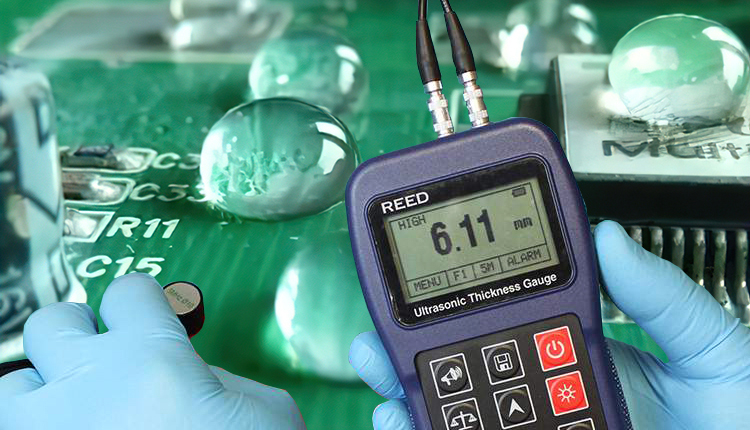
  • Ultrasonic thickness gauges
  • Specialized optical systems

What Is the Lifespan of Conformal Coating?

The lifespan of conformal coating largely depends on:

  • Coating type
  • Environmental exposure
  • Temperature cycling
  • Vibration levels
  • UV exposure
  • Chemical exposure
  • Application quality

Under typical conditions, conformal coating can last anywhere from 5 to 20 years. Parylene often offers the longest life due to its uniform structure and resistance to moisture and chemicals.

Silicone coatings also perform well in long-term applications because they maintain elasticity even after many years. A properly applied coating can protect the PCB for the entire product lifecycle.

What Are the Disadvantages of Conformal Coating?

Although conformal coating provides many benefits, there are a few limitations to be aware of. These issues can be managed with proper planning.

  • 1. Rework Challenges

Removing certain coatings, such as urethane or epoxy, can be difficult. This increases rework time during repair or testing.

  • 2. Masking Requirements

Components like connectors, switches, and sockets need to be masked before coating. Masking adds time and labor cost.

  • 3. Application Sensitivity

Humidity, dust, and contaminants can affect adhesion.

  • 4. Equipment Cost for Automation

Selective coating machines and vapor deposition systems require investment.

However, the above challenges are manageable. In most cases, the protective value of conformal coating far outweighs these drawbacks.

How to Remove Conformal Coating From a Circuit Board?

Removal depends on the coating type. The most common removal methods include:

  • 1. Solvent Removal

Acrylic coatings dissolve easily in solvents such as acetone or specialized stripping agents.

  • 2. Mechanical Removal

Scraping, brushing, or micro-abrasion can remove coatings like silicone.

  • 3. Thermal Removal

Heat softens some coatings, allowing easier removal.

  • 4. Chemical Strippers

There are chemical agents designed to break down thicker coatings such as urethane and epoxy.

  • 5. Plasma Cleaning

Plasma systems can remove thin coatings through ionized gas. This is widely used in high-precision electronics repair.

Conclusion:

Conformal coating printed circuit boards play a pivotal role in modern electronics. They defend sensitive circuitry against moisture, chemicals, dust, and temperature stress. They extend product lifespan and enhance reliability under challenging conditions.

If you need expert advice or high-quality PCB and conformal coating services, our engineering team is ready to support your next build.

For inquiries, please contact: sales@bestpcbs.com

You may also like

What is PCB conformal coating? What is its use?
Friday, March 7th, 2025

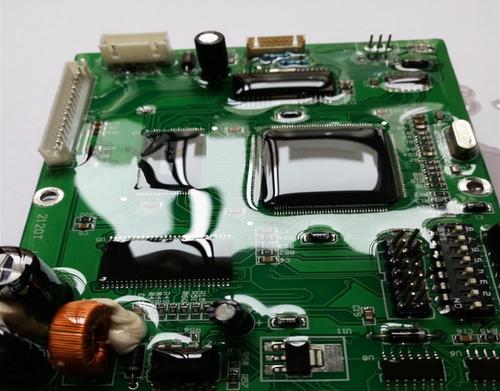
PCB conformal coating is a thin layer of polymer applied to the surface of a PCB to protect the circuits and board components from environmental stresses. The coating ensures that the PCB maintains high performance and reliability in the face of moisture, condensation, dust, dirt, chemicals, corrosion and other adverse environmental conditions.

What is PCB conformal coating? What is its use?

What is Conformal Coating?

Conformal coating is a liquid polymer film applied to a printed circuit board (PCB) to protect it from environmental factors. It conforms to the board’s shape, covering components without affecting their function. This coating prevents damage from humidity, dust, salt spray, and chemical exposure, which can cause corrosion and electrical failures.

It is commonly used in aerospace, automotive, medical, and industrial electronics, where protection is crucial for long-term performance. The coating also helps prevent short circuits caused by contaminants and enhances the overall durability of the PCB.
What Are the 5 Types of Conformal Coating?

There are several types of conformal coatings, each offering unique benefits based on the application requirements. The five most commonly used coatings are:

  • Acrylic acid (AR): After liquid coating, it is heated and cured at room temperature, providing cost-effective moisture protection, easy to apply and reworkable, suitable for conventional environments such as consumer electronics, but its high temperature resistance is limited.
  • Silicone (SR): Ideal for extreme temperature environments, with excellent weather resistance and shock resistance, widely used in high reliability scenarios such as aerospace and automotive electronics.
  • Polyurethane (UR): It has strong chemical resistance and wear resistance, but it is difficult to remove after curing, suitable for industrial control panels that require long-term protection and low maintenance requirements.
  • Epoxy resin (ER): Thermosetting materials require high temperature curing, provide a rigid protective layer, and are extremely resistant to solvents, moisture and mechanical stress, but the high hardness makes rework difficult, and is mostly used in military or harsh environment equipment.
  • Parylene (XY): It is formed into a thin film through vacuum vapor deposition, has excellent moisture resistance and chemical resistance, and is suitable for precision scenarios such as medical implants and high-frequency circuits, but the process is complex and the cost is high.

Each type has its advantages depending on the operating environment, durability needs, and repairability of the PCB.

Do All PCBs Have Conformal Coating?

No, not all PCBs require conformal coating. It depends on the intended use of the board. Consumer electronics, such as smartphones and laptops, may not need it since they are protected within enclosures.

What is PCB conformal coating? What is its use?

However, industrial, medical, and military PCBs often require this coating due to exposure to extreme conditions, moisture, or contaminants.

For products that must operate in outdoor, high-humidity, or chemical-rich environments, conformal coating is essential to maintain reliability.

What is the Point of Conformal Coating?

The primary purpose of conformal coating is to protect electronic circuits from environmental damage. It prevents issues like corrosion, oxidation, and short circuits caused by moisture or contaminants.

It also provides:

  • Enhanced Reliability: Reduces the risk of failure in harsh conditions.
  • Longer Lifespan: Protects components from physical and chemical wear.
  • Improved Performance: Prevents signal interference from conductive debris.
  • Cost Savings: Reduces maintenance and replacement costs over time.

With conformal coating, PCBs perform better, last longer, and withstand more challenging environments without degradation.

When to Apply Conformal Coating?

Conformal coating should be applied after the PCB assembly process but before final testing. This ensures that all components are correctly placed and functioning before adding the protective layer.

It is best applied when:

The PCB will be exposed to moisture, dust, or chemicals.

The circuit operates in high-temperature or high-humidity environments.

There is a risk of vibration or mechanical stress affecting performance.
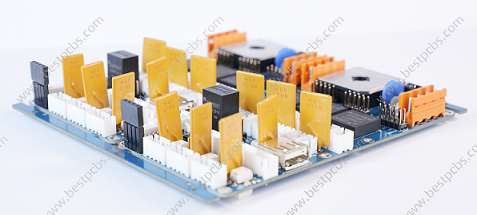
Applying the coating at the right stage prevents contamination and defects while ensuring maximum protection.

How to Apply Conformal Coating?

The application method depends on the type of coating, production volume, and precision requirements. The most common methods include:

  • Brushing: Ideal for small-scale or repair applications. Simple and cost-effective but less precise.
What is PCB conformal coating? What is its use?
  • Spraying: Provides an even coating over large surfaces. Used for medium-scale production and manual application.
  • Dipping: PCB is submerged in the coating liquid. Ensures full coverage but may lead to excess material buildup.
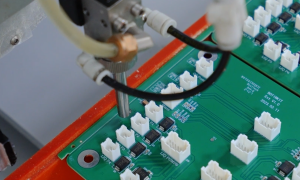
  • Selective Coating Machines: Uses robotic arms to apply coating only where needed. Precise and efficient for high-volume production.

After application, the coating must cure using air drying, heat, or UV light, depending on the material used. Proper curing ensures maximum adhesion and durability.

How to Remove Conformal Coating?

Although conformal coatings are designed to be permanent, they can be removed when necessary, such as during repairs or modifications. The removal method depends on the type of coating:

  • Solvent Removal: Works for acrylic and some urethane coatings. Chemical removers dissolve the coating without damaging the PCB.
  • Thermal Removal: Applying heat softens some coatings, making them easier to scrape off.
  • Mechanical Removal: Abrasive tools can scrape or sand away rigid coatings like epoxy.

Proper removal ensures that the PCB remains intact while allowing for necessary repairs or modifications.

What Are the Disadvantages of Conformal Coating?

Although conformal coating provides excellent protection, it has some limitations:

  • Difficult Repairs: Once coated, components can be harder to access for modifications.
  • Extended Drying Time: Some coatings take longer to cure, delaying production.
  • Application Complexity: Requires specialized equipment for precision coating.
  • Removal Challenges: Hard coatings like epoxy are difficult to remove without damaging the PCB.

Despite these challenges, the benefits of conformal coating far outweigh the drawbacks, making it a valuable solution for electronic protection.

Is Solder Mask the Same as Conformal Coating?

No, solder mask and conformal coating serve different purposes.

What is PCB conformal coating? What is its use?
  • Solder Mask: A permanent protective layer applied during PCB manufacturing. It prevents solder bridges and protects copper traces from oxidation.
  • Conformal Coating: Applied after assembly to protect against moisture, dust, and chemicals. It is a transparent layer that shields the entire circuit.

While both offer protection, solder mask is built into the PCB, while conformal coating is an additional layer for enhanced durability.

Can We Apply Conformal Coating?

Yes, BEST Technology provides professional conformal coating services backed by 18+ years of PCB manufacturing expertise.

With advanced conformal coating equipment and a team of skilled professionals, BEST Technology ensures precise application, superior protection, and long-lasting performance for circuit boards. Whether you need acrylic, silicone, urethane, epoxy, or parylene coatings, BEST Technology can meet specific requirements with high-quality, industry-standard solutions.

Conclusion

Conformal coating is an essential protective solution for PCBs operating in challenging environments. It ensures long-term reliability, prevents corrosion, and enhances performance in critical applications.

Though it adds complexity to the production process, the benefits of conformal coating far outweigh the disadvantages. It extends the lifespan of electronic devices. For professional PCB solutions, contact sales@bestpcbs.com

You may also like

PCB Protection: What is PCB coating?
Tuesday, February 18th, 2025

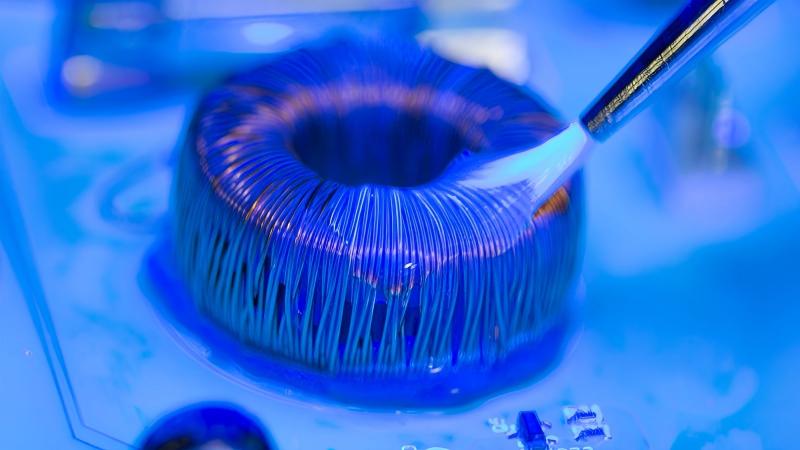
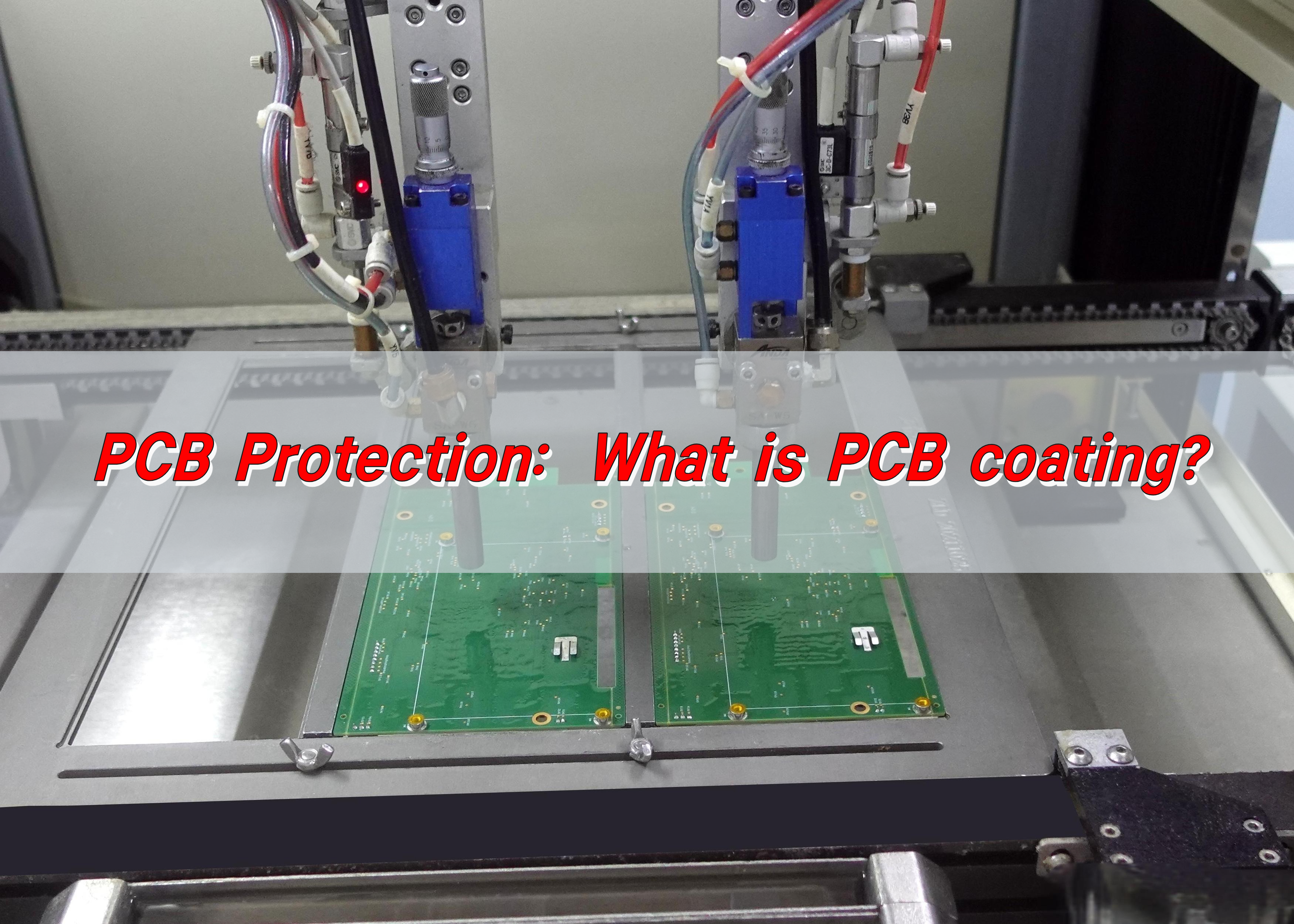
PCB coating is a layer of special material applied on the surface of PCB to protect the circuit board from environmental factors (such as moisture, dust, chemical corrosion, etc.) while improving its electrical insulation, welding performance and mechanical strength. Common coating types include organic coating, metal plating, conformal coating, etc., which are applied by spraying, dipping or brushing.

PCB Protection: What is PCB coating?

What is conformal coating on pcb?

Conformal coating is a protective layer applied to a PCB to shield the board’s components from external contaminants like dust, moisture, and chemicals.

Unlike encapsulation, which surrounds the entire assembly, conformal coating is a thin, flexible layer that conforms to the shape of the PCB and its components. The coating allows the PCB to remain functional while also protecting it from environmental stresses.

The purpose of conformal coating is to enhance the reliability and longevity of PCBs by protecting them from elements that could cause short circuits, corrosion, or other types of damage.

It is particularly critical in industries where the PCB is exposed to harsh environments or where the failure of a PCB could have severe consequences.

Why conformal coating is used in pcb?

There are several reasons why conformal coating is essential for PCBs:

  • Protection from Moisture: Moisture is one of the biggest threats to PCBs. The coating provides a moisture-resistant barrier, reducing the risk of corrosion and electrical shorts.
PCB Protection: What is PCB coating?
  • Dust and Contaminant Shielding: Dust, dirt, and other environmental contaminants can easily find their way onto uncoated PCBs. A conformal coating prevents this by creating a physical barrier.
  • Chemical Resistance: Many industrial environments expose PCBs to chemicals, oils, and solvents. A good conformal coating can offer protection against these substances, preserving the integrity of the PCB.
  • Electrical Insulation: In certain cases, conformal coatings help isolate electrical components from one another, preventing unwanted connections or short circuits.
  • Thermal Resistance: In some instances, conformal coatings can help dissipate heat, allowing the PCB to operate more efficiently in high-temperature environments.

In summary, PCB coatings ensure better reliability, enhanced performance, and longer lifespan, especially in medical, automotive, and aerospace sectors.

Can conformal coating be removed?

Yes, conformal coating can be removed, though the process is often delicate and requires careful handling.

PCB coating removal is generally done when there’s a need for repair, modification, or redesign of the PCB. However, the removal process must be approached with caution to prevent damaging the underlying components.

Some coating removal techniques include using:

  • Chemical Strippers: These are special solvents designed to break down and dissolve the coating.
  • Mechanical Methods: Using tools like abrasive pads or brushes, the coating can be scrubbed off.
  • Heat Application: For certain coatings, heat guns or infrared ovens can soften the coating, making it easier to remove.

Each method should be selected based on the type of coating and the sensitivity of the PCB components.

How to remove conformal coating from pcb?

  • Choose the Right Method: Select a removal technique based on the type of coating and the nature of the PCB.
  • Use Protective Gear: Always wear gloves, goggles, and a mask to avoid exposure to chemicals and solvents.
  • Apply Solvent: If using a chemical stripper, apply it carefully to the PCB using a brush or cloth. Allow the solution to sit for a few minutes to break down the coating.
  • Scrub Off the Coating: Use a soft brush or sponge to scrub the coating off. Avoid using hard bristles that could damage the PCB.
  • Rinse and Dry: Once the coating has been removed, rinse the PCB with water or alcohol to remove any chemical residues. Allow the PCB to dry completely before reapplying a new coating or proceeding with repairs.

What is the best coating for PCB?

The best coating for PCB depends on various factors, including the environment in which the PCB will operate, the level of protection needed, and the specific requirements of the project.

  • Acrylic Coating: This is one of the most common PCB coatings due to its excellent moisture resistance, ease of application, and good overall protection. It is clear, which makes it ideal for applications where visual inspection is needed.
  • Silicone Coating: Known for its flexibility and high-temperature resistance, silicone coating is often used in PCBs that will be exposed to high heat or thermal cycling.
PCB Protection: What is PCB coating?
  • Polyurethane Coating: Offering high durability and excellent resistance to environmental factors, polyurethane coating is ideal for industrial applications that require both moisture and chemical resistance.
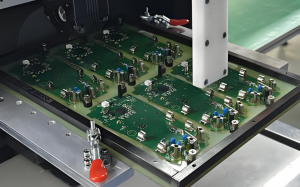
  • Epoxy Coating: Epoxy coatings provide strong protection against mechanical wear and harsh environments but are less flexible than other coatings.
  • Parylene Coating: Parylene is a highly effective coating for PCBs, offering protection from chemicals and moisture while maintaining a very thin and uniform layer. It is commonly used in medical and aerospace applications.

Each type has its advantages, so it’s essential to select the one that best fits your needs.

What is the cheapest PCB finish?

When it comes to PCB finishes, the cost can vary widely depending on the type of finish chosen.

Acrylic coatings are often considered among the most affordable options, providing good protection for general applications.

However, when specific environmental conditions require more advanced coatings (like Parylene or silicone), the cost can be higher.

Opting for a lower-quality coating may result in increased wear and tear or reduced protection, leading to failures over time.
How to measure conformal coating thickness?

Too thick a coating can cause unwanted stress on components, while too thin a layer might not provide sufficient protection.
The most common methods for measuring coating thickness are:

  • Micrometers: Special digital micrometers can be used to measure the thickness of the coating with great precision.
  • Ultrasonic Testing: This non-destructive method uses sound waves to measure the thickness of coatings.
  • Coating Thickness Gauges: These handheld tools use electromagnetic induction or eddy current technology to measure coating thickness quickly and accurately.

It’s vital to measure coating thickness regularly during the application process to maintain consistent protection across the entire PCB.

What are the drawbacks of conformal coating?

While conformal coatings offer numerous benefits, there are some drawbacks to consider:

  • Limited Protection for Physical Damage: While they protect against moisture and contaminants, coatings don’t provide protection against physical impacts or harsh mechanical stresses.
  • Coating Removal Complexity: Removing conformal coatings can be tricky and requires specialized techniques and tools.
  • Potential for Uneven Coating: If the coating process is not executed correctly, it could result in areas where the coating is too thick or thin, leading to reduced protection or malfunctioning.
  • Increased Component Stresses: Some coatings, especially those that are too thick or rigid, can put additional strain on the components, leading to potential damage over time.

Despite these drawbacks, the benefits of conformal coatings often outweigh the disadvantages, especially when dealing with sensitive electronics exposed to harsh environments.

How do you apply conformal coating to PCB?

Applying conformal coating to PCBs can be done through several methods, including:

  • Spraying: Spray applications are one of the most common methods for applying conformal coatings. It provides even coverage and is suitable for large-scale production.
PCB Protection: What is PCB coating?
  • Dipping: In this method, the entire PCB is dipped into a bath of conformal coating material, allowing it to coat the board evenly.
  • Brushing: For smaller batches or repairs, brushing is a viable method.
  • Selective Coating Machines: These machines can apply conformal coatings only to the areas of the PCB that need protection, minimizing wastage.

Each method has its benefits, and the choice depends on the specific project and production needs.

Conclusion:

PCB coating is an essential protective measure that ensures PCBs can withstand environmental challenges while maintaining functionality.

At EBest Circuit (Best Technology), Our experienced engineers will help you choose the best solution for your project, ensuring your PCBs are protected and reliable. For more information, contact us at sales@bestpcbs.com

You may also like