PCB manufacturing PCB manufacturing
Home > Blog

pcb conformal coating

Circuit Board Conformal Coating: Types, Application, Problems and Removal
Friday, July 17th, 2026

Circuit board conformal coating is a thin polymer film applied over an assembled printed circuit board to reduce damage from humidity, condensation, salt, dust, corrosive gases, and surface contamination. The right coating can improve insulation and field reliability without the weight and service restrictions of fully encapsulating the assembly.

Coating selection must match the operating environment, required service life, production method, inspection plan, and repair policy. A complete specification also preserves access to connectors, test points, adjustment devices, thermal interfaces, and other areas that must remain free of coating.
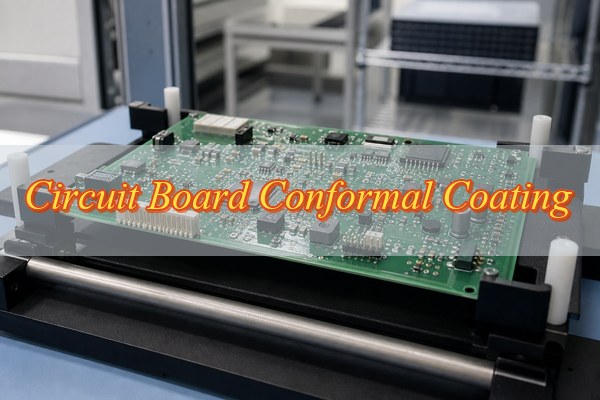
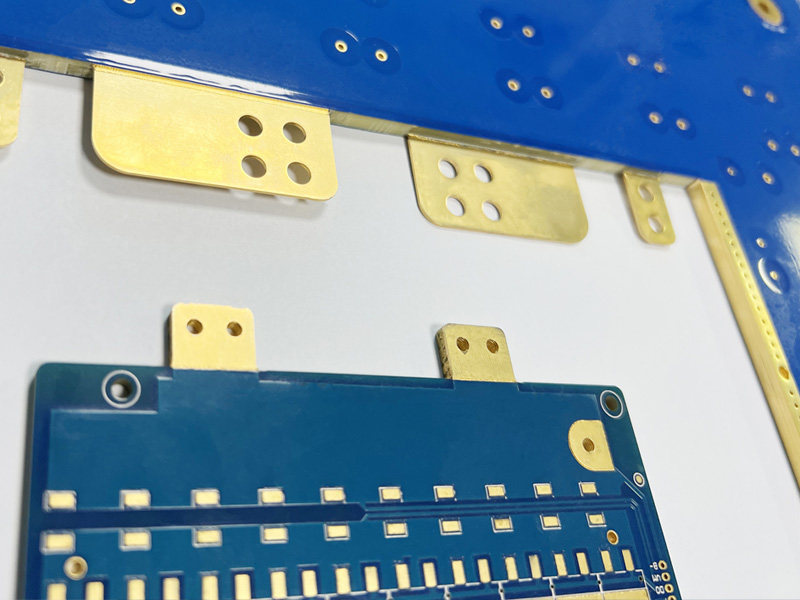
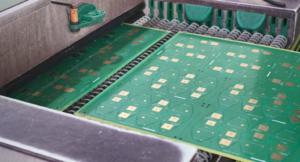
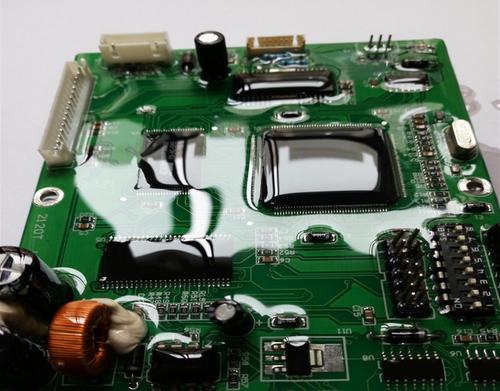
Circuit board conformal coating on an assembled PCB in an inspection fixture

What Is Conformal Coating on Circuit Boards?

It is a thin, electrically insulating protective film. Unlike solder mask, which is applied during bare-board fabrication, conformal coating is normally applied after assembly and electrical testing. It follows the contours of components, solder joints, exposed conductors, and board surfaces while leaving specified keep-out areas uncoated.

A typical circuit board conformal coating is transparent and contains a fluorescent tracer for UV inspection. It is not automatically waterproof, hermetic, or suitable for immersion. Protection depends on the coating chemistry, film continuity, adhesion, thickness, edge coverage, cleanliness beneath the film, and compatibility with the operating environment.

Protection Layer Process Stage Primary Function Rework Implication
Solder mask During bare-board fabrication, before assembly Cover selected copper and limit unwanted solder bridging Permanent board finish; not removed for routine component repair
Conformal coating After assembly, cleaning, and initial electrical test Thin environmental barrier and surface insulation support Local removal may be possible, depending on chemistry

How Does Conformal Coating Protect a Printed Circuit Board?

The film interrupts moisture and contamination paths. A continuous coating reduces direct contact between the assembly and conductive pollutants. It also increases surface insulation resistance, slows corrosion, and limits leakage or electrochemical migration when voltage bias, ionic contamination, and moisture would otherwise combine on the board surface.

The coating can also reduce the movement of fine dust, salt residue, and chemical mist toward exposed metal. Flexible chemistries may provide limited damping around small components. However, circuit board conformal coating cannot replace mechanical supports, strain relief, enclosure sealing, thermal design, surge protection, or proper ESD controls.

  • Moisture barrier: slows condensation and humidity from reaching conductors and solder joints.
  • Contamination control: reduces conductive paths formed by dust, salts, flux residue, and industrial deposits.
  • Corrosion delay: limits oxygen, water, and reactive species at vulnerable metal surfaces.
  • Insulation support: helps maintain surface resistance when coating coverage and cleanliness are controlled.
  • Mechanical restraint: offers limited support against light vibration, but does not replace structural fixation.

Which Circuit Boards Need Conformal Coating?

Boards exposed to predictable environmental stress benefit most. Coating is justified when the operating or storage environment presents condensation, high humidity, salt, dust, chemical vapor, fungus risk, or frequent temperature cycling. The decision should come from an environmental risk assessment rather than a blanket rule applied to every assembly.

  • Outdoor electronics: control boards inside vented or imperfectly sealed enclosures face condensation and airborne contaminants.
  • Industrial controls: factory air may contain conductive dust, oil mist, cleaning chemicals, or corrosive gases.
  • Transportation systems: automotive, rail, and marine electronics encounter humidity, salt, vibration, and temperature cycling.
  • HVAC and appliances: temperature changes can create condensation near power and control circuitry.
  • High-impedance circuits: sensor inputs and precision analog nodes are sensitive to small leakage currents.

Circuit board conformal coating may be unnecessary for a board installed in a controlled, sealed, dry indoor environment. It may also create more risk than value when unprotected switches, relays, sockets, optical surfaces, microphones, pressure sensors, or high-frequency tuning structures cannot be reliably masked.

What Are the Main Types of Conformal Coatings for Circuit Boards?

Five chemistry families cover most protection decisions. Circuit board conformal coating is commonly based on acrylic, polyurethane, silicone, epoxy, or parylene. These materials differ in chemical resistance, temperature behavior, cure method, film thickness, production equipment, and rework difficulty. UV-curable formulations form an additional production category and may use hybrid chemistry.

Type Main Strength Main Limitation Rework
Acrylic Fast drying and practical general protection Lower solvent and high-temperature resistance Usually easiest
Polyurethane Strong moisture, abrasion, and chemical resistance Longer cure and harder removal Moderate to difficult
Silicone Wide temperature range and flexibility Contamination control and adhesion require care Difficult
Epoxy Hard, durable, chemically resistant film Stress, brittleness, and very difficult repair Very difficult
Parylene Uniform pinhole-resistant vapor-deposited coverage Vacuum equipment, masking complexity, and cost Very difficult
UV-curable Rapid production cure Shadowed regions may require a secondary cure Formulation dependent

Acrylic conformal coating is often the practical starting point for general electronics because it dries quickly and supports local repair. It should not be selected by habit when the assembly faces fuels, aggressive solvents, sustained high temperature, or immersion.

What Is the Best Conformal Coating for PCB?

There is no universal best coating chemistry. The best conformal coating for PCB use must survive the defined environment and adhere to the cleaned assembly. It must also fit the production process and permit the required inspection and rework. A coating that is exceptionally resistant but impossible to repair may be the wrong business and engineering choice.

  • General indoor or light industrial use: evaluate acrylic where quick cure and repair access matter.
  • Chemical and abrasion exposure: evaluate polyurethane or epoxy after compatibility testing.
  • High temperature and thermal cycling: evaluate silicone with contamination controls.
  • Complex geometry and very uniform coverage: evaluate parylene when vacuum deposition and masking are justified.
  • High-volume production: evaluate UV-curable material with verified secondary cure in shadowed regions.

Circuit board conformal coating selection should compare the datasheet with operating temperature, humidity, chemicals, flammability requirements, dielectric performance, cure limitations, viscosity, application equipment, inspection method, and approved remover. Prototype boards should be coated and tested under representative stress before mass production.

What PCB Design, Cleaning and Masking Requirements Should Be Defined Before Coating?

Coating quality is largely decided before the coating is applied. Drawings should define coated zones, keep-out zones, allowable edge distance, thickness range, material designation, cure condition, inspection method, and acceptance criteria. Ambiguous notes such as ā€œcoat entire PCBā€ do not protect connectors, test access, adjustment points, or mating surfaces.

  • Coating boundaries: show coated sides, board-edge limits, permitted overspray, minimum clearance, and areas requiring complete coverage on a controlled drawing.
  • Functional keep-outs: identify connectors, sockets, contacts, switches, relays, test points, trimmers, sensors, microphones, vents, antennas, and optical surfaces.
  • Thermal and grounding interfaces: exclude heat-sink contact areas, chassis grounds, press-fit zones, and mating surfaces unless the design specifically permits coating.
  • Drain and shadow control: review tall components, narrow gaps, board edges, cavities, and underside regions for pooling, air entrapment, or missed coverage.
  • Component spacing: leave enough access around sensitive parts for masking, inspection, local removal, soldering, and later component replacement.
  • Pre-coating condition: define which assembly inspection, programming, functional test, and repair operations must be completed before coating begins.
  • Cleaning process: specify approved wash chemistry, concentration, time, temperature, rinse quality, mechanical action, and compatibility with components and labels.
  • Cleanliness acceptance: define visual residue limits and any required ionic contamination or surface-insulation-resistance evidence instead of relying on appearance alone.
  • Drying requirement: establish drying time, temperature, handling controls, and maximum delay before coating so moisture and new contamination are not trapped.
  • Material compatibility: qualify plastics, labels, inks, adhesives, thermal materials, elastomers, solder mask, and component coatings against the liquid material and cure cycle.
  • Masking materials: select removable tapes, dots, boots, plugs, or custom fixtures that resist solvent, application pressure, and cure without leaking or leaving residue.
  • Mask removal: define when masks are removed, how coating edges are cut if necessary, and how exposed keep-outs and lifted coating edges are inspected.

Applying circuit board conformal coating over flux, fingerprints, moisture, silicone contamination, or poorly dried wash residue traps the problem beneath the film. This can produce delamination, corrosion, leakage, bubbles, or inconsistent cure even when the coating material meets its specification.

The released process should also state who approves masking changes, how first-article coverage is verified, and which records travel with the production lot. These controls prevent an operator-level adjustment from silently changing protection or service access.

How to Conformal Coat a Circuit Board?

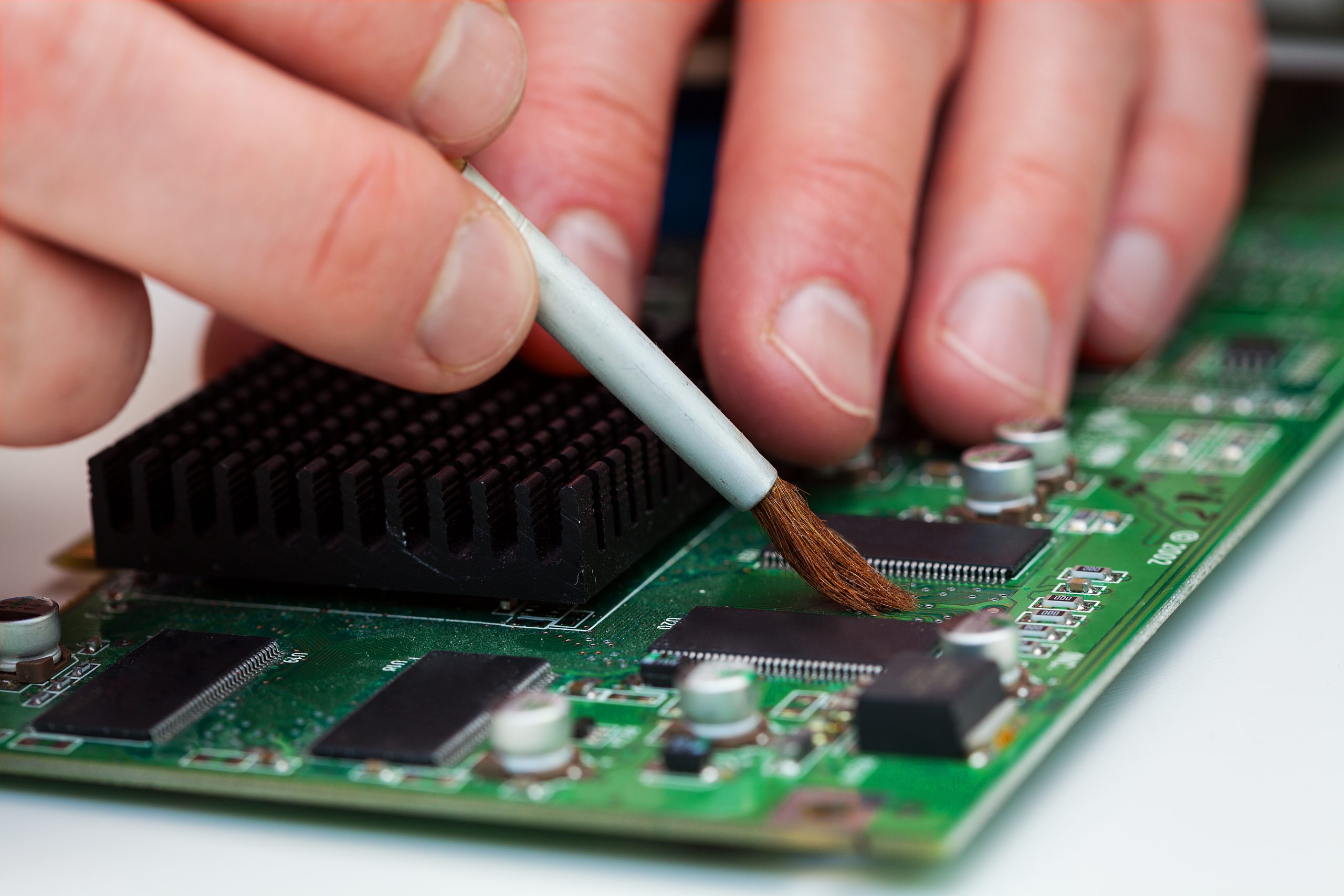
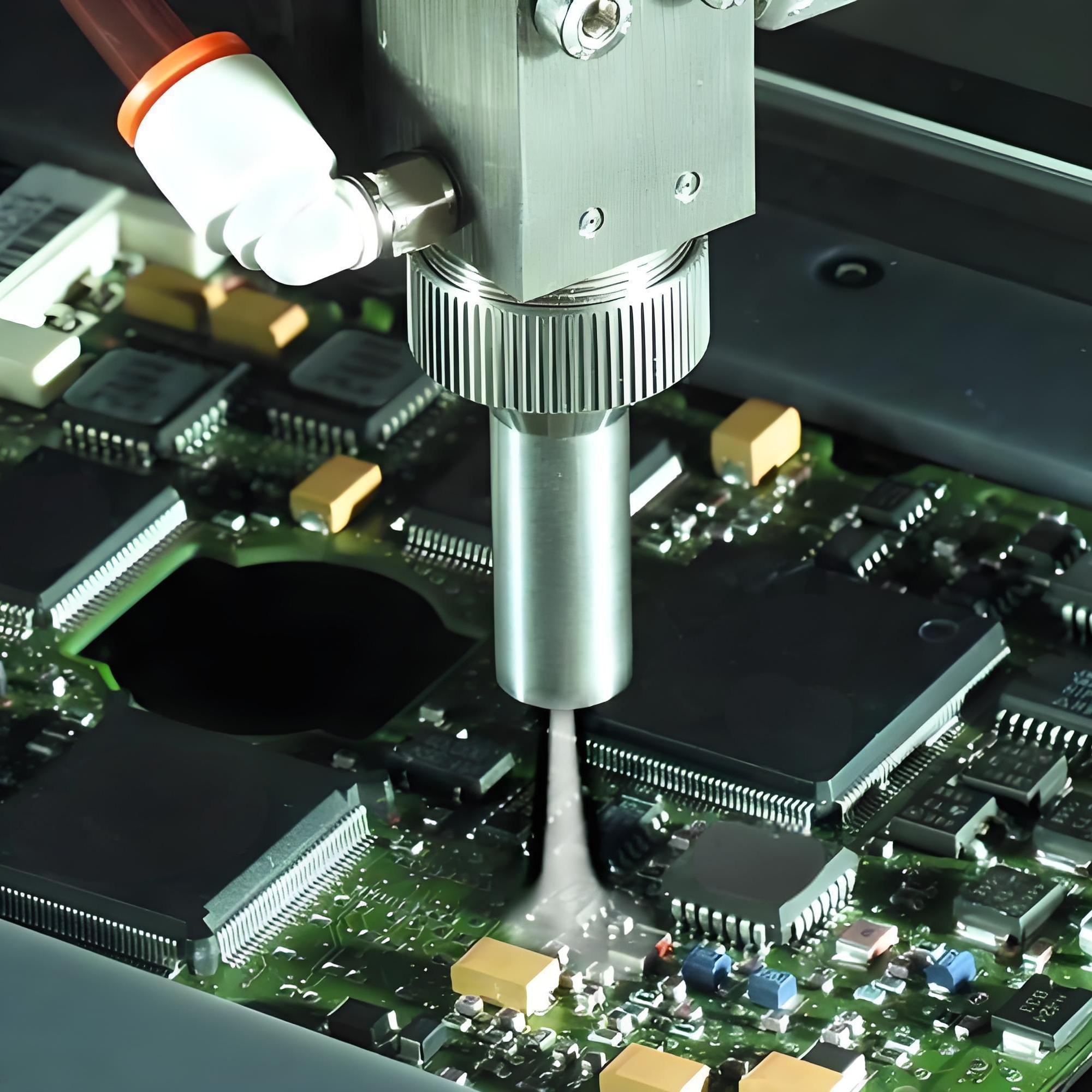
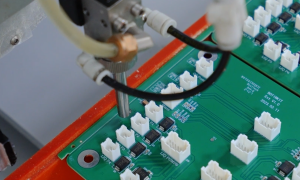
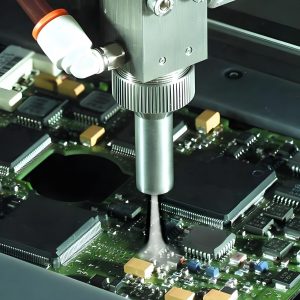
A controlled process starts with a tested and clean assembly. Brushing suits limited repair or low-volume work, spraying supports flexible coverage, dipping can coat both sides, and selective robotic dispensing provides repeatable boundaries in production. The method must match the coating viscosity, board geometry, keep-outs, and throughput.
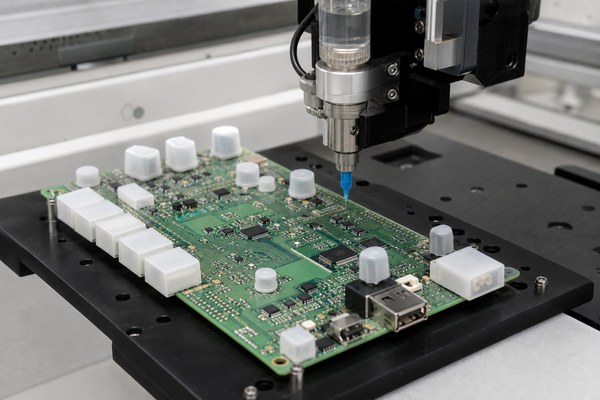
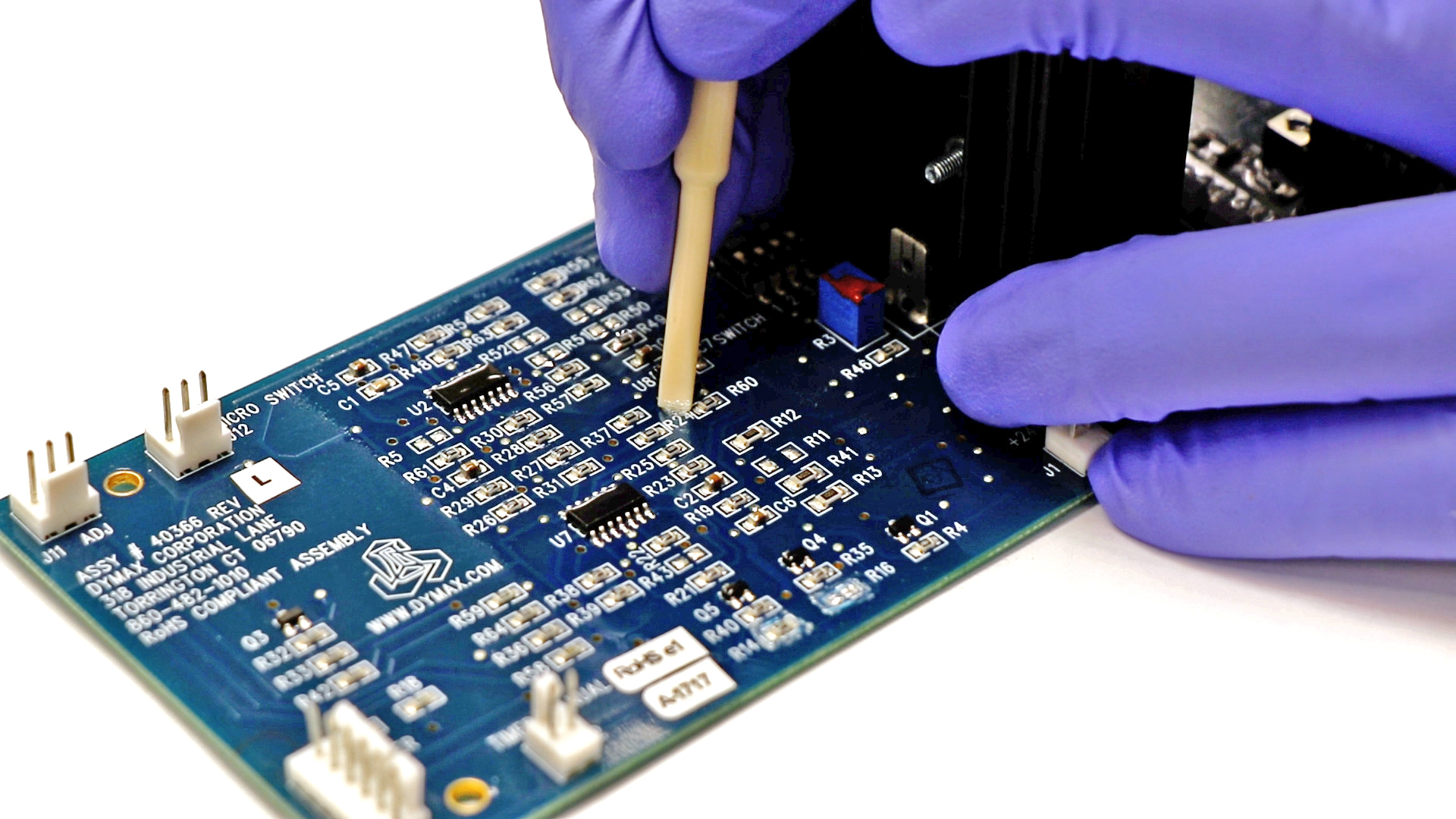
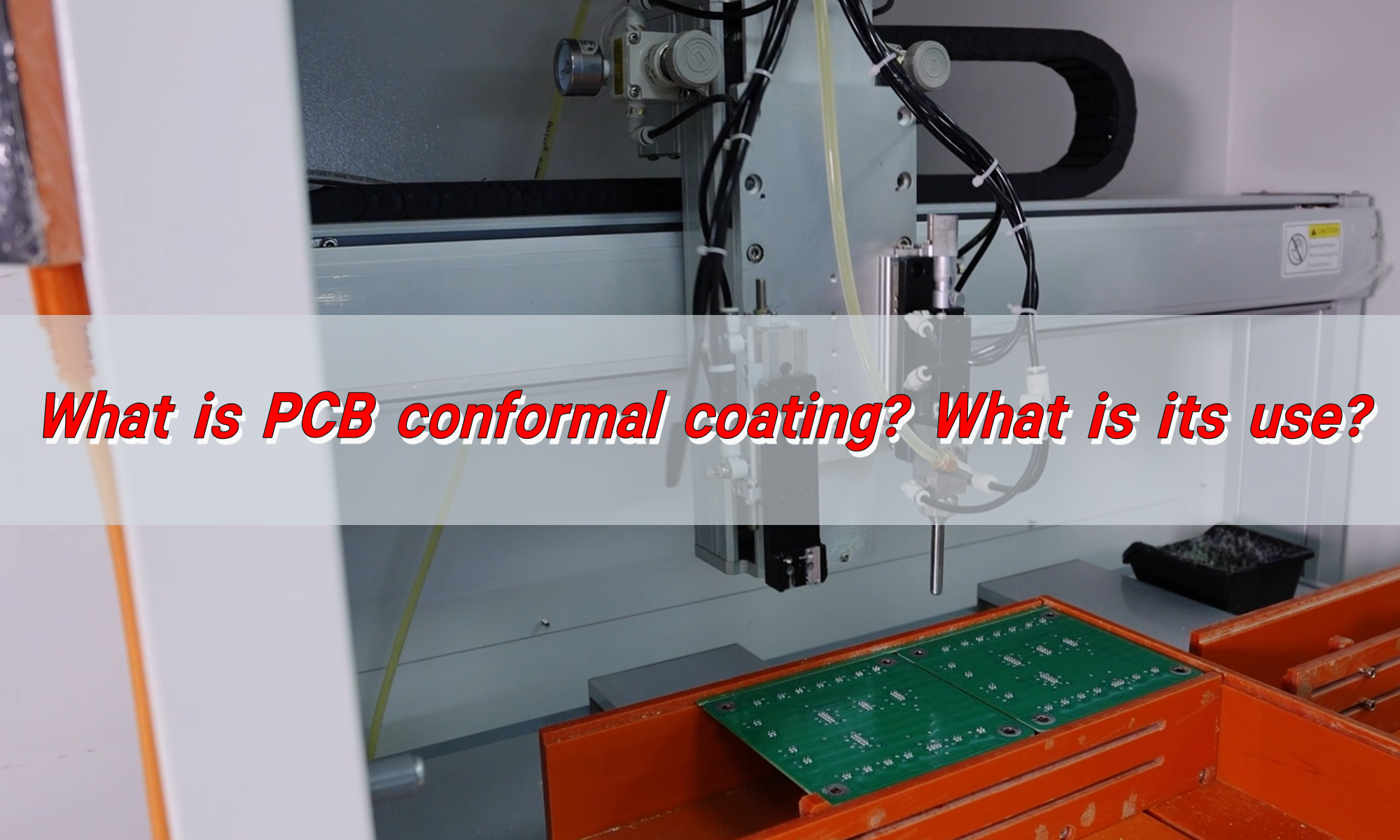
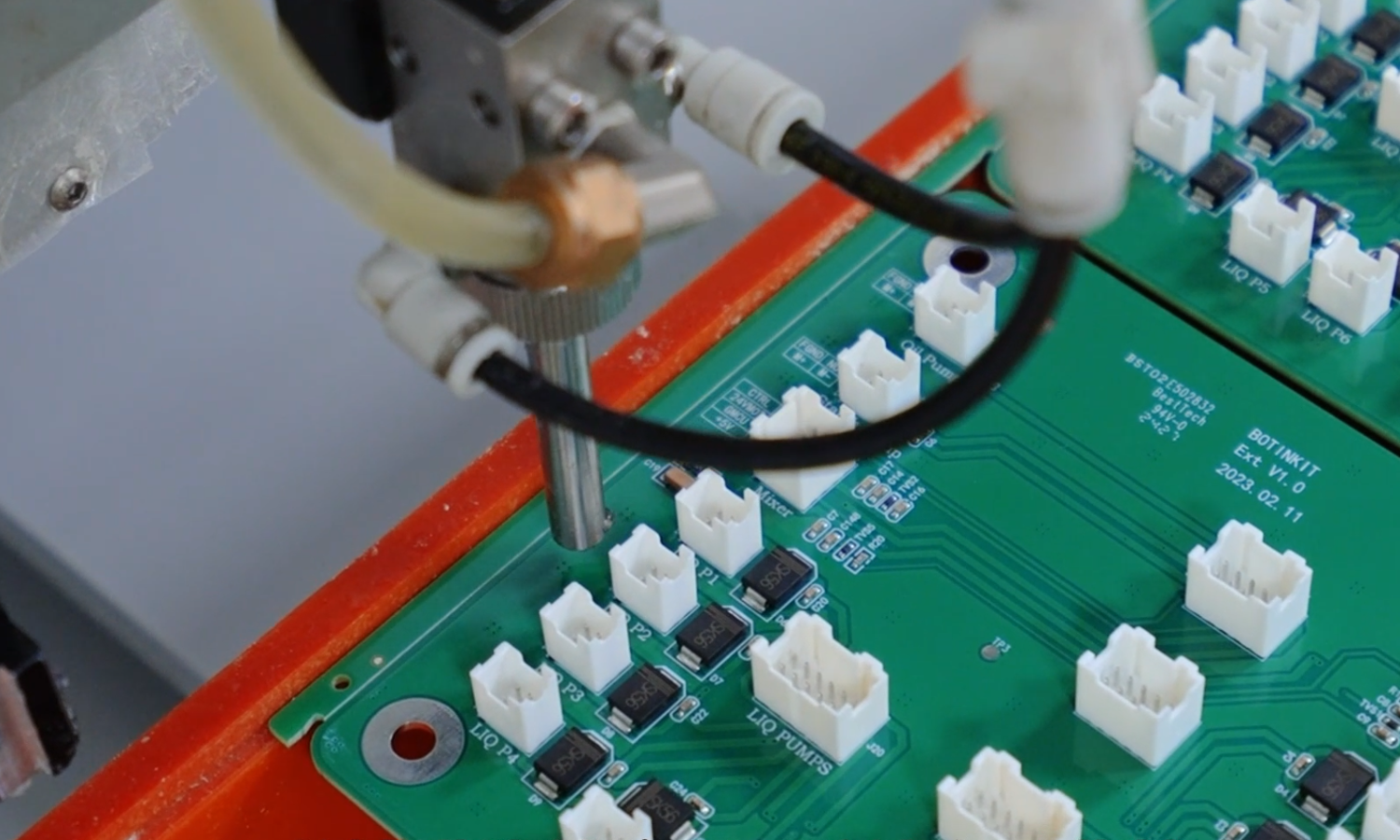
Selective conformal coating application on a circuit board with masked connectors

Step 1 — Verify the assembly. Complete assembly inspection, programming, and required electrical testing before coating. Confirm that repairs are closed and the approved material, thinner, masks, drawing, and process revision match the work order.

Step 2 — Clean the board. Remove flux, oils, fingerprints, particles, and other specified residues with the validated chemistry and equipment. Protect moisture-sensitive or non-washable components and use the defined rinse quality.

Step 3 — Dry and verify cleanliness. Use the approved drying profile and confirm that liquid is not trapped beneath packages, shields, or connectors. Perform the required visual, ionic, or process-based cleanliness check before further handling.

Step 4 — Mask all keep-out areas. Protect contacts, test points, switches, vents, adjustment devices, antennas, optical surfaces, and thermal interfaces. Check every mask against the controlled drawing before application.

Step 5 — Prepare the coating. Verify the material lot, shelf life, storage history, temperature, mixing ratio, agitation, filtration, viscosity, and pot life. Use only approved thinner and do not return contaminated material to the original container.

Step 6 — Apply a controlled film. Set the nozzle, spray pattern, dispense path, brush load, withdrawal speed, board orientation, passes, and flash-off time for the chosen method. Apply thin, even passes and prevent pooling beneath components or along board edges.

Step 7 — Remove masks and cure. Remove masking at the validated stage so edges remain clean without tearing the film. Cure with the specified time, temperature, humidity, UV dose, or secondary reaction while controlling board support and spacing.

Step 8 — Inspect and release. Verify coverage, keep-outs, bubbles, dewetting, thickness, cure, adhesion, and any required electrical or functional result. Record material lot, process settings, inspection result, and nonconformance disposition before releasing the assembly.

How Thick Should Circuit Board Conformal Coating Be?

Use the material specification, not one universal thickness. Many liquid conformal coatings are specified in a dry-film range around 25–125 µm, while some silicone systems may permit thicker films and parylene is commonly much thinner. The approved drawing and coating datasheet must define the actual range.

Too little circuit board conformal coating leaves pinholes, thin edges, and weak barrier performance. Too much can crack, trap solvent, bridge keep-out boundaries, increase stress around components, extend cure time, and make repair difficult. Wet-film thickness must account for solids content because the film becomes thinner as solvent evaporates.

Measure thickness on a representative coupon, witness panel, or suitable flat board location using wet-film gauges, micrometers, optical methods, or noncontact instruments appropriate to the material. Do not assume that a programmed dispense volume proves dry-film thickness across tall components and shadowed areas.

How Is Conformal Coating Cured?

Cure chemistry determines the required production controls. Different products may cure through solvent evaporation, heat, moisture, UV energy, or chemical reaction. ā€œDry to touchā€ is not the same as fully cured. A surface may feel dry while solvent remains trapped or final chemical and electrical properties are still developing.

Cure Route Control Point Typical Risk
Ambient evaporation Airflow, temperature, film thickness, flash time Solvent entrapment or skinning
Thermal cure Actual board temperature and dwell time Component or material heat damage
Moisture cure Humidity exposure and shadowed geometry Slow cure in dry conditions
UV cure Intensity, dose, distance, line speed, shadow cure Uncured material beneath components
Two-part reaction Mix ratio, mixing quality, pot life, temperature Soft, brittle, or uneven cure

Circuit board conformal coating cure records should reflect the board’s real exposure, not only the oven or lamp setting. Where a UV material uses a secondary chemical cure, production must allow enough time for shielded areas beneath tall packages and connectors to complete that reaction.

What Are the Problems with Conformal Coating PCB?

Most defects trace to contamination, application, masking, or cure. Diagnose the mechanism before reworking the board. The same visible defect can have several causes, so a repair based only on appearance may repeat the failure.

  • Bubbles and pinholes: Entrained air, trapped solvent, porous residue, or fast surface drying can leave voids. Reduce agitation, control viscosity and film build, allow flash-off, and confirm that the board is clean and dry.
  • Dewetting and fisheyes: Oil, silicone, flux, mold release, or an incompatible surface can repel the liquid coating. Stop production, identify the contaminant, validate cleaning, and test surface compatibility before recoating.
  • Orange peel or rough texture: Incorrect viscosity, poor atomization, excessive spray distance, or rapid solvent loss can prevent leveling. Correct the material condition and spray settings, then verify the result on a representative board.
  • Pooling and excessive thickness: Heavy passes, low viscosity control, poor board orientation, or insufficient drainage can collect material around components. Use thinner passes, change orientation or path timing, and verify dry-film thickness.
  • Missed areas and thin edges: Component shadowing, unstable spray paths, poor wetting, or incorrect board orientation can leave exposed regions. Adjust the path, angle, speed, and number of passes, then confirm coverage under UV inspection.
  • Cracking: Excessive thickness, brittle chemistry, rapid cure, or thermal and mechanical strain can fracture the film. Remove unsound material, correct film build or cure, and qualify a more flexible coating when the assembly moves.
  • Whitening or haze: Moisture, solvent entrapment, incompatible cleaners, or cure conditions can cloud the coating. Verify drying, flash-off, environmental controls, and chemical compatibility before deciding whether the film must be removed.
  • Delamination: Moisture, residue, poor surface preparation, or incompatible materials can lift the coating from the board. Remove loose film, clean and dry the area, confirm adhesion, and recoat only after correcting the root cause.
  • Incomplete or tacky cure: Wrong mix ratio, expired material, insufficient heat or UV, excessive thickness, or shadowing can leave weak film. Quarantine the lot and verify material control, cure dose, profile, and secondary cure.
  • Coating on keep-outs: Mask leakage, movement, poor fixture design, or an unstable dispense boundary can contaminate contacts and service points. Remove the coating with an approved method, correct the mask or program, and reinspect every exclusion.

Circuit board conformal coating repair should begin only after the defect mechanism is understood. Simply applying another coat over contamination, uncured material, or delamination can hide the defect and make later removal harder. When leakage or corrosion is present, isolate whether it formed before coating, under the film, or after the film was damaged.

How Is Circuit Board Conformal Coating Inspected and Tested?

Inspection must verify coverage, exclusions, cure, and performance. Visible appearance alone cannot prove that the film meets its electrical or environmental purpose. A practical control plan combines visual or UV inspection, thickness verification, cure checks, adhesion assessment, cleanliness evidence, and application-specific reliability testing.
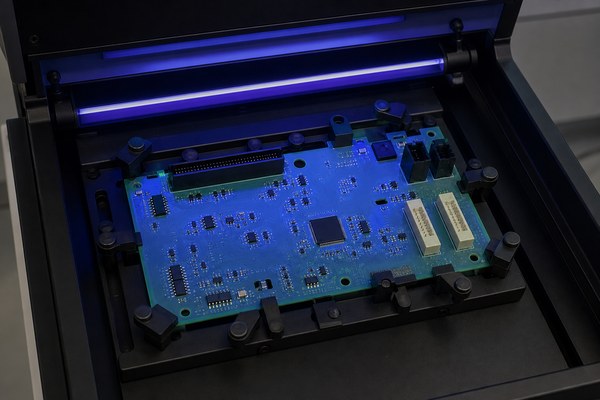
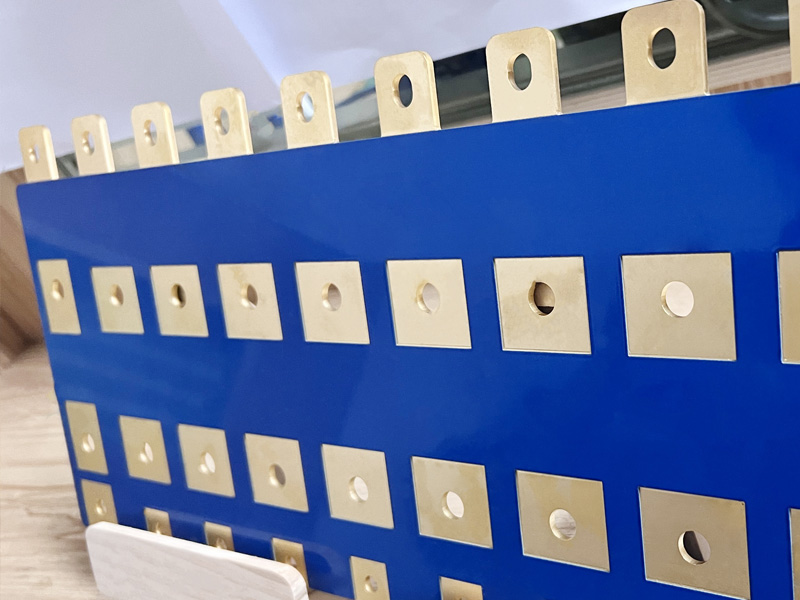
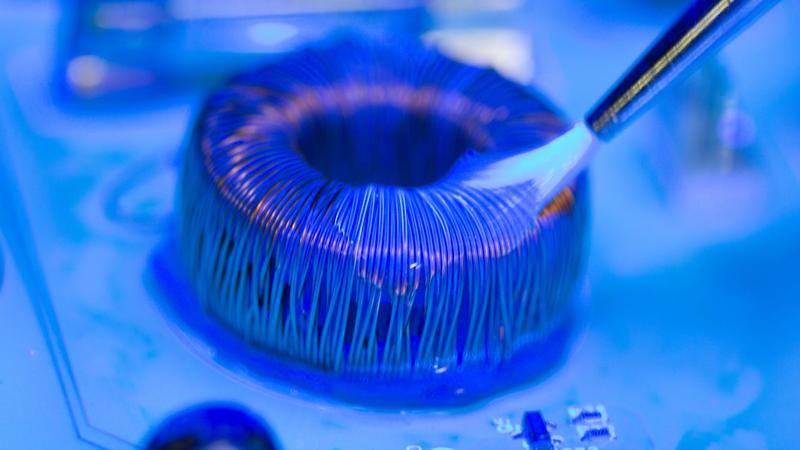
UV inspection of circuit board conformal coating coverage in a quality fixture
  • Visible and UV inspection: confirm coverage boundaries, bubbles, cracks, pooling, foreign matter, and clean keep-outs.
  • Thickness verification: measure the dry film using a method suitable for the coating and available geometry.
  • Cure assessment: use the supplier’s approved tack, hardness, solvent, weight, or process confirmation method.
  • Adhesion testing: validate adhesion on representative surfaces without damaging production hardware unnecessarily.
  • Electrical and environmental testing: apply insulation resistance, humidity, thermal cycling, salt, fungus, or chemical exposure when the application requires it.

IPC-CC-830 is commonly used to qualify conformal coating materials, while IPC-A-610 provides workmanship acceptance guidance for electronic assemblies. Project documents should state the required revision and acceptance class. A broader PCB board testing checklist should still cover electrical and functional verification before and after the coating process.

How to Remove Conformal Coating from Circuit Board?

Identify the coating before choosing a removal method. Solvent, thermal, mechanical, peeling, and micro-abrasive methods affect each chemistry differently. The wrong remover can craze connector housings, lift labels, swell elastomers, strip markings, soften adhesives, or damage the solder mask and laminate.

Step 1 — Identify the coating and substrate. Review production records, coating appearance, supplier data, and approved repair instructions. Confirm the likely chemistry before using heat, solvent, or abrasion because the wrong method can attack plastics, markings, adhesives, solder mask, or laminate.

Step 2 — Define and protect the repair area. Mark the minimum removal boundary and shield adjacent components, contacts, and uncoated surfaces. Provide suitable extraction and personal protection for the selected chemical or abrasive process.

Step 3 — Test the removal method. Apply the proposed circuit board conformal coating remover or mechanical technique to a noncritical sample, witness coupon, or hidden region. Verify that it softens the coating without swelling plastics, lifting labels, stripping markings, or damaging the board finish.

Step 4 — Remove only the required coating. Acrylic is often softened with a compatible solvent; some silicones can be cut and peeled; polyurethane may require stronger chemical or mechanical work. Cured epoxy and parylene commonly require specialized abrasion or other controlled processes. Work from the boundary inward and avoid scraping pads or driving debris beneath packages.

Step 5 — Clean, inspect, and complete the repair. Remove softened residue and particles with an approved cleaning process. Inspect exposed conductors, solder mask, component bodies, leads, and nearby coating edges before component replacement or soldering.

Step 6 — Restore the protective system. Mask the repaired area, apply a compatible replacement coating with overlap onto sound material, complete the specified cure, and reinspect coverage, adhesion, thickness, and keep-outs. Record the repaired location and material lot when traceability is required.

Conformal Coating vs Potting: Which PCB Protection Method Is Better?

Choose by exposure, serviceability, weight, and mechanical demand. Conformal coating provides a thin, light barrier and preserves inspection and local repair access. Potting fills a cavity with a much thicker resin, offering stronger mechanical restraint and environmental isolation but adding mass, thermal constraints, cure stress, and difficult rework.

Decision Factor Conformal Coating Potting
Protection structure Thin film that follows the board and components Thick resin that fills an enclosure or defined cavity
Moisture and contamination Useful against humidity, condensation, dust, and chemical deposits when coverage is continuous Stronger isolation when the resin, enclosure, interfaces, and cure are validated as a complete system
Mechanical support Limited restraint; does not replace brackets, staking, or strain relief Can immobilize components and cables, but cure shrinkage and expansion stress must be controlled
Weight and volume Low material mass and minimal dimensional increase Higher mass and volume; enclosure fill level must be controlled
Thermal behavior Small thermal effect when thin, but thermal interfaces must remain clear Can spread or trap heat depending on resin conductivity, voids, thickness, and enclosure design
Inspection and fault finding Components and solder joints usually remain visible; UV tracer can show coverage Internal features become difficult or impossible to inspect after cure
Repair and component replacement Localized removal and recoating are often practical, depending on chemistry Removal is usually slow, costly, or destructive to the assembly
Production controls Cleaning, masking, viscosity, film thickness, coverage, and cure Mix ratio, degassing, dispense volume, exotherm, voids, cure shrinkage, and adhesion
Best-fit application Serviceable electronics needing lightweight environmental protection Assemblies needing strong mechanical immobilization or deeper encapsulation

The full conformal coating vs potting decision should also consider heat transfer, trapped air, resin exotherm, component stress, enclosure geometry, fluid compatibility, repair policy, and end-of-life requirements. Hybrid protection may use circuit board conformal coating on the assembly and localized potting around vulnerable cables or high-stress regions.

What Affects Circuit Board Conformal Coating Cost?

Total cost is driven more by process complexity than liquid price. Material chemistry matters, but masking labor, board geometry, application method, cure time, inspection, cleaning, handling, repair rate, and production volume often dominate the finished cost. Parylene requires vacuum deposition, while selective coating requires programming and fixtures but can reduce repetitive masking.

  • Coated area and sides: larger boards and double-sided coverage consume more material and handling time.
  • Keep-out complexity: many connectors, switches, test points, and sensors increase masking and inspection labor.
  • Coating chemistry: material price, storage, pot life, cure, and removal requirements vary widely.
  • Production method: brushing, spray, dip, selective dispensing, and vapor deposition have different setup economics.
  • Quality evidence: thickness records, coupons, environmental testing, traceability, and special reports add controlled work.
  • Rework risk: defects discovered after cure may require costly local stripping, cleaning, and recoating.

A useful quotation package includes Gerber or ODB++ data, assembly drawings, BOM, board dimensions, quantities, and the coating material or performance specification. Also provide the coated sides, keep-out drawing, thickness range, cure requirement, inspection criteria, packaging needs, and required test records.

FAQs About Circuit Board Conformal Coating

Q1: Can conformal coating change RF or antenna performance?

A1: Yes, dielectric material near an RF structure can shift its behavior. Coating over antennas, resonators, impedance-sensitive traces, or tuning elements may change capacitance, resonance, loss, or matching. Define RF keep-outs during layout and validate the fully coated assembly rather than relying only on an uncoated prototype.

Q2: Can conformal coating be used on flexible circuits?

A2: It can, but bend zones require special qualification. A coating that performs well on rigid FR-4 may crack, wrinkle, or delaminate when a flex circuit is repeatedly bent. Review minimum bend radius, dynamic versus static use, coverlay compatibility, coating modulus, thickness, and flex-cycle testing before approval.

Q3: Does conformal coating prevent tin whiskers?

A3: It may reduce whisker-related bridging risk but cannot guarantee prevention. Performance depends on coating thickness, adhesion, flexibility, coverage, and the whisker’s growth force. Whisker risk should also be controlled through finish selection, material management, stress reduction, spacing, and application-specific reliability testing.

Q4: Does the UV tracer provide any environmental protection?

A4: The tracer is primarily an inspection aid, not the protective barrier. It fluoresces under the specified UV light so missed areas, boundaries, and coverage variation are easier to see. Its presence does not prove correct thickness, adhesion, cure, cleanliness, or resistance to the intended environment.

Q5: How should opened coating material be controlled?

A5: Track storage condition, opening date, shelf life, and usable life. Moisture exposure, solvent loss, repeated opening, contamination, poor mixing, or expired material can change viscosity and cure. Production should follow the supplier’s resealing, agitation, filtration, thinning, and disposal instructions and record the material lot used.

Q6: Is conformal coating suitable for electronics used in vacuum?

A6: Only a qualified low-outgassing system should be considered. Residual solvent, uncured material, absorbed moisture, and volatile additives can contaminate optics or nearby surfaces in vacuum. Material selection should use relevant outgassing data, complete cure verification, assembly-level testing, and the actual pressure and temperature profile.

Q7: Can conformal coating justify smaller creepage distances?

A7: Do not reduce spacing without the governing safety standard and qualification evidence. Some standards recognize coated assemblies under defined material, process, pollution, and test conditions, but an ordinary coating note is not sufficient. Voltage, environment, coating category, manufacturing control, aging, and certification requirements must all be reviewed.

Q8: How should a recoated repair area be documented?

A8: Record the location, reason, materials, process, and verification result. Useful traceability includes the board serial number, removed coating type, replacement material and lot, cleaning method, repair boundary, cure condition, inspection result, and operator or station. This record supports future failure analysis and repeat-order control.

Q9: Can a cured coated assembly be cleaned after field contamination?

A9: Yes, but the cleaning agent must be compatible with the cured film. Water, detergent, alcohol, or stronger solvents can soften, swell, haze, or undermine different coatings. Identify the contaminant, test a small area, avoid forcing liquid beneath components, dry the assembly completely, and reinspect the coating afterward.

Q10: What requires requalification after a coating change?

A10: Changes to chemistry, supplier, cure, thickness, or cleaning can affect reliability. Requalification scope may include adhesion, coverage, insulation resistance, thermal cycling, humidity, chemical exposure, flammability, RF behavior, and repair compatibility. The decision should follow formal change control and the product’s risk and regulatory requirements.

Conclusion

Reliable coating begins with a defined environment and process. Select circuit board conformal coating chemistry from actual moisture, chemical, temperature, repair, and production requirements; then control cleanliness, masking, thickness, cure, and inspection. The best result is not the thickest film, but a continuous and verified barrier that protects required areas without blocking service access.

For a useful quotation, submit the assembly files, BOM, quantities, operating environment, coating material or performance requirement, keep-out drawing, thickness range, cure requirement, and inspection or test records. This information allows the manufacturing plan to address risk before coating begins.

If you are planning a PCB or PCBA project, EBest Circuit can support PCB fabrication, component sourcing, PCB assembly, conformal coating requirements, inspection, testing, prototyping, and volume production. Send your Gerber or ODB++ files, BOM, quantities, coating specification, keep-out drawing, and test requirements to sales@bestpcbs.com for an engineering review and quotation.
You may also like

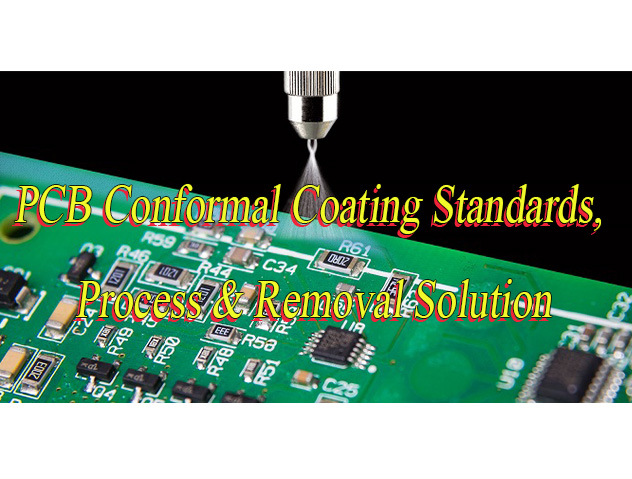
PCB Conformal Coating Standards, Process & Removal Solution
Thursday, November 13th, 2025

Why conformal coating is used in PCB? Let’s discover benefits, types, standards, process and removal solution for PCB conformal coating.

What Is Conformal Coating on PCB?

Conformal Coating is a specially formulated protective paint applied to PCB surfaces to form a 25-200μm transparent protective film. Its function is to provide protection against moisture, salt mist, and mold, effectively blocking water vapor, chemical corrosion, and biological erosion while offering comprehensive protective capabilities such as insulation, shock resistance, and resistance to high/low temperatures. This technology is widely used in automotive electronics, aerospace, medical devices, and other fields, effectively extending the service life of PCBs in complex environments and supporting miniaturized component designs.

What Is Conformal Coating on PCB?

Why Conformal Coating Is Used In PCB?

Benefits of PCB Conformal Coating:

  • Enhanced Environmental Adaptability and Reduced Failure Risk: Moisture-proof, salt spray-proof, and mold-proof properties block moisture, chemical corrosion, and biological attack. For high-density PCBs or precision components, it prevents circuit oxidation, solder joint corrosion, or short circuits caused by environmental factors such as humidity and salt spray, significantly reducing rework rates and after-sales costs.
  • Enhanced Mechanical Strength and Shock Resistance: After curing, it forms an elastic protective layer, reducing mechanical damage caused by vibration, impact, or thermal shock. Suitable for dynamic scenarios such as automotive and industrial equipment, effectively extending the PCB’s lifespan under harsh conditions.
  • Optimized Design Space and Electrical Performance: Insulation supports smaller line spacing and higher power density, enabling miniaturized component design; leakage protection improves signal integrity and reduces electromagnetic interference (EMI) risks.
  • Simplified Process and Cost Control: Utilizes automated coating (spraying/dipping) processes, which are highly efficient and mature. Material costs vary depending on the type, but overall costs are controllable during mass production, while reducing hidden losses caused by environmental failures.
  • Meet Industry Standards and Certification Requirements: High-reliability fields (such as automotive electronics and medical devices) require conformal coating protection to ensure compliance with salt spray tests, flame retardant certifications, etc. Planning the coating process in advance can mitigate risks associated with later certification processes.

Common Types of PCB Conformal Coating

Acrylic resin conformal coating

  • Features: Fast surface drying and curing time, excellent conformal properties, inexpensive, transparent, flexible texture, and easy to repair.
  • Applications: Cost-sensitive consumer electronics products requiring rapid curing.

Polyurethane conformal coating

  • Features: Long service life, strong chemical corrosion resistance, but relatively long curing time.
  • Applications: Industrial equipment or automotive electronics requiring long-term stability.

Silicone resin conformal coating

  • Features: Excellent high-temperature resistance, stable performance in extreme temperature environments, and good solvent resistance.
  • Applications: Aerospace, military, and other fields requiring high temperature and extreme environmental resistance.

Rubber-based conformal coating

  • Features: Good elasticity, providing good shock resistance and protection against mechanical damage.
  • Applications: Electronic equipment subject to strong vibration or mechanical impact.

Conformal Coating for PCB Standards

IndustryStandardThickness RequirementPerformance IndicatorsTest/Verification Criteria
General ElectronicsIPC-A-61015~17μm (protection level dependent)Moisture/salt/dust proof; Insulation ≄100V/μmIPC-A-600 appearance grading (level 1-3)
Automotive ElectronicsIPC-6012≄25μmDielectric strength ≄500V/mil; Temperature resistance -40ā„ƒ~150ā„ƒThermal cycling 1000 cycles; Salt spray test 48H
AerospaceMIL-I-46058C30~130μmExtreme environment adaptability (-55ā„ƒ~200ā„ƒ); Chemical corrosion resistance; High frequency signal stabilityMIL-STD-810H environmental reliability test
High Reliability IndustrialDIN EN 6108650~200μmSulfurization resistance; Aging resistance (UV stability); Flame retardancy (UL94 V-0)DIN 50021 salt spray test

PCB Conformal Coating Process

Below Is A Detailed Guide to PCB Conformal Coating Process:

1. Surface Preparation and Cleaning

  • Core Requirement: Thoroughly remove PCB surface contaminants (such as flux residues, grease, dust) to ensure coating adhesion.
  • Operational Standards: Use ultrasonic cleaning, solvent wiping (e.g., isopropyl alcohol), or plasma cleaning technology. Verify that the surface contact angle after cleaning is ≤30° to meet the IPC-A-610 standard.
  • Special Treatment: For high-reliability scenarios, additional micro-etching or chemical cleaning steps are required to enhance the bonding strength between the coating and the substrate.

2. Shielding Area Planning

  • Precise Shielding: Use solvent-resistant masking tape or custom coating masks to protect connectors, test points, heat sinks, key switches, and other areas that require maintaining electrical contact or mechanical function.
  • Automation Support: Adopt laser-cut masking templates or robotic spraying systems to achieve high-precision selective coating, preventing coating intrusion into sensitive areas.

3. Coating Material Selection & Matching

  • Nanocomposite coating: Incorporating nano-silica or boron nitride particles to improve coating abrasion resistance and thermal conductivity (e.g., thermal conductivity > 1.2 W/mĀ·K at 200ā„ƒ), suitable for 5G base station PCBs.
  • Environmentally friendly formulation: Water-based acrylic coating with VOC emissions < 50 g/L, complying with EU REACH regulations and California Proposition 65.
  • Thickness gradient design: A 200 μm thick coating is used in critical solder joint areas, gradually decreasing to 25 μm at the edges, balancing protection and heat dissipation requirements.

4. Coating Application Techniques

  • Spray: Suitable for large-area uniform coating. Requires control of nozzle pressure and atomization effect to ensure coating thickness of 20-100μm.
  • Dip: Suitable for batch production. Requires control of immersion speed and withdrawal angle to avoid air bubble entrapment.
  • Selective Coating: Uses robotic or needle systems to precisely control the coating area, reducing material waste.
  • Brush: Suitable for small-batch or repair scenarios. Requires professional operation to avoid uneven coating.
  • Automation Integration: For high-throughput scenarios, online spraying robots combined with vision inspection systems are used to adjust the coating path in real time.

5. Curing and Post-Processing

  • Curing Process: Depending on material properties, choose thermal curing (80-120ā„ƒ), UV curing (requires photoinitiator), or room temperature curing. Curing time must strictly follow the material data sheet (TDS).
  • Post-Curing Verification: After curing, perform coating hardness test (pencil method), adhesion test (cross-cut tape test), and weathering test (double 85 test: 85ā„ƒ/85% RH).

6. Quality Control and Inspection

  • Process Monitoring: Use wet film thickness gauges to measure coating thickness in real time. UV detection systems identify coating defects such as pinholes and bubbles.
  • Destructive Testing: Cross-sectional analysis verifies the interface bonding between the coating and the substrate. Thermal shock testing (-40ā„ƒ~125ā„ƒ cycling) verifies the coating’s temperature change resistance.
  • Non-Destructive Testing: Automated optical inspection (AOI) systems scan the coating surface to identify defects such as cracks and delamination.
7. Environmental and Safety Compliance

  • Environmental Compliance of Materials: Comply with RoHS and REACH regulations. Prioritize the use of low-VOC (volatile organic compounds) or water-based coating materials.
  • Operational Safety: Equip with ventilation systems and personal protective equipment (PPE). Curing exhaust must be treated by environmental protection equipment to meet emission standards.
PCB Conformal Coating Process

How to Remove Conformal Coating From PCB?

Below Is A PCB Conformal Coating Removal Solution:

1. Accurate Identification and Characteristics of Coating Types

  • Acrylic (AR): General-purpose coating, soluble in acetone/isopropanol. Case: Humiseal 1B31 requires high-Kb flux cleaners; immersion requires lid to prevent evaporation (ref: “Classification of Conformal Coatings”).
  • Silicone (SR): Extreme temperature resistance (-65°C to 200°C). Requires siloxane-specific solvents or micro-sandblasting (80μm glass beads). Example: Aerospace PCBs use 200°C hot air to soften coating before plastic scraper removal, avoiding copper trace damage.
  • Polyurethane (UR): Chemical corrosion resistance. Requires strong solvents (dichloromethane) or 200–300°C hot air. Note: Uncured coatings use dedicated removers; cured coatings need extended solvent immersion.
  • Epoxy (ER): High hardness. Requires mechanical grinding (400–600 grit) or 150–200°C hot air stripping. Example: Automotive PCBs limit sandblasting pressure to ≤0.3 MPa to prevent trace fractures.
  • Parylene (XY): Vapor-deposited coating. Only removable via plasma etching (industrial equipment required). Compliance: RoHS 3.0, heavy metal ions ≤0.5 mg/L.

2. Chemical Solvent Method – Detailed Operational Standards

Solvent Selection & Compatibility: Acrylic → acetone/IPA; silicone → siloxane solvents; polyurethane → dichloromethane. Test solvents on scrap boards to avoid ABS/plastic/connector corrosion.

Procedures:

  • Localized Repair: Apply solvent with cotton swab, wait 1–2 min, gently scrape with plastic spatula.
  • Full Board Stripping: Immerse in SUS304 solvent tank for ≄1 hr, brush with soft bristles.

Safety & Environmental Compliance: Operate in ventilated areas; wear nitrile gloves + goggles. Hazardous waste disposal required; UV blacklight checks for ionic residues (fluorescence indicates contamination).

3. Mechanical & Thermal Methods – Technical Details & Case Studies

  • Micro-Sandblasting: Precision pen with 80μm glass beads, 3-sec scan at 10cm. Ideal for BGA corners. Example: High-frequency PCBs use this to maintain 2GHz signal integrity.
  • Hot Air Gun: 150–200°C for 10–20 sec, followed by plastic scraper removal. Caution: Temperatures >180°C risk burning silkscreen; use thermal tape to protect sensitive zones.
  • Mechanical Grinding: 400–600 grit sandpaper or rotary tools (500–1000 RPM), paired with compressed air to clear debris. Critical: Minimize pressure to avoid trace/solder mask damage.

4. Advanced Techniques – Laser & Plasma Etching

  • Laser Ablation: UV laser (355nm) for selective removal of parylene. Parameters: Energy density ≤10 J/cm² to prevent substrate carbonization.
  • Plasma Etching: Ionized gas stripping via equipment (e.g., Schuler HFA). Case: High-value aerospace PCBs use this for substrate-safe removal.

5. Safety & Environmental Compliance

  • PPE: Respirators + goggles + solvent-resistant gloves; avoid direct skin contact.
  • Environmental Management: Waste solvents require licensed disposal; effluent COD ≤500 mg/L, heavy metals ≤0.5 mg/L (GB/T 26572).
  • Recoating Procedures: Post-cleaning wipe with 90%+ IPA, match original coating type (e.g., silicone-to-silicone). Apply thin layers (25–50μm), cure per manufacturer specs (e.g., UV acrylic: 8-sec cure). Inspect via 10x magnification for bubbles/pinholes.
How to Remove Conformal Coating From PCB?

PCB Conformal Coating Services Offered by EBest Circuit (Best Technology)

EBest Circuit (Best Technology) offers professional conformal coating services for PCBs, including four types of PCB conformal coating services:

  • Acrylic resin conformal coating
  • Polyurethane conformal coating
  • Silicone resin conformal coating
  • Rubber-based conformal coating

Our Quality Assurance

  • Coating Process: Spraying, dip coating, and brush coating are used, with film thickness controlled between 25-75μm.
  • Curing Control: Supports UV curing (3-5 seconds surface dry) and heat curing (stepped temperature increase).
  • Quality Requirements: The paint film is smooth and defect-free, and adhesion passes the cross-cut adhesion test to ensure protective effect.

Why Choose us?

  • Environmental Protection and Customization: Provides water-based products and customized solutions, compliant with RoHS and other standards.
  • High-Precision Equipment: Uses selective coating machines to achieve film thickness control accuracy of ±2μm.
  • Rapid Response: Supports small-batch trial production and mass production, flexibly meeting customer needs.

Welcome to contact us if you have any request for PCB conformal coating service: sales@bestpcbs.com.

You may also like

What is PCB conformal coating? What is its use?
Friday, March 7th, 2025

PCB conformal coating is a thin layer of polymer applied to the surface of a PCB to protect the circuits and board components from environmental stresses. The coating ensures that the PCB maintains high performance and reliability in the face of moisture, condensation, dust, dirt, chemicals, corrosion and other adverse environmental conditions.

What is PCB conformal coating? What is its use?

What is Conformal Coating?

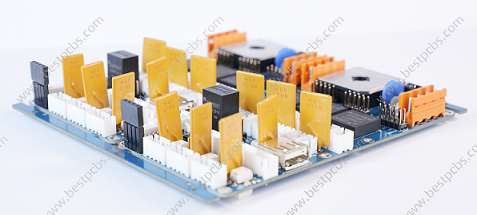
Conformal coating is a liquid polymer film applied to a printed circuit board (PCB) to protect it from environmental factors. It conforms to the board’s shape, covering components without affecting their function. This coating prevents damage from humidity, dust, salt spray, and chemical exposure, which can cause corrosion and electrical failures.
It is commonly used in aerospace, automotive, medical, and industrial electronics, where protection is crucial for long-term performance. The coating also helps prevent short circuits caused by contaminants and enhances the overall durability of the PCB.

What Are the 5 Types of Conformal Coating?

There are several types of conformal coatings, each offering unique benefits based on the application requirements. The five most commonly used coatings are:

  • Acrylic acid (AR): After liquid coating, it is heated and cured at room temperature, providing cost-effective moisture protection, easy to apply and reworkable, suitable for conventional environments such as consumer electronics, but its high temperature resistance is limited.
  • Silicone (SR): Ideal for extreme temperature environments, with excellent weather resistance and shock resistance, widely used in high reliability scenarios such as aerospace and automotive electronics.
  • Polyurethane (UR): It has strong chemical resistance and wear resistance, but it is difficult to remove after curing, suitable for industrial control panels that require long-term protection and low maintenance requirements.
  • Epoxy resin (ER): Thermosetting materials require high temperature curing, provide a rigid protective layer, and are extremely resistant to solvents, moisture and mechanical stress, but the high hardness makes rework difficult, and is mostly used in military or harsh environment equipment.
  • Parylene (XY): It is formed into a thin film through vacuum vapor deposition, has excellent moisture resistance and chemical resistance, and is suitable for precision scenarios such as medical implants and high-frequency circuits, but the process is complex and the cost is high.

Each type has its advantages depending on the operating environment, durability needs, and repairability of the PCB.

Do All PCBs Have Conformal Coating?

No, not all PCBs require conformal coating. It depends on the intended use of the board. Consumer electronics, such as smartphones and laptops, may not need it since they are protected within enclosures.

What is PCB conformal coating? What is its use?

However, industrial, medical, and military PCBs often require this coating due to exposure to extreme conditions, moisture, or contaminants.

For products that must operate in outdoor, high-humidity, or chemical-rich environments, conformal coating is essential to maintain reliability.

What is the Point of Conformal Coating?

The primary purpose of conformal coating is to protect electronic circuits from environmental damage. It prevents issues like corrosion, oxidation, and short circuits caused by moisture or contaminants.

It also provides:

  • Enhanced Reliability: Reduces the risk of failure in harsh conditions.
  • Longer Lifespan: Protects components from physical and chemical wear.
  • Improved Performance: Prevents signal interference from conductive debris.
  • Cost Savings: Reduces maintenance and replacement costs over time.

With conformal coating, PCBs perform better, last longer, and withstand more challenging environments without degradation.
When to Apply Conformal Coating?

Conformal coating should be applied after the PCB assembly process but before final testing. This ensures that all components are correctly placed and functioning before adding the protective layer.

It is best applied when:

The PCB will be exposed to moisture, dust, or chemicals.

The circuit operates in high-temperature or high-humidity environments.

There is a risk of vibration or mechanical stress affecting performance.

Applying the coating at the right stage prevents contamination and defects while ensuring maximum protection.

How to Apply Conformal Coating?

The application method depends on the type of coating, production volume, and precision requirements. The most common methods include:
  • Brushing: Ideal for small-scale or repair applications. Simple and cost-effective but less precise.
What is PCB conformal coating? What is its use?
  • Spraying: Provides an even coating over large surfaces. Used for medium-scale production and manual application.
  • Dipping: PCB is submerged in the coating liquid. Ensures full coverage but may lead to excess material buildup.
  • Selective Coating Machines: Uses robotic arms to apply coating only where needed. Precise and efficient for high-volume production.

After application, the coating must cure using air drying, heat, or UV light, depending on the material used. Proper curing ensures maximum adhesion and durability.

How to Remove Conformal Coating?

Although conformal coatings are designed to be permanent, they can be removed when necessary, such as during repairs or modifications. The removal method depends on the type of coating:

  • Solvent Removal: Works for acrylic and some urethane coatings. Chemical removers dissolve the coating without damaging the PCB.
  • Thermal Removal: Applying heat softens some coatings, making them easier to scrape off.
  • Mechanical Removal: Abrasive tools can scrape or sand away rigid coatings like epoxy.

Proper removal ensures that the PCB remains intact while allowing for necessary repairs or modifications.

What Are the Disadvantages of Conformal Coating?

Although conformal coating provides excellent protection, it has some limitations:

  • Difficult Repairs: Once coated, components can be harder to access for modifications.
  • Extended Drying Time: Some coatings take longer to cure, delaying production.
  • Application Complexity: Requires specialized equipment for precision coating.
  • Removal Challenges: Hard coatings like epoxy are difficult to remove without damaging the PCB.

Despite these challenges, the benefits of conformal coating far outweigh the drawbacks, making it a valuable solution for electronic protection.

Is Solder Mask the Same as Conformal Coating?

No, solder mask and conformal coating serve different purposes.

What is PCB conformal coating? What is its use?
  • Solder Mask: A permanent protective layer applied during PCB manufacturing. It prevents solder bridges and protects copper traces from oxidation.
  • Conformal Coating: Applied after assembly to protect against moisture, dust, and chemicals. It is a transparent layer that shields the entire circuit.

While both offer protection, solder mask is built into the PCB, while conformal coating is an additional layer for enhanced durability.

Can We Apply Conformal Coating?

Yes, BEST Technology provides professional conformal coating services backed by 18+ years of PCB manufacturing expertise.

With advanced conformal coating equipment and a team of skilled professionals, BEST Technology ensures precise application, superior protection, and long-lasting performance for circuit boards. Whether you need acrylic, silicone, urethane, epoxy, or parylene coatings, BEST Technology can meet specific requirements with high-quality, industry-standard solutions.

Conclusion:

Conformal coating is an essential protective solution for PCBs operating in challenging environments. It ensures long-term reliability, prevents corrosion, and enhances performance in critical applications.

Though it adds complexity to the production process, the benefits of conformal coating far outweigh the disadvantages. It extends the lifespan of electronic devices. For professional PCB solutions, contact sales@bestpcbs.com

You may also like

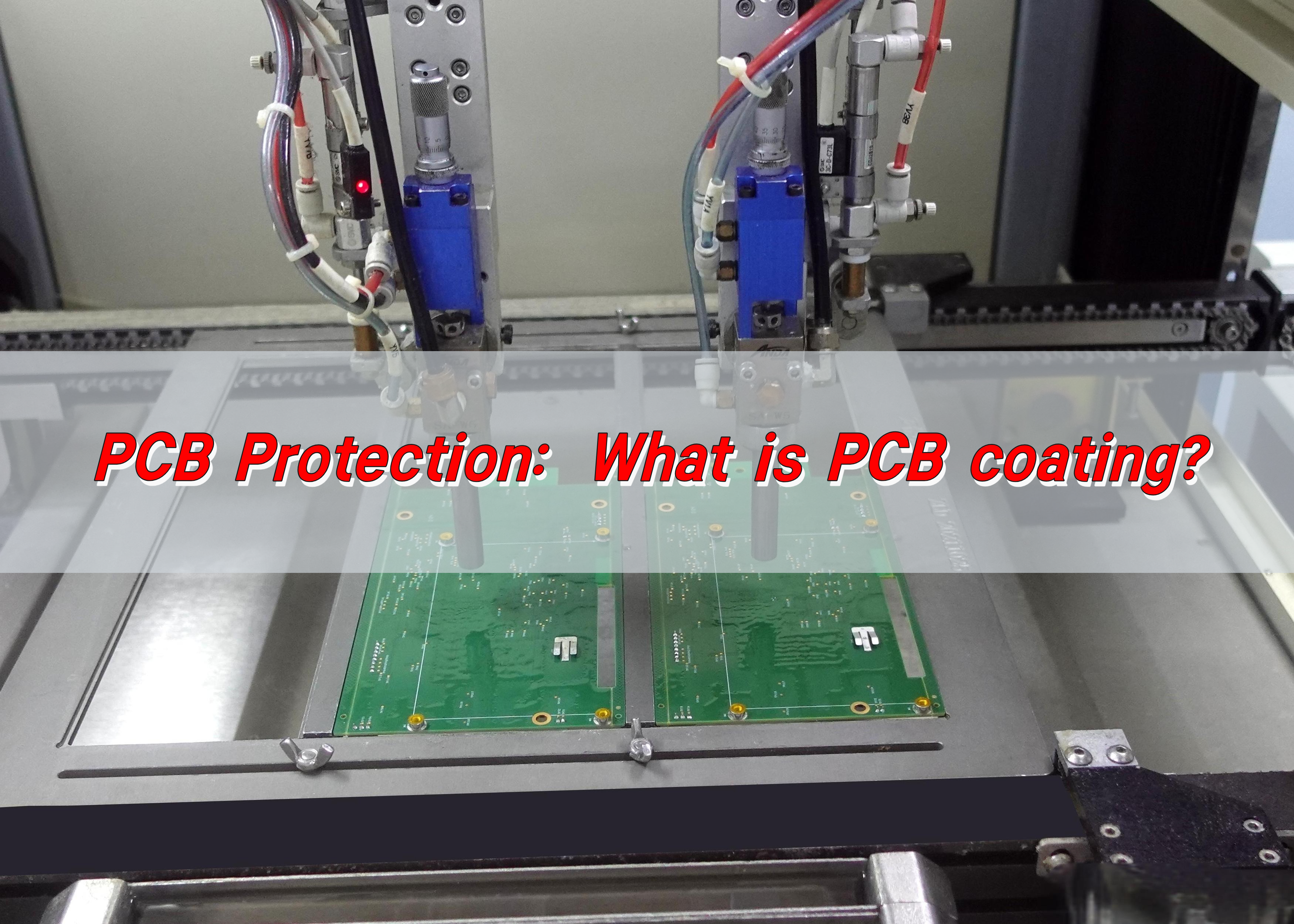
PCB Protection: What is PCB coating?
Tuesday, February 18th, 2025

PCB coating is a layer of special material applied on the surface of PCB to protect the circuit board from environmental factors (such as moisture, dust, chemical corrosion, etc.) while improving its electrical insulation, welding performance and mechanical strength. Common coating types include organic coating, metal plating, conformal coating, etc., which are applied by spraying, dipping or brushing.

PCB Protection: What is PCB coating?

What is conformal coating on pcb?

Conformal coating is a protective layer applied to a PCB to shield the board’s components from external contaminants like dust, moisture, and chemicals.

Unlike encapsulation, which surrounds the entire assembly, conformal coating is a thin, flexible layer that conforms to the shape of the PCB and its components. The coating allows the PCB to remain functional while also protecting it from environmental stresses.

The purpose of conformal coating is to enhance the reliability and longevity of PCBs by protecting them from elements that could cause short circuits, corrosion, or other types of damage.

It is particularly critical in industries where the PCB is exposed to harsh environments or where the failure of a PCB could have severe consequences.

Why conformal coating is used in pcb?

There are several reasons why conformal coating is essential for PCBs:

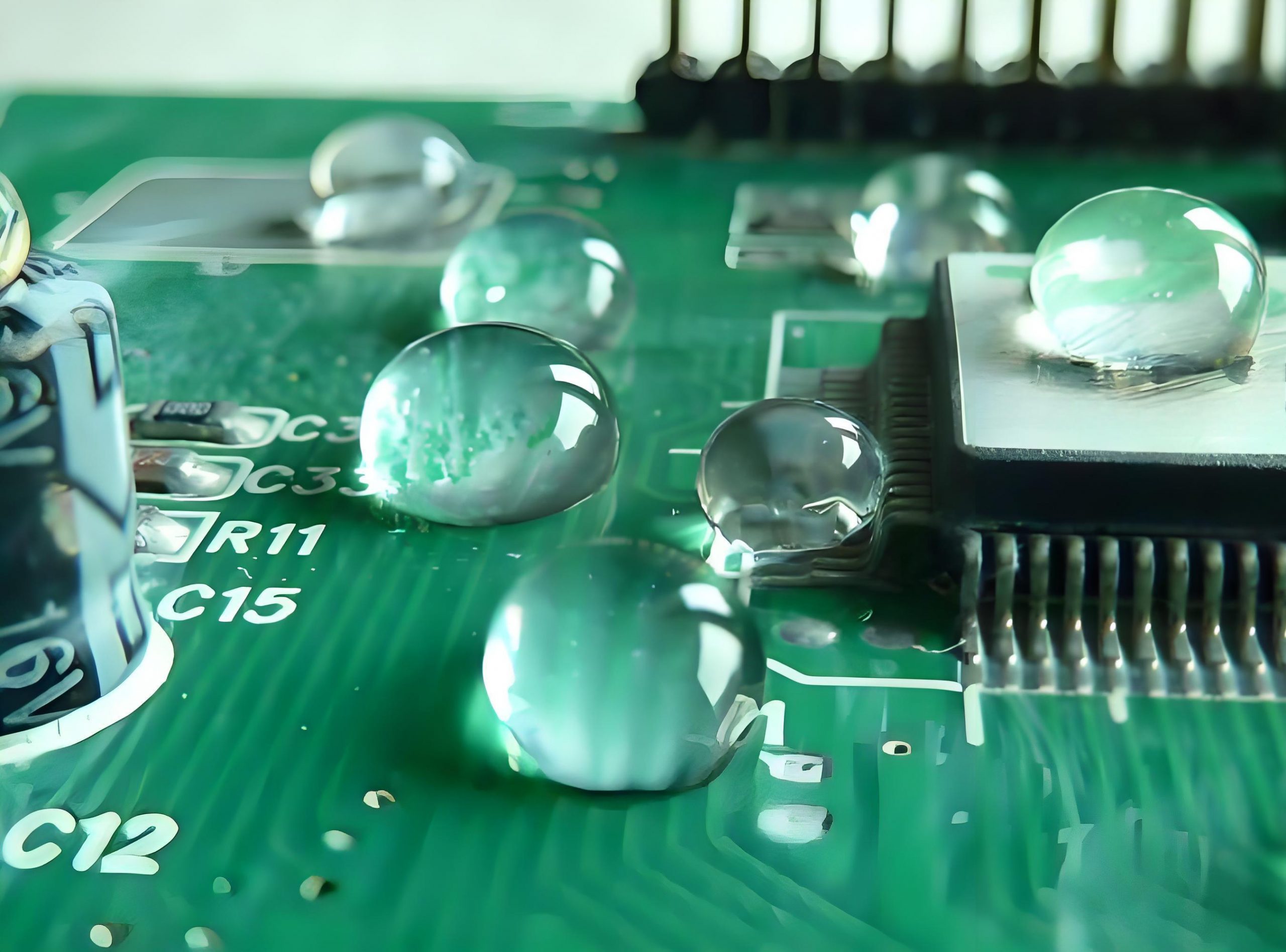
  • Protection from Moisture: Moisture is one of the biggest threats to PCBs. The coating provides a moisture-resistant barrier, reducing the risk of corrosion and electrical shorts.
PCB Protection: What is PCB coating?
  • Dust and Contaminant Shielding: Dust, dirt, and other environmental contaminants can easily find their way onto uncoated PCBs. A conformal coating prevents this by creating a physical barrier.
  • Chemical Resistance: Many industrial environments expose PCBs to chemicals, oils, and solvents. A good conformal coating can offer protection against these substances, preserving the integrity of the PCB.
  • Electrical Insulation: In certain cases, conformal coatings help isolate electrical components from one another, preventing unwanted connections or short circuits.
  • Thermal Resistance: In some instances, conformal coatings can help dissipate heat, allowing the PCB to operate more efficiently in high-temperature environments.

In summary, PCB coatings ensure better reliability, enhanced performance, and longer lifespan, especially in medical, automotive, and aerospace sectors.

Can conformal coating be removed?

Yes, conformal coating can be removed, though the process is often delicate and requires careful handling.

PCB coating removal is generally done when there’s a need for repair, modification, or redesign of the PCB. However, the removal process must be approached with caution to prevent damaging the underlying components.

Some coating removal techniques include using:

  • Chemical Strippers: These are special solvents designed to break down and dissolve the coating.
  • Mechanical Methods: Using tools like abrasive pads or brushes, the coating can be scrubbed off.
  • Heat Application: For certain coatings, heat guns or infrared ovens can soften the coating, making it easier to remove.

Each method should be selected based on the type of coating and the sensitivity of the PCB components.

How to remove conformal coating from pcb?

  • Choose the Right Method: Select a removal technique based on the type of coating and the nature of the PCB.
  • Use Protective Gear: Always wear gloves, goggles, and a mask to avoid exposure to chemicals and solvents.
  • Apply Solvent: If using a chemical stripper, apply it carefully to the PCB using a brush or cloth. Allow the solution to sit for a few minutes to break down the coating.
  • Scrub Off the Coating: Use a soft brush or sponge to scrub the coating off. Avoid using hard bristles that could damage the PCB.
  • Rinse and Dry: Once the coating has been removed, rinse the PCB with water or alcohol to remove any chemical residues. Allow the PCB to dry completely before reapplying a new coating or proceeding with repairs.

What is the best coating for PCB?

The best coating for PCB depends on various factors, including the environment in which the PCB will operate, the level of protection needed, and the specific requirements of the project.

  • Acrylic Coating: This is one of the most common PCB coatings due to its excellent moisture resistance, ease of application, and good overall protection. It is clear, which makes it ideal for applications where visual inspection is needed.
  • Silicone Coating: Known for its flexibility and high-temperature resistance, silicone coating is often used in PCBs that will be exposed to high heat or thermal cycling.
PCB Protection: What is PCB coating?
  • Polyurethane Coating: Offering high durability and excellent resistance to environmental factors, polyurethane coating is ideal for industrial applications that require both moisture and chemical resistance.
  • Epoxy Coating: Epoxy coatings provide strong protection against mechanical wear and harsh environments but are less flexible than other coatings.
  • Parylene Coating: Parylene is a highly effective coating for PCBs, offering protection from chemicals and moisture while maintaining a very thin and uniform layer. It is commonly used in medical and aerospace applications.

Each type has its advantages, so it’s essential to select the one that best fits your needs.

What is the cheapest PCB finish?

When it comes to PCB finishes, the cost can vary widely depending on the type of finish chosen.

Acrylic coatings are often considered among the most affordable options, providing good protection for general applications.

However, when specific environmental conditions require more advanced coatings (like Parylene or silicone), the cost can be higher.

Opting for a lower-quality coating may result in increased wear and tear or reduced protection, leading to failures over time.

How to measure conformal coating thickness?

Too thick a coating can cause unwanted stress on components, while too thin a layer might not provide sufficient protection.

The most common methods for measuring coating thickness are:

  • Micrometers: Special digital micrometers can be used to measure the thickness of the coating with great precision.
  • Ultrasonic Testing: This non-destructive method uses sound waves to measure the thickness of coatings.
  • Coating Thickness Gauges: These handheld tools use electromagnetic induction or eddy current technology to measure coating thickness quickly and accurately.

It’s vital to measure coating thickness regularly during the application process to maintain consistent protection across the entire PCB.

What are the drawbacks of conformal coating?

While conformal coatings offer numerous benefits, there are some drawbacks to consider:

  • Limited Protection for Physical Damage: While they protect against moisture and contaminants, coatings don’t provide protection against physical impacts or harsh mechanical stresses.
  • Coating Removal Complexity: Removing conformal coatings can be tricky and requires specialized techniques and tools.
  • Potential for Uneven Coating: If the coating process is not executed correctly, it could result in areas where the coating is too thick or thin, leading to reduced protection or malfunctioning.
  • Increased Component Stresses: Some coatings, especially those that are too thick or rigid, can put additional strain on the components, leading to potential damage over time.

Despite these drawbacks, the benefits of conformal coatings often outweigh the disadvantages, especially when dealing with sensitive electronics exposed to harsh environments.

How do you apply conformal coating to PCB?

Applying conformal coating to PCBs can be done through several methods, including:

  • Spraying: Spray applications are one of the most common methods for applying conformal coatings. It provides even coverage and is suitable for large-scale production.
PCB Protection: What is PCB coating?
  • Dipping: In this method, the entire PCB is dipped into a bath of conformal coating material, allowing it to coat the board evenly.
  • Brushing: For smaller batches or repairs, brushing is a viable method.
  • Selective Coating Machines: These machines can apply conformal coatings only to the areas of the PCB that need protection, minimizing wastage.

Each method has its benefits, and the choice depends on the specific project and production needs.

Conclusion:

PCB coating is an essential protective measure that ensures PCBs can withstand environmental challenges while maintaining functionality.

At EBest Circuit (Best Technology), Our experienced engineers will help you choose the best solution for your project, ensuring your PCBs are protected and reliable. For more information, contact us at sales@bestpcbs.com

You may also like