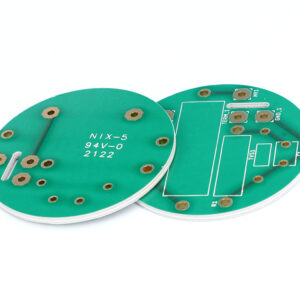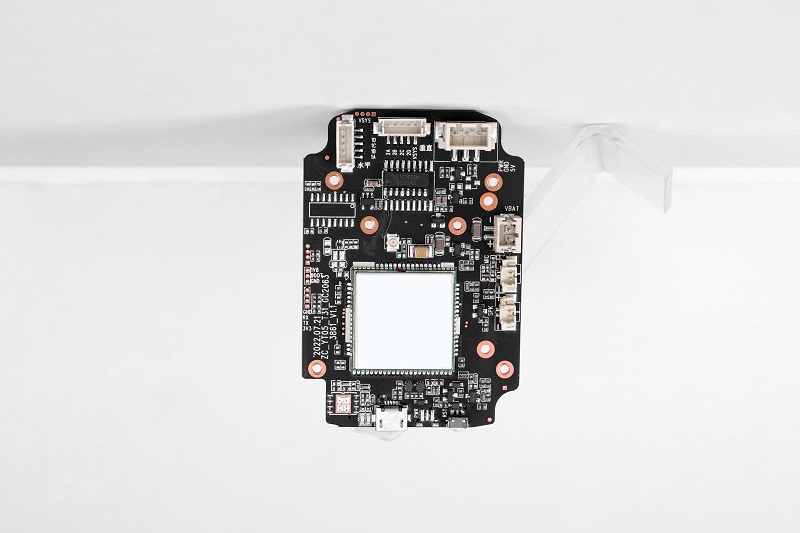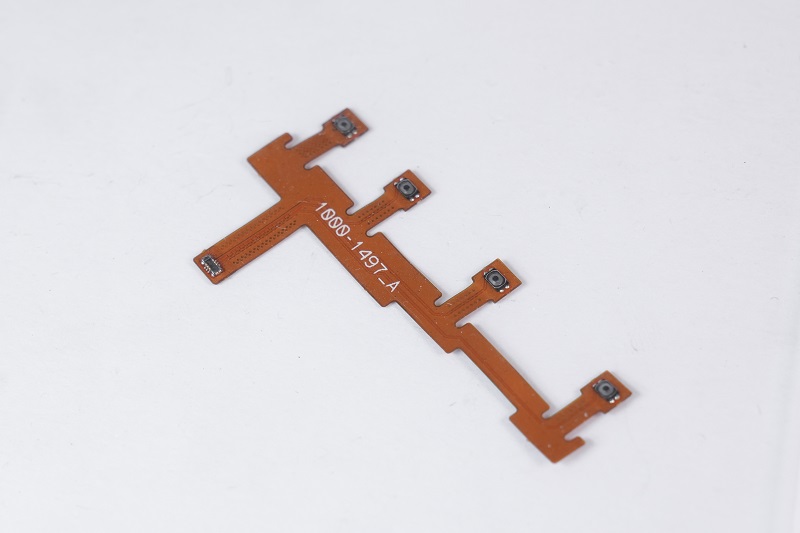


PCB manufacturing PCB manufacturing
Home > Blog

High-quality PCB Contract Manufacturing Service

June 5th, 2025

What Is PCB Contract Manufacturing?

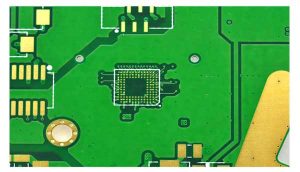
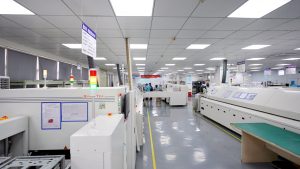
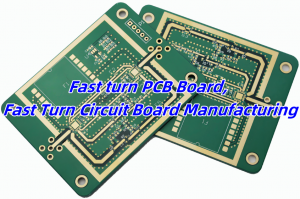
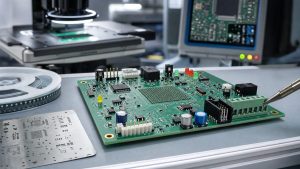
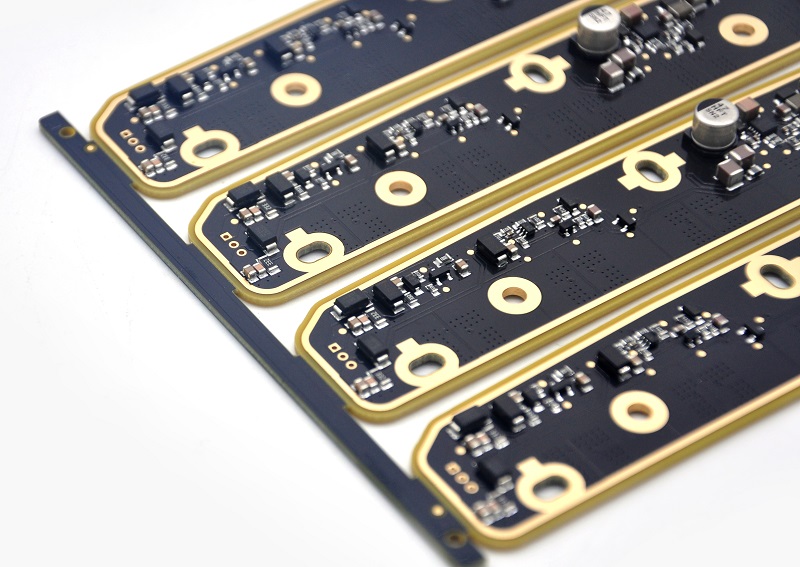
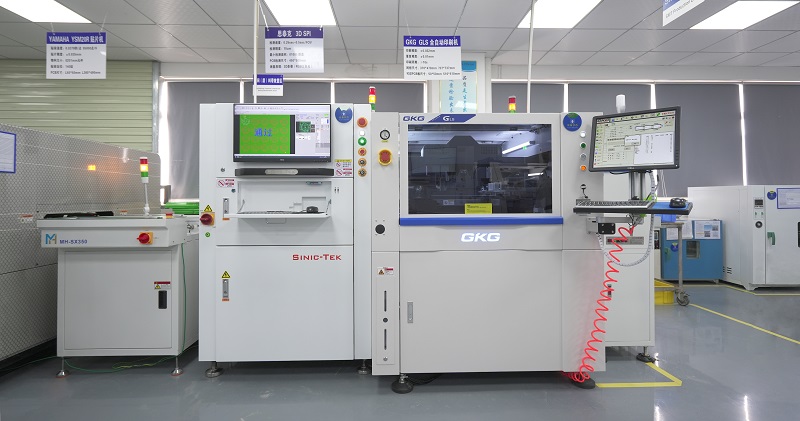
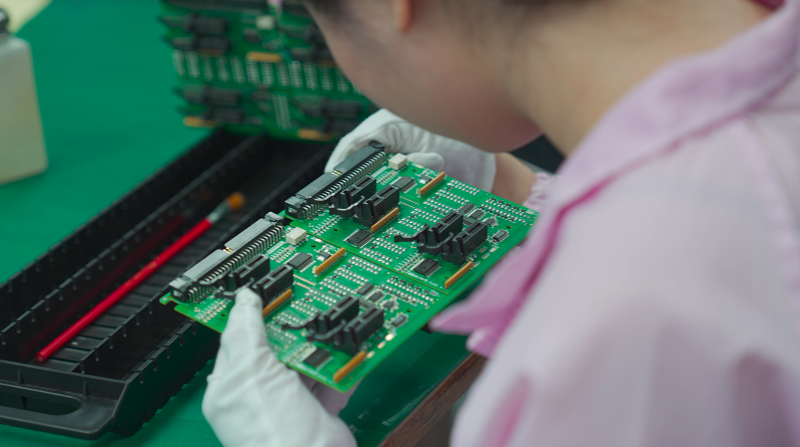
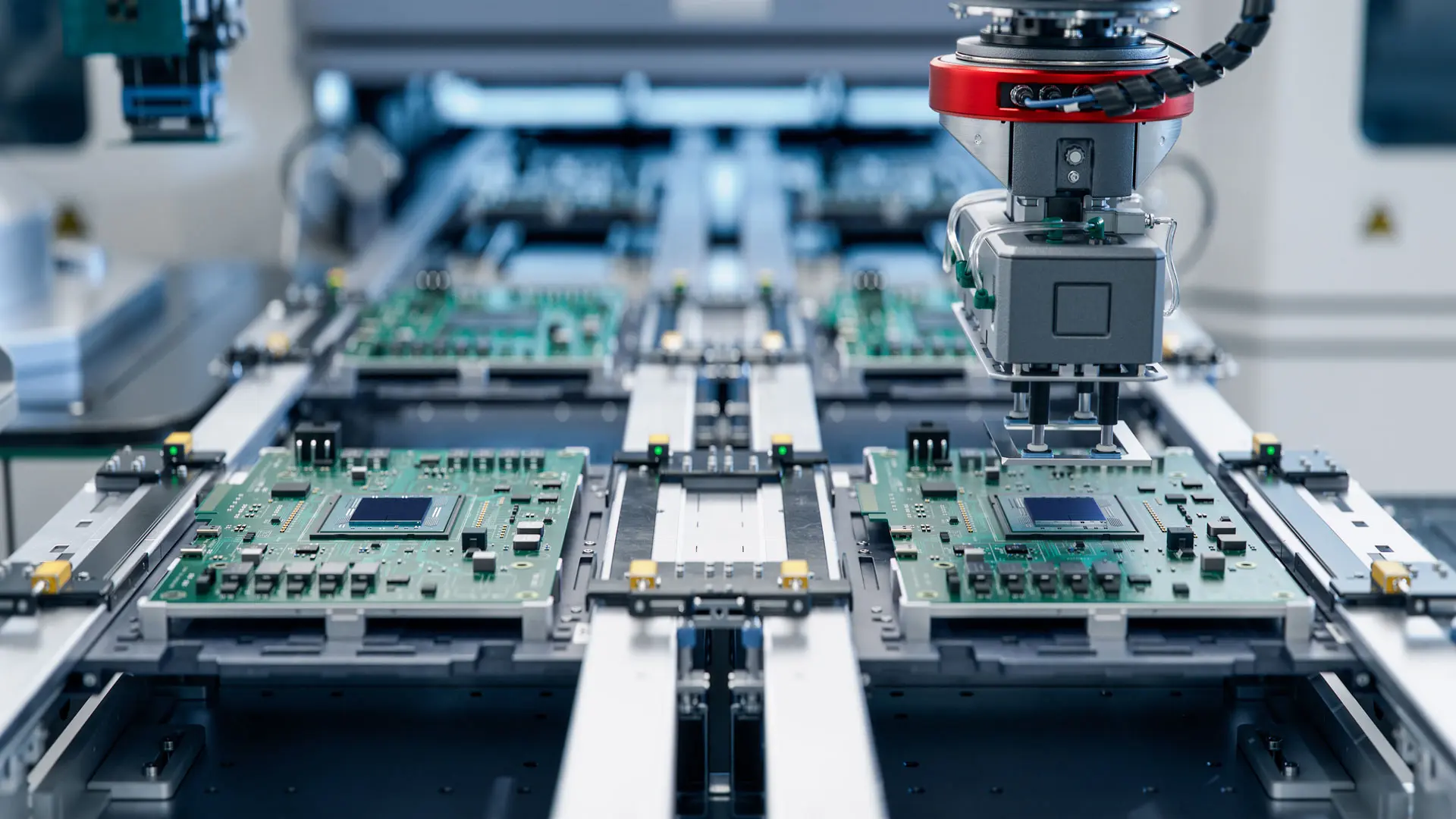
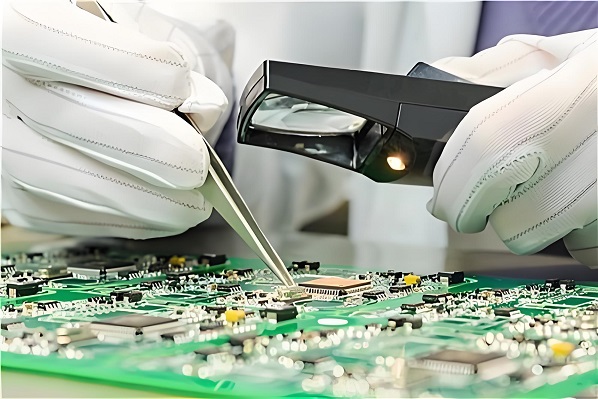
PCB contract manufacturing is a process where companies outsource the production of printed circuit boards to a third-party manufacturer. This includes not just making the board, but also assembling components, running functional tests, and sometimes even final product packaging. It allows companies to focus on core tasks like product development and marketing, while the technical side of electronics production is handled by experts.

At its core, PCB contract manufacturing saves time, reduces production costs, and ensures consistency in quality. For startups and global electronics brands alike, finding a dependable contract manufacturer can significantly boost speed-to-market and reduce project risks.
High-quality PCB Contract Manufacturing Service

What Is PCB Contract Manufacturing

Our Printed Circuit Board Services

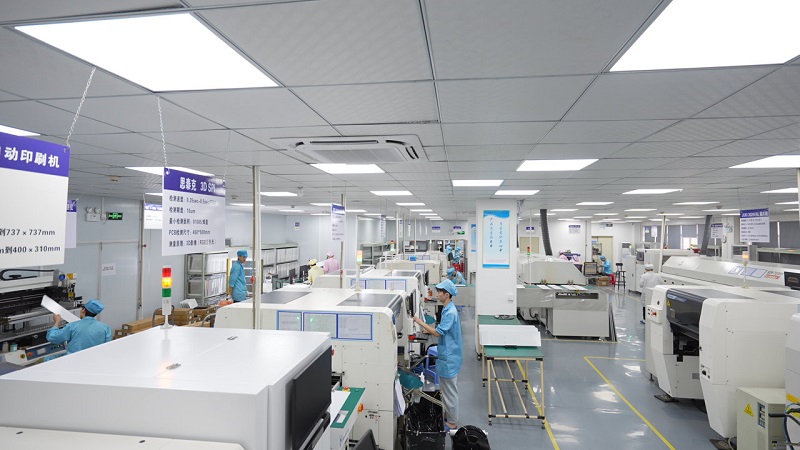
At EBest Circuit (Best Technology), we offer a complete range of services under one roof. Whether you’re developing a new electronic product or scaling up production, we handle everything from the initial design to final functional testing. Here’s what we bring to the table:

  • PCB Layout & Design

We help you start from scratch or improve your existing Gerber files. Our layout team is experienced in high-density routing, impedance control, and EMC-compliant designs. With tools like Altium Designer and CAD, we ensure accurate and efficient PCB layouts tailored to your project needs.

  • OEM & ODM PCB Manufacturing

Whether you need OEM or ODM service, we have the capability to take your concept and turn it into a working product. Our engineering team collaborates closely with clients to deliver custom solutions that are production-ready.

  • Electronic Components Assembly

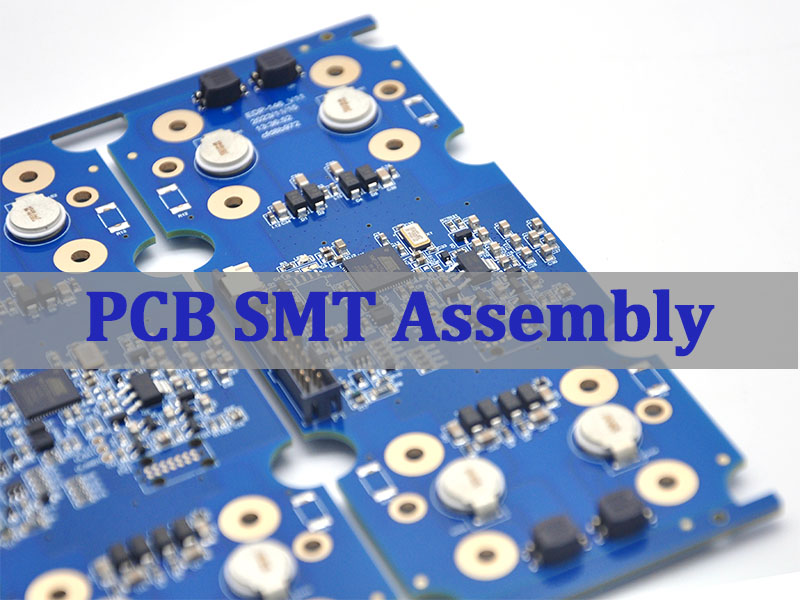
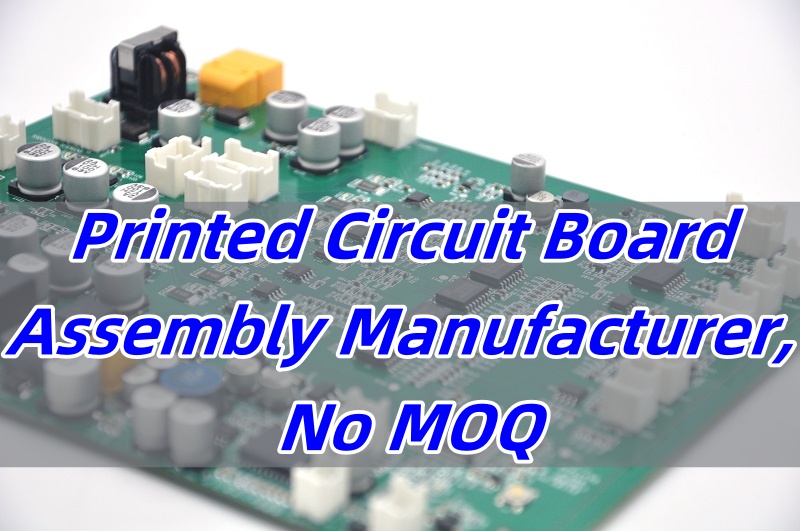
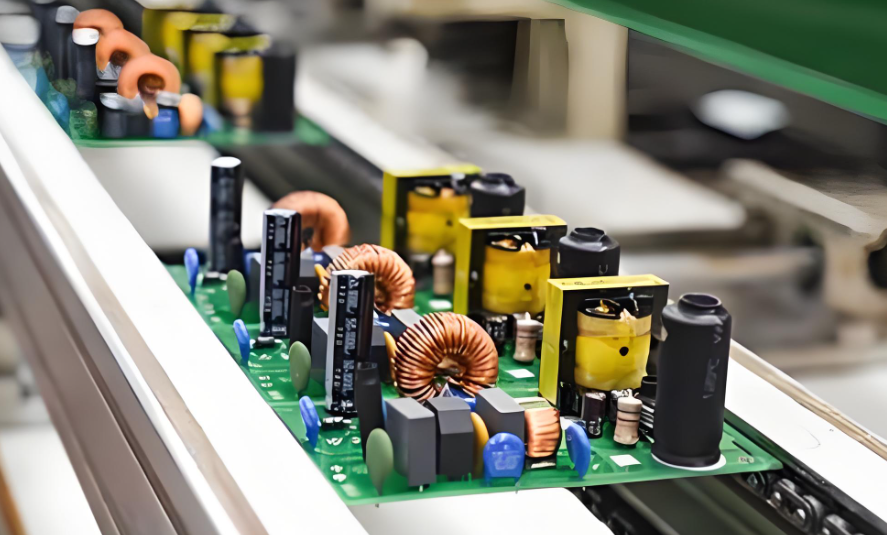
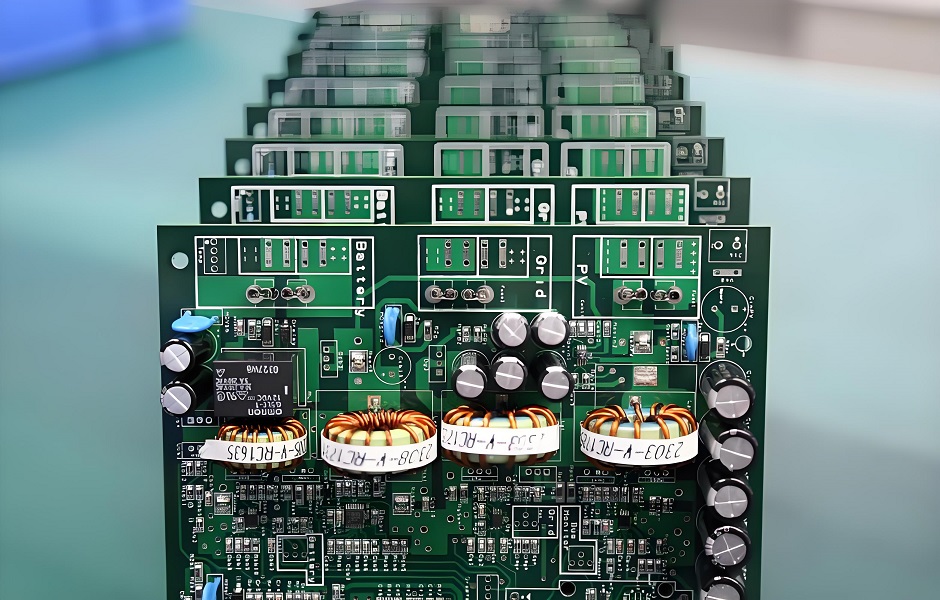
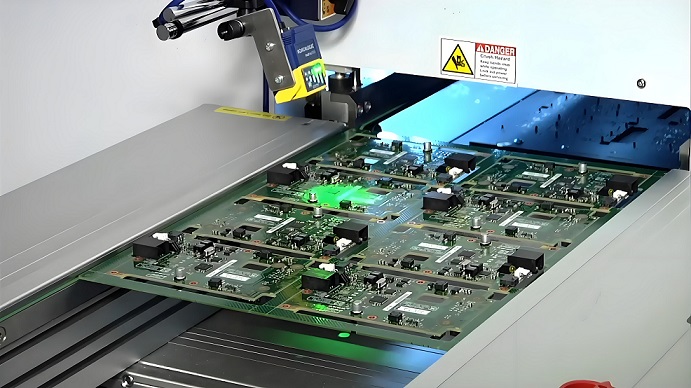
From SMT (Surface Mount Technology) to through-hole assembly, our facility is equipped for full-scale PCBA (Printed Circuit Board Assembly). We support both leaded and RoHS-compliant assembly and offer automated inspection (AOI), X-ray, and BGA rework services to guarantee every joint is solid and reliable.

  • Wire Harness Assembly

We also supply PVC/PE/TPU/LZSH hook-up wire, flat cable, connector wire harness for machinery equipment, and cables for the field of electronic appliances, DC power supply, audio video devices, toys, medical equipment, communication devices, electrician & electrical, computer accessories cable, and so on.

  • Box Building Assembly

We don’t stop at the board level. If you need enclosure integration, cable harnessing, or full unit assembly, our box building assembly service is available. This end-to-end solution simplifies your supply chain and gives you more control over the finished product.

  • Functional Testing

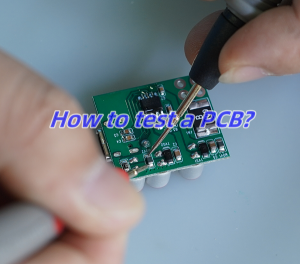
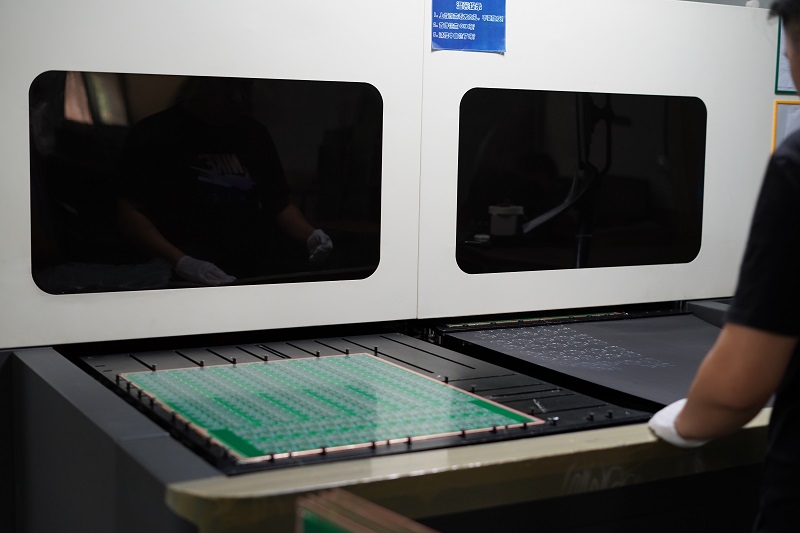
We provide full functional testing based on your test procedure or help you develop one. This includes power-on tests, signal integrity verification, and custom fixture testing. We ensure your board works perfectly before it reaches your customers.
High-quality PCB Contract Manufacturing Service

Our Printed Circuit Board Services

What PCBs We Can Fabricate?

Our team at EBest Circuit (Best Technology) specializes in a wide range of printed circuit board types. No matter your project’s complexity or environment, we’ve got you covered. Here are some products that we can make, but not limited to these PCBs.

  • Extra Thin PCB

For devices that require tight packaging like smart cards, cameras, or medical sensors, we offer ultra-thin PCBs as thin as 0.1mm. These boards maintain strength while saving space.

  • HDI PCB

High-Density Interconnect (HDI) PCBs support advanced electronics with fine-pitch components, blind and buried vias, and micro-via-in-pad technology. These are perfect for smartphones, tablets, and compact IoT devices.

  • RF PCB

We manufacture RF (Radio Frequency) PCBs using low-loss materials like Rogers, Taconic, and PTFE laminates. These boards are designed for wireless communication, antennas, and radar systems, where signal clarity matters most.

  • Heavy Copper PCB & Busbar PCB

When high current is involved, such as in automotive or industrial power supplies, heavy copper and busbar PCBs are necessary. We can produce boards with copper thickness from 2oz to 20oz, ensuring excellent thermal and electrical performance.

  • Metal Core PCB

For LED lighting and power conversion applications, our metal core PCBs (MCPCBs) provide efficient thermal dissipation. Aluminum and copper cores are both available depending on your thermal and mechanical needs.

  • Ceramic PCB

Using materials like aluminum nitride and alumina, ceramic PCBs deliver outstanding heat resistance and insulation. We have mature manufacturing technologies, including: Thick film ceramic PCB, thin film ceramic PCB, AMB ceramic PCB, DBC & DPC ceramic PCB, HTCC & LTCC ceramic PCB.

  • Flex Circuit & Rigid-Flex PCB

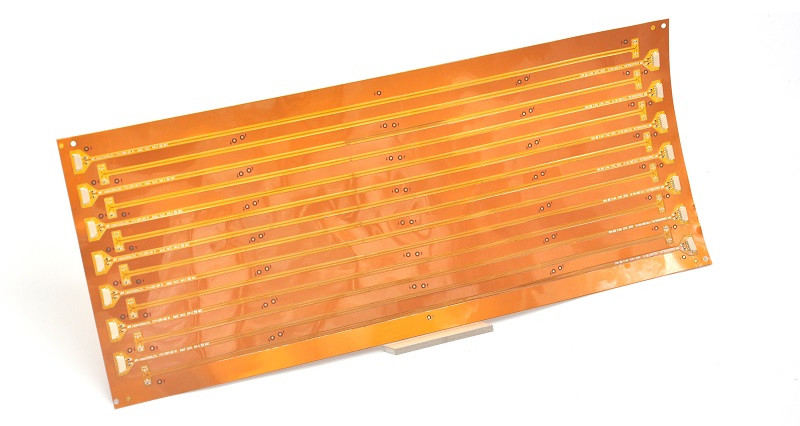
Flex circuits offer excellent bendability, reducing connectors and saving space. Rigid-flex PCBs combine the best of both worlds and are widely used in wearables, drones, and other portable electronics.

  • High-Speed PCB

We design and produce high-speed PCBs with controlled impedance, low-loss materials, and proper stack-ups. These are ideal for applications like 5G networks, servers, and high-frequency digital communication.

  • High TG PCB

When operating temperatures exceed 170°C, High-TG (glass transition temperature) PCBs are the right choice. These boards are more stable thermally and mechanically, perfect for automotive and industrial applications.

  • IC Substrate

We also support packaging solutions with IC substrates that act as a bridge between chips and PCBs. Our substrates offer fine-line traceability and are used in semiconductor packaging.

  • Ceramic Packages

Ceramic packages provide superior hermetic sealing and thermal cycling endurance. These are used to package sensitive ICs in defense, aerospace, and critical medical applications.
High-quality PCB Contract Manufacturing Service

FR4 PCB Capability in EBest Circuit (Best Technology)

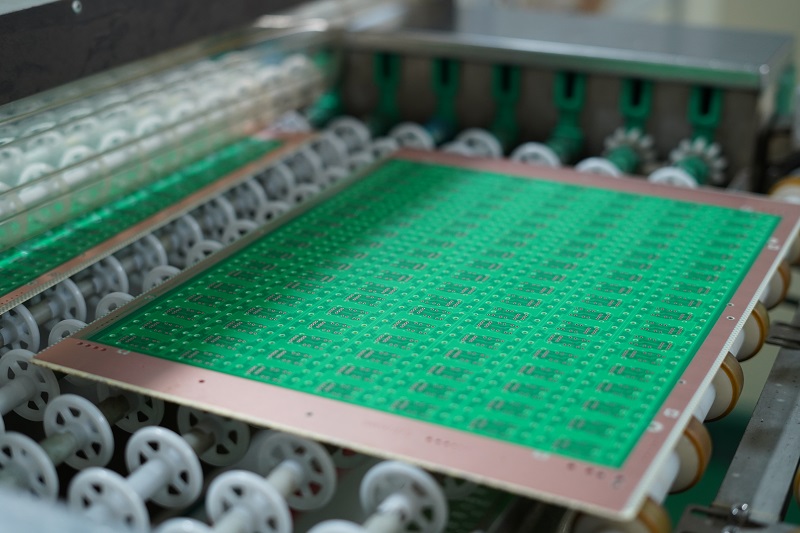
At EBest Circuit (Best Technology), we offer a wide range of FR4 PCBs — the most common material in the PCB industry — from consumer electronics to industrial control systems and automotive electronics. Whether it’s single-sided, double-sided, or multi-layer (up to 40 layers), we provide:

✅ General Capabilities

  • Layer Count: 1–40 layers
  • Board Size: Up to 580mm × 1200mm
  • Board Thickness: 0.2mm to 3.2mm
  • Copper Thickness: 0.5oz to 6oz (outer), 0.5oz to 3oz (inner)
  • Finished Hole Size: ≄ 0.10mm
  • Minimum Line Width / Spacing: 3mil / 3mil (0.075mm)
  • Aspect Ratio: Up to 12:1
  • Impedance Control: ±10% or better

✅ Material Options

  • Standard FR4: Tg135°C
  • High-TG FR4: Tg170°C to Tg180°C
  • Halogen-Free FR4: Environmentally friendly for RoHS/REACH applications
  • Low Dk/Df FR4: For better signal performance in high-speed circuits

✅ Surface Finishes

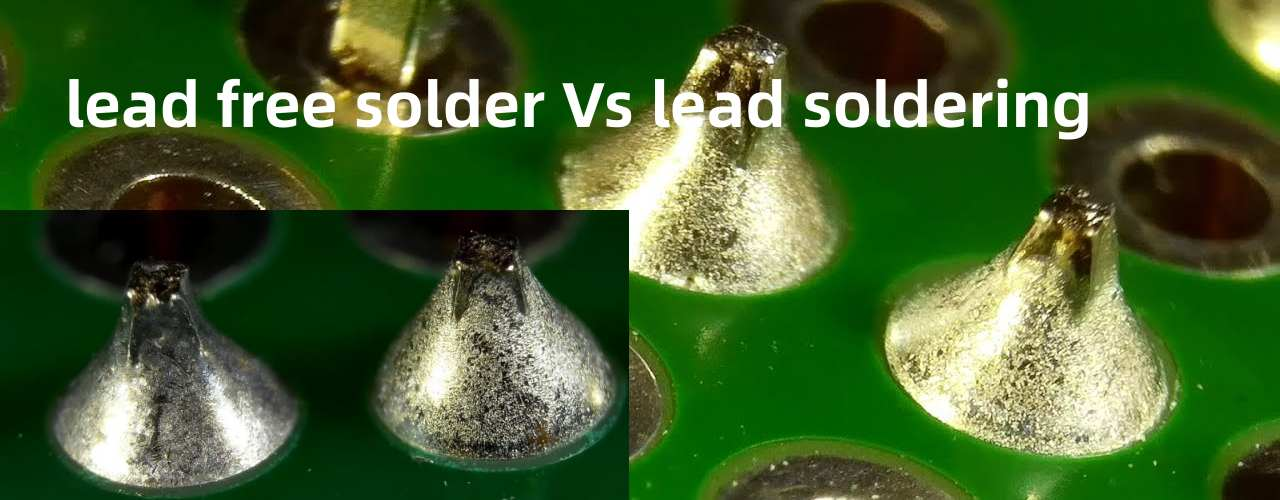
  • HASL (Hot Air Solder Leveling) – Leaded & Lead-free
  • ENIG (Electroless Nickel/Immersion Gold)
  • OSP (Organic Solderability Preservatives)
  • Immersion Tin / Immersion Silver
  • ENEPIG (Electroless Nickel Electroless Palladium Immersion Gold)
  • Gold Finger (with beveling & plating options)

✅ Solder Mask & Silkscreen

  • Solder Mask Colors: Green, Blue, Red, Yellow, Black, White, Purple, Matte options
  • Silkscreen Colors: White, Black, Yellow
  • Solder Mask Thickness: 7–40ÎŒm
  • Min Solder Mask Dam: 0.075mm (3mil)

✅ Drilling & Via Types

  • Mechanical Drilling (for standard vias and plated holes)
  • Laser Drilling (for microvias and blind/buried vias)
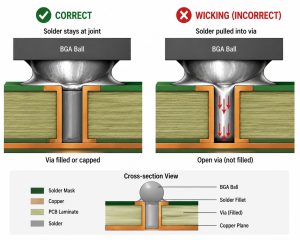
  • Via Filling & Capping (VIPPO: via-in-pad plated over)
  • Tented, Plugged, and Stacked Vias for HDI applications

✅ Special Capabilities

  • Controlled Impedance Tolerance: ±10% (custom up to ±8%)
  • Edge Plating / Castellation
  • Countersinks & Counterbores
  • Peelable solder mask
  • Carbon ink printing (for jumpers, contact pads, etc.)
  • Via tenting, filling, and plugging with resin

✅ Electrical Testing & Inspection

  • 100% E-test (Flying Probe or Bed of Nails)
  • AOI (Automated Optical Inspection)
  • X-ray for BGA and inner layers
  • ICT, FCT, and aging testing available

With a monthly capacity of over 30,000 square meters and a 98% on-time delivery rate, our FR4 line is built to serve both prototypes and mass production.

Certifications & Quality Assurance in PCB Manufacturing

At EBest Circuit (Best Technology), quality isn’t just a goal — it’s a standard built into every step of our manufacturing process. To ensure compliance with international regulations and industry-specific requirements, we maintain a comprehensive set of certifications, including:

  • ISO 9001:2015 – Quality Management System
  • ISO 13485:2016 – Medical Device Quality System
  • IATF 16949:2016 – Automotive Quality Management
  • AS9100D – Aerospace & Defense Quality Management
  • UL Certification
  • RoHS & REACH Compliance
  • IPC Standards Compliance – IPC-A-600 and IPC-A-610 Class 2 & Class 3 for PCBfabrication and assembly

One-Stop High-Quality PCB Contract Manufacturer

When you’re looking for a reliable partner to handle your PCB contract manufacturing, EBest Circuit (Best Technology) is ready to deliver more than just boards. We provide full-service support — from design to delivery — with speed, precision, and attention to detail.

We offer a complete solution that includes PCB fabrication, components sourcing, assembly, testing, and even box build — all under one roof. That means you don’t have to juggle multiple suppliers or waste time coordinating between factories. You get a dedicated project manager, clear communication, and consistent quality from start to finish.

Here’s why companies from over 80 countries trust us with their PCB contract manufacturing needs:

  • Engineering Support: this isn’t traditional engineer support, in EBest Circuit (Best Technology), every sales are engineer, they are professional so that can save much time on design communication and can give you the best solutions.  
  • Fast Turnaround: we offer quick-turn prototyping (as fast as 24 hours) and competitive lead times for volume production.
  • Global Shipping: Whether you’re in the US, Germany, Japan, or Australia, we ship your orders promptly with DHL, FedEx, UPS, air & ocean shipment.
  • Traceability System: Our ERP system keeps detailed records for every board we produce, offering transparency and traceability.
  • WIP Update Every Week: Every customer can enjoy one-to-one sales-assistant service, they will update the product status & share videos every week for you, so that you can closely to your PCBs.
  • Cost-Effective Solutions: With advanced production lines and a mature supply chain, we provide cost-effective options without sacrificing quality.

PCB contract manufacturing can significantly reduce your product development cycle and overhead. By partnering with a professional and certified provider like EBest Circuit (Best Technology), you ensure every step — from PCB layout to functional testing — meets your project goals with precision and speed.

Whether you need a simple FR4 board or a high-performance ceramic PCB, our comprehensive services and commitment to quality make us a trusted choice for businesses around the world.

Frequently Asked Questions

1. What industries does EBest Circuit (Best Technology) serve?

We serve a broad range of industries including medical, automotive, aerospace, telecom, and consumer electronics.

2. Can EBest Circuit (Best Technology) support low-volume or prototype orders?

Yes, we support both small-batch prototypes and high-volume production with flexible minimum order quantities.

3. Do you offer component sourcing services?

Absolutely. We have partnerships with authorized distributors to source genuine components and manage the BOM for you.

4. What file formats do you accept for PCB layout?

We accept Gerber, ODB++, and other formats such as Altium, Eagle, and CAD-based files.

5. How can I request a quote for PCB contract manufacturing?

Simply send your files and requirements via our online form or email, and our sales team will get back to you within 24 hours.
You may also like

Printed Circuit Board Assembly PCBA, Short Delivery

June 5th, 2025

Printed circuit board assembly PCBA is a vital step between your design and a working electronic product. At EBest Circuit (Best Technology), we understand how much timing and quality matter. Our short delivery services, expert support, and cost-effective solutions have helped many clients get their innovations to market faster.

EBest Circuit (Best Technology) is an original factory offering printed circuit board assembly PCBA for the global market. We perceive that quality is our lifeline and the anchor that we gaining the trust of customers. Our facility is certified by ISO 9001, ISO 13485, IATF 16949, and AS9100D. You feel assured that we provide high-quality PCBA with short delivery. For any projects, kindly contact us at sales@bestpcbs.com at all times.

Printed Circuit Board Assembly PCBA, Short Delivery

What is a Printed Circuit Board Assembly PCBA?

A printed circuit board assembly, or PCBA, refers to a finished circuit board after all the electronic components are mounted. This includes resistors, ICs, capacitors, and connectors. The PCBA stage transforms a bare PCB into a functional board ready to be used in devices.

Printed Circuit Board Assembly PCBA

What is the Difference Between PCB and Printed Circuit Board Assembly PCBA?

PCB is the blank board made of layers of insulating material and copper traces. It serves as the backbone of electronics. A PCBA, on the other hand, is that same board but fully populated with components. Simply put, PCBA = PCB + Assembly Process.

How Does a Printed Circuit Board Assembly PCBA Work?

The process begins with placing solder paste on pads, then mounting components using SMT or manual insertion. After that, boards are passed through a reflow or wave soldering process. Testing and cleaning ensure quality before packaging. At EBest Circuit (Best Technology), this process is handled quickly, even within 24–72 hours.

Printed Circuit Board Assembly PCBA, Short Delivery

What is Circuit Board Board Assembly Process?

The board assembly process includes these steps:

  1. Solder paste printing
  2. Component placement (SMT or DIP)
  3. Reflow soldering or wave soldering
  4. Inspection (AOI, X-ray, ICT)
  5. Function testing
  6. Cleaning and final packaging

We make each step efficient with top equipment and skilled operators, helping reduce delays and rework.

What is Printed Circuit Board Assembly HS Code?

The HS code for printed circuit board assemblies is typically 8538900000. This classification helps with customs documentation and international shipping. Our team supports you with clear labeling and smooth logistics across borders.

How to Choose the Right Printed Circuit Board Assembly PCBA Partner for Your Product?

Choosing the right partner affects both product success and delivery time. Here’s what to consider:

  • Turnaround speed: Can they deliver in 24–72 hours?
  • Engineering support: Do they help with design and DFM analysis?
  • Cost control: Do they provide cost-saving options?
  • Testing capability: Can they handle RF and EMC testing?
  • Experience: Have they managed complex builds?

EBest Circuit (Best Technology) checks all the above boxes. We don’t just build boards — we help optimize them too.

Why Should You Choose EBest Circuit (Best Technology) as One of Your Printed Circuit Board Assembly Companies?

Customers working with EBest Circuit (Best Technology) often face pressure with delivery, design complexity, or rising costs. Here’s how we solve those issues:

1. Fast Turnaround in 24–72 Hours

We understand your time matters. That’s why we offer rapid PCBA services that can be completed within one to three days. This helps speed up prototyping, testing, and full-scale launches.

2. Full Technical Support

From layout reviews to material selection, our engineers are here to help. We work closely with your team to spot problems early and recommend smart improvements.

3. Smart Cost Control

We combine advanced manufacturing with strong supply chain management. That way, you save money without sacrificing quality.

4. RF and High-Frequency PCB Expertise

Many clients trust us for high-speed, high-frequency builds. We resolve signal loss, EMI, and impedance issues using techniques like:

  • 45-degree routing
  • Proper grounding and shielding
  • Differential pair control
  • Optimized PCB stackup

5. Simulation and Testing Support

Don’t wait until the final product fails. We offer signal integrity simulation and full EMC testing with equipment like TDR, VNA, and spectrum analyzers. This reduces rework and speeds up certification.

6. Advanced Manufacturing Capabilities

Our facility handles complex needs like:

  • Impedance-controlled multilayers
  • Blind/buried vias
  • Ultra-fine trace and spacing (±5ÎŒm precision)
  • Microvia laser drilling

All are supported by ISO 9001, ISO 13485, IATF 16949, and AS9100D certifications.

7. One-Stop Service

Whether you need bare boards, component sourcing, or final testing — we handle it all. This simplifies communication and cuts handover time.

Printed Circuit Board Assembly PCBA

In summary, when choosing a printed circuit board assembly PCBA supplier, don’t settle for average. You need a partner who understands urgency, accuracy, and innovation. EBest Circuit (Best Technology) is that partner.

With short lead times, expert design support, and cost-effective options, we help you move faster — and smarter. Our customers trust us because we solve problems before they appear. And we back that up with top-notch production and reliable delivery. Contact EBest Circuit (Best Technology) at sales@bestpcbs.com for a custom quote or consultation. We’re ready to help you build better, faster.

You may also like

Printed Circuit Board Assembly Companies, Turnkey PCBA

June 3rd, 2025

Printed circuit board assembly companies play a key role in today’s fast-moving electronics world. They connect the design stage with real-world products, turning ideas into functioning devices through precise and reliable PCBA services. As demand rises for quick-turn prototypes and small to medium batch production, choosing the right partner matters more than ever.

EBest Circuit (Best Technology) is one of the printed circuit board assembly companies in China, offering turnkey PCBA service to the domestic market and the global market. Our quality and fast turnaround service have public awareness. There are  1700 customers across 40 countries who give us good reviews for our PCB quality. We hope there will be prospects to cooperate with you for your printed circuit board assembly projects. Just feel free to contact us at sales@bestpcbs.com.

Printed Circuit Board Assembly Companies, Turnkey PCBA

What Is the Best Printed Circuit Board Assembly Companies?

Many companies provide PCBA services, but the best ones go beyond just production. They offer strong design support, component sourcing, testing, and after-sales care. What makes a company stand out is how they reduce risks, control costs, and deliver on time. EBest Circuit (Best Technology) is one of those names that ticks all these boxes. With MES traceability, real-time quality data collection, and advanced testing tools, they help you avoid delays, quality issues, and rework costs.

Printed Circuit Board Assembly Companies

Who Builds Printed Circuit Board Assembly?

Several manufacturers provide turnkey PCB assembly services. These include small batch providers to global giants. Among them, EBest Circuit (Best Technology) stands out for offering complete services—from sourcing to assembly and testing. Their flexible system is tailored for both prototyping and low-to-medium volume orders. Our engineers also work closely with clients to fix design flaws early, saving time and costs during production.

Printed Circuit Board Assembly Companies in India

India is quickly growing as a hub for electronics manufacturing. The rise in local demand and skilled engineering talent is driving this shift. Below are three major companies:

  • Sahasra Electronics – Known for offering EMS and PCBA, Sahasra supports prototyping, mass production, and even LED and automotive PCBs.
  • VVDN Technologies – Offers end-to-end design and manufacturing services, with a strong focus on networking and IoT PCBs.
  • Sienna ECAD – Specializes in fast-turn prototypes and engineering support during the early design phase, which reduces errors in production.

In summary, India’s PCBA landscape is expanding rapidly. These companies are embracing quality systems and flexible production to support the growing electronics demand both locally and globally.

Printed Circuit Board Assembly Companies in USA

The USA remains a key player in the PCB assembly industry, especially for high-end applications like aerospace and medical. Here are three top names:

  • Advanced Circuits – A large-volume manufacturer known for quick-turn prototypes and aerospace-grade PCBs. They focus on tight timelines and strict standards.
  • Tempo Automation – Offers smart factory solutions and rapid prototyping. Their digital manufacturing platform cuts production time significantly.
  • MacroFab – A cloud manufacturing service provider that helps clients track real-time order status, ensuring transparency and faster delivery.

These companies address the needs of startups and large OEMs alike. From quality control to logistics, they provide complete support to minimize supply chain issues and delays.

Turnkey PCBA

Who Is the Global Leader in Printed Circuit Board Assembly Companies?

Globally, PCBA service leaders combine automation, flexible production, and strong quality systems. Let’s take a look at three global leaders:

  • Jabil Inc. – Offers end-to-end solutions in over 30 countries. Their strength lies in supply chain management, predictive analytics, and high-mix production.
  • Flex Ltd. – Known for its design-to-distribution services. Flex supports customers in industries such as medical, automotive, and cloud infrastructure.
  • EBest Circuit (Best Technology) – While smaller than Jabil or Flex, EBest Circuit (Best Technology)’s agility, attention to quality, and support for R&D phases have helped them stand out, especially in complex or custom PCB assemblies.

The global leaders continue to invest in smart manufacturing and full-process visibility to stay ahead in the competitive PCBA market.

What Is the Life Expectancy of a Printed Circuit Board Assembly?

The life expectancy of a PCB assembly depends on its use, design, and environment. Most well-designed assemblies last from 5 to 20 years. Harsh conditions such as heat, vibration, or moisture may shorten this time. Quality assembly and testing methods play a big part in extending life. This is why companies like EBest Circuit (Best Technology) invest in high-grade materials, automated inspections, and strict process control.

Why Should You Choose EBest Circuit (Best Technology) as One of Your Printed Circuit Board Assembly Companies?

Choosing EBest Circuit (Best Technology) means working with a partner that understands today’s PCBA challenges. Many customers struggle with tight deadlines, design flaws, supply chain delays, and quality issues. EBest Circuit (Best Technology) solves these problems through:

  • Rapid Response – Average response time is under 24 hours, much faster than the 72-hour industry average.
  • Design-to-Manufacturing Support – Engineers review your design for errors that could cause rework or waste during mass production.
  • Small and Medium Batch Services – Flexible for R&D, pilot runs, or regular batches with quick lead times.
  • Smart Supply Chain – Strong supplier network and local inventory reduce delays due to part shortages.
  • Real-Time Quality Data – Advanced quality systems track each stage of production for quick fault detection and full traceability.
  • Certified Systems – ISO 9001, ISO 13485, IATF 16949, and AS9100D ensure that your boards meet global standards.

With EBest Circuit (Best Technology), you’re not just outsourcing PCBA. You’re gaining a proactive partner who helps you bring reliable products to market faster and more efficiently.

Printed Circuit Board Assembly

To put it simply, printed circuit board assembly companies form the backbone of modern electronics. But not all of them can handle today’s high mix, fast-paced market. As electronics continue to evolve, customers need more than just a vendor—they need a partner that offers flexibility, speed, and quality.

EBest Circuit (Best Technology) provides a smart, flexible, and dependable solution for businesses worldwide. Whether you need quick prototyping or full-scale production, our team offers a blend of engineering expertise, supply chain strength, and process control to meet every challenge. This is why EBest Circuit (Best Technology) continues to gain the trust of global brands across industries. Get in touch with us at sales@bestpcbs.com for our best support.

You may also like

What Is a Cold Solder Joint and How Do You Prevent It?

May 29th, 2025

When a cold solder joint appears on a PCB, it might not fail immediately. But over time, it can cause real trouble—intermittent signals, unstable connections, or even complete circuit failure. These defects are often hidden, and if not caught early, they can waste time and money in rework.

In this blog, you’ll learn:

  • What a cold solder joint looks like
  • What causes it
  • How to avoid and fix it
  • Why a trusted PCB assembly partner like EBest Circuit (Best Technology) matters

What is a Cold Solder Joint?​

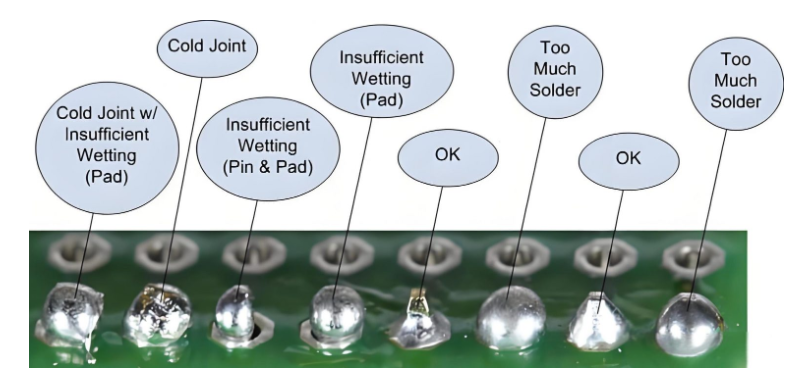
A cold solder joint or cold joint solder, is a defective connection between a component lead or terminal and a PCB pad during PCB assembly process. Unlike a properly formed solder joint, which provides a strong, reliable electrical and mechanical connection, a cold solder joint fails to fully bond the two elements together.​

When soldering is done correctly, the solder melts completely and wets both the component lead and the PCB pad, creating a smooth, shiny, and concave surface. In the case of a cold solder joint, however, the solder doesn’t reach its optimal melting point or doesn’t flow properly. This results in a rough, dull, and often uneven surface. The joint may look like it’s attached, but in reality, the connection is weak and prone to failure. It might conduct electricity intermittently or not at all, leading to erratic behavior in the electronic device, from occasional glitches to complete breakdowns.​

What Is a Cold Solder Joint and How Do You Prevent It?

Cold Solder Joint Causes​

Several factors can contribute to the formation of cold solder joints. Understanding these causes is the first step in preventing them.​

What Is a Cold Solder Joint and How Do You Prevent It?
  • Inadequate Soldering Temperature​

One of the primary culprits is insufficient soldering temperature. Each type of solder has a specific melting range, and if the soldering iron or reflow oven doesn’t reach and maintain the appropriate temperature, the solder won’t melt fully. For example, if the temperature is too low, the solder may only partially liquefy, leaving solid particles that prevent a proper bond.

  • Incorrect Soldering Time​

If the soldering iron is applied for too short a time, the solder won’t have enough time to melt and flow properly. On the flip side, overheating the joint by leaving the soldering iron on for too long can also cause problems. It can damage the component leads, PCB pads, or even change the properties of the solder itself, potentially leading to a cold solder joint.​

  • Poor Surface Preparation​

The cleanliness and condition of the surfaces to be soldered are vital. If the component leads or PCB pads are dirty, oxidized, or contaminated with oils, residues, or other substances, the solder won’t adhere properly. Oxidation, in particular, forms a thin layer on the metal surfaces that acts as a barrier to soldering.

  • Inappropriate Flux Usage​

Flux is a key component in the soldering process. It helps clean the surfaces, remove oxidation, and promote the flow of solder. However, using the wrong type of flux, too little flux, or applying it incorrectly can lead to cold solder joints. Some fluxes may not be compatible with certain solders or components, while insufficient flux won’t provide enough cleaning and wetting action.

  • Component Movement During Soldering​

When components move while the solder is still molten, it can disrupt the formation of a proper joint. This can happen due to vibrations during the soldering process, improper handling of the PCB, or insufficient securing of the components. Even a small movement can break the developing bond, resulting in a cold solder joint or a weak connection.​

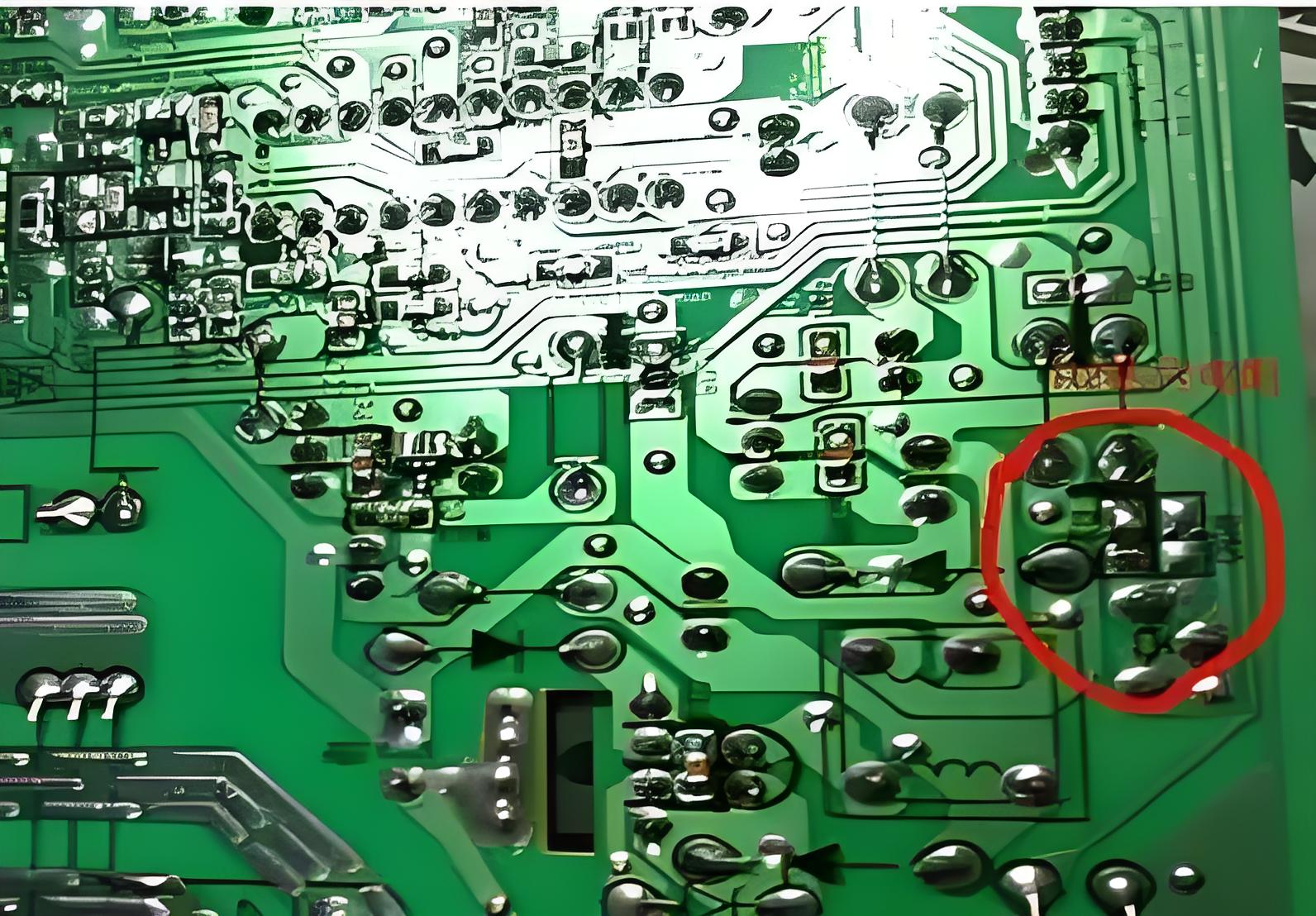
Cold Solder Joint Pictures​

Visual aids can be extremely helpful in identifying cold solder joints. Here are common visual signs:

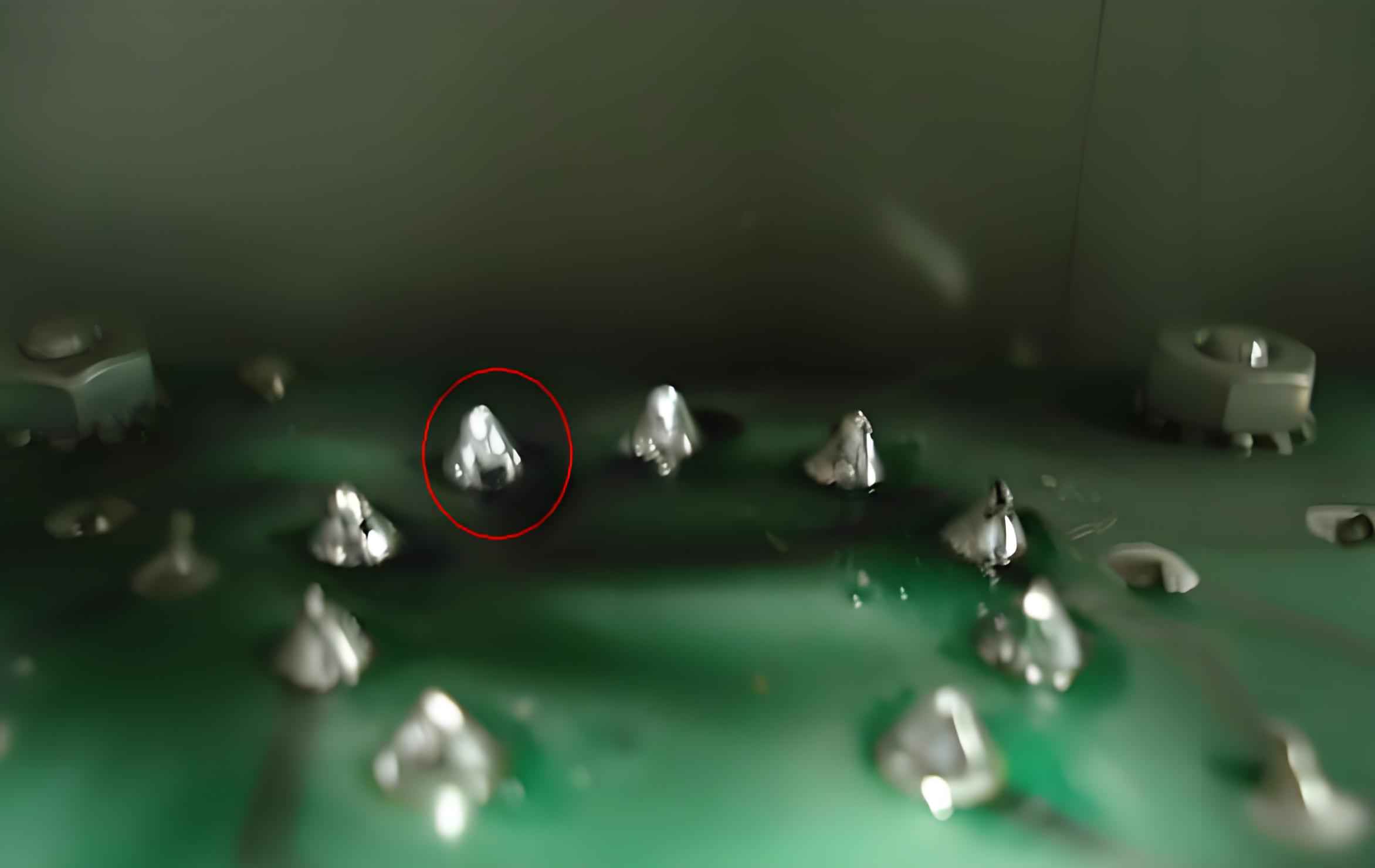
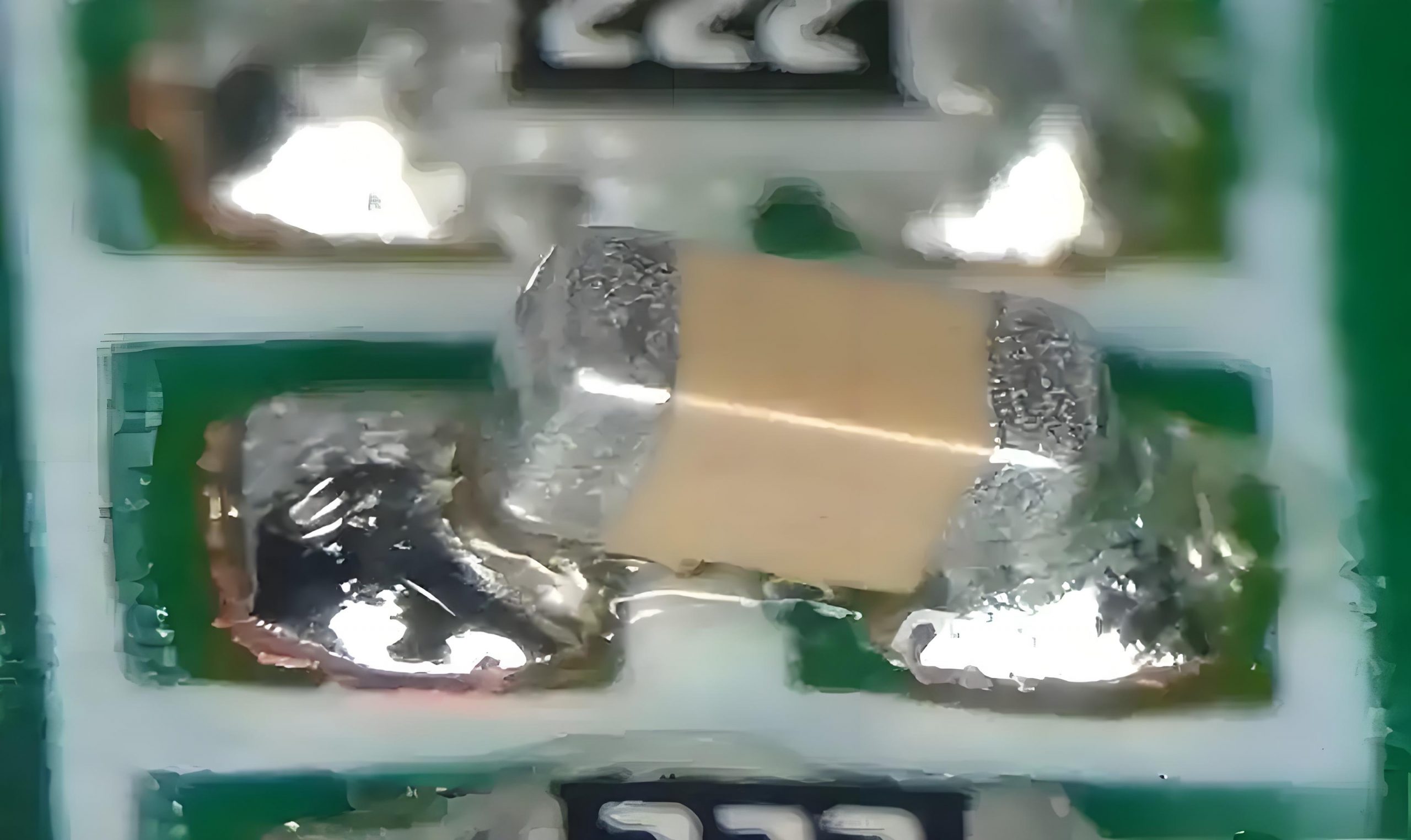
  • Dull, Grainy Appearance: A good joint is shiny and smooth. Cold ones look frosty or matte.
  • Cracks or Gaps: Visible separations or voids between the component and pad.
  • Ball-Like Shape: If the solder beads up instead of flowing smoothly, it likely didn’t bond.
  • Lifting Leads: Components that seem slightly off the pad may signal a cold joint underneath.

Below are some typical colder solder joint pictures examples:​

How to Identify Good Solder Joint​?

Identifying a good solder joint is just as important as recognizing a cold one. A high-quality solder joint has several distinct characteristics:​

1. Appearance​

    A good solder joint should have a smooth, shiny, and concave surface. The solder should flow evenly around the component lead and onto the PCB pad, forming a natural fillet.

    2. Wetting​

    Proper wetting is a key indicator of a good solder joint. The solder should spread and adhere evenly to both the component lead and the PCB pad, covering the surfaces completely. When the wetting is correct, there will be no gaps, voids, or bare spots where the metal surfaces are exposed.

    3. Strength​

    A well-soldered joint should be strong enough to hold the component in place firmly. Gently tugging on the component (with appropriate care not to damage it) should reveal a solid connection.

    How to Avoid Cold Solder Joints​?

    Prevention is better than repair. Here’s how to keep cold solder joints from happening in the first place:

    1. Use the Right Temperature

    Always set your soldering iron between 350°C to 400°C for standard lead-based solder. Higher temperatures may be needed for lead-free types.

    2. Pre-Clean Pads and Leads

    Use isopropyl alcohol to clean surfaces before soldering. Dirt and oxidation are invisible enemies.

    3. Don’t Skip the Flux

    Flux removes oxidation and improves solder flow. Many solder wires include it, but extra flux helps in difficult spots.

    4. Keep Steady Hands

    Hold the component and iron steady until the solder cools. Use clamps or tools if needed.

    5. Pick Quality Tools

    Poor-quality irons with unstable tips lead to inconsistent heat. Invest in a reliable soldering station with temperature control.

    6. Work in a Clean, Static-Safe Area

    Humidity, static, and poor lighting all raise the chances of making mistakes.

    How to Fix Cold Solder Joints​?

    Despite our best efforts, cold solder joints may still occur. Fortunately, there are ways to fix them:​

    1. Soldering​

      The first step in fixing a cold solder joint is often desoldering. Use a desoldering pump or wick to remove the existing solder from the joint. Heat the joint with the soldering iron to remelt the solder, and then use the desoldering tool to suck up or absorb the molten solder. Make sure to remove all the old solder completely to start fresh.​

      2. Cleaning​

      After desoldering, clean the surfaces again to remove any flux residues, oxidation, or other contaminants that may have accumulated. This step is crucial for ensuring a proper repair. Use a suitable cleaning solution and a clean brush or cloth to wipe the surfaces clean.​

      3. Resoldering​

      Once the surfaces are clean, it’s time to resolder the joint. Apply a small amount of fresh flux to the cleaned surfaces, and then heat the joint with the soldering iron. When the flux starts to bubble and activate, feed a small amount of solder into the joint.

      4. Inspection and Testing​

      After resoldering, inspect the joint visually to make sure it looks good and meets the criteria for a proper solder joint. Then, use testing equipment to verify the electrical connection. Check for continuity and make sure the joint is conducting electricity properly. If any issues are found, repeat the desoldering, cleaning, and resoldering process until the joint is fixed.​

      Trust PCB Assembly Service Provider – EBest Circuit (Best Technology)​

      Avoiding cold solder joints isn’t just about skills—it’s also about choosing the right PCB assembly partner. At EBest Circuit (Best Technology), we follow strict quality processes to ensure every joint is clean, strong, and reliable. Here’s how we guarantee excellence:

      • Automated Soldering Equipment: Reflow ovens, selective soldering, and wave soldering eliminate manual errors.
      • X-ray and AOI Inspection: We detect hidden cold joints and ensure solid connections throughout.
      • Skilled Technicians: Our team is trained to international IPC standards, ensuring precision with every solder joint.
      • Fast Prototyping and Mass Production: Whether you’re scaling up or fine-tuning, we support your project at every stage.

      Need flawless assembly for your next project? Contact EBest Circuit (Best Technology) today for a quote or consultation. Let’s build something reliable—together.

      FAQs

      1. What is a cold solder joint in simple terms?

      It’s a weak or poorly connected solder point that didn’t heat properly and can fail over time.

      2. Are cold solder joints dangerous?

      Yes, they can cause circuits to fail, especially in safety-critical systems like medical or automotive electronics.

      3. Can cold solder joints be fixed easily?

      Yes, with the right tools, you can reheat and repair them quickly.

      4. What does a cold solder joint look like?

      It often appears dull, cracked, grainy, or uneven—unlike a shiny, smooth good joint.

      5. Can a PCB test miss a cold solder joint?

      Yes, especially if the fault is intermittent. That’s why visual inspection and X-ray are important.

      You may also like

      SMT PCB Assembly Process, SMT Board Assembly, NO MOQ

      May 28th, 2025

      SMT board assembly is one of the key stages in modern electronics manufacturing. It uses automated methods to mount components onto the surface of PCBs. This process brings precision, speed, and scalability to production. At EBest Circuit (Best Technology), we deliver top-tier SMT assembly with no MOQ, letting you stay flexible and competitive.

      As an established SMT PCB assembly factory, EBest Circuit (Best Technology) is committed to providing no MOQ SMT board assembly service to the global market. Providing Small Batch PCB Assembly, maintaining the consistency of quality, on-time delivery, turnkey PCB assembly, and quick before and after-sales service are our product positioning. We are accountable for the SMT board assembly quality. If you need a one-stop SMT PCBA service, pls free to contact EBest Circuit (Best Technology) at sales@bestpcbs.com.

      SMT PCB Assembly Process, SMT Board Assembly, NO MOQ

      What Is SMT Board Assembly?

      SMT board assembly is the process of placing surface-mounted devices (SMDs) onto a printed circuit board (PCB). Unlike traditional through-hole methods, SMT doesn’t require drilled holes. It saves space and improves signal flow. This makes SMT the best choice for modern electronics where small size and high performance are key.

      SMT PCB Assembly Process

      Is SMD the Same as SMT?

      Not exactly. SMD refers to the components themselves—small chips that mount on a PCB. SMT is the process that places and solders those SMDs. They are closely connected but not the same. Think of SMDs as the parts, and SMT as the way they’re installed. When both work smoothly, the final result is reliable.

      What Are SMT Components?

      SMT components include resistors, capacitors, ICs, LEDs, and transistors. These parts come in tiny packages that fit directly onto PCB pads. Because they are compact, they need accurate placement. Even slight misalignment can lead to defects. At EBest Circuit (Best Technology), we use high-precision machines to ensure perfect positioning.

      What Temperature Should SMT Solder Paste Be?

      Solder paste temperature must be carefully controlled. The reflow oven follows a heat profile, usually peaking between 230°C and 250°C. For lead-free solder, control is even more important. If the paste overheats, it may spatter. If too cold, cold solder joints may occur. EBest Circuit (Best Technology) uses advanced ovens with stable profiles. This ensures every joint is smooth and strong.

      SMT Board Assembly, NO MOQ

      How Does SMT Board Assembly Work on a CPU?

      CPU boards need extreme accuracy. Their BGA components sit under the chip body, making inspection harder. SMT board assembly for CPUs includes paste printing, placement, reflow, and X-ray checking. Each step must be flawless. We use 3D paste inspection, AOI, and X-ray to detect any hidden issues. That’s how we keep our CPU boards reliable.

      What Is the SMT Board Assembly Process?

      Here’s a step-by-step look at how SMT board assembly works:

      1. Solder Paste Printing: Paste is applied on PCB pads with a stencil. We check for even coverage and correct alignment.
      2. Component Placement: Machines pick and place SMDs based on coordinates. EBest Circuit (Best Technology) uses precise vision systems to avoid misalignment.
      3. Reflow Soldering: The PCB passes through ovens to melt the paste. This bonds components to pads. We control heat curves to avoid cold joints or bridging.
      4. Inspection: AOI checks solder and component positions. For BGAs, we use X-ray inspection to ensure there’s no tombstoning or voids.
      5. Testing: We run electrical tests and sometimes functional checks to verify the board works before delivery.

      This SMT PCB assembly process reduces human error and increases repeatability. It’s efficient and scalable.

      Why Should You Choose EBest Circuit (Best Technology) as Your SMT Board Assembly Partner?

      Choosing EBest Circuit (Best Technology) involves more than just high-quality SMT Board Assembly; we also provide SMT board assembly solutions.

      • Defect Control: Our AOI, X-ray, and 3D inspection systems detect short circuits, tombstones, or cold joints early.
      • Precise Placement: With high-speed pick-and-place machines and updated software, we minimize errors and ensure tight alignment.
      • Physical Protection: We follow strict handling rules to prevent cracks and board warping during the process.
      • Design Feedback: If we spot layout problems or missing BOM items, we notify you at once. No delays.
      • No MOQ: Our flexible model fits startups and R&D teams. Try a prototype today, scale up tomorrow.
      • Lead-Free Expertise: We manage higher temps and solder behavior with tight control. That means fewer issues and better outcomes.
      • High-Density Success: Tiny components or large BGAs? We’ve done them all. Our cleanroom setup handles complex builds smoothly.
      • Quick Turn: Need fast delivery? Our 10+ SMT board assembly lines reduces wait time.

      Also, EBest Circuit (Best Technology) offers transparent assembly pricing along with strict quality control measures. You won’t just get SMT circuit board assembly—you’ll get the solutions of the PCB series.

      SMT Board Assembly

      In a nutshell, SMT board assembly is the core of today’s electronics. But speed and scale aren’t enough. You need reliability, flexibility, and a partner who solves issues before they hurt. That’s why EBest Circuit (Best Technology) leads in SMT PCB assembly—especially in high-density designs, CPU-grade boards, and small runs with no MOQ. We control paste print, solder quality, and final tests better than most competitors. More importantly, we communicate clearly when BOMs or designs need improvement. That’s how we build trust and better PCBs. Feel free to reach out to us by emailing sales@bestpcbs.com. EBest Circuit (Best Technology) is always ready and glad to help!

      You may also like

      SMT PCBA, PCBA Printed Circuit Board Assembly, OEM Factory

      May 28th, 2025

      PCBA Printed Circuit Board Assembly is the key process that brings life to any electronic device. It’s more than just placing components on a board — it’s precision, quality, and smart engineering.

      As a well-established OEM factory, EBest Circuit (Best Technology) is dedicated to providing top-quality PCBA (Printed Circuit Board Assembly) services to customers around the globe. Our SMT PCBA processes strictly adhere to industry standards. Our competitive advantages include high quality, on-time delivery, and 24/7 tech support.

      In the fast-paced SMT PCBA industry, survival can be challenging. To enhance efficiency, EBest Circuit (Best Technology) manages both PCB manufacturing and PCBA printed circuit board assembly under one roof. With 19 years of experience in the PCB industry, we not only deliver high-quality PCBA products but also offer comprehensive assembly solutions tailored to your needs. If you have any SMT PCBA projects that require our expertise, please don’t hesitate to contact us at sales@bestpcbs.com.

      SMT PCBA, PCBA Printed Circuit Board Assembly, OEM Factory

      What is a PCBA Printed Circuit Board Assembly?

      PCBA, short for Printed Circuit Board Assembly, refers to the complete board after all components have been soldered onto the bare PCB. It involves placing parts such as resistors, capacitors, and chips using technologies like SMT (Surface Mount Technology) and through-hole methods. The final board is tested and ready to perform its functions in the product.

      PCBA Printed Circuit Board Assembly

      What is the difference between PCB and PCBA Printed Circuit Board Assembly?

      The PCB is the bare board, made of materials like FR4, with copper traces but no components. On the other hand, PCBA Printed Circuit Board Assembly is the complete unit with all components installed. Think of PCB as the foundation and PCBA as the finished building. While a PCB is passive, PCBA is active and functional.

      What is the difference between a motherboard and a PCBA Printed Circuit Board Assembly?

      A motherboard is a specific type of PCBA Printed Circuit Board Assembly used in computers. It supports other boards and components like RAM, CPUs, and GPUs. A PCBA can be any assembled board used in different industries like automotive, medical, and telecom. So, every motherboard is a PCBA, but not all PCBAs are motherboards.

      What is the process flow of SMT PCBA?

      Here’s a quick overview of the SMT PCBA process:

      1. Solder Paste Printing: A stencil printer applies solder paste to the board.
      2. Component Placement: High-speed pick-and-place machines accurately position components.
      3. Reflow Soldering: Boards go through a reflow oven to solidify the solder joints.
      4. AOI Inspection: Automatic Optical Inspection checks for misaligned or missing parts.
      5. X-ray Inspection: For BGA or hidden solder joints, X-ray checks are performed.
      6. Functional Testing: Final tests ensure the board works as expected.

      This process is designed to meet the strict quality expectations of today’s high-tech products.

      How long can solder paste sit before reflow?

      Solder paste shouldn’t sit too long. Generally, once it’s printed, it should be reflowed within 4 to 8 hours. Delays may cause oxidation or poor soldering. EBest Circuit (Best Technology) selects various solder pastes based on the specific components and SMT technologies involved, ensuring optimal solder joint performance. Each bottle of solder paste goes through our MES system, allowing us to monitor and make sure that we are using the correct solder paste for each application.

      SMT PCBA

      Why is PCBA Printed Circuit Board Assembly important?

      Every modern device you use—phones, TVs, or even cars—depends on PCBA Printed Circuit Board Assembly. It connects the logic of your device and keeps it running reliably. A strong PCBA process ensures performance, durability, and safety. In industries like aerospace and healthcare, there’s no room for error, and that’s where professional PCBA services come in.

      Why should you choose EBest Circuit (Best Technology) as your OEM SMT PCBA Factory Partner?

      EBest Circuit (Best Technology) offers a tailored approach to PCBA manufacturing. Our competitive edges are as following:

      1. Production Flow & Scheduling: How well production processes are optimized directly impacts delivery timelines. At EBest Circuit (Best Technology), we use smart material tracking systems (like MES) and adaptable production planning to avoid missing parts and cut down delays and make the most of every resource.
      2. Fast Turnaround: With 10+ SMT lines, we shorten the production cycle and deliver faster.
      3. High-Mix, Low-Volume Ready: Our team handles customized, small-batch PCBA projects with care and agility.
      4. Strong Quality Control: From solder paste printing to reflow and inspection, we use AOI, 3D SPI, X-ray, and functional tests.
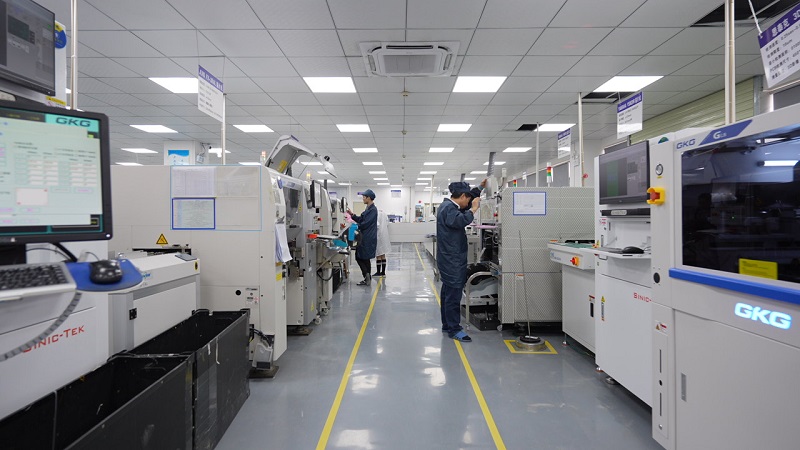
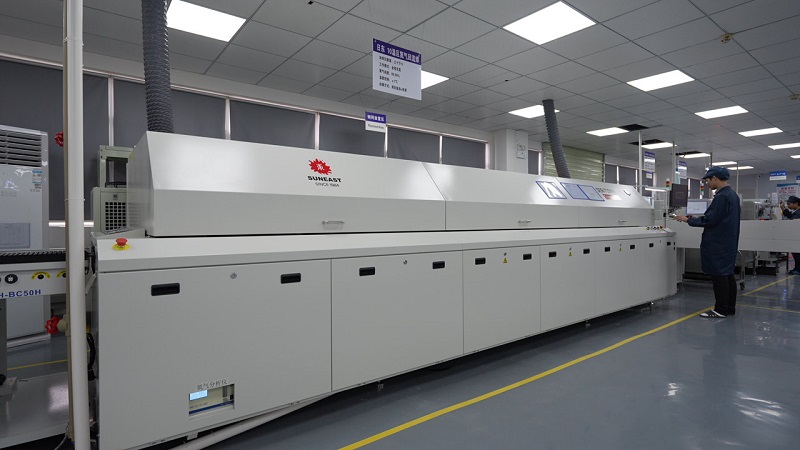
      5. Advanced Equipment: Machines like, GKG automated solder paste printer, Yamaha SMT placers, JUKI SMT placers, Panasonic NPM, and Suneast 10 zones Nitrogens Reflow Oven ensure stable quality and speed.
      6. Global Certifications: Our factory holds ISO 9001, ISO 13485 (medical), IATF 16949 (automotive), and AS9100D (aerospace).
      7. Dedicated Support: From prototyping to mass production, our engineers offer design suggestions and instant feedback.

      Customers often face delayed orders due to supply issues. We address this by having stable supplier networks and safety stocks. You also don’t need to worry about frequent design changes. Our flexible production and strong engineering team ensure smooth updates at every step. Moreover, we believe in transparent and fast communication. Our support team replies in under 8 hours, and we offer expedited services when needed.

      In brief, EBest Circuit (Best Technology) provides reliable, efficient, and custom-fit PCBA Printed Circuit Board Assembly services. Whether it’s a prototype or volume order, we manage everything from sourcing to shipment with precision and care. So if you’re looking for a partner who truly understands your project needs and delivers on time—EBest Circuit (Best Technology) is here to help. A warm welcome to contact us at sales@bestpcbs.com for support at any time.

      PCBA Printed Circuit Board Assembly, OEM Factory

      To conclude, PCBA Printed Circuit Board Assembly is essential in bringing electronics to life. Understanding its process and value can guide you in choosing the right supplier. At EBest Circuit (Best Technology), we process your orders with smart systems, expert teams, and full certifications. From prototype to production, we promise high quality, fast turnaround, and full customization. That’s what makes us a preferred partner for many companies around the globe. In SMT PCBA, EBest Circuit (Best Technology) is your trusted OEM factory partner. Please contact us at sales@bestpcbs.com for any PCBA printed circuit board assembly inquiries.

      You may also like

      Printed Circuit Board Assembly Manufacturer, No MOQ

      May 16th, 2025

      Printed circuit board assembly manufacturer services are the heart of today’s electronic world. From smartphones to aerospace tech, nearly every modern device relies on quality PCB assembly. If you’re searching for a reliable supplier, understanding the process and key players is a great first step. In this article, we’ll walk you through how to pick the right partner, and explain why EBest Circuit (Best Technology) could be your ideal choice.

      With extensive technical expertise, EBest Circuit (Best Technology) offers surface-mount and through-hole assembly, testing, prototyping, and final packaging to the global. We offer both PCB manufacturing and assembly under one roof, which ensures rapid turnaround times, less cost, and stable quality. For lead time, standard runs take around 14 days. For urgent prototypes, we can finish in 24–48 hours. We offer global-level quality with professional support, fast responses, and deep engineering insight tailored to custom projects. For any custom PCB manufacturing, or PCB assembly service, kindly contact us at sales@bestpcbs.com at any time. There is no MOQ in EBest Circuit (Best Technology).

      Printed Circuit Board Assembly Manufacturer, No MOQ

      What is a printed circuit board assembly?

      A printed circuit board assembly (PCBA) involves mounting and soldering electronic components onto a bare PCB. The board starts as a flat piece with copper pathways. Then, components like resistors, capacitors, and microchips are placed onto the board, either by hand or automated machines. After soldering, the board is tested to ensure every part works as intended.

      Assembly is different from just PCB manufacturing. PCB manufacturing is about making the empty board. Assembly is about adding life to it. Together, they form the full process that brings electronics to life.

      Who manufactures printed circuit board assembly?

      Many companies around the world specialize in this service. In the USA, there are hundreds of printed circuit board assembly manufacturers, ranging from small custom shops to large factories. Some companies only do assembly, while others handle the full production—design, fabrication, and assembly.

      Examples include:

      • EBest Circuit (Best Technology)
      • Sanmina
      • Jabil Circuit
      • Advanced Circuits
      • TTM Technologies

      Each one has its strengths. Some focus on fast prototyping. Others offer high-volume production or special certifications like ISO13485 for medical devices.

      Printed Circuit Board Assembly Manufacturer

      What is the best printed circuit board assembly manufacturer?

      There is no one-size-fits-all answer. The best printed circuit board assembly manufacturer depends on your needs. Still, you can look for certain traits:

      • Quality standards: Look for ISO9001 or IATF16949.
      • On-time delivery: A delay in boards can delay your whole project.
      • Customer service: You need a team that responds quickly and clearly.
      • Engineering support: Helpful when working on a new or custom design.
      • MES material tracking: Ensures traceability for each component used.

      EBest Circuit (Best Technology) meets all of these standards and more. With a professional engineering team and MES systems in place, they help clients across medical, automotive, and industrial fields.

      No MOQ

      Who is the largest printed circuit board assembly manufacturer in the world?

      The largest printed circuit board assembly manufacturer globally is Foxconn. Known for assembling Apple products, Foxconn handles massive volumes daily. Other giants include Pegatron, Flex, and Jabil.

      But for many companies, especially small to mid-sized firms, these giants might not be the right fit. They often prefer flexible manufacturers like EBest Circuit (Best Technology), which focus on quality, service, and custom solutions rather than only volume.

      How do I find the printed circuit board assembly manufacturer?

      Finding the right manufacturer starts with research. Here’s a quick process:

      • Define your needs: Quantity, lead time, board type.
      • Check directories: Use online directories for printed circuit board assembly manufacturers USA or global lists.
      • Ask for samples: A real sample shows quality better than words.
      • Review certifications: Make sure they meet industry standards.
      • Talk to the team: Communication style tells you a lot about future service.

      Also, pay attention to reviews, turnaround times, and available services. If you’re in the USA, searching for “PCB assembly USA” or “printed circuit board assembly manufacturer California” can lead you to local options.

      What is the difference between printed circuit board assembly and PCB manufacturing?

      PCB manufacturing is the first step. It involves creating the board—cutting the shape, printing the circuit layers, and adding holes or vias. PCB assembly is what comes next. This stage involves placing and soldering components onto the manufactured board. In short:

      • PCB manufacturing = creating the board
      • PCB assembly = adding components to the board

      Some companies do both. Others specialize in one area. It helps to know what you need before you contact a supplier.

      Printed Circuit Board Assembly Manufacturer, No MOQ

      How are printed circuit board assemblies manufactured in industry?

      The process is highly automated, especially for large runs. Here’s a simplified version of the process:

      • Stencil printing: Solder paste is applied to the board using a stencil.
      • Component placement: Pick-and-place machines put parts on the board.
      • Reflow soldering: Boards go through an oven that melts the solder paste.
      • Inspection: Optical machines and X-rays inspect for issues.
      • Testing: Functionality tests ensure the board works as intended.
      • Final cleaning and packing: Boards are cleaned and packed for shipping.

      Advanced printed circuit board assembly manufacturers use MES systems to track every board from start to finish.

      Why should you choose EBest Circuit (Best Technology) as your trusted printed circuit board assembly manufacturer?

      EBest Circuit (Best Technology) stands out for many reasons:

      • Certifications that matter: ISO9001, ISO13485, AS9100D, and IATF16949. These cover aerospace, automotive, and medical needs.
      • MES Material System: Our MES system tracks each component through every process.
      • Experienced engineers: We help refine your design before production.
      • Fast response times: Quotes, updates, and support are always prompt.
      • One-stop service: From design and PCB manufacturing to full assembly and testing.

      Clients around the world trust EBest Circuit (Best Technology) for quality, service, and results. Whether you’re a startup or an OEM, we have the skills and tools to support your project.

      Printed Circuit Board Assembly Manufacturer

      To put it simply, working with a reliable printed circuit board assembly manufacturer can make a big difference. While many options exist globally and in the USA, not all can meet today’s speed and quality demands. EBest Circuit (Best Technology) offers an ideal blend of modern systems, expert support, and dependable delivery.

      Whether you need low-volume prototypes or high-volume runs, EBest Circuit (Best Technology) offers the services to match. Our 18 years of experience, combined with strict quality control and responsive service, make us a reliable choice for customers worldwide. If you’re searching for the best printed circuit board assembly manufacturer, it’s time to discuss with EBest Circuit (Best Technology) at the trade show or via email at sales@bestpcbs.com.

      You may also like

      PCB Assembly Contract Manufacturer, No MOQ

      May 16th, 2025

      A PCB assembly contract manufacturer can help you turn your ideas into real, working circuit boards. They handle everything from sourcing parts to assembling your PCBs. This service is especially helpful for startups, engineers, and companies that don’t want to deal with complex production lines. Whether you need one board or thousands, finding a trusted partner matters. That’s why many now choose contract manufacturers with no minimum order requirement.

      As a well-established PCB assembly contract manufacturer, EBest Circuit (Best Technology) handles the turn-key process of PCB assembly, from PCB design, PCB manufacturing, sourcing parts, SMT, testing, and the final PCB assembly product. It would be very nice of you to share your Gerber files, a BOM, and pick-and-place data with us at sales@bestpcbs.com for the quick quotation. If urgent orders, we can offer prototypes in 24–48 hours. Standard volume orders take about 14 days, depending on complexity. You can order just one board, since EBest Circuit (Best Technology) offers services of NO MOQ.

      PCB Assembly Contract Manufacturer, No MOQ

      What Is PCB Assembly Contract Manufacturer?

      A PCB assembly contract manufacturer is a company that assembles printed circuit boards for other businesses. These companies don’t usually design the product. Instead, they handle production. You send them your files—such as Gerber, BOM, and pick-and-place—and they handle the rest.

      • Order all needed components
      • Manufacture or source the bare PCB
      • Assemble the parts on the board
      • Test the final product

      It’s a full-package service. Many also offer turnkey PCB assembly, meaning they take full responsibility for the process. This saves time and reduces errors. And since technology keeps evolving, outsourcing PCB assembly allows you to stay focused on your core tasks while experts handle the build.

      PCB Assembly Contract Manufacturer

      PCB Assembly Contract Manufacturers in China (2025)

      China continues to be a global hub for PCB assembly, offering a blend of advanced technology, scalability, and cost-effectiveness. Here are three prominent manufacturers:

      EBest Circuit (Best Technology)

      • EBest Circuit (Best Technology) is renowned for our rapid prototyping and mass production capabilities. With a monthly production capacity of 260,000 square feet (28,900 square meters), EBest Circuit (Best Technology) has the advanced technology to complete more than 1,000 different boards for PCB manufacturing and assembly.

      MOKO Technology

      • MOKO Technology provides comprehensive electronics manufacturing services (EMS), from PCB fabrication to final product assembly and testing. Their turnkey services are popular among clients in automotive, IoT, and smart home devices.

      China’s PCB assembly industry in 2025 offers a diverse range of manufacturers equipped to handle various project scales and complexities. Whether you’re a startup or an established enterprise, these companies provide reliable solutions to meet your PCB assembly requirements.

      PCB Assembly Contract Manufacturer

      PCB Assembly Contract Manufacturers in the USA

      The USA hosts a robust PCB assembly industry, emphasizing quality, innovation, and compliance with stringent standards. Here are three notable manufacturers:

      1. Jabil Inc.

      • Based in St. Petersburg, Florida, Jabil is a global manufacturing services company offering comprehensive solutions, including PCB assembly, design, and supply chain management.

      2. Sanmina Corporation

      • Sanmina provides end-to-end manufacturing solutions, specializing in complex and high-reliability products across various sectors, including medical and aerospace.

      3. TTM Technologies

      • TTM Technologies offers a broad range of PCB manufacturing and assembly services, catering to industries such as automotive, defense, and telecommunications.

      The USA’s PCB assembly sector in 2025 is characterized by its commitment to quality and technological advancement. These manufacturers provide reliable and innovative solutions, ensuring compliance with industry standards.

      PCB Assembly Contract Manufacturers in California

      California, a tech innovation hub, houses several leading PCB assembly manufacturers. Here are three prominent companies:

      1. Green Circuits Inc.

      • Located in Fremont, Green Circuits offers full-service electronics manufacturing, specializing in complex PCB assemblies and providing services from prototyping to full-scale production.

      2. Sierra Circuits

      • Based in Sunnyvale, Sierra Circuits provides quick-turn PCB prototyping and assembly services, focusing on high-quality and rapid delivery.

      3. Bay Area Circuits

      • Operating since 1975, Bay Area Circuits specializes in PCB manufacturing and assembly, catering to various industries with a focus on quick-turn services.

      California’s PCB assembly industry in 2025 is marked by its emphasis on speed, innovation, and quality. These manufacturers are well-equipped to handle diverse project requirements, making them ideal partners for tech-driven companies.

      PCB Assembly Contract Manufacturers in Tampa

      Tampa’s manufacturing sector has seen significant growth, with several companies offering specialized PCB assembly services. Here are three key players:

      1. AlteraFlex

      • AlteraFlex provides comprehensive PCB assembly services, including surface mount, through-hole, and mixed technology assemblies, catering to both small and large production runs.

      2. Axon Circuit, Inc.

      3. PCBA Now

      • PCBA Now offers a range of PCB assembly services, emphasizing rapid prototyping and efficient production processes to support various industries.

      Tampa’s PCB assembly industry in 2025 is characterized by its agility and customer-centric approach. These manufacturers provide tailored solutions, ensuring flexibility and responsiveness to client demands.

      In summary, the PCB assembly landscape in 2025 across China, the USA, California, and Tampa offers a plethora of options tailored to various project needs. By partnering with these reputable manufacturers, businesses can leverage their expertise to achieve efficient and high-quality PCB assembly solutions.

      What Is the PCB Assembly Contract Manufacturer Cost?

      The cost of working with a PCB assembly contract manufacturer depends on a few key factors:

      • Board size and complexity
      • Component sourcing (in-stock or special order)
      • Quantity
      • Lead time
      • Testing and inspection needs

      No MOQ options can make early stages more affordable. You can build just one board to test your concept. This is helpful in R&D or early funding phases. However, larger runs usually reduce the per-unit cost. Choosing a partner with strong sourcing skills also lowers component expenses.

      A good manufacturer will help you optimize the BOM for price without hurting quality. Many offer online quotes or instant calculators. This helps you plan your budget before placing the order. Transparency is key, and good communication helps you avoid surprises. Manufacturers like EBest Circuit (Best Technology) offer transparent pricing and no MOQ services in PCB contract manufacture, allowing clients to order based on their specific needs.

      Why Should You Choose EBest Circuit (Best Technology) as Your PCB Assembly Contract Manufacturer?

      At EBest Circuit (Best Technology), we specialize in high-quality PCB assembly contract manufacturer services with no MOQ. Whether you’re in the early prototype phase or ready for mass production, we support you from start to finish. Here’s why global clients trust us:

      • ISO9001, ISO13485, IATF16949, and AS9100D certified: Meeting industry-level quality standards.
      • MES tracking system: Ensures full traceability from every component.
      • Global sourcing network: Lower component cost and stable supply.
      • One-stop service: From PCB fabrication to assembly, testing, and packaging.
      • Experienced engineering team: We review every design for quality and reliability.
      • Fast turnaround: Prototypes as fast as 24 hours.
      • No MOQ: Perfect for startups, R&D, or quick design changes.

      With our base in China and support teams across the globe, we offer local contact and global reach. We also support industries including automotive, medical, telecom, and consumer electronics. Working with EBest Circuit (Best Technology) means reliable quality, smooth communication, and on-time delivery. You don’t just get the high-quality assembled boards, but also get the solution for all series PCBs.

      No MOQ

      In summary, finding the right PCB assembly contract manufacturer can speed up your product launch and improve reliability. Whether you’re in California, Tampa, or anywhere in the world, the key is choosing a partner who listens, adapts, and delivers.

      The industry in 2025 is smarter, faster, and more flexible. With EBest Circuit (Best Technology), you get certified processes, expert support, and no MOQ—all at competitive prices. Kindly reach out to us at sales@bestpcbs.com to get our quote and move forward with your project progress with our professionalism.

      You may also like

      What are Populated Circuit Boards? Populated PCB HS Code

      April 23rd, 2025

      In the electronics world, one term you’ll often hear is populated circuit boards. These are circuit boards that have all the needed electronic parts added to them, such as chips, resistors, capacitors, and connectors. Populated PCBs are the heart of almost every electronic device we use today—from smartphones and TVs to medical tools and industrial machines.

      At EBest Circuit (Best Technology), we specialize in populated PCB assembly services for clients across the globe. With over 18 years of experience, we are a leading PCB assembly manufacturer based in China and Vietnam. We provide turnkey PCB assembly, SMT assembly, and through-hole component soldering. Whether you need low-volume prototypes or mass production, our team ensures every PCB with components is built to the highest quality standards. This blog will help you better understand what populated PCBs are, how they’re made, and why choosing the right manufacturer like EBest Circuit (Best Technology) matters.

      What Is a Populated Circuit Board?

      A populated circuit board means a PCB that already has all its electronic parts placed and soldered onto it. These parts are selected based on the board’s design and function. The term “populated” means that the bare board is now filled with parts and ready to perform tasks in a larger system.

      Before population, the board is just a base with copper traces—it’s called a bare PCB or blank PCB. After adding components like ICs, capacitors, and connectors, it becomes a populated PCB, also called PCBA (assembled PCB). This fully assembled board can now be installed in devices like computers, smart watches, control panels, and more.

      What are Populated Circuit Boards? Populated PCB HS Code

      What Does Populate Mean in Electronics?

      In the electronics industry, the word “populate” means to place/mount parts onto a PCB. These parts include both surface mount devices (SMDs) like leds, resistors, capacitors, chips and through-hole components like connectors. The process of placing and soldering these components is called PCB population or PCB assembly.

      There are two main methods:

      • SMT (Surface Mount Technology): Parts are placed on the surface of the board and soldered using reflow ovens.
      • THT (Through-Hole Technology): Leads of components go through holes and are soldered on the other side.

      PCB population can be done manually in small runs or by automated machines for larger batches. At EBest Circuit (Best Technology), we have 10+ automated pick and place machine to improve the whole populated efficiency.

      What Is the Difference Between a Bare PCB and a Populated PCB?

      FeatureBare PCBPopulated PCB
      Component StatusNo componentsFully assembled with components
      FunctionalityNot functionalFully functional
      Manufacturing StageEarly stageFinal assembly
      ApplicationNot used directly in devicesInstalled in end-use products

      A bare PCB is like the foundation base of network. It contains copper tracks and pads that show where components will go. But it can’t do anything on its own. A populated circuit board is the completed product, which can be directly integrated into your electronic devices and function by power on.

      How Are Circuit Boards Populated?

      The PCB population process is PCB assembly process, it includes several precise steps. At EBest Circuit (Best Technology), we use advanced pick and place machines and IPC-certified processes to ensure every board meets your specs.

      1. Solder Paste Printing

      The PCB population process started on solder paste printing. A stencil is used to apply solder paste onto the pads of the PCB evenly and then inspect by SPI machine. This paste will later hold the surface mount components in place during reflow soldering.

      2. Component Placement

      Pick-and-place machines accurately place each SMD component on the paste-covered pads. This step must be done quickly and precisely, so an experienced and full-skilled operator is necessary.

      3. Reflow Soldering

      The board passes through a reflow oven. The solder paste melts and solidifies, bonding each part to the board. SMT assembly is now complete.

      4. Through-Hole Assembly (if needed)

      Larger parts like connectors, transformers, or buttons may need through-hole soldering, done either manually or using wave soldering.

      5. Inspection and Testing

      We inspect the populated circuit boards using AOI (Automated Optical Inspection), X-ray inspection, and functional testing to ensure quality.

      6. Cleaning and Packing

      Residue from soldering is cleaned, and the boards are packaged to prevent damage during shipping.

      At EBest Circuit (Best Technology), each step is handled by skilled engineers and operators to ensure a smooth populated PCB assembly process.

      4 Tips for a Successful PCB Population Process

      1. Start With a DFM-Checked Design

      Design for Manufacturability (DFM) is the first checkpoint. Before you send your PCB files to a manufacturer, check if the board can be assembled easily and correctly. Or choose a PCB manufacturer who provide DFM or DFA service.

      DFM-Checked Design

      2. Use a Clear and Updated BOM

      The Bill of Materials (BOM) should list every component—clearly and accurately. Include part numbers, descriptions, footprints, and preferred brands. A clear BOM can save much time during the assembly process.

      3. Consider Thermal Profiles for Reflow

      For SMT assembly, different components may require different heat levels during reflow soldering. Make sure to plan a proper thermal profile so that the solder melts without damaging parts. This is especially important for BGA and QFN packages.

      4. Work With an Experienced Manufacturer

      Choose a partner like EBest Circuit (Best Technology) that offers end-to-end PCB services. Experience means fewer errors, smoother communication, and faster lead times. We’ve been handling populated PCB assembly since 2006, delivering consistent quality and reliability.

      Factors That Affect Populated Circuit Boards Price

      When estimating the cost of a populated PCB, many buyers think it’s just about part prices and labor. But there are many hidden and visible factors that influence the final price of PCB assembly. As an 18+ years experienced PCBA manufacturer, let me explain what affects the cost:

      1. Board Complexity and Size

      The more layers your PCB has, the more it costs to manufacture and assemble. Also, large boards use more material and take more time to populate. HDI boards or boards with fine-pitch components also increase cost.

      2. Type and Quantity of Components

      Boards with hundreds of parts will naturally cost more to assemble than simple ones. Expensive components like processors or specialized sensors also add to the cost.

      What are Populated Circuit Boards? Populated PCB HS Code

      3. Assembly Technology Used

      SMT assembly is faster and cheaper for high volumes. But if your board includes many through-hole components, it may require manual soldering or wave soldering, which takes more time and labor.

      4. Sourcing Strategy

      You can either supply your own components (consigned assembly) or let the manufacturer handle it (turnkey assembly). While turnkey PCB assembly is convenient, the cost will include sourcing, logistics, and possible part markups.

      5. Testing Requirements

      Some applications require basic functional testing, while others need ICT (In-Circuit Testing) or burn-in tests. These tests improve product quality but also add to the price of the populated PCB.

      6. Packaging and Handling

      If your board includes sensitive parts like BGAs or LEDs or irregular components, which need to customize package, this may add extra cost slightly.

      7. Order Volume and Lead Time

      Larger orders usually come with volume discounts. However, rush orders or quick-turn PCB assemblies may cost more due to overtime labor, expedited shipping, and quick part sourcing.

      8. Quality Standards

      If your board needs to meet IPC Class 3, the price may be higher. Certified lines have tighter controls and may use higher-quality materials. At EBest Circuit (Best Technology), IPC class 2 is the default standard, customers should point out if they want to follow class 3.

      9. NRE (Non-Recurring Engineering) Fee

      Don’t doubt, the NRE fee is a one-time setup cost charged at the start of a new project. It covers things like:

      • Tooling for solder stencils
      • First-article inspection
      • Programming of pick-and-place machines

      This cost isn’t charged again for repeat orders, but it’s important to include it in your project quote. At EBest Circuit (Best Technology), we keep NRE fees transparent and as low as possible—especially for long-term clients or volume repeat orders.

      What Is the HS Code for Populated PCBs?

      When shipping populated PCBs internationally, you’ll need to use a proper HS Code. The commonly used code for populated circuit boards is: 853400

      This code is used for printed circuit card assemblies (PCAs) and fully assembled electronic boards. Depending on the country, sub-codes may apply based on the board’s use (e.g., medical vs. telecom). For smooth customs clearance, always consult your freight agent or your local logistic company like FedEx, DHL or UPS.

      What Are the Applications of Populated Circuit Boards?

      • Consumer Electronics: Smartphones, laptops, smart speakers, and gaming consoles.
      • Medical Devices: Monitoring systems, diagnostic machines, and handheld tools.
      • Automotive Systems: Car control units, infotainment panels, and ADAS systems.
      • Industrial Automation: PLCs, motor controllers, sensors, and robotics.
      • Aerospace and Defense: Flight control, radar systems, and communication tools.
      • Telecommunication: Routers, base stations, and 5G network boards.
      • LED Lighting Systems: Driver boards, dimmers, and smart lighting controls.
      • No matter the industry, a reliable PCB assembly manufacturer is crucial for success.
      What are Populated Circuit Boards? Populated PCB HS Code

      Why Choose EBest Circuit (Best Technology) for Your Populated Circuit Boards?

      At EBest Circuit (Best Technology), we’ve been helping companies worldwide since 2006 with high-quality PCB assembly services. Here’s why our clients choose us:

      ✅ One-Stop Service: From bare PCBs to full turnkey PCB assembly.

      ✅ Rich Experience: Over 18 years serving over 1200+ clients.

      ✅ High-Precision Equipment: SMT lines, AOI, X-ray, ICT, and functional testing.

      ✅ Custom Solutions: We build prototypes and mass production, both fast and cost-effective.

      ✅ Global Delivery: We ship populated PCBs to over 60 countries.

      ✅ Certifications: ISO9001, ISO13485, RoHS, and IPC-A-610 standards.

      Our team works closely with you to understand your project goals, timelines, and quality expectations. Whether you need a populated PCB prototype or high-volume orders, EBest Circuit (Best Technology) delivers with speed, accuracy, and care.

      FAQs

      1. Can I reuse components from a populated PCB?

      Yes, with care. Desoldering is possible, but components may degrade with heat exposure. It’s viable for prototyping but not for production.

      2. What’s the typical lead time for manufacturing?

      Depending on complexity, anywhere from 3 days for prototypes to several weeks for complex assemblies.

      3. Can I provide my own components for PCB population?

      Yes, of course. This is called consigned assembly. If you already have the components, you can send them to your PCB assembler. At EBest Circuit (Best Technology), we support both consigned and turnkey services, giving you full flexibility.

      4. What files are needed to start PCB population?

      To start your PCB population project, you’ll need to provide:

      • Gerber files
      • Bill of Materials (BOM)
      • Pick-and-place file (Centroid)
      • Assembly drawing or 3D file (optional but helpful)

      If you’re not sure how to prepare these files, EBest Circuit (Best Technology)’s engineering team can guide you through the process.

      5. How do you ensure the quality of populated circuit boards?

      At EBest Circuit (Best Technology), quality is our top priority. We use:

      • AOI (Automated Optical Inspection)
      • X-ray inspection for BGAs and multilayers
      • In-circuit testing (ICT)
      • Functional testing based on your requirements

      Every populated PCB is checked before shipment to make sure it works perfectly in your product.

      You may also like

      PCB & PCBA Manufacturer, PCB & PCBA Supplier

      April 21st, 2025

      PCB & PCBA manufacturer services have become essential for electronics design and innovation. Whether you’re building simple devices or smart tech systems, choosing the right manufacturing partner matters. In this blog, we’ll break down the full process—from design to assembly—and guide you in selecting a trusted supplier.

      EBest Circuit (Best Technology) offers both PCB manufacturing and PCBA services under one roof that saves time, reduces mistakes, and improves communication across the production cycle for customers. We provide single to multilayer PCB manufacturing and assembly and have ISO9001, AS9100D, ISO13485, UL, and IATF16949 certifications. EBest Circuit (Best Technology) is competitive in fast lead time in low-volume PCB & PCBA production while maintaining high-quality control. A warm welcome to get a fast quote or share your files with us via sales@bestpcbs.com. We’re here to help.

      PCB & PCBA Manufacturer, PCB & PCBA Supplier

      What is PCB and PCBA?

      Understanding the difference between PCB and PCBA is the first step when entering the electronics world.

      • PCB stands for Printed Circuit Board. It’s the bare board that holds all the components. It can be single-sided, double-sided, or multilayered depending on the design.
      • PCBA means Printed Circuit Board Assembly. This refers to the finished board with all components mounted. It’s the working version of the circuit that can be used in a product.

      So, the key difference: PCB is the blank base, while PCBA is the complete board with parts soldered on.

      PCB & PCBA Manufacturer

      How is a PCB Manufactured?

      PCB manufacturing is a detailed process. Let’s simplify it into key steps:

      Step 1: Design

      • Everything starts with a PCB design using CAD software. Gerber files are generated to guide the production.

      Step 2: Printing the Inner Layers

      • The copper pattern is printed onto a laminate sheet. This forms the board’s inner circuits.

      Step 3: Etching

      • Excess copper is removed using a chemical process, leaving only the desired traces.

      Step 4: Layer Alignment

      • For multilayer boards, layers are stacked and aligned with precision.

      Step 5: Drilling

      • Holes are drilled to create pathways between layers.

      Step 6: Plating and Copper Deposition

      • The drilled holes are plated with copper to form conductive connections.

      Step 7: Solder Mask Application

      • A green solder mask covers the board, except for areas where components will be soldered.

      Step 8: Surface Finish

      • This step protects the exposed copper and improves solderability.

      Step 9: Silkscreen Printing

      • Markings are printed to identify parts and polarity.

      Step 10: Electrical Testing

      • Each PCB is tested to ensure the circuit paths are correct.

      The board is now ready for assembly.

      How Much Does PCB Assembly Cost?

      PCB assembly cost depends on several variables. Here’s what affects the price:

      • Component types: SMT parts are usually cheaper to place than through-hole ones.
      • Quantity: Higher volumes lower per-unit cost.
      • Board size and layers: More layers or larger sizes mean higher assembly fees.
      • Turnaround time: Rush orders add to the price.
      • Testing requirements: If functional or in-circuit testing is needed, it adds cost.
      • Location of manufacturer: Prices vary by country or region.

      On average, a basic PCBA could start at $10–$30 per board for small quantities. Higher-end boards cost more.

      How Much Does a Custom PCB Cost?

      Custom PCBs are priced based on the following:

      • Number of layers – A 2-layer board is cheaper than a 6-layer one.
      • Board dimensions – Larger boards use more material.
      • Surface finish – ENIG or immersion gold costs more than HASL.
      • Material – FR4 is standard. Ceramic, aluminum, or polyimide costs more.
      • Volume – A prototype might cost $100+, but bulk orders can drop it below $2 per piece.
      • Fabrication complexity – HDI boards or those with fine traces cost more.

      Using a PCB maker online can help you estimate costs in minutes and compare options.

      PCB & PCBA Supplier

      Who Manufactures PCBs?

      India is home to several reliable PCB circuit board manufacturers, especially for industrial, consumer, and automotive electronics. Some of the well-known PCB Circuit Board Manufacturers in India include:

      • AT&S India – Specializes in HDI and automotive PCBs.
      • Shogini Technoarts – Offers multilayer, metal core, and flexible boards.
      • Genus Electrotech – Provides full PCB & PCBA solutions.
      • CIPSA-TEC India – Focuses on quality rigid boards.

      Indian factories have improved a lot in terms of technology, certifications, and lead times. As a result, global buyers are increasingly turning to them.

      Who is the Biggest PCB Supplier?

      China leads the global PCB market. It’s the largest production base with hundreds of factories.

      The biggest PCB manufacturer in China is EBest Circuit (Best Technology) (BEST), known for high quality and complex PCB fabrication. BEST provides full PCB & PCBA service to 1700 customers across 40 countries in the communication, automotive, medical, and aerospace industries. BEST also has strong R&D capabilities and international certifications. Other big names include:

      • Shennan Circuits: Founded in 1984, Shennan Circuits is a key player in the Chinese PCB industry. It provides advanced PCBs, packaging substrates, and electronic assembly services.
      • Kinwong Electronics: Established in 1993, operates multiple production bases in China. It focuses on both rigid and flexible PCBs, offering solutions for automotive, industrial control, and consumer electronics. Kinwong is one of the top 10 PCB suppliers in the world by revenue and is listed on the Shenzhen Stock Exchange.
      • SCC (Shenzhen): SCC is a major PCB maker specializing in high-layer-count and high-precision PCBs. It supports complex manufacturing needs across industries like networking, medical, and aerospace. SCC has also invested heavily in smart manufacturing and green production practices to improve efficiency and sustainability.

      These suppliers offer both low-cost and high-performance options, serving industries from telecom to aerospace.

      PCB & PCBA Manufacturer in USA

      When it comes to high-quality, local production, many companies turn to a PCB & PCBA manufacturer in USA. Some of the trusted names are:

      • TTM Technologies – A leader in defense and industrial PCBs.
      • Sanmina Corporation – Offers full PCBA services and testing.
      • Advanced Circuits – Known for quick-turn PCBs and online quoting.
      • Bay Area Circuits – Popular among startups and engineers.

      U.S. manufacturers are often chosen for their precision, certifications (like ITAR), and short lead times—despite higher costs.

      PCB & PCBA Manufacturer

      How to Choose a PCB & PCBA Manufacturer?

      Choosing the right pcb & pcba manufacturer is important. Here’s a simple checklist:

      1. Capabilities

      • Can they build the type of board you need? Check if they offer multilayer, rigid-flex, or metal-core PCBs.

      2. Certifications

      • Look for ISO, UL, IPC, and RoHS compliance. These prove the company meets quality and safety standards.

      3. Design & Support

      • Do they help with DFM (Design for Manufacturability)? Can they handle Gerber corrections?

      4. Turnaround Time

      • Can they deliver in days, not weeks? Ask about lead times and shipping.

      5. Pricing

      Request a detailed quote. Compare costs for fabrication, assembly, and testing.

      6. PCBA Services

      • Do they offer sourcing, SMT, testing, and packaging all in one place?

      7. Reviews & Reputation

      • Search for customer reviews and case studies. A strong track record speaks volumes.

      By working with a full-service PCB PCBA factory, you reduce risks, save time, and improve quality control.

      Why Choose EBest Circuit (Best Technology) as Your PCB & PCBA Supplier?

      At EBest Circuit (Best Technology), we are more than just a PCB & PCBA Supplier. As an original PCB & PCBA manufacturer, we support global businesses from PCB design to market With 18+ years of experience. Here’s what sets us apart:

      • One-stop service – EBest Circuit (Best Technology) provides one-stop service, including component purchasing, PCB design, PCB manufacturing, PCB assembly, testing, and all-around technical support before and after-sales.
      • Skilled team – Our engineers catch design issues early. Our China-based engineering team & Vietnam team provide real-time support during EST business hours. Most of the engineers have concentrated on the PCB specialty and expertise over 10 years.
      • Fast response – Quotes within 24 hours and quick production.
      • Global shipping – From prototypes to volume orders, the lead time in EBest Circuit (Best Technology) is about 2 weeks wherever you are on Earth and ship out goods always on time! The urgent boards can be shipped out within 24 hours.
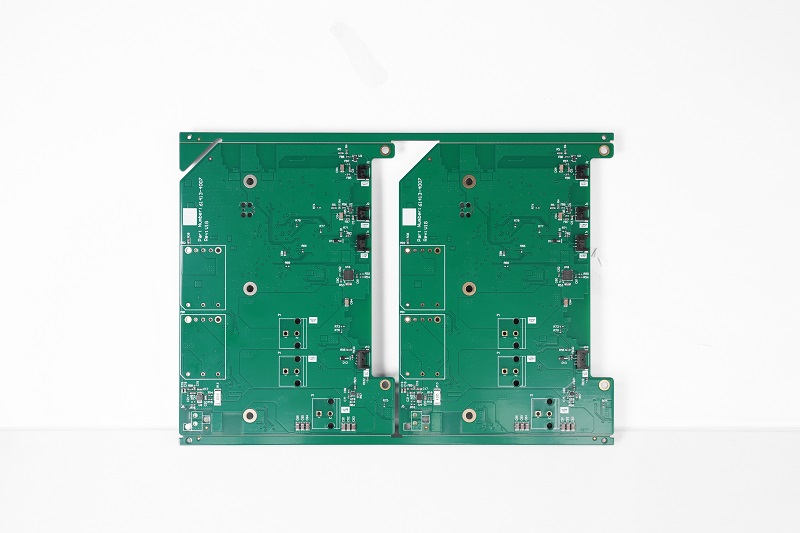
      • Flexible options – EBest Circuit (Best Technology) builds FR4, aluminum, ceramic, and PCBA. Whether you need standard PCB & PCBA service or customization PCB service for the above types, we give full support.

      Whether you’re a startup or a large brand, we’re here to make your ideas real. Choosing us means getting a reliable partner who listens and delivers.
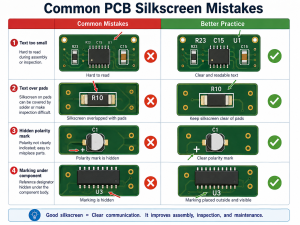
      PCB & PCBA Supplier

      In conclusion, finding the right PCB & PCBA manufacturer isn’t just about cost. It’s about getting dependable quality, consistent delivery, and real technical support. Whether you’re building a PCB prototype or scaling for mass production, a reliable partner helps you move faster and stay ahead.

      EBest Circuit (Best Technology), with over 18 years of experience in the field, stands out by delivering one-stop PCB & PCBA solutions tailored to customer needs. From PCB design reviews and DFM suggestions to precision PCB assembly and on-time delivery, we support your product every step of the way.
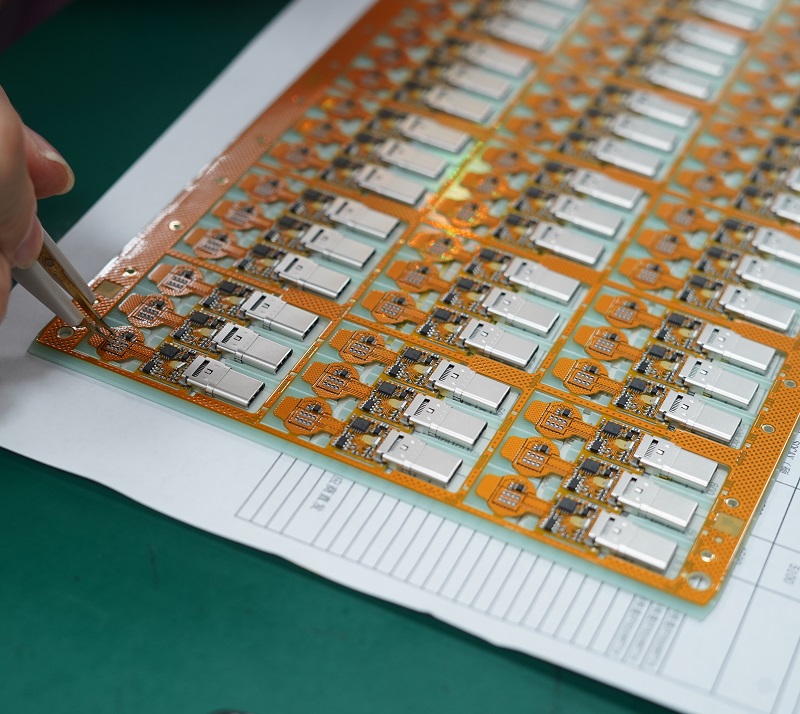
      If you’re looking for a trustworthy PCB & PCBA manufacturer with the ability to scale and adapt, just feel free to contact EBest Circuit (Best Technology) via sales@bestpcbs.com, we’re here to help.

      You may also like