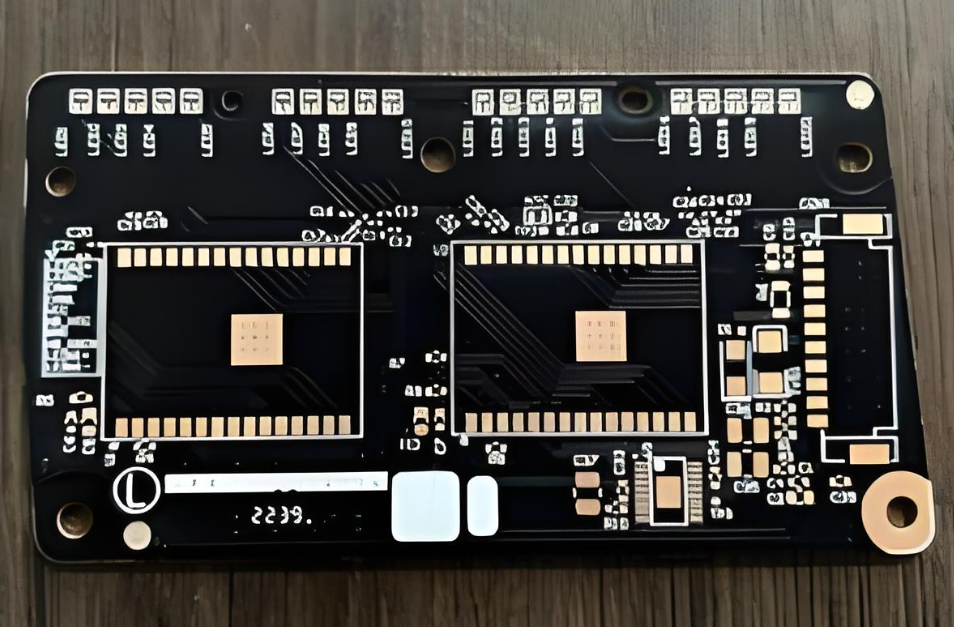
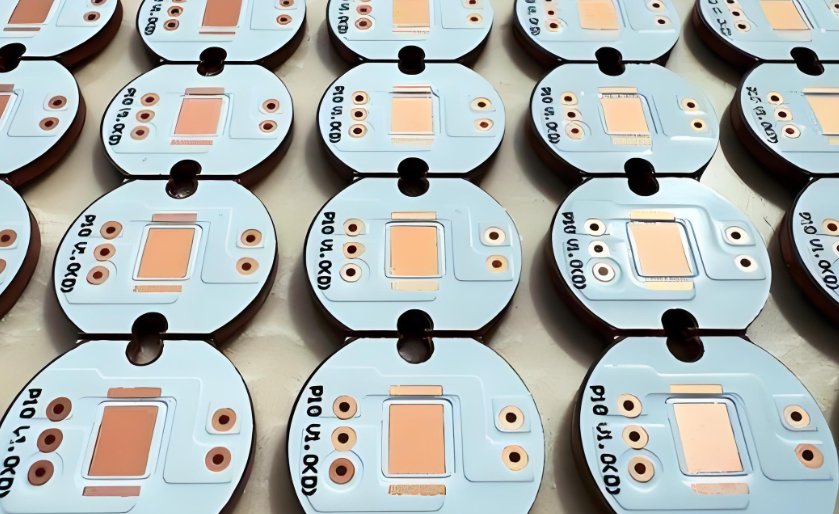
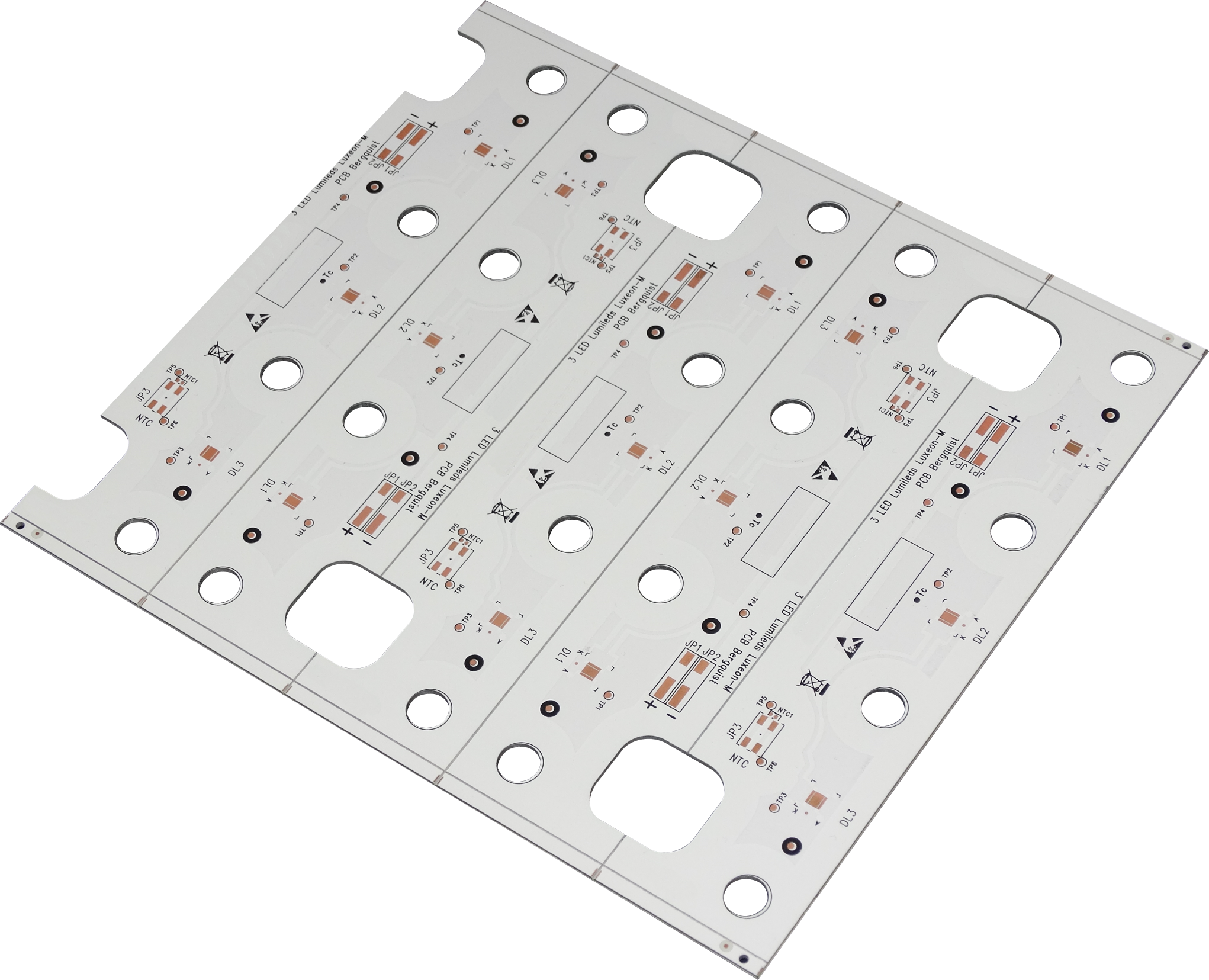
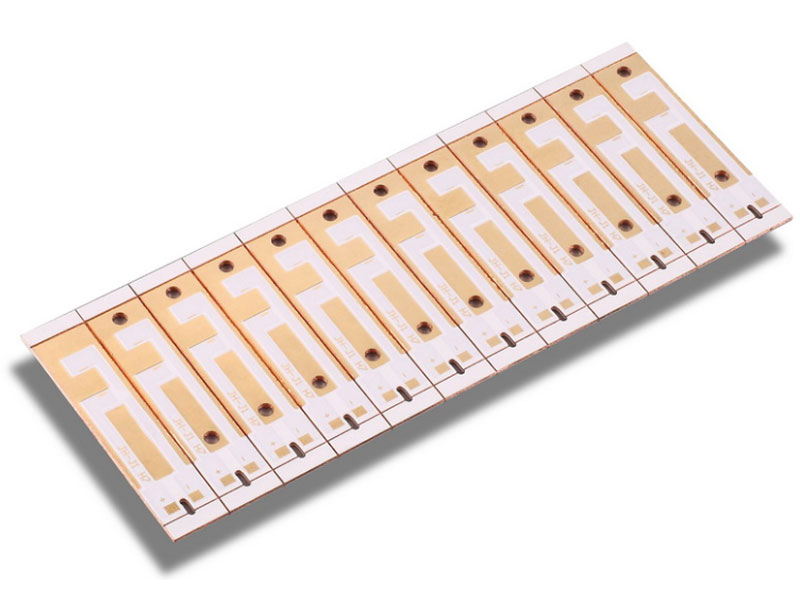
Automotive radar MCPCB is a high‑performance metal‑core printed circuit board engineered specifically for 77GHz millimeter‑wave radar modules in automotive ADAS systems, delivering superior thermal management, signal integrity, and mechanical stability for mission‑critical sensing applications. This article explains the definition, material advantages, layout rules, application scenarios, market trends, top manufacturers, and why EBest Circuit (Best Technology) is your ideal partner for automotive radar aluminum MCPCB for ADAS systems and high thermal conductivity MCPCB for automotive radar modules.
What core challenges do engineers face when developing 77GHz radar PCBs for ADAS?
- Poor heat dissipation shortens radar module lifespan
- Severe signal loss and interference at 77GHz
- Tight miniaturization conflicting with thermal/EMI needs
- Inconsistent quality and non‑compliance with automotive standards
- Slow prototyping and long lead times delaying R&D
We provide targeted solutions from a professional PCB & PCBA manufacturer perspective:
- High thermal conductivity aluminum/copper MCPCB for rapid heat dissipation
- Precision RF layout and low‑loss high‑frequency materials for stable 77GHz signals
- HDI and compact design supporting miniaturized radar modules
- IATF16949/ISO9001 certified production ensuring automotive‑grade reliability
- Rapid sample & small‑batch support for fast R&D validation
EBest Circuit (Best Technology) is a professional automotive‑grade PCB and PCBA manufacturer focusing on high‑frequency, high‑thermal MCPCB for ADAS and automotive radar applications. We offer full‑process support for your radar MCPCB project, DFM review by 20‑year experienced R&D and PCB/PCBA experts, one‑stop PCB manufacturing, component sourcing, PCBA assembly and test. We own in‑house PCB + PCBA factories, hold IATF16949, ISO9001, ISO13485, AS9100D certifications, and provide 1.5‑week rapid PCBA delivery with digital traceability. Please feel free to contact us at sales@bestpcbs.com.
What is Automotive Radar MCPCB?
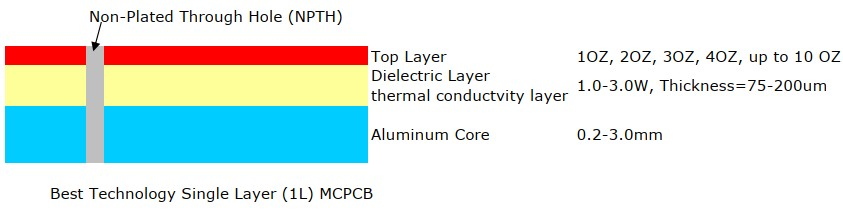
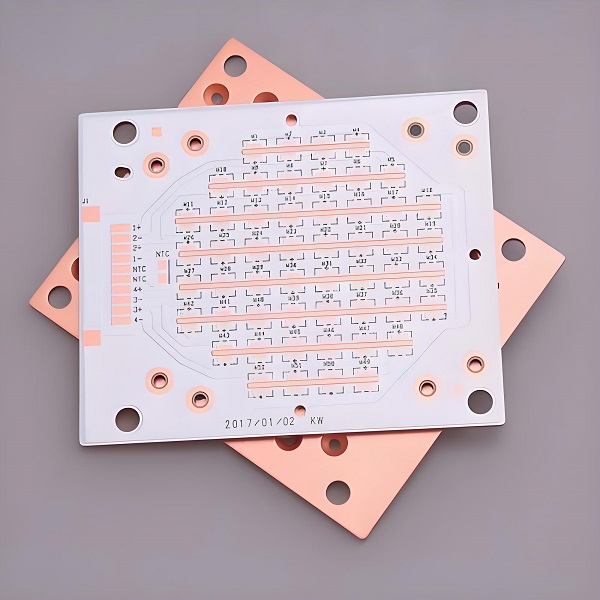
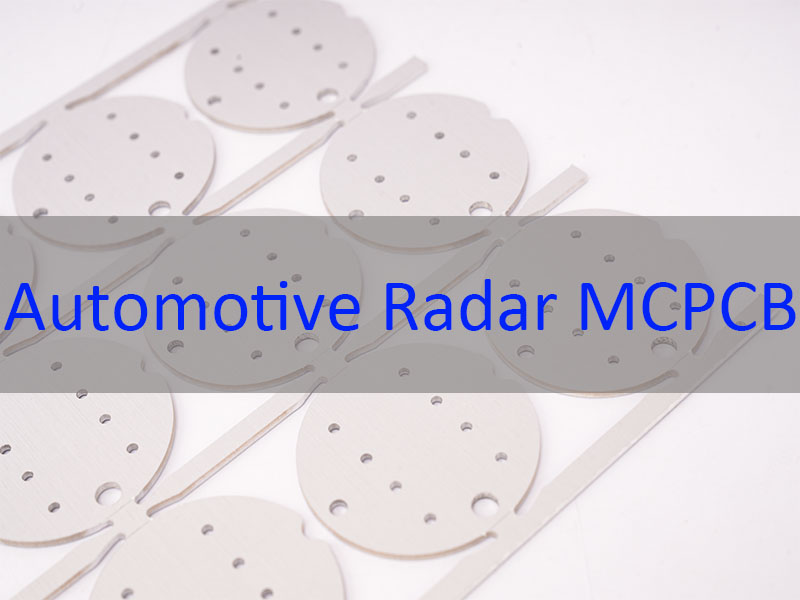
Automotive Radar MCPCB is a thermally enhanced metal‑core PCB designed for 77GHz millimeter‑wave radar in ADAS, integrating RF signal transmission, efficient heat dissipation, and robust mechanical performance.
- Built on aluminum or copper metal substrate for excellent thermal conduction
- Optimized for 77GHz high‑frequency signal integrity and low insertion loss
- Meets automotive reliability: thermal cycling, vibration, humidity resistance
- Supports HDI, blind/buried vias, and precision manufacturing
- Compliant with IATF16949 and AEC‑Q standards
In short, Automotive Radar MCPCB is the foundational carrier that enables stable, long‑life, high‑precision 77GHz radar sensing in harsh automotive environments.
What are the Core Material Advantages of Automotive Radar Aluminum MCPCB for ADAS Applications?
Automotive radar aluminum MCPCB for ADAS systems offers unique material benefits unmatched by standard FR4 PCBs.
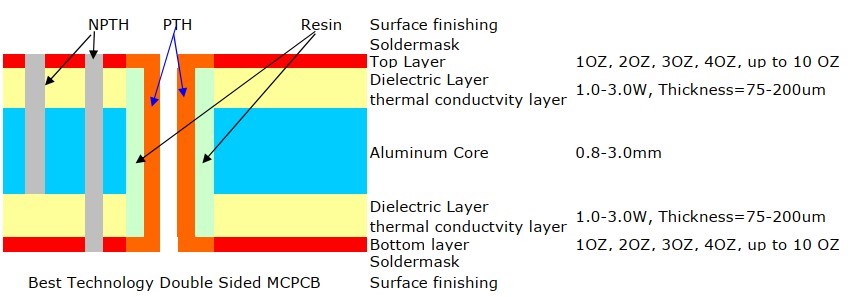
- Superior Thermal Conductivity: Thermal conductivity up to 1–8 W/m·K, far exceeding FR4 (~0.3 W/m·K), rapidly dissipating heat from high‑power MMICs.
- Excellent High‑Frequency Performance: Low dielectric loss and stable Dk over temperature/frequency, preserving 77GHz signal clarity and range resolution.
- Strong Mechanical Stability & EMI Shielding: Rigid metal base resists vibration/shock; metal core acts as natural EMI shield, reducing crosstalk.
- High Thermal Stability: Withstands −40°C to +150°C thermal cycling without delamination or performance drift.
- Design & Manufacturing Flexibility: Supports 1–10 layers, conductor thickness 0.5oz–10oz, min 4/4mil line/space, and counterbore/countersunk holes.
- Automotive‑Grade Reliability: Meets strict ADAS requirements for long‑term durability and functional safety.
These advantages make aluminum MCPCB the preferred substrate for high thermal conductivity MCPCB for automotive radar modules.
What are the Layout Key Points of 77GHz Radar MCPCB for Automotive ADAS?
Layout directly determines 77GHz radar sensitivity, accuracy, and stability. Below are critical rules.
- Impedance Control: Strict 50Ω impedance matching; tolerance ±5% for RF paths; controlled by line width, dielectric thickness, copper weight.
- Antenna & RF Routing: Antenna at board edge with 5–8mm keep‑out zone; short, symmetric feed lines; avoid sharp bends; use GCPW for low loss.
- Grounding & Isolation: Solid continuous ground planes; via fencing/stitching around RF paths; separate RF/digital/power regions.
- Thermal Management: Dense thermal vias under heat‑generating chips; direct thermal path to metal core; optimized copper distribution.
- Via Design: Use blind/buried vias to reduce stub inductance; laser‑drilled microvias down to 4mil; back‑drilling where needed.
- Manufacturing Tolerances: Min line/space 3/3mil (HDI); hole diameter ±3mil (PTH); outline tolerance laser +0.15/−0.05mm.
- Layer Stackup: Separate RF, ground, digital, power layers; multi‑ground for shielding and thermal conduction.
Following these rules ensures your 77GHz Radar MCPCB achieves consistent performance in mass production.
What are the Application Scenarios of 77GHz Radar MCPCB in Automotive ADAS Systems?
77GHz Radar MCPCB is widely used in core ADAS functions across passenger and commercial vehicles.
- Long‑Range Forward Radar: ACC, AEB, FCW; highway anti‑collision and speed control.
- Short‑Range Corner Radar: BSD, LCA, rear cross‑traffic alert; covers vehicle blind spots.
- Parking Assistance Radar: Low‑speed obstacle detection, automatic parking in tight spaces.
- Sensor Fusion Controller: Integrates radar, camera, LiDAR data for higher autonomous driving levels.
- Autonomous Driving (L3–L4): Multi‑radar coordination for 360° perception and real‑time decision‑making.
Every safety‑critical ADAS function relies on high‑performance 77GHz Radar MCPCB for stable sensing.
What are the Market Trends and Technical Development Directions of Automotive Radar MCPCB?
The market and technology are evolving rapidly to meet ADAS and autonomous driving demands.
Market Trends
- Strong growth: 77GHz radar PCB CAGR ~16.7% 2026–2032; wider adoption in L2+ vehicles.
- Higher integration: More radars per vehicle; smaller, higher‑performance modules.
- Automotive standardization: Strict IATF16949, AEC‑Q, ISO 26262 compliance.
- Cost optimization: High‑performance materials at manageable cost for mass production.
Technical Development Directions
- Higher Thermal Conductivity: Advanced dielectric and copper‑core MCPCB for next‑gen high‑power MMICs.
- Higher Frequency & Bandwidth: Evolution toward 79GHz for better resolution and less interference.
- HDI + MCPCB Hybrid: Min 3/3mil line/space, microvias, embedded passives for ultra‑compact modules.
- Material Innovation: Low‑loss, stable‑Dk thermally conductive substrates for 77–79GHz.
- Smart Manufacturing: Digital tracing, automation, and 5‑second batch tracking for quality control.
- Integrated Antenna‑in‑PCB: Patch arrays directly on MCPCB for higher gain and beamforming.
Automotive radar MCPCB will keep advancing toward higher performance, miniaturization, and intelligence.
Top 10 Automotive Radar MCPCB Manufacturers in China
Below are leading Chinese manufacturers focused on automotive and high‑frequency radar PCBs.
- Shennan Circuits
- Hudian Electronic
- Kinwong Electronic
- Shengyi Technology
- Zhen Ding Technology (Fastprint)
- Dongguan Samts Griffith Electronics
- Sihui Fuji Electronics
- Goworld Electronic
- Miracle Technology
- EBest Circuit (Best Technology)
These manufacturers have automotive certifications, mature high‑frequency MCPCB processes, and mass production experience.
Why Should EBest Circuit (Best Technology) Be Your Top Choice for Producing Automotive Radar MCPCB?
We combine expertise, resources, and service to be your trusted partner for automotive radar MCPCB.
- Automotive‑Grade Capabilities: IATF16949, ISO9001, ISO13485, AS9100D certified; in‑house PCB + PCBA factory.
- Advanced MCPCB Process: 1–10 layers, aluminum/copper core, conductor 0.5oz–10oz, min 4/4mil line/space, max aspect ratio 10:1.
- One‑Stop Service: PCB manufacturing + component sourcing + SMT/DIP + test (ICT, AOI, X‑RAY, functional, aging) + box build.
- Rapid R&D Support: Sample/small‑batch friendly; 1.5‑week PCBA fast delivery.
- Digital & Stable Supply: 5‑second material/batch tracing; 1000+ supply chain partners; on‑time quality guarantee.
- Proven Track Record: 20+ years in PCBA; 10,000+ engineers served; 1800+ clients; deep ADAS/radar experience.
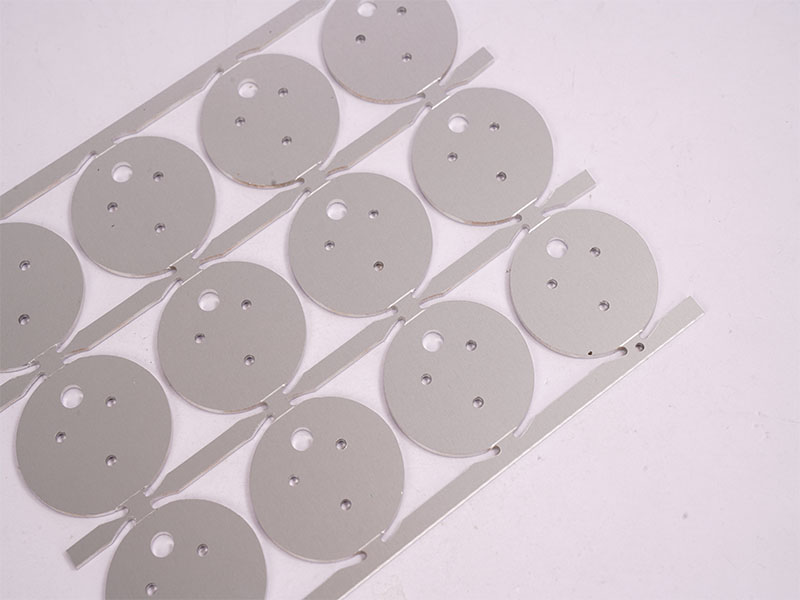
We deliver reliable, high‑performance automotive radar aluminum MCPCB for ADAS systems with speed and quality.
FAQs About Automotive Radar MCPCB
Q: What is the difference between standard MCPCB and automotive radar MCPCB?
A: Radar versions use low‑loss high‑frequency materials, tighter impedance control, thermal optimization for 77GHz, and full automotive compliance.
Q: What thermal conductivity is suitable for 77GHz radar MCPCB?
A: 1.0–8.0 W/m·K typical; high‑power modules prefer higher values for better heat dissipation.
Q: What surface finishes are recommended?
A: ENIG, ENEPIG, hard gold; good conductivity, corrosion resistance, and RF stability.
Q: What is the typical layer count?
A: 4–8 layers common; complex designs use 10 layers for RF, ground, digital, power separation.
Q: Can you support prototype to mass production?
A: Yes; samples, small batches, and mass production with consistent quality.
Q: Do you provide DFM and design support?
A: Yes; free DFM review, stackup, impedance, and layout advice from veteran engineers.