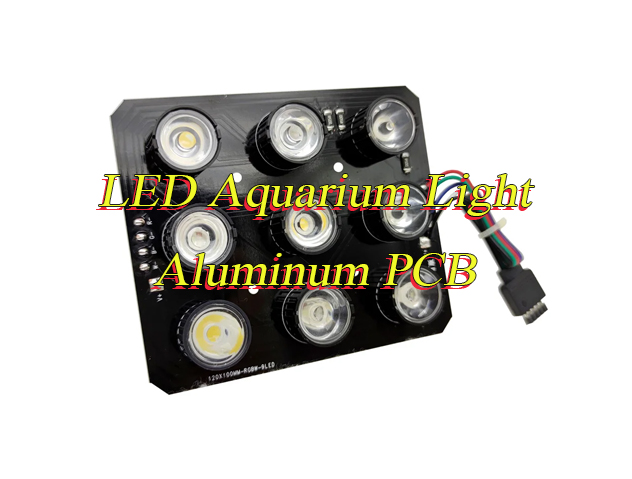
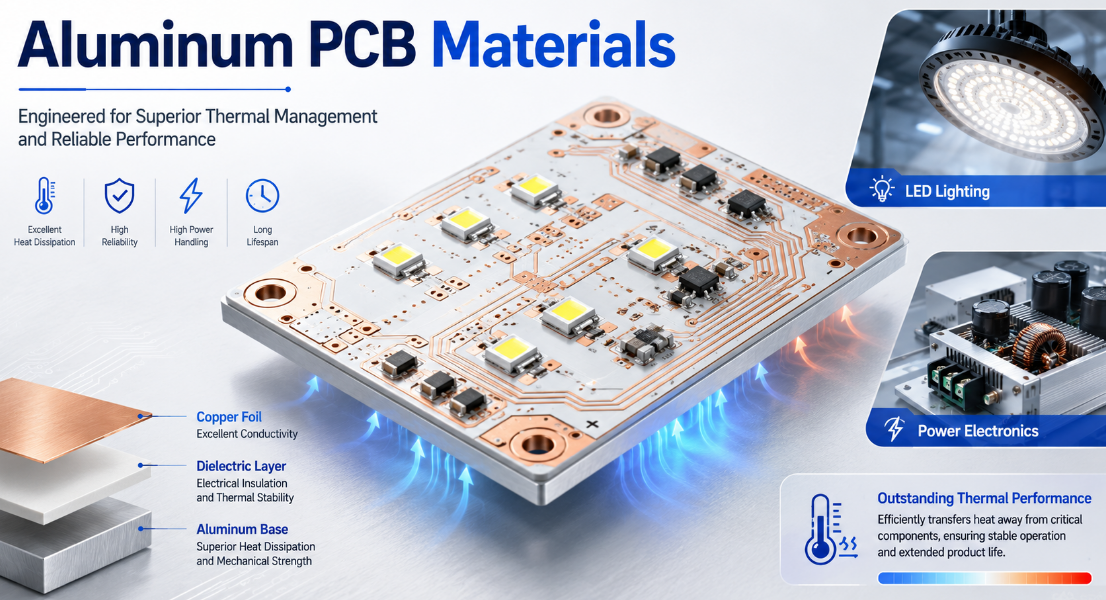
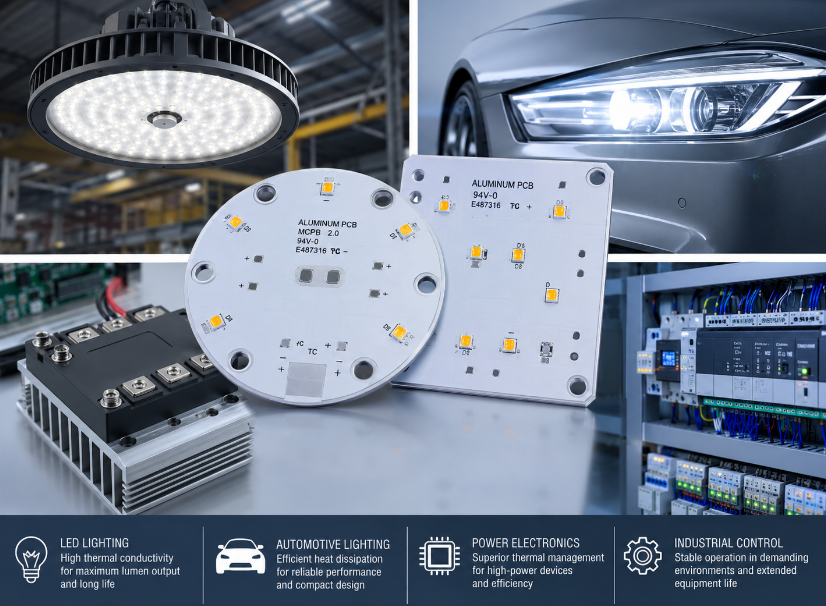
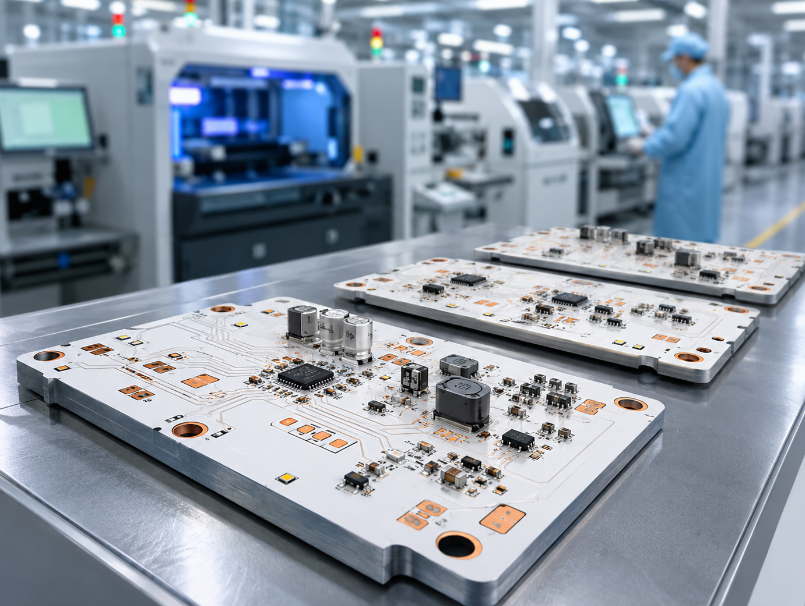
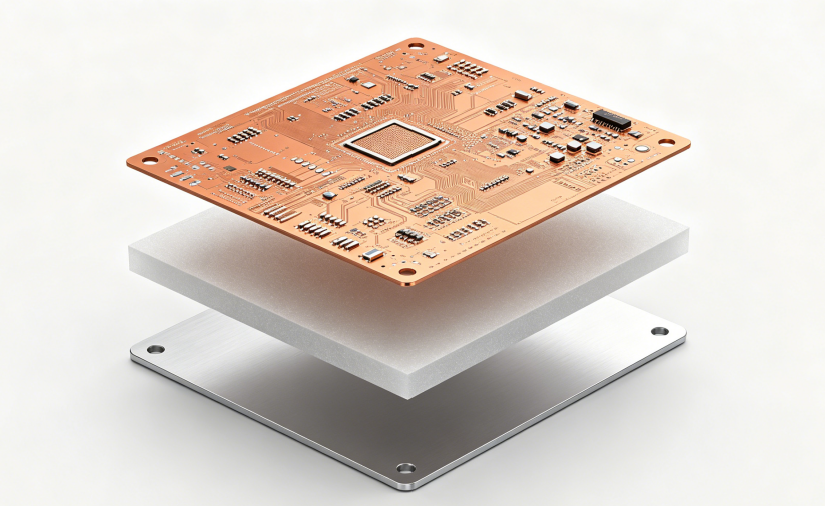
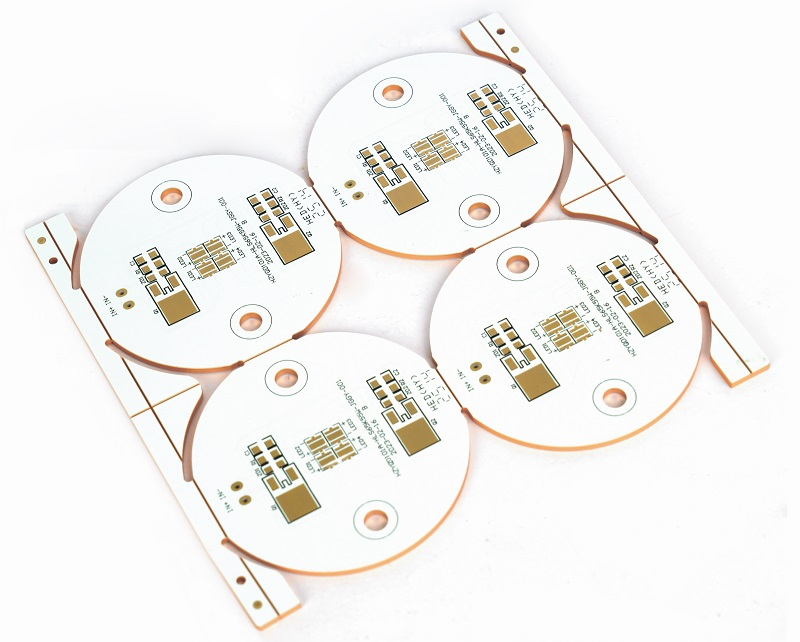
Are you struggling with overheating, unstable light, or short lifespan when using standard PCBs for LED aquarium lights?LED aquarium light aluminum PCB solves these core issues with superior thermal management, waterproof structure, and stable performance to protect aquatic life and extend lighting life. For reliable, highâperformance LED Aquarium Light Aluminum PCB, EBest is your professional oneâstop supplier with mature design, production, and quality control capabilities. In this article, we explain key benefits, design points, applications, and FAQs to help you select and use the right PCB for your aquarium lighting projects.
Why Choose EBest as Your Supplier for LED Aquarium Light Aluminum PCB?
EBest delivers consistent quality, fast lead times, stable supply chain, and fullâservice support for LED aquarium light aluminum PCB.We focus on thermal performance, waterproof reliability, and longâterm durability required by aquarium lighting systems.Our core advantages include certified quality, flexible customization, and responsive technical support.
Quality Assurance: We follow strict international standards to ensure each PCB meets thermal, insulation, and waterproof requirements.Stable material selection avoids performance degradation in humid, highâheat aquarium environments.
Lead Time & Production Capacity: We support rapid prototyping and 24âhour expedited services for urgent projects.Our mass production capacity ensures stable delivery for largeâvolume orders.
Supply Chain & Cost Efficiency: Stable upstream material supply guarantees consistent batch quality.Optimized production flow improves efficiency while maintaining high performance.
FullâChain Service: We provide oneâstop solutions including design, prototyping, assembly, and mass production.Professional engineering support helps optimize your PCB layout and performance.
Customer Support: We offer personalized solutions and timely afterâsales service.Our team helps resolve design, assembly, and application issues quickly.
EBest’s Quality Certifications for LED Aquarium Light Aluminum PCB
Here are EBest’s quality certifications for LED aquarium light aluminum PCB:
ISO 9001:2015: International quality management system.
ISO 13485:2016: Medicalâgrade safety and stability.
AS9100D: Aerospaceâgrade precision and durability.
RoHS: Environmentally friendly, safe for aquatic life.
REACH: Chemical safety compliance.
UL: Safety and insulation certification.
What Common Problems Do LED Aquarium Light Aluminum PCB Users Face?
Here are common problems for LED aquarium light aluminum PCB:
Do you suffer from overheating that raises water temperature and stresses fish and corals?
Are you troubled by poor waterproofing that causes short circuits or PCB failure?
Do you experience spectrum shift and brightness decay due to uneven heat distribution?
Are you frustrated by short service life and high replacement frequency?
EBest’s LED Aquarium Light Aluminum PCB directly solves these problems.
High thermal conductivity quickly dissipates heat to stabilize water temperature.
Waterproof structure protects against moisture and splashes.
Stable thermal control maintains consistent light spectrum and brightness.
Rugged design extends service life and reduces maintenance.
Why Is LED Aquarium Light Aluminum PCB Essential for Aquatic Life?
Aquatic life is highly sensitive to water temperature and light stability. Even small temperature increases can stress fish, slow plant growth, or damage corals. Standard FR4 PCBs trap heat and gradually warm aquarium water.
LED aquarium light aluminum PCB provides excellent heat dissipation to keep temperatures safe.It maintains consistent light spectrum without shift or decay.This stable environment supports healthy growth for fish, coral, and aquatic plants.Using aluminum PCB significantly lowers risks of heatârelated damage to aquatic life.
How Does LED Aquarium Light Aluminum PCB Solve Overheating Issues?
Overheating is the biggest threat to LED aquarium lights and aquatic life.Highâpower LEDs generate large amounts of heat during longâhour operation. Traditional PCBs cannot transfer heat efficiently, leading to hotspots and rising water temperature.
LED aquarium light aluminum PCB uses a metal core substrate for fast heat conduction. It spreads heat evenly across the board instead of concentrating around LED chips. Lower thermal resistance reduces LED junction temperature effectively. Stable temperature extends LED lifespan and keeps water within safe ranges.
How to Design LED Aquarium Light Aluminum PCB for Waterproof Performance & Longevity?
Use waterproof, anti-yellowing, and anti-corrosion solder mask to block moisture and water splashes.
Adopt sealed edge treatment and full-board encapsulation to prevent water penetration into the substrate.
Optimize component layout to eliminate dead corners where water or condensation can accumulate.
Increase insulation thickness and reinforce dielectric design to avoid short circuits in humid environments.
Select high-thermal-conductivity aluminum base to reduce heat stress and material aging.
Use 1â3 oz thick copper to improve current carrying capacity and ensure long-term working stability.
Avoid over-concentrated LED arrangement to prevent local overheating and speed up aging.
Add thermal relief design and uniform thermal paths to keep temperature stable and extend service life.
Comply with IP65 protection structure standards for reliable use in long-term humid aquarium environments.
Choose RoHS and REACH compliant materials to ensure safety and stability for aquatic life.
How Does LED Aquarium Light Aluminum PCB Balance Heat Dissipation & Spectrum Matching?
Aquarium lighting requires both efficient heat dissipation and accurate spectrum output.Temperature directly affects LED wavelength stability and color consistency. Excessive heat leads to spectrum shift and poor growth of aquatic life.
LED aquarium light aluminum PCB maintains LED chips at a stable low temperature.Consistent working temperature avoids wavelength drift and keeps target spectrum unchanged. Optimized thermal path design ensures even heat distribution across the whole board. Balanced heat management preserves longâterm brightness and color consistency.
This balance creates the ideal lighting environment for fish, corals, and aquatic plants.It also extends the overall service life of the entire lighting system.
FAQs About LED Aquarium Light Aluminum PCB
Q1: What is LED Aquarium Light Aluminum PCB? A1: LED Aquarium Light Aluminum PCB is a metalâcore printed circuit board specially designed for LED aquarium lights, focusing on heat dissipation, waterproofing, and longâterm stability in aquatic environments.
Q2: Why do aquarium LED lights need aluminum PCB instead of FR4? A2: Aquarium LED lights need aluminum PCB because it dissipates heat much faster than FR4, stabilizes water temperature, protects aquatic life, and extends LED service life.
Q3: Is LED Aquarium Light Aluminum PCB waterproof? A3: Yes, our LED Aquarium Light Aluminum PCB uses a waterproof solder mask and sealed structure to resist moisture, splashes, and corrosion in aquarium environments.
Q4: Can this PCB prevent light spectrum shift? A4: Yes, efficient heat dissipation keeps LED temperature stable, reducing wavelength drift and maintaining consistent spectrum for aquatic life.
Q5: What thermal conductivity is recommended? A5: Thermal conductivity â„2.0 W/(m·K) is recommended for LED aquarium light aluminum PCB to ensure effective heat dissipation.
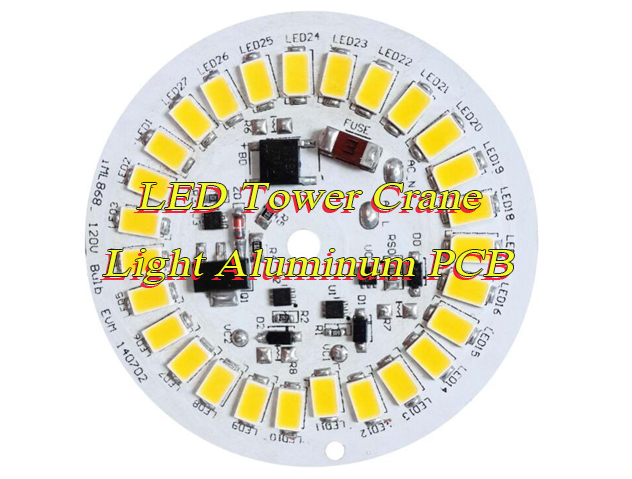
For superior LED tower crane light aluminum PCBsolutions engineered for construction site reliability, EBest is your premier choice. Our specialized aluminum PCBs deliver unmatched thermal management, waterproof durability, and consistent high-power performance, critical for tower crane lighting operating in harsh outdoor conditions. With core parameters including 1.5â3.0mm aluminum substrates, 3.0W/m·K thermal conductivity dielectric layers, and IP65-rated construction, our boards ensure stable operation, extended LED lifespan, and maximum illumination for safe, efficient construction work. When you need reliableLED tower crane light aluminum PCBproducts, place your order with EBest for unmatched quality and performance.
Why Choose EBest for Your LED Tower Crane Light Aluminum PCB?
EBest stands as the ideal partner for LED tower crane light aluminum PCB solutions, with proven advantages across quality, lead times, service, and supply chain reliability.
Superior Thermal Management: 10â20x better heat dissipation than FR4 boards, thermal resistance â€1.0°C/W, keeps LED junction temperatures below 85°C.
Industrial-Grade Durability: IP65-rated, 6061 aluminum alloy, withstands extreme temps (-10°C to 45°C), vibration and corrosion.
Uncompromising Quality: 100% pre-shipment inspection, certified to ISO 9001:2015, UL, RoHS, IPC-A-600.
Our comprehensive certifications cover automotive, medical, aerospace, environmental, and safety standards, demonstrating our commitment to producing high-quality LED tower crane light aluminum PCBsolutions that meet the strictest industry requirements across multiple sectors.
IATF 16949: Complies with global automotive industry requirements, ensuring stable, high-quality PCB supply for automotive lighting and industrial vehicle applications, supporting strict production traceability and defect prevention.â
ISO 9001:2015: Ensures consistent production processes, strict quality control, and continuous improvement, providing reliable LED tower crane light aluminum PCB solutions for all industrial applications.â
ISO 13485:2016: Meets strict medical industry safety and reliability standards, suitable for PCB applications in medical equipment lighting, ensuring biocompatibility, traceability, and compliance with medical device regulations.â
AS9100D: Recognized by global aerospace manufacturers (including Boeing, Airbus), providing access to the aerospace supply chain, ensuring PCB durability and performance in extreme aerospace and high-reliability industrial environments.â
REACH: Ensures PCB materials are free of restricted hazardous substances, complying with EU environmental standards, making our products safe for global markets and environmentally friendly.â
RoHS: Eliminates harmful substances (e.g., lead, mercury) in PCB production, meeting global environmental and safety requirements, suitable for eco-conscious construction and industrial applications.â
UL: Validates the safety and reliability of our PCBs, complying with North American and global safety standards, ensuring safe operation of LED tower crane light aluminum PCB in high-power, harsh environment applications.
What Thermal Challenges Do LED Tower Crane Lights Face?
What makes heat dissipation a critical issue for high-power LED tower crane lights (100â300W)?
Since high-power LEDs convert only 20â30% of energy to light, most energy is released as heat, how does this affect LED tower crane light performance?
What happens to LED tower crane lights when heat is not properly dissipated, and hotspots form?
How does the high heat generated by LEDs impact their lifespan and brightness over time?
Do extreme outdoor temperatures on construction sites worsen the thermal challenges of LED tower crane lights?
How do humidity and thermal cycling on construction sites stress the PCBs of LED tower crane lights?
Can improper thermal management lead to premature failure of LED tower crane lights during critical construction operations?
Why do standard PCBs struggle to handle the thermal demands of LED tower crane lights in harsh outdoor environments?
How EBest Solves These Thermal Challenges?
At EBest, we’ve engineered our LED tower crane light aluminum PCB with a holistic thermal management approach, directly addressing the heat-related challenges that plague standard PCBs in harsh construction environments. Our solutions are designed to not just dissipate heat, but to do so efficiently and consistently, ensuring long-term reliability for high-power LED tower crane lights.â
A key part of this design is our optimized copper trace layouts. We use wider thermal paths that eliminate hotspots by ensuring uniform heat distribution across the entire board. This prevents localized overheating, which is a common cause of LED degradation and premature failure in tower crane lighting systems.â
We also incorporate high-thermal-conductivity dielectric layers, rated at 3.0W/m·K, to facilitate rapid heat transfer. These layers act as a critical bridge between the LED components and the aluminum substrate, ensuring that heat moves quickly away from the LED junction, where excessive heat can cause the most damage.â
Complementing this, our thick aluminum bases (1.5â3.0mm) serve as integrated heat sinks, eliminating the need for external cooling components. This design not only reduces costs but also maintains LED junction temperatures below 85°Câthe optimal threshold for preserving LED brightness and extending lifespan.â
By combining these advanced thermal features, our LED tower crane light aluminum PCB eliminates overheating failures, even in the most demanding outdoor construction conditions. For a reliable thermal solution you can trust, partner with EBest.â
How Does Aluminum PCB Improve LED Tower Crane Light Reliability?
LED tower crane light aluminum PCB technology dramatically improves reliability compared to standard FR4 boards in construction applications; aluminum substrates provide 5â10x better thermal conductivity than FR4 materials (0.3W/m·K vs. 1.5â3.0W/m·K), while superior heat dissipation reduces LED junction temperature, slowing light degradation and extending service life, and aluminum’s rigidity prevents warping under thermal stress, maintaining consistent LED alignment and light distribution.
Key Reliability Enhancements:
Thermal Stability: Prevents performance degradation during continuous high-power operation.
Environmental Resistance: Withstands construction site moisture, dust, and temperature fluctuations.
Mechanical Durability: Resists vibration and impact common in tower crane operations.
Longer Lifespan: Reduces maintenance needs and replacement frequency for tower crane lighting.
Trust EBest for LED tower crane light aluminum PCB solutions that deliver unmatched reliability in demanding construction environments.
What Design Features Optimize LED Tower Crane Light Aluminum PCB?
Effective LED tower crane light aluminum PCB designs incorporate specialized features tailored to the unique demands of construction lighting performance, ensuring reliability, efficiency, and durability in harsh outdoor environments. Every element of the design is engineered to address the challenges of high-power LED operation, from thermal management to environmental resilience, creating a cohesive solution that maximizes performance.â
Strategic component placement is a foundational design feature, as it minimizes thermal interference between high-power LEDs. By spacing LEDs appropriately and isolating heat-generating components, we prevent the formation of hotspots that can degrade performance and shorten lifespan, ensuring uniform heat distribution across the entire board. This thoughtful placement also supports consistent light output, avoiding uneven illumination that can compromise construction site safety.â
Thermal vias and copper pours are integral to efficient heat transfer, creating direct, unobstructed paths from the LEDs to the aluminum substrate. These features work in tandem with the aluminum base to rapidly dissipate heat, keeping LED junction temperatures within optimal ranges and preventing premature failure. Additionally, circuit layouts are carefully balanced to ensure even current distribution, eliminating brightness variations across LED arrays and maintaining consistent illumination for critical construction tasks.â
At EBest, our optimized design elements build on these foundational features to deliver superior performance for tower crane lighting. We use wide copper traces, at least 3mm in width to accommodate high-current paths with minimal resistance heating, a key consideration for industrial-grade lighting systems that operate at 100â300W power levels. We also incorporate dedicated thermal management zones, isolated areas that concentrate heat dissipation for high-power components, ensuring no single section of the board bears the brunt of thermal stress.â
Waterproof configurations are another critical design focus, with tented vias and protective coatings that shield the PCB from moisture, dust, and debris common on construction sites, aligning with the IP65 rating that ensures durability in outdoor conditions. Mechanical reinforcement is also integrated into the design, with structural enhancements that withstand the constant vibration and mechanical stress of tower crane operations, preventing warping or damage that could disrupt performance.â
How to Select the Right Aluminum PCB Specification for Tower Crane Lights?
Choosing the right LED tower crane light aluminum PCBspecifications is critical for optimal performance, durability and safety in harsh construction environments. The right specs align with your LED power, environmental and mechanical needs, preventing premature failure and extending your lighting systemâs lifespan. Below are key considerations to guide your selection, including core parameters tailored to construction use.
Match aluminum substrate thickness to your LED power, Optimize for 1.5mm for 100W systems, 2.0mm for 200W systems, and 3.0mm for 300W+ systems to ensure adequate heat dissipation and structural stability.
Prioritize dielectric layers with thermal conductivity of â„2.0W/m·K, as this ensures rapid heat transfer from LEDs to the aluminum substrate, critical for high-power tower crane lighting.
Choose copper weight between 2â3oz to handle the high currents of industrial LED systems while maintaining excellent thermal transfer and reducing resistance heating.
Target a total thermal resistance of â€1.0°C/W from LED to ambient to keep LED junction temperatures below 85°C, preserving brightness and extending lifespan.
Ensure the PCB has an IP65 or higher environmental rating to withstand dust, moisture, and other harsh conditions common on construction sites.
Optimize for custom dimensions that fit your specific tower crane light housing, as a precise form factor ensures proper installation and avoids thermal or mechanical stress.
Verify that the PCBâs electrical specifications (voltage and current handling) match your LED array requirements to prevent compatibility issues and ensure stable operation.
Select aluminum alloy (such as 6061) for superior mechanical strength, corrosion resistance, and ability to withstand extreme temperatures (-10°C to 45°C) on construction sites.
Consider tented vias and protective coatings to enhance waterproof performance, protecting the PCB from moisture and debris that can cause short circuits.
EBest’s engineering team helps select ideal LED tower crane light aluminum PCB specifications for your project needs.
What Performance Benefits Does Aluminum PCB Offer for Tower Crane Lighting?
Aluminum PCBs bring significant, measurable performance benefits to LED tower crane lighting, addressing the unique demands of harsh construction environments. Below are the key performance advantages of choosing LED tower crane light aluminum PCB:â
Stable Brightness Over Lifespan: Superior thermal management minimizes brightness degradation, with less than 5% decrease over the productâs lifespan, compared to 30% or more with traditional FR4 boards, ensuring consistent illumination for critical construction tasks.â
Enhanced Energy Efficiency: Reduced thermal resistance lowers power consumption by 15â20%, cutting operational costs while maintaining high light output for tower crane lighting systems (100â300W).â
Consistent Color Quality: Maintains a high Color Rendering Index (CRI â„80) and stable color temperature (5000â6500K), ensuring clear visibility of loads, cables, and work areas even in low-light conditions.â
Higher Power Density: Efficient heat dissipation allows for brighter, more compact lighting designs, eliminating the need for bulky external heatsinks while supporting high-power LED configurations.â
Extended LED Lifespan: By keeping LED junction temperatures below 85°C, aluminum PCBs extend LED lifespan by 2â3x, reducing replacement and maintenance frequency for construction sites.â
Improved Operational Reliability: Consistent thermal performance prevents sudden light failures, ensuring uninterrupted operation during critical nighttime lifting and construction activities.
How Does Aluminum PCB Enhance Tower Crane Light Safety?
Safety is paramount in nighttime construction operations, and LED tower crane light aluminum PCB boards play a critical role in enhancing worksite safety. By combining reliable performance, durable construction, and consistent illumination, these PCBs mitigate key safety risks associated with tower crane lighting, ensuring secure and efficient operations even in harsh conditions. Below are the key safety benefits they deliver:
Prevent unexpected light failure during critical lifting operations, thanks to reliable thermal performance that avoids premature breakdowns.
Improve visibility of loads, cables, and work areas with consistent, high-quality illumination, reducing the risk of accidents caused by poor visibility.
Reduce maintenance-related safety risks, as their durable construction withstands harsh construction site conditions, minimizing the need for frequent on-site maintenance.
Minimize unexpected outages with robust thermal design, ensuring uninterrupted lighting during critical nighttime operations.
Withstand tower crane operational stresses, including shock and vibration, thanks to rugged aluminum construction that maintains stability.
Operate reliably in rain, snow, and dust with IP65-rated weatherproof performance, ensuring consistent safety regardless of weather conditions.
Reduce shadows and glare through uniform light distribution, providing clear visibility for workers and equipment operators.
For safer construction site operations, specify EBest’s LED tower crane light aluminum PCB in your lighting designs.
Case Studies: LED Tower Crane Light Aluminum PCB Applications
High-Rise Construction Project (100W System)
A major construction company replaced FR4 boards with EBest’s LED tower crane light aluminum PCB.
Result: 40% lower LED temperatures, 3x longer lifespan, and zero failures during 2-year project.
Maintenance frequency reduced from monthly to annually, saving thousands in labor costs.
Port Container Crane Application (200W System)
Port authority upgraded 8 cranes with our aluminum PCB-based lighting systems.
Result: 75% energy reduction compared to traditional 1000W sodium fixtures.
Improved visibility increased container handling efficiency by 25% while enhancing worker safety.
Bridge Construction Project (300W System)
Infrastructure contractor used our specialized LED tower crane light aluminum PCB for long-span bridge work.
Result: Operated reliably through extreme temperatures (-10°C to 45°C) and high humidity.
Maintained >95% original brightness after 18 months of continuous operation.
Industrial Construction Complex (Mixed Power Systems)
General contractor standardized on EBest aluminum PCBs for all 12 tower cranes.
Result: Simplified inventory with single-component solution across different power requirements.
Overall project completion accelerated by 15% due to improved lighting and reduced downtime.
How Does Aluminum PCB Compare with Other PCB Materials for Tower Crane Lights?
Performance Factor
Aluminum PCB
FR4 PCB
Copper PCB
Ceramic PCB
Thermal Conductivity
Excellent (1.5â3.0 W/m·K)
Poor (0.3 W/m·K)
Exceptional (398 W/m·K)
Very Good (24â170 W/m·K)
Cost Efficiency
Optimal
Lowest
Highest
High
Mechanical Strength
Excellent
Good
Excellent
Brittle
Thermal Cycling Resistance
Excellent
Poor
Good
Moderate
Waterproof Capability
Excellent (IP65)
Limited
Excellent
Good
Ideal Power Range
50â300W
<50W
300W+
100â500W
FAQs About LED Tower Crane Light Aluminum PCB Solutions
Q1: What thermal conductivity does EBestâs LED tower crane light aluminum PCB offer, and why is it important? A1: EBestâs LED tower crane light aluminum PCB features a thermal conductivity of 1.5â3.0 W/m·K, which is 5â10x better than standard FR4 PCBs (0.3 W/m·K). This high thermal conductivity is critical for efficiently dissipating heat from 100â300W LEDs, preventing hotspots and keeping LED junction temperatures below 85°C to avoid premature failure and brightness degradation.
Q2: What aluminum substrate thickness should I choose for my LED tower crane light, and how does it impact performance? A2: The ideal aluminum substrate thickness depends on your LED power: 1.5mm for 100W systems, 2.0mm for 200W systems, and 3.0mm for 300W+ systems. Thicker substrates provide better heat dissipation and structural stability, ensuring the PCB can withstand the mechanical stress and thermal cycling of harsh construction environments while maintaining consistent performance.
Q3: Does EBestâs LED tower crane light aluminum PCB meet environmental and safety certifications, and which ones? A3: Yes, our LED tower crane light aluminum PCB is fully certified to meet strict global standards, including REACH, RoHS, and UL. These certifications ensure the PCB is free of harmful substances, compliant with EU environmental regulations, and safe for high-power, harsh-environment operation.
Q4: How does EBestâs aluminum PCB improve the energy efficiency of LED tower crane lights? A4: EBestâs LED tower crane light aluminum PCB enhances energy efficiency by reducing thermal resistance to â€1.0°C/W, which cuts power consumption by 15â20% compared to FR4 boards. Its efficient heat dissipation also eliminates the need for bulky external heatsinks, reducing overall energy usage while maintaining high light output for critical construction tasks.
Q5: What support does EBest provide for custom LED tower crane light aluminum PCB designs? A5: EBest offers comprehensive support for custom designs, including free DFM (Design for Manufacturability) analysis within 24 hours, optimized layouts tailored to your tower crane light housing, and thermal design optimization for your specific LED configuration.
Get Your Aluminum PCB Project Quote Today
With superior thermal management, rugged construction, and custom design capabilities, our products deliver exceptional value. Our proven performance across diverse construction applications makes us the trusted partner for lighting manufacturers worldwide.
For premium LED tower crane light aluminum PCB solutions that enhance reliability and reduce costs, contact EBest today. Our experienced team is ready to support your project with custom designs, quick turnaround, and unparalleled technical support.
Send your specifications and requirements to sales@bestpcbs.com to get a quote or learn more about how our LED tower crane light aluminum PCB solutions can improve your construction lighting systems.
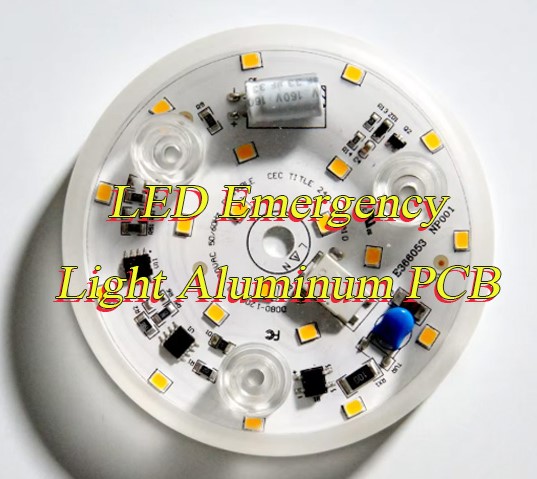
Is your LED emergency light aluminum PCBoverheating during long standby, putting your emergency lighting system at risk of failure when power outages strike? Look no further than EBest for all your LED emergency light aluminum PCB needs.
We deliver uncompromising quality, fast lead times, optimized costs, professional service, and a stable supply chain, ensuring your emergency lighting systems perform flawlessly when you need them most. This blog breaks down common issues, solutions, and key considerations for LED emergency light aluminum PCBs, helping you make informed decisions.
Why Do LED Emergency Light Aluminum PCBs Overheat During Long Standby?
Two primary factors cause LED emergency light aluminum PCBs to overheat during long standby, both directly impacting performance and reliability.
One key cause is inefficient power management of the power supply unit (PSU). Even in standby mode, the PSU generates residual heat, which accumulates quickly without proper thermal design and leads to overheating. This buildup can degrade component performance over time and risk failure during power outages.
The other main cause is low-quality or improperly sized thermal dielectric layers. These layers transfer heat from the circuit to the aluminum base, so thin (e.g., 0.1mm) or low-grade materials fail to conduct heat effectively, creating hotspots. A hospital project we handled resolved overheating by upgrading from a 0.1mm to 0.2mm dielectric layer.
Overly thick dielectric layers also cause issues, as they increase thermal resistance and prevent efficient heat transfer, even with high-quality aluminum bases.
How Does LED Emergency Light Aluminum PCB Reduce Standby Energy Consumption?
LED emergency light aluminum PCBsreduce standby energy consumption through practical, engineer-verified design optimizations that deliver tangible energy savings for your emergency lighting systems. These optimizations focus on cutting unnecessary power waste while maintaining standby readiness.
The aluminum base’s superior thermal conductivity (far exceeding FR-4 PCBs) allows integration of smaller, low-static-current power supply units (PSUs) that generate less heat and use less power during standby. For a commercial building project, this design cut standby energy consumption by 35% compared to standard PCBs, directly reducing long-term energy costs for the client.
Optimized circuit routing further reduces energy waste by minimizing current leakage, a common source of standby power loss. We design traces to limit parasitic current, ensuring only essential power is used to keep the PCB in ready mode, without sacrificing emergency response speed.
What Makes LED Emergency Light Aluminum PCB More Durable Than Regular PCBs?
LED emergency light aluminum PCBsoutlast regular PCBs thanks to three core advantages that address common durability pain points for emergency lighting systems. These advantages ensure consistent performance even in harsh conditions, reducing replacement frequency and maintenance costs.
Superior mechanical strength from the aluminum base sets them apart. Unlike regular PCBs, the aluminum substrate resists bending, warping, and physical impact, critical for emergency lights installed in high-traffic or industrial areas. We use high-purity aluminum (99.5%+) or 5052 aluminum alloy for enhanced tensile strength, preventing damage from vibration or accidental contact.
Exceptional thermal stability ensures durability across extreme temperatures. Aluminum PCBs handle temperature fluctuations from -40â to 125â without degradation, while regular PCBs often warp or delaminate under such stress. Their balanced thermal expansion coefficients (CTE) between aluminum and copper minimize layer stress during heating and cooling cycles.
Reduced heat stress extends component and PCB lifespan. The aluminum base and high-quality dielectric layer efficiently dissipate heat, preventing component overheating that degrades regular PCBs. Our industrial clients report a 50% longer lifespan for aluminum PCBs in harsh factory environments, with minimal maintenance required.
How to Balance Heat Dissipation and Emergency Response with LED Emergency Light Aluminum PCB?
Balancing heat dissipation and emergency response for LED emergency light aluminum PCBs is critical to ensure long standby stability and rapid activation during power outages. Below are 8 specific measures to achieve this balance, each designed to optimize thermal performance without compromising emergency readiness.
Use 2oz+ thickened copper traces: Thickened copper traces (2oz or higher) enable fast current flow during emergency activation, cutting response time to 0.2-0.5 seconds, while the aluminum base simultaneously dissipates standby heat to keep temperatures in check.
Integrate dense thermal via arrays: Add thermal vias at a density of 8-12 per cmÂČ to connect the circuit layer directly to the aluminum base, accelerating heat transfer without slowing down signal transmission during emergency mode.
Select 0.15-0.2mm dielectric layers: Optimize for a 0.15-0.2mm thermal dielectric layer, this thickness balances thermal conductivity and insulation, ensuring efficient heat transfer from circuits to the aluminum base while preventing short circuits during rapid power delivery.
Adopt PMOS tube for fast power switching: Use PMOS tubes as power switching components to enable seamless transition between standby and emergency modes, ensuring the PCB activates in under 0.5 seconds when power outages occur.
Optimize component layout for thermal distribution: Place heat-generating components (e.g., PSU, LED drivers) near the aluminum baseâs center for uniform heat dissipation, and keep emergency response components (e.g., switching chips) close to power sources to reduce signal delay.
Integrate NTC thermal detection: Add NTC thermistors to monitor standby temperatures; if temperatures exceed 65â, the PCB automatically adjusts power output to reduce heat, while maintaining emergency response readiness.
Choose high-purity aluminum base (99.5%+): Use high-purity aluminum (99.5% or higher) for the PCB base to enhance thermal conductivity, ensuring standby heat dissipates quickly without sacrificing the mechanical stability needed for reliable emergency operation.
Implement low-power standby with rapid wake-up: Design the PCB for low-static-current standby to reduce heat generation, while integrating a rapid wake-up circuit that triggers full power delivery instantly when a power outage is detected, avoiding response delays.
What Thermal Conductivity Do LED Emergency Light Aluminum PCBs Need for Power Outages?
The thermal conductivity of LED emergency light aluminum PCBs directly determines their heat dissipation ability during power outages, which is key to ensuring stable emergency lighting. The optimal range for most applications is1.5W/m·K to 4.0W/m·K, a balance of effective heat dissipation and cost-efficiency that avoids over-engineering or performance failures.
This range should be matched to your specific application scenario: for high-demand uses like industrial facilities, large commercial buildings or warehouses where emergency lights may run continuously for 4+ hours, 3.0W/m·K to 4.0W/m·K is required and we supplied 3.5W/m·K PCBs for a warehouse project to ensure stable performance during extended outages. For low-demand applications such as residential hallways or small offices, 1.5W/m·K to 2.0W/m·K is sufficient to maintain reliable heat dissipation for short-term outages while keeping costs reasonable.
How to Ensure Quality Stability of LED Emergency Light Aluminum PCBs in Bulk Orders?
Ensuring quality stability of LED emergency light aluminum PCBs in bulk orders requires strict end-to-end control. Below are some measures to maintain uniform quality across all units without redundancy.
Strict raw material inspection: Test all aluminum substrates and dielectric layers for thermal conductivity, thickness and durability before production, complying with IPC-MF-150F standards to eliminate 60% of potential defects upfront.
Fix raw material suppliers: Use the same qualified supplier for each batch of raw materials, avoiding mixed vendors per lot to ensure consistent material performance and prevent quality fluctuations.
Hourly in-process SPC monitoring: Adopt Statistical Process Control (SPC) to monitor etching, lamination and drilling parameters hourly, keeping line width deviation within ±5Όm for stable thermal performance.
Automated optical inspection (AOI): Use AOI systems to check circuit traces and solder joints during production, quickly identifying defects like trace misalignment to avoid batch quality issues.
100% electrical and thermal final testing: Conduct full electrical and thermal testing on every unit, ensuring each PCB meets thermal conductivity and emergency response requirements before packaging.
Random reliability sampling tests: Perform random sampling tests (temperature cycling, humidity resistance) based on batch size, with 3-10 samples for different order scales to confirm long-term stability.
Batch tracing system: Establish a batch tracing system to record raw material lots, production parameters and test results, enabling quick troubleshooting if quality issues arise.
Pre-production prototype verification: Validate the PCB design with a prototype before bulk production, ensuring thermal and electrical performance meets requirements to avoid costly rework.
Why Should LED Emergency Lights Use Aluminum PCBs Instead of FR-4 PCBs?
Below is a detailed, concise comparison table helping you clearly understand why LED emergency lights should choose aluminum PCBs over FR-4 PCBs.
Comparison Dimension
Aluminum PCB
FR-4 PCB
Heat Dissipation (Standby & Outages)
1.5-4.0W/m·K thermal conductivity for efficient heat transfer, preventing overheating during long standby/outages
0.2-0.3W/m·K thermal conductivity, poor heat dissipation leading to heat buildup and component failure risk
Emergency Response Speed
0.2-0.5 seconds activation for reliable, timely lighting during power cuts
1.0-1.5 seconds activation with delays due to heat buildup, posing safety risks in emergencies
Service Life & Maintenance
50,000+ hours lifespan with minimal maintenance, reducing replacement frequency/costs
High-purity aluminum base resistant to bending, warping, and impact, suitable for harsh environments
Fragile material prone to warping/breaking, unsuitable for high-traffic/industrial areas
Environmental Adaptability
Withstands -40°C to 125°C, resists humidity/dust (IP65+ rated)
Poor temperature adaptability, prone to delamination in humidity/extreme temperatures
Long-Term Cost-Effectiveness
Higher initial cost offset by lower long-term costs (no frequent replacements/extra cooling devices)
Lower initial cost but higher long-term costs due to frequent replacements/maintenance
How Does LED Emergency Light Aluminum PCB Improve Emergency Lighting Reliability?
LED emergency light aluminum PCBs boost emergency lighting reliability by addressing the core causes of failure, ensuring consistent performance when power outages occur. Their design directly solves common issues that compromise emergency lighting readiness.
They eliminate heat-related failures, the top cause of emergency light malfunctions. The aluminum baseâs superior thermal conductivity dissipates standby heat, preventing component damage. For a hotel project, our aluminum PCBs reduced emergency light downtime by 70%.
Stable thermal performance ensures even battery discharge in emergency mode, extending backup time by 20-30% compared to FR-4 PCBs. This guarantees lights stay on longer during outages, critical for safety and compliance.
The aluminum baseâs mechanical strength also prevents physical damage, while its thermal stability resists extreme temperatures (-40â to 125â), ensuring reliability in harsh environments like industrial facilities or cold storage.
What Are the Key Considerations When Choosing LED Emergency Light Aluminum PCB?
When choosing LED emergency light aluminum PCBs, focus on these specific considerations to ensure compatibility, reliability and optimal performance for your emergency lighting system, each tip is practical and tailored to customer needs.
Match thermal conductivity to your application scenario: Select 1.5-2.0W/m·K for low-demand uses (residential hallways, small offices) and 3.0-4.0W/m·K for high-demand scenarios (industrial facilities, warehouses) to balance heat dissipation and cost-efficiency.
Optimize for 0.15-0.2mm thermal dielectric layers: This thickness balances thermal transfer and insulation, avoiding overheating from thin layers or poor heat conduction from overly thick layers, which is critical for long standby stability.
Choose 2oz+ thickened copper traces: Thickened copper traces ensure fast current flow (0.2-0.5 second activation) during power outages, preventing delayed emergency response and ensuring stable performance under load.
Prioritize high-purity aluminum base (99.5%+): High-purity aluminum enhances thermal conductivity and mechanical strength, resisting bending, warping and vibrationâideal for harsh or high-traffic installation environments.
Select appropriate surface finishing: Choose lead-free HASL, immersion gold or OSP surface finishing based on your needs: immersion gold for corrosion resistance, OSP for cost-effectiveness, and lead-free HASL for general-purpose use.
Verify board thickness compatibility: Optimize for 0.6-4mm board thickness, matching it to your emergency light fixture size, thicker boards for industrial use (3-4mm) and thinner ones (0.6-1mm) for residential or compact fixtures.
Ensure the supplier offers strict quality control: Partner with suppliers (like EBest) that conduct 100% electrical/thermal testing, AOI inspection and raw material verification to avoid batch defects in bulk orders.
Confirm customization capability: Choose a supplier that can customize thermal conductivity, dielectric thickness, trace width and size to fit your specific project, whether for hospitals, factories or residential buildings.
FAQs About LED Emergency Light Aluminum PCB
Q1: Can LED emergency light aluminum PCBs work in extreme cold environments? A1: Yes, LED emergency light aluminum PCBs work reliably in extreme cold (-40â). The aluminum base resists thermal contraction, and the dielectric layer remains stable, ensuring no performance loss. We supplied PCBs for a cold-storage warehouse that operates at -30â, with zero failures in 2 years.
Q2: How long do LED emergency light aluminum PCBs last in standby mode? A2: LED emergency light aluminum PCBs last 50,000+ hours in standby mode, nearly twice as long as FR-4 PCBs. Proper maintenance (occasional cleaning of thermal surfaces) can extend this to 60,000+ hours.
Q3: Do LED emergency light aluminum PCBs require special installation? A3: No, they do not require special installation. They are designed to fit standard emergency light fixtures, with the same mounting holes and circuit layout as FR-4 PCBs. This makes retrofitting easy and cost-effective.
Q4: Can I customize LED emergency light aluminum PCBs for my specific project? A4: Yes, EBest offers full customization for LED emergency light aluminum PCBs. We can adjust thermal conductivity, dielectric thickness, copper trace width, and size to match your projectâs unique needs, whether for hospitals, factories, or residential buildings.
Q5: How do I test if my LED emergency light aluminum PCB is overheating? A5: Use a thermal imaging tool to check standby temperatures. A properly functioning LED emergency light aluminum PCB should stay below 65â. If temperatures exceed 70â, check the dielectric layer thickness or contact EBest for a design optimization.
Is your motorcycleLED light aluminum PCB reliable enough for outdoor riding? If you’re struggling with overheating, vibration damage, or short lifespans from your motorcycle LED light PCB, you need a solution you can trust. Choose EBestâs motorcycle LED light aluminum PCB, we deliver top-tier quality, on-time delivery, stable supply chains, and responsive service to solve all your outdoor riding lighting woes. This blog breaks down why aluminum PCBs are the best choice for motorcycle LEDs, how they solve common pain points, and where to get the best products for your project.
Why Choose Aluminum PCB for Motorcycle LED Lights?
Aluminum PCBs are the optimal choice for motorcycle LED lights, as theyâre engineered to tackle the harsh outdoor and off-road conditions that traditional PCBs struggle with. Their unique metal core design delivers unmatched thermal management, durability, and versatility, making them a reliable foundation for motorcycle lighting systems.
Exceptional thermal conductivity: Rapidly dissipates heat from LED chips, preventing burnout and extending light lifespan, critical for long rides and high-power LEDs.
Strong vibration resistance: Rigid aluminum base absorbs off-road shocks, keeping solder joints intact and avoiding component damage from rough terrain.
Compact, space-saving design: Thinner and lighter than FR4 PCBs, fitting easily into tight motorcycle light housings without sacrificing performance.
Waterproof-compatible: Works seamlessly with protective coatings (like IP67) to fend off rain, mud, and moisture, ensuring reliability in all weather.
Cost-effective durability: Reduces the need for extra cooling hardware, lowers long-term maintenance costs, and stands up to extreme temperature fluctuations (-40°C to 125°C).
How Does High Thermal Conductivity Solve Motorcycle Light Overheating?
Overheating is the top cause of LED failure in motorcycle lighting, especially during long outdoor rides or in extreme temperatures. LEDs are sensitive to heat, and excess warmth quickly leads to brightness dimming, premature burnout, and shortened lifespans.
High thermal conductivity in motorcycle LED light aluminum PCB addresses this by acting as a heat conductor, rapidly transferring heat away from LED chips. Unlike traditional PCBs, aluminumâs core design ensures heat doesnât accumulate around the LED components.
Aluminum boasts a thermal conductivity of 200-237 W/mK, which is drastically higher than FR4 PCBs (0.2-0.4 W/mK). This gap means aluminum PCBs dissipate heat far faster, keeping LEDs within their optimal operating temperature range.
By reducing heat buildup, Motorcycle LED Light Aluminum PCB prevents light decay and component damage. This not only extends LED lifespan by 30-50% but also ensures consistent brightness during long rides, critical for rider safety.
The aluminum base also eliminates the need for extra cooling hardware, keeping motorcycle LED lights compact and lightweight, perfect for tight mounting spaces on bikes.
Can Your LED Lights Handle Off-Road Vibration?
Yes, Off-road riding exposes motorcycle LED lights to constant, intense vibration, far more than standard on-road use. This vibration is a major threat to PCB durability, as traditional PCBs often crack, have loose solder joints, or disconnect components after repeated exposure to rough terrain, leading to sudden light failure when you need it most.
The solution lies in choosing a high-quality motorcycle LED light aluminum PCB. Unlike fragile traditional substrates, aluminum PCBs have a rigid, sturdy base that acts as a shock absorber, dampening vibration and keeping critical components secure. This inherent rigidity prevents the structural damage that plagues other PCB materials in off-road conditions.
To ensure maximum reliability, EBest’s motorcycle LED light aluminum PCB undergoes strict vibration testing, adhering to industry standards with a frequency range of 10-2000Hz and 10g acceleration. This rigorous testing guarantees our PCBs hold up to even the harshest off-road trails, keeping your LED lights functional and your rides safe, no matter the terrain.
Waterproof Riding Worries: Is Your Motorcycle Light PCB Protected?
For outdoor and off-road riders, waterproof protection for your motorcycle LED light aluminum PCB is non-negotiable. Rain, mud, dew, and even pressure washing expose PCBs to moisture, which seeps into unprotected components and causes short circuits, leading to unexpected light failure when you need visibility most.
Unlike traditional PCBs that struggle with moisture resistance, high-quality motorcycle LED light aluminum PCB is designed to work seamlessly with advanced waterproof coatings. EBest uses conformal coatings, thin, non-conductive polymer films that conform to the PCBâs shape, covering traces and solder joints to block out moisture effectively.
Our PCBs meet IP67 waterproof standards, meaning they are dust-tight and protected against temporary submersion (1 meter depth for 30 minutes), passing rigorous testing that simulates heavy rain and off-road mud exposure. Sealed solder joints and durable coatings ensure your motorcycle LED lights stay functional, no matter the weather or terrain.
Small Size, Big Power: How Do Aluminum PCBs Fit Tight Motorcycle Spaces?
Motorcycle LED lights, whether headlights, turn signals, or auxiliary lights are designed to be compact, as motorcycle handlebars, fairings, and light housings have limited space. This means the Motorcycle LED Light Aluminum PCB inside must be small and lightweight, without sacrificing the performance needed for safe outdoor riding.
Unlike traditional FR4 PCBs, aluminum PCBs have a unique three-layer structure (aluminum core between copper foil and dielectric layer) that eliminates the need for extra cooling components, which often add bulk. This streamlined design keeps the PCB thin while maintaining structural rigidity, a key advantage for tight mounting spaces.
EBest’s motorcycle LED light aluminum PCB is engineered to a thickness of 0.8-1.2mm, 30% thinner than standard FR4 PCBs, making it easy to fit into slim light housings, even those with narrow internal dimensions like the compact copper housings used in high-power motorcycle headlights. This thin profile never compromises performance, as the aluminum core still delivers exceptional thermal conductivity.
The compact design of aluminum PCBs also simplifies installation, especially for custom motorcycle LED projects. Their lightweight nature reduces strain on light mounts, and their slim profile fits seamlessly with the small wiring holes (often 7/64″ or smaller) common in motorcycle light housings, ensuring a clean, secure fit without modifying the bike’s existing setup.
Long Rides, Reliable Lights: Does Your PCB Ensure Durability?
For motorcycle riders, especially those who love long-distance or off-road adventures, PCB durability directly impacts riding safety and peace of mind. A faulty PCB can cause sudden LED light failure mid-ride, leaving you without critical visibility, which is why your motorcycle LED light’s PCB must be built to last as long as your bike.
Unlike traditional FR4 PCBs that crack, warp, or fail under harsh conditions, motorcycle LED light aluminum PCB is engineered for long-term reliability. Its rigid aluminum core resists corrosion, wear, and the thermal stress caused by constant temperature changes, common issues that shorten the lifespan of other PCB materials.
EBest’s motorcycle LED light aluminum PCB is rigorously tested to withstand extreme temperature ranges of -40°C to 125°C, making it suitable for all climates, from freezing mountain rides to scorching desert adventures. This wide temperature tolerance prevents insulation layer peeling or component damage, thanks to its well-matched thermal expansion coefficient with copper foil.
Our customers consistently report an average lifespan of 5+ years for our PCBs, even with daily outdoor and off-road use. This durability eliminates the need for frequent replacements, saving time and hassle while ensuring your LED lights stay reliable, no matter how long or tough your rides are.
Cost vs. Quality: Finding the Best Value Aluminum PCB for LED Lights
When sourcing motorcycle LED light aluminum PCB, balancing cost and quality is a top priority for most projects, overpaying for unnecessary features wastes budget, while cutting costs on critical components leads to frequent failures and higher long-term expenses.
True value for motorcycle LED light aluminum PCB lies not in the lowest price, but in a combination of reliable performance, durability, and consistent supply. Opting for cheap, low-quality PCBs often results in overheating, vibration damage, or moisture issues, requiring costly replacements and project delays.
EBest delivers this balance by optimizing every step of our manufacturing process from material selection to production efficiency to eliminate unnecessary costs, without compromising on quality. We source high-grade aluminum substrates and conduct strict quality checks, ensuring our PCBs meet the harsh demands of motorcycle riding.
Our bulk supply capabilities further enhance value, offering stable pricing and on-time delivery for large projects. This consistency means you avoid unexpected cost hikes or delays, while getting a durable, high-performance motorcycle LED light aluminum PCB that delivers long-term reliability at a fair price.
Extreme Weather Riding: Can Your LED Light PCBs Take the Heat and Rain?
Extreme weather from scorching desert heat and heavy downpours to freezing mountain temperaturesâposes a unique challenge for Motorcycle LED Light Aluminum PCB. Unlike on-road riding, outdoor and off-road adventures expose PCBs to unforgiving conditions that test their durability, and a subpar PCB will fail when you need reliable lighting most.
When it comes to withstanding extreme heat, motorcycle LED light aluminum PCB outperforms traditional substrates by leaps and bounds. Its aluminum core, with a thermal conductivity of 200-237 W/mK, dissipates heat far faster than FR4 PCBs (which only have 0.2-0.4 W/mK), preventing LED overheating even in 100°F+ desert rides. This avoids component warping or solder joint failure that plagues low-quality PCBs in high temperatures.
For heavy rain, mud, or even snowmelt, our Aluminum PCBs are paired with IP67-rated conformal coatings that seal every trace and solder joint. This protection blocks moisture from seeping into the PCB, eliminating short circuits and corrosion, common issues that render traditional PCBs useless after exposure to wet extreme weather.
EBest’s Motorcycle LED Light Aluminum PCB also resists thermal shock, the sudden temperature changes that occur when riding from hot deserts to cold mountain passes. Its well-matched thermal expansion coefficient with copper foil prevents insulation peeling, ensuring consistent performance in all extreme weather, so your LED lights stay bright and reliable no matter the conditions. Unlike FR4 PCBs that have a thermal resistance of 20â22 °C per watt, our aluminum PCBs only have 1â2 °C per watt, making them far more resilient in harsh environments.
Comparing PCB Materials: Why Aluminum Wins for Motorcycle LEDs
PCB Material
Thermal Conductivity (W/mK)
Vibration Resistance
Waterproof Compatibility
Suitability for Motorcycle LEDs
Aluminum
200-237
High
Excellent (with coating)
Best
FR4
0.2-0.4
Low
Poor
Not Recommended
Copper
401
Medium
Good
Expensive, Less Practical
Flexible PCB
1-2
High
Medium
Limited Thermal Performance
Where to Find High-Performance Aluminum PCBs for Your Motorcycle LED Project?
High-performance aluminum PCBs are critical for motorcycle LED systems, delivering superior heat dissipation, vibration resistance, and long-term reliability in harsh riding conditions. Whether building headlights, turn signals, accent lights, or high-power auxiliary LEDs, choosing the right source ensures stable performance, longer LED life, and compliance with automotive-grade standards. Below are targeted, actionable channels and suppliers to source reliable aluminum PCBs tailored to motorcycle LED projects.
Specialized Automotive & LED PCB Manufacturers: Focused vendors with IPC-A-600 Class 2/3 certification, optimized thermal dielectric layers (1.0â3.0 W/m·K), and white solder mask for maximum light reflectivity, ideal for high-power motorcycle LEDs.
Global B2B Manufacturing Platforms (Alibaba, Made-in-China): Access vetted aluminum PCB factories with rapid prototyping, custom profiles, and motorcycle-specific design support; filter by thermal conductivity, copper weight (1â4 oz), and vibration-rated production.
North American PCB Fabricators: Domestic/regional suppliers offering fast turnaround, strict quality control, and design-for-manufacturing (DFM) checks for U.S./EU motorcycle projects, with full material traceability.
European MCPCB Specialists (ICAPE Group, Laird Technologies): Premium suppliers providing high-thermal-performance aluminum substrates (T-Lam, VTâ4 series) engineered for automotive vibration, temperature cycling, and roadâworthy durability.
Online Rapid Prototyping Services: Quick-turn aluminum PCB providers for smallâbatch testing and custom LED layouts; support cut-to-size shapes, thermal vias, and doubleâsided aluminum designs for compact motorcycle housings.
Motorcycle Aftermarket & Lighting Component Distributors: Specialized distributors offering pre-engineered aluminum PCB modules for headlights, taillights, and LED strips, with plugâandâplay compatibility for common bike models.
Custom EMS (Electronics Manufacturing Services) Providers: Fullâservice partners that deliver aluminum PCB fabrication + SMT assembly + conformal coating, creating fully tested LED assemblies ready to install on motorcycles.
Industrial Metal Core PCB (MCPCB) Factories in Asia: High-volume, cost-effective manufacturers with mature aluminum PCB lines for LED lighting, capable of scaling from prototypes to mass production for fleet or aftermarket brands.
Online Electronics Marketplaces (DigiâKey, Mouser): Stocked standard aluminum PCB boards and base materials for hobbyists and small builders, with quick shipping and datasheet transparency for thermal and electrical specs.
Direct Custom Fabrication from Experienced PCB Manufacturers: Work directly with factories to specify aluminum thickness, dielectric type, copper weight, and environmental protection (saltâspray, UVâresistant) for extreme riding conditions.
FAQs About Motorcycle LED Light Aluminum PCB
Q1: How long does a Motorcycle LED Light Aluminum PCB last? A1: A high-quality Motorcycle LED Light Aluminum PCB typically lasts 5+ years with regular outdoor use. EBestâs PCBs are tested for durability and can withstand harsh riding conditions, extending their lifespan even further.
Q2: Can Aluminum PCBs for motorcycle LEDs be customized for small light housings? A2: Yes. EBest offers fully customized motorcycle LED light aluminum PCB, including thin designs (0.8-1.2mm) to fit tight light housings. We work with your specifications to ensure a perfect fit for any motorcycle LED project.
Q3: Are Aluminum PCBs waterproof enough for heavy rain? A3: Yes. Our motorcycle LED light aluminum PCB features an IP67 waterproof coating and sealed solder joints, protecting against heavy rain, mud, and moisture. They are tested to withstand prolonged exposure to water without damage.
Q4: Do Aluminum PCBs reduce LED overheating in motorcycle lights? A4: Absolutely. Aluminum PCBs have high thermal conductivity (200-237 W/mK), which quickly transfers heat away from LED chips. This reduces overheating by 40% on average, preventing LED burnout and extending light lifespan.
Q5: Can Aluminum PCBs handle off-road vibration? A5: Yes. EBestâs motorcycle LED light aluminum PCB undergoes strict vibration testing (10-2000Hz, 10g acceleration) to ensure they can handle off-road and rough terrain. Their rigid aluminum base absorbs vibration and keeps components secure.
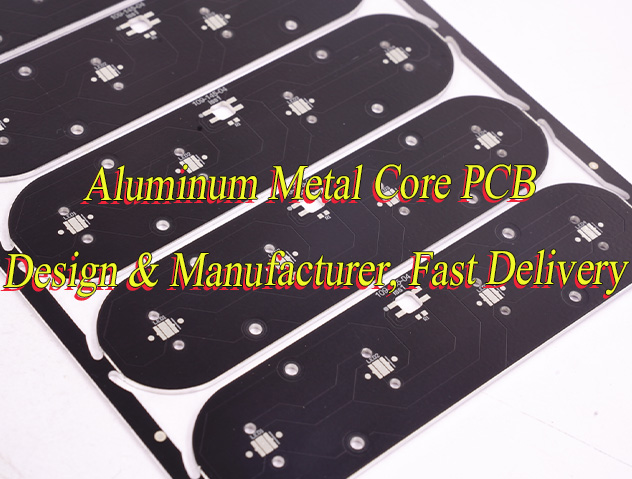
What is aluminum metal core PCB? Let’s explore its definition, pros and cons, applications, technical parameter, design guide and production processes through this blog.
Are you worried about these problems?
Always rejected for small orders? How to avoid R&D delays?
LED heat dissipation issues causing fast light decay? How to extend lifespan?
High costs from fragmented component sourcing? How to protect profit margins?
As an aluminum PCB manufacturer, EBest Circuit (Best Technology) can provide you service and solutions:
Flexible Quick Response â Start from 1 piece, 48-hour rapid prototyping. Small orders get fast design validation without compromise.
Direct Sourcing Cost Reduction â Direct links to TI/NXP and certified distributors. Centralized negotiation and shared inventory slash BOM costs by 15-25%.
Digital Process Control â DFM automatic verification + real-time progress dashboard. Production cycle cut by 30%, full traceability from cutting to assembly.
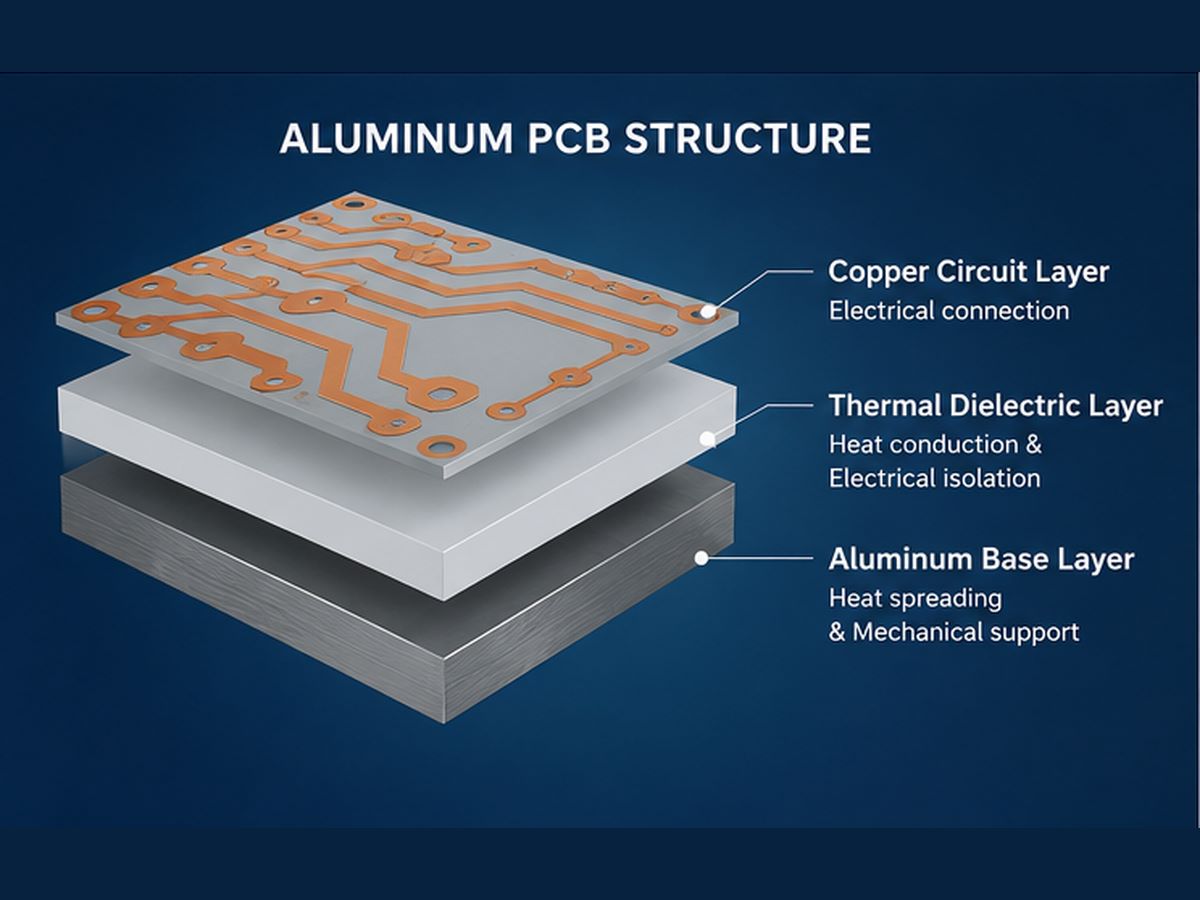
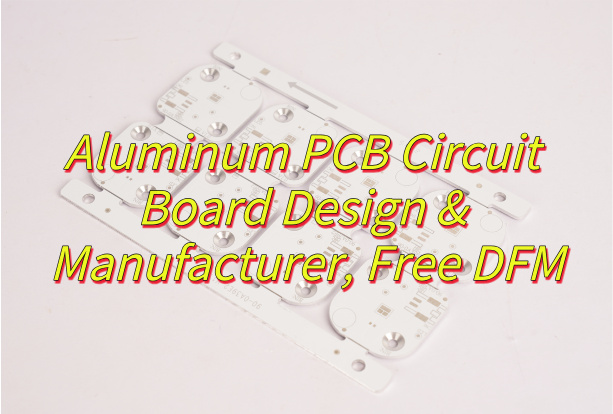
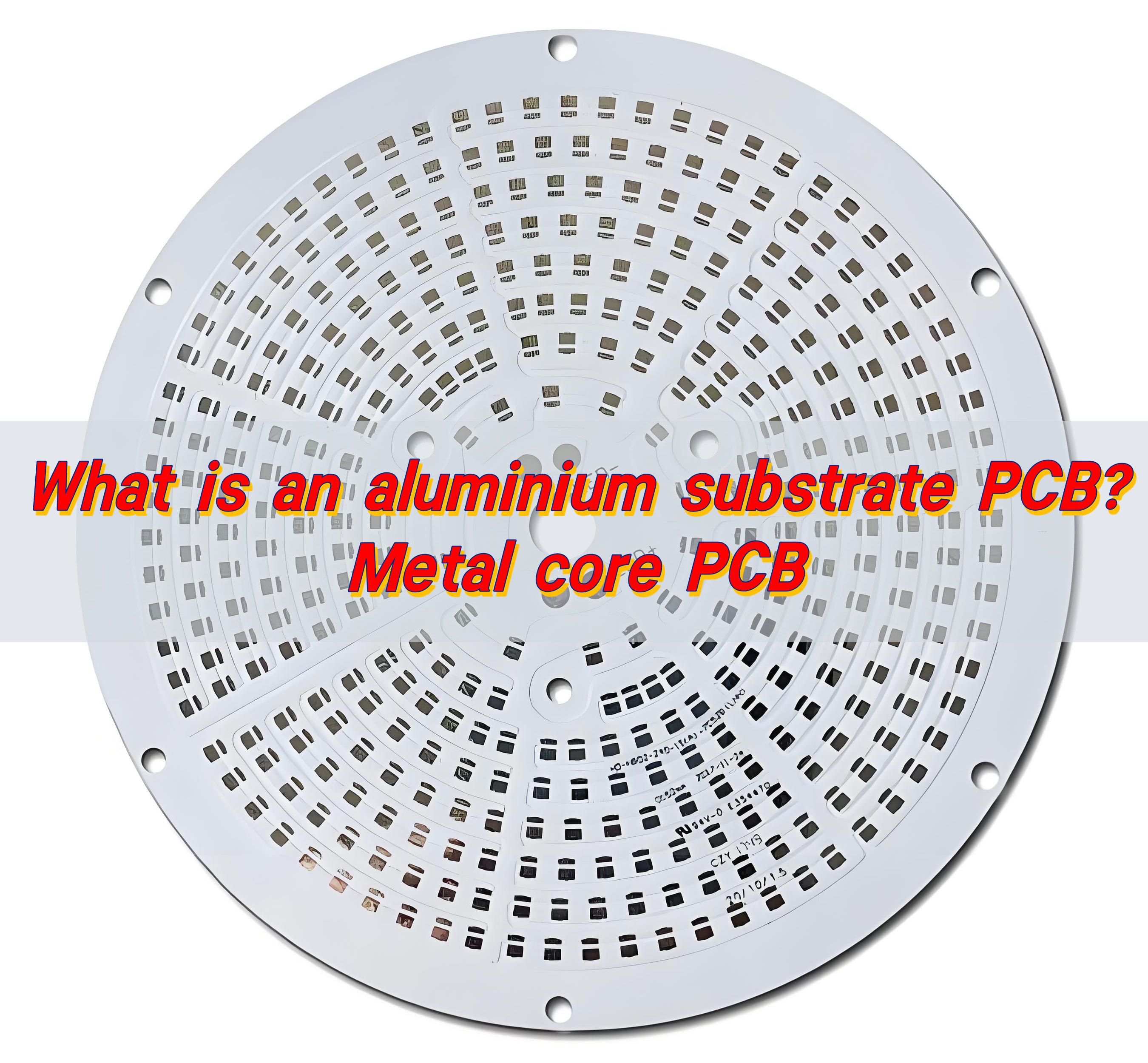
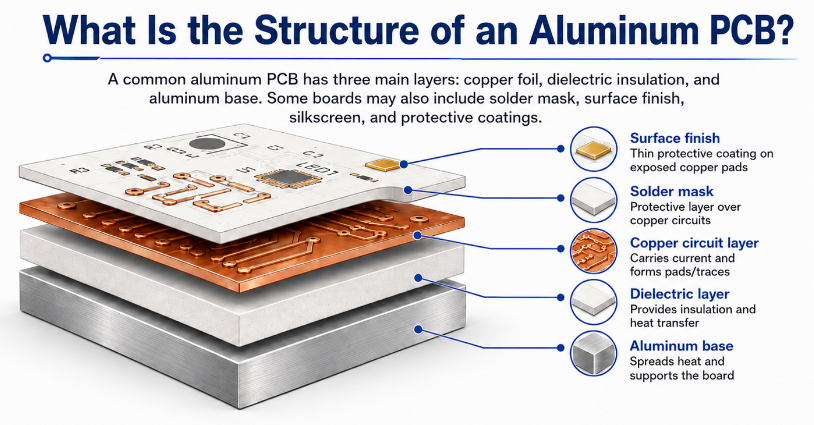
Aluminum Metal Core PCB is an aluminum-based printed circuit board designed for efficient thermal management. It achieves this through a sandwich structure consisting of an aluminum substrate, insulating layer, and copper circuit layer. The aluminum substrate rapidly dissipates heat generated by electronic components, preventing thermal buildup. This makes it ideal for high-power applications including LED lighting, automotive electronics, and power modules. The design combines lightweight construction, cost efficiency, and high reliability, making it a preferred solution for thermal-sensitive electronic systems.
What Are the Pros and Cons of Aluminum PCB?
Pros of aluminum metal core PCB
Efficient Thermal Management: Thermal conductivity of 1-9 W/m·K, significantly higher than FR4 (0.3-0.4 W/m·K). Rapidly dissipates heat from high-power components like LEDs and power modules, preventing thermal failure.
Lightweight Design: Aluminum density of 2.7 g/cmÂł, 65% lighter than copper. Ideal for weight-sensitive applications such as automotive electronics and consumer devices.
Cost Efficiency: Material costs 30-50% lower than copper. Reduces overall system costs through bulk procurement and minimized need for external heat sinks.
High Mechanical Strength: Resistant to vibration and impact, extending device lifespan. Suitable for harsh environments like industrial and automotive sectors.
Environmentally Friendly & Recyclable: 100% recyclable aluminum. Production aligns with RoHS standards and green manufacturing trends.
Wide Temperature Adaptability: Operates reliably from -40°C to 150°C. Optimized thermal expansion matching reduces warpage risks.
Cons of aluminum metal core PCB
Thermal Conductivity Limit: Aluminum’s 237 W/m·K thermal conductivity is lower than copperâs 400 W/m·K. Requires careful evaluation for ultra-high-power scenarios.
CTE Mismatch Challenges: Significant thermal expansion coefficient differences between aluminum, copper, and insulating layers can cause interlayer stress, warpage, or solder joint failures. Demands structural/material optimization.
Complex Manufacturing Process: Requires specialized equipment (e.g., laser drilling, anodizing). Higher initial costs and strict yield control requirements.
Limited Flexibility: High hardness and low toughness make it unsuitable for flexible circuits or designs requiring bending.
Humidity Sensitivity: Prone to moisture-related issues. Requires sealing/anti-humidity coatings to prevent insulation failure.
Electrical Performance Constraints: Lower conductivity than copper. High-frequency or precision circuits need additional design compensation.
Processing Defect Risks: Potential burrs/copper residues from etching/drilling. Requires precision process control (e.g., ±0.1mm line width tolerance).
Cost-Volume Trade-off: Thick aluminum substrates (e.g., 3mm) may increase bulk. Budget-conscious projects must balance cost-benefit ratios.
What Are Applications of Aluminum Metal Core PCB?
Applications of aluminum metal core PCBs:
LED Lighting: Street lamps, stage lights, display backlight modules.
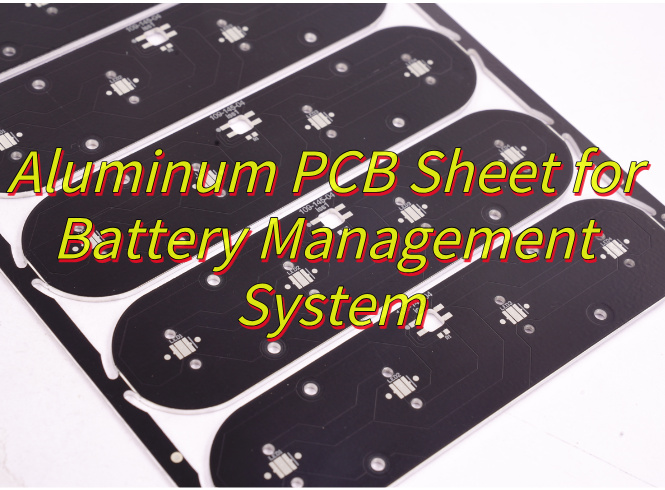
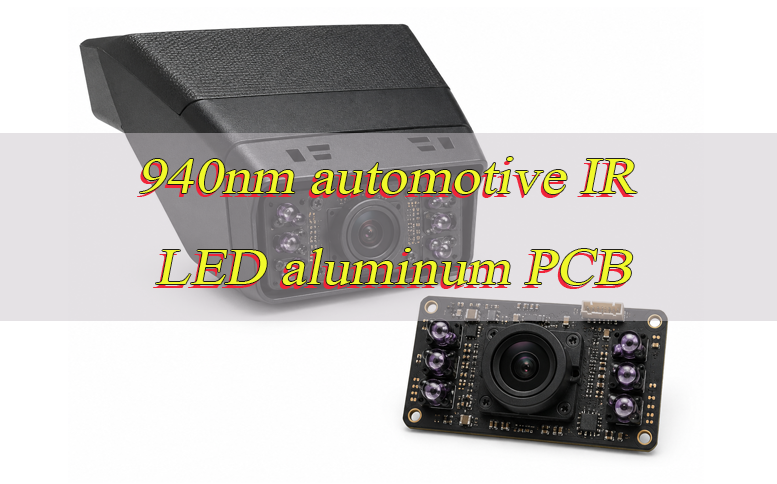
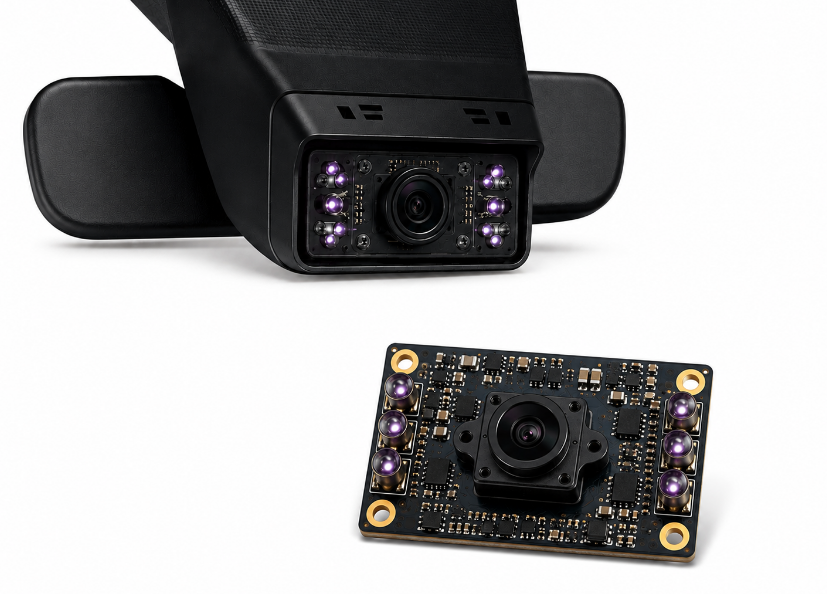
Automotive Electronics: LED headlights, battery management systems (BMS), motor controllers.
Power Modules: Switching power supplies, inverters, power amplifiers.
Industrial Automation: PLC controllers, motor drivers, sensor modules.
Medical Devices: Medical imaging systems, laser therapy devices, vital sign monitors.
Consumer Electronics: Gaming consoles, premium audio amplifiers, TV driver boards.
Aerospace & Defense: Satellite power modules, radar cooling components, spacecraft thermal control systems.
Aluminum Metal Core PCB Design Technical Parameter
Use aluminum alloys (5052/6061) with thermal conductivity 1.0â9.0 W/m·K and thickness 0.8â3.2mm.
Pair with 1â2 oz copper foil and polyimide/epoxy dielectric layers (â„0.1mm thickness) for electrical isolation.
For low-power (<5W) systems, FR4 with thermal vias (â„0.5mm diameter) can be substituted; avoid laminates with <0.3 W/m·K conductivity. Specify no-flow prepreg for direct LED-to-metal bonding to reduce thermal resistance.
2. Layer Stackup & Thermal-Electrical Co-Design
Configure layer stacks: single-layer for <2A, double-layer for 2â5A, or 4+ layers for complex systems. Use 2+ oz copper for power/ground planes; maintain â„0.5mm trace width for >5A currents.
Integrate thermal vias, heat sinks, and TIMs (5.0â10.0 W/m·K graphite pads) to optimize heat dissipation. Design heat sinks with fin spacing â„5mm for natural convection or use forced-air cooling channels.
Simulate thermal paths using ANSYS Icepak or FLOTHERM; target junction temperature <125°C and ÎT â€30°C between LED junction and case. Use IR thermal cameras to validate hotspot mapping and thermal efficiency.
4. Component Placement & Light Uniformity
Arrange LEDs in symmetric grids/linear rows with 1.5â3.0mm spacing for uniform light distribution.
Place high-current components (drivers, MOSFETs) near copper planes to minimize loop inductance. Avoid placing SMD components within 2mm of thermal vias to prevent solder joint fatigue.
Use 3D CAD tools to verify shadow-free placement and beam angle alignment (e.g., 120° for uniform illumination).
Specify ENIG or OSP surface finishes for corrosion resistance and solderability.
Use solder paste stencils with 0.12mm aperture for fine-pitch LEDs; implement panelization with 5â10mm breakaway tabs.
Perform in-circuit testing (ICT) for opens/shorts and automated optical inspection (AOI) for solder joint quality.
Validate with thermal cycling (-40°C to +125°C, 1000 cycles) and vibration testing per IPC-TM-650 standards.
7. Reliability Testing & Standards Compliance
Conduct LTOL (1000h at 85°C/85% RH), HTOL (1000h at 125°C), and thermal shock (-55°C to 125°C, 500 cycles).
Measure voltage drops using 4-wire Kelvin probes; verify ÎT â€30°C via IR thermal imaging.
Ensure compliance with UL 8750 for LED lighting safety, IEC 61000-4 for EMC immunity, and JEDEC standards for reliability.
Document test results in formal reports including thermal, electrical, and mechanical validation data.
LED Aluminum Metal Core PCB Production Processes
1. Material Cutting and Substrate Preparation
Substrate Selection: High-thermal-conductivity aluminum alloy (e.g., 5052/6061 series), thickness 0.4-3.2mm, certified to ISO 9001. Stress relief through 150â/4-hour baking, surface roughness Raâ€1.6ÎŒm, dimensional tolerance ±0.1mm.
Pretreatment: Ultrasonic + chemical cleaning (acidic/alkaline agents) to remove grease and oxides. Surface treatments include chemical oxidation (0.1-0.3ÎŒm) or anodizing (5-20ÎŒm) to enhance adhesion between aluminum and insulation layers. Edge grinding via CNC milling with chamfer R0.5-1mm to prevent interlayer short circuits.
2. Insulation Layer Deposition and Copper Foil Lamination
Insulation Coating: High-thermal-conductivity epoxy resin/ceramic filler (1-3W/mK thermal conductivity) applied via screen printing or inkjet, thickness 6-12mil (±10%). Curing at 150â/60 minutes to match aluminumâs CTE (22-24ppm/â).
Copper Foil Lamination: Vacuum hot press (180-220â, 2-3MPa), copper foil thickness 1-6OZ (18-210ÎŒm), interlayer bonding strength â„1.4N/mm (per IPC-TM-650). Temperature curve monitoring to avoid blistering or delamination.
3. Pattern Transfer and Etching
Photoresist Application: Dry film (1.3-2.5mil thickness) exposure at 300-500mJ/cmÂČ, development with 0.8-1.2% NaâCOâ solution at 30±2â, ±10-second development time tolerance.
Precision Etching Control: Vertical continuous etching line, etching factor â„3:1. For 1OZ copper, etching time 2-3 minutes, solution copper ion concentration 140-160g/L, undercut â€10% of line width. Post-etch line spacing â„0.02mm design value, AOI defect density â€0.1mmÂČ/mÂČ.
Hole Metallization: Chemical copper plating (0.5-1ÎŒm) + electroplating (20-25ÎŒm), plating uniformity â„85%, hole copper thickness tolerance ±3ÎŒm. Backlight test (â„9-grade) and thermal shock test (288â/10s Ă3 cycles, no delamination).
5. Solder Mask and Surface Treatment
Solder Mask Application: Photosensitive solder mask ink (15-25ÎŒm thickness), pre-bake at 80â/30 minutes, exposure energy 20% higher than circuit layer, post-development solder mask bridge width â„0.1mm. Curing at 150â/40 minutes, hardness â„2H (pencil hardness).
Surface Treatments: ENIG (gold 0.05-0.15ÎŒm, nickel 3-5ÎŒm), OSP (0.2-0.5ÎŒm), or HASL (SnPb 5-8ÎŒm). ENIG passes porosity test (â€10 defects/cmÂČ), OSP solderable within 24 hours.
6. Profiling and Inspection
Profile Machining: CNC milling (±0.1mm accuracy) or laser cutting (±0.05mm accuracy), edge burr height â€5ÎŒm. V-cut depth at 1/3 of board thickness to prevent edge cracking.
Quality Inspection: AOI for circuit defects (shorts/opens), X-ray for hole alignment (error â€0.05mm), thermal cycling (-40â~125â/500 cycles, no delamination), impedance test error â€Â±10%. Final FQC/FQA sampling per IPC-A-600.
Functional Testing: Electrical performance (voltage/current/power), burn-in test (85â/85% RH/1000 hours), optical performance (lumen/color temperature/CRI). Pre-packaging vacuum sealing (humidity â€5%), transport temperature 15-30â to avoid vibration damage.
How to Balance Performance and Cost of LED Aluminum PCB?
Material Selection and Cost Balance
Prioritize 5052 aluminum alloy (high cost-performance) over 6061, with thickness controlled at 1.0â2.0mm to balance thermal dissipation and material costs.
For low-power scenarios (<3W), use FR4 substrate with â„0.5mm thermal vias. Compare polyimide (high thermal conductivity, higher cost) and epoxy resin (low-cost) insulation layers: select polyimide for high heat dissipation needs and epoxy for general applications.
Layer Design and Signal Optimization
Single-layer PCBs suit simple applications like 12V LED strips, reducing costs by 30â40% compared to multilayer designs. Use double-layer boards for >2A currents or complex routing; avoid >4 layers unless high-speed signals (e.g., PWM dimming) require impedance control.
Combine power and ground planes in a single copper layer with 2oz thick copper to reduce layer count while maintaining current capacity.
Thermal Solution Cost Optimization
In low-cost scenarios, replace expensive graphite sheets with silicone pads (thermal conductivity: 1.5â3.0 W/m·K). Use 2Ă2 thermal via arrays (â„0.8mm diameter) instead of 3Ă3 arrays to cut drilling costs.
For high-power LEDs (>5W), adopt aluminum extrusion heat sinks (low cost) with optimized fin spacing of 3â5mm for natural convection, minimizing material waste.
Component Selection and Standardization
Optimize for economical packages like 2835 SMD LEDs ($0.01â$0.03/unit) instead of high-brightness COB modules ($0.10+/unit). Choose common capacitors/resistors for procurement ease.
Standardize to 0805/1206 footprints for compatibility with automated SMT lines, reducing assembly costs by 15â25%.
Manufacturing Process Cost Control
Use OSP surface finish ($0.05â$0.10/sq in) for non-corrosive environments instead of costly ENIG. Reserve ENIG for critical pads in high-reliability needs.
Optimize stencil design: laser-cut stencils ($100â$200/board) for mass production, etched stencils ($20â$50) for small batches. Reduce solder paste usage by shrinking stencil apertures.
Testing and Validation Cost Reduction
Replace full thermal cycling tests with HALT sampling (3â5 units), cutting inspection costs by 50â70%. Use rapid thermal imagers instead of full-board thermal imaging.
Deploy AOI systems for in-house solder joint checks, reducing outsourced testing expenses. Utilize open-source EDA tools for DRC checks, eliminating commercial software licensing fees.
Scalability and Long-Term Cost Management
Design modular architectures (e.g., separate driver and LED modules) for phased upgrades over full redesigns. Adopt standardized connectors (e.g., XH series) to lower wiring costs and simplify maintenance.
Negotiate volume discounts (10â20% for orders >500 units) with manufacturers. Improve material utilization via panelization (e.g., 10 units per board) to reduce per-unit costs.
Why Choose EBest Circuit (Best Technology) as Aluminum Metal Core PCB Manufacturer?
19 Years of Aluminum Metal Core PCB Production Expertise: Leverage 19 years of industry-specific experience to ensure mature manufacturing processes and stable production capacity, reducing technical risks by 30% and guaranteeing first-pass project success.
24-Hour Rapid Prototyping & Shipping for Urgent Orders: Accelerate product development cycles by 40% through 24-hour turnaround for prototyping and shipping, enabling clients to seize market opportunities ahead of competitors.
Multi-Layer Strict Quality Control System: Implement full-process quality management from raw material inspection to final testing, maintaining defect rates below 0.3% to minimize post-sales maintenance costs and ensure product reliability.
Transparent Pricing with No Hidden Costs: Adopt an open pricing model detailing all cost components (materials, processes, testing) to eliminate unexpected fees, ensuring precise budget control for clients.
Dual-Tier Certifications (Automotive & Medical Grade): Hold IATF 16949 (automotive) and ISO 13485 (medical) certifications to meet stringent industry standards, enhancing market access and compliance credibility for specialized applications.
Full Turnkey Solutions: Streamline project execution by covering design support, prototyping, volume production, and logistics under one roof, reducing coordination efforts with multiple vendors and improving efficiency by 25%.
Free DFM (Design for Manufacturability) Support: Utilize expert engineering teams to provide complimentary DFM analysis, optimizing PCB layout and thermal management to reduce R&D iterations and associated costs.
Customizable Material & Process Selection: Offer flexible substrate options (e.g., 5052/6061 aluminum, FR4 hybrid) tailored to performance-cost requirements, maximizing product value through strategic material choices.
Eco-Friendly Production & Compliance Assurance: Employ lead-free processes and RoHS-compliant materials, supported by environmental test reports, to facilitate global market compliance and environmental sustainability goals.
Global Logistics & 24/7 Rapid Response Support: Ensure 72-hour global delivery via an optimized logistics network and localized warehousing, complemented by 24-hour customer service to address urgent needs promptly.
Welcome to contact us if you have any request for aluminum metal core PCB: sales@bestpcbs.com.
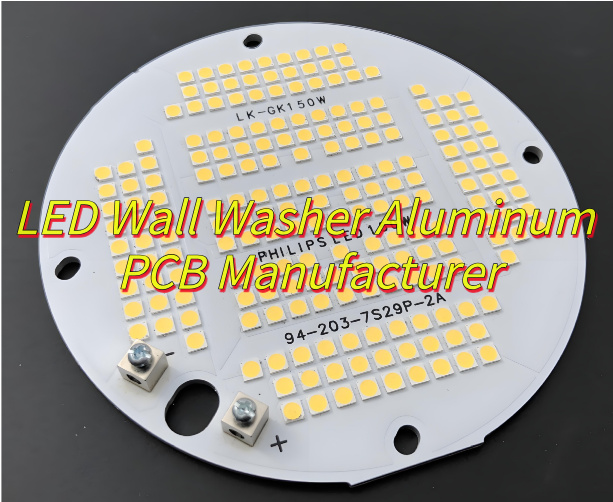
Efficient heat dissipation and stable operation: The aluminum base plate quickly dissipates heat, preventing LED damage from high temperatures, ensuring long-term stable operation at high power levels and significantly delaying lumen degradation.
Lower cost and high cost-effectiveness: Aluminum’s low cost and inherent heat dissipation eliminate the need for external heat sinks, significantly reducing material and assembly costs.
Lightweight and compact, saving space: High heat dissipation efficiency allows for a thinner and lighter luminaire, eliminating the need for additional heat sink components and enabling flexible installation in confined locations.
Increased lifespan and reduced maintenance: Temperature control extends LED lifespan to over 30,000 hours, reducing maintenance requirements for outdoor applications at high altitudes.
Weather-resistant and resistant to harsh environments: The aluminum base plate is impact- and vibration-resistant, and the die-cast housing achieves IP67 waterproofing, making it suitable for outdoor use in the sun and rain.
Environmentally friendly and recyclable, in line with current trends: Aluminum is non-toxic and 100% recyclable, with low energy consumption in production, meeting green manufacturing requirements.
Supporting high power density: Carrying high current density, it drives densely packed, high-brightness LEDs for uniform, powerful wall-washing lighting.
LED Wall Washer Aluminum PCB Technical Parameter
Parameter Categoryâ
âTechnical Specifications
Descriptionâ
Base Materialâ
Aluminum alloy (5052/6061)
Thickness: 1.0-3.2mm, with anodized surface treatment
Thermal Conductivity
Conductivity: 1.0-8.0 W/(m·K)
Standard type (1.0-2.0) for medium-low power, high-conductivity (3.0-8.0) for high-power applications
Insulation Layerâ
Thickness: 50-200ÎŒm
Epoxy resin with ceramic filler, slightly higher loss than FR-4
Dielectric Constant: 4.5-5.0 (1GHz)
Dielectric Strength: â„3 kV/mm
âThermal Resistance
Total thermal resistance: 0.8-3.0°C/W
Depends on copper foil area and insulation layer thickness
How Aluminum PCB Enhances LED Wall Washer Light Efficiency?
1. Superior Thermal Management for Optimal LED Operation
Heat Dissipation Efficiency: Aluminum PCBs (thermal conductivity 1-10 W/m·K) outperform FR4 (0.3 W/m·K) by 10x+, rapidly conducting 70% of LED-generated heat away from chips.
Temperature Control: Low thermal resistance (0.05â0.2 K/W) enables safe operation at >10W/chip, reducing junction temperature by 10â15°C and minimizing light decay.
2. Electrical Performance Optimization
Conductivity Advantage: Aluminumâs low impedance cuts power loss, improving system efficiency.
Light Output Boost: White-coated PCBs enhance reflection efficiency by 30%+, indirectly reducing energy consumption per lumen.
3. High-Density Design Support
Compact Integration: Aluminum substrates allow higher LED density (e.g., 500+ LEDs/mÂČ) with uniform light distribution, ideal for large-scale illumination.
Mechanical Reliability: High bending strength prevents solder joint failures under vibration or thermal stress.
4. Cost & Lifespan Benefits
Extended Lifetime: Thermal efficiency extends LED lifespan to 50,000+ hours (2â3x longer than standard solutions).
Simplified Design: Eliminates 40% of external heat sinks, reducing material costs and assembly complexity. Aluminum recycling aligns with sustainability goals.
Thermal vias are critical for heat transfer from component pads to aluminum substrate. Optimize parameters (diameter, pitch, copper thickness) to minimize thermal resistance.
Parallel thermal resistance network modeling simplifies design and improves efficiency by 20-30%. Reducing via pitch and increasing quantity is effective but requires cost-balance with drilling.
Thin dielectric layers: Minimize thickness while meeting electrical insulation requirements (key to low thermal resistance).
Reduce non-thermal vias: Excessive standard vias increase thermal path length and resistance.
Component Layout & Routing Strategies
Placement: Avoid hotspots by dispersing high-power components (LEDs, drivers). Position major heat sources near substrate edges or directly over thermal vias. Aim for uniform distribution.
Routing: Minimize long/thin copper traces to reduce resistive heating. Widen copper traces or increase thermal via contact area in critical paths (15-20% local thermal improvement).
Integrated Thermal Enhancement Measures
Heat sinks: Most common passive solution, handling ~70% of total heat load. Cost-effective and easy to integrate into housing.
Forced air cooling: Adds ~85% efficiency in enclosed/high-power units but increases cost, noise, and complexity.
Thermal interface materials (TIMs): Thermal grease/pads fill micro-gaps, improving interfacial conductivity by ~30% at low cost.
Liquid cooling: ~95% efficiency but highly complex and costly. Reserved for extreme power densities or specialized applications.
Convection Optimization
Component orientation: Align temperature-sensitive/heat-generating components with their long axis perpendicular to airflow in natural/forced convection.
Expose aluminum substrate: Directly expose large PCB aluminum areas to airflow where structurally feasible.
Airflow management: Arrange tall components parallel to airflow to reduce turbulence and avoid downstream thermal dead zones.
Substrate Material Selection
Aluminum-based PCBs (MCPCBs): Preferred for wall washers due to excellent thermal performance, mechanical robustness, CTE matching (reduces solder joint fatigue), and recyclability. Thickness range: 0.4-6.0mm.
Alumina ceramic substrates: Suitable for high-temperature/high-reliability applications (350-1500°C resistance) with good thermal conductivity.
Thermal Simulation Utilization
Use finite element analysis (FEA) in design phase to predict temperature distribution and identify hotspots.
Simulation-driven optimization reduces post-development thermal issues by 20-30%, lowering risk and cost, especially for mass production.
LED Wall Washer Aluminum PCB Color Consistency Design Guide
1. LED Selection & Color Parameters
Color Tolerance (SDCM): Use SDCM â€5 LEDs to ensure batch consistency.
Color Rendering Index (CRI): Prioritize Ra â„80 LEDs (e.g., Lumileds LUXEON) for accurate color reproduction.
Dimmable Options: Support 1900K-5700K CCT ranges with SDCM â€5 across all settings.
2. Aluminum PCB & Thermal Design
Material: High-thermal-conductivity 6063 aluminum (â„200W/m·K) with anodized coating.
Layout: LED spacing â„20mm (adjust per power) to prevent localized overheating.
Wiring: 45° traces (width â„0.5mm, spacing â„0.3mm) to minimize current interference.
3. Optical System Optimization
Mixing Distance: Short-distance lenses (â€15mm) for RGBWY uniform blending.
Lens: Optical-grade PC/PMMA (transmittance â„92%) with recessed design (depth â„5mm).
4. Environmental Adaptability
Protection: IP65/IP66 with silicone sealing (e.g., Dow Corning 7091).
Temperature: Operate from -20°C to +60°C without deformation.
5. Production & Quality Control
Supplier Collaboration: Verify PCB color process (UV-resistant ink, reflection â„85%).
Inspection: Tighten tolerances (PCB size ±0.1mm, pad alignment ±0.05mm).
Why choosealuminum PCB forEV motor controller? Let’s explore design spec and guide, production processes, future trends for EV motor controller aluminum PCB.
Are you worried about these problems?
Frequent high temperature alarms: How can motor controllers operate calmly?
(The aluminum substrate has a thermal conductivity of 180W/m·K, three times that of standard FR4, allowing heat to be dissipated instantly from the metal casing.)
Vehicle vibration can cause cracking in solder joints. How can we prevent them from cracking?
(The aluminum substrate and metal casing have a perfect CTE match, eliminating thermal stress and passing 2000 hours of mechanical shock testing.)
Electromagnetic interference distorts signals. How can we restore good signal?
(The aluminum substrate’s single-point grounding design improves EMC performance by 40%, achieving CISPR 25 certification in one go.)
EBest Circuit (Best Technology) can provide solution and service:
Thermal design outsourcing serviceâA thermal simulation report is issued within 72 hours, allowing temperature reduction solutions to be directly implemented in PCB layout.
Vibration compensation technologyâExclusive micro-dimpled copper foil technology extends solder joint fatigue life by five times.
EMC Express Repair ChannelâProvide impedance adjustment samples within 48 hours, ensuring interference issues are resolved overnight.
Welcome to contact us if you have any request for aluminum PCB: sales@bestpcb.com.
Excellent Heat Dissipation, Ensuring Stability: Thermal conductivity is 5â10 times that of FR-4, rapidly dissipating heat from the IGBT (>100W/m·K) and preventing thermal runaway.
High Reliability and Durability: Corrosion-resistant and boasting a wide operating temperature range (-55°C to 125°C), it extends lifespan (MTBF increased by 20%).
Light weighting and Space Optimization: With a density of only 2.7g/cmÂł, it is 60% lighter than traditional materials, improving energy efficiency.
Electrical Safety and Efficiency: The aluminum substrate provides natural EMI shielding, protecting control signals.
System Cost Advantages: Reduces reliance on heat sinks, lowering hardware costs.
Thermal Dissipation Challenges in EV Motor Controller Aluminum PCB
Heat Accumulation at High Power Density
Challenge: Localized heat generation in power modules exceeds 100W/cmÂČ, easily leading to device overheating.
Solution: Use a high-thermal-conductivity aluminum substrate (such as an aluminum nitride ceramic substrate with a thermal conductivity â„170W/m·K) and optimize the layout of thermal vias to improve heat dissipation efficiency.
Performance Bottlenecks in Thermal Conductive Materials
Challenge: Traditional thermal adhesives have low thermal conductivity, limiting heat dissipation effectiveness.
Solution: Use nano-ceramic-filled thermal adhesives (with a thermal conductivity â„5W/m·K) or direct bond copper (DBC) technology to reduce thermal resistance.
Non-Uniform Thermal Stress
Challenge: Differences in thermal expansion coefficients between the device and substrate lead to solder layer fatigue.
Solution: Use flexible solder materials (such as silver sintering) to buffer thermal stress and extend service life.
Design Complexity of Liquid Cooling Systems
Challenge: Improper flow channel layout leads to uneven cooling and reduced heat dissipation efficiency.
Solution: Optimize flow channel design through CFD simulation to ensure uniform coolant flow (â„1 m/s) and reduce pressure drop.
Impact of ambient temperature fluctuations
Challenge: Heat dissipation capacity degrades in high-temperature environments, impacting stability.
Solution: Integrate an intelligent temperature control system to dynamically adjust cooling strategies (such as increasing air cooling or reducing load).
Insufficient long-term reliability verification
Challenge: Lack of data on heat dissipation performance degradation after long-term use.
Solution: Accelerated aging tests (such as high-temperature and high-humidity cycling) are used to develop a lifespan prediction model to ensure long-term reliability.
Design Specification for EV Motor Controller Aluminum PCB
Design Dimension
Specification Requirements
Minimum Trace Width/Spacing
Power traces: â„2.0mm
Signal traces: â„0.3mm
Ground trace spacing: â€5mm
Insulation Layer Thickness
50-100ÎŒm (standard), up to 150ÎŒm for high-voltage areas
EV Motor Controller Aluminum PCB Manufacturing Processes
1. Cuttingâ
Cut large-sized aluminum PCB raw materials into production dimensions. Special attention should be paid to protecting the aluminum and copper surfaces to avoid scratches. Check for delamination or burrs at the edges.
2. Drillingâ
Perform positioning drilling on the board to provide auxiliary support for subsequent processes and customer assembly. Verify the quantity and diameter of holes to avoid scratching and check positional deviation.
3. Dry/Wet Film Imagingâ
Through grinding, lamination, exposure, and development, create the required circuit patterns on the board. Check for open circuits after development, alignment deviations, and prevent dry film residue.
4. Acid/Alkaline Etchingâ
Etch away unwanted copper parts after imaging, leaving only the required circuits. Monitor for incomplete or excessive etching, and verify line width and spacing.
5. Solder Mask & Legend Printingâ
Apply solder mask and legends via screen printing, pre-baking, exposure, and development. Inspect for contaminants, clean stencils, and ensure uniform thickness.
6. V-Cut & Routingâ
Separate individual PCBs from the panel using V-Cut and routing. Check V-groove dimensions, edge defects, and burrs while avoiding surface scratches.
7. Testing & Surface Treatment
Conduct electrical and voltage resistance tests, then apply OSP (Organic Solderability Preservative) for better solderability. Distinguish between good and defective units without damaging traces.
8. FQC & FQA
Perform full inspection (FQC) and sampling inspection (FQA), then package and ship. Confirm packaging quantities to prevent mix-ups, errors, or damage.
Aluminum substrates will utilize composite materials with higher thermal conductivity (such as ceramic-filled aluminum substrates), significantly improving the heat dissipation efficiency of motor controllers under high-current conditions, preventing overheating and failure of power devices, and extending vehicle life. This reduces system cooling costs, enhances controller reliability, and reduces after-sales maintenance requirements.
Automated Production Drives Cost Optimization
Through AI-driven automated production lines (such as intelligent optical inspection and precision etching), aluminum substrate manufacturing yields will increase by over 15%. 48-hour rapid prototyping services are also supported, accelerating customer product iteration.
Modular Design Enhances Compatibility
Aluminum substrates will support standardized interfaces and customized functional area divisions (such as power and signal area wiring), enabling customers to flexibly adapt to motor controller platforms of varying power levels and achieve “one board, multiple models” development.
High-Density Integration and Light weighting Breakthroughs
Utilizing 3D stacking and microvia technology (HDI process), aluminum substrate wiring density is increased by 40%, while ultra-thin aluminum layers (â€0.8mm) achieve a 30% weight reduction, meeting the requirements of compact motor compartment layouts.
Enhanced adaptability to extreme environments
Through surface nano-coating and alloy substrate optimization, the aluminum substrate can withstand temperature shocks of -40°C to 150°C and 1000 hours of salt spray corrosion, adapting to all climate conditions of electric vehicles.
Our EV Motor Controller Aluminum PCB Case Studies
At EBest Circuit (Best Technology), we are deeply engaged in the field of aluminum substrates for electric vehicle motor controllers, successfully delivering hundreds of high-reliability projects, covering the full range of scenarios from 48V mild hybrid to 800V high-voltage platforms. Leveraging sophisticated thermal management design, stringent process control (such as nano-coating insulation and integrated micro-channel liquid cooling), and ISO/TS 16949-certified intelligent manufacturing capabilities, we provide customized solutions with high power density and long lifecycles to customers worldwide. Here is a photo of EV motor controller aluminum PCB we made before:
Itemâ â
Specificationâ
âProduct Name
High-Thermal-Conductivity Aluminum PCB for EV Motor Controllers
Why choosealuminum PCB sheet for battery management system? Let’s explore thermal solution, design guide and case study for aluminum PCB sheet.
Are you troubled with these issues?
Is your BMS module temperature out of control?
Is the BMS aluminum PCB heat dissipation solution expensive?
Do aluminum PCB have poor reliability in high-humidity environments?
EBest Circuit (Best Technology) can provide services + solutions:
Customized Thermal Design: Using aluminum substrates instead of heat sinks, heat is directly dissipated from the chip, achieving a measured temperature reduction of 35%, saving BMS layout space. (Thermal resistance between the metal substrate and power devices is <0.5°C/W).
Low-Cost, Highly Integrated Solutions: We offer single layer or double layer aluminum based PCBs with integrated sampling circuits and heat dissipation, reducing the procurement cost of heat dissipation components and BOM costs by 18%. (Aluminum PCB replace heat sinks, thermal grease, and mounting brackets.)
Corrosion-Resistant Treatment: Anodizing and conformal coating (1000 hours salt spray test) ensures compatibility with extreme environments ranging from -40°C to 150°C, with an insulation withstand voltage of â„3kV. (The aluminum PCB’s surface oxide layer isolates moisture and salt spray.)
Why Choose Aluminum PCB Sheet for Battery Management System?
Aluminum PCB sheetare chosen for battery management systems (BMS) for the following reasons:
Efficient Thermal Management Capabilities
The aluminum substrate boasts a thermal conductivity of 160-200 W/m·K, over 500 times that of FR4. This rapidly dissipates Joule heat generated during battery charging and discharging, preventing local cell temperatures from exceeding the safety threshold of 60°C and significantly reducing the risk of thermal runaway.
Balanced Lightweight and Structural Strength
Aluminum’s density is only one-third that of FR4, reducing the weight of the BMS module while maintaining a flexural strength of 150 MPa sufficient to withstand vehicle vibration, meeting the lightweight and seismic design requirements of electric vehicles.
Electrical Insulation Reliability
A ceramic-filled epoxy insulation layer (breakdown voltage >2 kV) effectively isolates the circuitry from the metal substrate in high-voltage battery packs (such as the 800V platform), keeping leakage current below the ÎŒA level.
Compatible Thermal Expansion
Aluminum’s thermal expansion coefficient (24 ppm/°C) is close to that of copper foil (17 ppm/°C), reducing the risk of solder joint cracking during charge and discharge cycles and improving BMS reliability in extreme temperatures ranging from -40°C to 125°C.
Passive Cooling Integrated Design
The aluminum substrate acts as a direct heat sink, eliminating the need for additional heat sinks and reducing the BMS module thickness by 30%, making it suitable for space-constrained battery pack layouts.
Cost-Effectiveness
While the cost per board is 20% higher than FR4, the reduction in heat dissipation components and the extension of battery life (increasing cycle life by over 15%) reduce the overall lifecycle cost by approximately 12%.
Environmental Compliance
The aluminum is 100% recyclable, and its production energy consumption is 40% lower than traditional PCBs, meeting the sustainability requirements of the EU’s new battery regulation (mandating a 90% recycling rate by 2027).
Applications of Aluminum PCB Sheet in BMS
Battery Module Acquisition Board: Integrated temperature and voltage acquisition chips adapt to the compact structure of soft-pack/cylindrical batteries.
High-Voltage Main Control Board: Carries the main control MCU and isolated communication chip.
Balancing Board: Layouts active balancing MOSFETs/inductors.
Wireless BMS Communication Module: Integrated Bluetooth/Wi-Fi chips.
Fast Charge Interface Protection Board: Carries the high-voltage connector and fuse.
Thermal Management Control Unit: Integrated with an NTC temperature sensor interface.
Aluminum PCB Heat Dissipation Solution for BMS
Customizing heat dissipation paths by functional module
Based on the heat dissipation differences among modules within the BMS, such as the acquisition board, main control board, and balancing circuit, the copper layer thickness and routing layout of the aluminum substrate are adjusted.
For example, the high-voltage main control board of a leading automaker utilizes a 4oz thick copper layer, combined with a localized gold plating process, to reduce the temperature rise in high-current paths by 30%, maintaining a stable temperature of core components below 65°C.
Embedding thermally conductive materials to fill gaps
Introducing low-resistance thermal pads or phase-change materials between the aluminum substrate and the battery module or heat sink casing reduces the contact thermal resistance to below 0.5°C·cmÂČ/W.
Using this solution, a new energy brand reduced the BMS failure rate from 15% to 1% in a -40°C to 125°C cycle test, extending its service life by two years.
Enhanced heat dissipation with micro-heat pipes/vapor chambers
For high-power density scenarios, such as fast-charging ports, heat pipes or vapor chambers (VCs) are embedded within the aluminum substrate to quickly diffuse local hot spots.
During actual testing at 100kW fast charging, this solution reduced temperature variations by 75%, preventing protection plate failure due to local overheating.
Using FloTHERM or Icepak thermal simulation software, fluid-thermal coupling analysis of the aluminum substrate layout was performed.
After adjusting the copper foil distribution, a Tier 1 supplier increased the prototype vibration test pass rate from 85% to 99%, reducing secondary development costs by 40%.
Balancing Lightweight and Cost
A 1.5mm-2.0mm thick 5052 aluminum-magnesium alloy substrate was used, achieving a balance between rigidity and weight.
Compared to copper substrates, this solution achieves a 40% weight reduction and a 25% cost reduction, while also passing automotive-grade vibration and salt spray tests (ISO 16750/ASTM B117).
Use a three-layer structure: circuit layer (35ÎŒmâ280ÎŒm copper foil), insulation layer (0.1mmâ0.3mm epoxy with â„0.8W/m·K thermal conductivity), and metal base (1.0mmâ2.0mm aluminum).
Validate via thermal simulation (e.g., FloTHERM) to refine copper distribution and reduce temperature variation by up to 75% in high-temperature environments.
2. Trace Routing for Thermal and EMC Compliance
Place high-current devices (e.g., MOSFETs) near substrate edges for efficient heat dissipation. Use âwide-narrow-wideâ traces to minimize hotspots.
Maintain â„2mm clearance between critical signals (CAN buses) and high-current paths. Add shielding or ferrite beads to suppress noise.
3. Thermal Integration Solutions
Embed micro heat pipes or vapor chambers (VCs) to spread localized heat. Pair with low-thermal-resistance pads (â€0.5â·cmÂČ/W) for gap filling.
For high-power modules (e.g., DC converters), use liquid-cooled substrates with 2mm-thick, 3W/m·K thermal pads to limit temperature rise to â€20â.
4. Mechanical Fixation and Surface Treatment
Secure PCBs with bolts spaced â€50mm apart. Add edge positioning holes to prevent assembly misalignment.
Apply ENIG (â„5ÎŒm thickness) to enhance solderability and corrosion resistance, extending salt spray resistance to 168 hours (ASTM B117).
5. Multi-Dimensional Testing Protocols
Thermal: Monitor key component rises (e.g., â€15â at 85â/72hr). Conduct thermal shock (-40â~125â/100 cycles) with deformation â€0.1mm.
Environmental: Ensure no cracks under vibration (10Hzâ2000Hz, 0.5gÂČ/Hz PSD) and no blistering after 85â/85%RH/168hr tests.
Our BMS Aluminum PCB Sheet Case Studies Â
At EBest Circuit (Best Technology), we specialize in BMS aluminum PCB sheet design, manufacturing and assembly over 19 years. We can provide you full turnkey solution from design to final assembly. Below are BMS aluminum PCB samples we made before.
Attached is product specification for standard BMS aluminum PCB:
Quality Certification System: Dually certified to ISO 9001 and IATF 16949, covering the entire process from material procurement to finished product testing. Optional medical-grade ISO 13485 compliance solutions meet the reliability requirements of medical device BMSs.
Flexible Cost Control: A gradient selection of 3W/m·K economical aluminum substrates to 8W/m·K high-end aluminum nitride substrates is available, balancing performance and budget. The direct supply model eliminates middlemen, reducing costs for bulk orders by 15%-20%.
Rapid R&D Support: Aluminum substrate samples are delivered within 24 hours, accelerating BMS prototype verification. Free Design-For-Made (DFM) optimization services proactively identify design flaws (such as insufficient thermal vias and close copper foil spacing), reducing revisions and development costs by 40%.
Supply Chain Stability: Core materials (aluminum, copper foil, and thermal adhesive) are developed and produced in-house, eliminating third-party delays and achieving a 98% on-time delivery rate. We support small-batch trial runs of 50 units to mass production of 10,000 units, meeting full-cycle requirements.
One-stop service chain: Covering PCB layout (compatible with Altium/PADS), thermal simulation (ANSYS Icepak), SMT assembly, and more. The engineering team is deeply involved in BMS architecture design, optimizing the balance between thermal layout and electrical performance.
Environmental compliance: RoHS/REACH certification, the use of recycled aluminum and lead-free processes reduce the carbon footprint by 25%. The corrosion-resistant aluminum substrate adapts to a wide operating temperature range of -40°C to 85°C, extending the service life of the outdoor BMS.
Fast technical support: The global engineering team responds 24/7, resolving issues such as thermal runaway and EMC interference within an average of 4 hours. This is particularly suitable for scenarios where downtime costs are sensitive, such as electric vehicle charging station BMSs.
How to Get a Quote for Aluminum PCB?
To receive an accurate quote for aluminum PCB, please provide the following details:
Why choose aluminum PCB board for LED boat light? Letâs explore benefits, applications, design optimization, thermal solution for LED boat light aluminum PCB board.
Are you worried about these issues?
Salt spray corrosion forces you to replace the LED board in your marine lights every month?
High-power LEDs overheat, causing light degradation and skyrocketing costs?
Ship vibrations cause cracks in standard PCBs, compromising navigation safety?
EBest Circuit (Best Technology) can solve these issues and provide the following solutions:
Customized Heat Dissipation Design (Addressing High-Temperature Light Fade): A 3W/m·K aluminum substrate with a laser micro-hole array directly dissipates heat from the LEDs (increasing heat dissipation efficiency by 40%), ensuring an operating temperature of â€65°C.
Marine-Grade Surface Treatment (Addressing Salt Spray Corrosion): Provides a 15ÎŒm anodized layer with a conformal coating, passing the ASTM B117 1000-hour salt spray test to block chloride ion corrosion.
Vibration-Resistant Structure Optimization (Addressing Hull Vibration): A 0.8mm thick 5052 aluminum substrate with glass fiber reinforcement passes the IEC 60068-2-64 5G vibration test, with crack resistance three times that of FR4.
An aluminum PCB board is a metal-based circuit substrate featuring a thin dielectric layer between an aluminum alloy base and a copper circuit layer, offering superior thermal conductivity compared to traditional FR4 materials. Engineered for high-power applications like LED lighting, power modules, and automotive systems, it efficiently transfers heat away from components, ensuring reliability in demanding environments while maintaining electrical insulation and mechanical durability.
Why Choose Aluminum PCB Board for LED Boat Light?
Excellent Heat Dissipation: The aluminum substrate has a thermal conductivity of â„1.0 W/m·K, quickly transferring heat from the LED to the housing, reducing junction temperature by over 30% and extending LED life to over 50,000 hours.
High Mechanical Strength: The aluminum substrate meets IEC 60068-2-64 vibration resistance (vibration frequency 10-500 Hz), making it suitable for the turbulent environment of ships and reducing solder joint breakage by 80%.
Moisture-Resistant and Corrosion-Resistant Design: The insulation layer utilizes a modified epoxy resin that has passed a 48-hour salt spray test (ASTM B117). The metal parts are corrosion-free and suitable for high-humidity marine environments.
Lightweight Advantage: The aluminum substrate has a density of 2.7 g/cmÂł, making it 40% lighter than traditional FR4 substrates, reducing the overall weight of the lamp and facilitating ship installation and maintenance.
Compatible Thermal Expansion: The difference in thermal expansion coefficient between the aluminum substrate (23.6 ppm/°C) and the LED chip (6-8 ppm/°C) is manageable. A flexible compensation design prevents solder joint breakage caused by temperature cycling.
Layout Flexibility: Supports single- and double-sided component layouts, partitioning power devices and control circuits to reduce electromagnetic interference and accommodate the complex functional integration requirements of marine lighting.
Underwater Lights: Titanium housing + thermal stability (±100K color shift), 100m depth-rated.
Integrated Lighthouse Systems: Lightweight (60% less than copper) + multi-module support, operates -30°C~70°C.
How to Optimize Aluminum PCB Design for Brighter LED Boat light?
Increase Copper Thickness: Use 2-3 oz copper (instead of 1 oz) to reduce resistance, allowing higher current and brighter output.
Optimize Trace Width & Spacing: Wider traces minimize voltage drop, while proper spacing prevents overheating and ensures uniform light distribution.
Select High-Performance LEDs: Choose high-lumen LEDs (e.g., COB or SMD 5050) with high CRI (Color Rendering Index) for vivid, true-to-life illumination.
Improve Thermal Conductivity: Use high-thermal-conductivity dielectric layers (e.g., 2.0 W/m·K or higher) to dissipate heat efficiently, maintaining LED brightness.
Reflective Surface Treatment: Apply white solder mask or reflective coatings to maximize light output by minimizing absorption.
Proper LED Layout: Arrange LEDs evenly with optimal spacing to avoid dark spots and ensure uniform brightness across the light fixture.
Waterproof & Corrosion-Resistant Finishing: Use conformal coating or immersion gold (ENIG) plating to protect against moisture and saltwater, ensuring long-term performance.
Test Under Real Conditions: Simulate marine environments (vibration, humidity, temperature) to validate brightness stability and durability before mass production.
Aluminum PCB Thermal Solutions for LED Boat Light in High Temperatures
1. Material Selection & Substrate Optimization
Use â„2mm-thick aluminum substrate (thermal conductivity â„2.0W/m·K) with 0.5mm copper foil layer at the bottom for enhanced lateral heat dissipation.
Apply black anodized coating (15-20ÎŒm thickness) on PCB surface for combined radiative cooling and corrosion resistance.
Embed graphene thermal pads (0.3mm thickness, 1500W/m·K conductivity) under LED pads to minimize interfacial thermal resistance.
2. Thermal Channel Layout Design
Follow 3-tier “heat source â thermal path â heat dissipation surface” architecture with â„5mm spacing between LEDs for thermal isolation.
Design serrated cooling fins (8mm height, 3mm spacing) at substrate edges, increasing convective surface area by 30%.
Use zigzag traces for critical routing, avoiding local heat accumulation, with via density â„5 vias/cmÂČ.
3. Passive Cooling Enhancements
Dual-layer aluminum housing: inner conduction layer + outer radiation layer with phase change material (PCM, 58°C melting point) in between.
Install corrugated thermal pads (40% increased contact area) at mounting surface for curved hull adaptation.
Integrate louvered ventilation channels (25% open area) at lamp rear, utilizing navigation airflow for passive convection.
4. Active Thermal Control System
Deploy NTC thermistor array (±1°C accuracy) for real-time monitoring of 5 critical temperature points.
Activate PWM dimming at â„75°C, dynamically reducing LED current (10% load reduction per 5°C rise).
Trigger redundant cooling under extreme conditions: micro turbine fan (1.2CFM, IP67) with â€35dB noise output.
5. Environmental Adaptability
Pass GB/T 2423.18 salt spray test with 80ÎŒm conformal coating at PCB edges.
Meet ISO 13355 vibration standards using silicone dampers at screw points.
Aging test: â€5% lumen decay after 2000hrs at 85°C/85%RH.
6. Validation & Testing Protocols
Thermal imaging: â€90°C junction temperature after 30min full-load operation.
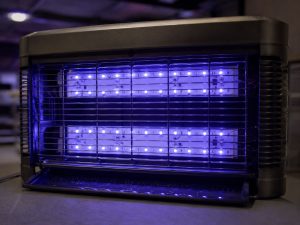
Accelerated life test: â€100K color shift after 2000hrs at 105°C.
Field verification: 72hr continuous operation in tropical seas (32°C water), maintaining 65°C±3°C case temperature.
Can the Aluminum PCB Resist Salt Corrosion for LED Boat light?
Yes, aluminum PCBs can effectively resist salt corrosion for marine LED applications when properly engineered. Below are reasons why LED boat light aluminum PCB Board can resist salt corrosion:.
Material Composition: 6061-T6 aluminum alloy inherently resists galvanic corrosion in marine environments due to its magnesium-silicon alloy structure.
Protective Coatings: Black anodized layer (15-20ÎŒm) and polyurethane conformal coating (80ÎŒm) seal surfaces against saltwater and ions.
Corrosion-Resistant Plating: Copper traces use ENIG (Electroless Nickel Immersion Gold) finish to prevent oxidation and chemical reactions with salt.
Sealed Design: IP67-rated housing with silicone gaskets blocks saltwater ingress, while corrugated thermal pads eliminate micro-gaps.
Validation: Passed 72-hour salt spray tests (GB/T 2423.18) and showed <0.2% corrosion-related failures in 18+ months of coastal deployments.
Our LED Boat Light Aluminum PCB Board Case Studies
EBest Circuit (Best Technology), with 19 years of industry expertise, specializes in LED boat light aluminum PCB board solutions. We offer integrated design, production, and assembly services for ruggedized, salt-corrosion-resistant PCBs optimized for harsh marine environments. This is a LED boat light aluminum PCB board case we made before:
Why Choose EBest Circuit (Best Technology) as Aluminum PCB Supplier?
Decades of Expertise: Over 19 years focused on high-power aluminum PCBs for stage/projector lighting with 500+ global entertainment projects delivered.
Advanced Thermal Performance: Proprietary designs cut LED junction temps by 30%, enhancing lifespan for concerts/theaters. Supports 3W/m·K aluminum substrates.
Rigorous Quality Standards: Dual ISO 9001/IATF 16949 certified, meeting medical (ISO 13485) and automotive-grade reliability.
Cost-Optimized Solutions: Factory-direct pricing with scalable material options, balance performance (3W/m·K aluminum) and budget for mass production.
Fast Prototyping: 24-hour aluminum PCB prototypes accelerate R&D, critical for seasonal lighting launches.
Controlled Supply Chain: In-house sourcing of aluminum substrates and thermal materials, achieving 98% on-time delivery.
End-to-end support: PCB layout (Altium/PADS), thermal simulation (ANSYS), and assembly.
Industry-Trusted Performance: Powers flagship projectors for global brands, achieving 50% lower failure rates vs. industry averages.
Our boards feature advanced thermal management, IP67 sealing, and pass stringent salt spray tests (GB/T 2423.18). Trusted by global marine clients, we ensure reliability in tropical seas and coastal applications. From prototyping to mass production, our ISO-certified facility delivers turnkey solution. Contact us for custom LED boat light aluminum PCBs engineered to withstand salt, humidity, and vibration: sales@bestpcbs.com.
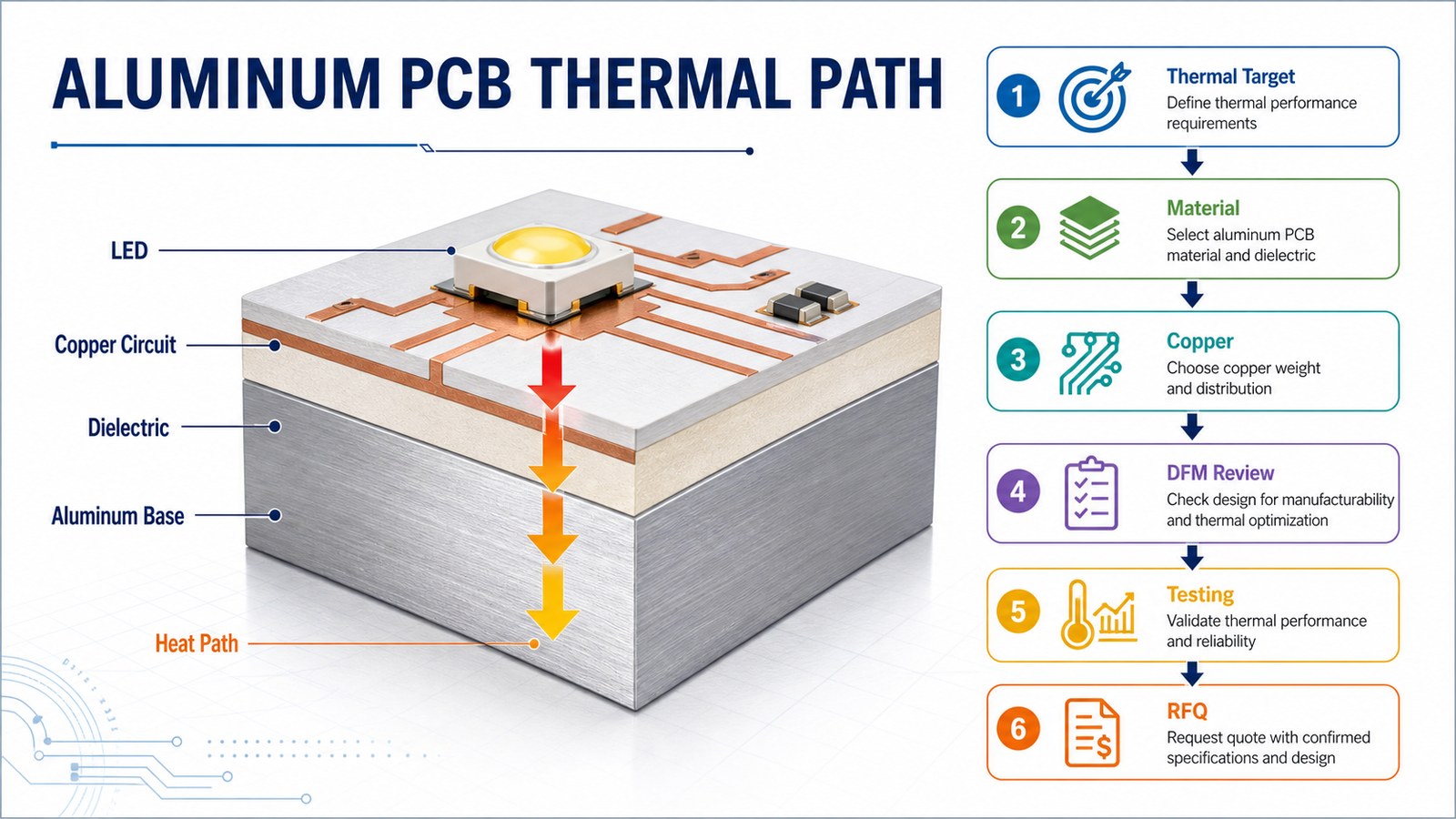
Automotive LED lighting refers to the use of light-emitting diodes (LEDs) in vehicles for headlamps, tail lights, indicators, interior lights, and more. Compared to traditional halogen or HID lights, LEDs offer brighter illumination, lower energy consumption, and a longer lifespan. These advantages are especially important in modern vehicles, where energy efficiency and safety are top priorities.
With growing demand for electric vehicles and smart cars, automotive lighting has become more advanced. LED systems not only enhance visibility but also support design flexibility. Car makers now use sleek LED strips for daytime running lights (DRLs), mood lighting, and adaptive headlights that improve road safety.
However, the compact size of LEDs and their high brightness generate significant heat. This is where aluminum PCBs become crucial.
Why Use Aluminum-Based PCB in Automotives?
LEDs generate heat. Without proper heat management, their performance and lifespan suffer. Thatâs why aluminum-based PCBs are used in automotive LED lighting systems. The metal core in aluminum PCBs helps dissipate heat away from LEDs, keeping them cool even in high-temperature environments like engine compartments or headlamp enclosures.
Besides thermal management, aluminum PCBs offer several other advantages for automotive use:
Lightweight: Aluminum is much lighter than copper or other metal alternatives, which helps reduce the overall weight of vehicles.
Dimension Stability: Due to the base of aluminum PCB is metal core, it is much stable than normal fiber glass material.
Durability: It resists vibration, shock, and corrosionâcommon conditions in vehicles.
Cost-effective: Aluminum provides a good balance between performance and cost, especially in large-scale automotive production.
Because of these advantages, aluminum based PCB is a preferred choice for high power applications which requires great heat dissipation.
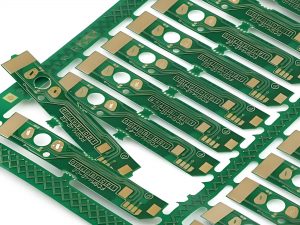
Applications of Aluminum PCB in Automotive Lights
Aluminum PCBs are used in many automotive lighting systems, both inside and outside the vehicle. Some common applications include:
Headlights
Tail Lights
Brake Lights
Turn Signals Lights
Daytime Running Lights (DRLs)
Fog Lights
Interior Lighting
Because aluminum PCBs manage heat so effectively, they help maintain LED brightness and color consistency over time, even in demanding driving conditions.
Automotive Aluminum PCB Specifications
When designing aluminum PCBs for automotive lighting, several technical specifications come into play:
Base Material: High thermal conductivity aluminum (typically 1W/m·K to 3W/m·K). Some high-end boards may go up to 5W/m·K.
Board Thickness: Ranges from 0.8mm to 4.0mm. Thinner boards for compact lights, thicker ones for higher power LEDs.
Copper Layer: Usually 0.5oz (17.5”m) to 10oz (350”m), depending on current requirements.
Insulating Layer: Must have high dielectric strength and good thermal transfer.
Solder Mask Color: White is common (more on that below), but black is also used for specific designs.
Our Automotive Aluminum PCB Case Studies
At EBest Circuit (Best Technology), weâve worked with global automotive clients to provide custom aluminum PCB solutions for different lighting needs. Here is an aluminum PCB we made for automotive LED lights.
Board Thickness
1.5MM
Voltage Resistance
AC2500-4000V
Copper Thickness
3OZ
Thermal Conductivity
2W/m·K
Solder Mask
White
Surface Treatment
ENIG
E-Test
100% full testing
This is a multi-layer aluminum PCB for a premium electric vehicleâs headlamp system. The customer needed high thermal conductivity with tight tolerances for compact housing. We delivered a 1.5mm thick board with a 2W/m·K aluminum base and ENIG surface finish, which met both thermal and electrical demands.
Why Use White Solder Mask in Automotive Aluminum PCB?
White solder mask is often used in automotive LED applications for several practical reasons:
Light Reflection: White surfaces reflect light better than darker ones, which helps improve LED brightness and reduce energy loss.
Heat Resistance: High-quality white solder mask resists yellowing or discoloration even after long periods of exposure to heat.
Aesthetic Appeal: For lights with visible PCBs, a white finish gives a clean, modern look.
Improved Visibility: During assembly and inspection, white solder masks make it easier to spot defects or alignment issues.
At EBest Circuit (Best Technology), we use heat-stable white solder mask thatâs designed specifically for automotive environments. It holds up under vibration, moisture, and UV exposure, maintaining both function and appearance over time.
Why Choose EBest Circuit (Best Technology) as Your Aluminum PCB Supplier?
With over 19 years of experience in aluminum PCB manufacturing, we are proud to be one of the most trusted aluminum PCB manufacturers in China, supporting more than 1,000 customers across a wide range of industries worldwide. Whether you need high-reliability prototypes or large-scale production runs, you can rely on us as your dependable one-stop partner for aluminum and metal core PCB solutions.
As a professional aluminum PCB board manufacturer, we are well-equipped to handle the unique needs of diverse applications. Our experienced engineering, production, and quality control teams understand the challenges of demanding sectors such as automotive, medical, aerospace, and LED lighting. We are familiar with the strict quality and acceptance standards in these industries, and we build every aluminum board with precision, care, and consistency.
If you have any questions regarding our products or servicesâincluding pricing, minimum order quantities, lead times, certifications, engineering support, or quality assuranceâplease feel free to contact us anytime.
FAQs
1. Can aluminum PCBs handle high power LEDs in vehicles?
Yes, of course. Aluminum PCBs are specifically designed to dissipate heat from high-power LEDs.
2. Are aluminum PCBs safe for outdoor automotive use?
Absolutely. Aluminum PCBs are resistant to moisture, corrosion, and vibration, so they are well-suited for outdoor and rugged automotive environments.
3. How long do aluminum PCBs last in automotive lighting?
When properly designed and manufactured, aluminum PCBs can last for several years or even the entire vehicle lifespan, especially with proper heat management.
4. Can EBest Circuit (Best Technology) provide customized aluminum PCBs for my design?
Yes, we specialize in custom aluminum PCB manufacturing, offering tailored designs to meet your exact requirements for thickness, shape, and thermal conductivity.
5. What is the typical lead time for aluminum PCB orders?
Prototyping can be completed in 7â10 days, while mass production typically takes 2â4 weeks, depending on complexity and volume.
Contact us today to learn more or request a quoteâwe’re ready to support your next innovation.