PCB manufacturing PCB manufacturing
Home > Blog

box build assembly

What Is Electronic Manufacturing Services? Electronic Contract Manufacturing Explained
Friday, July 24th, 2026

Electronic manufacturing services are outsourced engineering and production activities used to turn an electronic design into assembled, tested, and deliverable hardware. The scope may start with new product introduction and PCB fabrication, then continue through component sourcing, SMT and through-hole assembly, programming, inspection, functional testing, cable integration, and box build.
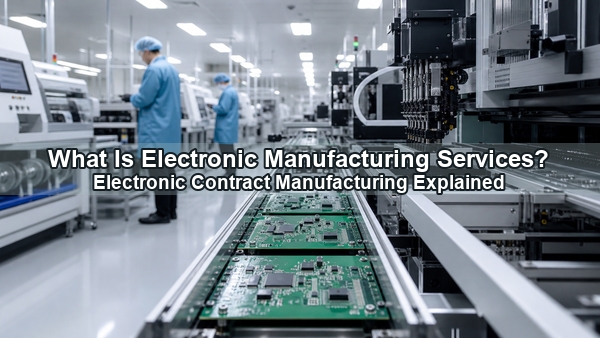
Electronic manufacturing services production line with PCB assembly equipment

What Is Electronic Manufacturing Services?

Electronic manufacturing services, commonly shortened to EMS, describe a manufacturing model in which a specialist company builds electronic assemblies or finished systems for another organization. The product owner usually controls the brand and product requirements, while the EMS provider executes an agreed portion of engineering, material control, manufacturing, inspection, testing, and fulfillment.

The exact boundary is contractual rather than universal. One program may require only PCB assembly from supplied materials. Another may include DFM review, PCB fabrication, component sourcing, firmware loading, conformal coating, cable assembly, enclosure integration, final test, and packaging. This is why EMS should be defined by the actual process scope rather than by the acronym alone.

What Does an EMS Company Do?

An EMS company converts controlled product data into a repeatable manufacturing process. It coordinates engineering release, materials, tooling, equipment programs, work instructions, process inspection, test results, nonconformance control, and production records.

At the PCB assembly level, this work can include stencil preparation, solder paste printing, 3D SPI, component placement, reflow, AOI, selective or wave soldering, X-ray inspection, programming, and functional testing. At system level, it may extend to wire harnesses, displays, power modules, mechanical parts, labels, and enclosure assembly.

Which Services Are Included in Electronic Manufacturing Services?

The service range normally follows the product lifecycle. A provider may perform every stage or only the modules assigned to it.

  • Engineering review, NPI planning, DFM, DFA, DFT, and production documentation
  • Prototype PCB, multilayer PCB, HDI, rigid-flex, metal-core, ceramic, or other board fabrication
  • Approved component sourcing, incoming inspection, moisture control, and lot traceability
  • SMT, through-hole, mixed-technology, BGA, press-fit, and manual assembly
  • Firmware programming, calibration, AOI, X-ray, electrical test, and functional test
  • Cleaning, coating, potting, wire harness assembly, box build, labeling, and packaging
  • Controlled repair, rework, engineering-change implementation, and repeat production support
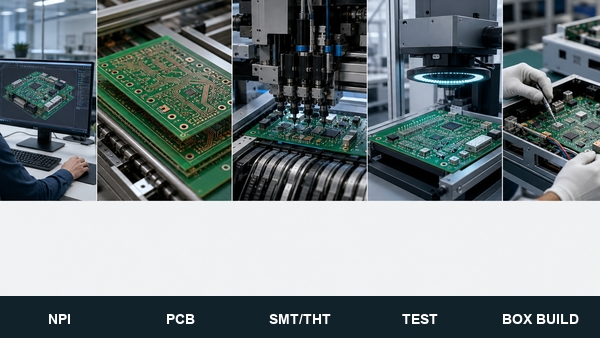
Electronic manufacturing services workflow from NPI through box build

A service list is only meaningful when its interfaces are defined. For example, component sourcing requires an approved BOM and substitution policy; functional testing requires test limits and a controlled fixture; box build requires mechanical drawings, cable definitions, torque values, and product-level acceptance criteria.

How Does the EMS Process Work from NPI to Production?

The EMS process begins by converting design data into a controlled manufacturing package. During NPI, engineering teams align PCB data, BOM revisions, placement coordinates, assembly drawings, firmware, mechanical files, and test requirements. Conflicts must be resolved before machine programs and tooling are released.

Prototype builds then validate both the design and the process. The resulting evidence may include first-article inspection, solder paste measurements, placement verification, X-ray records for hidden joints, programming logs, and functional results. Corrections are incorporated through revision control before a pilot run confirms repeatability at a larger batch size.

Volume production adds tighter material planning, calibrated process windows, scheduled equipment maintenance, statistical monitoring, serialized or lot-level traceability, and formal change control. The manufacturing flow should remain linked to one approved revision so that the board data, BOM, software, test limits, and mechanical configuration cannot drift apart.

How Are DFM, DFA, and DFT Used in EMS?

DFM, DFA, and DFT are complementary reviews that reduce different manufacturing risks before production data is frozen.

Review Primary purpose Typical checks
DFM Confirm that the PCB and product can be manufactured within stable process limits Stack-up, trace and space, drill-to-copper clearance, solder mask, panelization, materials, and tolerances
DFA Make assembly efficient and reduce placement or soldering errors Footprints, polarity, component spacing, fiducials, nozzle access, thermal balance, and hand-assembly access
DFT Provide practical access and limits for inspection and electrical verification Test points, probe clearance, boundary scan, programming access, fixture interfaces, and pass/fail criteria

A useful review produces specific, traceable actions. It should identify the affected location, explain the manufacturing mechanism, and state whether the issue requires a design change, a process exception, or a test adjustment.

How Do SMT, THT, and Box Build Fit into EMS?

SMT handles most compact and high-density components by printing solder paste, placing parts automatically, and soldering them in a controlled reflow profile. The process is normally monitored with SPI before placement and AOI after reflow. X-ray is added when solder joints are hidden beneath BGA, QFN, LGA, or similar packages.
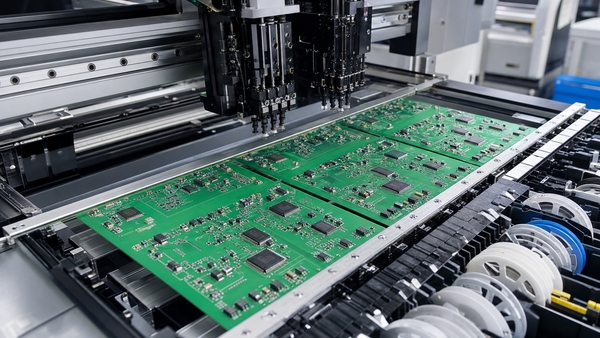
SMT PCB assembly within an electronic manufacturing services factory

THT is used where leaded parts provide mechanical strength, power handling, connector retention, or compatibility with large transformers and relays. Components may be inserted manually or automatically, then soldered by wave, selective, or hand processes. Mixed assemblies need a sequence that protects temperature-sensitive parts and maintains access for inspection.

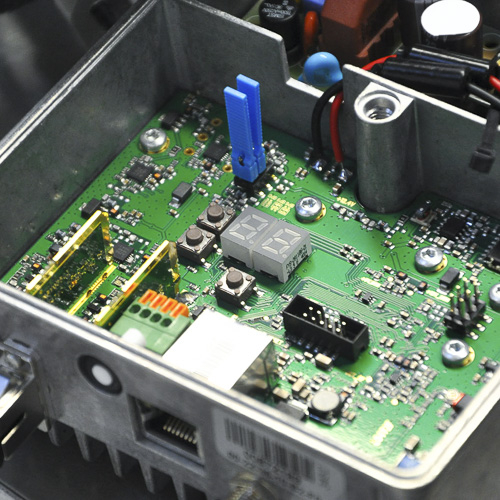
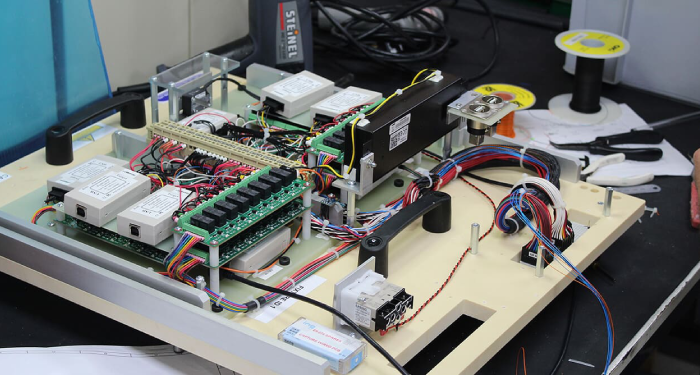
Box build begins after the PCBA has passed its defined inspections. It integrates the board with enclosures, displays, fans, switches, power supplies, thermal interfaces, cables, and labels. The final operation may include firmware configuration, calibration, dielectric or grounding checks, full functional test, and packaging.

How Are Electronic Assemblies Inspected and Tested?

No single inspection method can prove every aspect of an electronic assembly. A reliable test strategy combines methods according to the defect types that must be detected.

  • SPI measures solder paste volume, area, height, and offset before components are placed.
  • AOI checks visible component presence, orientation, polarity, solder fillets, and placement conditions.
  • X-ray examines hidden solder joints, voiding patterns, bridging, and alignment under bottom-terminated packages.
  • Flying-probe or ICT checks selected nets, component values, opens, shorts, and programmed electrical limits.
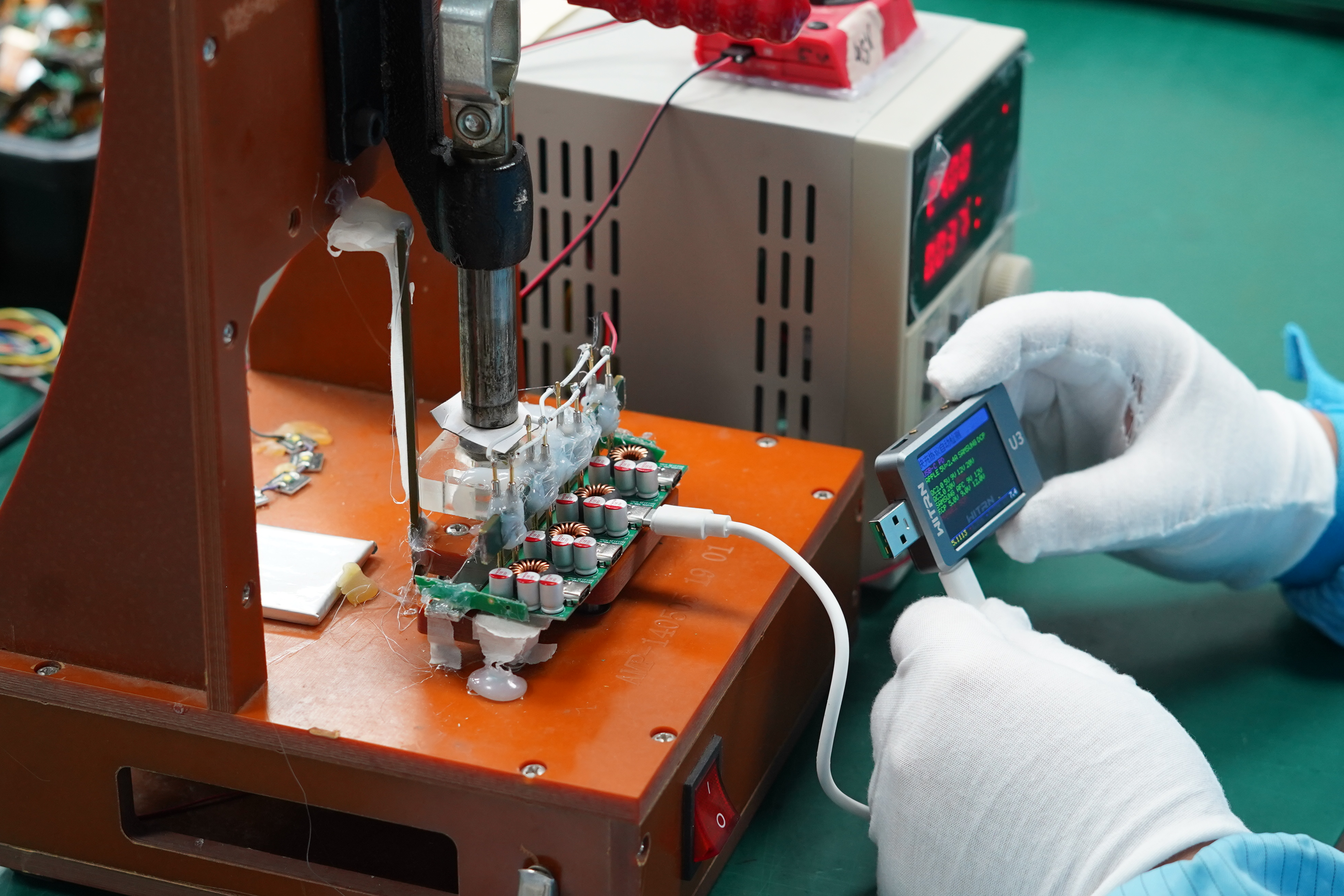
  • Functional test powers the assembly and verifies interfaces, outputs, communication, control logic, and application behavior.
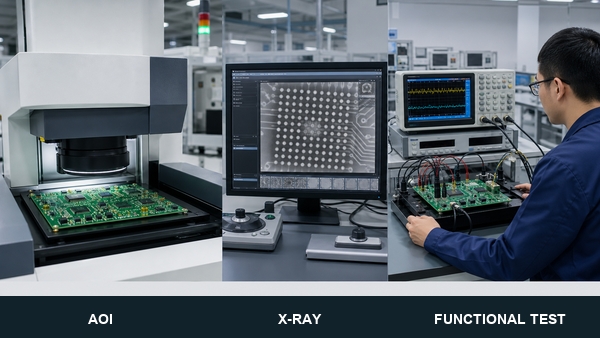
AOI X-ray and functional testing for electronic assemblies

Inspection coverage should follow the product architecture. AOI cannot verify firmware behavior, and functional test may not reveal a marginal hidden solder joint without the right stimulus. Test results also need revision, serial or lot identity, equipment status, and acceptance limits to remain useful after production.

What Is the Difference Between EMS and OEM?

An OEM owns or markets the product under its brand, while an EMS provider performs assigned engineering and manufacturing services. The OEM generally defines product function, compliance goals, approved revisions, and market requirements. The EMS provider develops and controls the production process needed to build the approved configuration.

The boundary can vary. Some OEMs retain design, sourcing, firmware, and system testing while outsourcing only assembly. Others assign the EMS provider a broader lifecycle role. The difference is therefore based on ownership and responsibility, not simply on whether a company operates manufacturing equipment.

What Is the Difference Between EMS, ECM, CM, and ODM?

These terms overlap, but they emphasize different parts of the business relationship.

Term Main emphasis Typical responsibility
EMS Electronics manufacturing service scope Engineering support, manufacturing, testing, integration, and lifecycle operations
ECM Contractual outsourcing model for electronics Builds electronic assemblies or products under another company’s specification
CM General contract manufacturing Manufactures a product or subassembly under contract; the term is not limited to electronics
ODM Original design plus manufacturing Develops a design or platform and manufactures versions for other brands

EMS and ECM are often used interchangeably. EMS focuses on the collection of services; ECM emphasizes the contract-manufacturing relationship. For a deeper treatment of scope and commercial models, see the existing electronic contract manufacturing guide.

What Is an Example of Electronic Manufacturing?

An industrial controller provides a practical example. The process can begin with fabrication of a multilayer control PCB and a power-interface PCB. Components are then sourced to the approved BOM, inspected, moisture-managed where required, and assembled through SMT and THT processes.

After reflow and soldering, AOI and X-ray check workmanship, firmware is programmed, and the boards enter functional testing with simulated sensors, communication loads, and power conditions. The PCBAs are installed in an enclosure with a display, terminals, cable harnesses, and grounding hardware. A final system test confirms input handling, outputs, communications, alarms, and thermal behavior before packaging.
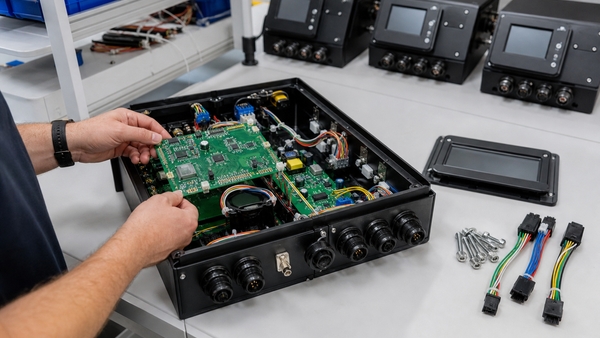
Electronic manufacturing services box build and system integration

How Does EMS Support Prototypes and Volume Production?

Prototype EMS work prioritizes design learning, rapid revision, first-article visibility, and flexible materials. Tooling may be simplified, and manual operations may be acceptable when they do not hide production risks. Even so, machine programs, component identities, assembly findings, firmware, and test results should be recorded so that decisions are not lost between builds.

Pilot production verifies process capability at a representative batch size. It exposes panel-flow, feeder capacity, line balancing, fixture throughput, coating or curing time, packaging, and traceability issues that a small prototype lot may not reveal. Volume production then uses controlled work instructions, qualified equipment, stable material sources, defined sampling, and change approval to maintain repeatability.

Which Industries Use Electronic Manufacturing Services?

EMS is used wherever an electronic product requires repeatable assembly and documented verification. Industrial controls often need robust connectors, mixed SMT/THT assembly, power-stage testing, and long product life. Medical electronics may require stronger traceability and process documentation. Automotive electronics emphasize change control, environmental performance, and high-volume consistency.

Communication, aerospace, energy, test equipment, lighting, and consumer products use different combinations of high-speed layout, thermal management, compact packaging, coating, calibration, and system integration. The relevant EMS capability is the one that matches the actual board technology, component packages, test coverage, environment, and production stage.

FAQ About Electronic Manufacturing Services

What does EMS stand for in electronics?

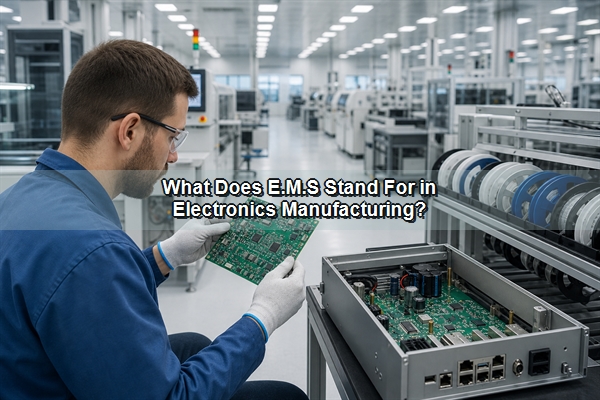
EMS stands for electronic manufacturing services. The term covers outsourced engineering, assembly, testing, integration, and lifecycle operations for electronic products.

Is EMS the same as PCB assembly?

No. PCB assembly is one manufacturing operation within EMS. A broader EMS program may also include NPI, PCB fabrication, component control, programming, system test, cables, coating, box build, and packaging.

Does an EMS provider design electronic products?

Some providers offer design or design-assistance services, while others manufacture only from released product data. The assigned design responsibility must be stated clearly because it affects approvals, revision control, validation, and intellectual-property boundaries.

Can EMS include both prototypes and mass production?

Yes. The controls differ by stage, but one EMS provider can support prototypes, pilot runs, and volume production when its engineering, sourcing, equipment, test, and traceability systems cover the complete transfer.

What does an EMS provider test?

Testing can cover bare-PCB continuity, solder paste, visible assembly defects, hidden solder joints, circuit values, firmware programming, electrical interfaces, and final product functions. The required combination depends on product risk and test access.

Conclusion

Electronic manufacturing services connect product data with a controlled production system that can include NPI, PCB fabrication, component management, assembly, testing, box build, and repeat production. The most important distinction is not the acronym but the defined responsibility, revision control, manufacturing evidence, and test coverage at each stage.

EBest Circuit (Best Technology) supports PCB fabrication, component sourcing, SMT and through-hole assembly, inspection, functional testing, and box-build integration for prototype and production programs. For technical manufacturing support, contact sales@bestpcbs.com.
You may also like

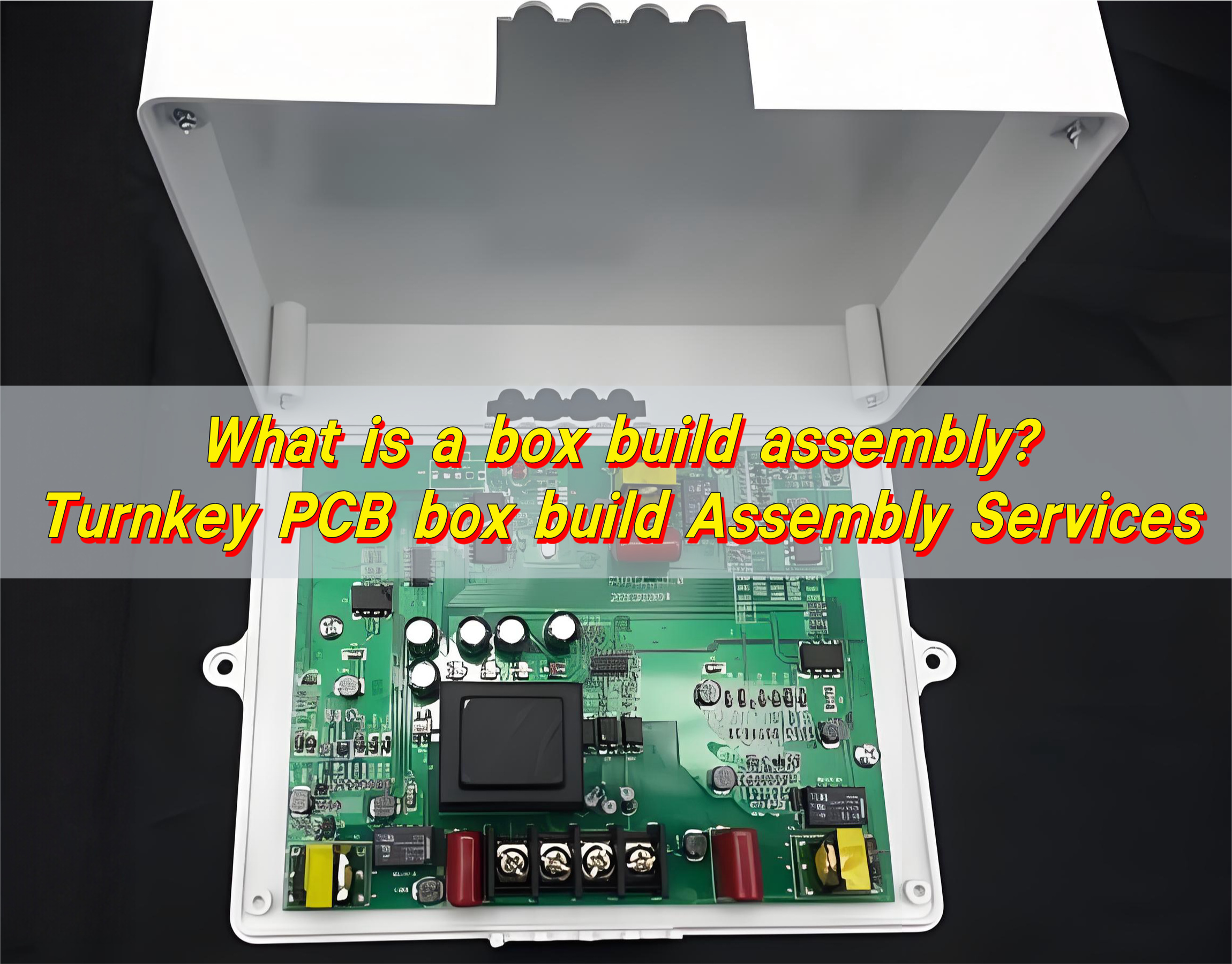
What Is a Box Build Assembly? Turnkey PCB Box Build Assembly Services
Wednesday, November 26th, 2025

Box build assembly is the final stage of creating an electronic product. It takes a finished PCB and adds everything around it—cables, hardware, enclosure, firmware, and testing—until the unit becomes a complete device. It is the step where separate parts turn into one working system.

In simple terms, PCBA builds the board, while a box build creates the full product.

What Is a Box Build Assembly? Turnkey PCB Box Build Assembly Services

What is a box build assembly in electronics?

Box build assembly is the complete end stage of an electronic product. It brings the PCB, wiring, structure, enclosures, displays, and firmware together into one finished unit. It is often called a “systems integration service” because everything inside the device is prepared, checked, connected, and tested.

When you work with a provider that handles both PCB assembly and box build assembly, the entire flow feels smoother. The engineering work stays consistent. The production team understands the design early. The build moves faster.

Instead of coordinating ten vendors for PCBs, cables, housings, firmware, and functional testing, you work with one partner who manages all parts and pieces.

For buyers, this type of service is reliable because it removes guesswork. It also lowers hidden costs like rework, shipping between suppliers, and poor communication. As a result, more teams now see box build assembly as an essential part of their product roadmap rather than an optional feature.

What does the box build assembly service include?

A complete box build assembly service covers many detailed steps. While different manufacturers offer different scopes, the core parts usually include:

  • 1. PCB assembly: This is the foundation. The PCB is built, soldered, inspected, and tested before going into the final unit.
  • 2. Cable and wire harness assembly: Most products need wires to connect modules. A box build service includes cable cutting, crimping, labeling, bundling, and routing.
  • 3. Mechanical structure assembly: This includes mounting brackets, frames, plates, screws, spacers, supports, buttons, and switches.
  • 4. Enclosure integration: The full housing is installed. It may be metal, plastic, or a hybrid. Every part must match the PCB layout and thermal needs.
  • 5. Display, sensor, or module installation: Many products involve screens, cameras, antennas, batteries, motors, or sensors.
  • 6. Software programming and firmware flashing: Your unit receives its firmware, bootloader, or custom programming scripts.
  • 7. Functional testing: This step checks if the product works as intended. It may include signal tests, power-on checks, button tests, noise checks, or communication protocol tests.
  • 8. Reliability testing: Drop test. Vibration test. Temperature test. Burn-in test. These tests confirm long-term stability.
  • 9. Packaging and labeling: The final step adds barcodes, serial labels, or QR codes. The product is packed and ready for shipment or retail shelves.

When all of these steps are handled by a single factory, your project gains better control. You get fewer delays. You avoid repeated communication loops. And your team has more time to focus on design, marketing, and new products.

How do box build electronics improve device integration?

Many companies struggle when they use separate suppliers for PCB assembly, wiring, structure, and testing. Each vendor sees only one part of the product. When something does not match, the project slows down. The schedule becomes tight. Energy drains from your team.

What Is a Box Build Assembly? Turnkey PCB Box Build Assembly Services

This is where box build electronics shine. Because one team oversees all stages, the integration becomes tighter. The design has fewer risks. Every step flows into the next without friction. Here is how box build services enhance product integration:

  • Better Alignment of Electronics and Mechanics: PCB engineers and mechanical engineers stay in sync.
  • Cleaner Wire Management: Cable routing stays neat. This reduces electrical noise and movement inside the product.
  • Lower Failure Rates: With fewer vendors touching the product, the risk of assembly mistakes drops.
  • Consistent Material Flow: Components arrive at the same factory. This reduces lead time and shipping costs.
  • Better Communication: A single team handles questions.
  • Stronger Quality Control: One factory follows one standard, so quality stays stable.

It also builds trust between your team and the manufacturer because every step is transparent.

What is the box build assembly process?

The box build assembly process moves step by step from a bare PCB to a complete product. Below is a detailed walk-through of how the process works in a professional manufacturing environment.

  • Incoming Material Review: Every part enters the factory with labels and origin data. Teams verify quantity, certification, and condition.
  • PCB Assembly and Testing: The PCB is produced, components are placed, soldered, cleaned, and inspected. AOI and X-ray are used if needed.
  • Wiring and Harnessing: Wires are cut, stripped, crimped, and checked. Harnesses are grouped using heat-shrink, sleeving, or cable ties.
  • Mechanical Prep: Housings, plates, standoffs, nuts, and brackets are inspected.
  • Sub-Assembly Build: Modules such as screens, antennas, microphones, and sensors are prepared as smaller units.
  • Full Assembly: The PCB, wiring, and mechanical parts come together. The technicians work with torque limits, grounding rules, and ESD protection.
  • Programming and Firmware: Firmware is flashed. Functional software is loaded. Internal memory is tested.
  • Functional Testing: Now the product “comes alive.” Buttons are checked. Signals are tracked. Power flow is monitored. Communication ports are tested.
  • Reliability Run: A batch may go through aging tests, vibration tests, drop tests, or thermal cycles.
  • Final QC and Packaging: Labels are added. Serial tracking is created in MES.
What Is a Box Build Assembly? Turnkey PCB Box Build Assembly Services

This full process forms the backbone of any modern electronic device. When the flow is strong, your final product feels strong as well.

What are the benefits of box build assemblies?

Companies choose box build assemblies because they offer advantages across the full production chain. These benefits help teams launch products faster with fewer problems.

  • 1. One Supplier for Many Tasks

The more vendors you manage, the more time you lose. Box build assembly compresses your supply chain into one partner. It cuts delays. It boosts clarity.

  • 2. Faster Time to Market

Because the assembly work stays in one place, your schedule moves smoothly. There is less waiting and fewer handoffs.

  • 3. Lower Operational Costs

You save on shipping between suppliers. You save on troubleshooting. And you save on hidden mistakes.

  • 4. Higher Quality Control

A single factory watches every step, so defects have fewer chances to hide.

  • 5. Improved Product Reliability

The product feels stronger because the entire flow is planned. Wiring stays neat. PCB placement is optimized. Mechanical alignment stays accurate.

  • 6. Better Engineering Support

When the same team handles PCB assembly and box build, your questions get solved quickly.

  • 7. Easier Scaling

Once your product passes small runs, scaling to mass production becomes easier.

  • 8. Greater Flexibility in Custom Designs

If you need a reverse-L enclosure, a compact sensor module, or a special bracket, box build partners can adjust quickly.

These benefits turn box build assembly into a strong tool for innovators who want fast, reliable production with fewer headaches.

What is the difference between box build and PCBA?

Although box build and PCBA often work together, they are two distinct stages. Below is a clear comparison that shows how the two processes work, how they support each other, and why both matter in electronics manufacturing. Here is the table version for better clarity:

ItemPCBA (Printed Circuit Board Assembly)Box Build Assembly
Main PurposeBuild the electronic circuit on the PCBBuild the complete final product
Core ScopeSoldering components, reflow, AOI, X-ray, ICT, FCTPCBA + wiring + housing + firmware + labeling + packaging
What It ProducesA functional electronic boardA ready-to-ship device
Key ComponentsPCB, ICs, resistors, capacitors, connectorsPCBA, cables, screws, display, enclosure, sensors, batteries
Skill FocusElectronics assemblyFull system integration
Testing LevelElectrical testing onlyElectrical + functional + reliability testing
Required FilesGerber, BOM, pick-and-place fileAssembly drawing, wiring list, enclosure drawing, test instructions
Who Uses ItR&D teams, electronics designersHardware companies, system integrators, product brands
Typical OutputA finished circuit boardA final box-build unit ready for distribution
Production ComplexityMediumHigh
Where It Fits in the FlowMiddle of the manufacturing chainFinal stage before shipment

What defines a reliable box build electronics manufacturer?

Choosing the right box build electronics manufacturer can change your entire production journey. A strong partner raises your product quality, reduces your stress, and protects your timeline.

Here are the qualities that signal a trustworthy supplier:

  • 1. Strong Engineering Team

A good partner can read your drawings, identify risks early, and confirm each detail. They discuss material options, connector choices, and safety needs.

  • 2. Full Manufacturing Flow

The best providers offer PCB assembly, wiring, molding, machining, testing, and packaging.

  • 3. Traceability System

MES tracking records component batch numbers, operator actions, test data, and timestamps. This gives you visibility and peace of mind.

  • 4. Certifications

A reliable manufacturer holds certifications such as ISO9001, ISO13485, IATF16949, and AS9100D.

  • 5. Clean Production Environment

ESD flooring, controlled humidity, and temperature-stable rooms support sensitive electronics.

  • 6. Clear Communication

Fast, accurate engineering communication removes confusion. When changes happen, the team updates you quickly.

  • 7. Transparent Quality Reports

This includes FAI, CPK, SOP, SPI, AOI, ICT, FCT, and final inspection.

  • 8. Experience Across Industries

A skilled partner has handled automotive, medical, industrial, and consumer electronics.

What Is a Box Build Assembly? Turnkey PCB Box Build Assembly Services

These traits help you identify a manufacturer that can protect your product from design to delivery.

Why choose BEST Technology for your box build assembly needs?

Choosing the right partner for box build assembly services is a crucial decision. BEST Technology stands out because of strict quality control, strong engineering, and a clear commitment to customer success.

  • 1. Complete One-Stop Production

BEST Technology covers PCB fabrication, SMT assembly, wiring, mechanical parts, testing, and final box build. The full flow stays in-house for better stability.

  • 2. Strong Engineering Support

From DFM to DFA, our engineers help refine layouts, structures, and wiring plans.

  • 3. Quality Certifications

BEST Technology holds ISO9001, ISO13485, IATF16949, and AS9100D. These certifications reflect our commitment to strict quality. Your products follow robust procedures from incoming materials to the final build.

  • 4. MES Traceability System

The MES system records every step—component batch, solder temperature, inspection data, test results, and operator ID.

  • 5. Advanced Equipment

AOI systems, X-ray inspection, reflow ovens, SMT lines, machining tools, and test jigs create a strong foundation for stable builds.

  • 6. Reliable Supply Chain

We work with trusted suppliers for connectors, housings, cables, and custom parts. Every item is tracked and verified.

  • 7. Custom Box Build Solutions

Whether you need a compact IoT device, a sensor module, an industrial controller, or a medical box build, the team handles complex requirements with skill and patience.

  • 8. Smooth Communication

Your project manager updates you on progress, issues, schedules, and tests.

  • 9. Competitive Pricing

You get strong engineering, stable quality, and reliable service at cost-efficient rates.

All these advantages make BEST Technology a dependable partner for turnkey box build and PCB assembly services.

Conclusion:

Box build assembly gives companies a clean path from PCB to final product. It brings electronics, wiring, structure, testing, and packaging into one controlled flow. This approach reduces risks, improves speed, strengthens reliability, and sharpens the final user experience.

BEST Technology provides this level of support with a friendly, detail-oriented team that understands how much each project matters.

If you want dependable and powerful box build assembly services, reach out to us anytime. Contact: sales@bestpcbs.com

You may also like