PCB manufacturing PCB manufacturing
Home > Blog

What are thick and thin film ceramic circuit boards used for?

August 1st, 2024

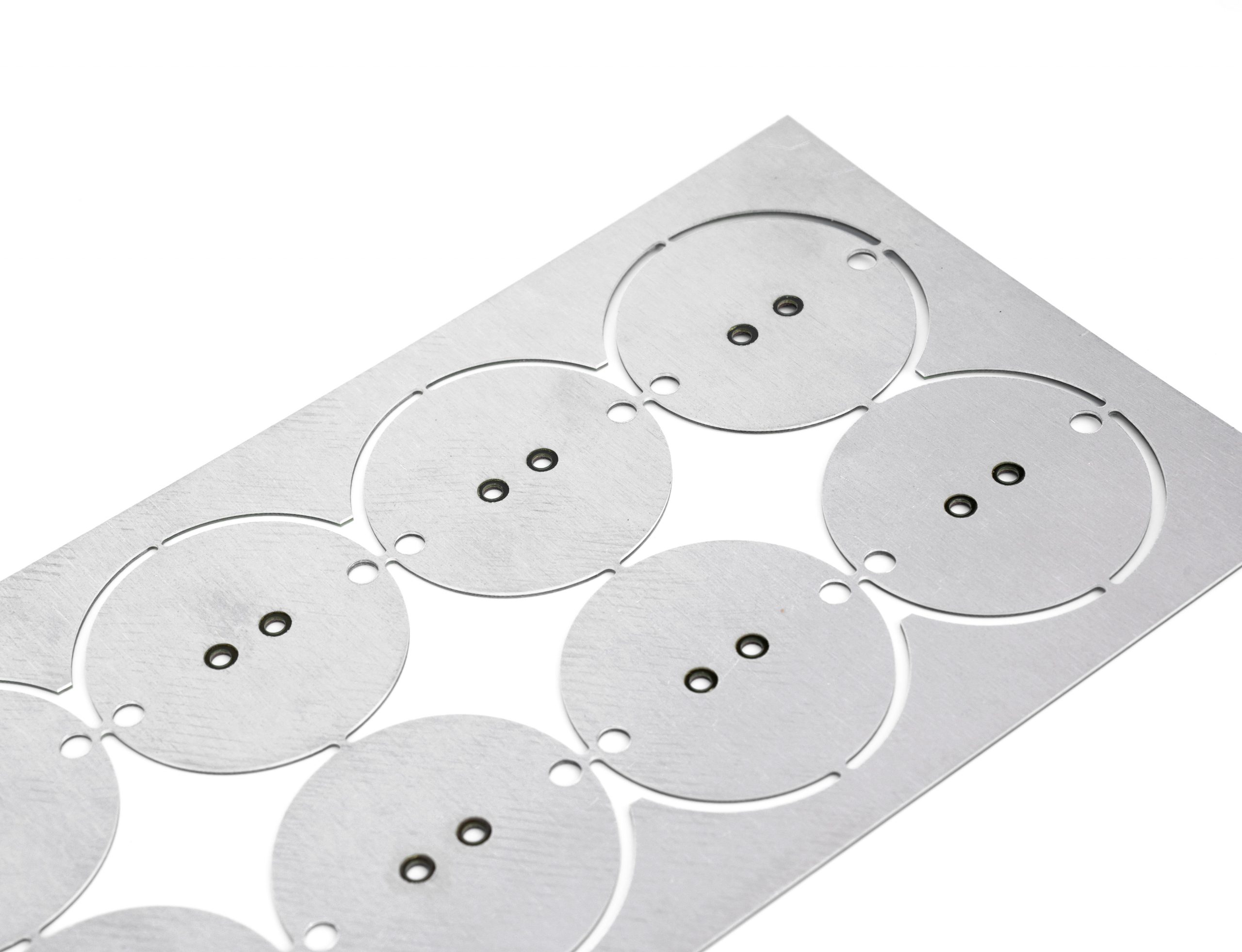
Thick film and thin film technologies for ceramic circuit boards each have their specific uses. The application of thick film technology is mainly concentrated in areas that require high reliability and high performance, such as the automotive field, consumer electronics, communications engineering, medical equipment, aerospace, etc.

The application of thin film technology focuses on products that require specific optical, electrical, chemical and thermal properties, such as reflective coatings, optical recording media, insulating films, anti-oxidation, sensors, optoelectronic device heat sinks, etc. The following will introduce the uses and differences of thick film and thin film one by one.

What is a thick film ceramic circuit board used for?

Thick film ceramic circuit board is a kind of circuit board made by thick film technology, which is widely used, mainly for electrical connection, component mounting and surface modification.

What are thick and thin film ceramic circuit boards used for?
  • Electrical connection

Thick film circuit board can effectively connect all parts of the circuit to ensure the smooth transmission of current.

  • Component mounting

It can bear and fix electronic components, and ensure the correct position and stable operation of components in the circuit.

  • Surface modification

Through thick film technology, the surface of the circuit board can be modified to improve its electrical performance and durability. ‌

In addition, the thick film ceramic circuit board has some specific advantages, such as its manufacturing method allows it to be manufactured independently without using a substrate, and its thickness is usually between 10 and 25 Ό m. This technology can be manufactured independently without using a substrate, which provides greater design flexibility. However, there may be some limitations in the accuracy of thick-film ceramic circuit boards. For example, in the process of using screen printing technology, the line width and accuracy may be insufficient due to the problems of screen printing, which may gradually lose the accuracy advantage for heat sinks with smaller and smaller size requirements in the future.

What is a thin film ceramic circuit board used for?

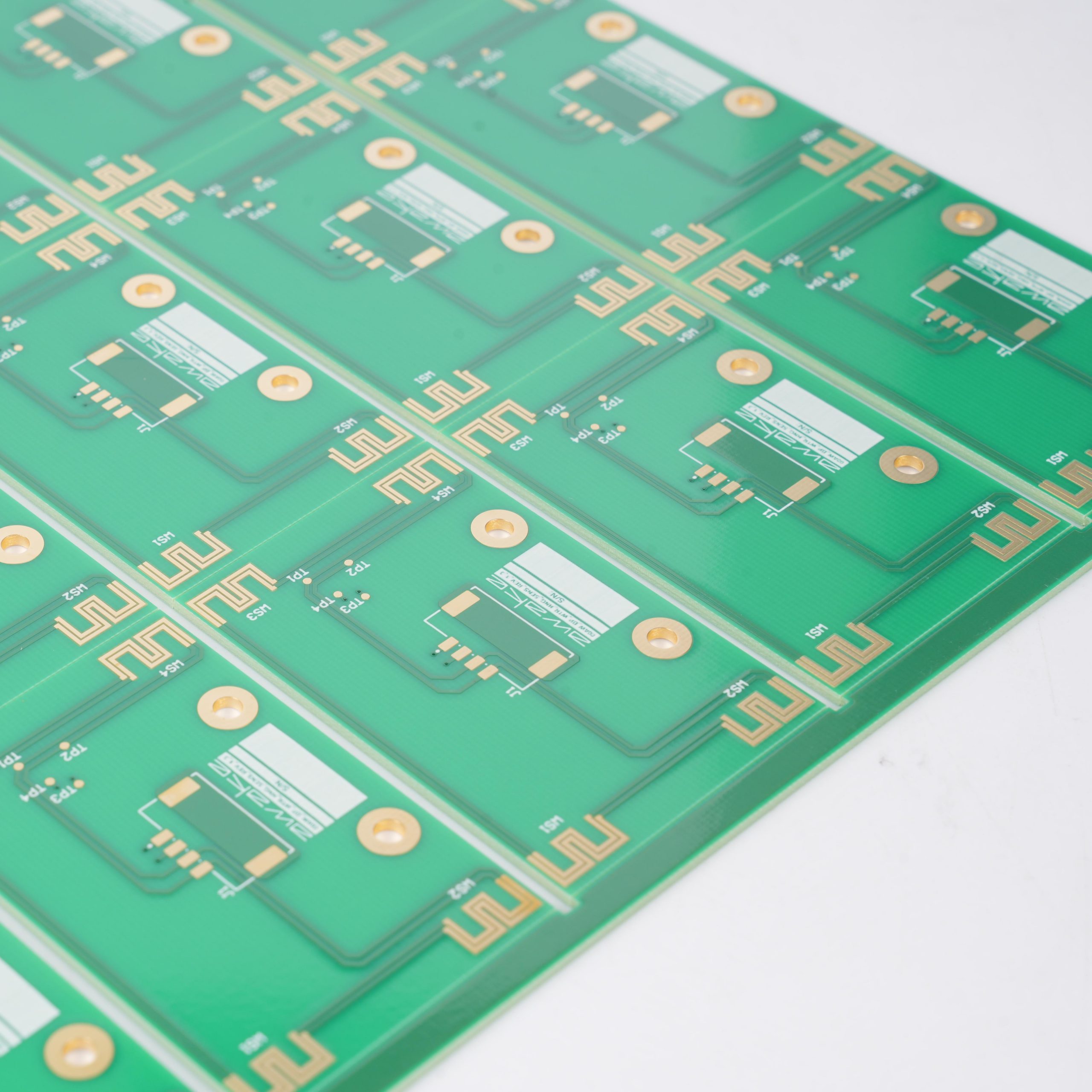
Thin film ceramic circuit boards are mainly used in module components of microwave circuits, including thin film load, thin film equalizer, thin film power divider, thin film attenuator, thin film coupler and thin film bridge. ‌

What are thick and thin film ceramic circuit boards used for?

1. Thin film load is often used to match the terminals of module components of microwave circuits to absorb redundant incident power. It is designed with alumina ceramic substrate, which has the advantage of high precision machining.

2. Thin-film equalizer is used to adjust the broadband power flatness of microwave circuits. By changing the square resistance of the integrated tantalum nitride film and designing different resistance values, the output waveform of the device is adjusted to achieve the balance of power signals.

3. Thin film power divider is used in multi-channel communication network system, which distributes power according to a certain proportion, and one input can be multi-output, thus avoiding the problem of unstable patch resistance welding of microstrip power divider.

4. Thin film attenuator is used for large signal attenuation or multi-gear adjustment attenuation value in microwave RF module, which realizes high attenuation value flatness of ultra-wideband and stable performance.

5. Thin-film couplers are used for power detection or signal separation, and can be designed as couplers with any weak coupling degree. tantalum nitride design is used to integrate isolated loads, which is suitable for broadband applications.

6. As a part of microwave module, thin film bridge is used for specific circuit connection and signal processing. ‌

According to these applications, we can better understand the wide application and advantages of thin-film ceramic circuit boards in the fields of high frequency, high power and high integration.

What are the advantages of thick film over thin film ceramic PCB?

Thick film ceramic circuit boards have higher mechanical strength and thermal conductivity than thin film ceramic circuit boards, and are more suitable for power electronics, automotive electronics and other occasions that require higher thermal management and mechanical strength. ‌

The main difference between thick-film ceramic circuit board and thin-film ceramic circuit board lies in their film thickness and manufacturing process. The thickness of thick film circuit board is generally greater than 10Όm, while that of thin film circuit board is mostly less than 1Ό m.. Thick film circuit board usually adopts screen printing process, while thin film circuit board adopts vacuum evaporation, magnetron sputtering and other process methods.

This difference in technology leads to their differences in performance and application fields. Specifically, the advantages of thick film ceramic circuit boards are mainly reflected in the following aspects:

Reliable performance

Thick film circuits are flexible in design, low in investment and cost, and are mostly used in high voltage, high current and high power occasions.

High mechanical strength

Due to the use of thick film materials, thick film ceramic circuit boards have high mechanical strength and can withstand greater physical pressure and impact.

Good thermal conductivity

Thick-film ceramic circuit boards have good thermal conductivity, which is conducive to rapid heat dissipation, and is particularly important for electronic equipment that needs good thermal management. ‌

Therefore, thick film ceramic circuit boards are more suitable for applications that require high mechanical strength and good thermal conductivity, such as power electronics, automotive electronics and other fields.

What is the difference between thick film and ceramic resistors?

There are some differences between film resistance and ceramic resistance in materials, manufacturing technology, size and shape, electrical properties and application scenarios. ‌

1. Materials and manufacturing process: Thick film resistors are usually made by screen printing process and spraying or sputtering on the circuit substrate. The commonly used substrate materials are ceramics, glass and so on. The ceramic resistor is a resistance device made of ceramic material, which is fired in a ceramic kiln. ‌

What are thick and thin film ceramic circuit boards used for?

2. Size and shape: Thick film resistors are usually flat, can be made into various sizes and shapes, and are suitable for assembly on circuit boards. Ceramic resistors are usually cylindrical and have a fixed size and shape. ‌

3. Electrical performance: Thick film resistor has high resistance accuracy and stability, and small temperature coefficient. Ceramic resistors have larger power carrying capacity and higher withstand voltage. ‌

4. Application scenario: Thick film resistor is suitable for high-precision circuits because of its large resistance range and good temperature stability. Ceramic resistors are suitable for general circuits and small electronic devices because of their small size and general electrical properties. ‌

From this, we can know that thick film resistors and ceramic resistors are different in materials, manufacturing processes, sizes and shapes, electrical properties and application scenarios, which make them suitable for different electronic equipment and circuit design requirements.

‌‌Thick film technology and thin film technology have certain substitutability in some fields, but thick film technology has irreplaceable role in the manufacturing and related processes of many products due to its advantages in cost, reliability, high temperature performance, etc., especially in multi-layer co-sintering processes such as LTCC and HTCC, where thin film technology cannot be applied. As a professional ceramic substrate manufacturer, EBest Circuit (Best Technology) is committed to providing customers with high-quality thick film and thin film ceramic substrates to meet the needs of different applications.‌‌

You may also like

How to Clean Flux Off PCB? – EBest Circuit (Best Technology)

July 31st, 2024

Flux is usually a mixture of rosin as the main component and is an auxiliary material to ensure the smooth progress of the PCB soldering process. Soldering is the main process of PCB assembly, flux is the auxiliary material used in soldering. The main function of flux is to remove the oxide of the solder and the base metal surface to be welded, so that the metal surface to achieve the necessary cleanliness.

Flux prevents the reoxidation of the surface during welding, reduces the surface tension of the solder, and improves the welding performance. The performance of flux directly affects the quality of electronic products. There are different types of solder paste flux, including rosin-based, water-soluble, and no-clean flux. Each has its specific applications and cleaning methods.

Types of Flux

  • Rosin Flux

This is one of the most commonly used fluxes in soldering. It includes activated rosin flux (RMA), which contains additional chemicals for enhanced cleaning of oxides, and non-activated rosin flux (RA), which offers basic cleaning for general purposes. Rosin flux is effective at preventing oxidation and improving solder flow, making it suitable for a wide range of electronic soldering applications.

  • Water-Soluble Flux

This type of flux uses water-soluble chemicals to provide strong cleaning action. It is easily removed with water, making it ideal for applications where thorough residue removal is necessary. Water-soluble flux is often used in automated soldering processes where post-soldering cleanup is a key concern.

  • No-Clean Flux

Designed to leave minimal, non-corrosive residue, no-clean flux does not require cleaning after soldering. This type of flux is beneficial in situations where cleaning is difficult or impractical, as it reduces post-soldering processing time while ensuring that the residue does not affect the performance of the PCB.

  • Organic Acid Flux

Contains organic acids like citric or formic acid, providing effective cleaning and fluxing. While it offers strong fluxing action, it is more corrosive compared to rosin fluxes. Organic acid flux is used in applications requiring robust cleaning, with careful consideration of the corrosion risk.

  • Solder Paste Flux

This flux is a combination of flux and solder powder, used in reflow soldering processes. It is commonly employed in surface-mount technology (SMT), where the paste is applied to PCB pads before component placement and reflow. Solder paste flux streamlines the soldering process by integrating fluxing and soldering into one step.

Is it Bad to Leave Flux on PCB?

There is obvious that leaving flux residue on a PCB surface can lead to several issues. Flux residues can attract moisture, resulting in corrosion of metal traces and component leads, which can compromise the integrity of the PCB over time. Some flux residues are conductive, potentially causing short circuits and affecting signal integrity, especially in high-frequency applications. Even no-clean flux can leave residues that impact sensitive components. Cleaning flux off the PCB can make sure the optimal performance and reliability of the overall product.
How to Remove Flux After Soldering?

We know leaving the flux on the PCBA surface is not a good thing, so how to remove it? Here we listing some common methods that manufacturers will used after soldering. Hope this information is helpful for you!

  • Isopropyl Alcohol (IPA)

Use high-purity IPA (90% or higher). Apply it to the flux residue with a brush or cotton swab, gently scrubbing the area to dissolve the flux. IPA evaporates quickly and is effective for most flux types.

  • Water Washing

Water washing is a common and straightforward cleaning method. It uses pure or deionized water to remove flux residues. This technique is simple, cost-effective, and easy to implement. However, water washing can potentially harm some PCBs and components if moisture accumulates on pads and pins, leading to short circuits or corrosion.

  • Solvent Cleaning

Solvent cleaning is an efficient method that dissolves flux residues using chemical solvents. The solvent is then rinsed or sprayed off to clear the flux. While this method provides rapid and effective cleaning, solvents can be costly and require careful handling due to their chemical properties and safety considerations.

  • Ion Cleaning

Ion cleaning is a high-tech approach that uses ion beams to clean the surface of PCBs. The high-energy and high-speed ion beams effectively remove contaminants and flux residues without damaging the PCB or components. However, ion cleaning equipment is expensive and requires specialized technology and support.

  • Oxidation Cleaning

Oxidation cleaning is a physical cleaning method where oxidizing agents convert flux residues into easily removable substances. This technique is suitable for PCBs and components that are not compatible with water or solvent cleaning. The cost of oxidizing agents can be high, and safety precautions are necessary due to their reactive nature.

  • Dry Ice Cleaning

Dry ice cleaning uses CO2 dry ice pellets as the cleaning medium. This method is efficient, environmentally friendly, and does not produce secondary pollution. During cleaning, high-speed CO2 dry ice pellets impact the flux residues on the PCB surface. The extremely low temperature of the dry ice causes the flux residues to become brittle, allowing them to be easily removed without damaging the PCB. This method offers a thorough cleaning solution while preserving the integrity of the circuit board.

FAQs

1. Can I use vinegar to clean flux off a PCB?

Vinegar can be used to clean certain types of flux, but it’s not as effective as IPA or specialized flux removers. It’s best to use a solvent designed for flux removal.

2. How often should I clean my PCB?

Clean your PCB after every soldering session to prevent residue buildup and ensure optimal performance.

3. Is it safe to use a hairdryer to dry a PCB after cleaning?

Yes, but use the lowest heat setting to avoid damaging sensitive components. Ensure the PCB is completely dry before powering it on.

4. Can I use a toothbrush for cleaning flux?

A toothbrush can be used, but a brush with anti-static properties is recommended to prevent static damage to the PCB.

5. Is no-clean flux really safe to leave on a PCB?

While designed to be left on, no-clean flux can still leave residues that may affect sensitive components. It’s best to clean it off for maximum reliability.

All in all, cleaning flux off your PCB is a crucial step to keep the reliability of your product. Remember, a clean PCB is a reliable PCB. Choose the right solvent, follow proper cleaning techniques, and your electronics will thank you with years of flawless performance.

For high-quality PCB & PCBA solutions and expert advice, choose EBest Circuit (Best Technology). We have more than 18 years in this field. Our commitment to excellence ensures your projects are in good hands. Contact us today to learn more about our products and services.

You may also like

Design and Application of PVD in DPC Manufacturing Process

July 29th, 2024

With the increasing demand of electronic devices working in high temperature environment, DPC (Direct-Plated Copper) ceramic PCB has been widely used as a heat dissipation material with strong high temperature stability and high thermal conductivity. This paper discusses the design and application of DPC ceramic substrate from the aspects of material, structure and technology.

Material Selection of DPC Ceramic PCB

It is very important to select ceramic substrate with good high temperature stability and high thermal conductivity. Commonly used ceramic materials are Al2O3, AlN, Si3N4 and so on. Taking Al2O3 as an example, its thermal conductivity is as high as 24~30W/(m·K), and the coefficient of thermal expansion is about 8.2×10^-6/℃, which is similar to the coefficient of thermal expansion of most chips. The ceramic layer on the surface of the substrate should be smooth and uniform, and have good adhesion, oxidation resistance, wear resistance and corrosion resistance.

Design and Application of PVD in DPC Manufacturing Process

The heat dissipation performance of DPC ceramic substrate is one of the key factors affecting its work in high temperature environment. In order to test the heat dissipation performance of DPC ceramic substrate, thermocouple temperature measurement, infrared temperature measurement, thermal imager and other testing methods can be used. The experimental results show that the DPC ceramic substrate has good heat dissipation performance and can effectively heat dissipation and reduce the influence of temperature on electronic devices.

DPC Ceramic PCB Structure Design

The structure design of DPC ceramic substrate includes the thickness of copper foil, the size of aperture, the layout of copper foil and the thickness of ceramic substrate. The choice of copper foil thickness should be determined according to heat dissipation requirements and chip power density and other parameters.

There are two layout methods of copper foil, one is fully plated surface; The other is local copper, that is, only the copper foil is laid in the area around the chip. The local copper laying method can reduce the copper foil area and reduce the cost, but the adhesion between the copper foil and the substrate needs to be higher. The thickness of the ceramic substrate also needs to be selected according to the specific application requirements.

PVD Process of DPC Ceramic PCB

Direct Plating Copper (DPC) is a ceramic circuit processing technology developed on the basis of ceramic film processing. In this process, the copper metal composite layer is sputtered on the ceramic substrate by vacuum coating, and then the circuit is made by re-exposure, development, etching and film removal with the photoresistance of yellow light microshadow. Finally, the thickness of the circuit is increased by electroplating/electroless deposition, and the metallized circuit is made after the photoresistance is removed.

The process is the process of vaporizing metal materials (titanium and copper) into molecules and then forming a metal film on the surface of a ceramic substrate. The main process includes cleaning the surface of the substrate, heat treatment of the ceramic substrate, preparation of the target of metal materials, DPC of the target, measurement of film thickness and surface treatment. Among them, heat treatment can improve the thermal stability and adhesion of the ceramic substrate, and ensure that the covered copper foil will not peel off in high temperature environment.

DPC ceramic substrate small size, precision structure, high reliability requirements, complex process flow, fine production process, belongs to technology-intensive industries, with high technical barriers. Its production process mainly involves drilling, magnetron sputtering, chemical copper deposition, copper plating, solder resistance printing, chemical silver/chemical gold deposition and other main processes

Application of DPC Ceramic PCB

a. VCSEL package

    The power density of VCSEL is very high, and the DPC ceramic circuit board has a high thermal expansion coefficient matching with VCSEL, so as to solve the stress problem caused by the mismatch of thermal expansion between chip and substrate. The DPC ceramic circuit board makes the metal edge closely combined with the ceramic substrate, avoiding the additional paste process, coordination accuracy and other problems in the later assembly process, as well as the reliability problems caused by the aging of the glue. The ceramic circuit board of DPC film technology almost meets the packaging requirements of VCSEL.

    Design and Application of PVD in DPC Manufacturing Process

    b. IGBT package

    The insulated gate bipolar transistor has become the mainstream of the development of power semiconductor devices due to its high input impedance, fast switching speed, low on-state current and high blocking voltage. Its applications are as small as frequency conversion air conditioning, silent refrigerator, washing machine, induction cooker, microwave oven and other household appliances, and as large as electric locomotive traction system. Due to the high output power and high heat output of IGBT, heat dissipation is the key for IGBT packaging. At present, the DPC ceramic substrate is mainly used for IGBT packaging, because the DPC ceramic substrate has the characteristics of large metal layer thickness, high bonding strength (good thermal impact) and so on.

    c. LED package

    Throughout the development of LED technology, the power density continues to improve, and the requirements for bracket heat dissipation are becoming higher and higher. DPC ceramic substrate has high insulation, high thermal conductivity and heat resistance, low expansion and other characteristics, especially the use of through hole interconnection technology, well meet the LED flip, eutectic, COB (chip on board), CSP (chip scale package), WLP (wafer package) packaging needs, suitable for medium and high power LED packaging.

    In conclusion, the design and application of DPC copper-coated ceramic substrate need to consider many factors, and a lot of experiments and data analysis are required. The performance and reliability of DPC ceramic substrate at high temperature can be improved by selecting suitable materials and designing reasonable structure and process, and the high temperature application of microelectronic devices can be guaranteed.

    The advent of DPC ceramic substrate products opens the development of heat dissipation application industry. Due to the heat dissipation characteristics of the ceramic substrate, it has the advantages of high heat dissipation, low thermal resistance, long life and voltage resistance. With the improvement of production technology and equipment, the rationalization of product prices is accelerated, and the application field of LED industry is expanded.

    You may also like

    Dry Soldering: How to Prevent and Fix Dry Solder Joint?

    July 25th, 2024

    It’s essential to ensure that solder joints are made correctly in any electronics construction. Poor and dry soldering cause equipment not to work once. Or there is a possibility that the solder joint could fail. In this blog, we will introduce why dry soldering occurs and how to solve it.

    What is Meant by Dry Soldering?

    Dry soldering refers to a poor solder joint that lacks proper electrical connectivity on a PCB assembly product. This issue occurs when the solder does not properly melt and bond to the components, leading to weak connections. These joints are often brittle and prone to failure, which can result in intermittent or complete loss of electrical connectivity.

    Dry Soldering: How to Prevent and Fix Dry Solder Joint?

    Why Dry Solder Joint Causes?

    Dry solder joints occur due to several reasons, each impacting the quality of the solder connection. First of all, the solder paste reflow process is only a small area, which is easier to harden than the solder paste in the solder paste can. At this time, the solder paste will not melt, and the flux cannot cover the solder joint, resulting in poor welding of the solder joint. Meanwhile, the solder paste is easier to heat transfer, and the high temperature actually makes the solder paste not easy to melt, so we can slightly adjust the reflow welding temperature curve to solve the problem, or welding in a nitrogen environment is basically a good way to solve this problem.

    Secondly, the solder paste does not melt because its own composition contains a very volatile flux, which is also the reason why the solder paste is easy to harden. Among them, the flux with the largest content of solder paste is rosin, rosin contains a lot of rosin acid, rosin acid is easy to lose activity at too high temperature. Therefore, the temperature of the welding process should be controlled to ensure that the temperature is about 200 ° C, which is not suitable for too high or too low. At the same time, the quality of thixotropic agent will also lead to the solder paste is easy to dry, the quality of thixotropic agent is not good will affect the viscosity of the solder paste, the viscosity of the solder paste is easy to dry. Therefore, the choice of high-quality solder paste can fundamentally solve the problem that the solder paste is easy to harden.

    In addition, the use of solder paste scene, humidity, temperature and other external factors will also affect the solder paste in the use of hard non-melting phenomenon. So these external factors should be paid attention to. I hope these solutions can solve your problems.

    How Do You Fix Dry Solder?

    Solder paste is one of the very important materials in the electronics industry, and it has an important impact on the production quality of the entire component. Here are some tips that can help to fix the dry solder paste.

    1.Add flux

                Usually, if the solder paste is too dry, you can try to add some water to the right amount of flux, stir well and add it to the solder paste. This can play a certain role in alleviating drying and improve the fluidity of the solder paste.

                Dry Soldering: How to Prevent and Fix Dry Solder Joint?

                2. Take some measurements during management

                  a. Keep the ambient temperature moderate during storage;

                  b. Stir well before use;

                  c. Cover the solder paste in time after welding to avoid exposure to the air.

                  3. Replace it with new one

                  If the solder paste becomes too dry, adding flux is difficult to restore its original properties, it is recommended to replace the solder paste to avoid affecting the quality of the components.

                  Therefore, we need to regularly maintain and manage the solder paste to ensure that its quality meets the standard requirements.

                  What Does a Dry Solder Look Like?

                  Recognizing a dry solder joint is crucial for proper diagnosis and repair. Unlike a good solder joint, which is shiny and smooth, a dry joint looks matte and rough. The joint might have visible cracks or look brittle. It might not be fully bonded to the component lead or the PCB pad. Identifying these visual cues can help in quickly addressing the issue.

                  How Do You Prevent Dry Solder?

                  Preventing dry solder joints is key to maintaining the reliability of your electronic projects. You can try to use these tips to prevent your solder paste become dry.

                  • Proper heating
                  • Clean surfaces
                  • Use quality solder
                  • Steady hand
                  • Maintain equipment
                  • Fast usage and storage

                  If you want to know more about solutions of dry solder paste, you can read our another post, How to Solve Dry Solder Paste.

                  How to Tell If Solder is Bad?

                  Bad solder can lead to dry joints and other issues. So, how can we identify if my solder paste is bad? May you can follow these points. If everything matches up, there’s no doubt that your solder paste is broken.

                  • Appearance of solder joints

                  Bad solder joints often appear dull or matte instead of shiny and smooth. They may also show cracks or a brittle texture, indicating poor bonding or excessive heating. These visual signs suggest that the solder did not properly melt or flow.

                  Dry Soldering: How to Prevent and Fix Dry Solder Joint?
                  • Solder flow and coverage

                  If the solder does not adequately cover the component leads or PCB pads, or if it spreads unevenly, it is likely bad. Proper soldering should result in a well-formed, consistent fillet around the leads, ensuring reliable electrical connections.

                  • Difficulty in melting

                  Solder that requires unusually high temperatures or takes a long time to melt may be old or contaminated. Proper solder should melt easily at the recommended temperature and flow smoothly to create a solid joint.

                  • Contamination indicators

                  Oxidized or tarnished solder indicates contamination and can affect its performance. Excessive residue or debris also points to poor quality, affecting how well the solder adheres and flows.

                  EBest Circuit (Best Technology) is a one-stop PCB manufacture and PCBA service provider, our SMT factory is equipped with more than 6 assembly lines. Meanwhile, we have automatic SPI machine and solder paste printing machine, with good management system, we can ensure the good quality of solder paste. In addition, there are many advanced equipment in our workshop, including online dual AOI, X-ray, Nitrogen reflow oven, dry-ice cleaning machine, and so on.
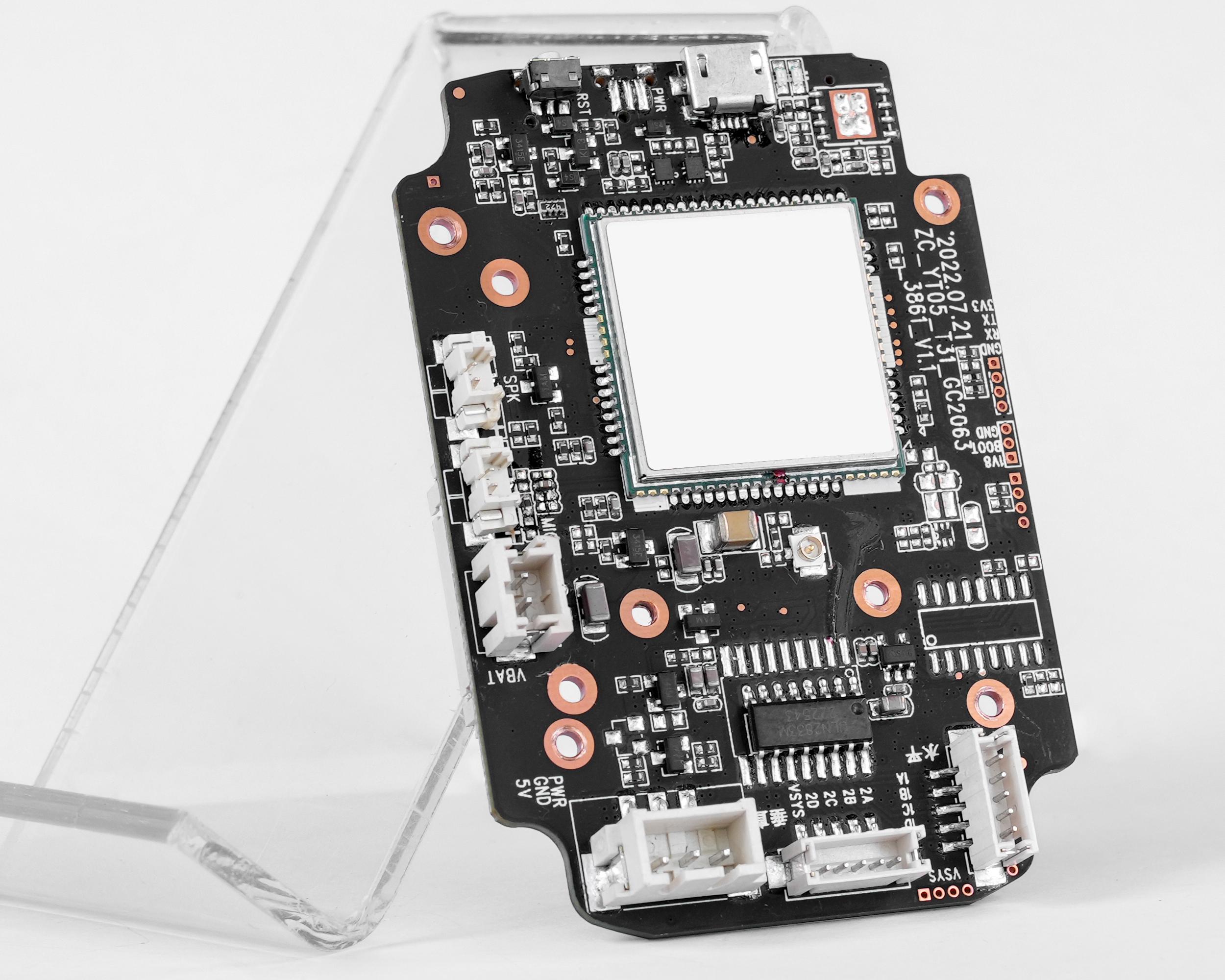
                  Trust us, we are the one of most reliable PCBA manufacturer in China and Vietnam. Contact us for more.

                  You may also like

                  What is a Zero PCB Board? – EBest Circuit (Best Technology)

                  July 24th, 2024

                  A zero PCB, also known as a prototype PCB or breadboard, is a type of circuit board used for building and testing prototypes. Unlike traditional PCBs, which have pre-defined paths for electric connections, zero PCBs offer a grid of holes. This grid allows for custom circuit designs using wires and components. Engineers and hobbyists use zero PCBs to experiment and develop new electronic circuits without committing to a specific design.

                  What is a zero PCB?

                  Zero PCBs are particularly helpful in testing circuit designs for any shortcomings. They provide a cost-efficient way to evaluate the circuitry before committing to a final solution. The term ‘zero’ in this context signifies a fundamental distinction. It implies that there are no predefined connections, layouts, or functions on the PCB.

                  What is a Zero PCB Board? - EBest Circuit (Best Technology)

                  Generally, there is no solder mask and silkscreen on the zero board. The primary purpose of a zero PCB is to offer a blank canvas for users to create and test custom circuits. As a result, they are intentionally kept simple in structure to allow for maximum customization. Users are free to design and solder their circuits and components directly onto the board without the constraints of a predefined layout or solder mask.

                  What is the use of a zero board?

                  Zero boards serve a variety of purposes in the electronics industry. They are particularly useful for prototyping and testing new circuit designs. Here are some common uses:

                  • Prototyping
                  • Educational purposes
                  • Quick fixes
                  • Small-scale production

                  Zero PCBs have a layer of copper traces or pads on the substrate. These copper elements provide the conductive pathways for soldering electronic components and forming connections. However, the copper traces on zero PCBs are usually unconnected, meaning there is no predefined circuit layout. You can build a circuit on them by inserting components into the holes and then connecting them with wires.

                  What is the cost of a zero PCB board?

                  The cost of zero PCB boards varies based on size, material, and supplier. Generally, they are quite cost-effective, so that both professional engineers and hobbyists can afford it. Prices can range from a few cents for small boards to several dollars for larger or more specialized versions. Bulk purchasing often reduces the cost per unit. Additionally, different materials, such as fiberglass or phenolic, can affect the price.

                  What size is a zero PCB board?

                  Zero PCB boards come in various sizes to accommodate different project needs. Common sizes include:

                  • Small: Typically around 5×7 cm, ideal for simple projects.
                  • Medium: Sizes like 10×15 cm offer more space for complex circuits.
                  • Large: Boards as large as 30×30 cm are available for extensive projects.

                  The grid pattern usually remains consistent, with a standard pitch of 2.54 mm (0.1 inches) between holes, regardless of the board’s overall size.

                  What is a bare board?

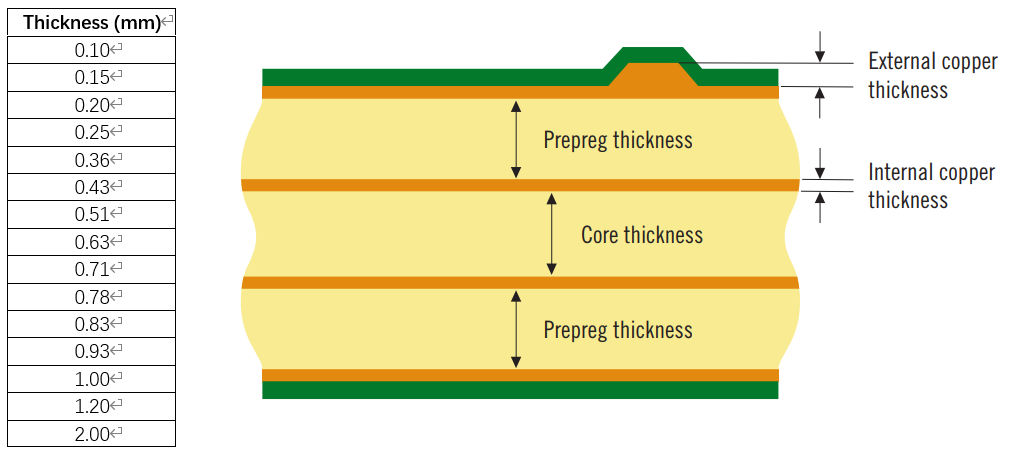
                  A bare board, also known as a blank PCB, is a printed circuit board that has not yet been populated with any electronic components. It is essentially the foundation of a PCB, consisting only of the substrate material (such as fiberglass) and the copper traces that form the circuit pathways. A bare board typically include base core, prepreg and copper trace layer.

                  What is a Zero PCB Board? - EBest Circuit (Best Technology)

                  Features of a bare board

                  • Substrate material

                  The base material of a bare board is usually fiberglass, FR4, or other insulating materials that provide mechanical support.

                  • Copper traces

                  These are the conductive pathways etched onto the substrate. They form the circuit’s electrical connections but are not yet connected to any components.

                  • Pads and holes

                  Bare boards include pads (flat areas of copper for soldering components) and drilled holes for through-hole components.

                  • Pre-defined layout

                  The copper traces and pads are arranged according to a specific design, determined during the PCB design process.

                  • No components

                  A bare board does not have any electronic components soldered onto it yet. It is essentially a “blank slate” ready to be populated.

                  • Coated solder mask and silkscreen

                  Most bare boards have a solder mask, a protective layer that prevents solder from bridging between conductive areas, and a silkscreen, which provides component labels and other information.

                  If you are looking for a reliable supplier for your PCB needs, consider companies like EBest Circuit (Best Technology), who is known for their quality and customer service. EBest Circuit (Best Technology) offers a range of options to support your electronic projects from prototyping to production. Contact us right now to get your quotation.

                  You may also like

                  What is Metal Core Printed Circuit Board and Its Advantages?

                  July 23rd, 2024

                  Metal core printed circiut boards are used where a large of heat are generated in the circuit, and the heat needs to be dissipated quickly to avoid overheat. These boards offer good thermal conductivity and dimensional stability. The aluminum core can reduce the overall weight of your board.

                  What is Metal Core Printed Circuit Board?

                  A metal core printed circuit board (MCPCB) is a type of PCB that incorporates a metal core, usually aluminum or copper, as its base material. This core helps to enhance the board’s thermal management capabilities. Unlike traditional PCBs made of fiberglass (FR4), MCPCBs are designed to dissipate heat more effectively, making them ideal for applications where heat dissipation is crucial.

                  MCPCBs are also referred to as insulated metallic substrate (IMS), or insulated metal PCBs (IMPCB), thermal-clad PCBs. A typical metal core PCB is made of thermal insulating layer (dielectric layer), metal base and copper foil.

                  The basic constructure of a metal core circuit board includes:

                  • Silkscreen
                  • Solder mask (S/M)
                  • Circuit layer (copper foil layer)
                  • Dielectric layer
                  • Metal core base

                  What are Metal Core PCBs Used For?

                  Metal core PCBs are popular because of its good thermal management. It utilizes in various applications that demand efficient heat dissipation and high thermal performance. Here are some common applications that metal core printed circuit board will be used in.

                  • LED lighting

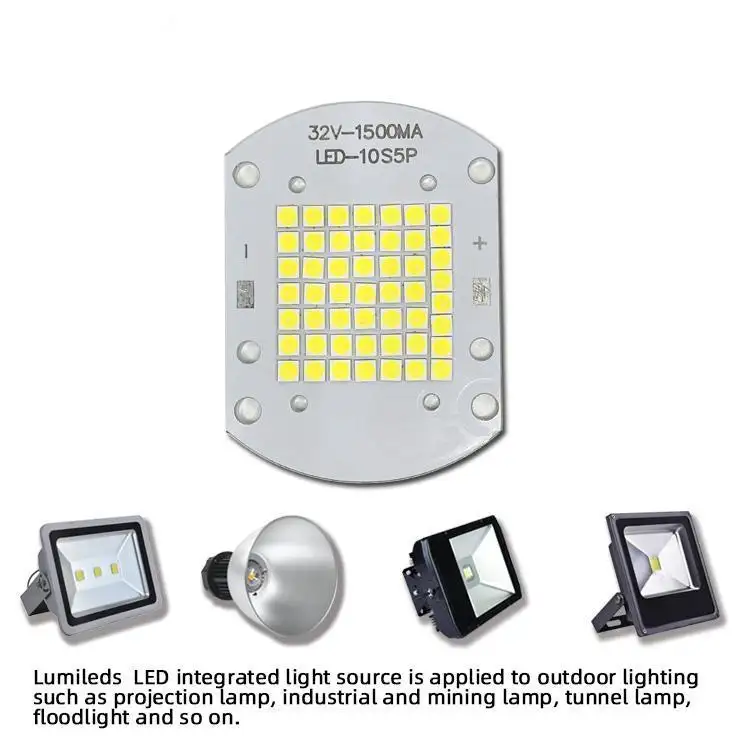
                  MCPCBs are widely used in LED lighting systems due to their excellent thermal management properties. LEDs generate a significant amount of heat, and metal core PCBs help to dissipate this heat effectively, ensuring longer lifespan and consistent performance of the LEDs.

                  • Power supplies

                  High-power supply units benefit from MCPCBs as they can handle the heat generated by power components. This helps in maintaining the stability and efficiency of the power supply over time.

                  • Automotive electronics

                  In the automotive industry, MCPCBs are used in various electronic control units (ECUs), lighting systems, and other high-power applications. The robust nature of MCPCBs makes them suitable for the harsh conditions experienced in automotive environments.

                  • Industrial equipment

                  Industrial machinery and equipment that operate under high temperatures or require high power output use MCPCBs for their thermal management capabilities. This ensures the reliability and longevity of the equipment.

                  • Telecommunications

                  Telecommunications equipment, such as base stations and routers, use MCPCBs to manage the heat generated by high-speed and high-frequency operations, ensuring uninterrupted performance and reliability.

                  • Consumer electronics

                  High-performance consumer electronics, including laptops, smartphones, and gaming consoles. They install with MCPCBs to manage heat and improve device performance and lifespan.

                  What are the Advantages of Metal Core PCB?

                  Metal core PCBs are preferred for several reasons, primarily revolving around their superior heat dissipation capabilities and mechanical strength. Here are some main advantages of metal core PCBs.

                  • Superior thermal management
                  • Mechanical strength
                  • Compact design
                  • Enhanced performance
                  • Improved reliability
                  • Higher recyclability
                  • Cost Efficiency
                  • Dimension stability
                  • Size reduction
                  • Longer lifetime

                  What Metal is Used in PCBs?

                  The choice of metal in PCBs significantly affects their thermal and mechanical properties. The most commonly used metals in MCPCBs are aluminum and copper. Here’s a closer look at these materials:

                  Aluminum

                          • Thermal Conductivity: Aluminum has a thermal conductivity of approximately 1.0 to 2.0 W/mK, making it an excellent material for heat dissipation.
                          • Cost-Effective: Aluminum is relatively inexpensive compared to other metals, making it a cost-effective choice for many applications.
                          • Lightweight: Aluminum is lighter than copper, which can be beneficial in applications where weight is a concern.
                          • Corrosion Resistance: Aluminum naturally forms a protective oxide layer, enhancing its resistance to corrosion.

                          Copper

                          • Thermal Conductivity: Copper has a higher thermal conductivity than aluminum, ranging from 3.0 to 5.0 W/mK, providing superior heat dissipation.
                          • Electrical Conductivity: Copper is also an excellent conductor of electricity, which can improve the electrical performance of the PCB.
                          • Durability: Copper is more durable and resistant to wear and tear compared to aluminum, making it suitable for more demanding applications.
                          • Higher Cost: Copper is more expensive than aluminum, which can increase the cost of the PCB but is justified in applications requiring superior performance.

                          Other Metals

                          In some specialized applications, other metals like stainless steel or alloys might be used, but these are less common due to their specific properties and higher costs.

                          What is the difference between FR4 PCB and Aluminum PCB?

                          Aluminum PCB is a material based on aluminum base material, coated with an insulating layer and other conductive layers on the aluminum base material. FR4 is a glass fiber reinforced laminate, made of multi-layer fiber cloth and resin composite. In the following, we will introduce the difference between aluminum substrate and FR4 in terms of thermal conductivity, mechanical strength, manufacturing difficulty, application range and thermal expansion coefficient.

                          1. Aluminum substrate has good heat dissipation, and its thermal conductivity is about 10 times that of FR4.

                          2. The mechanical strength and toughness of the aluminum substrate are better than FR4, which is suitable for installing large components and making large-area pcb boards.

                          3. The production of aluminum substrate requires more process steps, and its production process is more complex than FR4, and the production cost is higher than FR4.

                          4. The aluminum substrate is suitable for high-power electronic products such as LED lighting, power supplies, inverters and solar inverters, and FR4 is suitable for low-power electronic products such as televisions, telephones and electronic game consoles.

                          5. The thermal expansion coefficient of aluminum substrate is close to that of copper foil, which is smaller than that of FR4, which is good for ensuring the quality and reliability of the circuit board.

                          https://www.youtube.com/watch?v=KFQNdAvZGEA&list=PLh7eQ1tIPsW456K51PERNxBMK0r9lRg1e

                          How to Design Metal Core PCB?

                          Designing a metal core PCB is a complex process that includes several crucial steps. During the design, we should ensure the board meets the thermal, electrical, and mechanical requirements of the application. Below is a detailed guide to the MCPCB design process.

                          1. Define the Application Requirements

                          Before starting the design process, it’s essential to clearly define the requirements of your application. This includes understanding the thermal, electrical, and mechanical needs of the project. Determine the maximum operating temperature and the amount of heat that needs to be dissipated, ensuring the MCPCB can handle the thermal load effectively. Specify the electrical characteristics such as current load, voltage levels, and signal integrity requirements to ensure the board can deliver the necessary performance.

                          2. Select the Core Material

                          As mentioned above, there are two common metal materials used in this industry: aluminum alloy and copper core. They have unique characteristics and properties when used in device. So. choosing the appropriate metal core material is crucial for the performance of your electronic device. This table provides a side-by-side comparison of aluminum alloy and copper core materials, helping to choose the appropriate material when designing MCPCBs.

                          PropertyAluminumCopper
                          Thermal Conductivity1.0 – 2.0 W/mK3.0 – 5.0 W/mK
                          Electrical ConductivityLower than CopperHigh
                          WeightLightHeavy
                          CostLowerHigh
                          Mechanical StrengthGoodExcellent
                          Corrosion ResistanceNatural Protective Oxide LayerRequires Additional Protection
                          Thermal Expansion CoefficientHigherLower
                          MachinabilityGoodMore Difficult
                          Environmental ImpactRecyclableRecyclable
                          Application AreasLED Lighting, Consumer Electronics, High-PerformanceElectronics, Industrial Equipment

                          3. Determine the Layer Stack-Up

                          The layer stack-up defines the arrangement of the different layers in the PCB. A typical MCPCB stack-up includes:

                          • Top Copper Layer: The conductive layer where components are mounted.
                          • Dielectric Layer: An insulating layer that separates the copper layer from the metal core. It has good thermal conductivity to transfer heat from the components to the metal core.
                          • Metal Core: The central layer made of aluminum or copper, which acts as a heat spreader.
                          • Bottom Copper Layer (optional): Used in double-sided MCPCBs for additional routing of traces.

                          4. Design the Circuit Layout

                          The circuit layout includes placing components and routing traces on the PCB. Key considerations include strategically placing heat-generating components to ensure efficient heat dissipation and keeping sensitive components away from high-heat areas. Trace routing should minimize electrical interference and maintain signal integrity, using wider traces for high-current paths to reduce resistance and heat generation. Implementing thermal vias enhances heat transfer from the top copper layer to the metal core by using plated through holes that connect the copper layer to the metal core, facilitating better heat dissipation.

                          5. Design for Manufacturability (DFM)

                          Ensuring that your design can be efficiently manufactured is critical. Maintain adequate clearances between traces, pads, and other features to meet MCPCB manufacturing capabilities and avoid short circuits. Use standard drill sizes to reduce manufacturing complexity and cost. Apply a solder mask to prevent solder bridges and protect the copper traces from oxidation. Use clear and legible silkscreen markings for component identification and assembly instructions. You can communicate with your supplier and ask for a capability chart, so that can save much time on design phase.

                          6. Prototype and Test

                          Once the design is validated, create a prototype of the MCPCB and conduct thorough testing. Measure the actual thermal performance under operational conditions to verify the simulation results. Test the functionality of the PCB in the intended application environment to ensure it meets all performance requirements. Conduct reliability tests such as thermal cycling, vibration testing, and humidity testing to assess the durability of the MCPCB.

                          EBest Circuit (Best Technology) – A Leading MCPCB Manufacturer in Asia

                          With 18+ years of experience in the PCB industry, EBest Circuit (Best Technology) has a deep understanding of the complexities involved in MCPCB production. Our team of experts is adept at designing and manufacturing MCPCBs that deliver optimal performance. EBest Circuit (Best Technology) offers customized turn-key solutions tailored to the specific needs of our clients. Whether it’s a unique design requirement or a specific material preference, we provide flexible options to meet diverse demands.

                          Contact EBest Circuit (Best Technology), get your quote right now to make your own metal core circuit boards!

                          You may also like

                          PCB vs CCA: What is a Circuit Card Assembly?

                          July 22nd, 2024

                          Hey there! If you’re curious about circuit card assembly (CCAs) and what makes them tick, you’ve come to the right place. CCAs are the unsung heroes behind many of the electronic devices we use every day. Let’s dive into what they are, their essential parts, how they’re made, and why they’re so important.

                          What is a circuit card assembly?

                          Circuit card assembly or CCA is the process of producing printed circuit boards. In essence, it is the same as PCBA (PCB assembly), just in different name. CCA is a manufacturing technology that converts raw materials into printed circuit boards. It is used in many industries, including the military and aerospace sectors. This type of manufacturing requires skilled professionals to lay out the design and then assemble it. If you are planning to buy a batch of circuit card components, here are some things you should know about CCA.

                          PCB vs CCA: What is a Circuit Card Assembly?

                          A circuit card is a thin, flat dielectric material on which conductive paths or traces are etched. These paths connect various electronic components. They are also used to connect components to sockets on printed circuit boards. Circuit card assy is the process of manufacturing circuit card components. The process involves adding electronic components to the substrate.

                          Key components of a circuit card assembly (CCA)

                          Circuit card assembly have several key components to make the circuit function properly. These can be divided into three basic components.

                          • Printed Circuit Board (PCB)
                          • Electronic component
                          • Solder paste
                          • Printed Circuit Board (PCB)

                          This is the backbone of the CCA. The printed circuit board provides the structural foundation on which all other components are mounted. A PCB is typically made of a flat, insulating material such as FR4 fiberglass, which is layered with conductive tracks made of copper. These tracks form the circuit pathways that connect various electronic components. The PCB board can be single-sided, with components and conductive tracks on one side only, or double-sided, with tracks and components on both sides. For more complex applications, multi-layer PCBs are used, which consist of multiple layers of insulating material and conductive pathways stacked together. These printed circuit boards are essential in ensuring that electrical signals are routed efficiently and reliably across the assembly.

                          PCB vs CCA: What is a Circuit Card Assembly?

                          • Electronic Components

                          These include resistors, capacitors, integrated circuits, transistors, and more passive and positive components. Each part plays a specific role in the circuit, like pieces of a puzzle fitting together to make a complete picture. Resistors control the flow of electrical current, capacitors store and release energy, integrated circuits (ICs) perform various functions like processing and memory storage, and transistors act as switches or amplifiers. These components are carefully placed on the PCB in positions that allow them to connect and interact as designed.

                          PCB vs CCA: What is a Circuit Card Assembly?

                          • Solder paste

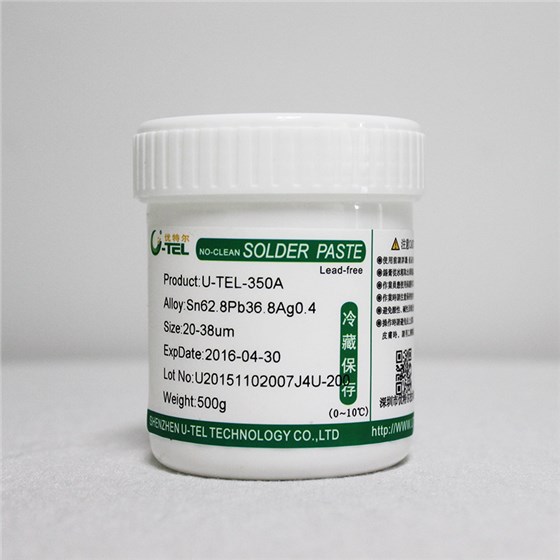
                          Solder paste is like the glue that holds everything together, but it’s electrically conductive. It’s used to attach the electronic components to the PCB, so that they can stay put and work properly. Soldering creates a strong, conductive bond between the component leads and the PCB’s copper tracks. There are different types of soldering, such as lead-based and lead-free solders, each with its specific properties and applications. The soldering process can be done manually or using automated printing machines, depending on the complexity and volume of the assembly. Please noticed that solder paste should used in a very short time, otherwise, it will become dry solder paste.

                          PCB vs CCA: What is a Circuit Card Assembly?

                          What is the Difference Between a PCB and a CCA?

                          You might wonder, what’s the difference between a PCB and a CCA? Well, here’s a quick rundown:

                          AspectPCB (Printed Circuit Board)CCA (Circuit Card Assembly)
                          DefinitionA blank board with conductive pathwaysA PCB populated with electronic components
                          ComponentsNo electronic componentsIncludes electronic components like resistors, capacitors, ICs
                          FunctionalityServes as the foundation for electronic circuitsA functional electronic circuit ready for use in devices
                          Manufacturing StepsInvolves design, etching, and printing of conductive pathsInvolves PCB manufacturing plus component placement and soldering
                          Usage StageIntermediate stage in manufacturingFinal stage, ready for integration into electronic devices
                          ComplexityLess complex, involves fewer manufacturing stepsMore complex, involves multiple stages of assembly and testing

                          What is the circuit card assembly manufacturing process?

                          Making a CCA is a multi-step process:

                          Design

                          First, the PCB layout is designed using computer software. It includes numerous steps, like schematic drawing, layout design, SI, PI analysis, DFM. This can ensure the PCB board can fit all the necessary components and function correctly.

                          Fabrication

                          The PCB is then fabricated, which involves creating the physical board with layers of insulating and conductive materials. This is where the board gets its pathways. In this step, proceed strict quality control process to make sure the bare boards are qualified.

                          Component Placement

                          Next, printing solder paste and preparing components, then place them onto the PCB board according to the BOM file (bill of material). After setting up the pick and place machine, automated machines can precisely position each component based on the design.

                          Soldering

                          The components are soldered to the PCB. This can be done using methods like wave soldering or reflow soldering to ensure everything is securely attached and electrically connected. You must know, different products require different parameters, please make sure all the parameters like temperatures, time are suitable.

                          Inspection and Testing

                          The assembled CCA goes through rigorous inspection and testing to ensure it works as intended. This includes visual inspections, automated optical inspections (AOI), in-circuit testing (ICT), aging testing and functional testing.

                          Final Assembly

                          If the CCA passes all tests, it moves on to final assembly, where it’s integrated into the larger electronic system or device. That is we say the box building assembly.

                          What are the types of circuit card assembly?

                          CCAs can be divided into various types according to the different manufacturing technology.

                          Through-Hole Technology (THT) Assembly

                          Here, components have leads or pins inserted into holes drilled through the PCB and soldered on the other side. This method provides strong mechanical bonds, making it great for components that experience mechanical stress. It’s often used in aerospace, military, and industrial equipment.

                          Surface Mount Technology (SMT) Assembly

                          In SMT, components are mounted directly onto the PCB surface using solder paste. No drilling required, which allows for higher component density and smaller PCBs. This method is commonly used in consumer electronics, telecommunications, and automotive industries.

                          Box Building Assembly

                          Box building assembly involves the complete assembly of electronic systems, including CCAs, into enclosures or boxes. This process includes not only the assembly of the PCB but also the integration of cables, connectors, and other components into a final product. Box building is ideal for producing complete electronic devices ready for end-use.

                          Advanced materials for CCAs

                          Advanced materials help CCAs perform better and last longer:

                          • High-Temperature Laminates (e.g., FR-4, Polyimide)

                          High temperature laminate like FR4 or polyimide. These materials can handle extreme conditions without breaking down. FR-4 is popular for its excellent thermal and mechanical properties, while polyimide is great for high-temperature stability.

                          • Flexible Substrates (e.g., Kapton, PET)

                          Kapton and PET are the most common flexible substrate. These materials allow CCAs to bend and flex. Kapton, a type of polyimide, is known for its high thermal resistance and flexibility, making it perfect for wearable electronics and medical devices. PET (polyethylene terephthalate) is another flexible material with good electrical insulation properties.

                          • Advanced Solder Compounds

                          SAC305 (a lead-free alloy of tin, silver, and copper) is favored for its mechanical and thermal properties. Whatever you want to mount a ceramic PCB or the flexible PCB, it is the best choice. Sn63Pb37, a traditional tin-lead solder, is still used for its ease of use and excellent performance.

                          Reliable circuit card assembly manufacturers

                          Choosing the right manufacturer for your CCAs is key to getting quality products. PCBonline and EBest Circuit (Best Technology) are go-to-choice reliable circuit card assembly manufacturers. Both of them has advanced pick and place machine, full-auto SPI, AOI equipment, ensuring a good quality.

                          As a leading manufacturer in the circuit card assembly, EBest Circuit (Best Technology) prides full turn-key service, ranging from the PCB design, PCB fabricating, electronic component sourcing, circuit card assembly and box build assembly. We handle complex and high-volume orders efficiently, ensuring timely and fast delivery without sacrificing quality. In 2023 alone, we completed over 5000 high-complexity projects with a client satisfaction rate of over 98%.

                          It is crucial for anyone to fullly understand the circuit card assembly in the electronics industry. From their basic components and manufacturing process to the advanced materials used, CCAs are the backbone of modern electronic devices.

                          You may also like

                          What is a PCB Board? – EBest Circuit (Best Technology)

                          July 13th, 2024

                          In our daily life, the electronics has been gradually infiltrated our lives. Between them, the PCB board plays an important role in it, and we must say, PCB is the foundational element of electronics. From the simplest gadgets to the most complex machinery, PCBs play a crucial role.

                          What is a PCB Board?

                          A printed circuit board (PCB) is an electronic that uses metal conductors to create electrical connections between components. Generally, a PCB is a flat, laminated composite made of non-conductive substrate materials with conductive pathways etched or printed onto it. These pathways, also known as traces, enable the electronic components mounted on the board to communicate with each other.

                          What is a PCB Board?

                          PCBs are designed to support and electrically connect various components such as resistors, capacitors, diodes, and integrated circuits. The intricate network of copper tracks forms circuits that dictate the device’s functionality. PCBs can range from simple single-sided boards used in basic electronics to complex multi-layered structures found in advanced applications.

                          Common PCB Structure

                          A PCB’s structure is composed of several key layers, each serving a distinct purpose. Here is a detailed breakdown of these layers:

                          Substrate (Base Material)

                          The substrate, usually made of fiberglass (FR4), provides the board with its rigidity and thickness. It is the foundational layer upon which all other materials are built.

                          Copper Layer

                          This conductive layer is typically made of copper foil. For single-sided PCBs, the copper layer is only on one side of the substrate, whereas double-sided and multi-layer PCBs have copper layers on both sides or between multiple layers of substrate.

                          Solder Mask

                          The solder mask is a protective layer applied over the copper traces to prevent oxidation and accidental short-circuiting. It insulates the copper traces and leaves the component pads exposed for soldering. The green color commonly associated with PCBs comes from this layer, though it can also be found in other colors like red, blue, black, and white.

                          Silkscreen

                          The silkscreen layer is used to add labels, symbols, logos, and other markings to the PCB. This layer helps in identifying component locations and orientations during assembly and troubleshooting.

                          Components and Connectors (PCBA)

                          Components such as resistors, capacitors, diodes, and integrated circuits are soldered onto the PCB. Connectors allow the PCB to interface with other boards, power supplies, and external devices.

                          What is a PCB Board?

                          How Many Types of PCB?

                          Single-Sided PCBs

                          These are the simplest types of PCBs, with copper on only one side of the board. You’ll find them in basic, low-cost electronics like calculators, radios, and power supplies. They’re easy to design and manufacture, which keeps costs down and makes them great for straightforward applications.

                          Double-Sided PCBs

                          These boards have copper layers on both sides, allowing for more complex circuits. They’re common in more sophisticated electronics like amplifiers, power monitoring systems, and HVAC systems. With increased circuit density and flexible design options, they can handle more complex tasks.

                          Multi-Layer PCBs

                          When you need to pack in a lot of circuits, multi-layer PCBs are the way to go. They consist of three or more layers of copper, separated by insulating layers. You’ll see these in high-tech devices like computers, servers, medical equipment, and aerospace electronics. They offer high circuit density, reduced size and weight, and better signal integrity.

                          Rigid PCBs

                          Made from solid, inflexible materials like fiberglass, rigid PCBs keep their shape and provide strong support for components. They’re durable and used in everything from simple toys to complex industrial equipment.

                          Flexible PCBs

                          These are made from flexible plastic materials like polyimide, allowing them to bend and flex. Perfect for wearable electronics, flexible displays, and compact devices where space is tight. They’re lightweight, can fit into small, irregular spaces, and can handle being bent repeatedly.

                          Rigid-Flex PCBs

                          Combining the best of both rigid and flexible PCBs, these are great for devices that need both stability and flexibility, like smartphones, cameras, and medical devices. They save space, reduce the need for connectors and interconnections, and improve reliability.

                          High-Frequency PCBs

                          Designed to operate at frequencies above 1 GHz, these are used in communication systems, microwave technology, and high-speed devices. They provide low signal loss and high performance, making them crucial for advanced communication technologies.

                          Ceramic PCBs

                          Using ceramic as the substrate material, these PCBs offer excellent thermal conductivity and stability. They’re perfect for high-power applications and environments with extreme temperatures, like LED lighting, power electronics, and aerospace systems. Ceramic PCBs ensure reliable performance in harsh conditions.

                          Metal Core PCBs

                          Featuring a metal core, usually aluminum or copper, these PCBs improve heat dissipation. They’re used in high-power applications where efficient thermal management is crucial, such as LED lighting, power supplies, and automotive electronics.

                          Special PCBs

                          Bus Bar PCBs

                          These integrate bus bars for high-current applications, ensuring efficient power distribution and minimal voltage drop. They’re used in heavy-duty power supplies, electric vehicles, and industrial machinery. Bus bar PCBs provide robust and reliable connections for high-power systems.

                          What is a PCB Board?

                          Heavy Copper PCBs

                          With thicker copper layers, typically 3 ounces per square foot or more, these PCBs can handle higher currents and enhance thermal management. They’re used in power distribution, automotive, and industrial applications where durability and performance are critical. Heavy copper PCBs ensure reliable operation under high-stress conditions.

                          What is a PCB Board?

                          HDI (High-Density Interconnect) PCBs

                          These feature finer lines and spaces, smaller vias, and higher connection pad density. They’re used in advanced electronics like smartphones, tablets, and medical devices where space and performance are paramount. HDI PCBs enable miniaturization and improved electrical performance.

                          Extra Thin PCBs

                          Designed with minimal thickness, these PCBs are perfect for fitting into compact and lightweight devices. You’ll find them in flexible displays, wearables, and miniaturized electronic gadgets. Extra thin PCBs allow for innovative design solutions and space-saving configurations.

                          What is a PCB Board?

                          RF (Radio Frequency) PCBs

                          Optimized for high-frequency signals, these are used in communication devices, antennas, and microwave applications. They’re designed to minimize signal loss and interference, ensuring optimal performance in wireless communication systems.

                          High Tg PCBs

                          These have a high glass transition temperature, making them suitable for high-temperature environments. Used in automotive, aerospace, and industrial applications, high Tg PCBs maintain structural integrity and performance at elevated temperatures.

                          Impedance Control PCBs

                          These are designed to maintain consistent impedance for high-speed signal transmission. They’re used in communication devices, high-speed digital circuits, and advanced computing systems. Impedance control PCBs ensure signal integrity and reduce signal loss and reflection.

                          What is a PCB Board?

                          Why Are PCB Boards So Expensive?

                          Material Quality

                          High-grade materials like FR4 (fiberglass), ceramics, and high-quality copper foil are used to ensure durability and performance. These materials are essential for withstanding environmental stress and ensuring reliable operation, but they are expensive. For example, ceramic substrates can cost up to 10 times more than standard FR4 materials due to their superior thermal conductivity and electrical properties.

                          Complexity of Design

                          Multi-layer PCBs and advanced designs such as HDI (High-Density Interconnect) boards require complex manufacturing processes. The process involves precise alignment of layers and sophisticated techniques like laser drilling for micro-vias. The added complexity increases the production costs significantly. For instance, a standard 4-layer PCB might cost $50 per square meter, while a 12-layer HDI PCB could cost over $200 per square meter.

                          Precision and Technology

                          Manufacturing high-precision PCBs involves advanced machinery for etching, drilling, and plating. This machinery requires significant investment, and the skilled labor needed to operate it adds to the cost. The precision required in the production process ensures that the PCBs meet exacting standards, crucial for high-performance applications. A single advanced PCB drilling machine can cost upwards of $500,000.

                          Volume of Production

                          Smaller production runs generally have higher costs per unit because the setup and tooling expenses are spread over fewer units. For example, a low-volume production run of 10 PCBs might cost $100 per board, whereas a high-volume run of 10,000 boards might reduce the cost to $10 per board due to economies of scale.

                          Testing and Quality Assurance

                          Rigorous testing, including electrical, thermal, and functional tests, ensures that the PCBs meet strict performance standards. This testing process is vital to ensure reliability, especially in critical applications like medical devices and aerospace. Quality assurance processes can add 20-30% to the overall production cost, but they are essential for maintaining high standards.

                          What is the Difference Between PCBA and PCB Board?

                          The terms PCB and PCBA are often used interchangeably, but they refer to different stages of the board’s life cycle. The PCB is the bare board itself, with no electronic components attached. It consists of a non-conductive substrate, copper traces, solder mask, and silkscreen. A PCB serves as the foundation for assembling electronic components.

                          On the other hand, a PCBA (Printed Circuit Board Assembly) is a PCB that has undergone the assembly process, where all necessary electronic components like resistors, capacitors, diodes, and integrated circuits are soldered onto the board. Essentially, a PCBA is a functional circuit board ready for use in electronic devices. The transition from a PCB to a PCBA involves component placement, soldering, and quality testing, transforming the bare board into an operational assembly. Below is a typical PCBA product for your reference.

                          What is a PCB Board?

                          What is PCB Board Common Use?

                          PCB boards are existing in everywhere what we live, for example, the global smartphone market, which relies heavily on PCBs, was valued at approximately $520 billion in 2020. Here are some common applications that PCB used in:

                          Automotive Industry

                          In the automotive sector, PCBs are used in engine control units, infotainment systems, and advanced driver-assistance systems (ADAS). These applications enhance vehicle performance, safety, and connectivity.

                          Medical Devices

                          PCBs are integral to medical devices such as diagnostic equipment, patient monitoring systems, and implantable devices. They ensure precise and reliable operation, which is critical for patient safety and effective treatment.

                          Industrial Applications

                          PCBs are used in control systems, machinery, and power distribution units in industrial settings. They provide robust and durable solutions capable of withstanding harsh conditions and continuous operation.

                          Telecommunications

                          In telecommunications, PCBs are essential in routers, switches, and communication devices, ensuring efficient and reliable data transmission. As the demand for faster and more reliable communication networks grows, so does the need for high-quality PCBs.

                          Why Are Circuit Boards Green?

                          The characteristic green color of most PCBs comes from the solder mask, a protective layer applied over the copper traces to prevent oxidation, short-circuiting, and to protect the board during soldering.

                          The green color is traditional, largely due to historical reasons and practical benefits. Green solder mask provides a good contrast against the white silkscreen and the shiny copper traces, making it easier for technicians to inspect and identify components during assembly and troubleshooting. Additionally, green solder mask was one of the first colors to be developed and standardized in the industry, leading to its widespread adoption. However, PCBs are not limited to green; they can also be found in other colors such as red, blue, black, and white, depending on the specific requirements and aesthetic preferences of the project. The choice of solder mask color does not affect the performance of the PCB, but green remains popular due to its well-established manufacturing process and visual advantages.

                          How to Get Started with EBest Circuit (Best Technology)?

                          Here at EBest Circuit (Best Technology), we are experienced in designing all types of PCBs, including standard rigid PCBs, special PCBs, and irregular PCBs. We can design and develop PCBs according to customer specification and offer suggestions on the right materials for your project.

                          We provide the full series of PCB manufacturing, from the initial PCB design, PCB layout, to custom PCB fabricate, PCB assembly, box building and so forth. By the way, we have our own factory in Vietnam, that means we can ship out the PCBs directly from Vietnam.

                          Welcome to contact us when you want to get a quote!

                          You may also like

                          What is FR4 material in PCB? – EBest Circuit (Best Technology)

                          July 12th, 2024

                          FR4 is a commonly used material in the printed circuit boards (PCBs) manufacturing. If you’re in the electronics field, you’ve likely heard of it. It is the footstone of a circuit board, provides good mechanical strengthen and electrical insulation properties. Today, we will share informational about FR4 material, its types, advantages and alternatives. Keep reading if you are interested in.

                          What is FR4 material in PCB? - EBest Circuit (Best Technology)

                          What does FR4 stand for?

                          FR4 stands for “Flame Retardant 4”, also called FR-4 Epoxy Glass Cloth by PCB manufacturers. It is not a material name, but a material grade, so there are many types of FR-4 grade materials used in general circuit boards. But most are composites made with so-called Tera-Function epoxy resins plus fillers and glass fibers. FR4 is made from woven glass-reinforced epoxy resin. The typical composition of FR4 includes approximately 60% glass fabric and 40% epoxy resin by weight.

                          What is FR4 material in PCB? - EBest Circuit (Best Technology)

                          This composite material is known for its high mechanical strength and flame-retardant properties. The “4” in FR4 signifies the level of flame retardancy. It means the material is resistant to catching fire, which is critical in preventing electrical fires in electronic devices.

                          What are the classifications of FR4 materials?

                          FR4 materials are classified based on various properties and specifications to cater to different applications and requirements. These classifications help in selecting the right type of FR4 material for specific PCB needs. Here are the primary classifications of FR4 materials:

                          1. Standard FR4

                          Standard FR4 is the most commonly used classification. It offers a good balance of electrical insulation, mechanical strength, flame retardancy, and cost-effectiveness. Standard FR4 materials have a glass transition temperature (Tg) typically around 130°C to 140°C. They are suitable for general-purpose PCBs used in consumer electronics, industrial controls, and telecommunications equipment.

                          2. High Tg FR4

                          High Tg FR4 materials are designed for applications requiring higher thermal performance. These materials have a higher glass transition temperature, usually above 170°C. High Tg FR4 is used in applications where the PCB is exposed to higher temperatures, such as automotive electronics, aerospace, and high-power devices. The increased Tg provides better stability and performance at elevated temperatures. This is the high Tg FR4 PCB that we made before.

                          3. Low Dk FR4

                          Low Dk (Dielectric Constant) FR4 materials are used in high-frequency applications where signal integrity is crucial. So, we called it as “High-frequency FR4”. These materials have a lower dielectric constant, which reduces signal loss and improves signal transmission. Low Dk FR4 is often used in RF and microwave circuits, where maintaining signal integrity is essential.

                          4. High CTI FR4

                          High CTI (Comparative Tracking Index) FR4 materials have an improved resistance to electrical tracking. These materials are used in applications where the PCB is exposed to high voltages and harsh environments. High CTI FR4 provides better insulation and reduces the risk of electrical failure due to tracking.

                          5. Halogen-Free FR4

                          Halogen-free FR4 materials are designed to meet environmental and safety requirements by eliminating halogens. Which can be harmful if released during PCB manufacturing or disposal. These materials are used in applications where reducing environmental impact is a priority. Halogen-free FR4 offers similar performance to standard FR4 but without the use of halogenated flame retardants.

                          Benefits of using FR4 as PCB material

                          • Excellent Electrical Insulation
                          • High Mechanical Strength
                          • Flame Retardancy
                          • Moisture Resistance
                          • Cost-Effectiveness
                          • Thermal Stability
                          • Ease of Fabrication

                          Properties of FR4 material

                          PropertyParameter
                          Vertical flexural strengthNormal State: E-1/150, 150±5℃≄340Mpa
                          Parallel layer impact strength≄230KJ/m
                          Insulation resistance after water immersion (d-24/23)≄5.0×108Ω
                          Vertical electrical strength≄14.2MV/m
                          Parallel layer breakdown≄40KV
                          Relative Dielectric Constant (50hz)≀5.5
                          Relative Dielectric Constant (1mhz)≀5.5
                          Dielectric Loss Factor (50hz)≀0.04
                          Dielectric Loss Factor (1mhz)≀0.04
                          Water Absorption (D-24/23, 1.6mm Thickness)≀19mg
                          Density1.70-1.90g/cmÂł
                          FlammabilityFV0

                          What is the Difference Between IMS and FR4 PCB?

                          IMS (Insulated Metal Substrate) and FR4 PCBs serve different purposes. IMS PCBs are designed for applications requiring efficient heat dissipation. They have a metal base layer that helps manage heat more effectively than FR4. This makes IMS ideal for high-power applications like LED lighting.

                          IMS insulated metal substrate PCB

                          On the other hand, FR4 PCBs are used in general electronic applications due to their balance of performance and cost. While IMS excels in thermal management, FR4 is preferred for its electrical properties and versatility.

                          What is the Cost of FR4 PCB Per Square Inch?

                          The cost of an FR4 PCB can vary based on several factors. These include the board’s thickness, the number of layers, and the complexity of the design. On average, the cost per square inch of FR4 PCB ranges from $0.10 to $0.50. However, this is a rough estimate. For a precise quote, it’s best to contact PCB manufacturers with your specific requirements. If you are searching for a PCB supplier, EBest Circuit (Best Technology) is here to waiting for you.

                          Why is Rogers Better Than FR4 Material?

                          Rogers material is often considered superior to FR4 in high-frequency applications. Here are some key reasons why Rogers might be chosen over FR4.

                          1. Lower Dielectric Loss
                          2. Higher Thermal Conductivity
                          3. Improved Dimensional Stability
                          4. Consistent Dielectric Constant
                          5. Superior Performance in High-Frequency Applications
                          6. Compliance with Stringent Industry Standards

                          What Material is Similar to FR4?

                          Several materials are similar to FR4 and can be used as alternatives. One such material is CEM-1, which is also a composite material made from epoxy and fiberglass. It offers good mechanical strength and electrical properties but is less flame retardant than FR4.

                          Another alternative is polyimide, known for its excellent thermal stability and flexibility. It is often used in applications requiring high-temperature resistance. However, polyimide is more expensive than FR4. For specific applications, materials like PTFE (Teflon) can also be considered, especially in high-frequency applications.

                          FAQs

                          1. Can FR4 be used in high-temperature applications?

                          FR4 can withstand moderate temperatures, but for high-temperature applications, materials like polyimide are preferred.

                          2. Is FR4 environmentally friendly?

                          FR4 is not biodegradable but can be recycled to some extent. Proper disposal and recycling methods should be followed.

                          3. How does the thickness of FR4 affect PCB performance?

                          The thickness of FR4 can impact the board’s mechanical strength and thermal dissipation. Thicker boards offer more durability but may also increase the cost.

                          4. Are there any disadvantages to using FR4?

                          FR4 has limitations in high-frequency and high-temperature applications. It is also less effective in thermal management compared to materials like IMS.

                          5. Can FR4 PCBs be used in flexible circuits?

                          FR4 is rigid and not suitable for flexible circuits. For flexible applications, materials like polyimide are used. But recently, EBest Circuit (Best Technology) developed a new product called “semi-flexible FR4 PCB”, its flex area is made by FR4 material.

                          • Is FR4 RoHS Compliant?

                          Yes, FR4 is RoHS compliant. This means that it meets the regulations set by the European Union to limit the use of specific hazardous materials found in electrical and electronic products.

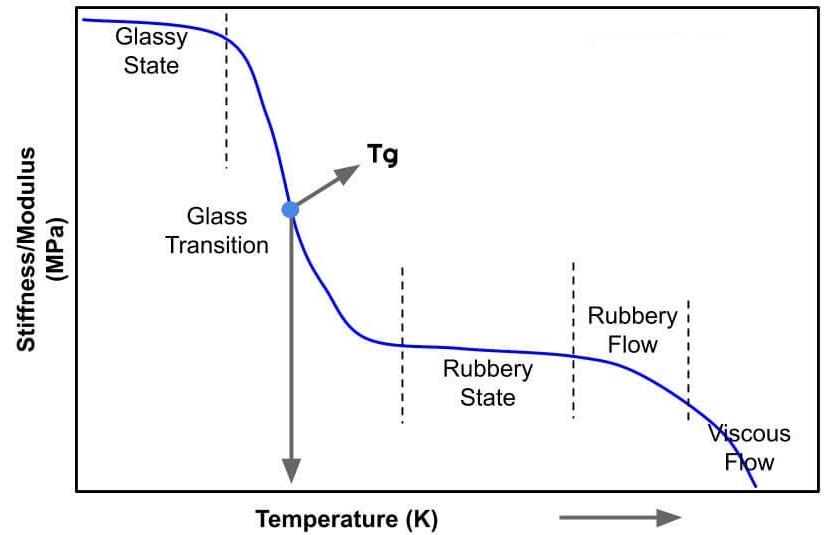
                          • What is FR4 Tg?

                          The glass transition temperature (Tg) of FR4 is a critical property that indicates the temperature at which the material transitions from a hard, glassy state to a soft, rubbery state.

                          EBest Circuit (Best Technology) excels not only in PCB and assembly manufacturing, but also in offering top-quality PCB design services. Our professional engineering team is ready to support your innovation across various industries, including communications, healthcare, industrial, and consumer electronics. We welcome all the questions or inquiries from you.

                          You may also like

                          How to Make a BOM?

                          July 11th, 2024

                          If you are familiar with SMT or PCB assembly process, you may know BOM file. It is an important element in the SMT process. Creating BOM is a crucial step in the manufacturing process, especially for PCBs. A BOM serves as a comprehensive list of all the parts, components, and materials needed to build your product. It ensures that everyone involved in the production process is on the same page, reducing the risk of errors and delays. Today, EBest Circuit (Best Technology) would like to introduce BOM and giving you a guide to create a BOM file step by step.

                          How to Make a BOM?

                          What is a Bill of Materials (BOM)?

                          A Bill of Materials (BOM) is a detailed list of all the parts, components, and materials needed to manufacture a product. In PCB manufacturing, a BOM outlines every item required to assemble a PCB, including quantities, part numbers, and descriptions. It serves as a guide to ensure that the manufacturing process runs smoothly and that no crucial components are missing.

                          Types of Bill of Materials

                          There are several types of BOMs used in different stages of production. Each type serves a specific purpose and provides unique details to streamline processes and ensure accuracy. Here are the primary types of BOMs:

                          • Engineering BOM

                          This type of BOM is creating during the design phase. It lists all the parts and components designed by the engineering team, including specifications and relationships as intended in the final product. And of course, it mainly used by design engineers to communicate the product structure and details to manufacturing teams.

                          • Manufacturing BOM (Formal)

                          It is a formal BOM files that used in the assembly phase. Different with engineering BOM, it includes additional details necessary for manufacturing, such as packaging, handling instructions and assembly details. And some special instructions.

                          • Sales BOM

                          Sales BOM is used by sales teams and includes information relevant to the sales process, such as pricing and availability. It helps in providing accurate quotes, managing customer expectations, and handling sales orders efficiently.

                          What Should Include in an Effective Bill of Materials?

                          An effective BOM should be detailed, accurate, and easy to understand. It should include all the details of components and indicated revisions. As a 18 years expertise in PCBA production, we summarized the key elements that should be included in the BOM.

                          • Component details

                          It should include all the components and their detailed information, such as names, part numbers (PN), and descriptions for each part.

                          • Quantity (QTY)

                          The exact quantity of each component required for the product. Accurate quantities can prevent shortages and overstocking.

                          • Foot print

                          It is the package of each component, helping to ensure the correction of part.

                          • Reference Designators

                          Unique identifiers that match each component to its specific location on the product layout. These are essential for assembly and troubleshooting.

                          • Manufacturer Information

                          Manufacturer information, including the manufacturer name of components and manufacturer part number. It helps to ensure correct parts are sourced. And convenient for alternative part sourcing if it is shortage.

                          • Supplier information (Optional)

                          It means the name of the supplier or distributor. The part number used by the supplier, which may differ from the manufacturer’s part number.

                          • Assembly instructions

                          Any special notes for assembly such as DNF remark, and version control to track revisions should also be included. Additionally, cost information helps in budgeting, and lifecycle status information helps plan for component availability and avoid discontinued parts.

                          How to Make a PCB Bill of Materials (BOM)?

                          Creating a PCB BOM is a systematic process that involves compiling all the necessary information about each component required for the assembly of the PCB. Here’s a detailed guide on how to create a PCB BOM:

                          • Open a Blank Spreadsheet

                          Use software like Microsoft Excel or Google Sheets to start with a blank spreadsheet. They are common to use, offering flexibility and ease of use for creating and managing BOMs.

                          • Define Columns

                          Set up your spreadsheet with appropriate column headers. Common headers include:

                          • Part Number
                          • Component Name
                          • Quantity
                          • Reference Designator
                          • Manufacturer
                          • Manufacturer Part Number
                          • Supplier
                          • Supplier Part Number
                          • Description
                          • Package Type
                          • Cost
                          • Notes
                          • Input Data

                          Enter the required details for each component under the appropriate headers. Please be make sure that all information is accurate and complete. This may involve referencing design files, datasheets, and supplier catalogs. If it is incorrect, then it needs a lot of time to find out and revise the errors, resulting in schedule delay.

                          • Use Formulas

                          Utilize Excel formulas to automate calculations, such as summing total quantities or calculating costs. This helps in reducing manual errors and saves time.

                          • Format for Clarity

                          Use cell formatting options to highlight important information and ensure the spreadsheet is easy to read. For example, you can use bold text for column headers, color coding for different component types, and borders to separate sections.

                          • Include Version Control

                          Add a version control section to your BOM to track revisions and updates. This can be a simple row at the top or bottom of the spreadsheet, indicating the version number, date of revision, and a brief description of changes.

                          How to Make a BOM?
                          (BOM file reference)
                          • Save and Update

                          Save your BOM and update it regularly to reflect any changes in the design or component availability. Regular updates ensure that the BOM remains accurate and up-to-date, preventing issues during production.

                          • Review and Verify

                          Have multiple team members review the BOM for accuracy. Cross-check all component details, quantities, and part numbers against the design files. Verification helps catch errors early and ensures the BOM is reliable.

                          • Communicate with Suppliers:

                          Maintain open communication with suppliers to confirm component details and availability. This ensures that you can source the correct parts and avoid delays in the production process.

                          How Can I Optimize My BOM for PCB Assembly?

                          Sometimes, a simple BOM is not good to process PCB assembly process, and manufacturers may need to spend a lot of time to optimize it, make into convenient for manufacturing. If you are a layman, here are some steps to help you in optimizing your BOM file.

                          First, it’s a good idea to standardize components where possible. Using standard parts that are readily available from multiple suppliers can simplify procurement and reduce costs. This approach minimizes the risk of shortages and ensures you can get parts quickly and affordably. Also, make sure all entries in your BOM are clear and concise to avoid confusion during assembly. Double-checking part numbers and quantities against design files is crucial to prevent errors that could lead to rework or delays.

                          Building strong relationships with your suppliers is another key factor. Good communication with suppliers helps ensure reliable component availability and keeps you informed about any changes in lead times or part availability. Regularly updating your BOM to reflect any design changes or component availability issues is essential. Keeping your BOM current and accurate prevents last-minute surprises during assembly.

                          How to Make a BOM?

                          What Common Mistakes Should I Avoid When Creating a PCB BOM?

                          Avoiding common mistakes in BOM creation can save time and reduce errors. Here are some pitfalls to watch out for:

                          • Incomplete information – ensure all necessary details are included for each component.
                          • Incorrect quantities – double-check quantities to avoid shortages or excess inventory.
                          • Outdated data – keep the BOM updated with the latest design changes and component information.
                          • Ambiguous descriptions – provide clear and precise descriptions to prevent confusion.
                          • Lack of version information – implement version control to track changes and ensure the correct BOM version is used.

                          Creating an effective and accurate PCB BOM is essential for smooth manufacturing and assembly. By following best practices and using the right tools, you can ensure your BOM is comprehensive, clear, and up-to-date, ultimately leading to a successful PCB production process.

                          EBest Circuit (Best Technology) is an expert in SMT and PCB assembly, we have more than 18 years in this industry, that can offer you a best experience of PCBA solution. In our facotry, we have advanced equipment like full auto pick and place machine, online dual AOI, X-ray, 3D SPI, nitride reflow oven and three-proof paint machine. So that we can ensure the fast lead time and high quality of your PCBA products. Reach us to get a instant quote!

                          You may also like