

PCB manufacturing PCB manufacturing
Home > Blog

White PCB

White PCB: When to Choose White Solder Mask
Wednesday, November 18th, 2026

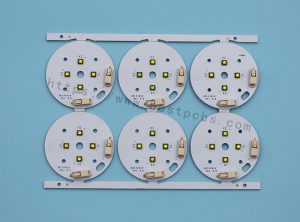
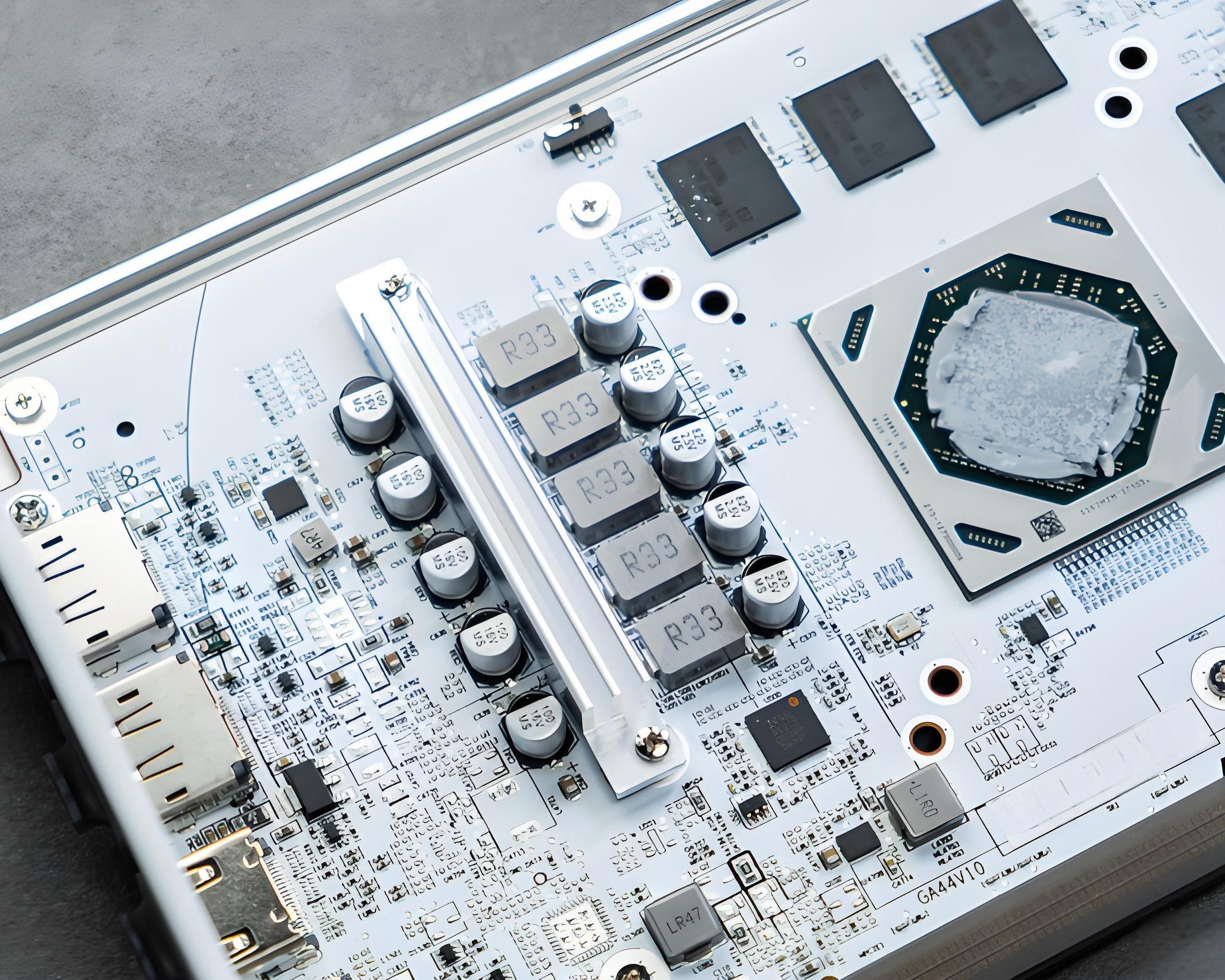
A white PCB gets its color from the solder mask. Both FR-4 and aluminum-based boards can have a white surface. White solder mask is useful when the board reflects light inside an LED fixture or remains visible in the finished product.

In LED lighting, the exposed white surface can return light toward a diffuser or reflector. In visible electronics, it can complement a white enclosure and make dark markings easier to read. For a board hidden inside an opaque housing, white may offer little practical benefit unless the surface has an optical function.

At EBest Circuit (Best Technology), we provide PCB fabrication and assembly for projects ranging from LED modules to electronic control boards. Customers can order bare boards or complete assemblies, with the material and manufacturing process selected around the product’s electrical, thermal, and appearance requirements.
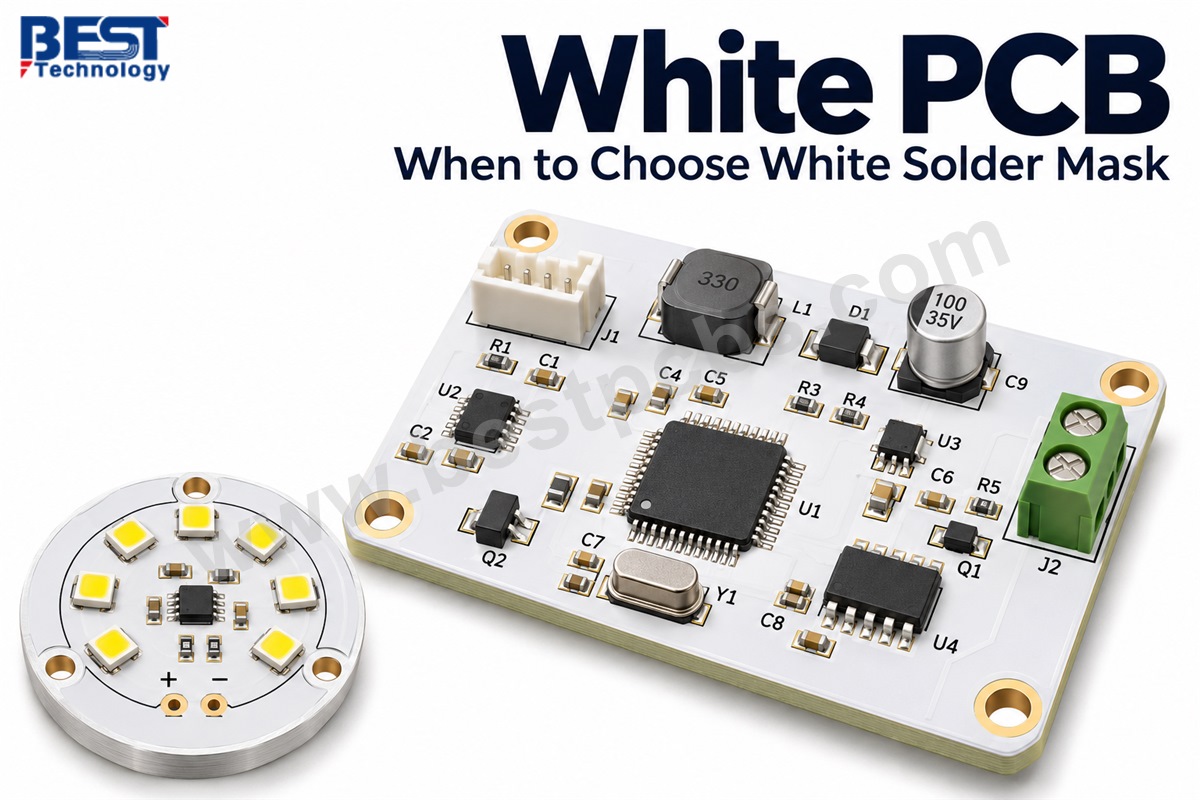
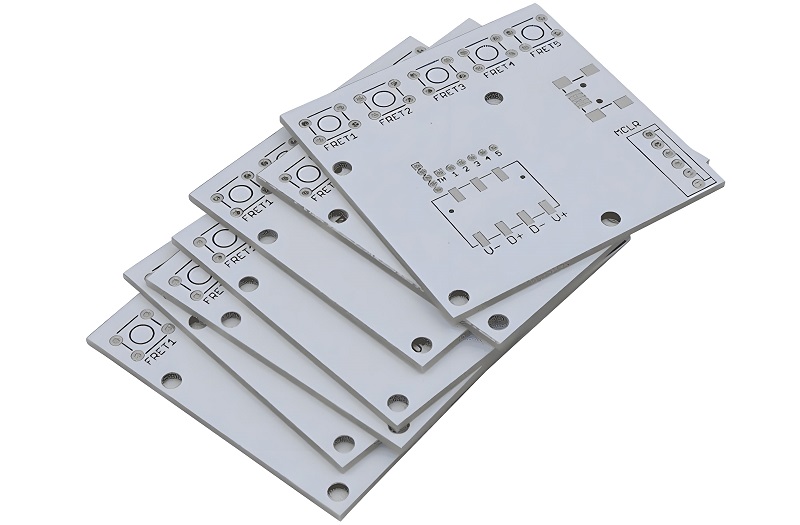
White solder-mask control PCB and aluminum LED module

Key Takeaways

  • White describes the solder mask, not the substrate. FR-4 and aluminum PCBs can both use white solder mask.
  • Light reflection supports LED applications. Selected high-reflectance white solder masks achieve approximately 90–95% reflectance near 450 nm, helping return incident light into the optical system.
  • Board construction controls the main heat-transfer path. The dielectric, copper layout, and heat sink matter more than solder mask color.
  • Assembly heat can change the appearance. Color-sensitive products need evaluation after the complete soldering process.
  • Black silkscreen usually provides clear contrast. Label placement also determines whether markings remain readable after assembly.
  • White surfaces reveal some residues and rework marks. Inspection requirements should reflect the board’s visibility in the finished product.
  • White boards can carry a manufacturing premium of 20–30%. The actual difference depends on the mask grade, quantity, and inspection requirements.

What Is a White PCB?

A white PCB is a printed circuit board with white solder mask over selected areas of its outer copper circuitry. The mask helps protect covered conductors and keeps solder away from areas that should remain unsoldered. Openings expose pads, test points, and other electrical contacts.

The board underneath can use FR-4, an aluminum base, or another compatible construction. Copper carries the electrical signals, while the substrate provides mechanical support and insulation. Silkscreen identifies components and connections, and the surface finish protects exposed copper pads. These features remain separate from the solder mask color.

Common applications include:

  • LED light engines. Exposed white mask between the LEDs can reflect light toward the diffuser.
  • Display backlights. White mask can return light into the backlight cavity when the PCB forms part of its reflective surface.
  • Visible circuit boards. Motherboards and control boards behind clear covers may use white to match the enclosure or highlight the components.
  • Decorative lighting products. White boards can blend into light-colored housings where the circuit board remains partly exposed.

White PCB therefore describes a surface choice rather than a single board technology. A multilayer control board and a single-layer aluminum LED board can share the same color while serving very different purposes.

Key Characteristics and Benefits of a White PCB

White PCBs offer three main benefits: light reflection, a clean appearance in exposed electronics, and clear contrast with dark markings. Their value depends on how the board functions inside the product.

  • Light reflection. White solder mask can redirect light that reaches the board between LEDs. This is useful in shallow lighting fixtures and backlights where the PCB forms part of the optical cavity.
  • Appearance. A white surface can complement white plastic housings, transparent covers, and minimalist product designs. The board becomes part of the visible assembly rather than a background manufacturing detail.
  • Readable markings. Black component references, connector labels, and polarity symbols stand out against white solder mask. This helps during assembly, troubleshooting, and servicing.
  • Visual separation of components. Dark packages and connectors are easy to distinguish against a light background, which can help technicians locate parts during manual checks.

The electrical function of the board still comes from its circuit design and construction. White solder mask does not increase current capacity or improve signal integrity by itself. Its strongest advantages are optical and visual, so those should guide the color decision.

How Does White Solder Mask Affect LED Light?

White solder mask improves light utilization by reflecting light that reaches the exposed PCB between the LEDs. Selected high-reflectance white solder masks can achieve approximately 90–95% reflectance near 450 nm, making them useful in LED light engines, display backlights, and other assemblies where the board forms part of the reflective surface.
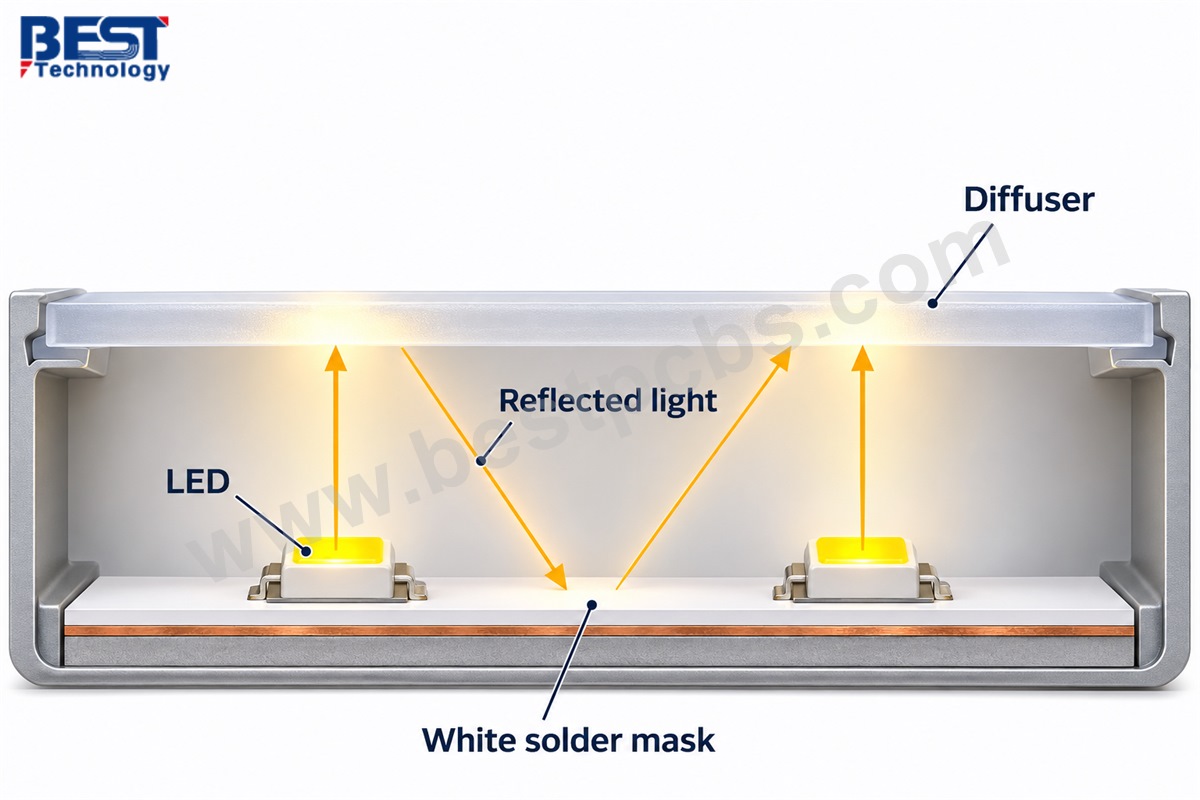
Light reflecting from white solder mask toward an LED diffuser

In a shallow LED fixture, some light travels directly toward the diffuser, while some strikes the PCB first. White solder mask returns part of that light into the optical cavity, where it can contribute to the fixture’s output. When a separate reflector covers most of the board, less light reaches the mask, so changing its color may provide little improvement.

The reflectance percentage describes the coating’s response to incident light; it does not represent the percentage increase in lamp brightness. The finished result also depends on exposed board area, LED placement, coating thickness, and the diffuser or reflector geometry.

Should a White LED PCB Use FR-4 or an Aluminum Base?

FR-4 suits LED circuits that need flexible routing or integrated control electronics. An aluminum base is often a better candidate when the board must conduct heat from the LEDs into a housing or heat sink.
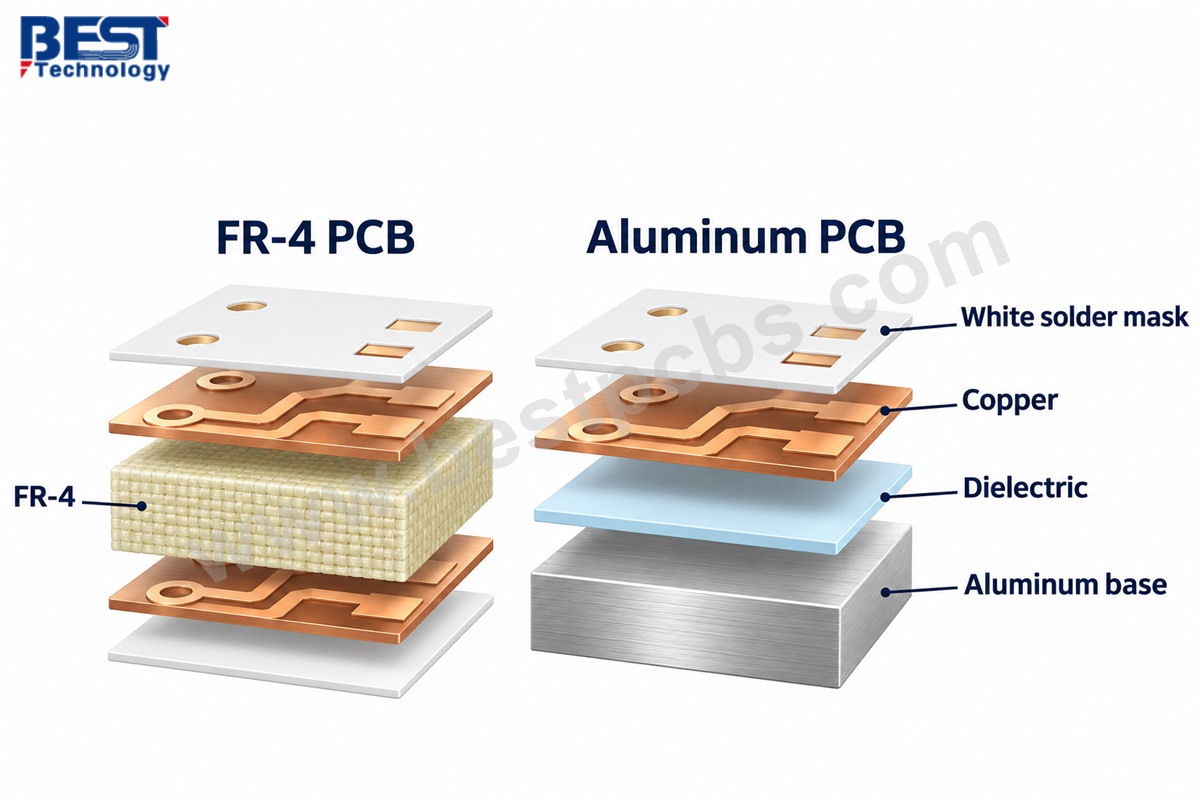
Exploded FR-4 and aluminum PCB layer structures

The decision comes from the electrical layout and heat-transfer requirements. Both constructions can use white solder mask.

Selection factor White FR-4 PCB White aluminum PCB
Basic construction Glass-reinforced epoxy laminate with copper circuitry Copper circuitry, insulating dielectric, and aluminum base
Routing flexibility Well suited to multilayer and complex circuits Commonly used for simpler LED layouts; specialized constructions are available
Main thermal approach Copper spreading, thermal vias, and suitable mounting Heat transfer through the dielectric into the metal base
Typical fit LED controllers, indicator boards, mixed electronic circuits Light engines and LED modules mounted to a thermal housing
Main design concern Providing sufficient heat removal within the available layout Matching dielectric performance and mounting contact to the heat load

Our FR-4 PCB manufacturing covers single-sided through multilayer constructions. For lighting designs that need a metal-backed thermal path, our metal core PCB options include aluminum-based constructions.

In an aluminum PCB, heat travels from the copper circuit through an electrically insulating dielectric before reaching the metal base. The dielectric’s thickness and thermal conductivity therefore affect how easily heat leaves the LED area. Its simplified through-thickness thermal resistance is:

Rth=tkA

Here, Rth is thermal resistance in K/W, t is dielectric thickness in meters, k is thermal conductivity in W/(m·K), and A is the effective heat-transfer area in square meters.

For example, a 75 µm dielectric with a thermal conductivity of 2 W/(m·K) and an effective heat-transfer area of 100 mm² has a calculated resistance of:

Rth=75×10−62×100×10−6=0.375 K/W

Increasing the dielectric thickness to 150 µm doubles this value to 0.75 K/W when conductivity and area remain unchanged. This explains why a thicker insulating layer can restrict heat transfer even when both boards use the same aluminum base.

The calculation represents the dielectric alone. LED package resistance, heat spreading, solder connections, and contact with the heat sink also affect the operating temperature. For material selection, the dielectric must provide the required electrical insulation while keeping thermal resistance within the design’s limits.

Why Can White Solder Mask Yellow After Reflow?

White solder mask can yellow because heat changes the coating’s resin system or other ingredients. The amount of discoloration depends on the formulation, curing process, temperature, and duration of exposure.
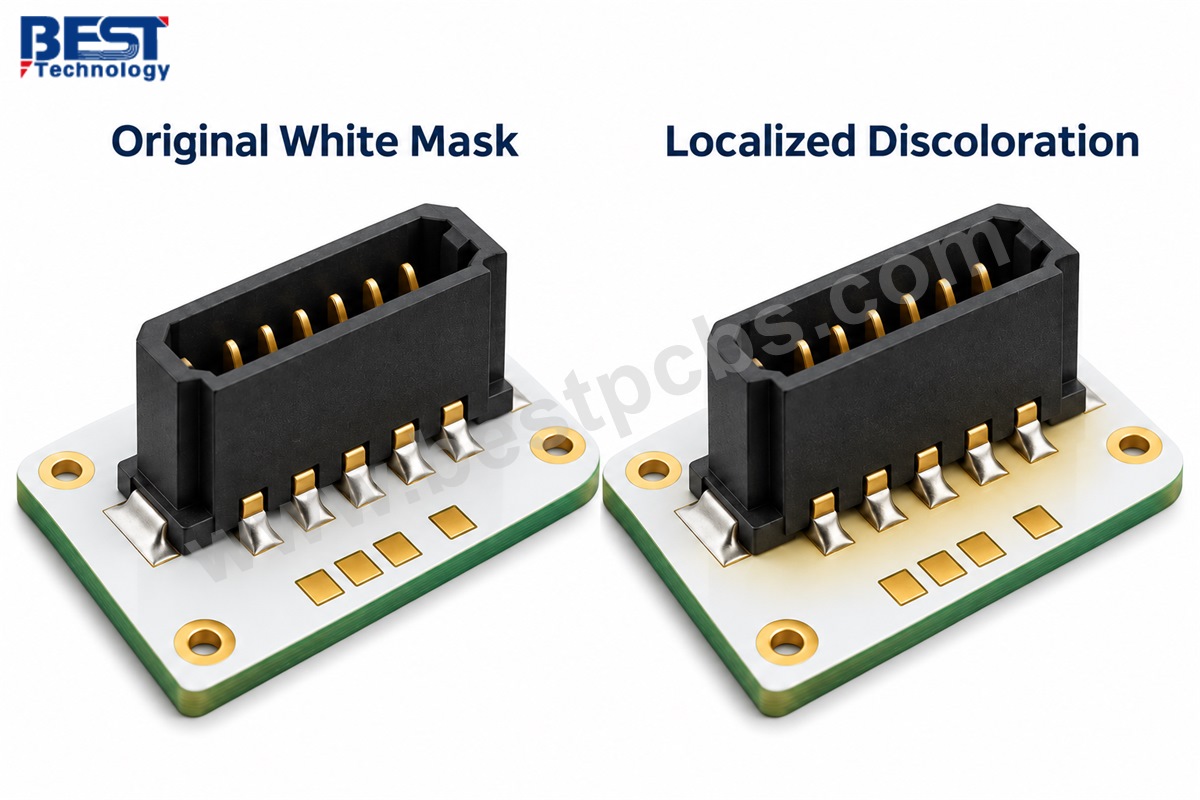
White solder mask and localized discoloration around a connector

Repeated heating can make the change more noticeable. A double-sided SMT board may pass through reflow twice, while a connector repaired by hand receives additional local heat. The location of the discoloration helps identify what happened:

  • A warmer shade across the board suggests reviewing the material, curing conditions, and overall thermal exposure.
  • Yellowing around a repaired component suggests checking the local rework temperature and heating time.
  • Patchy deposits around joints may be flux residue or contamination rather than a permanent change in the solder mask.

These differences matter because the corrective actions are different. Cleaning may remove residue, but it cannot reverse a heat-induced change inside the coating.

Long-term operating heat also matters. An LED module that runs warm for extended periods needs a mask suited to that exposure. Where appearance is tightly controlled, an agreed color-difference measurement such as ΔE₀₀ can supplement visual comparison with a reference sample.

Should You Use Black Silkscreen on a White PCB?

Yes. Black silkscreen is usually a clear, practical choice because its contrast makes component references, polarity marks, and connector labels easier to read.
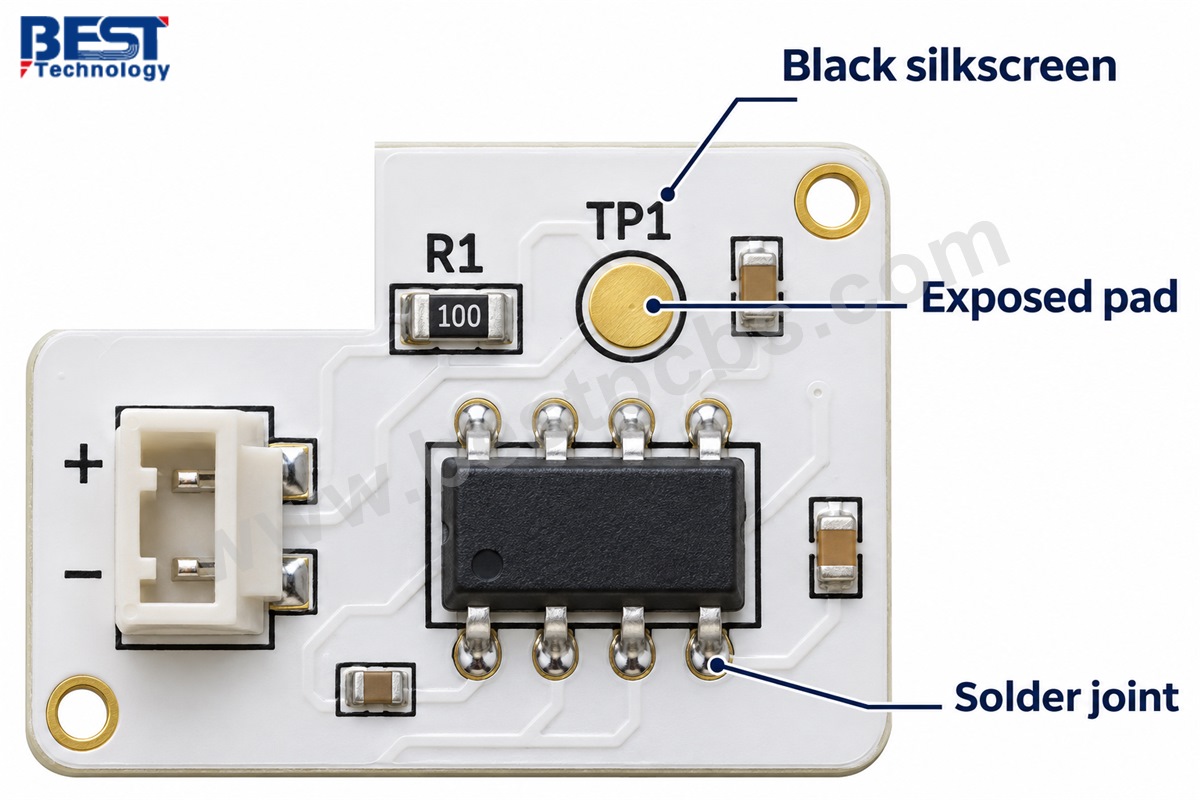
Black silkscreen, exposed pad, and solder joint on white PCB

White legend on white mask provides little contrast. Other dark colors may work, but black is a straightforward option when readability is the priority. Our silkscreen and solder mask color guide shows compatible combinations.

Placement matters as much as color. A clear label on the bare board becomes useless if a connector or tall component covers it after assembly. Useful marking practices include:

  • Connector labels beside the installed connector, where technicians can read them with cables attached.
  • Polarity marks near the relevant pad or component, without covering solderable areas.
  • Test-point identification outside crowded component outlines, where probes and operators have access.
  • Revision and part numbers in a visible location, so the finished assembly can be identified.

On reflective LED boards, large printed areas can also reduce the exposed white surface. Essential identification can often sit near the edge or outside the main optical area, keeping the markings readable without occupying useful reflective space.

How Does White Solder Mask Affect Assembly Inspection?

White solder mask can reduce contrast around shiny solder joints under some inspection lighting. The assembly team may need to adjust illumination or inspection settings so joint boundaries remain clear.

Dark components are often easy to see against white, but reflective metal can appear similarly bright to the background. Good component contrast therefore does not guarantee good solder-joint contrast. Changing an existing board from green to white may leave the copper layout unchanged while altering the camera image.

The main checks are:

  • Visible joint boundaries, especially where reflections obscure the transition between solder, pad, and mask.
  • Component orientation and polarity, using markings that remain distinguishable under production lighting.
  • Surface residue and rework marks, evaluated separately from solder-joint acceptance.
  • Mask coverage around pads, where missing or damaged mask may affect the intended separation.

A clean-looking surface alone does not establish electrical reliability. Visual appearance, solder quality, and circuit function each require an appropriate check. Likewise, top-side optical inspection cannot establish the condition of every hidden solder connection beneath a component.

What Are the Drawbacks of a White PCB?

The main drawbacks are discoloration, visible surface marks, potentially more demanding optical inspection, and added cost for special materials or appearance requirements.

  • Discoloration. Some white solder masks turn yellow after repeated heating or extended operation at elevated temperatures. This is particularly noticeable in exposed electronics and lighting modules.
  • Visible residue. Flux stains, handling marks, and local rework discoloration can stand out on a light background, even when the board remains electrically functional.
  • Inspection challenges. Bright solder joints can blend into the surrounding mask under certain lighting conditions.
  • Shade variation. Different white formulations can have different tones and gloss levels. Adjacent boards in the same product may make small differences more noticeable.
  • Fine-pitch manufacturing limits. The selected mask and imaging process determine which narrow webs and clearances can be produced consistently.
  • Cost. White boards can cost 20–30% more to manufacture than standard green boards of the same construction. The difference depends on the white solder mask grade, order quantity, and any additional color or optical inspection requirements.

These drawbacks help define when white’s benefits justify additional control. A visible lighting module may need that attention, while a concealed control board may gain little from it.

White PCB vs. Black PCB: Which Should You Choose?

White generally suits products that benefit from visible-light reflection or a light-colored appearance. Black suits dark visual designs and applications where reduced visible-light reflection is desirable.
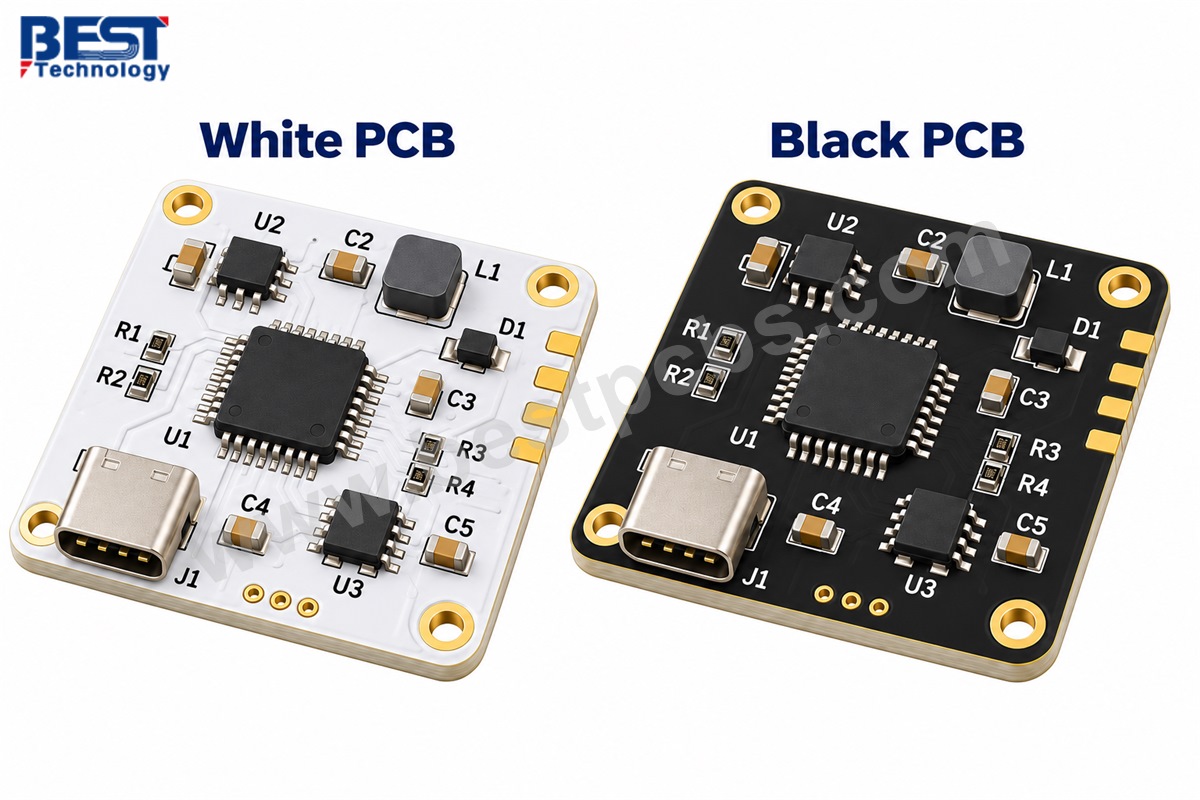
Matching white and black PCB assemblies with contrasting silkscreen

The useful question in a white PCB vs. black PCB comparison is what the exposed board surface needs to do.

Decision factor White PCB Black PCB
Product appearance Matches light-colored enclosures and exposed white assemblies Matches dark enclosures and dark visual themes
Visible-light behavior Can provide useful reflection with a suitable mask Usually reflects less visible light
Readable legend Black or another contrasting dark color White or another contrasting light color
Surface appearance concerns Yellowing, stains, and local heat marks Dust, fingerprints, and some residues
Optical use Reflective areas around LEDs and inside backlights Selected designs requiring reduced stray visible light
Electrical performance Determined by circuit design and construction Determined by circuit design and construction
Thermal selection Requires evaluation of the actual thermal path Requires evaluation of the actual thermal path

For LED lighting, white is a strong candidate when the PCB helps return light toward the output. For a visible control board, enclosure styling may be the deciding factor.

What Affects the Price of a White PCB?

White PCBs can cost 20–30% more than comparable green PCBs, although the actual premium varies with the solder mask material, production quantity, and inspection requirements. Board construction still determines much of the total price: an aluminum LED board, a two-layer FR-4 board, and a multilayer control board involve different materials and manufacturing processes.

Our overview of PCB board pricing explains how construction and order requirements influence the quotation. For white boards, the main cost drivers include:

  • Board construction. Substrate, layer count, copper thickness, and hole structures influence material consumption and fabrication work.
  • Solder mask grade. Standard white serves a different requirement from a high-reflectance formulation selected for LED performance.
  • Order quantity and panel utilization. Small batches spread setup costs across fewer boards, while long strips or irregular outlines may leave more unused panel area.
  • Appearance and optical requirements. Shade matching, reflectance measurements, and additional cosmetic inspection increase the work needed to qualify and accept the boards.
  • Assembly scope. Component sourcing, placement, soldering, and testing contribute to the price of a populated board and should remain consistent when comparing quotations.

The most practical way to control cost is to match the specification to the product. Standard white may be sufficient for appearance, while a reflective grade is justified when the PCB contributes to light output. If only one side remains visible, the shade requirement can apply to that face.

Why Choose EBest Circuit as Your White PCB Manufacturer?

EBest Circuit combines PCB fabrication, component sourcing, and assembly, allowing customers to develop the bare board and populated product within one manufacturing project.

Our capabilities support the different requirements of white LED boards and white control electronics:

  • FR-4 manufacturing. Our published capability range covers 1–32 layers, supporting both simple circuits and more complex routing requirements. White-mask suitability is reviewed against the selected construction.
  • Metal core PCB production. We manufacture aluminum-based boards for lighting applications, with prototype and production support.
  • Integrated assembly. Our services cover SMT and mixed SMT/through-hole assemblies, with consigned components, partial turnkey, or full turnkey supply.
  • Small and fine-pitch components. Documented assembly capabilities include 01005 components and 0.25 mm-pitch BGA packages, subject to the actual layout and package requirements.
  • Inspection and testing. Available methods include 3D SPI, AOI, X-ray inspection, and functional testing to an agreed plan.

Our surface mount PCB assembly service brings component preparation, placement, soldering, and inspection into the same production scope.

For a white LED module, this coordination connects the board material with the assembly process and finished appearance. For a control board, it connects routing and component requirements with manufacturability. The project can then progress from a representative prototype to production using the approved construction and build requirements.

What Files and Specifications Do You Need for a White PCB Quote?

A white PCB quotation needs the fabrication files, board construction, quantity, and solder mask requirements. Assembly orders also need component and placement information.

The most useful starting package includes:

  • Gerber and drill files, together with the board outline.
  • Construction details, including substrate, layer count, finished thickness, and copper weight.
  • Solder mask and silkscreen colors, identifying the requirement for each side.
  • Surface finish, such as ENIG or lead-free HASL.
  • Order quantities, covering the immediate prototype batch and expected production volume.
  • Assembly files, including the BOM, pick-and-place data, and assembly drawing.
  • Functional or appearance requirements, including test instructions and any optical or color targets.

The white finish should be described by its purpose. “White for appearance” is different from “white with a defined reflectance at the operating wavelength.”

For a lighting module, useful additional information includes the LED part number, drive current, mounting arrangement, and intended housing or heat sink. These details help connect the PCB construction to the assembled product.

If only part of the board remains visible, a marked drawing can identify that area. A physical color reference is also more useful than a screen image when a close shade match is required, because display settings and lighting can change how the same white surface appears.

Frequently Asked Questions About White PCBs

Can I change a green PCB to white without changing the circuit?

Often, yes. The copper layout and drill data may remain unchanged. The manufacturer still needs to check mask clearances, narrow webs, and compatibility with the selected white material. Silkscreen color and inspection settings may also need adjustment.

Does white solder mask improve PCB heat dissipation?

White solder mask should not be selected as a thermal solution. The substrate, dielectric, copper layout, and mounting interface determine the main conductive heat path. Visible color also does not establish a coating’s infrared emissivity.

Can white PCBs use ENIG or lead-free HASL?

Yes, when the selected mask and manufacturing process support that finish. ENIG provides a relatively flat pad surface, while HASL can introduce more surface variation. Package and assembly requirements should guide the finish choice.

Can one side be white and the other side another color?

Yes, when the fabricator supports the combination. The fabrication notes should identify the color on each side. Separate colors may involve additional processing, so the requirement belongs in the initial quotation request.

Is a white PCB always an aluminum PCB?

No. White describes the external solder mask. Single-sided, double-sided, and multilayer FR-4 boards can also have white surfaces. Aluminum identifies the underlying construction and serves a different purpose.

Does a white PCB need cleaning after assembly?

Cleaning depends on the flux process and product requirements. Visible boards may need residue removal for appearance, while sensitive circuits or subsequent coatings may impose separate cleanliness requirements. “No-clean” flux does not automatically satisfy every finished-product specification.

White PCB is a practical choice when the exposed surface contributes to LED reflection or product appearance. The material underneath still needs to meet the circuit’s routing, thermal, and mechanical requirements, while the solder mask must remain suitable through assembly and use.

EBest Circuit provides PCB fabrication and assembly for white FR-4 boards and aluminum LED modules. Send your Gerber files, BOM, quantities, and optical or appearance requirements to sales@bestpcbs.com for a project-specific review and quotation.


You may also like

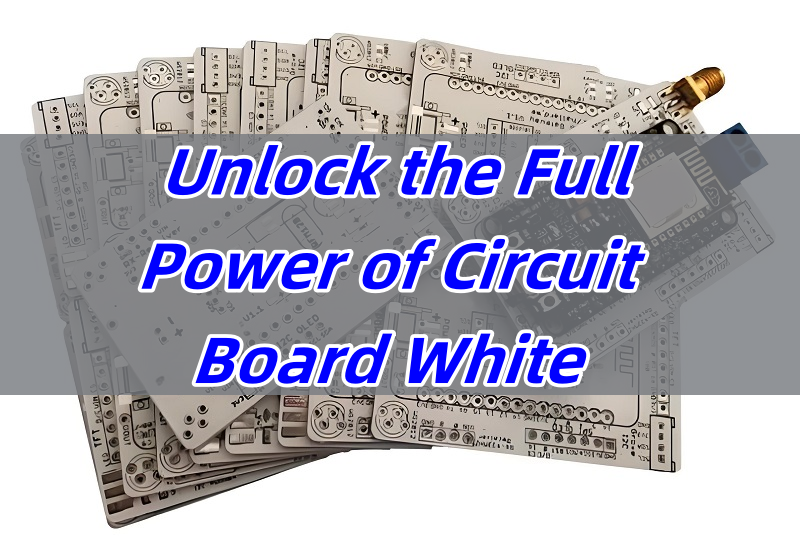
Unlock the Full Power of Circuit Board White
Tuesday, February 11th, 2025

Circuit board white is more than just an aesthetic trend. It’s quickly becoming a common choice in PCB (Printed Circuit Board) design, thanks to its sleek look and unique benefits. When compared to traditional PCBs, white circuit boards offer enhanced performance and a polished finish that suits many modern applications. In this article, we’ll explore what makes circuit board white stand out, the advantages it offers, and why it’s gaining popularity in various industries.

What Is Circuit Board White?

Circuit board white refers to PCBs that are produced with a white surface finish, rather than the typical green, black, or other colored finishes seen in standard PCBs. This white finish is achieved using specific materials and coatings that provide an eye-catching, clean look while still maintaining the reliability and performance that is expected from PCBs.

The choice of white as a color for PCBs may initially seem purely aesthetic, but it serves several functional purposes as well. It enhances the visual appeal of the circuit board, making it suitable for applications where appearance matters. But more importantly, the white surface helps in better heat dissipation, which is a critical factor in PCB design for high-performance electronics.

White PCB vs. Standard PCBs: What’s the Difference?

When comparing white PCBs to standard ones, the most obvious difference is the color, but there’s more to it than that. White PCBs are often constructed using materials that offer better heat management, which can improve the overall performance and lifespan of the device. Additionally, the reflective surface of a white PCB can provide better visibility for inspections, making the production process smoother.

On the other hand, traditional PCBs typically use green or black colors, which are cost-effective and effective in their own right. However, white PCBs may be preferred for high-end consumer electronics or products that require a more polished, professional appearance. They also often have a slight advantage in terms of thermal performance, as the white surface helps reflect heat away from the components.

In short, while traditional PCBs are still the go-to for most industries, white PCBs are emerging as the better option for those who need both form and function in their designs.

How White Printed Circuit Boards Improve Heat Dissipation?

Heat dissipation is one of the most critical factors in PCB design. Overheating can lead to performance issues and even failure of electronic devices. White printed circuit boards are known for their ability to dissipate heat more effectively than their darker counterparts. This is due to the reflective nature of the white surface.

The reflective properties help scatter heat away from the PCB, reducing the temperature buildup around sensitive components. This is especially useful in high-power applications like automotive systems, medical devices, and even some consumer electronics, where overheating could cause significant damage or degradation in performance.

By improving heat dissipation, white PCBs not only extend the life of the device but also enhance its reliability, making it a smart choice for demanding applications.

What Is the Manufacturing Process Behind White Printed Circuit Boards?

The manufacturing process for white printed circuit boards is similar to traditional PCBs, with a few key differences. First, manufacturers use specialized white coating materials that give the circuit board its bright appearance. These coatings are applied during the lamination process, where layers of copper, resin, and other materials are bonded together.

The process also involves precision etching to create the circuit pathways, just like in traditional PCBs. However, the final touch is the white coating, which is often baked onto the PCB to ensure it adheres properly and maintains its durability over time.

Due to the nature of the white finish, manufacturers have to pay extra attention to quality control during production. This ensures that the white surface remains smooth and uniform, contributing to both the aesthetic appeal and functionality of the PCB.

Are White PCBs More Durable Than Traditional Circuit Boards?

In general, the durability of a PCB depends on the materials used and the manufacturing process rather than the color. However, white PCBs tend to be slightly more durable when it comes to their surface integrity. The white coating used on these boards is typically designed to withstand harsh environments, making them resistant to scratches and other physical damage.

In addition to their surface resilience, the heat dissipation properties of white PCBs also contribute to their overall durability. By keeping the temperature within optimal levels, white PCBs help prevent the components from overheating, which could otherwise lead to premature wear and tear.

Overall, while the color itself doesn’t directly impact the PCB’s durability, the advanced materials and coatings used in white PCBs often offer a slight edge in terms of longevity and resistance to damage.

Which Top Industries Use White Circuit Boards in Their Products?

White circuit boards are increasingly finding their way into various industries due to their functional and aesthetic benefits. Some of the top sectors utilizing white PCBs include:

Consumer Electronics: White PCBs are commonly used in smartphones, wearables, and high-end home appliances due to their clean, modern look.

Medical Devices: In medical technology, where both aesthetics and performance matter, white PCBs help maintain device integrity while offering easy inspection.

Automotive Industry: White PCBs help manage heat dissipation in electric vehicles, which require reliable and efficient electronics.

Aerospace: The aerospace industry benefits from the lightweight and heat-reflective qualities of white PCBs, ensuring high performance under extreme conditions.

As demand for high-performance, visually appealing products grows, the use of white PCBs will continue to spread across these and other industries.

How to Customize White PCBs for Your Unique Needs?

One of the major advantages of white PCBs is the ability to customize them for specific requirements. Customization options include varying the thickness of the PCB, choosing materials that suit specific electronic needs, and even adjusting the white coating for different levels of reflectivity.

Customization also extends to the design of the circuit itself, where manufacturers can tailor the layout and connection paths to fit the unique needs of the application. Whether you’re working on a consumer product, medical device, or industrial equipment, customizing a white PCB can give your project a distinct edge.

By collaborating with a trusted supplier, you can ensure that your white PCBs meet both functional and aesthetic goals while staying within budget. EBest Circuit (Best Technology) is your trusted partner for high-quality, custom white PCBs, fast turnaround times, and excellent customer support. Get in touch with us at sales@bestpcbs.com for any questions or additional information.

Why Is Circuit Board White Gaining Popularity?

Circuit board white is gaining traction for several reasons. The most important factor is its balance of functionality and visual appeal. Consumers and designers alike are drawn to the sleek, modern appearance of white PCBs, which fit well with contemporary product designs.

Additionally, the thermal performance of white PCBs offers a significant advantage in a world where electronics are becoming more compact and powerful. As devices shrink in size but increase in power, efficient heat management becomes more critical.

Finally, the versatility of white PCBs means they can be used in a wide range of applications, from everyday gadgets to high-end technology. As industries continue to innovate, white circuit boards are expected to play a crucial role in advancing the capabilities and durability of modern electronics.

In conclusion, circuit board white is not just a passing trend but a technological innovation that offers both visual and functional benefits. From better heat dissipation to enhanced durability, white PCBs are well-suited for industries that demand both performance and aesthetics. With a focus on quality and speed, EBest Circuit (Best Technology) delivers customized PCBs alongside outstanding customer service. For inquiries or more info, just feel free to email us at sales@bestpcbs.com.

You may also like

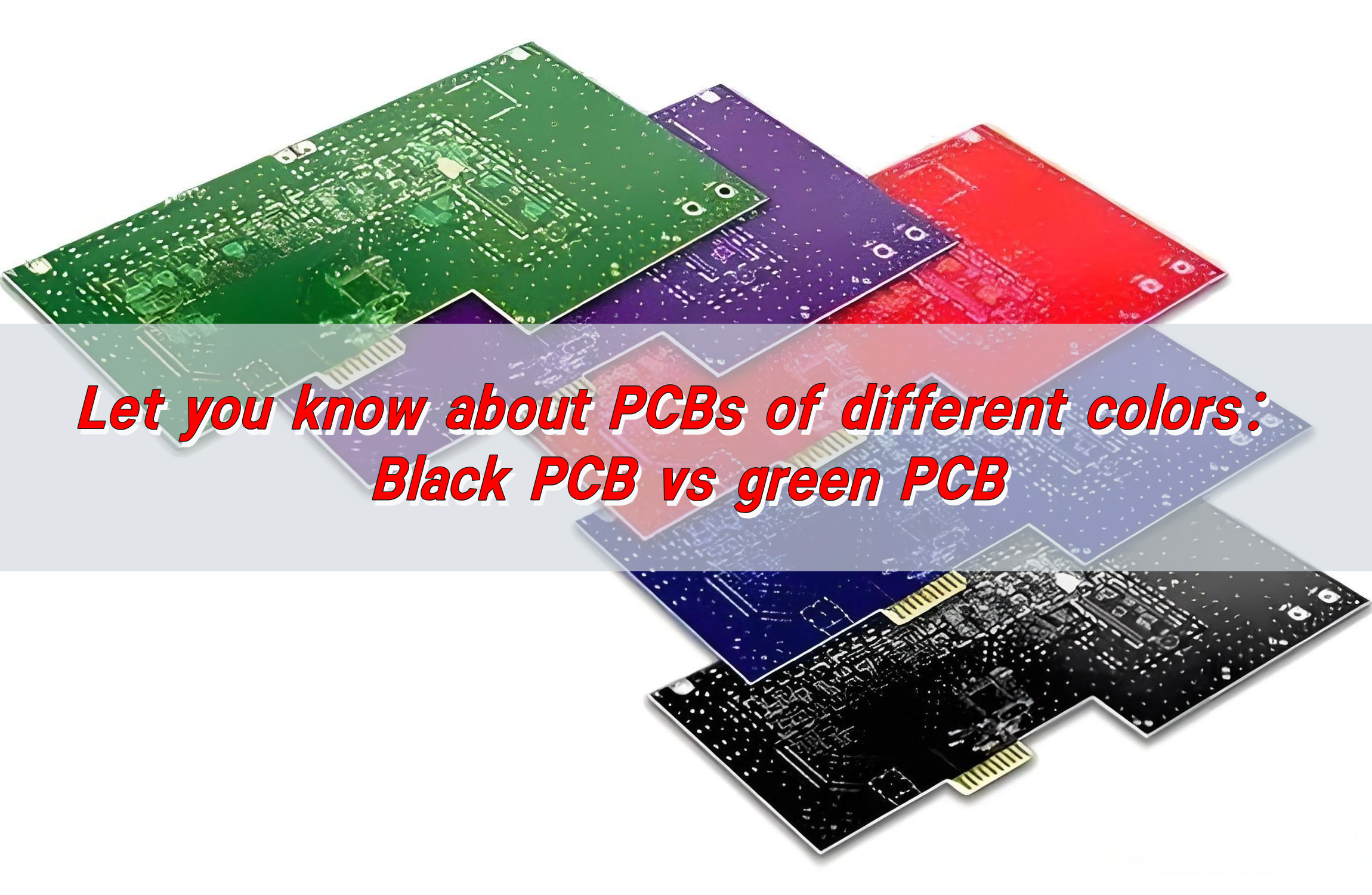
Let you know about PCBs of different colors: Black PCB vs green PCB
Monday, January 6th, 2025

The color of PCB not only affects its appearance, but is also closely related to material properties and application scenarios. Black PCB uses a special black solder mask layer, which gives it a unique appearance and is also suitable for high-power and high-performance electronic devices. Green PCB is widely used in consumer electronics and industrial control equipment due to its high contrast and good recognition, which is convenient for identification during production and inspection.

Let you know about PCBs of different colors: Black PCB vs green PCB

What is Black FR4 PCB?

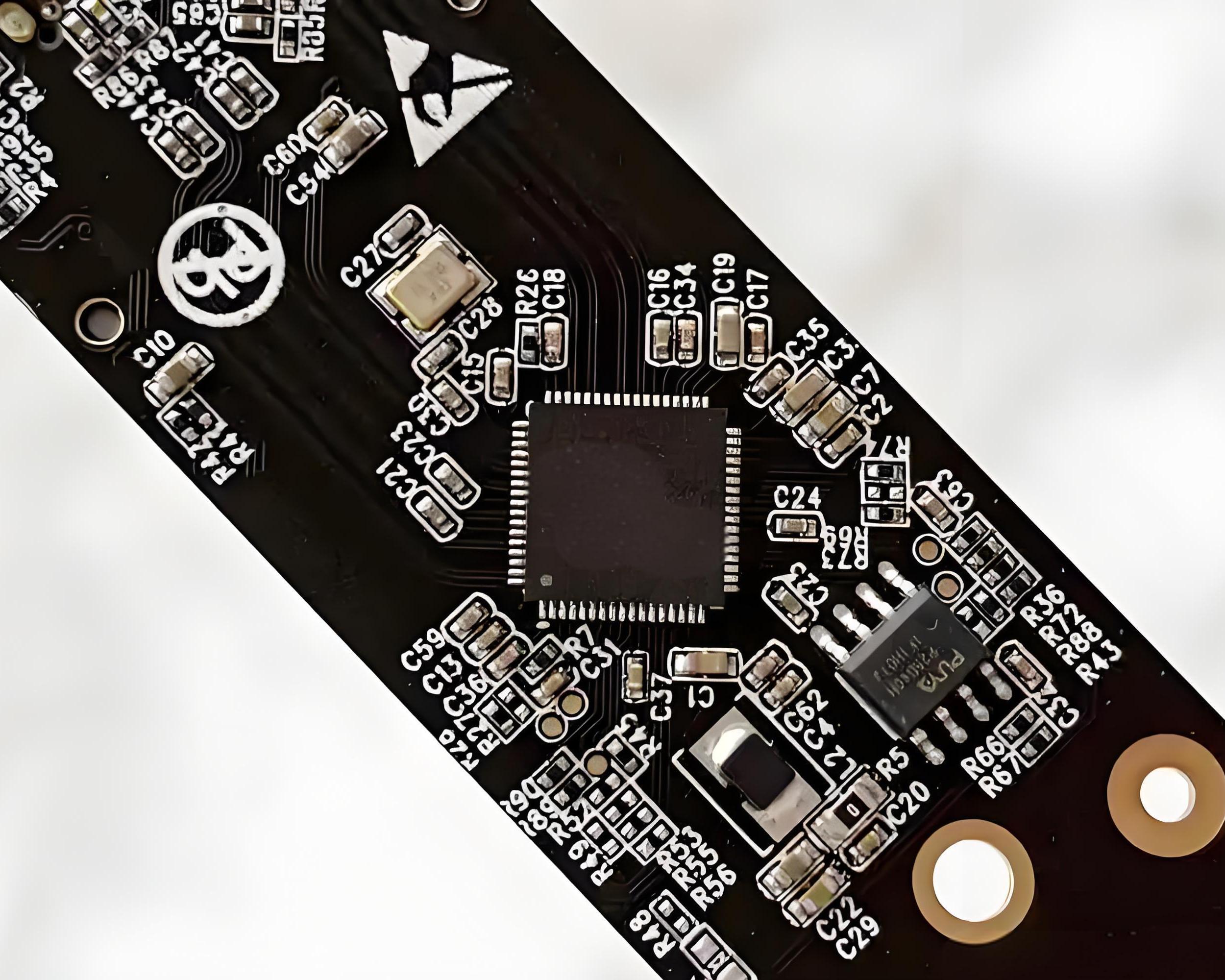
The black FR4 PCB is a printed circuit board with FR4 material as the substrate and black solder mask ink coated on the surface. The following is a detailed introduction about it:

1. FR4 material properties:

  • Composition and structure: FR4 is a plate-shaped laminated product made of special electronic cloth impregnated with epoxy phenolic resin and other materials, and hot-pressed at high temperature and high pressure. It uses glass fiber cloth as a reinforcing material and epoxy resin as an adhesive to form a composite material.
  • Performance characteristics: It has high mechanical properties and can withstand certain external impact and pressure, ensuring that the circuit board is not easily damaged during use and assembly; it has good dielectric properties and is an excellent electrical insulator, which can effectively isolate different parts of the circuit, prevent short circuits and leakage, and ensure the stability of signal transmission.

2. The role of black solder mask:

  • Insulation protection: Like other colors of solder mask, black solder mask can cover the non-conductive area of ​​the circuit board to prevent short circuits between different lines, protect the circuit from external factors, improve the electrical insulation performance of the circuit board, and extend its service life.
  • Appearance and logo: Black gives the circuit board a high-end, mysterious and professional visual experience, making the product more attractive in appearance. It is often used in some electronic products that have special requirements for appearance or pursue a unique brand image.
  • Soldering and anti-corrosion: During the welding process, the solder mask can open windows at the designated welding position so that the solder flows only where it is needed, improve the welding quality, and reduce the occurrence of welding defects such as cold soldering and short circuits. At the same time, it can also protect the copper foil circuit from moisture, oxygen and other corrosive substances in the environment, prevent copper foil oxidation and corrosion, thereby ensuring the conductivity and reliability of the circuit board.
Let you know about PCBs of different colors: Black PCB vs green PCB

3. Application areas:

  • High-end consumer electronic products: such as high-end smartphones, tablets, laptops, etc., black FR4 PCB can enhance the overall texture and grade of the product, matching the stylish appearance design of the product.
  • Automation equipment: With its good mechanical and electrical properties, black FR4 PCB can adapt to factors such as vibration, shock, and temperature changes in industrial environments, and is widely used in industrial controllers, automated production line equipment, robots and other equipment.
  • Communication equipment: Black FR4 PCB can meet the requirements of communication equipment for electrical performance and heat dissipation performance, and its appearance can also be consistent with the professional image of communication equipment.
  • Medical equipment: Black FR4 PCB has good insulation and mechanical properties, which can ensure the stable operation of medical equipment during long-term use. It is often used in medical monitoring equipment, diagnostic equipment, treatment equipment and other fields.

What is Green PCB?

Green PCB refers to a printed circuit board with a layer of green solder mask ink coated on its surface. The main function of this layer of green ink is to prevent the physical disconnection of the conductor circuit, prevent short circuits caused by bridging during welding, and ensure that welding is only performed on the parts that must be welded to avoid solder waste.

Advantages of green PCB

  • Visual effect and recognition: Green has better visual effect than other colors in the yellow light room, making the logo and tracking lines on the circuit board more clearly visible. In addition, in the surface mount technology (SMT) welding process, the green background helps optical positioning calibration and improves production efficiency and quality.
  • Environmental protection and cost: Green ink is relatively environmentally friendly, and due to the large amount of green ink in the market, the cost is relatively low. For a long time, the widespread use of green ink in PCB manufacturing has also made its procurement cost low.
  • Convenience of observation and maintenance for workers: Under strong light, green is less irritating to the eyes, allowing workers to maintain clear vision for longer and reduce eye fatigue. In addition, the green background makes the wiring clearer and reduces the difficulty of maintenance.

Black PCB vs green PCB: Which one is better?

Black PCB board and green PCB each have their own advantages and disadvantages, and choosing which one is better depends on the specific application requirements.

Advantages and Disadvantages of Black PCB

Advantages:

  • High-end and technological sense: Black PCB usually gives people a high-end and technological impression, suitable for high-end electronic products such as high-frequency circuits and high-speed signal transmission circuits, and can provide better signal isolation and electromagnetic interference (EMI) control.
  • High light shielding: Black PCB has high light shielding, and the appearance looks more high-end and atmospheric, suitable for application scenarios that require high aesthetics.

Disadvantages:

  • Complex production process: The production process of black PCB is relatively complex, and it is easy to cause process problems due to insufficient light, such as unclear circuit graphics development, decreased alignment accuracy, etc., which increases the scrap rate and leads to higher costs.
  • Heat absorption: Black PCB absorbs more heat, which may increase the risk of overheating of sensitive components.

Advantages and Disadvantages of Green PCB

Advantages:

  • Widely used and mature process: Green PCB is the most common color, the production process is relatively mature and stable, the curing time is short and the performance is stable, and there are rarely problems such as solder mask bridge shedding.
  • High visibility and contrast: Green PCB contrasts sharply with white text, enhances readability, and is suitable for application scenarios that require high visibility.
  • Environmental protection: The ink used in green PCB is relatively environmentally friendly and does not contain conductive components, which reduces the risk of short circuits and the risk of toxic gas release.

Disadvantages:

  • Traditional appearance: Green PCB gives people a traditional and reliable feeling, which may not be suitable for all high-end or modern design needs.

Application scenario comparison

  • Black PCB: Suitable for high-frequency circuits, high-speed signal transmission circuits, high-end computers and other semiconductor applications because of its good signal isolation and EMI control capabilities.
  • Green PCB: Green PCB is widely used in consumer electronics and industrial control equipment due to its good visibility and recognition.

What is White PCB?

White PCB is a circuit board with a white solder mask on the surface, which is usually used in high-end electronic devices and precision instruments.

1. Definition and characteristics

  • Color: The color of white PCB is limited to white, which makes it more convenient to check the existing circuit.
  • Price: Compared with conventional green PCB, the production cost of white PCB is higher because more processes and special materials are required.
  • Manufacturing difficulty: The manufacturing of white PCB is more complicated than other types of PCB.
Let you know about PCBs of different colors: Black PCB vs green PCB

2. Advantages and disadvantages

Advantages:

  • Beautiful and elegant: The white appearance is more concise and fashionable, suitable for high-end products such as high-end headphones, watches, etc.
  • Easy to identify: During assembly and repair, white PCBs are easier to identify solder joints and components, especially in darker environments.
  • Good thermal conductivity: White PCBs have good thermal conductivity, which helps to dissipate heat and improve product stability and life.

Disadvantages:

  • High production cost: More processes and materials are required during the manufacturing process, resulting in increased costs.
  • Difficult welding test: The surface color is brighter and the light reflectivity is strong, making the welding test process more difficult.
  • Not suitable for high-frequency circuits: Due to the high dielectric constant of white PCBs, they are not suitable for high-frequency circuit design.

What is Yellow PCB?

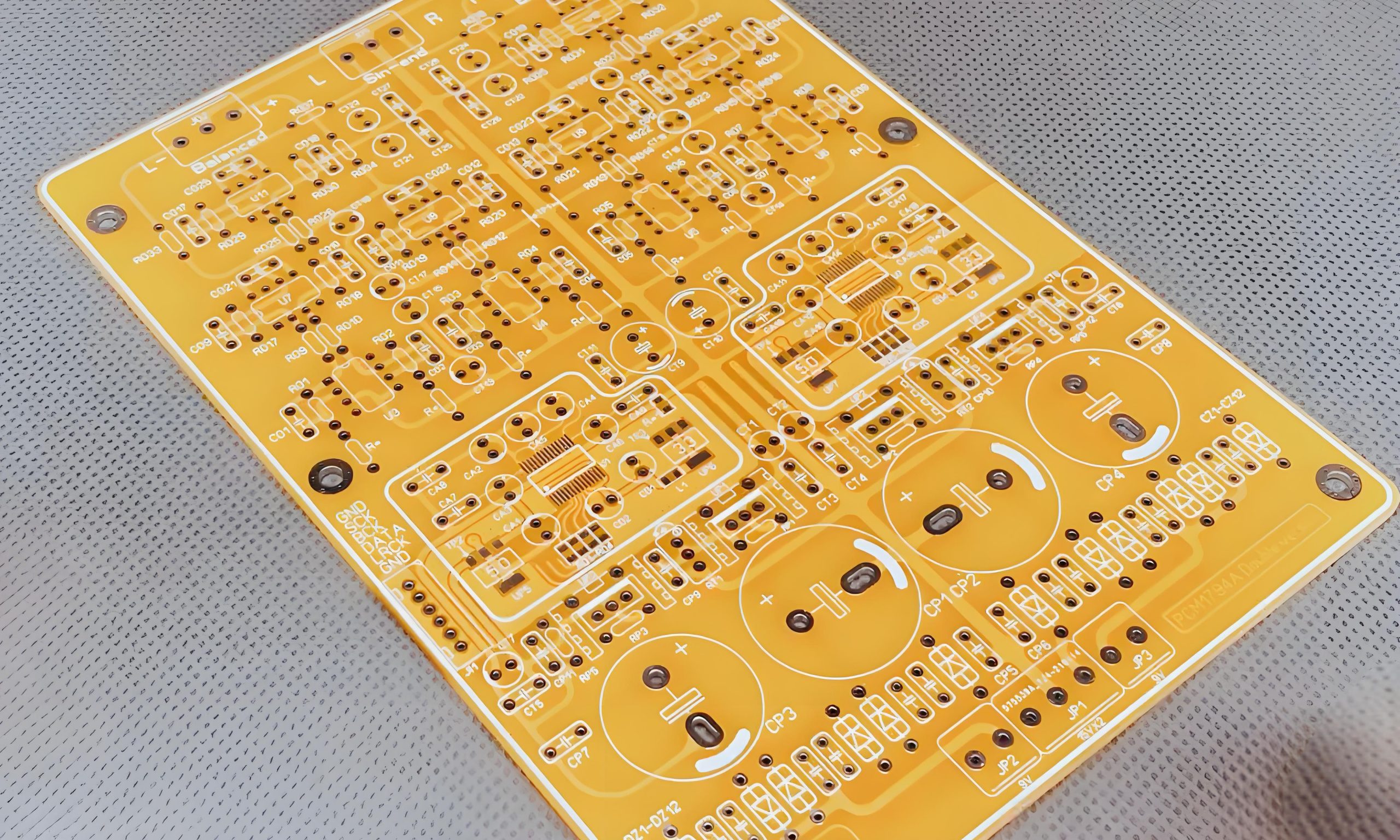
Yellow PCB refers to a printed circuit board (PCB) with a yellow solder mask (covering layer) coated on the surface. Yellow PCB is not common in PCB manufacturing, mainly because it has a poor contrast with the traces and screen printing, which easily hides the traces and affects readability and visibility.

Characteristics and uses of yellow PCB

  • Poor contrast: Yellow PCB has poor contrast with traces and screen printing, which makes it less visually clear than PCBs of other colors.
Let you know about PCBs of different colors: Black PCB vs green PCB
  • Antistatic layer: Yellow solder resist is often used for antistatic layer, which can effectively prevent static electricity from interfering with the circuit and improve the reliability and stability of the circuit board. In addition, yellow solder resist can maintain its original color after metallization and is often used in radio equipment.

How should the PCB color be selected?

Selecting the right PCB color requires consideration of multiple factors, including the effect of color on readability and aesthetics, the feasibility of the production process, and the needs of the application scenario.

PCBs of different colors and their advantages and disadvantages

  • Green PCB: Green is the most common PCB color and is widely used for its good contrast and readability. The surface treatment of green PCB reflects less light, which helps reduce glare and is suitable for most application scenarios.
  • Red PCB: Red PCB has high visibility and is suitable for high-end electronic devices and parts that need to be highlighted. The red solder resist is easy to control during production, with fewer problems of bubbles and thickness, and is suitable for use in high temperature and harsh environments.
  • Blue PCB: Blue PCB provides good appearance and recognition and is suitable for electronic products that require a high-tech feel. However, the blue solder mask has high fluidity and is prone to oil accumulation, so special attention should be paid during production.
  • Black PCB: Black PCB has high light shielding and aesthetics, but it absorbs heat and increases the risk of component overheating. Black PCB should not be used in high-temperature applications.
  • White PCB: White PCB is easy to identify in low-light environments and is suitable for applications that require high reflectivity, such as lamps and optical equipment.
  • Yellow PCB: Yellow PCB was once widely used, but has poor contrast with routing and screen printing and is now less used.

Recommendations for choosing PCB colors

  • Choose according to application scenarios: If high contrast and readability are required, green or blue PCBs are better choices; if high visibility and high temperature environments are required, red PCBs are more suitable.
  • Consider the production process: Different colors of solder mask have different requirements for the production process, and production efficiency and cost-effectiveness should be considered when choosing.
  • Aesthetics and design style: Choose the right color according to the overall design style of the product, such as red for activeness and enthusiasm, and blue for calmness and technology.

PCBs of different colors each have their own unique advantages and application scenarios. Green PCB is widely used in consumer electronics and industrial control equipment due to its good visibility and recognition. Black PCB is often used in high-performance electronic devices due to its high-end appearance and excellent heat dissipation performance.

As a professional PCB manufacturer, BEST Technology can provide PCBs in a variety of colors to meet the needs of different customers. Whether it is the pursuit of aesthetics or specific functions, we can provide you with high-quality solutions. Please feel free to contact us at sales@bestpcbs.com to get the best PCB color solution.

You may also like