PCB manufacturing PCB manufacturing
Home > Blog

Medical PCB Assembly Services

China Medical PCB Assembly, Medical PCB Assembly Services
Thursday, May 7th, 2026

What sets medical PCB assembly apart from standard PCB assembly?

Medical PCB assembly is built around reliability, traceability, process discipline, and long-term performance. A standard consumer electronics board may be designed mainly for cost, speed, and everyday function. A PCB assembly medical device project, however, must support a more controlled use environment. The board may work inside patient monitoring equipment, diagnostic instruments, imaging systems, wearable health devices, infusion systems, dental equipment, laboratory analyzers, or portable medical electronics. In these applications, stable electrical behavior, clean soldering, correct component sourcing, and documented production records matter from the first prototype to the final shipment.
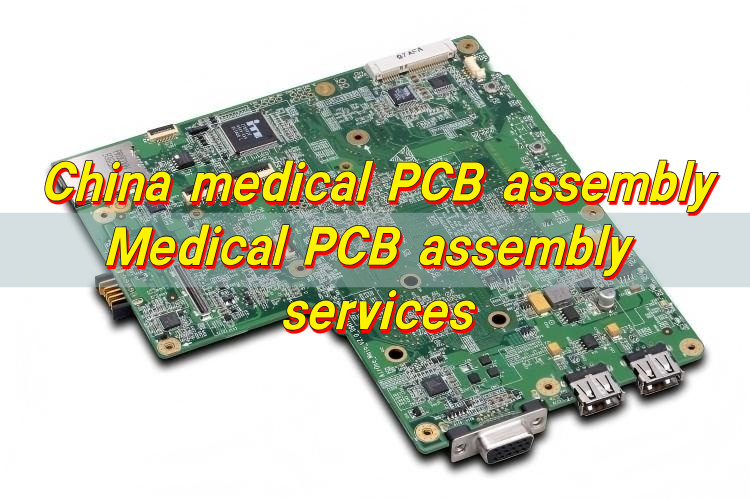
China Medical PCB Assembly, Medical PCB Assembly Services

The biggest difference is not only the board itself. It is the manufacturing mindset behind it. Medical PCB assemblies need tighter control over materials, soldering profiles, component approval, cleaning, inspection, packaging, and revision management. The manufacturer has to understand that a small change in a resistor brand, solder paste type, conformal coating, or cleaning method can influence performance, certification work, or future maintenance. That is why a qualified medical device PCB assembly manufacturer usually provides engineering review, DFM feedback, BOM checking, quality records, and full communication before mass production begins.

Medical electronics also require a more mature supply chain. A normal commercial PCB assembly may allow several component substitutions if the electrical value is the same. For medical device PCB assembly, alternates must be reviewed more carefully. Component lifecycle, traceability, compliance status, package consistency, and manufacturer authorization all become part of the decision. This is especially important for long-life medical products, where a device may remain in production, servicing, or field use for many years.

Comparison PointStandard PCB AssemblyMedical PCB Assembly
Main priorityCost, delivery, general functionReliability, consistency, documentation, and stable performance
Component sourcingApproved equivalents may be flexibleApproved vendor lists and traceable sourcing are strongly preferred
Process controlGeneral SMT and DIP process controlControlled assembly process with tighter inspection and records
TestingAOI, functional test, or sample testing depending on productAOI, X-ray, ICT, flying probe, functional test, burn-in, or custom testing based on device needs
DocumentationBasic production files and inspection reportBOM records, process logs, quality reports, batch traceability, and change control
Risk levelUsually lower in daily consumer useHigher because the board may support healthcare equipment
Supplier expectationBuild according to filesReview, suggest, verify, record, and support engineering decisions

For this reason, medical PCB assembly services should be selected with more care than ordinary electronics manufacturing. A good supplier does not only place components on a board. It helps customers improve manufacturability, reduce production variation, and prepare the project for stable scaling. EBest Circuit (Best Technology) supports this type of work through PCB fabrication, component sourcing, PCBA production, inspection, and engineering assistance for medical and other high-reliability electronics.

Which medical devices need custom PCB assembly?

Many medical devices need custom PCB assembly because their size, function, sensor interface, power requirement, safety requirement, and communication method are different from standard electronics. A medical monitoring PCB assembly for bedside equipment is not the same as a flexible board used in a wearable patch. A diagnostic analyzer may need stable signal acquisition, while a handheld device may need compact layout, battery management, and low-power operation. Customization allows the PCB and assembly process to match the exact device architecture.

Custom medical PCB assembly is often used when the device has unique mechanical constraints. For example, wearable health products may require thin rigid-flex boards to fit inside compact housings. Imaging modules may require high-density interconnect boards with controlled impedance. Laboratory instruments may need robust connectors, shielded areas, high-reliability solder joints, and stable thermal behavior. Portable medical products often need lightweight boards, fine-pitch components, and secure battery circuits.

Typical medical devices that need custom PCB assembly include:

  • Patient monitors, ECG devices, EEG systems, pulse oximeters, and blood pressure monitors
  • Diagnostic instruments, laboratory analyzers, medical imaging modules, and test equipment
  • Wearable health devices, smart patches, hearing-related electronics, and portable therapy devices
  • Infusion pumps, respiratory devices, dental equipment, endoscopy accessories, and rehabilitation systems
  • Medical communication modules, sensor boards, control boards, power boards, and human-machine interface boards

The design style also changes by application. A wearable device may focus on compact size, low weight, and soft interconnection. A hospital instrument may focus on stable operation, easy servicing, and strong connector retention. A diagnostic module may need excellent signal integrity, low noise, and repeatable calibration behavior. This is why custom medical device PCB assembly should be reviewed from both engineering and manufacturing perspectives.

EBest Circuit (Best Technology) can support different forms of PCB assembly for medical applications, including rigid PCB assembly, rigid-flex PCB assembly, HDI board assembly, high-frequency board assembly, and turnkey assembly.

For customers looking for the best rigid-flex PCB assembly services for medical devices, supplier experience in lamination control, flexible material handling, assembly fixture design, and final testing is especially valuable. Rigid-flex boards can reduce cable use and save space, but they require experienced process control during fabrication and assembly.

What standards does medical PCB assembly have to follow?

Medical PCB assembly has to follow product requirements, customer requirements, quality system requirements, and market compliance requirements. The exact standards depend on the medical device type, the region where the device will be sold, and the role of the PCB assembly in the final product. A PCB supplier may not certify the complete medical device, but the assembly process should support the customer’s regulatory pathway with stable manufacturing records and controlled production practices.

ISO 13485 is one of the most recognized quality management standards for medical device manufacturing. It focuses on quality control, risk management, documentation, traceability, and consistent production practices. For PCB assembly medical device projects, working with a supplier familiar with ISO 13485 expectations helps improve communication and documentation discipline. ISO 9001 is also commonly used as a baseline quality management system for electronics manufacturing.

IPC standards are also widely used in PCB and PCBA production. IPC-A-610 provides acceptability criteria for electronic assemblies, and many high-reliability boards are built to Class 2 or Class 3 requirements depending on use conditions. IPC-J-STD-001 is often referenced for soldered electrical and electronic assemblies. For bare PCB fabrication, IPC-6012, IPC-6013, and related documents may apply depending on whether the design is rigid, flexible, or rigid-flex. These standards help align expectations for workmanship, solder quality, board acceptance, and inspection.

Medical products may also need to consider electrical safety, electromagnetic compatibility, risk management, and material compliance. IEC 60601-1 is often associated with medical electrical equipment safety. IEC 60601-1-2 relates to EMC requirements for medical electrical equipment. ISO 14971 is commonly used for medical device risk management. RoHS and REACH may apply for material compliance in many markets. The PCB assembly manufacturer should understand how its production records, material control, and change management support the customer’s larger compliance work.

Standard or Requirement AreaWhy It Matters in Medical PCB Assembly
ISO 13485Supports medical device quality management, documentation, traceability, and process discipline
ISO 9001Provides a general quality management foundation for manufacturing control
IPC-A-610Defines acceptance criteria for electronic assemblies and solder workmanship
IPC-J-STD-001Guides soldering process requirements for reliable electronic assemblies
IEC 60601-related requirementsSupports safety and EMC expectations for many medical electrical devices
ISO 14971Helps customers manage risk across the medical device lifecycle
RoHS and REACHSupport material compliance for regulated markets
UL, when requiredHelps with recognized materials, safety-related component choices, and product market entry

For practical production, standards are only useful when they are translated into daily action. This means controlled incoming inspection, correct storage of moisture-sensitive devices, calibrated equipment, approved solder profiles, first article inspection, AOI programming, X-ray checking for hidden joints, test fixture validation, and controlled release of finished assemblies. EBest Circuit (Best Technology) integrates these manufacturing controls into its PCB and PCBA services so customers can move from prototype to production with clearer process visibility.
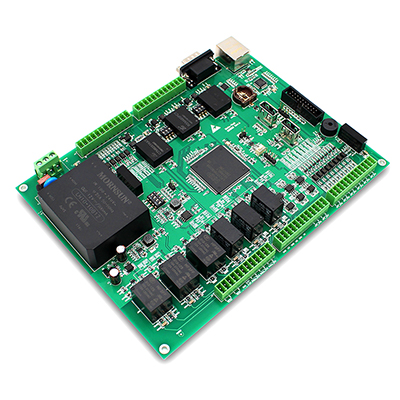
China Medical PCB Assembly, Medical PCB Assembly Services

Is automated assembly better for medical PCBs?

Automated assembly is usually the better choice for most medical PCBs because it gives more repeatable placement accuracy, controlled solder paste printing, stable reflow profiles, and efficient inspection. Medical PCB assembly automation is especially valuable when the board includes fine-pitch ICs, BGAs, small passive components, dense layouts, or high-volume production. Automation helps the manufacturer keep each board close to the same process condition, which is very important for repeatability.

However, automation does not replace engineering judgment. A fully automated SMT line still needs correct stencil design, solder paste selection, feeder setup, component verification, reflow profiling, AOI programming, and quality review. For some medical PCB assemblies, manual work may still be needed for through-hole connectors, wires, shields, mechanical parts, conformal coating, selective soldering, or final device-level integration. The right answer is often a balanced process: use automation where it improves consistency, and use trained manual operations where controlled human work gives better results.

Assembly MethodBest Use CaseStrength for Medical PCBsConsideration
Automated SMT assemblyFine-pitch components, dense layouts, medium to high volumeHigh repeatability, fast placement, stable process controlRequires accurate programming, proper stencil design, and verified materials
Manual assemblyLow-volume builds, special connectors, wires, hand-fit partsFlexible and useful for complex mechanical stepsRequires skilled operators, work instructions, and careful inspection
Selective solderingThrough-hole parts on mixed-technology boardsConsistent soldering for connectors and larger partsFixture design and thermal profile control are important
Automated optical inspectionPost-placement and post-reflow checkingQuickly detects polarity, missing parts, offset, and solder defectsNeeds proper programming and inspection standards
X-ray inspectionBGA, QFN, hidden solder jointsHelps verify solder quality under packagesOften used based on package type and product risk
Functional testingFinal board behavior verificationConfirms the board performs as intendedTest coverage depends on fixture design and customer requirements

For prototypes, automation can also be useful because it helps early builds reflect future production conditions. A quick turn medical PCB assembly project may start with a small batch, but if the long-term plan includes production, building early samples with scalable methods makes the transition smoother. The manufacturer can identify stencil issues, placement constraints, component packaging concerns, and test access problems before the design is released.

EBest Circuit (Best Technology) supports medical PCB assembly automation with SMT production, inspection, testing, and engineering review. The goal is not just fast assembly. The stronger goal is controlled assembly. When the same process logic is used from prototype through pilot run and mass production, customers can gain clearer feedback and better confidence in the final build.

What does turnkey medical PCB assembly include?

Turnkey medical PCB assembly means the manufacturer supports more than component placement. It usually includes PCB fabrication, component sourcing, incoming material inspection, SMT assembly, through-hole assembly, cleaning, inspection, testing, packaging, and delivery. In many projects, turnkey service also includes DFM review, BOM optimization, engineering communication, and documentation support. This approach saves time for medical device companies because they do not need to coordinate separate PCB factories, component suppliers, and assembly houses.

A medical PCB assembly turnkey service is especially helpful when the customer wants one accountable partner. If a bare board issue, component issue, or assembly issue appears, the turnkey supplier can review the complete production chain more quickly. This reduces communication gaps and helps engineers solve problems with a complete view of the project. For medical device PCB assembly, this integrated model is often more practical than separating each manufacturing step.

Turnkey service can include:

  • PCB fabrication for rigid, flexible, rigid-flex, HDI, high-frequency, ceramic, or metal-core designs
  • Component sourcing through approved channels, BOM review, lifecycle checks, and alternative suggestions
  • SMT assembly, through-hole assembly, selective soldering, conformal coating, cleaning, and final inspection
  • AOI, X-ray, ICT, flying probe, functional testing, burn-in, and customized test fixture support
  • Quality documents, production records, traceability files, packing control, and logistics support

The value of turnkey service is strongest when it starts early. Before production, the supplier can check land patterns, component spacing, solder mask openings, fiducials, panel design, test points, impedance requirements, thermal design, connector position, and assembly clearance. These details may look small, but they can influence yield, test coverage, and production stability. Early review gives the customer a better chance to correct issues before the first batch.

EBest Circuit (Best Technology) offers turnkey support for PCB assembly for medical and other high-reliability applications. The company can combine PCB fabrication, component procurement, PCBA assembly, testing, and engineering support into one service flow. For customers developing medical device PCB assembly projects, this can simplify sourcing, shorten communication loops, and provide more consistent records from bare board to finished assembly.

Can I get quick turn medical PCB assembly for prototypes?

Yes, quick turn medical PCB assembly is possible for prototypes, pilot runs, and engineering validation builds. The practical delivery time depends on PCB complexity, material availability, component lead time, surface finish, layer count, assembly density, inspection needs, and test requirements. A simple 2-layer or 4-layer prototype with available components can move quickly. A rigid-flex, HDI, controlled impedance, or high-frequency medical board may need more review and process preparation.

Quick turn does not mean careless work. For medical PCB assemblies, fast delivery should still include DFM checking, BOM verification, material confirmation, SMT preparation, inspection, and basic quality records. The best prototype service balances speed with discipline. A rushed build that skips review may create confusion later. A well-managed quick turn build helps engineers test form, fit, function, firmware, signal behavior, power performance, and assembly feasibility in a useful timeline.

To improve prototype speed, customers can prepare complete and clear files. Gerber or ODB++ data, drill files, pick-and-place files, BOM with manufacturer part numbers, assembly drawings, polarity markings, test instructions, impedance notes, and special process requirements should be shared together. If alternates are acceptable, the customer should define the approval rules in advance. This helps the assembly team quote faster and avoid repeated questions.

Quick turn is also valuable for design iteration. Medical device development often moves through several rounds of prototypes before production approval. Each round may test a different housing, sensor position, connector orientation, battery layout, firmware version, or mechanical fit. When the PCB assembly manufacturer can respond quickly and provide feedback, the customer can improve the design with more confidence.

EBest Circuit (Best Technology) supports quick turn medical PCB assembly for prototype and small-batch needs, depending on project complexity and material readiness. The company’s engineering team can review files before production and suggest improvements for manufacturability. This is helpful for startups, medical equipment developers, and engineering teams that need practical feedback before investing in larger production quantities.

Why choose China manufacturers for medical PCB assembly?

China medical PCB assembly is attractive to many global companies because China has a mature electronics manufacturing ecosystem. Customers can access PCB fabrication, component sourcing, SMT assembly, tooling, testing, cable assembly, enclosure integration, and logistics support in one supply chain region. For medical electronics, this can create practical advantages in speed, engineering response, supplier coordination, and cost control.

The strongest China manufacturers are no longer simple low-cost assembly vendors. Many have invested in automated SMT lines, AOI, X-ray inspection, clean production areas, traceability systems, quality management, and engineering teams. For Western technical teams, the real value is not only price. It is the ability to support prototype, pilot production, design improvement, and scalable manufacturing under one roof.

China manufacturers can also be useful for custom medical PCB assembly because many projects need varied processes. A medical device may require a rigid-flex PCB, fine-pitch BGA assembly, precision connector soldering, conformal coating, functional testing, and controlled packaging. A supplier with broad in-house capability can coordinate these steps more smoothly. This is especially helpful when the project has frequent engineering changes during development.

At the same time, customers should choose carefully. A medical PCB assembly manufacturer should be evaluated by quality system, engineering skill, process capability, traceability, communication, inspection equipment, and willingness to support documentation. The lowest quote is not always the best long-term choice. The better supplier is the one that helps the project become stable, repeatable, and easier to manage.

EBest Circuit (Best Technology) is a China-based PCB and PCBA manufacturer with experience in medical, industrial, automotive, communications, and high-reliability electronics. The company supports PCB fabrication, component sourcing, assembly, inspection, and testing. For customers looking for a medical device PCB assembly manufacturer in China, EBest Circuit (Best Technology) can provide engineering support and turnkey production services that help bridge prototype development and reliable manufacturing.

How does the medical PCB assembly process work step by step?

The medical PCB assembly process works best when it follows a controlled, documented, and reviewable path. The process starts before production. Engineering files are checked, the BOM is reviewed, materials are confirmed, and the assembly method is planned. This early stage is important because it prevents many common production issues and helps the customer understand cost, timeline, and manufacturability.

After file review, the bare PCB is fabricated or prepared for assembly. The manufacturer checks board quality, surface finish, solder mask, copper features, hole quality, and panel format. For rigid-flex or HDI designs, fabrication control is especially important because the board structure itself may be more complex. Once bare boards and components are ready, incoming inspection confirms that materials match the approved build requirements.

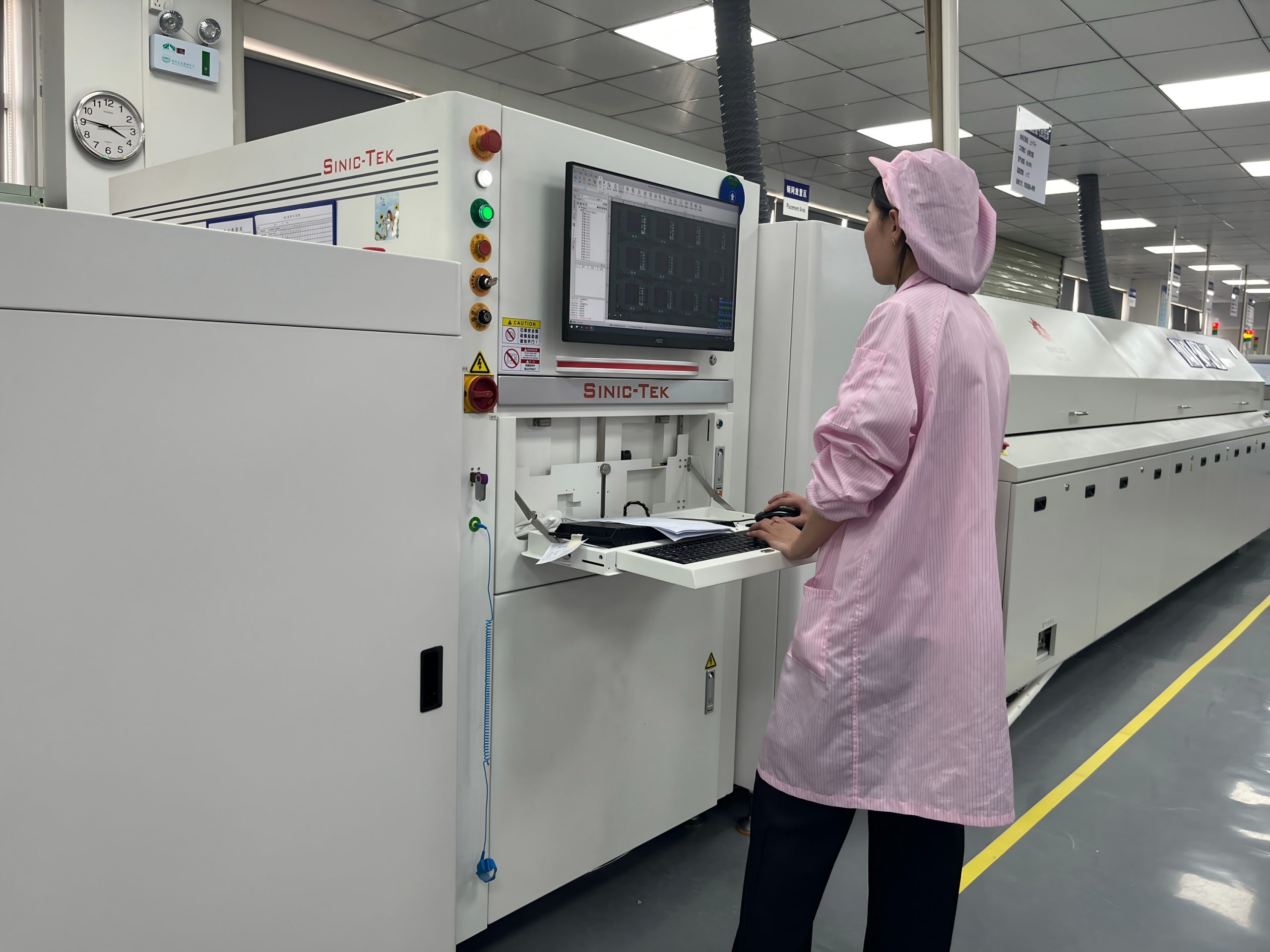
SMT assembly then begins with solder paste printing. A stencil is used to apply solder paste to the pads. The boards pass through solder paste inspection when required, then components are placed by automated equipment. After placement, the boards move through reflow soldering under a controlled thermal profile. The reflow profile must match solder paste, board material, component sensitivity, and thermal mass. After reflow, AOI checks component position, polarity, missing parts, solder bridges, and visible solder quality.

If the board uses BGAs, QFNs, or hidden solder joints, X-ray inspection may be used. Through-hole parts may be soldered manually, by wave soldering, or by selective soldering. Cleaning, conformal coating, programming, calibration, and mechanical assembly may follow depending on the design. Finally, the board is tested through ICT, flying probe, functional test, or a customer-defined test fixture.

A typical step-by-step flow looks like this:

  1. Engineering file review, DFM analysis, BOM checking, and quotation confirmation.
  2. PCB fabrication, component sourcing, and incoming quality inspection.
  3. Stencil preparation, solder paste printing, and solder paste inspection when required.
  4. SMT component placement, reflow soldering, and AOI inspection.
  5. X-ray inspection for hidden solder joints such as BGA, QFN, and LGA packages.
  6. Through-hole assembly, selective soldering, manual soldering, or mechanical assembly.
  7. Cleaning, conformal coating, firmware programming, calibration, and labeling if required.
  8. ICT, flying probe, functional test, burn-in, final inspection, packing, and shipment.

The process may change based on the product. A medical monitoring PCB assembly may require sensor calibration and functional test. A portable device may require battery charging test, communication test, and power consumption measurement. A diagnostic instrument board may need signal verification, connector inspection, and long-duration operation testing. The assembly process should always match the device function and risk profile.

EBest Circuit (Best Technology) can support this workflow from early DFM review to finished PCBA delivery. For customers using turnkey medical PCB assembly services, the company can help coordinate PCB fabrication, component sourcing, SMT assembly, inspection, and testing in one manufacturing chain.
China Medical PCB Assembly, Medical PCB Assembly Services

What are the benefits of custom medical device PCB assembly?

Custom medical device PCB assembly gives engineers more control over size, function, performance, and product integration. Medical products often need a board that fits a unique enclosure, works with selected sensors, supports specific communication interfaces, and meets defined test requirements. A custom board allows the design team to optimize these details instead of forcing the product around an off-the-shelf solution.

Another benefit is better electrical performance. Medical electronics may process small signals from sensors, electrodes, optical modules, pressure devices, or analog front ends. Custom PCB layout can improve signal routing, grounding, shielding, impedance control, and noise behavior. Power design can also be tailored for battery life, charging safety, isolation, heat control, and stable voltage regulation.

Custom assembly also helps with mechanical integration. A rigid-flex PCB can replace cables and connectors in compact medical devices. HDI technology can support dense components in smaller spaces. Metal-core or thermal design methods can help with heat dissipation in power-related medical equipment. Surface finish, coating, connector type, and board thickness can be selected based on device use conditions.

From a business viewpoint, custom PCB assembly supports better product identity and long-term control. The customer can define the approved BOM, firmware interface, test method, production records, and revision plan. This makes future production easier to manage. It also helps when a product must be serviced, updated, or transferred into larger production.

For medical device developers, the main benefits include improved fit, better performance, stronger production control, and more flexible engineering options. A custom build can be shaped around the product rather than the other way around. When paired with a qualified supplier, it becomes easier to refine the design, verify the process, and prepare the product for stable manufacturing.

EBest Circuit (Best Technology) supports custom medical PCB assembly for customers who need more than a standard build. The company can assist with material selection, stack-up review, DFM suggestions, PCB fabrication, component sourcing, and assembly testing. This makes it suitable for projects such as patient monitors, diagnostic equipment, wearable health electronics, laboratory modules, and other medical electronics that need reliable board-level manufacturing.

How to pick a qualified medical PCB assembly manufacturer?

Picking a qualified medical PCB assembly manufacturer should start with process capability and quality mindset. The supplier should understand that medical electronics need stable manufacturing, clear documentation, and careful communication. A good manufacturer will ask questions before production, review files carefully, and explain concerns in a practical way. This is far better than simply accepting files and building boards without engineering feedback.

The first area to check is quality management. Ask whether the supplier has ISO 9001, ISO 13485 experience or certification, IPC workmanship standards, traceability systems, incoming inspection, equipment calibration, and process records. Also ask how they manage engineering changes, material substitutions, nonconforming products, and production feedback. These answers show whether the supplier can support long-term medical device PCB assembly or only one-time sample builds.

The second area is technical capability. Review whether the manufacturer can handle the board type, component package, assembly density, testing method, and coating requirement. If your project uses BGA, QFN, 01005 components, rigid-flex PCB, HDI structure, controlled impedance, high-frequency materials, or special connectors, the supplier should show real production experience. For medical PCB assembly services, experience is often more important than a long equipment list.

The third area is sourcing strength. Medical products need stable components and traceable supply. A qualified supplier should help review manufacturer part numbers, lifecycle status, packaging, date code, compliance, and available alternates. For turnkey assembly, component sourcing quality can influence the entire project. Good sourcing also helps quick turn medical PCB assembly because material readiness often decides the real delivery time.

Communication is also very important. Western technical teams usually need clear English communication, fast engineering response, organized quotations, and practical production feedback. A strong supplier will point out unclear drawings, missing polarity marks, risky component spacing, weak test access, or possible soldering issues before the build. This kind of feedback saves time and improves confidence.

EBest Circuit (Best Technology) is a suitable partner for customers looking for China medical PCB assembly, custom medical PCB assembly, and medical PCB assembly turnkey service. The company combines PCB fabrication, component procurement, PCB assembly, inspection, testing, and engineering support. Its experience with rigid, rigid-flex, HDI, high-frequency, ceramic, metal-core, and other PCB technologies gives customers more options for different medical device designs.
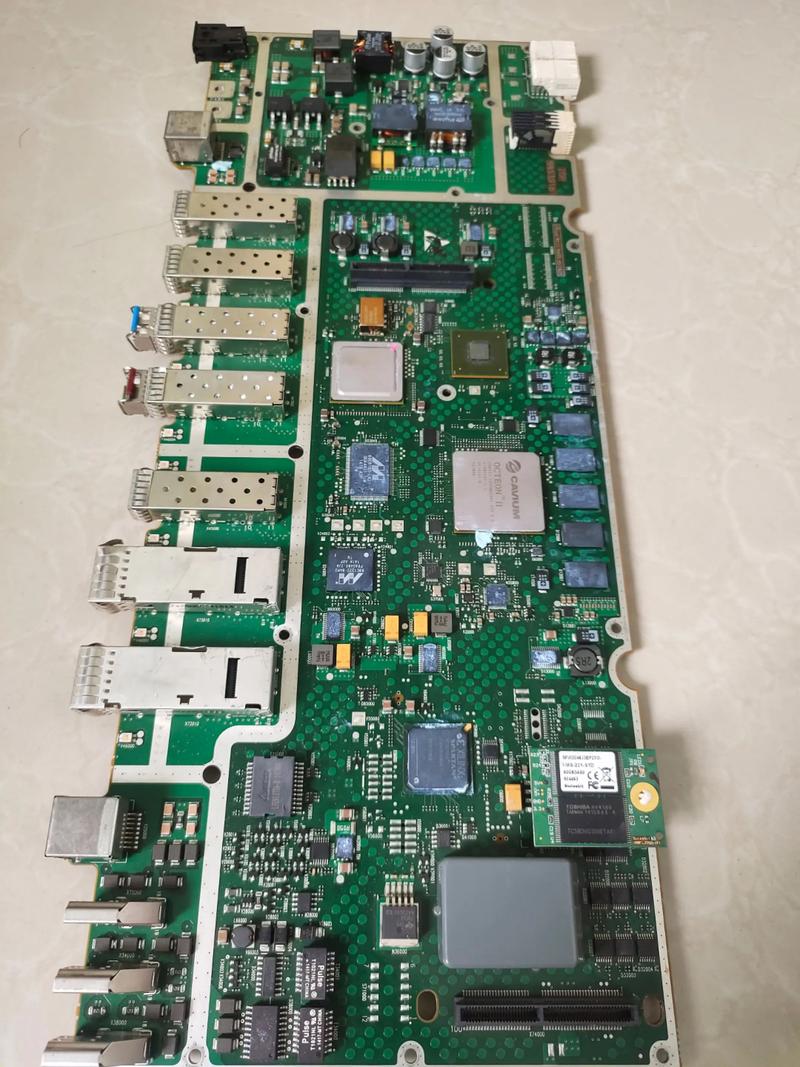
China Medical PCB Assembly, Medical PCB Assembly Services

In brief, medical PCB assembly is different because it requires stronger process control, careful sourcing, detailed inspection, and clear production records. The right supplier should support the product from prototype to stable production while helping engineers improve manufacturability and reliability. For medical PCB assembly services, medical monitoring PCB assembly, quick turn medical PCB assembly, or turnkey PCBA support, you can contact EBest Circuit (Best Technology) at sales@bestpcbs.com

You may also like

Trusted Medical PCB Assembly Services for Modern Healthcare
Friday, January 2nd, 2026

Medical PCB assembly services​ are the specialized production and system integration of printed circuit boards for life-critical medical equipment. This article explores how partnering with the right provider ensures reliability, compliance, and innovation in healthcare technology.

Developing a new medical device is a high-stakes endeavor. Key Pain Points for Medical Device Developers:

  • Regulatory Maze:​ Navigating FDA, ISO 13485, and IEC 60601 standards without expert guidance is time-consuming and risky.
  • Design for Manufacturing (DFM) Gaps:​ Prototype designs often have hidden flaws that cause failures during volume production.
  • Supply Chain Insecurity:​ Unreliable component sourcing or offshore delays jeopardize project timelines and device availability.
  • Inconsistent Quality:​ Lack of rigorous process controls leads to field failures, recalls, and patient safety risks.
  • Prototype Bottlenecks:​ Slow turnaround times for design iterations critically delay testing, verification, and time-to-market.

These challenges demand a partner with specialized expertise. The following solutions are foundational to a trusted medical electronics manufacturing relationship.

  • Proactive Compliance Framework:​ A partner with ingrained quality systems (ISO 13485 certified) guides you through documentation and validation seamlessly.
  • Early DFM/DFA Analysis:​ Expert engineers review designs pre-production to eliminate errors, enhance reliability, and reduce costs.
  • Controlled, Traceable Supply Chain:​ Using a vetted network of component suppliers and US based PCB assembly​ capabilities mitigates shortage and geopolitical risks.
  • Robust Quality & Testing Regime:​ Implementing automated optical inspection (AOI), X-ray, and functional testing ensures every board meets stringent medical-grade specifications.
  • Dedicated Rapid Prototyping Lines:​ Offering quick turn PCB USA​ services accelerates the design-test-iterate cycle, getting you to clinical trials faster.

EBest Circuit (Best Technology) is a specialized PCB manufacturing and assembly provider focused on the rigorous demands of the medical sector. Our state-of-the-art facility is ISO 13485:2016 certified, and our global production network includes advanced SMT factories in both China and Vietnam. Each site operates under a unified MES-driven manufacturing system, enabling full process traceability, tighter quality control, and consistent performance across all medical projects. Our engineering team is dedicated to merging technical excellence with regulatory mastery, ensuring every medical PCB meets the highest reliability and compliance standards. For a consultation on your next PCBA printed circuit board assembly project, contact us at sales@bestpcbs.com.

Medical PCB Assembly Services

How Do Medical PCB Assembly Services Ensure Reliable Performance in Today’s Healthcare Electronics?

Reliable performance in medical electronics is non-negotiable. Medical PCB assembly services​ achieve this by implementing a multi-layered approach to quality and control that far exceeds commercial standards.

  • Medical-Grade Materials & Components:​ Only using high-Tg laminates, conformal coatings, and components rated for extended life and stable performance in physiological environments.
  • Enhanced Process Controls:​ Strict adherence to controlled procedures for soldering (e.g., lead-free SAC305 profiles), cleanliness (ionic contamination testing), and electrostatic discharge (ESD) protection.
  • Comprehensive Testing Protocol:​ Every board undergoes a battery of tests:
Test MethodPurpose
Automated Optical Inspection (AOI)Catches soldering defects, missing, or misaligned components.
X-Ray InspectionVerifies integrity of BGAs, internal layers, and via fills.
In-Circuit Test (ICT)Checks electrical performance and component values.
Functional Test (FVT)Simulates the device’s real-world operation.
  • Full Traceability:​ Lot-by-lot and even board-level tracking of all materials and components is maintained, a critical requirement for FDA audits and potential recall actions.
  • Environmental Stress Screening (ESS):​ Subjecting boards to thermal cycling and burn-in to identify and eliminate early-life failures (infant mortality).

In summary, reliability is engineered through a combination of superior materials, meticulous processes, and exhaustive verification, ensuring devices perform as intended over their entire service life.

Medical PCB Assembly Services

What Is the Difference Between PCB Fab and Assembly?

The journey from design to a functional board involves two distinct, sequential phases: fabrication (PCB fab) and assembly (PCB manufacturing and assembly). Confusing them can lead to project missteps.

  • PCB Fabrication (Fab):This is the process of manufacturing the bare, unpopulated circuit board. It starts with design files (Gerbers) and involves:
    • Creating the substrate laminate.
    • Imaging and etching the copper layers to form traces.
    • Drilling holes (vias and through-holes).
    • Applying solder mask and silkscreen.
    • Performing electrical testing on the bare board.
    • Output:​ A bare PCB with pads and holes, ready for components.
  • PCB Assembly (PCBA): This is the process of mounting and soldering electronic components onto the fabricated bare board. It involves:
    • Applying solder paste via stencil.
    • Placing components (Surface-Mount Technology – SMT) using pick-and-place machines.
    • Reflow soldering to create electrical connections.
    • Through-hole component insertion and soldering.
    • Cleaning, inspection, and functional testing.
    • Output:​ A fully functional, populated printed circuit board assembly.

Think of PCB fab​ as printing the wiring diagram and PCB assembly​ as installing all the light switches, outlets, and fixtures. A true turnkey partner, like a professional PCB design company​ turned manufacturer, expertly manages both phases.

Why Medical PCB Assembly Services Demand Higher Standards Than Conventional PCB Manufacturing and Assembly?

Medical devices directly impact human life, making failure unacceptable. This fundamental truth elevates every requirement from the component level to the final system integration.

  • Regulatory Scrutiny:​ Medical devices require formal approval (FDA, CE). The entire production process must be documented and validated under standards like ISO 13485. A simple process change in conventional manufacturing can become a major, documented change request in medical.
  • Extreme Reliability & Longevity:​ A consumer device may have a 2-3 year life. An implantable or critical care device must function flawlessly for 10-15+ years. This demands higher-grade materials and accelerated life testing.
  • Risk Management (ISO 14971):​ Every potential failure mode must be identified, analyzed, and controlled. The assembly process itself is a critical control point to mitigate risks like short circuits or cold solder joints.
  • Biocompatibility & Cleanliness:​ Devices contacting patients must not leach harmful substances. Assembly processes must ensure extreme cleanliness to avoid ionic contamination that could cause corrosion or failure.
  • Traceability:​ While batch traceability might suffice for consumer goods, medical devices often require component-level traceability to facilitate targeted recalls if a supplier’s component batch is found faulty.

Therefore, medical PCB assembly services​ are not just about soldering components; they are about executing a rigorously controlled, documented, and validated protocol where quality is measured in patient safety outcomes.

How Best Rigid-Flex PCB Assembly Services for Medical Devices Enhance Durability and Miniaturization?

Best rigid-flex pcb assembly services for medical devices​ unlock innovative form factors by combining rigid boards for component support with flexible circuits for dynamic movement and space savings.

  • Enhancing Durability:
    • Reduced Interconnections:​ Replacing fragile connectors and ribbon cables with soldered flex connections minimizes points of failure.
    • Vibration/Shock Resistance:​ The flexible portions absorb and dissipate mechanical stress, protecting solder joints.
    • Improved Reliability:​ A monolithic rigid-flex structure is more reliable than an assembly of multiple interconnected rigid boards.
  • Enabling Miniaturization & Wearability:
    • 3D Packaging:​ Boards can be folded into compact, three-dimensional shapes, crucial for implants, hearing aids, and endoscopic capsules.
    • Weight Reduction:​ Eliminating connectors and using thin flex layers reduces overall weight—key for portable and wearable monitors.
    • Dynamic Flexing:​ Allows for designs in hinged devices or probes that require repeated movement.

For a factory wholesale medical PCB assembly service, mastering rigid-flex is a key capability. It requires specialized PCB fab​ expertise for multilayer bonding and precise PCB assembly​ techniques to handle the delicate flex areas during soldering and handling.

Capabilities of a US Based PCB Assembly Partner for Healthcare OEMs

A US based PCB assembly partner provides a mature infrastructure, advanced engineering support, and tightly controlled manufacturing systems tailored for the demanding needs of Healthcare OEMs.

Advanced Engineering Collaboration
Localized teams provide rapid design reviews, DFM/DFA optimization, and direct engineering communication that shortens development cycles and reduces risk before prototypes are built.

Highly Controlled Manufacturing Processes
U.S. facilities apply strict process validation, IPC Class 3 manufacturing, real-time monitoring, and data-driven production oversight aligned with FDA and ISO 13485 expectations.

Robust Traceability and Documentation Systems
MES-based traceability, controlled documentation, and production records tailored for medical audits support DHF/DMR requirements and simplify compliance workflows.

Reliable Quick-Turn Prototyping and Small-Batch Production
Domestic fabrication and assembly resources enable consistent quick turn PCB USA results, accelerating verification testing and early clinical evaluations.

Secure and Verified Supply Chain
U.S. partners maintain qualified suppliers, validated sourcing protocols, and controlled inventory management to support long-term availability and stable BOM planning.

Specialized Medical Manufacturing Expertise
Experienced operators, medically trained technicians, and quality teams understand the expectations of Healthcare OEMs—from cleanliness requirements to test coverage and failure analysis.

A US based PCB assembly partner is not merely a vendor—it is a capability-driven extension of your R&D and manufacturing team, providing the technical depth, control, and confidence required for regulated medical devices.

How a Professional PCB Design Company Supports Medical Product Development from Concept to Verification?

A professional PCB design company​ is a vital co-pilot, transforming a conceptual medical device into a manufacturable, reliable, and certifiable product.

  • Concept & Architecture:​ Advises on system partitioning, component selection, and technology (e.g., rigid-flex) to meet size, power, and cost targets.
  • Schematic Capture & Simulation:​ Creates the electrical blueprint and runs signal/power integrity simulations to prevent performance issues.
  • PCB Layout with DFM/DFA Rules:​ Engineers the physical board layout with strict adherence to medical-grade spacing, high-reliability routing, and, crucially, Design for Manufacturing/Assembly​ rules from the start.
  • Design for Test (DFT):​ Incorporates test points and features to ensure the assembled board can be thoroughly validated.
  • Documentation for Compliance:​ Generates the complete design history file (DHF) output needed for regulatory submission, including schematics, layouts, BOMs, and design rationale.
  • Support through Verification & Validation (V&V):​ Works with the assembly partner to troubleshoot prototype builds and provide design revisions.

This end-to-end support de-risks development, ensuring the design is optimized not just for function, but for manufacturability and compliance from day one.

Why Many Healthcare Startups Seek Quick Turn PCB USA Solutions for Prototype Acceleration?

For healthcare startups, speed to proof-of-concept and clinical validation is critical for funding and market entry. Quick turn PCB USA​ services are the engine for this acceleration.

  • Rapid Design Iteration:​ Fast prototype turns (e.g., 24-72 hours for fab, 5-10 days for assembly) allow engineers to test, discover flaws, and refine designs in quick succession.
  • Faster Clinical & Regulatory Milestones:​ Functional prototypes are needed for benchtop testing, animal studies, and human trials. Faster builds compress the overall development timeline.
  • Cost-Effective Exploration:​ Enables affordable testing of multiple design approaches or form factors before locking in final tooling for volume production.
  • Attracting Investment:​ A working, refined prototype is far more compelling to investors than just a CAD model or idea.

By leveraging domestic quick turn PCB USA capabilities, startups maintain agility and momentum, turning innovative ideas into tangible devices with exceptional speed.

How Can a Factory Wholesale Medical PCB Assembly Service Ensure Consistent Quality and Compliance for Regulated Healthcare Devices?

A true factory wholesale medical PCB assembly service​ achieves consistent quality not through luck, but through a systemic, process-oriented approach built for the medical industry.

  • Certified Quality Management System (QMS):​ Operation under ISO 13485:2016 is not optional; it’s the foundational framework that ensures consistent processes, corrective actions, and management oversight.
  • Standardized Work Instructions & Process Validation:​ Every assembly step is defined, documented, and validated to prove it consistently produces a result meeting pre-defined specifications.
  • Advanced Process Control & Monitoring:​ Solder paste inspection (SPI), automated optical inspection (AOI), and real-time thermal profiling of reflow ovens catch deviations in real-time.
  • Rigorous Supplier Management:​ Components are sourced from approved vendors with full lot traceability. Incoming materials are inspected and certified.
  • Independent Quality Assurance:​ A dedicated QA team, separate from production, performs audits and final releases based on data, not production schedules.
  • Continuous Training:​ Personnel are regularly trained on medical device regulations, soldering standards (IPC-A-610 Class 3), and cleanroom protocols.

This holistic system transforms a factory wholesale​ operation from a cost center into a reliable, compliance-driven partner for regulated device manufacturing.

Why Partnering With a PCB Design Company Is Essential for Creating Safe and Reliable Medical Electronics?

Partnering with a PCB design company​ with medical expertise is essential because safety and reliability are designed in, not tested in. They bridge the gap between brilliant medical innovation and real-world, manufacturable hardware.

  • Risk Mitigation by Design:​ Experts incorporate safety standards (like IEC 60601 for isolation and leakage currents) directly into the schematic and layout, designing out potential electrical hazards.
  • Designing for Long-Term Reliability:​ They understand and design for factors like thermal management, signal integrity in noisy environments, and mechanical stress—all critical for devices that must work for years without fail.
  • Avoiding Costly Late-Stage Re-Spins:​ Early DFM/DFA analysis prevents fundamental flaws that would require a complete board redesign after tooling is set, saving immense time and cost.
  • Navigating Regulatory Documentation:​ Their deliverables become a core part of the technical file required for regulatory submission, ensuring the design is presented correctly to auditors.

Ultimately, this partnership ensures the electronic foundation of your medical device is as innovative, safe, and robust as the medical concept itself.

Medical PCB Assembly Services

To sum up, medical PCB assembly services​ form the critical, reliable backbone of modern healthcare electronics, from life-sustaining implants to diagnostic equipment. This article has detailed how specialized expertise in design, fabrication, assembly, and testing converges to meet the unparalleled standards of the medical field.

Choosing a partner with deep medical market experience, robust quality systems, and a collaborative approach is not just a procurement decision—it’s a strategic investment in your product’s success and patient safety. As an ISO 13485:2016 certified specialist in medical PCB assembly services, EBest Circuit (Best Technology)​ combines engineering precision with regulatory insight to guide your device from prototype to volume production with unwavering quality. For more information or if you would like to send us any inquiry, please send us an email through the contact form at the bottom of our Contact Page.

You may also like

Fast and Accurate Medical PCB Assembly for Healthcare Electronics
Friday, December 26th, 2025

Medical PCB assembly​ is the critical, life-supporting backbone of modern healthcare electronics, where precision and reliability are non-negotiable. This article explores the stringent requirements, key standards, and best practices for partnering with a manufacturer that delivers both speed and accuracy for mission-critical medical devices.

Navigating the world of medical PCB assembly services​ can be fraught with challenges. Are you struggling to find a partner who truly understands the stakes of PCB assembly for medical devices? Common pain points include:

  • Balancing uncompromising quality with the need for cost efficiency and faster time-to-market.
  • Navigating the complex web of medical industry regulations and standards without expert guidance.
  • Sourcing a manufacturer capable of handling specialized needs like best rigid-flex PCB assembly services for medical devicesfor compact, durable designs.
  • Experiencing frustrating delays or quality inconsistencies with overseas suppliers, despite lower china medical PCB assembly quotes.
  • Finding a true partner for customized medical devices PCB assemblythat offers proactive support, not just a transactional service.

The solution lies in selecting a specialized, experienced partner. A trusted medical PCB assembly manufacturer​ directly addresses these challenges by providing:

  • Advanced manufacturing protocols and supply chain management to ensure high-quality, reliable medical PCB assembliesat competitive value.
  • In-depth regulatory expertise and a quality system designed for compliance, making certification smoother.
  • Specialized engineering and production capabilities for complex technologies like rigid-flex boards.
  • A transparent, managed global supply chain that leverages efficiency without sacrificing the accountability expected in USA PCB manufacturing.
  • A collaborative approach, treating your project as a partnership from the medical PCB assembly quotesstage through to full-scale production and support.

At BEST Technology, we are a specialized medical PCB assembly factory​ with over 19 years of dedicated experience in PCB assembly for the medical industry. We combine state-of-the-art manufacturing with an unwavering commitment to the rigorous standards of healthcare electronics. All our medical PCB production complies with ISO 13485. The most common PCB types used in medical electronics include HDI PCBs, flexible PCBs, rigid-flex PCBs, heavy-copper PCBs, ultra-thin PCBs, high-frequency, microwave RF PCBs, and high-reliability PCBs. Our real expertise ensures your devices are built for reliability. Pls feel free to contact us at sales@bestpcbs.com​ to discuss your project.

Medical PCB Assembly

Medical PCB Assembly Requirements and Design Considerations

Designing PCBs for medical devices extends far beyond standard electronic assembly. It requires a foundational understanding of the device’s application, risk class, and operational environment to ensure patient safety and device efficacy.

  • Biocompatibility & Cleanliness:​ Assemblies must use materials that are non-toxic and processes that prevent ionic contamination, crucial for implants or devices contacting bodily fluids.
  • High Reliability & Longevity:​ Devices often require 10-15+ years of operational life. This demands careful component selection (e.g., long-life capacitors), conservative derating, and robust design for thermal management.
  • Miniaturization:​ Wearables, implants, and portable monitors demand ultra-dense, often multilayer or rigid-flex PCB assembly​ designs to save space while maintaining functionality.
  • Signal Integrity & Low Noise:​ Diagnostic equipment (e.g., ECG, EEG) requires designs that minimize electromagnetic interference (EMI) and crosstalk to ensure accurate signal acquisition.
  • Power Integrity & Safety:​ Designs must ensure stable, clean power delivery, incorporate fail-safes, and meet stringent leakage current and isolation requirements (e.g., IEC 60601-1).

In summary, successful medical device PCB assembly​ starts with a design philosophy that prioritizes safety, reliability, and manufacturability within the regulatory framework.

PCB TypeCore RequirementTypical Medical Device Examples
HDI PCBHigh-density integration, miniaturizationPacemakers, portable monitors, ultrasound probes
Flex / Rigid-Flex PCBBendability, 3D assembly, high reliabilityEndoscopes, wearable patches, hearing aids
Heavy-Copper PCBHigh current, high power capabilityElectrosurgical units, laser therapy devices, medical power supplies
Ultra-Thin PCBUltra-lightweight, ultra-thin constructionImplantable sensors, capsule endoscopy devices
High-Frequency PCBHigh-frequency / RF signal integrityWireless monitoring systems, MRI RF coils
Medical PCB Assembly

Key Standards for PCB Assembly for Medical Devices

Compliance with international standards is not optional; it’s the bedrock of medical device manufacturing. Adherence demonstrates a commitment to quality and safety throughout the product lifecycle.

The following table outlines the most critical standards:

StandardFocus AreaRelevance to PCB Assembly
ISO 13485:2016Quality Management System (QMS)Mandates a full, documented QMS for design, production, and servicing. The cornerstone of regulatory trust.
IEC 60601-1Electrical Safety & Essential PerformanceSets requirements for basic safety and performance of medical electrical equipment, governing insulation, grounding, and testing.
IEC 61000-6EMC (Electromagnetic Compatibility)Ensures the device does not emit harmful interference and is immune to interference from other sources, critical for PCB assembly for medical​ equipment.
IPC-A-610 (Class 3)Acceptability of Electronic AssembliesThe definitive standard for high-reliability electronic assembly workmanship. Class 3 is for life-critical products.
FDA 21 CFR Part 820Quality System Regulation (USA)The U.S. FDA’s requirements for the methods, facilities, and controls used in medical device manufacturing.

Partnering with a medical PCB assembly manufacturer​ fluent in these standards mitigates compliance risk and streamlines the path to market.

Why Best Rigid-Flex PCB Assembly Services for Medical Devices Are Important?

Rigid-flex PCBs, which combine rigid and flexible substrates into a single unit, are uniquely suited to solve critical design challenges in modern medical electronics, making specialized assembly services vital.

  • Space and Weight Savings:​ Eliminates connectors and cables between rigid boards, enabling ultra-compact designs for implants, hearing aids, and advanced portables.
  • Enhanced Reliability:​ By removing the most common failure points—connectors and solder joints for inter-board wiring—rigid-flex designs offer superior mechanical stability and longevity.
  • Dynamic Flexibility:​ Can withstand hundreds of thousands of bend cycles, ideal for devices with moving parts like articulating surgical arms or wearable monitors.
  • Improved Signal Integrity:​ The continuous conductors between rigid sections reduce signal loss, reflection, and susceptibility to EMI, boosting performance in sensitive diagnostic tools.
  • Streamlined Assembly:​ A single, integrated rigid-flex board simplifies the final product assembly, reducing labor and potential assembly errors.

Therefore, accessing best rigid-flex PCB assembly services for medical devices​ is crucial for innovating next-generation, reliable, and miniaturized healthcare solutions.

How Medical PCB Assemblies Support High-Reliability Healthcare Equipment?

Medical PCB assemblies​ are the operational core that translates design intent into reliable, life-sustaining function. Their support for high reliability is engineered through every material and process step.

  • Component-Level Rigor:​ Use of automotive- or medical-grade components with extended temperature ranges and longer lifespans, sourced from approved vendors.
  • Stringent Process Controls:​ Adherence to IPC Class 3 standards ensures perfect solder joints, proper cleanliness, and no physical defects. This is enforced through automated optical inspection (AOI) and X-ray inspection.
  • Comprehensive Testing Regime:​ Beyond standard PCB medical test, assemblies undergo in-circuit test (ICT), functional testing, and often environmental stress screening (ESS) like thermal cycling to precipitate early failures.
  • Traceability and Documentation:​ Full material and component traceability, along with detailed Device History Records (DHRs), are maintained for every batch, supporting recalls and regulatory audits.
  • Controlled Environment:​ Assembly is performed in controlled ESD-safe and cleanroom environments to prevent contamination and electrostatic damage.

This multi-layered approach to quality ensures that every medical PCB board assembly​ will perform consistently under demanding conditions throughout its service life.

How to Evaluate Accurate Medical PCB Assembly Quotes?

An accurate quote reflects a manufacturer’s understanding of your project’s true complexity and risks. It should be a transparent blueprint of cost, not just a bottom-line number.

  • Detail of Requirements:​ A serious manufacturer will ask for Gerber files, BOM, assembly drawings, and test specifications beforequoting. Vague quotes based on limited info are a red flag.
  • Breakdown of Costs:​ Look for a clear line-item breakdown: PCB fabrication, component sourcing (consigned or turnkey), assembly labor, testing fees, and compliance/certification support.
  • Assumptions Stated:​ The quote should list assumptions about standards (IPC Class, ISO 13485), testing level, and packaging. This prevents costly change orders later.
  • Supply Chain Clarity:​ For turnkey medical PCB assembly services, the quote should address component availability, longevity, and strategies for managing obsolescence.
  • Value vs. Price:​ Compare what’s included. A slightly higher quote that includes full testing, documentation, and regulatory support offers far greater value than a bare-bones cheap medical PCB assembly​ option.

Evaluating quotes this way helps you find a true partner for fast PCB prototype assembly supplier for medical devices and equipment​ and volume production.

What to Expect From Professional Medical PCB Assembly Services?

Professional service is defined by partnership, expertise, and proactive communication throughout the product lifecycle, not just during production.

  • DFM/DFT Analysis:​ Expect a formal Design for Manufacturability/Testability review. A good partner will identify potential assembly or test issues early, saving time and cost.
  • Proactive Component Engineering:​ They should advise on part alternatives, second sources, and lifecycle status to de-risk your supply chain.
  • Transparent Communication:​ Regular updates on production status, coupled with clear channels for addressing engineering change orders (ECOs) or issues.
  • Comprehensive Documentation:​ Delivery of all required certifications, test reports, and traceability documents as a standard deliverable.
  • Scalability and Support:​ Ability to seamlessly scale from prototype (quick turn medical PCB assembly) to high-volume production, with ongoing technical support.

This level of service transforms a supplier into an extension of your engineering team, crucial for complex medical devices PCB assembly.

How China Medical PCB Assembly Enhances Cost and Lead Time Efficiency?

Leveraging a high-quality China medical PCB assembly​ ecosystem, when managed correctly, offers significant strategic advantages for the medical device industry.

  • Integrated Supply Chain:​ Proximity to a vast network of component suppliers and PCB fabrication and assembly​ facilities reduces material logistics time and cost.
  • Manufacturing Scale and Expertise:​ Access to large-scale, technologically advanced factories with extensive experience in high-mix, high-complexity production.
  • Cost Efficiency:​ Competitive operational and labor costs can be passed on as savings, allowing for greater investment in higher-grade materials or more extensive testing without bloating the budget.
  • Dedicated Medical Focus:​ Leading China medical PCB assembly manufacturers​ now operate state-of-the-art, certified facilities (ISO 13485, ISO 14644 cleanrooms) specifically for medical and aerospace work, aligning with global standards.

The key is partnering with a China medical PCB assembly supplier​ that provides Western-standard project management, quality control, and transparency, turning geographic advantage into reliable value.

Why Choose EBest Circuit (Best Technology) as Your Trusted Medical PCB Assembly Manufacturer?

Selecting BEST Technology means choosing a partner dedicated to the success and safety of your medical device. We bridge the gap between high-quality standards and operational efficiency.

  • Proven Medical Expertise:​ With over 19 years of PCBA experience medical devices electronic PCB assembly, our team understands the unique demands of the healthcare sector.
  • End-to-End Control:​ As a integrated factory, we manage everything from advanced PCB fabrication and assembly​ in-house, ensuring quality at every step and faster turnaround.
  • Uncompromising Compliance:​ Our facility is certified to ISO 13485 and IEC 60601-1 standards, and we build every board to IPC-A-610 Class 3 requirements. We provide full documentation packs.
  • True Partnership Model:​ We act as an extension of your team, offering expert PCB assembly for medical industry​ guidance from design review through to volume manufacturing and lifecycle management.
  • Optimal Value Proposition:​ We combine the advanced capabilities and cost efficiency of a top-tier China medical PCB assembly factory​ with the accountability, communication, and quality ethos demanded by global medical device companies.
Medical PCB Assembly

To conclude, medical PCB assembly​ is the essential discipline that transforms circuit designs into safe, effective, and reliable healthcare electronics. This article has detailed the critical requirements, standards, and partner selection criteria necessary for success in this demanding field.

For fast and accurate medical PCB assembly​ that meets the highest benchmarks of quality and reliability, partnering with an expert is paramount. BEST Technology stands as your dedicated specialist, offering over two decades of focused experience, end-to-end manufacturing control, and an unwavering commitment to medical standards. Pls feel free to contact us for a detailed consultation and quote via sales@bestpcbs.com.

You may also like