PCB manufacturing PCB manufacturing
Home > Blog

What is ICT Full Form in PCB?

October 26th, 2024

ICT Test Full Form

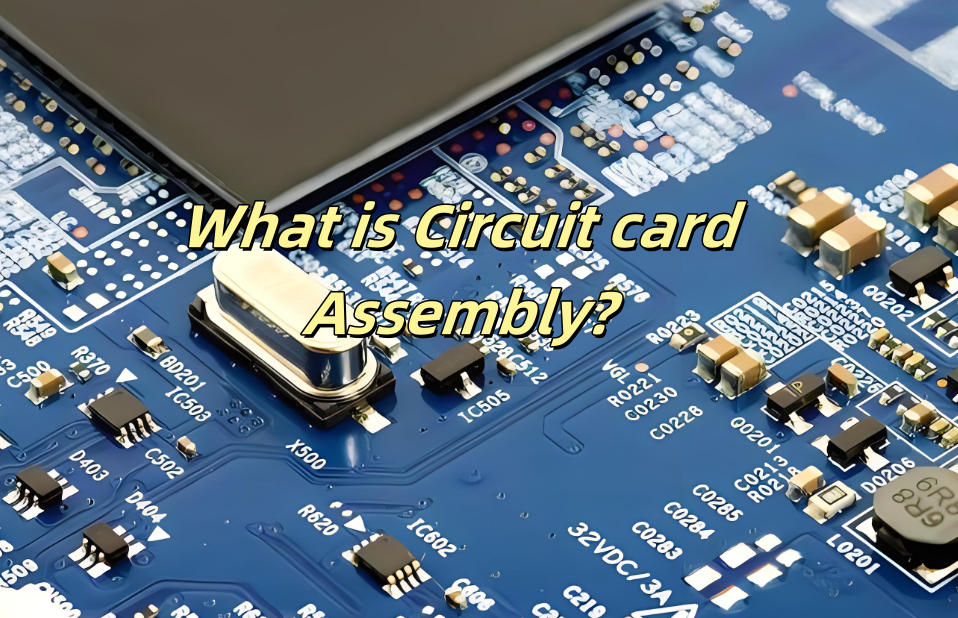
The full form of ICT is In-Circuit Testing. It is a method that always used to test assembled circuit board during manufacturing.

What is ICT in PCB?

In-circuit testing (ICT) is a method used to test assembled circuit boards during production. It ensures that every component on the PCB functions as expected. By applying electrical signals to the board, it checks for faults like open circuits, shorts, and wrong component values.

In PCB assembly, ICT is used for final testing after surface-mount components and through-hole components have been soldered onto the board. This test is highly effective in identifying assembly defects that might compromise the functionality of the final product.

What is ICT Full Form in PCB?

ICT vs. FCT

Although ICT and FCT look similar, their purposes and focus are different.

In-Circuit Testing (ICT) is like a thorough quality check for individual components. It tests each resistor, capacitor, inductor, and IC on the board to make sure they’re installed and working as expected. ICT does this without focusing on the PCB’s complete function as a whole; instead, it looks for manufacturing faults or placement errors on each part of the circuit. This is perfect for catching problems before the PCB reaches final assembly.

Functional Circuit Testing (FCT), on the other hand, looks at the bigger picture. FCT checks if the assembled board works as intended in a simulated working environment. It mimics the real-world conditions the PCB will face once in use, testing the board as a whole rather than individual components. FCT aims to ensure that all parts are correctly interacting and that the board behaves as it should under operating conditions.

What is ICT Full Form in PCB?

Together, ICT and FCT form a powerful duo: ICT focuses on each component’s accuracy, while FCT ensures that all the elements work smoothly as a cohesive unit. Using both tests provides a comprehensive check, enhancing the PCB’s overall quality and reliability before it reaches the end-user.

What Items Does ICT Test for on a PCBA?

When ICT tests a PCBA, it’s really looking for any faults or failures in the components and connections that could cause problems later on. Here’s what ICT commonly checks:

  • Resistors – It verifies that each resistor has the right resistance value and is correctly placed. If a resistor value is wrong, it can disrupt the whole circuit.
  • Capacitors – ICT checks capacitance levels and polarity (in specific cases) to make sure each capacitor is installed properly. Incorrect capacitors can lead to unstable performance.
  • Inductors – The test examines if inductors have the correct inductance values. Faulty inductors can cause power issues or signal problems.
  • Integrated Circuits (ICs) – ICT verifies that ICs are in the right orientation and connected properly to avoid shorts or opens, both of which can make the board malfunction.
  • Transistors – By checking transistor functionality, ICT ensures they won’t cause signal or power issues within the PCB.
  • Diodes – ICT makes sure diodes have correct polarity and work properly. Misplaced or faulty diodes can impact the flow of current, leading to circuit failure.
  • Solder Joints – ICT evaluates each solder joint, checking for breaks or poor connections. Bad solder joints lead to unstable electrical contact, which could cause intermittent issues or complete failure.

What is an ICT Machine?

An ICT machine is a specialized piece of equipment designed to perform in-circuit tests on PCBs. You can see it from below picture. The ICT machine uses a test fixture, also called a “bed of nails,” containing numerous tiny probes or pins. Each probe aligns with a specific point on the PCB, making contact with various circuit points to evaluate the electrical connections.

Once a PCB is placed in the test fixture, the machine applies signals through the probes to test individual components. It checks electrical properties such as resistance, capacitance, and voltage at each node. If a component is misplaced, missing, or faulty, the machine flags it immediately.

What is ICT Full Form in PCB?

With its speed and precision, an ICT machine is an invaluable tool in high-volume production lines. While setting up an ICT machine requires creating a test fixture for each PCB, they save much time and human during the manufacturing process, make sure a fast delivery.

What Are the 7 Types of PCB Testing Methods?

In addition to ICT testing, there are other 6 types of PCB testing methods that widely used. Let’s talk about them one by one.

1. Flying Probe Testing

    A testing method mainly used for prototypes or small/low volume orders. In Flying Probe Testing, multiple movable probes make contact with test points on the board. Unlike ICT, it doesn’t require a fixture, making it highly flexible and cost-effective for small production runs. However, compared with ICT testing, it’s relatively slower than ICT because it tests points sequentially.

    2. Functional Circuit Testing (FCT)

    FCT is a method that check whether PCBA works correctly. It is typically come after ICT, and in almost factory, it is the last process to confirm that every component works together correctly.

    3. Burn-In Testing

    Burn-in Testing (also called aging test) pushes the board to its limits by applying high temperatures, loads, or voltages for extended periods. It can spot failures in components that might not withstand the stress of real-world conditions. Burn-in testing is often used for products that need high reliability, such as aerospace and medical devices.

    4. X-Ray Inspection

    For multilayer or densely packed PCBs, X-ray inspection is must to do. It helps visualize hidden solder joints and component placements that inspectors can’t found by naked eyes. X-ray inspection is invaluable for boards with fine-pitch components such as BGAs, QFNs, or those where hidden joints can’t be inspected visually.

    5. Automated Optical Inspection (AOI)

    AOI uses cameras to visually inspect the board for common issues like misalignment, missing components, or faulty solder joints. This is a quick and effective way to catch visible defects. AOI is widely used in automated production lines, as it quickly flags any boards that require closer examination. To get highest quality and no-defect products, EBest Circuit (Best Technology) equipped with online dual track AOI to inspect PCBA.

    6. Boundary Scan Testing

    Boundary Scan Testing is particularly useful for complex boards where physical probing is challenging. It involves using ICs that support scan testing, so that engineers to check connectivity between ICs and other critical points. Boundary scan is common in high-density boards like those found in telecommunications.

    Each method brings a unique advantage to PCB testing. In-Circuit Testing (ICT) is highly effective for large-scale quality control, while Flying Probe Testing is better suited for prototypes and smaller batches. Together, these tests form a complete strategy for delivering reliable, high-quality PCBs across various production needs.

    How does ICT Testing?

    ICT works by using a bed-of-nails (BON) tester or test probes to connect to specific test points on a PCB. Electrical signals are then sent through the board, and the responses are analyzed. Here’s how it works in simple steps:

    • Connection: The PCB is placed on the ICT machine, where test pins contact the board at designated points.
    • Signal Application: The ICT machine applies electrical signals to test the components individually or in groups.
    • Data Collection: The responses from each component are recorded to determine if it matches the expected output.
    • Fault Identification: Any deviations from expected responses are flagged, identifying potential defects like soldering errors, component failures, or incorrect placements.

    FAQs about ICT

    Q: What is ICT?

    A: ICT (In-Circuit Test System), commonly known as online tester In Chinese, is mainly used for the test of assembled Circuit boards (PCBA).

    Q: Which components can ICT basic functions measure?

    A: On, short circuit, resistance, capacitance, inductance, diode, IC protection diode test, etc.

    Q: Why use ICT?

    A: According to the statistical data of the circuit board assembly industry, assembly defects are mainly reflected in the welding open circuit, short circuit, offset, missing parts and other aspects, accounting for more than 90%, so the principle of online testing technology application is to quickly detect faulty components or assembly defects, and can accurately locate defects and defect classification.

    Q: Can ICT be regarded as a universal meter?

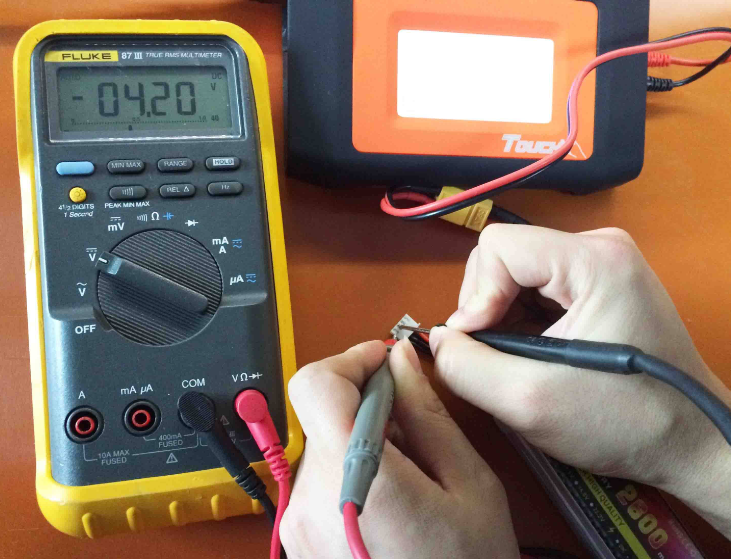
    A: ICT can be regarded as an automated high-level multipurpose meter, and because it has the function of circuit isolation, it can accurately measure the actual value of each component in the circuit.

    Q: What is the relationship between ICT and AOI?

    A: ICT is mainly carried out by electrical measurement methods, while AOI is carried out by optical image processing technology. Both have their own strengths and complement each other. In the process arrangement, AOI is generally the first, then ICT.

    You may also like

    How to do EMI/EMC Testing in PCBs?

    October 25th, 2024

    In the PCB design and testing, there is a common term be mentioned frequently, that is EMI and EMC. Some people may ask that ā€œwhat is EMI/EMC, why is it be mentioned every time?ā€ Today, BEST team will take you to understand what are they and how to test them. Let’s keep reading.

    How to do EMI/EMC Testing in PCBs?

    What are EMI and EMC in PCB?

    Before diving into, we should know both EMI and EMC are important elements during the PCB design. Some new PCB projects are failed during testing, because EMI and EMC design is not reasonable.

    EMC is short for electromagnetic compatibility. EMC in a PCB is the ability of the PCB to operate in its electromagnetic environment without creating unbearable electromagnetic interference to other devices around it. In general, to achieve an EMC compliant design, engineers need to consider three basic aspects:

    • Generating unwanted electromagnetic radiation and its propagation.
    • The vulnerability of designs or components to electromagnetic interference (EMI).
    • PCB design should not cause intolerable electromagnetic interference on its own.

    EMI is short for electromagnetic interference. EMI is unwanted noise or signals generated by electronic devices, which can disrupt other nearby equipment. PCBs, being central to electronics, are often both sources and victims of EMI. Every engineer should follow EMC configuration standards to minimize the total amount of EMI and its impact.

    How to do EMI/EMC Testing in PCBs?

    In a word, EMI refers to the generation of electromagnetic interference, while EMC refers to electromagnetic compatibility, that is, how well a device blocks EMI. EMI originates from electromagnetic equipment, and EMC involves equipment that is both anti-interference and non-interference with other equipment.

    What Is the Difference Between EMI and EMC Testing?

    EMI testing focuses on measuring the interference a device generates. It aims to ensure that the PCB doesn’t emit electromagnetic waves that can interfere with other devices. EMC testing, on the other hand, checks the device’s ability to withstand electromagnetic interference from its environment without losing functionality. Both tests are essential to make sure that your PCB not only works well but also doesn’t cause problems for other systems.

    The main difference between EMC tests and EMI is their purpose and method of testing. ā€Œ

    Test purpose

    • ā€ŒEMC testing focus on the equipment or system will function properly in an electromagnetic environment and will not cause intolerable electromagnetic disturbance to other equipment. EMC testing includes two aspects: electromagnetic immunity (the ability to resist interference) and electromagnetic emission (not to interfere with other equipment).
    • ā€ŒHowever, EMI testing focuses on unwanted electromagnetic energy emitted by a device or system that may interfere with the normal operation of other nearby equipment. The purpose of EMI testing is to identify and reduce these sources of interference to prevent interference with other equipment ā€Œ

    Testing method

    • ā€ŒEMC test usually includes shielding, grounding, and filtering methods. Shielding is surrounding devices or systems by using conductive materials to reduce leakage of electromagnetic radiation. Grounding is connecting the metal housing and ground to provide a safe electrical circuit loop. Filtering is to reduce unnecessary electromagnetic signal transmission through PCB circuit design.
    • ā€ŒEMI test mainly measuring by the conducted interference and radiation interference of the devices. Conducted interference is interference that travels through a conductive medium (such as a wire), while radiative interference refers to the interference that travels through space.

    What Are the Testing Standards for EMI/EMC?

    Several global standards guide the EMI/EMC testing process. These include:

    IEC 61000 series: This is the most common EMC test standard, covering EMI and EMS (Electromagnetic sensitivity) test methods, limits and units of measure.

    EN 55014 series: This is the EU EMC test standard, including:

    EN 55014-1: Radiation from household appliances

    ā€ŒEN 55014-2ā€Œ: Radiation immunity of household appliances

    ā€ŒEN 55032ā€Œ : Interference emission test for multimedia electronic products

    ā€ŒEN 55035ā€Œ : Immune immunity test for multimedia electronic products

    ā€ŒGB/T17625 series ā€Œ : This is China’s EMC test standard, including:

    GB/T17625.1-2012ā€Œ : EMC limits Harmonic current emission limits (Input current per phase ≤16A)

    ā€ŒGB/T17625.2-2007ā€Œ : Limits on voltage variation, voltage fluctuation, and flicker (rated current of equipment per phase ≤16A)

    ā€ŒGB/T17625.7-2013ā€Œ : Harmonic current limit for conditionally connected devices with rated current ≤75A in a common low-voltage power supply system

    ā€ŒGB/T17625.8-2015ā€Œ : Harmonic current limit for devices connected to a common low-voltage system with input current greater than 16A but less than 75A per phase

    ā€ŒGB/T17625.9-2016ā€Œ : Signal transmission emission levels, frequency bands and electromagnetic disturbance levels on low-voltage electrical installations

    ā€ŒGBZ17625.3-2000ā€Œ : Limits on voltage fluctuations and flickers in low-voltage supply systems for devices with rated current >16A

    ā€ŒGBZ17625.6-2003ā€Œ : Limits on harmonic currents produced by devices with rated current >16A in low-voltage power supply systems

    ā€ŒGBZ17625.13-2020ā€Œ : Evaluation of emission limits for unbalanced installations connected to medium voltage, high voltage, and ultra-high voltage power systems

    ā€ŒGBZ17625.14-2017ā€Œ : Evaluation of emission limits for harmonics, interharmonics, voltage fluctuations and unbalance of nuisance devices connected to low voltage power systems

    ā€ŒGBZ17625.15-2017ā€Œ : Evaluation of low frequency electromagnetic immunity and emission requirements for distributed generation systems in low voltage power grids

    These standards cover a wide range from household appliances to industrial equipment, you can follow one of them according to your specific applications and countries.

    How to Conduct an EMI Test?

    Before conduct a test, let’s know the testing method. EMI test methods mainly include the following ā€Œ :

    1. Pre-test: EMI testing performed during the design phase to detect and resolve EMI problems early in product design and development. Pre-test can be conducted using computer simulation, or by using actual test equipment.

    2. Emission test: It is a test to measure whether electromagnetic waves emitted by equipment meet EMI standards. The emission test can be carried out by field test, half-time test, full-field test and other methods. Commonly used test equipment includes spectrum analyzer, scanning receiver, antenna, etc.

    3. Sensitivity test: Common sensitivity testing methods include radiation sensitivity testing and conduction sensitivity testing. radiation sensitivity testing uses a signal generator to generate an electromagnetic field of a specific frequency and intensity. And conduction sensitivity testing involves injecting simulated electromagnetic interference signals on the power or signal lines of the equipment under test.

    4ā€Œ. Spectrum analysis: By measuring the spectrum of electromagnetic wave to analyze the characteristics of electromagnetic interference.

    ā€ŒAbove are the testing methods of EMI, and here is the steps that how to test it.

    • Select the right test method

    First of all, select a right test method according to the specific test purpose and object. For example, if the emission characteristics of the equipment need to be evaluated, an emission test can be selected; If you need to evaluate the anti-interference capability of the equipment, you can choose sensitivity test.

    • Use professional equipment

    Use professional test equipment, such as spectrum analyzer, signal generator, digital storage oscilloscope, etc., to ensure the accuracy of the test results.

    How to do EMI/EMC Testing in PCBs?
    • Environment control

    When performing sensitivity test, control the test environment to avoid the influence of other electromagnetic interference sources. Tests can be conducted in a shielded room to reduce outside interference.

    • Data analysis

    Detailed analysis of the test data, identify potential sources of electromagnetic interference, and propose improvement measures. Methods such as difference method and potential zeroing method can be used to reduce the influence of interfering magnetic field on measurement results.

    EMI/EMC PCB Design Guidelines

    1. Ground plane

    Because all circuits need to be grounded, the ground plane is the first line of defense against EMI. The following measures can be taken to reduce EMI:

    • Increase the ground area
    • Set up the ground plane
    • Each component should be connected to the ground plane
    • Each component should be connected to the ground plane or a ground point.
    • Decoupling capacitor
    • The ground plane is placed directly below the plane with the signal trace
    • Digital ground and analog ground should be separated
    • The ground wire should be as thick as possible
    • The length of the ground system should be kept to a minimum
    How to do EMI/EMC Testing in PCBs?

    2. Power supply design

    Improper power supply design will result in greater noise and ultimately reduce product performance. Two main factors that lead to power supply instability:

    1) Excessive transient AC current under high-speed switching

    2) Inductance exists in the current loop Therefore, the integrity of the power supply should be fully considered in PCB design.

    How to do EMI/EMC Testing in PCBs?

    3. PCB layout

    a) PCB size

    PCB size must be considered. When it comes to oversized boards, the traces must go a long way as the impedance increases, the noise immunity decreases, and the manufacturing cost increases. When the board size is particularly small, it will cause heat dissipation problems and crosstalk is prone to occur between adjacent traces. The recommended PCB size is a rectangle with an aspect ratio of 3:2 or 4:3. In addition, when the board size exceeds 200mm*150mm, the mechanical strength of the board retraction should be considered.

    b) Avoid right angles

    This has been said many times. Avoid 45° to 90° for vias, traces, etc. When the trace reaches more than 45°, the capacitance will increase.

    c) Keep signals separated

    Digital circuits, analog circuits, and noise sources should be placed independently on the board, and high-frequency circuits should be isolated from low-frequency circuits. In addition, attention should be paid to the component distribution of strong and weak signals and the direction of signal transmission.

    d) Increase the trace width as much as possible

    e) Wider trace sizes can effectively reduce radiated emissions.

    f) Make the return current path as short as possible and route along the path with the least resistance. The length of the return path should be roughly the same as or shorter than the length of the transmission trace.

    4. Component placement

    In general, it is best to completely separate analog and digital signals. Being too close can easily lead to problems such as crosstalk. In addition, compatible components should be placed independently to ensure that components do not interfere with each other in space.

    How to do EMI/EMC Testing in PCBs?

    5. PCB layer design

    In terms of the number of layers, choose the appropriate number of layers. Single-layer PCBs and double-layer PCBs are suitable for medium and low-density wiring or low-integrity circuits. Based on manufacturing cost considerations, most consumer electronic products rely on single-layer PCBs or double-layer PCBs. However, due to their structural defects, they both generate a lot of EMI, and they are also sensitive to external interference. Multi-layer PCBs tend to be more used in high-density wiring and high-integrity chip circuits. Therefore, when the signal frequency is high and the electronic components are densely distributed, a PCB with at least 4 layers should be selected. In multi-layer PCB design, the power layer and the ground layer should be specially arranged, and the distance between the signal line and the ground line should be reduced.

    6. EMI shielding

    Shielding and filtering can minimize the impact of EMI. Some shielding and filtering options include:

    • Component and PCB shielding
    • Low-pass filtering
    • Cable shielding

    7. Trace routing

    Put the current signals with the same output but opposite directions in parallel to eliminate magnetic interference. Discontinuities in printed leads should be minimized. For example, the lead width should not change abruptly and the lead angle should not exceed 90°.

    8. Routing design

    The power line, ground line, and traces on the circuit board should maintain low impedance to high-frequency signals. When the frequency remains so high, the power line, ground line, and circuit board traces all become small antennas responsible for receiving and transmitting interference. To overcome this interference, it is more important to reduce the high-frequency impedance of the power line, ground line, and circuit board traces than to increase the filter capacitor. Therefore, the traces on the circuit board should be short, thick, and evenly arranged.

    9. Decoupling and grounding

    The proper placement of decoupling capacitors and the application of the inductor capacitor energy storage function make it possible to provide current to the device at the moment of switching. In a DC loop, load changes can cause power supply noise. The decoupling capacitor configuration can block the noise generated by load changes. For electronic equipment, grounding is a key method to control interference. If grounding is properly combined with shielding measures, most interference problems will be solved.

    Above all are the key points when design pcb, hope you can take them in mind and use in your actual design phase.

    You may also like

    Aerospace PCB Assembly Guide | PCBA & Box Building

    October 24th, 2024

    What is Aerospace PCB Assembly?

    Aerospace PCB assembly refers to the intricate process of manufacturing printed circuit boards (PCBs) specifically for aerospace systems, including aircraft, spacecraft, satellites, and other related avionics systems. These boards are vital for controlling critical systems in extreme environments, where traditional electronic components would fail. Aerospace PCBs are engineered with precise attention to durability, signal integrity, and longevity to ensure reliable operation over long periods, even in the most hostile conditions like extreme temperatures, vibrations, and radiation.

    The assembly process includes component placement, soldering, testing, and verification to ensure the PCBs meet strict aerospace industry standards. Due to the high-stakes nature of aerospace applications, each PCB must be built with the highest degree of precision and undergo rigorous testing to ensure it can withstand the operational conditions of the specific aerospace application.

    Aerospace PCB Assembly Guide | PCBA & Box Building

    Why does Aerospace PCB Assembly Need High Reliability?

    Aerospace PCB assembly requires exceptionally high reliability due to the mission-critical nature of the systems they support. Unlike consumer electronics, where failures might lead to inconvenience, failures in aerospace systems can be catastrophic, leading to loss of life, property, or the failure of multimillion-dollar space missions. Once a satellite, spacecraft, or aircraft is deployed, accessibility to repair faulty components is extremely limited. So that aerospace PCBs function flawlessly for years, or even decades, without failure.

    In addition to inaccessibility, aerospace electronics face harsh environmental conditions such as extreme temperatures, radiation, shock, and vibration. These conditions demand that PCBs operate continuously under stress without compromising their performance. High-reliability standards ensure the PCBs’ long-term stability and functionality in these demanding environments. Aerospace components must be high quality, fail-safe, and undergo extensive testing for performance, durability, and resilience.

    What Grade of IPC Standard Should Aerospace PCB Assembly Follow?

    IPC standards are a widely used term in the electronics industry that covers all aspects of electronic product design, including the acceptability of printed circuit boards, material requirements, and more. IPC standards establish standards from all aspects, as long as manufacturers strictly implement the standards, product quality and reliability are naturally guaranteed.

    Aerospace PCB assembly needs to meet the requirements of high reliability, high quality and high performance, so during the production process, it should comply with IPC-6012 Level 3 standards. IPC-6012 is a performance specification document that defines the default requirements and specifications for each class of PCB. Among them, Class 3 PCBs have tighter tolerances and are commonly used in military applications, medical devices, and the aerospace industry. The IPC-6012 Level 3 standard ensures that the PCB can also ensure the reliable start-up and operation of the equipment in harsh environments, such as high temperature, low temperature, vibration and other extreme conditions can still work.

    In addition to IPC-6012, IPC-610 Class 3 is critical for ensuring the highest quality workmanship in aerospace electronics as well. In the IPC-610 standard, class 3 defines the acceptance criteria for high-reliability electronics, including tight tolerances, high-quality soldering, and thorough inspections.

    Industry Standards for Aerospace PCB Manufacturing

    Aerospace PCB manufacturing must adhere to several industry-specific standards to ensure reliability and safety.

    • ISO9001

    It is an internationally recognized quality management system standards designed to help organizations continue to provide products or services that meet customer and applicable legal and regulatory requirements through a systematic approach. It is the code of conduct that governs our production process.

    • AS9100

    Another essential standard is AS9100, which is a widely recognized quality management system tailored specifically for the aerospace industry. It covers every aspect of the aerospace PCB production process, from material selection to assembly, testing, and delivery.

    • MIL-PRF-31032

    It is one of the most significant standards is MIL-PRF-31032, which governs the qualification of printed wiring boards used in military and aerospace applications.

    • RoHS

    PCBs for aerospace applications must also comply with RoHS (Restriction of Hazardous Substances) regulations, particularly in Europe, to ensure the environmental safety of electronic components. Additionally, aerospace PCBs undergo specific testing procedures, such as thermal cycling, vibration testing, and humidity resistance, to ensure they meet operational standards.

    EBest Circuit (Best Technology) certificated by ISO9001, ISO13485, IATF16949, AS9001, RoHS and some other certifications about manufacture. We are dedicated to provide customers with “High mixed, low volume, fast delivery and high quality” PCB and PCBA products. At EBest Circuit (Best Technology), you get a sense of value for money!

    Common PCBA Modules or Systems for Aerospace Electronics

    Aerospace electronics rely on various specialized PCBA modules and systems to ensure efficient and reliable operation in mission-critical environments. These systems are essential in everything from flight control to communication, navigation, and power management in aircraft, satellites, and spacecraft. Below are some of the most common PCBA modules or systems used in aerospace electronics:

    Aerospace PCB Assembly Guide | PCBA & Box Building

    1. Avionics Control Systems

    Avionics control systems are the backbone of modern aerospace technology, responsible for managing and controlling various systems in aircraft and spacecraft. They handle critical functions such as navigation, communication, and onboard sensors, providing real-time data to pilots and flight computers.

    2. Power Management Systems

    Power management systems in aerospace electronics regulate the distribution and control of electrical power across the aircraft or spacecraft. These PCBA modules are designed to manage the onboard electrical grid.  In some subsystems, they provide a stable power supply, such as for communication equipment, control systems, and sensors.

    3. Flight Control Systems

    Flight control systems are responsible for managing an aircraft’s or spacecraft’s attitude, direction, and speed. The PCBA modules within these systems process data from various sensors (like gyroscopes and accelerometers) and use it to adjust control surfaces or thrusters.

    4. Radio Communication Systems

    It enables the communication between the aircraft and ground control. RF (Radio Frequency) modules, transceivers, and antenna control units are common PCBAs in communication systems. Aerospace communication systems are engineered to handle long-distance transmission and are resistant to environmental interference, such as radiation or electromagnetic noise.

    5. Navigation Systems

    Navigation systems in aerospace electronics guide aircraft and spacecraft to their destinations using data from GPS satellites, inertial navigation systems (INS), and other sources. The PCBAs in navigation systems are responsible for processing this data and providing accurate location, speed, and altitude information.

    6. Radar and Sensor Systems

    They are the most important parts in the aerospace applications, like collision avoidance, terrain mapping, and weather monitoring. They can process large amounts of data quickly and reliably, often using digital signal processors and field-programmable gate arrays (FPGAs) to handle real-time processing.

    7. Environmental Control Systems (ECS)

    Environmental control systems are responsible for maintaining optimal cabin and equipment conditions within an aircraft or spacecraft. These systems monitor and regulate air pressure, temperature, and humidity. The PCBAs used in ECS modules often featuring sensors that track environmental parameters and control systems that adjust them accordingly.

    8. Data Acquisition Systems

    Data acquisition systems collect and process data from various subsystems and sensors in aerospace applications. These PCBA modules are integral in spacecraft, aircraft, and satellites, enabling real-time data monitoring, analysis, and recording. Data acquisition PCBAs are designed to interface with different sensors, process data quickly, and transmit it to central control systems for further analysis. These systems must be reliable and capable of operating in high-altitude or space environments where temperatures and radiation levels can be extreme.

    9. Power Distribution Units (PDUs)

    Power Distribution Units (PDUs) manage the flow of electrical power to various subsystems within an aircraft or spacecraft. The PCBAs in PDUs ensure that power is efficiently distributed to essential systems, and they often include built-in protections against power surges, overloads, and short circuits.

    Best materials for Aerospace PCB Assembly

    Aerospace PCB mainly used high reliability and high temperature materials. Common material types are the following:

    1. High temperature substrate

    Because aerospace electronic equipment is often in a high temperature environment, it is necessary to use high temperature substrate, such as polyimide (PI) and polytetrafluoroethylene (PTFE).

    • Refractory materials

    The aerospace field has strict fire safety requirements, so it is necessary to use good flame

    retardant materials, such as polystyrene (PS) and Australian flame retardant epoxy resin.

    • Corrosion resistant materials

    There are some corrosive substances in the aerospace environment, so it is necessary to use materials with good corrosion resistance, such as special polyamides and special coatings.

    • High electrical performance materials

    In aerospace applications, circuit boards are required to have good electrical properties, including high impedance, low dielectric constant and low dissipation characteristics, so materials such as high frequency glass fiber cloth (FR4), polyimide (PI) and polytetraoxyethylene (PTFE) are often used.

    Aerospace PCB Assembly design standards

    Designing PCBs for aerospace applications requires adherence to strict design standards that ensure optimal performance under harsh conditions. These design standards focus on several critical factors:

    Signal Integrity

    Aerospace PCBs must be designed to minimize signal degradation, ensuring accurate data transmission. High-speed signal transmission lines must be optimized for impedance control and reduced electromagnetic interference (EMI).

    Thermal Management

    Effective heat dissipation is crucial to prevent overheating in aerospace PCBs. The design must incorporate features such as metal cores or heat sinks to manage thermal loads efficiently.

    Vibration and Shock Resistance

    Aerospace PCBs are subject to extreme vibration and shock during flight or launch. The design must include mechanical reinforcements and vibration-dampening measures to protect the integrity of components and solder joints.

    EMI Shielding

    Aerospace environments are susceptible to electromagnetic interference, which can disrupt signal integrity. Proper shielding techniques, such as ground planes and shielded traces, are essential to reduce EMI and ensure reliable signal performance.

    Component Placement

    Components must be strategically placed to ensure signal integrity, reduce noise, and improve overall PCB performance.

    EBest Circuit (Best Technology) is a professional PCB & PCBA manufacturers in military, aerospace and medical, over 70% of our engineers have worked in PCB industry for more than 10 years. We have mature technology and advanced testing equipment to ensure the highest quality while maintain fast delivery. Trust us, we can be your most reliable PCB supplier in China and Vietnam.

    You may also like

    What is inverter PCB? Where is inverter p.c. board?

    October 23rd, 2024

    What is an inverter circuit board?

    An inverter circuit board is designed to manage the conversion process by controlling the flow of current, regulating voltage, and ensuring efficient energy transfer. It can control and regulate the conversion of direct current (DC) into alternating current (AC). In the application of renewable energy systems such as solar power generation and wind power generation, inverters play a crucial role. It efficiently converts the DC energy collected by solar panels or wind turbines into AC power supplies suitable for home and business use.

    An inverter PCB typically includes components such as power semiconductors (IGBTs or MOSFETs), microcontrollers, and various passive elements that enable the inverter to function correctly.

    What is inverter PCB? Where is inverter p.c. board?

    Types of Inverter PCB

    Inverter PCBs come from several types, mainly are single-sided PCB, double-sided PCB and multilayer PCB.

    Single-Sided PCB

    A single-sided PCB is the most basic type, with all the components and circuits mounted on one side. It is commonly used in low-cost inverters with relatively simple circuits. Due to the limited space and circuit paths, its performance and power handling capabilities are moderate. Therefore, it is suitable for small-scale inverter systems or low-power home appliances.

    Double-Sided PCB

    Double-sided PCBs feature components and copper circuitry on both sides of the board. Furthermore, plated through holes can be drilled on such board to improve the electricity. These PCBs are suitable for mid-range inverter designs that require a higher number of components and connections, as they provide better performance and power efficiency. In higher power applications like motor control systems and renewable energy inverters, double sided PCB are commonly used.

    Multilayer PCB

    Inverters designed for industrial applications or high-performance devices often require multilayer PCBs. These boards consist of three or more layers of circuitry sandwiched between layers of insulation. Multilayer PCBs can reduce electromagnetic interference (EMI) and improve signal integrity, they are excellent in complex inverter systems used in electric vehicles (EVs), large solar arrays, and industrial motor drives.

    What Benefits Does an Inverter PCB Offer?

    First of all, ā€Œ high reliability ā€Œ is an important advantage of inverter PCB. Through precise circuit design and high-quality assembly processes, inverter PCBs can significantly improve the stability and reliability of equipment. In addition, the modular design makes troubleshooting and maintenance more convenient.

    Secondly, ā€Œenvironmental protection ā€Œ is also an important feature of the inverter PCB. Conventional inverter PCBs may use halogen-containing chemical materials in the manufacturing process, which can pose potential threats to the environment and human health. The halogen-free inverter PCB adopts halogen-free substrate and lead-free welding technology, does not produce harmful environmental pollutants, and has less impact on the environment and human health.

    In addition, ā€Œ easy to upgrade and maintain ā€Œis another important advantage of inverter PCBs. When the inverter needs to be upgraded or repaired, it can be achieved by replacing or repairing specific PCB modules, without large-scale changes to the entire system, which greatly reduces the complexity and cost of upgrading and maintenance.

    Finally, ā€Œ highly integrated ā€Œ is also a significant advantage of inverter PCBs. Through a highly integrated design, the size and weight of the inverter are reduced for easy installation and maintenance.

    What is an Inverter Circuit Diagram?

    An inverter circuit diagram is a schematic representation that illustrates how the components on the PCB are interconnected to convert DC power into AC power. It provides a detailed view of the flow of current and the role each component plays within the inverter system.

    What is inverter PCB? Where is inverter p.c. board?

    The diagram typically includes:

    • Power Input: Showing where the DC power is supplied, often from batteries, solar panels, or other DC sources.
    • Switching Devices: Components like Insulated Gate Bipolar Transistors (IGBTs) or Metal-Oxide-Semiconductor Field-Effect Transistors (MOSFETs), which are used to alternate the direction of current, producing AC power.
    • Control Circuit: A microcontroller or other control logic that regulates the switching timing and frequency to generate a stable AC output.
    • Filters: Inductors and capacitors used to smooth out the AC waveform and minimize harmonic distortion.
    • Protection Circuits: Components that safeguard against overcurrent, overvoltage, and short circuits, ensuring safe operation of the inverter.

    Applications of Inverter PCBs

    Inverter PCBs are found in various applications, including renewable energy systems like solar inverters, uninterruptible power supplies (UPS), electric vehicle systems, motor drive systems, and home appliances like air conditioners, refrigerators, and washing machines. Below are the typical applications of inverter PCBs:

    Solar Inverters

    In solar power systems, inverter PCBs are critical for converting the DC electricity generated by solar panels into usable AC electricity for homes and businesses. Solar inverters also use MPPT (Maximum Power Point Tracking) algorithms to optimize energy harvesting.

    Uninterruptible Power Supplies (UPS)

    In UPS systems, inverter PCBs ensure the reliable conversion of DC battery power into AC electricity during power outages. These systems are vital in data centers, hospitals, and other environments where uninterrupted power is essential.

    Electric Vehicles (EVs)

    EVs rely on inverter PCBs to convert the DC power stored in the battery into AC power to drive the motor. The performance and efficiency of the inverter PCB directly affect the vehicle’s range and driving experience.

    Industrial Motor Drives

    Many industrial applications use AC motors for machinery and equipment. Inverter PCBs regulate the speed and torque of these motors by converting DC power into controlled AC output, they are important for automation, robotics, and manufacturing processes.

    Home Appliances

    Many modern home appliances, such as air conditioners, refrigerators, and washing machines, use inverter technology for energy efficiency. Inverter PCBs in these devices help control motor speed and reduce energy consumption, contributing to more eco-friendly and cost-effective home systems.

    What Causes an Inverter Board to Fail?

    There are many factors that can cause inverter board to fail, and some of them we can recognize by visual, but sometimes we cannot. Here we listing some potential factors that make inverter PCB be damaged or fail.

    • Overheating

    Excessive heat is a common cause of inverter PCB failure, particularly in high-power applications. Poor thermal management or inadequate cooling can cause components to overheat and degrade over time. For such conditions, aluminum PCBs has good thermal conductivity, this can help to heat dissipation and transfer heat out efficiently, but if the cooling system is not properly designed, even these boards can fail.

    • Poor insulation

    This may be due to poor installation, improper location selection and poor quality of equipment of PCB board. We can check whether the DC connector has short-circuit supports or burns due to water immersion, and whether the edges of the component become blackened.

    • Low bus voltage

    If this problem occurs in the morning and evening, then it is normal as the inverter tries to limit the generation conditions. If it occurs during normal daytime hours, it can be detected by above method.

    What is inverter PCB? Where is inverter p.c. board?
    • Abnormal current leakage

    These problems are often caused by poor installation quality, improper location selection and poor equipment quality. We can locate the fault area and make it insulated. If the failure is caused by the material, then replace the incorrect one.

    • No response

    Ensure that the DC input is correctly connected and the inverter has built-in reverse short circuit protection. After the connection is restored, the inverter can start. If the inverter still does not work, it may be the fault of the inverter oscillation circuit or inverter itself has a problem. Try to troubleshooting and repair with new one.

    Considerations When Choosing the Right Inverter PCB

    Several factors should be considered when choose an inverter PCB for your device. Let’s talk about them.

    1. Power Rating

      Select a PCB that can handle the power levels required by the application. Overloading a PCB beyond its rated capacity can lead to overheating, component failure, or even dangerous situations like fire.

      2. Thermal Management

      In applications where heat generation is a concern, selecting a PCB with good heat dissipation is vital. Aluminum PCB or high-quality multilayer PCBs can help dissipate heat effectively. Consider heat sinks, design thermal vias, and adequate ventilation in your design to improve thermal performance.

      3. Component Quality

      From above, we know high quality components used in the PCB is important as well. High-quality capacitors, transistors, and diodes ensure reliable operation, even in harsh conditions. Always choose components rated for the expected load and environment, or get touch with EBest Circuit (Best Technology) to enjoy a one-stop service from components sourcing and PCB assembly.

      4. Environmental Resistance

      If the inverter will be used in outdoor or industrial environments, choose a PCB with protective coatings, such as conformal coatings, to shield against moisture, dust, and corrosive elements. Solar power systems or outdoor motor control applications must take it in mind.

      5. PCB Layout and Size

      The physical size and layout of the PCB should align with the space available in the inverter system. A well-organized PCB layout helps reduce electromagnetic interference (EMI) and improves overall efficiency.

      Above are all the information about inverter PCB that we can shared. If you have a question concerning the topics, please contact us.

      You may also like

      Wi-Fi Module PCBA Design | Box Build Assembly Manufacturer

      October 22nd, 2024

      Wireless technology has transformed the way devices communicate. At the heart of this transformation are Wi-Fi modules. These small components power a wide range of applications, from home automation to industrial systems. In this blog, we’ll explore the functions of Wi-Fi modules, their uses, design considerations in PCB assembly and their differences from Bluetooth.

      What is a Wi-Fi Module?

      The Wi-Fi module, also known as the wireless module, belongs to the transmission layer of the Internet of Things (loT). It integrates a processor, memory, transceiver, and sometimes an antenna. A Wi-Fi module is to convert the serial port or TTL level into an embedded module that meets the Wi-Fi wireless network communication standards, with built-in wireless network protocol IEEE802.11b.g.n protocol stack and TCP/IP protocol stack.

      Wi-Fi Module PCBA Design | Box Build Assembly Manufacturer

      The module handles the task of connecting a device to a wireless router, allowing it to send and receive data over the internet. If embedded a Wi-Fi module in traditional hardware devices, then we can directly use Wi-Fi to connect to the Internet. It can be said, it is an important part of wireless smart home, M2M and other IoT applications.

      Types of Wi-Fi Module

      According to the different functions, Wi-Fi modules can be divided into three categories:

      1. General Wi-Fi modules

        Such as USB or SDIO interface modules on our mobile phones, laptops and tablets. Wi-Fi protocol stack and driver are run in Android, Windows and IOS systems, which require a very powerful CPU to complete the application.

        2. Router Wi-Fi module

        The most typical one is our home router, its protocol and driver has powerful Flash and Ram resources chip plus Linux operating system.

        3. Embedded Wi-Fi module

        Such as 32-bit MCU, built-in Wi-Fi driver and protocol, interface for the general MCU interface such as UART. Suitable for all kinds of smart home or smart hardware items.

        What is the Difference Between Wi-Fi and Bluetooth Modules?

        While both Wi-Fi and Bluetooth modules enable wireless communication, their usage and performance differ significantly:

        ​1. Frequency

        The frequency of Wi-Fi has 2.4G and 5G bands. Wi-Fi 2.4G band has 13 channels, 2401~2423MHz. Wi-Fi 5G frequency band is divided into 5.2G band and 5.8G band, and the 5.8G frequency band is: 149, 153, 157, 161, 165; The 5.2G band must support 11ac, and the available channels are 36, 40, 44, 48, 52, 56, 60, and 64. Under normal circumstances, it is recommended to avoid 52, 56, 60, 64 channels, because they conflict with radar channels;

        Bluetooth only has 2.4G band: 2.402GHz ~ 2480GHz, a typical Bluetooth has 76 channels, each channel is 1MHz. And bluetooth BLE has 40 channels, each channel 2MHz, of which 37 channels belong to the data channel, 3 channels belong to the broadcast channel;

        Wi-Fi Module PCBA Design | Box Build Assembly Manufacturer

        2. Application

        Wi-Fi can directly access the network, and Bluetooth needs conversion processing. Therefore, WiFi is more suitable for 1-to-many local area networking, such as home and company Internet access environment. Compared with Wi-Fi module, bluetooth is more suitable for short-range and high-stability transmission, such as smart headphones. Additionally, bluetooth mesh networking is especially suitable for smart home wireless control and other applications.

        3. Transmission Distance

        The transmission distance of Wi-Fi is further than that of Bluetooth, which can reach several hundred meters, while the transmission distance of Bluetooth is generally within 100 meters;

        4. Transmission Rate

        Wi-Fi: 54Mbps; Bluetooth: 2Mbps;

        Wi-Fi is more suitable for big data transmission.

        5. Speed

        Wi-Fi is generally faster than Bluetooth. It can handle large file transfers or streaming content without any issues. Bluetooth is slower but works well for smaller data transfers like audio streaming or simple file sharing.

        What is the Range of a Wi-Fi Module?

        ā€ŒThe coverage range of the WiFi module usually depends on the specific application scenario and environmental conditions. According to the IEEE 802.11 standard, the maximum distance that wireless devices can cover is usually 300 meters, but this depends on the environment is open or not.

        In the specific environment, the coverage of the WiFi module will be affected by a variety of factors. For example, in an ideal environment of accessibility and interference, the wireless transmission distance of a wireless router is 100 meters indoors and 300 meters at outdoors. In the actual home environment, the wireless signal will be attenuated when passing through obstacles such as walls, glass, doors, and furniture, affecting the transmission distance. If an external antenna is used, the transmission distance can reach 30 ~ 50 km or even more, depending on the gain of the antenna itself.

        Advantages of Wi-Fi Module

        1. Wide coverage

        WiFi module supports ā€ŒIEEE 802.11b/g/n and other standards to provide a wide range of wireless coverage, suitable for a variety of indoor and outdoor environments.

        2. High-speed transmission

        WiFi module supports a high data transmission rate, which can meet the requirements of high-speed data transmission, and is suitable for application scenarios with a large amount of data.

        3. Compatibility and ecosystem

        WiFi module supports a variety of communication protocols, such as ā€ŒWi-Fi, ā€ŒBluetooth, etc., has good compatibility and ecosystem, and can be integrated with a variety of devices and services.

        4. Easy to install and use

        WiFi modules are usually plug and play, easy to install and use, suitable for a variety of devices and system integration.

        Wi-Fi Module PCBA Design | Box Build Assembly Manufacturer

        Disadvantages of a Wi-Fi Module

        1. Power consumption

        One downside of Wi-Fi modules is their higher power usage compared to other wireless technologies, such as Bluetooth. This can be a concern for devices running on battery power.

        2. Interference

        Wi-Fi operates on the same frequencies as other devices, such as microwaves and cordless phones.

        3. Security

        Since Wi-Fi networks are widespread, they can be vulnerable to hacking. Proper security measures, such as encryption, must be implemented to protect data.

        What is a Wi-Fi Module Used For?

        Wi-Fi modules have a wide range of applications across industries. Actually, it exist everywhere need networks. It can be said, it can be used in every fields. Here are some typical applications:

        • Smart Homes

        Wi-Fi modules power smart devices like security cameras, thermostats, and lighting systems. They connect to a home Wi-Fi network, so users to control them remotely through apps.

        • Industrial Equipment

        In manufacturing or logistics, Wi-Fi modules enable machines to communicate wirelessly.

        • Consumer Electronics

        Devices like laptops, gaming consoles, and smart TVs rely on Wi-Fi modules for wireless internet access.

        • Healthcare Devices

        Medical equipment, such as patient monitors or wearable devices, often use Wi-Fi modules to transmit data to a healthcare provider in real time.

        • IoT Devices

        The IoT relies heavily on Wi-Fi modules. Devices ranging from smart refrigerators to connected doorbells use Wi-Fi to communicate with each other and with cloud-based systems.

        Wi-Fi Module Price

        Wi-Fi modules are available at various price points, depending on their features and intended use. For instance, the ESP8266 typically costs between $2 to $5. The ESP32, with its additional capabilities, is priced slightly higher, ranging from $5 to $10. High-end industrial Wi-Fi modules can be more expensive, ranging from $20 to $50.

        The price may also vary depending on factors like antenna design, supported protocols, and whether the module is designed for mass production or individual projects.

        What is the Most Common Wi-Fi Module?

        The ESP8266 is one of the most popular and widely used Wi-Fi modules. It is favored in many IoT applications due to its low cost, ease of use, and compact size. Another frequently used module is the ESP32, which offers additional features such as dual-core processing, built-in Bluetooth. In addition to them, there are some other common Wi-Fi module that used in the electronics.

        Wi-Fi ModuleDescriptionFrequency BrandRangePriceSpecial Features
        ESP8266Popular for IoT applications due to low cost and ease of use.2.4 GHzUp to 150 feet$2 – $5Compact size, low power, integrated TCP/IP protocol stack.
        ESP32Offers better performance with dual-core and built-in Bluetooth.2.4 GHz, BluetoothUp to 300 feet$5 – $10Dual-core processing, Bluetooth, multiple I/O options.
        CC3200A Texas Instruments Wi-Fi module designed for IoT and smart products.  2.4 GHzUp to 200 feet$8 – $15Built-in ARM Cortex-M4 processor, low power, encryption features.
        RN171A high-performance Wi-Fi module from Microchip.2.4 GHzUp to 330 feet  $20 – $30Embedded TCP/IP stack, simple serial interface.
        ATWINC1500  A low-power module designed for IoT and wearable devices.2.4 GHzUp to 200 feet$7 – $15Ultra-low power, integrated network stack, supports power-saving modes.
        WizFi210  A stable Wi-Fi module designed for industrial applications.2.4 GHzUp to 300 feet$10 – $25Low power, fast boot-up, secure connection.
        Roving Networks RN131Suitable for long-range industrial and commercial applications.  2.4 GHzUp to 400 feet$25 – $40High-performance, robust design, supports SSL encryption.

        Considerations in PCBA Design with a Wi-Fi Module

        When integrating a Wi-Fi module into PCBA design, several factors need to be considered to ensure optimal performance:

        • Antenna Design and Placement

        A key factor in wireless performance is the placement of the antenna. Ensuring there are no obstructions near the antenna can significantly improve signal strength. The module should be positioned to minimize interference from nearby components.

        • Power Supply

        Wi-Fi modules require a stable and sufficient power supply to function effectively. Voltage fluctuations or insufficient power can result in poor connectivity or even module failure.

        • Thermal Management

        Wi-Fi modules can generate heat, especially during heavy use. Proper heat dissipation methods, such as using heat sinks or thermal vias, should be incorporated into the PCBA design to maintain optimal performance.

        • EMI and EMC Compliance

        Wireless communication devices must adhere to electromagnetic interference (EMI) and electromagnetic compatibility (EMC) standards. Proper shielding and circuit design can help reduce interference and improve reliability.

        • Firmware Integration

        Many Wi-Fi modules come with firmware that handles wireless communication tasks.

        One-Stop Box-Build Assembly for Wireless Communication Devices

        For companies looking to develop wireless communication devices, EBest Circuit (Best Technology) is your go-to choice. We offer one-stop PCBA and box-build service that can handle everything from component sourcing and PCBA design to final product assembly. By partnering with us, you can reduce much development time, and get a high quality, fast delivery, low cost PCBA with Wi-Fi modules.

        With over 18 years of experience in printed circuit boards and as one of the leading PCB manufacturers, we support over 2,000 customers in different industrial areas worldwide. You can count on a PCB board manufacturer like us to meet your one-stop electronics manufacturing demands. We have an experienced engineer, production and quality team to fully understand the unique requirements of your industry, such as the particular acceptance criteria in medical, automotive, communication and aerospace industries. Contact us right now to get your PCB quotation!

        You may also like

        Application Analysis of Ceramic Heat Sinks

        October 21st, 2024

        In the realm of modern electronics, effective thermal management has become a critical factor in ensuring the performance and longevity of devices. As power density in electronic components continues to increase, the need for efficient heat dissipation mechanisms has never been more pronounced. Among the various solutions available, ceramic heat sinks have emerged as a viable and effective option due to their unique properties. This article provides a comprehensive analysis of the applications, advantages, challenges, and future trends of ceramic heat sinks.

        Application Analysis of Ceramic Heat Sinks

        Understanding Ceramic Heat Sinks

        Ceramic heat sinks are thermal management devices designed to absorb and dissipate heat generated by electronic components. They are primarily made from materials such as aluminum oxide (Al2O3), silicon carbide (SiC), and other advanced ceramics. These materials exhibit excellent thermal conductivity and stability at high temperatures, making them suitable for various electronic applications.

        Applications of Ceramic Heat Sinks

        1. Power Electronics

        Ceramic heat sinks are widely used in power electronics, such as inverters and converters. These devices generate significant amounts of heat during operation, and ceramic heat sinks play a crucial role in dissipating this heat to maintain optimal performance and reliability. Their ability to withstand high temperatures makes them ideal for high-power applications, including electric vehicles and renewable energy systems.

        2. LED Technology

        The use of LED lighting has surged in recent years, and efficient thermal management is essential to maintain brightness and extend the lifespan of LED components. Ceramic heat sinks are increasingly employed in LED applications due to their high thermal conductivity and ability to manage heat effectively. By dissipating heat efficiently, ceramic heat sinks help maintain stable light output and prolong the operational life of LED lighting systems.

        3. Telecommunications

        In telecommunications, devices such as base stations and routers often operate under heavy loads, generating substantial heat. Ceramic heat sinks are commonly used in these applications to manage thermal loads effectively, ensuring that devices operate within specified temperature ranges. This thermal management is critical for maintaining signal integrity and overall system performance.

        4. Aerospace and Defense

        The aerospace and defense industries require components that can perform reliably under extreme conditions. Ceramic heat sinks are utilized in various applications, including avionics and satellite systems, where high temperatures and harsh environments are common. Their lightweight and high-temperature resistance make them suitable for applications in aircraft electronics and military equipment, ensuring reliability and safety.

        5. Medical Devices

        Medical equipment, particularly imaging systems and laser devices, require effective thermal management to ensure safe and reliable operation. Ceramic heat sinks are employed in these applications to dissipate heat generated during operation, preventing overheating and ensuring consistent performance. By maintaining optimal temperatures, ceramic heat sinks contribute to the safety and effectiveness of medical devices.

        Advantages of Ceramic Heat Sinks

        1. Excellent Thermal Conductivity

        Ceramic materials such as aluminum oxide and silicon carbide exhibit high thermal conductivity, allowing ceramic heat sinks to absorb and dissipate heat efficiently. This property is crucial for maintaining optimal operating temperatures in electronic components.

        2. High-Temperature Resistance

        Ceramics can withstand high temperatures without degrading, making them suitable for high-power and high-frequency applications. This capability ensures that ceramic heat sinks can operate effectively even in extreme conditions.

        3. Electrical Insulation

        Ceramic heat sinks provide excellent electrical insulation, preventing unwanted current flow between electronic components. This characteristic is essential for applications where electrical isolation is critical to avoid short circuits and enhance safety.

        4. Lightweight and Compact Design

        Ceramic materials can be engineered to be lightweight, which is beneficial in applications where weight is a concern, such as aerospace and portable electronics. Their compact design also allows for flexible integration into various systems, accommodating space constraints.

        5. Corrosion Resistance

        Ceramic materials are inherently resistant to corrosion and chemical damage, making them suitable for harsh environments. This property ensures longevity and reliability in applications exposed to corrosive substances.

        Challenges of Ceramic Heat Sinks

        Despite their advantages, the implementation of ceramic heat sinks comes with challenges.

        1. Brittleness

        One of the primary challenges of ceramic materials is their brittleness. While they offer excellent thermal performance, they can be susceptible to cracking or breaking under mechanical stress. This brittleness necessitates careful handling during manufacturing and installation.

        2. Manufacturing Complexity

        The production of ceramic heat sinks can be more complex than that of traditional metal heat sinks. The processes involved, such as sintering and shaping, may require specialized equipment and techniques, increasing manufacturing costs.

        3. Cost Considerations

        Ceramic materials can be more expensive than metals like aluminum or copper. The higher initial costs may deter some manufacturers, especially in cost-sensitive applications. This financial consideration can limit the broader adoption of ceramic heat sinks in certain markets.

        4. Thermal Interface Materials (TIM)

        The performance of ceramic heat sinks heavily relies on the quality of thermal interface materials (TIMs) used between the heat sink and electronic components. Selecting the right TIM is crucial for optimizing thermal conductivity, but it can also add to the overall cost and complexity of the assembly process.

        Future Trends in Ceramic Heat Sink Technology

        The future of ceramic heat sinks looks promising, driven by ongoing research and technological advancements. Several trends are shaping their development.

        1. Advanced Material Development

        Research into new ceramic materials with enhanced thermal and mechanical properties is ongoing. Innovations in material science could lead to the development of ceramics that combine high thermal conductivity with improved strength and ductility, addressing some of the current limitations.

        2. Integration with Active Cooling Solutions

        While ceramic heat sinks are predominantly passive cooling solutions, integrating them with active cooling systems—such as fans or liquid cooling—could enhance thermal management capabilities. This hybrid approach may provide greater efficiency in high-performance applications where heat generation is significant.

        3. Sustainability and Eco-Friendly Practices

        As environmental concerns grow, the development of eco-friendly materials and sustainable manufacturing practices for ceramic heat sinks is becoming increasingly important. This trend will likely influence future designs and production processes.

        4. Miniaturization

        The continued trend toward miniaturization in electronics demands compact and efficient thermal management solutions. Ceramic heat sinks can be designed to fit into smaller spaces while maintaining effective heat dissipation, meeting the needs of next-generation portable devices.

        Conclusion

        Ceramic heat sinks play a vital role in the thermal management of modern electronic devices. Their unique properties—such as high thermal conductivity, temperature resistance, and electrical insulation—make them ideal for a wide range of applications, from power electronics to medical devices. While challenges such as brittleness and manufacturing complexity exist, ongoing advancements in materials and techniques are likely to enhance their performance and applicability.

        As the demand for high-performance electronics continues to grow, the importance of ceramic heat sinks in effective thermal management will only increase. By leveraging innovative designs and materials, manufacturers can ensure that ceramic heat sinks meet the thermal management challenges of tomorrow, contributing to the reliability and efficiency of modern technology.

        You may also like

        Meet EBest Circuit (Best Technology) at Electronica Munich 2024

        October 19th, 2024

        Exciting News! EBest Circuit (Best Technology), a leading PCB assembly manufacturer from China, will be exhibiting at Electronica Munich 2024 in Germany. Join us at Booth No. 212 (Hall C6) from November 12 – 15, 2024 (Western Time). If you missed us at PCB West or AEMS, this is your chance!

        At our booth, you’ll have the opportunity to explore our advanced PCB manufacturing and assembly technologies. For reference, here is a booth location detail.

        Meet EBest Circuit (Best Technology) at Electronica Munich 2024

        Actually, we have participated such exhibitions for several times, like PCB west, electronica in China, AEMS and so on. Here are some pictures:

        In the exhibition, our team of experts will be available to share in-depth knowledge about PCB assembly, from prototyping to low and high-volume production. We invite all interested professionals/engineers to visit and discover our capabilities in flexible circuit boards, rigid-flex circuits (2 to 50 layers), copper weights from 1/2 OZ to 30 OZ, and ultra-thin PCBs (0.15mm FR4) to heavy copper options. EBest Circuit (Best Technology) offers a full turn-key service including component sourcing, board fabrication (FPC, PCB, MCPCB, Ceramic PCB), final assembly, programming, testing, and more.

        Additionally, we’ll showcase our metal dome products, widely used as tactile switches in conjunction with PCBs, flex circuits, or membrane keypads. Available in four varieties—four-leg domes (5mm-20mm), triangle domes (4mm-12mm), round domes (4mm-16mm), and oblong domes (3.7mm-58.1mm)—our metal domes come with or without adhesive (dome arrays).

        Meet EBest Circuit (Best Technology) at Electronica Munich 2024

        We welcome you to explore how we manage component wastage and boost efficiency, helping you save time, money, and resources.

        About Electronica Munich

        Electronica is the world’s premier trade show for electronic components, systems, and applications, showcasing cutting-edge innovations and developments across industries. It’s the perfect place to learn about the latest trends in PCB manufacturing, power engineering, system peripherals, and EMS.

        Openning Hours of Electronica Munich 2024

        Openning Hours of Electronica Munich 2024

        Please keep in mind that your visitor ticket does not allow you to reenter the fair and will not open the turnstiles a second time if you leave the fair!

        For the visit/travel information about transportation, welcome to click electronica 2024 website or click here.

        Don’t miss out! We look forward to seeing you at Booth 212 from November 12 to November 15, 2024 (Western Time).

        You may also like

        6 Layer PCB Stackup, Thickness, Impedance Control

        October 18th, 2024

        What is a 6 Layer PCB?

        A 6 layer PCB is a printed circuit board that has six conductive layers. It consists of 4 inner layers and 2 outer layers, of which the inner layer is made of copper foil and located in the center of the board (we cannot see it by our eyes), while the outer layer is located on the top and bottom of the board. This design packs a punch, letting you fit more complex circuitry into a smaller space. It’s perfect for small electronic devices that need to do a lot.

        6 Layer PCB Stackup, Thickness, Impedance Control

        6 Layer PCB Structure

        In a typical 6 layer PCB stackup, the conductive layers are numbered from top to bottom, starting with Layer 1. Here’s what a standard configuration looks like:

        • Layer 1: Top Layer
        • Layer 2: Reference Plane 1
        • Layer 3: Signal or Plane Layer 2
        • Layer 4: Signal or Plane Layer 3
        • Layer 5: Reference Plane 2
        • Layer 6: Bottom Layer

        The top and bottom layers are the two most common layers in a 6-layer PCB. They are often used to mount large components and connectors. The main role of the top and bottom layer is to provide the structure and support of the circuit board, and can also be used to connect external devices. The middle layers handle signals and reference planes (like ground and power).

        Common 6 Layer PCB Stack-Up

        When it comes to stacking up those layers, you have a few common configurations:

        6 Layer PCB Stackup, Thickness, Impedance Control

        Stack-Up Option 1: S G S S P S

        1. Top Layer (Signal)
        2. Layer 2 (Ground)
        3. Layer 3 (Signal)
        4. Layer 4 (Signal)
        5. Layer 5 (Power)
        6. Bottom Layer (Signal)

        This kind of stack up has more signal layers, which is conducive to the wiring work between components; Because POWER and GND are far apart and not tightly coupled, the signal layers are directly adjacent, which is easy to cause crosstalk. Therefore, staggered wiring is required during wiring. When the power supply impedance is low.

        Stack-Up Option 2: S S G P S S

        • 1.     Top Layer (Signal)
        • 2.     Layer 2 (Signal)
        • 3.     Layer 3 (Ground)
        • 4.     Layer 4 (Power)
        • 5.     Layer 5 (Signal)
        • 6.     Bottom Layer (Signal)

        POWER and GND are tightly coupled, but the plane reference is too far away and the signal isolation is not good, which is easy to cause crosstalk.

        Stack-Up Option 3: S G S G P S (preferred solution)

        • 1.     Top Layer (Signal)
        • 2.     Layer 2 (Ground)
        • 3.     Layer 3 (Signal)
        • 4.     Layer 4 (Ground)
        • 5.     Layer 5 (Power)
        • 6.     Bottom Layer (Signal)

        POWER and GND layers are tightly coupled, with good EMI characteristics, and the signal layer is directly adjacent to the internal electrical layer, and is effectively isolated from other signal layers, which is not easy to crosstalk.

        Stack-Up Option 4: S G S P G S

        • 1.     Top Layer (Signal)
        • 2.     Layer 2 (Ground)
        • 3.     Layer 3 (Signal)
        • 4.     Layer 4 (Power)
        • 5.     Layer 5 (Ground)
        • 6.     Bottom Layer (Signal)

        POWER and GND are tightly coupled. The signal layer is adjacent to the ground layer, the power layer is paired with the ground layer, the impedance of each line layer can be better controlled, and the magnetic field line can be well absorbed by both layers. This layered scheme is suitable for the design of high chip density and high clock frequency.

        6 Layer PCB Thickness

        The total thickness of a 6 layer PCB usually ranges from 0.8 mm to 2.0 mm. Of course, this can vary based on materials and what you’re aiming for. Each layer contributes to this thickness, and the copper thickness often ranges from 1 oz to 3 oz. Thicker boards tend to offer better durability and heat dissipation, but they can also be less flexible, which is something to consider depending on your application. The common thickness structure are showing as below:

        6 Layer PCB Stackup, Thickness, Impedance Control

        Above are the common structure and thickness of a 6 layer multi-layer PCB, if you want thicker thickness, welcome to contact with us, our expertise team will give you the best and cost-effective solution!

        6 Layer PCB Manufacturing Process

        6 Layer PCB Stackup, Thickness, Impedance Control

        6 Layer PCB Price

        The price of a 6 layer PCB doesn’t have a standard number/value. It varies based on factors like material, size, and complexity. Generally, they are more expensive than simpler designs due to the increased number of layers and the advanced manufacturing processes involved. However, the investment often leads to improved performance and durability. Here are some factors that will effect your 6 layer PCB price:

        1. Design complexity: If the design is intricate, expect a higher price.
        2. Material quality: Premium materials can drive up the cost but often improve performance.
        3. Volume: Producing in bulk usually lowers the cost per unit.
        4. Manufacturing process: The more difficult process, it will cost much more. Like a normal 6 layer FR4 PCB with through holes is cheaper than 6layer HDI PCB with blind or buried via holes.
        5. Surface treatment: Different treatment you choose will affect your overall price.

        In general, you’re looking at prices that range from $5 to $50 or more per unit. It might sound steep, but investing in a quality 6 layer PCB can really pay off in terms of performance and reliability.

        6 Layer PCB vs. 4 Layer PCB

        6 layer PCB is different with 4 layer PCB, from the board thickness, cost, line width and spacing and etc. Here we listing three main differences between them:

        1. Board thickness

        The thickness of the PCB board is the thickness of the fingerboard, usually in millimeters. There is a difference in thickness between six-layer and four-layer plates. The thickness of the six-layer plate is usually between 1.6mm and 2.0mm, while the thickness of the four-layer plate is between 1.0mm and 1.6mm. Therefore, the thickness of the six-layer plate is thicker than that of the four-layer plate.

        2. Line width

        The line width refers to the width of the wire on the circuit board. There is also a difference in line width between six-ply and four-ply panels. The line width of a six-layer board is wider than that of a four-layer board. This is because in a six-layer board, there are more circuit layers, so it is easier to accommodate a wider line width.

        3. Drilling

        Drilling is an indispensable part of the PCB board production process. It is usually used to punch holes in the board so that electronic components can be installed. There is also a difference in the number of holes drilled between six-ply and four-ply panels. Because the six-layer board has more circuit layers, the number of holes is relatively high.

        Impedance Control for 6 Layer PCB

        ā€ŒThe impedance control of 6-layer PCB is to control the impedance value of signal transmission by designing the geometry and material of the circuit board to improve the speed and quality of signal transmission, and reduce signal reflection and interference. ā€Œ Common methods of controlling impedance include adjusting parameters such as the width, spacing and thickness of the signal lines, using differential lines to reduce signal interference and noise, and using interlayer isolation to prevent signal interference.

        In the 6-layer PCB design, the specific implementation methods of impedance control include:

        • Signal line width and spacing control

        Signal line width and spacing is a key factor affecting the impedance. Strictly control the line width tolerance within ±10%, and pay attention to the possible pinholes, notches, dents and other problems on the wire, which will further affect the line width and impedance.

        6 Layer PCB Stackup, Thickness, Impedance Control
        • Dielectric layer thickness control

        Dielectric layer thickness has a significant effect on impedance. Use advanced manufacturing technology and equipment to ensure the uniformity and consistency of the thickness of the medium layer, and strictly control the thickness tolerance of the medium layer within the design requirements.

        • ā€ŒThe use of differential line

        Differential line can effectively reduce signal interference and noise, improve the quality of signal transmission and anti-interference ability.

        6 Layer PCB Stackup, Thickness, Impedance Control
        • Partially filled with copper and grounded

        Fill the area without components or wires with copper, and ensure that the copper filled area is connected to the internal ground layer or power layer at multiple points. The distance between the connection holes does not exceed 1/20 of the highest harmonic wavelength of the signal ā€Œ

        6 Layer PCB Design Considerations

        When you’re designing a 6 layer PCB, there are several things to keep in mind:

        Reference Plane Placement

        For the best performance, reference planes (usually ground and power) should be placed next to the routing layers. This setup helps maintain controlled impedance, which is critical for high-speed designs. Having a continuous ground plane right next to signal layers is a great practice.

        Plane Splits

        Sometimes, reference planes need to be divided into separate sections for analog and digital power. This keeps the analog circuitry isolated from the digital side, which helps reduce noise in sensitive areas.

        Symmetry in Design

        It’s usually best to keep the stackup symmetrical, with reference planes both above and below the signal layers. This arrangement improves signal integrity. But in some cases, asymmetrical designs are used depending on specific design needs.

        Thermal Management

        Consider how to manage heat, especially in high-power scenarios, to ensure reliability.

        Signal Routing

        High-speed or noise-sensitive signals should be routed on the inner layers between reference planes. Keeping these signals away from the outer layers helps minimize interference.

        Breakout Vias

        When transitioning from inner layers to outer layers, breakout or stub vias should be used. These vias help manage any stub effects, keeping things tidy and controlled.

        Minimum Spacing

        Lastly, always follow the board fabricator’s guidelines for minimum trace width, spacing, and annular ring sizes. This ensures the board meets the necessary standards and avoids any manufacturing issues.

        Simulation Tools

        Use simulation software to identify potential issues before manufacturing, which can save you time and hassle.

        EBest Circuit (Best Technology) is a reliable PCB manufacturer in China. As one of the highly experienced circuit board suppliers, our products and services include a wide range of printed circuit boards such as rigid PCBs, flex PCBs, rigid-flex PCBs, aluminum PCBs, RF Microwave PCBs, high-speed PCBs, high-frequency PCBs, HDI PCBs, etc. If you have such demands, welcome to contact us.

        You may also like

        Why CEM1 PCB material still popular in electronics? CEM1 vs CEM3

        October 17th, 2024

        CEM1 (Composite Epoxy Material) is a popular material used in the electronics industry for printed circuit boards (PCBs). While newer materials like FR4 have gained popularity, CEM1 still holds an important place in the market. This material offers a cost-effective solution for many electronic devices, especially when the application does not require the highest levels of durability or thermal resistance. But what makes CEM1 such a mainstay? And how does it stack up against other materials like CEM2, CEM3, and FR4?

        In this blog, we’ll dive into the details of CEM1 PCB material, exploring its specifications, advantages, and the reasons it’s still commonly used. We’ll also compare it to other PCB materials, helping you understand when it’s the right choice for your project.

        What is CEM1 PCB Material?

        First, it’s essential to understand that CEM-1 is a material grade representing a specific type of composite base copper-clad laminate. CEM-1 material is made from multiple layers of cellulose or cotton pulp fiber paper and glass fiber cloth, all of which are reinforced with flame-retardant epoxy resin. Usually has milky-white color. While it’s considered a low-grade material, it is still widely used in the PCB industry, especially for single-sided PCBs.

        You might wonder why CEM-1 remains popular despite the rapid advancements in technology, where electronic products are becoming thinner and more compact. The reason lies in its cost-effectiveness. Even though new, high-quality materials are now available, they tend to be more expensive. In contrast, CEM-1 offers a significantly lower cost while still providing decent electrical properties.

        CEM-1 PCBs are typically single-sided, meaning components are mounted on just one side of the board. This limits its use in high-performance applications, but it remains an excellent choice for many consumer electronics, where both performance and budget constraints are critical. On the other hand, CEM-3 laminates feature a chopped fiberglass core, which provides added strength and durability. CEM-3 shares similar performance characteristics with the more commonly used FR-4 material.

        CEM-3 is often chosen for applications where flame resistance and reliability are key factors. Unlike CEM-1, which is confined to single-sided boards, CEM-3 is suitable for double-sided and multilayer PCB designs, making it a more versatile option in more complex applications.

        CEM-1 Material Specifications

        CEM-1’s specifications reveal its balance between performance and affordability. Here’s a breakdown of some key specs:

        PropertyValue
        Substrate Thickness1.0mm, 1.2mm, 1.5mm, 1.6mm
        Copper Thickness35um, 70um
        ColorMilky-white
        Sheet Dimension927*1230mm, 1020*1030mm, 1044*1245mm
        Dielectric Constant4.5 (depends on frequency)
        Thermal ConductivityIn middle level
        Working Temperature130C (highest)
        Water Absorption<0.3%
        FlammabilityUL94V-0

        These specifications show that while CEM1 can’t handle extreme conditions like high temperatures or stress, it’s adequate for a wide range of general applications.

        CEM1 vs FR4

        CEM1 and FR4 are two of the most widely used PCB materials. FR4 is fiberglass-reinforced and offers greater durability and thermal performance. So why use CEM1?

        The key reason is cost. CEM1 is significantly cheaper than FR4, making it a perfect choice for applications that don’t require the superior mechanical and thermal properties of FR4. For example, if you’re designing a simple consumer product, CEM1 may offer all the performance you need at a fraction of the cost.

        Additionally, FR4 is typically used for multi-layer PCBs, while CEM1 is commonly found in single-layer designs. If your product doesn’t need multi-layer complexity, CEM1 can save both time and money in manufacturing.

        CEM1 vs CEM3

        CEM-1 and CEM-3 are comparable in some aspects but differ in specific characteristics. Both materials are impregnated with epoxy resin. CEM-1 is composed of a paper core and woven glass fabric layers, all bonded with epoxy resin. It offers easy punching, excellent electrical properties, and better flexural strength compared to paper-based laminates. This makes it a popular choice in the PCB industry, especially for single-sided boards, where it can be punched up to a thickness of .093″.

        On the other hand, CEM-3 is more similar to FR-4 in terms of performance. Instead of woven glass fabric, it uses chopped glass fibers, which gives it a milky white appearance and a smoother surface. CEM-3 is flame-retardant and is typically used in double-sided and multilayer PCBs, making it a versatile alternative to FR-4. It’s a relatively new substrate material developed with characteristics similar to FR-4.

        CEM-3 incorporates glass mat fibers, which provide better mechanical strength and durability compared to CEM-1. This makes CEM-3 more suitable for applications that require higher impact resistance and reliability. However, CEM-3 is generally more expensive due to its added strength. For applications where the extra strength of CEM-3 isn’t necessary, CEM-1 remains a more cost-effective option, as both materials offer similar thermal properties.

        Advantages and Disadvantages of CEM1 PCB

        Advantages:

        • Lower cost: The cost of CEM1 PCB is lower than that of glass fiber cloth copper clad plate, but higher than that of paper based copper clad plate.
        • ā€ŒGood machinability: CEM1 PCB has excellent machinability and is easy to press.
        • ā€ŒGood electrical performance and bending strength: compared with paper grades, CEM1 PCB has excellent electrical performance and higher bending strength.
        • ā€ŒWide range of application: suitable for electronic products with low performance requirements and low cost, such as toys and household appliances.
        • It has a suitable glass transition temperature, better heat dissipation, and electric energy storage.

        ā€ŒDisadvantages:

        • Mechanical properties and heat resistance slightly inferior: compared with FR4, the mechanical properties and heat resistance of CEM1 PCB is slightly inferior.
        • ā€ŒLimited application scenarios: mainly applicable to electronic products with low performance requirements, not suitable for high mechanical strength and heat resistance.

        What are the Applications of CEM1 PCBs?

        CEM1 is used in a wide variety of products that require a cost-effective yet reliable PCB solution. Here are a few typical applications:

        1. Consumer Electronics: Products like calculators, remote controls, and basic home appliances often use CEM1 due to its affordability and performance for low-stress applications.

        2. LED Lighting: In some low-heat LED lighting applications, CEM1 is a preferred choice because of its lightweight nature and reasonable thermal properties.

        3. Automotive Electronics: Some automotive systems that don’t require high-end PCBs may opt for CEM1 due to its cost-efficiency.

        4. Computers: CEM-1 PCB acts as heat redundant in PCs. Computer processors generate a lot of heat, therefore cooling PC parts like computer chips.

        Which Software Is the Best When Designing CEM1 PCB?

        When designing CEM1 PCBs, the right software helps optimize the layout and improve performance. Popular software options include:

        • Altium Designer: Known for its robust design tools and ease of use.
        • KiCad: An open-source solution that’s ideal for smaller projects or hobbyists.
        • EAGLE: Offers strong features for both professionals and beginners, with a user-friendly interface.

        Some other software like Easy EDA, Circuit Maker also available.

        Steps in Manufacturing CEM1 PCBs

        The manufacturing process of CEM1 PCBs involves several steps:

        • Design and Output
        • Transfer the file to film
        • Print the image on the surface
        • Removing unnecessary copper
        • level alignment and optical inspection
        • Layer up and Bonding
        • Final Etching
        • Application of Solder Mask
        • Surface Finish
        • Silkscreen
        • Testing PCB Electronically

        Why Choose EBest Circuit (Best Technology) as Your CEM1 PCB Manufacturer?

        EBest Circuit (Best Technology) offers extensive experience in manufacturing CEM1 PCBs, delivering high-quality products at competitive prices. We understand the nuances of CEM1 material and its ideal applications. Our engineers are skilled in working with CEM1 material, ensuring your PCBs meet performance expectations. We offer pricing that fits within your budget without compromising quality. Lastly, we know how important speed is in electronics production, and we prioritize delivering your products on time.

        You may also like

        Rogers RT Duroid 5880 | High Frequency Rogers RO5880 PCB Manufacturer

        October 16th, 2024

        What substrate is Rogers RT Duroid 5880?

        Rogers RT Duroid 5880 is a high-frequency laminate specifically designed for applications where precision and low signal loss are critical. The substrate is a composite material known for its excellent performance in RF and microwave circuits. It uses a PTFE (polytetrafluoroethylene) base reinforced with glass microfibers.

        The use of glass microfiber ensures the material is durable but lightweight, making it suitable for applications in which weight is a factor. Its composition is perfect for projects where high-frequency signals are involved. From defense systems to automotive radar, RT Duroid 5880 is a reliable choice. It has become the go-to substrate for engineers and designers looking for efficiency, precision, and durability.

        Rogers RT Duroid 5880 | High Frequency Rogers RO5880 PCB Manufacturer

        Composition of Rogers RT/duroid 5880

        RT Duroid 5880 is composed of PTFE (polytetrafluoroethylene) combined with glass microfiber. PTFE provides a low dissipation factor, which reduces signal loss. This is important for maintaining high performance in RF and microwave applications. Glass microfiber reinforces the material, make it stronger without adding unnecessary weight. The composition also includes copper cladding, which is typically laminated on both sides. The copper layer helps with conductivity, ensuring signals travel efficiently across the board.

        The unique combination of PTFE and glass microfiber gives RT Duroid 5880 its excellent mechanical stability. It also minimizes the effect of temperature changes, which is critical for high-frequency circuits. As a result, the material can handle extreme temperatures without affecting the performance of the PCB.

        RT/duroid 5880 Specifications

        The following table highlights the important specifications of Rogers RT Duroid 5880. These specs reflect the high performance of RT Duroid 5880 for complex RF and microwave tasks.

        PropertyValue
        Dielectric Constant (Dk)2.20 (±0.02)
        Dissipation Factor (Df)0.0004 (measured at 10 GHz)
        Thermal Conductivity0.20 W/m/K
        Operating Temperature Range-55°C to +150°C
        Water Absorption0.02%
        Volume Resistivity1.7 x 10^9 MΩ·cm (minimum)
        Surface Resistivity1.4 x 10^8 MĪ© (minimum)
        Coefficient of Thermal Expansion (CTE)46 ppm/°C (in X-Y axis)
        Tensile Strength10.3 MPa
        FlammabilityUL 94 V-0
        Peel Strength5.0 N/mm (after soldering)

        RT/duroid 5880 Thickness

        RT Duroid 5880 comes in various thicknesses. Engineers can choose the right thickness depending on their project’s needs. Rogers RT/duroid 5880 laminate is commercially available in sheet stock and roll stock forms in a range of thicknesses. Here’s a list of the standard thicknesses available:

        Available sheet sizes:

        • 304.8 x 457.2 mm
        • 457.2 x 609.6 mm
        • 609.6 x 914.4 mm

        Standard thickness:

        • 0.127 mm (5 mils)
        • 0.254 mm (10 mils)
        • 0.381 mm (15 mils)
        • 0.508 mm (20 mils)
        • 0.787 mm (31 mils)
        • 1.524 mm (60 mils)
        • 3.175 mm (125 mils)

        Available roll widths:

        • 304.8 mm
        • 609.6 mm
        • 1219.2 mm
        • Standard roll length: 76.2 meters
        • Thickness range: 0.127 mm to 1.575 mm ​

        RO5880 RF PCB Advantages

        Rogers RT Duroid 5880 has a lot of strengths when used in RF and microwave PCB projects:

        • Minimal Signal Loss

        With a low dissipation factor of 0.0004, it reduces signal loss, which is very helpful for high-frequency systems like radar or satellite communications.

        • Strong Stability

        It holds up well under temperature changes and in humid environments, keeping circuits running smoothly even in tough conditions.

        • Reliable Electrical Properties

        The dielectric constant of 2.20 remains stable over a range of frequencies. This helps keep circuits working consistently without interference or signal issues.

        • Heat Tolerance

        It withstands heat up to 150°C, making it a good choice for systems that need to handle higher temperatures.
        • Low Moisture Absorption

        With only 0.02% water absorption, the material works well in damp environments. Outdoor systems like antennas benefit from this.
        • Ease of Manufacturing

        The material is easy to work with during production, which keeps costs lower and speeds up manufacturing.

        • Chemical Resistance

        The PTFE base resists damage from chemicals and solvents, making the material last longer in harsh environments like aerospace and industrial applications.

        Typical Applications of High-Frequency PCB

        High-frequency PCBs built with Rogers RT Duroid 5880 serve important roles across many industries:

        • Aerospace – used in radar, satellite, and navigation systems, RT Duroid 5880 supports reliable communication and tracking, even in high-pressure environments.
        • Telecommunications – in mobile networks, base stations, and antennas, high-frequency PCBs help maintain clear and fast data transmission, supporting the backbone of communication systems.
        • Medical Devices – MRI machines, wireless health monitors, and other equipment use high-frequency PCBs to keep medical data accurate and systems working seamlessly.
        • Defense – communication gear, and electronic warfare systems.
        • Automotive Systems – advanced driver assistance systems (ADAS) and vehicle radar depend on high-frequency PCBs for real-time data, making roads safer for everyone.
        • Satellite Communication – RT Duroid 5880 is frequently used in satellite systems where strong signal transmission over long distances is crucial for communication networks.

        Common-Used High Frequency PCB Materials in EBest Circuit (Best Technology)

        At EBest Circuit (Best Technology), we use a range of top-quality materials for high-frequency PCBs, depending on the project’s needs. Some of the most popular materials include:

        Material       Dielectric Constant (Dk)      Loss Tangent (Df)       Key Features  
        Rogers RO4003C3.380.0027Low loss, excellent thermal stability, ideal for RF applications.
        Rogers RO43503.480.0043Low loss, high thermal conductivity, suitable for microwave applications.  
        RT/Duroid RO58802.940.0037Very low loss, excellent performance at high frequencies, good for multilayer designs.  
        N4000-133.00.009Good thermal stability, low moisture absorption, designed for high-frequency applications.
        Taconic RF-60A6.150.0027High dielectric constant, low loss, suitable for low-loss RF and microwave applications.  

        Each material brings different strengths for specific applications, giving you the best options for your project.

        Discuss Your High Frequency PCB Project with Us Today

        If you have a high-frequency PCB project in mind, reach out to us. We’re experienced in creating high-quality PCBs that meet your exact specifications. Whether you need RF, microwave, or other types of high-frequency boards, we’ll make sure your project runs smoothly. Contact us at sales@www.bestpcbs.com today, and we’ll help you turn your plans into reality.

        You may also like