PCB manufacturing PCB manufacturing
Home > Blog

rigid flex PCB manufacturer USA

FPC Manufacturers in the USA: 15 Suppliers to Compare
Friday, September 4th, 2026

For buyers searching FPC manufacturer USA, the useful comparison is not simply who can make flexible circuits, but which supplier fits the actual construction: static or dynamic flex, multilayer routing, controlled impedance, stiffeners, rigid-flex transitions, direct SMT assembly, and production volume.

EBest Circuit supports U.S. FPC projects through flexible PCB and rigid-flex fabrication, component sourcing, PCBA, testing, and box build from our manufacturing operations in China and Vietnam. For projects that do not require U.S.-only production, we can support prototype, NPI, and repeat production within one manufacturing workflow.
FPC manufacturer USA

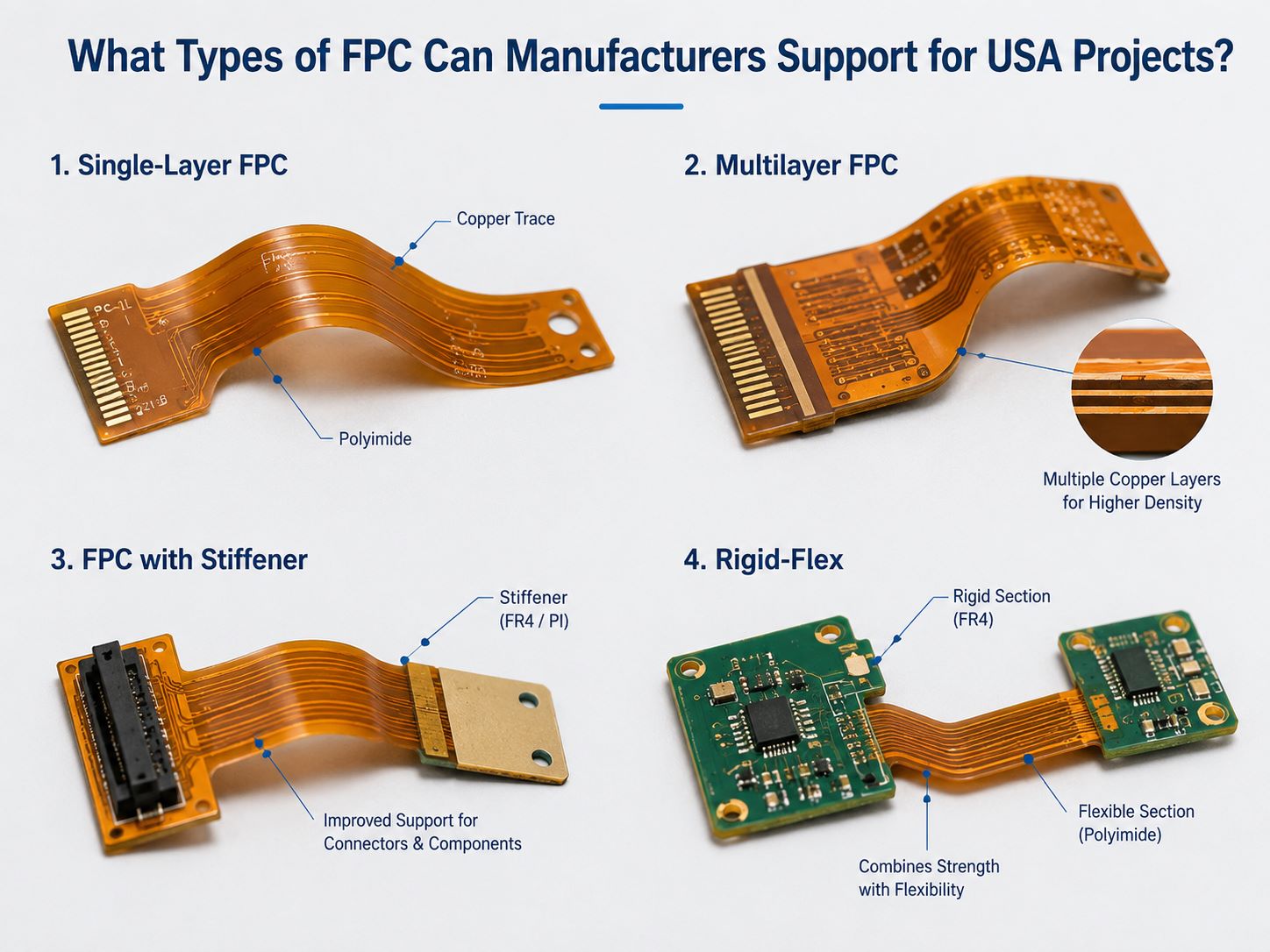
What Types of FPC Can Manufacturers Support for USA Projects?

FPC suppliers serve very different product categories, so layer count alone is not enough to judge capability.
FPC manufacturer USA
FPC Type Typical Requirement
Single-layer FPC Simple interconnects, sensors
Double-layer FPC More routing, plated vias
Multilayer FPC Higher density, impedance control
Static flex Installation bending
Dynamic flex Repeated motion
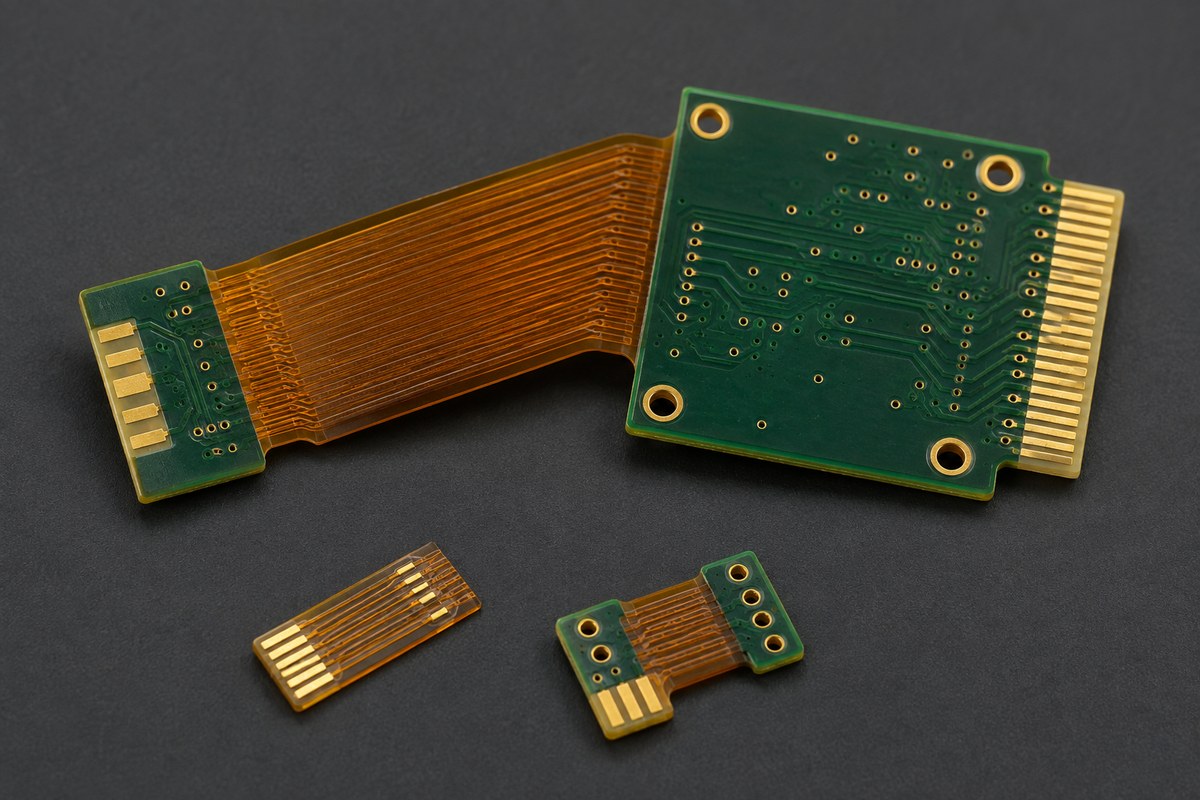
FPC with stiffener Connector or SMT support
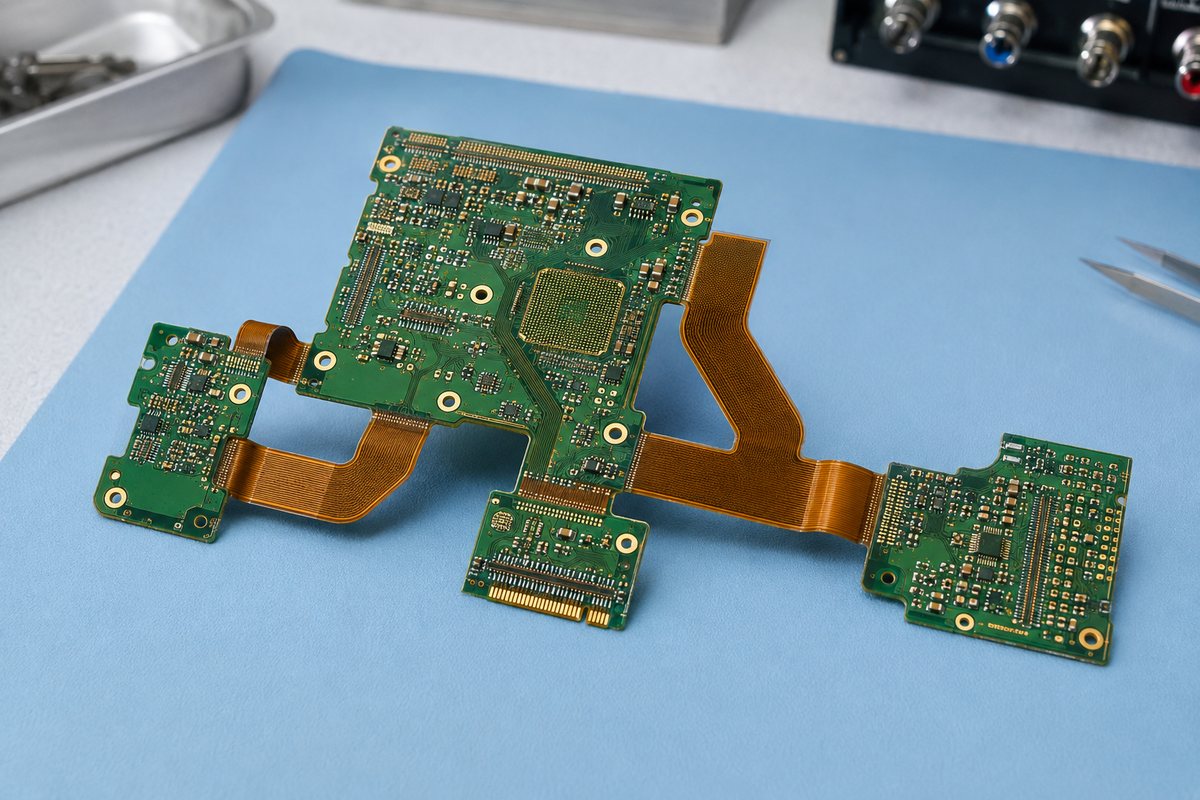
Rigid-flex Rigid component zones + flex interconnect

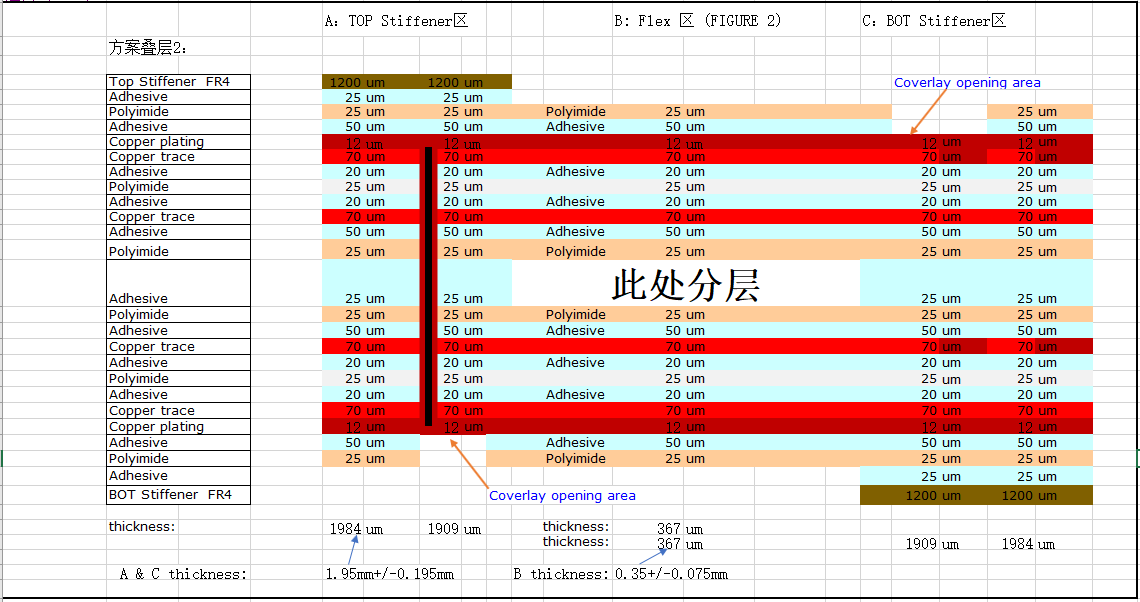
The main manufacturing differences come from material construction, total flex thickness, copper type, coverlay, stiffener design, and bend duty.

For repeated movement, rolled-annealed copper and a thinner flex construction are often preferred. For high-density or high-speed designs, multilayer registration, dielectric control, and impedance become more important. Connector tails may instead depend mainly on contact thickness, stiffener tolerance, and dimensional accuracy.

When comparing suppliers, first confirm that their experience matches the exact FPC type you are buying.

How Should USA Buyers Choose an FPC Manufacturer for Their Project?

The right supplier changes with the application.

Static FPC

For a 1–2 layer flex that bends only during installation, prioritize:

  • Finished dimensions
  • Coverlay registration
  • Stiffener thickness
  • Contact-finger geometry
  • Delivery consistency

Dynamic FPC

For robotics, moving sensors, hinges, or other repeated-motion applications, focus more on:

  • Copper type
  • Flex thickness
  • Bend radius
  • Trace layout through the bend
  • Via and stiffener location
  • Flex-cycle requirements

High-density or controlled-impedance FPC

For camera, medical, sensing, and compact computing designs, the supplier may also need:

  • Fine trace/space
  • Multilayer flex capability
  • Tight thickness control
  • Controlled impedance
  • Stable low-loss material options

Assembled FPC

If components are mounted directly on the flex, also look at carrier fixtures, local stiffening, connector assembly, reflow control, AOI, X-ray, and functional test capability.

Choose the manufacturer around the FPC construction and operating condition, not around the longest factory capability list.

Top 15 FPC Manufacturers in the USA

The U.S. has established FPC suppliers serving medical, aerospace, defense, industrial, semiconductor, and commercial electronics. The table below is a sourcing shortlist rather than a strict ranking.

Manufacturer Main Strength Typical Fit
TTM Technologies Complex flex / rigid-flex High-reliability programs
Summit Interconnect Flex, rigid-flex, NPI Complex prototypes
All Flex Solutions Flex + assembly Medical, industrial
Minco Flex circuits + integration Medical, industrial
Tech Etch Flex, rigid-flex, SMT Aerospace, medical
Cirexx Flex + in-house PCBA Quick-turn complex builds
Pioneer Circuits Advanced rigid-flex Aerospace, defense
Lenthor / Fralock Flex, rigid-flex, assembly High-reliability NPI
FlexPCB.com Quick-turn flex Prototype to production
Circuits Unlimited Flex + assembly Prototype through volume
Sierra Circuits Engineering + DFM Complex prototypes
Rigiflex Technology Flex / rigid-flex Industrial, medical
GC Aero Flexible Circuits U.S. flex production Aerospace, military
Rigid-Flex International Multilayer flex Dense designs
Tramonto Circuits Custom PCB / flex General U.S. projects

For U.S.-only programs, verify the manufacturing location for the specific product, not only the supplier’s headquarters.

For projects without domestic-source restrictions, compare U.S. and overseas suppliers on engineering support, material availability, assembly integration, production capacity, lead time, and total cost.

A startup buying a two-layer sensor FPC may not need the same supplier as an aerospace rigid-flex program. Likewise, a customer that needs FPC plus SMT may benefit more from an integrated PCB/PCBA manufacturer than from a bare-board specialist.

What FPC Bend and Design Requirements Matter for USA Projects?

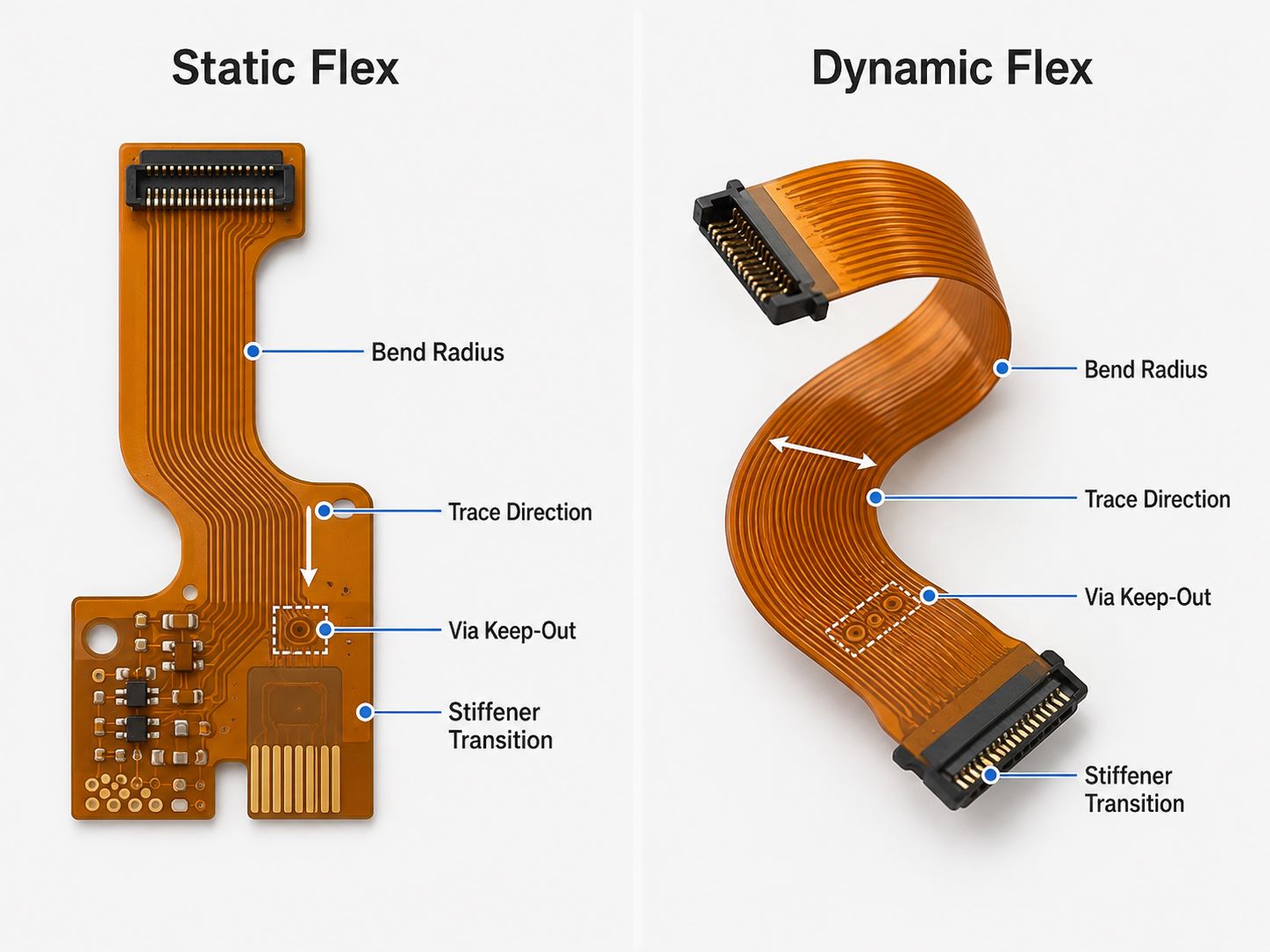
The main distinction is whether the flex is static or dynamic.
FPC manufacturer USA

A static circuit may only bend during installation. A dynamic flex repeatedly moves during use, so strain in the copper becomes a much larger design factor.

For bend regions, key items include:

  • Total flex thickness
  • Bend radius
  • Copper type
  • Trace direction
  • Copper distribution
  • Via distance from the bend
  • Coverlay termination
  • Stiffener transition

Avoid placing vias, plated holes, or abrupt rigid transitions inside high-strain bend areas where possible.

Multilayer FPC also needs more mechanical margin than a thin single- or double-layer flex because the thicker stack increases strain during bending.

Stiffener transitions deserve similar attention. FR-4 and PI stiffeners are useful around ZIF contacts, connectors, or SMT areas, but the end of the stiffener can become a local stress point if the mechanical transition is too abrupt.

For dynamic products, bend geometry should be defined from the actual mechanical envelope rather than finalized after the PCB stack-up is already fixed.

What FPC Assembly and Testing Matter for USA Electronics Projects?

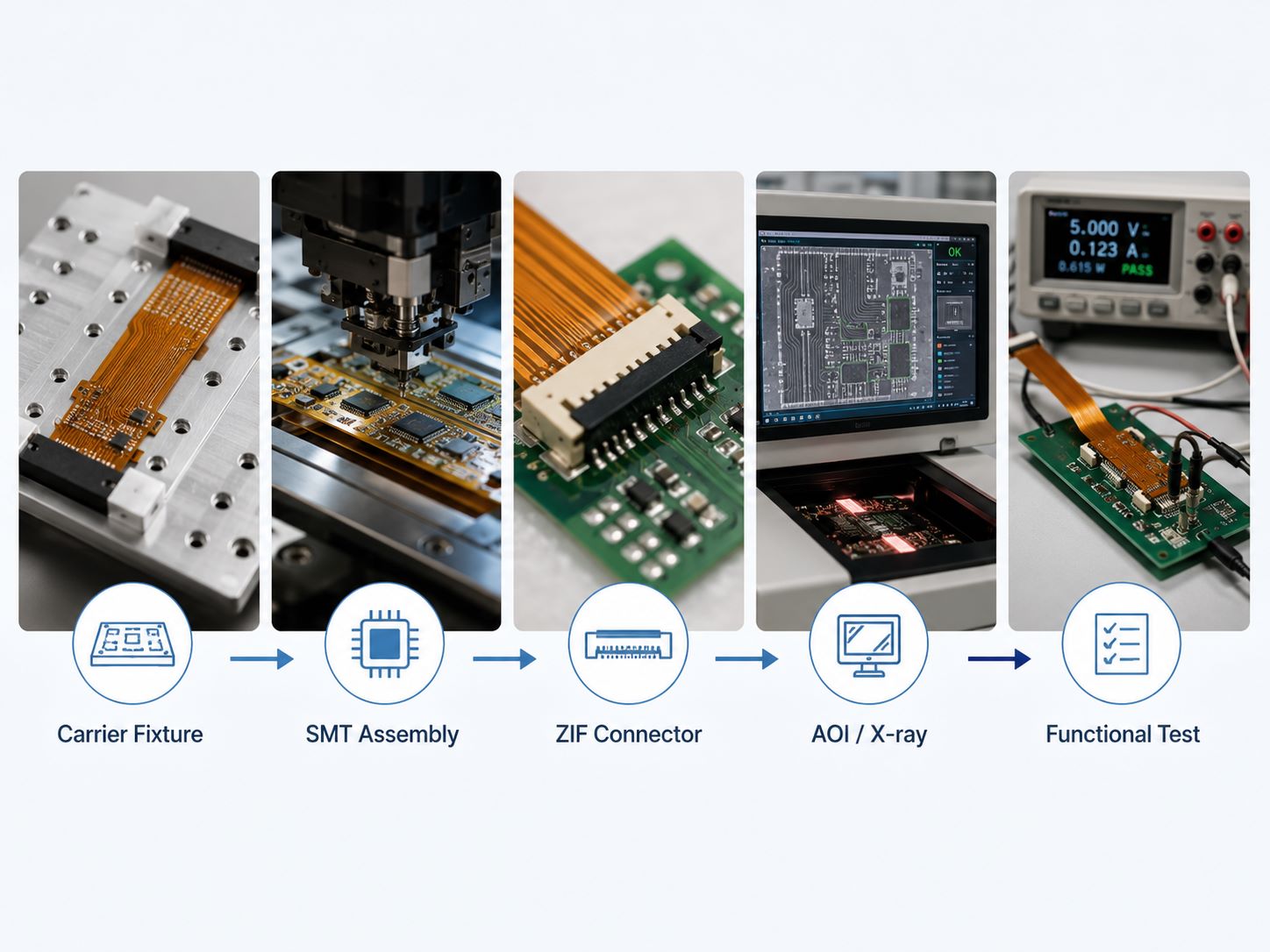
The key assembly issue is keeping the flex stable during printing, placement, and reflow.
FPC manufacturer USA

Thin FPC may curl or shift on standard SMT equipment, so carrier fixtures are often used to support the circuit through production.

Typical assembly considerations include:

  • Carrier or pallet design
  • Local stiffeners under component areas
  • Fine-pitch placement
  • ZIF and board-to-board connectors
  • Double-sided SMT
  • Reflow profile
  • Component sourcing

Testing should match the product rather than follow a fixed checklist.

Stage Typical Check
Bare FPC Electrical test
Critical dimensions Dimensional inspection
Controlled impedance Impedance test
SMT paste SPI
Visible joints AOI
Hidden joints X-ray
Finished assembly Functional test
Dynamic flex Bend-cycle test if specified

For assembled FPC, using the same supplier for fabrication and PCBA can simplify issues involving stiffener thickness, panelization, fixture support, pad design, and soldering.

How Can DFM Reduce FPC Prototype Risk for USA Projects?

The most useful FPC DFM work is usually around mechanical and assembly conflicts that are easy to miss in the layout.

Common examples include:

  • Vias too close to the bend zone
  • FPC + stiffener thickness that does not match the ZIF connector
  • SMT regions without enough support
  • Multilayer flex that is too thick for the required bend radius
  • Coverlay openings too close to bend transitions
  • Panel layouts that do not hold thin flex flat during assembly

At EBest Circuit, we review bend areas, via locations, coverlay, stiffeners, connector geometry, finished thickness, panelization, and assembly support together before production.

This is particularly useful when the project includes both bare FPC manufacturing and SMT assembly, because a change made for fabrication can also affect fixture design or connector fit.

The goal is not only to make the FPC, but to make it bend, assemble, and repeat reliably.

FPC Manufacturing Case Study for USA Buyers: From Prototype DFM to Stable Production

One EBest Circuit project involved a thin four-layer controlled-impedance FPC. The available project record does not identify the customer’s country, so it is presented here as a manufacturing reference for USA buyers rather than as a U.S.-customer claim.

Project Specifications

Item Requirement
Structure 4-layer FPC
Trace / space 75 / 75 μm
Minimum drilling 0.20 mm
Finished thickness 0.20 ± 0.03 mm
Impedance 100 ± 10 Ω / 50 ± 5 Ω
Surface finish ENIG
Material Low-Dk / low-Df flex material

Challenge

The combination of 75/75 μm routing, 0.20 mm finished thickness, and controlled impedance left little room to change the stack-up independently during production.

EBest Circuit Solution

The flex material, layer structure, impedance geometry, drilling, and finished thickness were confirmed together before release so the same construction could be retained for repeat builds.

Result

The project moved forward with a defined FPC stack-up and controlled critical parameters rather than relying on production-stage adjustments.

For a precision FPC, stable repeat production starts with locking the construction during the prototype stage.

Why USA Companies Work With EBest Circuit for FPC Manufacturing

EBest Circuit is not a U.S. domestic manufacturer; our production is based in China and Vietnam. For USA projects open to global sourcing, the advantage is not one isolated FPC process, but the ability to keep engineering, fabrication, sourcing, assembly, and repeat production under one manufacturing partner.

  • Broader FPC coverage: We support single-, double-, and multilayer FPC, rigid-flex, controlled impedance, PI/FR-4 stiffeners, and fine-pitch assembly.
  • PCB and PCBA stay connected: Stiffener thickness, connector areas, panelization, SMT fixtures, and component placement can be handled within one engineering workflow instead of being split between separate suppliers.
  • Flexible sourcing models: Customers can choose turnkey, partial-turnkey, or consigned-component assembly depending on how they want to control strategic parts.
  • Prototype to production continuity: Material, stack-up, stiffener construction, assembly method, and test requirements can remain consistent as volume increases.
  • Engineering and quality support: DFM, impedance review, AOI, X-ray, functional testing, traceability, and quality systems such as ISO 9001, ISO 13485, IATF 16949, and AS9100D support projects with different reliability requirements.

For an experienced USA sourcing team, the practical value is fewer supplier interfaces, clearer technical ownership, and a more direct path from FPC prototype to assembled production when U.S.-only manufacturing is not required.

FAQs About FPC Manufacturer USA

1. What is the typical lead time for FPC manufacturing for USA customers?

Simple prototype FPCs may be completed within several working days. Multilayer flex, rigid-flex, special materials, controlled impedance, unusual stiffeners, or assembled FPC usually require longer. Material availability and quantity also affect the final schedule.

2. Can an FPC manufacturer support both flex PCB and rigid-flex PCB?

Some can, but rigid-flex requires additional control of rigid-to-flex transitions, multilayer lamination, registration, and mechanical construction. Confirm specific rigid-flex experience rather than assuming standard FPC capability covers both.

3. What is the minimum order quantity for a custom FPC?

There is no standard MOQ. Prototype suppliers may accept a few pieces, while production pricing depends on panel utilization, tooling, material usage, assembly setup, and order volume.

4. Can FPC manufacturers provide UL, RoHS, and material traceability documents?

Many qualified manufacturers can provide applicable compliance and material documentation. Requirements for UL recognition, specific material brands, IPC acceptance criteria, RoHS, REACH, or lot traceability should be stated before production.

5. Can a USA company use an overseas FPC manufacturer?

Yes, if the project does not require U.S.-only manufacturing. In that case, compare suppliers on engineering support, material control, process capability, production repeatability, communication, logistics, and total cost.

Ready to Discuss Your FPC manufacturer USA Project? If you are developing a flexible PCB, rigid-flex assembly, wearable device, medical electronics, sensor module, compact industrial product, or other flex-based hardware, send your Gerber or ODB++, stack-up, stiffener drawing, BOM, assembly files, quantity, and test requirements to sales@bestpcbs.com. Our engineering team can review the FPC before quotation and identify fabrication, bend, assembly, sourcing, or testing issues that may affect prototype or volume production.

If you would like to evaluate our manufacturing capabilities in person, you are welcome to visit our factory. We can arrange a factory tour for your engineering or sourcing team to review PCB/FPC fabrication, SMT assembly, inspection, testing, and quality-control processes. To send project files or arrange a visit, contact sales@bestpcbs.com.

You may also like

Top 10 Rigid Flex PCB Manufacturers in the USA
Friday, September 4th, 2026

Choosing a rigid flex PCB manufacturer USA buyers can rely on starts with one practical question: does the supplier’s manufacturing location, process capability and service model fit your specific project? A nearby factory may be essential for controlled defense data or a contractually required domestic build. For many commercial, medical and industrial projects, however, engineering support, a controlled stackup, dependable sourcing, assembly capability and traceable production can matter more than distance alone.

EBest Circuit (Best Technology) is a China-based PCB and PCBA manufacturer serving US customers. Your team can combine DFM review, PCB fabrication, component sourcing, PCBA and testing coordination through one supplier. This gives you a practical alternative when the project does not require US production and you need prototype-to-production support, documented quality controls and a project-specific delivery plan.

rigid flex PCB manufacturer USA

Top 10 Rigid Flex PCB Manufacturers in the USA

The following shortlist focuses on suppliers with a stated US manufacturing presence or established US rigid-flex operations. Because some companies also operate global facilities, buyers should confirm the fabrication and assembly location for their exact part number before placing an order.

ManufacturerUS manufacturing positionBest suited to
Sierra CircuitsCalifornia fabrication and assemblyQuick-turn, HDI and complex rigid-flex projects
Rigiflex TechnologyAnaheim, California facilityFast prototypes and custom flex or rigid-flex boards
CirexxStates 100% USA manufacturingHigh-reliability, ITAR and one-stop projects
All Flex SolutionsMinnesota-based rigid-flex productionMedical, aerospace and high-vibration applications
Excello CircuitsAnaheim, California manufacturingComplex aerospace, medical and industrial boards
Summit InterconnectMultiple North American facilitiesMission-critical and advanced-technology PCBs
TTM TechnologiesGlobal manufacturer with US operationsHigh-layer-count, HDI and scaled programs
Printed CircuitsMinneapolis, Minnesota manufacturerCustom, high-performance rigid-flex boards
Sierra Assembly TechnologyChino, California operationDomestic fabrication, assembly and testing
Rush PCBCalifornia-based PCB and PCBA supplierFast prototypes and turnkey assembly

This is a sourcing shortlist, not a universal ranking. The right choice depends on where your board will be made, whether assembly is performed at the same site, which certifications apply to that site, and whether the supplier’s proven process window matches your released design.

What Should USA Buyers Compare Between Rigid Flex PCB Suppliers?

The most useful comparison is not the number of capabilities shown on a website. It is whether each supplier can give your team a controlled and repeatable route from released data to an accepted assembly.

Compare these points in every quotation:

  • Manufacturing location: Identify the facility that will fabricate the board and the facility that will assemble it.
  • Technology fit: Match layer count, flex construction, line and spacing, hole structure, materials, copper weight and impedance requirements.
  • Engineering response: Confirm who will review the stackup, bend zones, coverlay openings, stiffeners and panel design before production.
  • Prototype-to-production continuity: Check whether the same approved materials, stackup and process controls can continue into repeat orders.
  • Assembly scope: Establish whether component sourcing, SMT, through-hole assembly, programming and testing are included.
  • Quality evidence: Define the inspection, electrical test, microsection, impedance report, first-article or lot records required with the shipment.
  • Change control: Require approval before changes to materials, stackup, components, processes or manufacturing location.
  • Lead-time basis: Make sure the quoted clock starts from the same point—normally after data approval and material availability.

A low unit price has little value if the quotation excludes tooling, electrical testing, stiffeners, assembly fixtures or the records needed for customer approval. Ask suppliers to state these items clearly so that the commercial comparison reflects the same scope.

rigid flex PCB manufacturer USA

Which Rigid Flex PCB Manufacturing Capabilities Matter for USA Projects?

For USA rigid-flex projects, capability should be checked against the released design—not a generic equipment list. At EBest Circuit, we review the rigid and flexible layer structure, materials, smallest features, bending requirements, surface finish and assembly scope before confirming whether a project fits our manufacturing process.

Our relevant rigid-flex PCB and PCBA capabilities include:

CapabilityEBest Circuit capability
Rigid-flex layers2–20 layers, subject to construction review
Finished thickness0.3–3.0 mm
Thickness toleranceAbove 1.0 mm: ±10%; 1.0 mm or below: ±0.10 mm
Flex constructionInner-flex or outer-flex structures
Flex materialsPI, adhesiveless flex core, coverlay and stiffeners
Rigid materialsFR4, high-Tg FR4 and low-flow prepreg
Fine featuresFine line/space, BGA pads, laser vias and mechanical drilling
Controlled impedanceReview and production to ±10% for applicable structures
Surface finishesENIG and other project-specific finishes
PCBA supportComponent sourcing, SMT, connector assembly, inspection and testing

For each RFQ, we compare these capabilities directly with the customer’s files, including:

  • rigid-layer and flex-layer count, stackup and finished thickness;
  • minimum trace, spacing, hole and via structure;
  • flex-core, coverlay, stiffener and low-flow material requirements;
  • bend direction, bend area and rigid-to-flex transition geometry;
  • controlled-impedance traces and copper construction;
  • contact finish, connector areas and mechanical tolerances;
  • component packages and required assembly support;
  • electrical test, AOI, X-ray or other inspection requirements.

This gives USA buyers a useful answer before tooling and material preparation begin: whether EBest’s proven process capability matches the specific rigid-flex PCB and PCBA being released.

rigid flex PCB manufacturer USA

When Is USA-Based Rigid Flex PCB Manufacturing Necessary?

Choose a US manufacturing route when the project’s legal, contractual or security requirements make domestic control part of the deliverable. Typical situations include:

  • the customer contract explicitly requires US fabrication or assembly;
  • controlled technical data cannot be transferred to foreign persons or overseas facilities;
  • an ITAR, CUI, defense or government program imposes approved-site requirements;
  • the customer’s qualification locks production to a named US facility;
  • same-site engineering access or an urgent domestic build is more important than unit cost;
  • the program requires a domestic supply-chain or country-of-origin condition.

Do not assume that every aerospace, medical or industrial rigid-flex board must be manufactured in the United States. The controlling requirement should come from the contract, export-control assessment, customer quality plan and approved supplier rules. Buyers should verify the actual manufacturing site rather than relying only on a US sales address.

When Should USA Buyers Choose an Overseas Rigid Flex PCB Supplier?

An overseas partner can be a stronger commercial fit when offshore production is permitted and the buyer needs more than bare-board fabrication. EBest is suitable for projects that benefit from:

  • early DFM review of stackup, bend areas, coverlay, stiffeners and panelization;
  • PCB fabrication, component sourcing and PCBA under one coordinated workflow;
  • prototypes and small batches that can progress into repeat production;
  • BOM review and an optimization list submitted for customer approval;
  • batch-level material and production traceability;
  • inspection and testing matched to the released specification;
  • a consolidated quotation covering the complete manufacturing scope.

The decision should be based on the total project result: engineering response, usable yield, documentation, assembly quality, delivery and landed cost. If the files can legally be manufactured in China and the supplier’s process capability matches the part, EBest can reduce the handoffs that occur when PCB fabrication, sourcing and assembly are placed with unrelated vendors.

Case Study: EBest Rigid Flex PCB for a US Customer

A US customer needed a rigid-flex interconnect that combined a flexible connection area with a rigid contact section. The mating edge required a wear-resistant finish and controlled mechanical geometry, so the copper type, rigid-section thickness, resin-filled features, hard-gold fingers and bevel had to be manufactured as one coordinated structure.

The released board requirements included:

ItemProject requirement
Construction4-layer rigid-flex PCB
Copper1 oz rolled-annealed copper
Rigid section0.062-inch FR4
Via treatmentResin-filled features
Contact finish30 μin hard gold fingers
Contact edge30-degree bevel
Initial build60 finished boards plus 2 process samples

Before manufacturing, EBest reviewed how these requirements interacted. Rolled-annealed copper supported the flexible section, while the FR4 rigid area supported the contact interface. Resin filling, hard-gold thickness and bevel geometry were checked together so the finished edge could meet the released mating requirements.

The project then moved through material preparation, rigid-flex fabrication, contact plating, bevel processing, inspection and electrical testing under the approved production data. EBest completed the order and shipped the finished boards to the customer.

The customer received more than a four-layer board. The delivered parts combined the required flexibility, rigid mechanical support and durable contact interface in one finished rigid-flex interconnect, ready for the customer’s next equipment-validation stage.

rigid flex PCB manufacturer USA

How Does EBest Control Rigid Flex PCB Fabrication for USA Projects?

Reliable fabrication begins with one approved data set. EBest checks the Gerber or ODB++ data, fabrication drawing, stackup, drill files, impedance requirements and mechanical information before releasing the job.

The main controls include:

  • Stackup confirmation: Align rigid cores, flex cores, coverlay, bonding materials and copper construction with the released drawing.
  • Bend-area review: Keep vias, sharp copper corners and unsuitable feature transitions away from defined flexing zones.
  • Material control: Verify the specified laminates, polyimide, copper, coverlay, stiffeners and surface finish against the order.
  • Registration and lamination control: Manage the alignment of thin flexible layers and rigid sections throughout the build.
  • Impedance and feature inspection: Apply the specified coupons, measurements, AOI, microsections or other checks required by the project.
  • Electrical testing: Test the finished board to the released netlist before assembly or shipment.
  • Revision and change control: Keep production records connected to the correct revision and obtain approval for material or process changes when required.

Assembly requirements are reviewed at the same time because rigid-flex boards need suitable support during printing, placement, reflow, handling and test. This early coordination helps protect flexible areas while ensuring that BGA, CSP, fine-pitch and connector locations receive the appropriate inspection method.

rigid flex PCB manufacturer USA

What Can USA Buyers Gain From EBest’s Rigid Flex PCB Services?

  • Faster engineering decisions: one commercial contact coordinates support from PCB, component and PCBA engineers.
  • Fewer build surprises: DFM review identifies stackup, bend-zone, panel and assembly questions before production.
  • One simpler handoff: PCB fabrication, component sourcing and PCBA are managed through EBest’s own PCB and PCBA factories.
  • More sourcing options: a network of more than 1,000 supply-chain partners supports component procurement, subject to customer approval.
  • Traceable orders: material batches, product lots, production cycles and order status can be retrieved through EBest’s digital workshop.
  • Quality-system support: EBest operates under ISO 9001, ISO 13485, IATF 16949 and AS9100D quality systems.
  • A defined delivery target: applicable fast-turn rigid-flex and PCBA projects can be planned around an approximately 1.5-week delivery target after files, materials and requirements are confirmed.

EBest has focused on PCB and PCBA manufacturing for 20 years and has served more than 10,000 engineers and over 1,800 customers. For a useful quotation, send the released PCB data, stackup or fabrication drawing, BOM, CPL, assembly drawing, quantities, application conditions and required inspection or testing scope to sales@bestpcbs.com.
FAQs About Rigid Flex PCB Manufacturer USA

Is EBest a rigid flex PCB manufacturer in the USA?

No. EBest Circuit is a China-based PCB and PCBA manufacturer that serves customers in the United States. Projects that require US manufacturing should be placed with a verified domestic facility.

What files are needed for a rigid-flex PCB quotation?

Provide Gerber or ODB++ data, the fabrication drawing, stackup, drill information, impedance requirements, quantities and material specifications. For assembly, also include the BOM, CPL, assembly drawings and testing requirements.

Should a rigid-flex prototype and production order use the same supplier?

Using one qualified supplier can reduce the work required to transfer the stackup, materials, tooling and process controls. If two suppliers are used, the customer should control the approved construction and qualification requirements carefully.

Can EBest provide rigid-flex PCB assembly?

Yes. EBest can coordinate rigid-flex PCB fabrication, component sourcing, SMT and through-hole assembly, inspection and customer-defined testing within one project workflow.

How is rigid-flex PCB lead time confirmed?

Lead time is confirmed after reviewing the layer structure, materials, flex construction, special processes, quantities, component availability, assembly scope and testing requirements. A requested delivery date should therefore be included in the RFQ.

If your project does not require domestic fabrication, EBest can review whether its process window and integrated PCB/PCBA workflow fit your released design. Send the files and required delivery date to sales@bestpcbs.com for a project-specific review of your rigid flex PCB manufacturer USA sourcing plan.

You may also like