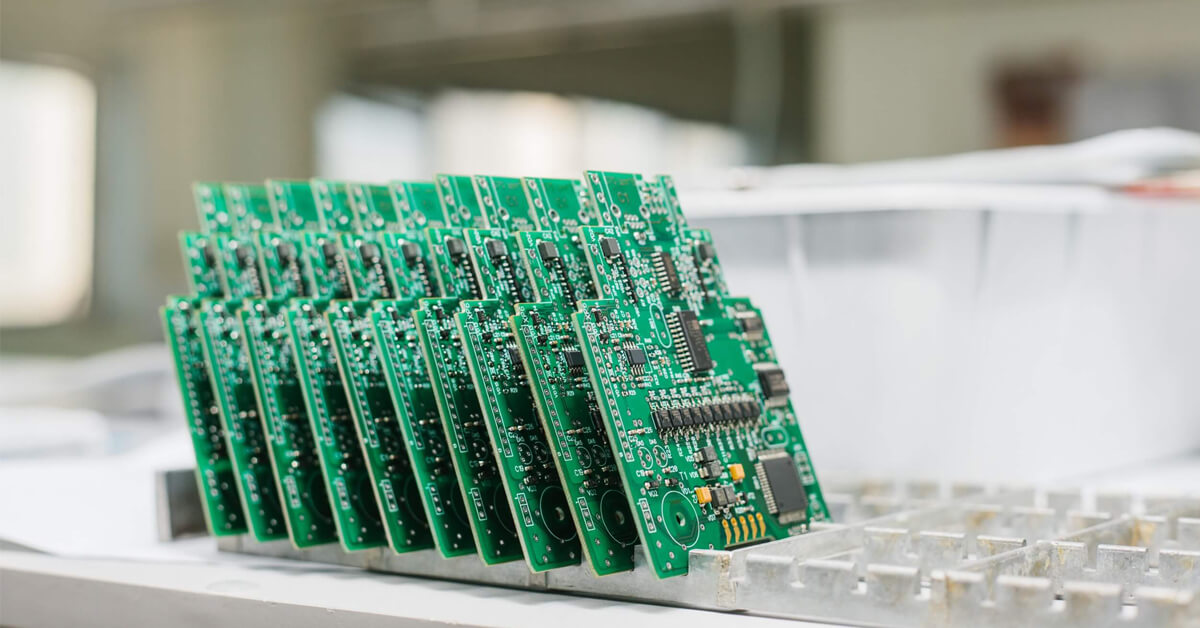
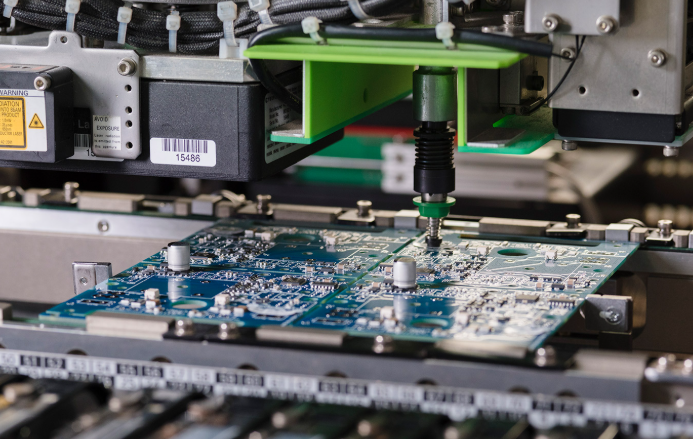
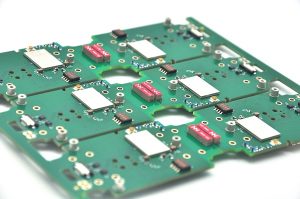
PCB assembly Australia sourcing decisions usually come down to more than finding the nearest factory: buyers need the right process capability, component supply route, testing evidence, lead time, and support for their product type. This guide compares 12 Australian providers and explains when an Australian manufacturer, a China-based PCBA partner, or a hybrid supply model may be the better fit.
EBest Circuit (Best Technology) gives Australian buyers one supply route for PCB fabrication, component sourcing, PCBA assembly, inspection, testing, and box-build coordination. With 20 years of PCBA experience, support for more than 10,000 engineers and 1,800 customers, its own PCB and PCBA factory resources, and a network of 1,000+ supply-chain partners, the company can support prototypes, small batches, and repeat production while keeping material and production batches traceable through its digital workshop. Send your Gerber files, BOM, and project requirements to sales@bestpcbs.com for an engineering review.
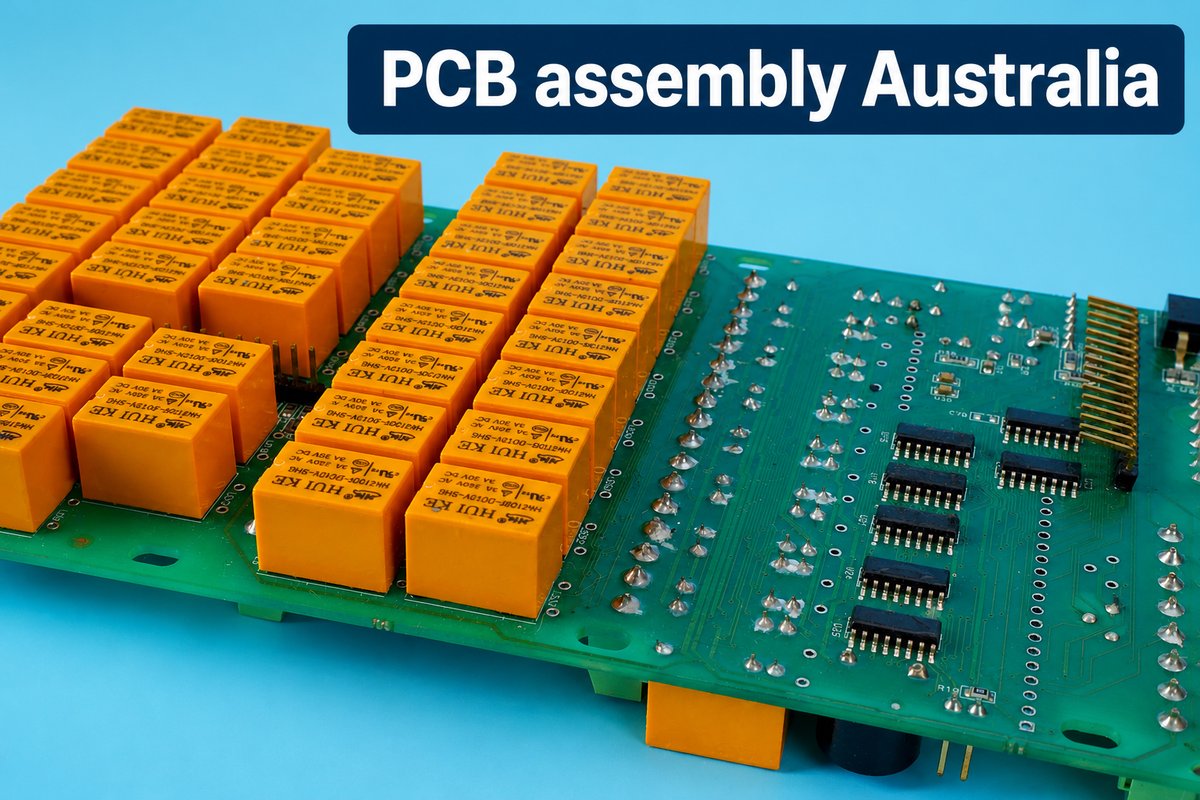
12 PCB Assembly Companies in Australia to Compare in 2026
The companies below represent different buyer fits, from local prototype work and regulated production to product integration and scalable contract manufacturing. They are not ordered from best to worst.
- Allegro Services — This Australian-owned contract PCB assembler operates in southern Sydney. Its published services include prototype and production assembly, inspection, and testing, making it worth considering when local communication and Australian manufacturing are priorities.
- Sourceman International — Sourceman promotes PCB fabrication and assembly alongside plastics, metals, cables, X-ray inspection, and other supply-chain services. Buyers developing a complete electromechanical product may value having several manufacturing categories coordinated through one supplier.
- GPC Electronics — GPC Electronics provides design-for-manufacture and design-for-test input, sourcing, electronics manufacturing, box build, and testing. Its published sector experience includes automotive, medical, aerospace, defence, and space applications.
- Alfatron — Alfatron offers onshore PCB fabrication and assembly in Victoria. Published capabilities include prototype assembly, AOI, in-circuit testing, and conformal coating, which may suit buyers who want Australian board fabrication and assembly under one local relationship.
- Hetech — Brisbane-based Hetech provides Australian PCB assembly from prototyping through volume manufacturing. Its public information highlights SMT, AOI, trained technicians, and quality systems for high-reliability markets such as defence, mining, and industrial electronics.
- Precision Electronic Technologies — This Melbourne contract electronics manufacturer offers PCB assembly, cable and wire-harness work, box build, and turnkey manufacturing. It can be relevant when a buyer needs support beyond the assembled board itself.
- Circuitwise Electronics Manufacturing — Circuitwise is a Sydney-based contract electronics manufacturer focused on regulated and high-reliability products. Its positioning in medical technology, aerospace, defence, and industrial manufacturing makes it a candidate for projects where documentation and controlled processes are major buying criteria.
- QualiEco Circuits — QualiEco supplies PCBs and contract assembly services to customers in Australia and New Zealand. It offers standard and fast-turn support, so buyers can ask how its fabrication and assembly routes fit prototype, urgent, and repeat-order needs.
- Entech Electronics — Headquartered in Adelaide, Entech provides DFM, new-product introduction, PCB assembly, and contract electronics manufacturing. Its operations across Australia and Asia may appeal to buyers seeking local engineering access with a broader manufacturing footprint.
- B.E.C. Manufacturing — Queensland-based B.E.C. Manufacturing produces PCBs and also offers assembly-related support. It is a useful company to compare when the project benefits from local bare-board production, fast prototypes, and a direct path into assembled boards.
- Elexon Electronics — Elexon is a Brisbane electronics design, development, and manufacturing company. Its start-to-finish model may suit businesses that need product engineering and manufacturing assistance rather than assembly from fully released files alone.
- ENTTEC — Victoria-based ENTTEC offers OEM and contract manufacturing support spanning concept development, certification, material sourcing, PCB assembly, and packaged products. It may be relevant for buyers seeking a product-level partner that can support both small runs and repeat orders.
Before shortlisting any company, send the same RFQ package to each candidate. A fair comparison requires the same BOM revision, Gerber or ODB++ data, centroid file, assembly drawings, test scope, volume breaks, delivery location, and quality requirements.
PCB Assembly Australia Supplier Comparison at a Glance
Start with the business constraint that could stop your project, then investigate suppliers whose operating model addresses it.
| Your main buying priority | Suppliers or supply model to investigate first |
|---|---|
| Onshore fabrication and assembly | Alfatron or B.E.C. Manufacturing |
| Regulated or high-reliability production | Circuitwise, GPC Electronics, Hetech, or another supplier with project-applicable certifications and traceability |
| Full product integration | Sourceman, Precision Electronic Technologies, Elexon, or ENTTEC |
| Local prototype and engineering access | An Australian provider close to your engineering team, with confirmed prototype capacity |
| Component sourcing and scalable one-stop PCBA | Entech’s multi-region model or a disclosed China-based partner such as EBest Circuit |
Which PCB Assembly Company Serving Australia Fits Your Project Type?
A capable supplier can still be the wrong supplier for a particular program. Match your project to the provider’s normal production model:
- Prototype and engineering-validation builds: Prioritize responsive DFM feedback, flexible setup, hand-soldering or rework capability, component alternatives, and clear revision control. Ask whether the same supplier can support the next volume stage.
- High-mix, low-volume industrial products: Look for disciplined changeover control, component traceability, repeatable inspection, and long-lifecycle sourcing support. The cheapest unit quote may create more cost if every repeat order requires engineering recovery.
- Medical, automotive, aerospace, or defence projects: Verify that the manufacturing site, certification scope, process controls, records, and testing plan apply to your exact product. A logo on a website is not enough evidence.
- Cost-sensitive repeat production: Compare total landed cost, not assembly price alone. Include tooling, component exposure, test time, freight, duties, rework risk, inventory terms, and the cost of engineering communication.
- Complete devices or subassemblies: Choose a partner that can manage cables, enclosures, programming, functional testing, box build, packaging, and product-level configuration where required.
The strongest shortlist usually contains two or three suppliers with different strengths. A controlled sample build then reveals more than a long capability presentation: response quality, file control, defect handling, test reporting, and shipment accuracy are all visible before production volume rises.
Australian PCB Assembly vs China-Based PCBA Partners
Neither location is automatically the right answer. The better choice depends on the risks your company needs to control.
An Australian PCB assembly partner may be preferable when:
- onshore or sovereign manufacturing is a contractual requirement;
- engineers need frequent in-person access or very short domestic transport;
- the project contains sensitive intellectual property with location restrictions;
- low build quantities make international logistics inefficient; or
- a local development team needs hands-on support during rapid design iterations.
A China-based PCBA partner may be preferable when:
- the project requires integrated PCB fabrication, component sourcing, assembly, and testing;
- cost, material availability, and scaling capacity are major constraints;
- the product uses several PCB types or a complex global BOM;
- repeat orders benefit from an established electronics supply network; or
- the buyer wants one manufacturing partner from prototype through volume production.
A hybrid model can also work. Early engineering units or sensitive builds may remain in Australia, while a qualified China-based partner supports cost-controlled repeat production. The key is to lock the revision, approved vendor list, test method, golden sample, deviation process, and acceptance records so that both routes produce comparable results.
PCB Assembly Services Available to Australian Buyers
Australian buyers should define the required service boundary before requesting quotations. “PCB assembly” can mean labour-only SMT placement, or it can cover the complete journey from design review to a tested, packaged product.
A full-service PCBA scope may include:
- DFM and design-for-test review before production;
- bare PCB fabrication;
- BOM review, component sourcing, and approved substitution control;
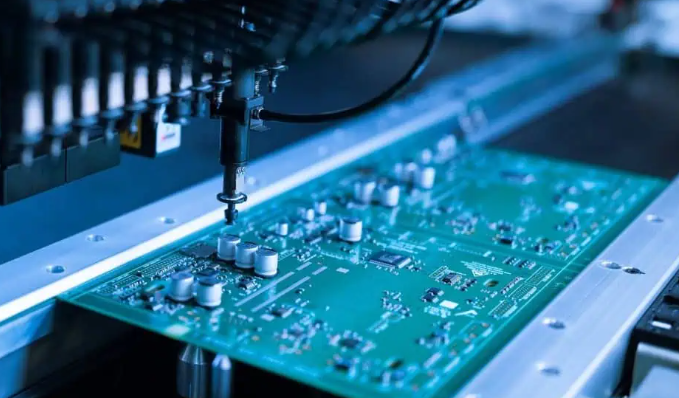
- solder-paste printing, SMT placement, reflow, through-hole assembly, and selective or manual soldering;
- first-article inspection, AOI, X-ray where appropriate, and visual inspection;
- electrical, in-circuit, functional, programming, or burn-in testing according to an agreed plan;
- conformal coating, potting, cleaning, depanelization, and mechanical assembly;
- cables, enclosures, box build, labels, packaging, and shipment coordination; and
- batch, material, revision, inspection, and test traceability.
For a comparable quote, tell each supplier which items are mandatory and which are optional. Also ask what the quotation excludes. Fixture design, test-program development, non-recurring engineering, component attrition, special packaging, and certification documentation can materially change the final price and schedule.
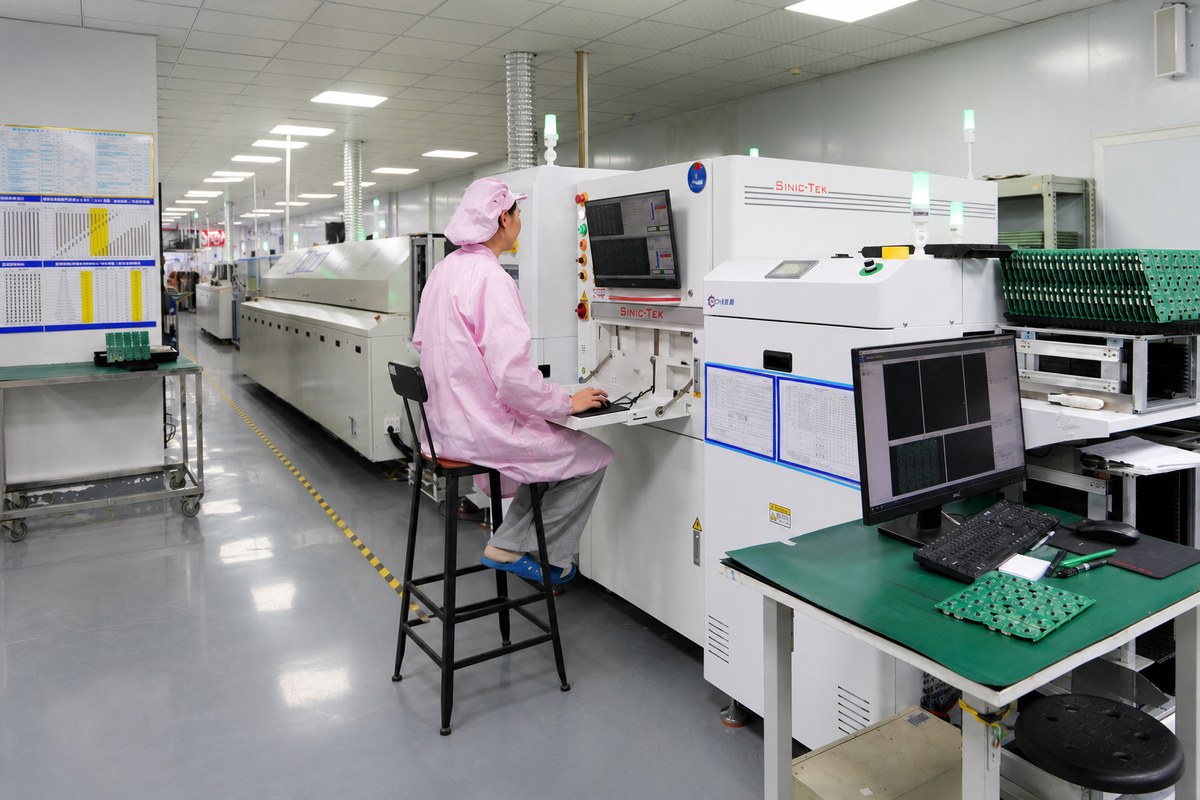
How Are PCB Assembly Companies Supporting Australia’s Key Industries in 2026?
Australia’s electronics programs span very different operating environments. In 2026, a useful manufacturing partner is not simply a company that can place components; it must translate application risk into a controlled build and evidence package.
- Industrial, mining, and energy equipment often requires durable interconnects, lifecycle component planning, coating options, repairability, and repeat-order consistency.
- Medical and health-technology products place greater emphasis on documented processes, traceability, risk control, and manufacturing under an applicable quality system.
- Defence and aerospace programs may require strict access control, approved sourcing, configuration management, high-reliability workmanship, and evidence tied to each build.
- Electric mobility and charging equipment can involve power electronics, heavy-copper or thermally demanding boards, high-current connections, and product-level functional checks.
- AI, communications, and connected devices may combine HDI or high-frequency PCB requirements with dense SMT assembly, controlled component sourcing, and rapid design change.
These sectors do not all require the same factory. Buyers should ask suppliers to show relevant process experience and sample records for a comparable technology—not just a long list of industries on a sales page.
Why Consider EBest Circuit for Australian PCB Assembly Orders?
EBest Circuit is based in China and serves Australian customers that want engineering support combined with an integrated PCB and PCBA supply chain. For buyers comparing overseas production, this model provides one accountable team for board fabrication, sourcing, assembly, inspection, testing, and shipment coordination.
Key support for Australian orders includes:
- One salesperson and three engineers assigned to the project: The buyer keeps one commercial contact while PCB, component, assembly, and test questions are coordinated with the relevant engineers.
- DFM and BOM review before production: EBest Circuit can provide a DFM pre-review and BOM optimization list, with experienced PCB and PCBA engineers assessing manufacturability and process fit.
- One-stop manufacturing: PCB fabrication, component procurement, PCBA assembly, testing, and related product-integration services can be managed together.
- Prototype and small-batch flexibility: Engineering teams can validate a design before committing to repeat production.
- A broad supply network: EBest Circuit combines its own PCB and PCBA factory resources with more than 1,000 supply-chain partners.
- Quality-system coverage: Company-provided certifications include ISO 9001, ISO 13485, IATF 16949, and AS9100D; applicability must be confirmed for the project and manufacturing scope.
- Experience and traceability: The company reports 20 years of PCBA experience, service to more than 10,000 engineers and 1,800 customers, and a digital workshop designed to trace materials, batches, and production status quickly.
If your priority is a China-based one-stop option rather than onshore Australian manufacturing, send your files and target quantity to sales@bestpcbs.com. The team can review the build scope and identify the information needed for a firm quotation.
How EBest Circuit Supports Australia’s High-Reliability PCB Assembly Projects
High reliability begins before components reach the SMT line. EBest Circuit uses an engineering-led workflow to turn the buyer’s application requirements into controlled manufacturing inputs and verifiable outputs.
Before the build, the team can review:
- Gerber or ODB++ data, stack-up, fabrication drawings, and panel requirements;
- BOM manufacturer part numbers, lifecycle status, substitutions, and sourcing risks;
- centroid data, polarity, assembly drawings, special process notes, and revision alignment;
- test points, programming requirements, acceptance limits, fixtures, and golden samples; and
- coating, cleanliness, mechanical, packaging, and traceability requirements.
During and after production, the agreed control plan may include:
- incoming material verification and lot traceability;
- first-article approval before the full build proceeds;
- AOI and X-ray for joints or packages that cannot be judged reliably by visual inspection alone;
- electrical and functional tests based on buyer-approved limits and procedures;
- controlled handling of deviations, rework, and engineering changes; and
- inspection or test records linked to the correct product revision.
The important word is “agreed.” Not every board needs every inspection method, and no test can compensate for unclear limits. EBest Circuit works with the buyer to define the checks that address the real failure modes of the product, then prices the required fixtures, test time, records, and coverage transparently.
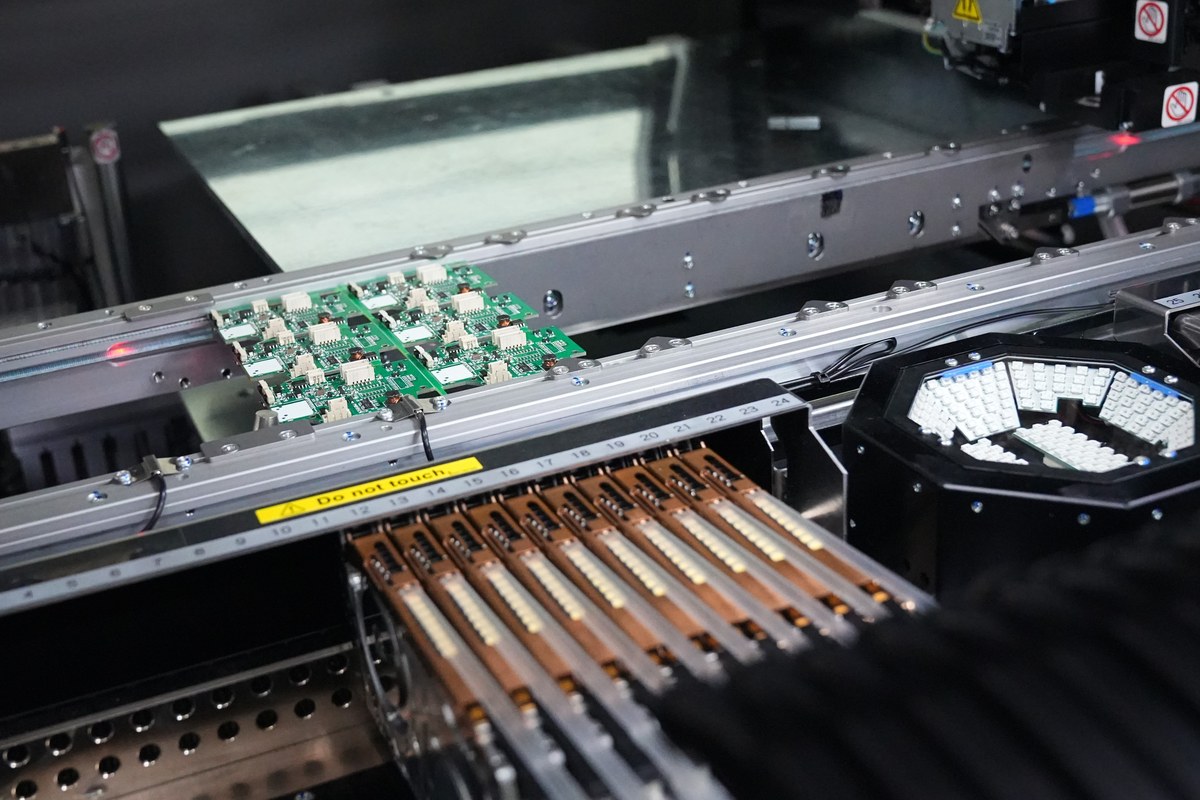
PCB Assembly Certifications for Australian Projects
Certification should narrow supplier risk, but it should not be treated as automatic product approval. Australian buyers should confirm that a certificate is current, covers the manufacturing site performing the work, and supports the processes required by the project.
EBest Circuit’s company-provided certification portfolio includes:
- ISO 9001 for a general quality-management foundation;
- ISO 13485 for quality-management requirements associated with medical-device manufacturing;
- IATF 16949 for automotive-sector quality-management requirements; and
- AS9100D for aerospace-sector quality-management requirements.
Before awarding an order, request the current certificate copy and scope. Then connect the certification to practical evidence: document control, approved suppliers, material traceability, calibration, training, inspection records, non-conformance handling, corrective action, and revision control. If the project has regulatory, customer-specific, IPC-class, or country-of-origin requirements, state them in the RFQ rather than assuming a general certificate covers them.
PCB Assembly Australia Lead Times: EBest Circuit’s Delivery Options
For a PCB assembly order, the most useful lead-time figure is the time from materials ready and files released to completed assembly—not a long list of bare-board prototype schedules. EBest Circuit’s current production reference is:
| PCBA delivery option | Assembly production time | When it is realistic |
|---|---|---|
| Normal service | About 1 week | PCB and components are ready; files, programming, inspection, and test requirements are confirmed |
| Fastest service | From 2 days | Qualified urgent build, materials already available, released data, simple confirmed process, and reserved capacity |
The complete Australia delivery date still depends on four items that should appear separately in the quotation:
- Component sourcing: stock position, approved substitutions, consigned parts, and long-lead items;
- PCB availability: whether boards are supplied by the buyer or fabricated by EBest Circuit, and whether the design uses standard FR4 or a special construction;
- Assembly and test: SMT/THT complexity, programming, fixtures, inspection coverage, functional test, coating, and box build; and
- Freight to Australia: shipment method, delivery postcode, customs processing, and whether split shipment is useful.
A two-day assembly promise does not mean a complete PCBA can reach Australia in two days. Ask the supplier to state the material-ready date, assembly completion date, test completion date, and estimated ship date. For a schedule that can be used internally, send the BOM, Gerber data, quantities, test scope, delivery postcode, and required arrival date to sales@bestpcbs.com.
Australian Medical FR4 PCBA Project Example: 600 Power-Control Assemblies
An Australian medical-equipment customer required a 600-unit FR4 PCBA build for a power-control assembly. For this type of project, the purchasing decision depends on more than whether the supplier can place components: the buyer needs controlled PCB materials, documented inspection, functional verification, cleanliness, and packaging suitable for shipment to the next controlled production stage.
The PCB and assembly requirements included:
- four-layer FR4 construction with Tg above 170°C and Td above 330°C;
- 1.6 mm finished thickness;
- 35 µm inner-layer copper and plated outer copper specified up to 53 µm;
- ENIG with 3 µin gold;
- green solder mask and white silkscreen;
- materials meeting RoHS and UL 94 V-0 requirements;
- automated open- and short-circuit testing at a minimum of 250 V;
- EBest Circuit procurement of the complete BOM and SMT assembly;
- post-assembly cleaning with no visible solder balls, solder residue, flux, or other contamination;
- AOI, X-ray, and customer-defined functional testing; and
- individual delivery in antistatic packaging.
Before production, the buyer reviewed the manufacturing data and stack-up. For shipment, the requested evidence included electrical-test and copper-thickness reports, together with AOI and X-ray images from the assembled product. The customer’s receiving and quality teams could use these batch-specific records to verify PCB construction, electrical integrity, component placement, and hidden solder-joint quality.
For a medical PCBA quotation, define the acceptance package before pricing. Functional-test procedures and limits must be released in time, while cleanliness, reporting, packaging, and any additional traceability requirements need to be included in the manufacturing scope. The delivery schedule should separately state material readiness, PCB completion, assembly completion, testing, and shipment to Australia.
Buyer takeaway: For an Australian medical PCBA project, ask the supplier to quote the finished assembly and its evidence package together. PCB material, approved BOM, cleanliness criteria, AOI and X-ray records, functional-test limits, traceability, packaging, quantity, and required arrival date should all be clear before the order is released.
FAQs About PCB Assembly Australia Orders
Does EBest Circuit have a PCB assembly factory in Australia?
No. EBest Circuit is a China-based PCB and PCBA manufacturer serving Australian customers. Buyers who require onshore or sovereign Australian manufacturing should select a qualified local supplier. Buyers open to overseas production can compare EBest Circuit for integrated PCB fabrication, sourcing, assembly, testing, and shipment support.
Should I choose an Australian assembler or a China-based PCBA partner?
Choose according to the project constraint. Australian production can be advantageous for local access, location-controlled work, and some low-volume programs. A qualified China-based partner can be advantageous for one-stop sourcing, a broader electronics supply network, cost control, and scaling. Compare total landed cost, engineering response, quality evidence, and risk—not country alone.
What files should I send for an accurate PCB assembly quotation?
Send Gerber or ODB++ files, the BOM with manufacturer part numbers, centroid or pick-and-place data, assembly drawings, fabrication notes, quantities, test requirements, programming files, quality requirements, and the delivery location. Clearly identify the current revision and any approved substitutions or consigned components.
Can EBest Circuit support prototypes and small-batch PCB assembly for Australia?
Yes. EBest Circuit supports prototypes and small batches as well as repeat production. The engineering review can help resolve DFM, sourcing, assembly, and testing questions before the buyer increases volume.
What inspection, testing, and certification evidence can I request?
The appropriate evidence depends on the board and end-use risk. It may include first-article records, AOI or X-ray results, electrical or functional test records, material and batch traceability, and current certificate copies. Confirm all deliverables in the quotation because they are not automatically included in every assembly order.
Would you like to verify the factory before adding a China-based supplier to your Australian supply chain? For your PCB assembly Australia project, contact sales@bestpcbs.com to arrange a factory visit, review the PCB and PCBA production lines, discuss your quality and traceability requirements with our engineers, and then request a project-specific quotation.