PCB manufacturing PCB manufacturing
Home > Blog

high thermal conductivity pcb material

High Thermal Conductivity Ceramic PCB: Materials, Benefits, and Selection Guide
Thursday, July 9th, 2026

What Is a High Thermal Conductivity Ceramic PCB?

A high thermal conductivity ceramic PCB is a circuit board that uses a ceramic substrate to move heat away from electronic components while maintaining electrical insulation. It is commonly used when FR4, standard metal core PCB, or ordinary thermal interface materials cannot handle the heat density of the design.
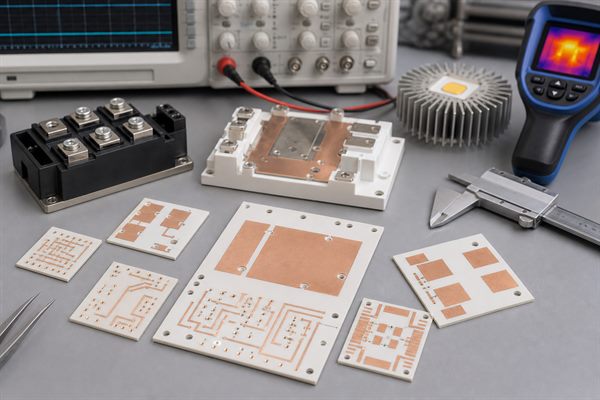
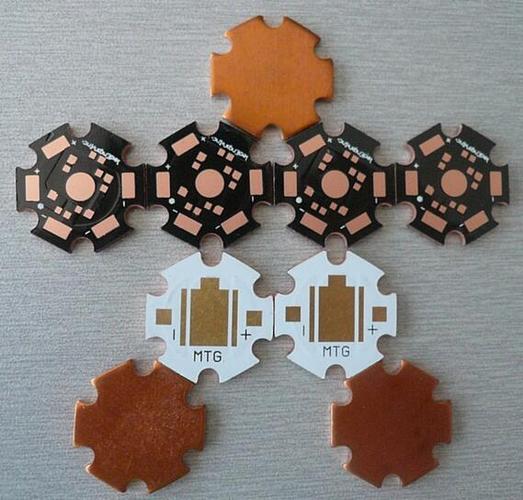
High thermal conductivity ceramic PCBs are used when the circuit board must become part of the heat path.

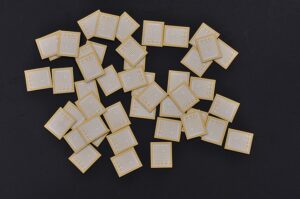
In most engineering discussions, this term refers to ceramic PCB substrates made from materials such as aluminum nitride (AlN), alumina (Al2O3), or in some special cases beryllium oxide (BeO). These materials are selected because they can support circuits and provide a better heat path than many organic PCB materials.

Why Thermal Conductivity Matters in Ceramic PCB Design

Thermal conductivity matters because high-power components lose performance and reliability when heat stays near the junction, solder joint, or package. A ceramic PCB helps transfer heat from the component into the substrate and then toward a heat sink, housing, or baseplate.

For buyers, the key point is this: higher thermal conductivity is useful only when the whole heat path is designed correctly. Copper thickness, solder area, substrate thickness, mounting pressure, thermal interface material, and heat sink design can all limit real performance. Choosing an expensive ceramic material will not solve the problem if the heat bottleneck is somewhere else.

Common Materials for High Thermal Conductivity Ceramic PCBs

The best ceramic PCB material depends on thermal demand, insulation requirement, mechanical reliability, cost target, and application environment.
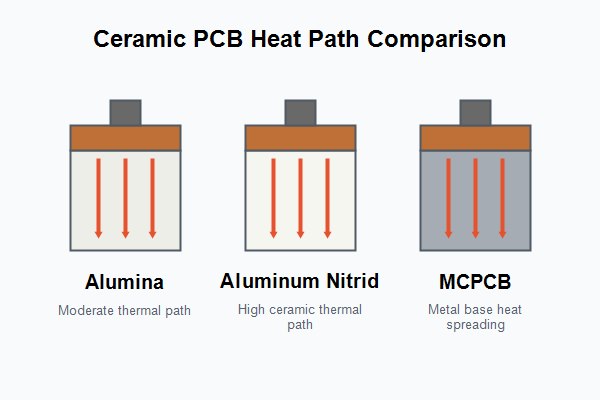
Material choice should match the real thermal load, insulation requirement, and cost target.
MaterialThermal PerformanceStrengthLimitationBest Use
Aluminum nitride (AlN)HighGood thermal performance with electrical insulationHigher cost than alumina; ceramic handling requiredHigh-power LED, laser, RF, power modules, compact thermal designs
Alumina (Al2O3)ModerateCost-effective and widely usedLower thermal conductivity than AlNGeneral ceramic circuits, moderate power products, cost-sensitive applications
Beryllium oxide (BeO)HighStrong heat transferSafety and handling concerns if dust is generatedSpecialized applications with proper safety control
Silicon nitride (Si3N4)GoodStrong mechanical toughnessCost and availability may varyPower modules needing mechanical reliability and thermal cycling resistance

For most PCB and PCBA sourcing projects, AlN ceramic PCB is the common choice when thermal performance is the main priority, while alumina ceramic PCB is often more practical when cost control matters.

When Should You Use a High Thermal Conductivity Ceramic PCB?

Use a high thermal conductivity ceramic PCB when the product has concentrated heat, limited space, and a real need for electrical insulation. It is most useful when the board itself must become part of the thermal path.

Good use cases include:

  • High-power LED modules
  • Laser diode submounts
  • RF and microwave circuits
  • IGBT and MOSFET power modules
  • Automotive power electronics
  • Industrial control modules
  • Medical electronics with compact power sections
  • Aerospace-related electronic modules
  • Semiconductor equipment components

A ceramic PCB may be unnecessary if the design has low power, enough board area, loose temperature limits, or can be handled by FR4 with copper pours, vias, heat sinks, or a metal core PCB.

High Thermal Conductivity Ceramic PCB vs Metal Core PCB

The choice between ceramic PCB and metal core PCB depends on whether the design needs stronger insulation, higher thermal stability, or better performance under compact high-power conditions.

OptionStrengthLimitationSuitable Application
Metal core PCBCost-effective heat spreading for many LED and power designsThermal performance depends on dielectric layer; insulation may limit heat transferLED lighting, power boards, medium thermal load
Ceramic PCBGood heat transfer with electrical insulation and ceramic stabilityHigher cost and stricter manufacturing requirementsHigh-power density, RF, laser, power module, high-reliability electronics

The practical takeaway: choose metal core PCB when cost and moderate heat spreading are enough. Choose ceramic PCB when the design needs stronger thermal performance, electrical insulation, and better stability in a compact structure.

Design Considerations Before Choosing Ceramic PCB

A ceramic PCB should be reviewed as a full thermal and mechanical structure, not only as a substrate material. The board can fail or underperform if copper, solder, component layout, and mounting are not considered together.

Important design points include:

  • Substrate material and thickness
  • Copper thickness and copper area
  • Circuit pattern and isolation distance
  • Surface finish and solderability
  • Hole design and edge clearance
  • Flatness and warpage requirements
  • Component heat source location
  • Operating voltage and current
  • Assembly process and soldering temperature
  • Thermal cycling and mechanical stress
  • Heat sink or housing contact method

For prototype projects, EBest Circuit (Best Technology) usually needs both electrical files and mechanical information to review whether a ceramic PCB is practical before production.

Manufacturing Options for Ceramic PCBs

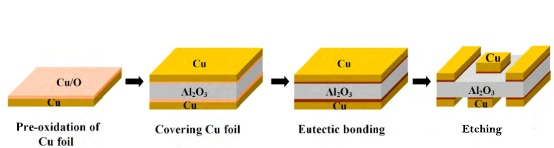
High thermal conductivity ceramic PCBs can be manufactured using different metallization and bonding methods. The right process depends on circuit complexity, copper thickness, current load, and reliability target.
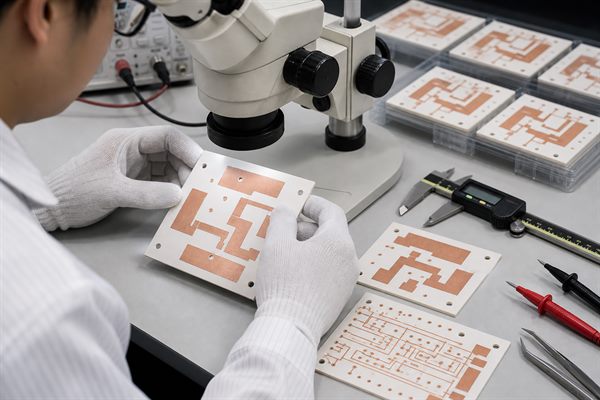
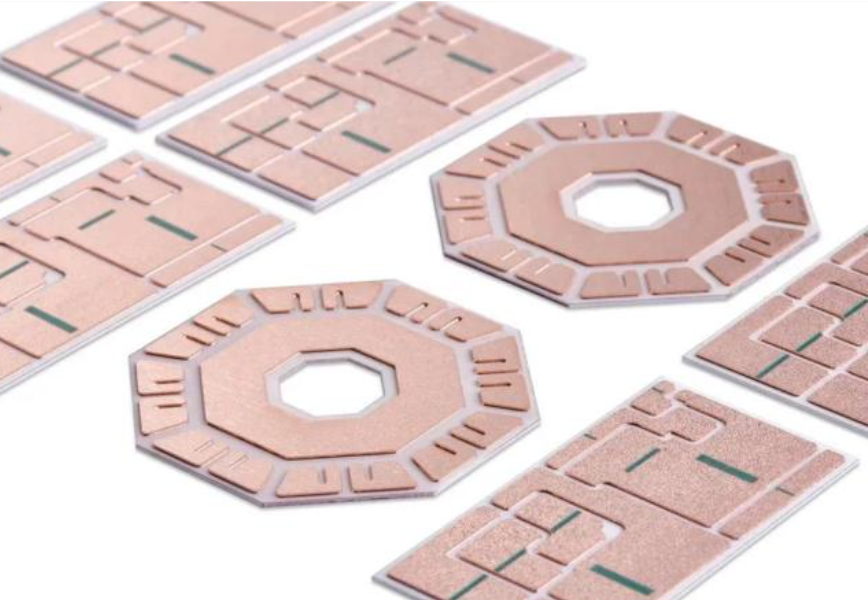
Metallization quality, copper adhesion, dimensional accuracy, and edge condition are important for ceramic PCB reliability.
ProcessPurposeSuitable ForBuyer Note
Thick film ceramic PCBPrinted conductor paste on ceramicHybrid circuits, sensors, simple ceramic circuitsGood for certain functional circuits, but not always ideal for high current
Thin film ceramic PCBFine metal patterns on ceramicRF, laser, precision circuitsSuitable when fine lines and stable electrical behavior matter
DBC ceramic substrateDirect bonded copper on ceramicPower modules, high-current circuitsStrong option for heavy copper and power electronics
AMB ceramic substrateActive metal brazing copper to ceramicHigh-reliability power modulesOften considered when thermal cycling and bonding reliability are critical

Buyers should not request only “ceramic PCB” in an RFQ. The process type, copper thickness, substrate material, and application requirements should be clear before quotation.

Common Mistakes When Buying Ceramic PCBs

The most common mistake is choosing the highest thermal conductivity material without checking whether the system needs it. This can increase cost without improving final product temperature.

MistakeWhy It Causes ProblemsBetter Approach
Asking only for “high thermal conductivity”Supplier cannot select the right material or processProvide heat load, working voltage, substrate size, and copper requirement
Choosing AlN for every projectAlN may be unnecessary for moderate thermal loadsCompare alumina, metal core PCB, and AlN based on real temperature target
Ignoring copper thicknessCopper affects current carrying and heat spreadingDefine copper thickness and current requirements early
Missing mechanical constraintsCeramic can crack under stress or poor mountingProvide mounting method, pressure, and housing structure
No thermal test requirementPrototype may pass assembly but fail in real operationDefine test temperature, power condition, and acceptance standard

A reliable ceramic PCB decision should balance thermal performance, electrical insulation, manufacturability, cost, and assembly reliability.

What to Provide When Requesting a Ceramic PCB Quote

A complete RFQ helps the supplier review manufacturability and avoid wrong assumptions. For high thermal conductivity ceramic PCB projects, provide as much application context as possible.
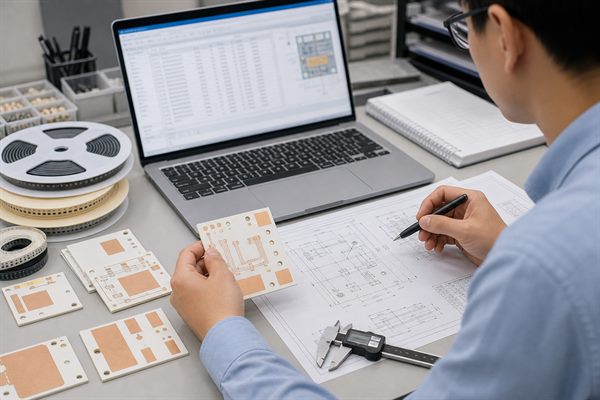
A useful ceramic PCB quotation starts with drawings, thermal requirements, copper needs, and the real application environment.

Useful RFQ details include:

  • Ceramic material preference, such as AlN or alumina
  • Substrate dimensions and thickness
  • Copper thickness
  • Circuit drawing, Gerber files, or layout files
  • Surface finish requirement
  • Working voltage and current
  • Heat source location and estimated power
  • Operating temperature range
  • Thermal conductivity target if specified
  • Quantity for prototype and mass production
  • Assembly requirements if PCBA is needed
  • Thermal cycling, insulation, or reliability test requirements
  • Approved alternatives or cost target

For EBest Circuit (Best Technology), this information helps the engineering team check whether a ceramic PCB, metal core PCB, or another PCB/PCBA structure is the most practical solution before quotation.

FAQ

What is the best material for a high thermal conductivity ceramic PCB?

Aluminum nitride is often selected when high thermal conductivity is the main requirement. Alumina is more cost-effective for moderate thermal loads. The best choice depends on heat density, voltage isolation, mechanical stress, and budget.

Is ceramic PCB better than FR4?

Ceramic PCB is better than FR4 for high heat density and electrically insulated thermal transfer. FR4 is still better for many standard electronic products because it is lower cost, easier to process, and suitable for normal thermal loads.

Is ceramic PCB better than metal core PCB?

Ceramic PCB can offer better insulation and thermal stability in high-power compact designs. Metal core PCB is usually more cost-effective for LED lighting and moderate thermal applications.

What is an AlN ceramic PCB?

An AlN ceramic PCB uses aluminum nitride as the substrate. It is commonly selected for high-power LED, RF, laser, power module, and other compact electronic designs that need strong heat dissipation.

Does higher thermal conductivity always mean better performance?

No. The full heat path determines real performance. Copper design, solder, interface material, substrate thickness, mounting pressure, and heat sink design can all limit temperature reduction.

Can ceramic PCB be used for PCBA?

Yes. Ceramic PCB can be assembled with components, but the assembly process should consider soldering temperature, flatness, ceramic handling, component stress, and inspection requirements.

Why is ceramic PCB expensive?

Ceramic PCB is more expensive because ceramic substrate processing, metallization, copper bonding, machining, yield control, and inspection are more demanding than standard FR4 PCB manufacturing.

When is ceramic PCB unnecessary?

Ceramic PCB may be unnecessary when heat is moderate, product cost is sensitive, and FR4, metal core PCB, copper pours, thermal vias, or a better heat sink can meet the temperature target.

Conclusion

A high thermal conductivity ceramic PCB is a strong choice when a product needs heat dissipation, electrical insulation, compact layout, and reliable performance under thermal stress. The right decision depends on material, copper structure, process type, operating conditions, and cost target.

If you are evaluating ceramic PCB, AlN PCB, metal core PCB, or PCBA options for a thermal design, EBest Circuit (Best Technology) can help review your drawings, material choice, copper requirements, prototype needs, and quotation details. Contact us at sales@bestpcbs.com.
You may also like

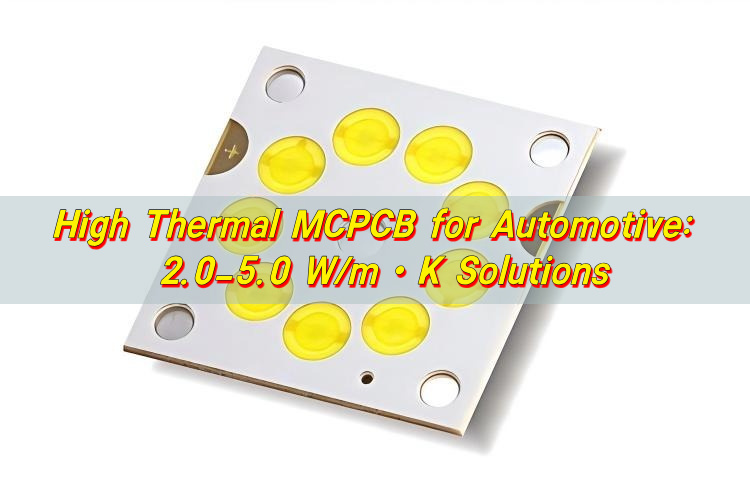
High Thermal MCPCB Automotive: 2.0–5.0 W/m・K Solutions
Thursday, April 16th, 2026

EBest’s High Thermal MCPCB Automotive delivers industry-leading thermal conductivity (2.0-3.0 W/m.K), IATF 16949, and other automotive-grade certifications, as well as reliable performance in extreme automotive environments (from -40°C to 150°C). Trusted for over 19 years, we solve your automotive thermal management challenges with turnkey solutions.

High Thermal MCPCB Automotive: 2.0–5.0 W/m・K Solutions

Why Choose EBest for Your High Thermal MCPCB Automotive Needs?

Our High Thermal MCPCB Automotive products are engineered to meet the toughest demands of automotive electronics, with core parameters that outperform industry standards—perfect for ECU, BMS, and ADAS modules.

Core parameters for High Thermal MCPCB Automotive: thermal conductivity up to 3.0 W/m.K, a maximum of 10 layers, thickness ranging from 12-157 mil, ±3 mil hole position tolerance, and a 94V-0 flammability rating. Partner with EBest today for your automotive MCPCB needs.

Why Choose EBest for High Thermal MCPCB Automotive?

  • Quality: 100% full inspection before delivery, automotive-grade materials, and strict compliance with all relevant certifications to ensure long-term reliability in harsh automotive conditions.
  • Lead Time: Urgent orders are shipped within 24 hours, regular orders are delivered on time, and our monthly capacity of 260,000 square feet allows us to handle any order size.
  • Service: One-stop solutions from design support to prototyping, production, and post-delivery support—we work with you to optimize your High Thermal MCPCB Automotive design for manufacturability.
  • Supply Chain: A stable, global supply chain for all electronic components (SMD, BGA, QFN, QFP) eliminates delays and ensures consistent product quality.

What Are the Key Pain Points of High Thermal MCPCB Automotive?

Many face challenges with thermal management failures, inconsistent quality, and supply chain disruptions when sourcing High Thermal MCPCB Automotive products—EBest addresses these head-on with proven solutions.

  • Thermal Failure: Our high thermal conductivity (2.0-3.0 W/m.K) and optimized PCB layout reduce hotspots by up to 25%, preventing component overheating in engine bays and other high-temperature areas.
  • Quality Inconsistency: We implement full-process quality control, from material selection to final inspection, ensuring every High Thermal MCPCB Automotive meets the same strict standards.
  • Supply Chain Risks: Our established global supply chain and in-house component sourcing eliminate delays, even for hard-to-find automotive-grade components.
  • Design Challenges: Our engineering team provides free design support to optimize your High Thermal MCPCB Automotive for thermal performance, signal integrity, and manufacturability.

For reliable, high-performance High Thermal MCPCB Automotive solutions that solve your biggest pain points, choose EBest—your trusted partner for automotive electronics.

What Is High Thermal MCPCB Automotive, and Why Is It Critical for Modern Cars?

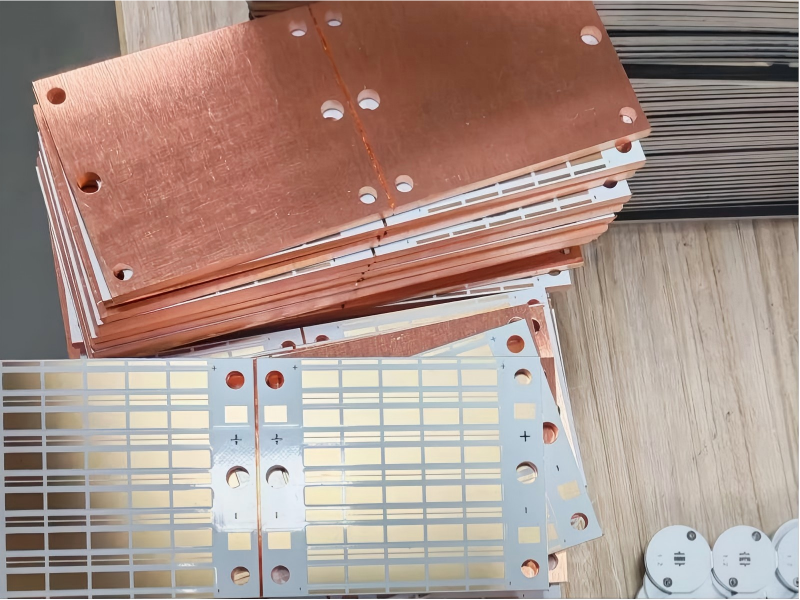
High Thermal MCPCB Automotive is a metal-core printed circuit board designed specifically for automotive applications, with enhanced thermal conductivity to dissipate heat from high-power components.

Modern cars—especially electric vehicles (EVs)—rely on high-power electronics (ECU, BMS, ADAS, infotainment) that generate significant heat. Without effective thermal management, these components fail faster, risking safety and performance.

EBest’s High Thermal MCPCB Automotive efficiently transfers heat away from critical components, extending their lifespan and ensuring consistent performance in extreme automotive environments.

High Thermal MCPCB Automotive: 2.0–5.0 W/m・K Solutions

How Does High Thermal MCPCB Automotive Improve Automotive Electronics Reliability?

High Thermal MCPCB Automotive improves reliability by reducing thermal stress on components, which is the leading cause of failure in automotive electronics.

Our MCPCBs feature thermal conductivity up to 3.0 W/m.K—far higher than standard MCPCBs (0.8-1.0 W/m.K)—ensuring heat is quickly dissipated, even in tight engine bay spaces.

Additionally, our strict quality control and automotive-grade materials ensure the MCPCBs resist vibration, temperature cycles, and chemical exposure common in automotive settings.

What Thermal Conductivity Do You Need for High Thermal MCPCB Automotive?

The ideal thermal conductivity for High Thermal MCPCB Automotive depends on the application, but 2.0-3.0 W/m.K is the sweet spot for most automotive electronics.

For high-power components like EV BMS modules or ADAS processors, 3.0 W/m.K is recommended to handle peak heat generation. For less demanding applications (infotainment), 2.0 W/m.K is sufficient.

EBest offers customizable thermal conductivity options for High Thermal MCPCB Automotive, ensuring you get the exact performance your application requires.

How to Design High Thermal MCPCB Automotive for Maximum Thermal Performance?

To maximize thermal performance, focus on three key design elements: thermal conductivity, copper thickness, and component placement.

Choose a thermal conductivity of 2.0-3.0 W/m.K for automotive applications. Opt for thicker copper (up to 10 OZ) to improve heat transfer and reduce resistance.

Place high-power components near thermal vias or heat sinks, and avoid clustering components to prevent hotspots. EBest’s engineering team can help optimize your High Thermal MCPCB Automotive design for peak performance.

High Thermal MCPCB Automotive: 2.0–5.0 W/m・K Solutions

What Certifications Matter for High Thermal MCPCB Automotive?

Automotive-grade certifications ensure your High Thermal MCPCB Automotive meets strict industry standards for quality, safety, and reliability. EBest holds all critical certifications for automotive applications.

CertificationActual Value for High Thermal MCPCB Automotive
IATF 16949Ensures full-process control, from design to delivery, eliminating quality risks and meeting automotive industry quality standards.
ISO 9001:2015Guarantees consistent quality management systems, ensuring every High Thermal MCPCB Automotive meets the same high standards.
ISO 13485:2016Validates compliance for medical-grade automotive electronics (e.g., in-car health monitoring systems), ensuring safety and reliability.
AS9100DMeets aerospace-grade standards, ideal for high-reliability automotive applications like autonomous driving systems.
REACHEnsures no harmful substances are used, complying with EU automotive environmental regulations.
RoHSRestricts hazardous materials, making our High Thermal MCPCB Automotive environmentally friendly and compliant with global standards.
ULVerifies fire safety (94V-0 rating), critical for preventing thermal-related fires in automotive electronics.

What Services Does EBest Offer for High Thermal MCPCB Automotive?

EBest provides one-stop solutions for High Thermal MCPCB Automotive, covering every stage from design to delivery, with a focus on quality and efficiency.

Core Services for High Thermal MCPCB Automotive

  • PCB Fabrication: Custom High Thermal MCPCB Automotive prototypes and low-volume production, with customizable substrates and materials to match your needs.
  • Component Supply: Stable sourcing for all automotive-grade components (SMD, BGA, QFN, QFP) to ensure your MCPCBs are fully equipped and ready for assembly.
  • Assembly Services: BGA Assembly, Through-Hole Assembly, and Full Turnkey Assembly for High Thermal MCPCB Automotive, with 100% full inspection before delivery.

Value-Added Services

  • Injection Molding: Mold structure, thread insert, pad printing, and final assembly to integrate your High Thermal MCPCB Automotive into complete modules.
  • CNC Machining: Precision CNC Milling and Turning for tight tolerances, ideal for custom enclosures for High Thermal MCPCB Automotive.
  • Sheet Metal: Low-waste, flexible sheet metal solutions for heat sinks and enclosures, optimizing thermal performance for your MCPCBs.

How Does EBest’s High Thermal MCPCB Automotive Compare to Standard MCPCBs?

EBest’s High Thermal MCPCB Automotive outperforms standard MCPCBs in thermal performance, durability, and compliance—critical for automotive applications.

FeatureEBest High Thermal MCPCB AutomotiveStandard MCPCBs
Thermal Conductivity2.0-3.0 W/m.K (high thermal)0.8-1.0 W/m.K (standard)
CertificationsIATF 16949, ISO 13485, AS9100D, RoHS, ULBasic ISO 9001, limited automotive compliance
Temperature Resistance-40°C to 150°C (extreme automotive environments)0°C to 100°C (limited to mild environments)
Copper ThicknessUp to 10 OZ (14mil) for enhanced heat transfer1-2 OZ (3.5-7mil) standard
Quality Control100% full inspection, APQP, FMEA processesBasic inspection, no automotive-specific processes

What Are the Common Applications of High Thermal MCPCB Automotive?

High Thermal MCPCB Automotive is used in a wide range of automotive electronics, where thermal management is critical for performance and safety.

  • EV Battery Management Systems (BMS): Dissipates heat from high-power battery cells, ensuring battery safety and extending lifespan.
  • Engine Control Units (ECU): Handles heat from processing components in the engine bay, preventing overheating and performance issues.
  • ADAS (Advanced Driver Assistance Systems): Ensures reliable performance of cameras, sensors, and processors in all environmental conditions.
  • Infotainment Systems: Manages heat from high-power chips, ensuring smooth operation of touchscreens, audio systems, and connectivity features.
  • Lighting Systems: Dissipates heat from LED headlights and taillights, extending LED lifespan and maintaining brightness.

How Does EBest Ensure Consistent Quality for High Thermal MCPCB Automotive?

EBest prioritizes quality at every stage of production, ensuring your High Thermal MCPCB Automotive meets the strictest automotive standards.

  • Material Selection: We use A+ grade automotive materials, with strict supplier vetting to ensure consistency and durability.
  • Process Control: Fully automatic assembly lines and real-time quality monitoring prevent defects and ensure consistent performance.
  • Final Inspection: 100% full inspection before delivery, including thermal testing, electrical testing, and visual inspection.
  • Certifications: Compliance with IATF 16949 and other automotive certifications ensures our processes meet industry best practices.

What Is the Lead Time for EBest’s High Thermal MCPCB Automotive?

EBest offers flexible lead times for High Thermal MCPCB Automotive, designed to meet your project deadlines—even for urgent orders.

  • Prototypes: Ready for shipping within 24-48 hours for urgent requests, ensuring you can quickly test and validate your design.
  • Low-Volume Production: 3-5 business days, ideal for small-batch testing or initial production runs.
  • High-Volume Production: 7-10 business days, with our monthly capacity of 260,000 square feet to handle large orders without delays.

High Thermal MCPCB Automotive Case Study: Solving EV BMS Thermal Issues

A leading EV manufacturer struggled with BMS module overheating, which caused frequent shutdowns and reduced battery lifespan.

Their existing MCPCBs (1.0 W/m.K thermal conductivity) could not dissipate heat efficiently in the tight BMS enclosure, leading to component failure at 85°C.

EBest provided High Thermal MCPCB Automotive with 3.0 W/m.K thermal conductivity and an optimized copper layout. We also added thermal vias to improve heat transfer to the heat sink.

After implementation, the BMS module’s maximum temperature dropped to 68°C, eliminating shutdowns and extending battery lifespan by 20%. The manufacturer now uses EBest as their exclusive High Thermal MCPCB Automotive supplier.

High Thermal MCPCB Automotive: 2.0–5.0 W/m・K Solutions

FAQ: Common Questions About High Thermal MCPCB Automotive

  • Q1: What is the maximum layer count for EBest’s High Thermal MCPCB Automotive?

A1: The maximum layer count for our High Thermal MCPCB Automotive is 10 layers. This supports complex automotive electronics like ADAS and BMS modules, providing enough space for high-density components while maintaining thermal performance.

  • Q2: Can EBest customize High Thermal MCPCB Automotive for specific automotive applications?

A2: Yes, we offer full customization for High Thermal MCPCB Automotive. We can adjust thermal conductivity (2.0-3.0 W/m.K), board thickness (12-157 mil), copper thickness, and surface treatment to match your exact application needs.

  • Q3: Does High Thermal MCPCB Automotive work in extreme cold automotive environments?

A3: Yes, our High Thermal MCPCB Automotive is designed to perform reliably in extreme cold (-40°C) and hot (150°C) environments. This makes it ideal for all climates, from arctic regions to desert areas.

  • Q4: How do I know if my automotive application needs High Thermal MCPCB instead of standard MCPCB?

A4: If your application uses high-power components (e.g., BMS, ECU, ADAS) that generate significant heat, or if it’s installed in the engine bay or other high-temperature areas, you need High Thermal MCPCB Automotive. Standard MCPCBs will struggle to dissipate heat, leading to component failure.

  • Q5: Does EBest provide design support for High Thermal MCPCB Automotive?

A5: Yes, our engineering team offers free design support for High Thermal MCPCB Automotive. We help optimize your design for thermal performance, signal integrity, and manufacturability, ensuring your MCPCBs meet your application’s requirements.

  • Q6: What surface treatments are available for High Thermal MCPCB Automotive?

A6: We offer a range of surface treatments for High Thermal MCPCB Automotive, including ENIG, Flash Gold, Hard Gold Finger, Gold Plating, ENEPIG, ENIPIG, HAL, HASL(LF), OSP, Silver Immersion, and Tin Immersion—all compliant with automotive standards.

  • Q7: How does EBest’s supply chain ensure consistent delivery of High Thermal MCPCB Automotive?

A7: We have a stable, global supply chain for all materials and components needed for High Thermal MCPCB Automotive. Our purchasing team works with trusted suppliers, and we maintain inventory of key materials to avoid delays, even for urgent orders.

How to Order High Thermal MCPCB Automotive from EBest?

EBest provides high-performance High Thermal MCPCB Automotive solutions tailored to your automotive application. We offer urgent prototype delivery (within 24 hours), bulk order exclusive support, and free design assistance to ensure your project stays on track.

Don’t let thermal management issues or supply chain delays hold back your automotive project—contact us today to place your order. For urgent requests or custom quotes, email us at sales@bestpcbs.com. EBest: Your trusted partner for High Thermal MCPCB Automotive in 2026 and beyond.
You may also like