PCB manufacturing PCB manufacturing
Home > Blog

Bluetooth PCB Board

Bluetooth Module PCB Board Manufacturer for Reliable Wireless Products
Thursday, May 28th, 2026

A Bluetooth Module is small, but its PCB board has a direct effect on final wireless performance. Antenna clearance, grounding, power stability, impedance control, SMT quality, and testing all affect how well the product connects in real use.

This guide is written for engineers, buyers, and product teams who want to build a reliable Bluetooth PCB board, Bluetooth module board, or Bluetooth-enabled PCBA without spending too much time on generic theory.
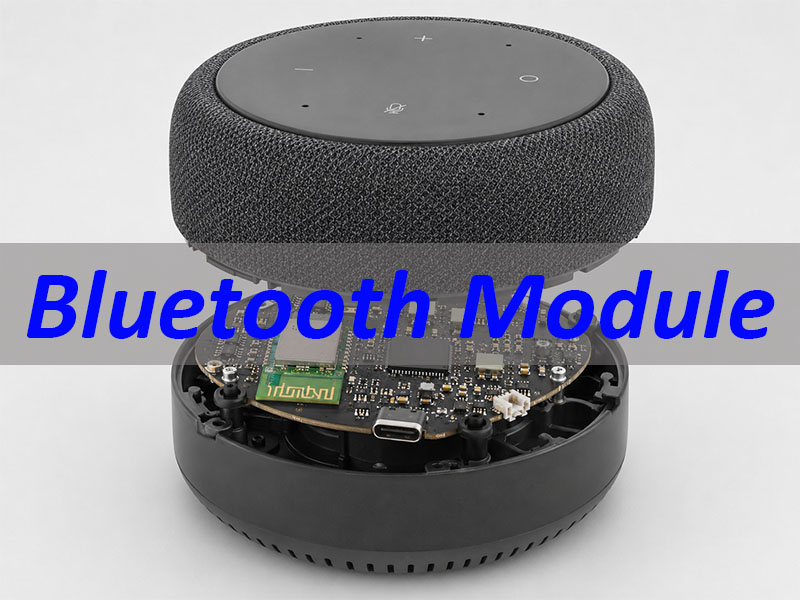
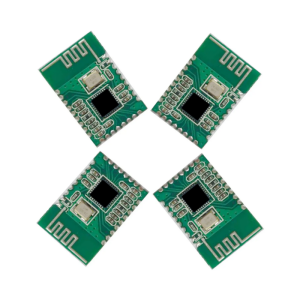
Bluetooth Module

What Is a Bluetooth Module?

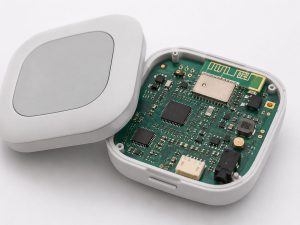
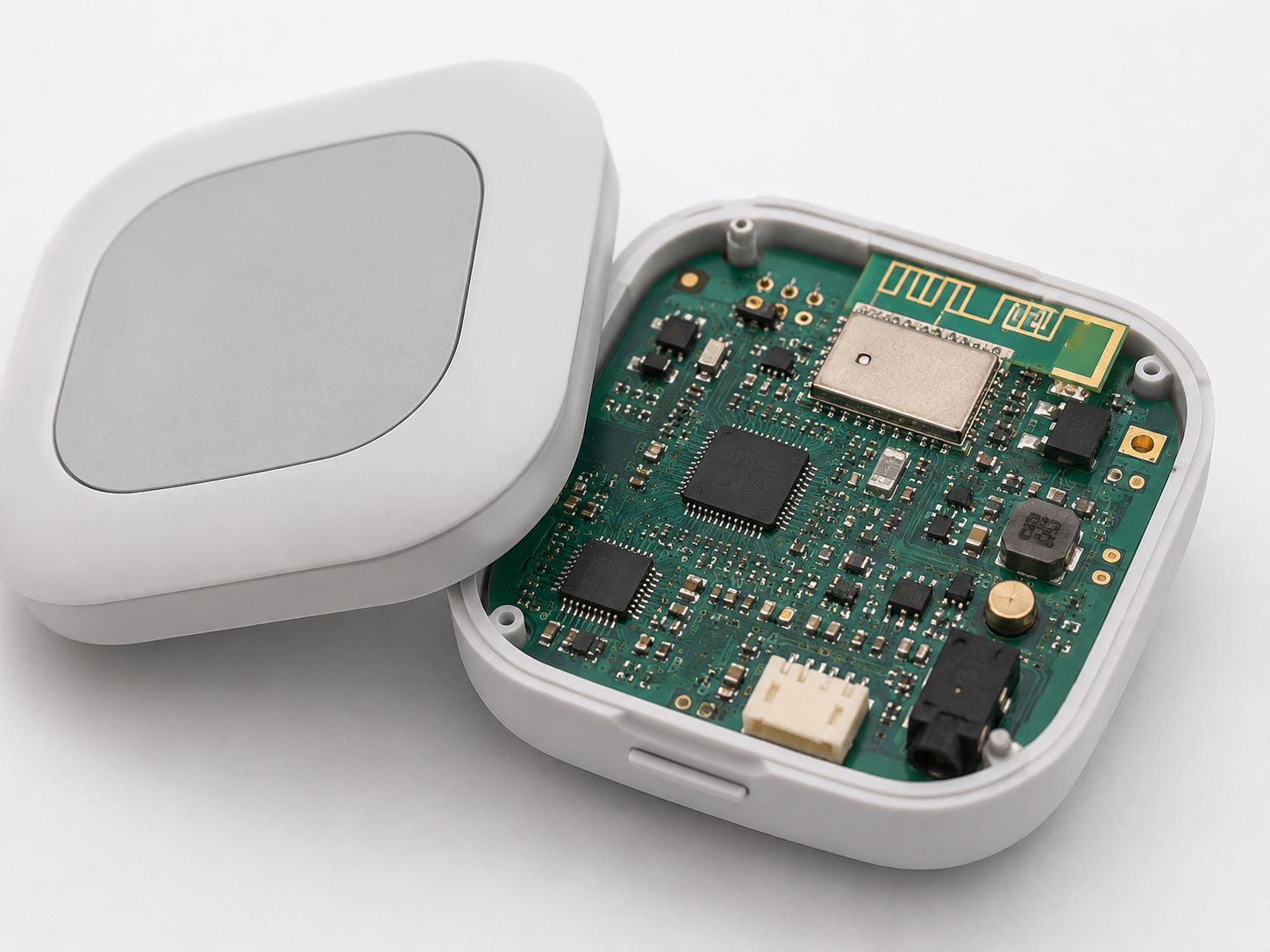
A Bluetooth Module is a compact wireless communication unit used to send data, audio, or control signals between electronic devices.

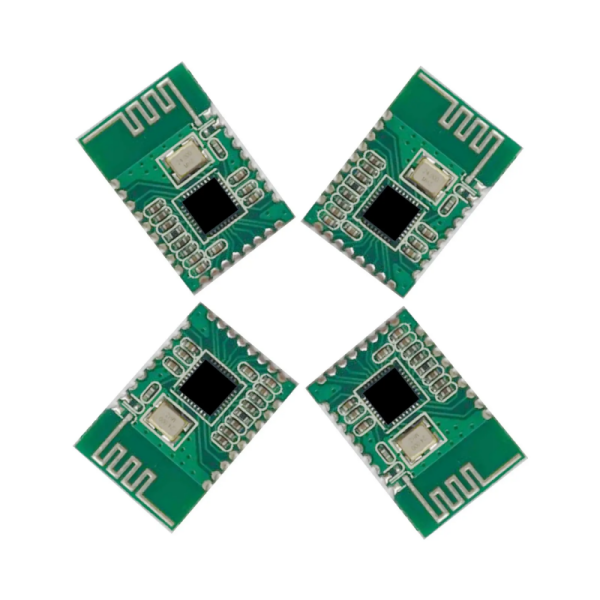
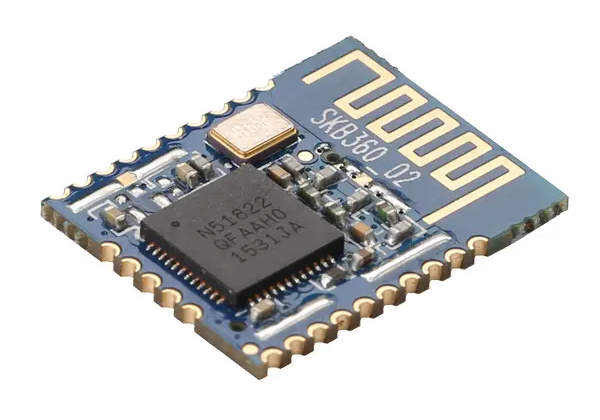
It usually includes:

PartFunction
Bluetooth chipHandles wireless communication
Antenna or antenna padSends and receives RF signals
Crystal oscillatorSupports stable timing
Matching circuitHelps RF signal transfer
Power circuitProvides clean voltage
Interface pinsConnects with MCU or main board

A module is easier to integrate than a bare Bluetooth chip because most RF-related parts are already built into the module.
How Does a Bluetooth Module Work?

A Bluetooth module converts device data into a short-range wireless signal and sends it through the antenna.

In a real product, the signal path usually works like this:

  • The MCU sends data to the Bluetooth module through UART, SPI, USB, or I2C.
  • The module processes the data through the Bluetooth protocol.
  • The RF circuit sends the signal through the antenna.
  • Another Bluetooth device receives and decodes the signal.
  • The device responds, pairs, or exchanges data.

For stable communication, the PCB must support clean power, good grounding, correct antenna placement, and controlled RF layout.

What Types of Bluetooth Modules Are Commonly Used?

Different products use different Bluetooth modules. The right choice depends on data type, power consumption, size, connection distance, and certification requirements.

TypeCommon Use
Classic Bluetooth moduleAudio, serial data, legacy devices
Bluetooth Low Energy moduleWearables, sensors, IoT devices
Dual-mode Bluetooth moduleProducts needing Classic Bluetooth and BLE
WiFi Bluetooth moduleGateways, smart home devices, connected terminals
Bluetooth audio moduleSpeakers, headphones, voice devices
HC-05 / HC-06 moduleArduino, MCU learning, simple serial communication
HM-10 moduleBLE-based low-power projects

For commercial products, module selection should also consider supply stability, antenna type, firmware support, lifecycle status, and long-term availability.

Bluetooth Module vs Bluetooth Chip: What Is the Difference?

A Bluetooth chip is the core IC. A Bluetooth module is a more integrated wireless unit.

ItemBluetooth ChipBluetooth Module
Integration levelLowHigher
RF design workMore complexEasier to integrate
Certification pathMore workOften simpler
PCB layout difficultyHigherMore manageable
Best forCustom RF designFaster product development

A Bluetooth system on a chip may include RF, processor, memory, and protocol functions in one IC. A Bluetooth module usually places that chip with the required RF circuit, antenna, and supporting components on a small PCB.

For many product teams, the module route saves engineering time and reduces layout risk.

How Does a Bluetooth Module Connect to a Bluetooth PCB Board?

A Bluetooth PCB board turns the module into a working product circuit. This is where wireless performance meets manufacturing quality.

Key layout points include:

  • Keep the antenna area away from copper, metal parts, tall components, and noisy circuits.
  • Reserve proper antenna clearance according to the module datasheet.
  • Use a clean ground plane to improve signal stability.
  • Place decoupling capacitors close to the power pins.
  • Keep high-speed or noisy digital traces away from RF areas.
  • Control impedance when the design uses RF traces, USB, or other high-speed signals.
  • Review grounding, shielding, and power routing before PCB fabrication.

With customer schematics, BOM, and mechanical requirements, EBest Circuit supports PCB layout optimization, PCB fabrication, component sourcing, SMT assembly, and functional testing for Bluetooth module board projects.

What Bluetooth PCB Board Manufacturing Capabilities Support Bluetooth Module Projects?

A Bluetooth PCB board is usually small, dense, and sensitive to signal consistency. For this type of project, customers mainly care about five manufacturing points: board size, routing density, via structure, signal control, and assembly reliability.

EBest Circuit supports Bluetooth module board projects with the following focused capabilities:

1. Compact Board Build for Small Wireless Devices

Bluetooth products are often used in wearables, smart sensors, handheld terminals, medical monitors, and IoT devices. These products usually leave very limited PCB space.

  • Standard finished board size can reach 10 × 10mm.
  • Prototype review can support smaller boards down to 3 × 3mm, depending on the design structure.
  • Standard board thickness supports 0.4–6.0mm.
  • Prototype review can cover 0.15–10mm when special thickness is required.

This is useful when the Bluetooth module board must fit into a compact enclosure while still carrying the module, MCU, power circuit, connector, and antenna-related layout.

2. Fine-Line Capability for Dense Bluetooth Circuits

Bluetooth PCB boards often combine wireless modules, MCUs, sensors, connectors, shielding parts, and small passive components on one compact board. Fine routing capability helps keep the layout manufacturable.

  • Inner layer line width/spacing can reach 3/3mil at 1/2oz copper.
  • Outer layer line width/spacing can reach 3.5/4mil at 1oz copper.
  • Prototype review can evaluate finer routing, such as 2.5/2.5mil inner layers and 3/3mil outer layers.

This supports dense routing around Bluetooth chips, module pins, MCU areas, and compact component groups.

3. HDI and Via Support for Space-Limited Layouts

When the board becomes smaller, standard routing may not leave enough space. HDI structures and laser vias can help release routing channels and improve layout flexibility.

  • Standard laser via size can reach 0.10mm.
  • Prototype review can evaluate laser vias down to 0.070mm.
  • Mechanical finished holes support 0.15–6.5mm.
  • Standard through-hole aspect ratio supports up to 12:1.

This capability is valuable for mini Bluetooth PCB boards, multilayer wireless boards, and compact Bluetooth module board layouts.

4. Signal-Control Support for Bluetooth and High-Speed Interfaces

Some Bluetooth boards include USB, RF-sensitive traces, high-speed digital interfaces, or antenna-related layout areas. These designs require controlled material choice and impedance review.

  • Supported materials include normal Tg FR4, mid Tg FR4, High-Tg 170–180 materials, high-speed low-loss materials, Rogers 4003/4350B, and PTFE high-frequency materials.
  • Standard impedance tolerance supports ±5Ω for impedance below 50Ω.
  • For impedance of 50Ω or above, standard tolerance supports ±10%.

This helps Bluetooth PCB board projects maintain more stable signal paths when the design includes RF-related routing, USB communication, or sensitive wireless areas.

5. Assembly-Ready Surface Finish and PCB Testing

Bluetooth PCBA often uses fine-pitch ICs, compact module pads, small passive parts, connectors, and shielding-related components. The PCB surface finish must support stable soldering and inspection.

  • Surface finish options include ENIG, lead-free HASL, immersion tin, immersion silver, OSP, hard gold, soft gold, ENEPIG, and gold finger.
  • For fine-pitch Bluetooth PCBA, ENIG is commonly used.
  • ENIG thickness supports 0.025–0.125μm gold and 3–8μm nickel.
  • PCB electrical testing can support up to 5000V DC / 3000V AC, depending on project requirements.

These capabilities help improve solderability, reduce assembly risk, and support more reliable Bluetooth module board production.

With these manufacturing capabilities, EBest Circuit can support FR4 Bluetooth PCB boards, multilayer Bluetooth boards, HDI wireless boards, controlled impedance boards, thin PCB boards, and high-frequency material Bluetooth boards from prototype to batch production.

Bluetooth Module Board Case Study: 6-Layer FR4 PCB with Blind and Buried Vias

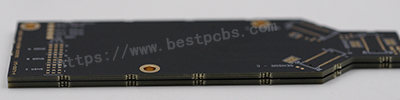
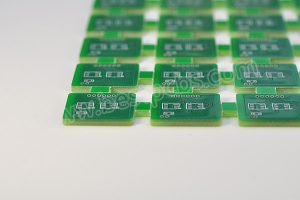
Here is one Bluetooth module board we manufactured for a compact wireless device. The project used a 6-layer FR4 structure with Tg170 material, blind and buried vias, and a 50 Ohm impedance requirement on the front side.

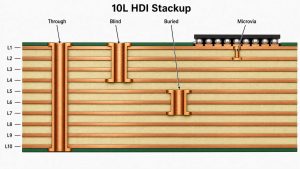
The board thickness was controlled at 0.83mm ±0.1mm, helping the customer keep the product compact while still supporting multilayer routing. The design also used L1-L2 blind vias and L2-L3 buried vias, which helped release routing space around dense signal and component areas.

For the RF-related signal path, the board required 50 Ohm controlled impedance, with 0.11mm line width, 0.18mm line spacing, and L2 as the reference layer. The final PCB used white solder mask, black silkscreen, and ENIG 1u” surface finish for stable assembly and clean appearance.

This case shows EBest Circuit’s capability to support Bluetooth module boards with thin multilayer structure, HDI via design, impedance control, and production-ready surface finish.

Project Parameters

  • PCB Type: 6-layer FR4 Bluetooth module board
  • Material: FR4 Tg170, Shengyi material available
  • Copper Thickness: 1oz inner layers and outer layers
  • Board Thickness: 0.83mm ±0.1mm
  • Via Structure: Blind and buried vias
  • Blind Via: L1-L2
  • Buried Via: L2-L3
  • Impedance: 50 Ohm on front side
  • Impedance Line Width: 0.11mm
  • Impedance Line Spacing: 0.18mm
  • Reference Layer: L2
  • Solder Mask / Silkscreen: White solder mask, black silkscreen
  • Surface Finish: ENIG 1u”

Where Are Bluetooth Module Boards Used?

Bluetooth module boards are used wherever devices need short-range wireless connection.

IndustryApplication Examples
Medical devicesWearable monitors, portable diagnostic tools, wireless sensor units
Industrial controlData collection terminals, wireless control panels, PLC adapters
Consumer electronicsSpeakers, headphones, smart remotes, smart home devices
Automotive electronicsDiagnostic tools, infotainment modules, wireless controllers
IoT devicesSmart locks, asset trackers, gateways, environmental sensors
New energyBMS communication boards, charger control modules
RoboticsHandheld controllers, sensor boards, wireless control units
InstrumentsPortable meters, test devices, wireless data loggers

For these products, stable Bluetooth communication depends on both module selection and PCB/PCBA manufacturing control.

Why Choose Us for Bluetooth Module Board Manufacturing?

Choose EBest Circuit when your Bluetooth product requires more than simple PCB fabrication. We support PCB layout optimization, PCB fabrication, component sourcing, SMT assembly, inspection, and functional testing for Bluetooth module board projects.

For different Bluetooth products, we can support a wide range of PCB structures, including FR4 rigid PCB, multilayer PCB, HDI PCB, flexible PCB, rigid-flex PCB, High-Tg PCB, controlled impedance PCB, and thin PCB. These board types are commonly used in compact wireless devices, smart home products, wearable electronics, industrial control terminals, medical monitoring devices, IoT gateways, automotive diagnostic tools, and battery management communication boards.

Our manufacturing support focuses on the details that directly affect Bluetooth module board performance:

  • Antenna area review to help keep copper, metal parts, and noisy circuits away from sensitive RF zones.
  • Grounding and power routing review to support cleaner power delivery and more stable wireless communication.
  • Controlled impedance support for boards with USB, RF traces, or high-speed signal paths.
  • DFM check before production to reduce layout, soldering, panelization, and assembly risks.
  • Component sourcing and BOM checking to help confirm module availability, package compatibility, and alternative options.
  • SMT assembly for compact wireless boards, including fine-pitch ICs, small passive parts, connectors, sensors, and shielding-related components.
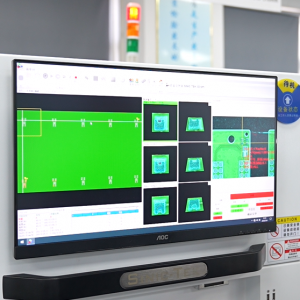
  • Inspection and testing support, including AOI, X-ray, electrical testing, and functional testing according to project requirements.
  • Prototype, small-batch, and mass production support for different product development stages.

For Bluetooth module board projects, our role is simple: help turn your design files into a stable, manufacturable, and testable wireless PCBA.

Send your Bluetooth PCB board files or BOM to sales@bestpcbs.com for a manufacturing review and quotation.

FAQs about module bluetooth

Q1. What is a module bluetooth used for?
A module bluetooth is used for wireless data transfer, audio transmission, device pairing, remote control, and IoT communication. In product manufacturing, it is usually mounted on a Bluetooth PCB board or integrated into a larger PCBA.

Q2. Is a Bluetooth module the same as a Bluetooth chip?
No. A Bluetooth chip is the main IC. A Bluetooth module usually includes the chip, antenna, RF circuit, crystal, and supporting components, making it easier to integrate into a product.

Q3. What is the difference between HC-05 and HC-06 Bluetooth module?
HC-05 can usually work as master or slave. HC-06 is commonly used as a slave module. Both are popular for simple serial communication and Arduino projects.

Q4. Can a Bluetooth module be used in industrial control devices?
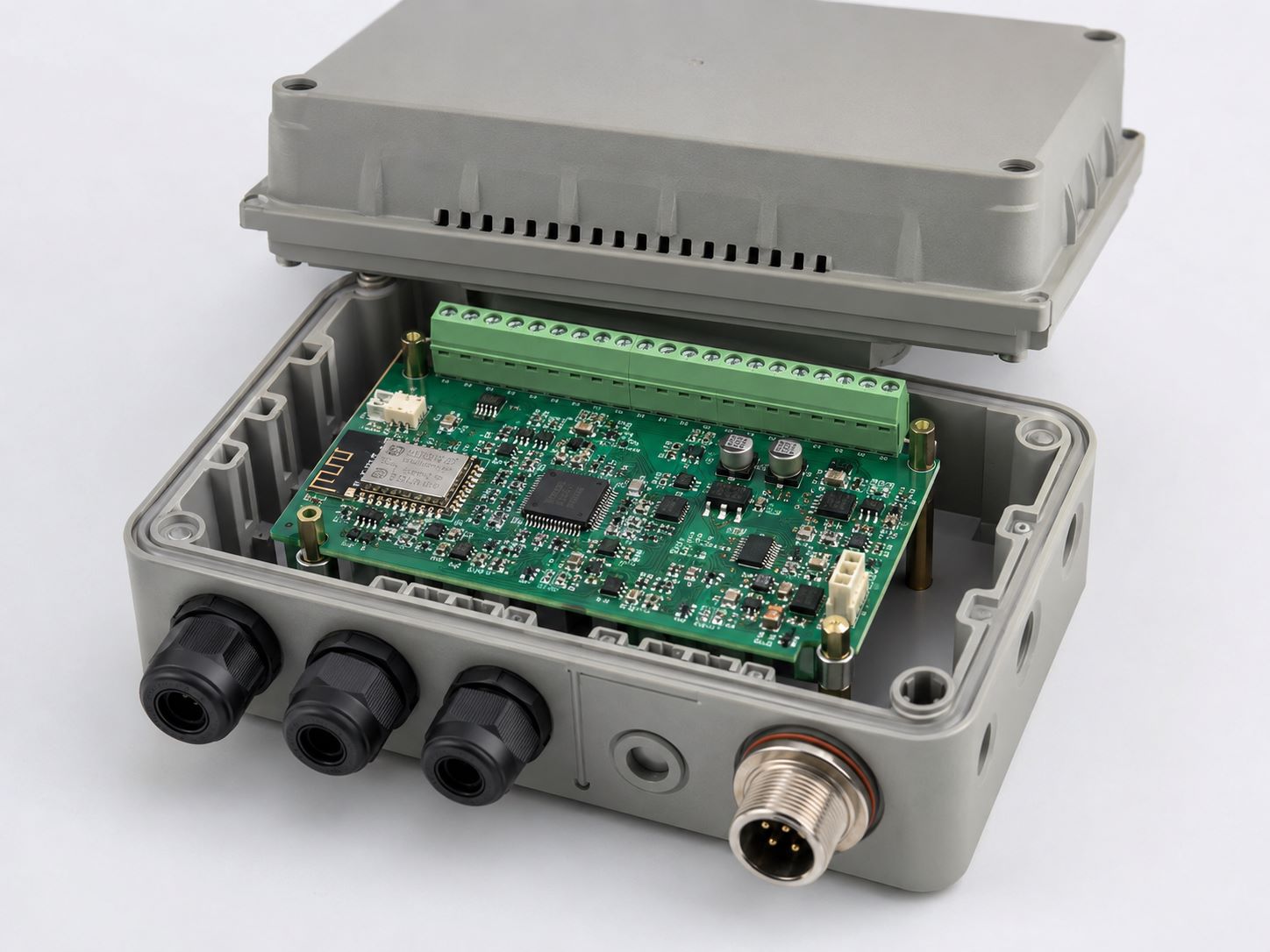
Yes. Bluetooth modules can be used in industrial data terminals, wireless panels, monitoring devices, and sensor communication boards. The PCB layout and assembly quality should support stable operation.

Q5. How do you test whether a Bluetooth module is working?
Common checks include power-on test, pairing test, serial communication test, signal response test, current consumption check, and product-level functional test.

Q6. What affects the range of a Bluetooth module?
The main factors include Bluetooth class, antenna layout, ground plane, power stability, enclosure material, nearby metal parts, and the actual working environment.

Planning a Bluetooth Module PCB board project? Just feel free to send your files or BOM to sales@bestpcbs.com, and our engineering team will help review the manufacturing details before production.
You may also like

What is a Bluetooth PCB board? How does it work?
Wednesday, September 4th, 2024

Bluetooth technology has become a major component of modern electronics, enabling wireless communication between devices. At the heart of this technology is the Bluetooth PCB board (printed circuit board), which is a key component that promotes the functionality and efficiency of Bluetooth devices.

The magic of Bluetooth is everywhere in electronic products such as mobile phones and computers, and it is all made possible by the functionality of Bluetooth PCB boards.

What is Bluetooth PCB board?

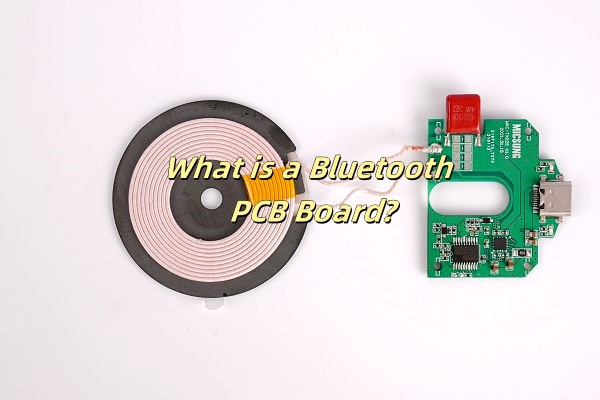
A Bluetooth PCB board (printed circuit board) is a specially designed circuit board that integrates the components required for Bluetooth communication into electronic devices. It is the backbone for wireless transmission and reception of data between devices, allowing devices such as smartphones, headphones, and smart home devices to connect without cables.

What is a Bluetooth PCB board? How does it work?

PCBs are filled with various components, including Bluetooth chips, antennas, resistors, capacitors, and other components necessary for the Bluetooth functionality of devices. The layout of these components is carefully planned to optimize signal strength, reduce interference, and ensure efficient power consumption.

What does a Bluetooth PCB board do?

The Bluetooth PCB board plays a vital role in Bluetooth devices. Its main roles include providing reliable electrical connections, enabling compact layout of components, reducing production costs and improving production efficiency, and facilitating repairs and upgrades.

Essentially, a Bluetooth PCB board enables devices to communicate wirelessly over short distances. The PCB provides a platform where all the necessary electronic components are interconnected, allowing them to work seamlessly together.

The main role of a Bluetooth PCB is to manage the transmission and reception of data, ensuring that information is accurately sent and received between devices. It needs to filter and process signals to maintain a clear, stable connection, and also protect the data being transmitted to prevent unauthorized access.

How does a Bluetooth PCB board work?

The working principle of a Bluetooth PCB board mainly relies on its integrated main control chip, audio power amplifier chip, RF antenna and other components, as well as the layout and wiring principles in PCB design to ensure stable wireless communication and high-quality audio output.

What is a Bluetooth PCB board? How does it work?

When two Bluetooth-enabled devices are within range, they establish a connection through a process called “pairing”. This involves exchanging unique identifiers and agreeing on a communication protocol. After pairing, the devices can send and receive data over the Bluetooth connection, which is assisted by the components of the PCB.

The Bluetooth PCB board plays a key role in this process, managing RF signals, filtering out noise, and ensuring that data is accurately transmitted and received. The design of the board is critical to minimizing interference and maximizing the range and reliability of Bluetooth connections.

What is the technical principle of Bluetooth?

Bluetooth is a form of communication that uses radio frequencies to connect different devices. It can operate at 2.4 GHz, similar to other forms of wireless communication such as Wi-Fi.

A master Bluetooth device can remotely connect to 7 other Bluetooth devices, paired devices exchange information with the master Bluetooth device in a serial manner, and the interaction between paired devices can be carried out through the master Bluetooth device, which acts as a facilitator.

The Bluetooth frequency range is 1 cm to 100 meters, and each connection requires device approval using a unique code. When there is no active information exchange, Bluetooth devices can remain idle, thereby reducing energy consumption.

The Bluetooth protocol is designed to be energy-efficient and is ideal for battery-powered devices. It achieves energy conservation through low-power modes and adaptive power management techniques that adjust power output based on the distance between connected devices.

Bluetooth circuit boards are the main force driving wireless headphones, remote controls, wireless speakers to the Internet of Things (IoT) applications. They are double-layer PCBs, but only one board.

What is the principle of Bluetooth PCB board?

The working principle of Bluetooth PCB board is simple. There is an antenna on the Bluetooth PCB that receives the signal from the Bluetooth device. The information is processed inside the board and sent to the output.

One of the key principles behind Bluetooth PCB design is impedance matching. Impedance matching ensures that the electrical signal transmitted through the PCB is transmitted with minimal reflection or loss. This is especially important for antennas, which must be carefully matched to the rest of the circuit to maximize signal strength and range.

Another important principle is electromagnetic compatibility (EMC). The PCB must be designed to minimize electromagnetic interference (EMI) that can interfere with Bluetooth signals. This involves careful placement of components, shielding, and the use of specific materials that reduce EMI.

Depending on the application of the Bluetooth device, different Bluetooth profiles can be used to facilitate communication between devices. For example, the Audio/Video Remote Control Profile (AVRCP) is used to communicate with audio video equipment and can be used for remote controls for hi-fi equipment and TVs.

What are the types of applications for Bluetooth PCB board?

The wide range of applications for Bluetooth PCB board reflects the versatility and convenience of Bluetooth technology.

1. Consumer electronics: Bluetooth PCBs are found in smartphones, tablets, laptops, headphones, and speakers, enabling wireless audio streaming and data transfer.

What is a Bluetooth PCB board? How does it work?

2. Smart home devices: Bluetooth PCBs power smart home devices such as thermostats, lights, door locks, and security cameras, allowing them to be wirelessly controlled from a central hub or smartphone.

3. Wearable devices: Fitness trackers, smart watches, and health monitors rely on Bluetooth PCBs to sync data with smartphones and other devices.

4. Automotive systems: Bluetooth PCBs are used in automotive infotainment systems, enabling hands-free calling, music streaming, and integration with smartphones.

5. Medical devices: Bluetooth PCBs are increasingly used for remote monitoring and data collection in medical devices, such as blood glucose monitors and heart rate sensors.

6. Industrial automation: Bluetooth PCBs are used in a variety of industrial applications, including wireless sensors, control systems, and machine-to-machine (M2M) communications.

Conclusion:

Bluetooth PCB boards are the backbone behind wireless connectivity, which has become a cornerstone of modern life. These boards are designed with complexity to ensure that devices can communicate seamlessly and efficiently. From consumer electronics to industrial applications, Bluetooth PCB plays a key role in achieving wireless communications for the Internet. BEST Technology has extensive experience in manufacturing PCB boards of various functions, and its professional team can also provide you with high-quality design and services.

You may also like

Bluetooth PCB Board: How does it Works?
Saturday, August 17th, 2024

What is a Bluetooth PCB Board?

A Bluetooth PCB board is the core of wireless connectivity devices. It is designed to transmit and receive data through Bluetooth technology, allowing devices to communicate without wires. The PCB (Printed Circuit Board) serves as the foundation, hosting various electronic components like antennas, chips, and capacitors that help facilitate Bluetooth communication. These boards are commonly used in devices such as phones, speakers, and smart gadgets.

Bluetooth PCB boards are built to be compact and efficient, allowing them to be integrated into a wide range of electronic products. The board’s layout ensures optimal signal transmission and reception, minimizing interference and boosting connectivity. With different voltage requirements, such as 5V or 12V, these boards power various Bluetooth devices in everyday applications.

How Does Bluetooth Work?

Bluetooth is a radio technology that supports short-range communication (generally within 10m) between devices, including mobile phones, PDAs, wireless headsets, laptops, related peripherals and many other devices for wireless information exchange. The use of Bluetooth technology can effectively simplify the communication between mobile communication terminal devices, but also successfully simplify the communication between devices and the Internet, so that data transmission becomes more rapid and efficient, widening the road for wireless communication.

As a small-range wireless connection technology, Bluetooth can realize convenient, flexible, secure, low-cost, low-power data communication and voice communication between devices, so it is one of the mainstream technologies to realize wireless personal area network communication. Connectivity to other networks allows for a wider range of applications. It is a cutting-edge open wireless communication, enabling wireless communication of various digital devices, and is a kind of wireless network transmission technology, which was originally used to replace infrared communication.

Bluetooth uses low energy, making it an efficient choice for battery-powered devices. It operates in the 2.4 GHz frequency band, avoiding interference from other wireless devices. This ensures a stable connection, allowing smooth data transmission.

What is a Bluetooth Speaker PCB Board?

Bluetooth speaker PCB board ‌ is composed of Bluetooth main control chip, oscillation frequency module, power supply and charge management chip, audio power amplifier chip, RF antenna and so on. These components together form the Bluetooth speaker motherboard, the Bluetooth speaker PCBA (Printed Circuit Board Assembly).

The Bluetooth speaker PCB allows the speaker to connect with devices like smartphones, tablets, or computers via Bluetooth. The board receives the audio signal wirelessly, processes it, and sends it to the speaker’s amplifier. The amplifier then boosts the signal, allowing the speaker to play the sound loudly and clearly.

Bluetooth speaker PCBs are optimized for sound quality and power efficiency, ensuring that the speaker delivers high-quality audio without draining the battery too quickly. These boards are found in many portable and home Bluetooth speakers.

Functions of the Bluetooth Speaker PCB Board

The main functions of the PCB board of Bluetooth speakers include Bluetooth connectivity, audio signal processing, power management and possible additional functions such as wireless connectivity and personalization. ‌

  • Bluetooth connection

The Bluetooth module on the PCB board is responsible for establishing Bluetooth connection with external devices to achieve wireless audio transmission. Bluetooth version 5.3 offers faster transfer speeds and lower power consumption, ensuring stable audio transmission and longer battery life.

  • Audio signal processing

The audio processing circuit on the PCB is responsible for receiving and processing the audio signal from the Bluetooth connection, converting it into a signal format suitable for driving the speaker, ensuring high quality audio output.

  • Power management

Through the power management circuit on the PCB board, to achieve the speaker charging and battery status management, to ensure that the speaker can work stably for a long time under different conditions.

  • Additional features

Some advanced speakers also support additional functions through the PCB board, such as personalized Settings through the JBL Portable software, including adjusting the lighting effect and sound effect, to provide a richer user experience.

Bluetooth PCB 5v vs. Bluetooth Board 12v

Bluetooth PCBs come in different voltage variants, with the 5V and 12V versions being the most common. These variants cater to different applications based on their power requirements.

Bluetooth PCB 5V: The 5V Bluetooth PCB is commonly used in smaller, low-power devices like headphones, earphones, and portable speakers. It operates efficiently with less power, making it ideal for battery-operated gadgets. The 5V variant is compact and energy-efficient, designed to balance performance with low power consumption.

Bluetooth Board 12V: The 12V Bluetooth PCB is typically used in larger devices like home theater systems, car audio systems, and Bluetooth amplifiers. The higher voltage allows for more power-hungry applications, ensuring a stronger signal and higher audio output. Devices using 12V PCBs usually have access to a more robust power source, such as a car battery or wall outlet, allowing them to perform at a higher level.

Both 5V and 12V Bluetooth PCBs are designed for specific use cases, with the primary difference being power requirements. The choice between them depends on the application, with 5V boards being ideal for portable devices and 12V boards suited for more powerful, stationary equipment.

Bluetooth PCB Board Manufacturer – EBest Circuit (Best Technology)

EBest Circuit (Best Technology) specializing in the research and development, production and sales of Bluetooth PCBA, mini speaker solutions and Jeri solutions. The main business scope includes: Jie Li solution, Bluetooth headset PCBA, Bluetooth speaker PCBA, Bluetooth headset solution, CSR Bluetooth solution, Bluetooth speaker solution, etc. According to the customer shell or sample material or PCB file development, custom size and function, we have a professional R & D engineer team with rich experience in industry design, can use professional PCB design software according to the electronic structure diagram, can overcome PCB design defects, optimize and improve the circuit, component layout control reasonable, accurate data, to meet the best requirements of earphone board circuit design.

We offer various PCB fabrication like metal core PCB, ceramic PCB, rigid-flex PCB, flexible PCBs, RF PCB, HDI PCB, busbar PCB, IC substrate and so on. At the same time, we can provide PCB assembly and box build assembly service, aim to give you a one-stop service. If you need PCB design, fabrication, assembly, and box build assembly, please feel free to contact sales@bestpcbs.com.

You may also like