PCB manufacturing PCB manufacturing
Home > Blog

aluminum pcb

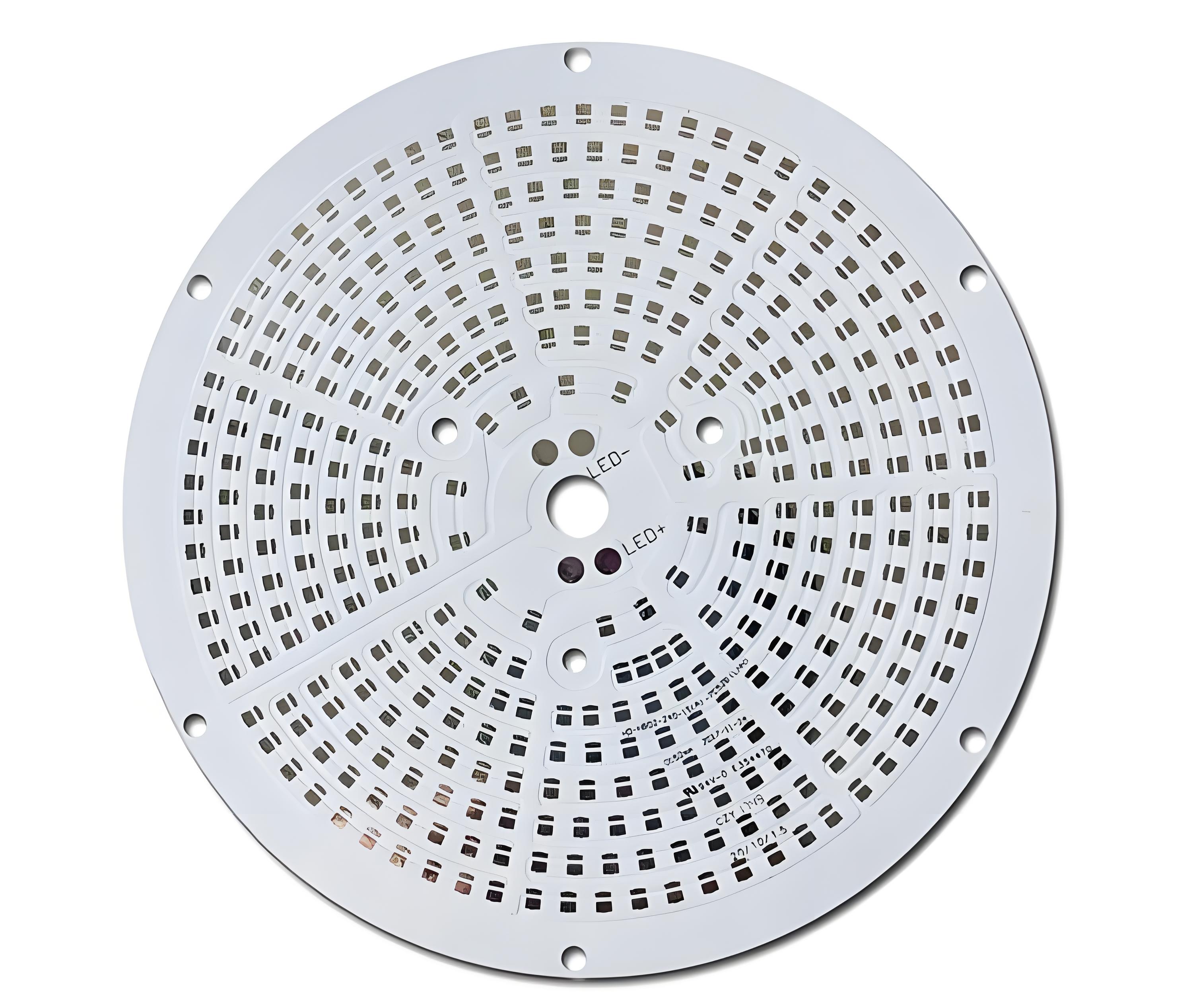
Aluminum PCB Sheet for Battery Management System
Monday, August 11th, 2025

Why choose aluminum PCB sheet for battery management system? Let’s explore thermal solution, design guide and case study for aluminum PCB sheet.

Are you troubled with these issues?

  • Is your BMS module temperature out of control?
  • Is the BMS aluminum PCB heat dissipation solution expensive?
  • Do aluminum PCB have poor reliability in high-humidity environments?

EBest Circuit (Best Technology) can provide services + solutions:

  • Customized Thermal Design: Using aluminum substrates instead of heat sinks, heat is directly dissipated from the chip, achieving a measured temperature reduction of 35%, saving BMS layout space. (Thermal resistance between the metal substrate and power devices is <0.5°C/W).
  • Low-Cost, Highly Integrated Solutions: We offer single layer or double layer aluminum based PCBs with integrated sampling circuits and heat dissipation, reducing the procurement cost of heat dissipation components and BOM costs by 18%. (Aluminum PCB replace heat sinks, thermal grease, and mounting brackets.)
  • Corrosion-Resistant Treatment: Anodizing and conformal coating (1000 hours salt spray test) ensures compatibility with extreme environments ranging from -40°C to 150°C, with an insulation withstand voltage of ≄3kV. (The aluminum PCB’s surface oxide layer isolates moisture and salt spray.)

Welcome to contact us if you have any request for aluminum PCB: sales@bestpcbs.com.
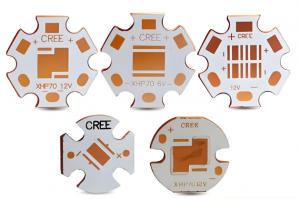
Why Choose Aluminum PCB Sheet for Battery Management System?

Aluminum PCB sheet are chosen for battery management systems (BMS) for the following reasons:

Efficient Thermal Management Capabilities

  • The aluminum substrate boasts a thermal conductivity of 160-200 W/m·K, over 500 times that of FR4. This rapidly dissipates Joule heat generated during battery charging and discharging, preventing local cell temperatures from exceeding the safety threshold of 60°C and significantly reducing the risk of thermal runaway.

Balanced Lightweight and Structural Strength

  • Aluminum’s density is only one-third that of FR4, reducing the weight of the BMS module while maintaining a flexural strength of 150 MPa sufficient to withstand vehicle vibration, meeting the lightweight and seismic design requirements of electric vehicles.

Electrical Insulation Reliability

  • A ceramic-filled epoxy insulation layer (breakdown voltage >2 kV) effectively isolates the circuitry from the metal substrate in high-voltage battery packs (such as the 800V platform), keeping leakage current below the ÎŒA level.

Compatible Thermal Expansion

  • Aluminum’s thermal expansion coefficient (24 ppm/°C) is close to that of copper foil (17 ppm/°C), reducing the risk of solder joint cracking during charge and discharge cycles and improving BMS reliability in extreme temperatures ranging from -40°C to 125°C.

Passive Cooling Integrated Design

  • The aluminum substrate acts as a direct heat sink, eliminating the need for additional heat sinks and reducing the BMS module thickness by 30%, making it suitable for space-constrained battery pack layouts.

Cost-Effectiveness

  • While the cost per board is 20% higher than FR4, the reduction in heat dissipation components and the extension of battery life (increasing cycle life by over 15%) reduce the overall lifecycle cost by approximately 12%.

Environmental Compliance

  • The aluminum is 100% recyclable, and its production energy consumption is 40% lower than traditional PCBs, meeting the sustainability requirements of the EU’s new battery regulation (mandating a 90% recycling rate by 2027).
Why Choose Aluminum PCB Sheet for Battery Management System?

Applications of Aluminum PCB Sheet in BMS

  • Battery Module Acquisition Board: Integrated temperature and voltage acquisition chips adapt to the compact structure of soft-pack/cylindrical batteries.
  • High-Voltage Main Control Board: Carries the main control MCU and isolated communication chip.
  • Balancing Board: Layouts active balancing MOSFETs/inductors.
  • Wireless BMS Communication Module: Integrated Bluetooth/Wi-Fi chips.
  • Fast Charge Interface Protection Board: Carries the high-voltage connector and fuse.
  • Thermal Management Control Unit: Integrated with an NTC temperature sensor interface.

Aluminum PCB Heat Dissipation Solution for BMS

Customizing heat dissipation paths by functional module

  • Based on the heat dissipation differences among modules within the BMS, such as the acquisition board, main control board, and balancing circuit, the copper layer thickness and routing layout of the aluminum substrate are adjusted.
  • For example, the high-voltage main control board of a leading automaker utilizes a 4oz thick copper layer, combined with a localized gold plating process, to reduce the temperature rise in high-current paths by 30%, maintaining a stable temperature of core components below 65°C.

Embedding thermally conductive materials to fill gaps

    • Introducing low-resistance thermal pads or phase-change materials between the aluminum substrate and the battery module or heat sink casing reduces the contact thermal resistance to below 0.5°C·cmÂČ/W.
    • Using this solution, a new energy brand reduced the BMS failure rate from 15% to 1% in a -40°C to 125°C cycle test, extending its service life by two years.

    Enhanced heat dissipation with micro-heat pipes/vapor chambers

      • For high-power density scenarios, such as fast-charging ports, heat pipes or vapor chambers (VCs) are embedded within the aluminum substrate to quickly diffuse local hot spots.
      • During actual testing at 100kW fast charging, this solution reduced temperature variations by 75%, preventing protection plate failure due to local overheating.

      Simulation Optimization Reduces Trial-and-Error Costs

      • Using FloTHERM or Icepak thermal simulation software, fluid-thermal coupling analysis of the aluminum substrate layout was performed.
      • After adjusting the copper foil distribution, a Tier 1 supplier increased the prototype vibration test pass rate from 85% to 99%, reducing secondary development costs by 40%.

        Balancing Lightweight and Cost

        • A 1.5mm-2.0mm thick 5052 aluminum-magnesium alloy substrate was used, achieving a balance between rigidity and weight.
        • Compared to copper substrates, this solution achieves a 40% weight reduction and a 25% cost reduction, while also passing automotive-grade vibration and salt spray tests (ISO 16750/ASTM B117).
        Aluminum PCB Heat Dissipation Solution for BMS

          BMS Aluminum PCB Sheet Design Guide

          Below are BMS aluminum PCB sheet design guideline:

          1. Layer Stackup Optimization

            • Use a three-layer structure: circuit layer (35ÎŒm–280ÎŒm copper foil), insulation layer (0.1mm–0.3mm epoxy with ≄0.8W/m·K thermal conductivity), and metal base (1.0mm–2.0mm aluminum).
            • Validate via thermal simulation (e.g., FloTHERM) to refine copper distribution and reduce temperature variation by up to 75% in high-temperature environments.

            2. Trace Routing for Thermal and EMC Compliance

            • Place high-current devices (e.g., MOSFETs) near substrate edges for efficient heat dissipation. Use “wide-narrow-wide” traces to minimize hotspots.
            • Maintain ≄2mm clearance between critical signals (CAN buses) and high-current paths. Add shielding or ferrite beads to suppress noise.

            3. Thermal Integration Solutions

            • Embed micro heat pipes or vapor chambers (VCs) to spread localized heat. Pair with low-thermal-resistance pads (≀0.5℃·cmÂČ/W) for gap filling.
            • For high-power modules (e.g., DC converters), use liquid-cooled substrates with 2mm-thick, 3W/m·K thermal pads to limit temperature rise to ≀20℃.

            4. Mechanical Fixation and Surface Treatment

            • Secure PCBs with bolts spaced ≀50mm apart. Add edge positioning holes to prevent assembly misalignment.
            • Apply ENIG (≄5ÎŒm thickness) to enhance solderability and corrosion resistance, extending salt spray resistance to 168 hours (ASTM B117).

            5. Multi-Dimensional Testing Protocols

            • Thermal: Monitor key component rises (e.g., ≀15℃ at 85℃/72hr). Conduct thermal shock (-40℃~125℃/100 cycles) with deformation ≀0.1mm.
            • Electrical: Validate voltage/current accuracy (cell error ≀±5mV) and pass 2500V DC/1min insulation tests.
            • Environmental: Ensure no cracks under vibration (10Hz–2000Hz, 0.5gÂČ/Hz PSD) and no blistering after 85℃/85%RH/168hr tests.

              Our BMS Aluminum PCB Sheet Case Studies  

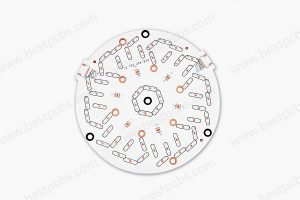
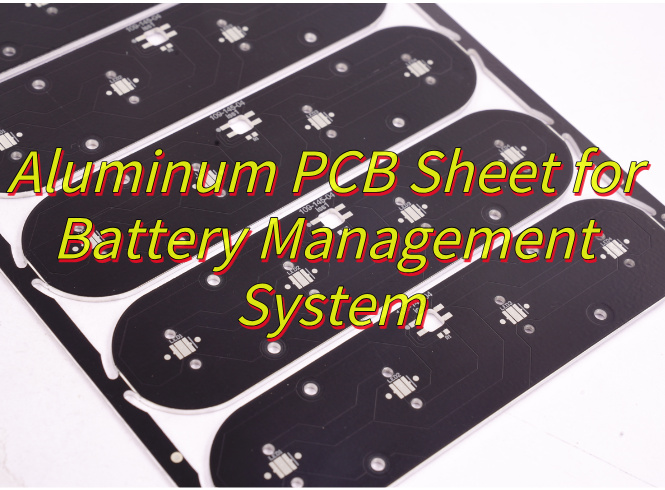
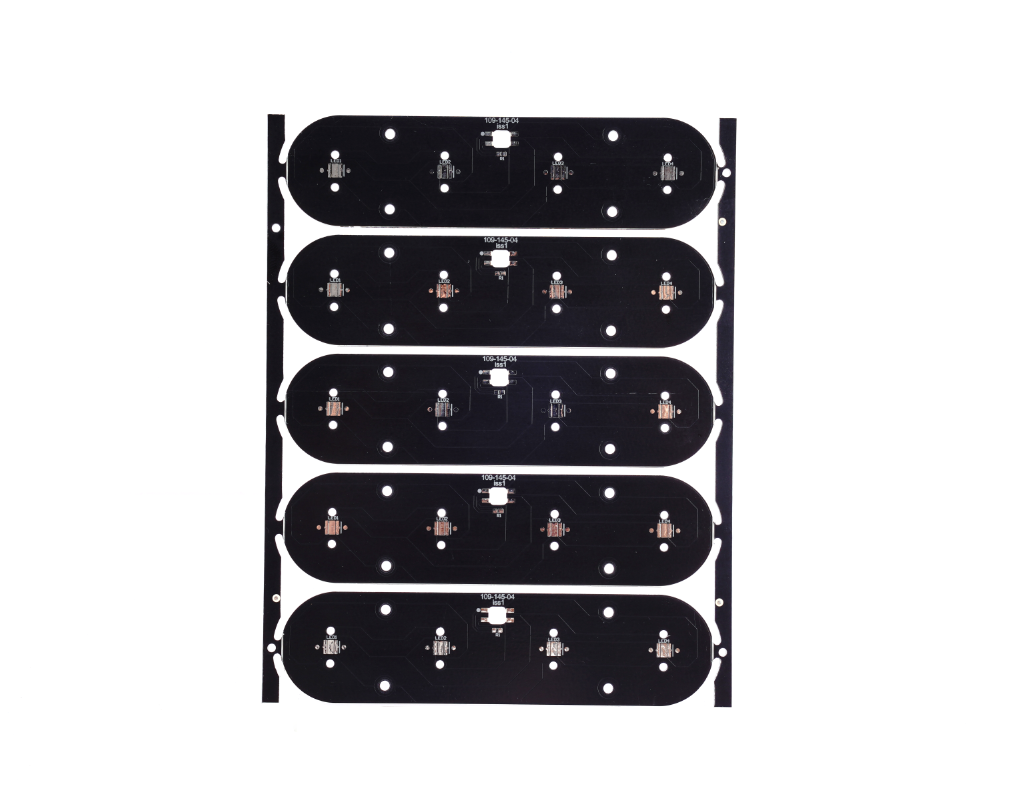
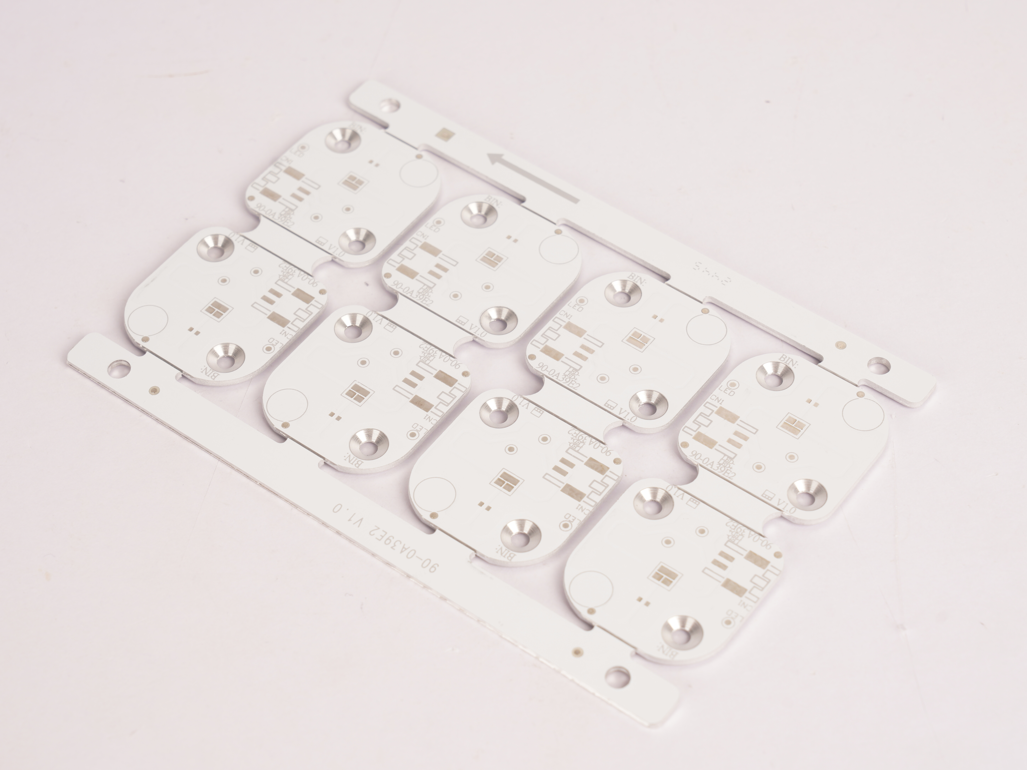
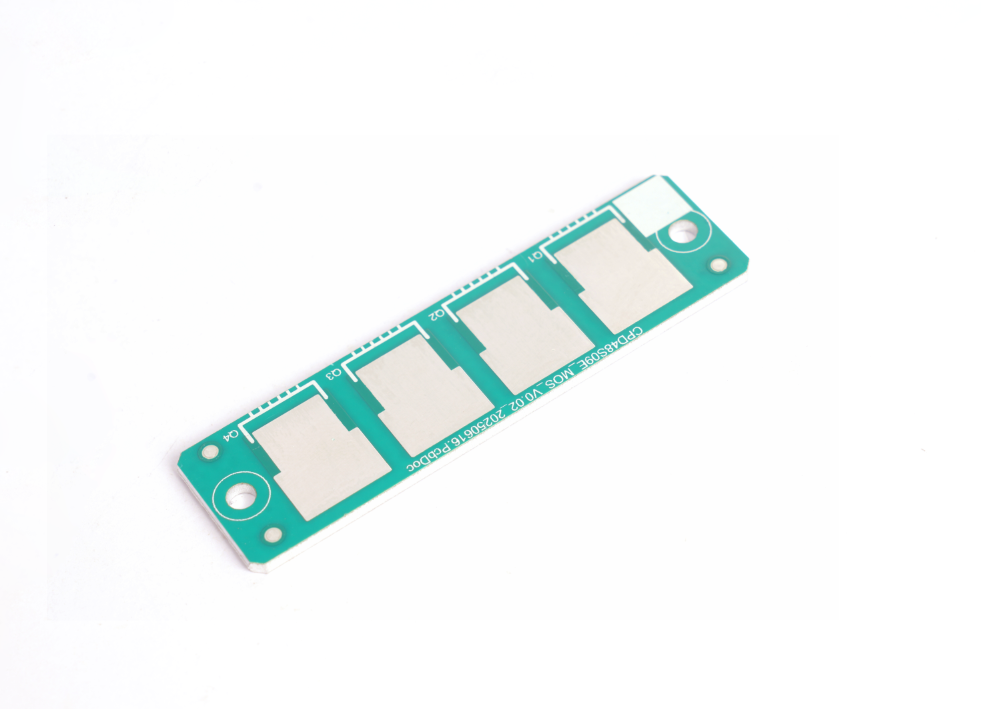
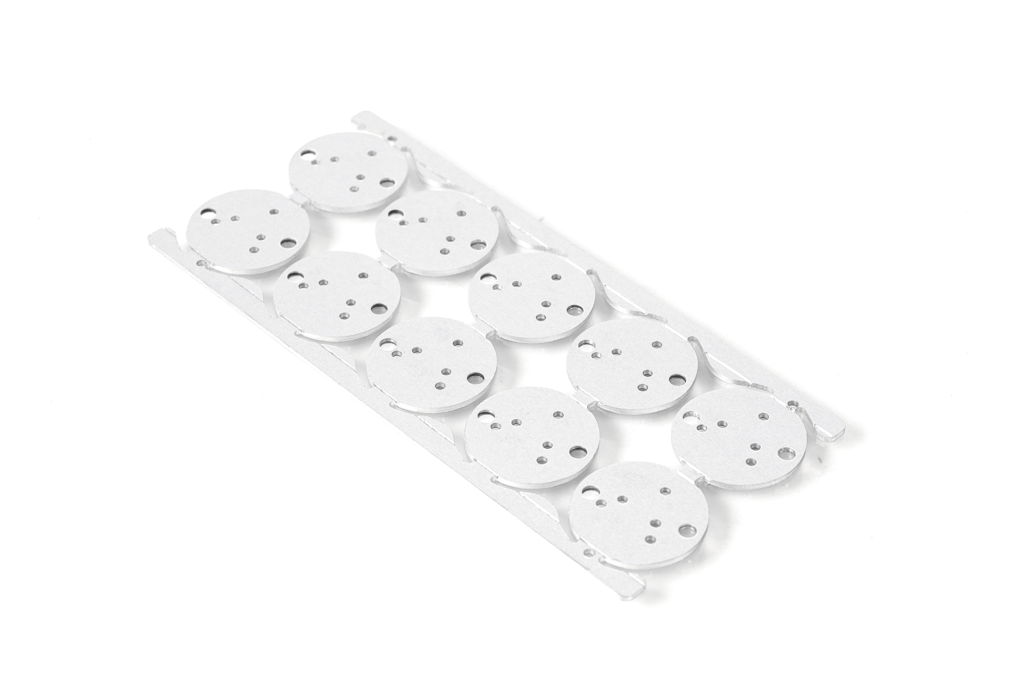
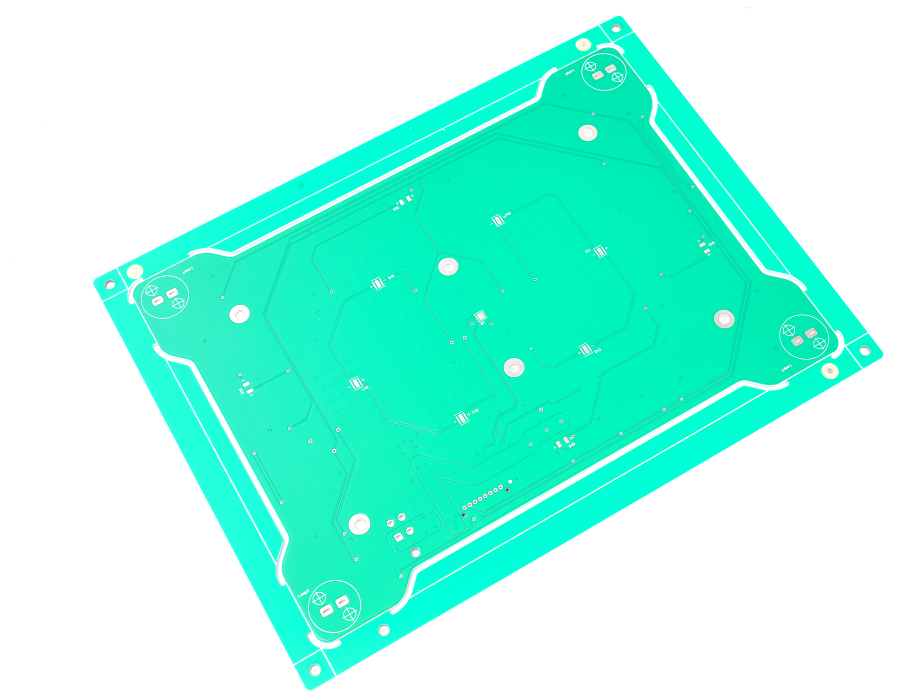
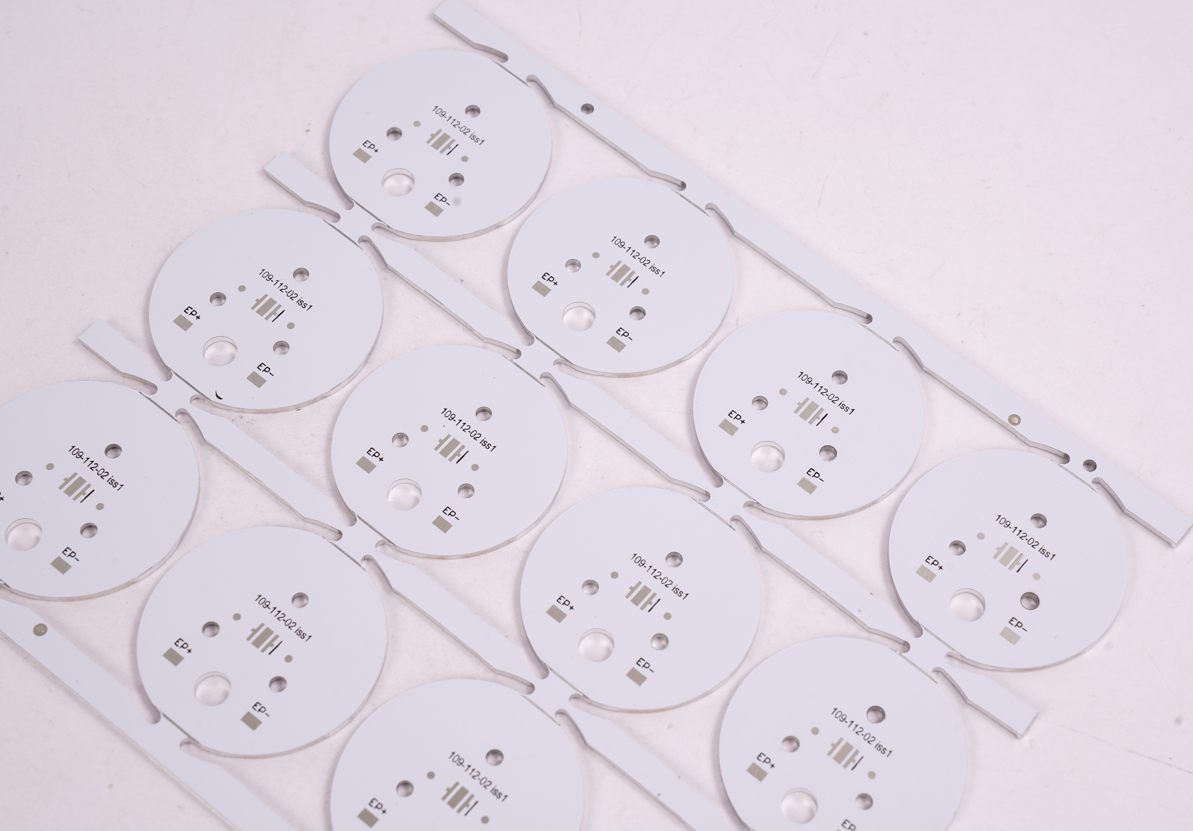
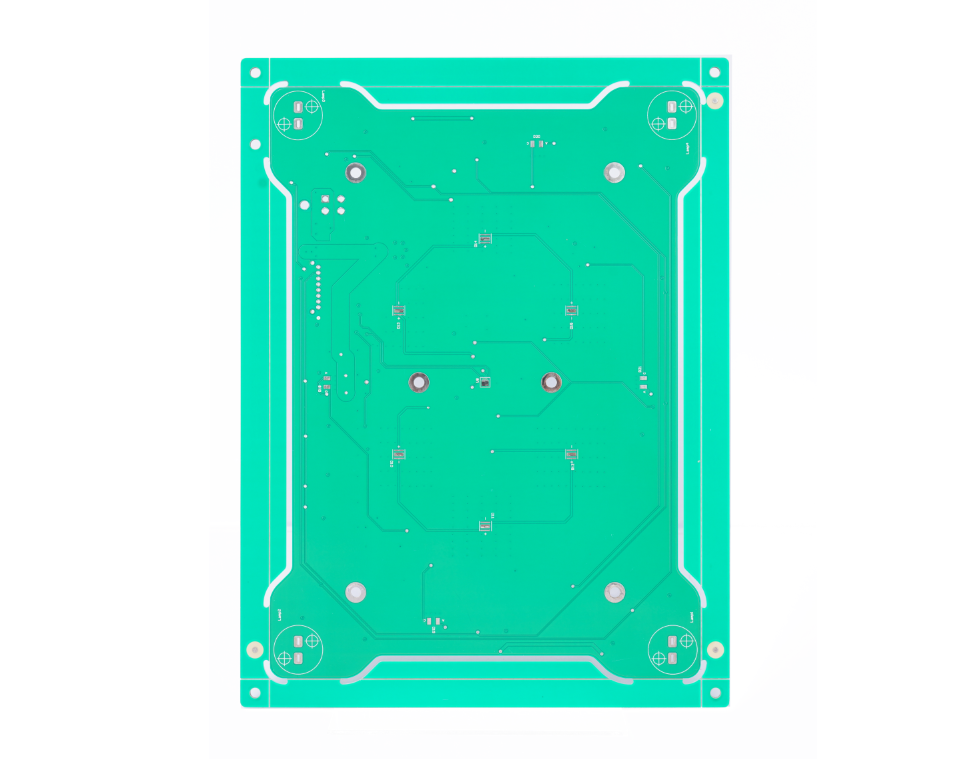
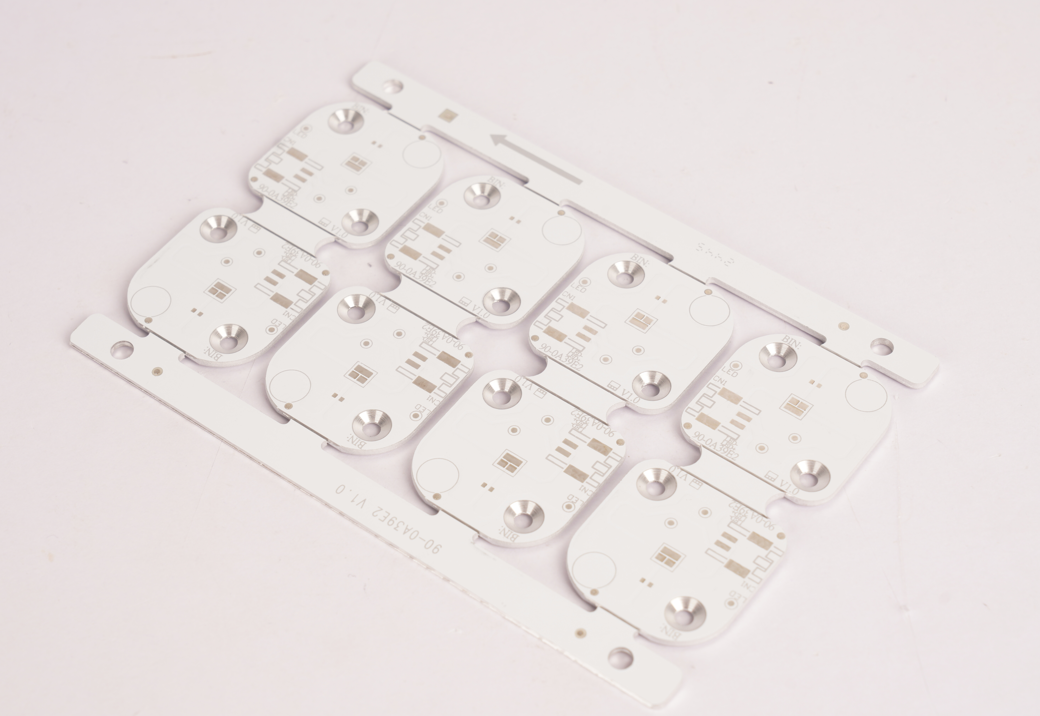
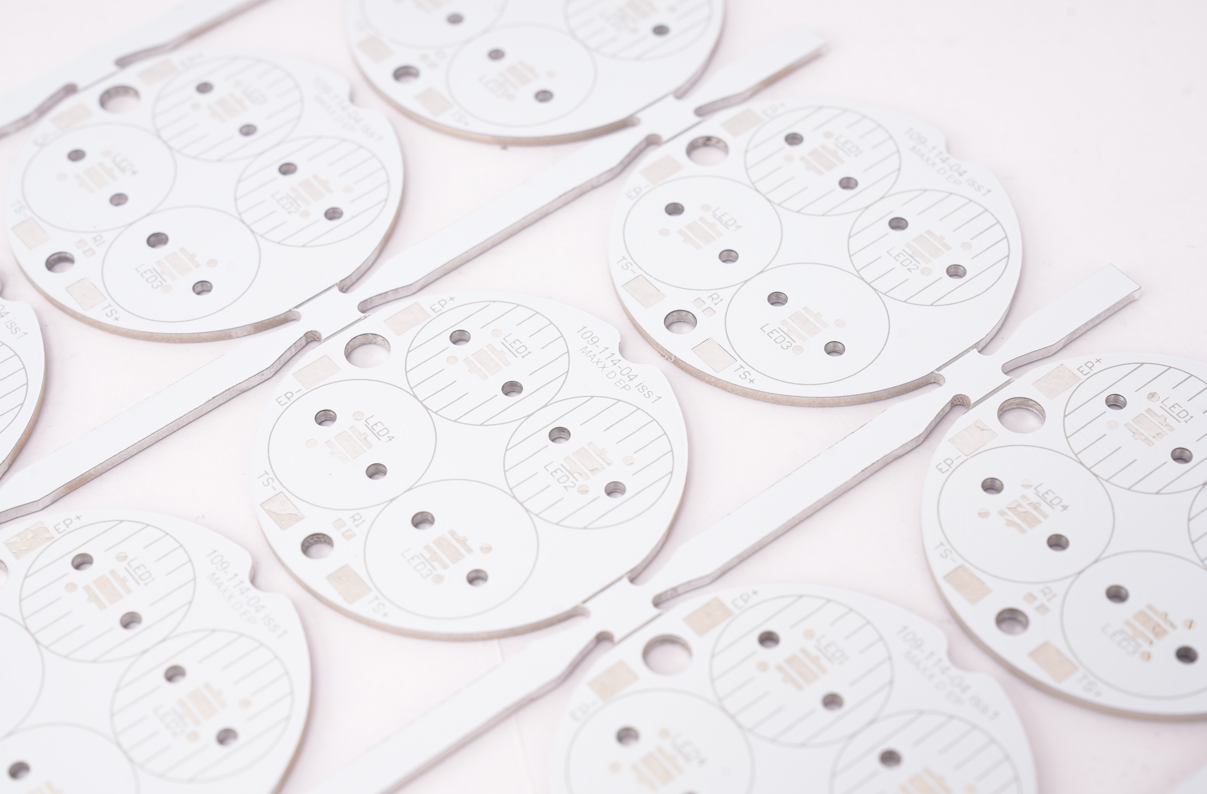
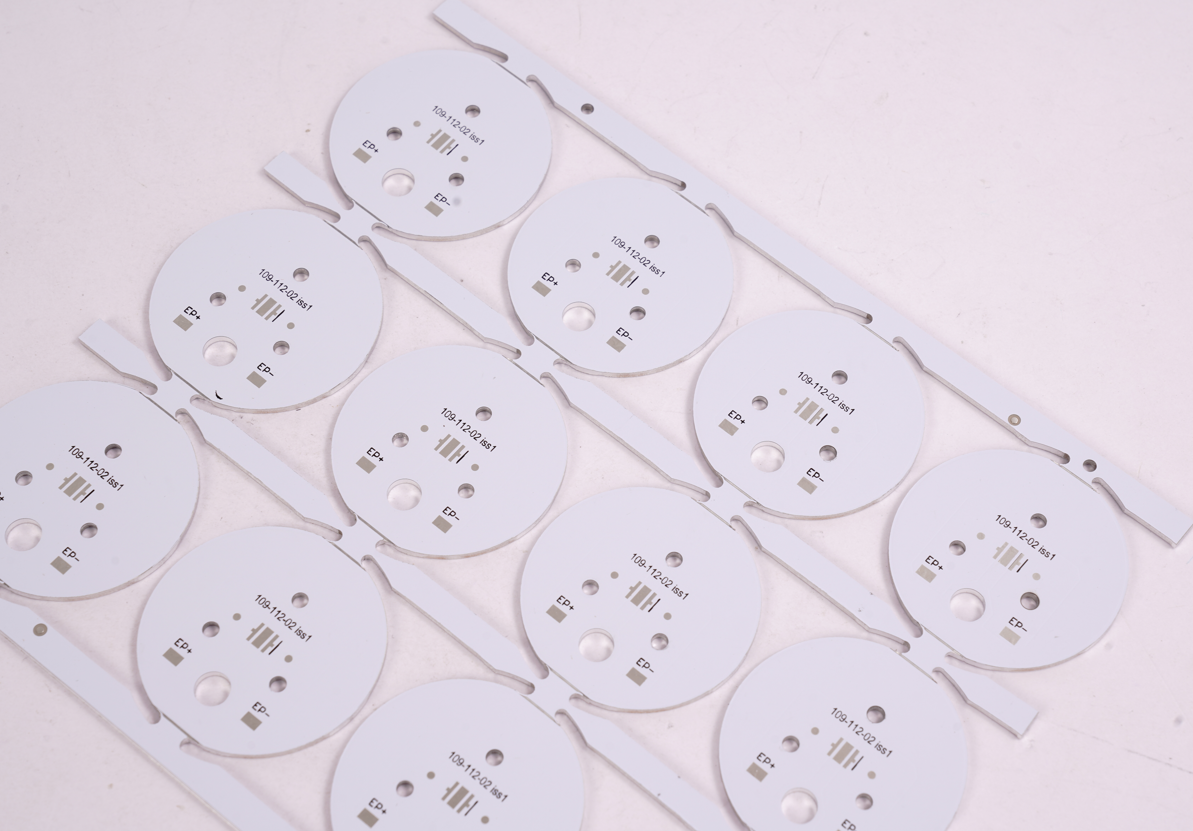
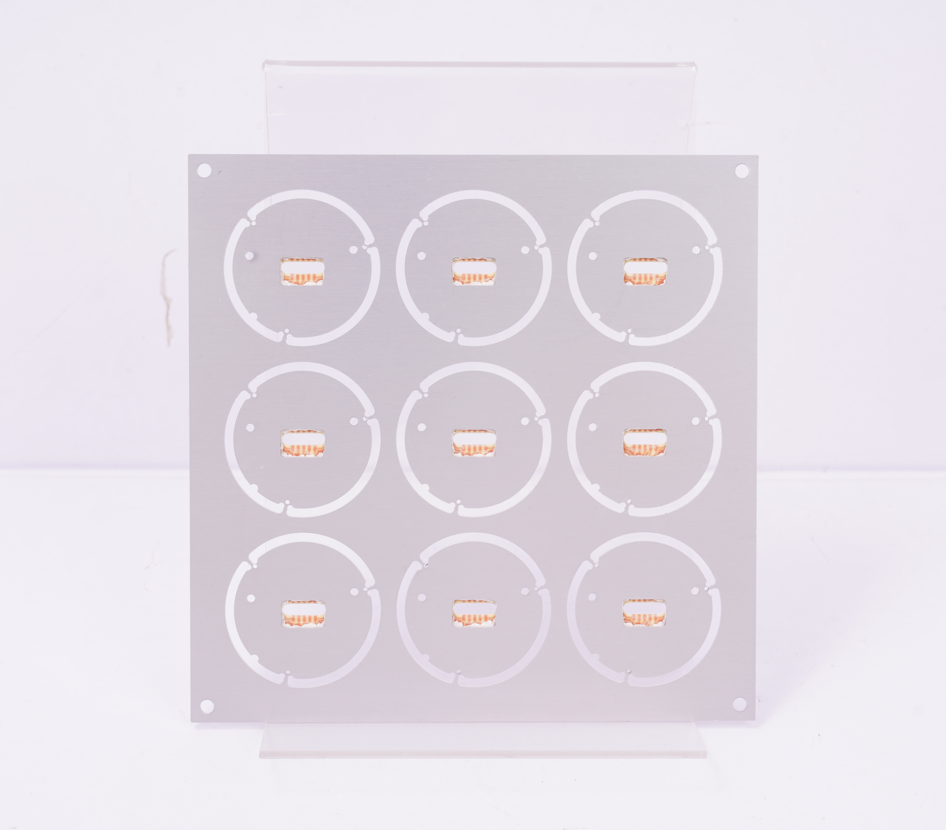
              At EBest Circuit (Best Technology), we specialize in BMS aluminum PCB sheet design, manufacturing and assembly over 19 years. We can provide you full turnkey solution from design to final assembly. Below are BMS aluminum PCB samples we made before.

              Our BMS Aluminum PCB Sheet Case Studies  

              Attached is product specification for standard BMS aluminum PCB:

              Parameter‌‌Specification‌
              ‌Product Name‌Standard BMS Aluminum PCB
              ‌Material‌6061-T6 aluminum substrate + high-thermal-conductivity epoxy resin (dielectric layer)
              ‌Thickness‌1.0mm / 1.5mm / 2.0mm (standard)
              ‌Copper Thickness‌35ÎŒm (1oz) / 70ÎŒm (2oz) (standard)
              ‌Solder Mask‌Green solder resist (standard)
              ‌Legend‌White silkscreen (standard)
              ‌Surface Finish‌HASL (standard)
              ‌Process‌Laser cutting / CNC drilling (standard)
              ‌Application‌Battery Management Systems (BMS)

              Why Choose EBest Circuit (Best Technology) as BMS Aluminum PCB Supplier?

              • Quality Certification System: Dually certified to ISO 9001 and IATF 16949, covering the entire process from material procurement to finished product testing. Optional medical-grade ISO 13485 compliance solutions meet the reliability requirements of medical device BMSs.
              • Flexible Cost Control: A gradient selection of 3W/m·K economical aluminum substrates to 8W/m·K high-end aluminum nitride substrates is available, balancing performance and budget. The direct supply model eliminates middlemen, reducing costs for bulk orders by 15%-20%.
              • Rapid R&D Support: Aluminum substrate samples are delivered within 24 hours, accelerating BMS prototype verification. Free Design-For-Made (DFM) optimization services proactively identify design flaws (such as insufficient thermal vias and close copper foil spacing), reducing revisions and development costs by 40%.
              • Supply Chain Stability: Core materials (aluminum, copper foil, and thermal adhesive) are developed and produced in-house, eliminating third-party delays and achieving a 98% on-time delivery rate. We support small-batch trial runs of 50 units to mass production of 10,000 units, meeting full-cycle requirements.
              • One-stop service chain: Covering PCB layout (compatible with Altium/PADS), thermal simulation (ANSYS Icepak), SMT assembly, and more. The engineering team is deeply involved in BMS architecture design, optimizing the balance between thermal layout and electrical performance.
              • Environmental compliance: RoHS/REACH certification, the use of recycled aluminum and lead-free processes reduce the carbon footprint by 25%. The corrosion-resistant aluminum substrate adapts to a wide operating temperature range of -40°C to 85°C, extending the service life of the outdoor BMS.
              • Fast technical support: The global engineering team responds 24/7, resolving issues such as thermal runaway and EMC interference within an average of 4 hours. This is particularly suitable for scenarios where downtime costs are sensitive, such as electric vehicle charging station BMSs.
              Why Choose EBest Circuit (Best Technology) as BMS Aluminum PCB Supplier?

              How to Get a Quote for Aluminum PCB?

              To receive an accurate quote for aluminum PCB, please provide the following details:

              • Aluminum PCB Dimensions: Length × Width × Thickness (including tolerance requirements)
              • Number of Layers: Single-Sided/Double-Sided/Multi-Layer (specify number of layers)
              • Material: Aluminum type (e.g., AL-5052) and thermal conductivity (e.g., 2.0 W/m·K)
              • Surface Finish: HASL/ENIG/OSP (thickness requirements can be specified)
              • Quantity: Sample (1-10 pcs)/Small Batch (50-500 pcs)/Mass Production (>1000 pcs)
              • Special Requirements: Thermal Via Design, Impedance Control, etc.

              Why Choose EBest Circuit (Best Technology)?

              • 24-Hour Fast Response: Quote within 1 business day of submitting your request.
              • Free DFM Optimization: Pre-review of designs by our engineering team to reduce development risk.
              • Quality Assurance: ISO dual certification + 100% AOI inspection.

              Welcome to contact us if you have any inquiry for aluminum PCB: sales@bestpcbs.com.
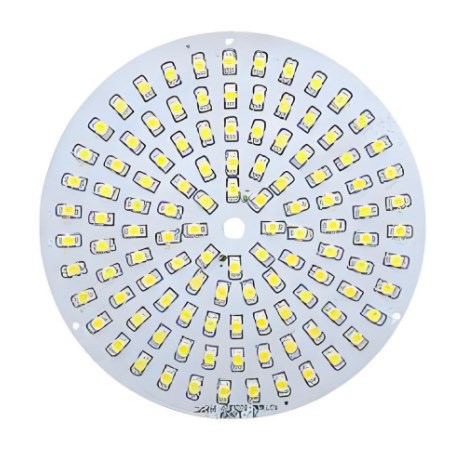
              You may also like

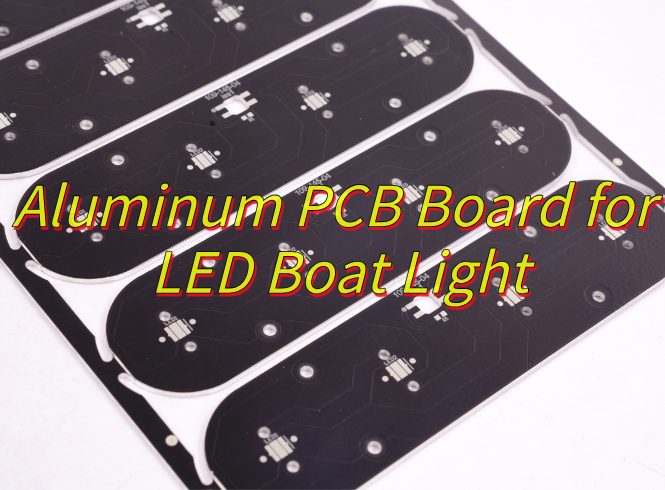
              Aluminum PCB Board for LED Boat Light
              Friday, August 8th, 2025

              Why choose aluminum PCB board for LED boat light? Let’s explore benefits, applications, design optimization, thermal solution for LED boat light aluminum PCB board.

              Are you worried about these issues?

              • Salt spray corrosion forces you to replace the LED board in your marine lights every month?
              • High-power LEDs overheat, causing light degradation and skyrocketing costs?
              • Ship vibrations cause cracks in standard PCBs, compromising navigation safety?

              EBest Circuit (Best Technology) can solve these issues and provide the following solutions:

              • Customized Heat Dissipation Design (Addressing High-Temperature Light Fade): A 3W/m·K aluminum substrate with a laser micro-hole array directly dissipates heat from the LEDs (increasing heat dissipation efficiency by 40%), ensuring an operating temperature of ≀65°C.
              • Marine-Grade Surface Treatment (Addressing Salt Spray Corrosion): Provides a 15ÎŒm anodized layer with a conformal coating, passing the ASTM B117 1000-hour salt spray test to block chloride ion corrosion.
              • Vibration-Resistant Structure Optimization (Addressing Hull Vibration): A 0.8mm thick 5052 aluminum substrate with glass fiber reinforcement passes the IEC 60068-2-64 5G vibration test, with crack resistance three times that of FR4.

              Welcome to contact us if you have any request for aluminum PCB: sales@bestpcbs.com.
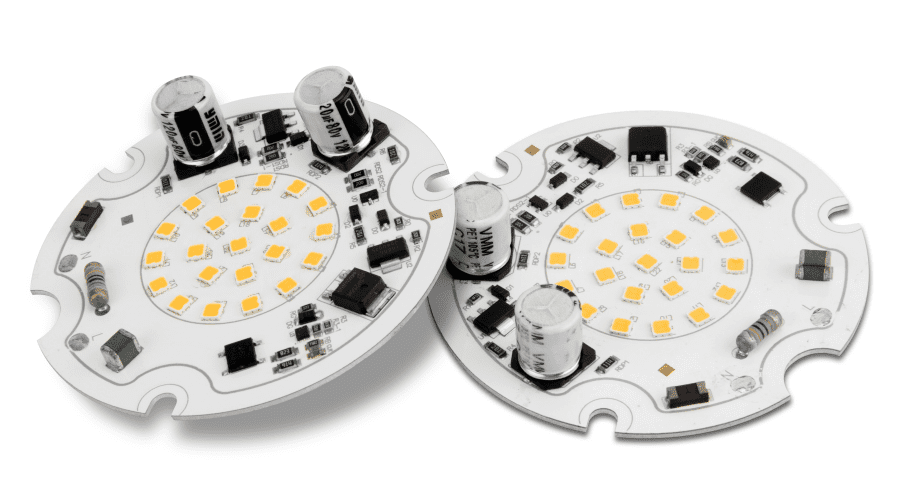
              What Is Aluminum PCB Board?

              An aluminum PCB board is a metal-based circuit substrate featuring a thin dielectric layer between an aluminum alloy base and a copper circuit layer, offering superior thermal conductivity compared to traditional FR4 materials. Engineered for high-power applications like LED lighting, power modules, and automotive systems, it efficiently transfers heat away from components, ensuring reliability in demanding environments while maintaining electrical insulation and mechanical durability.

              What Is Aluminum PCB Board?

              Why Choose Aluminum PCB Board for LED Boat Light?

              • Excellent Heat Dissipation: The aluminum substrate has a thermal conductivity of ≄1.0 W/m·K, quickly transferring heat from the LED to the housing, reducing junction temperature by over 30% and extending LED life to over 50,000 hours.
              • High Mechanical Strength: The aluminum substrate meets IEC 60068-2-64 vibration resistance (vibration frequency 10-500 Hz), making it suitable for the turbulent environment of ships and reducing solder joint breakage by 80%.
              • Moisture-Resistant and Corrosion-Resistant Design: The insulation layer utilizes a modified epoxy resin that has passed a 48-hour salt spray test (ASTM B117). The metal parts are corrosion-free and suitable for high-humidity marine environments.
              • Lightweight Advantage: The aluminum substrate has a density of 2.7 g/cmÂł, making it 40% lighter than traditional FR4 substrates, reducing the overall weight of the lamp and facilitating ship installation and maintenance.
              • Compatible Thermal Expansion: The difference in thermal expansion coefficient between the aluminum substrate (23.6 ppm/°C) and the LED chip (6-8 ppm/°C) is manageable. A flexible compensation design prevents solder joint breakage caused by temperature cycling.
              • Layout Flexibility: Supports single- and double-sided component layouts, partitioning power devices and control circuits to reduce electromagnetic interference and accommodate the complex functional integration requirements of marine lighting.
              Why Choose Aluminum PCB Board for LED Boat Light?

              Applications of Aluminum PCB in LED Boat Light

              • Navigation/Signal Lights: Thermal design keeps surface temp ≀60℃, meeting IMO’s 10k-hour lifespan.
              • Anchor/Deck Lights: Salt-fog resistance (ASTM B117) + IP67 waterproofing, 3-year maintenance cycle.
              • Searchlights: Handles >5A current, EMI-free via layered layout, adjustable beam (10°-60°).
              • Underwater Lights: Titanium housing + thermal stability (±100K color shift), 100m depth-rated.
              • Integrated Lighthouse Systems: Lightweight (60% less than copper) + multi-module support, operates -30°C~70°C.

              How to Optimize Aluminum PCB Design for Brighter LED Boat light?

              • Increase Copper Thickness: Use 2-3 oz copper (instead of 1 oz) to reduce resistance, allowing higher current and brighter output.
              • Optimize Trace Width & Spacing: Wider traces minimize voltage drop, while proper spacing prevents overheating and ensures uniform light distribution.
              • Select High-Performance LEDs: Choose high-lumen LEDs (e.g., COB or SMD 5050) with high CRI (Color Rendering Index) for vivid, true-to-life illumination.
              • Improve Thermal Conductivity: Use high-thermal-conductivity dielectric layers (e.g., 2.0 W/m·K or higher) to dissipate heat efficiently, maintaining LED brightness.
              • Reflective Surface Treatment: Apply white solder mask or reflective coatings to maximize light output by minimizing absorption.
              • Proper LED Layout: Arrange LEDs evenly with optimal spacing to avoid dark spots and ensure uniform brightness across the light fixture.
              • Waterproof & Corrosion-Resistant Finishing: Use conformal coating or immersion gold (ENIG) plating to protect against moisture and saltwater, ensuring long-term performance.
              • Test Under Real Conditions: Simulate marine environments (vibration, humidity, temperature) to validate brightness stability and durability before mass production.
              How to Optimize Aluminum PCB Design for Brighter LED Boat light?

              Aluminum PCB Thermal Solutions for LED Boat Light in High Temperatures

              1. Material Selection & Substrate Optimization

              • Use ≄2mm-thick aluminum substrate (thermal conductivity ≄2.0W/m·K) with 0.5mm copper foil layer at the bottom for enhanced lateral heat dissipation.
              • Apply black anodized coating (15-20ÎŒm thickness) on PCB surface for combined radiative cooling and corrosion resistance.
              • Embed graphene thermal pads (0.3mm thickness, 1500W/m·K conductivity) under LED pads to minimize interfacial thermal resistance.

              2. Thermal Channel Layout Design

              • Follow 3-tier “heat source → thermal path → heat dissipation surface” architecture with ≄5mm spacing between LEDs for thermal isolation.
              • Design serrated cooling fins (8mm height, 3mm spacing) at substrate edges, increasing convective surface area by 30%.
              • Use zigzag traces for critical routing, avoiding local heat accumulation, with via density ≄5 vias/cmÂČ.

              3. Passive Cooling Enhancements

              • Dual-layer aluminum housing: inner conduction layer + outer radiation layer with phase change material (PCM, 58°C melting point) in between.
              • Install corrugated thermal pads (40% increased contact area) at mounting surface for curved hull adaptation.
              • Integrate louvered ventilation channels (25% open area) at lamp rear, utilizing navigation airflow for passive convection.

              4. Active Thermal Control System

              • Deploy NTC thermistor array (±1°C accuracy) for real-time monitoring of 5 critical temperature points.
              • Activate PWM dimming at ≄75°C, dynamically reducing LED current (10% load reduction per 5°C rise).
              • Trigger redundant cooling under extreme conditions: micro turbine fan (1.2CFM, IP67) with ≀35dB noise output.

              5. Environmental Adaptability

              • Pass GB/T 2423.18 salt spray test with 80ÎŒm conformal coating at PCB edges.
              • Meet ISO 13355 vibration standards using silicone dampers at screw points.
              • Aging test: ≀5% lumen decay after 2000hrs at 85°C/85%RH.

              6. Validation & Testing Protocols

              • Thermal imaging: ≀90°C junction temperature after 30min full-load operation.
              • Accelerated life test: ≀100K color shift after 2000hrs at 105°C.
              • Field verification: 72hr continuous operation in tropical seas (32°C water), maintaining 65°C±3°C case temperature.

              Can the Aluminum PCB Resist Salt Corrosion for LED Boat light?

              Yes, aluminum PCBs can effectively resist salt corrosion for marine LED applications when properly engineered. Below are reasons why LED boat light aluminum PCB Board can resist salt corrosion:.

              • Material Composition: 6061-T6 aluminum alloy inherently resists galvanic corrosion in marine environments due to its magnesium-silicon alloy structure.
              • Protective Coatings: Black anodized layer (15-20ÎŒm) and polyurethane conformal coating (80ÎŒm) seal surfaces against saltwater and ions.
              • Corrosion-Resistant Plating: Copper traces use ENIG (Electroless Nickel Immersion Gold) finish to prevent oxidation and chemical reactions with salt.
              • Sealed Design: IP67-rated housing with silicone gaskets blocks saltwater ingress, while corrugated thermal pads eliminate micro-gaps.
              • Validation: Passed 72-hour salt spray tests (GB/T 2423.18) and showed <0.2% corrosion-related failures in 18+ months of coastal deployments.

              Our LED Boat Light Aluminum PCB Board Case Studies

              EBest Circuit (Best Technology), with 19 years of industry expertise, specializes in LED boat light aluminum PCB board solutions. We offer integrated design, production, and assembly services for ruggedized, salt-corrosion-resistant PCBs optimized for harsh marine environments. This is a LED boat light aluminum PCB board case we made before:

              Our LED Boat Light Aluminum PCB Board Case Studies

              Why Choose EBest Circuit (Best Technology) as Aluminum PCB Supplier?

              • Decades of Expertise: Over 19 years focused on high-power aluminum PCBs for stage/projector lighting with 500+ global entertainment projects delivered.
              • Advanced Thermal Performance: Proprietary designs cut LED junction temps by 30%, enhancing lifespan for concerts/theaters. Supports 3W/m·K aluminum substrates.
              • Rigorous Quality Standards: Dual ISO 9001/IATF 16949 certified, meeting medical (ISO 13485) and automotive-grade reliability.
              • Cost-Optimized Solutions: Factory-direct pricing with scalable material options, balance performance (3W/m·K aluminum) and budget for mass production.
              • Fast Prototyping: 24-hour aluminum PCB prototypes accelerate R&D, critical for seasonal lighting launches.
              • Free DFM: identifies thermal via/trace spacing issues, reducing rework costs by 40%.
              • Controlled Supply Chain: In-house sourcing of aluminum substrates and thermal materials, achieving 98% on-time delivery.
              • End-to-end support: PCB layout (Altium/PADS), thermal simulation (ANSYS), and assembly.
              • Industry-Trusted Performance: Powers flagship projectors for global brands, achieving 50% lower failure rates vs. industry averages.

              Our boards feature advanced thermal management, IP67 sealing, and pass stringent salt spray tests (GB/T 2423.18). Trusted by global marine clients, we ensure reliability in tropical seas and coastal applications. From prototyping to mass production, our ISO-certified facility delivers turnkey solution. Contact us for custom LED boat light aluminum PCBs engineered to withstand salt, humidity, and vibration: sales@bestpcbs.com.
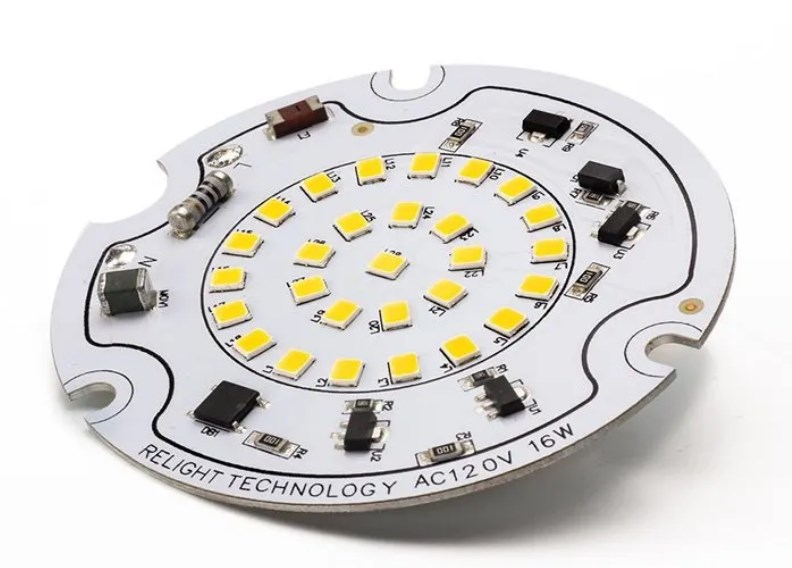
              You may also like

              Aluminum PCB for Automotive LED Lighting | EBest Circuit (Best Technology)
              Tuesday, August 5th, 2025

              What Is Automotive LED Lighting?

              Automotive LED lighting refers to the use of light-emitting diodes (LEDs) in vehicles for headlamps, tail lights, indicators, interior lights, and more. Compared to traditional halogen or HID lights, LEDs offer brighter illumination, lower energy consumption, and a longer lifespan. These advantages are especially important in modern vehicles, where energy efficiency and safety are top priorities.

              With growing demand for electric vehicles and smart cars, automotive lighting has become more advanced. LED systems not only enhance visibility but also support design flexibility. Car makers now use sleek LED strips for daytime running lights (DRLs), mood lighting, and adaptive headlights that improve road safety.

              However, the compact size of LEDs and their high brightness generate significant heat. This is where aluminum PCBs become crucial.

              Aluminum PCB for Automotive LED Lighting | EBest Circuit (Best Technology)

              Why Use Aluminum-Based PCB in Automotives?

              LEDs generate heat. Without proper heat management, their performance and lifespan suffer. That’s why aluminum-based PCBs are used in automotive LED lighting systems. The metal core in aluminum PCBs helps dissipate heat away from LEDs, keeping them cool even in high-temperature environments like engine compartments or headlamp enclosures.

              Besides thermal management, aluminum PCBs offer several other advantages for automotive use:

              • Lightweight: Aluminum is much lighter than copper or other metal alternatives, which helps reduce the overall weight of vehicles.
              • Dimension Stability: Due to the base of aluminum PCB is metal core, it is much stable than normal fiber glass material.
              • Durability: It resists vibration, shock, and corrosion—common conditions in vehicles.
              • Cost-effective: Aluminum provides a good balance between performance and cost, especially in large-scale automotive production.

              Because of these advantages, aluminum based PCB is a preferred choice for high power applications which requires great heat dissipation.

              Applications of Aluminum PCB in Automotive Lights

              Aluminum PCBs are used in many automotive lighting systems, both inside and outside the vehicle. Some common applications include:

              • Headlights
              • Tail Lights
              • Brake Lights
              • Turn Signals Lights
              • Daytime Running Lights (DRLs)
              • Fog Lights
              • Interior Lighting

              Because aluminum PCBs manage heat so effectively, they help maintain LED brightness and color consistency over time, even in demanding driving conditions.

              Applications of Aluminum PCB in Automotive Lights

              Automotive Aluminum PCB Specifications

              When designing aluminum PCBs for automotive lighting, several technical specifications come into play:

              • Base Material: High thermal conductivity aluminum (typically 1W/m·K to 3W/m·K). Some high-end boards may go up to 5W/m·K.
              • Board Thickness: Ranges from 0.8mm to 4.0mm. Thinner boards for compact lights, thicker ones for higher power LEDs.
              • Copper Layer: Usually 0.5oz (17.5”m) to 10oz (350”m), depending on current requirements.
              • Insulating Layer: Must have high dielectric strength and good thermal transfer.
              • Surface Finish: ENIG, Selected Gold Plating, ENEPIG, ENIPIG, HAL, HASL(LF), OSP, Silver Imm., Tin Imm
              • Solder Mask Color: White is common (more on that below), but black is also used for specific designs.

              Our Automotive Aluminum PCB Case Studies

              At EBest Circuit (Best Technology), we’ve worked with global automotive clients to provide custom aluminum PCB solutions for different lighting needs. Here is an aluminum PCB we made for automotive LED lights.

              Our Automotive Aluminum PCB Case Studies
              Board Thickness1.5MM
              Voltage ResistanceAC2500-4000V
              Copper Thickness3OZ
              Thermal Conductivity2W/m·K
              Solder MaskWhite
              Surface TreatmentENIG
              E-Test100% full testing

              This is a multi-layer aluminum PCB for a premium electric vehicle’s headlamp system. The customer needed high thermal conductivity with tight tolerances for compact housing. We delivered a 1.5mm thick board with a 2W/m·K aluminum base and ENIG surface finish, which met both thermal and electrical demands.

              Why Use White Solder Mask in Automotive Aluminum PCB?

              White solder mask is often used in automotive LED applications for several practical reasons:

              Light Reflection: White surfaces reflect light better than darker ones, which helps improve LED brightness and reduce energy loss.

              Heat Resistance: High-quality white solder mask resists yellowing or discoloration even after long periods of exposure to heat.

              Aesthetic Appeal: For lights with visible PCBs, a white finish gives a clean, modern look.

              Improved Visibility: During assembly and inspection, white solder masks make it easier to spot defects or alignment issues.

              At EBest Circuit (Best Technology), we use heat-stable white solder mask that’s designed specifically for automotive environments. It holds up under vibration, moisture, and UV exposure, maintaining both function and appearance over time.

              Why Choose EBest Circuit (Best Technology) as Your Aluminum PCB Supplier?

              With over 19 years of experience in aluminum PCB manufacturing, we are proud to be one of the most trusted aluminum PCB manufacturers in China, supporting more than 1,000 customers across a wide range of industries worldwide. Whether you need high-reliability prototypes or large-scale production runs, you can rely on us as your dependable one-stop partner for aluminum and metal core PCB solutions.

              As a professional aluminum PCB board manufacturer, we are well-equipped to handle the unique needs of diverse applications. Our experienced engineering, production, and quality control teams understand the challenges of demanding sectors such as automotive, medical, aerospace, and LED lighting. We are familiar with the strict quality and acceptance standards in these industries, and we build every aluminum board with precision, care, and consistency.

              If you have any questions regarding our products or services—including pricing, minimum order quantities, lead times, certifications, engineering support, or quality assurance—please feel free to contact us anytime.

              FAQs

              1. Can aluminum PCBs handle high power LEDs in vehicles?

              Yes, of course. Aluminum PCBs are specifically designed to dissipate heat from high-power LEDs.

              2. Are aluminum PCBs safe for outdoor automotive use?

              Absolutely. Aluminum PCBs are resistant to moisture, corrosion, and vibration, so they are well-suited for outdoor and rugged automotive environments.

              3. How long do aluminum PCBs last in automotive lighting?

              When properly designed and manufactured, aluminum PCBs can last for several years or even the entire vehicle lifespan, especially with proper heat management.

              4. Can EBest Circuit (Best Technology) provide customized aluminum PCBs for my design?

              Yes, we specialize in custom aluminum PCB manufacturing, offering tailored designs to meet your exact requirements for thickness, shape, and thermal conductivity.

              5. What is the typical lead time for aluminum PCB orders?

              Prototyping can be completed in 7–10 days, while mass production typically takes 2–4 weeks, depending on complexity and volume.

              Contact us today to learn more or request a quote—we’re ready to support your next innovation.

              You may also like

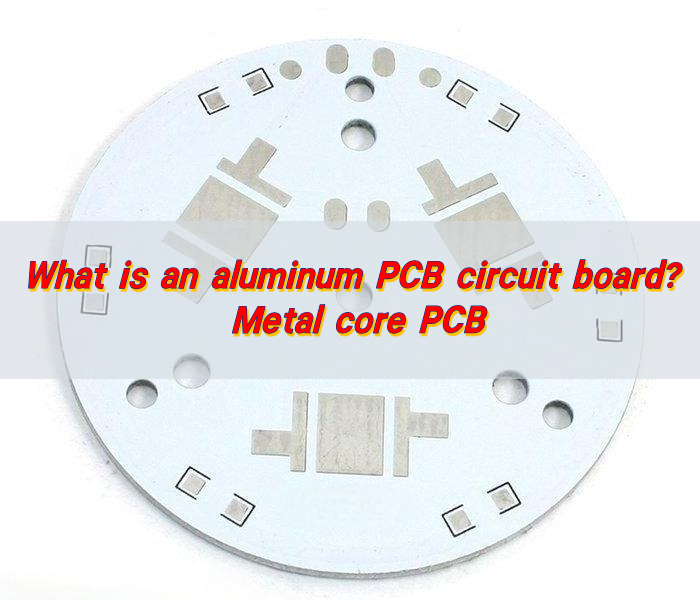
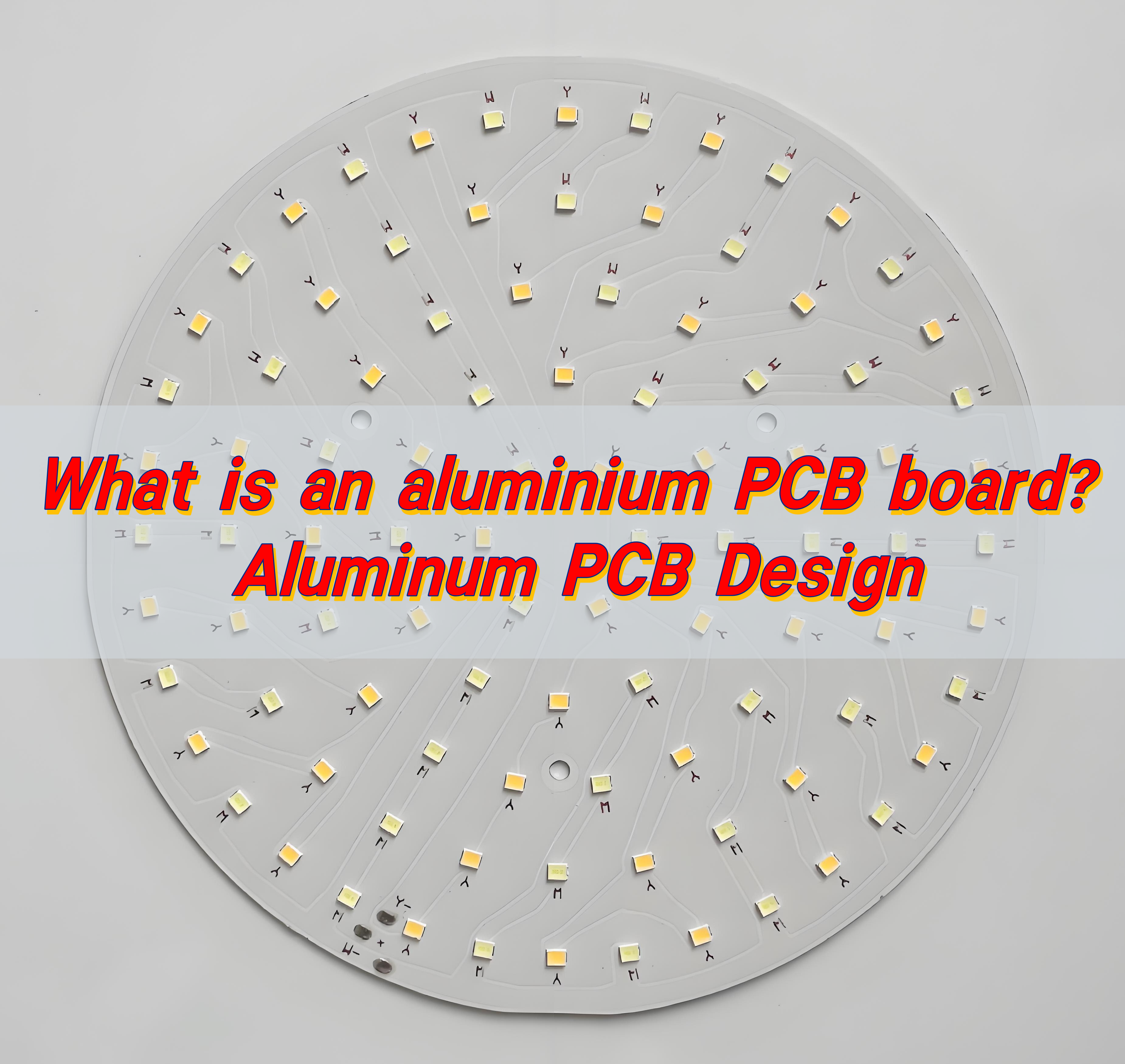
              What is an aluminium substrate PCB? Metal core PCB
              Friday, August 1st, 2025

              An aluminium substrate PCB is a metal core PCB that uses aluminum as its base layer instead of fiberglass. This design improves heat dissipation, strengthens the board, and enhances reliability.

              What is an aluminium substrate PCB? Metal core PCB

              It’s widely used in high-power applications like LED lighting and power supplies because it keeps components cooler and extends their lifespan. With excellent thermal performance and solid durability, aluminum PCBs are a smart choice for demanding electronic designs.

              What is aluminum substrate?

              The aluminium substrate in a PCB refers to the base layer made from aluminium instead of standard fiberglass. In a typical PCB, this layer would be FR4 or other resin materials. But with aluminium substrate PCBs, the core material is metal—specifically aluminium.

              This aluminium base gives the PCB a solid foundation. It’s known for exceptional thermal conductivity and mechanical strength. When electronics generate heat (which they always do), this base layer helps pull the heat away fast. That means better performance, less risk of damage, and a longer product lifespan.

              Aluminium also gives the board added durability. In harsh environments, it resists physical stress and corrosion better than many other substrates.

              What is substrate in PCB?

              To put it simply, a substrate in a PCB is the backbone. It’s the main layer that supports everything else. Think of it as the canvas where all the components and copper traces are placed.

              The choice of substrate affects how a PCB behaves—its strength, heat resistance, flexibility, and even cost. Most traditional PCBs use FR4, a fiberglass-reinforced epoxy laminate. But when you need better thermal performance, a metal core like aluminium becomes the better option.

              The aluminium substrate works by absorbing and dispersing heat, unlike FR4, which traps it. This becomes crucial in power devices, LEDs, and RF systems.

              What is the difference between aluminum and FR4 PCB?

              The contrast between aluminium and FR4 PCBs is more than just materials—it’s about function, reliability, and endurance.

              • Material: Aluminium PCBs have a metal core. FR4 PCBs use a glass epoxy material.
              • Thermal Conductivity: Aluminium wins. It conducts heat away quickly. FR4 holds onto heat, which can cause issues in high-power circuits.
              • Durability: Aluminium is tougher. It resists wear, shock, and even moisture better.
              • Weight: FR4 is lighter and more flexible, which is good for some consumer electronics.
              • Cost: Aluminium PCBs tend to be more expensive to produce but save money by increasing product lifespan and reliability.
              What is an aluminium substrate PCB? Metal core PCB

              So, while both have their place, aluminium PCBs provide real advantages in power-driven or heat-sensitive applications.

              Why is aluminum no longer used in integrated circuits?

              There was a time when aluminium was the go-to material for IC interconnections. It worked well in early semiconductor technologies. But as chips became smaller and faster, aluminium began to show limits.

              Why? Copper is more conductive than aluminium. That means it handles signals faster and uses less power. It also allows for smaller, more compact designs.

              Aluminium hasn’t disappeared, though. It’s just moved to a different job—serving as the base in PCBs where strength and heat transfer matter most.

              Can high frequency PCB replace aluminium PCB?

              High-frequency PCBs are designed to handle fast signals with minimal loss. They use specialized materials like PTFE (Teflon) to maintain signal integrity. But they don’t handle heat as well as aluminium PCBs.

              So, can one replace the other? Not really. They serve different purposes. High-frequency PCBs are great for communication systems, radar, and RF devices. Aluminium PCBs are perfect when heat is a big issue—like in power supplies or LED systems.

              That said, some advanced designs do combine both features. But in most cases, high-frequency and aluminium PCBs are used in their own unique ways.

              Why use aluminium-substrate-PCB for LEDs?

              LEDs are efficient light sources, but they generate concentrated heat. If not properly managed, that heat shortens lifespan, dims brightness, and even causes failure. That’s why aluminium-substrate-PCBs are a top choice for LED systems.

              Also, aluminium PCBs provide a stable platform. They resist bending or cracking, even in high-humidity or high-temperature environments.

              When used in LED strips, light panels, or automotive lights, aluminium PCBs ensure consistent brightness, lower energy loss, and better reliability.

              What is an aluminium substrate PCB? Metal core PCB

              Energy savings also come into play. With better heat dissipation, less power is wasted as heat. That means more energy is turned into light.

              What are the pros and cons of aluminum PCB?

              Like every technology, aluminium PCBs come with benefits and some limitations. Let’s look at both sides.

              Pros:

              • Superior Heat Dissipation: This is the biggest win. Aluminium handles heat far better than FR4.
              • High Strength: Aluminium resists cracking, breaking, and vibration. That makes it ideal for industrial and automotive applications.
              • Longevity: Better cooling leads to longer component life. That reduces maintenance and repair costs.
              • Eco-Friendly: Aluminium is recyclable. That makes it a green choice for modern electronics.
              • Thermal Stability: It maintains performance even when temperatures rise.

              Cons (but minimal):

              • Higher Cost: Aluminium PCBs cost more to produce than FR4.
              • Less Flexibility: Aluminium is rigid. It’s not suitable for bendable or foldable circuit designs.
              • Machining Complexity: Cutting and drilling aluminium is harder than standard boards.

              If your application needs thermal stability, strength, and reliability, the pros easily outweigh the cons.

              What are aluminum PCBs used for?

              The reach of aluminium PCBs is wide. Their applications span multiple industries and product types.

              • LED Lighting: From household bulbs to industrial fixtures, aluminium PCBs keep LEDs cool and long-lasting.
              • Automotive Electronics: Think dashboard lighting, engine control systems, and electric vehicle modules.
              • Power Supplies: High-wattage power converters, inverters, and regulators benefit from aluminium’s heat handling.
              • Telecom Equipment: Signal amplifiers and antenna systems use aluminium PCBs for thermal control.
              • Medical Devices: Precision tools like scanners and monitors require stability and heat protection.
              • Consumer Products: High-performance gadgets like gaming devices, laptops, and audio systems often use metal core boards to ensure smooth operation.
              What is an aluminium substrate PCB? Metal core PCB

              No matter the product, if heat or durability is a concern, aluminium-substrate-PCB is often the right solution.

              Conclusion:

              Aluminium substrate PCBs are more than just metal-backed boards. They are performance boosters. They protect your devices from heat, shock, and failure. From LED lighting to telecom and automotive systems, these boards make sure devices run cooler, longer, and more efficiently.

              If you’re designing products that need to handle heat, perform reliably, and last longer—aluminium PCBs are a smart, solid investment.

              Need help choosing or customizing your aluminium-substrate-PCB? Contact us now at sales@bestpcbs.com

              You may also like

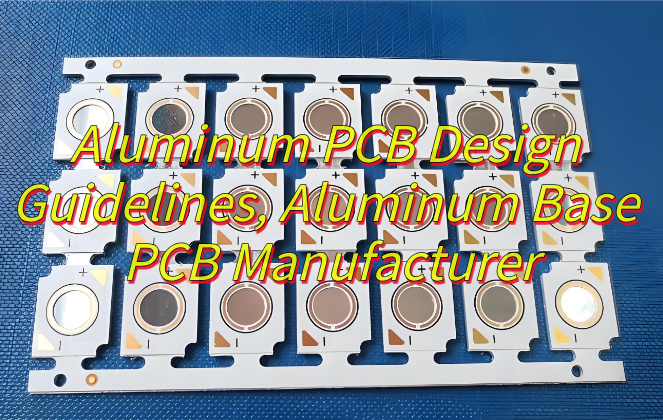
              Aluminum PCB Design Guidelines, Aluminum Base PCB Manufacturer
              Monday, July 28th, 2025

              Looking for aluminum PCB design guidelines? Let’s discover design specifications, design tools, design guidelines for aluminum PCB, and how to get a quote through this blog.

              Are you worried about these issues?

              • LED lighting/power modules generate serious heat when running for a long time. How to ensure the stable heat dissipation performance of aluminum substrates?
              • The procurement cost of aluminum substrates accounts for 15%-20% of the production cost. How to balance performance and price?
              • Under complex wiring requirements, how to break through the limit of the number of layers of aluminum substrates to achieve high-density integration?

              EBest Circuit (Best Technology) can provide:

              • Gradient heat dissipation solution: customized 1.5-3.0W/m·K thermal conductivity plates; embedded copper pillar technology improves local heat dissipation efficiency by 30%.
              • Supply chain cost optimization: direct procurement of 6000 series aviation aluminum materials, reducing costs by 12%; panel production mode reduces material waste by 18%.
              • HDI aluminum-based stacking technology: supports 1-6 layers of arbitrary laminated structure; laser blind hole accuracy ±0.05mm.

              Welcome to contact EBest Circuit (Best Technology) if you have any request for aluminum base PCB design, manufacturing or assembly: sales@bestpcbs.com.
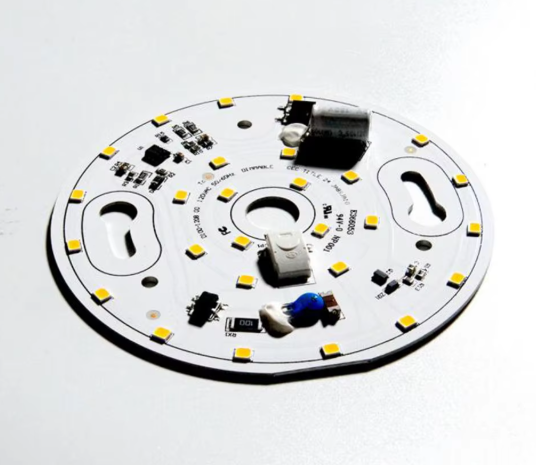
              What Is Aluminum PCB Design Guideline?

              Aluminum PCB design guidelines defines the principles for creating circuit boards with a metal (typically aluminum) core, optimized for thermal management in high-power applications. It focuses on selecting thermally conductive dielectric layers, strategic component placement to leverage the aluminum base’s heat dissipation, and ensuring mechanical durability while balancing electrical performance and reliability in heat-intensive environments.

              What Is Aluminum PCB Design Guideline?

              Aluminum PCB Design Specifications

              ‌ ParameterValue/Range
              Thermal Conductivity1.0–8.0 W/m·K (Material-dependent)
              Copper Thickness1oz (35”m) to 10oz (350”m)
              Dielectric Strength≄3000V (Standard), AC1500V–6000V (High-voltage)
              Thermal Resistance1.0–2.5°C/W (Full PCB)
              Max Operating Temperature150–260°C (Peak)
              Peel Strength≄1.0 N/mm (Post-thermal stress)
              CTE MismatchAluminum (23–24 ppm/°C) vs. Copper (17 ppm/°C)
              Min Trace Width/Spacing0.1mm (4mil) outer layer, 0.13mm (5mil) inner
              Via Wall Copper Thickness20–25”m (Standard), 35”m (High-current)
              Board Thickness1.0–3.0mm (Aluminum core)

              Aluminum PCB Design Tools & Software

              1. Altium Designer – Advanced Layout & Thermal Analysis

              • Thermal simulations to prevent overheating.
              • High-current trace routing for power-heavy designs.
              • 3D modeling for enclosures and heat sink integration.

              2. Automated DRC (Design Rule Check) for manufacturing compliance

              • Cadence Allegro – High-Speed & High-Power PCB Design.
              • Signal integrity analysis for high-frequency applications.
              • Power delivery network (PDN) optimization.
              • Multi-layer stackup design for rigid-flex aluminum boards.

              3. KiCad – Free & Open-Source for Prototyping

              • No licensing fees for startups/SMEs.
              • Built-in footprint libraries for common aluminum PCBs.
              • Gerber file generation for seamless manufacturing.

              4. SolidWorks – Mechanical Integration for Thermal Management

              • Heat sink modeling for custom cooling solutions.
              • Mounting hole placement for industrial applications.
              • Stress analysis for vibration-resistant designs.

              5. Ansys Icepak – Advanced Thermal Simulation

              • Precision heat flow modeling for high-power LEDs/motors.
              • Fan and vent placement optimization.
              • Material selection guidance for thermal conductivity.

              Aluminum PCB Design Guidelines

              1. Thermal Viability First

              • Calculate required thermal vias using: N = (P × Rth)/ΔT, where P = power (W), Rth = thermal resistance (°C/W), and ΔT = max allowable temp rise. Aim for ≄6 vias (0.5mm dia) under high-power devices.
              • For LEDs >1W, ensure die attach area covers ≄70% of the aluminum base. Use white solder mask to reflect unused light and reduce thermal load.

              2. Component Placement Logic

              • Group heat sources (e.g., regulators, drivers) in a central “thermal zone” with direct aluminum exposure. Keep analog/RF components ≄5mm from this zone to avoid thermal noise.
              • Orient power transistors with drain/collector pads parallel to aluminum grain direction for optimal heat spreading.

              3. Copper-Aluminum Bonding

              • Use 35”m (1oz) copper for signals; switch to 70”m (2oz) for power traces. Avoid abrupt copper weight transitions (>1oz difference) to prevent lamination cracks.
              • Specify “button plating” for plated through-holes (PTHs) to reinforce aluminum-copper joints.
              • Dielectric Layer Control
              • Request dielectric thickness tolerance of ±10%. Thinner layers (50”m) improve thermal performance but risk electrical breakdown; validate with V = E × d (E = dielectric strength, d = thickness).
              • For high-voltage (>100V) designs, add a 50”m polyimide overlay on critical traces.

              4. Mechanical Stress Mitigation

              • Add 1mm chamfered edges to aluminum cores to prevent sharp corners causing board flex. Use 3M™ thermal tapes instead of screws for non-critical assemblies to reduce thermal impedance.
              • For assemblies with >5kg weight, specify aluminum thickness ≄2.0mm and add 2mm mounting holes spaced ≄50mm apart.

              5. Assembly Compatibility

              • Require wave soldering temps ≀260°C for aluminum PCBs. Use low-melting-point solder (Sn42/Bi58) for mixed-technology boards (SMT + through-hole).
              • Add 0.2mm solder mask dams between fine-pitch SMT pads to prevent solder wicking on aluminum surfaces.

              6. Testing Protocols

              • Perform IR thermal imaging at 80% max load for 2 hours. Target ΔT <15°C between hottest component and ambient. Validate dielectric integrity with 500V Hipot testing; fail if leakage current >5mA.
              Aluminum PCB Design Guidelines

              Aluminum Base PCB Manufacturing Processes

              Below are aluminum base PCB manufacturing processes:

              1. Material Preparation

              • Aluminum Base Selection: Choose alloy (e.g., 5052, 6061) based on thermal/mechanical needs. Thickness ranges 1.0–3.0mm.
              • Surface Treatment: Clean and roughen aluminum via chemical etching to improve dielectric adhesion.

              2. Lamination

              • Dielectric Layer Application: Coat aluminum with thermally conductive epoxy (1–8 W/m·K) or ceramic-filled prepreg.
              • Copper Foil Bonding: Press 1–10oz copper foil onto the dielectric under 180–200°C and 15–20 kg/cmÂČ pressure.

              3. Circuit Imaging

              • Dry Film Application: Laminate photosensitive dry film onto copper. Expose to UV light through a circuit mask.
              • Etching: Use alkaline solution (e.g., sodium hydroxide) to remove unexposed copper, leaving precise traces.

              4. Via Formation

              • Mechanical Drilling: Drill microvias (0.2–0.5mm) using carbide bits. Deburr holes to remove aluminum shavings.
              • Plating: Electroplate holes with 20–35”m copper to ensure conductivity and thermal transfer.

              5. Solder Mask Application

              • Screen Printing: Apply epoxy-based solder mask (white/black) to protect traces. Cure at 150°C for 60 minutes.
              • Secondary Coating: Add high-temperature polyimide tape on power traces for >200°C environments.

              6. Surface Finish

              • HASL (Hot Air Solder Leveling): Dip PCB in molten solder (Sn63/Pb37) for cost-effective finish.
              • ENIG (Electroless Nickel Immersion Gold): Apply 3–5”m nickel and 0.05–0.1”m gold for fine-pitch SMT.

              7. Profiling & Testing

              • Routing: Cut boards to shape using CNC machines. Add chamfered edges to prevent assembly damage.
              • Electrical Testing: Use flying probe or bed-of-nails to verify continuity (≀1Ω) and isolation (≄100MΩ).
              • Thermal Cycling: Expose PCB to -40°C/125°C cycles (5x) to validate reliability.
              Aluminum Base PCB Manufacturing Processes

              Why Choose EBest Circuit (Best Technology) as Aluminum Base PCB Manufacturer?

              Reasons why choose EBest Circuit (Best Technology) as aluminum base PCB manufacturer:

              Accelerated Time-to-Market

              • 24-Hour Prototyping: Rapid sample delivery cuts initial validation time by 50%.
              • 19-Year Production Expertise: Optimized workflows reduce lead times by 30% through proven scheduling and risk mitigation.

              Cost Efficiency

              • 15–20% Price Advantage: In-house aluminum processing and bulk material sourcing eliminate middleman markups.
              • Transparent Pricing: No hidden fees for tooling, testing, or design revisions.

              Reliable Quality

              • Rigorous Testing: Every PCB undergoes thermal shock (-40°C to 125°C), vibration, and 100% electrical checks.
              • Material Traceability: Lot-specific records ensure accountability for aluminum origin, plating batches, and test data.

              Design Optimization

              • Free DFM Review: Engineers adjust trace widths/vias to balance thermal performance and manufacturability.
              • Thermal Simulation: ANSYS models predict heat flow, avoiding costly post-design fixes.

              End to End Service

              • Full Turnkey Solution: Integrate raw material sourcing, production, and testing under one roof, reducing client coordination effort.
              • Stable Material Supply: Long-term partnerships with aluminum/copper suppliers prevent delays from shortages.
              • 24/7 Emergency Support: Rapid response to design changes or urgent orders, minimizing downtime.
              Why Choose EBest Circuit (Best Technology) as Aluminum Base PCB Manufacturer?

              Our Aluminum Base PCB Manufacturing Capabilities

              Base material:Aluminum Alloy
              Thermal Conductivity (dielectric layer):0.8, 1.0, 1.5, 2.0, 3.0 W/m.K.
              Board Thickness:0.5mm~3.0mm(0.02″~0.12″)
              Copper thickness:0.5 OZ, 1.0 OZ, 2.0 OZ, 3.0 OZ, up to 10 OZ
              Outline:Routing, punching, V-Cut
              Soldermask:White/Black/Blue/Green/Red Oil
              Legend/Silkscreen Color:Black/White
              Surface finishing:Immersion Gold, HASL, OSP
              Max Panel size:600*500mm (23.62″*19.68″)
              Packing:Vacuum/Plastic bag
              Samples L/T:4~6 Days
              MP L/T:5~7 Days

              Our Quality Inspection & Certification

              • Certified & Compliant Standards: ISO 9001, ISO 13485, IATF 16949 Certified, and UL, REACH, RoHS Compliant
              • AOI (Automated Optical Inspection): Detects surface defects like open/short circuits, missing components, and soldering issues.
              • X-Ray Inspection (Internal Defect Screening): Checks solder joint voids, cracks, and BGA/QFN hidden defects.
              • Aging Test: Includes thermal cycling (-40℃~85℃) and humidity exposure to validate long-term reliability.
              • Dimensional Verification: Measures thickness (±0.1mm), flatness, and hole alignment accuracy.

              How to Get a Quote for Your Metal Core PCB Project?

              To get a quote for your metal core PCB project, submit the following materials:

              • Gerber Files & Drill Data: Essential for manufacturing accuracy.
              • Bill of Materials (BOM): Lists all components and their specifications.
              • Technical Specs: Layer count, base material (e.g., aluminum/copper), copper thickness, board thickness, min. trace width/spacing, and impedance control requirements.
              • Surface Finish: Specify HASL, ENIG, OSP, or other finishes.
              • Special Requirements: Thick copper design, blind/buried vias, or thermal management needs.
              • Quantity & Delivery Timeline: Project volume and urgency.

              Contact EBest Circuit (Best Technology) today to get a free DFM analysis report: sales@bestpcbs.com.
              You may also like

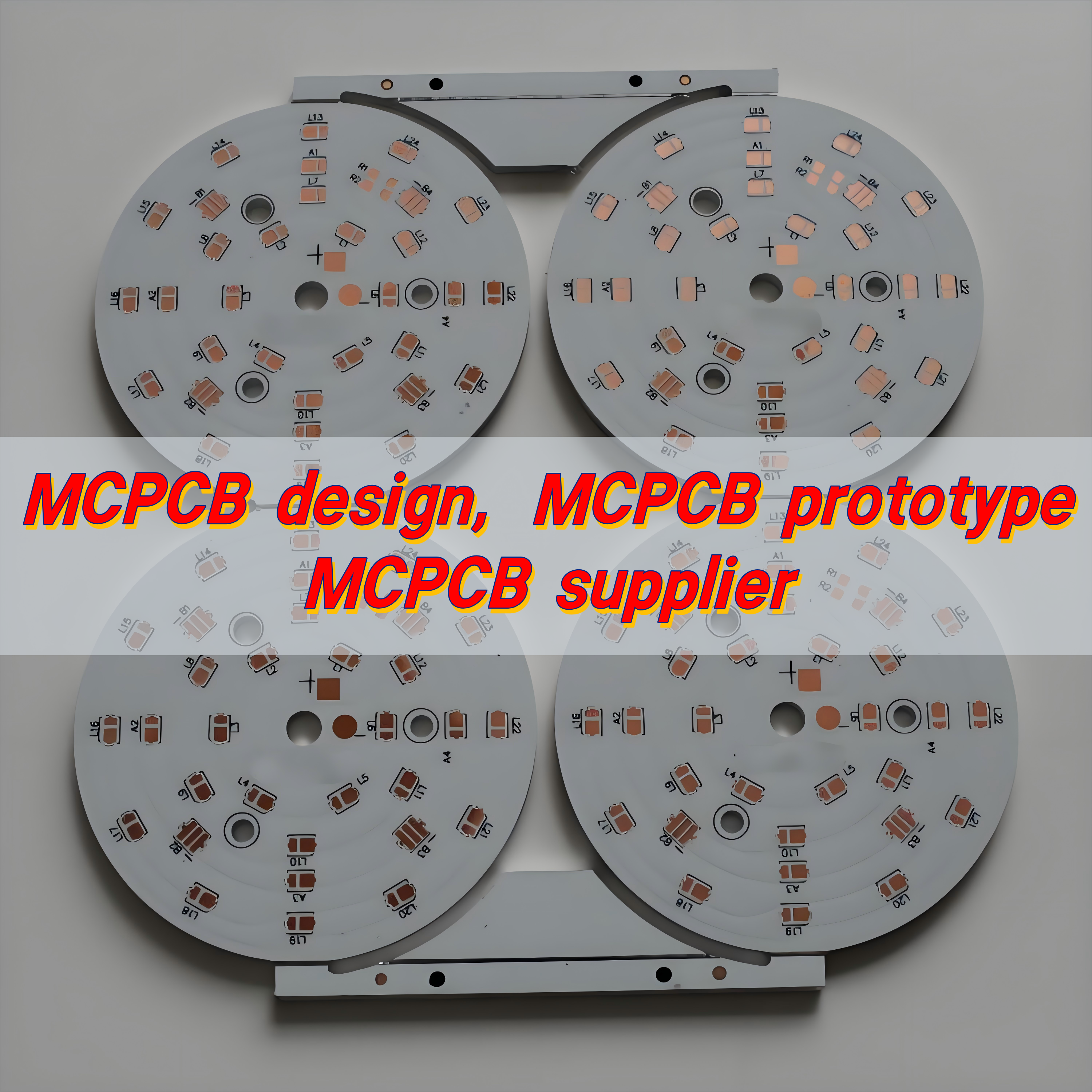
              MCPCB Design, MCPCB Prototype, MCPCB Supplier
              Monday, July 28th, 2025

              What is MCPCB design?

              MCPCB stands for Metal Core Printed Circuit Board. Unlike regular PCBs made with fiberglass, MCPCBs use a metal base—usually aluminum or copper—as their core layer. This helps carry heat away from components. In MCPCB design, attention should be paid not only to the electrical layout but also to the thermal flow and mechanical strength.

              MCPCB Design, MCPCB Prototype, MCPCB Supplier

              MCPCBs are ideal for LED lights, power supplies, automotive electronics, and high-temperature environments. Their main job is to conduct heat away from sensitive components while maintaining solid electrical performance.

              So, what is MCPCB design? It’s the process of creating a printed circuit board with a metal core that balances power, heat, and cost—all in one compact board.

              What is the MCPCB definition?

              By definition, an MCPCB is a circuit board that contains:

              • A copper circuit layer for electrical conductivity.
              • A dielectric layer for insulation.
              • A metal base for heat dissipation (aluminum or copper).

              The “MC” in MCPCB represents the metal core, which is what sets it apart from standard PCBs. This unique core allows the board to perform better in thermal management, giving it a clear edge in high-power applications.

              In simpler terms, MCPCB = Metal + Circuit + Insulation, all working together.

              How does MCPCB design affect cost and performance?

              When done right, MCPCB design helps reduce overheating, extends component life, and cuts maintenance costs. But if the thermal path isn’t optimized or trace routing isn’t clean, you might face issues like:

              • Poor heat dissipation
              • Solder joint failure
              • Component damage
              • Lower LED brightness

              All of this can push your costs up. A smart design, on the other hand, balances performance and cost from the beginning. For example:

              MCPCB Design, MCPCB Prototype, MCPCB Supplier
              • Using aluminum instead of copper reduces cost without hurting performance for most LED boards.
              • Selecting the right dielectric material keeps the board thin while ensuring heat is controlled.
              • Clear trace paths help maintain signal integrity and reduce EMI.

              What’s the difference between MCPCB and standard PCBs?

              Standard PCBs use FR4 (a fiberglass-reinforced epoxy) as the core. They work well in normal-temperature environments. But as power or current increases, they heat up quickly. And they don’t cool down fast.

              MCPCBs, on the other hand, are built for heat. They use a metal core (usually aluminum) instead of FR4. This change gives them superior thermal conductivity, making them ideal for high-power devices.

              Let’s put it in simple terms:

              • Standard PCB = Best for low-heat, general electronics.
              • MCPCB = Best for high-heat, high-performance applications.

              This key difference changes how you approach layout, stack-up, and assembly. That’s why MCPCB design must be treated differently from standard boards.

              Why use MCPCB prototype for testing?

              Testing MCPCB prototypes before committing to mass production can save you a ton of money and weeks of lost time.

              A prototype helps you:

              • Test thermal behavior in real conditions
              • Check for design flaws or unexpected hot spots
              • Ensure your LED PCB maintains brightness under load
              • Evaluate material quality from your chosen MCPCB supplier

              Also, prototyping speeds up development. You get real data fast. This keeps your timeline tight and your product launch on track.

              What are key MCPCB design guidelines?

              Designing a metal core PCB takes a different mindset. Follow these essential MCPCB design guidelines:

              • Know your heat source: Place hot components close to vias or thermal pads.
              • Use wide copper traces: Helps current flow without resistance.
              • Choose the right metal base: Aluminum for cost-efficiency; copper for higher thermal performance.
              • Mind your dielectric layer: Thin layers cool better, but must still insulate properly.
              • Leave room for expansion: Heat causes expansion. Mechanical stress can break solder joints.
              MCPCB Design, MCPCB Prototype, MCPCB Supplier

              The more you follow these core rules, the better your board will perform and the longer its actual service life will be.

              Why is MCPCB design critical for LED PCB?

              LEDs are sensitive. As their temperature increases, their brightness drops. At high temps, their lifespan can also shrink dramatically. That’s why LED lighting depends on MCPCBs to manage heat efficiently.

              With a properly designed LED PCB, you get:

              • Brighter output with less energy
              • Longer LED life
              • Stable color over time
              • No flicker or degradation

              Poor thermal design can degrade LED performance, even if the rest of the circuit is very robust. MCPCB design can protect LED performance.

              If you’re in automotive, medical, or commercial lighting, this can make or break product quality.

              How is aluminum PCB better for LEDs?

              When comparing aluminum PCBs to standard fiberglass ones for LEDs, aluminum wins by a landslide. Here’s why:

              • Aluminum conducts heat better: It draws heat away from the LED’s base.
              • It’s lightweight and strong: Perfect for compact fixtures.
              • It reduces component failure: Lower heat = longer life.
              • It’s cost-effective: Compared to copper, aluminum gives great performance without high cost.

              Aluminum MCPCBs have become the gold standard for LED applications. They offer the right balance of thermal conductivity, cost, and mechanical strength.

              How to choose the right MCPCB supplier?

              With nearly two decades of experience, EBest Circuit (Best Technology) offers consistent quality, fast delivery, and responsive support.

              MCPCB Design, MCPCB Prototype, MCPCB Supplier

              When choosing a supplier, look for these essentials:

              • In-house MCPCB design services: At EBest Circuit (Best Technology), our expert engineering team collaborates closely with you to streamline development and eliminate communication delays.
              • Material transparency: We use only verified raw materials, including high-purity aluminum and top-tier dielectric insulation, ensuring long-lasting performance.
              • Certifications and experience: EBest Circuit (Best Technology) is ISO9001:2015 certified, RoHS/REACH compliant, and trusted by global customers across automotive, medical, industrial, and lighting sectors.
              • Quick technical support: Our 48-hour technical response commitment ensures that your questions are answered when you need them most.
              • Providing customized solutions: from unique thermal stack-ups to integrated LED designs

              Conclusion:

              MCPCB design plays a vital role in ensuring performance, reliability, and thermal control in modern electronics—especially in LED PCBs and high-power applications.

              And selecting a trusted MCPCB supplier—like EBest Circuit (Best Technology)—ensures expert support, fast prototyping, and consistent quality from concept to production.

              Need help with MCPCB design, prototyping, or sourcing? Contact us at sales@bestpcbs.com to get started.

              You may also like

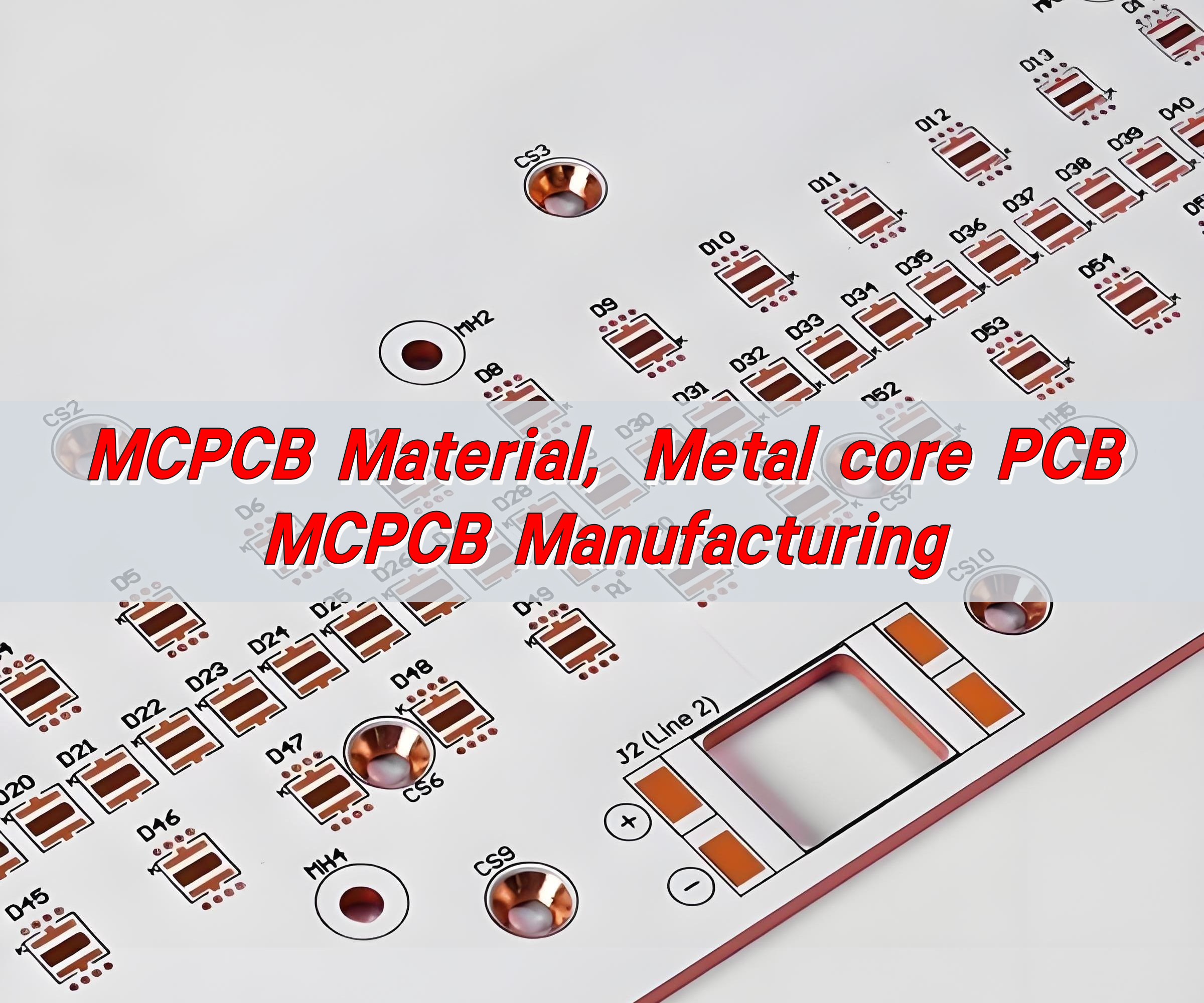
              MCPCB Material, Metal Core PCB – MCPCB Manufacturing
              Wednesday, July 23rd, 2025

              MCPCB is mainly made of copper foil, a dielectric layer, and a metal core. The copper layer handles current flow and signal transmission. The dielectric layer sits beneath it, offering electrical insulation while allowing heat to pass through. At the base, the metal core—usually aluminum or copper—acts as a heat sink. Aluminum is lightweight and cost-effective, while copper delivers better thermal performance.

              MCPCB material, Metal core PCB - MCPCB Manufacturing

              What is MCPCB?

              MCPCB, or Metal Core Printed Circuit Board, is a type of PCB that uses a metal base to improve heat dissipation.

              Unlike standard FR4 boards, which use fiberglass, MCPCB boards use metals like aluminum, copper, or even a mixture. That metal layer acts as a heat sink, pulling heat away from components.

              This makes MCPCB ideal for LED lights, high-power electronics, and automotive systems. They’re strong, thermally efficient, and can take a beating.

              What is the structure of Mcpcb?

              The basic structure of an MCPCB is relatively simple, but each layer plays a critical role. It usually consists of three key layers:

              • Copper Circuit Layer: The top layer for routing signals, just like in traditional PCBs. It’s often thicker in MCPCBs to handle high currents.
              • Dielectric Layer: This sits between the copper and the metal base. It provides electrical insulation while enabling heat transfer.
              • Metal Core Base: Usually made of aluminum, copper, or a hybrid alloy. This is the foundation that supports the board and helps spread heat efficiently.
              MCPCB material, Metal core PCB - MCPCB Manufacturing

              Some MCPCBs even feature multi-layer stackups, combining several circuit and dielectric layers with a central metal core.

              What are the materials in Mcpcb?

              The most commonly used materials in MCPCB manufacturing are aluminum, copper, and steel alloys. This is the heart of the MCPCB.

              • Aluminum: Most cost-effective and widely used. Lightweight, corrosion-resistant, and a good thermal performer.
              • Copper: Offers better thermal conductivity, but it’s heavier and more expensive.
              • Stainless Steel or Alloys: Used in high-strength or custom applications.

              Each MCPCB raw material brings different strengths. Picking the right one is about balancing performance, cost, and durability.

              What are the differences between MCPCBs of different materials?

              Different MCPCB materials impact cost, conductivity, weight, and reliability.

              • Aluminum MCPCB: Most popular for LED applications. It offers decent conductivity and costs less. It’s also easy to process and lightweight.
              • Copper MCPCB: Ideal for high-performance needs. With thermal conductivity up to 390 W/mK, it’s a powerhouse. But it’s heavier and more expensive.
              • Steel alloys MCPCB: These combine metals for specific thermal and mechanical needs. For example, aluminum-copper blends.

              Choosing the right type depends on your priorities—is it price, heat handling, weight, or ruggedness?

              How to make mcpcb?

              The MCPCB manufacturing process requires high precision. Here’s how it typically works:

              • Metal Base Preparation: The selected metal core (usually aluminum or copper) is cleaned and prepared for lamination.
              • Dielectric Application: A thin dielectric layer is applied using lamination or coating methods. This layer needs to be uniform to maintain consistent heat flow and insulation.
              • Copper Lamination: A copper foil is laminated on top of the dielectric. The thickness varies depending on current needs.
              • Circuit Imaging and Etching: The copper layer is printed with the circuit design and etched to form the signal paths.
              • Solder Mask and Surface Finish: Protective coatings are applied to prevent oxidation. Then surface finishes like OSP, ENIG, or HASL are added for solderability.
              • Drilling and Routing: Holes are drilled, and the board is routed to its final shape. V-cuts or scoring may be added for separation.
              • Testing: Every board is electrically and visually tested to ensure it meets performance standards.

              The result is a durable, heat-efficient PCB ready for demanding environments.

              What is the difference between FR4 and Mcpcb?

              FR4 is a glass-reinforced epoxy laminate used in standard PCBs. It’s strong, affordable, and widely available.

              MCPCB, by contrast, can handle much higher thermal loads. Thanks to the metal core, it can draw heat away from critical components. That means longer lifespan, better performance, and fewer thermal failures.

              MCPCB material, Metal core PCB - MCPCB Manufacturing

              Another difference is mechanical. MCPCB boards are more robust and rigid, while FR4 can be more fragile under stress or heat. The trade-off? FR4 is cheaper. But for high-power or LED uses, MCPCB is well worth the investment.

              What is the difference between ceramic PCB and Mcpcb?

              Both ceramic PCBs and MCPCBs excel in thermal management. But their core material and applications differ.

              Ceramic PCBs use ceramic substrates like aluminum oxide or aluminum nitride. These have excellent electrical insulation and can withstand high temperatures. They’re common in aerospace and medical electronics.

              MCPCBs use a metal core with a dielectric layer. They balance thermal efficiency and cost, making them ideal for mass-market products like LED lighting.

              Ceramic PCBs are better for ultra-high-performance, but MCPCBs offer a smart solution for most thermal challenges at a more affordable cost.

              How thick is the copper in Mcpcb?

              The copper layer thickness in MCPCB can range from 1 oz to 6 oz (35ÎŒm to 210ÎŒm). Thicker copper means:

              • Better current carrying capacity
              • Improved durability
              • Enhanced thermal management

              For LED applications, 1–2 oz is common. High-power systems may need 3 oz or more. It all depends on the current load and thermal performance needed.

              What is the thermal conductivity of Mcpcb?

              One of the most important specs of an MCPCB is its thermal conductivity, usually measured in W/mK.

              The dielectric layer in standard MCPCBs typically ranges from 1.0 to 3.0 W/mK.

              High-end materials may reach up to 10 W/mK or more.

              The metal base (aluminum or copper) naturally has higher thermal conductivity. Copper can hit 390 W/mK, while aluminum is around 200 W/mK.

              MCPCB material, Metal core PCB - MCPCB Manufacturing

              High thermal conductivity means faster heat transfer, lower operating temperatures, and greater reliability over time.

              What is the use of Mcpcb?

              MCPCB is used where heat is the enemy. You’ll see it in:

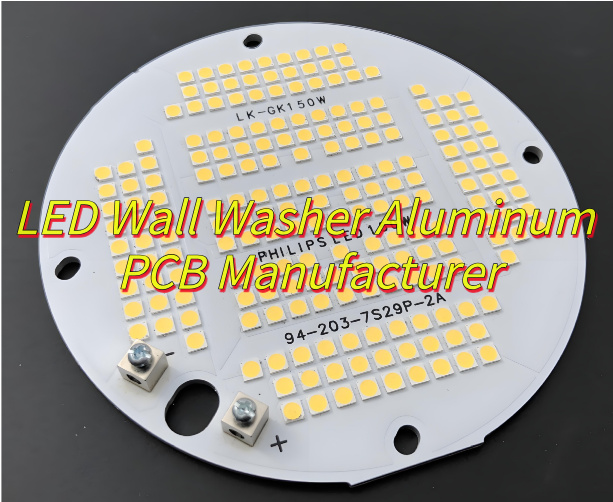
              • LED lighting modules (street lamps, automotive lights, flashlights)
              • Power converters
              • Motor controllers
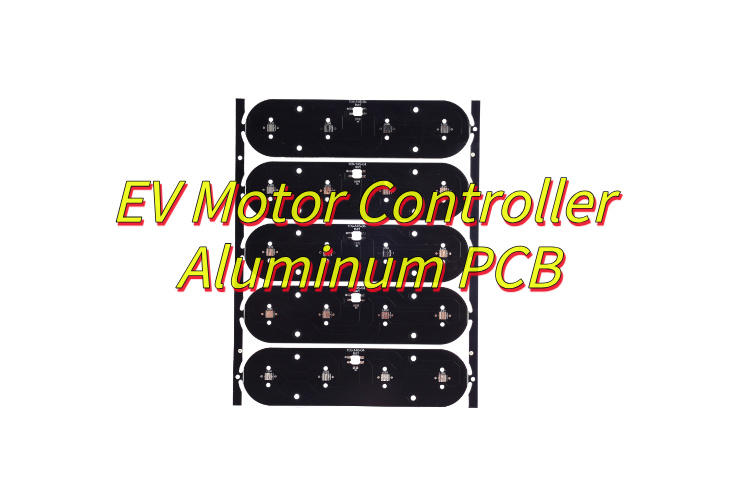
              • Telecom base stations
              • Automotive electronics
              • Industrial machines

              Why? Because MCPCB keeps everything cool. When heat drops, performance goes up, and failures go down.

              Conclusion:

              If your project demands high heat resistance, reliability, and space efficiency, MCPCB material is the key. Whether it’s for LED lighting, automotive systems, or high-performance power applications, the right mcpcb material makes all the difference.

              Looking for a reliable MCPCB manufacturer? Email us at sales@bestpcbs.com

              You may also like

              How to Calculate Thermal Resistance of Aluminum PCB?
              Wednesday, July 23rd, 2025

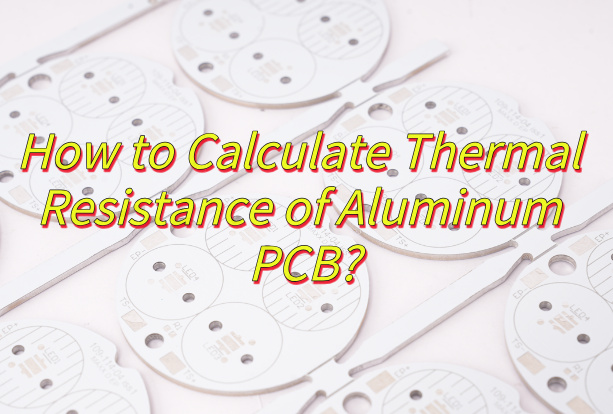
              How to calculate thermal resistance of aluminum PCB? This guide explains aluminum PCB thermal resistance fundamentals, selection criteria, calculation methods, influencing factors, design optimization techniques, and testing procedures for efficient thermal management.

              Are you troubled these issues?

              • Does your LED lamp accelerate the light decay due to insufficient heat dissipation?
              • How to solve the frequent overheat protection of high-power power modules?
              • How to ensure batch stability due to large fluctuations in thermal resistance of traditional FR4 boards?

              EBest Circuit (Best Technology) Can Provide:

              • Precise customization: 0.8-5.0°C/W thermal resistance aluminum substrate ±5% tolerance control, matching your thermal design critical value.
              • Data endorsement: JEDEC standard thermal resistance test report is provided for each batch.
              • Scenario design: 1.2mm ultra-thin heat spreader/multi-layer stacking structure, actual measurement reduces the temperature of key nodes by 20℃.

              Feel free to contact us now if you have any inquiry for aluminum PCB: sales@bestpcbs.com.
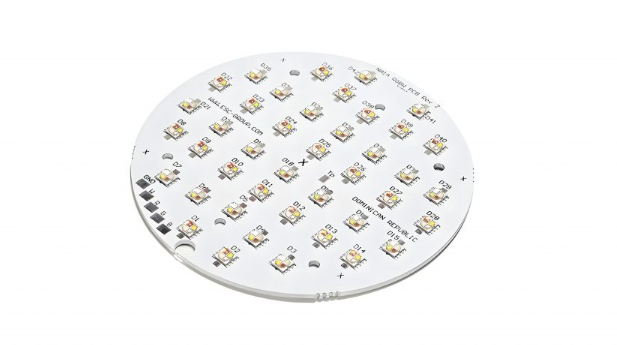
              What Is the Thermal Resistance of Aluminum PCB?

              The thermal resistance of an aluminum PCB typically ranges from 0.5 to 3.0°C/W, depending on its construction. Key factors include the thickness of the dielectric layer (50–200ÎŒm), the thermal conductivity of the aluminum base (160–200W/m·K), and the copper circuitry layout. Compared to FR4 PCBs (10–20°C/W), aluminum substrates offer 5–10× better heat dissipation due to their superior thermal conductivity. For high-power applications, designs with ceramic-filled dielectrics or hybrid materials can achieve thermal resistances below 0.2°C/W. Performance varies with aluminum alloy type (e.g., 6061 vs. 1060) and surface treatments like anodizing.

              What Is the Thermal Resistance of Aluminum PCB?

              How to Choose the Thermal Resistance Type of Aluminum PCB?

              Aluminum PCB Thermal Resistance Type Selection Guide:

              1. Prioritize power requirements by thermal resistance value

              • Low thermal resistance type (<0.5℃/W): Suitable for high power density scenarios (such as LED modules >5W/cmÂČ, electric vehicle power modules). Although the unit price is high, it can reduce the junction temperature by more than 40℃, significantly extending the life of the device.
              • Medium thermal resistance type (0.5-1℃/W): Used for medium power equipment (such as household appliance power supplies, industrial controllers), balance heat dissipation performance and cost, and the thickness of the insulation layer is usually controlled at 80-100ÎŒm.

              2. Optimize cost performance by structural selection

              • Traditional FR-4 composite type: Select when only basic heat dissipation is required (such as low-power LED light strips), the cost is 40%-60% lower than that of dedicated aluminum substrates, but the thermal resistance is >1℃/W.
              • Magnetic control sputtering technology type: Suitable for high-frequency and high-temperature applications (such as 5G base station RF modules), the insulation layer is thinner (50-75ÎŒm), and the thermal resistance is as low as 0.1℃/W, but the process cost increases by 20%-30%.
              • Multilayer thermal conductive structure type: The first choice for complex systems (such as server power supplies). The hot spots are dispersed through multi-layer thermal conductive dielectrics. The thermal resistance can be controlled at 0.3-0.8℃/W, which is suitable for multi-chip integrated design.

              3. Cost-sensitive alternatives

              • Hybrid design: Aluminum substrate is used for the core high-heat area (such as the CPU cooling area), and FR-4 is used for the peripheral circuit, which reduces the overall cost by 25%-40%.
              • Copper foil thickness optimization: 1oz copper foil meets most scenarios, and 3oz copper foil (105ÎŒm) is only used for ultra-high current to avoid excessive design and increase board costs.

              Tips: First determine the allowable temperature rise through thermal simulation, and then compare the thermal resistance-price curves of different models, and give priority to the lowest cost solution that meets the temperature control requirements.

                How to Calculate Thermal Resistance of Aluminum PCB?

                The thermal resistance (RΞ) of aluminum PCBs is calculated by combining material and structural parameters: RΞ = (L₁/(k₁·A₁)) + (L₂/(k₂·A₂))

                • L: Thickness of each layer (meters)
                • k: Thermal conductivity (W/(m·K))
                • A: Heat dissipation area (square meters)

                The aluminum substrate layer (k₁≈1-5 W/(m·K)) and insulating layer (k₂≈0.5-3 W/(m·K)) contribute additively to thermal resistance, while the copper layer’s resistance is typically negligible. Ensure unit consistency and account for the series relationship of heat dissipation paths in practical calculations.

                How to Calculate Thermal Resistance of Aluminum PCB?

                What Factors Affect the Thermal Resistance of Aluminum Substrate?

                • Material Thermal Conductivity — Lower conductivity in the dielectric layer increases thermal resistance due to reduced heat transfer efficiency.
                • Layer Thickness — Thicker dielectric layers raise resistance, while thinner aluminum bases may limit heat spreading capabilities.
                • Interface Quality — Poor contact surfaces between aluminum and dielectric layers add interfacial thermal resistance, impacting overall performance.
                • Structural Elements — Features like thermal vias or hybrid composites (e.g., with carbon nanotubes) enhance heat dissipation and lower resistance.
                • Environmental Factors — Moisture absorption and high operating temperatures degrade thermal properties, increasing resistance in humid or extreme conditions.
                • Surface Treatments and Coatings — Protective or conductive finishes alter heat flow, reducing resistance if optimized for thermal management.
                • Density and Porosity — Higher density dielectric materials improve insulation but may increase resistance, whereas porosity can trap air and worsen performance.

                How to Design to Reduce the Thermal Resistance of Aluminum PCB?

                Design Strategies to Reduce Aluminum PCB Thermal Resistance:

                • Optimize Dielectric Layer: Use thinner, high-thermal-conductivity insulation (e.g., graphene-filled or ceramic-filled prepreg) to reduce heat transfer barriers.
                • Increase Metal Core Thickness: Thicker aluminum substrates (e.g., 2.0mm vs. 1.0mm) enhance lateral heat spreading.
                • Maximize Copper Coverage: Use thicker copper traces (≄2oz) and expand ground/power planes to boost heat dissipation.
                • Add Thermal Vias: Place arrays of small, closely spaced vias under high-power components to channel heat to the aluminum layer.
                • Improve Component Layout: Position heat-generating parts centrally over the aluminum core and avoid clustering.
                • Select Low-Thermal-Resistance Materials: Choose aluminum alloys (e.g., 6061-T6) with higher thermal conductivity (≈167 W/m·K).
                • Incorporate Heat Sinks: Attach external heat sinks or vapor chambers to the PCB’s aluminum surface for forced convection.
                • Use Thermal Interface Materials (TIMs): Apply high-conductivity TIMs (e.g., thermal grease, phase-change pads) between components and the PCB.
                • Simulate Early: Utilize thermal simulation tools (e.g., ANSYS Icepak) during design to identify and mitigate hotspots.
                • Minimize Insulation Layer Count: Reduce multilayer stacking; opt for single-sided aluminum PCBs where feasible.
                How to Design to Reduce the Thermal Resistance of Aluminum PCB?

                How to Test the Thermal Resistance of Aluminum PCB?

                1. Sample Preparation

                • Clean aluminum substrate surface oxidation layer with alcohol and dry thoroughly.
                • Apply thermal grease uniformly on the test area (thickness ≀0.1mm).
                • Securely mount heating components (e.g., power resistors) at the center of the test point.

                2. Steady-State Method (Standard Procedure)

                • Reference standard: IPC-TM-650 2.6.7.2
                • Apply constant power (recommended 1-5W/cmÂČ) until thermal equilibrium (±1℃/min temperature change).
                • Simultaneously measure temperatures with K-type thermocouples:
                • T1: Heating element surface temperature.
                • T2: Aluminum substrate backside temperature (3cm from test point).
                • T3: Ambient temperature (20cm from sample).
                • Calculate thermal resistance: RΞ = (T1-T2)/Power.

                3. Transient Method

                • Reference standard: ASTM D5470 variant
                • Apply square-wave power (duty cycle ≀10%).
                • Capture temperature curves at high speed (≄100Hz).
                • Derive thermal resistance via exponential fitting: RΞ = (T_max-T_ambient)/Power

                4. Thermal Imaging Verification

                • Use a calibrated infrared thermal imager (accuracy ±2℃).
                • Capture steady-state temperature distribution maps.
                • Validate hotspot locations against theoretical heat flow paths.

                5. Environmental Control Requirements

                • Temperature: 25±1℃ (forced air cooling requires airflow velocity ≀1m/s).
                • Humidity: 45±5%RH.
                • Chamber volume ≄1mÂł to minimize boundary effects.

                6. Data Processing Standards

                • Average results from ≄3 repeated tests.
                • Maximum allowable deviation: ±5% for steady-state method, ±8% for transient method.
                • Exclude abnormal data from nonlinear temperature rise phases.

                7. Special Notes

                • For aluminum substrates with thickness ≄1.5mm, additional lateral thermal resistance testing is recommended. Multipoint temperature measurements should be conducted to evaluate thermal diffusion performance.
                • The test report must include thermal resistance values, testing conditions, equipment accuracy specifications, and thermal imaging attachments.
                How to Test the Thermal Resistance of Aluminum PCB?

                Why Choose EBest Circuit (Best Technology) as Aluminum PCB Manufacturer?

                • Precision Thermal Resistance Control: Provide customized thermal resistance values (0.8-5.0°C/W) with ±5% tolerance, ensuring predictable thermal performance for your designs. It can reduce thermal design margins and optimized system costs.
                • Thermal Performance Verification: Every PCB undergoes JEDEC-standard thermal testing with detailed reports, giving clients certified performance data for reliability compliance.
                • Application-Specific Thermal Solutions: Tailored designs (e.g., 1.2mm thick for LEDs, multilayer for power modules) lower operating temperatures by 15-20°C. It can achieve longer product lifespan and reduced heatsink costs without redesigns.
                • 24-hour rapid prototyping: shorten the R&D cycle by 50% and accelerate product launch
                • Competitive & Transparent Pricing – No hidden costs, offering the best value without compromising quality.
                • Turnkey Solutions – Full-service PCB manufacturing from design to delivery, accelerating your product’s time-to-market.
                • ISO 14001/ISO 13485 certification: medical/automotive customers are exempt from secondary testing, and compliance costs are reduced by 30%.
                • Free DFM (Design for Manufacturability) Analysis: Optimizes PCB layouts to reduce material waste, lower production costs, and avoid late-stage design revisions.

                Welcome to contact us if you have any request for aluminum PCB: sales@bestpcbs.com. Looking forward to hearing from you soon!
                You may also like

                Aluminum PCB Circuit Board Design & Manufacturer, Free DFM
                Thursday, July 17th, 2025

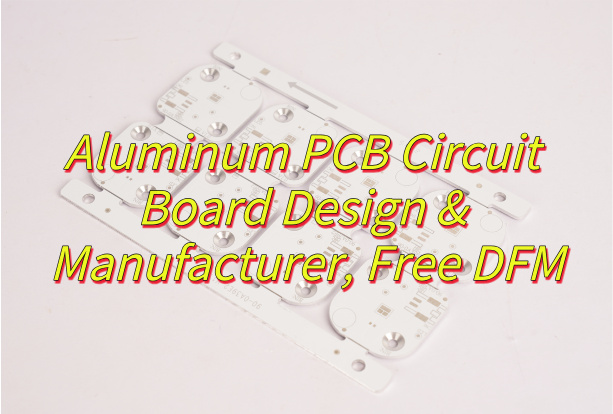
                Why choose aluminum PCB circuit board for your project? These high-performance boards combine superior thermal management with structural durability, making them ideal for LED, automotive, and power electronics. This guide covers their structure, benefits, design tips, and manufacturing process to help you make informed decisions.

                • Does heat dissipation design drag down product life?
                • Is it difficult to get professional support for small batches?
                • Does batch stability affect the pace of mass production?

                EBest Circuit (Best Technology) Can Provide:

                • Accurate heat dissipation solution: Patented aluminum substrate (5.2W/m·K) with thermal simulation optimization reduces temperature rise by 35%.
                • Flexible cooperation model: 10 pieces minimum order, providing full technical support from design to mass production.
                • Reliable Batch Quality Inspection: Provide material traceability report + reliability test data for each batch.

                Welcome to contact EBest Circuit (Best Technology) if you’re interested in aluminum PCB board: sales@bestpcbs.com.
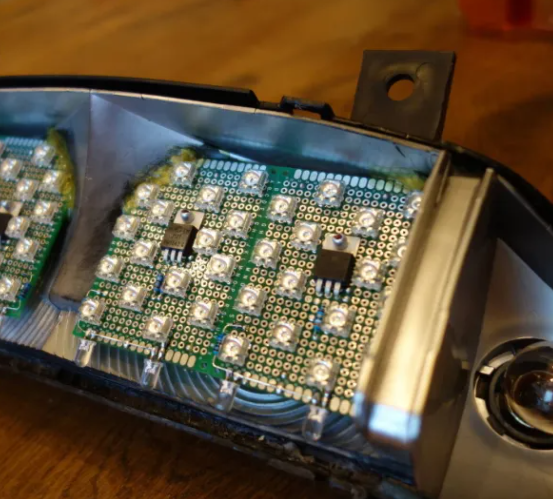
                What Is An Aluminum PCB Circuit Board?

                An aluminum PCB circuit board (printed circuit board) is a specialized circuit board type constructed using an aluminum alloy base material instead of conventional fiberglass substrates like FR-4. This metal-core foundation serves as a heat dissipation solution, redirecting warmth away from temperature-sensitive electronic components.

                These boards are formally categorized as metal-core PCBs (MCPCBs), with aluminum being the most widely adopted base material. The essential purpose centers on thermal management, aluminum efficiently absorbs and spreads heat generated during circuit operation, preventing damage to parts like LED emitters, power transistors, or voltage regulators. This characteristic makes aluminum PCBs a practical choice in applications demanding real-world cooling performance beyond traditional boards’ capabilities.

                What Is An Aluminum PCB Circuit Board?

                What Is the Structure of Aluminum PCB Board?

                • Circuit Layer (Copper Foil): Composed of electrolytic copper foil, typically 1 oz to 3 oz thickness. Serves as the conductive pathway for electrical signals.
                • Dielectric Layer (Thermal Insulation): A thermally conductive but electrically insulating material (e.g., epoxy resin with ceramic fillers). Transfers heat from the circuit layer to the metal substrate while preventing electrical shorts.
                • Metal Substrate (Aluminum Base): A thick aluminum plate (usually 1mm to 3mm thickness). Provides mechanical rigidity, heat dissipation, and acts as a heat sink for high-power components.
                • Adhesive Layer (Bonding Film): A thin adhesive film between the dielectric layer and aluminum substrate. Ensures strong adhesion and thermal conductivity between layers.

                Aluminum PCB Circuit Board Specification

                ParameterSpecification Range
                Base Material5052/6061 Aluminum Alloy
                Copper Thickness1oz – 4oz (35ÎŒm – 140ÎŒm)
                Dielectric Layer50ÎŒm – 150ÎŒm
                Max Operating Temp130°C – 150°C
                Thermal Resistance0.5°C/W – 3.0°C/W
                Breakdown Voltage2kV – 5kV
                Surface FinishHASL, ENIG, OSP
                Min Trace Width0.1mm – 0.3mm      
                Min Hole Size0.3mm – 0.5mm
                Panel Size500mm x 600mm (max)

                What Are the Pros and Cons of Aluminum PCB Circuit Board?

                Advantages of aluminum PCB circuit board:

                • Superior Thermal Management: Conducts heat 8-10x faster than standard FR4, preventing overheating in high-power LEDs, motor drives, and power converters.
                • Enhanced Durability: Resists vibration and mechanical stress better than fiberglass PCBs, ideal for automotive and aerospace applications.
                • Longer Component Lifespan: Stable thermal performance minimizes thermal expansion stress, reducing failure rates in power electronics.
                • Cost-Effective for High-Power Designs: Lower lifetime costs compared to FR4 + external cooling solutions in applications like LED lighting and industrial power supplies.
                • Eco-Friendly Material: 100% recyclable, aligning with green manufacturing and RoHS compliance.

                Disadvantages of aluminum PCB circuit board:

                • Higher Upfront Cost: 20-30% more expensive than FR4 due to specialized dielectric layers and metal-core processing.
                • Limited Complexity: Mostly 1-2 layers; multilayer designs are rare and costly (e.g., hybrid constructions with FR4 sections).
                • Challenging Rework: Difficult to modify after production—drilling or cutting risks damaging the aluminum substrate.
                • Electrical Isolation Risks: Dielectric layer defects (e.g., voids) may cause shorts in high-voltage applications (>1kV).
                • Poor High-Frequency Performance: Higher parasitic capacitance distorts signals above 500MHz, making RF/microwave circuits impractical.
                What Are the Pros and Cons of Aluminum PCB Circuit Board?

                What Are Aluminum PCB Board Used for?

                • High-Power LED Lighting – Commercial lighting, automotive headlamps, backlight units.
                • Power Electronics – Switch-mode power supplies, motor controllers, solar inverters.
                • Automotive Systems – Electric vehicle battery modules, engine control units, LED taillights.
                • Audio Amplifiers – High-fidelity amplifiers, professional audio equipment, RF power modules.
                • Renewable Energy – Solar panel junction boxes, wind turbine converters, energy storage systems.
                • Medical Devices – Surgical lighting, diagnostic imaging equipment, laser therapy systems.
                • Industrial Controls – Programmable logic controllers (PLCs), sensor modules, robotics.
                What Are Aluminum PCB Board Used for?

                How to Design Aluminum LED PCB for Better Heat Dissipation?

                Methods about how to design aluminum LED PCB for better heat dissipation:

                • Choose High-Thermal-Conductivity Dielectric Layers‌: Use ‌≄2.0 W/mK‌ dielectric materials (e.g., Bergquist HT-07000) to bridge heat from LEDs to the aluminum base.
                • Maximize Copper Thickness for Power Traces‌: Prioritize ‌2–4 oz copper‌ to reduce resistive heating and improve thermal spreading.
                • Implement Thermal Vias Under LED Pads‌: Place ‌arrays of vias (0.3–0.5mm diameter)‌ beneath LED footprints to direct heat to the aluminum core.
                • Avoid Thermal Islands in Layouts‌: Connect all high-power components to large copper pours, ensuring heat paths are ‌continuous and low-impedance‌.
                • Balance Copper Distribution‌: Symmetrical copper layers prevent warping and reduce ‌localized hotspots‌ during thermal cycling.
                • Optimize LED Spacing‌: Maintain ‌≄5mm spacing‌ between high-power LEDs to minimize cross-heating effects.
                • Use Thermal Simulation Early‌: Tools like ‌ANSYS Icepak‌ or ‌Mentor FloTHERM‌ can predict hotspots before prototyping.

                How Are Aluminum PCBs Made?

                Aluminum PCB Manufacturing Process:

                1. Material Cutting: Cut aluminum alloy substrate (e.g., 1050, 6061) to specified dimensions.
                2. Surface Cleaning: Clean aluminum and copper foil surfaces to remove oils, oxides, or contaminants.
                3. Dielectric Layer Coating: Apply thermally conductive epoxy or prepreg to the aluminum substrate.
                4. Copper Foil Lamination: Bond electrolytic copper foil (1–3 oz) to the dielectric layer under heat and pressure.
                5. Circuit Etching: Print photoresist, expose to UV light, and etch excess copper with alkaline/acidic solutions.
                6. Drilling: Machine-drill via holes using carbide bits, ensuring positional accuracy (±0.05mm).
                7. Through-Hole Plating: Electroplate drilled holes to create conductive vias (copper thickness ≄1.5 mils).
                8. Surface Finish Application: Apply HASL, ENIG, or OSP to protect copper and enhance solderability.
                9. Thermal Stress Testing: Subject boards to thermal cycling (-40°C to +125°C) to validate durability.
                10. Final Inspection & Packing: Conduct 100% visual and dimensional checks before packaging.

                How Are Aluminum PCBs Made?

                Why Choose EBest Circuit (Best Technology) as Aluminum PCB Manufacturer?

                Reasons why choose EBest Circuit (Best Technology) as aluminum PCB manufacturer:

                • Certified Compliance (ISO 9001, UL, RoHS, ISO 9001, IATF 16949 ): Mitigates regulatory risks and ensures products meet global standards for safety and environmental compliance.
                • Free DFM (Design for Manufacturability) Analysis: Optimizes PCB layouts to reduce material waste, lower production costs, and avoid late-stage design revisions.
                • Turnkey Solutions – Full-service PCB manufacturing from design to delivery, accelerating your product’s time-to-market.
                • Fast Turnaround – 24-hour rapid prototyping and industry-leading production lead times.
                • Stable Supply Chain – Guaranteed material availability with minimal risk of delays.
                • Responsive Support – Dedicated customer service with a 2-hour response guarantee for urgent requests.
                • Competitive & Transparent Pricing – No hidden costs, offering the best value without compromising quality.
                • Stringent Quality Control with 100% Inspection: Eliminates hidden defects, reduces rework costs, and ensures reliability in high-current/thermal applications.

                If you have any request for aluminum PCB, welcome to contact us: sales@bestpcbs.com.
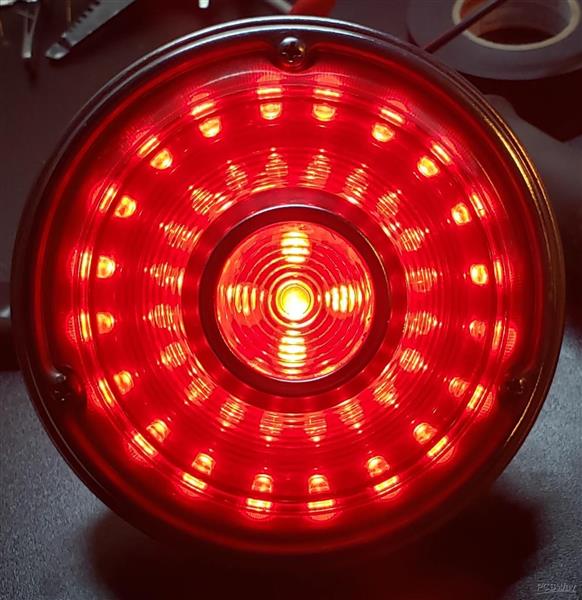
                You may also like

                RGBW LED Swimming Pool Light Aluminum PCB Manufacturer
                Tuesday, June 17th, 2025

                Swimming pool light aluminum PCBs are key to reliable and efficient underwater lighting. With RGBW LEDs becoming more popular, these boards must manage heat, moisture, and high brightness. In this guide, we’ll cover the basics of swimming pool light PCBs, compare RGBW vs. regular designs, explain why aluminum PCB is preferred, and show how EBest Circuit (Best Technology) supports your lighting projects with expert manufacturing.
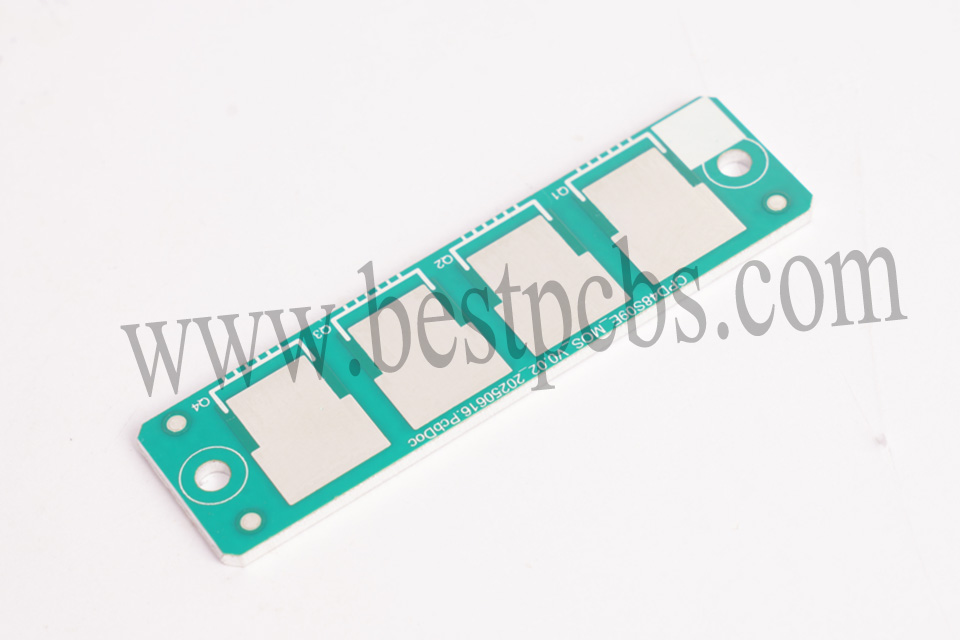
                What is Swimming Pool Light PCB?

                A swimming pool light PCB is the printed circuit board that powers and connects the components inside waterproof pool lighting fixtures. These lights are submerged in water and must operate safely and efficiently. The PCB controls the illumination—typically in RGB or RGBW color modes—and manages heat and power in demanding underwater environments.

                Choosing the right PCB material, design, and layout is critical to ensure long service life and consistent brightness. Because water exposure, thermal load, and sealing requirements are significant, most pool lighting PCBs are built using aluminum PCB substrates.

                RGBW LED Swimming Pool Light Aluminum PCB Manufacturer

                Regular vs. RGBW LED Swimming Pool Light PCB

                When we compare standard pool light PCBs to RGBW LED swimming pool light PCBs, the difference lies in color quality, thermal management, and complexity.

                Regular PCBs use RGB LEDs (Red, Green, Blue), which create color mixes but lack dedicated white light. This can limit brightness and clarity in larger pools or color-changing sequences.

                RGBW LED PCBs, on the other hand, add a true white LED. This provides:

                • Better color accuracy
                • Enhanced brightness
                • More realistic lighting for ambiance

                Since RGBW LEDs generate more heat and require more current paths, they demand better thermal control. That’s where aluminum PCB steps in—offering a reliable base to dissipate heat and maintain performance.

                RGBW LED Swimming Pool Light Aluminum PCB Manufacturer

                Full Design Guide to Swimming Pool Light PCB

                Designing a swimming pool light aluminum PCB requires a balance between thermal performance, mechanical strength, and compact layout. Here’s a step-by-step guide to get it right:

                1. Choose the Right Aluminum Core

                Start with selecting an appropriate aluminum base (typically 1.0–2.0 mm thickness). It should have:

                • Good thermal conductivity (usually 1.0–3.0 W/m·K)
                • Electrical insulation between layers
                • Surface flatness for LED mounting

                2. Select High-Brightness RGBW LEDs

                Pick LEDs designed for underwater use. They should:

                • Operate at low voltage (12V or 24V)
                • Have IP68 or similar sealing ratings
                • Be thermally efficient

                3. Layout for Symmetrical Light Distribution

                The LED layout must ensure even light spread, avoiding hot spots or shadow zones. Circular or star-shaped layouts are common in pool lighting PCBs.

                4. Optimize Thermal Vias and Heat Flow

                Even with an aluminum base, thermal vias help move heat from the LED pads to the metal core. Use large copper pours and direct thermal paths.

                5. Surface Finishing for LED Pads

                Use ENIG or OSP surface finishes to prevent oxidation and enhance solderability. These finishes are RoHS-compliant and work well with SMT LEDs.

                6. Solder Mask and Silkscreen

                The solder mask should withstand UV exposure and chlorinated water. White or blue masks are common for aesthetic reasons.

                7. Waterproofing and Final Assembly

                The PCB must integrate into a waterproof enclosure, often with potting compounds or silicone gaskets. Conformal coating adds extra protection.

                Why Not Choose Copper as Swimming Pool Light PCB Base?

                Many people ask: Why not just use copper PCBs for pool lights? Isn’t copper more conductive? While copper indeed has better conductivity, it’s not always the right choice here. Let’s break down why:

                • Cost-Effective

                Copper-core PCBs are expensive due to the material cost and processing complexity. In contrast, aluminum PCBs are much more budget-friendly, especially for large lighting projects.

                • Weight

                Aluminum is lighter than copper. In underwater lighting, every gram matters for mounting and buoyancy. Using aluminum reduces the overall system weight, making handling and installation easier.

                • Delivery Time

                Aluminum PCBs are faster to fabricate and assemble, so it can save much time for customers to win the market. Manufacturers like EBest Circuit (Best Technology) can offer quicker lead times with stable quality, making project deadlines easier to meet.

                Swimming Pool Light RGBW LED Aluminum PCB Price

                The cost of a RGBW LED swimming pool light aluminum PCB depends on several key factors:

                FeatureImpact on Price
                Board SizeLarger boards use more aluminum and increase cost
                LED DensityMore RGBW LEDs mean tighter layout and more layers
                Thermal ConductivityHigher W/m·K rating substrates cost more
                Surface FinishENIG is more expensive than OSP or HASL
                Thickness1.6mm boards are cheaper than 2.0mm or thicker
                Order QuantityHigher volume reduces per-unit cost
                AssemblySMT components add cost depending on complexity

                On average, a single-layer aluminum PCB for RGBW pool lights ranges from $0.80 to $2.50 per piece in medium volumes. Double-layer boards may go up to $4.00 or more, depending on features.

                Your Best Swimming Pool Light Solution Provider – EBest Circuit (Best Technology)

                When you’re looking for a trusted swimming pool light aluminum PCB manufacturer, you need more than just low prices. You need:

                • Precise engineering
                • Fast turnaround
                • High quality and consistency
                • Responsive service

                That’s where EBest Circuit (Best Technology) shines. We specialize in LED aluminum PCB manufacturing, with tailored solutions for RGBW lighting applications in harsh environments like swimming pools.

                We support:

                • Custom thermal designs
                • PCB + PCBA service
                • UV-resistant materials
                • RoHS & REACH compliance
                • Rapid prototyping to mass production

                Our team works closely with lighting brands, OEMs, and system integrators to deliver high-reliability pool lighting PCBs on time and within budget.

                Our Aluminum PCB & PCBA Process Capability

                EBest Circuit (Best Technology) is not only a PCB manufacturer—we also offer full PCBA (PCB assembly) services. Our capabilities include:

                ItemCapability
                PCB Layers1 to 10 layers for aluminum PCB
                Board Thickness0.4mm to 3.2mm
                Max Board Dimension610*1625mm
                Conductor Thickness0.5oz-10oz
                Min Line Width/Line Space4/4mil
                Min Solder Mask Bridge8mil
                Thermal ConductivityUp to 3.0 W/m·K
                Surface FinishENIG, OSP, HASL, Imm Silver, Imm Tin
                Solder Mask ColorWhite, Black, Green (others are available)
                Component Placement01005, QFN, BGA
                Assembly TypeSMT, Through-hole, Hybrid
                TestingAOI, X-ray, ICT, Functional Testing

                FAQs

                Q1: What’s the difference between RGB and RGBW in pool lighting PCBs?

                RGB uses three LEDs to create colors, while RGBW adds a dedicated white LED, offering better clarity and light balance underwater.

                Q2: Can aluminum PCBs handle the heat from high-power LEDs?

                Yes. With a good layout and high thermal conductivity aluminum, these PCBs effectively dissipate heat from RGBW LEDs.

                Q3: How long does it take to manufacture swimming pool light aluminum PCBs?

                Standard lead time is 3–5 working days for bare PCBs, and 5–7 working days for PCB + assembly, depending on complexity. Expedited service available for aluminum PCB.

                Q4: Can EBest Circuit (Best Technology) help with LED selection and layout optimization?

                Absolutely. Our engineering team offers DFM (Design for Manufacturability) reviews, LED sourcing, and thermal simulations.

                Q5: Do aluminum PCBs support double-sided assembly?

                While aluminum PCBs are mainly single-sided, hybrid double-layer designs are possible with proper insulation and structure.

                Want to bring your RGBW swimming pool light project to life with the right aluminum PCB?

                Contact EBest Circuit (Best Technology) today—we’ll help you build efficient, cost-effective, and beautiful underwater lighting systems. If you want to copper metal core PCB fabrications, we are also here.

                You may also like