PCB manufacturing PCB manufacturing
Home > Blog

mcpcb design

Automotive MCPCB Design Guide: Thermal & Reliability Best Practices
Monday, April 13th, 2026

Looking for high-performance, reliable automotive MCPCB design that excels in heat dissipation, extreme environments, and long-term durability? This guide covers everything you need to know about automotive-grade MCPCB design, thermal best practices, reliability solutions, and how to get the most stable and high-quality products for your automotive electronic applications.

EBest provides high-performance automotive MCPCB design with excellent thermal conductivity, full automotive certifications, and extreme environment adaptability for reliable vehicle electronics.
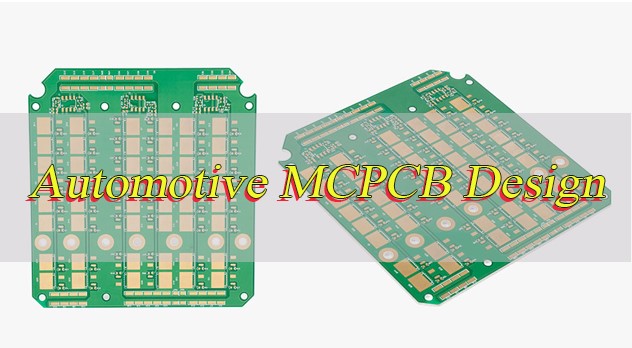
Automotive MCPCB Design, https://www.bestpcbs.com/blog/2026/04/automotive-mcpcb-design/

Why Choose EBest for Your Automotive MCPCB Design Needs?

We deliver fully customized automotive MCPCB design solutions tailored to the strict requirements of the automotive industry, focusing on thermal efficiency, structural stability, and long鈥憈erm performance for critical vehicle electronics. Every design is optimized to eliminate overheating risks, improve component lifespan, and ensure stable operation under harsh conditions.

We provide end鈥憈o鈥慹nd engineering support throughout the entire design and validation process, including professional thermal simulation, DFM analysis, reliability testing, and structural optimization. Our technical team works closely with you to resolve design challenges, reduce development cycles, and ensure your project meets all automotive quality standards.

We maintain a stable, automotive鈥慻rade supply chain and robust quality control system, ensuring consistent material quality, strict production standards, and reliable delivery for both prototype development and large鈥憇cale applications. Our solutions are built to reduce failure risks and enhance the overall performance of your automotive electronic systems.

Our Certifications & Quality System for Automotive MCPCB Design

  • IATF 16949: Full process control for automotive manufacturing, eliminating quality risks
  • ISO 9001:2015: Universal quality management system ensuring consistent product quality
  • ISO 13485:2016: High鈥憆eliability control suitable for critical electronic components
  • AS9100D: Stringent aerospace鈥慻rade quality standards for maximum stability
  • REACH & RoHS: Environmental compliance meeting global regulatory standards
  • UL: Safety certification for high鈥憇tability electronic applications

These certifications ensure every automotive MCPCB design from EBest meets strict automotive safety, reliability, and compliance standards.

What Are the Pain Points in Automotive MCPCB Design?

Pain Point 1: Poor heat dissipation leading to component overheating
Our Solution: Optimized thermal stack鈥憉p, high鈥慶onductivity substrates, and professional thermal via design for efficient heat transfer.

Pain Point 2: Insufficient reliability under thermal cycling and vibration
Our Solution: Automotive鈥慻rade materials, reinforced structural design, and strict reliability testing to resist extreme conditions.

Pain Point 3: Design for Manufacturing (DfM) issues causing low production yield
Our Solution: Pre鈥憄roduction DfM review, standardized design guidelines, and production鈥慺riendly layout optimization.

Pain Point 4: Inconsistent material quality affecting long鈥憈erm performance
Our Solution: Certified automotive鈥慻rade raw materials and full batch traceability for consistent quality.

Pain Point 5: Long lead times delaying project development
Our Solution: Rapid design validation, streamlined production lines, and fast prototype services.

Pain Point 6: Non鈥慶ompliance with automotive industry standards
Our Solution: Full adherence to IATF 16949 and global automotive regulations with complete certification support.

    How Does Thermal Management Impact Automotive MCPCB Performance?

    Effective thermal management is the foundation of stable and long鈥憀asting automotive MCPCB design in vehicle electronics. Without proper heat control, power components such as LEDs, drivers, and control modules will overheat, leading to performance degradation, shortened lifespan, and even sudden failures.

    High thermal conductivity in MCPCB designs quickly transfers heat away from heat鈥慻enerating components, maintaining safe operating temperatures even under continuous high loads. This directly improves the stability, efficiency, and durability of automotive electronic systems.

    Our automotive MCPCB design integrates advanced thermal management strategies, including optimized dielectric layers, heavy copper layouts, and strategic thermal vias, to maximize heat dissipation and ensure reliable performance in real鈥憌orld driving conditions.

    Automotive MCPCB Design, https://www.bestpcbs.com/blog/2026/04/automotive-mcpcb-design/

    What Materials Are Best for Automotive MCPCB Design?

    Material TypeKey BenefitsIdeal Applications
    Aluminum Core SubstrateLightweight, cost鈥慹ffective, good thermal conductivityGeneral automotive lighting, control modules
    Copper Core SubstrateUltra鈥慼igh thermal conductivity, excellent heat dissipationHigh鈥憄ower EV components, inverters, BMS
    High鈥慞erformance DielectricStrong electrical isolation, enhanced thermal transferCritical safety systems, high鈥憈emperature environments
    Heavy Copper FoilHigh current carrying capacity, improved heat spreadPower distribution, motor control units

    How to Ensure Reliability in Automotive MCPCB Design?

    Reliability is non鈥憂egotiable in Automotive MCPCB design due to the harsh conditions of vehicle operation, including extreme temperatures, vibration, humidity, and thermal shock. Poor reliability can lead to system failures and safety risks.

    Our design process includes comprehensive thermal cycling testing, vibration simulation, humidity resistance testing, and service life evaluation to validate performance before mass production. We only use qualified automotive鈥慻rade materials to ensure stability.

    EBest鈥檚 integrated design and quality system ensures every automotive MCPCB maintains consistent performance over long lifecycles, even in the most demanding under鈥慼ood and on鈥慴oard environments.

    What Is DFM in Automotive MCPCB Design and Why Does It Matter?

    Design for Manufacturing (DfM) is a critical process in Automotive MCPCB design that optimizes layouts, structures, and dimensions for stable, high鈥憏ield production. It bridges design theory and real鈥憌orld manufacturing capabilities.

    Without effective DFM analysis, designs may face issues such as difficult assembly, low production yield, structural defects, and increased failure rates. This leads to delays, rework, and higher long鈥憈erm costs.

    Our engineering team provides professional DfM reviews at the early design stage, optimizing trace widths, clearances, component placement, and thermal structures. This ensures smooth production, consistent quality, and high reliability for every project.

    How to Optimize Thermal Conductivity in Automotive MCPCB Design?

    Thermal conductivity optimization is central to high鈥憄erformance automotive MCPCB design. The goal is to create a fast, efficient heat path from power components to the heat sink and surrounding environment.

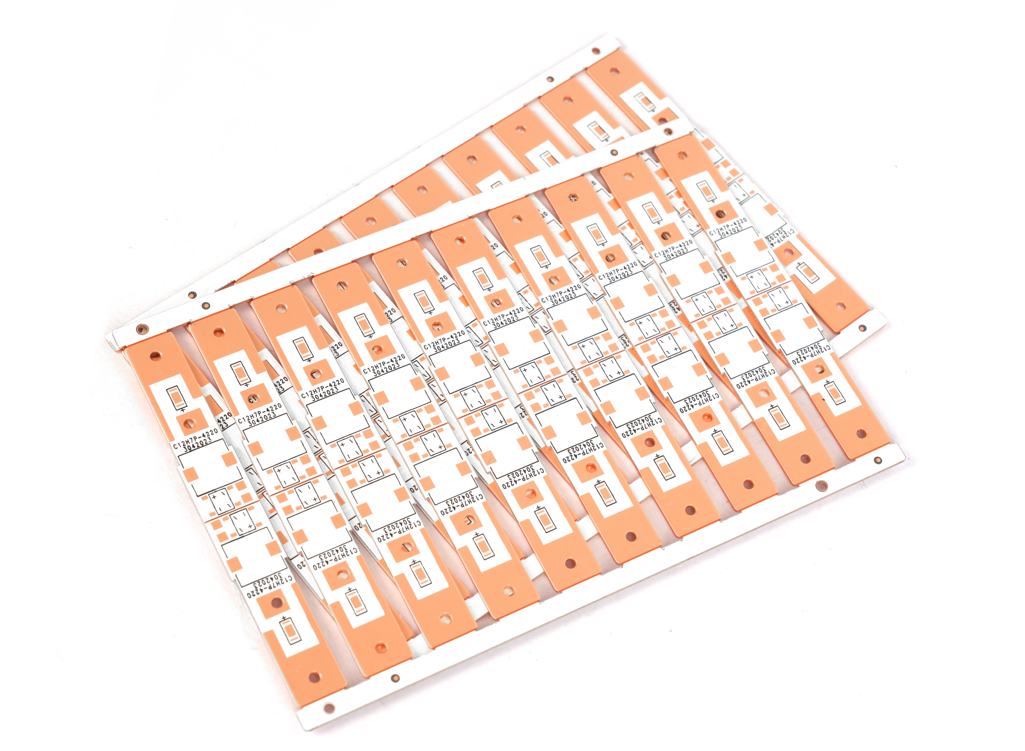
    Key methods include selecting high鈥憈hermal鈥慶onductivity metal core substrates, using thin, high鈥憄erformance dielectric layers, adding thermal vias, and increasing copper thickness for better heat spreading. Each parameter is customized based on power load and environment.

    Our engineering team uses professional thermal simulation tools to design the best thermal solution for your specific application, ensuring maximum heat dissipation and stable operating temperatures.
    Automotive MCPCB Design, https://www.bestpcbs.com/blog/2026/04/automotive-mcpcb-design/

    What Are Real鈥慦orld Applications of Automotive MCPCB Design?

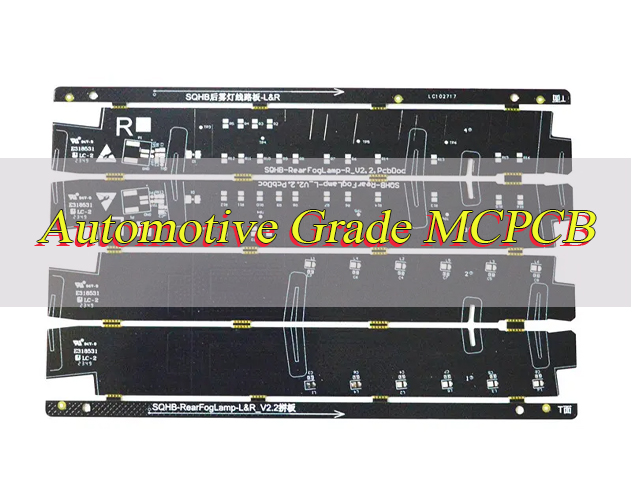
    Automotive MCPCB design is widely used in core automotive electronic systems, including LED headlights and taillights, electric vehicle powertrain modules, battery management systems (BMS), engine control units, and ADAS sensors.

    In a real鈥憌orld case, our customized automotive MCPCB design solved severe overheating problems in automotive LED headlights. The original design suffered from heat buildup and rapid lumen depreciation.

    After implementing our thermal鈥憃ptimized MCPCB solution, the operating temperature dropped significantly, service life improved by 200%, and the product passed rigorous thermal cycling and vibration tests required by automotive manufacturers.

    How Does Extreme Environment Affect Automotive MCPCB Design?

    Automotive electronics operate in extremely harsh environments, including high and low temperatures, rapid temperature changes, strong vibration, humidity, and chemical exposure. These conditions directly determine the requirements for automotive MCPCB design.

    Standard electronic components cannot withstand these stresses, leading to cracking, delamination, performance loss, or sudden failure. Automotive MCPCBs must be specially designed to resist these challenges.

    EBest鈥檚 automotive MCPCB design uses rugged materials, reinforced structures, and stress鈥憆elief layouts to maintain performance and structural integrity in extreme environments, ensuring long鈥憈erm reliability.

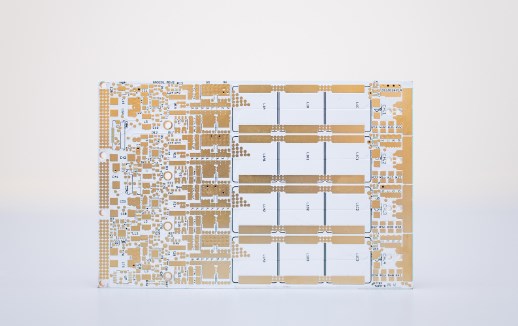
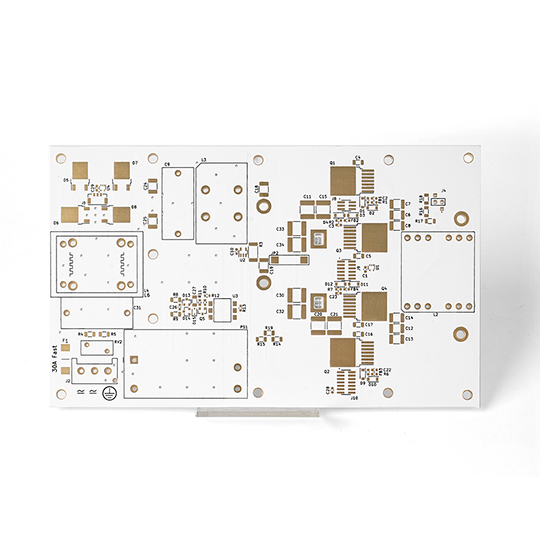
    Automotive MCPCB Design

    Frequently Asked Questions About Automotive MCPCB Design

    Q1: What thermal conductivity range is ideal for automotive MCPCB?
    A1: Thermal conductivity from 2.0 W/m路K to 10.0 W/m路K is commonly used for automotive applications, based on power requirements, heat load, and operating environment.

    Q2: How long does automotive MCPCB prototype take?
    A2: Rapid prototypes can be completed and shipped within 24鈥48 hours to support urgent development schedules and project validation.

    Q3: Are EBest automotive MCPCBs compatible with lead鈥慺ree assembly?
    A3: Yes, all our designs fully support lead鈥慺ree SMT assembly and reflow processes, meeting global automotive production requirements.

    Q4: Can you handle heavy copper in automotive MCPCB design?
    A4: Yes, we support heavy copper designs for high鈥慶urrent automotive power applications, including EV systems and power distribution modules.

    Q5: Do you provide design support for automotive MCPCB projects?
    A5: Our expert engineering team offers full design, simulation, DFM support, and reliability testing for every automotive MCPCB project.

    Q6: What industries use your automotive MCPCB solutions?
    A6: Our products serve automotive lighting, EV powertrain, BMS, infotainment, ADAS systems, and other critical vehicle electronic applications.

    Get Your Automotive MCPCB Design from EBest Today

    EBest delivers professional Automotive MCPCB design with rapid prototyping, dedicated engineering support, and automotive鈥慻rade quality you can trust.

    We prioritize urgent orders and offer exclusive support for both prototype and mass production projects, ensuring fast turnaround and consistent high quality.

    Contact us now to discuss your project: sales@bestpcbs.com 鈥 EBest is your reliable automotive MCPCB partner.
    You may also like

    What is an MCPCB LED Strip? MCPCB Design
    Thursday, July 31st, 2025

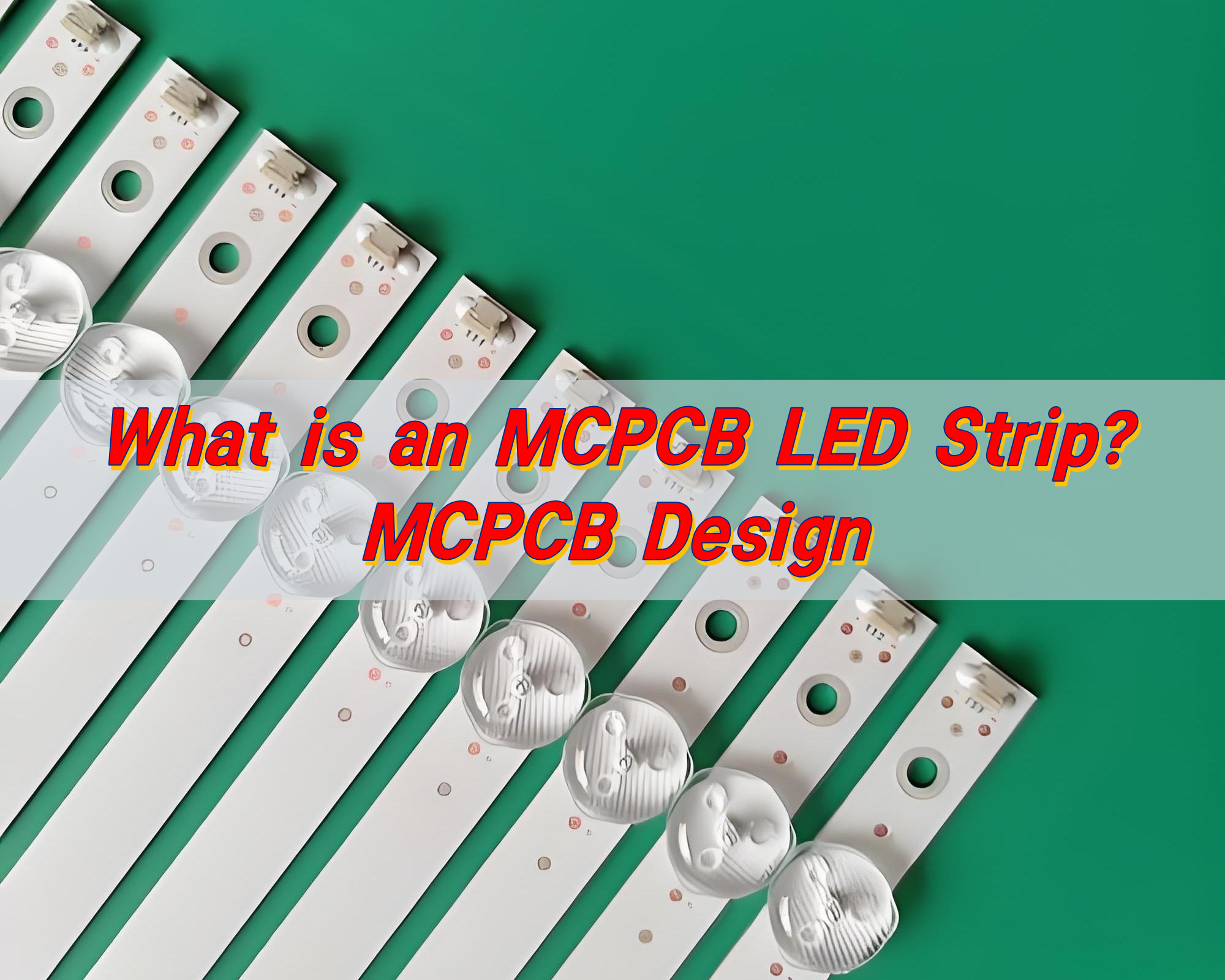
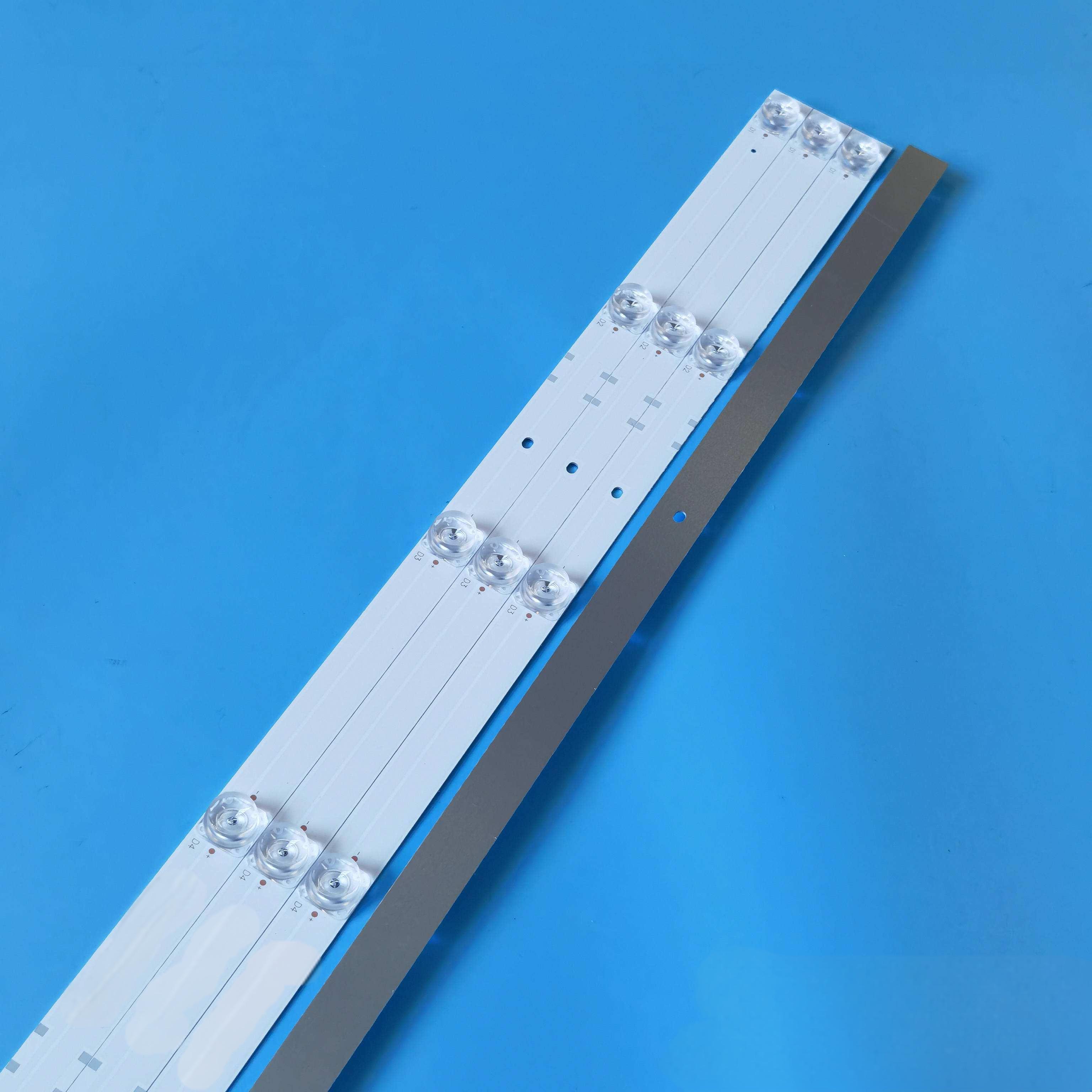
    An MCPCB LED strip is an LED light strip built on a Metal Core PCB instead of a regular fiberglass board. The metal base, usually aluminum, helps pull heat away from the LEDs. This keeps them cooler, brighter, and longer-lasting.

    What is MCPCB LED?

    An MCPCB LED strip is a flexible or rigid lighting circuit that uses Metal Core Printed Circuit Boards (MCPCB) instead of traditional fiberglass boards. These boards are made with a metal base鈥攐ften aluminum鈥攍ayered with a dielectric material and topped with copper circuitry.

    The main advantage? Superior heat dissipation. LED chips generate heat, and if it’s not managed properly, brightness fades and lifespan drops. The metal core acts as a thermal bridge, quickly pulling heat away from the LEDs.

    Why use MCPCB for LED strip lights?

    LED light strips are widely used for their compact size and bright output, but they also bring a problem: heat. Excessive heat shortens LED life, dims the light, and can even cause circuit failure.

    Here鈥檚 where MCPCB LED steps in with its unique benefits:

    • High thermal conductivity: Metal cores rapidly remove heat from LED chips.
    • Longer lifespan: Cooler LEDs mean longer use.
    • More stable output: No flickering or fading over time.
    • Compact design support: Even tight spaces can house high-powered LEDs safely.
    • Durability: Metal cores are more resistant to physical damage than FR4 boards.

    How does MCPCB design affect LED strips?

    The MCPCB design is more than just the layout of circuits. Each layer of the MCPCB is chosen and designed for a specific function:

    • Metal base (usually aluminum): Carries the heat away.
    • Dielectric layer: Transfers heat while keeping electrical isolation.
    • Copper circuit layer: Routes electricity to the LEDs.

    Even the thickness of the dielectric layer impacts how fast heat can move. A thinner dielectric means faster transfer, but it must still insulate properly. Similarly, thicker copper can handle higher currents without overheating.

    Good MCPCB design ensures even temperature distribution. That means no LED on the strip gets too hot. Even light, long life, and better performance.

    Can MCPCB design improve LED lifespan?

    Absolutely. Heat is the main enemy of LED lifespan. Every degree of temperature rise reduces the life of an LED chip.

    Traditional PCB materials like FR4 don鈥檛 handle heat well. Over time, they allow hotspots to build up. These hotspots degrade the LED鈥檚 light output and can eventually cause failure.

    But MCPCB design changes the game. By channeling heat away from the LED source, it keeps the chip temperature lower. This cooler environment means:

    • No yellowing of lenses
    • No cracking of solder joints
    • No degradation of LED chip efficiency

    So yes, MCPCB LED strips don鈥檛 just shine brighter鈥攖hey shine longer.

    MCPCB LED vs. regular LED PCB strip 鈥 what’s better?

    Let鈥檚 compare a regular LED PCB strip to a metal core version:

    FeatureRegular LED Strip (FR4)MCPCB LED Strip
    Heat dissipationPoorExcellent
    Brightness over timeDecreasesMaintained
    DurabilityFragileRugged
    Power handlingLowHigh
    CostLower upfrontBetter long-term value

    While FR4-based LED strips may seem cost-effective, they often end up needing frequent replacements鈥攅specially in high-power applications. MCPCB LED strips, on the other hand, are built to last.

    How to choose the right LED PCB strip?

    Choosing the right LED PCB strip depends on your application. Here are a few factors to consider:

    • Heat Load: If your strip is in a confined or warm space, go for MCPCB.
    • Power Requirement: More power means more heat. MCPCB handles high current safely.
    • Installation Area: Metal core strips are ideal for industrial, automotive, and high-brightness home uses.
    • Budget vs. Longevity: While MCPCB may cost more upfront, it saves money in the long run.
    • Brightness and Color Consistency: Heat can affect color temperature. MCPCB avoids this.

    How to customize an MCPCB LED strip?

    Customization is one of the most important aspects of MCPCB design. With the right manufacturer, you can tailor almost everything:

    • Board size and shape: Fit into curves, tight corners, or irregular enclosures.
    • Copper thickness: For heavy-duty current or low-voltage precision.
    • Thermal conductivity: Select different dielectric materials for performance.
    • LED configuration: Control spacing, brightness, and light pattern.
    • Mounting features: Add connectors, screw holes, or adhesive backs.
    • Surface finish: Choose between ENIG, HASL, OSP for different protection levels.

    When you work with a professional manufacturer like EBest Circuit (Best Technology), your custom MCPCB LED strip lights will be the best they can be.

    Where is MCPCB LED used most?

    You鈥檒l find MCPCB LED strips in places that demand both performance and reliability. Here are just a few common uses:

    • Automotive lighting: Headlights, tail lamps, and interior accents.
    • Commercial lighting: Display cases, signage, and architectural lights.
    • Medical devices: Surgical lights and diagnostic equipment.
    • Industrial machines: Workstation lighting, control panels.
    • Consumer electronics: High-end flashlights, monitors, smart mirrors.
    • Streetlights & floodlights: Large scale applications with heavy thermal loads.

    Wherever durability meets brightness, MCPCB LED plays a vital role.

    Conclusion:

    MCPCB LED strips surpass traditional LED PCB light strips in every way with better heat management, longer lifespan, and greater durability.

    Need support for MCPCB LED strip design or customization? Reach out to us at sales@bestpcbs.com

    You may also like

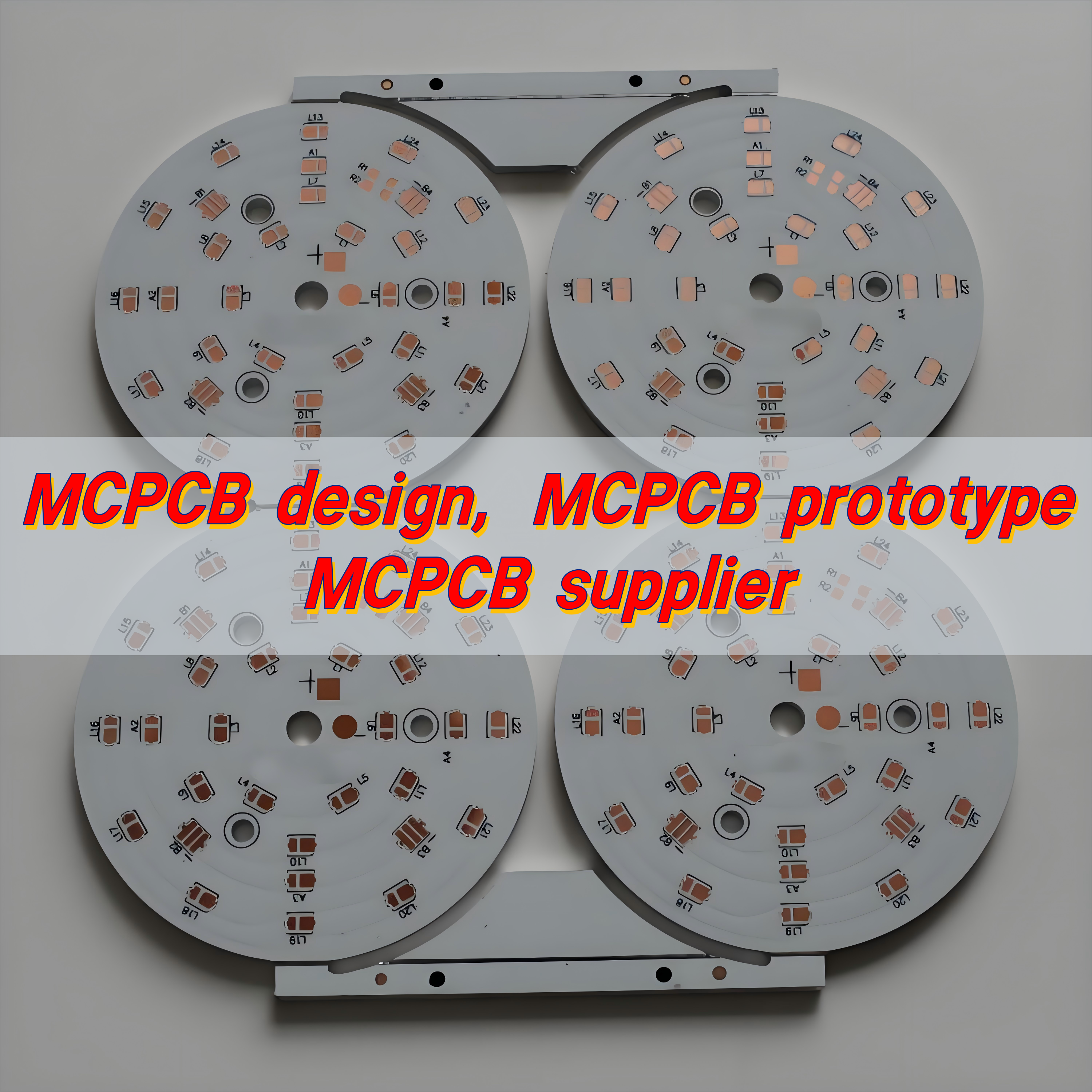
    MCPCB Design, MCPCB Prototype, MCPCB Supplier
    Monday, July 28th, 2025

    What is MCPCB design?

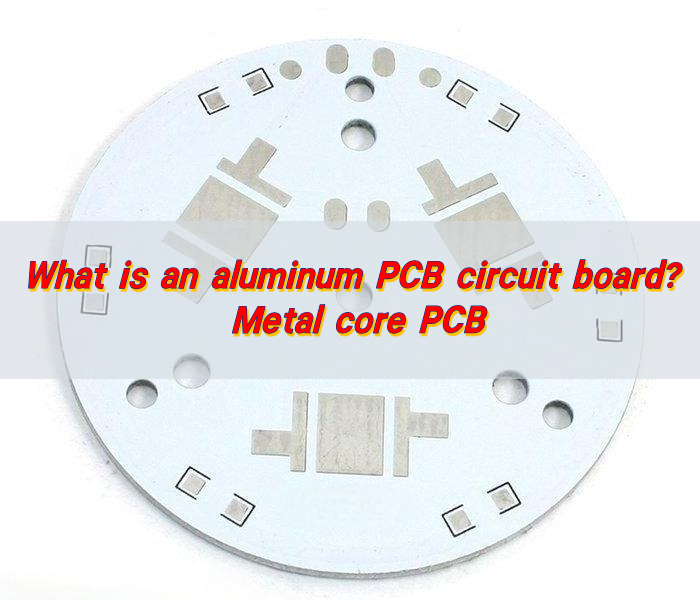
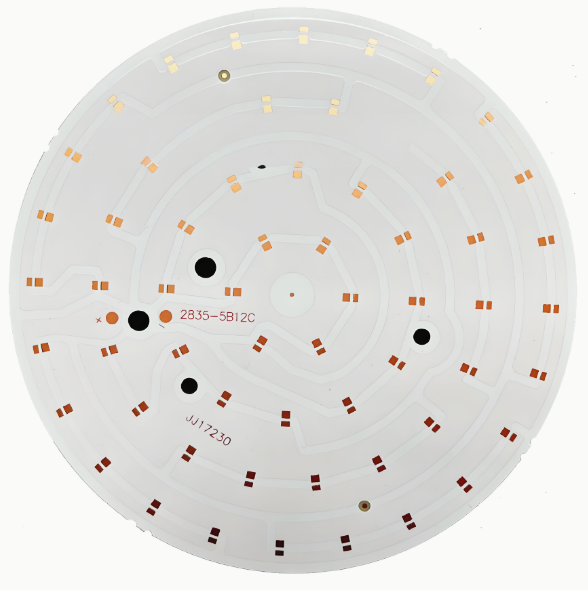
    MCPCB stands for Metal Core Printed Circuit Board. Unlike regular PCBs made with fiberglass, MCPCBs use a metal base鈥攗sually aluminum or copper鈥攁s their core layer. This helps carry heat away from components. In MCPCB design, attention should be paid not only to the electrical layout but also to the thermal flow and mechanical strength.

    MCPCB Design, MCPCB Prototype, MCPCB Supplier

    MCPCBs are ideal for LED lights, power supplies, automotive electronics, and high-temperature environments. Their main job is to conduct heat away from sensitive components while maintaining solid electrical performance.

    So, what is MCPCB design? It鈥檚 the process of creating a printed circuit board with a metal core that balances power, heat, and cost鈥攁ll in one compact board.

    What is the MCPCB definition?

    By definition, an MCPCB is a circuit board that contains:

    • A copper circuit layer for electrical conductivity.
    • A dielectric layer for insulation.
    • A metal base for heat dissipation (aluminum or copper).

    The “MC” in MCPCB represents the metal core, which is what sets it apart from standard PCBs. This unique core allows the board to perform better in thermal management, giving it a clear edge in high-power applications.

    In simpler terms, MCPCB = Metal + Circuit + Insulation, all working together.

    How does MCPCB design affect cost and performance?

    When done right, MCPCB design helps reduce overheating, extends component life, and cuts maintenance costs. But if the thermal path isn’t optimized or trace routing isn鈥檛 clean, you might face issues like:

    • Poor heat dissipation
    • Solder joint failure
    • Component damage
    • Lower LED brightness

    All of this can push your costs up. A smart design, on the other hand, balances performance and cost from the beginning. For example:

    MCPCB Design, MCPCB Prototype, MCPCB Supplier
    • Using aluminum instead of copper reduces cost without hurting performance for most LED boards.
    • Selecting the right dielectric material keeps the board thin while ensuring heat is controlled.
    • Clear trace paths help maintain signal integrity and reduce EMI.

    What鈥檚 the difference between MCPCB and standard PCBs?

    Standard PCBs use FR4 (a fiberglass-reinforced epoxy) as the core. They work well in normal-temperature environments. But as power or current increases, they heat up quickly. And they don鈥檛 cool down fast.

    MCPCBs, on the other hand, are built for heat. They use a metal core (usually aluminum) instead of FR4. This change gives them superior thermal conductivity, making them ideal for high-power devices.

    Let鈥檚 put it in simple terms:

    • Standard PCB = Best for low-heat, general electronics.
    • MCPCB = Best for high-heat, high-performance applications.

    This key difference changes how you approach layout, stack-up, and assembly. That鈥檚 why MCPCB design must be treated differently from standard boards.

    Why use MCPCB prototype for testing?

    Testing MCPCB prototypes before committing to mass production can save you a ton of money and weeks of lost time.

    A prototype helps you:

    • Test thermal behavior in real conditions
    • Check for design flaws or unexpected hot spots
    • Ensure your LED PCB maintains brightness under load
    • Evaluate material quality from your chosen MCPCB supplier

    Also, prototyping speeds up development. You get real data fast. This keeps your timeline tight and your product launch on track.

    What are key MCPCB design guidelines?

    Designing a metal core PCB takes a different mindset. Follow these essential MCPCB design guidelines:

    • Know your heat source: Place hot components close to vias or thermal pads.
    • Use wide copper traces: Helps current flow without resistance.
    • Choose the right metal base: Aluminum for cost-efficiency; copper for higher thermal performance.
    • Mind your dielectric layer: Thin layers cool better, but must still insulate properly.
    • Leave room for expansion: Heat causes expansion. Mechanical stress can break solder joints.
    MCPCB Design, MCPCB Prototype, MCPCB Supplier

    The more you follow these core rules, the better your board will perform and the longer its actual service life will be.

    Why is MCPCB design critical for LED PCB?

    LEDs are sensitive. As their temperature increases, their brightness drops. At high temps, their lifespan can also shrink dramatically. That鈥檚 why LED lighting depends on MCPCBs to manage heat efficiently.

    With a properly designed LED PCB, you get:

    • Brighter output with less energy
    • Longer LED life
    • Stable color over time
    • No flicker or degradation

    Poor thermal design can degrade LED performance, even if the rest of the circuit is very robust. MCPCB design can protect LED performance.

    If you’re in automotive, medical, or commercial lighting, this can make or break product quality.

    How is aluminum PCB better for LEDs?

    When comparing aluminum PCBs to standard fiberglass ones for LEDs, aluminum wins by a landslide. Here’s why:

    • Aluminum conducts heat better: It draws heat away from the LED鈥檚 base.
    • It’s lightweight and strong: Perfect for compact fixtures.
    • It reduces component failure: Lower heat = longer life.
    • It鈥檚 cost-effective: Compared to copper, aluminum gives great performance without high cost.

    Aluminum MCPCBs have become the gold standard for LED applications. They offer the right balance of thermal conductivity, cost, and mechanical strength.

    How to choose the right MCPCB supplier?

    With nearly two decades of experience, EBest Circuit (Best Technology) offers consistent quality, fast delivery, and responsive support.

    MCPCB Design, MCPCB Prototype, MCPCB Supplier

    When choosing a supplier, look for these essentials:

    • In-house MCPCB design services: At EBest Circuit (Best Technology), our expert engineering team collaborates closely with you to streamline development and eliminate communication delays.
    • Material transparency: We use only verified raw materials, including high-purity aluminum and top-tier dielectric insulation, ensuring long-lasting performance.
    • Certifications and experience: EBest Circuit (Best Technology) is ISO9001:2015 certified, RoHS/REACH compliant, and trusted by global customers across automotive, medical, industrial, and lighting sectors.
    • Quick technical support: Our 48-hour technical response commitment ensures that your questions are answered when you need them most.
    • Providing customized solutions: from unique thermal stack-ups to integrated LED designs

    Conclusion:

    MCPCB design plays a vital role in ensuring performance, reliability, and thermal control in modern electronics鈥攅specially in LED PCBs and high-power applications.

    And selecting a trusted MCPCB supplier鈥攍ike EBest Circuit (Best Technology)鈥攅nsures expert support, fast prototyping, and consistent quality from concept to production.

    Need help with MCPCB design, prototyping, or sourcing? Contact us at sales@bestpcbs.com to get started.

    You may also like