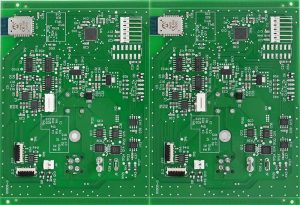
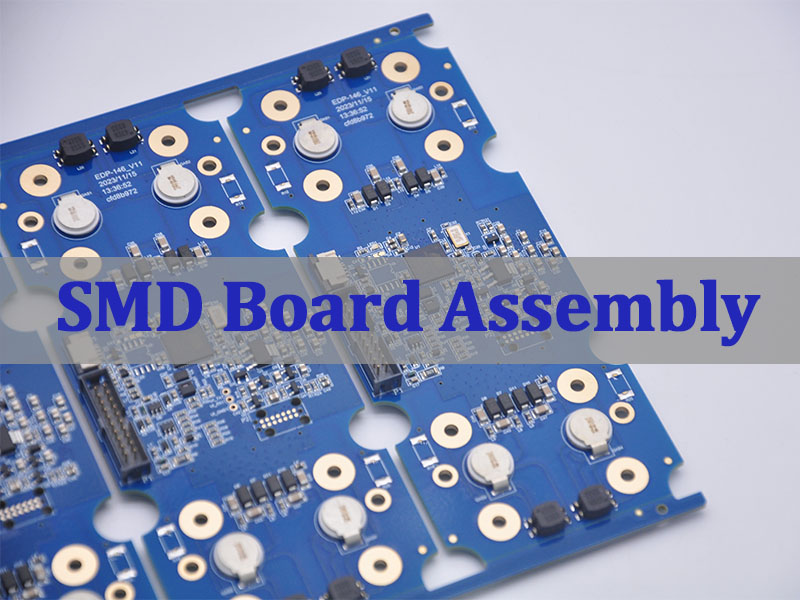
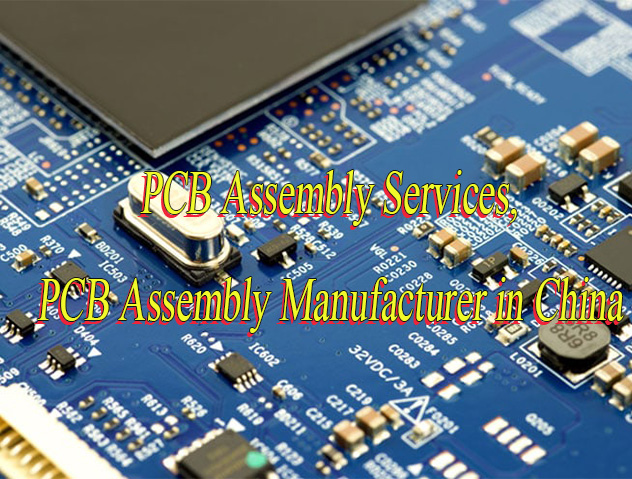
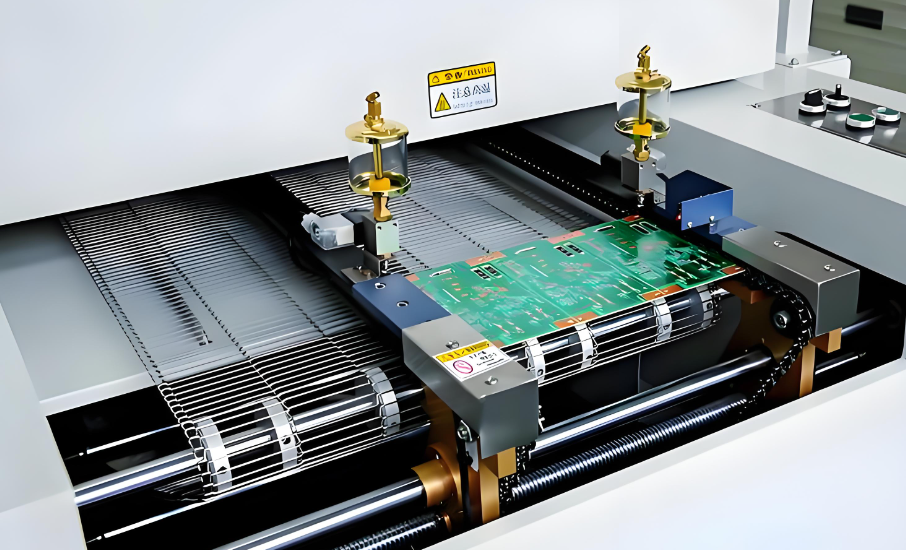
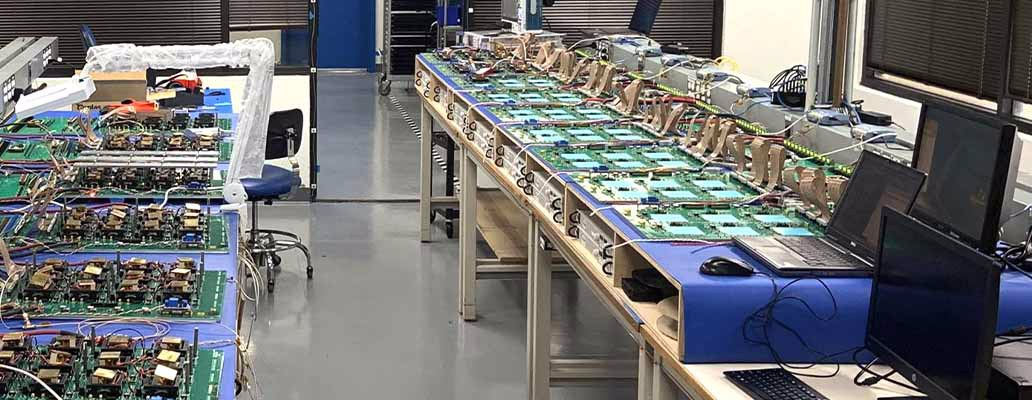
Choosing among printed circuit board assembly manufacturers matters because one weak link can turn a buildable design into component shortages, assembly defects, unplanned test work, lead-time surprises or inconsistent repeat lots. A competitive assembly price has little value unless the supplier can source approved components, build the actual package mix, verify the risks that matter and move prototype learning into stable production.
EBest Circuit brings PCB fabrication, component sourcing and PCB assembly into one project review. A controlled Gerber or ODB++ package, BOM, placement data, assembly drawing, quantities and test requirements can be sent to sales@bestpcbs.com; the free DFM review returns a written list of file conflicts, component questions, assembly risks and quotation assumptions before manufacturing begins.
What Should You Look for When Comparing Printed Circuit Board Assembly Manufacturers?
Start with the conditions that determine whether your PCBA can be delivered reliably: product fit, component supply, assembly quality, verification, production scale and total responsibility. Comparing these areas on the same project package exposes missing work before a low headline price turns into shortages, rework, retesting or schedule recovery.
- Product fit: A suitable supplier matches the PCB construction, package mix, assembly sides, special processes and test needs of the released design.
- Supply fit: Approved sources, purchasing ownership, shortage reporting and alternate control determine whether the BOM can be bought without unauthorized substitutions.
- Quality fit: Process controls, inspection coverage and acceptance evidence should address the defects and functions that could stop shipment or field use.
- Volume fit: Prototype support should lead into a repeatable low-volume or production route instead of restarting the project at every quantity change.
- Total cost: PCB fabrication, components, assembly, tooling, testing, special processes, packaging and freight must be compared on equivalent scope.
- Project ownership: Engineering questions, material exceptions and quotation exclusions need clear owners so unresolved work does not become the buyer’s surprise.
Mandatory requirements such as an approved component source or a required functional test remain pass/fail conditions. Commercial advantages become comparable only after every shortlisted manufacturer can meet those non-negotiable needs.
Can the Manufacturer Handle Your PCB, Components and Assembly Requirements?
A capable manufacturer maps your actual PCB and component mix to a workable production route. A poor product-to-process match can cause placement access problems, unsuitable soldering sequences, hidden-joint risk, unnecessary rework or a test plan that cannot verify the finished assembly.
- Board construction: Confirm that the fabrication route, panel format, surface finish and thermal or mechanical constraints suit the planned assembly process.
- Package mix: Identify fine-pitch parts, BGA, QFN, LGA, bottom-termination devices, odd-form parts and connectors that change placement, soldering, inspection or rework needs.
- Assembly configuration: State whether the board is single- or double-sided and whether it combines SMT, through-hole, selective-soldered, press-fit or manual operations.
- Special requirements: Add programming, cleaning, conformal coating, depaneling or box-build work only when the product needs it and the supplier confirms it in the quotation.
- Approval evidence: The required drawings, inspection views, fixtures, firmware, limits and records establish how the finished assembly will be approved.
A product-specific DFM response identifies any package, panel, access or test condition that the proposed manufacturing route cannot support as released. Engineering can then correct the design while procurement compares quotes built around the same achievable scope.
Which PCBA Sourcing Model Is Better for Your Project: Turnkey, Consigned or Hybrid?
The best sourcing model is the one that places component purchasing with the party best equipped to control availability, approved sources and inventory risk. The commercial difference is less about terminology and more about how much coordination the buyer wants to retain.
- Turnkey: The manufacturer purchases the PCB and agreed components, reducing coordination across separate board, component and assembly suppliers.
- Consigned: The buyer supplies controlled components or inventory, which suits specified parts, customer-owned stock or a tightly approved BOM.
- Hybrid: The buyer provides critical or constrained parts while the manufacturer purchases common items, balancing control with purchasing efficiency.
EBest Circuit can place PCB fabrication, component sourcing and assembly within the same project scope, while the BOM identifies which items remain buyer-supplied. This reduces handoffs and lets procurement compare material responsibility together with the assembled-board quotation.
Turnkey usually suits teams that want one commercial owner for the PCB, components and assembly. Consigned supply preserves control of specified stock, while hybrid supply keeps critical parts with the buyer without requiring the buyer to purchase every common item. The quotation should show the chosen model’s effect on minimum buys, excess ownership, incomplete kits and schedule exposure.
How Should a PCBA Manufacturer Control Component Sourcing and BOM Changes?
Every BOM line needs an exact approved identity and a clear substitution decision. That control prevents the wrong package, electrical variant or unapproved replacement from causing fit problems, retesting, rework or lot-to-lot inconsistency.
- Exact part identity: Use the complete manufacturer part number, package and approved alternate list rather than a description that could match several devices.
- Availability visibility: Separate minimum buys, shortages, lifecycle concerns and long-lead items so one material exception does not silently control the whole schedule.
- Written substitution approval: Compare form, fit, function, firmware, compliance and assembly-process compatibility before purchasing or placing an alternate.
- Exception output: Return a BOM exception list that shows the affected line, proposed action, cost or schedule effect and approval still required.

A useful quotation returns a component exception list rather than burying sourcing uncertainty inside one lead-time estimate. Procurement can then resolve the exposed parts before they control the entire assembly schedule. An open component error creates direct fit, function and production risk, so it should remain outside the approved build until engineering closes the decision.
What PCB Assembly Capabilities Should You Check Before Choosing a Manufacturer?
Manufacturing capability is meaningful when it shows which assemblies the supplier can build and which production problems those operations solve. The most useful response maps the requested board and package mix to a practical assembly route, then states any limits or outsourced steps in the quotation.
- SMT and THT: Mixed-technology support allows surface-mount and through-hole parts to remain in one assembly route instead of creating an uncontrolled production handoff.
- Fine-pitch and hidden-joint packages: BGA, QFN, LGA and other fine-pitch components require compatible placement, reflow, inspection access and rework planning.
- Double-sided assembly: Two-sided boards need a component and thermal sequence that protects the first side during the second soldering cycle.
- Selective and mechanical insertion: Selective soldering, press-fit and manual operations can solve connector or mixed-technology requirements that are unsuitable for one standard reflow process.
- Value-added operations: Programming, conformal coating, cleaning, depaneling or box-build support may reduce external handoffs when the project requires them and the quoted scope confirms availability.
The value comes from the quoted route, not the length of an equipment checklist. The supplier response needs to identify which requested operations apply to the current project, what acceptance evidence is available and which activities remain outside the quote. That answer shows whether the manufacturer can deliver the complete assembly you need.
What Inspection and Testing Should a Reliable PCBA Manufacturer Provide?
A credible inspection and test plan proves that the quoted manufacturing route can meet the agreed acceptance requirements. Each method controls a different risk, so the plan identifies what is checked, when it is checked and what result supports shipment.
- SPI: Controls solder-paste deposits before placement, helping expose printing problems before components enter reflow.
- AOI: Checks visible polarity, placement and solder features after assembly, subject to the available camera views.
- X-ray: Examines hidden BGA, QFN and other bottom-termination joints when package risk and acceptance criteria justify it.
- ICT and functional test: Verify accessible electrical conditions or product-level functions when the buyer provides the required fixtures, firmware, power conditions and limits.
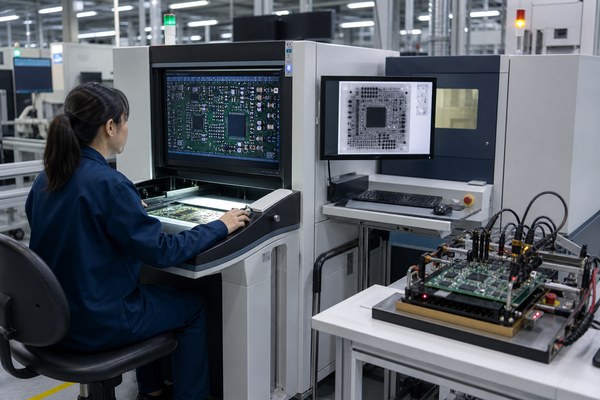
Not every PCBA requires every inspection method. The inspection and test plan should match the package mix, product risk and customer requirements; otherwise the buyer may pay for irrelevant checks while a real failure mode remains uncovered.
Which Quality Standards and Certifications Matter for PCB Assembly?
The useful standards and certifications are the ones tied to the order, the manufacturing site and the records the buyer needs. A certificate name or IPC reference should never replace the product-specific acceptance criteria in the released package.
- Soldering requirements: IPC J-STD-001 defines requirements for soldered electrical and electronic assemblies; the order should identify the applicable revision, class and customer additions.
- Assembly acceptability: IPC-A-610 provides post-assembly acceptance criteria and is often used with J-STD-001, but the buyer still needs to state which contractual requirements apply.
- Quality-management scope: ISO 9001 concerns a supplier’s quality-management system. Buyers should verify the current certificate, legal entity, covered site and scope rather than assuming it certifies a particular PCBA.
- Product obligations: Regulatory, customer, material and industry-specific requirements should be listed separately because they may apply to the product even when they are not part of a general quality certificate.
- Order evidence: Request the inspection results, test outputs, deviation approvals and revision identity needed for the buyer’s release process.
Can the Manufacturer Support Prototypes, Low-Volume Builds and Mass Production?
The right manufacturer supports the quantity you need now and provides a practical route to the next production stage. Prototype-only rework, manual handling or temporary substitutions do not belong as hidden assumptions in a low-volume or repeat-production quotation.
- Prototype: Expose footprint, polarity, access, sourcing and test-input problems while engineering changes are still expected.
- Low-volume or pilot: Build with the intended materials and verification route so the team can confirm that approved corrections are repeatable.
- Repeat production: Release the approved files, BOM, process route and test requirements as the baseline for future quantities.
The quotation should distinguish prototype setup from recurring production work and show how first-build findings will be closed. This gives procurement a more reliable view of scale-up cost while engineering keeps approved changes tied to the production release.
At each stage, compare component availability, tooling, programming, test fixtures, inspection coverage and packaging needs against the planned quantity. A pilot build should verify the intended production route; it should not merely repeat a prototype method that depends on special manual attention. The resulting evidence helps the buyer decide whether the same supplier can support the next order without avoidable requalification or setup cost.
How Should You Compare PCBA Quotes and Total Project Costs?
The lowest unit price does not always mean the lowest total PCBA cost. A useful quotation separates every cost needed to deliver the assembled board, because one supplier may exclude component purchasing, a test fixture or X-ray while another includes it.
- PCB fabrication: Board material, layer construction, finish, panelization and fabrication quantity establish the bare-board cost.
- Components: Approved sources, minimum buys, buyer-furnished parts, excess ownership and pricing validity determine the material exposure.
- SMT and THT assembly: Setup, placement, soldering, manual work and quantity determine the recurring assembly scope.
- Tooling and programming: Stencils, fixtures, software preparation and device programming should be separated from recurring unit charges.
- Inspection and testing: SPI, AOI, X-ray, ICT or functional test costs should appear only when the quotation includes the applicable method and inputs.
- Special processes: Cleaning, coating, depaneling, press-fit or box-build work should be visible instead of hidden inside a general assembly line item.
- Delivery costs: Packaging, freight and any buyer-owned logistics responsibility complete the total-project comparison.
The included scope and exclusions belong beside the total, not only the assembly unit price. A higher-looking quote can be the lower-risk and lower-total-cost option when it already includes the materials, verification and one-time work that another supplier leaves to the buyer.
What Files Should You Send to Get an Accurate PCBA Quote?
Every shortlisted supplier should quote the same revision-controlled board, component, assembly, verification and commercial inputs. A consistent package makes omissions visible and prevents a supplier from gaining an apparent price advantage by assuming less work.
- PCB definition: Provide Gerber or ODB++, drill data, drawing, stack-up, materials, surface finish, impedance notes and panel requirements as applicable.
- Assembly definition: Provide the controlled BOM, centroid data, assembly drawing, polarity details, special handling and approved-alternate rules.
- Verification definition: Provide inspection criteria, test procedure, firmware or programming method, fixtures, power conditions, limits and required records.
- Commercial definition: Provide prototype and expected repeat quantities, delivery destination, buyer-furnished material, packaging needs and requested schedule.
- Response format: Request inclusions, exclusions, assumptions, component exceptions, one-time charges, recurring charges and open buyer decisions.
Resolve every file conflict and quoted exception before materials are purchased. The resulting proposal becomes both a commercial comparison and a record of the manufacturing responsibility each supplier accepted.
How Can You Verify a Printed Circuit Board Assembly Manufacturer Before Ordering?
Project-specific evidence should verify the manufacturer before the order is placed. A product-specific response shows whether public capability claims translate into a feasible build, controlled sourcing, suitable verification and a complete quotation for the released assembly.
- Project review: Request DFM findings, component exceptions and process assumptions based on the actual PCB and BOM.
- Manufacturing fit: Confirm the SMT, THT, special-process, inspection and test operations that are included for the requested quantity.
- Sourcing evidence: Confirm approved purchasing routes, part-identity checks and the written process for substitutions or shortages.
- Quality evidence: Match the certificate site and scope where relevant, then request the inspection and test records required for the order.
- Commercial proof: Check that the quotation names materials, one-time charges, recurring work, exclusions and responsibilities before payment or material commitment.
When comparing printed circuit board assembly manufacturers, keep this evidence beside the normalized quotation. A lower price should not outrank an unresolved build route, uncontrolled substitution process or missing acceptance record.
What PCB and PCBA Services Can EBest Circuit Provide?
With the PCB files, BOM, placement data and test requirements, EBest Circuit can review and quote a route from PCB fabrication through assembled PCBA. This gives the buyer one project scope for the board, components and assembly instead of separate assumptions from multiple suppliers.
- PCB fabrication: The Gerber or ODB++ data, stack-up, finish, panel requirements and assembly needs can be reviewed within the same project.
- Component sourcing: Turnkey, consigned or hybrid ownership can be defined by BOM line, with shortages and approval questions returned before purchasing.
- SMT and THT assembly: The proposed route can combine surface-mount, through-hole and required manual operations when confirmed for the actual package mix and quantity.
- Inspection and testing: Applicable visual, AOI, X-ray, electrical, programming or functional checks can be quoted when the required inputs and acceptance criteria are available.
- Prototype support: Early builds can identify design, sourcing and assembly issues before the project commits to repeat quantities.
- Repeat production: Approved first-build findings can be carried into the released project package used for later orders.
The quotation confirms the exact manufacturing sequence, special processes, inspection coverage, test deliverables and exclusions for the current project. That boundary keeps the commercial promise tied to the board and BOM being reviewed.
Why Choose EBest Circuit as Your Printed Circuit Board Assembly Manufacturer?
EBest Circuit offers a practical manufacturing solution for buyers who want PCB fabrication, component sourcing and assembly reviewed as one PCBA project. The value is fewer supplier handoffs, earlier visibility of build risks and a quotation that connects the requested product to an achievable manufacturing route.
- Free DFM review: The returned footprint, polarity, panel and access findings help engineering close avoidable build risks before tooling or component purchasing.
- Integrated PCB and assembly scope: Separate board and assembly assumptions create handoff gaps; reviewing both within one project reduces conflicting inputs.
- Flexible component sourcing: Shortages, customer-supplied parts and unclear ownership can delay production; BOM-line responsibility gives procurement a controlled approval path.
- Product-matched assembly route: Mixed packages and assembly sides can create process mismatches; design review gives engineering an achievable SMT, THT and special-operation sequence before release.
- Risk-based verification: A generic test list can miss the real product risk; matching checks to package visibility and accessible functions reduces uncovered failure modes.
- Prototype-to-production support: First-build issues can become repeat-lot defects; approved findings create a controlled baseline for later quantities.
- Transparent quotation scope: Missing tooling, material or verification details distort price comparisons; a separated quotation gives procurement comparable total-cost proposals.
Engineering sees what must be corrected before build, while procurement sees which materials, manufacturing steps and verification outputs are included. That shared view makes it easier to choose a supplier on deliverable PCBA value rather than assembly price alone.
What Else Should Buyers Ask Printed Circuit Board Assembly Manufacturers?
Q1: What is the difference between a PCBA manufacturer and an EMS provider?
A1: A PCBA manufacturer focuses on building populated circuit boards, while an EMS provider may offer a broader electronics-manufacturing scope. Compare the actual quoted operations because either label can cover different services, sites and responsibility boundaries.
Q2: When should PCB fabrication and assembly use separate suppliers?
A2: Separate suppliers can make sense when an approved board source, special fabrication capability or customer sourcing rule must be preserved. Assign ownership of panel data, incoming-board acceptance, defect disposition and schedule coordination at the handoff.
Q3: What should be agreed before sharing complete product files?
A3: Confirm the confidentiality route, authorized recipients and file-control method required by your organization. Share only the information needed for the review stage, identify controlled revisions and use the buyer’s approved legal and security process. Record which revision was released so later supplier comments can be traced to the correct package.
Q4: How does component MOQ affect a PCBA order?
A4: Component minimum buys can exceed the assembly quantity and create excess inventory or a higher material charge. Ask the quotation to identify affected line items, purchased quantity, unused balance, ownership and future-use conditions. Compare that exposure separately from the assembly unit price.
Q5: Who should own the solder paste stencil?
A5: Ownership, storage, revision identity and replacement responsibility should be written into the quotation or order. This matters when the product changes, production transfers or the buyer expects the tooling to support repeat orders. The stencil identity should remain linked to the compatible PCB revision.
Q6: What should incoming inspection cover for consigned components?
A6: The receiving plan should verify the agreed identity, quantity, packaging condition and handling status. The buyer and supplier should also agree how shortages, damage, moisture concerns and suspect parts are reported before assembly. Disposition authority should be clear before production uses the material.
Q7: How should PCBA packaging be specified?
A7: Packaging should match the assembly’s ESD, moisture, mechanical-protection, labeling and quantity-per-pack needs. Add any required humidity indicator, desiccant, serial or lot label and handling instruction to the order instead of relying on a generic shipment method.
Q8: What happens when a component becomes unavailable after order placement?
A8: The supplier should issue a documented exception before buying or placing an alternative. The response should identify the affected part, available options, cost or schedule impact and the technical approval needed from the buyer. The order stays on its approved BOM until that decision is recorded.
Q9: What records are useful with a first PCBA shipment?
A9: Request the records needed to approve the build and reproduce it. These may include the released revision identity, component exceptions, build findings, approved deviations, inspection results and customer-defined test outputs. Select records according to product risk and the buyer’s release process.
Q10: How often should a PCBA supplier be re-evaluated?
A10: Re-evaluate when the product, sourcing model, manufacturing route, quality requirement or supplier condition changes materially. Repeat orders should still confirm current file identity and component availability even when a formal supplier audit is not due.
How Can You Start Your PCBA Project With EBest Circuit?
You can start a prototype, new-product introduction or supplier-transfer project with a free DFM review that returns a project-specific findings list and PCBA quotation. EBest Circuit reviews the board, BOM, placement data and test requirements together so engineering can close build risks while procurement sees the proposed fabrication, sourcing, assembly and verification scope.
Your released Gerber or ODB++ files, BOM, centroid data, assembly drawing, quantities and applicable programming or test requirements can be sent to sales@bestpcbs.com. The response identifies file conflicts, component questions, assembly-access risks, open test inputs and quotation assumptions, giving your team a clearer basis for moving from PCB data to an assembled PCBA.