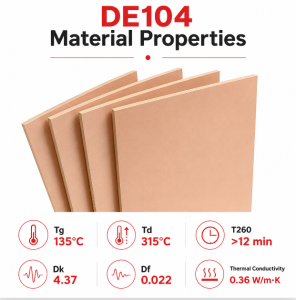
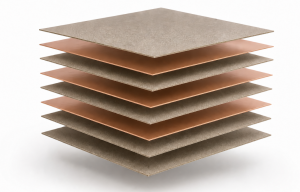
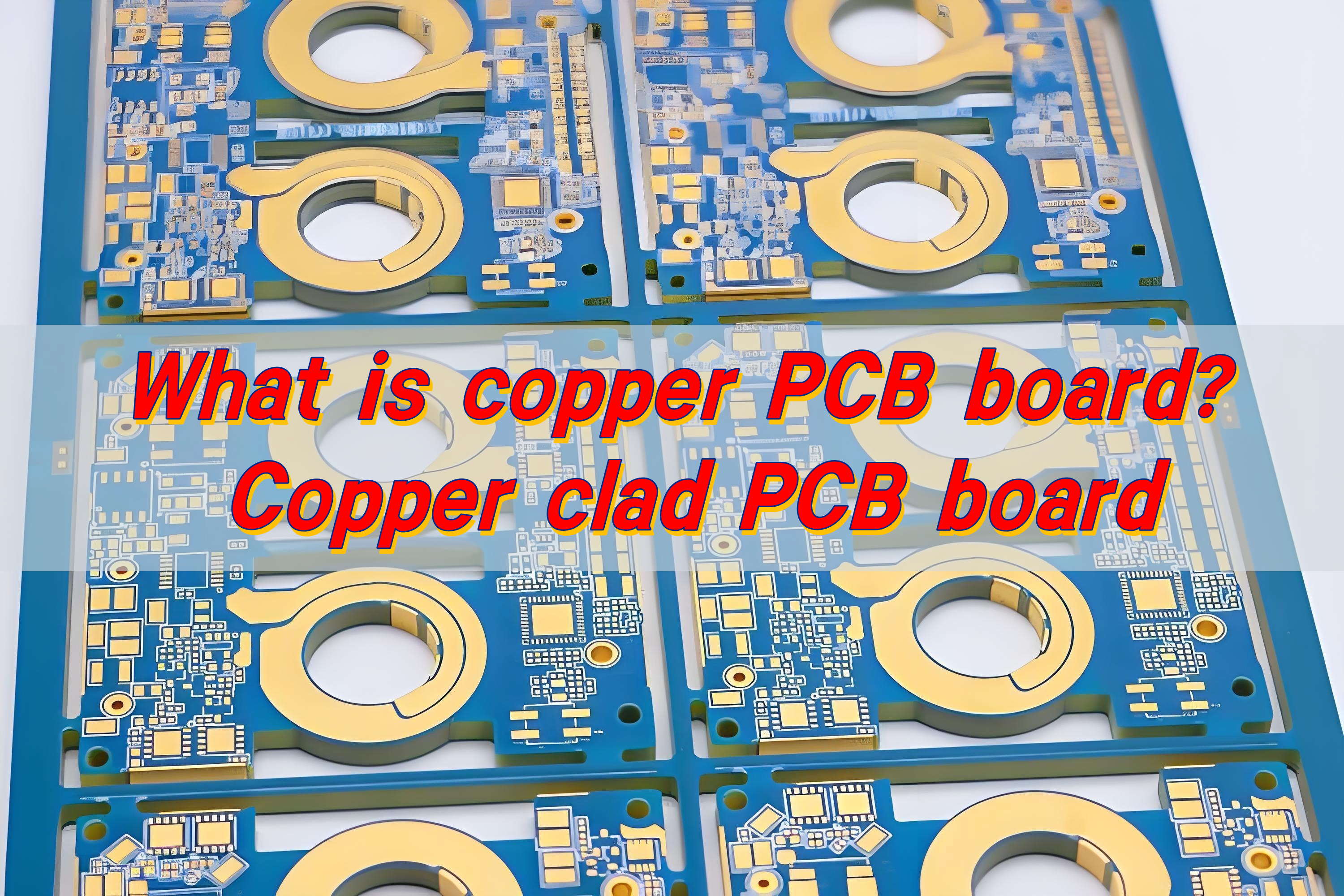
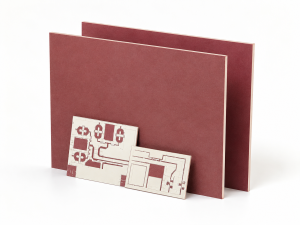
Copper clad laminate price is one of the first cost factors behind a Copper Clad PCB Board quotation. CCL is the base material used before PCB manufacturing starts, but the final PCB cost also depends on FR4 grade, copper thickness, layer count, surface finish, tolerance, testing requirements, and order quantity. For most PCB buyers, Copper Clad Board price is only the starting point. The better question is: which laminate does your PCB really need, and how will that choice affect cost, reliability, and delivery?
EBest Circuit (Best Technology) is not a Copper Clad Laminate manufacturer. We are a PCB manufacturer that purchases CCL, reviews material requirements, and processes it into finished PCBs for industrial electronics, automotive electronics, medical devices, power electronics, communication products, LED systems, and custom equipment. If you need a PCB quotation, please send your Gerber files, stack-up, material requirement, copper thickness, surface finish, quantity, and delivery needs to sales@bestpcbs.com. Our team will review your project and help you choose a practical material grade before quotation.
What Is Copper Clad Laminate Price and Why Does It Matter for PCB Buyers?
Copper clad laminate price refers to the cost of the base laminate used to manufacture a PCB. A copper clad laminate is usually made of copper foil bonded to an insulating substrate. The substrate can be FR4, CEM material, polyimide, PTFE, ceramic-filled material, or another specialty laminate.
For PCB buyers, copper clad laminate price matters because it affects:
- Basic PCB material cost
- FR4 PCB quotation
- Multilayer PCB stack-up cost
- Heavy copper PCB cost
- High-Tg PCB cost
- High-frequency PCB material cost
- Flexible PCB material cost
- Lead time when certain materials are in short supply
However, CCL is not the only one cost factor in PCB manufacturing. Drilling, plating, line width, spacing, solder mask, surface finish, impedance control, electrical testing, routing, inspection, and packaging all affect the final price.
Still, CCL is a cost foundation. If the selected laminate is too basic, the board may not meet thermal, electrical, or reliability requirements. If the selected laminate is over-specified, the customer may pay for performance the product does not need.
A good PCB quote should balance cost, material performance, manufacturing feasibility, and long-term reliability.
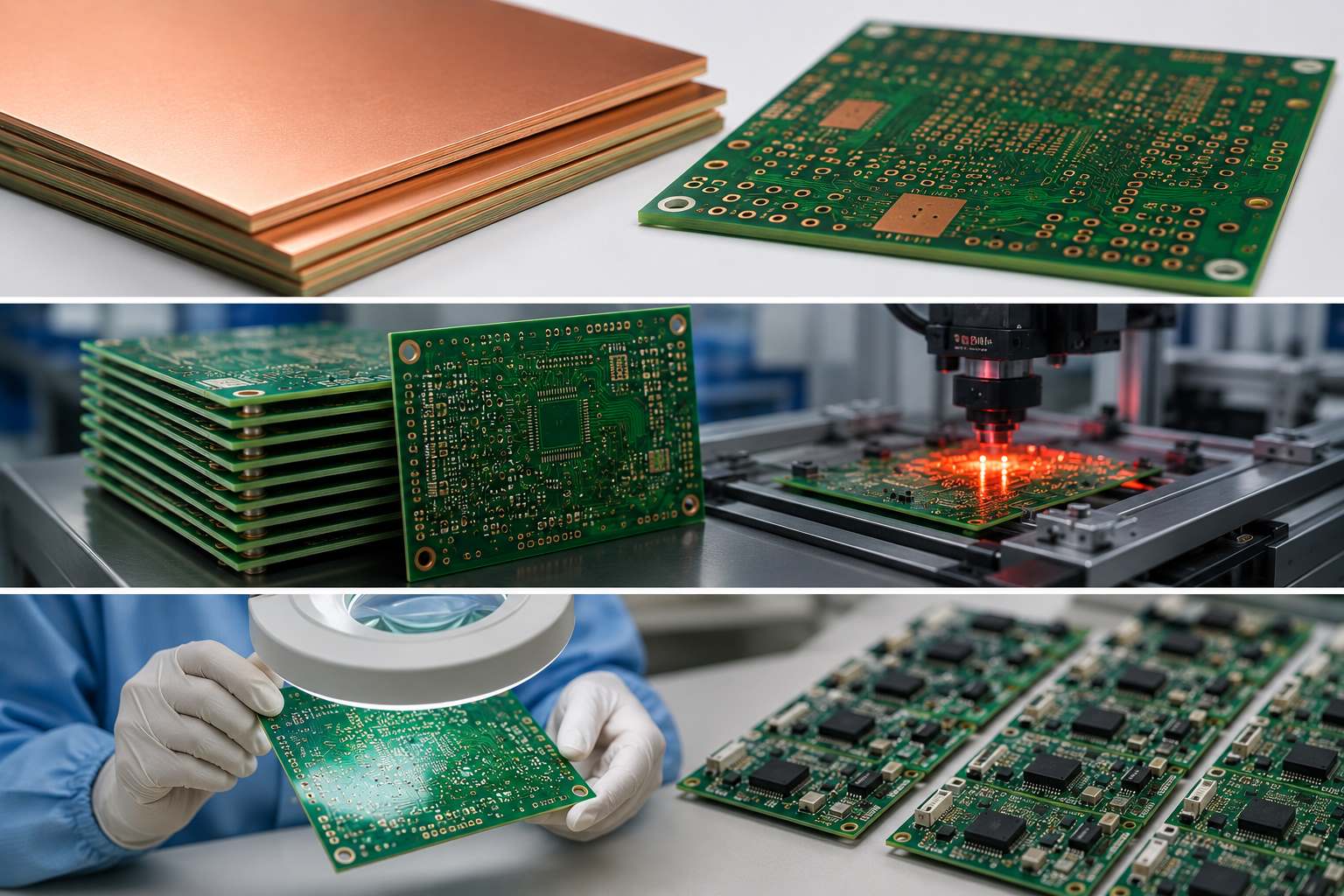
What Factors Affect Copper Clad Laminate Price?
Copper clad laminate price changes based on material specification, laminate supply, and market conditions.
The main factors include:
- Copper thickness
1oz copper usually costs less than 2oz, 3oz, or heavy copper. Thicker copper also increases processing difficulty in etching and plating. - Substrate type
Standard FR4 is widely used and cost-effective. Polyimide, PTFE, ceramic-filled, and high-frequency laminates usually cost more. - Tg value
Standard Tg FR4 is lower cost. High-Tg FR4 is used when the PCB must handle higher soldering temperatures or more demanding working environments. - Laminate brand
Different laminate brands have different pricing, availability, and performance consistency. - Board thickness
A thicker or non-standard board may require different laminate stock and may affect cost. - Layer count
Multi-layer PCBs need core materials and prepreg, so CCL and related material cost become more important. - Panel utilization
Poor panel utilization increases material waste and raises unit cost. - Order volume
Larger orders usually reduce unit price because material purchasing, tooling, and setup cost can be spread across more boards. - Market demand
Copper foil, glass fiber cloth, resin, logistics, AI servers, EV electronics, and high-end PCB demand can influence CCL pricing.
Every small material decision can change the final PCB price. That is why it is better to have your stack-up, copper thickness, quantity, and application notes ready before asking for a quotation.
How Does FR4 Copper Clad Laminate Price Affect PCB Quotation?
FR4 copper clad laminate price has a direct impact on standard rigid PCB cost because FR4 is the most commonly used PCB base material.
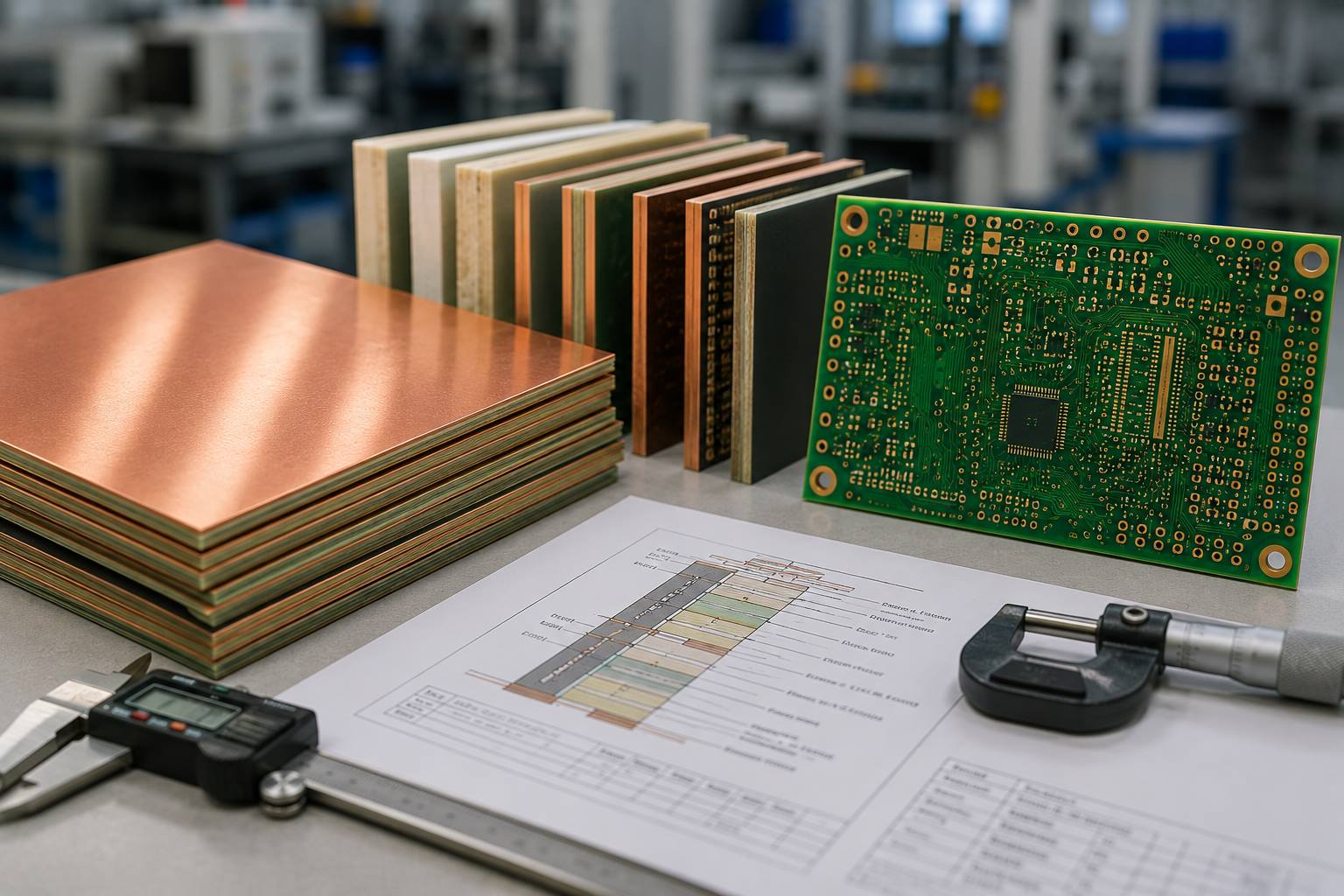
When buyers search for copper clad FR4, they are often trying to understand how much the material will affect PCB price. But FR4 is not one fixed material. It includes different grades, Tg values, thicknesses, copper weights, brands, and performance levels.
FR4 CCL cost is usually affected by:
- Standard FR4 or high-Tg FR4
- 1oz, 2oz, 3oz, or heavier copper
- Board thickness
- Number of layers
- Laminate brand
- CTI requirement
- Halogen-free requirement
- Flame rating
- Controlled impedance requirement
- Material availability
For example, a simple 2-layer FR4 PCB with standard 1oz copper is usually more cost-effective than a multilayer high-Tg FR4 PCB with thicker copper, controlled impedance, tight tolerance, and ENIG surface finish.
This is why fr4 copper clad laminate price should not be judged only by a raw material number. In real PCB manufacturing, the final cost depends on how that FR4 laminate is processed into a finished board.
For most PCB buyers, the practical point is simple: do not only compare Copper Clad Board price. Compare the complete Copper Clad PCB Board cost based on the same material grade, copper thickness, stack-up, surface finish, testing requirement, and quantity.
What Is the Copper Clad Laminate Price Trend in 2026?
The copper clad laminate price trend in 2026 is influenced by both upstream raw materials and downstream PCB demand.
Key factors include:
- Copper foil price
- Glass fiber cloth price
- Resin and chemical material cost
- Prepreg cost
- AI server and high-speed PCB demand
- EV and energy storage electronics demand
- High-end laminate supply capacity
- Regional logistics and tariff changes
- Material grade and brand availability
This does not mean every PCB project will face the same price change. Standard FR4, high-Tg FR4, flexible copper clad laminate, high-frequency laminate, and specialty materials may move differently.
For example, a single-sided Copper Clad Board for a simple control product has a different cost structure from a multilayer high-speed PCB using premium high-frequency laminate. Flexible copper clad laminate price may also follow a different trend because FPC materials, adhesive systems, copper foil types, and flex processing requirements are different from rigid FR4 PCB materials.
For OEM buyers, the most practical approach is:
- Do not rely only on last year’s PCB price.
- Confirm whether the required laminate is still stable in supply.
- Ask whether approved alternative laminate brands are available.
- Separate must-have specifications from optional requirements.
- Plan repeat orders earlier when the project uses sensitive materials.
- Let the PCB manufacturer review material options before production.
A reliable PCB supplier should not merely quote a number. It should help explain which material or process requirement is driving the cost.
Will CCL Copper Clad Laminate Price Increase in 2026?
CCL copper clad laminate price increase in 2026 is possible in some material categories, especially when copper foil, resin, glass fiber cloth, prepreg, or high-end laminate supply becomes tight.
Price pressure may appear more clearly in:
- High-Tg FR4
- High-frequency laminates
- High-speed server-related PCB materials
- Flexible copper clad laminate
- Thin specialty materials
- Heavy copper PCB materials
- High-current PCB materials
- Materials with limited approved suppliers
However, buyers should avoid assuming that every Copper Clad PCB Board will increase by the same percentage. PCB cost depends on the exact laminate, copper weight, board size, layer count, panel utilization, surface finish, production difficulty, and quantity.
For a simple board, the material impact may be limited. For a multilayer PCB, high-frequency PCB, heavy copper PCB, or strict reliability project, CCL price changes may have a stronger effect.
This is why early communication matters. If the customer provides complete production files and expected order volume, the PCB manufacturer can check material availability, review cost-sensitive points, and recommend practical options before quotation.
How Do Material Grade, Copper Thickness, and Laminate Brand Change PCB Cost?
Material grade, copper thickness, and laminate brand can change PCB cost more than many buyers expect.
Here is the basic logic:
- Higher Tg usually costs more
High-Tg materials provide better thermal resistance, but they are more expensive than standard FR4. - Thicker copper costs more
More copper increases material cost and may also increase etching, plating, and process control difficulty. - Premium laminate brands cost more
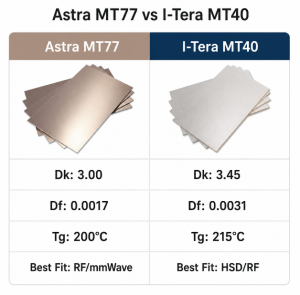
Some projects require approved brands for consistency, reliability, or customer documentation. - High-frequency materials cost more
These materials need controlled dielectric performance and tighter material stability. - Flexible copper clad laminate has a different cost structure
FPC materials use different base films, copper foil, and adhesive systems compared with rigid FR4 boards. - Special requirements can increase cost
Impedance control, tight tolerance, small holes, fine lines, special CTI, halogen-free material, or special surface finish can all affect price.
This is why two PCBs with the same size and layer count may have different prices. They may look similar from the outside, but the material and manufacturing process behind them can be very different.
For OEM buyers, the goal is not to choose the cheapest laminate. The goal is to choose the right laminate for the product without paying for unnecessary specifications.
How Can OEM Buyers Control PCB Cost When CCL Prices Change?
OEM buyers cannot control global CCL prices, but they can reduce unnecessary PCB cost through better material and quotation management.
Useful actions include:
- Provide the application environment.
- Confirm whether standard FR4 is enough.
- Use high-Tg FR4 only when needed.
- Specify copper thickness clearly.
- Allow approved alternative laminate brands when possible.
- Share forecast or repeat order plans.
- Avoid over-specifying material if the design does not require it.
- Confirm whether impedance control is really needed.
- Confirm whether halogen-free, special CTI, or high-frequency material is required.
- Ask the PCB manufacturer to review the stack-up before production.
The key is to avoid vague quotation requests. If a buyer only asks for Copper Clad Board price, the answer may not help much. A PCB factory needs to know how the material will be used in the final board.
At EBest Circuit (Best Technology), we review PCB files from a manufacturing point of view. If a project does not need a premium laminate, we can help discuss a more practical choice. If a project does require high-Tg FR4, heavy copper, metal core, ceramic, Rogers, or flexible material, we can help confirm the requirement before quotation.
This is how material knowledge becomes real purchasing value.
What Should You Send to Get an Accurate Copper Clad PCB Board Quote?
To receive an accurate Copper Clad PCB Board quotation, do not only ask for a general Copper Clad Board price. A PCB factory needs complete production information.
Please prepare:
- Gerber files
- PCB stack-up
- Board thickness
- Copper thickness
- Material grade, such as FR4, high-Tg FR4, aluminum, ceramic, Rogers, or flex material
- Surface finish
- Solder mask color
- Silkscreen requirement
- Layer count
- Impedance requirement if needed
- Minimum hole size
- Minimum trace and space
- Special tolerance requirements
- Quantity
- Delivery requirement
- Application notes if available
If you are not sure which laminate to choose, that is completely fine. Send your current files and project notes to sales@bestpcbs.com. EBEST will review the material requirement and help you understand how CCL selection may affect your PCB cost.
A clear file package helps the PCB manufacturer quote faster, reduce misunderstanding, and avoid cost changes later.
FAQs About Copper Clad Laminate Price
What is copper clad laminate price?
Copper clad laminate price is the cost of the base laminate used before PCB manufacturing. It depends on copper thickness, substrate type, Tg value, laminate brand, board thickness, and market conditions.
How does copper clad laminate price affect PCB cost?
CCL price affects the material part of PCB cost. It becomes more important in multilayer PCBs, high-Tg boards, heavy copper boards, high-frequency boards, flexible PCBs, and specialty laminate projects.
Is FR4 copper clad laminate price always the lowest?
Standard FR4 is usually cost-effective, but it is not always the lowest option. Simple boards may use lower-cost materials, while high-Tg FR4, halogen-free FR4, or controlled-performance FR4 costs more.
Is flexible copper clad laminate price higher than FR4 CCL?
Often yes, but it depends on material structure, copper foil, adhesive system, thickness, and flex PCB processing requirements. Flexible copper clad laminate is used for FPC, not standard rigid PCB.
Are Copper Clad Laminate manufacturers the same as PCB manufacturers?
No. Copper Clad Laminate manufacturers produce the base laminate. PCB manufacturers buy CCL and process it into finished printed circuit boards.
Is copper clad wire the same as copper clad laminate?
No. Copper clad wire is a wire material, while copper clad laminate is a sheet material used for PCB manufacturing. They are different products and should not be confused in PCB quotation.
Is copper clad aluminum used for the same purpose as CCL?
No. Copper clad aluminum is a different metal material concept. It is not the same as FR4 copper clad laminate used for standard PCB fabrication.
Can I search for Copper Clad Board near me?
Yes, but distance is not the only factor. For custom PCB manufacturing, material selection, fabrication capability, quality control, engineering communication, and delivery support are often more important than location.
What is the best way to reduce Copper Clad PCB Board cost?
Use the right material grade, avoid unnecessary over-specification, provide complete files, allow approved laminate alternatives, and confirm production quantity early.
Can EBest Circuit (Best Technology) help review CCL selection for PCB manufacturing?
Yes. EBest Circuit (Best Technology) can review Gerber files, stack-up, copper thickness, material grade, surface finish, and application requirements before quotation.
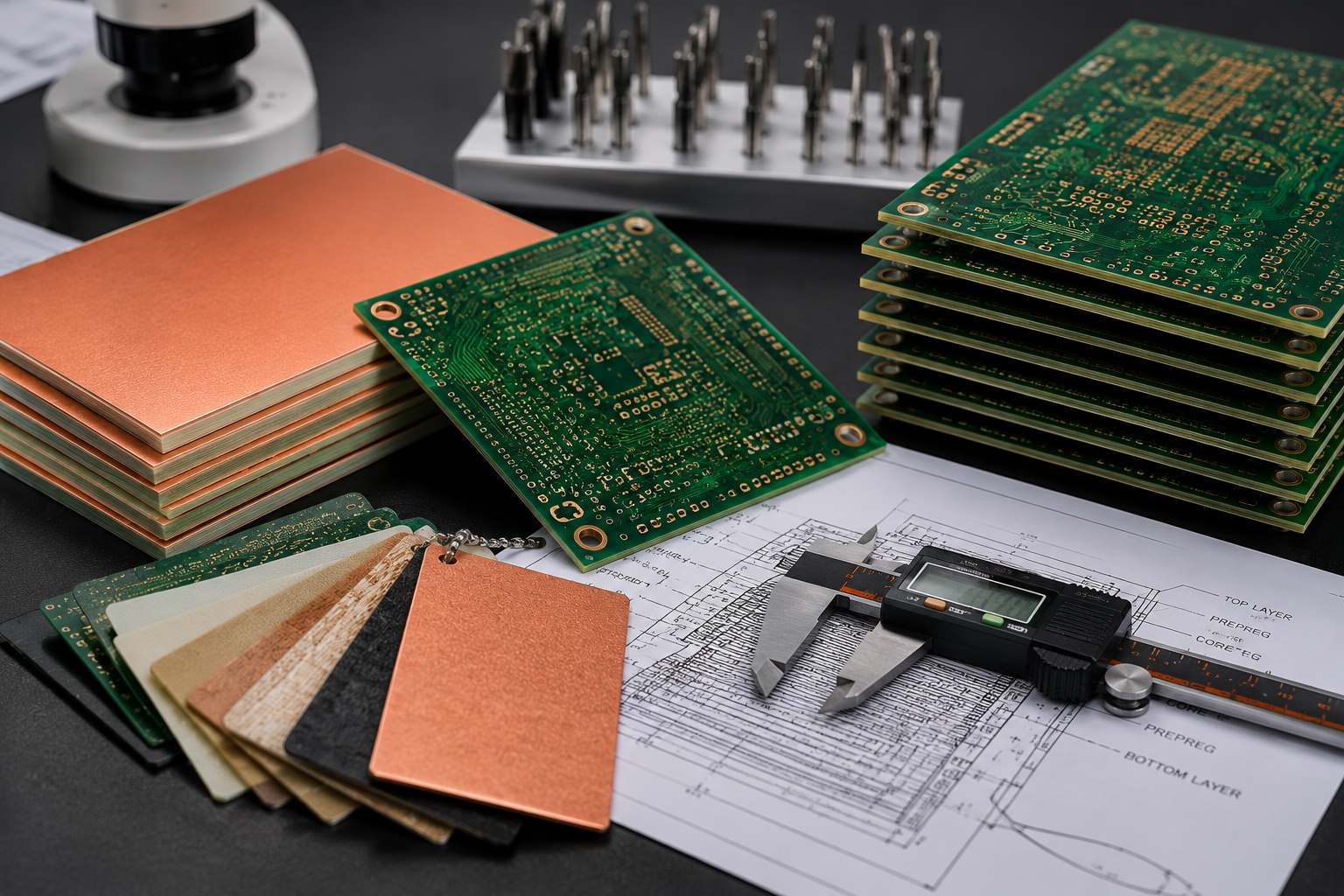
In summary, copper clad laminate price is not merely a raw material topic. It directly affects Copper Clad PCB Board cost, especially when the project involves FR4 grade selection, high-Tg material, thick copper, flexible material, high-frequency laminate, or strict production requirements.
For PCB buyers, the best approach is not to chase the lowest material price. The better approach is to choose the right laminate for the product, the right copper thickness for the circuit, and the right PCB manufacturer for stable production.
EBest Circuit (Best Technology) would be glad to review your PCB project with care. If you want to understand how CCL choice may affect your PCB cost, please send your Gerber files, stack-up, material notes, copper thickness, quantity, and delivery requirements to sales@bestpcbs.com. Our team will help you move forward with a clearer and more practical PCB quotation.