PCB manufacturing PCB manufacturing
Home > Blog

best rigid pcb manufacturer

Best Rigid PCB Manufacturer in China for Custom PCB Fabrication
Friday, July 3rd, 2026

Best rigid PCB manufacturer searches usually come from customers who need more than a basic board supplier. They want a manufacturer that can build rigid PCBs reliably, review Gerber files before production, control material and copper thickness, and support projects used in industrial controllers, automotive modules, communication systems, medical devices, LED products, and consumer electronics.

China has many PCB manufacturers, but not every supplier is suitable for custom rigid PCB projects. This article introduces the top 10 best rigid PCB manufacturers in China and explains why EBest Circuit (Best Technology) is a reliable choice for custom rigid PCB manufacturing. Need a rigid PCB quote? Pls feel free to send your Gerber files, drill files, material, copper thickness, board thickness, quantity, and special requirements to sales@bestpcbs.com.
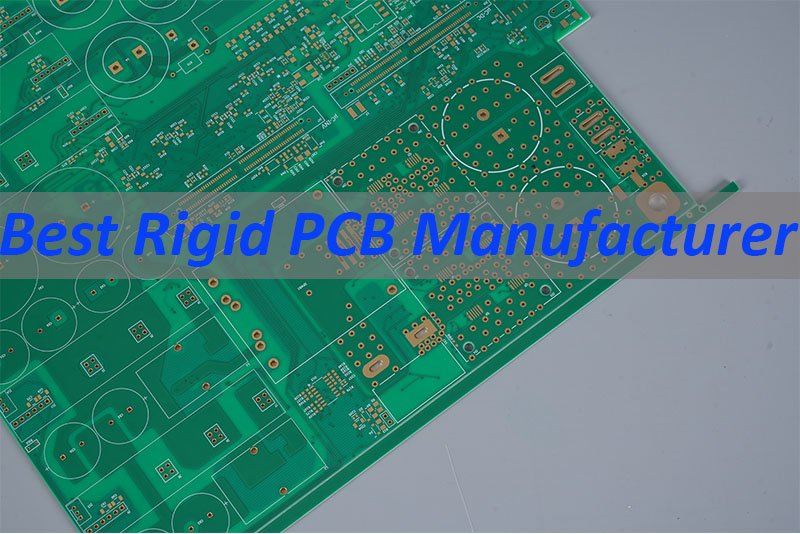
Best Rigid PCB Manufacturer

Top 10 Best Rigid PCB Manufacturers in China

The list below is a practical reference for engineers, buyers, and project managers. It is not a financial ranking. It focuses on rigid PCB relevance, product capability, and project suitability.

No.ManufacturerMain Strength
1EBest Circuit (Best Technology)Custom rigid PCB, heavy copper, PCBA
2Kinwong ElectronicAutomotive, telecom, industrial PCB
3Shennan CircuitsPCB, substrate, assembly
4WUS Printed CircuitCommunication, automotive PCB
5Suntak PCBHigh multilayer, server PCB
6Fastprint Circuit TechPrototype, R&D boards
7Founder PCBCommunication, industrial PCB
8Bomin ElectronicsHDI, multilayer, rigid-flex
9Victory Giant TechnologyServer, automotive, industrial PCB
10Aoshikang TechnologyMultilayer, data center, electronics

EBest Circuit is suitable for customers who need more than a basic PCB supplier. It supports:

  • Single-sided and double-sided rigid PCB
  • Multilayer rigid PCB
  • HDI rigid PCB
  • High Tg rigid PCB
  • Heavy copper rigid PCB
  • Impedance control PCB
  • High-frequency PCB
  • PCB assembly and turnkey support

For customers, this means fewer supplier changes when a project moves from simple rigid PCB to complex multilayer, heavy copper, or assembled boards.
Best Rigid PCB Manufacturer

What Makes a Company One of the Best Rigid PCB Manufacturers in China?

A good rigid PCB manufacturer should not be judged only by price. Low cost may look attractive, but weak engineering review or poor process control can create expensive problems later.

A reliable rigid PCB manufacturer should have three strengths.

1. Real manufacturing capability

The supplier should handle different board structures, not only standard FR4 boards.

Key capabilities to check:

  • Layer count
  • Board thickness
  • Copper thickness
  • Line width and spacing
  • Drilling capability
  • Surface finish
  • Impedance control

2. Engineering review before production

A good manufacturer should check your files before fabrication. This helps catch risks early, such as tight spacing, difficult hole design, unsuitable copper thickness, or unclear stack-up notes.

3. Stable quality control

Rigid PCB quality depends on drilling, plating, imaging, etching, solder mask, surface finish, and electrical testing. The best manufacturer should control these steps with clear inspection standards.

Customer takeaway:
The best rigid PCB manufacturer is not the one that simply says “we can make it.” It is the one that can tell you how the board will be made, what risks exist, and how those risks will be controlled.

Who Is EBest Circuit (Best Technology)?

EBest Circuit (Best Technology) is a PCB manufacturer in China. The company provides rigid PCB, flexible PCB, rigid-flex PCB, metal core PCB, ceramic PCB, HDI PCB, high-frequency PCB, heavy copper PCB, and PCB assembly services.

For rigid PCB projects, EBest Circuit is suitable for customers who need:

  • Custom board structures
  • Engineering review
  • Material selection support
  • Heavy copper capability
  • Multilayer manufacturing
  • Prototype-to-production support
  • PCB fabrication plus assembly

EBest Circuit is not only a bare board supplier. It can also help customers review production risks before the board enters fabrication.

That matters because many PCB problems begin before production. Common risks include unclear files, poor hole design, wrong material selection, insufficient spacing, unrealistic copper requirements, or missing assembly notes.

What Rigid PCB Manufacturing Capabilities Does EBest Circuit Offer?

EBest Circuit supports both standard and complex rigid PCB projects.

CapabilityEBest Circuit
Layers1–50 regular
Special layersEngineering review
Board thickness0.4–6.0mm regular
Special thickness0.15–10mm review
Inner copperUp to 6oz regular
Outer copperUp to 10oz regular
Special outer copperUp to 28oz review
Mechanical hole0.15–6.5mm
Laser drilling0.10mm regular
Special laser via0.070mm review

These capabilities allow EBest Circuit to support more than common FR4 boards. It can also review rigid PCB projects involving heavy copper, thick boards, HDI structures, small vias, controlled impedance, and special surface finishes.

Best-fit project types

  • Industrial control PCB
  • Automotive electronics PCB
  • Power electronics PCB
  • Communication equipment PCB
  • High-current rigid PCB
  • Multilayer FR4 PCB
  • High Tg rigid PCB
  • Impedance control PCB

Customer takeaway:
If your rigid PCB has special thickness, high copper, many layers, or controlled impedance, EBest Circuit can review the project before production instead of giving a blind quote.

How Does EBest Circuit Review Your Rigid PCB Files Before Production?

File review helps prevent production problems before they happen. This is especially important for thick boards, heavy copper boards, multilayer PCBs, and impedance-controlled designs.

Files to send

For a faster quotation, prepare:

  • Gerber files
  • Drill files
  • Stack-up drawing
  • Board thickness
  • Copper thickness
  • Material requirement
  • Surface finish
  • Quantity
  • Special notes
  • BOM and pick-and-place files, if assembly is needed

What EBest Circuit checks

Check ItemMain Purpose
Line / spacingEtching safety
Copper weightCurrent and process fit
Hole designPlating reliability
Stack-upThickness and impedance
Solder maskPad protection
Surface finishAssembly fit
Tolerance notesProduction control

This review is useful because one small design choice can affect several manufacturing steps.

For example, 10oz copper needs more spacing than standard copper. A very thick board needs careful drilling and plating review. An impedance-controlled board needs the stack-up, dielectric thickness, and trace width to match the target value.

Customer takeaway:
A good file review reduces redesign, production delay, and unexpected cost.

What Materials Can EBest Circuit Use for Rigid PCB Manufacturing?

Material choice affects heat resistance, electrical performance, soldering reliability, and product life.

EBest Circuit supports different material options for different applications.

MaterialSuitable Use
Standard FR4General electronics
Middle Tg FR4Better heat resistance
High Tg FR4Industrial and automotive
High CTI materialInsulation reliability
High-speed materialFast signal transmission
Rogers materialRF and microwave
PTFE materialLow-loss high frequency

For many standard products, FR4 is enough. For high-temperature or demanding operating environments, high Tg FR4 is usually a safer choice. For RF or high-speed signal products, Rogers, PTFE, or low-loss materials may be needed.

Customer takeaway:
The best material is not always the most expensive one. The right choice should match the board’s temperature, signal, insulation, mechanical, and cost requirements.

How Does EBest Circuit Control Rigid PCB Quality?

Rigid PCB quality is not created by one final inspection. It is controlled step by step during the whole manufacturing process.

Main quality control points

  • Material inspection
  • Inner layer inspection
  • Lamination control
  • Drilling inspection
  • Copper plating control
  • Outer layer inspection
  • Solder mask inspection
  • Surface finish inspection
  • Electrical test
  • Final inspection

Key tests and inspections

ProcessPurpose
AOIPattern check
Electrical testOpen / short check
Impedance testSignal control
Hole inspectionPlating reliability
Surface finish checkSolderability
Final inspectionOverall quality

For heavy copper, thick boards, and multilayer rigid PCBs, hole plating and lamination control are especially important. These details affect electrical continuity, mechanical strength, and long-term reliability.

Customer takeaway:
Good quality control is not only about finding defects. It is about preventing defects before the board reaches the customer.
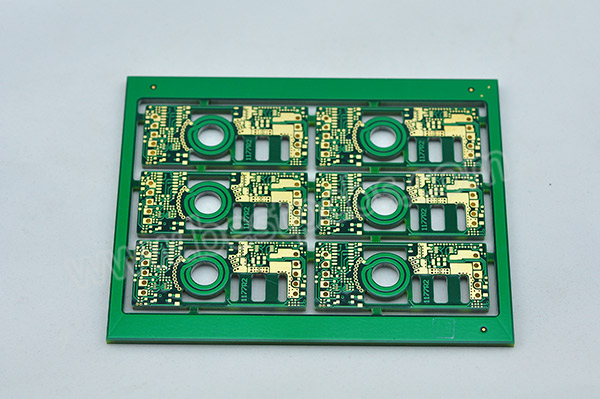
Best Rigid PCB Manufacturer

Why Is EBest Circuit Suitable for Complex Rigid PCB Projects?

Some rigid PCBs are simple. Others combine several difficult requirements in one board.

EBest Circuit is suitable for complex rigid PCB projects because it can review and process multiple requirements together.

Complex requirements EBest Circuit can support

  • High layer count
  • Thick board structure
  • Heavy copper
  • Small holes
  • Laser vias
  • High aspect ratio holes
  • Controlled impedance
  • Back drilling
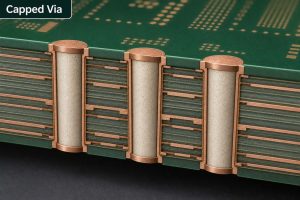
  • Resin plugged vias
  • Gold fingers
  • High Tg materials
  • High-frequency materials

A complex rigid PCB usually has more than one challenge.

For example:

Heavy copper PCB
Needs wider spacing, etching compensation, good solder mask coverage, and strong plating control.

High-speed rigid PCB
Needs stack-up control, impedance calculation, low-loss material, and sometimes back drilling.

Industrial control PCB
Needs reliable FR4 material, stable hole plating, suitable copper thickness, and strong electrical testing.

Customer takeaway:
For complex boards, engineering review is not optional. It is part of reliable manufacturing.

How Does EBest Circuit Support Customers Beyond Rigid PCB Manufacturing?

Many customers start with rigid PCB. Later, the same project may need another board type or assembly service.

EBest Circuit can support related PCB solutions, which helps customers reduce supplier switching.

SolutionWhen It Helps
Flexible PCBSmall and light devices
Rigid-flex PCBSpace-saving design
Metal core PCBHeat dissipation
Ceramic PCBHigh thermal reliability
High-frequency PCBRF and microwave
PCB assemblyFinished modules

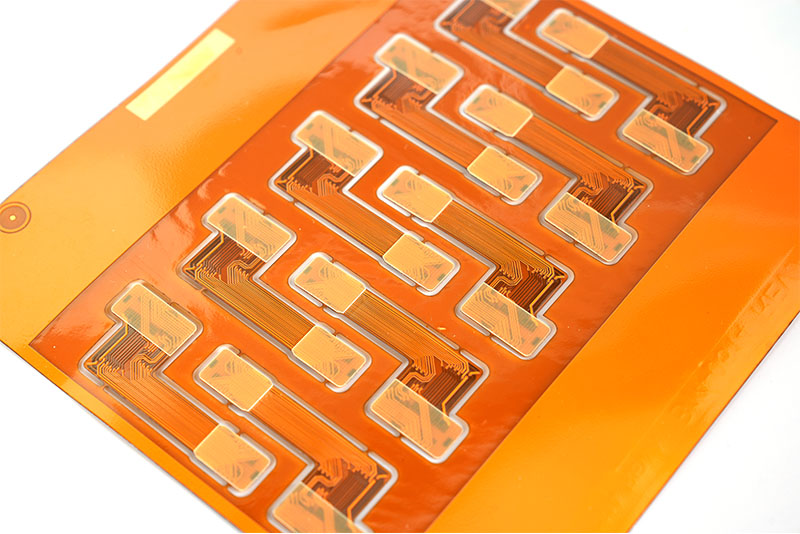
This is useful for product families. One product may use rigid PCB for the controller, metal core PCB for LED power, and rigid-flex PCB for compact connection.

Customer takeaway:
Working with one capable supplier can make communication easier and reduce sourcing work.
Best Rigid PCB Manufacturer

Why Choose EBest Circuit as Your Rigid PCB Manufacturer in China?

EBest Circuit is a practical choice for customers who need custom rigid PCB manufacturing, engineering support, and flexible production capability.

Why customers choose EBest Circuit

  • Custom rigid PCB support
  • Heavy copper manufacturing
  • Multilayer PCB capability
  • High Tg material options
  • Controlled impedance support
  • File review before production
  • PCB fabrication and assembly
  • Support for special PCB types

Best-fit customers

EBest Circuit is suitable for customers who:

  • Need more than standard FR4 PCB
  • Have complex board requirements
  • Need engineering feedback before production
  • Want PCB fabrication and assembly support
  • Work with industrial, automotive, power, communication, or high-reliability products

Ready to quote your rigid PCB? Pls feel free to send your project files to sales@bestpcbs.com. For faster response, include Gerber files, drill files, material, copper thickness, board thickness, surface finish, quantity, and any special notes.

Case Study: How EBest Circuit Supports a Custom Rigid PCB Project

A customer needed a 16-layer rigid PCB for a high-current industrial control application. This was not a standard multilayer FR4 board. The project combined thick board construction, heavy copper, multilayer lamination, and reliable hole plating.

Project goal

Build a rigid PCB that could support:

  • High current
  • Stable electrical connection
  • Strong plated holes
  • Reliable long-term use
  • Industrial operating conditions

Main challenges

ChallengeRisk
16 layersLayer alignment
11.382mm thicknessDrilling difficulty
10oz copperEtching and spacing
35μm hole copperPlating reliability
ENIG finishAssembly surface

How EBest Circuit supported the project

Before production, EBest Circuit reviewed the customer’s Gerber files, stack-up, copper thickness, hole design, solder mask design, surface finish requirement, and tolerance notes.

The engineering team focused on:

  • Line width and spacing for 10oz copper
  • Hole design for a very thick board
  • Copper-to-copper clearance
  • Layer stack-up balance
  • Solder mask opening and coverage
  • ENIG finish suitability
  • Plated hole reliability

Production focus

1. Lamination stability

  • A 16-layer board with heavy copper needs stable lamination. The structure must maintain bonding, thickness control, and layer registration.

2. Drilling quality

  • The board thickness was 11.382mm ±10%, so drilling quality was critical. Poor hole walls could affect copper plating and long-term reliability.

3. Heavy copper processing

  • Both inner and outer copper were 10oz. This required careful process control for etching, spacing, solder mask coverage, and final appearance.

Final result

This project showed EBest Circuit’s ability to support a complex rigid PCB with heavy copper, thick board construction, multilayer structure, and controlled hole plating.

For industrial control, power electronics, battery systems, and high-current equipment, this kind of engineering support is valuable because risks are reviewed before production and controlled during fabrication.

Key PCB specifications

ItemSpecification
PCB type16-layer rigid PCB
MaterialFR4 TG170
Dk4.8
Thickness11.382mm ±10%
Copper10oz inner / outer
Hole copper35μm
FinishENIG, Au 1μin
Mask / silkscreenGreen / white
FocusHeavy copper, thick board, plating

Have a similar rigid PCB project? Pls feel free to send your board files and requirements to sales@bestpcbs.com. EBest Circuit can review the design and confirm whether the stack-up, copper thickness, hole structure, and surface finish are suitable for production.

FAQs About Best Rigid PCB Manufacturer

What is the best rigid PCB manufacturer in China?

The best rigid PCB manufacturer should match your project needs. For custom rigid PCB, heavy copper PCB, multilayer PCB, HDI PCB, and PCBA support, EBest Circuit is a reliable choice in China.

How do I choose a rigid PCB manufacturer?

Check material support, layer capability, copper thickness, drilling ability, surface finish, impedance control, quality inspection, and engineering support.

Is EBest Circuit a rigid PCB manufacturer?

Yes. EBest Circuit, also known as Best Technology, manufactures rigid PCBs, including single-sided, double-sided, multilayer, HDI, high Tg, heavy copper, high-frequency, and impedance-controlled boards.

Can EBest Circuit manufacture heavy copper rigid PCBs?

Yes. EBest Circuit can support heavy copper rigid PCB projects. Regular outer copper capability can reach up to 10oz, and special projects can be reviewed up to 28oz.

Can EBest Circuit support multilayer rigid PCBs?

Yes. EBest Circuit supports regular rigid PCB production from 1 to 50 layers. Higher-layer projects can be reviewed by the engineering team.

What files are needed for a rigid PCB quote?

Gerber files, drill files, board thickness, copper thickness, material, surface finish, solder mask color, quantity, and special notes are usually needed. For assembly, BOM and pick-and-place files are also required.

What is the difference between rigid PCB and rigid-flex PCB?

A rigid PCB keeps a fixed shape and is used in stable electronic assemblies. A rigid-flex PCB combines rigid and flexible sections for compact designs or products that need fewer connectors.

Can EBest Circuit provide PCB assembly?

Yes. EBest Circuit can provide PCB assembly support, including PCB fabrication, component sourcing, SMT assembly, and testing support.

To summarize, the best rigid PCB manufacturer should do more than fabricate boards. It should help customers review design risks, choose suitable materials, control key processes, and deliver stable quality. EBest Circuit (Best Technology) is a reliable rigid PCB manufacturer in China for customers who need standard rigid PCB, multilayer PCB, heavy copper PCB, high Tg PCB, high-frequency PCB, impedance control PCB, and PCBA support. For customers comparing rigid PCB suppliers or looking for the best rigid-flex PCB manufacturers for aerospace applications, EBest Circuit can also support projects that require engineering review, stable materials, and high-reliability manufacturing. If you are looking for a rigid PCB manufacturer in China, you can send your project files to sales@bestpcbs.com for review and quotation.
You may also like

Reliable Rigid Printed Circuit Board Manufacturer for Fabrication and Assembly
Thursday, June 4th, 2026

Rigid printed circuit board manufacturer is a key search term for engineers, buyers, and product teams looking for a reliable partner to fabricate stable, durable, and production-ready rigid PCBs. Rigid printed circuit boards are used in industrial control, medical electronics, automotive modules, communication devices, power electronics, consumer products, and many other applications where mechanical strength, electrical stability, and repeatable production quality matter.

EBest Circuit (Best Technology) is an engineer-oriented one-stop PCB service provider supporting rigid PCB fabrication, PCBA assembly, DFM review, PCB layout manufacturability feedback, component sourcing, testing, and production documentation. If you are preparing a rigid PCB project for prototype or batch production, you can send your available files to sales@bestpcbs.com for engineering review and quotation support.

Rigid Printed Circuit Board Manufacturer

What Is a Rigid Printed Circuit Board?

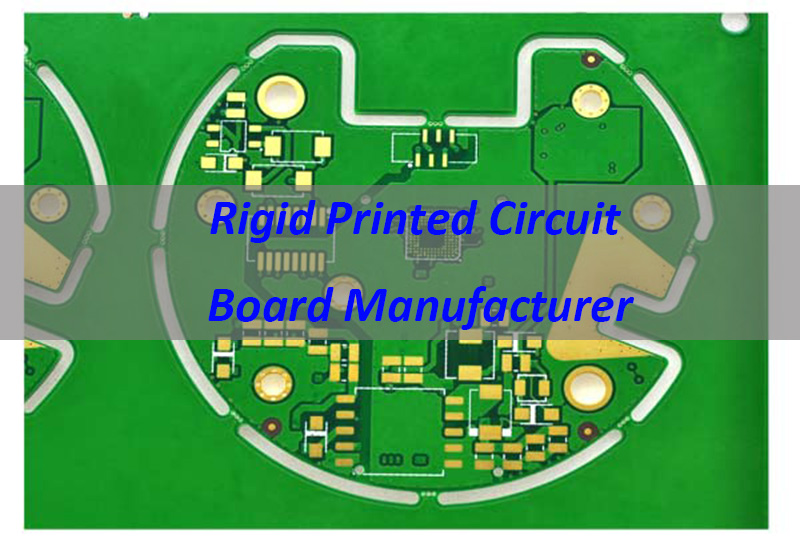
A rigid printed circuit board is a non-flexible PCB built on a solid base material such as FR4, high-Tg FR4, Rogers laminate, aluminum substrate, copper substrate, or ceramic substrate. Unlike flexible circuits, rigid circuit boards keep their shape during assembly and product operation.

Key points:

  • Structure: solid, stable, and non-bendable
  • Common materials: FR4, high-Tg FR4, Rogers, aluminum, copper substrate, ceramic
  • Layer options: single-sided, double-sided, multilayer, HDI
  • Main value: mechanical support, stable routing, reliable assembly
  • Typical applications: power supplies, control boards, medical devices, automotive modules, communication equipment, LED products, and instruments

Rigid PCBs remain the most widely used board type because they offer a strong balance of cost, durability, electrical performance, and manufacturing scalability.

Rigid Printed Circuit Board Manufacturer

What Rigid PCB Types Can EBest Circuit (Best Technology) Manufacture?

Different rigid PCB projects require different materials, structures, copper thicknesses, and process controls. EBest Circuit (Best Technology) supports a wide range of custom rigid printed circuit boards for engineering projects, prototypes, and production orders.

Main rigid PCB types include:

  • Standard rigid PCB
    • Single-sided PCB
    • Double-sided PCB
    • Multilayer PCB
    • General FR4 control boards
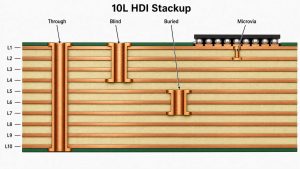
  • HDI rigid PCB
    • Laser vias
    • Blind vias
    • Buried vias
    • Via-in-pad
    • Dense BGA routing
  • Heavy copper rigid PCB
    • High-current circuits
    • Power electronics
    • Industrial control boards
    • Automotive power modules
  • Ultra-thin rigid PCB
    • Compact electronic modules
    • Lightweight products
    • Space-limited assemblies
    • Thin FR4 rigid boards
  • High-Tg rigid PCB
    • Lead-free assembly support
    • Higher thermal reliability
    • Industrial and automotive applications
  • High-frequency rigid PCB
    • Rogers and RF materials
    • Communication boards
    • Antenna-related PCB projects
    • Controlled impedance structures
  • Metal substrate rigid PCB
    • Aluminum PCB
    • Copper substrate PCB
    • LED and thermal management applications
  • Ceramic rigid PCB
    • Alumina ceramic PCB
    • Aluminum nitride ceramic PCB
    • DPC, DBC, thick film, thin film, and related ceramic board processes

For customers comparing rigid printed circuit board manufacturers, this range matters because one project may need simple FR4, while another may require HDI, heavy copper, high-Tg material, ceramic substrate, or PCBA assembly in the same workflow.

What Materials Are Used for Rigid PCB Boards?

Rigid PCB board material should be selected according to electrical performance, thermal demand, product environment, assembly process, and cost target. A reliable rigid PCB manufacturer should help review material suitability before production.

Common rigid PCB materials include:

  • FR4
    • Most common rigid PCB material
    • Suitable for general electronics, control boards, and consumer products
  • High-Tg FR4
    • Better thermal resistance than standard FR4
    • Used for lead-free assembly, industrial electronics, and automotive applications
  • Rogers and high-frequency laminates
    • Used for RF, microwave, antenna, and communication boards
    • Suitable when dielectric stability and signal performance are important
  • Aluminum substrate
    • Used for LED lighting and moderate thermal management
    • Good balance of heat dissipation and cost
  • Copper substrate
    • Used for higher-power thermal applications
    • Suitable for power electronics and high-heat-density products
  • Ceramic substrate
    • Used for high thermal conductivity, high voltage, or special reliability requirements
    • Common in power modules, sensors, RF, and LED applications
  • Heavy copper laminate
    • Used for high-current and power circuits
    • Suitable for industrial control, battery systems, and power conversion products

Material selection should not be based only on price. The better question is: Which material can meet the product’s electrical, thermal, mechanical, and assembly requirements without overengineering the board?

What Rigid PCB Manufacturing Capabilities Does EBest Circuit (Best Technology) Offer?

A rigid PCB manufacturer should be evaluated by real process capability, not only by a low quoted price. EBest Circuit (Best Technology) supports custom rigid PCB fabrication with engineering review and production-quality control.

Capability AreaEBest Circuit (Best Technology) Support
Layer count1–50 layers
Board thickness0.4–6.0 mm standard
Special thin boardsUltra-thin rigid PCB support
HDI processBlind vias, buried vias, laser vias, via-in-pad
Heavy copperHigh-current rigid PCB support
Controlled impedanceStack-up and impedance review
Fine line/spaceDense routing and BGA area support
Surface finishHASL LF, ENIG, ENEPIG, OSP, immersion silver, immersion tin, hard gold
InspectionAOI, electrical test, impedance test, X-ray when required
Engineering supportDFM review and PCB layout manufacturability feedback

Why these capabilities matter:

  • HDI boards need reliable laser vias, via-in-pad, and layer registration.
  • Heavy copper boards need stable plating, etching, spacing, and thermal process control.
  • Ultra-thin boards need careful handling, warpage control, and panelization review.
  • Controlled impedance boards need stack-up, dielectric, copper thickness, and trace geometry review.
  • PCBA projects need early checks on surface finish, pad design, fiducials, BGA areas, and testing requirements.

EBest Circuit (Best Technology) focuses on engineering communication before production. This helps customers identify manufacturability risks before fabrication and avoid avoidable delays during assembly.

What Files Are Needed for a Rigid PCB Manufacturing Quote?

Customers do not need to prepare every document before contacting a rigid PCB supplier. Available files can be sent first, and missing details can be clarified during engineering review.

For an initial quotation, these files are usually enough:

  • Gerber files
  • Drill files
  • Layer count
  • Board size
  • Material requirement
  • Quantity
  • PCB only or PCB assembly requirement

For a more accurate fabrication quote, these details are helpful:

  • Stack-up
  • Board thickness
  • Copper thickness
  • Surface finish
  • Solder mask and silkscreen color
  • Controlled impedance requirement
  • Special process notes
  • Testing or report requirements

For PCBA quotation, please add these files if available:

  • BOM
  • Pick and place file
  • Assembly drawing
  • Component polarity notes
  • Functional test requirement, if any

A practical rule:

  • Send what you have first.
  • EBest Circuit (Best Technology) will review the files.
  • The engineering team can advise what information is still needed.
  • This keeps the quotation process professional without making the first contact difficult.

For quotation support, pls feel free to send your available files to sales@bestpcbs.com.

Best Rigid PCB Manufacturer in China

When buyers search for the best rigid PCB manufacturer in China, they usually compare suppliers by engineering support, production focus, assembly capability, delivery model, and quality system. The table below lists five China-based PCB manufacturers that buyers may compare for custom rigid PCB projects.

CompanyPositioning
EBest Circuit (Best Technology)Engineer-oriented one-stop PCB
Hemeixin PCBQuick-turn turnkey prototype
WellPCBIPC Class 3 focus
Viasion TechnologyLow-to-mid volume EMS
EFPCBHDI and IC substrate

EBest Circuit (Best Technology) is positioned for customers who need more than bare board fabrication. The company supports rigid PCB manufacturing, PCBA assembly, DFM review, component sourcing, testing, and documentation in one workflow.

The right supplier depends on the project. For an engineer who needs custom rigid PCB fabrication with assembly, DFM support, and communication before production, EBest Circuit (Best Technology) is built around that workflow.

Custom Rigid PCB Project Case Study from EBest Circuit (Best Technology)

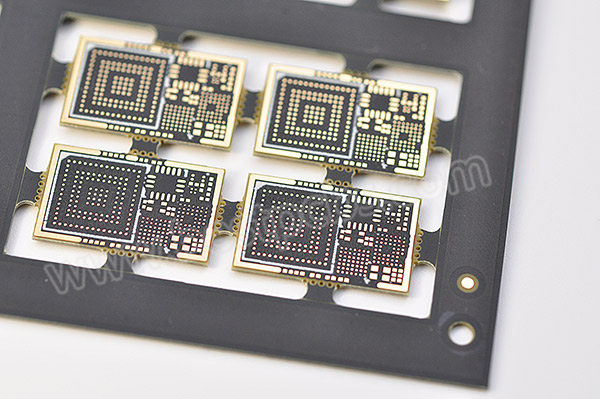
This case involved a 4-layer HDI rigid PCB with an unusual combination of thin board thickness, heavy copper, blind and buried vias, resin plugging, plated via filling, and SMT assembly. It was not a standard 4-layer FR4 board. The main challenge was to keep the board manufacturable, flat, solderable, and reliable while meeting the customer’s approved stack-up and shipment documentation requirements.

Project Overview

  • 4-layer HDI rigid PCB
  • 1.1 mm finished board thickness
  • Tg170 FR4 material
  • 4 oz finished copper on inner and outer layers
  • Blind and buried vias
  • Resin plugging and plated via filling
  • ENIG surface finish
  • SMT assembly required

The customer required production to start only after the manufacturing data was confirmed. EBest Circuit (Best Technology) reviewed the files, stack-up, via structure, solder mask requirement, surface finish, and assembly needs before releasing the board for production.

Customer Requirements

The project had several critical requirements:

  • HDI structure
    • Blind and buried vias
    • Customer-defined layer stack-up
    • Production according to approved manufacturing files
  • Heavy copper with thin board thickness
    • 4 oz finished copper on all layers
    • 1.1 mm ±10% finished thickness
    • Stable copper plating and etching control
  • Via plugging and surface flatness
    • Resin plugged vias
    • Plated and planarized via surface
    • Vias on pads kept suitable for SMT soldering
    • Non-pad vias covered by solder mask
  • SMT assembly readiness
    • ENIG surface finish
    • Flat pad surface
    • Blue solder mask and white silkscreen
    • Factory panelization for production delivery
  • Quality and shipment documents
    • IPC-6012 Class 2
    • RoHS compliance
    • UL94V-0 flame rating
    • 100% continuity test before shipment
    • COC, microsection report, electrical test report, solderability test report, and copper thickness report

EBest Circuit (Best Technology)’s Support

EBest Circuit (Best Technology) supported this project through manufacturing review, PCB fabrication, SMT preparation, testing, and documentation.

Key support included:

  • Reviewed Gerber files, drill files, stack-up, and fabrication notes
  • Checked blind/buried via structure and plugging requirements
  • Confirmed resin plugging and plated via filling process
  • Reviewed solder mask coverage for pad vias and non-pad vias
  • Controlled surface flatness for SMT soldering areas
  • Used factory panelization to support production and assembly
  • Performed electrical testing and outgoing inspection
  • Prepared required shipment quality reports

Where any via plugging or solder mask coverage detail was unclear, the engineering team would raise EQ before production instead of assuming. This helped avoid mismatch between fabrication output and customer assembly expectations.

Project Result

The project was completed based on the customer-confirmed production files. The board met the key requirements for HDI structure, heavy copper, via filling, solder mask coverage, SMT readiness, and outgoing quality documentation.

Main results:

  • HDI structure was produced according to the approved stack-up
  • Heavy copper and thin board thickness were controlled during fabrication
  • Resin plugged and plated vias were processed for a flat SMT surface
  • Non-pad vias were covered as required
  • Boards were prepared for SMT assembly
  • 100% continuity testing was completed before shipment
  • Required quality reports were provided with the delivery

Case Board Specifications

ItemSpecification
PCB Type4-Layer HDI Rigid PCB
MaterialTg170 FR4
Finished Thickness1.1 mm ±10%
Finished Copper4 oz Inner / 4 oz Outer
Surface FinishENIG, 1 μ” Gold
Solder Mask / SilkscreenBlue Solder Mask / White Silkscreen
Via StructureBlind Vias and Buried Vias
Via ProcessResin Plugging and Plated Via Filling
SMT RequirementSMT Assembly Required
PanelizationFactory Panelization
StandardIPC-6012 Class 2, RoHS, UL94V-0
Testing100% Continuity Test
ReportsCOC, Microsection Report, Electrical Test Report, Solderability Test Report, Copper Thickness Report

Why Choose EBest Circuit (Best Technology) as Your Rigid PCB Manufacturer?

Choosing a rigid printed circuit board manufacturer is not only about price. For custom PCB projects, customers need a supplier that can understand engineering intent, review manufacturability, support production, and coordinate assembly.

Why customers choose EBest Circuit (Best Technology):

  • Engineer-oriented service
    • DFM review before fabrication
    • PCB layout manufacturability feedback
    • Stack-up and process review
    • Practical communication before production
  • One-stop PCB workflow
    • PCB fabrication
    • Component sourcing
    • SMT assembly
    • DIP assembly when required
    • Testing and documentation support
  • Rigid PCB capability
  • Inspection and testing
    • AOI
    • Electrical test
    • X-ray inspection when required
    • Impedance test when required
    • Functional testing support when test procedure is provided
  • Quality system support
    • ISO 9001
    • ISO 13485
    • IATF 16949
    • AS9100D
    • MES traceability
    • Shipment documentation support

EBest Circuit (Best Technology) is suitable for customers who need a rigid PCB manufacturer that can support fabrication and assembly together, not just make bare boards.

For rigid PCB fabrication and assembly inquiries, send your available files to sales@bestpcbs.com.

Rigid Printed Circuit Board Manufacturer

FAQs About Rigid Printed Circuit Board Manufacturer

What is a rigid printed circuit board manufacturer?
A rigid printed circuit board manufacturer produces non-flexible PCBs using materials such as FR4, high-Tg FR4, Rogers, aluminum, copper substrate, or ceramic substrate. Some manufacturers also provide PCBA assembly and testing.

What types of rigid PCBs can EBest Circuit (Best Technology) manufacture?
EBest Circuit (Best Technology) supports standard rigid PCB, multilayer PCB, HDI PCB, heavy copper PCB, ultra-thin PCB, high-Tg PCB, high-frequency PCB, aluminum PCB, copper substrate PCB, and ceramic PCB.

What materials are used for rigid PCB boards?
Common materials include FR4, high-Tg FR4, Rogers, aluminum substrate, copper substrate, ceramic substrate, and heavy copper laminate. The right material depends on thermal, electrical, mechanical, and cost requirements.

Can rigid PCBs support controlled impedance?
Yes. Rigid PCBs can support controlled impedance when stack-up, dielectric thickness, trace width, spacing, copper thickness, and reference layers are reviewed before production.

What files are needed for a rigid PCB quote?
For an initial quote, Gerber files, drill files, board size, layer count, material, quantity, and PCB or PCBA requirement are helpful. For a more accurate quote, stack-up, copper thickness, surface finish, BOM, and assembly files are recommended.

Can a rigid PCB manufacturer also provide PCB assembly?
Yes. EBest Circuit (Best Technology) supports both rigid PCB fabrication and PCBA assembly, including component sourcing, SMT assembly, inspection, testing, and documentation support.

How do I choose the best rigid PCB manufacturer in China?
Check process capability, material range, engineering communication, DFM support, assembly capability, testing resources, certifications, traceability, and whether the supplier understands your product requirements.

Does EBest Circuit (Best Technology) support rigid-flex PCB projects?
Yes. If your product also requires flexible interconnection, EBest Circuit (Best Technology) can review rigid-flex PCB requirements separately. This is useful when a project involves both rigid PCB and rigid-flex printed circuit board manufacturing needs.

How can I start a rigid PCB quotation?
Send your available Gerber files, drill files, BOM, assembly files, quantity, and project notes to sales@bestpcbs.com. EBest Circuit (Best Technology) will review the project and advise what additional details are needed.

You may also like