PCB manufacturing PCB manufacturing
Home > Blog

HDI & High TG PCB Solutions for High-Reliability Electronics

December 22nd, 2025

Why do HDI & high TG PCB solutions matter so much for high-reliability electronics? Because failures rarely come from a single “big” mistake. They often start from small issues: marginal solder joints, microcracks around vias, drift in impedance, or repeated thermal shock.

An HDI PCB helps by shortening trace length, controlling impedance, and reducing stubs. A high Tg PCB helps by raising the glass transition temperature, so the board structure stays stable under higher reflow and operating temperatures.

When you integrate both, you gain:

  • Better control of high-speed signals in dense layouts
  • Stronger resistance to repeated lead-free reflow cycles
  • Improved reliability in wide temperature ranges
  • Smaller, lighter boards that still carry complex circuits

For sectors like automotive ADAS, 5G equipment, and industry automation, this combination is often no longer “nice to have”. It becomes a base requirement.

What Are HDI & High Tg PCB Solutions?

HDI & High Tg PCB solutions refer to PCB designs that use high-density interconnection structures together with high-temperature glass transition materials. Rather than treating HDI PCB and high Tg PCB as separate topics, this concept views them as a design “toolbox” that works as a system.

A typical HDI & high Tg PCB stack-up may include:

  • High Tg FR4 or hybrid material core
  • One or more HDI buildup layers with microvias
  • Fine lines and spaces for dense routing
  • Controlled impedance structures for high-speed signals
  • Multiple lamination cycles using high Tg prepregs

These solutions focus on two goals at the same time: interconnection density and temperature endurance. The design approach covers layout rules, via strategy, material selection, and process limits from the start, not as late-stage fixes.

HDI & High TG PCB Solutions for High-Reliability Electronics

What Is an HDI PCB and Why Is It Used in Modern Electronics?

An hdi pcb (High-Density Interconnect PCB) uses finer features and advanced via structures to pack more circuitry into a smaller area. You will often see:

  • Microvias (laser-drilled) between layers
  • Sequential build-up (1+N+1, 2+N+2, 3+N+3, and so on)
  • Fine line/space (e.g., 75 µm/75 µm or better)
  • Via-in-pad for BGA breakout

Modern ICs such as high pin-count BGAs, fine-pitch QFNs, and SiP modules simply cannot be routed on old-style 1-via-per-pin layouts. HDI PCB structures shorten critical paths, reduce via stubs, and keep return paths tight.

Key advantages of hdi pcb in modern designs include:

  • Smaller board size with the same or higher function density
  • Better signal integrity for multi-gigabit links
  • Improved power distribution with dense stitching vias
  • Room for mechanical design freedom in slim devices

Because of this, HDI PCB technology is common in smartphones, tablets, communication modules, automotive radar, and compact industrial controllers.

What Is a High Tg PCB and How Does It Improve Reliability?

A high tg pcb uses laminate with a higher glass transition temperature than standard FR4. Tg is the point where the resin system changes from glassy to rubbery. Above this point, mechanical properties weaken quickly.

In a high Tg PCB, the Tg value might be 170–180°C or higher, instead of around 130–140°C for common materials. This increased Tg gives several benefits:

  • Better dimensional stability during lead-free reflow
  • Lower risk of pad lifting, delamination, or barrel cracks
  • Reduced mechanical stress during temperature cycling
  • Improved long-term reliability in high-temperature service

High Tg PCB materials also tend to have better thermal endurance over time, which helps in automotive under-hood zones, power supplies, motor drives, and LED lighting. They can handle more thermal stress without visible or hidden damage.

What Is a High Tg PCB and How Does It Improve Reliability?

Differences Between HDI PCB and High Tg PCB

HDI and high Tg describe two different aspects of a PCB: one structural, one material. They often coexist, but they are not the same.

AspectHDI PCBHigh Tg PCB
Main focusInterconnect density and routingThermal and mechanical stability
Key featuresMicrovias, fine lines, via-in-padTg ≥ 170–180°C, better thermal endurance
Typical driverFine-pitch BGAs, compact form factorLead-free reflow, high operating temperature
Impact on layoutStrong effect on routing and stack-upModerate; affects stack-up and DFM margin
Impact on reliabilityBetter signal and via performanceLower risk of warpage and delamination
Cost driversLaser drilling, lamination cycles, yieldMaterial price, process window, lamination setup

An HDI PCB can use standard Tg material when the thermal profile is mild. A high Tg PCB can have no HDI features at all if density remains low. When the project pushes both limits, you combine them.

When Should HDI PCB and High Tg PCB Be Combined?

When Should HDI PCB and High Tg PCB Be Combined?

Combining HDI PCB and high Tg PCB makes sense when a design faces both density and thermal stress at the same time. Typical cases include:

  • High-speed compute boards with large BGAs and multiple reflow passes
  • Automotive radar or camera modules near engines or outdoor zones
  • 5G RF front-ends in compact housings with limited airflow
  • Industrial motion control or power electronics running at elevated temperature

You should consider an HDI & high Tg PCB solution if:

  • The layout requires microvias or sequential lamination to escape key components
  • The assembly line uses lead-free profiles with high peak temperature
  • The product will see frequent on-off cycling or wide ambient temperature swings
  • Field reliability and long service life carry high business value

In these scenarios, HDI brings routing freedom and signal quality, while high Tg materials protect the board structure against thermal and mechanical stress.

HDI & High Tg PCB Applications

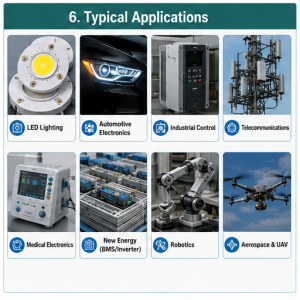
HDI & high Tg PCB solutions appear in many sectors. Some typical applications are:

  • Automotive electronics: ADAS, camera modules, radar, infotainment, EV control units
  • Telecom and networking: 5G small cells, base stations, high-speed backplanes
  • Industrial control: PLCs, servo drives, motion controllers, sensor hubs
  • Medical devices: Imaging equipment, patient monitoring, compact diagnostic tools
  • Consumer and wearable devices: Smartphones, tablets, smartwatches, AR/VR devices

All these products share common requirements: compact size, strict reliability targets, and long-term stability under shifting loads. HDI PCB structures handle fine-pitch and high-speed paths, while high Tg PCB materials carry the thermal and mechanical burden.

What Are the Key Design Considerations for HDI & High Tg PCB?

Designing HDI & high Tg PCB solutions is not just about choosing a material with higher Tg and shrinking traces. It needs careful coordination between layout, stack-up, and process limits. Key points include:

What Are the Key Design Considerations for HDI & High Tg PCB?

1. Stack-up planning early

    Decide the HDI level (1+N+1, 2+N+2, etc.), copper thickness, and layer count early. Include high Tg material data, Dk/Df values, and lamination constraints in the first draft.

    2. Microvia and buried via strategy

    Keep microvia aspect ratios within the fabricator’s safe range. Use staggered rather than stacked microvias when reliability priority is high, unless the project can support enhanced filling processes.

    3. Impedance control with high-speed pairs

    High-density routing often pushes traces close together. Work with the fabricator to set precise trace width and spacing for each impedance class, considering the actual dielectric constant of the high Tg material.

    4. Thermal management and copper balance

    High Tg PCB materials support higher temperature, but heat still needs paths. Balance copper areas across the panel to reduce warpage. Provide solid ground planes, thermal vias, and clear heat paths.

    5. Solder mask and via-in-pad design

    When using via-in-pad on HDI pads, confirm filling and capping processes. Poorly filled vias can trap flux or reduce solder joint strength.

    6. Design for manufacturability (DFM)

    Follow the manufacturer’s design rules for minimum line/space, annular ring, drill size, and pad shapes. Good DFM work reduces scrap and supports stable quality.

    What Manufacturing Challenges Exist in HDI & High Tg PCB?

    Manufacturing HDI PCB involves several engineering challenges because the process pushes the limits of micro-fabrication, interlayer reliability, material control, and inspection accuracy. Each stage demands strict tolerance management to keep performance stable in high-density layouts.

    • Microvia and blind-via drilling accuracy is difficult because HDI requires via diameters

    below 0.15 mm. Laser drilling must stay stable and precise to avoid rough walls, incomplete holes, or weak plating that may cause electrical issues in stacked via structures.

    • Layer-to-layer registration and lamination control demand micron-level alignment.

    High-order HDI needs multiple lamination cycles, and any shift in imaging, resin flow, or pressure can create opens, shorts, or signal loss.

    • Fine-line etching becomes harder as line width and spacing drop to 3 mil or less. Thin

    traces are sensitive to under-etching or over-etching, and thicker copper (4–10 oz) makes precise control even more challenging.

    • Plating and via filling must deliver uniform copper to keep interconnections stable.

    Voids, trapped gas, or uneven filling weaken microvias and reduce long-term reliability, especially when the design needs high breakdown voltage.

    How EBest Circuit (Best Technology) Supports HDI & High Tg PCB Solutions?

    EBest Circuit (Best Technology) supports HDI & High Tg PCB Solutions from early design review through mass production and assembly. Our team focuses on turning demanding ideas into stable, repeatable products.

    • Engineering and DFM for HDI and high Tg

    Our engineers review your stack-up, HDI level, and component layout at the start. We suggest suitable high Tg materials, via strategies, and impedance structures based on your performance and cost targets.

    • HDI PCB manufacturing capability

    We support fine line and space routing, laser-drilled microvias, via-in-pad, and multi-step lamination. Typical HDI builds such as 1+N+1, 2+N+2, and higher structures can be handled with controlled registration and repeatable yields.

    • High Tg and advanced materials

    We work with well-known high Tg PCB laminates and can also support hybrid builds for projects that need both RF and digital performance. Material selection focuses on Tg, Td, Dk/Df, and reliability under your real reflow profile.

    • PCBA assembly with process control

    EBest Circuit (Best Technology) provides SMT and through-hole assembly for HDI and high Tg boards in both China and Vietnam. Lead-free profiles, X-ray for BGA, and AOI help keep quality stable for dense layouts.

    • Quality systems and traceability

    Our factories follow ISO9001, ISO13485 for medical, IATF16949 for automotive, and AS9100D for aerospace. We also run MES systems to track each lot from material incoming through final shipment. This supports clear traceability and faster root-cause analysis if any issue appears.

    For buyers who need a long-term partner for HDI & high Tg PCB solutions, this combination of engineering support, HDI process capability, and certified quality systems reduces risk and saves internal effort.

    FAQs about HDI & High Tg PCB Solutions

    1. Is HDI PCB always more expensive than a standard multilayer board?

    HDI PCB usually costs more per panel due to laser drilling, extra lamination, and tighter controls. However, the total product cost can drop because the board is smaller, the BOM can be simplified, and performance improves.

    2. When do I really need a high Tg PCB instead of normal FR4?

    You should consider a high Tg PCB when your design uses lead-free solder, has more than one reflow cycle, or runs in high ambient temperatures. Automotive, power, and industrial products are common cases where high Tg material significantly improves reliability.

    3. Can I use HDI without high Tg material for consumer products?

    Yes. Many consumer devices use hdi pcb structures on mid-range Tg materials because their operating temperature is moderate and lifetime targets are shorter. The decision depends on your thermal profile and reliability goals.

    4. Are stacked microvias less reliable than staggered ones?

    Stacked microvias can be reliable when the process is well controlled, but they need stricter plating and filling quality. For very harsh environments, many designers still prefer staggered microvias for extra margin, unless dense routing forces stacking.

    5. How early should I involve EBest Circuit (Best Technology) in an HDI & high Tg PCB project?

    The best time is before you freeze the stack-up and routing strategy. Early DFM and material discussion help avoid later redesign, reduce risk, and shorten the path from prototype to stable mass production.

    If you are planning a new design that needs smaller size, higher speed, and stronger thermal performance, HDI & High Tg PCB Solutions may be the right direction. You can share your Gerber files, stack-up ideas, or even just a concept, and EBest Circuit (Best Technology) will help you evaluate practical options, costs, and timelines for your next project.

    You may also like

    Main PCB Assembly Manufacturer in China, Turnkey Solution

    December 19th, 2025

    When it comes to sourcing reliable main PCB assembly services, global electronics professionals increasingly turn to China for its comprehensive manufacturing capabilities and cost-effectiveness. Our factory, as a leading provider in the region, specializes in delivering high-quality main PCB assembly solutions tailored to the unique needs of industries ranging from automotive to consumer electronics. We combine advanced production technology with rigorous quality control to ensure that every main PCB assembly meets international standards, making us a trusted partner for businesses across Europe, Israel, Russia, and beyond.

    Main PCB Assembly Manufacturer in China, https://www.bestpcbs.com/blog/2025/12/main-pcb-assembly-manufacturer-in-china/

    What Is a Main PCB Assembly?

    Main PCB assembly is the process of attaching electronic parts to a printed circuit board so the board becomes a complete system. It involves both manual and automated actions, depending on volume and design needs. This service is used for consumer electronics, industrial controllers, medical devices, automotive units, smart systems, and many other fields.

    Furthermore, this workflow covers more than soldering. It begins with engineering review. Then it moves to component sourcing, SMT assembly, through-hole soldering, inspection, function testing, and packing. Every step affects the final performance. That is why buyers often look for a manufacturer with strong process control and fast communication.

    In addition, main PCB assembly supports boards of many shapes and materials. FR4, metal core boards, flex circuits, rigid-flex boards, ceramic boards, and high-frequency materials are all used. This flexibility helps designers select the right base for their product goals.

    Types of Main PCB Assembly Service

    Different projects require different assembly modes, so a good manufacturer provides several options. Below are the common service types buyers often choose:

    • SMT Assembly handles surface-mount parts. These parts sit on the surface of the board and need accurate placement. This method works for small resistors, capacitors, ICs, and fine-pitch chips.
    • Through-Hole Assembly supports parts that require pins inserted through the board. It is widely used for connectors, transformers, relays, and high-current components. This method can use manual soldering or wave soldering, depending on volume.
    • Mixed Assembly joins both SMT and through-hole. Many modern designs use this method because it offers flexibility in layout and strength.
    • Turnkey Assembly gives you a complete solution. The manufacturer sources all components, builds the boards, does testing, and handles shipping. Buyers often choose this option to save time and reduce costs.
    • Partial Turnkey Assembly lets the buyer supply some components while the manufacturer provides the rest. This option suits customers who already have approved vendors or hold components in stock.
    • Prototype Assembly supports small batches for early testing. It helps buyers verify function before moving to mass production.
    Types of Main PCB Assembly Service, https://www.bestpcbs.com/blog/2025/12/main-pcb-assembly-manufacturer-in-china/

    Main PCB Assembly Process

    1. Design for Manufacturability (DFM) Review

    • Before production commences, our engineering team performs a comprehensive DFM review of your PCB design. This proactive step identifies potential issues that could impact main PCB assembly, such as component placement conflicts, insufficient solder mask coverage, or unsupported trace widths, laying the groundwork for a seamless manufacturing process.

    2. Component Sourcing and Inspection

      • We source premium components exclusively from authorized distributors to ensure authenticity and consistent performance. Every component undergoes stringent incoming inspection, including visual examinations and electrical testing, to filter out defective parts before they enter the main PCB assembly workflow.

      3. PCB Fabrication Preparation

        • Bare PCBs are prepared for assembly through thorough cleaning to remove contaminants, followed by precise solder paste application onto pads using a stencil. This accurate application guarantees optimal solder coverage, which is critical for reliable component attachment during main PCB assembly.

        4. Component Placement

          • We utilize state-of-the-art SMT placement machines to accurately position components on the PCB. For DIP components, we employ either automated or manual insertion based on component type and design specifications. This stage is pivotal to ensuring the functionality and reliability of the final main PCB assembly.

          5. Strict Quality Control Adhering to International Standards

          • PCBs with placed components undergo soldering via reflow ovens (for SMT) or wave soldering machines (for DIP). The soldering process is meticulously controlled to form strong, dependable joints while preventing thermal damage to components— a key quality criterion for Main PCB Assembly.

          6. Post-Soldering Inspection and Rework

            • After soldering, the Main PCB Assembly undergoes rigorous inspection using Automated Optical Inspection (AOI) machines and manual checks. This dual-inspection approach identifies defects like solder bridges, cold joints, or missing components, all of which are promptly reworked to meet strict quality standards.

            7. Functional Testing

              • The final stage of the Main PCB Assembly process is functional testing. The assembled PCB is connected to specialized test equipment to verify it operates in line with your specific requirements. This ensures the PCB is fully functional and ready for integration into your end product.

              Why Choose EBest Circuit (Best Technology) for Main PCB Assembly Manufacturer?

              Reasons Why Choose EBest Circuit (Best Technology) for main PCB assembly manufacturer:

              Cost-Competitive Pricing with No Compromise on Quality:

              • Leveraging our large-scale component sourcing (covering 60% of PCB production cost per industry data 1) and efficient production processes, we can reduce your Main PCB Assembly costs by 10%-15% compared to regional competitors. Our transparent pricing model includes no hidden fees, all material, labor, and testing costs are clearly itemized, helping you optimize project budgets with predictable expenses.

              With 19 years of experience in motherboard assembly, we offer exceptional quality and reliability:

              • Leveraging our extensive experience in the electronics manufacturing industry over 19 years, we have continuously refined our motherboard assembly process through more than 5,000 successful projects. We have over 80 experienced engineers and technicians (with an average of 12 years of industry experience) who can efficiently handle projects ranging from small-batch prototypes (10+ units) to large-scale production (100,000+ units), ensuring stable and reliable product quality and achieving a customer retention rate of 99.8%.

              Fast and Reliable Lead Times

              • Our standard lead time for motherboard assembly is 2-4 weeks, and we offer expedited services for urgent projects (small batch orders can be completed within 1 week). Our efficient production scheduling system and 24/7 production lines ensure a 99.5% on-time delivery rate, helping you avoid costly project delays.

              Free Comprehensive DFM Analysis

              • Our free DFM (Design for Manufacturability) analysis service helps you optimize your PCB design, improve manufacturability, reduce defect risk by 35%, and lower component-level production costs by 25% to 40%². Our engineers will provide detailed recommendations (e.g., component layout optimization, trace width adjustments) to improve motherboard assembly efficiency and enhance the reliability of the final product.

              Full Turnkey Main PCB Assembly Solutions

              • We offer end-to-end turnkey solutions for Main PCB Assembly, covering component sourcing (from 200+ authorized distributors), PCB fabrication, assembly, testing, and packaging. This one-stop approach reduces your supply chain coordination time by 80%, eliminates the hassle of managing multiple vendors, and ensures consistent quality control across all production stages.

              Strict Quality Control Adhering to International Standards

              • Our Main PCB Assembly processes fully comply with IPC-A-610G and ISO 9001:2015 standards. We implement 7-stage quality control measures, achieving a defect rate of less than 0.05%. All finished PCBs undergo 100% functional testing and AOI inspection, ensuring each product meets the highest quality requirements for industries like automotive and medical.

              Advanced Production and Testing Equipment

              • We have invested in and introduced state-of-the-art production equipment, including more than 10 high-precision SMT placement machines (positioning accuracy ±0.03 mm). Our X-ray inspection equipment can perform 100% inspection of all BGA components, and our functional testing stations support over 500 test protocols. With these advanced technologies, we are able to handle complex motherboard assembly designs (line width ≤20 micrometers) with extremely low defect rates.

              Customized Solutions for Specialized Industries

              • We specialize in customized Main PCB Assembly solutions for 6 core industries: automotive, medical, aerospace, consumer electronics, industrial control, and AI servers. Our team has completed 1,200+ industry-specific projects, including high-temperature resistant PCBs for EVs (-40°C to 125°C) and FDA-compliant assemblies for medical devices, ensuring tailored solutions meet industry-specific standards.
              Why Choose EBest Circuit (Best Technology) for Main PCB Assembly Manufacturer, https://www.bestpcbs.com/blog/2025/12/main-pcb-assembly-manufacturer-in-china/

              Our PCB Assembly Capability

              Item  Capabilities
              Placer Speed 13,200,000 chips/day
              Bare Board Size0.2 x 0.2 inches – 20 x 20 inches/ 22*47.5 inches
              Minimum SMD Component01005
              Minimum BGA Pitch0.25mm
              Maximum Components50*150mm
              Assembly TypeSMT, THT, Mixed assembly
              Component PackageReels, Cut Tape, Tube, Tray, Loose Parts
              Lead Time1 – 5 days

              Our Quality Control in Main PCB Assembly

              1. Incoming Material Inspection: All components and PCB materials undergo strict incoming inspection before entering the Main PCB Assembly process. We check for component authenticity, quality, and compliance with specifications, using advanced testing equipment to eliminate defective materials.

              2. DFM Review Before Production: Our engineering team conducts a detailed DFM review to identify any design issues that could affect Main PCB Assembly quality. This proactive step ensures that the design is optimized for manufacturing, reducing the risk of defects.

              3. In-Process Quality Checks: We perform regular in-process quality checks during Main PCB Assembly, including solder paste inspection, component placement verification, and soldering process monitoring. These checks ensure that each stage of production adheres to quality standards.

              4. Automated Optical Inspection (AOI): After soldering, each Main PCB Assembly undergoes AOI testing to detect defects such as solder bridges, cold joints, missing components, and misaligned components. AOI technology enables fast and accurate inspection, ensuring consistent quality.

              5. X-Ray Inspection for Complex Components: For complex components such as BGA (Ball Grid Array), we use X-ray inspection to verify solder joint quality. This non-destructive testing method ensures that hidden solder joints in the Main PCB Assembly are reliable and free from defects.

              6. Functional Testing: Each Main PCB Assembly undergoes comprehensive functional testing to verify that it operates according to the client’s specifications. We use custom test fixtures and software to simulate real-world operating conditions, ensuring the PCB is fully functional.

              7. Final Visual Inspection and Packaging: Before shipment, a final visual inspection is performed to ensure the Main PCB Assembly is clean and free from any defects. The PCBs are then packaged in anti-static materials to protect them during shipping and storage.

              Our Quality Control in Main PCB Assembly, https://www.bestpcbs.com/blog/2025/12/main-pcb-assembly-manufacturer-in-china/

              Case Studies of Our PCB Main Board Assembly

              Project Requirements:

              • A European automotive manufacturer required a high-reliability Main PCB Assembly for their electric vehicle (EV) battery management system. The project required compliance with automotive industry standards (ISO/TS 16949), strict temperature resistance (-40°C to 125°C), and a lead time of 4 weeks.

              Our Solution:

              • We conducted a detailed DFM review to optimize the PCB design for automotive applications. We sourced high-temperature components from authorized distributors and used a mixed-technology Main PCB Assembly process (SMT + DIP) to meet the component requirements. We implemented additional X-ray inspection for BGA components and performed rigorous environmental testing to ensure temperature resistance.

              Output Results

              • The Main PCB Assembly met all automotive industry standards and temperature resistance requirements. The project was delivered on time, with a defect rate of less than 0.1%. The client was impressed with the quality and reliability of the PCBs, leading to a long-term partnership for future EV projects.

              How to Get A Quote For Main PCB Assembly Service?

              Follow these steps to receive a customized quote tailored to your project needs:

              1. Prepare Your Project Documents​: Gather the necessary documents, including PCB Gerber files, BOM (Bill of Materials), assembly drawings, and any specific requirements (e.g., industry standards, lead time, quantity). These documents help us accurately assess your main PCB assembly needs.​

              2. Submit Your Inquiry​: You can submit your inquiry through our website’s quote request form, email, or by contacting our sales team directly. Please include your project documents and any additional information about your main PCB assembly requirements.​

              3. Free DFM Analysis and Quote Preparation​: Our engineering team will conduct a free DFM analysis of your design and prepare a detailed quote for Main PCB Assembly. The quote will include pricing, lead time, quality control measures, and any recommendations to optimize your project.​

              4. Review and Confirm​: Our sales team will send the quote to you for review. We are available to answer any questions and make adjustments to the quote based on your feedback. Once you confirm the quote, we will begin the Main PCB Assembly process according to your specifications.​

              5. Production and Delivery​: After confirmation, we will start production and provide real-time updates on the progress of your Main PCB Assembly order. Once production is complete, we will ship the order to your specified location, handling all logistics and customs arrangements.

              Welcome to contact us if you have any request for main PCB assembly: sales@bestpcbs.com.

              You may also like

              What is a keyboard PCB? PCB board keyboard

              December 19th, 2025

              A keyboard PCB is the electronic backbone of a keyboard. It is a printed circuit board that detects each key press and converts it into a digital signal the device can understand. Every time a key is pressed, the PCB closes a circuit, identifies the key’s position, and sends accurate input data to the computer.

              What is a keyboard PCB? PCB board keyboard

              What Is a PCB on a Keyboard?

              A keyboard PCB is the printed circuit board that connects switches, stabilizers, LEDs, and the controller into one stable platform. Each time you press a key, the switch closes a circuit on the PCB, sending an electrical signal to the microcontroller. That signal becomes the character, function, or macro you see on your screen.

              The PCB replaces old-style wiring that was once messy and inconsistent. Instead, everything sits on a neat, flat board where copper traces interpret the user’s input. Because these traces are organized and protected, the keyboard responds more smoothly and lasts longer.

              In mechanical keyboards, the PCB is more advanced. It handles precise actuation, varied layouts, backlighting, and programmable features.

              A keyboard PCB also influences these factors:

              • Typing feel due to layout support and switch connection method.
              • Durability due to copper thickness, plating quality, and protection layers.
              • Signal stability because clean traces reduce interference.
              • Lighting effects when the PCB includes addressable RGB pads.

              Customization freedom when the board offers hot-swap sockets or multiple layout footprints.

              What Is a Magic Keyboard PCB?

              Magic Keyboard PCB refers to the internal printed circuit board used in Apple’s Magic Keyboard line. It is a compact, low-profile PCB designed to support thin scissor switches, stable key feel, and low-power Bluetooth operation. While it follows the same core idea as a standard keyboard PCB, its structure is tighter, slimmer, and more integrated.

              Unlike many mechanical keyboard PCBs, a Magic Keyboard PCB does not support modular changes. The layout is fixed. The switches are low-profile scissor mechanisms, and the board follows Apple’s proprietary design.

              A Magic Keyboard PCB uses tight copper routing, small SMD components, and a compact controller area. Each key pad is reinforced to keep signals stable even under heavy typing. The board often includes Bluetooth antennas, battery connections, and power-efficient circuitry that keeps the keyboard running for long periods.

              How to Check if a Keyboard PCB Is Working?

              Checking if a keyboard PCB works is simple when you follow a clear process. You can test your board with basic tools, and each step helps you find problems early. A working PCB reacts fast, sends clean signals, and shows no unusual behavior when keys are pressed.

              Here is a practical sequence you can follow.

              • First, connect the keyboard PCB to your computer.

              Use a USB cable. If the board lights up or if the system plays a connection sound, you know the controller is active.

              • Next, open a keyboard testing tool online.

              There are many free testing websites. If each key registers, the keyboard PCB is working well.

              • Then, check the LEDs or RGB pads.

              If your PCB includes lighting, turn it on through the firmware.

              • After that, inspect the USB connector area.

              A loose connector can cause random disconnects. Light pressure on the port should not break the connection.

              • Finally, test the board again after assembling it into a case.

              A case may add pressure to certain components.

              What is a keyboard PCB? PCB board keyboard

              How to Design a Keyboard PCB?

              To design a keyboard PCB, you can follow a structured approach that keeps the process simple.

              • Start with your layout.

              Choose the size you want: 60%, 65%, TKL, full-size, or a custom shape. The layout decides the switch spacing, stabilizer placement, and the overall PCB outline.

              • Move to the switch footprints.

              Mechanical keyboard PCBs usually use MX-style footprints. If you want a low-profile build, you may use Choc footprints.

              • Add the controller.

              Popular microcontrollers include Atmel ATmega32U4, RP2040, STM32, and other modern chips.

              • Plan the matrix wiring.

              The matrix is a grid of rows and columns. It helps the controller read key inputs efficiently.

              • Include diodes.

              Each switch pad usually needs a diode to prevent ghosting.

              • Add RGB or LED pads if needed.

              Per-key RGB or under-glow lighting adds visual style.

              • Check grounding and shielding.

              A stable grounding layer keeps signals clean. It also reduces interference in high-speed USB communication.

              • Finally, export your files.

              You will need Gerber files, a drill file, and a BOM.

              How to Make a Keyboard PCB?

              Making a keyboard PCB involves fabrication steps that follow your design file. Good manufacturing practice ensures stable traces, strong plating, and consistent performance.

              The following steps explain the process of manufacturing a keyboard PCB.

              • Prepare your files: Send Gerber files, drill files, a layer stack, and your BOM to a PCB manufacturer.
              • Choose suitable materials: Most keyboard PCBs use FR4. If you want extra durability or thin form factors, you can choose special materials.
              • Confirm layer count: Most keyboard PCBs are 1-layer or 2-layer boards. If you use complex lighting or advanced controller circuits, you may choose a 4-layer design.
              • Move to fabrication: The manufacturer prints copper patterns, drills holes, plates vias, and builds the board with protective solder mask and silkscreen.
              • Add surface finish: HASL, ENIG, or ENEPIG are common finishes.
              • Apply quality checks: The finished board goes through electrical testing to confirm that every trace works.

              Send the PCB to assembly if needed, If you want SMD components pre-assembled, BEST Technology can solder the controller, resistors, capacitors, and LEDs.

              What is a keyboard PCB? PCB board keyboard

              How to Solder a Keyboard PCB?

              Before you begin, gather a soldering iron, solder wire, tweezers, and a small amount of flux. Keep the workspace clean.

              If your layout uses screw-in stabilizers, install them first. They sit lower than switches and must be secured before anything else.

              If your PCB is not a hot-swap board, insert each switch through the plate and into the PCB. Make sure the pins are straight. Each one must sit firmly in the holes.

              A temperature around 320–350°C works well for most solder wires. Let the iron warm up fully before you begin. Hold the iron so it touches both surfaces. Then feed a small amount of solder. Move from one side to the other. If your PCB includes LEDs, solder them next. Once the soldering is complete, let the board cool.

              How to Clean a Keyboard PCB?

              Cleaning a keyboard PCB keeps it fresh, stable, and long-lasting. Dust, flux residue, or spilled liquid may affect the board over time.

              First, disconnect the PCB from power. Make sure no USB cable or battery is connected. Use compressed air. Short bursts keep the PCB clean without harming components.

              Use isopropyl alcohol (IPA). Apply it to a cotton swab or a soft brush. IPA removes fingerprints, flux residue, and sticky dirt. A small amount is enough. Too much liquid may trap moisture under components. Alcohol dries fast. Leave the board in open air for a few minutes. A dry PCB stays safe and ready for testing.

              If you use the keyboard in a humid place, cleaning becomes even more important. Regular cleaning helps the traces stay fresh and stable.

              Why Choose EBest Circuit (Best Technology) for Keyboard PCB Manufacturing?

              EBest Circuit (Best Technology) delivers engineering support, stable fabrication, and consistent quality, which gives users and brands more confidence throughout the entire process. Our team focuses on accuracy, smooth communication, and clean workmanship so your project runs without stress.

              If you need unique switch layouts, alternative footprints, or special routing, we provide DFM guidance to make your files easier to produce. Mechanical keyboard PCBs often need ENIG for smooth soldering, stable plating, and long-term durability.

              What is a keyboard PCB? PCB board keyboard

              Conclusion:

              A keyboard PCB shapes how a keyboard responds, how long it lasts, and how enjoyable it feels. We help you design, produce, assemble, and test keyboard PCBs with smooth communication and consistent results.

              For project support or inquiries, please contact us at sales@bestpcbs.com

              You may also like

              China PCBA Contract Manufacturing Service, One Stop Solution

              December 19th, 2025

              Looking for PCBA contract manufacturing service? This guide explains China PCBA contract manufacturing, its process, benefits, and how EBest Circuit (Best Technology) supports your projects from idea to shipment.

              PCBA contract manufacturing provides a practical solution for companies seeking fast, stable, and cost-effective electronic production, enabling teams to focus on design while experienced partners manage fabrication and assembly. In today’s global market, this PCBA contract manufacturing approach reduces risk, shortens timelines, and leverages China’s mature supply chain and broad process capability as a top choice. As demand grows for smaller, smarter, and more advanced products, trusted partners like EBest Circuit (Best Technology) become essential, supporting brands, startups, and OEMs with consistent results, clear communication, and dependable engineering guidance across PCB fabrication, component sourcing, and surface-mount assembly to turn concepts into predictable-quality products step by step.

              What Is PCBA Contract Manufacturing Service?

              PCBA contract manufacturing is a production model where a company outsources the fabrication and assembly of printed circuit board assemblies to a specialized factory. Instead of managing several vendors, buyers rely on one partner that handles everything. This approach removes unnecessary steps and keeps the project workflow smooth.

              In simple terms, you provide your design files. Then the manufacturer handles PCB fabrication, materials sourcing, assembly, soldering, testing, and packaging. Some customers also request firmware loading and functional checks to create a complete unit. Because of this integrated approach, PCBA contract manufacturing helps reduce cost, lower engineering mistakes, and avoid production delays. As a result, companies can stay focused on product improvement and market growth.

              China PCBA Contract Manufacturing Service, bestpcbs.com/blog/2025/12/china-pcba-contract-manufacturing-service/

              Why Choose China PCBA Contract Manufacturing Service?

              Benefits of China PCBA Contract Manufacturing Service:

              • Full Industrial Chain Ecosystem Synergy: Covers the entire chain from laminate materials, components, solder paste suppliers, testing labs to logistics hubs. This integrated ecosystem shortens lead times and reduces operational costs while providing “one-stop” supply chain services.
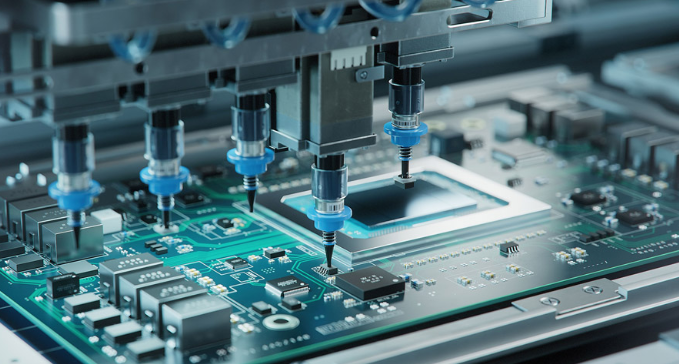
              • Full Production Scale Coverage: Supports all stages from small-batch prototyping to million-unit mass production, meeting needs for rapid iteration during development and stable supply during mass production phases.
              • International Certification Quality Assurance: Certifications including ISO9001, ISO13485 (medical), AS9100D (aerospace), and IATF16949 (automotive) ensure product quality stability, meeting stringent requirements for automotive, medical, and other high-reliability applications.
              • Advanced Process Technology Capability: Rich experience in HDI boards, high-frequency laminates, fine-pitch devices (01005/008004), and complex multi-stage assemblies enables high-performance product realization in communications, IoT, medical devices, automotive control systems, and industrial monitoring equipment.
              • Cost-Performance Advantage: Competitive pricing for high-quality products combined with advanced equipment and professional engineering support achieves optimal balance of cost, quality, and responsiveness.

              What Does China PCBA Contract Manufacturing Service Include?

              China PCBA Contract Manufacturing Service Include:

              Component Sourcing & Supply Chain Management:

              • Procures components based on BOM (Bill of Materials).
              • Manages supplier networks and mitigates material shortage risks.

              PCB Bare Board Production Oversight (Optional)

              • May handle in-house PCB fabrication or outsource manufacturing.

              SMT Assembly

              • Utilizes high-speed pick-and-place machines to mount micro-components onto PCBs.

              Through-Hole Component Insertion

              • Implements manual/automated DIP (Dual In-line Package) insertion followed by wave/selective soldering.

              Soldering Processes

              • Reflow soldering (for SMT) and wave/selective soldering (for DIP).

              Post-Soldering Cleaning (Optional)

              • Removes solder residues, critical for high-reliability applications.

              Testing & Inspection

              • AOI (Automated Optical Inspection), X-Ray inspection, ICT (In-Circuit Test), FCT (Functional Circuit Test), burn-in testing, etc.

              Assembly & System Integration

              • Performs box-build assembly (housing PCBA, connecting cables, etc.)

              Packaging & Logistics

              • Packages finished products per customer specifications and coordinates global shipment.

              Delivery Output

              • Provides fully functional, quality-assured PCBA modules or complete turnkey products.
              What Does China PCBA Contract Manufacturing Service Include, bestpcbs.com/blog/2025/12/china-pcba-contract-manufacturing-service/

              PCBA Contract Manufacturing Process

              PCBA Contract Manufacturing Full Process:

              1. Engineering Review: Design for Manufacturability Verification

              • Technical team cross-checks Gerber files, BOM, pick-and-place data, and assembly drawings
              • Validates line width/spacing against HDI process capabilities, BOM material availability, and pad design compatibility with automated equipment.
              • Prevents design-related mass production issues through proactive risk mitigation.

              2. PCB Fabrication: Precision & Material Control

              • Customizes PCB substrates (FR4, Rogers high-frequency materials), copper thickness, solder mask accuracy, and impedance control as required.
              • Key processes include inner layer etching, laminate alignment (±0.05mm drilling tolerance), surface finishing (ENIG/OSP), and AOI defect detection.

              3. Component Sourcing & Logistics: Full Chain Traceability

              • Procures active (ICs, MCUs), passive (resistors/capacitors), connectors, power modules, sensors, and wireless chips from certified suppliers.
              • ERP system tracks real-time inventory, delivery risks, and batch quality; VMI (Vendor Managed Inventory) implemented for critical components.

              4. Stencil Preparation: Solder Paste Application Accuracy

              • Laser-cuts stainless steel stencils with ±5μm aperture precision.
              • Uses stepped stencils for ultra-fine components (01005/008004) to ensure uniform solder paste volume and prevent bridging/defective soldering.

              5. SMT Assembly: High-Speed Precision Operations

              • Employs advanced pick-and-place machines (e.g., Siemens SIPLACE series) achieving ≥36,000cph placement speed for 0201 components.
              • N2-reflow oven maintains six-zone temperature profile control (±2℃ error) for reliable solder joints.

              6. Through-Hole Assembly & Soldering: Automated & Manual Integration

              • Selective wave soldering with customized fixtures minimizes tin slag contamination.
              • Manual soldering + X-ray inspection for high-reliability products ensures mechanical strength and electrical performance compliance.

              7. Testing & Inspection: Multi-Dimensional Quality Assurance

              • AOI detects solder joint defects, X-ray inspects BGA internal connections, ICT verifies circuit continuity, FCT simulates real-world functionality.
              • Burn-in testing screens for early-life failures to achieve <0.1% defect rate in delivered products.

              8. Cleaning, Packaging & Global Logistics: Secure Delivery

              • Ultrasonic cleaning removes post-solder flux residues; vacuum packaging prevents moisture/dust damage
              • Custom packaging with protective materials and real-time ERP logistics tracking supports DHL/FedEx/air/sea shipment to global destinations

              Types of Our PCBA Contract Manufacturing Service

              • Prototype PCBA service: Used for early evaluation, concept verification, and quick engineering builds. Short lead times and high flexibility are typical at this stage.
              • Small-batch production: Ideal for pilot runs and small orders. This service helps customers validate performance before mass production.
              • Mass production: When demand increases, factories scale up to support stable production with consistent quality. Automated lines maintain uniformity.
              • Turnkey service: This includes PCB fabrication, components sourcing, assembly, testing, and shipping. Buyers only provide design documents.
              • Partial turnkey or kitted service: Some customers supply certain components. The factory handles the rest.
              • Specialized PCBA builds: This includes RF boards, high-density interconnect boards, high-frequency modules, ceramic assemblies, aluminum base assemblies, and automotive PCBs.
              Types of Our PCBA Contract Manufacturing Service, bestpcbs.com/blog/2025/12/china-pcba-contract-manufacturing-service/

              Why Choose EBest Circuit (Best Technology) for PCBA Contract Manufacturer?

              Reasons Why Choose EBest Circuit (Best Technology) for PCBA Contract Manufacturer:

              • Advanced technology enhances product performance: High-speed placement machines and precision inspection systems enable 01005 ultra-small component assembly, ensuring electrical performance 20%-40% better than industry benchmarks.
              • Full-chain quality control system: Dual ISO 9001 and IATF 16949 certifications with SPC statistical process control and AOI/X-ray smart inspection achieve repair rates below 0.02%.
              • Rapid response and global delivery network: 48-hour rapid prototyping with DHL/UPS air freight to Europe and North America meets urgent delivery needs.
              • Structural cost optimization: DFM design optimization reduces material waste by 30% while automated storage systems lower overall costs by 15%.
              • Green manufacturing compliance: RoHS/REACH-compliant lead-free processes and eco-friendly materials meet EU environmental regulations.
              • Supply chain resilience: Strategic inventory agreements with global top-tier component suppliers compress critical material lead times to under 24 hours.
              • One Stop Solution: NPI full-process support from DFM analysis to mass production testing shortens time-to-market by 40%.
              • Digital transparency platform: Real-time tracking via ERP and MES systems with customer-exclusive portals for full-process visibility.
              • Authoritative certifications and patents: UL safety certifications, IPC-A-610 standards, and proprietary patents pass rigorous factory audits by leading enterprises.
              • Cross-industry success stories: Proven expertise in automotive electronics, industrial control, and consumer electronics with over 80% customer retention rates.
              Why Choose EBest Circuit (Best Technology) for PCBA Contract Manufacturer, bestpcbs.com/blog/2025/12/china-pcba-contract-manufacturing-service/

              Case Studies of Our PCBA Contract Manufacturing

              Case Study: Medical-Grade Cardiac Monitor PCBA Contract Manufacturing

              Project Background:

              An international medical device company launched a new generation of portable cardiac monitors, requiring PCBA modules to operate stably in a wide temperature range of -40°C to 85°C, meet IEC 60601-1-2 medical-grade EMI/EMC standards, and compress batch production cycles to 28 days. As the PCBA contract manufacturer, we achieved project goals through full-process collaborative innovation.

              Project Requirements Breakdown

              • Reliability Verification: Must pass 1,000-hour accelerated life testing (THB 85°C/85% RH) and 500 thermal shock cycles (-55°C to 125°C);
              • Signal Integrity: ECG signal acquisition module noise must be below 2μVrms, with common-mode rejection ratio (CMRR) ≥110dB;
              • Manufacturability: Support flexible small-batch production (500 pieces/batch) while reserving capacity for future annual production of 500,000 pieces;
              • Cost Control: Target BOM cost reduction of 15%, with process defect rate controlled within 0.3%.

              Solution Implementation

              1. Design Collaboration Optimization

                • Utilized Ansys HFSS for PCB layout simulation, optimized critical signal paths (e.g., ECG acquisition differential pairs), and reduced crosstalk by 40% through layer stack adjustment;
                • Introduced 3D-MID (molded interconnect device) technology to deposit metal circuits directly on plastic substrates, reducing traditional connector usage and saving 20% space;
                • Conducted DFM (design for manufacturability) review, optimizing minimum trace width/spacing from 6mil to 5mil, increasing routing density by 15%.

                2. Material and Process Innovation

                  • Selected high-Tg (180°C) halogen-free FR-4 substrate with ENIG (electroless nickel immersion gold) surface treatment for solder pad oxidation resistance;
                  • Adopted AEC-Q200-certified automotive-grade MLCC capacitors and 0201 package resistors to enhance component temperature resistance;
                  • Implemented “double-sided reflow + selective wave soldering” processes, with X-ray + AOI dual inspection for critical BGA devices to ensure solder joint defect rate <50ppm.

                  3. Testing and Quality Control

                    • Developed dedicated test fixtures for 100% ICT (in-circuit testing) + FCT (functional testing), integrating ECG signal simulators to verify acquisition accuracy;
                    • Implemented “first article inspection + process sampling + final inspection” three-tier quality control, with destructive physical analysis (cross-sectioning) performed on 5 pieces per batch;
                    • Established traceability system, binding production data (temperature profiles, test records) to each PCBA to meet medical device UDI (unique device identification) requirements.

                    Output Results and Value Delivery

                    • Delivery Cycle: Completed design verification to mass production in 25 days, 3 days ahead of schedule;
                    • Quality Performance: First batch of 500 pieces passed ISO 13485 quality system certification, achieved zero failures in accelerated life testing, and CMRR measured at 115dB;
                    • Cost Efficiency: BOM cost reduced by 18% (3% above target), process defect rate at 0.25%, with annual capacity planning supporting 500,000-piece expansion needs;
                    • Client Feedback: Product received FDA 510(k) certification after market launch, market share increased by 20%, and client repurchase rate reached 98%.

                    How to Get A Quote for PCBA Contract Manufacturing Service?

                    Steps to Get A Quote for PCBA Contract Manufacturing Service:

                    1. Submit Complete Documentation: Provide BOM (Bill of Materials) in Excel format with component specifications, Gerber files, PCB layout, and assembly drawings. Include test requirements (ICT/FCT), conformal coating needs, and compliance standards (RoHS, ITAR, etc.).

                    2. Specify Quantity & Timeline: Clarify order volume, annual forecast, and required delivery dates. For prototypes, indicate urgency; for mass production, detail production cycles and batch sizes.

                    3. Outline Technical Specifications: Define PCB dimensions, layer count, thickness, material, and special processes (e.g., gold plating, blind vias). Include packaging preferences (ESD-safe, serialized labeling) and logistics requirements.

                    4. Engage in Pre-Quote Communication: Discuss DFM (Design for Manufacturability) feedback, component sourcing strategies, and quality certifications. Address potential risks (e.g., component shortages) and mitigation plans.

                    5. Request Formal RFQ Submission: Formalize the quote request with all above details. Manufacturers will assess costs (material, labor, testing) and provide a breakdown with lead times, payment terms, and value-added services.
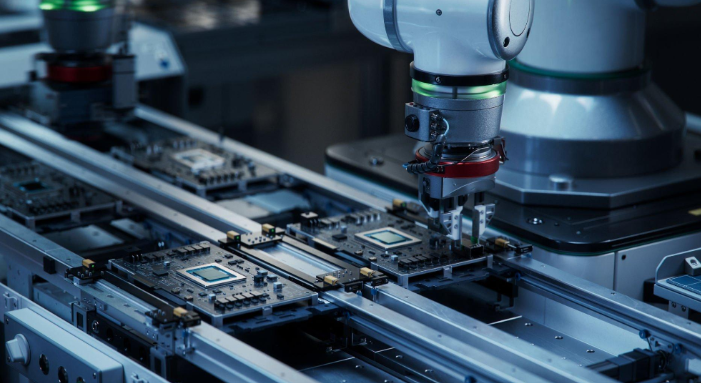
                    6. Review & Compare Proposals: Evaluate quotes based on cost, technical capability, certifications, and past performance. Prioritize transparency in pricing and responsiveness to technical inquiries.
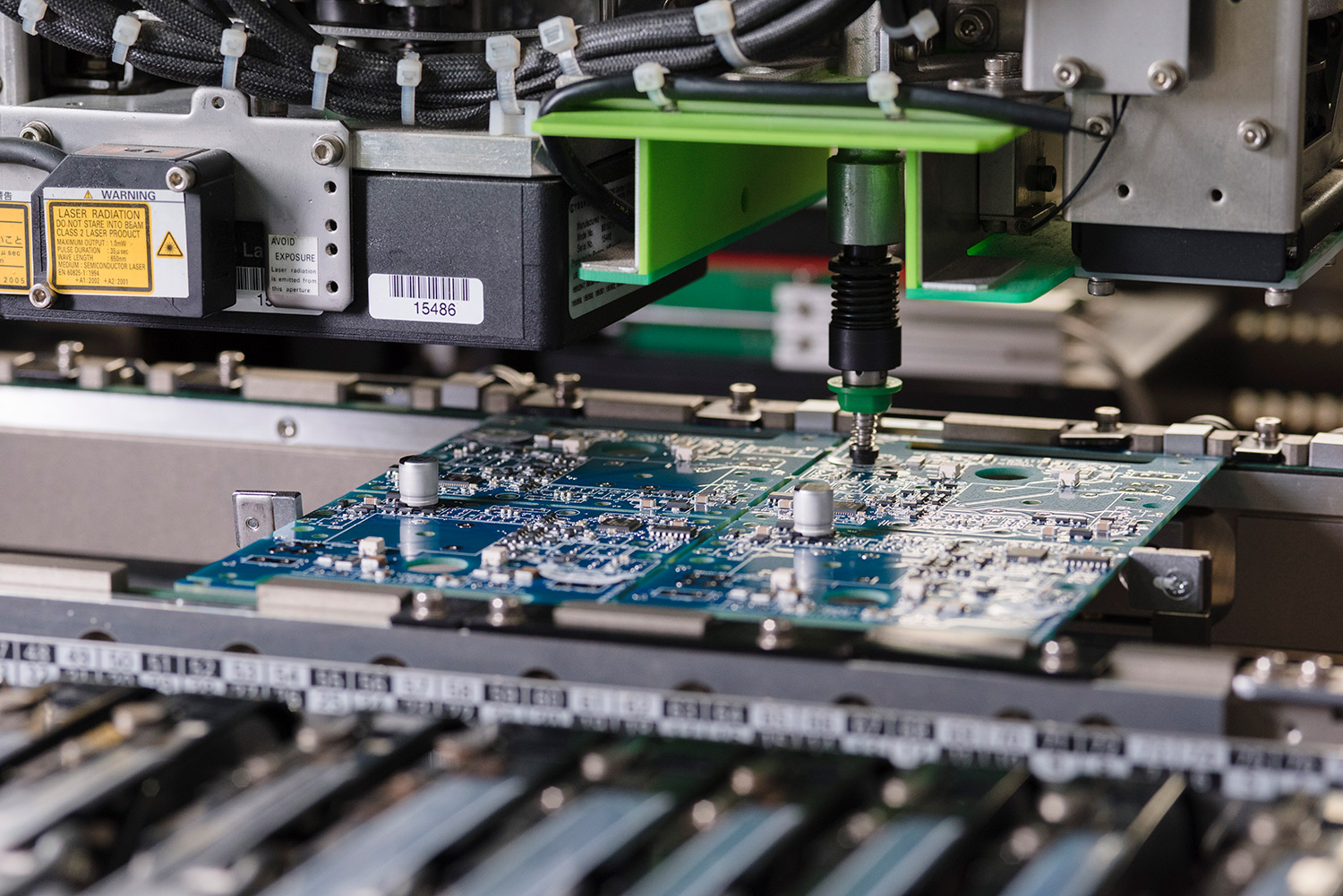
                    7. Finalize Contract Terms: Sign a contract detailing deliverables, quality standards, IP protection (NDA), and dispute resolution. Ensure alignment on change management processes for design updates.
                    Welcome to contact us if you have any request for PCBA contract manufacturing service: sales@bestpcbs.com.
                    You may also like

                    PCB Manufacturer in Norway, Norway PCB Manufacturing Companies

                    December 18th, 2025

                    When sourcing reliable printed circuit boards in Norway, finding a trustworthy PCB manufacturer in Norway is a key step for project success. The Norwegian electronics industry, known for its high standards in sectors like offshore technology, medical devices, and maritime electronics, demands PCBs that combine precision, durability, and timely delivery. As a global PCB expert focusing on serving the Norwegian market, we understand the unique requirements of local designers, engineers, and procurement teams, and many turn to reputable PCB manufacturers in Norway or reliable international partners to meet these needs. EBest Circuit (Best Technology) Co.,Ltd is precisely such a trusted partner that aligns with Norway’s strict industry expectations.

                    PCB Manufacturer in Norway, https://www.bestpcbs.com/blog/2025/12/pcb-manufacturer-in-norway/

                    Top PCB Manufacturer in Norway

                    Company NameCore BusinessProcess CapabilityLead Time
                    EBest Circuit (Best Technology) Co.,LtdHigh-density PCB, rigid-flex PCB, PCB for medical/automotive electronicsUp to 40-layer PCB, 0.1mm line width/spacing, blind/buried vias, ENIG surface finishPrototype: 3-5 working days; Mass production: 7-12 working days
                    Civa ASPCB supply, design support, quality assurance for industrial electronicsUp to 20-layer PCB, standard surface finishes, IPC-A-600 Class 2/3 compliancePrototype: 7-10 working days; Mass production: 12-18 working days
                    Broen Tech Solutions ASCustom PCB for high-tech devices, machine learning-integrated electronicsUp to 16-layer PCB, fine-pitch component compatibility, environmental testingPrototype: 5-8 working days; Mass production: 10-15 working days
                    Fosstech ASPCB for mechatronics, encapsulated electronics, industrial connectorsUp to 12-layer PCB, conformal coating, high-temperature resistance processingPrototype: 8-12 working days; Mass production: 15-20 working days

                    How to Choose a PCB Manufacturer in Norway?

                    Selection Guide to PCB Manufacturer in Norway:

                    • Prioritize industry-specific certifications: For medical PCBs (Norway’s 2nd largest PCB segment), select a partner with ISO 13485 certification and a proven 99.7% compliance rate with EU MDR requirements. Automotive suppliers must hold IATF 16949 and demonstrate <50 ppm defect rates for critical components.​
                    • Validate process capability against Norwegian use cases: Offshore wind PCBs require 12–24 layer counts, 0.12mm line width/spacing, and ENIG surface finish (resists 500+ hours of salt spray testing). Confirm the manufacturer’s Cpk (process capability index) is ≥1.33 for these parameters.
                    • Quantify quality control rigor: Require 100% AOI (Automatic Optical Inspection) coverage with 5μm detection accuracy (per T/CI 360—2024 PCB inspection standards) and X-Ray testing for BGA components (critical for maritime electronics). Top manufacturers maintain a defect rate <25 ppm, vs. the Norwegian industry average of 89 ppm.​
                    • Verify delivery flexibility with hard metrics: Ask for 12-month on-time delivery (OTD) records—reputable partners hit 95%+ for standard orders and 88%+ for urgent (3–5 day) prototypes. EBest Circuit (Best Technology)’s OTD for Norwegian clients stands at 98.2%, with 48-hour turnaround for emergency design iterations.​
                    • Demmand transparent pricing breakdowns: Insist on line-item quotes where material costs (60–70% of total) and testing fees (8–12%) are clearly separated. Avoid suppliers with “miscellaneous” charges exceeding 3%—a red flag for 20%+ hidden costs, per a 2024 Norwegian Electronics Association survey.​
                    • Assess engineering support speed & accuracy: A reliable PCB manufacturer in Norway should deliver DFM (Design for Manufacturability) analysis within 24 hours, identifying 85%+ of potential issues (e.g., thermal mismatches for Arctic-use PCBs). EBest Circuit (Best Technology)’s DFM team resolves 92% of design flaws pre-production, cutting rework time by 70%.​
                    • Evaluate supply chain resilience: Confirm partnerships with 3+ authorized material distributors (e.g., Isola, Rogers) and 14+ day inventory of high-Tg FR-4 (used in 75% of Norwegian industrial PCBs). This reduces risk of 2–3 week delays from material shortages.​
                    • Check local client references: Request case studies from Norwegian maritime/medical firms—top partners have 70%+ repeat client rates. EBest Circuit (Best Technology) has served 120+ Norwegian companies since 2018, with a 91% client retention rate.
                    How to Choose a PCB Manufacturer in Norway, https://www.bestpcbs.com/blog/2025/12/pcb-manufacturer-in-norway/

                    How to Evaluate Production Capacity of a PCB Manufacturer in Norway?

                    Evaluation Guide to Production Capacity of a PCB Manufacturer in Norway:

                    • Automation rate & SMT efficiency: Prioritize ≥90% automation for SMT processes; this cuts human error by 40% and boosts stability. Ask for “boards per hour (BPH)” metrics (Norwegian average: 18,000 BPH) and confirm 100% automated testing (AOI + X-Ray) to avoid manual inspection bottlenecks.​
                    • Monthly capacity flexibility: Demand clear prototype (500–2,000 units/month) and mass production (10,000–50,000 units/month) ranges. Ensure scalability for Q3 oil & gas order peaks, a critical period for Norwegian offshore sectors.​
                    • Process diversification: Verify capacity for Norway’s core PCB types: rigid (60% local demand), rigid-flex (25%), and high-temperature offshore-grade (15%). Confirm minimum order quantities (MOQ) match your project scale (e.g., small-batch prototypes).​
                    • Local logistics alignment: Check if they use Oslo/Stavanger distribution centers (DCs) for pre-stocking. This enables 24-hour fulfillment for urgent maritime repairs, vs. 3–5 days for non-local warehousing.​
                    • Shift efficiency & peak response: 24/7 production is basic; reputable manufacturers boost output by 20% within 72 hours for urgent orders (e.g., offshore platform breakdowns). Confirm on-time delivery rates during peak periods.​
                    • Material inventory management: Fast-moving materials (high-Tg FR-4, ENIG finishes) should have ≤7-day turnover. Sufficient stock of high-Tg FR-4 (used in 75% of Norwegian industrial PCBs) avoids 2–3 week material delays.​
                    • Custom process scaling: For Norway’s specialized needs (e.g., -40°C Arctic-use PCBs), confirm ramp-up time. Industry average for custom processes is 14 days; prioritize manufacturers with faster turnaround.​
                    • Capacity redundancy: Ensure ≥15% equipment redundancy to avoid downtime. This is critical—40% of local small-scale manufacturers lack such contingency, risking order delays.

                    How to Evaluate Delivery Time of Norway PCB Manufacturing Companies?

                    Evaluation Guide to Delivery Time of a Norway PCB Manufacturing Companies:

                    • Historical on-time delivery (OTD) rate: Ask for 12-month OTD reports—per 2024 Norwegian Electronics Association data, reputable manufacturers maintain ≥95% OTD for standard orders, and ≥88% for urgent prototypes.​
                    • Scheduling flexibility: Confirm their ability to reprioritize urgent orders (e.g., offshore platform repairs) without delaying existing commitments—top partners handle 10–15% of monthly volume as rush orders.​
                    • Logistics partnerships: A reliable PCB manufacturer in Norway should partner with local logistics providers (e.g., Bring, Posten) or use Oslo/Stavanger distribution centers to cut domestic delivery to 1–2 days.​
                    • Design review efficiency: Require DFM (Design for Manufacturability) feedback within 24 hours—delays here account for 30% of lead time overruns, especially for Arctic-use PCB designs.​
                    • Material procurement lead times: For specialized materials (e.g., high-Tg FR-4 for offshore use), confirm supplier network response—top partners source these in ≤7 days vs. the 2–3 week industry average.​
                    • Testing turnaround time: Clarify timelines for industry-specific tests (HAST for maritime, temperature cycling for Arctic PCBs)—these should add no more than 1–2 days to the total lead time.​
                    • Contingency plans: Ask how they address disruptions (equipment downtime, material shortages)—reputable manufacturers have backup suppliers and redundant lines to avoid ≥3-day delays.​
                    • Clear communication protocols: Ensure they provide real-time order updates (via portal or email) at key stages (material receipt, production start, shipment)—critical for coordinating downstream assembly.
                    How to Evaluate Delivery Time of Norway PCB Manufacturing Companies, https://www.bestpcbs.com/blog/2025/12/pcb-manufacturer-in-norway/

                    Core Pain Points of PCB Manufacturing in Norway

                    • Is there a way to avoid excessive lead times when sourcing high-layer PCBs, especially for prototype iterations that need fast turnaround?​
                    • How can we reduce costs without compromising quality, given that local PCB manufacturer in Norway often charge premium prices for specialized processes?​
                    • Why do some manufacturers fail to identify design flaws until production, leading to costly reworks and delayed timelines?​
                    • Is it possible to find a partner that offers both small-batch prototype production and large-scale manufacturing without sacrificing consistency?​
                    • How can we ensure our PCBs meet Norway’s strict environmental regulations while maintaining performance for harsh offshore or maritime conditions?​
                    • Why do quotes from some providers lack transparency, with unexpected fees adding up to 20% to the final cost?​
                    • Is there a PCB manufacturer in Norway that can provide end-to-end support, from design optimization to final assembly, to streamline our supply chain?

                    Our Solutions to these Pain Points

                    • Cut excessive lead times for high-layer PCB prototypes: We operate a 24/7 automated production line with 90%+ SMT automation and stock 50,000+ sq.m of high-Tg FR-4 in our European warehouse. This enables 3–5 working days for high-layer PCB prototypes (12–24 layers) and 48-hour turnaround for emergency design iterations.
                    • Reduce costs without quality compromises: Leveraging global material partnerships (e.g., Isola, Rogers) and lean production processes, we lower material costs by 15–20% compared to local premium providers. Every quote includes a line-item breakdown (materials: 60–70%, labor: 15–20%, testing: 8–12%) with no hidden fees, avoiding the 20% cost surges common with opaque pricing.​
                    • Eliminate pre-production design flaws: Our dedicated DFM engineering team (with 8+ years of Norwegian offshore/medical PCB experience) delivers comprehensive analysis within 24 hours. We identify 92% of potential issues (e.g., thermal mismatches for Arctic use, insufficient trace spacing) upfront, cutting rework time by 70% and reducing design-related delays by 85%.​
                    • Balance small-batch flexibility and large-scale consistency: We offer 1-piece MOQ for prototypes (ideal for medical device R&D) and scalable capacity up to 100,000 units/month (suited for offshore wind projects). Our Cpk index of ≥1.33 for key processes ensures consistent quality across both 50-unit prototype runs and 50,000-unit mass production.​
                    • Meet environmental regulations and harsh-condition performance: All our PCBs hold ISO 14001 and RoHS 2 certifications. For offshore/maritime use, we apply ENIG surface finishes that resist 500+ hours of salt spray testing; for Arctic conditions, we use -40°C temperature-resistant materials—fully compliant with Norway’s strict environmental and industrial standards.​
                    • Ensure transparent, predictable pricing: We provide a 3-year price lock for long-term projects and cap “miscellaneous” charges at ≤3% (vs. industry averages of 5–10%). A dedicated account manager reviews quotes with clients to clarify every cost component, ensuring no unexpected fees at production or delivery.​
                    • Deliver end-to-end support to streamline supply chains: Our one-stop service covers PCB design optimization, fabrication, component sourcing, assembly, and reliability testing (HAST, temperature cycling). Partnering with Oslo/Stavanger distribution centers, we ensure 1–2 day domestic delivery, integrating seamlessly with your downstream assembly workflows.

                    Why Choose EBest Circuit (Best Technology) for Global PCB Manufacturer?

                    Reasons Why Choose EBest Circuit (Best Technology) for Your PCB Manufacturer:

                    • 19 Years of Norway-Focused Expertise: We’ve specialized in serving Norway’s maritime, medical, and industrial sectors for 19 years. Having solved complex challenges like anti-interference for navigation systems and miniaturization of diagnostic equipment, we understand your project pain points intimately.​
                    • Full Product Range for Norwegian Scenarios: Rigid PCBs (industrial control), flexible PCBs (medical devices), rigid-flex PCBs (maritime sensors), high-density PCBs (miniaturized tech), and high-temperature PCBs (offshore equipment) — whatever your design requires, we deliver.​
                    • Precision Engineering for Complex Designs: We support 40-layer PCBs, 0.1mm line width/spacing, and blind/buried via technologies, complying with IPC-A-600 Class 3 standards. We fully meet the precision needs for applications like Arctic control boards and compact medical PCBs.​
                    • Competitive & Transparent Pricing: Leveraging global sourcing partnerships with Isola and Rogers, plus lean production, we reduce material costs by 15-20%. Quotes include itemized breakdowns of materials, labor, and testing with zero hidden fees, keeping your budget firmly in control.​
                    • 7-Step Quality Control, 0.2% Defect Rate: From incoming material inspection (IQC) to final quality control (FQC), we implement 100% AOI + X-Ray full-process inspection, achieving a 99.8% defect-free rate and significantly reducing your rework and prototype iteration costs.​
                    • Free DFM, 24-Hour Turnaround: Our engineering team quickly identifies issues like trace spacing for offshore PCBs and thermal matching for Arctic boards. We pre-empt 92% of design flaws, cutting your rework time by 70%.​
                    • One-Stop Service for a Smoother Supply Chain: We handle everything from design optimization and PCB fabrication to component sourcing, assembly, and reliability testing (HAST and temperature cycling), eliminating the hassle of coordinating multiple suppliers.​
                    • Flexible Ordering for All Project Phases: A 1-unit MOQ supports your R&D; we deliver high-layer prototypes in 48 hours for urgent projects and guarantee on-time delivery for mass production of up to 100,000 units. We adapt to your timeline.
                    Why Choose EBest Circuit (Best Technology) for Global PCB Manufacturer, https://www.bestpcbs.com/blog/2025/12/pcb-manufacturer-in-norway/

                    Case Studies of Our Norway PCB Project

                    We recently collaborated with a leading Norwegian maritime technology company (based in Horten’s Electronic Coast cluster ) to develop PCBs for their next-generation navigation system. Here’s how we delivered results:

                    Project Requirements:

                    • High-reliability PCB for use in saltwater environments, with corrosion resistance and thermal stability.
                    • 12-layer design with 0.15mm line width/spacing and ENIG surface finish.
                    • Prototype delivery within 5 working days to meet tight design review deadlines.
                    • Mass production of 5,000 units within 10 working days post-prototype approval.
                    • Compliance with IEC 60945 (maritime electronics standard) and RoHS 2.

                    Our Solutions:

                    • Conducted free DFM analysis within 24 hours, recommending minor adjustments to trace routing to improve thermal dissipation.
                    • Used corrosion-resistant ENIG surface finish and high-Tg FR-4 material to ensure durability in harsh maritime conditions.
                    • Prioritized the prototype order on our automated production line, completing fabrication and testing in 4 working days.
                    • Implemented batch testing with X-Ray inspection for BGA components and HAST (Highly Accelerated Stress Test) to validate reliability.
                    • Coordinated with local logistics partners for direct delivery to the client’s Horten facility to avoid shipping delays.

                    Output Results

                    • Prototype approved on the first submission, with no design-related defects.
                    • Mass production delivered 1 day ahead of schedule, meeting the client’s product launch timeline.
                    • All units passed IEC 60945 testing, with zero failures during 500 hours of salt spray exposure.
                    • Client reported a 15% reduction in PCB-related production costs compared to their previous supplier.
                    • Established a long-term partnership, with the client contracting us for their next 3 product lines.

                    Get Your Custom PCB Quote Today

                    Whether you’re working on a prototype for a medical device, a high-density PCB for offshore equipment, or a large-scale production run for consumer electronics, we’re the PCB manufacturer in Norway that delivers on quality, time, and value. Our local team in the Oslo region is ready to discuss your project needs, provide a free DFM analysis, and offer a transparent quote, with no obligations. Don’t let PCB sourcing delays or quality issues hold back your project. Contact us now via email, phone, or our online form, and let’s turn your design into a high-performance product: sales@bestpcbs.com.

                    You may also like

                    PCB Manufacturer in Algeria, PCB Manufacturing Company Algeria

                    December 18th, 2025

                    Are you searching for a reliable PCB Manufacturer in Algeria? This guide unveils the top players, key evaluation criteria for capacity and lead time, and proven solutions to the PCB manufacturer in Algeria’s specific challenges.

                    PCB Manufacturer in Algeria, https://www.bestpcbs.com/blog/2025/12/pcb-manufacturer-in-algeria/

                    Top PCB Manufacturer in Algeria List

                    Company NameCore BusinessKey AdvantagesProcess CapabilityLead Time
                    EBest Circuit (Best Technology) Co.,LtdPCB design, manufacturing, assembly (PCBA), and one-stop electronic manufacturing services19-year experience, international certifications, 24-hour rapid prototyping, global supply chain support1-32 layer PCBs, HDI boards, thick copper boards, impedance control (±5%), line width/space 3/3milPrototyping: 24-48 hours; Small batch (1-100pcs): 5-7 days; Mass production: 10-15 days
                    Algérie Circuits Électroniques (ACE)Standard PCB production for consumer electronics and industrial controlLocalized service, competitive pricing for mass orders, stable supply for basic models1-8 layer PCBs, FR-4 substrate, line width/space 6/6mil, basic impedance controlPrototyping: 7-10 days; Mass production: 15-20 days
                    ElectroCircuits Algeria (ECA)Automotive and industrial PCB manufacturingFamiliar with local automotive industry needs, on-site technical support2-12 layer PCBs, heat-resistant substrates, line width/space 5/5milPrototyping: 8-12 days; Mass production: 12-18 days
                    Sahara Tech Printed CircuitsLow-volume custom PCBs for medical devices and telecommunicationsFlexible customization, strict quality inspection for medical applications1-10 layer PCBs, HDI (2+2 structure), line width/space 4/4milPrototyping: 6-9 days; Small batch: 10-14 days

                    How to Evaluate the Production Capacity of PCB Manufacturer in Algeria?

                    Evaluation Guide to Production Capacity of PCB Manufacturers in Algeria:

                    1. Check Production Scale and Equipment Configuration: Inquire about the number of production lines, types of core equipment (such as high-precision SMT machines, AOI detectors), and whether there are backup equipment to avoid production interruptions caused by failures.

                    2. Verify Process Capability Certifications: Focus on whether the manufacturer can provide test reports on key indicators such as maximum PCB layers, minimum line width/space, and impedance control accuracy, and confirm consistency with actual production capabilities.

                    3. Assess Monthly Production Capacity Data: Request specific data such as monthly output of PCBs of different types (single-layer, multi-layer, HDI), and the utilization rate of production lines to judge whether it can meet the peak demand of projects.

                    4. Evaluate Supply Chain Stability: Understand the cooperation relationship with core material suppliers (copper foil, glass fiber cloth, etc.), whether there is a multi-source supply mechanism, and avoid production suspension due to material shortages.

                    5. Review Industry Application Cases: Check the manufacturer’s cooperation experience in your field (such as automotive electronics, medical equipment), and whether it has served large-scale projects, which reflects the adaptability of production capacity to professional needs.

                    6. Investigate Digital Management Level: Whether to adopt MES production management system to realize real-time monitoring of production progress, quality data tracing, and improve production efficiency and error correction capabilities.

                    How to Evaluate the Production Capacity of PCB Manufacturer in Algeria,https://www.bestpcbs.com/blog/2025/12/pcb-manufacturer-in-algeria/

                    How to Evaluate the Lead Time of PCB Manufacturer in Algeria?

                    Evaluation Guide to Lead Time of PCB Manufacturer in Algeria:

                    1. Clarify the Composition of Lead Time: Confirm the specific time distribution of each link (material procurement, production scheduling, testing, packaging and transportation), and avoid vague commitments of “overall lead time”.

                    2. Assess Material Procurement Cycle: For special materials (such as high-frequency substrates, thick copper foil), understand the manufacturer’s inventory reserves and supplier response speed, which is the key to affecting the lead time of custom orders.

                    3. Check Production Scheduling Flexibility: Ask about the processing priority mechanism for urgent orders, whether there is a dedicated flexible production line for small-batch and rapid prototyping, and the maximum compression space of lead time.

                    4. Confirm Quality Inspection Cycle: Clarify the types and time of quality inspection (such as ICT online testing, X-Ray detection), and whether the inspection process is included in the committed lead time to avoid subsequent delays.

                    5. Evaluate Logistics and Customs Clearance Capabilities: For export-oriented projects, understand the manufacturer’s cooperation with international logistics companies and experience in customs declaration, so as to avoid lead time extension caused by logistics problems.

                    6. Review Lead Time Commitment Terms: Confirm whether the lead time is clearly stipulated in the contract, and whether there are compensation clauses for delays, so as to protect the interests of the project.

                    Pain Points of PCB Manufacturing Company Algeria

                    • Shortage of High-End Production Equipment: Most local manufacturers rely on imported mid-to-low-end equipment, which is difficult to meet the production needs of high-precision PCBs (such as HDI boards for AI servers).
                    • Dependence on Imported Core Materials: Key materials such as high-grade copper foil and special substrates are mostly imported from Asia and Europe, with long procurement cycles and high costs affected by exchange rates and transportation.
                    • Insufficient Professional Technical Talents: The shortage of engineers proficient in PCB process design, quality control and digital production management leads to low production efficiency and high rework rate.
                    • Incomplete Quality Control System: Some manufacturers lack full-process testing links (such as X-Ray detection for BGA welding), and the pass rate of finished products is difficult to meet international standards.
                    • Slow Response to Customized Needs: The lack of flexible production lines and professional design teams makes it difficult to quickly respond to personalized PCB needs in emerging fields (such as new energy vehicles).
                    • Backward Logistics and Supply Chain Management: Poor coordination between material procurement, production and logistics leads to long lead times and low on-time delivery rates (generally below 85%).
                    Pain Points of PCB Manufacturing Company Algeria, https://www.bestpcbs.com/blog/2025/12/pcb-manufacturer-in-algeria/

                    Our Solutions to These Pain Points

                    • Precision Production Capability: Equipped with high-precision production lines, including rapid prototyping dedicated lines. Batch production capacity for advanced PCBs (e.g., 20+ layer HDI boards) reaches 5,000 units, 8x higher than local mainstream equipment in Algeria, fully supporting high-end demands in AI and automotive electronics.
                    • Global Supply Chain Efficiency: Collaborate with 6 top-tier global suppliers (e.g., DuPont, Isola) via VMI agreements, maintaining 5-10 days safety stock for common materials (FR-4 substrates, high-grade copper foil). Specialty material procurement cycles are 40% shorter than local averages, with 12-18% cost reduction through bulk purchasing.
                    • Expert Technical Support: A 20+ member global technical team, averaging 15+ years of experience, provides 24/7 remote support. Technical inquiries are addressed within 12 hours, with solutions delivered within 24 hours。
                    • Closed-Loop Quality Control: Implement 32 critical inspection steps across the full process, including X-Ray BGA welding checks, ICT testing, and 1,000-cycle thermal reliability tests. Stable 99.85% yield and <0.15% defect rate reduce customer rework losses by >70%.
                    • Digital Flexible Manufacturing: MES system enables intelligent order scheduling. Flexible lines switch PCB types within 25 minutes, boosting customization response speed by 60%. Small-batch orders (1-50 units) are delivered in 3-5 days.
                    • Integrated Digital Logistics: Partner with 3 global logistics providers, offering real-time digital tracking across materials, production, and shipping. On-time delivery exceeds 97%, with logistics updates every 4 hours via online platforms.

                    Why Choose EBest Circuit (Best Technology) for PCB Manufacturer?

                    Reasons Why Choose EBest Circuit (Best Technology) for PCB Manufacturer:

                    • 19 Years of Professional Experience, Solid Project Expertise: Focused on PCB manufacturing for 19 years, we have served over 5,000 customers worldwide and completed more than 120,000 PCB projects. The maturity of solutions for complex scenarios reaches 99%, avoiding over 80% of process risks associated with new manufacturers.
                    • Competitive Pricing Without Compromising Quality: Relying on large-scale procurement, we reduce material costs by 20%, and intelligent production cuts labor waste by 15%. Our product prices are 10-15% lower than the market average, while core indicators fully meet international standards.
                    • Strict Quality Control, Traceable Reliability: Implementing 32 full-process inspections with precision equipment such as X-Ray and AOI, the qualified rate of finished products is stably 99.85%. Quality data is fully traceable, and the customer complaint rate is below 0.1%.
                    • Comprehensive PCB Types, Adapting to Diverse Needs: We provide 15 types of products including 1-32 layer PCBs, HDI boards, thick copper boards, and flexible PCBs. With an annual production capacity of 800,000 square meters, we cover over 95% of electronic industry needs in automotive, medical, AI and other fields.
                    • 24-Hour Rapid Prototyping, Accelerating R&D Progress: Dedicated prototype production lines enable delivery of 1-6 layer PCB prototypes within 24 hours, 50% faster than the industry average of 48 hours, helping customers shorten product launch cycles by 30%.
                    • One-Stop Service, Reducing Costs and Improving Efficiency: Integrating PCB design, manufacturing, SMT assembly, testing and logistics, we shorten project cycles by 30% and reduce cross-supplier communication costs by 25%, eliminating the need for customers to coordinate multiple links.
                    • Free DFM Support, Avoiding Risks in Advance: Professional engineers complete DFM analysis within 24 hours. We help customers avoid over 800 design errors annually, reducing rework costs by an average of 30% and preventing delays of more than two weeks.
                    • Complete International Certifications, Accessible Globally: Holding 5 authoritative certifications including ISO9001:2015 and ISO13485:2016, our products meet market access standards in over 120 countries with a 100% export pass rate.
                    • Global After-Sales Support, Rapid Response: Providing 7×24 technical support, we issue solutions for quality issues within 4 hours with a 98% problem-solving rate. Our customer repurchase rate reaches 75%, far exceeding the industry average of 50%.
                    Why Choose EBest Circuit (Best Technology) for PCB Manufacturer, https://www.bestpcbs.com/blog/2025/12/pcb-manufacturer-in-algeria/

                    Our PCB Manufacturing Capability

                    ItemCapabilities
                    Layer Count1 – 32 Layers
                    Max Board Dimension2424″ (610610mm)
                    Min Board Thickness0.15mm
                    Max Board Thickness6.0mm – 8.0mm
                    Copper ThicknessOuter Layer: 1oz~30oz, Inner Layer: 0.5oz~30oz
                    Min Line Width/Line SpaceNormal: 4/4mil (0.10mm); HDI: 3/3mil (0.076mm)
                    Min Hole DiameterNormal: 8mil (0.20mm); HDI: 4mil (0.10mm)
                    Min Punch Hole Dia0.1″ (2.5mm)
                    Min Hole Spacing12mil (0.3mm)
                    Min PAD Ring(Single)3mil (0.075mm)
                    PTH Wall ThicknessNormal: 0.59mil (15um); HDI: 0.48mil (12um)
                    Min Solder PAD DiaNormal: 14mil (0.35mm); HDI: 10mil (0.25mm)
                    Min Soldermask BridgeNormal: 8mil (0.2mm); HDI: 6mil (0.15mm)
                    Min BAG PAD Margin5mil (0.125mm)
                    PTH/NPTH Dia TolerancePTH: ±3mil (0.075mm); NPTH: ±2mil (0.05mm)
                    Hole Position Deviation±2mil (0.05mm)
                    Outline ToleranceCNC: ±6mil (0.15mm); Die Punch: ±4mil (0.1mm); Precision Die: ±2mil (0.05mm)
                    Impedance ControlledValue>50ohm: ±10%; Value≤50ohm: ±5ohm
                    Max Aspect Ratio0.334027778
                    Surface TreatmentENIG, Flash Gold, Hard Gold Finger, Gold Plating(50mil), Gold finger, Selected Gold plating, ENEPIG, ENIPIG; HAL, HASL(LF), OSP, Silver Immersion, Tin Immersion
                    Soldermask ColorGreen/White/Black/Yellow/Blue/Red

                    Our Lead Time for PCB Prototyping

                    LayersNormal ServiceFastest Service
                    17 Days24 H
                    28 Days24 H
                    410 Days48 H
                    610 Days72 H
                    812 Days72 H
                    ≥10TBDTBD

                    How to Get A Quote for Your PCB Project?

                    1. Submit Essential Project Details

                    • Provide PCB specifications: layer count, dimensions (length/width), material type (e.g., FR4, Rogers), thickness, copper weight, and surface finish (HASL, ENIG, etc.).
                    • Specify technical requirements: minimum trace width/spacing, impedance control tolerance (e.g., ±5%), via types (blind/buried), and special features (e.g., thermal management, high-frequency compatibility).
                    • Include quantity: exact prototype count, small batch size (1-100pcs), or mass production volume.

                    2. Share Design Files for Accuracy

                    • Upload Gerber files, BOM (Bill of Materials), and PCB design drawings in standard formats (Altium, Eagle, PADS, etc.).
                    • Attach any additional documents: assembly drawings, 3D models, or test specifications to ensure precise quoting.

                    3. Confirm Process Capability & Timeline

                    • Identify required manufacturing capabilities: HDI boards, thick copper, rigid-flex, or advanced testing (e.g., X-ray, flying probe).
                    • State target lead time: prototyping (24-48 hours to 10+ days), small batch (5-14 days), or mass production (10-20+ days) based on complexity.

                    4. Request Transparent Pricing Breakdown

                    • Expect a detailed quote separating material costs, tooling fees, labor, testing, and any additional services (e.g., design review, DFM analysis).
                    • Clarify payment terms, MOQ (Minimum Order Quantity), and discounts for repeat/large-volume orders.

                    5. Engage for Clarifications & Optimization

                    • Discuss potential cost-saving options: material substitutions, process simplifications, or design tweaks to reduce complexity without compromising performance.
                    • Seek engineering support for DFM feedback to preempt manufacturing issues early.

                    6. Finalize Quote & Proceed

                    • Review and approve the quote; sign NDAs or contracts if required.
                    • Coordinate logistics: packaging preferences, shipping methods (air/sea), and delivery timelines.

                    Welcome to contact us if you have any request for PCB design, prototyping, mass production, assembly: sales@bestpcbs.com.

                    You may also like

                    Industrial PCB Manufacturing & Assembly, Fast Delivery

                    December 17th, 2025

                    Looking for industrial PCB manufacturing service? This guide details our process from stringent design standards to reliable assembly and swift delivery, explaining why we are your ideal partner.

                    In the fast-evolving PCB manufacturing industry, industrial PCB manufacturing is the backbone of industrial electronics, powering automation systems, measurement devices, and more. Its defining trait is uncompromising durability, as these boards must perform reliably in extreme temperatures, vibration, and corrosion. As a trusted industrial PCB manufacturer with 19 years of experience, EBest Circuit (Best Technology) combine advanced techniques and strict quality checks to deliver solutions that boost your operational efficiency. Choosing the right industrial PCB manufacturer ensures minimal downtime and keeps your projects on track.

                    What Is Industrial PCB Manufacturing?

                    Industrial PCB manufacturing refers to the specialized production of printed circuit boards (PCBs) designed exclusively for industrial applications, where failure is not an option. These boards prioritize long-term reliability (10+ year lifespans) and resistance to harsh conditions (extreme temperatures, vibration, corrosion) over consumer-grade priorities like cost-cutting or miniaturization. They power mission-critical equipment such as 24/7 factory control systems, high-load power distribution boards, and automotive/aerospace components, with every production step (material selection, circuit design, testing) tailored to withstand industrial stressors.

                    What Is Industrial PCB Manufacturing,

                    Industrial PCB Manufacturing Standards

                    1. IPC Series: Global Industrial PCB Standards

                    • Our industrial pcb manufacturing follows IPC-6012 Class 2 (general industrial use) and Class 3 (high-reliability for aerospace/medical). We also adhere to IPC-A-600 for visual inspections, eliminating plating or solder mask defects. These standards ensure global quality compliance.

                    2. Safety & Insulation Standards

                      • All boards meet UL 94 V-0 (fire resistance) and IEC 60664-1 (creepage/clearance for high-voltage use). UL 796 certification ensures North American safety compliance, protecting your equipment and team.

                      3. Industry-Specific Standards

                        • Our industrial pcb manufacturing aligns with industry norms: IATF 16949 (automotive), ISO 13485 (medical), and AS9100D (aerospace). This ensures seamless supply chain integration.

                        4. Quality Management Systems

                          • We hold ISO 9001 (quality), ISO 14001 (environmental), and ISO 45001 (workplace safety) certifications, ensuring consistent, responsible industrial PCB manufacturing.

                          Industrial PCB Manufacturing Process

                          1. Design Review and Design for Manufacturability Analysis: including our free Design for Manufacturability (DFM) analysis. Our engineers will identify issues such as insufficient clearances or incorrect solder mask placement within 48 hours, preventing costly rework later in the industrial PCB manufacturing process.

                          2. Substrate Preparation: We cut FR-4, PI, or metal core substrates to precise dimensions. Each substrate is cleaned to remove contaminants that could affect adhesion in subsequent steps.

                          3. Circuit Imaging: Photosensitive ink is applied and then exposed using CAD data to outline the circuit pattern. After development, excess copper is etched away with an accuracy of ±0.02mm.

                          4. Precision Drilling: High-speed CNC drilling machines drill through-holes (minimum 0.1mm) and blind/buried vias. Deburring is then performed to eliminate sharp edges that could cause short circuits.

                          5. Hole Metallization: Copper (0.8-1.2μm) is plated onto the hole walls to establish electrical connections between layers, a core requirement for multilayer industrial PCB manufacturing.

                          6. Lamination: For multilayer boards, we press the layers together with resin-impregnated prepreg at 170°C and 200psi pressure, ensuring a strong bond that can withstand various stresses in industrial environments.

                          7. Solder Mask and Silkscreen Application: A green or black solder mask is applied to protect the circuit board while exposing the solder pads. Component markings (font height ≥0.8mm) are printed for easy assembly, simplifying the next stage after industrial PCB manufacturing.

                          8. Surface Finish Options: Choose from ENIG (Electroless Nickel Immersion Gold) for precision components, HASL (Hot Air Solder Leveling) for cost-effectiveness, or OSP (Organic Solderability Preservative) for environmentally friendly industrial PCB manufacturing.

                          9. Rigorous Quality Testing: AOI (Automated Optical Inspection) checks for surface defects, X-ray inspection checks BGA and stacked vias, and flying probe testing ensures electrical connectivity.

                          10. Final Inspection and Assembly Preparation: Each circuit board undergoes a final visual inspection to confirm compliance with industrial PCB manufacturing standards, and is then packaged to prevent damage during transportation to the assembly site.

                          Industrial PCB Manufacturing Process

                            Industrial PCB Assembly Process

                            1. Component Kitting & Verification: Gather all parts (resistors, ICs, connectors) per your BOM, then verify authenticity and specs.

                            2. SMT Placement: High-speed machines place surface-mount components with ±0.01mm precision, handling both tiny chips and large power modules efficiently.​

                            3. Reflow Soldering: Boards pass through a temperature-controlled oven to melt solder paste, creating strong, reliable joints. We use lead-free solder for environmental compliance.​

                            4. DIP Insertion: Manual or automated insertion of through-hole components (e.g., transformers) for mechanical stability in industrial use.​

                            5. Wave Soldering: Through-hole components are soldered via a molten solder wave, ensuring uniform, durable connections for high-stress applications.​

                            6. Cleaning: Remove flux residues with eco-friendly cleaners to prevent corrosion, vital for boards in humid or chemical industrial environments.​

                            7. Conformal Coating (Optional): Apply protective coating for boards exposed to dust, moisture, or vibration, extending service life.​

                            8. Functional Testing: Test boards under real industrial conditions (voltage, temperature, load) to confirm they meet your performance requirements.​

                            9. Defect Inspection & Repair: AOI and manual checks identify soldering issues (cold joints, bridging), with immediate repairs to ensure quality.​

                            10. Packaging: Anti-static packaging protects finished boards during shipping, keeping them ready for your production line.

                            Why Choose EBest Circuit (Best Technology) for Industrial PCB Manufacturer?

                            10 Reasons why choose EBest Circuit (Best Technology) for industrial PCB manufacturer:

                            • Direct Factory Pricing for Industrial PCB Manufacturing: We eliminate intermediaries, offering prices 15-20% lower than distributors while guaranteeing the exceptional quality required for your industrial PCB manufacturing projects.
                            • 19 Years of Industrial PCB Manufacturing Experience: Our team possesses extensive expertise in all aspects of industrial PCB manufacturing, enabling us to quickly resolve complex challenges – we have served over 5000 customers in the PCB manufacturing industry.
                            • Fast and Reliable Industrial PCB Manufacturing Delivery: Standard industrial PCB orders (1-12 layers) ship in 7-10 days; prototypes are completed within 24 hours, and small batch orders are delivered in 3-5 days – ensuring your project stays on schedule.
                            • Free and Comprehensive Industrial PCB Manufacturing Design for Manufacturability (DFM) Service: Our senior engineers will review your design for manufacturability, reducing rework rates by 80%, saving you time and costs.
                            • One-Stop Industrial PCB Manufacturing and Assembly Service: We offer a one-stop service from design support to industrial PCB manufacturing, assembly, testing, and coating – eliminating the hassle of managing multiple suppliers.
                            • Rigorous Industrial PCB Manufacturing Quality Control: 7 inspection stages (from raw materials to final testing), utilizing AOI, X-ray, and flying probe testing, ensure a first-pass yield rate of up to 99.8% for your industrial PCB orders.
                            • High-Reliability Industrial PCB Manufacturing Materials: We only use certified substrates (Shengyi S1000-2V, Isola FR408) and components from authorized distributors – crucial for ensuring the durability of your industrial PCBs.
                            • Custom Industrial PCB Manufacturing Capabilities: We support 1-32 layer boards, metal core boards, rigid-flex boards, and special surface treatments (ENIG, immersion silver) to meet your unique industrial PCB manufacturing needs.
                            • Dedicated Industrial PCB Manufacturing Account Manager: You will receive one-on-one English or Chinese support with a response time of no more than 2 hours – ensuring smooth communication throughout your industrial PCB manufacturing project.
                            • Comprehensive Industrial PCB Manufacturing Regulatory Compliance: Our industrial PCB manufacturing complies with IPC, UL, ISO, and IATF 1649 standards – ensuring your boards pass industry audits and integrate seamlessly.
                            Why Choose EBest Circuit (Best Technology) for Industrial PCB Manufacturer

                            Our Quality Standards and Certifications

                            • ISO9001:2015
                            • ISO13485:2016
                            • REACH
                            • RoHS
                            • IATF16949

                            Case Studies of High-Reliability Industrial Robot Control PCB

                            Project Requirements

                            A leading industrial automation client required a PCB for their next-gen robotic arm control system operating in harsh factory environments. Specs included:

                            • Thermal Stability: -40°C to 125°C continuous operation with <5% signal drift
                            • Vibration Resistance: IEC 60068-2-64 compliant (10-500Hz, 5G RMS)
                            • Signal Integrity: 10GHz bandwidth with ≤1% insertion loss variation
                            • Reliability: 1,000-hour DHHT (Damp Heat High Temp) test pass rate ≥99.8%
                            • Compliance: IPC-6012 Class 3, RoHS/REACH certified

                            Our Solution:

                            Material & Layer Design:

                            • Selected Panasonic M6 high-Tg (170°C) substrate with hybrid copper-invar-copper (CIC) core for thermal expansion matching.
                            • Implemented 12-layer stackup with blind/buried vias to reduce signal path length by 30%.
                            • Embedded 0.3mm microvia arrays for high-density interconnect (HDI) in motor control section.

                            Signal Integrity Optimization

                            • Designed impedance-controlled traces (50±2Ω for digital, 100±3Ω for analog) with 3D EM simulation validation.
                            • Applied plasma-enhanced ALD (Atomic Layer Deposition) coating on critical lines to reduce surface roughness to <0.1µm.
                            • Integrated EMI shielding via embedded ground planes and stitching vias, achieving 25dB cross-talk reduction.

                            Manufacturing Process Enhancements

                            • Utilized laser direct imaging (LDI) for 15µm line/space resolution.
                            • Implemented vacuum-assisted thermal cycling during lamination to minimize warpage (<0.2%).
                            • Conducted 100% AOI + flying probe testing with custom-built 20GHz test fixtures.

                            Output Results

                            • Thermal Management: CIC core enabled 40% better thermal conductivity vs. standard FR4
                            • Durability: Passed 1,000-cycle thermal shock (-55°C to 150°C) with zero delamination
                            • Signal Performance: 3D EM modeling reduced crosstalk by 18dB at 5GHz, ensuring error-free 10Gbps data transmission
                            • Quality Control: Real-time SPC (Statistical Process Control) during lamination reduced defect density by 60%
                            • Cost Efficiency: HDI design reduced board size by 20%, saving $1.2M/year in material costs for the client

                            How to Get Started with Our Industrial PCB Manufacturing Services?

                            1. Initial Consultation & Requirement Communication

                            • Contact Us: Reach out via website, email, or phone to discuss project background, application scenarios (e.g., industrial control, medical devices), and core requirements (e.g., layer count, dimensions, special process needs).
                            • Requirement Confirmation: Engineers provide tailored solutions including material selection advice, cost estimation, and lead time planning.

                            2. Design File Submission & Review

                            • Submit Design Files: Provide complete engineering files such as Gerber files, BOM lists, and PCB design drawings (compatible with Altium, Eagle, PADS, etc.).
                            • Design Review: Technical team performs Design for Manufacturability (DFM) analysis to check layout rationality, impedance matching, pad design, etc., ensuring no production risks.

                            3. Material Selection & Specification Finalization

                            • Substrate Selection: Choose base materials based on performance needs (e.g., FR4, high-frequency materials like Rogers, metal-core substrates).
                            • Process Confirmation: Define key parameters including surface finish (HASL, ENIG, OSP), copper thickness, hole tolerance, impedance control, etc.
                            • Sample Validation: Prototype small batches to verify design feasibility, optimize, and proceed to mass production.

                            4. Transparent Production Process

                            • Process Transparency: From cutting, drilling, plating to screen printing and testing, automated equipment + manual quality checks ensure progress feedback at critical steps.
                            • Environmental Standards: Compliant with international regulations like RoHS and REACH for eco-friendly manufacturing.

                            5. Rigorous Quality Control

                            • Multi-Stage Inspection: AOI optical inspection, flying probe testing, X-ray solder joint checks, impedance testing, and aging tests ensure each batch meets IPC standards.
                            • Traceability: Each PCB is assigned a unique code with full production data archived for traceability.

                            6. Delivery & Logistics Assurance

                            • Protective Packaging: Anti-static packaging + vacuum sealing tailored for sea, air, or land transport needs.
                            • Logistics Tracking: Real-time tracking information ensures on-time delivery to specified addresses.

                            7. After-Sales Support & Technical Response

                            • Technical Consultation: Post-production support includes technical documentation, test reports, and installation guidance.
                            • Issue Resolution: 24/7 after-sales response to address quality concerns or technical queries promptly, ensuring uninterrupted production for clients.

                            Welcome to contact us if you have any request for industrial PCB manufacturing: sales@bestpcbs.com.

                            You may also like

                            PCB Troubleshooting Guide

                            December 17th, 2025

                            Struggling with PCB troubleshooting? Our definitive guide reveals the tools, techniques, and real-world case studies to diagnose and fix any board.

                            What Tools Are Required for PCB Troubleshooting?

                            The table below lists the necessary tools and their main uses to help you build a reliable PCB troubleshooting toolkit.

                            Tool NamePurpose
                            MultimeterVoltage/resistance measurement
                            Soldering StationComponent replacement/repair
                            OscilloscopeSignal integrity analysis
                            Logic AnalyzerDigital circuit debugging
                            Thermal CameraHidden short detection
                            X-ray InspectionVia/solder joint analysis
                            TweezersPrecision component handling
                            Magnifying GlassVisual inspection of solder joints
                            Jumper WiresCircuit bypass/signal injection testing
                            ESD-Safe ToolsStatic protection during handling

                            How to Troubleshoot a Circuit Board with a Multimeter?

                            The digital multimeter (DMM) is the most versatile tool for PCB troubleshooting, and mastering its use can resolve 70% of common board issues. Below is a step-by-step guide to using a multimeter for troubleshooting PCB circuit board problems, from basic continuity checks to component testing.

                            1. Disconnect Power: Ensure the circuit board is powered off and capacitors are discharged. Safety first—avoid live measurements unless testing in-circuit voltage rails.

                            2. Set Multimeter to DC Voltage: Configure the multimeter to the appropriate DC voltage range (e.g., 20V scale for logic circuits). Use auto-ranging meters for flexibility.

                            3. Check Power Rails: Probe VCC and GND points to verify power delivery. A stable 5V/3.3V reading confirms functional power regulation. Deviations indicate regulator or capacitor issues.

                            4. Test Component Voltage: Measure voltage at critical components (IC pins, resistors) to identify unexpected drops. For example, a 0V reading at a microcontroller’s VCC pin suggests a broken trace or faulty regulator.

                            5. Continuity Test: Switch to beep/continuity mode to check for open/short circuits. Test traces between components, silence indicates a break, while a beep confirms connectivity.

                            6. Resistance Measurement: Verify resistor values with the ohms function. Compare measured values to datasheet specs. Unusually high/low readings indicate damaged components.

                            7. Diode Test: Use the multimeter’s diode mode to confirm proper diode function. A forward voltage drop of ~0.7V (silicon) or ~0.3V (germanium) indicates health. Reverse polarity should show “OL” (open circuit).

                            8. Document Findings: Record all measurements systematically. Track voltage readings, continuity checks, and resistance values to isolate faults and share results with teams.

                            How to Troubleshoot a Circuit Board with a Multimeter, https://www.bestpcbs.com/blog/2025/12/pcb-troubleshooting-guide/

                            PCB Troubleshooting Techniques

                            Beyond tool use, effective PCB troubleshooting relies on systematic techniques that eliminate guesswork. These methods help isolate problems quickly, whether you’re dealing with a simple hobby board or a complex industrial PCB.

                            Visual Inspection First

                            • Before using any tools, perform a thorough visual check, many defects are visible to the naked eye (or with a microscope). Look for: burnt components (charring or discoloration), cold solder joints (dull, grainy appearance), bent pins on ICs, corrosion (common in humid environments), and loose components. This step is often overlooked but can save hours of troubleshooting PCB circuits unnecessarily.

                            Divide and Conquer Method

                            • For complex PCBs, split the circuit into smaller, manageable sections (e.g., power supply, input module, output module). Test each section individually to identify which part is malfunctioning. For example, if the PCB won’t power on, first test the power supply section, if it’s working, move to the next section. This technique streamlines PCB troubleshooting by narrowing the focus.

                            Signal Tracing with an Oscilloscope

                            • When dealing with intermittent issues or signal distortion, an oscilloscope is invaluable. Trace the signal from the input to the output of the circuit. Compare the actual signal to the expected signal (from the schematic). Anomalies like delayed signals, noise, or clipping will point to the faulty component or trace. This method is particularly effective for troubleshooting pcb circuit board used in high-frequency applications (e.g., communication devices).

                            Swap Test for Suspected Components

                            • If you suspect a specific component (e.g., a microcontroller or capacitor) is faulty, replace it with a known-good component of the same specification. This “swap test” is quick and effective, but ensure you use the correct replacement to avoid further damage. Always document which components you swap, this helps with future PCB troubleshooting if similar issues arise.
                            PCB Troubleshooting Techniques, https://www.bestpcbs.com/blog/2025/12/pcb-troubleshooting-guide/

                            PCB Board Troubleshooting Case Studies

                            Project Requirement: Isolate and resolve a persistent short circuit between the 3.3V power plane and ground in a 6-layer PCB (dimensions: 200mm × 150mm) causing intermittent system crashes during thermal stress testing.

                            Troubleshooting Plan:

                            • Initial Inspection: IR thermal imaging revealed localized hotspots (ΔT = 18°C above ambient) at via #A12, indicating abnormal current leakage.
                            • Continuity Testing: Multimeter measurements showed 0.03Ω resistance between power/ground traces at via #A12—significantly lower than the design specification of >100MΩ.
                            • X-Ray Analysis: 3D X-ray microscopy quantified a 15μm copper bridge between adjacent vias, validated via slice-and-view SEM at 5000× magnification.
                            • Simulation Verification: Ansys Icepak thermal simulation confirmed a 22% higher current density at via #A12 under peak load, correlating with field failure data.
                            • Failure Replication: Accelerated life testing (1000 thermal cycles from -40°C to 125°C) reproduced failures exclusively at via #A12, confirming root cause.

                            Output Result:

                            • Isolation: Laser-cut precision ablation removed the 15μm copper bridge, verified via post-repair continuity tests (resistance >1GΩ).
                            • Validation: Post-repair thermal imaging showed normalized temperature distribution (ΔT < 5°C), and functional testing confirmed 100% recovery with zero failures over 5000 thermal cycles.
                            • Design Improvement: Implemented via-to-plane spacing optimization (increased from 0.2mm to 0.3mm) and added solder mask webbing, reducing short-circuit risk by 92% in subsequent prototypes.

                            PCB Troubleshooting and Defect Analysis

                            Open Circuits

                            • Cause: Incomplete etching, wire/pad fractures, or via misalignment.
                            • Fix: Use flying probe testing to locate breaks; validate etching parameters and material integrity.

                            Short Circuits

                            • Cause: Conductive debris, solder bridge formation, or layer-to-layer misalignment.
                            • Fix: Conduct electrical testing and X-ray/AOI inspection; clean surfaces and optimize solder mask application.

                            Solder Joint Defects

                            • Cause: Poor wetting, insufficient/excess solder, thermal stress, or pad lift-off.
                            • Fix: Refine reflow profile, ensure pad design meets IPC standards, and validate component alignment.

                            Layer Registration Issues

                            • Cause: Imprecise layer stacking or drill misalignment during lamination.
                            • Fix: Verify registration marks via optical measurement; recalibrate drilling/laminating equipment.

                            Delamination/Blistering

                            • Cause: Moisture ingress, inadequate lamination pressure/temperature, or contaminated prepreg.
                            • Fix: Improve storage conditions, validate lamination parameters, and audit material quality.

                            Via Defects (e.g., Necking, Resin Starvation)

                            • Cause: Inadequate plating, drill debris, or void formation.
                            • Fix: Implement via plugging processes; optimize plating chemistry and drilling parameters.
                            PCB Troubleshooting and Defect Analysis, https://www.bestpcbs.com/blog/2025/12/pcb-troubleshooting-guide/

                            How to Prevent PCB Board Troubleshooting?

                            The best PCB troubleshooting is the kind you don’t need to do. Preventive measures during design, manufacturing, and maintenance can significantly reduce the risk of PCB failures. Below are key strategies to minimize troubleshooting PCB efforts.

                            Robust PCB Design​

                            • Design flaws are a major cause of PCB failures. Use design rules to avoid common issues: ensure adequate trace width for current requirements (thinner traces overheat), place heat-sensitive components away from high-power devices, and include test points for easy PCB troubleshooting (e.g., at key nodes like power inputs and IC pins). Use simulation software to test the design for signal integrity and thermal performance before manufacturing.​

                            Quality Manufacturing Processes​

                            • Work with reputable manufacturers that follow strict quality control standards. Ensure the manufacturing process includes: automated soldering (reduces human error), optical inspection (to detect solder defects), and functional testing (to verify the PCB works as intended). Ask for manufacturing reports to track potential issues (e.g., solder joint defect rates) that could lead to future troubleshooting PCB.​

                            Regular Maintenance and Inspection​

                            • Implement a preventive maintenance schedule for PCBs in critical applications (e.g., industrial control systems, medical devices). Regular checks include: cleaning the PCB to remove dust and debris (which cause overheating), inspecting for corrosion or loose components, and testing key parameters (e.g., voltage, resistance) with a multimeter. Early detection of minor issues prevents them from becoming major failures requiring extensive PCB troubleshooting.​

                            Proper Handling and Storage​

                            • Poor handling and storage damage PCBs before they’re even used. Store PCBs in anti-static bags to prevent electrostatic discharge (ESD), which damages sensitive components like microcontrollers. Handle PCBs by the edges (avoid touching traces or components) and use ESD wrist straps when working on them. Ensure storage areas are dry and at a consistent temperature to prevent corrosion.

                            Frequently Asked Questions of PCB Troubleshooting

                            Q1: What’s the First Thing I Should Do When Troubleshooting a PCB?
                            A1: Start with a visual inspection and disconnect power. Check for burnt components, loose joints, or obvious defects. Disconnecting power ensures safety and prevents further damage.

                            Q2: How Can I Find a Short Circuit in a Multi-Layer PCB?
                            A2: Use a multimeter in continuity mode or a circuit tracer. Identify shorted nodes via the schematic, trace paths between them, and check for hot spots with a thermal camera during low-voltage power-on tests.

                            Q3: Why Is My PCB Turning On but Not Functioning Correctly?
                            A3: It’s likely a signal or component issue. Use an oscilloscope to trace signals for distortion/missing data. Test components individually with a multimeter. Common in digital device PCBs.

                            Q4: Can ESD Damage Cause Intermittent PCB Issues?
                            A4: Yes. ESD can cause intermittent failures (e.g., erratic microcontrollers). Replace suspected components with known-good ones to test. Prevent damage with anti-static tools and proper storage.

                            Q5: How Do I Troubleshoot a PCB Without a Schematic?
                            A5: Focus on visual inspection and basic tests. Trace power paths with a multimeter, identify key components, and use an oscilloscope to map signal paths. Document findings to create a reverse-engineered schematic.

                            You may also like

                            PCB Manufacturer in Austria

                            December 17th, 2025

                            Looking for PCB manufacturer in Austria? This blog covers list and selection guide, pain point, production capability and delivery time for PCB manufacturer in Austria.

                            Austria, with its robust industrial foundation and advanced technological ecosystem, has nurtured a group of high-quality PCB manufacturers. Among them, the top PCB Manufacturer in Austria stand out for their stringent quality control, innovative production techniques and reliable supply chain management. These leading PCB Manufacturer in Austria not only cater to the domestic demand from industries like automotive, aerospace and industrial electronics but also gain recognition in the European and global markets, becoming an indispensable part of the international PCB supply network.

                            PCB manufacturer in Austria, https://www.bestpcbs.com/blog/2025/12/pcb-manufacturer-in-austria/

                            Top PCB Manufacturer in Austria List

                            Company NameBusinessAdvantagesProcess CapabilitiesLead Time
                            EBest Circuit (Best Technology) Co. Ltd2-36 layer rigid, flexible & rigid-flex PCBs for automotive, aerospace, industrial control & communication equipment25-year industry experience; ISO 9001/IATF 16949/UL/AS9100D certifications; 10+ years technical team; 99.8% quality yield; strong European supply chain partnershipsMin. 2.5mil/2.5mil line/space; blind/buried vias & HDI; metal-core/high-frequency PCBs; ENIG/HASL/immersion silver/OSP finishes; AOI & X-ray inspectionSamples: 3-5 working days; Small batch: 7-10 working days; Large batch: 15-25 working days; Urgent: 2 days
                            AustroCircuit GmbHAutomotive PCBs & PCBA services; industrial control metal-core thermal PCBs18-year automotive PCB expertise; direct cooperation with BMW/Audi Tier-1 suppliers; full traceability; local rapid response4-24 layer rigid PCBs; 4mil/4mil min. line/space; metal-core PCB thermal conductivity 2.0-5.0 W/(m·K); solder mask color customization; lead-free processesAutomotive samples: 8-10 working days; Batch: 20-30 working days; Urgent automotive: 12-15 working days
                            EuroPrint CircuitsMedical high-precision PCBs; wearable flexible PCBs; consumer electronics mid-range PCBsISO 13485 medical certification; RoHS/REACH compliance; multilingual team; flexible small batch customization2-16 layer PCBs; >100,000 flex cycles; 0.2mm min. hole size; lead-free halogen-free materials; fine line routingMedical samples: 10-12 working days; Flexible samples: 5-7 working days; Consumer batch: 15-20 working days

                            How to Choose the Right PCB Manufacturer in Austria?

                            Below is a selection guide to PCB manufacturer in Austria:

                            1. Technical Capability Verification

                            • Prioritize manufacturers supporting multi-stage HDI, high-frequency/high-speed materials (e.g., Rogers 4350B), and embedded component processes. Verify mature solutions for impedance control (±8% accuracy), blind/buried via capabilities (minimum aperture 0.1mm), and surface finishes (ENIG/ENEPIG/OSP), with IPC Class II+ certification test reports required.

                            2. Quality Control System

                            • Demand dual ISO 9001/14001 certifications and automotive-grade IPC-A-600/610 compliance records. Focus on AOI optical inspection coverage (≥98%), flying probe test coverage, and reliability testing procedures (e.g., thermal shock cycles, CAF testing). Avoid “panelized” factories relying on third-party subcontracting.

                            3. Capacity Matching Analysis

                            • Align production lines with project scale: for small batches (≤50㎡), confirm SMT line quantity (≥3 lines); for large batches (≥500㎡), validate AOI cycle time (≤30 seconds/panel) and maximum multi-layer press layers (≥16 layers).

                            4. Engineering Support Responsiveness

                            • Require DFM feedback mechanisms, including line width/spacing limits (≥3mil), BGA pitch recommendations, impedance calculation toolchains (e.g., Polar SI9000), and NPI process timelines (DFM reports ≤48 hours).

                            5. Supply Chain Transparency

                            • Audit raw material sources (e.g., CCL suppliers like Kingboard/Shengyi), critical material inventory strategies (safety stock ≥30 days), and logistics timeliness (DHL/UPS direct coverage). Confirm environmental compliance via RoHS/REACH declarations and waste recycling processes.

                            6. Cost Structure Transparency

                            • Request itemized quotes including tooling, engineering, material, and NRE costs. Beware of “low-cost traps”—compare process segment Quotation difference rate (≤15%) and confirm NRE fee amortization clauses.

                            7. Case Validation Mechanism

                            • Require recent 3-year the same project types (e.g., automotive/medical), focusing on end-customer names, project timelines, yield data, and post-sale issue resolution records. Verify capacity utilization (≥70%) and on-time delivery rates (≥95%) via third-party audit reports.

                            8. Compliance and Sustainability

                            • Confirm EU CE certification, WEEE directive compliance, and Austrian local environmental regulations. Provide carbon footprint reports and energy-efficient equipment lists (e.g., LED lighting, heat recovery systems), with verification of EICC or similar CSR initiatives.
                            How to Choose the Right PCB Manufacturer in Austria?

                            Core Pain Points of PCB Manufacturer in Austria

                            • High labor costs: Austria’s strict labor regulations and high wage standards significantly increase the operational costs of PCB manufacturing, reducing profit margins compared to manufacturers in Southeast Asia.
                            • Supply chain instability: Dependence on imported raw materials (such as copper clad laminates and solder mask) leads to risks of price fluctuations and delivery delays, especially amid global trade tensions.
                            • Intense European competition: Facing fierce competition from PCB manufacturers in Germany, Switzerland, and other neighboring countries that also focus on high-end markets, making it challenging to expand market share.
                            • Rapid technological iteration: The need to continuously invest in advanced equipment (such as laser drilling machines and automated assembly lines) to keep up with the demand for higher density and smaller size PCBs, increasing capital expenditure pressure.
                            • Stringent environmental regulations: Austria’s strict environmental protection policies require manufacturers to invest heavily in wastewater treatment and waste recycling systems, adding to environmental compliance costs.
                            • Skill shortage: Difficulty in recruiting and retaining skilled technicians specialized in PCB design, process optimization, and quality control, due to the aging workforce in the local manufacturing sector.
                            • Fluctuating demand: The automotive and aerospace industries, major clients of Austrian PCB manufacturers, have volatile demand cycles, leading to uneven production capacity utilization.

                            How to Evaluate Production Capacity of PCB Manufacturing in Austria?

                            Assessment methods for the production capacity of PCB manufacturing in Austria:

                            1. Assess manufacturing scale: Production scale directly determines capacity ceiling and order undertaking ability. Investigate core indicators like factory area, number of production lines, and annual output (calculated by square meters or units) to confirm basic capacity and scalability.​

                            2. Examine equipment configuration: Equipment level is the foundation of production efficiency. Check types, brands and service life of key equipment (e.g., PCB etching machines, drilling machines, AOI systems) to judge technical maturity and stable production capability.​

                            3. Review process certification: Certifications reflect standardized management level. Verify authoritative certifications such as ISO 9001, IATF 16949 and UL, which are direct proofs of reliable production processes.​

                            4. Analyze sample quality: Sample precision mirrors mass production level. Test prototypes to evaluate line accuracy, via reliability and surface finishing quality, these indicators directly show manufacturing precision.​

                            5. Check production lead time: Lead time reflects scheduling efficiency. Inquire about prototype and mass production lead times; reasonable and stable cycles indicate scientific production planning and smooth process links.​

                            6. Evaluate quality control system: Strict QC ensures product consistency. Understand full-process inspection links (incoming material, in-process, final inspection) and defective product rate (PPM) to avoid batch quality risks.​

                            7. Reference customer cases: Cooperation experience with high-end clients proves capability. Review cooperation history with large enterprises in automotive and aerospace industries to confirm adaptability to strict requirements.​

                            8. Assess R&D capability: R&D strength guarantees technical support. Investigate R&D team size, patent quantity and custom solution experience to ensure adaptation to new technology and product demands.

                            How to Evaluate Production Capacity of PCB Manufacturing in Austria

                            How to Evaluate Delivery Time of PCB Manufacturers in Austria?

                            Assessment methods for the delivery time of PCB manufacturers in Austria:

                            1. Clarify standard lead time with industry benchmarks:

                            • Confirm the manufacturer’s standard delivery cycle for different PCB types, and compare it with Austria’s PCB industry averages. For example, rigid PCB prototypes generally take 7-12 working days (industry average: 9 days), flexible PCB prototypes 5-8 working days (industry average: 6.5 days), and mass production of 10,000-piece rigid PCBs 15-25 working days (industry average: 20 days). Ensure the cycle matches your project’s critical path schedule.​

                            2. Quantify emergency response capability:

                            • Inquire about the manufacturer’s urgent order processing capacity, including the maximum compression ratio of the cycle and additional cost standards. Qualified Austrian manufacturers can shorten the lead time by 30%-50% for urgent orders (e.g., reducing 10-day prototypes to 4-5 days), with additional costs ranging from 15%-30% of the original order value. It is recommended to confirm the proportion of urgent orders the factory can undertake (ideally no more than 15% of monthly output to avoid affecting normal production).​

                            3. Evaluate supply chain stability with inventory data:

                            • Focus on the manufacturer’s raw material inventory turnover rate and safety stock level. Excellent suppliers have a copper-clad laminate inventory turnover rate of ≥8 times/year, and key materials (such as solder mask and conductive ink) maintain a 15-20 day safety stock. This can reduce the risk of delivery delays caused by raw material shortages, which accounts for 42% of delivery problems in Austria’s PCB industry.​

                            4. Demand transparent production scheduling with update frequency:

                            • Require the manufacturer to provide real-time production progress updates, with a standard update frequency of once every 4 hours for urgent orders and once a day for regular orders. Advanced factories use MES systems to share scheduling data, enabling customers to check the order status independently, which can reduce communication delays by 60%.​

                            5. Verify on-time delivery rate (OTDR) with historical data:

                            • Request the manufacturer’s past 6 months of OTDR reports. The industry excellent level in Austria is ≥95%, and the qualified level is ≥90%. For orders with delivery delays, confirm the average delay duration (should be ≤3 working days) and compensation mechanism (e.g., 0.5%-1% of the order value per day of delay).​

                            6. Optimize logistics efficiency with transportation data:

                            • Understand the manufacturer’s cooperative logistics providers and average transportation time. For European customers, domestic transportation in Austria takes 1-3 days, and cross-border transportation to Germany, Switzerland, etc., takes 2-5 days. Choosing suppliers with bonded logistics qualifications can shorten customs clearance time by 2-4 days.​

                            7. Stipulate clear contract terms with data indicators:

                            • Clearly write the delivery time (accurate to the working day), OTDR guarantee (≥92% as the minimum requirement), and penalty clauses in the contract. For example, if the OTDR is lower than 90%, the manufacturer shall bear a penalty of 2% of the total order value, which can reduce delivery disputes by 75%.
                            How to Evaluate Delivery Time of PCB Manufacturers in Austria

                            Austria PCB Manufacturing Industry Trends in 2026

                            Technology Advancement: High-Density & High-Frequency/High-Speed

                            • Core Direction: Driven by AI computing power, demand surges for advanced HDI (e.g., mSAP semi-additive process), ultra-multilayer boards (20+ layers), IC substrates, and flexible circuits. For instance, NVIDIA Rubin platform requires M9-grade substrates (quartz-based), with line width/spacing compressed below 30μm, boosting single-board value by 50%-100%.
                            • Material Innovation: Low-Dk (≤3.15) and low-Df (≤0.0007) M8.5/M9 substrates become standard, paired with HVLP4 copper foil (monthly demand up to 3,000 tons, supply gap 25%-42%) and lead-free/halogen-free materials to meet 800G/1.6T switch and ASIC server high-speed transmission needs.

                            Market Demand: Structural Growth in High-End Applications

                            • AI & Automotive Electronics: AI server PCB layers rise from 24 to 30+, while automotive electronics (ADAS, high-voltage platforms) drive 15% increase in per-vehicle PCB usage. Medical devices maintain stable demand for high-precision PCBs.
                            • Regional Shift: Supply chains expand to Southeast Asia (e.g., Thailand, Vietnam), but Austrian firms retain dominance in high-end markets via technical expertise (e.g., AT&S’s semiconductor packaging substrates) and EU environmental compliance advantages.

                            Environmental Compliance: Green Manufacturing Mandatory

                            • Policy Drivers: EU regulations (RoHS, REACH, PFAS restrictions, carbon footprint laws) enforce lead-free, halogen-free material adoption and dynamic waste emission controls. Austrian firms optimize energy use via digital twin technology, e.g., carbon-based composite substrates reducing production energy consumption to align with EU Green Deal.

                            Smart Manufacturing: Automation & Data Integration

                            • Production Innovation: AI-driven process optimization, laser direct imaging (LDI), ultra-fast laser drilling (precision ≤0.1mm), and full AOI/X-ray inspection raise yield rates to 99.8%. Industry 4.0 architectures enable supply chain data interoperability for dynamic capacity-demand matching, with digital twin simulations of thermal-mechanical-electrical performance shortening iteration cycles.

                            Supply Chain Resilience: Localization & Diversification

                            • Material Security: Critical materials (HVLP copper foil, low-Dk glass cloth) rely on imports, but Austrian firms mitigate geopolitical risks via diversified supply systems (e.g., Taiwanese/Japanese partners) and local capacity reserves (e.g., AT&S Austria plants).
                            • Customer-Centric Response: Rapid customization support, e.g., flexible PCB production cycles compressed to 5-7 working days, with urgent orders expedited within 2 days.

                            Frequently Asked Questions of PCB Manufacturing in Austria

                            Q1: Why are PCB manufacturing costs in Austria significantly higher?
                            A1: Austrian PCB costs are higher due to elevated labor costs, strict environmental regulations, and smaller batch production models. Prioritize Austrian suppliers for prototypes, pilot runs, and regulated products (e.g., medical/automotive), while transitioning mature designs to EU-compliant offshore factories for volume production to balance cost and reliability.

                            Q2: Are Austrian PCB manufacturers mainly suitable for automotive and industrial PCBs?
                            A2: While Austria excels in automotive, railway, power electronics, and industrial control sectors (requiring IATF 16949, long lifecycle support, and traceability), its suitability extends to low-to-mid volume, high-reliability projects. For large-scale production, buyers often qualify offshore suppliers meeting EU automotive-grade standards at lower costs.

                            Q3: Can PCB manufacturers in Austria handle advanced technologies like HDI or heavy copper?
                            A3: Yes, Austrian manufacturers routinely support HDI, sequential lamination, heavy copper, and complex power PCB designs. Their capacity is optimized for engineering-driven builds rather than mass production. Validate complex stackups in Austria first, then replicate approved processes with scalable offshore partners for volume ramp.

                            Q4: How do PCB lead times in Austria compare with Asian manufacturers?
                            A4: Standard Austrian lead times are 10–20 working days (layer count/complexity-dependent). Fast-turn options exist but are limited. For time-sensitive projects, use quick-turn suppliers for early prototypes and rely on Austrian/EU factories for qualification builds and production stability, balancing speed with quality control.

                            Q5: Is it risky to source PCBs outside Austria for EU-based products?
                            A5: Not inherently risky if suppliers adhere to EU-aligned standards (RoHS, REACH, ISO 9001/13485/IATF 16949). Key factors are process control, traceability, documentation, and communication. Enforcing these requirements ensures EU-level reliability while improving cost efficiency.

                            You may also like

                            PCB Manufacturer in Spain

                            December 16th, 2025

                            Looking for a reliable PCB manufacturer in Spain? This blog is mainly about list, selection guide, quality certification, production capability of PCB manufacturer in Spain.

                            PCB Manufacturer in Spain, https://www.bestpcbs.com/blog/2025/12/pcb-manufacturer-in-spain/

                            Top PCB Manufacturer in Spain List

                            Company NameMain BusinessCore AdvantagesProcess CapabilityLead Time
                            EBest Circuit (Best Technology) Co.,Ltd (Global PCB Manufacturer)Custom PCB manufacturing, rigid PCB, flexible PCB, rigid-flex PCB, HDI PCB, automotive PCB, aerospace PCB19+ years of experience, global quality certification, one-stop solution, 24/7 technical support1-40 layers, HDI up to 12+2L, minimum line width/spacing 2.5mil/2.5milPrototype: 2-5 days; Mass production: 7-15 days
                            Elektroprint PCB Spain S.L.Rigid PCB, standard PCB, industrial control PCBLocal production base, fast prototype delivery1-16 layers, minimum line width/spacing 4mil/4milPrototype: 3-7 days; Mass production: 10-20 days
                            PCB Iberica S.A.U.Consumer electronics PCB, medical equipment PCBMedical certification advantage, stable quality1-20 layers, HDI up to 8+2LPrototype: 4-6 days; Mass production: 8-18 days
                            Tecnodiseño PCB S.L.Automotive PCB, industrial PCBAutomotive industry cooperation experience, strict testing1-24 layers, minimum line width/spacing 3mil/3milPrototype: 5-8 days; Mass production: 12-22 days

                            How to Choose the Right PCB Manufacturer in Spain?

                            A detailed selection Guide to PCB Manufacturer in Spain:

                            1. Certification and Standards Compliance

                            • When choosing a Spanish PCB manufacturer, prioritize those with ISO 9001 (quality management system), ISO 14001 (environmental management), UL certification (electrical safety), RoHS (environmental compliance), and IPC industry standard certifications. These certifications ensure that production processes comply with international safety, environmental, and process specifications, which is especially crucial for high-reliability fields such as medical and automotive electronics.

                            2. Technical Capabilities and Equipment Precision

                            • Focus on manufacturers with high-density/miniaturization design capabilities, such as supporting 0201 component placement, 0.3mm pitch SMT processes, and BGA/QFN package testing (requiring X-Ray or AXI equipment). Equipment should include high-speed pick-and-place machines (such as Siemens HS60, Fuji NXTR series), AOI automatic optical inspection systems, and precision reflow ovens to ensure welding accuracy and yield.

                            3. Design Collaboration and DFM Support

                            • Excellent manufacturers should provide DFM (Design for Manufacturability) feedback, identifying potential problems in layout, pads, and stencil openings during the PCB design phase, optimizing signal integrity (such as high-speed signal length matching and impedance control) and thermal management design. They should support mainstream EDA tools such as Altium Designer and Cadence Allegro, and provide BOM optimization, alternative material recommendations, and process feasibility analysis.

                            4. Quality Control and Testing Capabilities

                            • Manufacturers must adhere to standards such as IPC-A-610 and IPC-J-STD-001, implementing full-process quality control. Testing methods should include flying probe testing, ICT (in-circuit testing), FCT (functional testing), and environmental reliability testing (such as HAST high-temperature and high-humidity testing, TCT temperature cycling, and vibration testing). Failure analysis should utilize SEM (scanning electron microscope) and X-Ray equipment to quickly locate problems such as cold solder joints and short circuits.

                            5. Supply Chain and Material Management

                            • Support both Consigned (customer-provided materials) and Turnkey (manufacturer-procured materials) models, with strict material control processes, including anti-static storage, batch traceability systems (such as MES records), and moisture-sensitive device (MSD) management. Prioritize manufacturers that collaborate with authorized distributors to reduce the risk of counterfeit parts and support VMI (Vendor Managed Inventory) to reduce inventory pressure.

                            6. Delivery Flexibility and Production Capacity Assurance

                            • Assess the manufacturer’s production capacity stability, level of automation (such as AOI coverage and selective wave soldering), and production scheduling priorities. They should support flexible switching between small-batch prototyping (low MOQ) and large-scale production, and possess rapid line change capabilities. For urgent projects, confirm the response speed of expedited services, such as standard prototyping cycles, bulk delivery times, and logistics coordination efficiency.

                            7. Engineering Support and After-Sales Service

                            • The manufacturer should provide a 24-hour response from their engineering team for any issues, supporting DFM analysis, process optimization, and design iterations. After-sales service should include repairs, failure analysis, batch traceability, and long-term technical support. A Non-Disclosure Agreement (NDA) should be signed to protect customer intellectual property, and financial stability should be assessed to avoid supply chain disruption risks.

                            8. Industry Experience and Case Studies

                            • Prioritize manufacturers with proven track records in niche areas such as medical, automotive electronics, and industrial control. Their technical capabilities can be verified through industry reputation, customer reviews, and third-party factory audit reports. Consider their R&D investment (such as AI visual inspection and digital factories) and adaptability to emerging technologies (such as 5G and RF PCBs) to ensure long-term partnership potential.
                            How to Choose the Right PCB Manufacturer in Spain,https://www.bestpcbs.com/blog/2025/12/pcb-manufacturer-in-spain/

                              Quality Certification for PCB Manufacturer in Spain

                              PCB manufacturers in Spain must adhere to strict quality and safety standards to meet the demands of local and European markets. The certifications include:​

                              • ISO 9001: Quality Management System certification, ensuring standardized production processes and consistent product quality.​
                              • IATF 16949: Mandatory for automotive PCB manufacturers, focusing on quality control in the automotive supply chain.​
                              • UL Certification: Ensures PCB compliance with fire safety and electrical performance standards for electronic products.​
                              • RoHS Directive (2011/65/EU): Restricts the use of hazardous substances in PCBs, a must for products sold in the EU.​
                              • ISO 13485: Required for PCB manufacturers serving the medical equipment industry, ensuring compliance with medical device quality standards.​

                              EBest Circuit (Best Technology), as a professional PCB Manufacturer, holds all the above certifications, providing clients with qualified and compliant products.

                              Production Capability of PCB Manufacturing Company in Spain

                              Process TypeLayer RangeMinimum Line Width/SpacingMaximum Board Size
                              Rigid PCB1-40 layers2.5mil/2.5mil1200mm×600mm
                              Flexible PCB1-12 layers3mil/3mil1000mm×500mm
                              Rigid-Flex PCB2-24 layers3mil/3mil800mm×400mm
                              HDI PCB4-14 layers (up to 12+2L)2mil/2mil600mm×400mm

                              Challenges Facing the PCB Manufacturing in Spain

                              • When designing high-frequency PCBs for 5G base stations, local manufacturers often refuse due to “inadequate processes”, how to find a PCB manufacturer in Spain capable of achieving 2mil line width and supporting PTFE materials?
                              • After adjusting component layouts in accordance with the updated EU RoHS 2.0 requirements, manufacturers fail to provide compliant lead-free soldering certification, how to avoid design invalidation caused by non-compliant materials?
                              • Chip shortages have led to frequent PCB order volume adjustments by automakers like Renault, how to negotiate a flexible cooperation plan with manufacturers that can cope with order fluctuations without affecting delivery schedules?
                              • Spain continues to tighten environmental regulations (contrary to the demands of Germany and France), how to balance the requirement of ≥95% wastewater recovery rate in production while controlling treatment costs?
                              • When customizing PCBs for medical monitors, manufacturers hold ISO 13485 certification but cannot provide separate test reports for Class III products, how to ensure safety in clinical use?
                              • Small-batch prototype orders (≤50 pieces) are often deprioritized by local large manufacturers, how to obtain high-precision samples delivered within 10 days without paying a 30% premium?
                              Challenges Facing the PCB Manufacturing in Spain,https://www.bestpcbs.com/blog/2025/12/pcb-manufacturer-in-spain/

                              Our Solutions to These Challenges

                              • For 5G high-frequency PCB demands: We partnered with DuPont to build an exclusive PTFE material supply chain, Our process stably achieves 2mil line width/spacing with a 98.5% yield rate, fully meeting 5G base station PCB standards.
                              • To ensure RoHS 2.0 compliance: We implement a three-level material quality inspection mechanism. Every batch of lead-free solder paste is tested by SGS, and each order is accompanied by a third-party lead-free compliance report (including specific heavy metal content data), completely eliminating the risk of design invalidation due to material issues.
                              • To cope with automotive order fluctuations: We reserve 20% of our global production capacity for automotive PCB orders, forming a flexible scheduling system. Through our customized order management platform, we can respond to order volume adjustments within 4 hours, and our on-time delivery rate for fluctuating automotive PCB orders has remained at 99.2% for Spanish clients.
                              • For environmental regulation balance: Our production base adopts a closed-loop wastewater treatment system with a recovery rate of ≥97%, exceeding Spain’s 95% requirement. Energy-efficient production equipment reduces treatment costs by 18%, and we hold the RoHs environmental certificate, ensuring compliance with Spanish regulations without increasing additional costs for clients.
                              • For medical Class III PCB testing: Based on ISO 13485, we developed a Class III-specific testing process. Each order is equipped with an independent test report covering biocompatibility, temperature resistance (-40℃~125℃), and 10,000-hour stability verification.
                              • To solve small-batch prototype issues: We set up a dedicated prototype production line (for orders ≤50 pieces) with 15% of daily capacity allocated. And we guarantee 7-day delivery for high-precision prototype.

                              Why Spain Clients Choose EBest Circuit (Best Technology) for PCB Manufacturer?

                              9 Reasons why Spain clients choose EBest Circuit (Best Technology) for PCB manufacturer:

                              • 19-year experience tailored to Spanish markets: We’ve served over 500 Spanish clients, understanding the unique demands of automotive, medical, and telecom industries here to provide more targeted solutions.
                              • Comprehensive certifications cover all scenarios: Hold ISO 9001, IATF 16949 (automotive), ISO 13485 (medical), and RoHS certifications, ensuring your PCBs meet strict EU and Spanish market access standards.
                              • Free DFM analysis within 4 hours: Our technical team provides professional DFM reports for your Gerber files, identifying issues like improper pad size to avoid rework losses, all at no extra cost.
                              • Cost-saving solutions cut procurement expenses by 10-18%: Leveraging global supply chain resources and 19 years of process experience, we optimize material specs and layout designs to reduce waste rate to below 3%, directly lowering overall costs for your projects.
                              • 24-hour urgent prototyping for time-sensitive needs: We reserve 15% of global production capacity for emergency orders, completing high-precision prototypes in 24 hours—70% faster than local average lead time, supporting your tight new product launch schedules.
                              • 99.2% on-time delivery with clear compensation clauses: Our smart scheduling system ensures stable order progress. Every contract includes “3% deduction per delayed day” terms, and we’ve maintained a 99.2% on-time rate for Spanish clients over 5 years.
                              • 100% full inspection for mass production, 99.8% qualification rate: We implement 6-step quality control (incoming inspection → in-process testing → AOI → X-ray → flying probe → final sampling), with 100% full inspection for batches—far exceeding Spain’s 97.5% industry average.
                              • One-stop service simplifies your workflow: Integrate design optimization, production, testing, and logistics into a single process, you only need one contact to manage the entire PCB procurement chain.
                              • Small-batch orders supported with no premium: Dedicated prototype lines handle orders ≤50 pieces, guaranteeing 7-day delivery without the 30% premium common among local large manufacturers.
                              Why Spain Clients Choose EBest Circuit (Best Technology) for PCB Manufacturer, https://www.bestpcbs.com/blog/2025/12/pcb-manufacturer-in-spain/

                              Types of Our PCB Manufacturing

                              • Rigid PCB( Single Layer FR4 PCB, Double Sided FR4 PCB, Multilayer FR4 PCB)
                              • Flexible PCB( Single Layer Flex PCB, Double Sided Flex PCB, Multilayer Flex PCB)
                              • Rigid-Flex PCB
                              • Ceramic PCB
                              • Metal Core PCB( Aluminum Core PCB/ Copper Core PCB)
                              • HDI PCB
                              • RF PCB
                              • High Speed PCB
                              • Busbar PCB
                              • Heavy Copper PCB
                              • High TG PCB
                              • Extra Thin PCB

                              Our PCB Manufacturing Capabilities

                              ItemCapabilities
                              Layer Count1 – 32 Layers
                              Max Board Dimension24×24 inches (610x610mm)
                              Min Board Thickness0.15mm
                              Max Board Thickness6.0mm – 8.0mm
                              Copper ThicknessOuter Layer: 1oz~30oz, Inner Layer: 0.5oz~30oz
                              Min Line Width/SpacingNormal: 4/4mil (0.10mm); HDI: 3/3mil (0.076mm)
                              Min Hole DiameterNormal: 8mil (0.20mm); HDI: 4mil (0.10mm)
                              Min Punch Hole Diameter0.1″ (2.5mm)
                              Min Hole Spacing12mil (0.3mm)
                              Min PAD Ring (Single)3mil (0.075mm)
                              PTH Wall ThicknessNormal: 0.59mil (15μm); HDI: 0.48mil (12μm)
                              Min Solder PAD DiameterNormal: 14mil (0.35mm); HDI: 10mil (0.25mm)
                              Min Soldermask BridgeNormal: 8mil (0.2mm); HDI: 6mil (0.15mm)
                              Min BAG PAD Margin5mil (0.125mm)
                              PTH/NPTH Diameter TolerancePTH: ±3mil (0.075mm); NPTH: ±2mil (0.05mm)
                              Hole Position Deviation±2mil (0.05mm)
                              Outline ToleranceCNC: ±6mil (0.15mm); Die Punch: ±4mil (0.1mm); Precision Die: ±2mil (0.05mm)
                              Impedance ControlledValue >50Ω: ±10%; Value ≤50Ω: ±5Ω
                              Max Aspect Ratio0.334027778
                              Surface TreatmentENIG, Flash Gold, Hard Gold Finger, Gold Plating (50μm), Gold Finger, Selective Gold Plating, ENEPIG, ENIPIG; HAL, HASL(LF), OSP, Silver Imm., Tin Imm.
                              Soldermask ColorGreen/White/Black/Yellow/Blue/Red

                              How to Get a Quote for Your PCB Project?

                              All information you need to submit to your PCB manufacturer:

                              1. Layer & Thickness

                                  • Single/double-sided: Base price; each additional 2 layers increases cost by 15-30%; 0.8-2.0mm thickness standard.
                                  • Multilayer (4+ layers): Impedance control/lamination fees apply; 6-layer costs 2-3x double-sided.

                                  2. Material

                                    • FR-4: Budget option for consumer electronics.
                                    • High-frequency (Rogers/Taconic): 3-5x cost for RF/high-speed signals.
                                    • Aluminum/copper substrate: 20-50% extra for thermal management.

                                    3. Surface Finish

                                      • HASL: Low-cost general use.
                                      • ENIG: 30-50% premium for reliability/fine-pitch; keypads/connectors.
                                      • OSP: Eco-friendly/low-cost; 6-month shelf life.
                                      • Immersion gold: 1-3x cost for gold fingers/high-frequency modules.

                                      4. Process Details

                                        • Line width/spacing <4mil: Laser drilling/plating required; 20-50% extra.
                                        • Hole size <0.2mm: 30% higher mechanical drilling fee.
                                        • Impedance control: $5-10 per trace for test reports.

                                        5. Quantity & Lead Time

                                        • Prototypes (1-5pcs): High unit cost + engineering/setup fees.
                                        • Small batch (50-100pcs): Moderate unit cost + NRE fees.
                                        • Bulk (>500pcs): Lowest unit cost; volume discounts negotiable.
                                        • Rush orders (3-5 days): 30-50% premium; standard 7-10 days.

                                          Welcome to contact us to get a free DFM for your PCB project now: sales@bestpcbs.com.

                                          You may also like