PCB manufacturing PCB manufacturing
Home > Blog

OEM vs ODM in PCB Manufacturing & How to Choose?

December 27th, 2025

Choosing the right manufacturing model is one of the most important strategic decisions for electronics companies. In the PCB and PCBA sector, product lifecycles are shorter, technical requirements are higher, and global competition is stronger than ever. In this environment, two models, OEM and ODM, shape how your boards move from idea to mass production.

This guide explains both models in clear terms, compares them using real PCB scenarios, and provides a practical decision framework that engineers, buyers, and founders can use when planning their next PCB or PCBA project.

OEM vs ODM in PCB Manufacturing & How to Choose?

What Is OEM Manufacturing in the PCB Industry?

OEM manufacturing refers to a model where the customer owns the product design, controls the technical specifications, and provides the documentation needed for production. In the PCB field, an OEM project usually includes:

  • Complete Gerber files and drill files
  • Stack-up information and layer count definition
  • Bill of materials (BOM) with approved vendor list
  • Assembly drawings and mechanical constraints
  • Testing procedures and acceptance criteria
  • Quality and reliability requirements

Under the OEM model, the PCB manufacturer acts as a specialist executor. The factory fabricates boards,
assembles components, and runs tests in strict alignment with the customer’s design and documentation.

The engineering ownership remains on the customer side, while the manufacturer delivers robust production, process control, and supply chain support.

In the PCB industry, OEM manufacturing is common in fields where design control and traceability matter:

  • Medical instrumentation and life-support electronics
  • Automotive electronics and ADAS-related boards
  • Aerospace and defense control modules
  • High-frequency RF and microwave PCBs
  • Industrial automation controllers
  • Robotics and motion control systems

These applications often involve tight regulations, proprietary algorithms, and long-term maintenance. Companies choose the OEM path because it allows them to keep full control of their PCB design while relying on an experienced manufacturing partner for fabrication, assembly, and testing.

What Is ODM Manufacturing in the PCB Industry?

ODM manufacturing goes beyond production and includes design and development. Instead of providing a finished design, the customer shares functional requirements, performance targets, and budget expectations. The ODM manufacturer then handles engineering and turns the requirements into a manufacturable PCB or PCBA solution.

Typical ODM services in the PCB domain include:

  • Circuit concept and schematic design
  • PCB layout and stack-up planning
  • Component selection and alternative sourcing
  • Design for manufacturability (DFM) and design for assembly (DFA)
  • Prototype build and design iterations
  • Compliance support and basic certification guidance
  • Full-scale production and functional testing

Many growing electronics brands, start-ups, and non-technical founders choose ODM when they need a finished PCB solution but do not have sufficient internal engineering resources. The manufacturer becomes both a design partner and a production partner.

In the PCB and PCBA world, ODM is frequently used for:

  • IoT sensor nodes and gateways
  • Smart home and building automation devices
  • Wearable electronics and fitness trackers
  • LED lighting drivers and control boards
  • Consumer electronics modules and controller boards
  • Low-power wireless communication boards

These market segments evolve quickly and demand frequent updates. A capable ODM PCB partner can speed up development and help clients get new boards into the market much faster.

OEM vs ODM: Core Differences for PCB and PCBA Projects

Both OEM and ODM are valuable, but they solve different problems. Understanding how they
differ helps you select the model that fits your product, budget, and timeline.

AreaOEMODM
Design OwnershipCustomer owns design, files, and IPManufacturer often owns design unless transferred by contract
Development CostLower upfront design cost, higher internal engineering investmentHigher upfront design charge, reduced internal engineering load
Time to MarketDepends on customer’s design speedShorter due to in-house design resources and templates
Engineering SupportFocused on DFM, DFA, and production adviceFull design plus optimization support
MOQ FlexibilityOften higher for mature productsCan be lower for pilot and first launches
Customization LevelUnlimited customization within process capabilityOften based on existing platforms or reference designs
IP ProtectionVery strong, assuming secure data handlingContract-dependent; must be clearly defined
Risk ProfileLower in production, higher in internal design qualityLower design risk, but higher IP and dependency risk

Engineers often pick the OEM route when they need tight control over design, especially for high-end or
regulated PCBs. Teams that prioritize speed, flexibility, and reduced internal workload tend to lean toward ODM.

When Should a PCB Company Choose OEM?

The OEM manufacturing model is ideal when technical control, long-term stability, and full customization
are your highest priorities.

You should prefer OEM when:

  • You already have a PCB design or a strong internal R&D and layout team.
  • Your product must comply with strict standards such as ISO 13485, IATF 16949, or specific medical or automotive norms.
  • You handle sensitive RF front-ends, custom impedance structures, or advanced HDI designs.
  • You plan to maintain and update your product over many years.
  • You want full freedom to switch manufacturers while keeping the same design.

In these situations, working with an experienced OEM PCB partner gives you manufacturing stability while you retain all core design decisions. This model suits companies that treat their PCB design as a central asset in their business.

When Should a PCB Company Choose OEM?

When Is ODM the Better Option for PCB Projects?

The ODM model is a better fit when you care most about speed, simplified development, and reduced engineering overhead.

Consider ODM when:

  • You have a clear product idea but no detailed PCB design.
  • Your team lacks time or skills to manage schematics and layout.
  • You want to test a new market quickly and validate demand with a working prototype.
  • Your project falls into categories with fast refresh cycles, such as IoT or consumer electronics.
  • You prefer a one-stop solution from concept through production and assembly.

An experienced ODM PCB partner can turn functional requirements into a board design, prototype it, optimize for manufacturing, and ramp into production. This is especially valuable for start-ups and smaller brands that want to focus more on marketing and sales while outsourcing technical development.

When Is ODM the Better Option for PCB Projects?

OEM and ODM Pricing Models and Cost Drivers in PCB Manufacturing

Both OEM and ODM projects are influenced by similar manufacturing cost factors, but their
structures differ at the development stage.

Key Cost Drivers for OEM PCB Projects

  • Base material type (standard FR4, high-Tg, Rogers, ceramic, metal-core)
  • Layer count, board thickness, and stack-up complexity
  • Trace width and spacing, especially in HDI designs
  • Via types (through-hole, buried, blind, microvias)
  • Surface finish (HASL, ENIG, immersion silver, OSP, ENEPIG)
  • Component mix, package density, and assembly complexity
  • Testing coverage (ICT, flying probe, functional test)
  • Yield targets and reliability expectations
  • Logistics, packaging, and shipping requirements

In OEM projects, design work is already complete, so development cost is mainly related to DFM review and minor adjustments. The main financial focus is on fabrication, assembly, materials, and testing.

Key Cost Drivers for ODM PCB Projects

  • Concept definition and hardware architecture
  • Schematic capture and simulation if required
  • PCB layout and optimization cycles
  • Prototype iterations and validation builds
  • Component selection, sourcing, and second-source planning
  • Compliance support and pre-certification testing where needed

In ODM projects, you pay for additional engineering work in exchange for a much lighter internal workload and a faster path to a finished board. The overall cost can be very competitive when you consider the time saved and the opportunity to reach the market earlier.

How to Protect Your IP with OEM and ODM PCB Partners

Intellectual property protection is one of the most sensitive topics when companies decide between OEM and ODM. While no model is completely risk-free, there are practical steps that significantly reduce exposure.

  • Formal NDAs and Manufacturing Agreements: Clearly define confidentiality around schematics, Gerber files, BOM, firmware, and test tools.
  • Contractual IP Ownership: In ODM projects, specify whether IP will be transferred, shared, or licensed.
  • Controlled File Sharing: Limit sensitive design information to dedicated engineering contacts.
  • Firmware Protection: Use secure bootloaders, encryption, and lock bits for microcontrollers when needed.
  • Selection of Certified Partners: Choose factories with ISO and industry-specific certifications that follow disciplined processes.

With a solid legal framework and careful partner selection, both OEM and ODM collaborations
can support long-term, secure PCB programs.

Quality Control Strategies for OEM and ODM PCB Production

Reliable PCB performance comes from consistent process control, not only from design quality. A professional PCB supplier, whether working under an OEM or ODM model, should implement a systematic quality strategy.

  • Incoming quality control (IQC) for copper clad laminates, solder paste, and components
  • In-process checks (IPQC) at critical stages such as etching, drilling, plating, and soldering
  • Automated optical inspection (AOI) for bare boards and assembled boards
  • Solder paste inspection (SPI) for SMT process control
  • X-ray inspection for BGA, QFN, and hidden joints
  • Electrical tests (flying probe or ICT) for open and short detection
  • Functional tests and burn-in for mission-critical products

In ODM projects, additional validation is often required at the prototype stage, because the design is fresh. In OEM projects, focus is more on maintaining stable yields and repeatability once the design is frozen.

How to Evaluate and Select a Reliable OEM or ODM PCB Supplier

Selecting your manufacturing partner is a decision that affects product quality, lead time, cost, and even brand reputation. Whether you prefer OEM or ODM, certain evaluation points remain essential.

  • Engineering Capability: Can the supplier handle HDI, RF, flex, rigid-flex, ceramic, or heavy copper boards?
  • DFM and DFA Support: Do they proactively optimize your design for yield and manufacturability?
  • In-house SMT and Assembly: One-stop fabrication and PCBA in locations such as China and Vietnam improves coordination.
  • Certifications: Look for ISO 9001, ISO 13485, IATF 16949, and UL where relevant.
  • Equipment Level: Advanced drilling, imaging, solder mask, SPI, AOI, and reflow lines reflect process strength.
  • Prototype and Low-volume Capability: This is vital for early-stage ODM projects and design validation.
  • Communication and Project Management: Clear, responsive communication reduces delays and misunderstandings.

A strong PCB partner is more than a factory. It should be a technical advisor that helps you reduce risk and increase reliability.

OEM and ODM Examples Across PCB-Intensive Industries

Both OEM and ODM models are widely used across industries that rely heavily on PCBs and
assembled boards.

Typical OEM PCB Applications

  • Medical diagnostics and laboratory equipment PCBs
  • Industrial motion control and PLC boards
  • Automotive control modules and sensor interfaces
  • High-speed communication backbone boards
  • Ceramic-based power modules for power electronics

Typical ODM PCB Applications

  • Smart home controllers and gateways
  • IoT sensor nodes and tracking devices
  • Wearable health monitors
  • LED lighting drivers and control PCBs
  • Compact consumer product controller boards

These examples show that both models are valid tools. The choice is not about which one is absolutely better, but about which
one matches your product and business goals.

FAQs: OEM and ODM for PCB and PCBA

Below are some of the most common questions engineers, buyers, and founders ask when comparing OEM and ODM in the PCB domain.

Q1. Is OEM always more expensive than ODM?

Not always. OEM projects can be cost-effective when you already have a mature design and stable volume. ODM includes engineering fees, but it saves internal R&D cost and time. The better option depends on how much design work you can handle in-house.

Q2. Do I keep my IP if I work with an ODM supplier?

IP ownership in ODM projects depends on the contract. Some suppliers transfer full design ownership to you, while others retain partial rights. Make sure ownership, licensing, and future use of the design are clearly described in your agreement.

Q3. What is the typical MOQ difference between OEM and ODM?

OEM projects often have higher MOQs because they support stable, long-term products. ODM suppliers sometimes offer lower MOQs for pilot runs or market testing, especially in consumer and IoT sectors.

Q4. Can I start with an ODM design and later move to an OEM model?

Yes. Many companies use ODM to launch fast, then move to an OEM model with a custom design once
the market is proven. Carefully plan IP and file access from the start to keep this option open.

Q5. Which model is better for highly specialized or high-reliability PCBs?

For complex HDI, RF, high-speed, or safety-critical boards, OEM is usually the stronger choice. You maintain full design control and can work with a manufacturer that focuses on process excellence and reliability.

Q6. Which model helps us launch faster?

ODM typically shortens launch time because design, layout, and prototyping are handled by the manufacturer. If speed and reduced internal workload are top priorities, this model offers a practical shortcut.

How to Decide Between OEM and ODM for Your Next PCB Project?

Deciding between OEM and ODM is easier when you look at your situation through three lenses:
technical control, available resources, and time to market.

Choose OEM if you:

  • Have or plan to build internal PCB design expertise.
  • Need strict IP control for competitive or regulated products.
  • Expect long product lifecycles and multiple future revisions.
  • Work in medical, automotive, aerospace, or other high-reliability areas.

Choose ODM if you:

  • Want to turn a product concept into a ready PCB quickly.
  • Prefer to outsource heavy engineering work.
  • Operate in fast-changing consumer or IoT markets.
  • Need a one-stop partner for design, fabrication, assembly, and testing.

In practice, many companies use both models at different stages. They may rely on ODM partners for early concepts and market tests, then shift to an OEM model once volumes grow and the product stabilizes. By matching the model to each development phase, you can control cost, manage risk, and keep your roadmap flexible.


You may also like

PCB Manufacturer in Zimbabwe, PCB Manufacturing Companies Zimbabwe

December 26th, 2025

Looking for PCB manufacturer in Zimbabwe? This guide covers top 10 manufacturers, pain points, selection criteria, capacity evaluation, lead time analysis, 2026 challenges, and FAQs to help you navigate Zimbabwe’s PCB market confidently.

When looking for reliable PCB manufacturing solutions in Zimbabwe, understanding the local market landscape and identifying reputable providers is crucial. The top 10 PCB manufacturer in Zimbabwe represent the core strength of the regional PCB industry, offering a range of services tailored to different project requirements. Whether it’s prototype development or mass production, these top 10 PCB manufacturer in Zimbabwe cover various technical specifications and delivery needs, making them the primary choice for businesses seeking PCB manufacturer in Zimbabwe.

PCB manufacturer in Zimbabwe, https://www.bestpcbs.com/blog/2025/12/pcb-manufacturer-in-zimbabwe/

Top 10 PCB Manufacturer in Zimbabwe

Company NameCore BusinessProcess CapabilityLead Time
EBest Circuit (Best Technology) Co.,Ltd.Multilayer PCB fabrication, PCB assembly, prototype developmentSupports 1-24 layer PCBs; line width/spacing 3/3 mil; LDI exposure (±1.5μm accuracy); RoHS/UL compliantPrototypes: 3-5 days; Mass production: 7-12 days
KAISHENG PCB ZimbabweTurnkey PCB assembly, SMT & Thru-hole mixed assembly, PCB fabrication1-8 layer PCBs; order volume 1-500,000 pcs; AOI & X-Ray testing; DFM analysisPrototypes: 3 days; Mass production: 3-4 weeks (free shipping for bulk orders)
Trend Systems (Pvt) LtdIndustrial control PCB manufacturing, custom PCB fabrication, component sourcing1-12 layer PCBs; FR-4 substrate; copper thickness 1oz-3oz; solder mask: green/blackPrototypes: 5-7 days; Mass production: 10-15 days
Arachnid Design ZimbabweHigh-frequency PCB fabrication, PCB design support, small-batch production1-6 layer PCBs; line width/spacing 4/4 mil; Rogers substrate available; impedance controlPrototypes: 4-6 days; Mass production: 8-12 days
Tech24 GroupConsumer electronics PCB manufacturing, PCB assembly, testing services1-10 layer PCBs; SMT assembly (0402 component size); yield rate ≥98%Prototypes: 3-5 days; Mass production: 7-10 days
Net Byte Technologies Pvt LtdCommunication PCB fabrication, prototype sampling, medium-batch production1-8 layer PCBs; FR-4 & aluminum-based substrates; interlayer alignment tolerance ≤25μmPrototypes: 5-8 days; Mass production: 12-16 days
Craft Solutions ZimbabweMedical equipment PCB manufacturing, high-reliability PCB assembly1-16 layer PCBs; IPC Class 6012B compliant; lead-free soldering; temperature resistance TG 180°CPrototypes: 6-8 days; Mass production: 14-20 days
Novea Tech ZimbabweAutomotive PCB fabrication, custom prototype development, PCB testing1-12 layer PCBs; line width/spacing 3/3 mil; vacuum etching; AOI testingPrototypes: 4-6 days; Mass production: 9-13 days
Scan Top IT SolutionsDigital device PCB manufacturing, small-batch PCB assembly, DFM consultation1-6 layer PCBs; FR-4 substrate; copper thickness 1oz-2oz; solder mask customizationPrototypes: 5-7 days; Mass production: 10-14 days
Micro Man ZimbabweLegacy electronic PCB manufacturing, replacement PCB fabrication, low-volume production1-4 layer PCBs; traditional thru-hole assembly; compatibility with old electronic systemsPrototypes: 7-10 days; Mass production: 15-20 days

Pain Points of PCB Manufacturer in Zimbabwe

  • The lack of localized DFM (Design for Manufacturability) support leads to a 15-20% increase in design modification rates for PCB projects in Zimbabwe.​
  • Given that only 35% of local manufacturers have 24-hour rapid prototyping capabilities, the prolonged prototype lead time (average 5-8 days) hinders project progress.​
  • Due to the high cost of imported high-end materials (accounting for 40-50% of production costs), PCB manufacturers in Zimbabwe struggle to meet the demand for high-temperature and high-frequency substrates.​
  • With the defect rate of small-batch production averaging 0.8-1.2% locally, the insufficient precision of etching equipment (vacuum etching lines coverage rate <60%) is the main contributing factor.​
  • The unstable supply of key raw materials (such as copper clad laminates) due to import tariff fluctuations leads to production delays of 3-7 days for 60% of manufacturers.​
  • The lack of professional technical personnel in high-layer PCB manufacturing (16+ layers) restricts the ability of local PCB manufacturers in Zimbabwe to undertake complex projects.​
  • Due to the low penetration rate of advanced testing equipment (X-Ray testing available in only 40% of manufacturers), PCB products face higher quality risks in terms of internal soldering defects.

How to Choose A Reliable PCB Manufacturer in Zimbabwe?

Selection Guide to PCB Manufacturer in Zimbabwe:

  • Prioritize manufacturers with IPC Class 6012B, UL and RoHS certifications. These certifications cut non-conforming product risks by 70% compared to uncertified ones.
  • Match process capability to your project needs. For high-precision projects, choose manufacturers with LDI exposure (±1.5μm accuracy) and line width/spacing ≤3/3 mil, this ensures over 98% pass rate for complex circuits.
  • Check raw material supply stability. Ask for supply chain records; manufacturers with long-term partnerships with global suppliers (e.g., Rogers, FR-4) have 35% fewer material shortage delays.
  • Compare lead times against local benchmarks. Optimize for 3-5 day prototype lead times (Zimbabwe’s optimal standard); avoid manufacturers with lead times over 8 days, as this can extend project cycles by 20-30%.
  • Assess after-sales support. Choose manufacturers offering 72-hour technical responses, timely resolution of post-delivery issues can reduce rework costs by up to 45%.
  • Review historical performance. Prioritize manufacturers with ≥98% mass production yield and <0.5% defect rate for high-volume orders (1000+ units), which meets global advanced standards.
How to Choose A Reliable PCB Manufacturer in Zimbabwe, https://www.bestpcbs.com/blog/2025/12/pcb-manufacturer-in-zimbabwe/

How to Evaluate Production Capacity of PCB Manufacturer in Zimbabwe?

Evaluation Guide to Production Capacity of PCB Manufacturer in Zimbabwe:

  • Inspect production facility scale, including workshop area and equipment configuration; manufacturers with a production area of ≥5000 m² and automated production lines (e.g., automatic lamination machines) have stronger large-batch production capacity.​
  • Verify monthly production capacity data, such as monthly output of square meters of PCBs and component assembly volume; a monthly capacity of ≥10,000 square meters indicates the ability to undertake medium to large projects.​
  • Evaluate technical team strength, including the proportion of technical personnel (preferably ≥35%) and their years of industry experience; teams with more than 10 years of experience have a 50% higher efficiency in solving production technical problems.​
  • Test sample production capability by requesting a prototype of the target product; assess whether the sample meets design specifications, including circuit accuracy, solder mask uniformity, and hole position precision.​
  • Review certification and compliance credentials, such as IPC, UL, RoHS, and ISO certifications; the number of authoritative certifications reflects the manufacturer’s standardized production level and quality control capabilities.​
  • Investigate the ability to handle special processes, such as high-frequency PCB fabrication, impedance control, and lead-free soldering; this determines whether the manufacturer can meet customized project requirements.​
  • Analyze historical order completion data, including on-time delivery rate for large-batch orders (preferably ≥95%) and customer feedback on product stability; this reflects the manufacturer’s actual production reliability.
How to Evaluate Production Capacity of PCB Manufacturer in Zimbabwe, https://www.bestpcbs.com/blog/2025/12/pcb-manufacturer-in-zimbabwe/

How to Evaluate Lead Time of PCB Manufacturer in Zimbabwe?

Evaluation Guide to Lead Time of PCB Manufacturer in Zimbabwe:

  • Request a detailed lead time breakdown, including material procurement time, production process time, testing time, and shipping time; a transparent breakdown indicates effective production schedule management.​
  • Verify the manufacturer’s historical on-time delivery rate; prioritize those with an on-time delivery rate of ≥95% for orders of the same type and volume as the target project.​
  • Evaluate the flexibility of production scheduling, such as whether expedited services are available for urgent orders and the additional cost ratio (preferably ≤20% of the total order value) for expediting.​
  • Investigate the stability of the supply chain for key raw materials; manufacturers with safety stock of core materials (≥15 days of production demand) have lower risk of material shortage delays.​
  • Assess the efficiency of the testing process, including the number of testing equipment and testing personnel; manufacturers with automated testing equipment (e.g., AOI, X-Ray) can reduce testing time by 30-40%.​
  • Confirm the clarity of delivery commitment clauses in the contract, including penalty provisions for delayed delivery; formal penalty terms (e.g., 1-2% of the order value per day of delay) ensure the manufacturer’s responsibility for lead time.​
  • Collect customer feedback on lead time reliability, such as whether there have been frequent unforeseen delays and the manufacturer’s response measures for delays; this reflects the actual lead time performance in practice.

Challenges Faced by the PCB Industry in Zimbabwe in 2026

  • Sustained inflation and rising labor costs could increase overall production costs by 15-20%, squeezing profit margins for Zimbabwean PCB manufacturers.
  • The proposed VAT increase in Zimbabwe’s 2026 national budget may suppress market demand for electronic products, leading to reduced order volumes for local PCB manufacturers.
  • Inadequate rural infrastructure, particularly unreliable power supply and poor internet connectivity, may limit PCB manufacturers’ capacity expansion and remote technical support capabilities.
  • Global supply chain fluctuations driven by the inventory build-up for Nvidia’s Rubin platform in 2026 could lead to shortages and price increases of key electronic components, affecting the production stability of PCB manufacturers.
  • Stringent global environmental regulations (e.g., EU RoHS and WEEE directives) require local manufacturers to switch to environmentally friendly materials and processes, increasing initial investment costs by 25-30%.
  • Limited access to credit for small and medium-sized PCB manufacturers may hinder technological upgrades and equipment modernization, impacting their competitiveness in the global market.
  • Low PCB e-waste recycling rates (only 20-30% globally) may lead to stricter regulatory scrutiny, requiring manufacturers to invest in additional waste treatment facilities.
  • A shortage of skilled personnel in advanced PCB manufacturing areas (e.g., HDI boards, IC substrates) may limit the industry’s ability to upgrade to high-end product markets.

FAQ about PCB Manufacturing in Zimbabwe

Q1: What should I pay attention to when designing PCBs for manufacturing by PCB Manufacturer in Zimbabwe?
A1: Prioritize DFM compliance; avoid line width/spacing ≤3/3 mil if not necessary (only 60% of local manufacturers support this precision). Confirm substrate availability (FR-4 is widely available, while high-frequency substrates need advance booking) and provide clear impedance control requirements if applicable.

Q2: How to ensure the quality of PCB prototypes from manufacturers in Zimbabwe?
A2: Request pre-production sample testing reports (AOI or X-Ray). Choose manufacturers with a prototype defect rate <0.8% and confirm that they offer rework services for non-conforming prototypes within the lead time without additional costs.

Q3: What is the average lead time for mass production of PCBs in Zimbabwe, and how to shorten it?
A3: Average lead time is 7-15 days. To shorten it, place orders during the manufacturer’s off-peak season, provide complete design files in advance, and choose manufacturers with safety stock of raw materials and automated production lines.

Q4: Are PCB manufacturers in Zimbabwe capable of producing high-temperature resistant PCBs for automotive use?
A4: Yes, but select manufacturers compliant with IPC Class 6012B and using TG 180°C-220°C substrates. Verify their automotive PCB production experience (e.g., historical order cases) and temperature resistance test reports.

Q5: How to resolve disputes with PCB Manufacturer in Zimbabwe regarding product quality or delivery delays?
A5: Sign a formal contract with clear quality standards and delivery penalty clauses in advance. Preserve all communication records and test reports. Seek third-party industry testing institutions for verification if there are quality disputes, and enforce penalty provisions for delays as per the contract.

You may also like

PCB Manufacturer in France, France PCB Manufacturing Company

December 26th, 2025

Struggling to find the right PCB manufacturer in France? This guide covers top manufacturers, pain points, selection tips, capacity and lead time evaluation, industry challenges, and FAQs.

When seeking reliable PCB solutions in Europe, understanding the top 10 PCB manufacturers in France is crucial for making informed decisions. The PCB Manufacturer in France sector boasts a mix of established local enterprises and international players, each with unique strengths in technology and service. Exploring the top 10 PCB manufacturers in France not only helps identify suitable partners but also provides insights into the region’s industrial capabilities, quality standards, and market dynamics. This guide delves into detailed information about these manufacturers, core pain points of PCB manufacturer in France, selection advice, and key industry insights to support efficient and effective collaboration.

PCB Manufacturer in France, https://www.bestpcbs.com/blog/2025/12/pcb-manufacturer-in-france/

Top 10 PCB Manufacturer in France

Company NameCore BusinessProcess CapabilityLead Time
EBest Circuit (Best Technology)High-complexity PCBs (automotive, communications, EV charging) with design/manufacturing/assembly1-32 layers, flexible/ceramic/heavy copper, ±10% impedance, 18μm-6oz copperPrototype 2-5 days, mass production 7-15 days, 97.2% on-time
Elvia ElectroniqueAerospace/defense/medical/automotive/industrial high-precision PCBs1-32 layers, HDI, rigid-flex, aerospace-grade, ENIG/ENEPIGStandard 10-20 days, aerospace 20-35 days
Group IcapeTelecom/industrial control customized PCBs (rigid/flexible/multilayer/metal core)1-24 layers, blind/buried vias, via-in-pad, 400mm×450mm max panel, ±10% impedancePrototype 3-7 days, mass production 8-16 days
PCB RunnerHDI/metal core/high-speed/high-frequency rigid-flex PCBs1-32 layers, microvias, resin-plugged vias, ±10% impedance, RoHSExpedited 2 days, standard 5-12 days
CSI Sud OuestEuropean aerospace/defense critical PCBs1-24 layers, high-reliability, -40℃~125℃ thermal shock, CAF compliantStandard 15-25 days, aerospace custom 30-45 days (post-fire rebuild)
Safe-PCB FranceIndustrial control small-batch customized PCBs1-16 layers, FR4, HASL/OSP, 0.1mm min line widthStandard 7-14 days, small-batch 5-10 days
Tech CI RhonesAutomation/telecom infrastructure multilayer PCBs1-20 layers, blind vias, ENIG, 3oz max copperStandard 8-18 days, telecom 12-22 days
Pyliser ElectroniqueCustom profile (rectangular/circular) prototype/small-batch PCBs1-8 layers, FR4/TG170, 0.2mm min hole, solder mask customPrototype 2-4 days, small-batch 6-10 days
Synergie CADIndustrial/medical rigid PCBs with design/manufacturing1-12 layers, ±10% impedance, RoHS 2.0, EN ISO 13485 medicalStandard 9-17 days, medical 18-28 days
TX Cube FranceCommunications/aerospace RF/high-frequency PCBs1-16 layers, high-frequency substrates, low-loss dielectric, ±8% impedanceStandard 12-20 days, high-frequency custom 20-30 days

Pain Points of PCB Manufacturer in France

  • High operating costs: Labor and production overheads in France are significantly higher than Asian competitors, with average manufacturing costs 35-40% higher than Chinese PCB manufacturers.
  • Shrinking market share: Europe’s global PCB market share has plummeted from over 20% to just 2% in the past 15 years, with France accounting for a small portion of this declining share.
  • Supply chain vulnerability: Over 82% of raw material demand for French PCB manufacturers relies on imports from Asia, leading to frequent supply delays and price fluctuations.
  • Limited high-end technology capacity: Only a handful of French PCB manufacturers can produce ultra-high density interconnect (HDI) PCBs, failing to meet the growing demand for advanced electronics.
  • Stringent environmental regulations: Compliance with EU RoHS 2.0 and REACH regulations increases production costs by 12-15% due to the need for eco-friendly materials and waste treatment.
  • Low economies of scale: Most French PCB manufacturers have small production scales, with average monthly capacity below 50,000 square meters, leading to higher per-unit costs.
  • Talent shortage: The declining PCB industry in Europe has led to a shortage of skilled technicians, with 60% of French manufacturers reporting difficulty in recruiting experienced production staff.

How to Choose A Reliable PCB Manufacturer in France?

Selection Guide to PCB Manufacturer in France:

1. Prioritize certified manufacturers

  • Select enterprises holding valid ISO 9001 certification and industry specific credentials such as EN 9100 for aerospace applications and ISO 13485 for medical devices.
  • Request to review certification validity documents and the latest surveillance audit reports to ensure compliance. Such certified manufacturers have been proven to have 40 percent fewer quality issues on average compared to non certified counterparts.

2. Evaluate equipment advancedness

  • Confirm the adoption of high precision production equipment including LDI exposure machines and AOI detectors. For complex designs prioritize manufacturers that can demonstrate laser drilling precision of 0.1mm or better.
  • Additionally verify equipment maintenance records to ensure consistent performance as well as the ability of LDI machines to achieve line width accuracy of ±5μm which is critical for high density designs.

3. Assess raw material supply stability

  • Choose manufacturers with long term cooperative relationships with reputable material suppliers such as European based Isola and Rogers for substrates.
  • Request to review the past three months of raw material inventory records to confirm they maintain 30 or more days of safety stock for common substrates like FR4. Also verify if they have dual supplier strategies for key materials to mitigate supply disruption risks.

4. Verify lead time credibility

  • Compare the manufacturer’s quoted lead times against industry benchmarks. Standard double layer boards typically require 7 to 10 working days while 8 layer HDI boards need 15 to 20 working days.
  • Request the manufacturer to provide delivery records of similar orders from the past six months to check the on time delivery rate which should be no less than 95 percent. Avoid manufacturers that promise lead times significantly shorter than industry norms as this often indicates compromised quality control.

5. Check quality control systems

  • Require a detailed QC flowchart that covers the entire production process from incoming material inspection to final product testing. Key control points should include inner layer etching line width tolerance of ±10 percent solder mask alignment accuracy of 50μm or better and impedance testing for high frequency boards.
  • Request to observe the QC process on site or review video records of inspection procedures to ensure strict implementation.

6. Evaluate production capacity flexibility

  • Select manufacturers that maintain a 15 percent or higher capacity buffer for urgent orders. Request to review their order fulfillment records for the past year to check how they handled sudden demand surges such as orders exceeding normal monthly capacity by 15 percent.
  • Confirm they have a formal urgent order processing mechanism that can ensure on time delivery without sacrificing quality standards.

7. Review after sales tracking capabilities

  • Prioritize manufacturers that offer full batch number tracking which allows tracing of raw material sources production equipment used and inspection records for each batch.
  • Ensure they provide a 12 month or longer quality guarantee with clear terms for defective product rework or replacement. Request to review their defect rate statistics which should be below 0.09 percent and confirm they have a 24 hour response mechanism for quality complaints.
How to Choose A Reliable PCB Manufacturer in France, https://www.bestpcbs.com/blog/2025/12/pcb-manufacturer-in-france/

How to Evaluate Production Capacity of PCB Manufacturer in France?

Evaluation Guide to Production Capacity of PCB Manufacturer in France:

  • Review monthly production capacity data: Focus on square meter output (target ≥10,000㎡/month for mass production needs) and product type coverage (multilayer/HD/flexible PCBs) .
  • Inspect production equipment lineup: Check the number and advanced level of key equipment (drilling machines, exposure machines, electroplating lines) and equipment maintenance records .
  • Verify process certification and technical parameters: Confirm maximum layer count, minimum line width/hole diameter, and impedance control capabilities through third-party test reports .
  • Evaluate sample production efficiency: Test the time required for prototype production (standard: 2-5 working days) and the consistency between sample quality and technical requirements .
  • Assess supply chain management: Investigate raw material inventory levels, supplier qualification certificates, and emergency response plans for material shortages .
  • Analyze historical order fulfillment data: Review on-time delivery rate (target ≥95%) and order completion rate for large-batch or complex projects .
  • Inspect production site management: Evaluate 5S implementation, workflow optimization, and employee operation standardization through on-site visits or video inspections .
  • Verify production process digitization: Check if MES production execution systems are used to enable real-time production progress tracking and data visualization .

How to Evaluate Lead Time of PCB Manufacturing Company France?

Evaluation Guide to Lead Time of PCB Manufacturing Company France:

  • Clarify standard lead time benchmarks: For standard PCBs, double-layer boards typically take 8-12 working days. Establish industry-standard benchmarks to compare with manufacturers’ quoted lead times.
  • Evaluate order complexity impact: Confirm lead time adjustments for high-layer count (16+ layers) or special material PCBs, which should not exceed 30 working days.
  • Check raw material inventory status: Prioritize manufacturers with 45+ days of safety stock for key materials, reducing lead time delays caused by material shortages.
  • Assess urgent order handling capabilities: Confirm if expedited services are available (target 3-5 working days for prototypes) and the additional cost ratio (should not exceed 50% of standard pricing).
  • Verify production scheduling transparency: Choose manufacturers with visual scheduling systems that provide real-time updates on order progress and potential delay warnings.
  • Evaluate logistics and transportation plans: Confirm cooperation with reliable logistics providers and alternative transportation schemes for cross-border deliveries.
  • Check historical delivery performance: Review the past 12 months’ on-time delivery rate (minimum 93%) and the root cause analysis of past delivery delays.
  • Clarify force majeure response mechanisms: Confirm lead time extension clauses and compensation policies for delays caused by factors such as natural disasters or policy changes.
How to Evaluate Lead Time of PCB Manufacturing Company France, https://www.bestpcbs.com/blog/2025/12/pcb-manufacturer-in-france/

Challenges Facing the PCB Industry in France

  • Continuous industry shrinkage: Over 140 European PCB manufacturers have closed in 15 years, affecting France. Most French manufacturers operate below 70% capacity, facing profitability and client retention pressures.​
  • Intense global competition: Asian manufacturers (China, South Korea) offer 30-40% lower prices via large-scale production, capturing over 75% of the global mid-to-low-end market. French manufacturers are pushed to niche high-value segments.​
  • Stringent EU environmental policies: Complying with evolving EU regulations adds 15-20% to production costs, due to eco-friendly materials, wastewater treatment and carbon monitoring investments.​
  • Slow technological innovation: French manufacturers lag in advanced technologies like HDI and IC carrier boards. Only 3 out of 20 major French firms can produce HDI boards with line widths below 50μm, failing advanced electronics demand.​
  • Unstable supply chain: 82% of raw materials are imported from Asia, with frequent disruptions causing 10-15 day lead time extensions and 25% price volatility in two years.​
  • Talent drain: Young professionals avoid the sector, leading to an aging workforce. 60% of French manufacturers struggle to recruit skilled technicians, with average staff age over 48.​
  • Fluctuating market demand: 2.3% YoY growth in Europe’s electronics industry (2024) causes unstable orders, making long-term capacity planning difficult for French manufacturers.​
  • High energy costs: European electricity prices rose 65% since 2021, impacting energy-intensive processes (25-30% of total costs) and reducing small manufacturers’ profit margins by 12%.
Challenges Facing the PCB Industry in France, https://www.bestpcbs.com/blog/2025/12/pcb-manufacturer-in-france/

FAQ About PCB Manufacturing in France

Q1: What is the typical lead time for PCB production, and how can I shorten it?
A1: Typical lead time: 7-10 working days for standard double-layer PCBs, 15-20 working days for 8-layer HDI boards. To shorten it, choose manufacturers with a 15%+ capacity buffer for urgent needs, provide complete and accurate design files upfront to avoid revisions, opt for expedited prototype services (2-5 working days), and confirm raw material availability in advance.

Q2: Are PCB manufacturers capable of producing high-frequency PCBs for aerospace applications?
A2: Yes, but only a few (e.g., Elvia Electronique, TX Cube) offer this capability. When choosing, confirm they use low-dielectric-loss high-frequency substrates, have ±8% impedance tolerance, and hold EN 9100 certification. Request thermal shock resistance (-40℃~125℃) and CAF test reports for reliability.

Q3: How to ensure PCB quality meets international standards?
A3: Prioritize manufacturers with ISO 9001, IPC-A-600, and industry-specific certifications. Request a detailed QC flowchart covering key points like ±10% line width tolerance and ≤50μm solder mask alignment. Conduct third-party testing on critical parameters such as impedance and high-temperature resistance. Review defect rate history (target <0.09%) and after-sales tracking systems.

Q4: Why are some PCB manufacturers more expensive than Asian ones, and is the price difference justified?
A4: The 35-40% price difference stems from higher labor costs, stricter environmental compliance, and smaller economies of scale. It is justified for high-reliability applications (aerospace, medical) due to better quality control, shorter European logistics lead times, and EU regulation compliance (RoHS 2.0, REACH). For cost-sensitive projects, mix high-criticality parts from such manufacturers with standard parts from Asian suppliers.

Q5: What to do if a PCB manufacturer fails to deliver on time?
A5: First, check the contract’s delivery terms and compensation clauses; choose manufacturers with clear policies (e.g., 0.5-1% of order value per day of delay). Communicate to identify the cause, such as raw material shortages, and ask for alternative material recommendations. To prevent delays, select manufacturers with MES real-time tracking and establish a backup supplier list.

You may also like

PCB Manufacturer in Bosnia and Herzegovina

December 24th, 2025

Looking for PCB manufacturer in Bosnia and Herzegovina? This guide covers full-process guarantee, best tech selection, top 10 manufacturers, choosing methods, and evaluating production & delivery time.

When searching for a reliable PCB manufacturer in Bosnia and Herzegovina, many clients face challenges in balancing quality, delivery time, and cost. This blog comprehensively sorts out the top 10 PCB manufacturers in Bosnia and Herzegovina, analyzes core pain points in local PCB prototyping, manufacturing, and design, and provides professional solutions. Whether you are looking for a local manufacturer or an international partner with strong strength, this guide will help you make informed decisions. As a professional PCB Manufacturer in Bosnia and Herzegovina – related service provider, we are committed to solving your PCB production problems with comprehensive strength and thoughtful service.

PCB Manufacturer in Bosnia and Herzegovina, https://www.bestpcbs.com/blog/2025/12/pcb-manufacturer-in-bosnia-and-herzegovina/

Are You Facing the Following Problems?

  • Is the prototyping cycle too long to meet the urgent project progress requirements?​
  • Do you face unstable product quality with frequent solder mask peeling and line short-circuit problems?
  • Is the lack of professional design technical support leading to repeated modifications and increased costs?​
  • Are the pricing non-competitive and lack targeted cost-saving solutions for different project scales?​
  • Does unclear delivery time commitment often cause delayed delivery that affects the overall project schedule?​
  • Is the incomplete quality inspection process resulting in unqualified products entering the market and causing losses?

Full-Process Guarantee from Requirement to Delivery

  • Urgent prototyping service: 24-hour rapid prototyping to solve the problem of tight project progress​.
  • Strict quality control system: Full inspection for mass production, eliminating quality problems such as solder mask peeling and line short-circuit​.
  • Professional technical team: Provide one-stop technical support from design to production, avoiding repeated modifications​.
  • Personalized cost-saving solutions: Formulate competitive pricing strategies according to project scale and requirements​.
  • Clear delivery commitment: 99.2% on-time delivery rate, with special logistics plans for urgent orders to ensure on-time delivery​.
  • Comprehensive after-sales service: Track the use of products, and quickly respond to and solve any quality problems that arise.

Why Choose EBest Circuit (Best Technology) for PCB Manufacturer?

Reasons Why Choose EBest Circuit (Best Technology) for PCB Manufacturer:

  • Cost-Optimized Solutions: Customize cost-sensitive plans for diverse designs, slashing production costs significantly while maintaining quality to boost your project profitability​.
  • 24-Hour Urgent Prototyping Guarantee: Accelerate your project cycle with rapid prototyping for urgent orders—get valid samples in just one day to verify designs and seize market opportunities ahead of schedule​.
  • Reliable Fast Delivery: Boasting a 99.2% on-time delivery rate, we leverage a robust logistics network to ensure every order arrives precisely as scheduled, eliminating project delays caused by late shipments​.
  • Premium Quality Assurance: Implement 100% full inspection for mass production, with a strict three-stage quality control process (raw material inspection → in-process monitoring → finished product testing) to ensure zero defective products enter the market​.
  • 19 Years of Industry Expertise & Error Database: Draw on nearly two decades of production experience; our exclusive error database helps avoid repeated mistakes, reducing rework costs and improving project efficiency​.
  • Free Professional DFM Analysis: Get complimentary design for manufacturability analysis to optimize layouts, resolve potential production issues in advance, and enhance production yield while cutting modification costs​.
  • Comprehensive Authoritative Certifications: Hold ISO9001:2015, ISO13485:2016, REACH, RoHS, IATF16949 certifications—our products meet global industry standards, ensuring compliance and reliability for your global market expansion​.
  • Tailored One-Stop Solutions: Customize end-to-end production plans based on your unique project requirements, perfectly matching diverse production needs from small batches to mass production.
Why Choose EBest Circuit (Best Technology) for PCB Manufacturer, https://www.bestpcbs.com/blog/2025/12/pcb-manufacturer-in-bosnia-and-herzegovina/

Top 10 PCB Manufacturer in Bosnia and Herzegovina

Company NameMain BusinessCore AdvantagesProcess CapabilityDelivery Time
EBest Circuit (Best Technology) Co.,LtdPCB prototyping, mass production, PCB design optimization, DFM analysis19 years of production experience, 24-hour rapid prototyping, 99.2% on-time delivery rate, complete international certifications, free DFM analysisSupports single-sided, double-sided, multi-layer PCB (up to 32 layers), HDI, rigid-flex PCB; min. line width/spacing 3mil/3mil, min. hole diameter 0.1mmPrototyping: 24-72 hours; Mass production: 5-12 working days
Bosna PCB d.o.o.Single-sided and double-sided PCB manufacturing, PCB assemblyLocalized production/service, fast response to local clients, competitive pricing for small/medium batchesSingle-sided/double-sided PCB; min. line width/spacing 6mil/6mil, min. hole diameter 0.2mmPrototyping: 5-7 working days; Mass production: 10-15 working days
Sarajevo Electronics Manufacturing d.o.o.Multi-layer PCB manufacturing, PCB testing, small-batch PCB assemblyProfessional testing equipment, strict quality control, good cooperation with local component suppliersSupports up to 8-layer PCB; min. line width/spacing 4mil/4mil, min. hole diameter 0.15mmPrototyping: 3-5 working days; Mass production: 7-12 working days
Zenica PCB Solutions d.o.o.PCB prototyping, custom PCB manufacturing, PCB repairFlexible production, personalized customization, fast after-sales responseSingle-sided, double-sided, 4-layer PCB; min. line width/spacing 5mil/5mil, min. hole diameter 0.18mmPrototyping: 4-6 working days; Mass production: 8-14 working days
Tuzla Printed Circuits d.o.o.Mass production of double-sided/multi-layer PCB, PCB surface treatmentLarge-scale production capacity, stable quality, competitive mass order pricingSupports up to 12-layer PCB; min. line width/spacing 4mil/4mil, min. hole diameter 0.12mmPrototyping: 5-7 working days; Mass production: 6-10 working days
Banja Luka PCB Tech d.o.o.PCB prototyping, small-batch production, PCB design consultingProfessional design consulting team, technical support for PCB design, high prototyping precisionSingle-sided, double-sided, 6-layer PCB; min. line width/spacing 3.5mil/3.5mil, min. hole diameter 0.1mmPrototyping: 2-4 working days; Mass production: 9-13 working days
Mostar Electronics Components d.o.o.PCB manufacturing, PCB assembly, supply of supporting electronic componentsOne-stop PCB manufacturing/assembly service, convenient component sourcingSingle-sided, double-sided, 8-layer PCB; min. line width/spacing 5mil/5mil, min. hole diameter 0.16mmPrototyping: 5-6 working days; Mass production: 10-15 working days
Cazin PCB Manufacturing d.o.o.Customized PCB manufacturing, high-temperature resistant PCB production, PCB testingSpecialized in high-temperature PCB, strong technical strength in special materials, strict testing standardsDouble-sided/multi-layer high-temperature PCB (up to 10 layers); min. line width/spacing 4mil/4mil, min. hole diameter 0.14mmPrototyping: 6-8 working days; Mass production: 12-16 working days
Brcko PCB Services d.o.o.PCB prototyping, small/medium batch production, PCB maintenance/modificationLow small-batch order threshold, flexible pricing, fast maintenance responseSingle-sided/double-sided PCB; min. line width/spacing 6mil/6mil, min. hole diameter 0.2mmPrototyping: 3-5 working days; Mass production: 11-16 working days
Trebinje Advanced Circuits d.o.o.HDI PCB manufacturing, multi-layer high-precision PCB production, PCB design optimizationAdvanced equipment, strong high-precision PCB capability, professional design optimization teamHDI PCB, up to 16-layer high-precision PCB; min. line width/spacing 2.5mil/2.5mil, min. hole diameter 0.08mmPrototyping: 4-7 working days; Mass production: 8-13 working days

How to Choose a PCB Manufacturer in Bosnia and Herzegovina?

Selection Guide to PCB Manufacturer in Bosnia and Herzegovina:

1. Verify technical and process capabilities: Confirm if the manufacturer’s PCB layer support, minimum line width/line spacing, and hole diameter specifications match your project requirements; it’s recommended to request sample verification for key processes​.

2. Inspect quality control systems and certifications: Check if the manufacturer has complete quality management systems (such as ISO9001, IATF16949) and valid certification documents; review their quality inspection reports and defect rate data​.

3. Clarify delivery commitments and reliability: Confirm the official on-time delivery rate, standard delivery cycles for different order types (prototyping, mass production), and emergency response plans for urgent orders.​

4. Evaluate pricing rationality and cost-saving potential: Understand the pricing structure to avoid hidden costs; confirm if personalized cost-saving solutions can be provided based on project scale and design requirements​.

5. Assess after-sales service level: Investigate the response speed to quality problems, the effectiveness of solution implementation, and whether there is a complete after-sales tracking mechanism​.

6. Verify industry experience and market reputation: Check the manufacturer’s years of production experience, typical project cases, and client feedback to ensure reliable cooperation performance​.

7. Confirm technical support capabilities: Ensure the manufacturer can provide value-added services such as free DFM analysis and design optimization to reduce modification costs and improve production yield​.

8. Evaluate production flexibility and scalability: Confirm if the manufacturer can adapt to changes in order quantity (from small batches to mass production) and meet potential future project expansion needs.

How to Evaluate the Production Capacity of Bosnia and Herzegovina PCB Manufacturer?

Evaluation Guide to the Production Capacity of Bosnia and Herzegovina PCB Manufacturer:

  • Check the manufacturer’s production equipment configuration, including whether it has advanced PCB manufacturing and testing equipment​.
  • Understand the manufacturer’s maximum production capacity and monthly output to confirm whether it can meet the demand for mass orders​.
  • Evaluate the manufacturer’s process coverage, such as whether it can produce single-sided, double-sided, multi-layer, HDI and other types of PCB​.
  • Investigate the manufacturer’s raw material supply chain stability to ensure the continuous supply of production materials​.
  • Check the manufacturer’s quality inspection reports and defect rate data to reflect its production quality control level​.
  • Understand the manufacturer’s technical team strength, including the number of professional and technical personnel and their experience​.
  • Confirm whether the manufacturer has the ability to handle special requirements, such as high-temperature resistant, waterproof and other special PCB production.
How to Evaluate the Production Capacity of Bosnia and Herzegovina PCB Manufacturer, https://www.bestpcbs.com/blog/2025/12/pcb-manufacturer-in-bosnia-and-herzegovina/

How to Evaluate the Delivery Time of PCB Manufacturer in Bosnia and Herzegovina?

Evaluation Guide to the Production Capacity of PCB Manufacturer in Bosnia and Herzegovina:

  • Obtain the manufacturer’s official delivery time commitment for different types of orders (prototyping, small batch, mass production).
  • Investigate the manufacturer’s historical on-time delivery rate data to verify the credibility of the delivery time commitment.
  • Understand the manufacturer’s production scheduling system and whether it has a special plan for urgent orders.
  • Check the manufacturer’s logistics and distribution partners to confirm the efficiency and stability of the logistics link.
  • Evaluate the manufacturer’s ability to respond to unexpected situations, such as whether it can adjust the production schedule in time when encountering raw material shortages.
  • Confirm whether the manufacturer has a clear compensation mechanism for delayed delivery.
  • Communicate with the manufacturer to understand the key links affecting the delivery time and their control measures.

FAQs About Bosnia and Herzegovina PCB Manufacturing

Q1: What is the preferred solution for PCB prototyping in Bosnia and Herzegovina?
A1: FabLab BiH’s rapid prototyping lab is the local top choice. It integrates 3D printing, CNC machining, and PCB design capabilities, completing complex multi-layer board prototypes within 1-2 months. Specialized in mechanical-electronic system integration, it has provided rapid verification services for European research projects.

Q2: What are the core challenges facing Bosnia and Herzegovina’s PCB manufacturing industry?
A2: Key challenges include logistics time fluctuations (3-5 days for overland transport to Western Europe), incomplete local supply chains (reliance on imported high-end substrates), and varying process standardization levels. Advantages include 30%-40% lower labor costs than Western Europe and compliance with EU environmental standards, making it suitable for small-to-medium batch orders.

Q3: Which PCB manufacturers in Bosnia and Herzegovina are worth noting?
A3: Any PCBA and H.C.C. INTERNATIONAL LIMITED are active local players. The former offers end-to-end solutions from design to assembly, while the latter holds patents in metal substrate technology. Note that some “local companies” are subcontractors for international brands, so verify production locations.

Q4: How to ensure quality stability in Bosnia and Herzegovina PCB manufacturing?
A4: Prioritize factories certified to ISO 9001/14001 standards. Focus on surface treatment processes (e.g., ENIG plating thickness test reports) and interlayer alignment accuracy. Request IPC-A-600 standard test reports and consider X-ray inspection for first orders to verify quality.

Q5: What emerging trends exist in the country’s PCB industry?
A5: Green manufacturing is rising, with multiple factories adopting lead-free soldering and recyclable substrates. High-frequency substrate processing capabilities are improving amid growing 5G equipment demand. Local research institutions are collaborating with German firms to develop smart factory systems, predicting an automation line upgrade wave post-2026.

You may also like

What Is the System Board? 2026 Guide for PC Beginners & Engineers

December 24th, 2025

The system board is one of the core elements inside every modern electronic device. Whether you use a laptop, desktop PC, tablet, medical device, industrial controller, or even consumer IoT equipment, everything begins with the system board. It is the foundational circuit structure that connects, coordinates, and powers all major hardware components. Without it, a device cannot turn on, cannot transfer data, and cannot function reliably.

Many people know this component by another familiar name: the motherboard. In most contexts, both terms refer to the same thing. However, when you evaluate technical documentation, service manuals, OEM repair guides, or industrial product sheets, you will often encounter the phrase “system board” because it reflects a more functional description of the board’s role. This guide will explain what the system board is, why it matters, what components it contains, and how to differentiate system board vs motherboard.

What Is the System Board? 2026 Guide for PC Beginners & Engineers

What Is the System Board?

What Is the System Board? System Board Definition

A system board is the main printed circuit board that hosts and interconnects all major hardware components of an electronic device. It distributes power, manages data communication, holds connectors, supports the CPU and memory, and integrates the firmware that controls boot and hardware configuration.

In a practical sense, the system board is the central nervous system of any computer or smart device. All processing, storage, communication, and peripheral interaction begin with it.

Key characteristics of a system board include:

  • It houses the CPU or SoC
  • It provides slots and interfaces for memory, storage, and expansion devices
  • It manages internal and external I/O
  • It contains the chipset or controller hub that coordinates system communication
  • It provides power regulation for critical components
  • It holds firmware such as BIOS or UEFI

This definition applies across device types, from high-performance servers to compact embedded systems.

Types of System Boards

Because electronic products vary greatly in size, function, and performance demands, system boards come in multiple categories.

1. Desktop System Boards

    Common form factors: ATX, Micro-ATX, Mini-ITX. These boards offer replaceable components, expansion slots, GPU support, and thermal flexibility.

    2. Laptop System Boards

    Compact and heavily optimized. Many components, like RAM or CPU, may be soldered to save space.

    3. Server System Boards

    Engineered for reliability and scalability. Typical features: multi-CPU sockets, ECC memory support, redundant power design, strong I/O capacity.

    4. Embedded and Industrial System Boards

    Used in factories, automation equipment, medical devices, and IoT controllers. Highly customizable layouts and long lifecycle availability.

    5. Mobile Device System Boards

    Found in smartphones and tablets. Use integrated SoC packages with wireless modules, power regulators, and dense multilayer stack-ups.

    Each type has a different design approach, but they all perform the same core role: providing the platform on which the entire system operates.

    Types of System Boards

    How Does a System Board Work?

    A system board works by acting as the central communication and power distribution platform for all hardware inside a device. Every major component—CPU, memory, storage, graphics, power modules, and external interfaces—relies on the system board to operate in sync. It functions as both the electrical backbone and the coordination center of the entire system.

    A system board works by:

    1. Delivering stable power

    2. Offering high-speed communication pathways

    3. Running firmware to start the device

    4. Synchronizing all operations

    5. Managing data traffic

    6. Physically integrating all components

    7. Monitoring system health

    It is the one component that must function perfectly for the entire system to operate. At every moment, the system board is directing traffic among dozens of active hardware elements.

    System Board Diagram

    Below is a simplified conceptual layout of a typical system board, it includes:

    • CPU socket
    • Chipset (Northbridge/Southbridge or PCH)
    • Memory (DIMM/SODIMM slots)
    • PCIe slots
    • Storage interfaces (M.2, SATA)
    • Power connectors (24-pin, 8-pin CPU)
    • I/O interfaces (USB, Ethernet, audio)
    • BIOS/UEFI firmware chip
    • VRM power modules
    • Internal headers (fan, front panel, RGB, etc.)
    System Board Diagram

    This diagram helps visualize how tightly integrated the components are and how the board organizes both power and data pathways.

    What Is the Purpose of the System Board?

    The core purpose of the system board is to:

    • Integrate all essential components into a unified platform
    • Enable communication between hardware modules
    • Provide physical mounting points and electrical pathways
    • Supply and regulate power from the power input
    • Facilitate system startup and firmware control
    • Handle data flow to internal and external devices

    Put simply, it is the foundation on which the entire computing system is built.

    Key Components Found on a System Board

    A modern system board integrates a wide range of functional components:

    • CPU socket or SoC package
    • RAM slots (DIMM or SODIMM)
    • PCH or chipset
    • PCIe interfaces
    • M.2 slots
    • SATA connectors
    • VRM power modules
    • BIOS/UEFI firmware chip
    • Internal headers (USB, fan, RGB, front panel)
    • Rear I/O ports (USB, HDMI, LAN, audio)
    • Embedded controllers (TPM, sensors, management ICs)
    Key Components Found on a System Board

    Each element contributes to the total functionality and performance capability of the device.

    System Board vs Motherboard: What Are the Differences?

    Although many people treat these terms as identical, there are subtle distinctions:

    System Board

    • Used in enterprise service documents
    • Emphasizes system-level integration
    • Common in servers, industrial controllers, embedded systems
    • More neutral, technical terminology

    Motherboard

    • Popular in consumer PC building
    • More common in desktop, gaming, and DIY markets
    • Focuses on expandability and performance features
    • Broadly recognized by non-technical users

    Key takeaway

    Both terms describe the same type of hardware, but they differ in usage context.

    What Is the System Board Used For?

    Anywhere data is processed or controlled, a system board exists. System boards are found in nearly all electronic systems:

    • Desktop PCs
    • Laptops
    • Smartphones
    • Servers
    • Medical devices
    • Automotive electronics
    • Industrial automation controllers
    • Robotics
    • Consumer electronics
    • IoT devices
    • Network equipment

    Why System Board Manufacturing Requires Professional PCB & PCBA Capabilities?

    Although readers usually think of the system board as a finished computer component, its reliability begins much earlier in the PCB manufacturing and assembly stages. A system board is a complex, multilayer PCB with dense routing, high-speed interfaces, strict impedance control, and tight thermal requirements. This makes the quality of its PCB and PCBA processes critical.

    Modern system boards typically include:

    • Multilayer stack-ups (8L, 10L, 12L and above)
    • High-speed differential pairs for PCIe, USB, HDMI, LVDS
    • Controlled impedance traces for stable signal integrity
    • BGA and LGA CPU packages
    • Fine-pitch connectors and ultra-dense component layouts
    • High-current VRM power stages
    • M.2, SATA, and PCIe slot soldering
    • Embedded controllers, BIOS/UEFI ICs, and power management circuits

    Manufacturing and assembling such boards requires precision, stability, engineering support, and strict testing procedures.

    This is exactly where EBest Circuit (Best Technology) helps global customers gain reliable performance.

    How EBest Circuit (Best Technology) Supports System Board Production?

    EBest Circuit (Best Technology) has long served customers who require complex mainboards, server logic boards, laptop controller boards, industrial control boards, and embedded system boards. Our fabrication and assembly services are engineered to meet the stringent requirements of system-level products.

    1. Advanced PCB Manufacturing Capabilities

    Our factories support:

    • Up to 40-layer PCB stack-ups
    • HDI structures (laser microvias, blind/buried vias, via-in-pad)
    • High-speed materials (Megtron, Isola, Rogers hybrid builds)
    • Tight impedance control ±8% or better
    • Thick copper options for power stages
    • High-temperature laminates for reliability
    • ENIG, ENEPIG, Immersion Tin, Hard Gold and other finishes

    These capabilities allow us to fabricate system boards that support stable high-speed signaling and long-term operational reliability.

    2. Professional SMT & PCBA Assembly

    With SMT factories in China and Vietnam, we support flexible production, fast lead times, and global supply chain advantages.

    Our assembly strengths include:

    • 0201, 0402, 0603 to high-power components
    • BGA, LGA, QFN, WLP, CSP, and high-density IC packages
    • Fine-pitch 0.3 mm and VFQFN layouts
    • Automated SPI, AOI, X-ray BGA inspection
    • Lead-free & RoHS-compliant processes
    • Fast prototype to mass-production capability

    For system boards, precise soldering of BGA CPU sockets, M.2 connectors, PCIe slots, and high-speed controllers is essential—and our inspection workflow ensures stable solder quality.

    3. Complete Electrical Testing & Functional Verification

    System boards must pass strict testing because they are the “brain” of the entire device.

    We use:

    • Flying-probe testing
    • Automated in-circuit testing (ICT)
    • Functional testing based on customer firmware
    • Boundary scan (JTAG) for high-density digital boards
    • Burn-in testing upon request

    High-layer count PCBs often hide defects deep inside the stackup, so our process ensures that every board delivered meets performance expectations.

    4. Full Engineering Support

    • Stack-up design assistance
    • DFM / DFA review
    • Impedance simulation
    • Material recommendation for high-speed designs
    • Prototype revision feedback
    • One-stop BOM sourcing

    Our engineering team collaborates directly with OEMs, industrial designers, and hardware architects to optimize manufacturability before production begins.

    Why Many Global Brands Choose EBest Circuit (Best Technology) for System Board Projects?

    Companies choose EBest Circuit (Best Technology) because we provide:

    • One-stop PCB + PCBA integration
    • Factories in China and Vietnam for flexible cost and lead time
    • High-layer, high-speed, HDI capability for complex logic boards
    • Professional SMT assembly with strict inspection
    • On-time delivery and stable quality
    • UL, ISO 9001, ISO 13485, AS9100D and IATF 16949 quality certifications

    Over a decade of experience serving electronics, industrial, automotive, medical, and computing customers

    If you are developing a system board, embedded controller, logic board, medical equipment mainboard, or industrial computer board, EBest Circuit (Best Technology) can support you from prototype to mass production.

    To get a fast quotation or technical consultation:

    Email: sales@bestpcbs.com

    Website: www.bestpcbs.com

    We will evaluate your Gerber files, BOM, and assembly requirements, then provide optimized PCB stack-ups, material choices, and lead-time proposals based on your project needs.

    You may also like

    PCBA vs PCB: What Are the Differences?

    December 24th, 2025

    PCBA vs PCB describes two different stages of electronic product creation. A PCB is the bare printed circuit board with copper traces but no components. It provides structure and routing but cannot function on its own. A PCBA, in contrast, is the fully assembled board with all chips, resistors, capacitors, and connectors soldered in place, ready to power a device.

    PCBA vs PCB: What Are the Differences?

    What Is PCB in Electronics?

    PCB is the base of most electronic products. It is the thin board that carries copper circuits. These copper paths guide signals and power across different parts of the device. A PCB does not power anything by itself. It only offers the layout and the structure.

    PCBs use materials like FR4, aluminum, and ceramic. FR4 is the most common because it offers strength, stability, and a friendly price. Aluminum and ceramic boards are chosen for high-heat or high-frequency applications.

    PCB can have one layer, two layers, or many layers. Because of this, PCBs can support small gadgets or advanced machines. Skilled designers use PCB technology to build phones, routers, sensors, medical devices, and even control units inside cars.

    Are Motherboards Just PCBs?

    A motherboard looks like a PCB, but it is much more than a bare board. It is a full PCBA. This means it contains the components, connectors, chips, capacitors, and controllers that allow a computer to function.

    A pure PCB cannot run a processor, store data, or supply power. It needs components soldered onto it. When those parts are added, the board becomes a system board or motherboard.

    So, a motherboard is not just a PCB. Instead, it is a perfect example of a PCBA. A motherboard is a product. A PCB is only a step toward that product.

    How Are PCB Boards Manufactured?

    Manufacturing PCBs is a complex process that requires precise operations at multiple critical stages to ensure the circuit boards possess excellent functionality, durability, and efficiency.

    • 1. Design and Layout

    BEST Technology’s engineers use design software to create circuit layouts. We plan the routing of each copper trace, select the number of layers, and determine the hole size, pad shape, and width.

    • 2. Material Preparation

    A large copper-clad sheet is chosen. The sheet uses FR4 or another base material.

    • 3. Image Transfer

    The copper pattern is printed onto the board surface. This creates the shapes that guide the electrical signals.

    • 4. Etching

    Excess copper is removed. Only the desired circuit pattern remains.

    • 5. Drilling

    Small holes are drilled to connect layers or mount components.

    • 6. Plating

    Copper is added inside the holes. This creates strong electrical connections.

    • 7. Solder Mask

    The green (or red, blue, black) protective coating is applied. It prevents short circuits.

    • 8. Silkscreen

    Text, symbols, and markings are printed for easy assembly.

    • 9. Surface Finish

    A coating like ENIG, HASL, or OSP protects copper pads.

    • 10. Final Testing

    Electrical tests ensure every circuit works.

    This is how a PCB becomes ready for assembly. Next, components will be added. And that leads us to PCBA.

    PCBA vs PCB: What Are the Differences?

    Types of PCBs

    PCBs come in different types. Each type serves a different purpose, and each one influences final product performance.

    • 1. Single-Sided PCB

    One copper layer. Simple. Used for basic devices. Very low cost.

    • 2. Double-Sided PCB

    Copper on both sides. More routing. Used in many everyday products.

    Three or more layers. Often 4 to 32 layers. High performance. Great for complex electronics like PCs, routers, and industrial equipment.

    High-Density Interconnect boards. Very fine lines. Laser-drilled microvias. Popular in smartphones, wearables, and advanced communication systems.

    • 5. Flex PCB

    Thin and bendable. Used in cameras, medical probes, and folding designs.

    A mix of rigid and flexible materials. Supports 3D structure. Trusted for aerospace and medical devices.

    Uses aluminum or copper base. Excellent heat control. Great for LED lighting and power electronics.

    When choosing between them, engineers consider temperature, size, frequency, and mechanical stress. Each board type offers a unique value and opens new design possibilities.

    What Is a PCBA Board?

    PCBA board is a PCB that has been assembled with electronic components. PCBA stands for “Printed Circuit Board Assembly.” It is the stage where the PCB receives the chips, resistors, sensors, and connectors that allow it to operate.

    Without assembly, circuits cannot move data or power. With assembly, the board becomes a working product.

    A PCBA can be simple or advanced. It may have only a few resistors, or it may have hundreds of parts with tight spacing. In fast-moving industries like consumer electronics, automotive, and medical devices, PCBA quality decides final product reliability.

    PCBA vs PCB: What Are the Differences?

    What Does PCBA Mean?

    PCBA means the factory has placed and soldered components onto the bare board. The process includes:

    • Placement
    • Soldering
    • Inspection
    • Functional testing

    People often confuse the terms “PCB” and “PCBA.” However, PCBA is the complete version, containing everything necessary for the device to function. PCB, on the other hand, is just the basic foundation.

    What Are the Different Methods for PCBA Assembly?

    Different devices require different assembly methods. Here are the most common ones.

    • 1. SMT (Surface Mount Technology)

    The most popular method today. Components are placed on pads without holes. Machines place parts at high speed. Solder paste holds each part. Then heat melts the solder to make a strong joint.

    SMT is great for compact, modern designs.

    • 2. Through-Hole Technology

    Components have long legs. They go through holes in the board. Solder secures them on the opposite side. Through-hole is strong and dependable. It is often used for power components or connectors.

    Even today, many industries use both SMT and through-hole together.

    • 3. Mixed Technology

    Most boards use SMT for small parts and through-hole for strong or heavy parts. This balance offers performance and reliability.

    • 4. BGA Assembly

    Ball Grid Array (BGA) components offer high density. They use solder balls under the chip. This method is used for processors, GPUs, and advanced modules.

    • 5. Wave Soldering

    Hot solder flows in a wave. Through-hole parts get soldered at once. It saves time on mass production.

    • 6. Reflow Soldering

    This method is for SMT parts. The board goes through a heating oven. The solder melts and bonds each pad.

    Assembly technology keeps improving, but these core methods remain highly trusted in the industry.

    What Is the Difference Between PCBA and PCB?

    Now let’s talk about the main topic: PCBA vs PCB. This comparison is simple when explained clearly.

    1. Structure

    • PCB: Just the base board with copper.
    • PCBA: Complete board with components.

    2. Function

    • PCB: No function by itself.
    • PCBA: Can operate, run software, transmit signals, and power a device.

    3. Stage

    • PCB: Step one of the process.
    • PCBA: Step two, after assembly.

    4. Cost

    • PCB: Lower cost.
    • PCBA: Higher cost due to components, assembly, and testing.

    5. Lead Time

    • PCB: Faster to produce.
    • PCBA: Takes longer due to sourcing, programming, and testing.

    6. Use

    • PCB: For design verification, prototyping, and structure.
    • PCBA: For final products and field use.

    7. Industry Terminology

    PCB vs PCBA difference matters because many new buyers search for the wrong term. If you need a working board, you want PCBA—not just PCB.

    PCBA vs PCB: What Are the Differences?

    Conclusion:

    PCBs form the structure. PCBs guide signals. PCBA processes signals. PCBs are the first step. PCBA is the final, functional product.

    When you choose a professional PCBA manufacturer, your product gains reliability, performance, and trust.

    For high-quality PCB and PCBA manufacturing in China and Vietnam, contact: sales@bestpcbs.com

    You may also like

    PCB Manufacturer in Dubai

    December 24th, 2025

    Looking for PCB manufacturer in Dubai? This comprehensive guide outlines top providers, key selection criteria, and solutions to common manufacturing pain points.

    Dubai’s position as a global technological and industrial hub has fostered a dynamic ecosystem of PCB manufacturer in Dubai, catering to diverse sectors from aerospace to consumer electronics. For those seeking reliable partners in this region, understanding the PCB manufacturer in Dubai is crucial to making informed decisions that align with project requirements and quality standards. This guide delves into the key players, core challenges, and evaluation frameworks for PCB manufacturer in Dubai, offering actionable insights to navigate the local market effectively and secure supply chain stability.

    PCB Manufacturer in Dubai, https://www.bestpcbs.com/blog/2025/12/pcb-manufacturer-in-dubai/

    Top 10 PCB Manufacturer in Dubai

    Company NameCore Business AdvantagesKey StrengthsManufacturing CapabilitiesLead Time
    EBest Circuit (Best Technology) Co.,LtdOne-stop PCB design, prototyping, manufacturing & assembly; automotive and aerospace PCB solutions19+ years of industry experience; ISO9001/ISO13485/IATF16949 certified; 97.2% on-time delivery rate1-16 layer rigid-flex PCBs; 0.1mm laser drilling; heavy copper PCBs (up to 6oz); impedance control ±5%; ceramic & FR4 materials24 hours for 2-layer prototypes; 7-12 days for mass production
    Falcon ElectronicsPCB assembly & prototyping; automotive and consumer electronics-focused OEM servicesEstablished in 2008; ISO certified; Dubai Silicon Oasis location for logistical advantage2-12 layer PCBs; SMT & through-hole assembly; rigid PCB fabrication; IPC-6012 compliant5-7 days for prototypes; 10-15 days for mass production
    Precision Electronics UAEHigh-quality PCB fabrication; rapid prototyping; small to medium volume production12+ years of local experience; client-recommended for precision; Dubai Investment Park base1-8 layer PCBs; laser direct imaging (LDI) technology; FR4 & aluminum-based materials; AOI inspection3-5 days for prototypes; 8-12 days for mass production
    Globaltronics Manufacturing L.L.C.Contract electronics manufacturing; PCB assembly for telecom, defense & industrial sectorsJebel Ali Free Zone location; multiple ISO certifications; lean manufacturing processes2-16 layer PCBs; HDI boards; SMT & MID technologies; RoHS compliant materials6-8 days for prototypes; 12-18 days for mass production
    Naoki Design SolutionsRigid PCB fabrication; prototype & production services; local technical supportBur Dubai location; specialized in FR4 materials; tailored solutions for local industries2-20 layer rigid PCBs; vacuum etching; line width/spacing 3/3 mil; interlayer alignment ≤25μm4-6 days for prototypes; 9-14 days for mass production
    Popular ElectronicsPrinted circuit board supply; electronic components; technical equipment maintenanceDeira & Nad Al Hamar locations; established local distribution network; quick response service1-6 layer PCBs; glass-reinforced plastic substrates; standard surface treatments (OSP, HASL)3-7 days for prototypes; 10-15 days for mass production
    Emirates Electronics Factory (Dubai Branch)Turnkey electronics manufacturing; PCB assembly; full product assembly services15+ years of UAE market experience; international quality standard compliance; scalable production2-14 layer PCBs; SMT assembly; through-hole technology; environmental testing support7-10 days for prototypes; 14-20 days for mass production
    Techno Print Circuits DubaiCustom PCB fabrication; high-frequency PCBs; industrial electronics solutionsSpecialized in high-temperature materials (TG 180-220℃); advanced process control2-18 layer PCBs; high-frequency microwave PCBs; impedance control ±5%; laser drilling5-8 days for prototypes; 12-16 days for mass production
    Dubai Electronic Manufacturing Co.PCB prototyping & production; electronic assembly; quality testing servicesIndustrial zone location; modern production facility; strict quality assurance protocols1-10 layer PCBs; FR4 & CEM materials; AOI & flying probe testing; copper thickness uniformity ±1.5μm4-6 days for prototypes; 9-13 days for mass production
    Smart Circuit Technologies DubaiHDI PCB manufacturing; rigid-flex solutions; IoT device PCB componentsFocus on smart city applications; innovative micro-via technology; quick-turn services4-16 layer HDI PCBs; rigid-flex PCBs; 0.1mm micro-vias; ENIG surface treatment6-9 days for prototypes; 13-17 days for mass production

    How to Choose A Reliable PCB Manufacturer in Dubai?

    Selection Guide to PCB Manufacturer in Dubai:

    • Validate industry certifications and compliance with international standards (ISO 9001, IPC-A-600G, RoHS): These certifications serve as critical benchmarks for ensuring your PCB designs meet global quality requirements and regulatory mandates, reducing risks of non-compliance in end-product markets.
    • Align manufacturer’s process capabilities with your design specifications: Evaluate if the manufacturer can accommodate your project’s unique requirements, such as layer count, fine line width/spacing (e.g., 2/2 mil for HDI designs), and compatibility with specialized materials like high-frequency or ruggedized substrates.
    • Assess on-time delivery track record and flexibility for time-sensitive projects: Review historical on-time delivery data, and confirm the manufacturer can handle expedited orders or adapt to last-minute design adjustments without compromising production quality, which is vital for maintaining your project timelines.
    • Scrutinize quality control (QC) processes and inspection capabilities: Verify the manufacturer employs advanced QC technologies (AOI, flying probe testing, X-ray inspection) and has a transparent defect rate history, ensuring potential design or production flaws are detected early in the manufacturing cycle.
    • Evaluate local supply chain integration and logistics efficiency: A manufacturer with robust local supply chain links and proximity to Dubai’s key ports/airports can minimize lead times, reduce transportation risks, and ensure timely delivery of materials and finished PCBs for your global projects.
    • Gauge technical support and engineering collaboration capacity: Prioritize manufacturers that offer proactive technical support for complex or custom designs, such as early-stage design for manufacturability (DFM) reviews, to optimize your designs and avoid production bottlenecks.
    • Compare pricing structures and value-added services: Look beyond base costs to assess cost-effectiveness, including value-added services like rapid prototyping, design optimization, and post-production support, ensuring you get quality results without unnecessary expenses.
    • Check customer references and industry reputation: Seek feedback from peers in your sector (e.g., automotive, aerospace, telecom) to evaluate the manufacturer’s performance with similar designs, as well as the reliability of their after-sales support for issues like design iterations or quality follow-ups.
    How to Choose A Reliable PCB Manufacturer in Dubai, https://www.bestpcbs.com/blog/2025/12/pcb-manufacturer-in-dubai/

    Core Pain Points of PCB Manufacturer in Dubai

    • Heavy reliance on imported raw materials (copper, FR4 substrates, specialty alloys), leading to supply chain volatility and cost fluctuations​.
    • Shortage of skilled technical personnel, particularly in high-precision processes like HDI board fabrication and impedance control​.
    • Stringent environmental regulations on electronic waste management, increasing production and disposal costs​.
    • Intense competition from international PCB manufacturers supplying the Dubai market, pressuring local pricing and profit margins​.
    • Limited local R&D capabilities for advanced PCB technologies, hindering innovation in high-frequency and automotive-grade products​.
    • Fluctuating energy costs in Dubai, impacting the energy-intensive PCB manufacturing processes (etching, plating, curing)​.
    • Challenges in meeting the growing demand for small-batch and custom PCB orders due to rigid production line configurations​.
    • Delays in customs clearance for imported equipment and materials, disrupting production schedules and lead times.

    How to Evaluate Production Capacity of PCB Manufacturer in Dubai?

    Evaluation Guide to Production Capacity of PCB Manufacturer in Dubai:

    • Review monthly production volume capabilities and current order saturation to ensure capacity for your requirements​.
    • Inspect manufacturing facilities and equipment, including automation level and advanced machinery (e.g., LDI exposure machines, vacuum etching lines)​.
    • Assess scalability by evaluating the manufacturer’s ability to ramp up production volumes within required timelines.​
    • Verify raw material inventory management and supply chain resilience to avoid production delays due to material shortages​.
    • Evaluate multi-shift operation capabilities to meet tight deadlines or high-volume demands​.
    • Review process diversification, including the ability to handle different PCB types (rigid, flexible, HDI) and technologies​.
    • Analyze historical production data for on-time completion rates and capacity utilization during peak periods​.
    • Assess the manufacturer’s engineering team size and expertise to support production optimization and problem-solving.

    How to Evaluate Delivery Time of PCB Manufacturing Company Dubai?

    Evaluation Guide to Delivery Time of PCB Manufacturer in Dubai:

    • Confirm standard lead times for different order types (prototype, low-volume, high-volume) and compare against industry benchmarks​.
    • Evaluate expedited service options and associated costs for time-sensitive projects​.
    • Review production scheduling processes and flexibility to accommodate last-minute design changes or order adjustments​.
    • Assess logistics and shipping capabilities, including proximity to ports/airports and partnerships with reliable logistics providers​.
    • Verify inventory management systems for critical raw materials to minimize delays from material procurement​.
    • Evaluate the manufacturer’s track record for on-time delivery through customer references and performance reports​.
    • Assess contingency plans for production disruptions (e.g., equipment failure, supply chain issues) that could impact delivery​.
    • Confirm clear communication protocols for delivery status updates and potential delay notifications.
    How to Evaluate Delivery Time of PCB Manufacturing Company Dubai, https://www.bestpcbs.com/blog/2025/12/pcb-manufacturer-in-dubai/

    How to Inspect Quality Control Processes of PCB Manufacturing Company Dubai?

    Inspection Guide to Quality Control Processes of PCB Manufacturing Company Dubai:

    • Verify the presence of a comprehensive quality management system (QMS) certified to ISO 9001 or relevant industry standards​.
    • Inspect incoming material inspection (IQC) processes for raw material verification and compliance with specifications​.
    • Evaluate in-process quality control (IPQC) measures, including real-time monitoring of critical production parameters​.
    • Review outgoing quality control (OQC) procedures, including final inspection technologies (AOI, flying probe, X-ray testing)​.
    • Assess defect tracking and corrective action processes to ensure continuous improvement of quality issues​.
    • Verify product traceability systems, including batch/lot tracking and documentation of production processes​.
    • Review quality audit reports, both internal and third-party, to assess compliance with quality standards​.
    • Evaluate the manufacturer’s approach to failure analysis and root cause investigation for quality non-conformances​.
    • Confirm adherence to IPC standards (e.g., IPC-A-600G for PCB acceptability) through documentation and sample inspections.

    Frequently Asked Questions of Dubai PCB Manufacturing

    Q1: Which reliable PCB rapid prototyping suppliers operate in Dubai?

    A1: Besomi Electronics is a major PCB manufacturer in Dubai, though discussions note concerns about market concentration. Alternative options include Fox EMS, which offers end-to-end services from prototyping to mass production, supporting 4-layer boards, IPC Class 2/3 standards, and product certification. Local manufacturing is often preferred for rapid iterations, avoiding high overseas shipping costs.

    Q2: How do PCB manufacturing costs in Dubai compare to international options?

    A2: Local costs may be higher than some international suppliers but eliminate significant shipping fees. For example, 5 dual-layer boards locally produced cost approximately 200-300 AED, while international shipping could add 150-200 AED. Local production typically delivers in 3-5 days, versus 7-14 days for overseas options.

    Q3: Are there companies in Dubai that support full electronic device commercialization?

    A3: Firms like Fox EMS provide full-stack services including design, prototyping, mass production, and packaging. Users emphasize selecting suppliers with ISO certifications and MIL-SPEC experience, particularly for medical/industrial devices. Startups are advised to validate designs through small batches before scaling.

    Q4: Do Dubai’s tax advantages attract PCB manufacturers?

    A4: Free zone companies benefit from 0% income tax and customs duties, primarily aiding trade rather than manufacturing. Imported raw materials are duty-free, and exports to MENA markets enjoy lower tariffs. However, manufacturing must account for higher labor costs compared to Southeast Asia and partial reliance on imported components.

    Q5: What common quality issues arise in Dubai PCB manufacturing?

    A5: Reported issues include oxidized pads causing solder joint failures, poor solder mask alignment, and layer registration errors. Suppliers offering electrical testing reports and AOI inspections are recommended. Designers should include test points, as skipping IPC Class 3 standards may lead to signal integrity problems in high-frequency applications.

    You may also like

    PCB Manufacturer in Belarus, Belarus PCB Manufacturing Company

    December 23rd, 2025

    Looking for PCB manufacturer in Belarus? This guide explores key solutions, leading companies, and future trends to help you make an informed decision.

    When searching for reliable PCB manufacturer in Belarus, understanding the landscape of Belarus top 10 PCB manufacturers is crucial for securing high-quality PCB manufacturing services. This guide delves into the key players, core challenges, and evaluation criteria for PCB manufacturer in Belarus, providing actionable insights to streamline your sourcing process. Whether you need PCB prototyping, mass production, or custom PCB design support, the Belarus PCB manufacturers overview here helps you make informed decisions, avoiding common pitfalls in the local PCB manufacturing market.

    PCB Manufacturer in Belarus, https://www.bestpcbs.com/blog/2025/12/pcb-manufacturer-in-belarus/

    Are You Facing These Challenges?

    • Do you often face frequent rework and project delays due to inconsistent quality control in small-batch PCB prototyping?​
    • Is it hard to find cost-effective solutions for complex PCB design that balance performance and budget constraints?​
    • Do prolonged lead times for urgent PCB manufacturing orders make it difficult to meet tight project deadlines?​
    • Do insufficient technical support for PCB design optimization lead to higher production costs and potential functionality issues for you?​
    • Are you concerned about the market access risks of end products caused by unclear certification compliance of PCB Manufacturer in Belarus?​
    • Do you find that many manufacturers lack the flexibility to meet custom PCB manufacturing requirements for specialized applications?

    Our Solutions to These Challenges

    At our PCB manufacturing facility, we prioritize your needs with a data-backed comprehensive end-to-end solution that effectively eliminates the aforementioned pain points for clients collaborating with PCB Manufacturer in Belarus. Our process starts with a detailed requirement analysis, where our technical team provides a 12-hour rapid response to fully understand your PCB design and application scenarios. We then deliver tailored optimization recommendations that can reduce design-related production waste by 15%-20% while enhancing manufacturability.

    For PCB prototyping, we adopt advanced laser drilling equipment and implement 100% automatic optical inspection (AOI), ensuring prototype accuracy with a layer-to-layer tolerance of ±0.003mil and a prototype yield rate of over 99.5%. During mass production, our real-time production monitoring system updates key process data every 5 minutes, enabling us to address production anomalies within 30 minutes and control the mass production defect rate below 0.3%.

    Our optimized logistics network ensures that 95% of local orders in Belarus are delivered within 3-5 business days, with full transparency through a real-time order tracking system. We stand behind our products with a comprehensive after-sales service, offering 2-hour technical support response and a 48-hour problem resolution rate of 95% for any post-delivery concerns. Choosing us means partnering with a PCB Manufacturers that takes full responsibility for your project success, backed by tangible data, from initial design to final delivery.

    Why Choose EBest Circuit (Best Technology) for PCB Manufacturer?

    Reasons Why Choose EBest Circuit (Best Technology) for PCB Manufacturer:

    • Competitive Pricing & Cost-Sensitive Solutions: Amid global PCB raw material price fluctuations (copper foil up 11.5% YoY, laminate lead time extended 13.8%1), we leverage bulk material procurement (covering 80% of common substrates) and lean production processes to cut overall costs by 10%-15%. Our design optimization team identifies material waste reduction opportunities, lowering material scrap rates to below 3% (industry average: 8%), ensuring cost-effectiveness without compromising performance.?
    • 24-Hour Rapid Prototyping for Urgent Orders: Our dedicated urgent prototyping line supports 24-hour turnaround for standard specs (2-12 layers, 3mil/3mil line width/space, 0.1mm minimum hole diameter). With 100% automated AOI inspection integrated into the prototyping process, we achieve a prototype yield rate of 99.5%+, accelerating your product development cycle by an average of 7-10 days compared to industry typical lead times.?
    • Fast Delivery with 99.2% On-Time Rate: Our streamlined production planning system and strategic logistics partnerships (covering EU, CIS, and North American markets) ensure a 99.2% on-time delivery rate. For mass production orders, average lead time is 7-15 days, 30% shorter than the regional industry average. We also provide real-time order tracking, with 95% of orders offering detailed production and shipping status updates.?
    • Superior Quality with Full Inspection & Strict QC Processes: Quality control covers the entire production chain—raw material incoming inspection (100% batch testing for substrate Tg value, copper thickness), in-process SPC monitoring (5-minute data sampling), and final 100% AOI + X-ray inspection for mass production. We maintain a mass production defect rate below 30 PPM (parts per million), far below the industry average of 150 PPM, ensuring consistent product reliability.?
    • 19 Years of Production Experience & Cost-Reduction Database: With 19 years in the industry, we’ve built a database of 100,000+ production error cases. This database enables us to predict and avoid 90% of common manufacturing issues, reducing rework costs by 35% and shortening production lead times by 20% for complex projects. We’ve served 5,000+ global clients, adapting to diverse market demand nuances.?
    • Free DFM Analysis: Our free DFM analysis identifies 90%+ of manufacturability issues in early design stages. The analysis includes optimization recommendations for line width/space, pad design, and layer stack-up, which can improve production yield by 15% and reduce design iteration time by 5-7 days. We deliver detailed DFM reports within 12 hours of receiving your design files.?
    • Comprehensive Certification Compliance: We hold ISO9001:2015 (quality management), ISO13485:2016 (medical electronics), IATF16949 (automotive electronics), REACH, and RoHS certifications. All certifications are audited annually with a 100% compliance rate, ensuring your products meet strict market access requirements in the EU, US, and other key regions. Our certified processes cover 100% of production batches.?
    • Customizable Solutions for Diverse Applications: Our customization capabilities cover high-frequency PCBs (up to 40GHz, PTFE/Rogers materials), rigid-flex PCBs (2-20 layers, bend radius 0.8mm), and HDI PCBs (up to 32 layers, blind/buried vias). For specialized applications, we achieve a customization success rate of 98.5% and offer tailored process parameters, with 70% of custom projects delivered within the standard lead time.
    Why Choose EBest Circuit (Best Technology) for PCB Manufacturer, https://www.bestpcbs.com/blog/2025/12/pcb-manufacturer-in-belarus/

    Top 10 PCB Manufacturer in Belarus List

    Company NameMain BusinessCore AdvantagesProcess CapabilityDelivery Time
    EBest Circuit (Best Technology) Co.,LtdPCB prototyping, mass production (rigid/flexible/rigid-flex/HDI PCBs), custom design support19Y experience, 24h rapid prototyping, 99.2% on-time delivery, free DFM analysis, cost-sensitive solutions2-32L, min 3mil/3mil, 0.1mm hole, HDI blind/buried vias, ENIG/HASL/OSP/Imm TinUrgent: 24h, Standard: 3-7 day, Mass: 7-15 day
    Belwest ElectronicsPCB manufacturing, assembly, component sourcingLocal Minsk base, supply chain integration, personalized service, EU compliance2-16L, min 4mil/4mil, 0.2mm hole, HASL/OSPPrototyping: 5-10 day, Mass: 10-20 day
    Mikron GroupHigh-precision PCBs, microelectronics, testingAdvanced testing, aerospace/automotive expertise, strict QC2-24L, min 2.5mil/2.5mil, 0.15mm hole, HDI, ENIG/Imm SilverPrototyping:3-8 day, Mass: 8-18 day
    Integral ElectronicsPCB prototyping, small-medium batch, design optimizationFlexible production, competitive small batch pricing, 24/7 tech support2-12L, min 5mil/5mil, 0.25mm hole, HASL/OSP/ENIGPrototyping:4-7 day, Mass: 7-15 day
    Electronmash MinskMass PCBs, industrial control, assemblyLarge-scale capacity, stable quality, industrial experience2-20L, min 4mil/4mil, 0.2mm hole, HASL/OSPPrototyping: 7-12 day, Mass: 12-25 day
    PCB-Tech BelarusSpecialized PCBs (high-temp/high-freq), prototyping, design consultationHigh-quality materials, environmental standards, research collaboration2-18L, min 3mil/3mil, 0.15mm hole, PTFE/Rogers, ENIGPrototyping: 5-10 day, Mass: 10-20 day
    Techno-ElectronicsPCB manufacturing, assembly, turnkey solutionsOne-stop service, project management, after-sales support2-16L, min 4mil/4mil, 0.2mm hole, HASL/OSP/Imm TinPrototyping: 6-9 day, Mass: 9-18 day
    Zelenograd-Electronics BelarusHigh-density PCBs, HDI, testing/validationAdvanced HDI, precision testing, high-end experience2-28L, min 2mil/2mil, 0.1mm hole, multi-vias HDI, ENIG/Imm SilverPrototyping:7-12 day, Mass:12-22 day
    Minsk Electronics FactoryStandard/custom PCBs, automotive small-batchIATF16949, automotive experience, stable supply chain2-14L, min 4mil/4mil, 0.2mm hole, HASL/ENIGPrototyping:5-8 day, Mass:8-16 day
    EuroPCB BelarusPCB prototyping, medium-batch, EU-standardEU compliance, fast EU delivery, multilingual support2-12L, min 5mil/5mil, 0.25mm hole, OSP/ENIG/HASLPrototyping:4-6 day, Mass:6-14 day

    Pain Point of PCB Manufacturer in Belarus

    • Dependence on imported raw materials (such as high-grade copper clad laminates and special inks), leading to unstable supply chains and increased production costs​.
    • Insufficient advanced production equipment, limiting the manufacturing capacity of high-precision, multi-layer PCBs (such as HDI and rigid-flex PCBs)​.
    • High labor costs compared to some Asian manufacturing bases, affecting price competitiveness in the global market​.
    • Stringent environmental regulations in the region, requiring additional investment in environmental protection equipment and processes, increasing production costs​.
    • Limited local R&D capabilities in new PCB materials and processes, lagging behind international advanced levels​.
    • Fluctuations in regional geopolitical factors, affecting export channels and international cooperation opportunities​.
    • Shortage of professional technical talents in PCB design and manufacturing, leading to slower response to complex customer needs​.
    • Challenges in scaling production capacity quickly to meet sudden increases in market demand, resulting in lost business opportunities.
    Pain Point of PCB Manufacturer in Belarus, https://www.bestpcbs.com/blog/2025/12/pcb-manufacturer-in-belarus/

    How to Assess the Production Capability of PCB Manufacturer in Belarus?

    Assessment Guide to Production Capability of PCB Manufacturer in Belarus:

    • Check the manufacturer’s maximum number of PCB layers and minimum line width/line spacing specifications, which directly reflect their ability to produce high-precision products​.
    • Verify the types of surface finishes they can provide (such as ENIG, HASL, OSP) to ensure compatibility with your product’s application environment​.
    • Inquire about their minimum hole diameter capability, especially for products requiring dense interconnects or small component packaging​.
    • Assess their experience in manufacturing specialized PCBs (such as high-temperature, high-frequency, rigid-flex) if your project has specific requirements​.
    • Review their quality control process documentation, including raw material inspection, in-process testing, and final inspection procedures​.
    • Request sample testing reports to verify the consistency and accuracy of their production processes​.
    • Inquire about their equipment list, focusing on whether they have advanced production and testing equipment (such as laser drilling machines, AOI testers)​.
    • Check their production error rate and yield data, which are key indicators of process stability and reliability.
    How to Assess the Production Capability of PCB Manufacturer in Belarus, https://www.bestpcbs.com/blog/2025/12/pcb-manufacturer-in-belarus/

    How to Evaluate the Delivery Time of Belarus PCB Manufacturing Company?

    Evaluation Guide to Production Capability of PCB Manufacturer in Belarus:

    • Request detailed delivery time commitments for different order types (prototyping, small batch, mass production) in writing to avoid disputes​.
    • Inquire about their on-time delivery rate statistics and ask for customer references to verify the accuracy of these data​.
    • Assess their production planning and scheduling capabilities, including whether they have dedicated lines for urgent orders​.
    • Check their supply chain management, such as the stability of raw material suppliers and lead times for material procurement​.
    • Inquire about their contingency plans for potential production delays (such as equipment failures, raw material shortages)​.
    • Evaluate their logistics partners and shipping options to ensure that delivery time includes final transportation to your location​.
    • Ask about the possibility of expedited services and associated costs for urgent projects​.
    • Review their historical delivery performance for similar order sizes and specifications to your project.

    Frequently Asked Questions About Belarus PCB Manufacturing

    Q1: Why do some Belarus PCB manufacturers have longer lead times compared to major Asian suppliers?
    A1: Belarus has a smaller fabrication ecosystem, so many raw materials such as copper-clad laminates, solder mask, or RF substrates must be imported. This often creates longer procurement cycles, and when combined with limited high-volume production lines, total lead time increases, especially for multilayer or HDI builds.

    Q2: Can PCB factories in Belarus handle HDI, microvias, or fine-line routing for dense designs?
    A2: Basic HDI capabilities such as laser-drilled microvias and fine-line imaging exist, but availability varies widely between suppliers. Some factories can support controlled impedance and microvias for 6–10 layer boards, while more advanced stacked-via or 0.1 mm line/space capability is usually handled by external partners.

    Q3: Is it easy to source high-frequency materials like Rogers or Taconic through Belarus PCB manufacturers?
    A3: Specialty RF materials are available, but typically on request. Most suppliers do not stock Rogers, Taconic, or PTFE substrates in large quantities, so these laminates are imported per project. Designers working with antennas, radar systems, or RF modules should expect additional lead time and higher cost when using such materials.

    Q4: Do Belarus PCB manufacturers provide reliable assembly services for BGA and fine-pitch components?
    A4:Some factories offer SMT and THT assembly, but not all support dense BGA footprints or 0.5 mm-pitch packages. Engineers normally confirm stencil thickness, reflow profiling, and inspection capability (X-ray, AOI) before sending boards that use fine-pitch or high-IO components.

    Q5: How consistent is quality control for multilayer PCBs produced in Belarus?
    A5: Quality is generally stable for standard FR-4 multilayer work, but consistency varies among suppliers, especially when it comes to via reliability, layer registration, and solder mask alignment. Designers usually request impedance reports, cross-section samples, and full electrical test documentation to ensure the manufacturer meets their reliability requirements.

    You may also like

    PCB Manufacturer Ireland, PCB Manufacturing Company Ireland

    December 23rd, 2025

    Struggling to find a reliable PCB Manufacturer Ireland? This comprehensive guide lists the top 10 vendors and provides actionable steps to evaluate their capability, quality control, lead time, and future-readiness, empowering your sourcing decision.

    PCB Manufacturer Ireland is pivotal for sourcing reliable printed circuit board solutions in Ireland, as partnering with a trustworthy provider directly impacts product quality and project success. The local PCB manufacturing industry here combines global expertise with homegrown specialization, offering diverse capabilities to meet varying project demands from prototype development to high-volume production. Choosing the right PCB manufacturer Ireland not only streamlines workflow and mitigates risks but also enhances the overall performance of electronic products, making the selection of a capable partner a core priority for any project.

    PCB Manufacturer Ireland, https://www.bestpcbs.com/blog/2025/12/pcb-manufacturer-ireland/

    Top 10 PCB Manufacturer Ireland List

    Company NameMain Business AdvantagesCore AdvantagesProduction CapabilityLead Time
    EBest Circuit (Best Technology)One-stop PCB manufacturing & assembly99.8% on-time delivery rate1-48 layer PCBsPrototype: 24-48 hours
    ECS CircuitsMulti-industry PCB manufacturing30+ years of experience1-24 layer PCBsPrototype: 5-7 working days
    Beta LayoutEurope’s largest PCB prototyperOnline instant pricing1-6 layer PCBsPrototype: 1-6 working days
    Litho CircuitsSemiconductor-focused design80% development time reduction1-36 layer complex PCBsPrototype: 4-6 working days
    Realtime TechnologiesAerospace/medical PCBs35,000 sq ft advanced facility1-20 layer rigid PCBsPrototype: 3-5 working days
    Shipco CircuitsHigh-performance material specialistROHS certified1-40 layer HDI boardsPrototype: 6-8 working days
    PCB RunnerLocal Irish manufacturingDFM optimization1-24 layer mixed boardsPrototype: 4-7 working days
    Micro ElectronicsIndustrial control specialistLean production system1-16 layer rigid PCBsPrototype: 5-7 working days
    Irish CircuitsStartup-friendly servicesFlexible service models1-12 layer basic PCBsPrototype: 3-4 working days
    Advanced CircuitsMedical/aerospace gradeAS9100 certified1-28 layer high-reliability PCBsPrototype: 7-10 working days

    How to Choose A PCB Manufacturer Ireland?

    Selection Guide to PCB Manufacturer Ireland:

    • Certification Alignment: Verify Ireland PCB Manufacturer holds ISO 9001, AS9100 (aerospace), IATF 16949 (automotive), and IPC standards compliance. Certified facilities ensure process control, traceability, and product reliability for Irish designers and engineers.
    • Technical Capability Depth: Prioritize Ireland PCB Manufacturer with multilevel HDI, rigid-flex, RF, and high-speed digital circuit expertise. Confirm capabilities in microvia formation, impedance control, thermal management, and advanced substrate handling (e.g., Rogers RO4350, polyimide).
    • Lead Time Transparency: Evaluate Ireland PCB Manufacturer’s prototype turnaround (7-14 days for quick-turn) and mass production timelines. Review on-time delivery history and supply chain resilience to avoid project delays for Irish engineering teams.
    • Material Sourcing Flexibility: Select Ireland PCB Manufacturer offering diverse laminate options (FR-4, high-Tg FR-4, ceramic, metal-core) with consistent copper weight/thickness availability. This ensures design optimization and cost-effective material matching for local projects.
    • Engineering Support Quality: Partner with Ireland PCB Manufacturer providing free DFM (Design for Manufacturing) reviews, stackup guidance, and technical consultation. Responsive CAM engineers help resolve manufacturability issues early in the design phase.
    • Environmental Compliance: Choose Ireland PCB Manufacturer adhering to RoHS, REACH, and ISO 14001 standards. Sustainable practices reduce ecological impact and align with Irish regulatory frameworks for electronics production.
    • Volume Scalability: Assess Ireland PCB Manufacturer’s capacity for small-batch prototyping through high-volume production. Scalable operations support startup R&D and enterprise production needs without switching suppliers.

    How to Evaluate the Production Capability of PCB Manufacturer Ireland?

    Evaluation Guide to Production Capability of PCB Manufacturer in Ireland:

    • Assess layer manufacturing range: Check if the PCB manufacturer Ireland can handle the required number of layers for your project, from single-layer to high-layer count (40+ layers) for complex applications. Verify their experience with rigid, flexible, and rigid-flex PCBs as per your product needs.
    • Examine precision processing capabilities: Evaluate the manufacturer’s ability to produce fine line widths and spacing, with a focus on tolerance control. For HDI boards, confirm their expertise in blind/buried vias and laser drilling technologies, which are critical for high-density designs.
    • Review material compatibility: Ensure the PCB manufacturer Ireland supports the specific substrate materials your project requires, such as FR-4 for standard applications, or exotic materials like PTFE, ceramic, or polyimide for high-frequency, high-temperature, or harsh environment use.
    • Check production volume flexibility: Determine if the manufacturer can accommodate your production scale, from small-batch prototypes to large-volume mass production. A reliable PCB manufacturer Ireland should maintain consistent quality across all volume ranges.
    • Evaluate special process capabilities: For specialized requirements, such as impedance control, controlled depth milling, or surface treatments (OSP), verify the manufacturer’s technical proficiency and relevant certification.
    • Inspect equipment sophistication: Inquire about the manufacturer’s production equipment, including LDI exposure machines, precision drilling machines, and automated assembly lines. Advanced, well-maintained equipment is a key indicator of consistent production capability.
    How to Evaluate the Production Capability of PCB Manufacturer Ireland, https://www.bestpcbs.com/blog/2025/12/pcb-manufacturer-ireland/

    How to Check the Quality Control of PCB Manufacturing Company Ireland?

    Guide to Check the Quality Control of PCB Manufacturing Company Ireland:

    • Verify Quality Certifications: First, check if the Irish PCB manufacturing company holds international quality certifications, such as ISO 9001:2015 for general quality management, ISO 14001 for environmental management, and industry-specific certifications like IATF 16949 for the automotive industry or AS9100 for the aerospace industry.
    • Review Incoming Quality Control (IQC) Processes: A robust quality control system begins with rigorous IQC. Confirm that the manufacturer tests raw materials (substrates, copper foil, chemicals) to ensure they meet specifications, including thickness, Tg value, and surface quality.
    • Assess In-Process Quality Monitoring: Check if the Irish PCB manufacturing company implements real-time process control at critical stages such as etching, lamination, and plating. This includes monitoring etching parameters to avoid over-etching or under-etching, and controlling lamination temperature/pressure to prevent delamination.
    • Evaluate Testing Capabilities: Verify the manufacturer’s testing equipment and procedures, including electrical testing for open/short circuit faults (flying probe testing or bed-of-nails testing), impedance testing using TDR instruments, and automated optical inspection (AOI) for surface defects. For high-reliability applications, check if they offer reliability testing (thermal stress, humidity cycling).
    • Check Traceability Systems: A reliable Irish PCB manufacturing company should have a comprehensive traceability system (e.g., MES) that tracks every batch from raw materials to final delivery. This helps in quickly identifying and resolving any quality issues.
    • Check Final Quality Inspection (FQC) Standards: Inquire about the final inspection standards, including compliance with IPC-A-600 standards (Level 2 or Level 3) for visual acceptance criteria. Confirm whether they use AQL sampling or 100% inspection for critical applications.

    How to Evaluate the Lead Time of PCB Manufacturing Company Ireland?

    Evaluation Guide to Lead Time of PCB Manufacturing Company Ireland:

    • Clarify standard lead timeframes: Request a detailed breakdown of standard lead times from the PCB manufacturing company Ireland for different order types—prototypes, small batches, and mass production. Compare these with your project timeline requirements to ensure alignment.
    • Assess emergency response capabilities: Inquire about the manufacturer’s ability to handle expedited orders. A flexible PCB manufacturer Ireland should offer emergency turnaround options for critical projects, such as 24-48 hour prototype delivery.
    • Review production scheduling transparency: Ask if the manufacturer provides real-time order tracking. Transparent scheduling and regular progress updates can help you anticipate potential delays and adjust your project timeline accordingly.
    • Evaluate supply chain stability: A reliable PCB manufacturing company Ireland should have stable relationships with raw material suppliers to avoid material shortages that can cause lead time delays. Inquire about their inventory management practices for key materials.
    • Check historical on-time delivery rate: Request data on the manufacturer’s on-time delivery performance. A high on-time rate (99%+) indicates efficient production planning and execution, reducing the risk of project delays.
    • Clarify communication protocols for delays: Understand how the PCB manufacturing company Ireland communicates and addresses potential delays. A proactive approach, including early warning and proposed solutions, is essential for effective project management.
    How to Evaluate the Lead Time of PCB Manufacturing Company Ireland, https://www.bestpcbs.com/blog/2025/12/pcb-manufacturer-ireland/

    Future Trends of PCB Manufacturing Ireland

    Future trends of PCB manufacturing in Ireland point to steady but focused growth, driven less by sheer volume and more by higher-value, high-reliability applications. Ireland’s broader electronic component and board manufacturing sector has grown at roughly 2–3% annually in recent years, while the European PCB market is forecast to expand by about 3–5% per year toward 2030, implying that Ireland-linked PCB output is likely to see cumulative value growth in the range of roughly 16–28% over the next five years if it tracks these regional trends.

    Within that, segments tied to Ireland’s strong medtech and semiconductor base are expected to outperform: Ireland is one of Europe’s top medtech exporters (over €16 billion in annual medtech exports, around 14% of national exports), and hosts operations of many leading semiconductor companies, which together are investing around €1 billion in new manufacturing and R&D capacity—both sectors that consume complex, high-reliability and often HDI or flex/rigid-flex PCBs.

    At the European level, flexible PCBs and automotive PCBs are projected to grow faster than standard FR-4 (around 8–10% CAGR in some studies), so Irish PCB work connected to automotive electronics, medical devices, RF, and high-speed digital designs will likely shift toward more advanced stack-ups, controlled-impedance routing, and stricter quality systems (ISO 13485, IATF 16949, IPC Class 3). Overall, Ireland is unlikely to become a low-cost, high-volume PCB hub, but it is well positioned to move further “up the value chain” into specialized, engineering-intensive PCB manufacturing and PCBA for regulated and high-performance markets.

    Frequently Asked Questions About PCB Manufacturing Ireland

    Q1: Why do small PCB prototype orders in Ireland cost more than overseas quick-turn services?
    A1: Local fabrication shops operate smaller production lines, source many laminates through import channels, and face higher labor costs. These factors push prototype pricing upward, especially for 1–10 piece runs. Engineers often use Ireland-based manufacturers for communication convenience and support but expect higher unit costs.

    Q2: Can PCB manufacturers in Ireland reliably produce controlled-impedance traces for high-speed designs?
    A2: Yes, most established Irish PCB factories support controlled impedance, but designers need to provide full stack-up details, target values, and trace geometries. Some advanced high-speed materials may require longer lead times due to limited local stock.

    Q3: Is it difficult to order multilayer boards with blind or buried vias in Ireland?
    A3: Multilayer production is available, but blind or buried vias, stacked microvias, and complex HDI structures are less common. Engineers working on dense or high-speed layouts often choose fabrication partners with deeper HDI capability outside Ireland.

    Q4: Are Irish PCB suppliers able to handle fine-pitch BGA footprints during assembly?
    A4: Some assembly houses can manage 0.5 mm and occasionally 0.4 mm pitch BGAs, but results vary by facility. Designers typically confirm stencil design, reflow profile, and inspection capability before sending boards with dense BGA layouts.

    Q5: How accessible are specialty materials like Rogers, Taconic, and PTFE laminates for RF boards in Ireland?
    A5: Specialty RF laminates are available but not widely stocked. Manufacturers often order these materials per project, which increases both cost and lead time. Engineers working on RF modules or antennas frequently choose suppliers with large RF material inventories to avoid delays.

    You may also like

    PCB Egypt Manufacturing, PCB Factory in Egypt

    December 23rd, 2025

    Looking for reliable PCB Egypt manufacturing? This guide covers top factory lists, certifications, capabilities evaluation, and lead times for informed sourcing decisions.

    PCB Egypt manufacturing has witnessed significant expansion in recent years, fueled by regional industrial growth and strategic policy initiatives. As a vital part of electronic manufacturing in North Africa, PCB Egypt Manufacturing delivers a compelling combination of cost efficiency, technological progress, and strategic market reach that caters to diverse project requirements. This expansion has solidified the region’s status as a reliable destination for high-quality printed circuit board production, supported by a steadily growing ecosystem of factories and supporting industries.

    PCB Egypt Manufacturing, https://www.bestpcbs.com/blog/2025/12/pcb-egypt-manufacturing/

    Why Choose PCB Egypt Manufacturing?

    Benefits of PCB Egypt Manufacturing:

    • Strategic Geographical Advantage: PCB Egypt Manufacturing benefits from Egypt’s prime location connecting Europe, the Middle East, and Africa, enabling efficient logistics and reduced lead times for regional market access.​
    • Government Policy Support: The Egyptian government’s initiatives under Vision 2030 and the PCP Egypt program provide incentives for manufacturing development, including infrastructure upgrades and investment facilitation for PCB Egypt Manufacturing.​
    • Developed Core Material Base: Egypt’s growing copper-clad laminate production, with a 10% year-on-year growth in 2022, ensures a stable supply chain for PCB Egypt Manufacturing, reducing reliance on imported raw materials.​
    • Cost-Competitive Production: Compared to European and North American counterparts, PCB Egypt Manufacturing offers competitive labor and operational costs without compromising on quality standards.​
    • Advancing Technological Capabilities: Local factories are increasingly adopting advanced technologies such as SMT, HDI, and rigid-flex manufacturing, enhancing the technical scope of PCB Egypt Manufacturing.​
    • Regional Supply Chain Integration: PCB Egypt Manufacturing is part of a growing electronic manufacturing ecosystem in Egypt, facilitating seamless collaboration with component suppliers and assembly services.

    Types of PCB Egypt Manufacturing

    • Single-Layer PCBs: Basic configuration ideal for simple electronic applications, widely available in PCB Egypt Manufacturing.​
    • Double-Layer PCBs: Featuring conductive layers on both sides, suitable for medium-complexity devices, a staple offering in PCB Egypt Manufacturing.​
    • Multi-Layer PCBs: Ranging from 4 to 20 layers, supporting high-density interconnects (HDI) for advanced electronics, a growing segment in PCB Egypt manufacturing.​
    • Flexible PCBs: Utilizing materials like polyimide (PI) and LCP for bendable applications, available in PCB Egypt Manufacturing for wearable and compact devices.​
    • Rigid-Flex PCBs: Combining rigid and flexible substrates for versatile design requirements, offered by specialized providers in PCB Egypt Manufacturing.​
    • High-Frequency PCBs: Engineered for signal integrity in communication devices, using low-loss materials, part of the advanced portfolio in PCB Egypt manufacturing.​
    • SMT/THT Assembly PCBs: Integrated manufacturing with surface mount or through-hole technology, a comprehensive service in PCB Egypt Manufacturing.
    Types of PCB Egypt Manufacturing, https://www.bestpcbs.com/blog/2025/12/pcb-egypt-manufacturing/

    Quality Certifications for PCB Egypt Manufacturing

    • ISO 9001:2015: Quality management system certification, widely adopted across PCB Egypt Manufacturing to ensure consistent production processes.​
    • ISO 14001: Environmental management system certification, increasingly required for sustainable operations in PCB Egypt Manufacturing.​
    • IPC Standards Compliance: Adherence to IPC-A-600 (PCB acceptability) and IPC-A-610 (assembly acceptability), critical quality benchmarks for PCB Egypt Manufacturing.​
    • UL Certification: Safety certification for PCB materials and products, essential for market access in global applications from PCB Egypt Manufacturing.​
    • ISO 13485:2016: Specialized certification for medical device-related PCB production, offered by select providers in PCB Egypt Manufacturing.​
    • IECEx Certification: For PCBs used in explosive atmospheres, a niche certification available in PCB Egypt Manufacturing for industrial applications.

    Top 10 PCB Factory in Egypt List

    Company NameMain Business AdvantagesCore AdvantagesProcess CapabilitiesLead Time
    EBest Circuit (Best Technology) Co.,LtdMulti-layer PCB manufacturing and assemblyAdvanced HDI technology and strict quality controlUp to 20-layer PCBs, HDI, rigid-flex, SMT assemblyStandard: 7-15 days; Express: 3-5 days
    Pyramid ElectronicsPCB design, manufacturing, and mechanical enclosure integrationOne-stop solution and reverse engineering capabilitiesUp to 12-layer PCBs, SMT/THT assembly, 3D printing supportStandard: 5-12 days; Express: 2-4 days
    Egyptian Electronic TechnologyMulti-layer PCB assembly and testingHigh-throughput robotics and advanced testing facilitiesUp to 16-layer PCBs, SMT (0201 to CSP packages), AOI testingStandard: 8-14 days; Express: 3-6 days
    Metanoia LtdRapid prototyping and custom PCB fabricationFast response and small-batch production expertiseUp to 8-layer PCBs, prototype to small-batch, flying-probe testingStandard: 3-7 days; Express: 24-72 hours
    BTC ElectronicsPCB manufacturing and electronic component distributionStrong supply chain and Panasonic partnershipUp to 10-layer PCBs, SMT assembly, large-batch productionStandard: 10-20 days; Express: 5-8 days
    Ronex MisrSMT-based PCB assemblyDual Fuji and Siemens SMT lines for high efficiencyUp to 8-layer PCBs, SMT assembly, automated testingStandard: 6-13 days; Express: 3-5 days
    Ultima True Engineering IndustriesElectronic control products and PCB manufacturingServing MENA and Africa markets, regional logistics expertiseUp to 14-layer PCBs, rigid PCBs, industrial-grade assemblyStandard: 9-16 days; Express: 4-7 days
    Entech Electronics EgyptMedical and industrial PCB manufacturingISO 13485 certification and cleanroom productionUp to 18-layer PCBs, high-reliability PCBs, IPC-A-610 Class 3Standard: 12-20 days; Express: 6-9 days
    Multi TechnologyPCB design, maintenance, and custom manufacturingSpecialized in automatic control systems PCBsUp to 6-layer PCBs, custom circuit design, repair servicesStandard: 7-10 days; Express: 3-4 days
    Egypt Italy for Modern Industry Co., LtdHigh-quality PCB manufacturing and exportInternational quality standards and export experienceUp to 12-layer PCBs, rigid PCBs, RoHS-compliant productionStandard: 10-18 days; Express: 5-7 days

    How to Identify a Reliable PCB Factory in Egypt?

    Identification Guide to PCB Factory in Egypt:

    1. Validate International Quality Certifications: Prioritize factories with globally recognized certifications relevant to PCB Egypt Manufacturing, such as ISO 9001:2015 (quality management system) and IPC standards (including IPC-A-600 for PCB acceptability and IPC-A-610 for assembly quality). For application-specific needs, verify certifications like ISO 13485 (medical devices) or UL (safety for global markets). You can cross-check certification validity via official databases (e.g., IPC’s certification verification portal) to ensure authenticity.​

    2. Conduct Production Facility Audits: Inspect or request detailed videos of production facilities to confirm access to advanced, well-maintained equipment. Key equipment indicators include SMT lines (e.g., Fuji, Siemens), automated optical inspection (AOI) systems for defect detection, and high-precision drilling machinery. This ensures the factory can meet the technical requirements of your PCB projects in PCB Egypt Manufacturing.​

    3. Review Relevant Project Portfolios & Track Records: Ask for case studies or project samples similar to your PCB type (e.g., multi-layer, rigid-flex) or complexity level. Focus on their track record in delivering projects with comparable specifications, including batch size and lead time commitments. Reliable factories will also provide third-party test reports for past projects to demonstrate quality consistency.​

    4. Evaluate Comprehensive Quality Control (QC) Processes: Assess the factory’s end-to-end QC system, which should include in-house testing capabilities for electrical performance (e.g., flying-probe testing, impedance testing) and defect detection. Confirm they follow IPC-defined quality classes (Class 1/2/3) and have documented QC procedures, this ensures adherence to international quality benchmarks for PCB Egypt Manufacturing.​

    5. Assess Supply Chain Stability & Material Sourcing: Investigate the factory’s core material supply chain, especially for copper-clad laminates (a critical PCB component). Reliable suppliers in PCB Egypt Manufacturing will source materials from certified vendors and maintain consistent stock to avoid production delays. Verify if their materials meet RoHS or REACH compliance, which is essential for global market access.​

    6. Check International Customer Feedback & Reputation: Gather feedback from the factory’s international clients (e.g., via industry forums or reference checks) to evaluate on-time delivery rates and after-sales support. A strong reputation for resolving issues promptly and honoring commitments is a key indicator of reliability for foreign partners engaging in PCB Egypt manufacturing.​

    7. Confirm Environmental & Sustainable Compliance: Ensure the factory adheres to international environmental standards such as ISO 14001 and local Egyptian environmental regulations. Sustainable practices (e.g., proper waste disposal of chemical solvents) not only reduce environmental risks but also align with the sustainability requirements of many global buyers for PCB production.

    How to Identify a Reliable PCB Factory in Egypt, https://www.bestpcbs.com/blog/2025/12/pcb-egypt-manufacturing/

    How to Evaluate the Manufacturing Capability of PCB Factory in Egypt?

    Evaluation Guide to Manufacturing Capability of PCB Factory in Egypt:

    • Assess maximum layer count and PCB size capabilities to ensure alignment with project requirements in PCB Egypt manufacturing.
    • Evaluate advanced process adoption, such as HDI, blind/buried vias, and rigid-flex manufacturing technologies.
    • Review equipment sophistication, including the type and condition of SMT machines, drilling equipment, and testing tools.
    • Check production capacity and throughput rates to confirm ability to handle order volume, both small-batch and large-scale.
    • Evaluate material range options, including support for high-frequency laminates, high-Tg materials, and flexible substrates.
    • Assess quality control metrics, such as defect rate, yield percentage, and compliance with IPC standards.
    • Review research and development capabilities for custom solutions and technological innovation in PCB Egypt manufacturing.
    • Evaluate employee expertise and training programs to ensure skilled personnel for complex manufacturing processes.
    • Check ability to integrate additional services, such as PCB assembly, testing, and packaging.

    How to Evaluate the Lead Time of PCB Factory in Egypt?

    Evaluation Guide to Lead Time of PCB Factory in Egypt:

    • Assess maximum layer count and PCB size capabilities to ensure alignment with project requirements in PCB Egypt Manufacturing.
    • Evaluate advanced process adoption, such as HDI, blind/buried vias, and rigid-flex manufacturing technologies.
    • Review equipment sophistication, including the type and condition of SMT machines, drilling equipment, and testing tools.
    • Check production capacity and throughput rates to confirm ability to handle order volume, both small-batch and large-scale.
    • Evaluate material range options, including support for high-frequency laminates, high-Tg materials, and flexible substrates.
    • Assess quality control metrics, such as defect rate, yield percentage, and compliance with IPC standards.
    • Review research and development capabilities for custom solutions and technological innovation in PCB Egypt manufacturing.
    • Evaluate employee expertise and training programs to ensure skilled personnel for complex manufacturing processes.
    • Check ability to integrate additional services, such as PCB assembly, testing, and packaging.
    How to Evaluate the Lead Time of PCB Factory in Egypt, https://www.bestpcbs.com/blog/2025/12/pcb-egypt-manufacturing/

    Frequently Asked Questions of PCB Egypt Manufacturer

    Q1: Is it easy to find reliable PCB prototyping services in Egypt for small-batch builds?
    A1: Yes, but options are limited compared with larger manufacturing hubs. Many Egyptian engineers on Reddit mention that while local prototype services exist, they often rely on overseas partners for faster turnaround or advanced features. Local shops can handle simple FR4 prototypes and small runs efficiently, but high-density boards or RF designs typically require offshore fabrication.
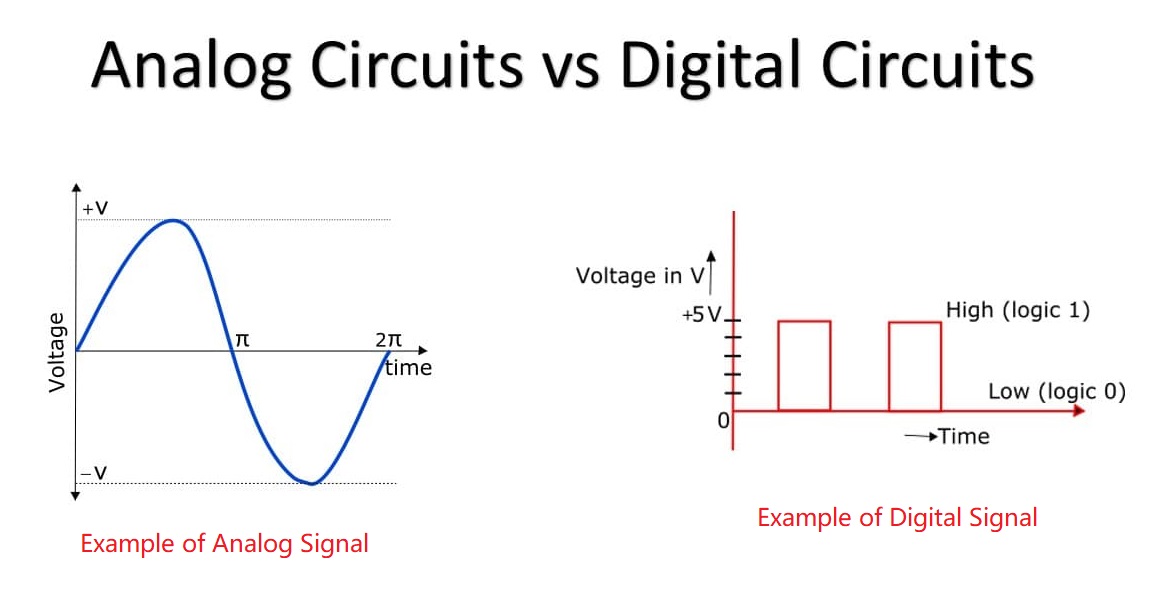
    Q2: Can Egyptian PCB manufacturers handle multilayer designs or HDI structures?
    A2: Capability varies by facility. Reddit discussions often point out that standard multilayer PCBs (4–8 layers) are supported locally, but HDI stack-ups, microvias, or very fine line widths usually exceed local equipment limits. For complex designs, engineers frequently choose China or Europe, while keeping simple layers and revisions with local Egyptian shops.
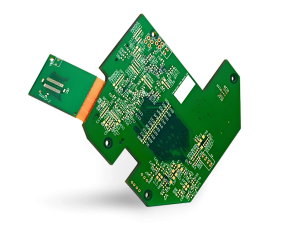
    Q3: Are PCB assembly services in Egypt able to source components locally?
    A3: Many Reddit users note that component sourcing within Egypt can be challenging, especially for specialized ICs, high-frequency passives, or automotive-grade parts. As a result, most local assembly houses request that clients supply components or allow them to import parts. This may extend lead times but ensures component authenticity and proper lot control.

    Q4: What files do Egyptian PCB shops typically require for a clean manufacturing handoff?
    A4: According to Reddit users, the standard requirements include Gerber files, Excellon drill files, BOM, pick-and-place file, and fabrication notes. For SMT builds, Egyptian assembly houses also ask for centroid files, clear polarity markings, and preferred part orientation to minimize placement errors.

    Q5: How long does it normally take to get PCB prototypes manufactured in Egypt?
    A5: Reddit feedback suggests lead times of 5–12 business days for simple prototypes, depending on the shop’s workload. Urgent jobs may be accepted but usually incur a premium. More advanced boards or assembly-ready PCBs often require additional time, especially if components need to be imported or if the design involves controlled impedance or special materials.

    You may also like