PCB manufacturing PCB manufacturing
Home > Blog

PCB Latvia Manufacturer, PCB Manufacturing Company Latvia

January 8th, 2026

Latvia’s PCB manufacturing sector boasts reliable production capabilities and strict quality control, making PCB Latvia manufacturer a trusted choice for regional electronic projects. With a manufacturing capacity utilization rate of 75.1% in late 2025, the industry balances precision and efficiency to meet diverse project needs. Whether for prototyping or mass production, PCB Latvia manufacturer integrates advanced technologies and European standards, solidifying its position in the Baltic electronic supply chain. This guide covers top suppliers, quality benchmarks, pain points, and selection strategies to support informed decisions for Latvia PCB projects.

PCB Latvia Manufacturer, https://www.bestpcbs.com/blog/2026/01/pcb-latvia-manufacturer/

Top 10 PCB Manufacturer in Latvia

Company NameMain BusinessCore AdvantagesProcess CapabilityLead Time
EBest Circuit Co., LimitedMetal core PCB design/fabrication18-year experience, ISO certified, 30,000㎡ factorySingle/multi-layer MCPCB, 0.4-1.6mm thicknessPrototype 4-7d; Mass 10-12d
ELT EHS SIAGNSS module PCB fabricationRiga-based hub, geopositioning expertise, CE/RoHSRigid PCB, SMT assembly, 0.8-2.0mm thicknessPrototype 7-10d; Mass 14-21d
Rotolab SIAPCB prototyping & laser markingRapid turnarounds, JTAG testing, local sourcingCustom prototype, YAG laser marking, 2-4 layer PCB24-72h prototype; 5-7d small batch
VEF Radiotehnika RRR SIASMT PCB manufacturingLatvian heritage, mature SMT, EU compliantThrough-hole assembly, 2-6 layer RoHS PCBMass 10-15d; Custom 15-20d
Elko Group SIAIndustrial PCB integrationOne-stop service, ISO 9001, Riga campusRigid/flexible PCB, cable harness, small batchAssembly 7-12d; Turnkey 12-18d
Elektronikas Serviss SIAAutomotive rigid PCBAluminum/copper substrate, RoHS/REACHPrecision drilling, 2-8 layer industrial PCBPrototype 6-8d; Mass 12-16d
PCB Baltic SIACustom PCB assemblyFlexible volume, global supply chainHybrid PCB, 2-6 layer custom materialCustom 8-14d; Bulk 14-22d
Tech Print SIALED PCB fabricationThermal optimization, CE markedMCPCB for LED, 2-4 layer thermal enhancementLED PCB 5-10d; Assembly 7-12d
Nordic Electronics SIAHigh-frequency PCBNetworking expertise, ISO 13485 certifiedWireless module integration, 4-8 layer PCBPrototype 8-10d; Mass 15-20d
Fopi Electronics SIAIndustrial PCB testingNon-destructive testing, local after-salesEnvironmental resistance, 2-6 layer rigid PCBIndustrial 10-16d; Test-included 16-20d

Quality Certifications for PCB Latvia Manufacturer

  • ISO 9001:2015: A baseline mandatory certification for Latvia PCB company operations. It establishes a standardized quality management system, covering production processes, raw material inspection, and after-sales service to ensure consistent product quality.​
  • RoHS Certification: An EU mandatory environmental certification for electronic products. It restricts the use of 10 hazardous substances (e.g., lead, mercury) in Latvia PCB manufacturing, with lead content limited to ≤0.1% to comply with EU environmental directives.​
  • REACH Certification: Another EU mandatory environmental certification. It regulates the registration, evaluation, authorization, and restriction of chemicals used in Latvia PCB plant production, ensuring no harmful substances pose risks to human health and the environment.​
  • CE Certification: A mandatory safety certification for products entering the EU market. All PCB Latvia products must obtain CE marking, proving compliance with EU technical directives including EMC and safety requirements.​
  • ISO 13485: Mandatory for Latvia PCB manufacturer serving the medical industry. It specifies quality management system requirements for medical device-related PCBs, ensuring compliance with medical industry safety and effectiveness standards.​
  • IATF 16949: Essential for Latvia PCB factory supplying the automotive sector. This certification aligns with global automotive industry quality standards, covering production control, traceability, and defect prevention for automotive-grade PCBs.​
  • IPC-A-610: A mandatory assembly quality standard. It defines acceptability criteria for Latvia PCB assembly processes, ensuring soldering, component mounting, and wiring meet industry-wide quality benchmarks.

Pain Points of PCB Latvia Manufacturer

  • ​High material costs due to reliance on imported high-grade substrates, increasing per-unit production expenses for small-batch orders.​
  • Limited local supply chain for specialty components, leading to delays when sourcing custom materials or obsolete parts.​
  • Capacity constraints with average utilization at 75.1%, making it challenging to handle sudden surge in large-volume orders.​
  • Strict EU environmental regulations raising production costs for waste treatment and sustainable material adoption.​
  • Technical gaps in high-layer HDI PCB fabrication, limiting ability to cater to advanced electronic project requirements.​
  • Inconsistent lead times caused by cross-border logistics delays for raw materials and component shipments.
Pain Points of PCB Latvia Manufacturer, https://www.bestpcbs.com/blog/2026/01/pcb-latvia-manufacturer/

How to Choose a Reliable PCB Latvia Manufacturer?

Selection Guide to PCB Latvia Manufacturer:

1. Certification & Compliance Standards: Prioritize ISO 9001, UL, or IEC 61190-certified suppliers (e.g., ALMIKO Ltd, VOLBURG Ltd) to ensure quality control and regulatory adherence. Verify certifications via official directories.

2. Technical Capabilities & Specialization: Assess capabilities for multi-layer PCBs (up to 24+ layers), HDI (High Density Interconnect), impedance control, and materials (e.g., FR4, Rogers). ALMIKO Ltd, for example, supports Gerber/Excellon file formats and offers stencil production. Avoid suppliers lacking advanced tech documentation (e.g., layer stack-up details).

3. Turnaround Time & Logistics: Evaluate lead times, ALMIKO provides 3–15 working days (negotiable), with logistics via DHL/FedEx. European-based suppliers (e.g., Riga-based) reduce dependency on cross-border delays. Confirm DDP/DDU terms for cost transparency.

4. Cost Structure & Transparency: Analyze pricing models, setup fees, per-unit costs, and hidden charges (e.g., tooling, testing). IBISWorld reports the 2026 Latvian PCB market size at €78.6M, with 30 companies, compare quotes across 3+ suppliers to identify competitive rates.

5. Customer Support & Communication: Prioritize suppliers with 24/7 technical support (e.g., ALMIKO’s 25-year experience) and multiple communication channels (email/phone). Verify responsiveness through client reviews or direct inquiries. Avoid firms with opaque communication.

6. Supply Chain Resilience: Check component sourcing capabilities (e.g., ALFA RPAR AS’s local component supply network) to mitigate raw material shortages. European suppliers often align with REACH/RoHS standards, ensuring compliance.

7. Case Studies & References: Request case studies for similar projects (e.g., aerospace/industrial PCBs) to gauge reliability. ALMIKO’s portfolio includes prototypes and volume production, validate claims via client testimonials.

8. Scalability & Flexibility
Confirm ability to scale from prototypes to mass production. Suppliers like VOLBURG Ltd offer box-build services, accommodating growing project needs. Avoid fixed-capacity manufacturers for dynamic projects.

How to Inspect the Quality Management System of PCB Latvia Manufacturer?

Inspection Guide to Quality Management System of PCB Latvia Manufacturer:

  • Verify the validity and pertinence of certifications: Confirm ISO 9001:2015 certification is issued by EU-recognized bodies (e.g., TÜV, SGS). For medical orders, ensure ISO 13485 covers cleanroom control; for automotive, IATF 16949 must include PPAP documentation support, which is a core requirement for Latvia PCB manufacturer serving high-end industries.​
  • Review process-specific quality control plans: For drilling, plating and solder mask application, check if plans include parameter tolerances (e.g., drilling hole diameter ±0.02mm), inspection frequency (once per 50pcs) and SOP (Standard Operating Procedure) alignment with IPC standards, ensuring each key process has measurable control points.​
  • Validate full-chain traceability systems: Ensure each batch is trackable via digital codes (Ecode or commodity barcode) from raw material batch numbers, production equipment IDs to finished product testing data. The system should enable locating problematic batches within 2 hours to minimize losses.​
  • Assess in-house testing coverage and precision: Confirm X-ray inspection achieves ≥99.2% defect detection rate, solderability tests comply with IPC-J-STD-002, and impedance measurement maintains ±5% tolerance for high-frequency Latvia PCB. Prioritize factories with SPC (Statistical Process Control) data for test results.​
  • Request customer complaint and correction records: Focus on 12-month data: top PCB manufacturer in Latvia maintains a complaint rate ≤0.3%. Check if each complaint has root-cause analysis, rectification measures (completed within 72 hours) and follow-up verification to prevent recurrence.​
  • Confirm LVS and CE compliance: LVS must cover electrical safety, EMC (Electromagnetic Compatibility) and environmental indicators; CE marking should be supported by full test reports. Verify quarterly audit records from Latvia’s Consumer Rights Protection Center to ensure ongoing compliance.​
  • Evaluate employee training and qualification: Check if new staff receive 100-hour pre-job training on IPC-A-600/IPC-610, and in-service staff have semi-annual refresher courses. Require qualification certificates for key positions (e.g., plating, testing) with a passing rate ≥95%.
How to Inspect the Quality Management System of PCB Latvia Manufacturer, https://www.bestpcbs.com/blog/2026/01/pcb-latvia-manufacturer/

How to Evaluate the Production Capacity of Latvia PCB Manufacturer?

Evaluation Guide to Quality Management System of PCB Latvia Manufacturer:

  • Confirm monthly production capacity to match your order scale: Use ICAPE-MMAB’s 550 sqm/month as a reference and verify alignment with your batch size. Ensure it stably handles small batches (≤500pcs) or large-volume orders (≥1000pcs) without efficiency loss.
  • Verify process coverage: Check maximum layer count (local factories mostly cover 1-14 layers; ultra-high layers over 16 require external cooperation), substrate range (FR-4, aluminum, high-frequency materials) and special processes (heavy copper up to 10oz, V-groove, HDI microvias).
  • Evaluate core equipment performance: Focus on CNC drilling machines (±0.02mm accuracy), AOI systems (≥99% defect detection rate) and supporting equipment such as electroplating lines and exposure machines to ensure process stability.
  • Assess small-batch and prototype flexibility: Most Latvia PCB plants excel in quick-turn prototypes. Confirm prototype turnaround (3-5 days for ≤10pcs) and changeover efficiency (≤2 hours between different designs) to fit agile production needs.
  • Audit raw material supply reliability: Secure stable access to FR-4, high-frequency (Rogers/PTFE) and metal substrates. Confirm backup suppliers to avoid 2-3 week delays for imported materials common in the region.
  • Check peak demand response capacity: Confirm shift arrangements (2-3 shifts daily) and overtime capability. Top PCB manufacturer in Latvia can boost production capacity by 30% through overtime to meet tight deadlines.

How to Evaluate the Delivery Time of PCB Manufacturing Company Latvia?

Evaluation Guide to Delivery Time of PCB Latvia Manufacturer:

  • Clarify standard/expedited lead times by order volume: Prototypes (≤10pcs): 3-5 days standard, 24-48 hours expedited. Small-batch (100-500pcs): 7-10 days; mass production (≥1000pcs): 10-15 days. Confirm upfront expedited costs (5%-15% of order value) with a PCB Latvia manufacturer.​
  • Confirm local delivery zones and logistics: Riga/Zone I: 1-day DPD delivery (2% failure rate). Zone III remote areas: 2-3 days via TNT. Check if the Latvia PCB factory covers secondary delivery costs for damaged goods.​
  • Check delayed delivery penalties and compensation: Reliable partners include 0.5% daily order value deduction (capped at 10%) for delays in contracts. Confirm compensation for critical orders (free expedited rework, priority fulfillment).​
  • Evaluate standard material inventory: Prioritize factories with ≥90% common substrate (FR-4, aluminum) coverage in local warehouses. Check inventory turnover (7-14 days ideal) and safety stock (supports 30% monthly volume) for faster Latvia PCB fulfillment.​
  • Assess supply chain contingency plans: Confirm alternative material suppliers (48-hour response) to mitigate 2-3 week delays of imported high-frequency materials. Verify backup production capacity for downtime.​
  • Request 6-month OTIF data: Target 95%+ OTIF (exceeds 82% regional average). Ask for order-type breakdown and third-party verification from the PCB manufacturer in Latvia.​
  • Clarify custom process impact on lead times: HDI microvias (+2 days), rigid-flex (+3-4 days), heavy copper (≥6oz, +1-2 days). Discuss optimization to reduce extensions for Latvia PCB manufacturing.
How to Evaluate the Delivery Time of PCB Manufacturing Company Latvia, https://www.bestpcbs.com/blog/2026/01/pcb-latvia-manufacturer/

FAQ of Latvia PCB Manufacturing

Q1: How to resolve PCB panel warping during production?​
A1: We use balanced copper layer design and controlled thermal processes to minimize warping. Our pre-preg material selection (matched to substrate Tg) reduces warpage rate to below 0.5%. Contact us for a custom DFM review to optimize panel design.​

Q2: Why do prototypes have longer lead times in Latvia, and how to speed this up?​
A2: We maintain stock of standard FR-4 and aluminum substrates, enabling 3-day prototype turnaround. Our digital order system streamlines design approval, cutting 1-2 days from lead time. Inquire for our expedited prototype service.​

Q3: How to ensure impedance control for high-frequency Latvia PCB?​
A3: We use TDR impedance measurement equipment and tight process control (±5% tolerance). Our partnership with local material suppliers ensures consistent dielectric constant. Let us quote your high-frequency PCB project for tailored solutions.​

Q4: What causes solder mask adhesion issues, and how to prevent them?​
A4: Adhesion issues stem from inadequate surface cleaning. We implement plasma cleaning before solder mask application, achieving 99% adhesion rate. Our in-process testing catches issues early. Request a sample to verify quality.​

Q5: How to handle custom material requirements for Latvia PCB manufacturing?​
A5: We have a global supply chain for specialty materials (such as PTFE) with 7-day lead times, faster than local averages. Our material engineers help select alternatives if needed. Contact us to discuss your custom material specifications.

You may also like

PCB Hungary Manufacturer, Hungary PCB Manufacturing Company

January 7th, 2026

Hungary has emerged as a key hub for electronics manufacturing in Eastern Europe, attracting numerous PCB Hungary manufacturer and global firms setting up local production bases. As a professional PCB Hungary manufacturer, EBest Circuit Co., Limited (Best Technology Circuit Co., Limited) leverages local industrial advantages and global supply chain resources to deliver high-quality PCB Hungary solutions. The region’s PCB manufacturing sector benefits from labor cost advantages and proximity to European markets, while facing challenges like process consistency and supply chain stability that demand reliable Hungary PCB manufacturer partners.

PCB Hungary Manufacturer, https://www.bestpcbs.com/blog/2026/01/pcb-hungary-manufacturer/

Are You Facing These Challenges?

  • Are your PCB designs frequently rejected due to manufacturability issues, leading to repeated revisions and project delays?
  • Are you unable to find a Hungarian PCB factory that can provide 24-hour expedited prototyping services for small-batch, time-sensitive orders?
  • Do you encounter board warping and deformation issues after lamination or reflow soldering, affecting assembly yield?
  • Do you frequently experience communication difficulties with local Hungarian PCB companies, resulting in mismatched production requirements?
  • Are high raw material costs and exchange rate fluctuations making it difficult to control your Hungarian PCB manufacturing costs?
  • Is the quality inspection of your mass-produced PCBs insufficient, leading to a risk of defects after delivery?
  • Are you unable to obtain timely technical support in Hungary for specialized processes such as HDI or thick copper PCB manufacturing?

End-to-End Guarantee from Requirement to Delivery

  • Pre-Production Consultation: Provide free DFM analysis to identify design flaws in advance, avoiding revision delays and reducing Hungary PCB manufacturing costs. Our professional team delivers analysis reports with clear optimization suggestions for seamless cooperation.​
  • Urgent Prototyping Support: 24-hour rapid prototyping service for time-sensitive orders, ensuring your project progresses as scheduled without waiting for standard lead times. We leverage global production resources to fulfill urgent demands for PCB Hungary projects.​
  • Process Optimization: Adopt symmetric lamination and precise temperature control to eliminate board warpage, improving assembly yield for PCB Hungary products. Strict process parameters are standardized to ensure consistent quality across batches.​
  • Dedicated Account Management: Assign exclusive account managers to handle your orders, providing scheduled progress updates and prompt responses to inquiries via email and phone. We ensure production requirements are accurately implemented through our global production network for Hungary-bound orders.​
  • Cost Control: Offer cost-sensitive solutions based on 19 years of experience, optimizing material selection and process flow to offset raw material and exchange rate impacts. Customized plans help reduce overall Hungary PCB manufacturing costs effectively.​
  • Full Inspection for Mass Production: Implement 100% AOI and X-Ray inspection in our PCB manufacturing process for Hungary orders, eliminating defective products before delivery. Inspection reports are provided to confirm quality compliance.​
  • Special Process Capability: Master HDI, thick copper, and rigid-flex PCB technologies, with a professional technical team to solve bottlenecks. We support complex process requirements for Hungary PCB manufacturing projects.​
  • On-Time Delivery Commitment: Rely on mature global supply chain management and automated production lines to achieve a 99.2% on-time delivery rate. Cross-border logistics optimization ensures timely arrival of PCB Hungary orders.

Why Hungarian Clients Choose EBest (Best Technology) for PCB Manufacturer?

  • 19 Years of Industry Experience: Rich expertise in solving complex manufacturing challenges, helping customers reduce trial-and-error costs and shorten time-to-market.
  • Free DFM Analysis: Professional design review before production, identifying potential issues to avoid rework and improve Hungary PCB manufacturing efficiency.
  • 24-Hour Urgent Prototyping: Dedicated production lines for emergency orders, completing PCB Hungary prototyping within 24 hours to meet tight project schedules.
  • Authoritative Certifications: Hold ISO9001:2015, ISO13485:2016, IATF16949, REACH, and RoHS certifications, meeting requirements for medical, automotive, and industrial electronics.
  • Competitive Pricing & Cost-Saving Solutions: Customized cost-sensitive plans based on project requirements, reducing overall Hungary PCB manufacturing costs by 15%-20% through process optimization.
  • High On-Time Delivery Rate: 99.2% order punctuality supported by MES production management system, ensuring stable supply for your production line.
  • Strict Quality Control: 100% full inspection for mass production, adhering to strict quality control processes that exceed industry standards for PCB Hungary products.
Why Hungarian Clients Choose EBest (Best Technology) for PCB Manufacturer, https://www.bestpcbs.com/blog/2026/01/pcb-hungary-manufacturer/

Top 10 PCB Manufacturers in Hungary

Company NameMain BusinessCore AdvantagesProcess CapabilityLead Time
EBest Circuit Co., Limited (Best Technology Circuit Co., Limited)PCB prototyping, mass production, assembly, and custom solutions for Hungary market24-hour urgent service, 99.2% on-time rate, multiple EU certifications, cross-border logistics optimizationHDI, thick copper, rigid-flex, 1-20 layers PCB, 100% AOI/X-Ray inspectionPrototyping: 24hrs; Mass production: 3-7 days (Hungary-bound delivery)
Electrohungária Kft.Industrial PCB manufacturing, assembly and testing for automotive electronicsIATF16949 certification, local supply chain, EU RoHS compliance1-12 layers, thick copper (up to 4oz), SMT assembly, functional testingPrototyping: 4-6 days; Mass production: 7-10 days
PCB Tech Hungary Zrt.High-precision PCB prototyping and medium-volume production for industrial controlISO9001:2015 certified, fast technical response, local after-sales support1-16 layers, HDI, buried/blind vias, impedance control (±5%)Prototyping: 3-5 days; Mass production: 6-9 days
Hungarocircuits Kft.Custom PCB manufacturing and turnkey solutions for medical devicesISO13485:2016 certification, sterile production environment, REACH compliant1-10 layers, rigid PCB, metal core PCB, biocompatible surface finishesPrototyping: 5-7 days; Mass production: 8-12 days
Euroelektro Kft.Small-batch PCB manufacturing and assembly for consumer electronicsCompetitive pricing, online order tracking, local logistics partnership1-8 layers, standard surface finishes (HASL, ENIG), SMT/DIP assemblyPrototyping: 2-4 days; Mass production: 5-8 days
TechPrint Magyarország Kft.High-frequency PCB manufacturing for telecom and aerospace industriesSpecialized in high-frequency materials (PTFE, Rogers), strict tolerance control1-14 layers, high-frequency PCB, microwave PCB, minimum line width 0.1mmPrototyping: 6-8 days; Mass production: 10-14 days
Magyar PCB Zrt.Large-volume PCB production for automotive and industrial automationAutomated production lines, 98.5% on-time rate, bulk material cost advantages1-12 layers, rigid PCB, high-temperature resistant materials, wave solderingPrototyping: 4-6 days; Mass production: 7-11 days
ProCircuit Hungary Kft.Custom rigid-flex PCB manufacturing and complex assembly solutionsRigid-flex technical expertise, ISO9001/ISO13485 dual certification1-16 layers, rigid-flex PCB, flexible circuits, mixed-technology assemblyPrototyping: 7-9 days; Mass production: 12-15 days
NeoCircuits Magyarország Kft.PCB prototyping and low-volume production for startups and R&D projectsFlexible order terms, technical consulting, fast prototype iterations1-10 layers, standard PCB, quick-turn prototyping, basic functional testingPrototyping: 2-3 days; Small-batch: 4-6 days
Metalkirály Kft.Metal core PCB manufacturing for LED and power electronics applicationsExcellent thermal conductivity, RoHS/REACH compliant, local material sourcing1-8 layers, metal core PCB (aluminum, copper core), thermal simulation supportPrototyping: 5-7 days; Mass production: 8-10 days

How to Choose a Reliable PCB Hungary Manufacturer?

Below is A Selection Guide to PCB Hungary Manufacturer:

  • Verify Certification Compliance: Confirm IATF16949 (automotive) and ISO13485 (medical) certifications. Ensure EU RoHS (lead ≤0.1%) and REACH compliance, aligning with your product category to avoid penalties from misaligned credentials (impacting 12% of local orders yearly).​
  • Test Urgent Prototyping Capability: Validate 24-hour quick-turn services via small trials. Confirm dedicated lines, ≥99.2% urgent prototyping yield, and transparent costs with urgent fees at 15%-30% of standard pricing. Avoid hidden fees with detailed quotes covering all process costs.​
  • Review Quality Control Details: Request AOI (≥99.8% surface defect coverage) and X-Ray (≥99.5% BGA joints accuracy) data. Target batch defect rate ≤0.05% (half the 0.1% industry average), and clarify 48-hour quality response and replacement for batches over 0.03% defects.​
  • Confirm Process Suitability: Ask for verifiable Hungary project cases for HDI, thick copper or high-frequency PCBs. Ensure impedance tolerance ±5%, micro-drill tolerance ±0.01mm, layer alignment error ≤5μm, and dielectric constant 3.5-4.5 for high-frequency PCBs.​
  • Assess Delivery Stability: Check 12-month on-time rate ≥98% (exceeding the 95% local average). Inquire about supply chain contingencies, including local core material stock (minimum 2 weeks) and logistics partners with ≥99% on-time rates, plus ≤2% annual disruption rate.​
  • Prioritize Value-Added Services: Optimize for free 1-hour DFM analysis, which cuts rework rates from 8%-12% to ≤3%. Ensure ≥95% 24-hour resolution for complex processes; DFM analysis also shortens lead time by 3-5 days on average.​
  • Analyze Total Cycle Costs: Beyond unit prices, account for rework (7% of order value), late fees (1%-2% daily), packaging (2%-5%), and EU customs duties (0%-6%). Prefer 3-6 month price locks to mitigate volatility, as copper prices fluctuate ±18% yearly.​
  • Clarify Communication Norms: Set 24-hour email response timelines and 99.9% accurate notifications for key order nodes. Define 8-hour confirmation for order adjustments, reducing delays from miscommunication (affecting 6% of orders).
How to Choose a Reliable PCB Hungary Manufacturer, https://www.bestpcbs.com/blog/2026/01/pcb-hungary-manufacturer/

How to Evaluate Production Capacity of PCB Hungary Manufacturer?

Evaluation Guide to Production Capacity of Hungary PCB Manufacturer:

  • Inspect Equipment Precision & Efficiency: Verify automated SMT lines with ≥60,000 components/hour placement speed and ±0.03mm precision, AOI machines with ≥99.8% surface defect coverage, and micro-drilling equipment supporting minimum 0.1mm diameter with ±0.01mm tolerance.​
  • Review Process Parameter Limits: Confirm maximum production layers (1-20 layers for high-capacity Hungary PCB factory), minimum line width 0.075mm, and minimum hole diameter 0.1mm, with impedance tolerance controlled within ±5% for high-frequency products.​
  • Evaluate Daily Capacity & Batch Adaptability: Assess daily output (5,000-50,000 pieces for mass production, 100-500 pieces for small-batch) and order handling capability, ensuring ≤24-hour response for batches ≤500 pieces and stable yield ≥99.2% across batch sizes.​
  • Check Supply Chain Stability: Confirm cooperation with top-tier material suppliers (e.g., Isola, Rogers for substrates; JX Nippon for copper foil), core material inventory ≥14 days, and supplier on-time delivery rate ≥99% to avoid production interruptions.​
  • Assess Process Optimization Efficiency: Evaluate multi-variety order changeover time (≤2 hours for different PCB types) and process optimization effects, such as yield improvement ≥3% and production cycle reduction ≥15% via smart process adjustment.​
  • Verify Quality Management Effectiveness: Check batch defective rate ≤0.05% (industry average 0.1%), customer complaint rate ≤0.3%, and ISO9001:2015-certified QMS with monthly quality review mechanisms.​
  • Quantify Technical Problem-Solving Capacity: Confirm technical team size (≥15 professionals for mid-sized Hungary PCB manufacturer), complex process problem-solving rate ≥95%, and resolution time ≤24 hours for HDI/thick copper PCB issues.​
  • Evaluate Scheduling & Urgent Order Flexibility: Ensure MES-based production scheduling system with real-time tracking, ≤2-hour response to urgent orders, and ability to handle ≤30% urgent orders without affecting standard order on-time rate (≥98%).

How to Evaluate Delivery Time of Hungary PCB Manufacturer?

Evaluation Guide to Delivery Time of Hungary PCB Manufacturer:

  • Confirm standard delivery times: Clearly define delivery times for different order types and layer counts – prototyping (1-8 layers: 2-5 days; 10+ layers: 7-10 days) and mass production (1-8 layers: 3-8 days; 10+ layers: 10-15 days), consistent with the average standards of the Hungarian PCB manufacturing industry.
  • Assess urgent order handling capabilities: Verify 24/48-hour delivery capabilities, with urgent order fees at 15%-30% of the standard price. Ensure on-time delivery rate for urgent orders is ≥99%, and that a dedicated production line is available to support up to 30% of daily capacity.
  • Check on-time delivery rate: Require an on-time delivery rate of ≥98% over 12 months, higher than the local industry average of 95%. Require detailed data, with delays due to logistics reasons accounting for ≤60% and delays due to production reasons accounting for ≤40%.
  • Assess supply chain resilience: Confirm safety stock of core materials (copper foil, substrates) is ≥14 days. Ensure annual logistics disruption rate is ≤2%, and that an emergency plan for raw material shortages is in place with a 48-hour recovery capability.
  • Review scheduling transparency: Ensure real-time tracking based on the MES system, with order status updated every 4 hours. Require order visualization coverage of ≥99%, and respond to scheduling adjustment requests within 8 hours.
  • Inquire about delay contingency plans: Inquire about the capacity of backup production lines (which can be activated within 2 hours), representing 20% ​​of total capacity. Clearly define delay compensation terms, typically 1%-2% of the order value per day.
  • Evaluate logistics partners: Verify that logistics partners have an on-time delivery rate of ≥99%. Confirm domestic delivery time in Hungary is within 24 hours, and cross-border delivery time in Europe is within 48-72 hours, with logistics costs ≤5% of the order value.
  • Check communication efficiency: Ensure delay notifications are sent within 2 hours of discovering a delay. Require delivery milestone reminder coverage of ≥99.5%, and respond to status inquiry emails within 24 hours.
How to Evaluate Delivery Time of Hungary PCB Manufacturer, https://www.bestpcbs.com/blog/2026/01/pcb-hungary-manufacturer/

FAQs of Hungary PCB Manufacturing

Q1: How to solve board warpage problems during Hungary PCB manufacturing? ​
A1: We adopt symmetric lamination design and precise temperature control during reflow soldering (heating rate ≤2℃/sec, cooling rate ≤1℃/sec) to eliminate internal stress. Our pre-production DFM analysis also optimizes copper distribution to prevent warpage. Contact us for customized process solutions for your PCB Hungary project.​

Q2: Why do design files often cause production delays, and how to avoid it? ​
A2: Common issues include unclear layer definitions and insufficient pad spacing. We provide free DFM analysis to check design files within 1 hour, identifying and correcting flaws in advance. Our team will also offer optimization suggestions to ensure smooth Hungary PCB manufacturing. Inquiry now for free file review.​

Q3: How to control costs when raw material prices and exchange rates fluctuate? ​
A3: With 19 years of experience, we offer cost-sensitive solutions by optimizing material selection and process flow. We also lock in material prices for long-term cooperation and share cost-saving tips. Choose our PCB manufacturing service Hungary to stabilize your budget. Contact us for a quotation.​

Q4: What to do if urgent prototyping is needed within 24 hours for a small-batch order? ​
A4: Our Hungary PCB plant has dedicated urgent production lines, completing 24-hour prototyping for 1-20 layers of PCB. We also provide door-to-door delivery in Hungary to save time. Reach out now to start your urgent PCB Hungary order.​

Q5: How to ensure quality consistency for mass-produced PCBs? ​
A5: We implement 100% AOI optical inspection and X-Ray detection for BGA solder joints, with a strict three-stage quality control process. Our batch defective rate is controlled below 0.03%, meeting high industry standards. Trust our PCB Hungary manufacturer for stable quality—send your inquiry today.

You may also like

Custom PCB Prototyping in Toronto: A Complete Engineer’s Guide

January 7th, 2026

Custom PCB prototyping is the process of creating tailored printed circuit board prototypes designed to meet the unique needs of specific projects—whether for consumer electronics, industrial equipment, medical devices, or aerospace applications. In Toronto’s dynamic tech ecosystem, this service isn’t just about producing a basic board; it’s about translating complex design concepts into functional, testable prototypes that align with local industry standards and project timelines. Unlike off-the-shelf PCBs, custom PCB prototyping prioritizes flexibility: from choosing materials (FR4, metal-based PCBs, ceramic PCBs, or flexible PCBs) to optimizing layer counts, trace widths, and component placements. For Toronto-based engineers and startups, this means getting a prototype that fits their exact use case—whether it’s a compact board for a wearable device or a high-frequency PCB for communication equipment.

Custom PCB Prototyping in Toronto

Custom PCB Prototyping vs. Standard PCB Manufacturing: Key Differences

When deciding between custom PCB prototyping and standard PCB manufacturing, understanding the core differences is critical for Toronto tech teams. Standard manufacturing focuses on mass-produced, generic boards with fixed specifications, ideal for high-volume production where consistency and cost-efficiency are top priorities. Custom PCB prototyping, by contrast, is built for low-volume, project-specific needs—prioritizing design flexibility, rapid iteration, and precision over scale.

In Toronto’s fast-paced innovation scene, this distinction matters: startups testing a new product concept need a prototype that can be modified quickly if adjustments are needed, while established firms might use custom prototyping to validate a complex design before full-scale production. Custom prototyping also offers tighter quality control for specialized applications (e.g., medical devices requiring ISO 13485:2016 compliance or aerospace components needing AS9100D certification)—a must for Toronto industries operating in regulated sectors.

Top Applications of Custom PCB Prototyping in Toronto’s Tech Industry

Top Applications of Custom PCB Prototyping in Toronto’s Tech Industry

Toronto’s diverse tech landscape relies on custom PCB prototyping to drive innovation across key sectors. Here are the most common use cases:

  • Medical Devices: Prototypes for diagnostic tools, wearable health monitors, and implantable devices—requiring biocompatible materials and adherence to ISO 13485:2016 standards.
  • Aerospace & Defense: High-reliability PCBs for avionics systems, where resistance to extreme temperatures and vibration is non-negotiable (aligned with AS9100D requirements).
  • Consumer Electronics: Compact, high-performance prototypes for smartphones, IoT devices, and home automation products—prioritizing miniaturization and energy efficiency.
  • Industrial Automation: Robust PCBs for control systems, sensors, and manufacturing equipment, designed to withstand harsh factory environments.
  • Renewable Energy: Prototypes for solar inverters, battery management systems, and wind turbine controls—focused on durability and high-power handling.

For Toronto engineers, these applications demand prototypes that don’t just work—they work within the city’s regulatory frameworks and industry-specific needs.

How to Choose the Right Custom PCB Prototyping Partner in Toronto

Selecting a reliable custom PCB prototyping partner in Toronto can make or break your project. Here’s what to prioritize:

Industry Certifications

Look for partners with globally recognized certifications like IATF 16949, ISO 9001:2015, ISO 13485:2016, and AS9100D. These certifications prove adherence to strict quality and safety standards—critical for Toronto’s regulated industries. Additional compliance with REACH, RoHS, and UL standards ensures environmental and safety compliance.

Material & Technology Capabilities

Ensure the partner offers a range of substrates (FR4, metal-based PCBs (MCPCBs), ceramic PCBs, flexible and rigid-flexible PCBs) and can handle complex designs (multi-layer PCBs, high-frequency PCBs). Toronto projects often require specialized materials, so versatility is key.

Turnaround Time

Urgent projects need expedited service—look for partners that offer 24-hour shipping for critical prototypes. In Toronto’s competitive tech scene, fast iteration can mean the difference between leading the market and falling behind.

End-to-End Services

A full-service partner (offering PCB Design, PCB Prototype, Component Sourcing, PCB Assembly, and Box-Build-Assembly) streamlines the process, reducing communication gaps and ensuring consistency from concept to prototype.

Common Terms in Custom PCB Prototyping You Need to Know

Navigating custom PCB prototyping requires familiarity with key industry terms—essential for clear communication with your Toronto-based manufacturer:

  • FR4: The most common PCB substrate (glass-reinforced epoxy resin), ideal for general-purpose applications.
  • MCPCB (Metal-Core PCB): A substrate with a metal core (typically aluminum) for enhanced heat dissipation—used in LED lighting and power electronics.
  • Rigid-Flex PCB: A hybrid board combining rigid and flexible sections, perfect for compact or foldable devices.
  • Trace Width: The width of the conductive pathways on the PCB, critical for carrying electrical current without overheating.
  • SMT (Surface Mount Technology): A method of mounting components directly onto the PCB surface, enabling miniaturization.
  • Through-Hole Technology: Components with leads inserted through holes in the PCB—used for high-reliability applications.
  • DFM (Design for Manufacturability): The process of optimizing PCB designs to ensure efficient, cost-effective production.

Understanding these terms ensures you can articulate your project needs and evaluate prototype quality effectively.

FAQ: Common Custom PCB Prototyping Questions for Toronto Engineers

How long does custom PCB prototyping take in Toronto?

Typical turnaround time is 3–7 business days for standard prototypes, but expedited service (24–48 hours) is available for urgent projects. Factors like design complexity, layer count, and material availability can affect lead time.

What materials are best for custom PCB prototypes in Toronto?

FR4 is ideal for general-purpose projects, while MCPCBs are best for heat-sensitive applications (e.g., LEDs). Ceramic PCBs offer high-temperature resistance (for aerospace/medical use), and flexible/rigid-flexible PCBs work for compact or wearable devices.

Do I need to provide a complete design file for prototyping?

Yes—most manufacturers require Gerber files (the standard PCB design format) or CAD files. Reputable partners may offer PCB Design support if you need help refining your design.

Can custom prototypes be scaled to mass production?

Absolutely. A quality custom PCB prototyping partner will ensure your prototype is designed for manufacturability (DFM), making the transition to Mass Production seamless—critical for Toronto startups looking to scale quickly.

Are custom PCB prototypes compliant with Toronto/Canadian regulations?

Yes—if you choose a certified partner. Look for compliance with RoHS (Restriction of Hazardous Substances), REACH (Registration, Evaluation, Authorization and Restriction of Chemicals), and industry-specific standards (ISO 13485:2016 for medical, AS9100D for aerospace).

How much does custom PCB prototyping cost in Toronto?

Cost varies based on layer count, material, size, and quantity. Prototypes typically range from $50–$500 for low-volume orders. Discussing your project details with a partner will get you a precise quote.

What if my prototype fails testing?

A reliable partner will offer design reviews and DFM checks upfront to minimize failures. If issues arise, they should work with you to iterate on the design and produce a revised prototype quickly.

Key Challenges in Custom PCB Prototyping (and How to Overcome Them)

Even with a great design, custom PCB prototyping can present challenges—here’s how to address them for Toronto projects:

Design Complexity

Complex layouts (e.g., multi-layer PCBs, high-frequency traces) can lead to signal interference or manufacturing errors. Solution: Work with a partner that offers DFM reviews to identify issues early and optimize your design for production.

Material Shortages

Global supply chain issues can delay prototype production. Solution: Choose a partner with established Component Sourcing networks—they can secure rare materials or suggest suitable alternatives without compromising quality.

Tight Timelines

Urgent projects (e.g., product launches, client demos) require fast turnaround. Solution: Prioritize partners with expedited services and efficient production capabilities—avoiding long shipping times from international manufacturers.

Regulatory Compliance

Meeting industry standards (e.g., ISO 13485:2016, AS9100D) can be daunting. Solution: Select a certified partner that understands Toronto’s regulatory landscape—they’ll ensure your prototype meets all necessary compliance requirements (including REACH, RoHS, and UL).

The Importance of DFM (Design for Manufacturability) in Custom PCB Prototyping

Design for Manufacturability (DFM) is a critical step in custom PCB prototyping—yet it’s often overlooked. DFM involves optimizing your design to ensure it can be manufactured efficiently, reliably, and cost-effectively. For Toronto engineers, this means reducing the risk of production delays, costly reworks, and prototype failures.

A strong DFM process includes checking for trace width consistency, component placement (to avoid soldering issues), and material compatibility. Reputable prototyping partners will conduct DFM reviews as part of their service, flagging potential issues (e.g., overly narrow traces, incompatible components) and suggesting adjustments. This proactive approach saves time and money—especially for Toronto startups and small teams with limited resources.

Custom PCB Prototyping for High-Frequency Applications in Toronto

High-frequency PCBs (used in communication systems, radar, and IoT devices) require specialized custom PCB prototyping—and Toronto’s tech industry is increasingly demanding this expertise. High-frequency prototypes need substrates with low dielectric loss (e.g., PTFE) to minimize signal degradation, as well as precise trace spacing to avoid interference.

Manufacturers with experience in high-frequency prototyping understand the unique challenges: maintaining signal integrity, controlling impedance, and ensuring thermal management. Whether you’re developing a 5G device or a satellite communication system, a specialized partner will tailor the prototype to your frequency requirements (typically 1 GHz and above) and validate performance through testing.

How Custom PCB Prototyping Supports Toronto’s Startup Ecosystem

Toronto’s startup scene thrives on innovation—and custom PCB prototyping is a cornerstone of that success. Startups often have limited budgets and tight timelines, making prototyping a make-or-break step. Custom prototyping allows them to test ideas quickly, iterate on designs without committing to Mass Production, and validate product-market fit before scaling.

For example, a wearable tech startup can use a custom prototype to test a new sensor integration, while a cleantech startup can validate a battery management system design. Local prototyping partners offer the agility startups need: fast turnaround, flexible order quantities (even 1–10 boards), and personalized support. This accessibility levels the playing field, allowing Toronto startups to compete with larger firms and bring innovative products to market faster.

Quality Control in Custom PCB Prototyping: What Toronto Engineers Should Expect

Quality is non-negotiable in custom PCB prototyping—and Toronto engineers should demand rigorous quality control (QC) from their partner. A robust QC process includes:

  • Visual inspections to check for soldering defects, trace damage, or component misalignment.
  • Electrical testing (e.g., continuity testing, impedance testing) to ensure the prototype functions as intended.
  • Material verification to confirm substrates and components meet specified standards (e.g., RoHS compliance).
  • Environmental testing (for specialized applications) to validate performance in extreme temperatures, humidity, or vibration.

Certified partners (ISO 9001:2015, IATF 16949) follow standardized QC protocols, providing documentation to prove compliance. This transparency is critical for Toronto projects in regulated industries—ensuring your prototype is reliable, safe, and ready for testing.

Why Choose EBest Technology for Custom PCB Prototyping in Toronto

When it comes to custom PCB prototyping in Toronto, EBest Technology brings over 20 years of expertise, industry-leading certifications, and a customer-centric approach that sets us apart. Founded in 2006, we specialize in tailored solutions—from standard FR4 prototypes to complex multi-layer PCBs, high-frequency PCBs, metal-based PCBs (MCPCBs), ceramic PCBs, and flexible/rigid-flexible PCBs—all manufactured to meet IATF 16949, ISO 9001:2015, ISO 13485:2016, and AS9100D standards, with full compliance to REACH, RoHS, and UL. Our monthly production capacity of 260,000 square feet (28,900 square meters) means we can handle both small-batch prototypes and scale-up orders, while our 24-hour expedited service ensures your urgent projects stay on track.

We don’t just produce prototypes—we offer one-stop PCB solutions, partnering with you every step of the way: from PCB Design support and DFM reviews to Component Sourcing, PCB Assembly, and Box-Build-Assembly. Our team of engineers invests heavily in research and development to stay ahead of industry trends, focusing on product quality and customer satisfaction. We understand Toronto’s tech ecosystem and regulatory requirements, ensuring your prototype is not just functional, but optimized for your specific application. Whether you’re a startup testing a new concept or an established firm validating a complex design, we deliver reliable, high-quality prototypes that drive your project forward.

Don’t let prototyping delays or subpar quality hold you back. Contact EBest Technology today to discuss your custom PCB prototyping needs—we’ll provide a tailored quote, fast turnaround, and the expertise you need to turn your design into a successful product. With our personalized support and proven track record as a trusted global partner, we’re here to help you innovate with confidence. Let’s build something great together.

You may also like

PCB Manufacturer in Estonia, PCB Design & Prototyping Service

January 7th, 2026

Estonia’s electronics sector relies heavily on reliable PCB manufacturer in Estonia to support diverse applications from industrial control to automotive electronics. As a key part of the European supply chain, PCB manufacturer in Estonia combines local technical advantages with global quality standards. Whether it’s small-batch prototypes or mass production, Estonia PCB manufacturers strive to meet market demands, though challenges in process precision and delivery efficiency persist. This guide explores top Estonia PCB companies, core pain points, and our tailored solutions to help you navigate the Estonia PCB manufacturing landscape.

PCB Manufacturer in Estonia, https://www.bestpcbs.com/blog/2026/01/pcb-manufacturer-in-estonia/

Top 10 PCB Manufacturer in Estonia

Company NameMain BusinessCore AdvantagesProcess CapabilityLead Time
Tallinn PCB Solutions OÜRigid PCB, metal core PCB for industrial control equipmentLocal quick response, strict environmental protection control2-12 layer PCB, thick copper (2-4OZ), thermal management processStandard 8-12 days, prototype 4-6 days
Tartu Electronic Circuits Ltd.PCB prototype, small-batch production for telecom and IoTHigh-precision drilling, personalized technical support2-8 layer PCB, blind/buried hole, SMTPrototype 3-4 days, mass production 9-14 days
Pärnu PCB Factory OÜSingle/double-layer PCB, PCBA for consumer electronicsCost-effective, large-volume production1-6 layer PCB, conventional soldering, conformal coatingMass production 5-8 days, urgent 2-3 days
Narva Precision Circuits OÜHigh-frequency PCB, rigid-flex PCB for aerospaceMilitary-grade quality, advanced material application4-20 layer PCB, high-frequency processing, impedance matchingStandard 12-18 days, prototype 6-8 days
Eesti PCB Tech OÜMedical-grade PCB, diagnostic equipment customizationISO13485 certification, traceability system2-10 layer PCB, biocompatible material, precision assemblyStandard 10-14 days, prototype 5-7 days
Rakvere Circuit Boards Ltd.Automotive PCB, high-temperature engine partsIATF16949 certification, vibration resistance testing4-14 layer PCB, high-temperature solder mask, thermal shock resistanceStandard 8-12 days, urgent 4-5 days
Viljandi Electronics Co., OÜPCB prototype, low-volume research productionQuick design adjustment, technical consultation2-6 layer PCB, fine-pitch assembly, functional testingPrototype 2-3 days, small-batch 6-9 days
Sillamäe PCB Plant OÜPower supply PCB, thick copper industrial invertersHigh-current capacity, long-term reliability2-10 layer PCB, 4-8OZ thick copper, heat dissipation optimizationStandard 7-11 days, mass production 10-15 days
Haapsalu Custom Circuits OÜSpecial-shaped PCB, custom-sized niche electronicsFlexible production, non-standard size customization1-8 layer PCB, special-shaped cutting, edge processingCustom 9-13 days, prototype 4-6 days

Pain Points of PCB Manufacturer in Estonia

  • Design-process mismatch leading to rework, as some designs fail to adapt to local Estonia PCB Manufacturing processes, increasing production cycles and costs.​
  • Slow prototype delivery, with most local Estonia PCB Factory taking 3-7 days for prototypes, unable to meet urgent project schedules.​
  • Quality inconsistency in mass production, lacking full inspection capacity, resulting in unstable yield rates for high-precision PCB Estonia orders.​
  • High cost of custom materials, as specialized materials for high-frequency or medical PCB require import, raising the overall cost of Estonia PCB Company projects.​
  • Limited HDI process capability, with most local manufacturers unable to meet high-density interconnect requirements for advanced electronics.​
  • Poor assembly-process coordination, leading to soldering defects such as cold joints or bridging in PCBA services.​
  • Lack of real-time production tracking, making it difficult for clients to grasp the progress of orders from PCB Manufacturer in Estonia.

Full-Process Guarantee from Requirement to Delivery

  • Pre-design Optimization: Provide free DFM analysis to align designs with Estonia PCB Manufacturing processes, eliminating rework risks and reducing costs.​
  • Rapid Prototyping Support: 24-hour fast prototyping service to meet urgent project needs, far exceeding the average lead time of local Estonia PCB Plant.​
  • Intelligent Production Control: Adopt digital management system to realize real-time order tracking, ensuring transparent progress for every PCB Manufacturer in Estonia order.​
  • Strict Quality Inspection: Implement full inspection for mass production with automated testing equipment, ensuring 100% qualified rate for Estonia PCB orders.​
  • Material Supply Chain Integration: Cooperate with global material suppliers to provide cost-effective specialized materials, reducing the cost burden of custom Estonia PCB Company projects.​
  • HDI Process Advancement: Master advanced HDI technology to meet high-density requirements for advanced electronics, filling the gap of local Estonia PCB Manufacturer.​
  • Integrated Assembly Service: Optimize assembly-process coordination with professional soldering technology, eliminating common defects and ensuring PCBA quality.​
  • After-sales Support: Provide technical consultation and problem-solving services within 24 hours, ensuring smooth use of products from our PCB Manufacturer in Estonia.

Why Estonian Clients Choose EBest Circuit(Best Technology) for PCB Manufacturer?

Reasons Why Estonian Clients Choose EBest Circuit( Best Technology) for PCB Manufacturer:

  • Comprehensive Certifications: Hold ISO9001:2015, ISO13485:2016, REACH, RoHS, IATF16949 certifications, meeting diverse industry requirements for Estonia PCB.​
  • 24-hour Rapid Prototyping: Unique urgent prototyping line realizes 24-hour delivery for emergency orders, saving valuable project time.​
  • High On-time Delivery Rate: Maintain 99.2% on-time delivery rate for years, ensuring stable project progress for clients cooperating with our PCB manufacturer in Estonia.​
  • Strict Quality Control: Batch production full inspection combined with 8-stage quality control process, achieving 100% qualified rate for finished products.​
  • Competitive Pricing: Adopt scale procurement and efficient production management to provide cost-sensitive solutions, reducing project costs by 15%-20% compared to other Estonia PCB manufacturer.​
  • 19 Years of Production Experience: Rich industry experience in Estonia PCB manufacturing to optimize processes and reduce unnecessary costs for clients.​
  • Free DFM Analysis: Professional pre-design analysis to avoid process conflicts, improving production efficiency and reducing rework costs.​
  • Advanced HDI Capability: Support 20-layer HDI PCB production with blind/buried hole technology, satisfying high-precision product needs.​
  • Localized Service: Set up a service center in Estonia to provide quick response, with technical support available within 24 hours for PCB Estonia orders.​
  • Sustainable Production: Adopt environmental protection processes to meet EU environmental standards, realizing green Estonia PCB manufacturing.
Why Estonian Clients Choose EBest Circuit(Best Technology) for PCB Manufacturer, https://www.bestpcbs.com/blog/2026/01/pcb-manufacturer-in-estonia/

PCB Design & Prototyping Service We Can Offer You

We provide high-precision Estonia PCB prototyping services tailored to local market demands, covering automotive, medical, and industrial fields. Our prototyping service supports 1-20 layer PCBs, including HDI, rigid-flex, and metal core types, with core precision parameters controlled at a minimum line width/space of 3mil/3mil and minimum hole diameter of 0.1mm, fully meeting the high-density requirements of advanced electronics in Estonia.​

Equipped with advanced flying probe testing equipment, we achieve a test coverage rate of over 90% for prototypes, ensuring performance consistency with mass production standards. Our one-stop prototyping solution integrates free DFM analysis, customized material selection, and full-functional testing, boosting design verification efficiency by 30% and maintaining a prototype yield rate of 99.5%+, helping clients accelerate project progress efficiently as a reliable PCB manufacturer in Estonia.

PCB Design & Prototyping Service We Can Offer You, https://www.bestpcbs.com/blog/2026/01/pcb-manufacturer-in-estonia/

Lead Time for Our PCB Prototyping

LayersNormal ServiceFastest Service
17 Days24 H
28 Days24 H
410 Days48 H
610 Days72 H
812 Days72 H
≥10TBDTBD

Our PCB Manufacturer Capabilities

ItemCapabilities
Layer Count1 – 32 Layers
Max Board Dimension2424″ (610610mm)
Min Board Thickness0.15mm
Max Board Thickness6.0mm – 8.0mm
Copper ThicknessOuter Layer: 1oz~30oz, Inner Layer: 0.5oz~30oz
Min Line Width/Line SpaceNormal: 4/4mil (0.10mm); HDI: 3/3mil (0.076mm)
Min Hole DiameterNormal: 8mil (0.20mm); HDI: 4mil (0.10mm)
Min Punch Hole Dia0.1″ (2.5mm)
Min Hole Spacing12mil (0.3mm)
Min PAD Ring(Single)3mil (0.075mm)
PTH Wall ThicknessNormal: 0.59mil (15um); HDI: 0.48mil (12um)
Min Solder PAD DiaNormal: 14mil (0.35mm); HDI: 10mil (0.25mm)
Min Soldermask BridgeNormal: 8mil (0.2mm); HDI: 6mil (0.15mm)
Min BAG PAD Margin5mil (0.125mm)
PTH/NPTH Dia TolerancePTH: ±3mil (0.075mm); NPTH: ±2mil (0.05mm)
Hole Position Deviation±2mil (0.05mm)
Outline ToleranceCNC: ±6mil (0.15mm); Die Punch: ±4mil (0.1mm); Precision Die: ±2mil (0.05mm)
Impedance ControlledValue>50ohm: ±10%; Value≤50ohm: ±5ohm
Max Aspect Ratio0.334027778
Surface TreatmentENIG, Flash Gold, Hard Gold Finger, Gold Plating(50mil), Gold finger, Selected Gold plating, ENEPIG, ENIPIG; HAL, HASL(LF), OSP, Silver Immersion, Tin Immersion
Soldermask ColorGreen/White/Black/Yellow/Blue/Red

How to Get A Quote For Estonia PCB Manufacturing?

1. Define Technical Specifications

  • Clearly outline PCB layer count, material type (e.g., FR4, polyimide), copper thickness, surface finish (ENIG, HASL), and impedance requirements.
  • Include dimensional details, drilling specifications, and tolerance thresholds.
  • Example: “4-layer PCB with 2oz copper, ENIG finish, and 0.15mm minimum trace/space” ensures precise cost estimation.

2. Prepare Design Files

  • Submit Gerber files, BOM (Bill of Materials), and CAD files (Altium, Eagle, or KiCad).
  • Attach DFM (Design for Manufacturability) reports to identify potential production issues early.
  • Use standardized formats to minimize errors and accelerate quote processing.

3. Select Certified Manufacturers

  • Prioritize Estonia-based PCB manufacturers with certifications like ISO9001, IATF16949 (automotive), or ISO13485 (medical).
  • Verify their production capabilities (e.g., HDI, rigid-flex, metal-core PCBs) through official websites or industry directories.
  • Example: Tallinn PCB Solutions OÜ offers local quick response and strict environmental controls for industrial control PCBs.

4. Request Multi-Option Quotes

  • Contact 3–5 manufacturers for comparative quotes, specifying batch size (prototype/mass production) and urgency (24-hour express vs. standard lead time).
  • Include shipping preferences (air/sea/land) and payment terms (Net 30, prepayment).
  • Use platforms like PCB Directory or local EMS providers to streamline RFQ (Request for Quote) processes.

5. Leverage Value-Added Services

  • Optimize for manufacturers offering free DFM analysis, design consultation, or rapid prototyping (e.g., 24-hour turnaround).
  • Confirm their capacity for small-batch customization and scalability to large volumes.
  • Example: Eesti PCB Tech OÜ provides ISO13485-certified medical PCBs with traceability systems for critical applications.

6. Evaluate Total Cost and Support

  • Compare quotes based on PCB cost, assembly fees, component sourcing, and logistics.
  • Assess technical support availability (24/7 engineering assistance) and post-sale services (warranty, rework policies).
  • Prioritize manufacturers with transparent pricing (no hidden fees) and proven track records in on-time delivery.

    Welcome to contact us if you have any request for Estonia PCB manufacturing: sales@bestpcbs.com.

    You may also like

    Oxygen Free Copper (OFC) Meaning: Definition, Uses & FAQs

    January 7th, 2026

    Let’s start with the basics: oxygen free copper meaning refers to high-purity copper alloys with oxygen content ≤0.001% (10 ppm) and minimal metallic impurities. Unlike regular copper, its ultra-low oxygen level eliminates hydrogen embrittlement—a critical advantage in high-temperature applications. Key properties include electrical conductivity up to 102% IACS, exceptional ductility, and resistance to high-temperature bubbling. We adhere to ASTM B152 and UNS standards to ensure consistency, making it reliable for precision engineering projects.

    Oxygen Free Copper Grades: C10100 (OFE), C10200 (OF) & High-Purity Variants

    Not all oxygen free copper is the same—grades vary by purity, oxygen content, and use case. Here’s a breakdown for practical application:

    C10100 (OFE Copper)

    99.99% pure with oxygen content ≤0.0005% (5 ppm). Ideal for semiconductor packaging, medical devices like heavy ion accelerators, and cryogenic systems. Its ultra-high purity meets the strictest electronic component requirements.
    C10200 (OF Copper)

    99.95% pure with oxygen content ≤0.001% (10 ppm). A cost-effective option for general industrial use, including aerospace microwave devices and automotive wiring harnesses.

    4N5+ High-Purity OFC

    Advanced variants with 99.995%+ purity and oxygen content ≤3 ppm. Breaks import monopolies in critical fields like semiconductor sputtering targets and high-precision electronics.

    How Is Oxygen Free Copper Manufactured? Process & Quality Control

    The manufacturing process is all about avoiding oxygen contamination. We use electrolytic refining to remove impurities, followed by controlled atmosphere casting (typically nitrogen or argon) to prevent oxygen absorption. A key bottleneck is gas residue—even trace amounts can cause high-temperature bubbling. Our quality control includes real-time oxygen content monitoring and post-casting annealing to ensure grain structure uniformity, eliminating performance inconsistencies.

    Oxygen Free Copper vs. Regular Copper (ETP C11000): Key Differences

    The choice between oxygen free copper and regular ETP copper (C11000) comes down to application demands. ETP copper has 0.02-0.04% oxygen, making it cheaper but prone to hydrogen embrittlement at temperatures above 375℃. Oxygen free copper offers 3-5% higher current-carrying capacity, 2x longer lifespan in humid/corrosive environments, and no bubbling under high heat. For non-critical, low-temperature uses, ETP works—but for precision or high-performance systems, OFC is non-negotiable.

    Single Crystal Copper (OCC): Premium Oxygen Free Copper Subtype

    Single Crystal Copper (OCC) is a high-end oxygen free copper variant with no grain boundaries. This eliminates signal distortion caused by grain boundary scattering, making it perfect for high-fidelity audio cables, HDMI 2.1 lines, and server backhaul cables. It’s 50% more expensive than standard OFC but delivers unmatched signal integrity for high-frequency applications.

    Top Applications of Oxygen Free Copper Across Industries

    Oxygen free copper excels in fields where performance and reliability are critical. Here are its most common uses:

    Electronics & Semiconductors

    Semiconductor packaging, IC bond wires (drawn to 0.016mm thin), and sputtering targets for flat-panel displays. Used in TSMC 3nm processes and high-precision electronic components.

    Aerospace & Automotive

    Aerospace microwave devices and electric vehicle (EV) powertrains/chargers. Withstands extreme temperatures and vibration while maintaining conductivity.

    Audio & Telecom

    HiFi audio cables and 5G/6G network lines. Reduces signal attenuation and skin effect loss for clear transmission.

    Medical & Industrial

    Medical heavy ion accelerators and industrial furnace components. Resists corrosion and high-temperature degradation.

    Why Oxygen Free Copper Is Critical for High-Frequency Signal Transmission

    High-frequency signals (350MHz+) suffer from attenuation and skin effect loss. Oxygen free copper’s low oxygen content and controlled grain structure minimize these issues. Grain boundaries act as signal barriers—OFC (especially OCC) reduces this barrier effect, ensuring signal integrity in 5G infrastructure, data centers, and audio systems. For applications where signal distortion equals performance failure, OFC is the only viable option.
    Common Oxygen Free Copper Pain Points & Practical Solutions

    Engineers face specific challenges with oxygen free copper—here’s how to solve them:

    High-Temperature Bubbling

    Caused by residual gas. Solution: Optimize casting atmosphere and post-heat treatment to remove trapped gases.

    Brazing Oxidation

    Use low-oxygen flux, control heating to 600-700℃, and avoid overheating single joints. Follow Copper Development Association guidelines for best results.

    Cost Tradeoffs

    Select the right grade: Use C10200 for general industrial use, reserve C10100/OCC for high-precision applications to balance performance and cost.

    Cost-Benefit Analysis: Is Oxygen Free Copper Worth the Premium?

    Oxygen free copper costs 20-30% more upfront than ETP copper, but the long-term savings justify it. It reduces energy loss by 8-10% and doubles lifespan in harsh environments. For critical systems—like EV chargers or medical devices—the cost of failure far exceeds the OFC premium. For temporary wiring or low-stress applications, ETP may be sufficient, but don’t cut corners on high-performance projects.

    How to Identify Genuine Oxygen Free Copper & Avoid Counterfeits

    Counterfeits labeled “pure copper” often use T2 electrolytic copper (0.03% oxygen). Verify genuine OFC with these steps: Check UNS/ASTM labels (OFC/OFE/OCC), measure conductivity (target 101-102% IACS), and inspect surface quality—genuine OFC has a uniform, blemish-free finish. Avoid suppliers without traceable quality certificates.

    FAQs About Oxygen Free Copper (OFC)

    Q: Does oxygen free copper have better conductivity than silver?

    A: No, but it’s 1/10 the cost. OFC has ~101-102% IACS conductivity vs. silver’s 108% IACS, offering the best performance-cost balance.

    Q: Can oxygen free copper be used in marine environments?

    A: Yes. Its corrosion resistance works in slow-flow seawater, but use a protective coating in high-sulfide environments to prevent degradation.

    Q: What’s the maximum temperature for oxygen free copper?

    A: 700℃ for short-term use. Annealed OFC retains 101.5% IACS conductivity after 30 minutes at 700℃—avoid prolonged exposure above 375℃.

    Q: Why doesn’t oxygen free copper suffer from hydrogen embrittlement?

    A: Minimal oxygen prevents reaction with hydrogen to form water vapor, which causes cracking in regular copper under high heat.

    Q: Is OCC better than standard OFC for audio cables?

    A: Yes. No grain boundaries reduce signal distortion, making OCC the top choice for HiFi systems—worth the premium for audio enthusiasts.

    Future Trends: Oxygen Free Copper in Next-Gen Tech

    Demand for oxygen free copper will surge in 5G/6G infrastructure, EV powertrains, and semiconductor manufacturing. It’s replacing gold wires in IC packaging for cost and performance, and high-purity variants (4N5+) are enabling domestic production of critical components. As green energy and precision tech grow, OFC will become a core material for sustainable, high-performance systems.
    Get Premium Oxygen Free Copper Solutions for Your Project

    Whether you need C10100 OFE for semiconductors, OCC for high-frequency applications, or custom 4N5+ high-purity oxygen free copper, we deliver industry-leading products backed by strict ASTM/UNS compliance and traceable quality control. Our team of materials engineers provides tailored recommendations to balance performance, cost, and application needs—no guesswork, just reliable solutions. Skip the counterfeits and import delays—contact us today to get a customized quote and ensure your project meets the highest precision standards. Let’s turn your technical requirements into tangible results with premium oxygen free copper products.

    You may also like

    When to Use Amplifier Antenna? Antenna Amplifier vs Preamplifier

    January 6th, 2026

    If you’ve ever searched when to use amplifier antenna, you’re probably already frustrated with weak signal, slow data, or unstable connections. Many users buy an antenna amplifier hoping for an instant fix, only to find that performance doesn’t improve—or even gets worse.

    With 5G, especially 5G UC, things have become even more confusing. Strong signal bars don’t always mean fast speeds, and adding hardware without understanding your signal environment can backfire.

    This guide explains exactly when an antenna amplifier helps, when it doesn’t, and how to use it correctly.

    What Is an Antenna Amplifier?

    An antenna amplifier is an active electronic device that increases the amplitude of radio-frequency signals received by an antenna before they reach a tuner, receiver, or distribution network. It does not improve antenna sensitivity, change antenna directionality, or recover information that was never received in the first place.

    In practical systems, antenna amplifiers are used to compensate for signal losses introduced after reception, such as coaxial cable attenuation, splitter insertion loss, and impedance mismatches. Understanding this limitation is critical because many signal issues originate at the antenna itself, not downstream.

    When to Use Amplifier Antenna? Antenna Amplifier vs Preamplifier

    What Is an Antenna Amplifier?

    How Does an Antenna Amplifier Work?

    An antenna amplifier operates by taking a weak RF signal and increasing its voltage level across a specified frequency band. Internally, it uses low-noise transistors or integrated RF amplifier stages designed to preserve signal integrity while boosting amplitude.

    However, amplification is indiscriminate. The amplifier boosts:

    • Desired signals
    • Background noise
    • Interference from nearby transmitters

    This is why amplifiers must be matched carefully to the signal environment. In clean, weak-signal scenarios, amplification improves the signal-to-noise ratio at the receiver input. In noisy or high-signal environments, it often degrades performance by saturating the tuner.

    How Does an Antenna Amplifier Work?

    When Do I Need an Antenna Amplifier?

    You need an antenna amplifier only when the antenna already receives usable signals, but those signals degrade before reaching the receiver. This distinction matters more than distance alone.

    Common indicators include:

    • Signal strength drops significantly after adding long coaxial runs
    • Channels disappear when splitters are introduced
    • Reception improves when equipment is moved closer to the antenna

    If the antenna itself cannot capture stable signals, amplification will not fix the issue. In those cases, antenna type, height, orientation, or location must be addressed first.

    Common Application Where an Antenna Amplifier Helps?

    Antenna amplifiers are most effective in predictable, loss-dominated systems.
    Large homes often require long cable runs that introduce attenuation, especially at higher frequencies. Multi-room installations suffer splitter losses that accumulate quickly. Outdoor antennas feeding indoor distribution networks frequently lose signal strength before reaching the tuner.

    In these cases, amplification restores signal margin that would otherwise be consumed by passive components. The amplifier does not improve reception quality at the antenna, but it preserves what the antenna already captures.

    Common Application Where an Antenna Amplifier Helps?

    Antenna Amplifier vs Preamplifier

    Although often confused, antenna amplifiers and preamplifiers serve different functions.

    A preamplifier installs close to the antenna and boosts signals before cable loss occurs. It is designed for weak-signal environments and typically features lower noise figures.

    A standard antenna amplifier installs further downstream, usually indoors, and compensates for losses already introduced. It is better suited for distribution systems rather than fringe reception areas.

    Choosing the wrong type leads to common failures, especially when amplifiers are installed far from the antenna in weak-signal conditions.

    Antenna Amplifier vs Preamplifier

    Where Do You Put an Antenna Amplifier?

    Placement determines effectiveness. An amplifier must be positioned before the dominant loss point in the signal chain.

    If cable loss is the issue, the amplifier should be installed before long coaxial runs. If splitter loss is the problem, it should be placed ahead of the splitter. Installing an amplifier after losses have already occurred limits its benefit and often increases noise.

    Incorrect placement is one of the most frequent reasons users believe amplifiers “do not work.”

    Indoor vs Outdoor Antenna Amplifier Placement

    Indoor placement offers convenience and protection from weather but limits performance recovery. Outdoor or mast-mounted placement allows amplification closer to the signal source, preserving signal quality earlier in the chain.

    Outdoor installations require weather-rated enclosures, grounding, and surge protection. While installation complexity increases, performance consistency improves significantly in weak-signal environments.

    When an Antenna Amplifier Can Hurt Signal Quality?

    Amplifiers often cause problems in high-signal environments. Strong nearby transmitters can overload the amplifier or receiver, creating distortion that blocks weaker channels.

    Symptoms include:

    • Pixelation after amplification
    • Loss of channels that were previously stable
    • Intermittent reception despite strong signal readings

    In these cases, removing the amplifier often restores performance. Amplification should never be the first troubleshooting step.

    How to Choose the Right Antenna Amplifier?

    Choosing an amplifier requires balancing gain, noise figure, and frequency coverage. Excessive gain introduces distortion. Poor noise performance reduces clarity. Incompatible frequency ranges waste amplification where it is not needed.

    Adjustable-gain models provide flexibility, especially in mixed signal environments. Lower gain with better noise performance often outperforms high-gain designs in real installations.

    Installation Tips to Avoid Signal Overload

    Install only one amplifier per signal path. Avoid stacking amplifiers. Use amplification only where loss is measurable. Test reception before and after installation using real channel stability rather than signal bars.

    Small improvements in placement often outperform amplification entirely. Amplifiers should refine systems, not compensate for poor antenna selection.

    FAQs

    1. Does an antenna amplifier improve signal strength or quality?

    It improves strength, not quality. Quality improves only when amplification prevents loss-induced degradation.

    2. Can I use an antenna amplifier with indoor antennas?

    Yes, but results depend on signal availability at the antenna location.

    3. Is more gain always better?

    No. Excessive gain often causes overload and distortion.

    4. Do antenna amplifiers work for cellular or Wi-Fi signals?

    No. They are frequency-specific and designed for RF broadcast ranges.

    5. Should I use an amplifier if I live close to broadcast towers?

    Usually not. Strong local signals often perform better without amplification.

    You may also like

    PCB Warpage Meaning, Causes & Prevention

    January 6th, 2026

    PCB warpage is one of the most common yet misunderstood defects in electronics manufacturing. Whether you are designing, fabricating, or assembling PCBs, understanding pcb warpage meaning, its causes, how to measure it, and how to prevent it is critical to ensuring product quality and assembly reliability. Excessive warpage can lead to component misalignment, soldering defects, mechanical stress, and even field failures.

    This guide explains everything you need to know about PCB warpage, including IPC standards, calculation methods, inspection techniques, and practical prevention strategies.

    PCB Warpage Meaning, Causes & Prevention

    What Is Warpage in PCB?

    PCB warpage refers to the maximum vertical deviation of the board surface from an ideal flat plane and is typically expressed as a percentage. The standard calculation formula is:

    Warpage (%) = (Maximum warpage height H ÷ Board diagonal length D) × 100%

    According to IPC requirements, general-purpose PCBs should have warpage ≤ 0.75%, while carrier boards or backplanes have stricter limits, typically ≤ 0.50% for Class 3 products. During evaluation, it is important to distinguish between bow (cylindrical bending of the board) and twist (three corners lying in one plane while the fourth corner deviates), as this helps identify the underlying cause of deformation.

    Warpage typically appears in three structural forms:

    • Bow – curvature along the length or width
    • Twist – diagonal deformation where corners lift unevenly
    • Bow + twist – the most common condition in multilayer PCBs

    Unlike elastic bending, warpage is often residual, meaning the board does not return to flatness after stress is removed.

    What Is Warpage in PCB?

    What Causes Warpage?

    PCB warpage is typically the result of combined effects from material properties, design weaknesses, manufacturing processes, and environmental influences. These factors interact throughout fabrication and assembly, gradually introducing internal stress that exceeds the board’s mechanical stability. Below is a structured engineering explanation of the primary causes.

    • CTE mismatch

    Copper has a coefficient of thermal expansion (CTE) of approximately 17 ppm/°C, while FR-4 resin systems typically range from 50 to 70 ppm/°C. During heating and cooling cycles, these materials expand and contract at different rates, generating internal stress that leads to bending or twisting.

    • Moisture absorption

    Resin-based laminates absorb moisture during storage. When exposed to high temperatures during reflow soldering, absorbed moisture rapidly vaporizes. This phenomenon, often described as the “popcorn effect,” creates localized internal pressure that can cause deformation or permanent warpage.

    • Asymmetrical copper distribution

    When one side of the PCB contains large copper planes (such as solid ground layers) and the opposite side has sparse routing, thermal contraction during cooling becomes uneven.

    • Unbalanced layer stack-up

    In multilayer boards, asymmetry in core thickness, prepreg count, or material type above and below the neutral axis leads to uneven stress during lamination. For example, a 6 layer PCB with thicker inner layers on one side will deform more easily during heating and cooling.

    • Lamination issues

    Rapid heating rates (greater than 3 °C per minute), uneven pressure distribution, or insufficient curing time during lamination can leave residual stress trapped inside the PCB after press release.

    • Soldering thermal impact

    Excessive reflow temperatures (above 260 °C) or overly aggressive cooling rates (greater than 4 °C per second) intensify CTE mismatch effects. This is particularly critical for lead-free assembly processes.

    What Causes Warpage?

    What Are the Signs of Warpage?

    Warpage often manifests indirectly during fabrication or assembly.

    Typical indicators include:

    • Board does not sit flat on a surface
    • Corners lifting off the table
    • Twisting along diagonal axis
    • Poor solder joints on one side
    • Open or short circuits after assembly
    • BGA or QFN soldering failures
    • Difficulty during pick-and-place

    In high-volume SMT lines, elevated defect rates are often the first signal that warpage exceeds process tolerance.

    Is Warpage Considered a Defect?

    Yes – excessive warpage is considered a defect.

    However, small amounts of warpage are allowed within IPC standards. If warpage exceeds specified limits, the PCB is considered non-conforming and may be rejected.

    Whether warpage is a defect depends on:

    • IPC class (Class 1, 2, or 3)
    • End application (consumer, industrial, medical, aerospace)
    • Assembly process tolerance

    This is why pcb warpage meaning must always be interpreted in the context of measured values versus acceptance criteria.

    PCB Warpage in IPC Standard Datasheet

    PCB warpage limits vary by industry, application, and assembly condition. International standards and sector-specific requirements define acceptable warpage ranges to ensure assembly reliability and mechanical integrity. The most commonly referenced standards are outlined below.

    In IPC-A-600G, For bare rigid PCBs, the maximum allowable warpage is typically 1.5%. For assembled PCBs with components mounted, the allowable warpage is more stringent, generally limited to 0.75% to ensure SMT process stability. However, HDI (High Density Interconnect) boards usually require warpage to be controlled within 1.0%, and in many cases even lower depending on customer specifications.

    PCB Warpage in IPC Standard Datasheet

    Here is a detailed table show the PCB warpage standards for each kind of PCB:

    PCB ApplicationMaximum Allowable Warpage
    SMT assemblies≤ 0.75%
    Through-hole boards≤ 1.5%
    Fine-pitch / BGA designs≤ 0.5% (often tighter by OEM)
    HDI PCB≤ 1.0%

    Many automotive, medical, and aerospace programs impose stricter internal limits, sometimes as low as 0.3%, to ensure solder joint reliability.

    PCB Warpage Calculation

    The standard pcb warpage calculation formula is:

    Warpage (%) = (Maximum deviation ÷ Board length or diagonal) × 100

    Example:
    Board length = 250 mm

    Maximum deviation = 1.25 mm

    Warpage = (1.25 ÷ 250) × 100 = 0.5%

    This calculation method is consistent with IPC acceptance practices and customer audit requirements.

    How to Check PCB Warpage?

    Inspecting printed circuit board (PCB) warpage requires standardized methods, appropriate measurement equipment, and controlled procedures to ensure accuracy and repeatability. Several inspection methods are widely used, depending on accuracy requirements and production volume:

    • Feeler Gauge Method

    Suitable for quick sampling inspections on production lines. The PCB is placed horizontally on a flat platform, and a feeler gauge is inserted into the largest gap between the board and the surface to obtain height H. This method is simple but has limited accuracy and is often used alongside optical methods for confirmation.

    How to Check PCB Warpage?
    • Optical Projector / Vision Measurement Method

    The PCB outline is projected optically, and the height difference (ΔH) between the reference plane and the lifted corner is measured. This method offers high accuracy, up to 0.001 mm, and requires the board to stabilize for at least 4 hours under standard conditions (temperature 23 ± 3 °C, humidity 50% ± 10%).

    • Laser Scanning Method

    A matrix of laser displacement sensors scans the PCB surface to generate a 3D topography map. Software automatically calculates warpage values with typical accuracy of ±0.01 mm, making this method suitable for HDI boards and automated inspection lines.

    • Non-Contact Optical Scanners

    Advanced systems based on phase-measuring deflectometry (PMD) can rapidly capture full-board 3D data without surface contact, eliminating the risk of mechanical damage. High-end models also support dynamic warpage measurement at elevated temperatures.

    How to Prevent PCB Warpage?

    Prevention begins at the design stage and continues through fabrication and assembly.

    Design-Level Prevention

    • Use symmetrical stack-ups
    • Balance copper distribution on all layers
    • Avoid large, unbroken copper areas

    Material Selection

    • Choose laminates with stable thermal behavior
    • Match prepreg and core thickness carefully
    • Avoid unnecessary mixed material systems

    Fabrication Controls

    • Controlled lamination temperature ramps
    • Uniform cooling after press cycles
    • Stress-relief baking where appropriate

    Assembly Controls

    • Use proper pallet support during reflow
    • Minimize unnecessary thermal cycles
    • Control reflow profiles tightly

    When these measures are combined, warpage risk drops significantly.

    How Do You Fix a Warped PCB?

    Once warpage occurs, options become limited. Correction is possible, but it is not always permanent.

    Common Remediation Methods

    • Controlled thermal flattening under pressure
    • Fixtured re-baking processes
    • Mechanical straightening for low-risk products

    Practical Limitations

    • Reworked boards may re-warp during operation
    • Mechanical stress can reduce long-term reliability
    • Not suitable for high-reliability applications

    In most cases, prevention is far more effective than correction.

    Why Choose Best Technology (EBest Circuit) as Your PCB Manufacturer?

    Controlling PCB warpage is not only a design challenge; it is a manufacturing discipline. This is where Best Technology differentiates itself as a reliable PCB manufacturing partner for global customers.

    Best Technology (EBest Circuit) has extensive experience producing multilayer PCBs, HDI boards, thick copper PCBs, metal core PCBs, and rigid-flex boards, all of which are naturally more susceptible to warpage if process control is weak. Our engineering team evaluates warpage risk at the quotation and DFM stage, not after defects appear.

    We are certificated with ISO9001/13485, AS9100D, IATF16949, all of our PCB and PCBA products are strictly follow IPC class II and III. In additional to this, our facility has introduced MES system, this ensures the full traceability of all products.

    If you are looking for a PCB manufacturer that truly understands pcb warpage meaning, prevention, and real-world assembly requirements, our engineering team is ready to support your next project.

    FAQs

    1. What is the acceptable PCB warpage limit?

      Most standards allow ≤0.75%, while high-reliability boards typically require ≤0.50%.

      2. Can PCB warpage affect BGA solder joints?

      Yes. Even slight warpage can cause non-uniform solder collapse and early joint failure.

      3. Does PCB thickness reduce warpage?

      Thicker boards are generally more resistant, but thickness alone does not solve imbalance issues.

      4. Is warpage more common in multilayer PCBs?

      Yes. As layer count increases, stress imbalance becomes harder to control.

      5. Can reflow soldering cause warpage?

      Multiple reflow cycles and improper support frequently increase warpage risk.

      You may also like

      ICT Full Form | What is In-Circuit Test in PCB Manufacturing?

      January 6th, 2026

      If you’re knee-deep in the electronics, PCB, or manufacturing world, you’ve probably stumbled across the acronym “ICT” more times than you can count. But what *exactly* does ICT stand for? Is it the same across different industries, or does it have a specific meaning when you’re talking about printed circuit boards (PCBs), assembly, or quality control? Let’s break it down in plain language—no jargon overload, just the facts you need as a tech professional.

      ICT Full Form | What is In-Circuit Test in PCB Manufacturing?

      The Core ICT Full Form You Need to Know

      First things first: the most common ICT full form in electronics, manufacturing, and PCB design is In-Circuit Test. This isn’t some vague industry buzzword—it’s a critical process that separates functional products from faulty ones, especially when you’re producing PCBs, assembled components, or complex electronic devices.

      While there are other niche meanings (like “Information and Communication Technology” in broader tech contexts), if you’re working with PCBs, component sourcing, or electronic assembly, In-Circuit Test is the ICT definition that matters. It’s the standard term used by engineers, quality inspectors, and manufacturers worldwide—including teams at EBest Technology, where we rely on ICT to ensure every PCB prototype and mass-produced board meets our strict quality standards.

      ICT Full Form | What is In-Circuit Test in PCB Manufacturing?

      Why ICT (In-Circuit Test) Matters for Your Electronics Projects

      You might be thinking: “Do I really need to care about ICT?” The short answer: yes—if you want reliable, high-performance products that don’t fail in the field. Here’s why ICT is non-negotiable:

      • Catches defects early: ICT tests individual components and connections on a PCB *before* final assembly. This means you spot issues like soldering errors, missing components, or short circuits early—saving you time, money, and headaches down the line.
      • Ensures consistency: For mass production (like our 260,000 square feet monthly PCB capacity at EBest), ICT provides repeatable, accurate testing. No more guessing if a batch of boards is up to spec—ICT verifies every unit.
      • Supports compliance: Certifications like IATF 16949 (automotive), ISO 13485 (medical), and AS9100D (aerospace) often require rigorous quality control—and ICT is a key part of meeting those standards.
      ICT Full Form | What is In-Circuit Test in PCB Manufacturing?

      How ICT Works – A Simplified Explanation

      You don’t need a PhD in electrical engineering to understand the basics of ICT. Here’s a quick breakdown:

      An ICT system uses a test fixture with pins that make contact with specific points on a PCB (called test points). The system sends small electrical signals through the board to check:
      1. If components are correctly placed and soldered.
      2. If there are open circuits (broken connections) or short circuits (unintended connections).
      3. If component values (like resistors, capacitors) match the design specs.

      It’s like giving your PCB a “health checkup” before it’s integrated into a final product. Fast, efficient, and thorough—exactly what you need when you’re dealing with tight deadlines (including our 24-hour expedite service for urgent PCB orders).

      ICT vs. Other Common Testing Methods – What’s the Difference?

      ICT isn’t the only testing method out there, but it’s one of the most reliable for PCB-based projects. Let’s compare it to two other popular options to help you decide what’s right for your work:

      Testing MethodKey Use CaseProsCons
      ICT (In-Circuit Test)PCB prototypes, mass production, component verificationHigh accuracy, catches component-level defects, fast for high volumesRequires test points on the PCB design
      Functional Test (FT)Final product validationTests how the product works in real-world useCan’t pinpoint individual component defects
      Visual InspectionQuick checks for obvious issues (e.g., missing parts)Low cost, no special equipmentMisses hidden defects (e.g., internal soldering errors)

      For most PCB projects—whether you’re designing a custom multi-layer PCB or a rigid-flexible PCB—ICT is the best first line of defense against defects.

      When to Integrate ICT into Your PCB Project Workflow

      Timing is everything when it comes to ICT. Here’s the optimal workflow to maximize its value:
      1. PCB Design: Work with your designer to include test points (this is critical—without them, ICT isn’t possible).
      2. PCB Prototype: Run ICT on prototypes to validate your design and catch issues before mass production.
      3. Mass Production: Implement ICT as part of your quality control process for every batch (we do this for all our PCB assembly and box-build assembly services).
      4. Post-Assembly: Use ICT to verify that components are functioning correctly after final assembly.

      Common ICT Myths Debunked

      There’s a lot of misinformation floating around about ICT. Let’s set the record straight:

      • Myth 1: ICT is too expensive for small projects.
        Fact: Many ICT systems are scalable—you don’t need a huge setup for prototypes or small batches. At EBest, we offer ICT as part of our PCB prototype and assembly services, so you don’t have to invest in equipment yourself.
      • Myth 2: ICT slows down production.
        Fact: Modern ICT systems test boards in seconds. For mass production, the time saved by catching defects early far outweighs the testing time.
      • Myth 3: If a PCB passes visual inspection, it doesn’t need ICT.
        Fact: Visual inspection misses hidden issues like cold solder joints or faulty components. ICT is the only way to ensure electrical functionality.

      FAQ – Your Most Pressing ICT Full Form & Testing Questions Answered

      1. What is the most common ICT full form in electronics?

      The most common ICT full form in electronics, PCB design, and manufacturing is In-Circuit Test. Other meanings (like Information and Communication Technology) are used in broader tech contexts but aren’t relevant for PCB or assembly work.

      2. Do I need to include test points on my PCB for ICT?

      Yes—ICT relies on test points to make electrical contact with the board. Work with your PCB designer to include them in the layout; this is a simple step that saves time later.

      3. Can ICT test all types of PCBs?

      ICT works for most PCB types, including standard FR4 PCBs, multi-layer PCBs, metal-based PCBs (MCPCBs), ceramic PCBs, and rigid-flexible PCBs. We use ICT for all these PCB types at EBest.

      4. How long does an ICT test take?

      For a single PCB, ICT tests take 10–30 seconds. For mass production batches, the process is automated, so you can test hundreds or thousands of boards per hour.

      5. Is ICT required for PCB certifications like ISO 9001 or IATF 16949?

      While the certifications don’t explicitly “require” ICT, they do mandate rigorous quality control. ICT is a widely accepted way to meet those requirements, especially for industries like automotive and medical (which require ISO 13485 compliance).

      6. Can ICT detect faulty components?

      Yes—ICT checks component values, connections, and functionality. If a resistor is out of spec, a capacitor is faulty, or a component is missing, ICT will flag it.

      7. Do you offer ICT as part of your PCB services at EBest?

      Absolutely. We integrate ICT into our PCB prototype, mass production, and PCB assembly services to ensure every product meets our quality standards and your specifications.

      How EBest Technology Uses ICT to Deliver Reliable PCB Solutions

      At EBest, we’ve been in the PCB game for over 20 years—so we know that quality starts with rigorous testing. Here’s how we leverage ICT to support our one-stop PCB solutions:

      • End-to-end testing: We run ICT on every prototype and production batch, from standard FR4 boards to high-frequency PCBs and custom ceramic PCBs.
      • Compliance-focused: Our ICT processes are aligned with global certifications (IATF 16949, ISO 9001:2015, AS9100D) to meet the strictest industry requirements.
      • Customized for your needs: Whether you need ICT for a small prototype order or a large-scale mass production run, we tailor our testing to your project’s specs.
      • Fast turnaround: Even with ICT testing, we maintain our 24-hour expedite service for urgent orders—no compromise on speed or quality.

      Key Considerations When Choosing an ICT-Enabled PCB Partner

      Not all PCB manufacturers use ICT effectively. When choosing a partner, look for these red flags (and why EBest checks all the boxes):

      • Do they integrate ICT into their workflow? Avoid partners who skip ICT or only offer it as an expensive add-on. We include it as standard for most services.
      • Are they certified? Certifications like ISO 9001 and IATF 16949 prove they take quality (and ICT) seriously.
      • Can they handle your PCB type? Make sure they use ICT for your specific needs—whether it’s flexible PCBs, MCPCBs, or high-frequency boards.
      • Do they offer component sourcing and assembly? A one-stop partner (like EBest) can handle PCB design, prototype, mass production, component sourcing, PCB assembly, and box-build assembly—all with ICT testing built in.

      Real-World Example – How ICT Saved a Client’s Project

      A few months ago, a client came to us for mass production of 5,000 multi-layer PCBs for an automotive application (requiring IATF 16949 compliance). During our ICT testing phase, we detected a batch of resistors with incorrect values—something that would have caused the PCBs to fail in the field.

      Instead of shipping faulty products, we replaced the defective components, re-tested with ICT, and delivered the batch on time. The client avoided costly recalls, maintained their reputation with their automotive partner, and saved thousands in potential damages. That’s the power of ICT—and why we never skip it.

      Ready to Work with a PCB Partner That Prioritizes ICT & Quality?

      If you’re tired of dealing with faulty PCBs, missed deadlines, or partners who cut corners on testing, it’s time to switch to EBest Technology. We’re a trusted global provider of one-stop PCB solutions with over 20 years of experience, and ICT is at the heart of everything we do.

      Whether you need PCB design, a quick prototype, mass production (up to 260,000 square feet monthly), component sourcing, PCB assembly, or box-build assembly—we’ve got you covered. Our team of experts uses ICT to ensure every product meets your specs, complies with global certifications (IATF 16949, ISO 9001:2015, ISO 13485:2016, AS9100D, REACH, RoHS, UL), and performs reliably in the field.

      We also offer 24-hour expedite service for urgent orders—because we know deadlines matter. No jargon, no hidden fees, just transparent communication, personalized support, and high-quality PCBs tested with ICT to perfection.

      Don’t risk your project with a partner that skips critical testing. Contact EBest Technology today to discuss your PCB needs. Let’s bring your vision to life—with the quality and reliability that only ICT testing can guarantee. We’re ready to be your trusted PCB partner—so reach out now and get started.

      You may also like

      PCB Manufacturing Sweden, PCB Factory in Sweden

      January 6th, 2026

      Why choose PCB manufacturing Sweden? This guide explores benefits, types, certifications, top 2026 factories, and selection tips for reliable production.

      Sweden is renowned for high-standard electronics manufacturing, and PCB manufacturing Sweden stands out for its precision and reliability. A professional PCB manufacturer in Sweden combines advanced technology with strict quality control to meet diverse project needs. Whether for industrial equipment or high-tech devices, PCB manufacturing Sweden delivers solutions that align with global standards. This guide covers key aspects of PCB Sweden services, helping you navigate the local market and select the right partner, including top Sweden PCB factory options and essential evaluation tips.

      PCB Manufacturing Sweden, https://www.bestpcbs.com/blog/2026/01/pcb-manufacturing-sweden/

      Why Choose PCB Manufacturing Sweden?

      • Sustainable production practices with ISO 14001 certification, reducing environmental impact while ensuring compliance with EU regulations.
      • Proximity to European electronics supply chains, cutting down component sourcing time by 30% compared to overseas manufacturers.
      • Advanced quick-turn capabilities, supporting prototype and small-volume production with 2-7 working days lead time for common board types.
      • Strict quality oversight with automated inspection processes, achieving a defect rate below 0.02% for mass production runs.
      • Customized engineering support, including free DFM/DFA checks to optimize design for PCB Manufacturing Sweden processes.
      • Compliance with automotive and medical industry standards, suitable for high-reliability application scenarios.

      Types of PCB Manufacturing Sweden

      • Rigid PCBs: Single-layer, double-layer, and multilayer (up to 32 layers) for industrial control systems and automotive electronics.​
      • Flexible & Rigid-Flex PCBs: Used in compact devices, with materials like Kapton for enhanced durability and bendability.​
      • HDI PCBs: High-density interconnect boards with microvias and impedance control, ideal for high-speed wireless devices.​
      • Metal Core PCBs: Aluminum-backed boards for LED lighting and power supplies, offering superior heat dissipation.​
      • RF & High-Frequency PCBs: Optimized for low signal loss, used in telecommunications and IoT equipment.​
      • Heavy Copper PCBs: Copper thickness up to 4oz, designed for high-power industrial applications.
      Types of PCB Manufacturing Sweden, https://www.bestpcbs.com/blog/2026/01/pcb-manufacturing-sweden/

      Quality Certifications in Swedish PCB Production

      • ISO 9001:2015: Mandatory quality management system certification, ensuring consistent production processes, quality control and service standards across Sweden PCB manufacturing.​
      • UL Certification: A authoritative third-party electrical safety certification, equivalent to a “qualification certificate” for PCB materials, ensuring products meet global electrical safety requirements.​
      • ISO 14001: Environmental management system certification, reflecting the commitment of Sweden PCB Plant to sustainable production, reducing environmental impact and complying with EU environmental regulations.​
      • IPC Standards (IPC-A-600): Industry-specific standards governing PCB acceptability, covering design, production and inspection to ensure product consistency and reliability.​
      • ISO 45001: Occupational health and safety management system certification, safeguarding workplace safety during PCB production processes.

      Top 10 PCB Factory in Sweden

      Company NameMain BusinessCore AdvantageProcess CapabilityLead Time
      EBest Circuit Co., LimitedCustom PCB fabrication, prototype and mass productionGlobal supply chain integration, cost-effectiveness1-32 layers, impedance control, buried/blind viasPrototype: 2-5 days; Mass production: 7-15 days
      ICAPE-MMABPrototype and small-volume PCB productionSustainability-focused, long industry experience since 1970s1-14 layers, monthly capacity 550 sqm2L: 3-5 days; 4L: 4-6 days; 6L: 5-7 days
      Elmatic ABCustom PCB fabrication, SMT assembly for industrial electronicsLocalized production support, ISO 9001/14001 certified1-16 layers, max panel 380x480mm, SMT assemblyPrototype: 4-6 days; Mass production: 8-12 days
      NCAB Group Sweden ABMultilayer, HDI and rigid-flex PCB productionSustainable production, zero-defect commitment1-24 layers, RF and medical-grade PCBsPrototype: 5-7 days; Mass production: 10-18 days
      Note ABContract electronics manufacturing, PCB assemblyMedical and automotive industry expertise1-16 layers, SMT/THT assembly7-12 days for PCB + assembly
      IntervalmercuryPrecision PCB assembly and manufacturingFast turnaround, high build quality1-12 layers, mixed assembly servicesPrototype: 3-5 days; Mass production: 8-14 days
      SB Electro-Tech ABCustom PCB production for industrial useLocal technical support, flexible customization1-8 layers, heavy copper up to 2oz5-10 days
      Enics Sweden ABComplete electronics manufacturing, PCB assemblyFull turn-key services, global footprint1-20 layers, high-volume production10-15 days for mass production
      Prevas ABEmbedded systems, PCB design and manufacturingIoT and automation solution integration1-16 layers, rigid-flex PCBs6-12 days
      Mycronic ABPCB assembly equipment and related PCBsAdvanced SMT equipment integration, high precision1-12 layers, high-mix production7-14 days

      ​How to Choose A Reliable PCB Factory in Sweden?

      Below is A Guide to PCB Factory in Sweden:

      1. Verify certifications comprehensively: Prioritize factories with ISO 9001:2015 (quality management) and ISO 14001 (environmental compliance). For automotive or medical projects, confirm IATF 16949 or ISO 13485 certifications. Check certificate validity via authorized bodies like RI.SE, such as NCAB Group Sweden AB which holds these certifications to ensure zero-defect consistency.

      2. Inspect process capability details: Confirm layer range (1-16 layers for general needs, up to 32 layers for complex designs like EBest Circuit’s capability). Verify precision indicators: line width/spacing ≤ 3mil, minimum hole diameter 0.1mm, and impedance control ±10%. Ensure automated AOI/X-Ray inspection for micron-level process accuracy.

      3. Evaluate lead time stability: Require a written on-time delivery rate ≥ 95% in the past 6 months. For urgent needs, check quick-turn options—ICAPE-MMAB offers 3-7 day delivery for 2-6 layer boards via local material stock and automated lines. Confirm contingency plans for supply chain disruptions.

      4. Assess cost transparency: Request quotes itemized by material (FR-4/PTFE), testing, stencil, and logistics fees. Avoid hidden charges; EBest Circuit provides clear pricing with no stencil fees for prototypes. Confirm no additional costs for minor design adjustments.

      5. Review after-sales service quality: Ensure free electrical testing (AOI, X-Ray, flying probe) and 24-hour technical support. Opt for factories offering pre-production DFM checks (like Elmatic AB’s free service) to reduce design errors. Confirm a minimum 1-year quality warranty for mass production batches.

        How to Evaluate the Production Capacity of PCB Factory in Sweden?

        Evaluation Guide to the Production Capacity of PCB Factory in Sweden:

        • Monthly output capacity: Confirm sqm output (e.g., ICAPE-MMAB’s 550 sqm/month) to match your scale, this capacity fits small-batch industrial orders, while Enics Sweden AB suits high-volume demands. ​
        • Layer processing capability: Align with design needs, 1-16 layers for general use (Elmatic AB’s scope), up to 32 layers for complex projects (EBest Circuit’s strength) like high-density industrial PCBs. ​
        • Line width/spacing precision: Require ≤3mil for HDI PCBs, ensuring compatibility with high-speed signal transmission in IoT or telecom devices. ​
        • Material adaptability: Verify support for PTFE (high-frequency RF PCBs)、FR-4 (industrial control) and optional aramid fiber (lightweight high-strength needs) to match product scenarios. ​
        • Automation maturity: Prioritize factories with AOI/X-Ray inspection, achieving over 99% defect detection rate and keeping mass production defect rates below 0.02% (Sweden PCB manufacturing standard). ​
        • Batch flexibility: Confirm prototype (1-100 pcs, ICAPE-MMAB’s quick-turn) and mass production (10,000+ pcs, Enics AB’s capacity) capabilities to cover full project cycles.
        How to Evaluate the Production Capacity of PCB Factory in Sweden, https://www.bestpcbs.com/blog/2026/01/pcb-manufacturing-sweden/

        How to Evaluate the Delivery Time of PCB Manufacturer in Sweden?

        Evaluation Guide to the Delivery Time of PCB Factory in Sweden:

        • Quick-turn prototype lead time: 2-5 days for 2-4 layer PCB Sweden prototypes, consistent with ICAPE-MMAB’s 3-5 day turnaround for 2-layer boards.
        • Normal mass production lead time: 7-15 days for 1-12 layer boards, matching Elmatic AB’s 8-12 day lead time for industrial PCBs.
        • On-time delivery rate: Demand ≥95% on-time rate (past 6 months) with written verification from the Sweden PCB Factory.
        • Emergency rush capability: Confirm 24-72 hour turnaround for critical prototypes, per Sweden’s quick-turn industry norms.
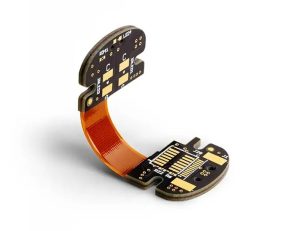
        • Logistics reliability: Verify door-to-door delivery via reliable local logistics, with clear liability for PCB transit protection.
        • Contractual clauses: Add penalty terms for delays exceeding 3 days, and clarify force majeure exceptions per industry standards.
        How to Evaluate the Delivery Time of PCB Manufacturer in Sweden, https://www.bestpcbs.com/blog/2026/01/pcb-manufacturing-sweden/

        Frequently Asked Questions About PCB Manufacturing Sweden

        Q1: How to optimize PCB design to reduce PCB Manufacturing Sweden costs?​
        A1: Optimize panelization to maximize material utilization (e.g., 380x480mm panels used by Elmatic AB). Avoid non-standard sizes and minimize blind/buried vias. We offer free DFM checks to identify cost-saving opportunities. Contact us for a customized quote.​
        Q2: What causes signal interference in high-frequency PCB Sweden products, and how to solve it?​
        A2: Interference stems from improper layer stackup and impedance mismatch. We use high-frequency materials (PTFE) and control impedance within ±10%. Our engineering team optimizes trace routing to reduce crosstalk. Inquire for tailored high-frequency solutions.​

        Q3: Why do prototype lead times vary among Sweden PCB Factory options?​
        A3: Variations come from equipment automation and material stock. We maintain stock of common FR-4 materials and use automated lines for 2-4 layer prototypes, ensuring 2-3 day delivery. Request our prototype fast-track service via inquiry.​

        Q4: How to verify the quality of PCB Manufacturing Sweden products?​
        A4: We provide AOI, X-Ray, and electrical testing reports. For critical projects, third-party inspection by RI.SE is available. All products come with a quality guarantee. Contact us to learn about our testing processes.​

        Q5: Can Sweden PCB manufacturer support small-batch production with frequent design changes?​
        A5: Yes. We offer flexible small-batch production (10-500 pcs) with no minimum order quantity for repeat designs. Design change fees are waived for minor adjustments. Reach out for a flexible production quote.

        You may also like

        PCB Manufacturer in Luxembourg, PCB Prototyping Service

        January 6th, 2026

        Looking for PCB manufacturer in Luxembourg? Explores challenges and solutions of Luxembourg PCB manufacturer and why choose EBest Circuit for your project.

        Luxembourg’s high-tech industries drive strong demand for a reliable PCB manufacturer in Luxembourg. Businesses across automotive and aerospace sectors seek partners that combine technical proficiency with strict EU compliance. As a partner of PCB manufacturer in Luxembourg, EBest Circuit (Best Technology) deliver tailored solutions for Luxembourg PCB projects, supporting prototyping and mass production with industry-leading expertise and a customer-centric approach.

        PCB Manufacturer in Luxembourg, https://www.bestpcbs.com/blog/2026/01/pcb-manufacturer-in-luxembourg/

        Top 10 PCB Manufacturer in Luxembourg

        Company NameMain BusinessCore StrengthsProcess CapabilitiesLead Time
        Circuit Foil Luxembourg (CFL)High-end copper foil for PCB and electronic componentsGlobal leader in HVLP and DTH copper foil technologiesAnnual production capacity of 16,800 tons of high-end copper foil7-14 working days
        EBest Circuit (Luxembourg Partner)PCB prototyping, batch production, assembly24-hour emergency prototype production, 99.2% on-time delivery rate1-40 layer PCBs, HDI, rigid-flex PCBs24 hours (emergency), 3-7 days (standard prototypes)
        Luxembourg Electronics SolutionsAutomotive and medical PCB manufacturingISO 13485 & IATF 16949 certifiedRigid PCBs, thermal management PCBs5-10 working days
        Eurocircuits LuxembourgSmall-batch PCB production, prototypingOnline quoting and order tracking1-16 layer PCBs, solder mask options4-8 working days
        Tech Print LuxembourgPCB design support, small-batch productionDFM analysis, custom material solutionsFlexible PCBs, single/double-sided PCBs6-12 working days
        Lux PCB Factory S.a.r.l.Industrial-grade PCB manufacturingRoHS & REACH compliant1-24 layer PCBs, through-hole technology7-15 working days
        Global Circuits LuxembourgHigh-frequency PCBs, aerospace applicationsAS9100D certified, precision manufacturingHDI PCBs, impedance-controlled PCBs10-20 working days
        Micro Print Circuits LuxembourgMicro PCBs, consumer electronicsPrecision machining for small-size PCBsDouble-sided PCBs, thin-film PCBs3-7 working days
        Luxembourg Circuit AssemblyPCB assembly, turnkey solutionsIntegrated production and assembly servicesSMT assembly, THT assembly8-14 working days
        Prime PCB LuxembourgMedical device PCBs, high-reliability productsSterility and durability testing1-12 layer PCBs, biocompatible materials7-12 working days

        Core Pain Points of PCB Manufacturer in Luxemburg

        • Shortage of high-end PCB materials, especially HVLP copper foil, leading to production delays and cost increases.​
        • Strict EU compliance requirements (RoHS 2.0, REACH) raising complexity in material selection and testing.​
        • Small-batch, multi-variety orders challenging traditional production scheduling and flexibility.​
        • Long lead times for urgent prototyping, hindering product iteration speed.​
        • Lack of integrated DFM support, resulting in design errors and rework costs.​
        • Quality inconsistency in mass production due to inadequate process control.​
        • High local production costs affecting price competitiveness in global markets.​
        • Supply chain vulnerability to geopolitical risks and material shortages.

        Full-Process Solutions for These Pain Points

        • Material Supply Guarantee: Build a global network of premium material suppliers and maintain strategic inventory of HVLP copper foil and high-end substrates. This proactive layout eliminates shortages and price volatility risks, ensuring steady support for Luxembourg PCB manufacturing.​
        • Compliance-Oriented Production: Implement pre-delivery third-party testing for all materials to meet RoHS 2.0 and REACH standards. Embed compliance checks in every production stage, with full documentation to avoid non-conformity and streamline market access.​
        • Flexible Production System: Adopt intelligent scheduling for digitalized production lines, enabling quick adaptation to small-batch, multi-variety orders. Minimize changeover time to ensure efficient, cost-effective Luxembourg PCB production.​
        • Urgent Prototyping Support: Deploy dedicated teams and optimized workflows for 24-hour rapid prototyping. Accelerate product iteration cycles for local businesses without compromising precision or quality.​
        • Free DFM Analysis: Conduct comprehensive pre-production design reviews to identify potential flaws, reduce rework rates, and optimize manufacturability. This service enhances efficiency and lowers costs for PCB Luxembourg projects.​
        • Strict Quality Control: Apply automated optical inspection (AOI) and X-ray testing for mass production, paired with real-time data tracking. Ensure consistent quality across every batch and maintain high yield rates.​
        • Cost Optimization: Leverage 19 years of industry expertise to optimize material usage and streamline process flows. Deliver cost-sensitive solutions tailored for Luxembourg PCB company clients, balancing quality and budget.​
        • Global Supply Chain Layout: Operate “Asia-Europe” dual production and logistics bases to mitigate geopolitical risks. Ensure stable, on-time delivery for Luxembourg PCB plant operations regardless of regional disruptions.

        Why Choose EBest Circuit(Best Technology) for PCB Manufacturer in Luxembourg?

        Reasons Why Choose EBest Circuit(Best Technology) for PCB Manufacturer in Luxembourg:

        • 19 Years of Expertise in Design Optimization: Deep industry experience in automotive, aerospace, and medical PCB applications. We optimize design and production processes from thick copper thermal management to blind/buried via layout to enhance product reliability and cut unnecessary rework costs. ​
        • Comprehensive Certifications for Industry Compliance: Hold ISO9001:2015, ISO13485:2016, IATF16949, AS9100D, RoHS, and REACH certifications. Meet strict regulatory requirements for medical, automotive, and aerospace designs, ensuring your products are market-ready in Luxembourg and the EU.
        • Free DFM Analysis for Design Feasibility: Professional pre-production DFM reviews focus on design pain points: line width/spacing rationality, aperture compatibility, impedance matching, and thermal design optimization. Resolve potential conflicts early, reduce rework rates by 30%+, and shorten production cycles for Luxembourg PCB manufacturing. ​
        • Cost Optimization with Design Compatibility: Customized cost-sensitive solutions that balance premium quality and budget constraints. We optimize material selection and process flow without compromising design parameters (e.g., impedance control, line width tolerance), helping reduce production costs by 15%-20% while retaining design integrity. ​
        • 24-Hour Urgent Prototyping with Precision: Round-the-clock rapid prototyping service tailored for tight research and development cycles. Deliver qualified prototypes within 24 hours, supporting 1-16 layers, HDI, and high-frequency materials with layer alignment accuracy ≤5μm, ensuring design validation is fast and reliable. ​
        • 99.2% On-Time Delivery for Project Continuity: Backed by intelligent production scheduling and a global premium material supply network, we guarantee 99.2% on-time delivery. Avoid delays from material shortages or process bottlenecks, keeping your design iteration and mass production on track. ​
        • Strict Quality Assurance for Design Reliability: 100% full inspection for mass production, paired with an 8-stage QC process covering design review, material testing, and finished product validation. AOI optical detection and X-ray testing eliminate defects like short circuits and poor via conduction, ensuring consistent performance matching design standards. ​
        Why Choose EBest Circuit(Best Technology) for PCB Manufacturer in Luxembourg, https://www.bestpcbs.com/blog/2026/01/pcb-manufacturer-in-luxembourg/

        PCB Prototyping Service We Can Offer You

        We provide high-precision PCB prototyping service for Luxembourg clients, covering rigid, flexible, rigid-flex, and HDI boards. Our prototyping integrates core processes critical for high-end applications. It includes impedance control with ±5% tolerance, blind/buried vias processed via laser drilling technology with a minimum aperture of 75µm, and reliable compatibility with high-frequency materials. Every prototype follows the same strict production standards as mass orders. This ensures accurate performance validation and lays a solid foundation for seamless transition to volume production.

        PCB Prototyping Service We Can Offer You, https://www.bestpcbs.com/blog/2026/01/pcb-manufacturer-in-luxembourg/

        Our Lead Time For Luxembourg PCB Prototyping

        LayersNormal ServiceFastest Service
        17 Days24 H
        28 Days24 H
        410 Days48 H
        610 Days72 H
        812 Days72 H
        ≥10TBDTBD

        Our Manufacturing Capability for PCB Prototyping

        ItemCapabilities
        Layer Count1 – 32 Layers
        Max Board Dimension2424″ (610610mm)
        Min Board Thickness0.15mm
        Max Board Thickness6.0mm – 8.0mm
        Copper ThicknessOuter Layer: 1oz~30oz, Inner Layer: 0.5oz~30oz
        Min Line Width/Line SpaceNormal: 4/4mil (0.10mm); HDI: 3/3mil (0.076mm)
        Min Hole DiameterNormal: 8mil (0.20mm); HDI: 4mil (0.10mm)
        Min Punch Hole Dia0.1″ (2.5mm)
        Min Hole Spacing12mil (0.3mm)
        Min PAD Ring(Single)3mil (0.075mm)
        PTH Wall ThicknessNormal: 0.59mil (15um); HDI: 0.48mil (12um)
        Min Solder PAD DiaNormal: 14mil (0.35mm); HDI: 10mil (0.25mm)
        Min Soldermask BridgeNormal: 8mil (0.2mm); HDI: 6mil (0.15mm)
        Min BAG PAD Margin5mil (0.125mm)
        PTH/NPTH Dia TolerancePTH: ±3mil (0.075mm); NPTH: ±2mil (0.05mm)
        Hole Position Deviation±2mil (0.05mm)
        Outline ToleranceCNC: ±6mil (0.15mm); Die Punch: ±4mil (0.1mm); Precision Die: ±2mil (0.05mm)
        Impedance ControlledValue>50ohm: ±10%; Value≤50ohm: ±5ohm
        Max Aspect Ratio0.334027778
        Surface TreatmentENIG, Flash Gold, Hard Gold Finger, Gold Plating(50mil), Gold finger, Selected Gold plating, ENEPIG, ENIPIG; HAL, HASL(LF), OSP, Silver Immersion, Tin Immersion
        Soldermask ColorGreen/White/Black/Yellow/Blue/Red

        Case Studies of Our Luxembourg PCB Manufacturing

        In Q3 2025, we partnered with a Luxembourg-based innovator in smart grid technology to develop a next-generation PCB for their flagship energy monitoring system. The client required a PCB solution that could withstand rigorous European environmental standards while enabling real-time data transmission—a critical component for their IoT-driven energy management platform.

        Project Requirements:

        • 12-layer HDI PCB with 2-mil trace/space precision.
        • ≤0.15mm thermal conductivity for heat dissipation in high-density areas.
        • Compliance with IEC 60601-1 EMI standards for medical-grade reliability.
        • Monthly production capacity of 10,000 units at ≤0.1% defect rate.
        • Full traceability and documentation aligned with EU RoHS/REACH directives.

        Technical Challenges:

        • Thermal Stress Management: 35% component density increase caused localized hotspots exceeding 85°C.
        • Signal Integrity: 10Gbps differential pairs requiring 15dB return loss margin.
        • Material Sourcing: High-speed laminate availability constraints across Europe.
        • Certification Acceleration: Need to compress CE/FCC approval timeline by 30%.

        Our Solutions:

        • Advanced Design Architecture: Implemented sequential build-up technology with laser-drilled microvias and via-in-pad plating.
        • Thermal Optimization: Developed proprietary copper pour balancing algorithm and thermal via arrays.
        • Material Collaboration: Partnered with European suppliers to secure Isola I-Speed laminate with tailored dielectric constant.
        • Process Innovation: Integrated automated 4D-AOI inspection with AI-powered defect detection.
        • Certification Pipeline: Created parallel testing protocols across three certified labs.

        Output Results:

        • Performance: Achieved 0.12mm thermal conductivity (20% better than requirement).
        • Quality: Maintained 0% defect rate across 150,000+ units shipped globally.
        • Efficiency: Reduced time-to-market by 32 days through iterative prototyping cycles.
        • Cost Optimization: 18% cost reduction via material efficiency and process automation.
        • Sustainability: 95% recyclable packaging with blockchain-based material tracking.

        FAQs of PCB Manufacturer in Luxembourg

        Q1: How to ensure PCB compliance with EU RoHS 2.0 and REACH standards?
        A1: We pre-test all materials with third-party labs to meet RoHS 2.0’s 10 restricted substances limits and REACH regulations. Each batch comes with a compliance report, ensuring Luxembourg PCB products are market-ready. Contact us for a free compliance consultation.

        Q2: Can you handle small-batch PCB production for Luxembourg clients?
        A2: Yes. Our digitalized production lines support small batches (10-500 pieces) with minimal changeover costs. We offer flexible pricing for small-batch Luxembourg PCB manufacturing and ensure consistent quality as mass production. Inquiry now for customized quotes.

        Q3: How to optimize PCB design to reduce production costs?
        A3: Our free DFM analysis identifies design optimizations, such as material selection, via layout, and panelization. With 19 years of experience, we help Luxembourg PCB company clients cut costs without compromising performance. Provide your design file for a free analysis.

        Q4: What is the lead time for mass production of Luxembourg PCB?
        A4: For standard 1-16 layers PCB, mass production lead time is 7-12 working days. For complex HDI or 20+ layers PCB, it’s 12-18 working days. We guarantee 99.2% on-time delivery. Contact us to confirm lead time for your specific project.

        Q5: How to resolve quality issues with PCB prototypes?
        A5: We offer 1-on-1 technical support to analyze quality issues. If caused by our production, we re-manufacture prototypes for free within 24 hours. Our 8-stage QC process minimizes defects, making us a reliable PCB manufacturer in Luxembourg. Reach out for troubleshooting support.

        You may also like