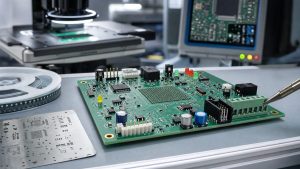
PCB kitting helps PCBA buyers confirm whether supplied parts, BOM, CPL, and assembly files are truly ready before SMT assembly starts. For buyers with recurring PCBA orders, the risk is often not only the first prototype. The bigger problem is that every reorder can create new sourcing work, shortage checks, substitute decisions, and production delays if the kit is not managed clearly.
Many engineering teams do not want their design engineers to spend time chasing out-of-stock parts on every order. They want a manufacturing partner who can review the kit, identify missing or high-risk components, suggest suitable alternatives with data, and ask for approval before anything changes. That is where PCB kitting becomes more than material preparation. It becomes a way to reduce BOM risk, material confusion, and avoidable SMT delays before production.
For prototype, pilot, and small-batch PCBA builds, one missing connector, one wrong package, one unclear substitute, or one long-lead IC can stop production after the SMT line has already been planned. EBest Circuit helps buyers review customer-supplied parts, combine kitted parts with sourced parts when needed, and prepare PCBA orders with clearer material control.
When a PCB Kitting Service Fits Your PCBA Order
A PCB kitting service fits projects where the buyer supplies some or all components instead of asking the assembly factory to purchase everything.
This is common when the buyer already has approved ICs, allocated parts, customer-owned inventory, or components purchased from a preferred distributor. It is also useful for repeat PCBA orders where the buyer wants the supplier to take more responsibility for BOM readiness, shortage review, substitute control, and reorder preparation.
This model is useful when:
- You already have key ICs or controlled parts.
- Your BOM includes long-lead components.
- Your company requires approved MPNs.
- You want to control component cost.
- You need the kit checked before SMT.
- You want unused parts handled clearly.
- You want fewer sourcing tasks pushed back to your engineers.
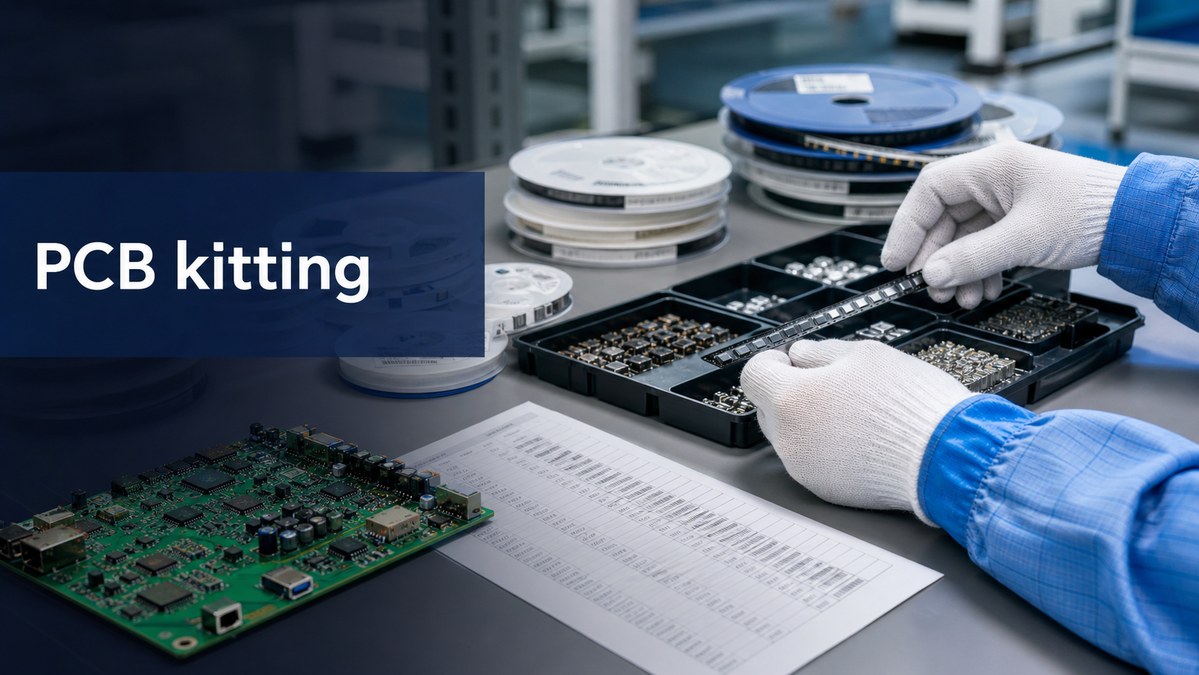
A good kitting workflow should not only receive components. It should turn reels, cut tape, trays, tubes, loose parts, and buyer notes into a material package that can actually support production.
For recurring PCBA production, kitting is also a visibility problem. A component may physically exist in stock, but it may be reserved for another build, waiting for inspection, or not approved for the current BOM. That is why the supplier should check both the files and the actual material status before production is scheduled.
How EBest Circuit Reviews Parts Before SMT Production
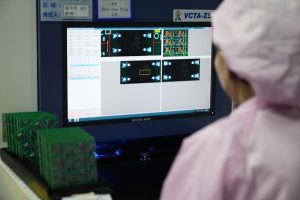
Before SMT production, EBest Circuit reviews the supplied kit against the production files. The goal is to find material issues before they become line stoppages.
| Check Item | What It Prevents |
| BOM quantity | Shortage before SMT |
| MPN | Wrong or unapproved parts |
| Reference designators | Placement mismatch |
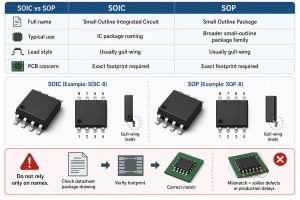
| Package type | Footprint mismatch |
| CPL file | Position or rotation errors |
| Assembly drawings | Polarity and soldering mistakes |
| Packaging format | Machine handling problems |
| Sensitive parts | MSL, BGA, QFN, fine-pitch risk |
This is where many kitting problems are found. A BOM may list one part number, while the received package or supplier label shows something different. A CPL may still match an older footprint. A substitute may be electrically close but not yet approved for this product.
If these issues are found after SMT scheduling, the buyer loses time. If they are found during kit review, the project still has room for correction.
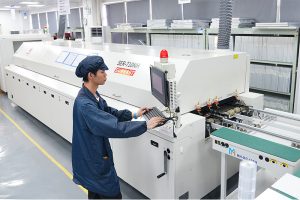
EBest Circuit supports SMT, THT, and mixed assembly. The PCBA process can support 01005 components, BGA down to 0.25 mm pitch, and common material formats such as reels, cut tape, tubes, trays, and loose parts. This makes the kitting review connected to real assembly capability, not just a document check.
EBest Circuit also uses MES-based material records to support supplied-part control. Components can be recorded through receiving, warehouse storage, material issuing, production, inspection, and shipment. For PCB kitting projects, this helps reduce wrong-part risk, confirm whether supplied parts are available for the order, and keep clearer visibility when the same components are used across repeat PCBA builds.
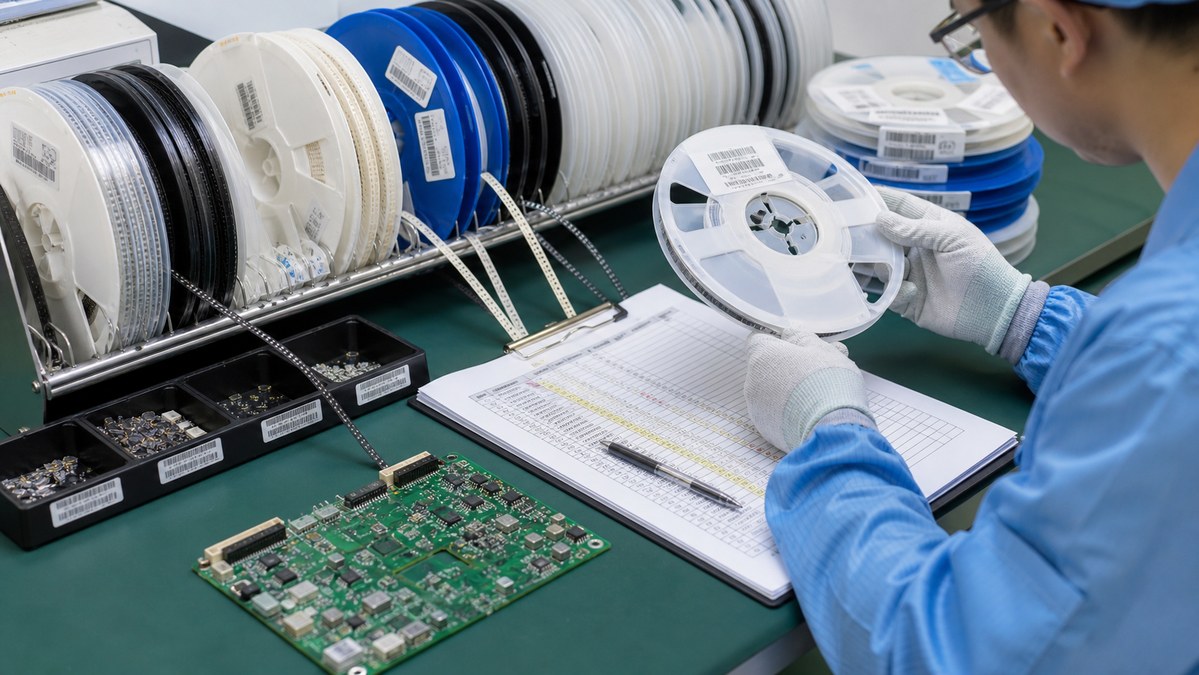
Component Kitting for PCB Assembly Shortages and Substitute Parts
Component kitting for PCB assembly often fails at two points: shortages and substitutes.
A kit may include the right part number but not enough attrition. A shared component may already be reserved for another order. A connector may arrive late. A tray quantity may not match the label. If these issues are checked only when production starts, the buyer has fewer options.
| Buyer Concern | EBest Circuit Action |
| Missing parts | Report before SMT |
| Low quantity | Check attrition need |
| Wrong MPN | Hold for approval |
| Unclear substitute | Ask before use |
| Damaged packaging | Review usability |
| Loose parts | Check handling method |
| Long-lead parts | Discuss timing early |
For repeat orders, material visibility is especially important. A component may be received, but it still needs to be checked, recorded, and issued correctly before it can support the current PCBA order. Controlled records help avoid the common risk of assuming that stock exists when it is not actually ready for this build.
Substitute control is especially important for recurring production. When a part goes short or moves to a long lead time, the buyer does not only need a notification. The buyer needs a suitable alternative, comparison data, and a clear approval step before the replacement is used.
EBest Circuit can review shortage items, check possible alternatives, and confirm with the buyer before production. This helps keep electrical decisions under buyer approval while reducing the sourcing burden on the buyer’s engineering team.
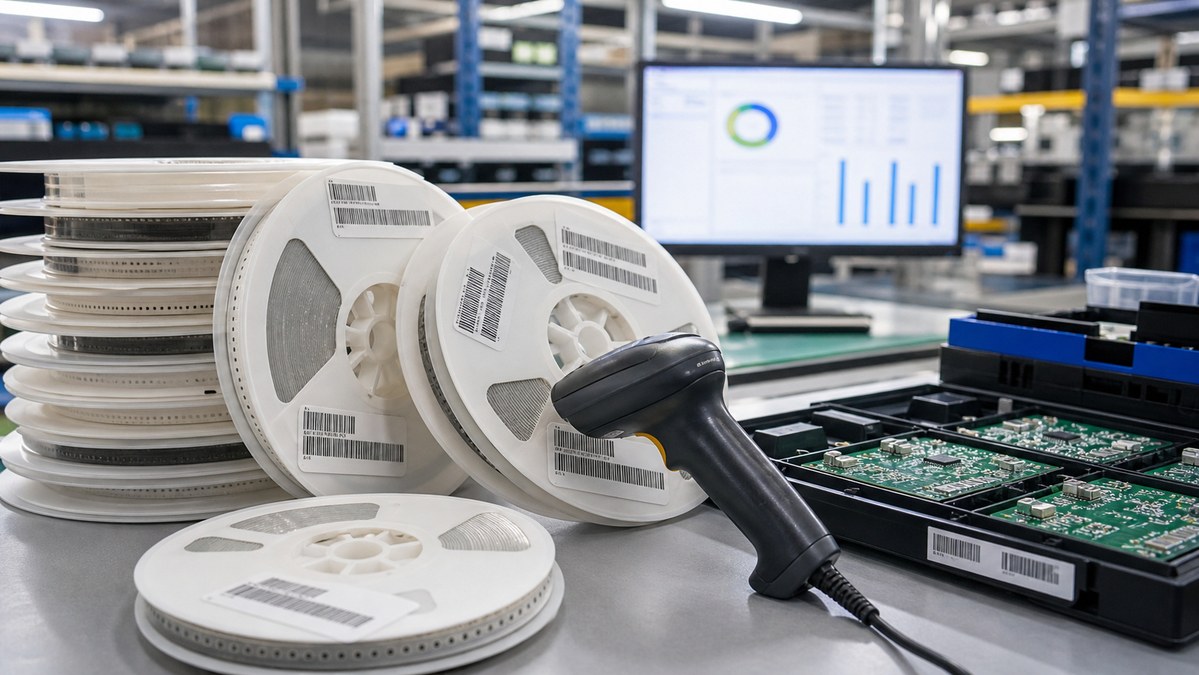
Kitted PCB Assembly vs Turnkey PCB Assembly
Kitted PCB assembly and turnkey PCB assembly are both valid. The better choice depends on who should control the components and who should manage sourcing risk.
| Model | Best For | Buyer Keeps | Supplier Handles |
| Kitted assembly | Buyer-owned parts | MPN control | Assembly and inspection |
| Turnkey assembly | Full sourcing needed | Less sourcing work | Parts, PCB, assembly |
| Partial turnkey | Incomplete kit | Key parts control | Missing parts support |
Kitted assembly is useful when the buyer already owns the material or must use approved components. Turnkey assembly is useful when the buyer wants one supplier to manage PCB fabrication, BOM sourcing, assembly, and inspection. Partial turnkey is often the most practical choice when the buyer has critical ICs but still needs support for passives, connectors, or last-minute missing parts.
For many PCBA buyers, the best model is not fixed at the beginning. EBest Circuit can review the BOM and supplied kit first, then discuss whether the project should stay kitted, move to turnkey, or use partial turnkey support.
Partial Turnkey PCB Assembly When the Kit Is Not Complete
Partial turnkey PCB assembly is useful when the supplied kit is close to complete but not fully ready for production.
This happens often in prototype, pilot, and repeat production builds. The buyer may have the main ICs, sensors, modules, or custom connectors, while small passive components or common parts are missing. In other cases, one approved part becomes unavailable, and the buyer needs help finding an acceptable replacement.
Partial turnkey support can help when:
- The buyer supplies critical components.
- EBest Circuit sources missing standard parts.
- The BOM needs review before replacement.
- Substitutes require buyer approval.
- Small missing parts should not stop the build.
- Reorders need supplier-side sourcing support.
This model reduces pressure on the buyer while keeping control over critical components. It also lowers the chance that one small missing item delays the whole PCBA order.
PCB Kitting Lead Time After BOM and Parts Review
PCB kitting lead time should be discussed after both files and parts are reviewed. If the BOM is clean, the CPL is ready, and all components are usable, the project can move faster. If parts are missing, damaged, mislabeled, or unclear, the real lead time starts only after those issues are resolved.
For PCBA projects, our normal PCBA service is about 1 week, and urgent builds can be discussed when the BOM, parts, and assembly files are ready. For kitted projects, timing depends heavily on material readiness.
| Project Condition | Timing Impact |
| Complete kit | Fastest SMT path |
| Minor shortage | Wait for parts |
| Unclear substitute | Wait for approval |
| Damaged packaging | Extra review |
| Missing notes | Engineering check |
| BGA/QFN parts | Inspection planning |
A kit that arrives early but has unresolved issues may still delay production. A kit that is checked clearly can move into assembly with fewer interruptions.
Material tracking also affects timing. For repeat orders, clear receiving, storage, issuing, and production records help the buyer understand whether parts are available for the current build, already used, waiting for replenishment, or blocked by an open question.
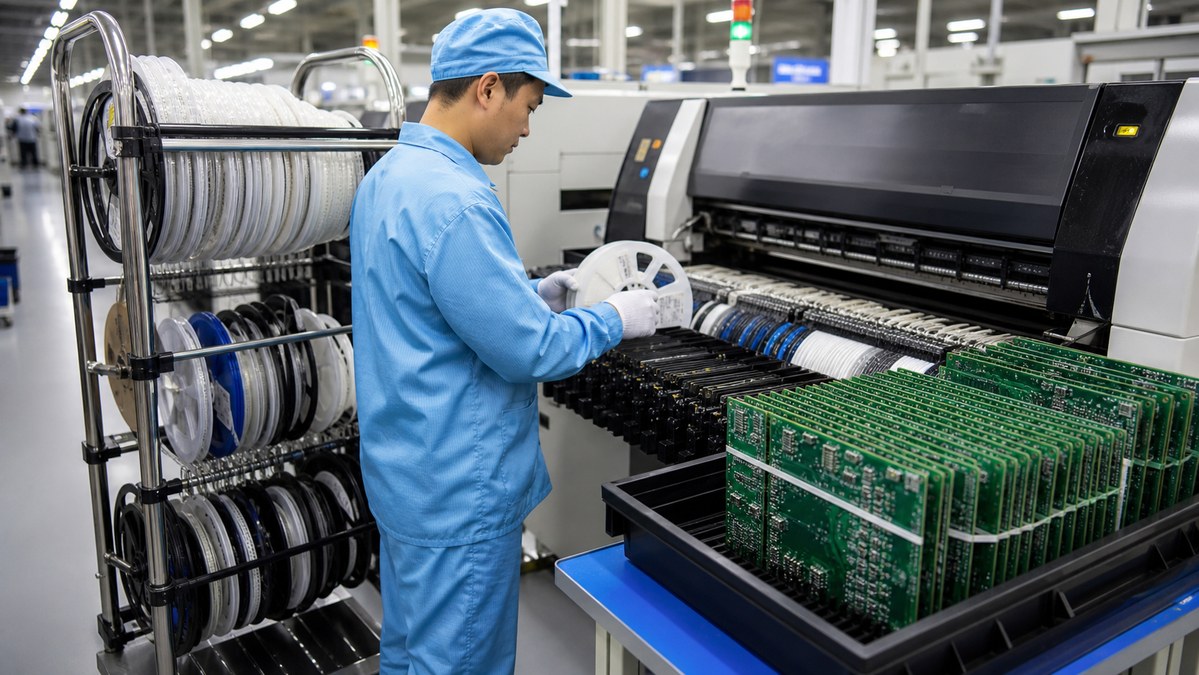
PCB Kitting Case Study for a Prototype PCBA Build
A PCBA buyer prepared most components in advance and wanted to move quickly after the bare PCBs were ready. The kit included ICs, connectors, passives, and several customer-selected parts. At first, the material list looked complete.
During review, several issues needed confirmation before SMT:
- Some passive quantities left little attrition.
- One connector label did not match clearly.
- One substitute needed buyer approval.
- BOM and CPL needed package confirmation.
EBest Circuit reviewed the supplied parts, confirmed the shortage risk, checked the connector information, and discussed the missing or substitute items before production. After the buyer confirmed the open items, SMT assembly could proceed with clearer material control.
The value for the buyer was clear:
- Issues were found before SMT.
- Critical parts were not changed without approval.
- Shortage risk was visible early.
- Material movement was easier to trace.
- The build had a clearer production path.
For recurring PCBA orders, this kind of review also helps reduce repeated engineering involvement. Instead of asking the buyer’s design team to solve every sourcing issue again, the supplier can first review the BOM, identify the risk, and bring practical options back for approval.
FAQs About PCB Kitting
What is PCB kitting?
PCB kitting means preparing and checking the components required for PCB assembly before production starts. It usually includes matching supplied parts against the BOM, CPL, drawings, quantity, package type, and assembly requirements.
Is PCB kitting the same as consigned PCB assembly?
They are related but not exactly the same. Consigned PCB assembly means the customer supplies components. PCB kitting focuses on preparing and checking those parts before production.
Can EBest Circuit assemble boards with customer-supplied parts?
Yes. EBest Circuit can support customer-supplied parts, turnkey sourcing, or partial turnkey assembly depending on the BOM, component condition, and production requirements.
Can EBest Circuit help if one part goes out of stock?
Yes. If a part is short or becomes long lead, EBest Circuit can review possible alternatives and bring the option back to the buyer for approval before use.
Can EBest Circuit track supplied components during production?
Yes. Supplied components can be recorded through receiving, storage, issuing, production, inspection, and shipment. This helps buyers keep clearer visibility of customer-owned parts and reduce wrong-part risk.
What files should I send for a PCB kitting review?
Send Gerber files, BOM, CPL / pick-and-place file, assembly drawings, special notes, and information about supplied components, approved substitutes, or critical parts.
What if my PCB kit is missing some parts?
EBest Circuit can review the missing items and discuss whether the buyer will ship the parts, approve substitutes, or use partial turnkey sourcing.
Can loose parts be used for SMT assembly?
Loose parts may be usable, but they need to be reviewed first. Package format, quantity, polarity, and machine handling requirements affect whether they are suitable.
Does PCB kitting reduce lead time?
It can reduce avoidable delay if the kit is complete and clearly checked before SMT. If parts are missing or unclear, kitting helps expose the issue early.
If your team has a BOM, approved MPNs, customer-supplied components, or a partial kit ready, send your Gerber files, BOM, CPL, quantity, and component list to sales@bestpcbs.com. EBest Circuit can review whether your PCB kit is ready for SMT assembly, whether any parts are short or high-risk, and whether partial turnkey support is needed before production.