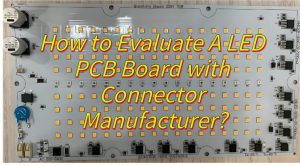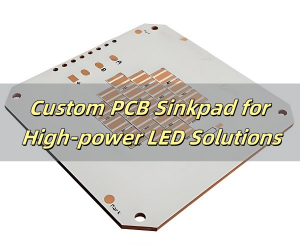


Looking for a reliable aluminum PCB manufacturer in China? EBest Circuit provides custom MCPCB fabrication, SMT and through-hole assembly, and prototype-to-mass-production services for LED lighting, power electronics, automotive, and industrial applications.
Whether you need bare aluminum circuit boards or assembled MCPCBs, we provide a free DFM check to review manufacturing feasibility before production. Compare the manufacturing capabilities, quality certifications, lead times, and quotation requirements below to determine whether the service fits your project.
What Types of Aluminum PCBs Can EBest Circuit Manufacture?
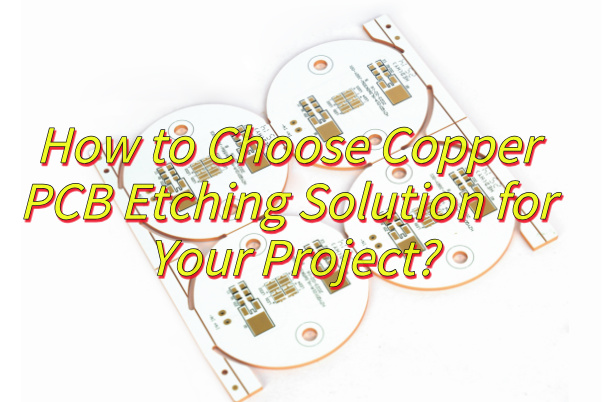
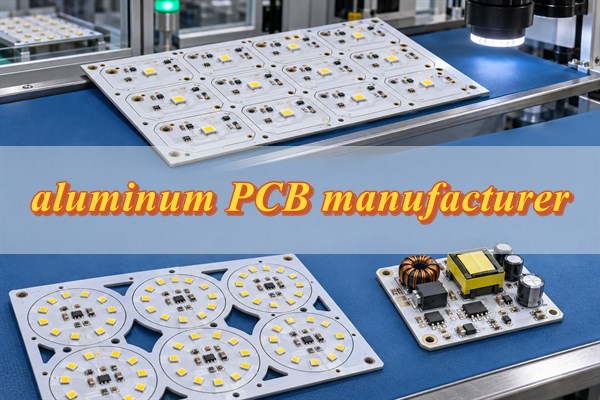
EBest Circuit manufactures single-layer, double-sided, and selected multilayer aluminum PCBs, including custom-shaped metal-backed circuit boards. The suitable construction depends on circuit complexity, thermal management, electrical insulation, and mechanical requirements.
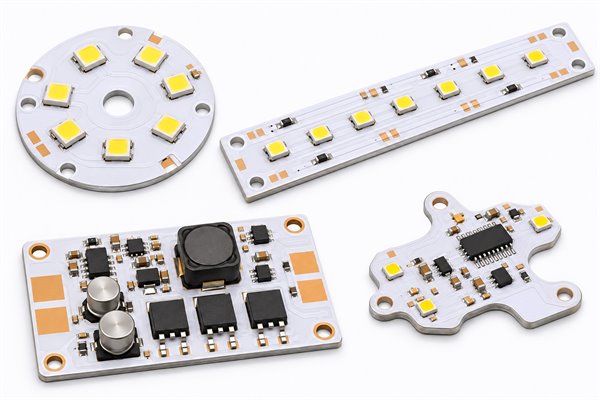
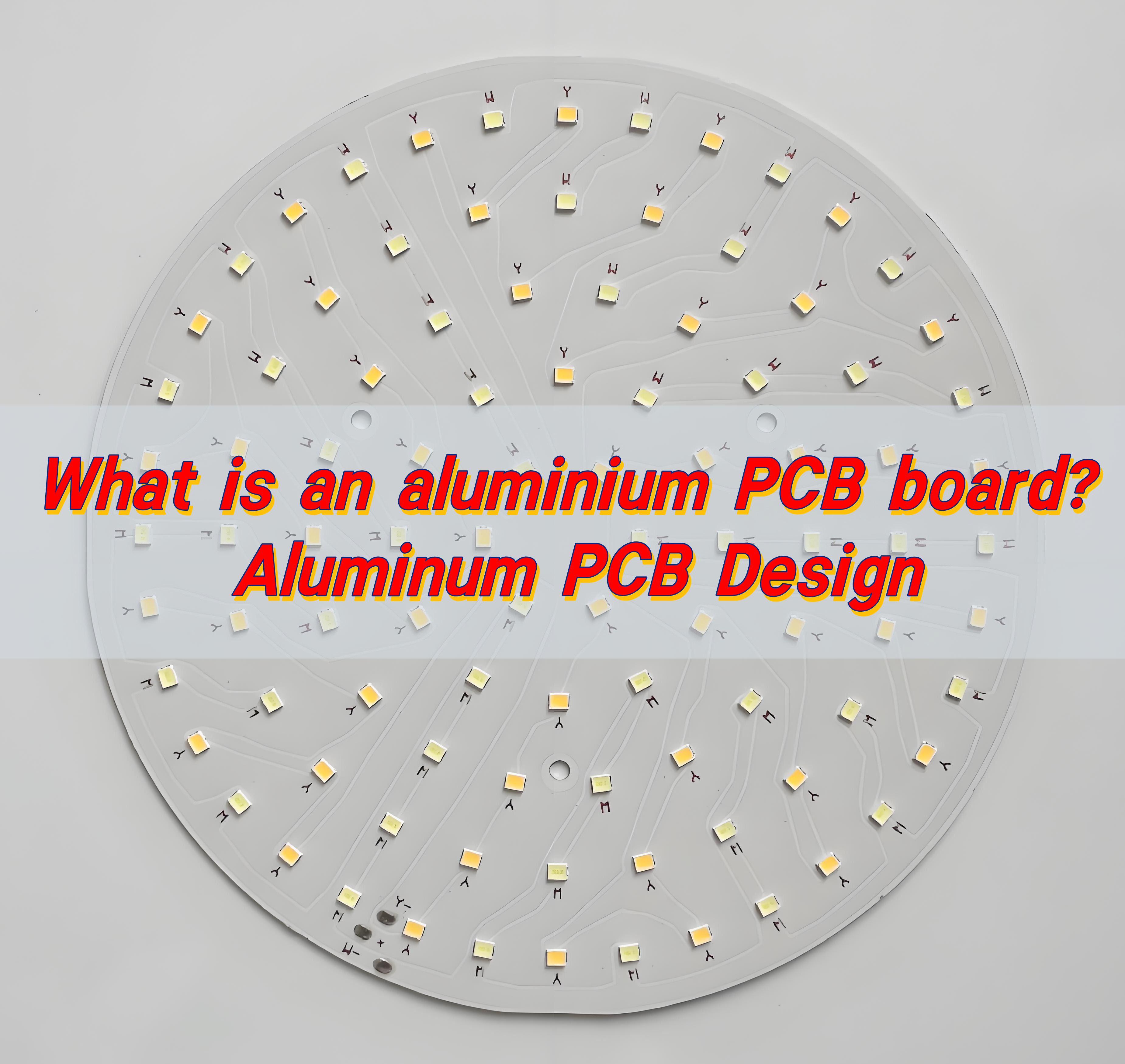
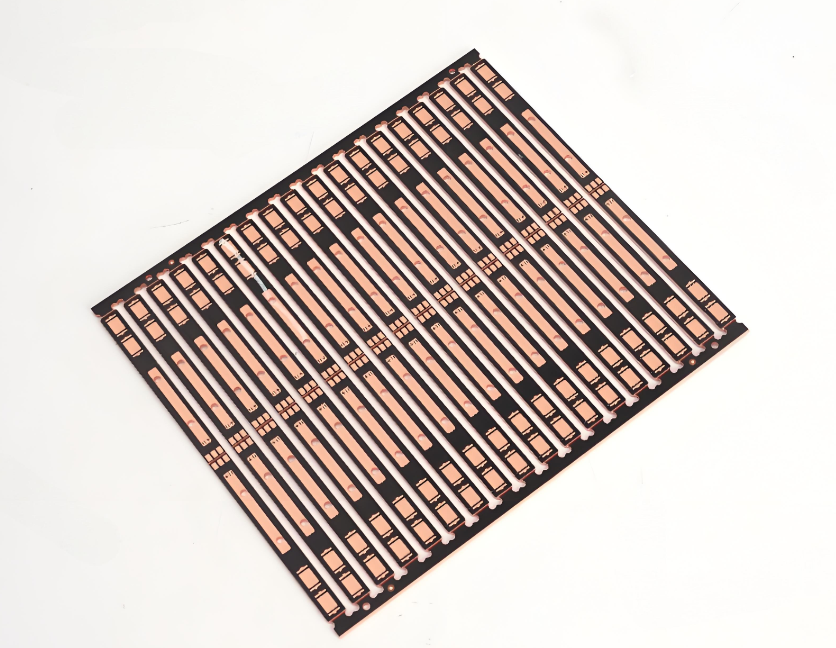
- Single-layer aluminum PCB: Combines a copper circuit layer, thermally conductive dielectric, and aluminum base. It is commonly used in LED lighting modules, power electronics, and high-power LED applications.
- Double-sided aluminum PCB: Supports additional circuit routing and component connections. Electrical isolation between the conductors and aluminum substrate must be maintained through a suitable construction.
- Multilayer aluminum PCB: Combines multiple circuit layers with a metal-backed structure for applications requiring higher circuit density and heat dissipation. Feasibility depends on the stackup, dielectric isolation, and interconnection requirements.
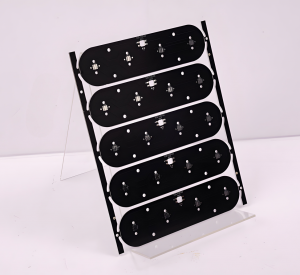
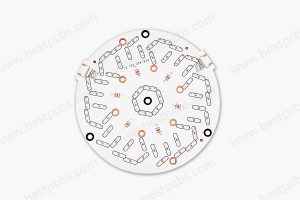
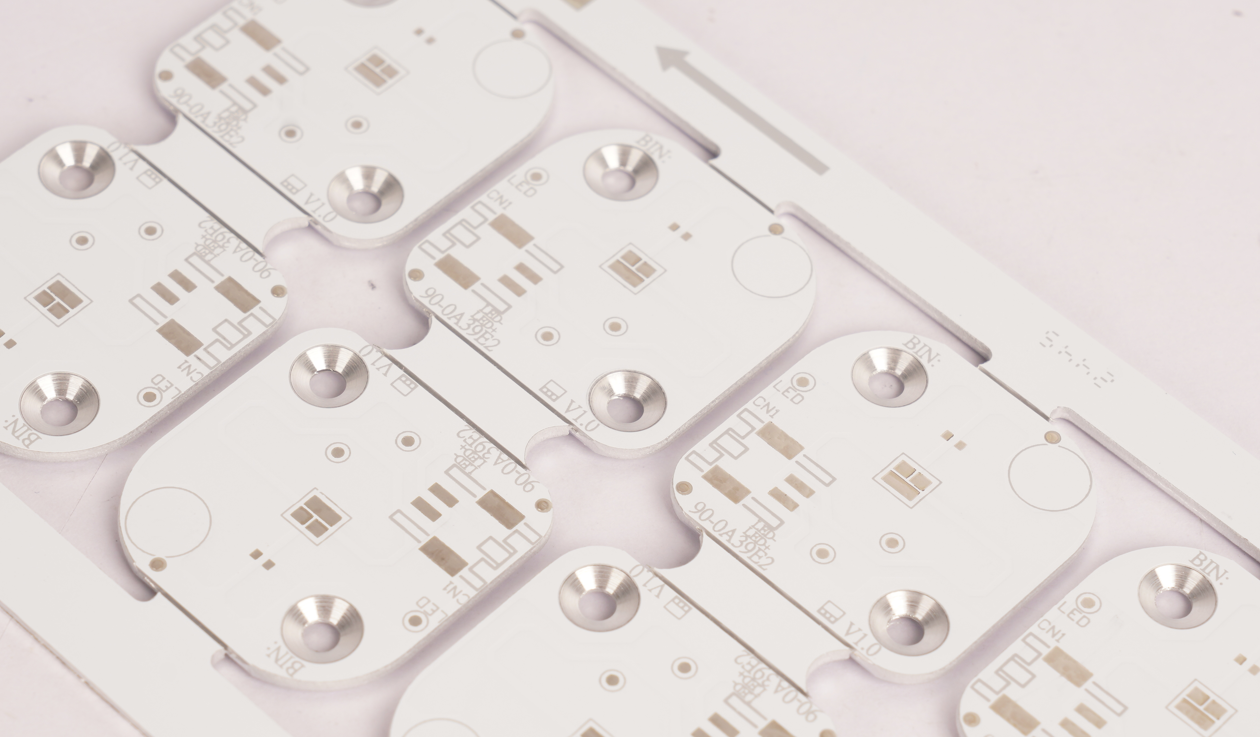
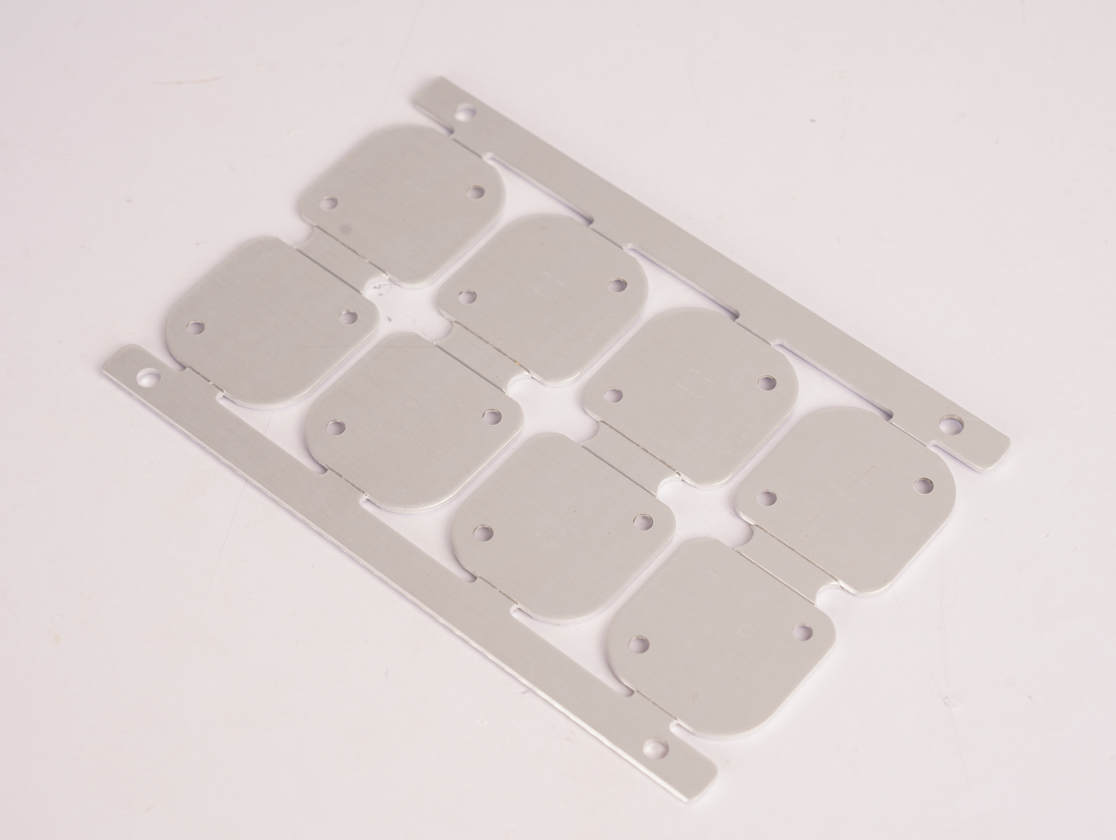
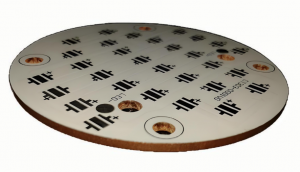
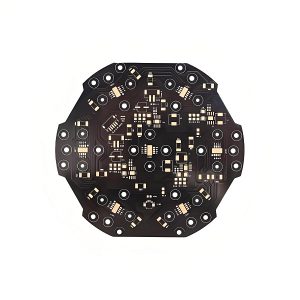
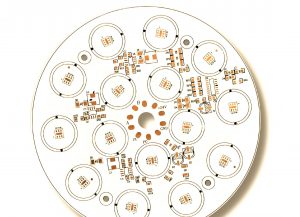
- Custom-shaped aluminum PCB: Circular, rectangular, linear, and irregular circuit boards can be produced with mounting holes, slots, and custom outlines according to approved mechanical drawings.
Aluminum core PCB, aluminum base PCB, aluminum substrate PCB, and aluminum-backed PCB are common sourcing terms. Their constructions may differ, so customers should specify the required stackup when requesting a quotation.
Before selecting a type, confirm the released layer structure, insulation route, outline, and mounting interface; the product name alone cannot verify manufacturability.
What Are EBest Circuit’s Aluminum PCB Manufacturing Capabilities?
EBest Circuit supports custom aluminum PCB fabrication across a broad range of metal substrates, copper thicknesses, dielectric materials, and mechanical features. Use the capability references below for preliminary screening; the combined design still requires engineering review.
These values are screening boundaries, not automatic approval. Confirm the complete stackup and tolerance combination because one individually acceptable feature can still create a fabrication risk when combined with others.
| Manufacturing Specification | EBest Circuit Capability |
| Layer Count | 1–10 layers for applicable MCPCB structures |
| Aluminum Base Material | 1060, 3003, 5052, 6061 |
| Board Thickness | 0.8–5.0 mm across listed MCPCB processes |
| Maximum Board Size | Up to 610 × 1,625 mm |
| Copper Thickness | 0.5–10 oz across applicable constructions |
| Minimum Trace Width / Spacing | 0.15 / 0.15 mm; finer features subject to review |
| Minimum Hole Diameter | 0.80 mm in the standard MCPCB catalog |
| Minimum Hole Spacing | 1.00 mm in the standard MCPCB catalog |
| CNC Outline Tolerance | ±0.15 mm |
| Dielectric Thermal Conductivity | 1.0–8.0 W/m·K across available material options |
| Surface Finish | Confirm per MCPCB construction; options can include ENIG, ENEPIG, lead-free HASL, OSP, immersion silver, and immersion tin |
These values are individual process references, not a promise that every extreme can be combined. Final manufacturability depends on the complete stackup, material combination, copper thickness, board dimensions, surface finish, and required tolerances.
What Aluminum PCB Assembly Services Does EBest Circuit Provide?
EBest Circuit offers bare aluminum PCB fabrication and assembled MCPCB services, allowing customers to source circuit boards, components, and assembly from one manufacturer.
- Component sourcing: LEDs, MOSFETs, power ICs, resistors, capacitors, connectors, and other components can be procured according to the approved BOM.
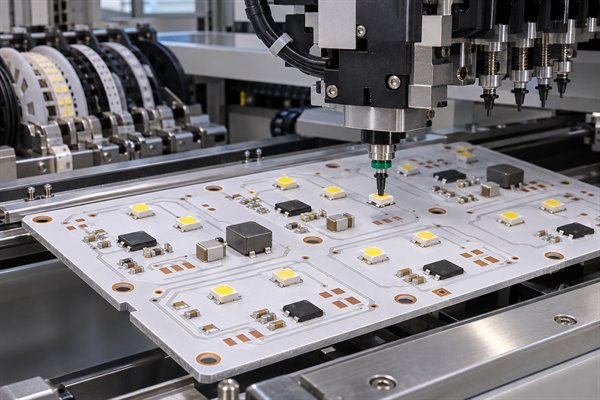
- SMT assembly: Automated component placement and reflow soldering support compatible surface-mounted devices, including LEDs and power semiconductors.
- Through-hole assembly: Connectors, terminals, and leaded components can be installed and soldered using an appropriate process.
- Mixed-technology assembly: SMT and through-hole components can be integrated where the aluminum PCB construction supports the required process sequence.
- Assembly inspection: AOI and visual inspection can identify component misalignment, polarity errors, missing components, and visible solder-joint defects.
- Functional testing: Electrical and operational testing follows customer-provided procedures and acceptance criteria.
Aluminum PCB assembly requires a controlled soldering profile. Because the metal substrate spreads heat away from solder joints, the profile must provide sufficient thermal input without exceeding the limits of the dielectric material or components.
Customers can order bare aluminum PCBs or fully assembled MCPCBs, depending on their manufacturing and delivery requirements.
What Are the Common Aluminum PCB Manufacturing Challenges and Solutions?
Aluminum PCB fabrication requires coordinated control of dielectric insulation, board flatness, copper processing, and mechanical accuracy. These factors directly affect manufacturing yield, assembly compatibility, and finished-board reliability.
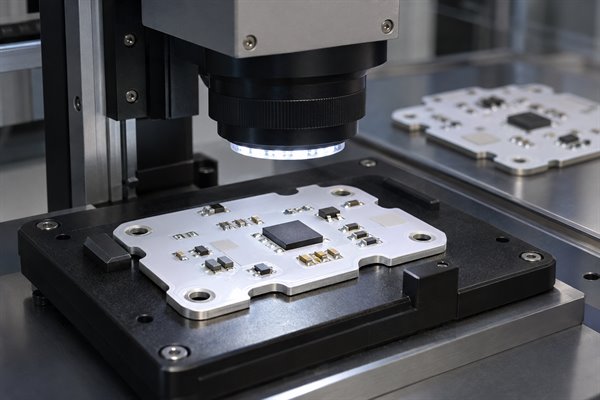
- Prevent dielectric insulation failure: Drilling and routing can damage the insulation between copper circuitry and the aluminum substrate. Controlled machining and appropriate insulation verification help prevent electrical shorts.
- Control board warpage: Material stress and processing temperatures can affect flatness, especially on large or thin metal-backed boards. Suitable materials, process control, and dimensional inspection help maintain the required tolerances.
- Allow for heavy-copper etching: Thick copper makes narrow traces and conductor spacing more difficult to manufacture. Copper weight, trace geometry, and etching allowances must be evaluated together to maintain conductor accuracy.
- Verify holes and outlines: Inaccurate holes, metal burrs, and poorly controlled outlines can interfere with enclosure or heat-sink installation. Controlled drilling, CNC routing, deburring, and dimensional inspection reduce these risks.
- Protect multilayer isolation: Complex metal-backed constructions require reliable isolation between electrical conductors and the aluminum substrate. Stackup verification and process control help prevent unintended electrical connections.
For nonstandard MCPCBs, a free DFM check before fabrication can identify manufacturing conflicts before material release, reducing avoidable revisions, material waste, and production delays.
What Quality Certifications Does EBest Circuit Hold for Aluminum PCB Manufacturing?
EBest Circuit lists quality-management certifications and recognitions that support PCB manufacturing and assembly for applicable industrial, automotive, medical, and aerospace-related electronics projects. Buyers should verify the current certificate holder, covered site, scope, and validity against the proposed order.
- ISO 9001:2015: Supports standardized production processes, corrective actions, quality management, and continual improvement.
- ISO 13485:2016: Provides a quality-management framework relevant to medical-device manufacturing and associated supply chains.
- IATF 16949: Supports automotive quality-management requirements for applicable certified operations.
- AS9100D: Addresses aerospace quality-management requirements for applicable manufacturing activities.
- UL recognition: Provides product recognition and safety-related documentation for PCB constructions covered by the applicable recognition.
Request the relevant certificates before production and confirm that their identity and scope match the manufacturing route for your order. A certificate name alone does not establish that every facility, process, or product construction is covered.
Use only current, scope-matched documents for supplier approval; an expired or mismatched certificate creates a qualification risk even when the standard name appears relevant.
What Is the Lead Time for Aluminum PCB Prototypes and Mass Production?
Aluminum PCB lead time depends on layer count, material availability, manufacturing complexity, and order quantity. EBest Circuit offers standard and expedited production options for eligible MCPCB prototype orders.
| Production Type | Standard Lead Time | Fastest Service |
| Single-Layer Aluminum PCB Prototype | 4 days | 24 hours |
| Two-Layer Aluminum PCB Prototype | 14 days | 7 days |
| Four-Layer Aluminum PCB Prototype | 21 days | Confirm per project |
| PCB Assembly | 1 week | 2 days |
| Mass Production | Based on order specifications | Confirm per project |
These MCPCB prototype references apply to standard orders below 1 m² using standard aluminum material, 0.8–2.0 mm board thickness, standard copper options, lead-free HASL, white solder mask, black silkscreen, and 0.8 W/m·K dielectric thermal conductivity.
PCBA lead time is a separate service reference. It does not include every preceding fabrication or component-procurement stage. Special materials, complex constructions, additional testing, and international shipping require separate scheduling.
A date can be committed only after you submit the released package and the manufacturing team confirms material readiness, process capacity, and the required inspection plan.
How Much Does Custom Aluminum PCB Fabrication and Assembly Cost in China?
Aluminum PCB manufacturing cost depends on the substrate, layer structure, copper thickness, machining requirements, order quantity, and assembly scope. A lower bare-board quotation does not necessarily produce a lower total PCBA cost.
- Material selection: Special aluminum alloys and high-performance dielectric materials may cost more than standard substrate options.
- Layer count: Double-sided and multilayer MCPCBs require additional manufacturing processes compared with conventional single-layer boards.
- Copper thickness: Heavy copper increases etching difficulty and can require additional manufacturing control.
- Board size and shape: Large boards, irregular outlines, complex slots, and tight tolerances affect machining cost and material utilization.
- Surface finish: ENIG, OSP, lead-free HASL, and other finishes involve different processing requirements and costs.
- Order quantity: Prototype and volume-production orders have different setup and manufacturing cost structures.
- PCB assembly: Component sourcing, SMT and through-hole assembly, inspection, and functional testing contribute to the total PCBA price.
To reduce aluminum PCB manufacturing cost without compromising the required performance:
- Use standard materials: Select standard aluminum substrates and dielectric materials when they meet the electrical, thermal, and mechanical requirements.
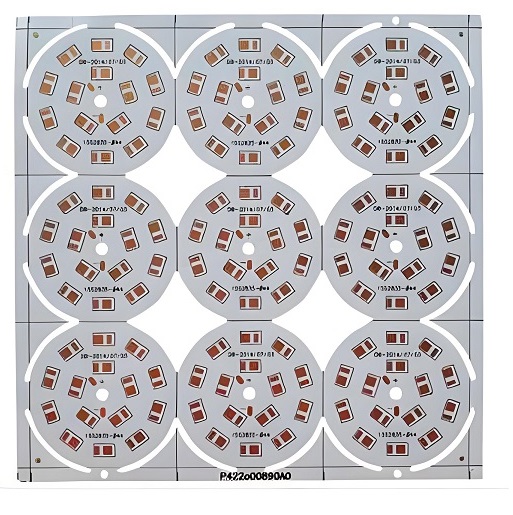
- Improve panel utilization: Review the array and separation method to reduce aluminum material waste.
- Set necessary tolerances: Avoid unnecessary heavy copper and mechanical tolerances tighter than the product requires.
- Match the finish: Choose the surface finish according to the assembly process, storage, and operating requirements.
- Plan repeat demand: Stable specifications and forecasted repeat orders can improve material utilization and production planning.
For accurate supplier comparisons, request quotations based on the same Gerber files, material specifications, quantities, and acceptance requirements.
What Are EBest Circuit’s Advantages as an Aluminum PCB Manufacturer in China?
As an aluminum PCB manufacturer, EBest Circuit provides fabrication, assembly, and production support that helps buyers simplify sourcing, control manufacturing risks, and move qualified designs from prototype to volume production.
- Free DFM check: We review the released files before production to identify manufacturing conflicts that may require a design or specification decision.
- Custom MCPCB fabrication: Approved board shapes, copper thicknesses, dielectric materials, and metal-backed structures can be manufactured within the confirmed process capability.
- Fabrication and assembly: Bare-board manufacturing, component sourcing, SMT and through-hole assembly, and agreed testing can be managed through one supplier.
- Prototype-to-volume support: Prototype validation, small-batch orders, and volume production can retain the released manufacturing specifications as quantities increase.
- Quality evidence: Buyers can define the inspection and testing records needed to evaluate the order against the agreed acceptance criteria.
- Direct factory support: Engineering and procurement teams can clarify technical specifications, production requirements, quotations, and schedules with the manufacturing team.
With EBest Circuit, you can source custom aluminum PCBs and assembled MCPCBs from one China-based manufacturer, with manufacturing review, quality control, and production support throughout the project.
Can EBest Circuit Manufacture and Quote Bare or Assembled Aluminum PCBs From Your Gerber Files?
Yes. EBest Circuit accepts customer-supplied Gerber or ODB++ files for custom aluminum PCB fabrication and assembly quotations. A complete RFQ lets engineering confirm manufacturing feasibility, pricing, and delivery requirements before production.
Do not release material from a preliminary estimate alone. Confirm the final revision, unresolved exceptions, test scope, and acceptance evidence to avoid cost or schedule risk.
For bare aluminum PCB fabrication, provide:
- PCB data: Gerber or ODB++ files and NC drill data.
- Stackup and materials: Aluminum substrate, dielectric properties, copper thickness, and board thickness.
- Mechanical definition: Drawings with dimensions, mounting holes, slots, and critical tolerances.
- Finish requirements: Surface finish, solder mask, and legend requirements.
- Order information: Quantity, target delivery date, and delivery location.
- Acceptance criteria: Inspection, electrical test, dimensional check, and other required records.
For aluminum PCB assembly, also provide:
- Approved BOM: Manufacturer part numbers, approved alternates, and relevant component date-code requirements.
- Assembly data: Pick-and-place files and assembly drawings.
- Polarity and orientation: Clear component orientation and polarity information.
- Functional test: Test instructions, fixtures or interface information, and acceptance criteria.
EBest Circuit can review the manufacturing files, perform a free DFM check, clarify missing specifications, and prepare a quotation for the required fabrication and assembly scope.
FAQs About Aluminum PCB Manufacturing and Assembly
Q1: Is an aluminum PCB the same as a metal core PCB?
A1: An aluminum PCB is one type of metal core PCB (MCPCB). The broader category also includes copper-core and other metal-backed constructions, so specify the substrate and layer structure when ordering.
Q2: Can an aluminum PCB replace a conventional FR4 PCB?
A2: Not always. Aluminum PCBs use different insulation arrangements, layer structures, and mechanical properties. An FR4 design may require changes before it can be manufactured on an aluminum substrate.
Q3: Does every aluminum PCB require an external heat sink?
A3: No. The requirement depends on component power dissipation, operating temperature, enclosure design, interface material, and cooling conditions. The substrate spreads heat but does not eliminate the need for an adequate heat-transfer path.
Q4: Can the aluminum substrate be electrically grounded?
A4: Yes, when the grounding connection is intentionally incorporated into the design. Conventional insulated aluminum PCBs use a dielectric layer to separate the copper circuitry from the metal substrate.
Q5: Can aluminum PCBs use white or black solder mask?
A5: Yes. White, black, green, and other colors may be available. White is common in LED lighting, while black may be selected for appearance or optical requirements.
Q6: Can conventional aluminum PCBs be bent during installation?
A6: No. Standard aluminum PCBs are rigid and are not designed for bending. Applications requiring flexible circuits generally need a different PCB construction.
Q7: Are 5052 and 6061 aluminum substrates interchangeable?
A7: Not necessarily. These alloys have different mechanical and processing characteristics. Select the material according to the product’s structural, machining, and environmental requirements.
Q8: Are aluminum PCBs suitable for outdoor electronic equipment?
A8: Yes, when the finished assembly has appropriate environmental protection. The aluminum substrate alone does not make the circuit waterproof or corrosion-resistant; enclosure sealing, connector protection, and environmental requirements still apply.
Q9: Can aluminum PCBs have plated-through holes?
A9: Yes, in suitable constructions. Plated-hole structures must maintain electrical isolation from the aluminum substrate, and feasibility depends on the layer arrangement and manufacturing process.
Q10: Can aluminum PCBs be supplied in panels for automated SMT assembly?
A10: Yes. Panelization can support automated assembly, subject to board dimensions, tooling requirements, and the selected separation method.
Conclusion
When the design is ready for DFM review or supplier comparison, submit the released Gerber or ODB++ files, stackup, material and mechanical requirements, quantity, and any assembly and acceptance criteria to sales@bestpcbs.com. EBest Circuit will return a scope-specific manufacturability review and quotation with confirmed production and lead-time conditions.