This guide explains IPC Class 3 PCB requirements, how Class 3 differs from Class 2, which standards apply, and what buyers should provide when requesting a PCB or PCBA quotation.
What Is IPC Class 3?
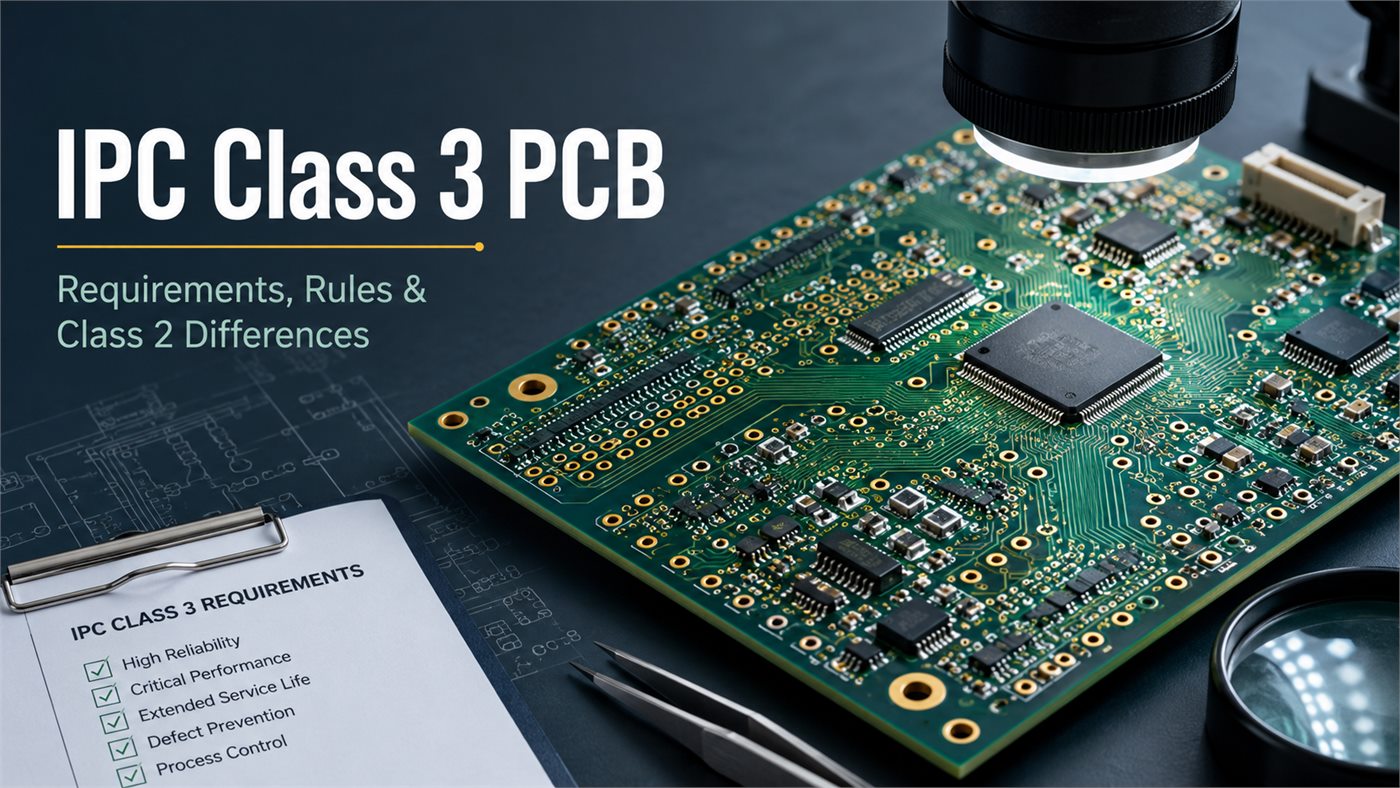
IPC Class 3 applies to high-performance electronic products that require dependable operation and long service life. It is commonly specified when equipment must function on demand or continue working in a harsh or safety-related environment.
Class 3 may be appropriate when:
- A failure could interrupt a critical system.
- Repair or replacement is difficult.
- The equipment faces vibration, humidity, shock, or thermal cycling.
- The customer contract explicitly requires Class 3.
- Detailed traceability and inspection records are necessary.
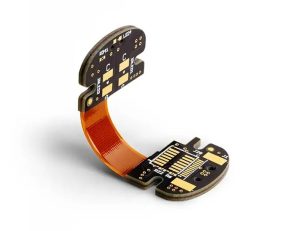
Class 3 does not refer to one laminate, copper thickness, surface finish, or PCB construction. FR4 PCBs, HDI boards, rigid-flex circuits, metal-core PCBs, and high-frequency boards can all be produced to Class 3 when the design and process controls support it.
Which IPC Standards Apply to Class 3 PCB and PCBA?
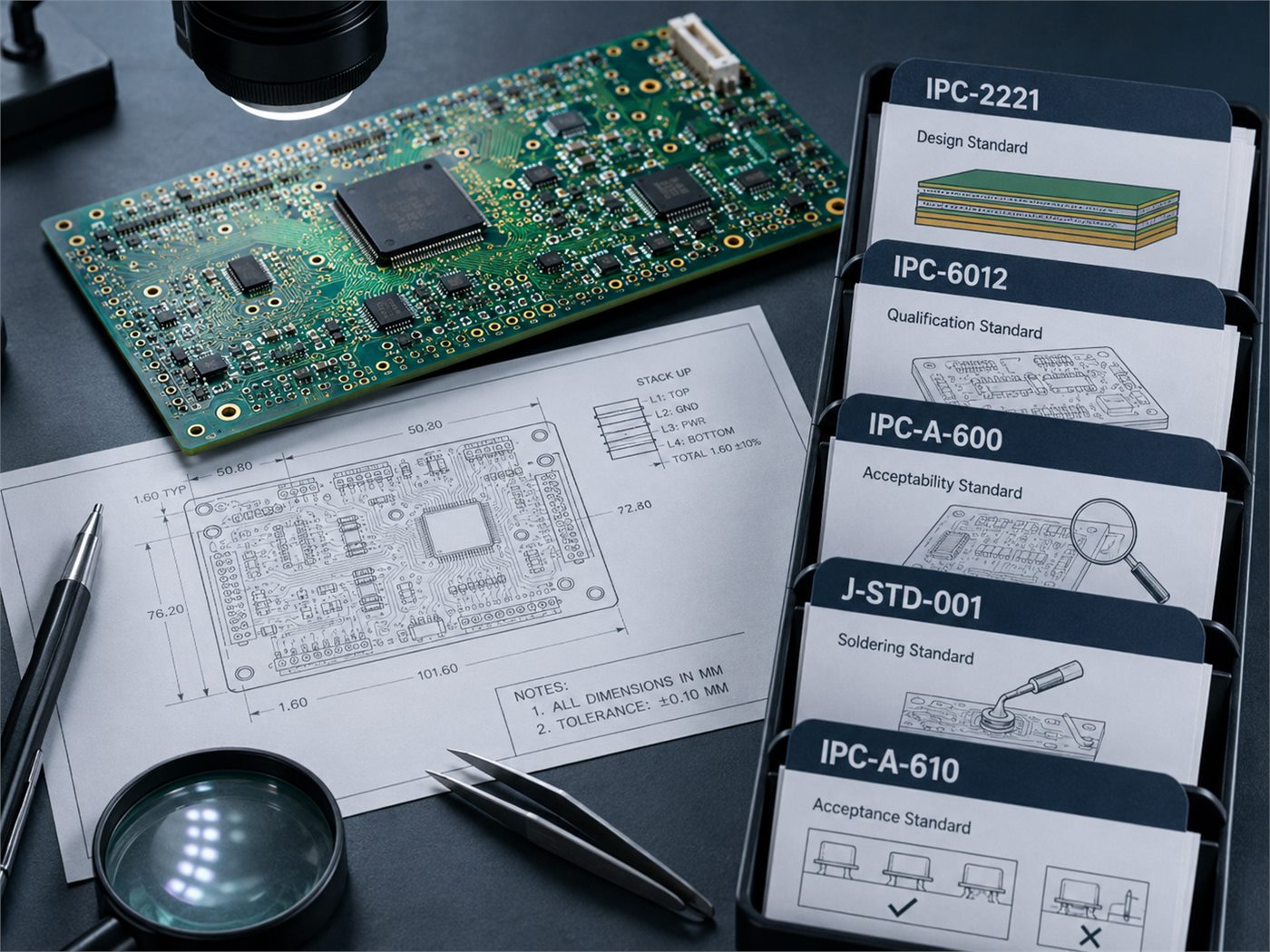
No single IPC document controls the complete product. Different standards cover PCB design, bare-board fabrication, soldering processes, and finished assembly acceptance.
| Standard | Main application |
|---|---|
| IPC-2221 | General PCB design requirements |
| IPC-6012 | Rigid PCB qualification and performance |
| IPC-A-600 | Bare PCB acceptability |
| IPC-6013 | Flexible and rigid-flex PCB performance |
| J-STD-001 | Soldering materials, processes, and workmanship |
| IPC-A-610 | Finished electronic assembly acceptance |
| IPC-7351 | Surface-mount land-pattern guidance |
| IPC-7711/7721 | PCB and PCBA rework and repair |
A rigid PCB assembly may reference:
- IPC-2221 for design
- IPC-6012 Class 3 for bare-board performance
- IPC-A-600 Class 3 for bare-board acceptance
- J-STD-001 Class 3 for soldering
- IPC-A-610 Class 3 for assembly acceptance
Rigid-flex projects normally use IPC-6013 as the relevant performance standard.
The drawing should identify the required revision level. Do not assume that the latest revision should automatically replace the version stated in a regulated, aerospace, medical, or legacy program.
IPC Class 1 vs Class 2 vs Class 3
IPC product classes reflect different service and reliability expectations. They are not simply low-, medium-, and high-quality grades.
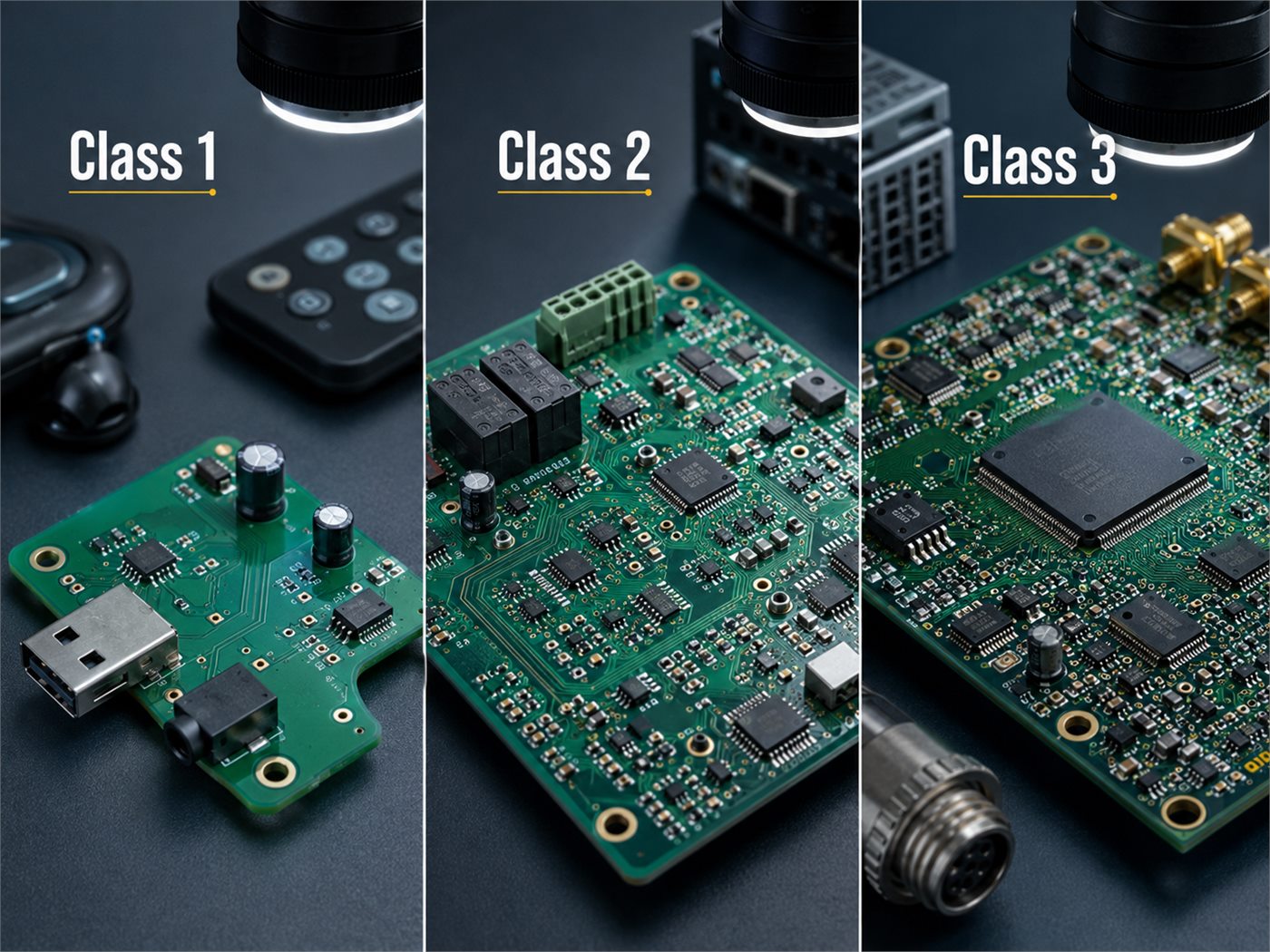
| Class | Product expectation | Typical applications |
|---|---|---|
| Class 1 | Basic operation and limited service life | Disposable and low-cost consumer electronics |
| Class 2 | Continued operation and normal service life | Industrial controls, computers, instruments, communication products |
| Class 3 | High reliability and performance on demand | Aerospace, defense, critical medical, railway, and safety systems |
Class 2 is sufficient for many commercial and industrial products. Class 3 becomes justified when the consequence of failure outweighs the additional design, inspection, testing, and documentation cost.
The industry does not automatically determine the class. A medical accessory may use Class 2, while an emergency shutdown controller may require Class 3.
IPC Class 2 vs Class 3: What Are the Main Differences?
Class 2 and Class 3 boards may be built on the same production equipment. The main differences are design margin, acceptance limits, inspection, process evidence, and traceability.
| Area | IPC Class 2 | IPC Class 3 |
|---|---|---|
| Reliability target | Continued commercial or industrial service | High reliability and operation on demand |
| Annular ring | More process allowance may be accepted | Tighter remaining annular-ring control |
| Plated holes | Standard commercial criteria | Stricter structural and plating criteria |
| Registration | Normal production tolerances | Tighter hole and layer registration |
| Inspection | Standard production inspection | More verification and documentation |
| Traceability | Project-dependent | Often more detailed |
| Assembly | Class 2 workmanship | Class 3 workmanship and acceptance |
| Cost | Lower | Higher |
| Lead time | Standard | May increase due to testing and reporting |
The class should be selected before layout release. A PCB with marginal annular rings, small drill-to-copper clearances, or weak microvia structures may require redesign before it can be manufactured reliably to Class 3.
What Are the Main IPC Class 3 PCB Design Requirements?
A Class 3 design needs enough manufacturing margin to remain compliant after drilling, plating, lamination, etching, and solder mask imaging.
Key design checks include:
- Pad dimensions around plated holes
- Finished-hole sizes and tolerances
- Drill-to-copper clearance
- Internal-layer registration
- Dielectric spacing
- Finished copper thickness
- Controlled-impedance structures
- Blind, buried, and microvia construction
- Solder mask registration
- Coupon and test access
Pad and Hole Geometry
A plated-hole pad must accommodate more than the nominal finished hole. It also needs room for drill movement, plating, layer registration, and the required annular ring.
The fabrication drawing should distinguish between:
- Finished hole and tool size
- Plated and non-plated holes
- Positive and negative tolerances
- Press-fit holes
- Filled, capped, plugged, or open vias
Stack-Up and Impedance
The stack-up should identify dielectric materials, copper thickness, finished board thickness, and controlled-impedance layers.
A note that only states “1.6 mm FR4” is not enough when impedance, insulation distance, or thermal behavior depends on individual dielectric layers.
Controlled impedance is not automatically required for Class 3. When it is required, specify:
- Target impedance
- Tolerance
- Trace layer
- Reference plane
- Single-ended or differential structure
- Test coupon and report requirements
HDI Structures
Microvias, buried vias, stacked vias, and sequential laminations need construction-specific review.
Typical risks include:
- Small target pads
- Weak microvia interfaces
- Incomplete copper filling
- Excessive stacked microvia depth
- Repeated thermal stress during assembly
Where routing density allows, staggered microvias may provide a more robust structure than long stacked microvia chains.
IPC Class 3 Via Size, Annular Ring, and Plating Requirements
There is no universal IPC Class 3 via diameter.
The correct via size depends on:
- Board thickness
- Finished hole size
- Aspect ratio
- Drilling method
- Pad diameter
- Plating capability
- Layer registration
- Reliability target
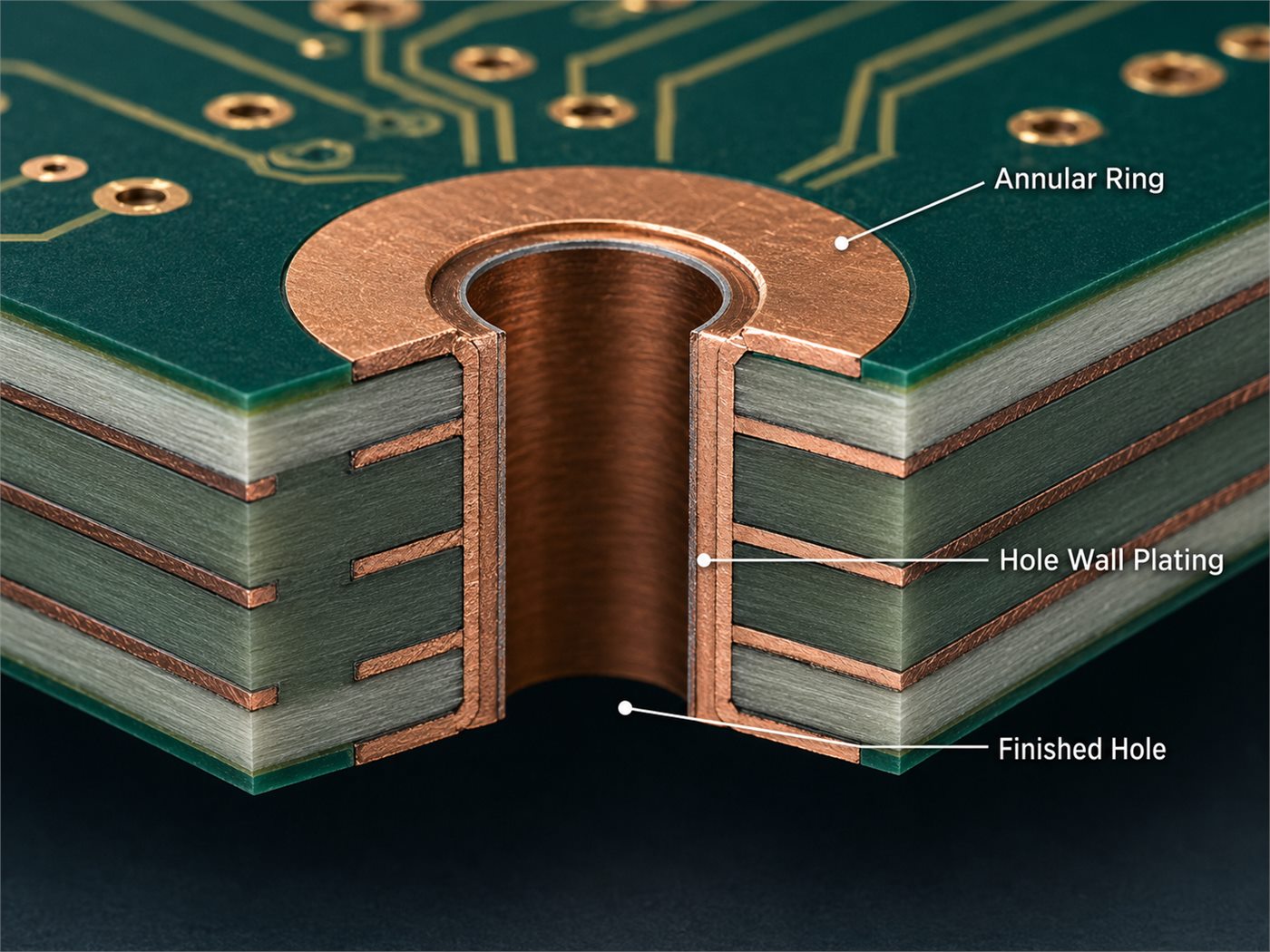
A useful planning formula for the PCB annular ring is:
The manufacturing allowance may include drill-position tolerance, layer registration, drill oversize before plating, etching reduction, and finished-hole tolerance.
A design may pass a CAD design-rule check and still have insufficient Class 3 manufacturing margin.
For via review, the PCB manufacturer should check:
- Finished hole tolerance
- Board thickness and aspect ratio
- Internal and external annular ring
- Hole-wall plating distribution
- Internal-layer connections
- Resin condition
- Copper wrap where applicable
- Thermal-stress performance
Microvias need separate evaluation. Hidden interface defects may not be visible during standard inspection. High-reliability HDI projects may require via-chain coupons, resistance monitoring, or thermal cycling.
IPC Class 3 PCB Manufacturing and Material Requirements
Class 3 does not require every PCB to use high-Tg FR4 or a specific laminate brand. Material selection should reflect the actual operating and assembly conditions.
Important factors include:
- Operating temperature
- Lead-free reflow exposure
- Thermal cycling
- Z-axis expansion
- Moisture absorption
- Frequency and signal loss
- Mechanical stress
- Flammability requirements
High-Tg FR4 is common in multilayer Class 3 products, but Tg alone does not determine reliability. Resin system, decomposition temperature, copper adhesion, moisture behavior, and thermal expansion also matter.
Typical manufacturing controls include:
- Laminate and copper-foil traceability
- Lamination registration
- Drilling and desmear quality
- Electroless and electrolytic copper control
- Hole-wall plating
- Conductor width and spacing
- Solder mask alignment
- Surface-finish thickness
- Ionic cleanliness
- Bow and twist
- Electrical testing
- Coupon and microsection inspection
Repair rules should be defined before production. Some programs allow controlled repair with records. Others prohibit repair on critical Class 3 features.
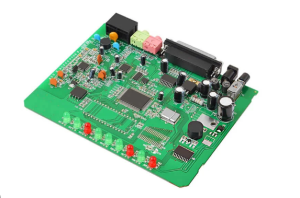
IPC Class 3 Assembly Requirements under J-STD-001 and IPC-A-610
IPC Class 3 PCB assembly requirements and bare-board Class 3 requirements are related, but they are not interchangeable.
J-STD-001 controls soldering materials, processes, and workmanship. IPC-A-610 is used to inspect the finished electronic assembly.
Class 3 assembly requirements may cover:
- Through-hole barrel fill
- Solder wetting
- Lead condition
- Component alignment
- Polarity and orientation
- Solder bridging
- Flux residues
- BGA and QFN joints
- Hardware installation
- Conformal coating
- Rework records
Packages such as BGA, QFN, LGA, and bottom-terminated power devices often require X-ray because their solder joints cannot be fully evaluated by visual inspection.
A Class 3 assembly process may also include:
- Solder paste inspection
- Controlled reflow profiling
- First-article verification
- AOI
- X-ray
- Documented rework
- ICT or functional testing
For a complete PCBA quotation, state both the bare-board and assembly requirements. An IPC-6012 Class 3 PCB order does not automatically instruct the assembler to apply J-STD-001 and IPC-A-610 Class 3.
What Inspection, Testing, and Documentation Does Class 3 Require?
The test plan should address the actual construction and failure risks. Ordering every available test can raise cost without improving the most relevant reliability concern.

Common verification methods include:
- Electrical testing: Confirms continuity and isolation.
- Microsection analysis: Checks plated holes, internal connections, copper thickness, and dielectric spacing.
- Impedance testing: Verifies controlled-impedance coupons.
- AOI: Finds conductor, component-placement, and soldering defects.
- X-ray inspection: Examines hidden solder joints.
- Cleanliness testing: Evaluates ionic contamination when specified.
- ICT or functional testing: Verifies assembled-board operation.
Customers should state which records must be delivered:
- Certificate of conformity
- Material certificate
- Electrical test record
- Impedance report
- Microsection report
- First-article report
- AOI or X-ray record
- Lot traceability
- Rework history
A manufacturer may perform internal testing without automatically supplying the complete report package.
IPC Class 3 Examples and Typical Applications
Class 3 is generally selected when failure has a serious operational, financial, or safety consequence.
Typical applications include:
- Flight-control and navigation electronics
- Defense communication equipment
- Space and satellite systems
- Life-support and selected implantable medical devices
- Railway signaling and braking controls
- Industrial emergency shutdown systems
- Remote equipment that is difficult to service
- Critical battery and power-control systems
Not every product in these sectors needs Class 3. A cabin entertainment controller is not equivalent to a flight-control module. A consumer medical wearable is not equivalent to an implantable device.
Some projects also require an industry-specific IPC addendum or customer specification. These requirements should be identified before quotation.
When Should You Choose IPC Class 2 or Class 3?
Choose Class 3 when the risk justifies the extra controls.
Class 3 is usually appropriate when:
- Failure could create a safety hazard.
- Continuous operation is mandatory.
- Field replacement is difficult or expensive.
- The product faces severe vibration or thermal cycling.
- Detailed traceability is required.
- The contract names Class 3.
- Qualification requires structural test evidence.
Class 2 may be more practical when:
- The product has a normal commercial or industrial duty cycle.
- Repair or replacement is accessible.
- Failure does not interrupt a critical function.
- The PCB would need substantial redesign for Class 3 margins.
- The additional cost does not reduce a meaningful product risk.
A customer can also request targeted reliability controls without claiming full Class 3 compliance. Examples include tighter hole tolerances, 100% electrical testing, X-ray inspection, impedance reports, or material traceability.
This can be cost-effective, but the product should not be described as Class 3 unless all applicable Class 3 requirements are met.
IPC Class 3 PCB Order and RFQ Checklist
A clear RFQ package prevents assumptions and quotation revisions.
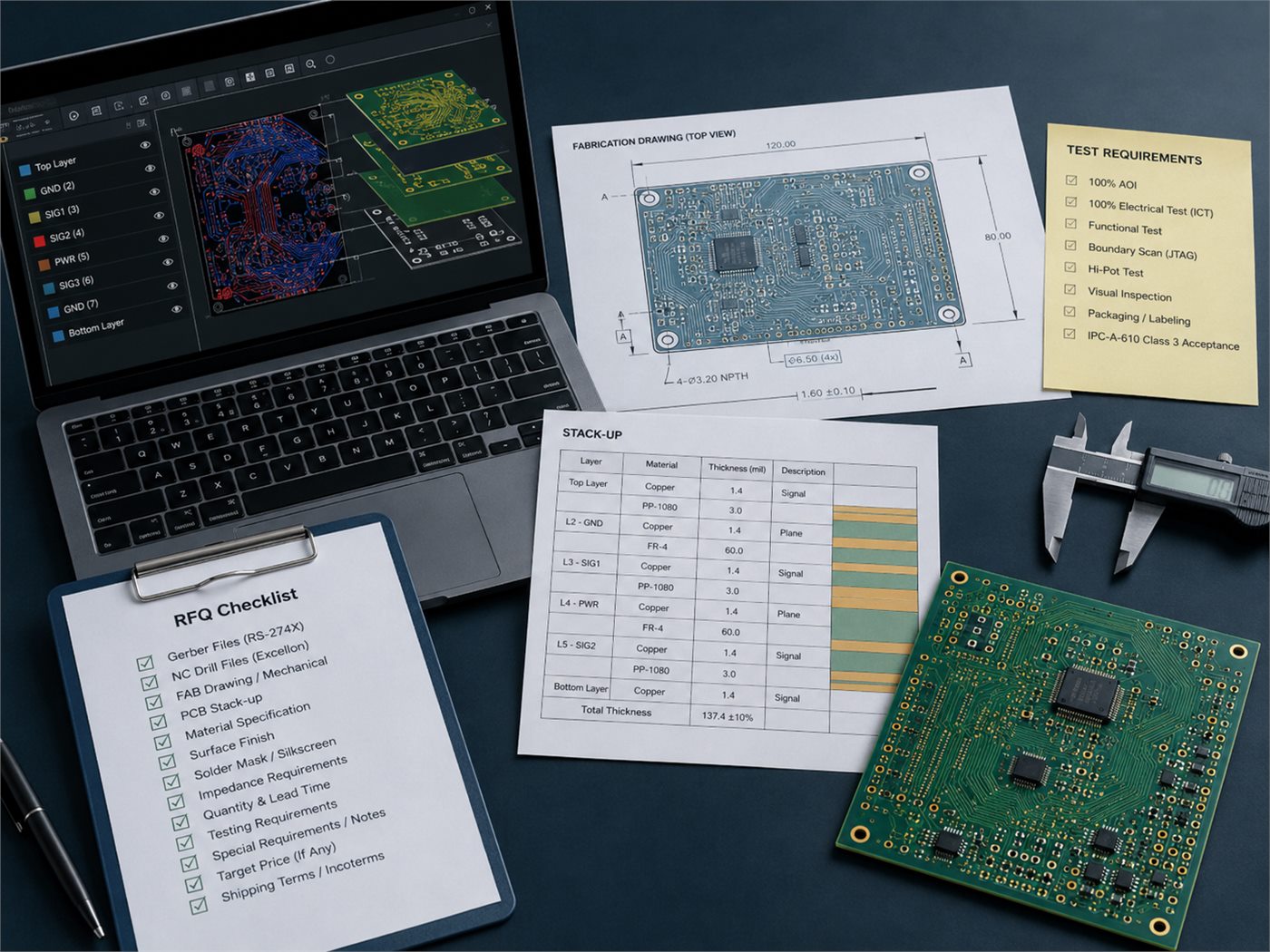
Provide:
- Gerber, ODB++, or IPC-2581 files
- NC drill files
- Fabrication drawing
- Approved stack-up
- Applicable IPC standards and revisions
- Required product class
- Laminate and material requirements
- Finished board and copper thickness
- Finished-hole sizes and tolerances
- Blind, buried, microvia, fill, and cap requirements
- Controlled-impedance targets
- Surface finish
- Electrical testing requirements
- Coupon and microsection requirements
- Material and test reports
- Serialization and traceability rules
- Repair restrictions
- Assembly acceptance class
- AOI, X-ray, ICT, or functional-test requirements
- Packing and labeling instructions
Critical requirements should appear on the fabrication drawing rather than only in an email.
At EBest Circuit, we can review stack-up feasibility, annular-ring margin, drill-to-copper clearance, HDI structures, material availability, inspection documents, and test requirements. This helps distinguish necessary Class 3 controls from optional items that add cost without addressing the main product risk.
FAQs About IPC Class 3
A completed PCBA may also need J-STD-001 Class 3 and IPC-A-610 Class 3 requirements.
Conclusion
IPC Class 3 is appropriate when product risk, operating conditions, or contractual requirements justify tighter design margins, stronger process controls, additional inspection, and detailed traceability.
It should be specified before PCB layout release. Buyers should clearly identify the applicable standards, revision levels, testing, documentation, and assembly criteria.
Request an IPC Class 3 PCB or PCBA Review
Send your files, stack-up, quantity, standards, testing requirements, and reporting needs to sales@bestpcbs.com. EBest Circuit can evaluate the manufacturing risks and prepare a quotation based on the actual reliability requirements of your project.