PCB manufacturing PCB manufacturing
Home > Blog

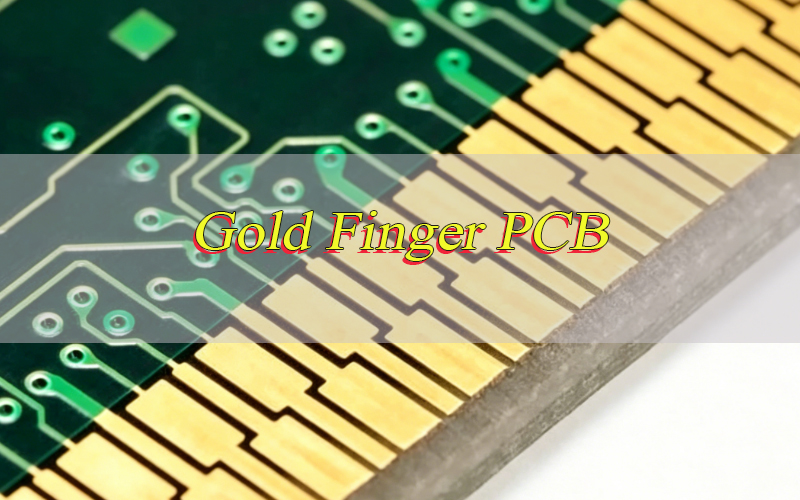
Gold Finger PCB

PCB Edge Connector Fabrication for Reliable OEM Boards
Wednesday, June 10th, 2026

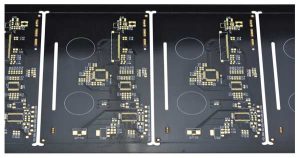
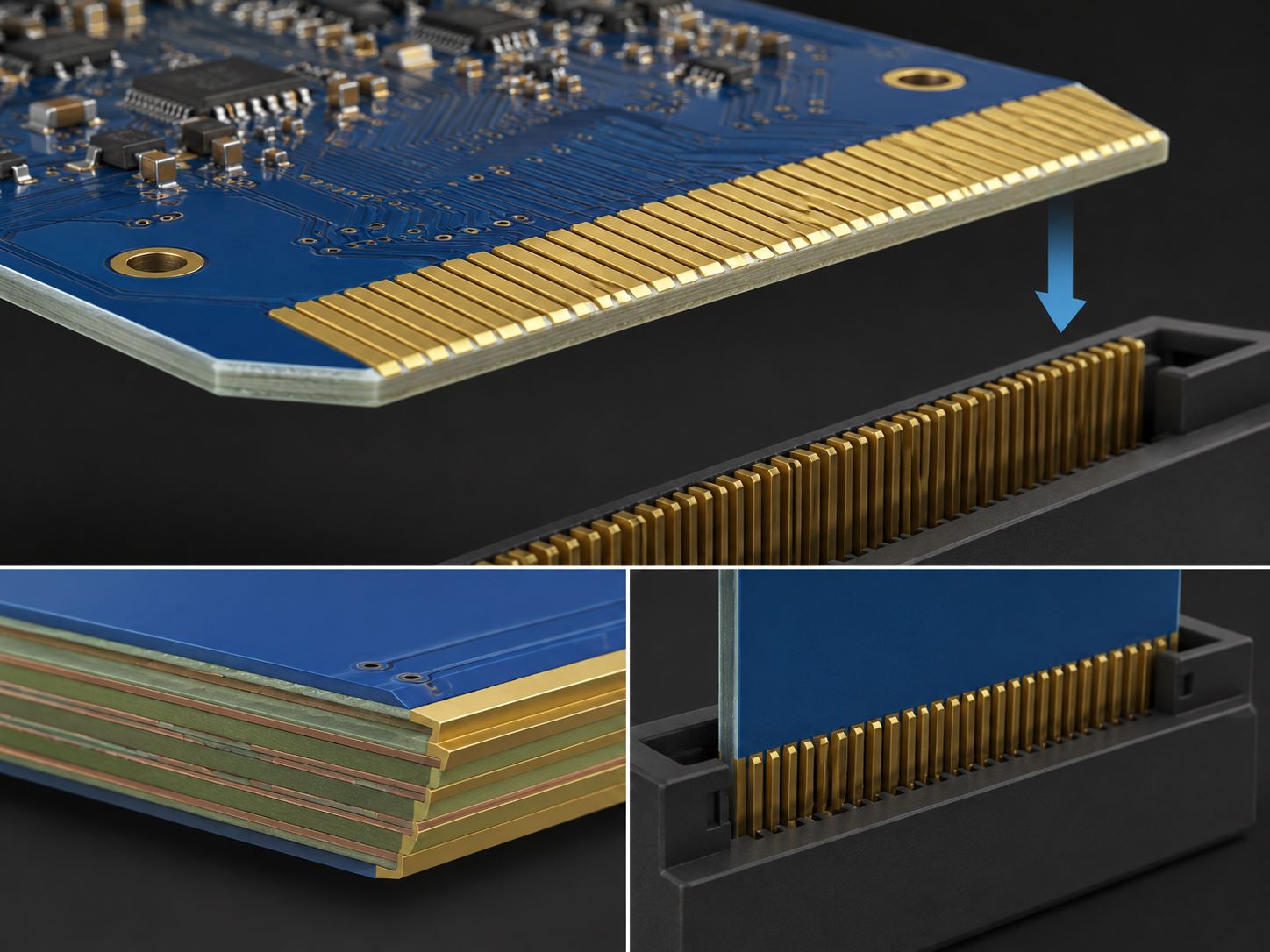
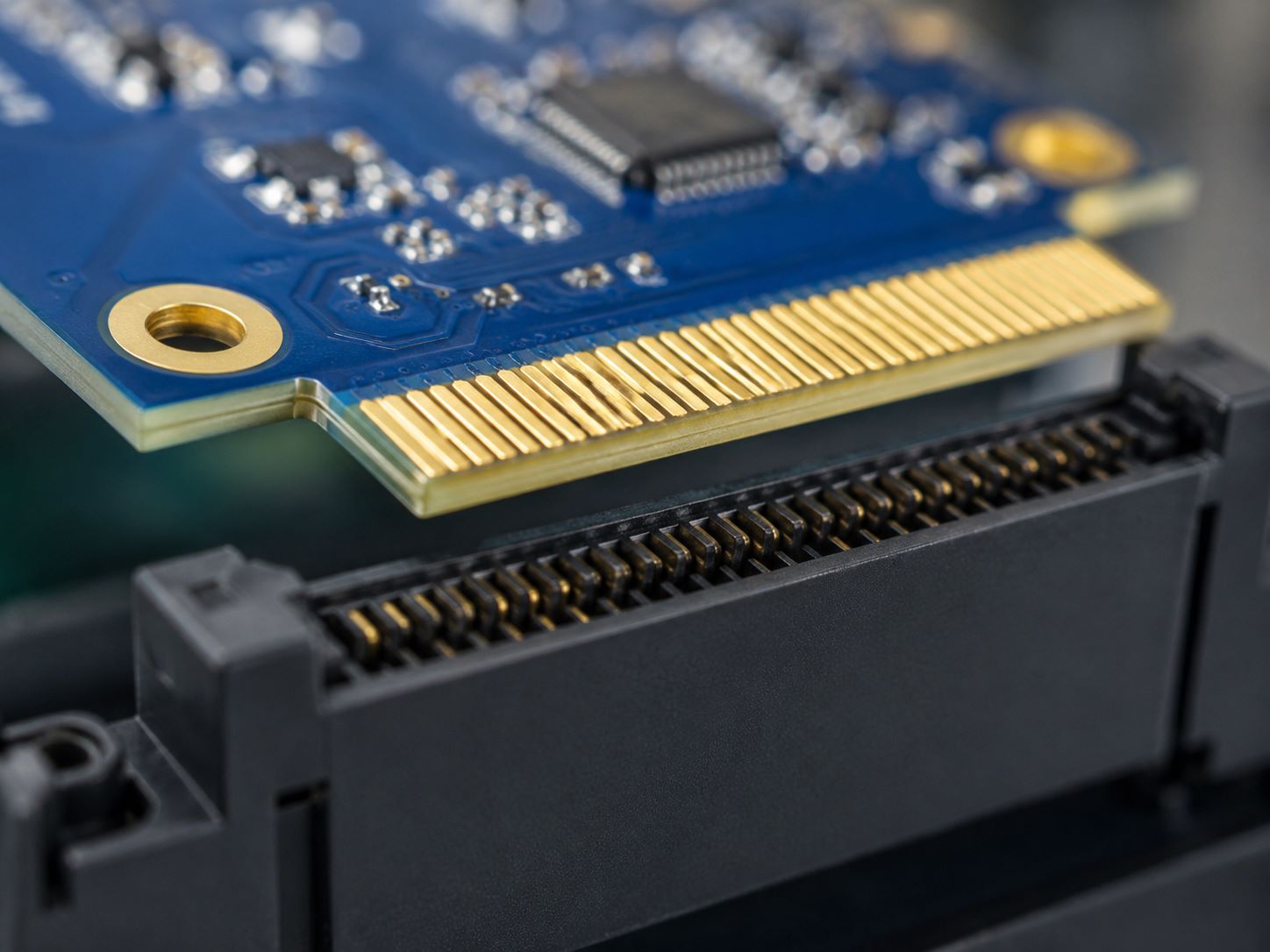
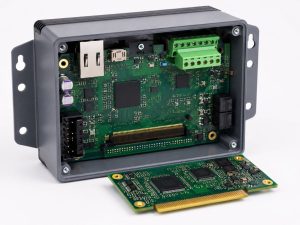
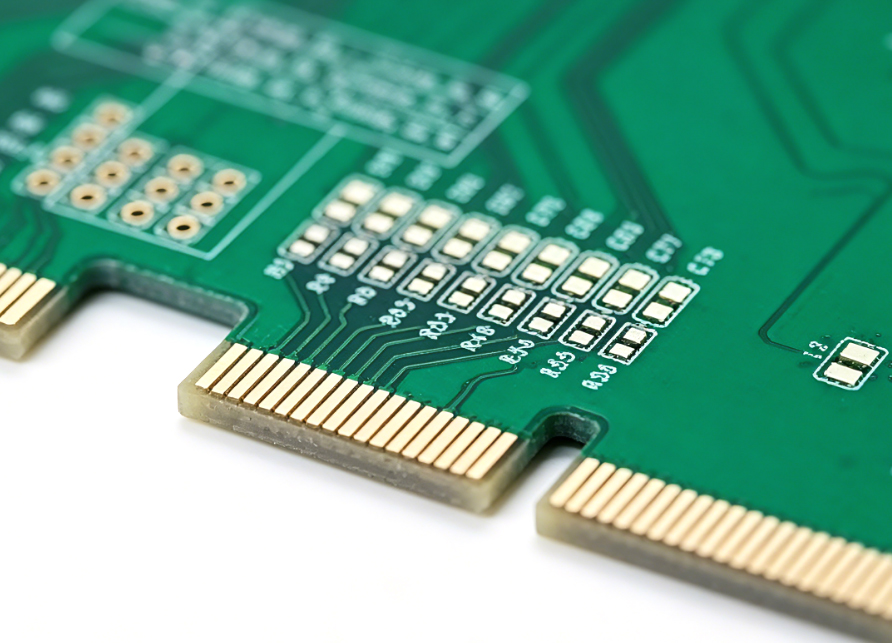
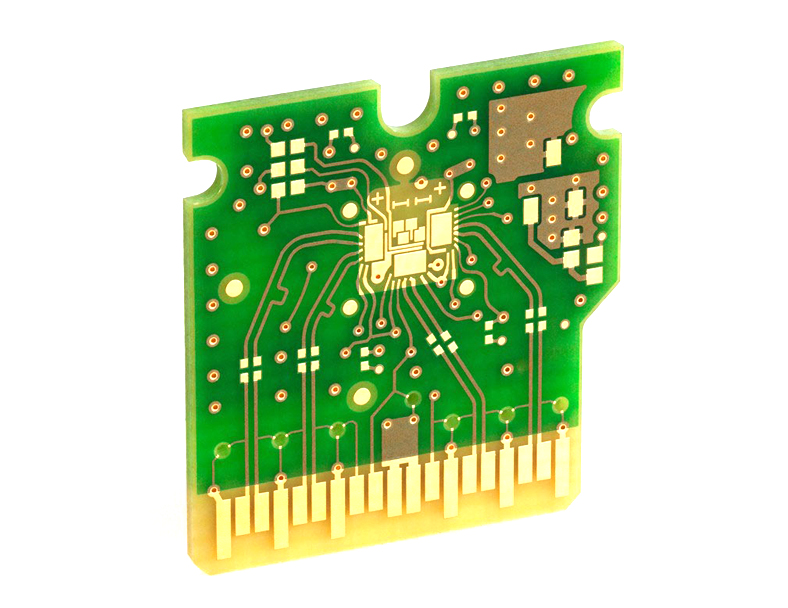
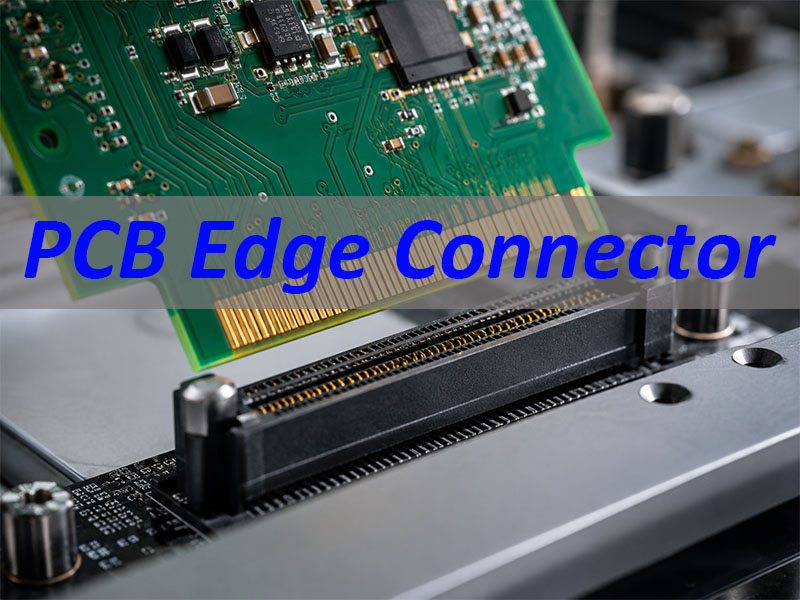
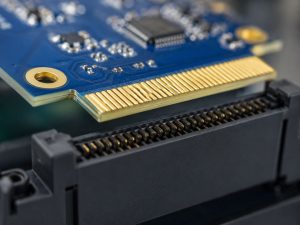
A PCB edge connector is not always a separate connector component. In many OEM products, the edge of the PCB itself becomes the connection interface. That area may need exposed copper pads, gold fingers, controlled plating, beveling, tight board thickness, and reliable contact with a socket or mating connector.

EBest Circuit (Best Technology) does not simply supply off-the-shelf connector components. We manufacture PCB boards with edge connector areas, gold fingers, controlled surface finish, beveling requirements, and optional PCBA support. These edge connectors circuit boards are often used in industrial control, communication modules, power systems, test fixtures, and other OEM electronic products where reliable plug-in contact matters.

If your project uses a PCB card edge connector, pcb board edge connectors, or edge contact areas, our team can review the manufacturing details before quotation. Send your Gerber files, stack-up, board thickness, plating requirement, beveling notes, connector socket information, quantity, and assembly needs to sales@bestpcbs.com. EBEST will help check what can be manufactured, what may need adjustment, and what could affect cost or lead time.
PCB Edge Connector

What Does EBest Circuit Support in PCB Edge Connector Fabrication?

EBest Circuit supports PCB edge connector fabrication for OEM boards where the PCB edge is used as a plug-in or contact interface.

This may include:

  • PCB edge contact areas
  • Gold finger PCB fabrication
  • PCB card edge connector boards
  • Edge connector PCB designs
  • Hard gold or ENIG surface finish review
  • Beveling requirement review
  • Board thickness and tolerance control
  • Solder mask opening around contact pads
  • Electrical testing
  • Optional PCB assembly support

The key point is simple: EBEST is not selling the connector socket as a catalog product. We manufacture the PCB board that works with the connector interface.

This matters because an edge connector area is not just a row of pads at the board edge. It must be reviewed as a functional contact zone. If the plating, beveling, board thickness, or pad layout is wrong, the PCB may be difficult to insert, unstable during use, or unreliable after repeated plugging.

For OEM buyers, a PCB edge connector project should be checked before fabrication, not after the boards arrive.
PCB Edge Connector

How We Review Gold Finger and Edge Contact Areas Before Production

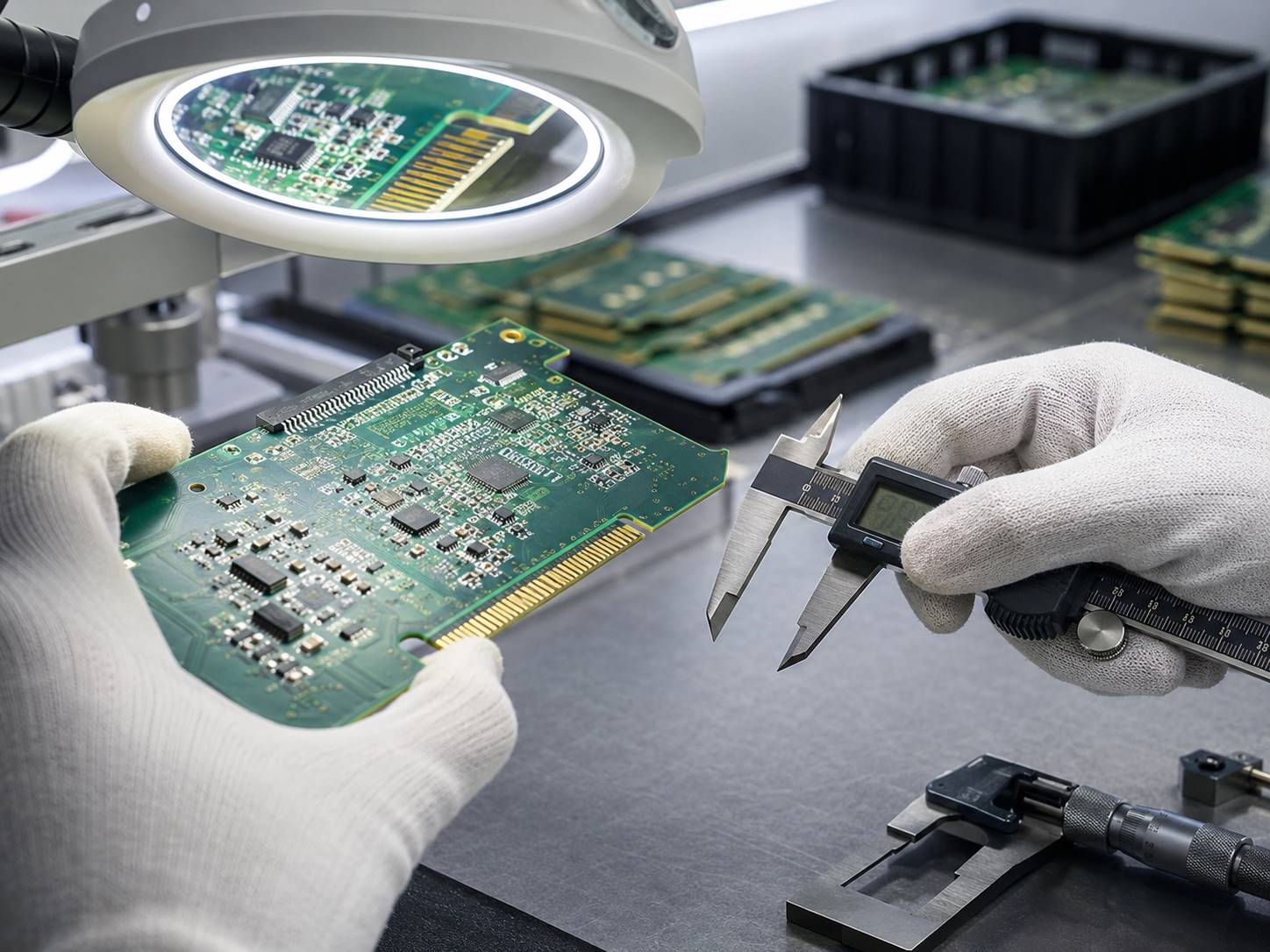
Before producing a PCB edge connector board, EBEST reviews the edge contact area from a manufacturability and reliability point of view.

We usually check:

  • Contact pad location
  • Pad width and spacing
  • Distance from pads to the board edge
  • Solder mask clearance
  • Copper exposure requirement
  • Plating requirement
  • Beveling position
  • Board thickness
  • Board outline tolerance
  • Socket or mating connector fit
  • Panelization and routing method
  • Electrical test requirement

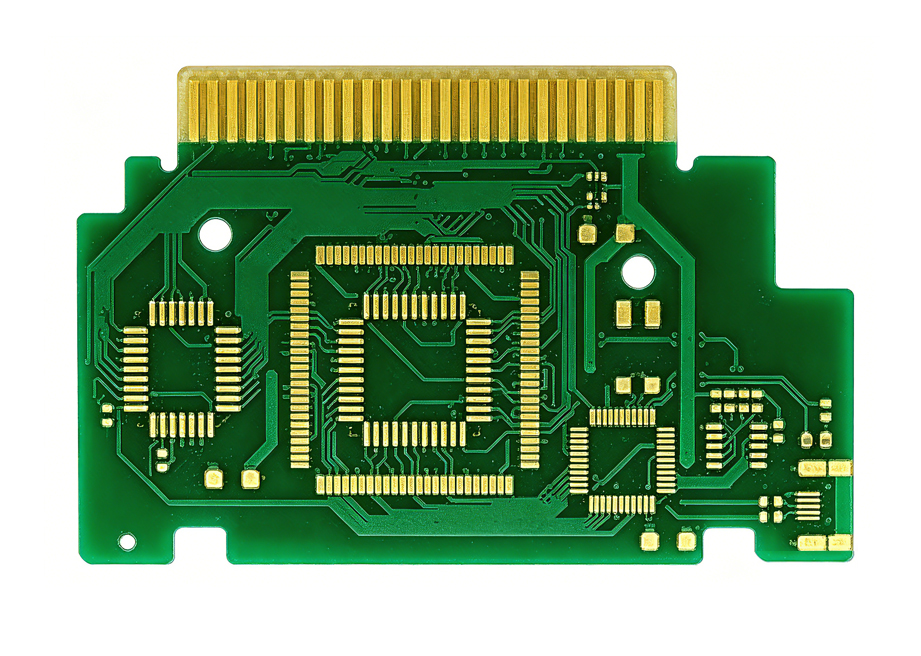
Gold fingers and edge contact pads must be clear in the Gerber files. If the contact zone is not defined properly, production may need extra engineering confirmation.

For example, a pcb card edge connector area usually needs clean edge routing, controlled pad exposure, and suitable surface finish. If the board will be inserted into a socket many times, the contact area may need stronger wear resistance than a standard PCB pad.

This is why EBEST recommends sending the connector socket datasheet or mechanical drawing when available. It helps confirm the card edge position, insertion direction, board thickness, and tolerance before production.

What Plating Options Are Used for PCB Edge Connector Boards?

Plating is one of the most important decisions in PCB edge connector fabrication. The wrong finish can reduce contact reliability or increase wear during insertion.

Common options include:

  • Hard gold
    Often used for gold finger areas that require repeated insertion and better wear resistance.
  • ENIG
    Often used on standard PCB pads and some contact applications, depending on the design and durability requirement.
  • Selective gold plating
    Used when only the edge connector area needs gold, while other PCB areas use another surface finish.
  • Other surface finishes
    Options such as HASL, lead-free HASL, OSP, immersion tin, or immersion silver may be suitable for other PCB areas, but they are not always ideal for repeated edge contact.

Hard gold edge connectors on PCB projects usually need clearer specification than standard ENIG boards. Buyers should confirm whether the contact area needs repeated insertion, long service life, or special wear resistance.

For reliable quotation, please provide:

  • Required surface finish
  • Gold finger area drawing
  • Nickel/gold thickness requirement if specified
  • Whether selective plating is needed
  • Whether the board also needs assembly
  • Application environment

If the specification is not clear, EBEST can help review the requirement and discuss a practical option before quotation.

How Beveling, Board Thickness, and Tolerance Affect Plug-In Reliability

For PCB edge connector boards, beveling, board thickness, and tolerance can directly affect how the PCB fits into a socket.

If the board edge is too sharp, insertion may be difficult. If the bevel is not suitable, the board may not enter the connector smoothly. If the board thickness is outside the socket requirement, the connection may be too tight, too loose, or unstable.

Important points include:

  • Board thickness
  • Board thickness tolerance
  • Bevel angle
  • Bevel depth
  • Connector socket requirement
  • Finished board outline
  • Routing quality
  • Contact pad position after routing
  • Mechanical fit after surface finish

This is especially important for pcb board edge connectors used in industrial control equipment, communication modules, power systems, automotive electronics, and test fixtures.

Some projects use the PCB edge only for signal connection. Others may use high current PCB edge connector areas, which need more careful review of copper thickness, contact width, temperature rise, and mechanical stability.

EBEST reviews these details before production because plug-in reliability depends on both electrical and mechanical control.

What Design Files Help Us Quote PCB Edge Connector Boards Accurately?

To quote a PCB edge connector board accurately, EBEST needs more than a general request like ā€œpcb edge connector.ā€

A complete file package helps us review the project faster and reduce engineering back-and-forth.

Please prepare:

  • Gerber files
  • Drill files
  • PCB stack-up
  • Board thickness
  • Copper thickness
  • Surface finish requirement
  • Gold finger or edge contact drawing
  • Beveling requirement
  • Connector socket datasheet if available
  • Board outline drawing
  • Tolerance requirement
  • Quantity
  • Delivery target
  • BOM and assembly files if PCBA is needed

If your design includes an edge connector PCB footprint, card edge connector PCB footprint, or special connector socket, please include the mechanical information. This helps confirm whether the PCB edge, thickness, pad position, and beveling match the mating connector.

For projects involving RF edge-mount connectors, such as SMA PCB edge connector designs, the situation is different. Those are usually physical connector components mounted at the board edge. In that case, EBEST needs the BOM, footprint, assembly drawing, and RF layout notes for PCBA review.

Clear files help us provide a clearer PCB fabrication quote.

Which OEM Applications Use PCB Edge Connector Boards?

PCB edge connector boards are used when a PCB needs to plug into another system, socket, test fixture, or module.

Common applications include:

  • Industrial control boards
  • Communication modules
  • Power supply modules
  • Battery and energy control boards
  • Test fixtures
  • Programming boards
  • Automotive control electronics
  • Medical device control boards
  • LED control boards
  • Computer and embedded system boards
  • Modular electronic products

A printed circuit board edge connector can reduce the need for additional wire connections or separate board-mounted connectors in some designs. It can also make a board easier to insert, replace, test, or service.

However, this convenience depends on manufacturing control. The contact area must be reliable, the edge must fit the socket, and the plating must match the expected use.

For OEM customers, the main question is not only ā€œCan this PCB have an edge connector?ā€ The better question is: ā€œCan this PCB edge connector area be manufactured consistently for the product’s real working condition?ā€

EBEST helps review that question before fabrication.

Can PCB Edge Connector Fabrication Be Combined with PCBA Support?

Yes. PCB edge connector fabrication can be combined with PCBA support when the customer needs both bare PCB manufacturing and assembly.

This is useful when the board includes:

  • SMT components
  • Through-hole parts
  • BGA or QFN packages
  • Edge-mount connectors
  • Terminals
  • ICs
  • Sensors
  • LEDs
  • Programming interfaces
  • Functional test points

For PCBA projects, the edge connector area should be reviewed together with the assembly process. For example, gold finger areas usually need to stay clean and free from solder contamination. If edge-mount SMA, USB, ribbon, or wire-to-board connectors are used, the footprint, assembly direction, soldering process, and mechanical strength should be checked before production.

EBEST can support:

  • PCB fabrication
  • Component sourcing review
  • SMT assembly
  • Through-hole assembly
  • BGA/QFN assembly
  • Connector assembly
  • AOI inspection
  • X-ray inspection when required
  • Functional testing based on customer requirements
  • Packaging and delivery coordination

A PCB edge connector board is often part of a larger electronic product. When fabrication and assembly are reviewed together, customers can reduce handoff risk and avoid problems during final testing.

FAQs About PCB Edge Connector

What is a PCB edge connector?
A PCB edge connector is a connection interface formed at the edge of a PCB. The board edge may include exposed contact pads or gold fingers that plug into a socket or mating connector.

Does EBEST sell PCB edge connector components?
EBEST mainly manufactures PCB boards with edge connector areas, gold fingers, plating, beveling, and controlled board thickness. We are not a catalog supplier of off-the-shelf connector components.

What is the difference between a PCB edge connector and a PCB card edge connector?
They are closely related terms. A PCB card edge connector usually refers to a board edge interface designed to plug into a card edge socket. A PCB edge connector can also describe other edge contact or edge interface structures.

Is hard gold required for PCB edge connector boards?
Not always. Hard gold is often used for repeated insertion and better wear resistance. ENIG may be suitable for some lower-wear applications. The best option depends on the application, insertion cycles, contact requirement, and customer specification.

Why is beveling important for PCB edge connectors?
Beveling helps the PCB edge enter the socket more smoothly. Without suitable beveling, insertion may be difficult or the contact area may wear faster.

What files should I send for a PCB edge connector quote?
Please send Gerber files, drill files, stack-up, board thickness, copper thickness, surface finish requirement, gold finger drawing, beveling notes, connector socket datasheet, quantity, and PCBA files if assembly is needed.
PCB Edge Connector

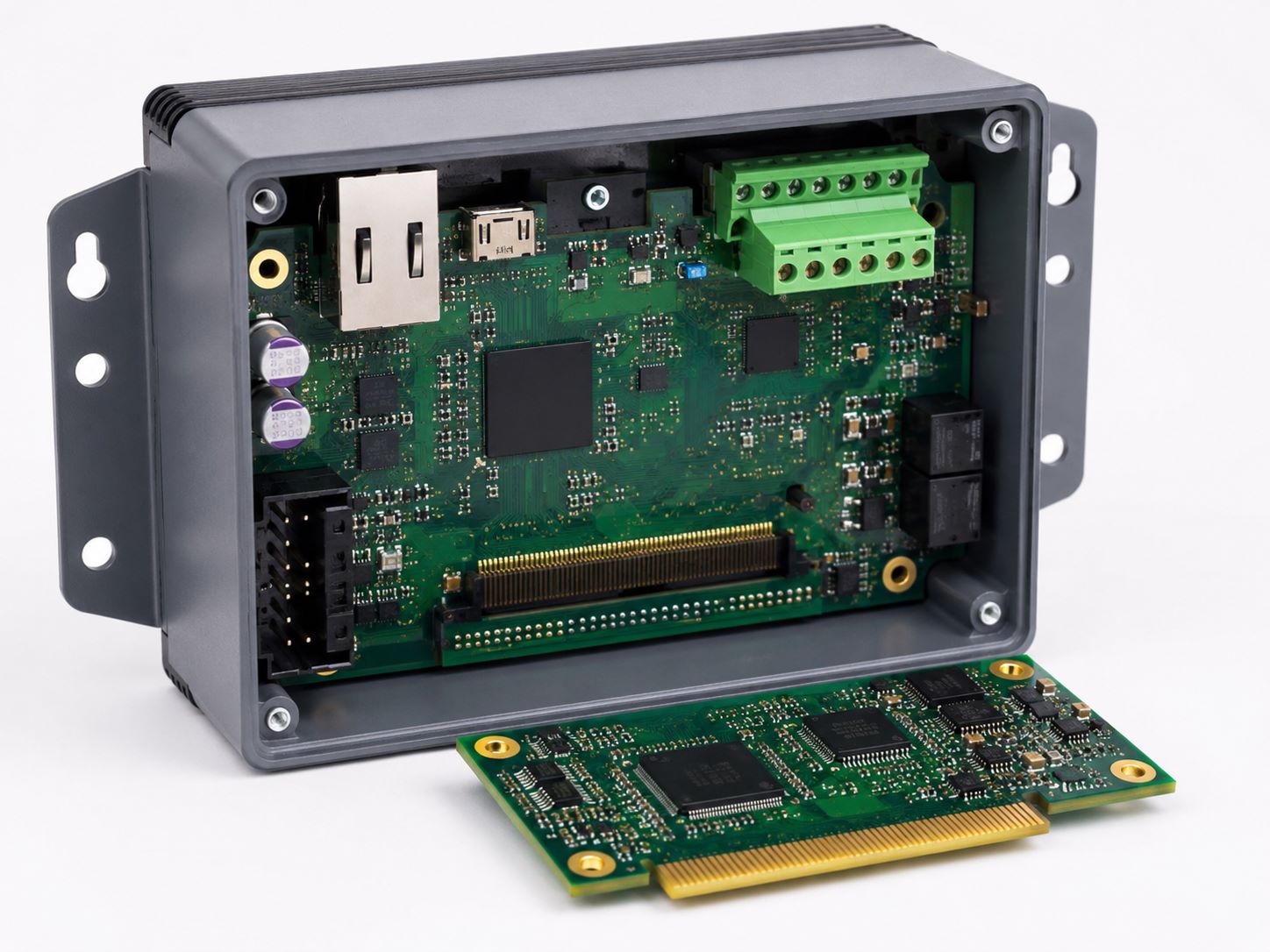
All in all, PCB edge connector fabrication is not just a connector topic. It is a PCB manufacturing and reliability topic. The board edge, contact pads, plating, beveling, board thickness, tolerance, and socket fit all affect how the finished PCB works in the real product.

EBest Circuit (Best Technology) supports OEM customers with PCB edge connector board fabrication, gold finger review, plating selection, beveling review, board thickness control, electrical testing, and optional PCBA support.

If your project needs a pcb edge connector, pcb card edge connector, gold finger PCB, edge connector PCB, or PCB board edge connector solution, please send your files and requirements to sales@bestpcbs.com. Our team will review your project carefully and help you move forward with a clearer manufacturing plan.
You may also like

PCB Beveling Guide for Gold Finger and Edge Connector Boards
Thursday, June 4th, 2026

PCB beveling is a board-edge machining process used to create an angled edge on a printed circuit board. It is especially important for gold finger PCBs, edge connector boards, edge card PCBs, plug-in modules, and other boards that need to slide into a connector smoothly. A well-controlled PCB bevel edge can improve insertion, reduce connector wear, protect the gold finger area, and support more consistent assembly in production.

EBest Circuit (Best Technology) supports PCB fabrication, PCB beveling, gold finger processing, DFM review, PCB layout manufacturability feedback, PCBA assembly, testing, and shipment documentation. If you need PCB beveling for gold finger boards, edge connector boards, or batch PCB panels, you can send your available files to sales@bestpcbs.com for engineering review.

PCB Beveling

What Is PCB Beveling?

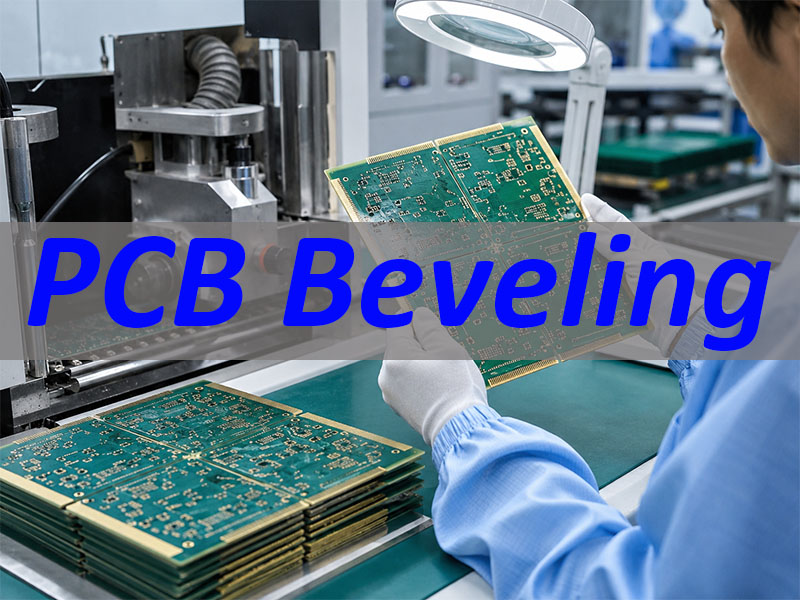
PCB beveling is the process of cutting or grinding the edge of a PCB into a sloped surface instead of leaving it as a straight 90-degree edge. This angled edge helps the board enter a connector more smoothly.

It is commonly used for:

  • Gold finger PCB
  • Edge connector PCB
  • Edge card PCB
  • Plug-in control boards
  • Communication modules
  • Industrial cards
  • Test boards
  • High-volume PCB panels requiring edge finishing

A PCB beveler is the machine or tool used to create this angled edge during PCB manufacturing. In most projects, the customer does not need to specify the machine itself. What matters more is the bevel angle, bevel side, bevel depth, board thickness, copper clearance, and gold finger location.

PCB beveling is different from normal routing or profiling. Routing defines the board outline. Beveling creates a controlled angled edge in a specific area, usually near the connector side.

PCB Beveling

Why Do Gold Finger and Edge Connector PCBs Need Beveling?

Gold finger and edge connector PCBs often need repeated insertion into sockets or card-edge connectors. Without beveling, the board edge may feel too sharp, create friction, or interfere with smooth connector insertion.

PCB gold finger beveling helps with:

  • Smoother insertion
    • The angled edge guides the board into the connector.
    • It reduces resistance during plugging.
  • Lower connector wear
    • A sharp PCB edge may scratch or stress the connector.
    • A beveled edge improves contact handling.
  • Better gold finger protection
    • Proper beveling helps reduce mechanical impact on the plated contact area.
    • It supports stable mating between the PCB and connector.
  • Cleaner assembly
    • Plug-in boards are easier to install.
    • Operators can insert the board with less force.
  • More consistent product experience
    • This is useful for industrial cards, communication boards, control modules, and other plug-in electronic products.

For edge card bevel PCB projects, beveling is not only a cosmetic process. It affects connector fit, insertion feel, long-term contact reliability, and production handling.

What Is a PCB Beveled Edge?

A PCB beveled edge is the angled part of the board edge after beveling. It is usually located on the connector side of the PCB, especially where gold fingers are placed.

A beveled edge may be required on:

  • One side of the board edge
  • Both sides of the board edge
  • Only the gold finger edge
  • A defined section of the PCB outline
  • Individual boards or full panels before separation

Important points to confirm:

  • Which edge needs beveling?
  • Is the bevel on the top side, bottom side, or both sides?
  • What bevel angle is required?
  • What bevel depth or remaining thickness is required?
  • Is there enough copper clearance from the board edge?
  • Will the bevel affect gold finger contact length?
  • Should the beveled edge be processed before or after surface finish?

Not every PCB edge should be beveled. For boards with copper close to the edge, plated slots, castellations, edge plating, or special mechanical structures, the beveling area should be reviewed before production.

EBest Circuit (Best Technology) can review the customer’s mechanical drawing and existing PCB layout files to check whether the bevel edge is manufacturable. This is part of DFM and layout manufacturability feedback, not original PCB design service.

What Bevel Angle Is Common for PCB Edge Connectors?

PCB bevel angle should follow the customer’s mechanical drawing or connector requirement. Commonly requested bevel angles include 20°, 30°, and 45°, depending on the connector structure, board thickness, insertion direction, and product requirement.

Common bevel angle considerations:

  • 30° bevel
    • Often used for edge connector and gold finger PCB projects
    • Provides a moderate lead-in edge for insertion
  • 45° bevel
    • Common for stronger edge chamfering
    • Useful when the connector or mechanical structure allows it
  • 20° bevel
    • Used in some plug-in applications
    • May require more specific mechanical confirmation

Before production, the following points should be confirmed:

  • Bevel angle
  • Bevel side
  • Bevel length
  • Bevel depth
  • Finished board thickness
  • Gold finger length
  • Connector requirement
  • Copper-to-edge clearance

A reliable PCB beveling process should not rely on guesswork. If the bevel angle, bevel direction, or bevel depth is unclear, EBest Circuit (Best Technology) can raise an engineering question before production. This helps avoid mismatch between the PCB edge and the customer’s connector.

What PCB Beveling Capabilities Does EBest Circuit (Best Technology) Offer?

For PCB beveling projects, customers usually care about edge quality, angle control, gold finger protection, batch consistency, and whether the supplier understands connector-side requirements. EBest Circuit (Best Technology) supports PCB beveling for gold finger boards, edge connector boards, and batch PCB panels.

Key PCB beveling capabilities include:

  • Gold finger beveling
    • Suitable for gold finger PCB and edge connector PCB
    • Helps improve plug-in performance and connector fit
  • Common bevel angle support
    • Supports common beveling requirements such as 20°, 30°, and 45°
    • Other bevel angles can be reviewed according to project drawings
  • Bevel side control
    • Single-side beveling
    • Double-side beveling
    • Defined-edge beveling based on mechanical drawings
  • Bevel depth control
    • Reviewed according to board thickness and connector requirement
    • Helps avoid excessive cutting into the contact area
  • Gold finger area protection
    • Checks bevel location against gold finger area
    • Helps reduce scratch, burr, and plating damage risk
  • Copper clearance review
    • Reviews copper distance from board edge
    • Helps avoid exposed copper after beveling
    • Useful for multilayer boards with inner copper close to the edge
  • Batch panel beveling
    • Supports panel-level beveling review
    • Suitable for prototype, small batch, and volume production
  • Outgoing quality check
    • Edge smoothness
    • Burr control
    • Chipping check
    • Exposed copper check
    • Visual inspection before shipment

EBest Circuit (Best Technology) reviews beveling requirements together with board thickness, surface finish, gold finger design, panel format, and assembly needs. This helps ensure the board is not only fabricated correctly, but also ready for connector insertion and downstream assembly.

How Are PCB Panels Beveled in Batch Production?

Batch PCB panel beveling is different from beveling one or two sample boards. When a customer has hundreds or thousands of laminate panels or PCB panels to be beveled, consistency becomes the main concern.

For batch PCB beveling, the following details should be checked:

  • Panel size
  • Board thickness
  • Quantity
  • Bevel side
  • Bevel angle
  • Bevel length
  • Surface finish
  • Gold finger location
  • Panel handling method
  • Packaging requirement
  • Outgoing inspection standard

For example, if a customer says, ā€œWe have around 4000 laminate panels to be beveled,ā€ the project should not be treated as a simple edge cut. The supplier should confirm whether the panels are bare laminate panels, processed PCB panels, gold finger panels, or assembled boards. Each situation may require different handling.

Key concerns in batch panel beveling:

  • Consistency
    • The bevel angle should remain stable across panels.
    • The edge finish should be uniform.
  • Handling safety
    • Thin or large panels may need careful handling.
    • Panel warpage and edge damage should be controlled.
  • Edge quality
    • Burrs, rough glass fiber, chipping, and exposed copper should be checked.
  • Production efficiency
    • Batch processing should match delivery schedule and packaging requirements.
  • Clear approval before production
    • Manufacturing files and beveling notes should be confirmed before batch release.

EBest Circuit (Best Technology) can review batch beveling requirements before production and confirm whether the project should be processed as individual boards, production panels, or customer-supplied laminate panels.

What Files and Notes Are Needed for PCB Beveling?

Customers do not need to prepare perfect documentation before contacting EBest Circuit (Best Technology). Available files can be sent first, and missing beveling details can be clarified during engineering review.

For an initial PCB beveling review, helpful information includes:

  • Gerber files
  • Drill files
  • Mechanical drawing
  • Board outline
  • Board thickness
  • Bevel edge location
  • Bevel side
  • Bevel angle
  • Quantity
  • Surface finish
  • Panel or single-board delivery requirement

For gold finger or edge connector boards, also provide if available:

  • Gold finger drawing
  • Connector drawing
  • Bevel depth requirement
  • Gold plating requirement
  • Copper clearance requirement
  • Insertion direction
  • Special packaging notes

Practical reminders:

  • If the bevel angle is not marked, it should be confirmed before production.
  • If the bevel side is unclear, an engineering question should be raised.
  • If copper is too close to the board edge, manufacturability should be reviewed.
  • If the board needs SMT assembly, beveling should be checked together with panelization and handling.
  • If the project involves batch PCB panel beveling, panel size and packaging should be confirmed early.

For quotation and manufacturability review, customers can send available files to sales@bestpcbs.com. EBest Circuit (Best Technology) will review the project and advise what extra information is needed before production.

PCB Beveling

FAQs About PCB Beveling

What is PCB beveling?
PCB beveling is a board-edge machining process that creates an angled edge on a PCB. It is commonly used for gold finger boards, edge connector PCBs, and plug-in boards.

What is a beveler in PCB manufacturing?
A beveler is the machine or tool used to create the beveled edge on a PCB. In production, the more important details are bevel angle, bevel side, bevel depth, board thickness, and gold finger location.

Why do gold fingers need beveling?
Gold fingers often connect with edge card connectors. Beveling helps the PCB slide into the connector more smoothly and reduces mechanical wear during insertion.

What is a PCB beveled edge?
A PCB beveled edge is the angled board edge created by the beveling process. It is usually located at the connector side of the board.

What bevel angle is common for PCB edge connectors?
Commonly requested angles include 20°, 30°, and 45°. The final angle should follow the customer’s mechanical drawing or connector requirement.

Is PCB beveling only used for gold fingers?
No. Gold finger beveling is common, but PCB beveling can also be used for edge connector boards, plug-in modules, test cards, and other boards that require smooth insertion or edge finishing.

Can PCB panels be beveled in batch production?
Yes. PCB panels can be beveled in batch production. For large quantities, panel size, board thickness, bevel side, bevel angle, edge quality, and packaging should be confirmed before production.

What files are needed for PCB beveling?
Gerber files, drill files, mechanical drawings, board thickness, bevel angle, bevel side, bevel location, surface finish, and quantity are helpful. If the board has gold fingers, a connector drawing or gold finger drawing is also useful.

Can EBest Circuit (Best Technology) review PCB beveling before production?
Yes. EBest Circuit (Best Technology) can review beveling requirements, gold finger location, copper clearance, board thickness, panel format, and manufacturability before production.

How can I start a PCB beveling quotation?
Send your available files and beveling notes to sales@bestpcbs.com. EBest Circuit (Best Technology) will review the project and confirm whether any additional details are needed.

You may also like

Gold Finger PCB Bevel & Plating Process: Design Tips and Reliable Manufacturer Guide
Monday, May 11th, 2026

Which factors most directly impact the performance, durability, and signal stability of gold finger PCB, and how can design and manufacturing missteps that lead to product failure be avoided? This guide breaks down standard bevel angles, plating processes, thickness selection, design principles, and manufacturer identification to provide practical, actionable insights for gold finger PCB that meets application demands and maintains long-term reliability.

Gold Finger PCB

What Is the Standard PCB Gold Finger Bevel Angle and How to Design It Properly?

PCB gold finger typically uses a standard bevel angle between 30 and 45 degrees, with 45 degrees being the most widely adopted for most use cases. This range balances mechanical protection, smooth insertion, and effective contact area to prevent damage to the gold plating during insertion while ensuring consistent electrical connectivity. Stepping outside this range often leads to performance issues.

  • Standard Angle Ranges and Application Scenarios: A 45-degree angle works best for vertical insertion setups such as memory modules and graphics cards, as it provides smooth guidance to minimize friction and scratching of the gold layer during insertion. A 30-degree angle is better suited for horizontal insertion applications like PCIe slots, as it reduces contact pressure and lessens wear on both the gold finger and its mating connector. Angles below 20 degrees create sharp edges that scratch mating contacts and cause uneven plating due to current concentration. Angles above 60 degrees reduce the effective contact area and drive up contact resistance.
  • Design Considerations for Bevel Angles: Start by matching the angle to the insertion method. Vertical insertion calls for a steeper 45-degree angle for guidance, while horizontal insertion requires a shallower 30-degree angle to reduce pressure. Bevel depth should fall between 0.5mm and 1.0mm. Depths under 0.5mm fail to provide adequate guidance, and depths over 1.0mm weaken the PCB’s edge structure. Maintain a minimum 0.5mm gap between the bevel edge and the nearest circuit trace to prevent trace damage during bevel processing.
  • Manufacturing Feasibility Checks: For electroless nickel gold plating processes, the bevel angle should not drop below 30 degrees. Electroless plating deposits more slowly on sharp edges, resulting in thin, inconsistent plating. Electroplating processes can handle angles as low as 20 degrees but require fixtures to control current distribution and avoid excessive edge plating. Clearly note the bevel angle, depth, and tolerance on design drawings. Angles should have a ±5-degree tolerance, and depth a ±0.15mm tolerance.

What Are the Steps in the PCB Gold Finger Plating Process?

The PCB gold finger plating process includes eight core steps. Strict control of each step’s parameters ensures uniform plating, strong adhesion, and corrosion resistance. The two most common processes, electroless nickel immersion gold (ENIG) and electrolytic gold plating, require slight adjustments to these steps based on the method used.

  • Pre-Plating Surface Preparation: Clean the PCB surface to remove oil, oxides, and contaminants. Begin with an organic acid-based degreaser to eliminate oil and reduce surface tension for even solution coverage. Rinse thoroughly with deionized water after degreasing. Next, microetch the copper surface using a sodium persulfate solution to remove thin oxide layers and create a slightly rough surface that improves nickel layer adhesion. Keep copper ion concentration in the microetch solution between 3-20g/L to maintain a stable etching rate.
  • Acid Pickling and Pre-Dipping: Use dilute sulfuric acid to remove oxides formed after microetching and any residual salts. Rinse with deionized water, then immerse the PCB in a pre-dip solution (AR grade sulfuric acid) to maintain the activation tank’s acidity and keep the copper surface fresh for effective activation in the next step.
  • Activation Treatment: Immerse the PCB in a palladium activation solution to form a thin palladium layer on the copper surface via displacement reaction. This palladium layer acts as a catalyst for the subsequent electroless nickel plating. Keep activation temperature below 30ā„ƒ, avoid aeration, and ensure the solution is free of chloride, iron, or nickel impurities to prevent activation failure.
  • Electroless Nickel Plating: Deposit a nickel layer on the activated copper surface. This layer acts as a barrier between copper and gold to prevent mutual diffusion. Control plating temperature between 80-90ā„ƒ and pH between 4.5-5.5. The nickel layer should be 2-5μm thick for sufficient adhesion and corrosion resistance, with a uniform finish free of pinholes or bubbles.
  • Gold Plating: For ENIG processes, immerse the PCB in an immersion gold solution to replace nickel with gold, forming a thin (0.1-0.3μm) yet highly conductive gold layer. For electrolytic gold plating, use an electrolytic solution with gold cyanide as the main component and apply a constant current to deposit a thicker (1-5μm) gold layer ideal for high-wear applications. Maintain gold purity above 99.9% for optimal electrical performance.
  • Gold Recovery and Rinsing: Recover excess gold from the gold plating solution to reduce costs and environmental impact. Rinse the PCB thoroughly with deionized water multiple times to remove residual plating chemicals that can cause corrosion if left on the surface.
  • Post-Plating Cleaning and Drying: Clean the PCB surface with a dilute sulfuric acid or citric acid solution to remove any remaining impurities, then dry it in a high-temperature oven (80-100ā„ƒ) to prevent moisture-induced oxidation of the gold layer.
  • Quality Inspection: Use a thickness gauge to verify nickel and gold layer thickness. Check for plating defects like unevenness, copper exposure, bubbles, or scratches. Conduct adhesion tests (tape tests) to ensure the plating layer does not peel when tape is applied and removed.
gold finger PCB

How to Choose the Right PCB Gold Finger Plating Thickness for Different Projects?

Selecting the correct PCB gold finger plating thickness depends on three core factors: insertion frequency, application environment, and electrical performance requirements. Thicker gold layers boost wear resistance but increase costs, while thinner layers reduce costs but may not meet durability needs. Aligning thickness with project requirements ensures optimal performance and cost-effectiveness.

  • Consumer Electronics Applications: For devices with low insertion frequency (fewer than 1,000 cycles) such as USB dongles, mobile phone chargers, and tablet connectors, a thin gold layer (0.1-0.3μm) using ENIG is sufficient. This thickness balances cost and basic corrosion resistance. For devices with moderate insertion frequency (1,000-5,000 cycles) like memory modules and external hard drives, a 0.5-1.0μm gold layer ensures durability.
  • Industrial Control Applications: Industrial equipment including PLC controllers, sensors, and server motherboards requires high durability (5,000-10,000 insertion cycles) and resistance to harsh environments. A 1.0-3.0μm gold layer using electrolytic gold plating is ideal. The nickel layer should be 3-5μm thick to enhance corrosion resistance in high-humidity and dusty settings.
  • Aerospace and Military Applications: These applications demand extreme durability (10,000+ insertion cycles) and resistance to extreme temperatures, vibration, and corrosion. A 3.0-5.0μm gold layer with high purity (99.99%) is required. The nickel layer should be 5-8μm thick, and additional corrosion protection such as conformal coating may be necessary.
  • High-Speed Signal Applications: For high-speed devices like 5G base stations and PCIe 5.0 interfaces, a thin (0.1-0.2μm) high-purity gold layer is preferred. Thicker gold layers can increase signal loss and impedance mismatch. ENIG ensures a smooth surface that reduces signal reflection and insertion loss.
  • Key Considerations: Gold layer thickness is not a case of “thicker is better.” Thickness exceeding 5μm can create internal stress in the gold layer, leading to cracking or peeling. Match gold thickness to nickel layer thickness; the nickel layer should be 3-5 times the gold layer thickness to ensure strong adhesion. Electrolytic gold plating is more expensive than ENIG, so use it only when high wear resistance is necessary.

What Are the Critical Design Principles for High-Quality Gold Finger PCB?

Designing high-quality gold finger PCB requires balancing electrical performance, mechanical durability, and manufacturing feasibility. Following these critical principles avoids common design flaws such as poor contact, plating peeling, and signal interference to ensure the product meets application requirements.

  • Bevel and Edge Design: Stick to the standard 30-45 degree bevel angle range and 0.5-1.0mm depth. Round the gold finger’s corners to avoid sharp edges that scratch mating connectors and damage the plating. Ensure the gold finger extends 2mm beyond the mating connector’s contact area to guarantee full contact.
  • Solder Mask Design: Do not apply solder mask to the gold finger area. Keep the solder mask fully open to prevent ink peeling during insertion, which can cause contact failure. The solder mask opening should be 4mil larger than the gold finger line on each side, and no solder mask openings should be placed within 2mm of the gold finger.
  • Circuit Trace Design: Keep gold finger lead widths between 12-40mil, with main leads at 40mil and secondary leads at 20mil. Use rounded corners for leads to avoid right-angle bends that cause signal reflection. Maintain a minimum 6mil spacing between adjacent gold fingers to prevent short circuits and crosstalk.
  • Plating Layer Matching: Use a nickel barrier layer between the copper substrate and gold layer to prevent copper-gold diffusion, which degrades electrical performance. The nickel layer thickness should be 2-8μm depending on the application, and the gold layer thickness should align with insertion frequency and environment.
  • PCB Thickness and Material Selection: PCB thickness should be 0.8-2.4mm, matching the mating connector’s slot thickness. Use high-quality FR-4 substrate for general applications and polyimide substrate for high-temperature or flexible applications. Ensure the substrate has good dimensional stability to prevent warpage that can disrupt gold finger alignment.
  • Test Point Design: Add test points near the gold finger to facilitate electrical testing of contact resistance and signal integrity. Place test points 1-2mm away from the gold finger to avoid interfering with plating and insertion.
Gold Finger PCB

How to Ensure Signal Integrity in Gold Finger PCB Design for High-Speed Applications?

High-speed applications including 5G, PCIe 5.0, and high-frequency radar require gold finger PCB to maintain signal integrity by minimizing signal reflection, insertion loss, and crosstalk. Control impedance matching, reduce signal attenuation, and optimize layout design to achieve this.

  • Impedance Matching Design: The gold finger and its connected transmission lines should have consistent impedance, typically 50Ī© or 75Ī© depending on the application. Calculate the gold finger width (for example, 0.8mm for 50Ī© impedance on FR-4 substrate) and length (no more than 8mm) to avoid impedance sudden changes. Use a microstrip line extension structure with a 1mm gradual transition to create a smooth connection between the gold finger and transmission line, reducing return loss.
  • Minimize Insertion Loss: Use high-purity gold (99.99%) for the gold layer to reduce conductor loss. Keep the gold layer thin (0.1-0.2μm) to avoid excessive signal absorption. Polish the gold finger surface to ensure a smooth finish (Ra ≤ 0.10μm) that reduces signal loss caused by surface roughness.
  • Reduce Crosstalk: Maintain a minimum 1mm spacing between adjacent gold fingers. Arrange high-speed signal gold fingers alternately with ground fingers to form a shielding structure that reduces electromagnetic interference. Use equal-length design for gold finger leads, with a length difference of no more than 0.1mm to avoid signal time delay.
  • Shielding and Grounding: Add a ground plane below the gold finger area to provide a reference ground and reduce signal radiation. Connect the ground plane to the gold finger’s ground leads with multiple vias to improve grounding effectiveness. Avoid placing high-speed signal traces near the gold finger edge to prevent signal leakage.
  • Material Selection: For high-speed applications, use low-loss substrate materials like FR-4 with a low dielectric constant (εr ≤ 4.5) and low loss tangent (tanĪ“ ≤ 0.02). For ultra-high-speed signals (above 32Gbps), use advanced materials like PTFE to further reduce signal loss.

What Quality Standards Should Gold Finger PCB Meet for Industrial and Aerospace Use?

Gold finger PCB used in industrial and aerospace applications must meet strict quality standards to ensure reliability in harsh environments including extreme temperatures, vibration, humidity, and corrosion. These standards cover plating quality, mechanical performance, electrical performance, and environmental resistance.

  • Plating Quality Standards: Comply with IPC-4552, the industry standard for gold plating on PCB. Gold layer purity must be ≄99.9% for industrial use and ≄99.99% for aerospace use. Nickel layer thickness should be 3-8μm, and gold layer thickness 1.0-5.0μm depending on the application. Plating must be uniform, with no copper exposure, bubbles, scratches, or peeling. The tape test should show no plating detachment.
  • Mechanical Performance Standards: For industrial use, gold finger must withstand 5,000+ insertion cycles without significant wear or increased contact resistance. For aerospace use, this number rises to 10,000+ cycles. The PCB should have a flexural strength of ≄150MPa and no warpage exceeding 0.75mm per 100mm length. Bevel angles must meet a ±5-degree tolerance, and edge roughness should be Ra ≤ 0.10μm.
  • Electrical Performance Standards: Contact resistance must be ≤50mĪ© and remain stable after 1,000 insertion cycles. Insulation resistance must be ≄10^10Ī© at 500V DC. Dielectric strength should be ≄1kV/mm to prevent breakdown. For high-speed applications, insertion loss must be ≤0.3dB and crosstalk ≤-35dB.
  • Environmental Resistance Standards: Gold finger PCB must pass a 72-hour salt spray test (5% NaCl concentration) with no corrosion or plating peeling. It should withstand high-temperature testing (-55ā„ƒ to 125ā„ƒ for industrial use, -65ā„ƒ to 150ā„ƒ for aerospace use) without performance degradation. It must also pass a humidity test (85% relative humidity at 85ā„ƒ for 1000 hours) with no insulation failure.
  • Certification Requirements: Industrial gold finger PCB must meet ISO9001 and RoHS certification. Aerospace gold finger PCB must comply with AS9100 certification and meet MIL-STD-202 standards for environmental testing. All products must have full traceability of materials and manufacturing processes.

What Are the Common Challenges in Gold Finger PCB Manufacturing and How to Solve Them?

Gold finger PCB manufacturing involves complex processes. Common challenges include uneven plating, poor adhesion, plating peeling, copper exposure, and impedance mismatch. These issues can be resolved through strict process control, careful material selection, and thorough quality inspection.

  • Uneven Plating: This issue stems from uneven current distribution, impure plating solution, or inadequate surface preparation. Use fixtures to ensure uniform current distribution during electroplating. Regularly filter the plating solution to remove impurities. Strengthen pre-plating cleaning to ensure the copper surface is free of oil and oxides. Keep plating temperature and pH within the recommended range.
  • Poor Plating Adhesion: Insufficient microetching, contaminated activation solution, or improper nickel plating parameters cause poor adhesion. Extend microetching time slightly to create a rougher copper surface. Replace the activation solution regularly to avoid impurity contamination. Control nickel plating temperature and pH to ensure proper nickel layer formation. Conduct adhesion tests after plating to catch issues early.
  • Plating Peeling: Excessive internal stress in the gold layer, insufficient nickel layer thickness, or poor substrate quality lead to plating peeling. Limit gold layer thickness to less than 5μm to reduce internal stress. Ensure the nickel layer is 3-5 times the gold layer thickness. Use high-quality substrates with strong adhesion to the nickel layer. Avoid rapid temperature changes during drying that can build up stress.
  • Copper Exposure on Gold Finger: Incomplete solder mask opening, uneven plating, or scratches during handling cause copper exposure. Improve solder mask opening accuracy to ensure full coverage of the gold finger area. Increase plating time slightly to ensure complete coverage. Use anti-scratch packaging during handling and manufacturing. Carefully inspect the gold finger surface after plating.
  • Impedance Mismatch: Incorrect gold finger width, length, or substrate material leads to impedance mismatch. Calculate impedance accurately based on substrate parameters and adjust gold finger dimensions accordingly. Use low-loss substrate materials for high-speed applications. Test impedance after manufacturing and adjust the design if needed.

How to Identify a Reliable China Gold Finger PCB Manufacturer?

Choosing a reliable China gold finger PCB manufacturer is critical to ensuring product quality, on-time delivery, and responsive technical support. Evaluate certification, production capacity, quality control, technical capabilities, and customer service to make the right choice.

  • Certification and Compliance: The manufacturer should hold ISO9001 certification for quality management and RoHS certification for environmental compliance. For aerospace or military applications, verify AS9100 and MIL-STD-202 certifications. Ensure the manufacturer adheres to IPC standards for gold finger PCB manufacturing.
  • Production Capacity and Equipment: Confirm the manufacturer has advanced production equipment, including automatic vertical electroplating lines, thickness gauges, impedance testers, and AOI inspection equipment. Check that production capacity aligns with your order volume and delivery timeline. Automated production lines ensure consistent quality and reduce human error.
  • Quality Control System: A reliable manufacturer has a strict quality control system covering raw material inspection, in-process testing, and final inspection. Raw materials such as substrate and plating chemicals must undergo quality testing. In-process testing includes checks for plating thickness, adhesion, and impedance. Final inspection covers visual inspection, electrical testing, and environmental testing. Request quality control reports for previous orders.
  • Technical Capabilities: The manufacturer should have professional technical teams capable of providing design support, DFM analysis, and custom solutions. They should handle complex designs such as high-speed gold finger PCB and aerospace-grade products. Ask about their experience in your specific industry and request case studies or samples.
  • Customer Service and Delivery: Reliable manufacturers offer timely technical support and communication. They should respond to inquiries within 24 hours and provide clear order updates. Check their delivery record to ensure on-time delivery (a delivery rate of ≄98% is ideal). Ask about their after-sales service policy, including return and replacement options for defective products.
  • Pricing and Cost Transparency: The manufacturer should provide transparent pricing with no hidden fees. Compare quotes from multiple manufacturers, but avoid choosing the lowest price if it compromises quality. A reliable manufacturer will share a detailed cost breakdown and explain price differences based on materials and processes.
Gold Finger PCB

FAQs About Gold Finger PCB

Q1: Can damaged gold finger PCB be repaired, and what are the effective repair methods?

A1: Damaged gold finger PCB can be repaired based on damage severity: Minor oxidation: Clean with anhydrous alcohol/specialized cleaner and polish with an eraser. Moderate scratches/thin plating: Touch up with a professional gold plating pen (match original gold layer thickness). Severe copper exposure/deep scratches: Re-plate (strip old plating, reprocess surface, re-plate nickel and gold). Application note: Non-critical applications only; replace PCB for aerospace/high-reliability industrial use.

Q2: What factors should be considered when selecting a PCB gold finger connector?

A2: Select PCB gold finger connectors by matching these key factors: Connector slot thickness matches PCB thickness (0.8-2.4mm); gold finger extends 2mm beyond connector contact area; contact force 10-30g per pin; high-speed applications: low contact resistance (≤50mĪ©) and low crosstalk; harsh environments: corrosion-resistant materials (stainless steel/nickel plating).

Q3: How to prevent gold finger PCB from oxidation during storage and use?

A3: Prevent gold finger oxidation with these measures: Store in sealed packaging with desiccants (relative humidity ≤60%); avoid direct hand contact (use gloves); harsh environments: apply conformal coating to non-contact areas; regular maintenance: clean with anhydrous alcohol to remove dust/contaminants.

Q4: What is the difference between hard gold and soft gold plating for gold finger PCB?

A4: Soft gold (99.99% pure): high conductivity/ductility, suitable for low-insertion-frequency applications. Hard gold (gold + 5-10% cobalt/nickel): higher hardness/wear resistance, ideal for high-insertion-frequency use. Selection principle: Choose based on insertion frequency and performance needs.

Q5: How to test the quality of gold finger PCB after manufacturing?

A5: Gold finger PCB quality testing methods: Use a thickness gauge to verify nickel/gold layer thickness; conduct tape test forplating adhesion; measure contact resistance (≤50mĪ©) with a multimeter; test impedance for high-speed applications; conduct environmental tests (salt spray/high-temperature) for industrial/aerospace use; visually inspect for defects under a magnifying glass.

You may also like