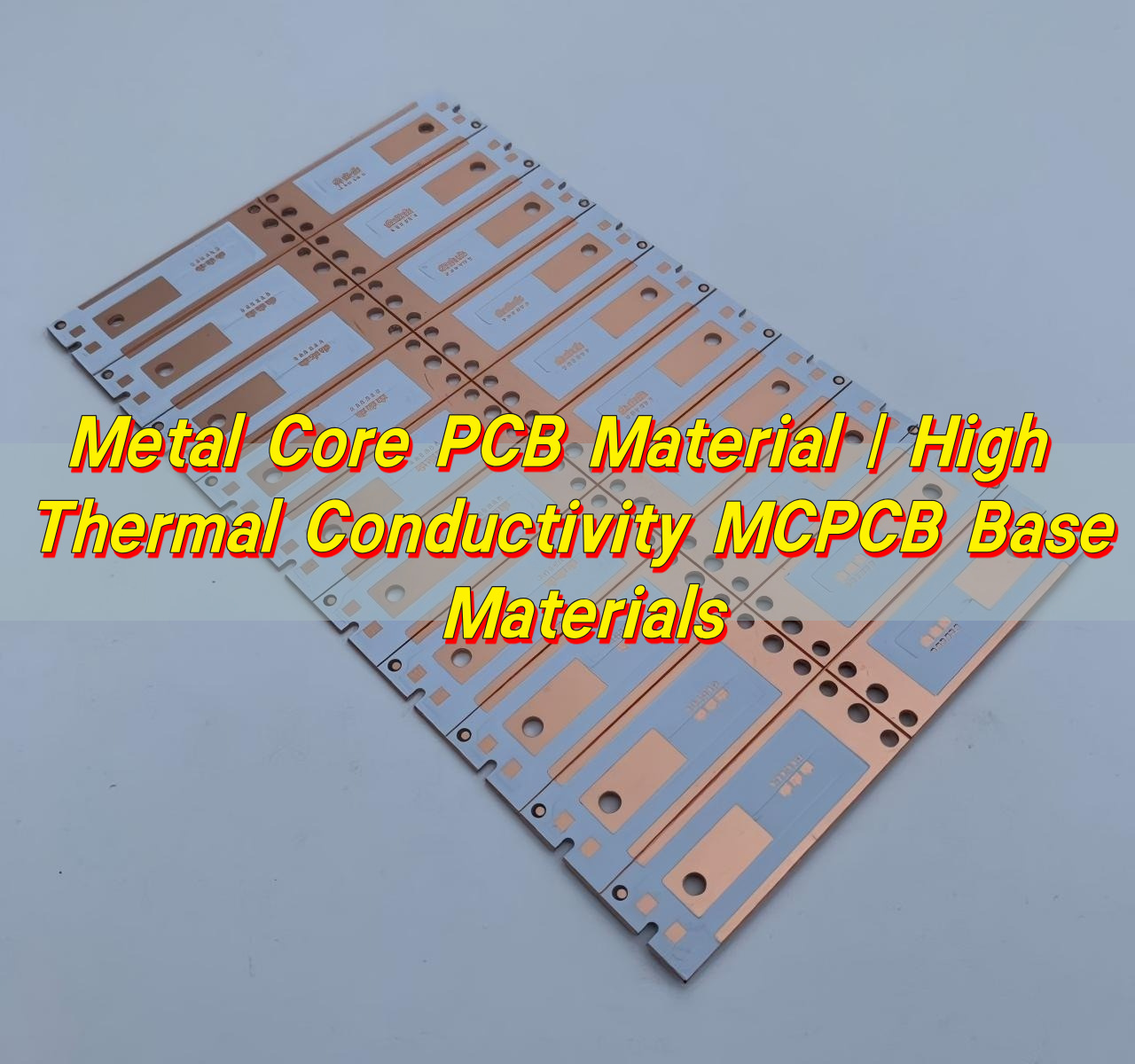
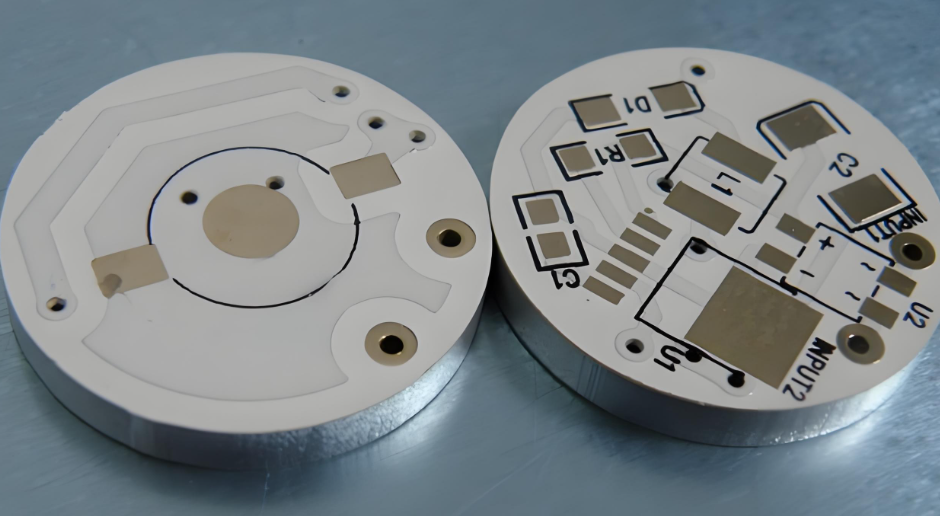
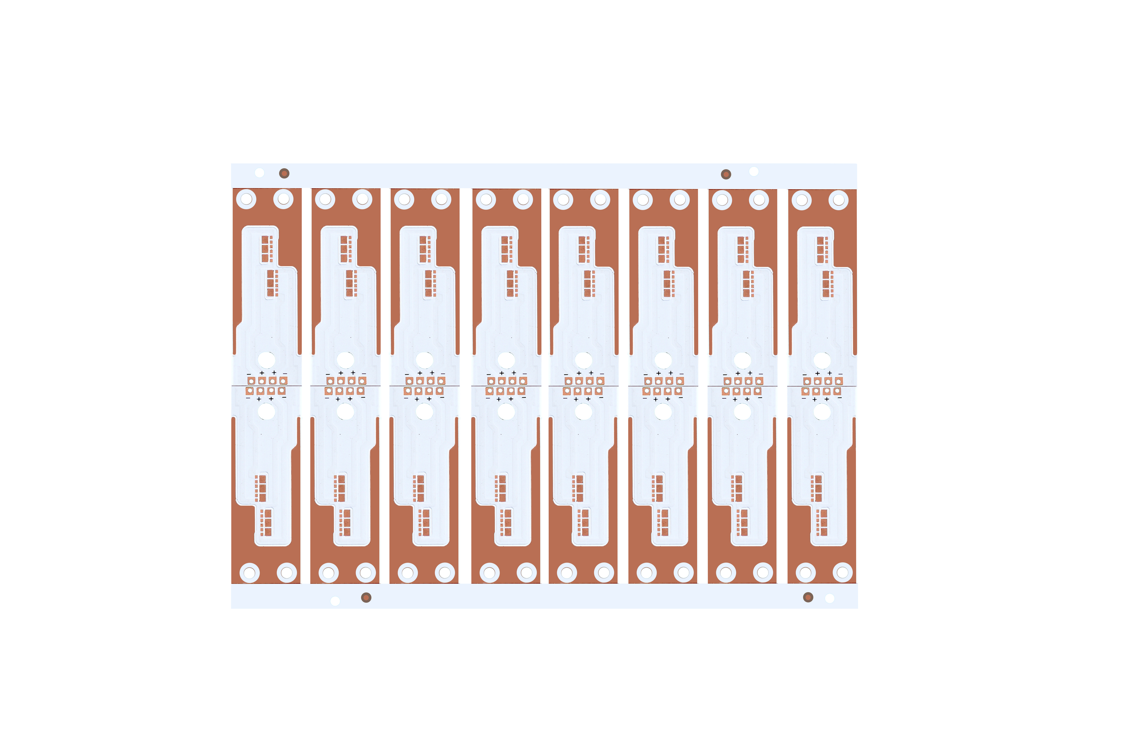
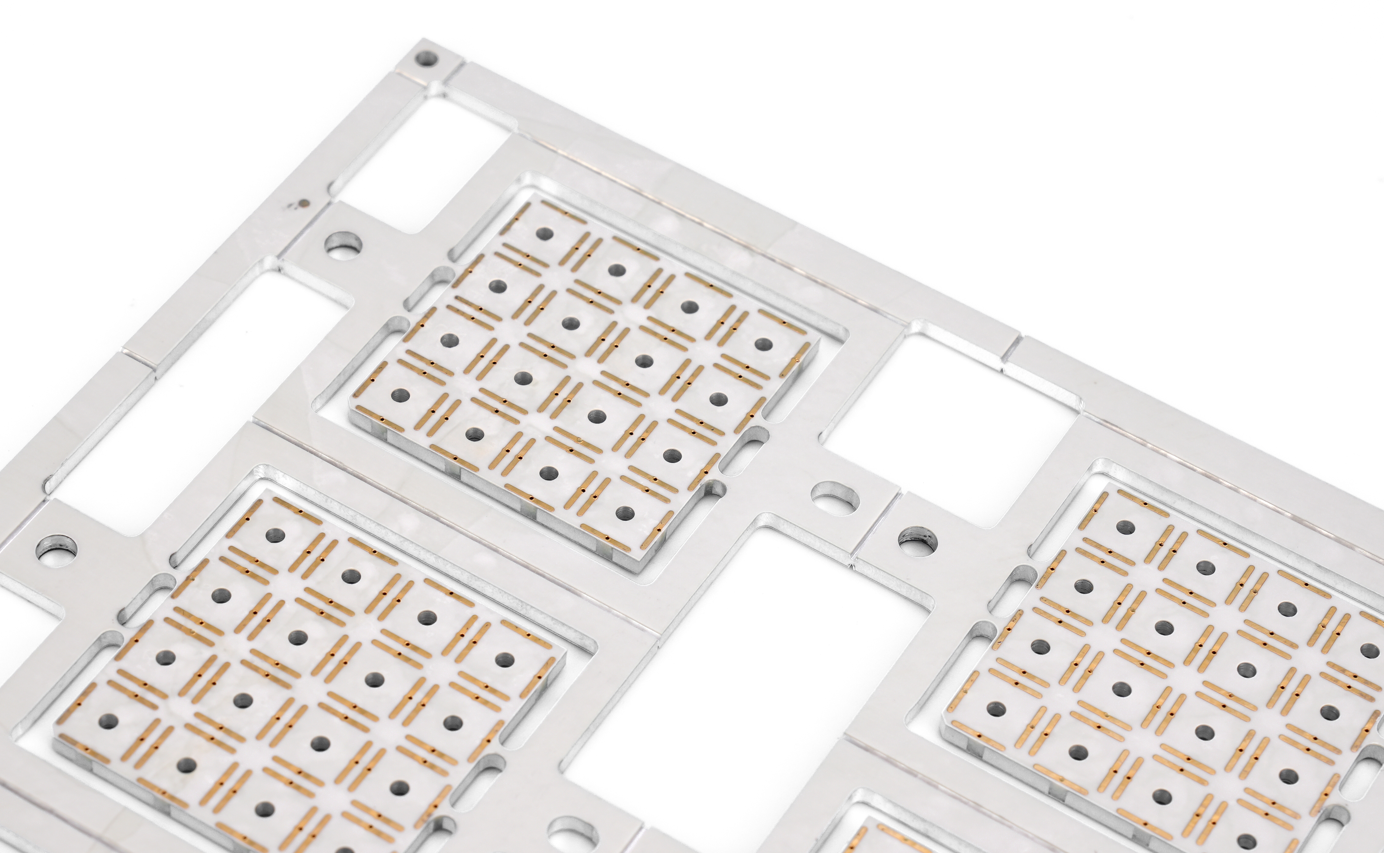
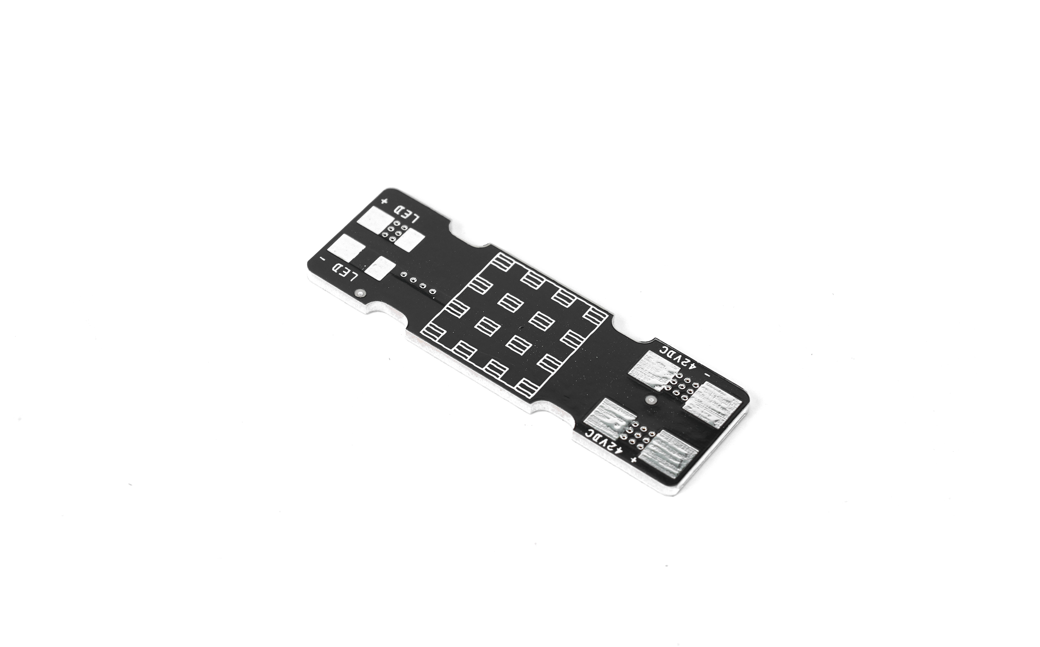
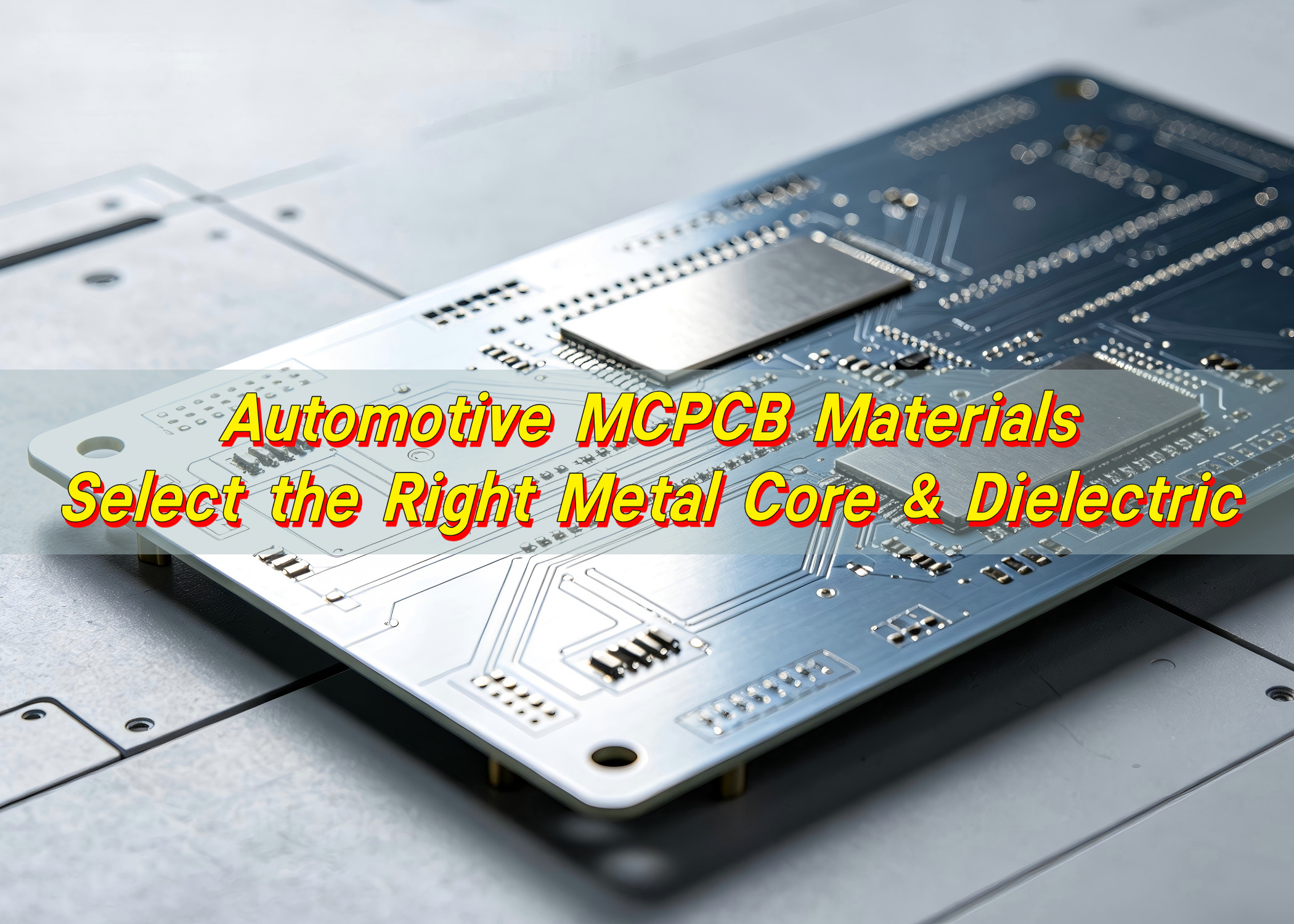
EBest’s Automotive MCPCB Materials deliver industry-leading thermal conductivity (0.8~3.0 W/m.K), IATF 16949-certified quality, and reliable performance in extreme automotive environments—high temperatures, vibration, and humidity. Choose us for consistent, durable solutions that keep your automotive electronics running smoothly.
Why Choose EBest for Your Automotive MCPCB Materials Needs?
EBest is your top choice for Automotive MCPCB Materials, with core parameters and proven reliability that outperform competitors. Our MCPCB materials support up to 10 layers, 0.3mm~4.0mm thickness, and 6/6 mil trace width/space, ideal for all automotive electronic applications.
Don’t settle for subpar materials that risk performance failures. Partner with EBest today to get premium Automotive MCPCB Materials tailored to your project needs.
Why Choose Us for Automotive MCPCB Materials?
- Quality: Our Automotive MCPCB Materials undergo 100% full inspection before delivery, with strict adherence to automotive industry standards and certifications to ensure consistency and durability.
- Lead Time: We offer expedited service, with urgent Automotive MCPCB Materials prototypes and orders shipped within 24 hours, and regular orders delivered on time to keep your production on track.
- Service: Our team provides one-stop support, from material customization to technical guidance, ensuring you get the right Automotive MCPCB Materials for your specific automotive application.
- Supply Chain: We have a stable, global supply chain for Automotive MCPCB Materials, ensuring consistent availability and avoiding production delays due to material shortages.
What Are the Main Types of Automotive MCPCB Materials?
The most common Automotive MCPCB Materials are aluminum-based, copper-based, and iron-based, each with unique benefits for automotive applications.
| Material Type | Key Features | Automotive Applications |
|---|---|---|
| Aluminum-Based MCPCB | Thermal conductivity 0.8~2.0 W/m.K, lightweight, good mechanical strength, cost-effective | LED lighting, power modules, dashboard electronics |
| Copper-Based MCPCB | High thermal conductivity (2.0~3.0 W/m.K), excellent heat dissipation, high mechanical strength | High-power ADAS components, battery management systems (BMS) |
| Iron-Based MCPCB | Good electromagnetic shielding, high dimensional stability, reliable in harsh vibrations | Brushless DC motors, engine control units (ECUs) |
How Do Automotive MCPCB Materials Perform in Extreme Environments?
Our Automotive MCPCB Materials are engineered to withstand the harshest automotive conditions, with proven performance in high temperatures, vibration, and humidity.
They maintain thermal stability up to 280℃ (3 x 10 Sec thermal stress test) and have a flammability rating of 94V-0, ensuring safety in high-heat areas like engine bays.
With a wrap & twist rate of ≤ 0.75% and dielectric strength >1.5 Kv, our materials resist vibration and electrical interference, critical for automotive electronics reliability.
What Certifications Do EBest’s Automotive MCPCB Materials Have?
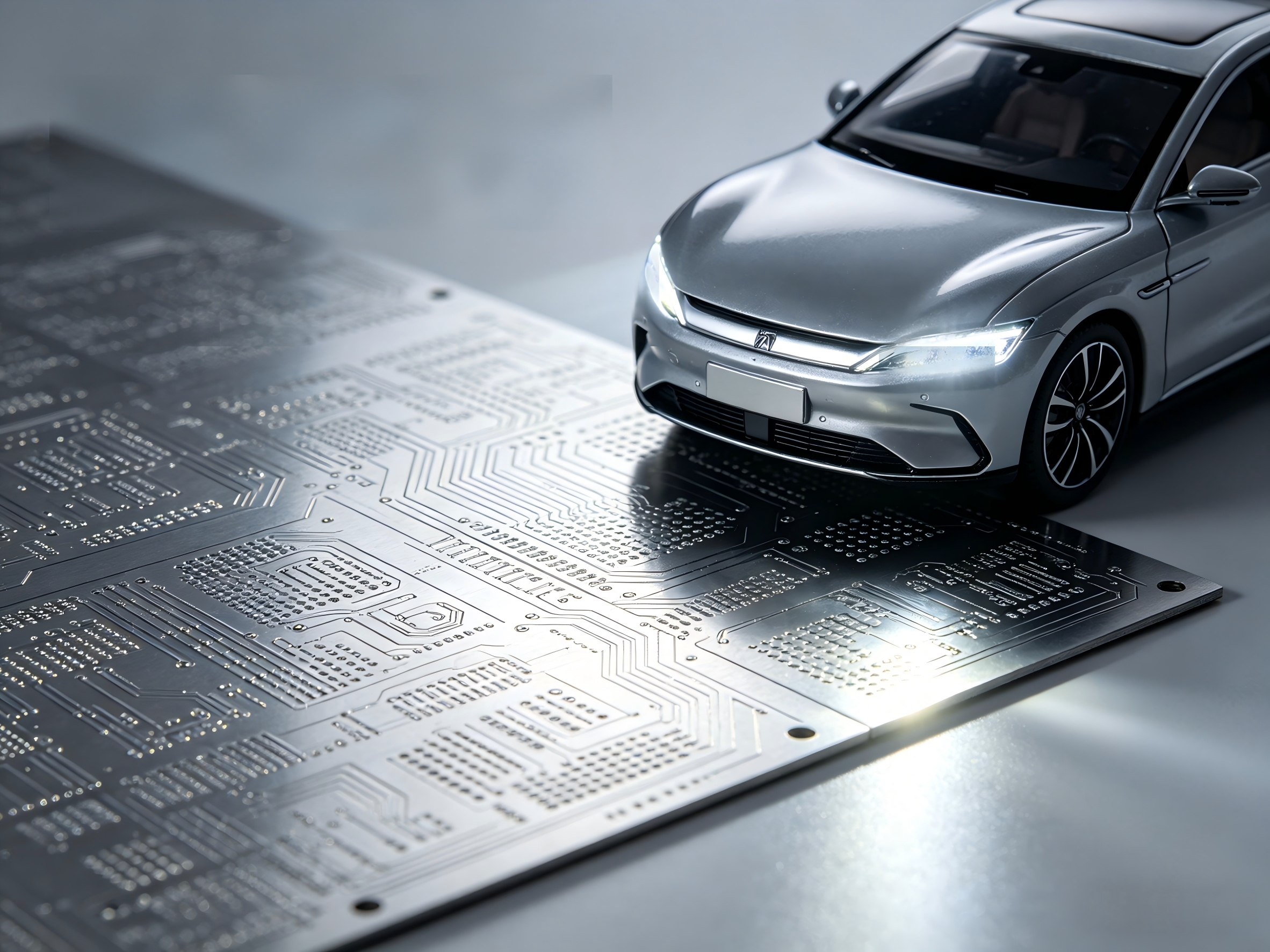
EBest’s Automotive MCPCB Materials hold industry-leading certifications, each delivering tangible value to ensure quality, safety, and compliance with automotive standards.
| Certification | Practical Value for Automotive MCPCB Materials |
|---|---|
| IATF 16949 | Ensures full control of the production process, eliminates quality hazards, and qualifies EBest to supply automotive-grade MCPCB materials to global automotive supply chains. |
| ISO 9001:2015 | Guarantees consistent quality management systems, ensuring every batch of Automotive MCPCB Materials meets the same high standards. |
| ISO 13485:2016 | Validates compliance with medical-grade quality standards, ideal for automotive components requiring high reliability (e.g., life-saving systems). |
| AS9100D | Meets aerospace-grade quality requirements, ensuring our Automotive MCPCB Materials are durable and reliable for high-performance automotive applications. |
| REACH | Ensures our Automotive MCPCB Materials are free of harmful substances, complying with global environmental and safety regulations. |
| RoHS | Guarantees no restricted hazardous materials, making our materials suitable for eco-friendly automotive production worldwide. |
| UL | Certifies fire safety and electrical performance, ensuring our Automotive MCPCB Materials meet strict safety standards for automotive use. |
What Are the Common Pain Points with Automotive MCPCB Materials?
Many teams face challenges with Automotive MCPCB Materials—inconsistent quality, poor thermal performance, supply chain delays, and limited customization. EBest addresses each pain point with targeted solutions.
Pain Point 1: Inconsistent Material Quality Leading to Production Failures
Solution: We implement 100% full inspection and strict quality control, with IATF 16949 certification to ensure every batch of Automotive MCPCB Materials meets uniform standards. Our automated production lines reduce human error, maintaining consistent performance.
Pain Point 2: Insufficient Thermal Conductivity Causing Component Overheating
Solution: Our Automotive MCPCB Materials offer thermal conductivity ranging from 0.8~3.0 W/m.K, with high-grade options for high-power automotive components. This prevents overheating and extends component lifespan.
Pain Point 3: Supply Chain Disruptions Delaying Production
Solution: We have a stable, global supply chain for Automotive MCPCB Materials, with strategic partnerships to ensure consistent availability. Our 24-hour expedite service handles urgent orders to avoid production downtime.
Pain Point 4: Limited Customization for Unique Automotive Applications
Solution: EBest offers full customization of Automotive MCPCB Materials, including substrate type, thickness (0.3mm~4.0mm), layer count (up to 10 layers), and surface treatment, tailored to your specific project needs.
For reliable, tailored Automotive MCPCB Materials that solve your biggest challenges, choose EBest—your trusted partner for automotive electronic solutions.
How to Choose the Right Automotive MCPCB Materials for Your Project?
Choosing the right Automotive MCPCB Materials depends on your application’s thermal needs, mechanical requirements, and environmental conditions. Follow these simple steps:
- 1. Assess thermal requirements: High-power components (e.g., BMS, ADAS) need high thermal conductivity (2.0~3.0 W/m.K) copper-based materials.
- 2. Consider mechanical demands: Applications with high vibration (e.g., engine components) benefit from iron-based or aluminum-based materials with strong mechanical strength.
- 3. Check environmental conditions: For high-temperature areas (engine bays), choose materials with thermal stability up to 280℃ and 94V-0 flammability rating.
- 4. Verify compliance: Ensure materials meet IATF 16949 and RoHS certifications to comply with automotive industry standards.
What Are the Key Parameters of EBest’s Automotive MCPCB Materials?
Our Automotive MCPCB Materials are engineered with precise parameters to meet the strict demands of automotive electronics. Below are the core specifications:
| Parameter | Specification |
|---|---|
| Max Layer Count | 10 Layers |
| Board Thickness Range | 12 mil (0.3mm) to 157 mil (4.0mm) |
| Max Board Dimension | 24*64″(610*1,625mm) |
| Thermal Conductivity | Normal: 0.8~1.0, 1.5 W/m.K; High: 2.0, 3.0 W/m.K |
| Min Trace Width/Space | 6/6 mil (0.15/0.15mm) |
| Surface Treatment Options | ENIG, Flash Gold, Hard Gold Finger, HAL, HASL(LF), OSP, Silver Imm., Tin Imm |
| Thermal Stress Resistance | 3 x 10 Sec @ 280 ℃ |
| Flammability Rating | 94V-0 |
How Does EBest Ensure the Durability of Automotive MCPCB Materials?
EBest prioritizes durability in every batch of Automotive MCPCB Materials, using strict testing and high-quality manufacturing processes to ensure long-term performance.
We use A+ grade substrates and automated assembly processes to minimize defects, with 100% full inspection before delivery to catch any issues early.
Our materials undergo thermal stress testing (3 x 10 Sec @ 280 ℃), vibration testing, and dielectric strength testing to ensure they withstand automotive environments.
With PTH wall thickness of 0.48mil (12um) for HDI and 0.59mil (15um) for normal, our Automotive MCPCB Materials offer strong electrical connectivity and long-term reliability.
What Automotive Applications Benefit Most from EBest’s MCPCB Materials?
Our Automotive MCPCB Materials are versatile and suitable for a wide range of automotive electronic applications, solving specific challenges in each use case.
Automotive LED Lighting
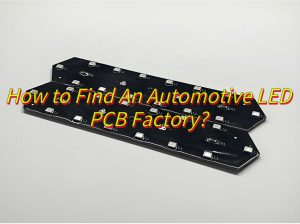
Aluminum-based Automotive MCPCB Materials provide efficient heat dissipation, preventing LED overheating and extending lifespan, ideal for headlights, taillights, and interior lighting.
Battery Management Systems (BMS)
Copper-based Automotive MCPCB Materials with high thermal conductivity (2.0~3.0 W/m.K) dissipate heat from high-power BMS components, ensuring safe, stable battery performance.
Engine Control Units (ECUs)
Iron-based Automotive MCPCB Materials offer excellent electromagnetic shielding and vibration resistance, protecting ECUs from engine bay harshness and ensuring accurate performance.
ADAS Components
Our high-precision Automotive MCPCB Materials (6/6 mil trace width/space) support the complex circuitry of ADAS systems, ensuring signal integrity and reliable operation.
Real-World Case Study: How EBest’s Automotive MCPCB Materials Solved a Critical Overheating Issue
A leading automotive manufacturer faced frequent overheating in their electric vehicle (EV) BMS components, leading to production delays and reliability concerns.
They switched to EBest’s high-thermal Automotive MCPCB Materials (3.0 W/m.K thermal conductivity), which dissipated heat 60% more efficiently than their previous supplier.
The result: Zero overheating failures, 20% longer component lifespan, and on-time production delivery. The manufacturer now relies on EBest as their exclusive Automotive MCPCB Materials supplier.
What Are the Differences Between Standard MCPCB Materials and Automotive-Grade MCPCB Materials?
Automotive-grade Automotive MCPCB Materials are engineered to meet stricter standards than standard MCPCB materials, with key differences in quality, performance, and compliance.
| Feature | Standard MCPCB Materials | Automotive MCPCB Materials (EBest) |
|---|---|---|
| Certifications | Basic ISO 9001 | IATF 16949, ISO 13485, RoHS, UL, AS9100D |
| Thermal Conductivity | 0.5~1.5 W/m.K | 0.8~3.0 W/m.K |
| Environmental Resistance | Limited to mild conditions | Withstands high temp, vibration, humidity |
| Quality Control | Basic inspection | 100% full inspection, automated testing |
| Supply Chain | Unstable, limited availability | Stable, global supply chain with expedite options |
FAQ: Common Questions About Automotive MCPCB Materials
- Q1: What is the thermal conductivity range of EBest’s Automotive MCPCB Materials?
A1: EBest’s Automotive MCPCB Materials offer a thermal conductivity range of 0.8~3.0 W/m.K. Normal-grade materials are 0.8~1.0 and 1.5 W/m.K, while high-grade options are 2.0 and 3.0 W/m.K for high-power automotive applications.
- Q2: Are EBest’s Automotive MCPCB Materials compliant with automotive industry standards?
A2: Yes. Our Automotive MCPCB Materials are IATF 16949-certified, along with ISO 9001:2015, ISO 13485:2016, RoHS, UL, and AS9100D, ensuring full compliance with global automotive standards.
- Q3: Can EBest customize Automotive MCPCB Materials for my specific project?
A3: Absolutely. We offer full customization of Automotive MCPCB Materials, including substrate type (aluminum, copper, iron), board thickness (0.3mm~4.0mm), layer count (up to 10 layers), and surface treatment.
- Q4: How long does it take to deliver Automotive MCPCB Materials from EBest?
A4: We offer flexible lead times. Urgent orders for Automotive MCPCB Materials are shipped within 24 hours, while regular orders are delivered on time based on your project timeline.
- Q5: Do EBest’s Automotive MCPCB Materials withstand high temperatures in engine bays?
A5: Yes. Our Automotive MCPCB Materials undergo thermal stress testing at 3 x 10 Sec @ 280 ℃ and have a flammability rating of 94V-0, making them ideal for engine bay applications.
- Q6: What surface treatment options are available for Automotive MCPCB Materials?
A6: We offer a range of surface treatments for Automotive MCPCB Materials, including ENIG, Flash Gold, Hard Gold Finger, Gold Plating, ENEPIG, ENIPIG, HAL, HASL(LF), OSP, Silver Immersion, and Tin Immersion.
- Q7: How does EBest ensure the quality of Automotive MCPCB Materials?
A7: We implement strict quality control, including 100% full inspection before delivery, automated production processes, and compliance with IATF 16949 standards to ensure consistent quality.
How to Optimize the Performance of Automotive MCPCB Materials in Your Application?
To get the most out of your Automotive MCPCB Materials, follow these simple tips to optimize performance and reliability.
- Choose the right substrate: Match the material type (aluminum, copper, iron) to your application’s thermal and mechanical needs.
- Opt for high thermal conductivity: For high-power components, use our 2.0~3.0 W/m.K high-grade Automotive MCPCB Materials to prevent overheating.
- Ensure proper surface treatment: Select the right surface treatment (e.g., ENIG for corrosion resistance) based on your application’s environmental conditions.
- Work with EBest’s technical team: Our experts can provide guidance to tailor Automotive MCPCB Materials to your specific project, optimizing performance and reducing costs.
What Makes EBest’s Automotive MCPCB Materials Stand Out from Competitors?
EBest’s Automotive MCPCB Materials stand out for their proven quality, customization options, and customer-centric service—key advantages that set us apart.
- 19+ years of experience: We have over 19 years of expertise in PCB manufacturing, with deep knowledge of Automotive MCPCB Materials and automotive industry needs.
- Industry-leading certifications: Our materials hold IATF 16949 and other key certifications, ensuring compliance and quality you can trust.
- Flexible production capacity: We produce 260,000 square feet of PCBs monthly, supporting both small prototypes and large-scale bulk orders.
- One-stop support: From material selection to delivery, our team provides end-to-end support to ensure your Automotive MCPCB Materials meet your project goals.
Urgent need for high-quality Automotive MCPCB Materials? EBest offers prototype samples delivered in 24 hours and bulk order exclusive support—don’t let material delays slow down your production. We provide top-tier Automotive MCPCB Materials with certified quality, tailored customization, and reliable delivery. Place your order today by emailing sales@bestpcbs.com—your trusted partner for automotive MCPCB solutions is EBest.