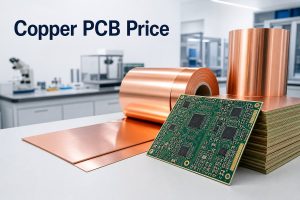
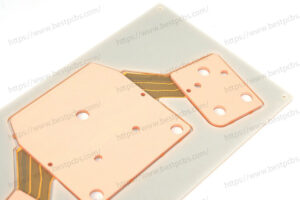
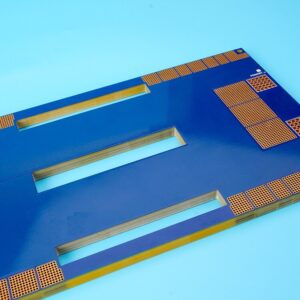
Copper foil is one of the key materials in PCB manufacturing, directly affecting PCB conductivity, current carrying capability, and part of the overall PCB raw material cost.
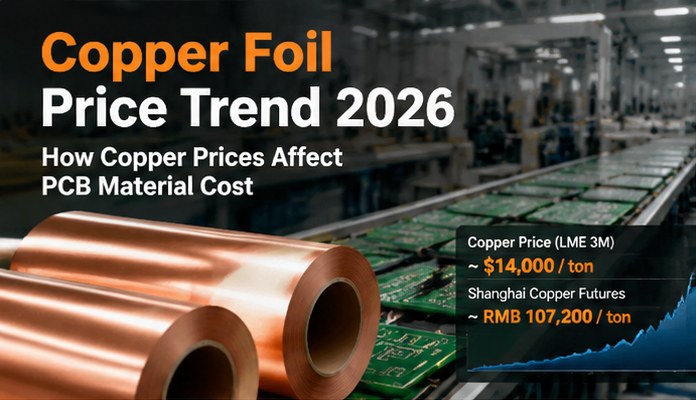
Recently, copper market prices have remained at elevated levels. LME three-month copper was trading close to $14,000 per ton, while Shanghai copper futures were around RMB 107,200 per ton. Although copper prices slightly declined during the latest trading session, the market remains at a high level and continues to attract attention from PCB buyers.
For companies sourcing PCB products, understanding the relationship between copper foil price, copper price PCB impact, and PCB material cost helps with PCB material cost comparison, quotation evaluation, project budgeting, and procurement planning.
What Is Driving the Copper Foil Price Trend in 2026?
The copper foil price trend is influenced by both supply conditions and demand from several industries. PCB manufacturing is one important application, but copper consumption also comes from electric vehicles, renewable energy, power systems, and data center infrastructure.
Key factors affecting copper market conditions include:
- Growing demand for electronic products and power equipment
- Increasing copper usage in high-current applications
- Higher requirements for advanced electronic systems
- Changes in copper inventory and global supply conditions
For PCB manufacturers, copper futures prices are only one reference point. Actual material costs depend on:
- Copper foil purchasing prices
- Copper-clad laminate (CCL) costs
- Supplier inventory
- Material specifications
- Order volume and production planning
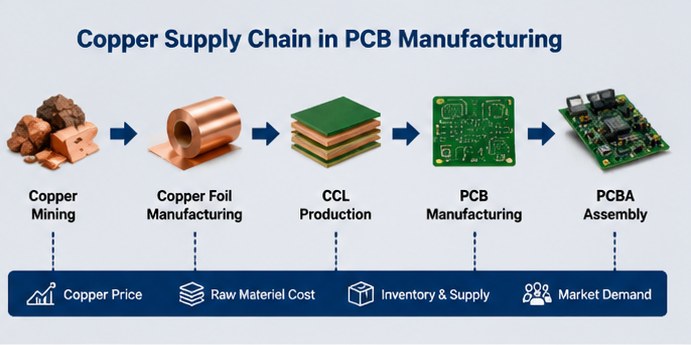
Current market monitoring shows that copper and tin remain at high price levels, creating potential cost pressure for PCB-related materials. However, there is no confirmed industry-wide PCB supplier price increase at this stage.
How Much Is Copper Foil Price Per Kg?
Many buyers search for copper foil price per kg, but there is no single fixed price for all PCB copper foil products.
The actual price depends on:
- Copper market price
- Copper foil thickness
- Surface treatment requirements
- Application type
- Order quantity
- Supplier pricing conditions
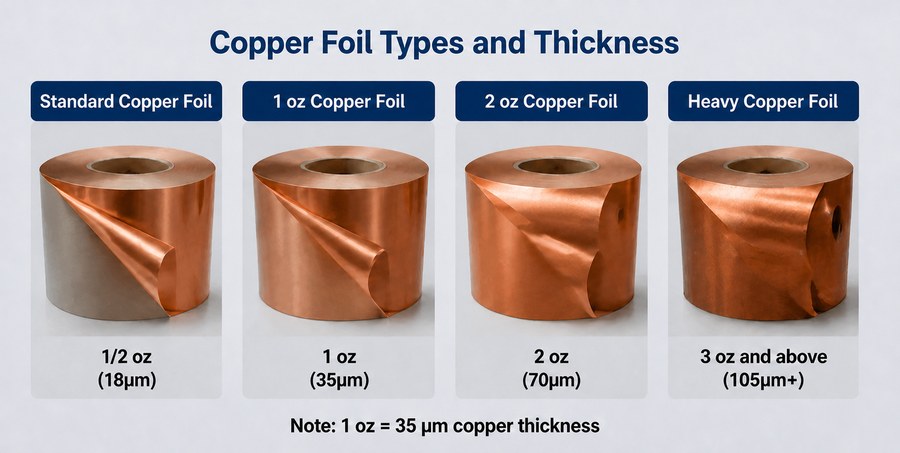
Different PCB applications use different copper foil grades.
| Copper Foil Type | Typical Application | Main Cost Factors |
| Standard copper foil | Conventional FR4 PCB | Copper price and thickness |
| Heavy copper foil | High-current PCB | Copper weight and processing requirements |
| Low-profile copper foil | High-speed PCB | Surface quality and signal requirements |
| Battery copper foil | Battery applications | Purity and manufacturing process |
For PCB production, copper foil is only one part of the total material cost. Other factors, such as laminate type, layer count, copper thickness, and manufacturing complexity, also influence the final quotation.
How Does Copper Price Affect PCB Material Cost?
The impact of copper price PCB is mainly related to how much copper a PCB design requires.
Copper affects PCB material cost through several areas:
- Copper foil: The main conductive material used to build PCB layers.
- CCL materials: Copper foil is combined with dielectric materials to create PCB laminates.
- Heavy copper structures: Thicker copper layers increase material consumption.
- Metal-based PCB solutions: Aluminum or copper-based thermal structures may have higher material sensitivity.
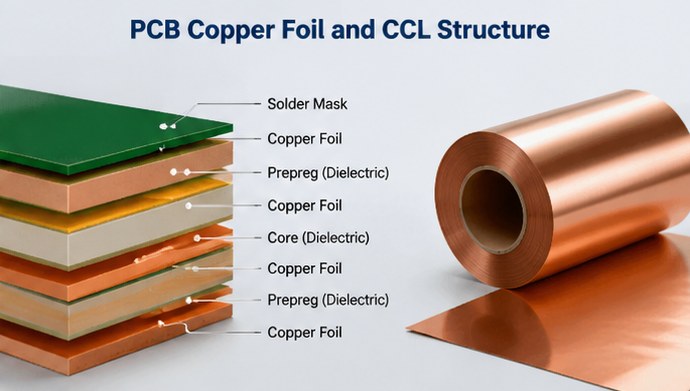
A simplified PCB cost structure includes:
| Cost Element | Copper Price Impact |
| Copper foil | Direct impact |
| CCL | Indirect impact |
| Manufacturing process | Depends on design |
| Assembly and testing | Application dependent |
A higher copper price does not automatically mean the same percentage increase in PCB price. The final pcb cost depends on the complete board design and manufacturing requirements.
Which PCB Products Are More Sensitive to Copper Price Changes?
Different PCB types have different copper consumption levels. Boards designed for high current or thermal performance usually have higher copper requirements.

| PCB Type | Copper Price Sensitivity |
| Heavy copper PCB | High |
| Metal core PCB | Medium to high |
| Multilayer PCB | Medium |
| Standard FR4 PCB | Lower |
| High-speed PCB | Depends on material selection |
Copper price changes are usually more noticeable in applications such as:
- Battery management systems
- Motor controllers
- Power converters
- Industrial control equipment
- Energy storage systems
For these products, copper thickness is often part of the electrical and thermal design. Reducing copper usage without engineering evaluation may affect reliability or performance.
Will Higher Copper Foil Prices Increase PCB Costs?
Higher copper foil prices can create cost pressure, but PCB quotations do not change based only on copper market prices.
Manufacturers usually consider:
- Current material inventory
- Copper foil and CCL purchasing cost
- PCB specifications
- Production volume
- Delivery requirements
- Supplier agreements
For example, a heavy copper PCB with several ounces of copper has a stronger connection with copper prices than a standard FR4 control board.
The latest market information indicates that copper remains expensive, but there is currently no confirmed evidence of universal PCB price increases. For buyers, regular quotation review is more practical than making purchasing decisions based only on copper futures movements.
How Can PCB Buyers Control Cost When Copper Prices Rise?
When copper-related costs become uncertain, buyers can improve cost control through better planning.
Recommended actions include:
- Confirm quotation validity periods with suppliers
- Review copper thickness requirements during design
- Compare different material options
- Monitor CCL and copper foil cost changes
- Discuss cost-sensitive designs with PCB manufacturers early
For high-current and thermal applications, early engineering communication can help balance electrical requirements, reliability, and PCB cost.
FAQs
What affects copper foil price per kg?
Copper foil price per kg depends on copper market conditions, foil thickness, surface treatment, application requirements, and supplier pricing policies.
Does copper price directly affect PCB cost?
Copper price influences PCB material cost, but the actual impact depends on PCB structure, copper thickness, material selection, and production requirements.
Why is copper foil important in PCB manufacturing?
Copper foil creates conductive paths inside the PCB and affects current capacity, electrical performance, and signal transmission.
Which PCBs are most affected by copper price changes?
Heavy copper PCBs, power electronics boards, and metal core PCBs are generally more sensitive because they require higher copper usage.
How can buyers reduce PCB costs when copper prices increase?
Buyers can control costs through design optimization, supplier communication, quotation management, and selecting suitable PCB materials.
Need Help Evaluating PCB Material Cost?
Copper-related material changes can affect PCB quotations, especially for heavy copper, power, and high-current applications. At EBest Circuit, we support PCB fabrication, PCBA assembly, material evaluation, and engineering review for projects requiring specific copper thickness, thermal performance, and reliability requirements.
Submit your Gerber files, PCB specifications, or BOM requirements to our engineering team at sales@bestpcbs.com. We can help review copper thickness, material selection, and manufacturing options based on your project requirements.