PCB manufacturing PCB manufacturing
Home > Blog

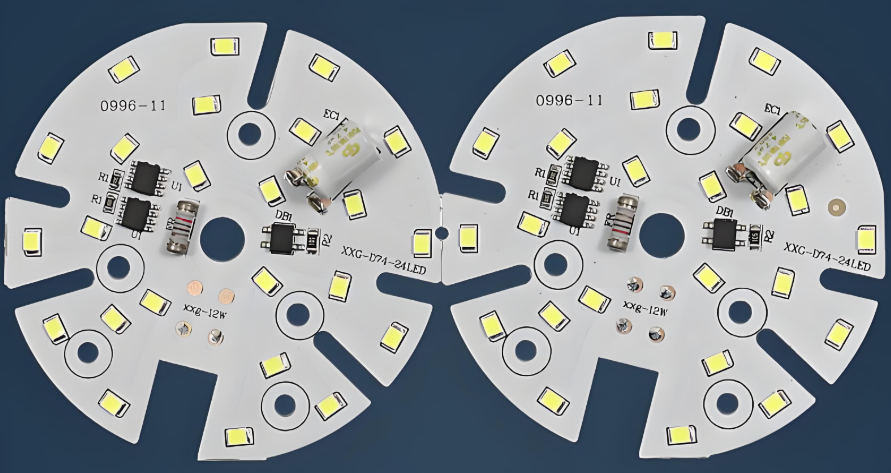
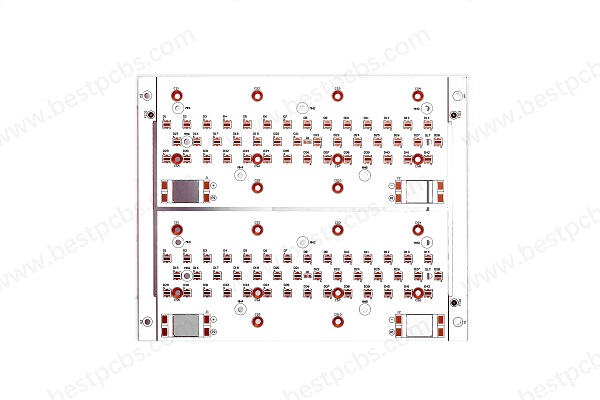
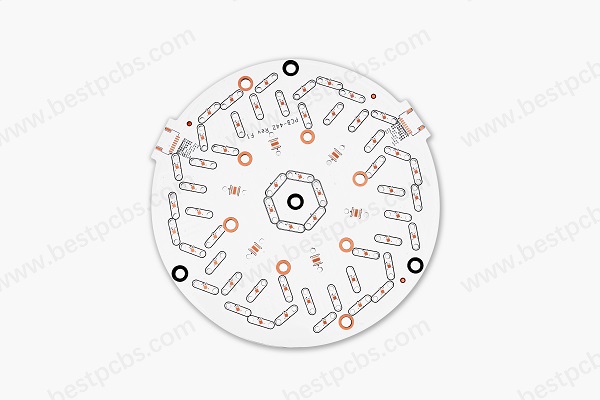
Custom Aluminum 2W SMD LED Light PCB | Fast Prototype Circuit Board

April 2nd, 2025

What is a 2W SMD LED Light PCB?

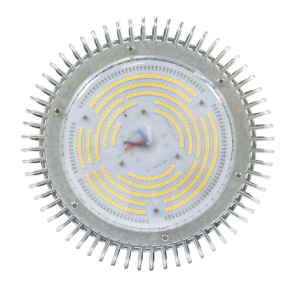
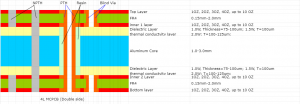
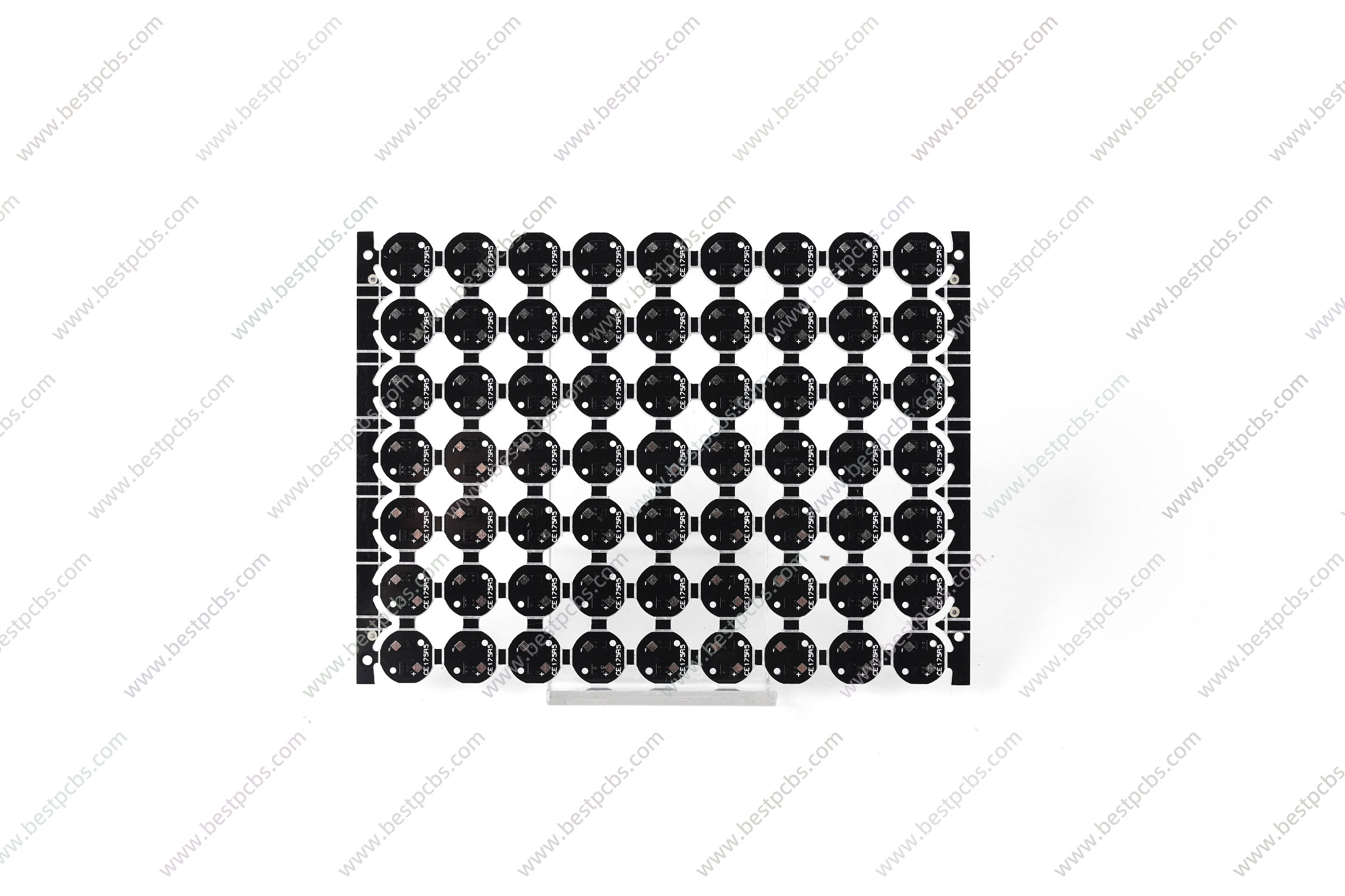
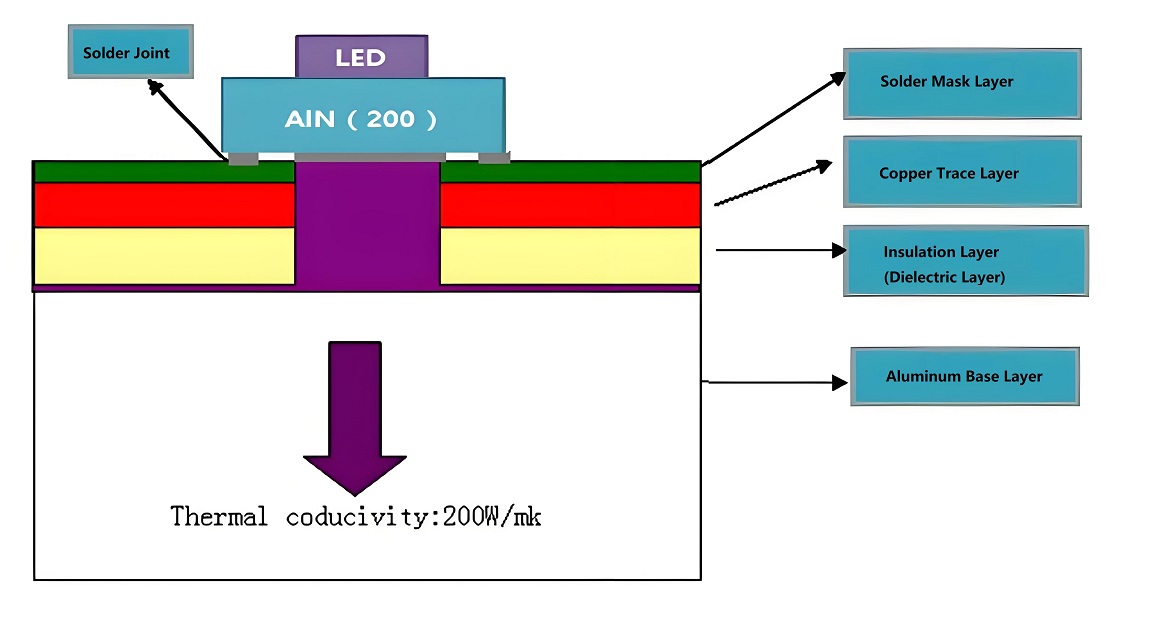
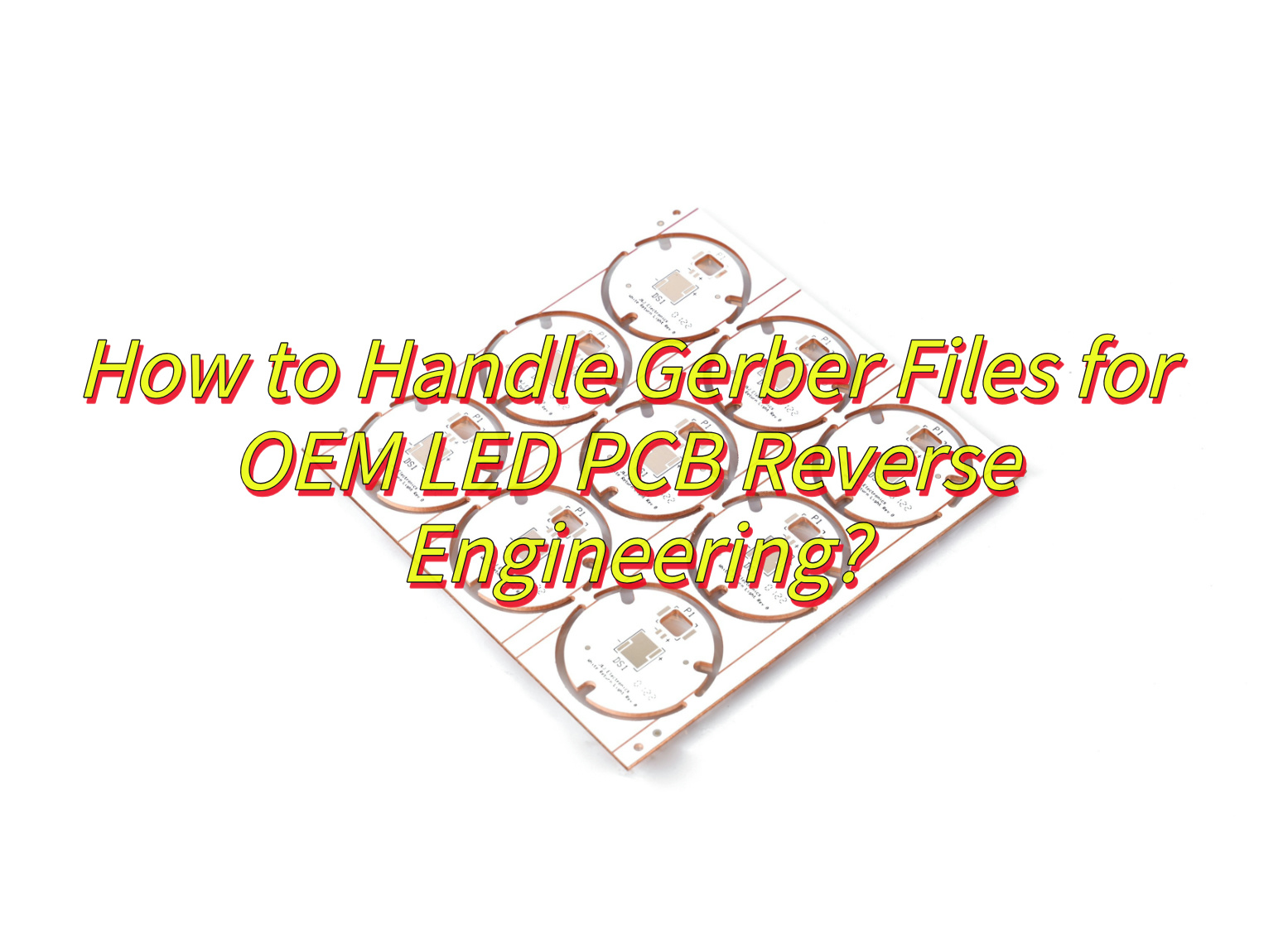
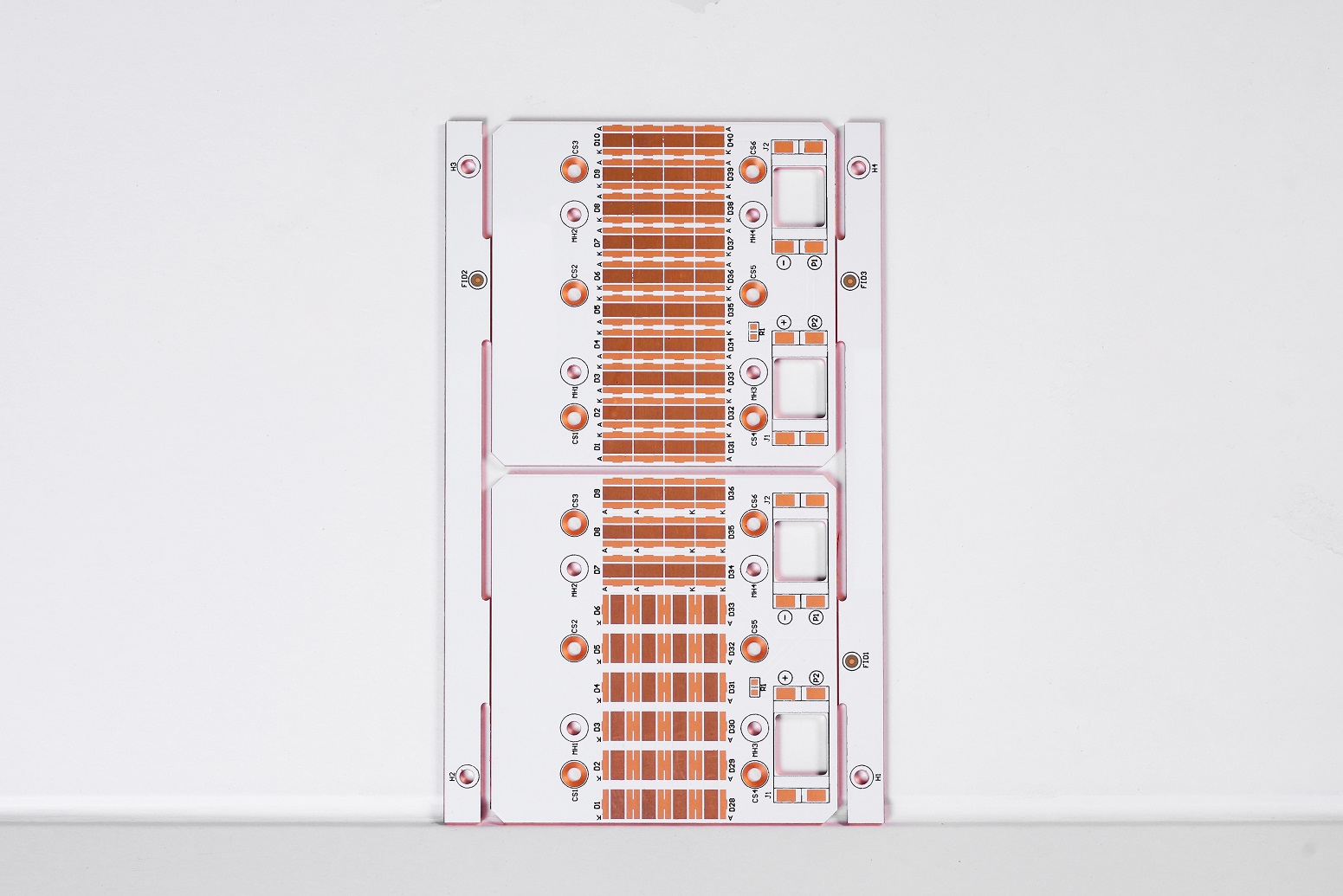
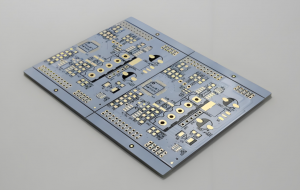
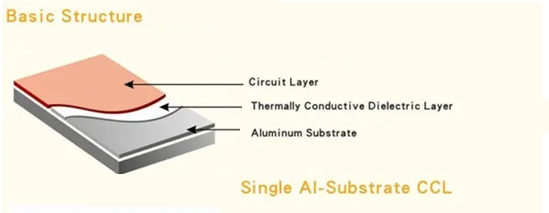
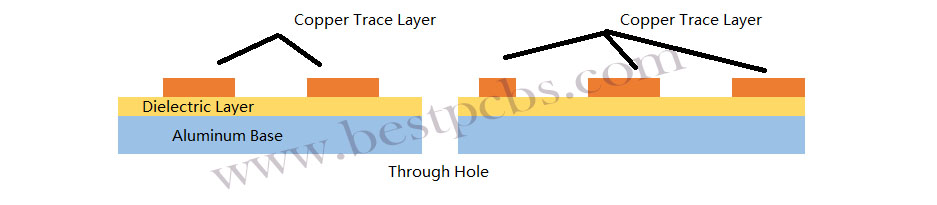
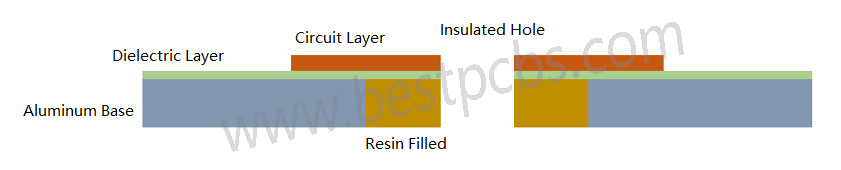
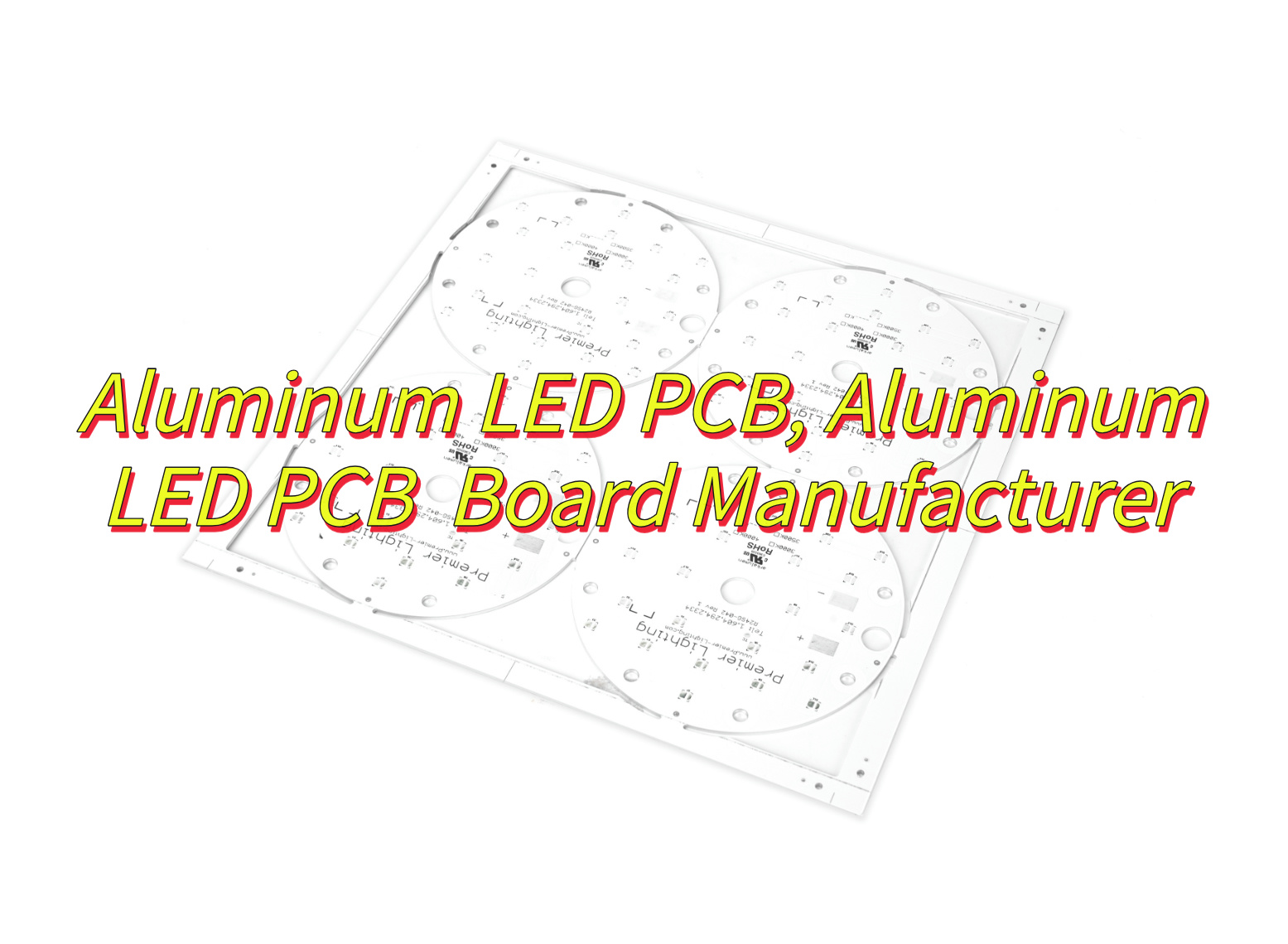
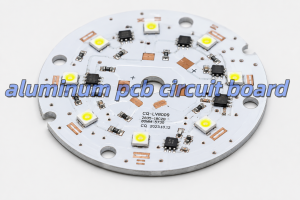
A 2W SMD LED light PCB is a type of circuit board designed to incorporate SMD LEDs mounted directly onto the board. The 2W designation refers to the thermal conductivity of the dielectric layer of the PCB, which typically uses aluminum to provide superior heat dissipation. The high thermal conductivity ensures that the LEDs operate efficiently even under high power, as it minimizes heat buildup鈥攁n essential factor for maintaining the longevity and performance of the LEDs.

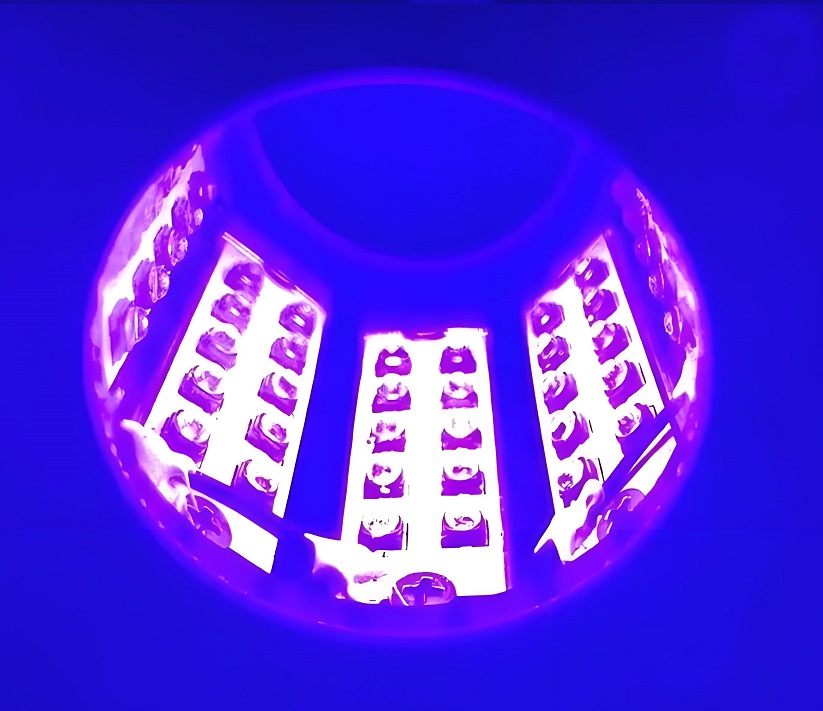
This type of PCB is highly effective for applications where efficient cooling and energy-saving properties are needed, such as downlights, track lighting, spotlights, and even automotive lighting. The aluminum base serves a dual purpose: providing robust mechanical support and facilitating effective heat management.

Custom Aluminum 2W SMD LED Light PCB | Fast Prototype Circuit Board

What is Thermal Conductivity of a LED light PCB?

Thermal conductivity refers to the ability of a material to conduct heat. It is defined as the amount of heat transferred through a 1-meter thick material with a temperature difference of 1 degree (K or 掳C) across its surfaces under steady-state conditions. This heat transfer per second through a 1-square meter area is measured in watts per meter per degree (W/(m路K)), where K can be replaced by 掳C. Thermal conductivity applies specifically to heat transfer by conduction. When other forms of heat transfer, such as radiation, convection, and mass transfer, are present, the combined heat transfer relationship is often referred to as theapparent thermal conductivity, effective thermal conductivity, or thermal transmissivity of the material.

Custom Aluminum 2W SMD LED Light PCB | Fast Prototype Circuit Board

In addition, thermal conductivity is defined for homogeneous materials. In practice, materials may be porous, layered, have multiple structures, or be anisotropic, and the thermal conductivity of such materials represents an overall composite thermal performance, often referred to as the average thermal conductivity.

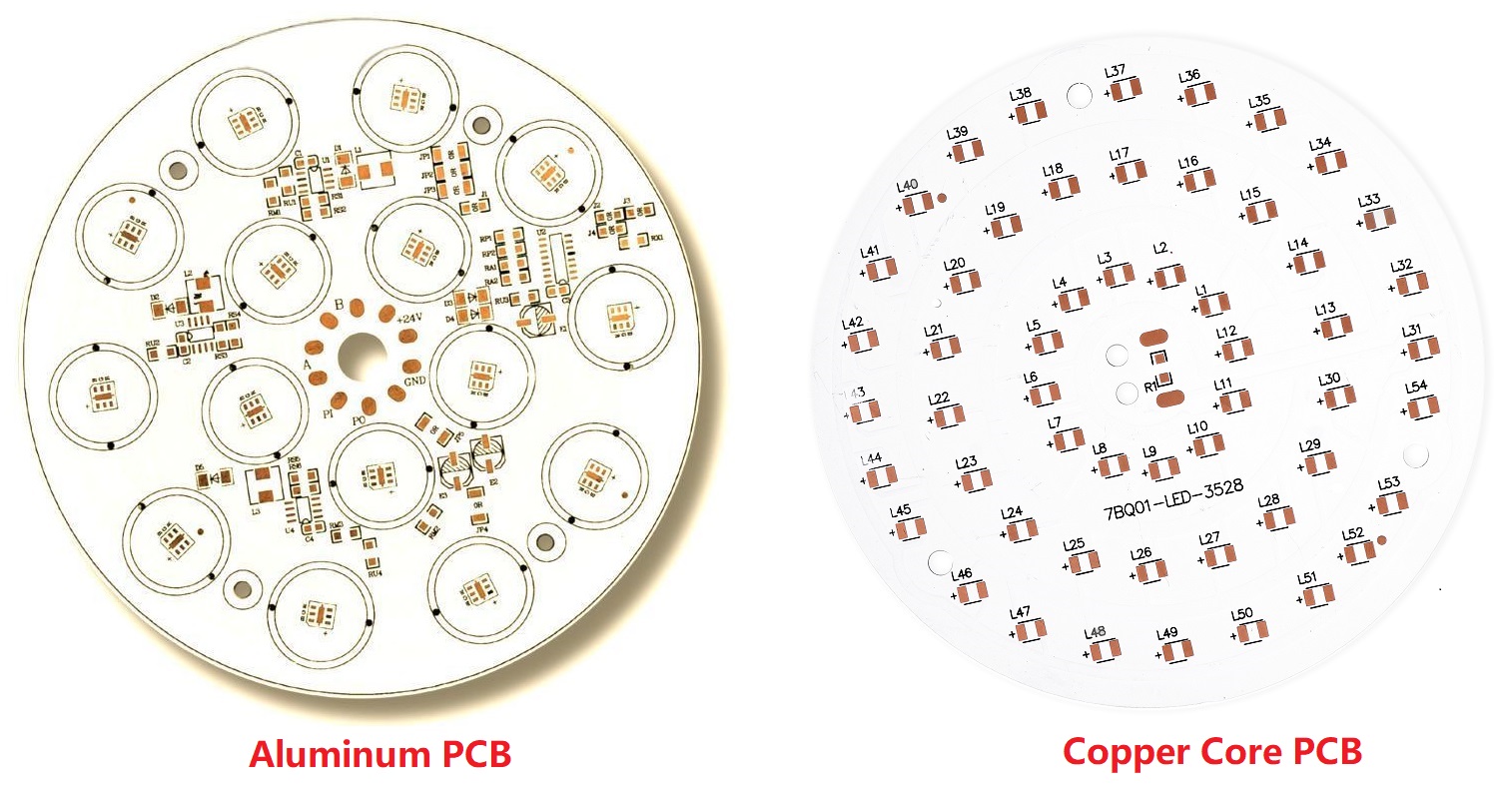
The thermal conductivity of an LED light PCB is typically determined by the material used in the dielectric layer of the PCB. Common materials for LED PCBs include aluminum and copper, which have high thermal conductivity, allowing them to efficiently dissipate heat.
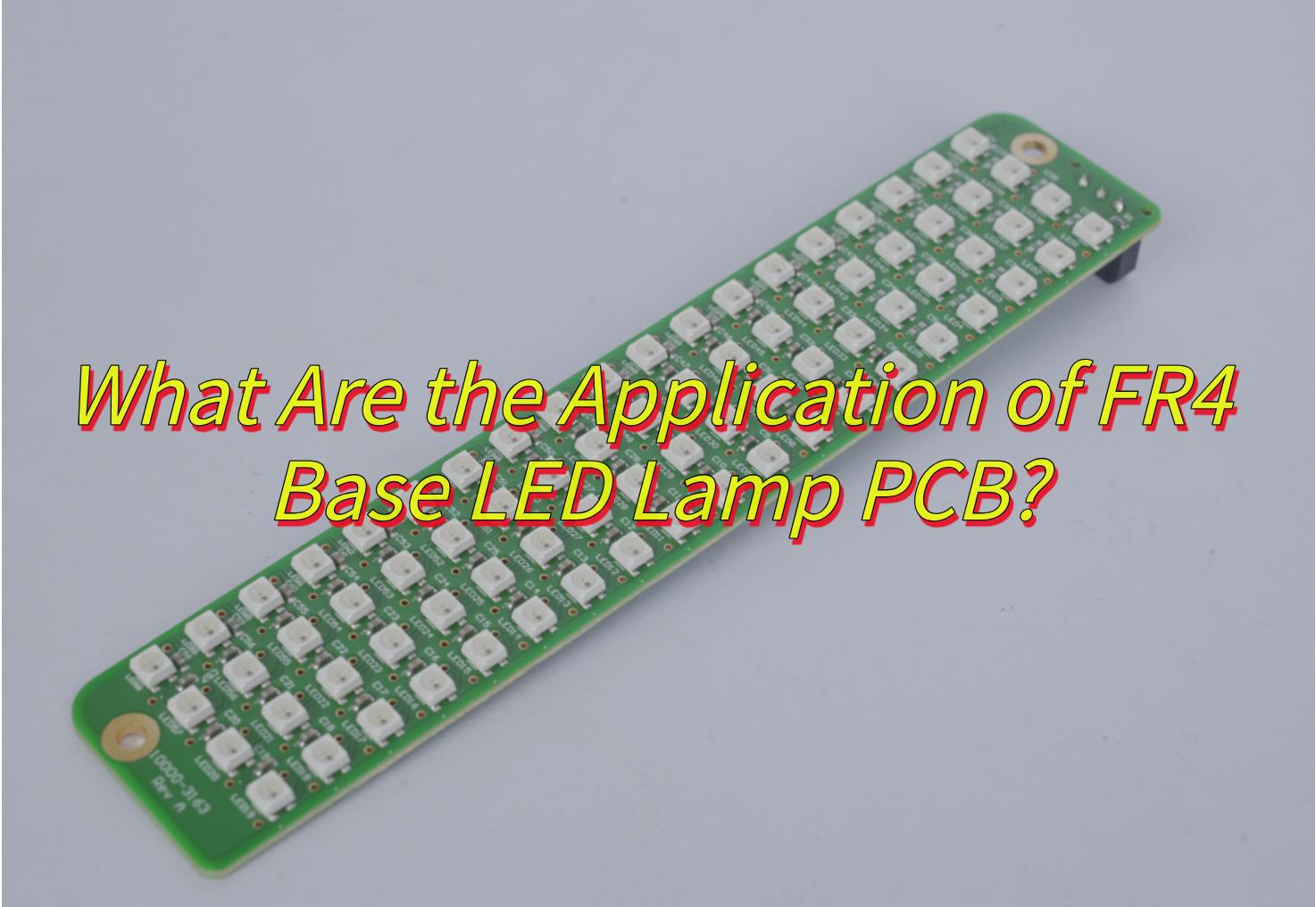
Thermal Conductivity and its Impact on LED Light PCB

For LED light PCBs, effective heat dissipation is critical for maintaining brightness, efficiency, and longevity. If the thermal conductivity is insufficient, the LED may overheat, causing:

  • Reduced light output: Overheating can cause LEDs to dim or malfunction.
  • Shortened lifespan: Excessive heat can lead to the degradation of LED components, reducing their operational life.
  • Instability: Poor heat management can lead to thermal runaway, where the heat generated causes even more heat to accumulate, damaging the LED permanently.

Aluminum 2W SMD LED Light PCB Specification

Product Name2W SMD LED Light PCB
Base MaterialAluminum
Layer Count2L (Double Sided)
Board Thickness1.6mm +/-10%
Dielectric Thermal Conductivity2W
Copper Thickness1OZ
Solder MaskBlack
SilkscreenWhite
Surface FinishingHASL Lead-Free
Hole TolerancePTH: 卤0.075; NTPH: 卤0.05
ShapeSquare
AssemblyNO
Ship by Panel or Single PieceSingle Pieces

Benefits of 2W LED Light PCB

1. Efficient Heat Dissipation

One of the standout features of the 2W LED light PCB is its 2W thermal conductivity, which allows for superior heat dissipation. So that the aluminum base can transfer heat away from the LED, ensuring that the light source remains cool. By keeping the LED cool, the PCB extends the overall lifespan of the lighting system.

2. Energy Efficiency

While the 2W LED light PCB offers excellent heat management, it also delivers superior energy efficiency. With reduced power consumption compared to traditional lighting options, it offers a bright light output while keeping energy costs low.

3. Compact and Lightweight Design

The aluminum light PCB is typically smaller and lighter than many other types of lighting solutions, such as copper core LED PCB or sinkpad LED PCB. Whether it’s downlights, track lights, or under-cabinet lighting, the small form factor of the 2W LED PCB allows for easy installation in tight spaces.
4. Long Lifespan

Thanks to the efficient thermal conductivity and the energy-efficient design, 2W LED light PCBs have a much longer lifespan compared to traditional lighting options. While conventional bulbs often burn out or degrade quickly, LEDs can last for tens of thousands of hours.

5. Environmentally Friendly

Aluminum LEDs are known for being environmentally friendly. These lights consume far less energy than traditional incandescent or halogen bulbs, resulting in lower carbon emissions. Additionally, LEDs contain no harmful chemicals like mercury, which makes them easier to recycle compared to other lighting technologies.

6. High Color Rendering Index (CRI)

Many 2W LED light PCBs offer a high Color Rendering Index (CRI), which means they provide better color accuracy in the light they produce. This is particularly important in areas where accurate color display is crucial, such as in retail settings, art galleries, or photography studios.

1W vs. 2W vs. 3W LED PCB

When designing a LED PCB, it is important to choose a suitable thermal conductivity to ensure an effective heating dissipation. In EBest Circuit (Best Technology), we offer 1W, 2W and 3W LED PCB. Though the higher thermal conductivity means better heat dissipation, but not higher is best for your devices. Let鈥檚 see what are the differences between them and how to choose them.
Feature  1W LED PCB 2W LED PCB 3W LED PCB
Thermal Conductivity1.0 W/m路K2.0 W/m路K3.0 W/m路K
Heat Dissipation Good heat dissipation, suitable for low-power LEDs      Better heat dissipation than 1W, suitable for medium-power LEDs  Excellent heat dissipation, suitable for high-power LEDs
Power Consumption      Typically around 0.5W to 1W  Typically around 1W to 2W    Typically around 2W to 3W
Applications Small indicators, backlighting, decorative lighting      Indoor lighting, track lights, downlights, floodlights    High-bay lights, street lights, industrial lighting
PerformanceEffective for low-power applications with minimal heatIdeal for general-purpose lighting with moderate heat output   High performance for intense lighting requiring significant heat management
Heat ManagementRequires minimal heat managementModerate heat management for general lightingAdvanced heat management to handle higher power levels
LifespanLong lifespan in low-power settings     Extended lifespan with balanced heat dissipation    Maximized lifespan with superior thermal conductivity

Trusted Aluminum LED Light PCB Manufacturer – EBest Circuit (Best Technology)

When sourcing aluminum LED light PCBs, do not miss out EBest Circuit (Best Technology)! We are a China based metal core PCB manufacturer, who has engaging in PCB manufacturing for over 18 years. We specialize in a wide range of PCB types, including:

  • FR-4 PCB
  • High TG FR-4 PCB
  • Heavy Copper PCB
  • Impedance Control PCB
  • High-Frequency PCB
  • Flexible PCB
  • Rigid-Flex PCB
  • HDI PCB
  • Aluminum PCB
  • Copper-Based PCB
  • Ceramic PCB

And as a one-stop service to customers, we offer PCB assembly service as well, such as:

  • SMT (Surface-Mount Technology)
  • DIP (Dual In-line Package)
  • Reflow Soldering
  • Wave Soldering
  • Hand Soldering
  • Mixed Assembly Technologies
  • Cable Assembly
  • PCBA Testing
  • Box Building Assembly

Detail Aluminum/Copper LED PCB Manufacturing Capabilities

Items     Capabilities
Base MaterialAluminum / Copper / Stainless steel
Base Material Thickness (exclude CU)0.30mm / 0.40mm / 0.50mm / 0.60mm/ 0.80mm /1.0 mm/ 1.2 mm / 1.6mm / 2.0 mm / 2.4mm / 3.0mm
Thermal Conductivity1W / 1.5W / 2.0W / 3.0W
Solder Mask Color OptionWhite, Black, Green, Blue, Yellow, Red
Layer     1-10 layers
Max Board Dimension 24*64″(610*1625mm)
Min Board Thickness0.6mm
Max Board Thickness4.0mm
Conductor Thickness   0.5oz-10oz
Min Line Width/Space 4/4mil (0.10/0.10mm)
Tg Value130 / 150
Min Solder Mask Bridge     8mil (0.20mm)
Min Hole Diameter10mil (0.25mm)
Min Punch Hole Dia    0.12″ (3.0mm)
Min Hole Spacing 16mil (0.4mm)
Min PAD Ring (Single) 3mil (0.075mm)
PTH Wall Thickness     Normal: 0.59mil (15um); HDI: 0.48mil (12um)
Min Solder PAD Dia    14mil (0.35mm)
Min BAG PAD Margin  5mil (0.125mm)
PTH/NPTH Dia Tolerance    PTH: 卤3 mil (0.075mm); NPTH: 卤2mil (0.05mm)
Hole Position Deviation      卤3mil (0.075mm)
Outline Tolerance CNC: 卤6 mil (0.15mm); Die Punch: 卤6 mil (0.1mm)
Max Aspect Ratio 10:1
Surface TreatmentENIG, ENEPIG, OSP, HASL (LF)
Halogen FreeYes(optional)
ROHS    Yes
Flammability 94V-0
Dielectric Strength>1.5Kv (L/S >1.5mm); >3.0Kv (L/S >3.0mm)
Wrap & Twist鈮 0.75%
Thermal Stress3 x 10 Sec @ 280 鈩
Aluminum/Copper LED PCB Manufacturing Capabilities By EBest Circuit (Best Technology)

LED PCB Prototype Lead Time

Prototype(<1m虏)  Layers   Normal Service    Expedited Service
    Metal Core PCB1 Layer1 – 1.5 weeks48 hours
2 Layers2.5 – 3 weeks168 hours
4 Layers3 – 4 weeks1.5 weeks
6 Layers4 – 5 weeks2 weeks
8 Layers5 – 6 weeksTBD
10 Layers6 – 7 weeksTBD
LED PCB Prototype Lead Time

LED PCB Mass Production Lead Time

Mass Production  Layers   Normal Service    Expedited Service
    Metal Core PCB1 Layer2 – 2.5 weeks1 week
2 Layers3 – 4 weeks1.5 – 2 weeks
4 Layers4 – 5 weeks2 weeks
6 Layers5 – 6 weeks2.5 weeks
8 Layers6 – 7 weeks3 – 4 weeks
10 Layers7 – 8 weeksTBD
LED PCB Mass Production Lead Time

FAQs

Q1. Can you source components for my PCB?

A: Yes, we can assist in sourcing components for your PCB. We work with original manufacturers and reliable suppliers to ensure that the components meet your quality standards. We also offer BOM checking and full supply chain management to ensure timely and accurate delivery.
Q2. Can you help with PCB design and development?

A: Our team of experienced engineers can assist with both hardware and software development, including schematic design, PCB layout, and software development for embedded systems. We also offer PCBA cloning services, helping you replicate and improve existing designs.

Q3. What information do I need to get a PCB quotation?

A: Gerber file or DXF file along with your specific technical requirements, including: PCB material, thickness, copper surface specifications, solder mask and silkscreen color and any other relevant details you may have. PCB requires assembly need pick and place file and BOM file.

Q4: Are my files safe? NDA available?

A: Yes, your files are kept secure and confidential throughout the entire process. We take the protection of your intellectual property seriously and never share any customer documents with third parties. If you want to get more security, we can sign NDA file with you.

Q5. What is your minimum order quantity (MOQ)?

A: We do not have a minimum order quantity (no MOQ). Whether it’s 1pcs or 100K pcs, we are equipped to handle orders of any size flexibly.

You may also like

LED聽Street Light PCB Design & Manufacturer

April 2nd, 2025

Are you looking for a LED street light PCB manufacturer with design service? Let鈥檚 learn more about advantages, design processes of LED street light PCB, and how to design it for better heat dissipation and lower cost, as well as how to select a good LED PCB supplier.

EBest Circuit (Best Technology) specialize in LED street light PCB design and manufacturing over 18 years. We use a fully automated SMT production line and AOI/X-ray inspection system, and has imported YAMAHA patch machines to ensure that the LED street light PCB patch accuracy can reach 卤0.035mm, and the mounting speed can reach 95,000 points/h. Based on the 30W+ high-power heat dissipation requirements, the design end can customize the 2oz copper substrate stack and honeycomb thermal conductive hole structure, and the measured full-load temperature rise is controlled within 12掳C. Passed -40掳C~85掳C batch-level cycle test and RoHS compliance certification, the light decay rate is 鈮2.8% for 1,000 hours. Supports 15-day standard delivery and 7-day expedited delivery. If you have any request for LED Street Light PCB, please feel free to contact us: sales@bestpcbs.com

What Is LED Street Light PCB?

LED street light PCB (Printed Circuit Board) is a specialized circuit board designed to power and control LED arrays in outdoor lighting systems. Unlike conventional PCBs, these boards are engineered to endure harsh environmental conditions, including extreme temperatures, humidity, and vibration. They integrate LEDs, drivers, thermal management components, and smart sensors into a single robust platform, ensuring stable operation over decades.

What Is LED Street Light PCB?

What Are Advantages of LED PCB Street Light?

LED street light PCBs offer multiple technical advantages:

  • Enhanced Thermal Management鈥 鈥 Aluminum-based structures with thermally conductive dielectric layers efficiently dissipate heat, preventing overheating and extending component lifespan.
  • Electrical Insulation鈥 鈥 The dielectric layer isolates circuitry from the aluminum substrate, ensuring operational safety.
  • High-Density LED Layout鈥 鈥 Flexible PCB designs enable dense LED arrangements for uniform illumination without visible light spots.
  • Durability in Harsh Environments鈥 鈥 Heat-resistant materials and robust construction adapt to outdoor temperature fluctuations and mechanical stress.
  • Energy Efficiency鈥 鈥 Low-voltage operation and optimized thermal design reduce power consumption while maintaining brightness.
What Are Advantages of LED聽PCB聽Street Light?

Why Choose Aluminum PCBs for Power LED Street Light Design?

Aluminum PCBs are ideal for power LED street light design due to:

  • Superior Heat Dissipation鈥 鈥 Aluminum substrates rapidly transfer heat from LEDs, preventing thermal degradation and ensuring stable performance.
  • High Thermal Conductivity鈥 鈥 Direct heat transfer via the metal core minimizes hotspots, critical for high-power LED longevity.
  • Mechanical Durability鈥 鈥 Resists warping, vibrations, and corrosion, maintaining structural integrity in extreme outdoor conditions.
  • Electrical Isolation鈥 鈥 Integrated dielectric layers prevent short circuits while enabling efficient thermal transfer.
  • Lightweight & Compact鈥 鈥 Simplifies fixture design and installation without compromising heat management.
  • Cost-Effective Lifespan鈥 鈥 Reduces maintenance and replacement costs by extending LED and driver life.
Why Choose Aluminum PCBs for Power LED Street Light Design?

How to Design LED Street Light PCBs for Better Heat Dissipation?

To design LED street light PCBs for optimal heat dissipation:

1. Material Selection

  • Use 鈥宎luminum substrates鈥 (e.g., 6063-T5 alloy) with 鈮2.0 W/m路K thermal conductivity for direct heat transfer鈥.
  • Prioritize 鈥2oz+ copper layers鈥 for high-current traces to minimize resistive heating鈥.

2. Layout Optimization

  • Cluster high-power LEDs centrally with 鈮5mm spacing between COB modules to prevent thermal overlap鈥.
  • Route traces with 鈥4-6mm width鈥 for 3A+ currents and avoid right-angle bends to reduce impedance鈥.
  • Place drivers/ICs 鈮15mm from LEDs and orient parallel to airflow direction鈥.

3. Thermal Structure Design

  • Implement 鈥0.3-0.5mm thermal vias鈥 filled with conductive epoxy under LED pads (鈮20 vias/cm虏)鈥.
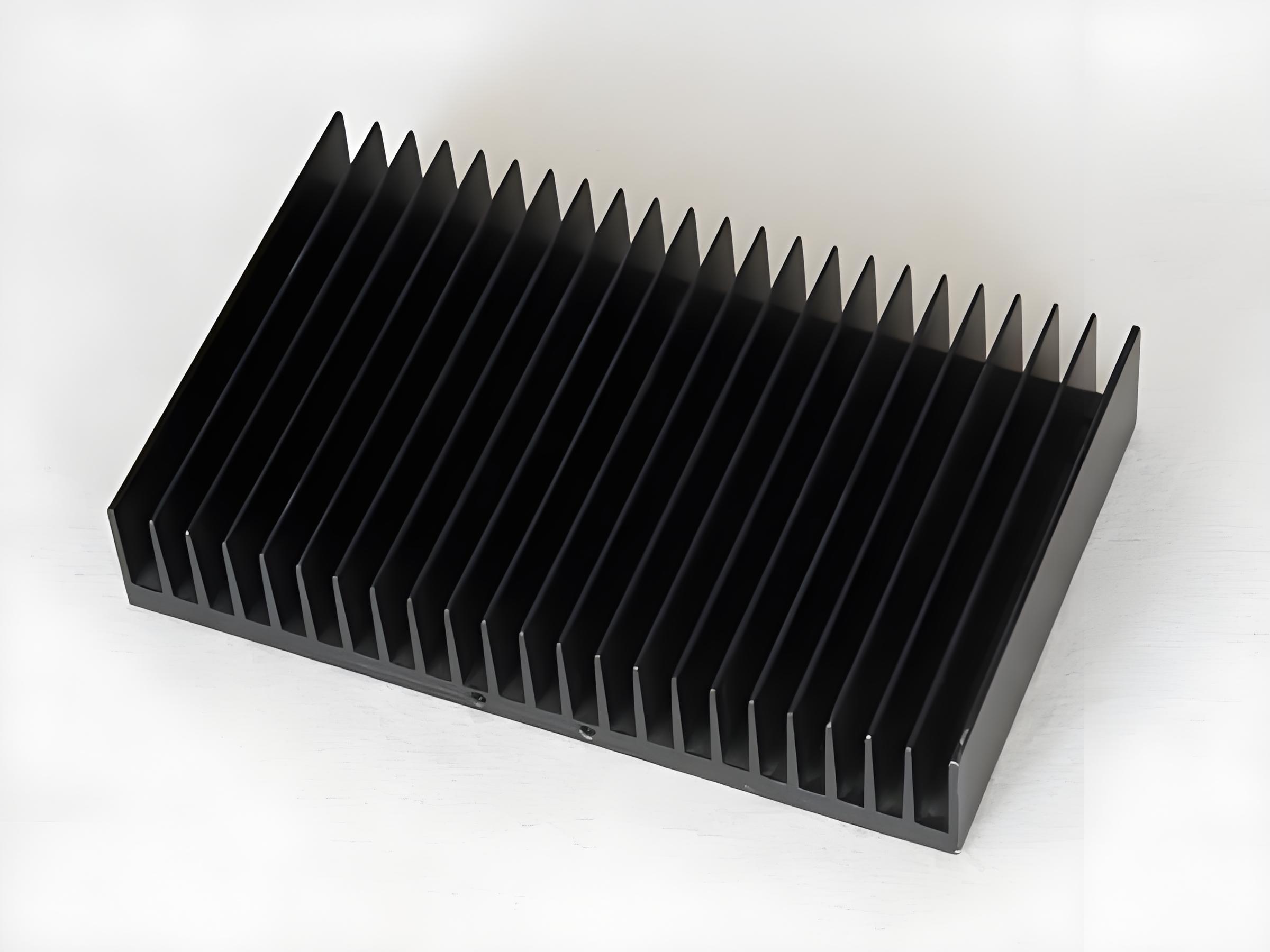
  • Integrate 鈥4-6mm thick aluminum heat sinks鈥 with fin density of 8-12 fins/inch, directly bonded to PCB鈥.
  • Apply thermal pads (3-5 W/m路K) between PCB and housing with 0.1-0.3mm thickness鈥.

4. Process Enhancements

  • Use reflow soldering with peak temps 鈮260掳C to prevent dielectric layer degradation鈥.
  • Design tear-drop copper connections at solder joints to reduce mechanical stress鈥.
  • Apply immersion silver finish (0.2-0.3渭m) on traces for optimal thermal radiation鈥.

5. Verification & Testing

  • Maintain 鈮85掳C junction temperature with 25掳C ambient in thermal simulations鈥.
  • Achieve <15掳C temperature gradient across PCB surface in infrared testing鈥.

How to Design LED Street Light PCB to Reduce Production Cost?

Here are three ways about how to make LED street light PCB design to reduce production cost:

  • Aluminum substrate + centralized thermal pathways achieve 0.8cm虏 heat dissipation area per watt
  • 5S2P LED configuration (600mA current limit per string) balances brightness and thermal load
  • Non-isolated driver reduces costs while meeting IP65 protection requirements
How to Design LED Street Light PCB to Reduce Production Cost?

Case Study: 24V/30W LED Street Light PCB Design鈥

1. Core Architecture鈥

  • Power Module鈥: Full-wave rectification + AP3766 constant current driver, 24V卤10% AC/DC input, stable 30W output.
  • LED Array鈥: 6-series脳4-parallel COB modules (3V/350mA per unit), total 18V/1.2A.
  • Thermal Structure鈥: 2mm aluminum substrate + 6脳8 matrix bottom heat dissipation holes (蠁0.5mm, 3mm spacing) with external finned heatsink.

2. Key Design Specifications鈥

  • PCB Dimensions鈥: 120脳80脳1.6mm (aluminum substrate).
  • Copper Layer Thickness鈥: 2oz copper foil, power trace width 鈮5mm.
  • Thermal Performance鈥: Pad zone temperature 鈮85掳C (ambient 25掳C).
  • Driver Efficiency鈥: 鈮88% (1kHz PWM frequency).

3. Layout Optimization鈥

  • Current Path鈥: Concentrated layout of rectifier circuit (D1-D4), filter capacitors (C1-C8), and AP3766 chip to shorten main power loop.
  • Safety Clearance鈥: 鈮6mm spacing between high-voltage (rectifier) and low-voltage (LED array) zones, 鈮2mm copper gap.
  • Thermal Pathway鈥: Three 2mm-wide exposed copper strips under COB modules, directly connected to heat dissipation hole array.

4. Validation Metrics鈥

  • Infrared Testing: 鈮10掳C temperature difference across LED solder joints (full load for 1 hour).
  • Aging Test: 鈮3% lumen depreciation over 1,000 hours (50掳C environment).

How to Select a Trusted LED Street Light PCB Manufacturer?

Here are some methods about how to select a reliable LED street light PCB manufacturer:

Core certification requirements

  • Confirm that the manufacturer has ISO 9001 quality management certification and IP65/67 waterproof and dustproof certification to ensure production specifications and product reliability;
  • Give priority to manufacturers that have passed UL international safety certification to meet export market needs.

Technology and production capacity

  • Investigate the automation level of the production line (such as SMT placement machines, AOI inspection equipment) to improve efficiency;
  • Verify customized R&D capabilities (such as the design of heat dissipation solutions for 30W+ high-power street lights).

Quality and cost control

  • Require manufacturers to provide RoHS material certification and batch-level high and low temperature cycle test (-40掳C~85掳C) reports;
  • Obtain itemized quotations (PCB unit price, patch processing fee), and negotiate a tiered price of 500 pieces to reduce costs.

Delivery and supply chain management

  • Confirm the standard delivery time 鈮 20 days, monthly production capacity 鈮 10,000 pieces, and ensure the stability of batch orders;

Factory inspection and sample verification

  • Inspect the details of the workshop ESD protection, temperature and humidity control, etc.;
  • Measure the full-load temperature rise (螖T 鈮 15掳C) and the light decay rate (鈮 3%) of the sample.

What Factors Affect LED Street Light PCB Pricing?

1. 鈥孧aterial and process鈥

  • Substrate material鈥: High thermal conductivity materials (such as 2oz copper substrate) or honeycomb thermal conductive structure can improve heat dissipation efficiency, but the material cost increases by 20-30%鈥;
  • Environmental compliance鈥: Lead-free solder and flame-retardant copper clad laminate (FR-4) that meet RoHS standards are 15-20% more expensive than ordinary materials鈥.

2. 鈥孭roduction complexity鈥

  • Number of layers and wiring density鈥: The processing fee of PCBs with more than 4 layers increases by 30-50%鈥 due to impedance control and heat dissipation requirements鈥;
  • Testing requirements鈥: AOI/X-ray full inspection and batch-level high and low temperature cycle testing (-40掳C~85掳C) improve reliability, but the testing cost accounts for 8-12%鈥.

3. 鈥孒eat dissipation and circuit design鈥

  • Driver solution鈥: Constant current driver chip (such as TI/Infineon solution) is 25% more expensive than the basic solution, but can reduce the risk of light decay鈥;
  • Thermal management design鈥: Copper substrate + ceramic filling hole structure can control the full load temperature rise within 15掳C, and the design fee increases by 10-15%鈥.

4. 鈥孋ertification鈥

  • International certification鈥: PCB manufacturers that have passed UL/CB certification generally quote 5-8% higher due to process audit costs鈥.

5. 鈥孫rder size and delivery鈥

  • Bulk discount鈥: Orders of more than 1,000 pieces can enjoy a 5-10% step-by-step price reduction, while small batch custom orders have a 30% higher unit price鈥;
  • Delivery time compression鈥: The price difference between 15-day standard delivery and 7-day expedited delivery can reach 12-15%鈥.

FAQs of LED Street Light PCB Manufacturing

鈥孮1: How do you ensure consistent quality in bulk orders?鈥

A1: EBest Circuit (Best Technology) employs statistical process control (SPC) and 100% AOI (Automated Optical Inspection) to maintain low defect rates.

鈥孮2: Can you handle custom designs with unique shapes or cutouts?鈥

A2: Yes. Our CNC routing and laser cutting systems support complex geometries with 卤0.2mm precision.

鈥孮3: What certifications do your materials hold?鈥

A3: We use UL-certified aluminum substrates and IEC-grade dielectric layers, ensuring compliance with EU and North American safety standards.

鈥孮4: Do you offer waterproof conformal coatings?鈥

A4: Yes, We apply acrylic or silicone coatings (IP67/IP68) to protect PCBs from moisture and chemical exposure.

Q5: What鈥檚 your typical lead time for 1,000-unit orders?鈥

A5: Standard production takes 7鈥10 days, with expedited options available for urgent projects.

In conclusion, that鈥檚 all about LED street light PCB how to select a reliable LED street light PCB manufacturer with design service, if you have anything else needs to help, welcome to leave a message below this blog.

You may also like

LED PCB Design, LED Circuit Board Design, PCB Design Services

April 1st, 2025

What is LED PCB?

Just as its name implies, LED PCBs are specialized circuit boards designed to power and support LED (Light Emitting Diode) lights. These PCBs must manage heat efficiently and distribute power effectively to handle the electrical load and heat generated by LEDs. They provide the essential platform for mounting LEDs and connecting them to other electronic components. LED PCBs are used in a wide variety of applications, ranging from basic light fixtures to sophisticated lighting systems in automotive, signage, and consumer electronics.

Typically, LED PCBs are made from materials with high thermal conductivity, such as aluminum or copper, to effectively manage heat. The design of these boards varies depending on the type of LED chips, such as surface-mount (SMD) LED or through-hole. LED PCBs also come in various forms, including flexible, rigid, and semi-flexible options, each tailored to specific lighting applications. Regardless of the type, careful attention to the LED PCB design is essential to achieve optimal performance and efficiency.

LED PCB Design Basics

Actually, the basics of a LED PCB design is a deep understanding and practice of both electrical and thermal engineering principles. LED circuit boards differ from standard PCBs because they must support higher currents and dissipate more heat. Therefore, careful planning is required in selecting materials, components, and layout strategies to ensure long-term reliability and efficiency.

At its core, LED PCB design focuses on three main factors:

  • Thermal Management: LED devices generate heat, which can damage the components if not managed correctly.
  • Current Distribution: The PCB must handle the specific current requirements of each LED.
  • Power Design: Since LEDs operate at specific voltages and currents, the power supply must be designed to match these needs.

5 Commonly Used LED PCB Design Software

Before starting a LED PCB design, let鈥檚 know the commonly used software during the design process. These tools can help to handle complex circuits, including component placement, routing, and thermal management. It can save much time and money for us.

LED PCB Design

1. Altium Designer

Altium is a powerful tool known for its user-friendly interface and extensive design features. It offers comprehensive options for both schematic capture and PCB layout, it is a popular choice for professional LED PCB design.

2. Eagle

For smaller business and hobbyists, Eagle is a good choice because it offers an easy-to-use interface and a solid set of features to creating LED circuit boards without steep learning curves.

3. KiCad

KiCad is an open-source and free PCB design tool that is well-regarded for its flexibility and cost-effectiveness. It鈥檚 suitable for users who need a more customizable design solution.

4. Mentor Graphics PADS

PADS is well-suited for complex and high-performance PCB designs, particularly for high-frequency LED applications that demand precision and accuracy.

5. DipTrace

DipTrace offers a combination of schematic capture and PCB layout in a user-friendly environment. Its drag-and-drop interface helps reduce design time.

How to Design a LED Circuit Board? 鈥 Step by Step

A good LED circuit board is based on a good LED PCB design. When you have a clear ideal and thought about your LED PCB, then you can start designing your PCB. Same as normal FR4 PCB, the LED PCB design starts from schematic drawing 鈥 layout 鈥 trace wiring 鈥 power integrity checking.

1. LED PCB Schematic Diagram Design

This diagram serves as the foundation for the PCB design, so any errors at this stage can lead to problems in the final board. Using a reliable schematic diagram tool to draw your circuit accurately and efficiently. Additionally, avoid overly complex circuits with multiple connections in a single diagram. Keeping the schematic clear and simple will make troubleshooting easier and ensure the design process progresses without issues.

LED PCB Design

2. LED PCB Layout

Once the schematic is finalized, the next step is the PCB layout. This involves placing the components and routing the traces that will carry the electrical signals to power the LEDs. This stage directly impacts the PCB鈥檚 performance, so precise planning and routing are essential. During the pcb layout, remember these tips:

  • High-power LEDs should be placed in areas with good airflow or close to heat sinks. It鈥檚 also important to keep resistors and power supply components away from heat-sensitive parts.
  • To ensure that the traces can handle the required current without overheating, you need to calculate the trace width. Tools like IPC-2221 or use our Online PCB Trace Width Calculators can help determine the appropriate width based on the current and copper thickness used in the PCB. For example, a 1oz copper PCB might need a trace width of 2mm to carry a 2A current safely.
  • Using separate power and ground planes to avoid voltage drops and noise. Power planes provide a low-resistance path for high-current traces, while ground planes help with signal integrity and reduce noise.
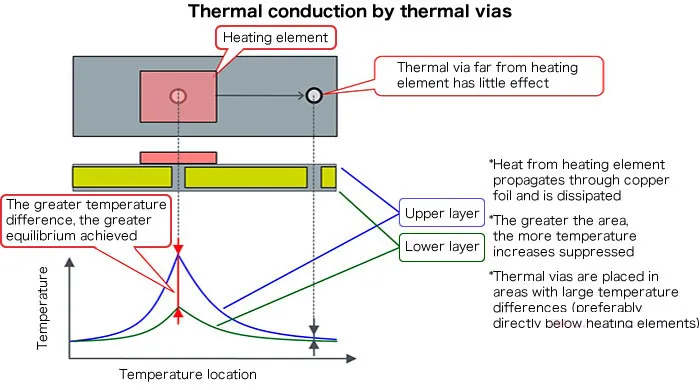
  • Thermal vias are often used to transfer heat from the LED to the PCB鈥檚 back layers or heat sinks. For high-power LEDs, these vias must be carefully placed to ensure that heat is efficiently dissipated.

3. LED PCB Wiring

Wiring refers to the creation of the electrical traces that connect the components on the PCB. Compared with FR4 PCB, wiring an LED circuit board is generally straightforward, but attention to detail is essential, particularly when it comes to the lead lengths of each component in the LED PCB design. Typically, the cathode lead is the shortest and connects to the same socket as the anode. Similarly, the resistor should be connected to the anode’s socket, and the other wire, often red or black, should follow the same principle.

Here are some important LED PCB design guidelines for wiring the LED circuit board:

  • Component Selection: Before starting the design, choose the LED components based on the specific requirements of your LED circuit board.
  • Plan the Wiring Layout: Carefully plan your LED PCB wiring layout and double-check its accuracy before proceeding with the wiring process.
  • Via and Trace Optimization: Minimize the use of vias, as they can introduce resistance and inductance. If vias are necessary, ensure they are appropriately sized and placed to handle the current.
  • Proper Grounding: Ensure that all LED components in the PCB design are correctly grounded to the circuit board.
  • Wire Gauge Selection: Use the appropriate wire gauge for each section of the LED PCB, depending on the current load in each path.
  • Prevent Interference: If any wire leads cross over other conductive paths, clamp them securely to prevent interference or accidental contact with other components.
  • Heat Shrinking: Apply heat shrink tubing to exposed wire junctions to protect against interference and reduce the risk of short circuits.
  • Signal Routing: Ensure that signal traces (such as PWM signals in RGB LED designs) are routed separately from power traces to prevent interference and maintain signal integrity.
  • Continuity Check: Before powering up your LED PCB, check for continuity throughout the circuit to ensure everything is connected properly.
  • Power Source: Always use an approved power supply when connecting external voltage to the LED PCB.
  • Final Check: Before applying power, make sure there are no short circuits, open circuits, reverse polarity issues, or incorrect component placements.
  • Test the LEDs: Regularly test the LEDs to ensure optimal performance under various operating conditions.

4. LED PCB Power Design and Analyzing

LED PCBs often require specific power designs to prevent overloading and ensure efficient energy consumption. You must consider the input voltage and how power will be distributed across the board. Proper power analysis ensures that the PCB operates within its designed power specifications.

5. LED PCB Signal Integrity Analysis

Signal integrity is an essential aspect of LED PCB design, particularly for high-speed or high-frequency LED applications. Ensuring that signals are not distorted during transmission will improve the overall performance and efficiency of the LED circuit. This phase involves simulating the behavior of the circuit to ensure it performs optimally under various conditions.

  • Simulate circuit behavior: Use specialized tools to simulate how the circuit will behave under different loads and environmental conditions.
  • Ensure minimal noise: Check for potential interference or noise in the circuit that could affect LED performance.

If you are interested in our LED metal core PCB manufacturing process, then the below video will show you all the steps in detailed.

LED Circuit Board Design Considerations

When designing an LED circuit board, several factors must be considered to optimize performance and reliability:

1. Outline Shape

LED PCBs come in various shapes, such as round, rectangular, or custom forms, depending on the final application. For example, LED strip PCBs are often flexible and come in long, narrow shapes, while LED array PCBs may need to accommodate multiple LEDs in a compact rectangular form.

2. Thermal Management

Effective thermal management is one of the most critical considerations when designing an LED PCB. LEDs generate heat during operation, and without proper heat dissipation, performance can degrade quickly, leading to shorter lifespan and possible failure. Aluminum PCBs are often used in LED designs due to their excellent thermal conductivity. Alternatively, copper-clad PCBs may be chosen for high-power applications to ensure that heat is efficiently transferred away from the LEDs.

3. Current Control

Each LED needs a current-limiting resistor to avoid excessive current that could damage the LED. In high-power LED applications, constant current drivers are often used to regulate the current supply.

4. Component Placement

Components should be arranged to minimize heat buildup, reduce interference, and maintain a clean signal path.

  • LED Positioning: Place high-power LEDs in areas with better airflow or near heat sinks. Ensuring adequate space around each LED can help manage heat more effectively.
  • Resistor and Capacitor Placement: Resistors and capacitors should be placed near the LEDs to minimize the impact of parasitic inductance or resistance. Proper placement also improves the overall efficiency of the circuit and minimizes signal loss.

5. Layout Optimization

The layout takes into account signal integrity and power integrity. In the layout, you need to follow the following principles:

  • Power and signal lines should be as wide as possible to reduce resistance and inductance.
  • The length of the power and signal lines should be as short as possible to reduce signal delay and noise.
  • Sensitive signal lines should be kept away from noise sources, such as motors, switches, etc.
  • The arrangement of power and signal lines should take into account the issue of electromagnetic interference (EMI).

LED PCB Design Success Cases at EBest Circuit (Best Technology)

EBest Circuit (Best Technology) is a leading LED PCB manufacturer in Shenzhen China, a city famous of its well-developed electronics industry. Since established in 2006, we have rich experiences in metal core PCB manufacturing, including every aluminum LED PCB and copper core LED PCBs. Different with FR4 PCB, the key manufacturing difficulty of LED PCB is its lamination between dielectric and base, we deeply know its importance, so we set a separate lamination department with experience operators to solve this problem. Additionally, our factory equipped with advanced manufacturing machines to improve our capacity and efficiency. With strong R&D team, we are able to offer better LED PCB design solution to our customers, ensure one-time prototype success. Below, we highlight several success cases that demonstrate how we served our customers.

LED PCB Design, LED Circuit Board Design, PCB Design Services

1. High-Power LED PCB Design for Street Lighting

Customer Challenge:

One of our clients, a leading provider of outdoor lighting solutions, approached us with a high-power LED streetlight project. The primary difficulty they faced was heat dissipation. LED streetlights generate a significant amount of heat, and without effective thermal management, the lifespan of the LEDs would dramatically decrease, leading to frequent failures and increased maintenance costs. The client needed a robust and reliable LED PCB design that could handle the heat produced by high-power LEDs while ensuring energy efficiency and long operational life.

Our Solution:

We suggested aluminum-based PCBs since it has better thermal conductivity than FR4 PCB. To improve heat dissipation further, we added thermal vias and designed the layout to maximize the heat transfer from the LEDs to the surface. In this way, heat sinks can be removed to save some spaces and costs. Additionally, we incorporated constant-current drivers to maintain a stable power supply and prevent current surges that could further exacerbate the heating issue.

Outcome:

Our high-power LED PCB design successfully met the client鈥檚 stringent requirements. The energy-efficient design led to reduced operational costs, and the improved thermal management extended the lifespan of the streetlights.

2. RGB LED PCB Design for Swimming Pool

Customer Challenge:

A client in the entertainment industry required a RGB LED PCB for dynamic visual displays in a large-scale concert venue. The biggest challenge was ensuring color accuracy, brightness consistency, and signal integrity across a large array of LEDs. Given the complexity of RGB mixing, the client needed a design that would maintain color uniformity and prevent color distortion or flickering, especially during high-speed color transitions.

Our Solution:

We tackled the signal integrity problem by carefully routing the RGB signal traces to minimize interference and crosstalk. We also integrated pulse-width modulation (PWM) to control brightness, allowing for smooth color transitions and fine-tuned brightness control. The PCB layout included dedicated ground planes to prevent noise from power traces and ensured that the voltage regulators could handle the high current demands without introducing voltage fluctuations that could impact color performance.

Outcome:

The final design ensured vibrant, accurate colors and consistent brightness, even across large areas of the display. The client was able to achieve visually stunning, seamless light transitions for dynamic effects, greatly enhancing the overall viewing experience.

3. SMD LED PCB Design for Compact Devices

Customer Challenge:

A customer in the consumer electronics industry needed an SMD LED PCB for a handheld device. The main challenge here was to design a compact PCB that could handle the power requirements of high-brightness LEDs without compromising the device’s sleek profile. Additionally, the customer faced the issue of heat buildup in such a confined space, which could negatively affect both performance and lifespan.

Our Solution:

To accommodate the client鈥檚 space constraints, we employed fine-pitch SMD LEDs and used multi-layer PCB technology to stack components vertically. This allowed us to maximize the use of the available space while maintaining efficient current flow and power distribution. For heat dissipation, we incorporated thermal vias and copper planes to spread heat away from the LEDs. Our design also included current-limiting resistors and voltage regulators to stabilize the power supply to each LED, ensuring consistent performance despite the small size of the PCB.

Outcome:

The customer was extremely satisfied with the reliable, long-lasting solution, which became a cornerstone feature of their product line.

4. Simple LED PCB Design for Residential Lighting

Customer Challenge:

A client in the home lighting industry required a simple LED PCB for mass production of affordable, energy-efficient residential lighting solutions. The challenge was to design a PCB that was both cost-effective and reliable, while ensuring that the LEDs would not overheat or burn out prematurely, especially in long-duration use cases.

Our Solution:

For this project, we designed a single-layer PCB to minimize costs while maintaining functionality. We incorporated current-limiting resistors to protect the LEDs and used low-cost components that could be easily sourced for mass production. Thermal considerations were addressed by optimizing the component placement and providing ample space around the LEDs for heat dissipation. We also ensured the design could handle voltage fluctuations by incorporating a voltage regulator.

Outcome:

The design resulted in a highly affordable, yet durable LED PCB that was well-suited for high-volume production.

5. Flexible LED Strip PCB Design for Custom Installations

Customer Challenge:

A client involved in decorative lighting for both residential and commercial spaces required a flexible LED strip PCB that could be easily bent and shaped around various installations. The major hurdle was ensuring consistent power distribution along the strip while maintaining a compact and flexible design. The client also needed the strips to withstand outdoor conditions without compromising on performance.

Our Solution:

We designed the flexible LED PCB using polyimide film for its excellent flexibility and durability. To ensure uniform brightness across the entire length of the strip, we used constant voltage circuits and low-resistance traces to minimize power loss. We also applied encapsulation to protect the PCB from environmental factors such as moisture, UV rays, and physical wear and tear.

Outcome:

The resulting LED strip was not only flexible but also highly durable and weather-resistant, making it suitable for both indoor and outdoor use. The customer was able to offer a customizable, high-quality lighting solution that could be used in a wide range of applications, from commercial signage to home decor.

FAQs

Q1: Are the via鈥檚 important for the thermal conduction?

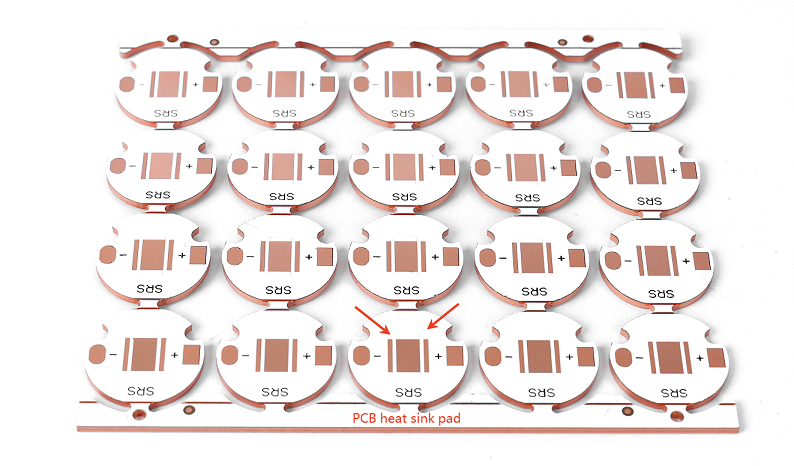
From the via鈥檚 perspective, the via can be helpful in thermal conduction. At the same time, it is not that more heat dissipation through holes is better. The design of Via needs to be followed the minimax distance between holes. From the metal core material, the copper material is better than aluminum core in same situation. And sinkpad copper core PCB is better than copper core PCB. Because the convexity pad will be helpful in thermal conductivity. From the dielectric film, the 3W material is best. 2W material is better than 1W material. From the design of metal core PCB, the larger the area of solder mask opening means the larger the exposed copper surface outside, and the better the heat dissipation effect.

Q2: Does the dielectric in MCPCB cause problems at high temperatures?

The dielectric in MCPCB will cause problems at high temperatures, and the dielectric layer of MCPCB is the bottleneck of high temperature, because the Tg value of the layer is only 130鈩.

Q3: What is the thickness of the thermal conductivity?

0.8W/m.k锛孴hickness=50-75um

1.0W/m.k锛孴hickness=75-100um锛

1.5W/m.k锛孴hickness=100um

2.0W/m.k锛孴hickness=100-125um锛

3.0W/m.k锛孴hickness=125-200um

For the breakdown, it is bigger when the line space is wider and the dielectric layer is thicker. Normally, the copper thickness is 10Z and 2OZ and surface finishing is HASL(LF), ENIG and OSP.

Q4: Can the aluminum be made as the base of sinkpad MCPCB?

Actually, the sinkpad can only use copper as the base. Because the SinkPad will etch the copper base into convex platform with Copper Etching Solution, then hollow out the Double Layer FR4 PCB, and do lamination with the convex platform. However, regarding of current technical conditions, since aluminum or aluminum alloy cannot directly react with acid, the reaction process is too complex and difficult to control, which will increase the difficulty of etching the LED pad platform. Considering the scrap rate, the process of etching LED pad platform with aluminum is more complex and the overall cost is higher.

Q5: It is possible dielectric + top metal layer to be >500um for wire bonding?

The dielectric layer and metal layer don鈥檛 affect the wire bonding, it depend on ENEPIG thickness, we do a lot of this kind of boards for our customers, as long as the do it with 3u鈥, then it is very good for wire bonding. If you insist on needing dielectric + top metal layer to be >500um, then the copper thickness need to be 10 OZ(350um), the price will be very high.

You may also like

LED Round PCB, LED Round PCB Board Manufacturer

April 1st, 2025

Are you looking for a reliable LED round PCB manufacturer? Let’s learn about structure and application of LED round PCBs as well as how to select a good LED round PCBs supplier.

鈥孍Best Circuit (Best Technology)鈥 focuses on LED round PCB manufacturing, with 鈥宧igh-density layout鈥 and 鈥宎luminum/copper substrate heat dissipation technology鈥, and has passed ISO/UL/IPC certification to ensure that the process can meet international standards. In addition, we provide 鈥宱ne-stop service鈥 (from design to mass production), with the fastest 24-48 hours prototyping鈥, combined with mixed substrate solutions and batch tiered quotations, reducing costs by 20%. 鈥孴hermal cycle testing鈥 and fully automatic testing equipment are used to ensure the reliability of products in extreme environments. Choose us, and you will be ahead in technology, efficiency, and quality. Feel free to contact us sales@bestpcbs.com

鈥學hat Is an LED Round PCB?

鈥孉n LED Round PCBis a circular printed circuit board designed to mount LEDs in a compact, space-efficient layout. Unlike traditional rectangular boards, its shape allows for innovative lighting designs in products requiring curvature or minimal footprint. Common variants include the 鈥1.5-inch LED Round PCB Board鈥 (ideal for wearables) and 鈥孉ddressable Micro LED Round PCB鈥 (enabling pixel-level control for dynamic displays).

What Is an LED Round PCB?

What Are Structure of LED Round PCB?

A typical Round LED PCB consists of:

  • 鈥孊ase Material鈥: FR-4 (standard) or aluminum (for heat dissipation).
  • 鈥孋opper Layer鈥: Etched conductive pathways for electrical connectivity.
  • 鈥孲older Mask鈥: Insulating layer to prevent short circuits.
  • 鈥孲ilkscreen鈥: Component labels for assembly accuracy.
  • 鈥孡ED Mounting Pads鈥: Precision-placed to ensure uniform light distribution.
What Are Structure of LED Round PCB?

What Are Application of Round LED PCB?

Here are applications of round LED PCB:

  • Consumer Electronics鈥: Smartwatch backlighting, VR headset indicators.
  • 鈥孉utomotive鈥: Dashboard lighting, interior ambient systems.
  • 鈥孧edical Devices鈥: Surgical tool illumination, diagnostic equipment.
  • 鈥孖ndustrial鈥: Machine status indicators, control panel backlighting.
  • 鈥孉rchitectural鈥: Curved decorative lighting, signage.
What Are Application of Round LED PCB?

鈥學hat Certifications Are Required to Produce LED PCB Round?

As a LED Round PCB Manufacturer, the following certifications are required to produce LED PCB round:

  • Mandatory:鈥 RoHS (global), ISO 9001 (quality), CE (EU), UL (North America).
  • 鈥孯egional:鈥 FCC (U.S. electronics), CCC (China), PSE (Japan).
  • 鈥孲pecialized:鈥 IATF 16949 (automotive), DLC (energy efficiency).

How to Select a Reliable LED Round PCB Board Manufacturer?

Here are some ways to how to select a trusted LED round PCB board manufacturer:

  • Confirm that the manufacturer has round LED PCB special technology, including thermal management system design, multilayer board (4-16 layers) production capacity and precision drilling process, and requires the use of advanced equipment such as automated assembly lines and LDI exposure machines.
  • Require ISO 9001 certification, provide AOI/X-ray inspection reports, and verify the quality of sample solder joints, component alignment accuracy and heat dissipation performance.
  • Ensure the use of LED-specific substrates (such as aluminum substrates, CEM-3), prohibit non-certified components, and the thickness of copper foil must meet the high current carrying requirements.
  • Support 24-hour rapid prototyping, seamless switching from small batches to large batches, and provide design for manufacturability (DFM) optimization services.
  • Compare the price-marking scheme (including surface treatment costs such as HASL/ENIG), and negotiate long-term cooperation ladder prices and free first sample policies.
  • Confirm to provide 24-hour technical support and 48-hour response to after-sales issues, and give priority to integrating the whole process of design-procurement-assembly service providers.

How to Reduce the Production Cost of LED Round PCB board?

  • Design Optimization鈥: Minimize board size and layers; reuse standardized layouts to cut material and design costs.
  • Material Selection鈥: Use cost-effective substrates (e.g., CEM-3), optimize copper thickness, and prioritize generic LEDs.
  • 鈥孭rocess Efficiency鈥: Automate assembly, simplify drilling (avoid micro-vias), and choose low-cost surface finishes (e.g., HASL).
  • 鈥孴esting & QC鈥: Validate with prototypes early and implement SPC to reduce defects.
  • 鈥孲upply Chain鈥: Bulk purchase materials and source locally to lower logistics costs.
  • 鈥孡ED-Specific鈥: Adopt COB integration to eliminate packaging and optimize thermal design with aluminum-core substrates.
How to Reduce the Production Cost of LED聽Round PCB聽board?

How Does Addressable Micro LED Round PCB Achieve Pixel-Level Control?

This is how addressable micro LED round PCB achieve pixel-level control:

  • Integrated CMOS Control鈥-Each Micro LED connects to a dedicated CMOS driver for individual control, enabling ultra-fast response (25 ns) and low power use (5 mW/pixel). Shared P-electrode and isolated N-electrode structures ensure precise pixel activation.
  • High-Density Circuit Design鈥-Precision drilling (鈮50 渭m holes) and multi-layer stacking (4-16 layers) achieve 4 渭m pixel spacing (5100 PPI). Flip-chip bonding integrates LEDs and drivers, reducing signal delays.
  • Digital Signal Systems鈥-Single-wire protocols (e.g., WS2811/WS2812) cascade RGB data to driver ICs for dynamic color control. Active drivers (TFT/NMOS) offer 450 MHz bandwidth for smooth brightness/grayscale adjustments.
  • Precision Manufacturing鈥-Laser/elastic transfer methods place LEDs on PCB pads with >99% accuracy. Transparent epoxy encapsulation minimizes light interference and improves heat management.
  • Signal Stability鈥-LVDS reduces noise; flexible polyimide substrates prevent circuit damage in curved layouts. Isolated power zones protect signal integrity between digital/analog components.
  • Smart Software Integration鈥-Custom algorithms (PWM, gamma correction) sync with hardware via SPI/I2C for 240 Hz refresh rates. Backup circuits replace failed pixels automatically to maintain display quality.

Can 1.5 inch LED Round PCB Board Be Customized?

Yes, 1.5-inch LED round PCB boards can be customized聽and other sizes can be customized. Suppliers聽like EBest Circuit (Best Technology)聽offer tailored designs for circular layouts, including aluminum聽or copper-core materials for heat dissipation and signal integrity optimization. Customization options cover touchscreen integration, high-density LED arrangements, and compatibility with standard mounting structures.

To sum up, that’s all about definition, structure, application of round LED PCB, as well as how to select a trusted LED PCB round board manufacturers, how addressable micro LED round PCB works and if 1.5 inch LED round PCB board be customized. If you have any other issue for round LED PCBs, please leave a message below this blog.

You may also like

OEM ODM HASL Lead Free 94V0 LED PCB, Quick Turn Prototype

April 1st, 2025

What is HASL Lead Free 94V0 LED PCB?

A HASL lead free 94V-0 LED PCB is a printed circuit board that designed for LED lightings, while coating with HASL lead free surface treatment and meet the 94V-0 flame retardant standard. HASL, full name is Hot Air Solder Leveling, it is a cost-effective surface finish used in the PCB manufacturing process. In the HASL lead-free process, the traditional lead-based soldering is replaced with a lead-free solder material, which is in line with environmental regulations like RoHS.

The 94V0 rating refers to the flame retardant standard of the PCB material, usually indicating that the material will not catch fire easily and can withstand higher temperatures. For LED PCBs, this is particularly important as LED devices can generate significant heat. The combination of lead-free HASL and 94V0 flame retardant material creates a reliable, durable, and environmentally safe solution for LED circuit boards. These types of PCBs are typically used in consumer LED lighting, display systems, and other applications that require low toxicity, high reliability, and long service life.

HASL Lead Free 94V0 LED PCB Product Photos

HASL Lead Free 94V0 LED PCB Specifications

Product NameHASL Lead Free 94V0 LED PCB
Base MaterialAluminum
Layer Count1L (Single Sided)
Board Thickness1.6mm +/-10%
Dielectric Thermal Conductivity1W
Copper Thickness1OZ
Solder MaskWhite
SilkscreenBlack
Surface FinishingHASL Lead-Free
Hole TolerancePTH: 卤0.075; NTPH: 卤0.05
TestingTesting Jig
AssemblyYES
ShapeRound

Features of HASL Lead Free 94V0 LED PCB

  1. Lead-Free Soldering Process: HASL Lead-Free uses a soldering process that does not involve lead. It means this kind of PCB is safer for the environment and human health, especially in applications like LED lighting, where ROHS environmental compliance is important.
  2. Flame Retardant (94V-0): The 94V0 rating is one of the highest in terms of flame resistance and thermal stability. If a PCB has 94V-0 remarks, it means its PCB material can withstand high temperatures without catching fire. Because LED devices always generate much heat, it essential to use 94V-0 PCB to ensure the safety.
  3. Good Solderability: The surface finish provided by HASL offers an excellent soldering surface, it offers a reliable connection for LED components, minimizing the risk of poor solder joints that could lead to failure.
  4. Cost-Effective: The HASL process is one of the most cost-effective PCB finishes available. It offers an excellent balance between affordability and reliability, especially for high-volume production runs.
  5. Durability: The HASL Lead-Free 94V0 PCB is durable and resistant to wear and tear, it performs well even under demanding conditions, such as prolonged exposure to high temperatures and physical stress.

Advantages of Lead-Free HASL LED PCB

  • The most significant advantage of lead-free HASL PCBs is that they are RoHS-compliant, meaning they do not contain any hazardous materials like lead.
  • These PCBs can withstand and manage the heat generated by LEDs, thanks to the 94V0 flame retardant material. Combined with aluminum base, it offers better heat dissipation and reduce the risks of overheating in the high-power applications.
  • The HASL process is less expensive compared to other surface finishes like ENIG, so it is a cost-effective solution for LED PCB manufacturing, especially in high-volume production.
  • The uniformity of the soldering surface reduces the risk of defects and improves the overall performance of the LED circuit.
  • The combination of a lead-free process and 94V0 flame-retardant rating means these PCBs are less likely to degrade over time due to high temperatures.

Lead-Free HASL vs ENIG LED PCB

The HASL process involves coating the PCB with a thin layer of solder, which is then leveled with hot air. Its full process is Clean PCB -> Micro-etch -> Apply high temperature flux -> Coated with tin -> Hot air smoothing -> Water washing. In the case of Lead-Free HASL, the solder used is free of lead, typically made of a combination of tin, silver, and copper. The result is a smooth, solderable surface, which is ideal for most standard PCB applications.

Pros:

  • More affordable for high-volume production.
  • Adequate for most standard LED applications.
  • Environmentally friendly due to the lead-free process.
  • Provides good solderability.

Cons:

  • The surface finish is not as flat as ENIG, which can pose challenges for fine-pitch components or high-density boards.
  • Less resistant to oxidation compared to ENIG.

Choose Lead-Free HASL if:

  • You are looking for a cost-effective solution for standard LED applications.
  • The operating environment is not excessively harsh.
  • You are working with larger components or moderate-density designs.
  • The application does not require extreme durability or long-term reliability.

In the ENIG process, a layer of nickel is first electroplated on the surface of copper then followed by immersion gold plating. The nickel acts as a barrier layer and the adhesion layer of gold, preventing oxidation and corrosion. And the gold layer provides good electrical conductivity and corrosion resistance, ensures a smooth and corrosion-resistant finish. ENIG provides a much flatter surface than HASL, which is ideal for fine-pitch components and high-density designs.

Pros:

  • Extremely flat and smooth surface, ideal for fine-pitch and high-density boards.
  • Superior corrosion resistance.
  • Longer shelf life and better performance for high-end applications.

Cons:

  • More expensive than HASL.
  • Requires more complex manufacturing processes.

Choose ENIG if:

  • You need premium performance for high-end applications.
  • Your design involves fine-pitch components or high-density circuits.
  • The LED application is exposed to harsh environments or requires long-term performance.
  • Corrosion resistance and soldering reliability are critical for the application.

If you want to know more details betwen HASL and ENIG, view our another blog of HASL Lead Free vs ENIG: Understanding Their Differences.

Applications of Lead-Free HASL 94V0 LED PCB

  • General LED Lighting – Used in residential, commercial, and industrial lighting applications.
  • Automotive LED Lighting – use in automotive applications, such as headlights, indicator lights, and interior lighting.
  • Outdoor Display Panels – Large LED displays, including billboards, outdoor signage, and digital screens.
  • Consumer Electronics – In smart home devices, televisions, monitors, and portable electronics.
  • Medical Equipment – Indicators, displays, or light sources.

Detail LED PCB Manufacturing Capabilities

Items     Capabilities
Base MaterialAluminum / Copper / Stainless steel
Base Material Thickness (exclude CU)0.30mm / 0.40mm / 0.50mm / 0.60mm/ 0.80mm /1.0 mm/ 1.2 mm / 1.6mm / 2.0 mm / 2.4mm / 3.0mm
Thermal Conductivity1W / 1.5W / 2.0W / 3.0W
Solder Mask Color OptionWhite, Black, Green, Blue, Yellow, Red
Layer     1-10 layers
Max Board Dimension 24*64″(610*1625mm)
Min Board Thickness0.6mm
Max Board Thickness4.0mm
Conductor Thickness   0.5oz-10oz
Min Line Width/Space 4/4mil (0.10/0.10mm)
Tg Value130 / 150
Min Solder Mask Bridge     8mil (0.20mm)
Min Hole Diameter10mil (0.25mm)
Min Punch Hole Dia    0.12″ (3.0mm)
Min Hole Spacing 16mil (0.4mm)
Min PAD Ring (Single) 3mil (0.075mm)
PTH Wall Thickness     Normal: 0.59mil (15um); HDI: 0.48mil (12um)
Min Solder PAD Dia    14mil (0.35mm)
Min BAG PAD Margin  5mil (0.125mm)
PTH/NPTH Dia Tolerance    PTH: 卤3 mil (0.075mm); NPTH: 卤2mil (0.05mm)
Hole Position Deviation      卤3mil (0.075mm)
Outline Tolerance CNC: 卤6 mil (0.15mm); Die Punch: 卤6 mil (0.1mm)
Max Aspect Ratio 10:1
Surface TreatmentENIG, ENEPIG, OSP, HASL (LF)
Halogen FreeYes(optional)
ROHS    Yes
Flammability 94V-0
Dielectric Strength>1.5Kv (L/S >1.5mm); >3.0Kv (L/S >3.0mm)
Wrap & Twist鈮 0.75%
Thermal Stress3 x 10 Sec @ 280 鈩
LED PCB Manufacturing Capabilities in EBest Circuit (Best Technology)

LED PCB Prototype Lead Time

Prototype(<1m虏)  Layers   Normal Service    Expedited Service
LED PCB1 Layer1 – 1.5 weeks48 hours
2 Layers2.5 – 3 weeks168 hours
4 Layers3 – 4 weeks1.5 weeks
6 Layers4 – 5 weeks2 weeks
8 Layers5 – 6 weeksTBD
10 Layers6 – 7 weeksTBD
LED PCB Prototype Lead Time in EBest Circuit (Best Technology)

LED PCB Mass Production Lead Time

Mass Production  Layers   Normal Service    Expedited Service
 LED PCB1 Layer2 – 2.5 weeks1 week
2 Layers3 – 4 weeks1.5 – 2 weeks
4 Layers4 – 5 weeks2 weeks
6 Layers5 – 6 weeks2.5 weeks
8 Layers6 – 7 weeks3 – 4 weeks
10 Layers7 – 8 weeksTBD
LED PCB Mass Production Lead Time in EBest Circuit (Best Technology)

Package Method

  • Standard Packaging: PCBs are carefully packed in anti-static bags or ESD-safe boxes with vacuum to prevent damage during shipping, and outer standard carton box packing.
  • Custom Packaging: We also offer custom packaging based on customer specifications to suit unique shipping or storage requirements.

Payment & Shipping Terms

  • Payment Terms: We accept major payment methods, including T/T (Telegraphic Transfer), PayPal, and L/C (Letter of Credit) for large orders.
  • Shipping Terms: We offer various shipping methods including express (DHL, FedEx, UPS), air, and sea freight depending on urgency and order size.
  • Incoterms: EXW, FOB, CIF, DDP, DDU, as per customer preference.
  • Lead Time for Shipping: Typically 4-6 days for express and 15-30 days for sea freight, depending on the destination.

For more information about OEM ODM HASL lead free 94v-0 LED PCB, welcome to contact us at any time.

You may also like

LED Display PCB, LED Display PCB board Design

April 1st, 2025

Would you like to know how to design LED display PCB to reduce costs? In this blog, Let鈥檚 learn more about the components and function of LED display PCB, as well as how it works, how to design to reduce costs.

EBest Circuit (Best Technology), we specialize in LED display PCB design and manufacturing over 18 years. We support special-shaped LED display PCB board design customization services. And we have professional engineer teams who can provide you with free design technical support 24 hours online. Then we can provide DFM analysis and EMC testing service to avoid cost risks caused by design errors. If you have any request for LED display PCB board, welcome to contact us: sales@bestpcbs.com

What Is LED Display PCB?

An LED Display PCB聽is the critical circuit board that connects and controls thousands of LEDs in a screen. It鈥檚 a high-performance system engineered to handle power distribution, heat dissipation, and signal integrity. Whether you鈥檙e building a curved video wall or an outdoor billboard, the PCB ensures precise color accuracy, brightness uniformity, and long-term reliability.

What Is LED Display PCB?

What Are Components of LED Display PCBs?

  • LED Arrays鈥: Surface-mount (SMD) or chip-on-board (COB) LEDs arranged in grids for pixel-level control.
  • Driver Circuits鈥: ICs like MBI5124 or TLC5947 convert data signals into precise current outputs.
  • 鈥孭CB Substrate鈥: 鈥孉luminum core鈥 For high-power outdoor screens; 鈥孎R4 for indoor applications with moderate heat.
  • 鈥孴hermal Management鈥: Heat sinks, thermal vias, and copper layers to prevent overheating.
  • 鈥孋ontrol Interfaces鈥: HDMI, DVI, or Ethernet ports for seamless integration.
What Are Components of LED Display PCBs?

What Are Function of LED Display PCB Board?

  • Structural Support & Component Mounting鈥屸 Provides rigid base for securing LED beads in precise pixel arrangements and integrates driver ICs, resistors, and other circuitry components.
  • Circuit Connectivity & Power Distribution鈥屸 Copper traces deliver uniform power to all LEDs and transmit control signals to coordinate brightness adjustments and color transitions.
  • Thermal Regulation鈥屸 Aluminum substrates or metal-core designs rapidly dissipate heat from high-intensity LEDs, preventing overheating and ensuring stable operation.
  • 鈥孲ignal Conversion & Control鈥屸 Translates input control signals into executable commands, enabling precise on/off timing, grayscale modulation, and RGB color mixing for each LED.
  • System Protection鈥屸擨ncorporates surge protection, short-circuit prevention, and anti-interference designs to enhance reliability in humid/dusty environments.
What Are Function of LED Display PCB Board?

How Does LED Display PCB Boards Work? 

  • 鈥孲ignal Processing鈥: Video data is decoded by a controller and split into pixel-specific instructions.
  • 鈥孋urrent Regulation鈥: Driver ICs adjust current flow to each LED, controlling brightness and color.
  • 鈥孒eat Dissipation鈥: Aluminum substrates or thermal vias channel heat away from sensitive components.
  • 鈥孫utput鈥: LEDs emit light at defined intensities, blending colors to create sharp, vibrant images.
How Does LED Display PCB Boards聽Work?聽

How To Design LED Display PCB board?

Here are steps for LED display PCB board design:

鈥1. Pre-Design & Architecture鈥

  • Application & Requirements鈥: Prioritize resolution, brightness, and thermal load based on indoor/outdoor use.
  • 鈥孧aterial Selection鈥: Aluminum-core PCBs for high-power/high-density; FR-4 for low-power/cost-sensitive designs.
  • 鈥孲chematic Framework鈥: Integrate driver ICs (e.g., TLC5940), power regulators, and surge protection.

2. Component Layout

  • Position LEDs in strict grid alignment to maintain pixel accuracy.
  • Place driver ICs equidistant from LED clusters to minimize signal delay.
  • Separate power and control circuitry to reduce EMI interference.

3. Power Distribution

  • Implement star topology for power rails to ensure uniform voltage.
  • Use thick copper traces (鈮2oz) for high-current paths to prevent voltage drop.

4. Signal Routing

  • Route clock/data lines as matched-length differential pairs.
  • Apply ground planes between signal layers to enhance EMI shielding.

5. Thermal Design

  • Incorporate thermal vias under high-power LEDs.
  • Allocate 20-30% board area for heat dissipation in high-density layouts.

6. Prototype Testing

  • Validate signal integrity with oscilloscope checks for ghosting/crosstalk.
  • Measure thermal performance under maximum load conditions.
  • Conduct accelerated aging tests for solder joint reliability.

How to Choose LED Display PCB Board Design Service?

The following tips will helps you how to choose LED display PCB board design service:

鈥孴echnical capability verification鈥:

  • Confirm whether the supplier has experience in LED-specific PCB design:
  • High-density layout (such as small-pitch LED optimization design).
  • Heat dissipation design (aluminum substrate application experience).
  • Signal integrity control (long wiring such as CAN/SPI protocol).

Customization support鈥:

  • Special-shaped PCB design (non-standard shapes such as round and curved).
  • Function expansion (touch screen, high refresh rate integration).
  • Modular compatibility (adaptation to standard installation structure).

Supply chain and cost control鈥:

  • Whether to provide full-process services (PCB production, patch, component procurement).
  • Low-cost solution capabilities (such as FR-4 substrate selection, mass production optimization).

EBest Circuit (Best Technology) focuses on the full-process service of LED display PCB, integrating high-density layout (supporting small pitch optimization), aluminum substrate heat dissipation and precise signal control to ensure thermal stability and low latency; supporting special-shaped PCB processing, touch screen integration and modular design; relying on self-built factories to achieve one-stop delivery of PCB production, patch and component procurement, and reducing costs by 30%+ through FR-4 substrate and batch process optimization. If you鈥檙e interested in our service, please feel free to contact us.( The email is at the beginning of this blog)

Can LED Display PCBs Design Be Customized?

Yes, LED display PCBs design can be customized. Here are customizable options for LED display PCB boards:

  • Size/resolution鈥: Adapt to different scenarios (indoor/outdoor), support modular splicing (such as 160mm脳160mm standard module).
  • 鈥孲pecial design鈥: Support irregular shapes such as round and curved surfaces (additional process cost required).
  • 鈥孎unction expansion鈥: Integrated touch, high refresh rate, CAN bus and other protocols.
  • 鈥孧aterial selection鈥: Aluminum substrate for high power, FR-4 for low cost; OSP/metallurgy optional surface process.

How to Design to Reduce LED Display PCB Costs?

Here is two kinds of methods to how to design to reduce LED display PCB costs:

  • Material Substitution鈥: Use FR4 + thermal vias instead of aluminum for indoor screens (saves 鈥30%鈥). 鈥孌river Flexibility鈥: Design boards compatible with multiple ICs (e.g., ICN2038S, MBI5124) to avoid vendor lock-in.
  • 鈥孲tandardized Modules鈥: Pre-tested power and control circuits reduce development time by 鈥40%鈥. 鈥孋ase Study: High-Brightness Stadium Display鈥

Here is a case want to share with you:

鈥孋hallenge鈥: A client needed a 12,000-nit LED board resistant to extreme heat and vibration.

鈥孫ur聽Solution鈥: 4-layer aluminum PCB with embedded copper heat sinks. Optimized driver placement to reduce trace length by 鈥35%鈥. Achieved 鈥50,000+ hours鈥 MTBF with zero color degradation.

To sum up, the above content is all about the components and function of LED display PCB, as well as how it works, how to select a design service to reduce costs. If you want to get more information for LED display PCB, please feel free to leave a message below this blog. Looking forward to your message!

You may also like

LED聽Strip PCB聽Board聽Design, Prototype& LED PCB Manufacturer

March 31st, 2025

How to design a cost-effective LED strip PCB board? What mass production problems can be avoided through prototyping? How do manufacturers balance cost and quality control? This article will explores the fundamentals of LED strip PCB board, their types, cost-saving design strategies, prototyping processes, and tips for selecting a reliable LED strip PCB board manufacturer.

At EBest Circuit (Best Technology), we focus on LED聽strip PCB聽board聽designing, prototyping and manufacturing over 18 years. The team of senior engineers provides free design support and solution optimization聽online 24 hours a day to ensure accurate and reliable circuit layout. The company’s original expedited proofing system can achieve 24-hour rapid delivery,聽relying on聽DMF data analysis and engineers’ manual pre-examination of drawings to ensure the first-time success of the first version. The production end is equipped with industrial-grade automated production lines, which increase the abnormal response speed by 40%, and urgent large-volume orders can be delivered within two weeks, fully meeting the rapid development and stable mass production needs of high-difficulty LED strip PCB products. Please feel free to contact us sales@bestpcbs.com

What Is LED Strip PCB Board?

A LED Strip PCB boardcombines printed circuit board (PCB) technology with light-emitting diodes (LEDs) to create flexible or rigid lighting solutions. The PCB serves as the backbone, providing electrical connectivity and structural support. LED strips with PCB boards are widely used due to their compact design, high durability, and adaptability to curved surfaces. Black PCB LED strips, for instance, use dark substrates to minimize light reflection and enhance contrast in display applications.

What Is LED聽Strip PCB聽Board?

What Advantages of LED Strip PCB Board?

Here are advantages of LED strip PCB board:

  • Flexible design for easy installation at various angles
  • Displays 1600+ colors with dynamic lighting effects
  • Superior heat dissipation, lifespan exceeding 50,000 hours
  • Eco-friendly materials, 12V low-voltage safety certified
  • Shock-resistant for indoor/outdoor durability
  • Precision machine soldering ensures consistent quality
  • Customizable RGB lighting systems
  • Moisture/static-proof (suitable for bathrooms/outdoors)
What Advantages of LED Strip PCB Board?

How to Choose Professional LED Stripe PCB Board Design Service?

Selecting a professional LED strip PCB board design service ensures optimal performance and cost efficiency. Important聽factors include:

  • 鈥孴echnical expertise in LED stripe PCB design:鈥 Look for teams proficient in thermal management, circuitry layout, and material selection.
  • 鈥孋ustomization capabilities鈥: Providers should tailor designs to voltage, brightness, and form factor requirements.
  • 鈥孭rototyping Support Services: Offering LED stripe PCB design help validate designs before mass production.
  • 鈥孋ost Transparency鈥: Clear pricing models prevent budget overruns.

鈥孒ow to Design LED Strip Flexible PCB to Reduce Production Cost?

LED strip flexible PCB聽design minimizes costs without compromising quality. Strategies include:

  • 鈥孲implifying circuitry鈥: Reduce complex traces to lower material waste.
  • 鈥孶sing standardized components鈥:Off-the-shelf LEDs and resistors cut procurement costs.
  • 鈥孫ptimizing panel utilization鈥:Arrange multiple PCBs on a single panel to reduce fabrication expenses.
  • 鈥孲electing cost-effective materials鈥:Flexible PCBs with polyimide substrates balance durability and affordability.

What Is Prototyping Process of LED Strip Flexible PCB Board?

Here鈥檚 a simplified overview of the LED strip flexible PCB prototyping process, focusing on sampling and production steps:

1.Circuit Design & Layout

  • Circuit Design鈥: Create schematics for LED placement, driver integration, and power distribution.
  • Layout鈥: Plan bendable PCB dimensions, cut points, and connector placements.

2.Material Selection

  • Base Material鈥: Flexible polyimide substrate (heat-resistant, bendable).
  • Conductive Layer鈥: Thin copper foil for circuitry.
  • Encapsulation鈥: Silicone or TPU for protection.

3.Conductive Layer Processing

  • Laser Cutting鈥: Precision-etch copper traces to form circuits.
  • Plating鈥: Apply anti-oxidation coatings (e.g., nickel/gold) on copper.

4.Component Assembly

  • SMT (Surface Mount Technology)鈥: Machine-mount LEDs, resistors, and drivers onto the PCB.
  • COB (Chip-on-Board)鈥: Directly bond LED chips to the PCB for high-density strips.
  • Soldering鈥: Use reflow ovens for secure electrical connections.

5.Encapsulation

  • Coating鈥: Apply silicone or TPU evenly over the PCB to waterproof and diffuse light.
  • Curing鈥: Harden the coating under UV light or heat.
  • Heat Sinks鈥: Attach aluminum strips to high-power LED sections for cooling.

6.Prototype Testing & Final Sampling鈥屸

  • Electrical Tests鈥: Verify voltage stability, current flow, and color consistency.
  • Flex Test鈥: Bend the strip repeatedly to check for circuit integrity.
  • Environmental Tests鈥: Expose to humidity, heat, and cold to validate durability.
  • Adjustments鈥: Optimize trace thickness, LED spacing, or heat dissipation based on test results.
  • Final Sampling鈥: Produce revised prototypes for client approval before mass production.

Why Do We Need to Make A LED Strip PCB Prototype Before Mass Production?

Making a LED Strip PCB prototype聽before mass production can identify聽design flaws early, preventing costly revisions before formal production. Benefits include:

  • 鈥孯isk mitigation鈥 Fix issues like overheating or poor solder joints before scaling up.
  • 鈥孭erformance verification鈥 Ensure the strip meets brightness, color, and lifespan standards.
  • 鈥孋lient approval鈥 Prototypes help clients visualize the final product and request adjustments.
Why Do We Need to Make A LED聽Strip PCB Prototype Before Mass Production?

How to Find A Reliable LED Strip PCB Board Manufacturer?

To Find a Reliable LED Strip PCB Manufacturer:

  • Verify Material Quality鈥: Ensure the manufacturer uses heat-resistant polyimide substrates and rolled copper for flexibility and durability.
  • Check Technical Capabilities鈥: Look for expertise in laser etching, SMT assembly, and waterproof encapsulation (e.g., silicone/TPU coatings).
  • Review Certifications鈥: Confirm compliance with ISO, UL, or RoHS standards for safety and environmental practices.
  • Request Prototypes鈥: Test samples for bend durability, color consistency, and thermal performance.
  • Evaluate Customization鈥: Prioritize manufacturers offering tailored designs (length, density, connectors) and low MOQ options.
  • Assess Production Capacity鈥: Confirm ability to scale from prototyping to bulk orders without quality loss.
  • Read Client Feedback鈥: Check reviews for on-time delivery, post-sales support, and defect resolution.
How to Find A Reliable LED聽Strip PCB Board Manufacturer?

EBest Circuit (Best Technology) can meet all above requirements. If you’re interested in our LED strip PCB board design, prototyping and manufacturing service, welcome to leave a message below this blog.

How to Keep Costs Low and Quality High in LED Strip PCB Board Manufacturing?

Here are some tips for how to keep costs low and quality in LED strip PCB board manufacturing:

  • Simplify Design鈥: Minimize layers, use standard specs.
  • 鈥孧aterial Selection鈥: Thin polyimide (0.1-0.2mm), pre-bonded copper.
  • 鈥孉utomate Production:鈥 SMT assembly, laser cutting.
  • 鈥孍fficient Testing鈥: Automated electrical checks, durability tests.
  • 鈥孊ulk Buy Materials鈥: Negotiate volume discounts.
  • 鈥孴est Prototypes鈥: Refine design before mass production.

In conclusion, that鈥檚 all about LED strip PCB Board design, prototyping and how to select a reliable LED strip PCB manufacturer. If you have any other issues about LED strip PCB board need our help, please feel free to contact us.( The email is at the beginning of this blog)

You may also like

LED Tube Light PCB, LED Tube Light PCB Board Assembly

March 31st, 2025

Are you find durable LED tube light PCB solutions? How do you choose a reliable LED Tube light assembly partner? This blog breaks down the essentials: materials, assembly processes, cost factors, and how to identify manufacturers that deliver precision, durability, and value.

EBest Circuit (Best Technology), we specialize in LED tube light PCB manufacturing and assembly over 18 years. We can achieve LED tube light PCB fast assembly聽(48-72hours delivery) by our own electronics supply chains, such as T8/T5 LED tube PCB. And we have four high precision聽SMT full-automatic production lines聽to ensure uniform distribution of the light beads and consistency in luminous efficiency. Then all the LED tube light PCB we produced and assembled will be full tested and inspected before and after assembly in order to reduce reworking cost. If you have any request for LED tube light PCB, please feel free to contact us sales@bestpcbs.com

What Is LED Tube Light PCB?鈥

An LED tube light PCB聽is a printed circuit board designed to power and control LEDs in tubular fixtures. It acts as the electrical foundation, connecting components like LEDs, resistors, and drivers while managing heat and ensuring stable performance.

What Is LED Tube Light PCB?鈥

鈥學hat Are the Advantages of LED Tube Light?

Here are advantages of LED tube light PCB board:

  • Energy Efficiency鈥 鈥 Minimizes power loss through optimized circuit design.
  • 鈥孒eat Resistance鈥 鈥 Built-in thermal management extends LED lifespan.
  • 鈥孋ustomization鈥 鈥 Supports dimming, smart controls, and varied lumen outputs.
  • 鈥孋ost Savings鈥 鈥 Reduces long-term maintenance and replacement expenses.
What Are the Advantages of LED Tube Light?

鈥屸學hich Materials Make LED Tube Light PCBs Durable?鈥

Main materials include:

  • Aluminum cores鈥 for heat dissipation.
  • 鈥孎R-4 fiberglass鈥 for electrical insulation.
  • 鈥孒igh-purity copper鈥 for efficient current flow.
  • 鈥孋eramic coatings鈥 to resist moisture and corrosion.
鈥屸學hich Materials Make LED Tube Light PCBs Durable?鈥

鈥學hat Is LED Tube Light PCB Assembly?鈥

LED tube light PCB assembly聽involves mounting components onto the board through automated and manual processes. Precision here ensures functionality, safety, and compliance with lighting standards.

鈥學hat Is LED Tube Light PCB Assembly?鈥

鈥學hat Are Assembly Processes of LED Tube Light PCB Board?

Here is a guide of LED tube light assembly processes:鈥

1. Component Pre-check

  • Check PCB, LEDs, and heat sinks for damage/oxidation
  • Test circuits with multimeter; confirm LED specs
  • Use anti-static mats and wristbands; workspace humidity 40-60%

2. Solder & Placement

  • Print solder paste (0.1-0.15mm stencil, 5-8kg pressure)
  • Place components via SMT (卤0.03mm accuracy, 20-50g force)
  • Ensure LED polarity alignment (max offset: 25% pad width)

3. Reflow Process鈥

  • Preheat: 2-3掳C/s 鈫 Soak: 150-170掳C/60s 鈫 Peak: 245卤5掳C 鈫 Cool: <4掳C/s
  • Verify smooth crescent-shaped solder joints

4. Power Setup

  • Inductive drivers: Remove starter, wire L/N directly
  • Electronic drivers: Add rectifier-filter module
  • Use 鈮0.75mm虏 cables; seal ports with PTFE tape + 24h-cure sealant

5. Final Assembly&Testing鈥

  • Secure screws diagonally (0.6-0.8N路m torque)
  • Install lenses (<0.2mm error, >92% transmittance)
  • Voltage test: 卤10% input 鈫 <5% brightness change
  • Start time: <0.5s; Power factor: >0.9
  • Stress tests: 85掳C/1,000h (<5% light loss), 100 humidity cycles

6. Packaging鈥

  • Clean to Class 8 standards
  • Packaging survives 200kg/24h compression
  • Batch-tested per IEC62471

鈥屸孒ow to Solve Common LED Tube Light PCB Assembled Problems?鈥

  • Poor Soldering鈥- Use reflow soldering with precise temperature control and inspect joints via AOI.
  • LED Misalignment-鈥孋alibrate pick-and-place machines and perform manual alignment checks.
  • Component Damage-鈥孶se ESD-safe tools, control humidity, and avoid excessive reflow cycles.
  • Thermal Overheating-鈥孶se aluminum-core PCBs, add thermal vias, and ensure proper housing adhesion.
  • Reverse Polarity-鈥孧ark polarity clearly on the PCB and test during in-circuit testing.

鈥孒ow to Choose a Reliable LED Tube Light PCB Board Assembly Manufacturer?

  • Technical Expertise & Certifications:鈥 Prioritize manufacturers with precision SMT assembly (e.g., 卤0.01mm accuracy), automated soldering, and certifications like ISO 9001/IPC-A-610.
  • 鈥孮uality Control & Testing: 鈥孍nsure AOI, X-ray inspection, and burn-in testing (e.g., 48+ hours) to eliminate defects.
  • 鈥孲upply Chain Integration: Choose suppliers offering end-to-end services (design, component sourcing, assembly) for faster delivery (e.g., 5-7 day prototyping).
  • 鈥孎lexible Production:鈥 Verify support for small-batch orders (100+ units), custom designs (e.g., PCB length adjustments), and rapid engineering feedback.
  • 鈥孖ndustry Experience:鈥 Select manufacturers with proven LED lighting projects (T8/T5 LED tube PCB) and certifications (UL/CE).

EBest Circuit (Best Technology) have obtained ISO9001, UL, CE, RoHS certifications and have industry experience in LED lighting projects, especially for T8/T5 LED tubes light PCB board. so we can support small quantity customized LED tube PCB board. Then we can achieve high precision SMT assembly and fast delivery by full automotive SMT production line and electronics supply chain. Please feel free to contact us if you are interested in our service.( The email is at the beginning of this blog)

How Much Does It Cost to Get a LED Tube Light PCB Assembled?鈥

Costs range from聽$0.50 to $5 per unit, depending on layer count, component complexity, and order volume. Bulk orders typically lower per-unit prices by 20-40%.

In conclusion, the above contents all includes materials, assembly processes, cost factors of LED tube light PCB and how to select a good LED tube light PCB assembly manufacturer. If you have any other issues about LED tube light PCB, please leave a message below this blog. Looking forward to your message!

You may also like

LED switching power supply PCB board design

March 28th, 2025

LED switching power supply PCB board design,In the design of switching power supplies, if the PCB board is not designed properly, it will radiate too much electromagnetic interference. The following seven tricks are summarized for the design of PCB boards that ensure stable power supply operation: by analyzing the matters that need to be paid attention to in each step, you can easily design the PCB board step by step!

LED switching power supply PCB board

Step 1

Design process from schematic to PCB: Establish component parameters – > Input schematic netlist – > Design parameter setting – > Manual layout – > Manual wiring – > Verify design – > Review – > CAM output.

LED switching power supply PCB board design

Step 2

Parameter setting: The spacing between adjacent wires must meet the electrical safety requirements, and the spacing should be as wide as possible for easy operation and production. The spacing should at least be suitable for the voltage to be tolerated. When the wiring density is low, the spacing between signal lines can be appropriately increased. The signal lines with high and low levels should be as short as possible and the spacing should be increased. In general, the wiring spacing is set to 8mil. The distance from the edge of the inner hole of the pad to the edge of the printed circuit board should be greater than 1mm to avoid pad defects during processing. When the trace connected to the pad is thin, the connection between the pad and the trace should be designed into a water drop shape. The advantage of this is that the pad is not easy to peel, but the trace and the pad are not easy to disconnect.

Step 3

Component layout practice has proved that even if the circuit schematic is designed correctly, improper printed circuit board design will have an adverse effect on the reliability of electronic equipment. For example, if two thin parallel lines on a printed circuit board are very close to each other, a delay in the signal waveform will be formed, and reflected noise will be formed at the end of the transmission line; interference caused by inconsiderate consideration of the power supply and ground line will reduce the performance of the product. Therefore, when designing a printed circuit board, you should pay attention to using the correct method. Each switching power supply has four current loops:
(1) Power switch AC loop
(2) Output rectifier AC loop
(3) Input signal source current loop
(4) Output load current loop
The input loop charges the input capacitor through a current that is close to DC, and the filter capacitor mainly plays a broadband energy storage role; similarly, the output filter capacitor is also used to store high-frequency energy from the output rectifier and eliminate the DC energy of the output load loop. Therefore, the terminals of the input and output filter capacitors are very important. The input and output current loops should be connected to the power supply only from the terminals of the filter capacitors; if the connection between the input/output loop and the power switch/rectifier loop cannot be directly connected to the terminals of the capacitor, the AC energy will be radiated from the input or output filter capacitor to the environment. The AC circuit of the power switch and the AC circuit of the rectifier contain high-amplitude trapezoidal currents. The harmonic components in these currents are very high, and their frequencies are much higher than the switching base frequency. The peak amplitude can be as high as 5 times the continuous input/output DC current amplitude, and the transition time is usually about 50ns. These two circuits are prone to electromagnetic interference, so these AC circuits must be laid out before other printed wiring in the power supply. The three main components of each circuit, filter capacitors, power switches or rectifiers, and inductors or transformers, should be placed adjacent to each other, and the positions of the components should be adjusted to make the current path between them as short as possible.
The method of establishing the layout of the switching power supply is similar to its electrical design. The design process is as follows:
Place the transformer Design the power switch current loop Design the output rectifier current loop Control circuit connected to the AC power circuit Design the input current source loop and input filter Design the output load loop and output filter According to the functional units of the circuit, when laying out all the components of the circuit, the following principles must be met:
(1) First, consider the size of the PCB. When the PCB size is too large, the printed lines are long, the impedance increases, the anti-noise ability decreases, and the cost increases; if it is too small, the heat dissipation is poor, and the adjacent lines are susceptible to interference. The shape of the circuit board is rectangular, with an aspect ratio of 3:2 or 4:3. The components located at the edge of the circuit board are generally not less than 2mm away from the edge of the circuit board.
(2) When placing components, consider the subsequent welding and do not place them too densely;
(3) The components of each functional circuit are centered and the layout is carried out around it. The components should be arranged evenly, neatly and compactly on the PCB. The leads and connections between the components should be minimized and shortened as much as possible, and the decoupling capacitor should be as close to the VCC of the device as possible.
(4) For circuits working at high frequencies, the distribution parameters between components should be considered. Generally, the components of the circuit should be arranged in parallel as much as possible. This is not only beautiful, but also easy to assemble and solder, and easy to mass produce.
(5) Arrange the positions of each functional circuit unit according to the circuit process, so that the layout is convenient for signal flow and the signal keeps the same direction as much as possible.
(6) The first principle of layout is to ensure the wiring pass rate. When moving components, pay attention to the connection of flying wires and put the components with connection relationships together.
(7) Reduce the loop area as much as possible to suppress the radiation interference of the switching power supply.

LED switching power supply PCB board

Step 4

Wiring The switching power supply contains high-frequency signals. Any trace on the PCB can act as an antenna. The length and width of the trace will affect its impedance and inductance, thereby affecting the frequency response. Even traces that pass DC signals can couple to RF signals from adjacent traces and cause circuit problems (even radiate interference signals again). Therefore, all traces that pass AC current should be designed to be as short and wide as possible, which means that all components connected to the traces and to other power lines must be placed very close. The length of the trace is proportional to the inductance and impedance it exhibits, while the width is inversely proportional to the inductance and impedance of the trace. The length reflects the wavelength of the trace response. The longer the length, the lower the frequency of the electromagnetic wave that the trace can send and receive, and it can radiate more RF energy. According to the size of the printed circuit board current, try to increase the width of the power line and reduce the loop resistance. At the same time, make the direction of the power line and ground line consistent with the direction of the current, which helps to enhance the anti-noise ability. Grounding is the bottom branch of the four current loops of the switching power supply. It plays an important role as a common reference point of the circuit. It is an important method to control interference. Therefore, the placement of the grounding wire should be carefully considered in the layout. Mixing various groundings will cause unstable power supply operation.
The following points should be noted in the grounding design:

  1. Correctly select single-point grounding. Usually, the common end of the filter capacitor should be the connection point where other grounding points are coupled to the AC ground of large current. The grounding points of the same circuit should be as close as possible, and the power filter capacitor of the circuit at this level should also be connected to the grounding point of this level. The main consideration is that the current flowing back to the ground from each part of the circuit is changing. The impedance of the actual flowing line will cause the ground potential of each part of the circuit to change and introduce interference. In this switching power supply, the inductance between its wiring and devices has little effect, while the loop current formed by the grounding circuit has a greater impact on interference. Therefore, a single-point grounding is used, that is, the ground wires of several devices in the power switch current loop are connected to the ground pin, and the ground wires of several devices in the output rectifier current loop are also connected to the ground pin of the corresponding filter capacitor. In this way, the power supply works more stably and is not easy to self-excite. When a single point cannot be achieved, two diodes or a small resistor are connected to the common ground. In fact, it can be connected to a relatively concentrated piece of copper foil.
  2. Try to thicken the ground wire. If the ground wire is very thin, the ground potential changes with the change of current, causing the timing signal level of the electronic equipment to be unstable and the anti-noise performance to deteriorate. Therefore, it is necessary to ensure that each large current ground end uses a printed line as short and wide as possible, and try to widen the width of the power and ground wires. The ground wire is wider than the power line. Their relationship is: ground wire>power line>signal line. If possible, the width of the ground wire should be greater than 3mm, or a large copper layer can be used as a ground wire. On the printed circuit board, all unused areas are connected to the ground as ground wires. When performing global wiring, the following principles must be followed:
    (1) Wiring direction: From the welding surface, the arrangement of components should be kept consistent with the schematic diagram as much as possible, and the wiring direction should be consistent with the wiring direction of the circuit diagram. Because various parameters usually need to be tested on the welding surface during the production process, this is convenient for inspection, debugging and maintenance during production (Note: It refers to the premise of meeting the circuit performance and the requirements of the whole machine installation and panel layout).
    (2) When designing the wiring diagram, the wiring should have as few turns as possible, the line width on the printed arc should not change suddenly, the wire corner should be 鈮90 degrees, and the lines should be simple and clear.
    (3) No cross circuits are allowed in the printed circuit. For lines that may cross, “drilling” and “winding” can be used to solve them. That is, let a lead “drill” from the gap under the feet of other resistors, capacitors, and transistors In the past, or from one end of a lead that may cross, in special cases, if the circuit is very complicated, in order to simplify the design, it is also allowed to use wire jumper to solve the problem of cross circuit. Because a single-sided board is used, the through-hole components are located on the top surface and the surface-mount components are located on the bottom surface, so when laying out, the through-hole components can overlap with the surface-mount components, but the pads must be avoided from overlapping.
  3. Input ground and output ground This switching power supply is a low-voltage DC-DC. To feed the output voltage back to the primary of the transformer, the circuits on both sides should have a common reference ground, so after the ground wires on both sides are coppered separately, they must be connected together to form a common ground.

Step 5

Inspection: After the wiring design is completed, it is necessary to carefully check whether the wiring design conforms to the rules set by the designer. At the same time, it is also necessary to confirm whether the rules set meet the requirements of the printed circuit board production process. Generally, check whether the distance between lines, lines and component pads, lines and through holes, component pads and through holes, and through holes are reasonable and meet production requirements. Whether the width of the power line and the ground line is appropriate, and whether there is any place in the PCB that can widen the ground line. Note: Some errors can be ignored. For example, part of the outline of some connectors is placed outside the board frame, which will cause errors when checking the spacing; in addition, after each modification of the routing and vias, copper must be re-coated.

LED switching power supply PCB board

Step 6

Review According to the “PCB Checklist”, the content includes design rules, layer definition, line width, spacing, pads, and via settings. It is also necessary to focus on reviewing the rationality of the device layout, the routing of the power and ground network, the routing and shielding of the high-speed clock network, and the placement and connection of the decoupling capacitors.

Step 7

a. The layers that need to be output are the wiring layer (bottom layer), the silk screen layer (including the top silk screen and the bottom silk screen), the solder mask layer (bottom solder mask), the drilling layer (bottom layer), and the drilling file (NCDrill)
b. When setting the layer of the silk screen layer, do not select PartType, select the Outline, Text, and Line of the top (bottom) and silk screen layers
c. When setting the layer of each layer, select Board Outline, and when setting the layer of the silk screen layer, do not select PartType, select the Outline, Text, and Line of the top (bottom) and silk screen layers.
d. When generating the drilling file, use the default settings of PowerPCB and do not make any changes.

You may also like

LED Grow Light PCB, LED Grow Light PCB Boards Manufacturer

March 28th, 2025

Would you like to know about what is LED grow light PCB and how to select a reliable LED grow light PCB manufacturer? Please see this blog if you want to know.

EBest Circuit (Best Technology) focus on聽LED grow light PCB design, prototyping and manufacturing since 2006. We adopted IP65 protection standard, epoxy resin glue curing and UVLED protective coating technology, it is suitable for high humidity and dusty planting environments.聽Then we provide OEM/ODM services with LED grow light PCB聽, support diversified solutions from single-layer aluminum substrates to multi-layer FR-4 substrates, and meet the needs of different scenarios such as home hydroponics and greenhouses.聽Lastly we have integrate high-speed聽or high-frequency PCB technology, support multi-channel spectrum adjustment (such as red and blue light ratio optimization), and accurately control the light parameters required for plant growth.聽If you have any request for LED grow light PCB, welcome to contact us sales@bestpcbs.com

What Is LED Grow Light PCB?

An LED Grow Light PCB(Printed Circuit Board) is a specialized board designed to power and control LED chips for indoor plant cultivation. These boards are engineered to deliver precise light wavelengths (such as red and blue spectra) that optimize photosynthesis. Unlike standard PCBs, they often use aluminum substrates for superior heat dissipation, ensuring stable performance in high-temperature environments like greenhouses or vertical farms.

What Is LED Grow Light PCB?

What Are Advantages of LED Grow Light PCB?

LED Grow Light PCBs dominate modern agriculture due to these unmatched benefits:

  • Energy Efficiency鈥:聽Consumes 50-70% less power than traditional HID lamps.
  • 鈥孡ong Lifespan鈥:聽Operates for 50,000+ hours with minimal light decay.
  • 鈥孋ustomizable Spectra鈥:聽Adjusts red (660nm) and blue (450nm) light ratios for different growth stages.
  • 鈥孡ow Heat Emission鈥:聽Aluminum substrates reduce thermal stress on plants.
  • 鈥孋ompact Design鈥: Enables modular installations in tight spaces.
  • 鈥孍co-Friendly鈥: No mercury or harmful UV/IR radiation.
What Are Advantages of LED Grow Light PCB?

What Are Application of LED Grow Light PCB?

  • Indoor Vertical Farming-Custom red-blue light combinations speed up leafy green growth by 30%.
  • 鈥孏reenhouse Lighting-Replace outdated bulbs to ensure consistent light levels, even on cloudy days.
  • 鈥孋annabis Cultivation-Adjustable light ratios improve cannabinoid content by 15-20%.
  • 鈥孒ome Hydroponics-Waterproof, low-power boards for growing herbs indoors.
  • 鈥孯esearch Labs-Test how different light spectra affect plant growth.
  • 鈥孭lant Nurseries-Full-spectrum light cuts seedling growth time by 40%.
What Are Application of LED Grow Light PCB

How to Find a LED Grow PCB Manufacturer?

Here are some ways to find a LED grow PCB light manufacturer:

  • Search Keywords鈥:聽Use terms like聽鈥淟ED grow light PCB manufacturer鈥澛爋r聽鈥淧CB LED grow light factories鈥澛爋r 鈥淟ED grow light PCB exporters鈥澛爋n Google聽website聽or B2B platforms.
  • 鈥孴rade Shows鈥: Attend exhibitions like 鈥淭he China Import and Export Fair鈥澛爐o meet verified suppliers.
  • 鈥孋ertifications鈥: Filter factories with UL, CE, or RoHS compliance to ensure quality.

How to Choose a Reliable LED Grow PCB Light Manufacturer?

This is what reliable LED grow PCB light manufacturers should have:

  • Adopted IP65 above protection standard
  • ISO 9001, RoHS, UL-certified factories for consistent quality.
  • Support OEM/ODM聽custom grow light PCB Service
  • Competitive Price and fast delivery.( 24 hours delivery)
  • Provide one to one free technical support and after-sales service
How to Choose a Reliable LED Grow PCB Light Manufacturer?

EBest Circuit (Best Technology) all meet these above requirements, if you’re interested in us, please leave a message below this blog.

How Much Does an LED Grow Light Board Cost?

The cost of an LED grow light PCB board varies based on material, design complexity, and order quantity.聽Basic aluminum PCBs cost around $1 to $5 per piece, while high-performance ceramic PCBs can be more expensive. Bulk orders typically lower the per-unit cost, making it essential to balance quality and pricing when choosing a supplier. If you want to get a quote for your case, please contact us.( The email is at the beginning of this blog)

How to Reduce the Production Cost of LED Grow Light PCB boards?

Design Simplification鈥: Use standard PCB sizes (e.g., 300x300mm) to avoid custom tooling fees.

鈥孊ulk Purchasing鈥: Negotiate discounts for LED chips and aluminum substrates.

鈥孉utomation鈥: Deploy SMT machines to cut labor costs by 40-60%.

鈥孍nergy Savings鈥: Switch to high-efficiency LEDs (e.g., 220 lm/W) to reduce the number of chips per board.

鈥孯ecycling鈥: Reuse defective boards for non-critical components.

FAQs of LED Grow Light PCB board

Q1:Can I customize an LED grow light PCB?
A1:Yes
, manufacturers like EBest Circuit (Best Technology) offer custom designs based on specific requirements.

Q2:What certifications should an LED grow light PCB manufacturer have?
A2:ISO9001, RoHS, and UL certifications聽ensure quality compliance.

Q3:Which manufacturers provide customized spectrum LED plant light PCB?

A3:Professional manufacturers such as BEST technology support red and blue light ratio adjustment鈥.

Q4:鈥孒ow does aluminum substrate PCB improve the life of plant lights?

A4:High thermal conductivity aluminum聽prevents LED light decay and is suitable for 24/7 greenhouse environments鈥.

Q5:鈥What is the waterproof standard for home hydroponic lamp PCB?

A5:Mainstream products use IP65 protection聽and are suitable for humid planting scenes鈥.

In conclusion, that’s all about LED grow light PCB and how to select a LED grow light PCB manufacturer. More information you can contact Best technology.

You may also like