PCB manufacturing PCB manufacturing
Home > Blog

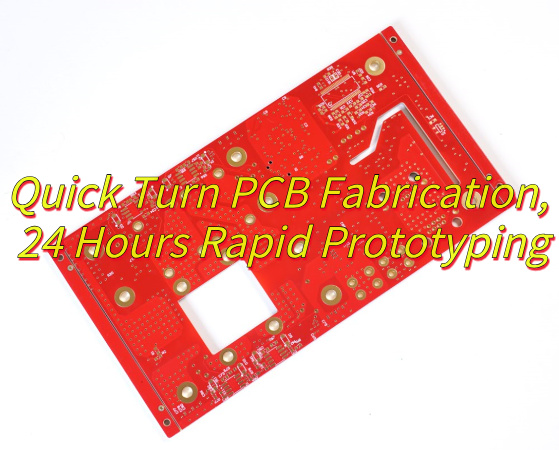
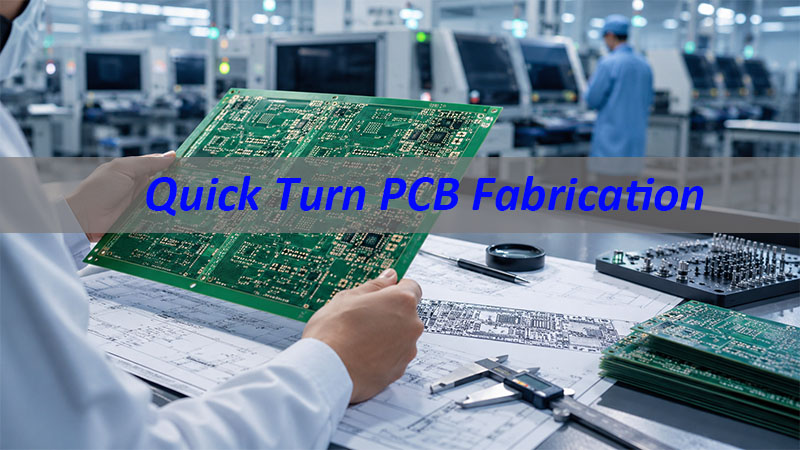
quick turn PCB fabrication

Quick Turn PCB Fabrication for Urgent OEM Projects
Wednesday, June 10th, 2026

Quick turn PCB fabrication helps OEM teams move urgent projects faster, but speed alone is not enough. The real value is fast engineering review, clear manufacturability feedback, practical material confirmation, and reliable PCB delivery without creating new risks for testing, pilot runs, or production launch.

As a trustworthy quick turn PCB manufacturer, EBest Circuit (Best Technology) supports urgent OEM PCB projects with PCB fabrication, DFM review, material confirmation, surface finish options, electrical testing, and optional PCB assembly. If you need a quick turn PCB fabrication quote, please send your Gerber files, stack-up, material requirements, copper thickness, surface finish, quantity, and delivery needs to sales@bestpcbs.com. Our team will review what can be built quickly, what may need adjustment, and what could affect lead time.
Quick Turn PCB Fabrication

What Does EBest Circuit’s Quick Turn PCB Fabrication Service Include?

EBest Circuit’s quick turn PCB fabrication service is designed for OEM projects that need faster engineering response, not just faster board production.

Our support may include:

  • Gerber file review
  • Stack-up and material confirmation
  • DFM review before production
  • FR4, high-Tg FR4, aluminum PCB, heavy copper PCB, HDI PCB, high-frequency PCB, and other material review
  • Copper thickness confirmation
  • Surface finish selection, such as HASL, lead-free HASL, ENIG, OSP, immersion tin, immersion silver, hard gold, soft gold, or ENEPIG
  • Solder mask and silkscreen requirement review
  • Electrical testing
  • Inspection report or special test support when required
  • Optional PCB assembly support for urgent projects

This service is useful when customers need a quick turn PCB fabrication quote, but also need clear engineering communication before placing the order.

For EBEST, fast does not mean skipping review. A fast PCB order still needs correct material, manufacturable design, controlled process, and suitable testing. Otherwise, the customer may receive boards quickly but lose time later during assembly, testing, or product validation.
Quick Turn PCB Fabrication

How We Review Files Before Quick Turn PCB Fabrication?

Before starting quick turn PCB fabrication, EBEST reviews the key manufacturing files and project details. This step helps reduce back-and-forth communication and prevents avoidable delays.

We usually check:

  • Gerber files
  • Drill files
  • PCB stack-up
  • Board thickness
  • Copper thickness
  • Material type
  • Surface finish
  • Minimum line width and spacing
  • Minimum hole size
  • Solder mask bridge
  • Impedance requirement if needed
  • Special tolerance
  • Panelization requirement
  • Quantity and delivery target

For urgent projects, file clarity is critical. If the Gerber data is complete, the material is available, and the process requirements are within standard capability, the project can move faster. If important information is missing, the quote may be delayed because engineering must confirm details first.

EBEST can also review whether the design is suitable for quick-turn PCB fabrication. For example, a simple double-sided PCB quick-turn fabrication project is very different from a high-layer HDI board, heavy copper board, or controlled impedance board. Each project needs a different review focus.

If your board has custom solder mask color, tight solder mask bridge, special surface finish, fine pitch BGA, blind vias, resin plugged vias, or high-current copper requirements, it is better to show these requirements clearly at the quotation stage.

What Factors Affect a Quick Turn PCB Fabrication Quote?

A quick turn PCB fabrication quote should be fast, but it must also be realistic. A low price that ignores material, tolerance, testing, or process difficulty may create delays later.

At EBEST, we prepare quotes based on the real manufacturing requirements of each board, not just board size and quantity.

Key quote factors include:

  • PCB size
  • Layer count
  • Material grade
  • Board thickness
  • Copper thickness
  • Minimum line width and spacing
  • Minimum hole size
  • Surface finish
  • Solder mask requirement
  • Impedance control
  • HDI or blind/buried via structure
  • Electrical testing requirement
  • Quantity
  • Delivery schedule
  • PCB assembly requirement if needed

For urgent OEM projects, complete files help us quote faster and more accurately. A general request for “quick turn PCB fabrication service†is not enough for a reliable quote. Gerber files, drill files, stack-up, material notes, copper thickness, surface finish, quantity, and delivery target help our engineering team confirm what can be produced quickly and what may affect lead time.

This is especially important for inverter control boards, UPS control boards, industrial control PCBs, power electronics boards, home appliance PCBs, LED boards, and communication electronics. These boards may look simple, but material, copper thickness, hole size, surface finish, and assembly requirements can strongly affect both cost and delivery.

How We Shorten PCB Lead Time Without Sacrificing Quality?

Shorter lead time should not come from removing important process controls. It should come from better preparation, clear file review, suitable material choice, and controlled production planning.

EBEST helps shorten PCB lead time through:

  • Early engineering review
  • Clear material confirmation
  • Standard process selection when possible
  • Fast clarification of unclear files
  • Practical stack-up suggestions
  • Suitable surface finish recommendation
  • Controlled production routing
  • Electrical testing before shipment
  • Optional assembly planning if the project also needs PCBA

Some delays are caused not by production speed, but by unclear requirements. For example, if a customer does not confirm copper thickness, Tg value, impedance tolerance, solder mask color, or final surface finish, production cannot move smoothly.

For quick-turn PCB fabrication, our recommendation is simple: keep urgent projects manufacturable. If a design does not need a special material, special tolerance, or uncommon finish, using a practical standard process can save time. If the project truly needs special requirements, EBEST will review them before production instead of ignoring the risk.

Fast delivery is valuable only when the board is usable, testable, and suitable for the next engineering step.

What PCB Types Can Be Supported for Quick Turn Fabrication?

EBEST can review and support different PCB types for quick turn fabrication, depending on design complexity, material availability, and process requirements.

Common quick-turn PCB fabrication projects include:

  • Rigid FR4 PCB
  • High-Tg FR4 PCB
  • Double-sided PCB
  • Multilayer PCB
  • Controlled impedance PCB
  • Heavy copper PCB
  • HDI PCB
  • Aluminum PCB
  • Copper base PCB
  • High-frequency PCB
  • Rigid-flex PCB
  • Ceramic PCB projects after engineering review
  • DPC ceramic PCB projects when the structure and schedule are suitable

For buyers searching for a quick turn rigid PCB fabricator, EBEST can support standard rigid PCB projects from simple two-layer boards to complex multilayer boards. For customers searching quick turn HDI PCB fabrication, we can review laser vias, blind vias, buried vias, microvia structure, and stack-up feasibility. For quick turn aluminum PCB fabrication, we can review metal core material, thermal conductivity, board thickness, copper thickness, and surface finish requirements.

Not every advanced PCB can be treated as a standard urgent order. HDI, heavy copper, high-frequency, ceramic, DPC ceramic, and metal core boards usually need more careful engineering review. This is why EBEST confirms project details first before promising the most realistic delivery plan.

How We Support Urgent Prototype and Small-Batch OEM Projects?

Many customers do not need only one sample. They need a fast path from prototype validation to small-batch production and then repeat orders. That is why EBEST handles urgent OEM projects with a prototype-to-production mindset.

For urgent prototype and small-batch projects, we focus on:

  • Fast file review
  • Clear risk feedback
  • Practical material selection
  • Stable fabrication process
  • Electrical test planning
  • Repeat production feasibility
  • Documentation for later batches
  • Communication between engineering and purchasing teams

This is different from a sample-only approach. A sample-only supplier may focus only on making a few boards quickly. EBEST focuses on whether the board can move to the next stage after the urgent prototype is finished.

For example, if an OEM customer is developing an electronic board for inverter control, home appliance control, power management, LED lighting, medical equipment, or industrial automation, the first PCB is often only part of a larger project. The buyer may later need PCBA, functional testing, box build, packaging, or repeat production. In that situation, the quick turn PCB prototype fabricator should understand both engineering speed and production stability.

That is where EBEST’s one-stop support becomes useful.

Can EBest Circuit Combine Quick Turn PCB Fabrication and Assembly?

Yes. EBEST can support quick turn PCB fabrication and assembly when the customer needs both bare PCB and PCBA support.

For urgent OEM projects, PCB fabrication and assembly are often connected. A PCB may be fabricated quickly, but if component sourcing, SMT assembly, through-hole assembly, BGA assembly, testing, or stencil preparation is not planned early, the project may still be delayed.

EBEST can support:

  • PCB fabrication
  • Component sourcing review
  • SMT assembly
  • Through-hole assembly
  • BGA/QFN assembly
  • Connector and terminal assembly
  • Stencil support
  • First article inspection
  • AOI inspection
  • X-ray inspection when required
  • Functional testing based on customer procedures
  • Conformal coating or other process support when required
  • Packaging and delivery coordination

For projects involving integrated circuit assembly and quick turn PCB fabrication services, early communication is especially important. IC packages, fine-pitch parts, BGAs, thermal pads, polarity marks, and test points should be reviewed before assembly starts.

A fast PCB is only useful when it can be assembled and tested smoothly. That is why EBEST encourages customers to share BOM, pick-and-place files, assembly drawings, and testing requirements as early as possible.

If your project needs PCB fabrication first and assembly later, please mention this during the quotation stage. EBEST can help review the board with the full PCBA workflow in mind.

FAQs About Quick Turn PCB Fabrication

What is quick turn PCB fabrication?
Quick turn PCB fabrication is a faster PCB manufacturing service for urgent engineering validation, prototype testing, pilot runs, small-batch production, or time-sensitive OEM projects.

What files are needed for a quick turn PCB fabrication quote?
Please send Gerber files, drill files, PCB stack-up, board thickness, copper thickness, material requirement, surface finish, quantity, and delivery target. If assembly is needed, BOM, pick-and-place file, assembly drawing, and test requirements should also be provided.

Can EBEST support both quick turn PCB fabrication and assembly?
Yes. EBEST can support PCB fabrication, component sourcing review, SMT assembly, through-hole assembly, BGA/QFN assembly, inspection, and customer-defined functional testing when required.

How can buyers reduce delays in quick turn PCB fabrication?
Send complete files, confirm material and copper thickness early, avoid unnecessary special requirements, respond quickly to engineering questions, and mention assembly or testing needs at the quotation stage.
Quick Turn PCB Fabrication

To sum up, quick turn PCB fabrication should not be treated as a simple rush order. For urgent OEM projects, speed must work together with manufacturability, material control, process capability, testing, and communication.

EBest Circuit (Best Technology) supports customers who need more than a fast sample. We help review files, confirm materials, evaluate process risk, prepare PCB fabrication quotes, support urgent prototypes, and connect PCB fabrication with assembly when required.

If your project involves urgent PCB fabrication, HDI PCB, aluminum PCB, heavy copper PCB, rigid PCB, ceramic PCB, inverter electronics, UPS control boards, industrial electronics, medical devices, LED systems, communication products, or PCB assembly, please send your files to sales@bestpcbs.com. Our team will review your project carefully and help you move forward with a clearer manufacturing plan.
You may also like

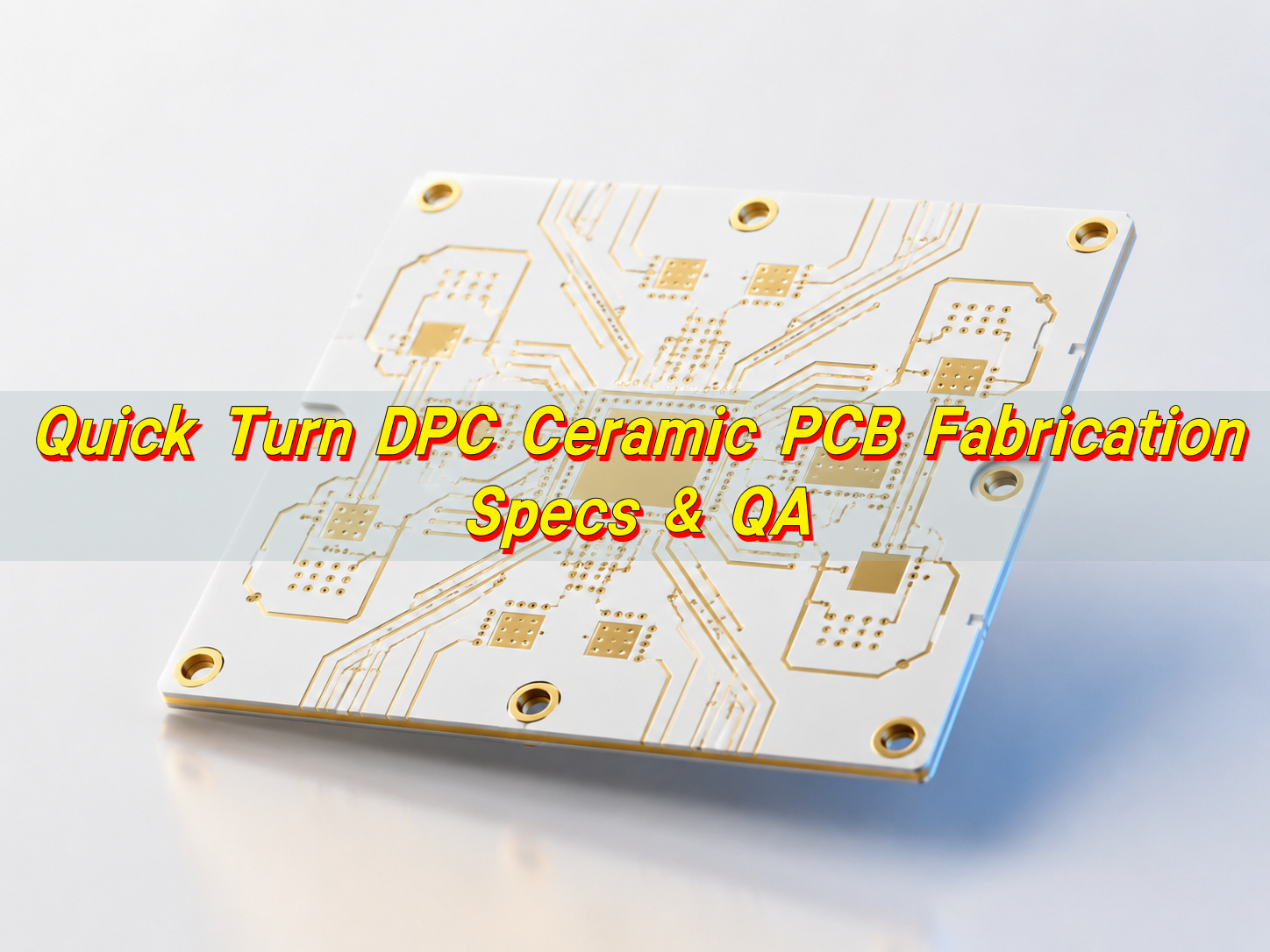
Quick Turn DPC Ceramic PCB Fabrication: Specs & QA
Thursday, June 4th, 2026

Quick turn DPC ceramic PCB fabrication explained for engineers: materials, process, tolerances, testing, failure risks, cost, and supplier selection.

What Is Quick Turn DPC Ceramic PCB Fabrication?

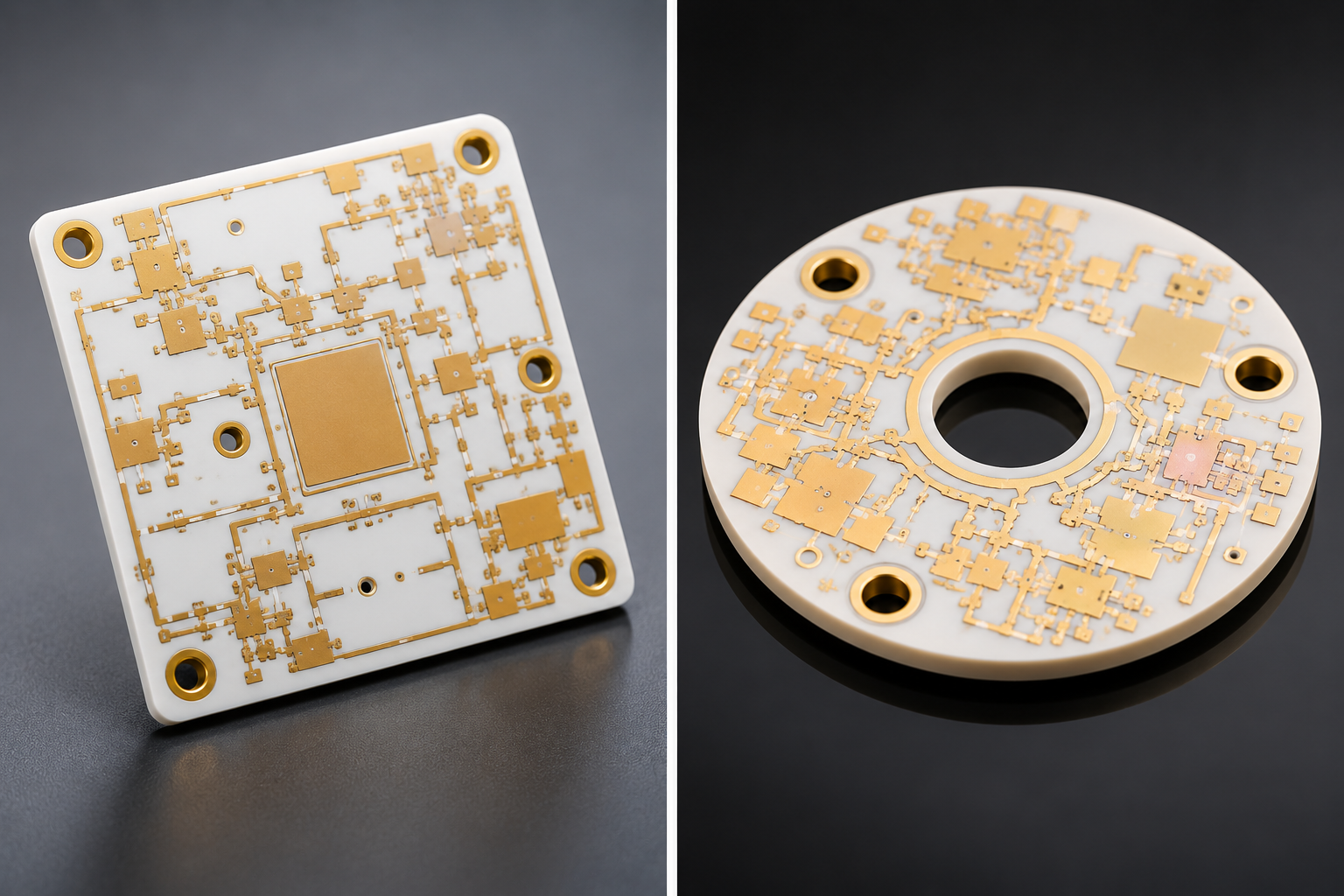
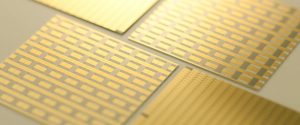
Quick turn DPC ceramic PCB fabrication refers to the fast manufacturing of ceramic circuit boards using Direct Plated Copper technology. In electronics manufacturing, DPC means Direct Plated Copper or Direct Plating Copper, where copper is deposited directly onto a ceramic substrate instead of using standard FR4 laminate construction.

Quick Turn DPC Ceramic PCB Fabrication: Specs & QA

A DPC ceramic PCB usually uses alumina, aluminum nitride, or other ceramic materials as the insulating base. A thin metal seed layer is first formed on the ceramic surface, then copper is built up by electroplating. This makes the process suitable for fine circuits, good surface flatness, high thermal performance, and compact power modules. Some manufacturers describe DPC as a thin-film ceramic PCB process improved by copper plating.

For quick turn projects, the goal is not only fast delivery. The real goal is fast engineering validation without sacrificing adhesion, line accuracy, insulation performance, surface finish quality, or thermal reliability.

Why Is DPC Ceramic PCB Important for High-Power Electronics?

DPC ceramic PCB is important because many modern electronic products generate more heat in smaller spaces. FR4 can work well for general electronics, but it has practical limits when heat density, dielectric strength, thermal expansion, and long-term stability become critical.

DPC ceramic PCB fabrication helps solve several engineering problems:

Engineering NeedWhy DPC Ceramic PCB Helps
Heat dissipationCeramic substrate transfers heat more efficiently than FR4
Fine circuit routingPlated copper supports fine patterns and compact layouts
Electrical insulationCeramic provides strong dielectric performance
Dimensional stabilityCeramic has low expansion under heat
Power densitySuitable for LEDs, power modules, sensors, and RF devices

For products using high-power LEDs, laser diodes, SiC/GaN devices, high-current drivers, power sensors, medical modules, automotive lighting, and industrial control electronics, the substrate often becomes part of the thermal design, not just a carrier for copper traces.

How Does Direct Plated Copper Work?

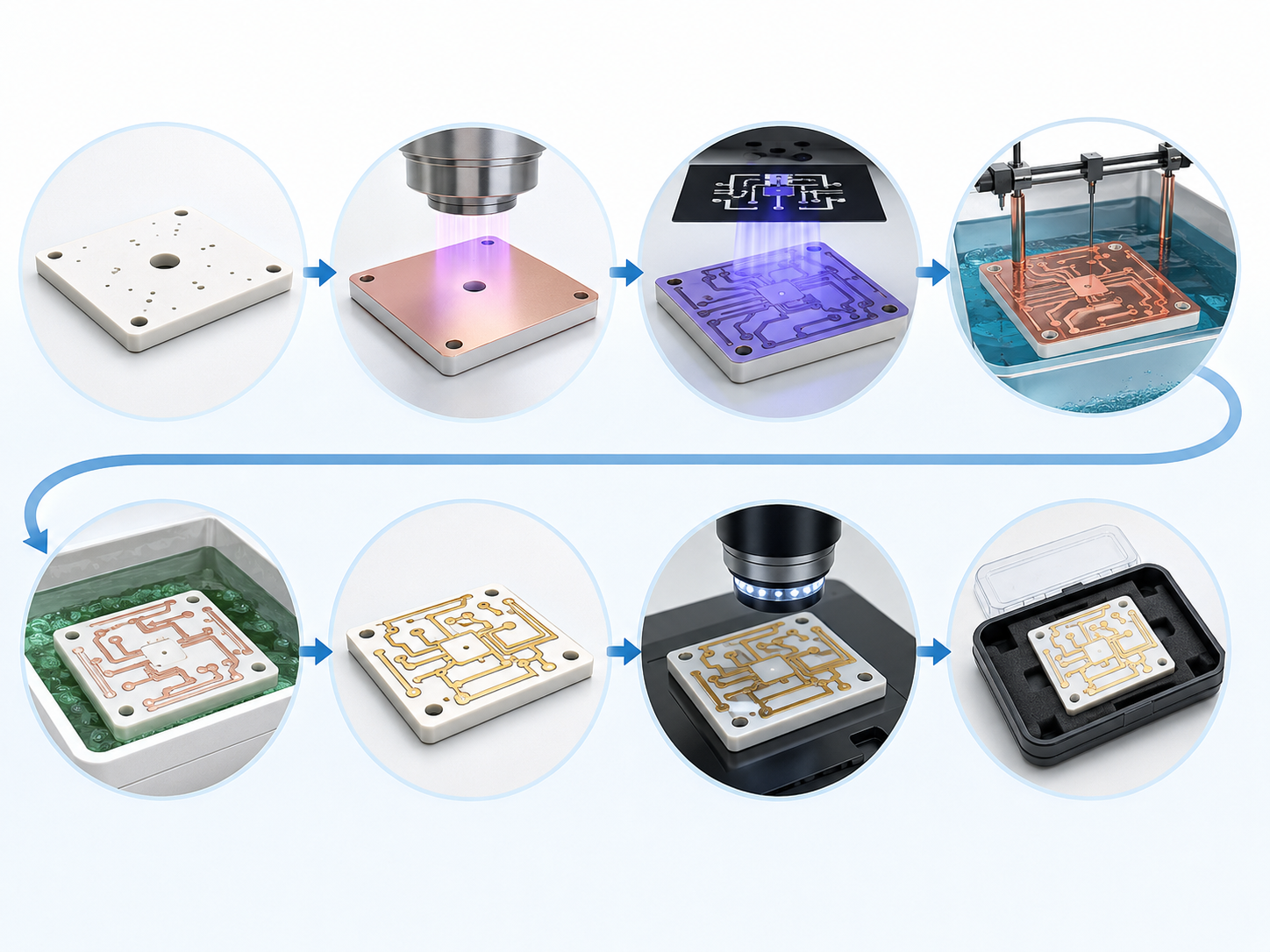
DPC manufacturing starts with a ceramic substrate. The surface is cleaned and prepared, then a very thin adhesion or seed layer is deposited. Titanium, copper, or similar metallization structures may be used depending on the process route. After that, copper is electroplated to the required thickness, patterned, etched, finished, and inspected.

Quick Turn DPC Ceramic PCB Fabrication: Specs & QA

A typical DPC ceramic PCB process includes:

  • Ceramic substrate selection
  • Laser drilling or mechanical processing
  • Surface cleaning and activation
  • Thin-film sputtering or seed-layer formation
  • Photoresist coating
  • Exposure and development
  • Copper electroplating
  • Circuit etching
  • Surface finish
  • Electrical test
  • AOI and dimensional inspection
  • Packaging for shipment

The key difference from thick-film ceramic circuits is that DPC builds copper through plating instead of screen-printing conductive paste. Compared with DBC, it is usually better for finer line width, smaller pads, and precision circuit patterns. DPC is often described as close to standard PCB design logic because copper thickness can be controlled by plating after a seed layer is formed.

Which Materials Are Used for DPC Ceramic PCB Fabrication?

The most common substrate materials for DPC ceramic PCB are alumina and aluminum nitride. The right choice depends on heat, cost, mechanical strength, insulation, and application environment.

MaterialCommon UseMain Strength
Alumina, Al₂O₃LED modules, sensors, industrial electronicsCost-effective ceramic insulation
Aluminum Nitride, AlNHigh-power LEDs, power modules, laser systemsHigh thermal conductivity
Silicon Nitride, Si₃N₄High-reliability power electronicsStrong mechanical toughness
Zirconia-based ceramicsSpecial mechanical or insulating usesHigh strength and wear resistance

Aluminum nitride is widely used when thermal conductivity is a dominant requirement. Kyocera describes AlN as a material with high thermal conductivity and electrical insulation, used in heat-dissipating and heat-soaking components. MARUWA also highlights AlN for high thermal conductivity, electrical insulation, and a coefficient of thermal expansion close to silicon, making it useful for power modules and LEDs.

For most buyers, alumina is the practical starting point when cost matters. AlN becomes more attractive when junction temperature, power density, or device lifetime requires better heat transfer.

DPC vs DBC vs Thick Film Ceramic PCB

DPC, DBC, and thick film are all ceramic circuit technologies, but they serve different design needs.

ProcessBest FitMain AdvantageCommon Limitation
DPCFine circuits, compact pads, prototype validationPrecise pattern, good flatnessHigher process control requirement
DBCHigh-current power modulesThick copper, strong current capacityLess suitable for very fine traces
Thick FilmResistors, sensors, hybrid circuitsMature and flexibleConductive paste performance varies
LTCC/HTCCMultilayer ceramic modulesIntegrated ceramic package designLonger development cycle

DPC is often the better choice when engineers need fine trace geometry, plated copper, ceramic heat dissipation, and quick prototype production. DBC is often selected for high-current power substrates where thicker copper is more important than fine routing. Thick film is useful for hybrid circuits, printed resistors, and sensor modules.

For quick turn DPC ceramic PCB fabrication, the design should stay realistic. Very thick copper, complex multilayer ceramic stacks, extremely tight spacing, and unusual surface finishes can extend lead time.

Key Specifications Engineers Should Confirm Before Fabrication

Before placing a quick turn order, confirm the specifications that directly affect manufacturability, cost, and reliability.

SpecificationWhat to Confirm
Ceramic materialAl₂O₃, AlN, Si₃N₄, or other
Substrate thicknessCommonly selected by heat, strength, and package height
Copper thicknessMatch current, heat, and etching capability
Line width and spacingConfirm with manufacturer before layout release
Hole typeLaser hole, metallized hole, or non-plated hole
Surface finishENIG, immersion silver, OSP, or custom finish
Solder maskRequired or not required
Warpage controlImportant for assembly and module bonding
Thermal pathPad-to-ceramic-to-heatsink structure
Test methodE-test, AOI, adhesion check, insulation test

A common mistake is sending only Gerber files without explaining power load, device package, operating temperature, insulation requirement, or assembly method. DPC ceramic PCB fabrication is highly connected with final use conditions, so the manufacturer needs more than a drawing.

Advantages of Quick Turn DPC Ceramic PCB

Quick turn DPC ceramic PCB fabrication gives engineers a faster way to validate high-thermal designs before committing to batch production.

The main advantages include:

  • Faster prototype validation
  • Better heat spreading than standard FR4
  • Fine circuit pattern capability
  • Good surface flatness for chip mounting
  • Strong electrical insulation
  • Stable performance under heat
  • Suitable for compact power designs
  • Easier transition from prototype to small batch

For R&D teams, quick turn service is valuable when the design still needs verification. It allows engineers to test solderability, thermal performance, die attach behavior, pad geometry, electrical isolation, and mechanical fit before releasing a production build.

The strongest value appears in projects where one failed thermal design can delay the whole product schedule. A well-made DPC prototype helps shorten that risk loop.

Limitations and Design Boundaries of DPC Ceramic PCB

DPC ceramic PCB is not a universal replacement for FR4, aluminum PCB, or DBC substrate. It has clear boundaries.

DPC may not be the best option when:

  • The product only needs low-cost signal routing
  • The board area is large and mechanically exposed
  • The design requires heavy copper beyond practical plating limits
  • The circuit needs complex multilayer routing
  • Mechanical shock is severe and ceramic cracking risk is high
  • The application does not need ceramic-level thermal performance

Ceramic is hard and stable, but it is also brittle compared with organic laminates. Layout, mounting holes, edge distance, screw pressure, fixture design, and packaging must be reviewed carefully. Many ceramic PCB failures are not caused by the circuit itself. They come from mechanical stress, poor thermal interface design, wrong panel handling, or unsuitable assembly fixtures.

Where Are DPC Ceramic PCBs Used?

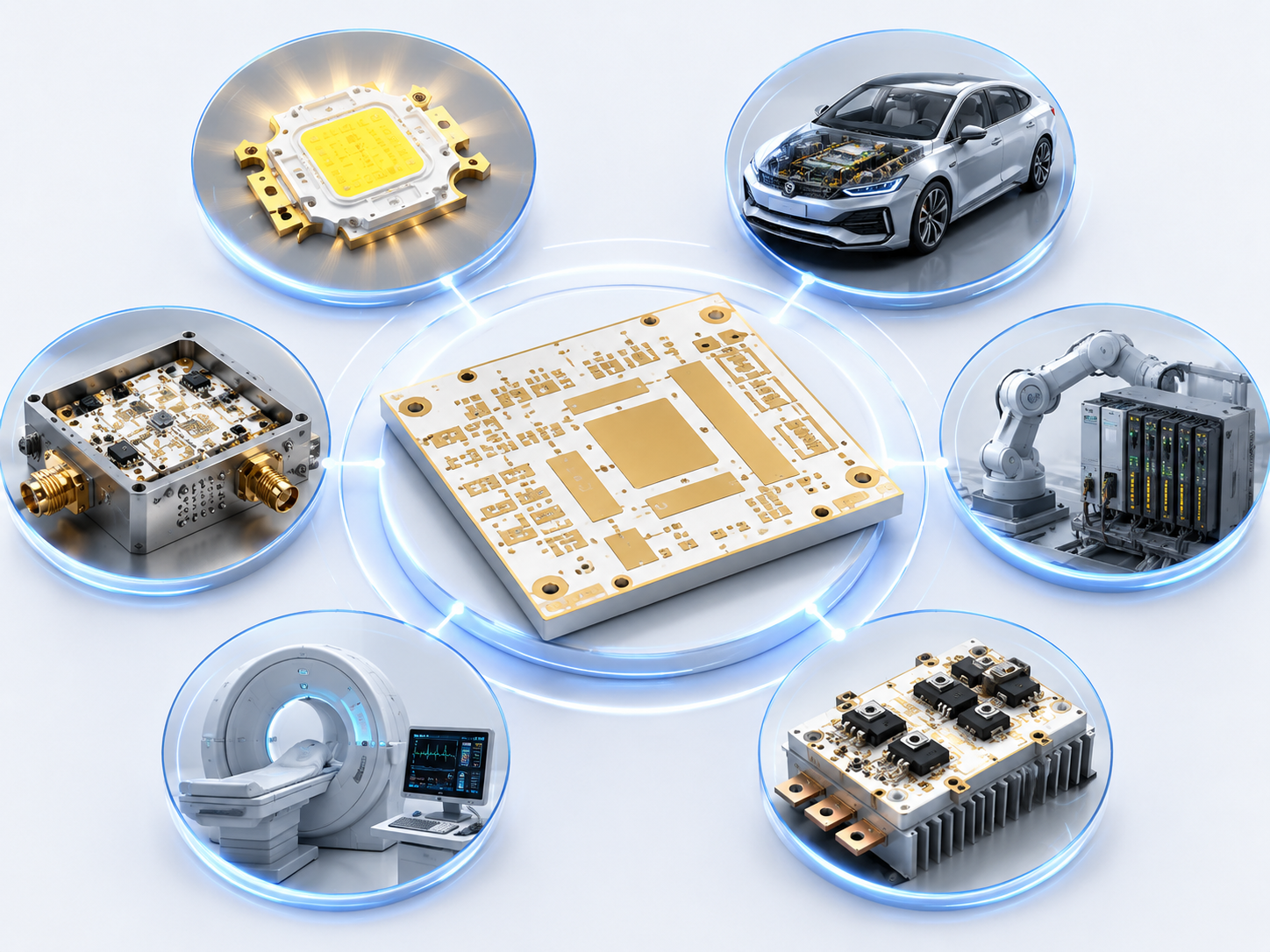
DPC ceramic PCBs are widely used in electronic products that need compact routing, fast heat transfer, and stable insulation.

Quick Turn DPC Ceramic PCB Fabrication: Specs & QA

Common applications include:

  • High-power LED modules
  • UV LED curing systems
  • Laser diode modules
  • Automotive lighting
  • EV power electronics
  • SiC and GaN driver circuits
  • Power sensors
  • Semiconductor test modules
  • Medical electronics
  • RF and microwave modules
  • Industrial control electronics
  • Optical communication devices

In high-power LED projects, DPC ceramic PCB helps conduct heat away from the LED junction. In laser modules, it supports compact pads and stable heat spreading. In power electronics, it can serve as a high-insulation substrate for compact power devices.

For U.S. and European buyers, key concerns often include RoHS compliance, long-term reliability, documentation, and repeatable production quality. RoHS rules restrict hazardous substances in electrical and electronic equipment, and many electronics buyers require clear material and surface finish compliance records before approval.

Practical Engineering Case: High-Power LED Ceramic Substrate

A high-power LED module may fail early if the thermal path is too slow or uneven. In one typical project, the LED package, solder layer, copper pad, ceramic substrate, thermal interface material, and heatsink all form one heat-transfer chain.

For this type of project, engineers should review:

  • LED junction temperature target
  • Copper pad size
  • Ceramic material selection
  • Solder void control
  • Surface finish compatibility
  • Heatsink contact flatness
  • Mounting pressure
  • Thermal interface material thickness

If alumina cannot keep the temperature within the design target, AlN may be selected. If copper thickness is not enough for current spreading, the trace width and copper plating requirement should be adjusted early.

The lesson is simple: DPC ceramic PCB should be designed as a thermal component. Treating it like a normal PCB carrier can lead to overheating, light decay, solder fatigue, or unstable lifetime results.

Design Guidelines Before Sending Gerber Files

For quick turn DPC ceramic PCB fabrication, design files should be reviewed before ordering. A fast quote is helpful, but a fast technical review is more important.

Recommended design checks:

  • Keep enough distance from copper to board edge.
  • Avoid sharp inside corners in copper patterns.
  • Use rounded corners where stress may concentrate.
  • Confirm minimum line width and spacing with the factory.
  • Avoid unnecessary large copper imbalance.
  • Check pad size for soldering, wire bonding, or die attach.
  • Define plated and non-plated holes clearly.
  • Mark ceramic material and thickness in the drawing.
  • Add surface finish and tolerance requirements.
  • Confirm assembly temperature and soldering process.

For bare substrate projects, include Gerber, drill files, outline drawing, material requirement, copper thickness, surface finish, tolerance notes, and inspection requirements. For assembled projects, also include BOM, pick-and-place file, polarity drawing, solder paste layer, and test requirements.

Manufacturing Considerations for Fast Delivery

Quick turn ceramic PCB production depends on design complexity. A simple single-sided or double-sided DPC ceramic PCB can move faster than a complex board with tight spacing, many laser holes, special surface finish, thick copper, or strict cosmetic standards.

To improve lead time, buyers should provide:

  • Complete fabrication files
  • Clear material requirement
  • Quantity and panelization preference
  • Copper thickness
  • Surface finish
  • Tolerance drawing
  • Final application notes
  • Required test standard
  • Packaging requirement
  • Target delivery date

Fast delivery does not mean skipping inspection. A reliable manufacturer should still run incoming ceramic inspection, dimensional check, copper thickness measurement, surface finish inspection, AOI, electrical testing, and final visual inspection.

IPC standards are commonly used to align quality expectations in electronics manufacturing. IPC standards help define reliability, quality, and consistency across the electronics industry, while IPC-A-600 is widely used as a visual acceptability reference for printed boards.

Common Failure Modes in DPC Ceramic PCB

DPC ceramic PCB failures usually come from material mismatch, process instability, poor handling, or design stress.

Common failure modes include:

Failure ModePossible CausePrevention
Copper peelingWeak adhesion or poor surface preparationAdhesion test and process control
Ceramic crackingMechanical stress or poor mountingReview hole position, edge clearance, fixture pressure
Open circuitEtching or plating defectAOI and electrical test
Short circuitInsufficient spacing or contaminationDFM review and ionic cleanliness control
Solder voidingPoor pad design or reflow controlOptimize stencil, finish, and profile
Warpage issueUneven copper or thermal stressBalanced copper and controlled firing/plating process
Poor bondingSurface finish mismatchConfirm wire bonding or die attach requirement early
Thermal failureWrong material or insufficient copper areaThermal simulation and material upgrade

A practical failure analysis should not stop at “bad board.†It should check the full chain: substrate, copper adhesion, finish, soldering, fixture, thermal interface, device power, operating environment, and handling process.

What Affects DPC Ceramic PCB Cost?

The cost of DPC ceramic PCB fabrication depends on material, copper thickness, circuit density, tolerance, surface finish, inspection level, and delivery speed.

Main cost factors include:

  • Ceramic material: AlN costs more than common alumina.
  • Board thickness: Special thickness may require custom sourcing.
  • Copper thickness: More plating time increases cost.
  • Line width and spacing: Fine features require tighter process control.
  • Hole processing: Laser drilling adds cost.
  • Surface finish: ENIG and special finishes cost more than basic options.
  • Quantity: Prototype unit price is higher than batch price.
  • Testing: Extra reliability tests increase cost.
  • Lead time: Urgent production may need priority scheduling.
  • Packaging: Fragile ceramic boards need careful protection.

The best cost-control method is not choosing the cheapest material. It is matching the material to the real thermal, electrical, and mechanical requirement. Over-specification wastes budget. Under-specification creates redesign cost.

How to Ensure Quality in DPC Ceramic PCB Fabrication?

Quality control should start before production. For ceramic PCB, small design errors can become expensive after plating, finishing, or assembly.

Recommended quality controls include:

  • DFM review before production
  • Ceramic substrate inspection
  • Copper thickness measurement
  • Adhesion test
  • Line width and spacing inspection
  • Hole size and position inspection
  • Surface finish thickness check
  • AOI
  • Electrical test
  • Insulation resistance test
  • Solderability test when required
  • Final visual inspection
  • Moisture-proof and shock-resistant packaging

For high-reliability applications, buyers may also request cross-section analysis, thermal cycling, pull test, shear test, ionic contamination test, and traceability documentation.

A good quick turn supplier should not only say “we can make it fast.†The supplier should explain what can be accelerated, what cannot be shortened, and which specifications may affect risk.

How to Choose a DPC Ceramic PCB Supplier?

A suitable DPC ceramic PCB supplier should understand both ceramic substrate processing and electronic manufacturing requirements.

Use the following supplier checklist:

  • Can the factory support DPC ceramic PCB fabrication directly?
  • Does the team understand alumina and AlN material selection?
  • Can they review line width, spacing, copper thickness, and hole design?
  • Can they support quick turn prototype and batch production?
  • Do they provide DFM feedback before production?
  • Can they perform AOI, e-test, copper thickness inspection, and surface finish checks?
  • Can they support RoHS-compliant materials and documentation?
  • Do they have experience with LED, power, RF, medical, automotive, or industrial projects?
  • Can they package ceramic boards safely for international shipping?
  • Can they support custom OEM and ODM engineering projects?

For buyers sourcing from China, the best approach is to choose a real manufacturing partner with technical review capability, not only a trading quotation channel. Cross-border purchasing can work very well when files are complete, requirements are clear, and the factory has stable process control.

What Should Buyers Check Before Placing an Order?

Before ordering, confirm the information below:

  • Final application
  • Ceramic material
  • Board size
  • Thickness
  • Copper thickness
  • Layer structure
  • Line width and spacing
  • Hole type and size
  • Surface finish
  • Solder mask requirement
  • Quantity
  • Delivery requirement
  • Inspection standard
  • Assembly requirement
  • Packaging method
  • Shipping destination
  • Compliance requirement

For quick turn orders, avoid vague instructions such as “standard ceramic PCB†or “same as normal PCB.†DPC ceramic PCB fabrication needs precise material and process details.

A strong RFQ package reduces delays, prevents incorrect assumptions, and helps the manufacturer give a more accurate price.

FAQ About Quick Turn DPC Ceramic PCB Fabrication

What does DPC mean in ceramic PCB manufacturing?
DPC means Direct Plated Copper or Direct Plating Copper. It is a ceramic PCB process where a metal seed layer is formed on the ceramic surface, then copper is built up by electroplating. It is often used for fine circuits, compact pads, thermal substrates, and high-power electronic modules.

Is DPC ceramic PCB better than FR4 PCB?
DPC ceramic PCB is better when the project needs high thermal conductivity, electrical insulation, and stable performance under heat. FR4 is still better for many low-cost signal boards. The right choice depends on heat density, voltage, product lifetime, assembly method, and total project budget.

Is DPC better than DBC ceramic substrate?
DPC is usually better for fine circuit patterns, smaller pads, and prototype validation. DBC is often better for thick copper and high-current power modules. If the project needs fine routing and good surface flatness, DPC may be preferred. If it needs heavy copper current capacity, DBC may fit better.

Can DPC ceramic PCB be made quickly?
Yes, simple DPC ceramic PCB prototypes can often be produced with quick turn scheduling. Lead time depends on material availability, copper thickness, circuit density, hole processing, surface finish, testing, and order quantity. Complete files and clear specifications help reduce engineering delays before production starts.

Which material is better, alumina or aluminum nitride?
Alumina is more cost-effective and works well for many LED, sensor, and industrial electronics projects. Aluminum nitride provides much better heat dissipation and is suitable for high-power LEDs, laser modules, power devices, and compact thermal designs. The selection should follow thermal load and budget.

Can DPC ceramic PCB support fine lines?
Yes, DPC is suitable for fine circuit patterns because copper is plated and patterned with a precision process. However, actual minimum line width and spacing depend on the factory’s capability, copper thickness, ceramic size, and yield requirement. Always confirm the capability before final layout.

What files are needed for a DPC ceramic PCB quote?
A complete quote package should include Gerber files, drill files, board outline, ceramic material, substrate thickness, copper thickness, surface finish, quantity, tolerance notes, and application details. For assembly, also provide BOM, pick-and-place file, polarity drawing, test method, and soldering requirement.

Why does DPC ceramic PCB cost more than FR4?
DPC ceramic PCB costs more because ceramic material, surface preparation, thin-film metallization, copper plating, precision etching, and inspection are more specialized than standard FR4 production. The higher cost is usually justified when heat dissipation, insulation, or compact power density affects product reliability.

Can DPC ceramic PCB be used for high-power LED modules?
Yes, high-power LED modules are one of the common applications. DPC ceramic PCB can help transfer heat from the LED pad to the ceramic substrate and heatsink. For best results, engineers should also control solder voids, pad design, mounting pressure, and thermal interface material.

What causes copper peeling on DPC ceramic PCB?
Copper peeling may come from weak surface activation, poor seed-layer adhesion, plating issues, contamination, thermal stress, or unsuitable assembly conditions. Prevention requires proper ceramic cleaning, stable metallization, adhesion testing, controlled plating, compatible surface finish, and correct soldering or bonding process.

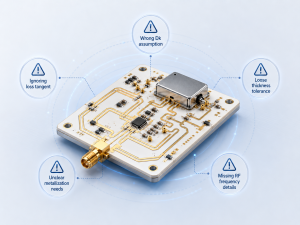
Can DPC ceramic PCB be used for RF applications?
DPC ceramic PCB can be used in some RF and microwave-related modules when the material, dielectric properties, line geometry, surface finish, and grounding design are suitable. For RF designs, engineers should confirm dielectric constant, loss, copper roughness, impedance requirement, and frequency range before fabrication.

Is DPC ceramic PCB suitable for automotive electronics?
Yes, it can be suitable for automotive lighting, power modules, sensors, and thermal management circuits. Automotive projects should pay close attention to thermal cycling, vibration, insulation, material traceability, process documentation, and long-term reliability validation before moving from prototype to mass production.

How can buyers reduce risk when ordering from a China factory?
Buyers should provide complete files, request DFM review, confirm material and copper thickness, define inspection requirements, check compliance documentation, and start with prototypes before mass production. A real source factory with engineering support can reduce communication gaps and improve repeatability for global delivery.

What is the most common design mistake in DPC ceramic PCB?
A common mistake is treating ceramic PCB like ordinary FR4. Ceramic is rigid and brittle, so edge distance, mounting pressure, hole position, copper balance, soldering method, and thermal interface design all matter. Early DFM review helps prevent cracks, peeling, poor soldering, and thermal failures.

When should a project move from prototype to batch production?
Move to batch production after confirming electrical performance, thermal behavior, solderability, surface finish, dimensional fit, adhesion, and reliability under real operating conditions. For high-power or regulated applications, it is better to validate a small pilot batch before releasing full-volume production.

Conclusion:

Quick turn DPC ceramic PCB fabrication is most valuable when a project needs fast prototype validation, strong heat dissipation, compact routing, reliable insulation, and a clear path toward batch production. The core technical point is that DPC ceramic PCB should be designed as part of the thermal and electrical system, not only as a circuit carrier.

If you need quick turn DPC ceramic PCB fabrication, ceramic PCB prototypes, OEM manufacturing, ODM production, small-batch trial production, or custom engineering support, you are welcome to contact our engineering team for technical review and quotation service. Send your Gerber files, drawings, stack-up, material requirements, and quantity to sales@bestpcbs.com, and our team will help evaluate the most suitable manufacturing solution for your project.

You may also like

Quick Turn PCB Fabrication, Rapid Prototyping
Wednesday, September 3rd, 2025

What is quick turn PCB fabrication? Let’s discover its technical spec, design strategies, production process, recommended manufacturer.

Are you worried about these issues?

  • Delays stalling R&D?
  • Low-cost quality risks?
  • Hidden costs inflating budgets?

EBest Circuit (Best Technology) can provide service:

  • 48-hour full-cycle delivery.
  • 98%+ first board pass rate.
  • All-inclusive pricing.

Welcome to contact us if you have any request for quick turn PCB: sales@bestpcbs.com.

What Is Quick Turn PCB Fabrication?

Quick Turn PCB Fabrication is a highly efficient printed circuit board (PCB) production service. Through optimized processes, automated design checks, and synchronized production management, it completes the entire process from design to delivery within 24 hours to 5 days, significantly shortening product development cycles.

This service is designed to rapidly respond to the electronics industry’s needs for prototype verification and urgent production, allowing for flexible design adjustments. While the unit price is higher, it improves overall efficiency by saving time and costs. This service is widely used in consumer electronics prototypes (such as IoT devices), emergency medical and automotive parts, and rapid verification for startups.

Technical Specifications for Quick Turn PCB Fabrication

Parameter CategoryTechnical Specifications
Layer Count1-16 layers (standard)
18-32 layers (advanced)
Substrate TypesFR-4 (standard) / High-Tg FR-4 / Polyimide / PTFE (RF) / Aluminum-backed
Copper Thickness0.5oz(17μm)/1oz(35μm)/2oz(70μm)/3oz(105μm) (outer layers)
0.5oz-2oz (inner layers)
Min Trace/Space3mil(0.075mm)/4mil(0.1mm)/5mil(0.125mm) (standard)
2mil(0.05mm) (laser drilling)
Via TechnologyThrough-hole(PTH)/Blind(BVH)/Buried(BVH)
Microvia(≤0.15mm)
Surface FinishesHASL(Leaded/Lead-free)/ENIG/OSP/Immersion Silver/Immersion Tin
Solder Mask CoverageGreen(standard)/Blue/Red/White/Black/Clear (LPI)
Dimensional ToleranceBoard edges: ±0.15mm
Hole diameters: ±0.05mm
Outline: ±0.2mm (laser cutting)
Special ProcessesGold fingers/Carbon ink printing/Embedded resistors/Rigid-flex/Selective gold plating
Lead TimeSingle/double-sided: 24 hours
4-8 layers: 48-72 hours
10+ layers: 5-7 business days

How to Design Fast Turn PCBs to Reduce Production Cost?

1. Modular Pre-layout

  • Decompose complex circuits into independent functional modules (e.g., power modules, signal processing modules), develop standardized libraries for cross-project reuse. Universal power module packaging reduced layout time by 30%.

2. Structured Constraint Management

  • Import mechanical structure data (STEP format), define keep-out zones and height restrictions. Use 25mil sub-grid for critical components (BGA) and 50mil main grid for general layout to align with automated SMT machine precision.

3. Layer Count Dynamic Balancing

  • Determine minimum viable layer count through signal integrity simulation. Replace traditional through-holes with buried/blind via hybrid structures for high-speed signals. Reduced an 8-layer industrial control board to 6 layers, cutting costs by 18%.

4. Material Standardization Strategy

  • Prioritize FR-4 substrate, use localized PTFE hybrid construction for >5GHz signals. Develop enterprise material libraries with ≥70% standard component packages. Achieved 40% cost reduction compared to full Rogers 4350B solutions.

5. DFM Rules Embedded Design

  • Implement real-time DRC rules: minimum trace width/spacing 6mil, pad diameter via+12mil, solder mask opening trace+4mil. Reduced production defect rates from 2.3% to 0.7%.

6. Panelization Economic Design

  • Use V-cut + stamp hole hybrid panelization with 3mm process margin. Optimal panel count: 5pcs/panel, reducing unit costs by 35% versus single boards.

7. Concurrent Design Process

  • Execute parallel tasks during schematic phase: BOM standardization review, ECAD-MCAD mechanical interference checks, and FloTHERM thermal simulations. Shortened design cycles from 15 days to 9 days.
How to Design Fast Turn PCBs to Reduce Production Cost?

Double Sided PCB Quick Turn Fabrication Processes

1. Material Cutting

  • Substrate Preparation: Use automatic shearing machines to cut copper-clad laminates (FR-4/CEM-1) into standard sizes (e.g., 18″×24″) with edge tolerance ≤0.1mm.
  • Pre-Baking Treatment: Bake cut substrates at 120℃ for 2 hours to eliminate material stress and prevent warpage during subsequent processes.

2. Drilling

  • CNC Drilling: Employ 6-axis CNC drills with 0.2mm–3.2mm diameter bits, operating at 10,000–15,000rpm. Drilling time per panel ≤5 minutes.
  • Hole Cleaning: Immediately blow debris from holes using high-pressure air to avoid plating defects.

3. Electroless Copper Plating

  • Desmearing: Immerse drilled panels in potassium permanganate solution to remove resin residues from holes.
  • Copper Deposition: Deposit 0.3–0.5μm copper layer in alkaline solution for hole wall conductivity, taking ~45 minutes.

4. Circuit Imaging

  • Dry Film Lamination: Attach photosensitive dry film to substrates via thermal rollers at 110℃±5℃ and 1.5m/min speed.
  • Laser Exposure: Use LDI (Laser Direct Imaging) to project patterns onto dry film with ≤4mil resolution, eliminating film usage and saving 30% time.

5. Etching

  • Alkaline Etching: Immerse exposed panels in ammonium chloride-copper solution to remove non-conductive copper, maintaining line width tolerance ±0.05mm.
  • Quick Stripping: Rinse residual dry film with high-pressure water jet at 50℃±5℃ for ≤2 minutes.

6. Solder Mask Application

  • Screen Printing: Apply UV-curable solder mask using 36T mesh, achieving 20–30μm thickness with automatic alignment accuracy ±0.1mm.
  • Pre-Curing: Bake panels at 80℃ for 10 minutes in infrared tunnel oven to stabilize ink flow.

7. Surface Finish

  • Nickel deposition: 3–5μm thickness, 8–12 minutes
  • Gold deposition: 0.05–0.1μm thickness, 3–5 minutes
  • Alternative: HASL (Hot Air Solder Leveling) through tin furnace, taking ≤1 minute per panel.

8. Electrical Testing

  • Flying Probe Testing: Utilize 4-axis flying probe machines with 50–150g contact force. Single panel testing time ≤3 minutes, covering 100% networks.
  • Fault Marking: Automatically ink-mark short/open circuit locations for rework.

9. Routing & Depaneling

  • CNC Milling: Cut panels using 1mm diameter milling bits with ±0.05mm path accuracy. Single board routing time ≤2 minutes.
  • V-Cutting: For manual breakaway, score panels to 1/3 thickness at 30°–60° angle.

10. Final Inspection & Packaging

  • AOI Inspection: Scan solder pads/traces with 3D cameras to detect defects (e.g., solder balls, misalignment) at 1.2m²/minute speed.
  • Vacuum Packaging: Seal panels in aluminum foil bags with desiccant, vacuuming to -0.1MPa for moisture/oxidation protection.
Double Sided PCB Quick Turn Fabrication Processes

Why Choose EBest Circuit (Best Technology) as Quick Turn PCB Manufacturer?

Reasons why choose us as quick turn PCB manufacturer:

  • Ultra-Fast Delivery (24-72 Hours): Accelerates product development cycles by 50%+ compared to standard lead times, enabling rapid prototyping and market validation.
  • Advanced Technical Capabilities: Supports 1-16 layer boards with 0.1mm mechanical drilling and 0.1mm laser microvias. Minimum 3.5mil/4mil trace/space (1mil/1mil for HDI). Enables complex designs for IoT, wearables, and high-speed applications.
  • Automated DFM Checks: Reduces design errors by 30%+ through pre-production validation, minimizing rework costs.
  • Transparent Pricing Model: Eliminates hidden costs, with small-batch discounts for prototypes <50pcs.
  • 24/7 Engineering Support: Real-time technical assistance during design phase prevents costly production delays.
  • ISO-Certified Quality Control: Ensures reliability for medical/automotive applications with zero-defect tolerance.
  • Surface Finish Flexibility: HASL, ENIG, OSP options with 2μm gold thickness control.

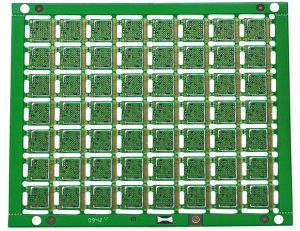
Below is a photo of FR4 PCB board we made before:

Why Choose EBest Circuit (Best Technology) as Quick Turn PCB Manufacturer?

Our Quick Turn PCB Prototyping Time

LayersNormal ServiceFastest Service
17 Days24 H
28 Days24 H
410 Days48 H
610 Days72 H
812 Days72 H
≥10TBDTBD

Our Quick Turn PCB Options

1. Express Delivery (24-48 Hours)

  • Layer Support: 1-6 layers (standard boards).
  • Trace Width/Spacing: 3.5mil/4mil (1mil/1mil for advanced processes).
  • Drill Size: 0.2mm mechanical drilling (0.1mm laser microvias).
  • Suitable For: Urgent prototype verification, exhibition samples.

2. Standard Quick Turn Service (3-5 Days)

  • Layer Support: 8-10 layers (complex designs).
  • Material Options: FR-4, aluminum substrate, high-frequency materials (Rogers/PTFE).
  • Surface Finishes: HASL (leaded/lead-free), ENIG, OSP.
  • Suitable For: Small-batch trial production, functional testing.

3. Economy Quick Turn Solution (5-7 Days)

  • Copper Thickness: 0.5oz-3oz (standard options).
  • Solder Mask Colors: Green, Blue, Red, Black, White, Matte Black.
  • Cost Optimization: Volume discounts (50+ panels).
  • Suitable For: Pre-production validation, cost-sensitive projects.

How to Get A Quote for Quick Turn PCB Project?

Follow these steps to ensure accurate and efficient quotation:

1. Submit Design Files

  • Provide Gerber files (RS-274X format) or PCB design source files (Altium/Eagle/PADS).
  • Include assembly drawings if applicable.

2. Specify Technical Requirements

  • Layer count (1-16 layers).
  • Minimum trace width/spacing (e.g., 3.5mil/4mil).
  • Drill size requirements (mechanical/laser).
  • Material type (FR-4, aluminum, Rogers/PTFE).

3. Confirm Production Details

  • Order quantity (5-5,000+ pieces).
  • Surface finish preference (HASL/ENIG/OSP).
  • Copper thickness (0.5oz-6oz).
  • Solder mask color selection.

4. Indicate Special Requirements

  • Impedance control needs.
  • Blind/buried vias requirement.
  • High-frequency material certification.
  • RoHS compliance requirement.

5. Provide Contact Information

  • Company name and location.
  • Project timeline expectations.
  • Preferred communication channel (email/phone).

Welcome to contact us if you have any request for quick turn PCB: sales@bestpcbs.com.

You may also like