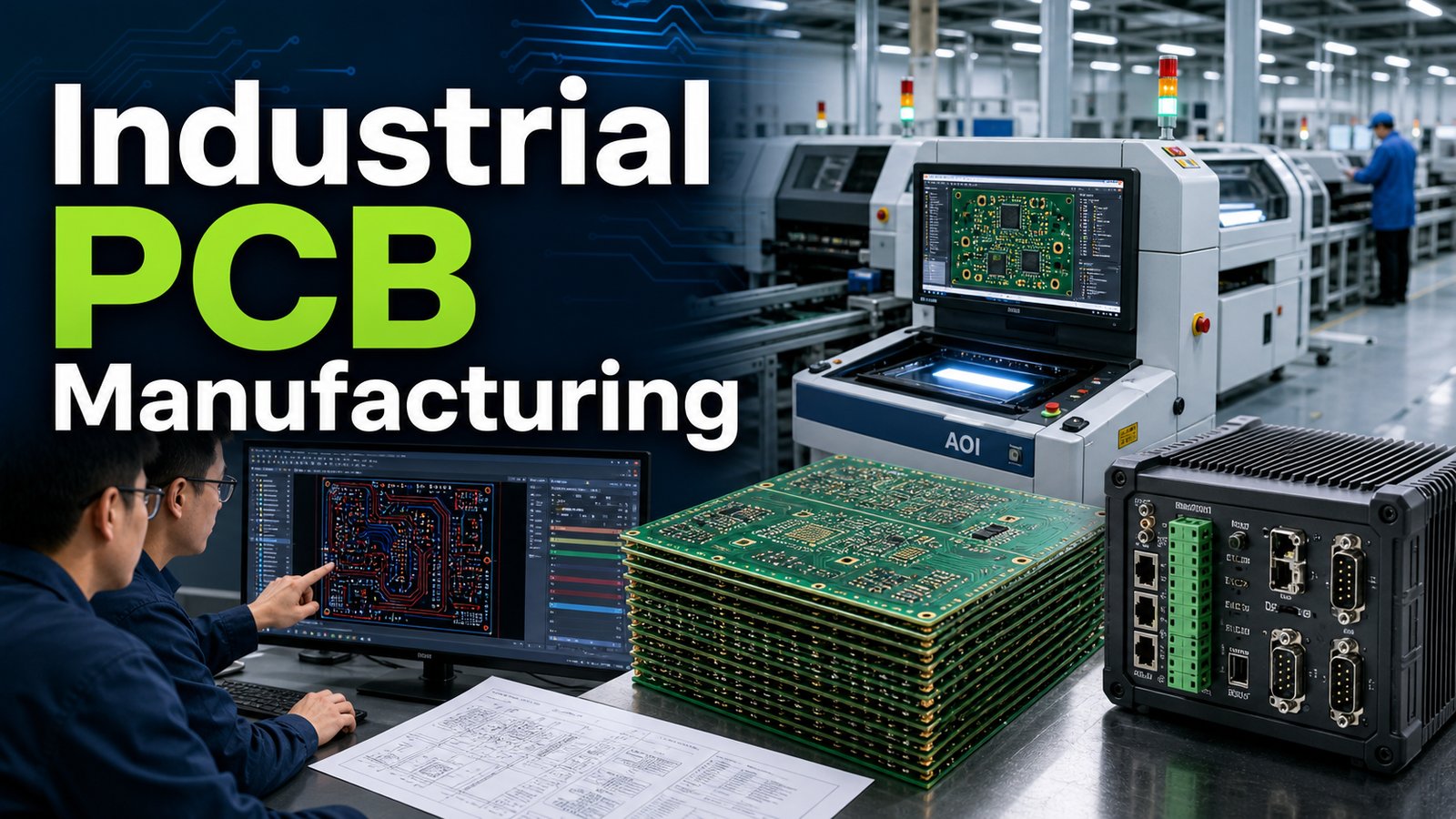
Industrial PCB manufacturing turns electronic designs into reliable boards for equipment, controls, power systems, communications, automation and other products that cannot tolerate casual build decisions. The process should control DFM, stackup, materials, fabrication, assembly, inspection, testing and production planning before a buyer approves the order.
For buyers, the goal is not only to get a board made. The goal is to avoid repeated prototypes, unstable materials, unclear test scope, component sourcing problems and late production changes. EBest Circuit supports industrial PCB projects by reviewing fabrication, PCBA, BOM, CPL, inspection and quote assumptions together.
Is your industrial PCB project being quoted like a simple prototype?
Industrial PCB projects often fail commercially when the quote ignores reliability, assembly, field environment and repeat-order planning.
- The design is quoted before stackup, copper, material, thermal and test requirements are clearly reviewed.
- The project needs stable production, but the prototype supplier does not discuss revision control or material consistency.
- The BOM and CPL arrive late, so component availability, alternates, placement risk and test access are not checked early.
- Inspection is treated as a generic step instead of being matched to industrial reliability requirements.
- The first price looks acceptable, but later DFM changes, assembly questions and test fixtures increase the real project cost.
EBest Circuit supports industrial PCB manufacturing as a full build path, not only a bare board order.
- We review Gerber or ODB++ files, stackup, material, copper, finish, drill, quantity and inspection expectations before production assumptions are locked.
- We connect PCB fabrication with PCBA services, component sourcing and test planning when the product needs assembly.
- We help buyers identify cost and risk drivers before the project moves from prototype to small-batch or repeat production.
- We support industrial controls, communication electronics, LED systems, medical electronics, consumer electronics and small-to-mid volume projects.
- We keep capability claims tied to real file review so special material, stackup or process requirements are confirmed before quoting.
What Makes Industrial PCB Manufacturing Different?
Industrial PCB manufacturing is different because reliability, repeatability, testing and production continuity matter as much as the bare board itself.
An industrial board may need stable materials, clear traceability, robust solder joints, controlled inspection, PCBA support and repeatable production documentation. A supplier should understand how the board will be used, what failure would cost and which process controls protect the product before volume increases.
When Industrial PCB Projects Get Delayed or Rebuilt
Industrial PCB projects are delayed when design files, material assumptions, component sourcing, inspection scope or production planning are incomplete.
| Risk | What It Causes | Control Point |
|---|---|---|
| Unclear stackup | Revised material, impedance or thickness after quote | Confirm stackup before fabrication |
| Late BOM review | Component alternates, shortages or placement changes | Review BOM and CPL with PCB files |
| Weak DFM feedback | Repeated prototypes or unexpected process limits | Run DFM before order approval |
| Generic inspection | Defects escape into assembly or field use | Match inspection to application risk |
| No production plan | Unstable cost, lead time and revision control | Plan prototype-to-production transition |
How EBest Circuit Supports Industrial PCB Manufacturing
EBest Circuit supports industrial PCB manufacturing by reviewing manufacturability, fabrication, assembly and test requirements together before the buyer approves the RFQ.
That matters for industrial electronics because the board often has to survive repeated use, vibration, heat, electrical load, enclosure constraints or long product life. EBest Circuit can review PCB files, BOM, CPL, material, finish, quantity, test expectations and production stage so the buyer can compare a practical build route.
Need an industrial PCB manufacturing review before quote approval?
Send your Gerber or ODB++ files, stackup, BOM, CPL, quantity, finish, test expectations and production target. EBest Circuit can review the build path before prototype or production.
DFM | Stackup | PCBA | Inspection | Production planning
Industrial PCB Manufacturing Control Path
A reliable industrial PCB build usually follows a control path from DFM to stackup, fabrication, PCBA, inspection and production planning.
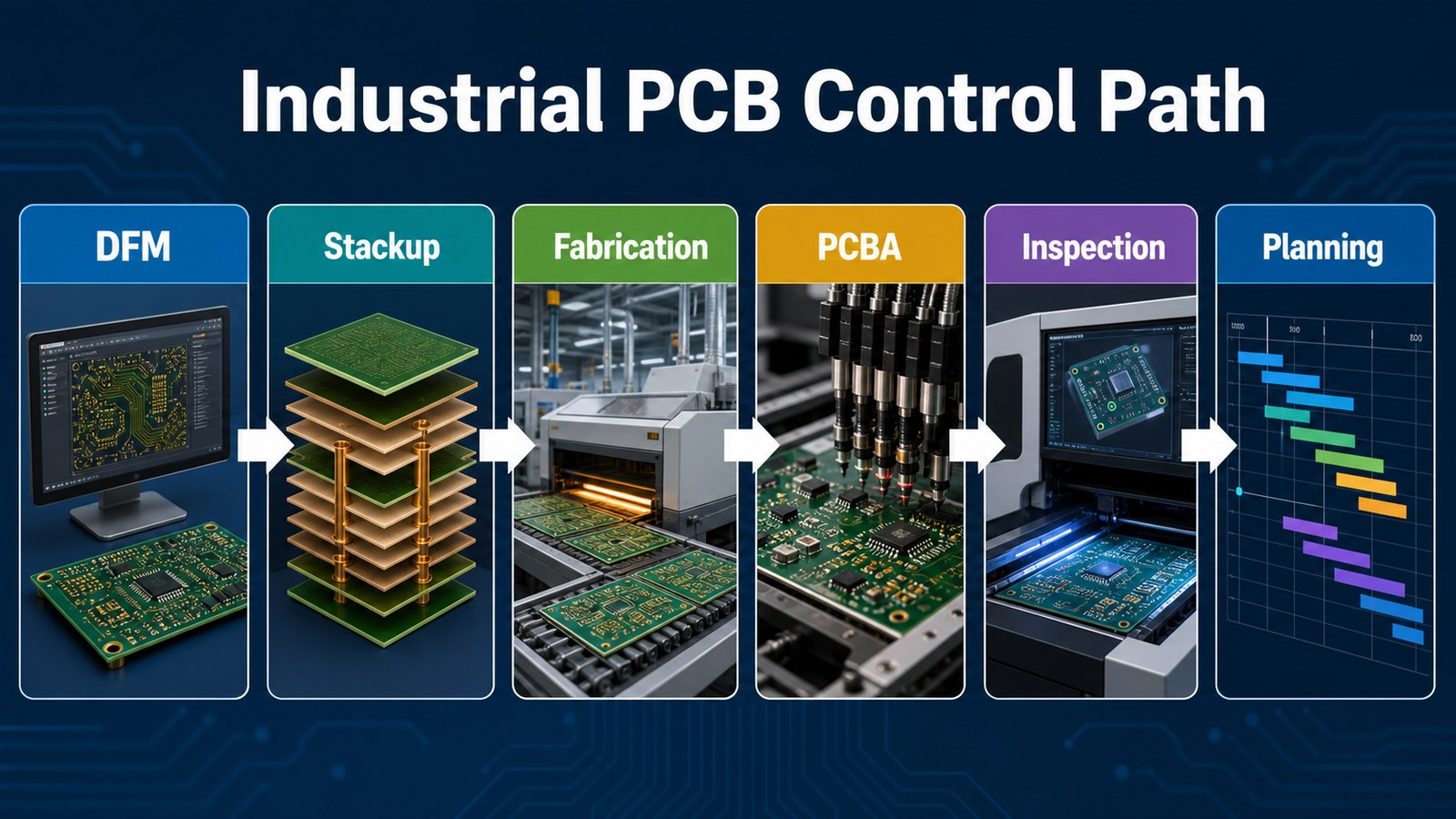
Each stage should feed the next one. DFM affects stackup decisions. Stackup affects fabrication. Fabrication choices affect assembly. Assembly and inspection requirements affect production planning. When these steps are treated separately, hidden cost and risk usually appear later.
DFM Review Before Industrial PCB Production
DFM review before industrial PCB production should check whether the design can be manufactured, assembled, inspected and repeated without avoidable changes.
Useful DFM review covers spacing, drill, copper, solder mask, surface finish, panelization, fiducials, test points, polarity and assembly access. For industrial products, the review should also consider whether the design is ready for repeat orders and stable documentation.
Stackup, Material, Copper and Surface Finish Control
Stackup, material, copper and finish choices affect industrial PCB reliability, manufacturability and cost.
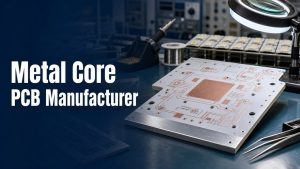
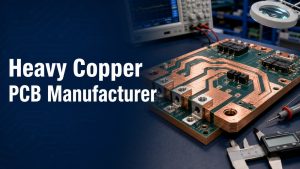
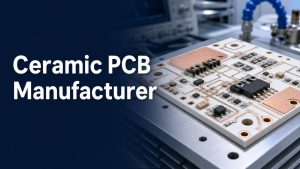
Standard FR-4 PCB may fit many industrial products, while high Tg material, HDI PCB, heavy copper, RF materials, metal core or ceramic boards may be considered when the application requires them. Surface finish should match assembly, storage and reliability needs rather than being selected only by habit.
PCB Fabrication Controls for Industrial Electronics
PCB fabrication controls for industrial electronics should protect layer registration, hole quality, copper, solder mask, surface finish and final inspection.
The buyer should ask what is included in the fabrication review and which requirements need confirmation before production. For projects that need tight tolerances, special material or repeatable production, a quick quote is less useful than a quote that explains the manufacturing route.
PCBA, Component Sourcing and Test Planning
Industrial PCB manufacturing should connect with PCBA planning when the product needs assembled and tested boards.
Component availability, approved alternates, stencil design, reflow profile, AOI, X-ray, ICT, functional test and packaging can affect the final build. EBest Circuit can support prototype PCB assembly and production planning when the buyer wants a connected fabrication and assembly path.
Inspection and Quality Checks for Industrial PCBs
Industrial PCB inspection should be based on product risk, not only on the minimum test package.
Depending on the board, checks may include visual inspection, AOI, electrical test, dimensional review, solder quality checks, X-ray for selected packages, ICT or functional test. Buyers should define what must be verified before shipment and what documentation is expected.
Cost and Lead-Time Factors in Industrial PCB Manufacturing
Industrial PCB cost and lead time are shaped by board complexity, material availability, component sourcing, testing and production readiness.
| Factor | Why It Changes Cost | How to Control It |
|---|---|---|
| Layer count and stackup | More layers and special dielectrics add process work | Review stackup before quote lock |
| Material choice | Special materials affect price and availability | Confirm functional need and alternatives |
| Assembly scope | BOM, sourcing and placement drive real product cost | Quote PCB and PCBA together |
| Testing | Under-testing creates field risk; over-testing adds cost | Match test plan to product risk |
| Production stage | Prototype and repeat production need different planning | Share forecast, revision and target schedule |
Ready to compare industrial PCB manufacturing options?
EBest Circuit can review fabrication, BOM, CPL, component sourcing, assembly drawings and test scope together so the quote reflects the real product build.
Industrial PCB | PCBA | Sourcing | Testing | Production plan
RFQ Checklist for Industrial PCB Manufacturing
A complete industrial PCB RFQ should include board files, build requirements, assembly files, inspection needs and production planning information.
- Gerber or ODB++ files, drill files and fabrication drawing
- Stackup, layer count, material, thickness, copper and surface finish
- Impedance, thermal, mechanical, enclosure or application constraints
- BOM, CPL, assembly drawing and approved alternates if PCBA is needed
- Inspection, electrical test, functional test or programming requirements
- Quantity, prototype stage, forecast, packaging and target delivery plan
FAQ About Industrial PCB Manufacturing
What is industrial PCB manufacturing?
Industrial PCB manufacturing is the process of building printed circuit boards for industrial electronics, control systems, communications, power equipment, automation and other products that require reliable fabrication, assembly and inspection.
How is industrial PCB manufacturing different from hobby PCB manufacturing?
Industrial projects usually need stronger DFM review, stable materials, assembly planning, inspection, testing, revision control and production communication. Hobby boards often focus more on low-cost prototypes.
What files are needed for an industrial PCB quote?
Send Gerber or ODB++ files, drill files, stackup, material, finish, thickness, copper, BOM, CPL, assembly drawing, test requirements, quantity and target delivery plan.
Can EBest Circuit support industrial PCB assembly?
Yes. EBest Circuit can review industrial PCB fabrication together with PCBA, component sourcing, assembly drawings and test expectations when the project needs assembled boards.
Need industrial PCB manufacturing support for a prototype or production build? Send your Gerber or ODB++ files, stackup, BOM, CPL, quantity, material, surface finish, testing requirements and target delivery plan to sales@bestpcbs.com. EBest Circuit can review DFM, fabrication, PCBA, sourcing and inspection requirements before your order moves forward.