

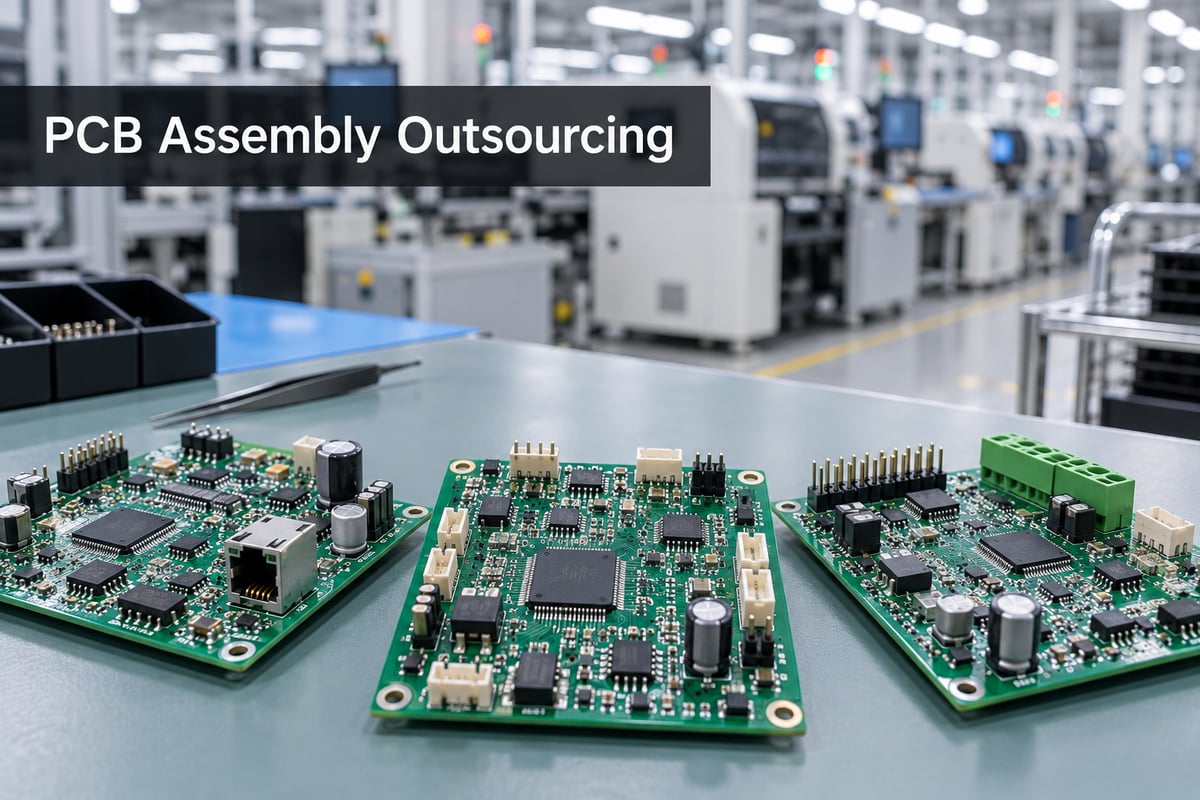
PCB assembly outsourcing can free your OEM team from coordinating a bare-board supplier, component orders and an assembly shop separately. At EBest Circuit, PCB fabrication and PCBA assembly are connected from the manufacturing review onward, so panel design, material availability, soldering and testing are planned around the same released product. You can start with the quantity needed for validation and continue into repeat production without rebuilding that supplier coordination for each stage.
Our manufacturing support combines four SMT lines, 01005 placement, fine-pitch BGA assembly, nitrogen reflow and MES single-board traceability. No MOQ makes small builds practical, while a 1.5-week PCBA delivery option is available for suitable, fully assessed projects. Send your PCB files, BOM, quantity and target date to sales@bestpcbs.com for a quotation and a production plan matched to your build.
Turnkey PCB Assembly with Flexible Sourcing Options
Our own PCB and PCBA facilities allow fabrication and assembly decisions to be reviewed together. Panel rails and fiducials can be planned before the bare boards are made; component packages can be checked against footprints before purchasing. This reduces the chance that your team receives finished PCBs that need modification before assembly can begin.
The sourcing model can fit your existing purchasing arrangements. You can hand over the complete BOM, retain selected strategic components, or supply an agreed kit.
| Supply Model | Component Supply | Customer Purchasing Role |
|---|---|---|
| Full turnkey | EBest sources the approved BOM | Approve specifications and proposed alternatives |
| Partial turnkey | Customer parts plus EBest procurement | Supply selected or proprietary components |
| Consigned assembly | Customer supplies the agreed kit | Retain component purchasing control |
PCB fabrication can be included with full or partial turnkey work. For consigned assembly, the order specifies whether you supply the bare boards or we manufacture them.
Our component sourcing team checks manufacturer part numbers, availability, package format and quantities against the assembly requirements. Procurement through manufacturers and authorized distribution channels supports source traceability. If a part is unavailable, an alternative is submitted with the relevant specifications for your approval before use.
Customer-supplied and purchased parts are coordinated as one production kit. A missing connector, an incompatible package or an unapproved substitute is therefore addressed within the manufacturing project, rather than passed between separate purchasing and assembly suppliers. Your engineers retain approval of product changes while our team handles the material and production follow-up.
Programming, cable installation and enclosure assembly can also be included. Carrying these requirements into the initial project review helps align connector access, board mounting and test preparation before final integration.
PCB Assembly Services Across Board Types
EBest Circuit's board range allows an OEM to place different PCB constructions with one manufacturing contact. A product may combine an FR4 controller, a flexible interconnect and an LED board; each needs its own fabrication and assembly approach, but the purchasing and engineering coordination can stay within one project.
- FR4 and high-Tg boards. Single-sided, double-sided and multilayer builds are reviewed for material, stackup, surface finish and assembly requirements. High-Tg material is selected against the design and thermal-process requirements, rather than treated as a substitute for product-level thermal validation.
- HDI boards. Fine-pitch footprints, microvias and solder-mask features are considered together. Addressing the pad and via structure before fabrication helps avoid soldering problems that would be expensive to correct after components are purchased.
- Heavy copper boards. Large copper areas and power connections draw heat differently during soldering. Fabrication requirements and the thermal demands of the populated board are reviewed together, including through-hole connections where present.
- FPC and rigid-flex boards. Stiffener locations, panel support and populated areas are considered before assembly. This helps keep flexible circuits supported during printing and placement while preserving the intended flexible sections.
- Metal-core PCBs. Aluminum- and copper-core constructions serve LED and power designs. Dielectric requirements, mounting geometry and the board's heat-transfer behavior are considered alongside component placement and soldering.
This range is useful when your product family contains more than one board technology. You can coordinate related boards through the same team while each follows its appropriate manufacturing route. Dimensions, copper weights and fine-feature limits are evaluated for the particular construction; they are not assumed to be identical across factories or board types.
Contract PCB Assembly for SMT and Through-Hole Projects
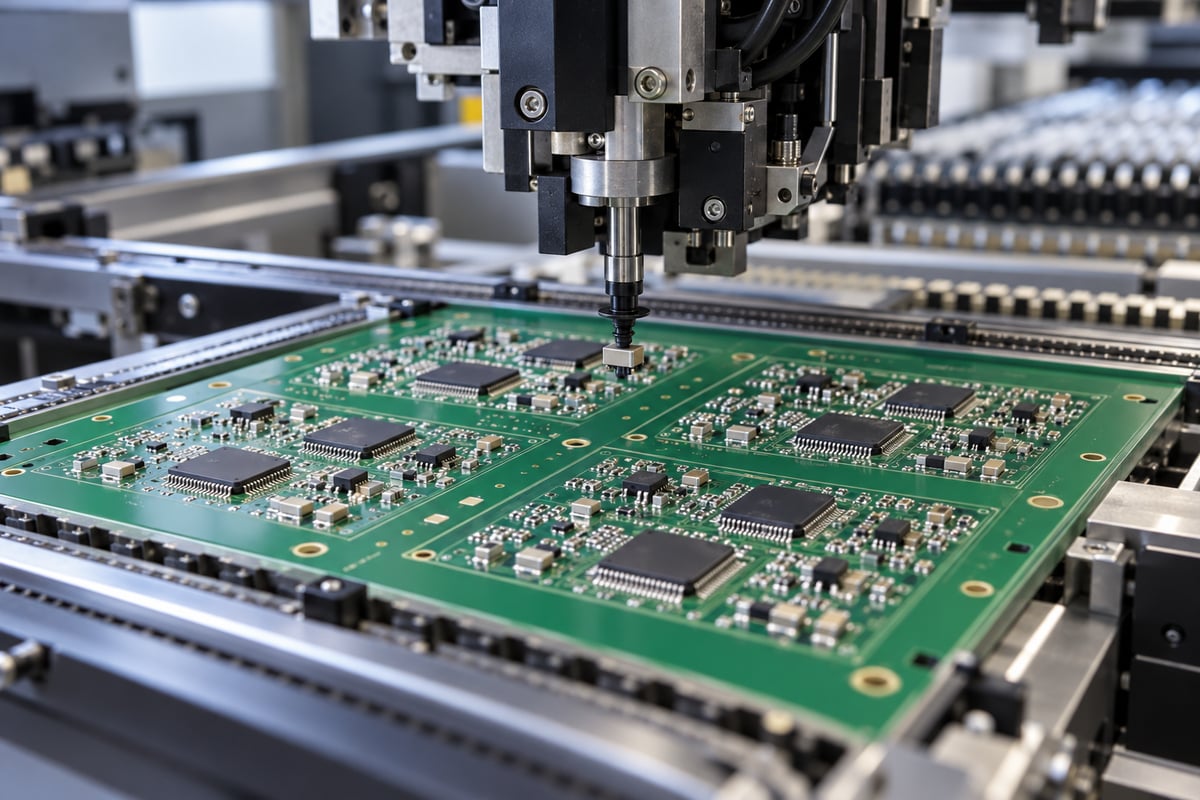
Four SMT production lines—two JUKI and two YAMAHA—give our production team options for matching a build to its component mix, feeder requirements and available line capacity. For an OEM with engineering samples and recurring orders, that supports scheduling around the actual assembly work, including small passives, fine-pitch devices and larger components.
| Process / Feature | Specification |
|---|---|
| SMT line configuration | Four lines: two JUKI, two YAMAHA |
| Minimum SMD package | 01005 component placement |
| Minimum BGA pitch | 0.25 mm, subject to package review |
| Assembly technologies | SMT, through-hole and mixed assembly |
| Reflow soldering | Nitrogen reflow capability |
| Through-hole soldering | Wave and selective wave soldering |
| Component presentation | Reels, cut tape, tubes, trays, loose parts |
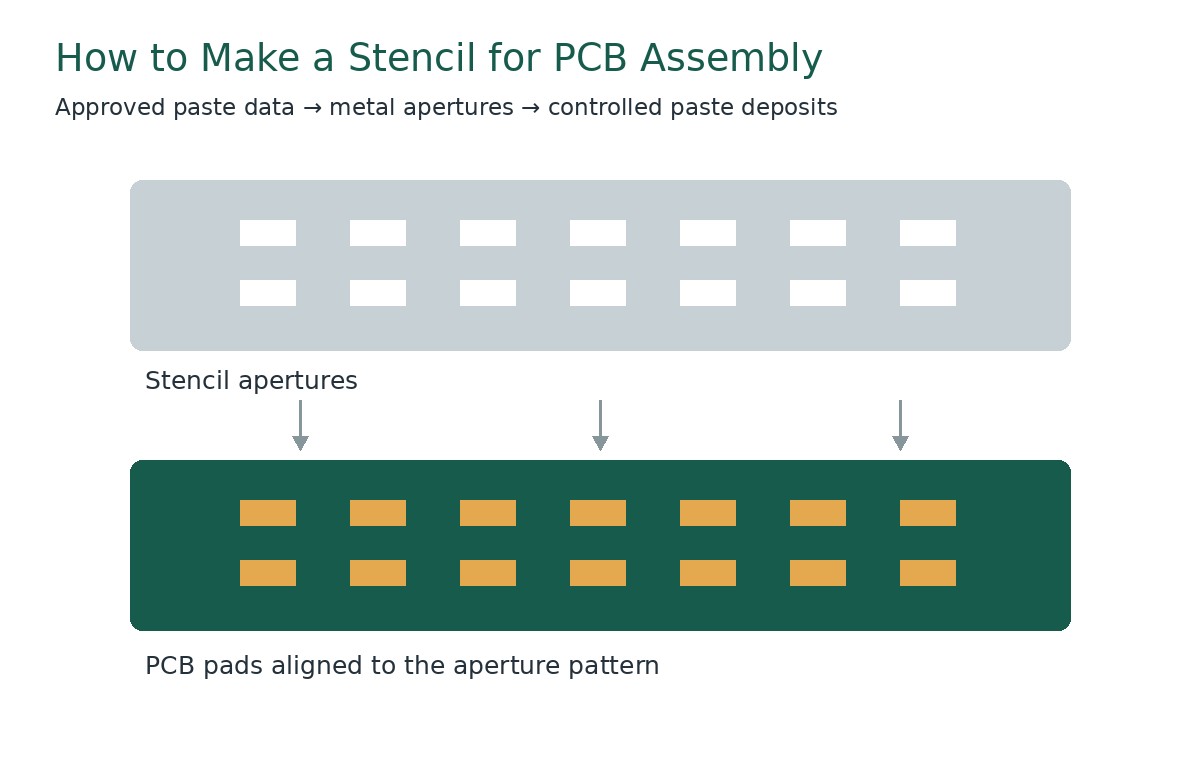
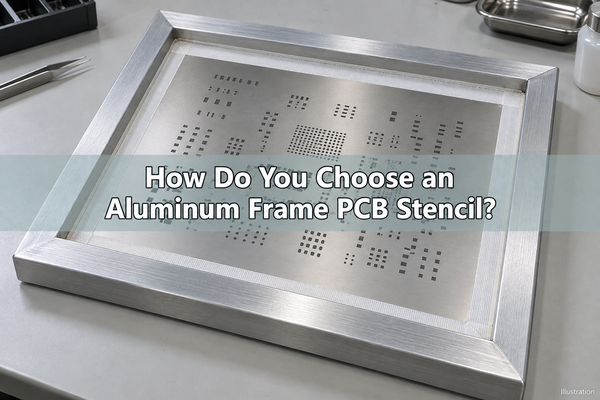
For 01005 components, the manufacturing work starts with the paste deposit and component presentation. Stencil openings, paste selection, feeder consistency and placement setup all affect whether these small parts solder correctly. Nitrogen reflow helps limit oxidation and improve wetting where required by the process. These controls make small-component capability relevant to a complete build, rather than an isolated placement specification.
Fine-pitch BGA assembly also requires control beneath the package. The land pattern, stencil, board support and thermal profile must suit the device. X-ray inspection can then examine joints that cannot be evaluated by surface inspection alone. The process is selected for the assigned line and package; the minimum pitch is not a blanket approval for every BGA design.
For boards combining SMT devices with connectors or other through-hole components, wave and selective wave soldering provide different production routes. Selective soldering can target accessible through-hole joints where the layout permits, helping accommodate populated SMT areas nearby. Planning the soldering sequence and tooling together reduces the need to treat the through-hole work as a separate job after SMT is complete.
PCB Contract Manufacturing with Certified Quality and Traceability
Quality control needs to catch process problems early and leave enough evidence to investigate the assemblies later. Our inspection, testing and traceability capabilities address both needs, from paste printing through finished-board verification.
Inspection at the stage where defects arise
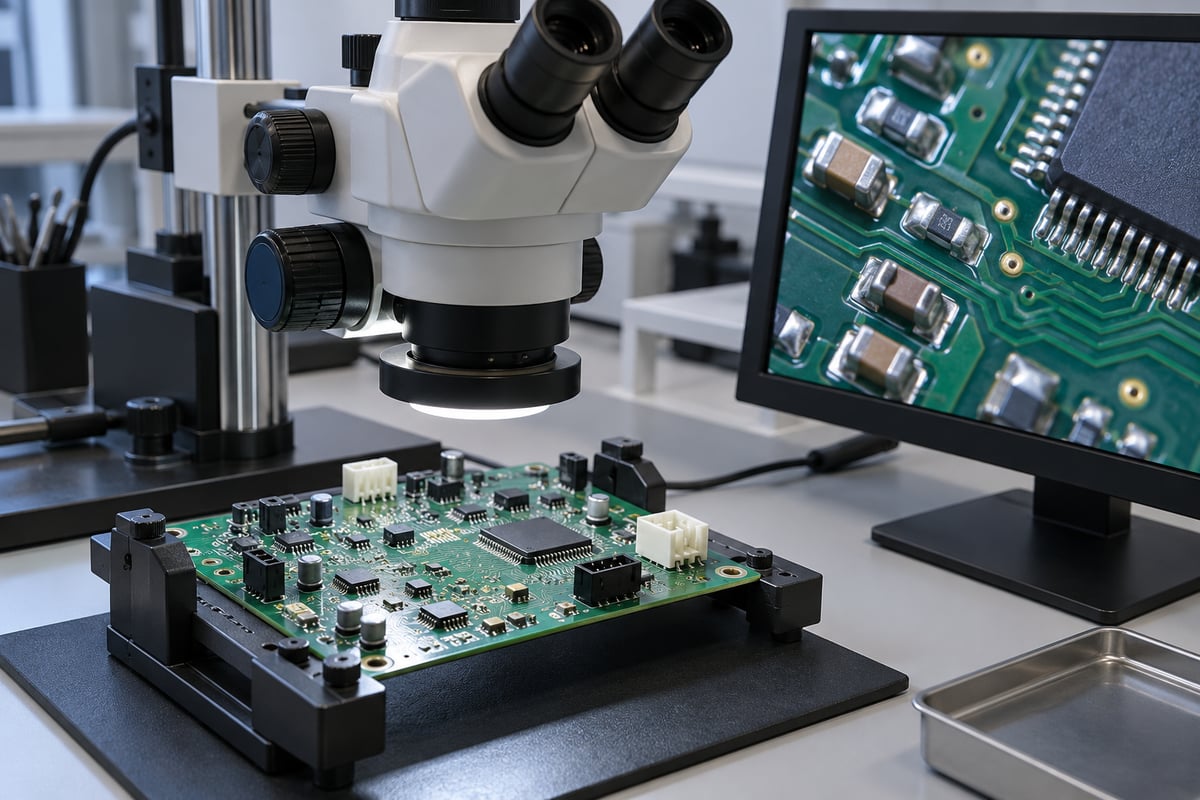
SPI, including 3D SPI, checks paste volume, height and position before components are placed. This creates an opportunity to address printing defects before they become solder-joint problems. AOI checks visible assembly features after soldering; DIP AOI extends optical inspection to applicable through-hole work. X-ray addresses hidden joints, including those beneath BGA packages.
Electrical verification is planned separately. ICT can check accessible circuit nodes and component-related conditions, while FCT exercises the board using defined inputs, firmware and acceptance limits. For example, an LED operation check and a controller test covering interfaces and operating modes require different fixtures and procedures. We define the required coverage with the project so the test effort corresponds to what your product needs verified.
MES records that help narrow an investigation
Our MES supports single-board tracking and five-second retrieval of relevant recorded material, product-batch and production information. These records help connect an individual assembly with its manufacturing history and production status.
If an investigation concerns a component lot, the associated records help identify which boards or batches require review. If the issue appears after a repeat build, production history can be reviewed alongside the applicable inspection and test records to investigate differences between batches. This gives your quality team a more focused starting point than reconstructing the build from scattered emails. The five-second capability refers to record retrieval; diagnosis and corrective action depend on the issue.
Certification matched to the manufacturing scope
EBest Circuit's quality-system credentials include ISO 9001, ISO 13485, IATF 16949 and AS9100D. Their relevance differs across general manufacturing, medical, automotive and aerospace programs, so the applicable certificate is matched to the manufacturing entity, site and activity involved in the order.
For your supplier qualification, the useful evidence combines that certificate scope with the product's manufacturing requirements, material traceability and agreed inspection records. Certification supports the quality system; the production records demonstrate how the requirements were addressed for the particular build. This connection also helps maintain continuity when a prototype becomes a recurring order.
Low Volume PCB Assembly with No MOQ
EBest Circuit accepts small PCBA orders with no minimum order quantity, giving you access to PCB fabrication, component sourcing, precision assembly and testing without a large-volume commitment. Order quantity does not limit you to basic assembly services; the manufacturing and inspection scope is matched to your board's requirements.
Complete manufacturing for small orders
Our PCB and PCBA facilities coordinate bare-board fabrication, material preparation and SMT/DIP assembly within one project. Full Turnkey, Partial Turnkey and Consigned Assembly options let us procure the complete BOM, source selected parts or work with your supplied kit. Small orders can therefore include the same range of manufacturing services needed to deliver tested hardware, rather than leaving you to arrange fabrication or testing separately.
Precision assembly backed by inspection and testing
Four SMT lines—two JUKI and two YAMAHA—allow our team to match small builds to the component mix and required production setup. Relevant capabilities include:
- 01005 placement and 0.25 mm BGA pitch. Support for compact, densely populated boards, subject to package and process review, with nitrogen reflow available to support solder wetting.
- SPI, including 3D SPI, AOI and X-ray. Inspection options address paste deposits, visible assembly features and hidden solder joints, so small quantities can receive inspection appropriate to their assembly risks.
- ICT and FCT. Project-specific electrical testing can be included with agreed access, fixtures, programs and acceptance criteria, giving you verification beyond visual inspection.
These capabilities are available to low-volume projects; the inspection and test plan determines which processes your build needs.
Traceable builds with a quick-delivery option
MES single-board traceability supports five-second retrieval of relevant recorded material, batch and production information. Even a small build has a manufacturing history that can support quality investigations. For repeat orders, existing production records can be reviewed alongside the approved PCB revision, BOM and test requirements to prepare the next build.
A 1.5-week PCBA quick-delivery option is available for suitable projects after review of released files, material availability, assembly complexity and testing requirements. Required fixtures, firmware and test programs must be ready for the agreed schedule; the quotation specifies its starting point and scope, with transit and customs addressed separately.
Component pack sizes, supplier minimum purchases and setup charges still apply where relevant. These are identified in the quotation so the cost and material commitment remain clear even when the assembly quantity is small.
PCBA Contract Manufacturing: A Real Project Case Study
For a UK surgical-lighting project, EBest Circuit handled an aluminum-core LED PCB and its associated component procurement and assembly. The order called for 150 assemblies plus one spare, with manufacturing requirements extending beyond LED placement to mounting-hole position, cleaning and operation checks.
The PCB specification was a single-sided aluminum-core construction, 1.6 mm ±10% thick, with 1 oz copper, a lead-free tin finish, black solder mask and gray legend. The production panel and stackup required customer approval before fabrication.
Three manufacturing priorities
- Panel and assembly coordination. The bare-board and SMT orders were linked, with all components procured by EBest Circuit. Panel delivery was permitted, allowing the fabrication arrangement to remain compatible with downstream handling.
- LED and mounting alignment. The production instructions emphasized accurate LED placement and optical measurement of hole positions. This addressed two separate fit requirements: locating the light-emitting components correctly and preserving the board's mounting geometry.
- Cleanliness and operation. The order required board washing, removal of solder balls and rosin or other residue, and checks that every LED operated before shipment.
The customer obtained PCB manufacturing, component purchasing and completed PCBA work through one project, with the mechanical and inspection requirements carried into the assembly instructions. That integration is the manufacturing value of the case: the OEM did not need to transfer bare boards and a separately purchased component kit between suppliers or restate the mounting and cleanliness requirements at each handoff.
PCB Assembly Cost and a Project-Specific Quote
EBest Circuit helps control total PCBA project cost by coordinating PCB fabrication, component sourcing, SMT/DIP assembly, testing and box build before production begins. Your team works through one manufacturing contact, reducing supplier handoffs while our engineers review how panel design, materials and production preparation affect the complete build cost.
| Coordination Area | Cost-Control Value |
|---|---|
| Panel design and assembly handling | Avoid incompatible panels and extra tooling |
| BOM availability and approved alternatives | Assess purchase and validation costs together |
| Stencils and production setup | Identify reusable preparation for repeat builds |
| Programming and test requirements | Define fixtures and coverage before production |
A panel layout is reviewed for both bare-board utilization and assembly support, so material savings do not create avoidable handling costs. Proposed component alternatives require your approval, with package compatibility and any additional validation considered before purchasing. This joint review helps address changes while they can still be incorporated into the production plan.
Sourcing that fits your purchasing arrangements
- Full Turnkey. Assign BOM purchasing and production coordination to EBest, reducing the separate orders and material follow-up your team manages.
- Partial Turnkey. Retain selected parts under your existing supply agreements while we procure the remaining BOM and coordinate the combined kit.
- Consigned Assembly. Supply the agreed component kit to use your own purchasing channels or available inventory; bare-board supply is agreed separately.
The best fit depends on stock, purchasing terms and material readiness. We assess those conditions with the assembly requirements rather than assuming one supply model always costs less.
Quote development quantities and repeat orders together
No MOQ lets you order the prototype quantity you need without committing to a large PCBA batch. Providing anticipated repeat quantities also lets us evaluate component purchase breaks, packaging quantities and how stencil and setup charges affect each build. Supplier minimum purchases still apply where relevant; potential tooling reuse is assessed against the approved design and production requirements.
For an accurate quotation, send Gerber or ODB++ files, the fabrication specification, BOM with manufacturer part numbers, CPL/pick-and-place data and assembly drawings. Add prototype and repeat quantities, the target date, sourcing model and programming or test instructions. Include enclosure and wiring requirements for box build assembly.
Our quotation identifies PCB fabrication, component procurement, stencils and production preparation, assembly, inspection and testing, plus any required box build, packing or logistics charges. One-time costs, material purchase quantities, supply constraints and the proposed schedule are made clear so you can plan both the immediate order and subsequent builds. If files are incomplete, an initial assessment identifies what is needed before a production quotation can be finalized.
FAQs About PCB Assembly Outsourcing
Can we provide firmware and an existing test fixture?
Yes. Customer-provided firmware, programming instructions and fixtures can be reviewed for the build. Connections, software versions, operating limits and pass/fail criteria are established before the test setup is used in production.
What happens to unused customer-supplied components?
Return or retention is agreed with the order. Remaining parts can be returned with the assemblies or retained for a future build under the agreed arrangement. The initial kit also needs sufficient material for setup and handling.
Can some component positions be left unpopulated?
Yes. Mark do-not-populate positions consistently in the BOM and assembly instructions. This distinguishes an intentional product variant from a missing component and keeps the assembly and inspection requirements aligned.
Can conformal coating or potting be included?
These operations can be evaluated with the PCBA. Material, coverage, keep-out areas, curing and inspection requirements are defined together, with programming and relevant testing planned before access to the board is restricted.
Can you quote the PCBA together with enclosure assembly?
Yes. Mechanical drawings, wiring details, connector requirements and the final test procedure allow the enclosure work to be quoted with the board. This helps address mounting, cable access and complete-unit testing before assembly begins.
Can we change the design between the prototype and the next order?
Yes. The next build uses the approved new release. Our review identifies the effect on purchased materials, stencils, assembly preparation, firmware and tests, so the revised order does not unintentionally inherit obsolete requirements.
EBest Circuit coordinates PCB fabrication, component sourcing, SMT/DIP assembly, testing and box build within one PCB assembly outsourcing project, with four SMT lines—two JUKI and two YAMAHA—to accommodate different component mixes and build requirements. SPI, AOI and X-ray inspection, together with project-specific electrical testing and MES single-board traceability, help control production quality and keep records accessible for batch reviews and quality investigations. To put these capabilities to work on your build, send your files, quantity and target date to sales@bestpcbs.com. We will review your requirements and return a project-specific quotation with the manufacturing scope and proposed schedule.