Struggling with PCB assembly and manufacturing that fails extreme aerospace environments, lacks strict certifications, or misses tight delivery deadlines? This guide breaks down materials, processes, standards, testing, and reliability solutions to solve your high‑reliability PCB pain points and support mission‑critical projects.
What is Defense and Aerospace PCB Assembly and Manufacturing?
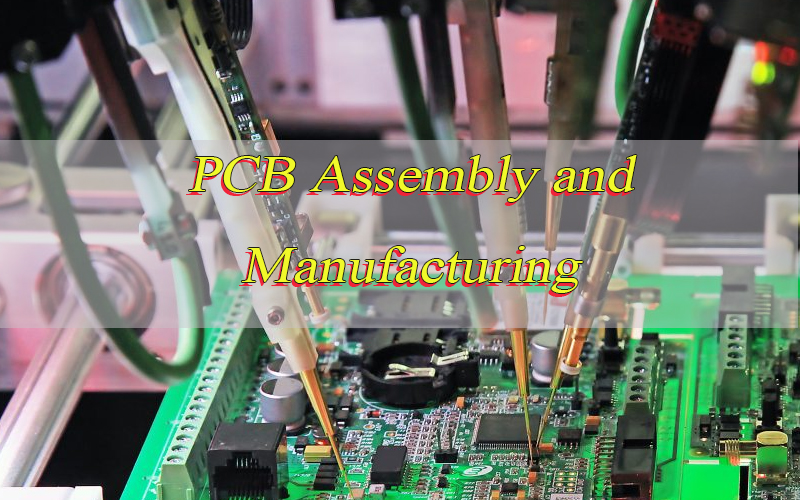
Defense and aerospace PCB assembly and manufacturing refers to the specialized process of designing, fabricating bare boards, soldering components, and conducting reliability testing for mission-critical circuit assemblies, tailored to withstand harsh aerospace and defense environments.
It covers the full cycle of production for functional PCBA products, from initial design and bare board fabrication to component soldering and final reliability testing. This end-to-end process is engineered to meet the unique demands of aerospace and defense applications.
Key requirements include strict dimensional accuracy, uncompromising signal integrity, and long-term durability. Unlike commercial PCB production, it also mandates full process traceability and rigorous quality control to eliminate critical failure risks in mission-critical equipment.
What Materials are Used for Defense and Aerospace PCB Boards?
Material selection directly determines whether a circuit board can survive harsh aerospace environments while maintaining electrical performance. Only high‑performance substrates with verified stability are used in critical applications.
- High‑Tg FR‑4: Strong thermal stability, low warpage, and reliable mechanical performance for most aerospace control systems.
- Polyimide (PI): Excellent high-temperature resistance, flex durability, and radiation tolerance ideal for flexible and rigid‑flex PCBs.
- PTFE (Teflon): Ultra-low signal loss and stable dielectric properties for high-frequency radar, communication, and navigation equipment.
- Ceramic Substrates: High thermal conductivity and insulation performance for high-power and high-temperature modules.
- Metal‑Core (Al/Cu): Superior heat dissipation for power components and industrial‑grade high‑power circuits.
- High‑Frequency Laminates: Optimized dielectric characteristics to maintain clear signal transmission in satellite and avionics systems.
What PCB Assembly and Manufacturing Capabilities Support Aerospace Applications?
Aerospace electronics require extremely precise assembly, miniaturized components, and stable production capacity. The table below shows the core capabilities that directly support mission‑critical aerospace projects.
| Capability Category | Technical Specification | Typical Aerospace Application |
| Daily Placement Speed | 13,200,000 chips/day | High-volume avionics and satellite subsystem production |
| Minimum SMD Component | 01005 | Miniature sensors and compact communication modules |
| Minimum BGA Pitch | 0.25 mm | High-density flight control and data processing units |
| Board Size Range | 0.2×0.2 – 22×47.5 inches | Small sensors to large cabin control assemblies |
| Assembly Types | SMT, Through‑Hole, Mixed | Full-range aerospace electronic assembly |
| Lead Time | 1–5 days | Rapid prototyping and urgent mission projects |
| Max Component Area | 50×150 mm | Integrated navigation and power management systems |
Advanced PCB Assembly and Manufacturing Processes for Defense Projects
Advanced production processes are essential to achieve miniaturization, high density, and long‑term reliability for aerospace electronics. These refined methods ensure consistent quality under demanding conditions.
- Precision microvia, blind via, and buried via fabrication for high‑density interconnect (HDI) structures.
- High-precision placement for 01005 chip components and 0.25 mm pitch BGA devices.
- Vacuum reflow soldering to reduce voids and improve long‑term solder joint reliability.
- Conformal coating to protect circuits from moisture, dust, chemicals, and radiation.
- Impedance‑controlled lamination to preserve signal integrity in high‑frequency systems.
- Fully automated placement combined with 100% post‑assembly inspection.
- Rigid‑flex integration for space‑saving layouts in compact aerospace equipment.
What Quality Standards Apply to Defense Aerospace PCB Production?
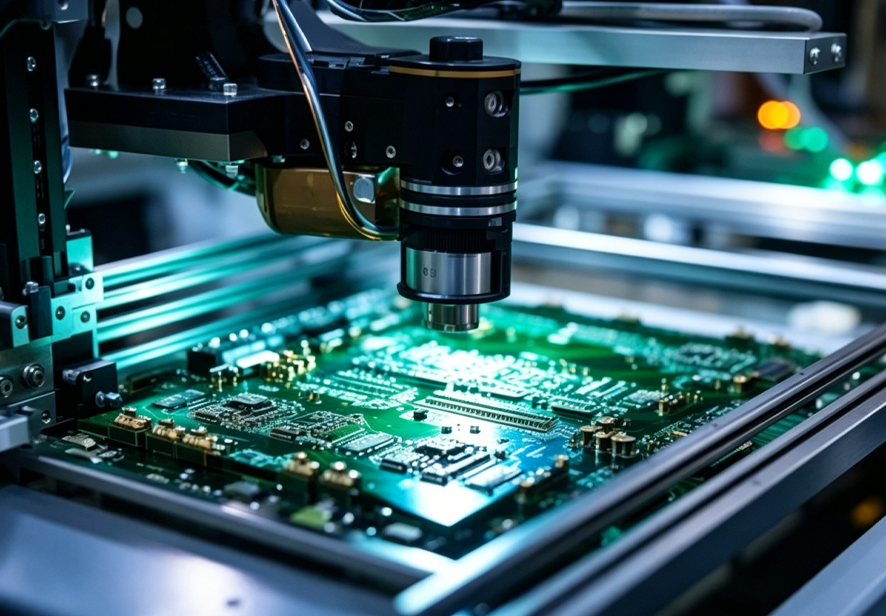
Aerospace PCB production follows strict global standards to ensure consistency, safety, and operational reliability across every production stage. These standards govern materials, processes, testing, and documentation.
- Aerospace Quality Management System Standards: Govern the entire lifecycle, including design, production, and post-delivery support, ensuring standardized control of all processes to meet aerospace-grade reliability requirements.
- High-Reliability Assembly Standards: Comply with IPC-A-610 Class 3 (for high-reliability products) with stricter solder joint, cleanliness, and defect tolerance requirements for mission-critical electronic hardware.
- Environmental Testing Standards: Include thermal cycling, vibration, shock, and aging tests, following standards like MIL-PRF-55110 and IPC-TM-650 to verify performance in extreme aerospace environments.
- High-Frequency & Impedance Control Standards: Regulate impedance accuracy (e.g., 50Ω single-end, 100Ω differential) and signal integrity, ensuring stable transmission for radar and satellite communication systems.
- Full Traceability Standards: Mandate complete documentation of materials, components, and production processes, enabling accountability and efficient troubleshooting of any quality issues.
- Aerospace-Grade Acceptance Criteria: Set stringent standards for PCB fabrication and assembly, including line precision, hole accuracy, and surface treatment, to eliminate potential failure risks.
What Certifications Do Defense PCB Manufacturers Hold?
Certifications provide independent proof that a manufacturer meets global quality and compliance requirements for high‑reliability industries. Top aerospace PCB suppliers maintain a full set of authoritative certifications.
- AS9100D: Core aerospace quality management system certification.
- IATF 16949: High‑control process management for automotive and high‑reliability sectors.
- ISO 9001:2015: International general quality management system.
- ISO 13485:2016: Medical device quality system for high‑precision applications.
- UL: Safety, flammability, and electrical insulation certification.
- RoHS & REACH: Global compliance for hazardous substance control.
How to Ensure High Reliability of Defense Aerospace Circuit Boards?
Ensuring high reliability of defense aerospace circuit boards requires integrating strict controls into every production stage, reliability cannot be achieved by testing alone, but must be designed and built into each process. Below are comprehensive, practical measures to guarantee stable performance in extreme aerospace environments.
- Strict Incoming Material Inspection: Use only qualified aerospace-grade substrates and components, with rigorous verification of material certificates and performance parameters to eliminate quality risks from the source.
- Full Lifecycle Traceability: Maintain complete documentation from raw material procurement, bare board fabrication, component soldering to finished product delivery, ensuring every process is traceable for accountability and issue troubleshooting.
- Standardized Precision Assembly: Follow strict SOPs for high-precision SMT and micro-BGA assembly, ensuring component placement accuracy and solder joint integrity to avoid hidden defects.
- Optimized Thermal & Layout Design: Adopt thermal equalization and mechatronic-thermal integration design, such as reasonable component layout, heat-conducting material application, and PCB copper layout optimization, to reduce thermal stress and signal interference.
- Harsh Environment Protection: Apply conformal coating and structural reinforcement to shield circuits from moisture, dust, cosmic radiation, and extreme temperature changes, enhancing environmental robustness.
- Comprehensive Testing & Screening: Perform full functional testing and environmental stress screening (including thermal cycling, vibration) to simulate in-orbit or flight conditions and verify long-term stability.
- 100% Final Inspection: Conduct thorough electrical and visual inspection before shipment, eliminating any defective products and ensuring each PCB meets aerospace reliability standards.
What Testing Procedures Do Aerospace Grade PCBA Require?
Aerospace‑grade PCBA products must pass comprehensive inspection and validation to ensure they perform safely in mission‑critical scenarios. These tests are standard for all high‑reliability deliveries.
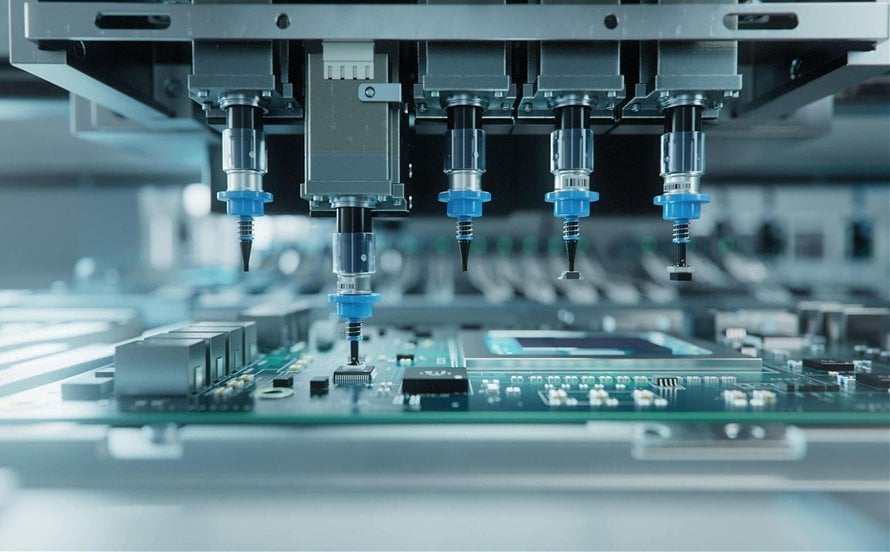
- Automated Optical Inspection (AOI): Checks surface component placement accuracy, solder joint quality, and visible defects, ensuring compliance with high-reliability assembly standards.
- X-Ray Inspection: Evaluates hidden solder joints (BGA, QFN) and internal interconnect integrity, critical for detecting micro-cracks or voids that could cause failure.
- Electrical Testing: Verifies circuit continuity, insulation resistance, and no open/short circuits, ensuring basic electrical functionality.
- Temperature Cycle Testing: Simulates extreme temperature changes (per IPC-TM-650) to validate performance under aerospace environmental stress.
- Vibration & Shock Testing: Validates structural durability during flight, launch, or deployment, preventing solder joint fatigue or component detachment.
- High-Frequency Performance Testing: Verifies impedance accuracy and signal integrity, essential for radar and satellite communication systems.
- Long-Term Aging Testing: Runs continuous operation under simulated working conditions to confirm extended service life and stability in long-duration missions.
What Aerospace and Defense Electronic Applications Do We Serve?
EBest provides professional PCB assembly and manufacturing for mission‑critical systems across aerospace, defense, medical, and industrial automation. Our solutions support high‑performance equipment in key sectors.
- Avionics: PCB assembly and manufacturing for flight control systems, cockpit display modules, navigation equipment, and airborne communication devices, ensuring reliability under extreme flight conditions.
- Satellite Systems: Custom PCBA for onboard control units, sensor interfaces, power management modules, and communication units, tailored to withstand cosmic radiation and zero-gravity environments.
- Radar & Navigation: High-frequency PCB assemblies for signal processing boards and transmission circuits, supporting precise radar detection and long-range navigation systems.
- Medical Devices: Precision PCBA for diagnostic equipment, imaging systems, and patient monitoring devices, complying with ISO 13485 standards for high reliability and safety.
- Industrial Equipment: PCB solutions for high-end automation systems, motion control modules, and high-power drives, ensuring stable operation in industrial harsh environments.
- Secure Communications: PCBA for encrypted transmission hardware and signal processing equipment, supporting secure, interference-free communication for defense and critical sectors.
Why Choose EBest for Defense and Aerospace PCB Assembly and Manufacturing?
EBest combines deep experience, certified processes, advanced equipment, and one‑stop service to deliver trusted PCB assembly and manufacturing for the most demanding aerospace projects.
- 19+ years of expertise in high‑reliability PCB assembly and manufacturing: We bring rich industry experience in aerospace and defense PCBA, helping you avoid common production pitfalls, optimize project solutions, and ensure your mission-critical products meet strict reliability requirements, reducing development and rework costs.
- Full certifications: AS9100D, ISO 13485, IATF 16949, UL, RoHS, REACH: Our complete authoritative certifications guarantee that all PCBA processes comply with global aerospace and defense industry standards, helping you pass project qualification smoothly and enhance the credibility of your products in the market.
- Monthly capacity of 260,000 sq ft for prototypes to mass production: We provide flexible production support from small-batch prototypes to large-volume mass production, meeting your diverse project needs, whether it’s rapid prototype verification or large-scale delivery, we can ensure stable capacity and consistent quality.
- Advanced capabilities: 01005 assembly, 0.25 mm BGA, rigid‑flex, ceramic, high‑frequency: Our advanced manufacturing capabilities cover all core needs of aerospace PCBA, supporting miniaturized, high-density, and high-performance product development, helping you achieve technological breakthroughs and product competitiveness.
- One-stop solutions: PCB fabrication, component sourcing, assembly, box build: We integrate the entire industrial chain to provide turnkey services, saving you the trouble of coordinating multiple suppliers, reducing communication costs and project risks, and ensuring seamless connection between each link to shorten project cycles.
- Rapid delivery: 24‑hour expedite service and standard lead times of 1–5 days: We prioritize your project timelines, with expedited services for urgent missions and efficient standard delivery, helping you accelerate product launch, meet tight project deadlines, and gain an advantage in time-sensitive aerospace programs.
- Strict inspection and quality assurance for mission‑critical performance: We implement full-process quality control and rigorous testing, eliminating defective products and ensuring each PCB assembly meets extreme environment operation requirements, reducing the risk of mission failure and protecting your project reputation.

How to Get a Custom Quote for Defense Aerospace PCB Projects?
Getting a customized quote is straightforward when you provide clear project information. Our engineering team reviews your requirements quickly to deliver an accurate and practical solution.
- Prepare complete design files: Gerber data, BOM, and assembly drawings.
- Define specifications: layer count, material, dimensions, and electrical needs.
- Describe operating environment: temperature range, vibration, and reliability goals.
- Submit documents to our engineering team for professional review.
- Receive a customized solution, production flow, and clear lead time.
- Confirm details and start prototyping or mass production.
EBest provides professional, high‑reliability PCB assembly and manufacturing for defense, aerospace, medical, and industrial applications. We deliver fully customized PCBA solutions backed by certified processes, advanced manufacturing, and 19+ years of specialized experience. If you need trusted PCB assembly and manufacturing for your mission‑critical projects, contact us to place your order today: sales@bestpcbs.com
FAQs about PCB Assembly and Manufacturing for Defense and Aerospace
Q1: What is the difference between aerospace PCB assembly and standard commercial PCB assembly?A1: Aerospace PCB assembly and manufacturing uses higher‑grade materials, controlled processes, full traceability, and strict environmental testing to ensure stable performance in harsh conditions. Commercial PCB assembly is designed for general indoor use without high‑reliability requirements.
Q2: Does EBest offer rapid prototype services for aerospace PCB projects?
A2: Yes. EBest provides fast prototype PCB assembly and manufacturing with 24‑hour expedited service and standard lead times of 1–5 days to support time‑critical development cycles.
Q3: Can EBest produce rigid‑flex, ceramic, and high‑frequency PCB assemblies?
A3: Yes. EBest has mature processes for rigid‑flex, ceramic, high‑frequency, and metal‑core PCB assembly, supporting avionics, satellite, radar, medical, and industrial high‑performance systems.
Q4: Does EBest provide component sourcing and box assembly services?
A4: Yes. EBest offers full turnkey solutions including reliable component procurement, PCB fabrication, SMT/BGA/through‑hole assembly, box build, CNC machining, and sheet metal integration.