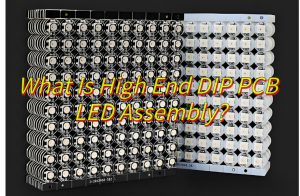
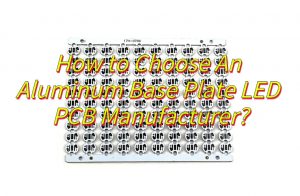
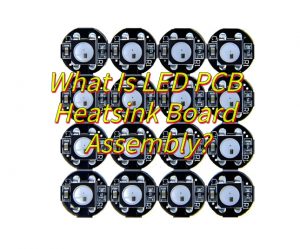
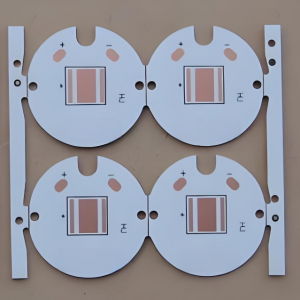
Heat dissipation board is a thermal management board used to move heat away from electronic and electrical components, helping products work more safely and reliably. This article explains what heat dissipation boards are, which board types are commonly used, where they are needed, how to estimate heat in electrical panels, and how to choose a custom manufacturer with turnkey PCB and PCBA support.
What problems do customers often face when choosing a heat dissipation board?
- The board gets hotter than expected after assembly.
- The right material is hard to confirm.
- PCB, components, and PCBA are managed by different suppliers.
- Thermal design is checked too late.
- Delivery is fast, but traceability is weak.
A professional heat dissipation board manufacturer should help customers reduce these risks from the design stage.
- We review the thermal path during DFM.
- We recommend materials based on heat load and application.
- We integrate PCB fabrication, component sourcing, PCBA, and testing.
- We support prototype and small-batch validation before mass production.
- We provide controlled quality systems and production traceability.
EBest Circuit (Best Technology) is a custom heat dissipation circuit board and assembly manufacturer with about 20 years of industry experience. We support aluminium core PCB, copper substrate PCB, ceramic PCB, heavy copper PCB, high-Tg FR4 PCB, and complete heat dissipation circuit board assemblies. Our service covers DFM review, BOM optimization, PCB manufacturing, component sourcing, SMT assembly, inspection, testing, and delivery. For custom heat dissipation board projects, you can contact us at sales@bestpcbs.com.
What Is a Heat Dissipation Board?
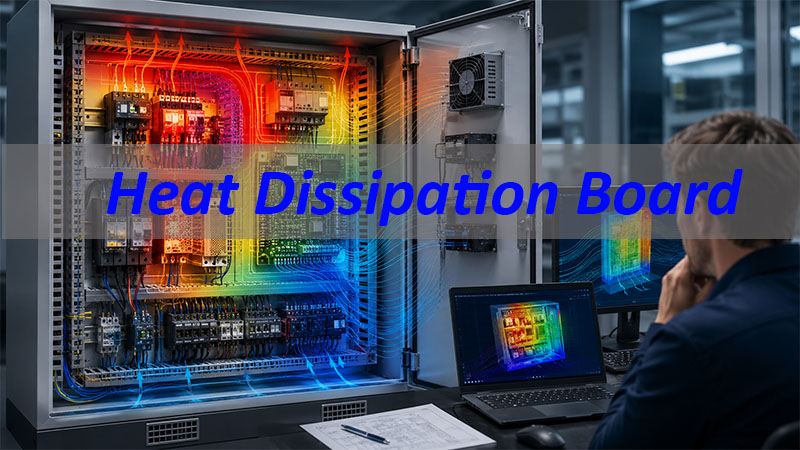
A heat dissipation board is designed to conduct, spread, and release heat generated by electronic or electrical components. In PCB applications, it is not only a circuit carrier. It also becomes part of the thermal path.
The main points are simple:
- It helps move heat away from hot components.
- It protects LEDs, MOSFETs, ICs, power modules, and other heat-sensitive parts.
- It can use metal, ceramic, heavy copper, thermal vias, or high-temperature PCB materials.
- It supports better product stability in high-power or compact designs.
- It is often used together with heat sinks, housings, fans, or metal enclosures.
In electronics, a heat dissipation board usually means a heat dissipation circuit board, metal core PCB, ceramic PCB, or power PCB designed for better thermal performance. The phrase “concrete board to dissipate heat” may appear in construction-related searches, but for electronic and electrical applications, the more relevant focus is PCB-level thermal management.
A good heat dissipation board should not be selected by name alone. It should be selected according to power, temperature, insulation, structure, and final working environment.
What Types of Boards Are Considered Heat Dissipation Boards?
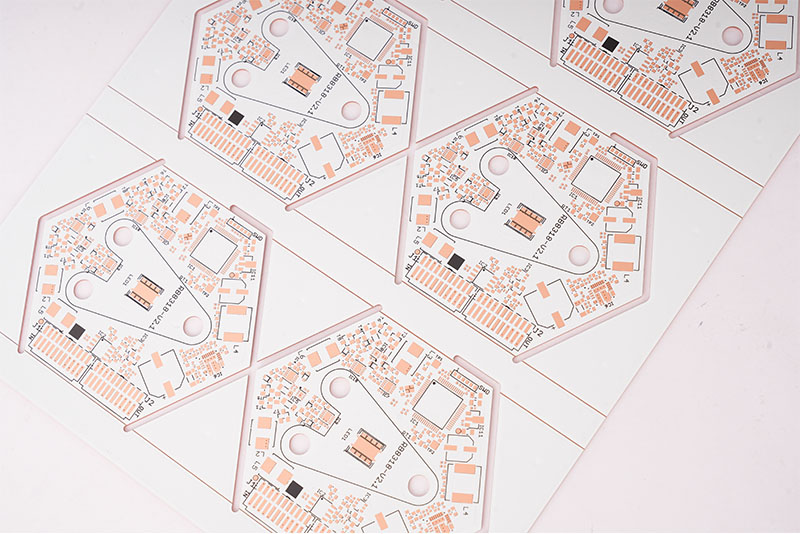
Many boards can be considered heat dissipation boards when they are designed to manage heat. The right option depends on how much heat the product generates and how that heat should leave the board.
Common heat dissipation board types include:
- Aluminum PCB
A practical choice for LED lighting, power modules, automotive lamps, and cost-sensitive thermal applications. - Copper Base PCB
A stronger heat-spreading option for high-power LEDs, dense power circuits, and applications with localized hot spots. - Ceramic PCB
Suitable for high thermal conductivity, electrical insulation, and demanding applications such as power modules, lasers, medical electronics, and automotive electronics. - Heavy Copper PCB
Used for high-current circuits where thick copper helps carry current and spread heat. - High-Tg FR4 PCB
A suitable choice for moderate heat environments where standard FR4 may not provide enough heat resistance. - Thermal Via PCB
Uses plated vias to transfer heat from the component side to inner layers, bottom copper, or a heat sink area. - PCBA With Heat Sink or Metal Housing
Combines board-level thermal design with mechanical heat removal for stronger system-level cooling.
Each board type has a different cost, thermal performance, assembly requirement, and reliability profile. For this reason, custom heat dissipation board manufacturing should begin with engineering review, not only price comparison.
Typical Heat Dissipation Performance of Different Board Types
| Board Type | Key Thermal Path | Typical Thermal Conductivity | Heat Dissipation Level |
|---|---|---|---|
| Standard FR4 PCB | FR4 + copper | ~0.25–0.3 W/m·K | Low |
| High-Tg FR4 PCB | High-Tg FR4 + copper | ~0.3 W/m·K | Low–Medium |
| Thermal Via PCB | Copper vias | Copper: ~390–401 W/m·K | Medium |
| Aluminum PCB | Aluminum base | ~150–240 W/m·K | Medium–High |
| Copper Base PCB | Copper base | ~390–401 W/m·K | High |
| Alumina Ceramic PCB | Al2O3 ceramic | ~20–30 W/m·K | High |
| AlN Ceramic PCB | AlN ceramic | ~170–230 W/m·K | Very High |
| Heavy Copper PCB | Thick copper layer | ~390–401 W/m·K | High |
| PCBA With Heat Sink | PCB + TIM + heat sink | Depends on structure | System-Level High |
These values show why heat dissipation board selection should not rely on the PCB name alone. The real thermal result depends on the complete heat path, including substrate, copper thickness, dielectric layer, thermal vias, TIM, heat sink, and final assembly structure.
Which Applications Need Heat Dissipation Boards the Most?
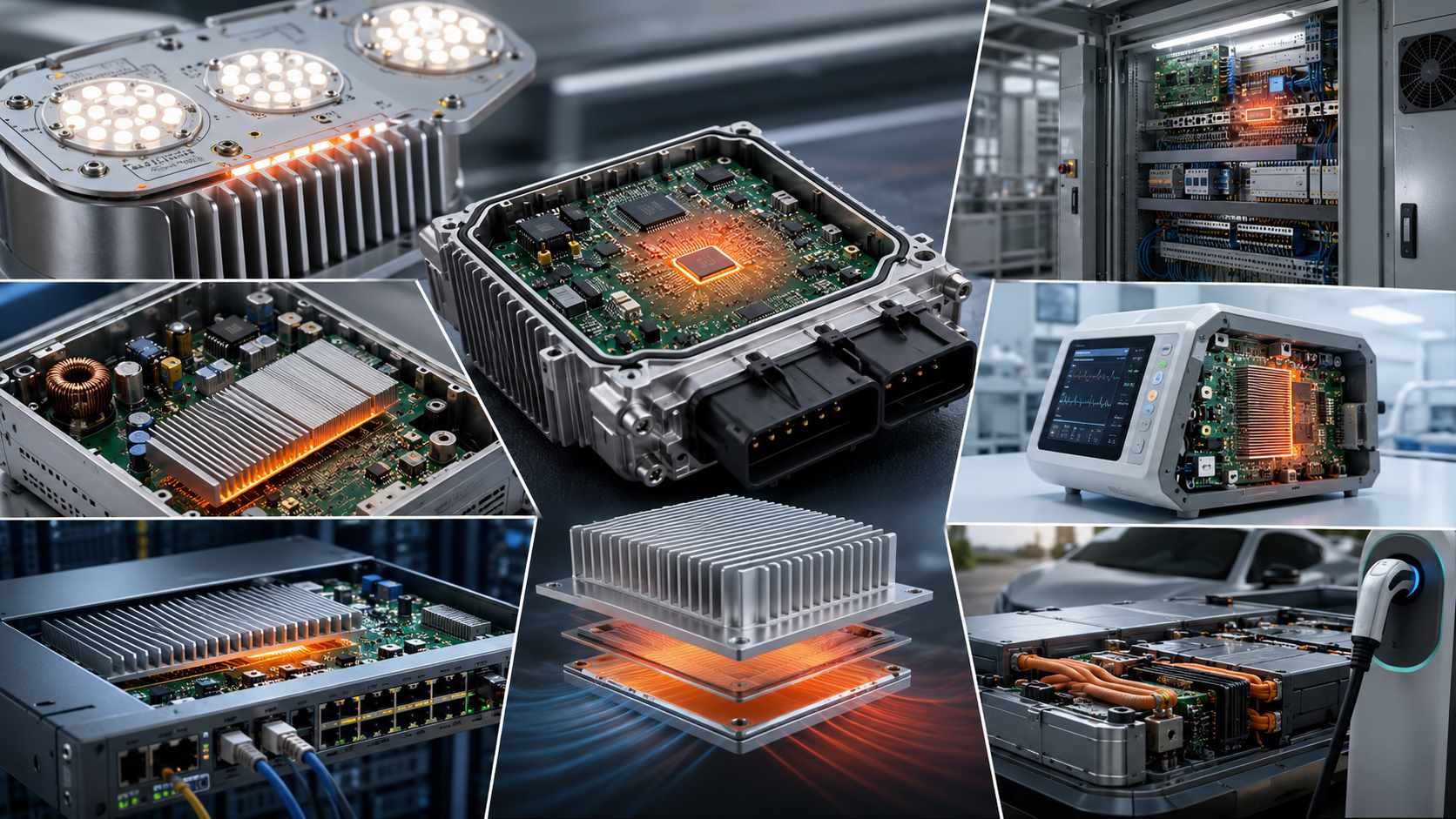
Heat dissipation boards are most needed in applications where components generate continuous heat, high current, or strong localized hot spots. They are also important when the product works inside a compact or sealed enclosure.
These applications often need thermal board design:
- LED Lighting
High-power LEDs need stable heat transfer to maintain brightness, color consistency, and lifetime. - Automotive Electronics
Control modules, lighting systems, sensors, and battery management boards may face heat, vibration, and long service life demands. - Industrial Control
PLC modules, motor drives, power controllers, and automation equipment often run for long hours inside cabinets. - Power Supplies
MOSFETs, rectifiers, transformers, regulators, and resistors can create obvious hot spots. - Medical Devices
Stable operation, clean assembly, and production traceability are important for medical electronic products. - Telecom Equipment
Dense layouts and continuous operation can make thermal control difficult. - New Energy Systems
Battery systems, inverters, chargers, and power conversion units often require high-current and high-heat board structures.
The more compact and powerful a product becomes, the more important thermal board design becomes. A proper heat dissipation board can improve reliability before heat becomes a field failure issue.
How Does EBest Circuit (Best Technology) Control the Quality of Heat Dissipation Boards?
Quality control for heat dissipation boards starts before production. If the stack-up, copper thickness, substrate, surface finish, assembly method, and test plan are not reviewed early, final inspection alone cannot solve the risk.
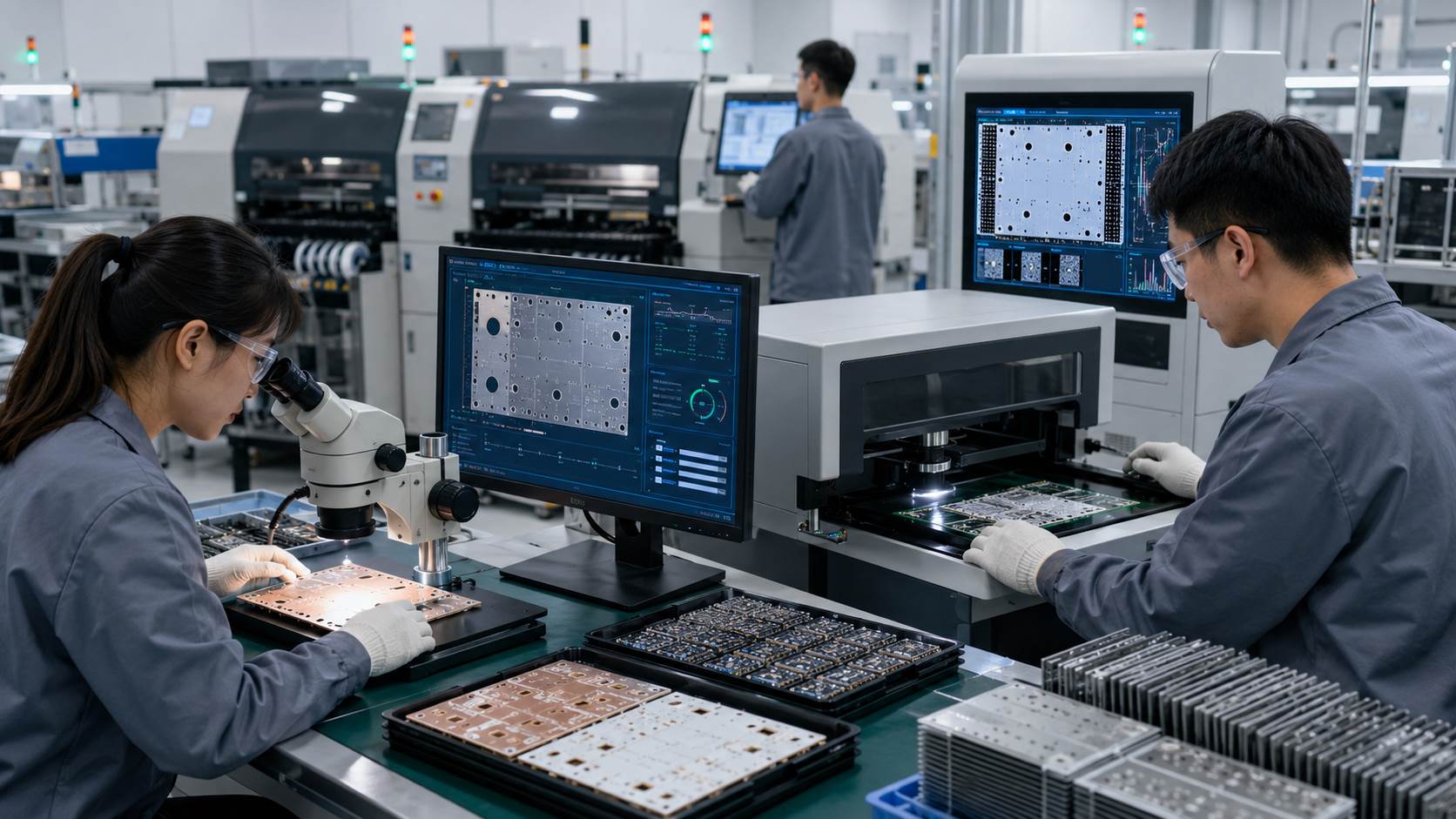
EBest Circuit (Best Technology) controls heat dissipation board quality through the full process:
- DFM Review Before Production
We check stack-up, copper layout, hole design, spacing, thermal vias, solder mask, surface finish, and manufacturability. - Material Selection Support
We help match FR4, high-Tg FR4, aluminum, copper base, ceramic, Rogers, PTFE, or heavy copper materials to the application. - PCB Manufacturing Control
We control copper thickness, line width, hole quality, solder mask quality, board thickness, and surface finish. - Surface Finish Matching
We support options such as HASL, ENIG, OSP, immersion tin, immersion silver, ENEPIG, hard gold, soft gold, and gold finger plating. - Turnkey PCBA Inspection
We can support SMT assembly, SPI, AOI, X-ray for suitable packages, first article inspection, ICT, FCT, and customized testing. - Quality System Support
Our quality systems include ISO9001, ISO13485, IATF16949, and AS9100D. - Digital Traceability
Material batch, production progress, product batch, and process records can be tracked efficiently in our digital workshop.
For heat dissipation circuit board projects, quality is not only about whether the PCB can be fabricated. It is also about whether the board can survive assembly, transfer heat properly, and perform reliably in the final product.
How to Calculate Heat Dissipation for an Electrical Panel Board?
Electrical panel board heat dissipation calculations help engineers estimate how much heat is generated inside an enclosure. This is useful because many electrical products perform differently in open air and inside a closed panel.
A practical calculation can start with these steps:
- List the Main Heat Sources
Include power supplies, relays, contactors, transformers, drives, controllers, resistors, and PCB assemblies. - Check Power Loss From Datasheets
Many components list power loss, efficiency, or thermal data in the datasheet. - Estimate Heat Loss When Efficiency Is Known
A simple formula is:
Heat Loss = Output Power × (1 / Efficiency – 1) - Add All Heat Sources Together
Total heat load is the sum of all device losses inside the panel. - Review the Allowed Temperature Rise
Compare the estimated heat with the maximum operating temperature of components, wiring, and enclosure materials. - Check Cooling Conditions
Consider cabinet size, ambient temperature, airflow, ventilation, fan cooling, heat sink contact, and mounting position. - Review the PCB or PCBA Thermal Path
Check whether heat can move from components to copper, vias, substrate, heat sink, or enclosure.
For example, if a power supply provides 100 W output power at 90% efficiency, the heat loss is about 11.1 W. That heat remains inside the panel unless the design provides a way to release it.
Electrical panel board heat dissipation calculations do not need to be perfect at the early stage. They need to be useful enough to guide board material, layout, enclosure design, and cooling decisions.
How to Choose the Right Heat Dissipation Board for Your Application?
Choosing the right heat dissipation board should start from the real working conditions of the product. The best board is not always the most expensive one. It is the board that fits the heat load, electrical safety, mechanical design, assembly process, and budget.
Customers should review these points before ordering:
- Heat Source
Identify which components generate heat and whether the heat is continuous or temporary. - Power and Current Level
Higher current may require thicker copper, wider traces, or heavy copper PCB design. - Board Material
Choose aluminum PCB, copper base PCB, ceramic PCB, high-Tg FR4 PCB, or heavy copper PCB based on thermal demand. - Insulation Requirement
Check working voltage, creepage, clearance, dielectric strength, and safety requirements. - Mechanical Structure
Confirm board thickness, screw holes, heat sink contact, housing design, and thermal interface material. - Assembly Process
Consider soldering temperature, component package, SMT process, fixture needs, and inspection method. - Testing Requirement
Confirm whether the project needs AOI, X-ray, ICT, FCT, thermal aging, or custom functional testing.
Before quotation, it is better to send Gerber files, stack-up, BOM, assembly drawings, working voltage, current, power level, operating temperature, quantity, and test requirements. If the product uses a heat sink or enclosure, mechanical drawings are also helpful.
A reliable custom heat dissipation board manufacturer should not only quote based on Gerber files. It should help check whether the board structure is suitable for the real application.
Why Choose EBest Circuit (Best Technology) as Your Trusted Heat Dissipation Board Manufacturer?
A heat dissipation board project often involves more than PCB fabrication. It may include thermal review, material selection, component sourcing, SMT assembly, testing, and delivery control. This is why turnkey support can save time and reduce communication risk.
EBest Circuit (Best Technology) supports customers with:
- 20 Years of PCB and PCBA Experience
Our engineering team understands PCB fabrication, assembly process, and application requirements. - DFM and BOM Optimization Support
We help engineers check manufacturability and improve component sourcing choices. - One-Stop Turnkey Service
We provide PCB manufacturing, component procurement, PCBA assembly, inspection, testing, and delivery. - Prototype and Small-Batch Support
We help engineers verify designs before moving into larger production. - Own PCB and PCBA Manufacturing Capability
Integrated production helps improve coordination, quality control, and delivery management. - 1,000+ Supply Chain Partners
Our sourcing network supports BOM purchasing, shortage recovery, and supply stability. - Certified Quality Systems
ISO9001, ISO13485, IATF16949, and AS9100D support different industry requirements. - Digital Production Traceability
Material and product batch information can be tracked quickly when needed. - Fast Delivery for Suitable PCBA Projects
For qualified projects, quick-turn PCBA delivery can support faster design validation.
Customers choose EBest Circuit (Best Technology) not only for board production, but also for engineering communication, process control, sourcing support, and turnkey delivery. For custom heat dissipation board projects, this can make the difference between a board that is manufactured and a product that is ready to perform.
FAQs About Heat Dissipation Board
What Is a Heat Dissipation Board?
A heat dissipation board is a board designed to transfer heat away from electronic or electrical components. It can be made with metal substrate, ceramic substrate, heavy copper, thermal vias, or high-temperature PCB materials.
Is a Heat Dissipation Board the Same as a Heat Dissipation Circuit Board?
In electronics, they are often closely related. A heat dissipation circuit board usually means a PCB that provides both electrical connection and heat transfer.
Which Material Is Best for a Heat Dissipation Board?
It depends on the application. Aluminum PCB is common for LED and power products. Copper base PCB offers stronger heat spreading. Ceramic PCB is suitable for high thermal and insulation requirements. High-Tg FR4 PCB can work for moderate heat designs.
Do All High-Power Products Need Ceramic PCB?
No. Some products can use aluminum PCB, copper base PCB, heavy copper PCB, or high-Tg FR4 PCB. Ceramic PCB is useful when the product needs high thermal performance, insulation, and dimensional stability.
How Do I Start Electrical Panel Board Heat Dissipation Calculations?
Start by listing all heat sources, checking their power losses, adding the total heat load, and comparing it with the allowed temperature rise inside the enclosure.
Can a Concrete Board to Dissipate Heat Be Used in Electronics?
A concrete board to dissipate heat is more common in construction-related applications. For electronics, heat dissipation board usually refers to PCB, PCBA, metal core PCB, ceramic PCB, or thermal management board.
What Files Should I Send for a Custom Heat Dissipation Board Quote?
You can send Gerber files, PCB stack-up, BOM, assembly drawings, voltage, current, power level, operating temperature, surface finish requirement, quantity, and test requirements.
Can EBest Circuit (Best Technology) Provide Turnkey Heat Dissipation Board Solutions?
Yes. EBest Circuit (Best Technology) provides PCB fabrication, component sourcing, PCBA assembly, inspection, testing, and engineering support for custom heat dissipation board projects. Contact sales@bestpcbs.com for project review.
In a nutshell, heat dissipation board is a practical thermal management solution that helps electronic and electrical products transfer heat away from critical components and maintain stable operation. This article explained board types, application areas, quality control, electrical panel heat calculation, selection methods, and the value of working with a custom heat dissipation board manufacturer with turnkey solutions.
EBest Circuit (Best Technology) supports aluminum PCB, copper base PCB, ceramic PCB, heavy copper PCB, high-Tg FR4 PCB, and turnkey PCBA projects with engineering review, material selection, BOM sourcing, PCB fabrication, assembly, inspection, and testing. With about 20 years of PCB and PCBA experience, certified quality systems, digital traceability, and one-stop production support, we help engineers turn thermal design requirements into reliable products.
For custom heat dissipation board, heat dissipation circuit board, electrical panel board heat dissipation calculations, or turnkey PCBA support, contact EBest Circuit (Best Technology) at sales@bestpcbs.com.